Issues
Politics Briefing
Equality of life
Leadership
Canada
When Caroline Cochrane, the premier of the Northwest Territories (NWT) in Canada’s Arctic north, learned of the discovery in May of the remains of 215 indigenous children at a former residential school in Kamloops, British Columbia (BC), her shock was personal.
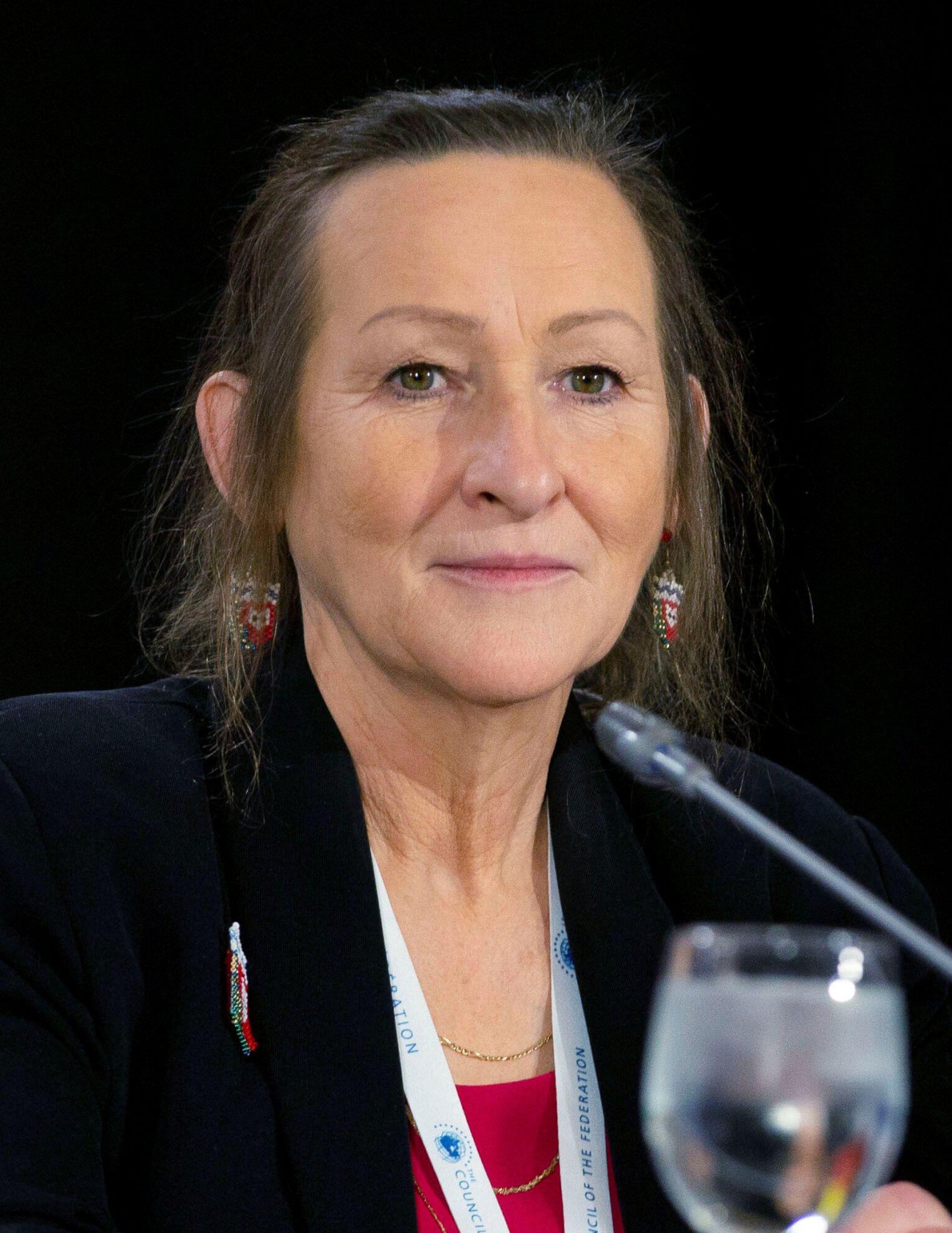
“I’m Métis, which is one of the indigenous groups,” she says. “When I first read about the findings, it brought a lot of pain and a lot of anger. The anger is because we’ve known these stories for many years and it has taken until now to actually locate some of the children.”
The news, followed by the June discoveries of nearly 1,000 bodies at two former residential schools in Saskatchewan and BC, has caused a reckoning in Canada over the systemic discrimination of indigenous populations. Yet Cochrane believes that it must fall to Canada’s First Nations and other indigenous leaders to helm renewed reconciliation efforts. “It would be inappropriate for me to go ahead and just say, ‘This is what we’re going to do,’\” she says. “I will be standing beside them, whatever they want.”
That said, Cochrane, who is Canada’s only female premier, feels a responsibility to take charge in improving the lives of the indigenous people she serves. She spent the majority of her career as a social worker in the nwt, where 50 per cent of the population is indigenous. She was elected premier in October 2019. The nwt is among the smallest of Canada’s territorial and provincial economies and the pandemic certainly didn’t help matters. “But we realise that you can’t just build the economy without thinking of social issues at the same time,” says Cochrane. “So our plan is focused on an economic and social recovery combined, which I think is unique across Canada.”
She points to a long-running campaign to open the nwt’s first polytechnic university, which would go some way to addressing the economic, educational and social barriers that many indigenous populations face. “People make good decisions in their lives if they have their basic needs fulfilled and if they feel good about who they are,” says Cochrane. “I have focused my whole career on teaching my social-work students to make people feel good. Economic recovery has to be about giving you confidence.”
Q&A
Adam Bodnar
Former commissioner for human rights
Warsaw
Since he took office as Poland’s commissioner for human rights in 2015, Adam Bodnar has been a champion of democratic freedoms, from women’s rights to media independence. Not surprisingly, this made him unpopular with the ruling right-wing Law and Justice party. In April, the government-controlled constitutional tribunal determined that he be removed from office. Monocle caught up with Bodnar to ask him about the current state of civil rights in Poland.
What does the tribunal’s decision say about democracy in Poland?
The constitutional tribunal has ceased to be independent. It’s dismantling the rule of law in Poland, moving the country from democracy to authoritarianism.
Protests to protect access to abortion have made headlines around the world. What is the current situation?
The ruling on abortion in October 2020 breached the law that has been in place since the 1990s. It has extended the ban on terminating a pregnancy to cases of severe foetal defects.
What were your key achievements as commissioner for human rights?
First, I was able to delay or hamper various processes; my voice helped to preserve the remnants of democracy in Poland. Second, I strengthened many non-governmental organisations. Over these past few years, Polish citizens have learned to better protect their rights. I helped to show them that those rights are worth fighting for.
Left standing
Politics
Latin America

The Pink Tide, in which a number of left-wing Latin American leaders took power in the 2000s, seems far from washed up. The pandemic exposed the flaws of hands-off governance and polling figures for the likes of Brazil’s Jair Bolsonaro plunged, while left-leaning leaders are making waves. We look at some of the freshest faces.
Peru: Pedro Castillo narrowly won Peru’s presidency in June. Though a big moment for the historically centre-right nation, this self-proclaimed Marxist will need to find the middle ground for a successful first term.
Bolivia: Socialist Luis Arce knocked a right-wing interim government from its perch in 2020. But with Bolivia facing an economic crunch due to the pandemic, Arce is under pressure to fix the crisis.
Chile: A left-leaning coalition was elected in May to rewrite Chile’s constitution, which dates from its 1980s dictatorship. Left-wing candidate Gabriel Boric is galvanising support ahead of November’s presidential election.
Images: Alamy, Biuro Rzecznika Praw Obywatelskich (Office of the Commissioner for Human Rights)
Inside Domaine de Primard, the Normandy estate turned hotel near Giverny
A château set amid rose bushes and fruit trees, Domaine de Primard feels like a garden with hotel rooms, rather than the other way around. Since June 2021, the 40-hectare estate outside the Normandy town of Guainville, 30km from Claude Monet’s gardens at Giverny, has been welcoming guests to its riverside setting with more than a hint of an impressionist painting.
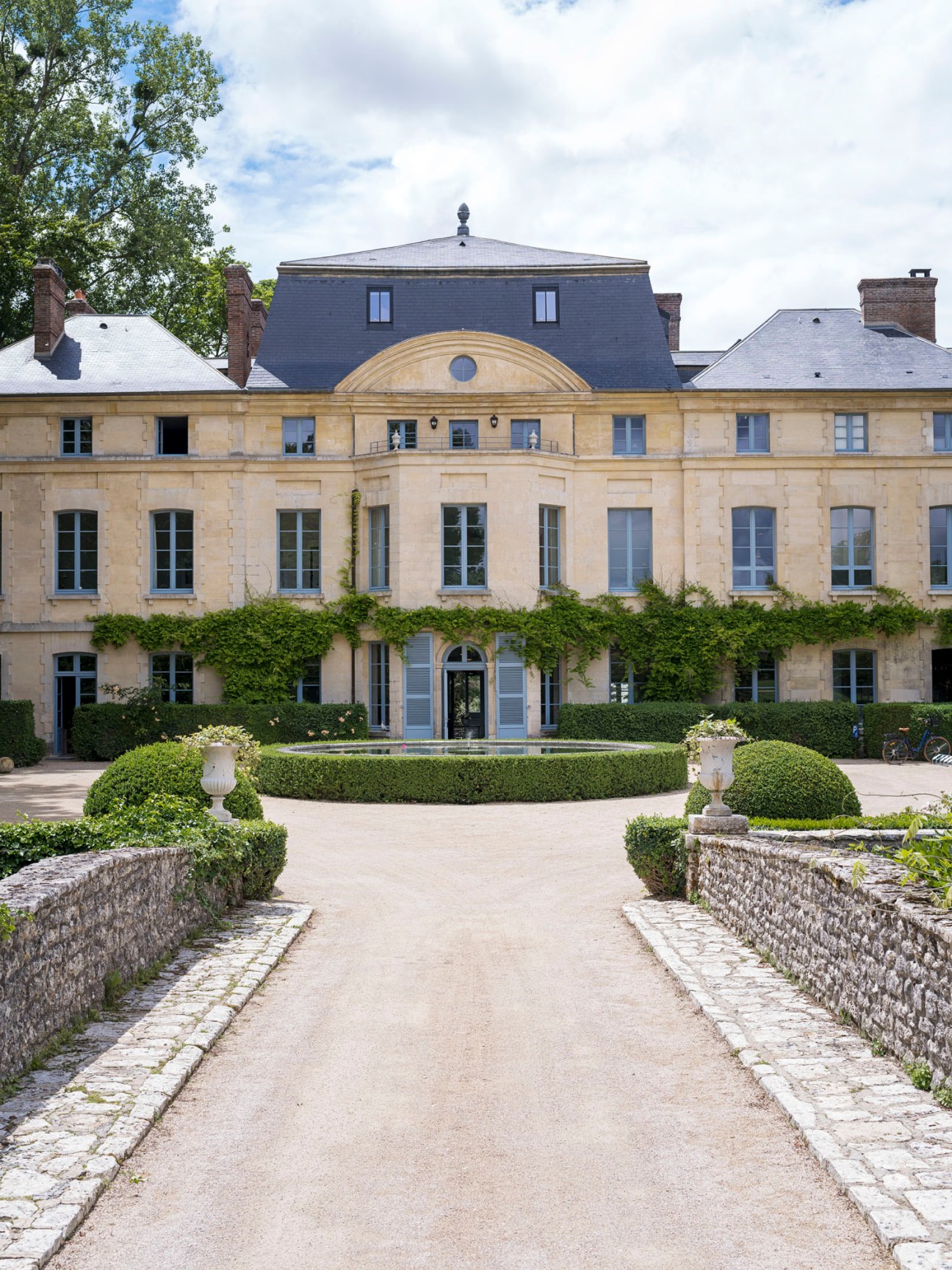
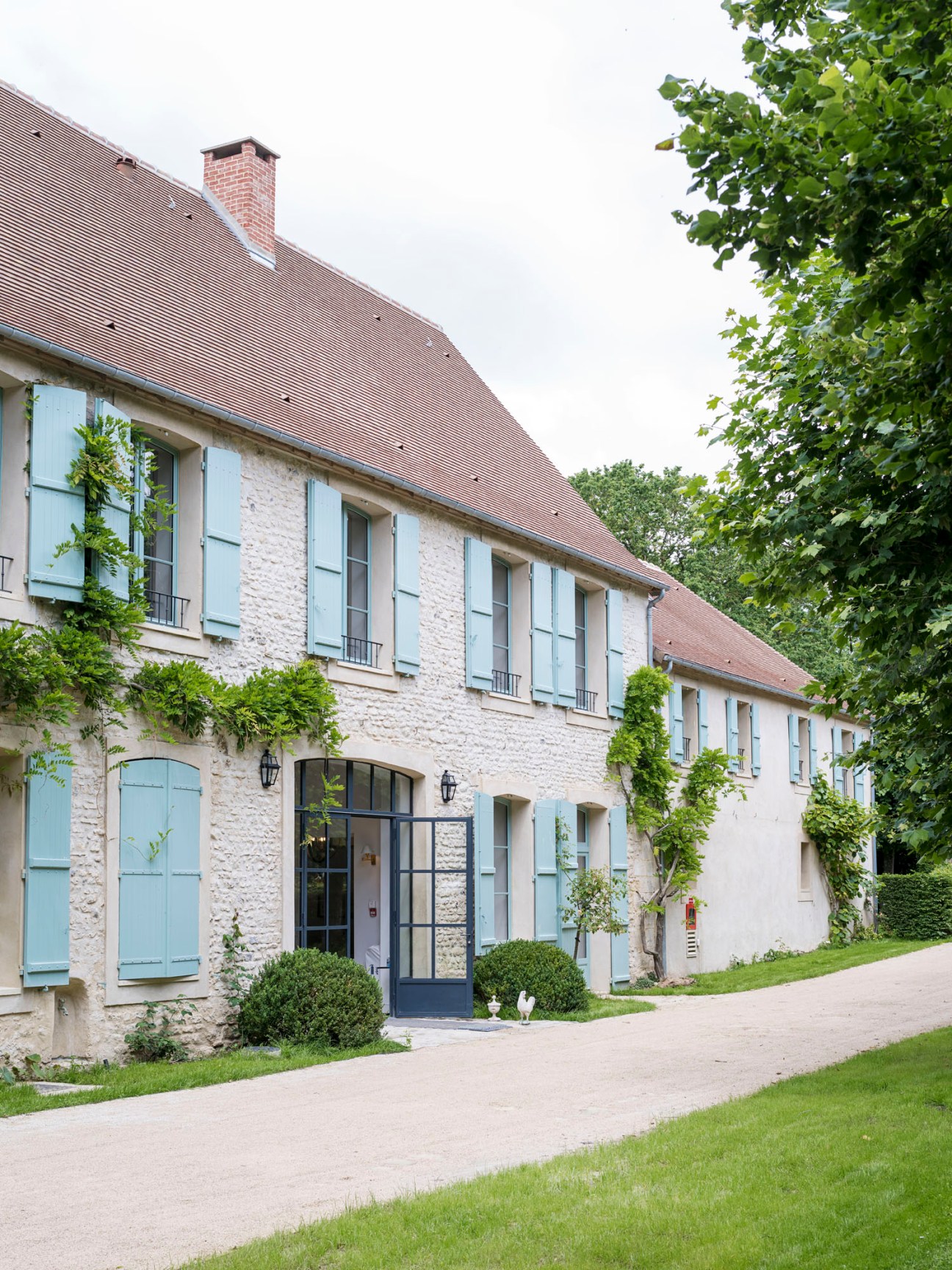
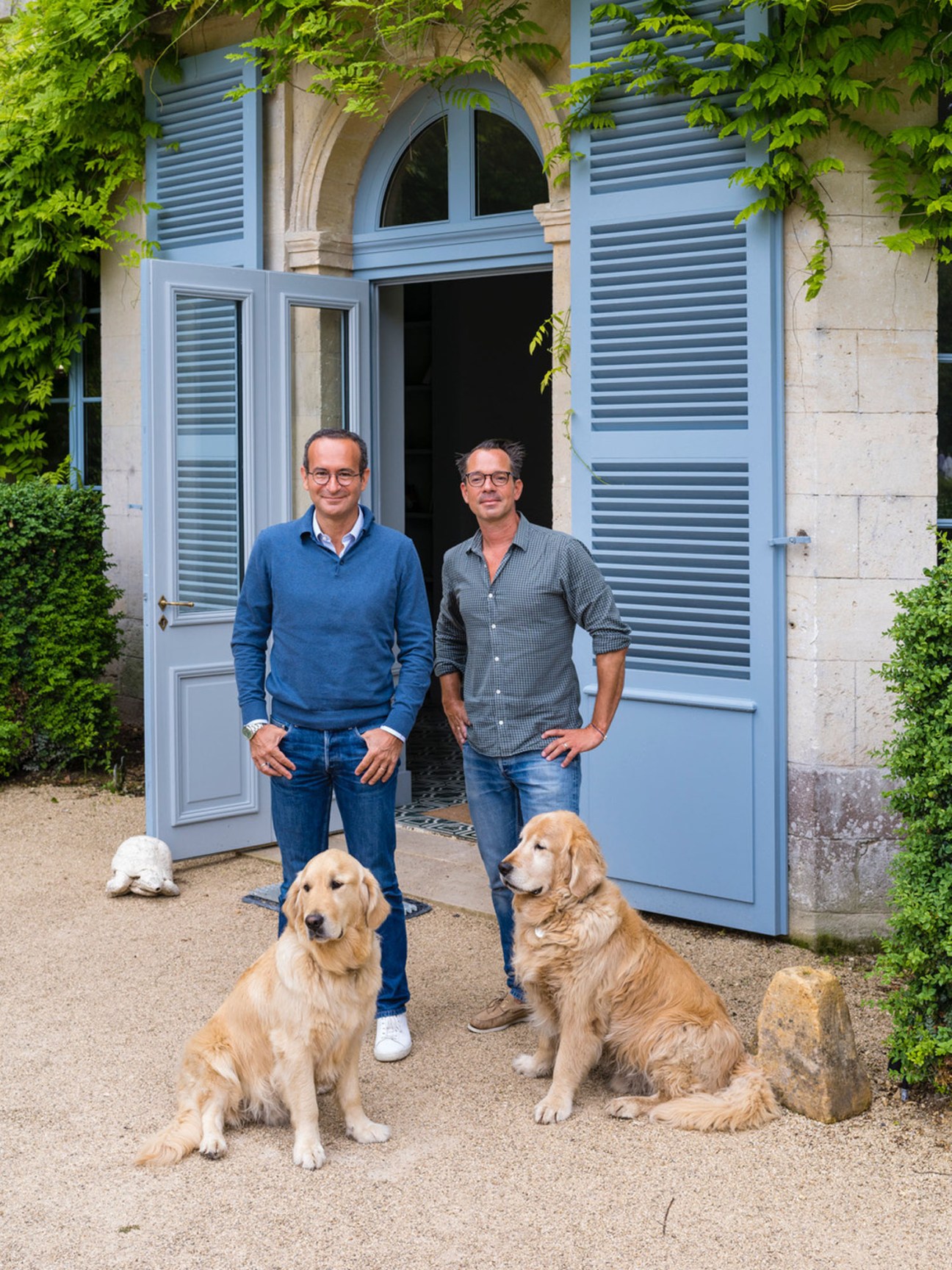
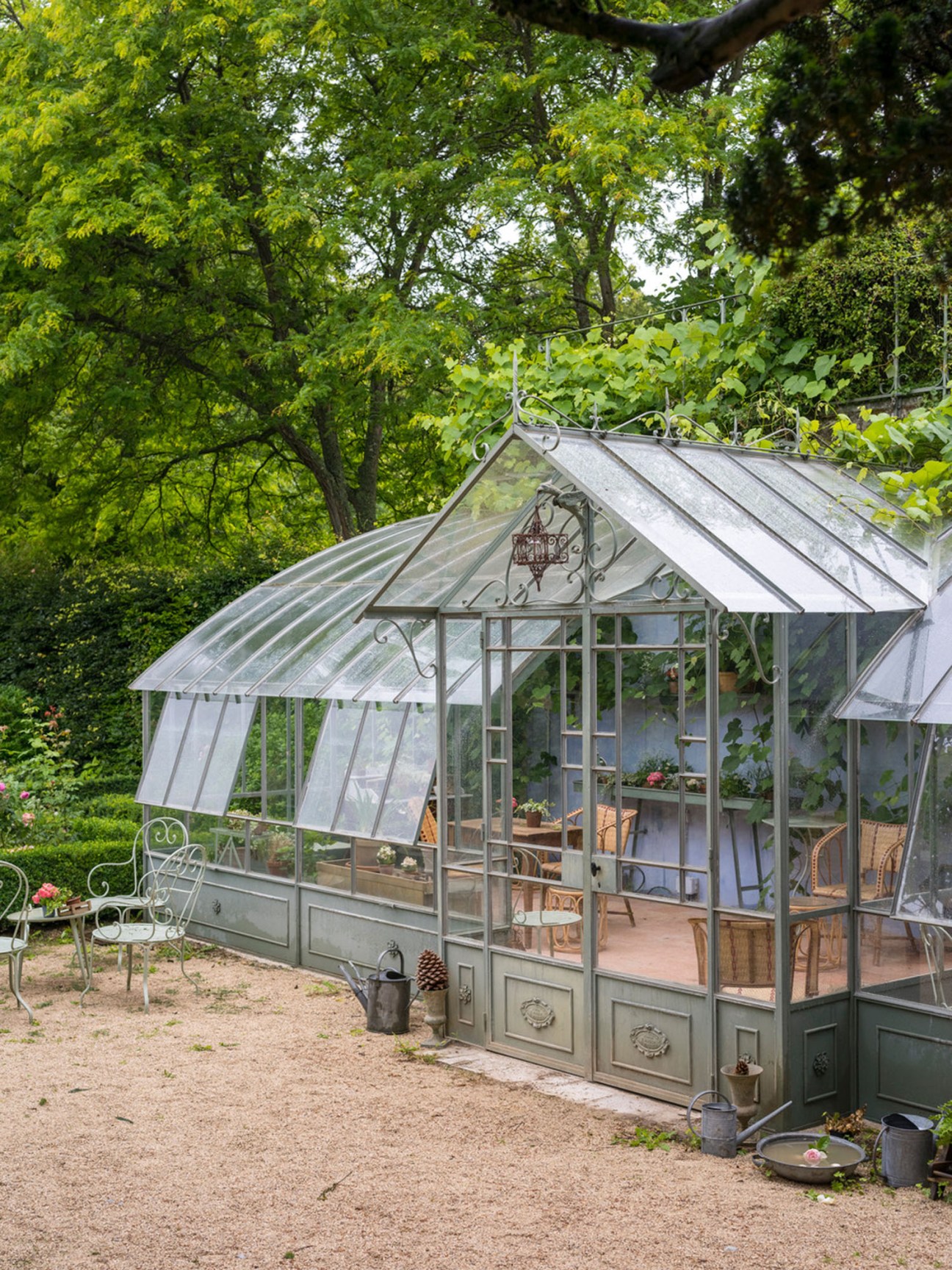
“We fell in love with the romanticism of the place,” says owner Frédéric Biousse, as he shows Monocle around the grounds, which were designed by Belgian landscape architect Jacques Wirtz in the 1980s. We pass cloud-shaped hedges, lily ponds and an ivy-covered conservatory. “We thought about keeping Primard for us to live in with our dogs but we felt it was too big, so we decided to open it up to guests instead,” he says. Biousse, a former fashion CEO, and his art gallerist partner, Guillaume Foucher, are by no means newcomers to the hospitality industry. Domaine de Primard is their seventh establishment, joining a portfolio of properties in Menorca, the west coast of France and Provence, where their first hotel, Domaine de Fontenille, opened in 2016.
In a world of identikit hotel chains, the duo makes a refreshing change: rather than hoteliers, they see themselves as preservers of buildings and the heritage around them. They visited 40 houses near Paris, from castles to humble barns, until they found a dream home in Primard in 2018. “There was nothing pretentious about it,” says Foucher. “Primard is first and foremost a garden with orchards and hundreds of rose varieties: it was out of the question to remove it from this context.” That’s why many of the groundsmen predate the domaine’s life as a hotel. Head gardener Gérard Germaine, was originally employed by the estate’s previous owner, the actress Catherine Deneuve, with whom he would spend hours pruning the flowers and maintaining Wirtz’s original layout.
Best: Garden with rooms
What you missed: Staying in Catherine Deneuve’s former country estate, now a relaxing guest house.
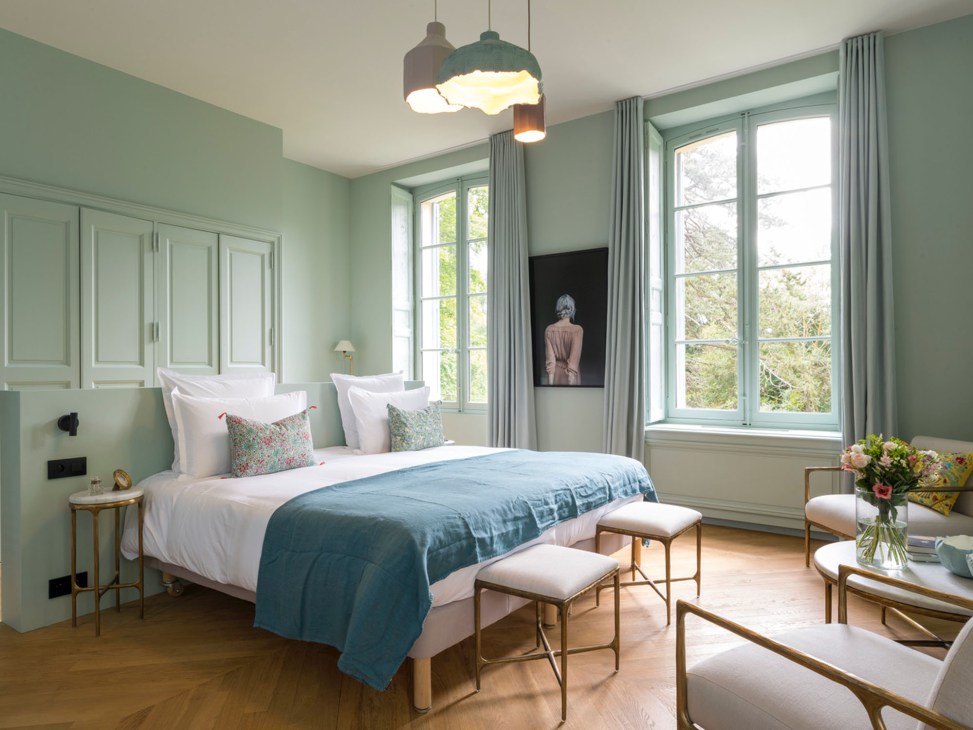
Primard’s garden was the inspiration for the hotel’s interiors, including the 40 guestrooms in soft pastel shades within the main 18th-century château and warmer, creamier colours in the two restored farmhouses. Rather than outsourcing the decor to a design firm, the couple worked with interior architect Beryl Le Lasseur, roaming the region’s brocantes to find anything from Gien china to vintage botanical models. “Nothing here is calculated; we chose what we both like,” says Biousse as he sits on a rose-coloured Pierre Frey banquette in the floral-wallpapered boudoir. “In places it’s a bit kitsch but it all feels very natural.”
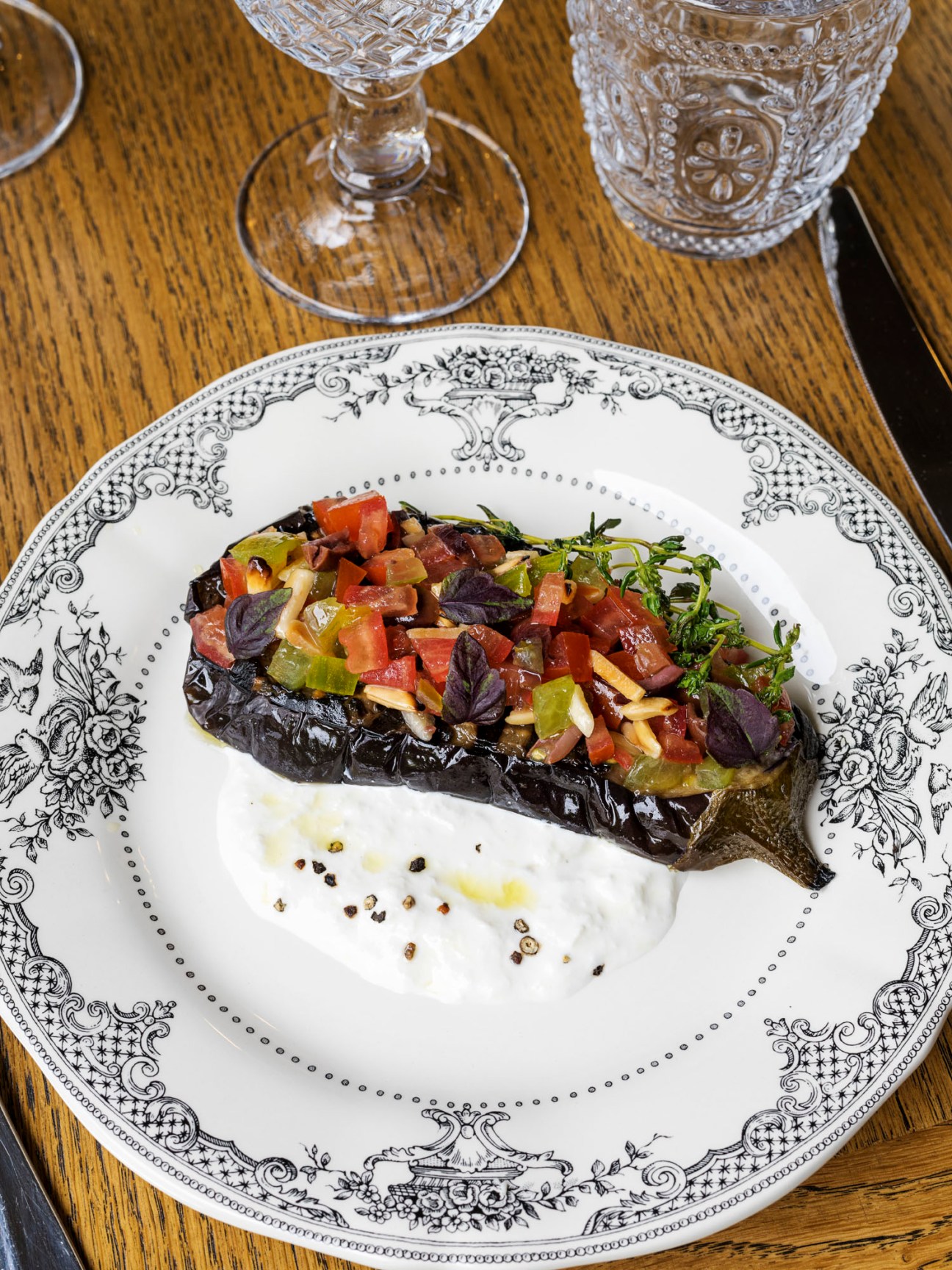
Natural is the best word to describe the atmosphere throughout, be it the Susanne Kaufmann spa where treatments are made using herbal ingredients or at the two restaurants, where seasonal ingredients are the order of the day. Although the menu has been overseen by three-Michelin-star chef Éric Fréchon, the food is down-to-earth and delicious. Unsurprisingly, the signature dish at the hotel’s fine-dining restaurant, Églantine, is not caviar or lobster but a humble bacon-stuffed onion – sprinkled with black truffle for good measure.
lesdomainesdefontenille.com
Flight plans
A new name in pleasure travel.
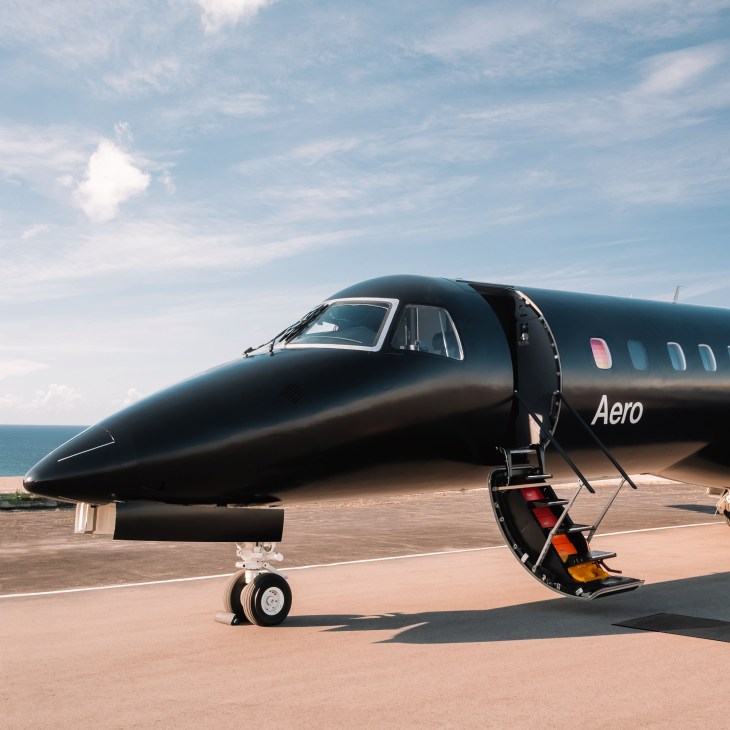
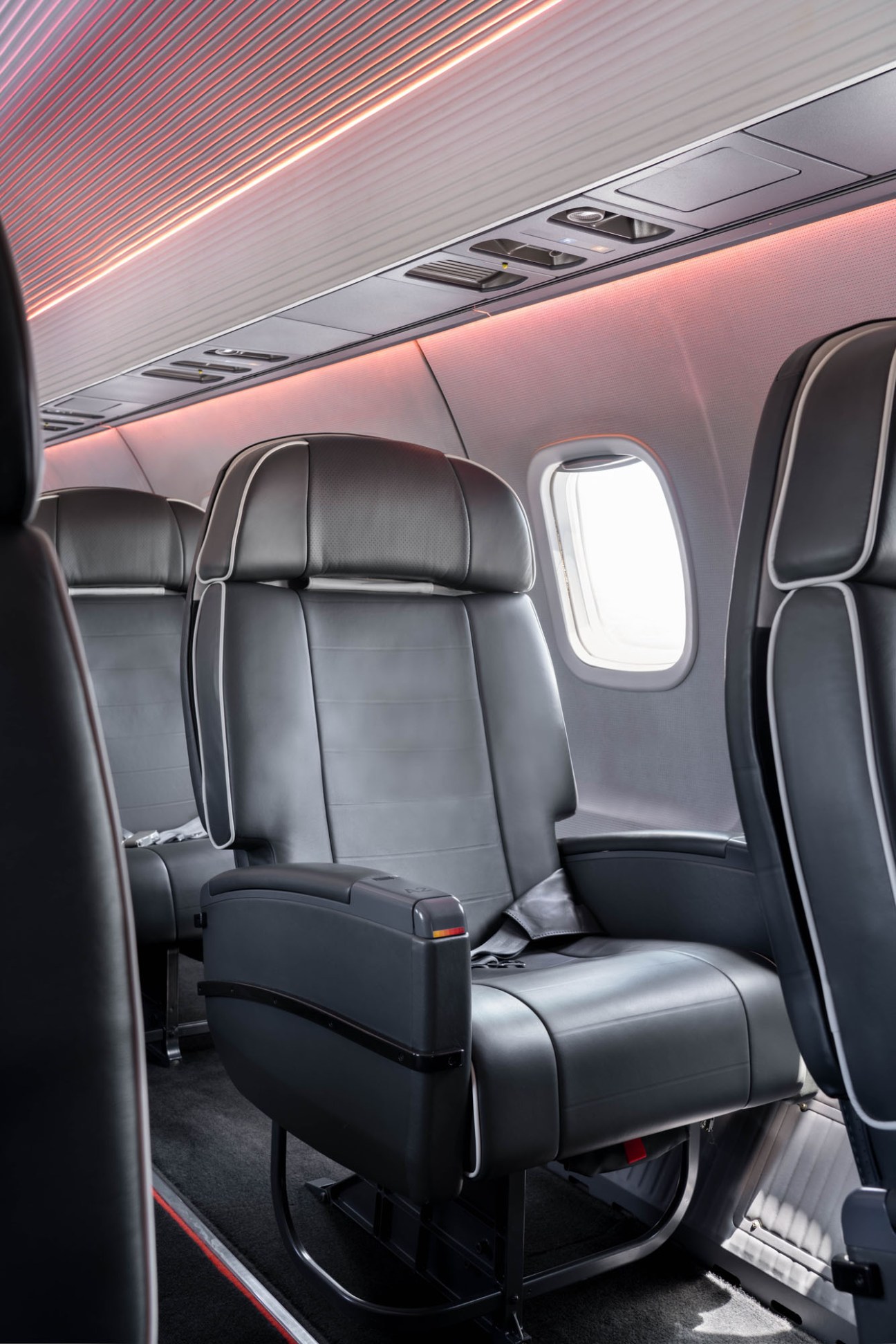
Aero is an under-the-radar new carrier offering a service that falls somewhere between a scheduled airline and private charter operation to a handful of cities in the Mediterranean and the western US. Its smart, black Embraer jets connect Mykonos, Ibiza, London and Nice, and shuttle travellers between Los Angeles and the likes of Sun Valley and Jackson Hole. The aircraft offer extra space onboard and direct aisle access for all – and passengers can bring pets along too. As with jsx, Aero uses private terminals so you can skip the crowds and security checks. The rest of the service is aimed at the premium end of the market, with even fewer seats onboard, more personalised service – and higher prices to match.
aero.com
Best: For short hops
What you missed: Flying in sleek surroundings with your pooch in tow.
Riverside revelation
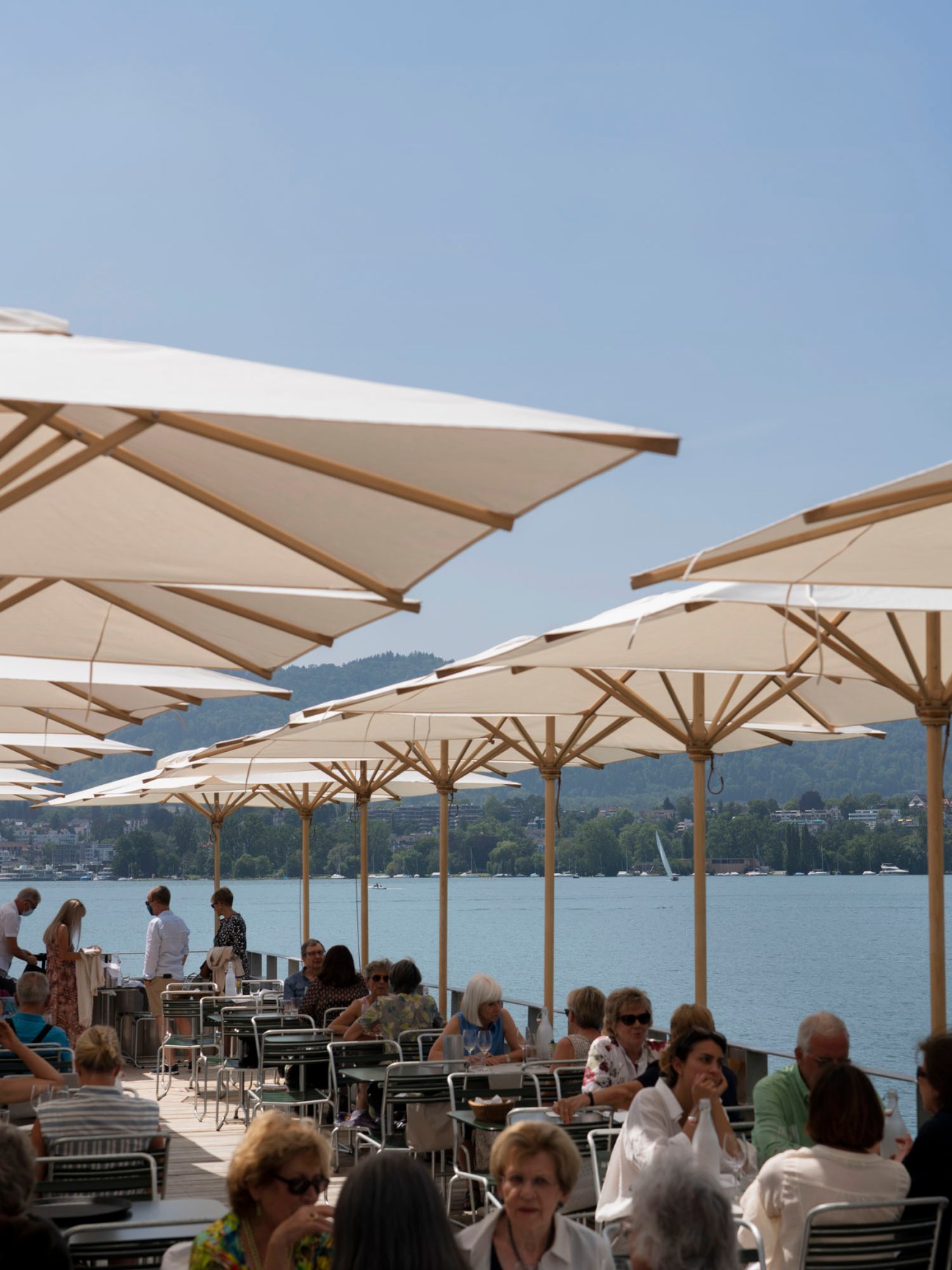
Right at the tip of the Zürichorn river delta, on Zürichsee’s eastern shore, is a new cluster of buildings that dip their architectural toes into the lake’s cool waters. But the vista will also look very familiar to locals, as the Fischerstube restaurant complex has been rebuilt entirely in the style of the 1939 structure that was here before.
Originally erected for an architecture exhibition, this clutch of pavilions were such a hit that they stayed. Over the years, however, the piers they sit on began to rot and the structures fell into gradual disrepair. The restoration fell to Bern-based architect Patrick Thurston, who turned the tides and reinstated the spaces by drawing on the vernacular of mountain villages, local materials and a very Swiss attention to detail. There’s also a Japanese note to proceedings in the slatted panelling and sliding doors.
Nicolas von Graffenried is the affable CEO of Commercio Arthouse Group and is the man in charge of the new venture. He rents the space from the city of Zürich and is on-hand on a sunny afternoon to show us around. “Welcome to our village,” he says, gesturing towards the lake and a huddle of buildings with high-pitched thatched roofs. He shows us first to Fischerstube, the striking main restaurant space and through a leafy garden. We start our tour right at the top of the Zürichorn and make our way down towards the city. The first building we stop to admire is a concrete kiosk topped with and undulating wooden roof that seems to mirror the shimmering lake beyond it. Next to the kiosk is the Fischerhütte, a smaller, 24-cover dining room with a private terrace that’s available for hire. From there, we have the best view to the striking main restaurant, the Fischerstube. The larger of the two huts is directly connected to the Seeterrasse, the last stop of our tour. This platform above the lake is packed with people enjoying a late lunch.
Best: Ground-up revamp
What you missed: The trill and hum of socialising in the sun. Here’s where to do it
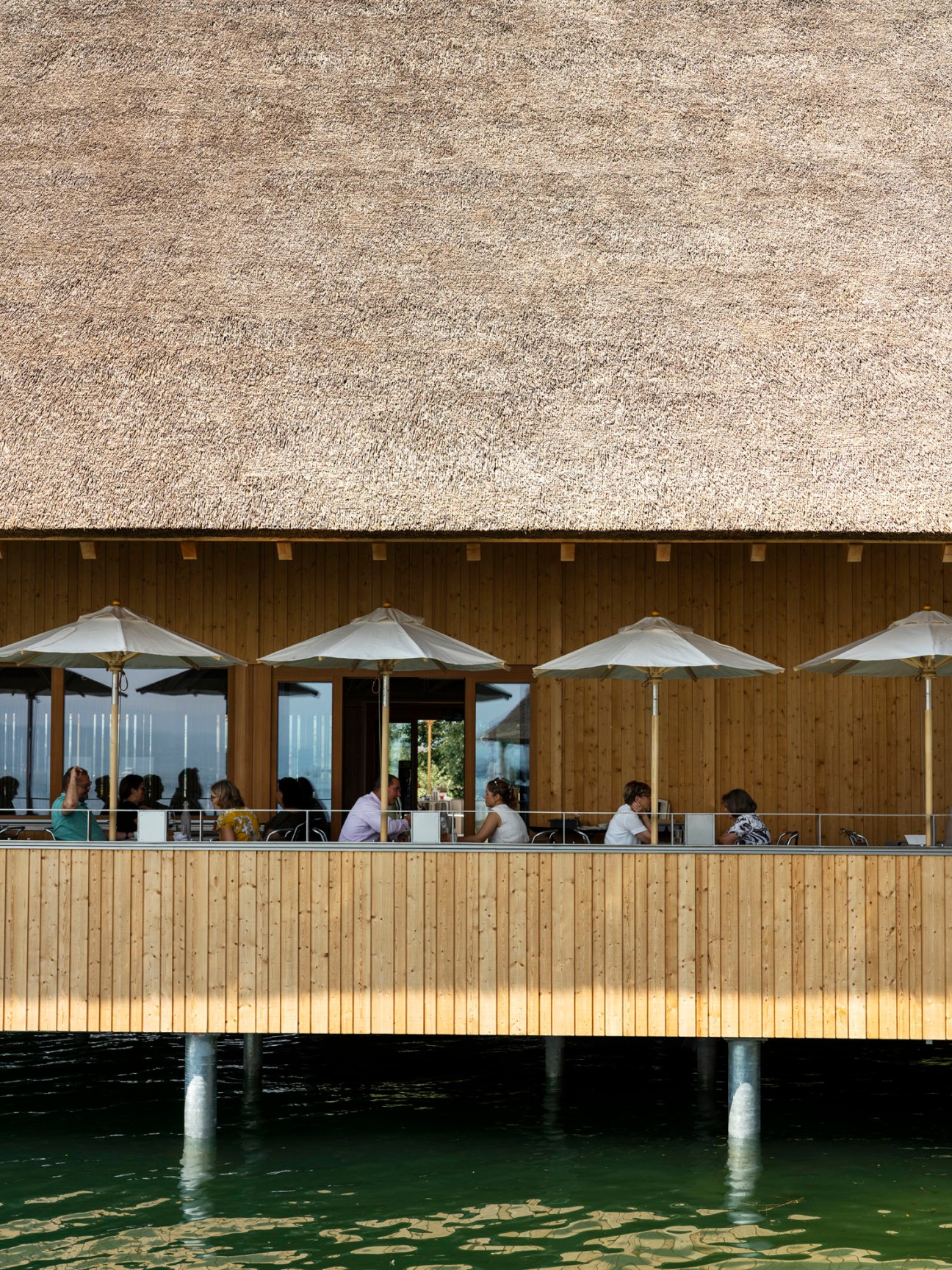
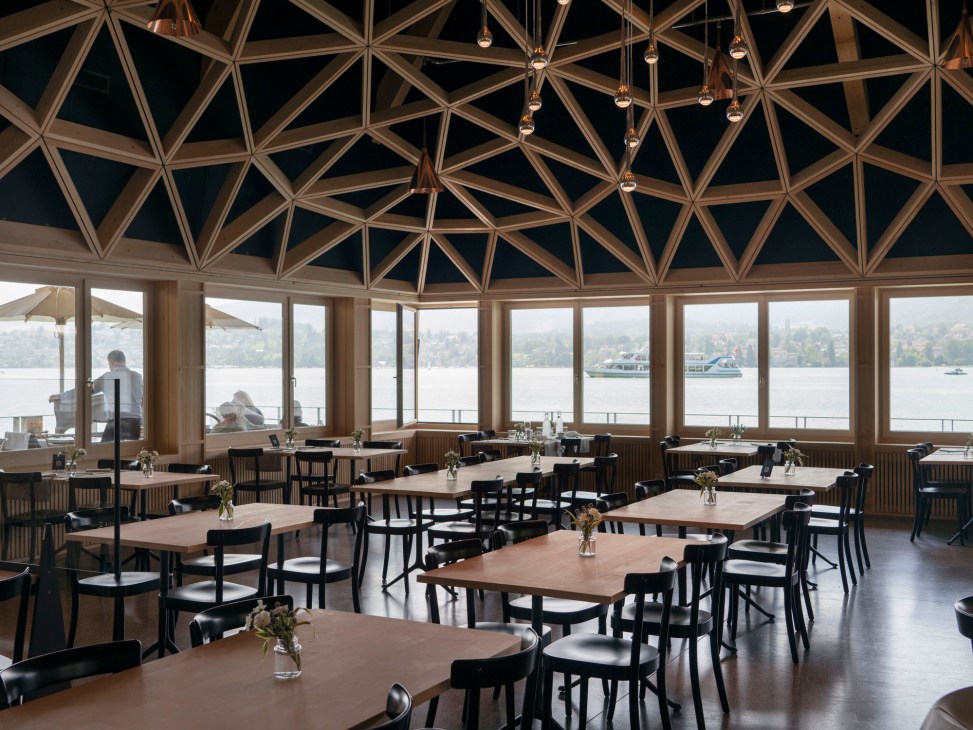
The Fischerstube restaurant has 88 covers indoors, under the shady fringe of the thick thatched roof, and a further 133 on the Seeterrasse. From inside the main space you can see out across the lake but what strikes you first is the agreeable scent of spruce coming from the timbers. The ceiling is made entirely from wood, with more than 1,000 pieces arranged in tessellating triangles in such a way as to seem to hover above the wide windows. This sense of transparency seems to extend to the style of hosting too. On our tour, Von Graffenried stops frequently to natter to diners, offer trivia about the building, welcome back customers he has seen before and greet new ones with the warmth of a lifelong friend. He also stops to take a picture of a boat moored at the reinstated Fischersteg pier (“the first one,” he says with glee). He then shows us photos of a recent wedding reception at the Fischerhütte, pointing out the original wooden beams of the roof, which were salvaged from the 1930s original. At one point we even spot him clearing a table of its plates to make space for new arrivals; a hands-on CEO if ever we’ve seen one.
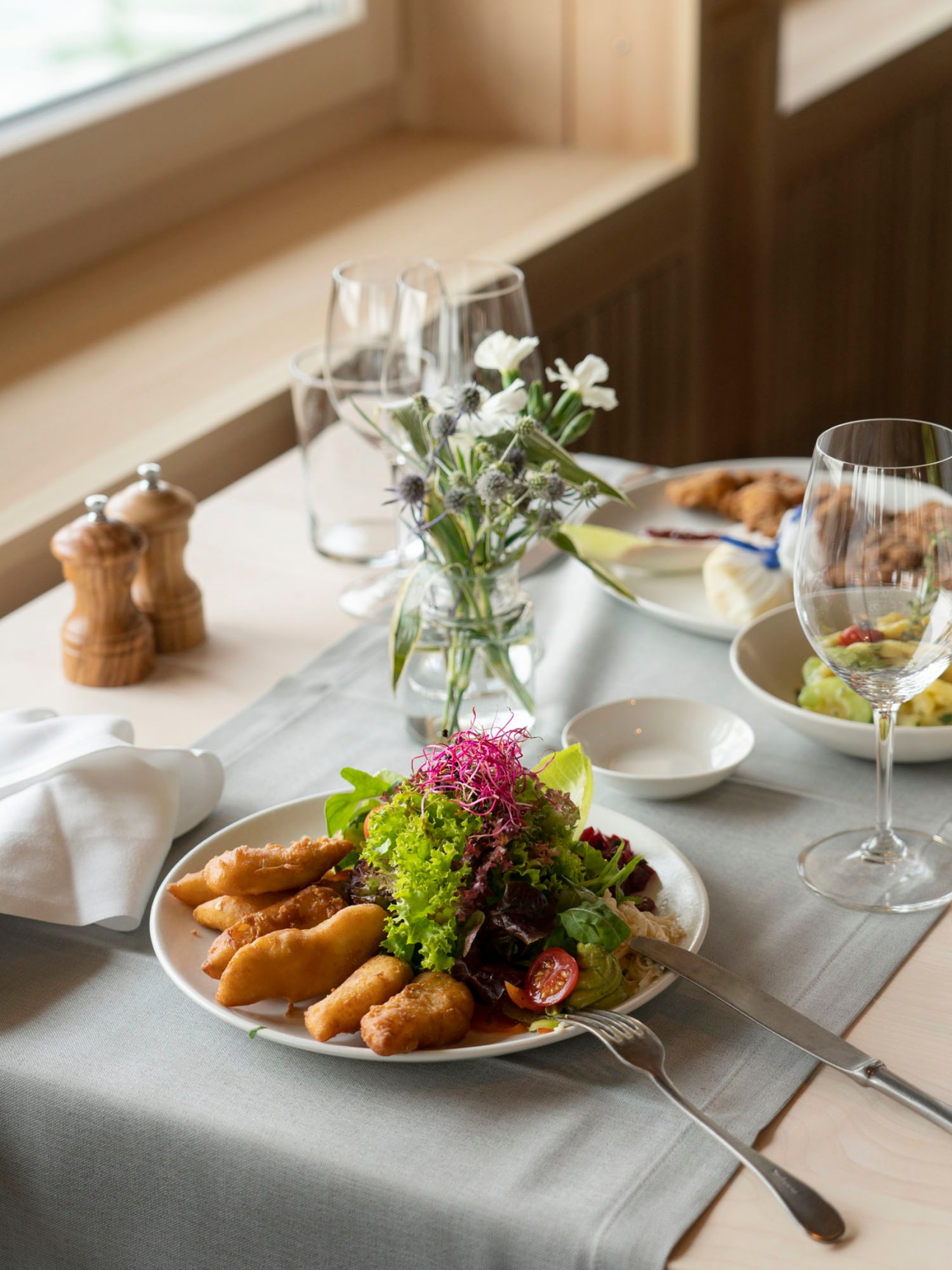
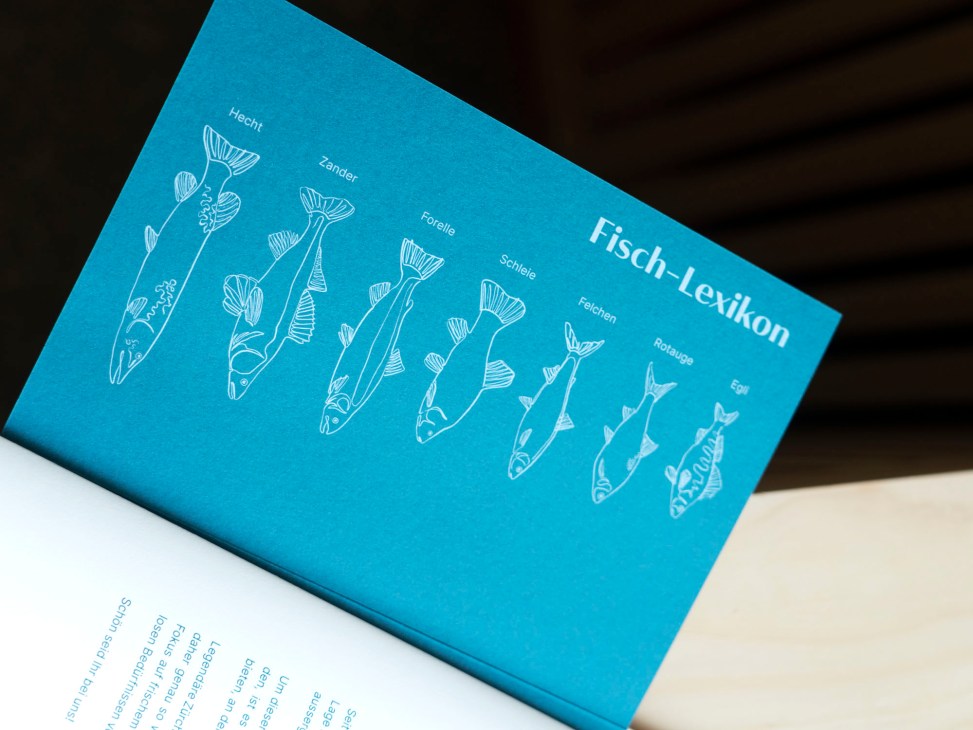
Sven Binnemann-Muhr is head chef of Fischerstube and we meet him at the pass as he’s applying the final touches to a house favourite Fischknusperli (fried and breaded fish fillets). He explains that the catch of the day is hauled in from Lake Zürich by a fisherman called Gerni and delivered early every morning. As the frenzy of lunch service lulls, Binnemann-Muhr outlines his kitchen’s priorities. “We want to offer inviting dishes,” he says. “Simple but good.” This translates to comforting classics including steak tartare, Wiener Schnitzel served with an endive canoe filled with cranberry compote and a dash of horseradish, and seared trout served with plenty of refreshing Swiss wine and beer. This said, it takes a lot to look past a dish described as “racy”, as is the case with the stroganoff of Argentinian beef with fregola Sarda and romanesco.
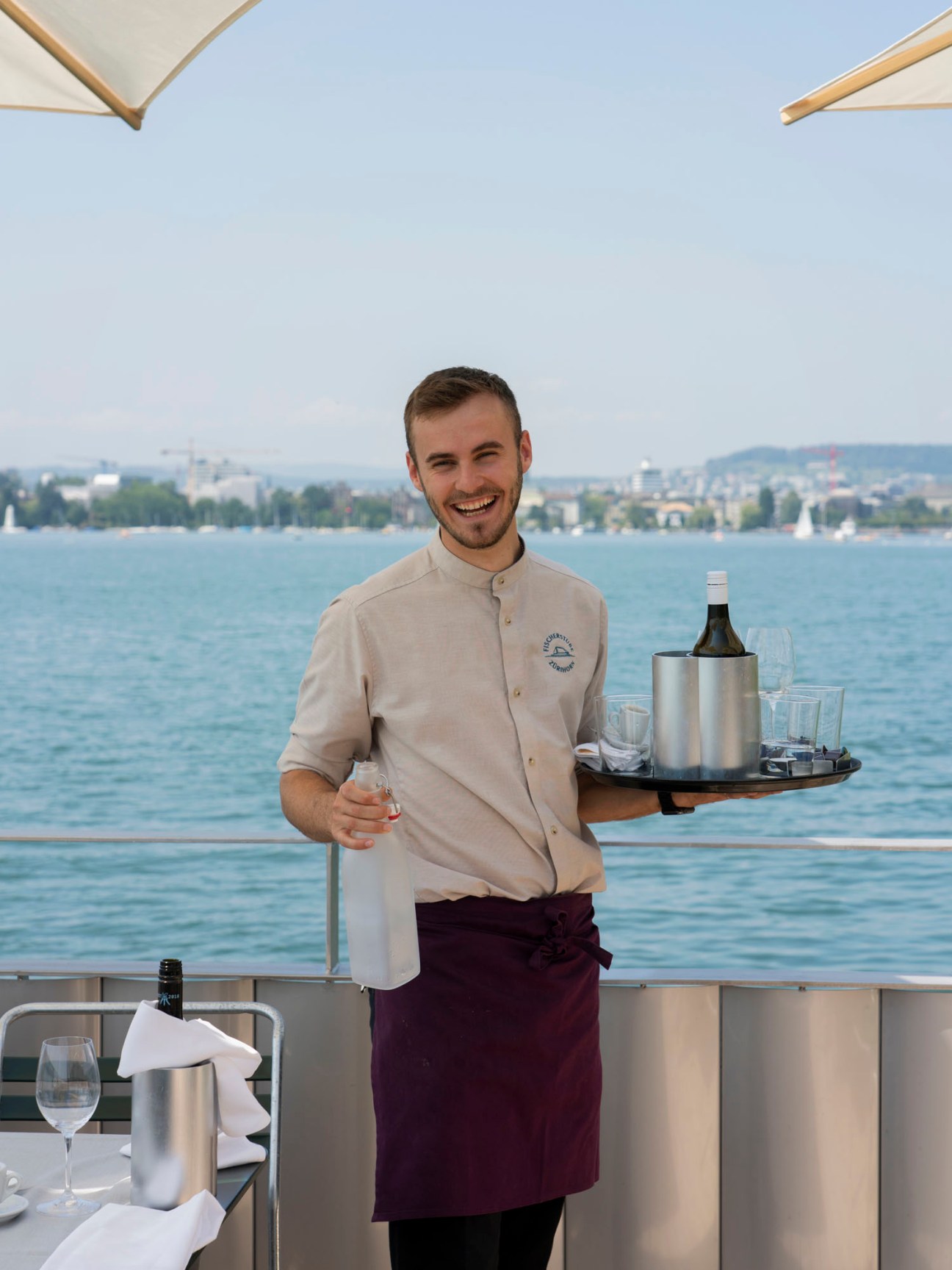
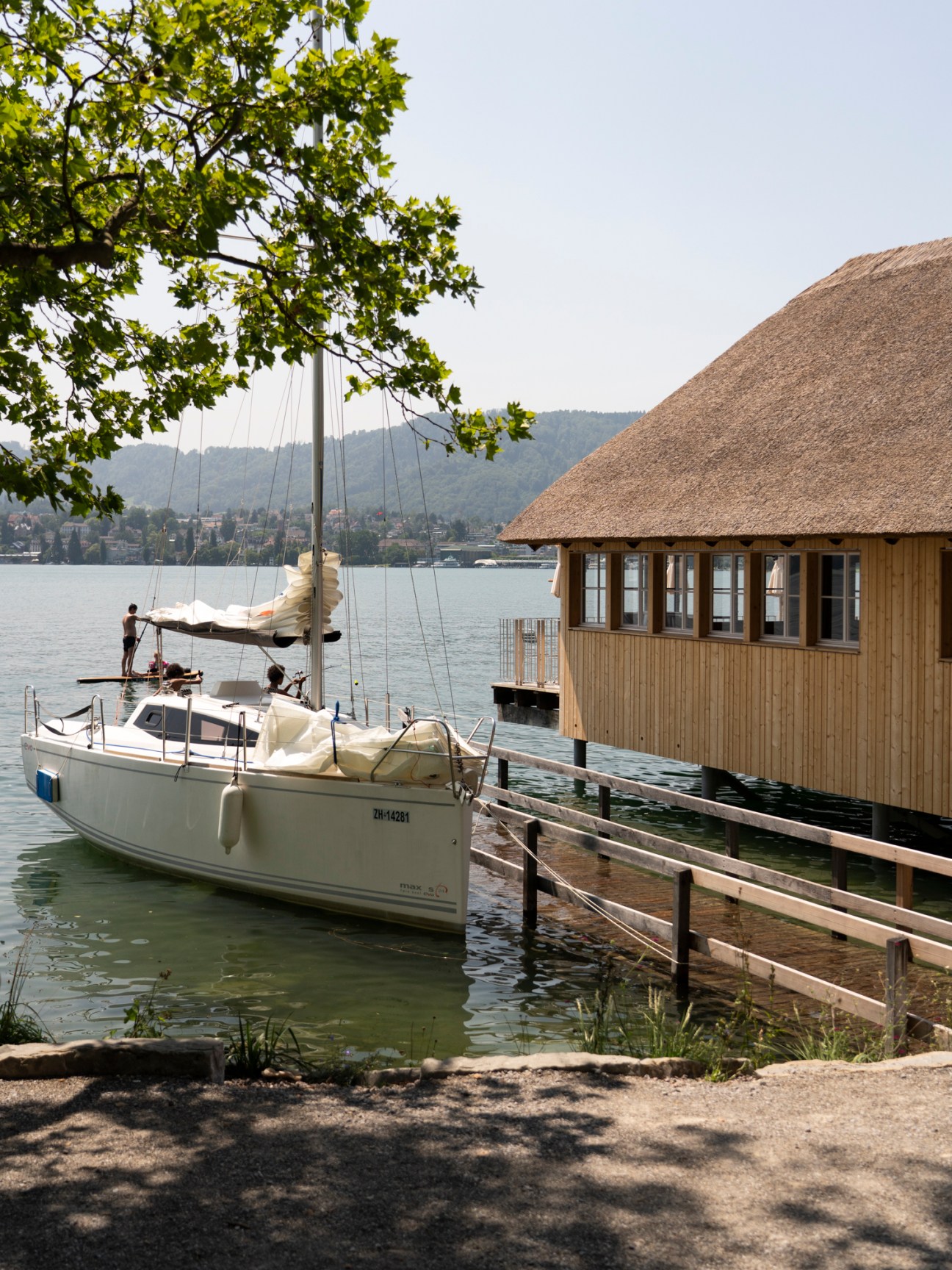
Despite the beauty of the buildings, the weather is too good for us to want to stay cooped up for long. Fortunately, most of the action, glass-clinking and fun happens on the sun-soaked Seeterrasse.
fischerstube-zuerich.ch
Raising the roof
Maison Bukana
Siargao, the philippines
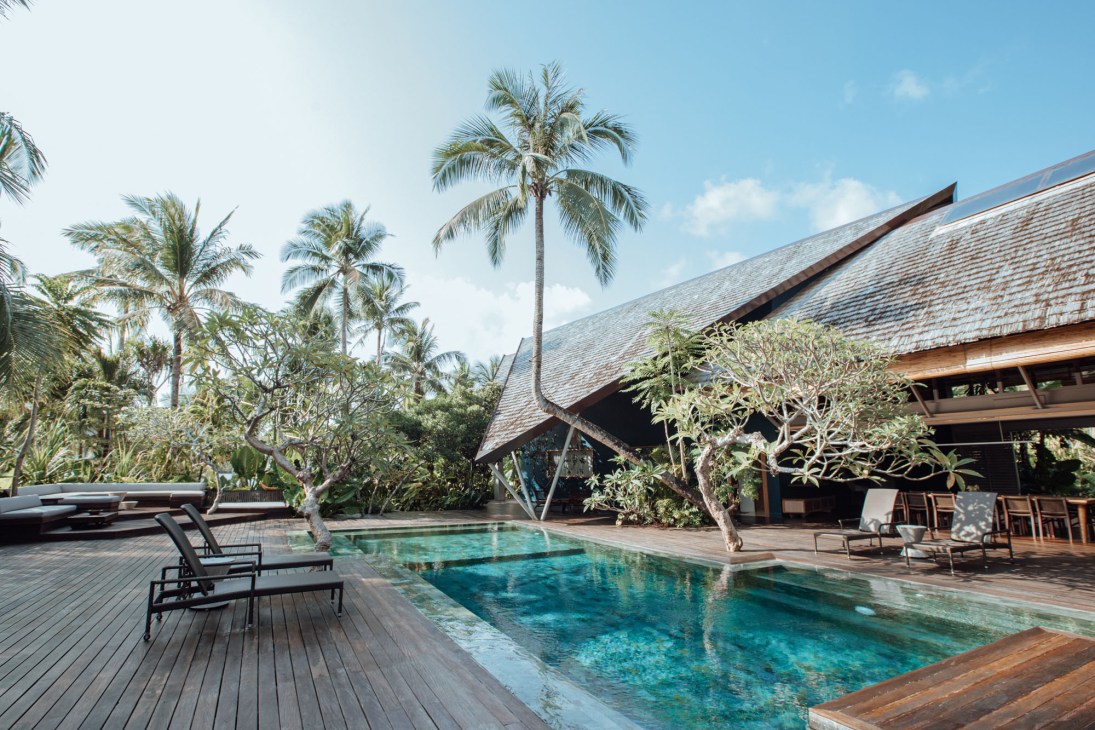
Tropical getaway and villa Maison Bukana, which opened in May on the Philippine island of Siargao, has four bedrooms and a swimming pool, and comes with a staff of 25. Here guests will find an opportunity to enjoy personal space and personalised service. “I can confidently say that we have taken the tourism industry in Siargao to the next level,” says founder Christophe Bariou.
The beachfront property is based in Malinao, a quieter stretch of the main town General Luna, a burgeoning hotspot. The land, which backs onto a mangrove river, has been in Bariou’s half-French, half-Filipino family since his father arrived in Siargao in the 1980s.
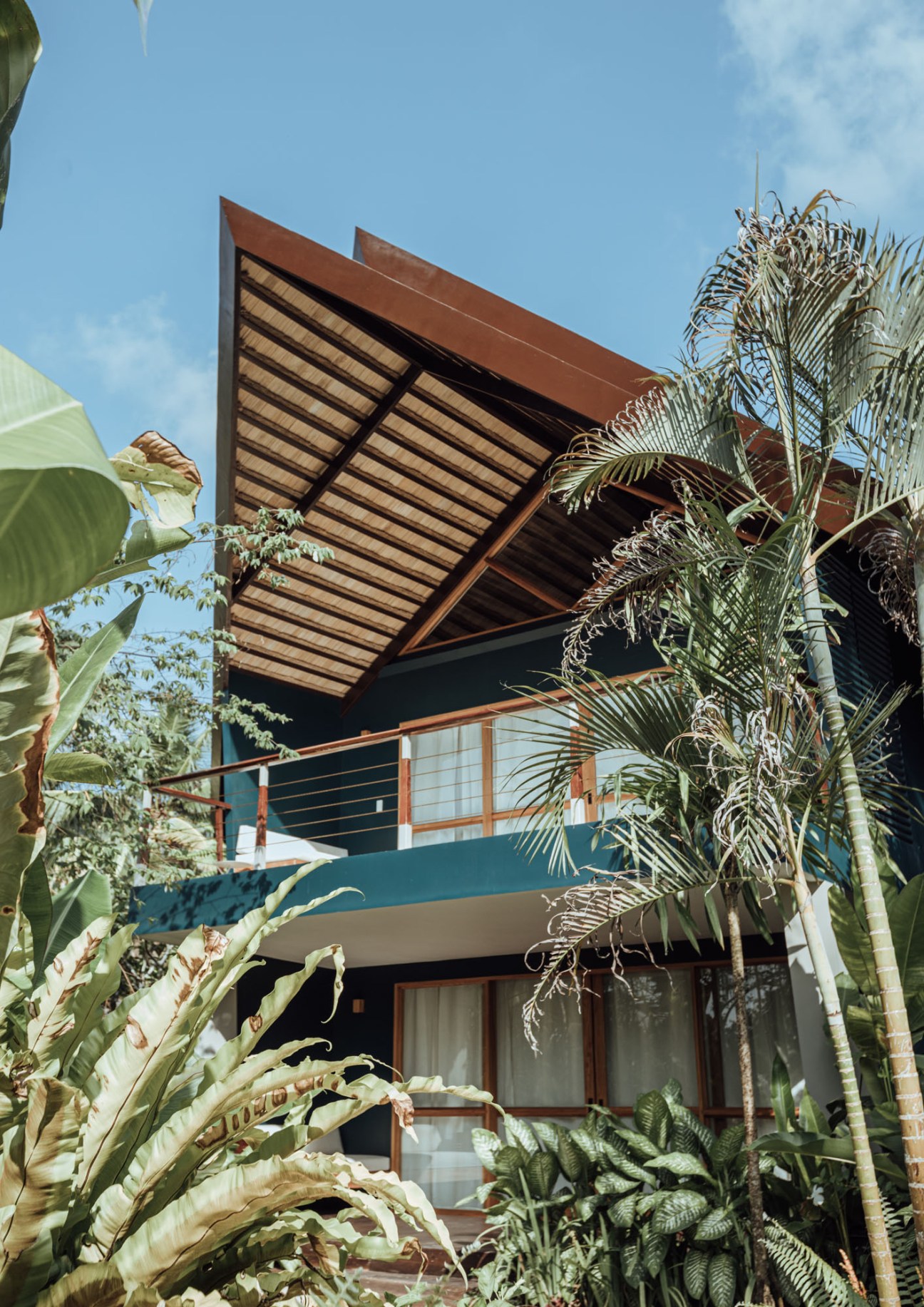
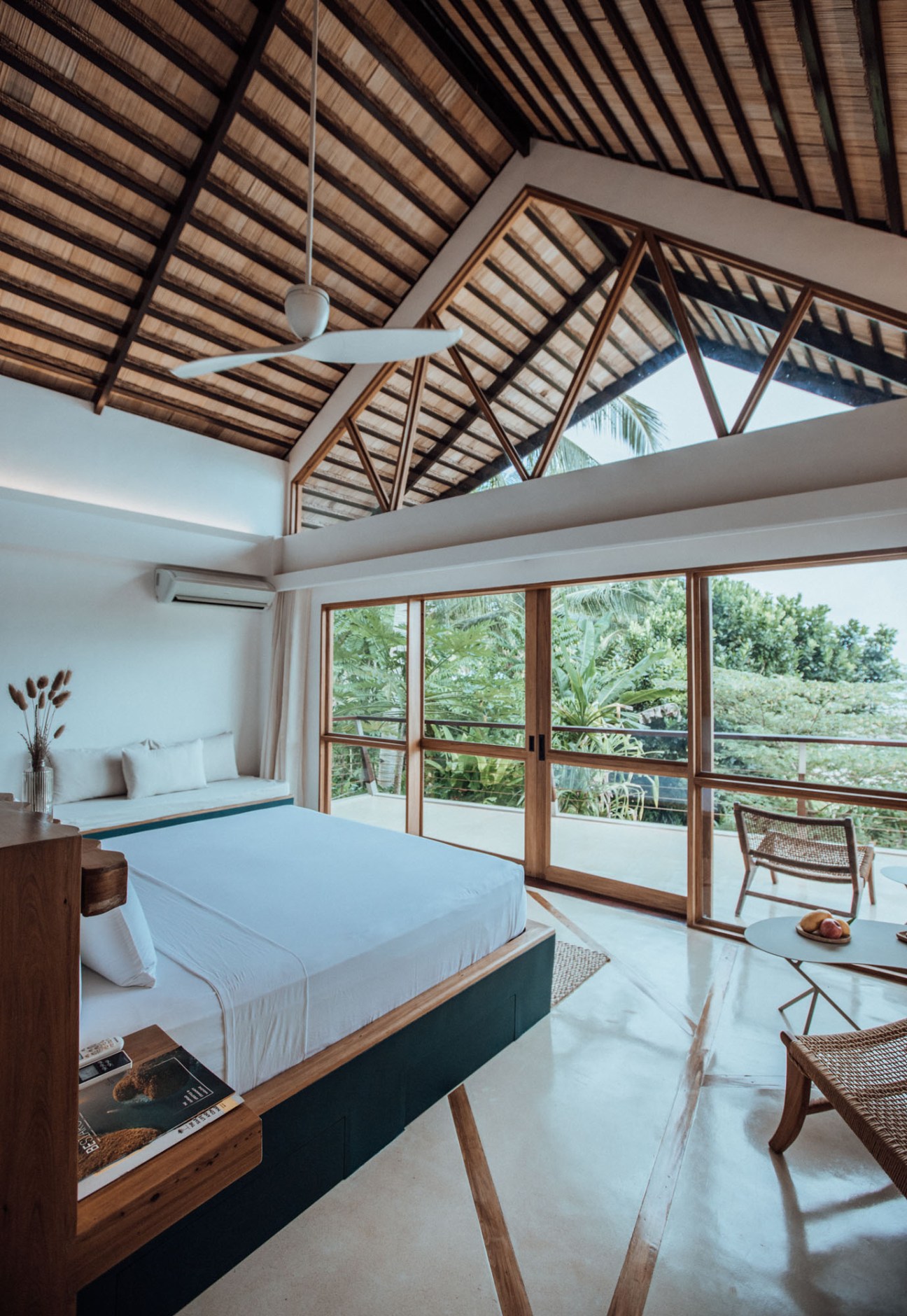
There are plenty of personal touches underneath the bamboo roof. A distinctive green hue with a duck-egg blue tint to it – Bariou’s favourite colour – runs through the property, from the walls to the website. “We are a house, not a hotel, so it made sense to have a strong identity,” he says. Bariou’s sister Stephanie created the furniture and soft furnishings, using Philippine materials such as Abacá fibre. Although travel restrictions brought hardships, it has also brought the hospitality industry together. The most important development, according to Bariou, has been the emergence of organic farms. Siargao used to rely on food shipped from the mainland, but now locally grown ingredients can be found on the tailored menu at Maison Bukana. “We learned to work with each other and try to be independent when it comes to food.”
maisonbukana.com
La Halle aux Grains
Paris
Opened at La Bourse de Commerce early in 2021, The Pinault Collection should be on everyone’s Paris itinerary this autumn. Japanese architect Tadao Ando has deftly transformed the building from an 18th-century grain exchange on the edge of the Châtelet les Halles neighbourhood into an exceptional centre of art.
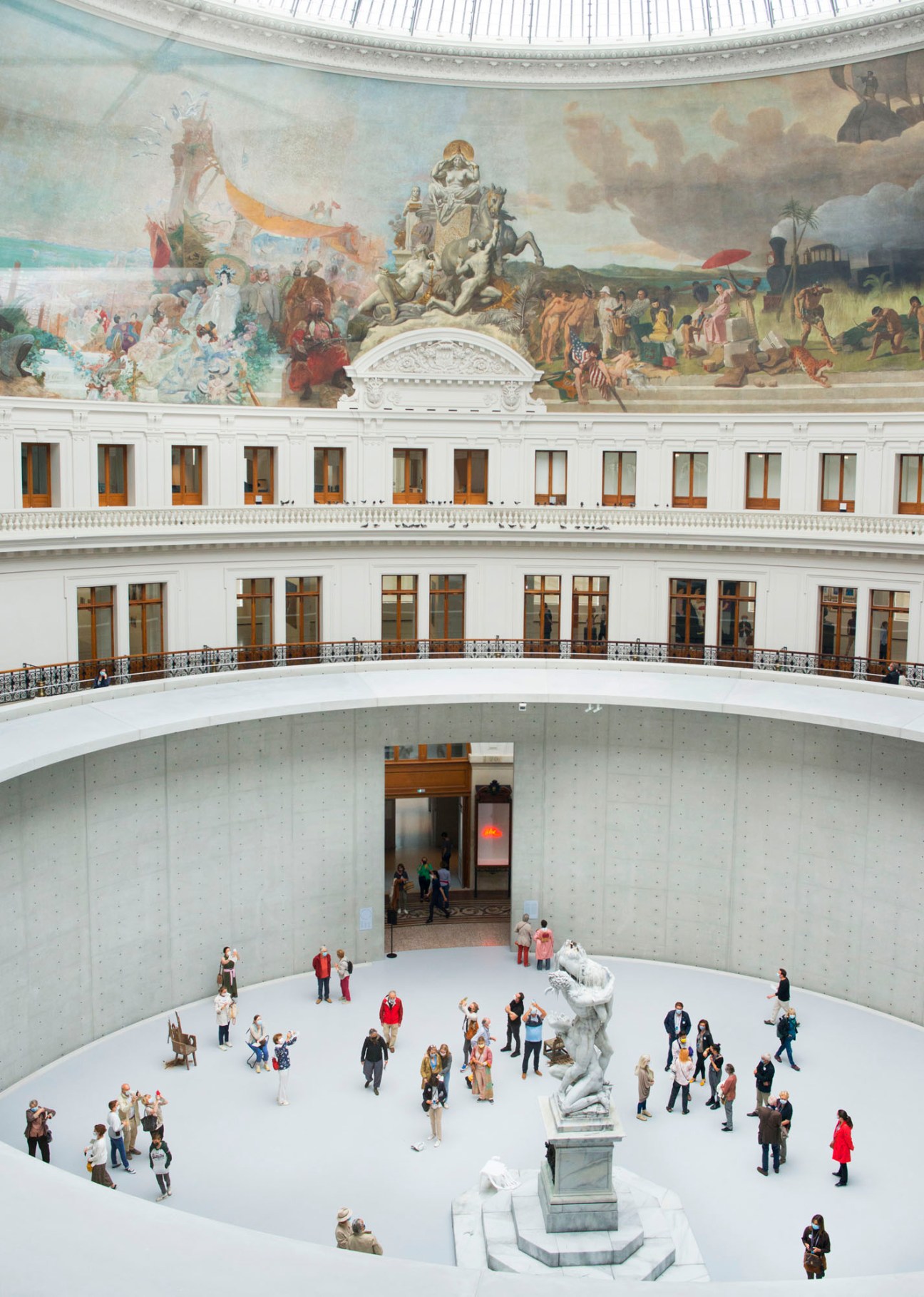
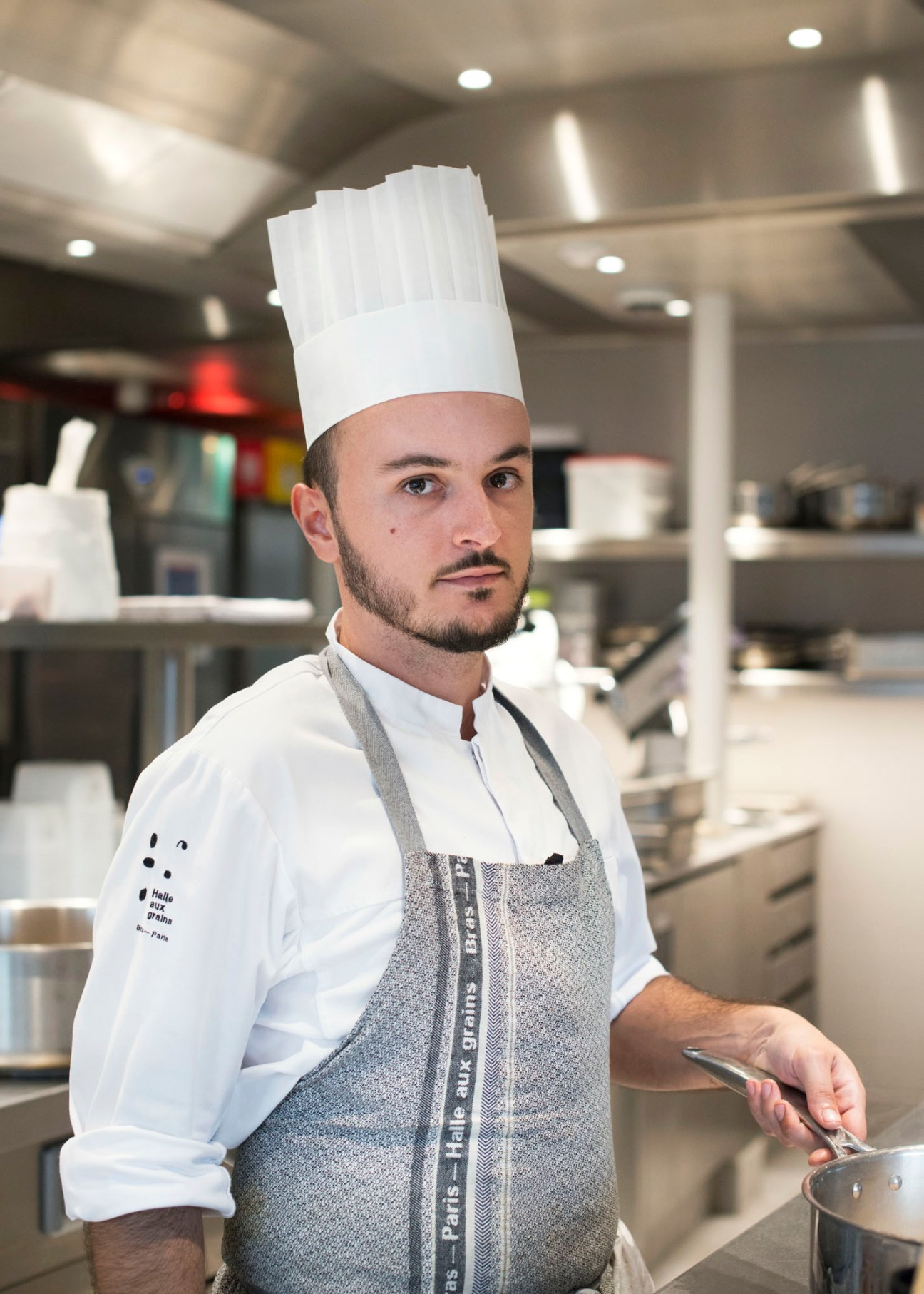
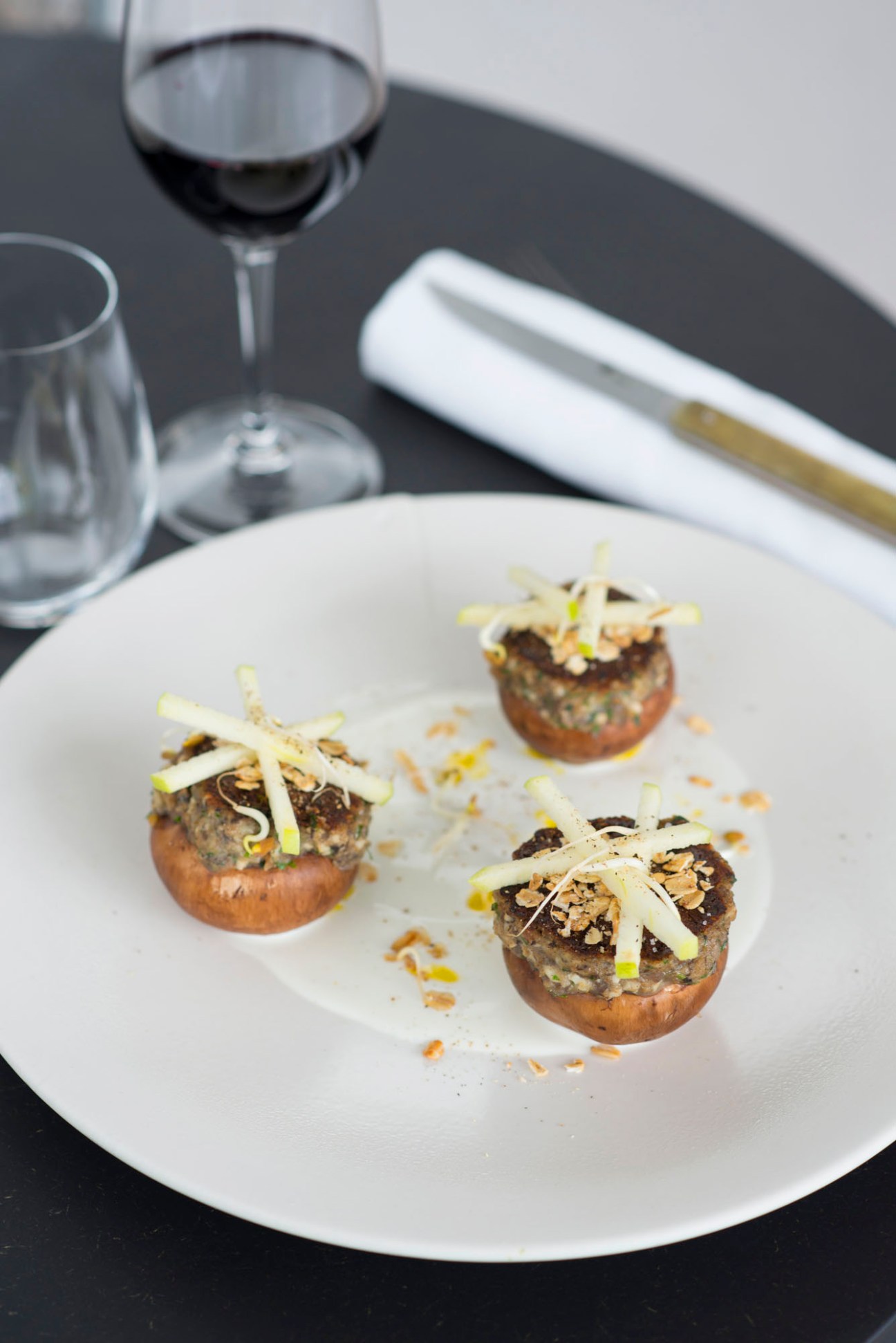
La Halle aux Grains, the museum’s upper-level café-restaurant, was conceived with the same attention to detail as the rest of the gallery, and with father-and-son chef team Michel and Sébastien Bras at the reins. Far from the high-end cooking that won them three Michelin stars at Le Suquet, their flagship restaurant in southern France, the concept at this rooftop space is about getting back to basics.
“We loved the idea of an essential cuisine using grains, seeds and shoots from every variety,” says Michel. “To open in this magical place, which was once the crossroads of the grain trade but is now in proximity to great architecture – how could we refuse?”
The dining room fittings are a nod to all-French design, with furnishings by Ronan and Erwan Bouroullec, dishware by Élise Fouin and jacquard weaves by textile firm Tissage Moutet. The staff uniforms by Tuffery, France’s last artisanal denim manufacturer, are inspired by the former granary’s workmen’s uniforms, affectionately harking back to the building’s original usage.
The space includes a skylight that runs the length of the dining room, as well as views of the Pompidou Centre. Seasonal, locally sourced dishes, such as Parisian mushrooms stuffed with black pepper, are simple and sophisticated and the afternoon tea menu includes a riff on the Bras-invented melted chocolate cake.
halleauxgrains.bras.fr
Flight plans 02
Breeze Airways is catching a tailwind and has eyes on global expansion.
Veteran airline boss David Neeleman has a new project that promises to be yet another of his disruptive start-ups. Breeze started flying between secondary cities in the southeastern US earlier this year. It promised simple, friendly service and a reliable operation, serving communities that have been increasingly ignored by the big hub-to-hub operations at the major airlines. And the best is yet to come, as the carrier will soon get long-range Airbus a220s and is looking to send them abroad, focusing on underserved cities in both western Europe and northern South America. Watch this space.

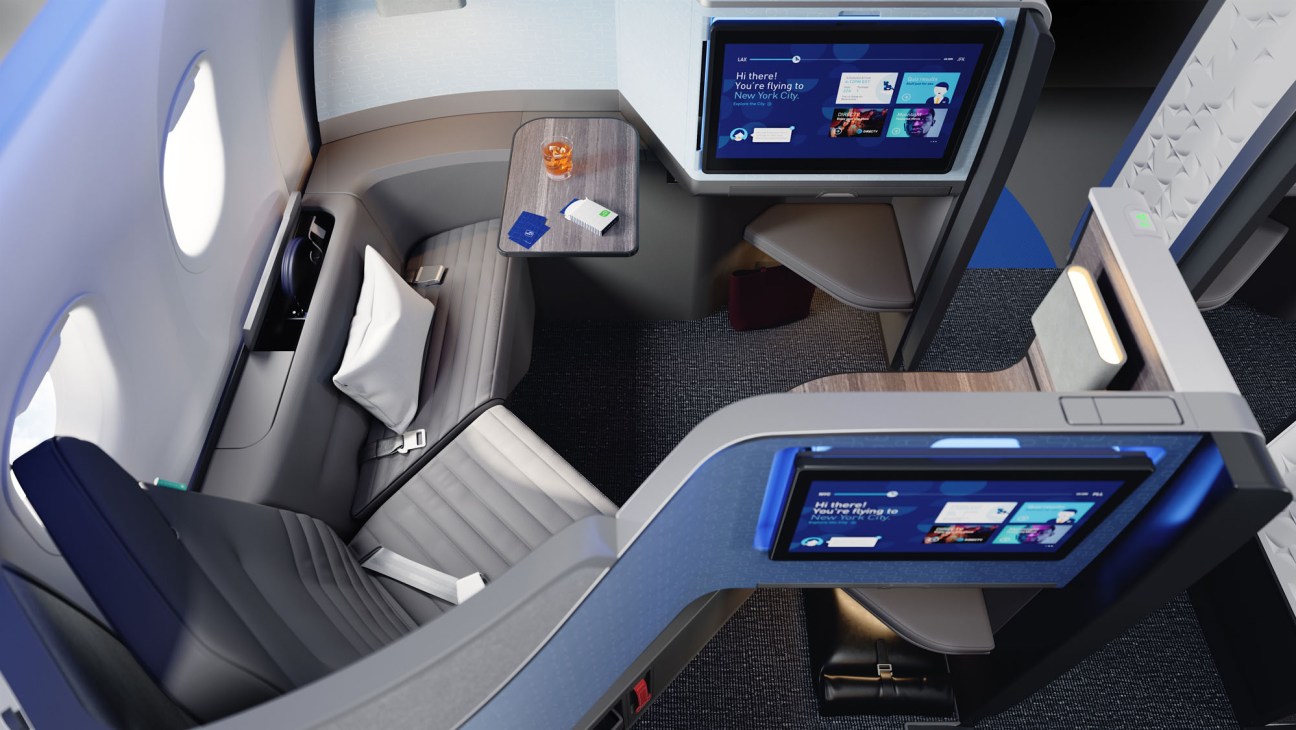
Jetblue responds to London’s calling with bigger Business Class seats.
Jetblue has long been seen as a decent alternative to the American majors for domestic hops but its network had been limited mostly to flights within a few hours of its homeland. Now the carrier has launched transatlantic flights between the US East Coast and London, in a major shot across the bow to incumbents including British Airways. That’s not only because of its famously friendly service. The new “Mint” Business Class seat – fitted on the carrier’s a321lr in a deluxe one-by-one configuration, with two extra roomy studio seats in row one available for a reasonable upcharge – might make this the most desirable option between New York and London.
Holiday express
Odoriko is a go-to train route for Japanese holidaymakers from Tokyo heading to the Pacific coast – often bound for the beaches of Izu and Shimoda. In March 2020, the route welcomed the new Saphir Odoriko, a fresh makeover of the old-style carriages. East Japan Railway Company (JR East) launched the Odoriko service, named after a 1926 novel Izu no Odoriko or The Dancing Girl of Izu by Yasunari Kawabata, in 1981.
Super View Odoriko joined the line in 1990 and, although the service was popular, it was time for a rethink. “We thought about comfort to design an express train that passengers can enjoy as a destination, not a simple means of transportation,” says Takahiro Kikuchi, director of the transport and rolling stock department at JR East. “Izu has real nature, hot springs and sea,” adds his colleague, Keisuke Nakamura. “We wanted our customers to enjoy the journey to get there.”
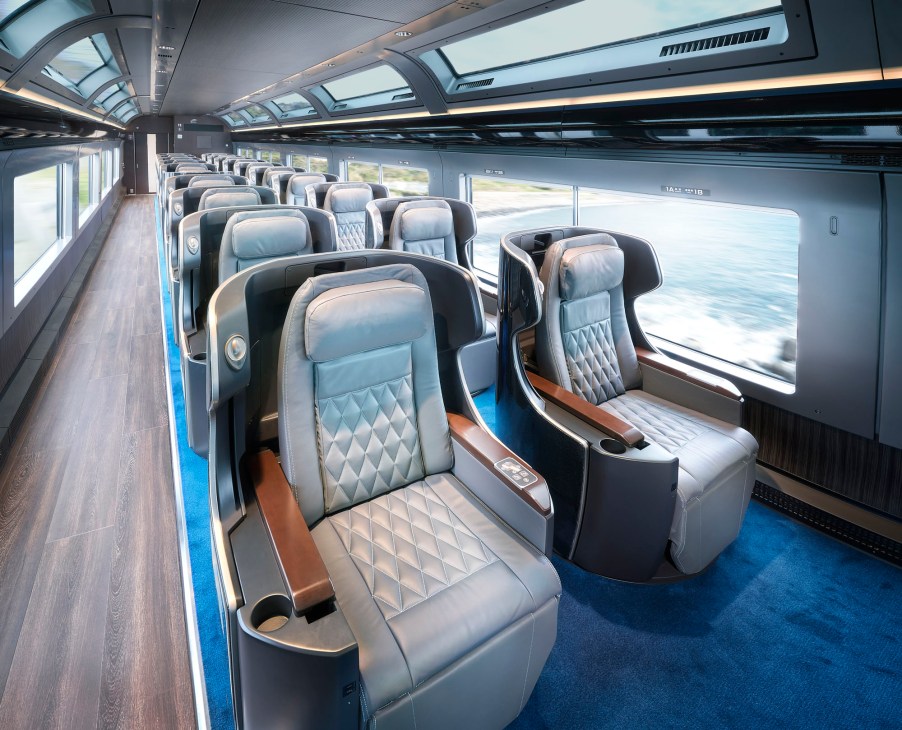
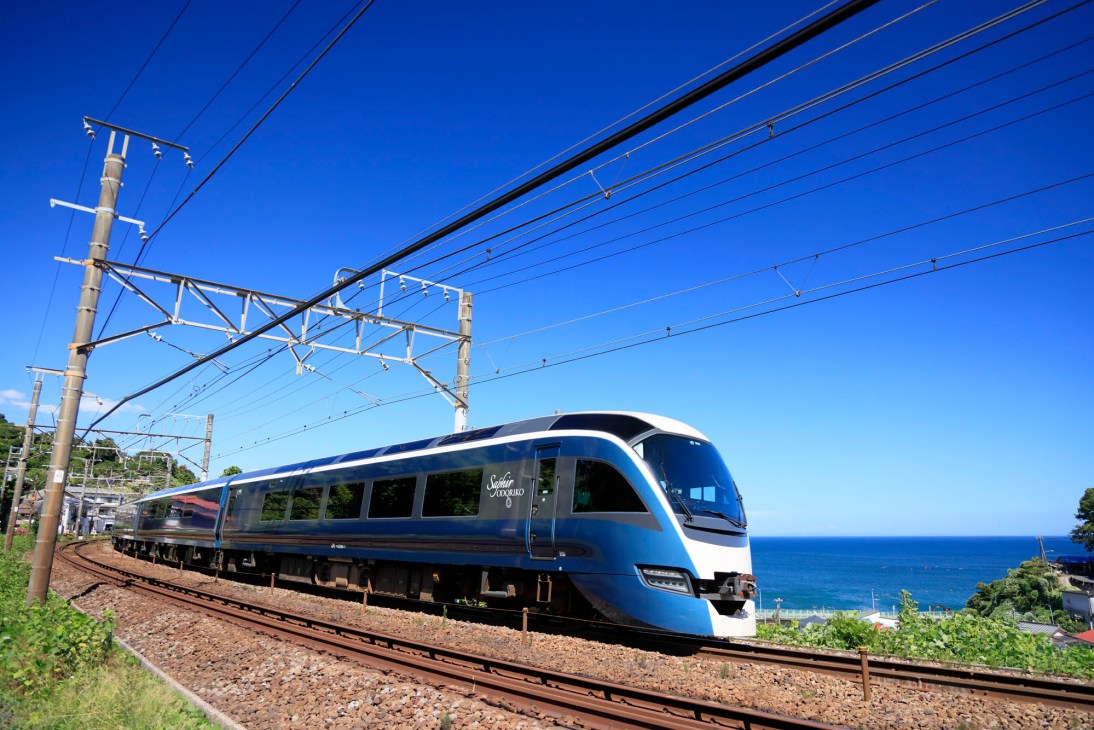
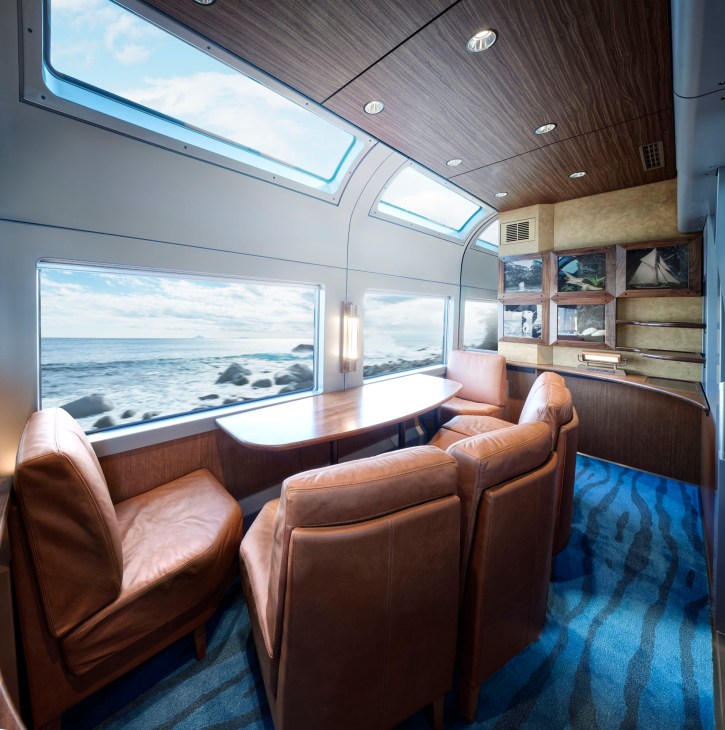
Conceived by Ken Okuyama Design, the new trains have private rooms with couch seating, a café car with marble tables and an all-singing, all-dancing First Class service. Okuyama ditched the unwieldy overhead luggage compartments and installed skylights throughout the train to provide natural light and views of the passing greenery and ocean.
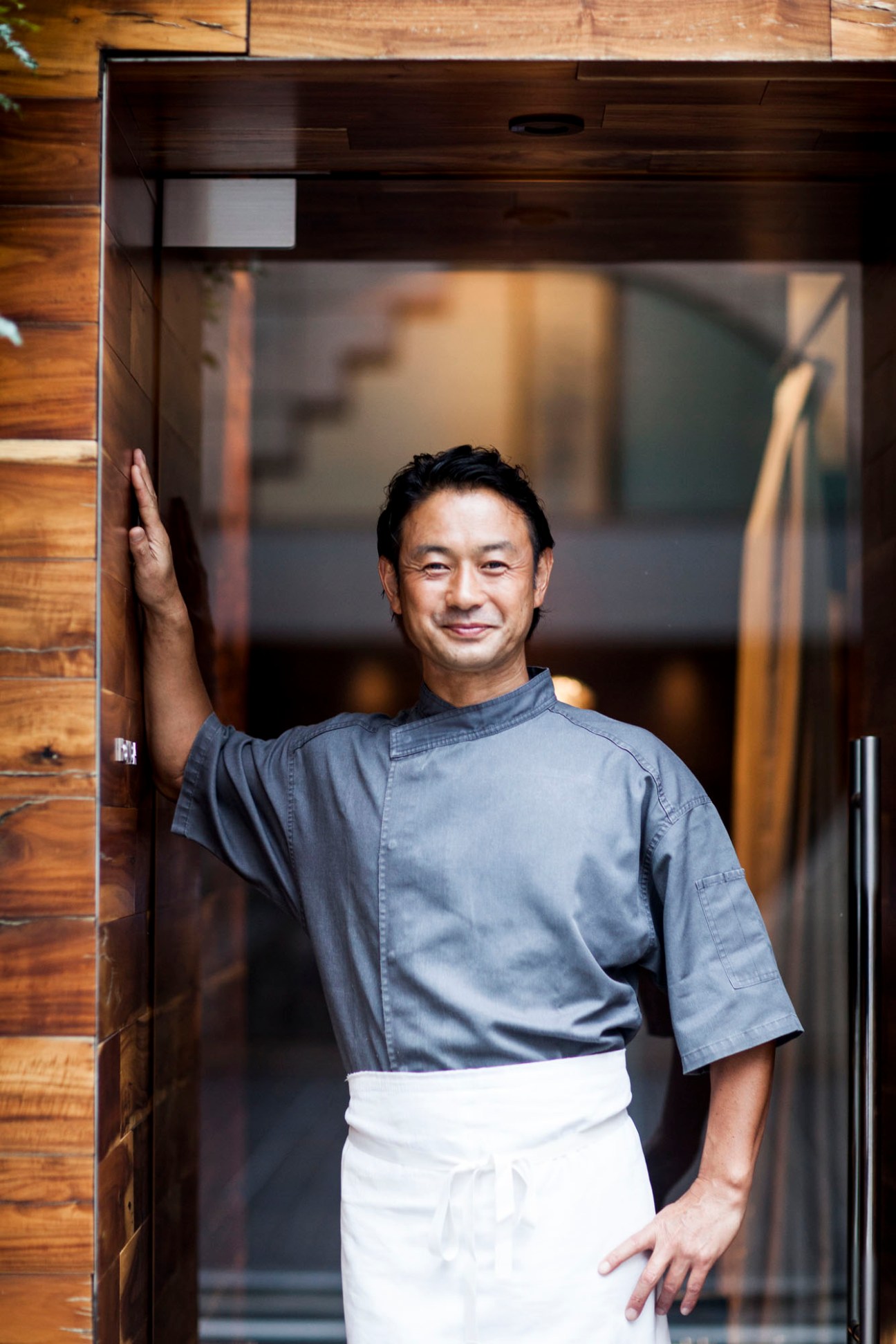
Tetsuya Honda is in charge of the Italian menu and changes the dishes twice a year. “You could get to Izu by Shinkansen or car,” says Nakamura. “But on Saphir Odoriko, you can sit back with your family and friends over a drink and freshly prepared meals.” Just the ticket? It seems so: the service is regularly booked out despite rolling restrictions.
jreast.co.jp
Best: Seaside scoot
What you missed: Sitting back and watching the scenery through the skylights as tasty food is prepared by a top chef
Coming down the track
We look at three projects that are gathering steam as rail investments ramp up as a clean, swift and enjoyable alternative to short-haul hops.
1.
Baltic rail boom
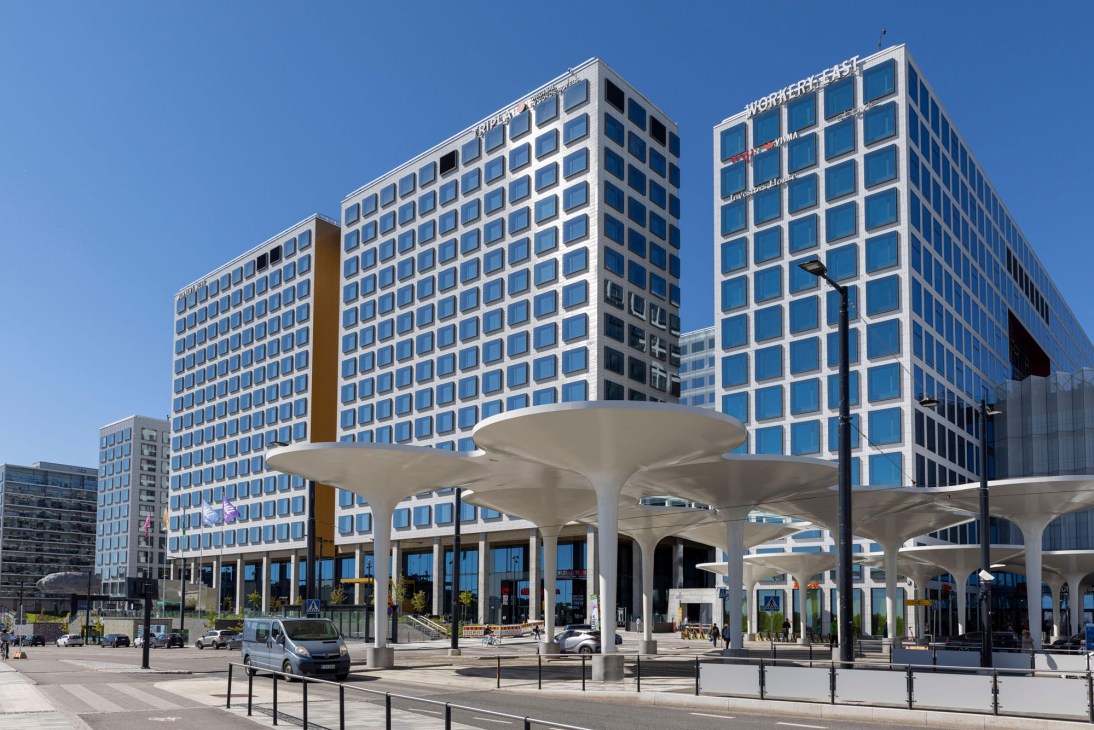
Rail Baltica – the organisation behind a proposed 870km rail link between Finland, Estonia, Latvia, Lithuania and Poland – has commissioned a consortium of architects and infrastructure experts to plan seven new stations in places including Riga, Tallinn and Vilnius. Key to this will be a study looking at how renovated stations elsewhere, such as Paris’s Austerlitz and Helsinki’s Pasila, drive business and function as public spaces too. Success will depend on how well the new stations work with their own city’s social, cultural and economic factors, rather than being carbon copies. The result could be international stations that feel right at home.
2.
France rails for luxury
High-speed rail and night trains are being revived across Europe as sustainable alternatives to short-haul flights – and a new French player is set to take them to the next level. Midnight Trains has unveiled a luxury option for the European business traveller with the first routes to be launched in 2024. The plan is to include more than 10 destinations, ranging from Edinburgh and Madrid to Rome, with Paris at the centre. “Night trains are the only way to travel far while taking care of the planet,” Midnight Trains co-founder Adrien Aumont tells Monocle. “Because we want to make them competitive, we have decided to reinvent them.” Austria’s öbb might have taken the lead with its Nightjet expansion but Midnight Trains goes a step further by adding some key elements: a cool bar and elegant dining car. Not all hotel guests want to go to bed straight after check-in and the same goes for a night on the rails. It won’t be long before established hotel players start their own rolling franchises.
3.
Lone Star locomotives
Earlier this summer, rail developer Texas Central signed a $16bn (€13.5bn) “final agreement” with Italian firm Webuild Group to construct a 240-mile (380km) high-speed line between Dallas and Houston. The proposed line will whisk travellers between two of the state’s largest cities in about 90 minutes – and Texas Central promises that it will be privately funded. In 2018 the developer put out an official statement saying that rival companies who believe the government should chip in “don’t understand how free-market capitalism works in Texas”. A canny way to court public opinion: taxpayers might be sceptical in a state (and country) in which high-speed rail options are virtually non-existent. But private firms should see the scope for growth and there is now a pro-rail president, dubbed “Amtrak Joe”. Pre-pandemic, about 24,000 people travelled between Dallas and Houston every day. High-speed rail would be faster than plane, car or bus. There’s no reason why investors wouldn’t be willing to take the risk – banks in Europe and Japan have expressed interest.
To stay on track with travel and more, sign up to our free daily email newsletter, The Monocle Minute.
Monocle.com/minute
Flight plans 1
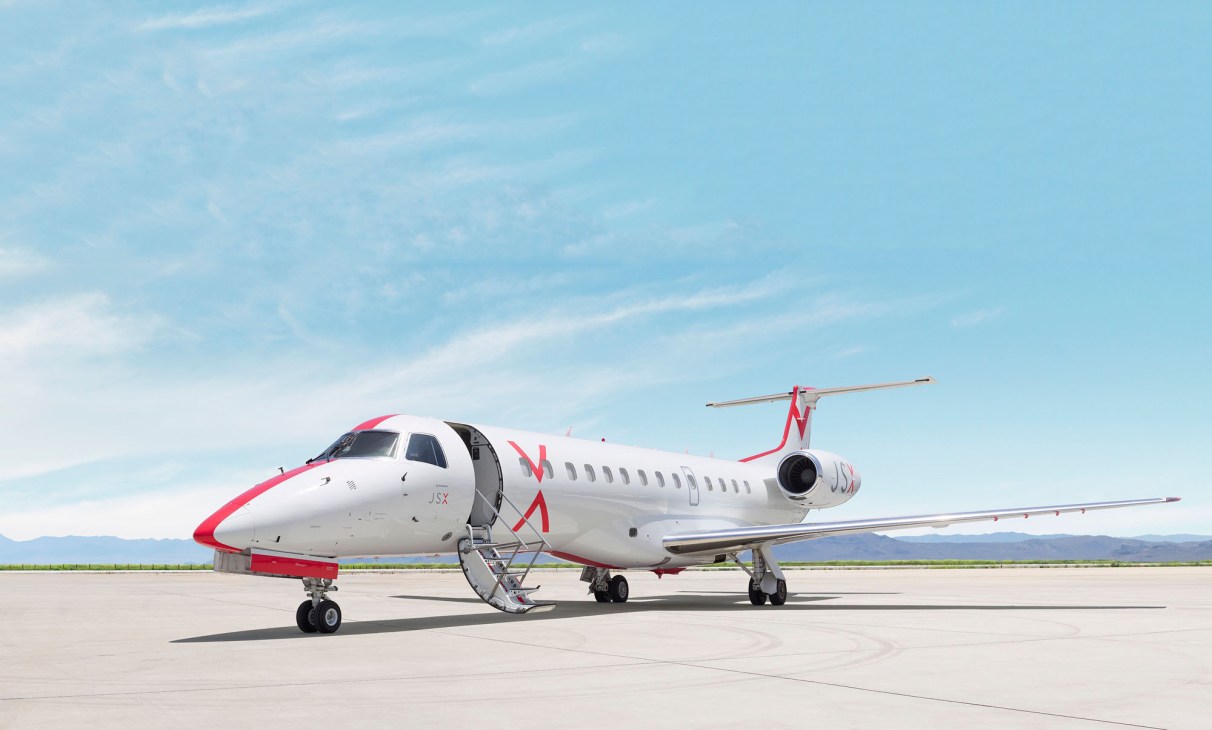
The charter airline taking off from private terminals.
jsx is a small and unusual US airline that launched quietly a few years ago but is now in post-pandemic expansion mode and getting the notice it deserves. The airline runs Embraer 145s with just 30 seats onboard, so there’s enough legroom for a dignified experience. Then there’s the complimentary food and drink, and reasonable prices. But what really differentiates it – and the reason we’d like to see it fly to more cities – is that jsx operates out of private terminals, often at smaller airports, enabling passengers to step out of the taxi just 20 minutes before departure with speedy security screening. It’s mostly in the western US for now but is eager to expand. Here’s hoping that it does.
jsx.com
Images: Alamy
Room to live
Soul focus
Dubai
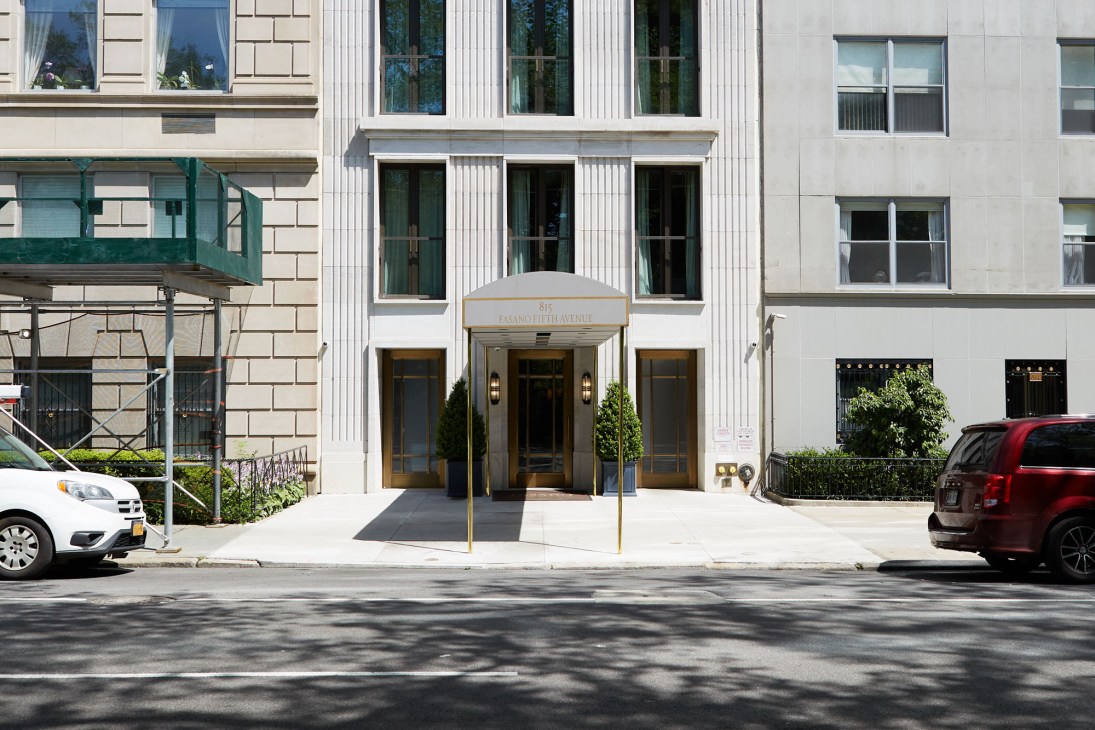
Brazilian hotel group Fasano’s first US property recently opened on one of Manhattan’s most sought-after streets, just across from Central Park. But Fasano Fifth Avenue feels different from the group’s previous openings. It bills itself not as a hotel as such but as a member’s club with some rather exacting rules: there’s a 30-day minimum stay to use one of its 11 guestrooms, which reflects New York’s strict occupancy requirement for apartment-hotels.
“We have a residential hotel with Fasano service,” says Brazilian-born manager Andrea Natal, gesturing at the grand dining room in one of the duplex suites then pointing out the fully equipped kitchen, a breakfast nook, the vista over the rooftops and apartments of the Upper East Side. “It’s kind of a speakeasy,” she says. “Once you’re in, you don’t feel you’re in a hotel at all.”
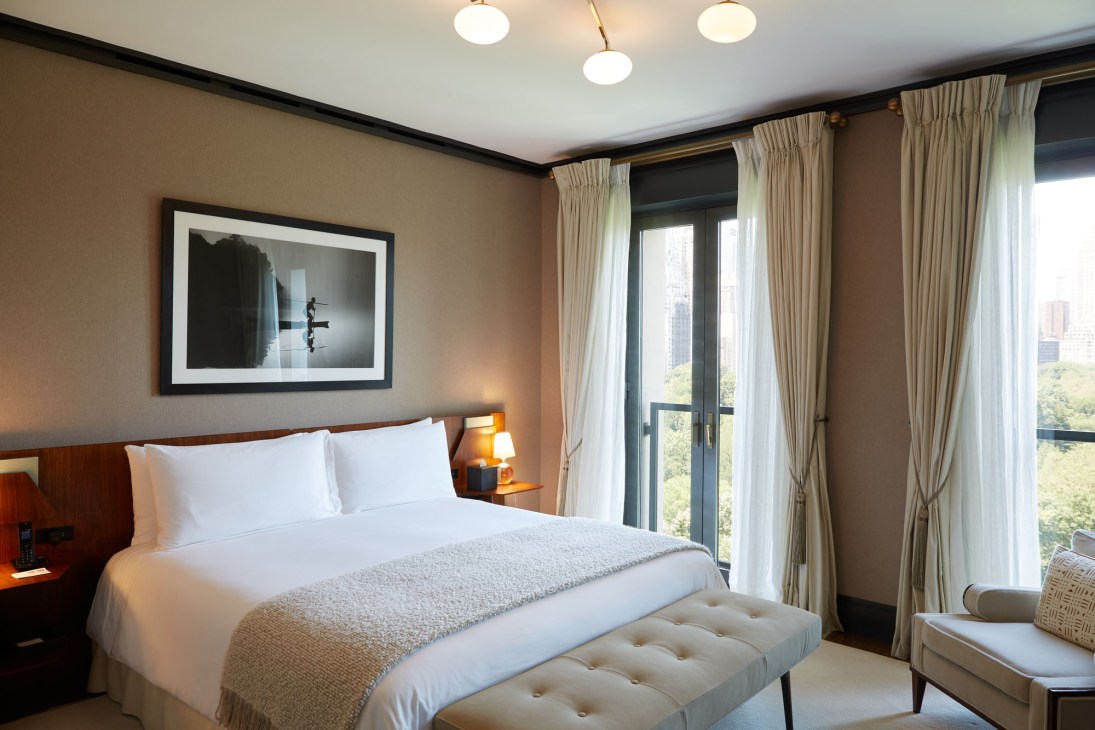
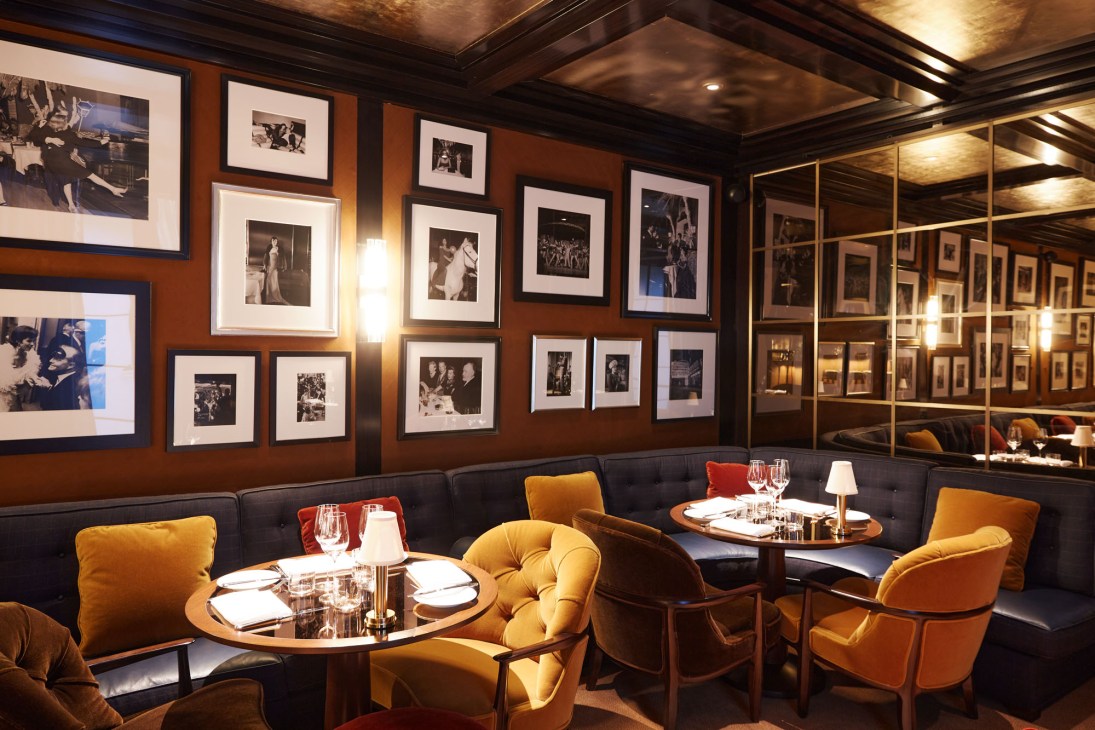
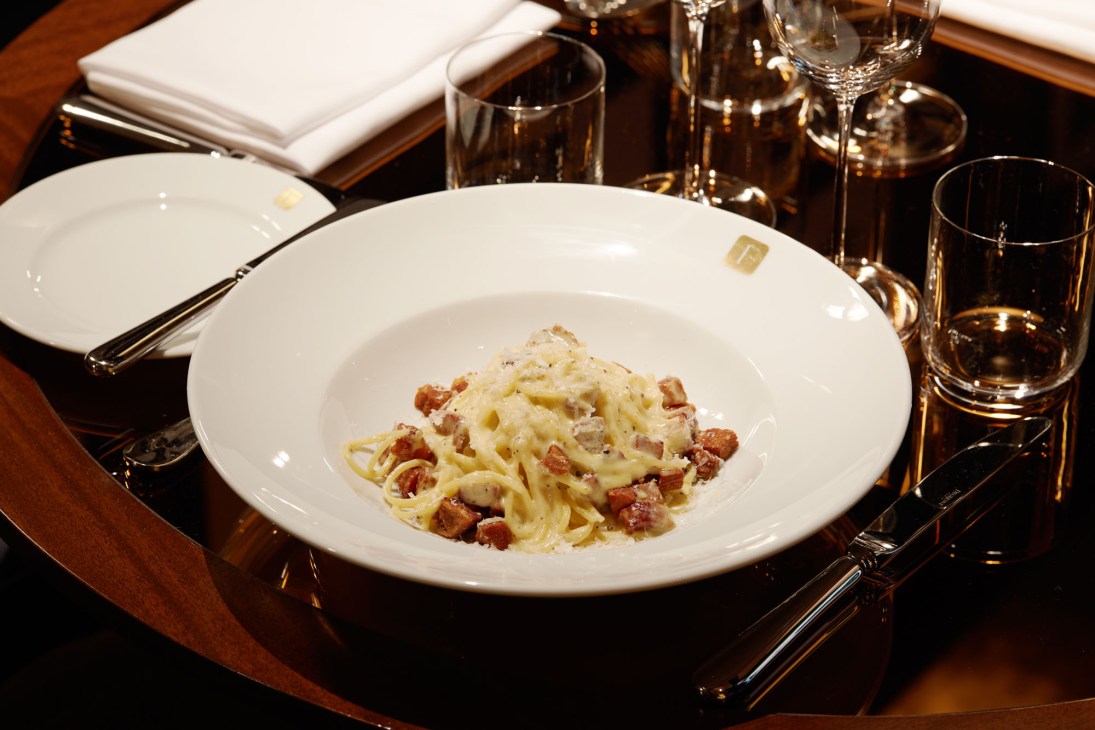
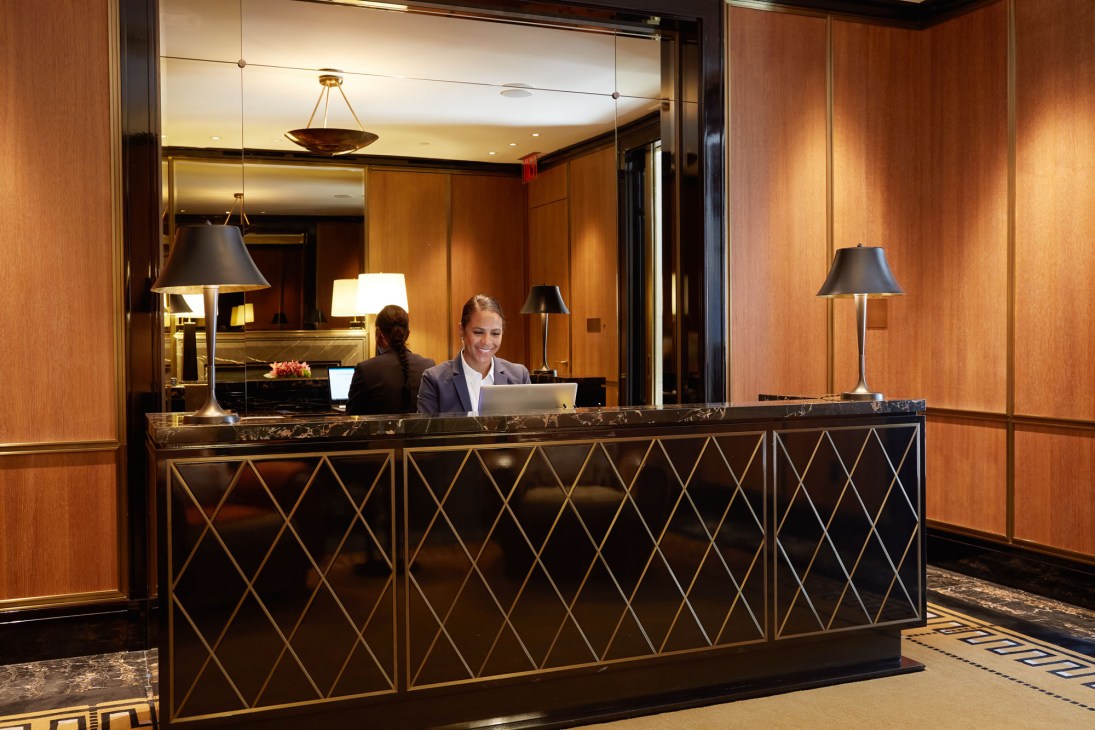
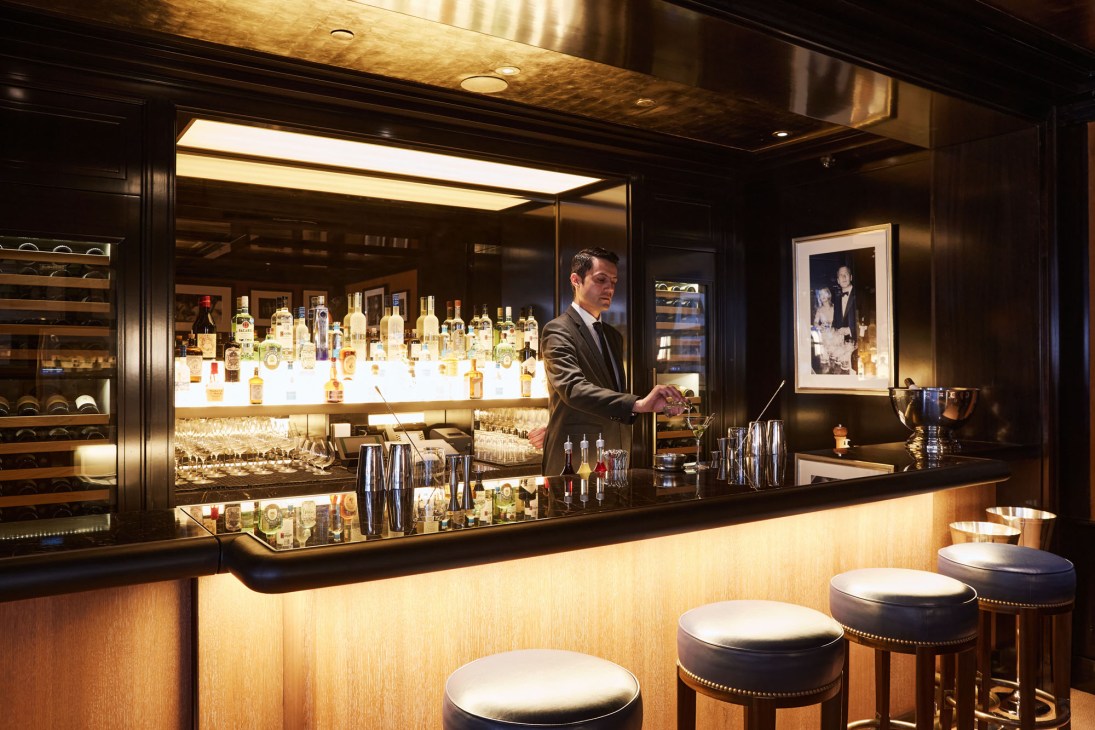
Indeed, while Fasano’s flagship hotel in São Paulo is famous for its opulence and glamour, Fasano Fifth Avenue, between 62nd and 63rd streets, aims for something more subtle. Walking into Fasano feels like entering a storied, slightly secretive dark-wood-and-whiskey club, of which there are established examples dotting the neighbourhood, including Knickerbocker, Harmonie and Union.
Behind the handsome 14-storey limestone façade, discretion is the watchword for architect and interior designer Thierry Despont. There’s a barely-there lobby with just a couple of cognac-leather chairs beside the check-in desk. The gym, sauna and terrace are just as intimate, as is the club restaurant and bar, Baretto New York, in which, given founder Rogério Fasano’s well-known good taste and restaurant experience, you can count on the cuisine. Behind a door at the back of the building, in a nod to the Fasano family’s Italian heritage, Baretto offers small-plate Italian food alongside classic cocktails. Wine-red and mustard-yellow velvet chairs and a mirrored wall add a decadent touch; outside, there’s a quaint courtyard for a breath of fresh air.
Membership of the Fasano Club is by invitation only. Natal, who previously worked at Rio’s Copacabana Palace, expects about a third of guests to be Brazilian, tapping into Fasano’s reputation at home, with another third American and the final third from further afield in Europe or the Middle East.
The four largest rooms – or residences – stretch to a whopping 330 sq m each and are as expansive as the public spaces are petite. Every residence has a sculptural staircase, separate his-and-hers walk-in dressing rooms, oak floors, and walls in the master bedroom embellished with Loro Piana cashmere. Vintage black-and-white prints of New York provide a nod to Fasano’s storied location, as though sleeping mere steps from the Central Park Zoo, Pond and Wollman Rink weren’t enough of a reminder.
Once upon a time, the well-to-do would stay at the nearby Plaza Hotel to announce to the world that they’d “arrived” in New York. Today they might consider putting down roots in the Fasano instead: there’s a sense that once you’re settled here, you might not want to leave.
fasano.com.br
Best: New members’ club
What you missed: Arriving in a foreign city and heading straight to that place where everyone knows your name
Checking in
Why hotels are here to stay
Hong Kong’s lengthy quarantine requirements, which keep changing for international arrivals, have stripped away a little of the glamour of living in a hotel. Nevertheless, at the luxury end, the draw of residing in a hotel is (ahem) here to stay – and it looks set to become an even bigger part of the hospitality business in years to come.
A number of hotel chiefs in Hong Kong have confirmed the significance of residences (rather than just rooms) to future revenue growth. Branded apartments are often attached to a hotel development as a sweetener for property owners. According to James Riley, CEO of Mandarin Oriental, adding the hotel’s name to an address can raise the price by 25 per cent. Riley is also experimenting with developments close to existing hotels. The Residences at Mandarin Oriental, Mayfair, are due to open in London’s Hanover Square next year, ahead of new apartments from The Peninsula and Raffles.
These hotel-homes service a demand for privacy: wealthy travellers want a five-star experience without bumping into strangers at breakfast. But for hotel bosses it’s just the beginning. The goal is to turn the likes of Mandarin Oriental and Rosewood into lifestyle brands that consumers can use every day, not just on holiday. Hong Kong’s luxury hotels have been sending star chefs to cook in people’s houses during the pandemic; for many of them there will be no going back.
For more insights into hospitality, subscribe to our free email newsletter The Monocle Minute at Monocle.com/minute
Soul focus
Dubai
A restored 1990s villa on a residential street in Jumeirah is home to the Emirates’ most charming new café and concept store, Heal, which opened in February.
When owner Mohamed Kharbash planned it, he hadn’t imagined it would be opening on the heels of a pandemic. “When things started opening up again, I was looking for a place with ‘soul’ and I couldn’t find it,” he says. “I wanted to create a café that was down-to-earth, that wasn’t overly fancy – a place where you could come as you are,” he says. And he’s succeeded.
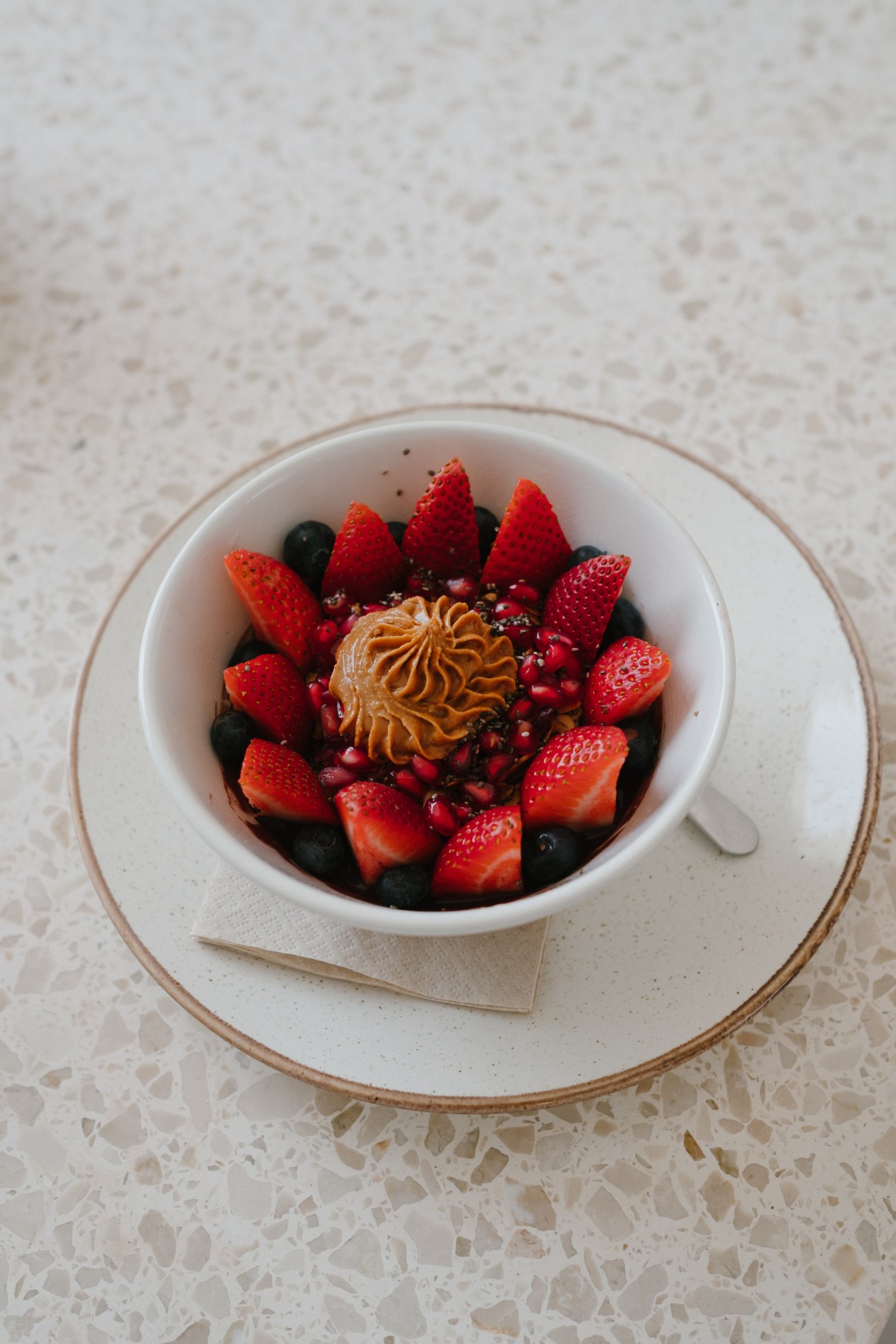
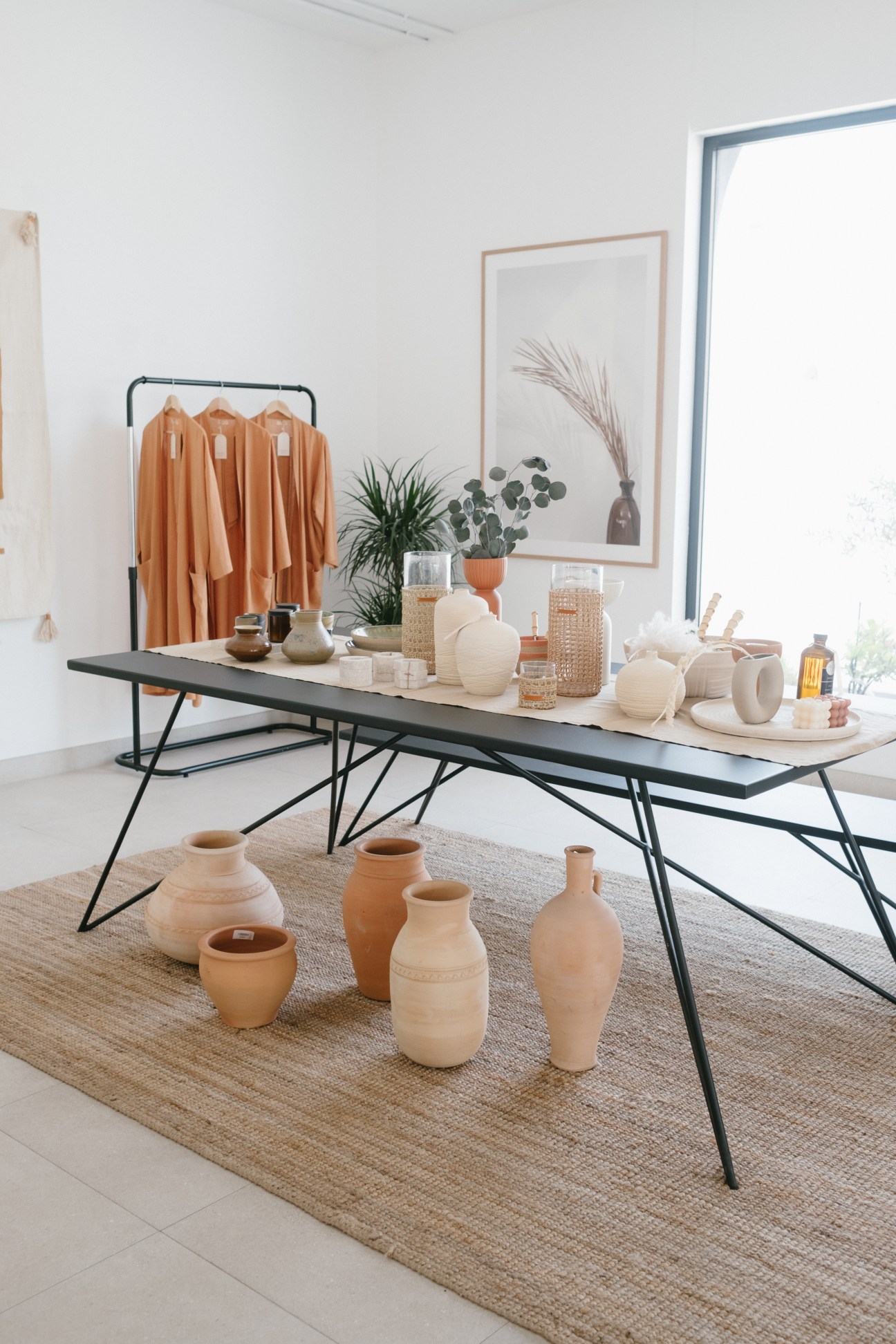
Chef Francis Mandilag worked in the Middle East with stints in Qatar and Saudi Arabia for 10 years before coming to Heal. Central to the menu is his and Kharbash’s shared belief in the therapeutic aspect of what they serve. “Clean and simple food, it has the power to heal,” says Mandilag. “Our bestseller is the avocado toast with a combination of sourdough, beetroot hummus, feta cheese and poached egg.” Another favourite, beloved of those who photograph food before eating it, is the mango milk cake. As well as the café, there’s a retail component: racks of clothes, handmade home furnishings from Emirati designers, which manage to feel both honest and interesting without scandalous price-tags.
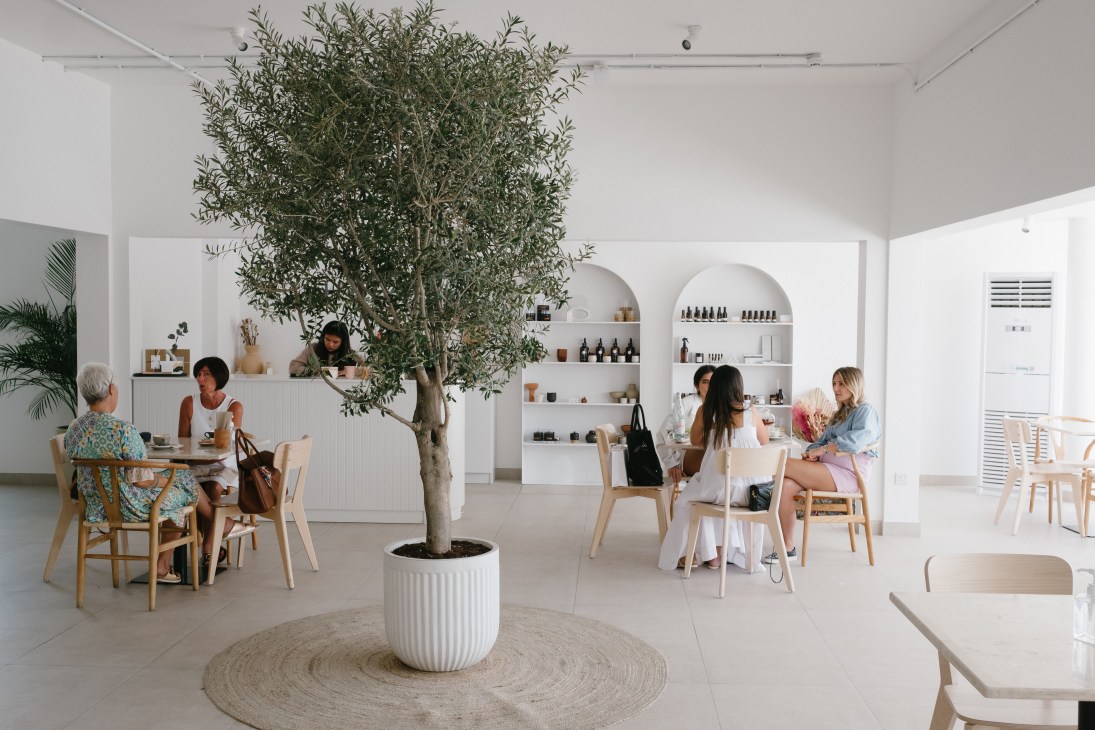
During what is still technically a pandemic, business has boomed, in part because the mood inside is a world away from the troubles beyond its whitewashed walls. “This place has good vibes,” says Mandilag. But as with all good brands, this is no accident. “Our goal and the mark of a good design is that when you walk inside, your body relaxes,” says architect Ismail Alkhalfani, whose European-influenced interiors and clean lines show off a restraint that certain glitzier venues in the city could learn from.
Umm Suqeim 2
Time to get going
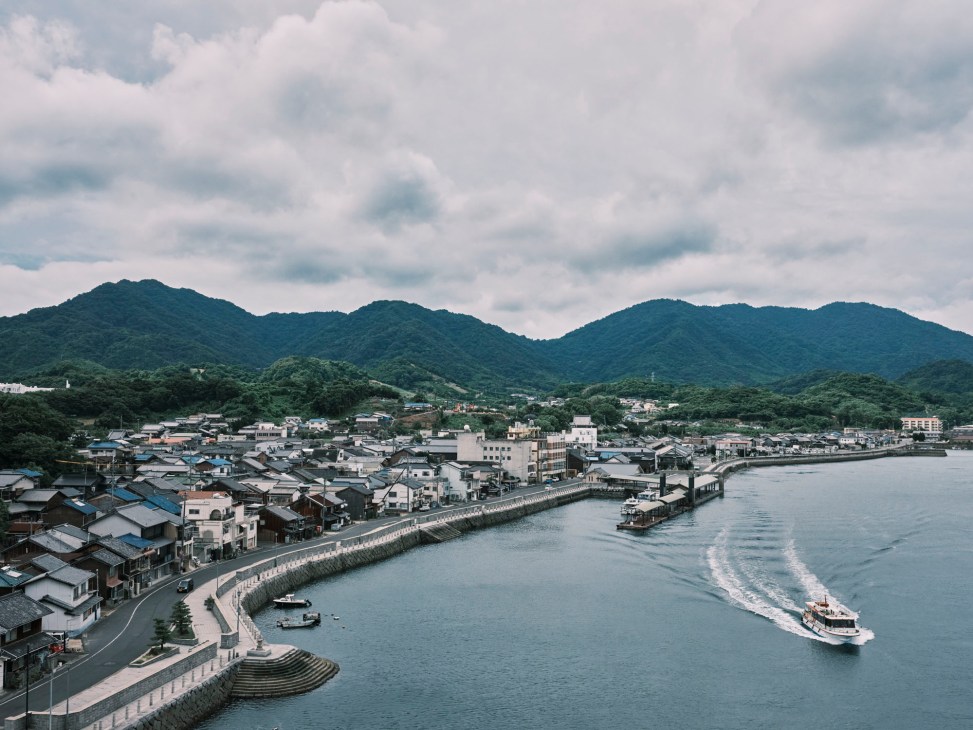
On a map, Ikuchijima is a tiny speck, one of hundreds of small islands that make up the Setonaikai (or Seto Inland Sea), Japan’s answer to the Mediterranean – a dreamy stretch of water hemmed in by three of Japan’s four main islands. In his classic 1971 travelogue The Inland Sea, Donald Richie described the sea being as “flat as a meadow” and Ikuchijima as “a smaller Sardinia, a greener Corsica”.
Travelling from Tokyo to Ikuchijima today is a swift transition: an hour’s flight to Hiroshima, a short hop to the sleepy port of Mihara and, finally, a small ferry that deposits passengers at the town of Setoda. The luckiest will be heading a few steps up the road to the island’s newest hotel, Azumi Setoda.
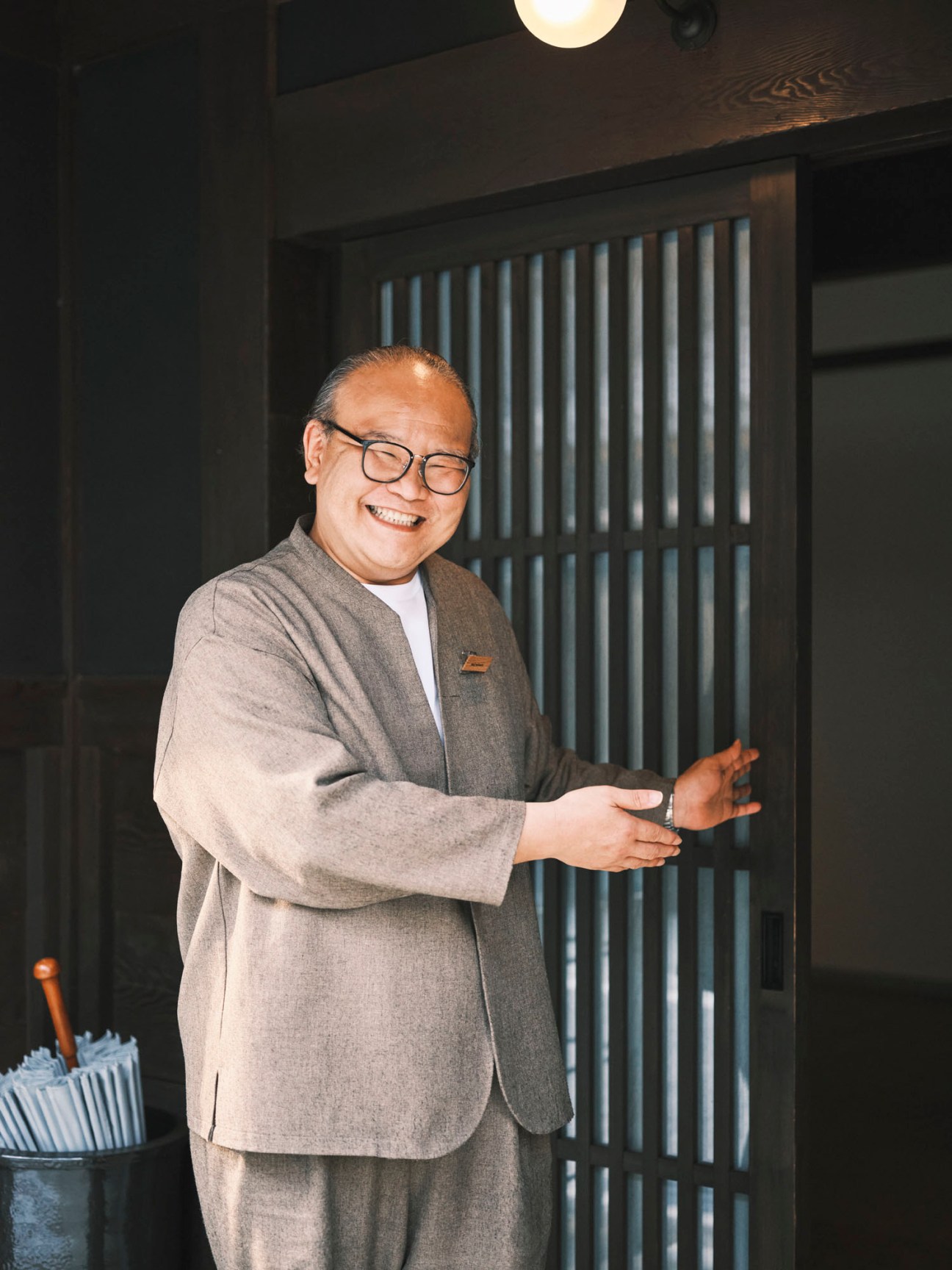
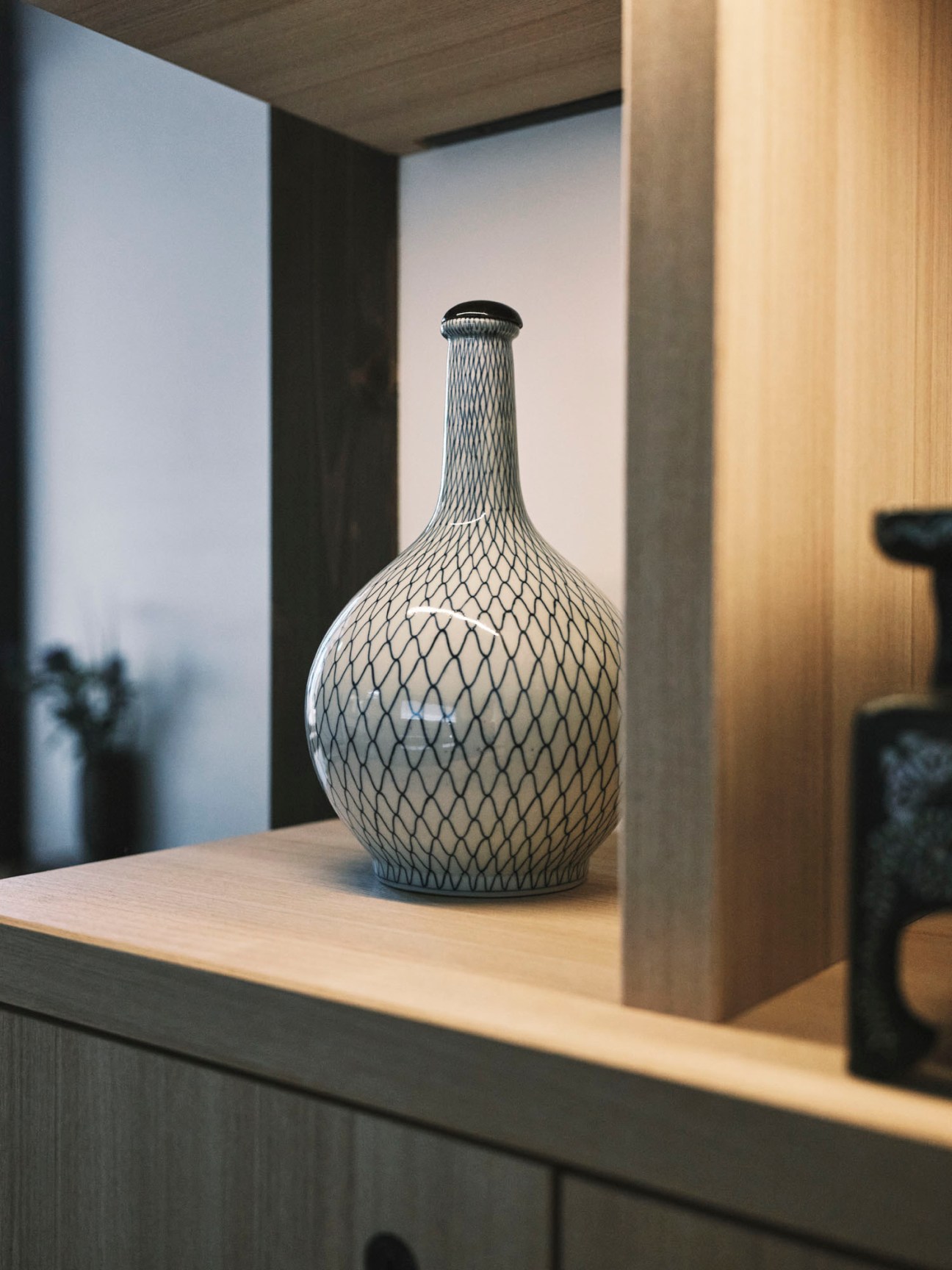
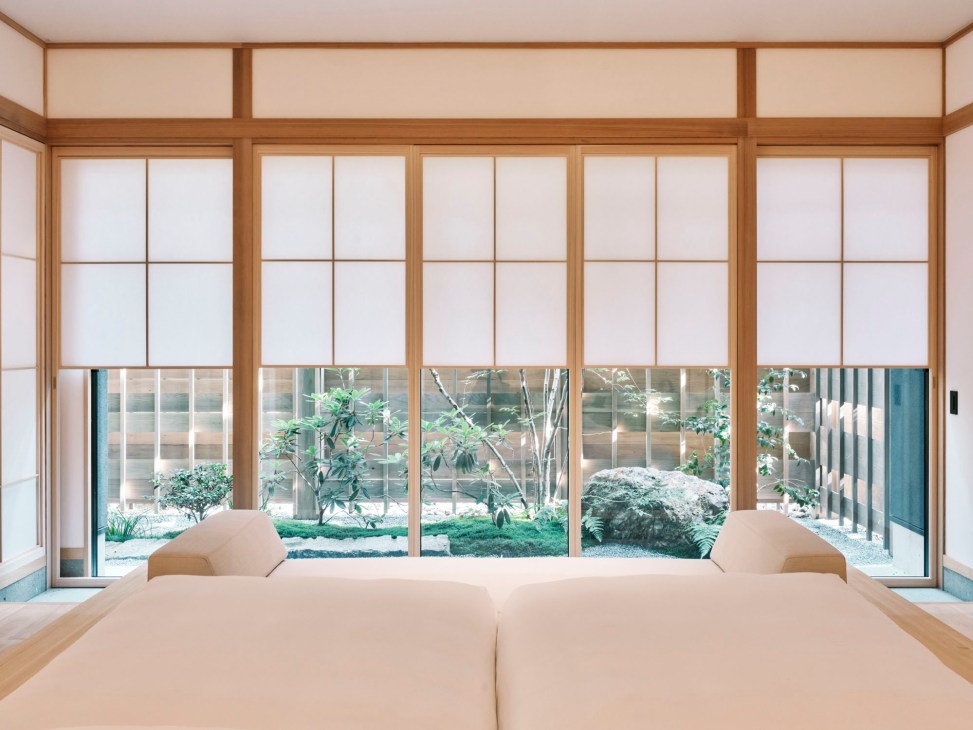
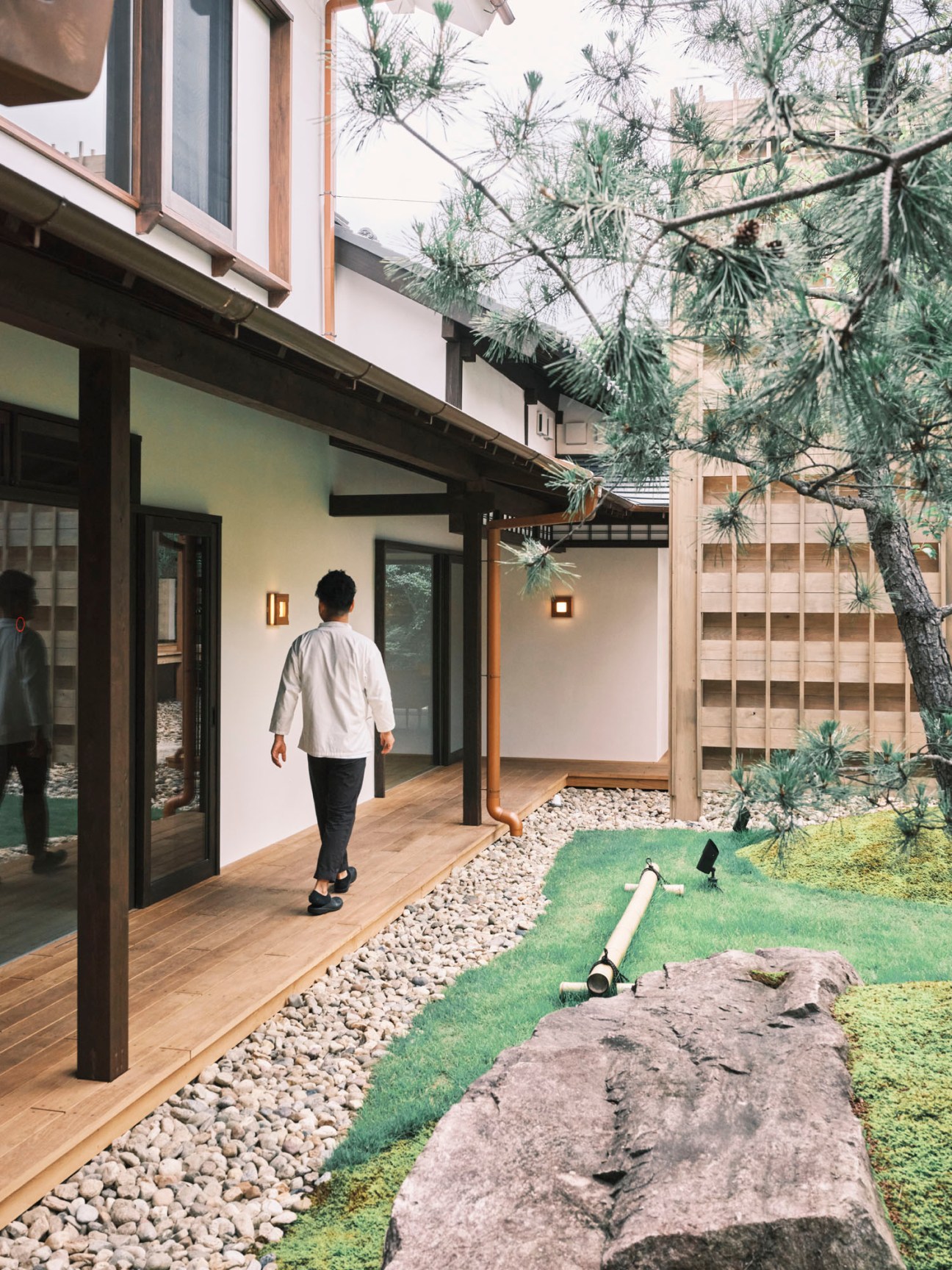
Azumi is both striking and easy to miss. A beautifully renovated 140-year-old house – the former home of the Horiuchi family, local bigwigs who made their money in salt – it has been brought back to life and yet the new owners have wisely avoided installing any hotel signs that would disturb the harmony of the small street. Once inside, the house opens up. It has been given fresh height thanks to a sympathetic reworking by Kyoto-based architect Shiro Miura, who is known for his classic Sukiya tea-house style. The old building does the talking; there are few artworks but family porcelain is everywhere, including brightly decorated Imari dishes that were once used for banquets and generously handed on to be used in the hotel. There are 22 serene rooms with minimal furniture and comfortable wood-framed beds. The bathrooms are huge and guests can enjoy a soak in a fragrant hinoki cypress bathtub.
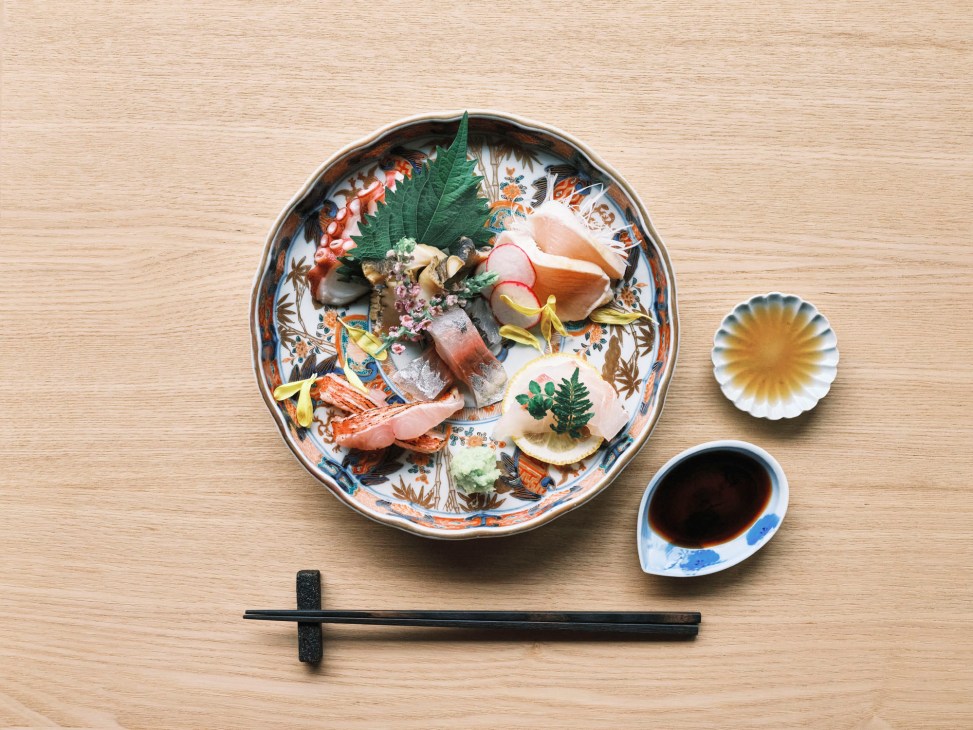
Dinners are a treat. Famous for citrus fruit and seafood, this area was also a staging post on the Silk Road and the food is designed to reflect the mix of cultures: tofu with coriander, Innoshima octopus with sesame oil and grilled loin of pork with a Thai-style herb salad. Wine is selected by John Ishikawa, whose recommendations are well worth taking. An evening might be capped with a sniff of smooth Taketsuru pure malt whisky.
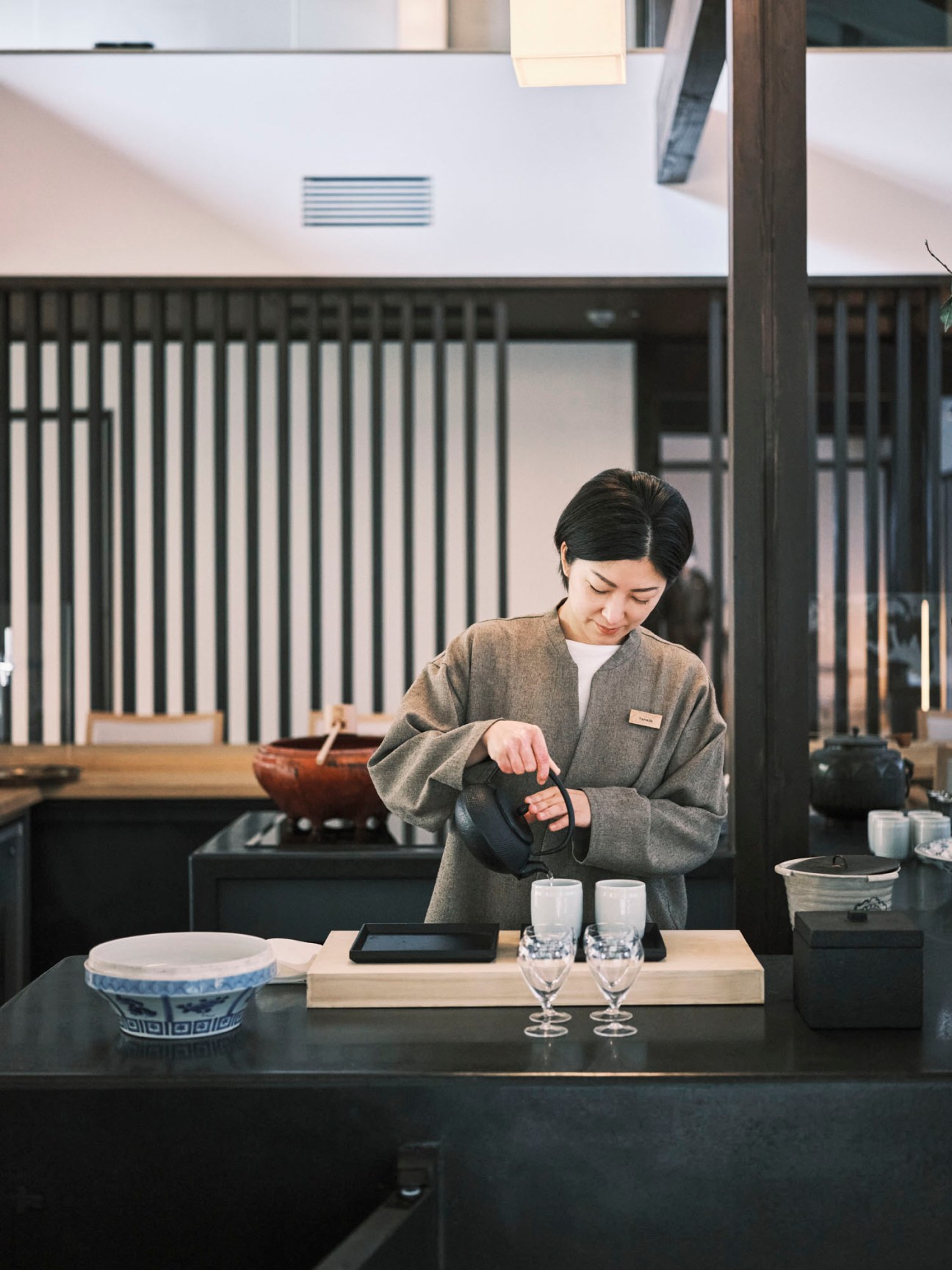
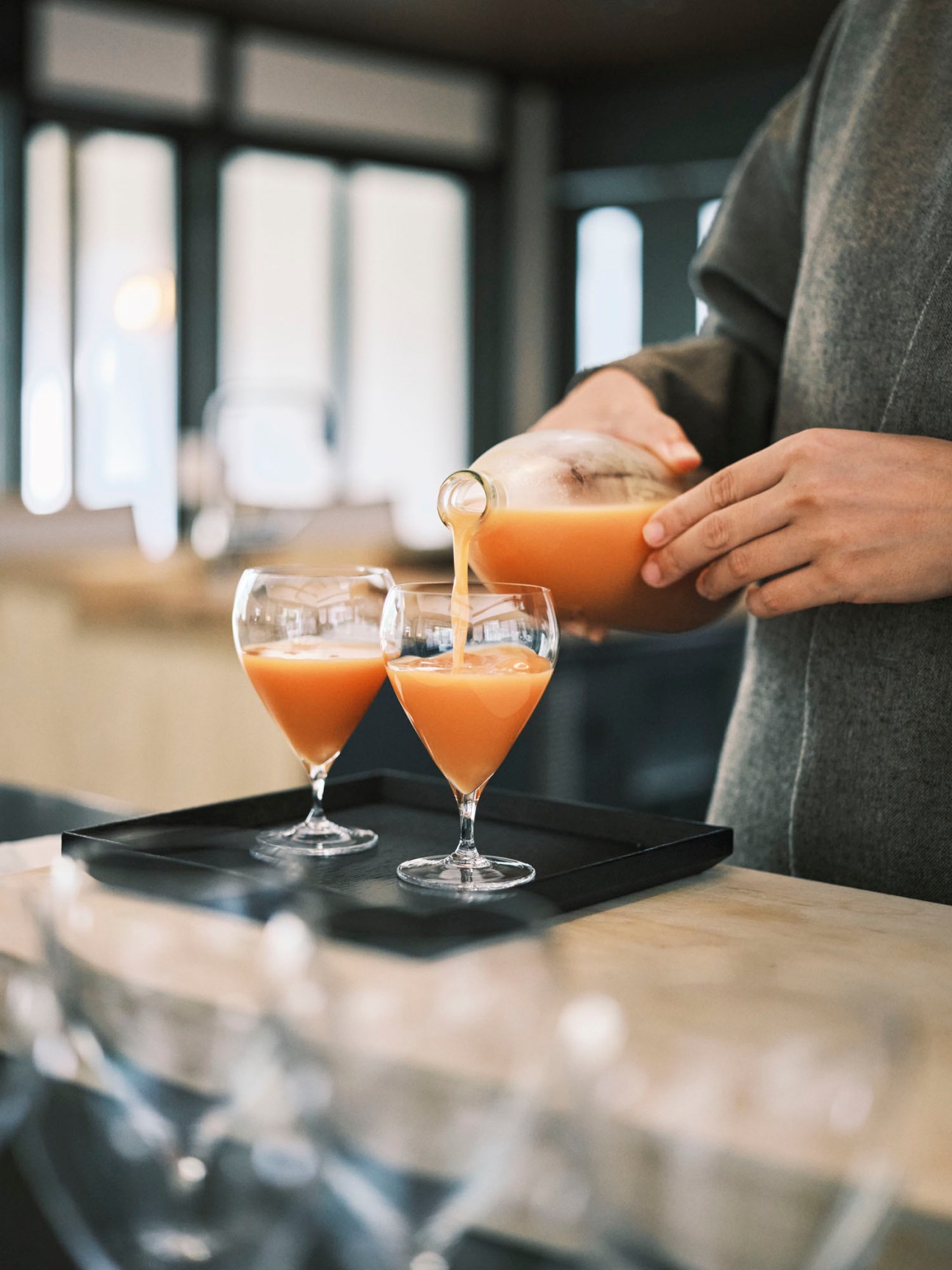
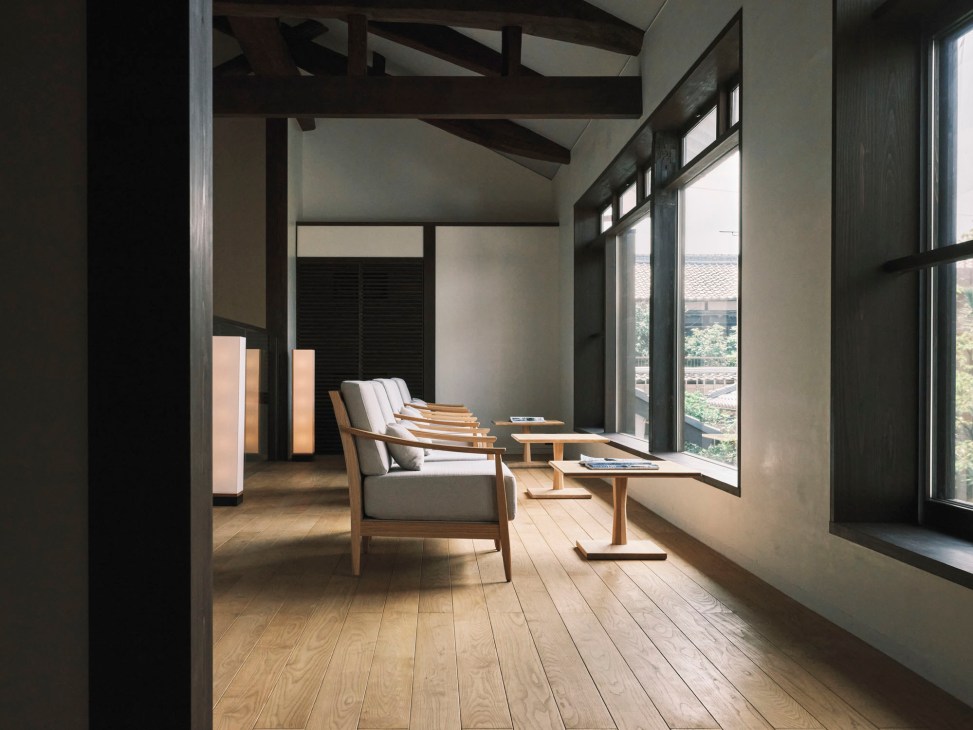
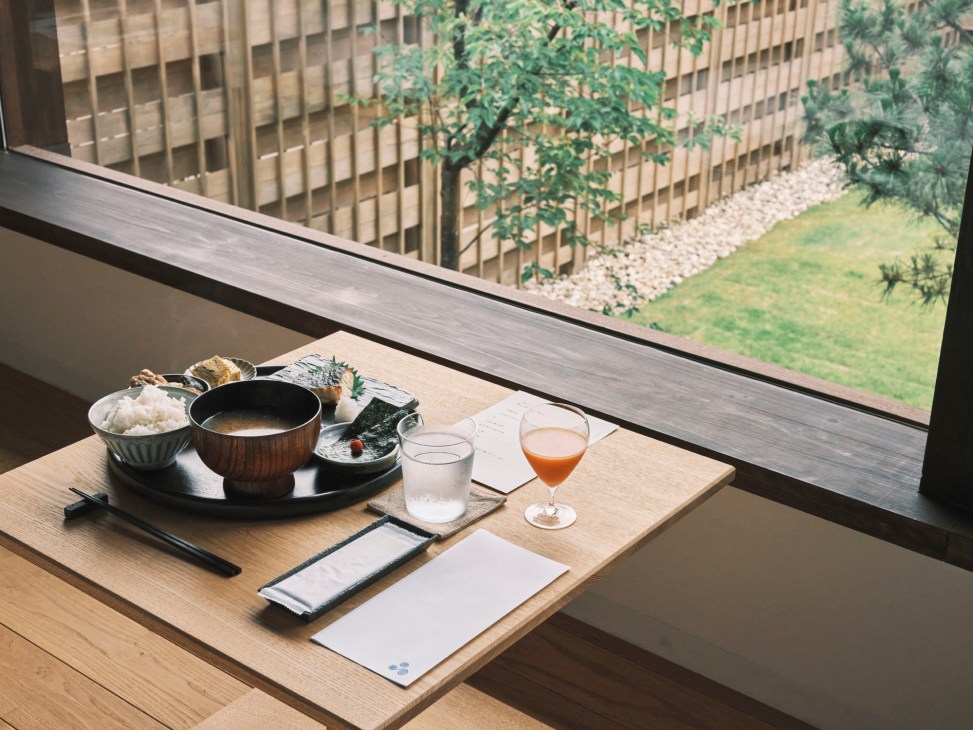
Azumi’s new proprietors are Yuta Oka and Fumitomo Hayase, go-getting hospitality entrepreneurs with a conscience. Oka also runs Tokyo’s K5 hotel. In their previous careers they worked with Aman Resorts founder Adrian Zecha, who, now in his eighties, has a co-founding role in Azumi.
The search for the perfect site took a long time. “This was almost the last place we looked at,” says Oka, who was born in Japan but spent the first 10 years of his life in the US. “We weren’t looking for something remote and exclusive – we wanted to be somewhere we could connect with.”
Hotels often talk about community engagement but Oka is serious. Azumi is playing an important role in the area: holding workshops, liaising with farmers, helping to fire up the nearby shopping street and opening Soil, a waterfront café and workspace or, as Oka puts it, “a living room” for the area’s residents. Many of the Azumi staff come from the region, picked for potential over experience; Oka has also encouraged staff from his Tokyo office to move to the island. Few hotels can claim to be tackling rural depopulation so directly.
General manager Yoshi Kubota, who spent years with Aman, including stints at its resorts in Bali and Bhutan, was on board with the idea of integrating the hotel into the neighbourhood. “It was important for us to be accepted by the immediate area, to blend into the street and to hire people from here if we can,” she says. Nearby businesses launder the sheets, supply birthday cakes and provide flowers. (Kubota admits that there were some negotiations over aesthetics.)
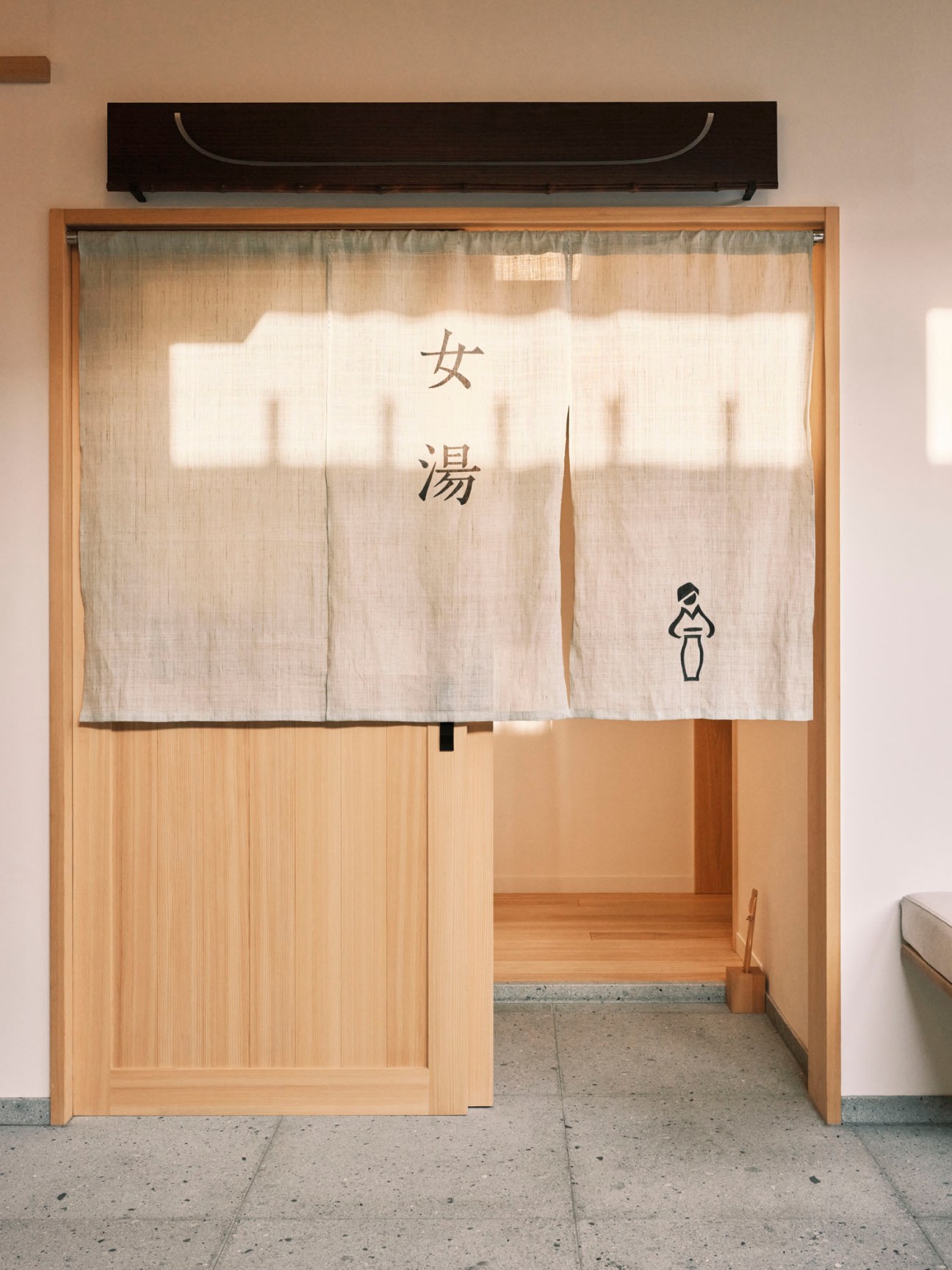
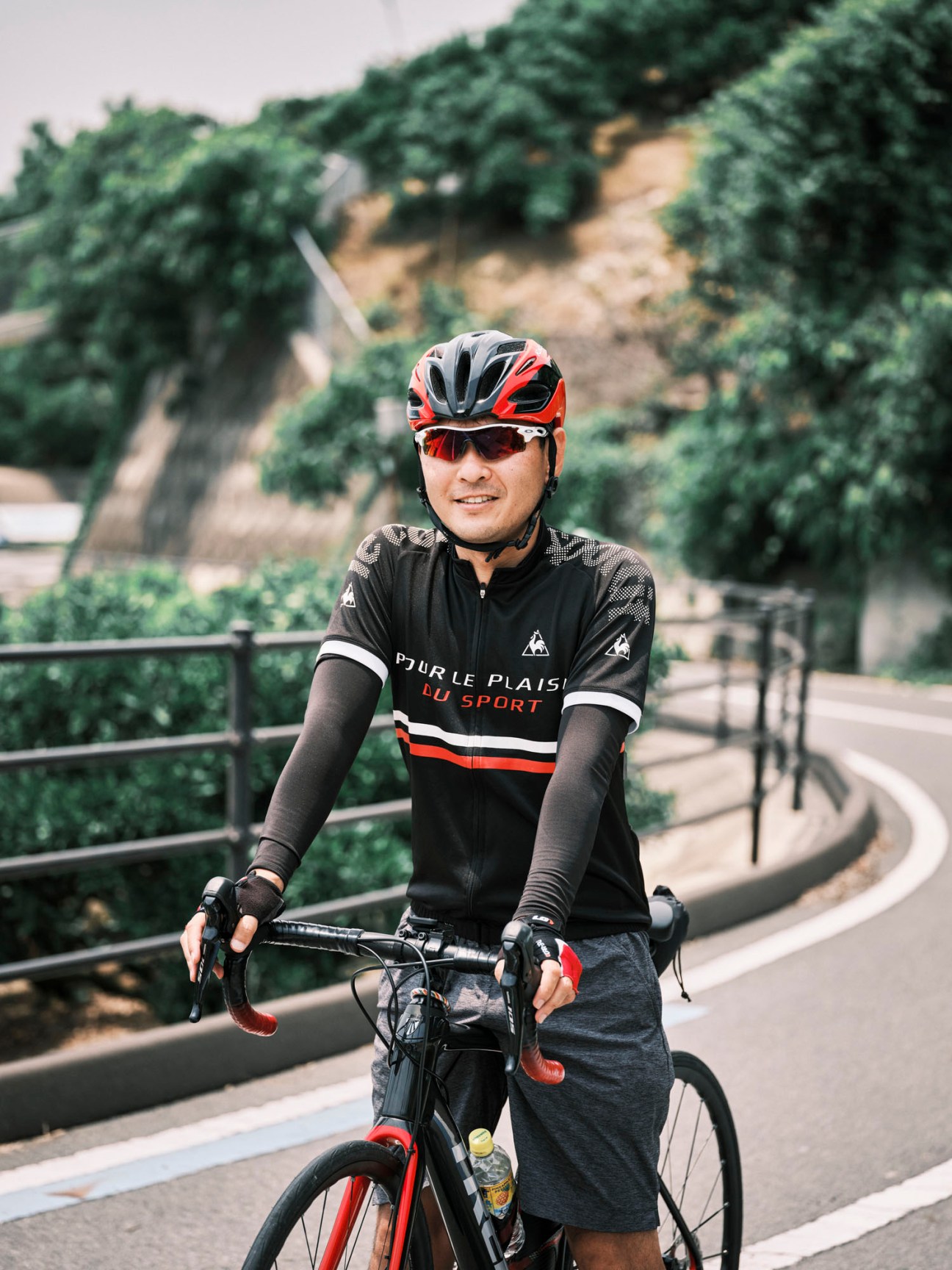
The area is heaving with potential activities: boat rides, paddleboarding, art, walks, temples and even a spot of lemon picking to get closer to the region’s prized produce. Or you could just pop across the road to Yubune, the new sento (public bathhouse) that Azumi has built for its guests and the community. It has accommodation for visitors too. The combination of fresh sea air, warm sun, delicious food and a good bed make Azumi a welcoming berth. It’s easy to feel at home, even after only a night. You will find yourself wanting to stay much longer.
azumi.co
Ikuchijima address book
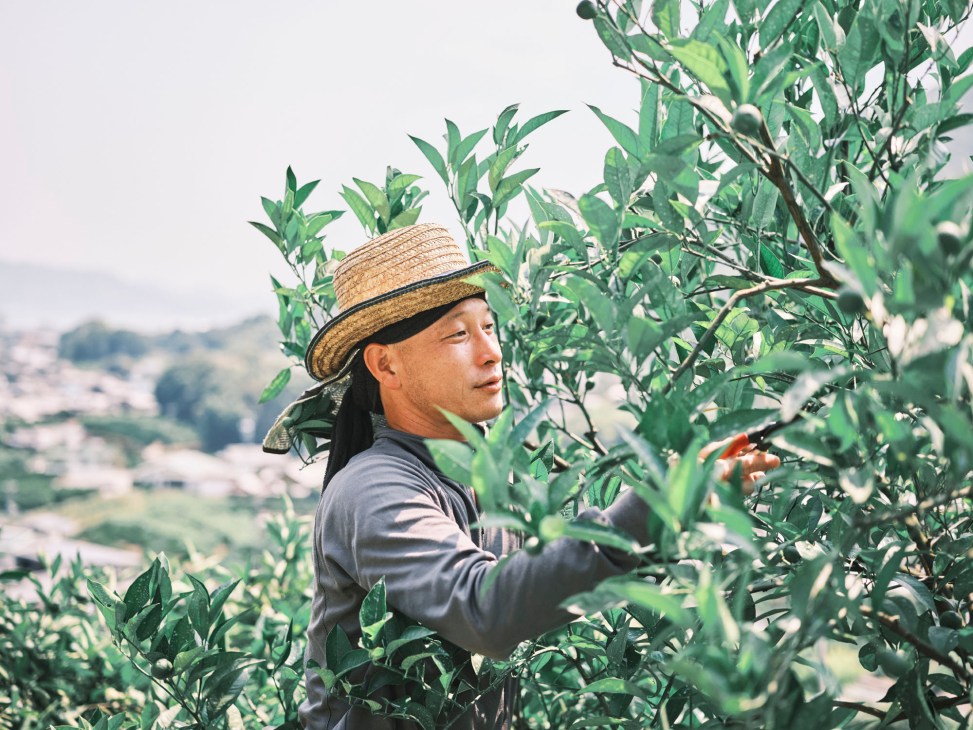
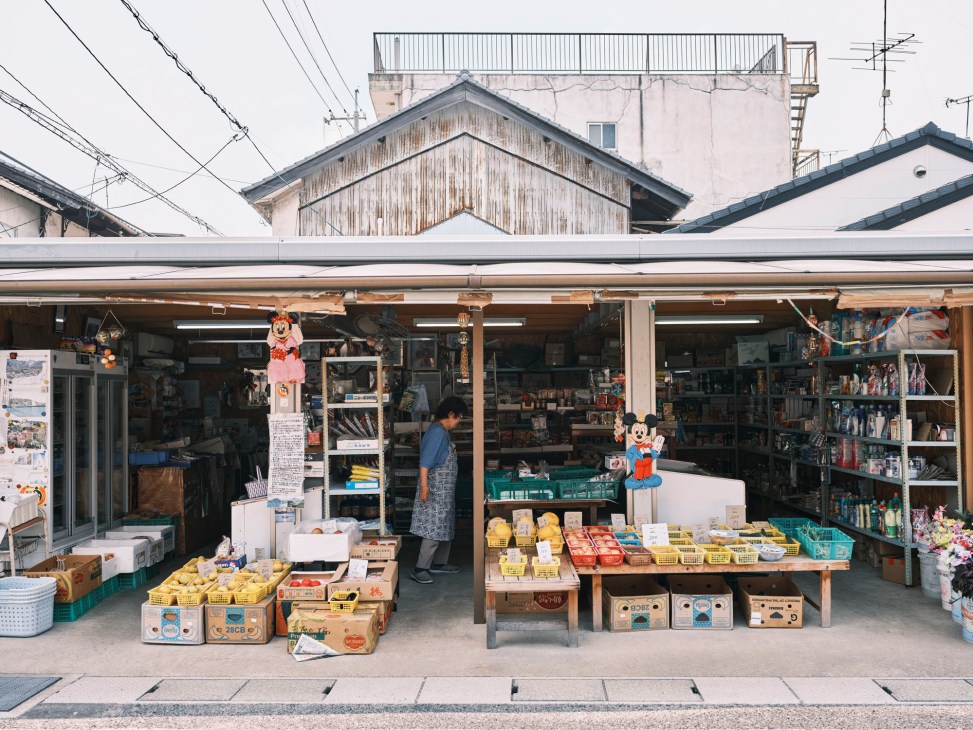
Ikuchijima, population 8,000, produces one third of Japan’s lemon crop. As soon as you step off the ferry, a lemon-festooned sign announces “Welcome to Setoda”. You’ll find citrus for sale, lemonade stands (essential in high summer), lemon cakes; even the postboxes are painted yellow here. Take a look at remondani (lemon valley) with its slope of citrus and views over Tatara Bridge, an elegant suspension bridge that connects Ikuchi to the neighbouring island of Omishima.
How to get there
Fly to Hiroshima, then take a taxi or bus to Mihara and ferry to the town of Setoda. It’s also possible to drive or cycle the 30km from the seaside town of Onomichi along the Shimanami Kaido, an unforgettable cycle route through the islands of the Inland Sea.
Things to see and do
Koueido
This unassuming shop is famous for its lemon sponge cakes. Shaped like lemons and wrapped in yellow paper, they make the perfect souvenir. Shima Gokoro Setoda is also recommended for lemon cakes, jams and jellies.
patisserie-okumoto.com
Dolce Setoda
This destination shop makes gelato and sorbet from the many varieties of citrus fruit grown on Ikuchi and nearby islands: favourites include Iwagijima lime, Setoda lemon and Dekopon, a sweet seedless type of mandarin.
setoda-dolce.com
Ikuo Hirayama Museum of Art
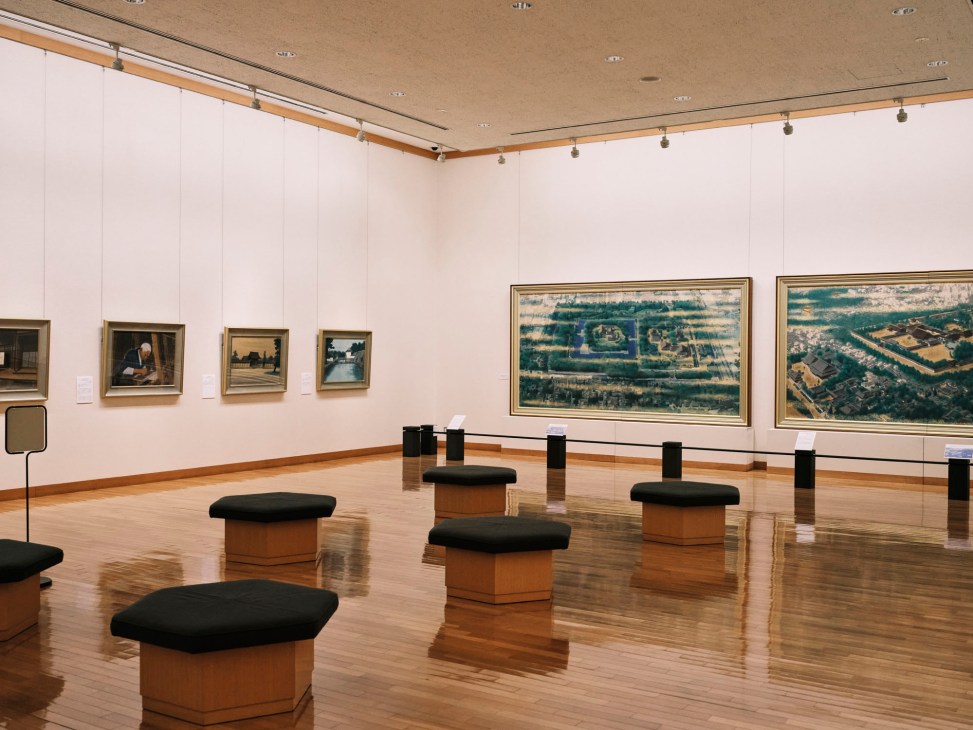
Setoda’s most famous son (and atomic-bomb survivor) is the late artist Ikuo Hirayama (born 1930). He was best known for his Nihonga (Japanese-style) paintings.
hirayama-museum.or.jp
Kosanji temple
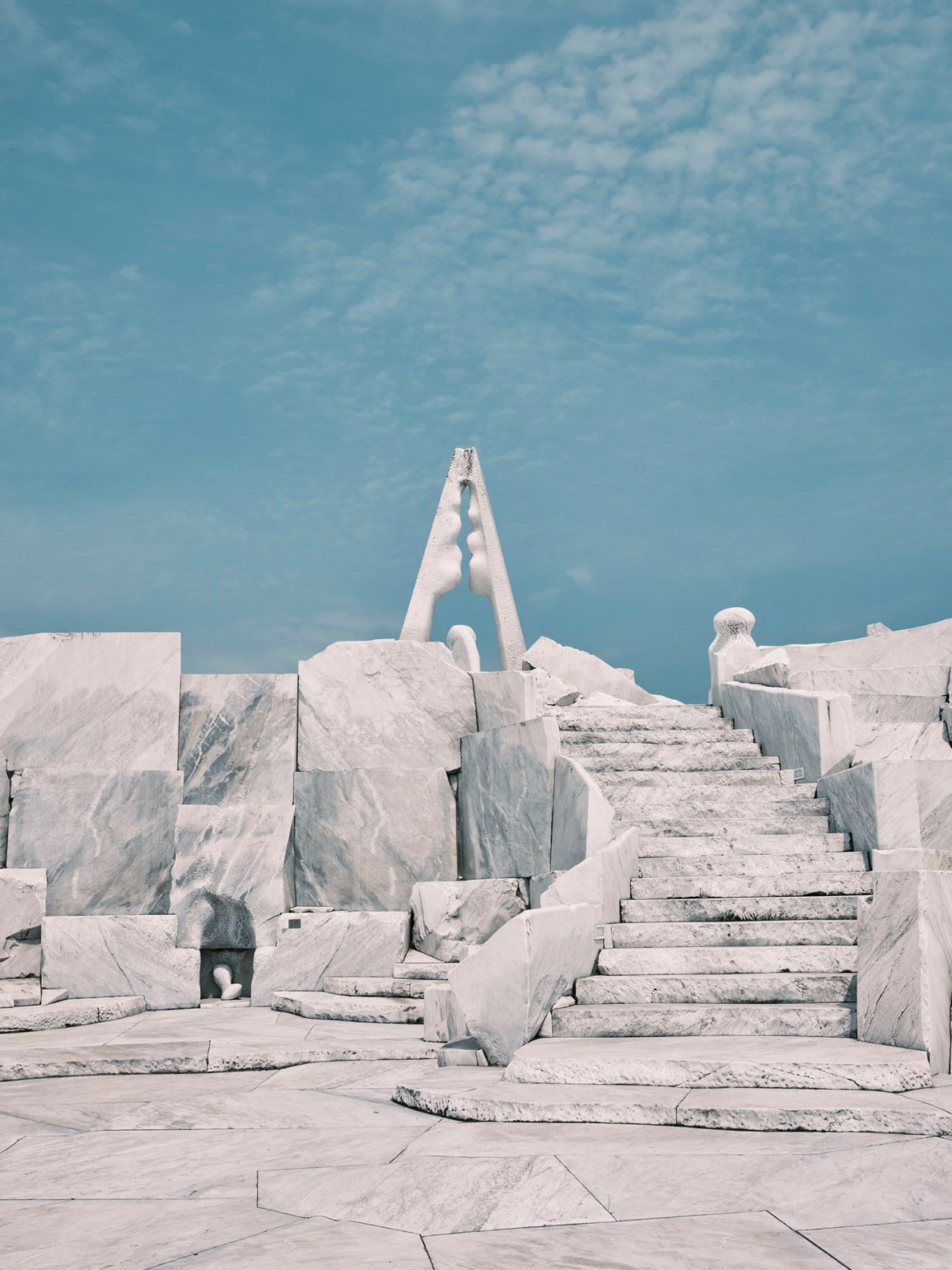
Decades-old photos show that Shiomachi Shotengai was once thronged by Japanese tourists; this eccentric Buddhist temple, built in 1936, was the main attraction. Highlights include replicas of famous religious sites in Japan and the Hill of Hope, a dazzlingly bright marble garden that took artist Itto Kuetani 16 years (and 3,000 tonnes of Carrara marble) to complete.
kousanji.or.jp
Yubune
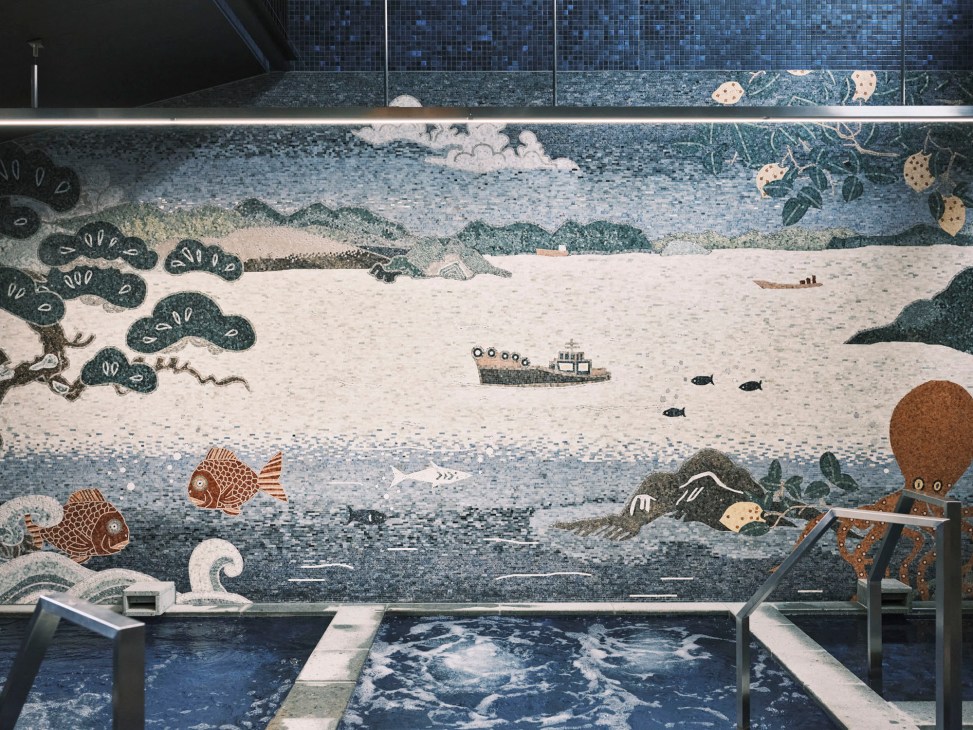
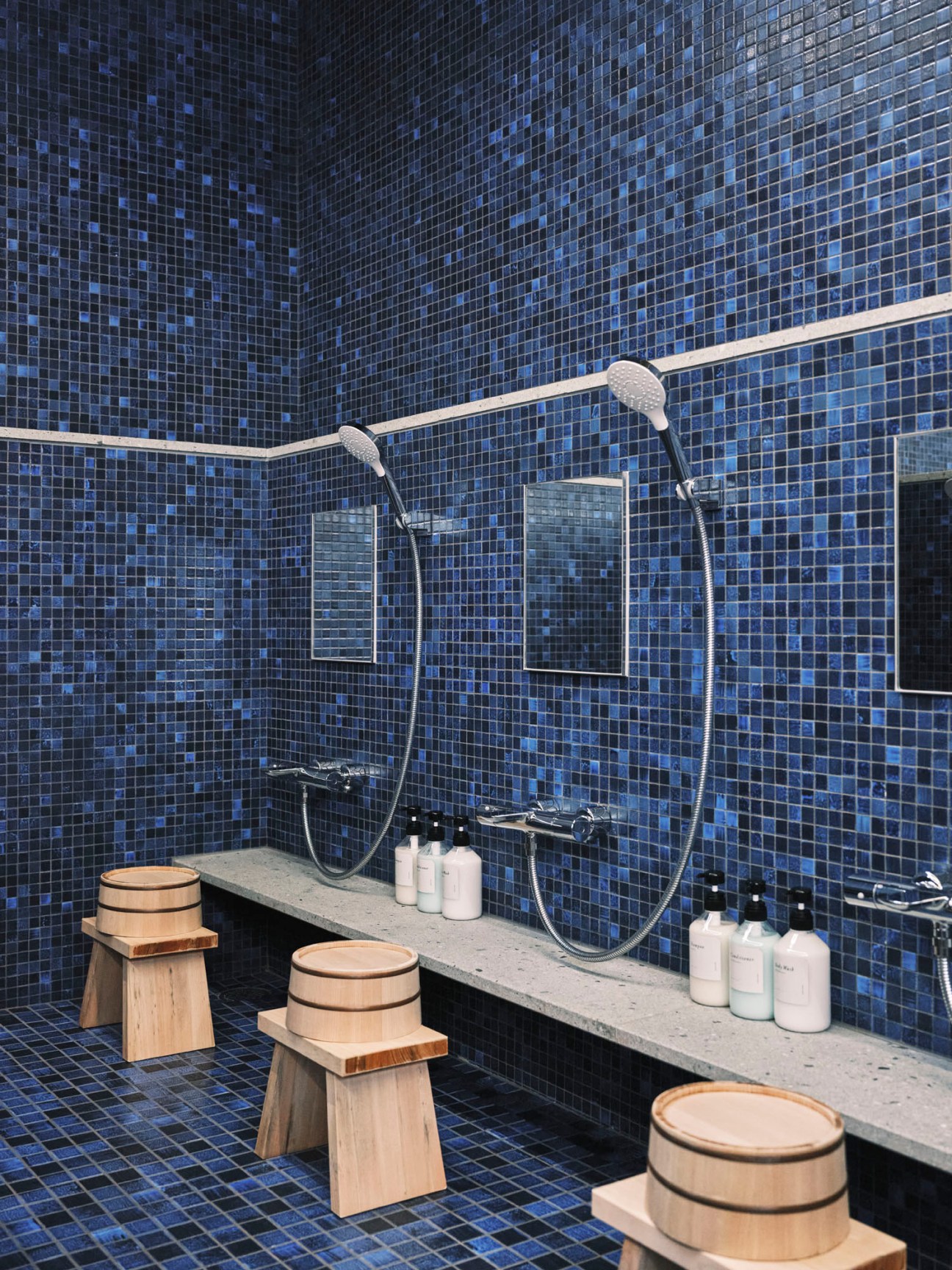
For just a few hundred yen, take a dip in the sento (public bathhouse) across the road from Azumi and designed by the same architect. The baths are scented with plums and lemons grown nearby and the walls are tiled with murals of the Inland Sea by artist Mai Miyake. Or stay in one of its 14 guestrooms.
azumi.co/yubune
Soil Setoda
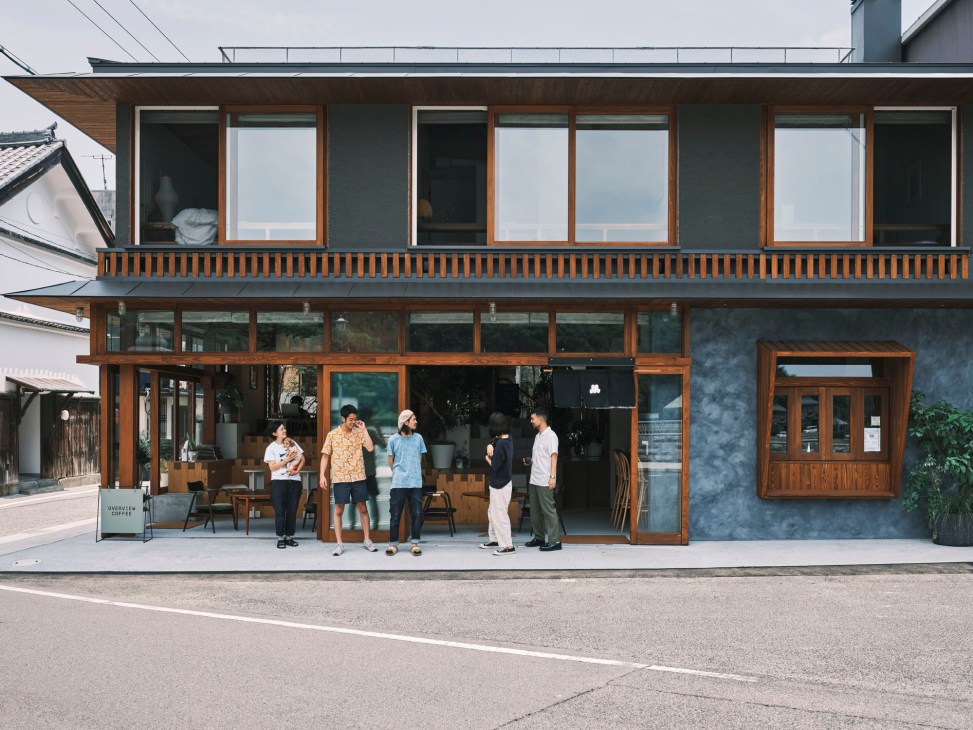
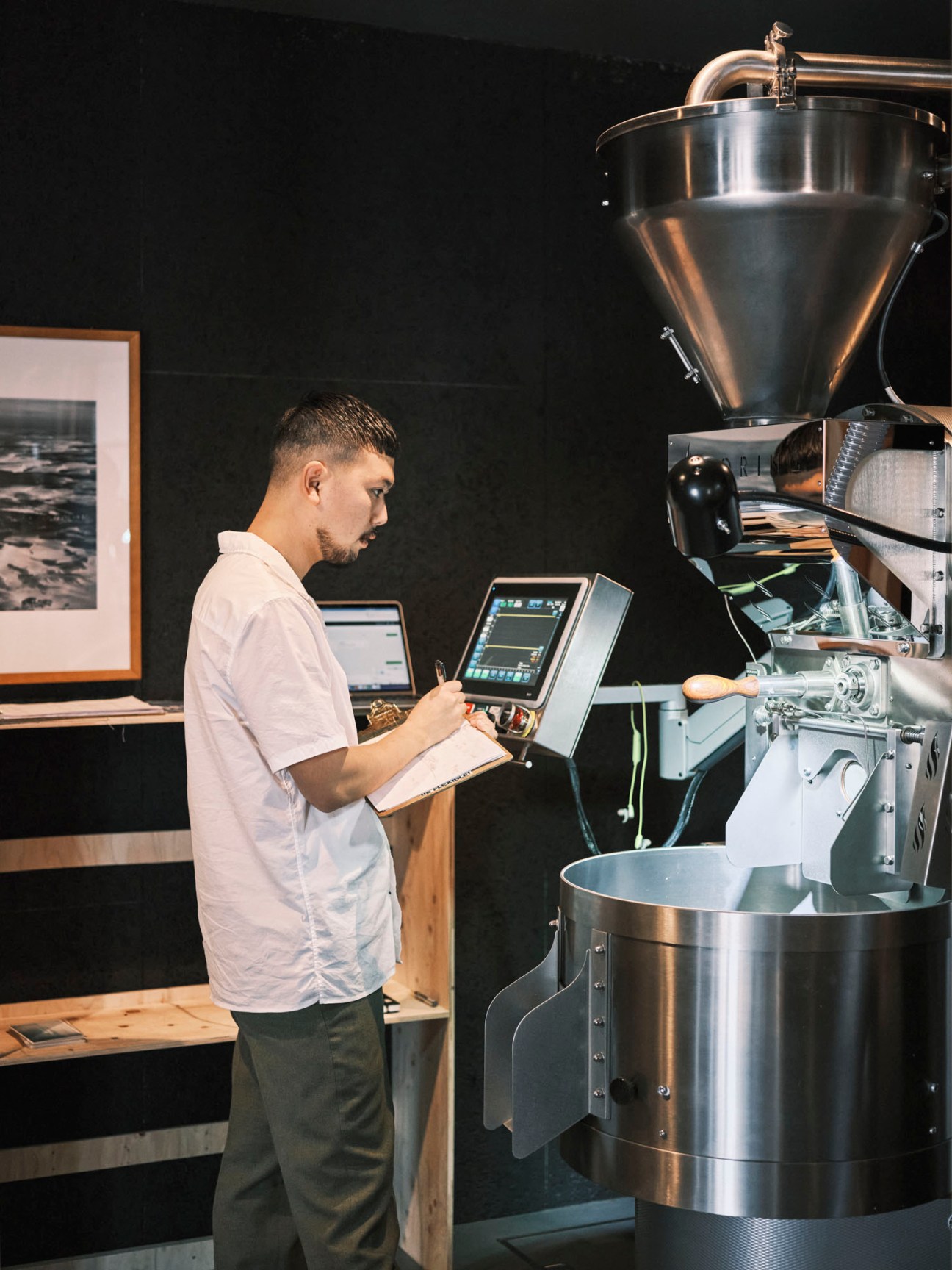
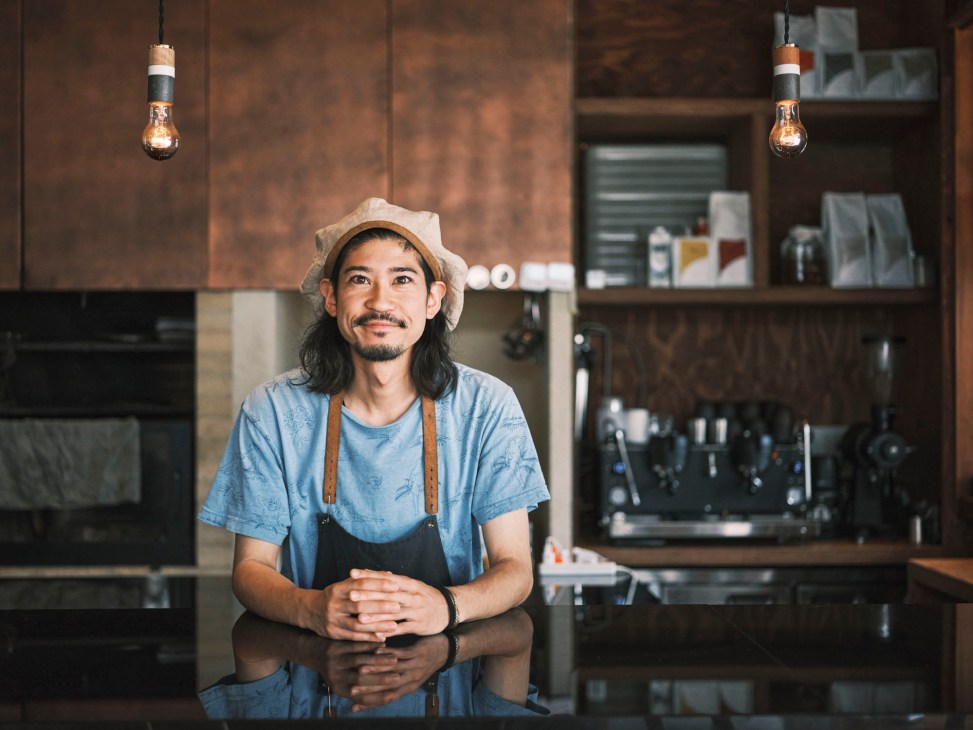
Soil is another of Azumi founder Yuta Oka’s projects, a meeting place with workspace and accommodation on the waterfront. Coffee roaster Keisuke Masuda has moved from Shizuoka to open Overview Coffee and Minatoya serves top lunches and dinners – grilled fish caught out front and tomatoes slow-roasted over coals.
soilis.co
Setoda Shokudo Aori
There might be a queue but it’s worth the wait for squid caught and cooked by the owner. Also on the same street is Chuka Setoda, a ramen, fried rice and gyoza restaurant popular with residents.
shiomachi-shotengai.com
Kojoji
The gentle stroll up to this temple offers an intriguing peek into local life; at the top is a national treasure 15th-century pagoda. Enjoy the late afternoon view over the town and out to sea.
After Angela
Take a moment to think about the world of diplomacy when Angela Merkel first took power in 2005. It’s not so much that the major leaders of the time – George W Bush, Tony Blair, Jacques Chirac, Hu Jintao and, of course, Vladimir Putin – engender a particularly warm and fuzzy feeling but that the rhetoric of politics and diplomacy, even among the more autocratic regimes, was markedly more measured. This was before the financial crisis, refugee crisis, Crimea invasion, Brexit, Trump, pandemic; before MeToo and Black Lives Matter. It was a time where listening, compromise and competence were in vogue. And it was an environment in which a no-nonsense, common-sense leader like Angela Merkel, who prides herself on maintaining order, could thrive.
Fast-forward 16 years and the environment that Merkel leaves behind when she steps down at the end of September is anything but serene. The style of domestic politics and geopolitics has become more combative, less compromising. Order and continuity? It’s not something many people crave. In an age of populism, half the public demand immediate progress, social justice and an aggressive defence of human rights. The other half demand the opposite: to resist cancel culture, self-righteousness and the “loony left”. It’s a world where autocrats in China and Russia feel emboldened to act in their own interests, free from the constraints of western values. And in Europe? Nations such as Hungary are increasingly willing to ignore the rules of Brussels and Berlin, with no fear of the consequences. Indeed, it’s ironic that the last EU summit of Merkel’s tenure, which involved serious clashes over a law deemed homophobic in Hungary and a refusal to engage Putin in talks, was described by Dutch prime minister Mark Rutte as the most rancorous in his memory. The Merkelian method of compromise and engagement seems to be crumbling.
David McAllister
Christian Democrats
On Germany’s relationship with Europe:
“The major global challenges can only be solved if we tackle them together, with like-minded partners. Germany, as well as the entire EU, must become more weltpolitikfähig – able to act globally. Where we are very clear is that Germany’s foreign policy should always be seen in a European context.”
On Russia and China:
“I will always follow the Cs when dealing with China: co-operate where possible, compete where needed, confront and contain where necessary. China will be the big foreign-policy challenge over the next years and decades, and we Germans follow a policy where our pragmatism is always based on firm values and principles.”
On EU-UK relations:
“The UK will never be just a simple third country; 46 years of EU membership have created so many links between us and a broad exchange on so many different fields from culture to politics, sport and the economy. The UK remains our political partner and in international organisations we share the same values and principles. And, finally, the UK is a rock-solid Nato ally. That’s why I’m hopeful that we can really make this partnership work.”
On foreign engagements and defence:
“Nato is the backbone of our Euro-Atlantic security. We as Germans, together with our European partners, must assume more responsibility. It’s about strengthening the European pillar within Nato and, in the end, spending more on our own defence and security – and this is where you will not hear concrete promises from the Green side.”
McAllister is a Scottish-German senior member of the European Parliament and a former state premier of Lower Saxony.
“She held Europe together because of this very diplomatic way of dealing with difficult topics,” Katarina Barley, a former justice minister in Merkel’s coalition government and now a deputy leader for the Social Democrats in the European Parliament, tells Monocle. “But when it comes to European values, to dealing with governments in Poland and Hungary, I would have liked her to be clearer – to take a stand for democracy and the rule of law. She did not do that enough.”
In other words, even Merkel herself has been increasingly hard-pressed to maintain order. Pragmatism isn’t really what geopolitics is about these days. You are expected to take a firm stand. And although Merkel might have helped to turn Germany into an influential economic power and global player, it will be up to her successors to decide what that really means. “This is part of Merkel’s legacy: that Germany needs to play a bigger role in the world,” says Jana Puglierin, head of the Berlin office of the European Council on Foreign Relations. “And this pressure is felt in Berlin. Already under Merkel it was a constant theme from our partners and friends: that Germany needs to take more responsibility. It didn’t come from us; it was imposed. The candidates understand this but I’m not sure how ready they really are to change things.” That leaves Germany – and Europe – faced with two key questions when federal elections are held this September: who will voters choose to take the rudder after Merkel steps down? And what direction will they steer if not right down the comfortable middle?
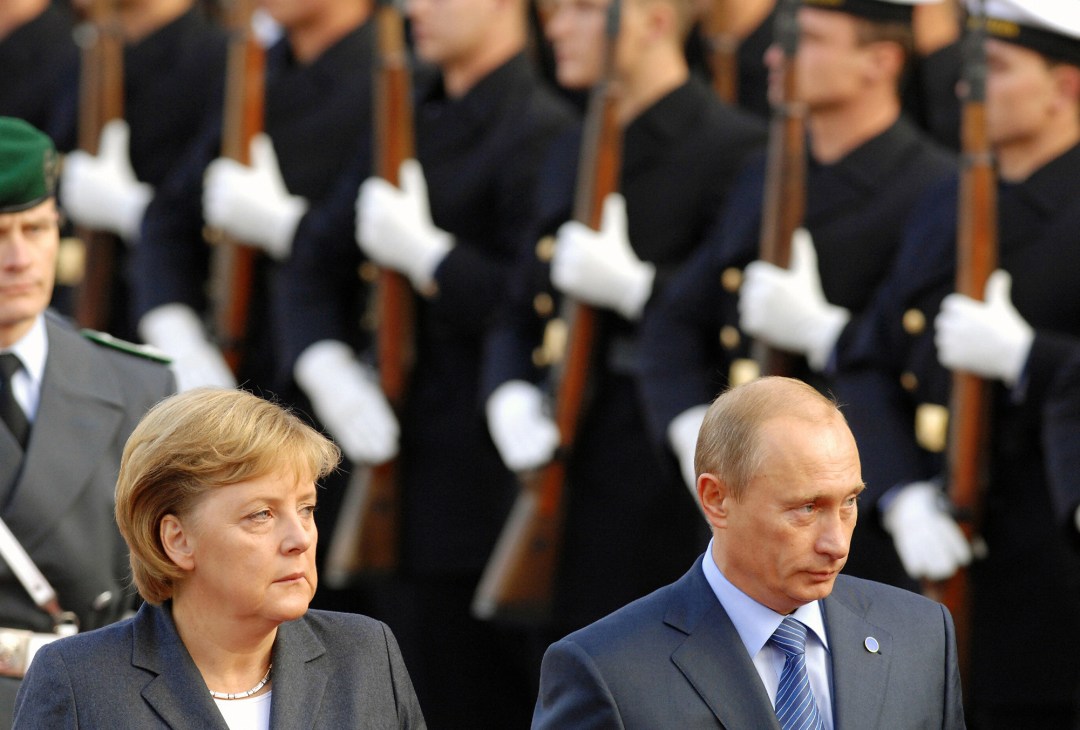
Meeting Vladimir Putin for crunch talks in Wiesbaden in 2007 amid growing distrust between Moscow and Washington.
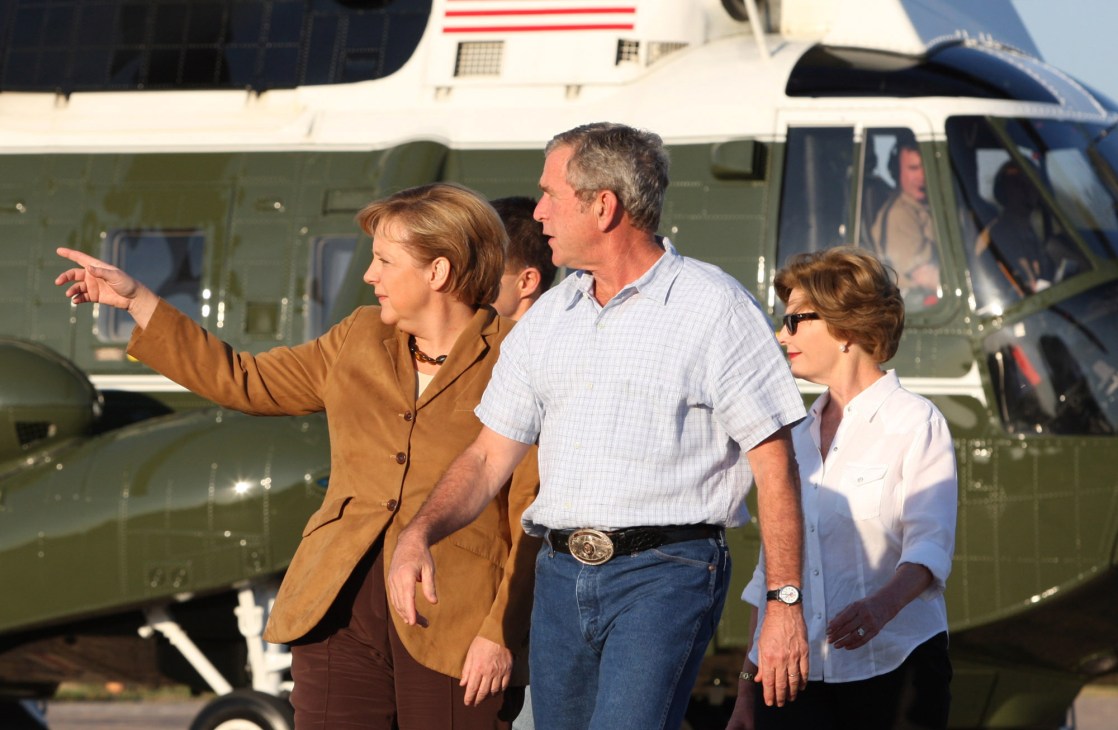
Merkel has seen four US presidents come and go, including George W Bush, who hosted her on his Texan ranch in 2007.
The “who” matters first and foremost. The three leaders vying to replace Merkel as chancellor are Armin Laschet of the Christian Democrats, Annalena Baerbock of The Greens and Social Democrat Olaf Scholz. Of the three, Scholz has the most experience, but none of these figures has the same reputation and network of relationships, particularly when it comes to foreign policy. It’s also partly because of Merkel’s stature that her successors are reluctant to speak too openly about shaking things up. Listen to German politicians reflecting on Merkel’s time in office and there’s a simple theme that shines through: stability. Call it the “Merkel Doctrine” if you like: an uncanny ability to keep things from crumbling and falling apart; to find compromise whether the negotiated solution is truly popular or not – think keeping Greece in the euro. It’s a style that permeates German foreign policymaking. After Merkel’s final “State of Europe” speech before Germany’s parliament in June, even opposition leaders focused their praise on her for keeping the EU together against all odds.
Katarina Barley
Social Democrats
On Germany’s relationship with Europe:
“There are points where we need to take a strong stand. What would a Social Democratic leader do differently? We need to be very clear that there are limits, as laid down in the European treaties: they include democracy, rule of law, separation of powers, independence of judiciary. You really have to stand up – and there are means to do so bilaterally or by influencing the decisions of the EU.”
On Russia and China:
“What’s going on in China with the Uighurs, what’s going on in Russia with Alexei Navalny – that is something that we cannot be silent about. There are cases where you have to bring up the prospect of sanctions. It is right that member states, including Germany, do not do this unilaterally but within the EU.”
On EU-UK relations:
“It’s a pity that we have drifted so far apart. There is a chance of getting very close again. The current UK government is trying to gain political profit out of a conflict with the EU – and as long as that remains the case then it will be extremely difficult. But the people do feel close to each other and therein lies my real hope.”
On foreign engagements and defence:
“Because of our history, we Germans are very much oriented towards diplomacy, peacekeeping and trying to bring people together; this is what we are very good at. We are less in favour of military interventions than other member states but this is also part of the EU. We all have different histories, cultures and we have to find the common ground.”
Barley is British-German senior member of the European Parliament and a former justice minister in Angela Merkel’s coalition government.
Anna Deparnay-Grunenberg
The Greens
On Merkel’s legacy:
“Merkel came from the eastern part of Germany and had a concrete vision of democracy and the rule of law; it was a thread of her politics that I appreciated. But she never offered a vision on how to change the conservative parts of our society. Climate change must now go hand in hand with everything, including in the conservative countryside. We need more visionary people.”
On climate change:
“In the past few decades we haven’t done our homework. We are not at the forefront globally when it comes to renewable energy and other steps that we could have taken. We need a new government that has more ecological ambition.”
On protecting European values:
“We pushed for a rule-of-law mechanism and we can now cut funding if a country is not complying – but we don’t want to be so tough that we risk losing them. The ideologies in Hungary and Poland exist in all EU countries; we have to put more emphasis on dialogue and strengthen supporters in opposition. Human rights are non-negotiable. If we let our values go, the EU’s common market is not strong enough to keep Europe together.”
On mobility and rail:
“We should be incentivising rail travel. This is what we are trying to encourage in the 2021 ‘European Year of Rail’. But we need member states to place rail on the same level as other forms of transport and build the missing links between countries. Many national rail operators’ traffic plans still stop near the border; we have to develop a more European way to plan our railway system.”
Deparnay-Grunenberg is a German-French-Swiss ecologist, scientist and member of the European Parliament since 2019.
All of Merkel’s principal successors as chancellor pay lip service to this concept of stability and compromise. Even The Greens and Baerbock, who have emerged as the most significant challenger to Merkel’s Christian Democrats and would represent the most radical change in direction – increasing taxes on high earners, stronger environmental reforms, a more values-driven foreign policy – are in the ascendancy in large part because they’ve tacked closer to the moderate centre of politics in recent years. It’s a style of diplomacy that also comes from Germany’s postwar history – and one that the country is reluctant to shake. Even Merkel, despite often being hailed by outsiders as “the leader of the free world”, preferred to exercise that power behind the scenes – and always within a European context. Baerbock of The Greens has echoed this sentiment in pre-election debates: “A German foreign policy is a European foreign policy,” she has said.
You would be hard-pressed to find a major party that disagrees. Although nationalism poses a major geopolitical challenge, it’s a sentiment that remains mostly on the fringes within Germany itself. The right-wing Alternative for Germany (AFD) party, which in its platform this year called for Germany to exit the EU, looks set to lose ground in September’s elections. “It would be rather dangerous for Germany to leave the European Union,” says Lars Patrick Berg, a former afd lawmaker in the European Parliament, who left the party earlier this year over its call to leave the bloc and joined a splinter party known as the Liberal-Conservative Reformers. “Germany is in a position of strength within the European Union and should use this position to further German national interests.” While disaffection with government is real – particularly in many former eastern German states – few Germans really want Berlin to act outside a European context.
Özlem Alev Demirel
MEP, The Left party
On Merkel’s legacy:
“Angela Merkel has done a lot for Germany and on the international side but inequality has grown really high in the past few years and I would have wished for more social policies. When I look to Europe, I remember the austerity policies towards southern Europe, which were not the answer to the crisis.”
On security and defence:
“Security doesn’t have to mean more militarisation. Germany and the EU should strive for disarmament projects and diplomatic engagement. It’s not right to have more military interventions; the history of Afghanistan has shown that our criticisms of this war were right. At the European level there are efforts to build a military union but people in the EU believe in other values. They believe we’ve created a peace project here.”
On EU and German foreign policy:
“Economic interests are the first value that the EU and Germany fight for. We see it in sanctions: they’re not linked to human rights or democratic questions but to our interests. We open up markets to European products when we talk about China, where there is a symmetric competition, but we impose asymmetric sanctions on Cuba. Sanctions are not the way to solve conflicts.”
On migration:
“First, there should be solidarity with migrants and solidarity within the EU; we are leaving Greece alone with the problem and its economic impact; this needs to change. Second, Merkel might have allowed a lot of people to come to Germany but she didn’t deal with the social-political problems, such as housing shortages and high rents. A humanitarian aid policy must be tied to social policies.”
Demirel is a Turkish-born German politician and member of the European Parliament since 2019.
Lars Patrick Berg
Liberal-Conservative Reformers
On Merkel’s legacy:
“Stability is very important and keeping the EU together is very important. But the key question is: what is the vision for Europe’s future? And in that, I’m not sure that Merkel had the answer.”
On Germany’s role in Europe:
“It’s not credible to think that Germany alone can compete economically with the US, China or India. But I’m convinced that a reformed EU is in Germany’s interest; it should be an EU that is primarily concerned with trade and not so much with federalism. Transferring more sovereignty to the EU wouldn’t be in the interest of many member states.”
On foreign engagements and defence:
“To take more responsibility in Nato, in regard to defence policy or defence spending or contributions to military operations – that’s the real world. If you can’t safeguard your trade routes in the Indian Ocean or the Horn of Africa or elsewhere, then you’re going to be crushed between various third-party players. So Germany does need to take more responsibility even if, on a national level, this is rather unpopular.”
On migration:
“You need migration to attract talent and young people who are willing to contribute. And it’s also important to uphold rules that enable people who are under threat in various parts of the world – politically, or because of a different sexuality, for example – to grant them a safe haven. But it’s not possible to attract and invite everybody; this has created problems in various EU member states. It is of the utmost importance that migration policy be reformed.”
Berg is a European parliamentarian and founding member of the Alternative for Germany party. He quit the afd in 2021 over its promise to take Germany out of the EU.
And yet, under the cover of that “Europe first” message and the general mantle of stability, the disagreements about Germany’s future foreign-policy direction are significant (see panels). One of the biggest questions is whether Germany should spend more on its creaky military – as repeatedly demanded by the US under the banner of Nato – and take a greater role in foreign military engagements. Merkel’s own party is committed to spending 2 per cent of Germany’s GDP on defence (though it’s worth noting they’ve failed to reach that goal despite years of trying). Baerbock, while promising to equip the German military with the means to carry out its missions, has refused to commit to the same. The Greens and Social Democrats instead suggest that other spending areas – development aid, for instance – should count towards the 2 per cent goal.
The second biggest disagreement is whether to prioritise Germany’s economy and trade ties over a more robust defence of democratic values. Merkel the pragmatist was on full display at the start of this year, when she pushed hard for the EU to agree a new investment treaty with China, only to see it put on hold in the face of concerns over China’s treatment of Uyghurs and Hong Kong. The same goes for the building of a natural gas pipeline, Nord Stream 2, between Germany and Russia, or even when it comes to relations with the UK post-Brexit and the US post-Trump.
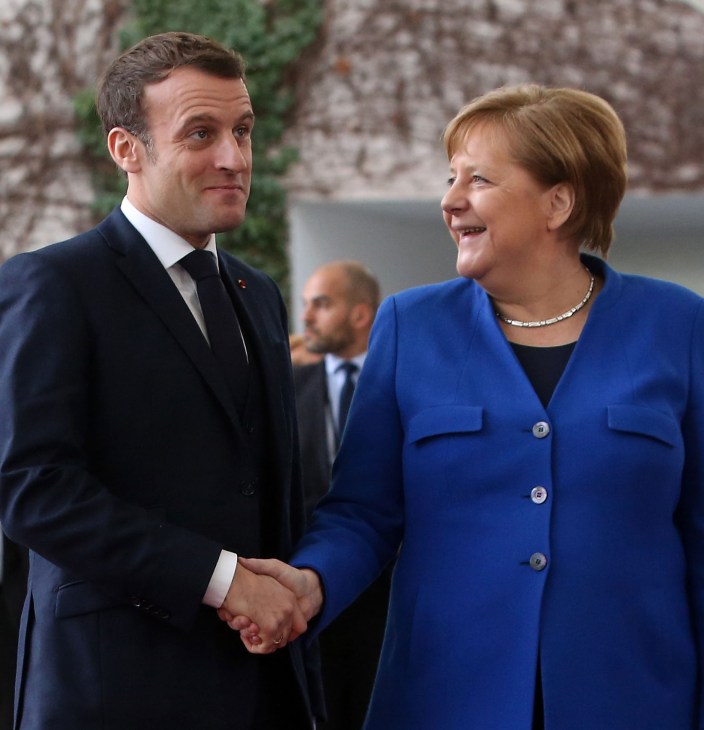
Merkel and Emmanuel Macron have stood side by side on European issues. Is it over to France?
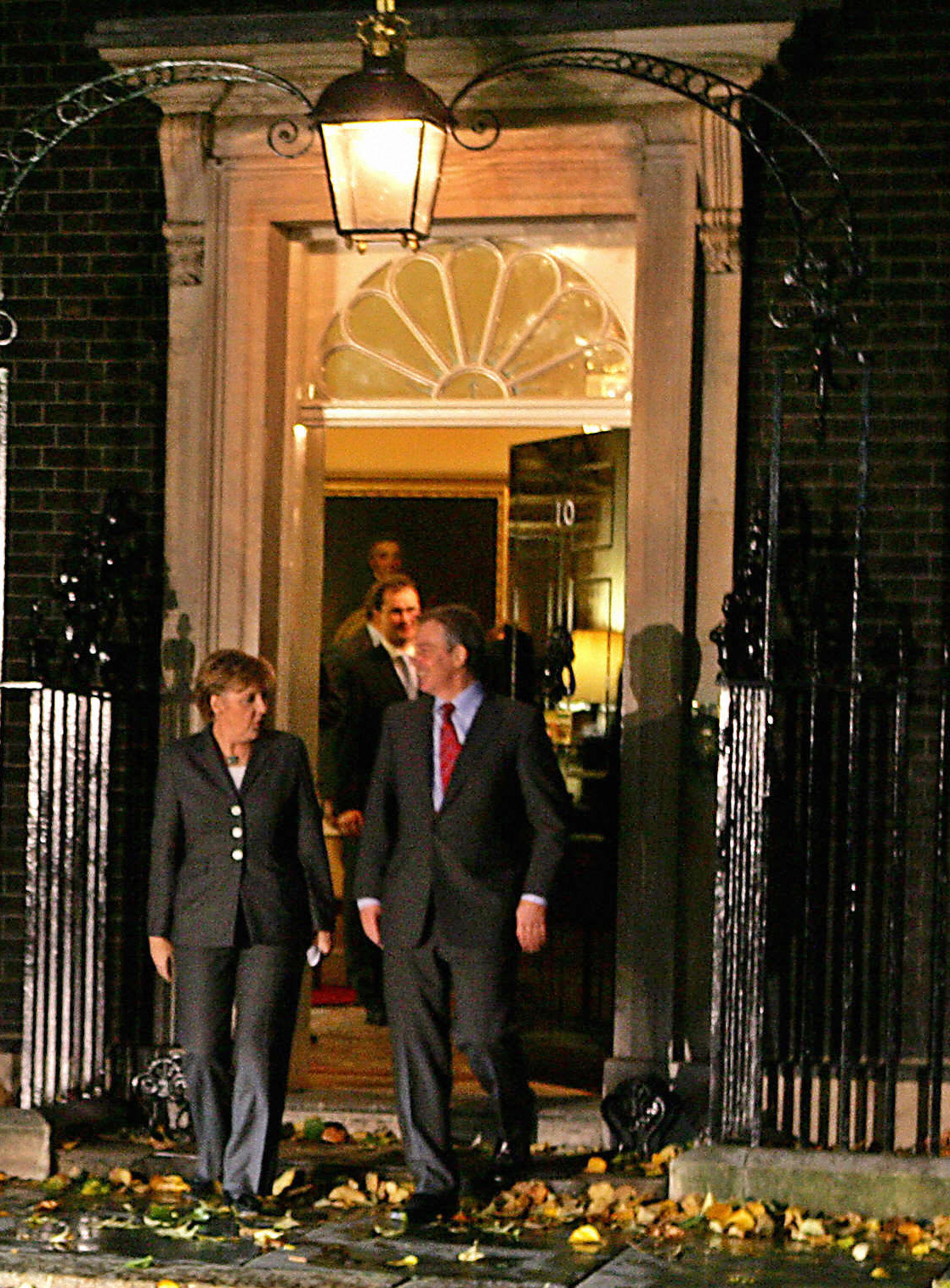
Germany’s new chancellor leaving 10 Downing Street after a meeting with Tony Blair in 2005.
For Merkel and conservatives, these issues are separate: standing up for values doesn’t necessarily preclude robust economic co-operation. But for many of her opponents the issues are increasingly linked. “She has never defined a vision of where she wants Europe to stand in the 21st century between a hegemonic US and rising China,” says Alexander Graf Lambsdorff of the Free Democrats. “If you contrast that with Emmanuel Macron and the speech he gave at the Sorbonne in 2017, for example, the differences could not be starker.”
Unlike Macron, Merkel leads by her personal example but preferring to prioritise economics and pragmatic relations over foisting her own values on other nations. “You could argue that she blocked Europe in many ways,” says Puglierin. “That she blocked progress and prevented Europe from being more ambitious or from aiming higher. She was very status quo-oriented.”
It’s a mindset that has become increasingly at odds with the world we live in. For Germany’s next leader, the status quo will not be an option.
Alexander Graf Lambsdorff
Free Democratic Party
On European security:
“Germany, due to its history, will never be a major military actor. So it’s essential that we understand ourselves to be part of the Western alliance. The idea of a European army is realistic if you take a step-by-step approach: increasing our interoperability, then training and educating our officers, and moving to a defence union with shared capabilities. We want to build on that but our alliance with the US will continue to be imperative.”
On defending European values:
“As liberals, we had long been clamouring for and drafting a rule-of-law mechanism, so countries that trample on European values are not able to obtain major subsidies from the European budget – because that would simply encourage those in power to continue with their anti-democratic ways.”
On China:
“For a long time we assumed that by engaging with China it would follow in the West’s footsteps. That has not happened. Now the situation on a strategic level should be one of firm alignment with other Western democracies. That said, the German business community has strong interests in China so it is legitimate to define a timeframe to reduce our risk.”
On climate co-operation:
“Germany is active in advancing the climate agenda but more needs to be done. The most important element of the European Commission’s proposal is the extension of the emission-trading scheme to all economic sectors. If we want to incentivise engineers, businesses and researchers to limit emissions, the best way is to work with universal price signals.”
Graf Lambsdorff is a former vice-president of the European Parliament; he was elected to the German Bundestag in 2017.
Images: Getty Images
Making the headlines
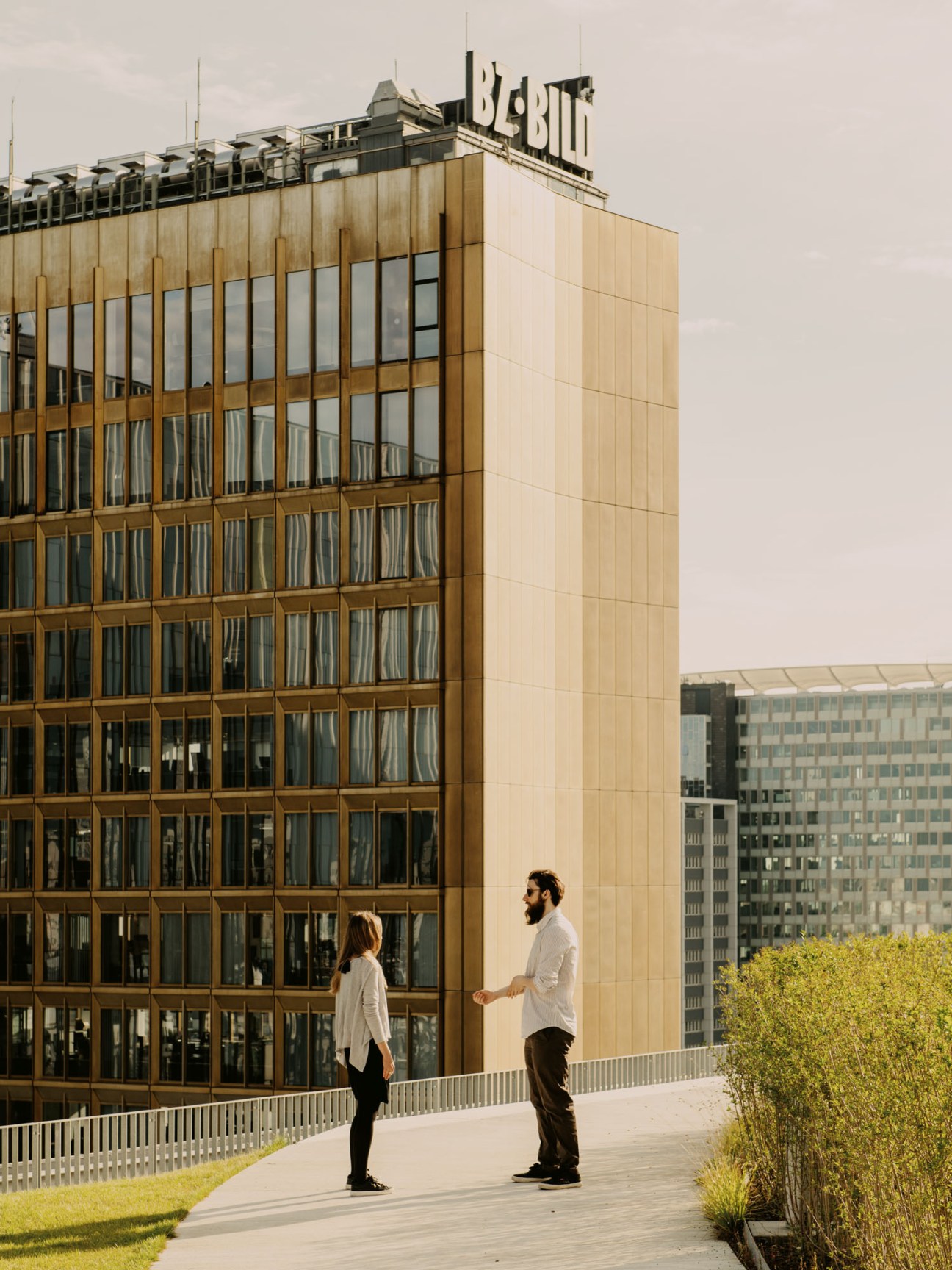
The ground on which Axel Springer’s new headquarters stands was once part of the world’s densest newspaper district – Berlin’s answer to London’s Fleet Street. Publishing giants including Ullstein (then behind the Berliner Morgenpost) and Mosse (Berliner Tageblatt) were based there, flourishing in a thriving media metropolis. But by the 1930s liberties faded and the free press with them. After the Second World War, the neighbourhood was split by the border that divided Berlin into East and West. So in 1966, when the formerly Hamburg-based publisher Axel Springer decided to erect a gleaming golden high-rise right by the Berlin Wall, it sent a signal. The skyscraper symbolised an effort to revitalise Berlin’s historic newspaper district and become a beacon of democracy – in Springer’s words “an unmistakable bulwark of freedom” – that could be seen from the East, towering over the guarded concrete wall.
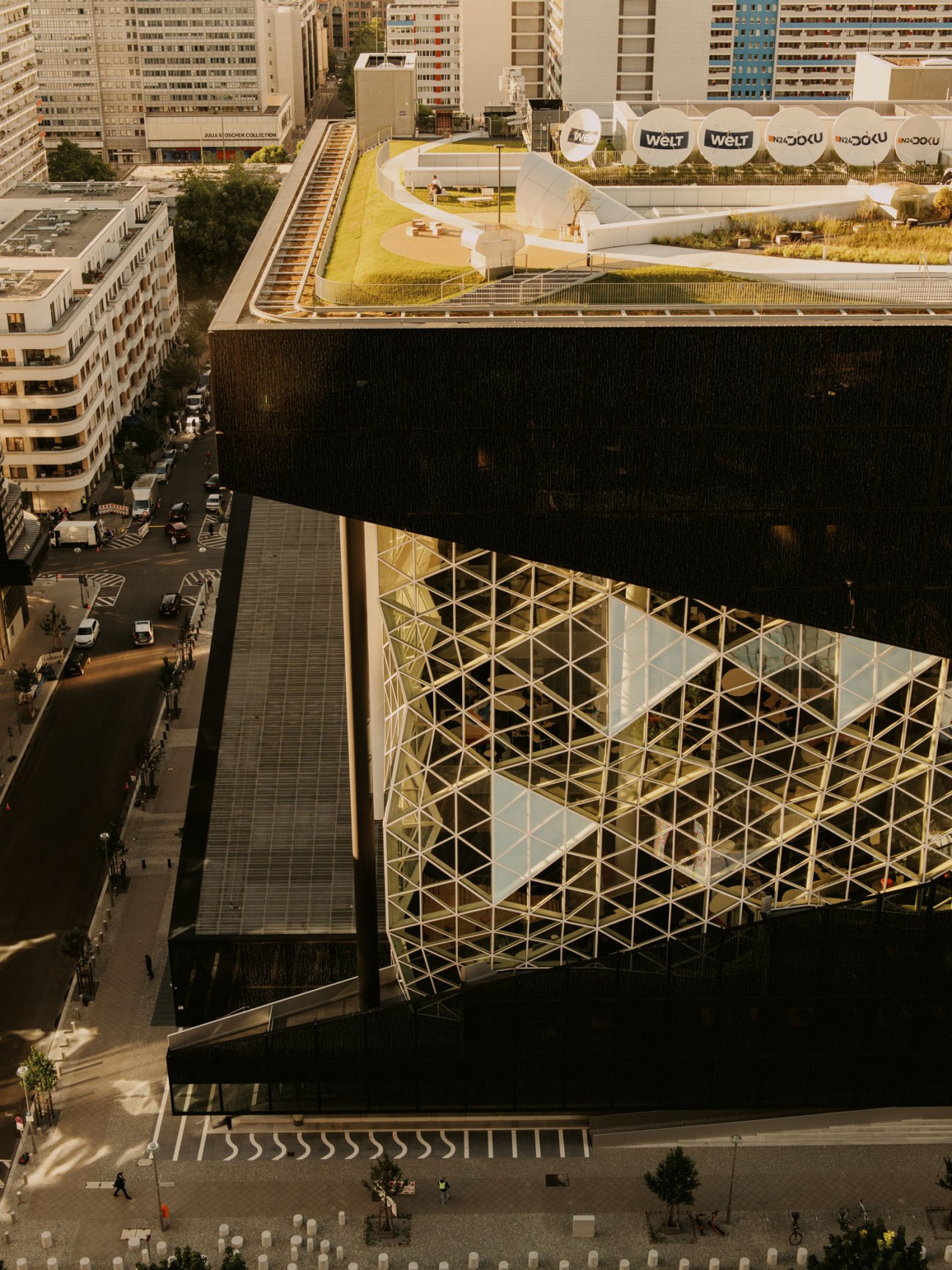
Now a new expansion of Axel Springer’s headquarters, opposite the old golden skyscraper, also feels like a statement. This massive, striking box of a building stands proudly as a physical representation of the media brand’s commitment to Berlin, renewing its pride in its civic role and making the case that offices and newsrooms are here to stay. Designed by Rotterdam-based Office for Metropolitan Architecture (OMA), the novel addition to the Axel Springer Kiez (“neighbourhood”) expresses a vision for the future. “We wanted the new building to be a symbol and an accelerator of our own transformation,” said Axel Springer’s CEO, Mathias Döpfner, at the opening ceremony in the autumn of 2020. “Long before coronavirus, the mission was to find a new answer to the question of why office space is still needed at all in the digital age. oma has provided a spectacular reply: open, multifunctional spaces that enable maximum flexibility of use; avant garde architecture as a magnet for encounters and communication.”
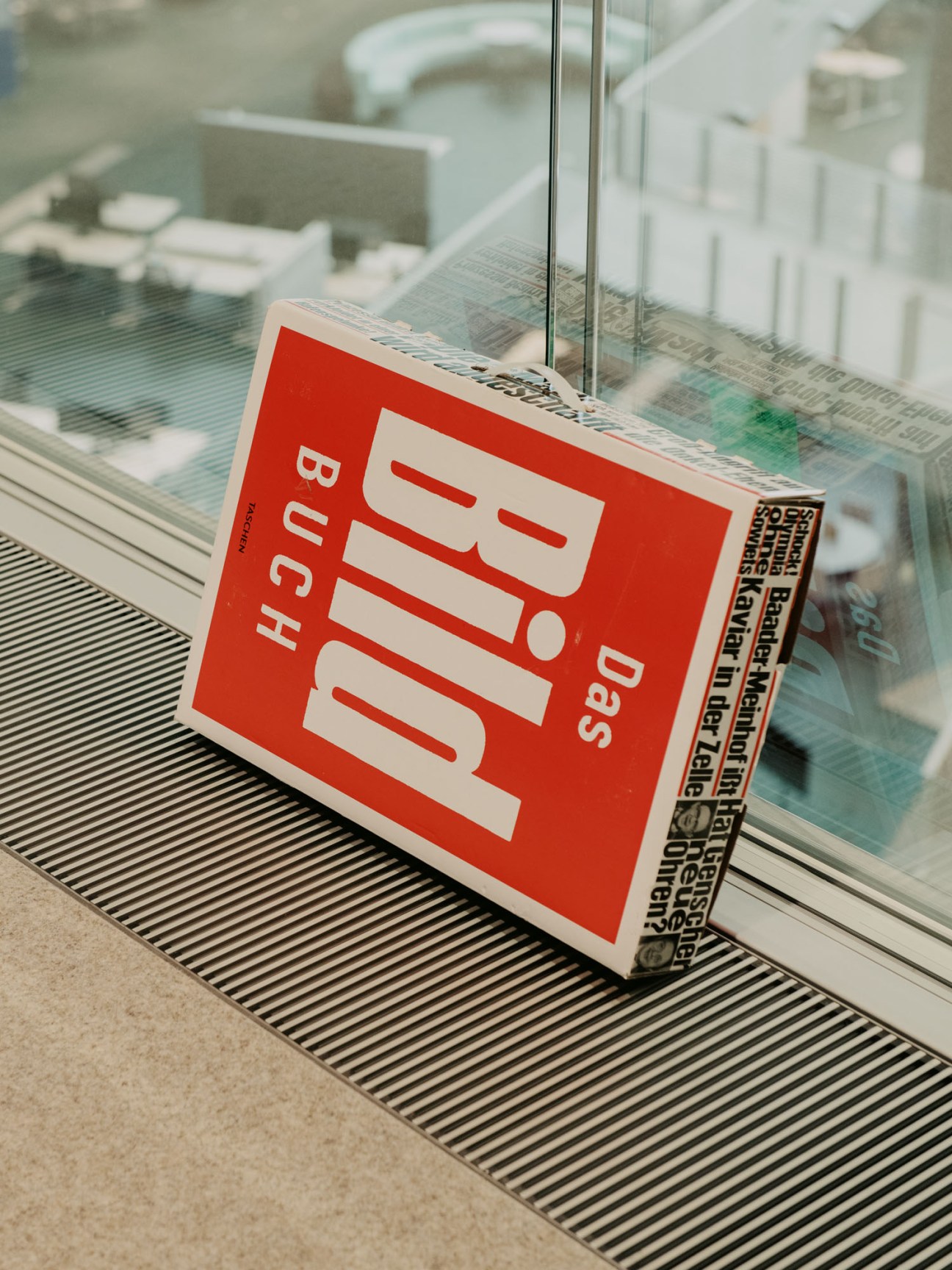
Today, Axel Springer is Europe’s leading digital publishing house, encompassing an extensive portfolio of media and technology businesses, including Germany’s most widely circulated tabloid, Bild. But it is Die Welt, Axel Springer’s flagship newspaper, that takes pride of place in a building that unites the title’s print, digital and television newsrooms under one roof for the first time. The building also brings together various businesses under the corporate umbrella – including the Media Impact marketing agency and Idealo, Europe’s largest price-comparison platform – to showcase the many faces of the company.
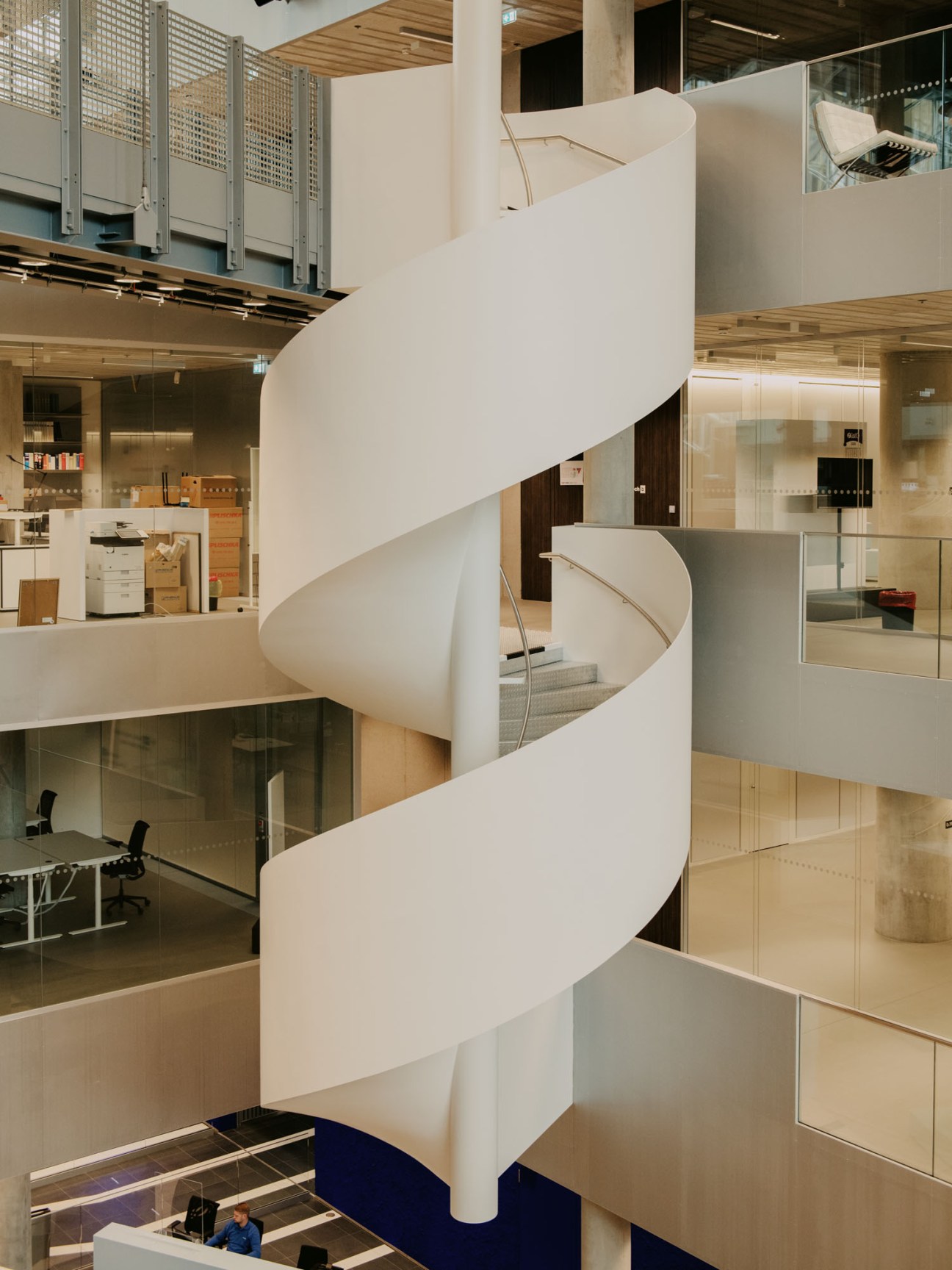
The duality that exists within the media industry, the company and the city itself was picked up by the architects in their design language: the black-and-white colour scheme throughout the building evokes print on a page as well as the polarity between East and West, and print and digital. Yet the plan was always to transcend and bridge these divides. Upon entering the 13-storey structure, visitors are greeted by an Yves Klein-esque blue wall with white lettering that spells out “East”. The opposite wall reads “West” on a gold-hued background, while 13 passageways link both sides of the new build and act as a space for serendipitous encounters.“Media, new and old, is a space for collectivity,” says oma’s Chris van Duijn, who co-led this project. “The paradox of today’s connectivity is that we are all connected digitally every second of the day across the entire globe, yet there does not seem to be a physical place for it. The centre of the design is a large open void, which allows different companies to physically share their work and boost their collective energy.”
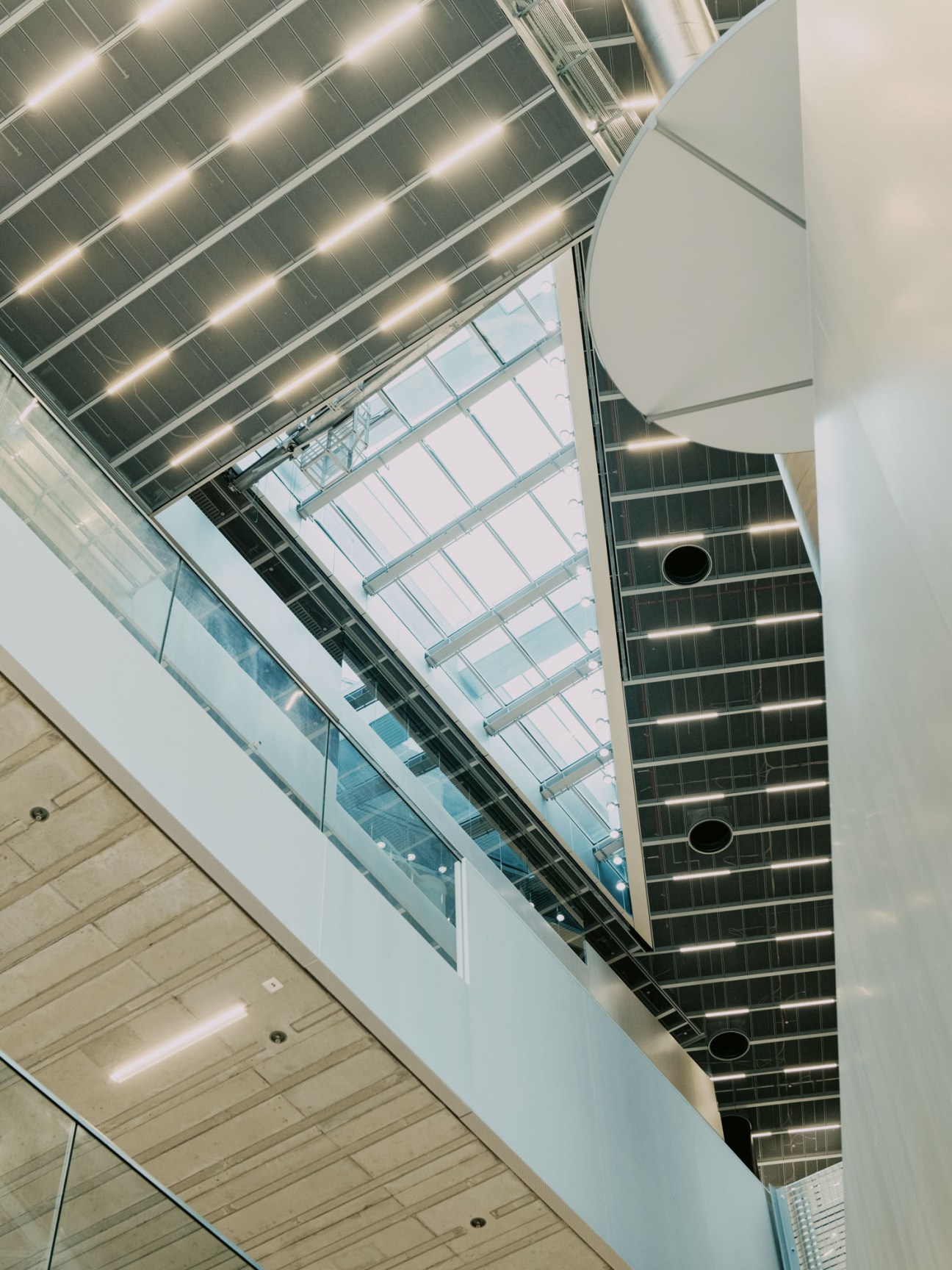
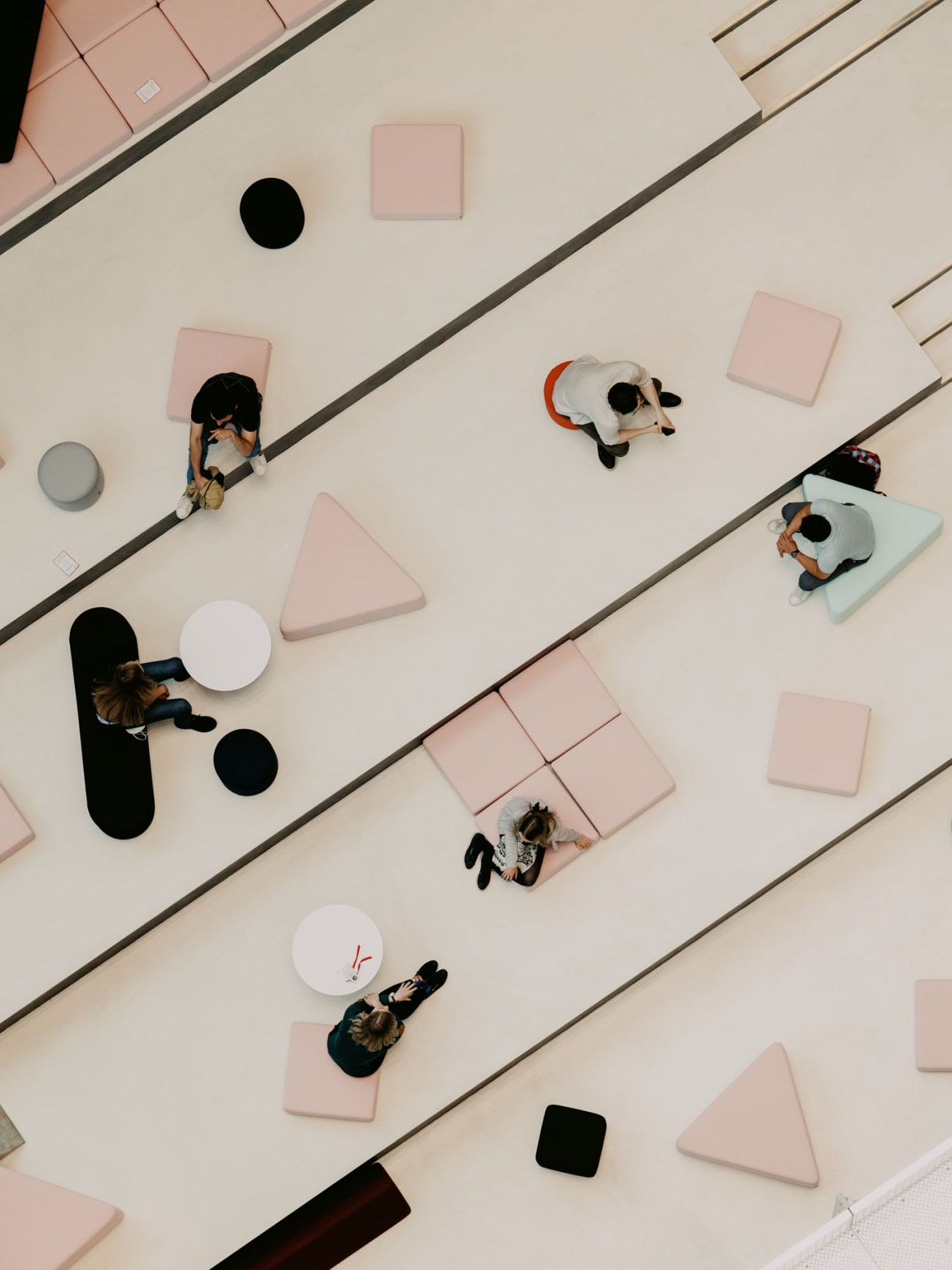
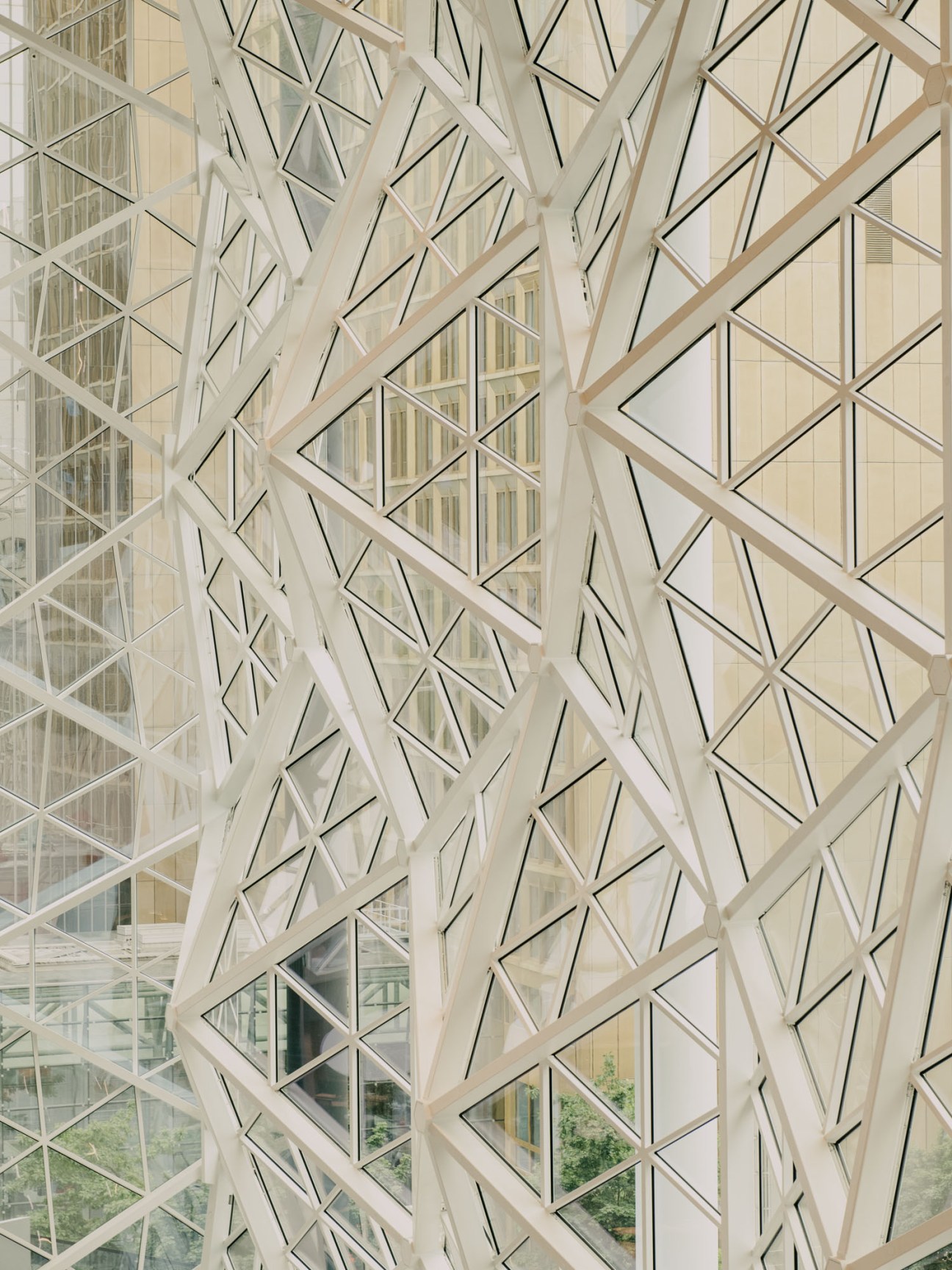
The void of which Van Duijn speaks is the glass-fronted atrium that opens up into a stack of terraced floors supported by soaring black-and-white columns, echoing the majesty of Greek temples. The building’s façade, meanwhile, resembles honeycomb and its hexagonal motif is mirrored in the many standing desks set up in clusters across the office, which in turn give the space the feel of a beehive. When all 3,200 employees find their way back to the office, there will be a buzz in the air. That said, the acoustics of the atrium were designed to cope with the noise levels and are modelled after working in a park – you are aware of the presence of others but you don’t feel disturbed by their chatter.
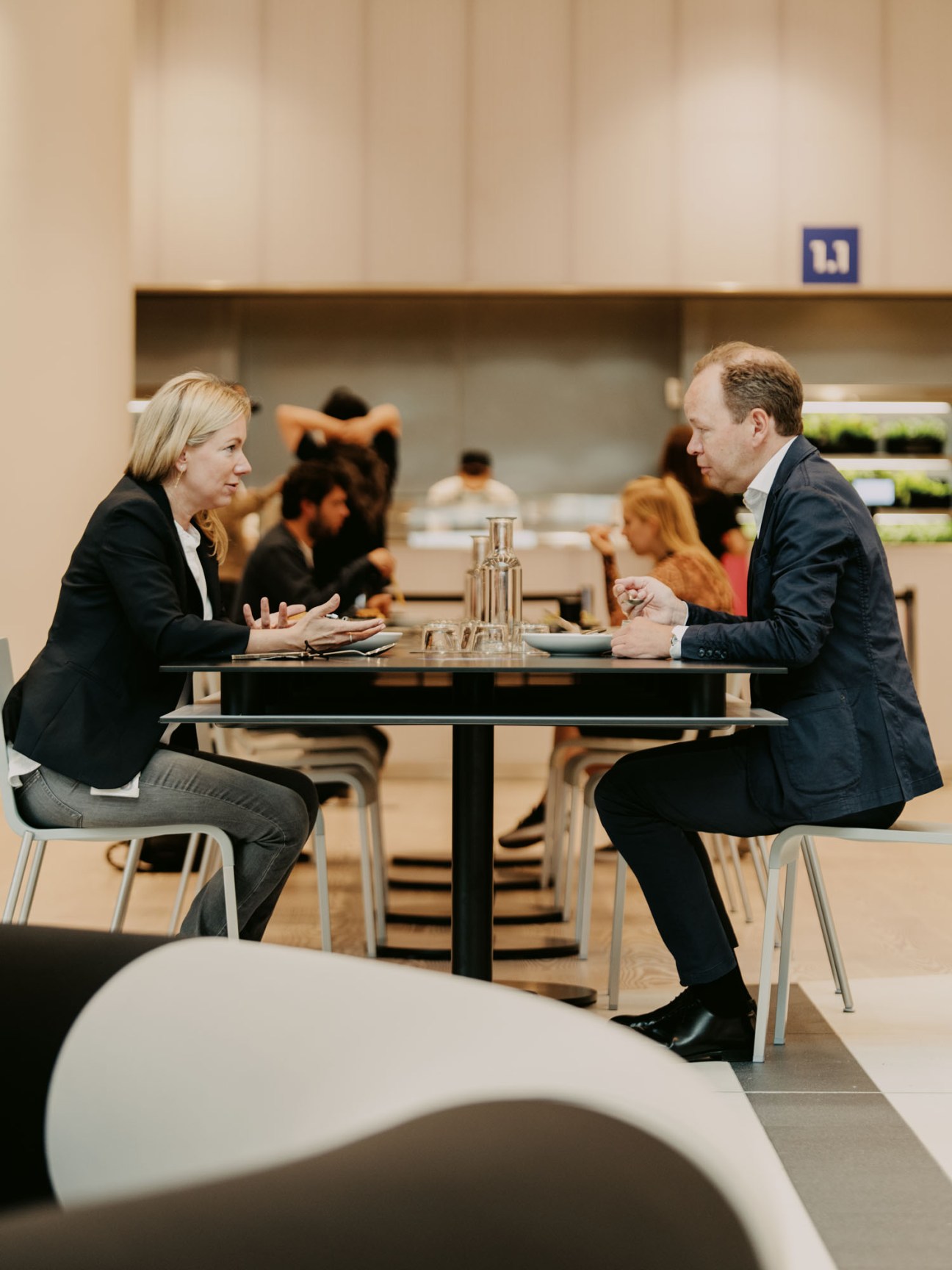
“We considered the essence of the building in advance and decided that it must offer a place where people will come together, communicate and exchange ideas, especially considering that journalists can work anywhere,” says Andreas Ludwigs, head of Axel Springer services and real estate, who oversaw the project from start to finish. “From the beginning we asked ourselves: does this make sense for us, will we need a permanent home for our people?”
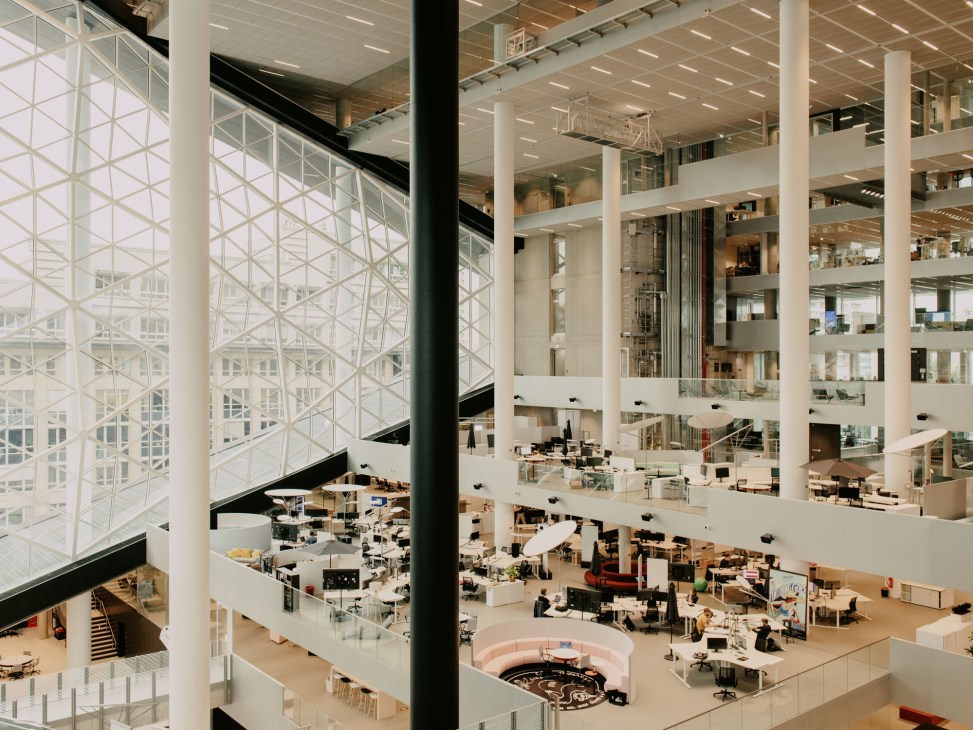
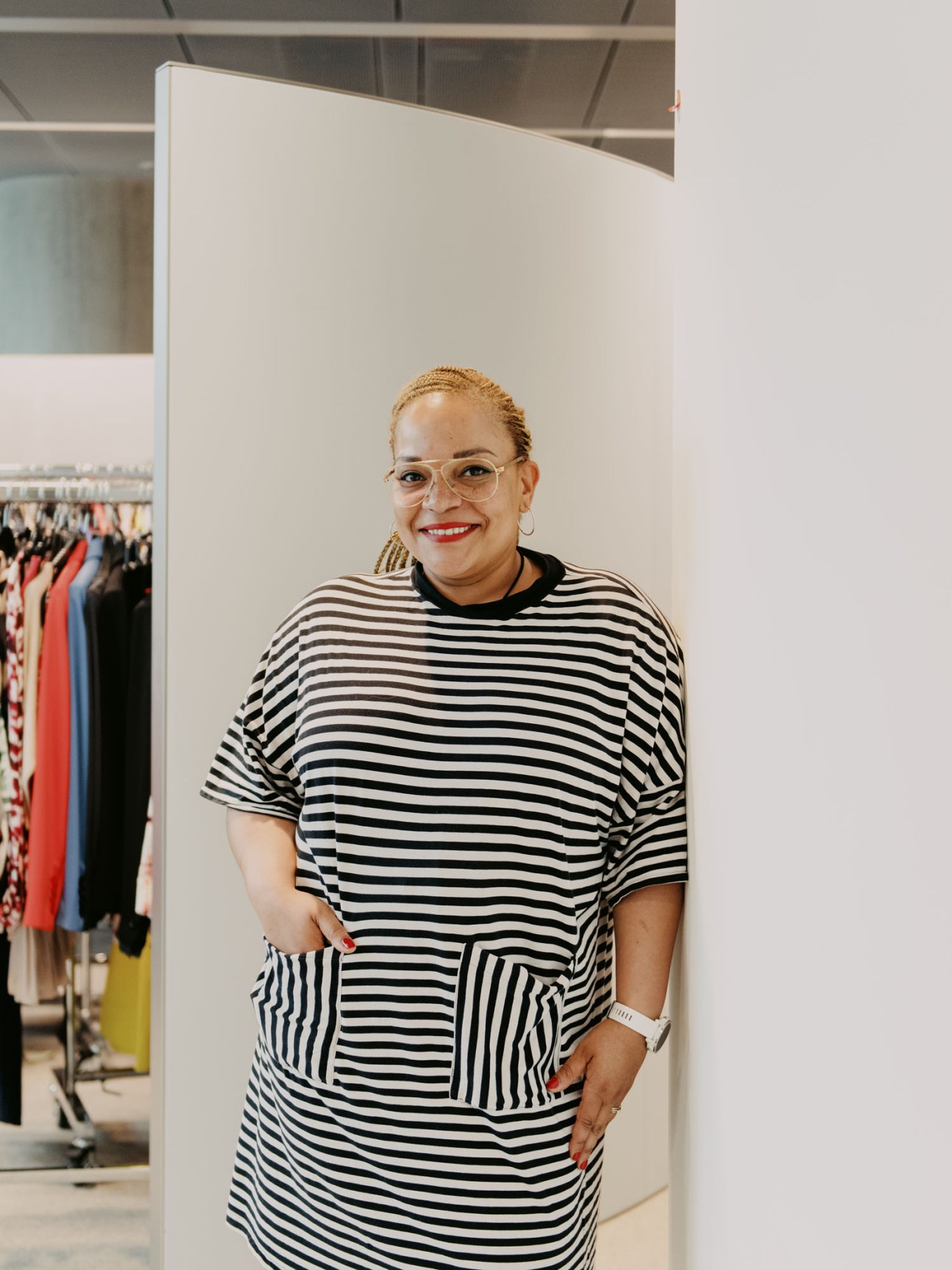
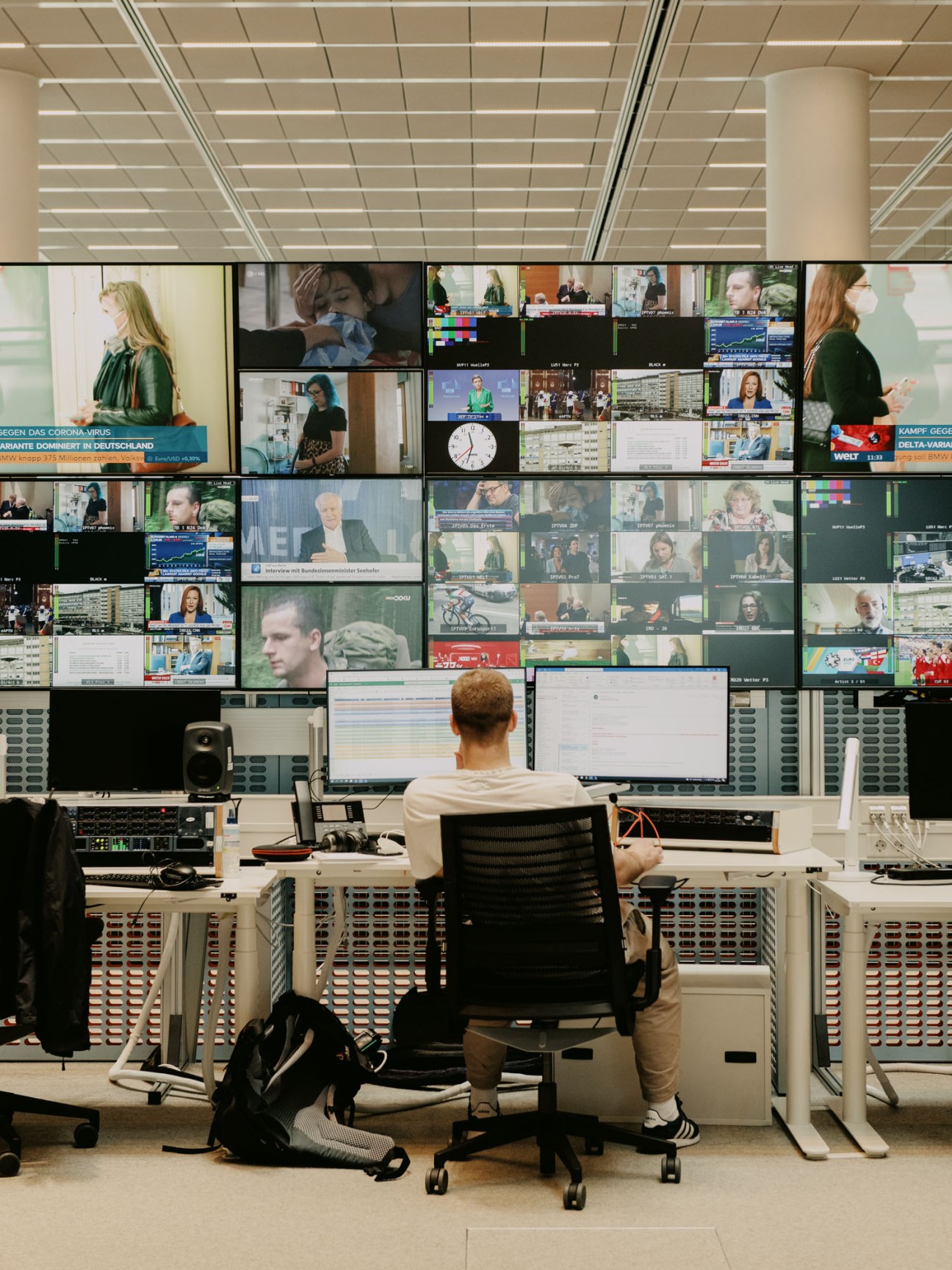
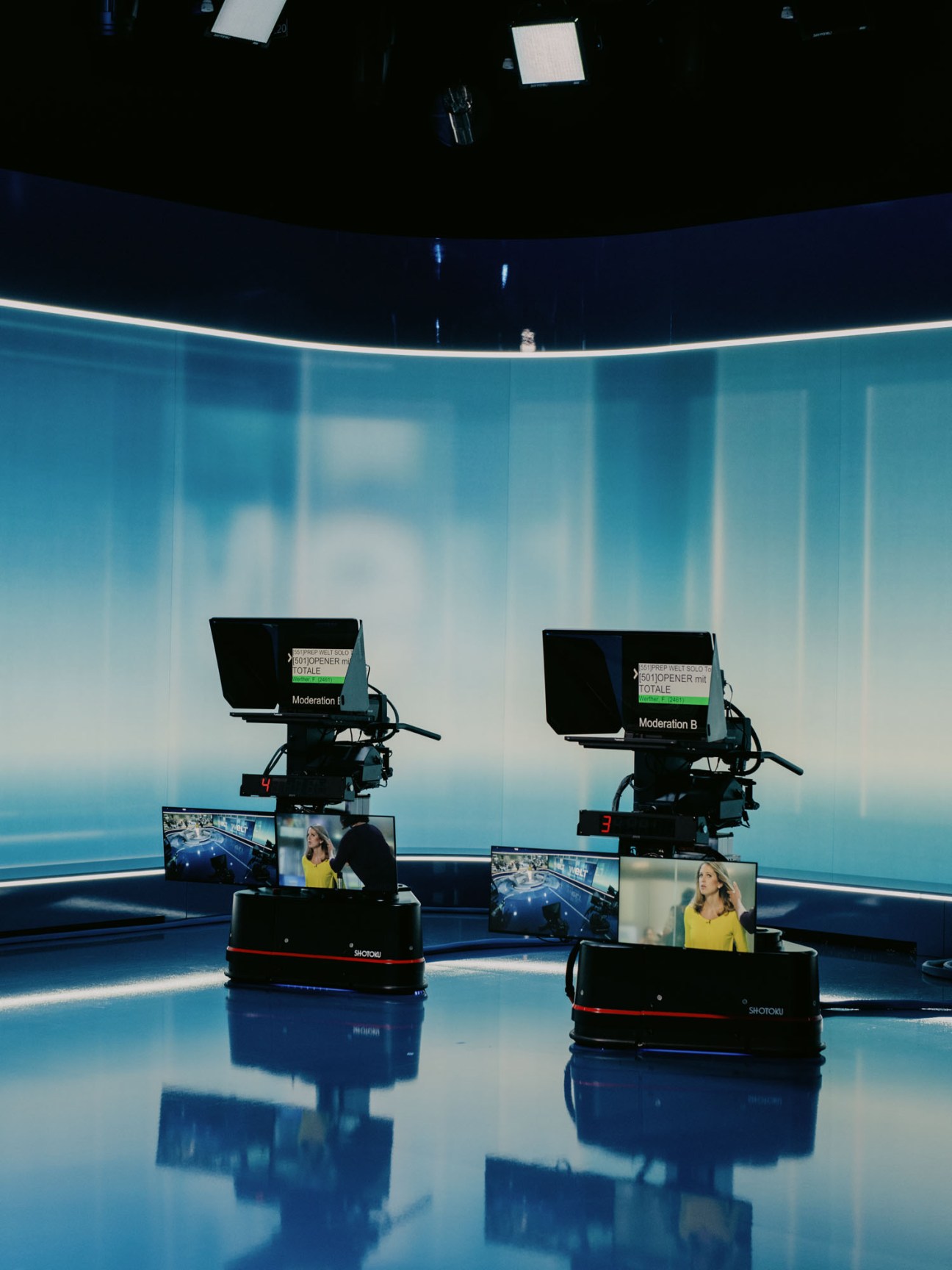
The answer was yes. Fanny Fee Werther, editor and anchor of the Welt news channel, is one of the employees who’s visibly happy about that. Werther joined the team in 2019 and has been a regular in the studio since. On the day that Monocle meets Werther, her shift started at 05.00 and now she is busy getting ready for her final news show of the day at midday. “I’m so grateful that I can come to the office and don’t have to work from home,” she says. “I couldn’t handle that. I like being here, surrounded by my colleagues.” After her producer walks past and they exchange a few words, Werther continues. “Welt new channel was previously based at Potsdamer Platz but now all of Welt is located here. It’s an incredibly big difference, having everyone together. You meet and talk with your colleagues a lot more.” She straightens out her bright yellow blouse. “Sometimes I have 10 interviews a day, ranging from politicians to virologists, and when I leave I don’t quite know what I’ve done because it was so much,” she says.
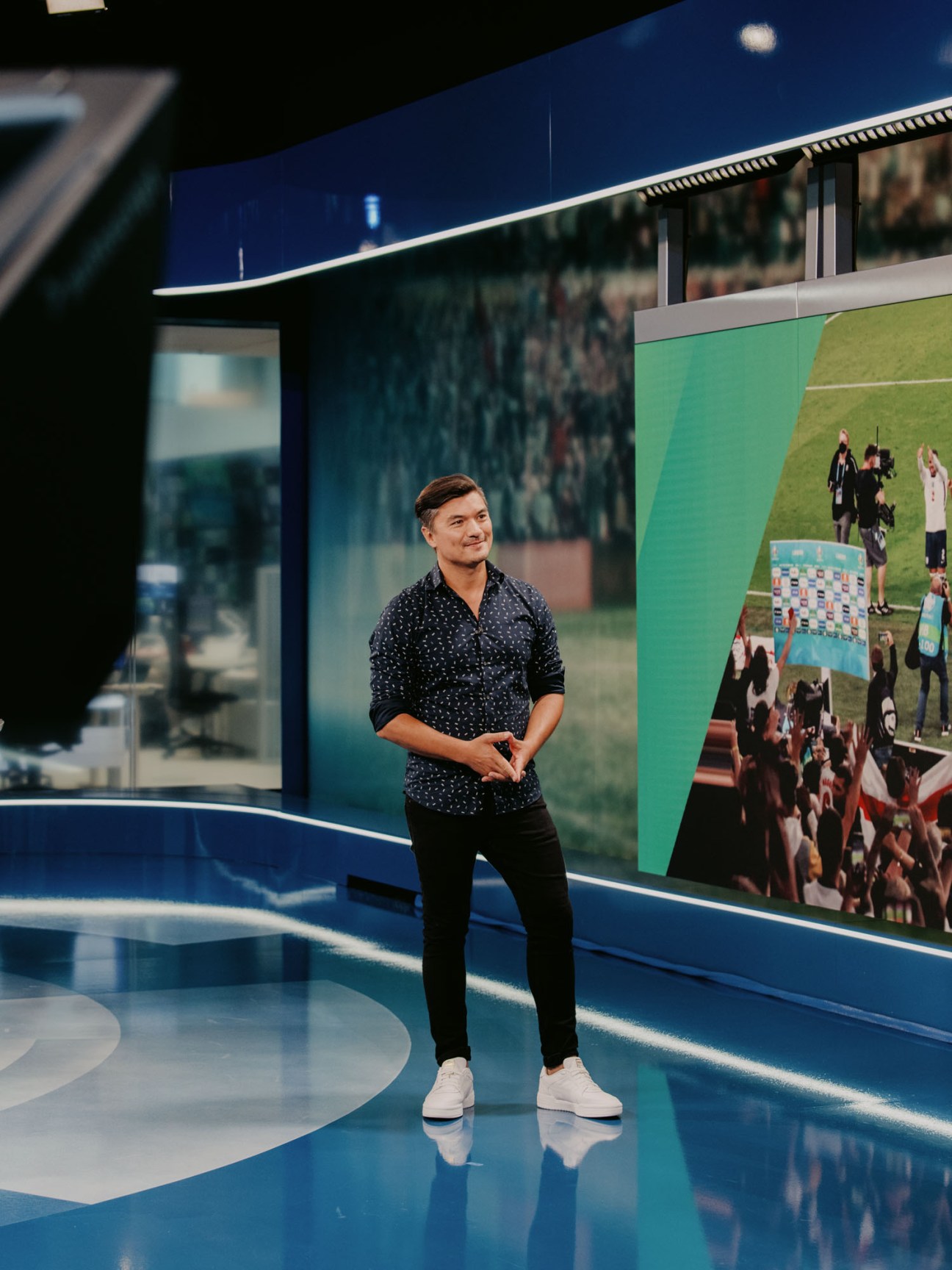
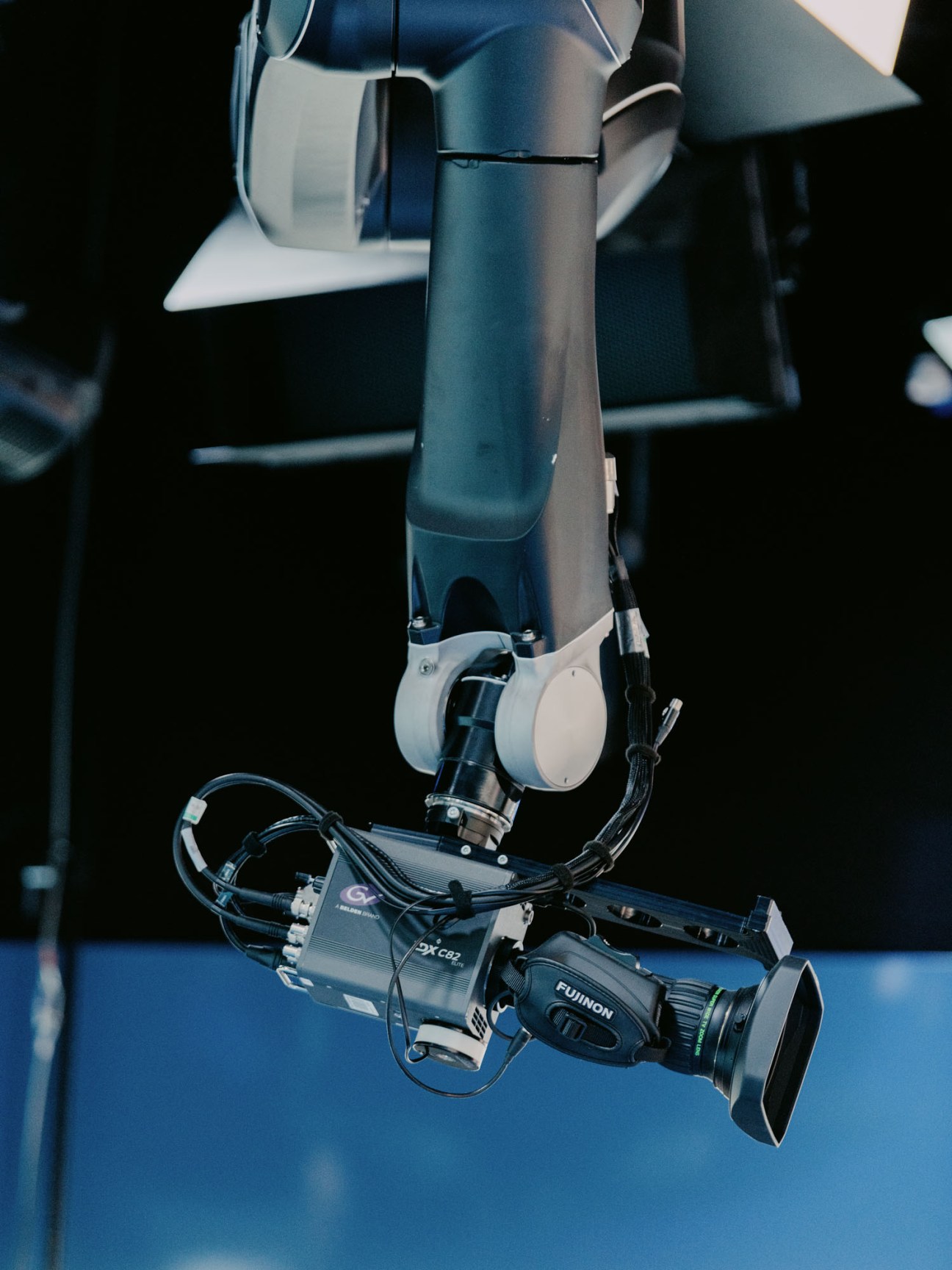
“I had quite a bit of respect for the new studio and remember being nervous prior to my first live show here but that has settled,” adds Werther, just before make-up artist Beatrice von Pawelsz powders her nose. It is nearing showtime and Werther enters the blue-hued studio, pursued by Von Pawelsz, who’s armed with a can of hairspray. The space is silent as Werther takes her seat at the circular desk. The robotic Shotoku cameras glide into position as if by magic. The countdown has started, the studio is cleared – and the programme begins.
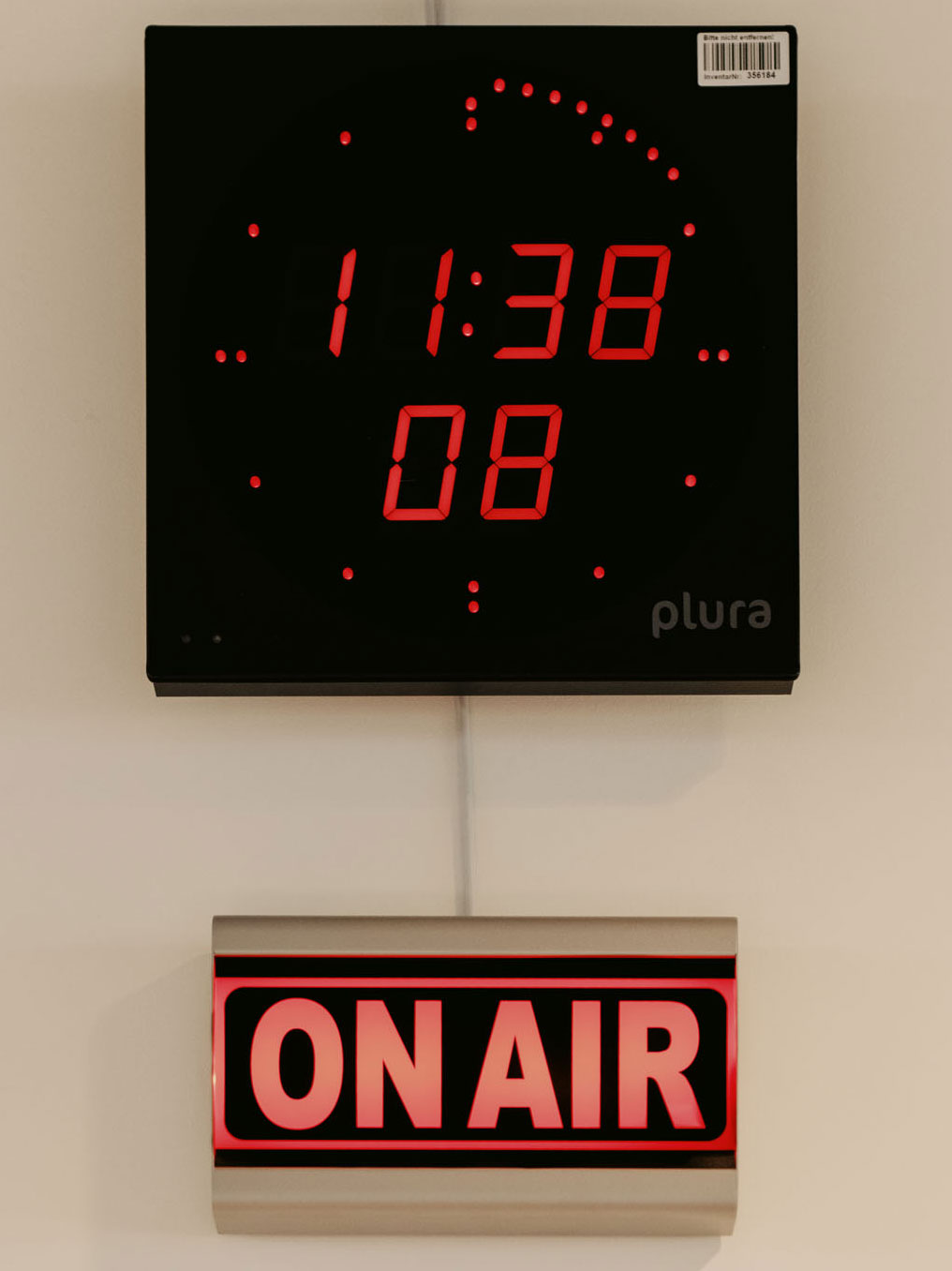
“Thursday at noon, welcome to the news at Welt,” says Werther as the red recording light blinks on and the cameras zoom in. Football, the Delta variant, the shooting of journalist Peter de Vries in Amsterdam, the forthcoming German federal election and the Taliban’s resurgence in Afghanistan make the headlines. “Our guest in the studio is Welt’s longtime foreign correspondent, Steffen Schwarzkopf,” says Werther, as Schwarzkopf takes his seat. He’s visiting the Berlin office from Washington, where he has been based for the past five years after spending many years reporting from regions including Afghanistan, Iraq and Libya.
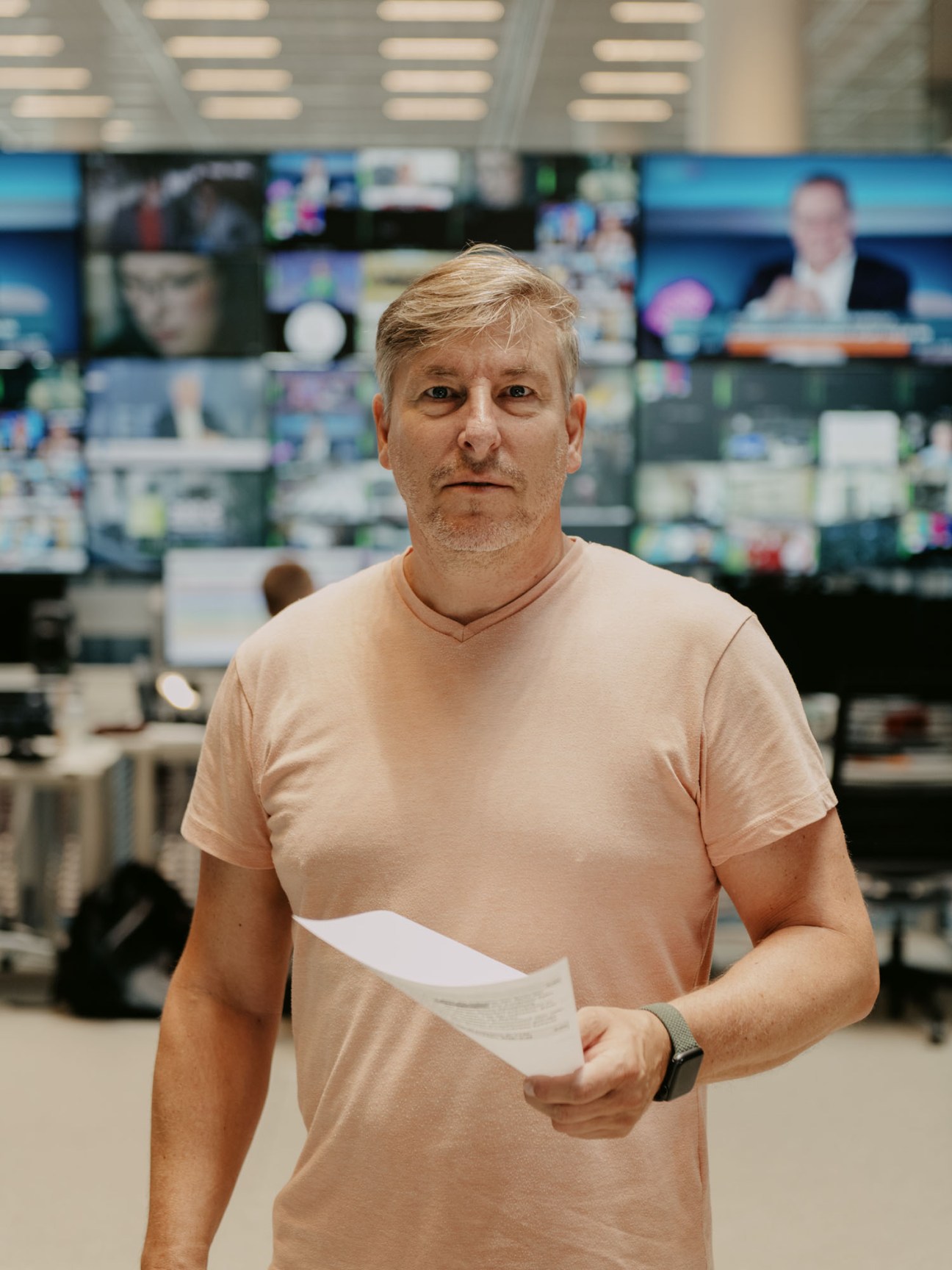
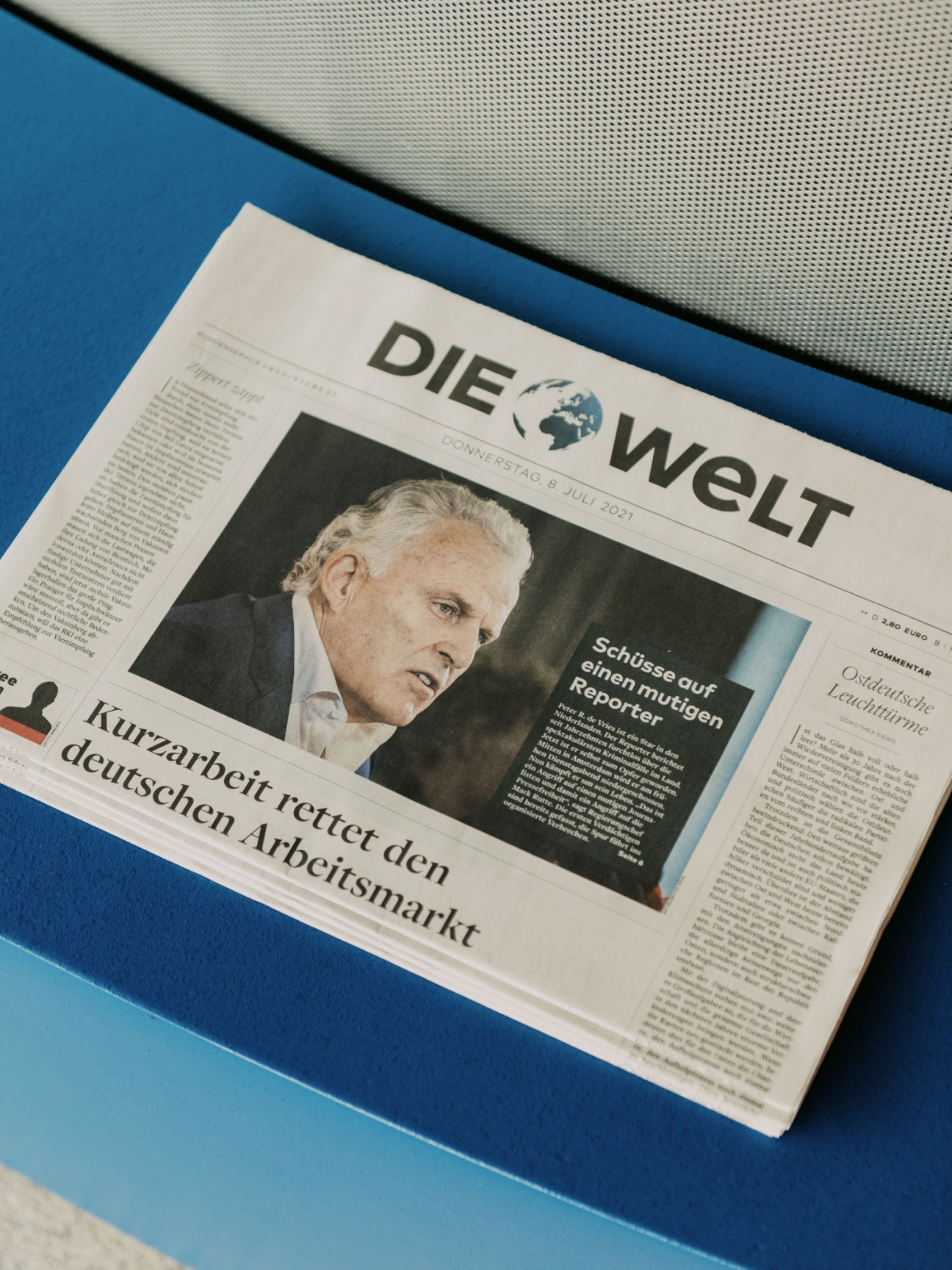

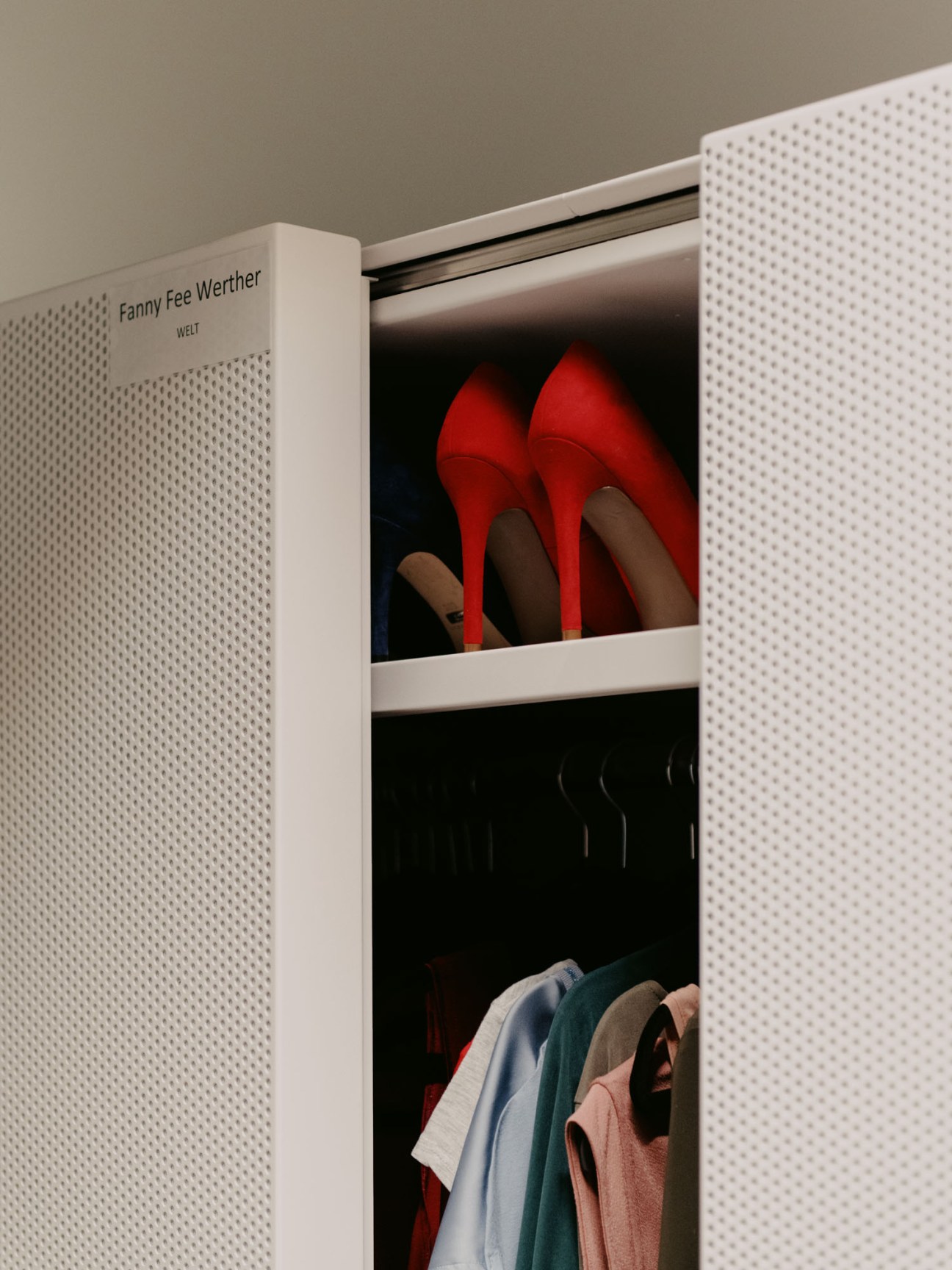
“It’s a different world,” says Schwarzkopf, once his segment is over. “Our studio in Washington is relatively small but this is something else.” Shortly after he leaves, Werther also files out. Her working day is over. “My grandmother watches the show every day,” she says, smiling, before bidding the team goodbye. Her grandmother is one of about 2.6 million German viewers to do so.
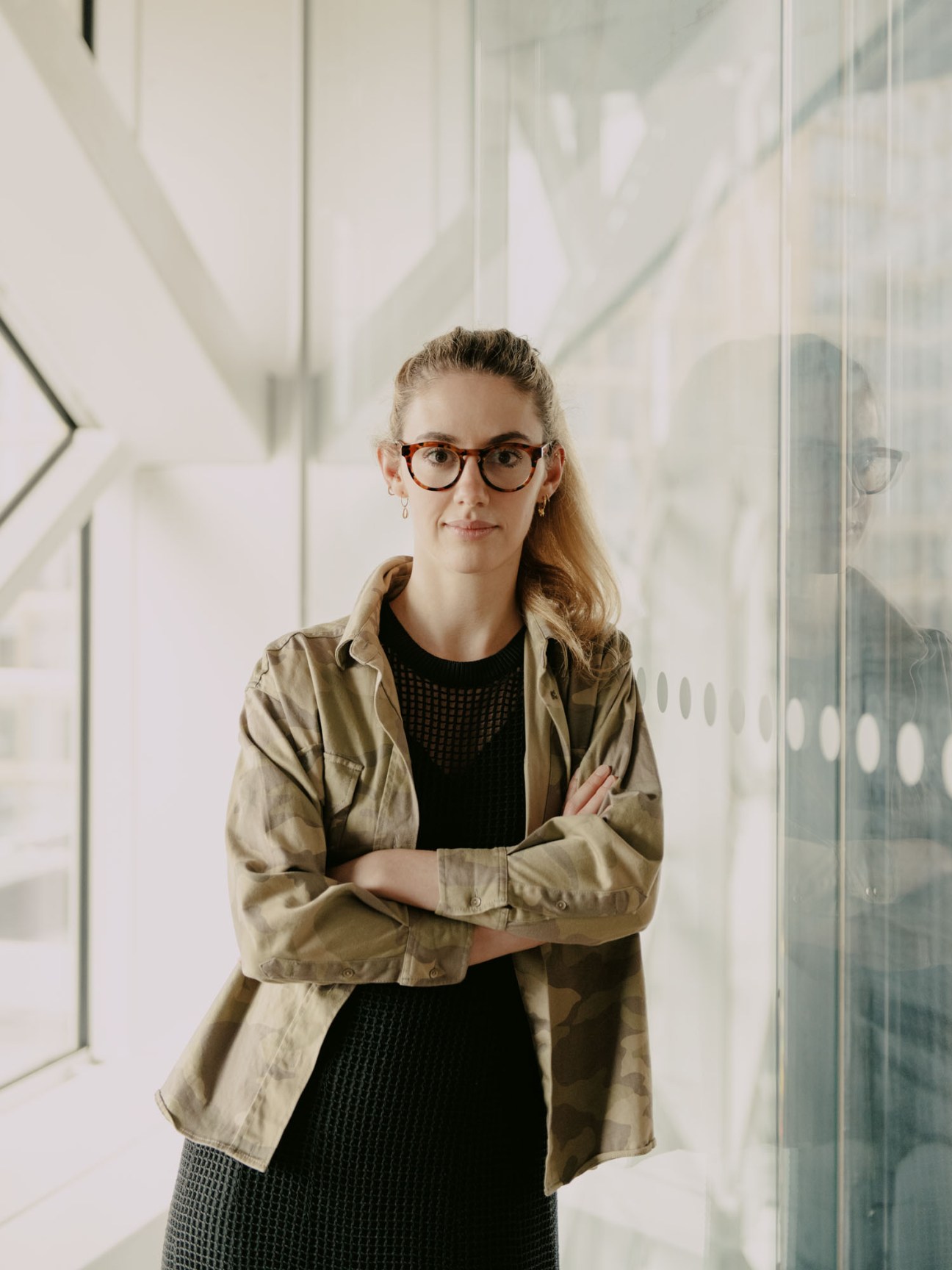
Downstairs from the Welt news channel is the print and digital newsroom of daily newspaper Die Welt and the weekly Welt am Sonntag. This is the workplace of Franziska Zimmerer, manager of community and social at Welt. “This space has allowed our departments to grow together,” she says. “We produce one journalistic product, while our web presence brings everything together, so it’s only right that we’re in one place. Our journalists are invited to the studio as experts. As it’s an election year, that will be very important.” At that moment, Dagmar Rosenfeld, editor in chief of Die Welt, enters the open-plan newsroom and chats briefly with her editors. She joined Axel Springer in 2016 and is grateful for the move to the new building. “We are finally united and it has never been brighter,” says Rosenfeld, gesturing towards the large window front in the editorial office. “A free view for a free mind,” she says, before rushing off to another meeting to ensure that the newspaper is ready for tonight’s print deadline.
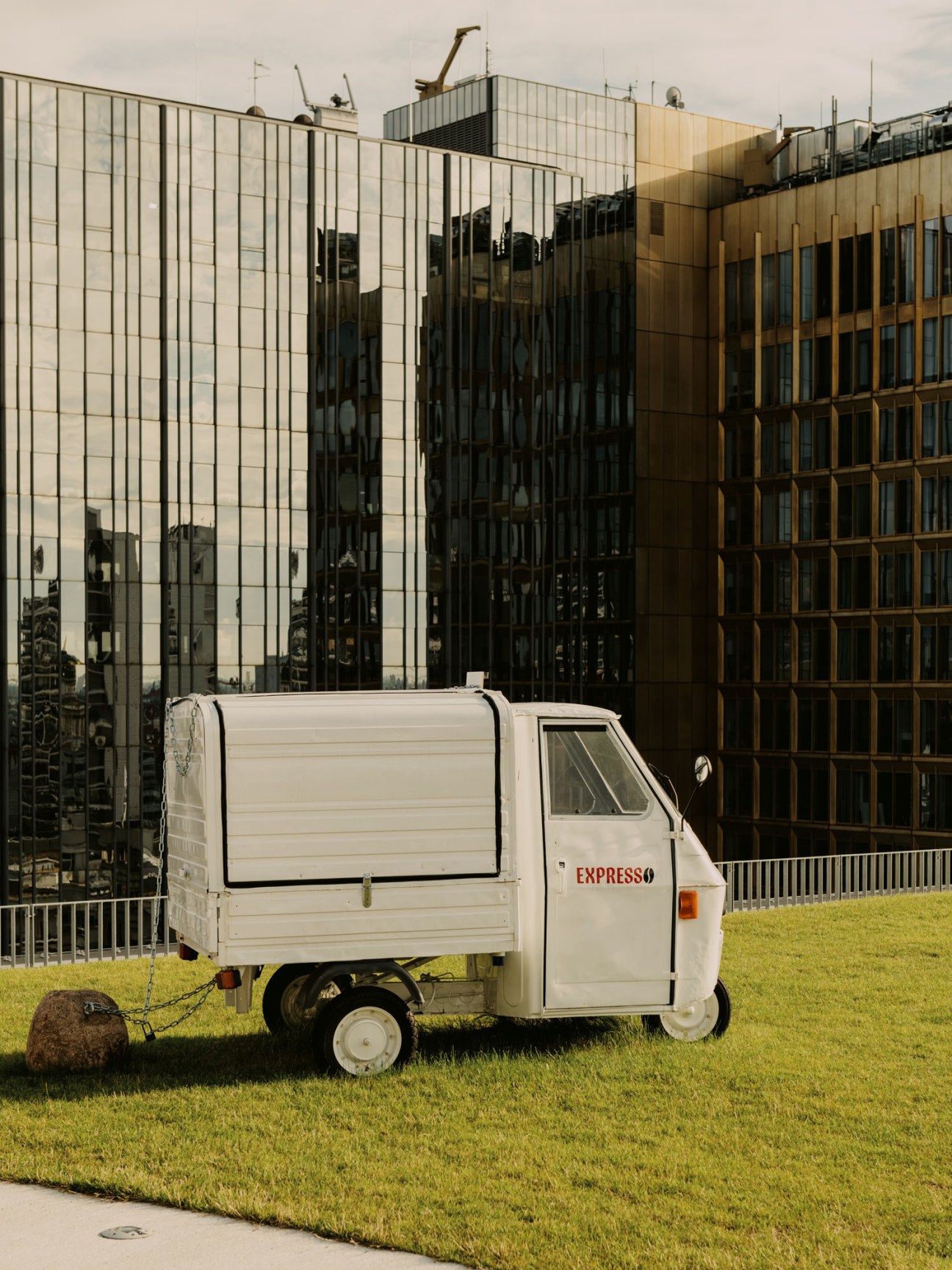
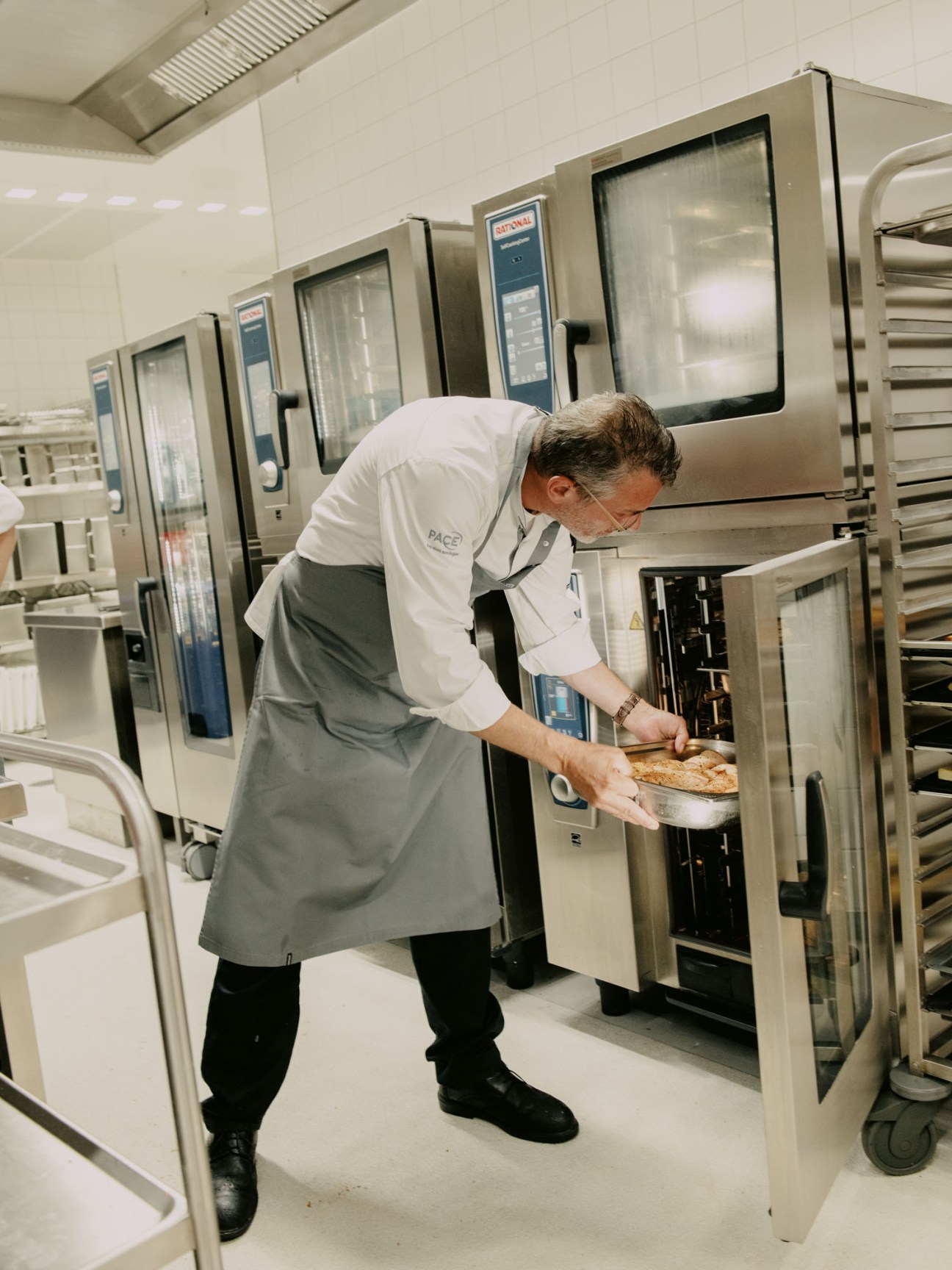
Elsewhere in the office people are getting ready for a break. The canteen has opened downstairs in the atrium and staff from all departments find their way to the restaurant, where Scottish-born chef Alisdair Lawrence and his team have prepared six dishes to choose from. “We focus on quality, use regional products if possible and aim to offer healthy and varied cuisine,” says Lawrence, picking mountain coriander and red Bordeaux basil from the shelves. Everything served is freshly made in the kitchen. Today’s menu includes cajun chicken, sweet potato and lentil curry, a poké bowl and chocolate mousse for dessert. The canteen is one of seven food outlets run by Axel Springer’s subsidiary Pace, which include the legendary Journalisten-Club on the 19th floor of the golden high- rise opposite. Prominent guests, from presidents to producers and even the Dalai Lama, have been served there. The Rem Bar on the new build’s rooftop is proving popular. On sunny days, people head upstairs for a real Berlin currywurst and to take in the panoramic view.
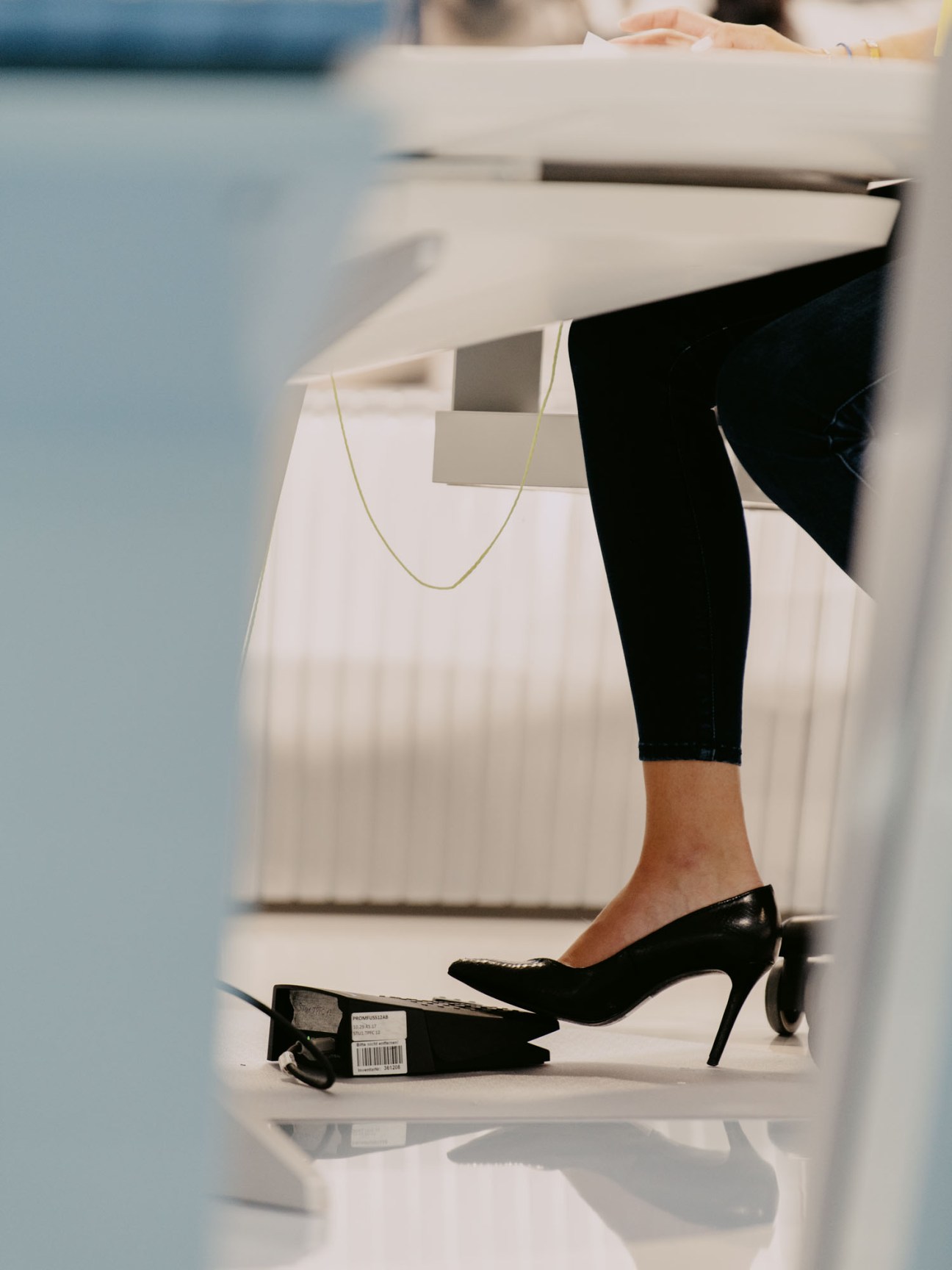
But before it’s time to wind down and head to the roof, Fabio Plebani, head of Idealo International, shows us around his department’s expansive office. “Before moving here we had to adapt the way we worked to the space but this building answers our needs,” says Plebani. “I appreciate contemporary architecture and the feeling that the world is evolving. Idealo, too, is in a dynamic phase of growth so the new building came at the right time. Symbolically, it’s bringing us into the future; we want to become the e-commerce champion of the European market,” says Plebani of the 21-year-old price-comparison website, of which Axel Springer acquired a majority share in 2006.
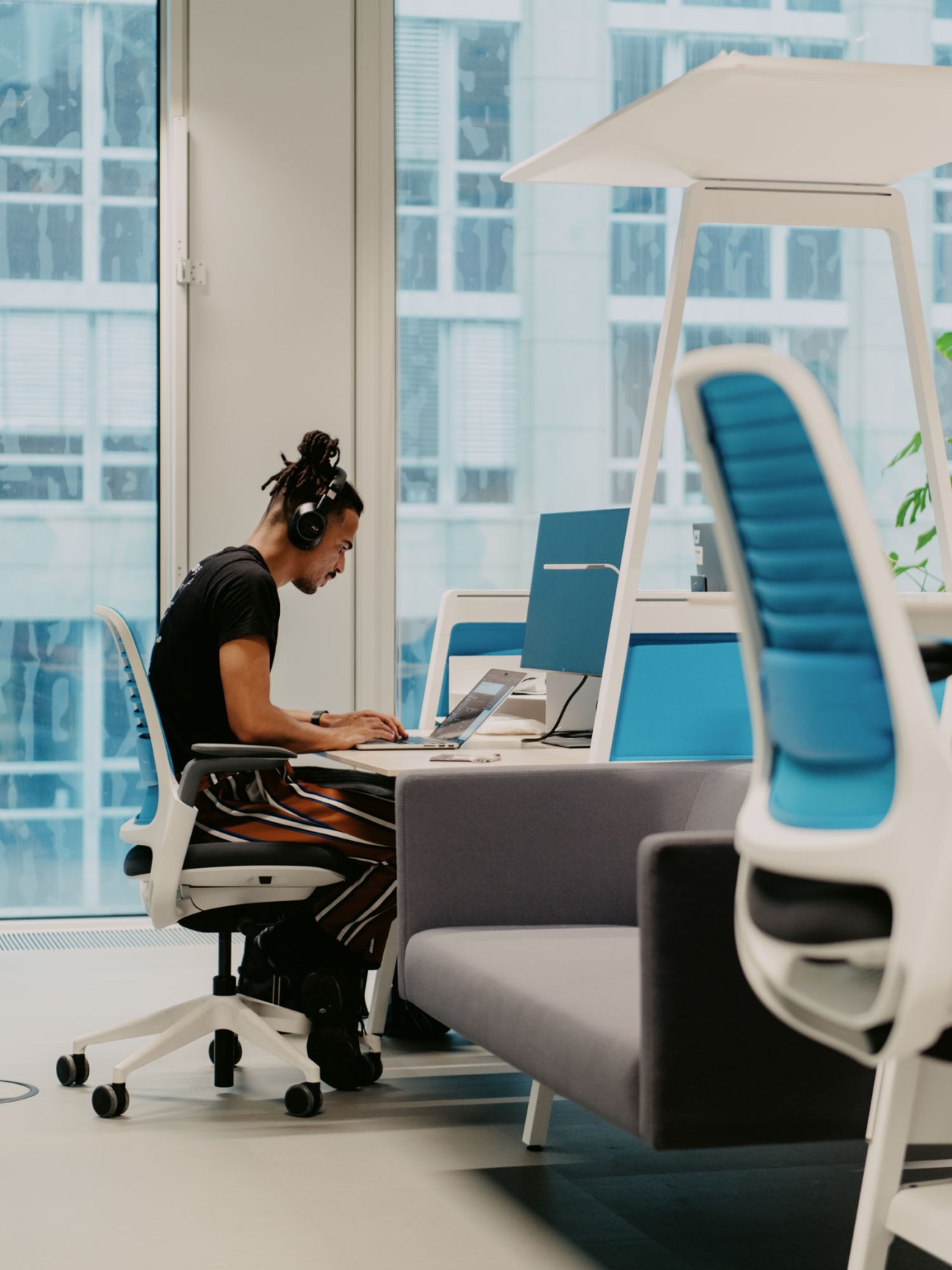
Nowhere is the new building’s forward-thinking architecture better represented than in its co-working space, which is open to all employees if they want to set up in a way that suits their needs – be that perching on comfy, colourful sofas, sitting down in the silent area, where phone calls and loud conversations are banned, or booking a conference room for a meeting. Isabela Senftleben co-heads the reception here and looks after the guests. She has watched as staff from all areas of the company have explored the new space. “I’ve heard people say that there’s something special about it and they feel freer,” says Senftleben, as she walks through the space. “It allows people from different departments to meet more easily. You see faces that you haven’t encountered before. You’re in the midst of it all, you can see everything, you can react to everything – but you can also be alone.”
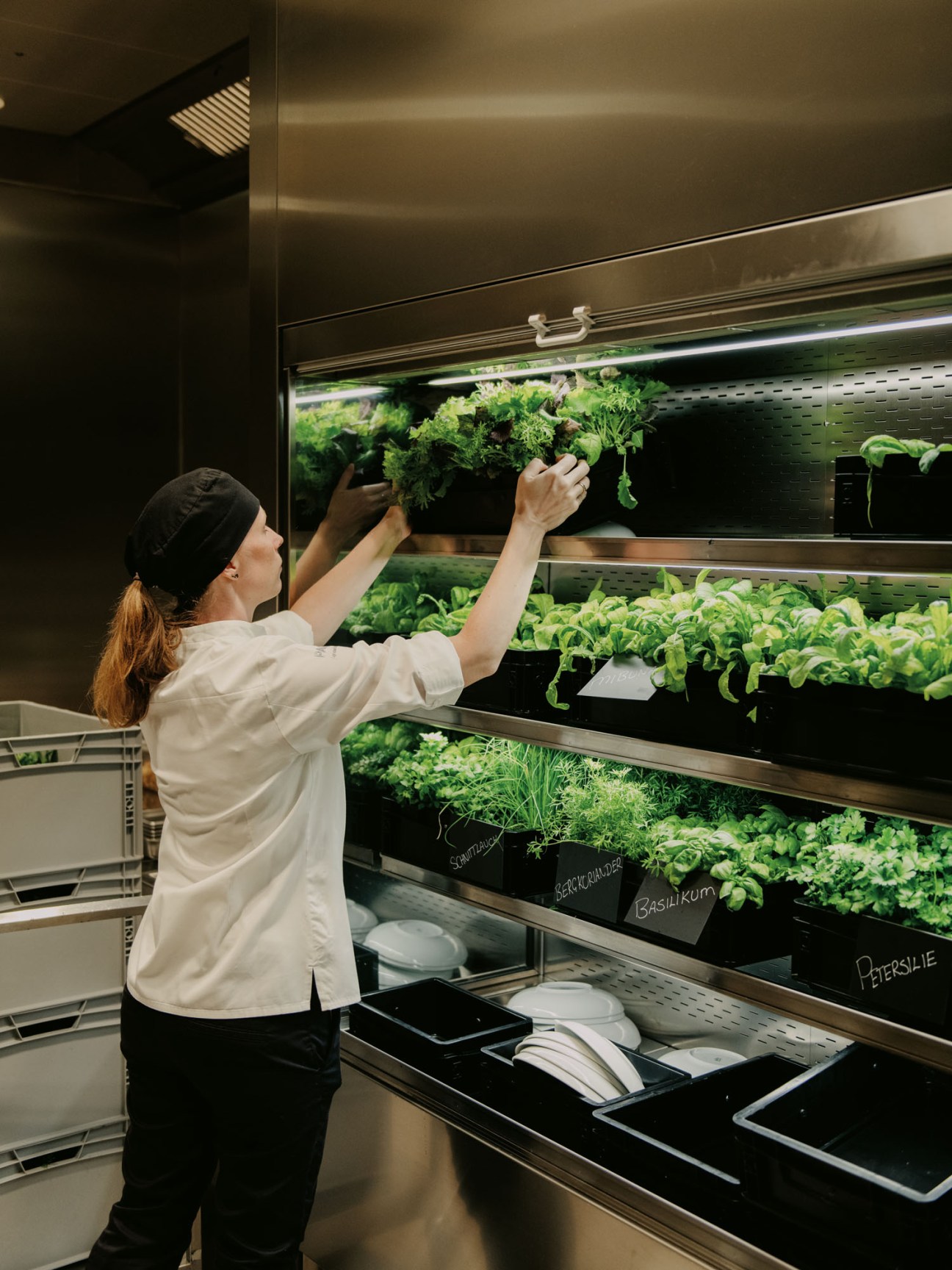
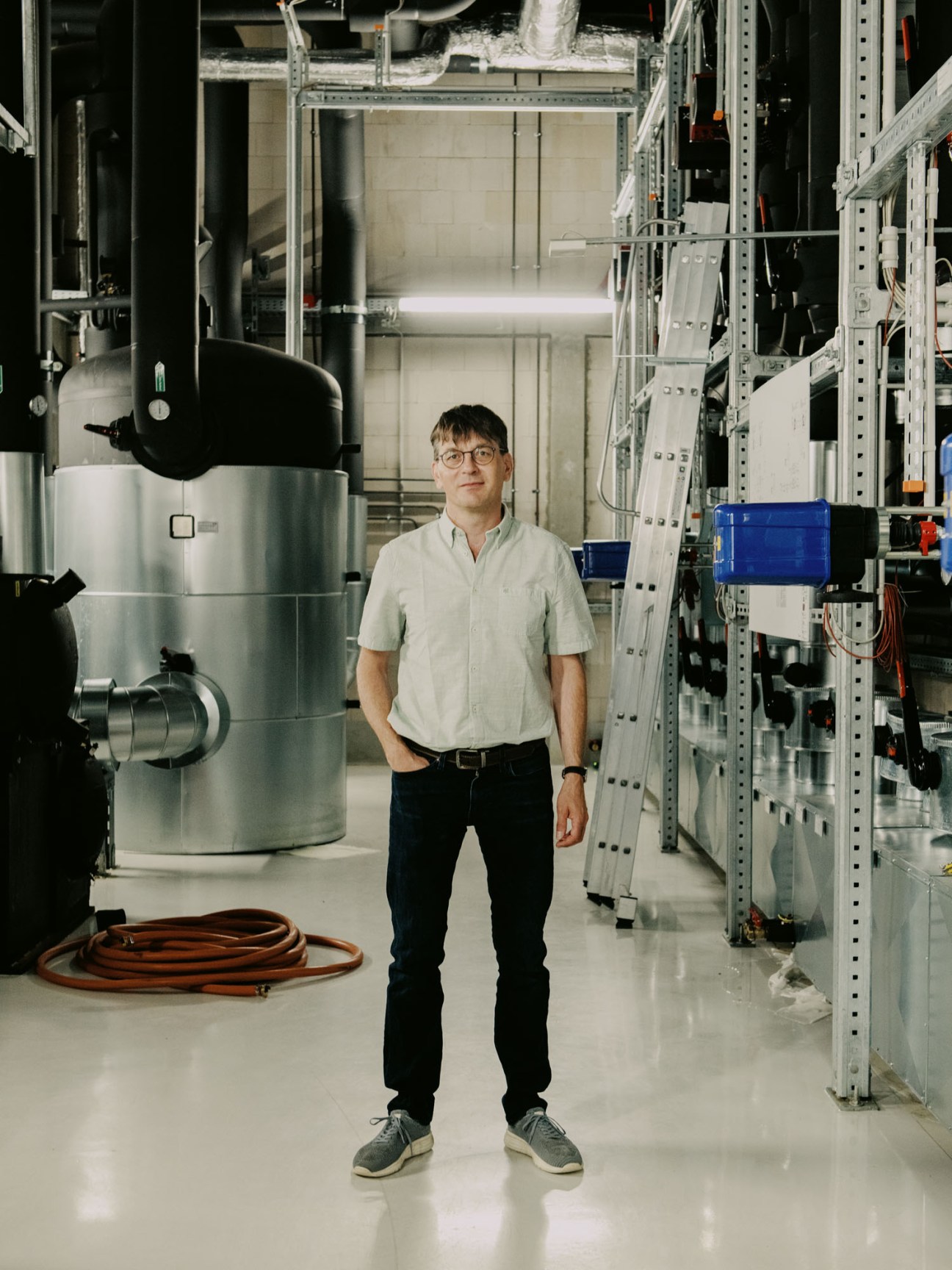
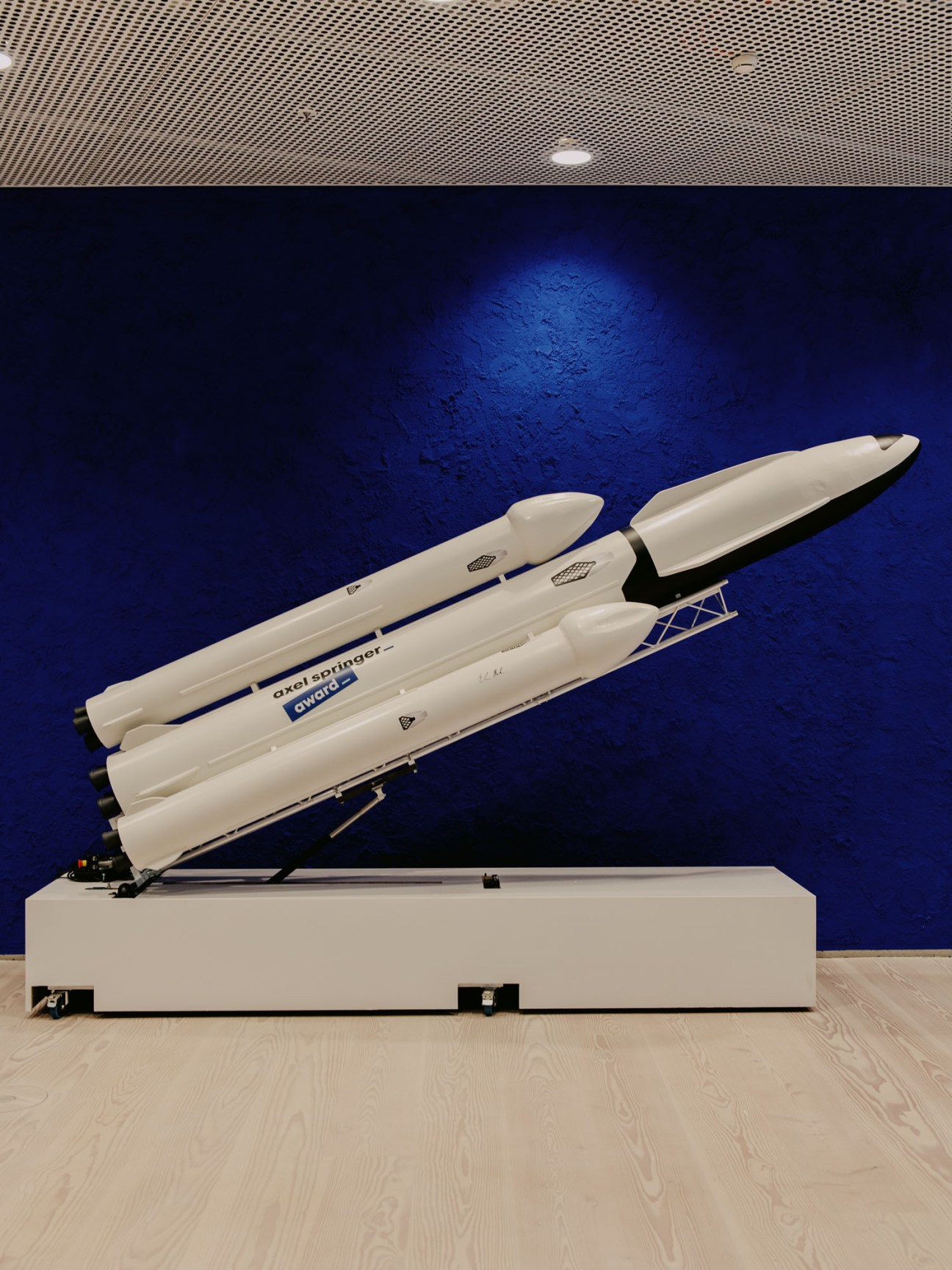
“Being in the midst of it all” was important to the company’s eponymous founder. Axel Springer died in 1985 and left his legacy to his wife, Friede, who in turn named Mathias Döpfner as her successor in 2020. In Friede’s honour, a black-and-white portrait has been installed on the west side of the building. It’s as though she’s watching over those at work, reminding them of her words: “Unity and justice and freedom! May the people who work here and the media created here always feel committed to this credo.”
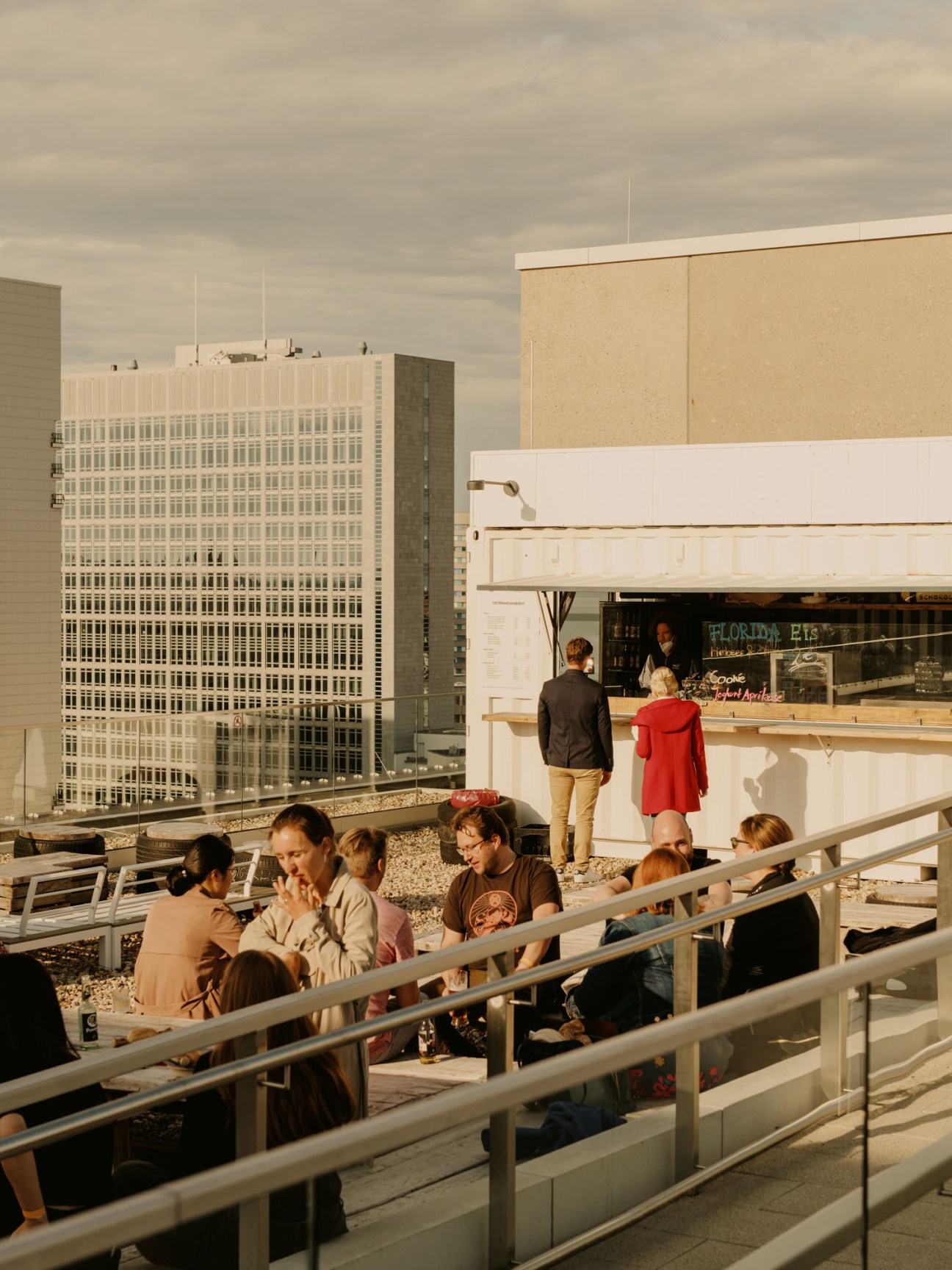
As the company has grown, it has transformed. The publishing house’s enthusiasm to change with the times has allowed it to create an office that’s suited to a contemporary way of working – a place made for flexible hours and flexible use of space, in which people can come together. That function is clearly being fulfilled on the rooftop, where meetings are held on sunny days and cold beer is enjoyed after a busy week. One day the rooftop, as well as the café in the foyer and other parts of the building, will open to the public to allow journalists to engage with their audience and let readers and viewers get a peek behind the scenes.
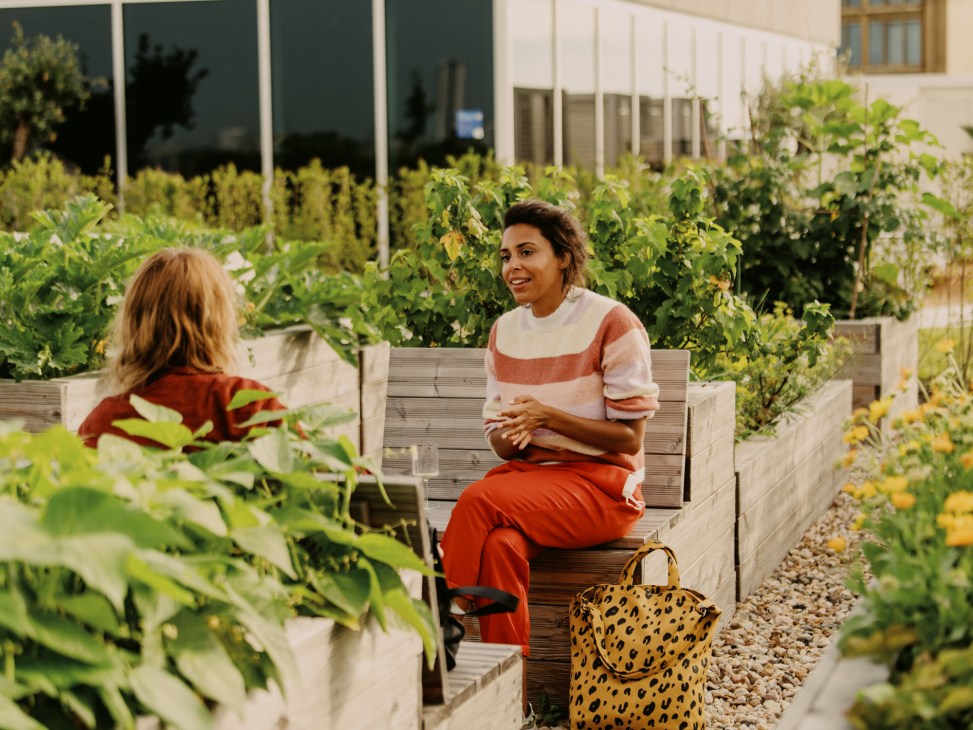
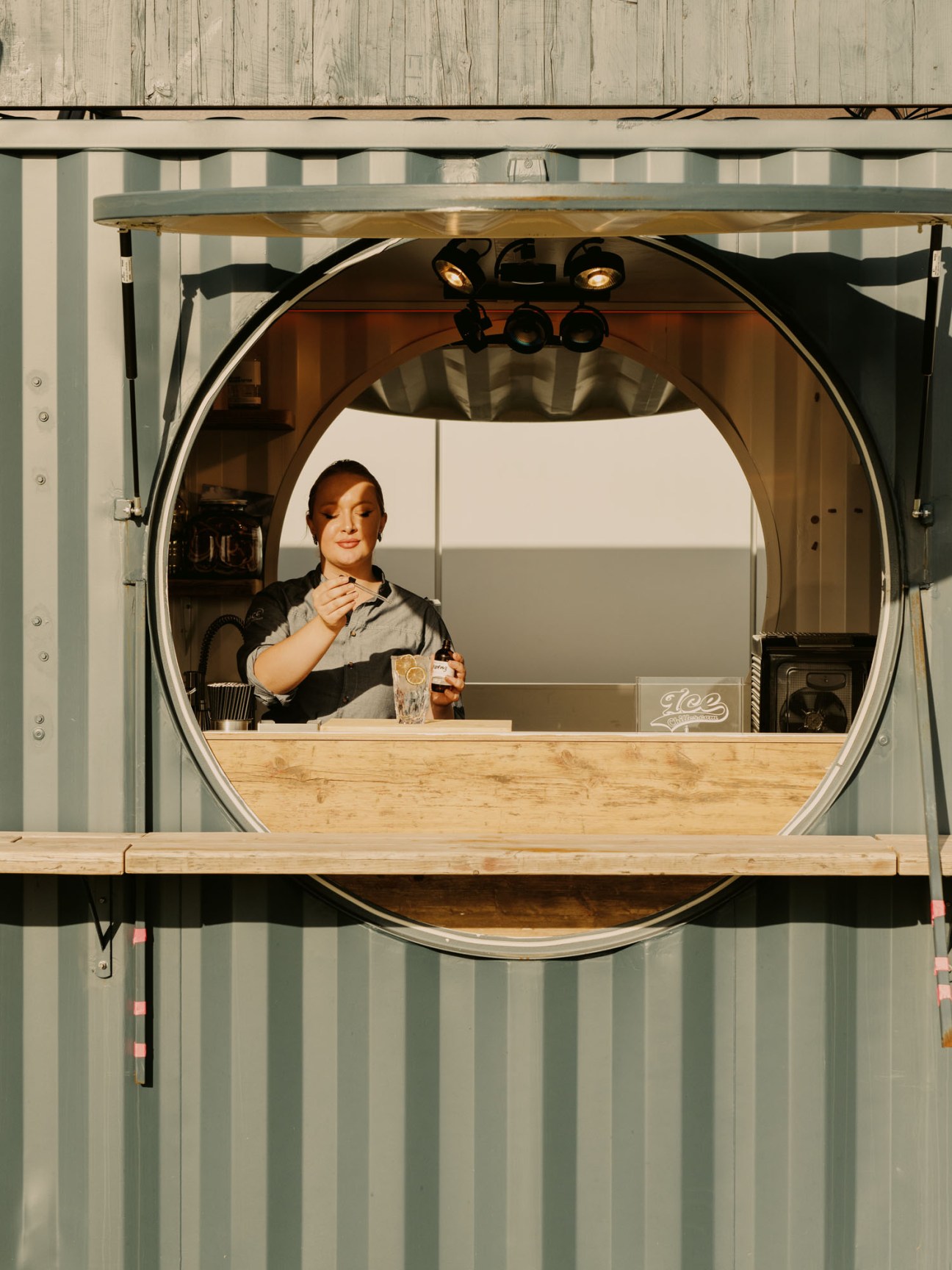
For now, there’s a tranquil, relaxed vibe up here. Mint, lavender, strawberries, sage, chillies, chives, tomatoes and Jerusalem artichokes have been planted next to wicker beach chairs. Shipping containers-turned-cafés are serving drinks and snacks. In the shadow of a row of white satellite dishes featuring the Welt logo, Katerina Papapanagiotou is in the midst of mixing the rooftop’s signature rhubarb fizz with rhubarb liqueur, a spritz of lemon and sea buckthorn. The Berlin Television Tower gleams in the distance and the faint outline of a rainbow peers over the clouds. “It feels like home here,” says employee Daniela Zrelakova, as her working day comes to an end. “Like a family.” It’s this sense of community that will make this, and the office, indispensable – now and in the future.
Attaché cases
Everybody has a reasonably clear idea of what an ambassador does. It is a role that’s widely reported in journalism and represented, with varying degrees of plausibility, in fiction. Rarely, however, does anyone really talk about – or indeed to – attachés: holders of those specific yet mysterious titles that are listed further down the embassy masthead.
There is, of course, a clue in the name of the various kinds of attaché: police, defence, cultural, legal, commercial, maritime or scientific. But there’s also a mystique about the title; a suggestion of familiarity with the back channels where the real work of diplomacy is done while the ambassador is hosting the garden parties. But what do they do all day? We meet five attachés to find out how they boost their countries’ diplomatic clout.
Reetta Purontakanen
Finnish embassy in Japan
Press and culture attaché
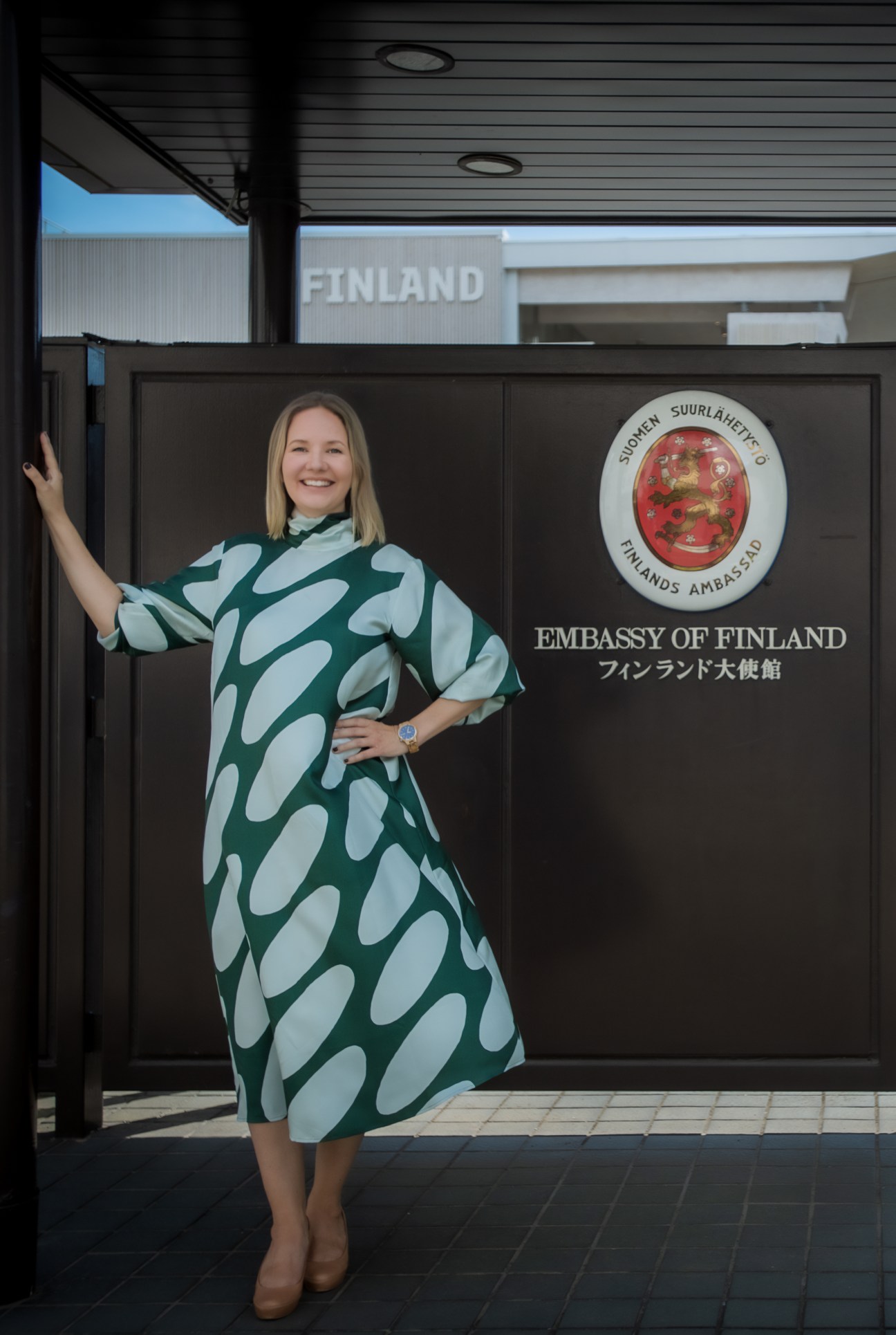
“This is a fun job if you believe in the product that you’re selling,” says Reetta Purontakanen, who is one year into her three-year posting. She arrived in Tokyo via an unorthodox route: she holds a masters degree in war studies from King’s College London and her previous experience includes crisis management for the EU, election monitoring in the Balkans and eastern Europe, and a stint as communications manager for the UK embassy in Finland. “The main part of this job is country branding,” she says. “I’ve explained it to myself as: ‘Make Finland interesting.’”
Purontakanen has discovered that she’s working with a receptive audience. “If Japanese people know anything about Finland, it’s usually quite positive,” she says. “It might be design enthusiasts who like Scandinavian cool. There are a lot of people who followed the Moomins and then moved on to manga. There’s a strong and fiercely loyal metal-music fanbase. And the Finnish [garden skittles] game mölkky is strangely popular.”
Purontakanen also leads the communications response in times of crisis, which usually means keeping in touch with Finnish tourists after earthquakes. And she fields queries from Japanese media, which are, inevitably, a mixed bag.
“In my media folder are questions about Finland’s ID-card system, interview requests for prime minister Sanna Marin and queries about Finnish rules on surnames after marriage,” she says. “I was also asked whether it was true that the Finnish team brought their own sauna to the 1964 Tokyo Olympics. It turns out that they did, which was news to me.”
On that subject, Purontakanen confirms that sauna diplomacy is a soft-power weapon she is willing to deploy, at least when there isn’t a pandemic. “We have two saunas at the embassy,” she says. “In normal circumstances we would invite people there. Instead of having a small dinner at my place, I might invite people for a sauna and a snack at the embassy. It’s certainly in the toolbox.”
Moon Sangmin
South Korean embassy in the UK
Commercial attaché
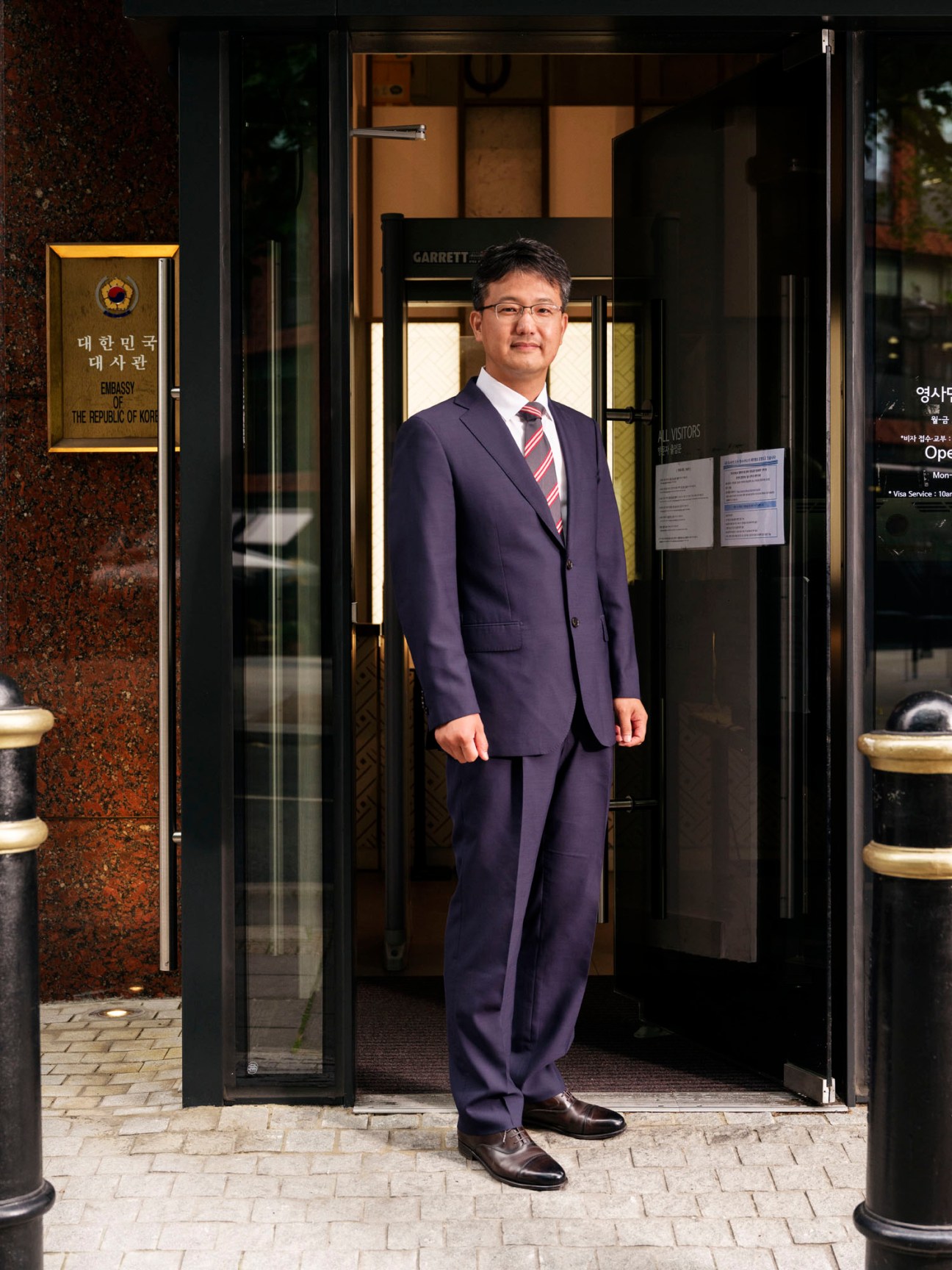
When Moon Sangmin thinks of the two years that he has spent in the UK, he thinks of three colours. Green, for the parks of London, which are a contrast, he says, from his native Seoul. Yellow, for the food – he’s been trying to get into fish and chips, and a diet that strikes him as heavy on the potatoes. And, to take a liberty with a conceit, the rainbow. Since the outbreak of coronavirus, Moon has been impressed by the support of British people for their National Health Service (often by displaying rainbow signs).
“The primary reason I applied for this position was that I wanted to learn about European countries,” says Moon. “My predecessor used to enjoy London’s musicals, galleries, restaurants. I got to spend six months, at best, doing that before the pandemic. So we tasted it a little.”
Moon came up through South Korea’s ministry of trade, industry and energy, which included a stint as president Moon Jae-in’s assistant secretary for industrial policy. His work now, as he sees it, is as a facilitator and problem solver, dealing with South Korean businesses and entrepreneurs based in the UK, liaising with the UK government and supporting his ambassador at pertinent meetings.
“My job is about engagement with UK government and industry,” he says. “The UK-South Korea Free Trade Agreement has been effective from the beginning of this year, so we have to check that it’s working properly.” He is optimistic about the possibilities. “Brexit isn’t a big problem for South Korean companies,” he says. “But after Brexit the UK’s government and industries are focused on boosting the economy. South Korean industries have an opportunity to find a new market.”
Sarah Bamfield
New Zealand high commission in Fiji
Defence attaché
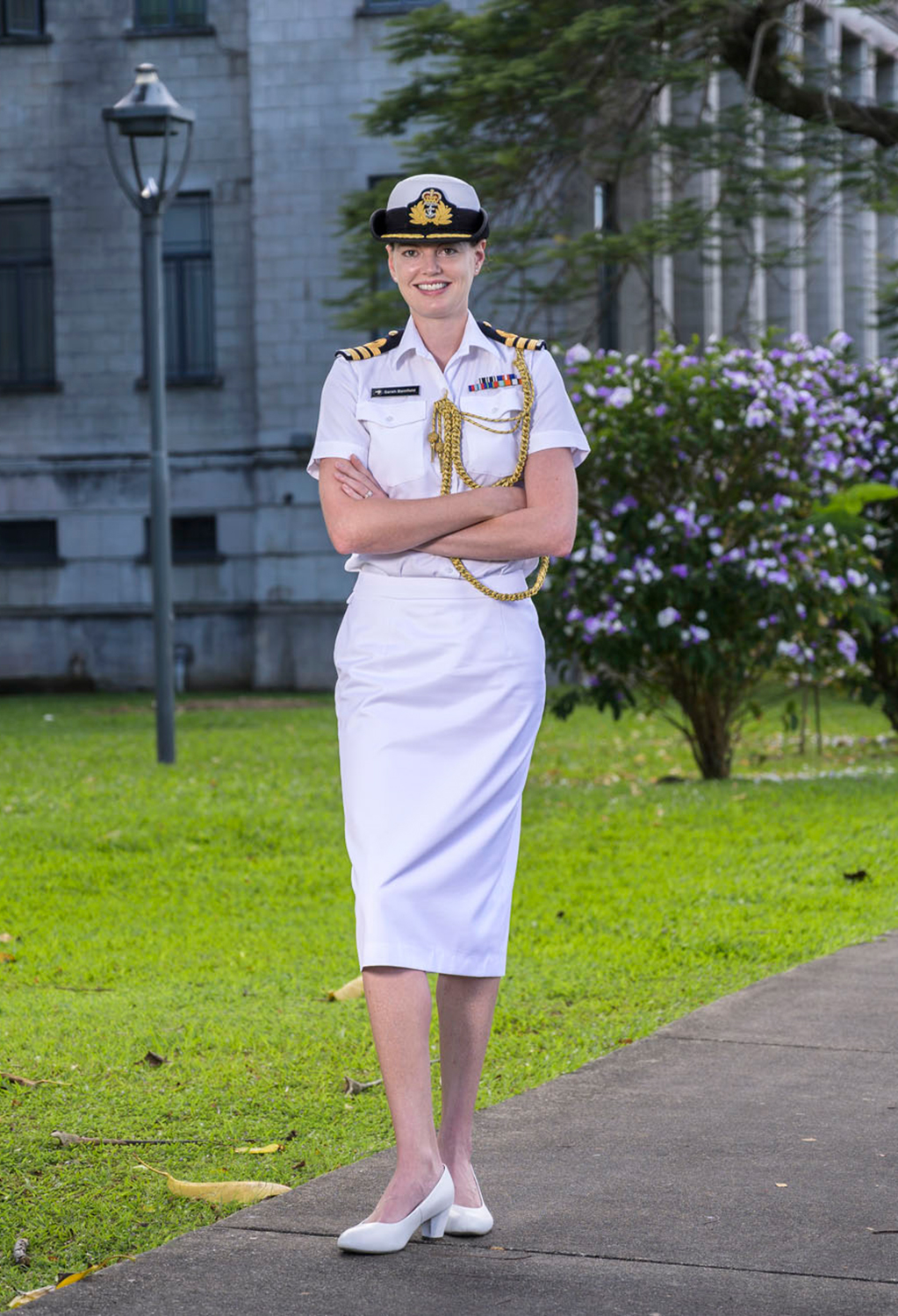
A recent arrival at New Zealand’s high commission in Suva, Sarah Bamfield is beginning a three-year posting that will also see her accredited as a non-resident defence adviser to Tuvalu and Kiribati. The first female defence adviser that New Zealand has sent to the Pacific, she is starting to understand that the importance of her role.
“I had a humbling moment,” she says. “I received a cold call from a guy in a Fijian village who had seen photos of me attending a guard of honour on social media, and said it had inspired him to support his sister through university. I’ve never really been a trailblazer in that regard, so that for me was a bit of a reality check. I see myself now in more of a role-model position.”
Bamfield hails from Palmerston North, a town in inland New Zealand that is adjacent to army and air-force bases. Her identical twin sister joined the Royal New Zealand Navy alongside her and both sisters now hold the rank of commander. Bamfield’s new posting is not her first encounter with the Fijian military. In 2009 and 2010 she served alongside Fijian soldiers in the multinational peacekeeping force (MFO) that patrols the Sinai. Fiji has been a long-standing contributor to the mission and Bamfield says that the orange-striped mfo service ribbon on her uniform has been a handy icebreaker when meeting fellow veterans and their families.
“My job is facilitation and communication,” she says. “I’m the conduit from the New Zealand Defence Force [nzdf] to our counterparts in Fiji. We’re also the first and last impression for a lot of the local population, not just of the nzdf but as a visible New Zealand presence.”
Shelly Hugler Livne
Israeli embassy in Spain
Culture attaché
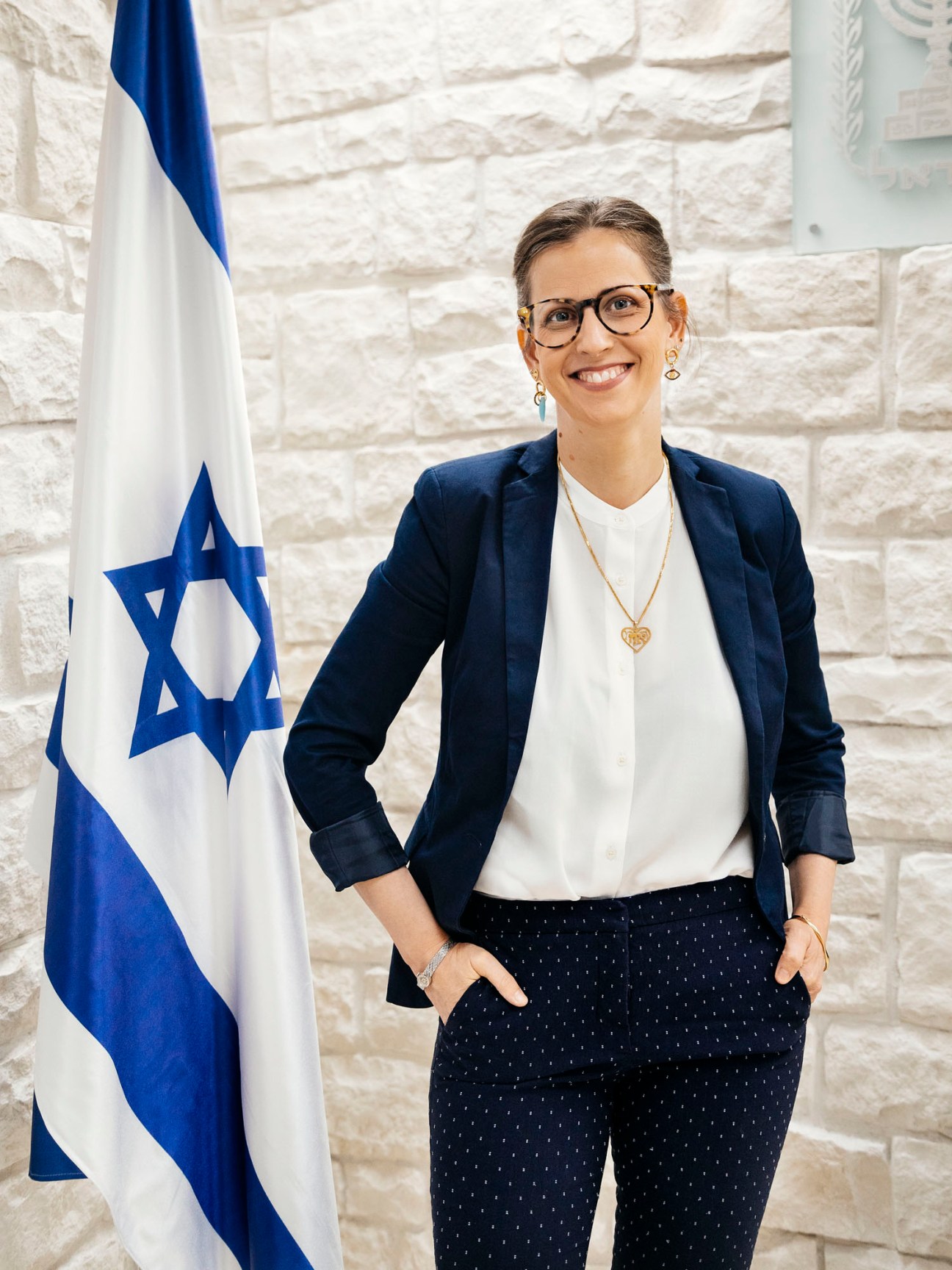
Israeli diplomats operate at a higher degree of difficulty than most. Their country is frequently the subject of international criticism, not always without reason, but not always from people whose good faith can be taken for granted. Shelly Hugler Livne, who began her current posting in 2019, insists, “I don’t speak politics; I speak culture.” But she isn’t naïve. “It’s not detached from politics, of course. I am an Israeli diplomat, I represent my government – but I am showing the incredible richness of Israel’s culture.”
Born and raised on a kibbutz near Latrun, Livne’s previous postings have included a stint in the Dominican Republic, and another in Romania, from where her grandparents escaped before the Second World War. But she speaks of Spain as a dream posting, citing a longstanding love of the language and an affinity with the culture. “It’s a country in many ways similar to Israel,” she says. “Lots of smells, lots of food, lots of drink – the culture is very vivid.”
Livne’s embassy operates several programmes facilitating cultural and academic exchange. Recent circumstances have made that difficult but ways have been found. During an early coronavirus lockdown, for example, she helped the popular Israeli singer Noa stage a televised concert, which also raised money for Madrid’s overwhelmed hospitals.
Livne has, inevitably, been confronted by those affronted by any interaction with Israel. She also notes that she has displeased those who think her job should be that of uncritical cheerleader. “Some of the Israeli films I promote don’t necessarily show Israel at its best – but I encourage it because having a conversation is part of being a democracy. Artists are often the fiercest critics.”
Beza Melis Yirga
Ethiopian embassy in Brazil
Public diplomacy attaché
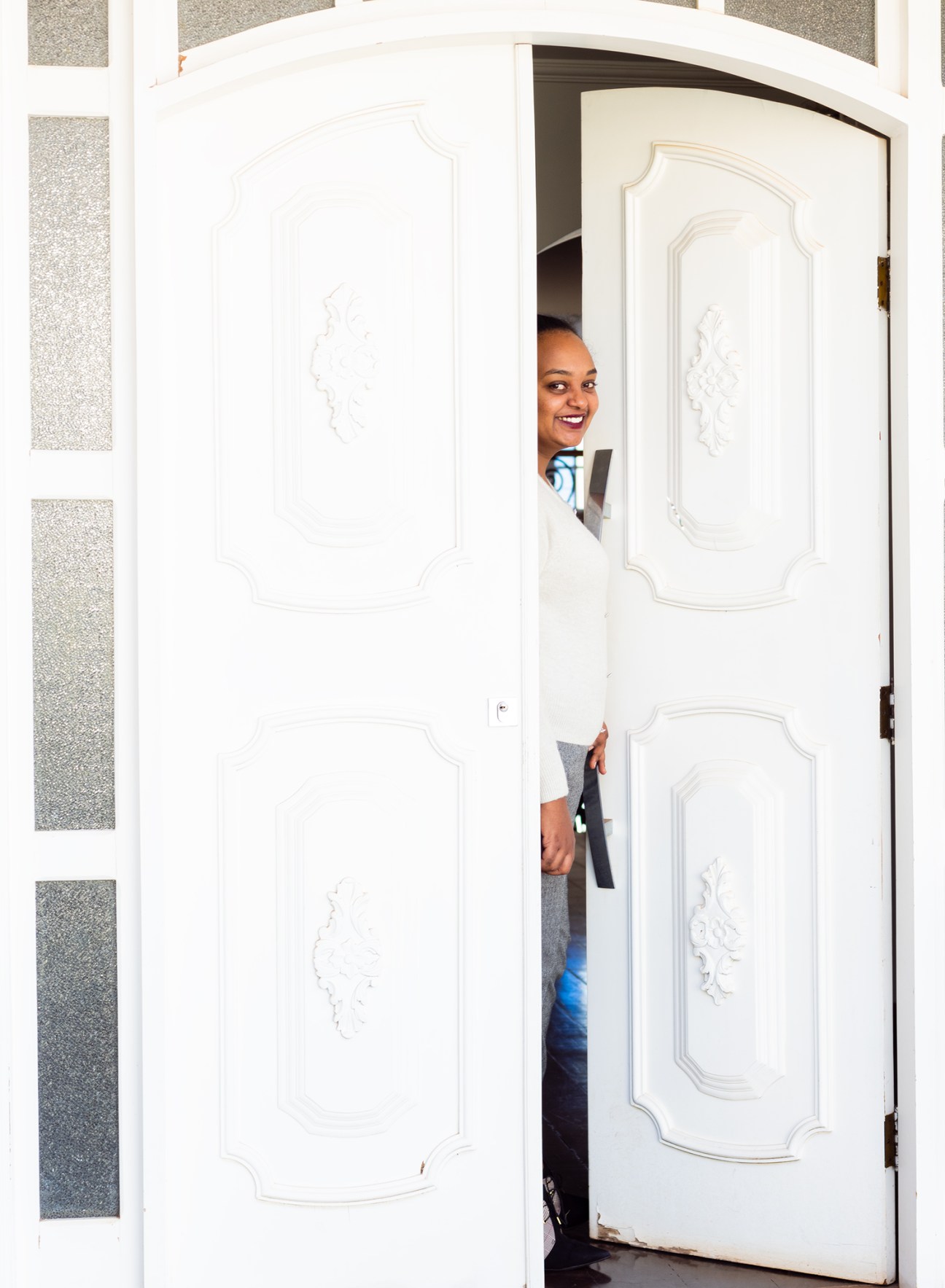
Ethiopia’s diplomats in Brasilia have to be flexible, both with their remits and their schedules. The embassy’s usual staff of about three Ethiopian diplomats, and as many Brazilian assistants and interpreters, represents Ethiopia’s interests not only to Brazil but also to much of the rest of Latin America. Accordingly, jobs within the embassy vary beyond what their title might suggest. Beza Melis Yirga, who has been in Brazil for four years, and her current role for three, describes a working week that involves liaising with Brazilian – and other – officialdom, and promoting Ethiopia to Brazil’s public.
“Brazil’s Ministry of Foreign Affairs has an Africa department,” she says. “So we often meet with them to discuss bilateral relations and technical co-operation. From our embassy here we also cover Argentina, Chile, Peru, Colombia and other Latin American countries, which is quite difficult, so we meet at their embassies in Brasília.”
Promoting Ethiopia includes organising presentations for Brazilian tour operators, participating in Brazil’s carnivals – and making use of one eminent historical ally. “Brazilians do have an attachment to Haile Selassie, our last monarch,” says Melis. “He’s quite an icon for them, and I’m quite proud about it.”
Yirga is from Addis Ababa, and Brazil is her first overseas posting. “There were initial frustrations with the language,” she says. “You can’t get far speaking English, so I panicked, but when I started learning to speak Portuguese I was able to communicate with Brazilians. It has been fascinating to explore the country’s culture. And they do the best barbecues.”