Issues
Top draw
Fashion illustration is a longstanding art; a time-honoured vehicle for brands to market their products, which brings to mind mid-century covers for glossy magazines or the lux tableaux by Jordi Labanda. But today, there is nothing passé about this medium.From Chanel to Dior, brands have shown that there is much to be gained from putting pen to paper. “If you’re an illustrator with a particular style, you offer a unique selling point in a crowded marketplace,” says William Ling, who runs the Fashion Illustration Gallery in central London.
We meet three creatives who have graced advertising billboards, perfume packaging and look-books; and who see – and draw – through a very personal lens.
Gentleman artist
Hiroshi Watatani
Tokyo
Japanese illustrator Hiroshi Watatani is a master of his craft: illustrating traditional men’s sartorial looks, creating a fashion-inspired world with no more than a brush and watercolour paints. With his ultra-realistic aesthetic, he has won clients in his country’s buoyant publishing industry as well as esteemed brands such as Osaka’s Azabu Tailor and British shoemaker Foster & Son.
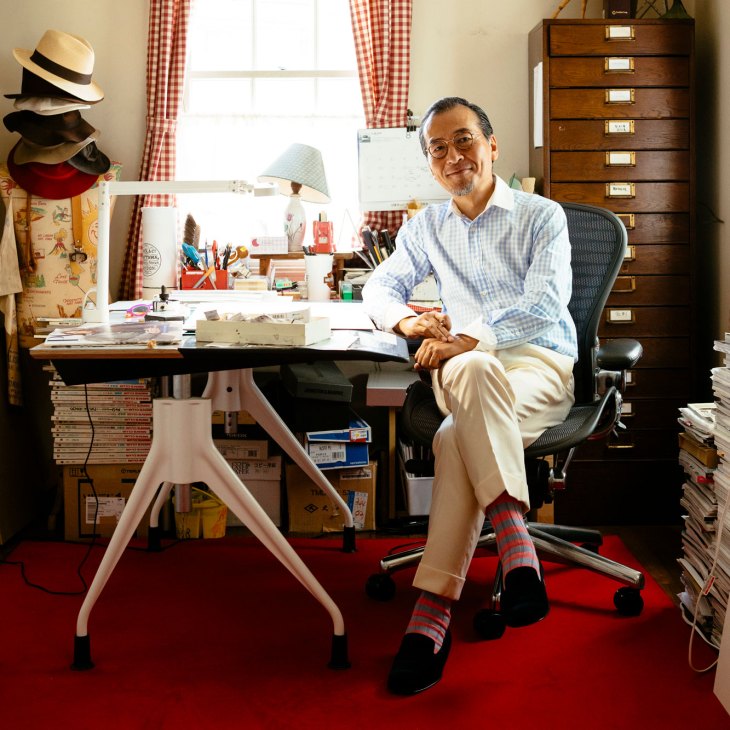
Tokyo-born Watatani grew up during the Ivy League fashion boom in Japan during the 1960s. He spent his childhood relentlessly drawing, replicating illustrations in Japan’s iconic Men’s Club magazine. Despite being slightly colourblind, he completed his studies at Setsu Mode Seminar design school and his work debuted in the fêted Popeye magazine.
American illustrators had the biggest impact on his style, pushing him to keep improving his technique throughout his career. “My mentor showed me the work of [Joseph Christian] Leyendecker from the 1950s,” says Watatani. “I was stunned. His work went above and beyond; I decided to aim to that height.”
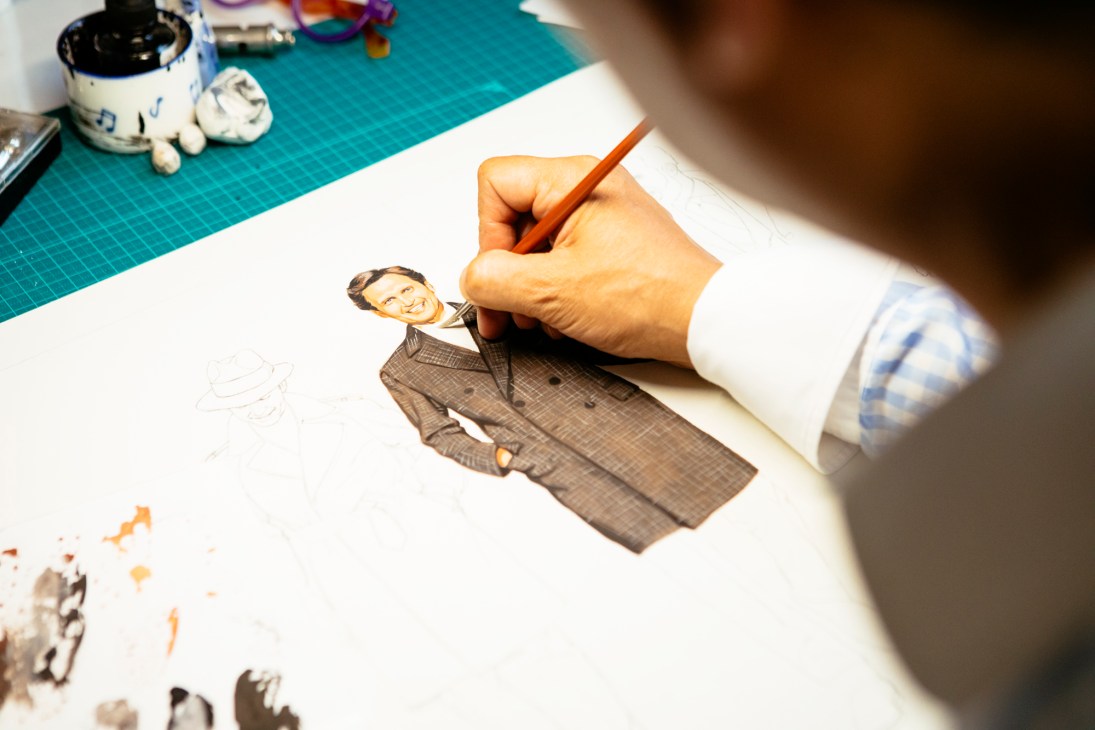
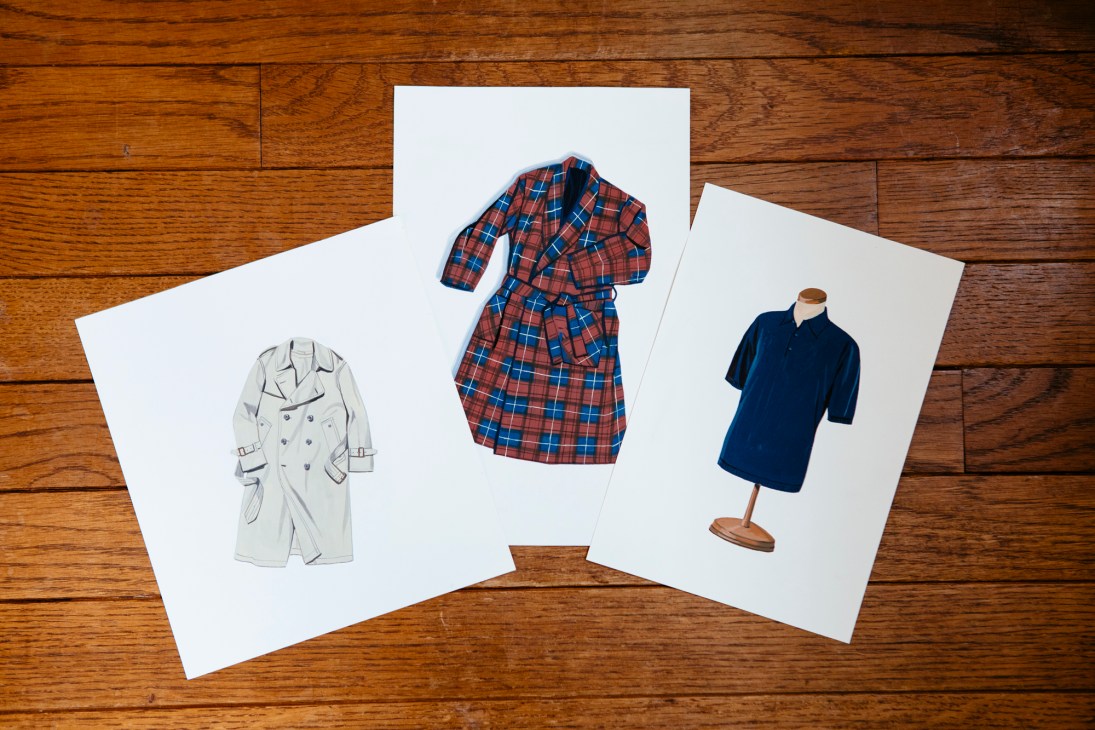
Watatani not only has the impressive drawing skills to achieve that goal but he is also committed to understanding (and embodying) the rarefied glamour of the lifestyle he portrays. “I have acquainted myself with things beyond clothes, from cocktails to cigars, art and culture,” he says. “It all reflects back on fashion.” That’s why Watatani makes a point of getting out of his studio to live the lives of his protagonists, perching at smoky bars as well as heading out to the countryside in the process.
This all-encompassing idea of what constitutes men’s fashion seems to have been vindicated in the past few years, with the industry increasingly leaning towards his outlook. “People want to present the lifestyle around fashion more than ever, instead of narrowly showing trends,” he says. Watatani’s illustrations might have a vintage air but his approach couldn’t be more current.
Concept queen
Cecilia Carlstedt
Stockholm
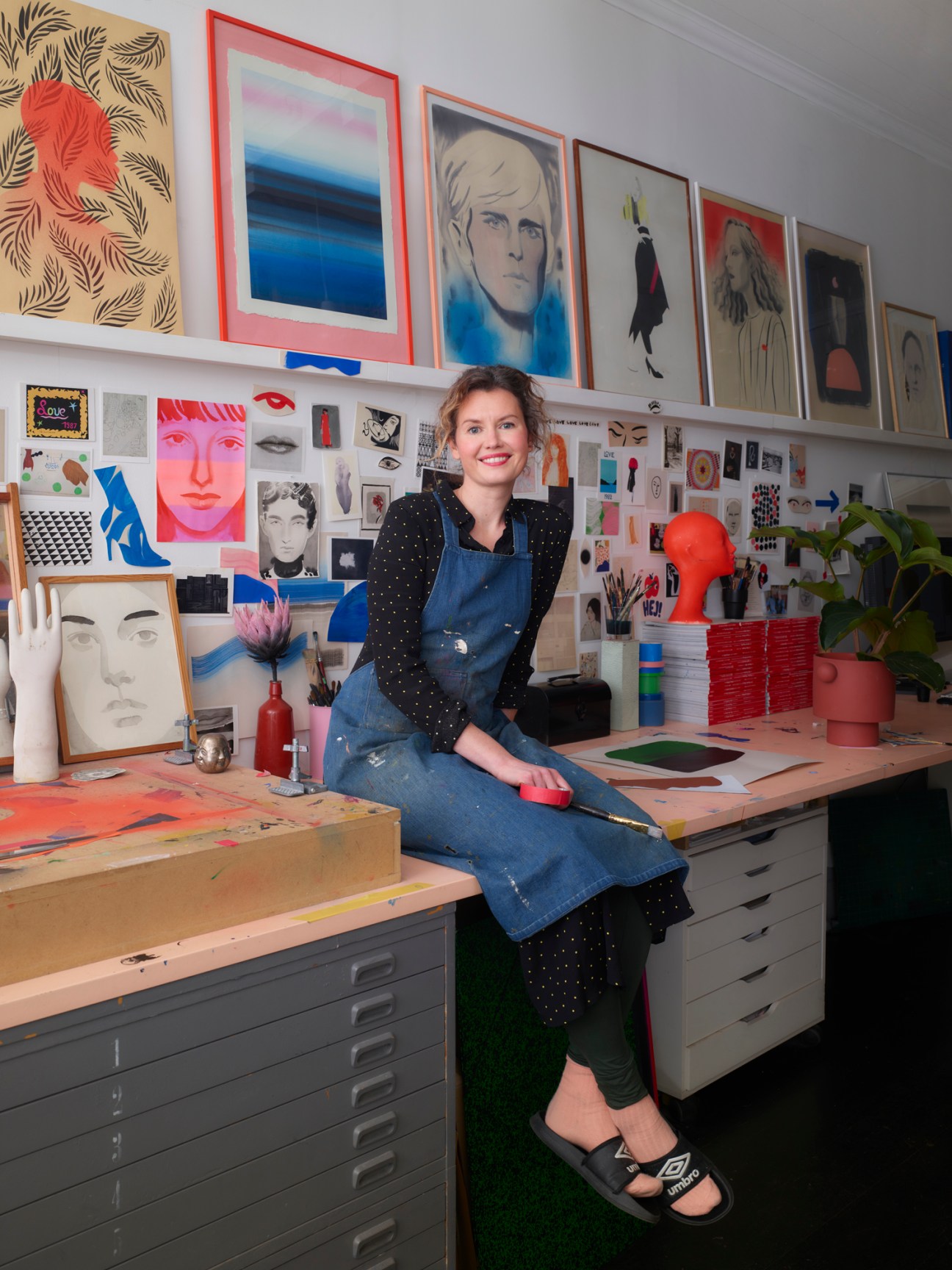
Sketched in ink, watercolour or whatever supplies she decides to pick up from the art shop, Cecilia Carlstedt’s illustrations form images that evoke elegance and movement with a few measured lines. “I was always interested in drawing the figure,” says Carlstedt from her narrow studio in central Stockholm, where walls are lined with pinned postcards and shelves are bursting with back issues of periodicals. “Fashion came later – in my teens, with the magazines. I’ve always been interested in the flat medium.” While still a teenager, she decided to head up to Swedish Elle, clutching a folder filled with her originals. A commission was soon awarded, and work for both magazines and brands has followed steadily since.
Despite a taste for trying out a range of different media, working on paper remains Carlstedt’s first and most burning love. “For me, it’s just a way of cropping the world, of framing things,” she says. “It’s about the immediacy, the simplicity of it. It’s so raw – great ideas and things can come through pen and paper.”
The major fashion brands that ask her to take care of their projects seem to agree. In the past year she has realised one-off paintings for a diamond brand, as well as a big advertising campaign for Italian shoe-maker Fratelli Rossetti. Other clients include French fashion house Chloé and cognac brand Courvoisier, all completed while juggling a number of editorial commissions for the likes of Harper’s Bazaar and Wonderland. “Illustration will never replace photography; it’s not its role,” she says. “It just adds a more personal view. It’s also really intriguing to see one art form describe another.”
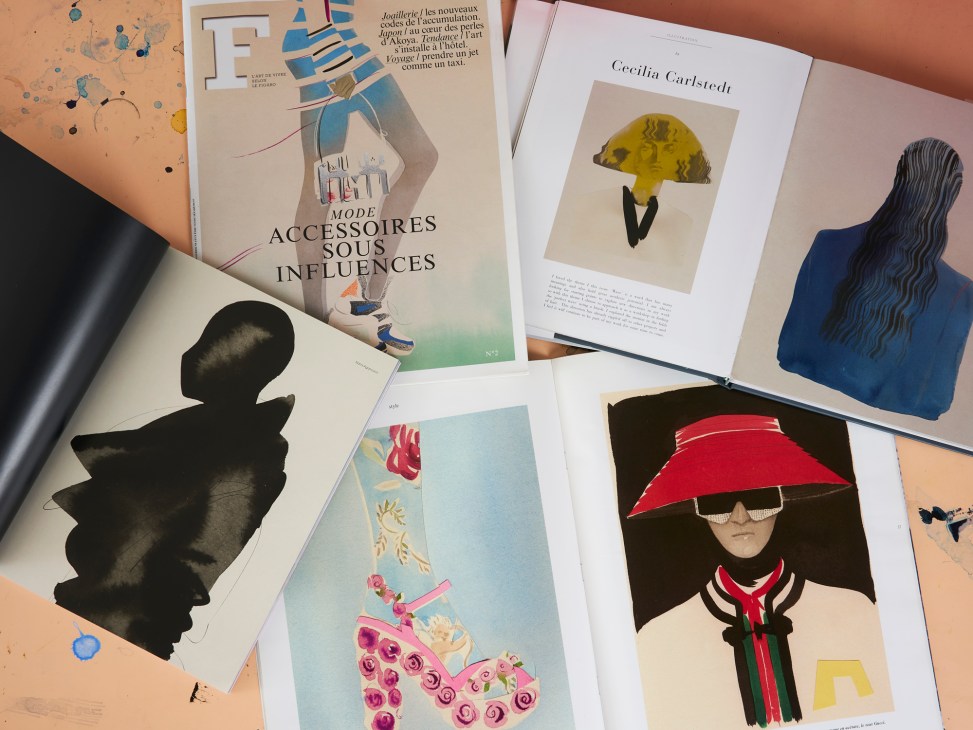
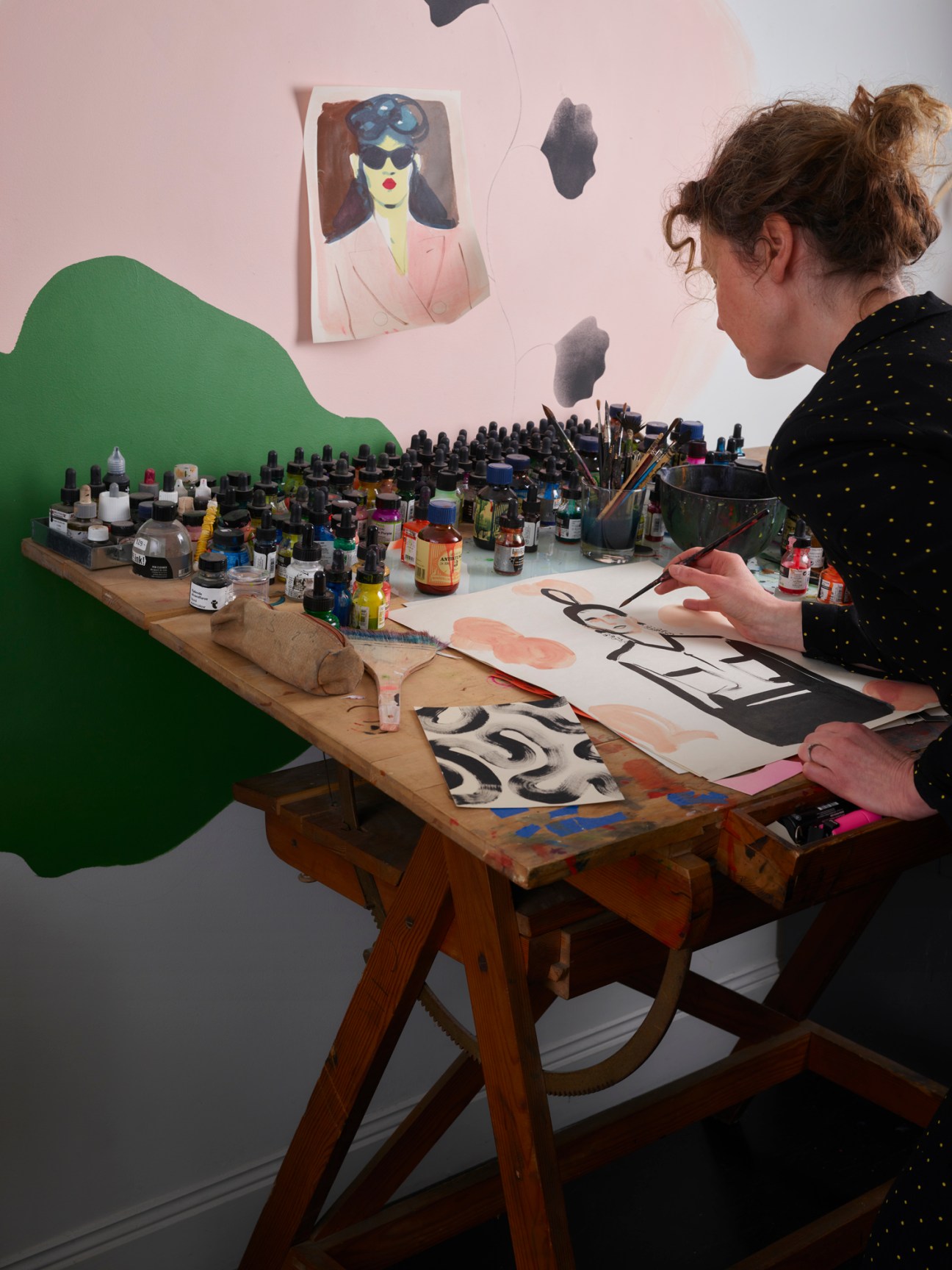
Carlstedt adds that because of the digital environment that fashion increasingly operates in, there is a craving to see “handmade stuff”. “There is a sense of personality,” she says. “It’s more analogue, because it comes from the hand.” Still, that doesn’t mean that her drawings carry a vintage air: if anything her style has kept changing and evolving over time. “That’s what keeps it exciting; when you’re in the fashion industry, it’s all about progression,” she says.
Her very subject matter is what ensures that staying still is never an option. “Fashion is the meeting point of all design disciplines, so it’s an endless source of inspiration. You have the models, the make-up, the whole aspect of theatre surrounding it,” she says. “But it also plays with that element of storytelling; it’s something you can have fun with – it’s a dream scenario.”
Designer drawing
Jacky Marshall
New York
When Jacky Marshall (aka Jacky Blue) shows Monocle her sketchbook from when she was a womenswear designer, the similarities with her current work as an illustrator are striking. With their long legs, and jittery pencil marks, it’s hard to categorise them: are they painterly design sketches or design-led illustrations?
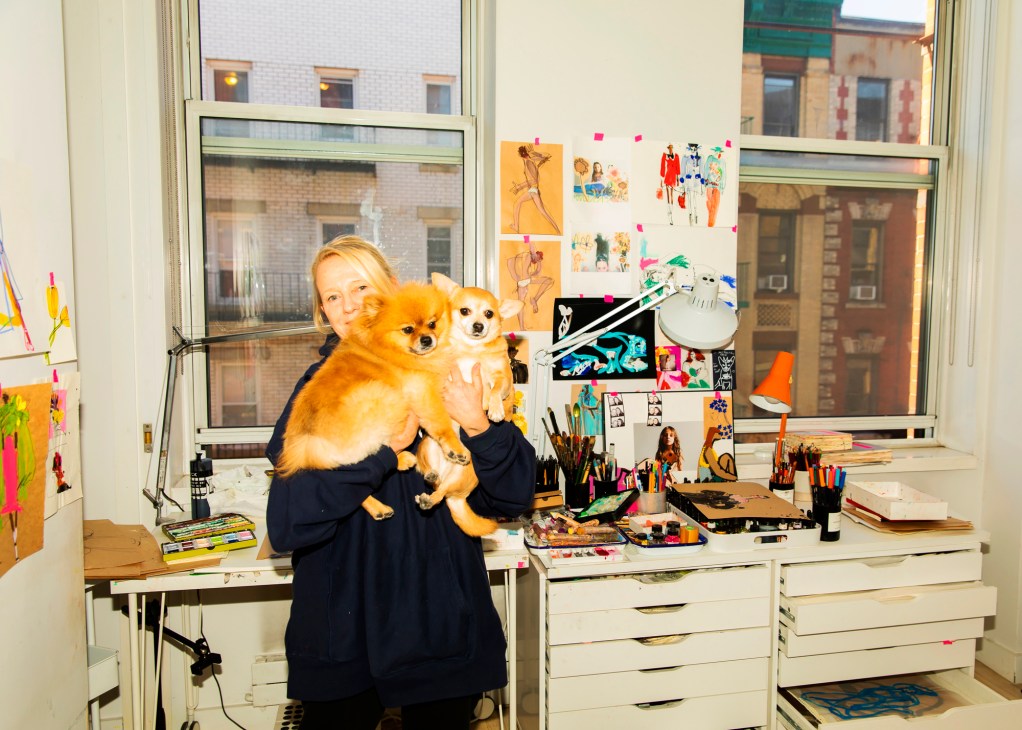
“I was always really artistic in my drawing,” says Marshall from the large, window-front desk inside her studio in New York. Having trained as a fashion designer in London, she moved to the US in time to catch the golden era of Calvin Klein – where she designed alongside Narciso Rodriguez – and began working for Donna Karan and dkny, which continued for many years. “I was able to design in a way that was almost like illustrating: I was extremely lucky to work in companies that had sample rooms and the most amazing pattern-makers. I wouldn’t have been able to translate them,” she says. “The organisations I worked in were extremely creative.”
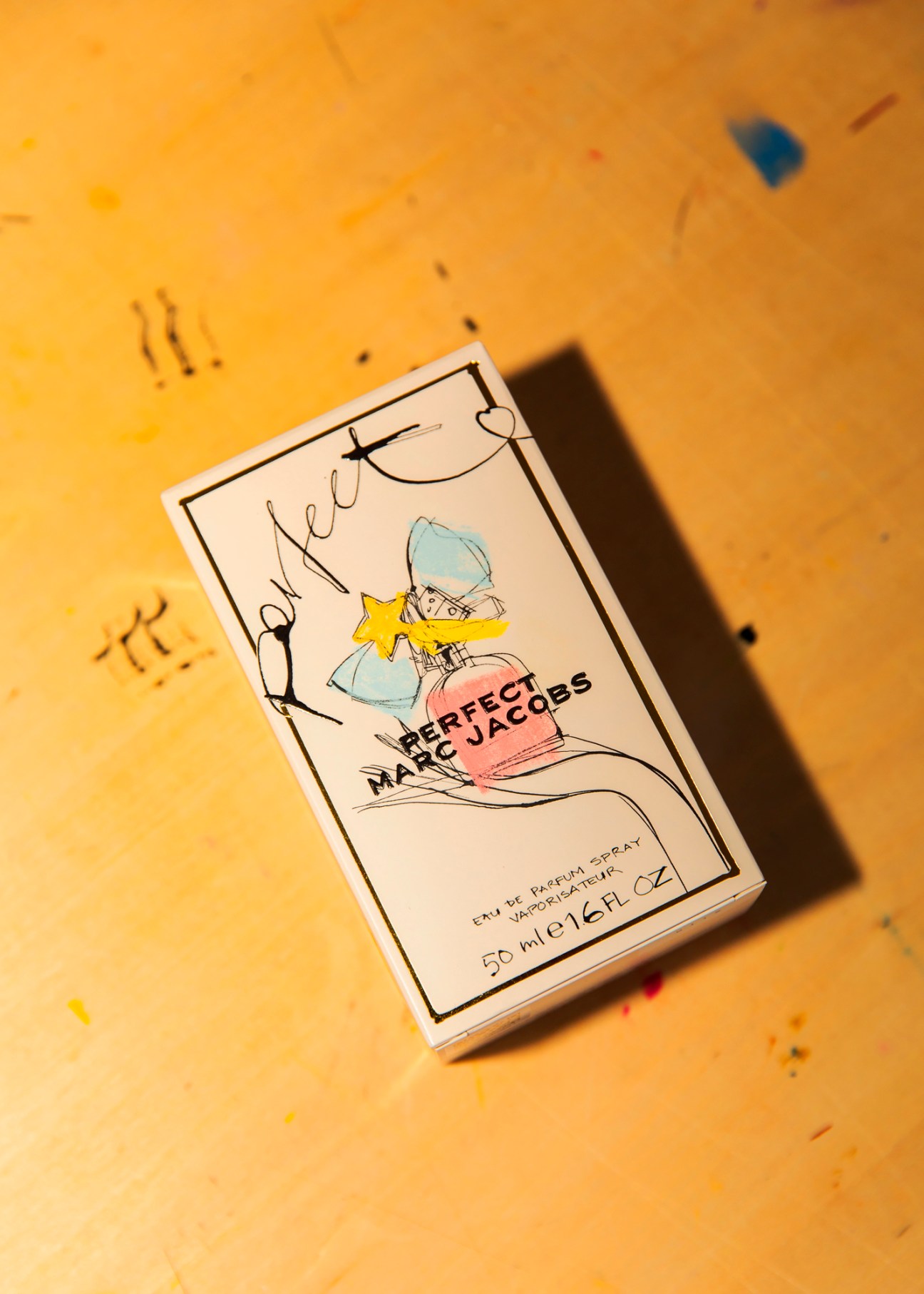
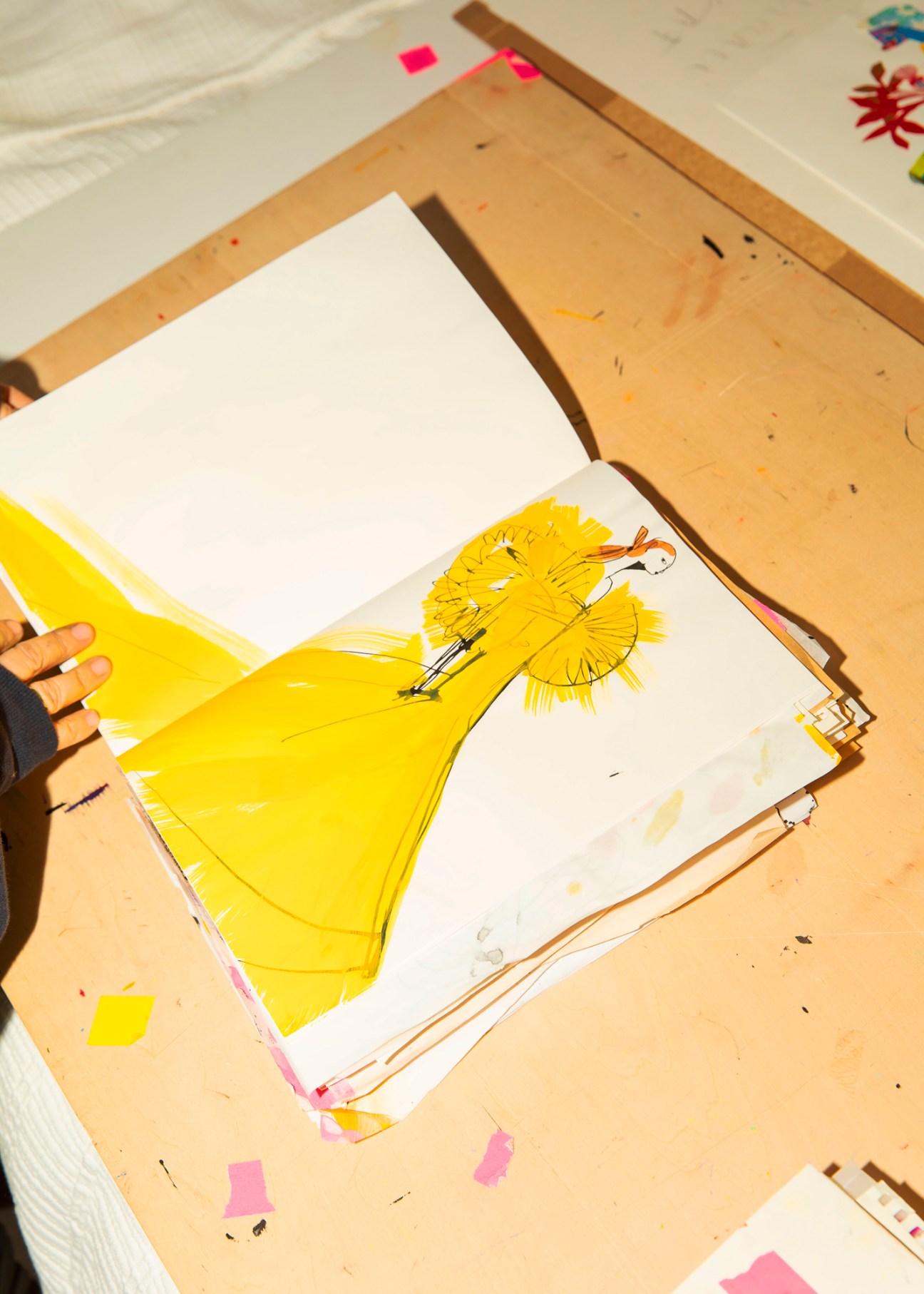
That’s why, when dkny was sold to g-iii in 2016, she realised that her method would not function well in that new context – and started finding ways to stay true to her creative process. Soon after, her illustration work began to attract the attention of fashion magazines and brands, including Marc Jacobs, who commissioned her to work on his perfume packaging. “It’s not like I’m an illustrator [who happens to be] doing a fashion drawing,” she says. “I understand pattern, prints and colour: first and foremost, fashion is in my blood. So if somebody came to me and asked, ‘Can you design a cookery book sketch?’, it would still have a flair of fashion. It’s just inherent in anything I do.”
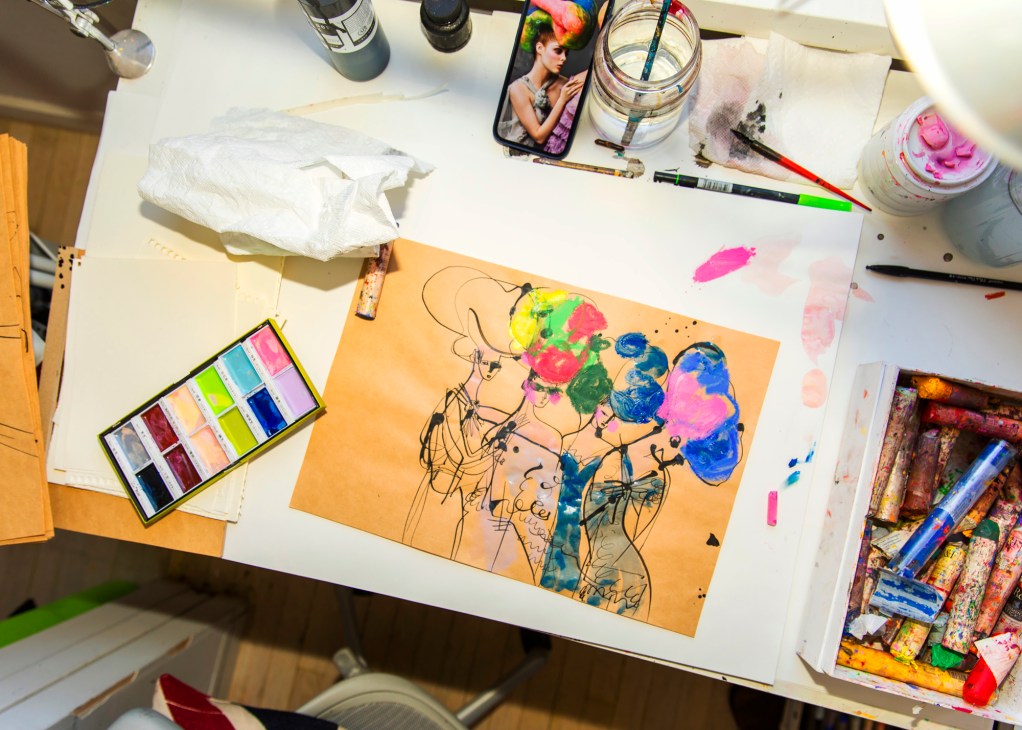
This individual approach has caught the eye of brands such as Agnona as well as editorial platforms including Showstudio, which have commissioned her to portray some outfits in her signature colourful style. Looking at the array of riotous, kaleidoscopic images scattered around her studio wall and in her sketchbooks, it’s easy to understand Marshall when she talks about why companies still have a taste for representing their collections in media beyond photography. “There’s something very delightful about [illustration]; something aesthetically interesting,” she says. “People who look at my work often say to me, ‘You make us happy’.” It’s a similar feeling to that which entices people to follow the release of new collections from fashion brands season in, season out. “Why do people keep buying different clothes? Because it gives you a kind of joy.”
Food & Drink Recipes
Recipe 1
Cod, chorizo and chickpea stew
Serves 2
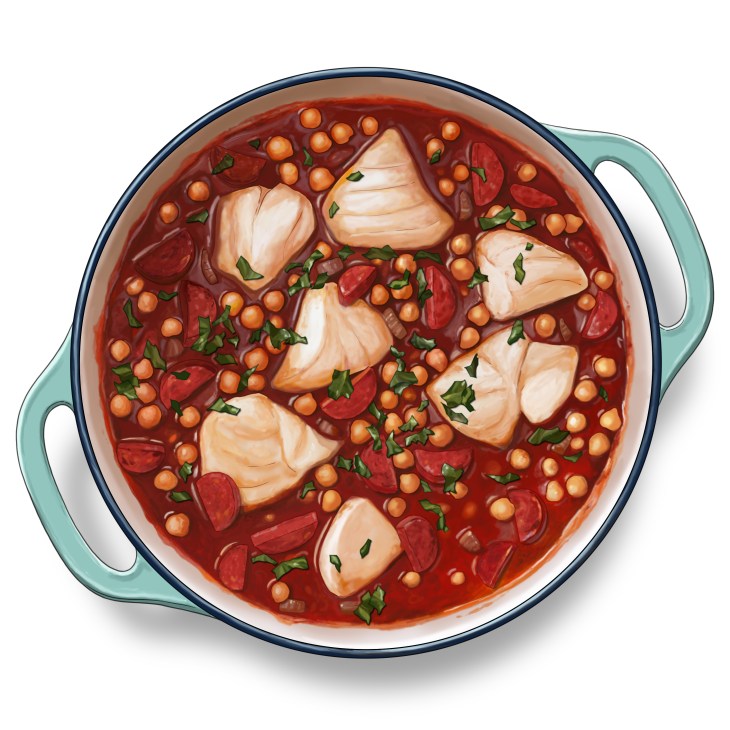
This warming stew works with any white fish – haddock or hake are particularly good. Ask the fishmonger to remove the skin. The mixture of chorizo and paprika gives the dish a piquant dash and the sauce is delicious mopped up with crusty bread. For the chickpeas, try to find the jarred variety, which tend to be of better quality than tinned.
Ingredients:
4 tbsps olive oil
1 medium onion, finely chopped
2 garlic cloves, finely chopped
100g chorizo, casing removed, cut in half lengthways, then sliced
2 tsps sweet smoked paprika
400g tinned chopped tomatoes
150ml white wine
1 tbsp tomato purée
1 tbsp sherry vinegar
1 tbsp light brown sugar
1 tsp sea salt
400g cooked chickpeas, drained
2 x 200g cod fillets, skin removed, chopped
Small handful of flat-leaf parsley, chopped
Method:
1.
Heat the oil in a large frying pan over a medium heat. Add the onion and garlic, and cook for 3 minutes until the onion becomes transparent.
2.
Add the chorizo and fry until the chorizo releases its oil, about 5 minutes. Add the smoked paprika and fry for 1 minute.
3.
Add the chopped tomatoes, then pour the white wine into the empty tomato tin, stir it to collect all the remaining tomato and add to the pan. Add the tomato purée, sherry vinegar, sugar and salt and simmer for 15 minutes, until thickened.
4.
Add the chickpeas and cod fillets, cover with a lid and cook for 10 to 15 minutes, depending on the thickness of the fish. The fish is ready when it flakes easily when you press it lightly with your finger.
5.
Sprinkle with the chopped parsley and serve with warm crusty bread.
ayanishimura.com
Recipe 2
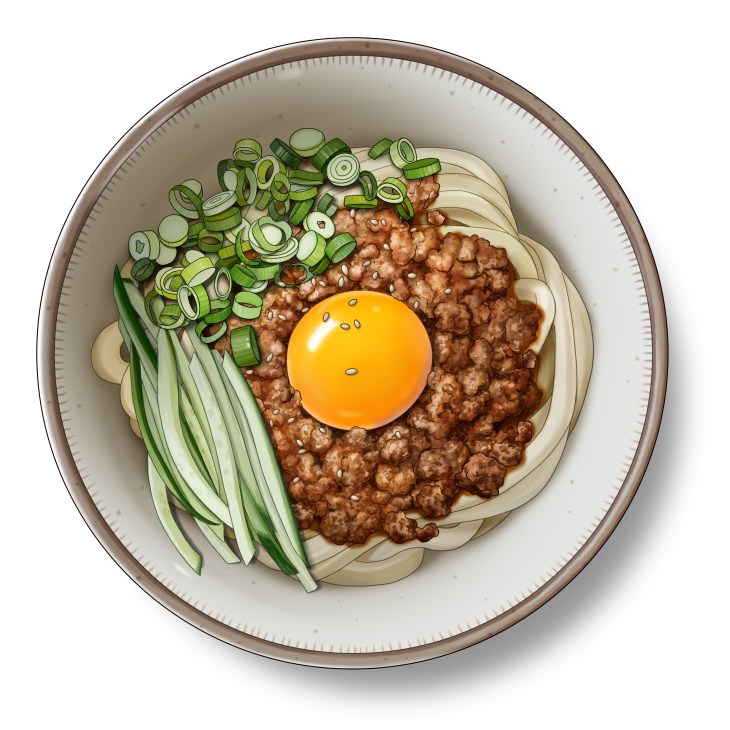
Miso pork udon
Serves 2
Ingredients:
1½ tbsps sunflower oil
2 garlic cloves, finely chopped
10g fresh ginger, finely grated
250g pork mince
2 tbsps saké
3 tbsps mirin
1½ tsps soy sauce
4 tbsps red miso paste
2 tsps runny honey
200g dried udon noodles (or 2 portions of fresh udon noodles)
4 spring onions, thinly sliced
⅓ cucumber (100g) cut into thin batons
2 fresh organic eggs, yolks only
2 tsps sesame seeds, toasted
Method:
1.
Put a frying pan over a medium heat and add the oil, garlic and ginger. Fry until they release their aromas then add the pork mince, breaking up the larger lumps with a spoon. After 1-2 minutes, add the saké, season with salt and pepper, and cook until the mince browns slightly.
2.
Put the mirin, soy sauce, miso and honey in a small bowl and mix until it becomes a smooth paste. Add the paste to the pork and cook for a few minutes until it thickens and becomes glossy.
3.
Bring 1½ litres of water to a boil in a large pot and add the udon noodles. Follow the packet instructions for cooking time.
4.
Drain the noodles and rinse under cold running water. Leave them in the sieve to allow the water to drain off.
5.
Divide the udon between two bowls, spoon the miso pork on and make a small dent in the middle of each portion. Slide an egg yolk into each dent. Arrange the cucumber and sprinkle with spring onion and sesame seeds.

Recipe 3
Piri-piri chicken
Serves 2
Ingredients:
- 1 small whole chicken (about 1.1kg)
- 100ml olive oil (plus extra for coating)
- 1 birds-eye chilli, stalk removed
- 2 garlic cloves, peeled
- 1 tsp lemon juice or red wine vinegar
- 1 tsp chilli flakes
Method:
1.
Take the chicken out of the fridge at least 30 minutes before you are ready to grill. Turn the chicken over. Using a pair of kitchen scissors, cut down both sides of the backbone and remove (keep it for chicken stock). Flip it over and use the heel of your hand to press down the breastbone to flatten the chicken.
2.
Put the chilli, garlic, lemon juice or vinegar, salt (to taste) and 75ml of the oil in a blender and blitz until smooth.
3.
Add the rest of the oil and chilli flakes to a small pan, put over a very low heat and warm until the oil just starts to simmer. Turn off the heat and leave to allow the chilli flakes to infuse the oil. When it has cooled, add the blended garlic-chilli mixture to the oil.
4.
Preheat the grill to a high heat (220c). Put a piece of foil on a baking tray and add the spatchcocked chicken, skin-side up. Drizzle with olive oil and sprinkle generously with salt and pepper. Put it under the grill and cook for 10 minutes, then turn it over and grill for another 15 minutes. Turn the chicken over again and brush the skin with the chilli oil. Turn the grill up to its highest setting and grill for 5 to 10 minutes to char the skin. Keep an eye on it to avoid it burning.
5.
Remove from the grill and let it rest for 10 minutes. Drizzle the chicken with extra piri-piri sauce as you eat it.

Recipe 4
Blueberry scones
Makes 8 scones
Enjoy these scones warm, slathered in butter, or add thick cream and jam.
Ingredients:
100g unsalted butter, cold
300g plain flour
1½ tsps baking powder
1 tsp bicarbonate of soda
½ tsp fine sea salt
180g full fat natural yoghurt
50g runny honey
125g blueberries
2 tbsps milk (optional)
To serve:
Cool butter
Method:
1.
Preheat oven to 220c (200c fan). Cut the butter into 1cm small cubes and keep in the fridge while you weigh out the rest of the ingredients.
2.
Sieve the flour, baking powder, bicarbonate of soda and salt into a medium-sized bowl.
3.
Add the cold butter and rub into the flour until fine crumbs are formed. You could also use a food processor to do this by pulsing the ingredients together until you get the desired texture.
4.
Make a dent in the middle of the mixture. In a separate bowl, mix the yoghurt and honey together, then pour into the dent. Quickly incorporate the two mixtures with a spoon. When it comes together, tip out onto a lightly floured kitchen surface and knead lightly for 1-2 minutes.
5.
Flatten the dough into a rough rectangle. Gently work a third of the blueberries into the dough then fold the dough in half. Repeat this process twice.
6.
Roll the dough into a roughly 15cm 3 20cm rectangle about 3cm deep. Cut it in half lengthways, then cut each half into 4. You should now have 8 rectangular scones. Brush the tops with milk if you like – it will help give the scones colour.
7.
Bake for 10-15 minutes (keep an eye on the scones, allowing them to brown a little). Remove from the oven and serve warm with cool butter.
Recipe 5
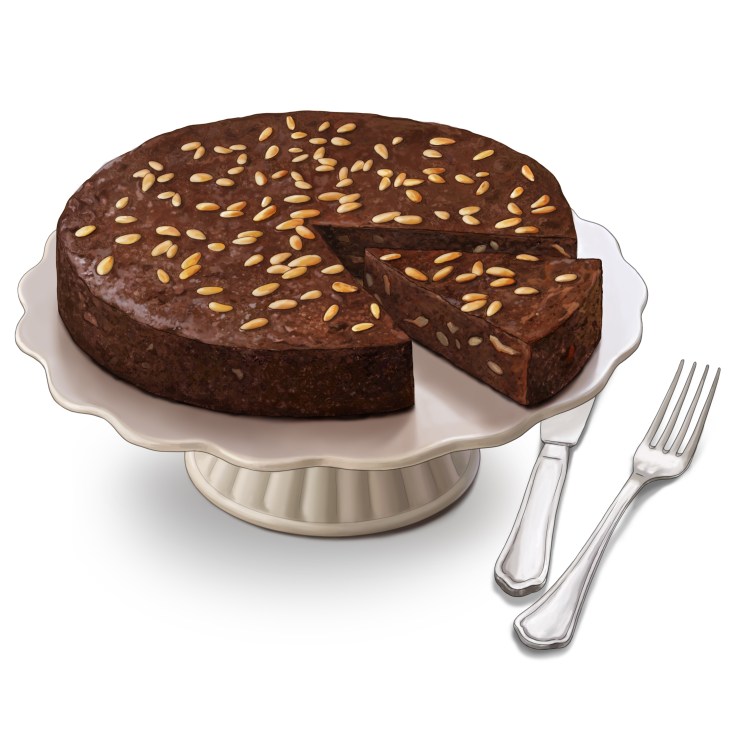
Torta di pane
Makes 1 cake
You will need a springform tin with a diameter of about 22cm. This cake tastes best if you let it rest for a day to moisten.
Ingredients:
250g day-old bread
100g amaretti biscuits
1 vanilla pod
700ml milk
Oil and flour for the pan
100g butter
150g sugar
75g cocoa powder
100g light raisins
100g candied orange peel
1tsp ground cinnamon
1tsp ground cloves
1tsp ground nutmeg
100g pine nuts
3 eggs
20ml grappa
Method:
1.
Preheat the oven to 180c.
2.
Chop the bread into 1cm cubes, crumble the amaretti and combine in a large bowl with a pinch of salt. Slice the vanilla pod lengthwise and scrape out the seeds. Warm the seeds and the pod in the milk.
3.
Pour the milk over the bread mix and leave to soften for 5 minutes. Remove the pod and discard.
4.
Cover the bottom of the tin with baking paper. Brush the paper and sides of the pan with oil and dust with flour. Melt the butter and leave to cool.
5.
Mash with a fork and mix in the sugar, cocoa, raisins, candied peel, cinnamon, cloves, nutmeg and half the pine nuts.
6.
Blend the butter with the eggs and grappa. Mix into the bread mixture.
7.
Pour the dough into the tin. Sprinkle remaining pine nuts on top. Bake in centre of oven for about an hour. It’s done when a skewer comes out clean.
ralphschelling.com
Hungry for more? Subscribe to Monocle’s free Sunday Weekend Edition newsletter at monocle.com/minute.
Food & Drink Briefing
Taka
London
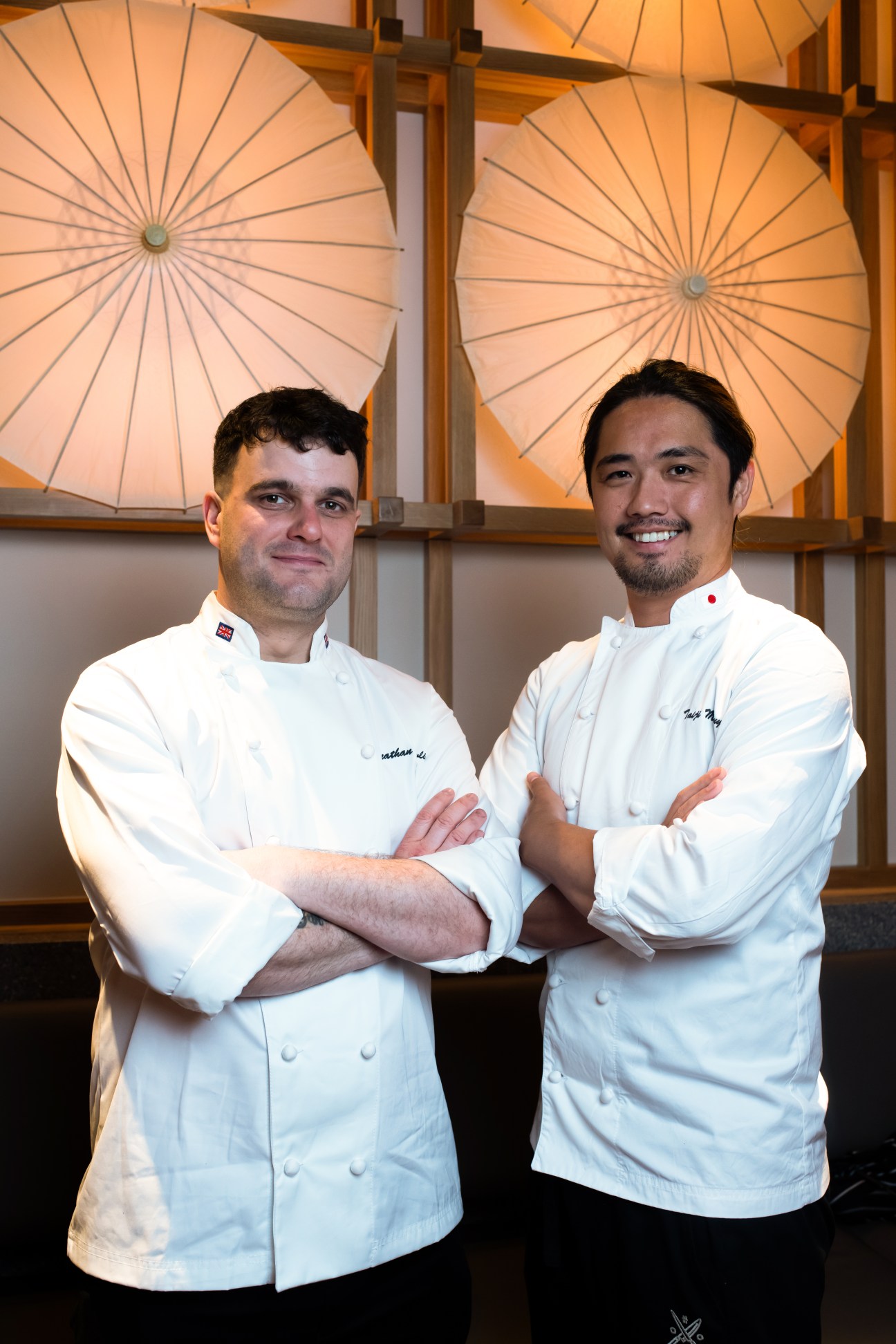
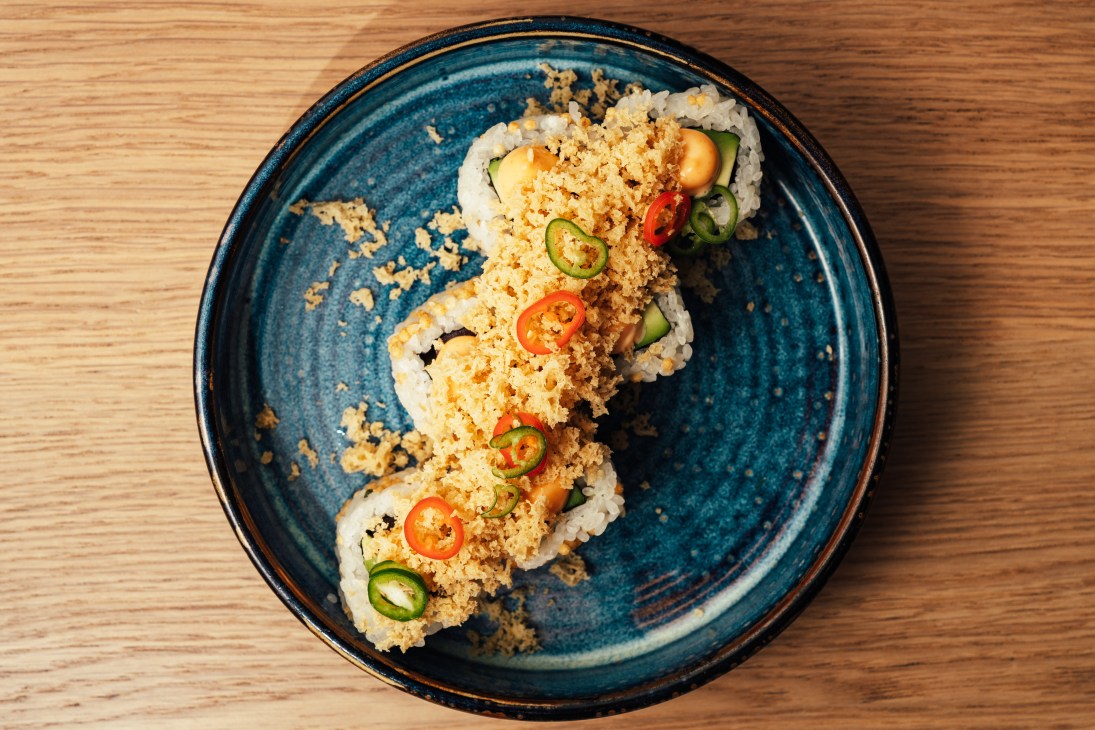
Regulars were sad to see the shuttering of Providores on Marylebone High Street in 2019 after 18 years of excellent service, but the new occupant of the site is whetting appetites too. Taka, sister restaurant to the space of the same name in Mayfair, retains the building’s Georgian shell and the three-storey fit-out by London-based B3 designers is a masterclass in subtle design, brought together by contrasting timber finishes (one pale, one charred), tan banquettes and a timber-and-terrazzo bar. Not to mention the striking backlit installation made with shoji-paper umbrellas. The menu prepared by chef Jonathan Dowling (pictured, on left, with executive chef Taiji Maruyama) has a pleasing selection of tapas-style small plates, such as the kani (crab) croquettes, scallop with buttermilk soy and roast seaweed.
takalondon.com
Maison Kitsuné
Paris
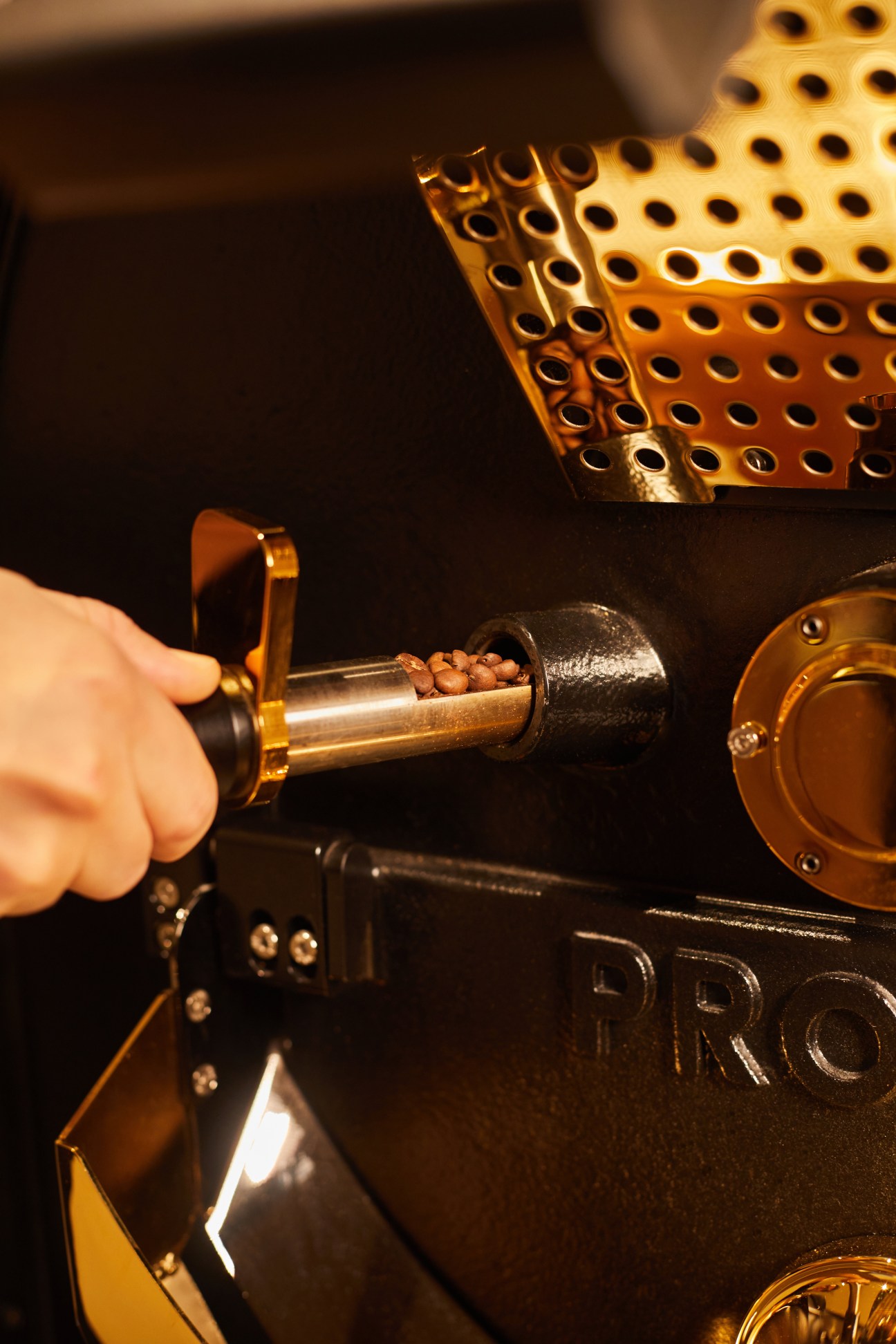
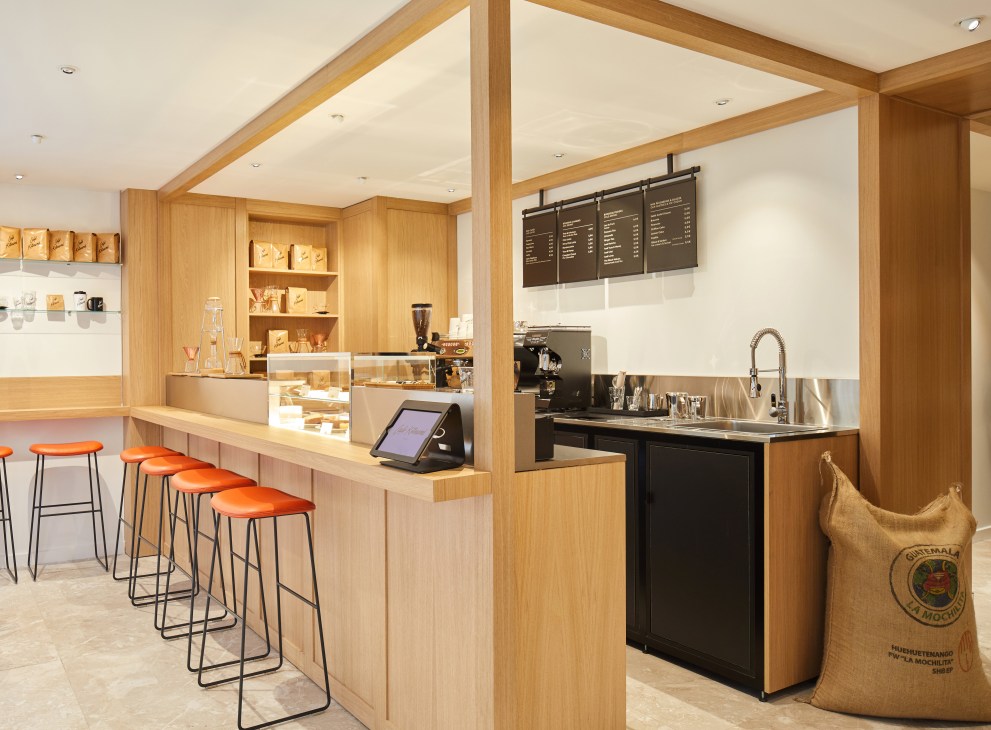
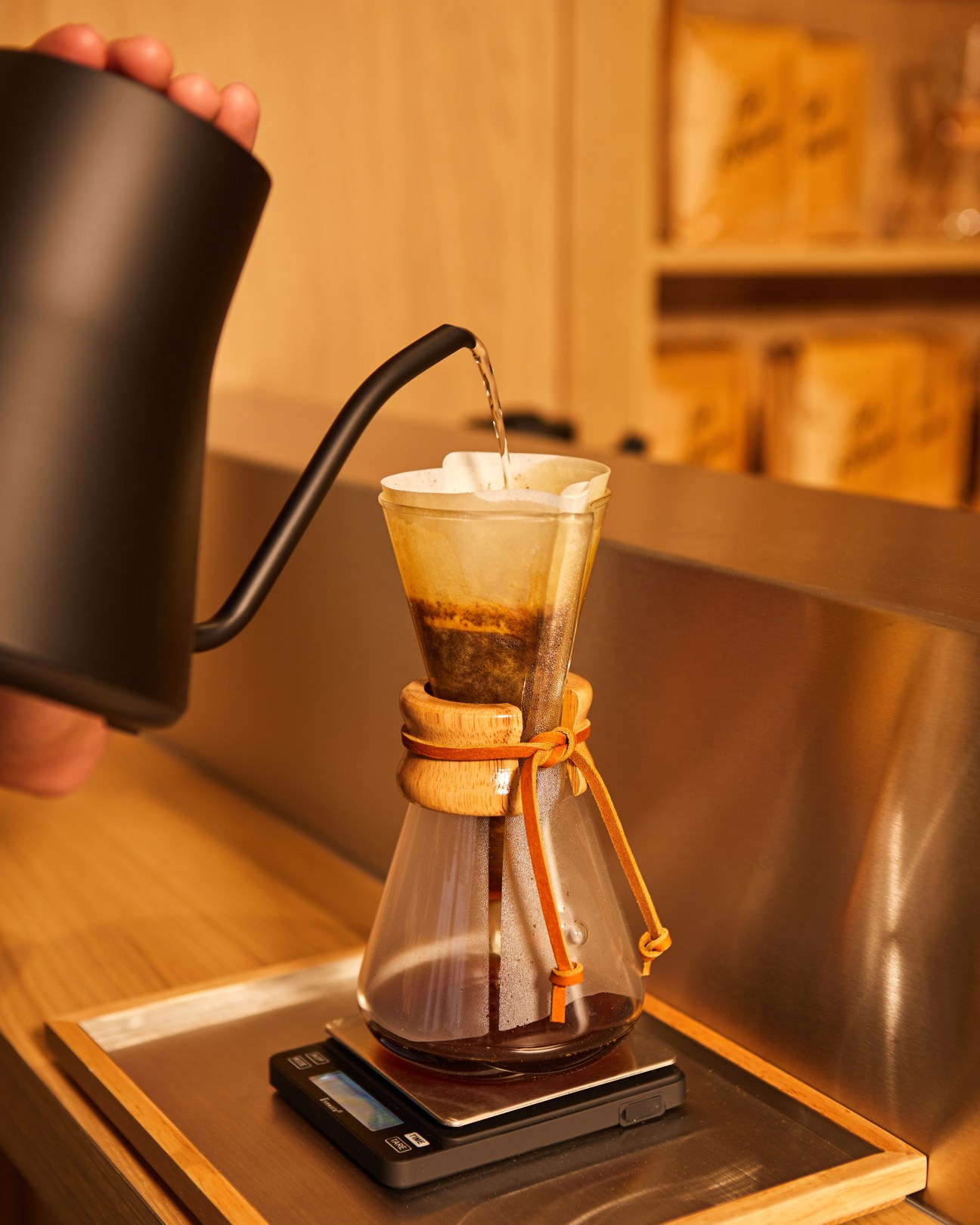
Franco-Japanese music label-turned-clothing brand Maison Kitsuné has long been winning the approval of coffee aficionados with its string of cafés. It already has three picturesque outlets in Paris and February saw it add a fourth to the roster. Its latest, in Paris’s 3rd arrondissement, boasts a roastery (its only one outside of Japan) run by Florian Decousser, the man in charge of roasting beans for all of the firm’s European coffee houses. Keep an eye out for his next tasting sessions and workshops.
maisonkitsune.com
Dom’s Social Club
Melbourne
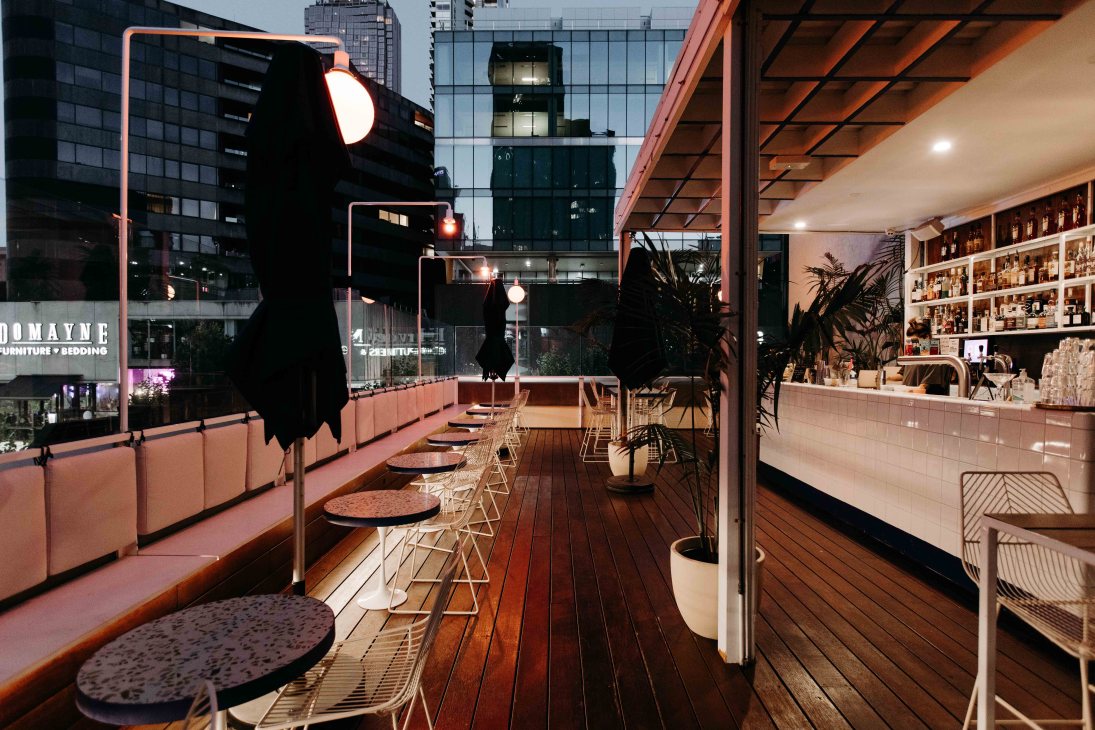
This multi-storey venue in the heart of the cbd brings together three different bars and restaurants, all connected by a handsome timber staircase. On the first floor, you’ll find woodfired pizzas (we suggest the marinara); on the second, there’s a billiards room and a cocktail lounge serving Australian spirits. At the top – well, we suggest you take in the view of the city skyline from the building’s roof garden and bar.
domssocial.club
Acme
Hong Kong
Zahir Mohamed made it his mission to bring quality Middle Eastern cuisine to Hong Kong’s Soho – and he doesn’t disappoint. Just over two years after opening Baked – his bakery-cum-restaurant specialising in sourdough – the sixth-generation Egyptian baker opened Acme in Soho, which serves traditional specialties with a twist. Don’t miss the smoked baba ganoush and sourdough flatbread – it’s worth dropping by for a nourishing lunch.
acmeplease.com
Altatto
Milan
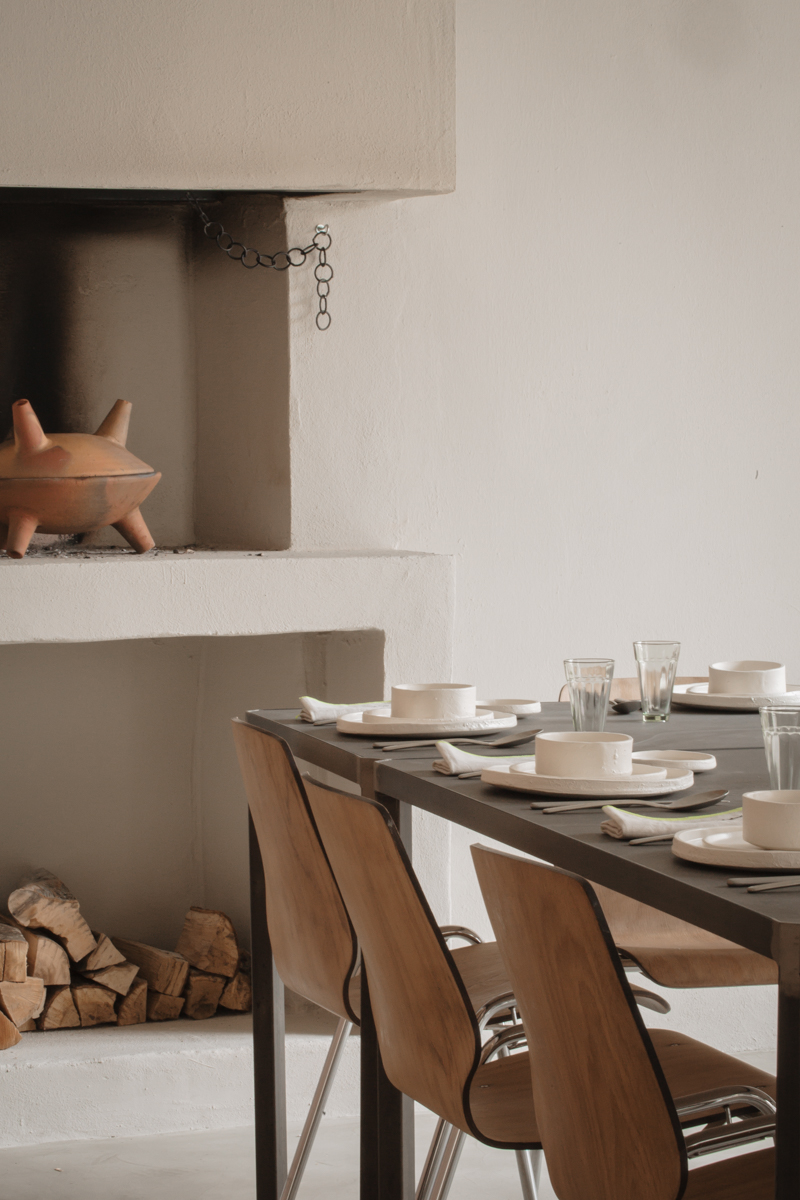
Founded by a trio of talented chefs, vegetarian restaurant Altatto in Milan’s Greco neighbourhood gives diners the chance to savour fresh seasonal produce prepared in creative ways – always with a healthy dose of spice. Sample the tomato ceviche with avocado mousse or a tempura dish of courgette flowers. To drink, try the citrus-based kir cocktail or orange-style zibibbo white wine from Pantelleria.
altatto.com
Bardo Social Bistro and Bar
Bangkok
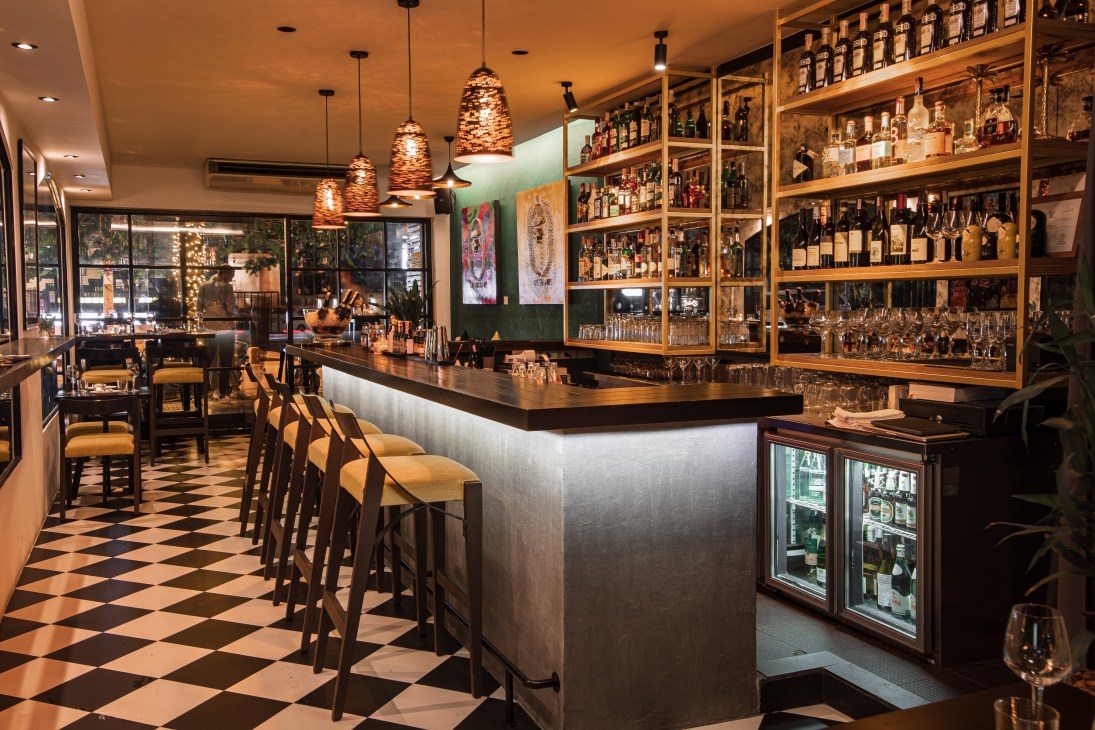
This French-Mediterranean restaurant and bar, which has just opened in the heart of Sathorn, serves a flavoursome fix of dishes from cheese plates to beef tartare and foie gras. The unpretentious and hearty fresh cuisine is dished up in a modern setting. Be sure to take a peek at the wine list and cocktail menu while you’re there.
166 8 4079 8830
Avec
Chicago
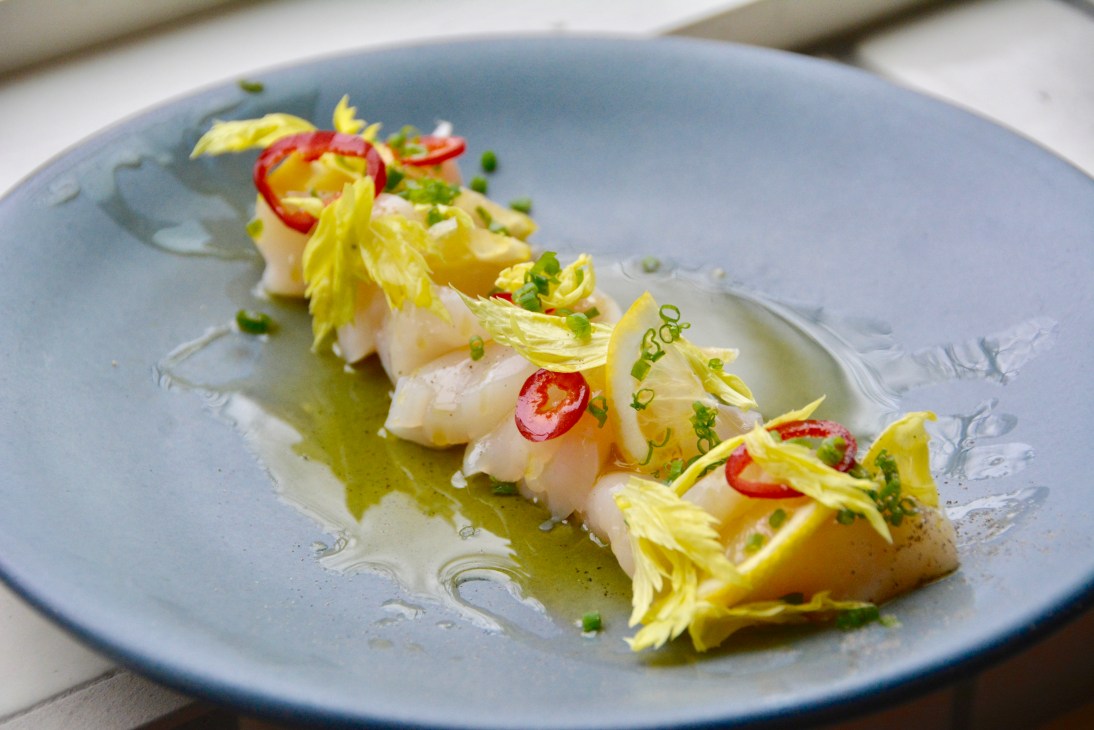
Chicago’s Avec in River North has made a name for itself over the past 17 years with its reliably excellent Mediterranean-inspired menu, featuring the ever-popular melt-in-the-mouth chorizo-stuffed dates, slow-roasted pork shoulder and “deluxe foccacia”. Its new outpost in River North will serve up these old favourites alongside new dishes, including baked hake fillet and braised lamb-neck ragu, as well as more pizza and pasta-inspired options.
avecrestaurant.com
Pescaria
Rome
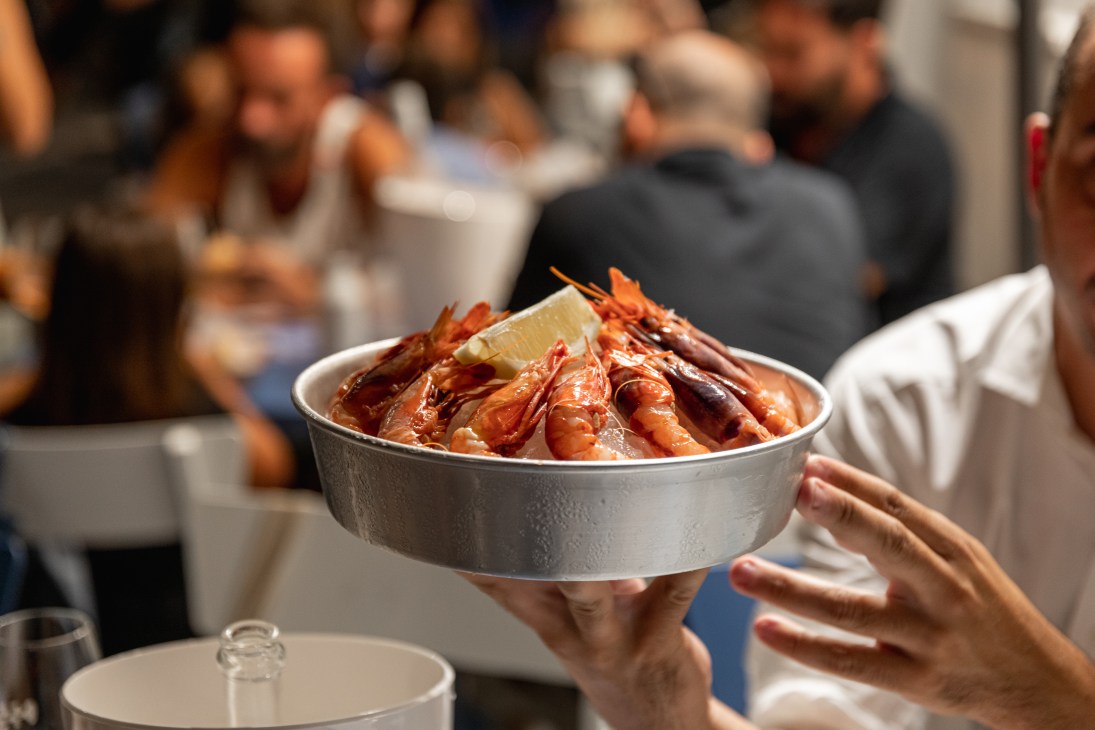
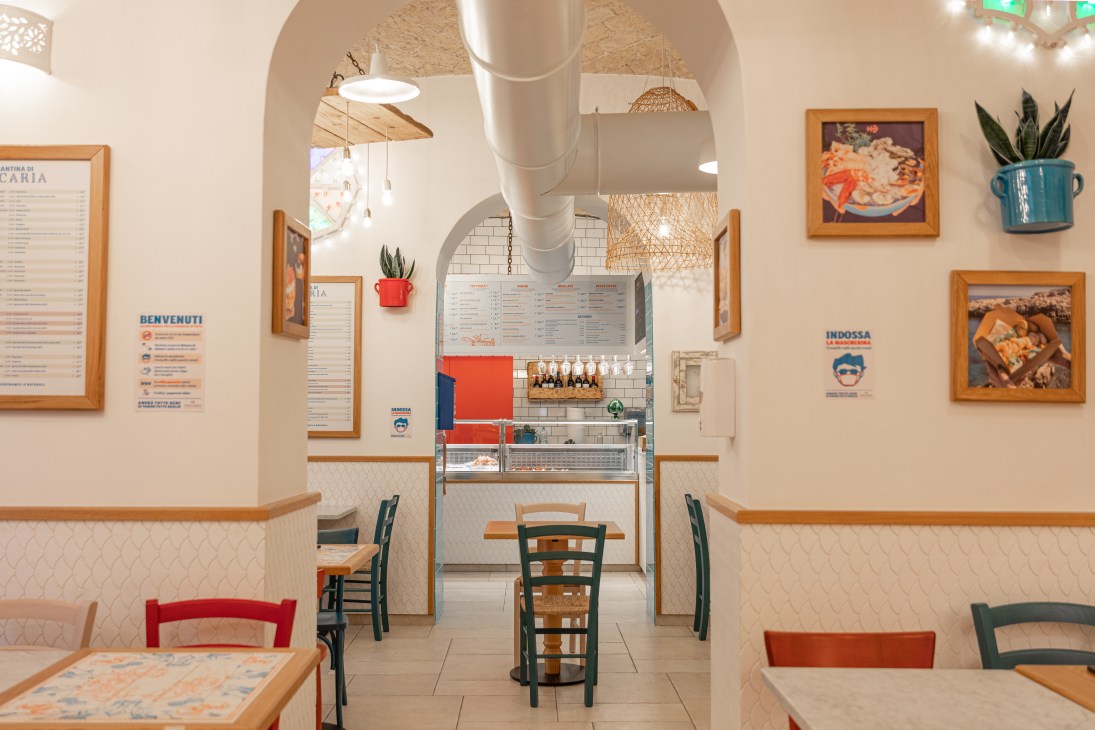
First born as a small venture in the seaside town of Polignano a Mare, fish-focused street food outlet Pescaria has grown into a success story, with outposts across Italy. Rome’s Prati is the latest opening and its fresh fish panini have already attracted crowds (and queues) to the Prati neighbourhood. Don’t be afraid of experimenting with less conventional flavours – they’re all worth it.
pescaria.it
Fresh City Farms
Toronto
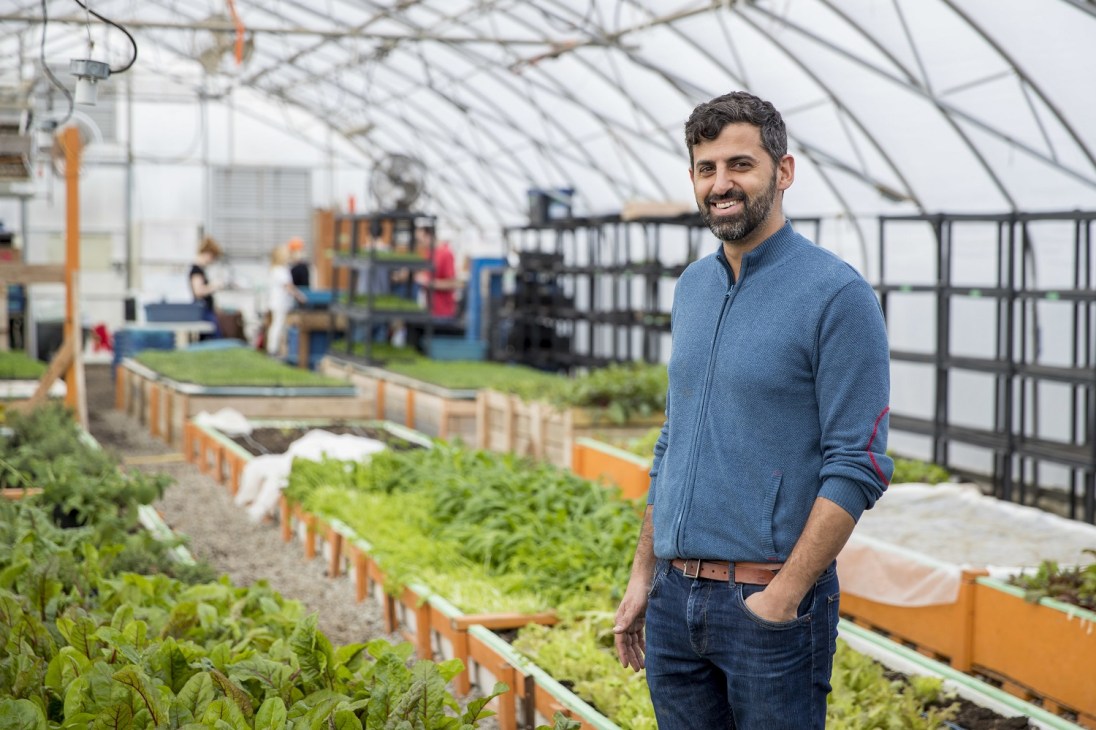
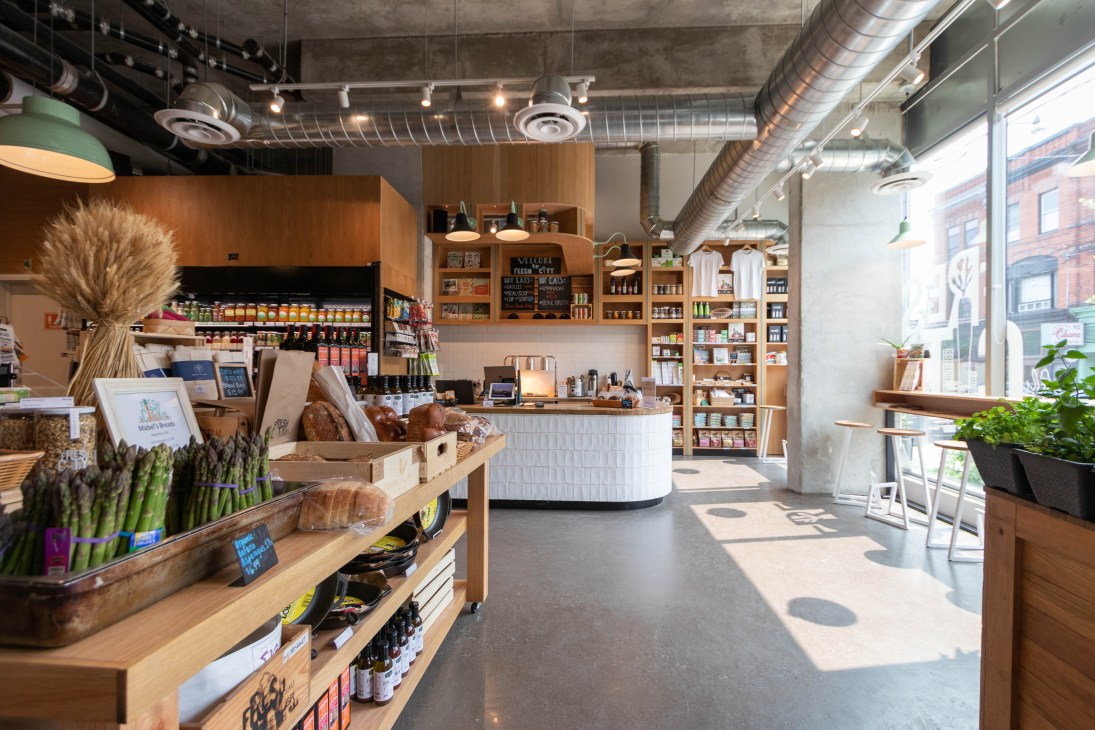
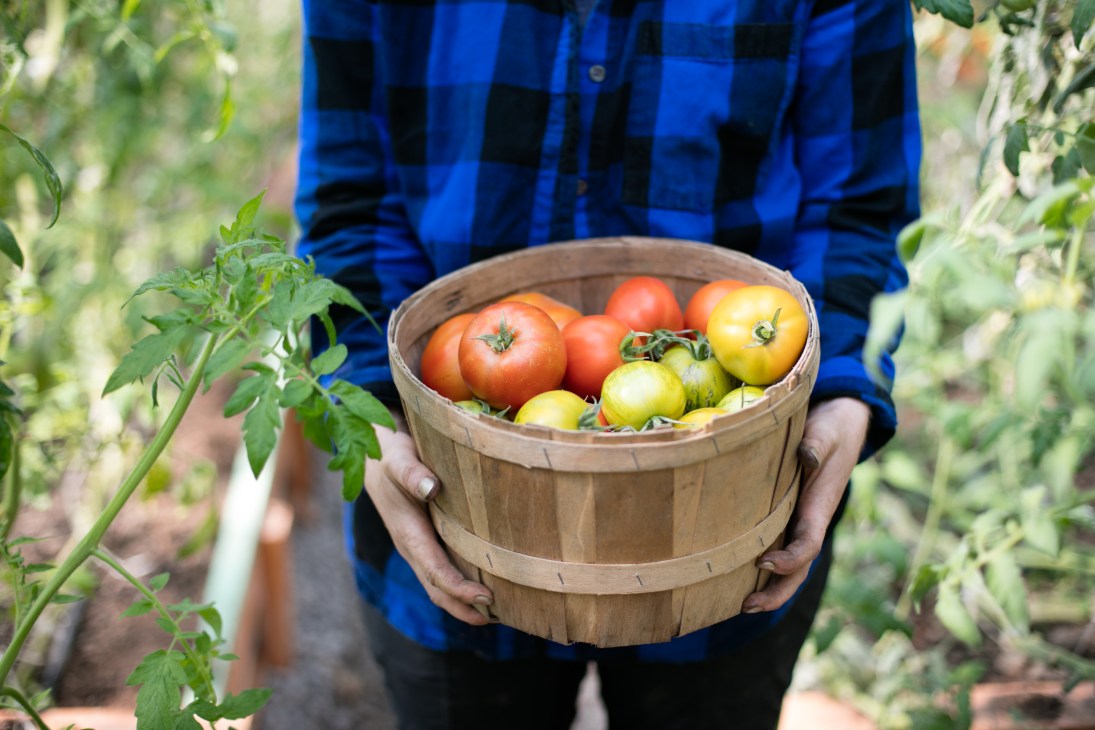
One critique of recent, high-rise residential developments in Toronto is that many retail spaces are too large for independents to risk taking on. So large coffee shop chains, big supermarkets and pharmacies have moved in, rather than newer, riskier brands. Fresh City Farms, Canada’s largest commercial urban farm, was founded by former financier Ran Goel (pictured) in 2010 to chip away at this trend. Its second outpost opened recently, with more locations planned. The shelves are stacked with goods grown at Fresh City’s own farm, made by the bakery and butchery brands it has acquired, or produced by local businesses, such as coffee bean roastery Propeller. The result is a refreshing riposte to the big-box supermarket model, where provenance is shelved in favour of variety.
freshcityfarms.com
Images: Courtesy of Alatto, Courtesy of Fresh City Farms, Maxime Frogé, One Off Hospitality, Haydon Perrier, Inna Redina, Kate Shanasy
Growth spurt
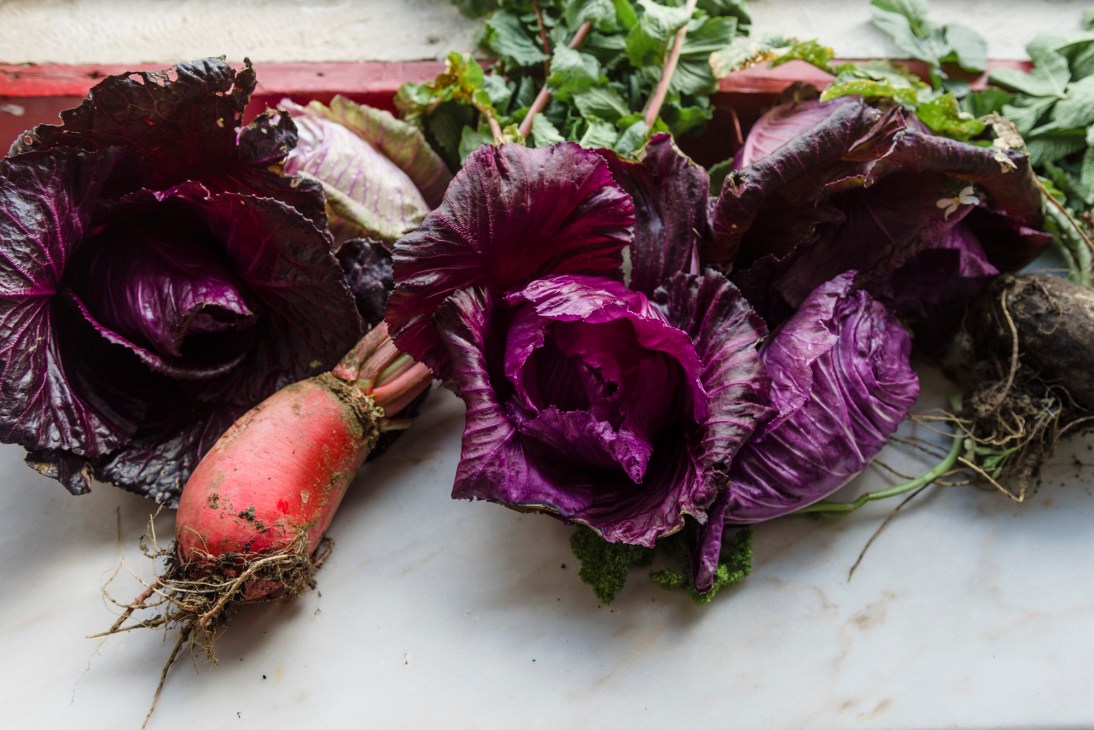
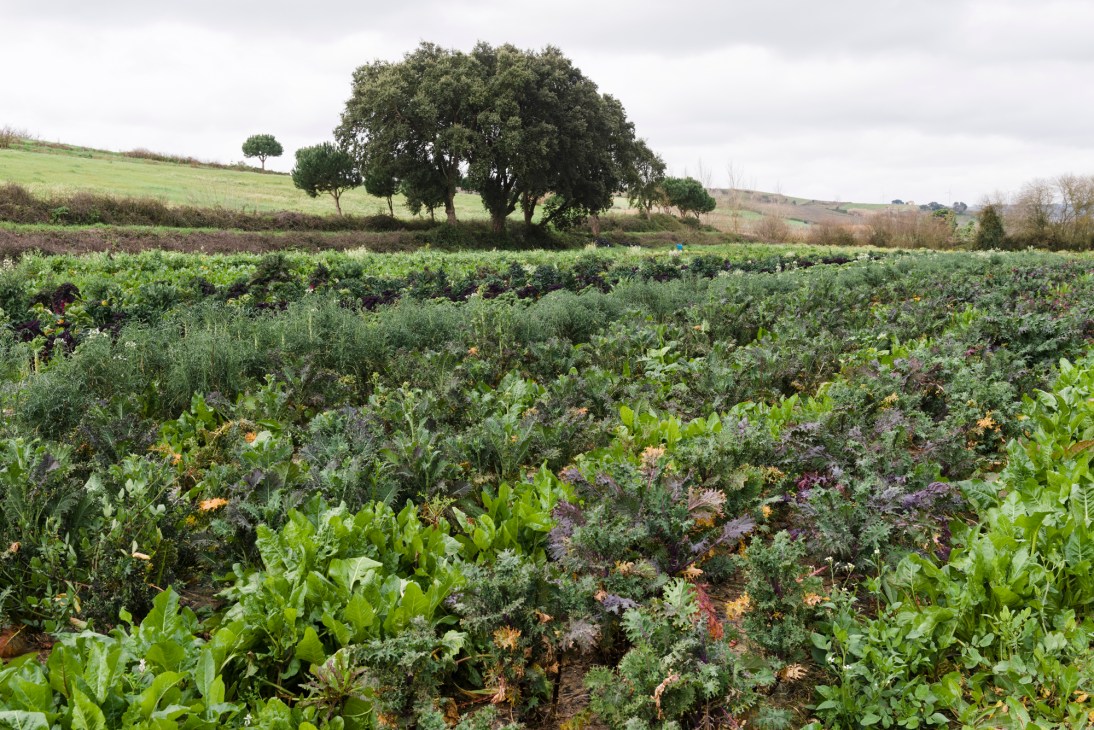
It’s early morning at Hortelão do Oeste and the clouds are beginning to part, throwing streaks of sunlight across the fields and clumps of orchids. Ahead of us are corridors of leaves in every shape and colour, from olive green to purple, mauve and burgundy. Hortelão do Oeste is 50km north of Lisbon in an area of central Portugal that’s responsible for much of the country’s agriculture. Amid the acres of industrial-sized farms is this small plot of land, which is humble in size but fabulously ambitious in scope. Unlike in the surrounding fields of uniform crops, more than 600 species of plant are grown here. “You should come back during summer,” says Miguel Neiva Correia, who owns these this land with his brother Diogo, mother Maria and two sisters, Inês and Rita. “That’s when the magic happens, with all the bell peppers, chillies, cucumbers and tomatoes, which are our calling card – we have more than 200 types. It’s a real candy shop.”

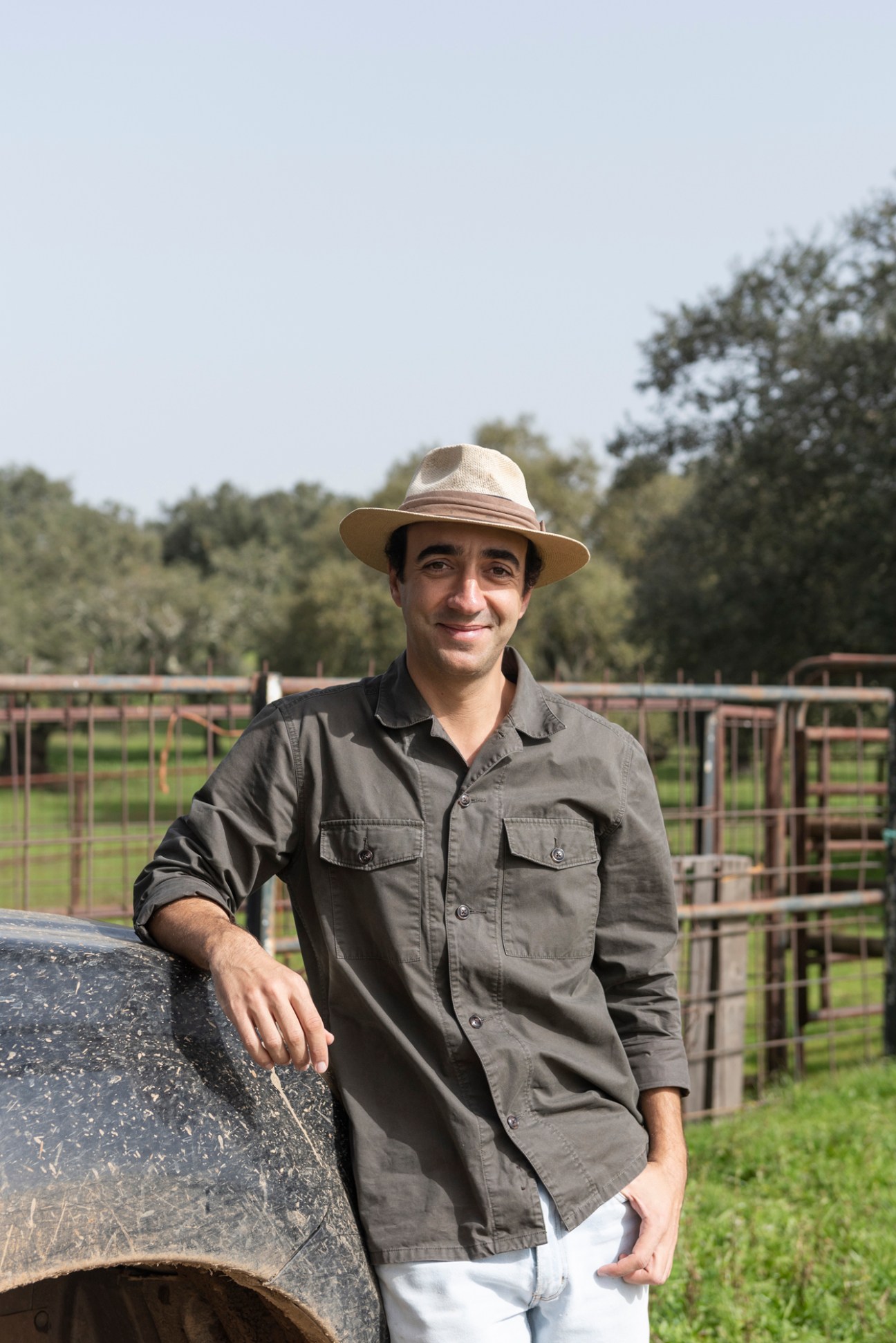

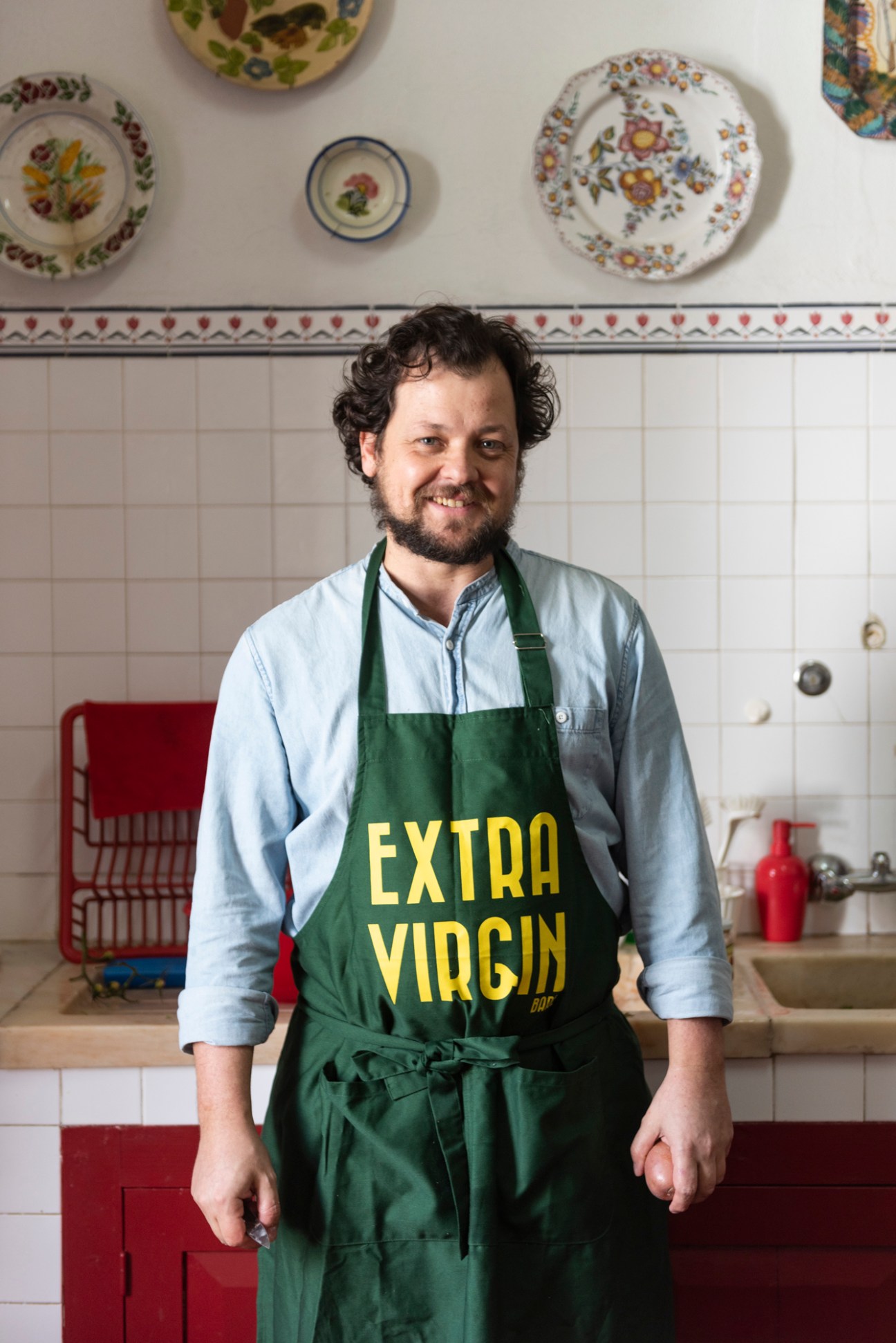
The Neiva brothers are in their forties and are lean and strong from years of working the fields; both are dressed in khaki vests and matching ivy-coloured caps. Their eloquence and precision in explaining the natural world is something you might expect from a botanist; it’s enough to make you feel a little tongue-tied. “We are farmers but also collectors,” says Miguel with a laugh. Walking alongside them, between the rows of kale and tubers, is chef João Rodrigues of the Michelin-starred restaurant Feitoria in Lisbon. The trio stop in front of a cluster of budding leaves to appreciate the growth of a species of pea that the chef introduced to the Neiva brothers; it is eaten raw and, according to Rodrigues, tastes like a “honeyed, sugary explosion”. Hortelão do Oeste started supplying Feitoria with produce four years ago and exchanges such as this one have become ever more commonplace since the launch of Projecto Matéria, Rodrigues’s latest creation.
“How often do we think about the origins of what we’re eating?” says Rodrigues as he prepares lunch at Hortelão’s manor house. “Where it comes from, how it’s produced and the difficulties of the work. What about who the producers are? This information should – and has to – inform what we do in the kitchen.” Projecto Matéria is the result of a five-year investigation into quality and ethical producers in Portugal, culminating in 2020 with the launch of the platform’s website. “This is not just meant for chefs; I want this to be a tool that anyone can use to find special people and products,” says Rodrigues who, along with a small editorial team, scoured the country to map out and profile everyone from cattle ranchers to yoghurt-makers, edible-flower growers and algae harvesters. “Some of these people are doing incredible things and only selling internationally because we don’t know about them at home. There’s a lot of work to be done between producers and consumers, and among producers themselves.” The website also has a section for like-minded projects that relate back to dining, including organic-farmers’ markets and small-scale ceramicists.
Projecto Matéria’s producers
Hortelão do Oeste
After a stint in the kitchen, Miguel Neiva Correia turned to the land. Along with his brother, Diogo, he grows 600 species of vegetables and aromatics, which are sought-after by the country’s top chefs. The orchard’s calling card is its tomatoes – more than 200 types are grown here.
Rua da Liberdade 24, Runa
+351 914 951 214
Porcus Natura
This bucolic farm is home to some of the finest Alentejo pigs. Francisco Alves and his father have developed a unique farrowing system for the sows that is less cruel than those undertaken by larger-scale producers. They also implement regenerative soil management that keeps the grasses greener.
Herdade de São Luís, Serra de Monfurado, Évora
+351 939 858 934
Neptun Pearl
Célia Rodrigues’s tanks of sealife in the Sado estuary supply restaurants with more than a tonne of oysters every month. They are grown in an integrated aquaculture system that uses non-intensive production methods: the oysters are provided with more oxygen and food than those at other farms, which enables them to develop with a premium quality.
Largo António Joaquim Correia Nº13, 3º, Setúbal
+351 915 099 510
Lugar do Olhar Feliz
Ann Kenny and Jean-Paul Brigand traded Paris for Alentejo, where they created their own small Edenic plot. The couple grow exotic species, such as Javanese turmeric and kaffir lime, as well as pomegranates, mulberries and rare varieties of ginger.
Cercal do Alentejo
+351 968 461 495
Salsicharia Canense
The 73-year-old Dona Octávia and her family have earned a reputation among the finest delis and restaurants in Portugal for their premium charcuterie. By smoking Portuguese pigs in open smokehouses using aromatic herbs from their own garden, this family is stoking interest in one of the country’s longest-held culinary traditions.
Rua de São José, Cano, Portalegre
+351 268 549 203
Projecto Matéria has been largely self-funded by Rodrigues but has recently won the support of Portugal’s tourism ministry, which saw the potential of a project talking up the country’s diverse regional food producers. “It’s about people who are passionate about what they do and who are guardians of wisdom and the land,” says Rodrigues as he dices the freshly picked parsley he is using to season turbot. Another simple yet entirely relevant gesture on Matéria’s website is the inclusion of a seasonal calendar for different produce. “When you have to wait for the correct season to eat these, it makes it all the more gratifying,” says Diogo, holding a bunch of radishes. “I don’t know why this stuff isn’t taught in schools.”
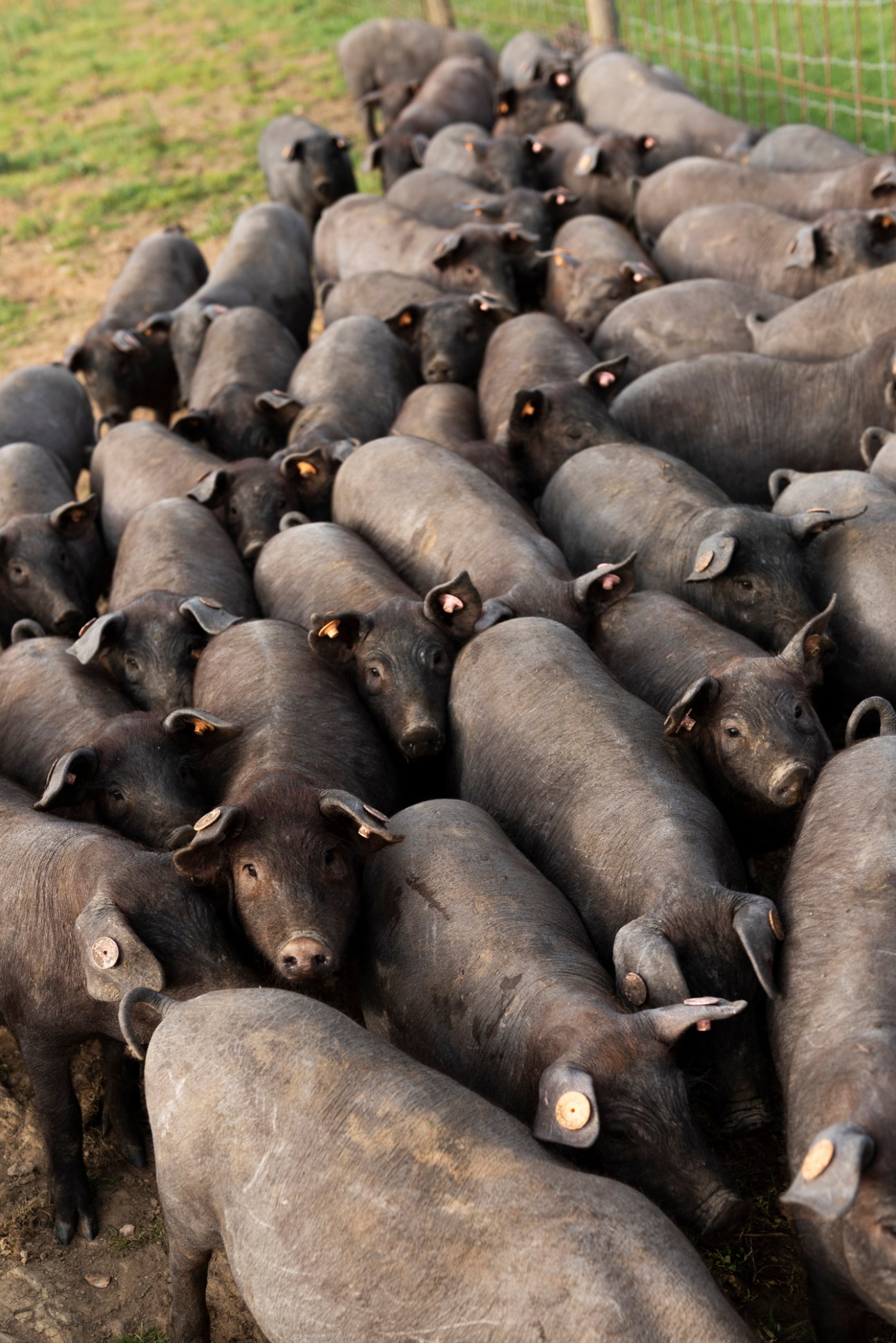
At Herdade de São Luís, in the region of Alentejo in central Portugal, is another process that you won’t have learned about in school: Francisco Alves is helping a cow to give birth. Alves and his father own Porcus Natura, an Alentejano farm that specialises in pigs and is also involved with Projecto Matéria. “Every animal species has its role in the ecosystem,” says Alves, who started using regenerative farming methods at his property four years ago and has since become a fierce advocate of its benefits. “By working with the animals, you can improve the soil too. The more people become adept and support this kind of farming, the better it is for all of us.”
Herdade de São Luís is a bucolic expanse of soft rolling hills, plains and areas shaded by the native sobreiro and azinheira whose acorns, known here as bolotas, are an essential part of the pigs’ diet and confer the Iberian ham with a nutty taste. The grassland is divided into plots for cows, goats, sheep and pigs; each species is kept on a strict grazing rota that optimises the soil. “Cows tend to eat grass but not the weeds, which in turn makes weeds stronger,” says Alves. “That’s why we bring in the goats to eat invasive plants. Pigs dig up roots and till the soil, which is great for sowing new seeds without using tractors.” This kind of knowledge allows Alves, his father and their one other employee to manage the entire 700 hectares of land without using fertilisers, pesticides or heavy machinery. “We are working with nature rather than against it,” says Alves.
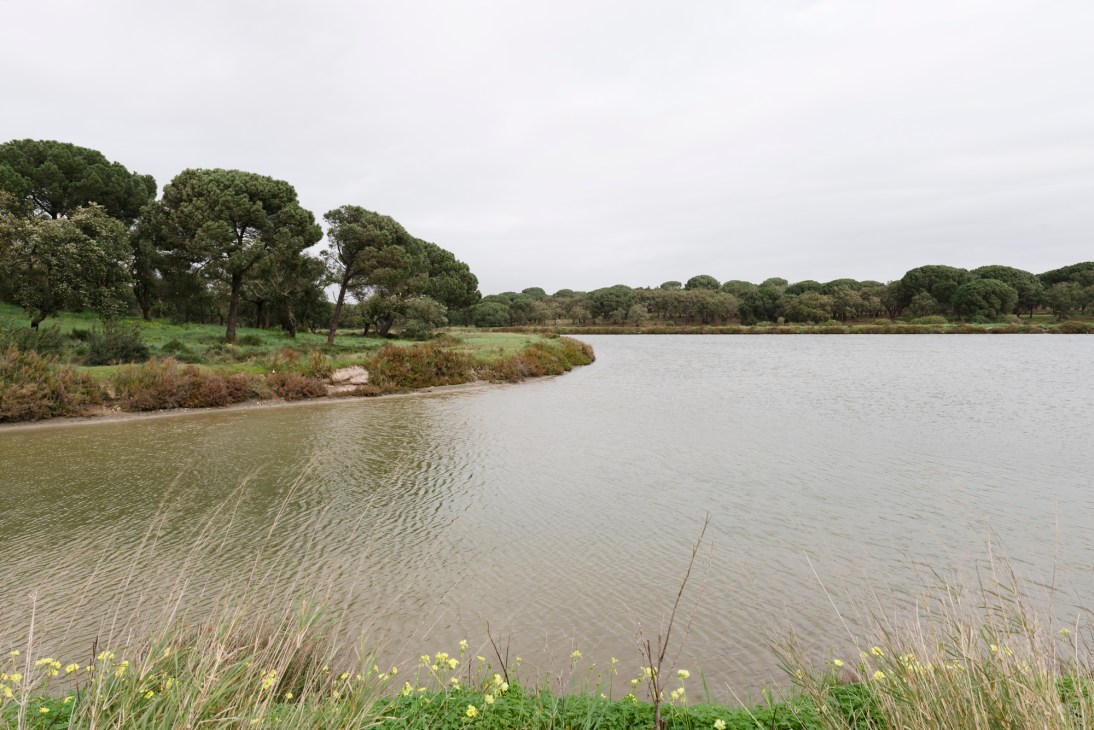
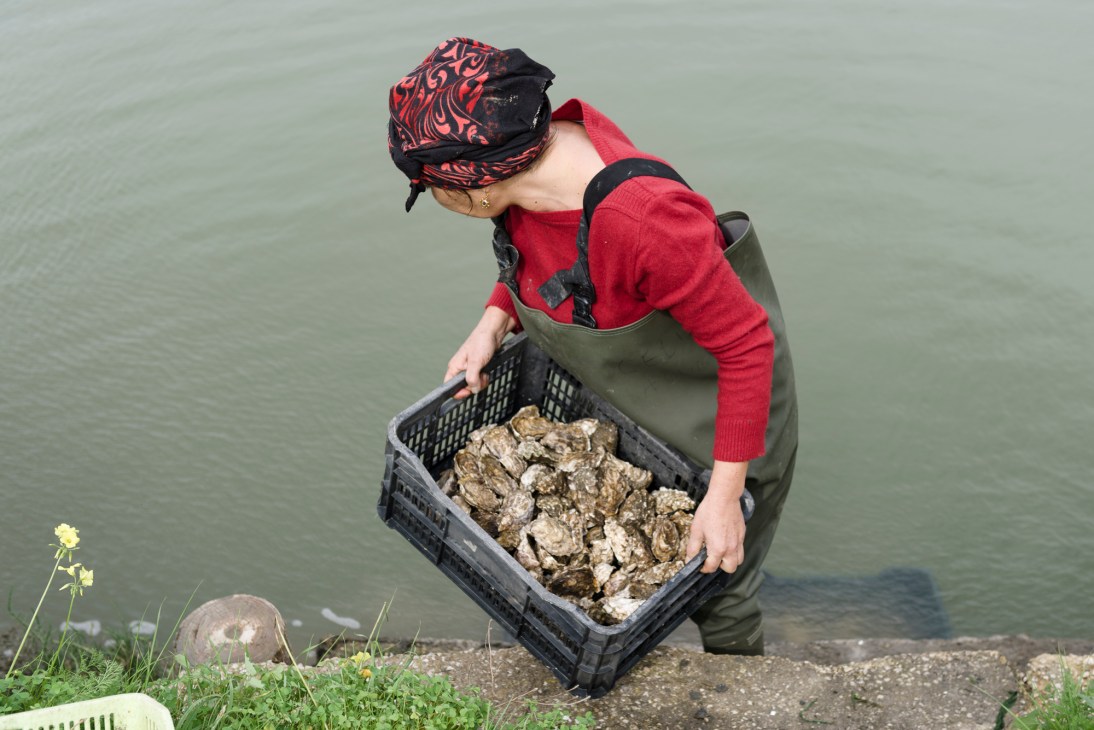
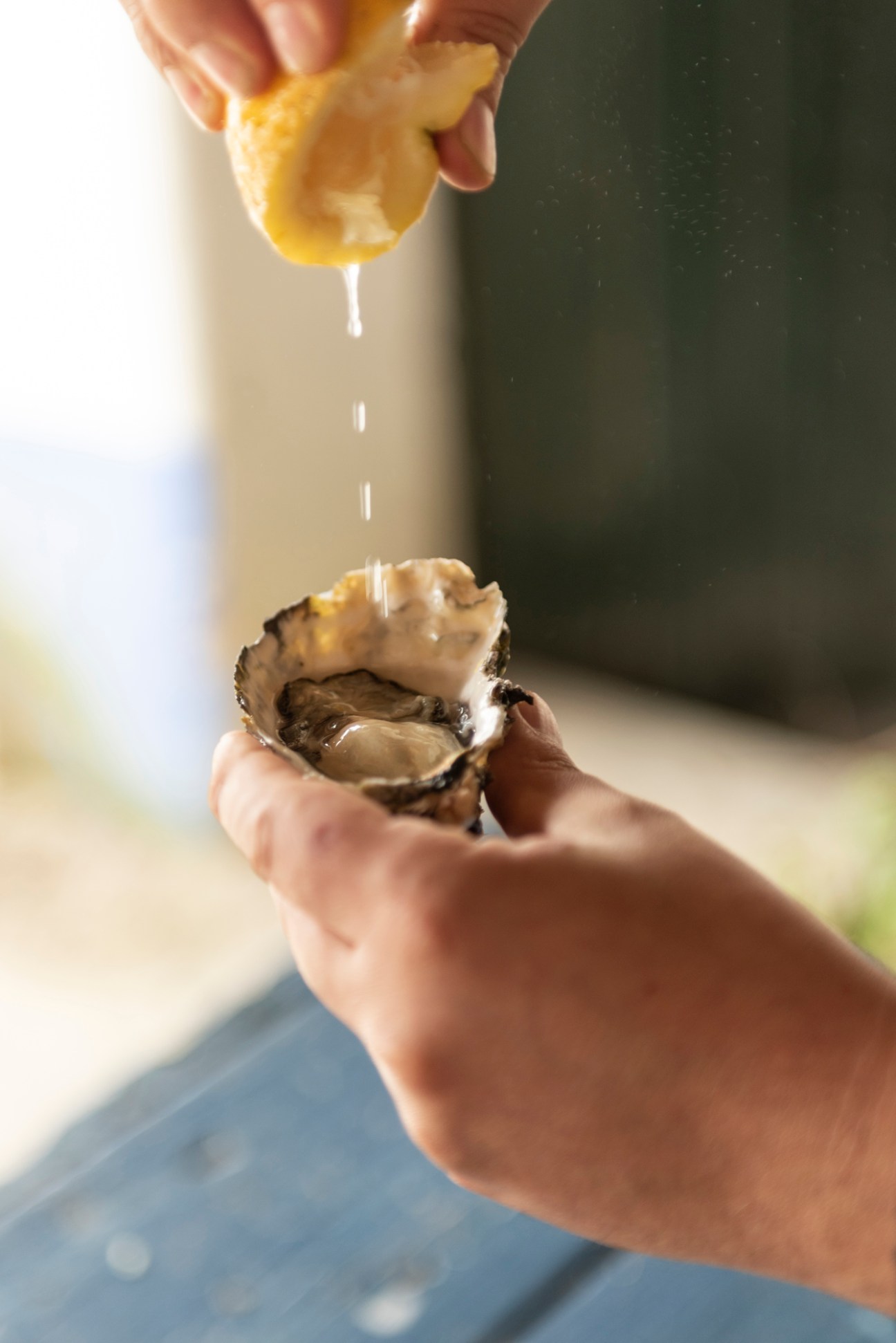
Célia Rodrigues, another of Projecto Matéria’s producers, has an exceptional thirst for knowledge rivalled only by her energy and sharp tongue. “Most people don’t know what they are doing around here,” she says. “They want to invest in the idea of oysters but don’t realise the work that goes into farming them.” Having worked in pisciculture, raising and farming sea bass and sea bream, for more than 10 years, she turned to the bivalve and founded Neptun Pearl in 2011, near the region of Setúbal. Célia is an oyster pioneer in Portugal: she was the first person to cultivate the native angulata species. Her tanks in the estuary of the Sado river supply restaurants and international buyers with more than a tonne of oysters every month. “I don’t have children but this is my maternity,” she says with a wry smile.
Sporting a bright red jumper under rubbery waders that come up to her chest and a traditional fisherman’s headscarf, Célia is sorting through boxes of shellfish. “See this? This is the Fine de Claire,” she says, holding an abnormally large oyster – it’s the size of her palm. These are renowned oysters, rarely grown outside France, which gain their heft by spending the latter stages of their growth in shallow clay ponds. But rearing Fine de Claire is only one of several projects and ideas that Célia is invested in. When she’s not wading through the silty shallows or spending time waist-deep in her tanks, she’s also investigating the demise of a certain Portuguese clam, researching oyster fossils in Portugal and growing edible halophyte plants (sea rosemary and salicornia) for a growing roster of curious chefs. “We don’t do this for the money,” she says, surveying the river. “It’s really a labour of love.”
projectomateria.pt
Recipe:
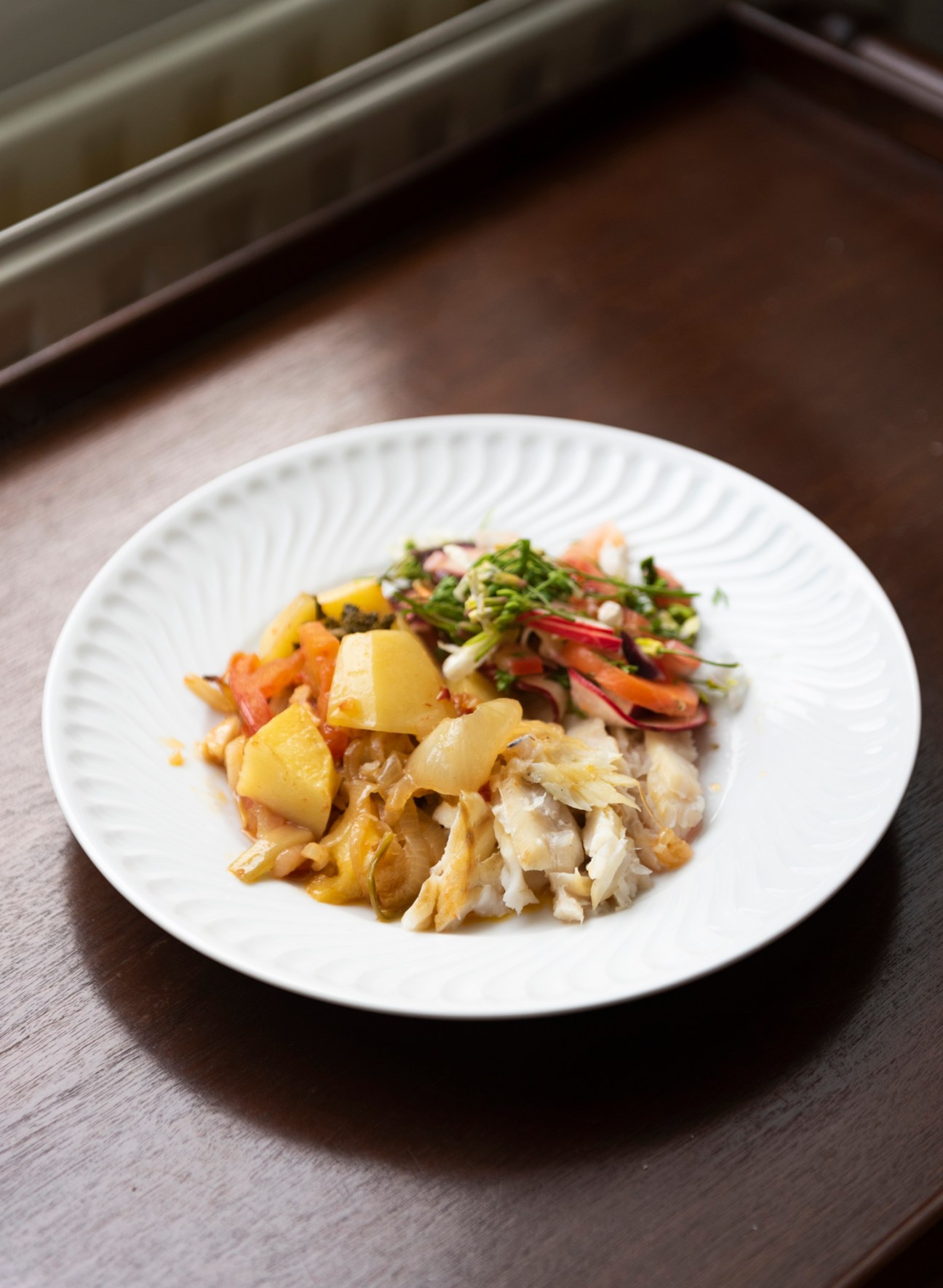
Roast turbot with potatoes and aromatic herbs, from Hortelão do Oeste
Serves 4
Ingredients
1 turbot (about 2.5kg)
6 large potatoes, diced
50g smoked bacon, cut into thin strips
4 large onions
4 tomatoes, chopped
4 garlic cloves, sliced
1 bay leaf
1 tsp paprika
Zest of 1 lemon
Coriander, to taste
Pennyroyal, to taste
Fennel, to taste
Parsley, to taste
Glass of white wine
Salt
Pepper
Olive oil
Method
1.
Preheat oven to 180c.
2.
Season the turbot with salt, stuffing the aromatic herbs (coriander, pennyroyal, fennel, parsley) and lemon zest into the fish’s cavity.
3.
Place the turbot on a baking tray.
4.
Put the diced potatoes, sliced onions, bay leaf, garlic and tomatoes in a bowl.
5.
Season the vegetables with the olive oil, salt, pepper, white wine, smoked bacon and paprika. Add some parsley branches and mix.
6.
Place the vegetables around the turbot on the tray and drizzle whatever seasoning is left onto the fish.
7.
Cook for 35 to 45 minutes. Keep an eye on the fish and, to avoid it drying out, baste it with the cooking juices. Once ready, serve immediately.
Design awards 2021, part 2
26.
Best accessory
Hyper Clarity binoculars
Japan
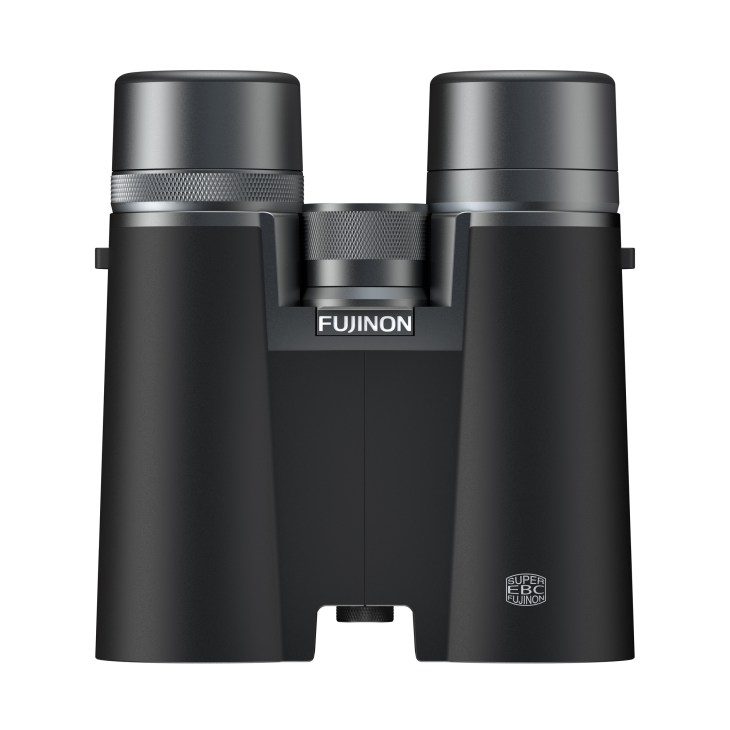
Monocle loves these Fujifilm binoculars for the satisfying solidity of the materials: a robust but light magnesium-alloy body and lenses that offer startlingly bright, pin-sharp vision. “We were striving for perfection,” says designer Shohei Narasaki. “Not only in appearance but also in feel, texture and operability.”
fujifilm.com
27.
Cosiest apartment
Cassandra Bradfield
Denmark
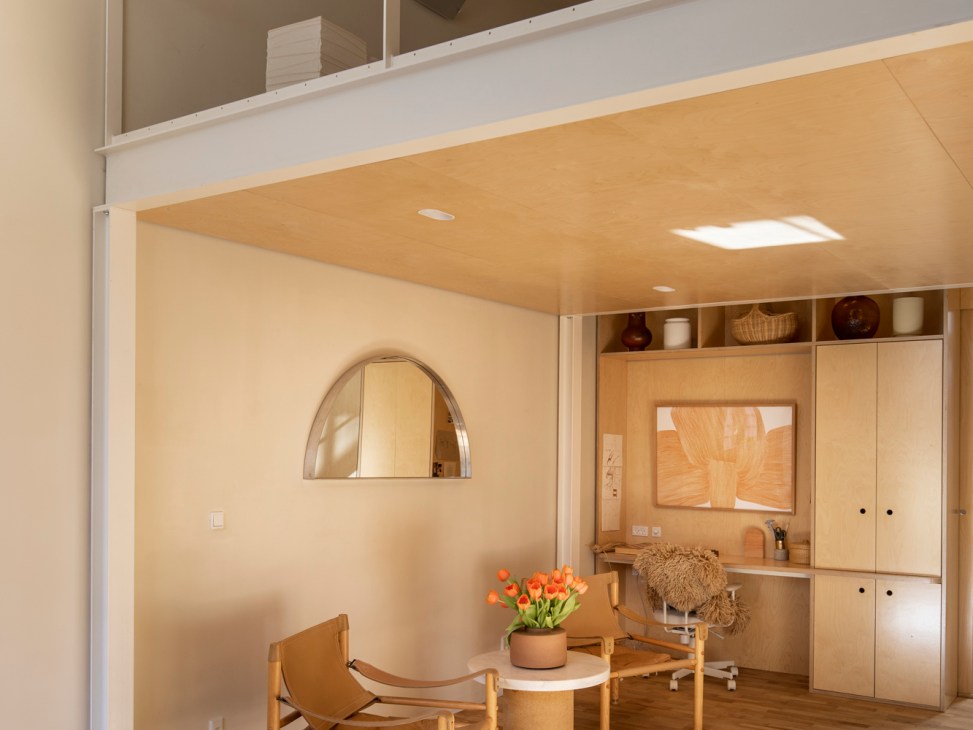
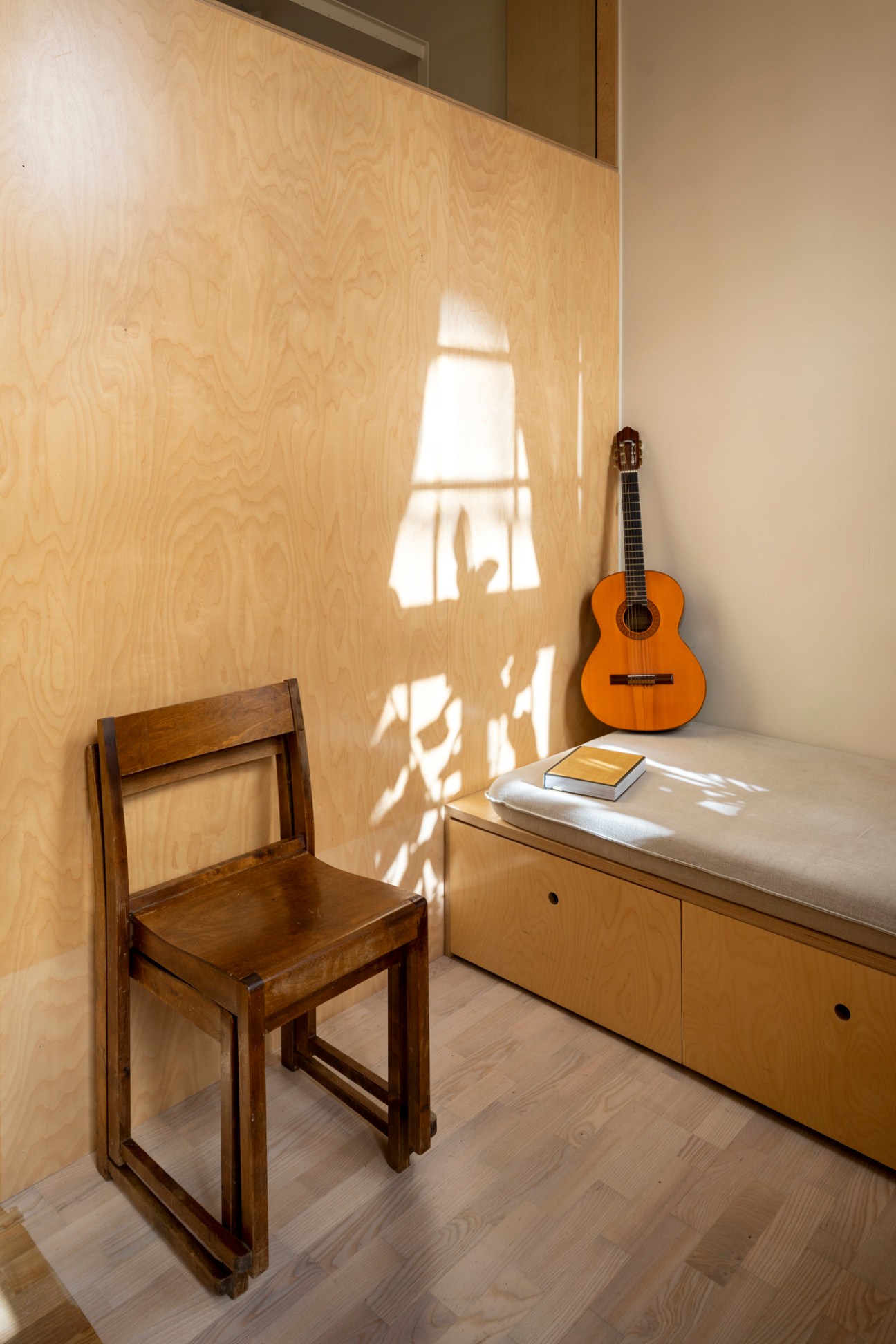
Swedish-American designer Cassandra Bradfield’s skills in combining materials, colour and design to create this inviting home helped her to win this award. She recently added the finishing touches to her 90 sq m apartment on the ground floor of a 19th-century Copenhagen building, brushing the walls in varying tones of custom whites. “I’m very specific about colour,” she says. “Bright white can be too reflective.” Bradfield, head designer at design firm Frama, took the space in 2019, previously fitted with a mezzanine, accessible via a staircase that doubles as a kitchen cabinet. “In a small apartment, it’s all about optimising space,” she says. A neutral palette and warming tones add a sense of calm. And for the long Danish winters? Lamps wrapped in rice paper shades.
28.
Best in craft
The town of Kasama
Japan
Even in a country packed with peerless craftsmanship, our best in craft winner is a relative unknown. The rural Japanese town of Kasama is in a quiet corner of Ibaraki, about 100km from the bright lights of Tokyo. And despite low name recognition, it has been producing pottery for generations and in the past 50 years has become a magnet for free-spirited potters who prefer not to stick to the rules.
While most Japanese ceramic styles are shaped by carefully guarded traditions, Kasama has no single style. The 200-plus potters working here are an eclectic bunch, happily experimenting and producing exhilaratingly different pieces. There’s Aya Kondo, a former schoolteacher from Akita, who found her calling 25 years ago and is now known for her decorative icchin style. Or Akio Nukaga, the star of the Kasama scene, who creates simple vessels and plates carved with vertical lines. He originally trained in textile design and worked as a carpenter before putting down roots in Kasama. When artist Takashi Murakami started collecting his work, global success followed.
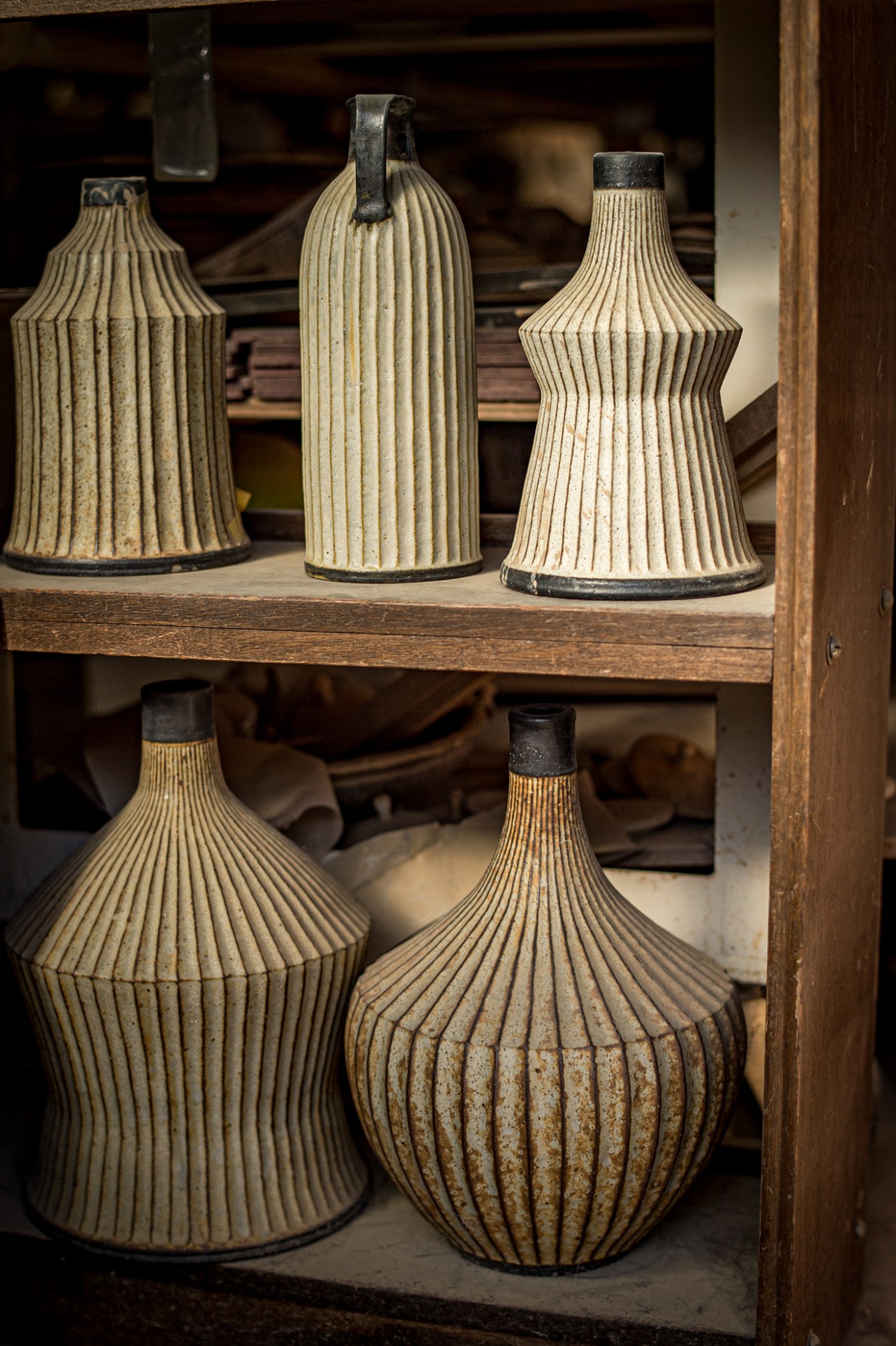
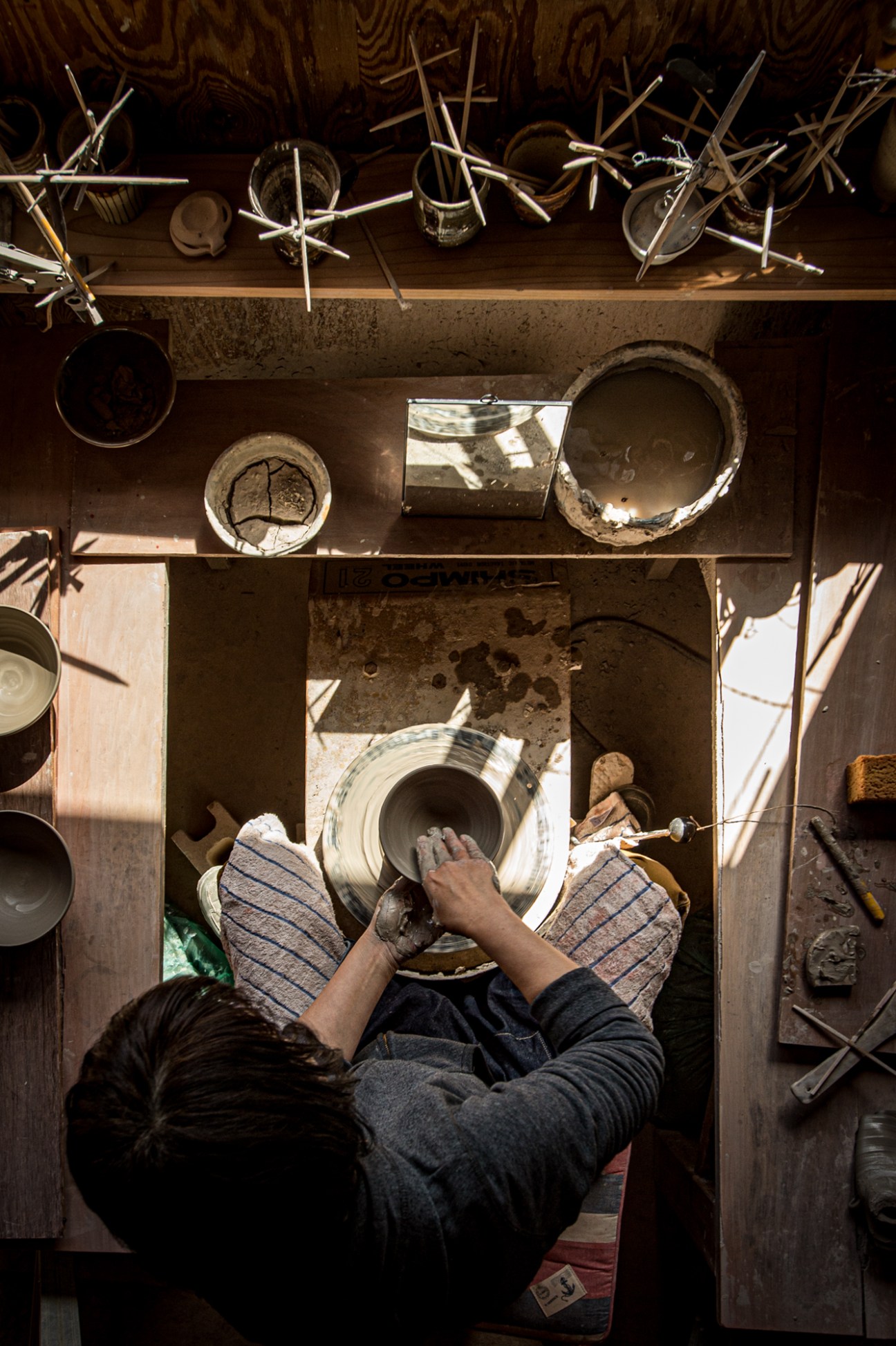
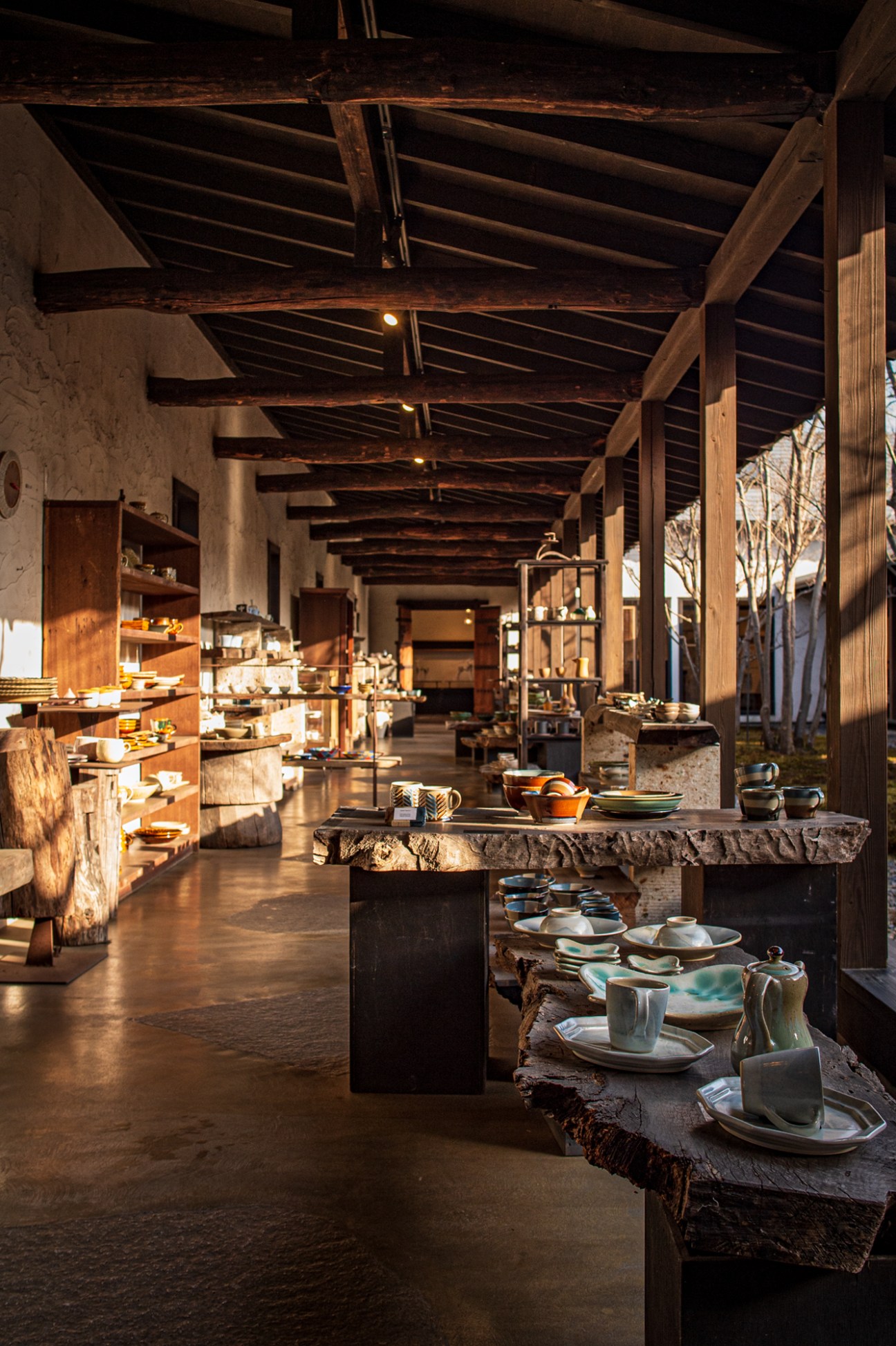
One of the most respected is 73-year-old Osamu Tsutsui, who moved to Kasama 45 years ago and works from an idyllic garden studio next to his A-frame house. Tsutsui’s work is in London’s V&A museum but his core output is dark angular tableware with a metallic sheen beloved of washoku chefs. The town has a string of galleries, a ceramics college (with more applicants than places) and a lively ceramics festival every spring.
Crafts curator Ryoko Mutasono, based in London, has been working hard to raise the international profile of this unusual town through pottery exchanges and exhibitions in the UK. Last year her Kasama Potters project won backing from Japan’s trade ministry. “No one quite knows how to define Kasama-ware, which is part of its strength,” she says. “New ideas and ceramicists have always flowed in and out, and an international dimension is a logical extension of that.” She says that presenting pottery overseas has allowed the potters to look at their work and their community in a new way. “I hope that they can attain a new lease of life for the future.”
kasamapotters.com
29.
Best design concept
Casa Mutina
Italy
A showroom is a fairly self-explanatory concept: a space where a brand makes its case to the public by putting its products in the best light. For interior design brands, this should be a no-brainer but too often the best-laid plans fall short of expectations. We therefore tip our hat to Italy’s Mutina for going the extra mile with its Casa Mutina guesthouse project.
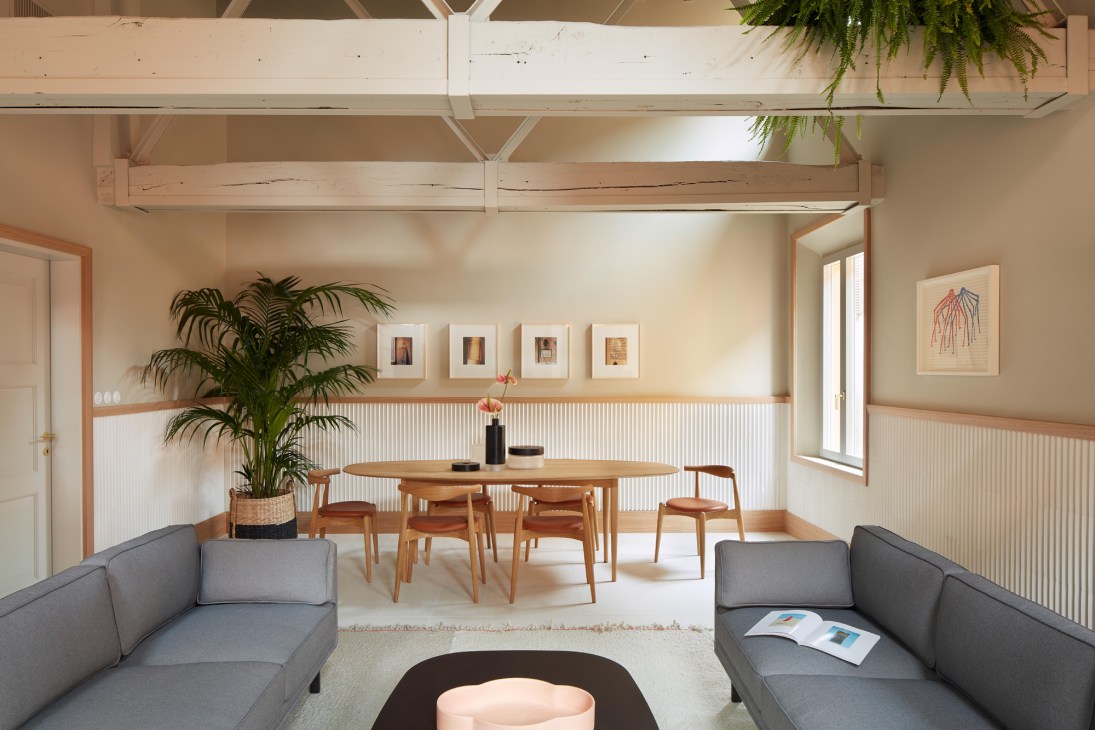
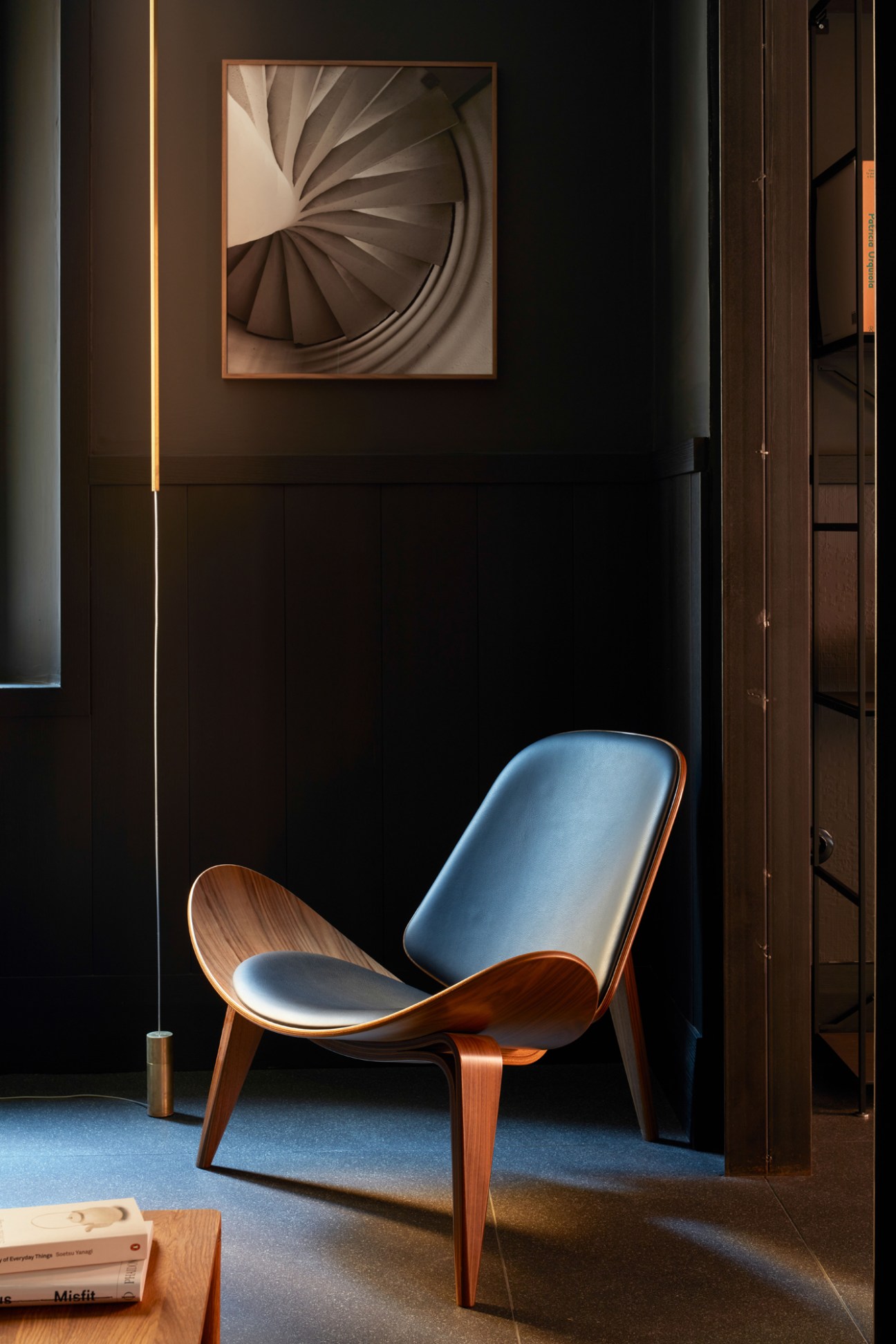
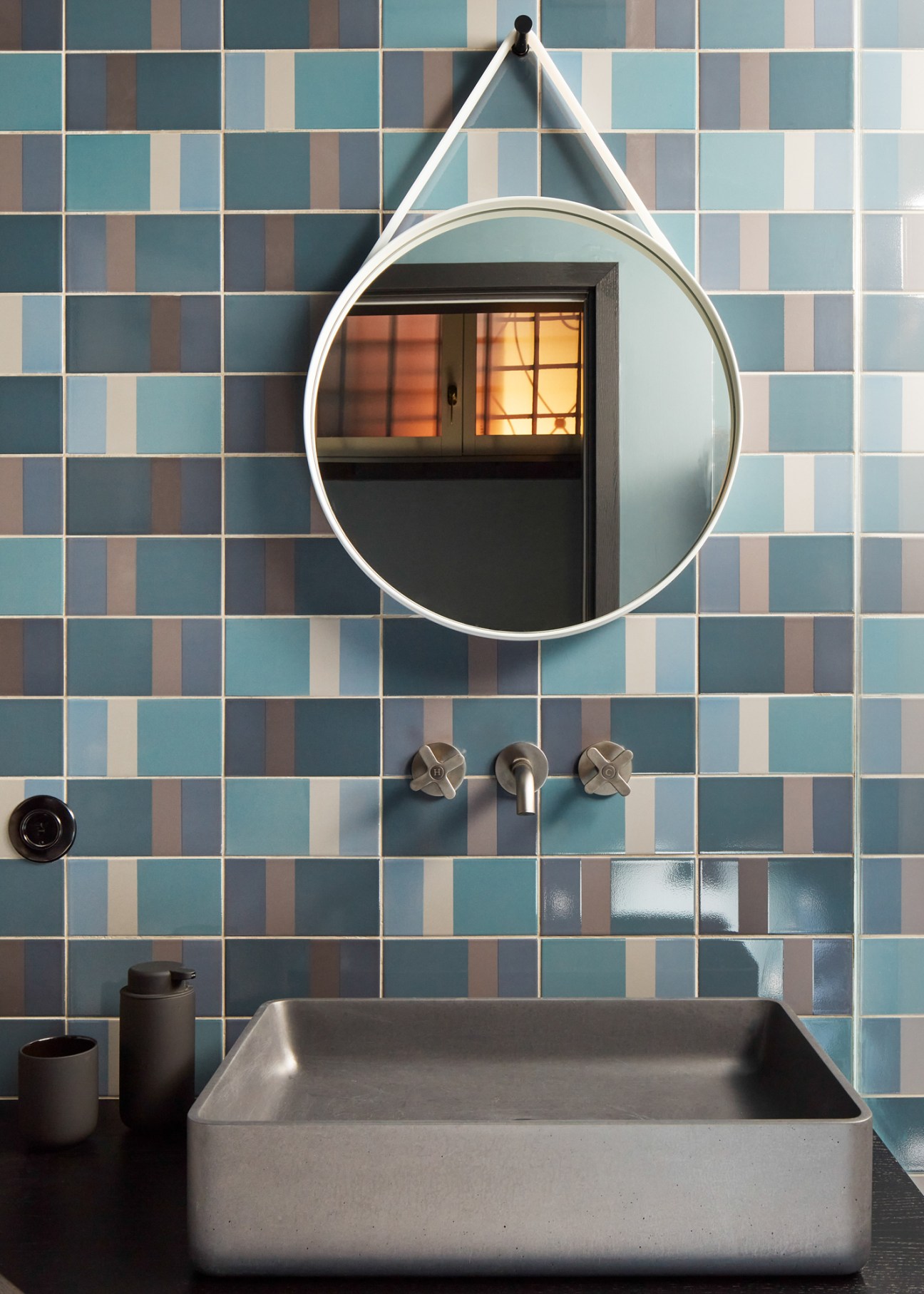
Rather than make a standoffish exhibit, the ceramic specialist has created four inviting suites to drive home the richness and tactility of its porcelain stoneware and ancillary range of boiserie, mirrors and related accessories. Forget the much-abused word “experience” and imagine simply the chance to wake up in a lovely flat – in this case one in the historic centre of Modena – where it’s easy to admire the materials first-hand instead of via flat digital renderings or ugly sample boxes. Developed in conjunction with the Copenhagen-based oeo Studio, it rises above the crowded competition.
mutina.it
30.
Most enduring design
Braun T2
Germany
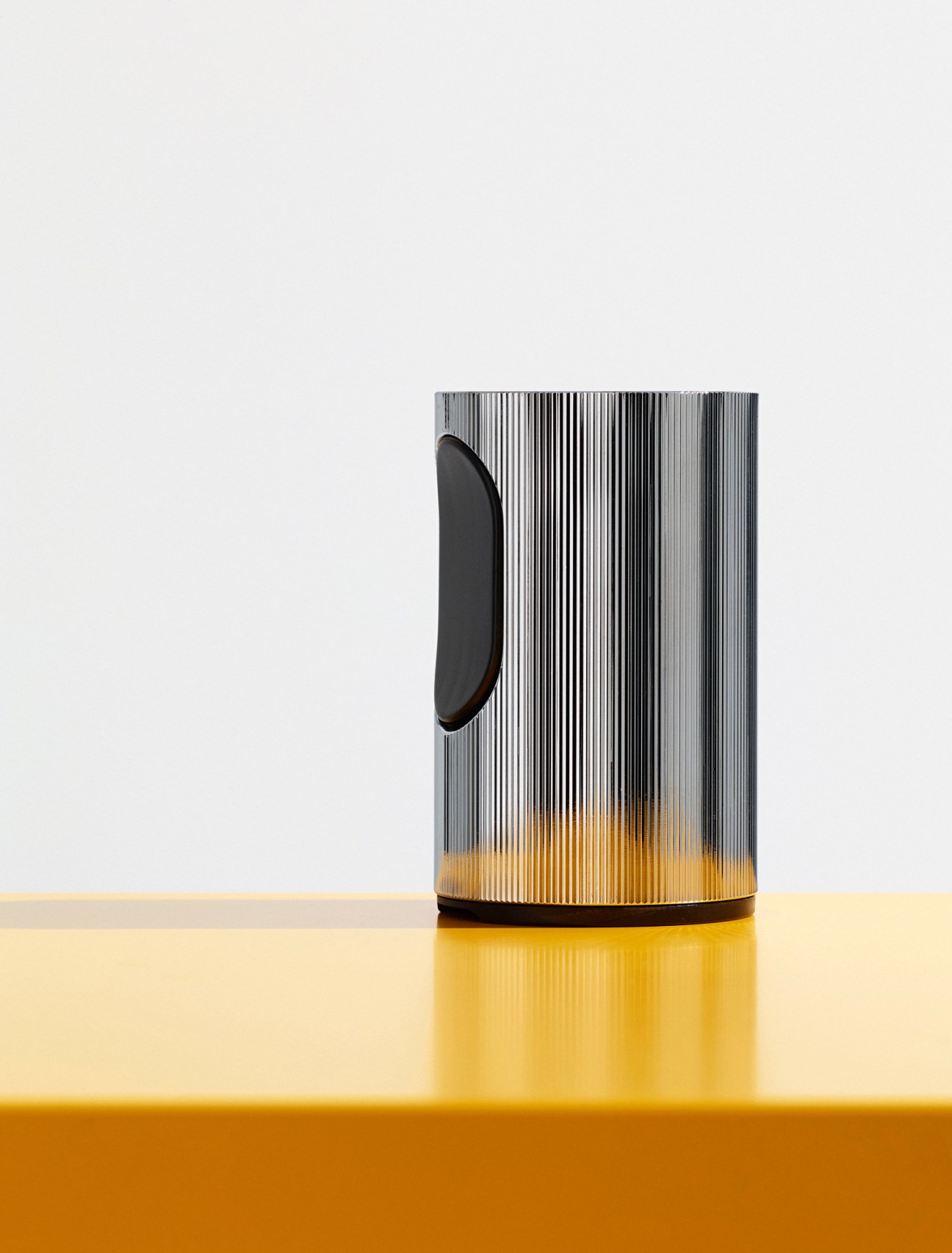
Design at its best should be built to last and show an enduring understanding of both human needs and materials. Braun’s T2 table lighter satisfies all of these criteria and more. It’s Monocle’s choice for the best collectable and it’s a product that deserves to be back in production. The simplicity of its form is matched by the clarity of its function. The lozenge-shaped button is designed for a thumb – the button dictates how to hold the lighter and puts it in a position that’s perfect for lighting a cigarette. Endorsing the qualities of a cigarette lighter might seem anachronistic in a society that vapes but product forms are designed to be enjoyed by both hand and eye. Today, when all of our clicks and switches are noiseless taps on touchscreens, a big button set into polished steel is a far preferable experience. Smoking is bad for you; good design isn’t.
braun.com
31.
Best food packaging
Limón
Norway
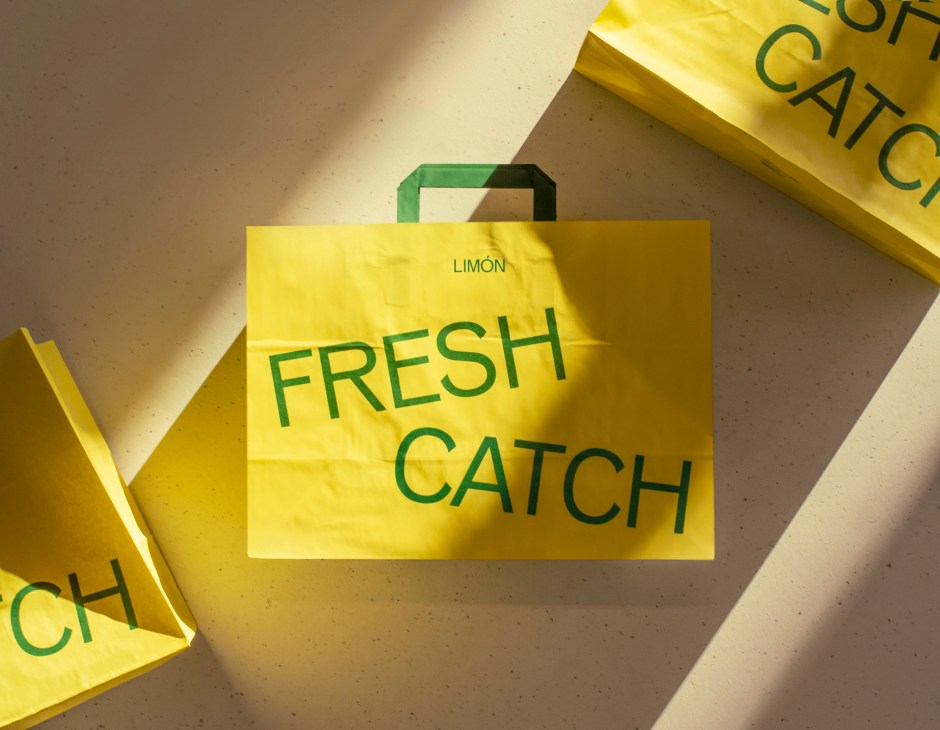
The colourful packaging of Norwegian food chain Limón might be easy on the eye but that’s not the only reason we’re fans. As consumers become more conscious of the fate of our waste, designers need to be clever when it comes to lessening the environmental impact of wrappers and bottles that are tossed away as quickly as they arrive. Oslo-based studio Goods put this at the centre of its concept when it was enlisted by the chain to create its packaging; poké dishes are served in sugarcane-pulp bowls, which are then sealed with lids made from recycled bottles and consumed using wooden cutlery.
goods.no

32.
Best design outpost
Cigale & Fourmi
Finland
“The environment is so beautiful in Hanko that it was natural for me to open the shop here,” says Anna Fromond, co-founder of Cigale & Fourmi and the mind behind the finest design destination of 2021. Housed in a 19th-century wooden pavilion and curated with an inimitable Nordic sensibility, it puts this idyllic Finnish resort town on the itinerary of any design devotee.
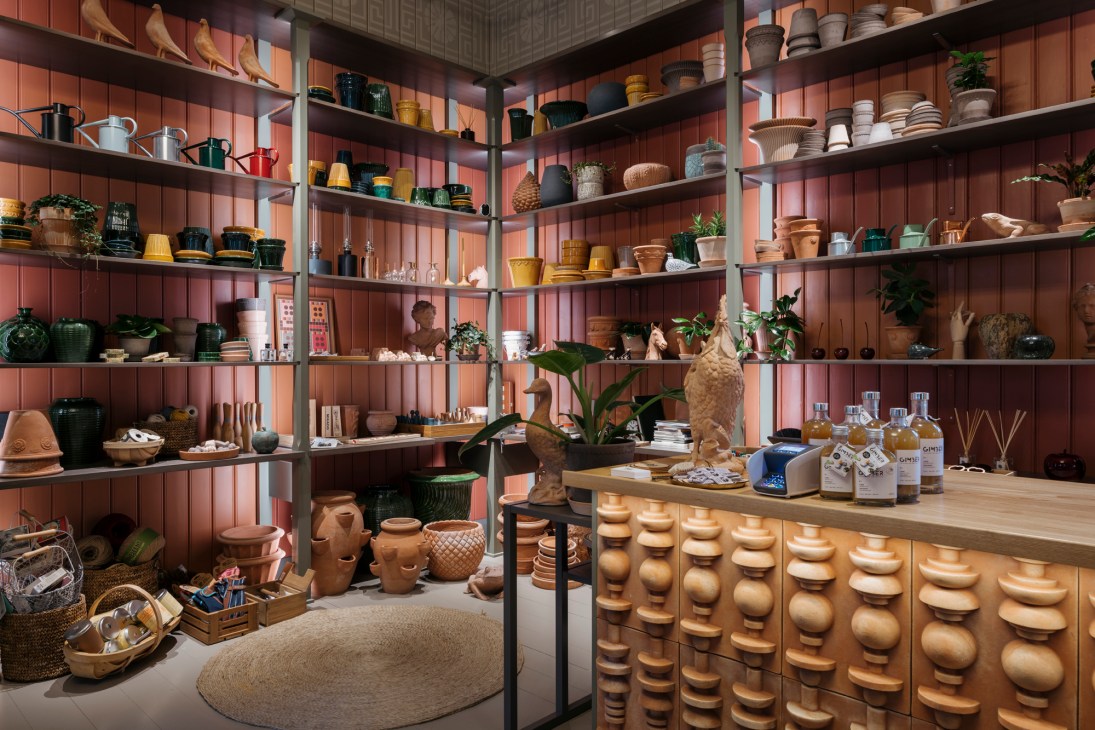
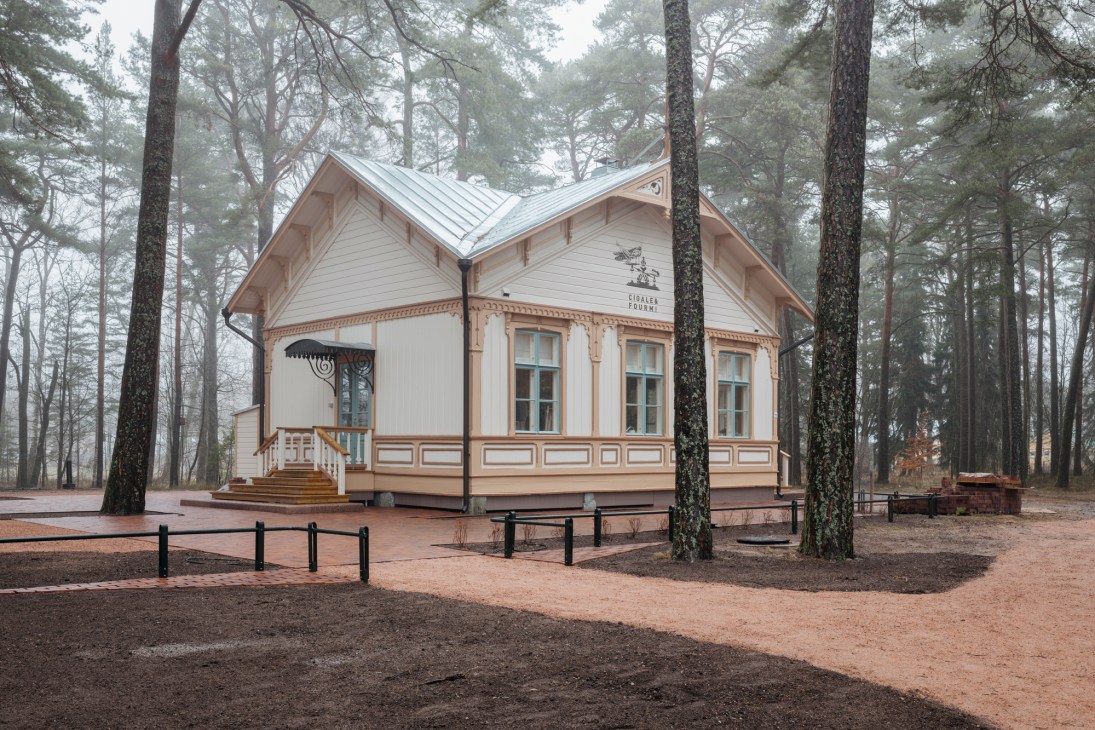
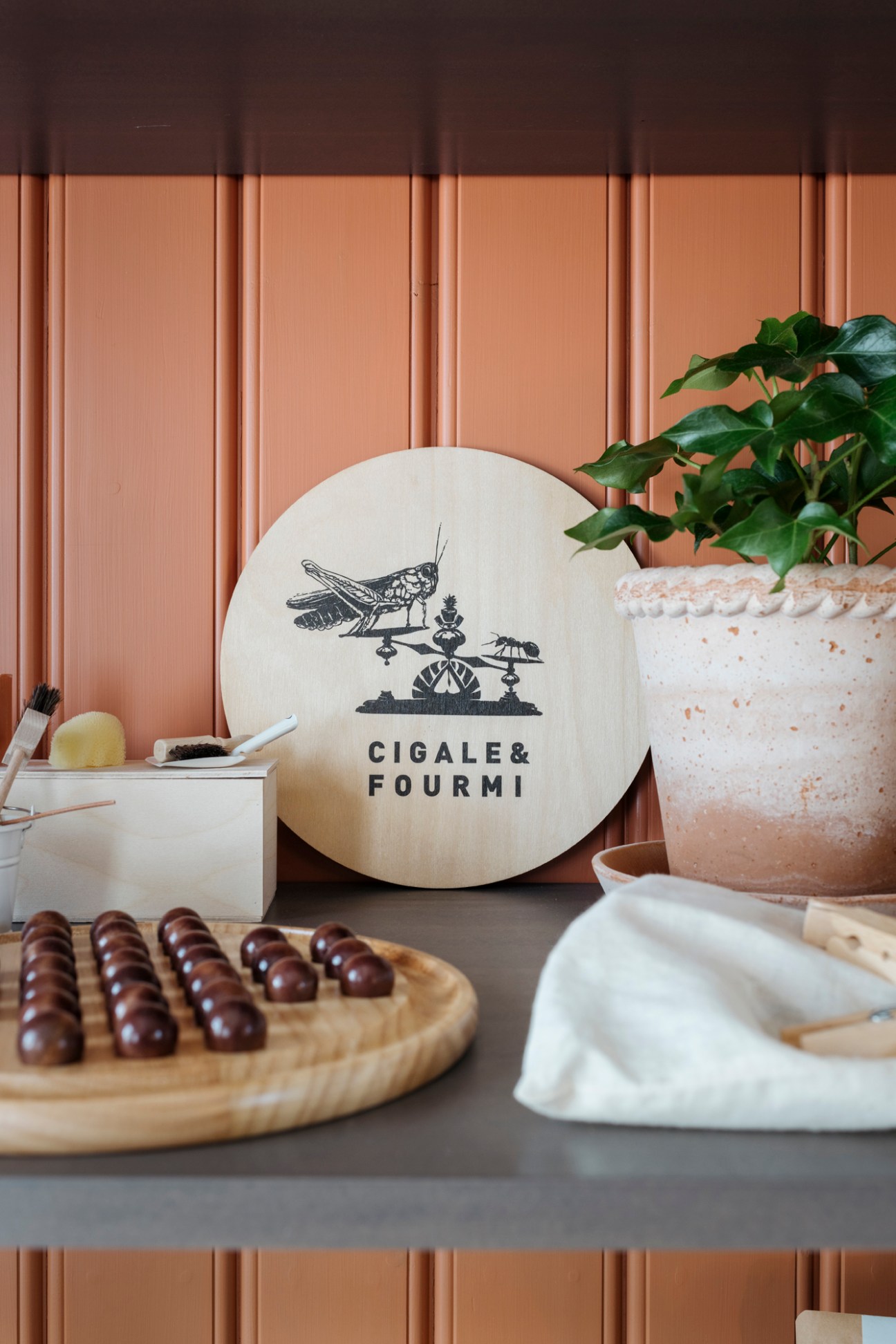
Cigale & Fourmi specialises in pottery and has an expert selection of homewares, from chic Danish sun chairs to hardy Fiskars garden tools. Its ethos lies in the name, drawn from a French fable about an ant and a grasshopper. “We have the two sides in all of us: the hard worker and the idler,” says Fromond. “You can only find balance by making room for both.”
The shop has a broader scope than selling good design wares, however. “People can stop for a coffee after a stroll on the beach or lounge in the hammocks,” says Fromond. “I imagine this as a living room for the community.”
cigalefourmi.com
33.
Best new bike
Hermès Ash Wood Bike
France
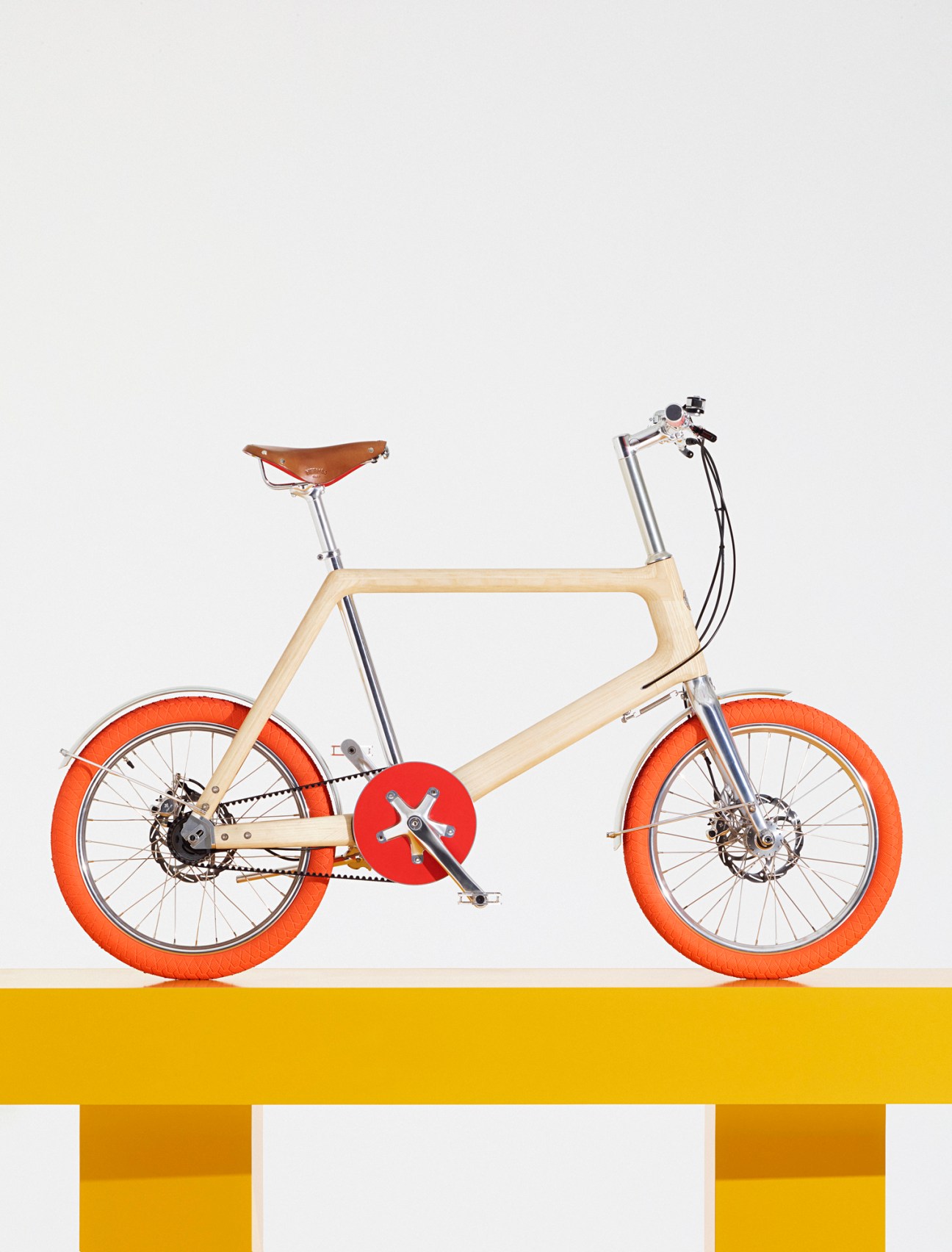
This compact bicycle is a tour de force of design skill from a brand long bound to craft. It’s a beauty, highlighting how sometimes it takes a name from outside of an established industry to shake things up. Inspired by small Japanese city bikes, the French fashion house’s handsomely carved, timber-framed cycle is not only novel but also lightweight and practical. It can be fitted with front and back baskets for a weekend trip to the market, while wide tyres and built-in lights ensure comfort and safety. To top it off, the luxury brand’s equestrian origins and skills as a master saddler mean that the seat is as comfortable as they get.
hermes.com
34.
Top property developer
Milieu Property
Australia
While most developed cities are filled with profit-focused developers that typically cut corners when it comes to providing good architecture, in Melbourne buildings need to prioritise purpose. With this in mind, we want to recognise the work of Milieu Property, a leading residential developer that plays a responsible role in the city.
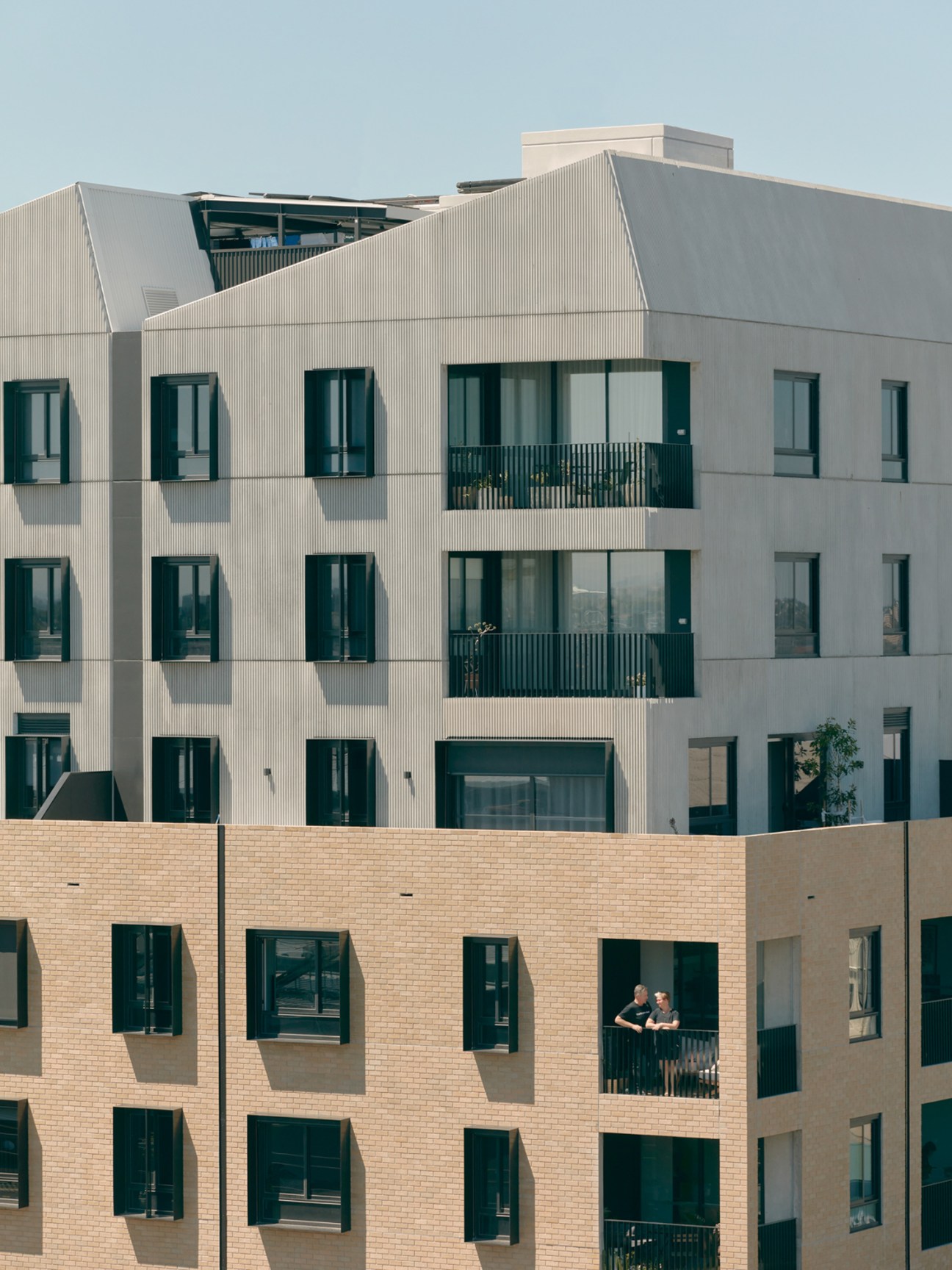
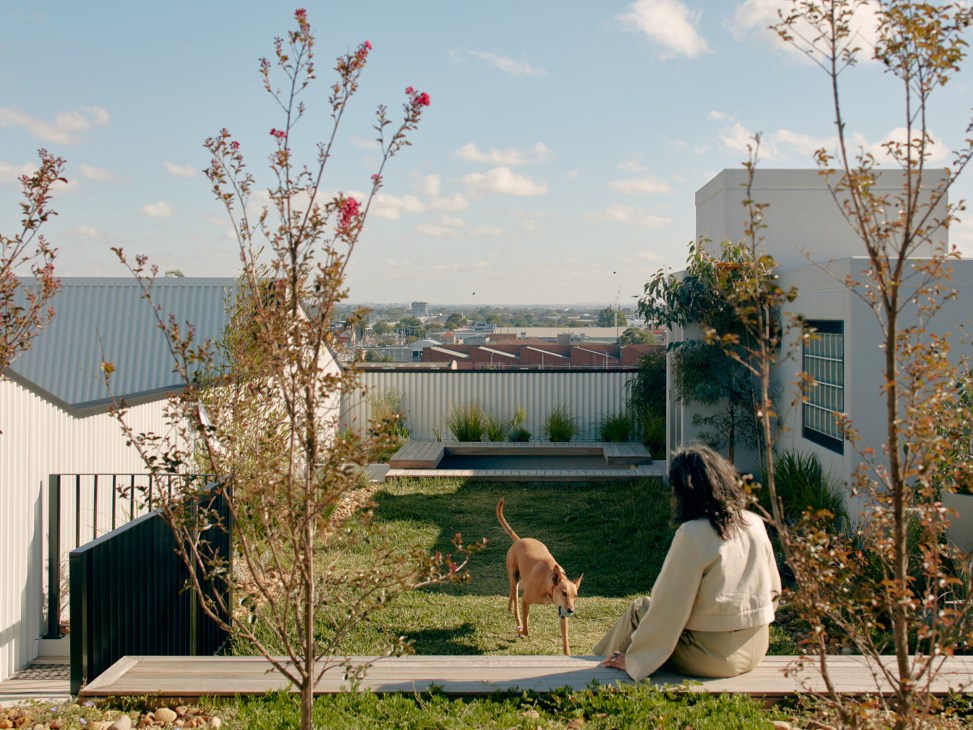
Its latest success story is Breese Street, a new apartment block that it commissioned dko and Breathe Architecture to design. It’s a breezy building in the suburb of Brunswick that has been strategically designed to aid cross-ventilation. Through quality glazing and tree planting, the architects have made this building thermally efficient, cutting the costs and pollution associated with air-conditioning. The vernacular of these post-industrial streets is referenced in the factory-style sawtooth roofing and characterful brickwork façades.
milieuproperty.com.au
35.
Best cover design
SZ-Magazin
Germany
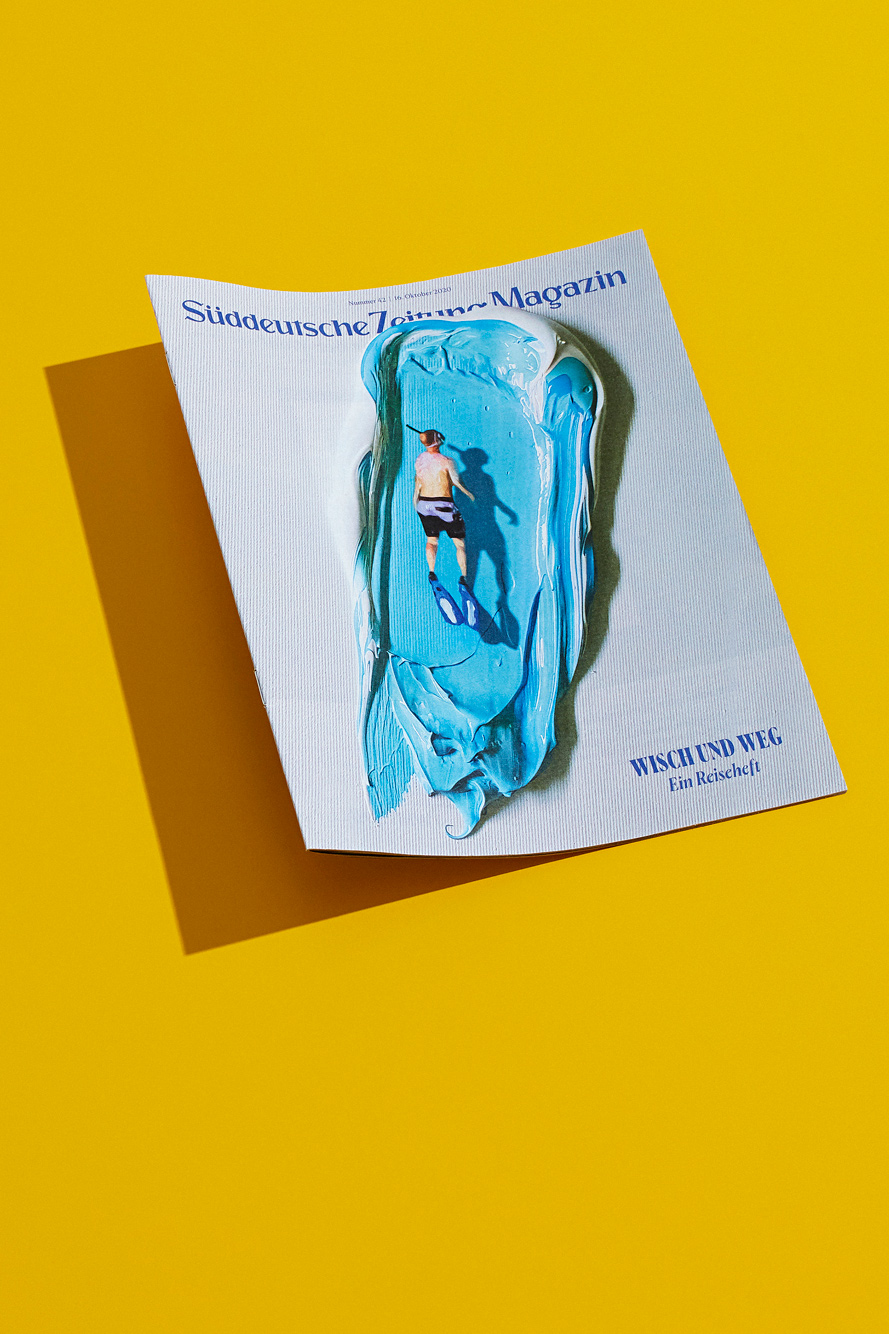
SZ-Magazin, the weekly supplement of Süddeutsche Zeitung, is famed for both great journalism and collectable covers. For a recent travel issue, art director Thomas Kartsolis and designer David Henne enlisted Iranian visual artist Golsa Golchini to transport readers far away from the housebound reality of the past year. Mixing painting and digital techniques, the resulting cover cheerfully celebrated travel and offered a visual escape in uncertain times.
sueddeutsche.de
36.
Best gardening shop
Kinetic Farm
Indonesia
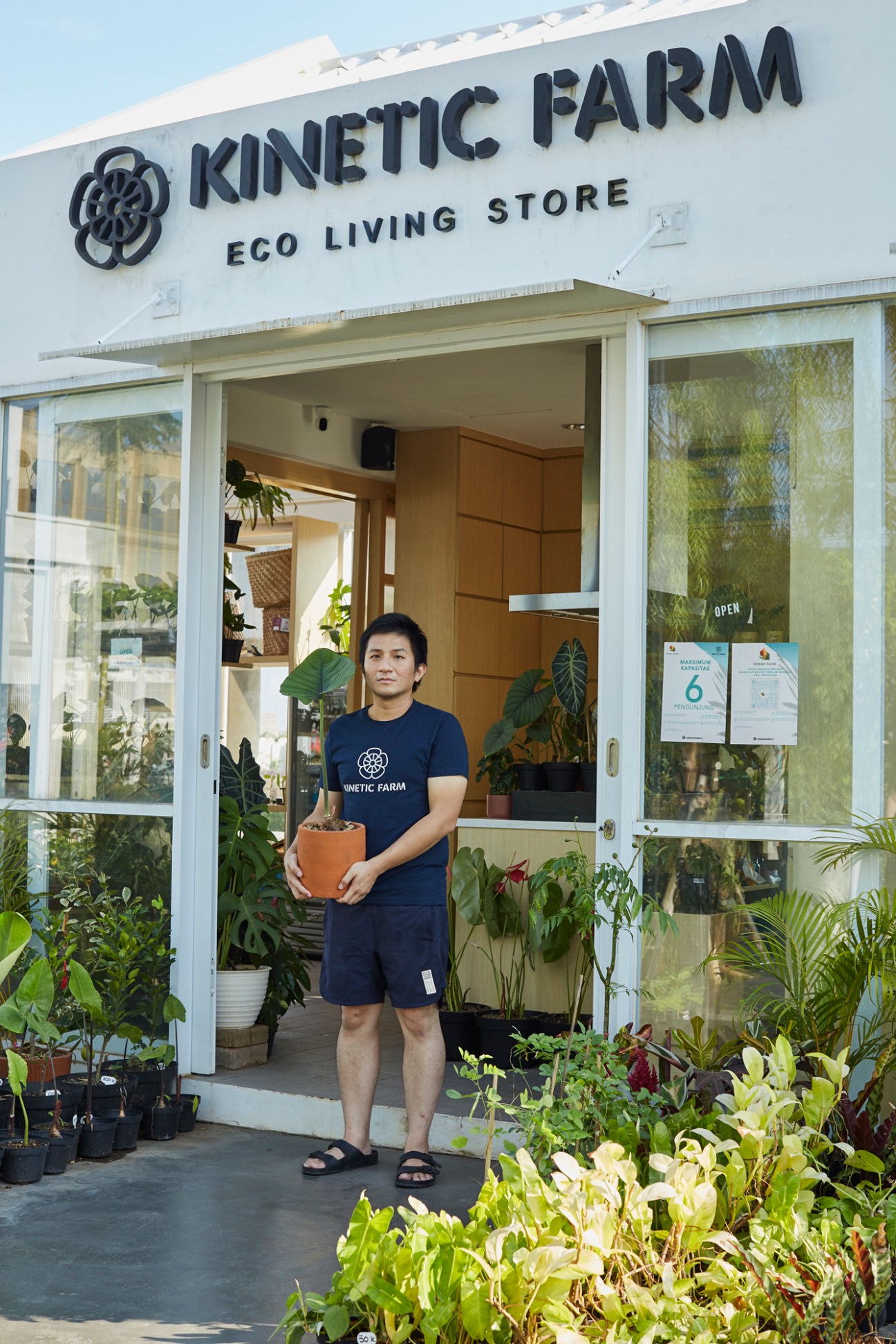
Most urban dwellers know the longing for more nature in their lives and an increasing number of shops cater to those looking to add green to their homes. Kinetic Farm has gone above and beyond to distinguish itself in a crowded market.
From specialist soils to bonsai trees, this is the one-stop destination for those looking to develop their green fingers and improve wellbeing within the home. The range of offerings is clear in the 150 types of edible plant sat within the outside display area alone. However, the sheer diversity of its products certainly doesn’t limit the shop to hardcore specialists. An in-house botanist is ready to advise on issues from the perfect pot for the office all the way up to starting a full-blown urban farm.
37.
Best design for children
‘World Travel with Moka’
South Korea
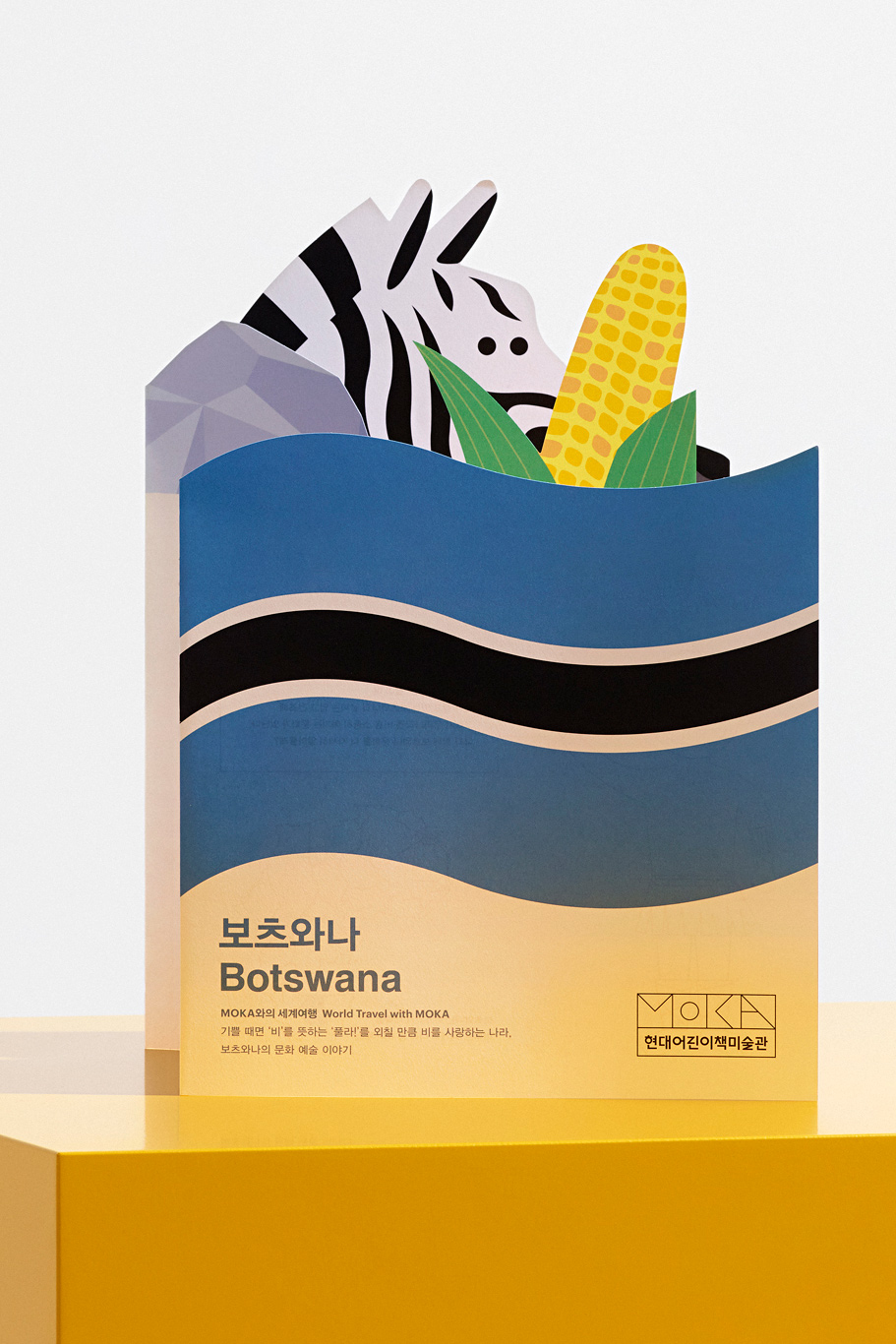
World Travel with Moka is a “playbook” by South Korean studio Practice that’s educational and aesthetically pleasing. Created for the Hyundai Museum of Kids’ Books and Art, each volume explores a different country through activities. “Children don’t need the world oversimplified for them,” says Practice’s Yoo Yoon Seok. “This is a meaningful way to engage audiences of all ages.” You might even keep it after your kids have grown up.
we-practice.com
38.
Best education building
Melopee school
Belgium
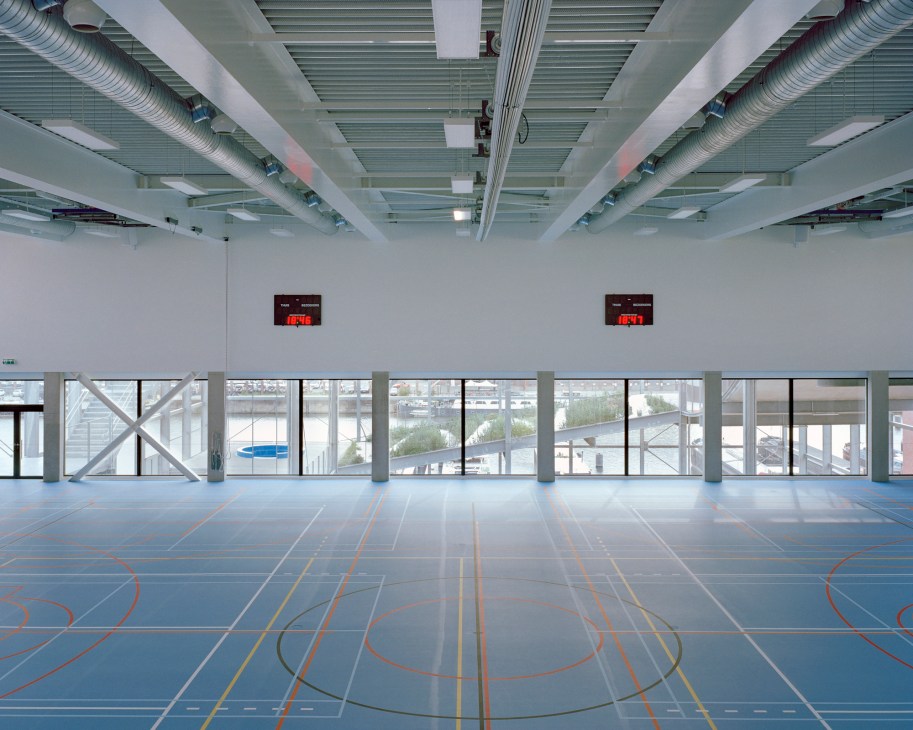
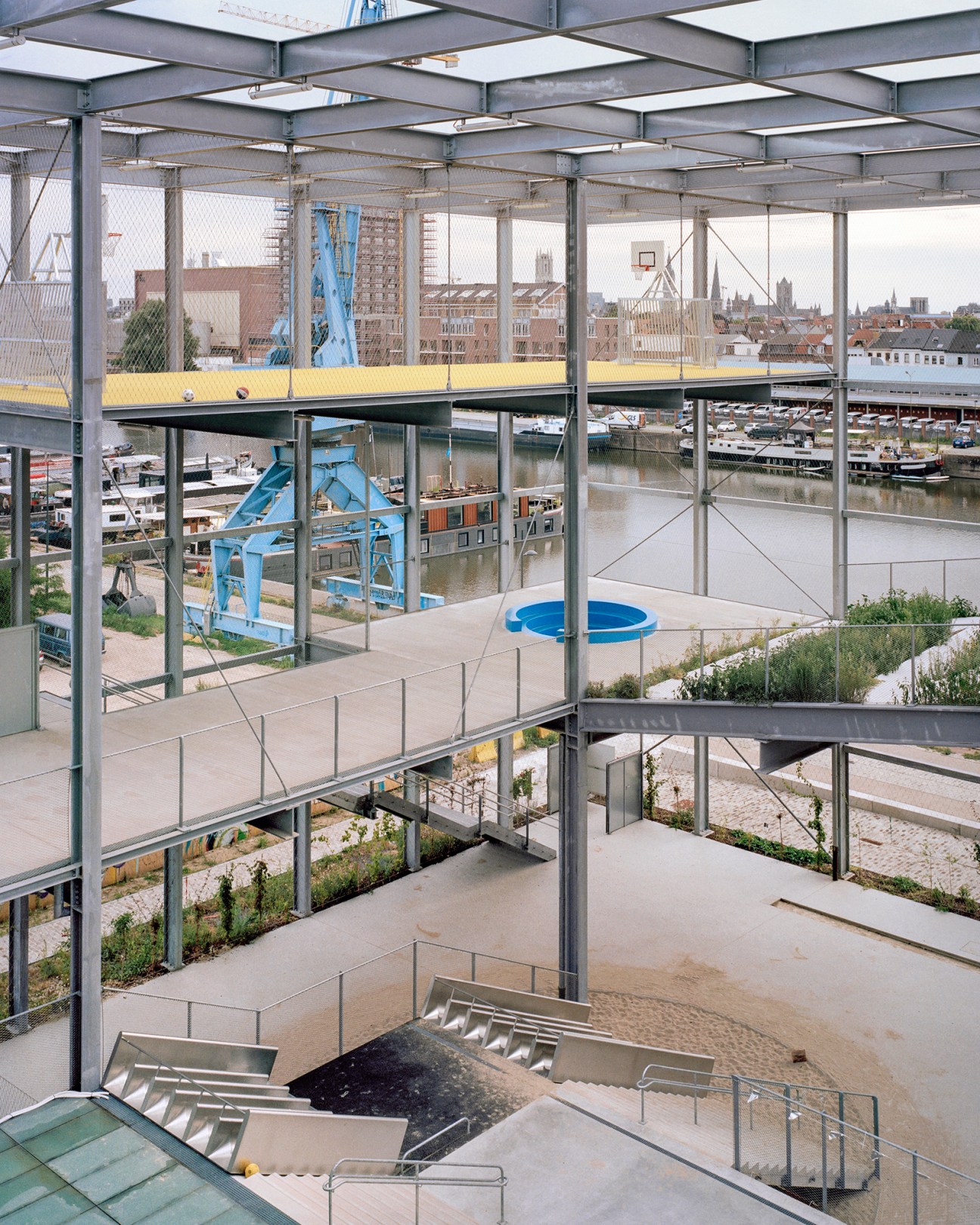
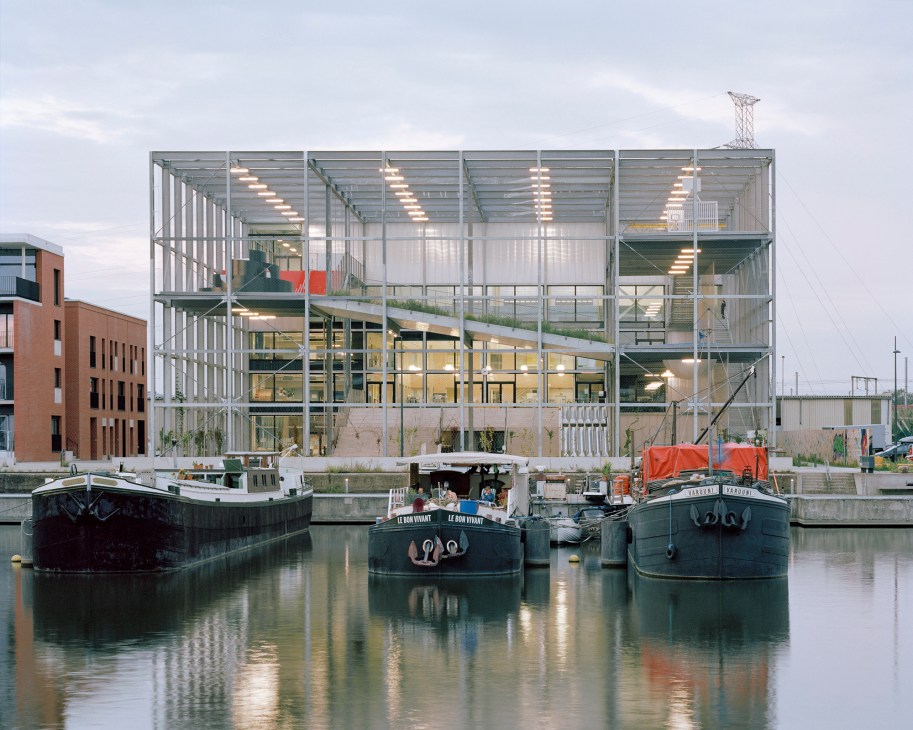
Melopee is a brede school, a Dutch term for educational buildings that also offer public space to the neighbourhood for gatherings and recreation. As with many institutional projects, the brief was concerned with providing multiple uses but, in this case, the school also had to make the most of its beautiful surroundings, facing the water in an old dockyard in Ghent. The recently opened result is a minimalist building with a metal skeleton-like structure that both provides shelter for the facilities and makes the most of the views of its surrounding landscape, acting as a piece of urban stitching within a beautifully transparent steel grid. “We live in a society where playgrounds are private and separated from public life,” says Xaveer de Geyter, founder of xdga, the Belgian architecture studio behind the building. “On the contrary, the intention for this building is to serve as a public passage.” Those shooting hoops on its sky-high basketball courts, or enjoying a play-park dramatically set in the upper echelons, are firmly in agreement with us when we say that this a school building that teaches everyone a lot about how to enjoy public space.
xdga.be
39.
Smartest home solution
Gira switches
Germany
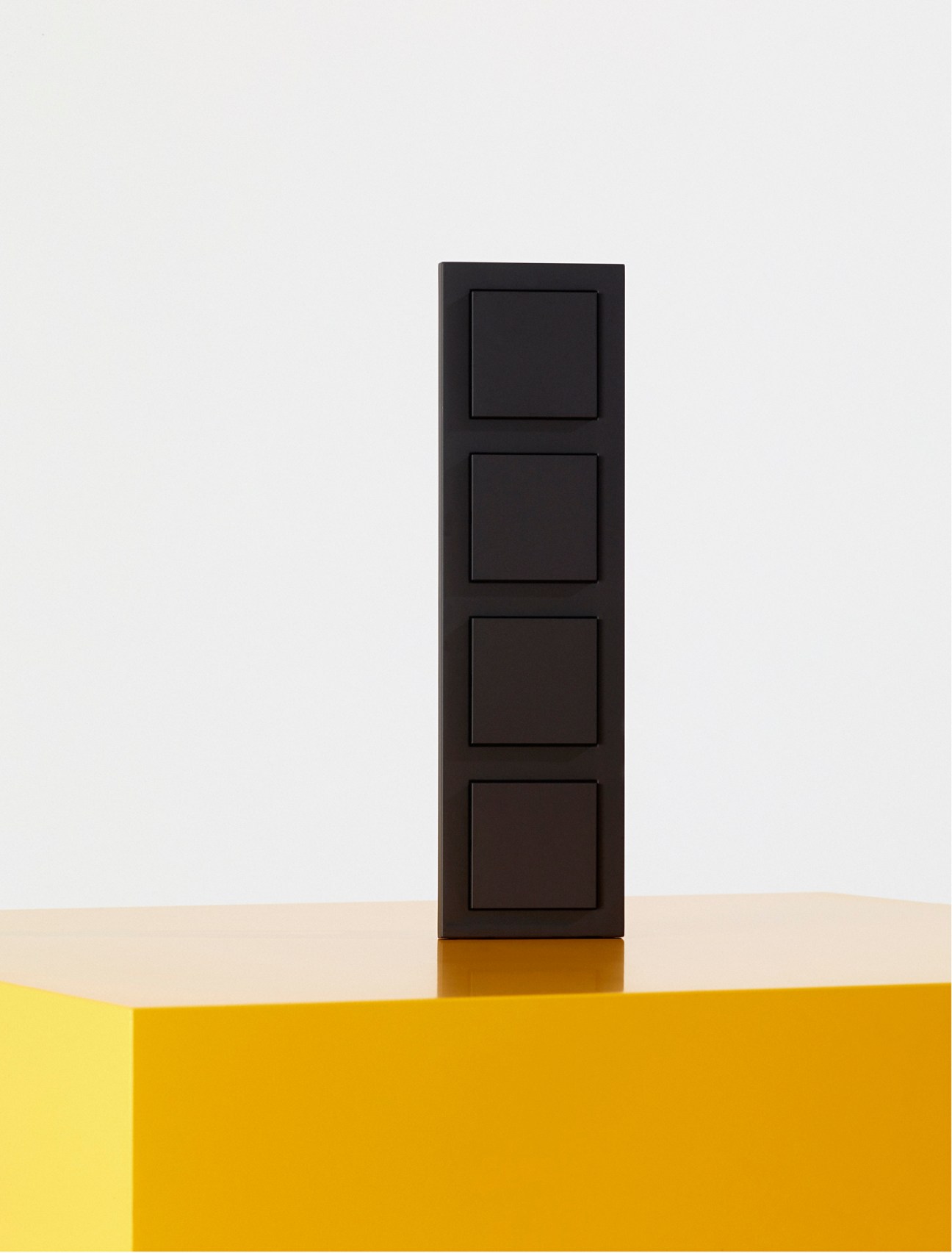
Great design should make the complex simple. That’s what German brand Gira has done with its switches and outlets, which can control everything from light and temperature to sound, access and security in your home. Gira’s products are intuitive to use, push our buttons in all the right ways and are worth celebrating.
gira.com
40.
Most creative agency
Studio Blanco
Italy
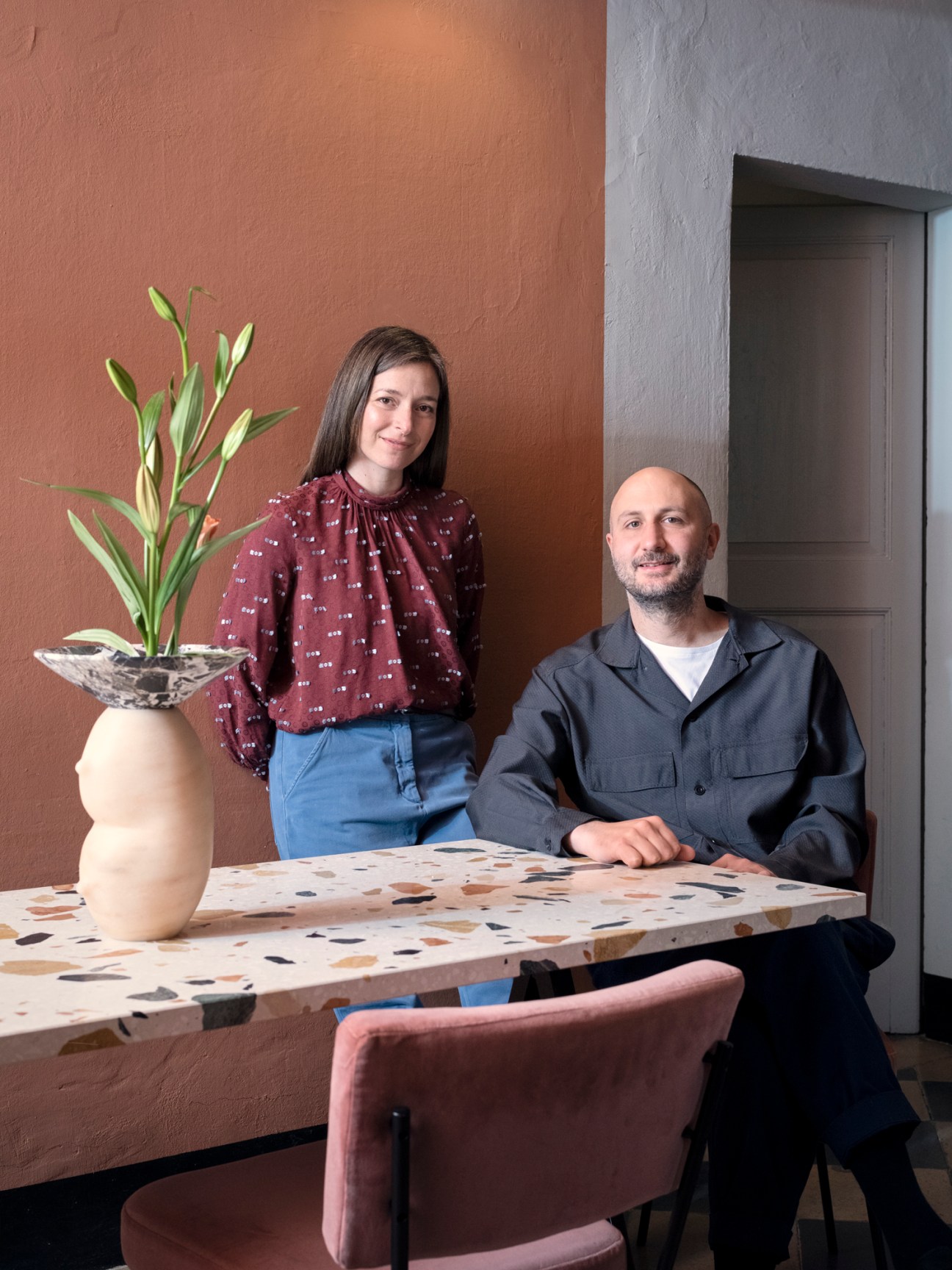
The aspiration to always add value to its print, fashion and digital projects sets Studio Blanco apart. Its low-impact website for design firm Formafantasma received global acclaim for spotlighting the damage that websites can do. “The idea is always to develop a language with a client,” says co-founder Valerio Tamagnini (pictured, with co-founder Sara Tamagnini).
studioblanco.it
41.
Best office design
The Bureau
France
With the world of work changing rapidly, those tasked with creating the offices of the future face a huge challenge. But in Paris, Franklin Azzi Architecture has created an impressive proposition for co-working company The Bureau.
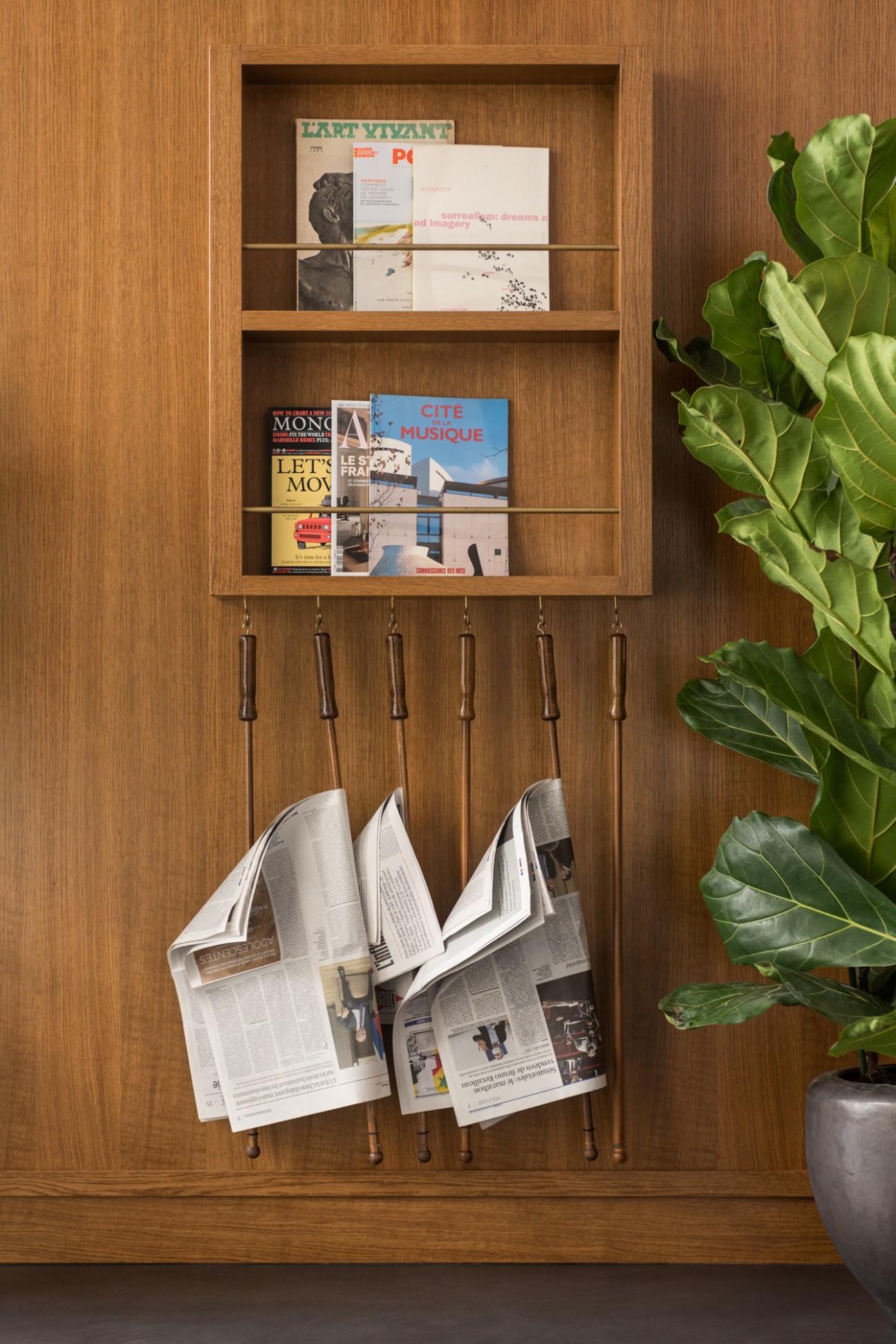
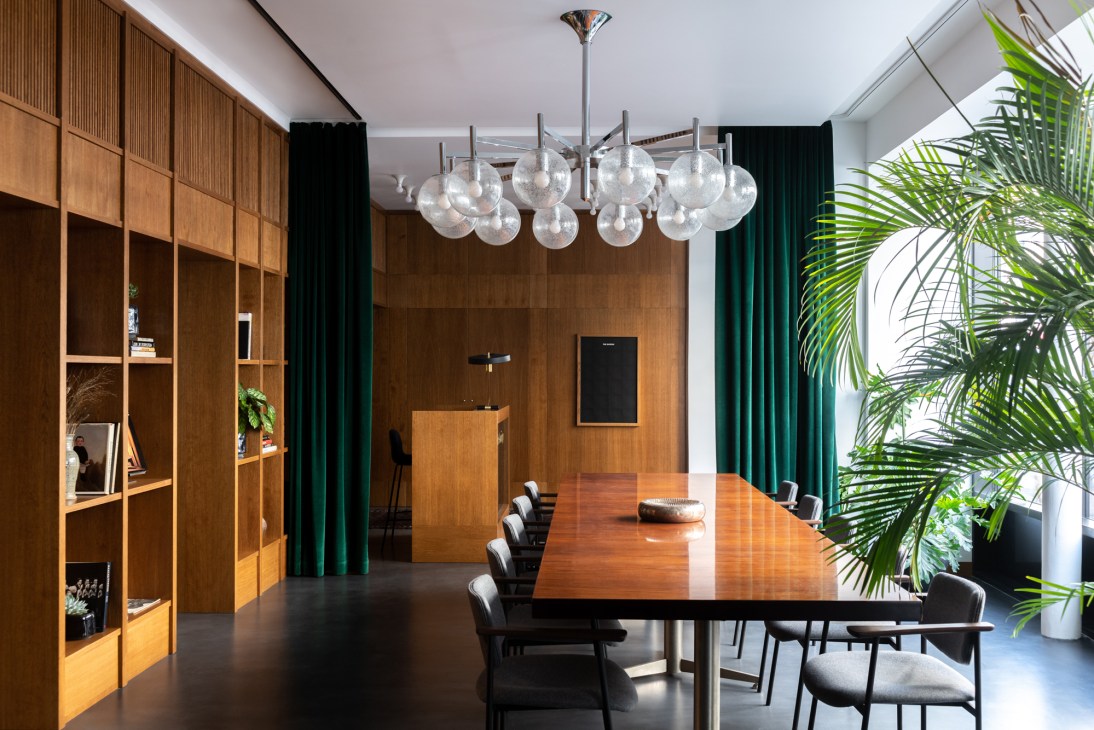
Two 19th-century Haussmann buildings offer communal and private working areas and cosy lounges as well as a proper in-house restaurant headed by a chef. “We wanted to make sure that our response was long-term, keeping in mind that these spaces need to be flexible,” says Franklin Azzi. The interior is furnished with vintage pieces by French decorator The Socialite Family, inspired by Frank Lloyd Wright. Wood plays a leading role on the ground floor, where an open-plan layout is interrupted only by an impressive oak-lined partition with in-built booths and bookshelves. “Instead of filling offices with as many people as possible,” says Azzi. “The Bureau is offering a different kind of workplace.”
franklinazzi.fr
42.
Designer of the year
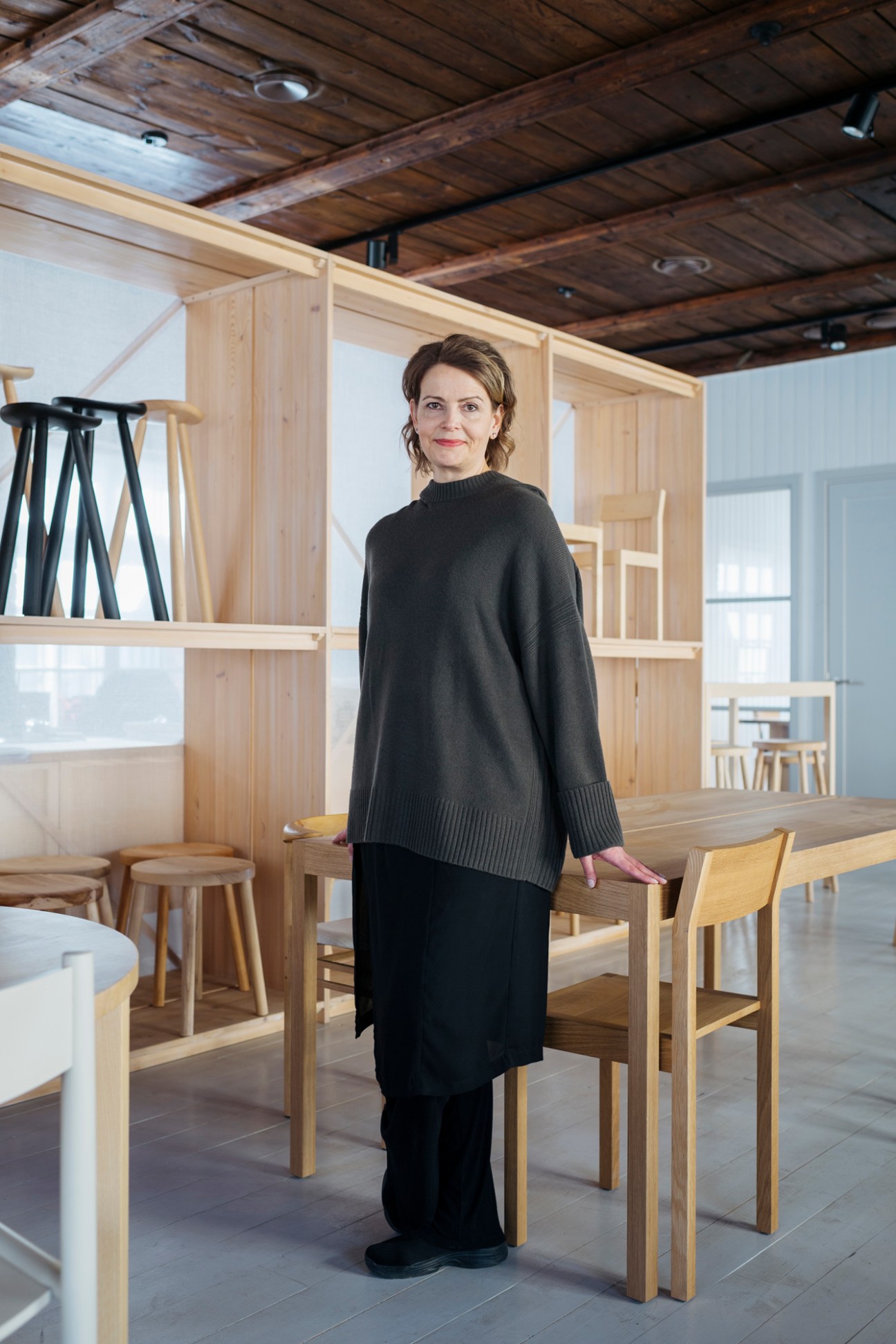
Jenni Roininen
Finland
The best designers are those who wear many hats, from sketchpad to final product. This is why we’ve honoured Jenni Roininen, creative director of Finnish furniture brand Nikari, as Monocle’s designer of the year. Working alongside a team of cabinet-makers in the village of Fiskars, she oversees an ever-growing catalogue of world-class wooden designs.
How do you keep Nikari’s brand identity so strong?
We use our skills to guide the look of the products: the pieces can vary in form but when they are crafted the same way they evoke the same feeling. So in terms of a Nikari identity, these pieces tend to work together even if they’re not from the same designer or family.
How do you use design to improve the environments we live in and work in?
I work closely with designers and architects. Say a client wants to make holes in one of our tables for some microphones. In this case, I would tell the client: “The way this table will be used will change long before the table needs to change.” We treat our furniture like buildings – it needs to have the flexibility to be used in different ways as the times change.
nikari.fi
43.
Best for the bar
Tank Stool
Germany
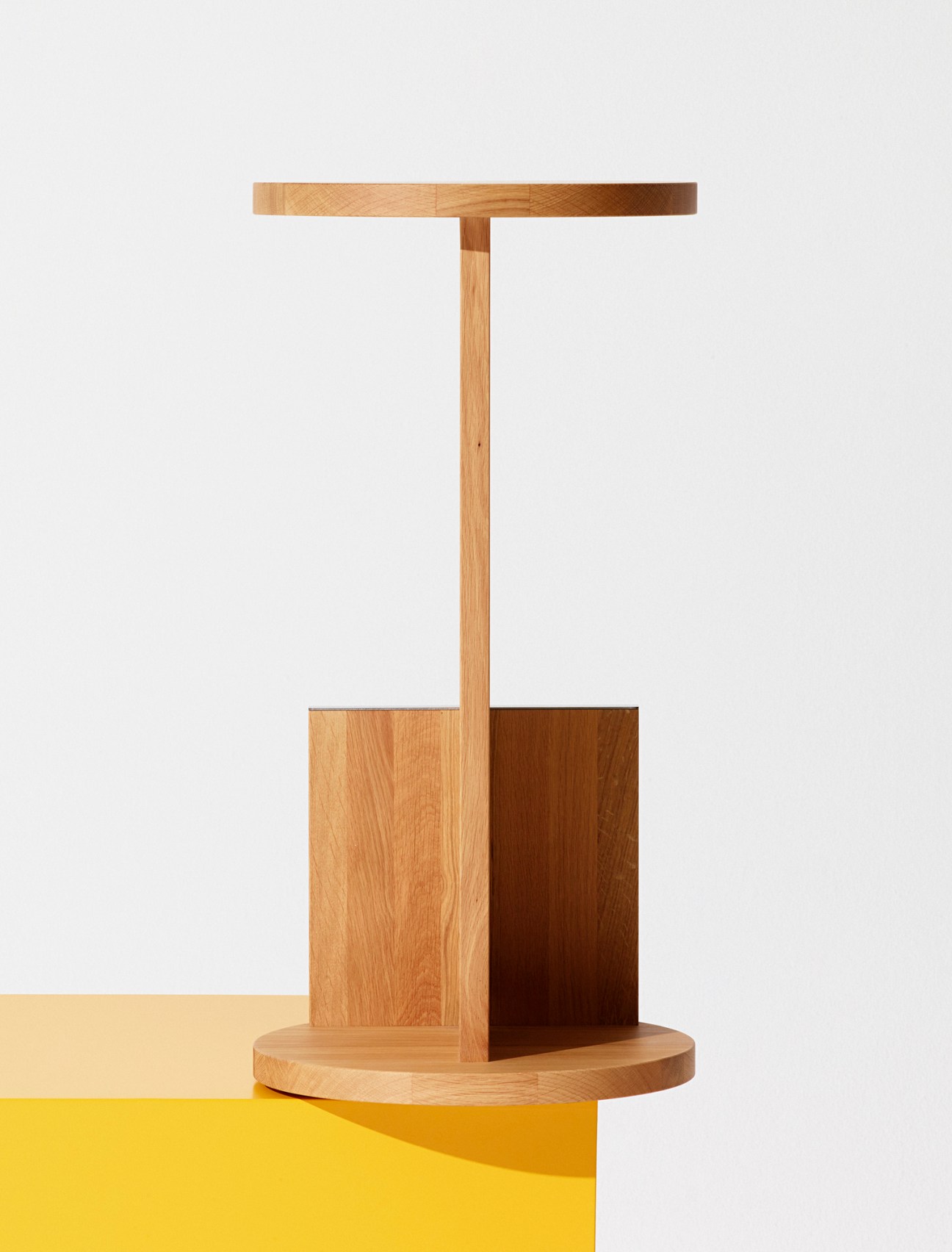
The next appointment in our selection of the world’s best design is a knees-up at the bar, thanks to this innovative stool designed by David Thulstrup. Crafted by German furniture brand e15 from various options of sturdy hardwood, its defining feature is the smartly integrated metal-lined footrest, which eliminates the need for annoying rails lining the bottom of bars. Easy to pick up and move around – and resting just as fittingly in a speakeasy as it would by a homely kitchen counter – it’s the perfect design to get the party started with this spring.
e15.com
44.
Most sustainable design
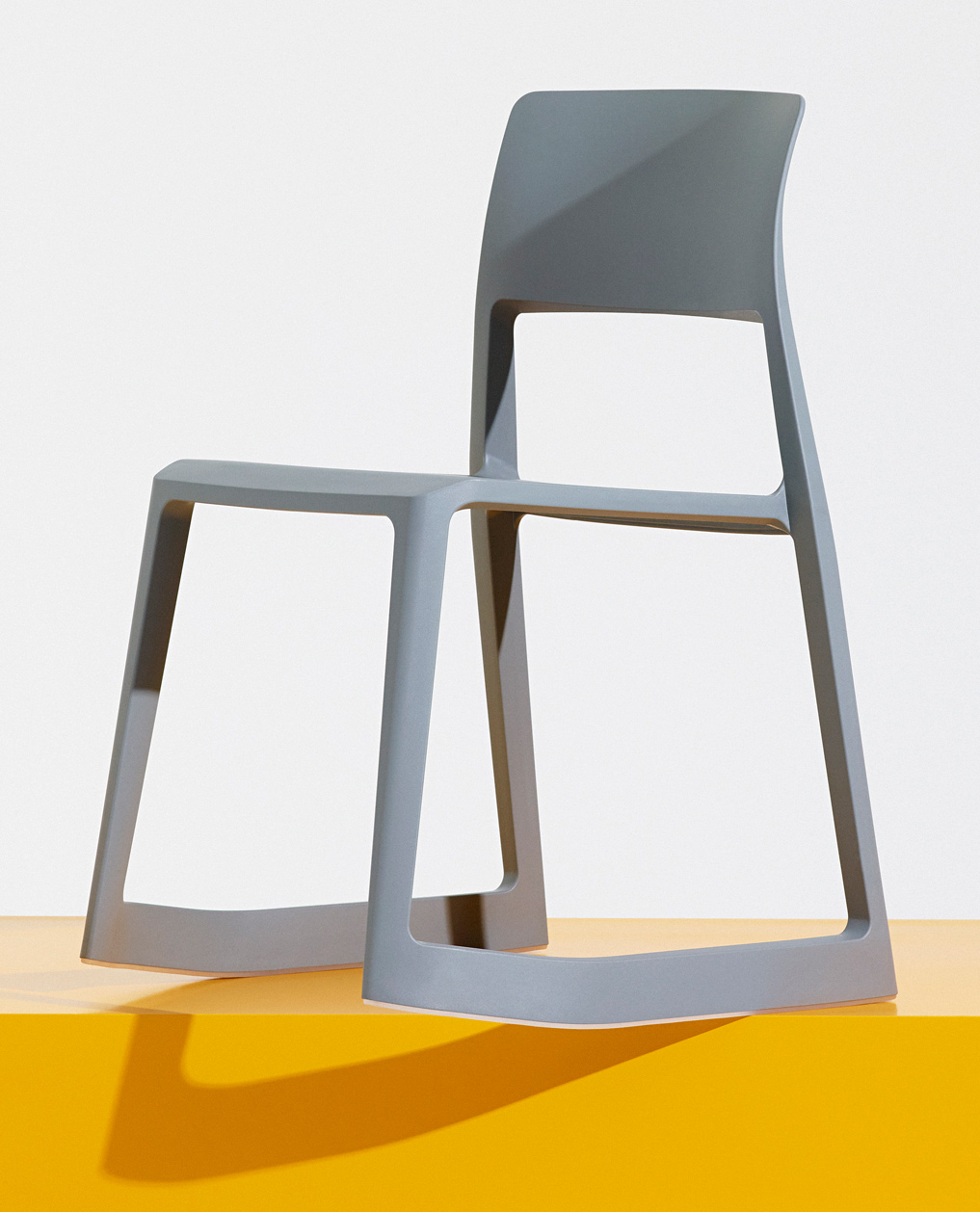
Tip Ton Re
Switzerland
Vitra’s Tip Ton Re chair is a superlative example of the circular economy in action. Designed for Vitra by Edward Barber and Jay Osgerby in 2011, it has just been reissued made from recycled plastic derived from waste, retaining its natural grey colour. “The variation in recycled material adds depth and gives it a story,” says Vitra’s chief design officer Christian Grosen Rasmussen.
vitra.com
45.
Retail design of the year
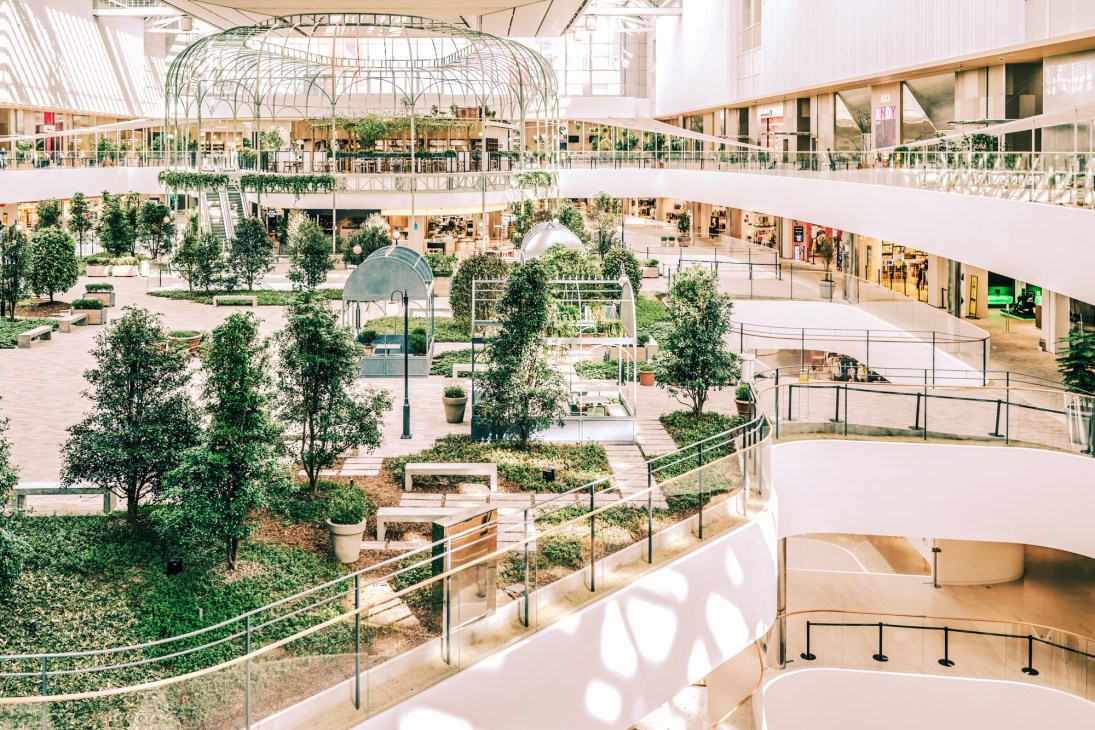
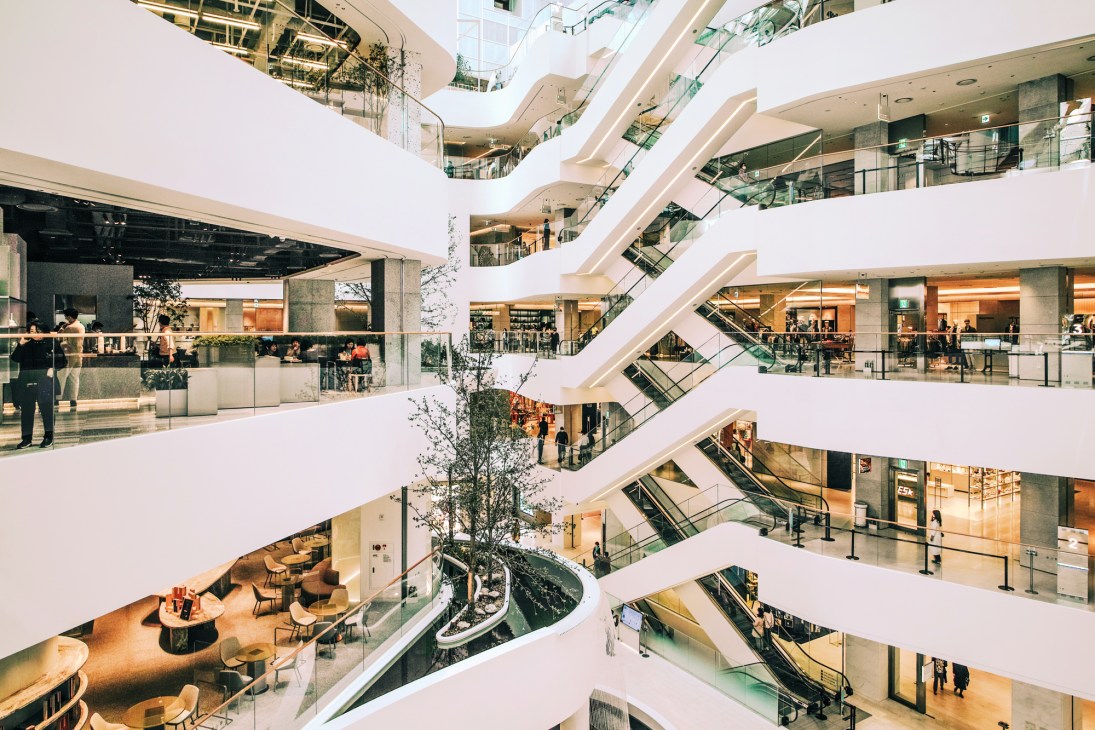
The Hyundai Seoul
South Korea
Completed in February and now welcoming wowed shoppers, the new Hyundai Seoul has used great design to meet a lofty ambition: to be the world’s best shopping centre. This mammoth effort from architect Richard Rogers, Hyundai Seoul’s internal design team and multiple collaborators provides acres of public space, including a sprawling rooftop “sound forest”, where music plays softly through an area of towering trees and waterfalls. While clever engineering makes for easy navigation, the grandest architectural gesture has been raising the top level to allow for sprawling windows, bathing the entire complex in natural light.
thehyundaiseoul.com
46.
Best for vintage
Coroto Berlin
Germany
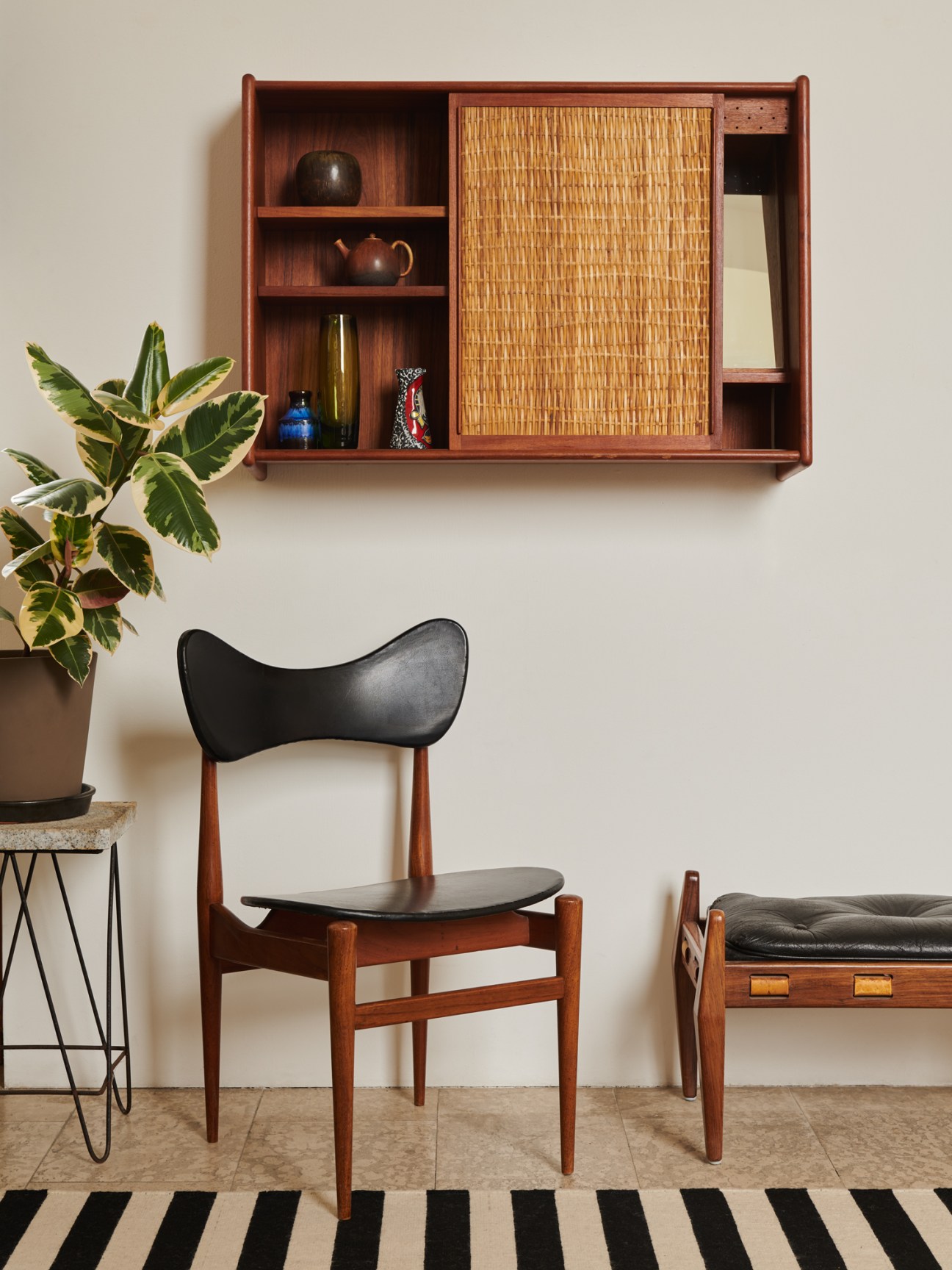
Sourcing vintage furniture is something many prefer to leave to the experts. Thankfully, Berliners can call on the personalised expertise of Coroto founders Jan Deubel and David D’Aubeterre. They not only show an eclectic selection of pieces but also offer exemplary empathetic service.
The showroom was refreshed in 2021, so now is the perfect moment to recognise their efforts. Visitors to Coroto pass through various curated zones, incorporating everything from Scandinavian mid-century modern to vintage Italian. Your home will be better for visiting.
coroto.de
47.
Best monograph
Ando’s Hands 1976–2020
Japan
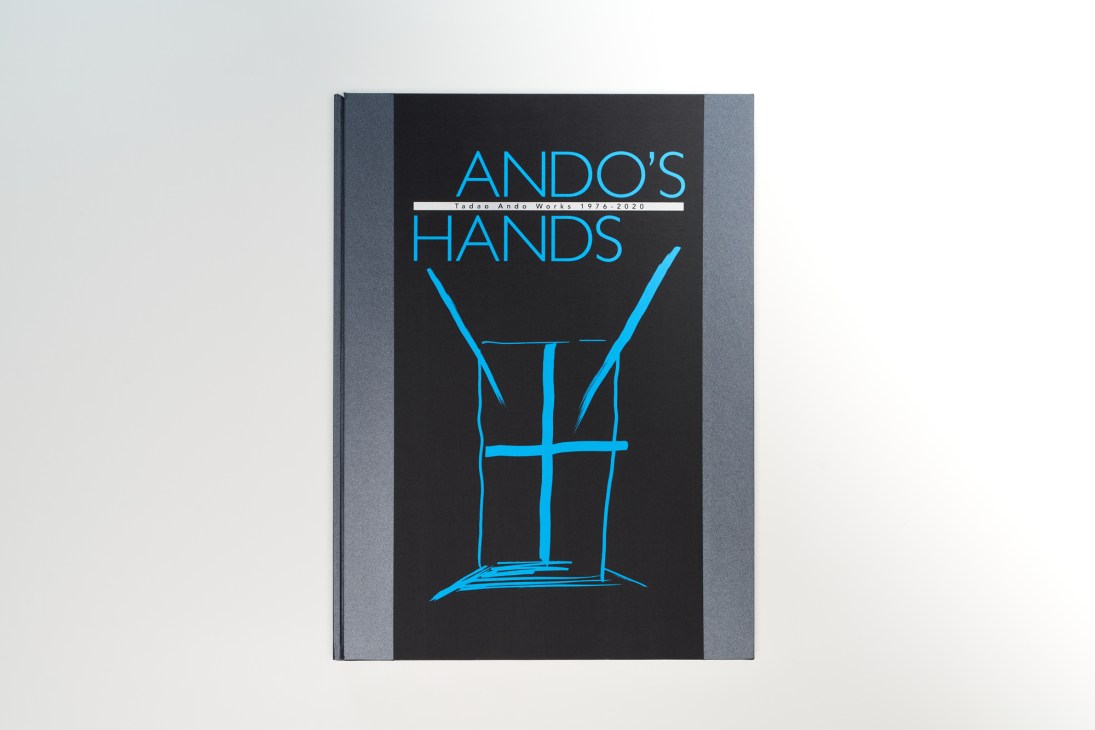
The story of Japanese master of concrete architecture Tadao Ando is a rags-to-riches tale. From a poor family, he grew up to become a boxer before teaching himself architecture. This story is captured in Ando’s Hands: Tadao Ando Works 1976-2020, a new monograph published by ccc Art Lab, which showcases 38 projects from the past 44 years through images and sketches. There are only 300 copies available and added prestige comes from the inclusion of hand drawings by Ando on washi paper. We can’t all get a copy but it’s a timely reminder that the best design embodies the highest of aspirations.
ccc-artlab.jp
48.
Best brand activation
Truffer showroom and office
Switzerland
The term “brand activation” might evoke thoughts of uninspiring marketing campaigns but Truffer, the family business behind the famous Vals Stone, is setting a superior example. Doubling down on its physical presence in the Swiss mountain village of Vals, the company gave international architecture firm Kengo Kuma & Associates (KKA) free rein to design its new headquarters.
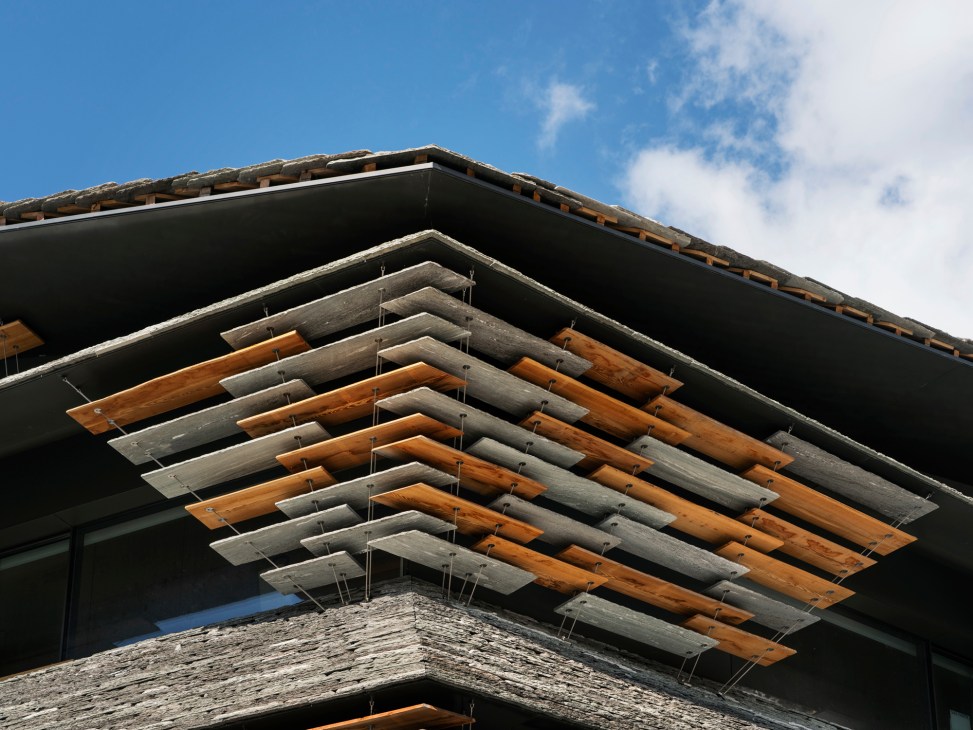
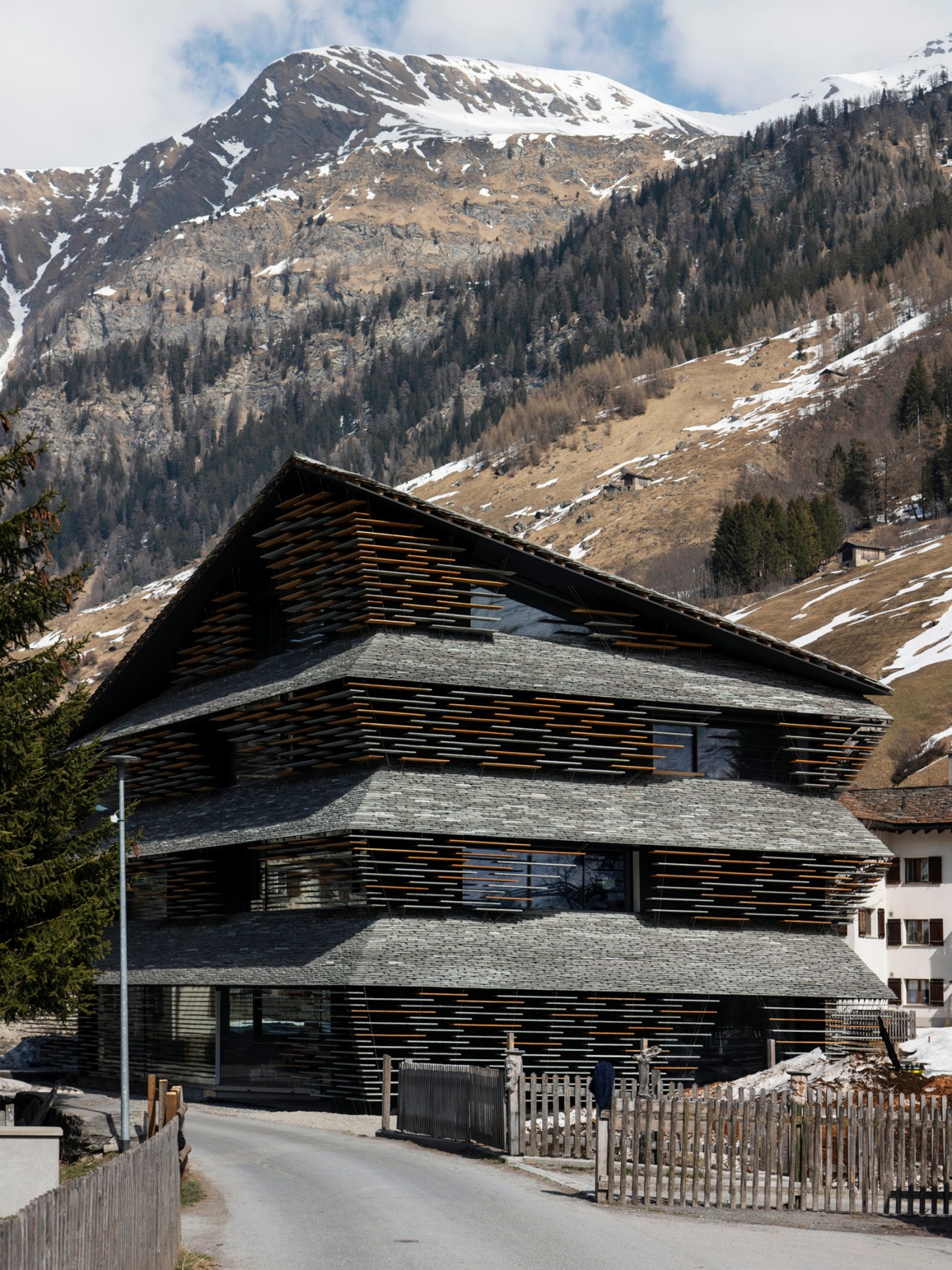
The striking building, which also houses a showroom and exhibition space, welcomes prospective clients as well as curious passersby. The aim was to tell the story of the village through the material export the company focuses on. “Instead of a standard commercial space, the building itself showcases all the different applications of the Vals Stone”, says kka partner Yuki Ikeguchi, who led the project.
The material is applied throughout the interiors and façade, with large slabs seeming to levitate. The overall effect is a quite literal grounding of the brand through the material that’s at its centre. And the temple-like form is finished with the elegant architectural polish for which kka is known.
truffer.ch
49.
Best retail concept
Powwowwow Community Mall
Thailand
A favourite recent example of shops bringing a neighbourhood together is Bangkok’s Powwowwow Community Mall. Nestled amid a jumble of high-rises in central Bangkok, this humble two-storey complex links shops, salons and restaurants with a series of walkways, lined with potted trees.
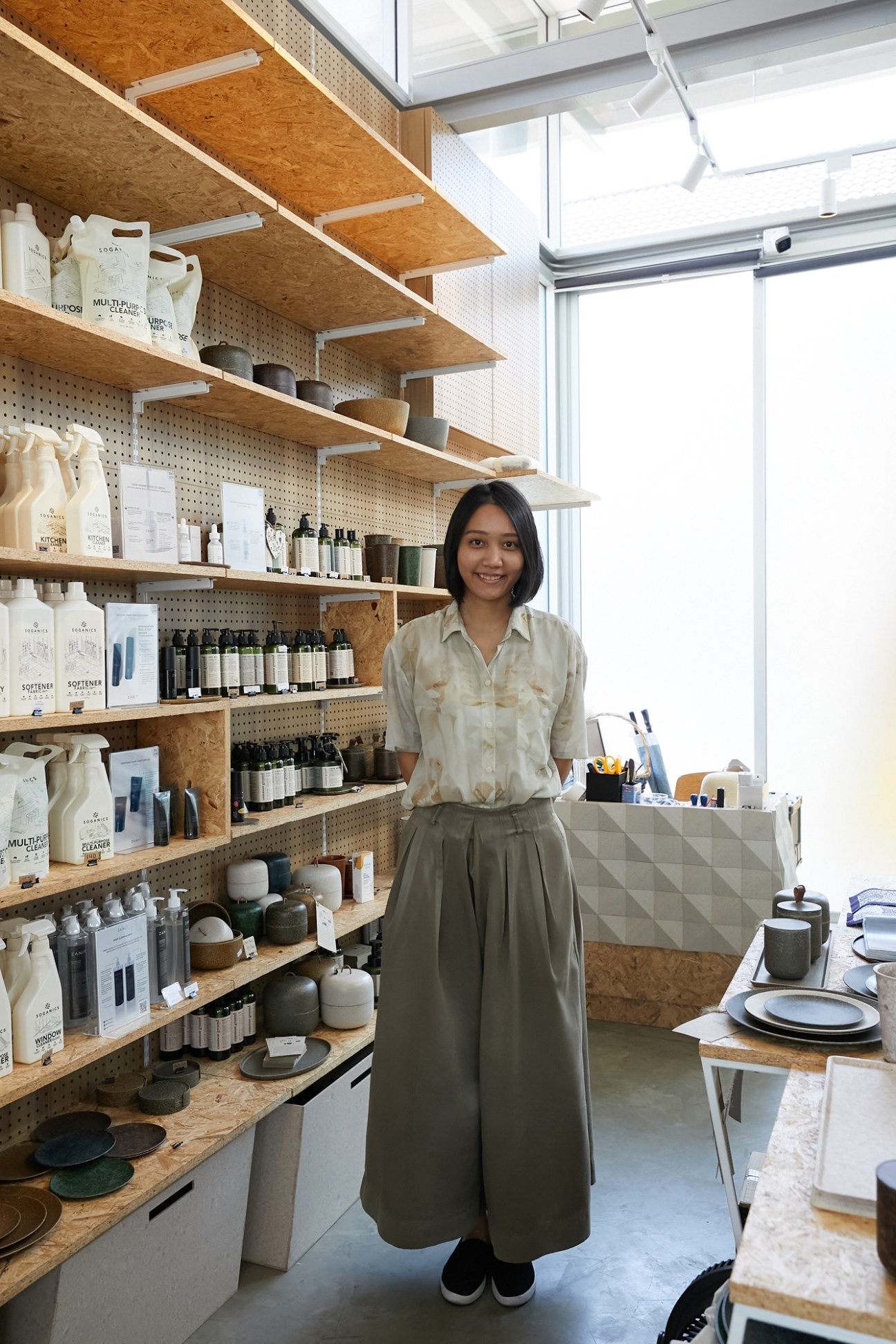
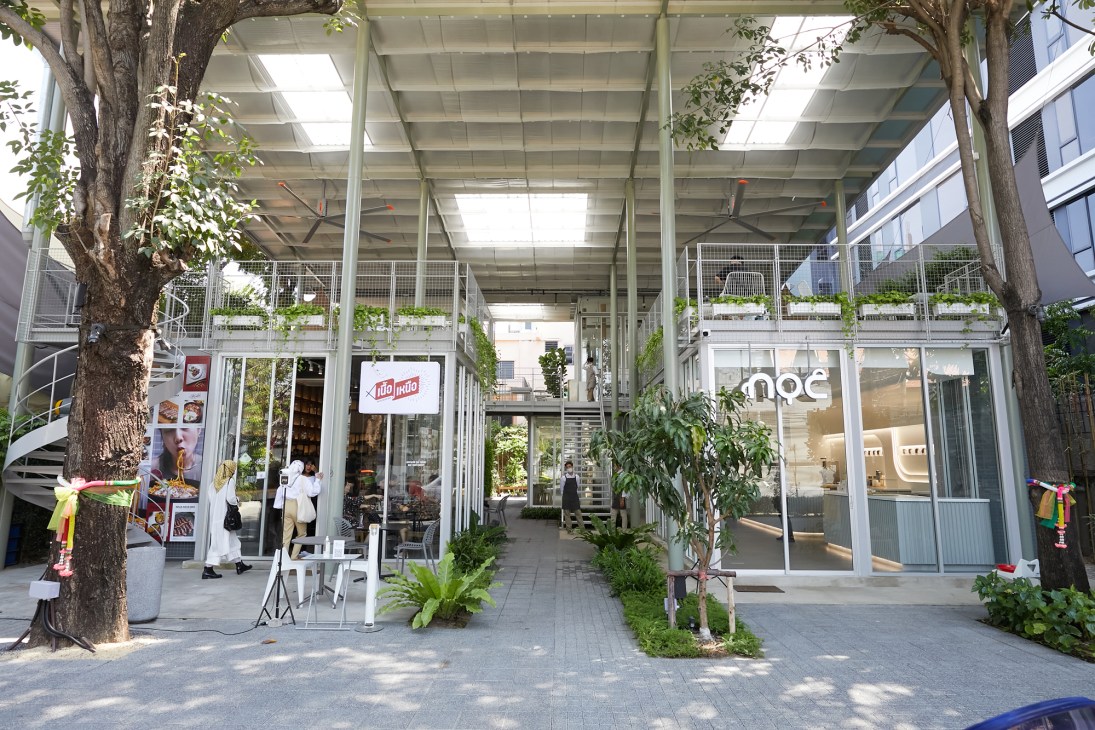
It’s an inviting spot, designed by Thai firm Allzone, with sustainability at its core. Combating the city’s reliance on air conditioning, thick concrete walls help retail plots stay cool and the metal-sheet roof enables air-flow and provides vital shade to seating areas.
50.
Best restaurant design
Masu
Vietnam
Architect Keiji Ashizawa is a master of minimalism. We’ve long admired his work in his native Japan but it’s his latest project, Masu in Hanoi, that is this award’s worthy recipient.
The Japanese restaurant takes inspiration from traditional Vietnamese townhouses and machiya (historic wooden homes that originated in Kyoto) to create a tranquil oasis in the centre of the bustling capital.
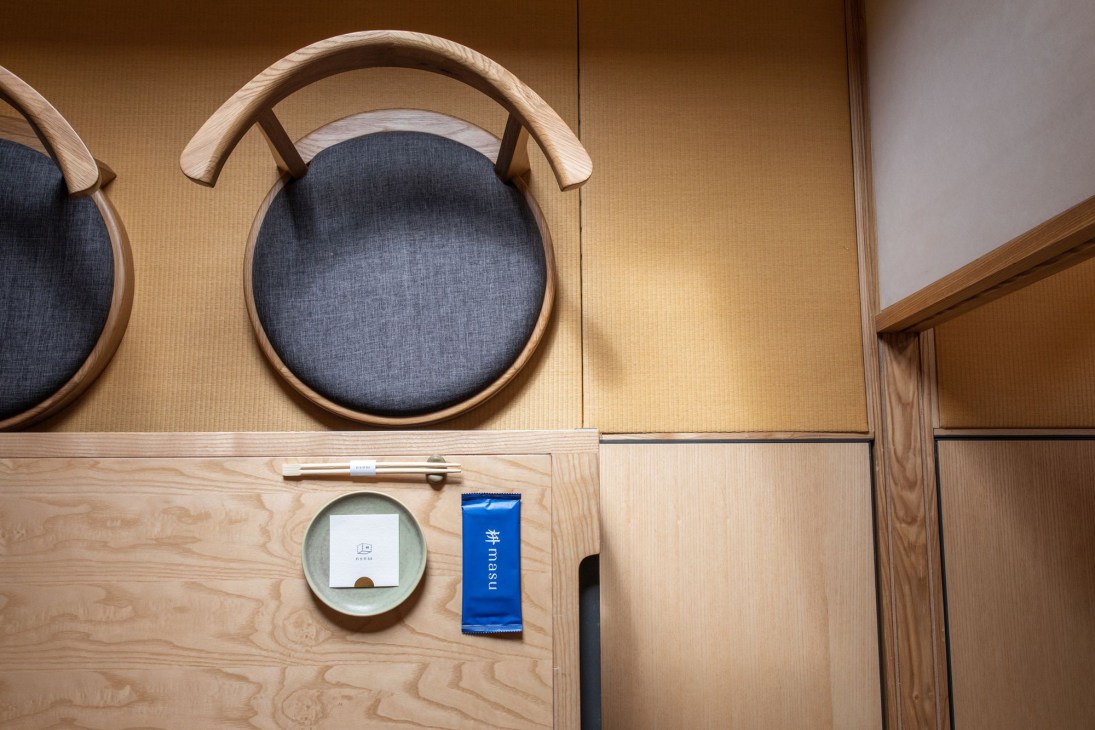
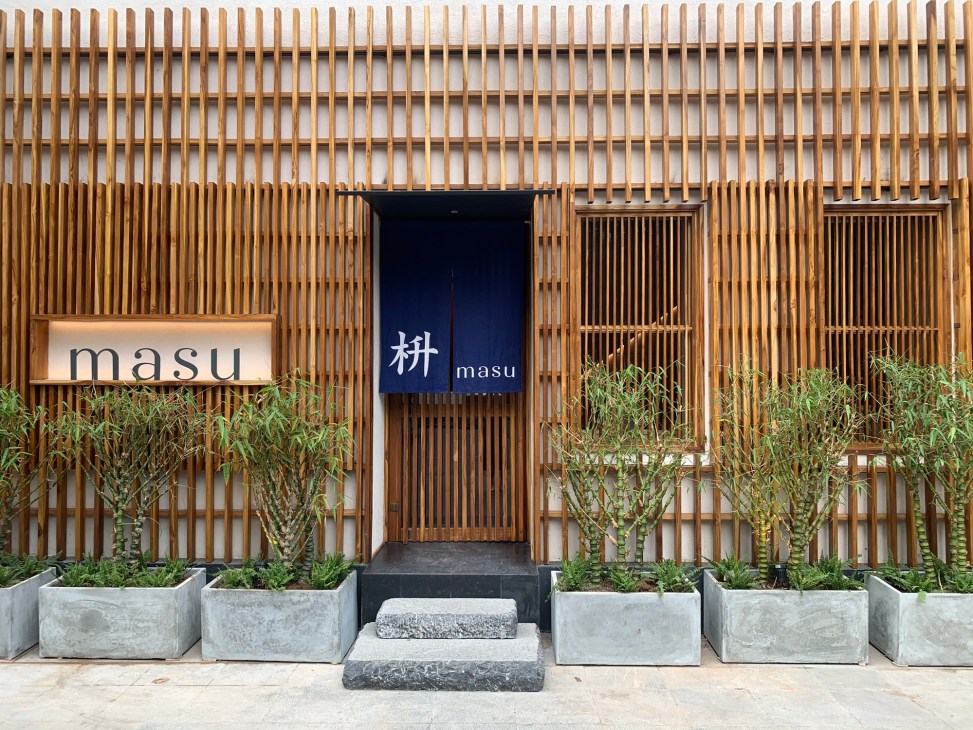
The calming feeling comes down to a focus on simple shapes: Isamu Noguchi’s orb-like pendant lamps hang lazily over tables and the restaurant exterior is patterned with geometric wooden frames. Ashizawa also matches Masu’s commitment to serving a sustainable menu with wooden chairs that are made in the region, to the designer’s specifications.
keijidesign.com
The award
Trophy cabinet
Global
For an award that needed to represent a particularly Monocle flavour of design, we called upon collaborator – and friend – Harry Thaler of South Tyrol to create the concept. Thaler is a specialist in working with the beautiful timbers of this Italian Alpine region and for this project the designer chose to combine oak from the area, with brass to form this understated trophy that doubles up as a paperweight. Every winner of a Monocle Design Award will receive one of a limited number of these timber and brass pieces, as well as a certificate of recognition.
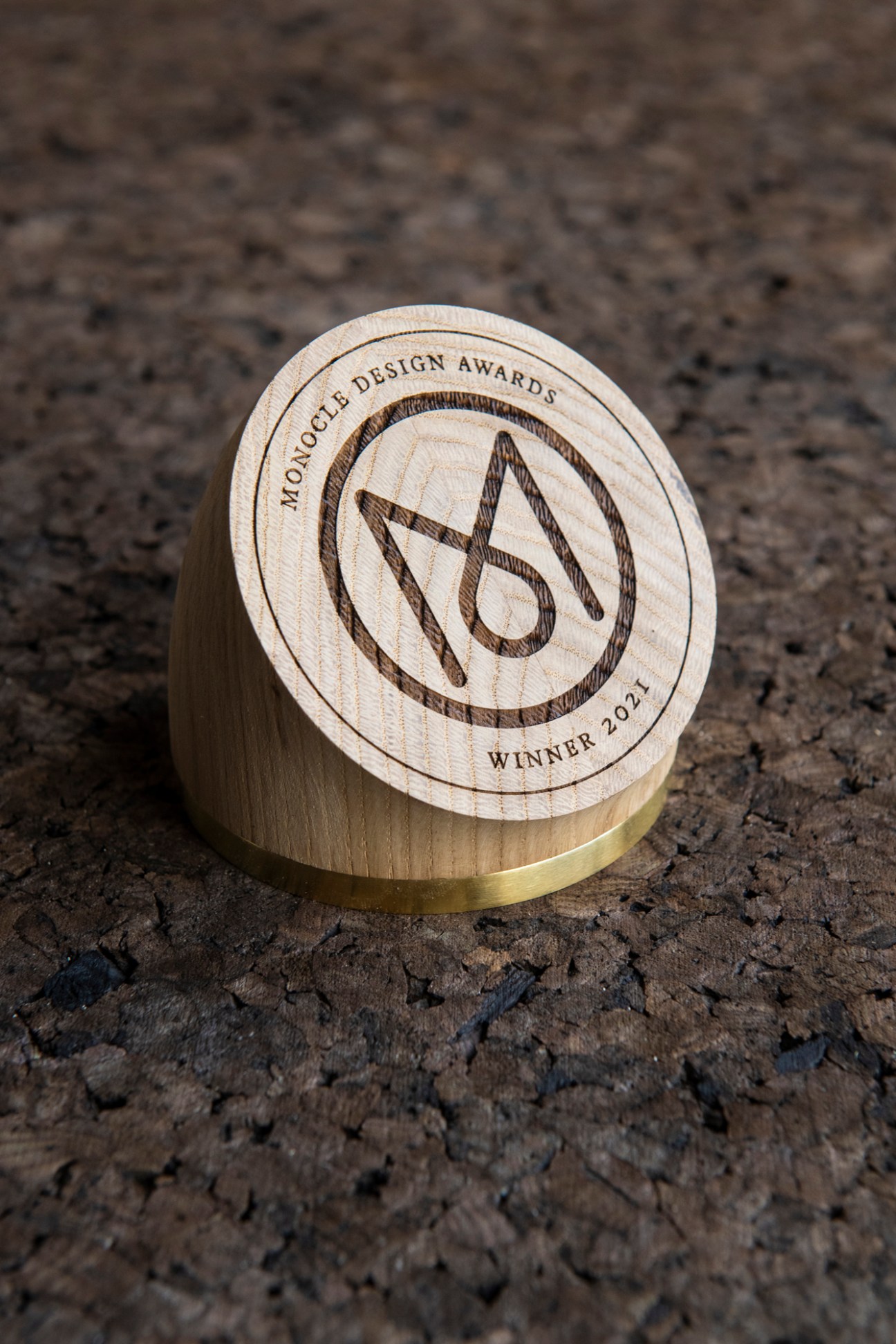
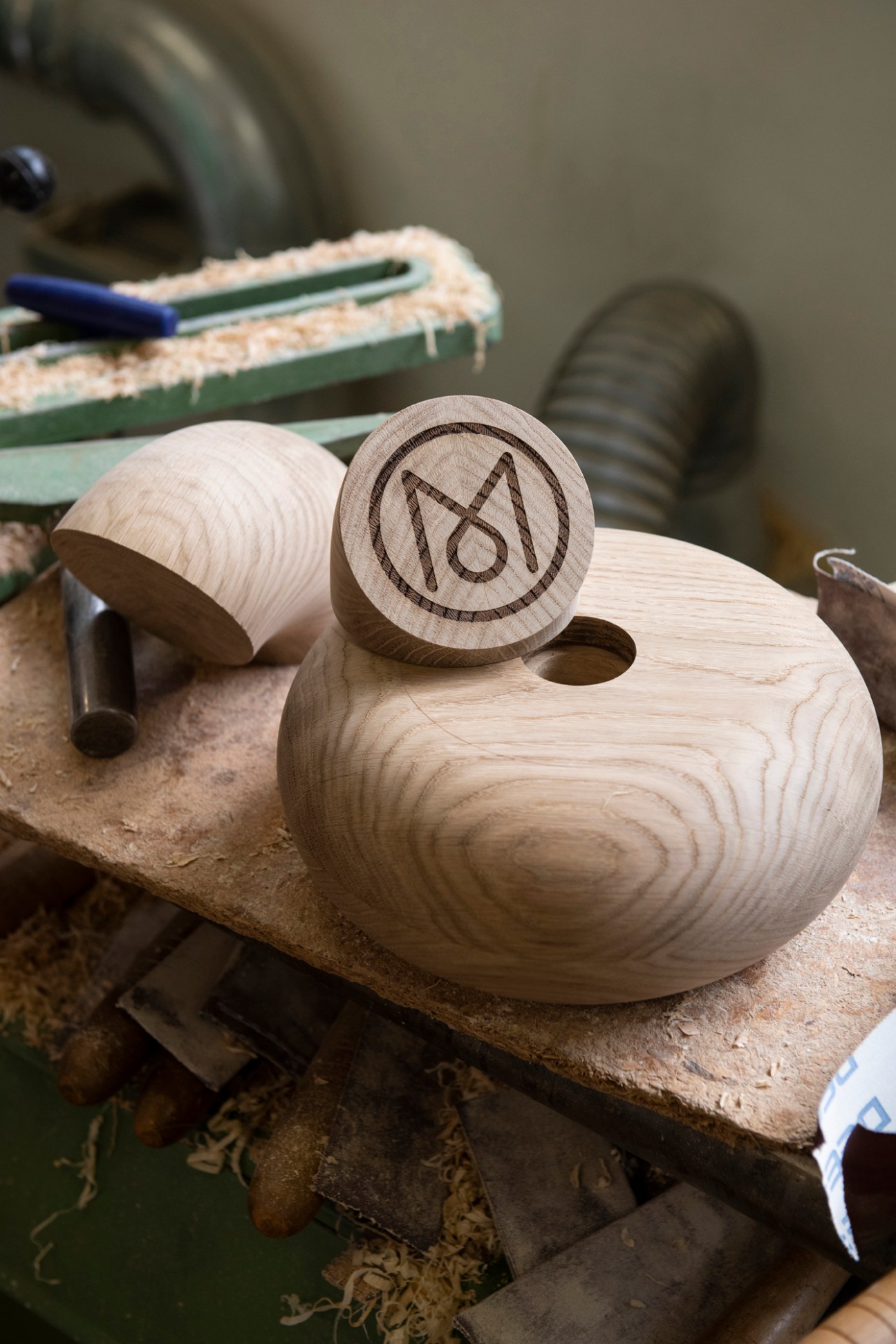
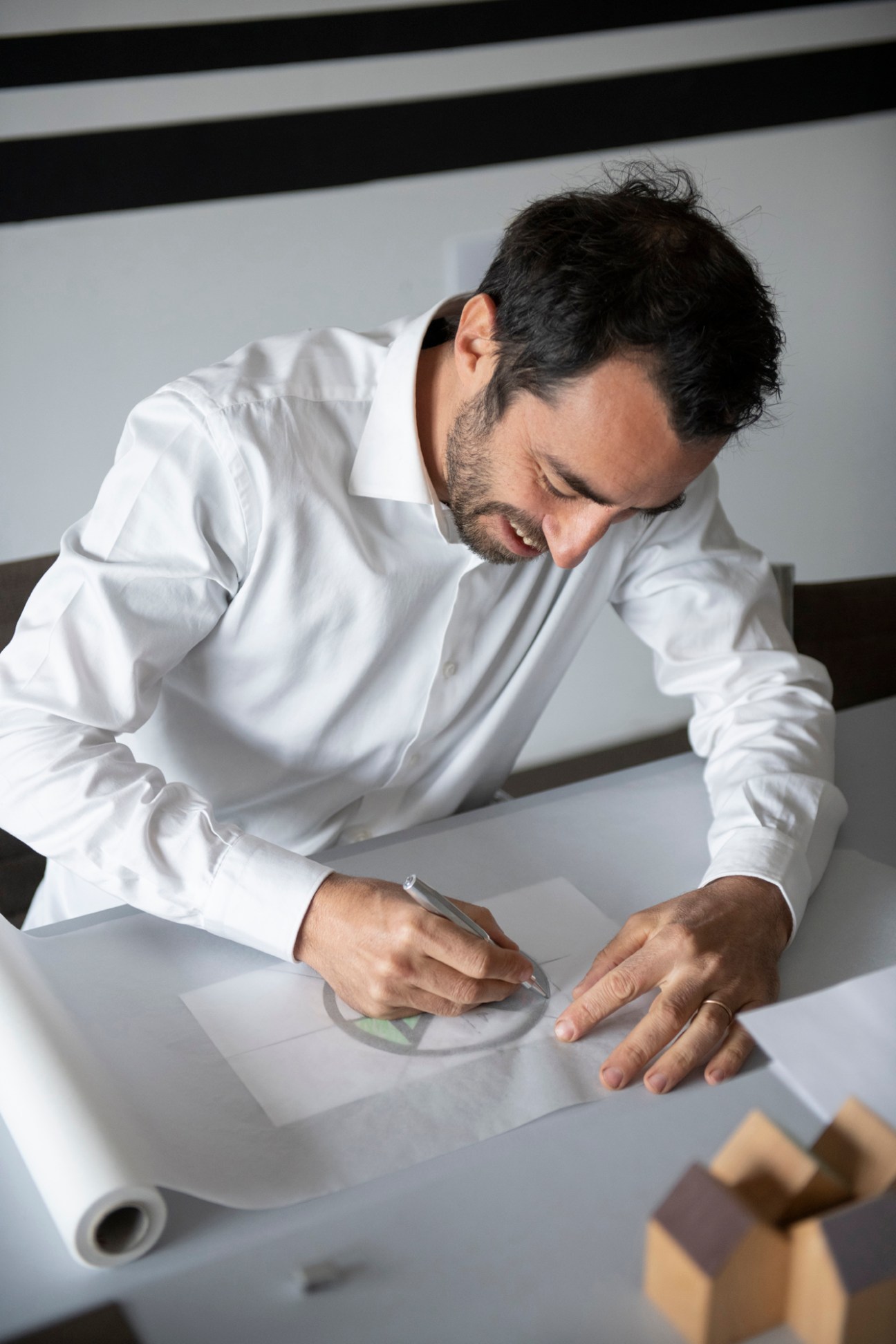
“The fact that the award has two purposes [as ornament and paperweight] corresponds with my principles of sustainability and functionality in design,” says Thaler, whose international work across industrial design and architecture tends to blend traditional craftsmanship with novel shapes and interesting, tactile materials. “The winners will receive an award that does not just gather dust on the shelves but can be used daily.”
Photographer: Erik Von Frankenberg; Still life: Jonas Marguet. Images: Tom Ross, Valerio Geraci, Robert Rieger
Design awards 2021, part 1
Weeks of conversations with our correspondents across the globe and hours of interviewing designers from Stockholm to Seoul have resulted in the inaugural Monocle Design Awards. We’ve enlisted our international photographers and journalists to tell these stories but it’s the world-class body of work that is the real hero. Having spent the past 14 years profiling the globe’s most interesting architects, urban planners, graphic designers, creative consultants and furniture-makers, we felt that it was time to recognise this talent more formally.
Monocle’s focus has always been on telling stories about improving quality of life and creating more liveable cities. These awards pay tribute to this approach and highlight how enjoyable and useful good design is in enhancing our lives.
Now settle into your most beautifully crafted chair and prepare to learn about 50 designs that will make your life much better.
1.
Best temporary architecture
The Braunstein Taphouse
Denmark
That temporary architecture tends to be tasteless makes sense: why put effort into a design that will be demolished in a few years? The answer lies in the Braunstein Taphouse on the harbour of the town of Koege, which is almost too good-looking to be taken apart.
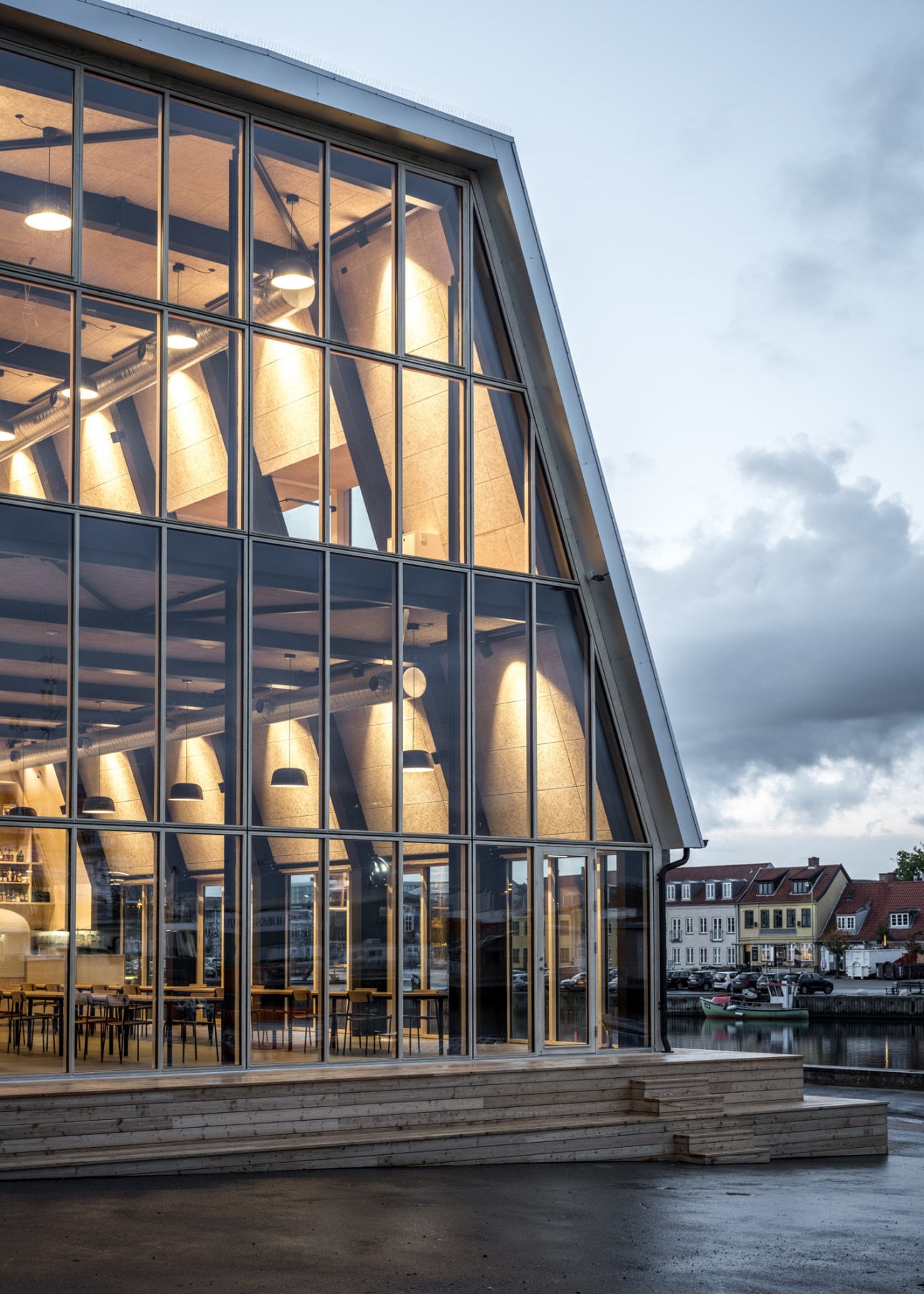
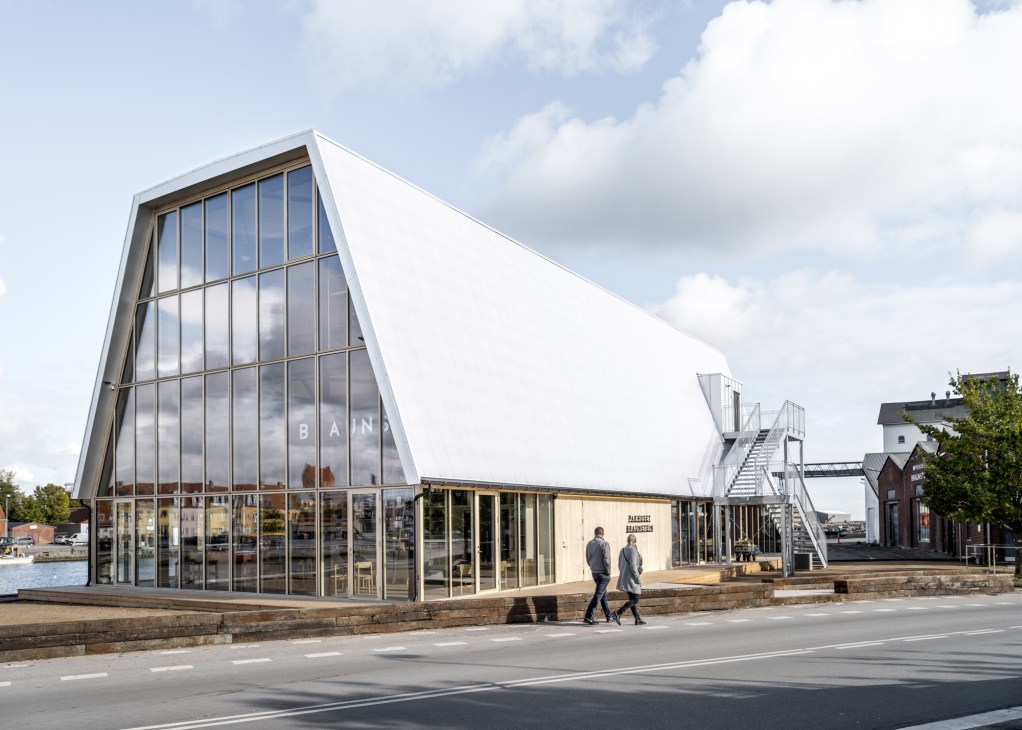
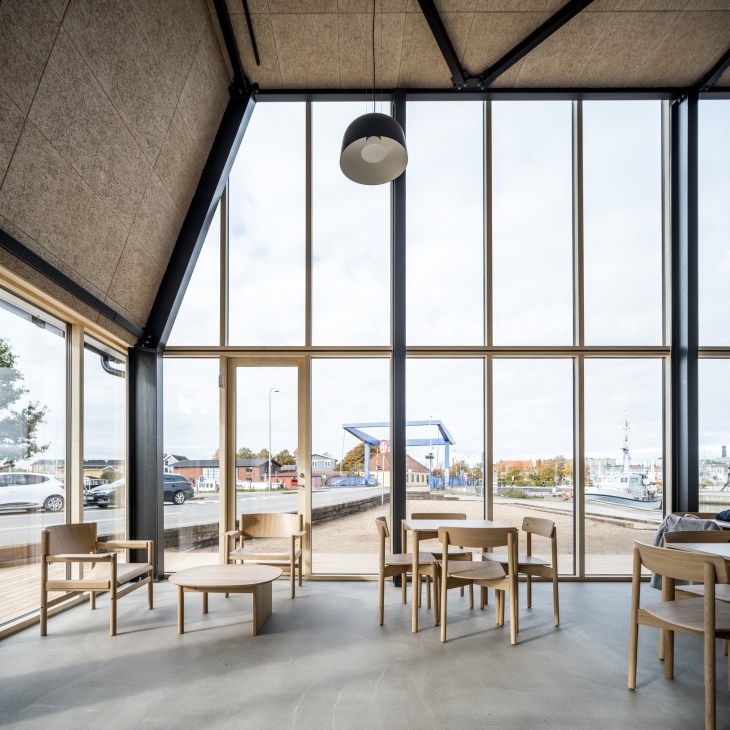
Composed largely of timber, the establishment contains a microbrewery, a café and event spaces, and is designed by Danish architecture firm Adept with a smart consideration of the building’s limited lifespan. “We have worked with the principle of ‘design for disassembly’,” says Anders Lonka, founding partner at Adept. “It is constructed with only mechanical joints and no paintwork.” It has already become important to the community, while familiarising people with an area that soon will be developed into a new destination for the town.
adept.dk
2.
Best compact camera kit
D-Lux 7 Street Kit
Germany
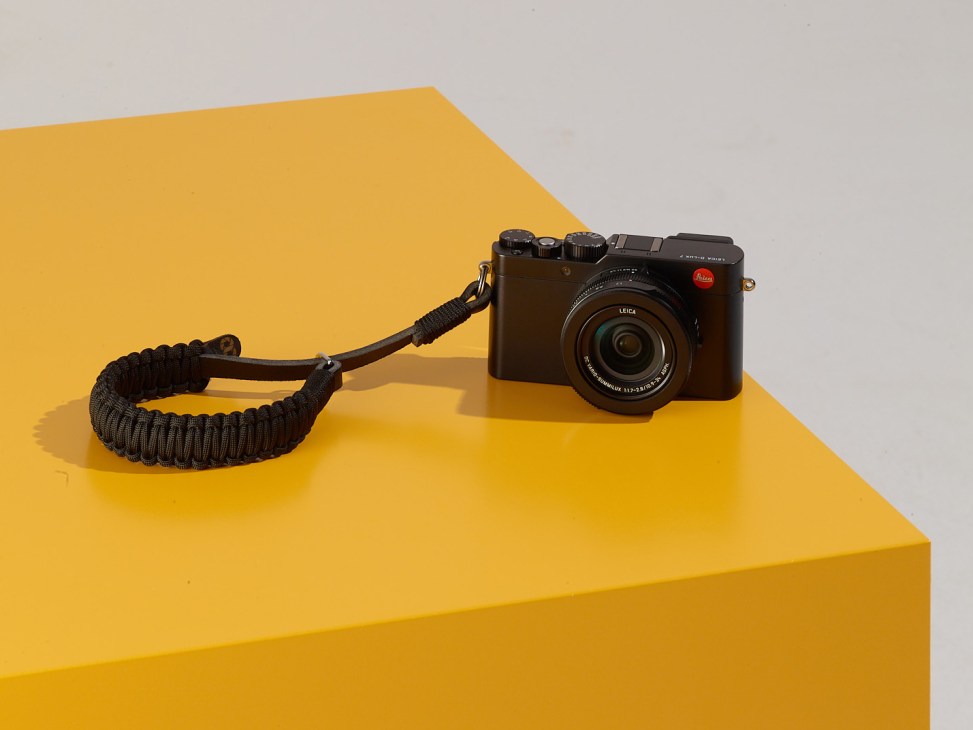
Pros might chastise us for saying this but when it comes to taking photographs – for many of us – looking good in the process is all part of the art.
This is one of multiple reasons why squinting from the sun into our smartphones as we try to capture the architectural wonders of our cities is not Monocle’s preferred method of taking good photos. Thankfully, German camera giant Leica has just released an appropriate solution. To match its sleek and top-performing D-Lux 7 camera (which comes in this bundle), Leica’s D-Lux 7 Street Kit offers a stylish handgrip, an auto lens cap, a black paracord wrist strap and an extra battery. Sure, it all performs beautifully but damn if it doesn’t look good too.
leica-camera.com
3.
Best brand refresh
Yamato Holdings
Japan
For Japanese people, the mere glimpse of the kuro neko (“black cat”) logo unfailingly translates into images of Yamato Transport trucks and its army of delivery staff. After all, the logo has been seen across the country on uniforms and vehicles since it was designed in 1957. Updating one of the nation’s most iconic brands, therefore, is no small task. But this 2021 renewal courtesy of master graphic designer Kenya Hara is smart and subtle – a testament to our feeling that strong branding doesn’t necessarily have to be loud.

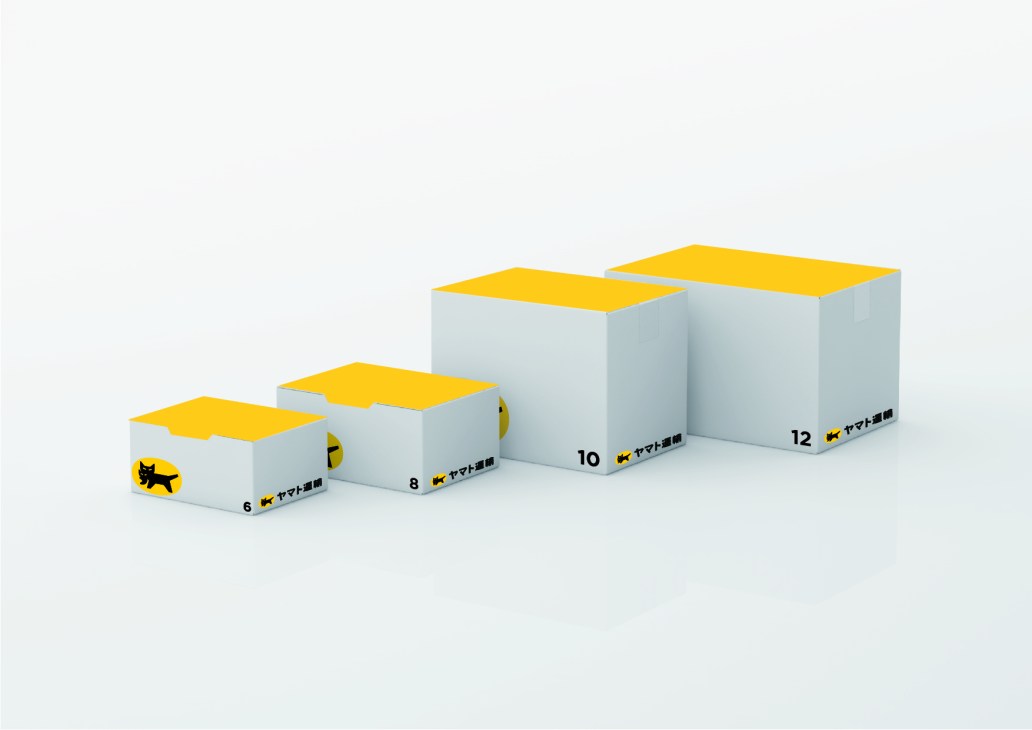
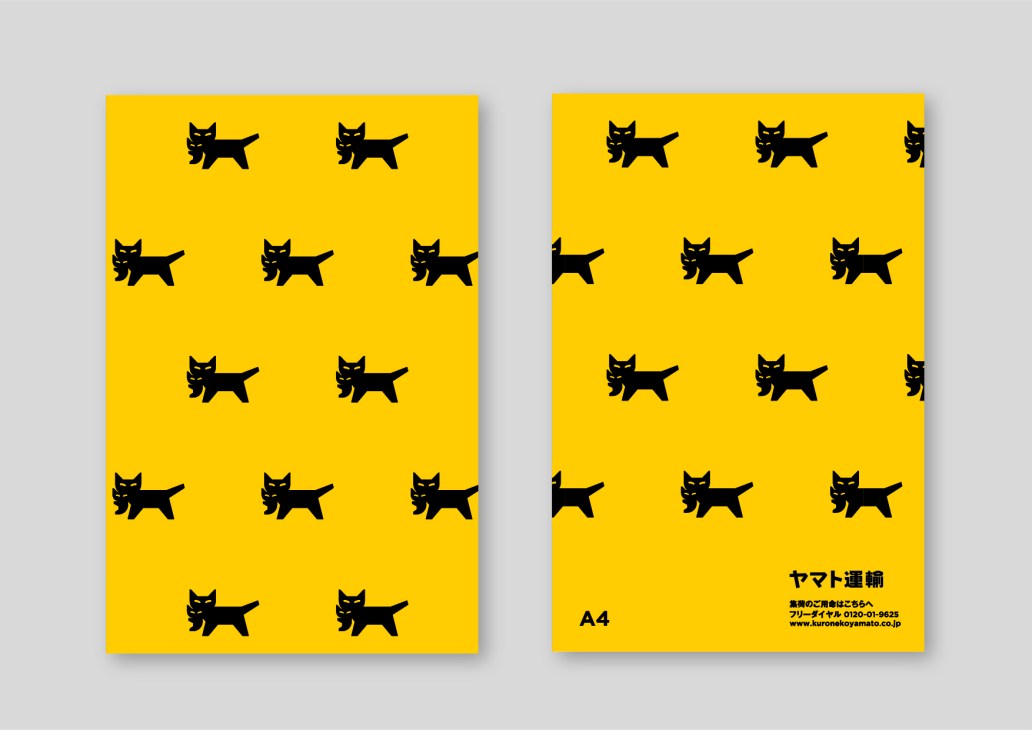
Following the makeover of staff uniforms last autumn, this spring the Japanese logistics giant updated its corporate logo. “I made sure that the scene of a cat carrying a kitten is still instantly recognisable,” says Hara, who refined the details of the form without breaking the meaning of the symbol. “It’s an environmental design too, so I chose a harmonious colour scheme,” he adds. Indeed, Yamato’s fleet of nearly 57,000 trucks has to zip across the length of the country sporting this new identity without disturbing the landscape – whether it be in the city or the countryside. So a subtle shade of grey was deployed as a backdrop for Hara’s punchy yellow-and-black logo on vehicles with yellow and white used elsewhere.
yamato-hd.co.jp
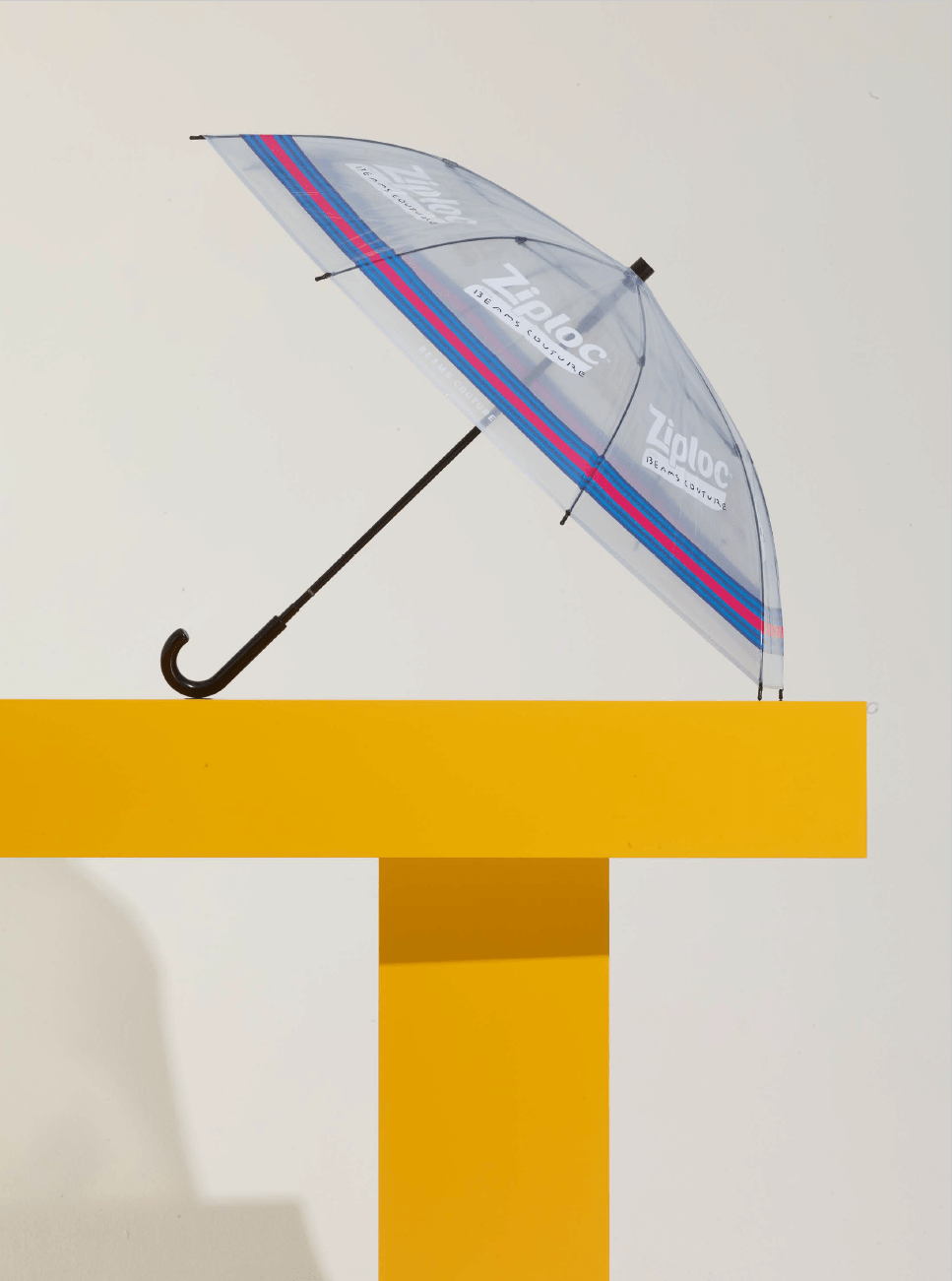
4.
Most fun design
Beams x Ziploc Umbrella
Japan
Rainy days, like most things, can be remedied with good design. Japanese retailer Beams and US household brand Ziploc have collaborated on an umbrella made from recycled Ziploc products, including its resealable lunch bags. It’s nice to know that one material can keep both you and your sandwich dry.
beams.co.jp
6.
Best proposed design
‘Rational Simplicity’
USA

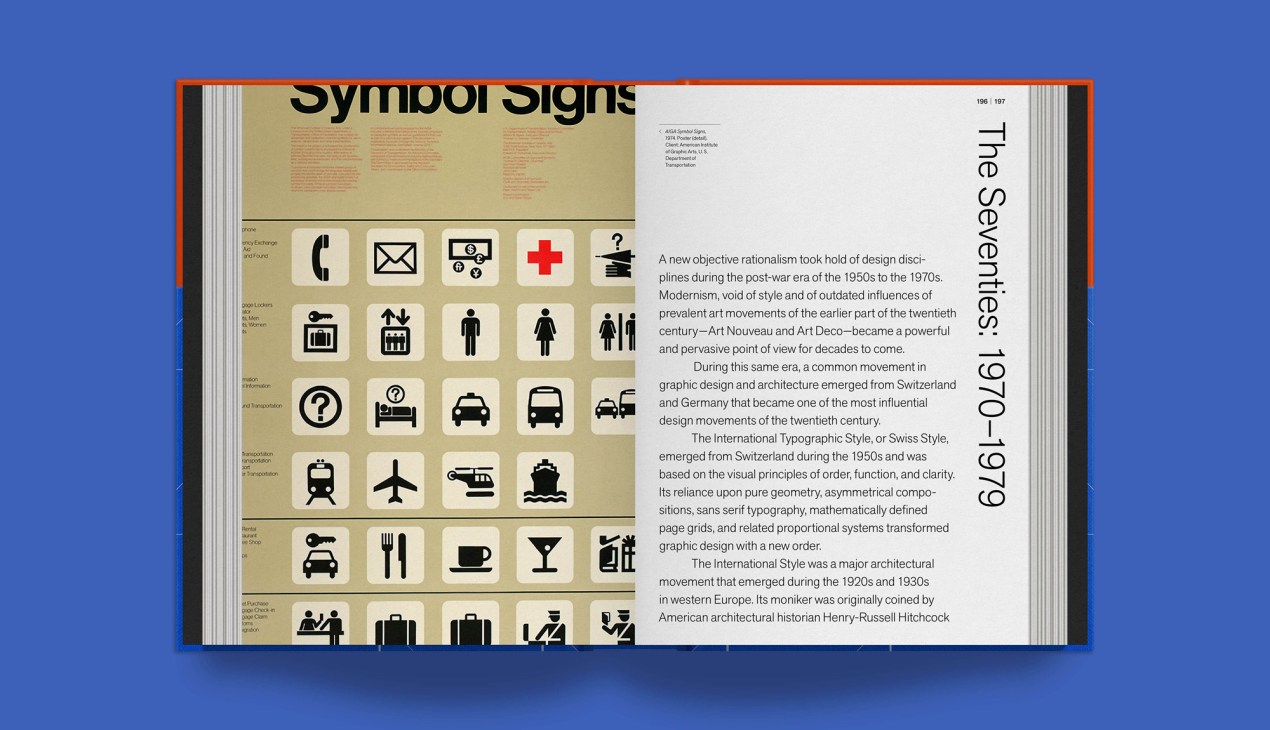
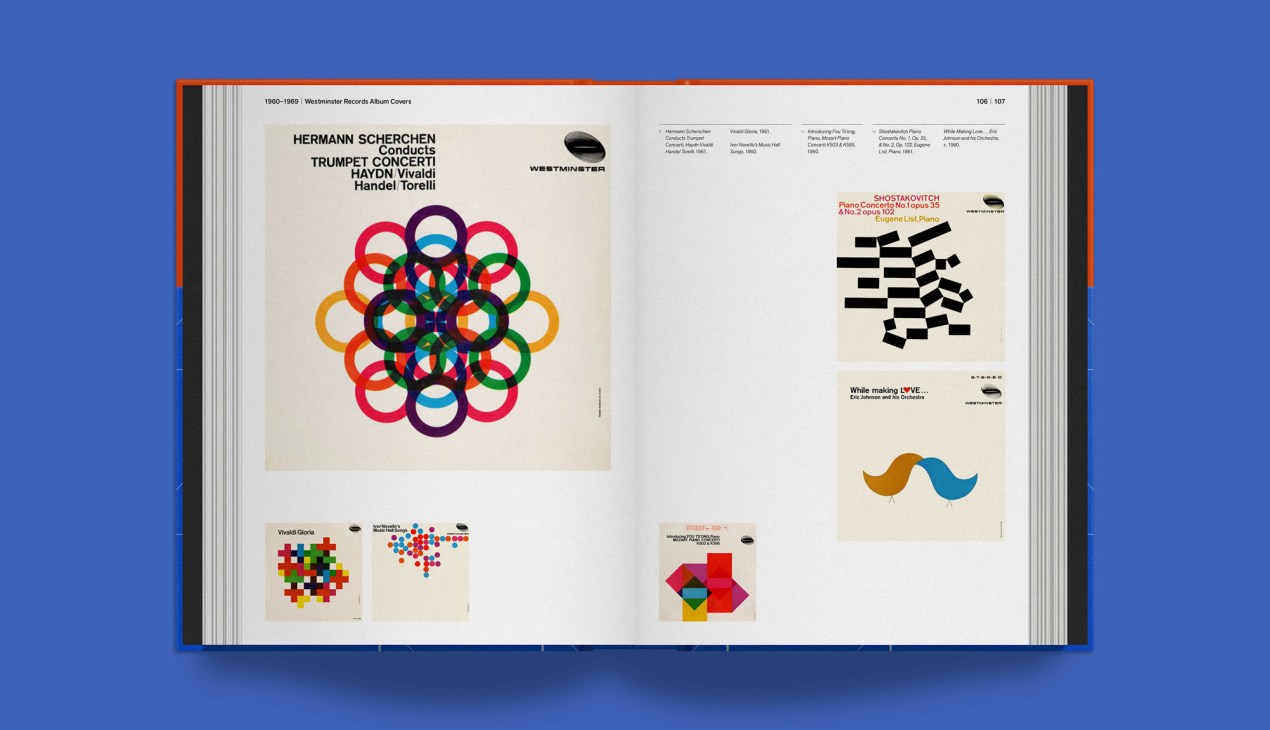
A gem of modernist design has found a new audience with the help of a crowdfunding effort to publish this handsome Rudolph de Harak monograph, Rational Simplicity. The project, written and designed by former De Harak studio partner Richard Poulin, analyses the work of De Harak, whose 1950s album art and paperback covers combined modernist ideas about simplicity with more abstract geometric designs. The coffee-table book, now published by Thames & Hudson, is likely to be released early next year after a successful awareness campaign.
vol.co

7.
Best mascot revival
Oriental Brewery
South Korea
The reinvention of this 69-year-old South Korean brand riffs on Seoul’s “newtro” (new retro) trend. OB asked Sunny Studio to revive a mascot of the company’s now-defunct baseball team, Lala Bear. Lala proved so popular that a fashion collaboration with Guess and a set of emojis followed. A familiar face to goad us toward another drink? Genius.
sunnystudio.kr
8.
Smartest residential building
14 Accommodations
France
Tucked in the courtyard of a 1970s apartment block, the breathtaking design for this residential building in the 12th arrondissement of Paris evolved from pure necessity. “We needed to fit all construction elements through an opening only 2.3 metres wide,” says Raphaël Renard of French firm Mars Architectes. “Working with timber was simply the logical solution.” Fortunately so, as its masterful employment elevates this project into a class of its own. Imbued with the natural warmth of the European Douglas fir, the apartments boast a balcony, ceiling-height windows and fine wooden flooring. Each apartment has access to an inner courtyard that helps to provide a sense of community. Laudably, the architects devoted just as much care to the surroundings, creating a haven of more than 30 regional plant species in what had previously been a barren concrete enclosure.
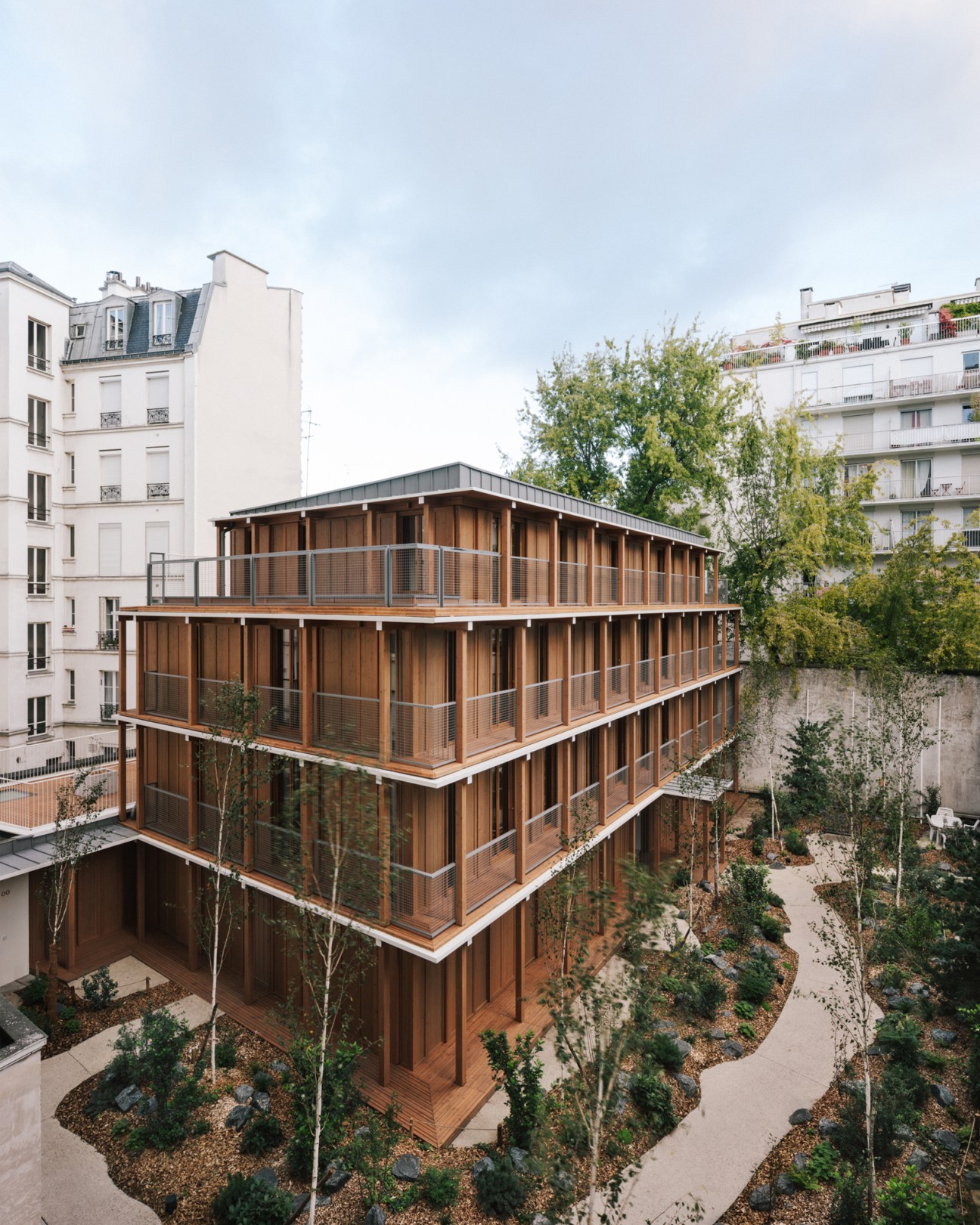
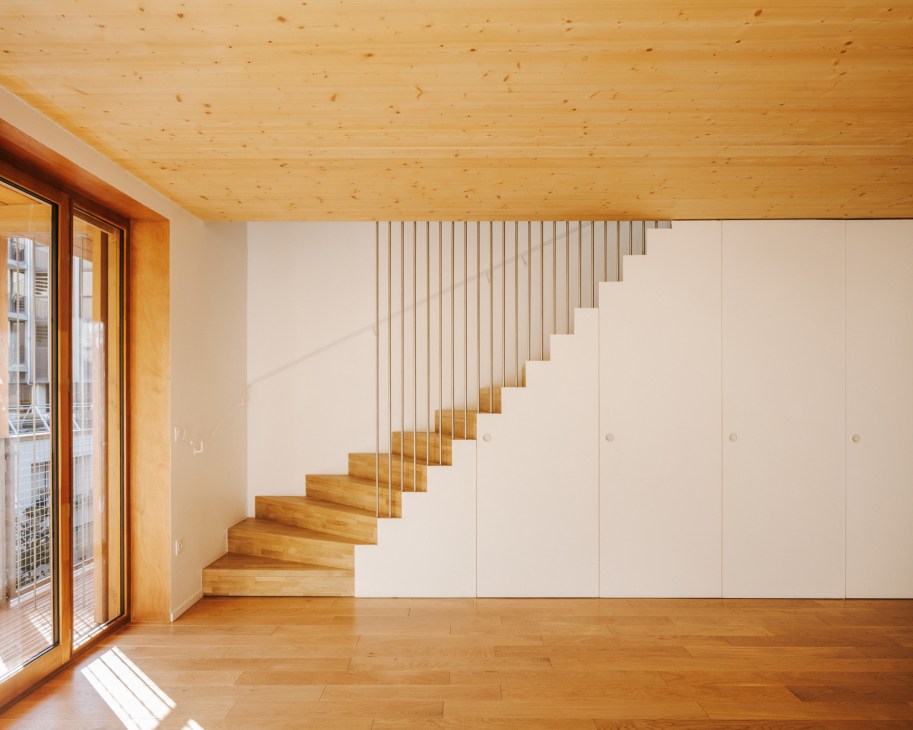
This regard for detail and wellbeing, frequently lacking in new builds, sent Parisians clamouring. On completion last October, rental contracts were snapped up from developer Gecina within a few days. “The feedback from the residents has been that they are delighted, so we are happy too,” says Renard. Indeed, 14 Accommodations shows that, in expert hands, architecture is only enhanced by being in a tight spot.
mars-architectes.com
9.
Best use of materials
Hildebrand
Switzerland
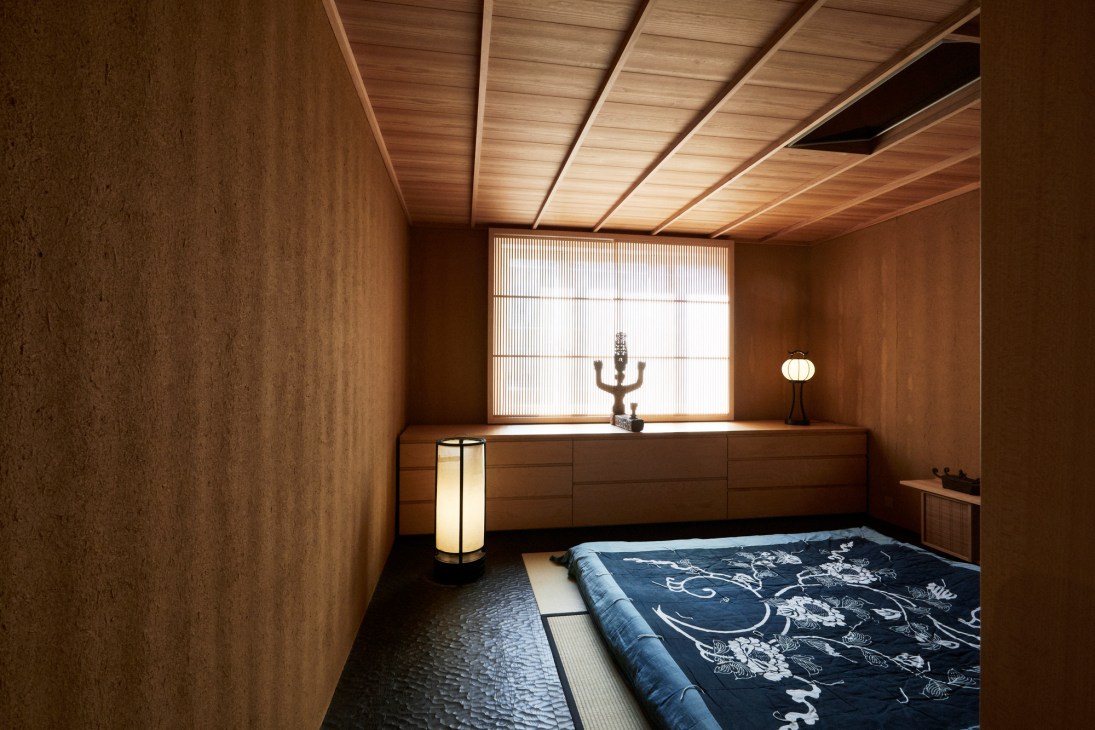
The natural properties of wood have always made homes more idyllic places to live in. Spend a few nights enjoying Alpine hues in a Swiss timber chalet or dipping into a hinoki tub and enjoying the aroma that’s generated, and you’ll catch our drift. It is for this reason that we’re rewarding the work of Swiss architecture firm Hildebrand, led by architect Yuichi Kodai, in this remarkable renovation of a Zürich apartment. He has carefully combined Japanese design smarts with high-end Swiss carpentry to transform an old flat into a handsome new home. Contrasted with framed koshi windows and hand-formed earthen walls, the effect is truly luxurious despite the humble materials.
hildebrand.ch
10.
Best rural architecture
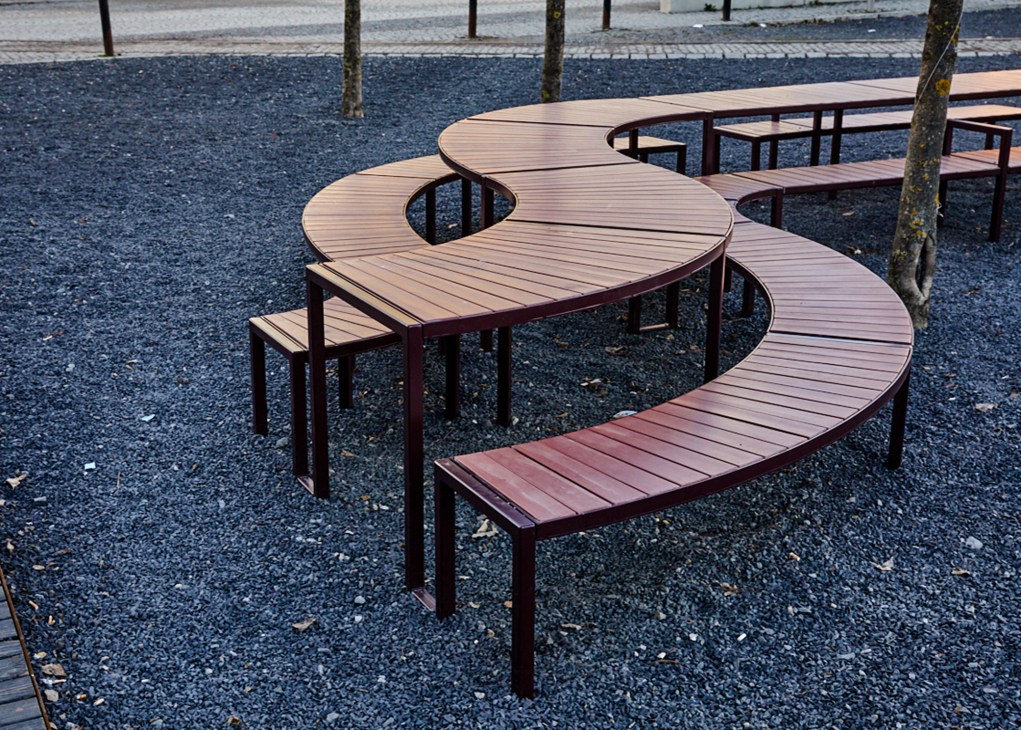
The Wachthuus
Switzerland
Rural architecture should celebrate its landscape. Jonathan Tuckey Design has done just that with a new restaurant and bar in the Swiss Alps reimagined from an decommissioned military outpost.
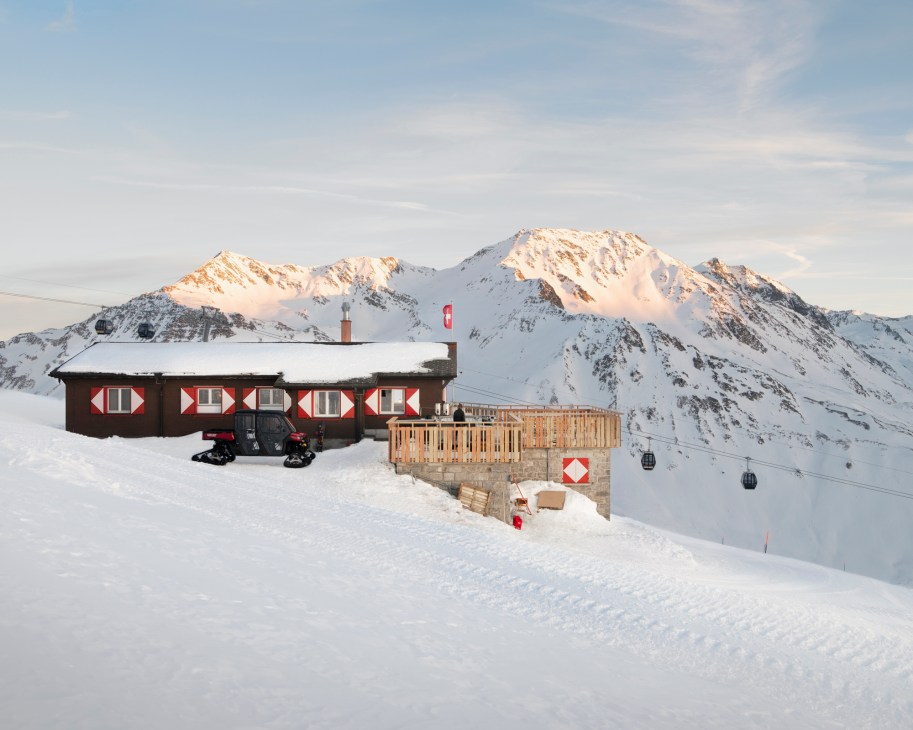
To ground it in its location, new walls were made from reclaimed timber boards and the red-and-white designs on its external shutters are a welcoming nod to the region’s wayfinding signage and traditionally painted louvres too.
The result is a cosy space in which to stop for a glass of wine (when your friends think you’re on a black-diamond run), or to stay overnight and enjoy your breakfast with views over Andermatt.
jonathantuckey.com
12.
Best new talent
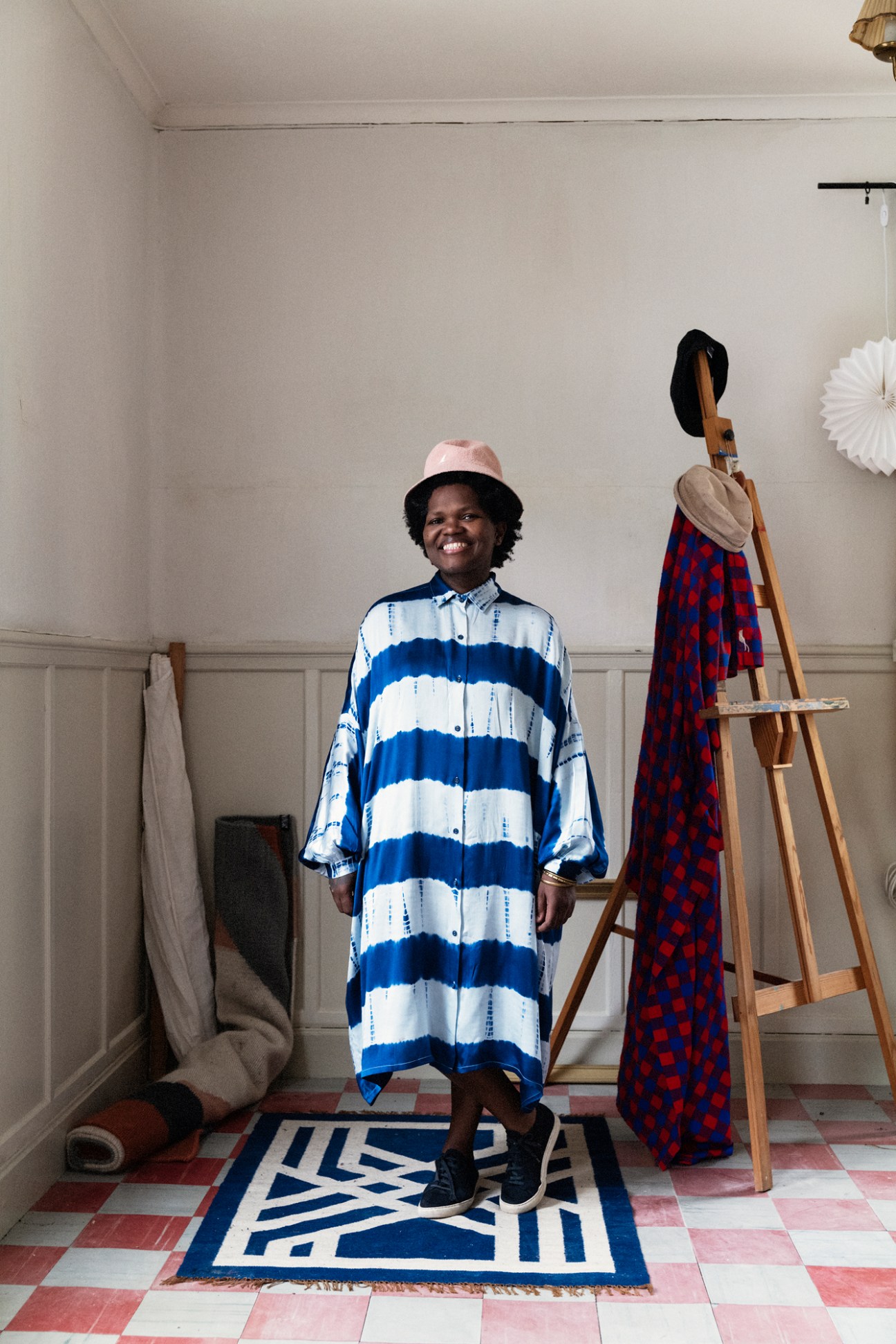
Nkuli Mlangeni-Berg
Sweden
To succeed in design, it’s important to be locally minded and globally reaching. Young designers working out how best to do this would do well to turn to our best new talent winner, Nkuli Mlangeni-Berg. Her textile brand, The Ninevites, celebrates the power of craftsmanship to create objects of real beauty that empower corners of the world we rarely see represented in international design.
Mlangeni-Berg might be based in Stockholm but her mission is to widen the horizons of a highly Eurocentric market; something that Monocle believes is long overdue. The brand was born during her time at Kaospilot, Denmark’s alternative business school. A research project took her to Peru to discover the nation’s indigenous textile industry. In Lima she met master weaver Mario Quispe, who helped her to produce prototype designs which he wove by hand from wool sourced nearby.
Mlangeni-Berg has expanded production to her native South Africa, where she has enlisted female artisans in remote areas who weave her made-to-order rugs using lush, local mohair; the results are then shipped to customers around the world. “In South Africa a lot of indigenous craft is dying out because people are so obsessed with everything being produced at a fast pace,” says Mlangeni-Berg. “I’m trying to bring awareness to it and make more people excited about passing these skills on to the next generation.”
theninevites.com
13.
Best reissue
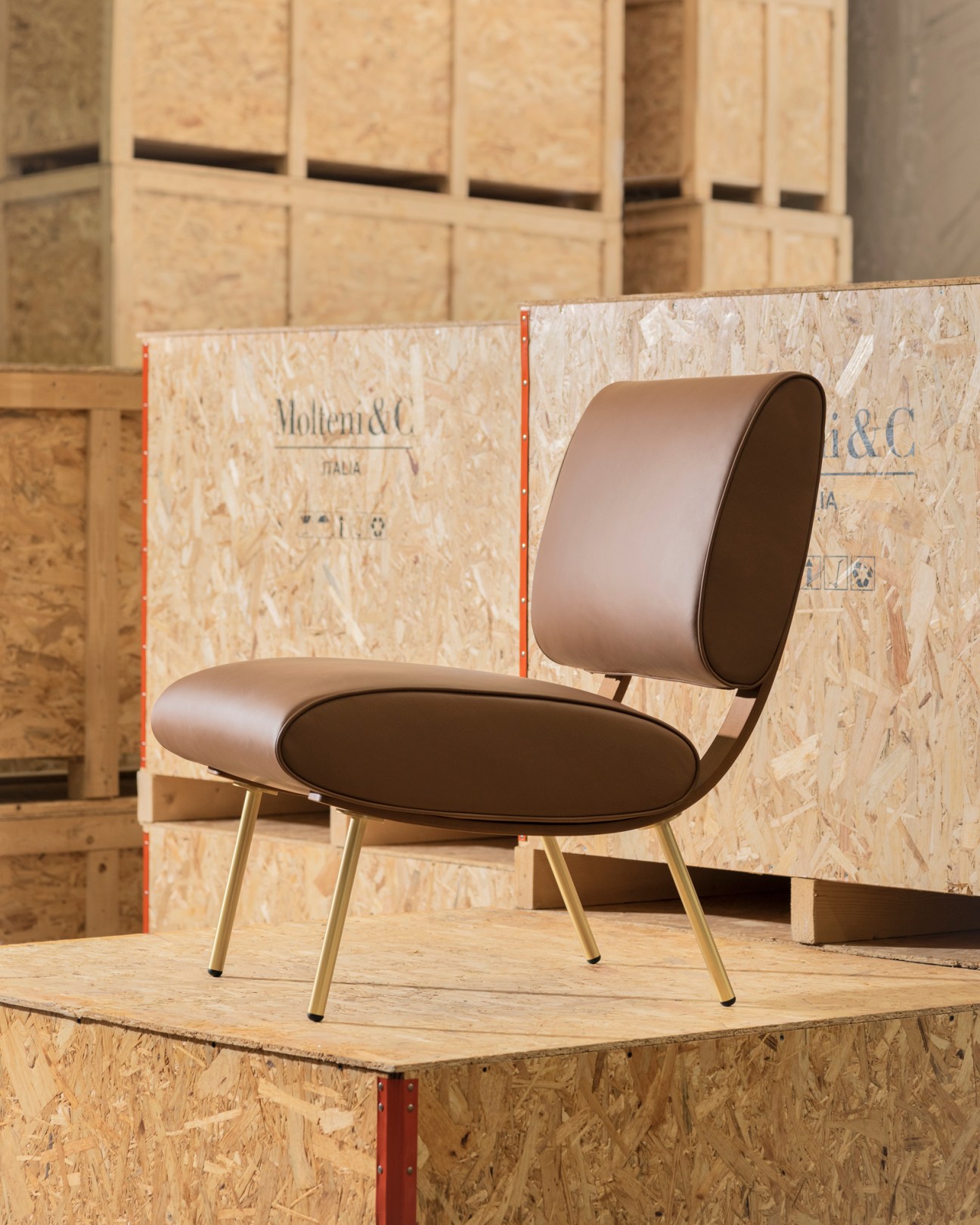
Round D.154.5 chair
Italy
Gio Ponti is one of few to deserve the title of “visionary”. Years before we all became hooked on ready-to-assemble furniture, the Italian architect conceived the Round d.154.5 chair. It catches the eye with its aerofoil shapes and featured in many of Ponti’s interior design projects. We pay tribute to Molteni&C for bringing this gem out of the archive and reissuing it for a new generation.
molteni.it
14.
Best packaging
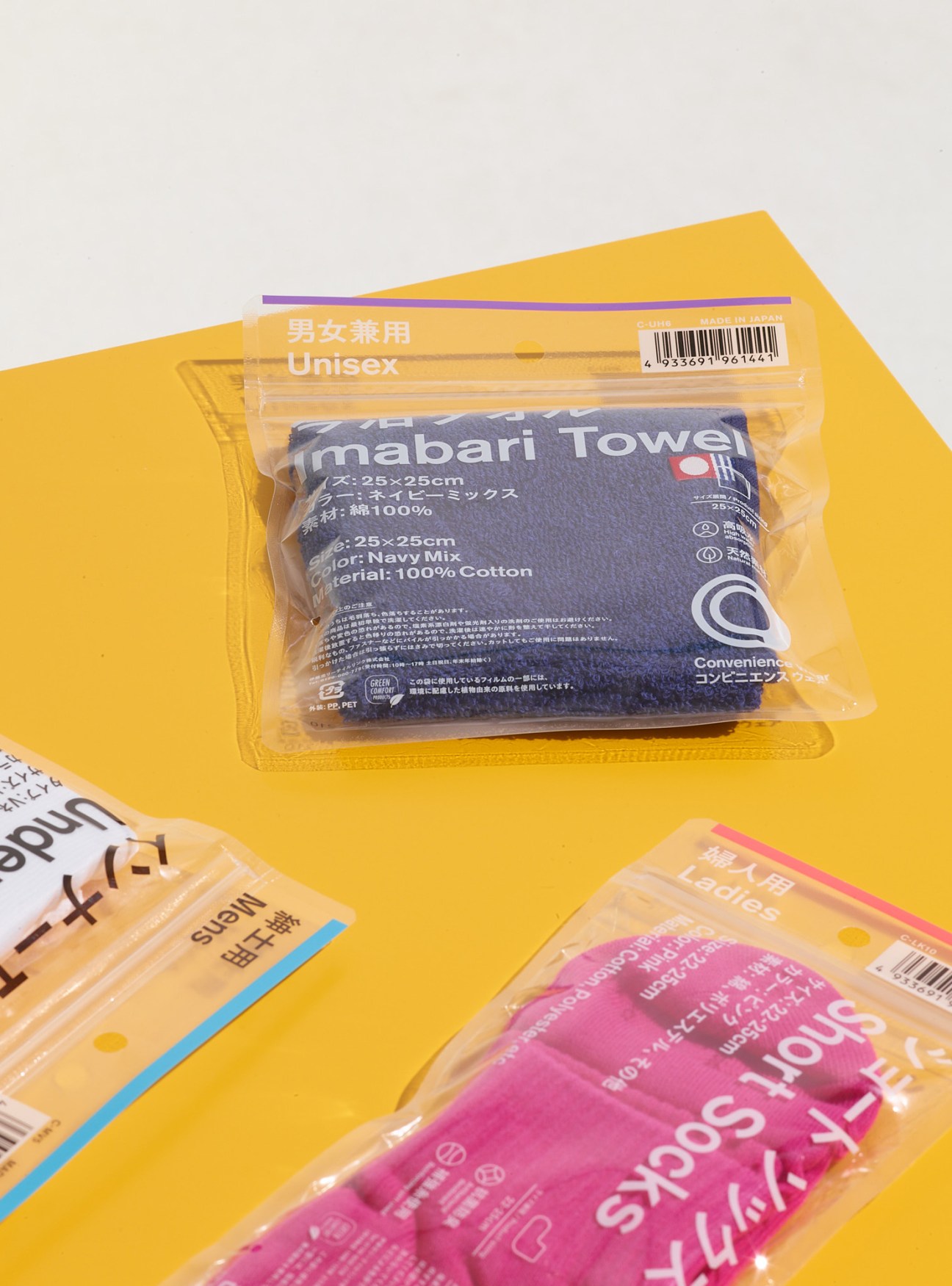
Convenience Wear
Japan
Launched by Japanese shop chain Familymart, Convenience Wear is a line of daily essentials including underwear and handkerchiefs. “Our design direction was clear communication because the line is sold to people of all ages, nationalities and professions,” says creative director Hiromichi Ochiai, who also heads fashion label Facetasm. “We kept the graphics and text to an absolute minimum,” says art director Takahiro Yasuda. Enticing and practical (particularly for those who’ve woken up somewhere unexpected) this shows that even basics can be enhanced through clean, cool design.
family.co.jp
15.
Most innovative building company
Timbeco
Estonia
The Design Award for the most innovative building company goes to Estonia’s Timbeco. The firm’s new prefabrication technology has made it a world leader in constructing prefabricated wooden houses, which help to speed up construction times and are better for the environment. Timbeco’s buildings – such as the terraced houses in Kabelvåg, Norway and apartment buildings in Norrköping, Sweden (pictured) – feature stylish exteriors that help them to blend seamlessly into their natural surroundings, while the company’s innovative use of wood pushes the building industry towards a more sustainable future. “Wood is the perfect building material as it ties up co2 from the atmosphere,” says Timbeco’s sales director Tõnis Vaiksaar.
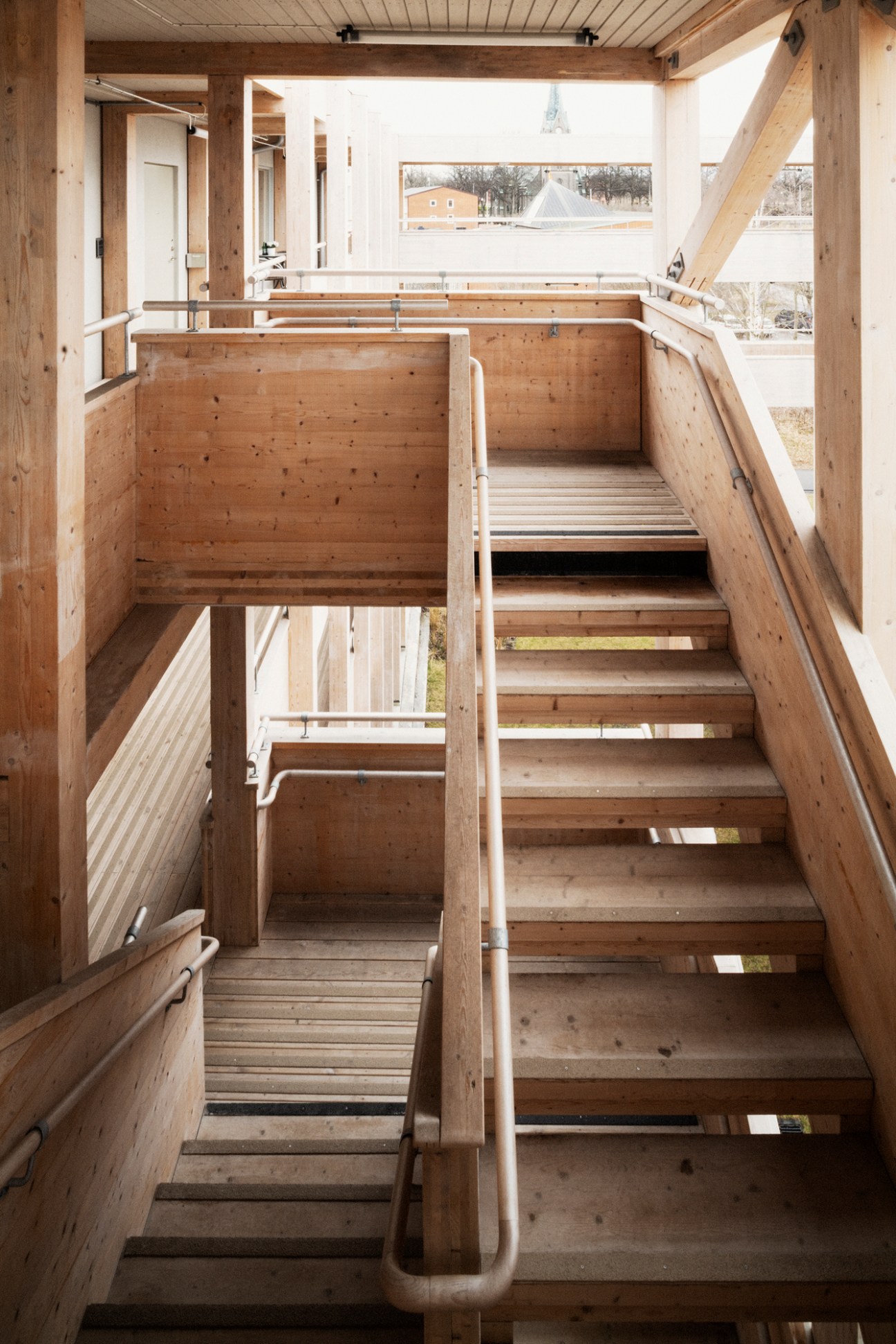
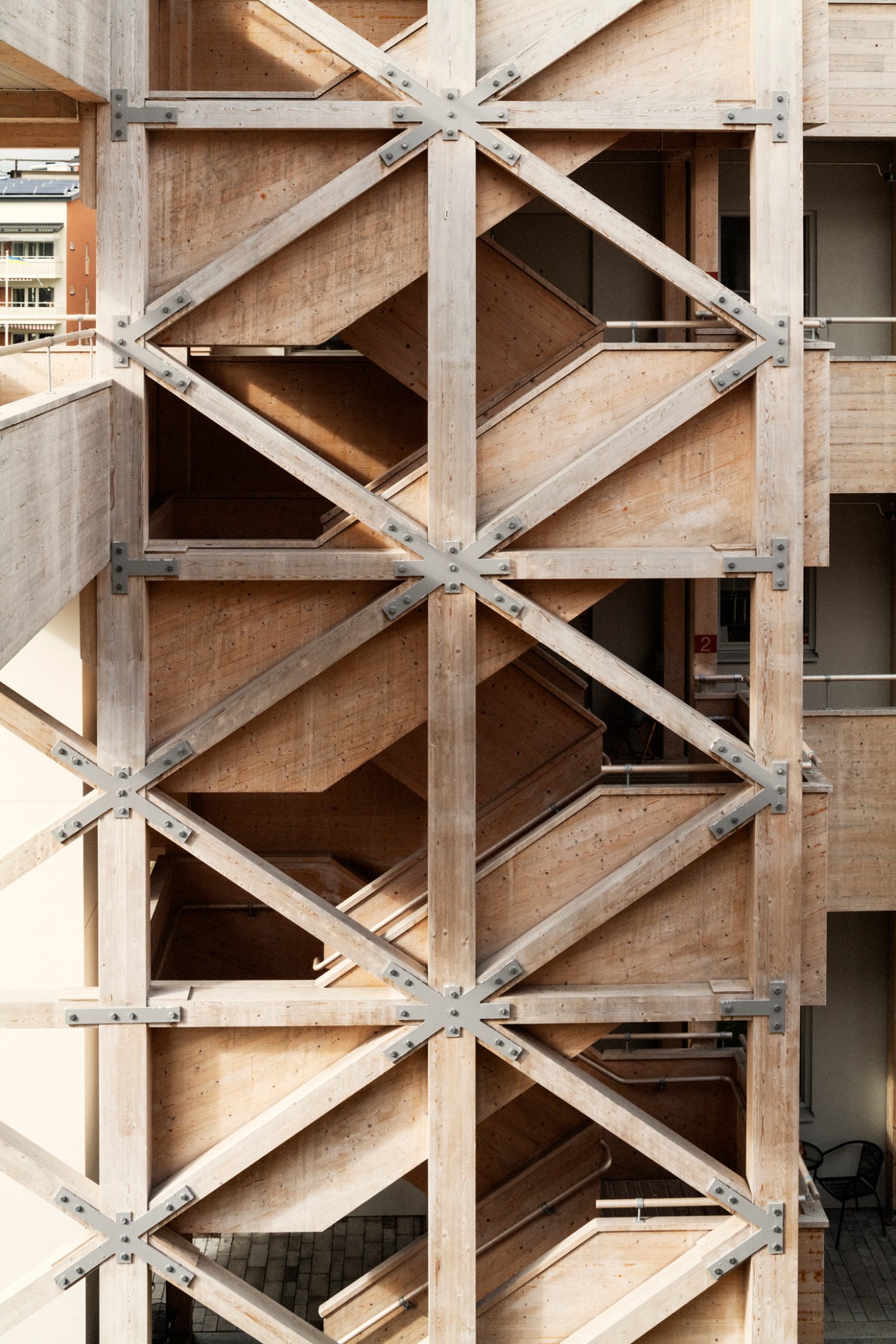
Let’s face it, nobody wants to live next to a construction site. Timbeco is transforming the industry by shortening construction times down to just one week, compared with more traditional methods of on-site construction that often take up to a year. “This means that we disturb the neighbours less and that the building quality is higher too, given that the elements have been built in a dry and heated environment,” says Vaiksaar.
timbeco.ee
16.
Best urban revitalisation
Chaarani Stairs
Lebanon
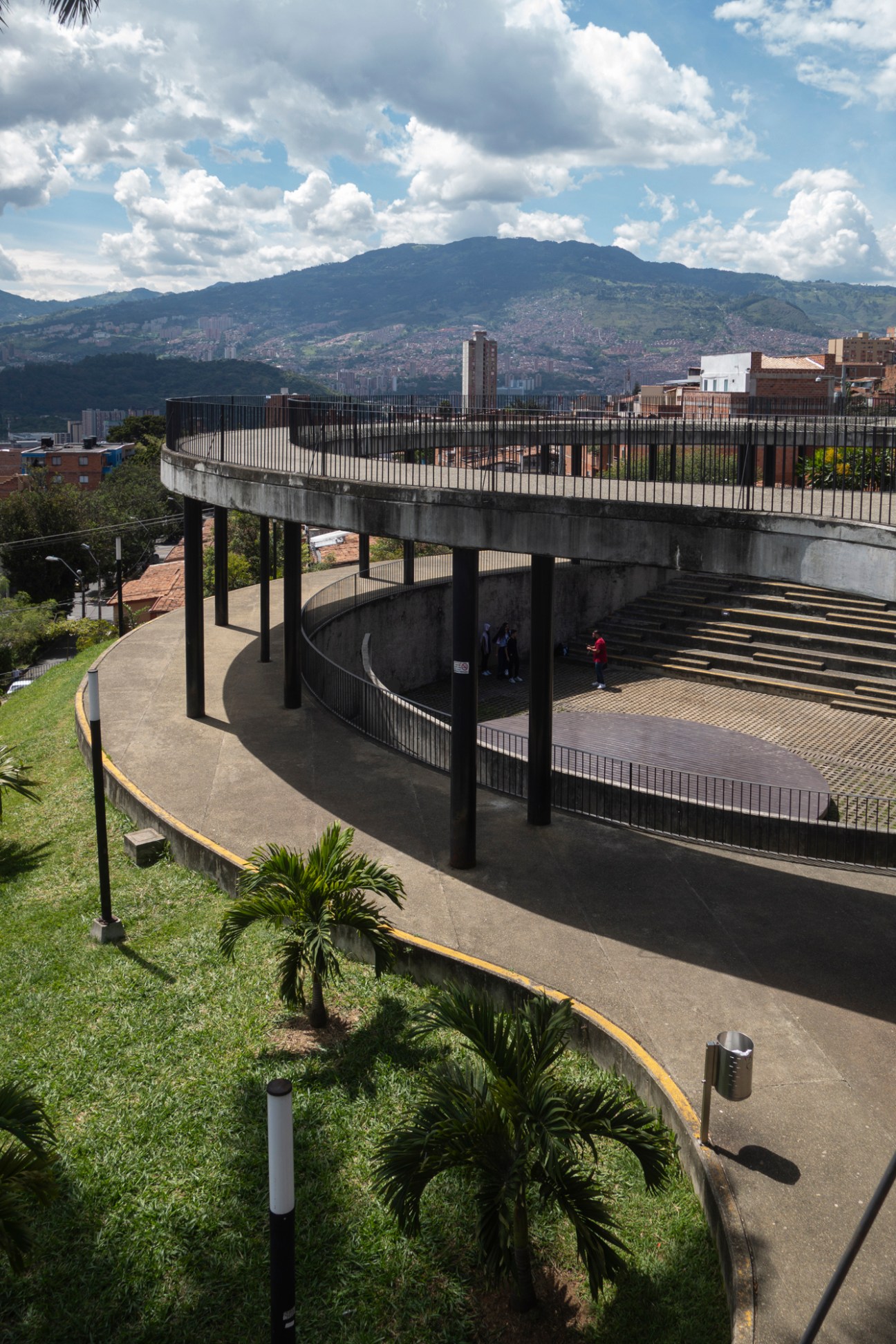
Residents of Tripoli will tell you of design’s power to heal and reconnect communities as a result of the outstanding and moving work of Eva Studio. By using traditional, locally manufactured encaustic cement tiles, the firm brought life back to a tired set of stairs where tensions and clashes between the Lebanese community and Syrian refugees were routinely taking place.
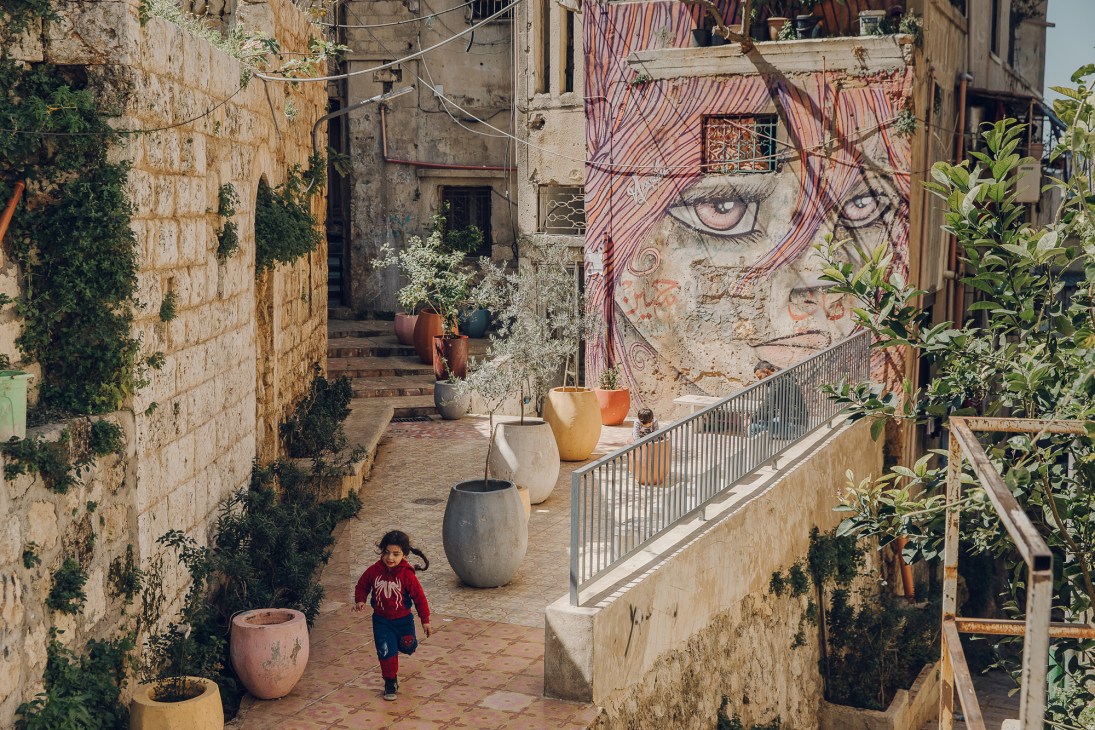
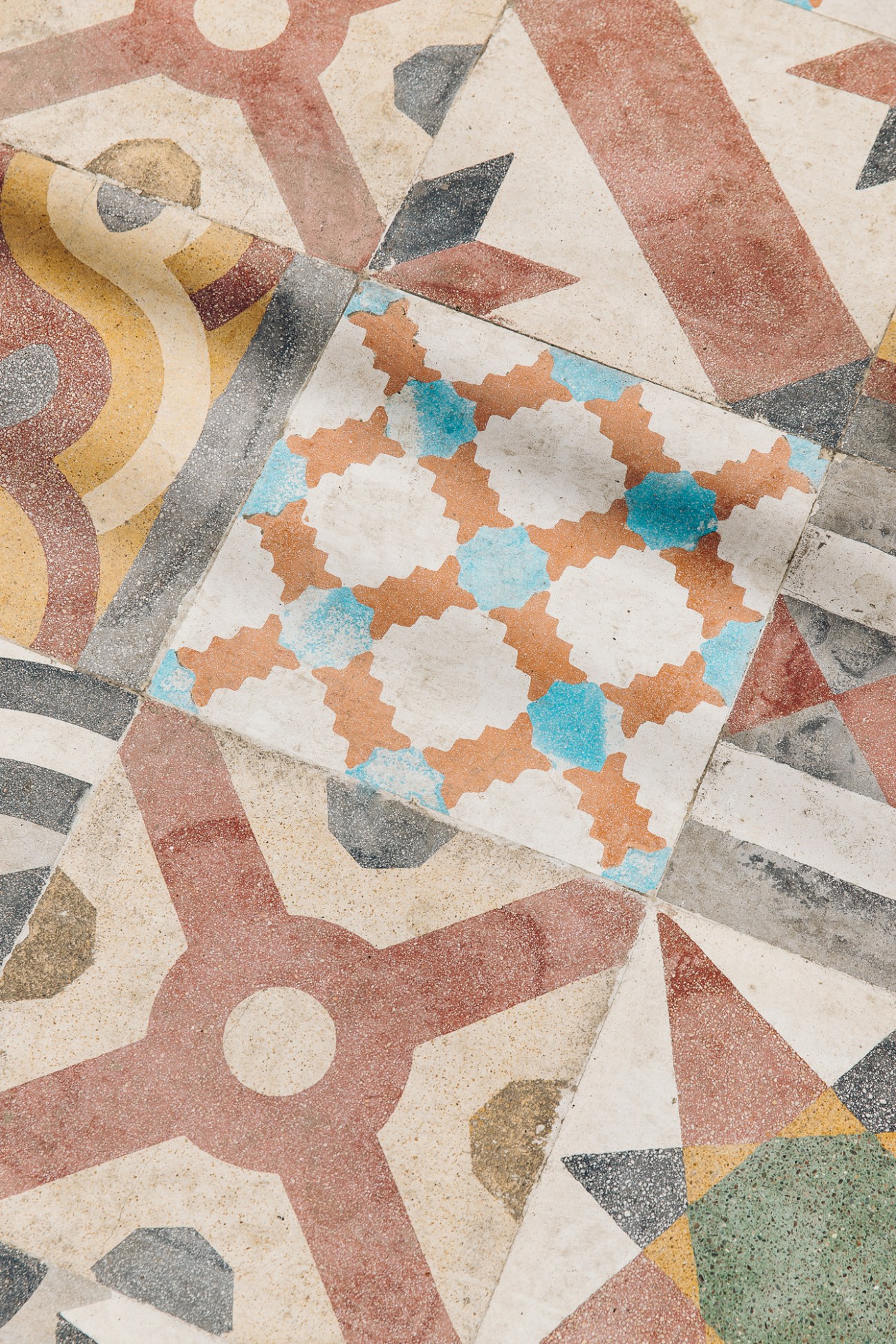
Thanks to new public furniture, a mural and the shade of lemon trees that line the stairs, people from all walks of life now spend time here. If the Lebanese and Syrian children playing on the stairs are anything to go by, there can be no doubt that this is a world-beating revitalised space.
evastudio.co.UK


18.
Best urban intervention
The Underline
Miami
Using lessons learned when pioneering New York’s famous High Line, landscape-architecture studio James Corner Field Operations has taken things to a new level on The Underline in Miami. It does a lot with a little, taking under-utilised land beneath the city’s elevated railway and improving quality of life in a sunny city where most residents use cars to get around.
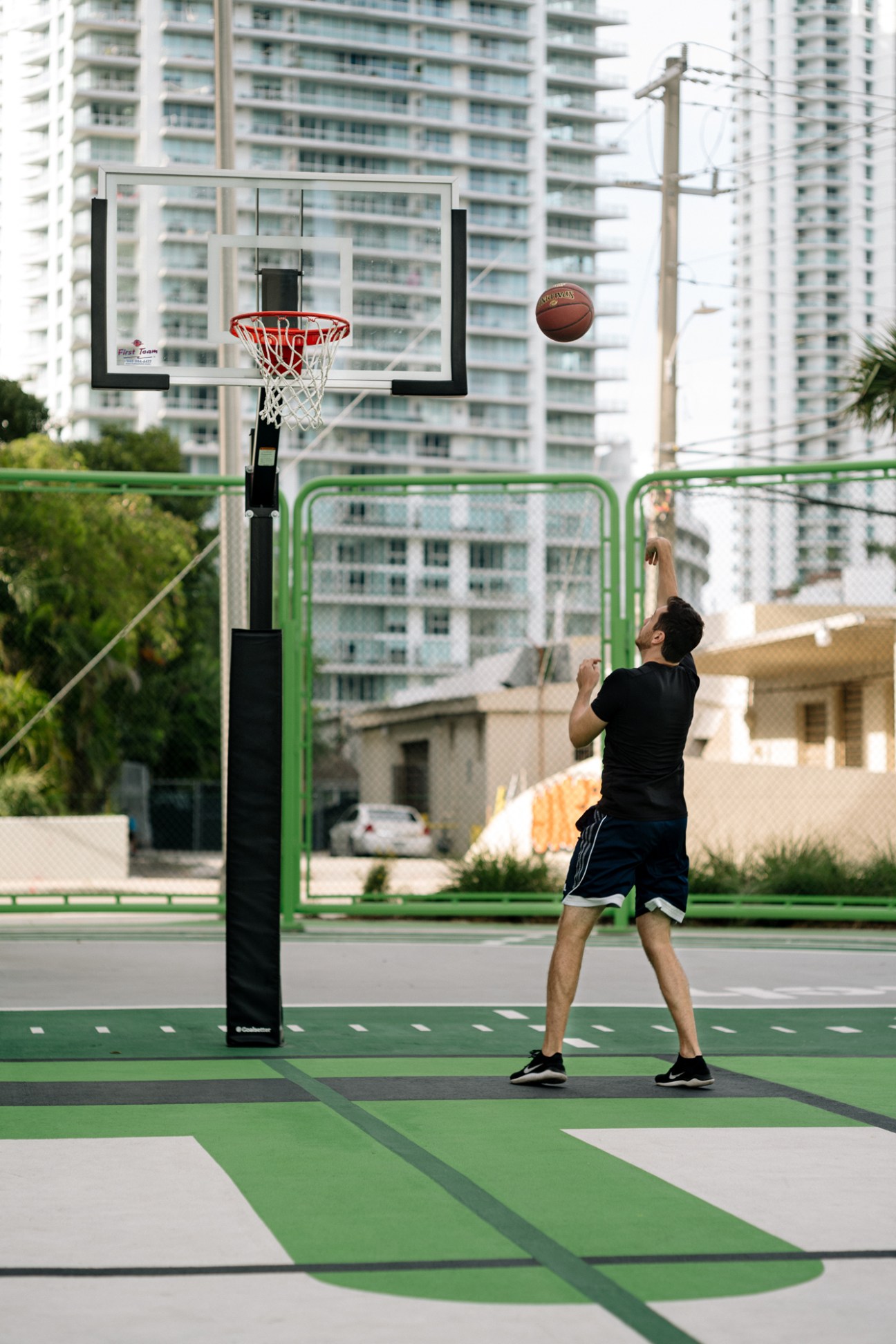
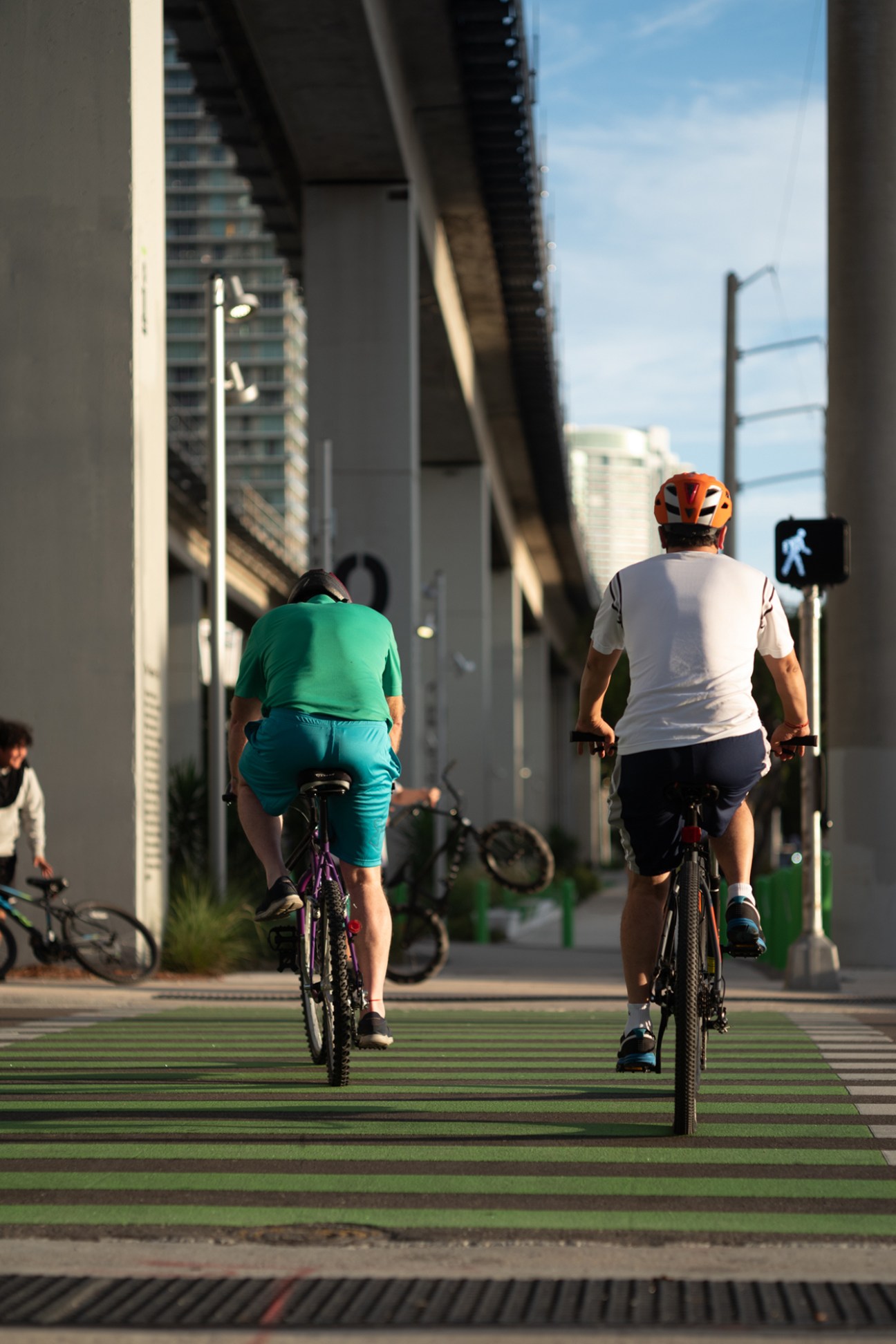
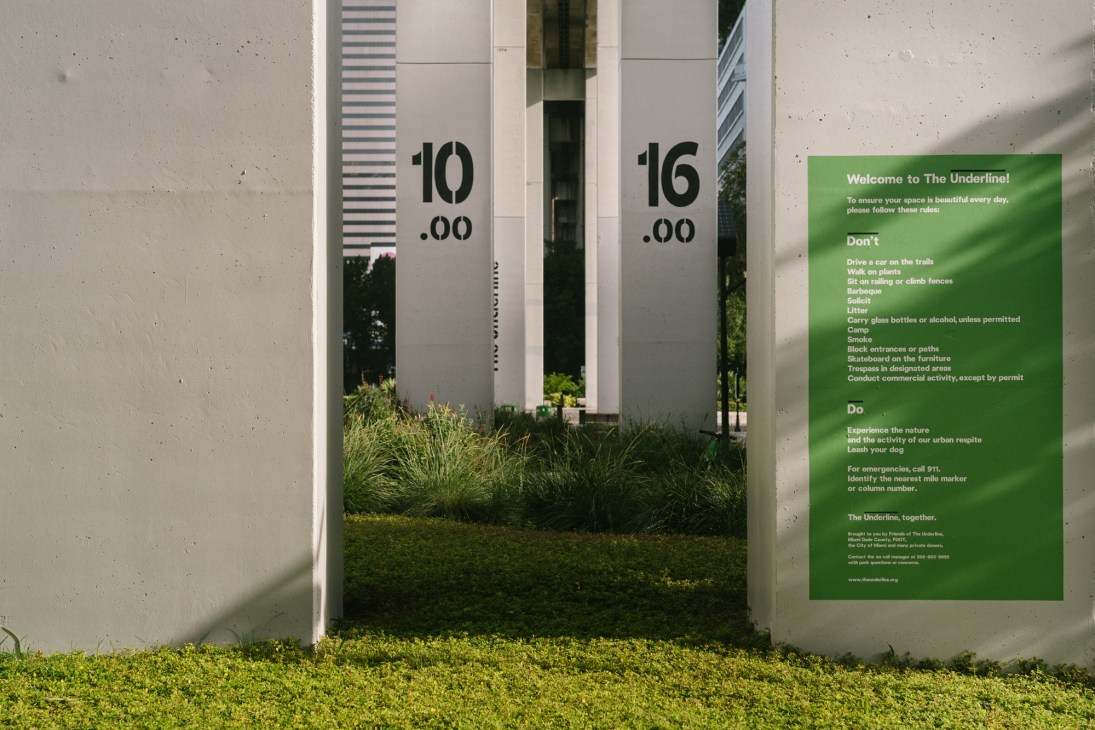
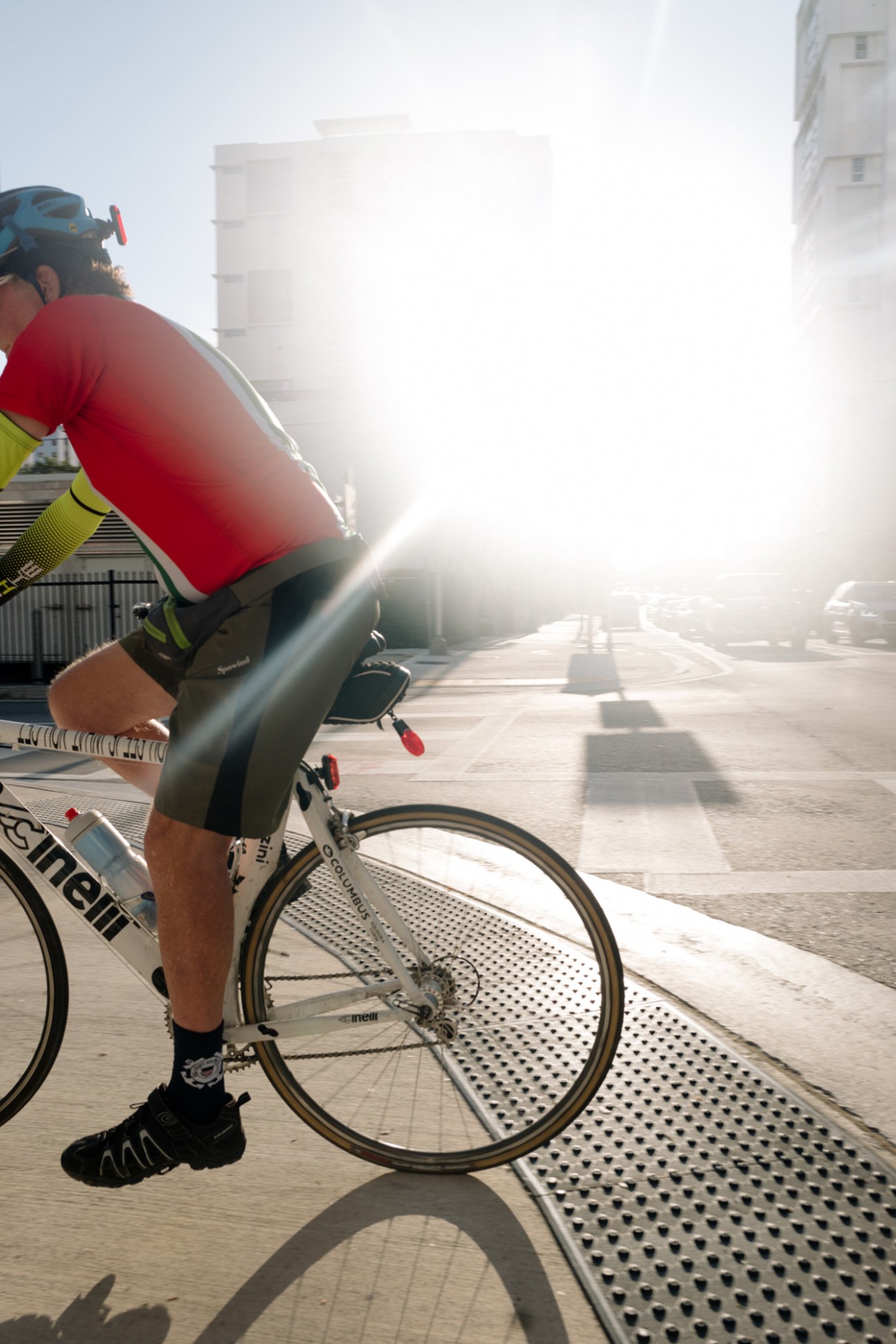

Its outdoor gym, basketball courts and running track, as well as new bicycle and pedestrian paths, allow citizens to be more active. Whether they’re limbering up for a yoga class or taking up new cycling commutes, residents of Miami will surely agree with Monocle that this verdant space is a top example of an urban intervention for 2021.
fieldoperations.net
20.
Architect of the year
David Chipperfield
UK & Germany
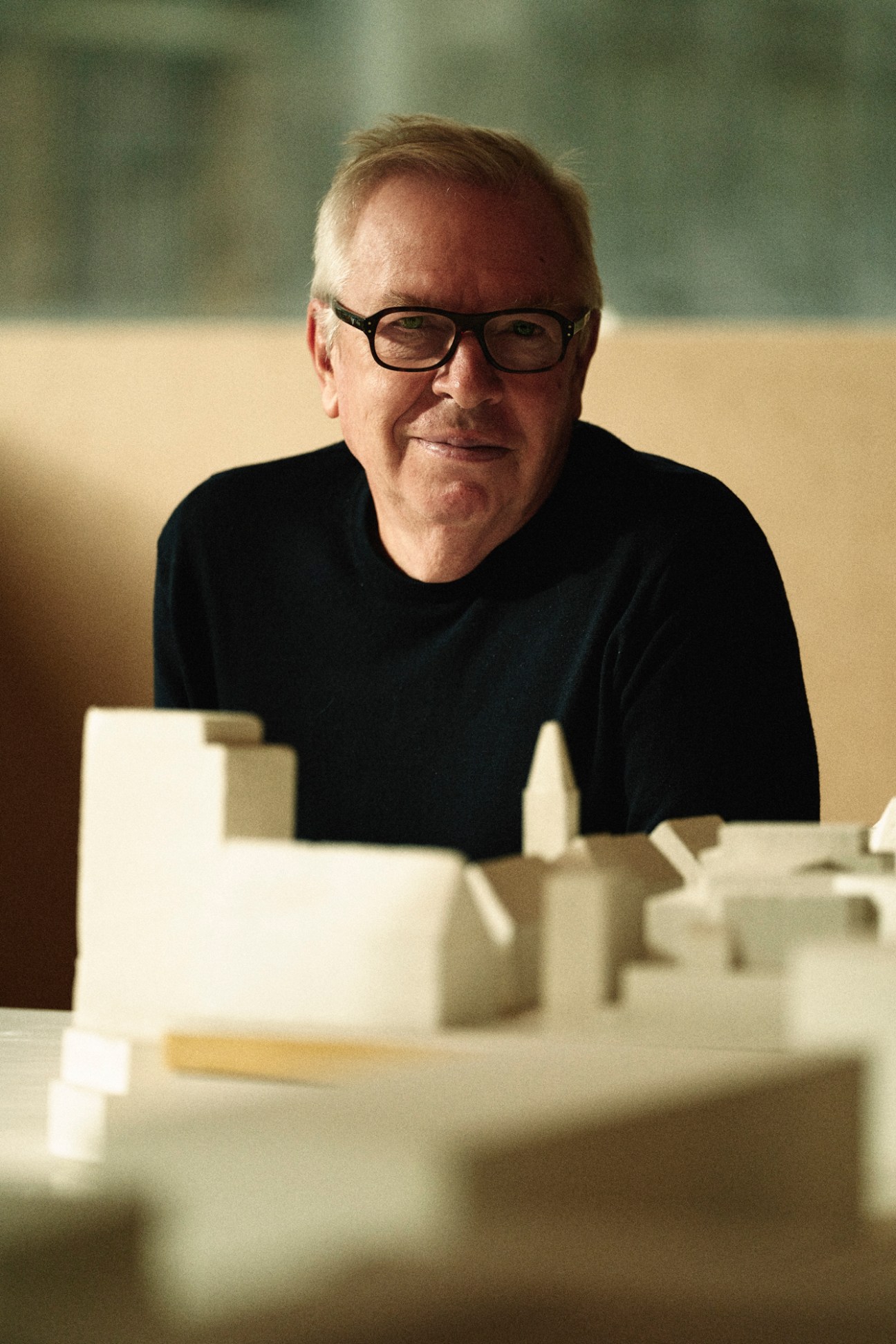
Monocle’s inaugural architect of the year award goes to British architect David Chipperfield, whose buildings around the world invariably exude a calm openness and a sensitivity to environment and history in both material and form. Chipperfield’s aesthetic could be called sensitive and quiet. But in the case of Berlin’s Neue Nationalgalerie – a museum originally designed by architectural pioneer Mies van der Rohe in 1968, refurbished by Chipperfield’s Berlin office and reopening this summer – it’s meant to be downright silent. Chipperfield himself is not: he’s become an insistent voice promoting more climate consciousness, social engagement and better urban planning in the UK and beyond.
The Neue Nationalgalerie reopens in summer. What updates might a visitor who already knows this glass-box museum notice?
In theory, the visitor shouldn’t notice anything. The task was to repair the building and give it another 50 years of life, at least – to bring it back to its original state. In the process of doing that, we made several improvements: there’s more technical space, for example. The casual visitor will probably not notice anything but those looking carefully will see that the building looks better than it ever did.
Like a good facelift?
Maybe. But you usually notice that! It’s more a rejuvenation. It has been like restoring a 1968 Mercedes. You’ve done a lot to make it work better but effectively it looks extremely like the original.
You edited ten issues of Italy’s ‘Domus’ magazine last year. What did you learn?
It gave me time to talk to colleagues. For the past 30 years, the practice of architecture has been focused on objects, the effects of increasing land values and the market forces of the private sector. We’ve changed from an immediate postwar position, which was more socially focused on rebuilding society with new schools and cultural institutions. We’re now slightly shocked that we find ourselves rather disengaged from political and social influence, and struggling when we have to think much more seriously about social issues. How can we scramble back some of that position from where we sit now? I’m optimistic about this. I detected a general interest and a commitment to shifting architectural practice towards these issues. But how can we redefine our territory? We can’t do this slowly; we don’t have a lot of time.
What can architects do?
We can be activists and we can be more provocative within our practices. We can challenge clients: for instance, if a client wants to knock a building down, we can certainly say, ‘Why not reuse it?’ But we can’t operate independently; we reflect the values of society. It’s easier when mayors say we don’t want to knock down old buildings. Architects will benefit if society shifts its values. We can leverage that shift.
davidchipperfield.com
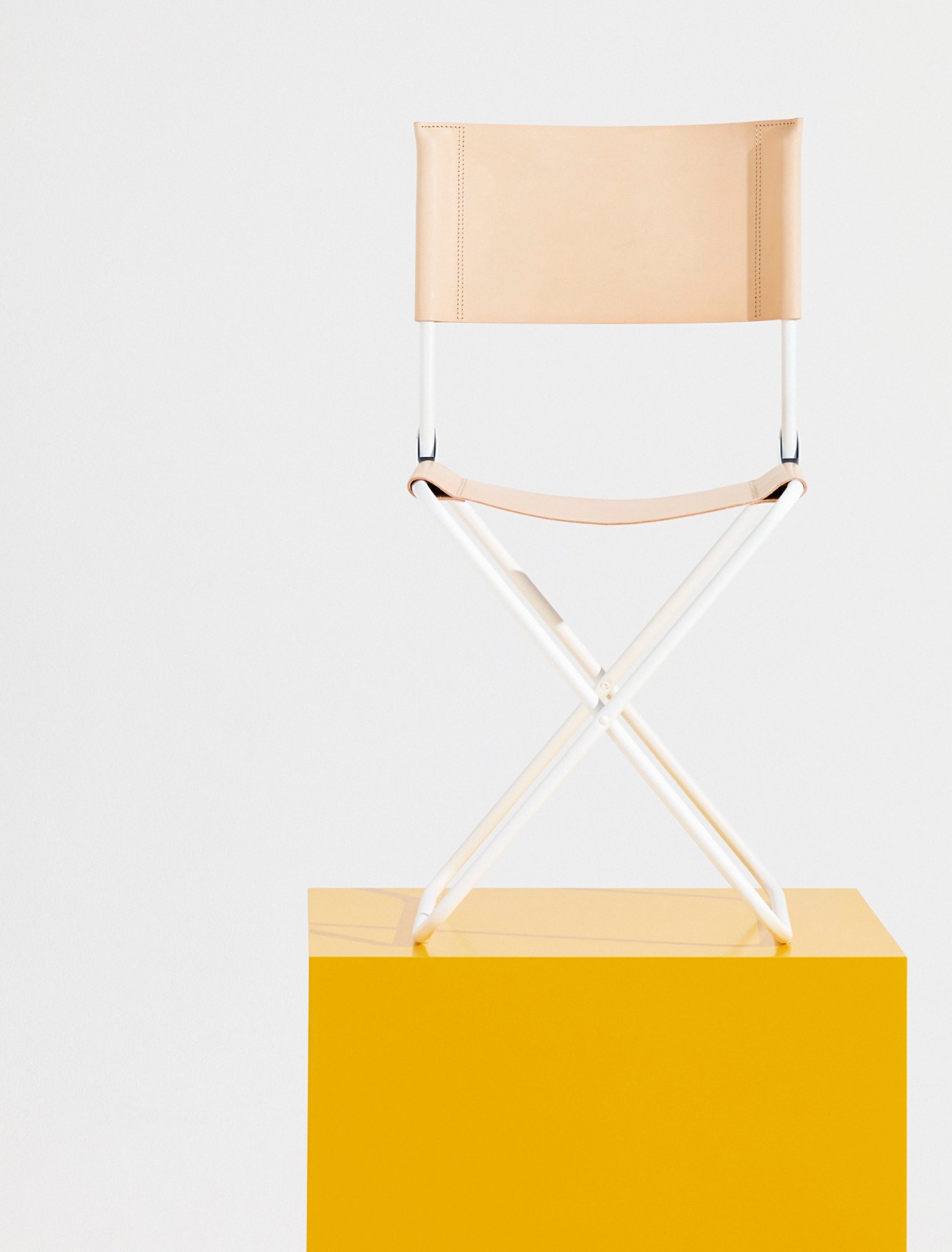
22.
Best collaboration
LaFuma x Bleu de Chauffe
France
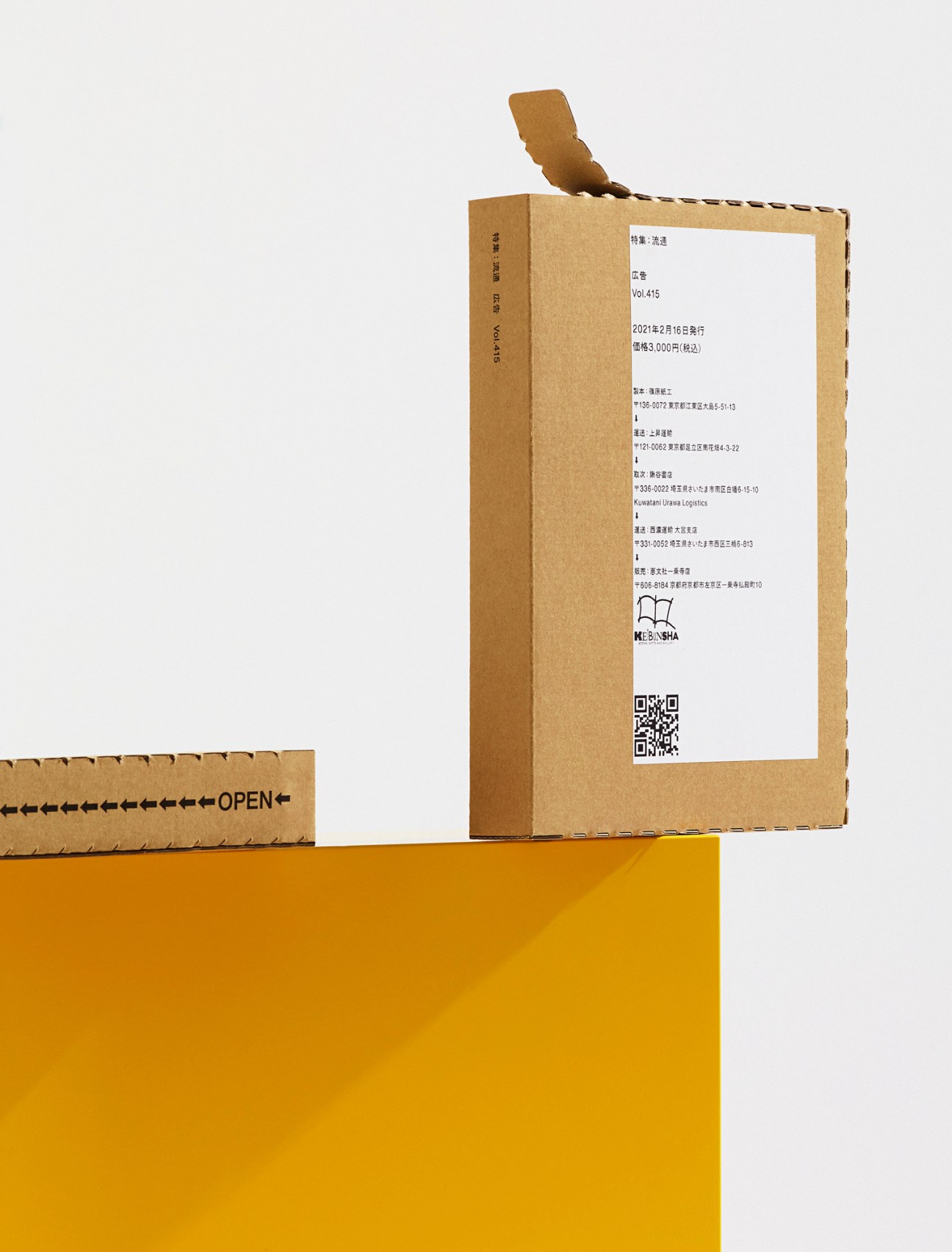
Good collaboration needs both parties to play to their strengths, which is why we were particularly excited when French brand LaFuma, known for its 1950s camping chairs, began to work with legendary leather bags brand Bleu de Chauffe. Together, they’ve produced a smart folding chair with a tubular steel frame and butter-soft leather seat. Two brands are indeed better than one.
lafuma-mobilier.fr;
bleu-de-chauffe.com
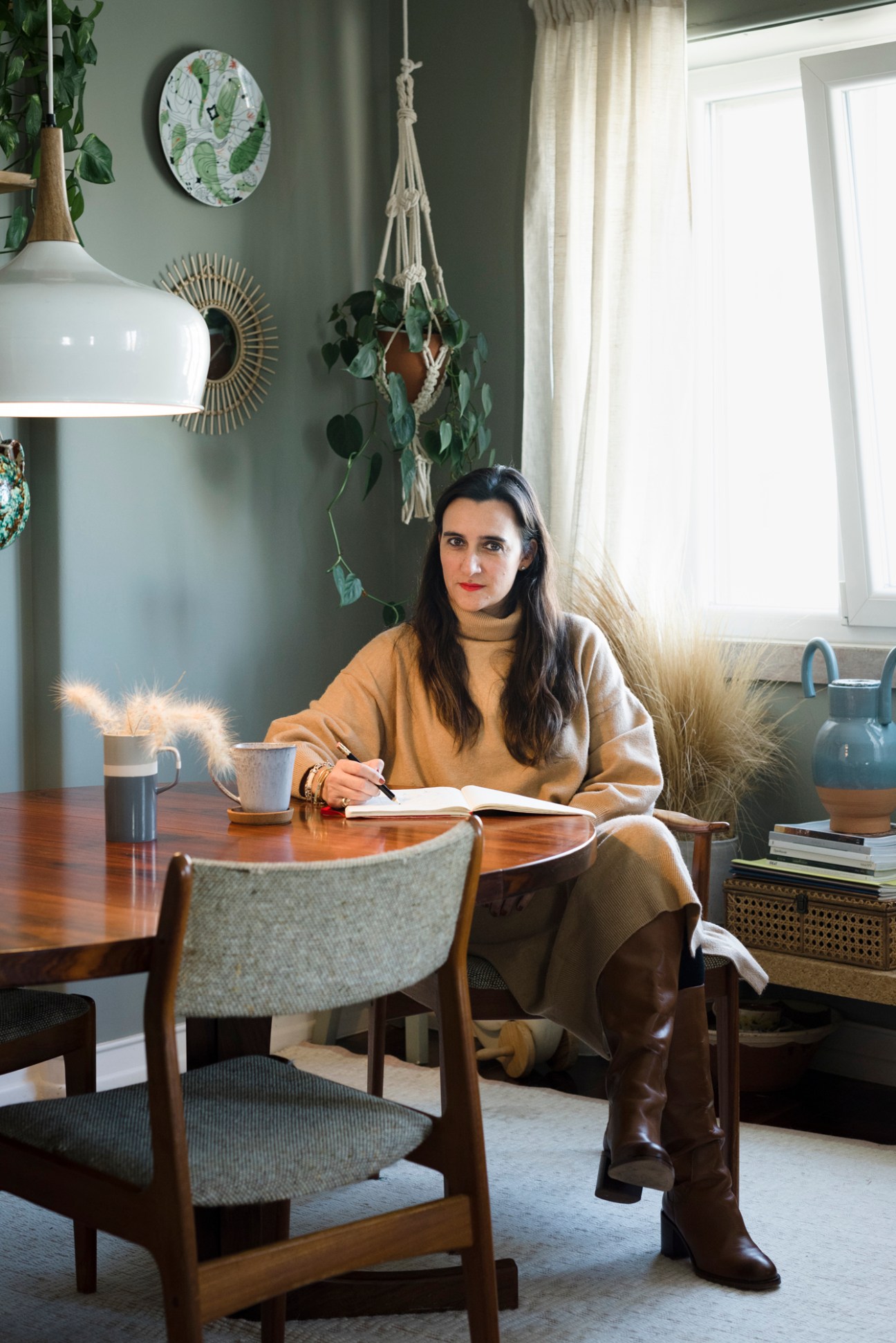
23.
Best visual merchandising
Studio Astolfi
Portugal
Visual merchandising remains a bedrock of selling and when done right, the practice is a joy to behold. For one of the world’s finest examples, we’re celebrating the work of Portugal’s Studio Astolfi, which has carved out an attractive niche with window displays for brands including Hermès. Founded by Joana Astolfi, a trained architect with a love of art, the studio’s work for the famed luxury goods purveyor has wowed passersby of its shops in Portugal, Spain and France. Her imaginative commissions can take upwards of two months to realise and feature both static and moving parts.
She relies on a small staff and an external team of woodcarvers, welders and glass-makers to bring her sketches to life. From handmade model aeroplanes to beautiful spinning tops made from cherry and walnut, Hermès is able to elegantly showcase its handbags and scarves each season within Astolfi’s fanciful miniature worlds.
“Window displays are a sort of open-air gallery,” says Astolfi of the wunderkammer-like scenes her studio creates, including a mountain railway and underwater world complete with a giant squid. “Online shopping is flat; this is the opposite. It’s scenographic and it lifts people’s moods.”
studioastolfi.pt
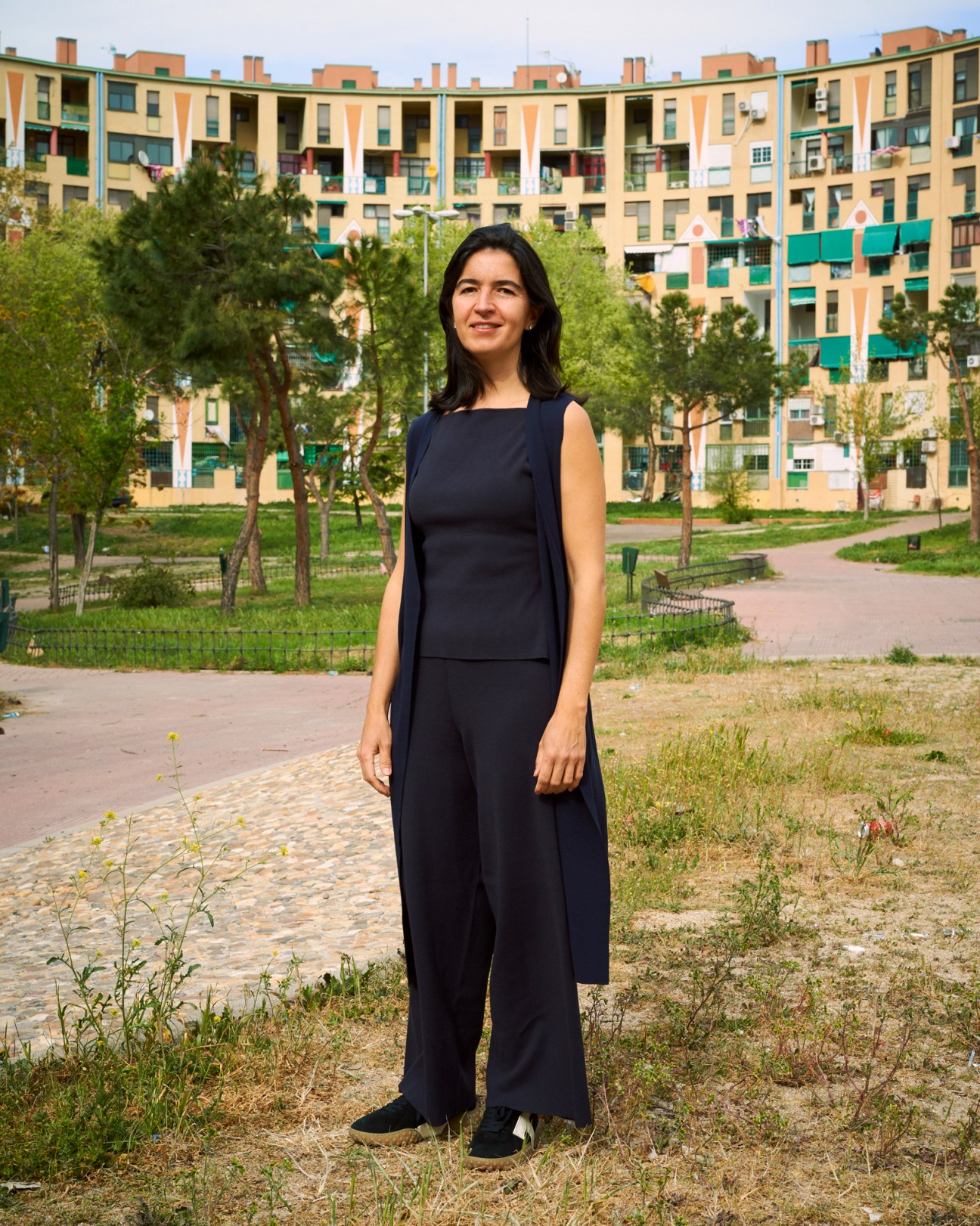

25.
Most accessible design
LED Wall Lamp
Sweden
Good design doesn’t have to break the bank, and Dutch-Kiwi designer Sabine Marcelis proves that with her led Wall Lamp, produced for this year’s Ikea Art Event. In the vein of the great mid-century designers like Charles and Ray Eames, who used mass-production to bring fine furniture to the wider world, Marcelis has tapped into the potential of Ikea’s supply chain to ensure that anyone and everyone can enjoy her lamp. The subtle statement piece can be lit in a selection of five different colours, making it perfect for any space and any time of day. That’s why it’s in our awards lineup – and the homes of Monocle staffers too.
ikea.com
Images: Charly Broyez.
Still life: Jonas Marguet, Luigi Fiano
Building anew
Diane Hoskins has been co-CEO at Gensler for more than 15 years. The firm she jointly oversees is the largest architecture and design company in the world with more than 5,000 employees and 50 global offices from Bogotá to Beijing. It has come a long way from the early days of what Hoskins calls “a family-owned start-up”, established by Art Gensler in San Francisco in 1965. Despite the company’s size – and leading the pack in global revenues, which topped $1.5bn (€1.2bn) in 2020, up 12 per cent on the previous year – Hoskins says that she doesn’t see Gensler as a corporation. The firm shuns top-heavy hierarchies for a more horizontal management approach known as the “constellation of stars”, something that Hoskins says is Gensler’s “secret sauce”.
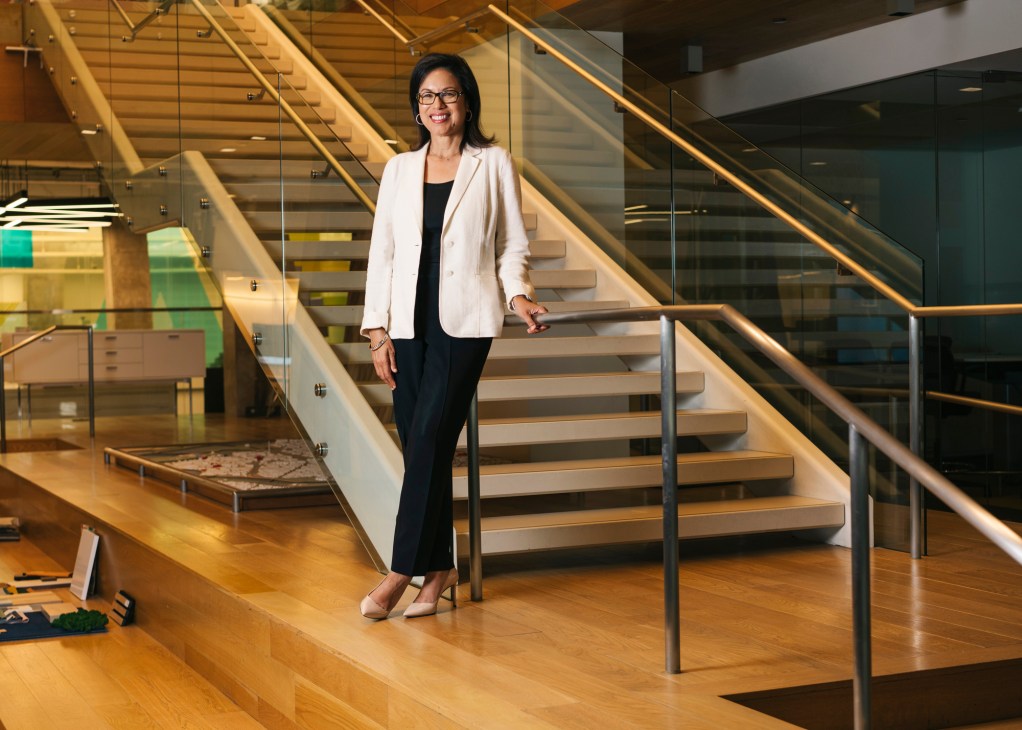
Alongside airports and stadia, Gensler has made a name for itself in office interiors, working with brands from Reebok to Apple. While Hoskins, a trained architect who studied at MIT, might be working from home in Maryland when she speaks to Monocle (she is normally based in its Washington office), she sees an opportunity for her firm – both economically and in terms of influencing a wider conversation – rethinking the workspace in light of the pandemic. For her, nothing beats the creativity of being in the same room. “For our company, we are looking forward to coming back together,” she says.
Why does Gensler have co-CEOs?
Andy [Cohen] and I have been co-CEOs for 16 years; it’s not a short-lived thing. We’ve built a really strong, collaborative leadership approach. Architecture is not a solo profession; it’s about collaboration, it’s about ideas and it’s about creativity and innovation. Firms that focus on hierarchies and single personalities ultimately end up being less creative – it’s the idea coming from that one person and no one can challenge them.
Gensler is the world’s largest design and architecture firm. Does that come with a responsibility to act in a certain way?
We take our role of leadership seriously. Three years ago we put a goal out there that, by 2030, all of Gensler’s work will be net zero. And I don’t think there’s another firm out there, of any scale, which has even said that. You’ve got to not only educate yourself and your teams, but also your clients and your community.
As the largest firm, we have a unique position because, on behalf of our clients, we buy hundreds of millions of dollars of construction materials a year – the steel, concrete, windows, roofing, ceilings, drywall and carpets. We’re using our scale and buying power to say to the construction materials industry, “We are not going to specify your product unless it meets these carbon reduction mandates.” And we are using the power of the dollar to drive this conversation.
What is Gensler doing to ensure there is enough diversity and female representation in the workplace?
This is particularly focused right now with the violence against Asian Americans that we have seen [recently] and continues to be at the forefront for us. We believe it’s important to be a firm that works in all communities – not just for the sake of checkboxes but for the sake of really understanding how to design for the constituents of the companies we work with.
We need to be more focused on growing our black community within Gensler. There are huge efforts underway in terms of ensuring that we are the kind of place where black architects and designers want to work. We’re going to find amazing black talent – it might not be as easy in some cases [due to certain systemic barriers]. But we are going to bring these individuals into our firm. There’s also a focus on building the pipeline itself – recognising that we need to make sure that more diverse young people are coming into this profession – not just architecture [but also] interior design, graphic design, digital design. We’ve hired our first director of diversity, equity and inclusion to make sure we’re elevating that conversation.
Some are saying that the workplace is dead. How does that make you feel?
I’ve been excited about the workplace since college and we haven’t felt threatened by this at all. I used to talk about the workplace and people would just glaze over and not have any sense that it was a conversation that mattered. The end result of all this is going to be better places for people to work.
Does that ultimately mean more work for Gensler?
We are now seeing a massive increase in our consulting business, which is looking at questions such as how many people are going to come in the office on any given day. Should we have an office? Or is it a clubhouse? Is it a destination? Can people do focused work there? We’re committed to this as a research-driven practice.
As a company, we are looking forward to coming back together because we believe in collaboration and the power of the perspectives around the table. Sure we’re going to allow some flexibility, but we want our people to know where we stand, which is that every individual does count and there’s an importance to the collaborative side of what we do. The informal and the unplanned is the part that’s impossible to find [from home].
Has the pandemic affected Gensler in economic terms?
I don’t think anyone was unaffected. The advantage of our scale is that we’ve invested in great mobile technology, so the ability to keep work going was important to our clients. About 15 per cent of projects went on hold and now all of that work has come off hold. What our clients appreciate is that we didn’t stop – we were in the moment with them, we did our research and we came to the table with solutions.
Gensler’s key projects
1.
Shanghai Tower
2014
The tallest building in China, which corkscrews up to 632 metres, across 128 storeys. The building has an LEED platinum certification from the US Green Building Council. Containing everything from offices and retail to a hotel, the tower has nonetheless struggled to achieve full occupancy.
2.
Washington Post HQ, Washington
2015
A head office to herald the Jeff Bezos years – the Amazon founder bought the paper for $250m in 2013. The interior references the paper’s history – with quotes from its journalists – but also feels part tech campus, a sign of the media outlet’s future. Gensler has worked with The New York Times and Associated Press too.
3.
Ford Foundation Center for Social Justice, New York
2018
A two-year renovation of the 1967 masterpiece from Kevin Roche John Dinkeloo and Associates. The aim was to maintain the architectural integrity of the building while referencing its work: “We believe” appears in giant letters on a wall, part of the non-profit’s mission statement. Meeting space was doubled and an art gallery added.
4.
UK parliament, London
2016
A conceptual idea for a temporary UK parliament to allow for a full restoration of the Palace of Westminster. Gensler proposed a transparent and modular structure floating out onto the Thames that could apparently be completed in less than three years. And the public would get to see what politicians really get up to.
5.
Baltimore train station
2023/2024
A $40m (€34m) expansion project beside the US city’s original 1911 beaux arts train hub. Construction is set to start this year and the plan will preserve the old building and create a new-build terminal and two glass towers that will contain a residential offering. Part of train operator Amtrak’s modernisation plans that include a new Acela high-speed fleet.
Fight your corner
On the face of it, one would assume that the past few years have been tough for Jens Stoltenberg. As secretary-general of Nato, Stoltenberg has overseen the alliance, which now has 30 member states, since 2014. But over the past several years that alliance hasn’t seemed all that, well, allied. There was Donald Trump’s public and prolific denigrating of Nato (days before his inauguration, Trump called the alliance “obsolete”). That, in turn, had European members rattled (both Angela Merkel and Emmanuel Macron publicly commented that they felt they could no longer rely on the US). Then there’s the ongoing dispute between Nato members Turkey and Greece over Mediterranean waters and energy rights.
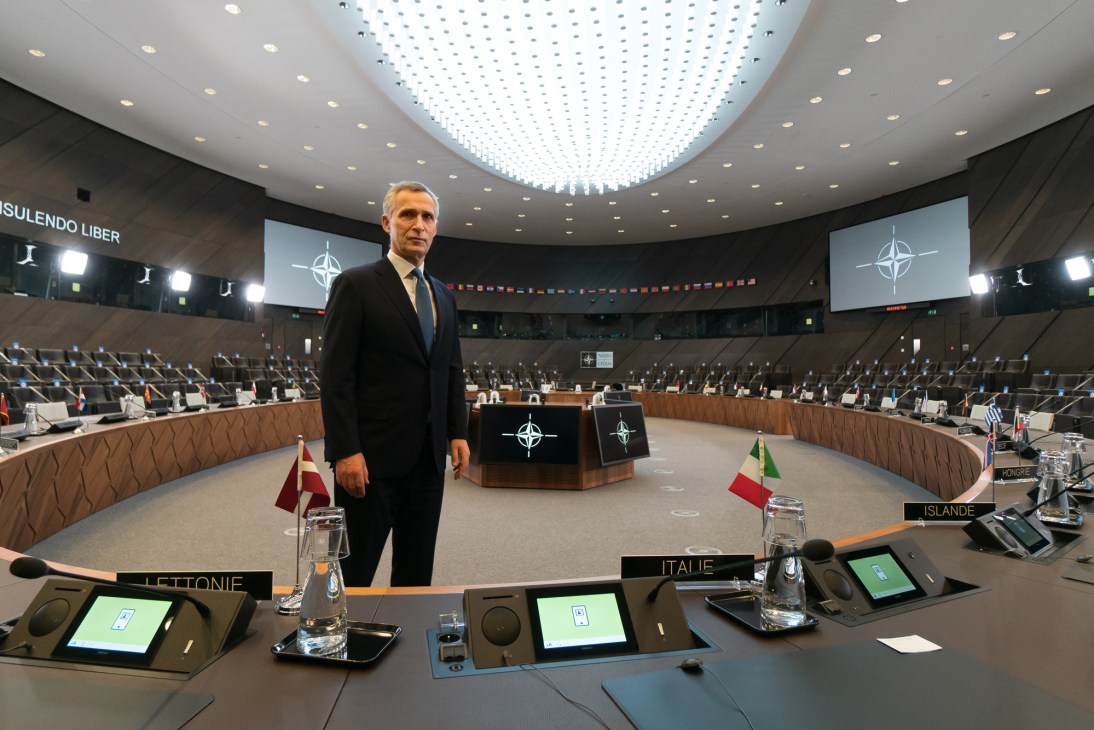
Balancing all of that, alongside dealing with concerns such as Russian aggression in the Baltic, China’s growing military and economic might, ongoing conflicts in Iraq and Afghanistan, global terrorism and, of course, the pandemic, would be enough to tax anyone. But Stoltenberg, who before taking on the role with Nato served as prime minister of Norway, is nothing if not optimistic. On a recent Friday morning, behind his desk in Nato’s HQ in Brussels, he spoke to Monocle about why the alliance is stronger than ever, how priorities are shifting and what the Biden presidency will mean for the organisation.
How is Nato planning to evolve in the coming years?
We are entering a new chapter for the alliance [when it comes to] the bond between North America and Europe. We have a new US administration. Then we have a project called Nato 2030, which is about how to ensure that we continue to change as the world changes. I will put forward my proposals for the heads of state and government when they meet later this year. It will be an ambitious agenda. And it will be an agenda about how to make sure that Nato is able to respond to many different threats at the same time. We see cyber-attacks, we see pandemics and epidemics, we see climate change. And then, of course, we have terrorism, Russia and, not least, we see the rise of China changing the balance of global power. So all of this together is reshaping our world and Nato has to deal with this new world.
We’ve seen, particularly under the previous US administration, that trust between some member states has faltered. Has this weakened the alliance?
There’s no way to deny that the past few years have been difficult at times. And that we have seen some differences between allies. At the same time, what is impressive is that despite these differences, actually, Nato has flourished. And Nato has been able to implement the biggest reinforcement – or collective defence – in an entire generation. We are seeing more co-operation with North America and Europe now than we have done for 40 years. But we cannot be complacent; we have to continue to change.
Then there is the new US administration with president Biden, who is a strong supporter of Nato and has declared that one of his main projects will be to rebuild alliances. I look forward to continue to work with him.
You mentioned increased co-operation between North America and Europe – what specifically are you referring to in this context?
First of all, we see more of a US presence in Europe. The country is leading one of the battle groups Nato has in Poland. For the first time in many years, we had a US aircraft carrier [the USS Harry S Truman] exercising in the Norwegian Sea as part of Trident Juncture. Beyond Europe, for instance, we are now expanding our training mission in Iraq. We fight global terrorism together: the Nato allies and the US have been the main contributors to the global coalition to liberate the territories in Iraq and Syria that were under partial Isis control. Let me also mention the pandemic – it’s not a military issue but the military has played a key role in providing support to the civilian efforts coping with the pandemic. We have used Nato capabilities to provide support to the civilian health services.
In recent years we’ve seen allies pledge to increase their spending on defence to meet Nato targets. Is this increase still realistic, considering the pandemic and the subsequent economic crunch that so many countries are facing now?
Yes, because not only has the US stepped up but also European allies are now investing more in defence. And since we made the pledge to increase defence spending at our summit in 2014, that’s what they have actually done. I have been a politician for many years and I know that this is very difficult; it’s difficult because you need to prioritise. Almost all of our allies reduced defence spending after the end of the cold war, because tensions went down. But if you cut defence spending when tensions are going down, you also need to be able to increase that defence spending when tensions are going back up – as they are now.
You mentioned the year 2014. Donald Trump has famously taken credit for the increased funds pledged by European nations and Canada.
This has been a consistent message from the US over a period of many years. I’ve seen speeches by John F Kennedy calling for more burden sharing in this alliance. This was also a clear message from President Obama and vice-president Biden in 2014. The good news is that European allies agree – and they are investing more.
You’ve mentioned China as an increasing concern. What does this mean for Nato?
Well, the rise of China has provided huge opportunities for our economies and for trade, and it has helped to lift hundreds of millions of people out of poverty. At the same time, its rise also presents some serious challenges. China is investing heavily in new modern capabilities, which include nuclear weapons. It is threatening Taiwan; it is trying to take control over more of the South China Sea and it has been bullying its neighbours. And it is also violating basic human rights. China explicitly says that it doesn’t share our liberal values. The fact is that we are now seeing a fundamental change in the global balance of power. The rise of China makes Nato even more important. Because none of us can deal with that alone – not even the US.
Nato members are in theory bound by their shared liberal democratic values. But what happens when a member state unequivocally deviates from these values?
Of course, sometimes questions are asked: to what extent we are able to live up to those democratic values ourselves? We saw, for instance, the attack on the US Congress on Capitol Hill in January – that was a serious assault on the heart of US democracy. It was great to see that democracy prevailed.
But I strongly believe in Nato as a platform for allies to sit down, address their concerns and discuss the way forward on how to further strengthen these values. We are also working now on revising or updating our Strategic Concept [the official document that outlines Nato’s purpose and fundamental security tasks] – and I absolutely think that part of it should be about looking into how we can continue to recommit to our values.
Nato by the numbers
A look at how the alliance has grown, changed and adapted over the past 72 years.
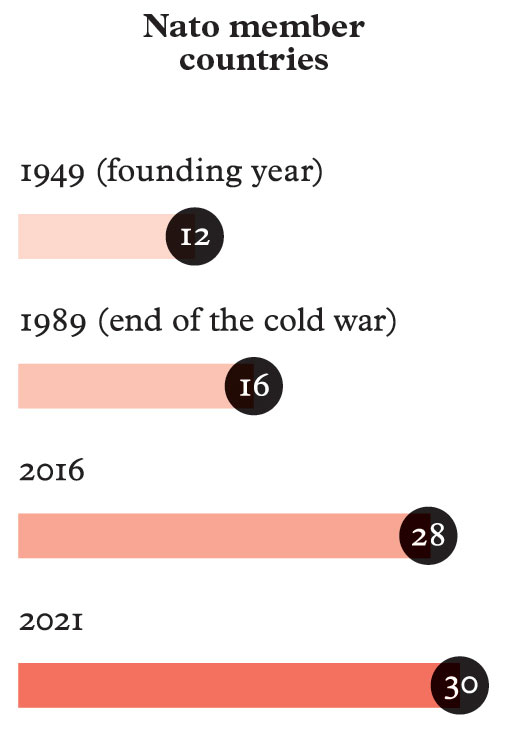
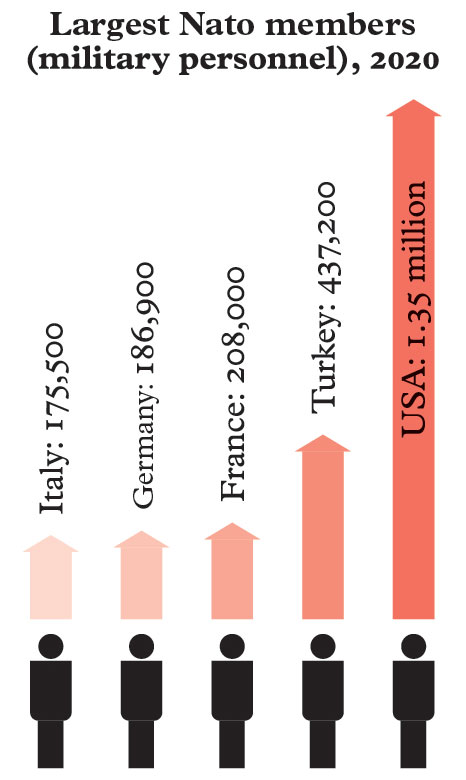
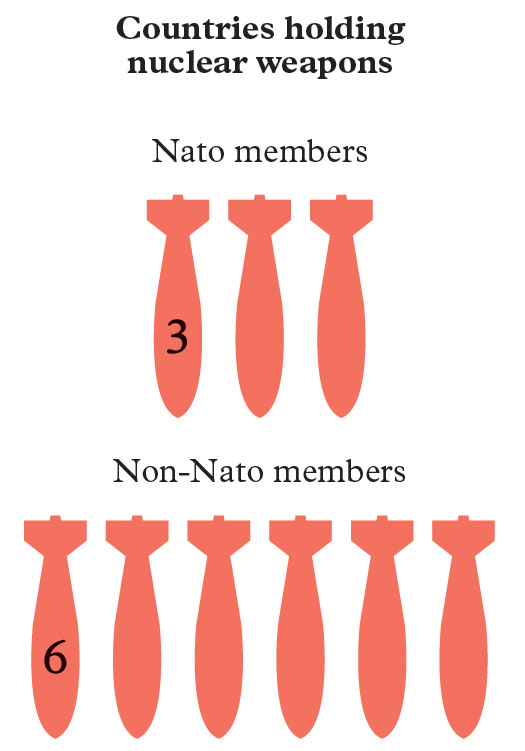
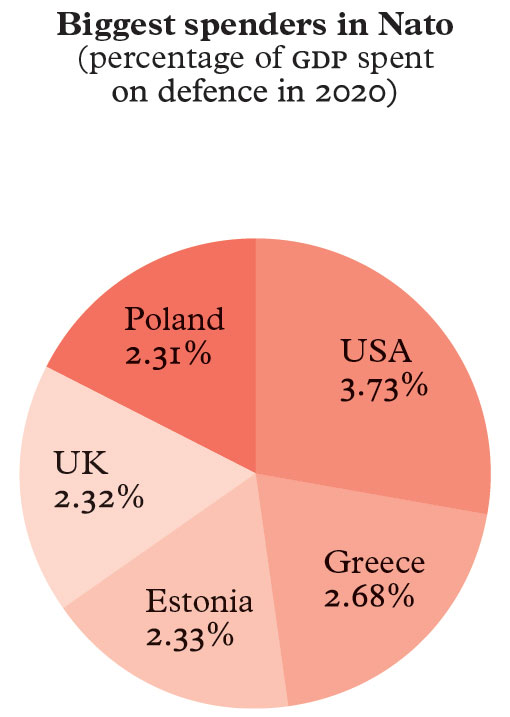
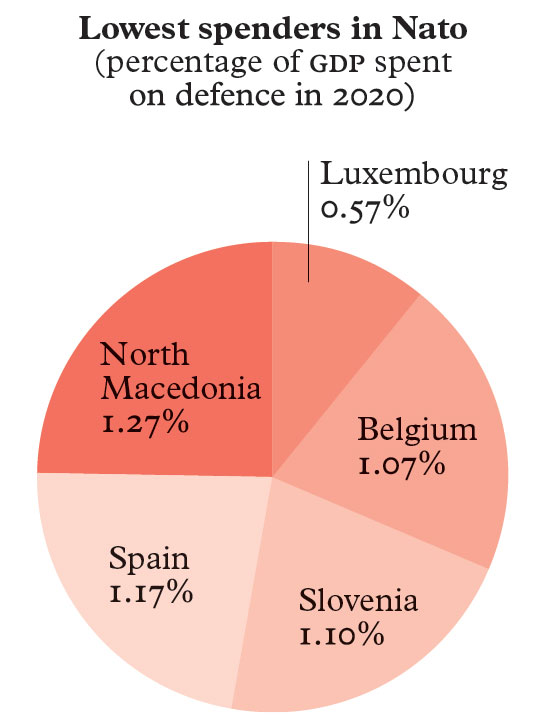
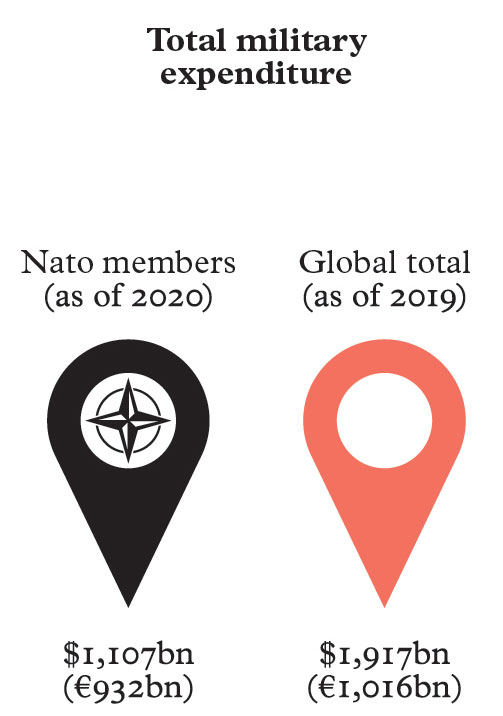
Cities briefing
Q&A
Jan Vapaavuori
Mayor, Helsinki
How do you sell a city? We asked Jan Vapaavuori, who has been mayor of the Finnish capital since 2017, how he has gone about marketing Helsinki to the world and the challenges facing cities in 2021.
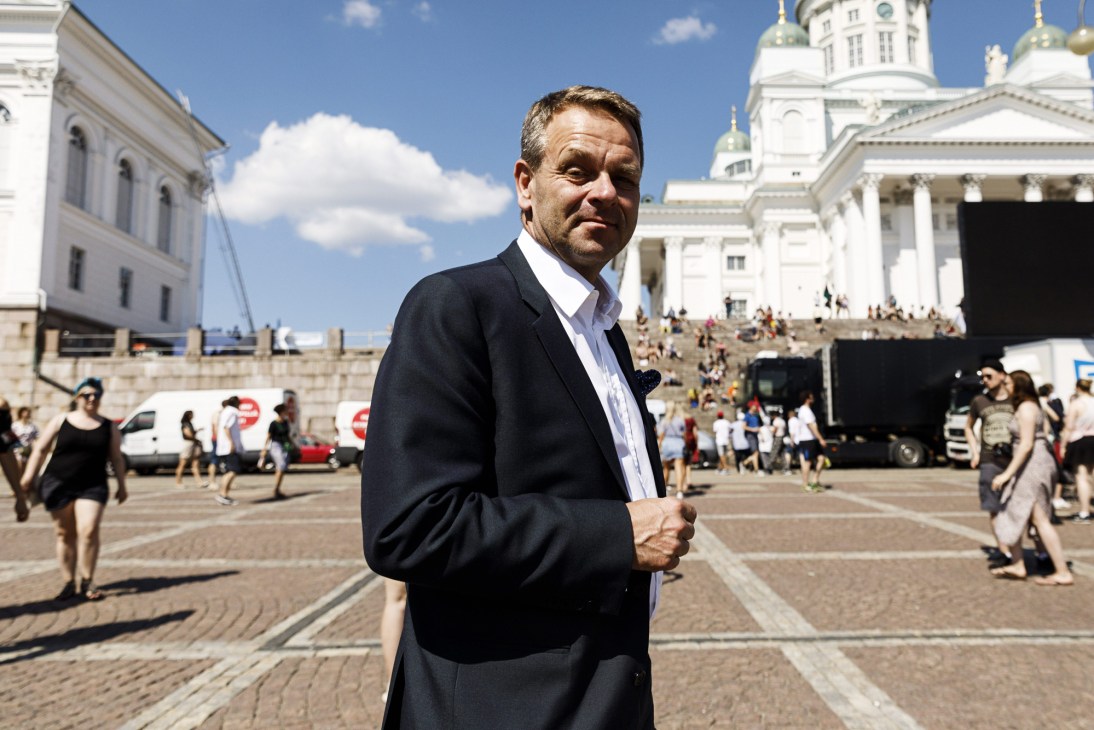
Tell us a little bit about the city that you took over.
I think our challenge was that Helsinki was not very well known around the world. Because in our case, the product itself is already quite good. My idea was that the biggest triumph of Helsinki is that we are a reliable, predictable and functional city. So what we have done during the past four years is to put special emphasis on marketing the city as such.
Functional, reliable, dependable: those are all great values to have. But in the past people have heard those words and not found them particularly exciting. Has that response changed?
I know that a vision of the most functional city in the world is maybe not that media-sexy but I’m certain that it is relevant. It’s relevant for our inhabitants, for our corporations, for tourists. And now, when the whole world has been suffering from the pandemic, I dare say that it has made stability sexy. In the post-pandemic world I think that those attributes, which you usually link to Helsinki, have become much, much more important. But you should be fun and functional at the same time. You need to show a comprehensive picture of the idea of a good life.
With the world coming out of lockdown, how do you see vitality returning to our cities?
We are facing a totally new era in the economic world after this pandemic. There will be a really tough level of competition between cities – for talent, for tourists, for innovation, for investments and so on. This poses a challenge for us as the number of vacant jobs in Helsinki for people who do not speak Finnish or Swedish is still relatively low. I think that we have made progress but still I’m worried that this will be an issue for the city when we are facing tougher competition for talent in the post-coronavirus world. The issue of making the city a little bit more international is something we need to overcome. And so far, we’re only halfway.
For more from Helsinki’s mayor Jan Vapaavuori, tune into ‘The Chiefs’ on Monocle 24.
Making shore
Hainan — Culture

Often described as China’s Florida, the southern island of Hainan is looking to broaden its appeal beyond sun, sea and duty-free shopping. Capital city Haikou is making a push for the cultural crowd with Pavilions by the Seaside, a series of 16 structures designed by leading Chinese and foreign architects dotted along 32km of coastline. In March, “Wormhole Library” by Ma Yansong of Beijing’s Mad Architects became the first to open, offering a breezy place to read amid a curved, white concrete pavilion. Others, by the likes Winy Maas, Thomas Heatherwick and Sou Fujimoto, are due to follow by the end of 2021. “A return to humanism is the trend of urban development in the future,” says project director Weng Ling.
Cliff notes
Bastia — Transport
Much of what makes a city great is the landscape that it’s set in. So it’s especially satisfying when transport infrastructure, from bridges to bike lanes, responds to that setting. Take the new pedestrian walkway in Bastia, Corsica, which connects its fortress – the city’s most popular tourist attraction – to an existing path to the city centre, via its old port. Designed by Dietmar Feichtinger Architectes, the concrete walkway is nestled into the cliff-face 5 metres above the sea, providing both a pedestrian connection and spaces for people to linger, with views of the citadel and Mediterranean. It’s a good example of how infrastructure, when grounded in a natural setting, can be used to elevate a city’s landscape while also serving the needs of its citizens – and visitors too.
Image: Shutterstock, David Boureau/DFA
Defence
Renewed force
UK
Budgets
Proposals to trim the UK’s armed forces tend to prompt choleric responses from its more conservative quarters: the country still assigns great prestige to its military history and present potency. A new overhaul of those armed forces was recently announced by the government in a report entitled Defence in a Competitive Age, proposing bigger spending on a smaller military.
Though the defence budget will increase by £24bn (€28bn) in the next four years, the army will be reduced from its present contingent of 82,040 personnel to 72,500. It will be the smallest British army since 1714 but hopefully the most mobile, boasting a new 1,000-strong Ranger Regiment able to conduct special operations abroad. A rejigged Royal Marines will be upgraded from amphibious infantry into a more versatile commando unit.
“The UK wants to be more assertive and on the front foot. That’s partly a ‘Brexit Britain’ message”
The slimmed-down army will have much less armour: its cohort of Challenger tanks will be reduced from 227 to 148 and its 700-odd Warrior fighting vehicles withdrawn altogether. Aside from the increased investment in special-forces-style units, resources will also be directed towards such tools as drones, long-range rockets, and autonomous and cyber technology.

“In principle it seems a move back towards concern with inter-state conflict but below the level of warfare itself,” says professor Michael Clarke, a former director-general of Rusi.
The idea seems to be to meet potential adversaries such as Russia, China and Iran in the grey zones where they have recently preferred to operate, and to put the UK in a position to help allies at short notice. The plans also call for the revamping of British military bases or various arrangements with allies in such key strategic locations as Cyprus, Singapore, Oman and Kenya.
“The UK wants to be more assertive and on the front foot,” says Clarke. “That’s partly a ‘Brexit Britain’ message to the other allies – a very clear message that we are going to lead.”

In the basket
Who’s buying and who’s selling? We keep you abreast of significant defence deals.
In the basket: 288 agm 114r Hellfire missiles
Who’s buying: South Korea
Who’s selling: The US
Price: $36m (€30.4m)
Delivery date: tbc
The Hellfire is the primary armament of Boeing’s ah64 Apache attack helicopter. This deal also includes spare parts and logistical support from manufacturer Lockheed Martin. South Korea currently operates two battalions of ah-64e Apaches, ordered in 2013 to replace its fleet of Bell ah-1s choppers. Reports suggest that South Korea is looking to order 36 more Apaches, which would explain the desire for ammunition.
Images: Shutterstock, Alamy.