Issues
Designs for life
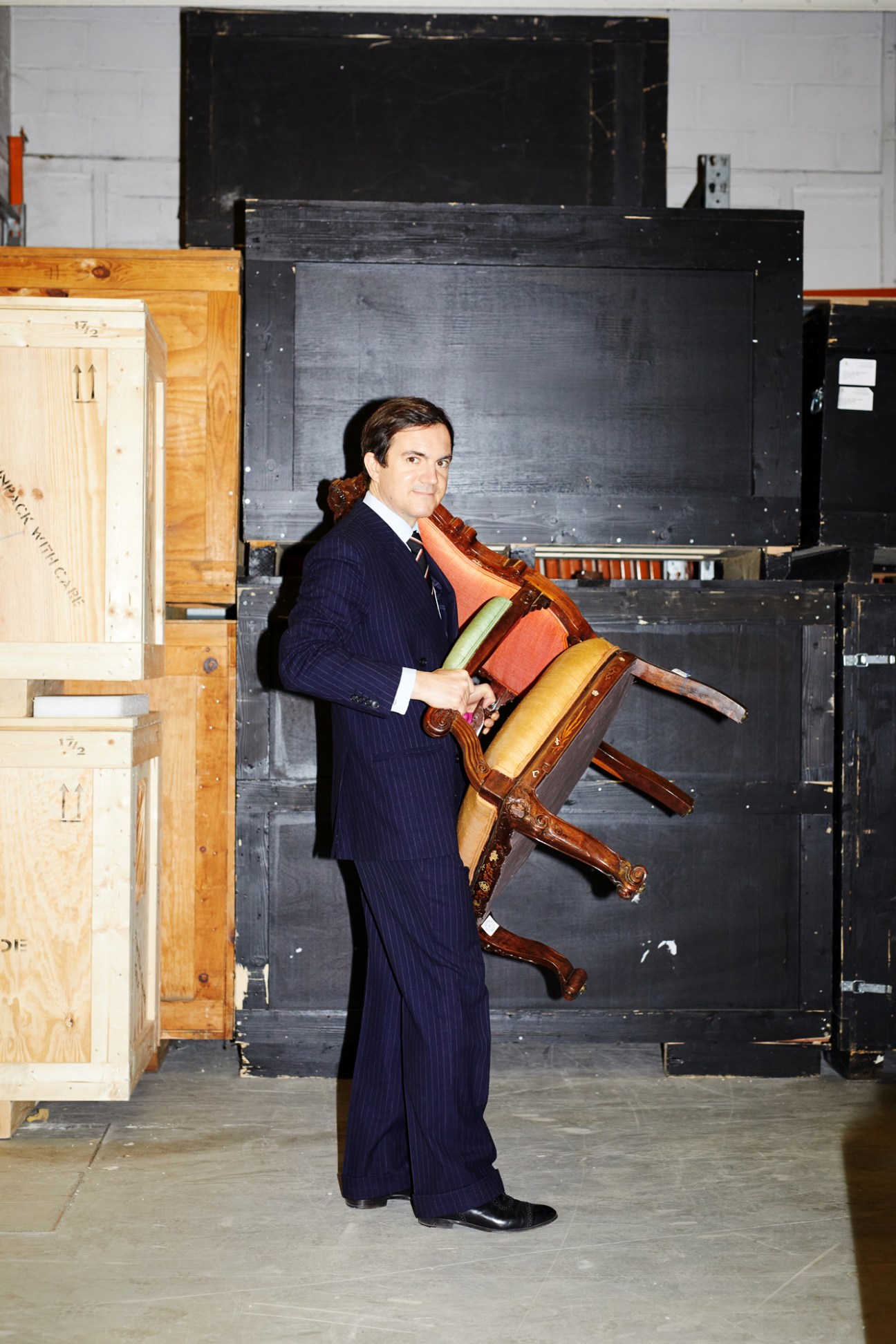
Auctioneer Stéphane Aubert rolls up on his Vespa at the entrance to an enormous storage space in the industrial no-man’s-land northwest of Paris. He’s sharply dressed in a shirt and tie, his navy pinstripe suit is crease-free and his black brogues are polished to a shine. He slips off his helmet and smiles. It’s a look that Kenzo Takada would probably have approved of. On 11 May, Artcurial is hosting an auction of the late, great Japanese fashion designer’s personal collection of furnishings, sculptures and canvases, and Aubert is the man who will be wielding the hammer.
At barely 20 years old, the Paris-based auction house is a fresh face in this traditional trade. Founded in 2002, just as the French art market was opening up to competition beyond its borders, it experienced swift growth. Within three years it became one of the leading auction houses in France and today it’s an international player with three main venues in Paris, Monaco and Marrakech. “Artcurial is very agile compared to other auction houses, with a dynamism defined by its entrepreneurial spirit and the introduction of new specialities such as urban art, comics and, more recently, contemporary African art,” says chairman and CEO Nicolas Orlowski a few days later from the company’s HQ in the glitzy heart of Paris, on the Champs-Élysées. The business has made a name for itself hosting some 100 sales a year and among those auctions, several are drawn from personal collections such as Takada’s.

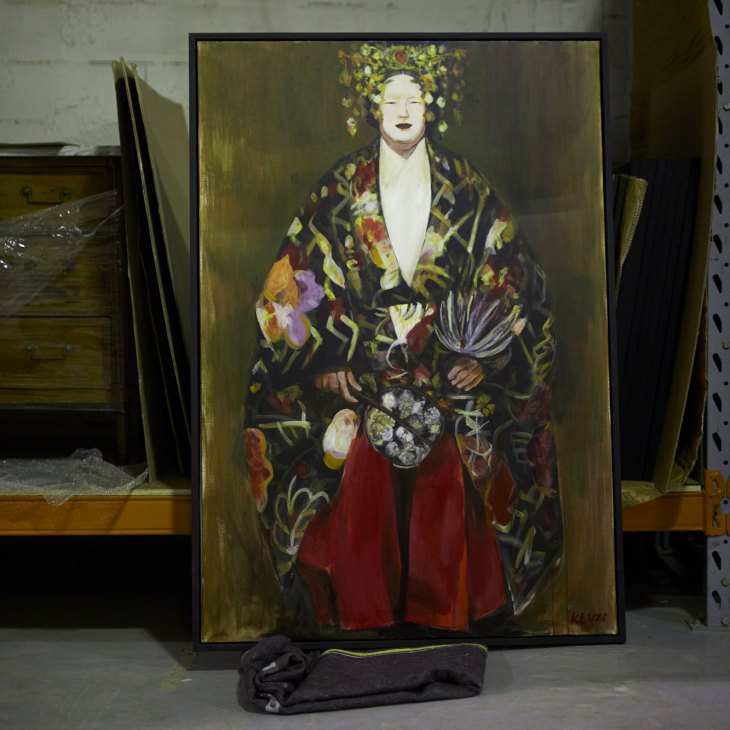
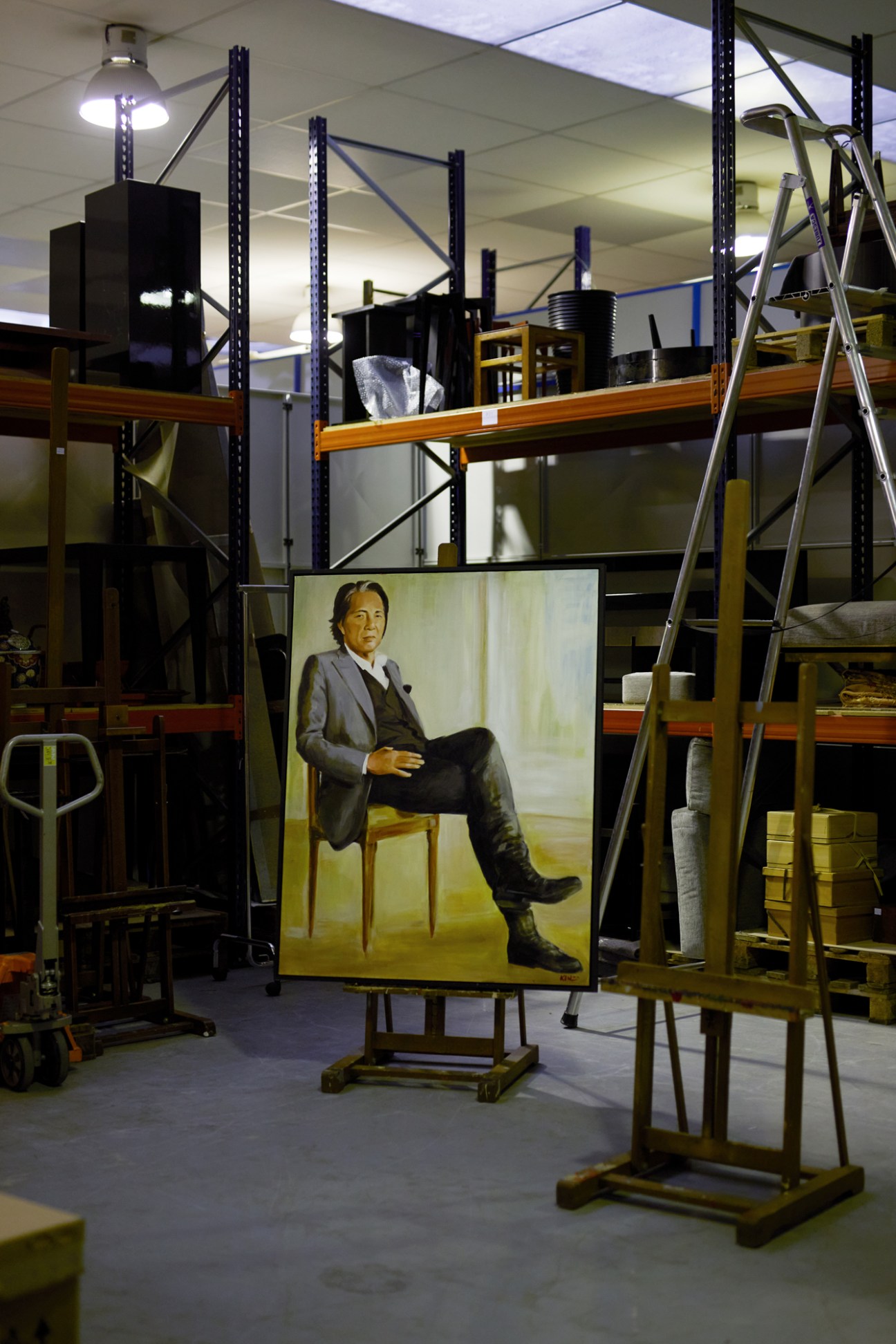
“He was a fashion designer, an interior designer and a painter,” says Aubert back at the storage complex, leading the way through a heavy metal door and along a corridor stacked with crates and cardboard boxes. “He was an artist.” As we turn left into the first of two rooms filled with Takada’s neatly labelled belongings, we’re faced with the man himself: propped up on an easel centre-stage is a life-sized self-portrait. He sits with one knee elegantly crossed over the other. Beneath his silvery-grey blazer, his white shirt complements the wavy streak in his dark bob. Surrounding him are hundreds of items arrayed on sturdy shelves.
“This was his talent: marrying all periods, styles and places. And he knew when he saw a piece exactly where he’d put it”
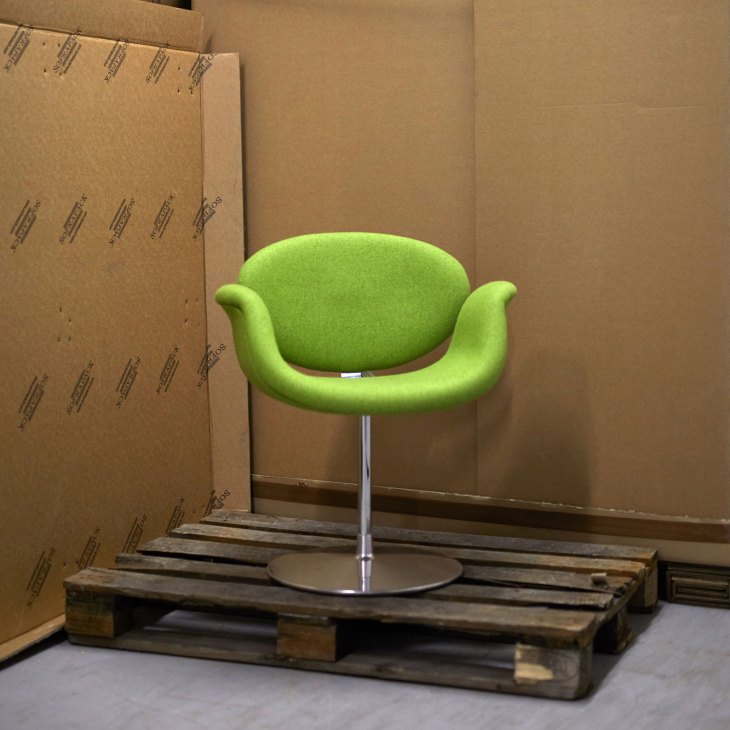
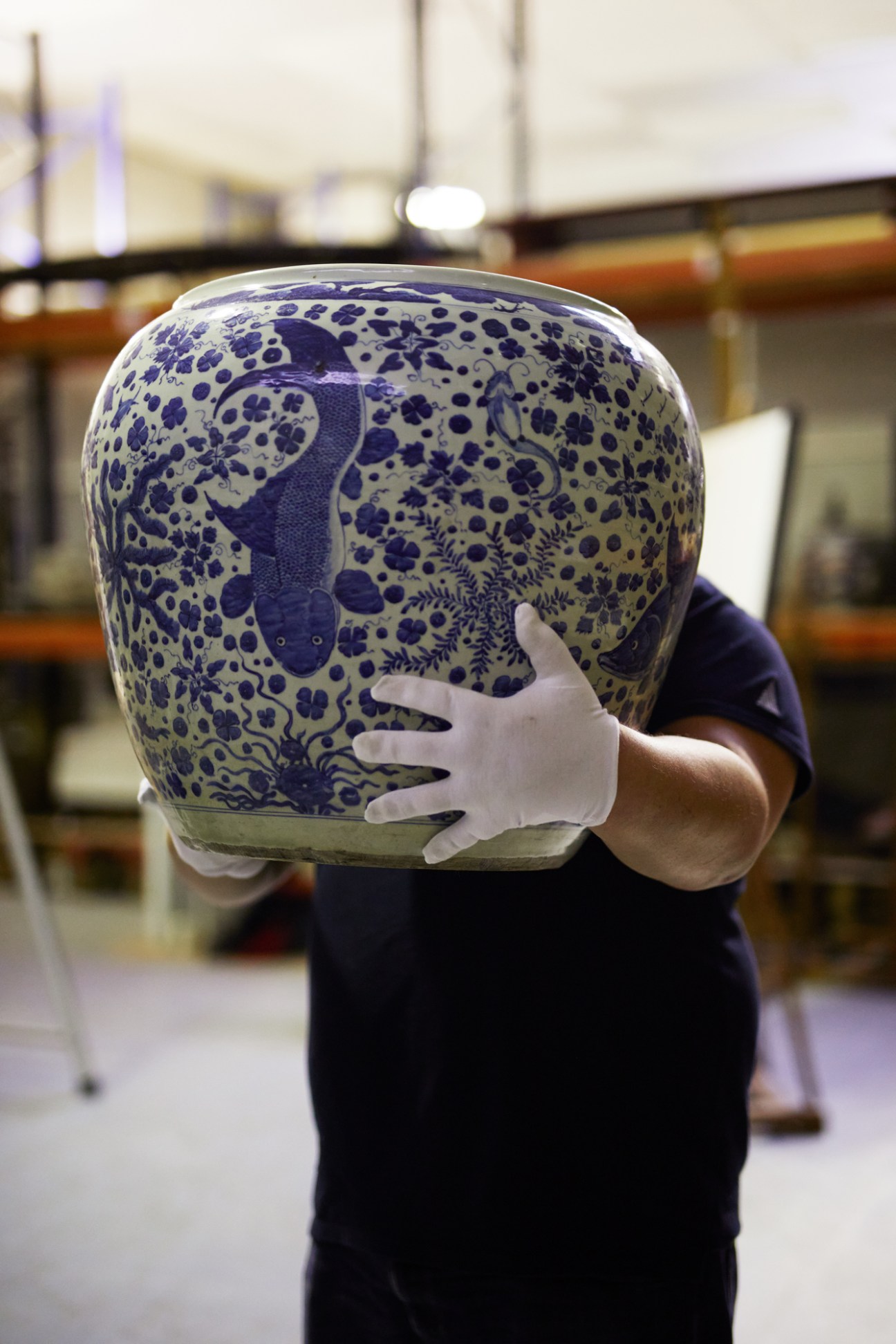
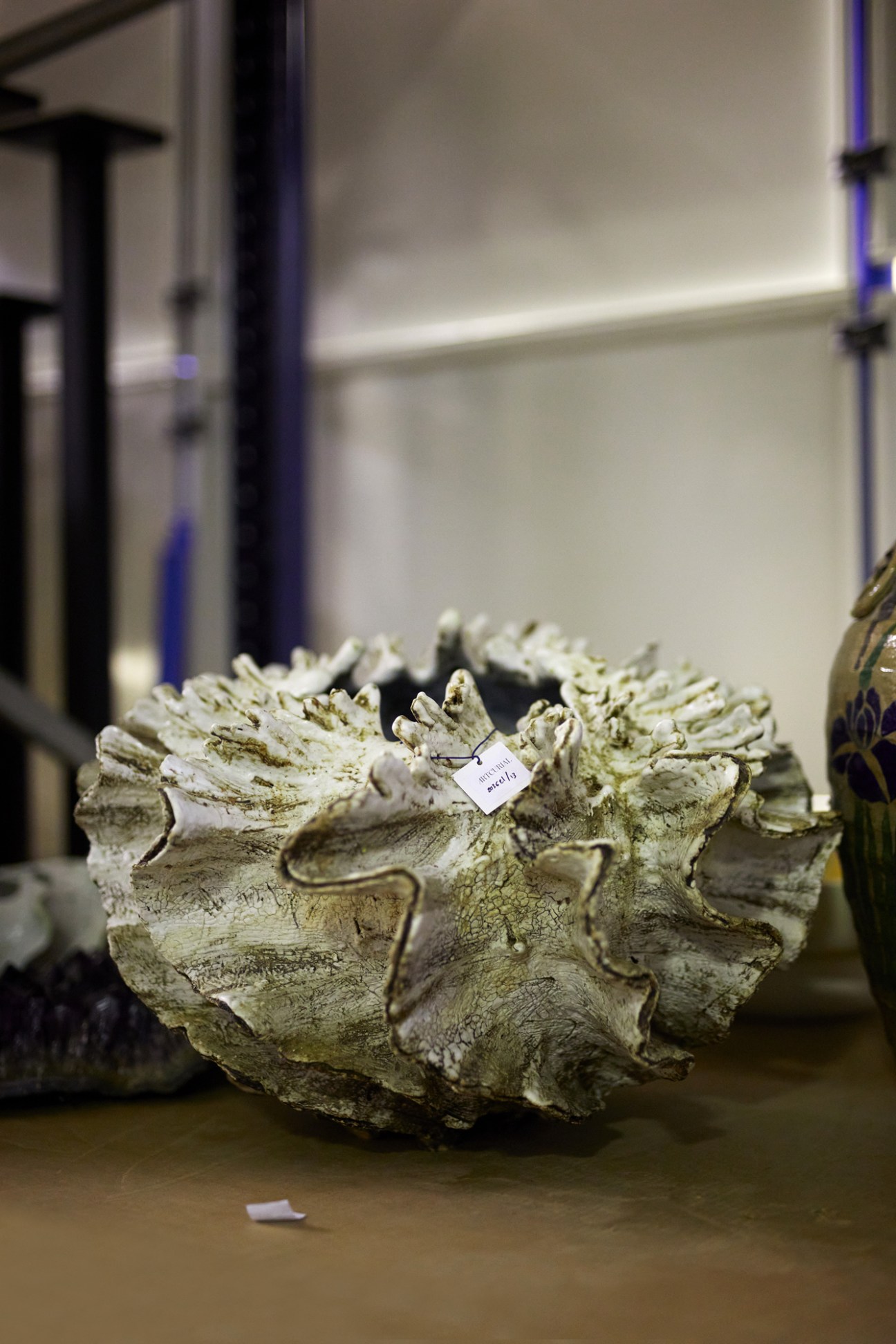
A multidisciplinary auction house, Artcurial sells everything from fine art and cars to watches and wines. Often, its sales focus on one of the above but Takada’s is bursting with variety. On our left are decorative objects, among them an enamelled sandstone vase that resembles a shell and a blue-and-white porcelain urn adorned with images of sturgeon, catfish, shrimp and carp. Straight ahead are tables and chairs, some standing upright, others lying like beetles on their backs. There are also bright and zingy pieces that recall Takada’s lively clothing lines: a Pierre Paulin apple-green chair and a pair of armchairs upholstered in confectionery colours. As Aubert says, “This is Kenzo.”
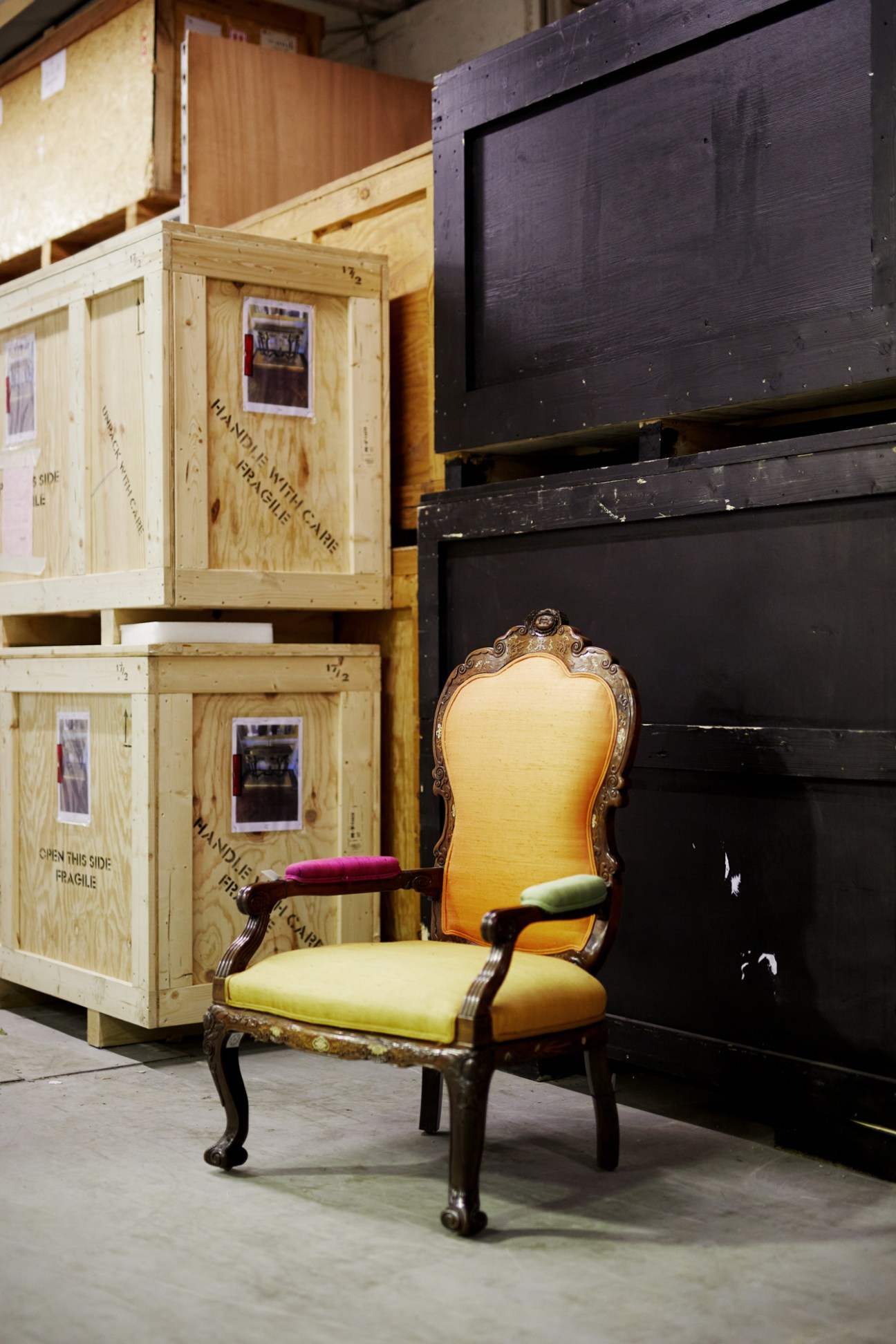
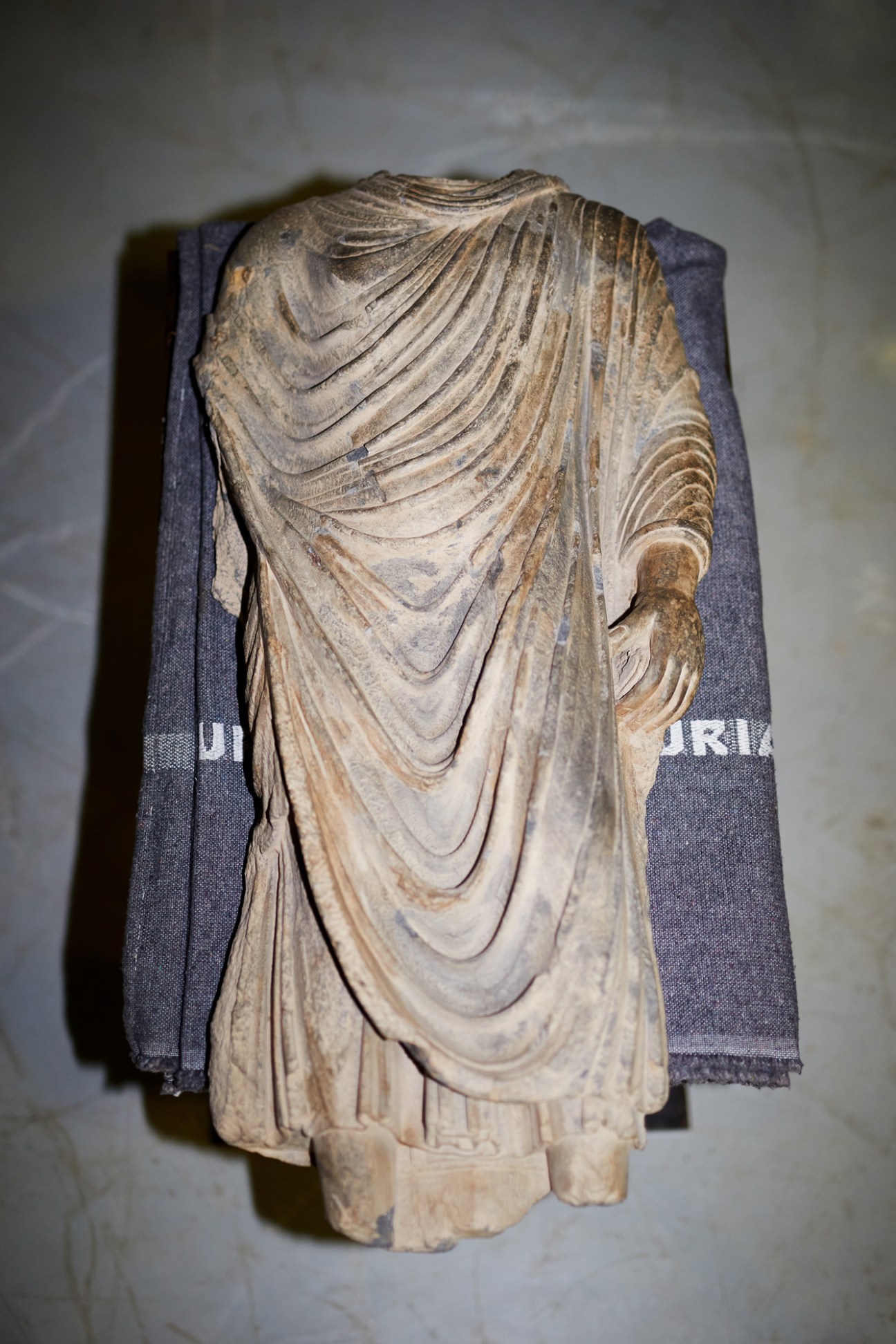
Takada, who died last October, was born near Osaka in 1939 and moved to Paris in the 1960s. By the 1970s he was the fashion world’s darling, making his mark in the new ready-to-wear market, then sliding into couture. In his designs, he melded old and new influences from east, west, north and south, and the same diversity can be found in the pieces that furnished his Haussmannian apartment overlooking Saint-Germain-des-Prés. He was particularly fond of Asian arts: a Buddha torso dated to the third century lies prone beside a wooden horse from the Chinese Han dynasty. “This was his talent – marrying all periods, styles and places,” says Aubert. “And whether he found it on his travels or in a gallery, he knew when he saw a piece exactly where he’d put it.”
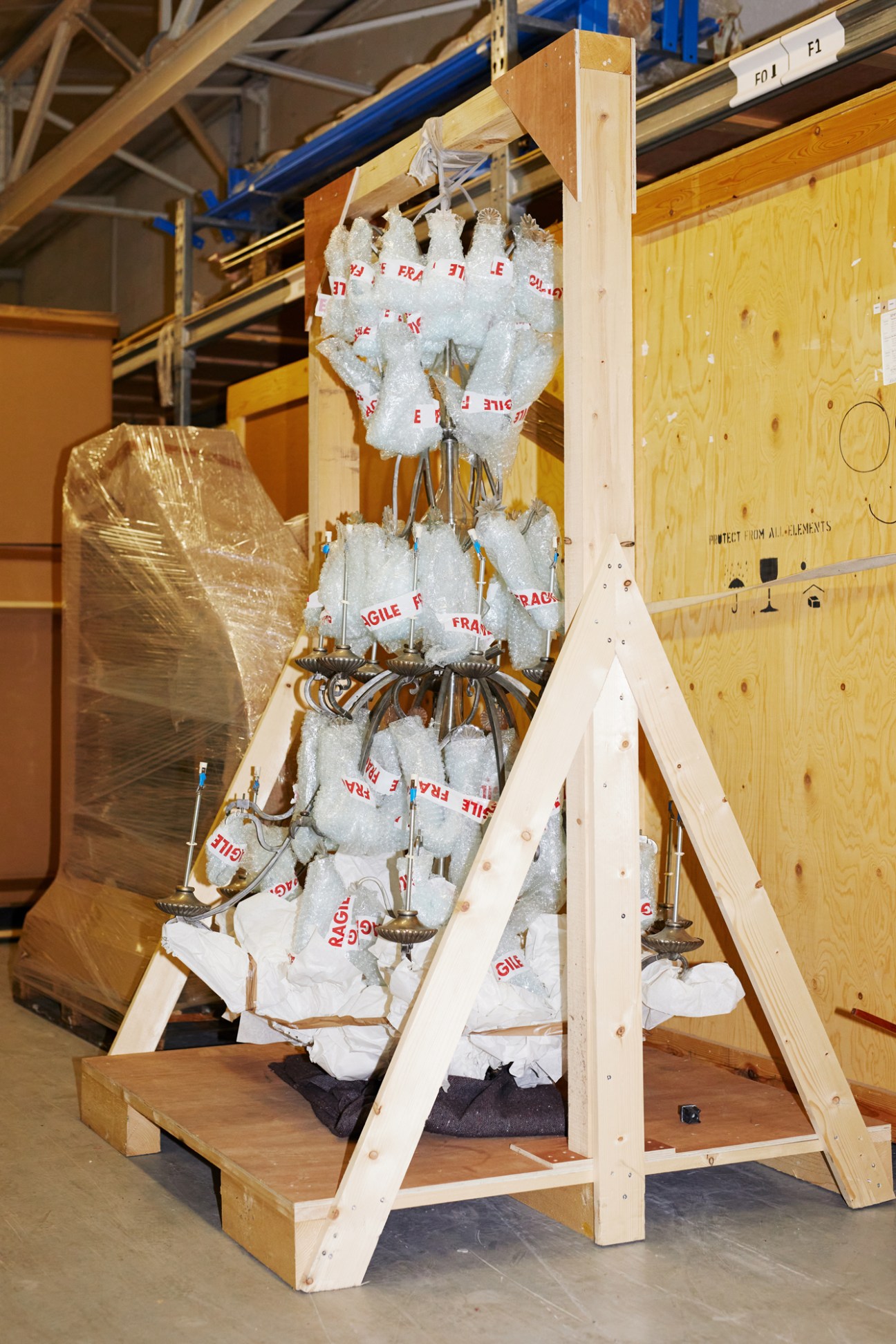
In the week preceding the auction, Artcurial will exhibit the complete collection at its HQ in the neoclassical Hôtel Marcel Dassault, which is also home to the group’s bookshop (specialising in rare and out-of-print catalogues and monographs) and its cultural agency, which manages exhibitions and events. “We’re going to recreate his apartment, which will be a special moment because it will be the last chance for the public to see what it looked like,” says Aubert. When Monocle suggests that bubble-wrapping and transporting the items must also be a lot of work, he says with a laugh, “Not after the Ritz.” Following the sale of almost 3,500 of the hotel’s historic furnishings in 2018, it seems that sorting a mere 600 lots is a breeze.
Still, the past year has presented its fair share of new challenges: although demand hasn’t stopped, in 2020 the group’s sales fell by about 20 per cent. But Orlowski is positive about the state of the market, which he says remains favourable for art, particularly on the auction circuit. Artcurial had 15 record auction prices last year, including a dazzling oil painting, Penitent Magdalene by Salaì, a close collaborator of Leonardo da Vinci, which sold for over €1.7m and a suite of royal furniture from the Louis XVI period that went for almost €1.2m – three times its estimate. “The real difficulty in these unprecedented times lies in how we exercise our profession,” says Orlowski. The auction house has developed new online-only sales channels but the chairman thinks that responding to the situation with a wholly digital strategy is excessive. “Artcurial naturally continues to invest in digital,” he explains. “But we favour the model of physical sales led by an auctioneer because this is how we achieve the best prices for our clients who are selling.”
“Artcurial naturally continues to invest in digital. But we favour the model of physical sales led by an auctioneer because this is how we achieve the best prices for our clients who are selling”
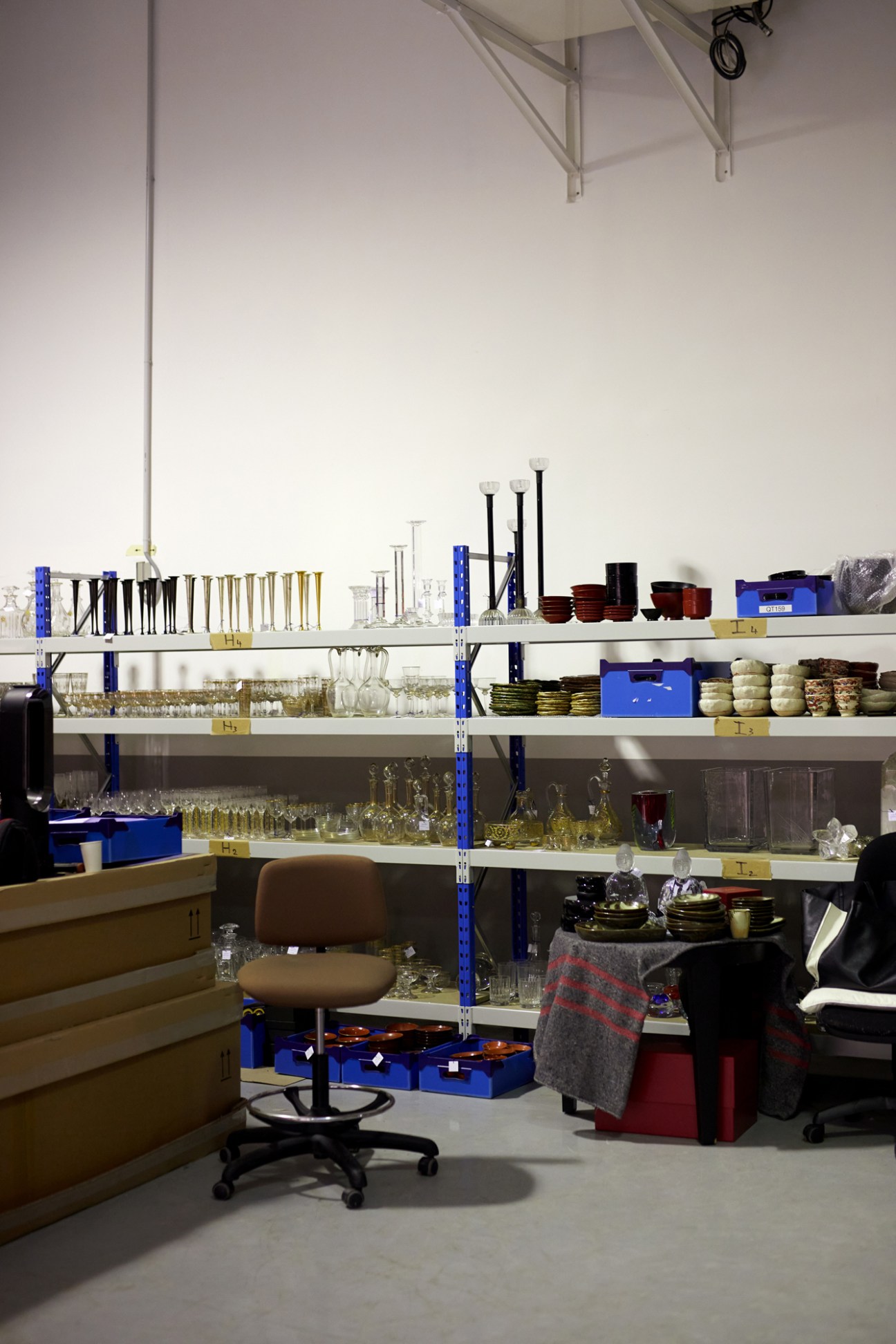
Though the upcoming auction of Takada’s belongings will be live-streamed, it will take place in person. “We know that many, many people are going to be bidding online,” says Aubert. “But I’ll have some people in the auction room too, I hope!” The exhibition, which will feature fashion that will be auctioned off separately, is also sure to draw a crowd. For now, though, the focus is on finishing the catalogue. Enter photographer Thomas Loiseau, who we find in the second room shooting a carefully arranged composition of three sets of tableware. Lining the wall opposite are four shelves filled with glass. To the soundtrack of clinking crockery, Aubert points out a series of Takada’s own designs. “These were a collaboration with Baccarat,” he says, reaching for a pair of slender candlesticks with chrysanthemum-shaped crystal bases and tops. Beside them are carafes, goblets and flutes with provenances ranging from Venice to Japan.
Last year, Artcurial hosted 59 auctions of private collections, from the modern art of renowned dealer Maurice Garnier to the old masters of Baron François Empain and the cars of businessman, politician and automobile enthusiast André Trigano. What becomes increasingly apparent with this particular sale, though, is that it has something for everyone: like Takada’s fashion designs, the furniture and objets d’art he amassed are eminently eclectic. And that’s what makes it interesting for both Artcurial and potential buyers. Talking to Aubert, though, it’s also clear that this is about more than an auction. Tweaking his pocket square, he says: “The most important thing is to make an homage to Kenzo.”
artcurial.com
The sale of Kenzo Takada’s collection will take place at Artcurial Paris on 11 May.
Easel living
1.
Palmera Estudio
Albert Madaula has turned an apartment into a smart home, shared studio space and a place to show and sell art.
On the fifth floor of a terracotta building on the corner of a palm-tree-dotted street in Barcelona’s Poblenou neighbourhood, Palmera Estudio is a riotously colourful, multi-purpose location that operates as a production house, art studio and exhibition venue. It is a place “where people and art live side by side”, as its founder Albert Madaula puts it. Madaula is both the inhabitant and director of the space, which he shares with two other artists: Sara Andújar and Roger Vilà. The three work together on projects ranging from paintings to films and brand collaborations, as well as their own designs. “It’s a great place to work,” says Andújar. “It has a lovely atmosphere. Being together brings out new ideas. Albert always wanted a big homely studio full of activity and people.”
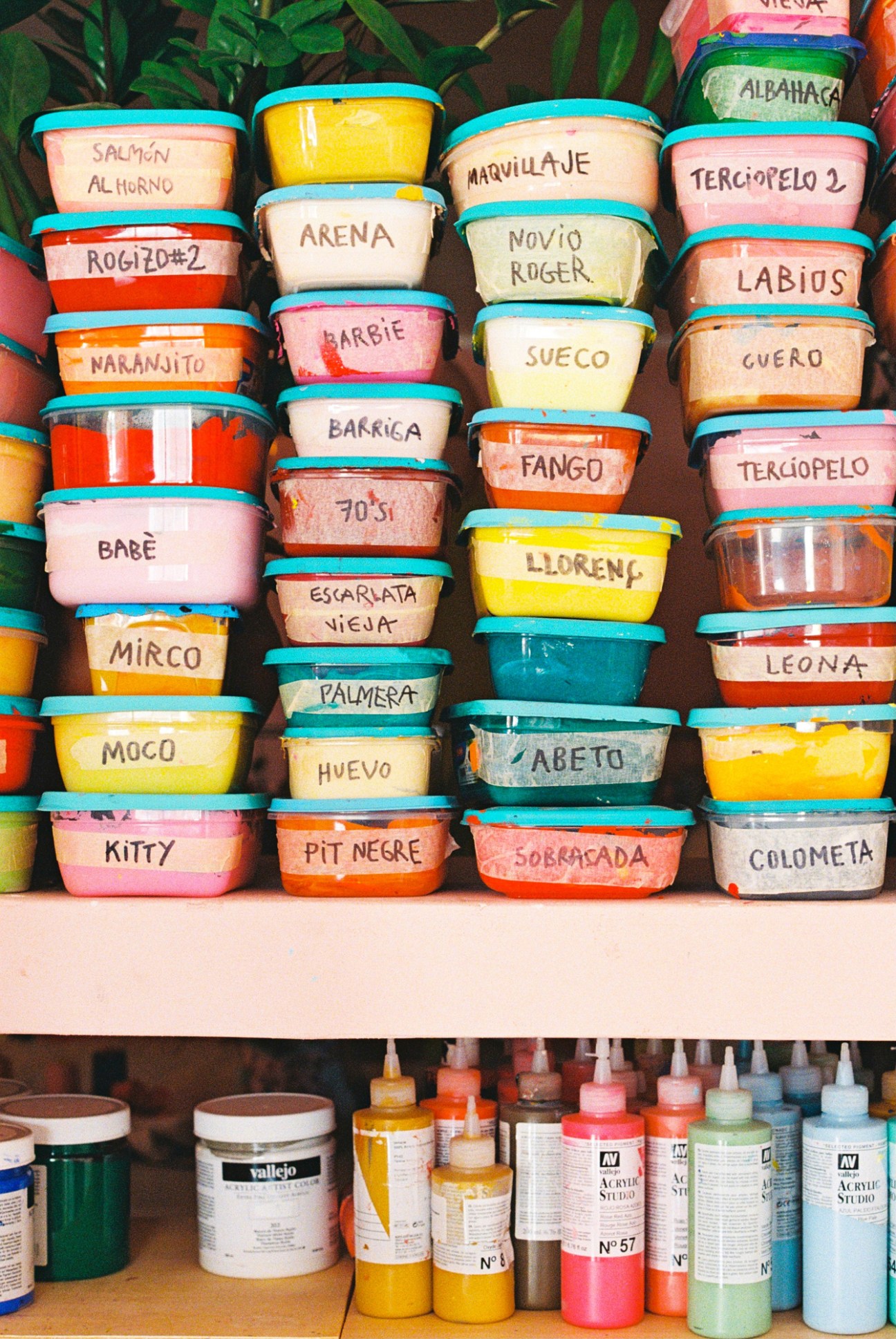
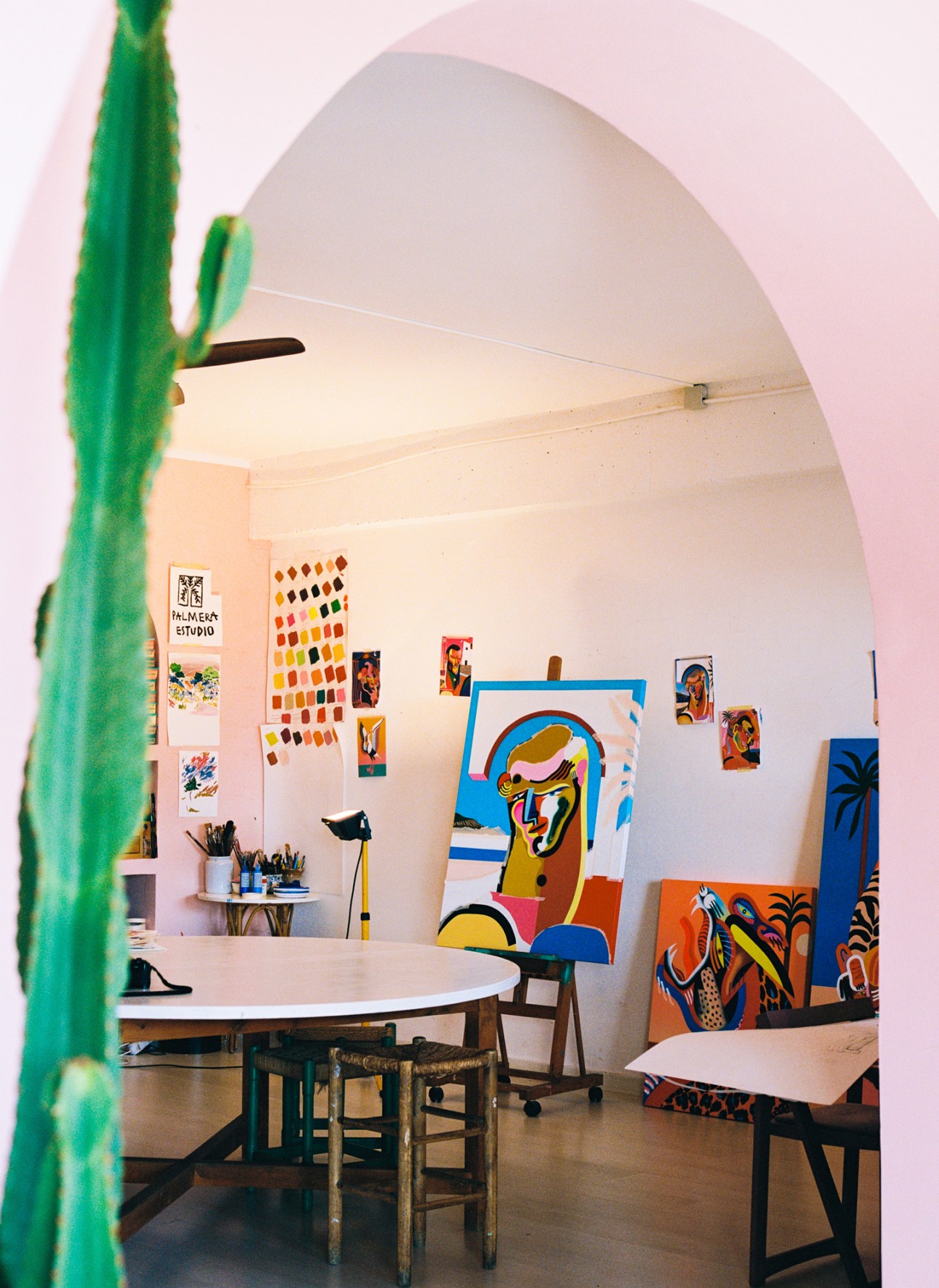
Over the past decade, many of the textile factories that operated during Poblenou’s 20th-century industrial heyday have been turned into headquarters for creative studios and start-ups, as well as apartments. Having seen the area evolve and blossom, Madaula had long aspired to move into his own live-in studio in one of the warehouses typical of this beachside nighbourhood. “I love Poblenou’s 1970s buildings,” he says. “They were built with different coloured façades, huge windows and iron staircases, like the fire escapes of New York, at the front.”
Such premises are in high demand but Madaula’s determination was a factor in obtaining the lease. Desperate for a new place to live and work, he found an available unit – but it was in a dire condition. “It was full of junk,” he says. “It smelled and there was broken glass. But I didn’t care because I could see the potential.”
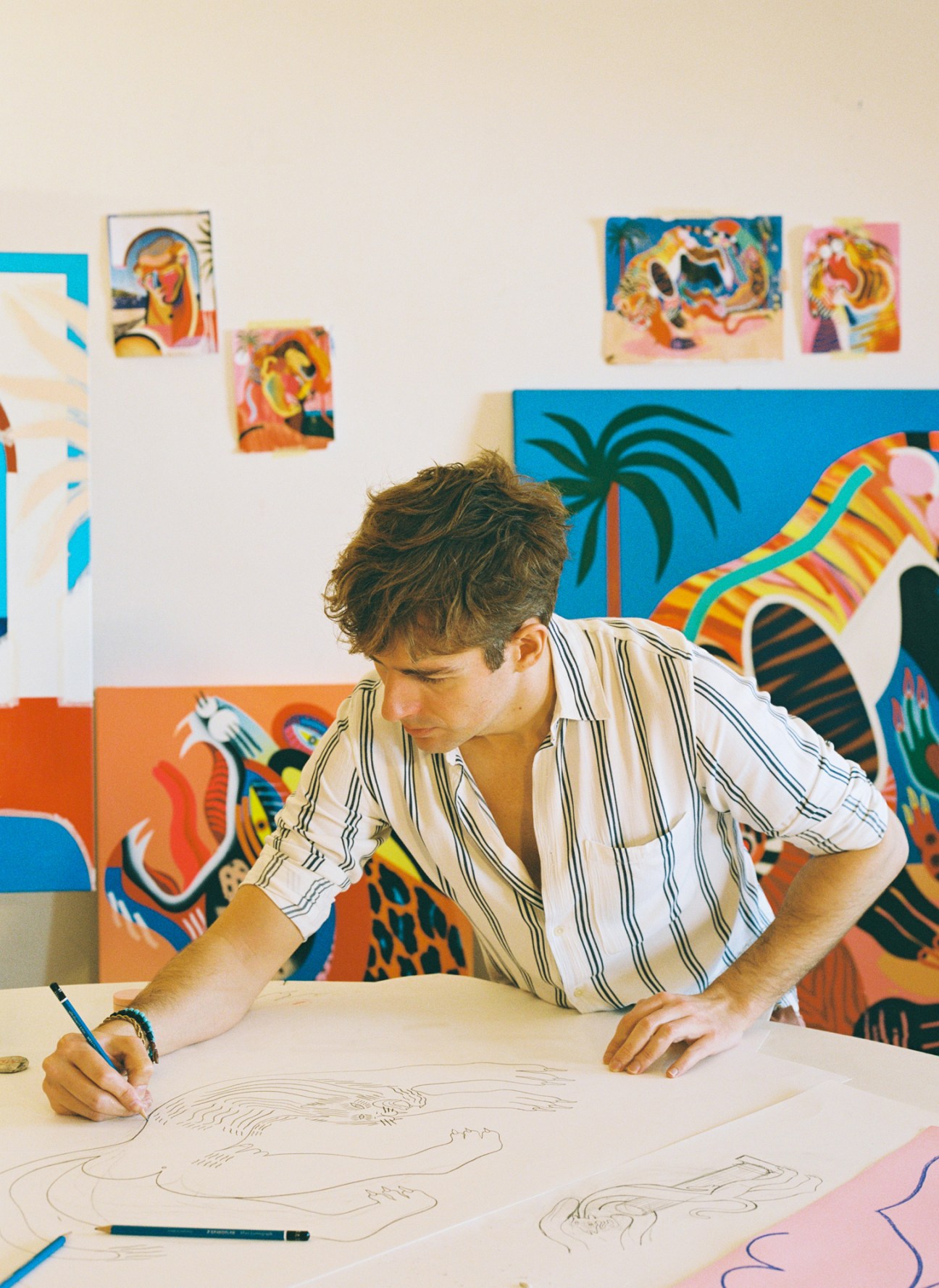
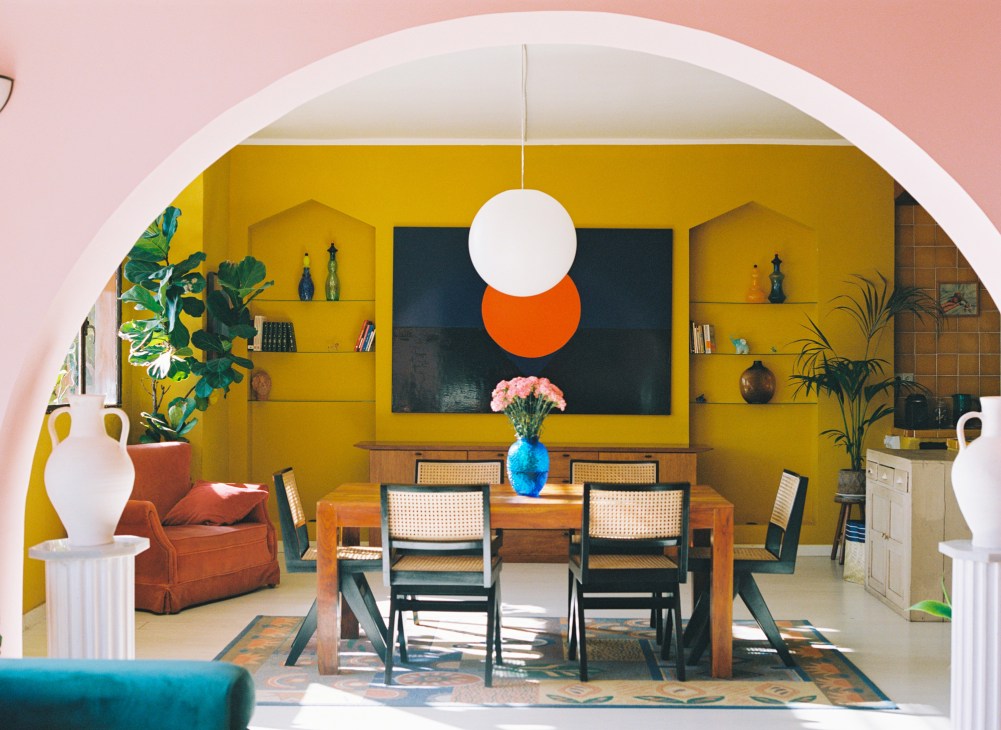
Over two weeks, Madaula designed how its two separate rooms would become an open-plan live-in studio. He rethought the kitchen, living room and bedroom, finishing everything with handsome details such as wood panelling on the ceiling. He lists the curvaceous creations of architects Ricardo Bofill and Richard England, as well as the Moroccan vernacular, as inspirations. Around the flat are quirky ancient-Rome-style details, including parts of columns and mismatched vases. It’s an aesthetic that feeds into Madaula’s work, be it his paintings or his directing.
Palmera’s architecture and furnishings have an effect on its occupants’ activities that goes beyond visual references. The open-plan surroundings are fundamental to the flow of ideas and creation of unique projects. “Albert wakes up with ideas and we bring them to life,” says Vilà. “Our process is natural.” Andújar agrees. “From the moment Albert found the space, his idea was to recreate the feel of a holiday home, where it’s easy and inspiring to create,” she says.

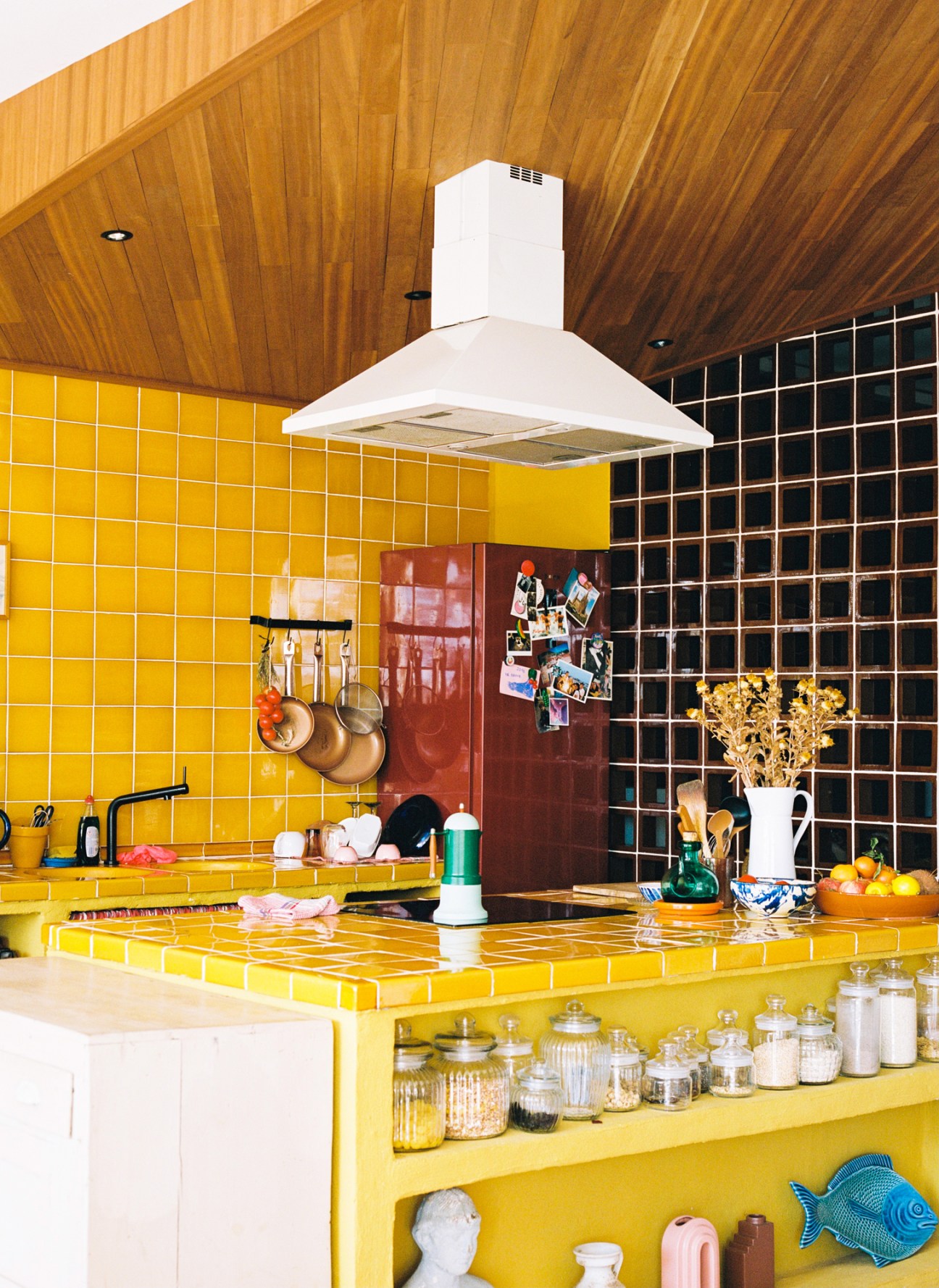
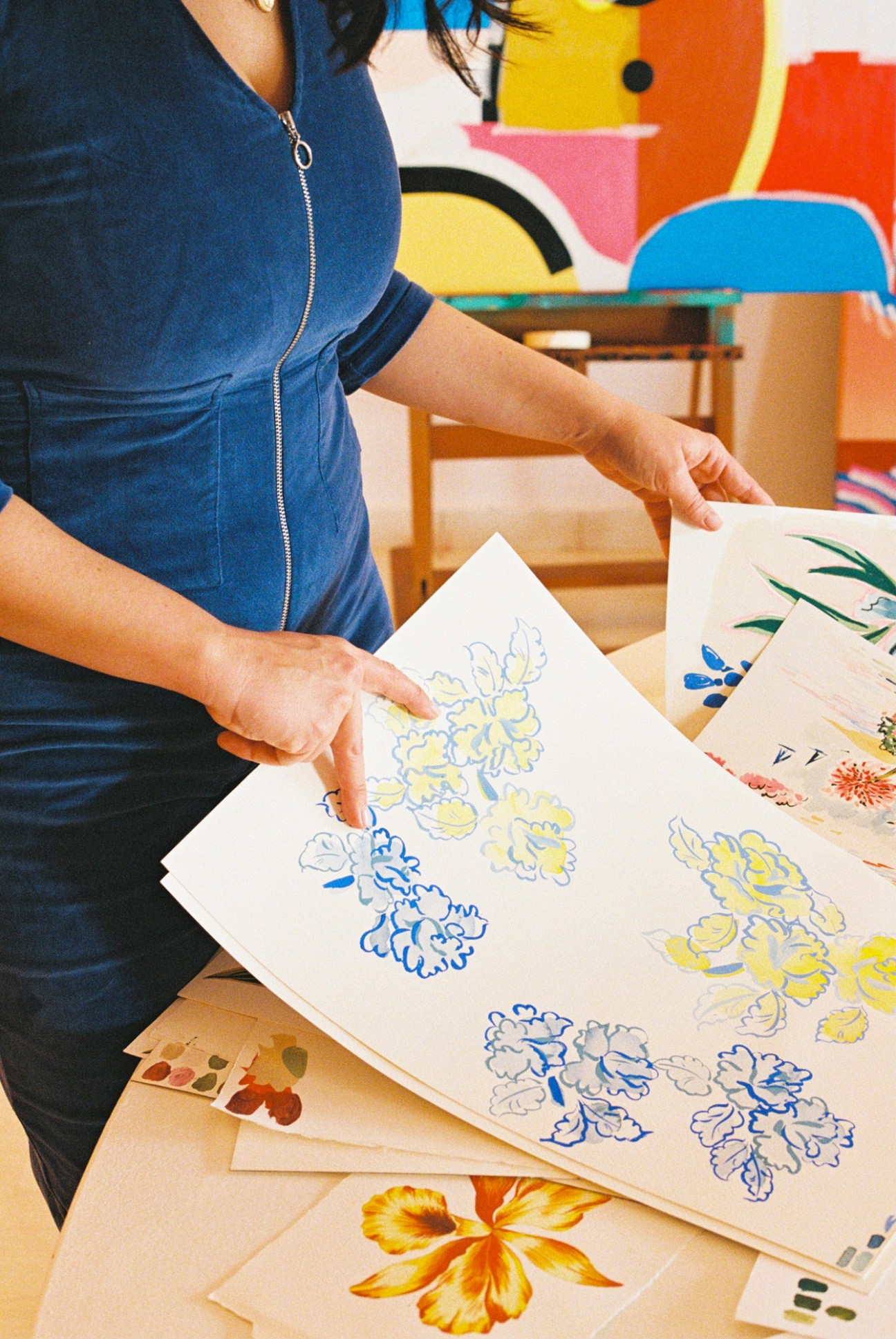
The fact that the occupants work across many different disciplines also helps to encourage unpredictable results. Mixed-media artist Vilà is also an actor, while, having worked in the textile industry in the past, Andújar now makes vibrant abstract paintings. Madaula’s canvases, meanwhile, consist of colourful portraits that have a touch of fauvism and art deco about them. Visual art, for him, was always accompanied by experiments in other fields, including photography and interior design.
Now his focus is on evolving Palmera as a film-production house. The team is working on a commercial to promote a collaboration with 92-year-old Barcelona jewellery designer Albert Coll. Madaula and Vilà are also working on the script for the studio’s first feature-length film, which will be shot within its pink, mustard and blue walls. The beauty and atmosphere of the space makes it a popular location for shoots and events – a side hustle that helps prop up the finances.
Warehouse conversions can feel cold, colourless and empty but Palmera Estudio is warm, cosy and eclectic. “Whether or not this was Albert’s home, it would still have this essence,” says Andújar. “Because it embodies who we are. It makes us feel relaxed, so we can create.”
lapalmeraestudio.com
2.
The Apartment & The Fourth
How an unplanned gallery for upcoming artists expanded across a residential Cape Town block.
Artist Rodan Kane Hart and interiors curator Maybe Corpaci hadn’t intended to turn their new Cape Town digs into a contemporary art gallery. They found the space two years ago on the top floor of a six-storey art deco building because Hart needed a studio. Once they had taken up residence – converting the flat into a dual-use space to merge their disciplines – Hart fancied hosting a group exhibition at the same time as the city’s art fair. “The idea is that art isn’t produced in a vacuum and doesn’t exist in one,” says Hart. “It’s often experienced in spaces that are more intimate.” The event, aimed at offering emerging art and artists a platform in a domestic environment, was a success.
Soon afterwards the pandemic struck, forcing the activities of the gallery, called The Apartment, online. But this also presented Hart and Corpaci with an opportunity to develop a brand-new space on the fourth floor of the same building, which they have named The Fourth. As tenants left the block during lockdown, three floors were left vacant. Impressed by the couple’s transformation of the top storey, the landlord offered them use of another floor, rent-free, for six months. The pair transformed it into an extension of the upstairs gallery, where collectors could browse pieces in a residential-like space. “We pride ourselves on re-engineering spaces and reimagining how they can function,” says Hart.

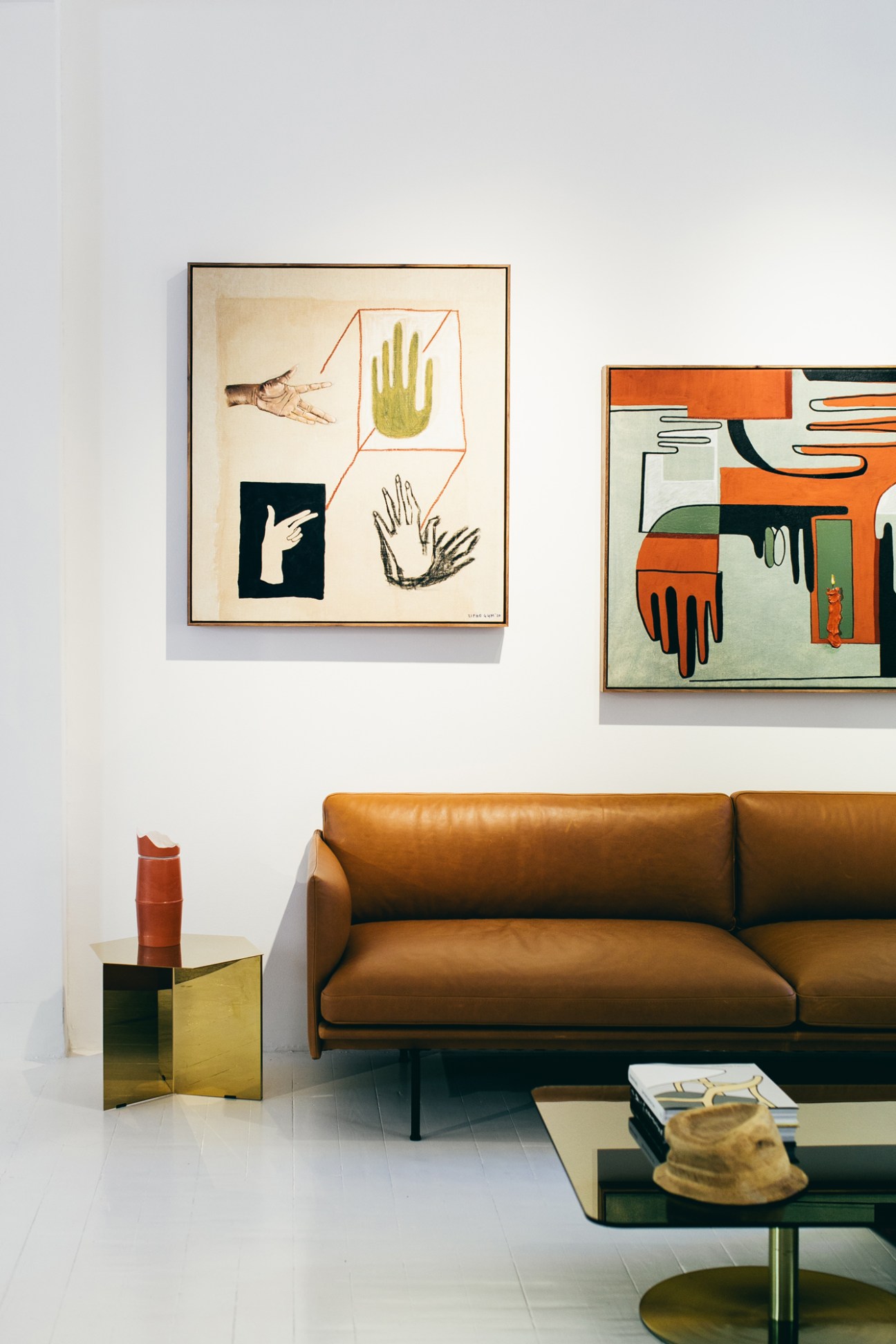
The Fourth opened last September. Although nobody lives inside, the gallery retains a domestic vibe. The exhibition rooms hold furniture from South African brand Lemon alongside pieces by new artists, including installations made of upholstery materials by Unathi Mkonto and dreamlike oil-on-canvas paintings by UK-born Alexander James. The homeliest room is the burgundy bar – a corner surrounded by a Persian rug and mustard leather chairs – where events often commence.
If everything inside The Fourth feels seamless, it’s because the pair brought their personality into the space. They are remarkably aligned. “We choose work that we respond to,” says Corpaci. “We hardly ever disagree on an aesthetic or curatorial choice.” Unlike other galleries in Cape Town, which might be more commercial, The Fourth offers a platform for artists and designers who might not otherwise be represented. The Apartment, where it all began, is still open for events, despite mainly functioning as the couple’s home. “There are no longer people walking around our bedroom,” says Corpaci, laughing. “But there’s still constant foot traffic.”
Exchange Building, 28 St George’s Mall, Cape Town
3.
Palazzo Monti
This grand, three-storey home in northern Italy is repeatedly refashioned by its roster of live-in artists.
“This is a house that transforms into something new every month,” says Edoardo Monti, founder and patron of Palazzo Monti, an art residence in Brescia, northern Italy. Completed in the 13th century, with a monumental stone entrance and finely restored Baroque-era frescoes on the ceilings, the palazzo might appear too grandiose a building to be so mutable, yet 29-year-old Monti has managed to refashion it with the help of a changing cast of creatives. “It’s the artists and the art that create the space and the mood here, so the palazzo is in permanent flux,” he says.
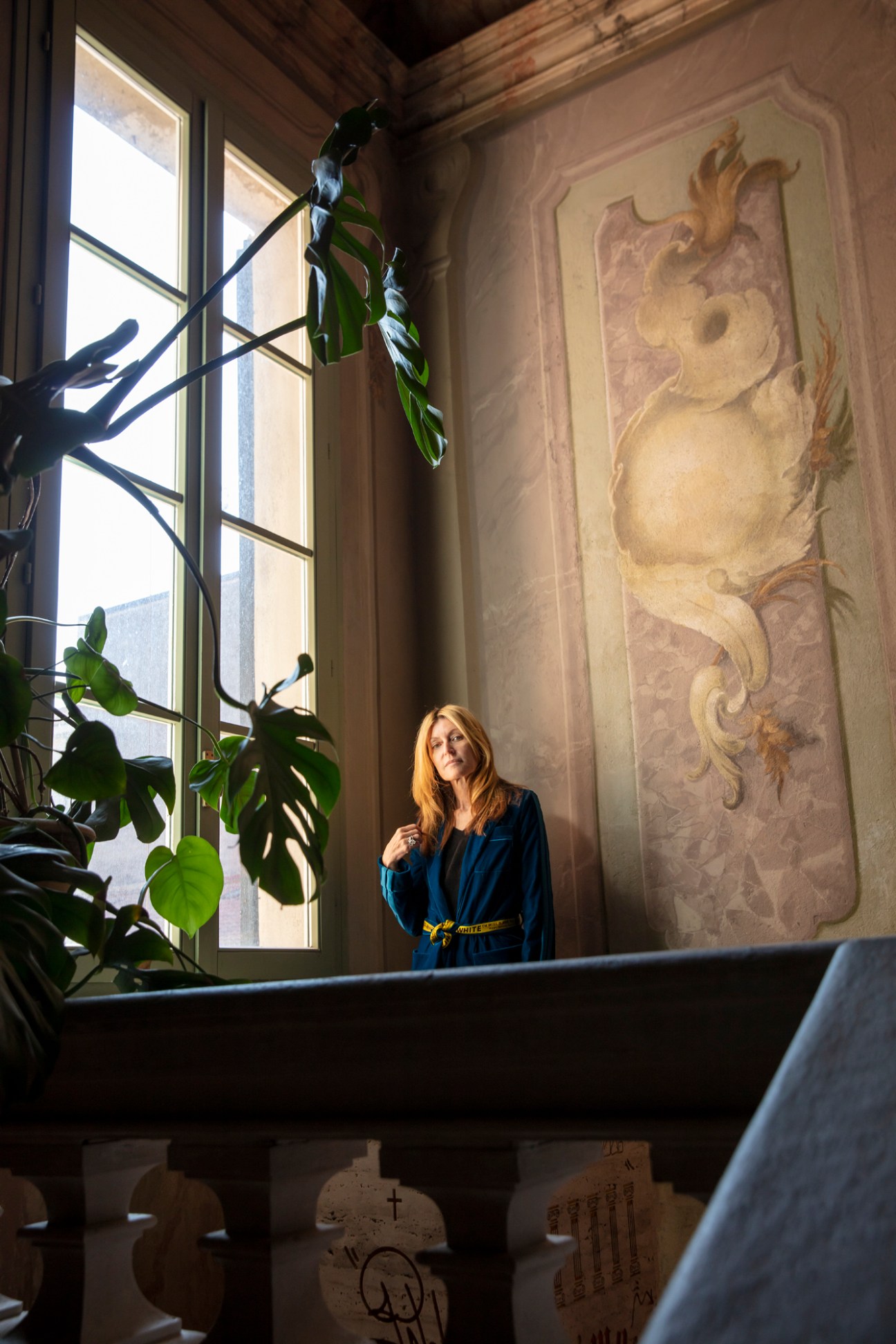
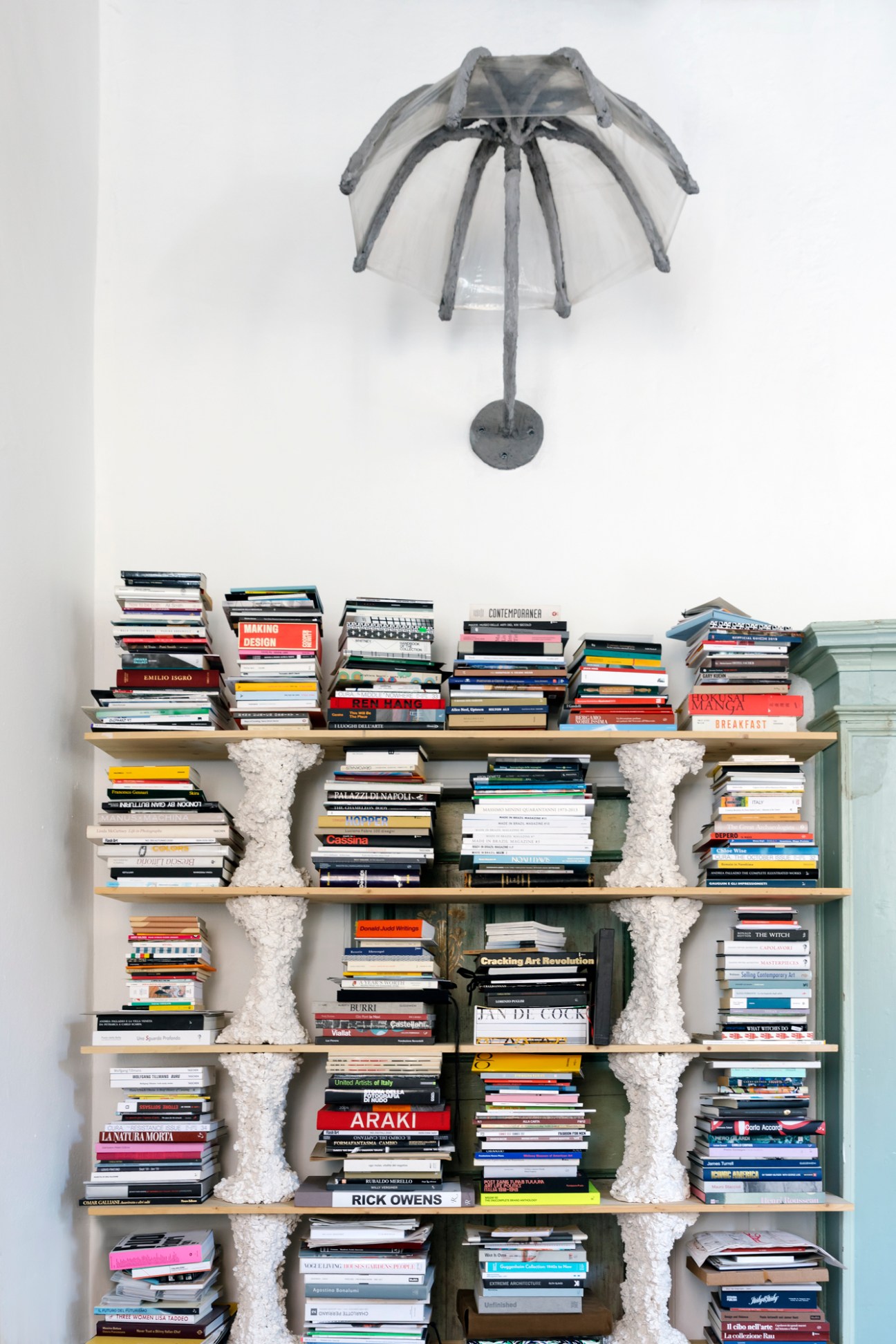
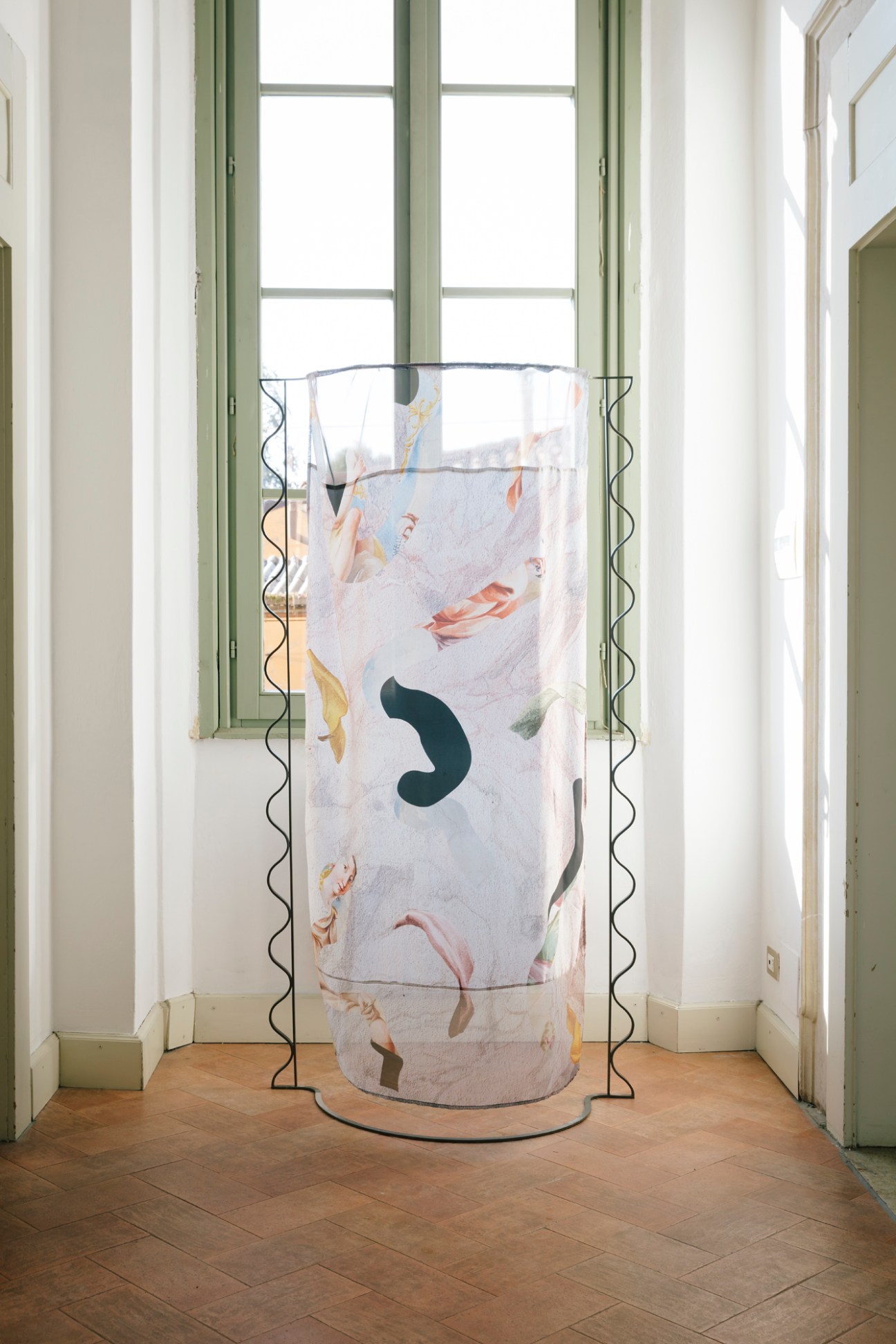
Spread over three storeys, the residence has six bedrooms for artists and staff, two top-floor work studios and a pair of gallery rooms. One of these is beneath a 1750 fresco of Apollo and the nine muses, while the other has flower-patterned mint green walls from 1600 that were discovered during the most recent renovation.
Monti’s grandfather, a lawyer, purchased the palazzo in 1950 and set up his home and offices here. Today it has been spruced up with contemporary design pieces – Flos lights, Paola Navone-designed couches, a Bitossi vase by Ettore Sottsass – alongside antiques that include a mushroom vitrine from a flea market and a velvet couch from the Ritz Paris, bought at auction. The free-wheeling interior decoration of this centuries-old space helps to create the sense of liberty that Monti provides for the artists chosen for the one-month residencies; creatives frequently delve into previously unexplored techniques during their stay.
As the residence marks its fourth anniversary this spring, it is stepping up its activities by welcoming its first honorary board, comprising celebrated members such as gallerist Massimo Minini; Katy Hessel, founder of The Great Women Artists; msgm founder and designer Massimo Giorgetti; collector Umberta Gnutti Beretta; and designer Sabine Marcelis. All will also mentor, as well as assisting in selecting artists from all over the world according to their diverse fields of knowledge. “I didn’t want a project that was limited to my own taste in art,” says Monti. “This isn’t about me. It’s about creating culture.”
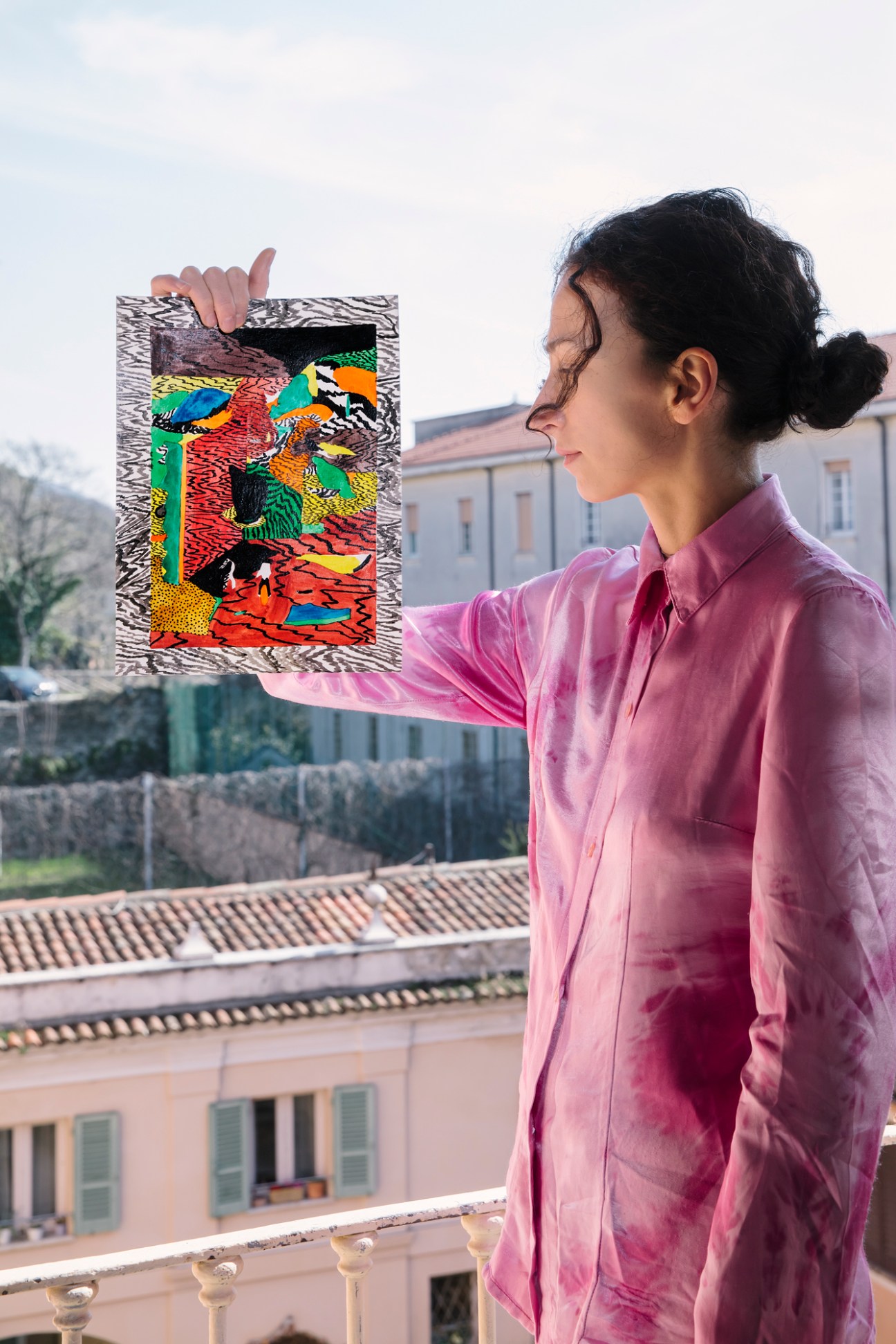
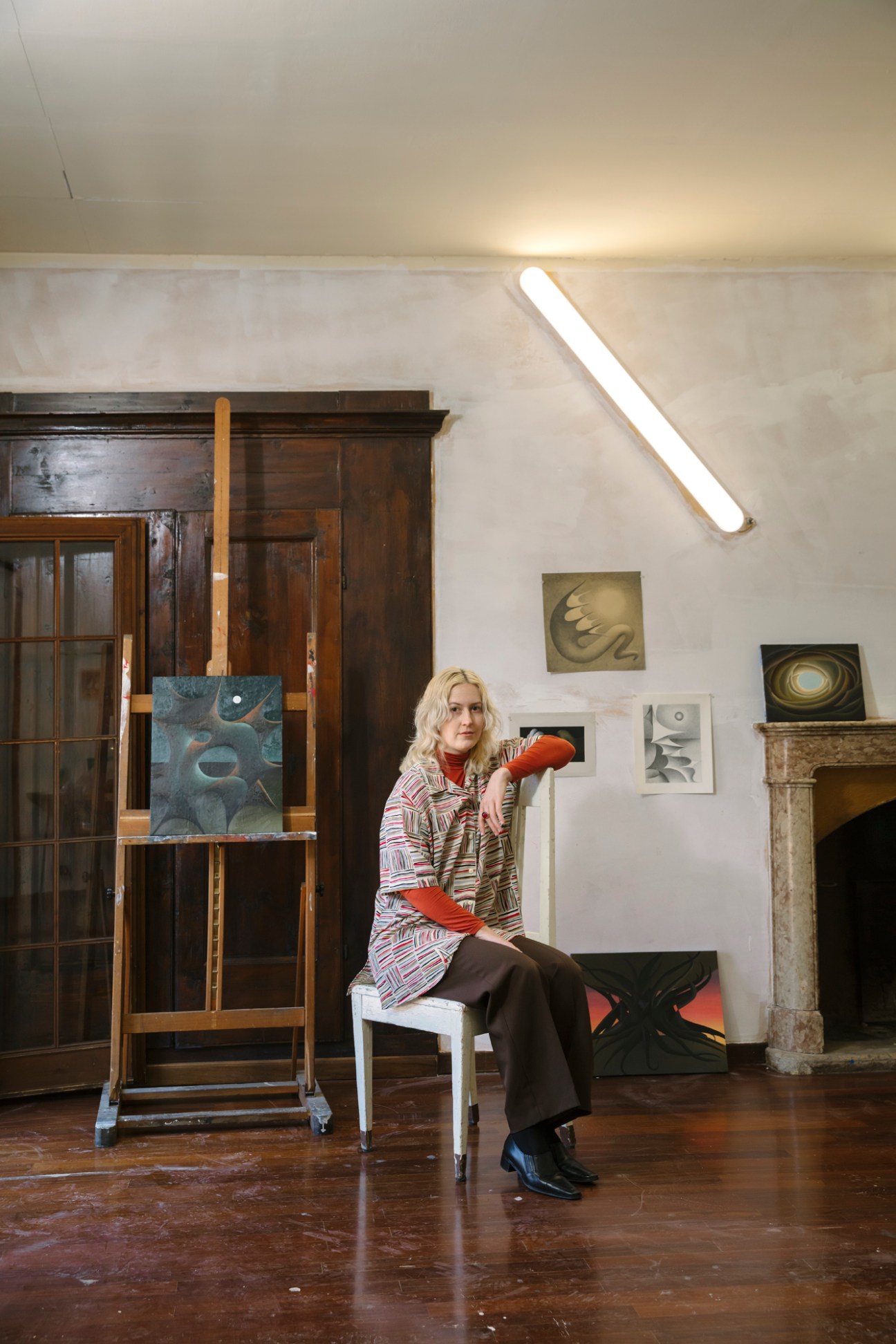
Currently booked up until February 2022, Palazzo Monti receives between 80 and 100 applications a month and selects up to three artists to stay at a time. The residency is free, and sometimes even includes financial and practical contributions towards the production of works, asking only for a piece of the artist’s choosing to be left behind. “Psychologically speaking, the payback is a thousand times what I put in,” says Monti, who began collecting art with meagre funds aged 14. “It justifies the investment.” Having worked in communications at Stella McCartney in New York until 2018, he saved up to invest in the project, and now often works as an art consultant and curator, putting a portion of his earnings towards the philanthropic residence. Donations from private benefactors and cultural grants from the government contribute to the budget, as do profits from on-location shoots by fashion and design brands that rent the palazzo.
“I’ve never worked anywhere like this,” says painter Alicia Adamerovich, whose Brooklyn studio at home doesn’t quite match the space or the majesty of Palazzo Monti. “I’m spending my residency producing a series of canvases for two upcoming gallery shows in France,” she says, sitting at the large iron dining table designed by Monti. “It feels easy to be creative here.”
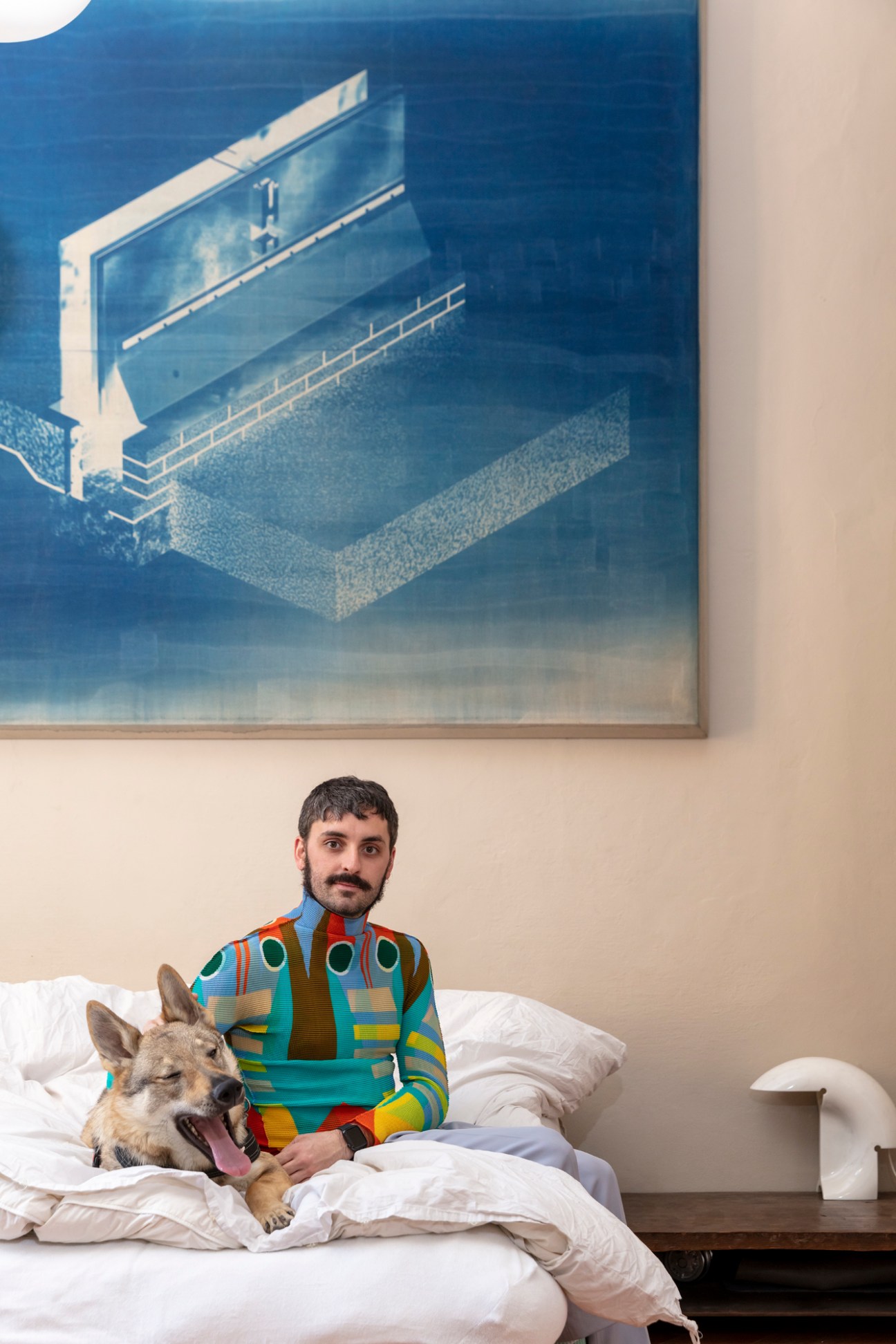
“Living here is like having guests every day of the year and it makes me connect with people,” says Monti, who inhabits the smallest room of the palazzo. Dressed in a technicolour turtleneck that matches his energy, he loads the dishwasher, fixes the faulty electricity and walks his equally energetic dog, Beatrice, in the courtyard as he talks. His vivacity surely helps to keep the old palazzo and this project going. “Artists are often introverts and I’m an extrovert,” he says. “It comes naturally to me to take care of them and make them feel at home.”
As Monti shows Monocle some of the pieces on display in the rooms, he tells us that “the philosophy here is that nothing is ever in storage”. The artists’ creations also often end up exhibited in a network of galleries and institutions, including the Gamec museum in Bergamo, The Flag Art Foundation in New York and the Etage Projects gallery in Copenhagen, which brought its stable of artists to the palazzo to create collectable design pieces with local artisans. Brescia, an orderly and affluent city just a stone’s throw from Milan, offers artists easy access to museums, a well-restored Roman forum and a wealth of craft talent to partner with. Artists often return to the city independently to carry on their collaborations.
“Everyone should have this opportunity, not just artists,” says Barbara Prenka, a Venice-based painter who’s experimenting with quilting during her residence at Palazzo Monti. “It gives you a burst of newness and adrenaline. You can work without constraints and let yourself be inspired by a new place and new people.” Monti agrees. “Staying in a palazzo with all this history and beauty around has an effect on artists,” he says. “They need to travel and to work. Travel isn’t just a caprice for them – it’s fundamental for new inspiration.”
palazzomonti.org
The call of the suburbs
“What came before them was pretty ordinary,” says graphic designer Matthew Arnold. He’s taking Monocle through the residential-design style of the Christchurch School, a 1950s and 1960s New Zealand architecture movement about which he’s just co-published a book, I Never Met a Straight Line I Didn’t Like. “Back then, Christchurch streets were rows of older timber English- style workers’ cottages,” he says. “Then suddenly you would get one of these buildings with painted concrete-block walls and steep-sloped roofs, built back off the street. They were pretty alien.”
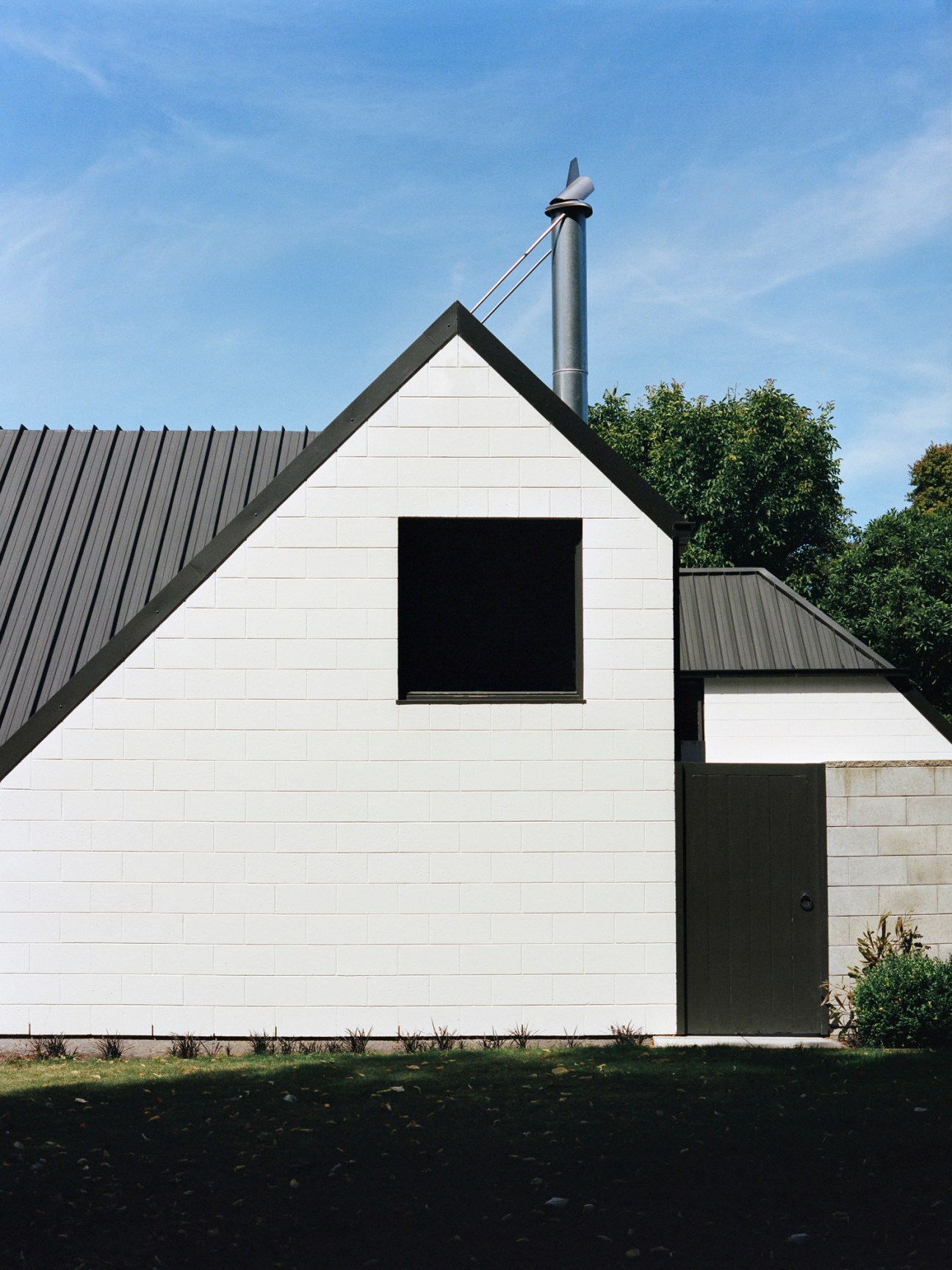
Alien in the nicest sense of the word, we might add. Here, on a remote island near the bottom of the Earth, in a city prone to violent earthquakes, a sunny design style that merged Scandinavian modernism with early UK brutalism captured Christchurch’s imagination. “I like to compare it to the ‘Seattle sound’, where the grunge music movement emerged in the early 1990s,” says Arnold of the style that defines the homes at the heart of his attractive photo-led title. “You basically had all these people with all this talent in a single place at the same time,” he says. “A style was established that was inspiring every young architect and they were all riffing off it and feeding off each other’s work.”
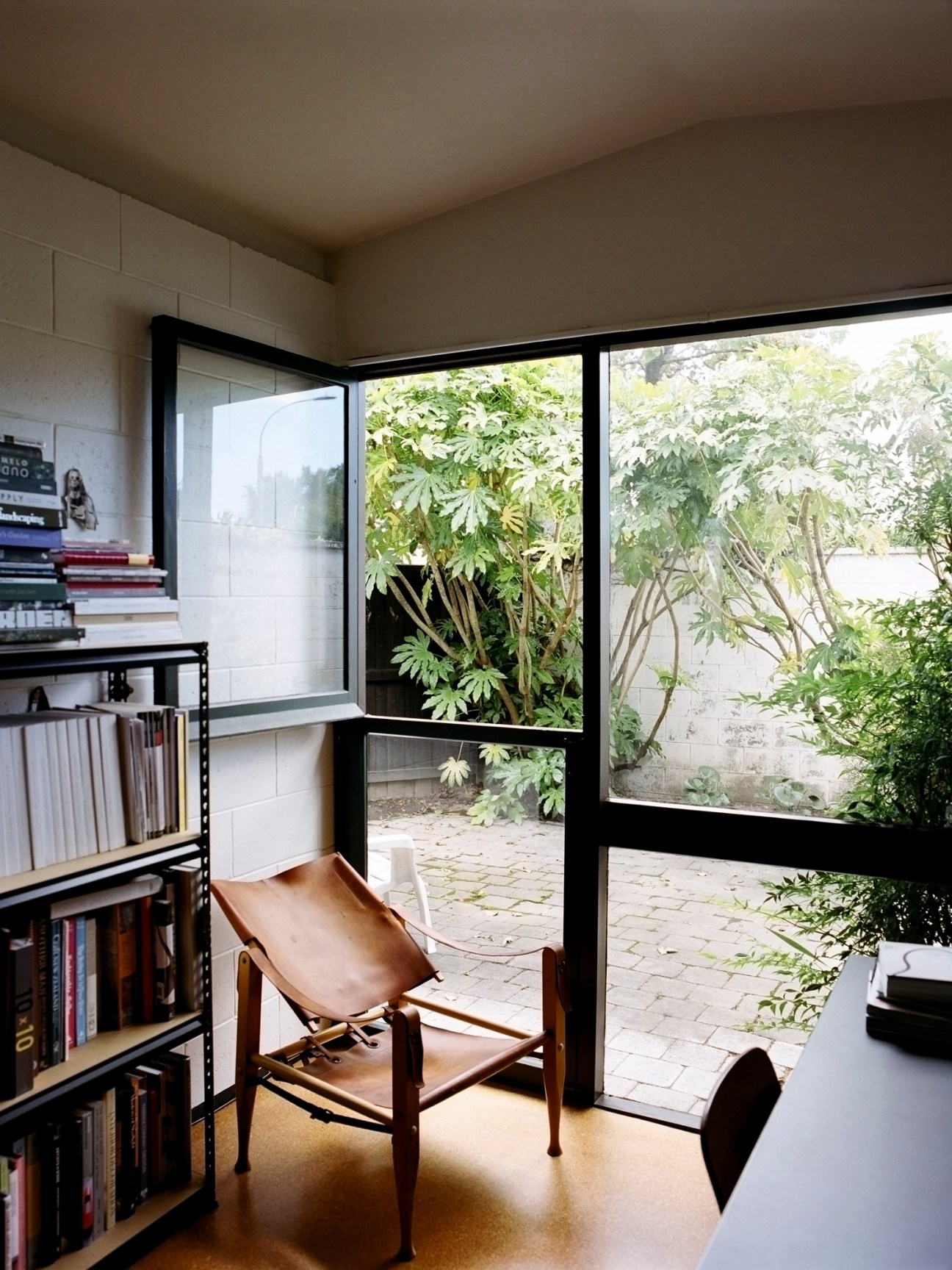
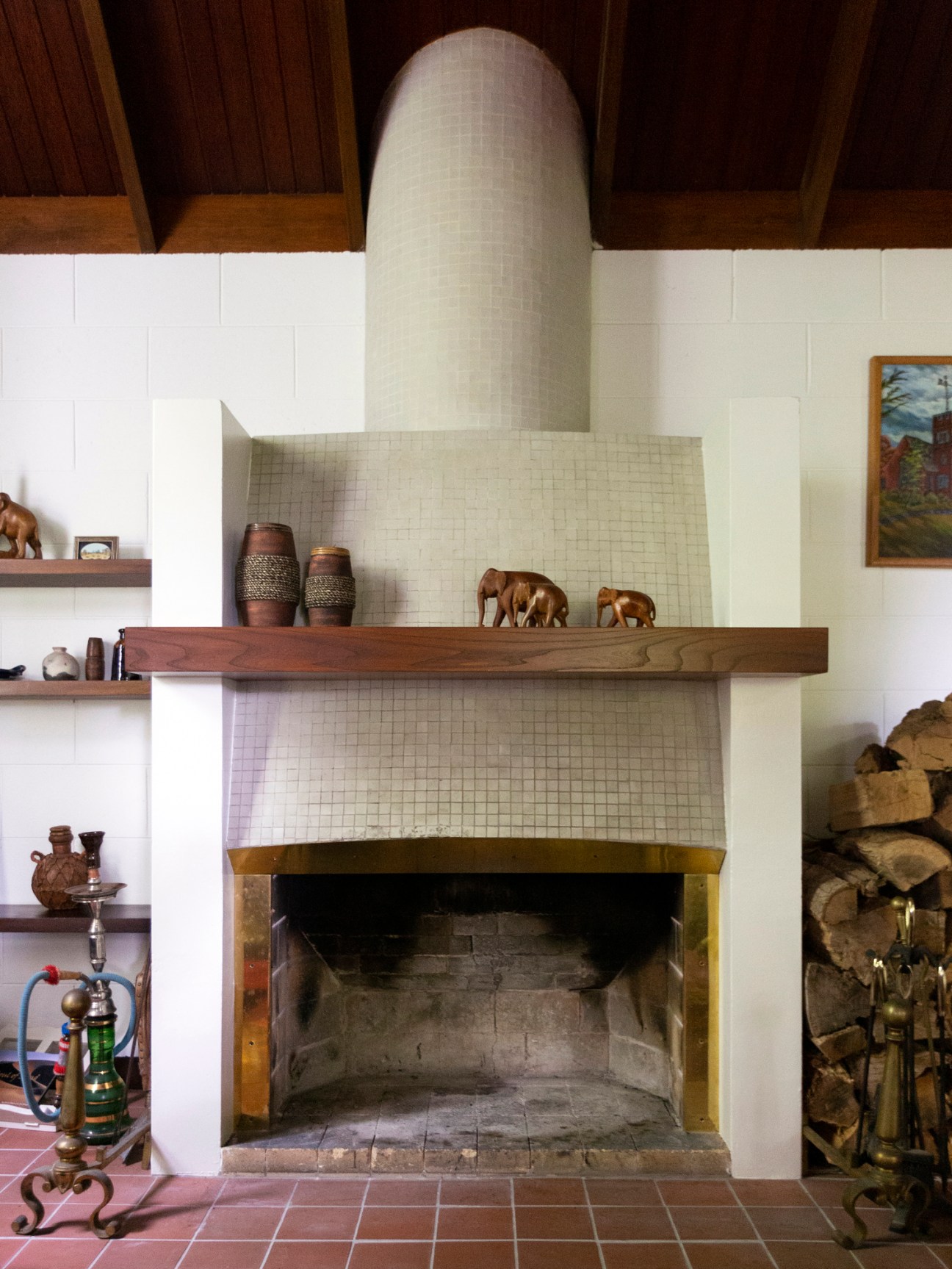
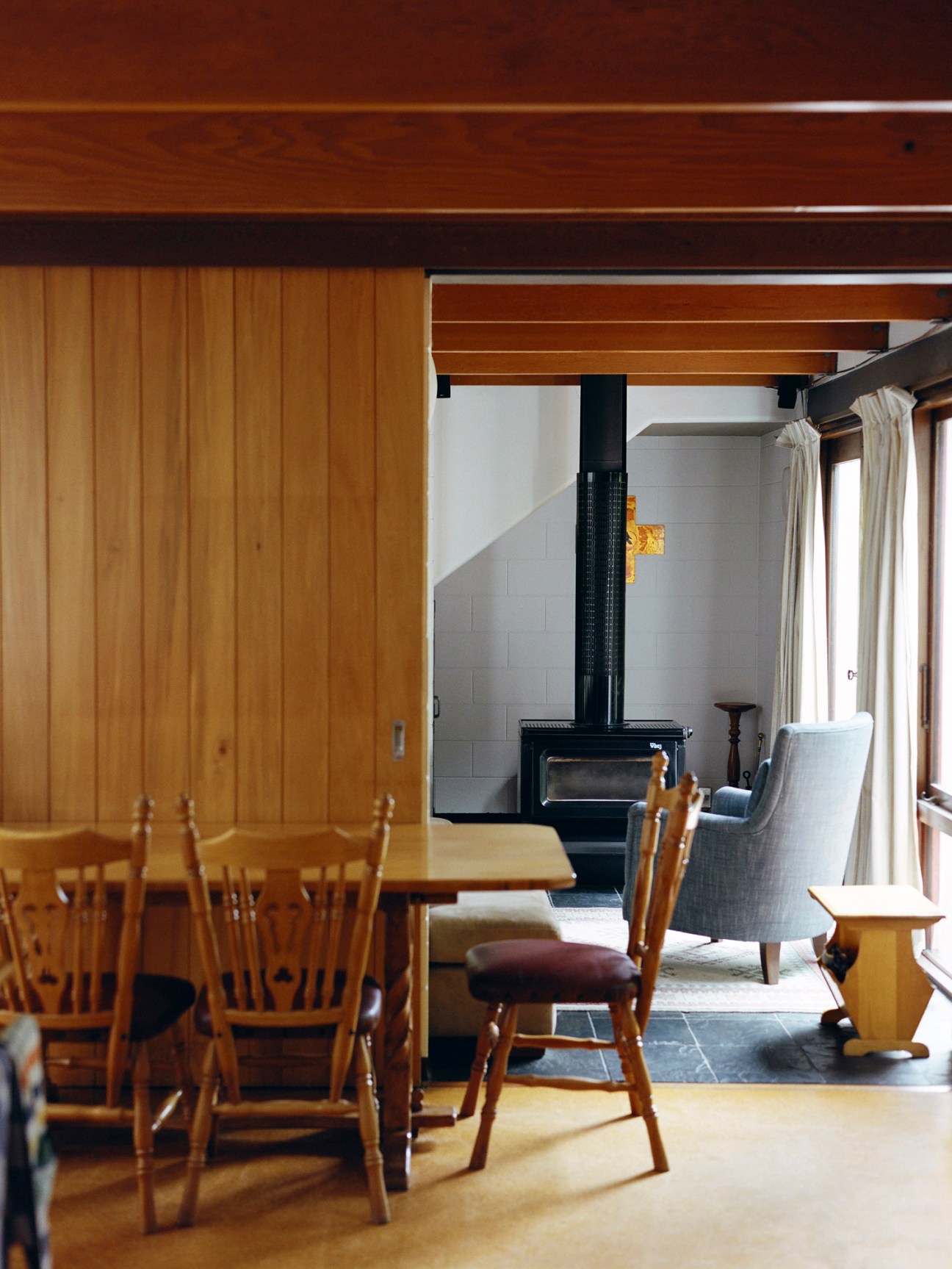
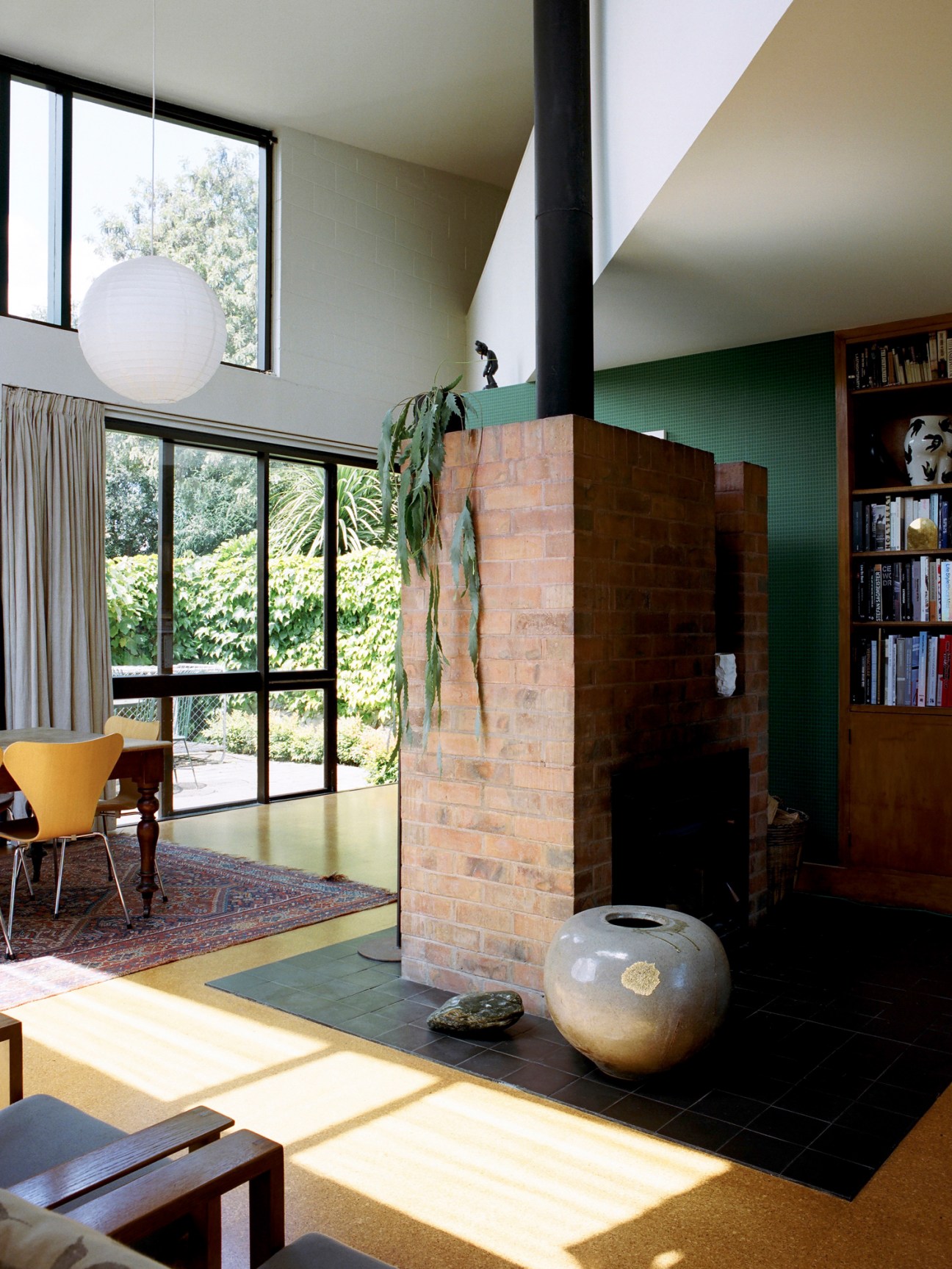
More than half a century later, many of these homes remain remarkably well maintained. This is particularly impressive considering they endured the horrific 2011 earthquake that damaged much of the city. The reason for the buildings’ sturdiness is their reliance on a simple, strong core construction material: steel-rod-enforced concrete blocks. Yet the concrete homes never feel cold or austere, says photographer Mary Gaudin, who co-published the book with Arnold. The reason, she notes, is the way that the cold material is offset with warmer features. When they were built, the exteriors were painted in a sun-reflective white, while timber tended to be deployed majestically inside to line the walls and large double-height ceilings.
1.
B Jones by Ian Athfield, 1968
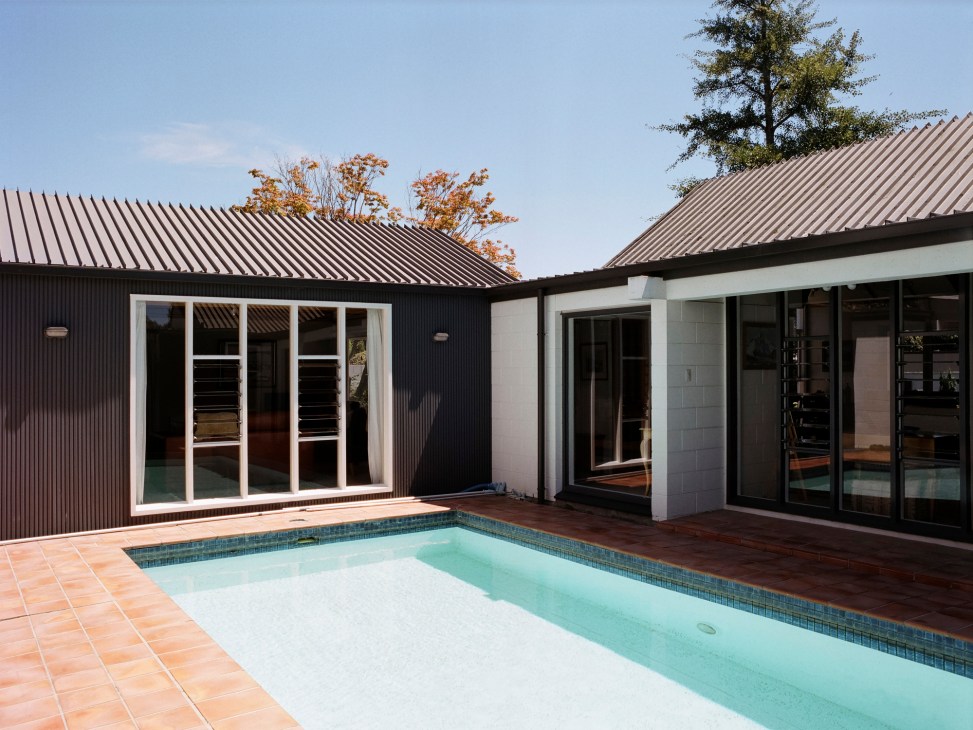
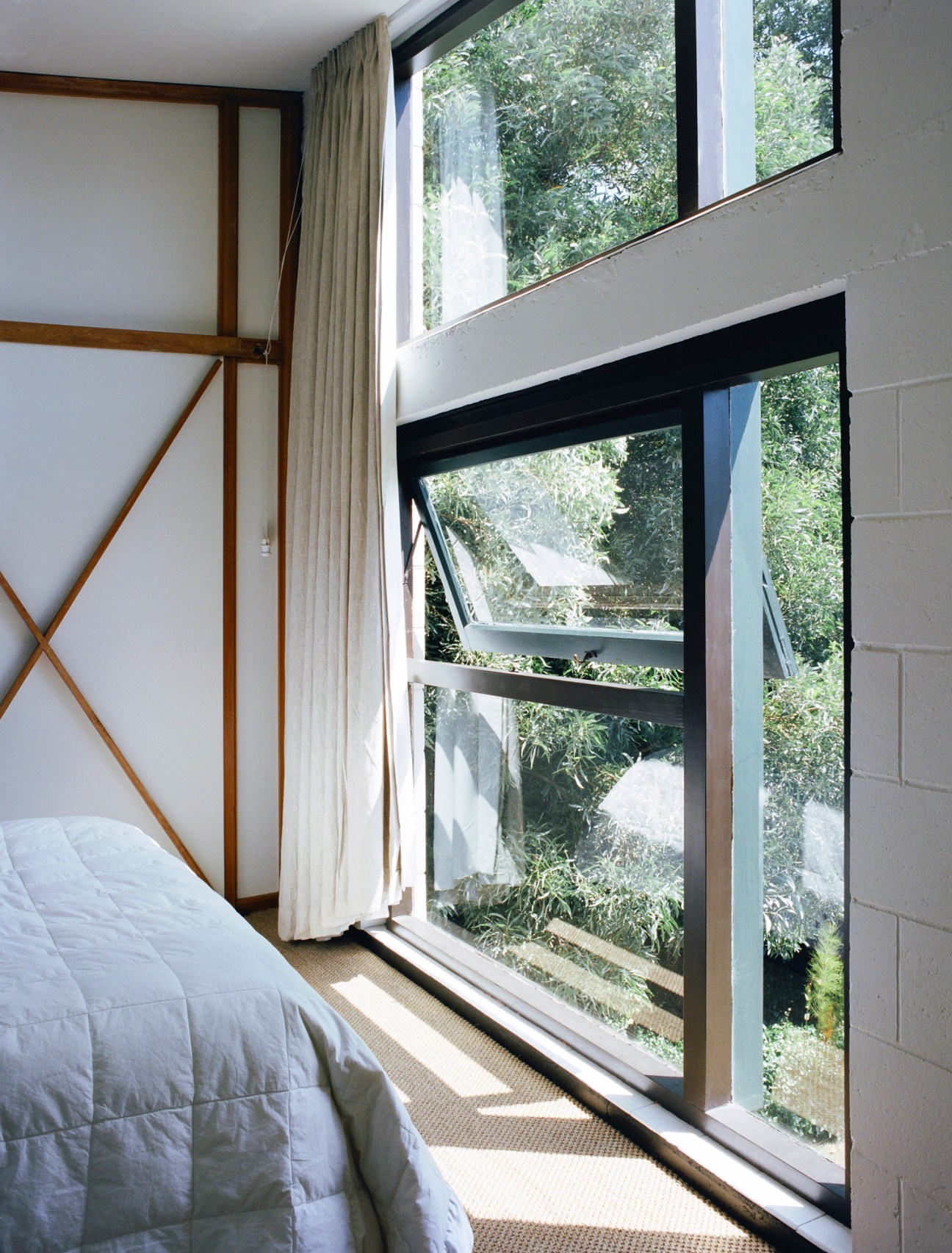
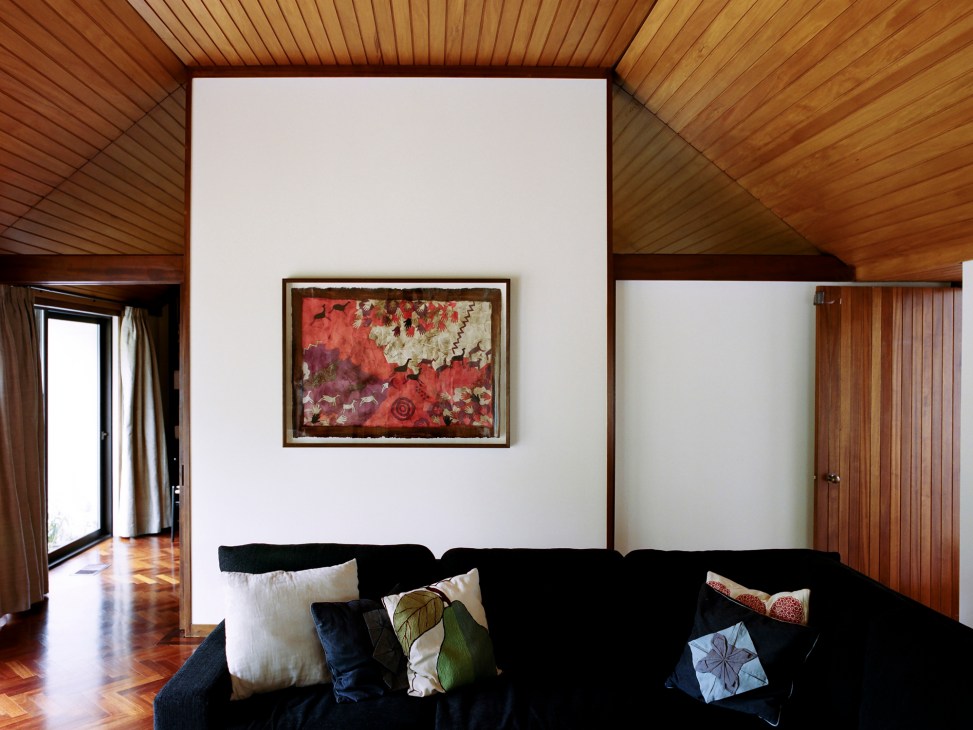
The Christchurch style was simple: concrete-block walls painted pure white; steeply pitched roofs with shaved eaves; deep-set windows; and tall chimneys. But the results were complex, sculptural and beautifully detailed homes.
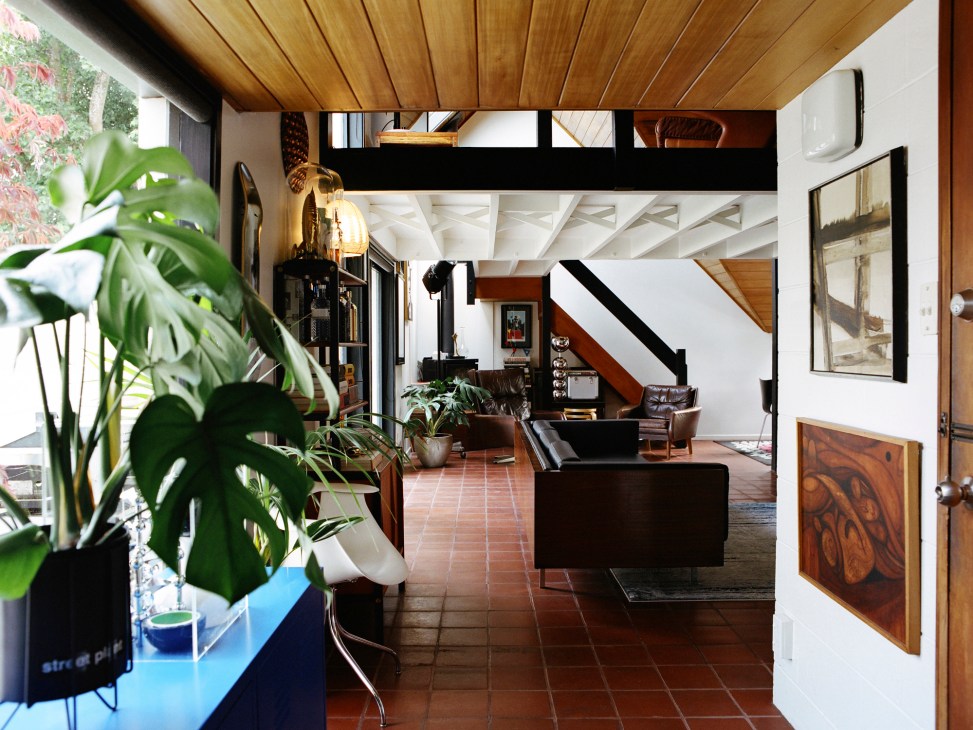
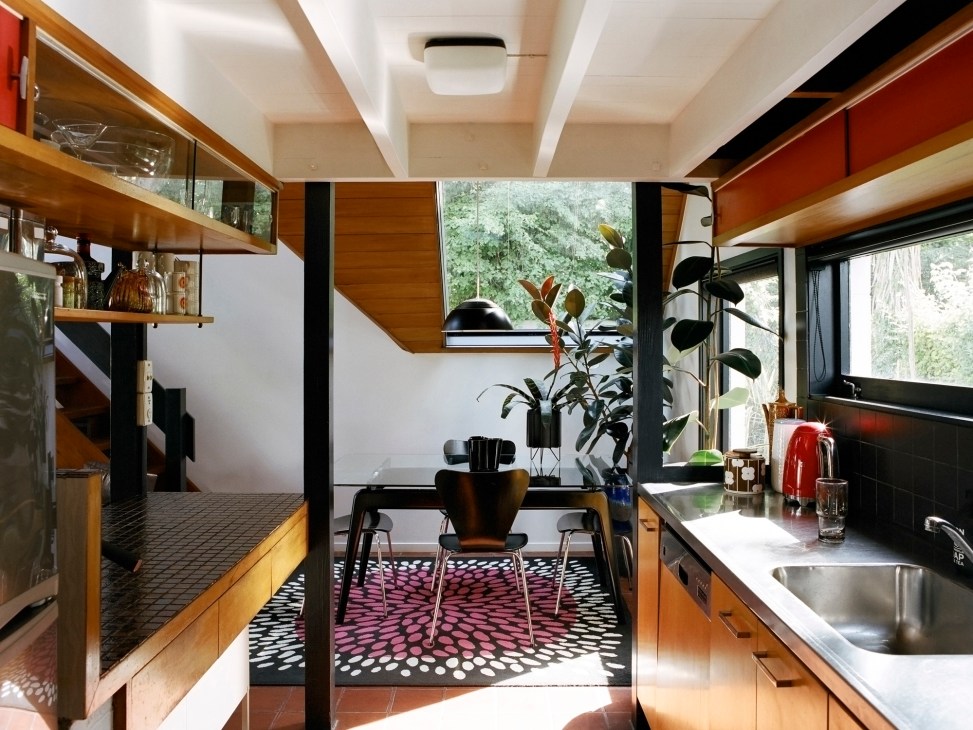
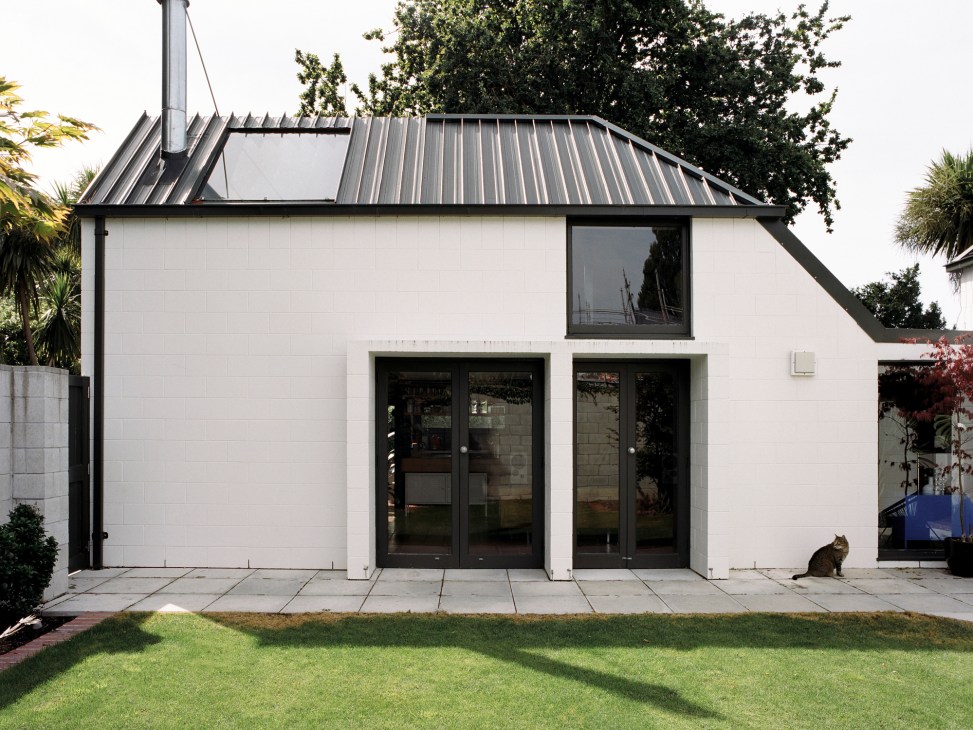
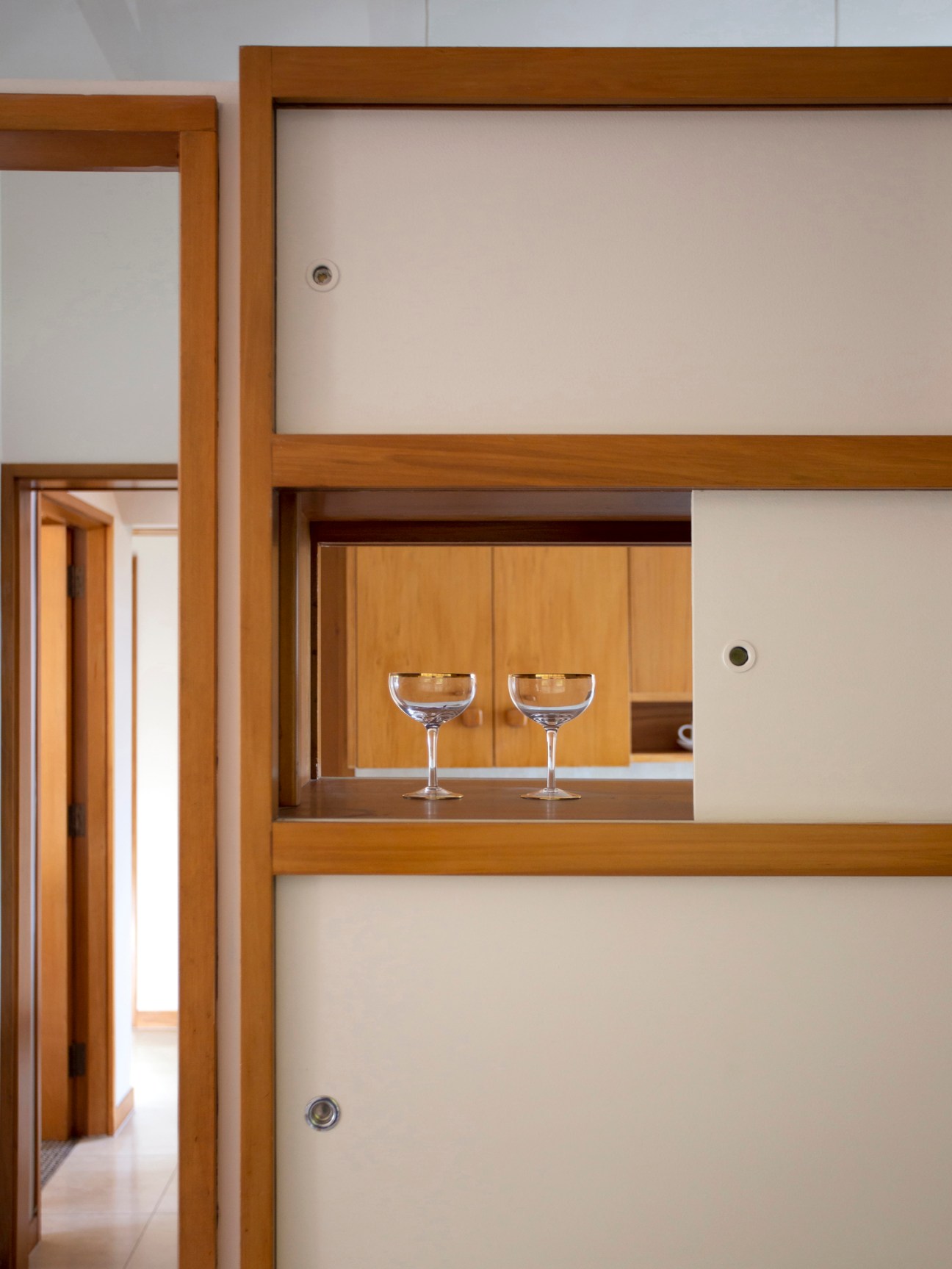
“New Zealand didn’t have access to luxurious materials but we had incredible wood,” says Gaudin. “Today it’s impossible to build with these amazing native woods such as totara and rimu but back then you could – and they made these homes warm and inviting with an almost Japanese feel.”
The first Christchurch School homes were pioneered by architect Miles Warren, a Kiwi who had worked on daring social-housing projects for the London County Council in the UK in the 1950s. Although later dubbed “brutalism” – a term that Warren disagreed with – these concrete-infused developments created bright, airy and affordable living options for Londoners and showed the possibilities of building with a material that could be produced virtually anywhere, including New Zealand. With a penchant for the Scandinavian design that he had observed on his European travels, Warren returned to his native Christchurch in 1955 and his influences began to take shape across the city’s built environment.
“He created a notable house for his parents and began to convince a conservative city to build modern homes,” says Arnold, noting that Warren’s charming demeanour and his family’s social status in Christchurch boosted the appeal of his work. “The city was heading into both an economic and cultural boom, and then along came this well-mannered man from a good background who was convincing people to think differently about home design. Thankfully for Christchurch he was an incredible designer.” It wasn’t long before other young architects took Warren’s style and ran with it. A collective of such designers, which became the Christchurch School, began competing for who could forge the most creative homes that still honoured the simple construction methods.
2.
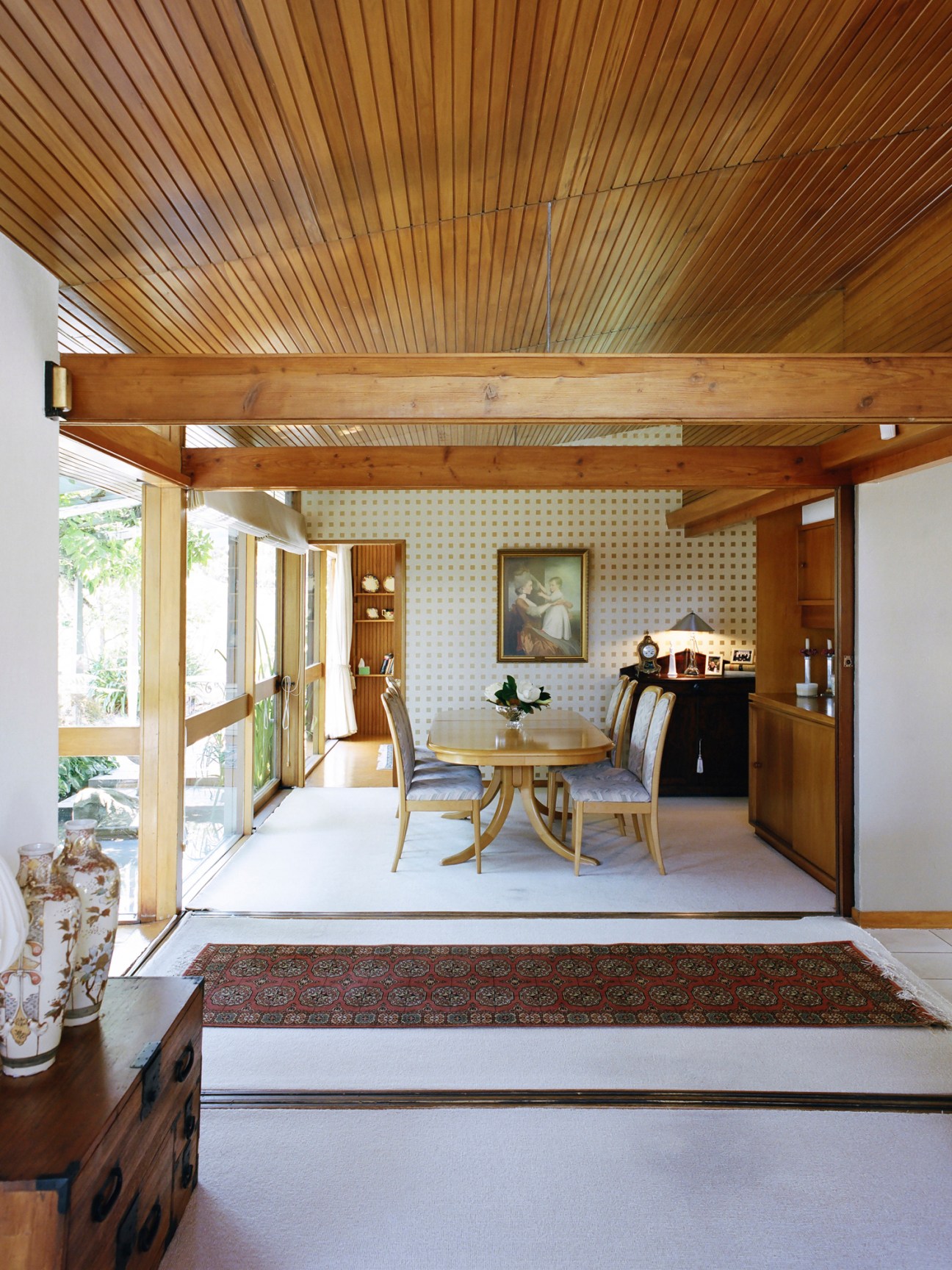
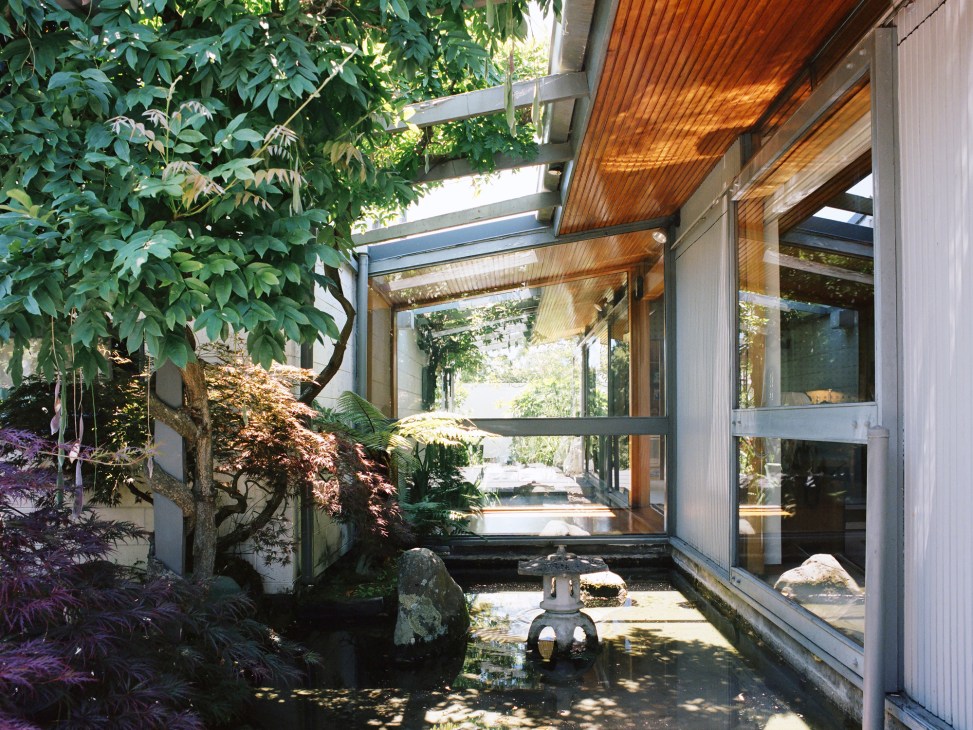
PNG Blaxall by Griffiths & Moffat, 1967
The house reflects Peter Blaxall’s love of Japan, capturing that country’s spirit of planning via its ‘genkan‘ entrance hall and rooms opening out to individual courtyards featuring water and planting.
3.
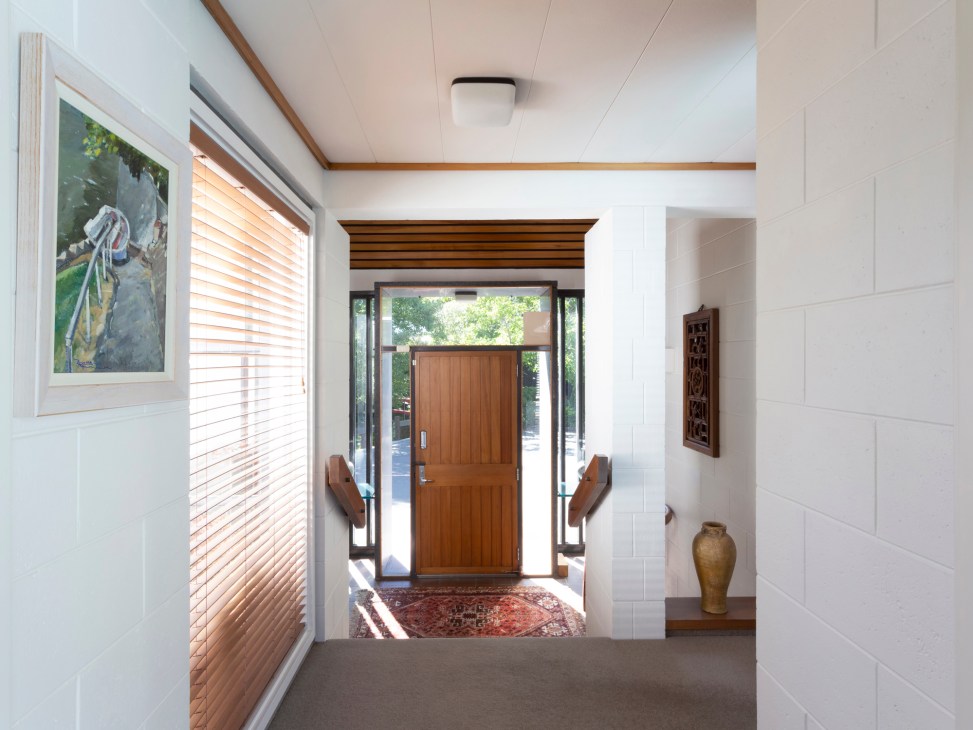
ML Paynter by Minson, Henning-Hansen & Dines, 1970
Henning-Hansen emigrated from Denmark in the 1950s and as the younger partner in the firm took on the design of this house. He was a pioneer (along with Miles Warren and Peter Beaven) of the use of concrete-block construction for modern housing in New Zealand.
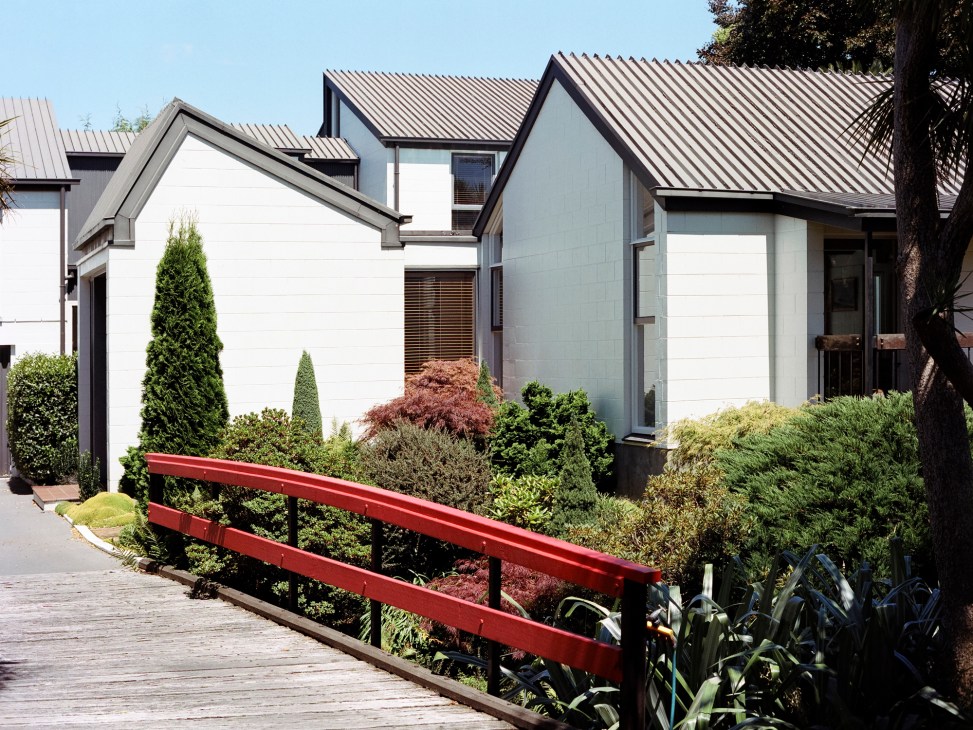
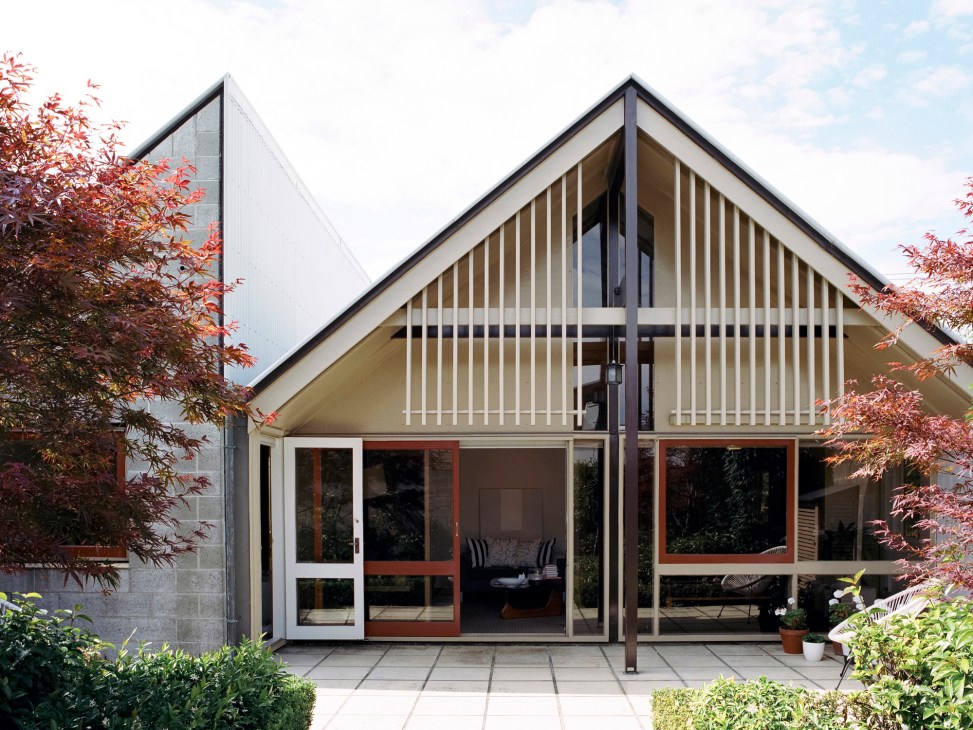
“One of Warren’s biggest rivals was Peter Beaven,” says Arnold, taking Monocle through a remarkable set of Beaven- designed adjoined housing units. With their pitched roofs sloping in various directions, the small homes provide shady, generous outdoor rooms that offer privacy for tenants, while every unit has a real sense of architectural presence. “Peter hated being called a modernist and said that his work was starting off where classical architecture ended and modernism began,” says Arnold. “He loved the Englishman Edwin Lutyens and you see references to him in this building with the nutty English-barn-style roof profiles. But his idea to take these strange shapes and assemble them this way created something quite sculptural.”
The Beaven homes are favoured by Gaudin too, who shot them beautifully with a medium-format film camera and no extra lighting equipment. “The process was evocative for me,” she says of creating the book with Arnold. “When you’re a kid in Christchurch you don’t appreciate the architecture but when you’ve seen the world and then come back here you realise how remarkable these designs are.” She adds that today the Christchurch School homes are enjoyed in different ways by various types of people. Some families aren’t fussed about their residence’s story and simply appreciate their sunny rooms and lofty ceilings. Others are modernism purists who have kitted out their homes in a manner befitting the architect’s original intent.
4.
RC Webb by Warren & Mahoney, 1963
Miles Warren designed four townhouses for Robert Webb, a farmer who wanted a base in town and some rental income to boot. These small dwellings were intended for “single ladies with limited means”. Miles designed for “a minimum of maintenance and upkeep – finishes chosen for economy, ease of maintenance and tenant resistance”.
5.
G Steven by Beaven, Hunt & Associates, 1964
One of Beaven’s best residential works has an exciting and dynamic interior with dancing angles and framed views.
6.
J Messervy by Allan Mitchener, 1964
The house uses the familiar materials of the Christchurch style yet has its own distinct personality and ideas.
One of these aficionados is Arnold himself, who owns a home by Miles Warren’s firm, Warren and Mahoney, replete with mid-century furniture from Danish design greats such as Børge Mogensen. He jokes that “good buildings get funny nicknames, like The Gherkin in London”, and says his home was dubbed “the toilet block” when built in the early 1960s due to its radical shape and use of industrial materials. Yet as a survivor of multiple earthquakes and various trends in residential design, it stands as the most beloved building on the street – one that’s testament to a remarkable moment in design history.
7.
RC Ballantyne by Warren & Mahoney, 1973
For one of the city’s wealthiest couples, the Ballantyne house was a relatively modest affair. But there’s poetry in the details.
Brick by brick
Concattedrale Gran Madre di Dio
Taranto
This geometric cathedral – which, from a distance looks like it could have been built using matchsticks – is the work of Gio Ponti, the architect and designer perhaps best known for the 699 Superleggera chair and Milan’s Pirelli Tower.
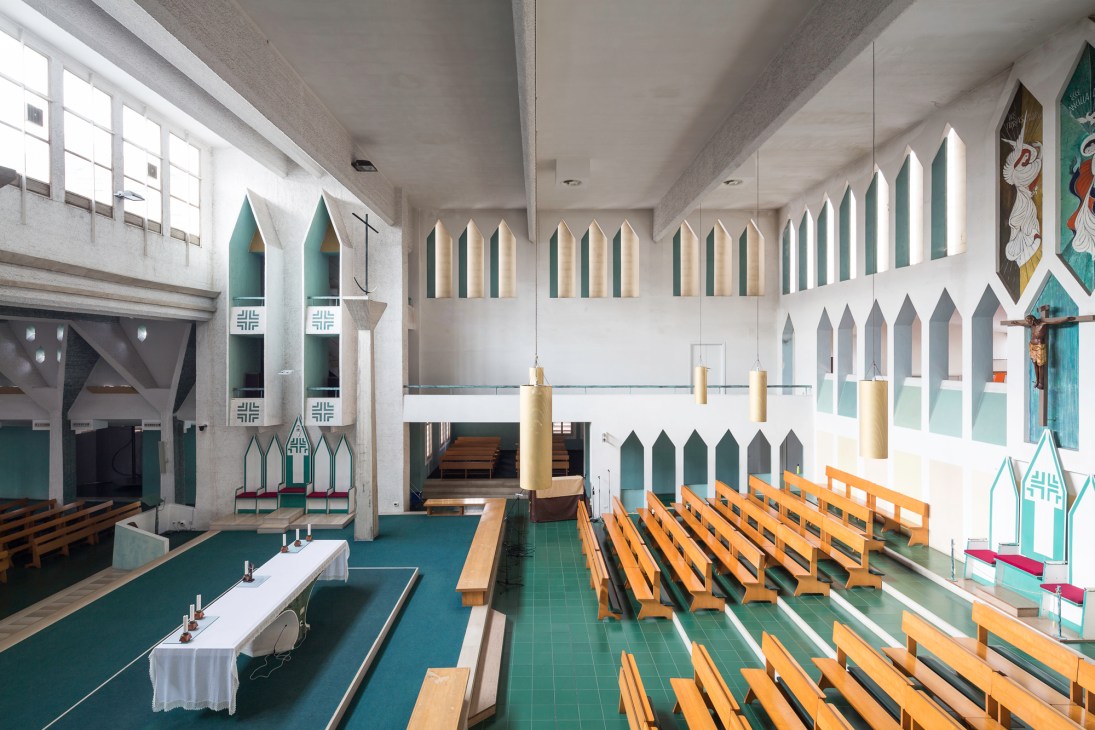
Completed in 1970 in the southern port city of Taranto, the filigree-style structure was inspired by paper cutouts and has been likened to a ship. Instead of a dome or spire, Ponti chose an immense central tower standing 40 metres high, which looms behind the façade like a hoisted sail and would have dominated the view in what was at the time a semi-rural area.
The cathedral’s interiors are equally captivating, with a sea-green colour palette continuing the maritime-inspired feel across everything from its tiled floors to the bronze doors and the bishop’s throne.
The Forum
Rome
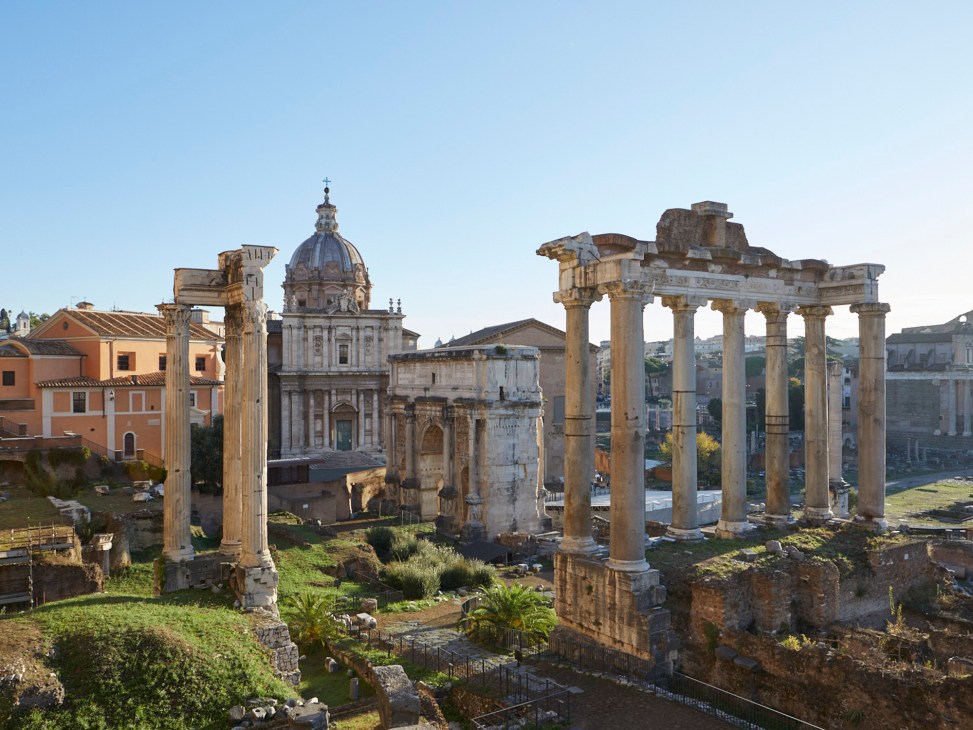
Though it includes later structures, the history of the forum began in the 6th century BC when a swamp was drained to create a central point for public life in ancient Rome. The ruins of the Temple of Saturn and the Arch of Septimius Severus are perhaps the most impressive. Italy is blessed with bright sunshine for a large part of the year and this space celebrates life – and commerce, communion and trade – long lived outdoors.
San Giorgio Maggiore
Venice
How to choose just one historic church from Italy’s embarrassment of Renaissance riches and Baroque beauties? Truth be told, we could have picked almost any of them from a host of towns and cities but Andrea Palladio’s San Giorgio Maggiore in Venice is majestic proof of Italy’s influence on international design.
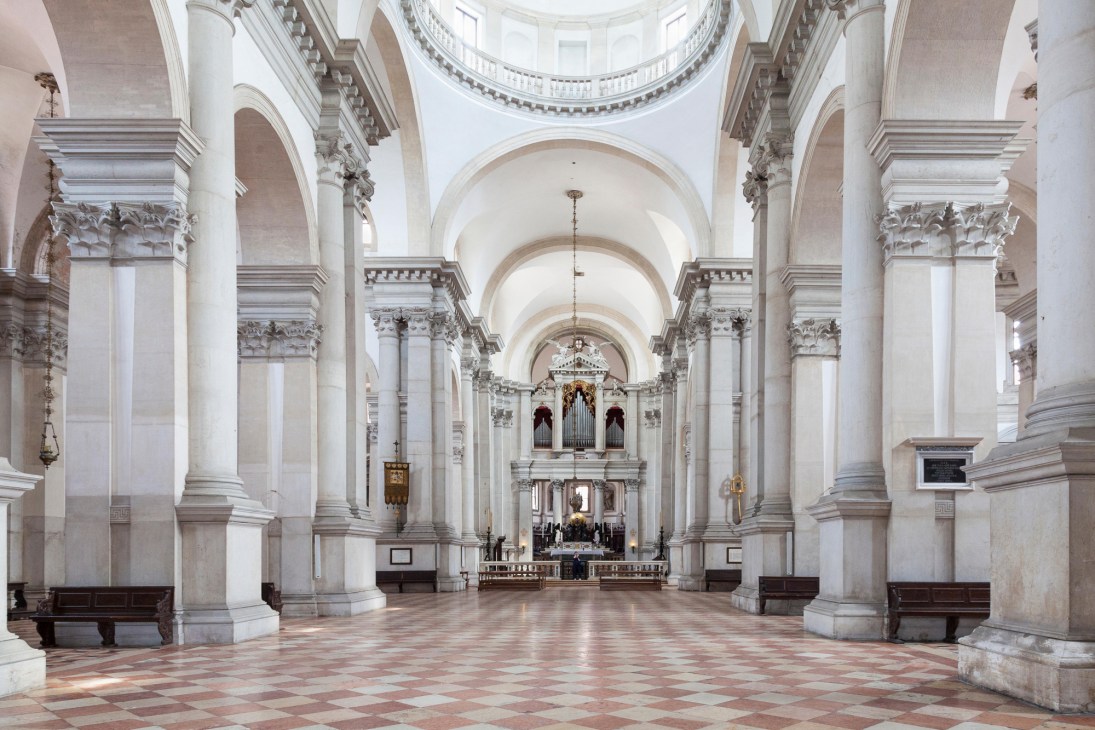
Palladio was an influential 16th-century architect who took elements of ancient Greek and Roman styles and brought them together with the humanist ideals of the Renaissance, creating a style based on symmetry. His design innovation informed later generations of architects and continued to dominate Western aesthetics for centuries.
The 1610 church’s classical white exterior with its pair of stacked pediments took decades to construct (Palladio never saw it completed in his lifetime) and the bright interior is hung with works by Tintoretto.
Casa Malaparte
Capri
Capri might be best known as a place to top up the tan and enjoy a sundowner with a sea view but those who are willing to venture away from the sunlounger will discover that it’s also home to one of Italy’s most fascinating residences.
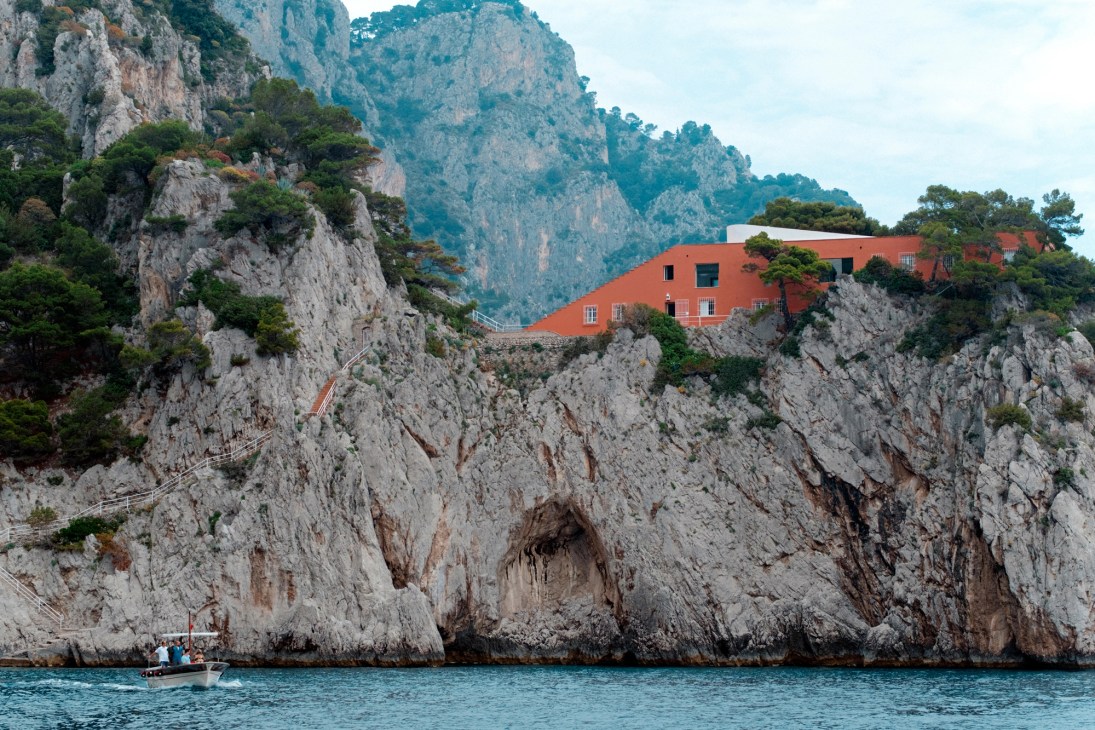
The big caveat here is that Casa Malaparte, built in 1938, remains a private property so you’re going to have to find a clever vantage point to get the best view of its bold lines. Located on a remote nugget of coastline, the villa – essentially a long, red rectangle that’s tipped with a cinematic staircase and topped with a vast sun terrace – is considered one of Italy’s finest examples of rationalist architecture. All this makes it a location scout’s dream and even if you’ve never caught its starring role in Jean-Luc Godard’s 1963 film Le Mépris you’ll have glimpsed it in the odd perfume ad.
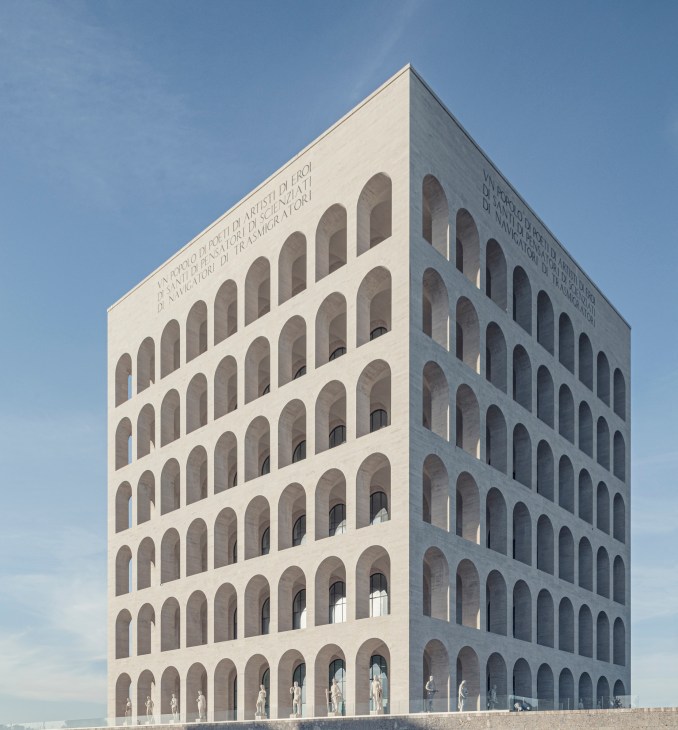
Palazzo della Civiltà Italiana
Rome
There’s more to Rome’s architectural vernacular than gilded domes and ionic columns, as this bombastic travertine cube (commissioned by Mussolini) attests. The Palazzo della Civiltà Italiana in the eur district is perhaps the city’s clearest example of fascist architecture. In 2015 it became home to the HQ of luxury fashion brand Fendi – not without a dose of controversy.
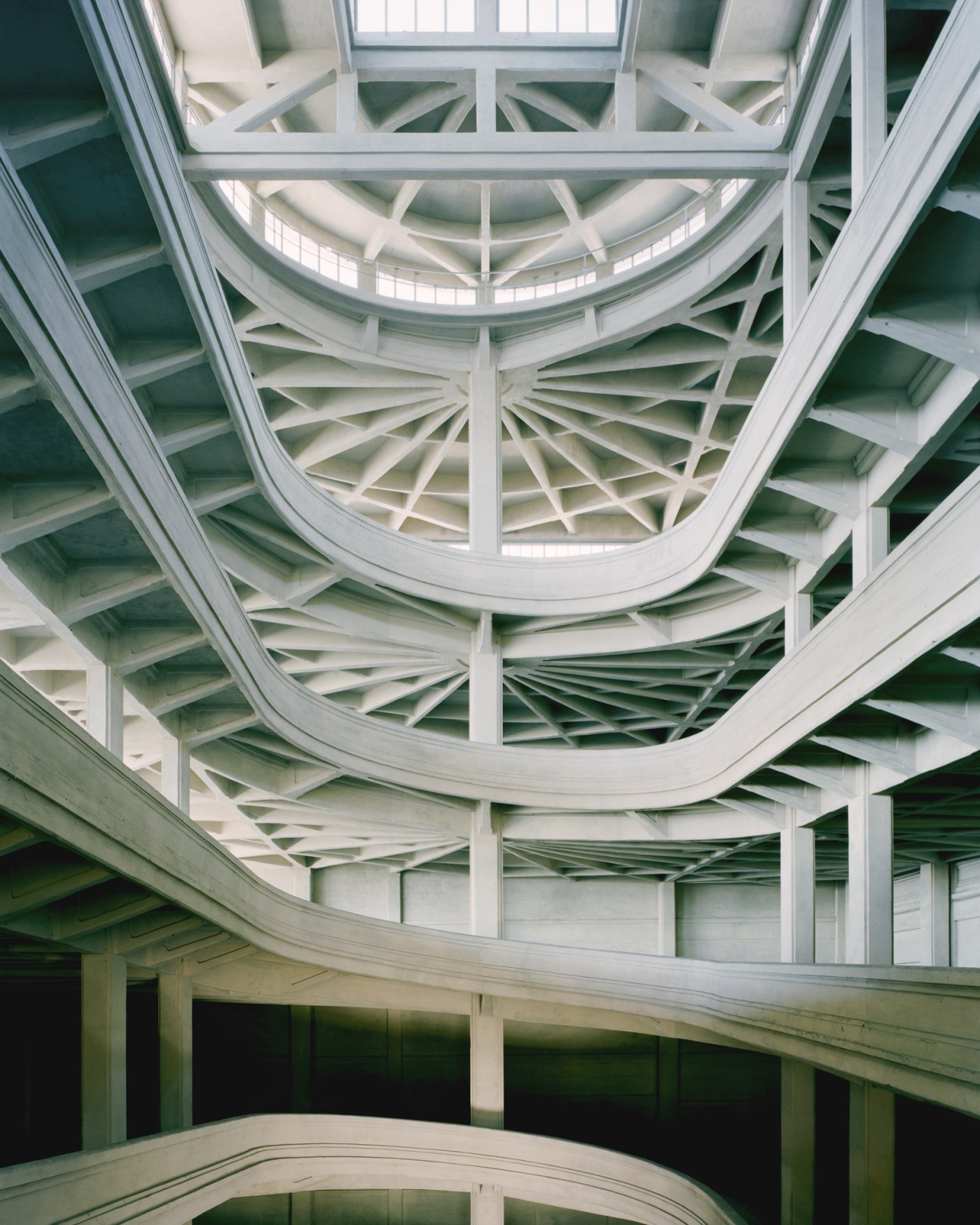
Fiat Lingotto factory
Turin
Fiat’s Lingotto factory, designed by Giacomo Mattè-Trucco in 1923, is the architectural embodiment of the production line. Materials entered on the ground floor and vehicles took shape as they climbed the ramp that snakes through the five storeys. On the roof, the fully formed car would emerge onto a 1km-long test track. Production stopped in 1982 but the complex was remodelled by Renzo Piano in 1989, with an exhibition centre and hotels.
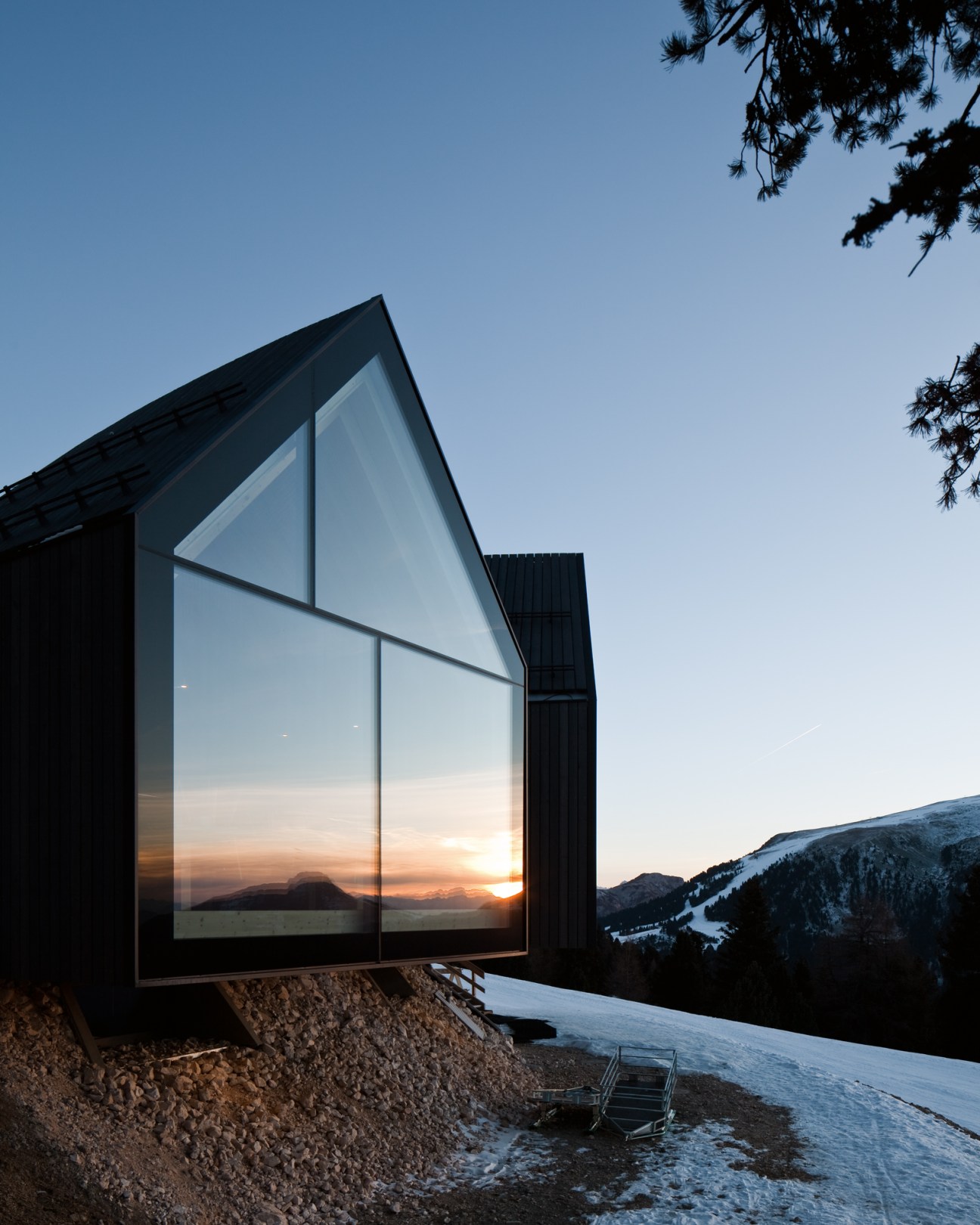
Oberholz Mountain Hut
South Tyrol
This Dolomites project, opened in 2016, is a collaboration between South Tyrol native Peter Pichler and Slovakia-born Pavol Mikolajcak. It features handsome cantilevered structures that fan out to face the peaks but the interiors are its most spellbinding feature. Dominated by a giant wooden ribcage, the space is a modernist play on the South Tyrolean Stube – a wood-panelled parlour found in farmhouses and restaurants.
Three interiors to admire
Although we’ve selected a few choice buildings to sum up what Italy does best, The Monocle Book of Italy delves far deeper into Italian design. Here are a few inspiring interiors to get you started.
1.
Teatro Regio
Turin
The Carlo Mollino-designed theatre hall is, oddly, shell-shaped. It can host 1,500 people in its red velvet stalls, while 139 opulent boxes line the room. The audience is lit by a chandelier made up of 1,762 aluminium tubes and 1,900 Perspex sticks.
2.
Olivetti HQ
Venice
Smack-bang on St Mark’s Square, under Venice’s storied porticoes, sits this unexpected corner of modernism. Designed by Carlo Scarpa, the showroom for the electronics firm was commissioned to match the technology held within. The space is dominated by a bold (yet apparently floating) staircase.
3.
Apartment lobbies
Milan
The reconstruction flurry that followed the Second World War brought with it plenty of palazzine (buildings). Today, the majority of city-dwellers inhabit apartments, often accessed via comely lobbies. One of our favourite blocks on Milan’s Corso Italia features mosaics by Francesco Somaini.
Images: Fillippo Poli, Alamy, View Pictures
Wandering stars
No matter how industrialised or modern the production, you get a sense that there’s always a human element at play in Italian manufacturing. Some of the world’s best and boldest car brands were born here, and there’s plenty of world-class players in aerospace and shipbuilding. Yet this is also a nation where humble vehicles tell a story of narrow lanes and cobbled side streets: both the Vespa and the Fiat 500 are symbols of a more spontaneous instinct that also encapsulates the Italian way of life. The way the nation gets around says plenty about the different speeds the country is operating at and sometimes the best way to see things is on two wheels, in which case make ours a Bianchi or a Vespa, pronto!
Trains
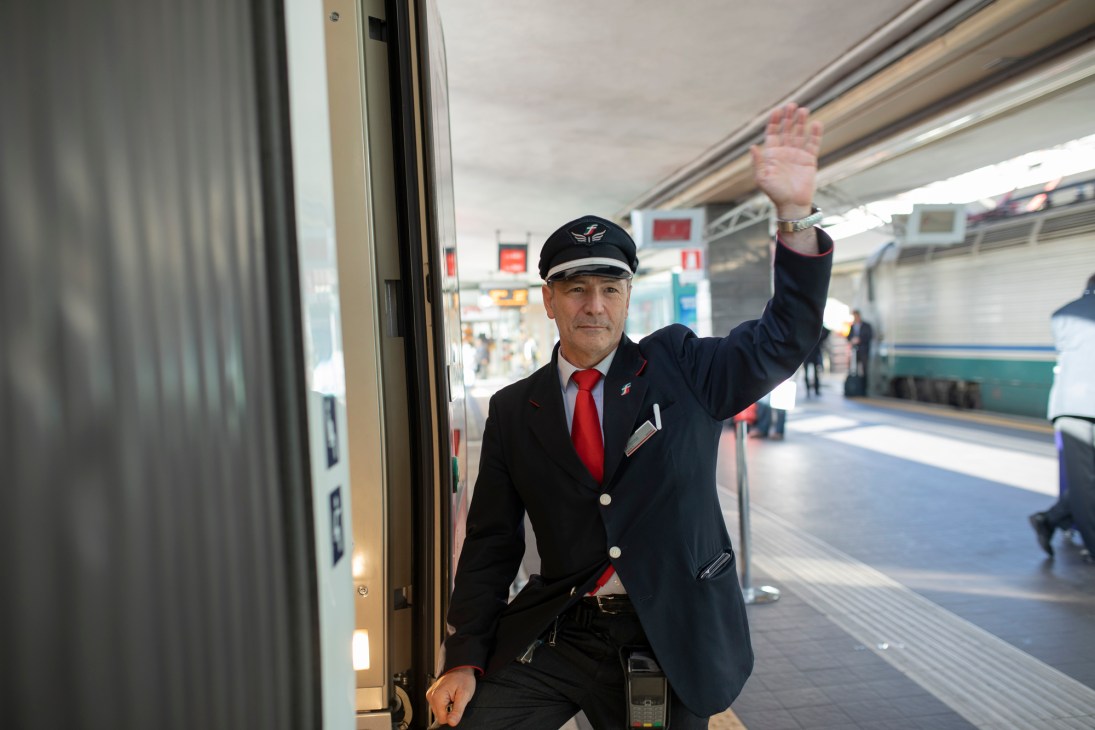
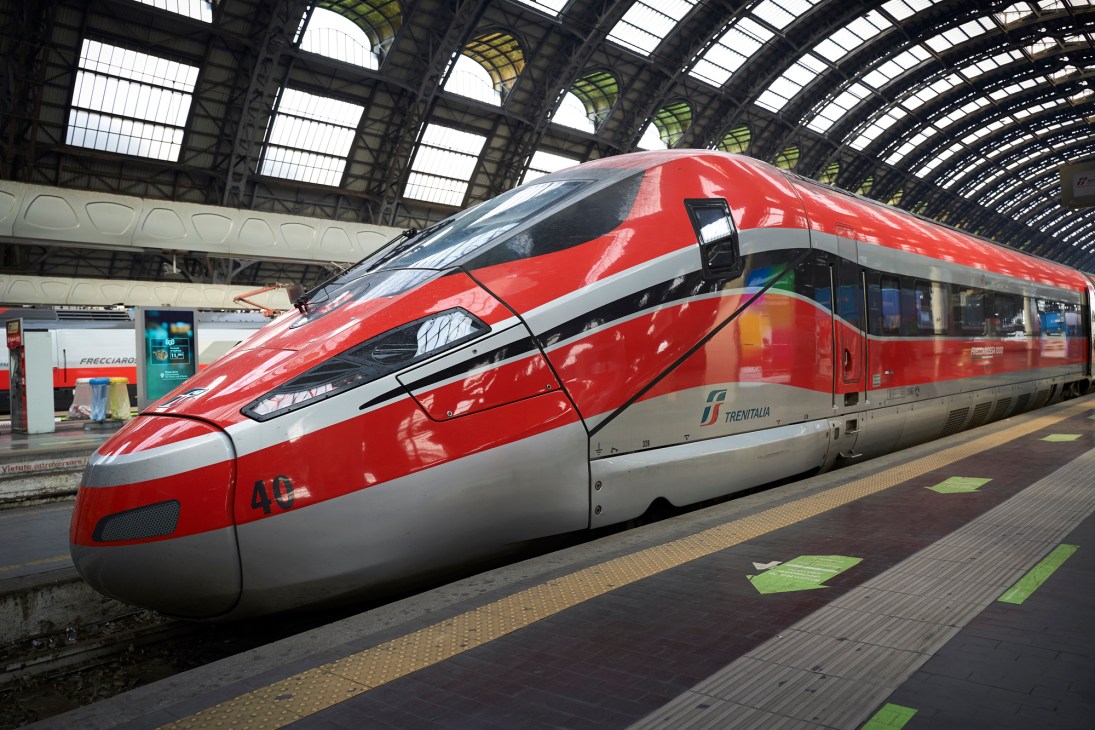
Keeping trains punctual has been a perpetual headache in Italy but the high-speed Frecciarossa network has transformed the sullied reputation of rail here. Overall, Italy has been a rapid-rail success: passengers on Trenitalia high-speed services rose from 6.5 million in 2008 to 40 million in 2018. And that doesn’t count the trips taken on its rival – the equally sleek Italo, launched in 2012 as Europe’s first private high-speed service. All aboard.
Cars
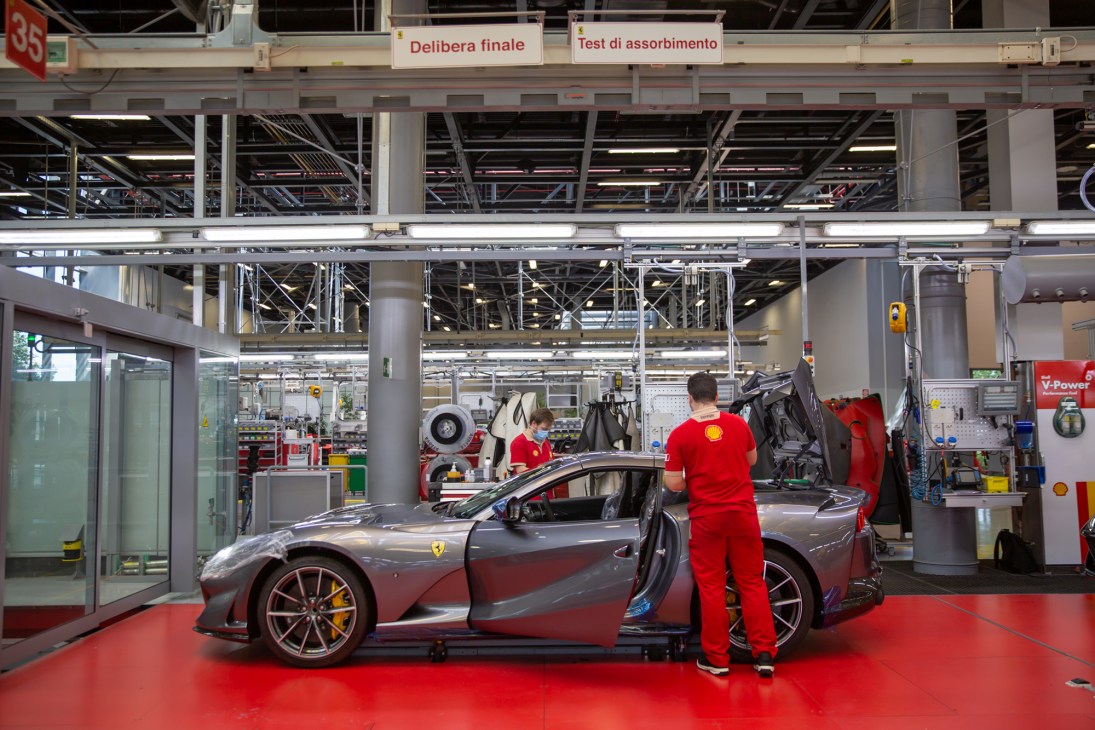
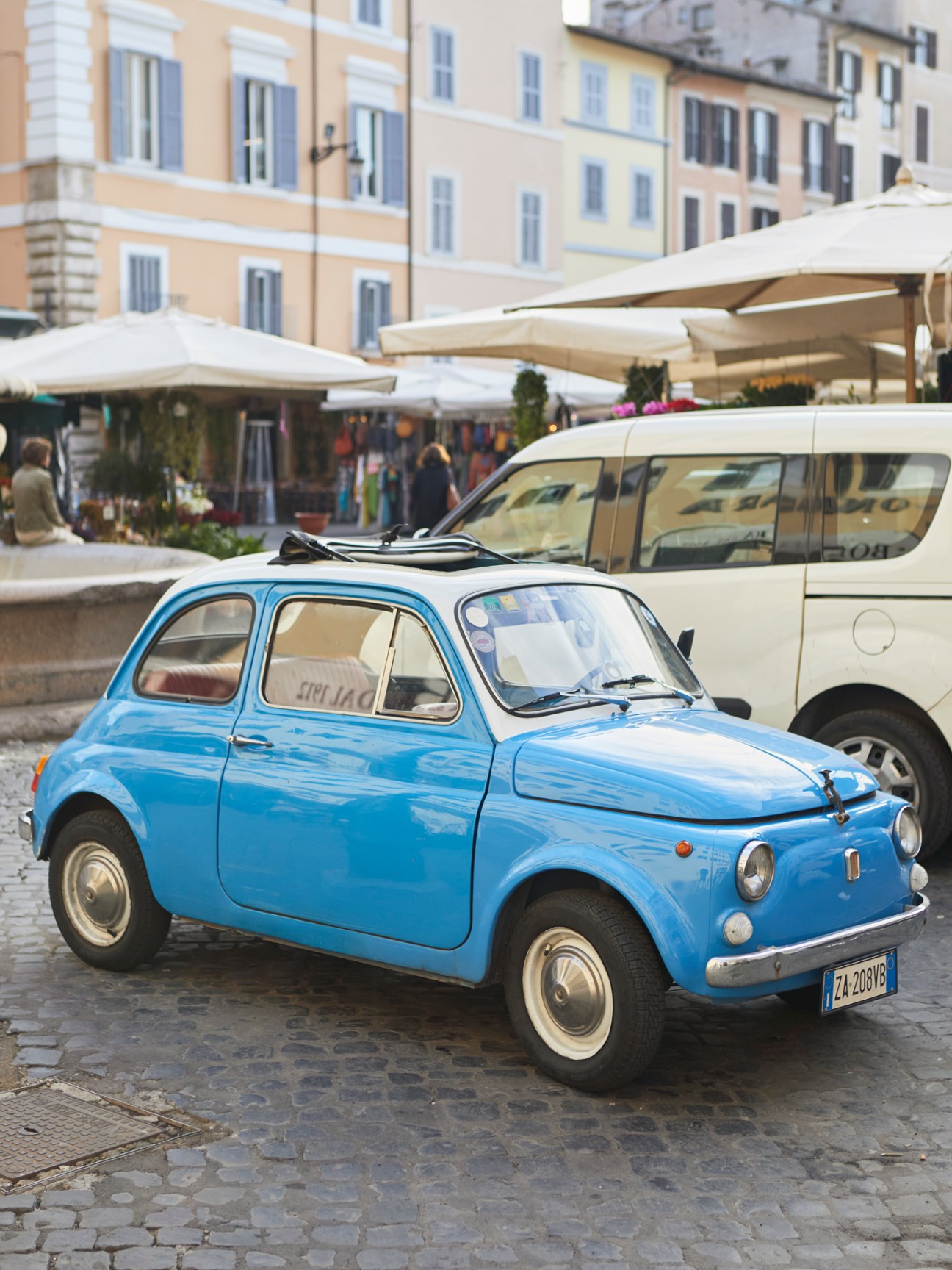
German cars are known for being reliable and American cars are appreciated for their utility (and, in some cases, their size) but people buy Italian for the design. Many motorsport marques can be found in the northern region of Emilia-Romagna. Its standing as the global home of supercar production has earned it the nickname “motor valley”. But it’s not just Ferrari, Maserati and Lamborghini driving change: the Fiat group (despite also including the high-power Alfa Romeo) produces some of the nation’s most ubiquitous cars. From Puntos to Pandas and the prolific 500, almost every Italian family has had a Fiat in their garage at some point.

Boats
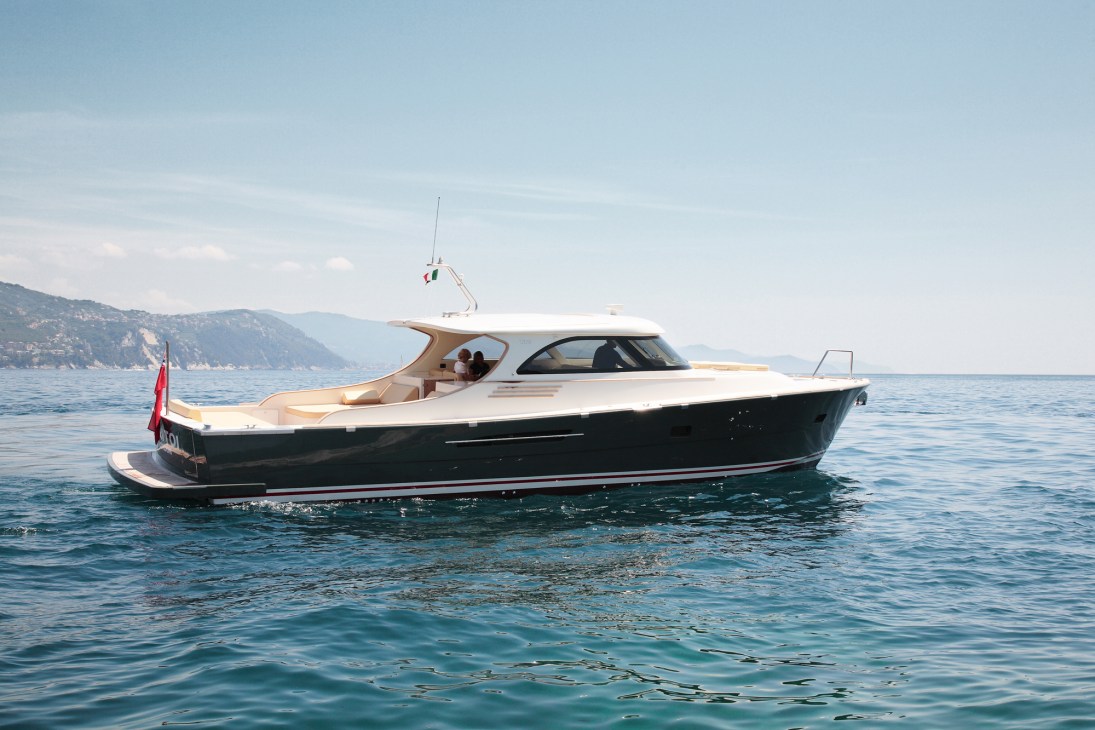
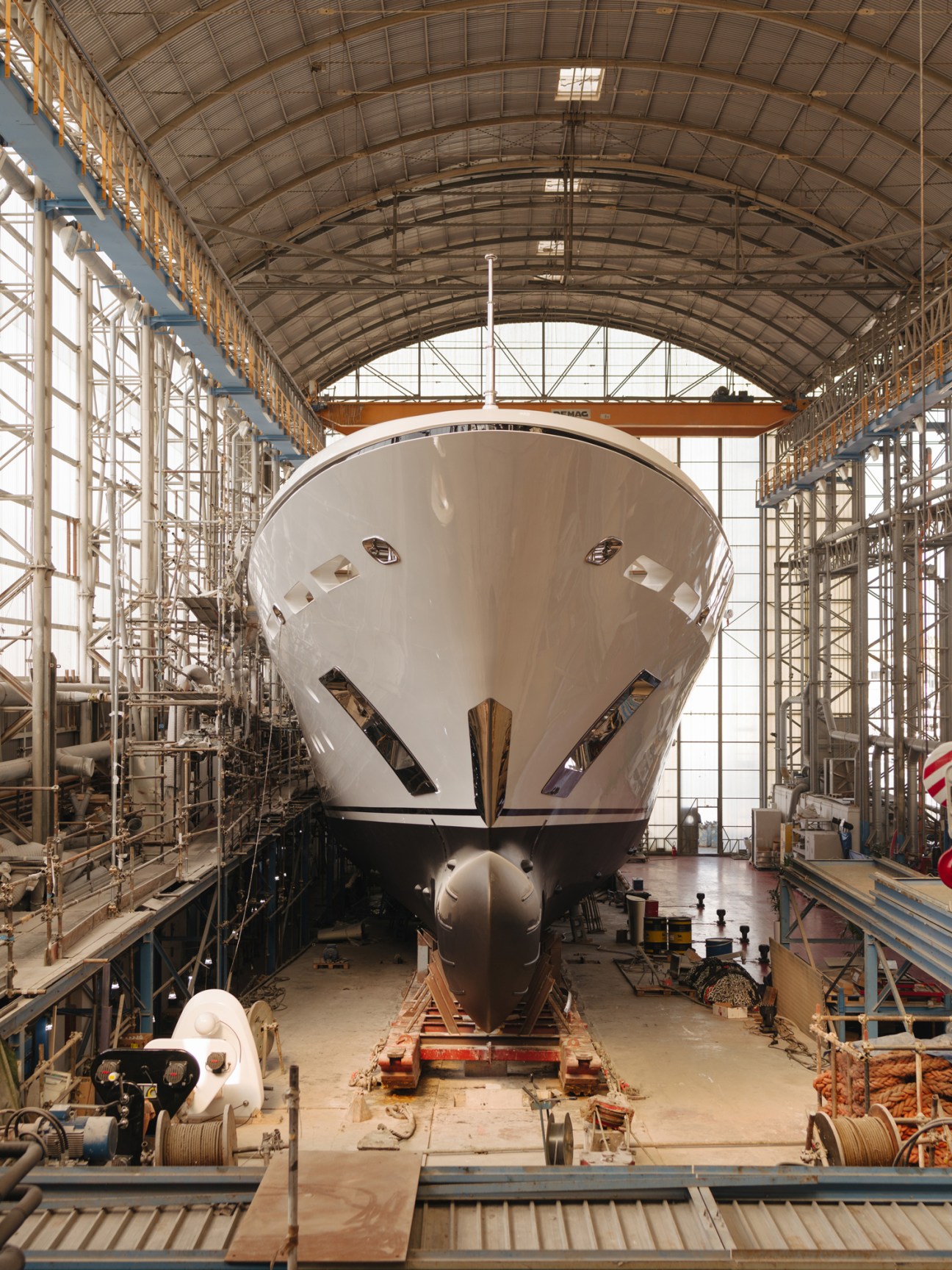
Given their country’s 7,000km of coastline, it’s no surprise that Italians are partial to messing about on the water. Italy is home to an armada of boat builders, some of whom still make wooden craft by hand, while others excel at speedy runabouts. In the mid-sized category Azimut and Sanlorenzo are known for their salubrious cruisers and yachts, while Ferretti Group oversees brands such as Wally, whose hull designs have made waves within the industry. Then there are the bigger boys. Trieste-based Fincantieri is a multibillion-euro firm whose shipyards produce warships ranging from littoral combat craft and frigates to submarines – a quiet reminder of Italy’s manufacturing and military clout.
Planes
There are plenty of high-flying aerospace firms here, from Leonardo to Piaggio, but flag carrier Alitalia also has a story to tell. Founded in 1947, Italy’s national airline hasn’t had the easiest ride. Its HQ and global hub at Rome’s Fiumicino Airport has too often received, and pushed out, investors, administrators, and government representatives proffering bail-out cheques.
Business aside – though it should be noted it has been voted one of Europe’s most punctual airlines – it is Alitalia’s classic design that helps it stand out on the apron and in the skies. In 1947, the firm gave itself the portmanteau Alitalia: ali being Italian for wings, creating its “Wings of Italy” name. Twenty years later, graphic designer Walter Landor’s rebrand brought in a stylised Helvetica font and a sporty note by way of the racing-green stripe. Adaptations over the years have more or less retained Landor’s vision of the jet age.
Alitalia’s cabin crew uniforms are part of the package too, and have been made by some of Italy’s most sought-after designers. In the 1990s Giorgio Armani transformed the look with a double-breasted blazer, while Mila Schön’s 1969 mini-skirt and knee-high boots combo – complete with runway-ready cape – was a glitzy moment. Through it all the carrier has remained the airline of choice for many Italians. Alitalia, it seems, will always bounce back.
Making a scene
There are enough Renaissance wonders in Italy’s museums to keep you occupied for centuries but its artistic bounty extends beyond marble statues. From cutting-edge installations to arresting architecture, here’s our itinerary of illustrious institutions.
1.
Fondazione Prada
Milan
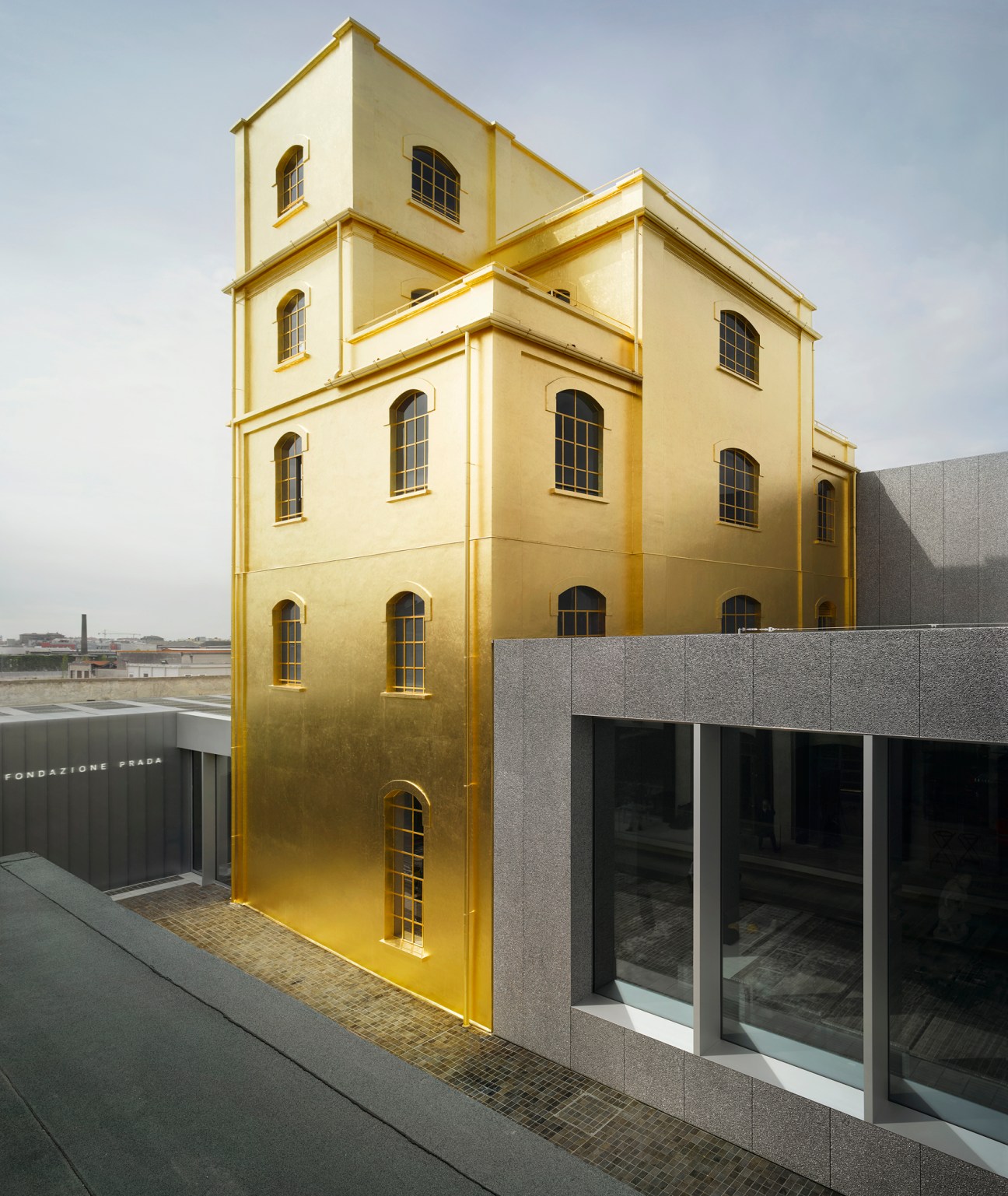
The venue encompasses swathes of gallery space spread between old distillery buildings, a concrete tower and a “haunted house” (dating to the 1910s), the exterior of which is gilded in 24-carat gold leaf.
2.
Centrale Montemartini
Rome
Powers both ancient and modern meet in this former electricity plant, where statues of Roman gods and emperors stand among vast machinery.
3.
Messner Mountain Museum
Dolomites
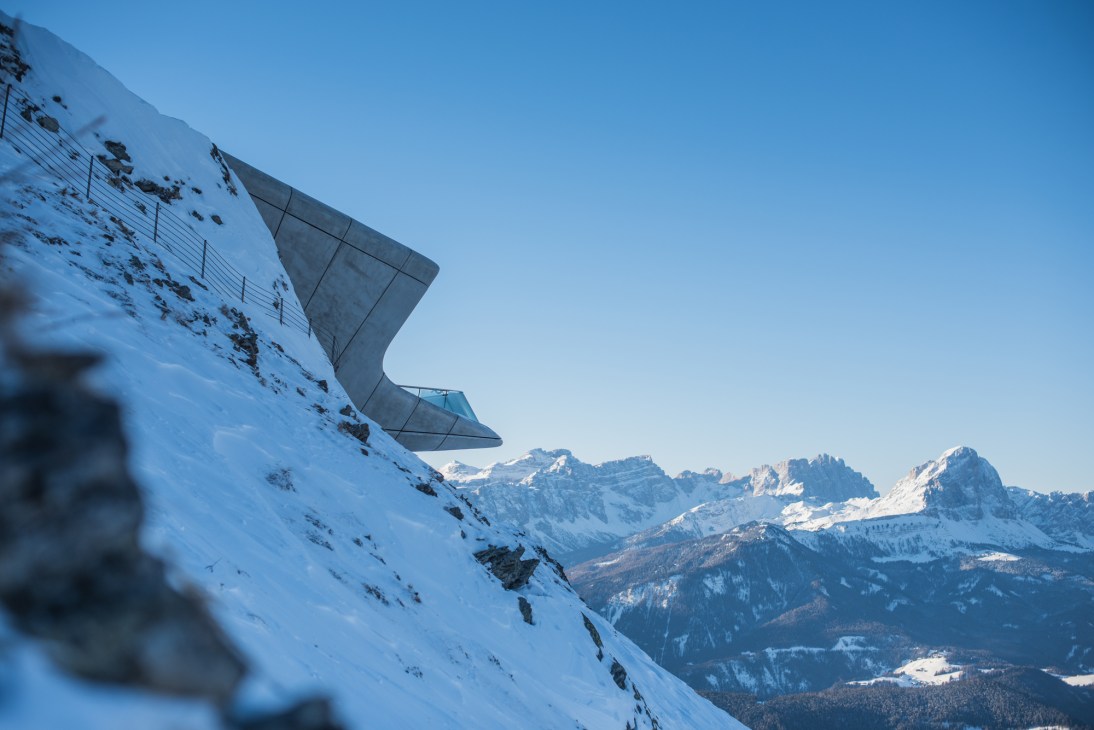
The latest outpost of mountaineer and explorer Reinhold Messner’s museum opened in 2015 in the Kronplatz ski resort and is housed in a bunker-like structure designed by Zaha Hadid.
4.
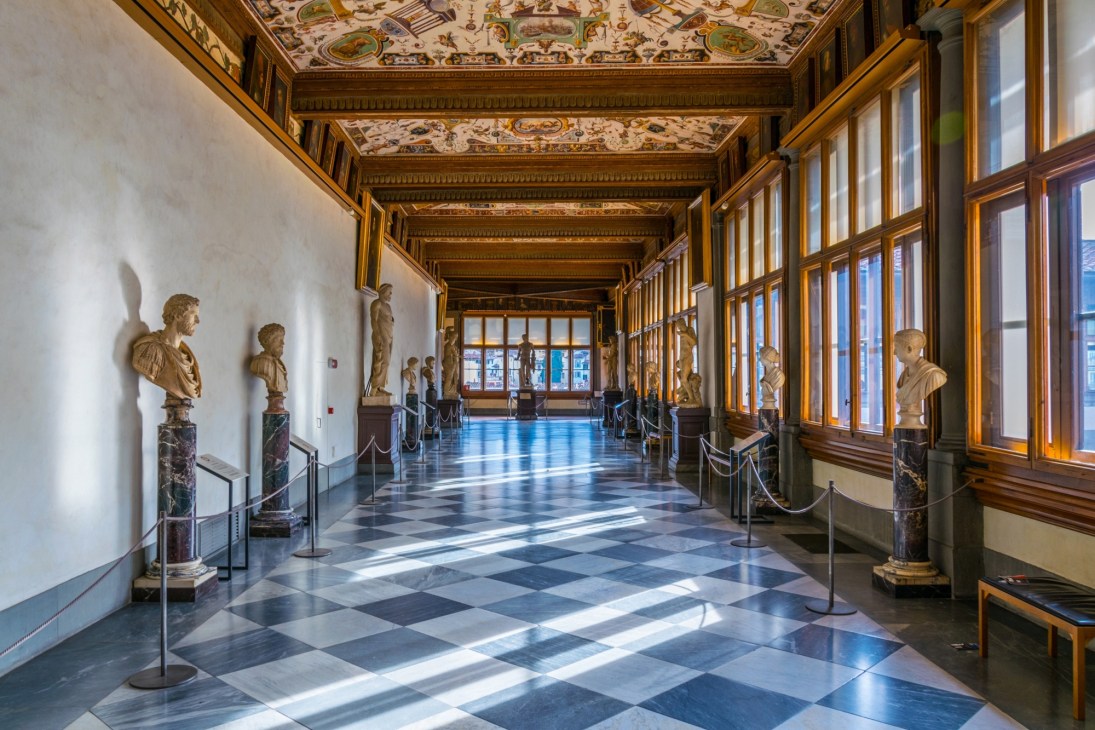
Uffizi
Florence
The palatial Giorgio Vasari-designed building was commissioned in the 1560s by Cosimo I de’ Medici to house his offices, or uffizi (hence the name).
5.
Museo Archeologico Regionale Antonino Salinas
Palermo
Italy has many archaeology museums but visiting the Regionale Antonino Salinas is a particular joy, not just for the artefacts but for the building that houses them.
On the newsstand
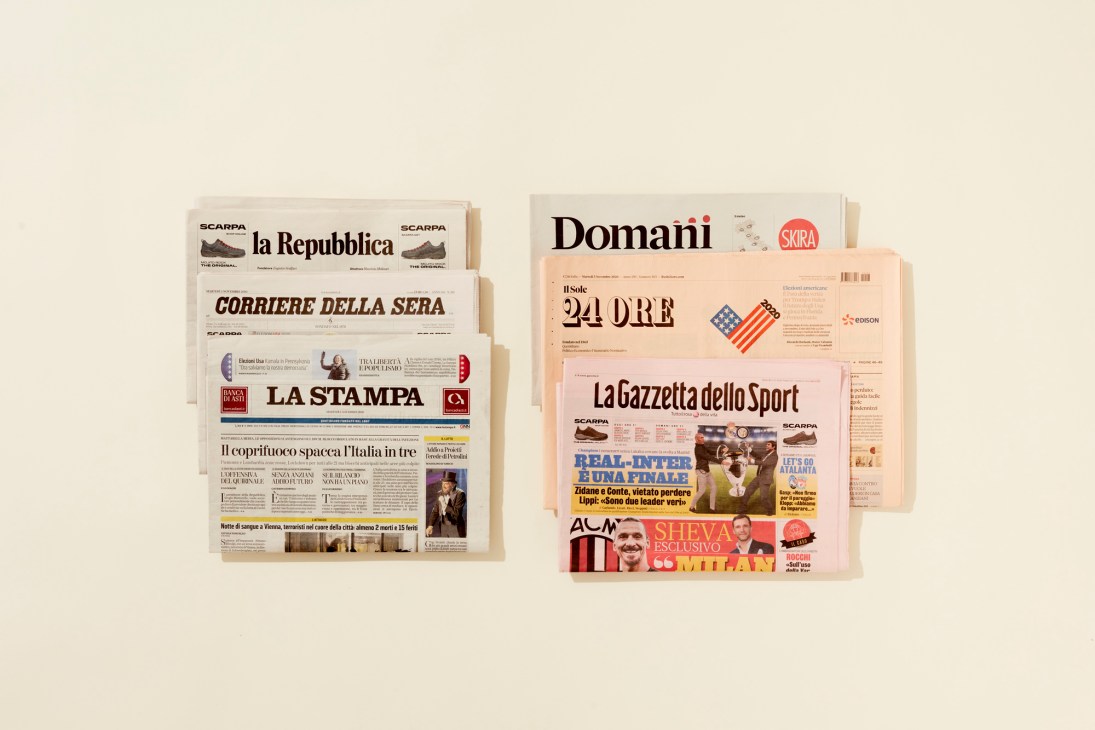
Italy is still hungry for print, as national and regional dailies occupy a chunk of the newsstand, where proudly partisan left, centrist and right-leaning titles vie for attention. The general-interest national dailies that dominate the media landscape include Rome-based La Repubblica. Its attractive design and liberal stance enjoys a large following, bolstered by its weekly pullouts such as style magazine D and culture-focused supplement Robinson. Milan-based Corriere della Sera, meanwhile, is the country’s best-selling broadsheet and is more conservative. Founded in 1876, it features opinion pieces from leading commentators in the fields of economics, politics and culture. Popular in its hometown of Turin, La Stampa has a more centrist stance, while upstart Domani, launched in 2020, is politically independent and progressive. Those who follow the markets turn to respected daily Il Sole 24 Ore for its financial coverage. It also has a radio station and circulates an annual survey ranking the quality of life in Italian cities and towns. This football-crazed country has three national sports dailies. Milan-based La Gazzetta dello Sport is best for insightful match analysis.
Italy on screen
Five films to see
1.
Ladri di Biciclette
Vittorio De Sica
(1948)
A neorealist classic, De Sica’s Ladri di Biciclette (“Bicycle Thieves”) is a portrait of poverty in postwar Rome. It follows protagonist Antonio Ricci on a citywide hunt for his stolen set of wheels.
2.
L’Avventura
Michelangelo Antonioni
(1960)
A group of friends on a boat trip to the Aeolian Islands have their holiday dramatically cut short when one of their party goes missing. This masterful drama features a haunting performance from Monica Vitti.
3.
Caro Diario
Nanni Moretti
(1993)
Director Moretti, Italy’s answer to Woody Allen, stars in this Palme d’Or-nominated comedy. Semi-autobiographical, the movie is structured like a diary and tracks Moretti’s day-to-day as he rides his Vespa through Rome’s streets.
4.
Gomorra
Matteo Garrone
(2008)
This gritty drama is an unflinching study of mob rule on the impoverished fringes of Naples. Director Garrone used non-professional actors from the featured estates for many of the roles, giving the film a striking sense of realism.
5.
La Grande Bellezza
Paolo Sorrentino
(2013)
An explosive critique of Italy’s wealthy elite, this Oscar winner tells the story of an ageing socialite at the centre of Rome’s decadent nightlife. It’s visually sumptuous but melancholic, bursting with decadent revelry.
For the record
The modern sound of Italy is fun, funky and approachable. It ranges from slick crooners such as Adriano Celentano and sultry 1960s legends like Mina, to the disco-infused 1970s tunes of Umberto Tozzi and Raffaella Carrà’s synthed-up showstoppers.
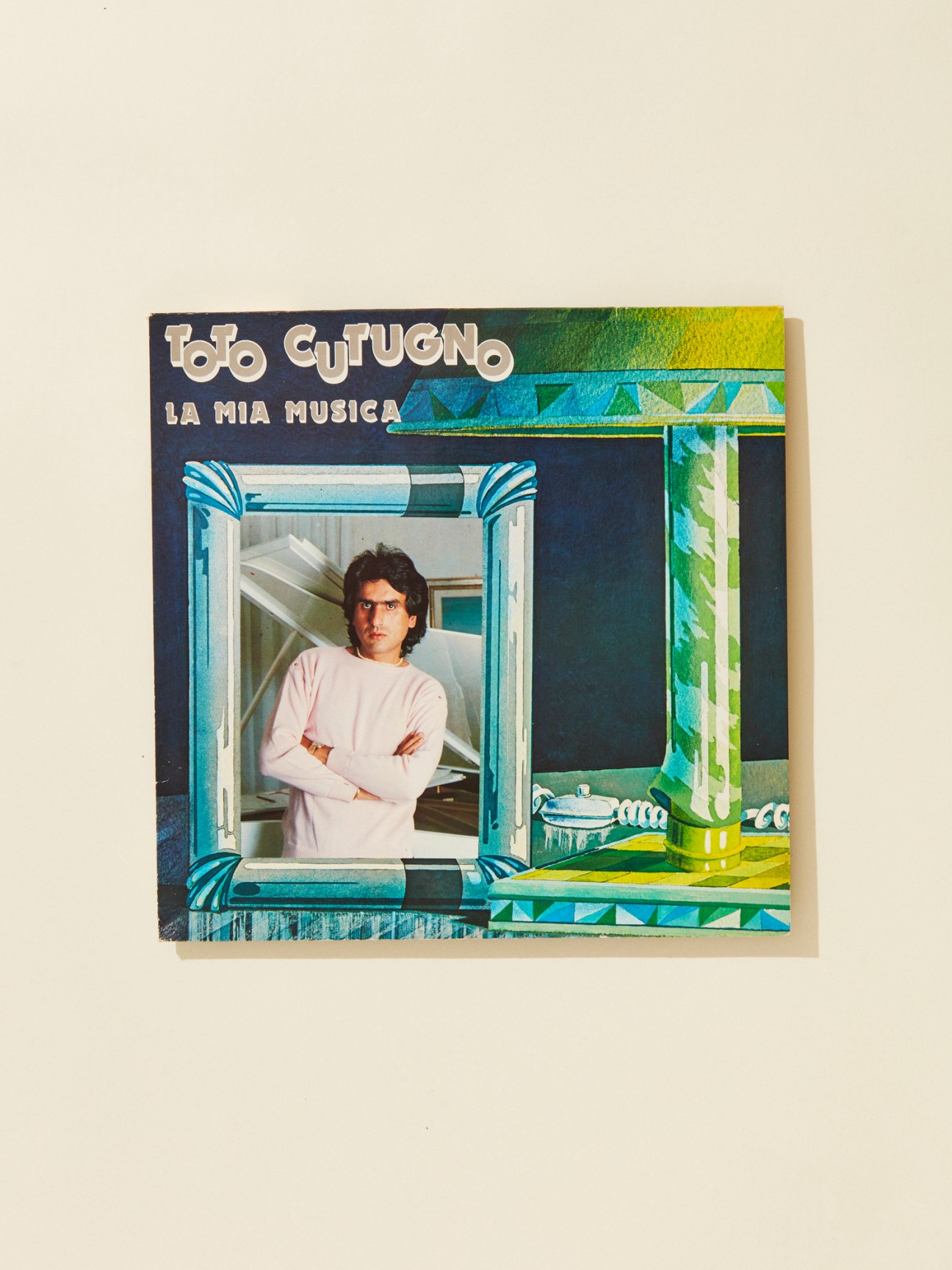
La Mia Musica (1981)
Toto Cutugno
A decade after winning the Sanremo Festival in 1980, Cutugno triumphed at the Eurovision Song Contest.
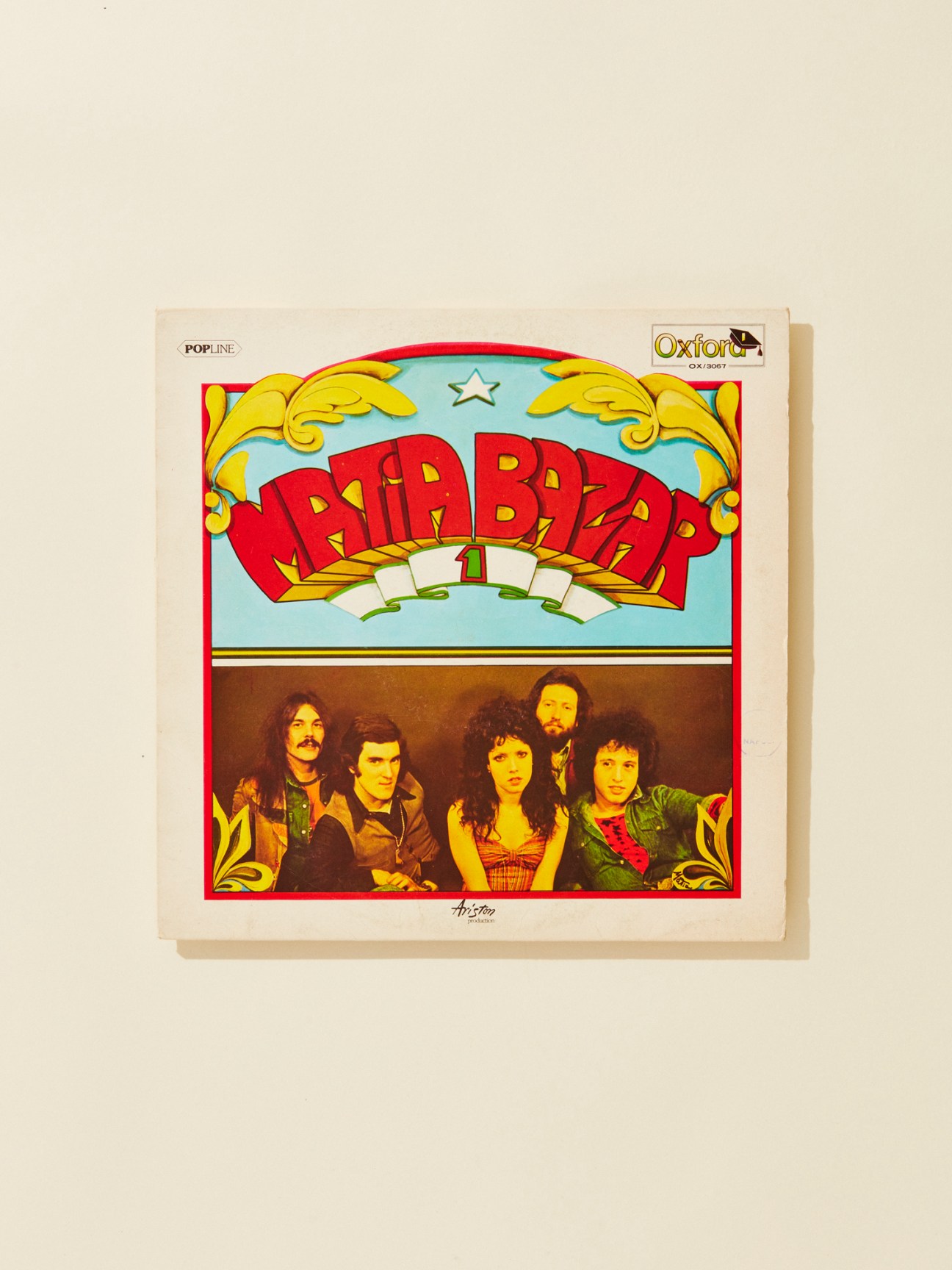
1 (1976)
Matia Bazar
This Genovese band’s debut album launched a long career making catchy hits.
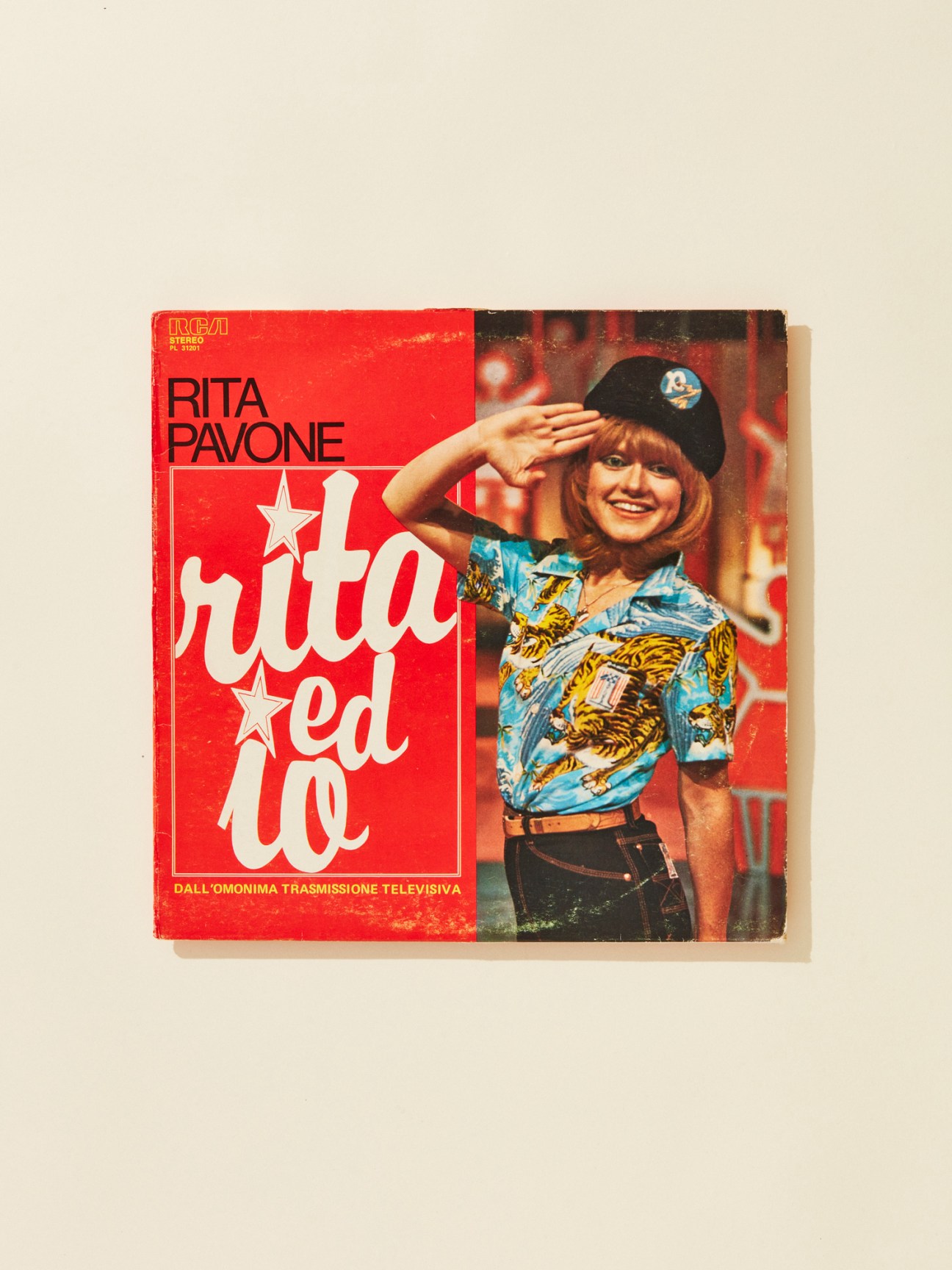
Rita Ed Io (1977)
Rita Pavone
The pop icon made it big abroad before returning to present TV show Rita ed io.
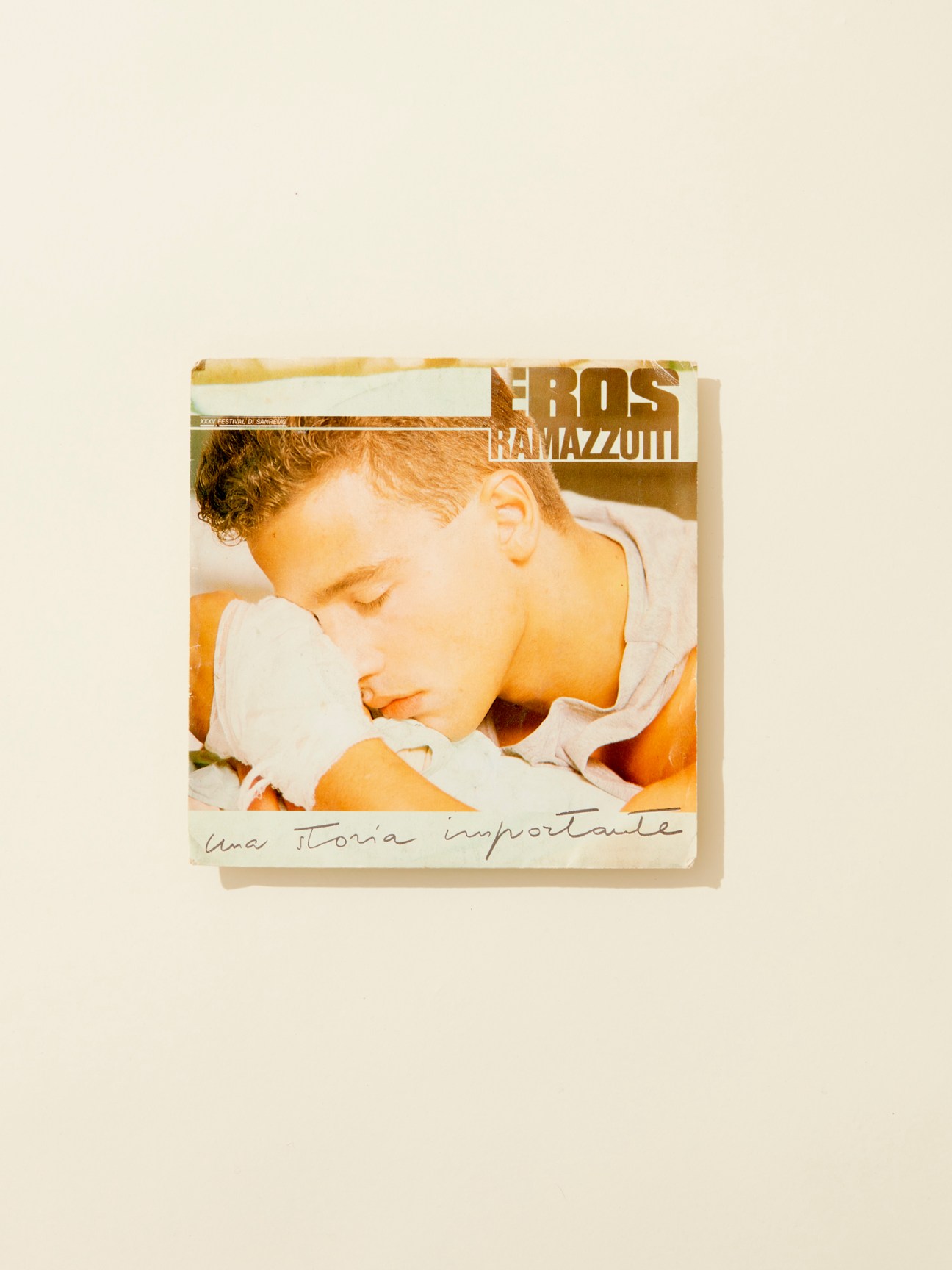
Una Storia Importante (1985)
Eros Ramazzotti
Italy’s answer to Phil Collins, the 1980s heartthrob was big in Latin America too.
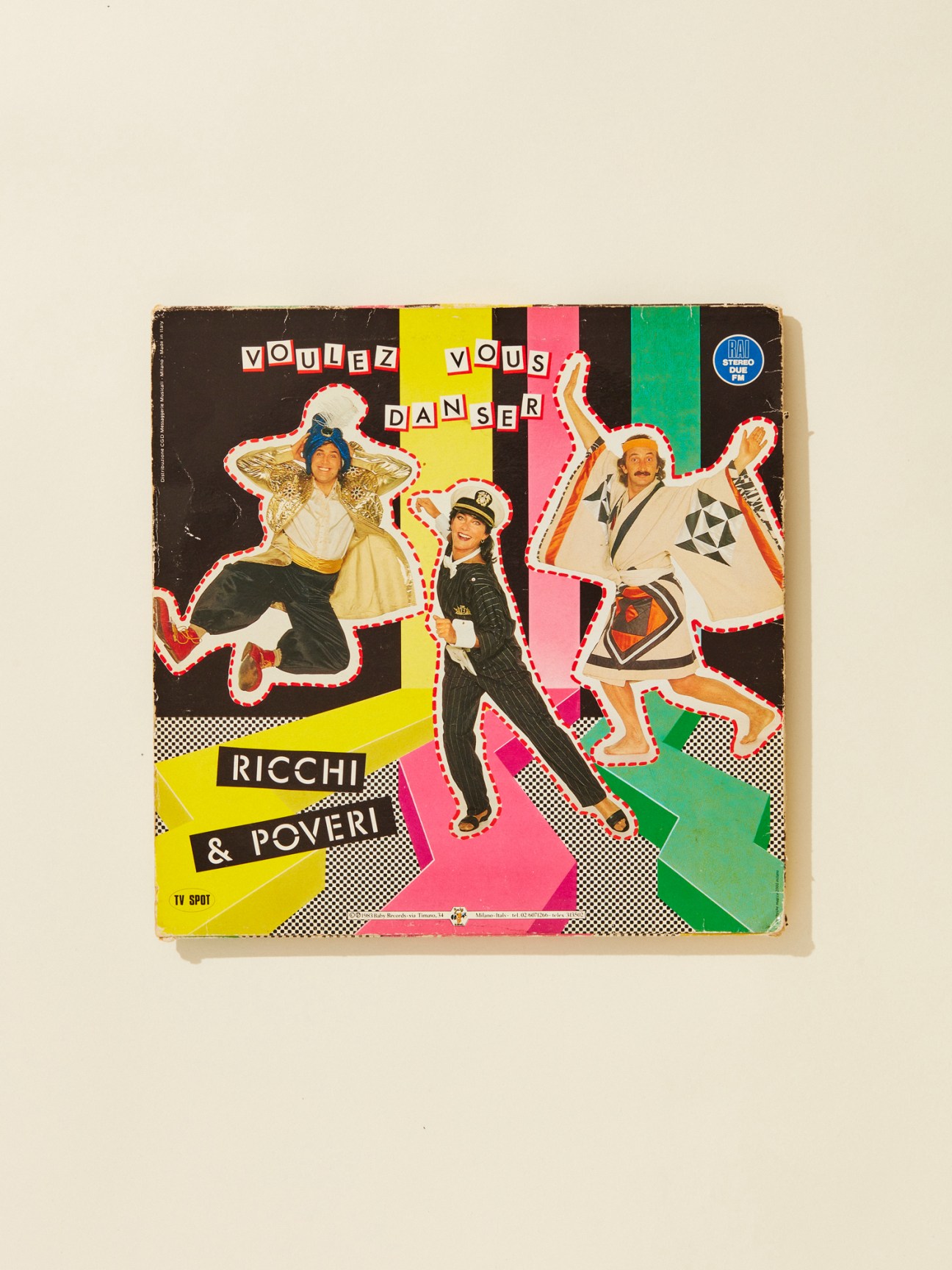
Voulez Vous Danser (1983)
Ricchi e Poveri
The synth-heavy sound of this Genovese outfit filled dancefloors across Italy.
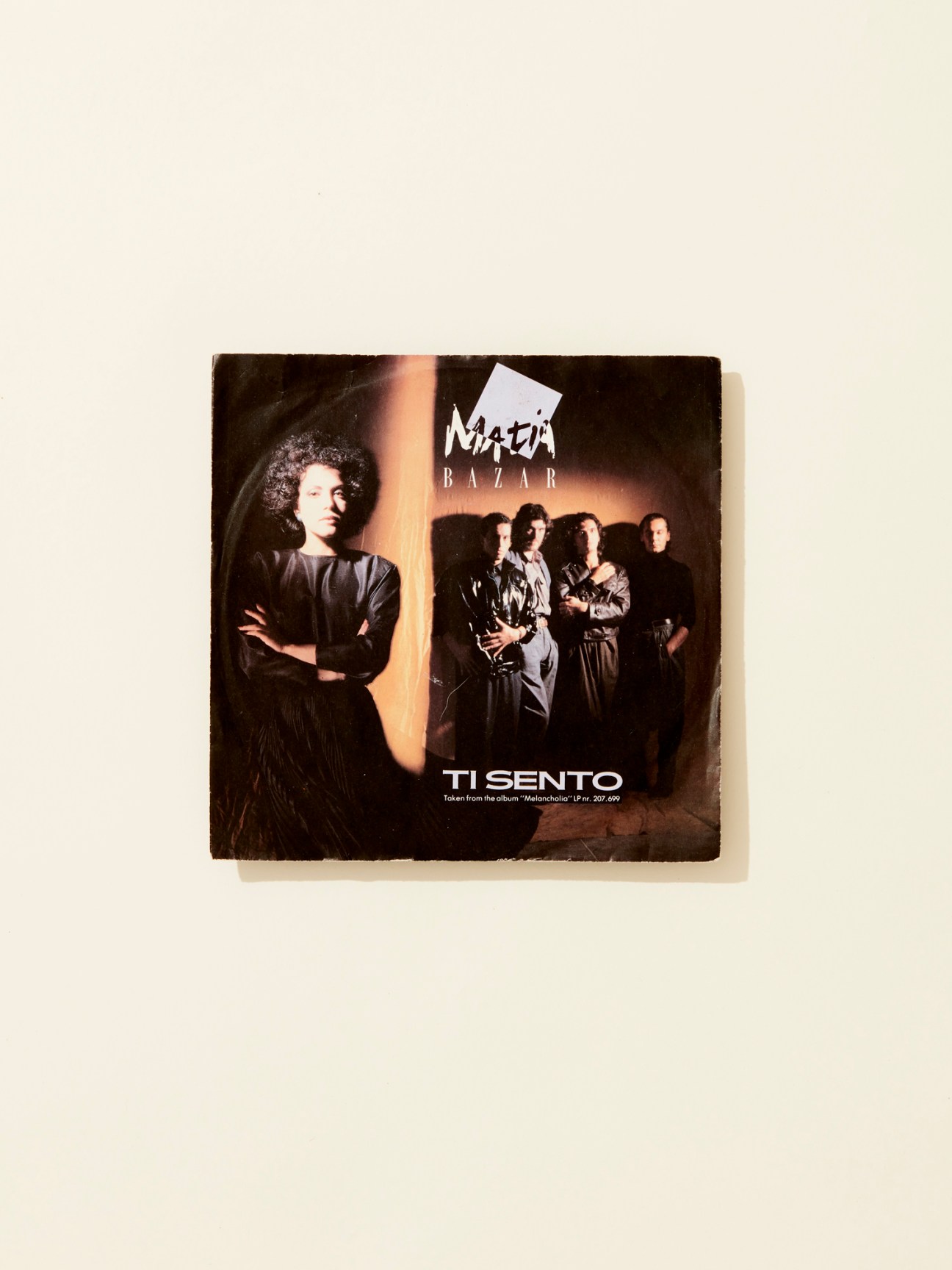
Non Sono una Signora (1982)
Loredana Bertè
A raspy-voiced singer famed as much for her eccentric fashion sense as her music.
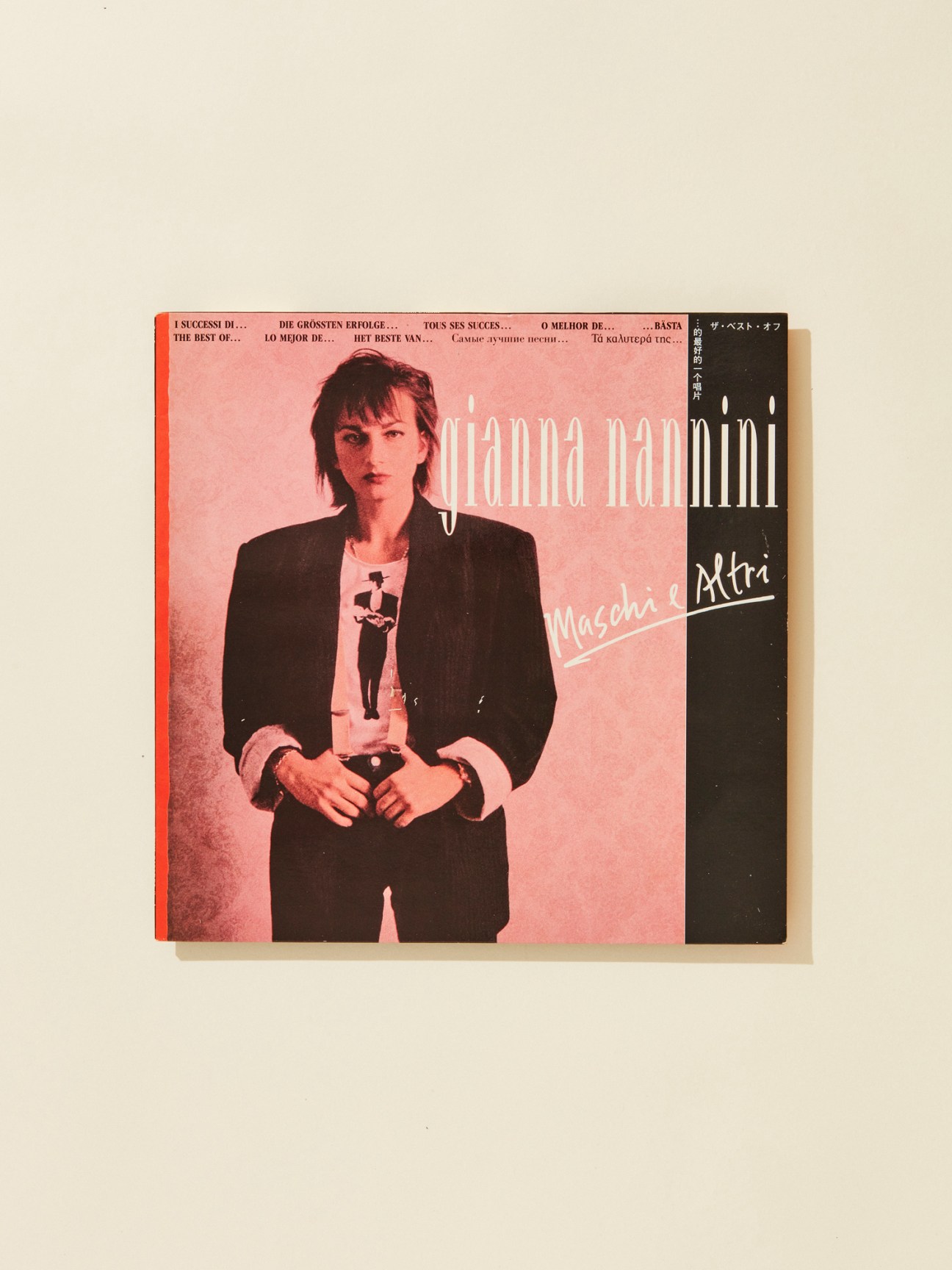
Maschi e Altri (1987)
Gianna Nannini
The Tuscan is known for her foot-stomping rock anthems.
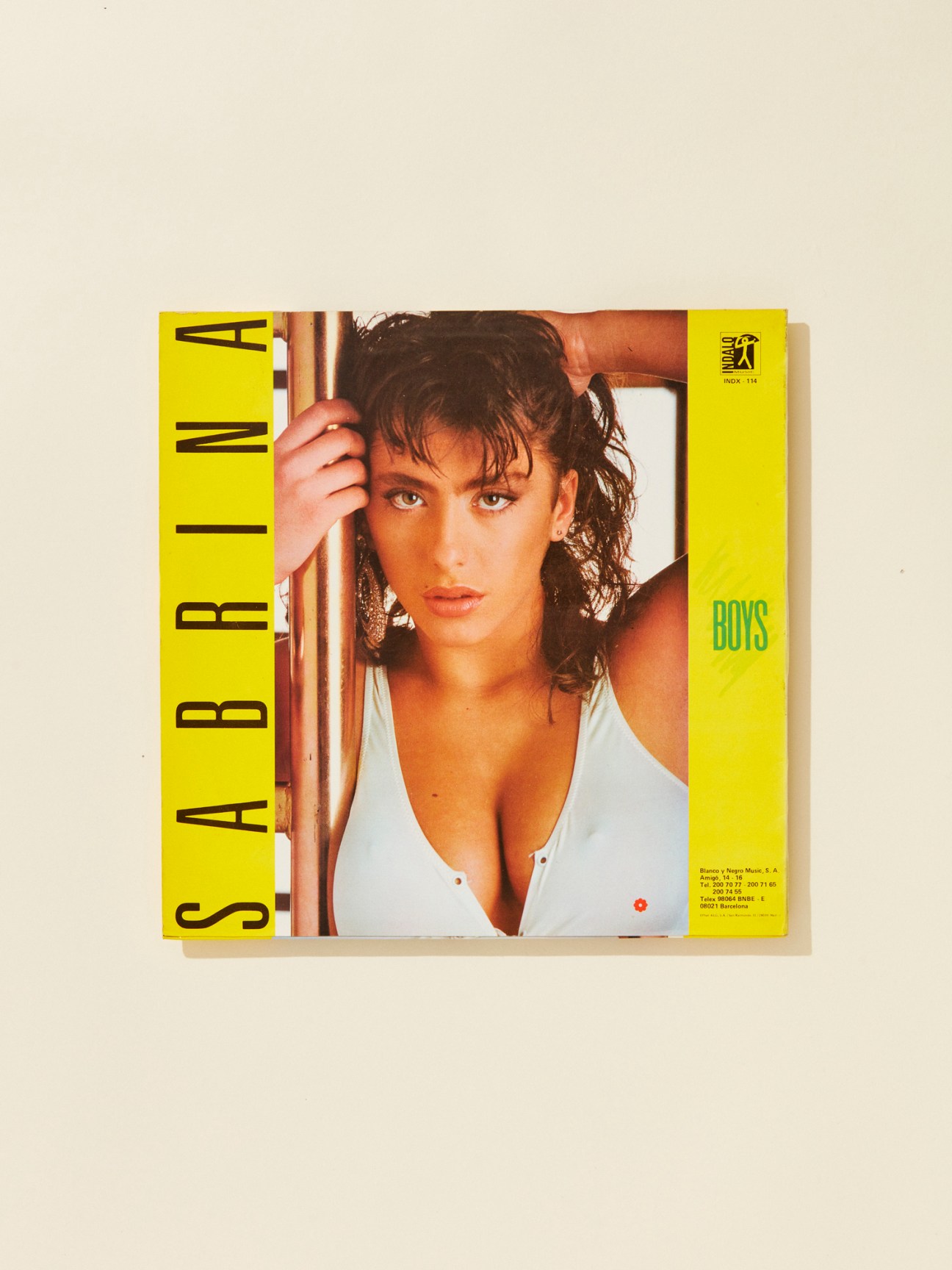
Boys (1987)
Sabrina
A raunchy video filmed at a Venetian beach club accompanied this smash hit.
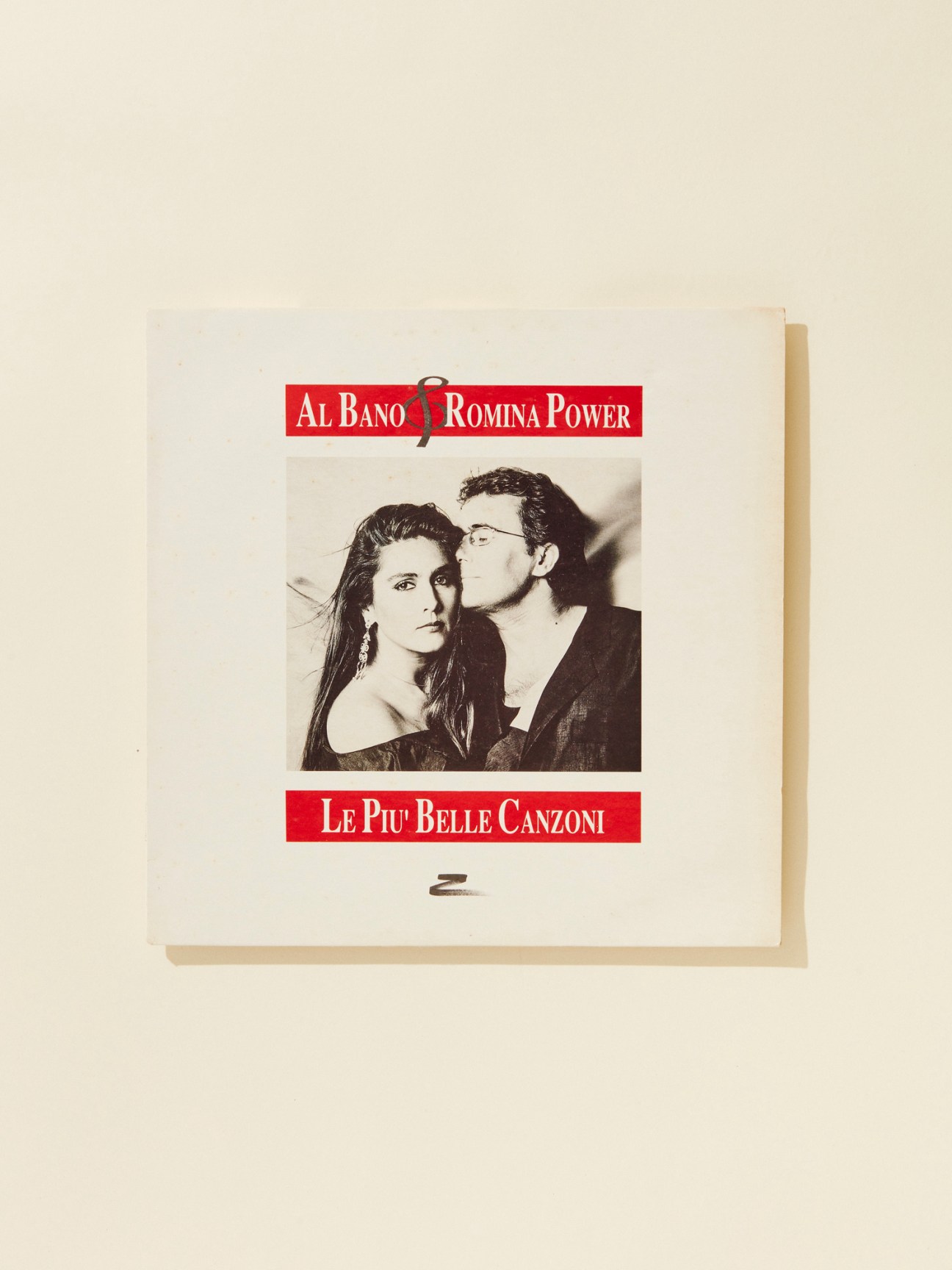
Le Più Belle Canzoni (1991)
Al Bano & Romina Power
Heartfelt duets by a former husband-and-wife duo.
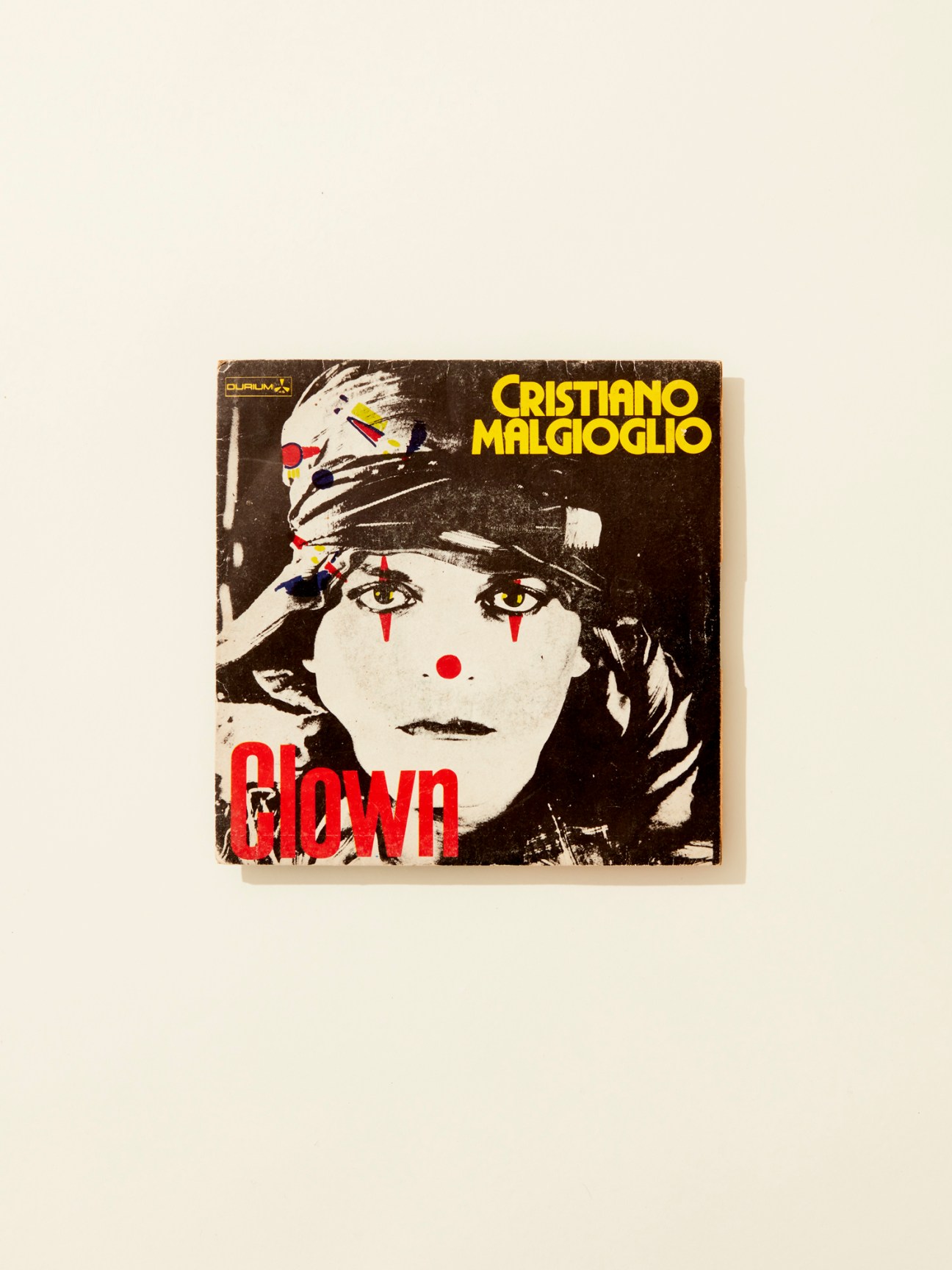
Clown (1982)
Cristiano Malgioglio
Malgioglio wrote for some of the 1980s’ biggest names.
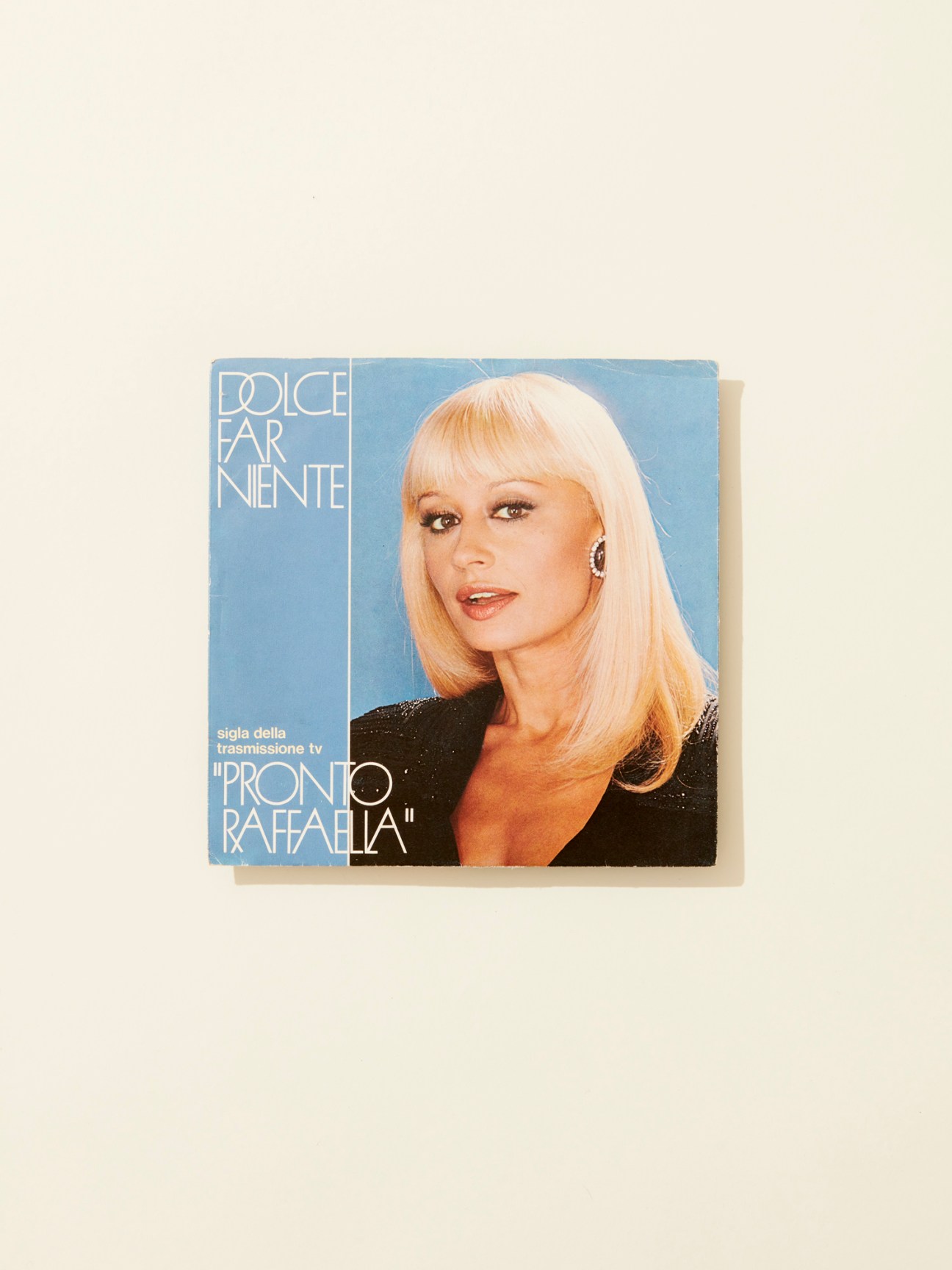
Dolce Far Niente (1984)
Raffaella Carrà
A trained dancer, Carrà made music videos with her choreographer husband.
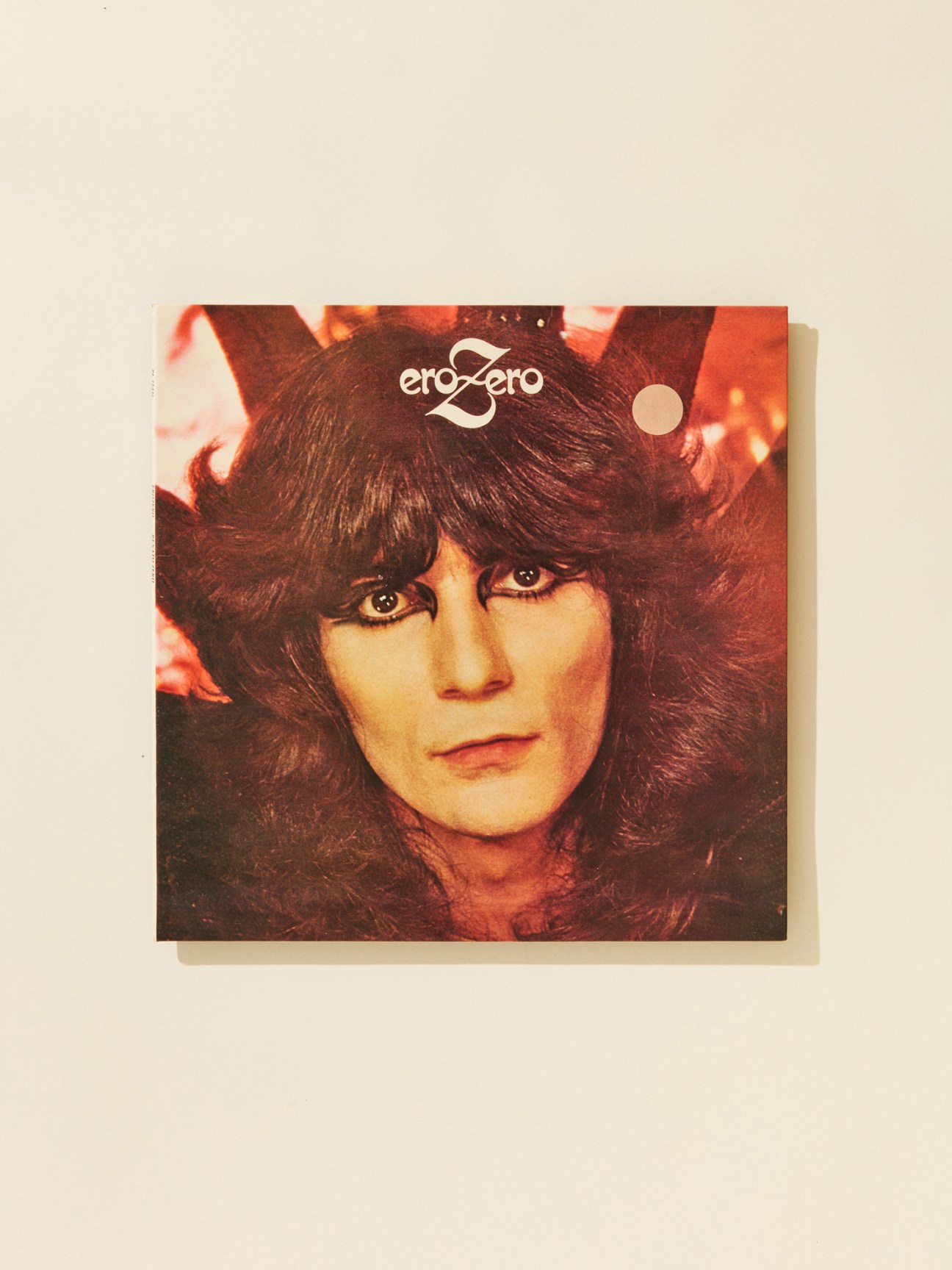
Erozero (1979)
Renato Zero
Zero’s sentimental ballads belied his glam-rock look.
Still life: Trisha Ward
Image: Shutterstock, Harald Wisthaler
On the make
Each nation’s creations have their own aesthetic and Italian design, for all its varied creations and successes from lamps to loungers, rarely resorts to minimalism. Instead industrial design here is a wave of colourful and bold silhouettes that conjure a sense of self-assurance, confidence and fun. This lack of, let’s say subtlety, doesn’t mean design here is necessarily showy and ostentatious. Perhaps it’s because Italians are immersed in a long artistic and architectural heritage that many consider a love of and desire for beautiful things to be a birthright rather than the sole preserve of the privileged.
Whether it’s personal style or home décor, taste is a matter of self-expression and a visual representation of care and self-respect. While the mantra of 20th-century design is that form must follow function, there’s a certain extravagance to Italian style that nudges the envelope when it comes to things that in other nations might be considered merely practical: these are joyful objects that are meant to bring smiles and a light-hearted sense of comfort to everyday life. Beauty and flair can be a form of function too.
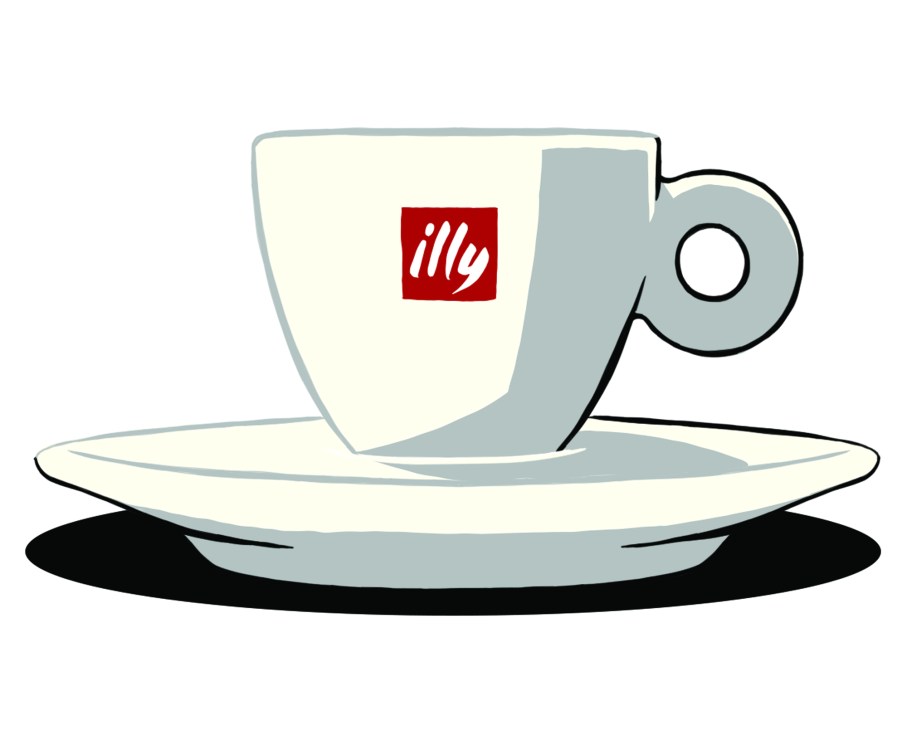
Illy espresso cup
Matteo Thun, co-founder of flamboyant postmodern design movement Memphis Milano, created these heat-retaining cups in 1992. They’re perfect for enjoying your espresso the Italian way: piping hot and in a single gulp.
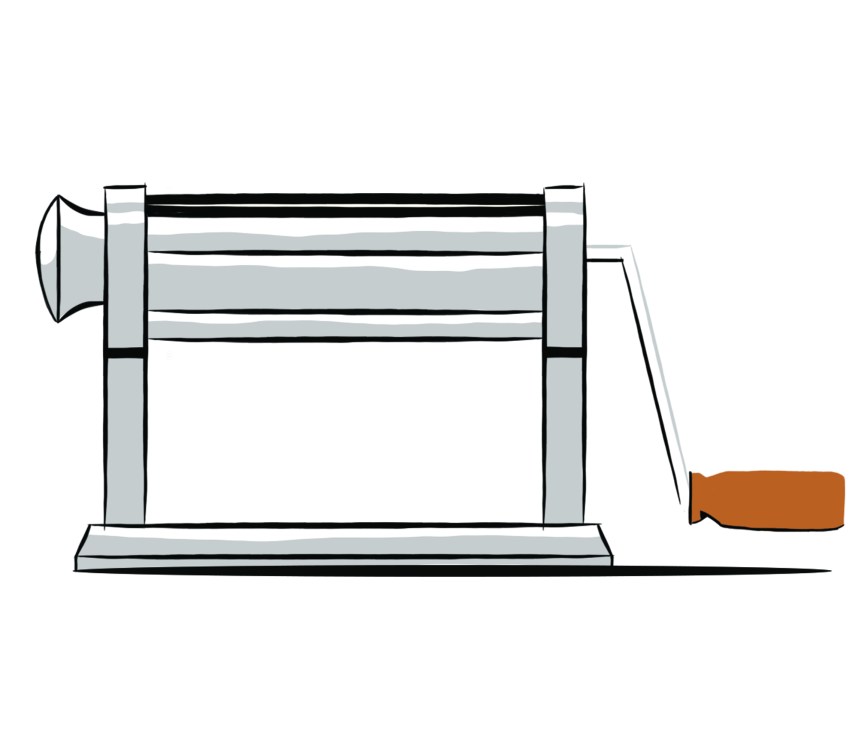
Imperia pasta machine
Imperia was established as a metalworking business in 1932. It expanded rapidly as its durable and easy-to-use pasta machines gained popularity, particularly among Italian immigrants in the US who wanted to recreate the taste of home.
Classic Fiat 500

First produced in 1957, the Fiat 500 was designed by Dante Giacosa as a cheap-and-cheerful pint-sized vehicle with the agility needed to navigate the narrow streets found in many of Italy’s cities. Its legacy endures.

Eclisse lamp
Designed in 1965, Vico Magistretti’s compact metal lamp is inspired by the lunar eclipse. It has a fixed outer shell, while its inner shade can be rotated to diffuse the bulb’s intensity.
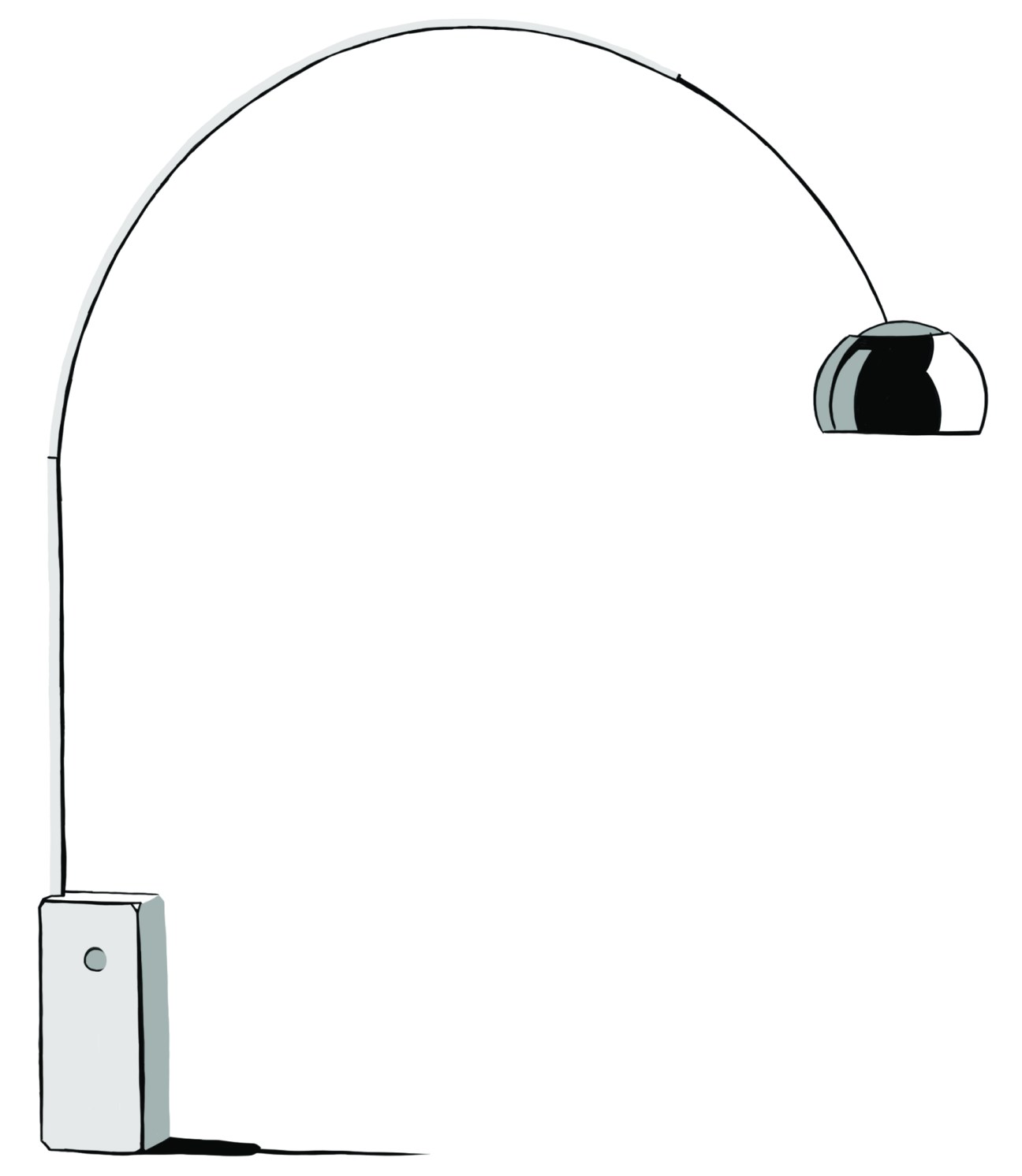
Arco lamp
Pier Giacomo and Achille Castiglioni’s now ubiquitous lamp was first made by lighting brand Flos in 1962. It has a Carrara marble base and adjustable stainless-steel stem to reach over furniture with minimal fuss.
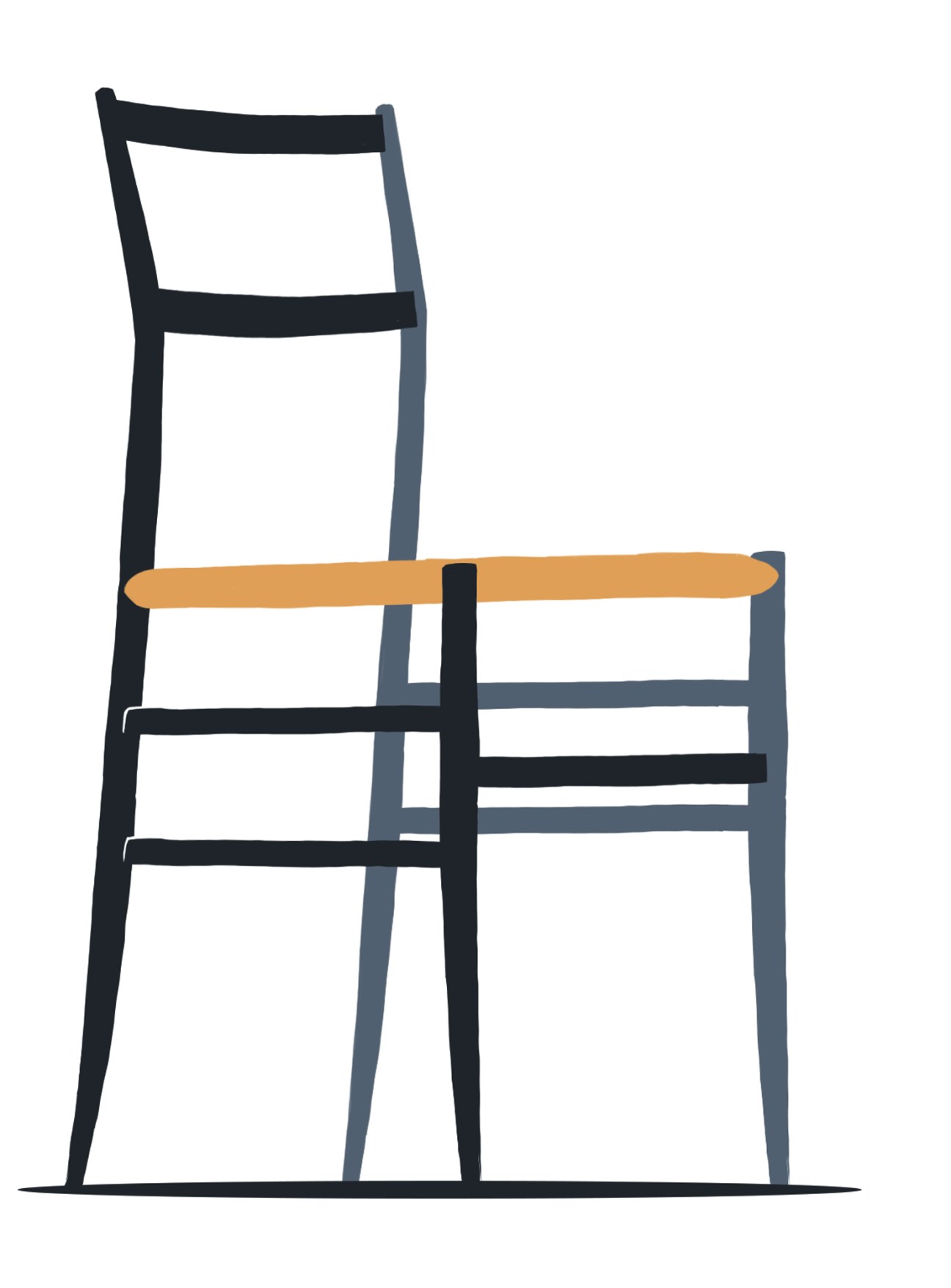
699 Superleggera chair
Gio Ponti’s Leggera chair was first made by Cassina in 1952 and refined to produce the Superleggera in 1957. It was famously tested by Ponti, who dropped it from a fourth-floor window. We wouldn’t recommend treating yours in the same way.
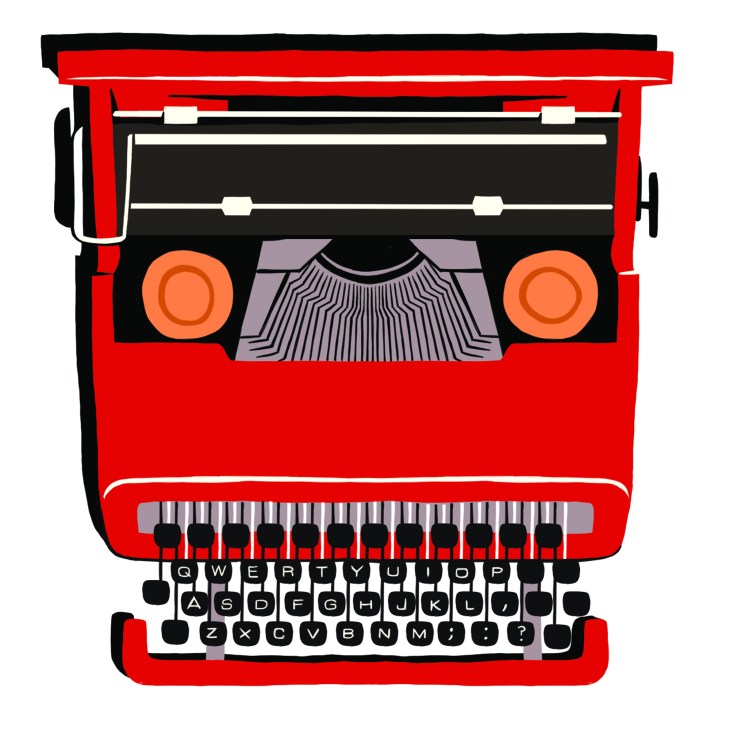
Valentine typewriter
Ettore Sottsass’s 1969 model for Olivetti, which was co-designed with Perry King, was manufactured as a dinky Italian competitor to Japanese designs clattering onto the market. Sottsass did away with lowercase letters and the bell that marked the end of a line.
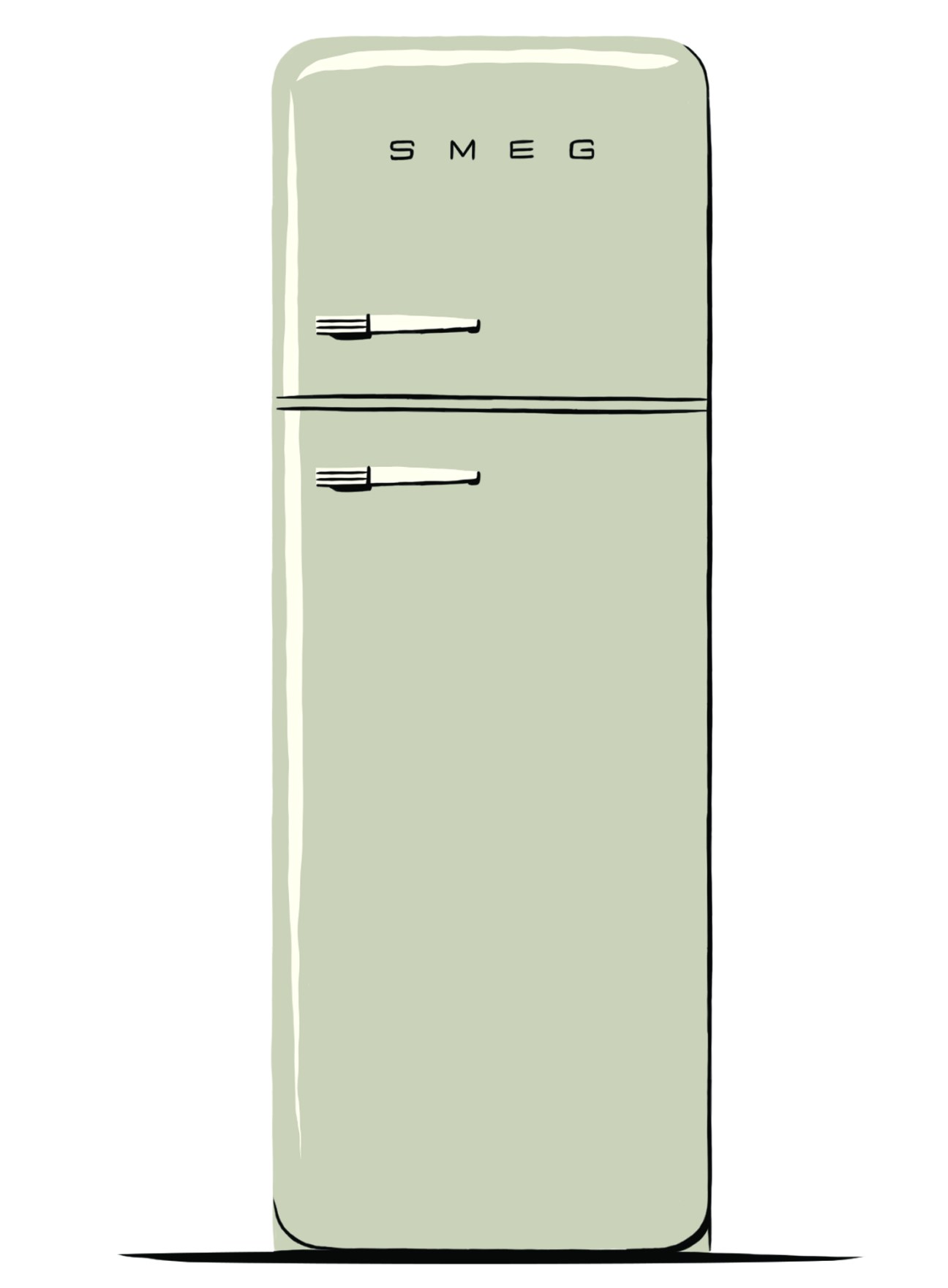
Smeg fridge
Kitchen appliance-maker Smeg first produced its retro-style Fab28 fridge in 1997. Designed by the firm’s founder Vittorio Bertazzoni, it comes in a series, with matching toasters, kettles and more.

Il Conico kettle
Architect Aldo Rossi (the first Italian to be awarded the Pritzker prize) transposed a conical motif from many of his buildings to form the Piedmontese homeware brand Alessi’s stainless-steel kettle in 1986.
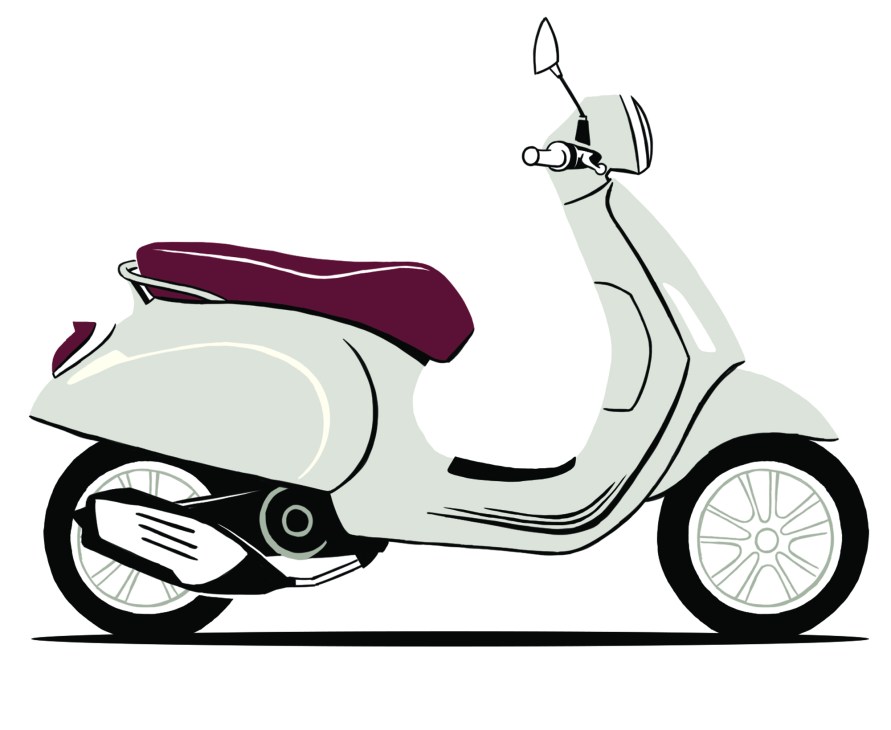
Vespa Piaggio
At the end of the Second World War, aeronautical engineer Corradino D’Ascanio was asked to design an easy-to-ride vehicle that could be mass-produced. The resulting Vespa swarmed Italian cities from 1946.
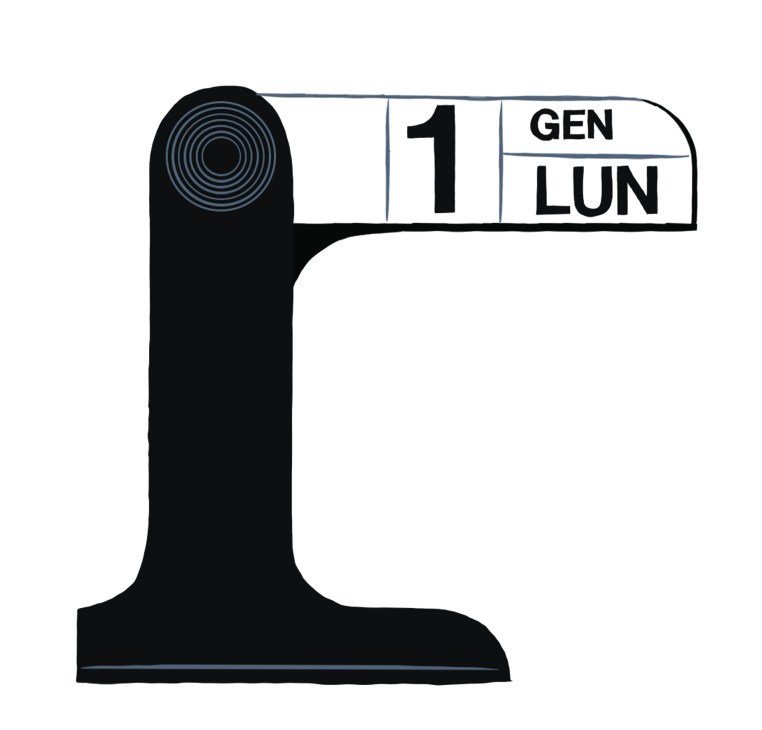
Timor calendar
A prominent name in 20th-century Italian design, Enzo Mari was known for the playfulness of his creations. His desk calendar for Danese Milano in 1967 uses flippable PVC cards. Look out for a Monocle-minded collaboration soon.
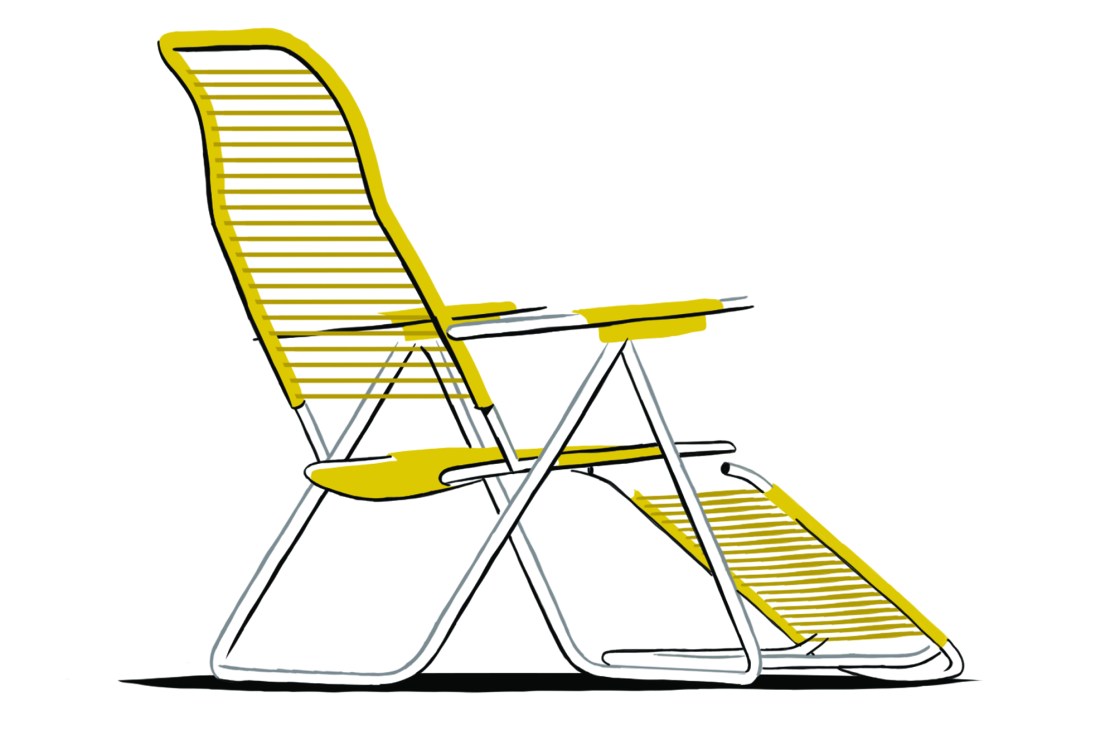
Spaghetti lounger
Fiam founder Francesco Favagrossa launched his outdoor furniture firm in 1975. Among its clever designs is this bouncy and comfortable lounger, which is made from pvc strips woven around an aluminium frame.
Perfect pantry
From left to right (top).
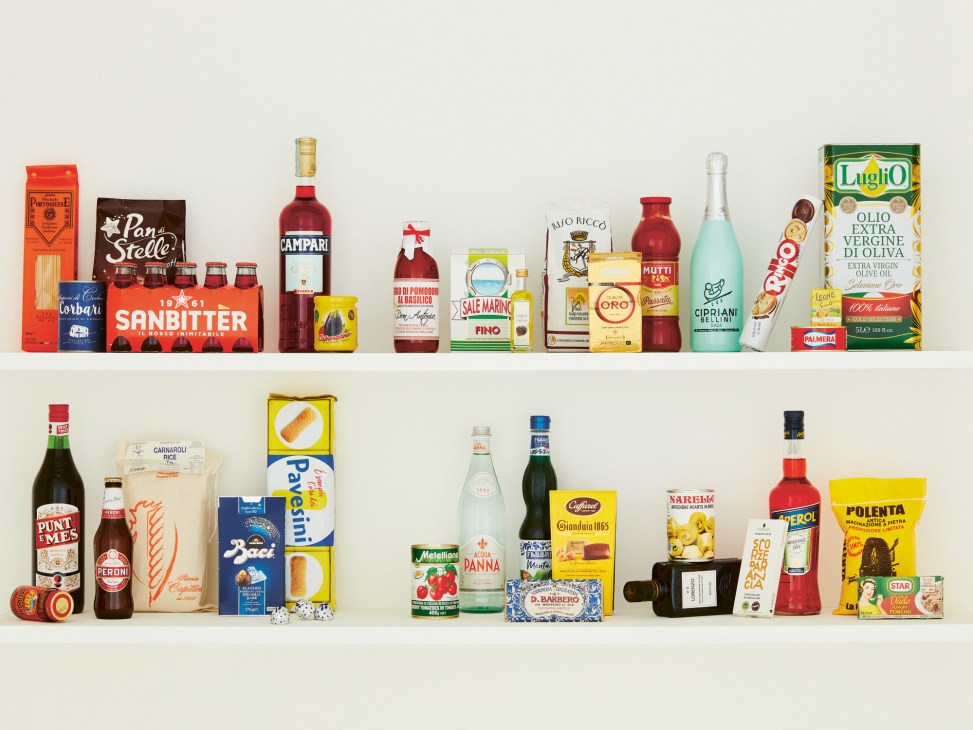
1.
Michele Portoghese bucatini pasta
2.
I Sapori di Corbara tinned tomatoes
3.
Pan di Stelle biscuits
4.
Sanbittèr soft drink
5.
Campari aperitivo
6.
Fratelli Contorno caponata sauce
7.
Don Antonio sauce
8.
Sai sea salt
9.
Tartufi Morra truffle oil
10.
Riso Riccò rice
11.
Lavazza coffee
12.
Mutti passata
13.
Cipriani bellini
14.
Ringo biscuits
15.
Palmera tinned tuna
16.
Pastiglie Leone pastille sweets
17.
Luglio olive oil
From left to right (bottom).
18.
Flott anchovies
19.
Punt e Mes vermouth
20.
Peroni beer
21.
Riseria Capittini rice
22.
Baci chocolates
23.
Pavesini biscuits
24.
Metelliana tinned cherry tomatoes
25.
Acqua Panna water
26.
Fabbri mint syrup
27.
Davide Barbero chocolate
28.
Caffarel Gianduia chocolates
29.
Olio Barbera olive oil
30.
Narello artichoke hearts
31.
Ciomod chocolate bar
32.
Aperol aperitivo
33.
La Grande Ruota polenta
34.
Star stock cubes
Why nonna knows best
by Chiara Rimella
Many Italians are custodians of recipes involving minuscule but vital variations on classic dishes; it goes without saying that each purports their nonna’s lasagne to be the best. The idea of a family eating dinner at separate times is anathema. There’s something sacred about setting the table, taking a seat and focusing on the food and company. Even midweek meals are prepared with creativity and flair; an invitation to somebody’s house is an occasion for the host to show off the best from their everyday repertoire. Compliments are to be doled out plentifully, while enormous second helpings should always be accepted. Abundance goes hand in hand with affection. Pizza, pasta and Italian wine might have become staples from Singapore to São Paulo but isn’t it time that the rest of us took notice of how Italians eat? Seasonal food, enjoyed together, at a table – a sensible diet that would work the world over.
Buy a copy today
Monocle roamed the length of the nation and The Monocle Book of Italy is the result of our dedicated reporting. Join us as we throw down our towels at the best beaches, call in at vineyards, furniture fairs and maybe even a disco or two. See Italy through a whole new lens. The book, published by Thames & Hudson, is available now from monocle.com/shop.
Top of the shops
Meet the specialists
In a world where superstores stock everything under the sun, Italians remain remarkably committed to making use of the services offered by experts in shops that are sometimes more workshop than retail space. We hail these unflappable specialists who refuse to become jacks of all trades and remain masters of their own.
1.
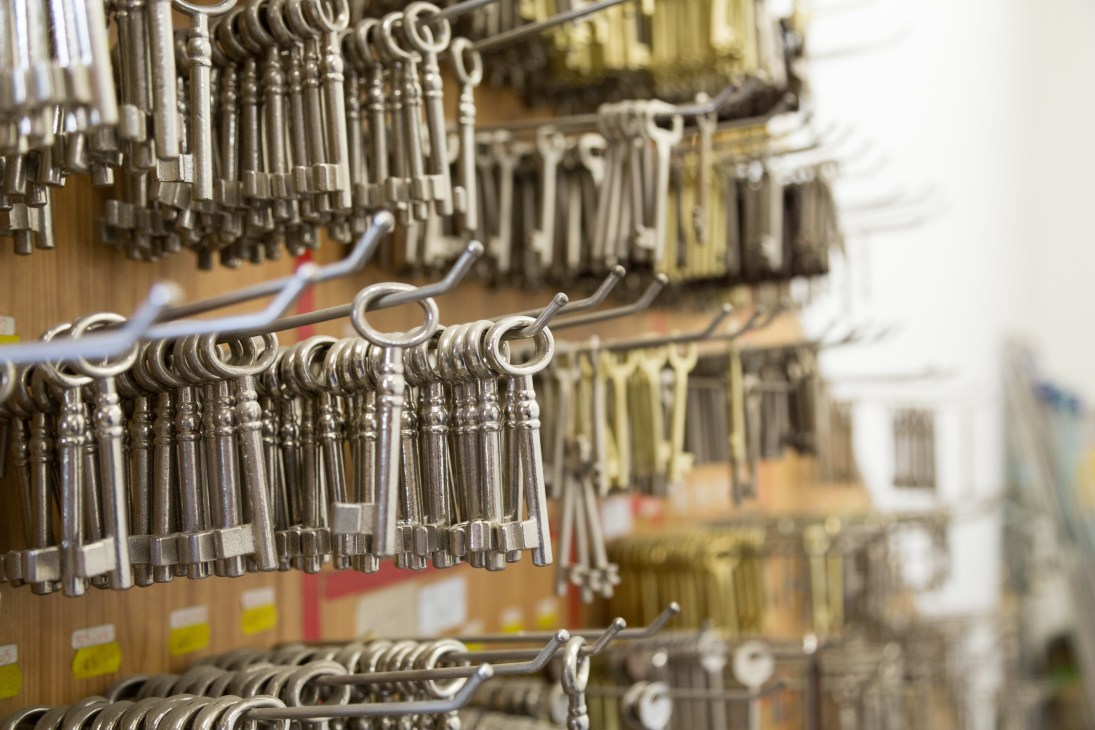
Ferramenta Brugnara, Merano
South Tyrolean retailer Ferramenta Brugnara goes above and beyond the average hardware shop. From mattocks to mallets, it sells every imaginable tool. Customers come from far and wide for advice and equipment to tackle their diy quandaries. This one-stop shop also stocks an array of homeware and kitcahenware, so you’re just as likely to leave with a fondue kit as a fretsaw or keys.
2.
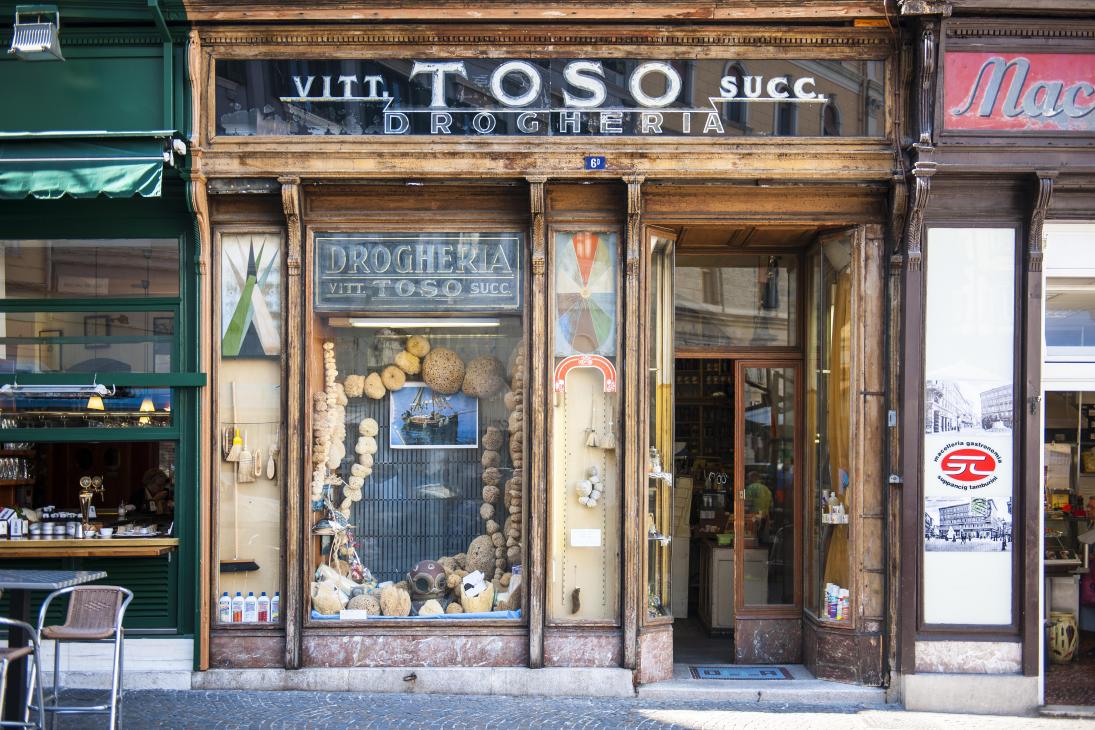
Drogheria Toso, Trieste
Little has changed since this pharmacy was opened by Vittorio Toso in 1906. The walls are lined from floor to ceiling with glass jars containing every imaginable filling, including loose-leaf tea, boiled sweets, bath salts and dried herbs – all of which are faithfully decanted into paper bags and sold by weight. There is also a range of household items on offer, such as ostrich-feather dusters and horsehair brooms.
3.
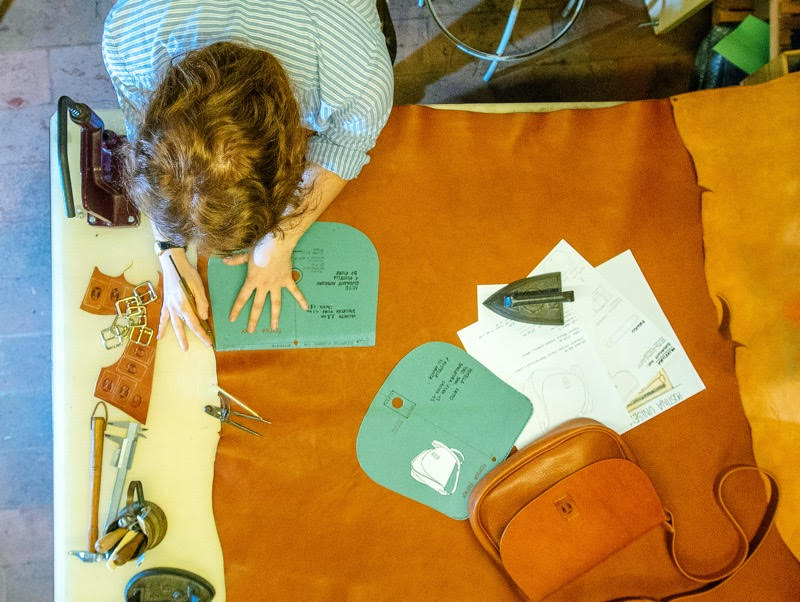
La Vacchetta Grassa, Modena
With its abundance of spring-fed tanneries, it’s no wonder that Modena has been a centre for the Italian leather trade since the Middle Ages. Continuing the craft is La Vacchetta Grassa, which occupies two floors of the 15-century Palazzo Barbanti Silva Bulli. Its ground-floor shop sells vegetable-tanned goods cut and stitched by hand in its upstairs workshop, using an unusual variety of materials including eel-skin and stingray.
4.
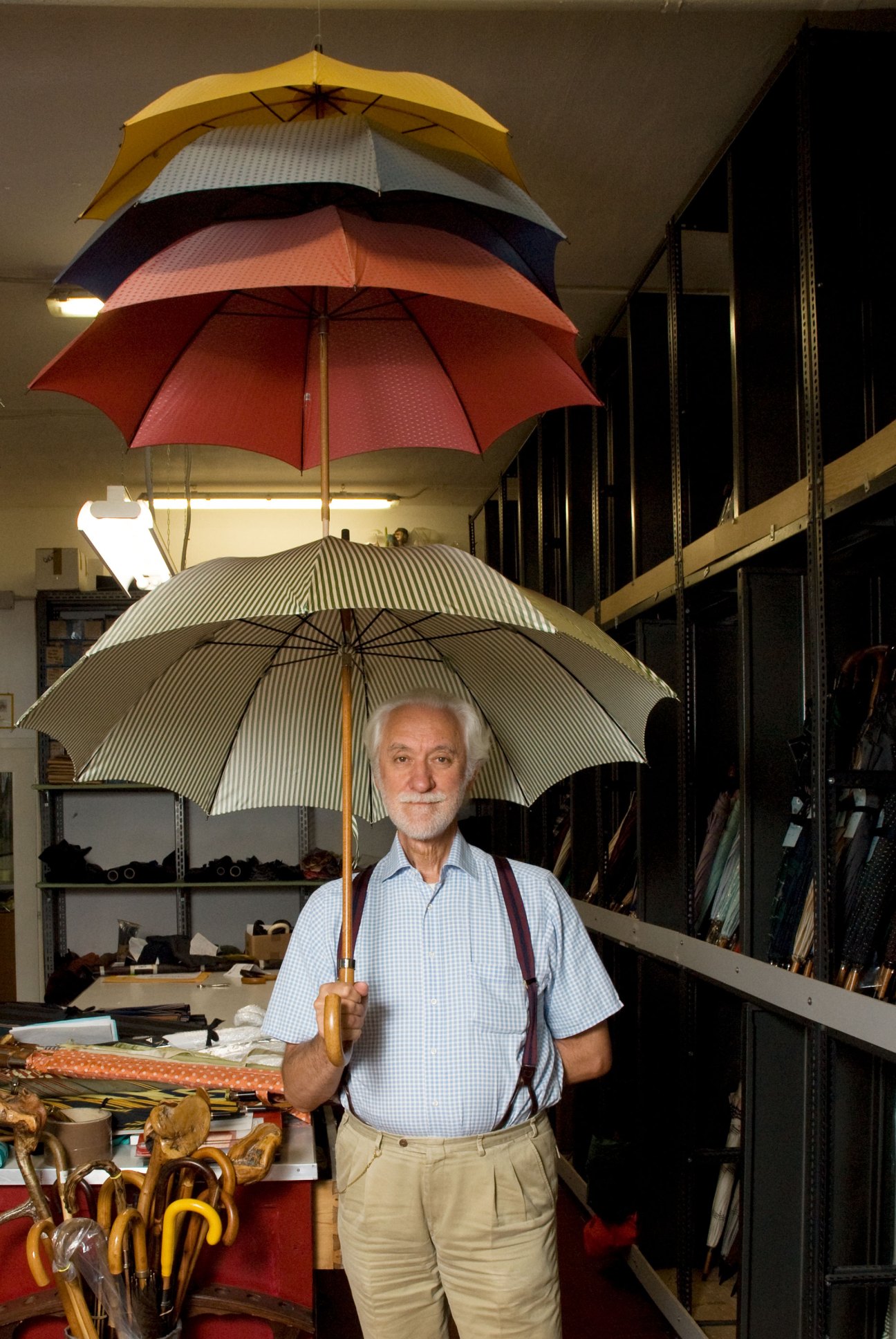
Ombrelli Maglia, Milan
Giorgio and Francesco Maglia’s family has been in the umbrella business since 1854. The brand’s bespoke designs are made in proportion to the buyer’s height and arm length, with clients able to choose from an array of hand-carved handles made in woods ranging from hickory to hazelnut. Customers can also pick their preferred fabric for the awnings, which are woven in the nearby city of Como.
5.
Stay, Rome
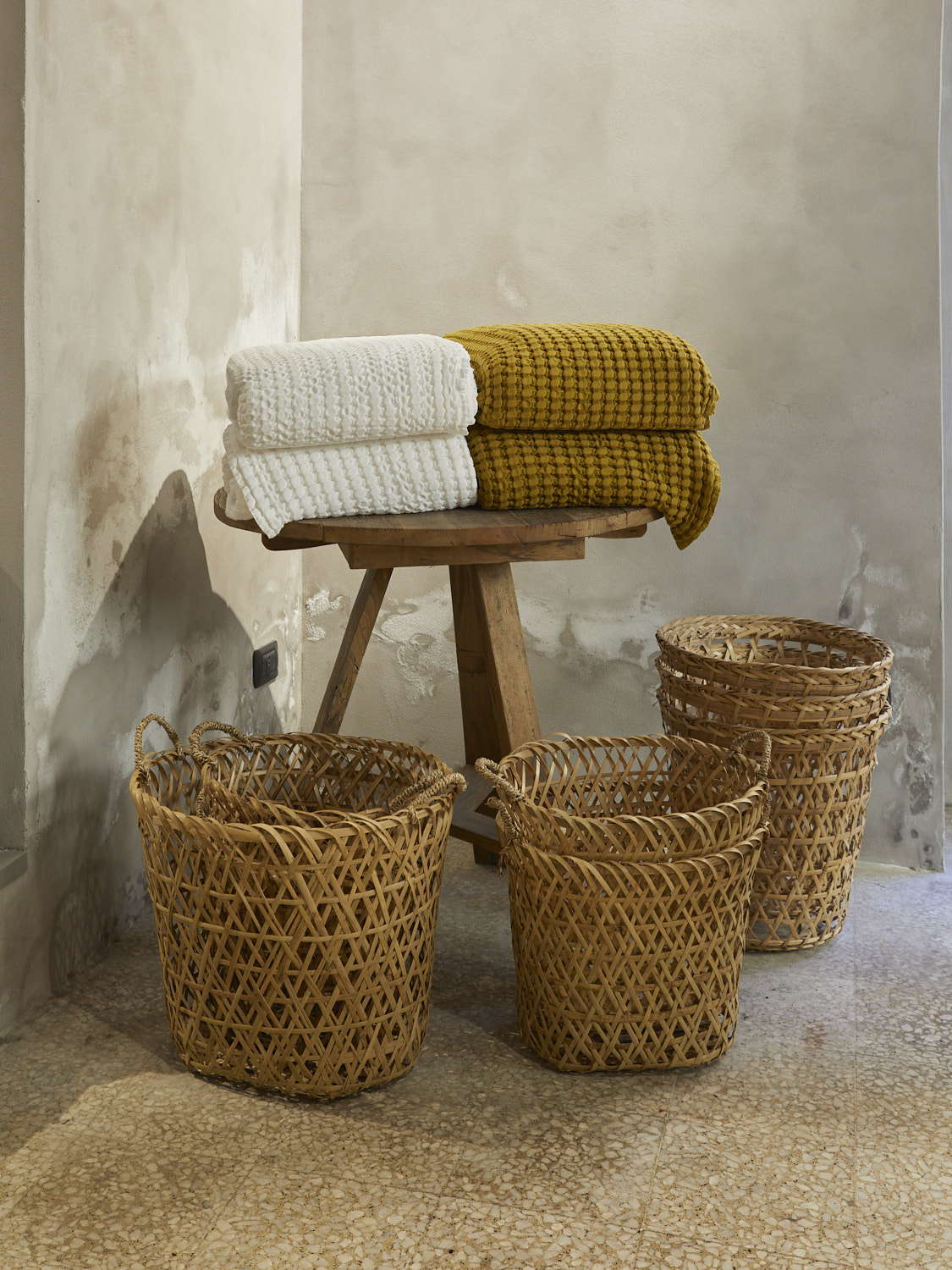
In a city packed with chintzy linen shops, Stay stands out for the quality of its fabrics. The brand was founded in 2015 by textile-industry stalwart Ruben Fatucci and his partner Alessandra Azzali. To create its sheets, towels, rugs and table linens, Fatucci scours Italy for manufacturers who use natural fibres and dyes, while Azzali is on hand inside the shop to help customers select the best linen for their homes.
Italian counter intelligence
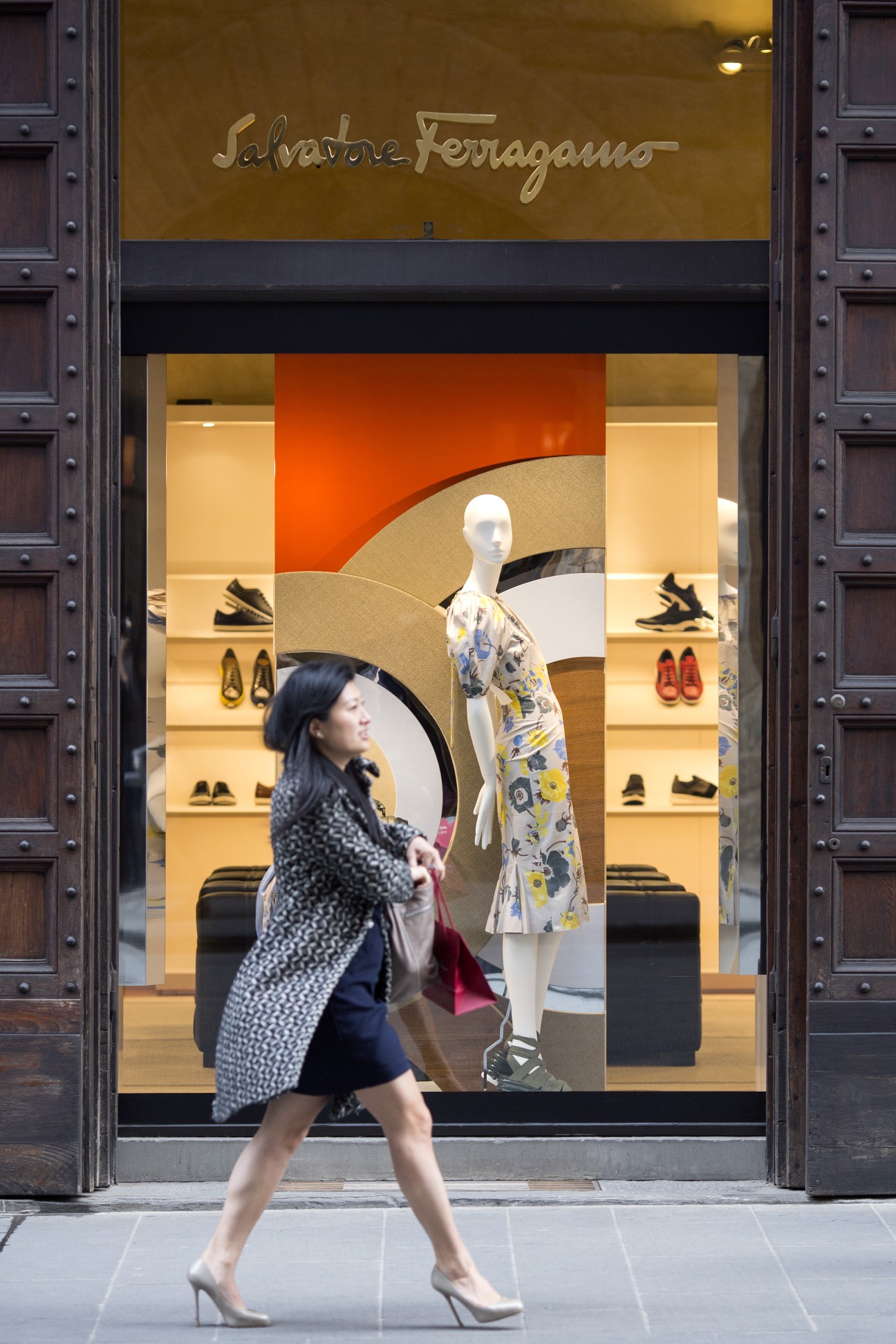
It’s one thing to know how to create a beautiful and enduring product but quite another to successfully bring it to market. So how has Italy fostered its reputation as the most respected and powerful producer of luxury fashion in the world while continuing to sell it abroad?
Visit Via Montenapoleone in Milan or Rome’s Via Condotti and you’ll spy a roster of names that are globally synonymous with style: Prada, Gucci, Giorgio Armani, Salvatore Ferragamo and more. Each brand has built temples of retail in gleaming marble and gold leaf, where impeccably turned-out doormen greet customers, and products are displayed with the reverence of high art. A newer generation of brands such as Slowear and Sunnei has injected a more youthful vision into the country’s sartorial scene too.
Impressive spaces only go so far, however. Personalised service remains the central selling point, whether you’re buying your deconstructed jacket in Venice or Vienna. Italy is proof that the recipe for a successful shop still lies in good taste, pride in the product and, where possible, a subtle sense of theatre too.
Sociable media: ‘edicola’
Italians take their daily rituals seriously and a visit to the edicola (news kiosk) to catch up on current events or to grab a magazine or newspaper of choice is one that we always admire. Every one of the nation’s 15,000 newsstands is a mini monument to the power of print and it’s also a social space. The best-run operations offer both regional and international publications and manage to pack in more than 500 titles, from broadsheets to glossies, in just a few square metres of display space. In the summer, the kiosks are especially popular as Italians stack up on a mix of gossip titles, sports and news dailies as well as weeklies and the demanding crossword puzzles in La Settimana Enigmistica.
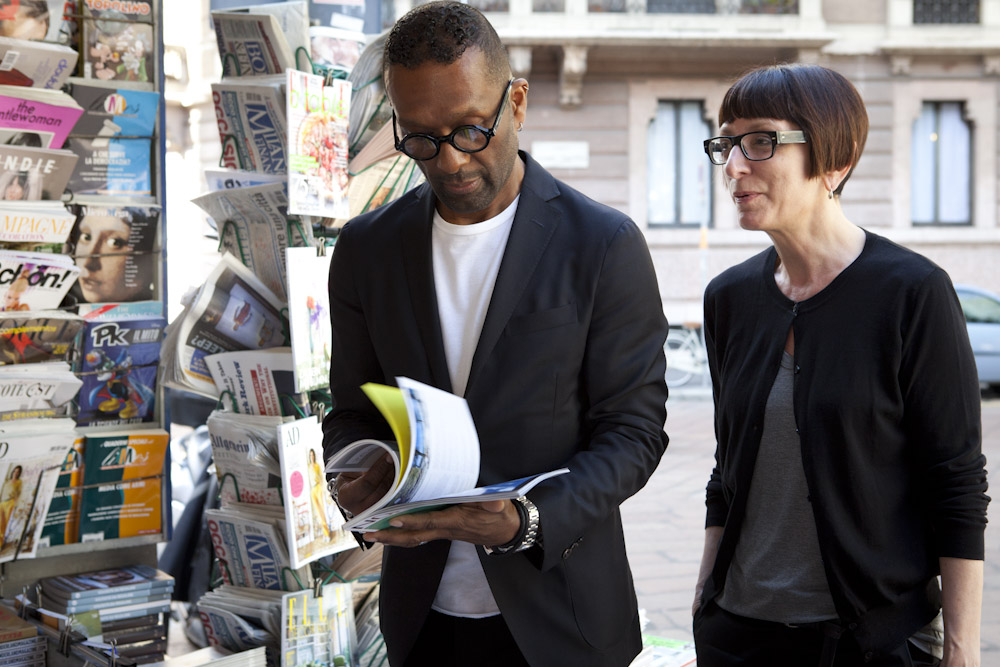
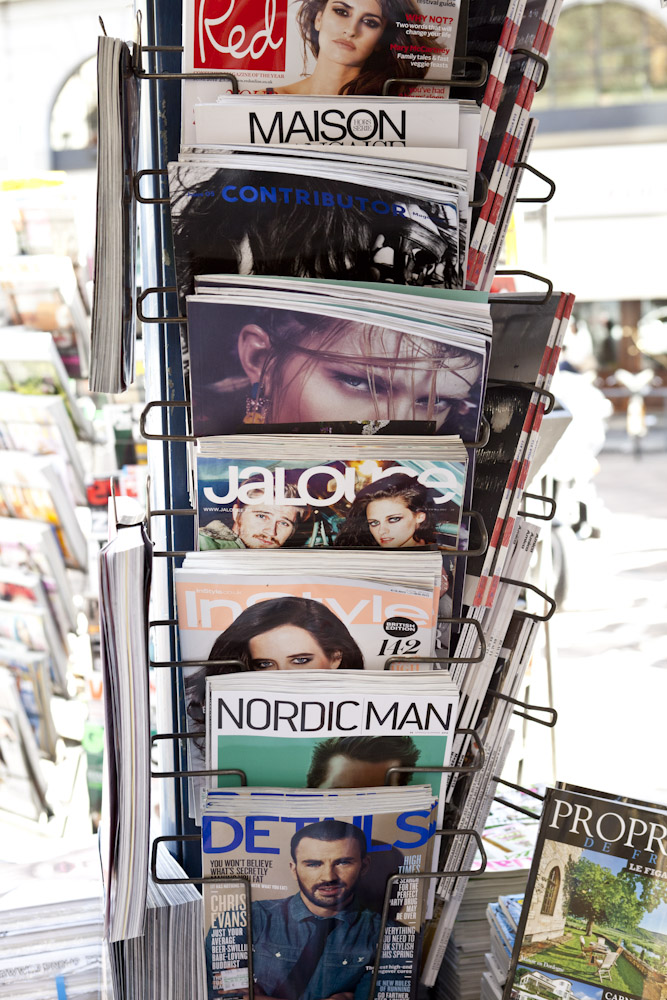
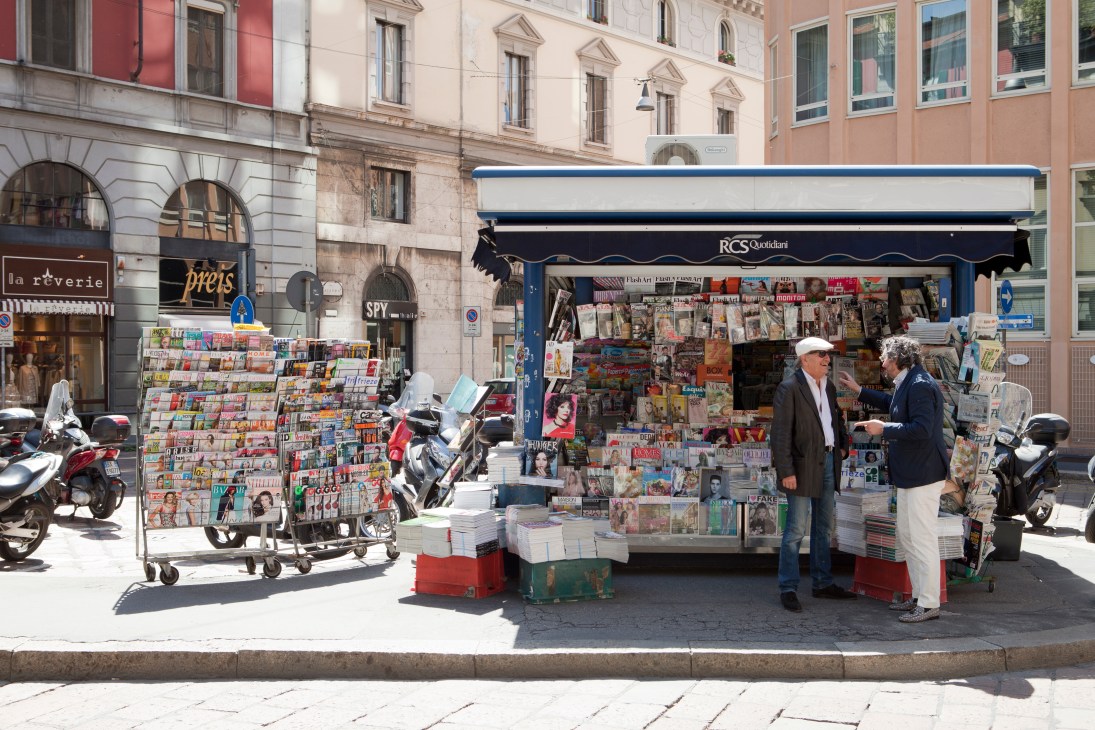
Customers are treated to attentive service as kiosk owners set aside special inserts or supplements for their regulars, go the extra mile to hand deliver a copy or track down a back issue. And at the weekend the edicola becomes a place where customers linger and discuss the goings-on in the neighbourhood or indulge in a heated discussion on the latest political drama. Try that by an understocked newsstand in New York or London and you’ll see why the edicola model, and the interaction it promotes, is worth cherishing.
Med school
‘The Monocle Book of Italy’ is our grand tour of the nation’s best design, business, food and fashion. Here its editor, Chiara Rimella, holds forth on cataloguing her home nation’s best bits.
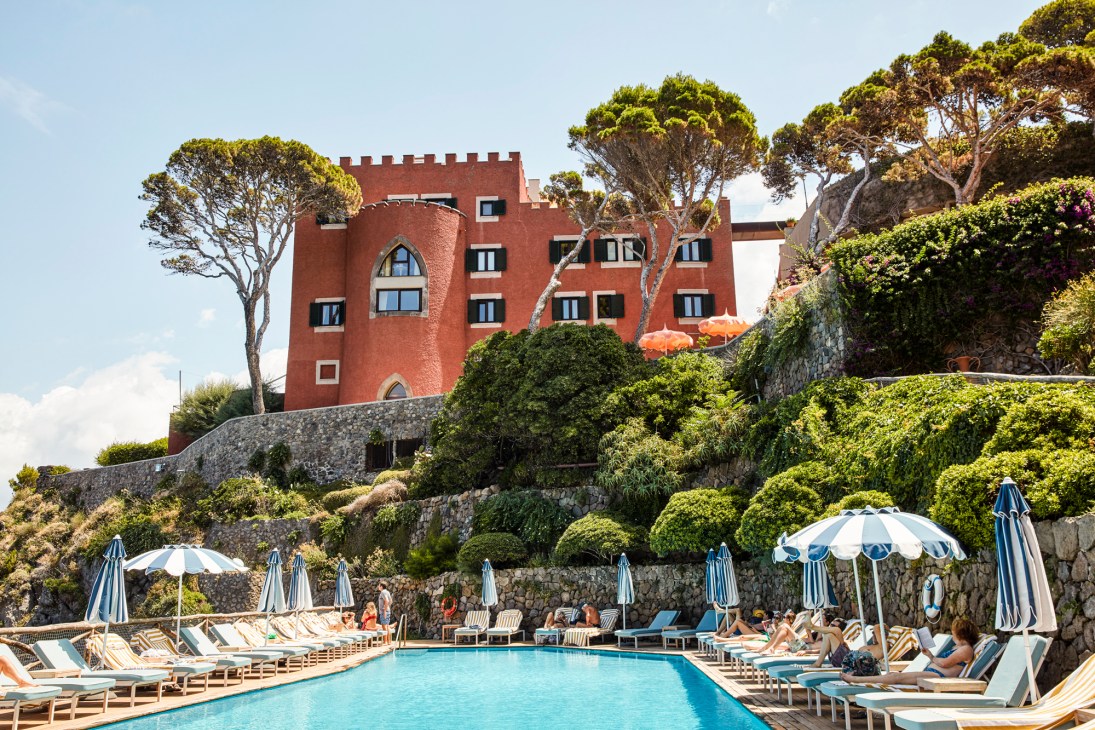
Summarising a nation’s character is a hard thing to do. It gets particularly tricky with a country such as Italy, where people are fiercely territorial. You know all those dishes on the menu at “Italian” restaurants abroad? Well don’t you dare order a carbonara outside Rome, or a cannolo anywhere but Sicily. Regional differences matter profoundly. Italians often snigger at the myths that they have themselves helped propagate – the Vespas, the pasta, the wild gesticulating – sometimes unaware of how much they then play into the stereotypes that maintain the perennial popularity of this place. Italy feels comfortingly familiar to many: its global diaspora has created soft-power embassies in the form of delis, pizzerie and tailors.
On the ground it’s dazzlingly diverse, from the German-speaking peaks of the Dolomites to the crystalline waters of the Amalfi Coast. Over the years, Monocle’s reporters have zoomed in on stories of businesses, buildings and people, skirting around what, for all of their rich differences, makes them unmistakably Italian.
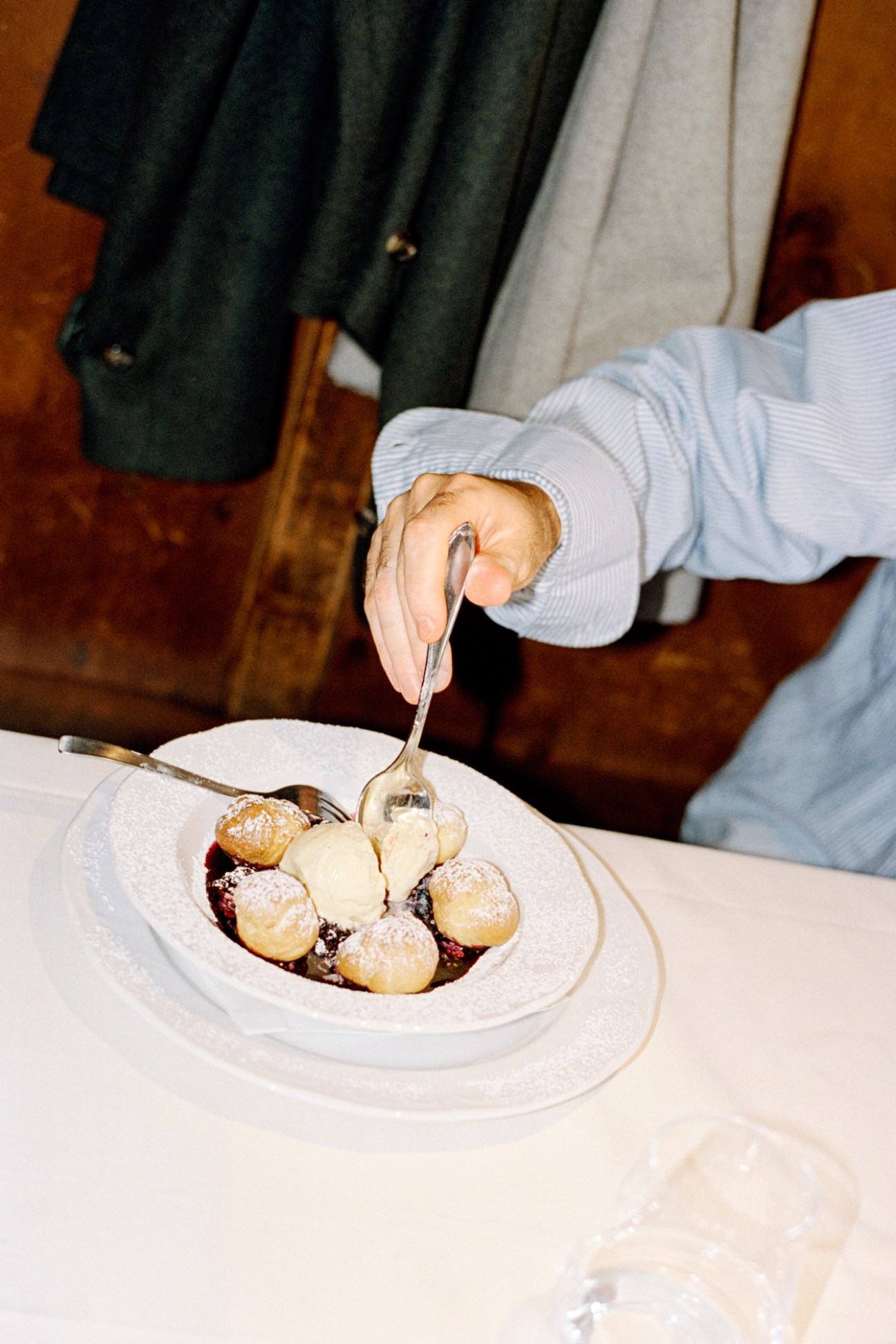
Perhaps it’s a sense of commitment and emotional investment that represents the national psyche best. You can see it in the way that a waiter will proudly deliver the dish of the day to your table, or in how a cobbler will return an expertly resoled brogue. It’s the fundamental reason why Italy’s furniture and fashion industries have conquered the rest of the world: people here care about a job fatto bene – done well (even if punctuality isn’t always a factor). They care about living generously, eating good food every day and wearing their best outfit to work. The endearing chaos that governs many facets of life (from ordering a coffee to queueing endlessly at a post office) is born out of unwritten rules that are, in fact, the opposite of nonchalant. In this book we have dug deep to try and understand what makes this country tick, and revisited the things that have made so many fall in love with this warm, charming, riotous place.