Issues
National treasures
1.
Bagni
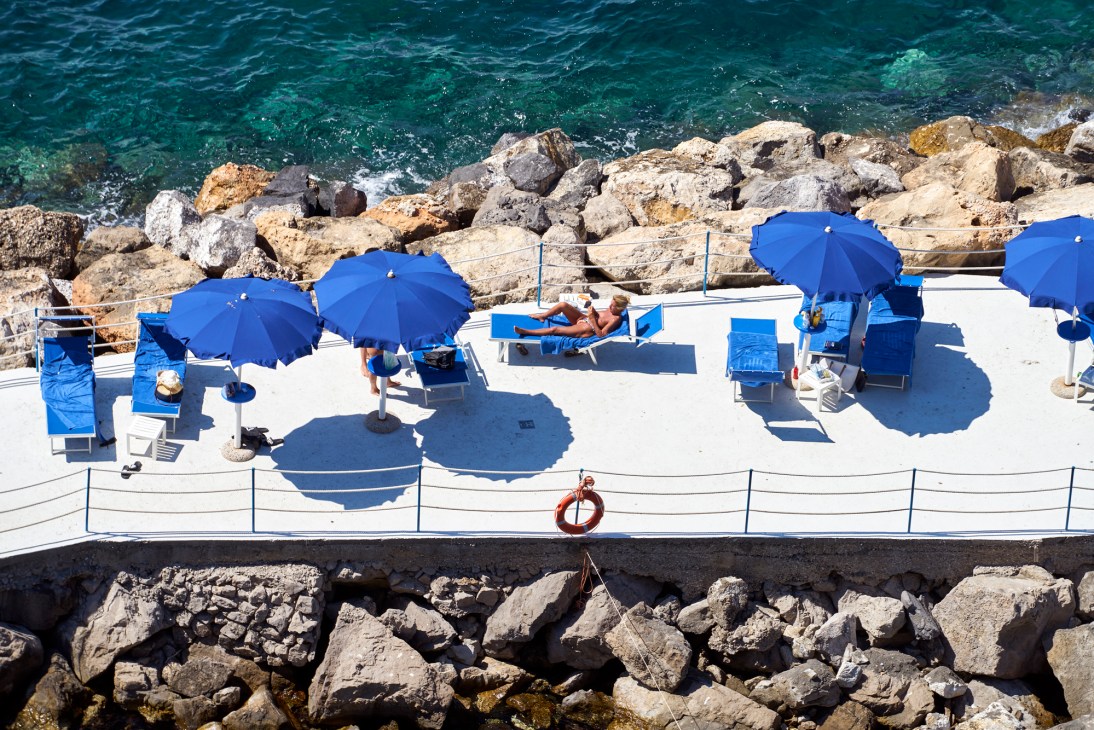
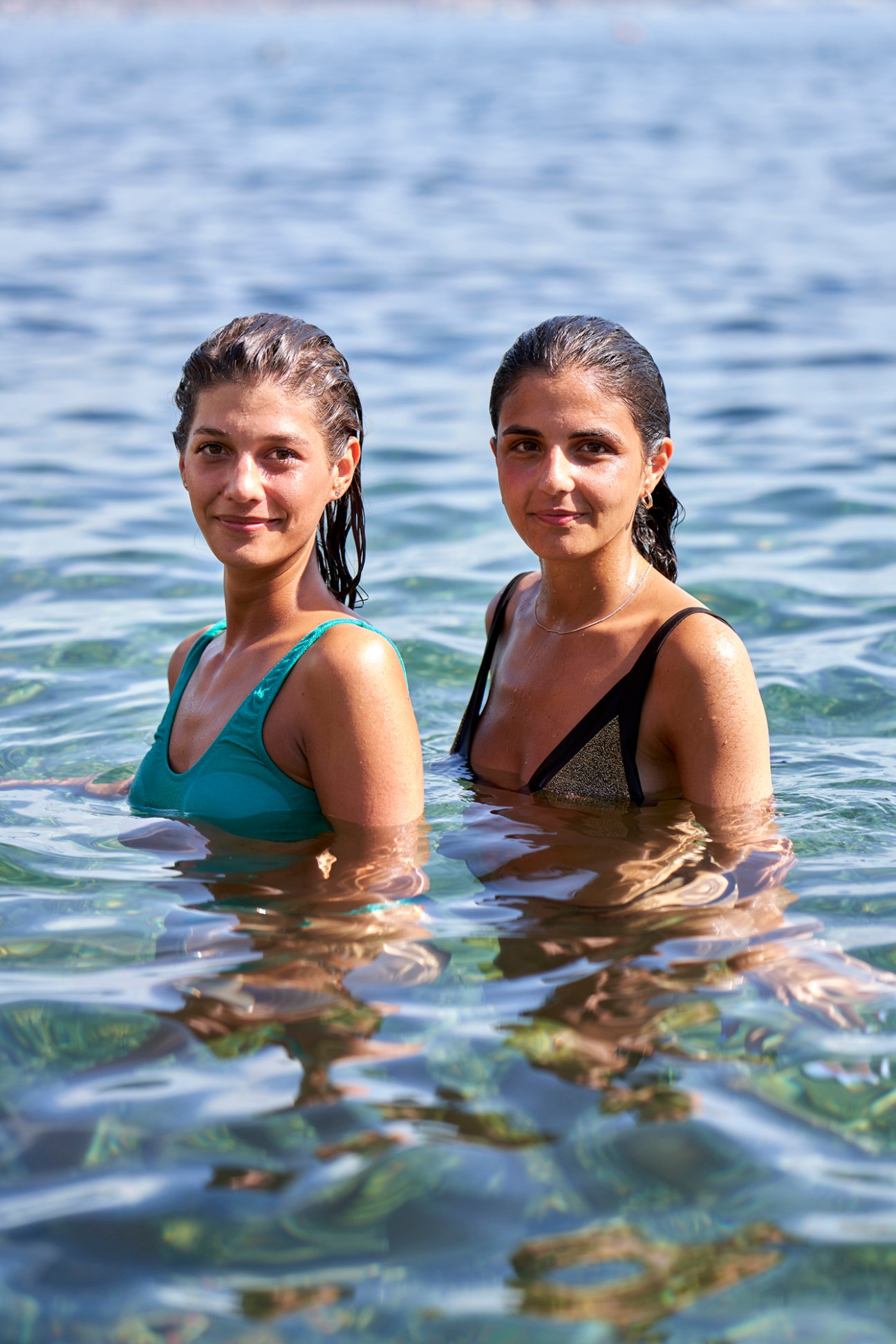
Although the country is blessed with unspoilt and wild beaches, much Italian seaside life takes place at the bagni. These organised beach clubs cover a large portion of the coast and normally consist of a simple shack (often doubling as a restaurant and bar), some cabins to change in, and regimented rows of umbrellas and loungers. Most Italian families are habit-driven when it comes to holidaying and tend to return to not only the same bagno every year but also the exact spot – which is how summertime friendships are forged between umbrella neighbours over the years.
2.
Aperitivo
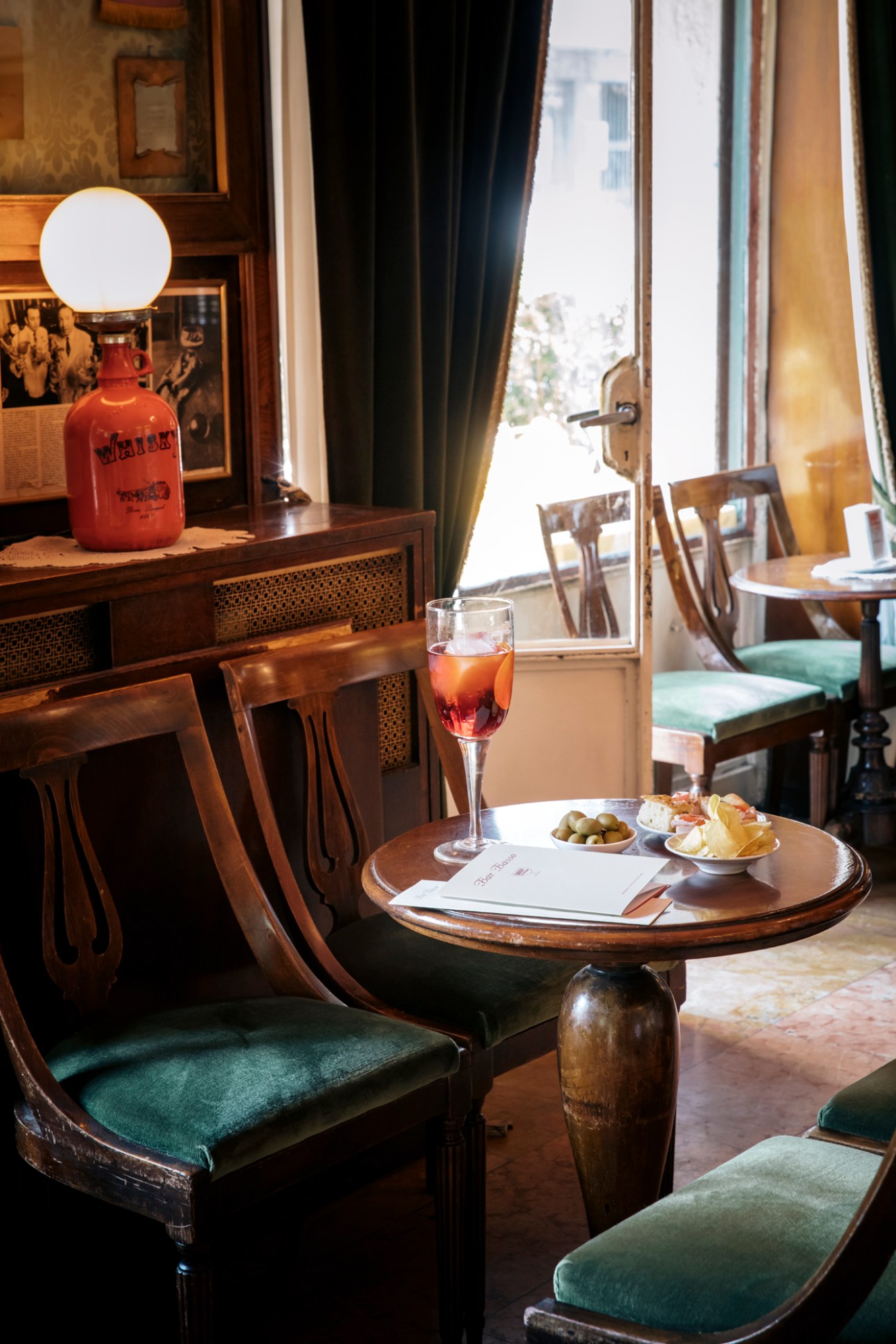
Plenty of people enjoy a glass of wine at the end of the day but in Italy this indulgence is codified into aperitivo. Far from being an encouragement to excessive drinking, it’s a way of “opening” somebody’s appetite for dinner, which is why glasses of wine or light cocktails are always consumed with a little snack on the side. The point of this daily ritual isn’t the wine but rather sharing it with a table of friends. Aperitivo comes in endless variants but, no matter where, the bars always come alive at sundown with chatter and the clinking of glasses. Cin cin!
3.
Uniforms
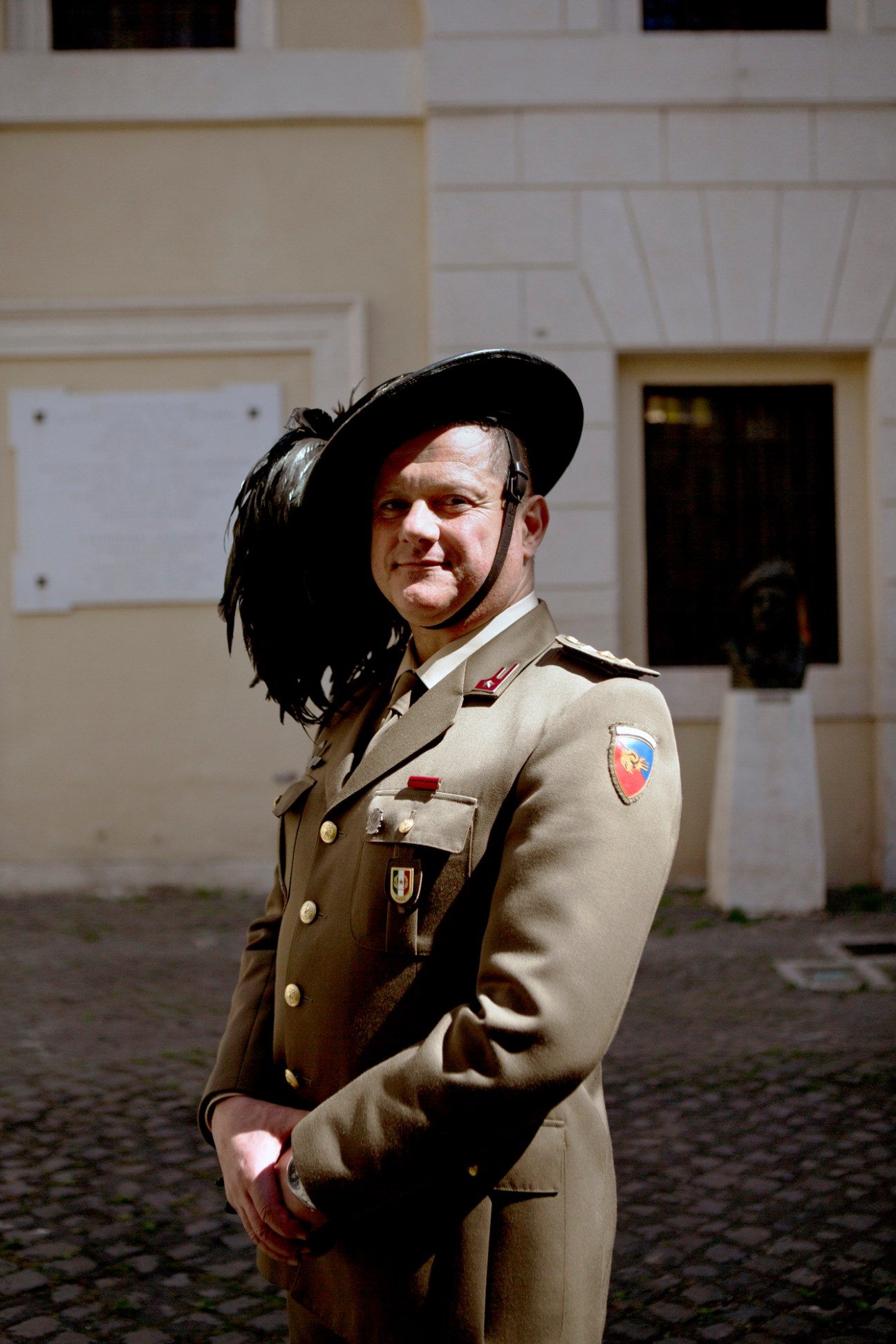
Italian police officers often look as though they’re from another era. Their uniforms are based on old-school, shoulder-heavy suits and extravagant headgear. Each of the many units can be distinguished via its look: the Polizia Municipale can be spotted by their elegant white hats, while the Bersaglieri – a specialised infantry division – wear a wide-brimmed number with a cascade of black rooster feathers. These outfits work by asserting the authority of elegance rather than a more obvious intimidation, and they are impressive at gatherings and parades.
4.
Markets
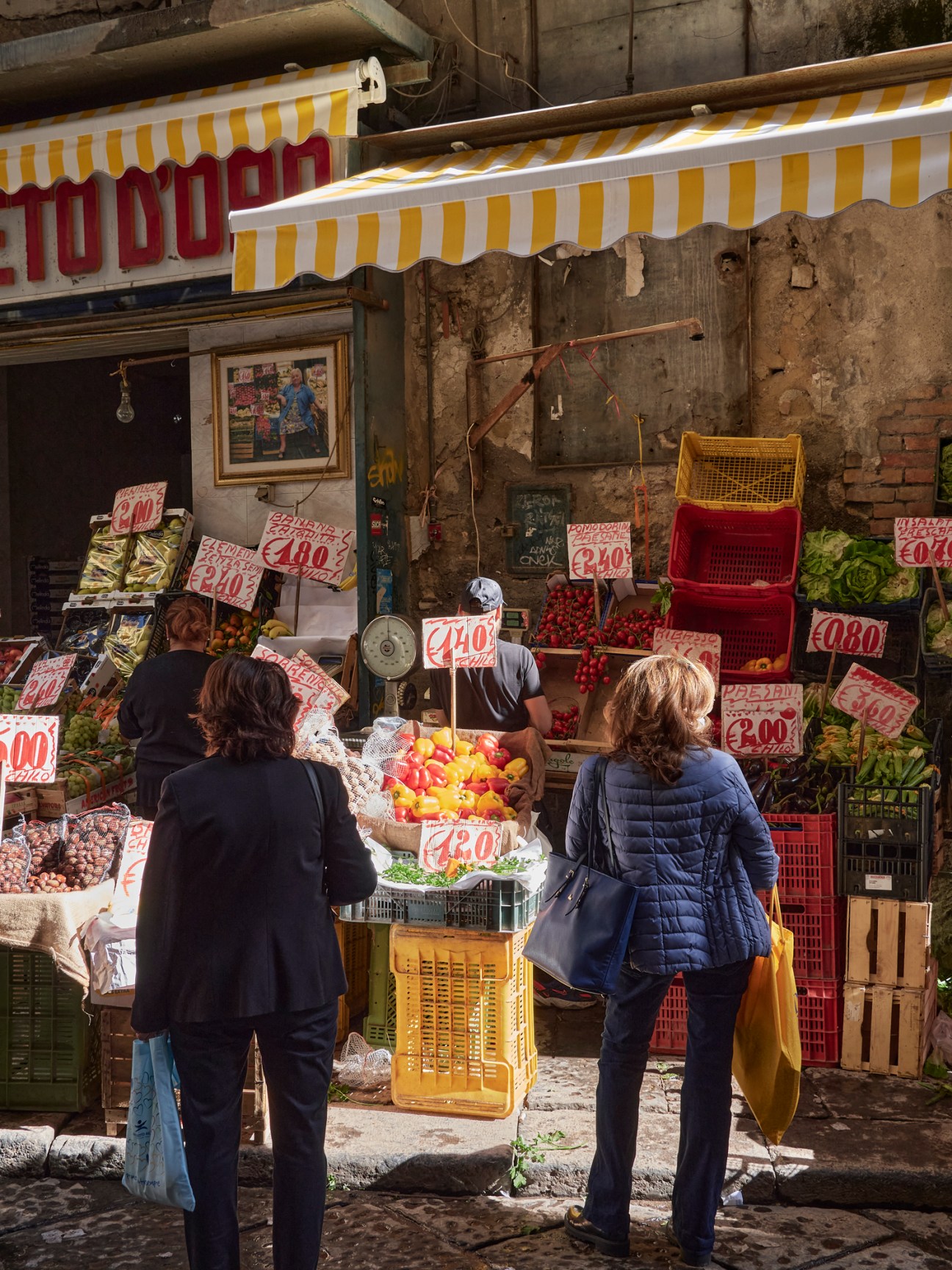
Since ancient times, Italy’s food markets have been the beating heart of the country’s culinary life. Every neighbourhood has its own mercato alimentare with stands of fruit, vegetables, cheese and meat proffered in a singsong sales pitch – a tradition upheld since the hawkers’ choruses arrived with the Arabs in 800AD. The birth of a united Italy brought with it a flurry of covered markets, which have maintained ties to the fertility of the peninsula – keeping alive the demand for organic ingredients that defines the country’s relationship with food.
5.
Service
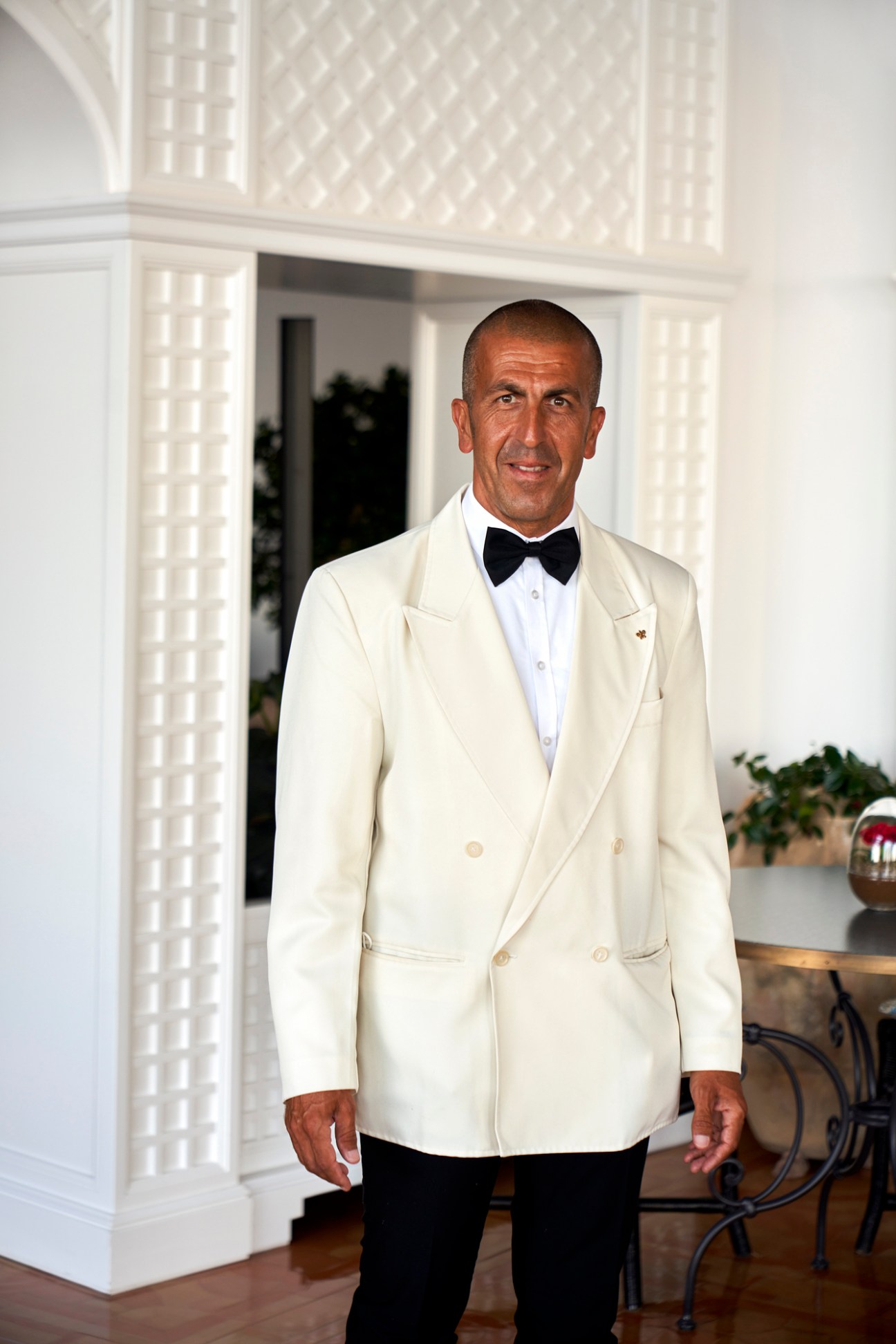
For some, good service means a deferential attitude towards the customer but in Italy the practice tends to be slightly different. Of course patrons are polite but the main ingredient for great hospitality – or retail – is a friendliness that tends to put people on the same level. Service in Italy is about people’s joy of sharing what they know they can do best. There’s an understandable element of pride in recognising one’s own skills, expertise and knowledge. The best way to enjoy it? Trust the house. They’ll always bring out the best.
6.
Food
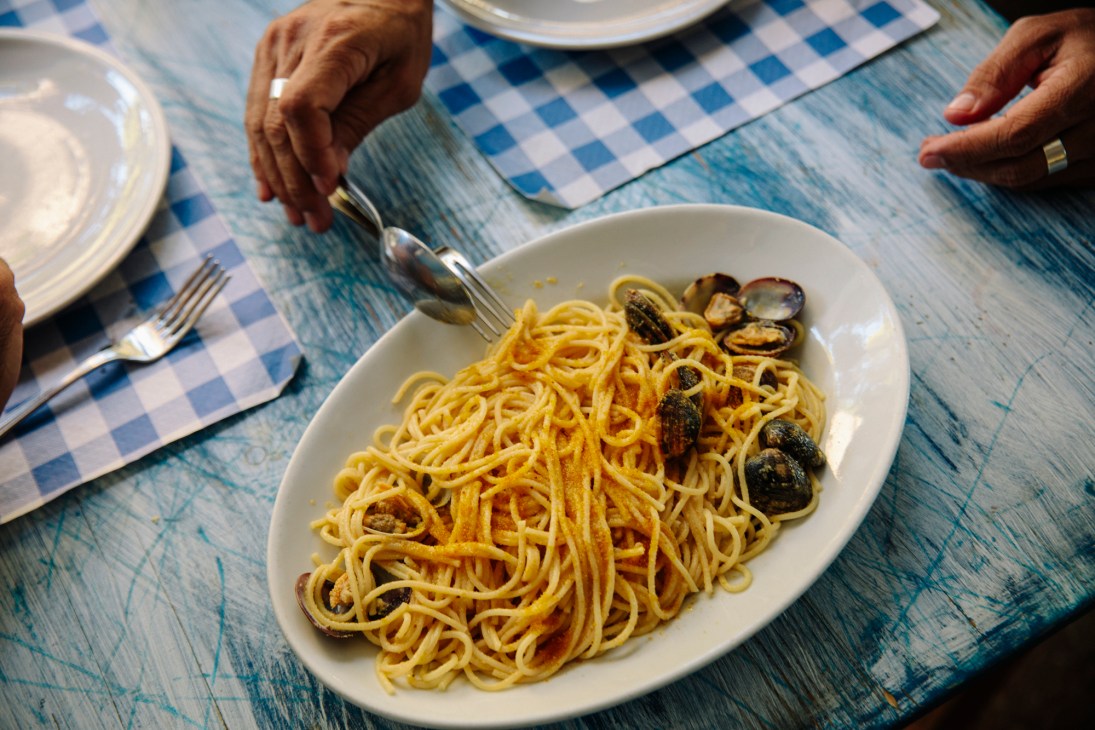
Italy is more than just good at food: it is obsessed with eating it, making it and producing it. It’s easy for everybody to eat well because excellent produce is available cheaply. The recipes that have made Italian food famous – pasta, pizza, soups and salads – are simple and inexpensive to make, turning gastronomy into a democratic exercise. Vineyards are also an integral part of the landscape. Every region has its own grapes and wine specialities, all of them ordered and consumed by knowledgeable patrons and everyday drinkers alike.
7.
Fashion and style
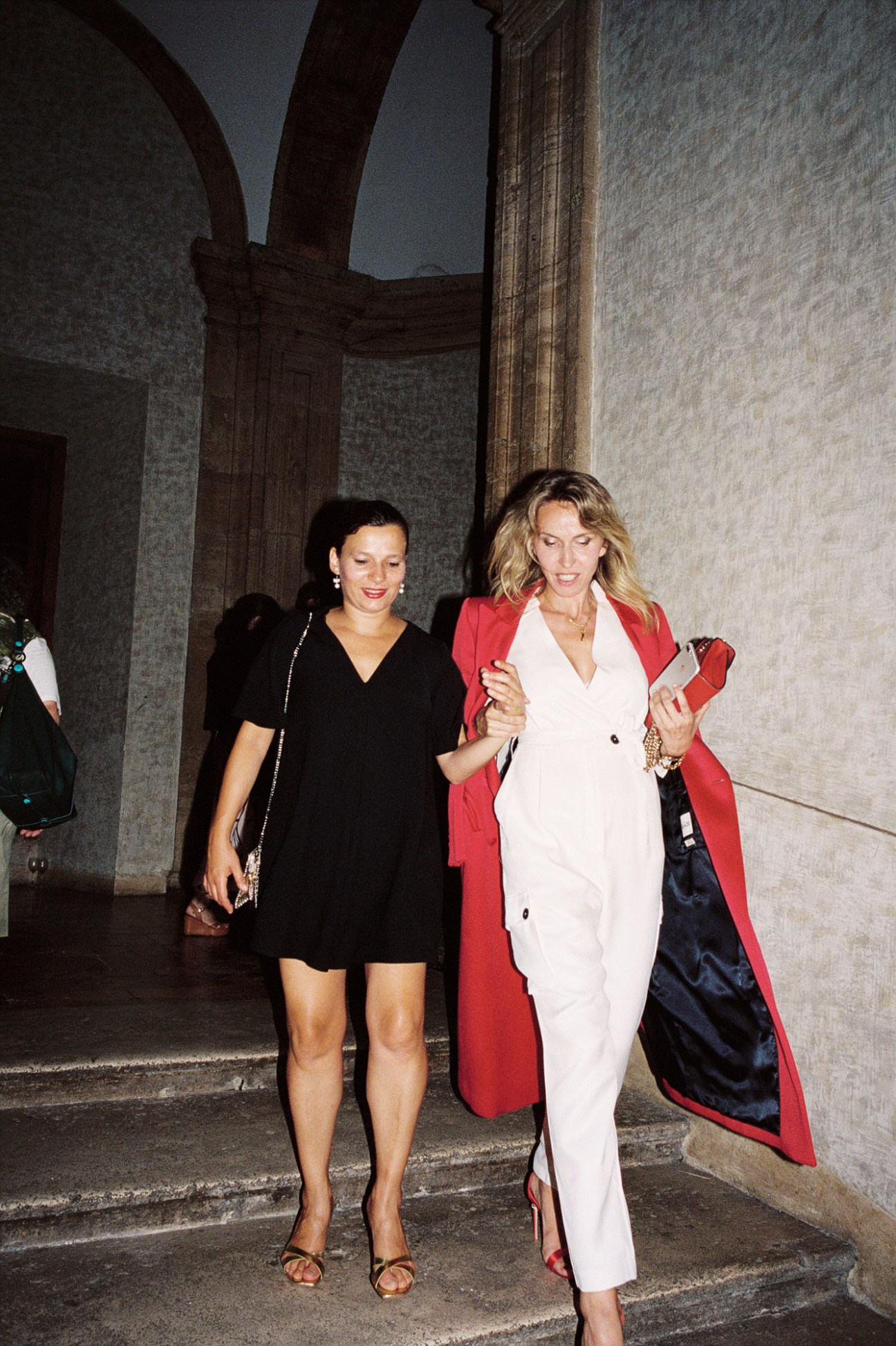
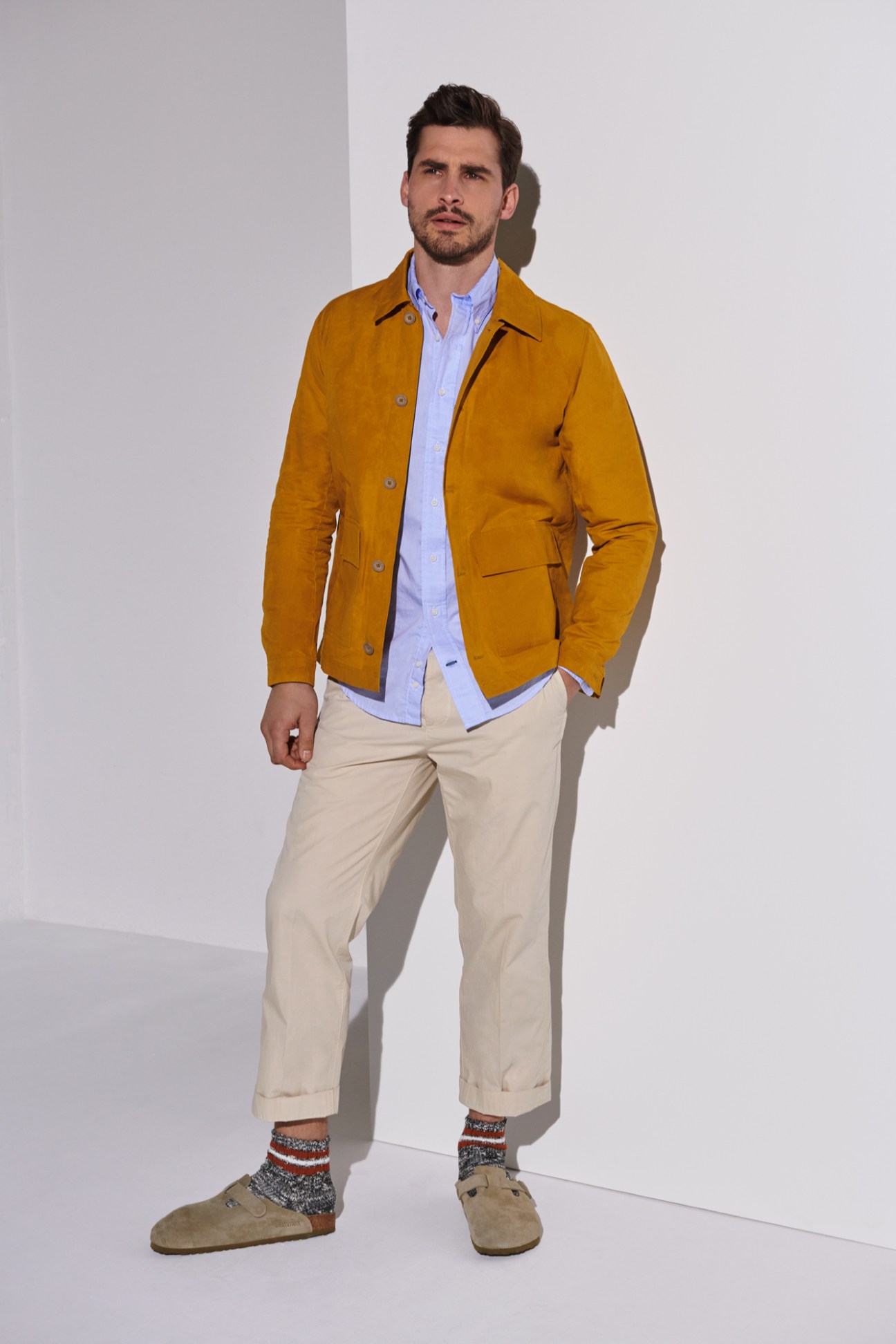
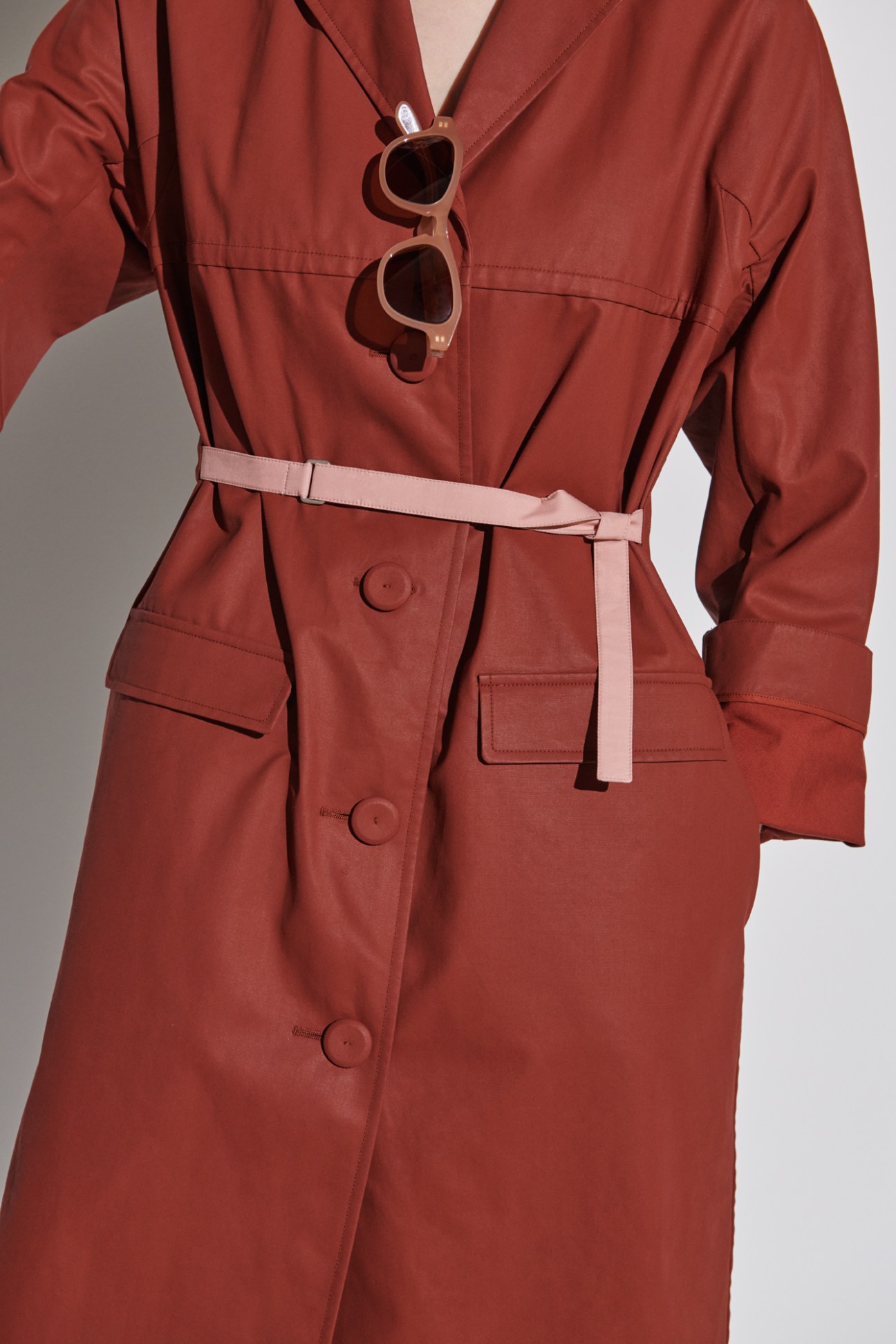
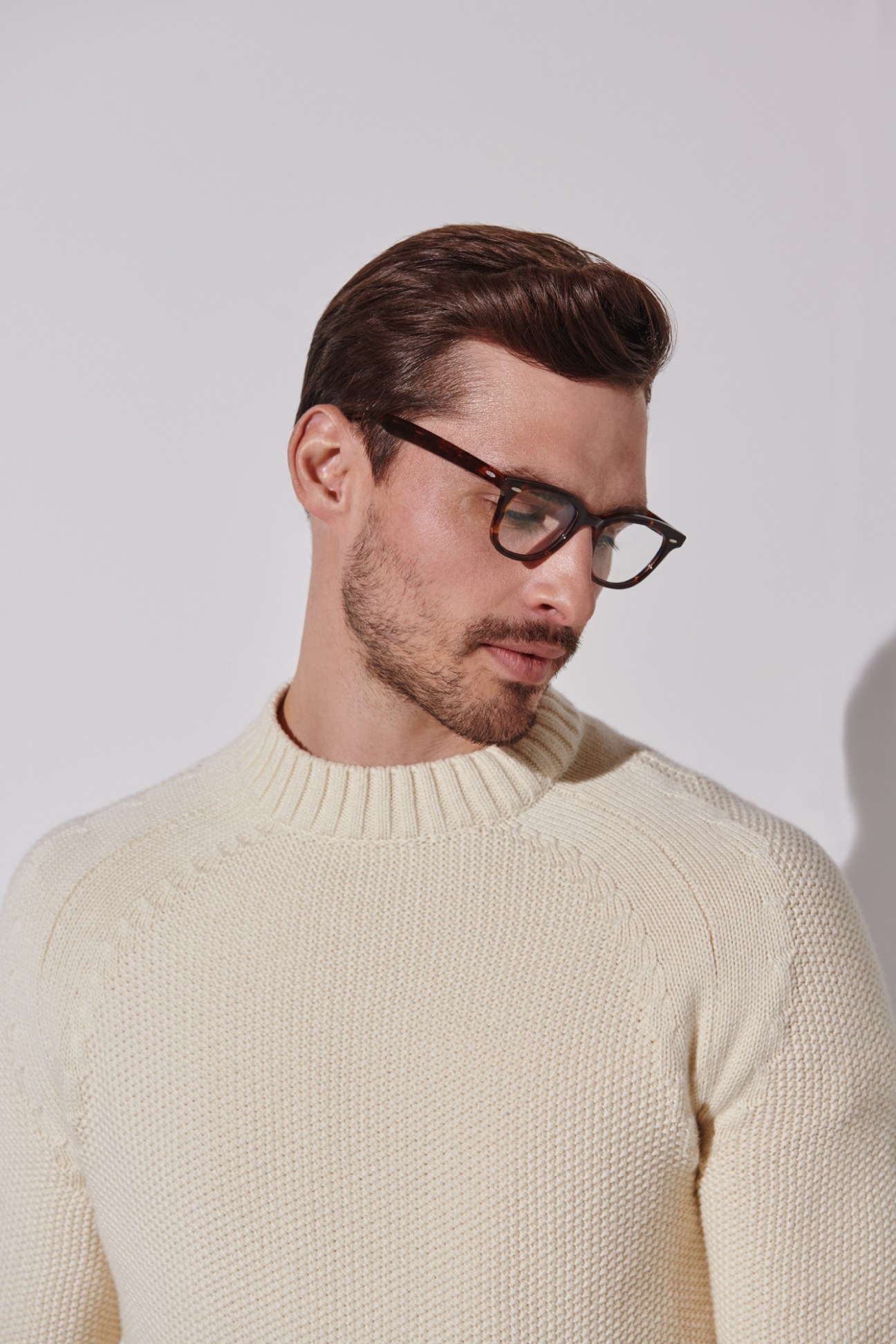
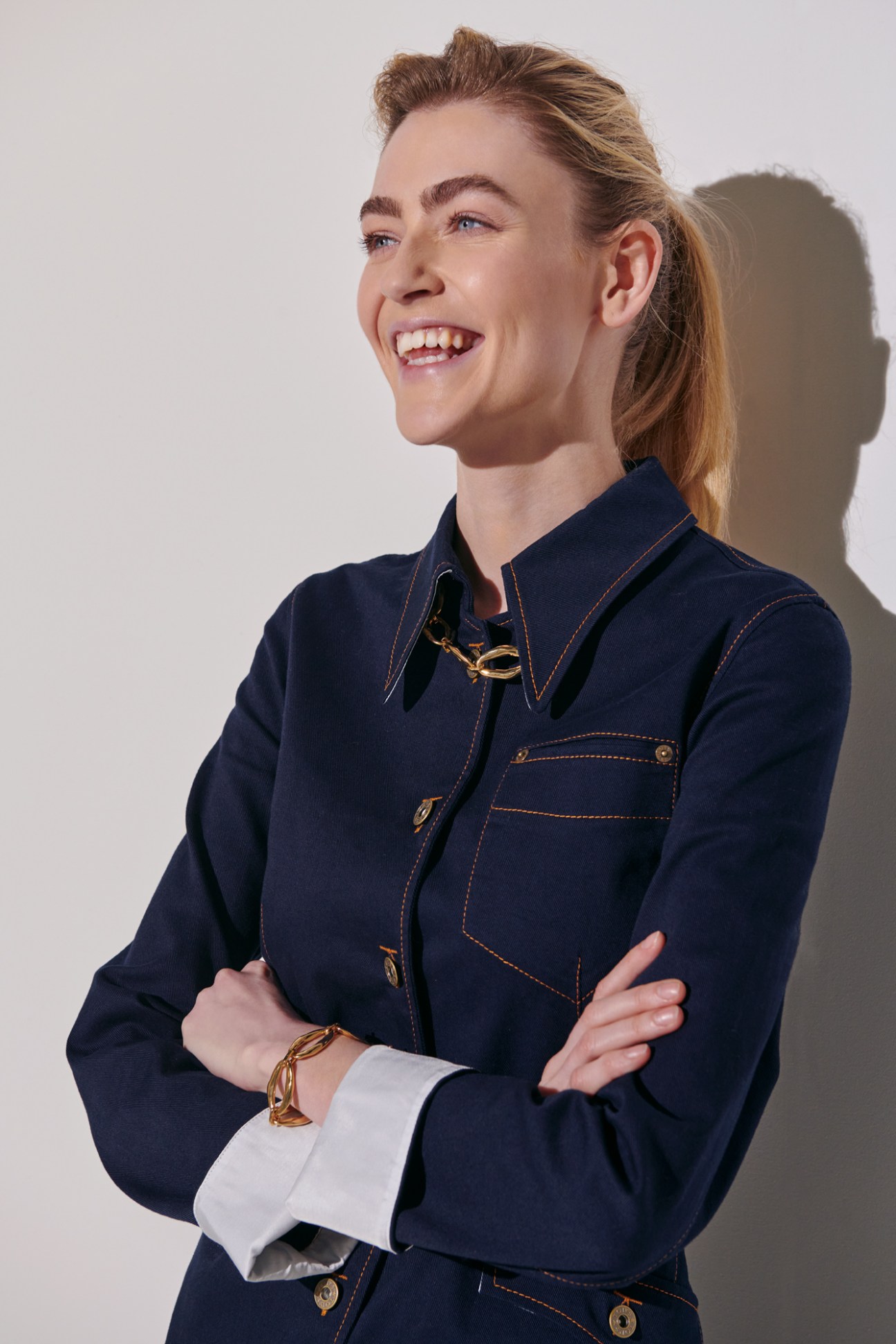
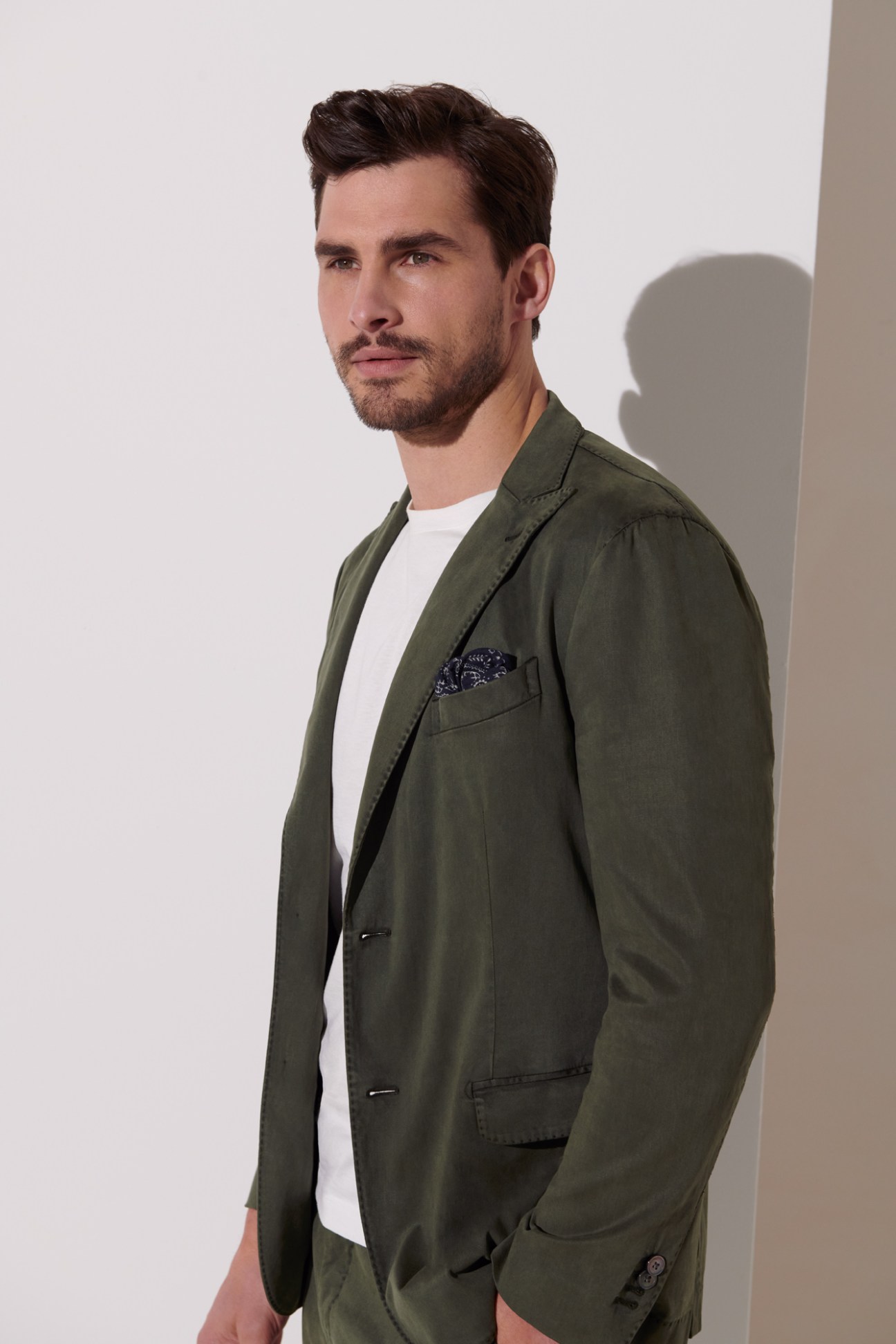
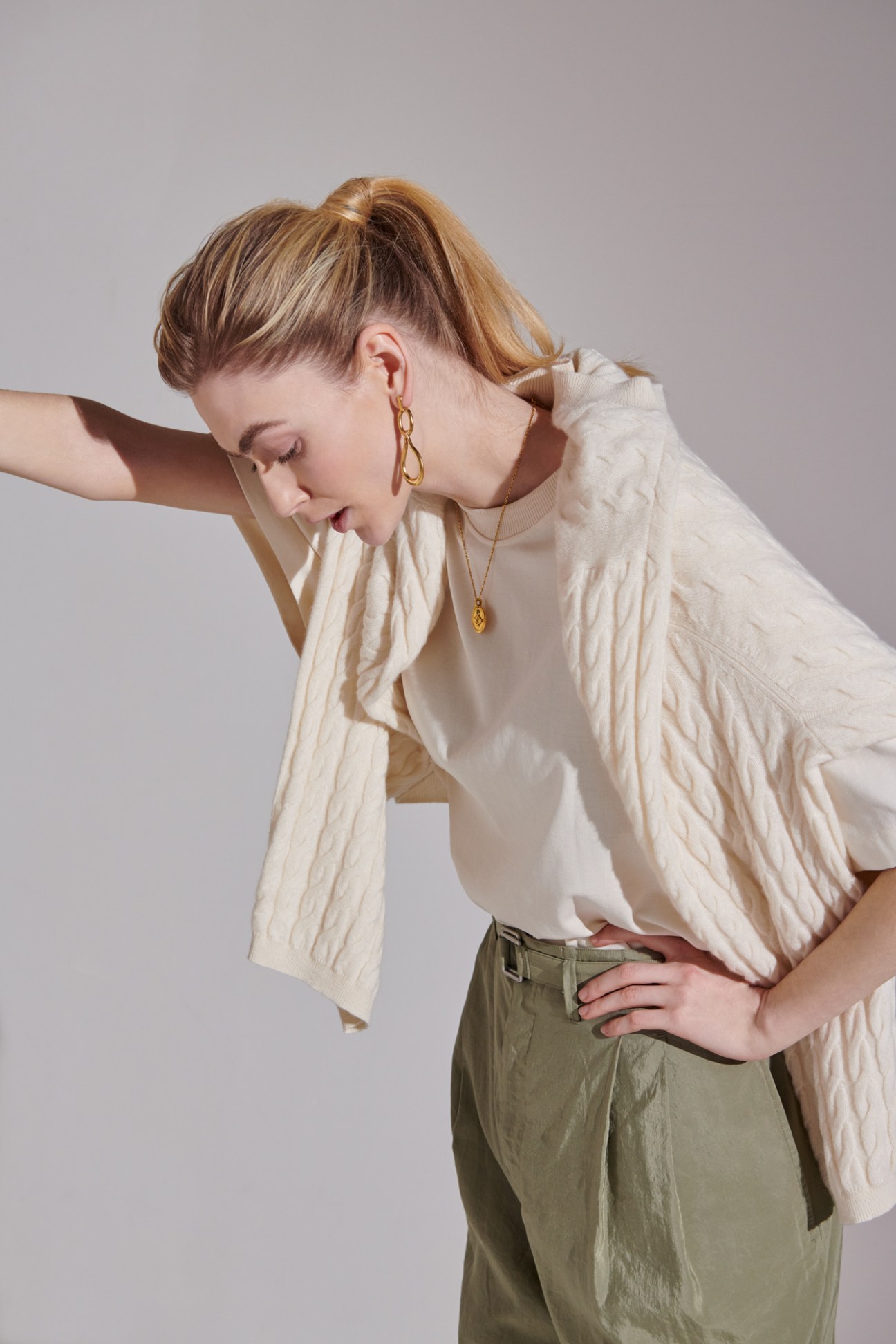
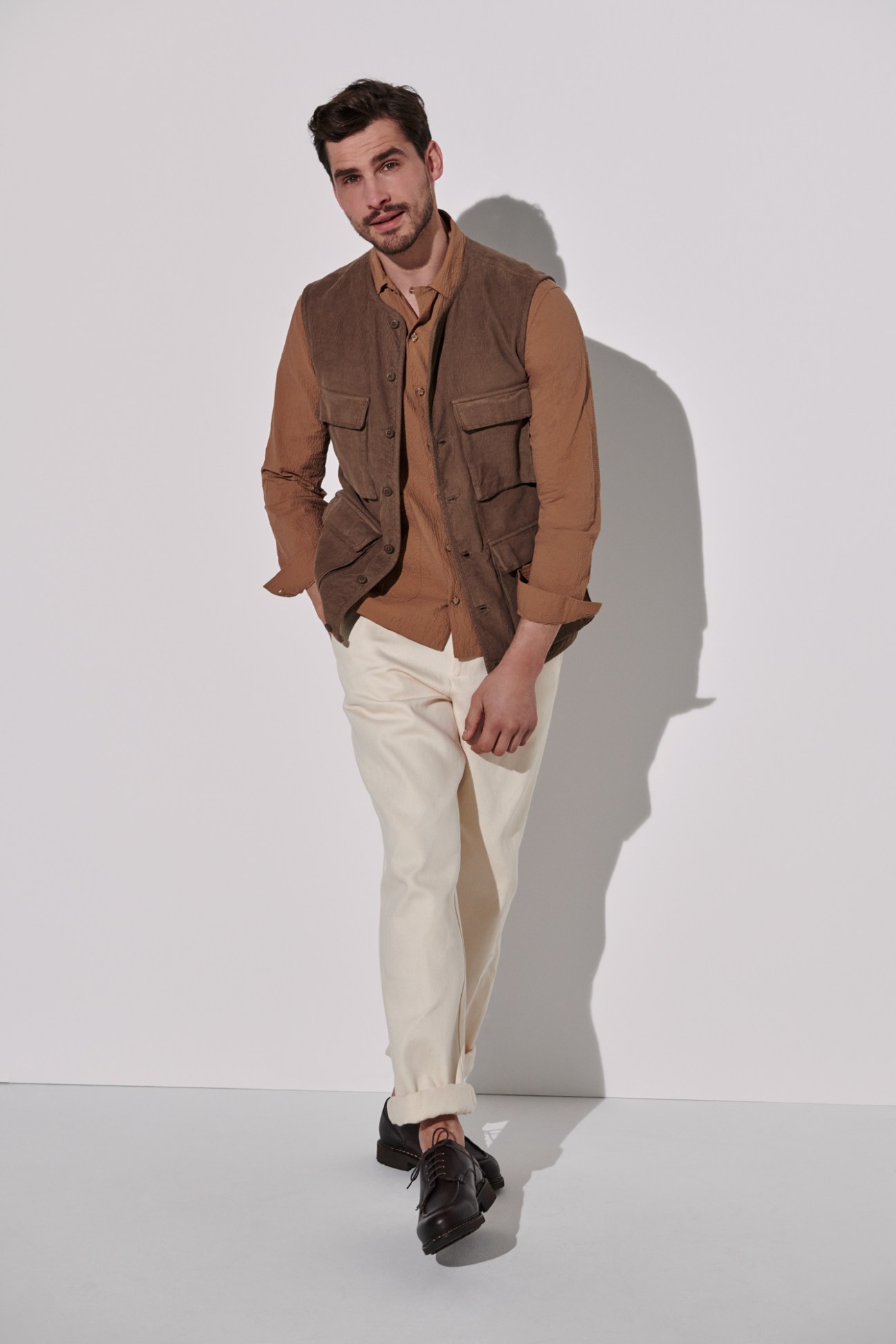
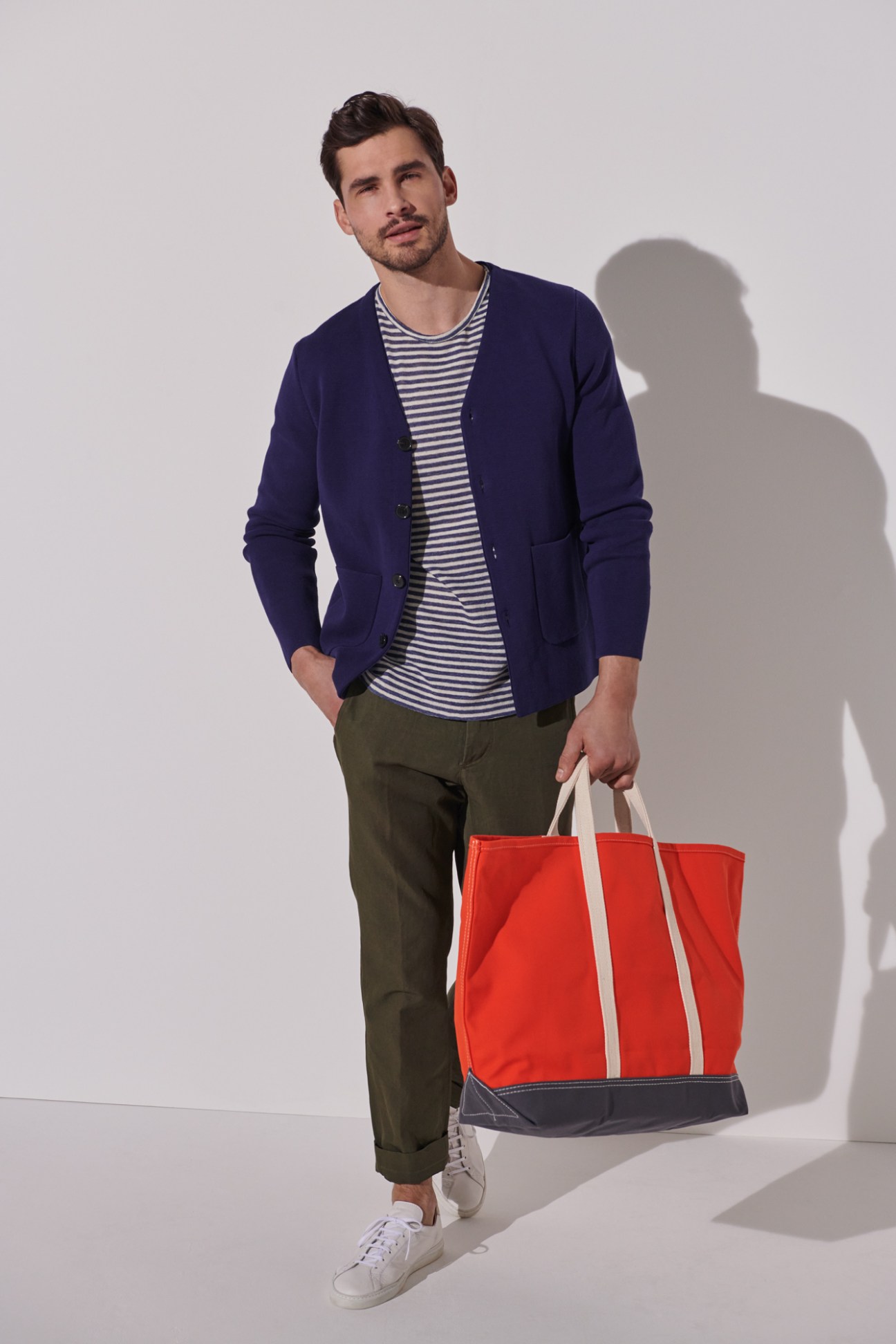
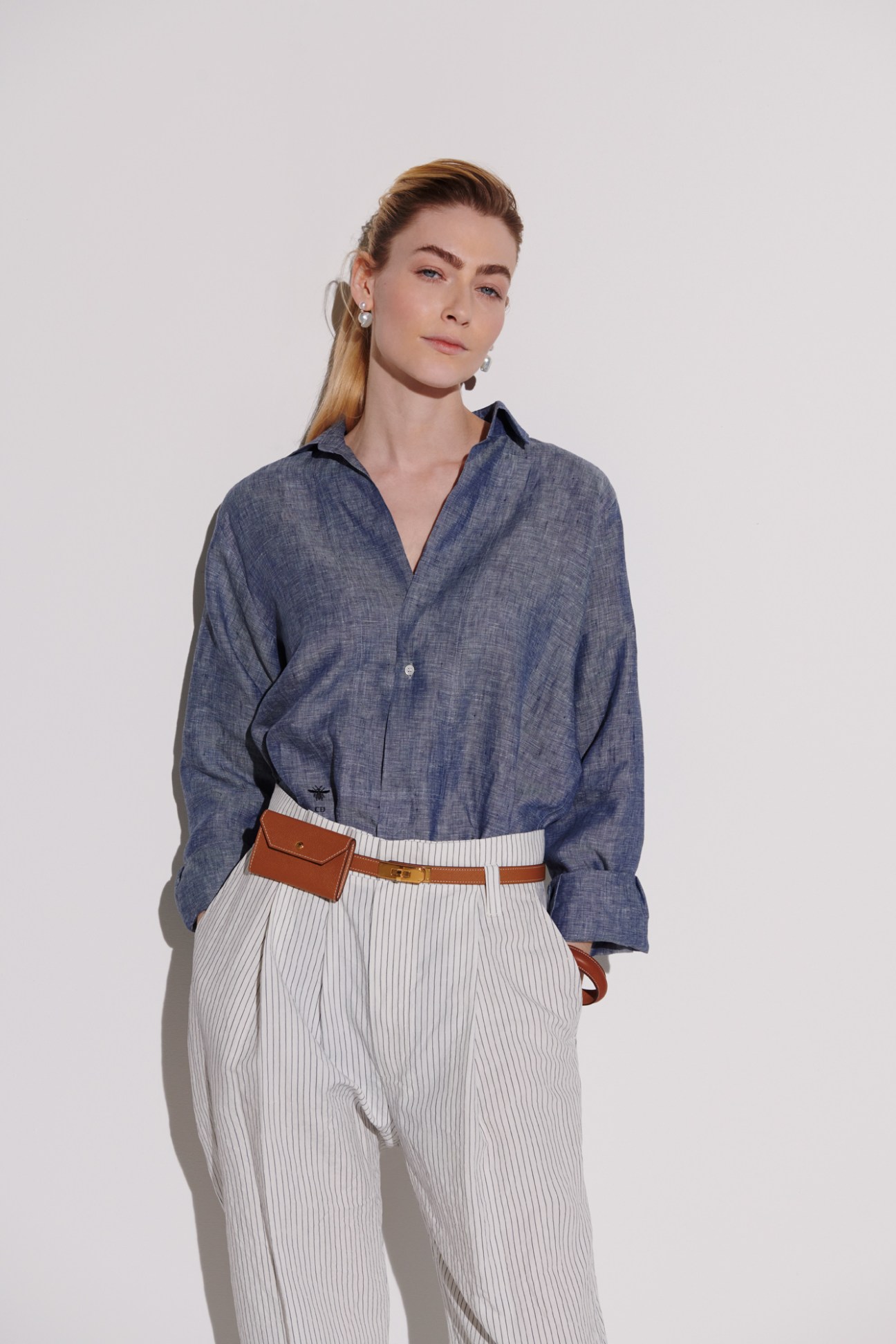
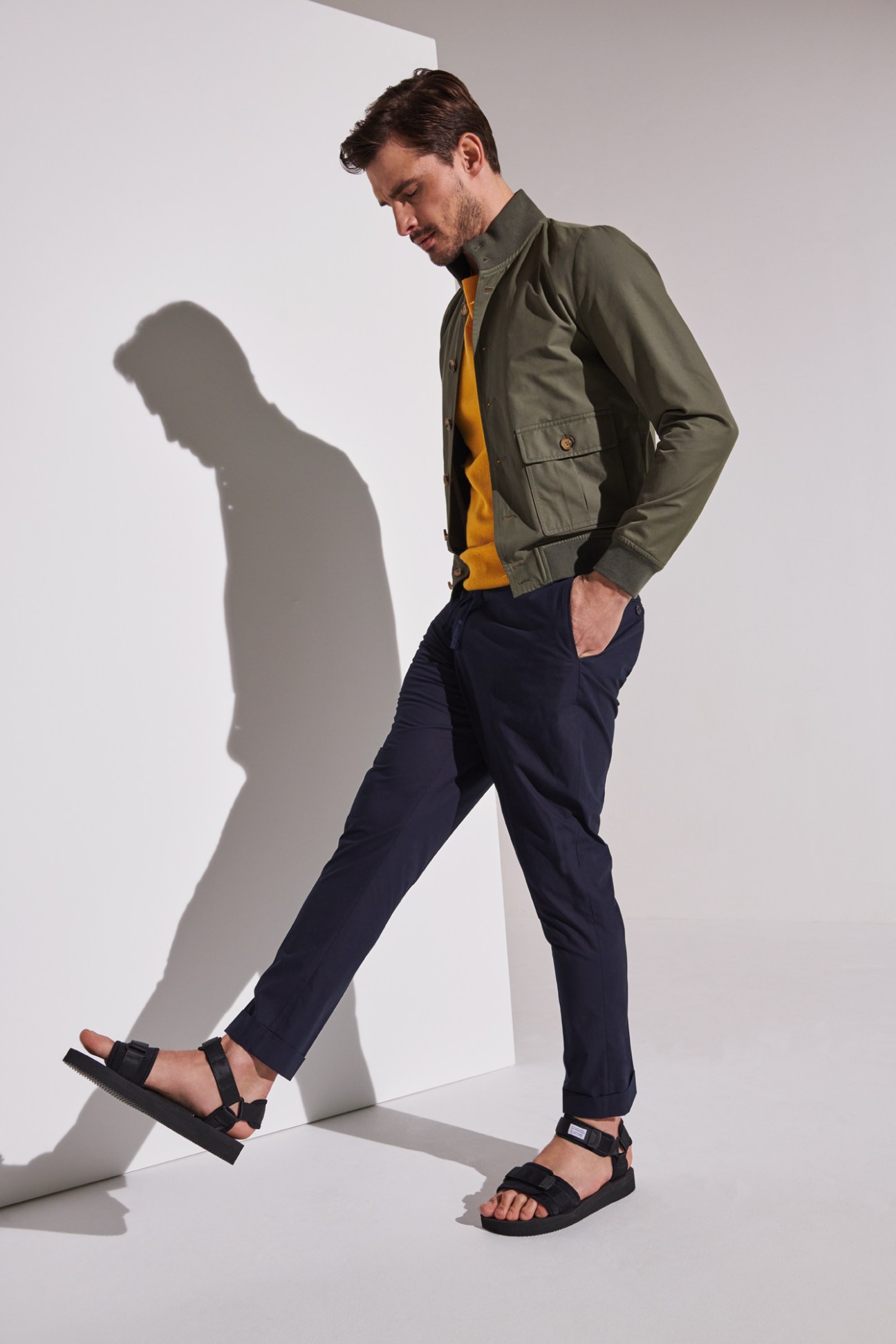
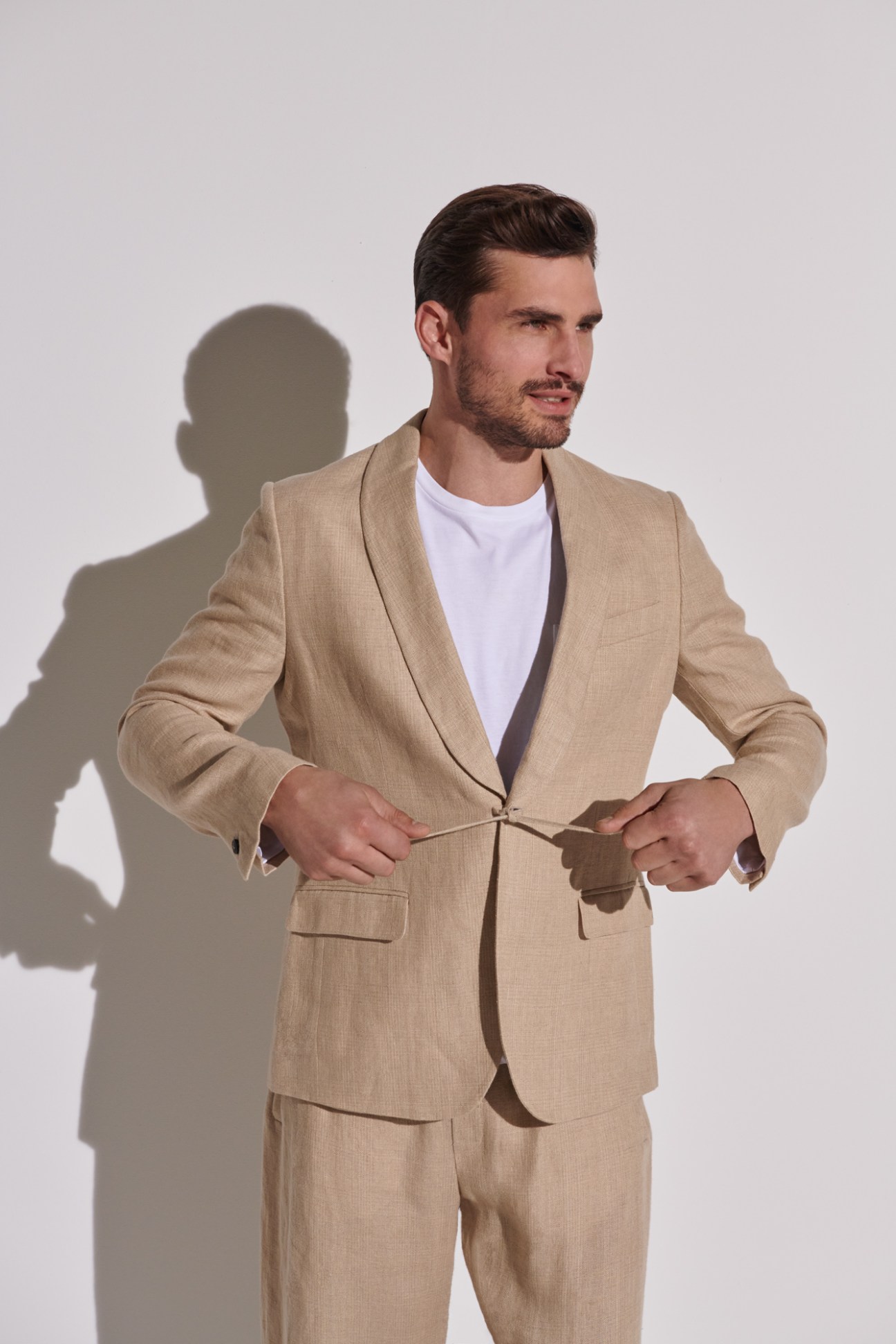
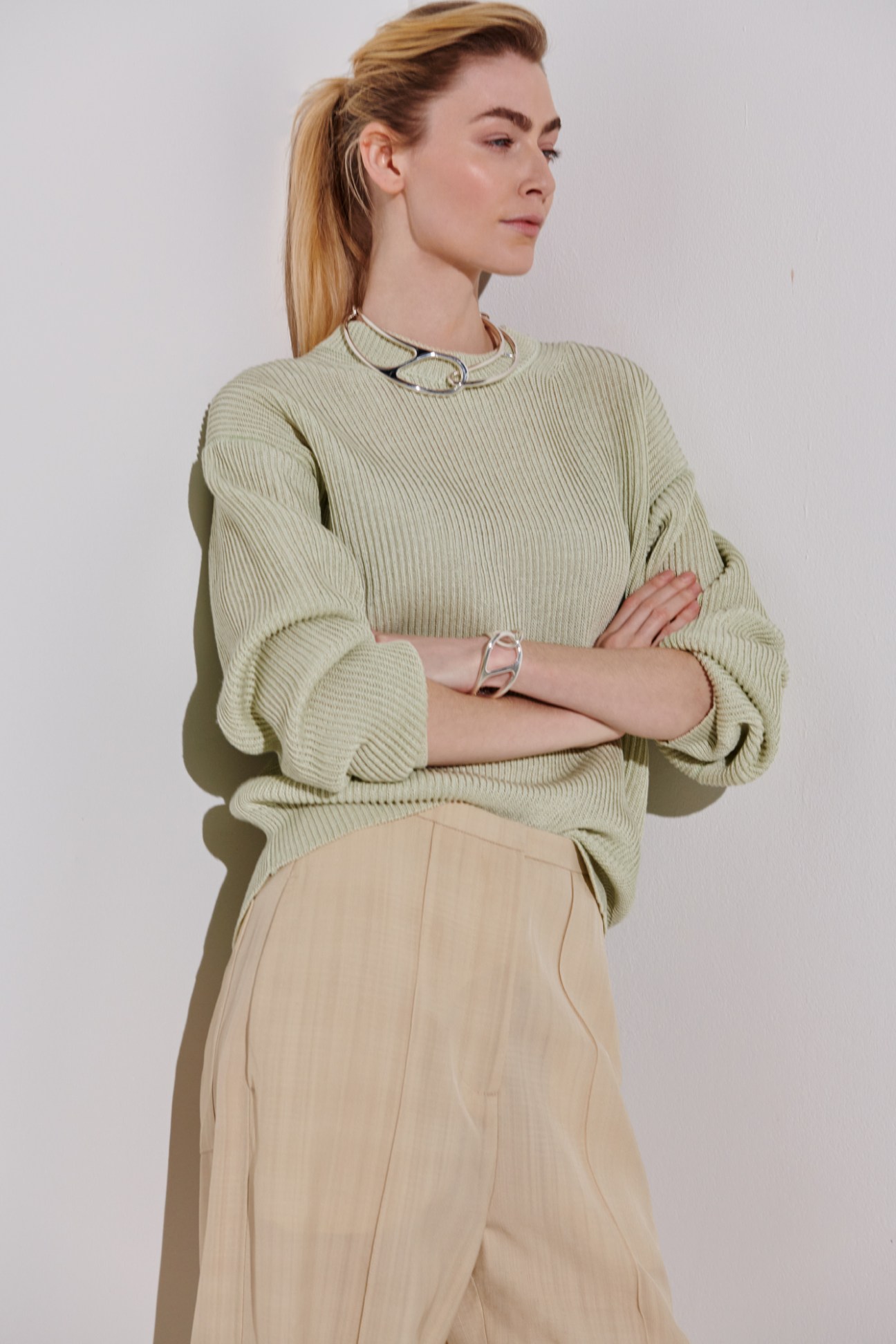
Italy’s fashion industry is a broad church, from prestigious and world-famous brands to a tight-knit network of textile producers and high-end manufacturers. This is a country that cares about its looks and knows how to recognise a good cut. Italian style is about bold choices and time-honoured classics that last a lifetime, with some extravagant details thrown in. But breezy, everyday elegance doesn’t need many trimmings: a linen suit, good shirt or sharply cut coat will do the job. Textures and fabrics are of the utmost importance.
8.
Family
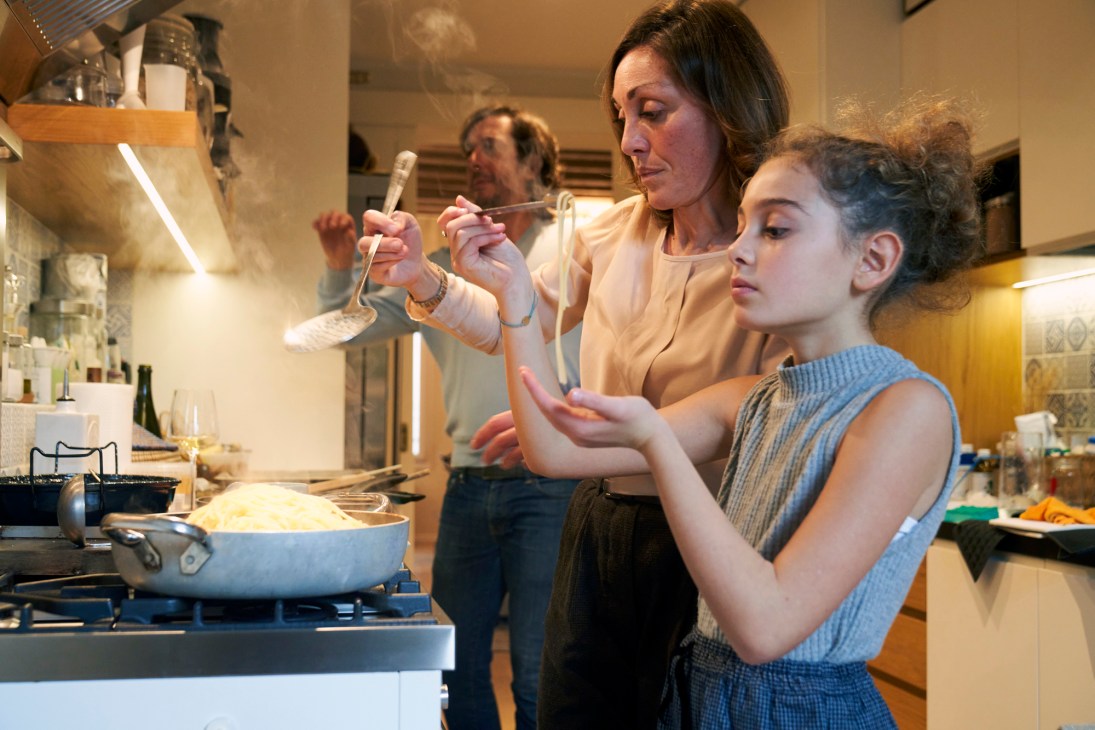
Family still means a lot in Italy. And it’s not just about making time for parents and grandparents, although Sunday lunch at grandma’s is one of the many traditions aimed at getting people together around a table. That many businesses – from famous fashion houses to yacht builders and pasta-makers – are named after the family that still runs them says a lot about Italians’ commitment to keeping things close to home. Be it in a hotel or trattoria, there’s a high chance that the people who greet you at the door are working for their family firm.
9.
Landscapes

Spend time among Alpine peaks in winter and lazily bobbing in the Mediterranean come summer, and you’d be forgiven for thinking that you had visited two separate countries. Though the placid waters of the northern lakes are just as Italian as the craggy bays of the south, there’s one thing that the landscape shares: even the wildest spots are never too far from a town. This densely populated land has made the most of its ability to coexist with nature, however extreme. So much so that you’ll even find settlements at the feet of active volcanoes.
10.
Piazze
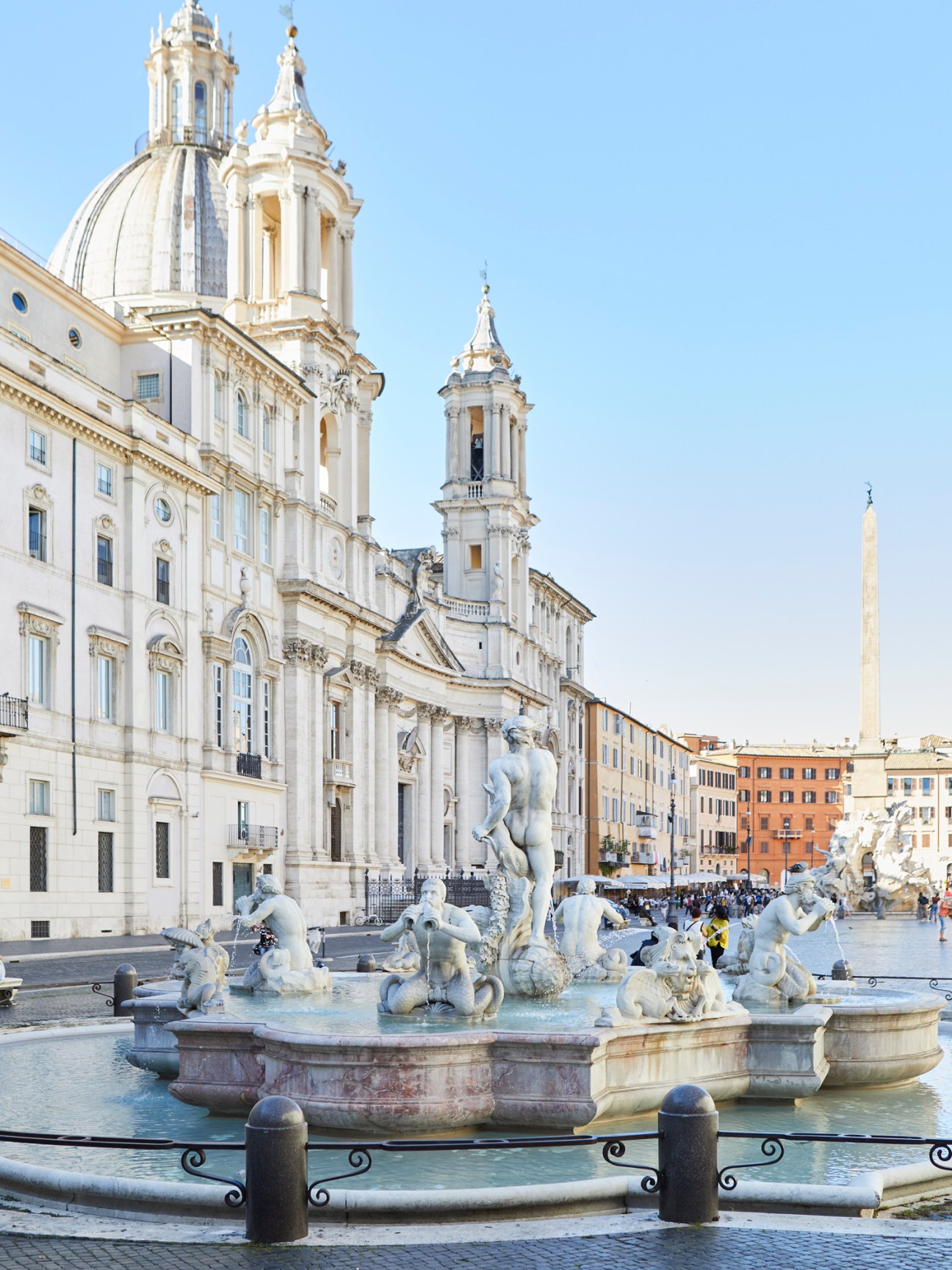
Since ancient Roman times, Italian cities have been built to encourage conversation outdoors. Today the piazza is perhaps the most important building block of any city in this country. In itself it is nothing more than a paved space that is surrounded by buildings but, as the seat of commercial, religious and political happenings, it has always been much more than a large thoroughfare. There have been many changes since the times of Rome’s “forum” but architecture in Italy has kept a very close link to its civic, public purpose.
All together now
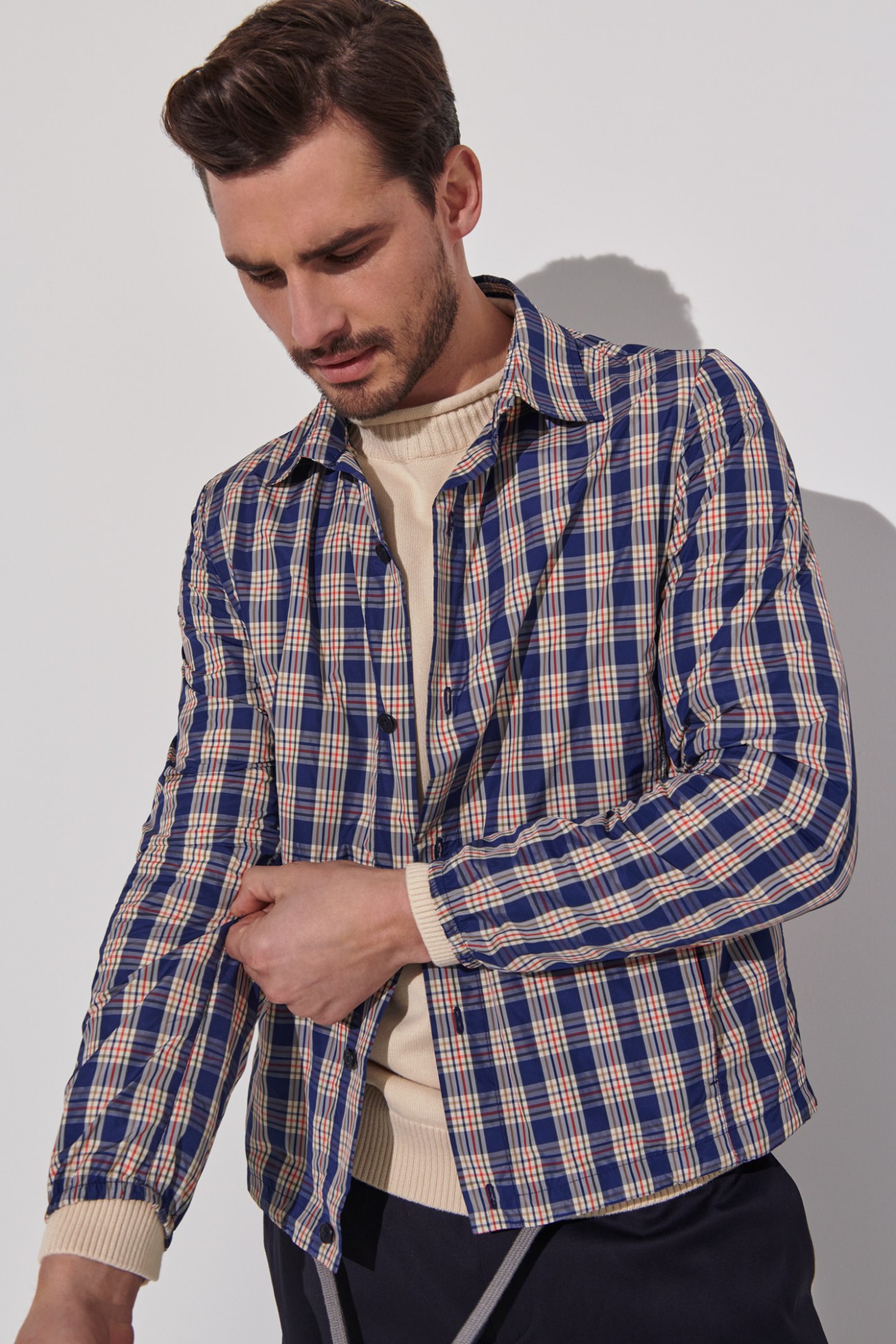
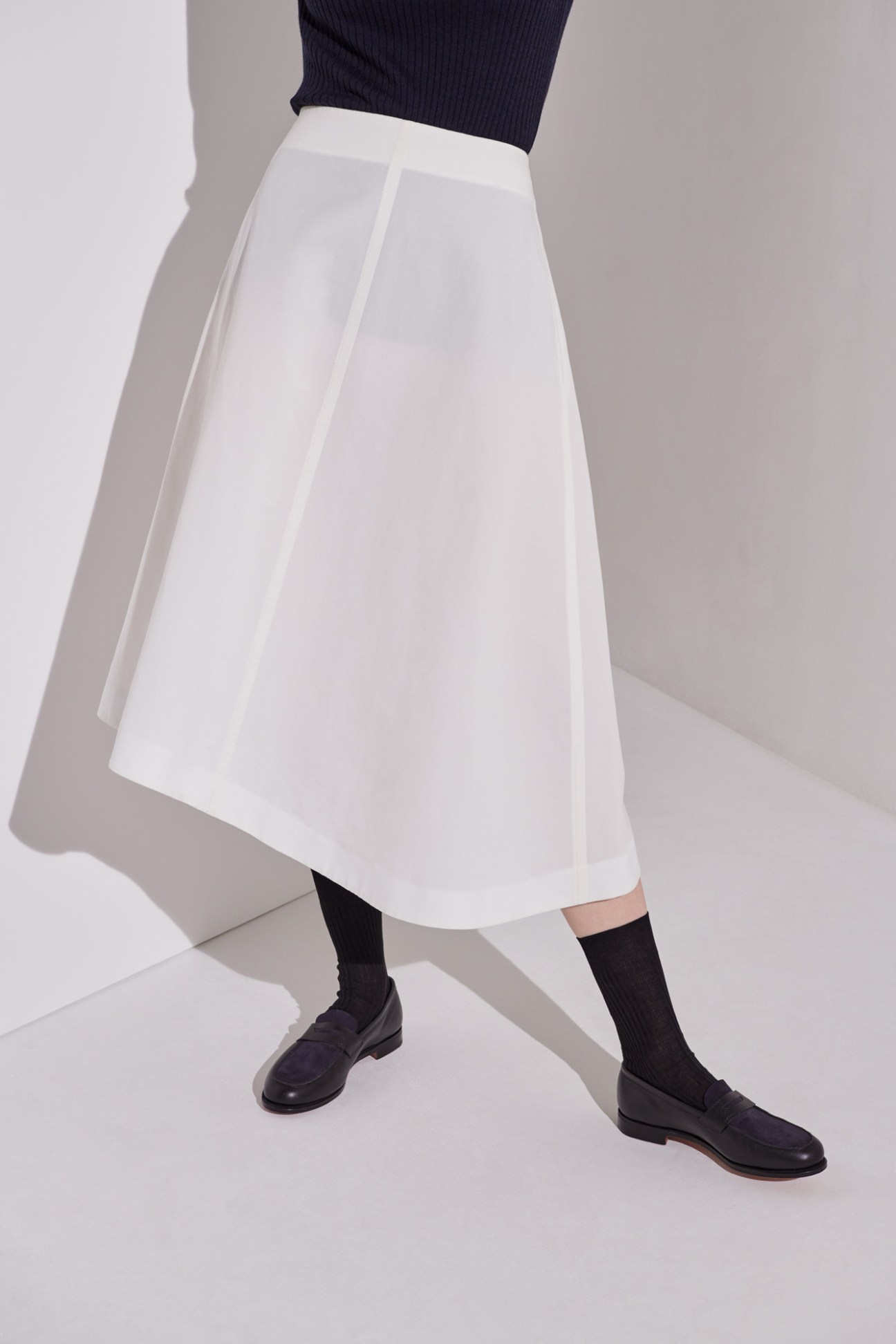
Hair: Josh Knight
Makeup: Emma Miles
Models: Eve Delf & Tiaan Kotze
Time for change
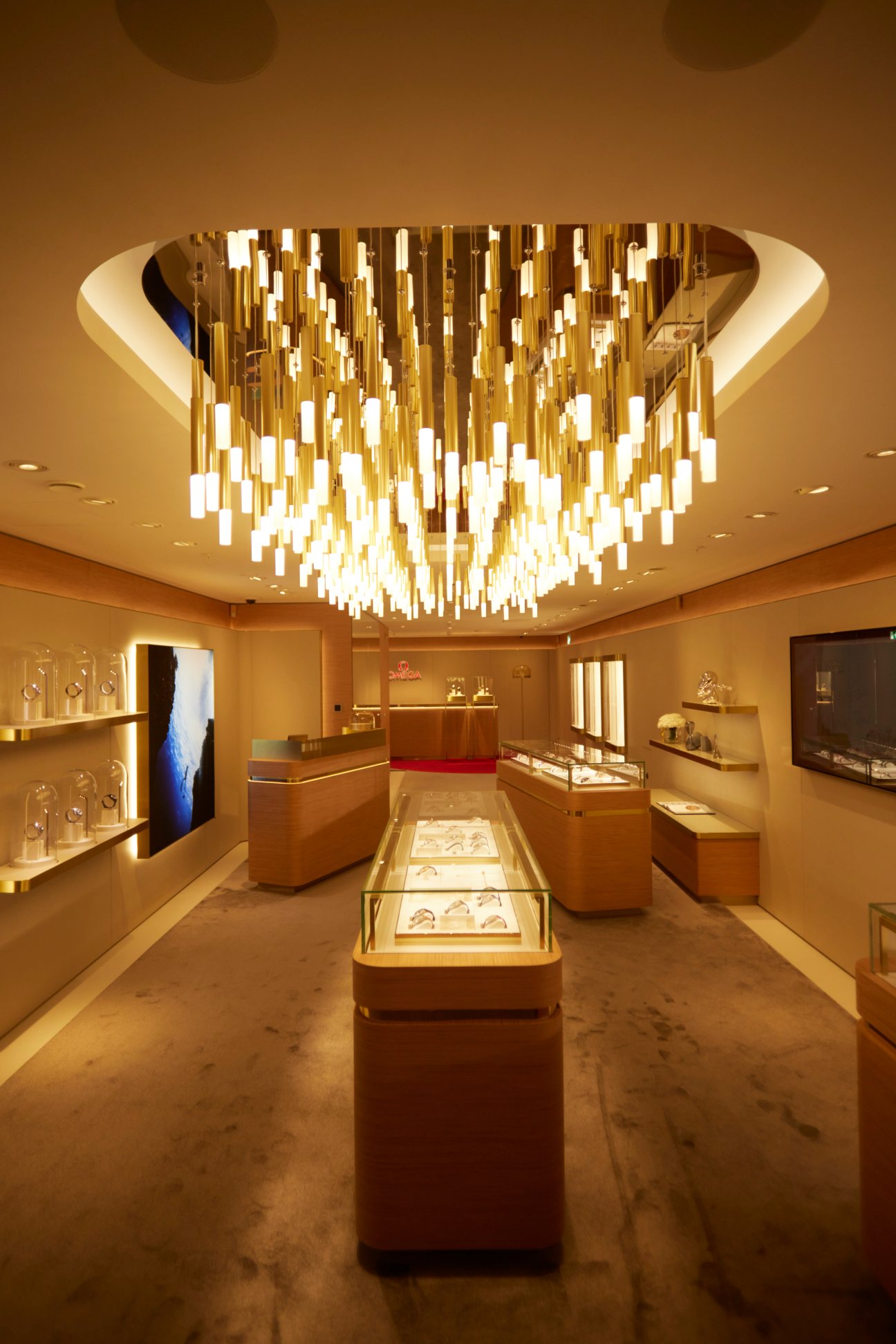
With a few days left until Omega’s flagship shop in Zürich can open to the public, as local restrictions ease, CEO Raynald Aeschlimann is bouncing around the space in excitement. He says that he dislikes the label “concept store” – he sees it as a term for people with no ideas – and doesn’t want to use it to describe the brand’s largest retail space in Europe. He doesn’t like the word “experience” either: “an empty word that everyone tries to use”. Yet the shop is a conceptual showcase of the Swiss watch-making giant, providing a fresh kind of experience for customers – perhaps in the best sense of the words. It’s “next-generation retail”, as Aeschlimann puts it.

What is key here is that the glass-lined space is open and deliberately non-intimidating. Even the watches themselves, some of which cost many thousands of euros, sit on tables, so you can view the pieces without having to ask for assistance. Advice is on hand, of course, and it’s suitably top shelf. Staff are trained to take visitors through a museum-like set-up that outlines Omega’s storied history (including its associations with astronauts on moon-landing missions and deep-sea divers), while well-dressed sales assistants can explain in multiple languages the technical features of each watch. After checking out the watch-maker’s new 007 edition Seamaster (which is continuing to sell well despite No Time to Die‘s release date being postponed numerous times) Monocle is led to a comfy upstairs lounge. Although it’s a space made for big-spenders, it remains in view of the entire shop – a far cry from the days when buying a watch in curtained-off areas was a discreet gentleman’s business, as Aeschlimann explains.
How does the open nature of the Zürich flagship reflect Omega’s broader retail plans?
Part of the concept was to make the watches feel available, and without cases it’s easier to imagine these watches on your wrist. What we’re creating here isn’t simply “added value” and while we’re always bound in some ways to the old way of selling, we are elevating the relationship we can have with customers. We’re opening up to our clients in this way and providing a sense of availability.
Two years ago, we started moving in a totally new direction with our shops, with this more transparent offering. A visit to an Omega shop should be like calling in on an old friend in their apartment. We care about our customers and they care about us – this is needed, because often these people are making one of the largest on-the-spot purchases of their lives here.
What are the interesting shifts you’re seeing in terms of your audience’s buying habits?
We’re inspiring a lot of the younger-generation customers. It’s difficult to understand, especially for the scientifically minded, but we’re finding young people are interested in new watches that have some sort of vintage appeal. We’re not talking about simple re-issues of classic watches; we’re talking about modern watches that might reference the 1950s or 1960s in their design. Our newest Speedmaster watches are inspiring for people who weren’t even born when astronauts were wearing them on the Nasa moon-landing missions, but they love the story and the history and the look. Luxury is about roots and DNA and young people love and respect this.
How did you move through the pandemic?
In a way, we were ready and I am so thankful to the brand and my colleagues, because we’ve been so concentrated on our customers for so long and we had been listening to what they wanted. Yes, we had the difficulty of dealing with 460 shops that were closed temporarily, but we were ready with a digital offering because we’d listened to what our customers had wanted in the past. You can’t prepare for these things overnight; you can’t just wake up in the morning and become creative or become flexible – it has to be in your dna. In the pandemic, every watch brand experienced less traffic but we remained successful because we had worked on building a quality audience, because we’re a brand that consistently lives alongside our customers.
omegawatches.com
Jacket in
On paper, Jean-Baptiste Rosseeuw’s timing wasn’t great. The 35-year-old Parisian launched Lutays – a bespoke men’s jacket brand – at the start of 2020, shortly before most guys hung up their blazers and settled into a working-from-home outfit of sportswear and slippers.
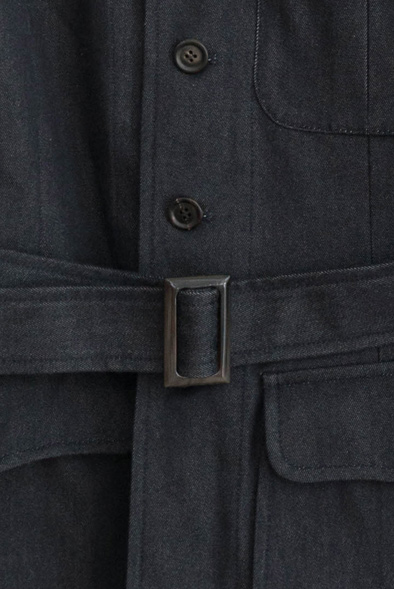
Rosseeuw’s jackets are not formal, mind you. Styles that can be dressed up or down, including a belted flight jacket and a workwear number, are rendered in linen, denim, seersucker, corduroy or wool. Handmade by couture ateliers in France, they have a relaxed cut (referred to by the designer as “amplitude”) to enable easy movement. Rosseeuw, who previously worked for Bottega Veneta, likens them to Chanel’s classic bouclé women’s jackets. They’re refined without being precious: you would happily pull one on before picnicking in the park or hopping on your bike. “It has the [quality] of bespoke craftsmanship, yet is much more casual and a bit more adapted for today,” he says, calling it “the highest level of informal wear.”
Perhaps his timing wasn’t so bad after all. Jackets and blazers, those anchors of men’s wardrobes, might have been gathering dust over the past 12 months. But the pandemic could well increase the demand for a certain type of jacket once we venture back into the world.
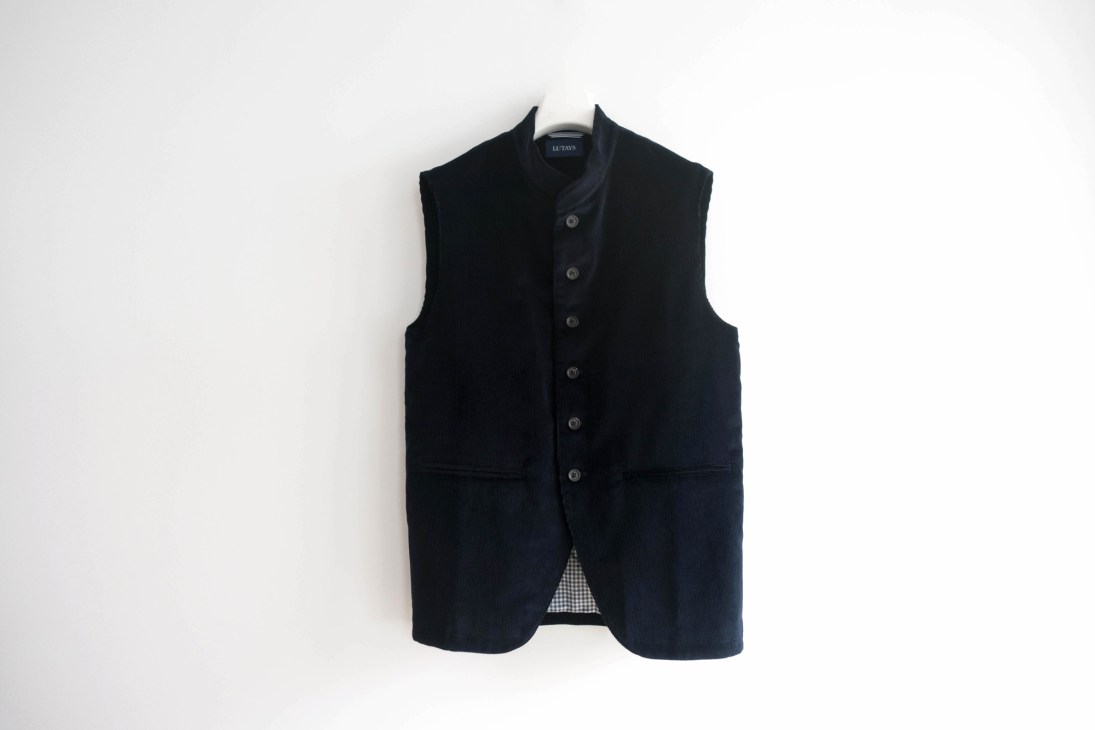
Sure, there will be pockets of demand for formal tailoring – with some gents keen to feel the structure and resistance of a form-fitting suit once again. After a year without much socialising, designers and buyers sense there will be a desire to spruce up. “If you wear a sweatshirt at home all week, and then you go to a party, you will feel really sexy wearing a dinner jacket – so I think that’s something we’re going to see quite a bit,” says Saman Amel, a Stockholm-based tailor.
For everyday attire, though, casual alternatives like those offered by Rosseeuw should hit the spot because they combine a soupçon of elegance with the comfort levels of the house clothes we’ve become so accustomed to. “The brands that are going to thrive are the ones that work with fabrics that provide the feeling of a tracksuit – but the jackets don’t have to look like a tracksuit top,” says London fashion designer Charlie Casely-Hayford. Increasingly he is gravitating towards compositions – of wools, cottons, nylons, linens and some elastane for stretch – because, unlike pure cotton or linen, these blends are more crease resistant, so can be chucked on without fuss. They’re also very soft.
“Most guys, when they come home in their formal jacket and trousers or jeans, probably then want to change into something softer,” says Casely-Hayford. “I feel like we’re moving towards a design moment where that softness is already embedded in the garments that you’ve been wearing out during the day. What does that look like?”
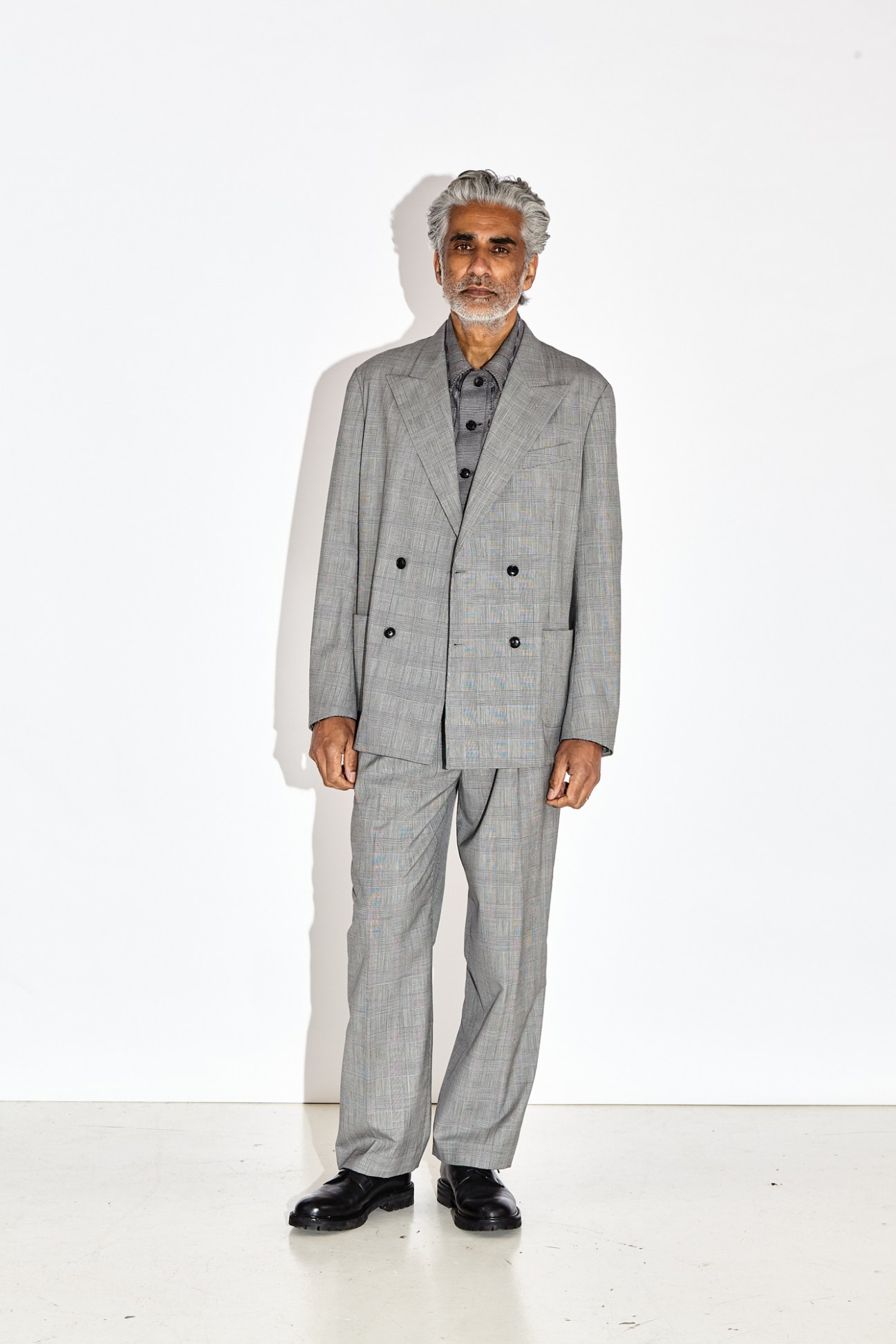
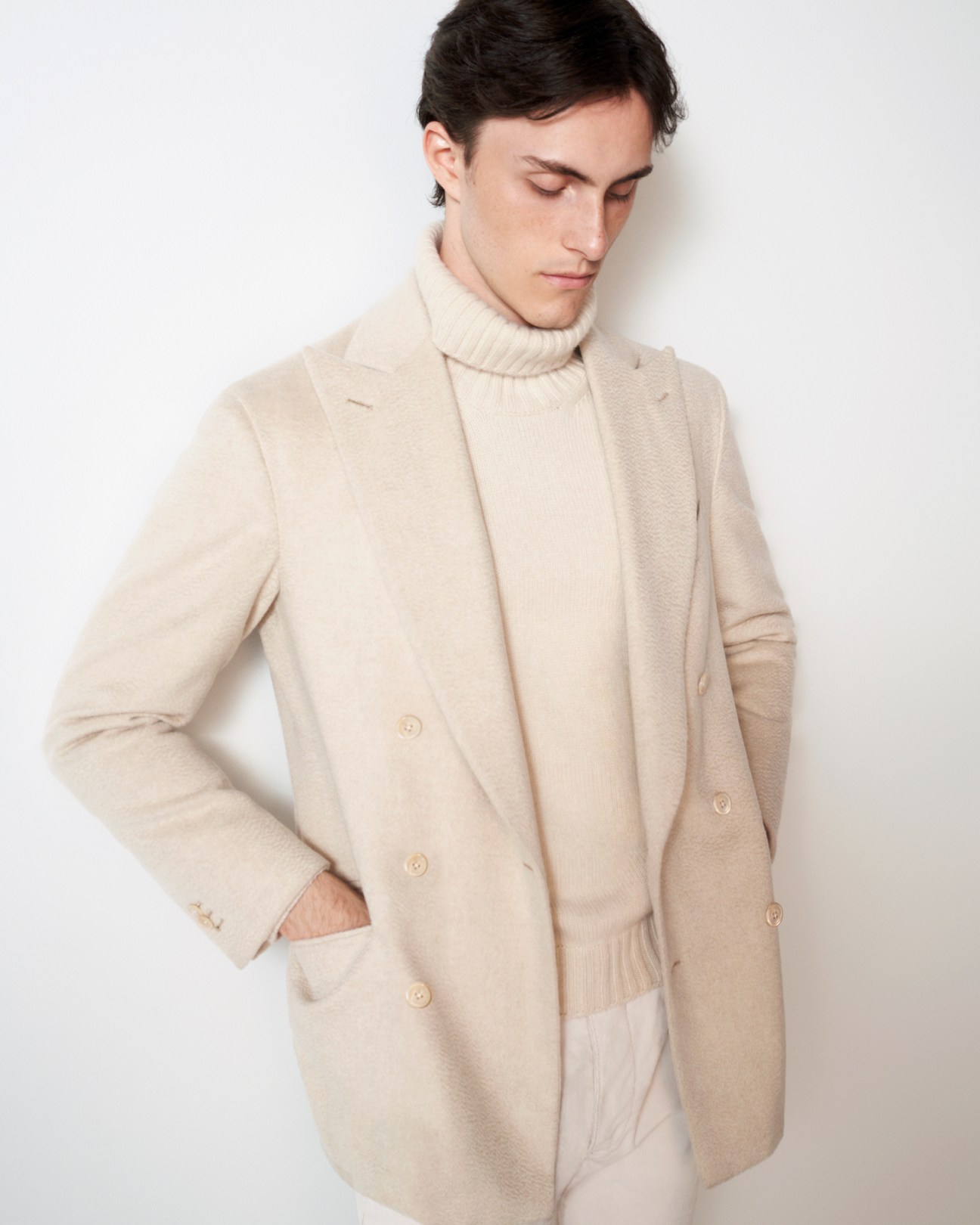
Well, quite possibly like the suave indigo-dyed jacket he’s wearing when we speak. Constructed using shirting techniques, there’s no crown on the shoulder, which falls quietly into the sleeve. Nor is it lined. The jacket is double-breasted, so looks smart when buttoned, but undone it oozes insouciance, owing to its extra volume. “Our clients gravitate more towards a double-breasted than a single-breasted blazer in this [casual] context, because there’s something softer about the lines it forms,” he says. “I wear it like I would a cardigan – it just feels a bit more elevated.”
In the 1970s, Giorgio Armani started the march towards unstructured blazers, with Italian tailoring firm Boglioli accelerating things with its garment-dyed jackets. Stripped of most structure, they adapted tailoring to busy modern lives. They could be scrunched up into a bag and looked perfectly natural when worn with jeans and trainers.
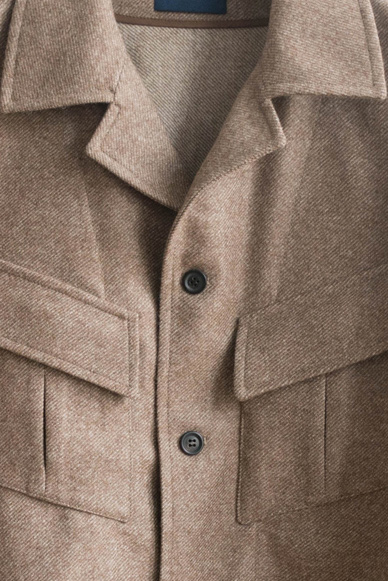
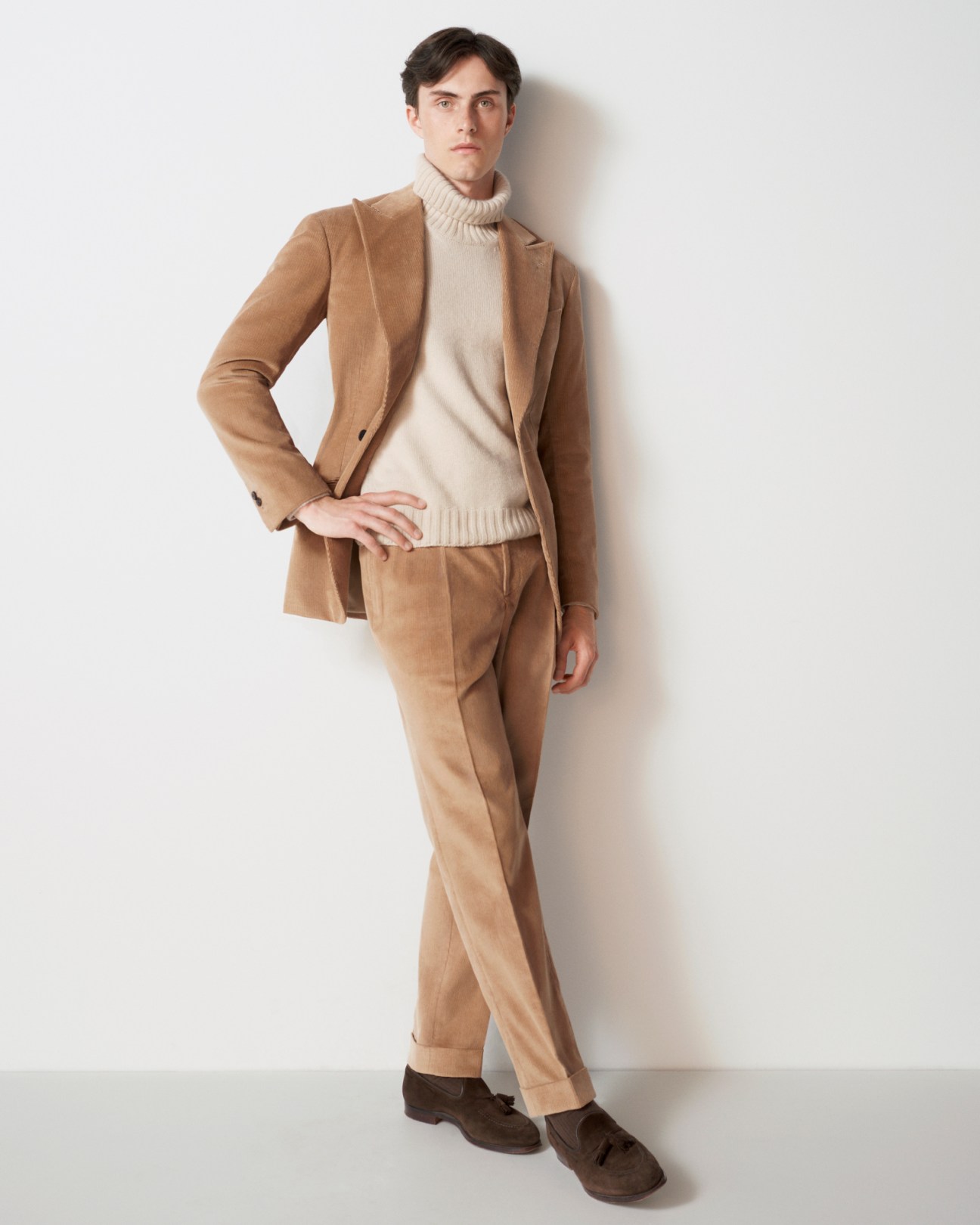
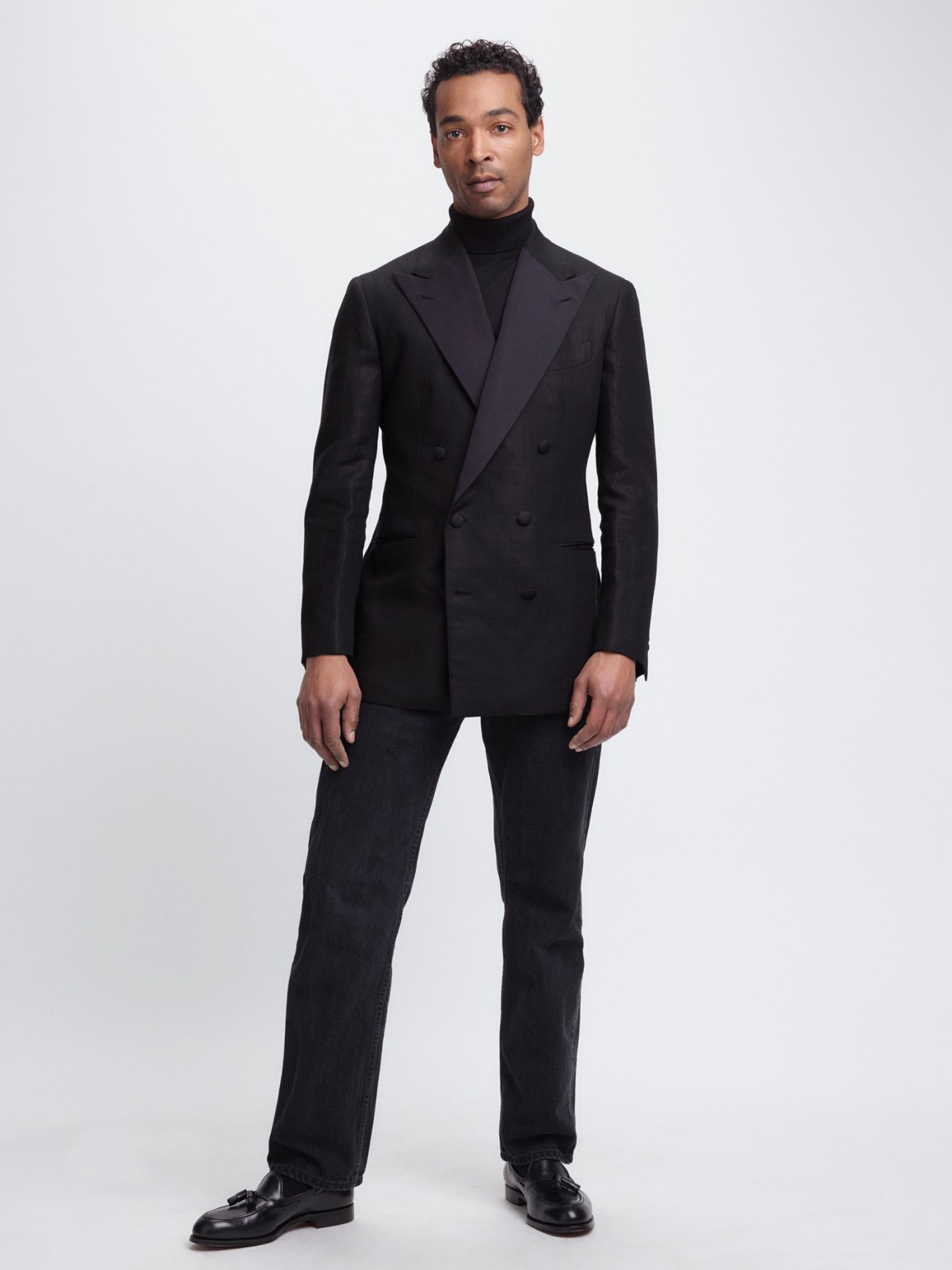
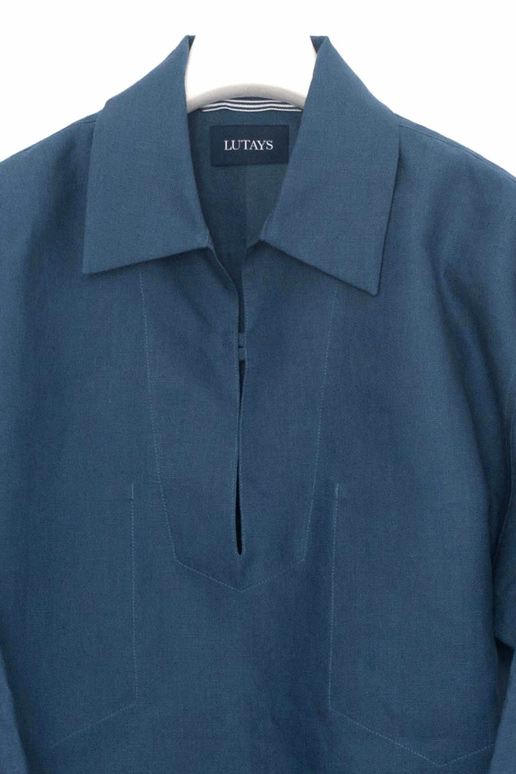
Yet Casely-Hayford’s Japanese-made jackets are “more distilled, streamlined and taken down to their core than the traditional Italian soft-shoulder jacket”. It’s a shell of a jacket with a floppiness perfect for lounging around. It’s somewhere between an overshirt, an unstructured blazer and a cardigan; a newly coined term is pending.
This sort of item is evidently on designers’ minds as they sketch out our future outfits. In the recent autumn/winter menswear collections, influential brands including Gabriela Hearst, Dries Van Noten and Dior all proposed jackets that were business-meeting-sharp, yet relaxed enough to wear in front of the TV.
Like formal blazers, these easy jackets frame the body in an appealing way. The shoulders are wide and the arrow-like lapels direct the eye inwards to a narrow waist. Meaning: they accentuate a man’s V-shape, traditionally the ideal masculine silhouette. This is more than can be said for a sweatshirt, which frankly leaves you looking chunky; a knit crewneck, which merely traces your figure without offering any enhancement; or a bomber, which cordons off your torso into a square.
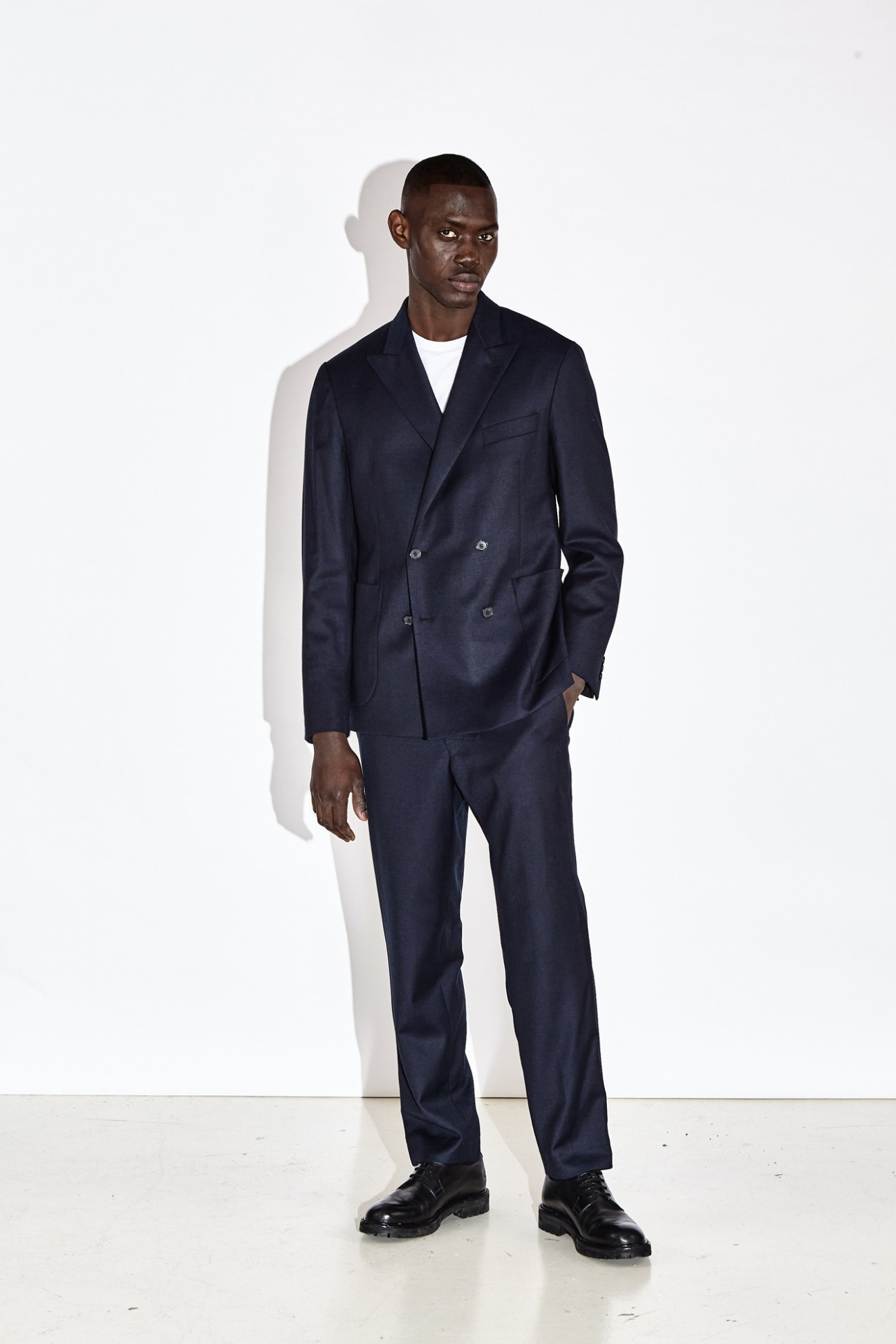
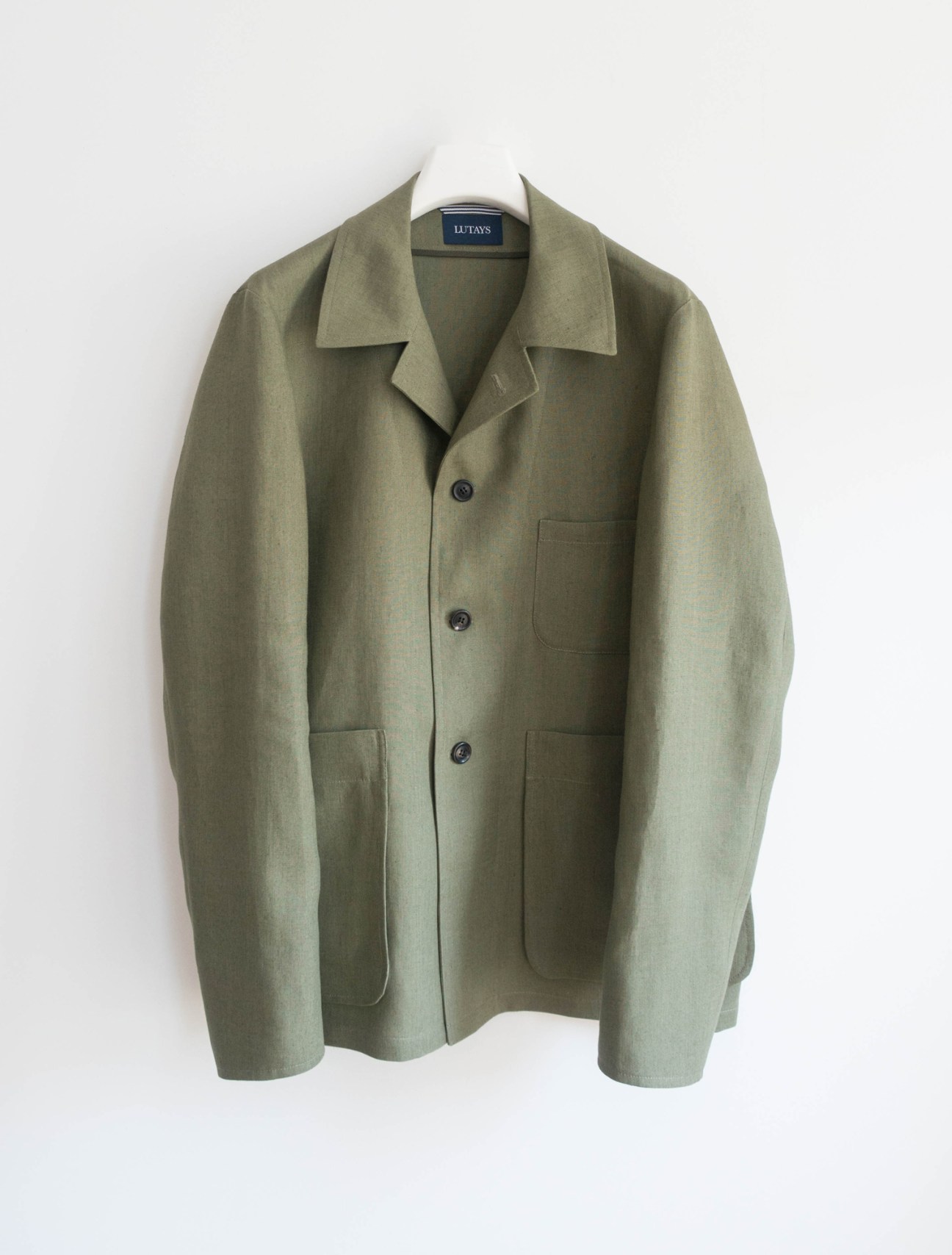
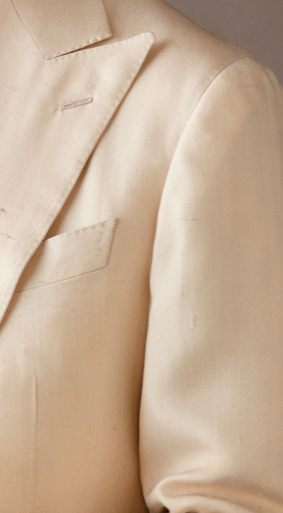
Their élan is complemented by practicality. First, all those pockets – external and hidden – are perfect for stashing essentials. More significantly, the fact that they go with everything – a T-shirt and jeans, tailored trousers or even track pants – means that one fewer decision needs to be made each morning. They provide you with a uniform. Throw them over anything and you’ll look that bit sharper.
Rosseeuw calls easy jackets “the suits of today,” meaning that they are, or at least will be, the default option for men. Looking ahead, our lives will be a swirl of working from home, cycling to the office, and dining out (is it too much to hope for dancing?). We need more versatility in our wardrobes than ever; items that can stretch from the sofa to the cocktail bar, via the boardroom, will be in demand.
As Rosseeuw points out – and this may partly be the Parisian in him – “culture and society still want a bit of order and formality”. He believes that a well-cut casual jacket can replace the suit in keeping us looking presentable. These supple, feather-light numbers might well be the thing that rescues us from sweatsuit hell. Scruffiness, be gone!
Upward trends
1.
Going against the grain
Elin Kling and Karl Lindman
Co-founders, Totême, Stockholm
There is a finely tuned business and creative alignment between husband and wife team, Elin Kling and Karl Lindman. As they discuss their relationship with the fashion industry it’s clear that they share the same oulook. Sitting across the room from one another on the second floor of their brand’s handsomely designed Stockholm HQ, the duo are excited by what they’ve achieved and their loyal following. “There is a service aspect to fashion today and we believe the future of luxury comes down to simplifying choices,” says Lindman. “We are intrigued by the hospitality of a brand,” adds Kling. “That is what inspires us – finding ways to simplify.”
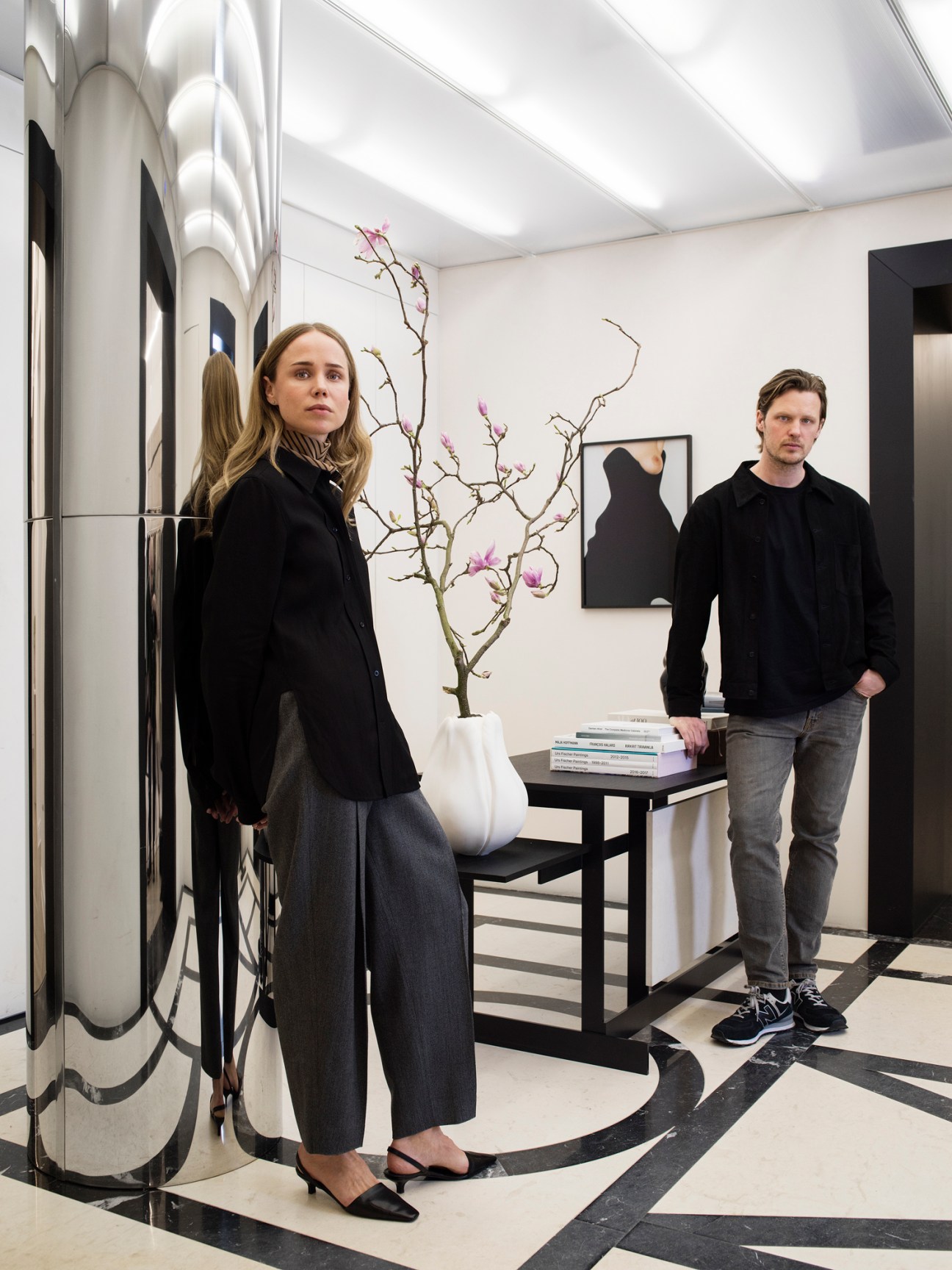
The joy the founders take in their craft is impressive and so are the results. This year, Totême’s turnover is forecast to increase by 50 per cent from €22m to €33m. One component of this success is a belief in bricks-and-mortar retail. In May 2020 they went against the grain and opened a second retail space in Stockholm (Totême’s flagship shop in the Swedish capital opened in 2019). Plans are afoot for the global expansion of what Lindman calls their “brand embassies”, where service is emphasised in retail environments, which offer trans-seasonal clothes such as soft cable-knit cashmere sweaters and casual black linen blazers.
From a design perspective, Totême has earned a reputation in the industry for creating pieces that provide longevity beyond the fashion seasons while telling a story about the brand’s ethos. The pair call pieces such as its hand-stitched Signature cashmere coat – launched in 2019 and still a top-seller today – “cult hits”. Off the back of these hits and through the approach of bringing fewer but better pieces to market, Totême has scaled from a New York-based independent brand to an international design house – now headquartered in Stockholm – in less than seven years. In that time, the couple has transformed the traditional fashion design process into an idea of service by carefully catering for smart, down-to-earth women.
You both come from publishing backgrounds [Lindman as a design director at ‘Interview’ magazine and Kling as founder and creative director of fashion and beauty title ‘Styleby’]. What role does that experience play in your current work?
KARL LINDMAN: It is important for us to stay editors and to be able to curate the brand, the collections, the vision, the physical experience and the level of service we are striving for. We were humbled coming into the fashion design business, we did not think we knew everything but instead put our trust in our team. Back then, we were two people and now we are close to 60. Yet we’re still handling our business in the same way, by putting a lot of trust in people and trying to create conversations to grow from within.
You work with a small number of suppliers compared with other fashion houses of a similar size. Have you found mutual benefits in a smaller supply chain?
KL: Many of our suppliers have been with us since the beginning. We have a long-term relationship with all of them, strong enough for us to push them to change the way they are producing. Take the denim, for instance, we are currently investing in our Italian denim supplier to go fully organic. The way that you traditionally wash and rinse the fabric is terrible for the environment. Our denim is a huge deal for us, which means that producing more sustainably is an investment for them and us.
Over the past seven years you’ve created something of an elegant uniform for women. But you also see a unique character in each piece that captures people’s imagination, how do you do this?
KL: There is a purpose for every piece but the way they are styled is modern and very important for Totême as a brand. In a way, we exaggerate uniforms. When highlight dressing up for a walk in the park, we emphasise the idea of making an effort by embedding a rationale behind the pieces styled together.
ELIN KLING: We also use videos to showcase the layered use of our collection. In the video, The City, by Gillian Garcia, we capture a woman walking around New York, doing her laundry, getting a coffee, eating a hot dog – celebrating mundane situations. For us, this type of content is not just there to sell clothes but to portray a Totême woman who people can relate to.
Do you think you need to create a narrative behind every piece in the collection? Is this the future of selling fashion?
EK: Traditionally a fashion house might start a collection by creating a mood board based on say, Marrakech. Our design process is different. The team and I start with a purpose, we might think, “It is Tuesday, I need to get to work and it is raining outside.” So a Totême rain poncho is added for the collection of the autumn. I like to be nerdy when it comes to situation analysis, creating narratives for specific occasions, intrigued by the hospitality of a brand.
toteme-studio.com
2.
Luxury goes local
Philippe Gonzalez
CEO, John Lobb, Paris
English boot-maker John Lobb has been catering to the well-heeled since 1866. Owned by Hermès, the label is renowned for its bespoke, made-to-measure footwear, produced at its Paris atelier. It’s a service complemented by a handcrafted “ready-to-walk” collection and a by-request offering. The brand’s retail network now includes 19 shops across three continents. Steering John Lobb out of the pandemic is CEO Philippe Gonzalez, who gives Monocle an update on global markets and the continued importance of physical retail.
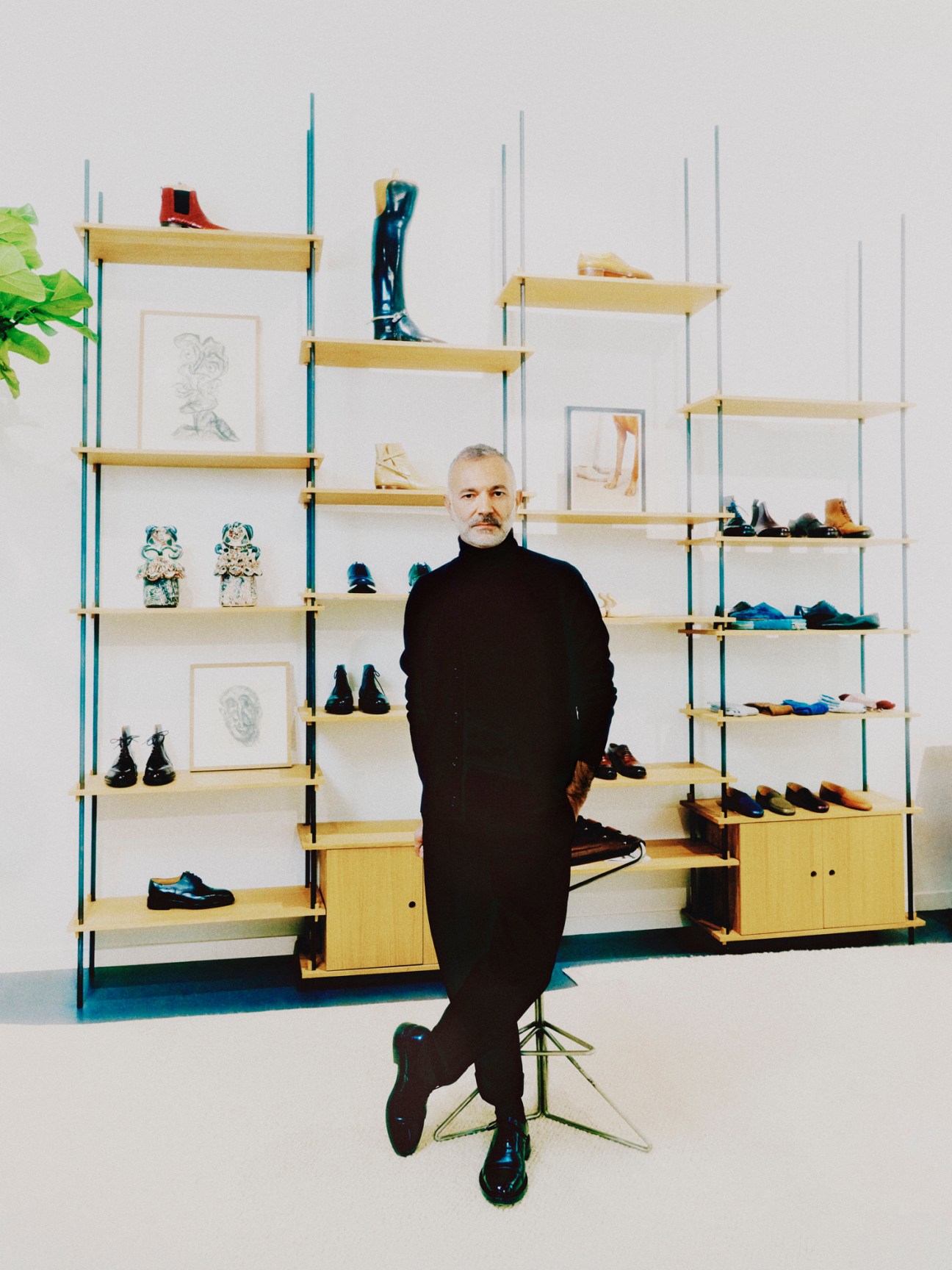
How is the footwear industry faring in 2021?
In 2020 there was, unsurprisingly, a slowdown in the market. However, over the past three months we are starting to see a recovery of the business, mostly in Asia. It shows that people want to get dressed up to recover their freedom after being kept at home. China and Japan are recovering earlier than the rest of the globe and we have expanded in the Chinese market [as a result]. We already have shops in Hong Kong and Shanghai, and have opened a new shop in Beijing. We are also investing in the Japanese market. But we have plans in Europe and in the US to implement a new shop concept too. We want to ensure that we’re evenly spread across Europe, America and Asia. It’s very important to be close to the customers.
Why is that?
We speak about local markets today because of what happened in 2020. The business that used to be created by people travelling and shopping in other countries disappeared. So now we speak about local business and local customers. We are expanding in the Chinese market particularly because our presence was a bit shy in that region.
How do you find the right location for your shops?
It’s about finding the balance between where your customers are and where you will have some foot traffic. Our objective is to show John Lobb to a wider audience, and we need to invite people into our shops and embrace them. It’s about explaining John Lobb and taking the time with people who want to know more about us. We are renovating a shop in Paris and also building what we are calling a “John Lobb House” in Beverly Hills, which will be a two-storey shop with an area dedicated to our bespoke offering. The objective is to have a bright and warm atmosphere, where we will welcome our customers. The concept has a central element, called the “capsule”, which will concentrate all our values, all our elements of savoir-faire and know-how that are key to John Lobb into one place at the centre of the shop. All the customer care – from repairing, to by-request, to bespoke boot-making – will take place there.
Is demand for bespoke growing?
Absolutely. There is a stronger interest in the luxury, pleasure and comfort of having a shoe made to the exact shape of your foot. Our bespoke is specific, we have our atelier in Paris – the ready-to-walk is made in Northampton – and we have probably the most complete atelier in Europe. It covers all the savoir-faire that is required to produce a bespoke shoe, from the measurements, to the sculpture of the wood [to make the last], to the manufacturing of the shoe tree. Bespoke is a great opportunity to innovate and use the talents of our artisans, to explore new ideas and techniques in order to develop a shoe that’s technically superb. In terms of style, bespoke doesn’t just mean an exquisite formal pair of shoes either, you can also use your expertise to develop a more casual, flexible shoe. With everything made by hand, with the right balance and leather for the sole, you can achieve something exquisite.
johnlobb.com
3.
California meets Copenhagen
Jacqueline Rabun
Founder, Jacqueline Rabun, LA
Jacqueline Rabun established her eponymous jewellery-design practice as a personal project. She wasn’t really a wearer of accessories at the time – until the day she stumbled across an independent jewellery gallery on Sunset Boulevard, where she first discovered the organic and rounded forms that would later define her approach to the craft. “It was like stepping into a gallery of miniature sculptures,” she says. “I just fell in love with it.”
She promptly secured a job as gallery assistant, which gave her the opportunity to experiment with her own designs and perfect her carving techniques. On moving to London shortly afterwards, Rabun launched her inaugural collection of hand-sculpted rings, pendants, bracelets and earrings. These won her instant acclaim and attracted clients including Barneys New York and 10 Corso Como.
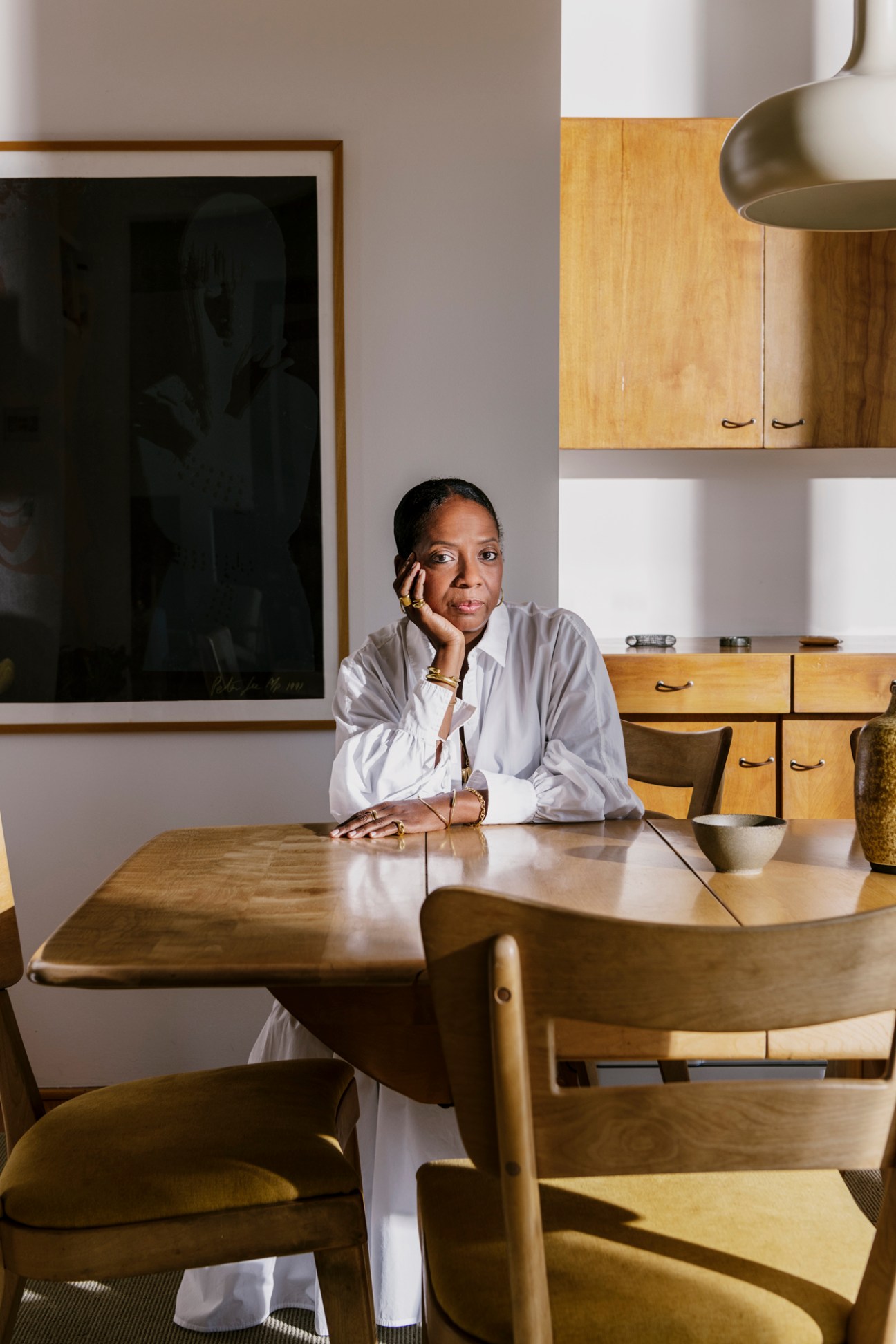
Thirty years on, while dividing her time between Los Angeles and the UK, Rabun is still forming the artful pared-back pieces for which she has become globally known. Sitting in her Los Angeles residence and studio, she tells Monocle about her latest collection with Danish silverware brand Georg Jensen and explains how her best works are often the result of acci-dental design choices.
How do you start off the design process for your pieces?
I start with a physical drawing of the shapes, working with different forms and understanding how they relate to the human body. And then there’s the story behind each collection of work, which is equally important.
What is the story behind the Offspring collection for Georg Jensen?
The inspiration for this collection was the egg, which represents birth. In my mind it is the symbol of this unbreakable bond between the mother and the child. This concept resulted in a collection of sculptural and organic rings, necklaces and bracelets.
Do you have a favourite moment in your design process?
When you start a design, you are on this journey and you don’t know where things are going to go. And then things can go in a completely different direction. I like these happy accidents – the surprises you weren’t expecting that end up shaping your designs, which often end up becoming the most popular.
What do you think your style and Scandinavian design have in common?
There’s an obvious link between our design languages: a lot of natural forms and very strong curves. I believe that we share the same passion for organic shapes.
How do you think that jewellery can be designed to be sustainable?
I think that it all comes down to the timeless quality of the jewellery that makes it sustainable. That’s what I strive for. And once you have the piece you can enjoy it and hopefully pass it on to a loved one. That way, it keeps living.
What is the one thing that you really like about your job?
Probably the moment when I see someone on the streets who is wearing one of my pieces. I always find myself taking a double look, and thinking, “Oh wow, is it really mine?” It’s a nice moment.
jacquelinerabun.com; georgjensen.com
4.
Pushing the Manila envelope
Mark Gonzalez
Co-founder, H&F Retail, Manila
For the past 25 years, Mark Gonzalez has been shaping the fashion retail scene in Manila, one of the world’s largest megacities, by bringing global brands such as Balenciaga and Comme des Garçons to his home country. His shop, Homme et Femme, carries an inventory that includes Craig Green, Jil Sander, Sacai and Auralee. Another of his retailers, Univers, offers a mix of lifestyle goods, while his portfolio extends to luxury street-fashion labels such as Y-3 and Off-White, which he distributes under franchise agreements. The company he started with one shop in 1996 has now grown into 21 retail businesses in shopping malls and on high streets. Gonzalez is opening five more shops this year including one for French beauty label L’Officine Universelle Buly 1803.
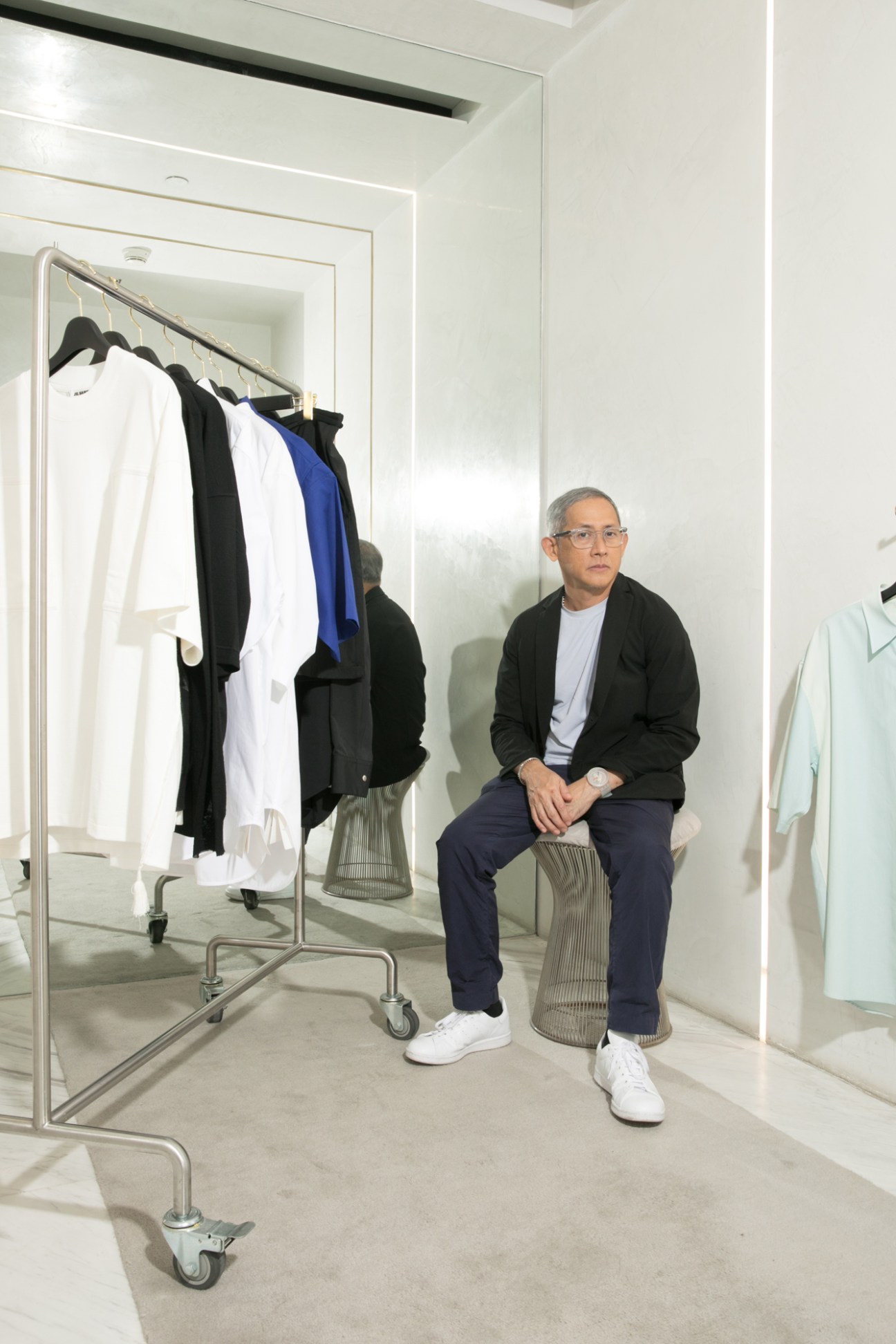
How did you get into fashion?
I stumbled into it. I took a summer job in a department store in Manila in my third year of university and was there for 10 years from 1985. When I started, there was only one guy in the men’s department and me. By the time I left, I was the men’s merchandise manager and had a crew of more than 20 people. I set up our first multi-label shop, Homme et Femme, in 1996. Then Univers opened in 2011.
What’s the market like for fashion in the Philippines?
It’s almost homogeneous in the sense that everyone is wearing the same things. That said, customers are braver nowadays and we do have a huge millennial generation. I’ve been selling Comme des Garçons for about 20 years. We had to go abroad to find things we liked that weren’t available here. We identified an opportunity and now provide a mix of merchandise to a demographic that understands it.
What changes have you seen?
When we started in 1995 the average per-capita income in the Philippines was very low. It was difficult because we weren’t selling mainstream brands. We were in debt for the first five years but we stayed true to ourselves and endured that period. It was worth it, even though it was a risky market to get into. Even today, the Philippines is a developing country and the taste level is not that sophisticated. But now the market is more open and has changed so much because of the internet and because travel became accessible. The validation came when our customers started seeing our products abroad and began to recognise their value. The information arrives faster online so we don’t have to introduce a brand any more because most people will know about it.
What do people want from your physical spaces?
Great experience, great interiors and great conversations. To be successful in retail you have to offer the complete customer experience. You have to sound right, look right and even smell right. Getting them to come is only the start. The harder part is getting them to come back. I’d say 50 per cent of our business is regular customers.
What’s the state of fashion retail in the Philippines?
The market is healthy. People are ready to accept certain ideas and concepts. In terms of retail development, we’re looking at flagship shops opening at the end of the year. Louis Vuitton is expanding, Celine is coming, Fendi has just opened a flagship and so has Dior. These are huge investments. So the money is here. It’s all happening.
hommeetfemme.ph
5.
This is not a fashion brand
Gauthier Borsarello
Creative director, De Fursac, Paris
Parisian menswear brand De Fursac is making waves beyond France. In 2019 it opened its first London shop and launched a pop-up at Selfridges. The house has 20 French outposts, another in Luxembourg and two Swiss concessions. Focusing on contemporary tailoring and proud of its Parisian identity, De Fursac’s characteristics chime closely with creative director Gauthier Borsarello, who was appointed in January. Respected in the industry for his menswear design and for juggling multiple projects, Borsarello is also the co-founder of Le Vif, a by-appointment archive of vintage clothing. He’s the chief editor and fashion editor of L’étiquette magazine and has worked as a consulting designer for several brands, including Parisian favourite Holiday Boileau.
What is it about De Fursac that appealed to you?
It has a quintessentially French character. De Fursac has been making quality everyday men’s clothing since the early 1970s and is rooted in the “Grands Boulevards” in the heart of Paris. This heritage affords it a unique position in the French market. It’s not unusual to see someone in the street wearing De Fursac in Paris or other French cities. It’s a brand that you come across in real life.
What are your plans for the fashion brand this year?
De Fursac is not a “fashion brand” but a brand that makes clothes for men to wear – that’s an important distinction. As for this year, my focus is on the casual side of what we do. It’s something that we’ve been developing for the past few seasons and I want to take it further. Beyond this, I would like to anchor De Fursac in its Parisian heritage as we expand globally. Brands need a strong image and I would like to create one that’s in keeping with our history. De Fursac should represent our shared French culture and its diversity.
Does the suit have a future?
The suit, like the dress or high heels in womenswear, will never disappear. It’s the only garment in which men can feel both confident and desirable. That said, we should allow the way that suits are worn to modernise. Suiting should meet the needs of today and fit in with a modern way of dressing. In 2021 a matching jacket and trousers aren’t the be-all and end-all. Separates are just as important.
There’s a 1970s edge to De Fursac. Why is the era relevant now?
De Fursac was founded in 1973 so it’s no surprise that the decade influences the brand. The 1970s saw a freeing-up of style in France after the student protests in 1968. People started to dress as individuals rather than according to their social status. Today we still dress to express ourselves rather than by convention. Maybe that’s why 1970s style still appeals.
How does your work as a vintage curator intersect with designing?
My designs are inspired by clothes from the past. I look at how they function and the materials that were used. That’s not to say I am interested in re-editing classics but I am a keen observer of quality, so I like to ensure that’s exactly what our customer gets.
How will men’s style change over the next couple of years?
The cultural changes brought about by coronavirus could push a lot of men to revisit their own sense of style and perhaps we’ll see more men dress for pleasure rather than necessity. This tough period will make customers more socially aware in the years to come. Consumers are starting to shop with brands that are purposeful and authentic. De Fursac is both.
defursac.fr
The best of times
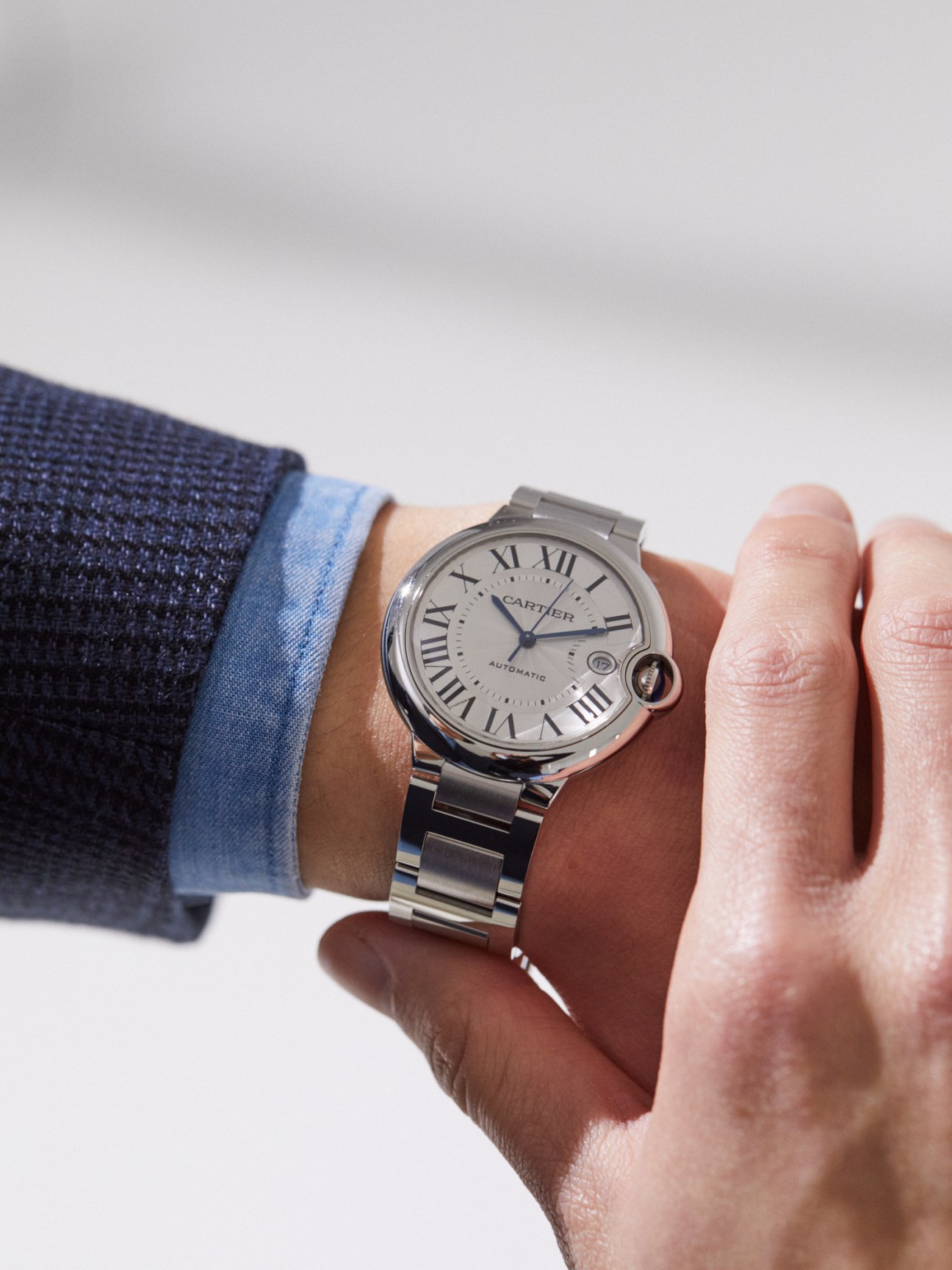
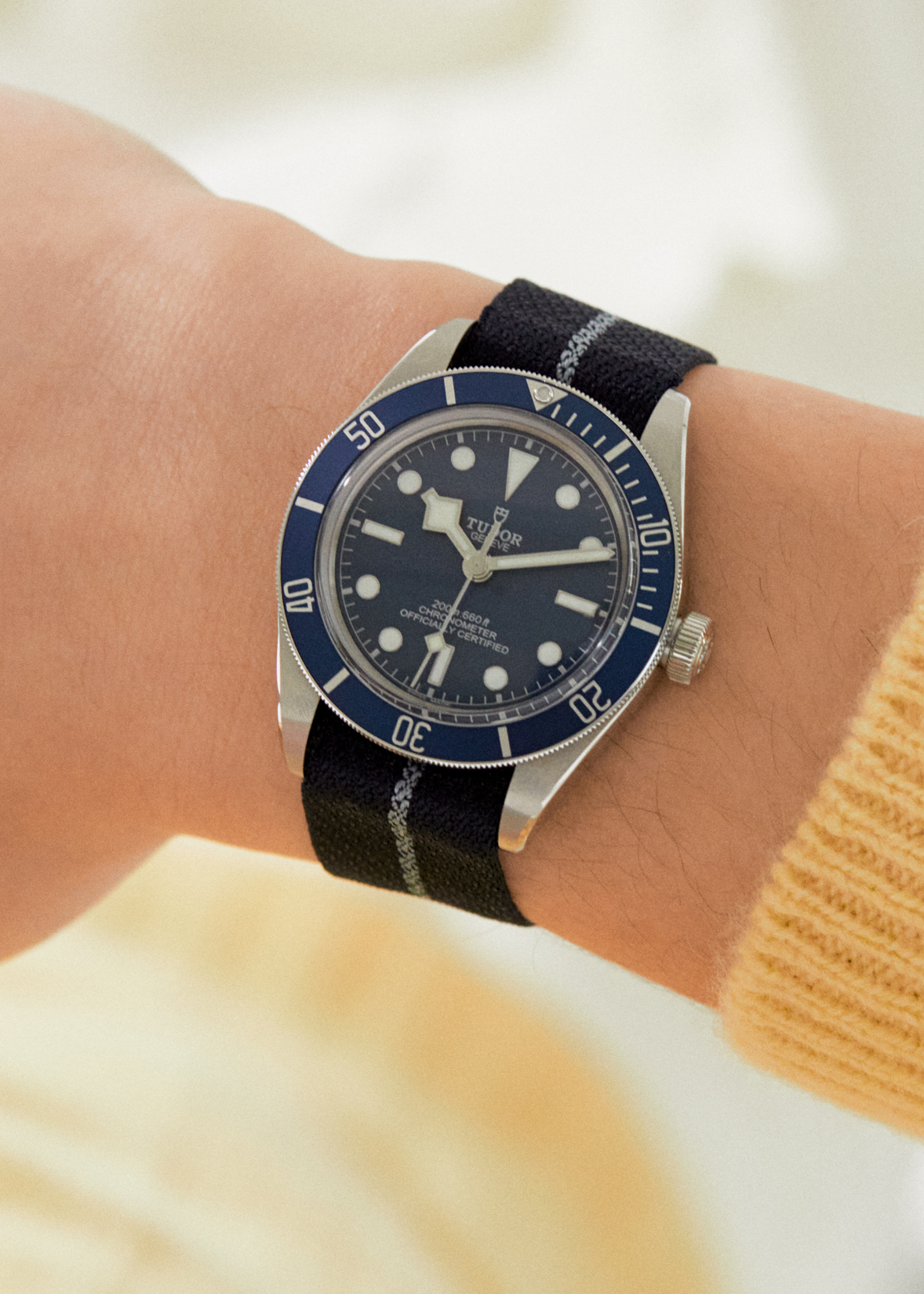
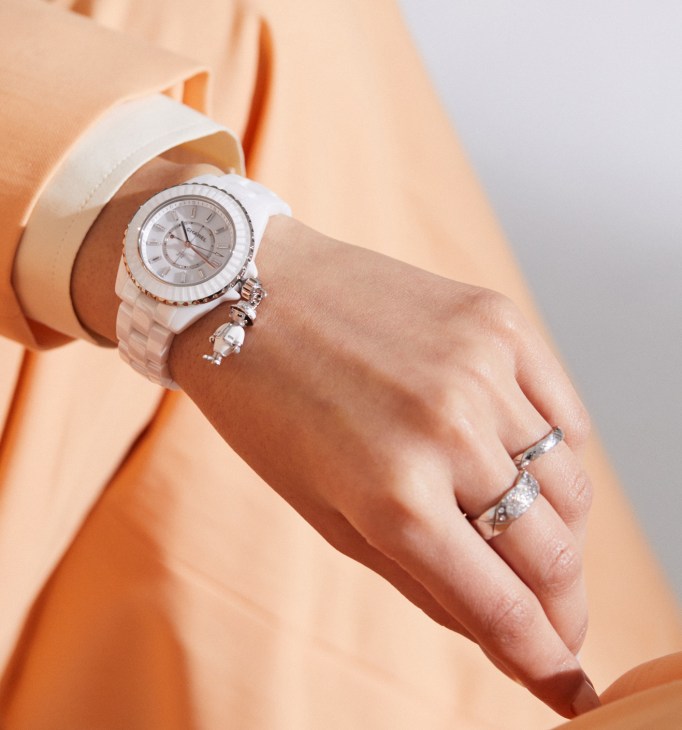
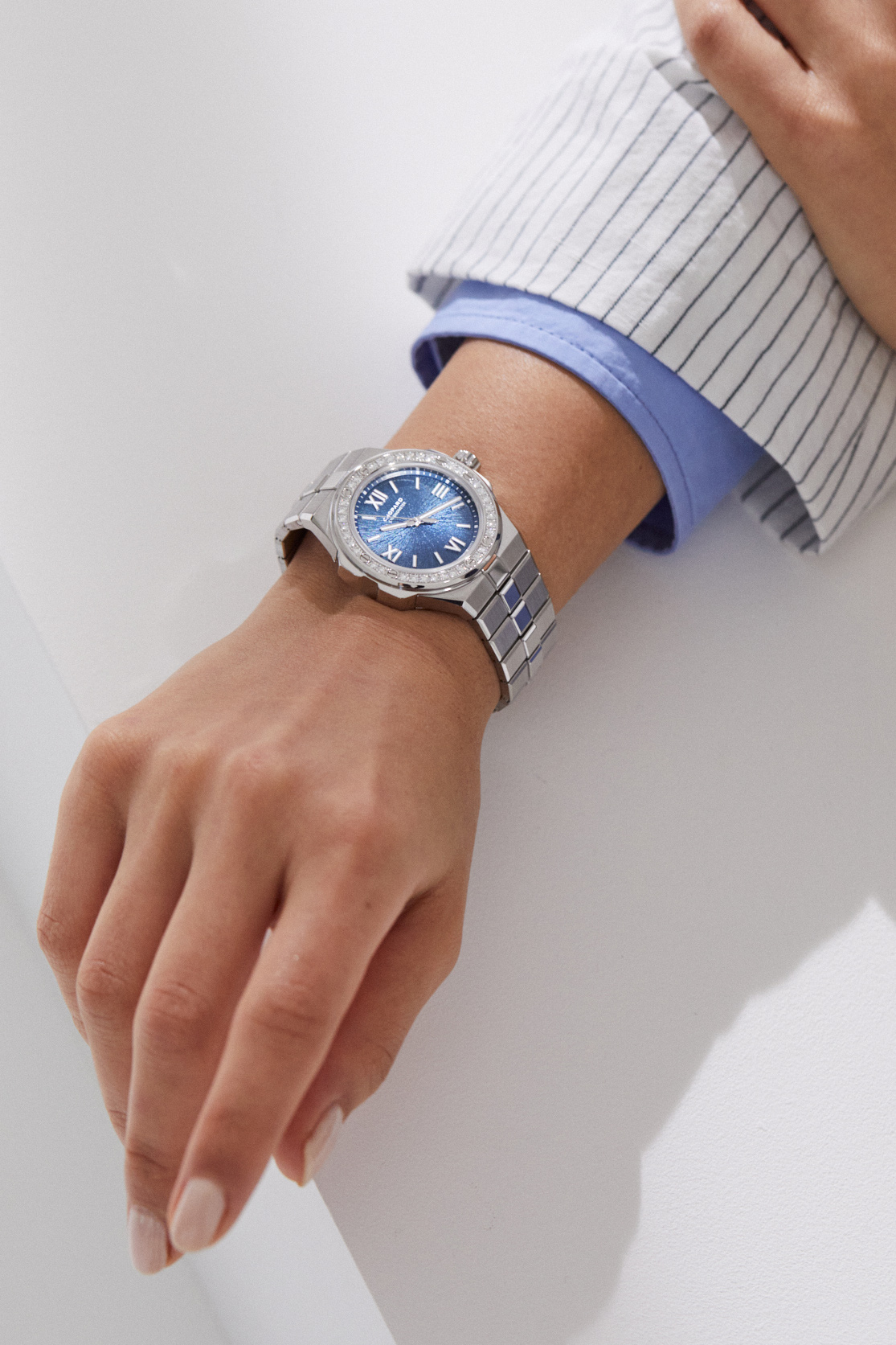
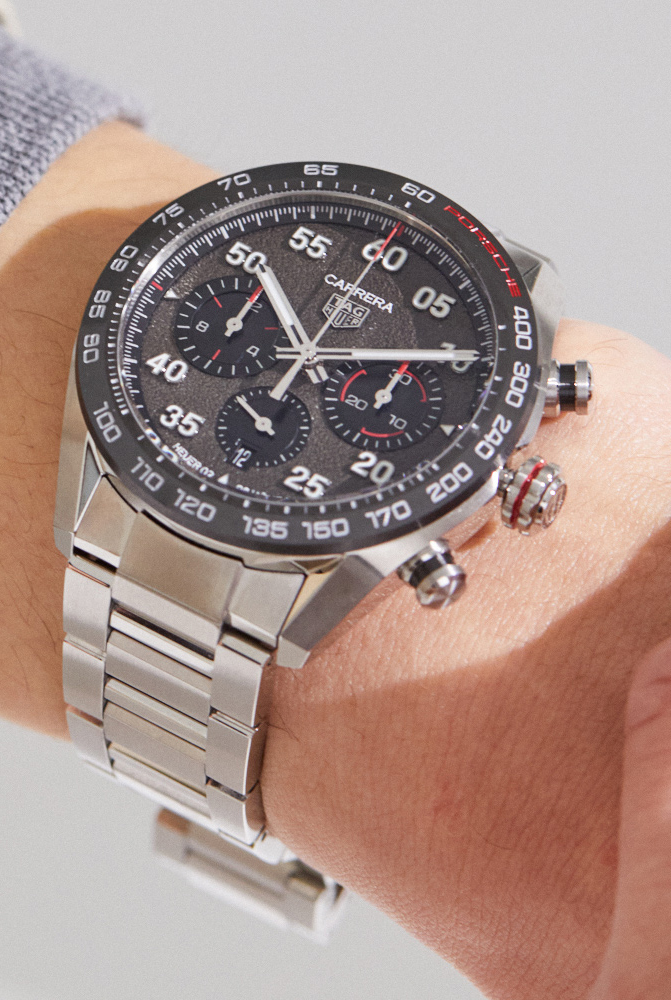
Models: Daniel Chitra, Sundal Roy
Spring it on
1.
Brand
CFCL
Tokyo
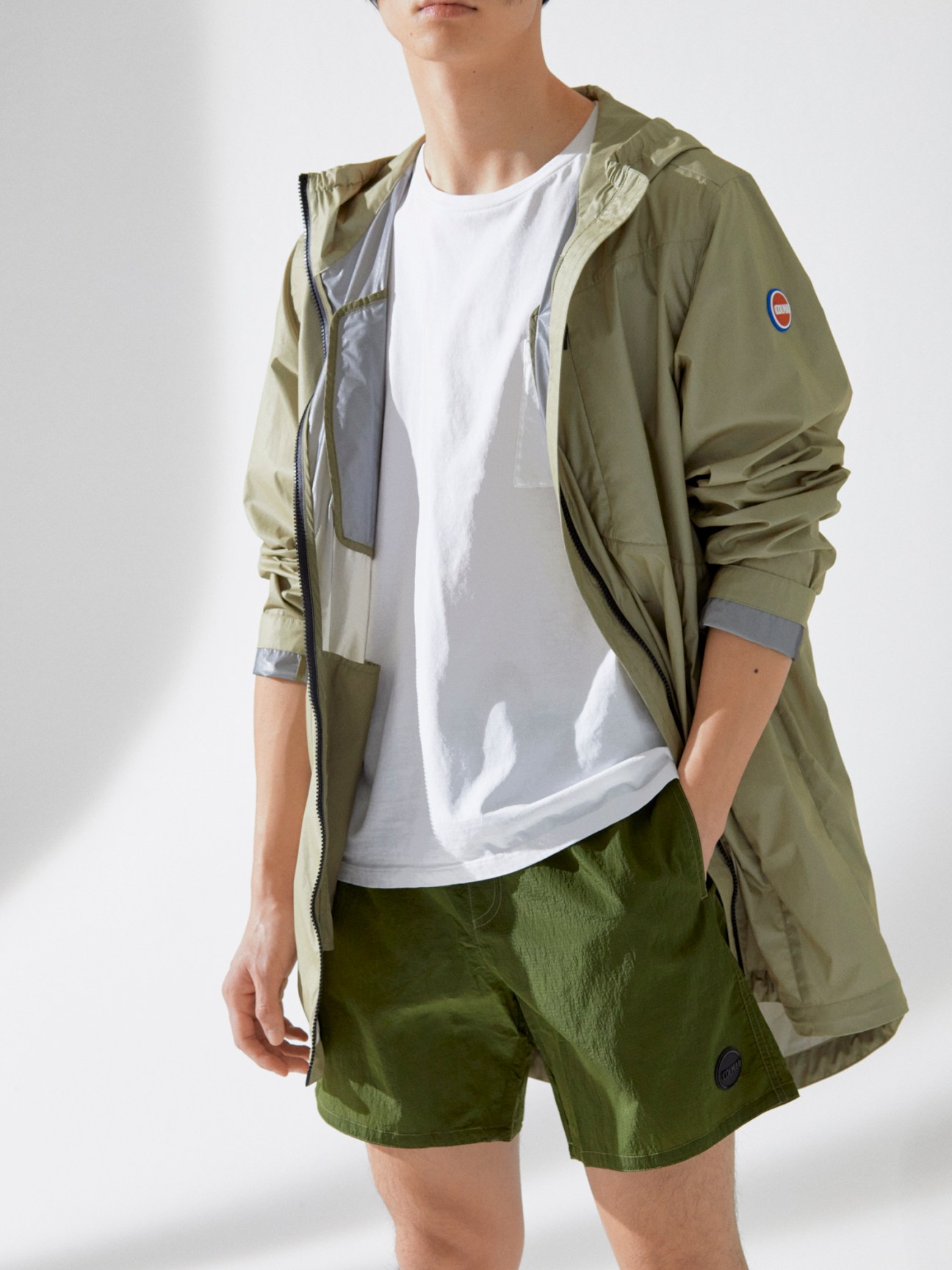
Clothing For Contemporary Life (CFCL) is a knitwear brand designed and made in Japan that’s currently making waves beyond its home shores. The label’s debut collections – both unisex and womenswear – have won over important retailers such as United Arrows in Tokyo, skp in Beijing and the e-commerce platform Ssense. The clothes – think seamless dresses and a minimalist unisex coat – are largely produced by Shima Seiki’s whole-garment flat-knitting machine, which creates an ultra-comfortable fit. “Shima is the best in the world in this field,” says Yusuke Takahashi, cfcl’s creative director.
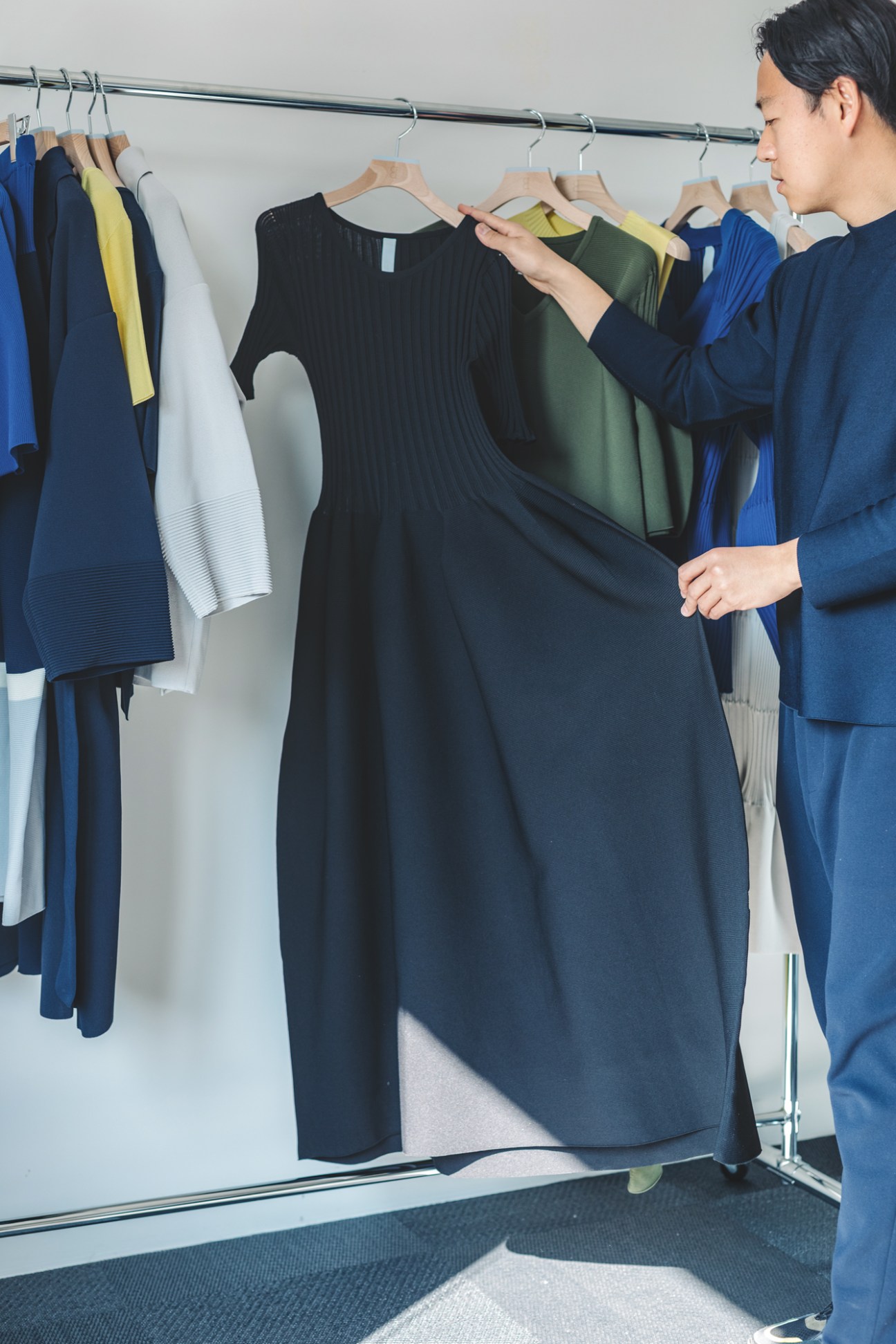
Having previously worked at Issey Miyake’s design studio, Takahashi started his own brand to “have greater control over everything, from sourcing to manufacturing. If you are an employee, you can’t be fully responsible for social issues,” he says. Takahashi, 35, who studied computer-programmed knitting at Bunka Fashion Graduate University in Tokyo, has a complete understanding of his craft, from thread to final product. Wherever possible, he uses materials that meet the Global Recycled Standard, such as polyester made from recycled polyethylene terephthalate (PET) bottles. But he’s not doing it for the sake of good marketing.
“Eco-friendliness can’t be your label’s strength, because everyone should work towards it,” he says. “First and foremost, the clothes have to speak for themselves.”
cfcl.jp
2.
3.
4.
Brand
This Is Us
Lagos
“Locally manufactured” is a term frequently bandied about in the fashion industry but Nigerian label This Is Us takes the concept as far as it can go. The brand’s boxy indigo-dyed uniformwear isn’t just “100 per cent Nigerian end to end”, as husband-and-wife owners Oroma Cookey-Gam and Osione Itegboje say. The cotton is grown, woven, dyed and sewn into clothing in the region around Katsina State. “I used to have another line,” says Cookey-Gam. “I stopped because I was using a lot of imported fabric and I couldn’t find myself in the stuff I was creating.” So she and Itegboje took a cross-country road trip to find materials, ending up at the cotton farms of Funtua, in the north. “In the process, we realised how much exists in our textile industry that’s under the radar,” says Cookey-Gam. They felt so strongly about spreading the news that their first T-shirt was printed with the words: “This is Funtua, Nigerian-made cotton.”
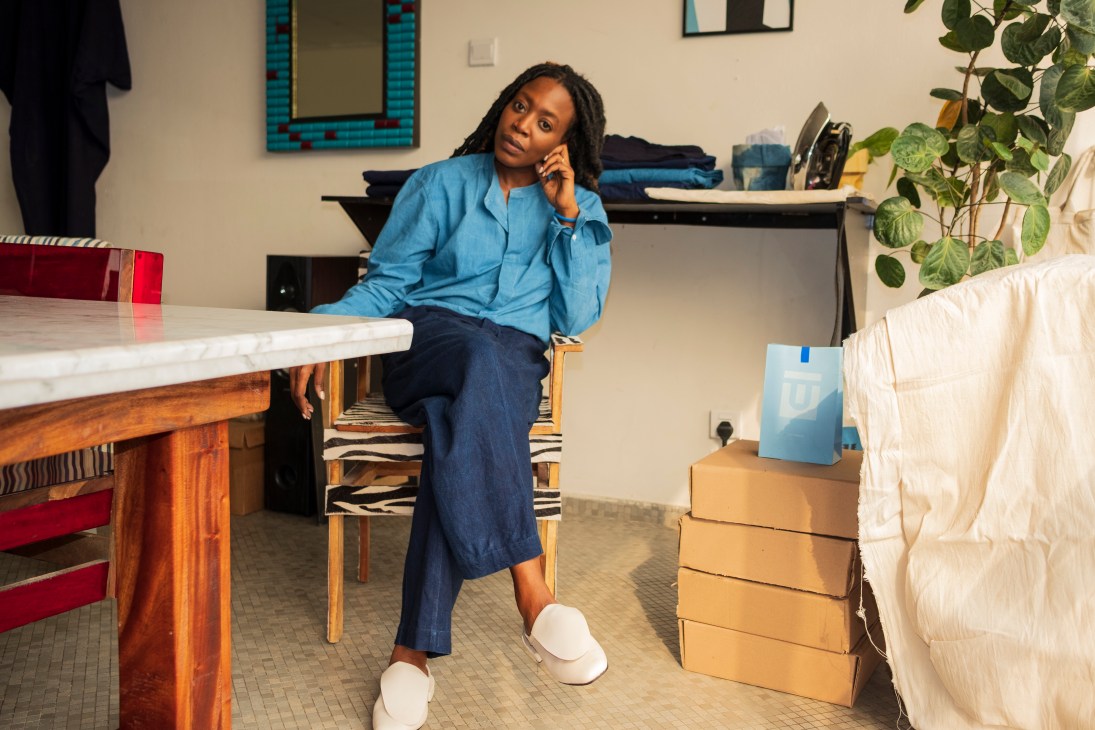
The pair are part of a vibrant creative scene in Lagos and, since their label began, they’ve connected young makers with the farmers and manufacturers that they work with in Katsina. One business that has benefited is the Kofar Mata dye pits: when the duo found them, “there was only one operating pit and the rest had trash in them,” says Cookey-Gam. This Is Us began dyeing its clothes there in a process that hasn’t changed in 500 years. Now, partly because “people have reached out to us, asking how to start dyeing there”, the facility is undergoing a resurgence. “We have an interest in more than fashion,” says Cookey-Gam. “We want to be in the middle of the talent, the resources, the craftsmanship. We want to create something useful for the industry.” For the pair, “Us” includes people far beyond their design studio.
thisisus.ng
5.
Retailer
Loro Piana
New York
It’s impossible to walk around Manhattan right now without noticing the increase in vacant shops. But for businesses with deep pockets and a long-term interest in physical retail, the upended property market presents opportunities. For Italian cashmere label Loro Piana, that means a second New York shop, this time located in the Meatpacking District, where it will attract younger customers than the brand’s Madison Avenue flagship.


The new shop, designed by Belgian architect Vincent Van Duysen, sits on a prime corner site. The interior is all about textures, which makes sense for a company whose fabric of choice is valued for the way it feels. The Portland-stone walls contrast with the super- soft scarves and sweaters displayed in front of them, and the European oak finishes nod to Loro Piana’s outdoor roots. So does the glass-enclosed garden – a life-size terrarium, complete with a tree – that dominates the centre of the shop. Its contents will be updated four times a year, in line with the seasons.
The other regular change (apart from new collections) will be a series of art installations. These began with blanket sculptures by the artist Marie Watt that draw parallels between Loro Piana’s origins and Native American crafts. Now that so many of us have spent months shopping exclusively online, it makes sense for savvy retailers to create reasons to visit them that go beyond mere commerce.
loropiana.com
6.
Retailer
Deru
Munich
Among the trendy bars and independent boutiques of Munich’s well-heeled Glockenbach district, you’ll find Deru. It opened its doors in 2019, with the aim of bringing top outdoor brands from Japan, such as And Wander, Goldwin and Snow Peak, to a German clientele. Deru comes from the Japanese term “to go out,” says co-founder Jonathan White – and his customers care about how they look both on the streets of the city and up in the Bavarian Alps.


“We want to encourage people to spend time outside,” he says. “But outdoor gear is too often focused on performance. We wanted to offer both performance and style.” Since the shop opened, European labels, including Sweden’s Houdini, have joined the Japanese range, in line with the global boom in popularity of well-designed outdoor wear, particularly for men.
The selection at Deru is small and tight: White’s mission is to involve curious customers in buying decisions and form a real community around the brand. “I want Deru to feel like the skate and surf shops that I used to go to when I was young,” he says. “These were places of community and the exchanging of ideas. Deru is becoming a destination not only to buy stuff but also for good people to hang out and have a nice conversation.”
deru-store.com
7.
8.
9.
Brand
Marimekko
Helsinki
Marimekko is unmissable in Helsinki. Not only is the Finnish capital home to the brand’s HQ and textile printing press but its distinctive graphics are all around. There are half a dozen retail outposts in the city centre alone, and residents carry the brand’s signature typography-heavy tote with pride.
Marimekko has occupied this central role ever since its foundation by Armi Ratia in 1951, but that did not automatically translate into good business. “At the end of the 1980s, we were nearly bankrupt when Marimekko had been sold to a conglomerate that didn’t know how to lead a creative firm,” says CEO Tiina Alahuhta-Kasko. But, as the company turns 70, it’s on a stronger footing than ever. The clothing, homewares and textiles brand is expanding both at home and abroad – it even increased its profits last year, despite the retail disruptions.
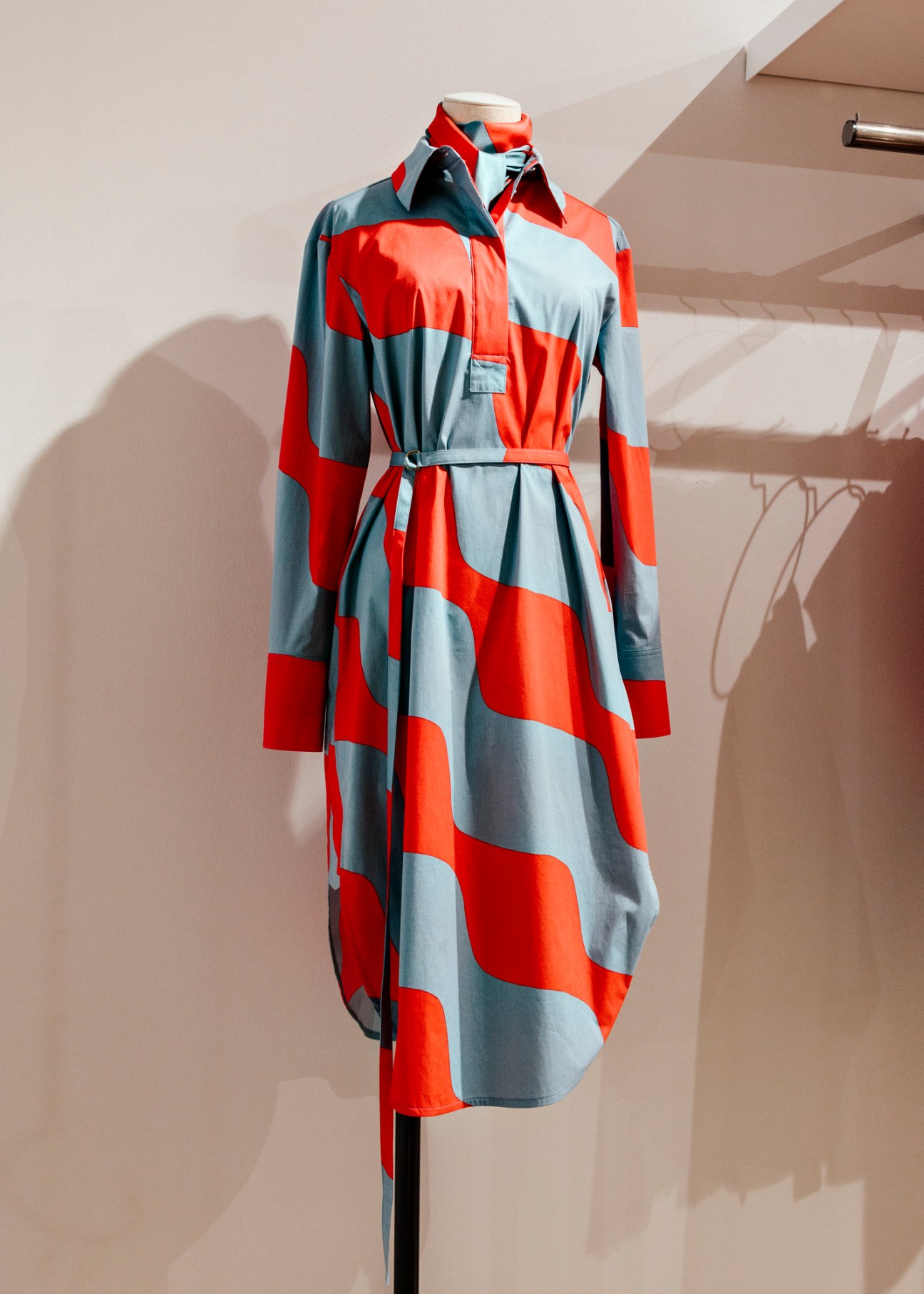
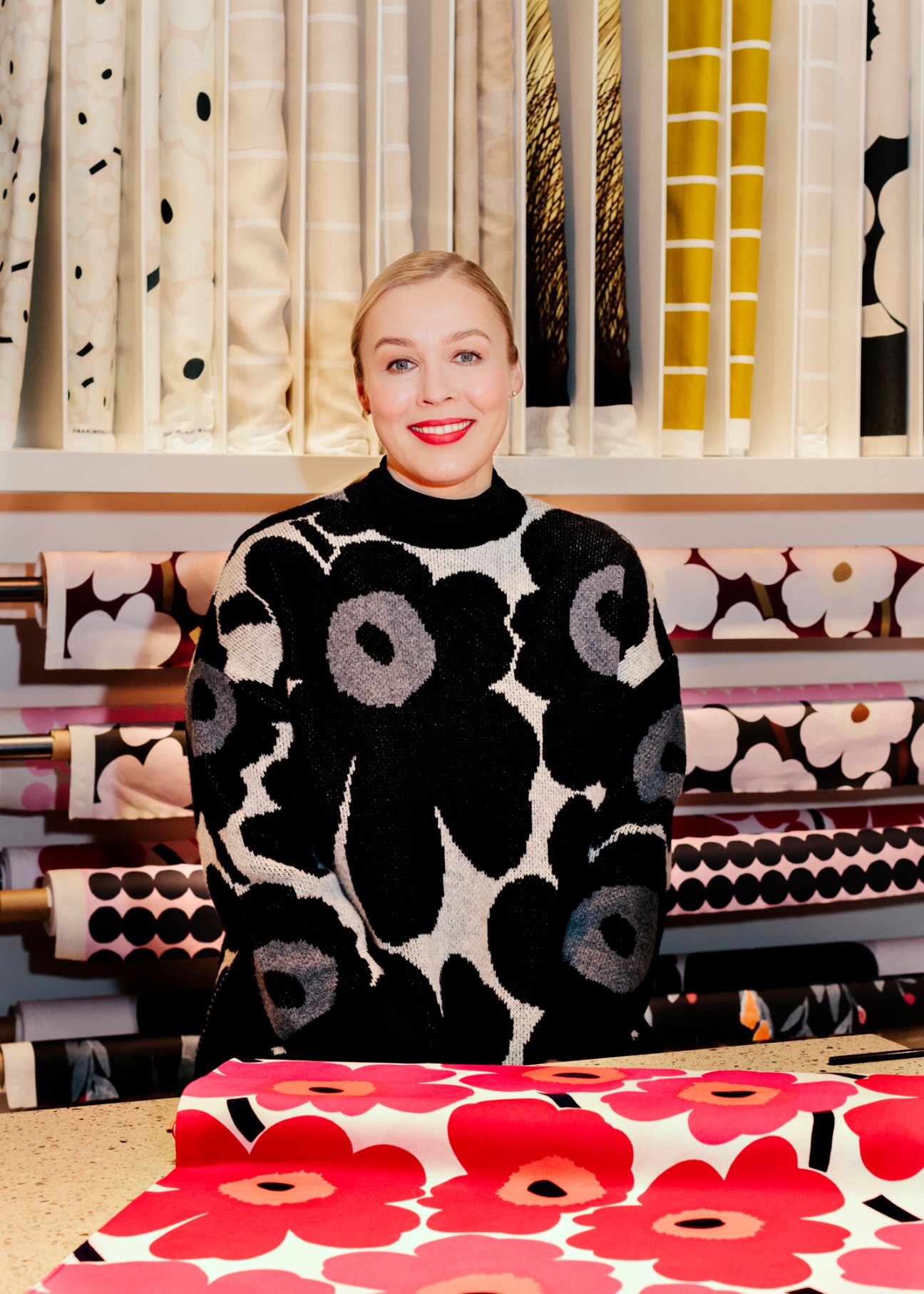
Today the unisex approach that Marimekko pioneered in the 1950s is clearly resonating with the next generation. “I cannot think of a brand that’s more democratic than Marimekko,” says Danish industry veteran Rebekka Bay, who was appointed creative director last year. “A lot of our inherent values are really relevant now.”
While its classic prints are a lasting success, Marimekko knows not to rest on its laurels. The firm champions design talent by commissioning several fabric patterns every year. “We are hoping to create the future icons for Marimekko,” says Bay. “Our legacy is so strong that you can afford to challenge, even mishandle it a bit.”
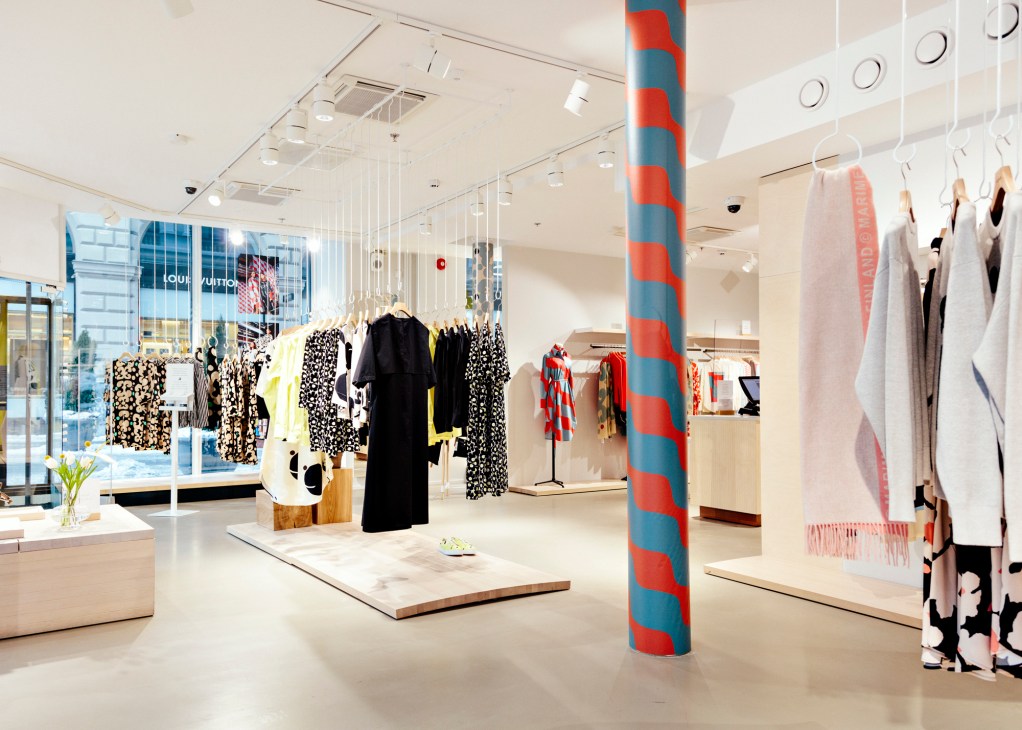
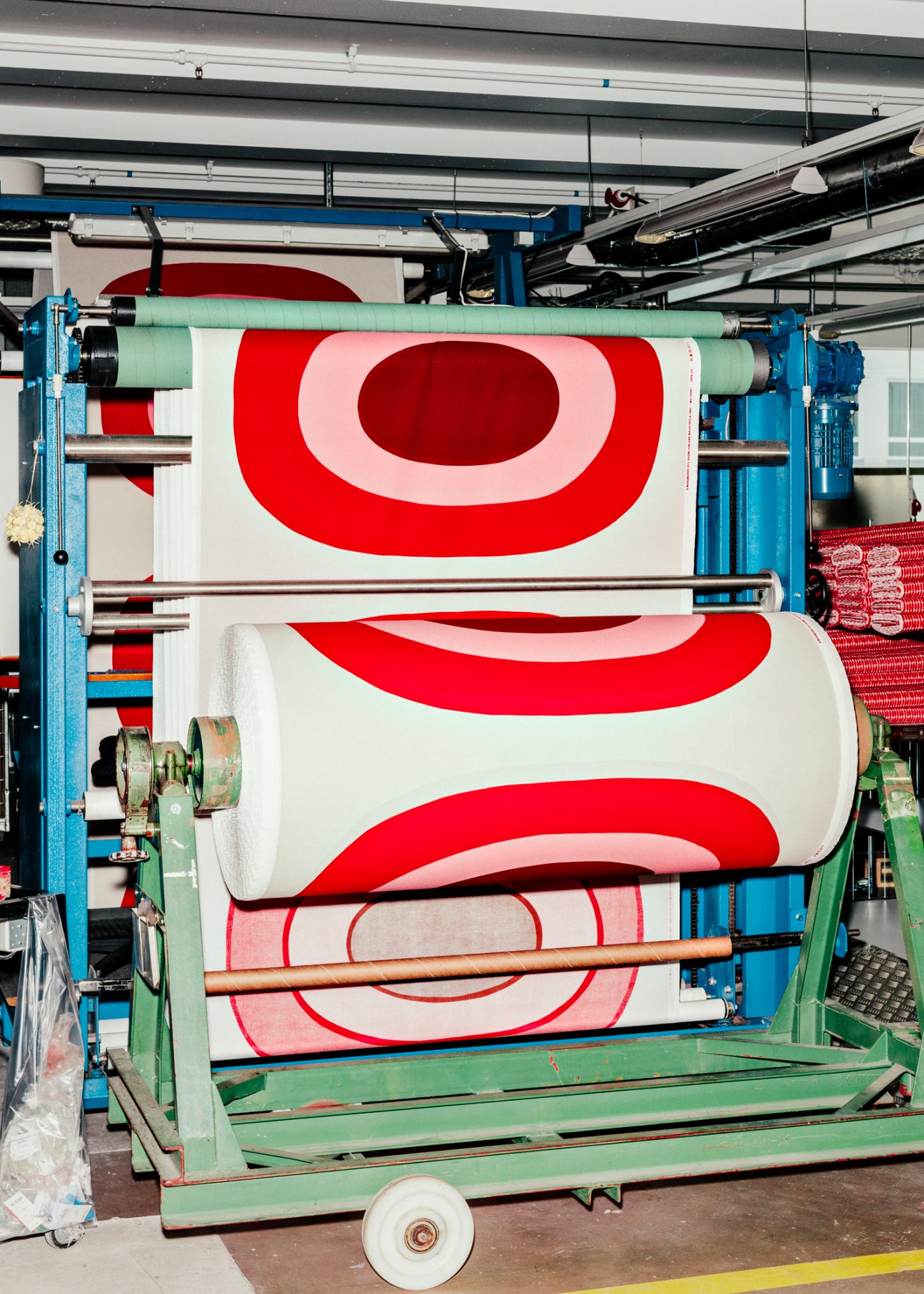
With that in mind, Marimekko decided to celebrate its 70th anniversary year by inviting outside creatives to apply their own techniques to the brand’s heritage. First up were graphic designers Antti Kekki and Matts Bjolin, whose capsule collection is a collage of Marimekko archival material. “We utilised existing elements – photos, citations, classic prints – to bring out something that looks like Marimekko but is interpreted in a completely new way,” says Bjolin.
A collection by the Japanese fashion designer Wataru Tominaga will be out in August and more international collaborators are to follow. “It was an opportunity to create strong partnerships in our key markets,” says Bay. “We provide the canvas, and now we open up the creative dialogue.”
marimekko.com
10.
11.
12.
13.
Brand
Artikel
Copenhagen
Malthe Risager has spent the past three years laying the foundations of fashion brand Artikel with his partner Siri Leijonhufvud, brother Gustav and their mother, Helle Jørgensen. From the start, their mission was clear: work out the value and profitability of manufacturing everyday clothing in-house, and stay local. They first set up shop on a quiet street in Copenhagen’s Vesterbro district, where they invited friends and passers-by to inspire their designs. “We wanted to make ordinary clothing for ordinary people, so we had to understand our customers’ needs,” says Risager, taking Monocle through the current product crop, which includes hard-wearing men’s cotton-twill worker jackets in neutral tones and simple felt handbags in pop-tinted greens and oranges.
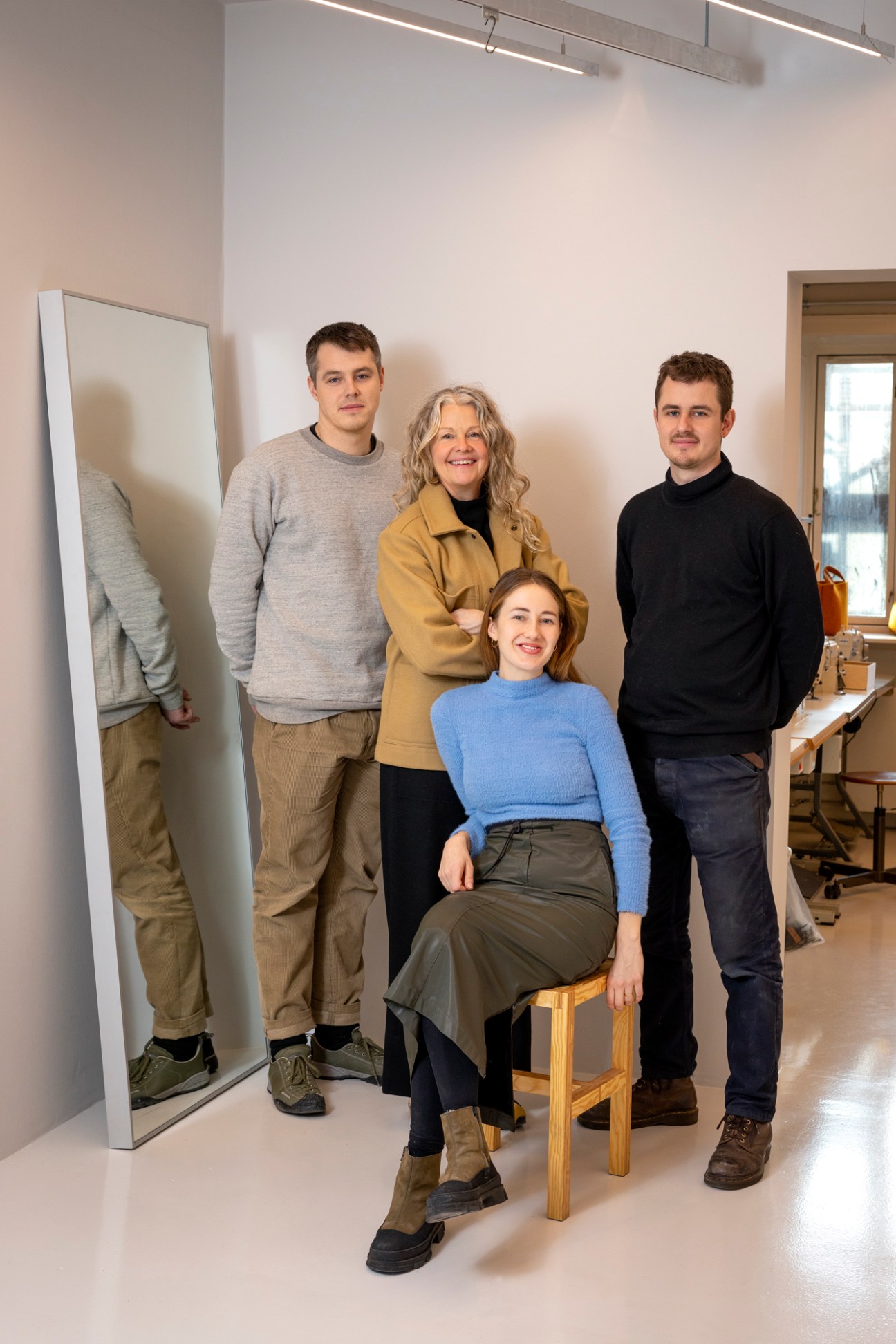
Artikel has recently moved into a larger space around the corner from its old digs. Here, a sparsely furnished retail area champions the clothes crafted in the adjoining production space, these draw upon high-quality textiles sourced from a small selection of suppliers. “One of our biggest challenges was finding companies that accepted small-scale orders,” says Leijonhufvud, the label’s co-founder and also its brand manager.
“We produce every piece to meet demand and like to carry a small stock.” Among Artikel’s partners is the Danish textile producer Kvadrat, which supplies hardy wool sourced from the UK, originally developed as upholstery fabric. “We like to see our items as pieces of well-crafted furnishings: long-lasting and timeless,” says Leijonhufvud. “They’re something you invest in for years to come.”
artikelkbh.com
14.
Brand
Stòffa
New York
“We’ve always worked from the fabric up,” says Agyesh Madan, co-founder of Stòffa, the New York-based menswear brand that’s built a cult following for its made-to-measure casual clothing. “We try to really understand the functionality of a product and to create a personal garment that stays with you for a long time.”
The brand’s signature flight jacket is a case in point: luxurious and reassuringly simple, with clean lines and a two-way zip. “It was the first outerwear piece that we designed and it’s still a favourite among clients,” says Madan. The jacket is now available online as part of a move to a new seasonal model – Stòffa will present nine to 12 outfits every quarter. It’s the antithesis of “pile ‘em high and sell ‘em cheap”, designed to give clients a streamlined experience.
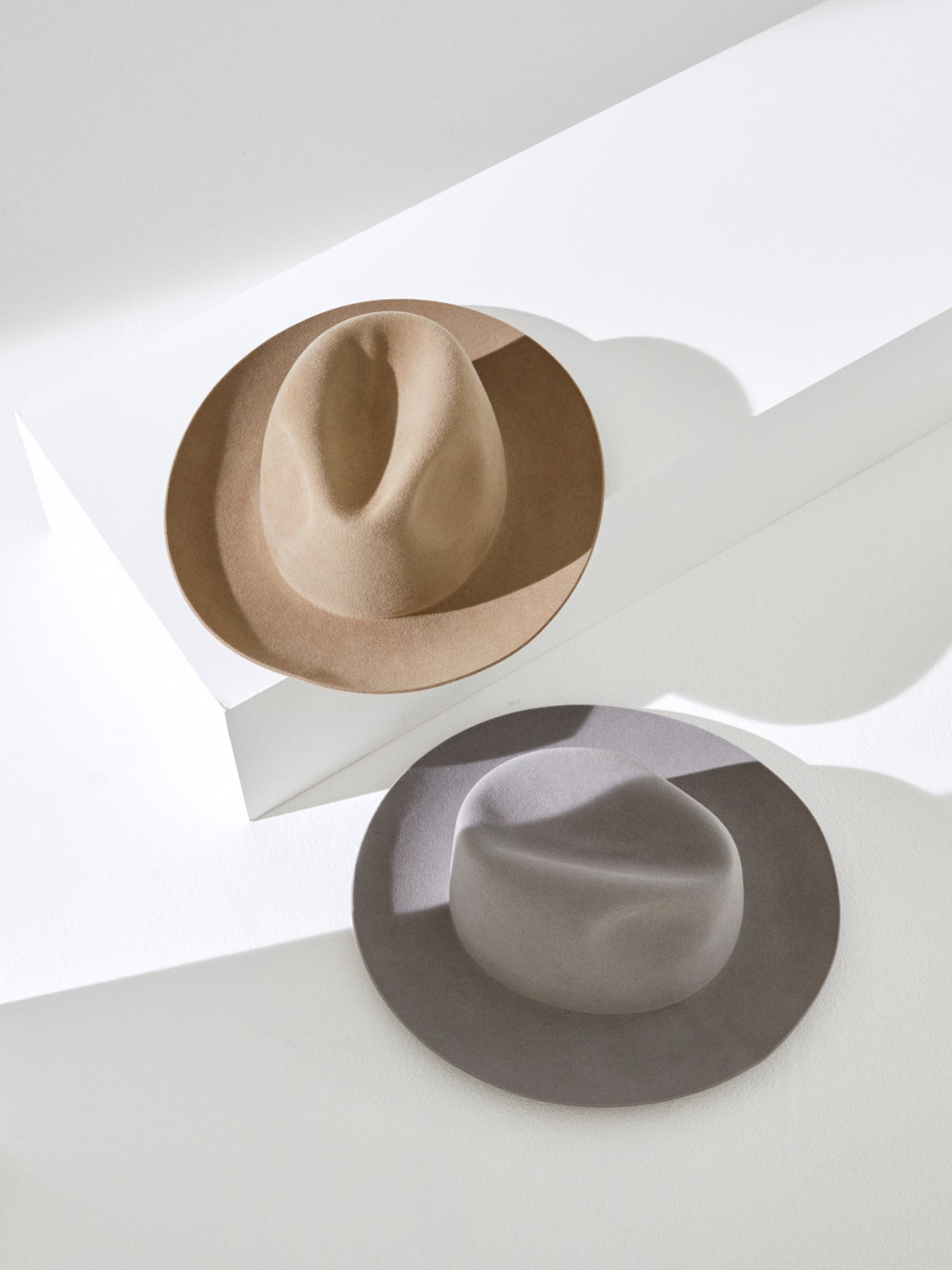
“We’ve always tried to be more thoughtful and less wasteful,” says Nicholas Ragosta, Madan’s business partner. Beyond the brand’s classic jacket, its felt hats have proved popular. Travel-ready, these handsome creations can be rolled and packed in a tube to bring on sunny breaks or simply for the walk to work.
stoffa.co
15.
16.
17.
Brand
ATID
London
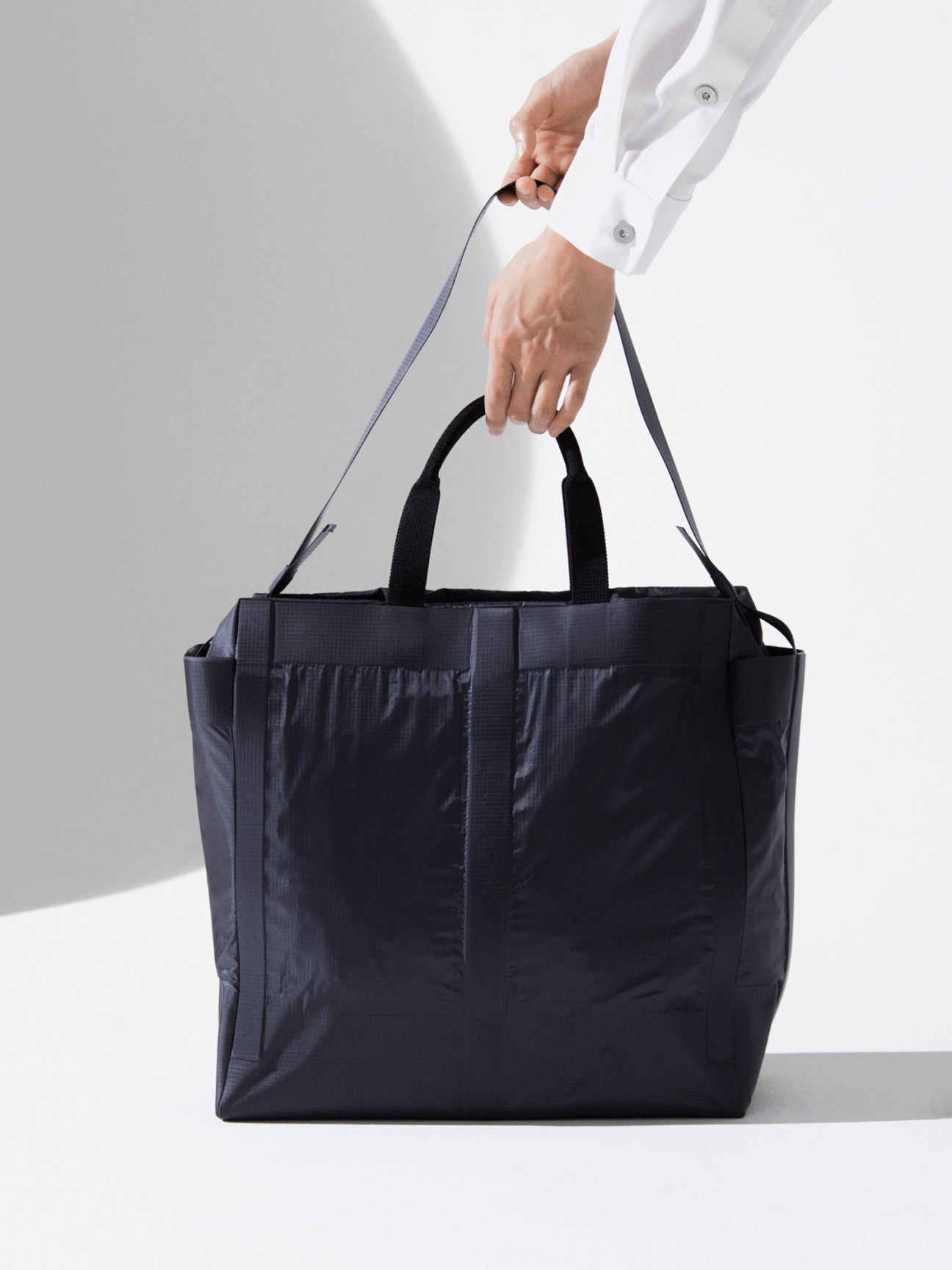
Alexander Taylor, founder of London-based brand atid, admits that using dead-stock textiles is nothing new in the fashion industry. But he didn’t launch his line in 2020 to make profits out of leftover material. Instead, he wanted to put an existing problem under greater industry scrutiny: fabric waste due to overproduction. “I wanted to establish a platform where this problem could be driven towards smarter and more sustainable solutions,” says Taylor.
Partnering with ktc, a textile supplier in Hong Kong, atid makes items from high-end fabrics left over by premium sportswear brands. Due to the lack of supply of particular fabrics, items are produced in limited numbers – for instance, only nine atid Frame charcoal weekender bags were made. “They are very special and help people to understand the notion of creating less waste,” says Taylor, while noting that other pieces have bigger runs. Still, every product is stamped and numbered by hand, adding exclusive value to the mix.
atid.UK
18.
Retailer
Sagan Vienna
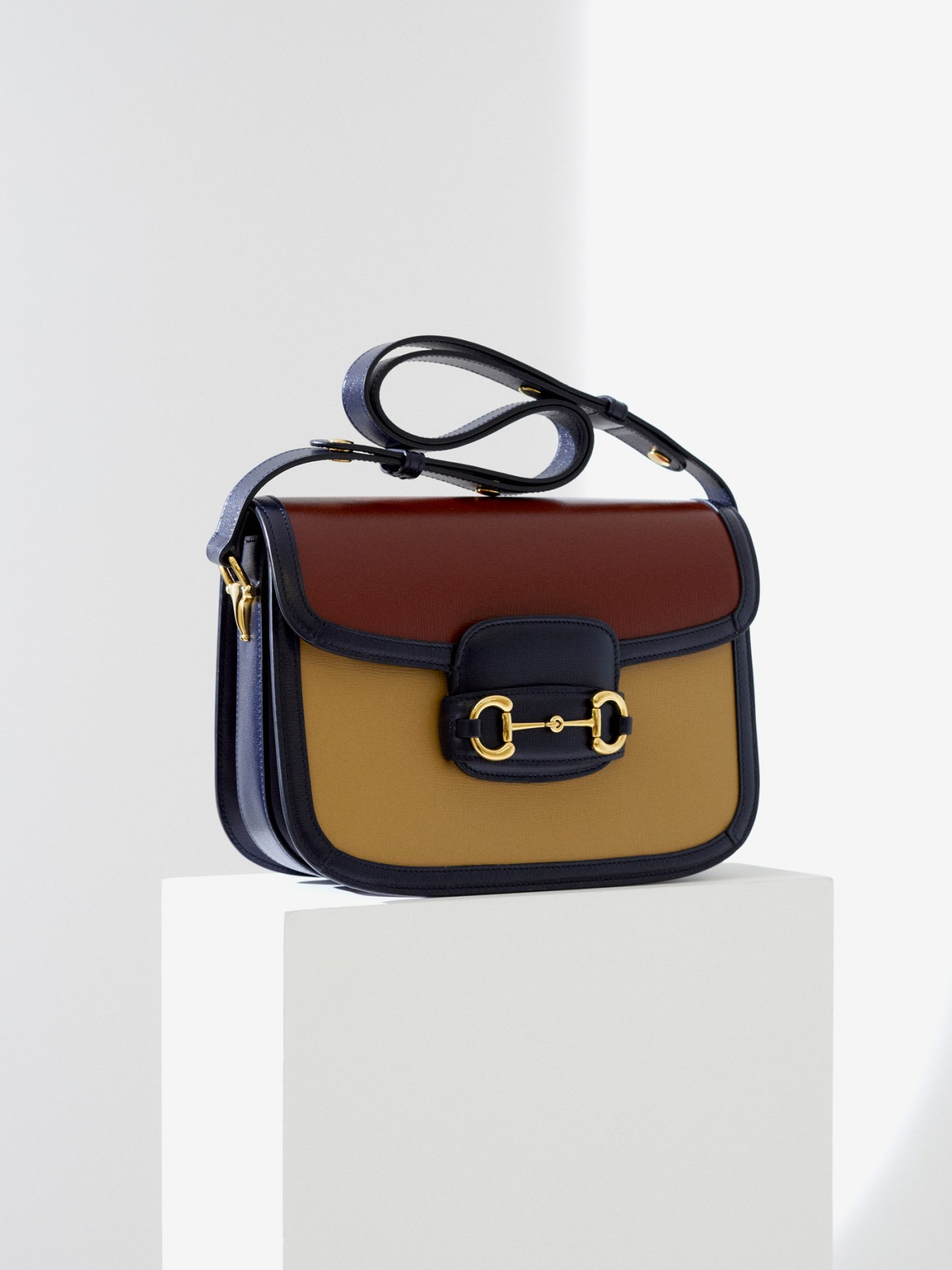
From glossy calf-leather totes to compact horn-edged handbags, Sagan Vienna’s designs are united by a sense of crisp minimalism. Founders Tanja Bradaric and Taro Ohmae met while studying at the University of Applied Arts Vienna, and moved to Paris after graduation to hone their design skills working for Chloé and Balenciaga. In 2012 they moved back to Vienna to launch their own brand.
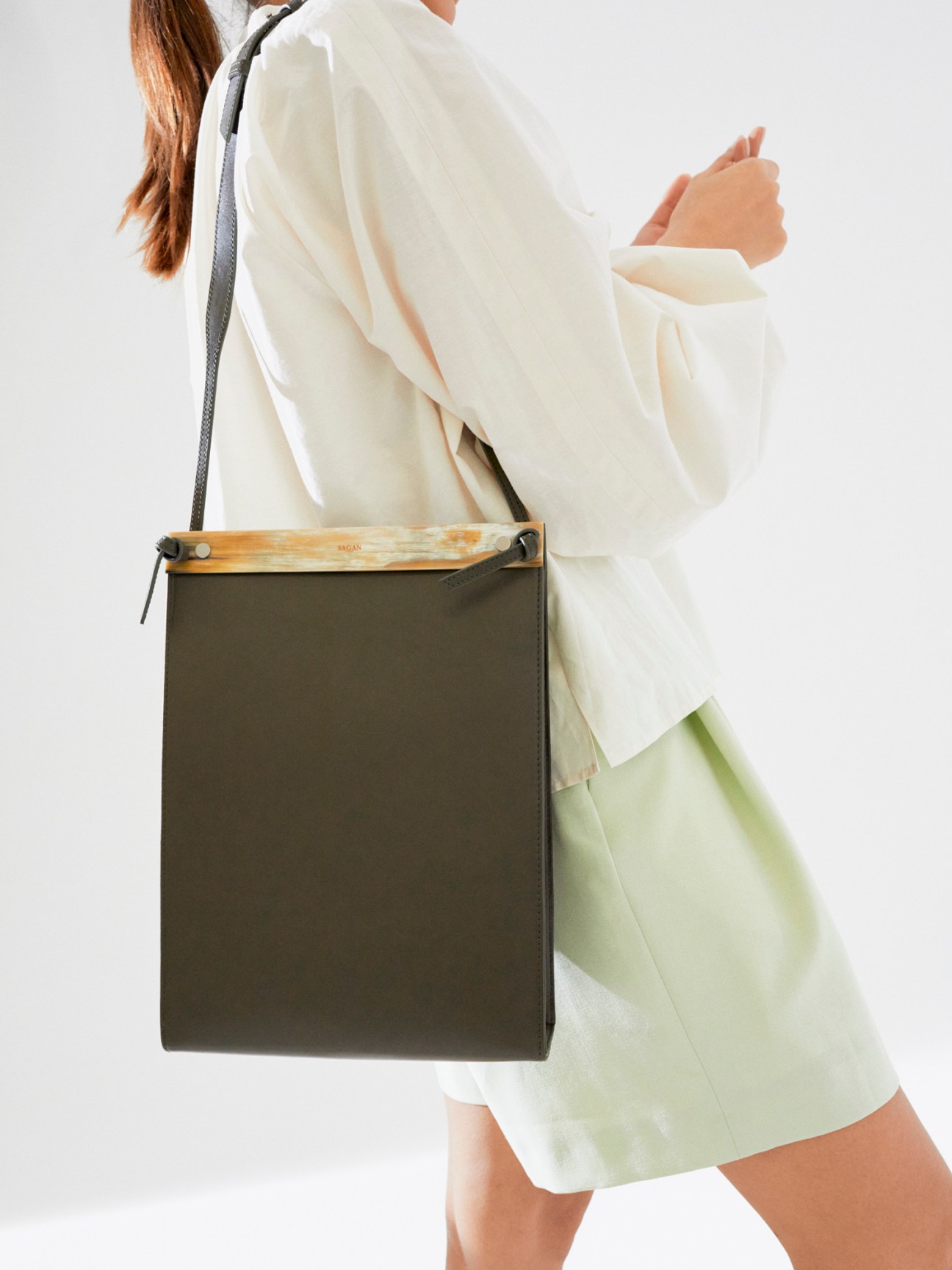
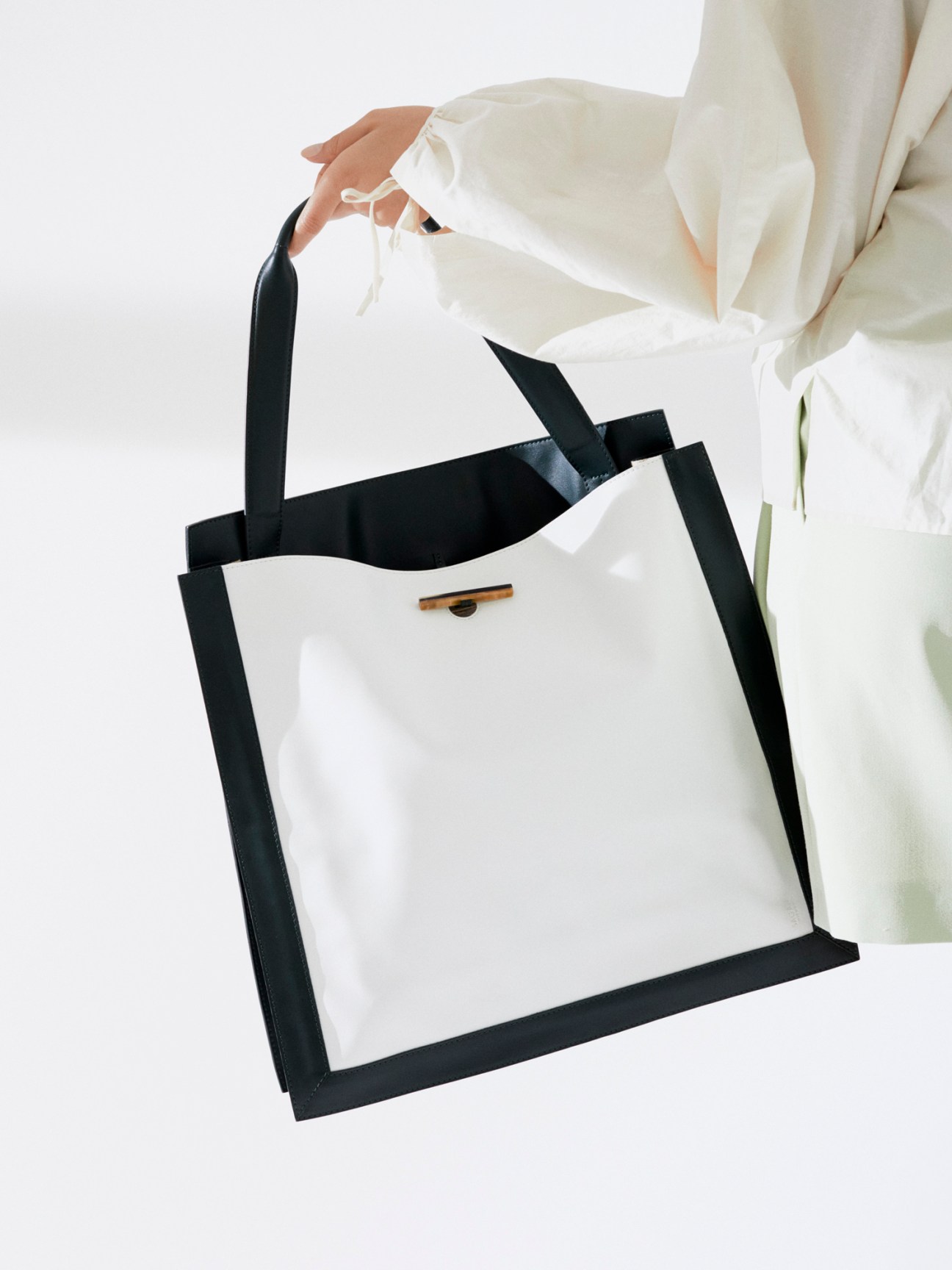
Despite their roots in Croatia and Japan, it’s Bradaric and Ohmae’s adopted hometown that provides them with the most inspiration. Their bags harness everything from Austrian cow horn to the woven cane used in Thonet’s classic Viennese coffee-house chairs. “We like to include materials that people don’t usually use on bags,” says Bradaric. “These are materials that have a history behind them and we set ourselves the challenge of bringing them back to the modern day.”
sagan-vienna.com
19.
20.
21.
22.
23.
24.
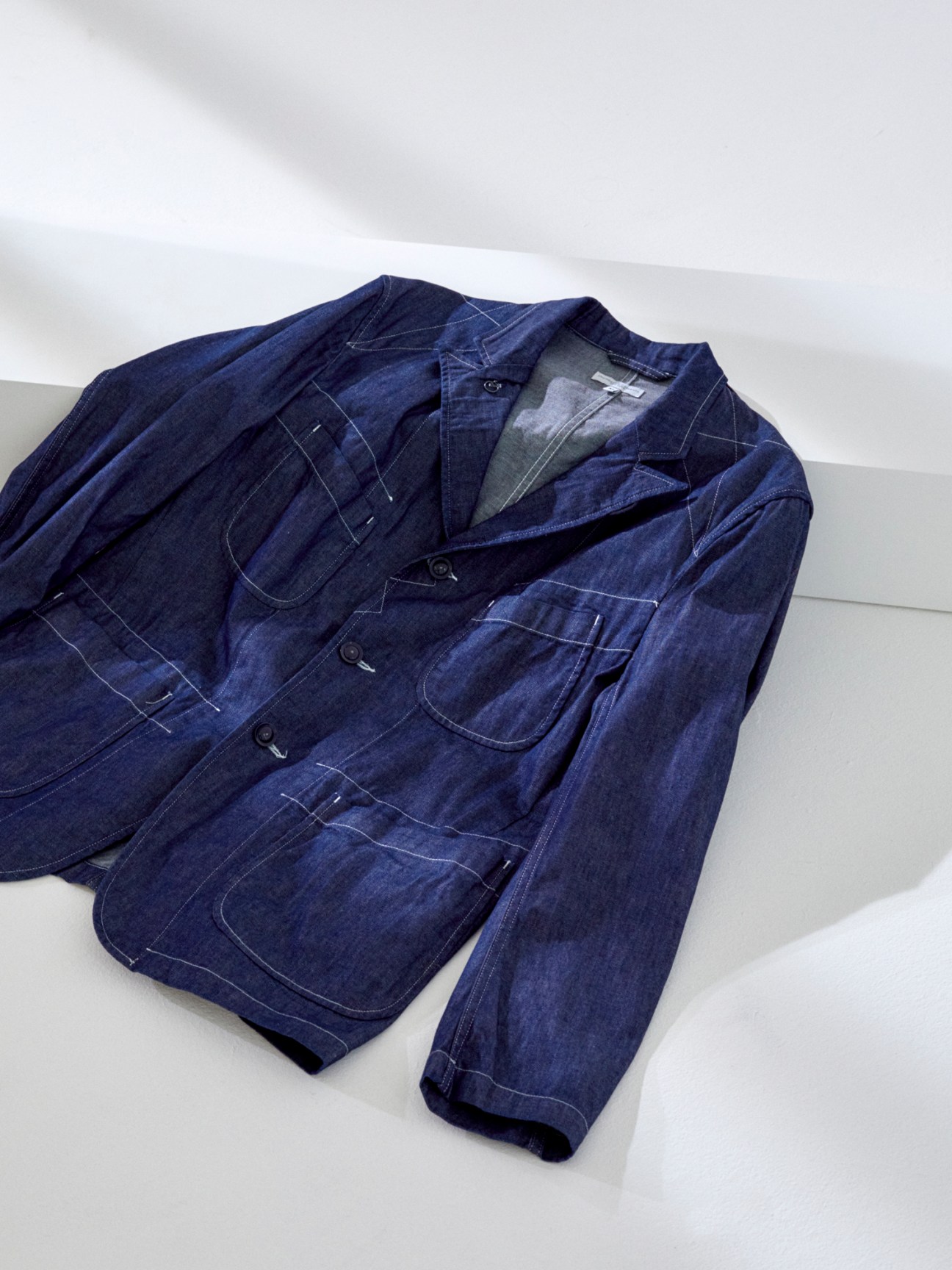
25.
Retailer
Globe Specs
Tokyo
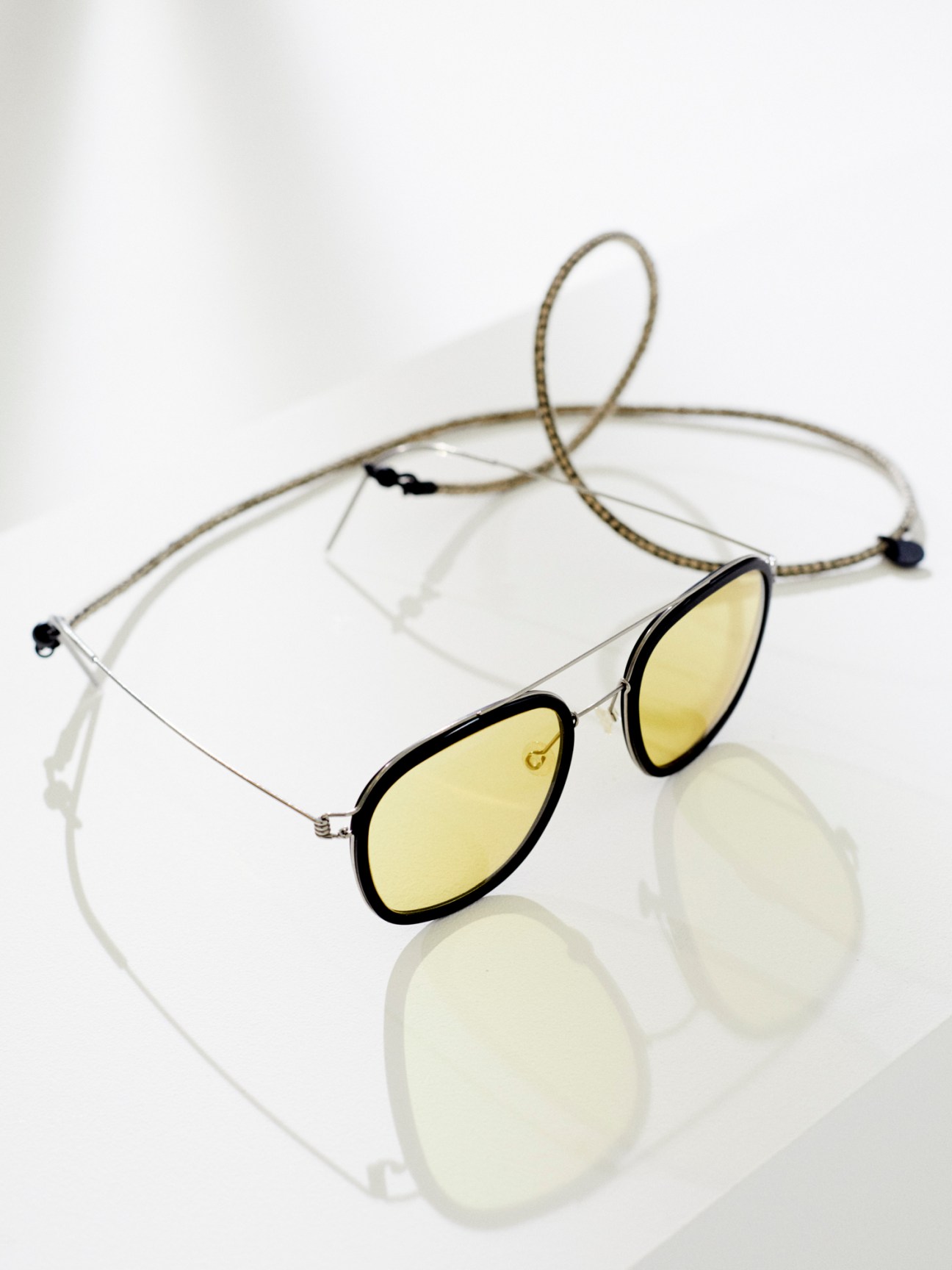
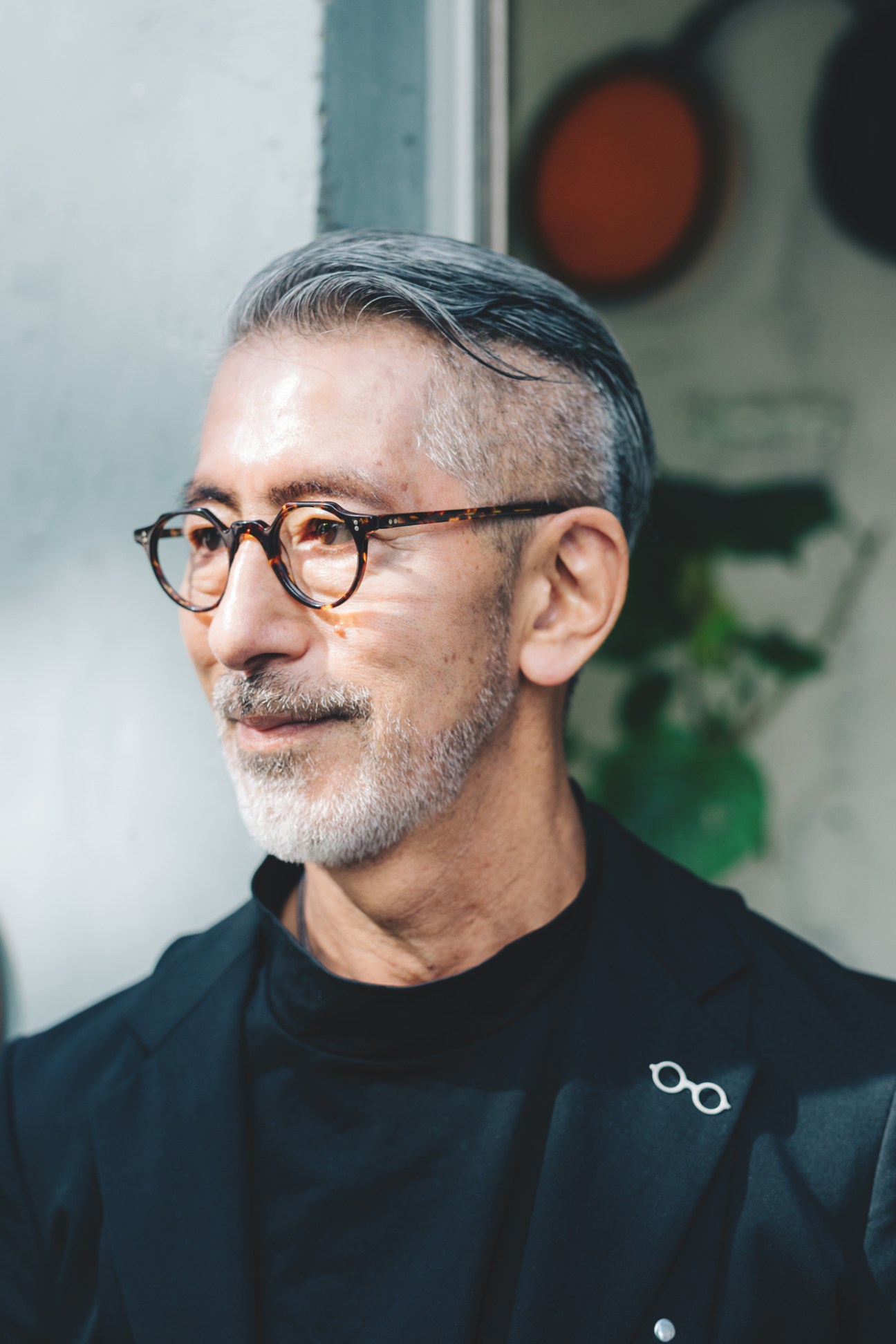
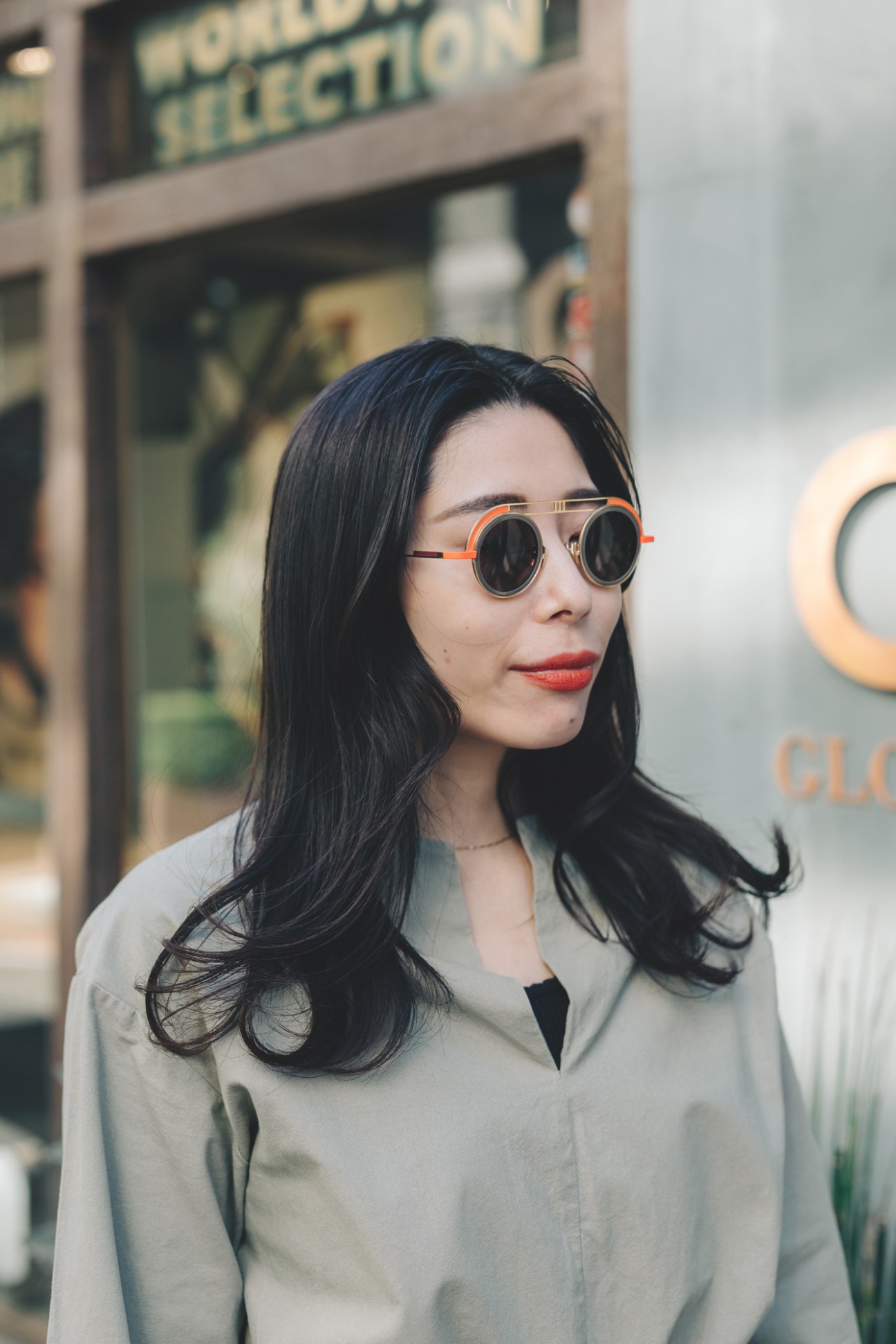
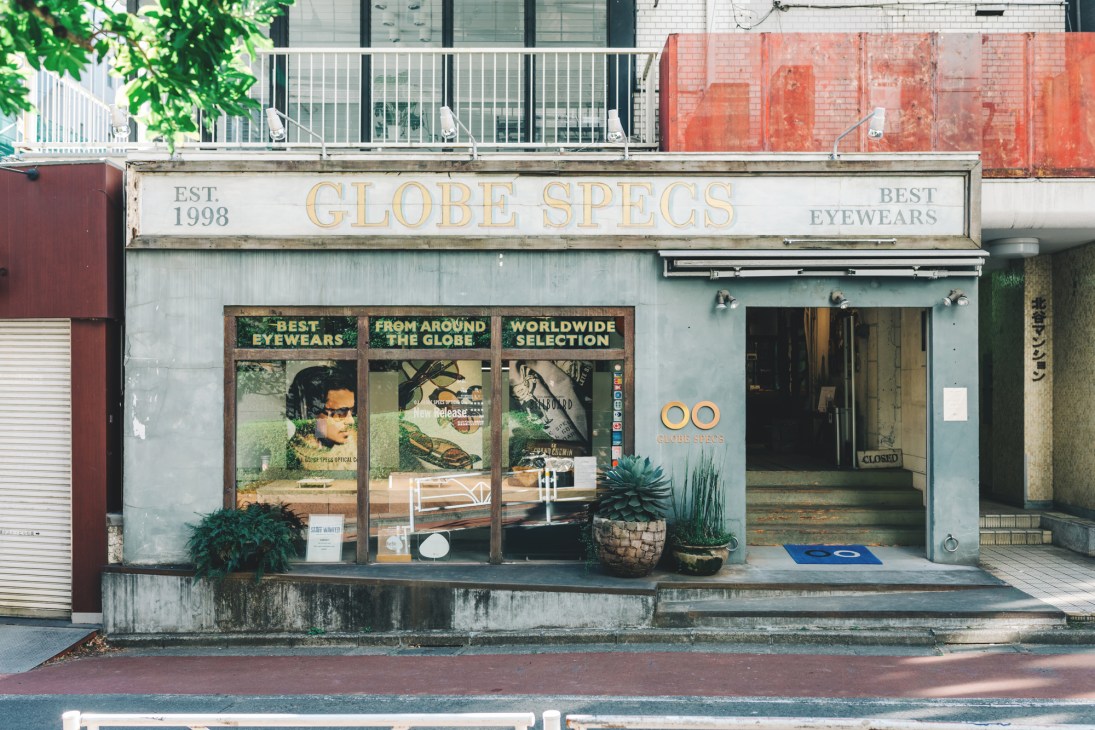
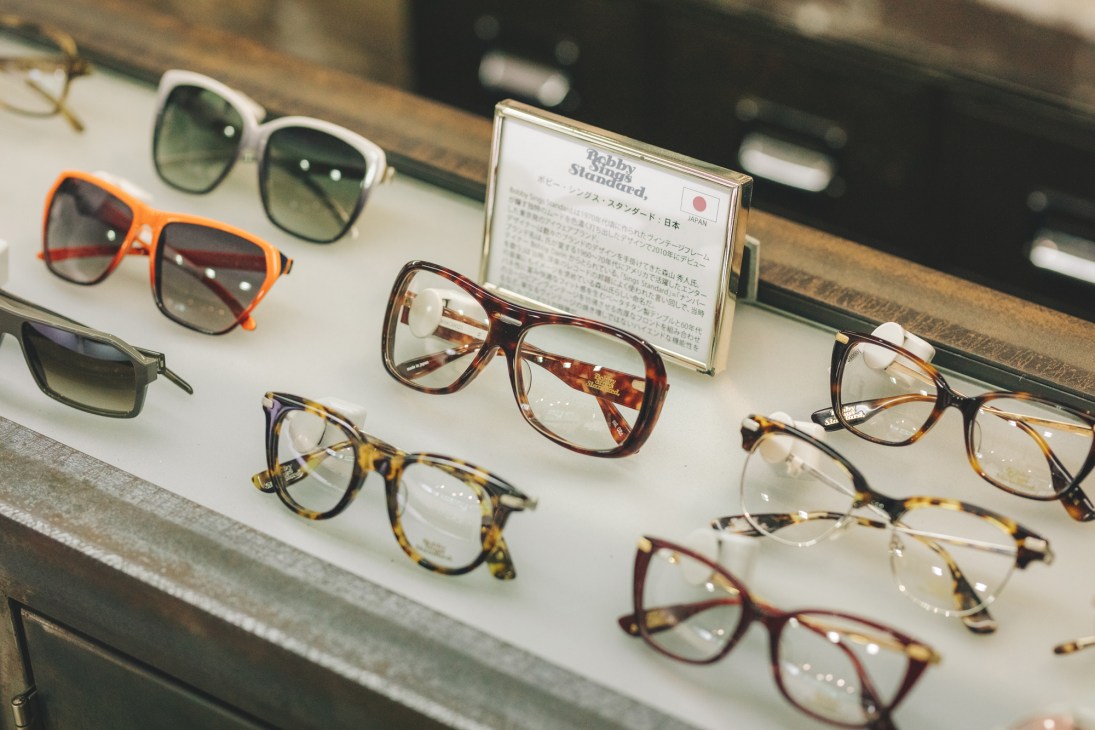
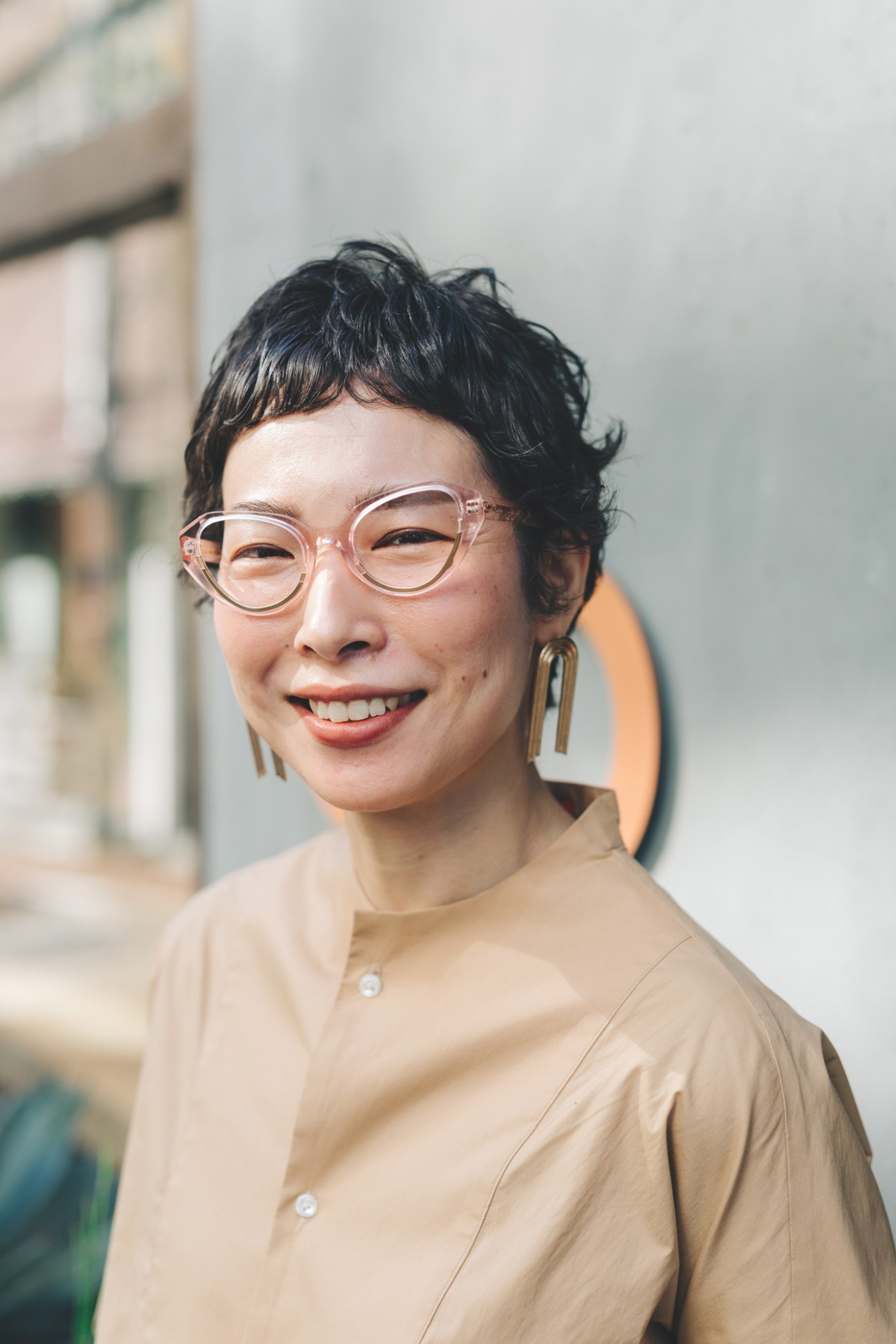
Tetsuya Okada is the founder and owner of eyewear shop Globe Specs, twice winner of the Bestore Award at Mido, the world’s largest optical trade fair in Milan. His shop in the Shibuya district of Tokyo features 40 brands from 20 countries and it’s a go-to for bespectacled creatives and corporate types alike.
How did you enter the eyewear business?
In the 1980s, eyewear was not seen as a fashion piece in Japan. Although they sit right in the middle of the face, they were purely a prescribed optical tool. So I wanted to add a style element. I worked for two Japanese eyewear companies before I started my own. When I worked in New York and travelled around Europe, visiting small eyewear studios, I saw many people enjoying glasses as a means of expression. I opened this shop in 1998 to spread that culture into Japan.
Who are your customers and how do you serve them?
They are men and women, young and old. Some work in fashion, music, finance – and there is a judge too. Style advisers who serve corporate ceos come for our advice on glasses when they want to create a great image of a company executive. People also come back to find their second and third pair to look the part in different situations. They often have a rough idea of what they fancy but we might throw them a curveball suggestion. We like to help them pull off a new look they didn’t know they could.
Any style tips for us?
Don’t limit yourself to a specific shape, round or square, because you can wear both well. It’s all about choosing the right look for your personality and dressing for each occasion.
globespecs.co.jp
Tetsuya Okada’s picks
The Kyoto cat’s-eye model by Ahlem:
“An exclusive piece for our Kyoto opening.”
The Anne & Valentin/Pierre-Louis Mascia collaboration: “A combination of multicolour and a metal frame. Plastic frames in multicolours can be too strong.”
Okada’s original brand with the Japanese fashion label Old Joe: “The smaller the frames are, the more classic they look.”
French brand Lesca Lunetier: “A round, classic style – a design trend this year.”
26.
Brand
Rue de Verneuil
Paris
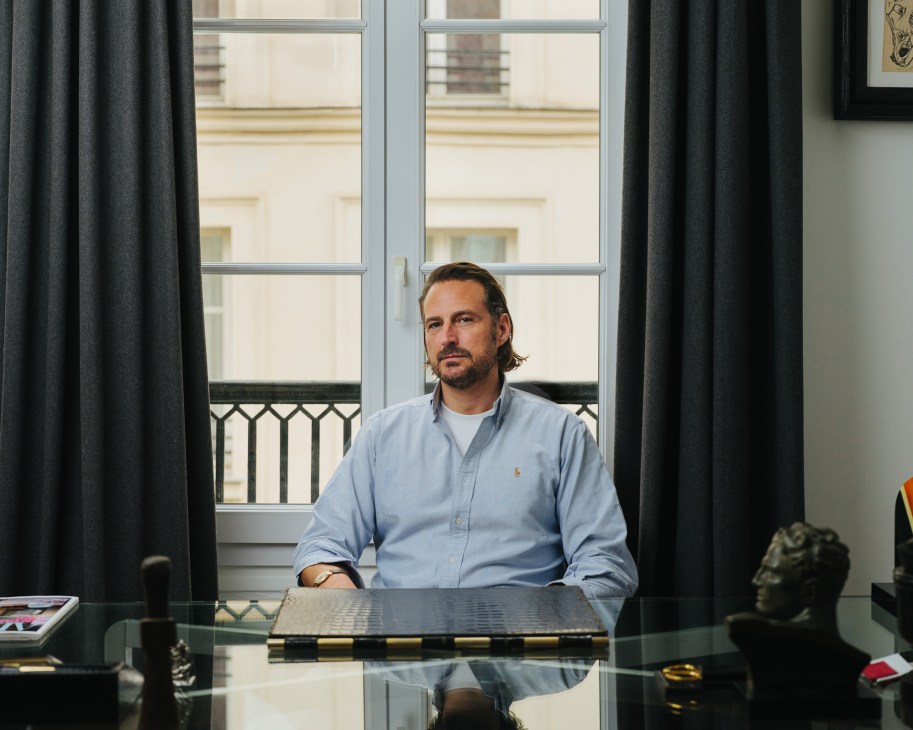
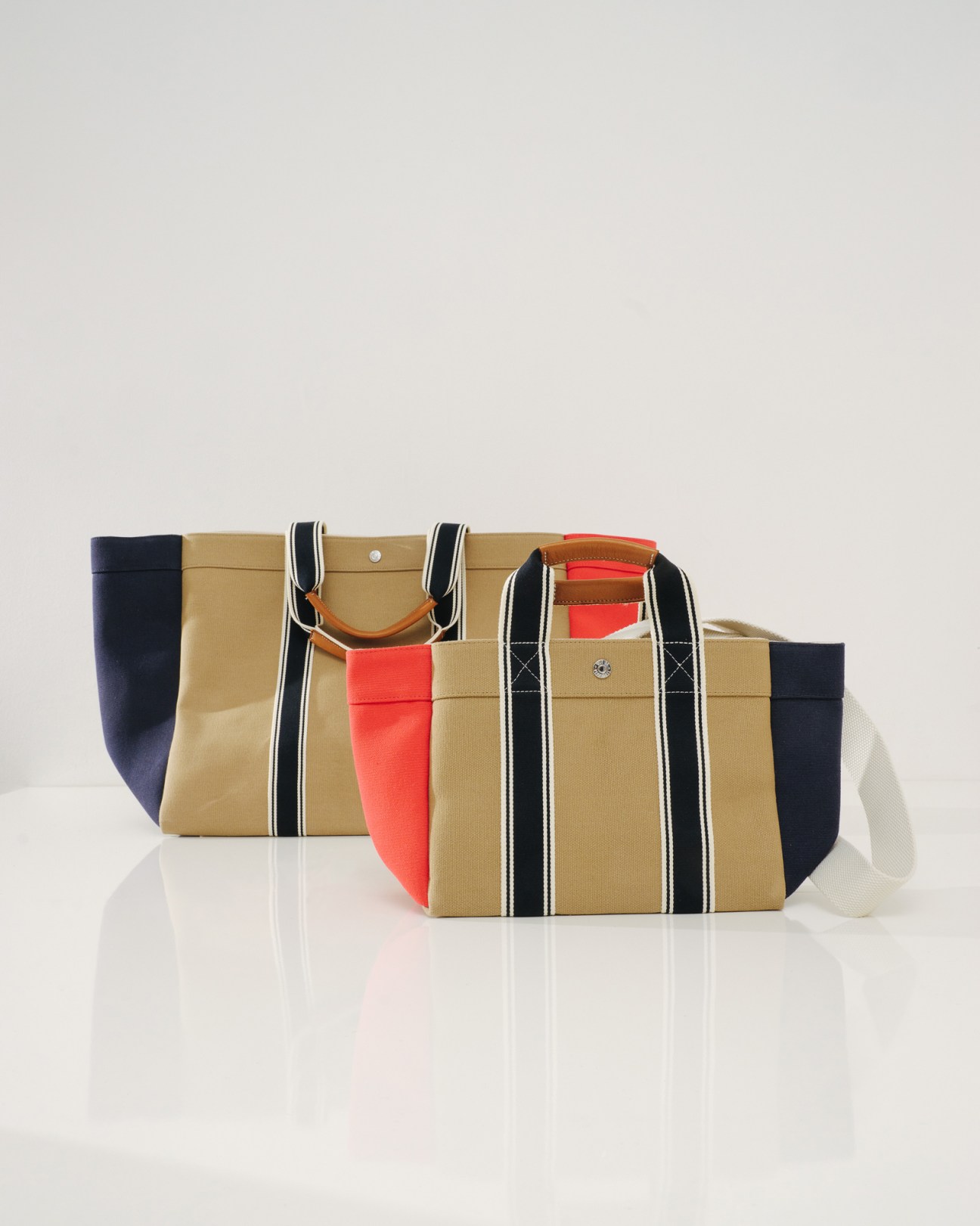
Interior architect Vincent Ribat could not find an office bag he liked, so in 2014 he decided to create his own – and Rue de Verneuil was born. Based on the classic US toolbag, these striped canvas totes are made in France. The Parisian brand opens its first shop, in Palais-Royal, this month.
Is it important to have a shop?
Any brand needs to have its own space, to learn who its customers are – the feedback from physical retail is invaluable. For us, our designs mean that customers want to try our bags on.
Who are your customers?
We have lots of Japanese and American clients. But we’re seeing a big rise in European customers; when we launched, it was not very cool in Europe to have a fabric bag.
Is it a risky time to open a shop?
It has been our plan for years, and young brands should not be overly reliant on wholesalers or e-commerce. Cities need independent and multi-brand stores for their identity.
ruedeverneuil.com
27.
Brand
Extreme Cashmere
Amsterdam
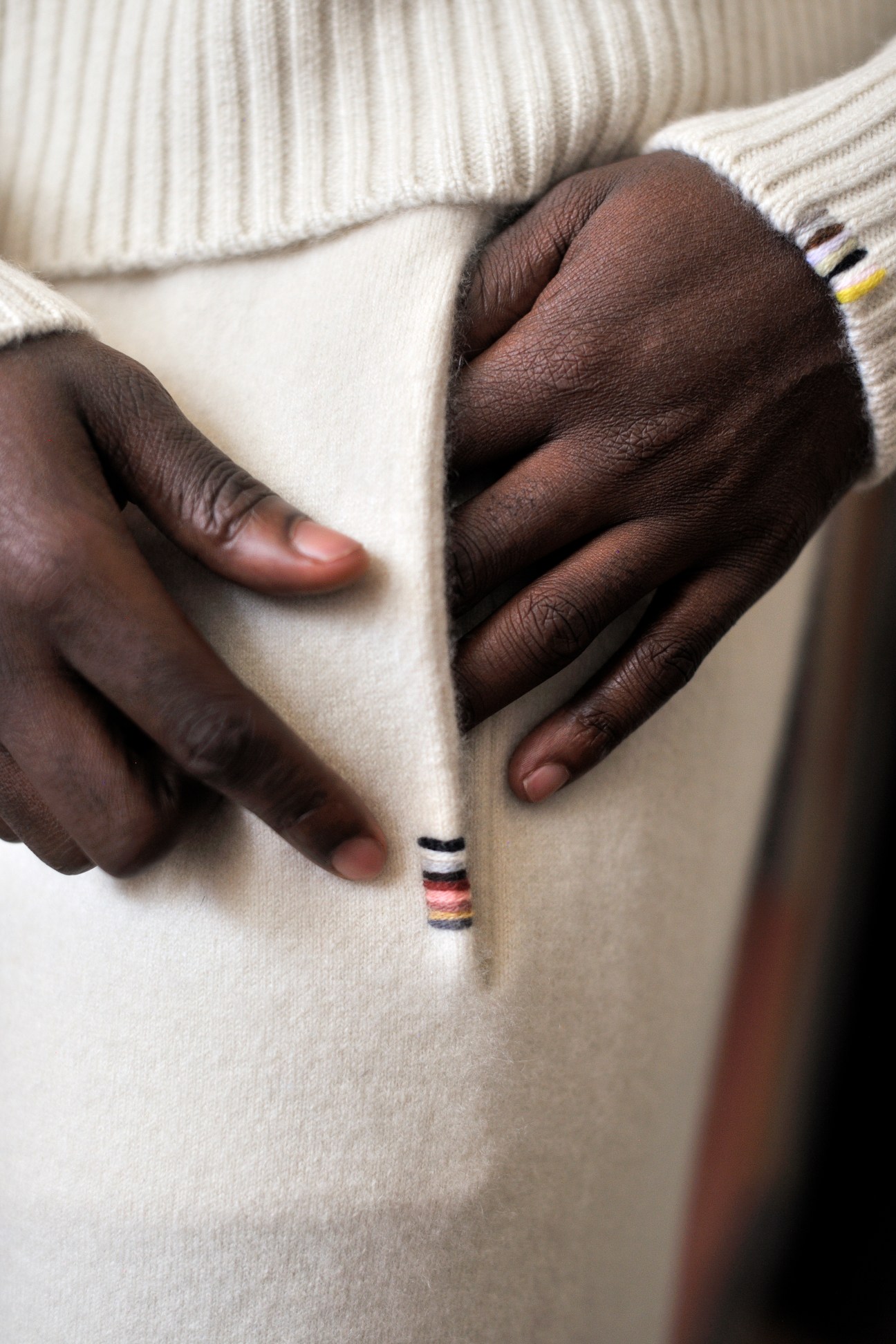
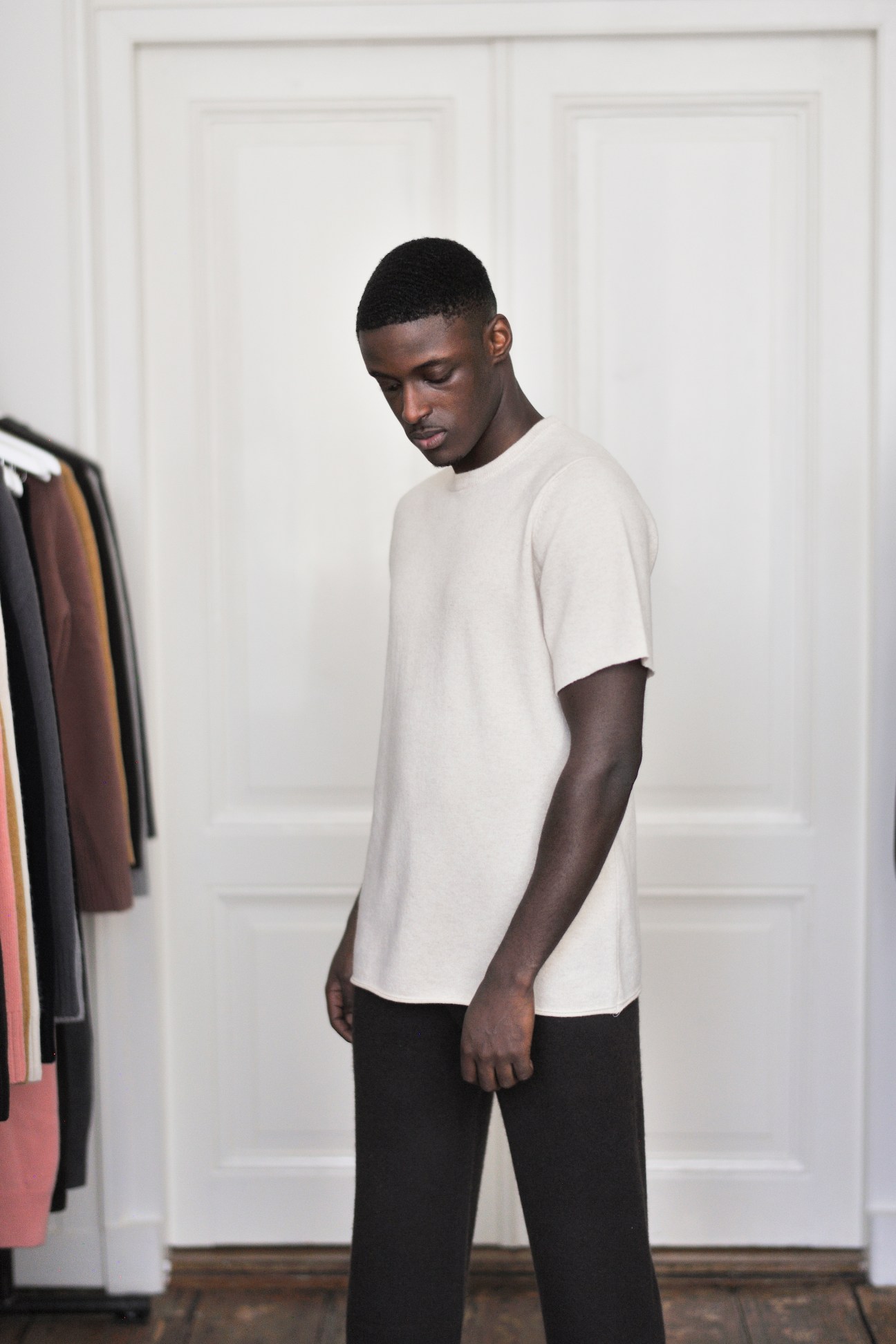
Saskia Dijkstra and Camille Serra combined their 25 years’ experience in knitwear manufacturing and fashion design to create Extreme Cashmere in 2016. Based in Amsterdam, the brand is known for its unisex knitwear. Its mission statement – to craft the perfect sweater that could be worn and loved for years – came in response to the rise of fast fashion. The brand has a “forever” collection of pieces that are available every season, with new colours and styles released every year that build on its bestsellers.
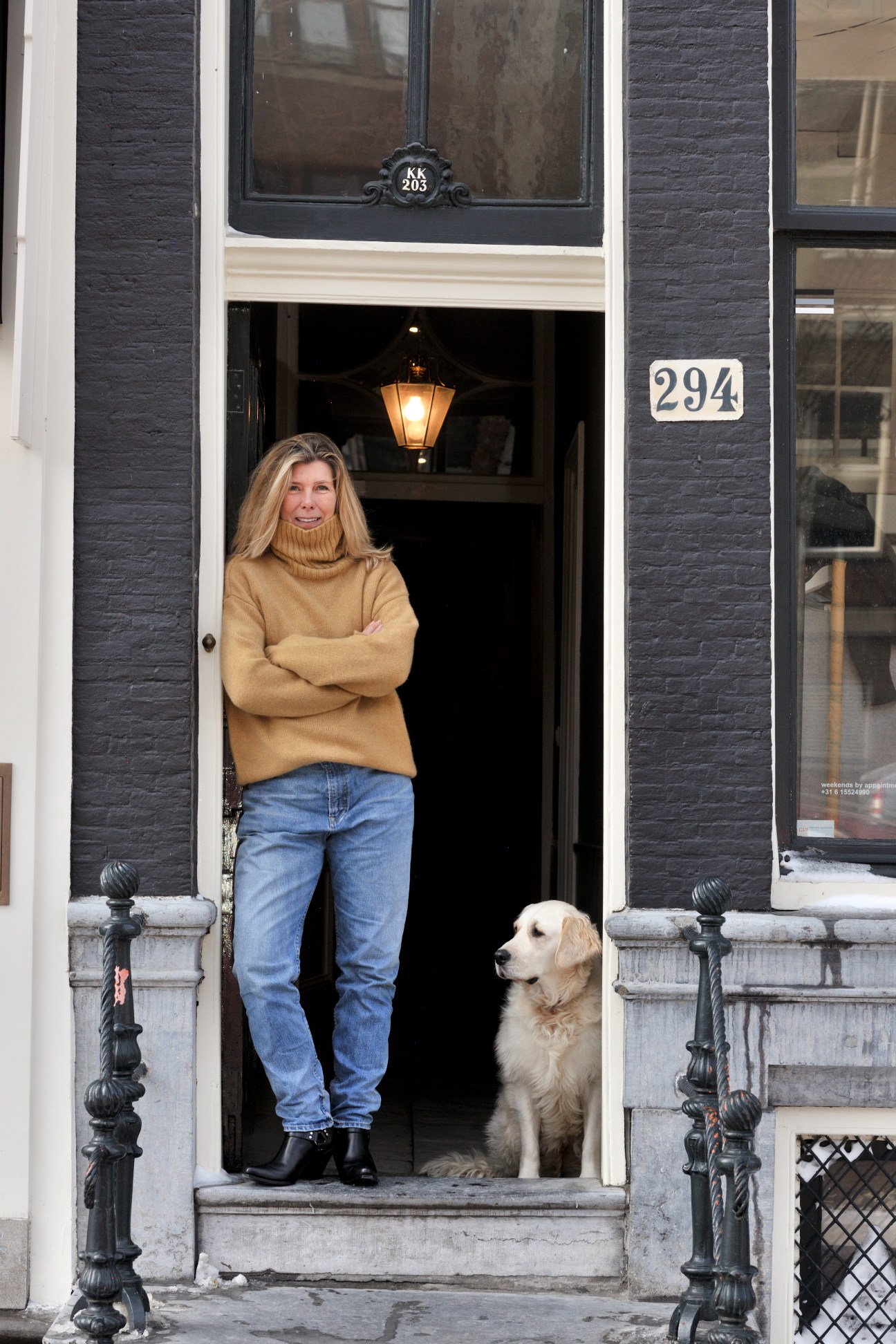
What inspired your one-size-fits-all ethos?
It was an accident. We created one knitted sweatshirt that had a loose cut and a crew neck, and I took the sample home. My partner, who is 1.95 metres tall, tried it on and it fitted him. My mother, who is 1.75 metres tall, also wanted to wear it. So that’s how it started. Our brand is about finding your style rather than finding your size.
Is that why the product offering is so tight?
In a way, yes. And it stops excess production, which is what inspired the brand to begin with. We have carry-over styles that are core to our collection and available every season, and we introduce nine new colours a year. We get a lot of repeat customers. They like the fact that our cashmere can be thrown in the washing machine.
Are you now targeting more menswear retailers?
We realised that men were borrowing their girlfriends’ sweaters rather than the other way around. But menswear shops are more conservative about picking up our product if it’s shown with a skirt, for example. We’re making our imagery more gender-neutral to overcome that hurdle.
extreme-cashmere.com
Models: Daniel Chitra, Sundal Roy
Food & Drink Recipes
Exploring flavours and textures from distant lands can be a fine way to whet the wanderlust for those currently grounded. This month we’re flitting from a spice-scented Turkish market for a warm flatbread wrap, to a downtown Tokyo izakaya, to partake of miso-glazed aubergine with a sticky ‘dengaku’ sauce. Then to an Italian family dining table for a convivial one-pot pasta dish, and the corner of a cosy UK pub for a few fennel-spiced sausage rolls. If you still have room, never fear: a brisk hop to Switzerland brings us a slice of cream cheese-frosted carrot cake for afters.
1.
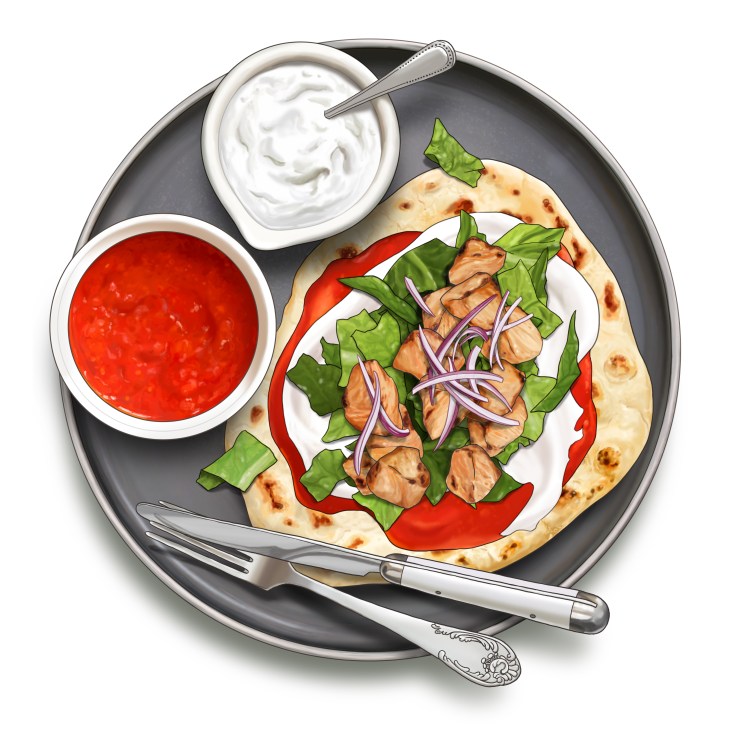
Turkish-style grilled chicken with spicy tomato sauce
Ideally, the chicken needs marinating overnight – or for a minimum of a few hours if you’re short on time – so start this recipe well in advance to allow the subtle flavours of cinnamon and sumac to mingle with the fresh vegetables and spicy tomato sauce. It’s a slow starter but all comes together in a flash, so there’s not too much to do on the night if you’re entertaining. This is a dish best devoured hot. Enjoy.
Ingredients
For the chicken and marinade:
570g chicken breasts, cut into large bite-sized pieces
1 tbsp lemon juice
Zest of 1 lemon
3 tbsps yoghurt
1 tbsp paprika
2 cloves of garlic, grated
2 tbsps olive oil
1 tbsp grated fresh ginger
1 tbsp tomato paste
Large pinch of cinnamon
½ tsp salt
For the spicy tomato sauce:
3 tbsps olive oil
1 medium onion, finely chopped
1 red chilli, finely chopped, with or without seeds
3 garlic cloves, crushed
2 tbsps tomato purée
1 tin of chopped tomato (400g)
1 tsp salt
1.5 tsps sugar
4 tbsps lemon juice
1½ tsps sumac
For the yoghurt sauce:
100g plain yoghurt
½ garlic clove, finely chopped
¼ tsp salt
To serve:
2 heads of gem lettuce, shredded
Turkish flatbread or pitta
1 red onion, very thinly sliced
Large pinch of salt
1 tbsp olive oil
½ tsp sumac
Method
1.
Mix the marinade ingredients and cover the chicken pieces for at least 2 hours, or ideally overnight, in the fridge.
2.
For the spicy tomato sauce, heat the oil in a small pan, add the onion, chilli and garlic, and cook over a low heat for 5 minutes. Add the tomato purée, the tin of chopped tomatoes, salt and sugar, and cook for 10 minutes. Remove from the heat. Once it’s cooled, add the lemon juice and sumac.
3.
While the sauce is cooking, mix the yoghurt ingredients together and set them aside.
4.
Toss the sliced red onion, salt, olive oil and sumac together in a small bowl to serve alongside.
5.
Heat a grill pan until smoky. Remove the chicken from the marinade and toss with 1 tbsp of olive oil. Cook for 2 to 3 minutes on each side, until cooked.
6.
Once the chicken is ready, spread the sauces on warm flatbread. Top with lettuce, shredded onion and chicken. Wrap and eat straight away. Be ready to heat another round of bread for hungry guests.

2.
Spaghetti with ricotta, lemon, bacon and spinach
Entertaining needn’t always be a fiddly affair and this crowd-pleasing one-pot pasta is proof. The smoked bacon and parmesan add a salty touch that’s balanced by the zing of lemon zest and the reassuring addition of creamy ricotta. It might sound unusual to add the bacon and cheese before the water but go with us on this one – and tuck in.
Ingredients
1 tbsp olive oil
250g ricotta
35g parmesan
Zest of 1 lemon
100g cubed smoked bacon
200g spaghetti
½ tsp salt
700ml boiling water
2 big handfuls baby spinach (approx 125g)
Crushed black pepper
Equipment
A lidded frying pan or pot, wide enough to spread the spaghetti flat along the bottom.
Method
1.
Put the pasta in the pan, then add the rest of the ingredients except the spinach and black pepper.
2.
Pour in boiling water and cover with a lid. Bring it to a boil, then remove the lid and stir occasionally. Cook for 8 minutes until the water evaporates and sauce thickens; the pasta should be al dente by this time. Add the spinach and stir until wilted.
3.
Turn off the heat. Divide it into pasta bowls and serve with plenty of freshly ground black pepper.
3.
Apple and fennel sausage rolls
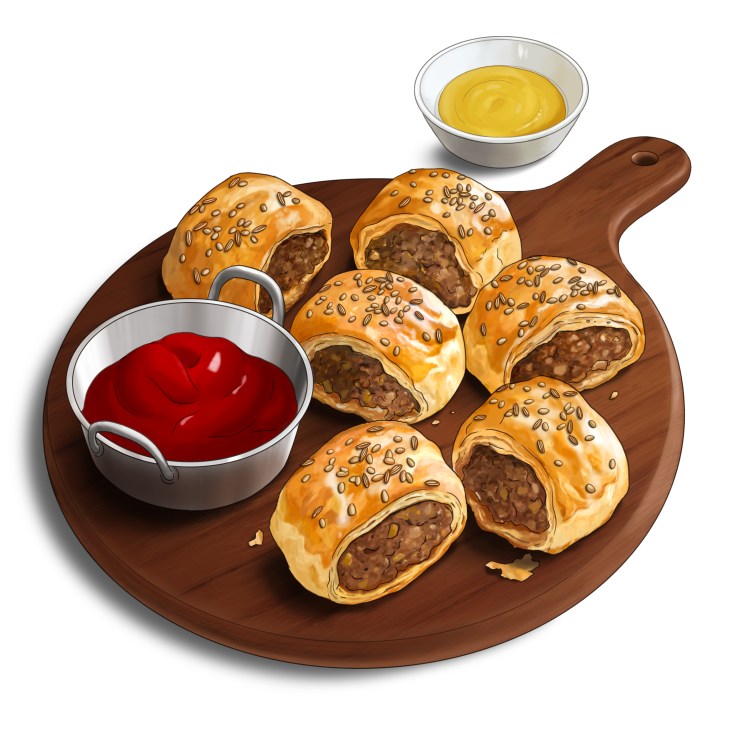
Pubs might be closed in some countries but those craving a snack could well find solace by making a sausage roll from scratch. Our recipe writer’s version has a fresh twist, with the inclusion of apple and the subtle flavour of anise from a fennel bulb.
Ingredients
1 small fennel bulb (about 120g) diced into 5mm cubes
2 tsps olive oil
1 granny smith apple, diced into 5mm cubes
3 tbsps breadcrumbs
350g sausage meat
Large pinch of freshly ground black pepper
Large pinch of sea salt
230g all-butter puff pastry
1 small egg
1 tsp sesame seeds
1 tsp fennel seeds (optional)
Method
1.
Preheat oven to 200C.
2.
Heat the olive oil in a small frying pan and sauté the chopped fennel until it looks slightly transparent. Turn off the heat and leave to cool.
3.
Tip the sausage meat into a bowl with the fennel, apple, breadcrumbs, salt and pepper. Combine well by hand.
4.
Remove the puff pastry from the fridge and lay it on a tray lined with baking paper. Spread the sausage meat along the pastry from left to right, about 7cm from the bottom edge. It should be about 7cm thick and 3cm high. Leave 2cm on each end empty.
5.
Lift the bottom of the pastry and drape it over the sausage meat, roll and place it sealed-side down. Then seal both ends of the pastry by wetting it with a little water and pressing together.
6.
Beat the egg in a small bowl and paint the sausage roll with a pastry brush. Sprinkle with sesame seeds and fennel seeds.
7.
Bake for 30 minutes.
8.
Rest for 5 to 10 minutes. Slice. Serve warm with mustard or ketchup.

4.
Baked aubergine with ‘dengaku’ miso sauce
Aubergines can be a pain to get right (just soft enough to keep their shape but seared enough for a little crunch), so our recipe writer suggests a swift sauté in a pan before adding a rich miso sauce and giving it a grilling. This works well as a snack or side.
Ingredients
1 large aubergine
2 tbsps vegetable oil
2 tsps sesame seeds
For the ‘dengaku’ miso sauce:
3 tbsps red miso (other kinds of miso are OK too)
2 tbsps mirin
½ tbsp maple syrup or honey
Method
1.
Preheat grill to 230C.
2.
Cut the aubergine in half, lengthways. Score the skin with a criss-cross pattern.
3.
Heat vegetable oil in a frying pan on a medium heat, lay the aubergine cut-side down and fry for 5 minutes. Turn it and put a lid on, then cook for another 5 minutes. Turn it again and cover with the lid. Cook for 3 to 5 more minutes until the aubergine’s flesh is soft but hard enough to hold its shape.
4.
While the aubergine is cooking, mix the dengaku sauce ingredients in a bowl until they’re combined.
5.
Place the prepared aubergine on a baking tray, cut-side up. Spread the miso sauce on the flesh.
6.
Place it under the grill and cook for 2 to 3 minutes, until the sauce starts to bubble. Miso burns easily so keep an eye on it.
7.
Remove from the grill when cooked. Sprinkle on the sesame seeds and serve immediately. Eat it with a spoon.

5.
Carrot cake
Chef Ralph Schelling here gives us his riff on a seasonless Swiss favourite, carrot cake.
Ingredients
For the dough:
50g soft butter
5 eggs, separated
200g cane sugar
Zest of half a lemon
200g ground hazelnuts
250g grated carrots
100g plain white flour
½ tsp baking powder
½ tsp cardamom powder
1 pinch clove powder
2 pinches of salt
For the icing:
200g cheese curd
150g natural cream cheese
60g icing sugar
Carrot slivers, marzipan carrots or fresh carrot tops (the green bit) for decoration
Method
1.
Preheat the oven to 180C. Mix the butter, egg yolk, sugar and lemon zest in a food processor or by hand until combined. Add the hazelnuts, grated carrot, flour, baking powder, spices and incorporate.
2.
In a separate bowl beat the egg white with salt until stiff. This can take a few minutes – you’ll know that it’s ready when you can turn the bowl upside down over your head without the contents slopping out.
3.
Fold the mixture into the eggs carefully while trying to keep the air in the mixture.
4.
Pour into a buttered or lined springform tin (ours is 24cm) and bake for about 50 minutes until browned and a skewer comes out clean. Take out and leave to cool then remove from the tin.
5.
Mix the icing ingredients in a bowl until creamy. Halve the cake and wait for it to cool before filling with icing or spreading it on top. Decorate with carrot-top fronds or whatever takes your fancy.
Hungry for more? You’re in luck. For weekly recipes, plus repartée, entertaining news and food scoops, sign up for Monocle’s free Sunday Weekend Edition newsletter. Subscribe at monocle.com/minute.
Food & Drink
Sanbongi Shoten
Kyoto
In a city stuffed with culinary high points, Sanbongi Shoten is one of the hardest to book. It’s on a residential backstreet in Marutamachi, near the Kamo River: “The area used to be a hanamachi [geisha district],” says Fumihiko Kono. The Kyoto-born chef-patron honed his skills in restaurants specialising in traditional Japanese, French and Portuguese food. “The charcoal grilling at Vinpicoeur in Tokyo left the greatest impact on my cooking style,” he says.
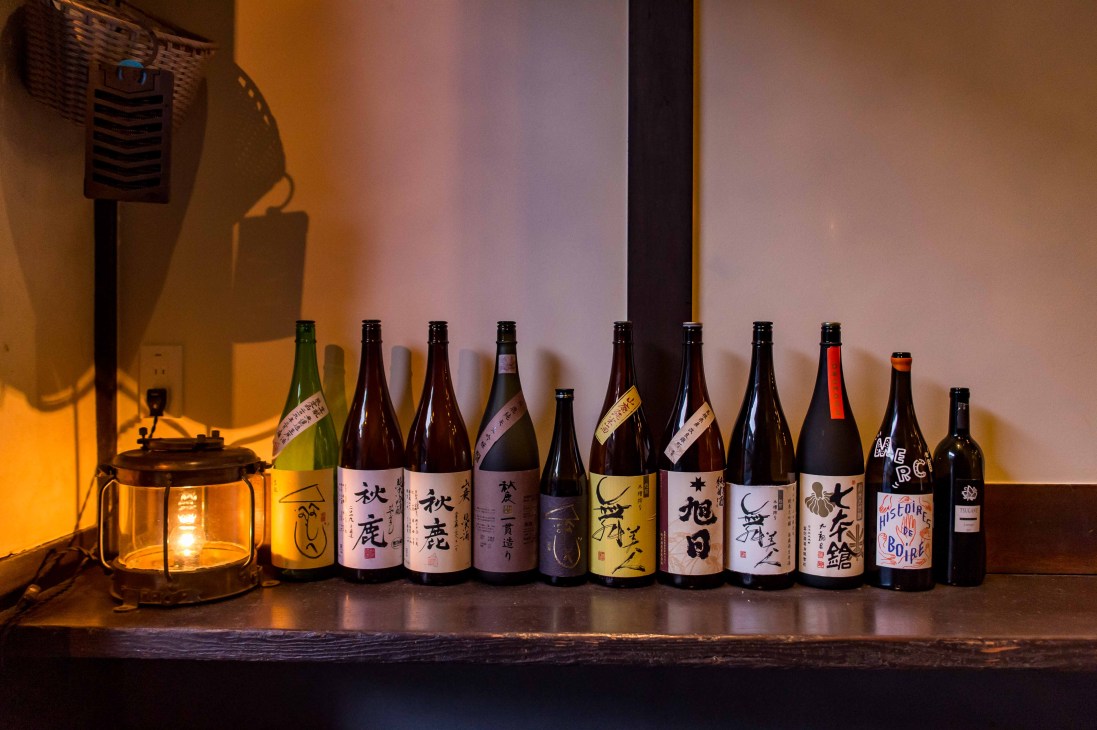
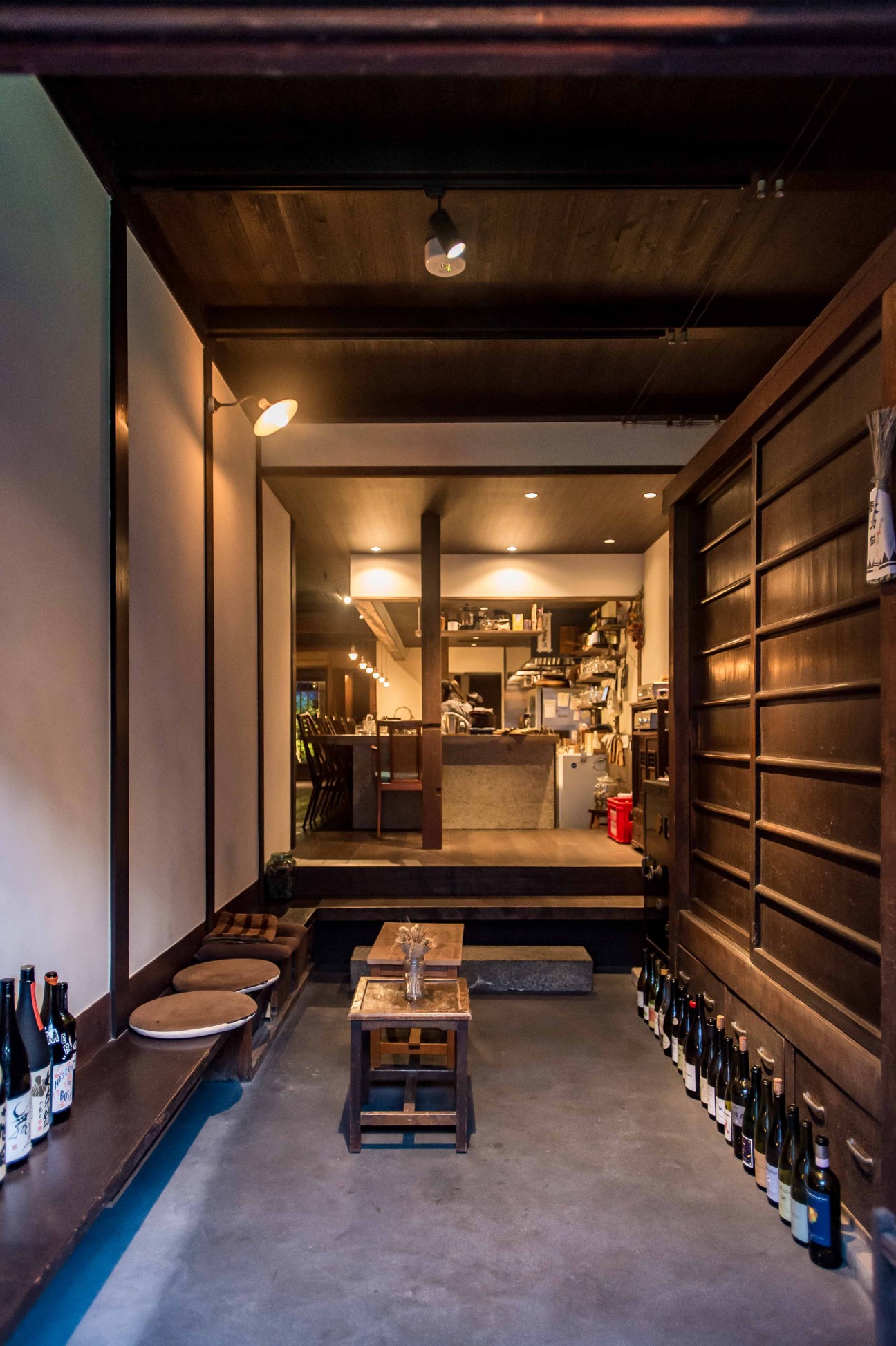
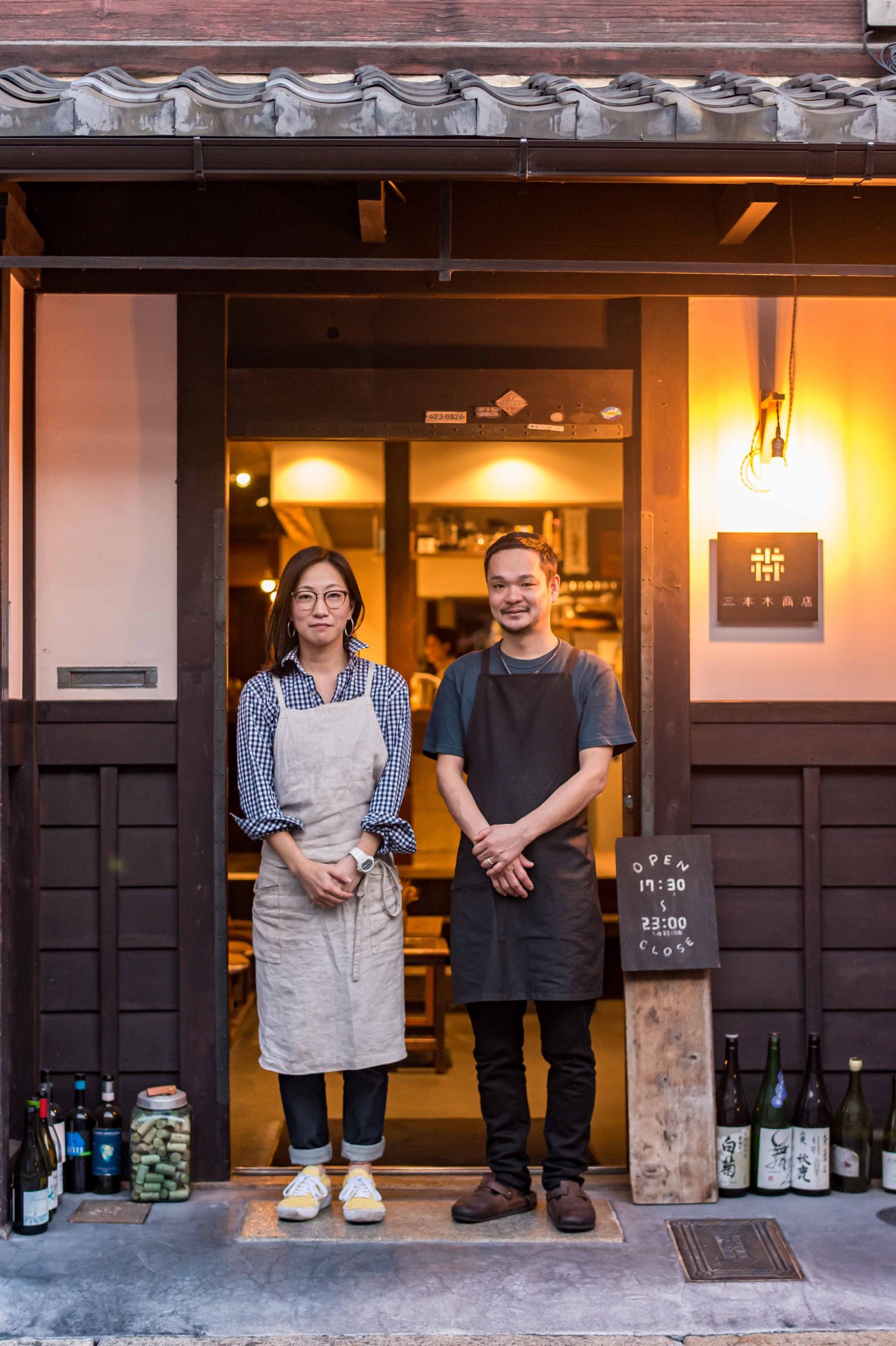
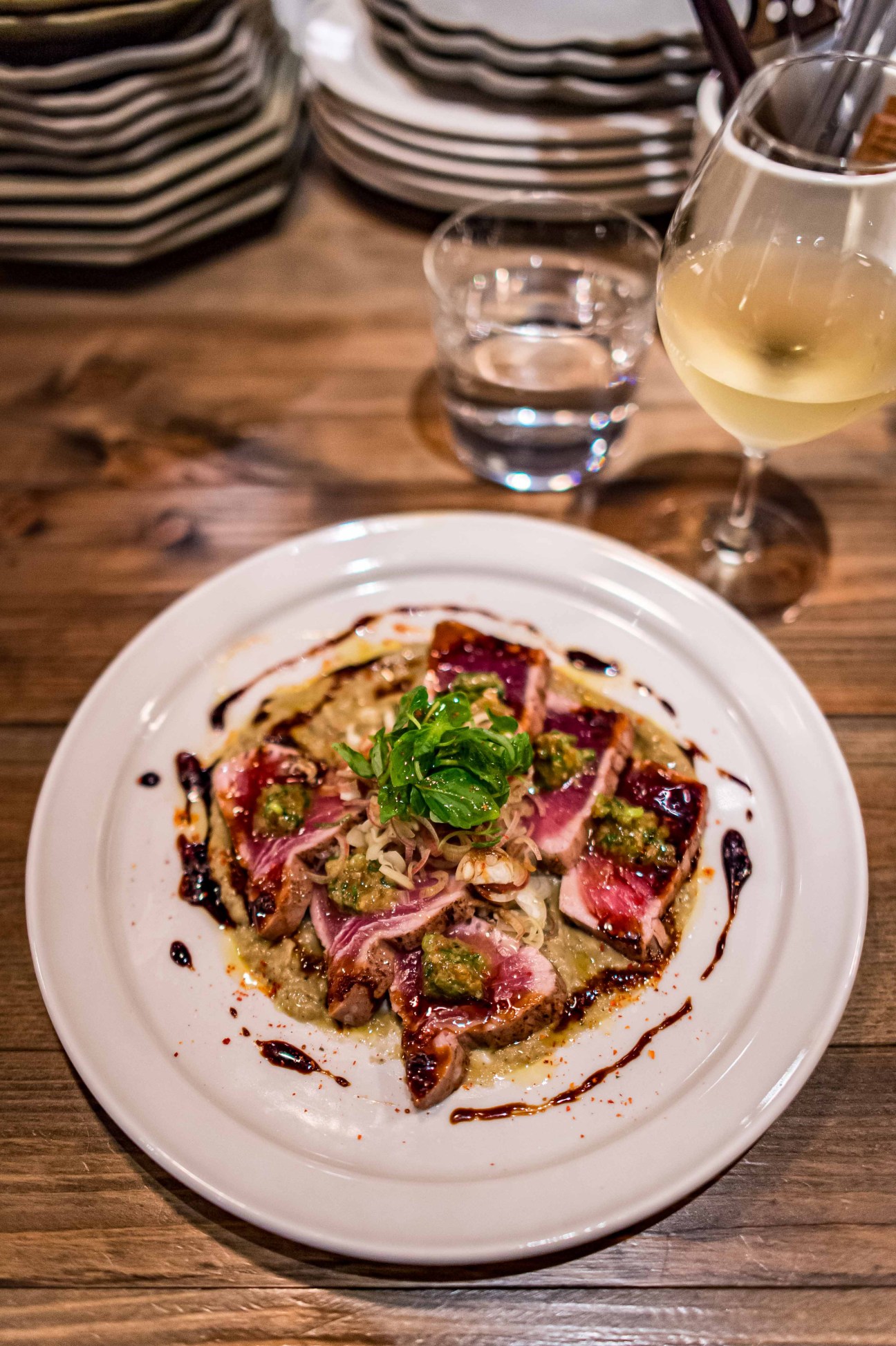
Returning to his hometown, Kono and his wife, Yuki, opened the 21-seat restaurant in 2019 in a grand townhouse – once his grandmother’s home. Kono is the master of the charcoal fire in the kitchen, dishing up venison, kurobuta black pork and duck, while Yuki is in charge of drinks, specialising in natural wine and sake. The menu reflects the changing seasons and might include a sensational seared-tuna dish with aubergine purée. “I visit producers whenever possible to decide where to source the ingredients,” says Kono. And Yuki makes sure to stock up the basement cellar, which used to be the air-raid shelter for this 100-year-old house.
Finished with natural materials and cosy lighting, the interior is snug and warm. “We’re increasingly seeing restaurants like ours open in Kyoto,” says Kono. Delicious news.
sanbongi-shoten.com
Some like it hot
Hong Kong
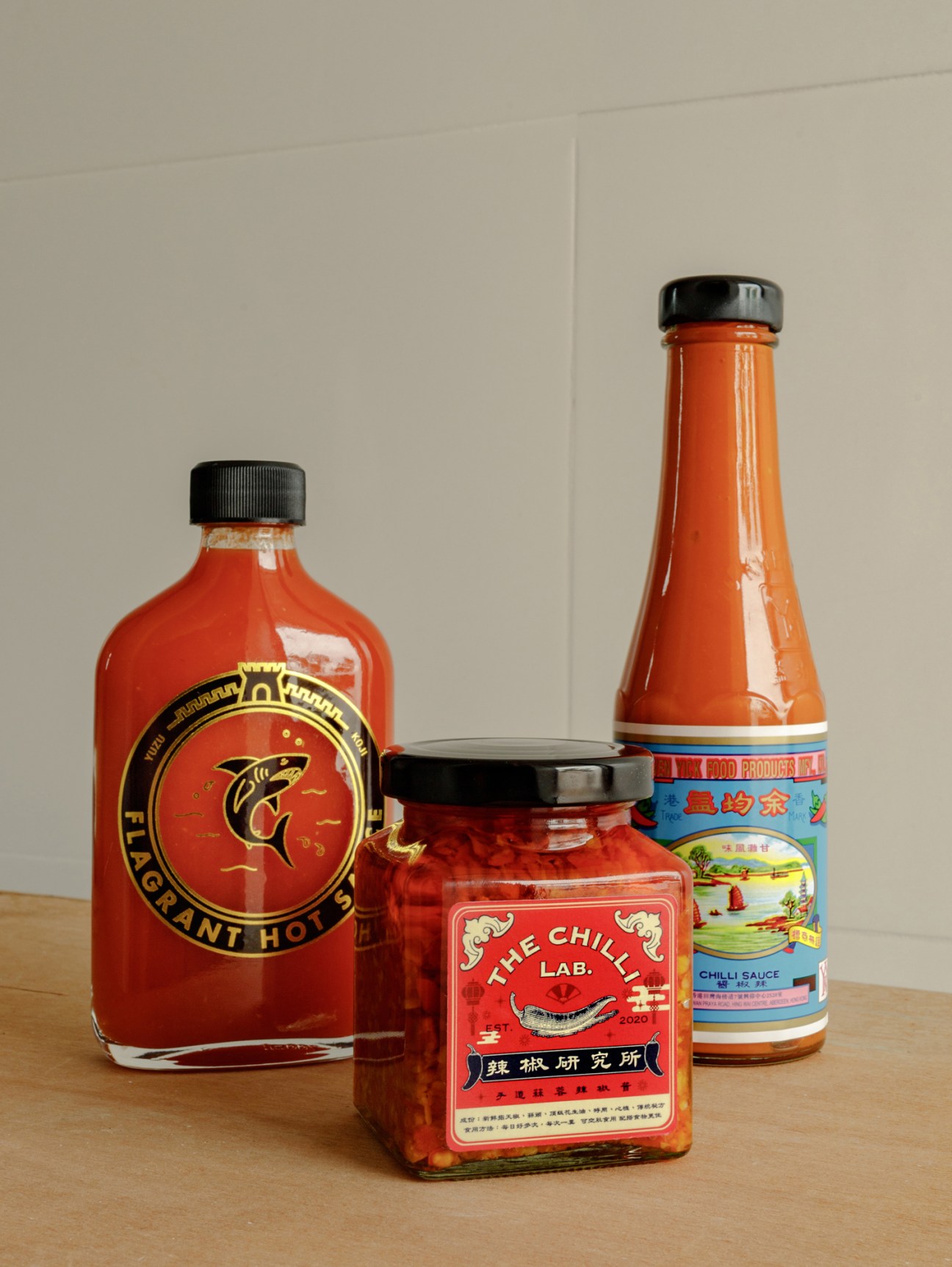
Hong Kong’s homegrown hot-sauce market is aflame. Yu Kwen Yick chilli sauce has been around for a century and is a favourite with fried noodles and turnip cake. Yet newcomers such as Flagrant Hot Sauce are causing the market to hot up. “We wanted to create an easy East-meets-West sauce with a unique Asian citrus component,” says Kiyoshi Hoshimi-Caines, whose sauce incorporates Vietnamese chilli and Japanese vinegar, koji and yuzu to create a balanced sweet, sour and spicy condiment. “Our sauce has an Asian spirit but it’s more accessible than traditional chilli sauces,” he says. Another relative newcomer also made on the island, The Chilli Lab‘s garlic-inflected chilli sauce is winning fans fast.
yukwenyick.com.hk, flagrantsauce.com, thechillilab.hk
Sofi
Berlin
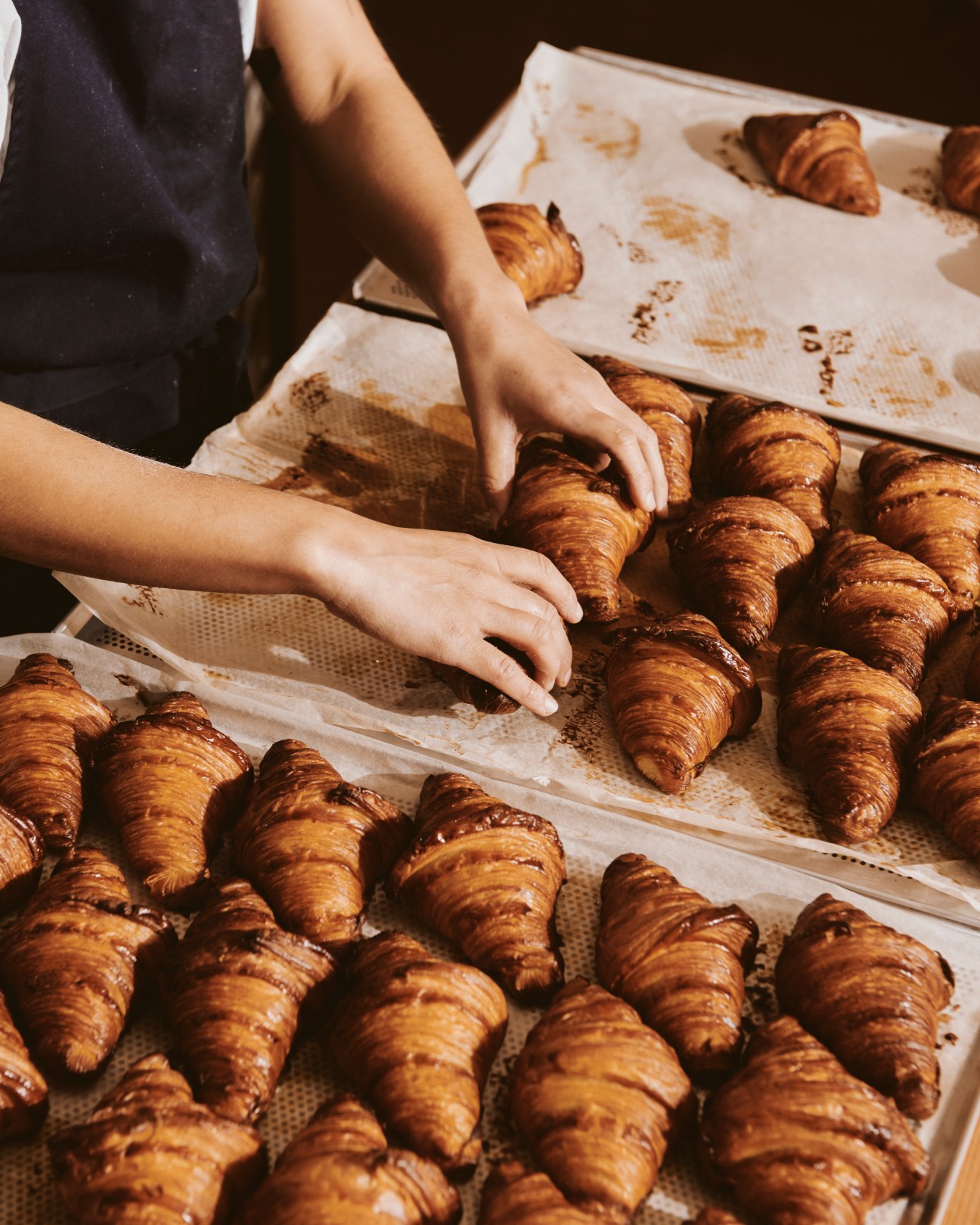
What started out as a much-loved neighbourhood pop-up at the Berlin restaurant Lode & Stijn has become a permanent new bakery in Mitte. Sofi is a collaboration between Danish chef Frederik Bille Brahe and Slow, a hospitality venture from Design Hotels founder Claus Sendlinger. On the menu are a mixed-wheat Berliner loaf, Danish rugbrød, morning buns with cardamom and orange, and buns made with traditional handwerker cheese. Other alluring draws include great coffee, chocolate sourdough cake, twice-baked croissants and Italian focaccia. Customers can also choose from a selection of ceramic homewares, natural wines and flour from Denmark’s Kørnby mill if they’re inspired to try a spot of home baking.
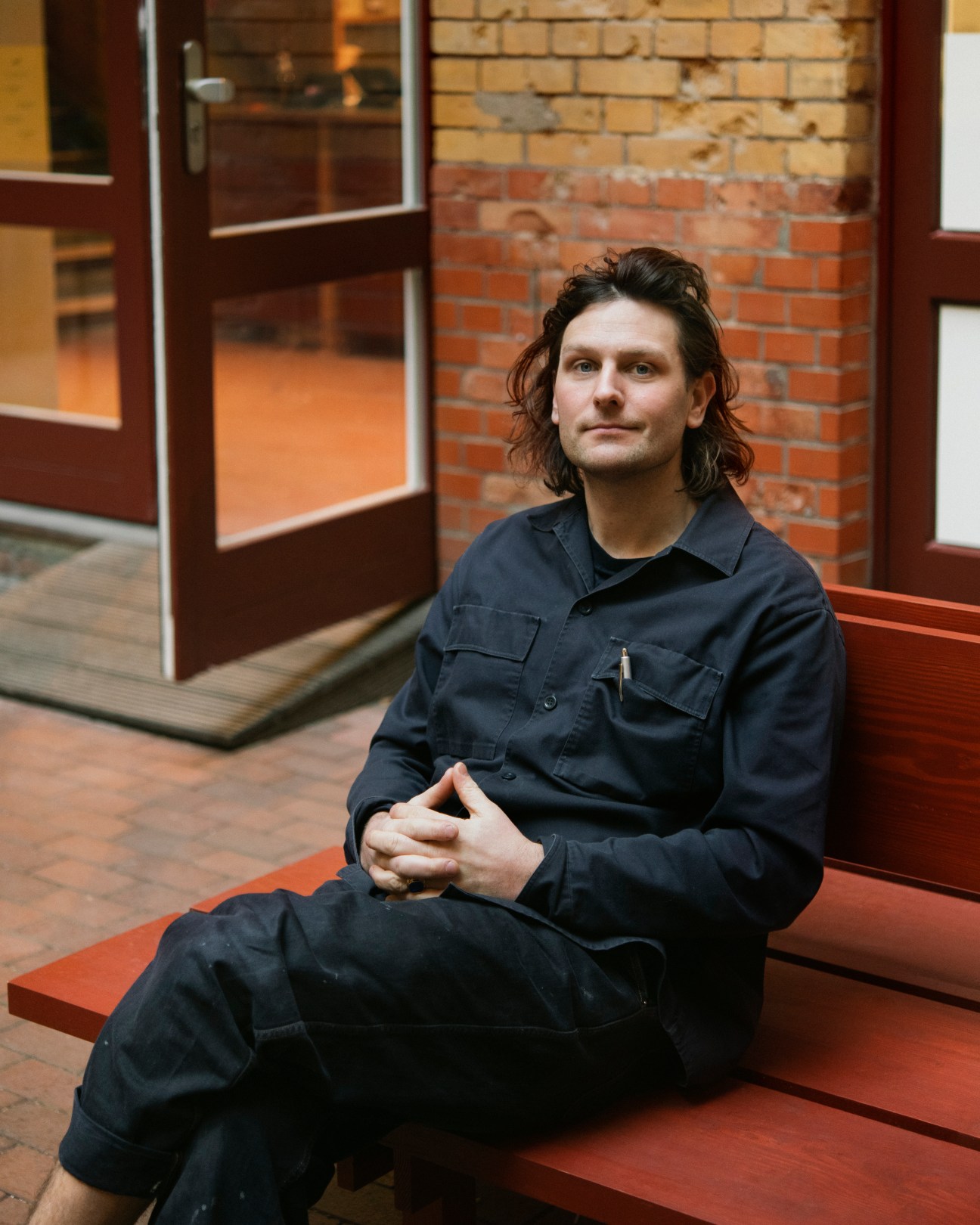
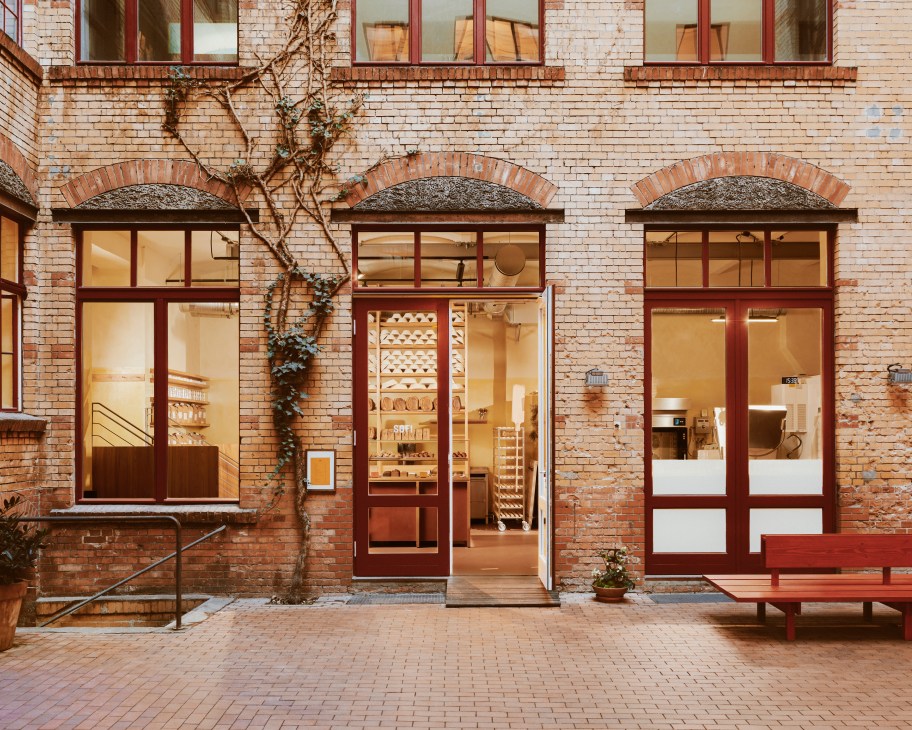
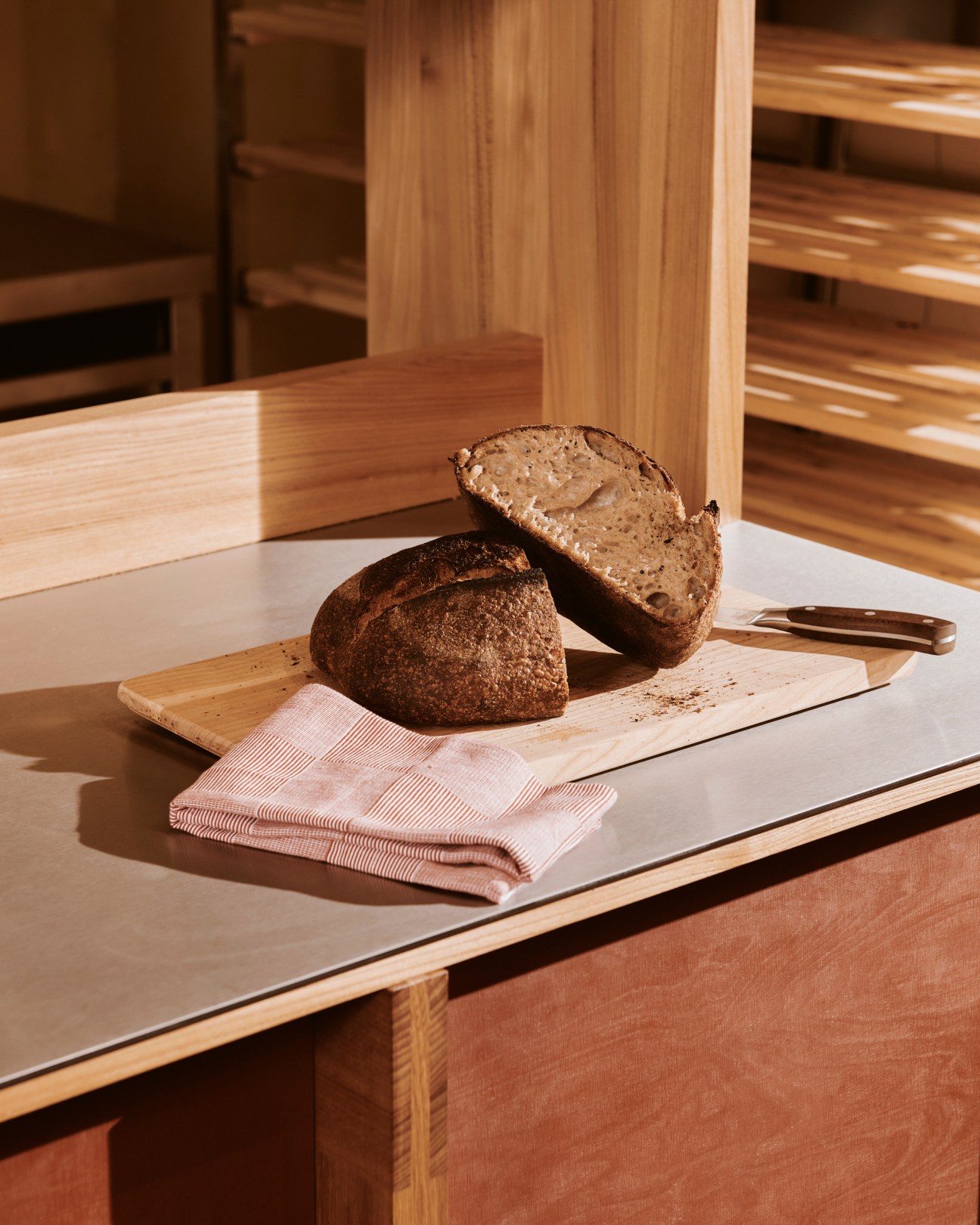
The inviting space, in a former brick factory, has been revamped by Danish architects Mathias Mentze and Alexander Vedel Ottenstein, in tandem with Berlin design studio Dreimeta. Those many hands have made light work of the refit, with solid elm furniture, communal tables and splashes of colour.
sofiberlin.com
Yiayia and Friends
Crete
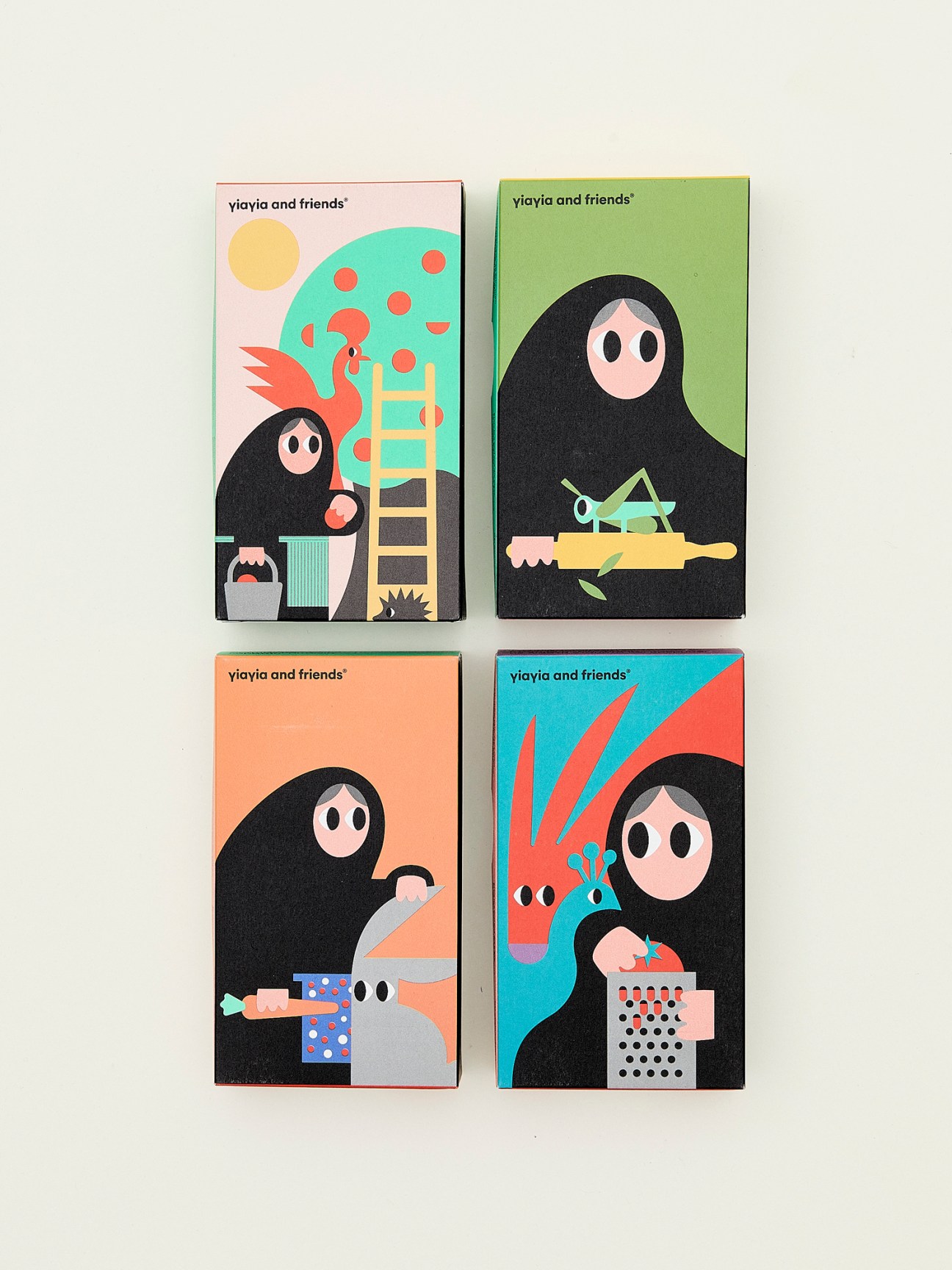
Not everyone’s grandmother is a gatekeeper of great – or even edible – recipes, but Cretan food firm Yiayia and Friends (“yiayia” means “granny”) has co-opted the idea of the loving Greek grandma to produce olive oil, sundried tomato and onion rusks, mandarin biscuits and more. “Yiayia would never make it through a typical marketing process,” says Konstantinos Poulopoulos of communications agency Beetroot, whose designs adorn the packaging. Yiayia and Friends will open a shop in Thessaloniki later this year and is working on an educational programme on diet and sustainability for children. “The story, the visuals and the values are what matters for conscious consumers,” says Poulopoulos. Proof that yiayia knows best.
yiayiaandfriends.com
Yess Aquatic
Los Angeles
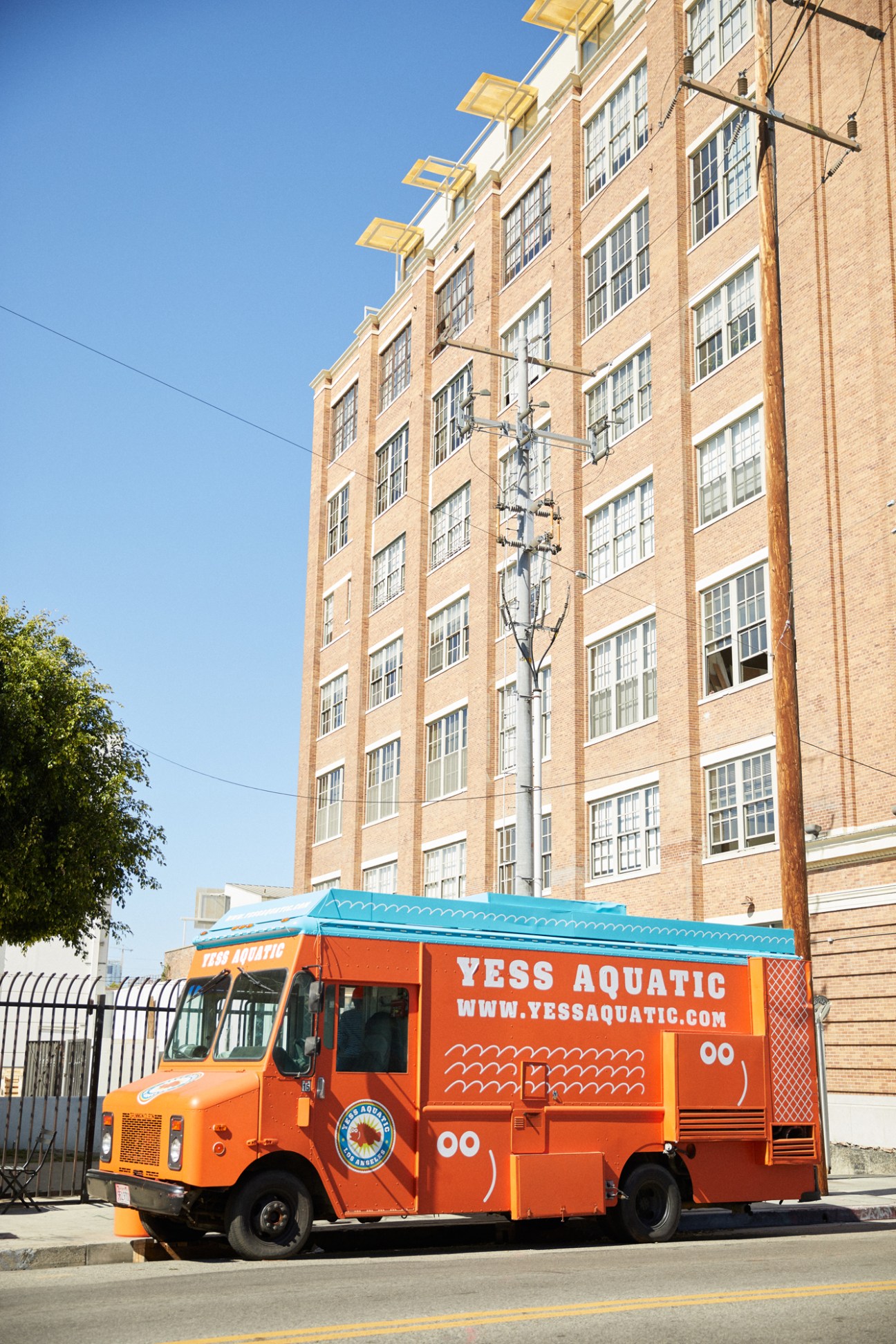
While he waits for his LA restaurant in the Arts District to be finished, Junya Yamasaki is cooking from a bright orange food truck parked outside. Yess Aquatic riffs on southern California’s fish: even the van’s bright hue is a playful nod to the vermilion rockfish. Since 2015, Yamasaki has spent time in Japan, cooking and studying. “In Zen philosophy, what you eat is important. It is provided to you by nature, so it is important to focus on where food comes from,” he says. “I didn’t see quality local fish, so I started teaching fishermen Japanese fishing techniques.” The hinoki– smoked black cod in Yess Aquatic is caught and served within 24 hours. Or try the fish katsu sandwich (with nori and tartare sauce), served with chips, homemade mayonnaise and horseradish.
yessaquatic.com
Legendary Dinners
Anne Petersen
Dinner parties are far better attended than documented. That said, the comely book Legendary Dinners focuses on the capacity for a party to be enjoyable but also to sum up a cultural moment. Drawing on accounts, menus, recipes and scraps, it charts 20 feasts, from Napoleon’s wedding to Truman Capote’s polished Black and White Ball buffet.
These intertwining social histories, prepared by Salon editor Anne Petersen, are a pleasing mix of table talk, intrigue and a liberal glug of something stronger: an investigation of the power and politics involved in breaking bread. By turns glitzy and domestic, stories also veer from tasteful to odd: the Bauhaus pyramids of puréed lentils are perhaps more cultural artefact than “I’ll-have-a-go”.
prestel.com
Under its own steam
Brisbane’s budding food entrepreneurs have stopped copying what they see in other cities. By embracing native produce, good weather and the city’s easy-going air, they’re now forging something that feels unique to the Queensland capital.
Before the 2008 crash, Brisbane took its culinary cues from elsewhere. Many restaurants opted for heavy European-inspired dishes, thickly carpeted dining rooms and starched white tablecloths. It was an odd approach for a city in the sub-tropics that boasts upwards of 280 days of sunshine a year and has great regional produce. And, truth be told, it all felt a little forced.
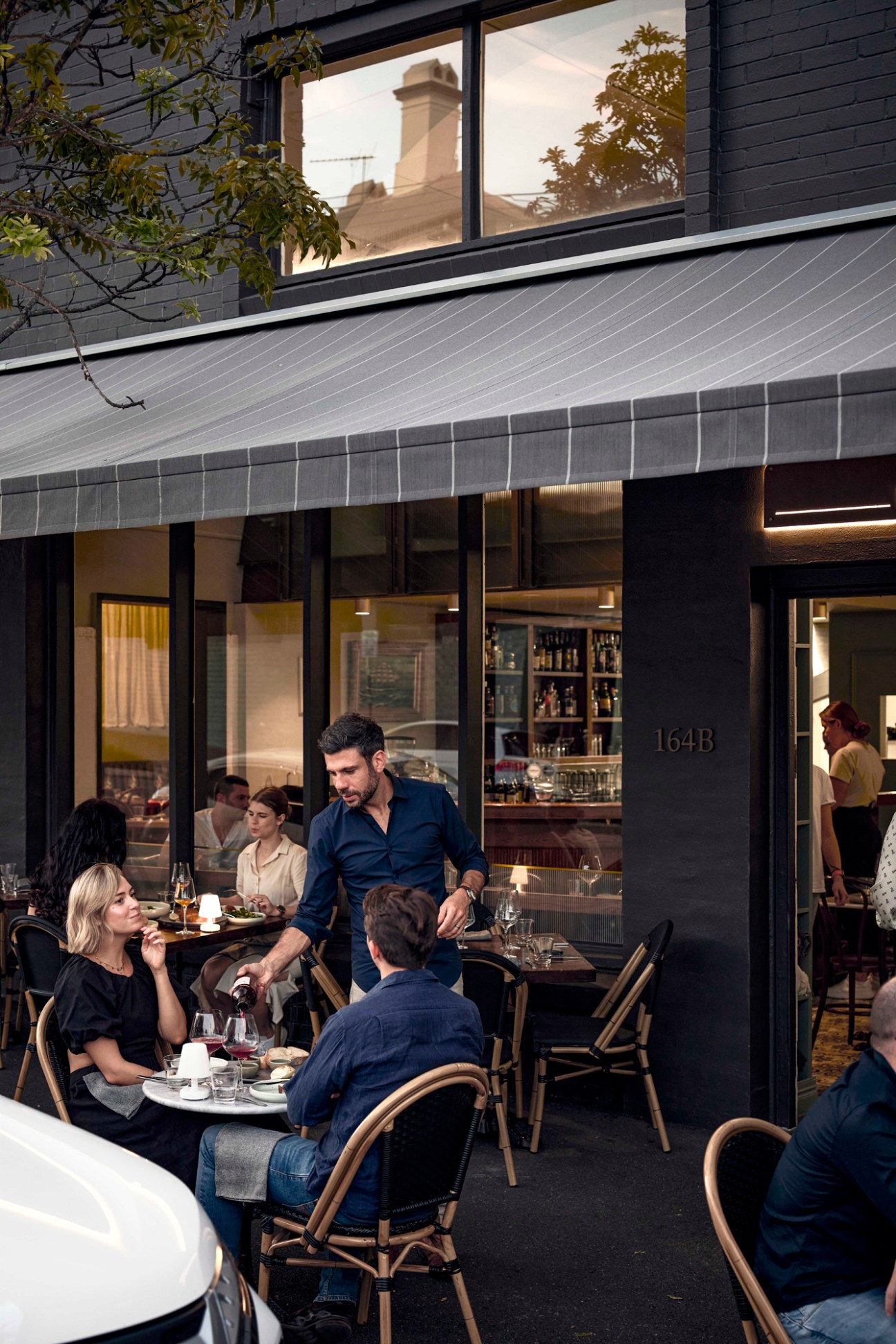
“Back then, dining out in Brisbane wasn’t an everyday thing – it was for special occasions,” says Mark Rotolone, who founded his Italian restaurant in the inner-city neighbourhood of New Farm in 2005. “I remember travelling to Melbourne where people were out rain, hail or shine. In Brisbane, though, the stars needed to align for people to dine out.”
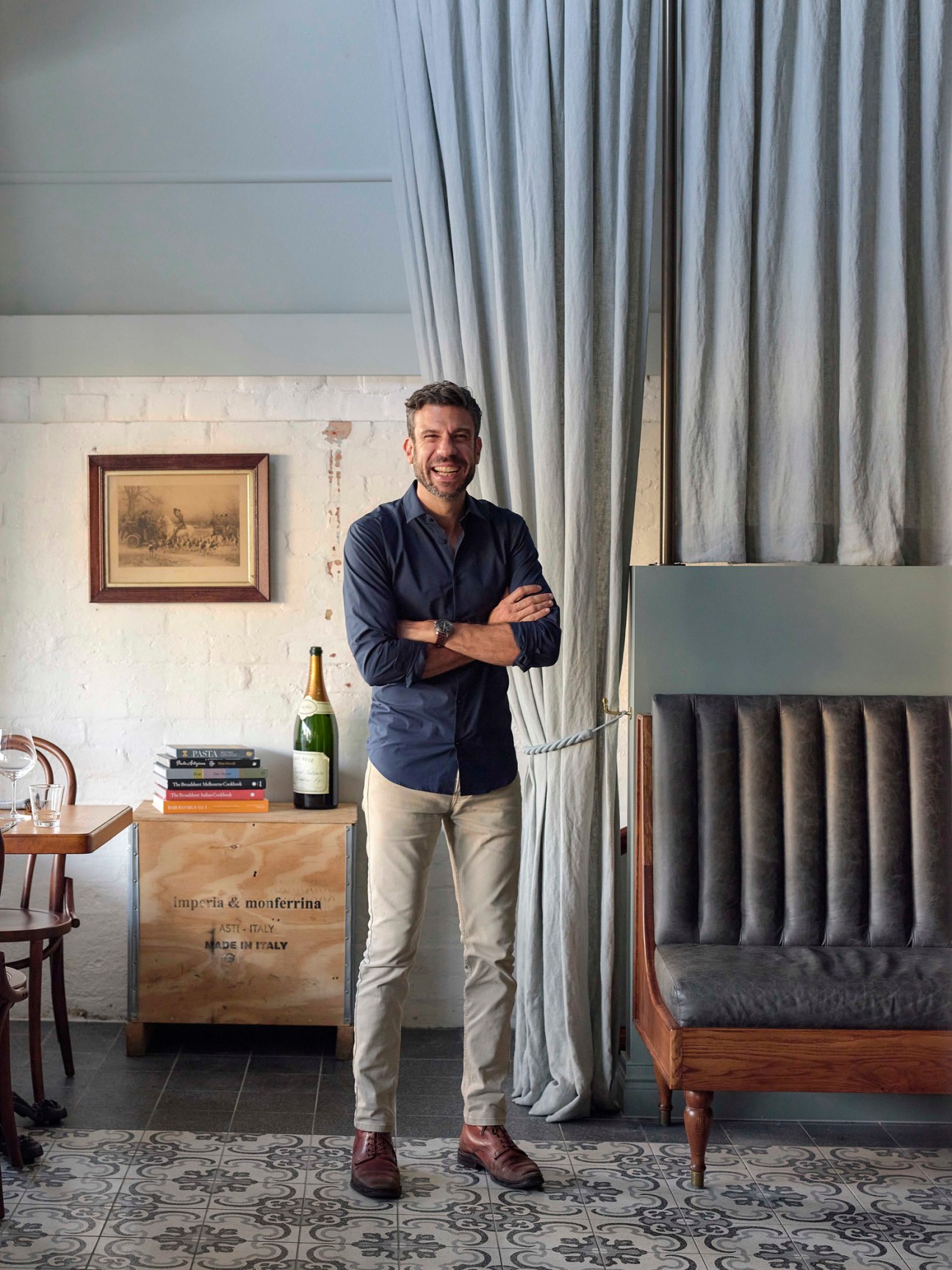
Sensing a shift in sentiment after the global financial downturn, Rotolone pivoted his restaurant, Vine, to become more casual, seasonal and less stuffy. By 2019 he sold up and opened Mosconi with his brother Daniel. “I wanted to create a restaurant that I would happily spend all day in,” he says of the shift away from fine dining to a more casual and seasonal set-up. “You walk through the door here and it just feels right.”
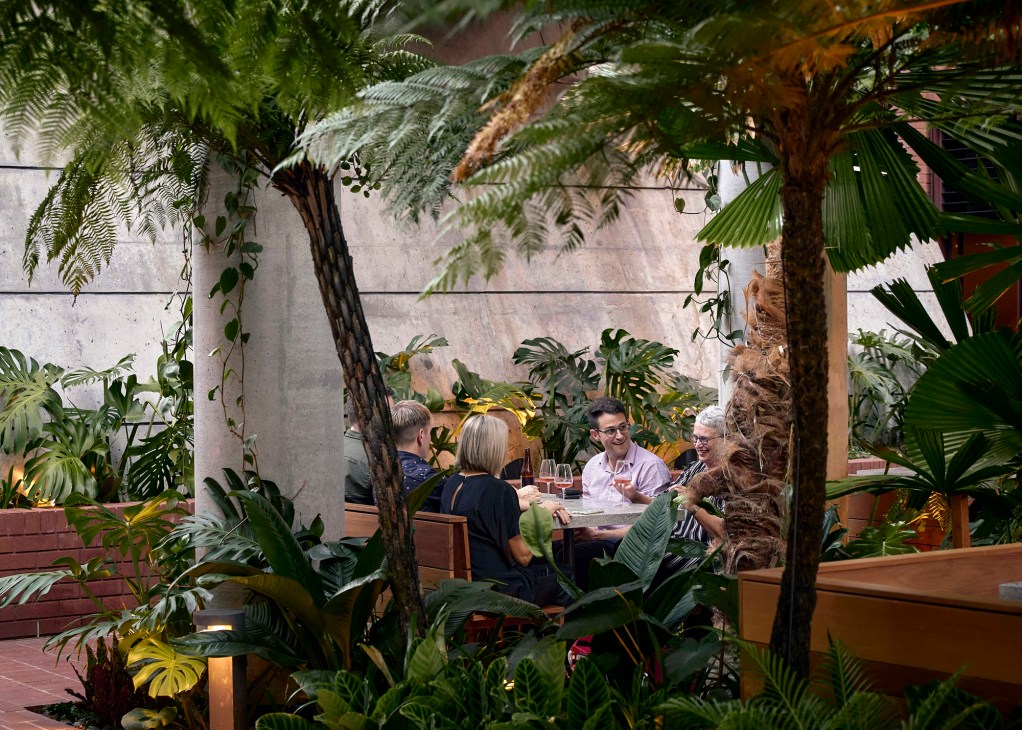
Rotolone recruited a friendly front-of-house team and created an irresistible menu drawn from regional produce, including linguine with zesty Moreton Bay bug (a native lobster); fluffy goat’s curd gnocchi with macadamias, carrots and red shiso; and a cool Tasmanian pét nat with just the right amount of fizz. It immediately felt like a more honest reflection of the breezy Queensland capital and less like something that you could copy in Singapore or Sydney.
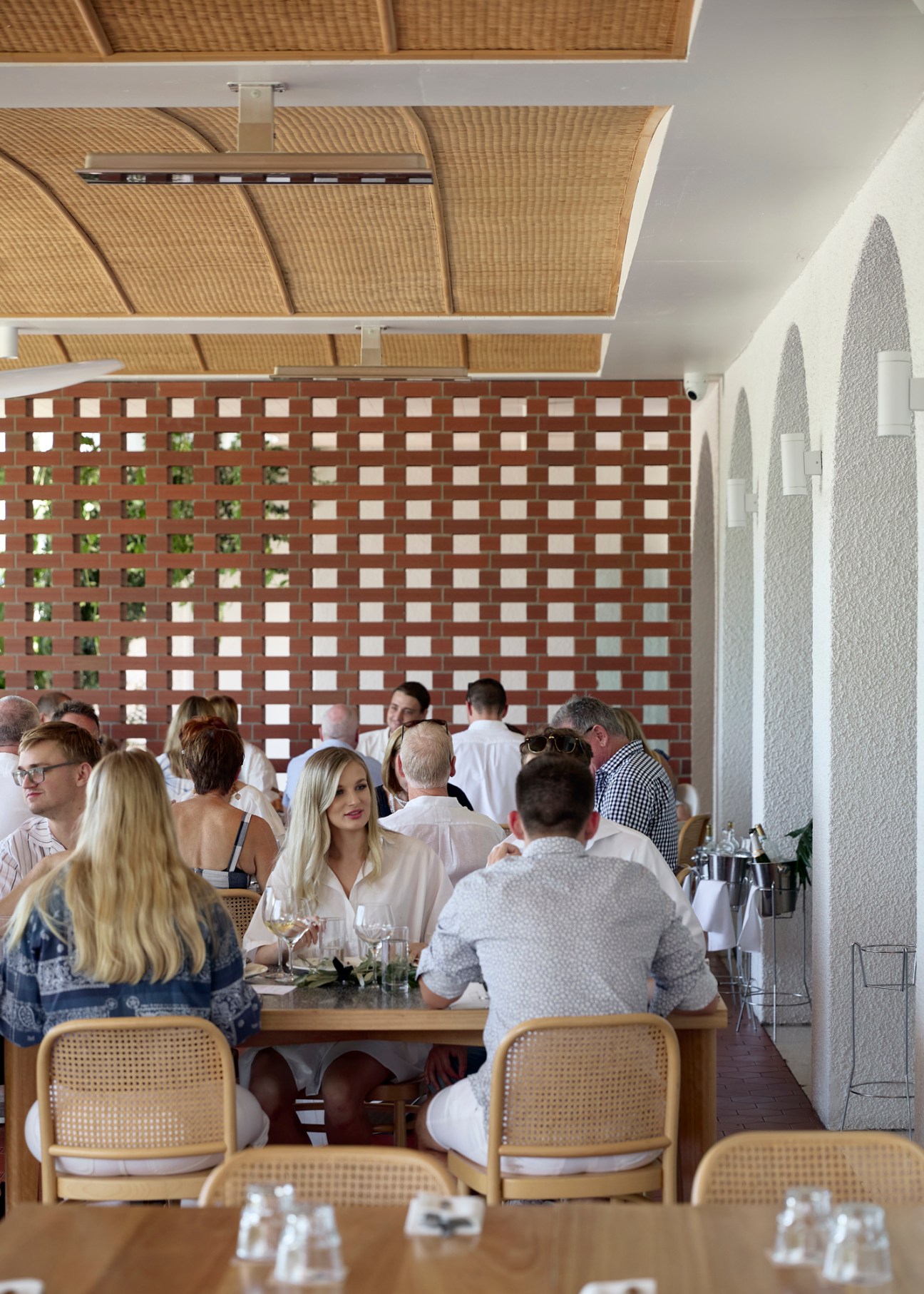
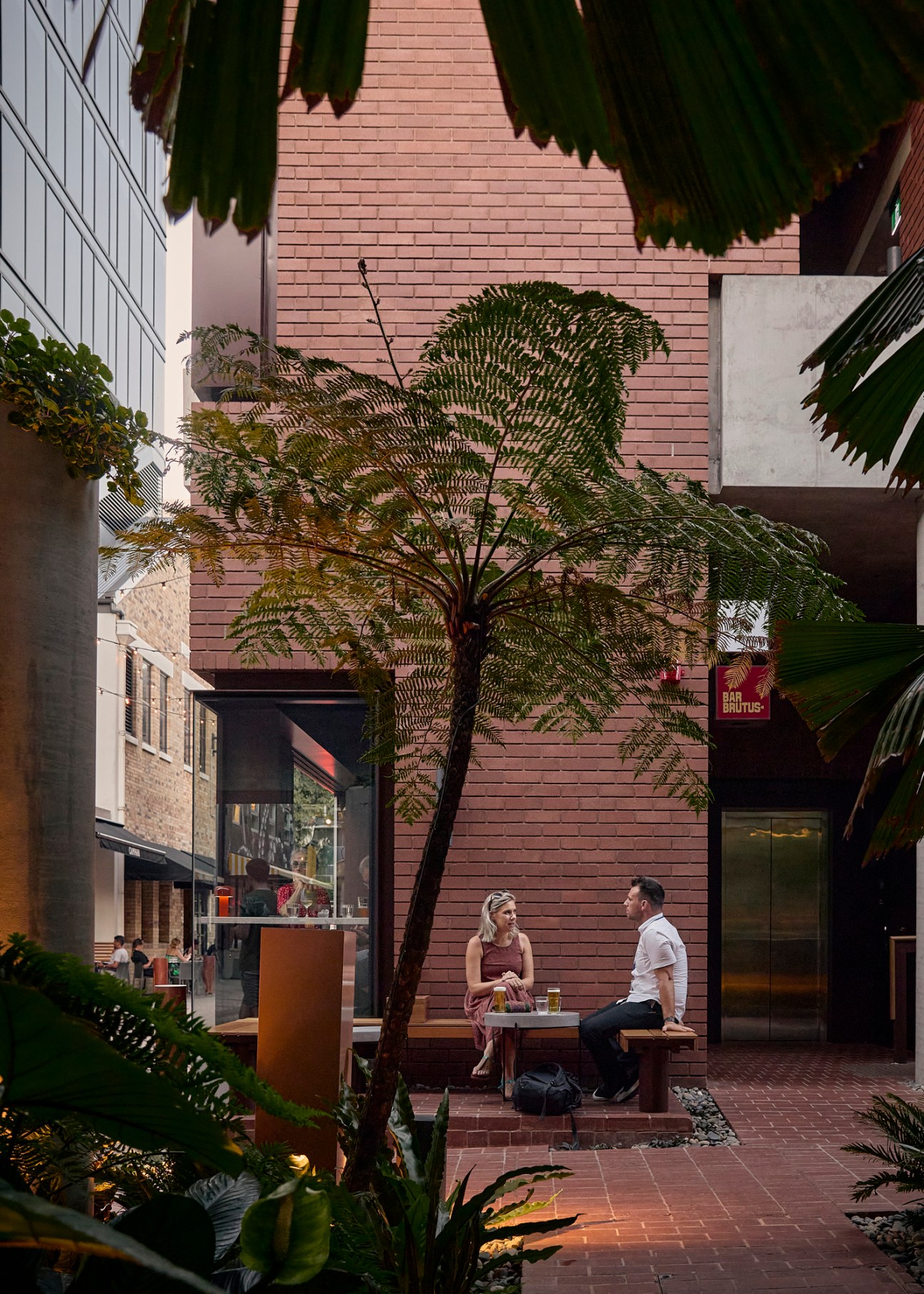
Like Mosconi, restaurants such as those in Fish Lane Town Square (an area just south of the Brisbane river recently redesigned by local practice Richards & Spence), Howard Smith Wharves and The Greek Club have all shaken off the shackles of an imported eating culture. Even the architecture of the restaurants has changed from cramped dining rooms to open-plan spaces with a mix of indoor and outdoor seating to soak up the abundant sun and breeze. The food on offer feels lighter and fresher too.
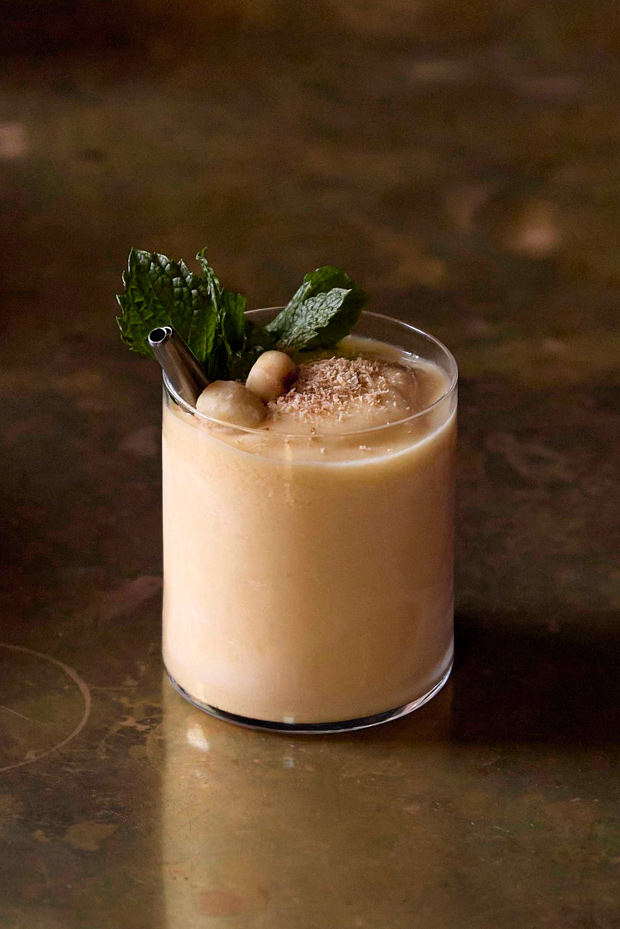
Jerome Batten knows the delicate dance between destination dining and running a café for the community all too well. He opened neighbourhood food shop and café Sourced in 2011, then followed up with restaurant Gauge and punchy cocktail bar Maker in 2015. “Sourced introduced the consumer to our ethos that local is lovely,” says Batten.
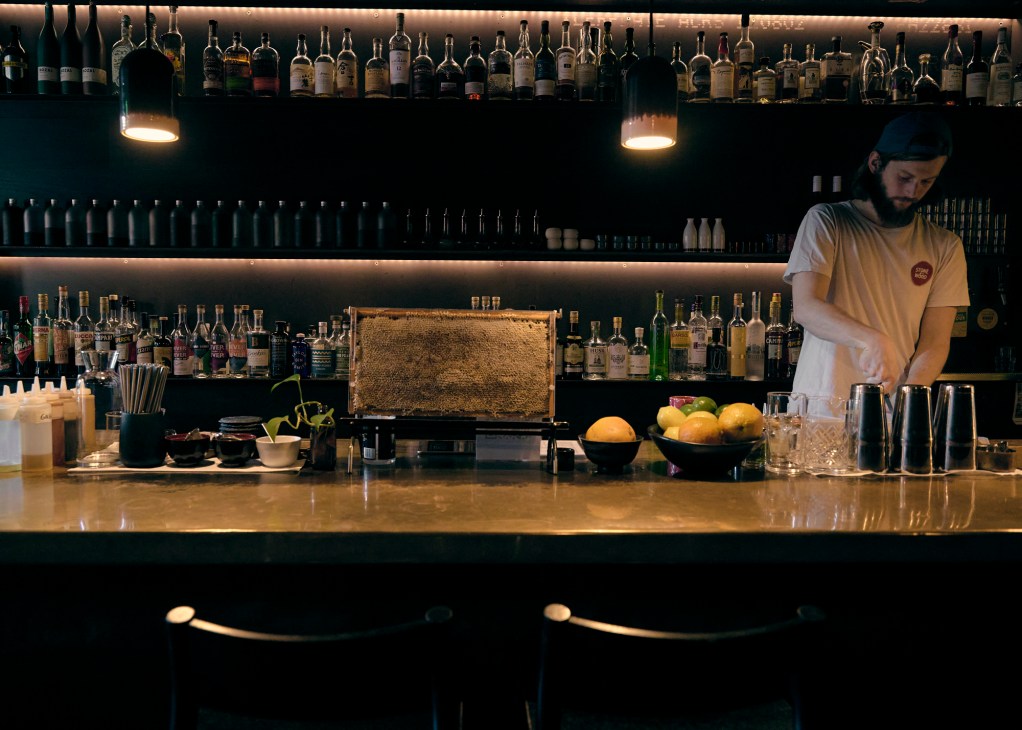
One street over from Mosconi and not far from the downtown, bricks-and- concrete James Street Market precinct, the clanging of tools can be heard at Batten’s soon-to-launch Essa Restaurant & Wine Bar. It’s not yet open but regulars are already bothering Batten for reservations. This support has been hard won over the years and is due in part to dishes such as Gauge’s prawns in a light tomatoey pil pil sauce and kingfish with pickled aubergine and curry leaves. “There’s a growth in quality and confidence in Brisbane,” says Batten. “It’s delivering ideas that result in places and experiences that are of here.”
Restaurateurs including Batten and Rotolone, as well as Tyron Simon and Frank Li (behind Agnes – featured in issue 139 of Monocle – Same Same and the just-opened Bianca), have almost unwittingly created a newer, more easy-going culinary identity for Brisbane alongside a simple vernacular of white walls, bricks and ample shade and breeze. The trick, they have found, has been bypassing the pomp of older restaurants for a cheerier brand of service and a menu woven from the city’s mix of migrant cultures, many of which arrived here from the Mediterranean and Southeast Asia.
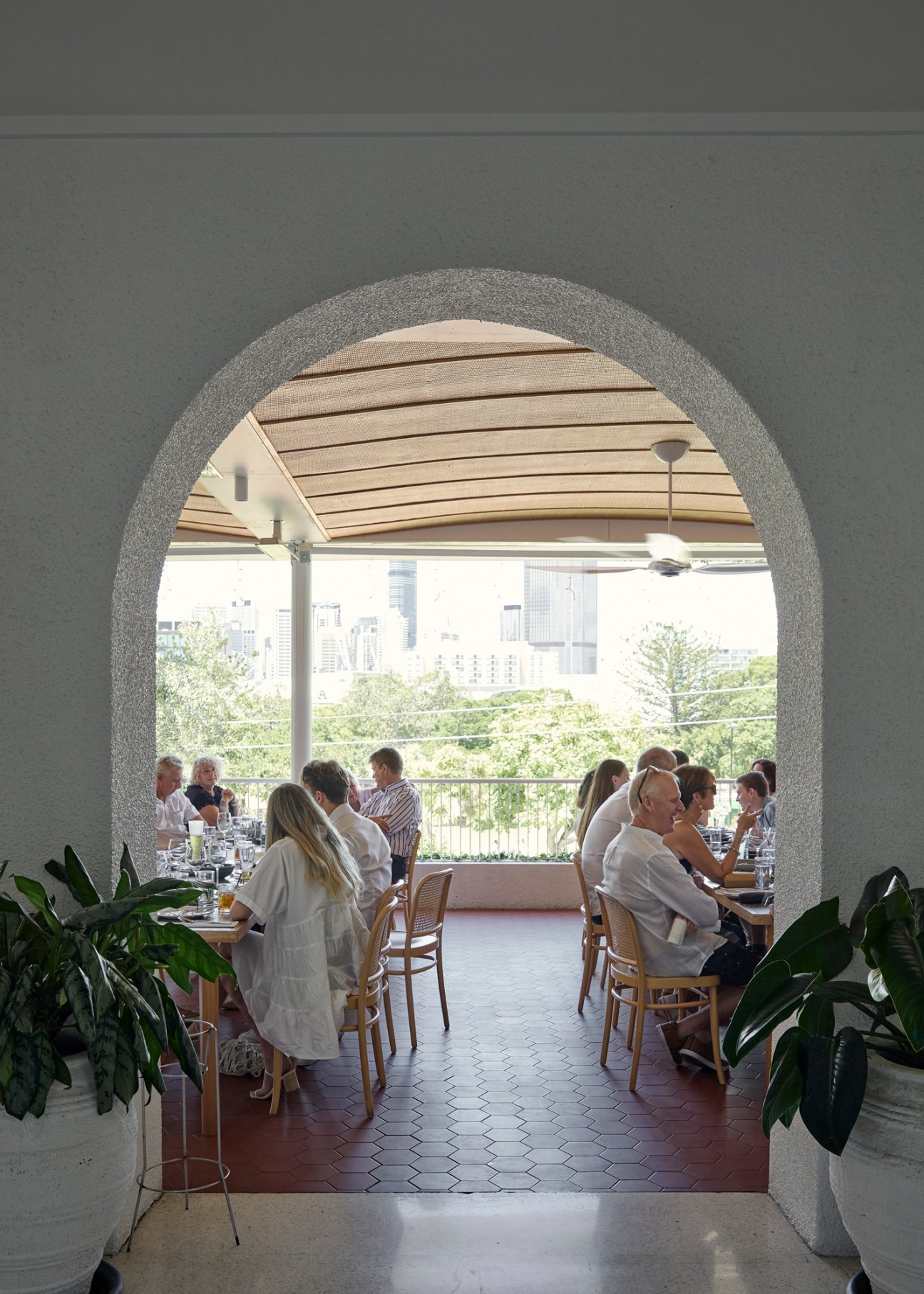
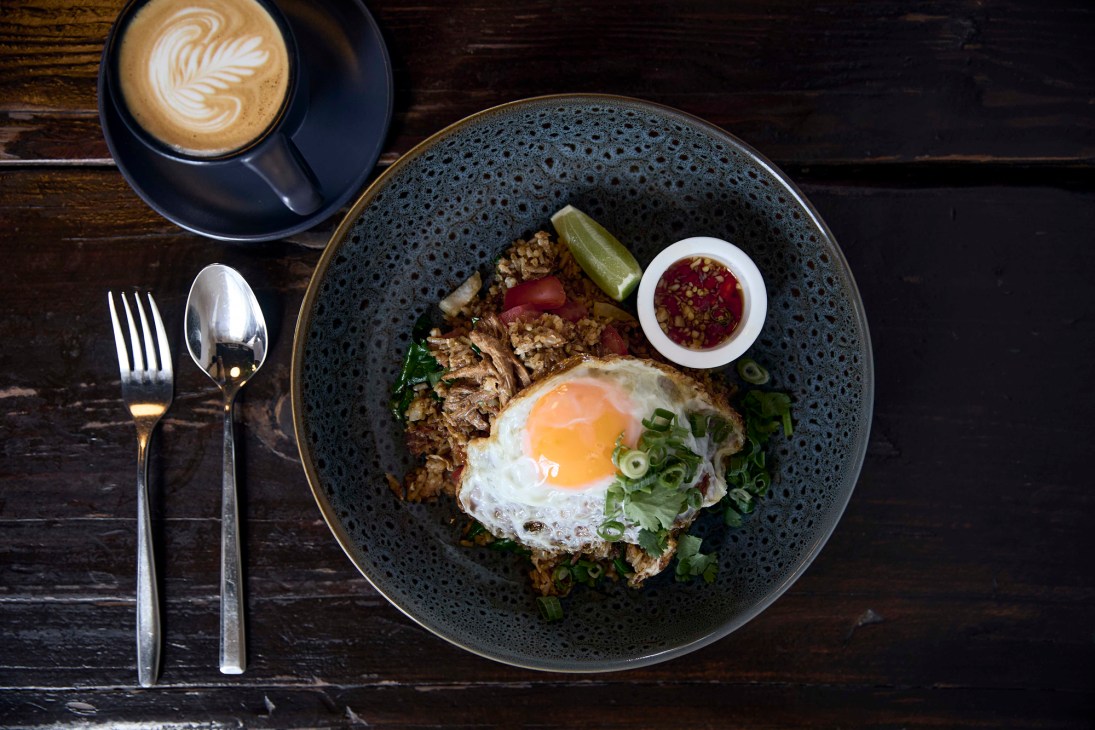
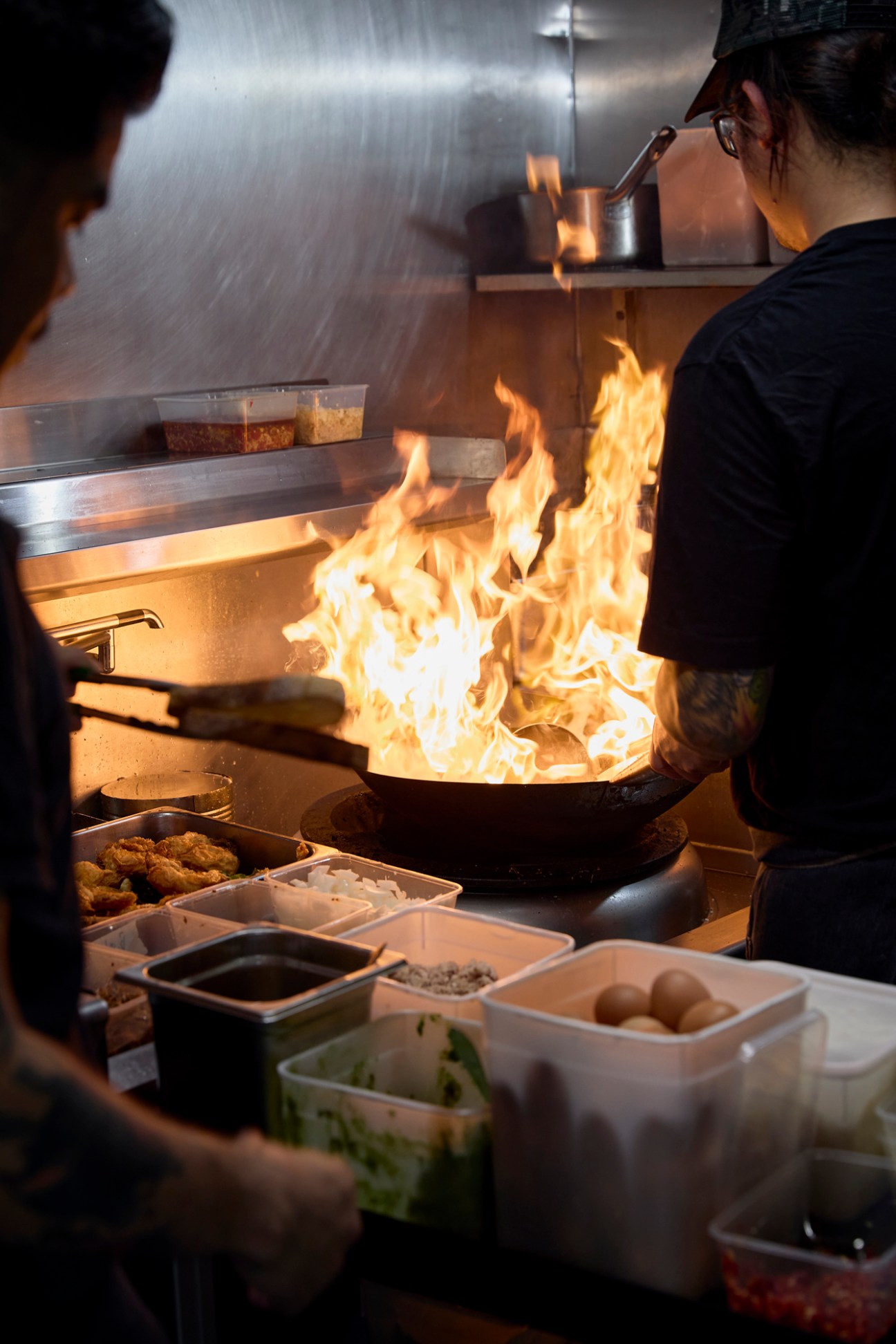
The movement can also be seen in smaller independent businesses such as Em Clare’s coffee shop in the village-like pocket of West End. Since opening West End Coffee House with her late husband Matt, Thai-born Clare has pushed the envelope with dishes that include spicy pork-fried rice and soft-shell crab roti tacos that, unusually, are available from 06.30 as a breakfast option. “Every café had sandwiches but Matt and I wanted to do great coffee and great Thai dishes,” says Clare, whose friendly demeanour and willingness to challenge diners’ expectations has made her café a Brisbane institution. Today the standard avocado on toast is still on offer but it’s rarely ordered – after all, you could have it anywhere.
West End Coffee House is a far cry from the fine dining that came before – it’s egalitarian and friendly rather than exclusive or forbidding. Tellingly, in the past 10 years, its prices have barely budged. “I want the customers to be relaxed and enjoy the café every day,” says Clare with a smile. “I don’t want them questioning whether they can afford to drop in.”
Despite the economic uncertainty caused by the pandemic, the mood in Brisbane’s hospitality scene remains astonishingly upbeat. Having weathered the fads, the independents here are banking on repeat custom and the loyalty of regulars rather than drop-ins, destination diners or venture capitalists looking to flip the business quickly. In late 2020 Rotolone took the lease for an adjoining space in order to expand Mosconi. It wasn’t a move to increase covers but rather a gesture to allow his guests the ability to breathe easier and linger longer.
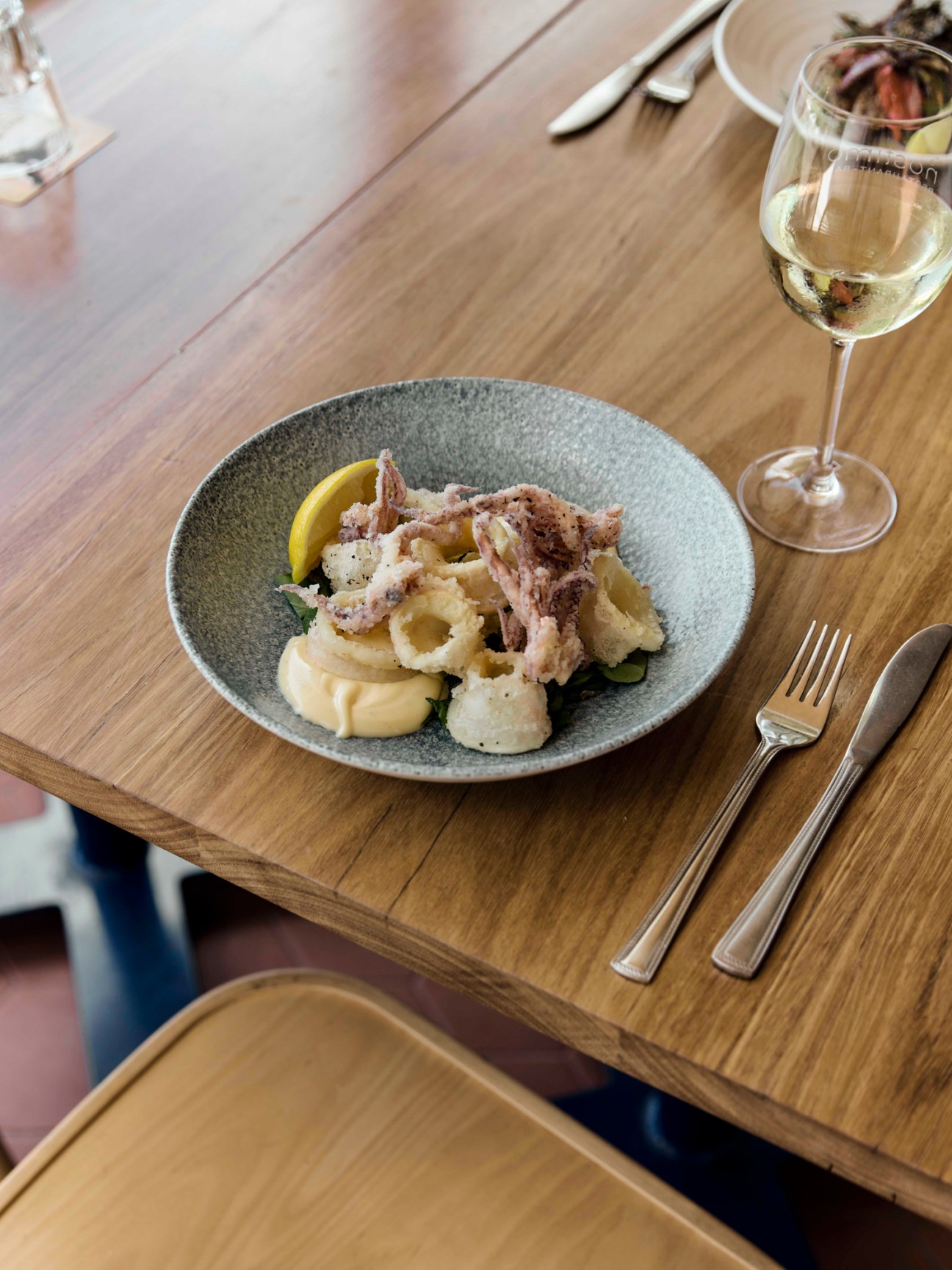
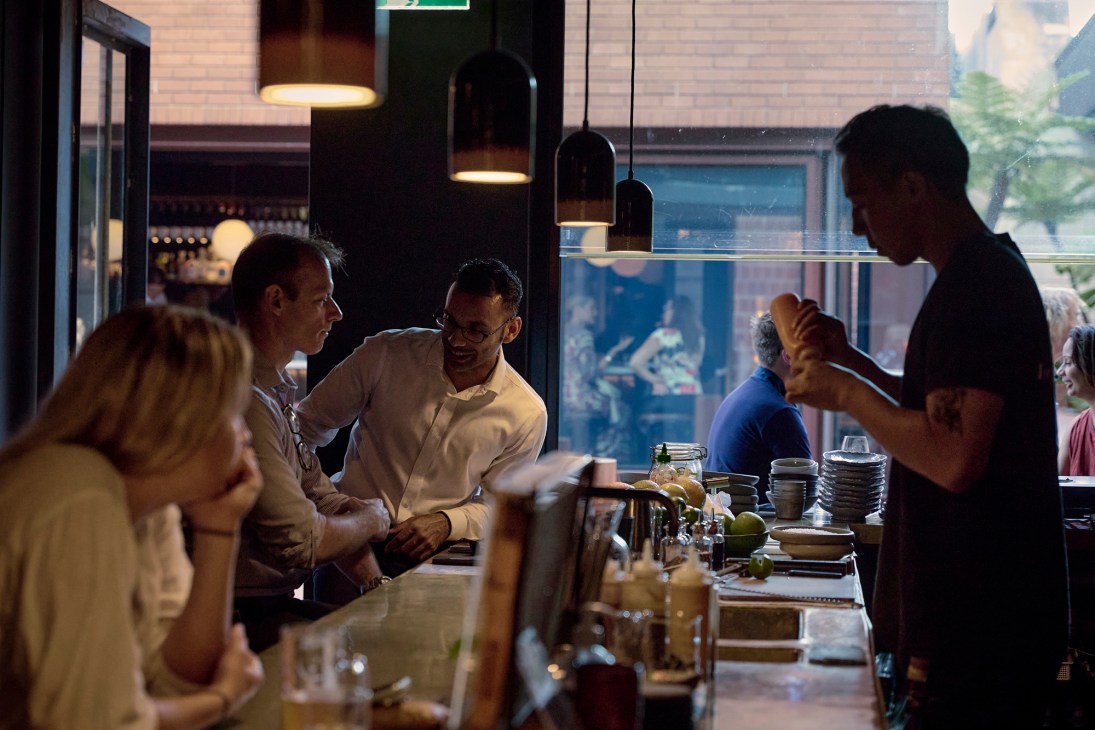
“A friend once told me that the most valuable advertising you’ll ever do is what you put on the plate,” he says. “That and making people feel welcome.” Relaxing back into the upholstered booths before a busy lunch service, Rotolone dismisses his success as an “accident” rather than the result of an instinct honed over two decades. He might be being coy or modest but it’s exactly that breeziness that defines the new generation of businesses. It’s what makes the hard work of hospitality seem so alluringly simple here.
Brisbane address book:
Breakfast
West End Coffee House
Owner Em Clare heads the team lead by chef Tanawat (Ohm) Langkapinth, who packs an almighty punch into his Thai-inspired breakfasts and lunches. The friendly service continues out front where the smiley baristas sling a mean flat white.
80 Vulture Street, +61 410 421 063
Lunch
Nostimo, West End
The Greek Club has been a mainstay since the 1970s. After an $2m (€1.3m) refurb in 2018, Nostimo opened as its latest offering. Head chef Adam Carpenter (“Adamopolis” to his friends) is kept on his toes by the Greek community, who regularly critique his creations.
thegreekclub.com.au
Shop
Museum of Small Things, Fortitude Valley
When the Malouf family opened the Calile Hotel in 2018 they snuck this gift shop into the lobby. It stocks a collection of Australian-made goods including Tom Summers ceramics and Innes Lauren swimwear picked by aunt-niece duo Rebecca Malouf and Georgette Bunn.
museumofsmallthings.com.au
Drink
Maker, South Brisbane
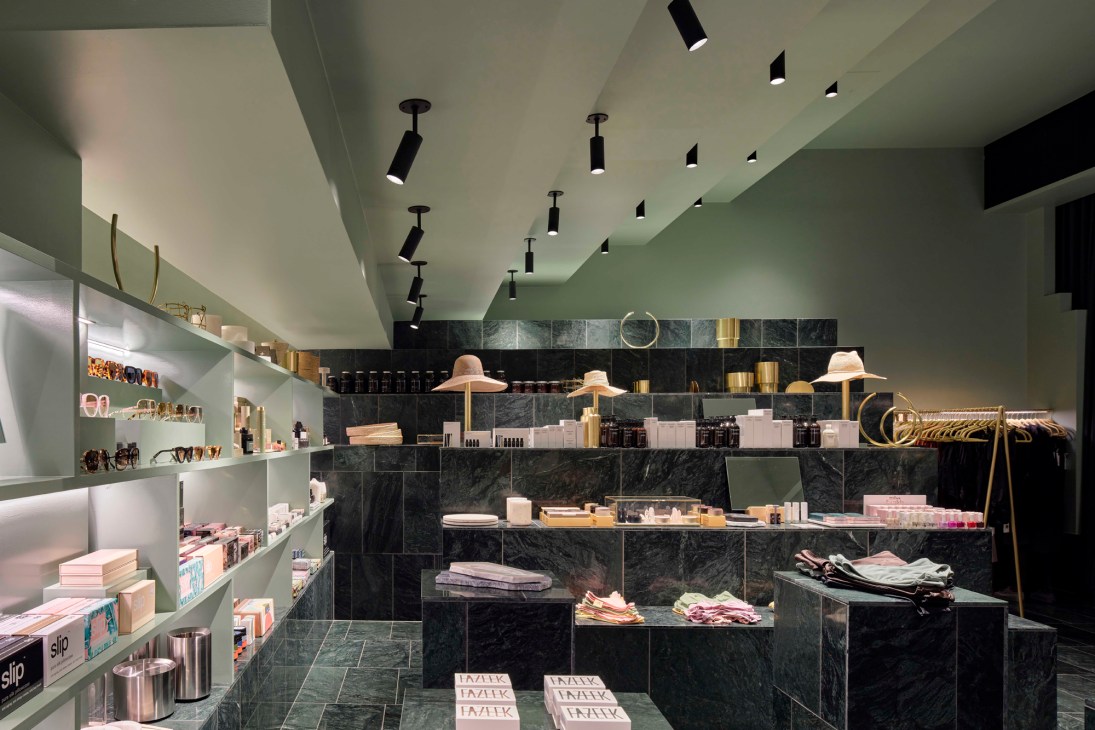
The best seat at mini cocktail bar Maker, among the new Richard & Spence renovations on Fish Lane Town Square, is outside at the large window. Opened in 2015, Jerome Batten’s drinking den has become known for the best martinis in town.
9 Fish Lane
Dinner
Mosconi, Fortitude Valley
Brothers Daniel and Mark Rotolone are the brains behind restaurant and wine bar Mosconi, while chef Catherine Anders is the brawn. Anders dreams up modern takes on Italian and French classics with an Australian slant. Stay awhile in the sage-coloured dining room and squeeze in dessert.
mosconi.com.au