Issues
Happy returns
The past year has been devastating for many but now, after many faltering stops and starts, the conversation has decisively shifted. It’s no longer a question of will this ever end – but when. And people are betting on that being just a matter of months.

This means that there’s going to be a sort of back- to-school moment for many adults this summer as their offices fully reopen, travel restarts, trade fairs are rescheduled (and then happen) and the world reconnects. Most of us are ready for a more dynamic life where ideas and hopes are shared face-to-face and the video-call screen fades for a final time. Because, let’s be clear: home education has ripped the life chances from too many children, remote working has dented young careers and denuded once-vibrant company cultures, and the loss of restaurants, bars and nightlife has left people isolated and mentally battered. And, while we are on the subject, businesses that too lightly let go of their office leases will suffer in the coming months. For instance, why would a person starting out on their career elect to work from their kitchen table when they could be in a rival compa-ny’s great office, surrounded by interesting people? Still, going back to school does come with some trepidation. Who will be your best friend? Will you be able to get out of doing sport? OK, that’s what I used to fret about.
Across the past year, as Monocle has charted all the twisting news, we have also tried to track the gradual shifts in sentiment. That’s why this month we wanted to meet people who, in very different fields, are already making huge efforts to change how we live, how we are governed, how we get our news, how we make our homes and even how we dress. They are people who show us how, with determination and new thinking, you can trig-ger miracles big and small. They have stories that inspire at this pivotal time as we prepare to head back out.
In Beirut we asked our correspondent Leila Molana- Allen to return to the streets that were ruined in last August’s devastating blast, which was triggered when a vast store of ammonium nitrate exploded in the port. Although people in the city are exhausted and have been forced by the failure of central government to take on the task of rebuilding their homes, Molana-Allen discovers a story of such resistance and generosity that it makes the daily challenges that the rest of us face seem pale.
We also speak to the UN secretary-general, António Guterres, who reveals why he now has hope that the world is back on track (and we quiz him on how China can be allowed a seat on the Human Rights Council). We talk to Tony Blair about vaccines and co-operation; to Elena Kostyuchenko, the journalist spotlighting the failures of Putin’s Russia; and to Ivor Prickett, the photographer who continues to document the conflicts that many governments would like to keep in the shadows.
There’s plenty of joy on the following pages too, from the design brands such as Ikea that are altering their out- looks, to Mahmood, the Italian-Egyptian singer offering a new beat to Italian pop. We also focus on the fashion designers who have discovered a new sense of purpose, and the food pioneers of Brisbane. We hope that this is an issue that helps to mark another moment in our journey through the pandemic; one in which we get to take the best parts of the past year and let the rest fade.
And Monocle? By now you know our belief in the power of coming together and in real-world interactions for the health of our cities, businesses and friends. So we are eyeing dates for a series of events and looking forward to seeing more of you in the coming months as restrictions hopefully ease. As always, thank you for your support and feel free to drop me a line at at@monocle.com.
Light relief
Having grown up in Calabria – a wild, beautiful, southern Italian region bordered by both the Tyrrhenian and Ionian seas – hospitality entrepreneur and designer Francesco Ippolito has always appreciated a life lived outdoors. After stints in Rome and Amsterdam, where he designed and managed a successful Italian restaurant, he hit the road in search of inspiration. Having lived in Ibiza and Bali, he stumbled upon Comporta in Portugal, an unspoilt coastal region with a year-round temperate climate. “When you wish to muster new energy and nourish your mind and body, there is no better place than Alentejo’s coast,” says Ippolito as Monocle joins him at his newest design project, an off-the-grid home he has created for himself in the countryside. “I immediately felt as though I was widening my horizons.”
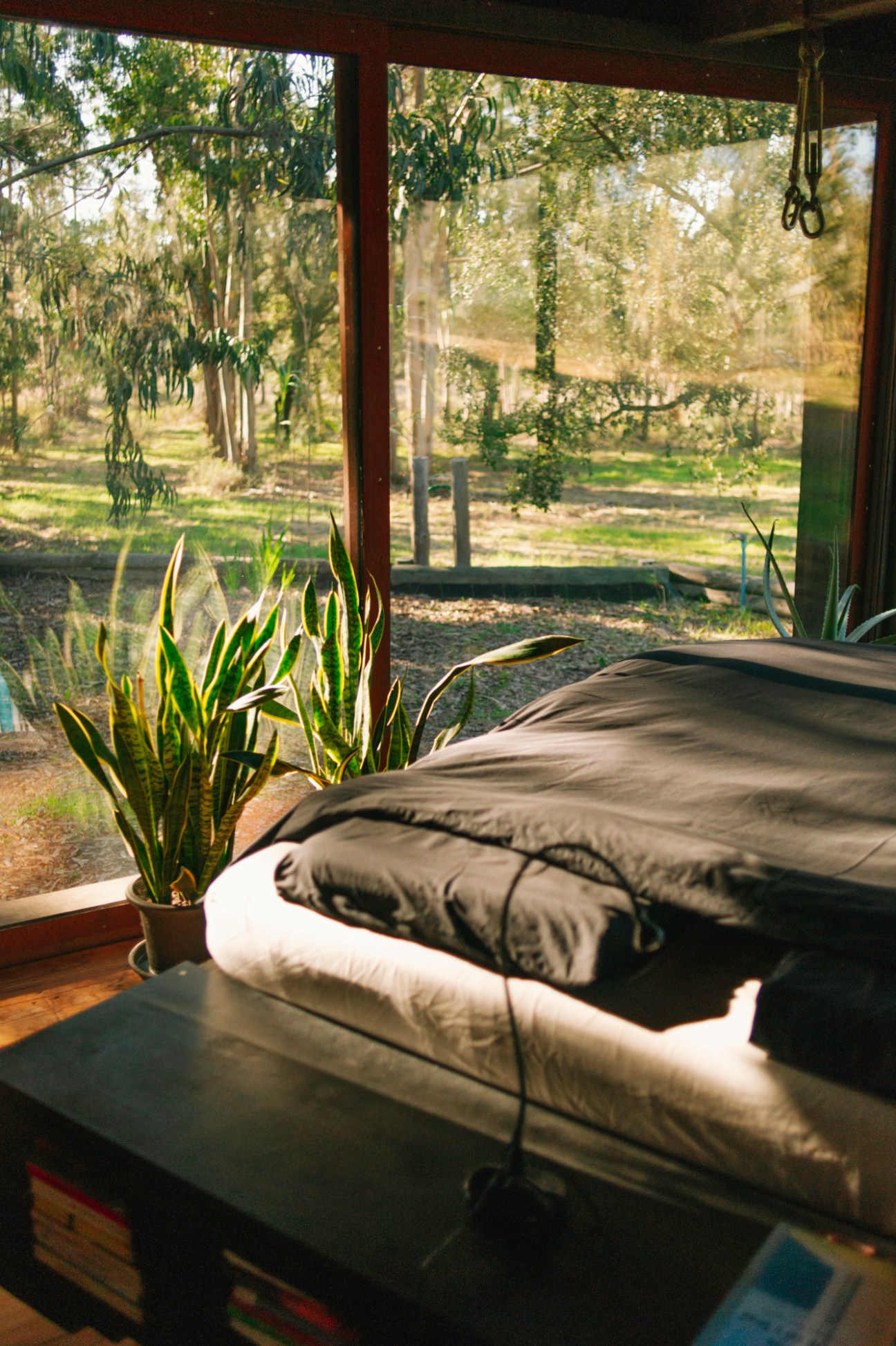
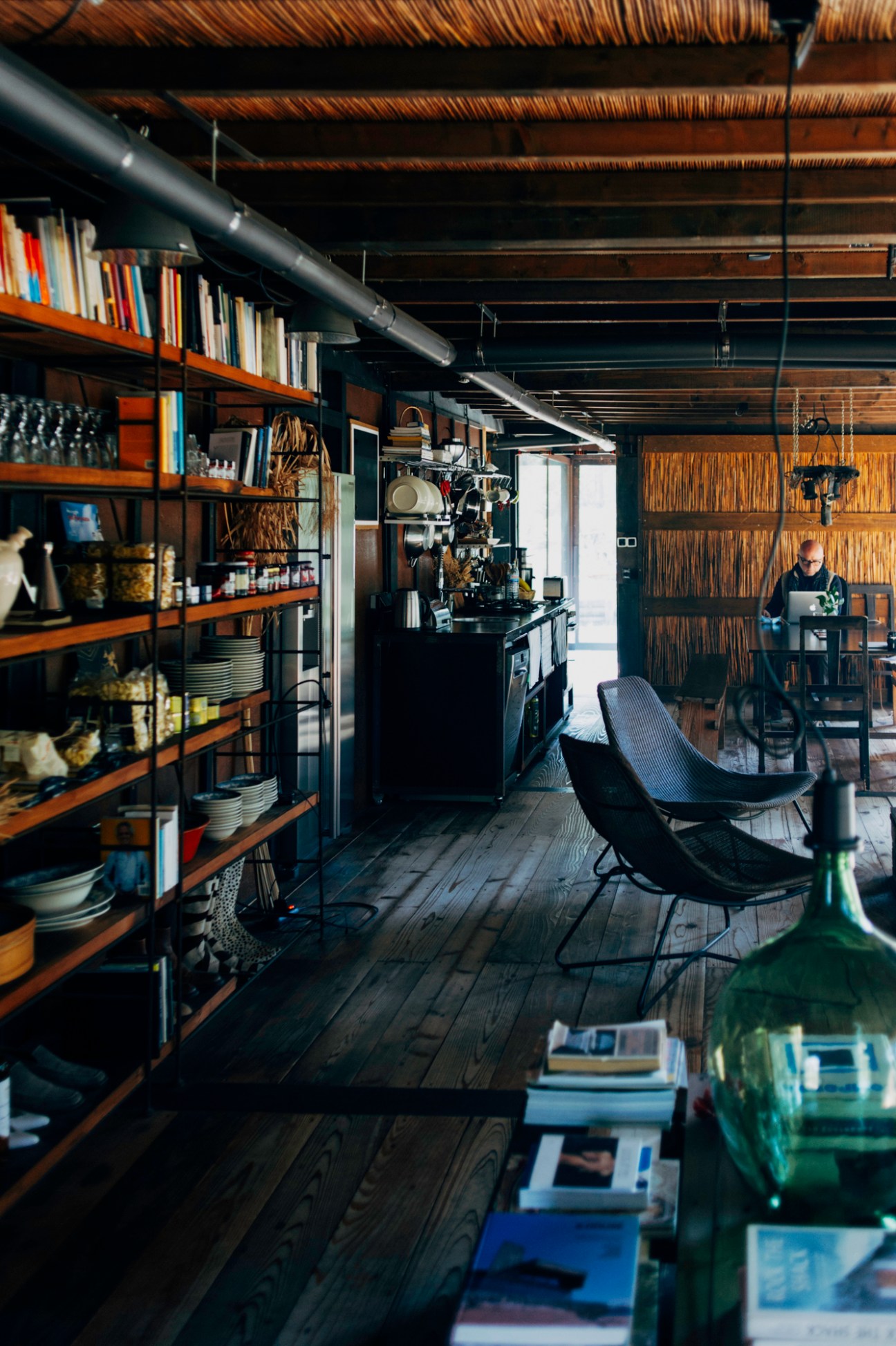
The home, completed in 2015, is the first part of Monte da Gala Eco Resort – a high-end, sustainable hospitality development that will comprise two villas and 15 Greenhouse Suites. It will all sit amid Ippolito’s pristine site laden with eucalyptus, pine and cork trees. For the first unit, his own home, Ippolito took modernist inspiration from Philip Johnson’s Glass House and Mies van der Rohe’s Farnsworth House, creating a simple building of glass volumes and generous dimensions. Timber fixtures that will age gracefully lend warmth to the pre-engineered structure.
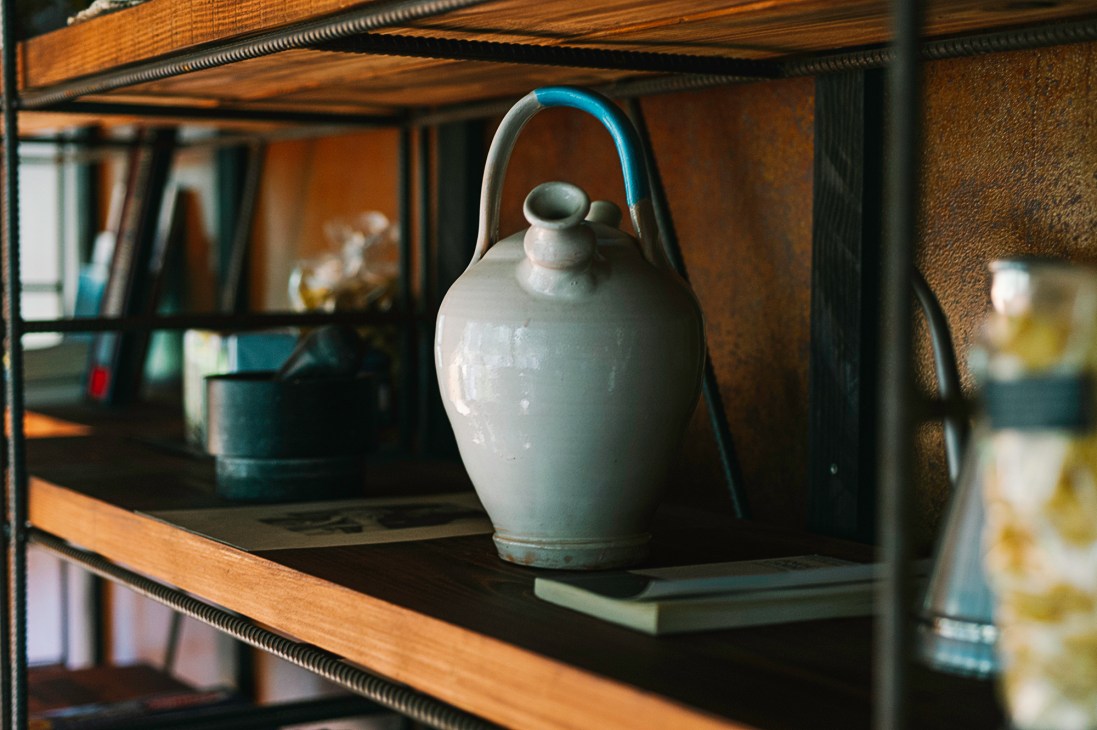
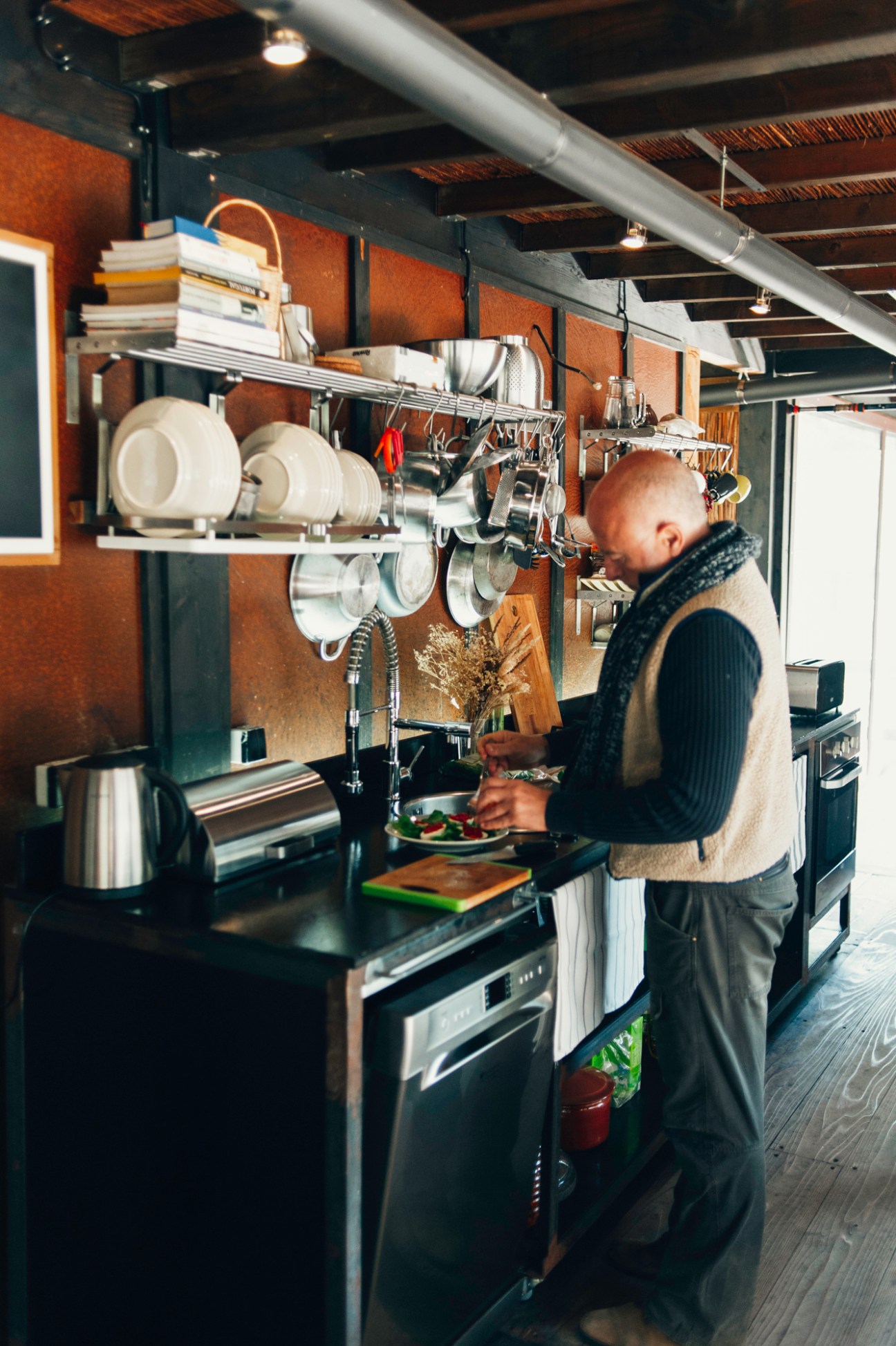
But the most important feature of the home, a prototype for the forthcoming Greenhouse Suites, is its modularity. This design can be easily duplicated, meaning that future suites on this site will be quick to construct and affordable to build.
While off-the-grid living might mean sacrificing a few luxuries – a novel outdoor shower Ippolito co-designed to reuse rainwater being a case in point – nature still provides many creature comforts here. Ample sunlight allows the glass-lined home to feel bright and inviting during the day, and the sun’s energy is also harvested through solar panels to power lighting and appliances. Of course, it rains here too, from time to time, and Ippolito is planning to install small private pools that will draw upon this resource.
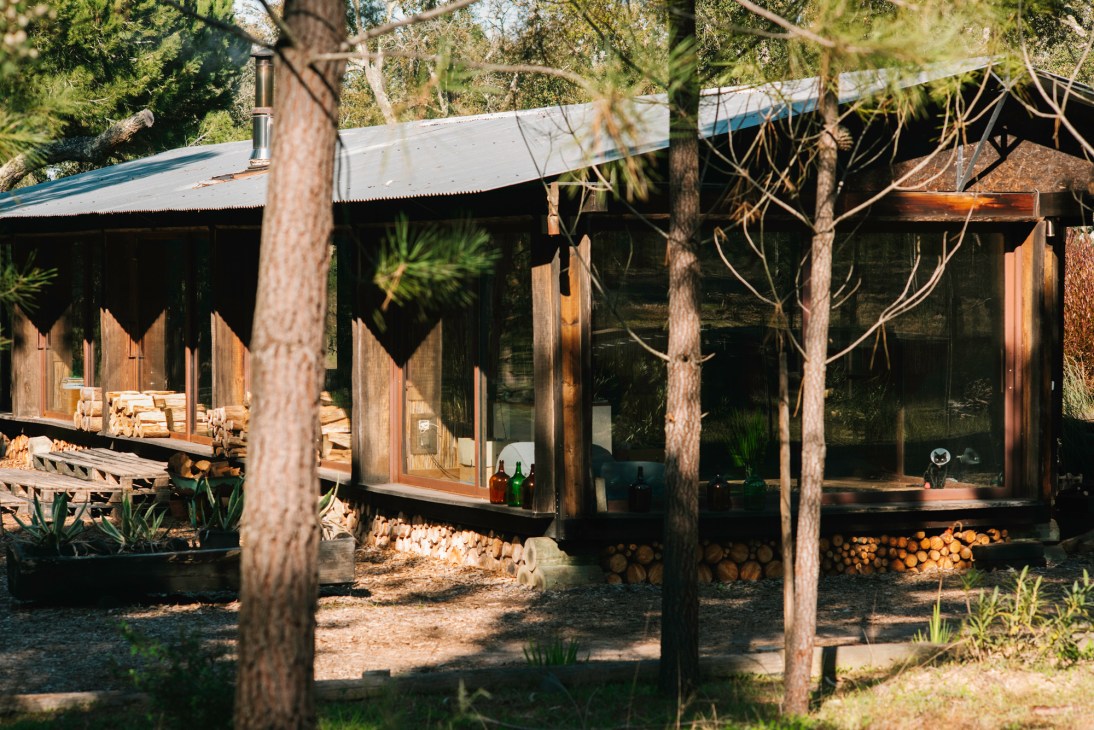
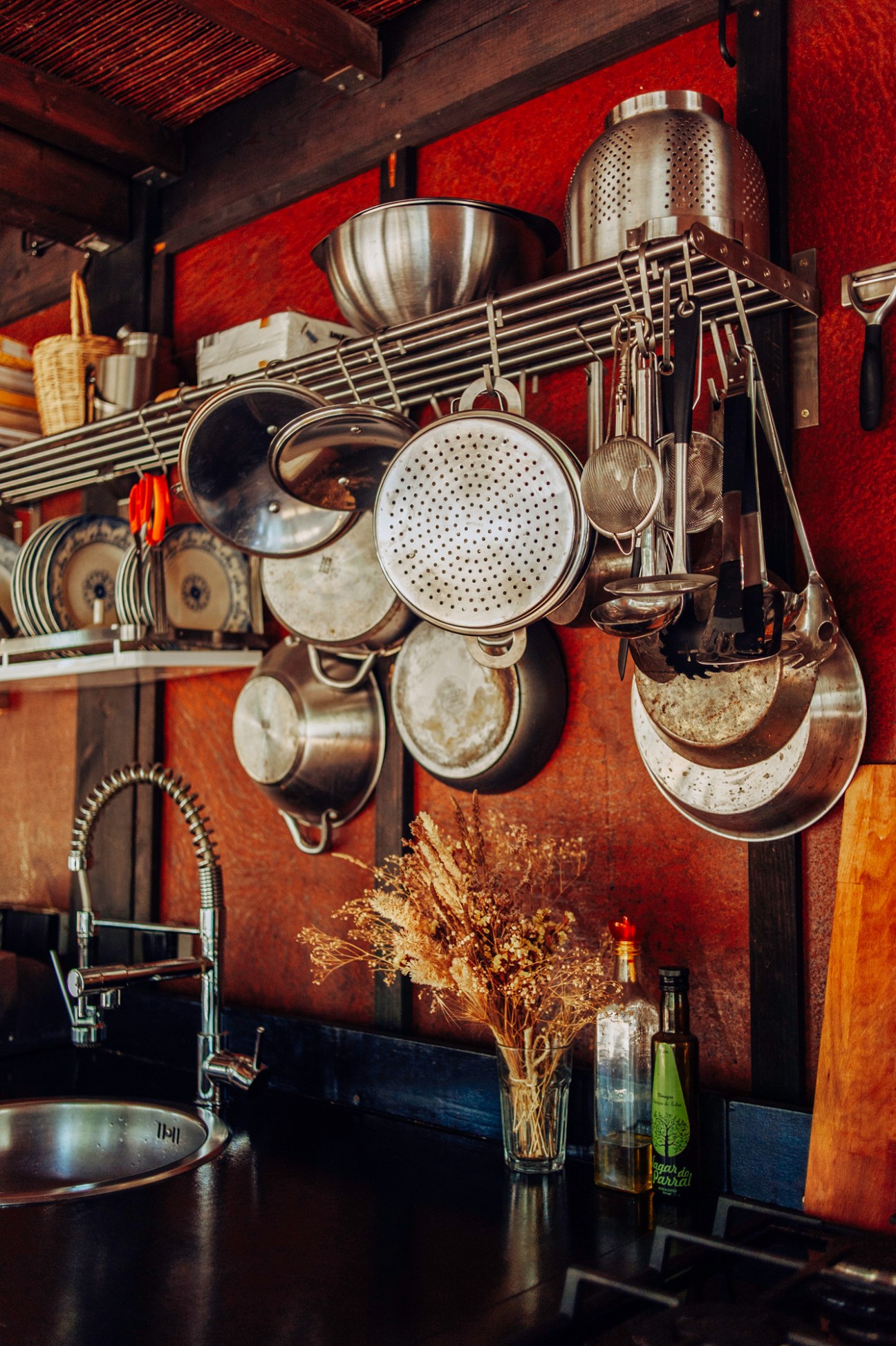
“Our objective is to attract customers who appreciate contemporary design more than the redundant decoration of, say, a grand hotel,” Ippolito says of the development, which he is planning to open in the next two years. He adds that its audience will comprise those “who cherish the idea of being able to seek refuge from everyday life” in a Portuguese oasis. And, if Ippolito’s handsome pilot pad is any indication as to what this retreat will offer, we’re ready to book our stay.
Off the map
Despite the frosty squalls, temperatures that sink as low as minus 20c and forbidding forecasts for the tourism industry, the pistes at the Saariselkä resort in northern Finland were packed throughout January and February. Many locals feared that travel restrictions might deal a death blow to Lapland’s economy, where tourism is responsible for more than one in 10 jobs. In a normal year, at least half of the tourists in Lapland come from abroad; in the past 12 months that number has fallen close to zero. Fortunately, though, Finnish visitors have taken the place of Chinese tour groups and French families, and flocked to Lapland in record numbers.


Before the pandemic, Lapland was one of the fastest growing tourism destinations in Europe. Tourists, mainly from Asia, based themselves in the resorts of Levi, Ylläs and Ruka and roamed the land in hordes. Their tastes, rather than Finnish ones, in turn gave rise to gimmicky restaurants (no, people here don’t eat reindeer for every meal), hotels in igloos and husky safaris. The latter, while fun, are not strictly a Sami practice and have prompted ethical questions about the treatment of these animals.
Finnish visitors, by contrast, have eschewed such attractions. In Saariselkä, the husky park was shuttered and the only reindeer to be seen are roaming wild around the valleys and coniferous forests rather than posing like tragic props by hotel entrances. On a recent visit, a restaurateur told me that demand for fish found nearby, such as Arctic char and whitefish, has rocketed, as has demand for the region’s game meat, including willow grouse. Instead of group activities, Finns like to spend their winter holidays on skis and snowboards. “I used to be a tour guide for large groups of foreign tourists but now I’m a snowboarding teacher for domestic visitors,” my instructor says.
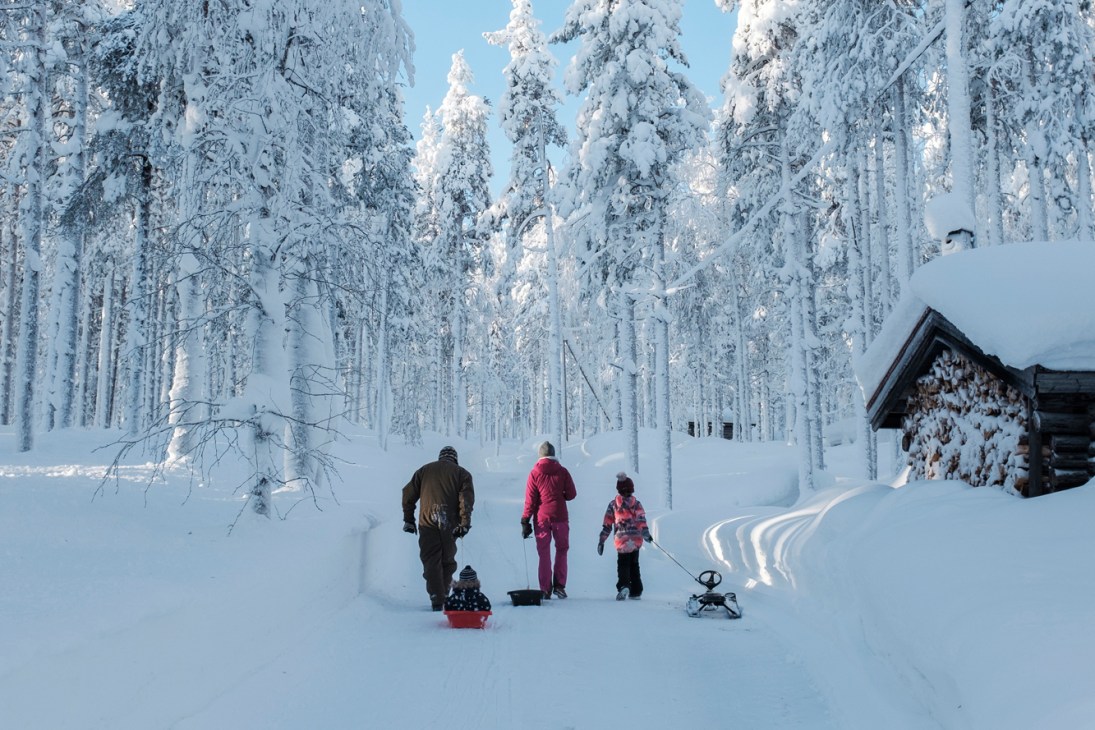
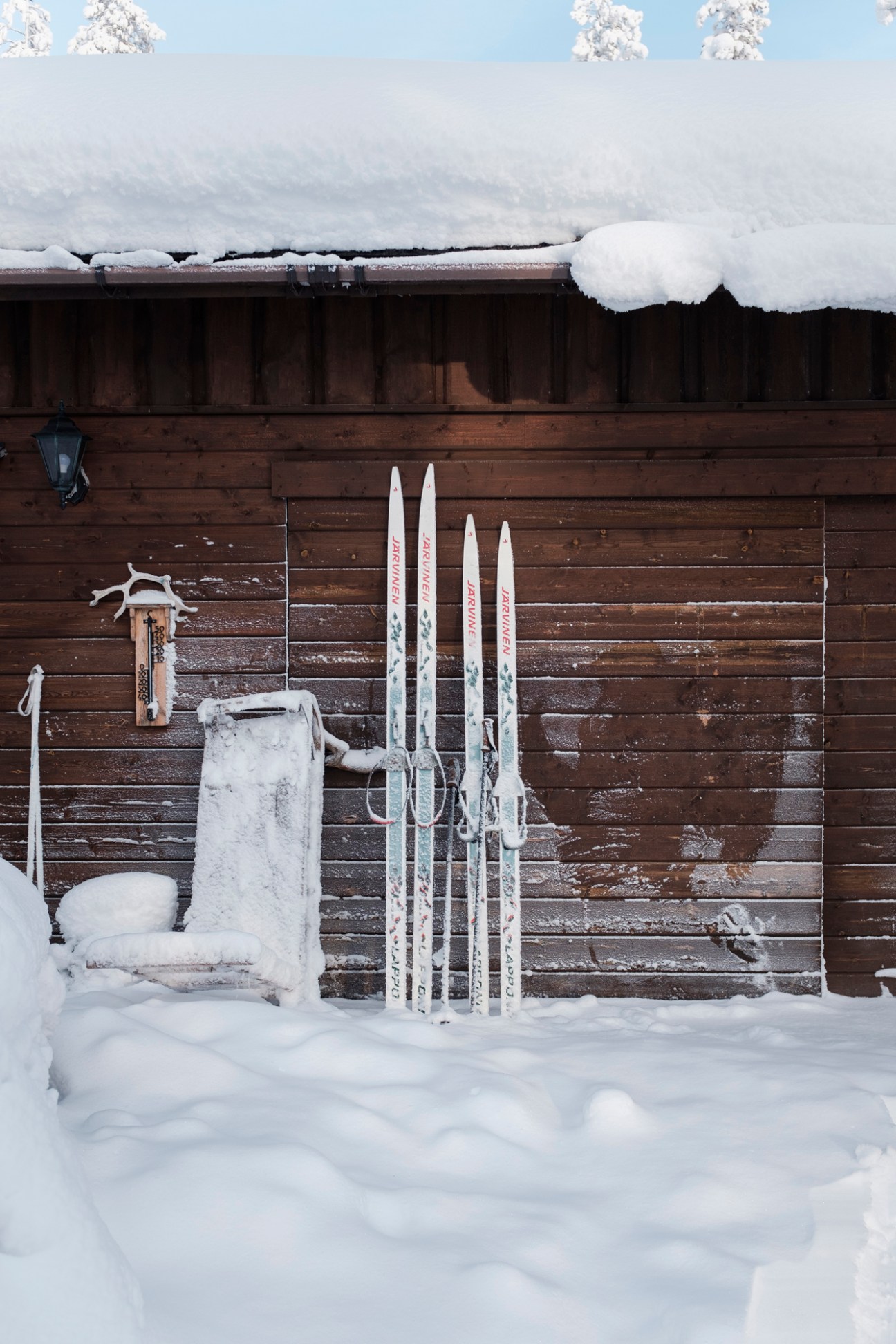
What all this tells me is that the tourism industry is keen to cater for consumer needs (local produce, respectful practices, consideration for animals). What I worry about is how many of these habits will stick when demand from foreign tourists peaks again. But there’s hope.
Like many Finns frustrated by a lack of international destinations, I travelled to Saariselkä and spent a few days cross-country skiing. It’s hard to explain its allure to foreigners; you usually spend hours sliding on almost horizontal terrain in temperatures so cold that you can’t feel your face, then fingers, then toes. But when you finally reach a log cabin with a roaring fire and order a glass of glögi (Finnish Glühwein) and a warm bowl of reindeer soup (don’t tell Santa), it’s worth it. As is the option – later in the day – of a hot sauna and rolling naked in thick snow to cool off. What’s more, it feels real and brings a more authentic understanding of Finland’s quirkiness and spirit than patting a sad reindeer chained to a hotel entrance. I hope those in Lapland’s tourism industry agree.


Why it works: Success in tourism can’t be measured by numbers alone – no one wants to see sad reindeer or exhausted huskies.
Table talk
Stellenbosch, South Africa
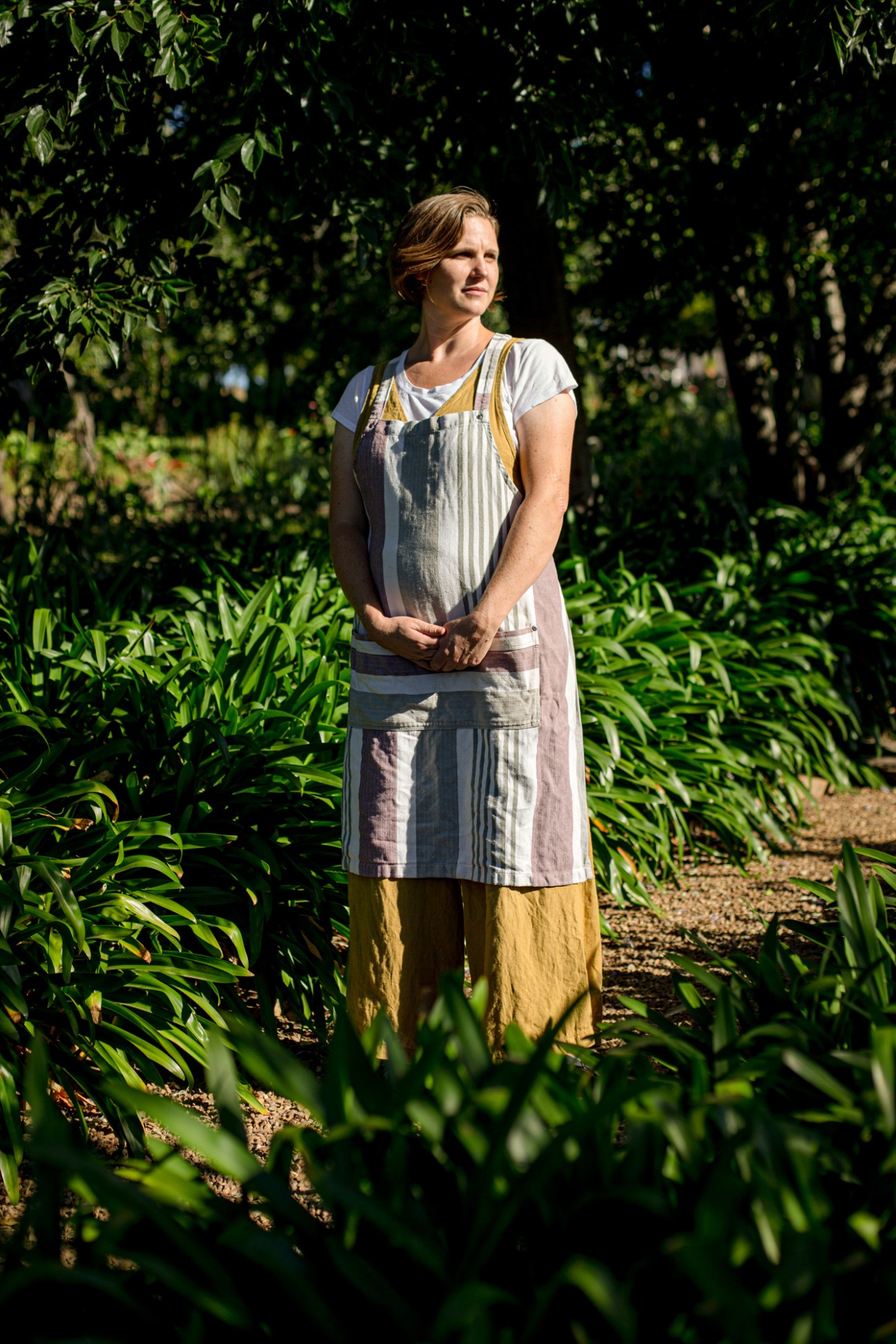
Chefs Jess Shepherd and Luke Grant hadn’t intended to open a long-term pop-up restaurant at Rozendal, a biodynamic vinegar farm in Stellenbosch. What began as a pandemic-prompted partnership and quick solution for increasing footfall to the farm, where Shepherd began her career 16 years ago, has become one of the hottest meal tickets in South Africa’s Western Cape province.

Shepherd and Grant’s former restaurant, The Table at De Meye, was known for lazy lunches enjoyed on a sprawling lawn in the Cape Winelands. At their new location and under the name Good to Gather, the lunch and dinner series follows a similar set-up to their old haunt, serving a set menu of three family-style courses made from produce from their garden and independent farmers.
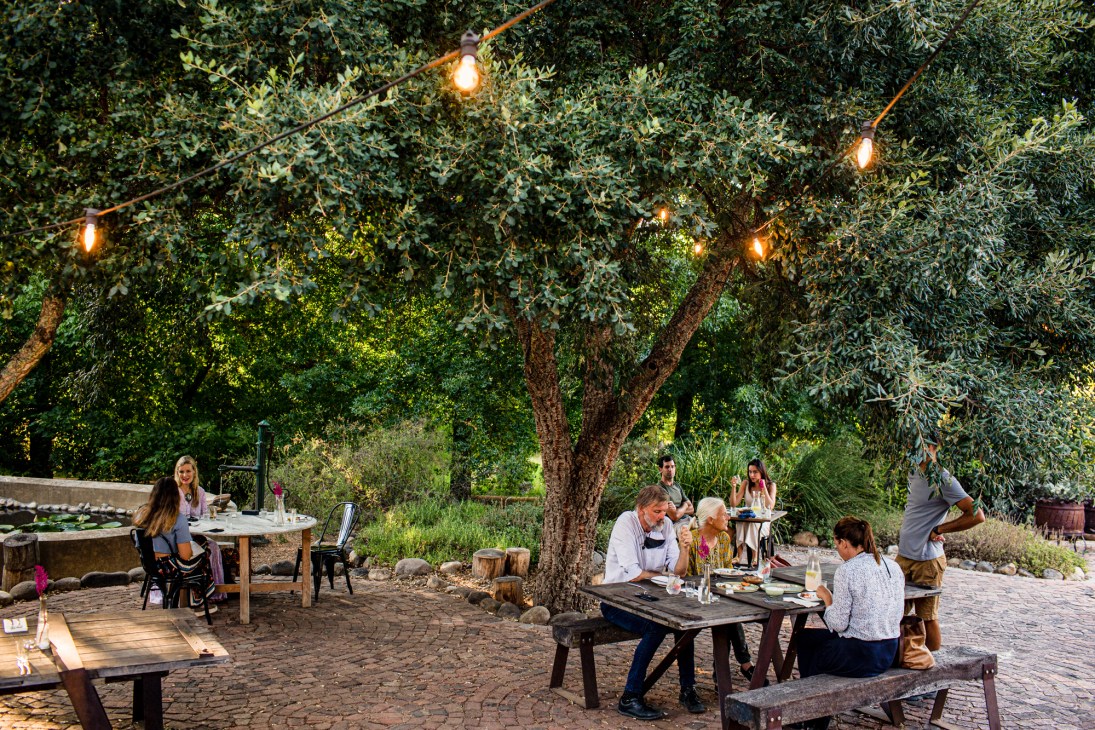
In the new space, diners sit in an old vinegar-tasting room or outside in the dappled sunlight to enjoy plates of South African burrata with grilled peaches, and braised lamb with mint and green beans. “There’s a growing group of consumers who want to know where and how produce is grown,” says Shepherd, who has long advocated for small-scale producers and seasonal foods. “It adds to the experience to understand that what’s on your plate was picked that week and hasn’t been sitting in cold storage.”
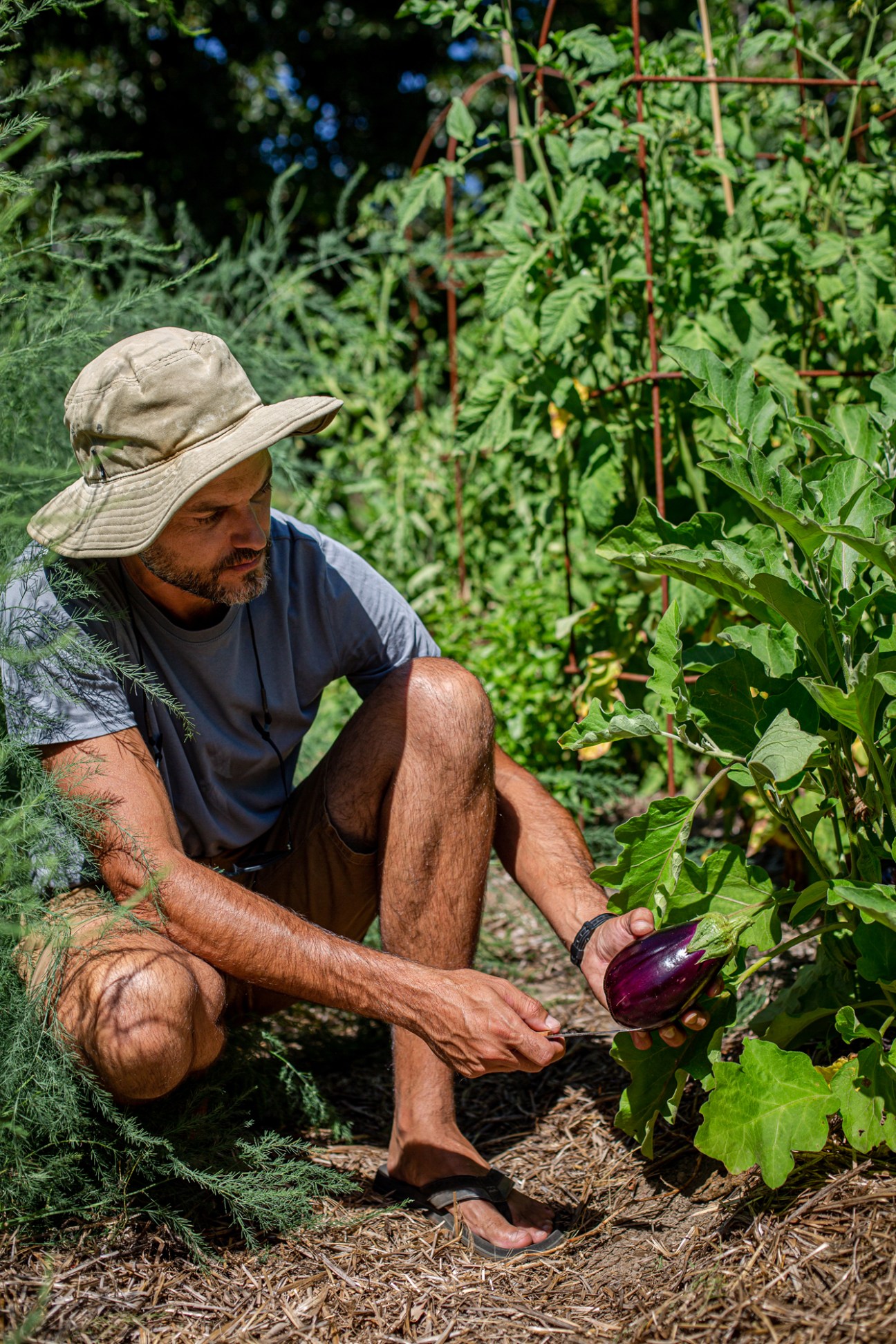
Since May 2020, when farmers were left with a glut of produce after lockdown restrictions decimated their usual sales channels, the couple assembled weekly provisions boxes jammed with homemade yogurt, eggs, and fruit and vegetables. The response was overwhelmingly positive. “It’s been an eye-opener for people to understand the quality of the produce,” says Shepherd.
Following the success of the pop-up restaurant, the couple intends to open a farm shop, also at Rozendal. “We do want to move towards creating a space that’s for sourcing produce and sharing that information with consumers,” says Shepherd.
rozendal.co.za; goodtogather.co.za
Why it works: Provenance is vital. Restaurants can help to connect diners with the best local produce and create a market to support smaller growers.
Nãm Mushroom
Lisbon
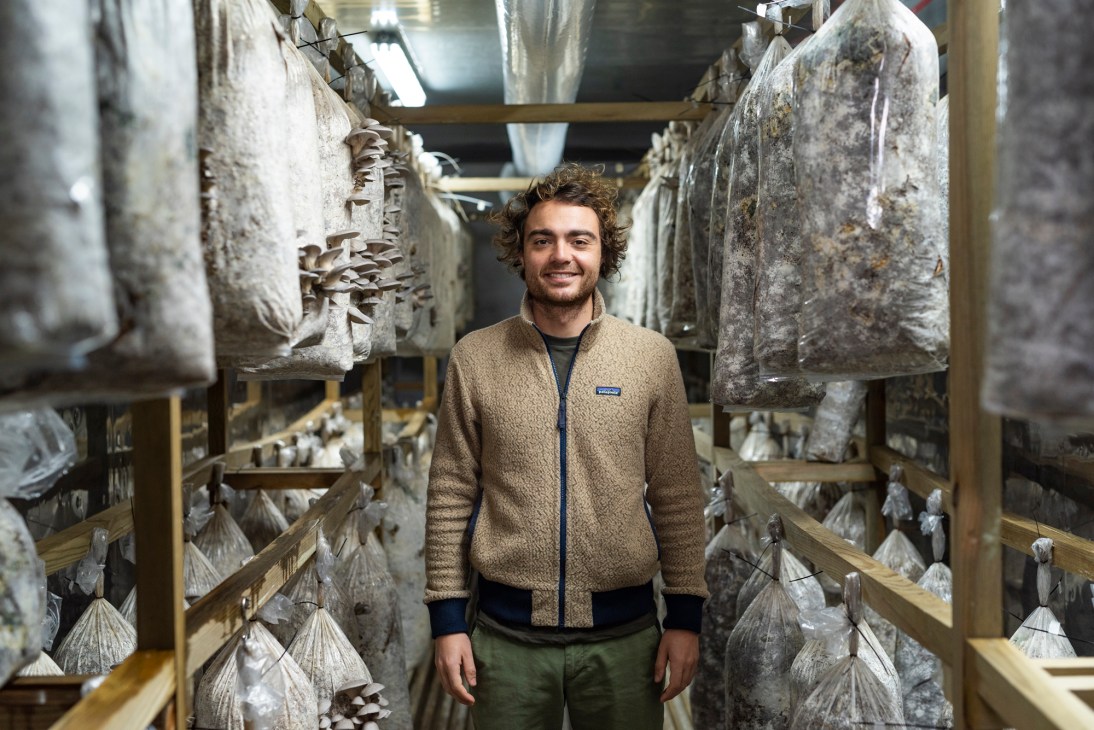
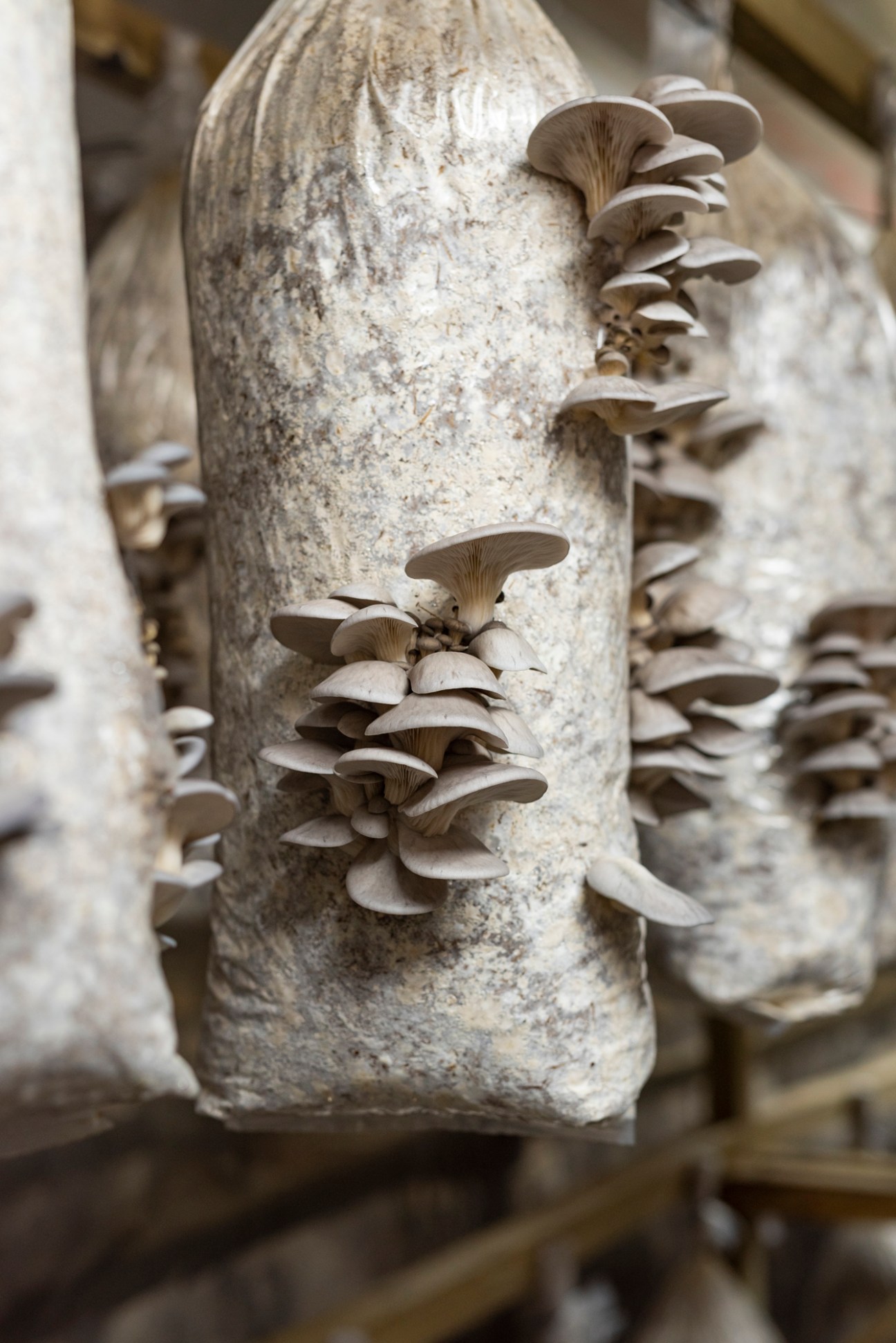
Coffee is an industry dominated by firms promising fair farming practices but just 1 per cent of the grounds ends up in our cups. The other 99 per cent normally go to waste, unless you are Natan Jacquemin (pictured), who has been transforming them into food for growing fungi. The Belgian, who moved to Lisbon in 2016, has long been fascinated with business models that stood for more than increasing profits. “At first, Nãm was small, harvesting only 50kg of mushrooms a month,” says Jacquemin, whose company caught the attention of Delta Cafés, Portugal’s largest coffee roaster, which agreed to supply used grounds.
Last year, Nãm moved into a new urban farm site: four shipping containers in Lisbon’s Marvila neighbourhood were fitted to turn 3 tonnes of coffee grounds into a tonne of organic oyster mushrooms every month. While 90 per cent of the fungi goes to restaurants and markets, the urban farm also welcomes passers-by. “It’s not just the sustainability that attracts people, it’s the quality too,” says Jacquemin. “They’re nothing like the mushrooms shipped from Poland or the Netherlands at the supermarket: by being within the city, we’re able to harvest in the morning and deliver in the afternoon.”
nammushroom.com
Why it works: One person’s rubbish is another’s gold. Jacquemin’s business model turns waste into something tasty.
Weeds and More
Singapore & Malaysia
While working as a food journalist in Singapore, Leisa Tyler unearthed details of the wasteful quantity of produce being imported from Europe and Australia. “It just seemed ludicrous that we were flying in all these expensive products that weren’t even fresh and had these humongous carbon miles attached,” she says. In 2016, Tyler and her husband Ewout Kemner founded Weeds and More, a farming collective that aims to cut the amount of flown-in fruit and vegetables that touch down in Singapore and Malaysia. Their solution? Growing more European vegetable varieties close to home.
But it wasn’t all smooth sailing for Tyler, who admits to having no vegetable-farming experience. She needed help, which came in the form of collaborators including organic farmer Fung Chee Siang in Malaysia, Singaporean restaurateur Loh Lik Peng (of the Unlisted Collection) and chefs Anthony Yeoh (Summer Hill) and Dave Pynt (Burnt Ends). Tyler also spent two years experimenting with seeds to see what suited the soil and climate, as well as convincing farmers that it would be worth the logistical headaches of trying something new.
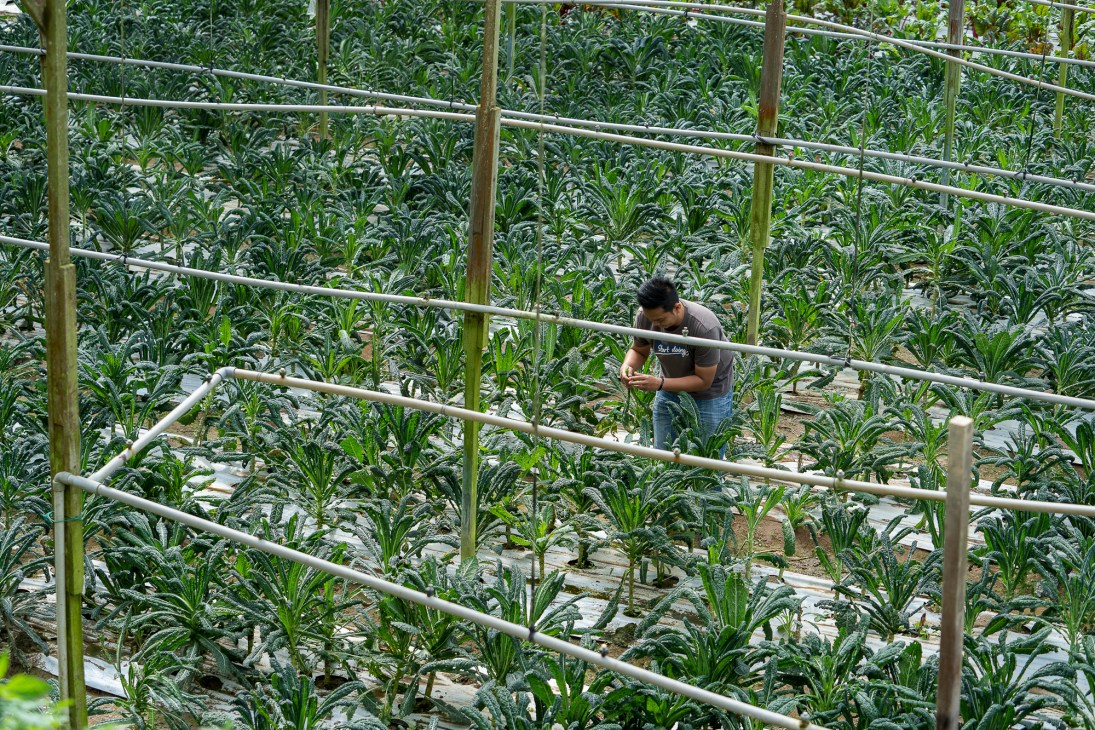
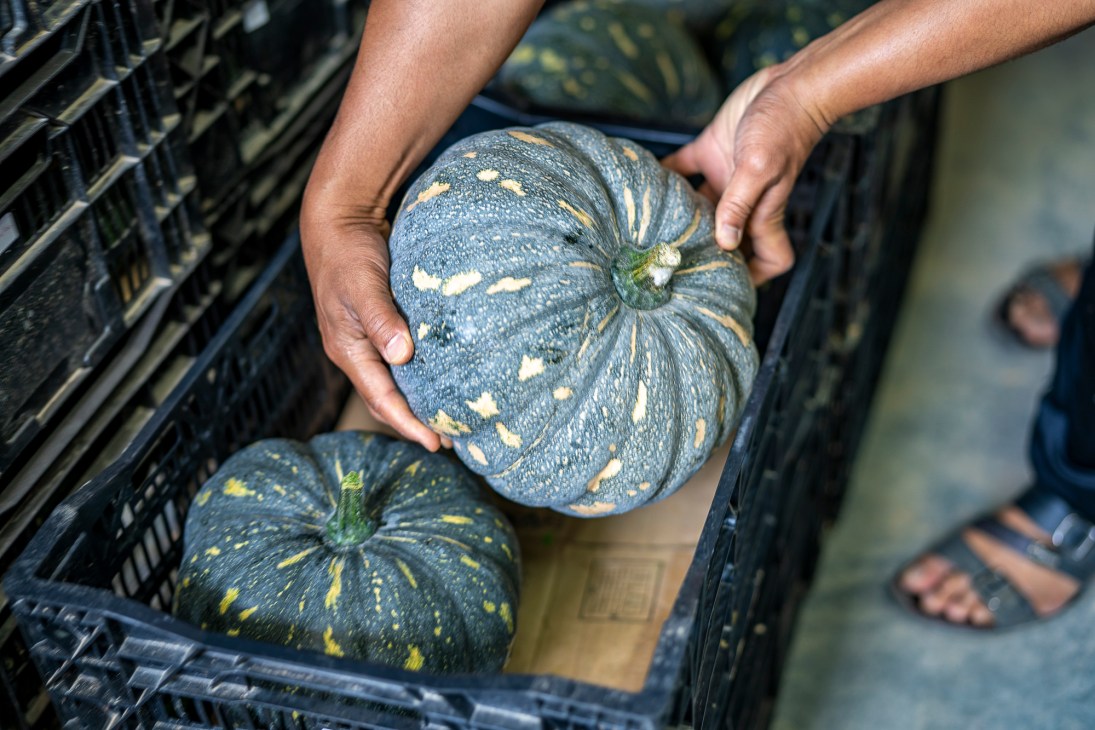
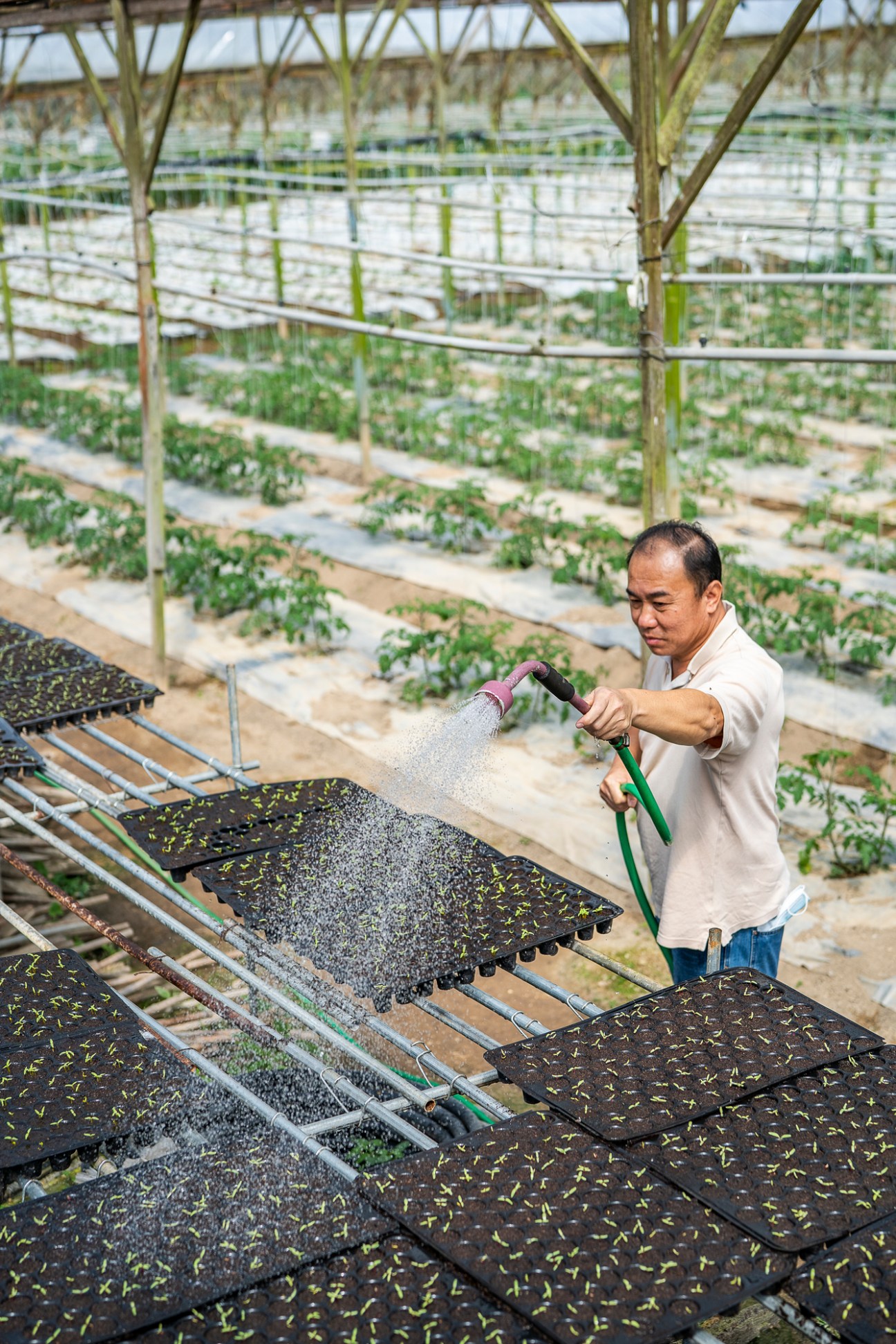
Today, Weeds and More partners with four ethically run smallholdings in Cameron Highlands in Malaysia, growing more than 10 tonnes of produce every month and supplying some 60 varieties of European herbs and vegetables including kale, heirloom zucchini and Swiss chard – all delivered fresh and quickly to hotels and restaurants in the region. “I never dreamt that it would get this far,” says Tyler. “The aim was just to be able to show that there could be a different model for farming and that we could do it more sustainably.”
When it comes to introducing sustainable methods to improve the livelihoods of farmers and stimulate the economy, Tyler thinks that Weeds and More’s accomplishments are just the tip of the iceberg lettuce. “We’re a minuscule percentage of what gets flown in from Australia, the Netherlands and France on a daily basis. If farmers started looking at other things to grow here, there’s a huge market.”
weedsandmore.com
Why it works: Singapore’s world-beating food scene is heavily reliant on imports and hard-to-grow ingredients. Farming closer to home minimises food waste, reduces air miles and gives chefs better produce more quickly.
Local Food Sharing
Tokyo
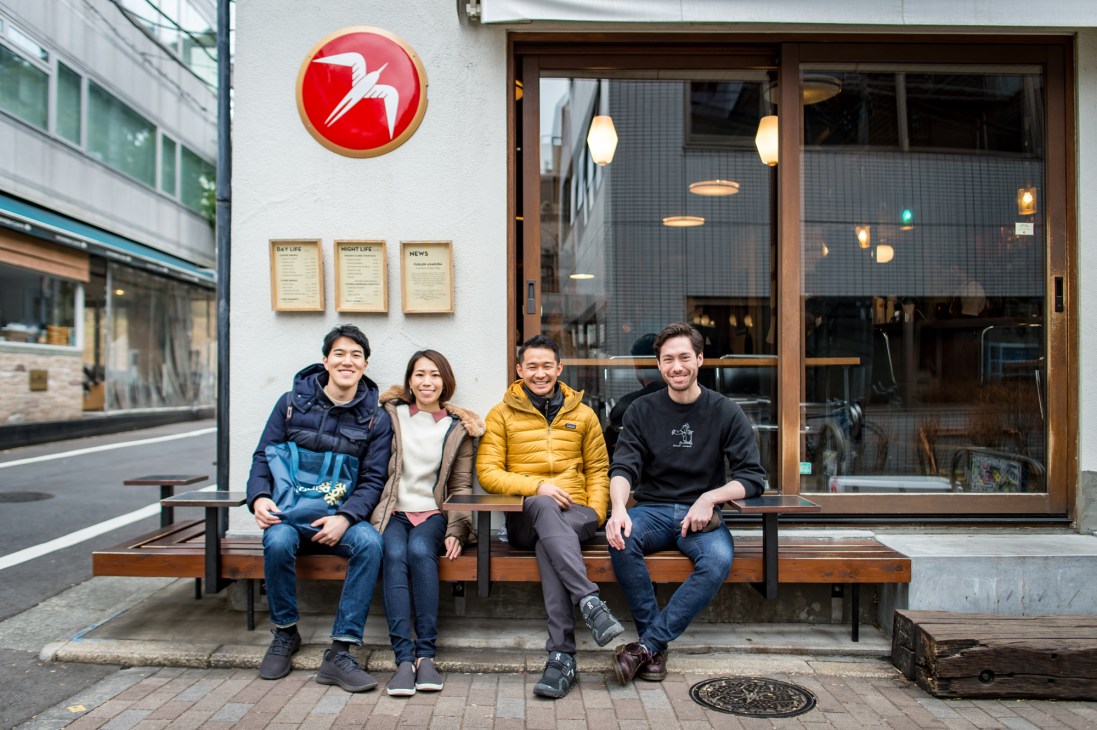
While the pandemic severely hurt small restaurants, cafés and bars across Japan, it brought one Tokyo neighbourhood closer together. “During the lockdown the farmers’ market was cancelled and restaurants were closed,” says Taro Yokoyama, who works in Pignon, a Tomigaya bistro. “I saw an oversupply of farm produce and I wanted to do something positive for society.” Yokoyama started buying extra vegetables from the farmers he trusted and sharing them with friends in the neighbourhood. It didn’t take long for his distribution of delicious organic spinach, carrots, turnips, rocket and sweet potatoes to create demand. Yokoyama’s friends started to place orders – and then their friends did too.
Chef Yokoyama’s intention to help farmers also fostered a sense of togetherness and a shared plight at a tough time for many. “One customer was working from home and would only go out to buy food to cook at home,” says Yokoyama. “He could no longer see the meaning of living in this neighbourhood. It’s fun just to have a quick chat at the doorstep and say ‘hi’ on the street. We realised how important it was to have a sense of community.”
Today, Yokoyama runs a co-op structure with a few farmers and supporters. Once a week, anyone can order a batch of vegetables online and pick them up at two cafés, in Tomigaya and Asakusa, for ¥1,200 (€9.60). With the advance order system, farmers can reduce food waste and the environmental and financial costs of delivery.
rotable.myshopify.com
Why it works: Food proved a useful way of keeping residents of the Tokyo neighbourhood of Tomigaya in touch with each other, as well as healthy and well fed.
Herbarium Officinale
Vienna
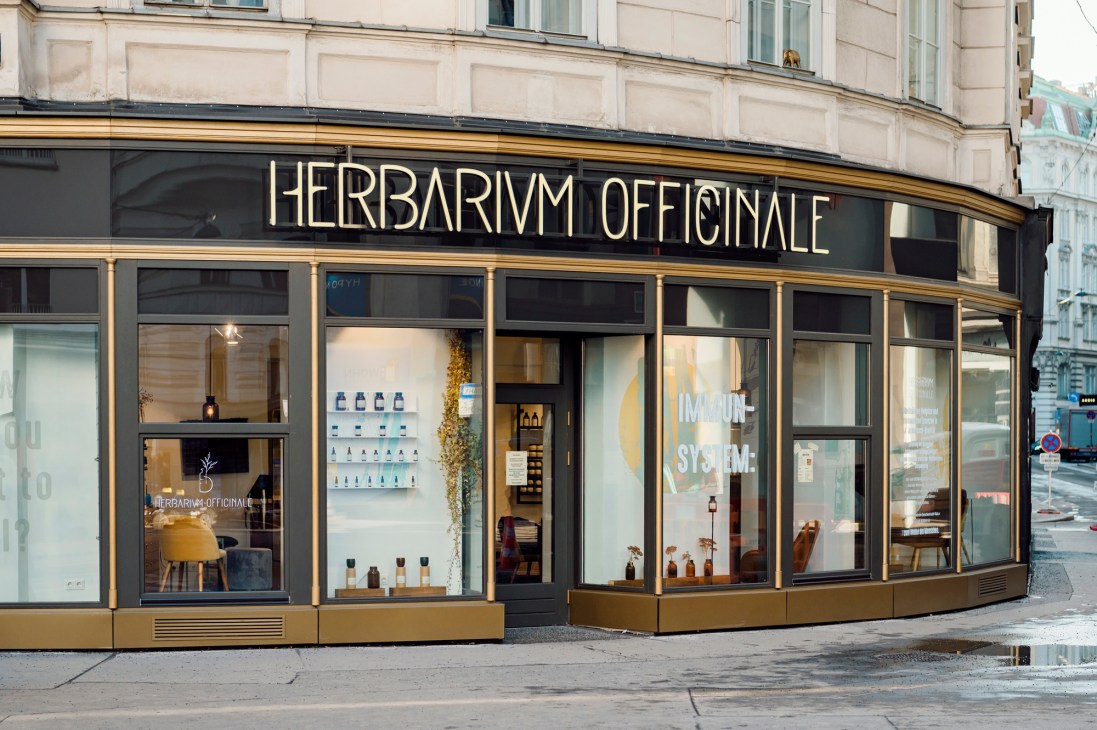
“How do you want to feel?” is the slightly nebulous first thing that the team asks when you step into the Herbarium Officinale shop in Vienna’s First District. This might put you on the spot but unlike a doctor’s stock opener (“What seems to be the trouble?”) the greeting is not an invitation to recite your list of grievances but rather a prompt to discover what you might be missing.
You’ll doubtless reply that you’d like to feel better in some way and, although it’s not a pharmacy, the shop’s wide range of herbs and organic goodies – powders, capsules, teas and tinctures – can help to improve your health, according to co-founder Richard Lanczmann. The ingredients come from around the world before being mixed and prepared on site to Herbarium’s recipes. “We believe that herbs should be brought back to the centre of society,” says Lanczmann. “They are so useful, they do so much good.” For that purpose, Lanczmann picked a location in the very heart of Vienna, on the Hoher Markt, with its historic art nouveau clock, where a prominent position assures high footfall from curious passers-by and those visiting the attraction.
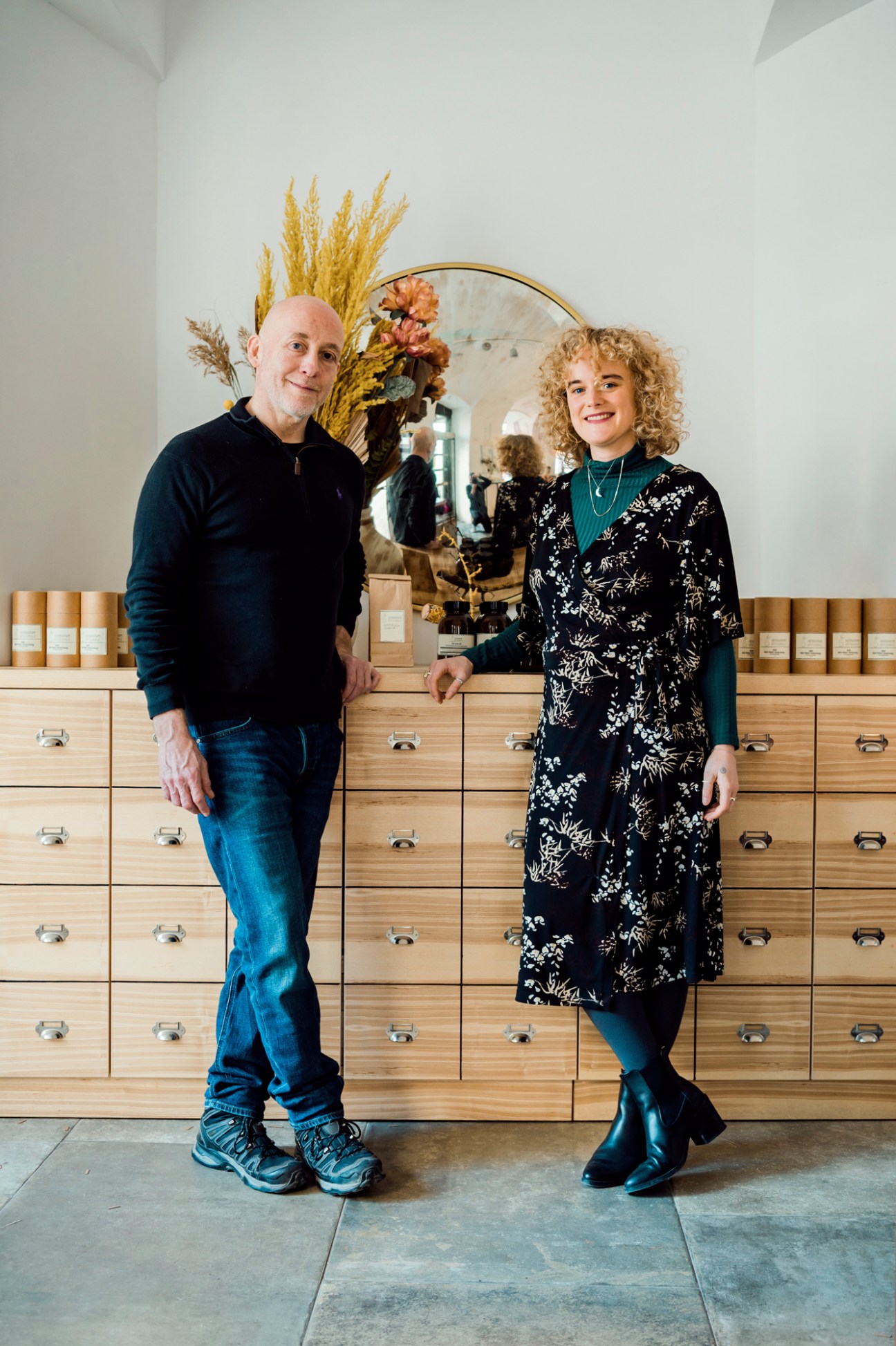
Lanczmann is an entrepreneur with 30 years of experience in retail and his passion has always been finding ways to improve people’s health. “Just being fit does not necessarily mean that you are happy or living life to your full potential,” says co-owner Sophie Huber (pictured, with Lanczmann).
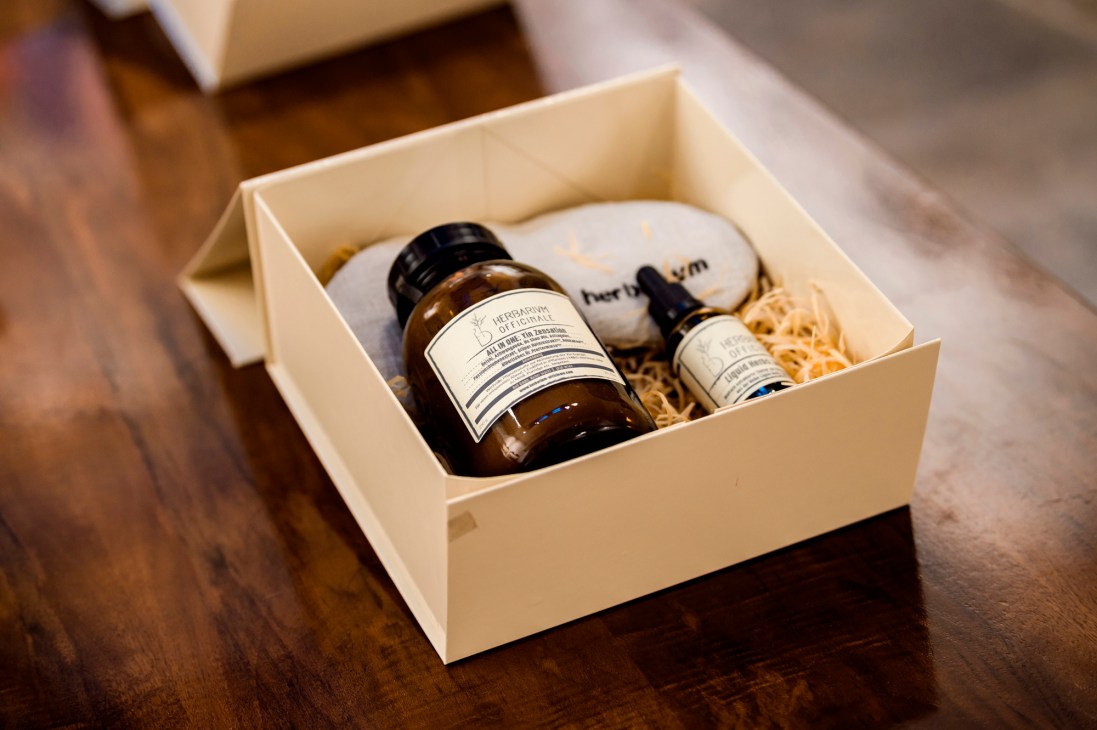
Sitting in the grey area between chemical treatments and airy-fairy cures, Herbarium’s products aren’t designed to treat severe illnesses. Instead they offer alternative fixes for widespread issues such as poor sleep or bad digestion. There are also products for boosting the immune system. “People call them ‘little’ problems but they’re not little,” says Huber, recounting the concerns she hears from many customers with so-called minor health complaints. “You have to have the trust of customers and we excel at this.”
Lanczmann also made a point of putting a small café at the shop entrance, where customers can try many of the products available or ask for tips. There’s a reason for this. “Take a pharmacy: you usually want to leave as quickly as you can,” he says. “But we want our customers to stay as long as they want and to feel welcome.”
herbarium-officinale.com
Why it works: Pills are only part of what makes medicine work. Herbarium realises that space to talk is important too.
Turning the tide
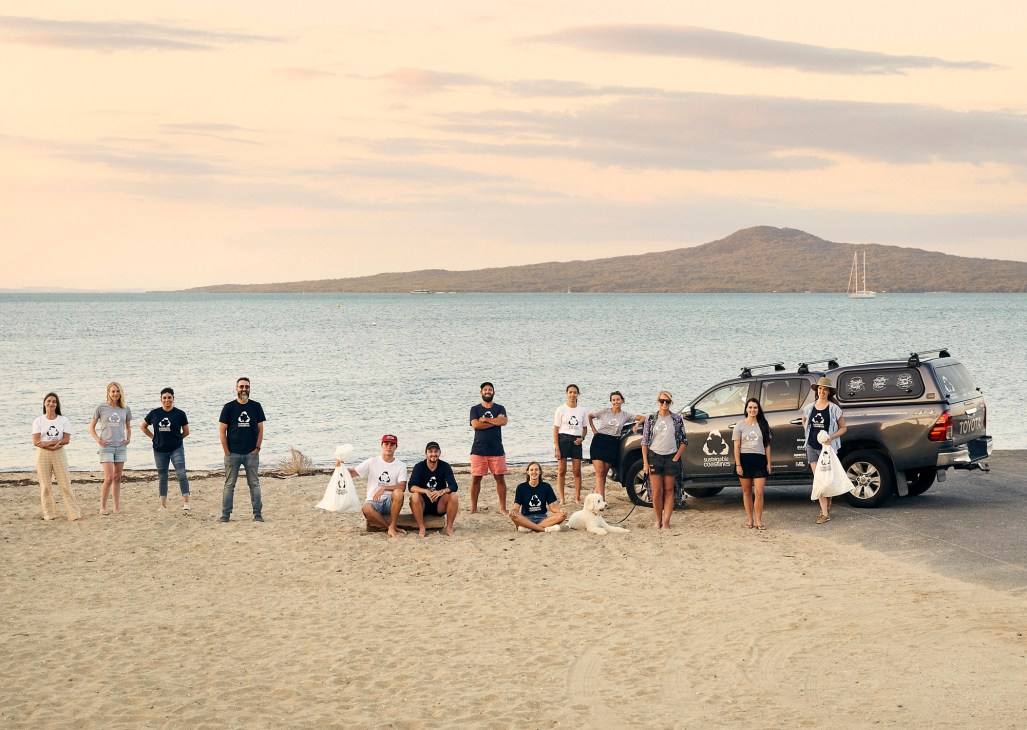
It’s sunset on a beach in St Heliers, an affluent Auckland suburb overlooking the volcanic Rangitoto Island. Camden Howitt, co-founder and programmes director of Sustainable Coastlines, picks up what you might call a “UFO” (unidentified flotsam object). “Hard plastic of unknown origin is really common,” he says.
New Zealand, a country of five million, has the world’s ninth-longest coastline: it’s more than 15,000km long. “As Kiwis, we’re very connected to our oceans and beaches,” says Howitt. But they’re not so keen on the rubbish that washes up on them. Since 2009, Sustainable Coastlines has held more than 1,400 Love Your Coast beach clean-ups, removing 225 tonnes of waste, about 75 per cent of which is plastic. The simple act of picking up debris from beaches has remained at its core (attracting more than 120,000 volunteers), even with its new programmes and national and international awards.
The Flagship, its central-Auckland HQ, was built by more than 2,000 volunteers, mostly from salvaged materials. The 19 staff, plus interns, in Auckland and elsewhere come from various backgrounds; the team includes scientists, creatives and educators. The organisation’s world-first Litter Intelligence has established New Zealand’s first national litter database; the resulting data is freely available. Its Love Your Water programme has taken more than 225,000 people to plant trees by rivers and streams, improving the quality of the water before it flows into the sea.
Sustainable Coastlines has held beach clean-ups on 12 other Pacific islands and Howitt hopes to expand worldwide. “We’re just beginning,” he says.
Camden Howitt
Co-founder and Programmes Director
Howitt, 37, grew up by the seaside in sunny Christchurch. He studied product design and Spanish, and worked in advertising but wanted to do something that had a greater impact. At 25 he co-founded Sustainable Coastlines to clean up and protect our oceans. His programmes, passion and positive energy are still driving the organisation.
The Cabinet
Becky Taylor
Litter Intelligence Education Co-ordinator
“Educator extraordinaire”
Helen Adams-Blackburn
Communications and Content Co-ordinator
“Disseminator of ideas”
Veronica Rojo
Partnerships and Campaign Manager
“Makes friends”
Josh Borthwick
CEO
“The beard guy”
Jack Evans
Communications and Marketing Intern
“Jack of all trades”
Dan Downing
Programmes Manager
“Waterway warrior”
Caitlyn Prince
Operations Intern
“Sunscreen enforcer”
Ella Lambert
Operations Intern
“Workshop wizard”
Gary
Head of Wellbeing
Natalia Groom
Programme Co-ordinator
“Volunteer wrangler”
Stephanie Vercoe
Strategic Partnerships Director
“Chief handshaker”
Kayla Swannack
Education Intern
“Evaluation expert”
Shawn Elise Tierney
Litter Intelligence Programme Manager
“Rubbish whisperer”
Repair, restore, repeat. Eight master craftspeople keeping our treasures alive
1.
Lighting repair
Svenska Armaturer, Stockholm
“Restoring lights is a little bit like assembling Meccano,” says Erik Heggestad, founder of Svenska Armaturer. “It might be the most standardised repairing niche that there is.” Founded on his passion for renovating industrial lights, his shop in the Stockholm suburb of Midsommarkransen sells about 50 remade and rebuilt lights a week, as well as restoring various pieces for a loyal clientele. “I have seen a growing interest for restored lamps and pendants in the past few years,” says Heggestad.


Filled with old industrial fixtures, custom-made brass parts and colourful glass shades, Heggestad’s repurposed 1920s tobacco shop is one beautiful venue. It’s open four days a week to allow time for building and repairing lights. “I call what I do conservation, or byggnadsvård [Swedish for nurturing the built environment],” says Heggestad. Many customers travel from far afield to get professional guidance on maintaining their lighting. “Most customers spend an hour or more with me, discussing ceiling heights, light quality, special fixtures and so on,” he adds. “They want a full personal consultation.”
2.
Boat repair
Norman R Wright & Sons, Brisbane
Australian boat-building company Norman R Wright & Sons sits on the southeastern bank of the Brisbane river. Company directors, brothers and third-generation boat builders Bill and Ian Wright honed their craft under the tutelage of their grandfather Norman and father Ron, the latter of whom was the first naval architect in their home state of Queensland. “Wright & Sons is very innovative in keeping timber shipbuilding alive,” says Bill.


Restoration work accounts for half of the company’s revenue and projects span anywhere from a few days to seven years. Today a team of 40 work in the Brisbane factory, and, though either partly or fully retired, you’ll still spot the brothers dropping in on jobs and doting over the vessels. “She’s worked hard all her life,” Bill says of Norfolk, the 1999 hydrographic survey boat for the Queensland Government that’s in for repairs. In the shade across from Norfolk is Saltash II. This 1966 day sailor was converted by the brothers so that they could compete in the Brisbane to Gladstone Yacht Race – 23 times. “She was getting pretty tired but she’ll last a lot longer now,” says Ian.
Back in the company’s driveway sits a “donga” (transportable site office) that’s nearly at bursting point from 112 years’ worth of archive material. It’s this access to encyclopedic knowledge of boat design that gives Norman R Wright & Sons the edge – that and its unwavering commitment to superb craftsmanship. “We have a massive library here that enables us to find out how those boats were built,” says Bill. “So we can rebuild them in the exact same way they were constructed.”
3.
Furniture repair
Reixue, Montréal
Laura Azzalini had long-held ambitions of a career in furniture design, which was based in part on her heritage – her family owned the Azzalini furniture factory in Italy in the early 20th century – as well as the furniture-making pedigree of Montréal, where she lives. In the 19th and early 20th centuries, the latter boasted dozens of furniture manufacturers and a constellation of associated industries, from fabrics, woodwork, weaving and welding.


But after graduating from design school, Azzalini’s motivation changed. “I started looking at vintage furniture that could be fixed,” she says. In 2016 she established Reixue (pronounced “reissue”) in Montréal’s Mile End neighbourhood with her fiancé Andrew Pitchko, a former vice-president of footwear and accessories at the Champion clothing brand. Reixue sources and breathes new life into well-made furniture and design objects, usually one-offs, and, in particular, items made by under-represented Canadian designers and artisans. “We’re always challenging ourselves to be more sustainable, like using naturally dyed fabrics and bringing that into the restoration work,” says Azzalini, noting that the broader furniture industry and its fixation on constantly introducing new products to the market is starting to feel old-fashioned. “It feels good, going back to that idea of sustainability.”
Of the restoration process, Azzalini says that there’s a fine line when you decide what stays and what should go. “This idea of time passing on materials, the patina, the textures – you can’t replicate that,” she says. Reixue’s work to date includes restoring chairs by Herman Miller and a bookcase by Ettore Sottsas – design’s rich heritage is in safe hands.
4.
Book repair
Nobuo Okano, Tokyo
“Made in Japan” is a term that tends to be synonymous with “built to last”. So it’s no surprise that in a country of brilliant makers, there are skilled repairers for just about anything. Nobuo Okano is one of them, specialising in the restoration of printed matter. The 75-year-old is a self-taught book repairer and binder based in Tokyo, who has been in the trade for 40 years.


Okano’s solo operation in a small workshop is a 15-minute walk away from the University of Tokyo’s Hongo campus. “When I first started bookbinding, it was a rare job,” says Okano. “It was a time when people didn’t know that you could make and repair books by hand.” In 2013 his services were featured on the internet, word began to spread and his business grew. Now he has a waiting list of one year. The cost? “It depends on how far you want to go and how many pages the book is,” he says. “It could be anything from ¥500 [€4.00] to ¥50,000 [€400].” The spectrum of his services runs from simply recreating a new cover to overhauling a whole book, straightening every single page with an iron. Bibles are a regular fixture. “People make a lot of notes on the Bible, so they cannot simply buy a new one,” he says. Family photo albums and magazines needing repair require Okano’s magic hands too; the publisher of popular title Popeye recently paid him a visit to repair an old issue.
The requests vary, but what is common among his clients is that they all have precious memories connected to their print publications. “One day a woman brought in an old dictionary that belonged to her mother,” says Okano. “It was a dictionary she bought when she was poor and had treasured it ever since. When I handed the repaired dictionary to her, she held it to her chest and said ‘I’m so happy’. I vividly remember that moment.”
5.
Bike repair
Guten Biken, Munich
“Often people bring in their bike and ask me, ‘Is it worth fixing?’” says Davo Phillips, owner of Guten Biken (Good Riding), a Munich-based bicycle-repair service and custom bike shop that he opened in 2010. “As soon as they start asking, I’m smiling already – because I’ll say ‘yes’ every time.” Phillips notes that some of the most rewarding repair jobs come from conversations like this; a client might bring in an old dusty bike from a parent that was left in a cellar for decades. “Some customers are just happy to have their dad’s bike restored for riding and are willing to spend €1,000 in the process.” In a city such as Munich, which has a rich cycling culture, a “dad bike” is a piece of design worth preserving.


Arriving from Australia to Munich in 2005, Phillips describes his surprise in finding that he’d landed in a cycling paradise. “I couldn’t believe it, seeing people casually riding around on bikes that were 70 or 80 years old,” he says. In his repair work today, Phillips tends to see a lot of US-made mountain bikes from the 1980s, and classic Japanese and Italian road bikes from a similar time. It’s an era, he says, when cycles were built to last and designs were superb. “I’m working on bikes from the 1950s too,” he adds. “I’m integrating modern parts but there are traditions in bike manufacturing – even from back then – which mean that these cycles can still be combined with parts made today.”
Phillips describes the work he does as expensive: Guten Biken is an appointment-only business using only high-quality materials. Refurbishing a 70-year-old bike takes time, creativity and serious expertise, and Guten Biken customers appreciate this skillset. “We make a 30-minute appointment for every customer, where I detail everything on their bike that can be changed, down to the last screw,” he says. “Sometimes the customer might go for a cheap and dirty fix to see them through winter, but many of these same customers will come back again for a more comprehensive overhaul.”
6.
Art repair
Julia Nagle, London
Art conservation is a job of fine practical and scientific skill, deep art-historical knowledge and not a little subtlety in the field of expectation management. Julia Nagle, who operates from a converted laundry in an inauspicious pocket of north London, is one of the most trusted conservators in the business. “A massive part of my job is to talk people through the process of working on their painting and what the options are,” says Nagle. “It’s like plastic surgery. Our mantra is ‘less is more’: if you change one thing, you start noticing something else.”


Today we are looking at 18th-century British painter and pastels specialist John Russell’s portrait of his mother from circa 1770. It is owned by the artist’s relative, Brian Russell, who committed it to the restorative care of Nagle and her team. The lady, in her lace bonnet and burgundy dress, is some 250 years old – how’s she looking? “Well, she’s looking a bit brighter now,” says Alice Craigie, a member of the team and an artist in her own right. “First we clean the painting, and we use adhesive to lay flaking paint, where necessary,” she says. “And this all goes in a condition report first.” This report details what work needs to be done and how much it might cost. In the commercial and institutional art world, it has become an increasingly vital document – ever since art has been traded as an asset.
The Nagle studio is on call during the Frieze London and Frieze Masters art fairs to carry out condition reports for prospective buyers and sellers, and to offer help during the installation of booths. Metal works have required welding, canvases have required overnight repair – but some work just turns up dirty. “You assess from the back to the front, from the support up through the layers, the stretcher, the strainer, for marks, assess the artist’s preparation, the paint surface, then finally what’s on the paint surface,” says Craigie, as though reciting a litany. “Except that every time it’s different,” says Nagle. “And at the end of the day, we all get to touch a lot of things that we really can’t afford. I love it, really.”
7.
Silver repair
Tina Bentzen, Copenhagen
Silversmith Tina Bentzen has been honing her craft for the past 20 years as part of a team of 18 specialised artisans, fixing scratched trays and dented pitchers for Danish silverware brand Georg Jensen. Recently she spent a busy two months breathing new life into a set of heavily scratched 250-year-old trays belonging to the Danish royal family. “Repairing is much harder than creating something new because you have to maintain the item’s history and fix only what the customer asks for,” she says from the studio in Copenhagen’s Frederiksberg district, where the artisans practise decades-old curving and polishing methods via a completely manual process.


“We work in a very old-fashioned way and there are only a few modern techniques we follow here,” she adds, noting that the metalsmithing studio she enters at 07.00 every day looks basically the same as it did when it was founded more than a century ago.
Bentzen’s workplace sits within Georg Jensen’s headquarters, where alongside the production of more than 3,000 new silver product types, the team of heavily trained silversmiths busy themselves fixing damaged trays and dented pitchers. Repairing items made from silver is a craft that Bentzen enjoys perfecting through the help of her colleagues – especially at a time when consumers are increasingly aware of the environmental benefits of repairing rather than replacing. “It’s a fulfilling and meditative process,” says Bentzen. “There’s hardly anything we cannot repair.”
8.
Camera repair
Playmon, Madrid
“We are technicians with a soft spot for the past,” says Begoña Monroy, whose family runs a much-loved camera-repair shop in Madrid. After several years working for Japanese manufacturer Yashica, her father, Laurentino, opened his own repair shop with his wife in 1978 and named it Playmon, a contraction of the couple’s surnames: Plaza y Monroy. Today their expertise is sought-after by professional photographers and novices alike. Laurentino can fix basically everything, from vintage Rolleiflexes to digital point-and-shoot cameras, as well as photography equipment such as flashes, light meters and even binoculars.


Having a broad expertise is not only the result of decades of experience; it’s a matter of survival. Laurentino (pictured) has had to adapt to technological advances throughout his career that have completely revolutionised the industry. “We’ve had to learn along the way as new technology emerged,” he says. “We are pretty much self-taught.” While analogue cameras now make up only a tiny part of the business, he still preserves the machinery needed to fix them and even crafts his own spare parts when originals are too difficult to find. It’s an important part of the job, says Begoña, not because it’s particularly profitable but because of the emotional value that these objects often have for their customers.
“It’s about giving someone the satisfaction of being able to use their 40-year-old camera once again,” says Begoña. Recently, she tells Monocle, a young man stepped into the shop with a Yashica Electro 35 that had belonged to his grandfather, who had just passed away from coronavirus. “When he was emptying out his apartment, he found the camera along with a collection of old photographs his grandfather had taken with it – and it immediately motivated him to learn how to use it,” she says. It’s this kind of customer that the Monroys appreciate the most; Playmon understands that some objects – especially those that carry memories – are simply irreplaceable.
Power tools
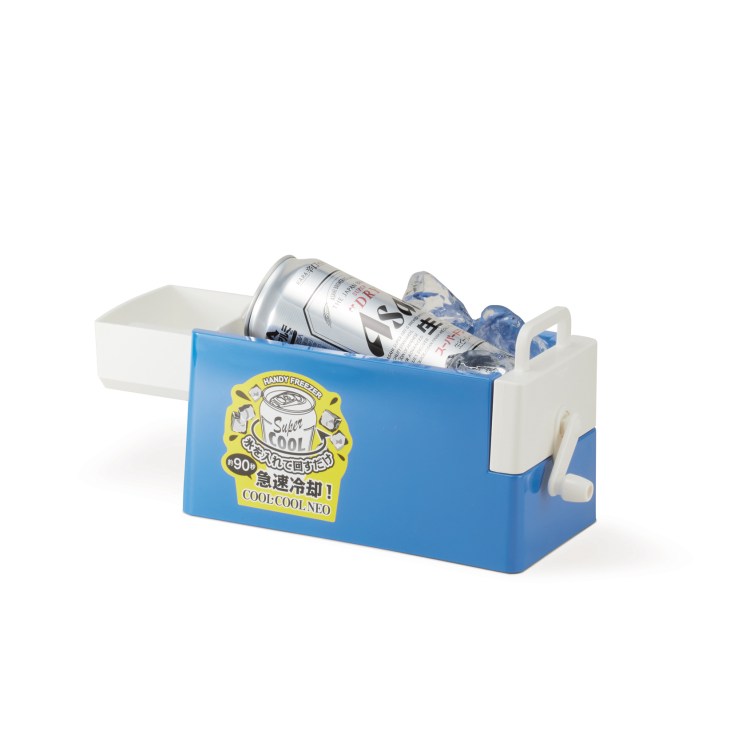
Mantensha
Place a can in the cooler with some ice then spin the handle for 90 seconds for a quickly chilled drink.
mantensha.co.jp

Axe Yamazaki
A stitch in time saves nine and this sleek sewing machine is great for beginners. Made by a 75-year-old company from Osaka.
axeyamazaki.co.jp
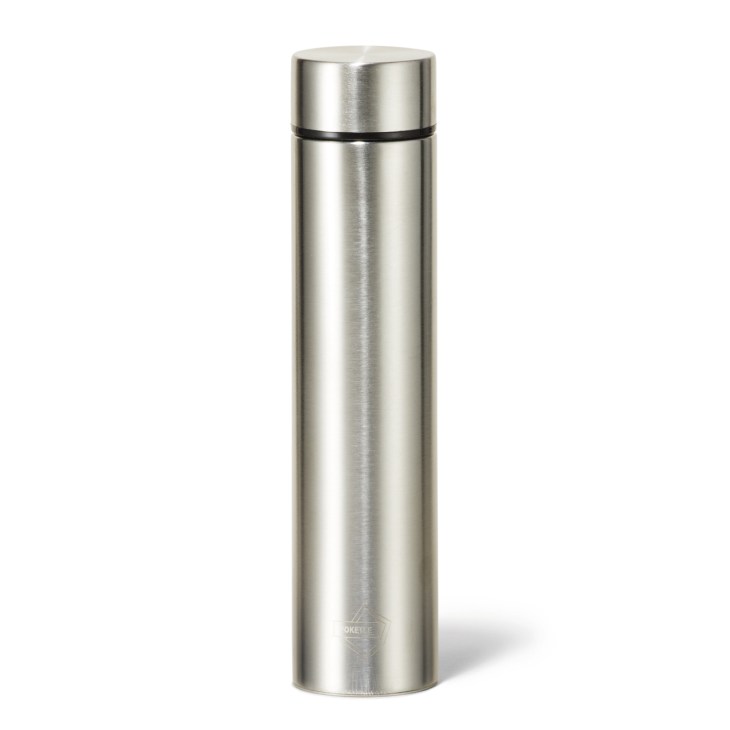
Design Works Ancient
This is the lightweight solution for holstering a takeout coffee. The svelte, stainless-steel number holds 180ml.
poketle.com
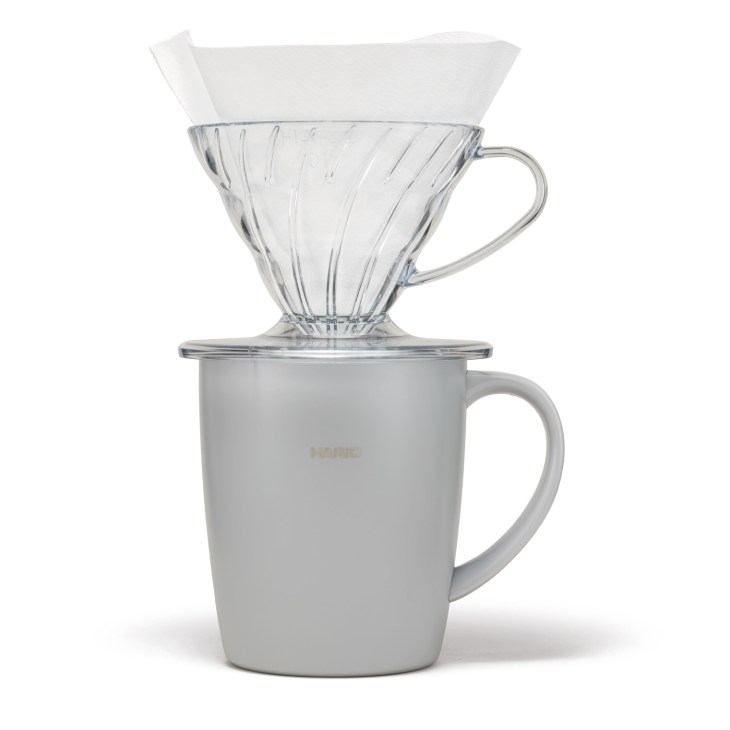
Hario
A thermal mug, filters and filter holder from a historic glass-maker.
hario.com

Skater
Banish blackened bananas from bags with this ventilated case.
skater.co.jp

More Trees Design
A classic toy made from cedar, designed by Kengo Kuma.
more-trees-design.jp
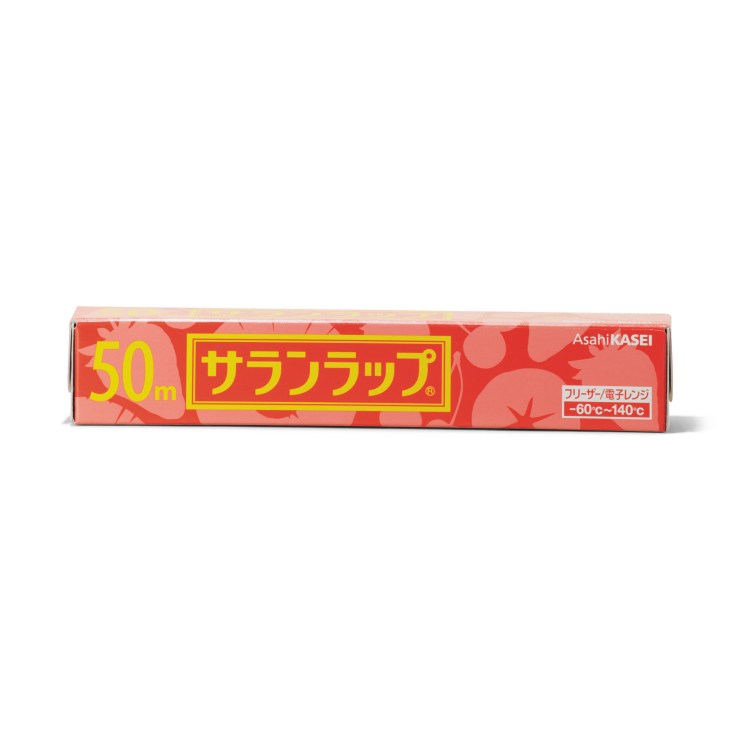
Asahi Kasei
Fed up with those ridiculous tangles? Japan’s biggest-selling film is easy to use.
asahi-kasei.co.jp
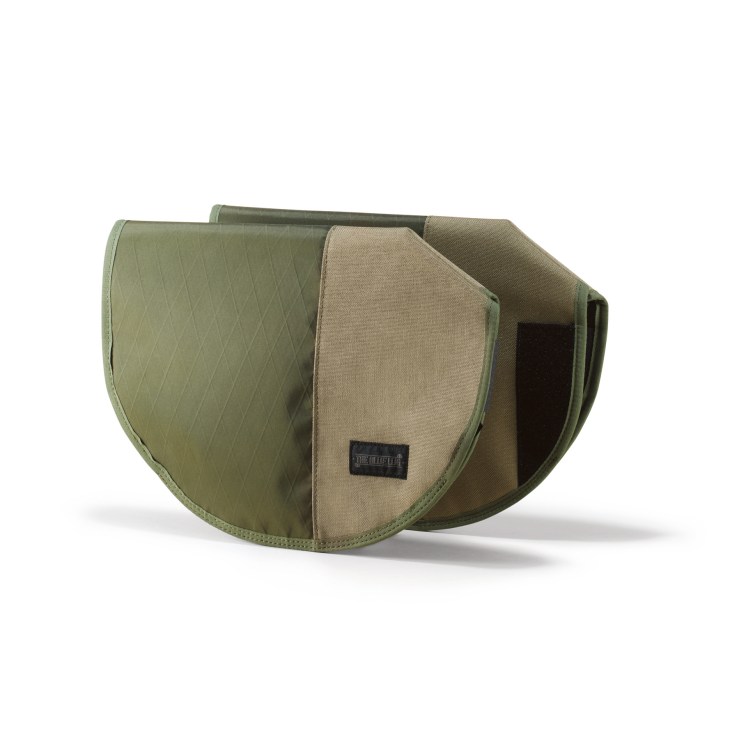
Blue Lug
Parents who use child-carrying mama-chari bikes appreciate mitts that attach to the handlebars; this is the cool version from cycle shop Blue Lug.
bluelug.com

Hakoya
A staple of the school bento (lunchbox), the onigiri is a seaweed-wrapped rice ball, usually triangular. These cases keep them in perfect order.
hakoya.co.jp
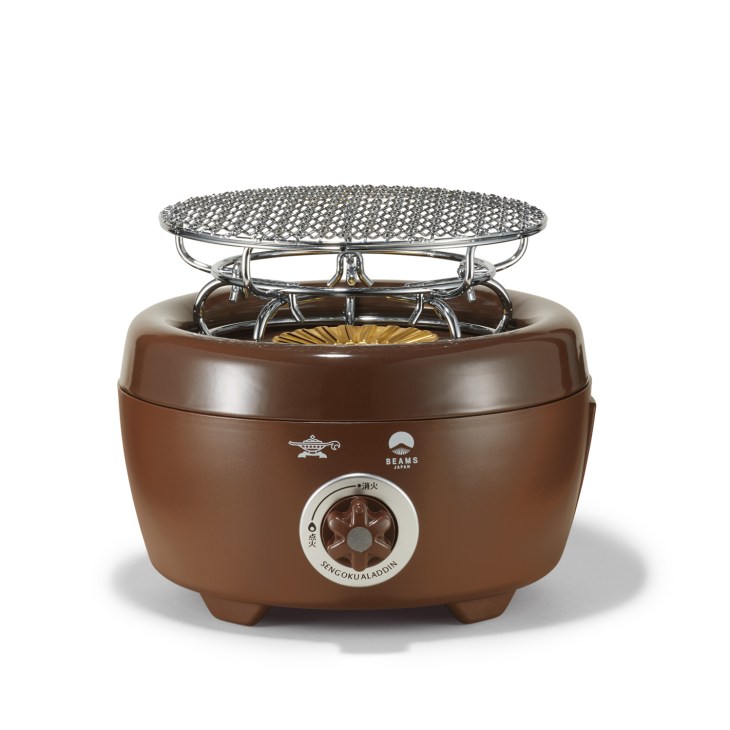
Sengoku Aladdin
A fixture in Japanese households. This retro model comes from Sengoku Aladdin; the colour is exclusive to Beams Japan.
aladdin-aic.com; beams.co.jp
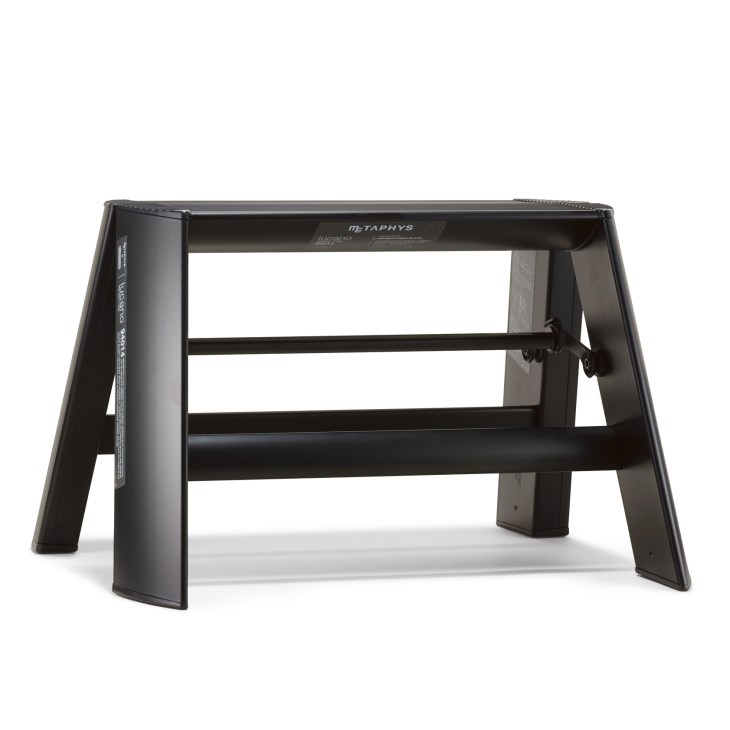
Metaphys
Footrest? Stool? Step? You decide. The Lucano takes the mini stepladder to the, ahem, next level – in many colours and sizes.
metaphys.jp
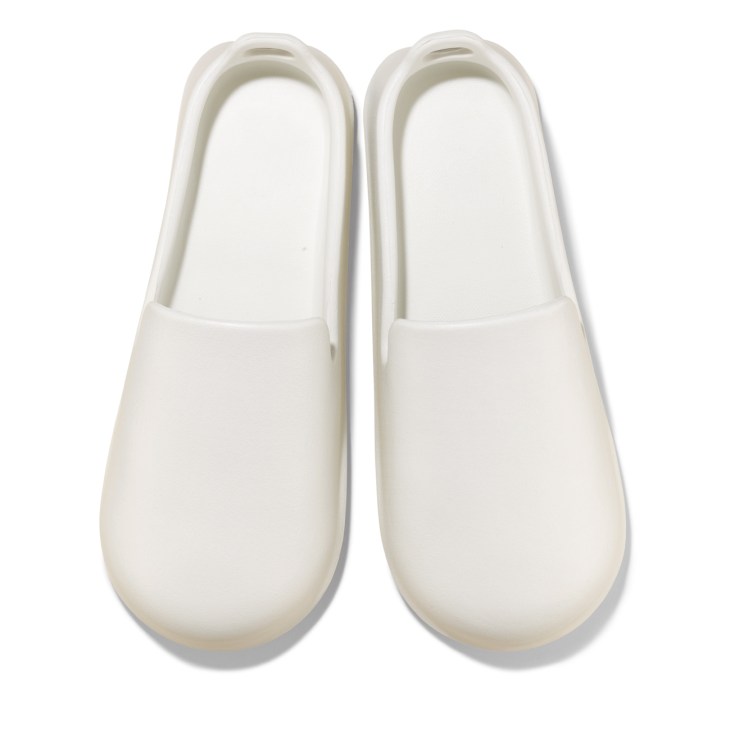
Marna
Essential for cleaning a bathroom. Easy to slip on and off. Most importantly, they keep feet clean and dry.
marna.jp
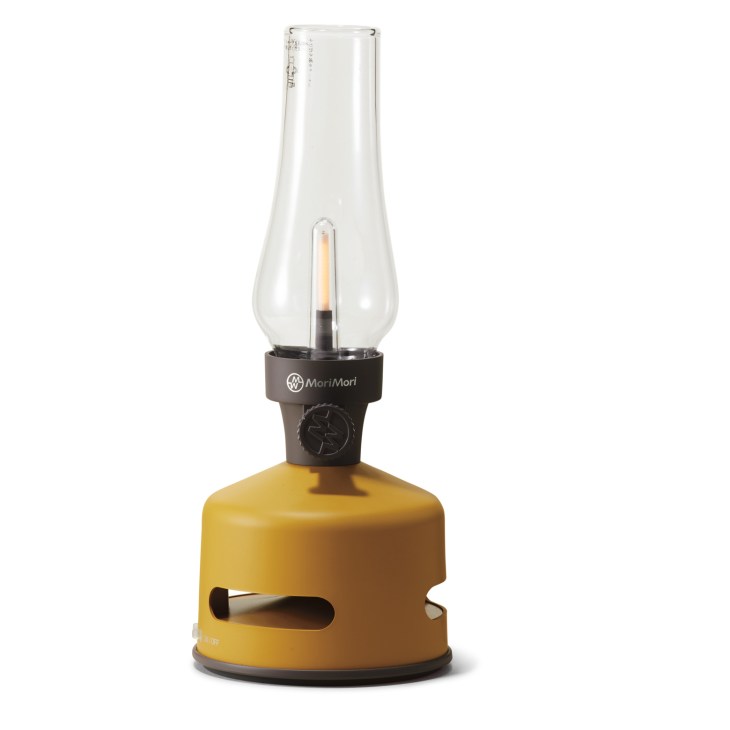
Mori Mori
What’s not to like about this snug led lantern, which doubles up as a Bluetooth speaker? Adjustable light casts an appealing glow.
mori-mori.shop
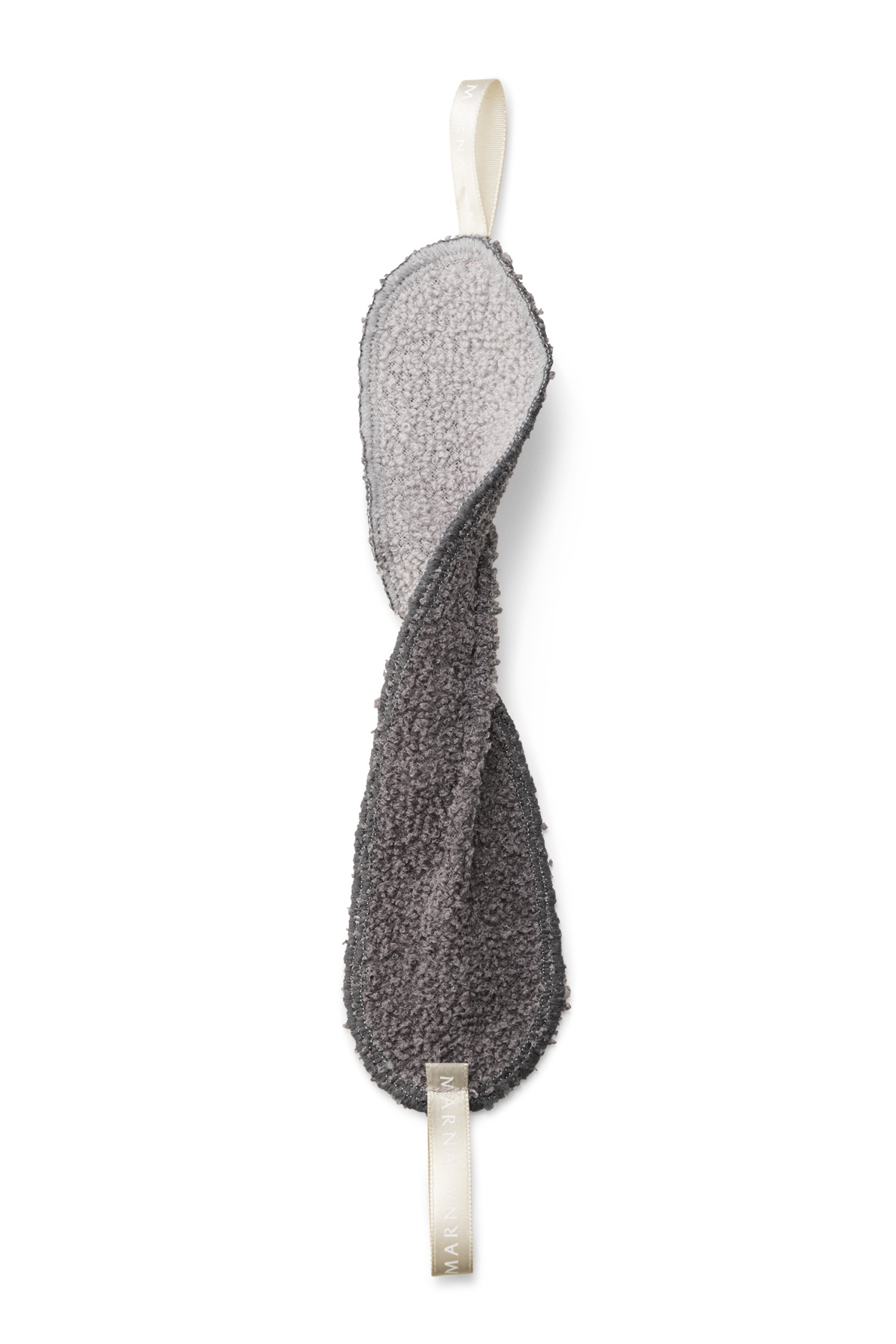
Marna
Made in Japan by Marna since 1872, this cloth does one job well: cleaning the back of a tap.
marna.jp
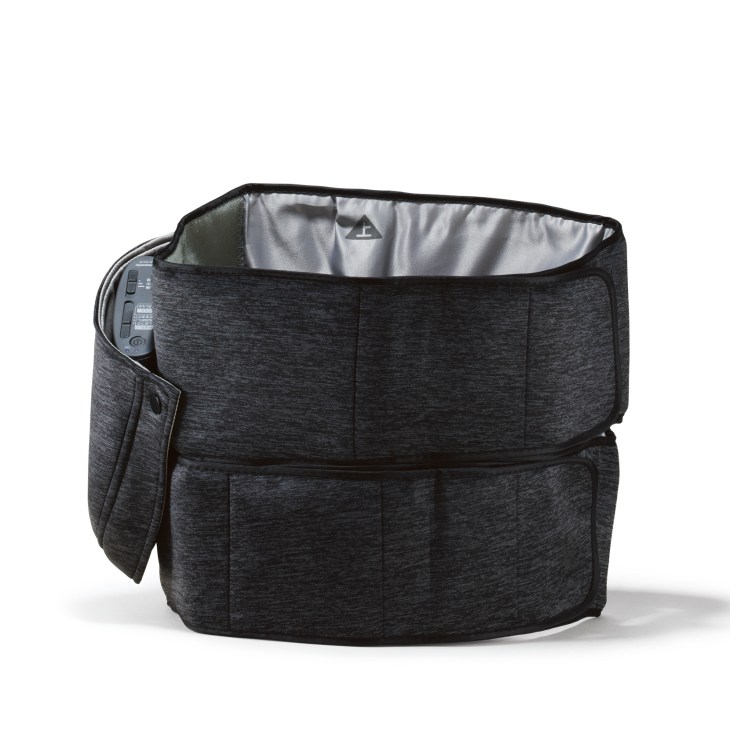
Panasonic
Too much desk work? Slip into this cordless contrpation to loosen the tight muscles around your pelvis, hip and thighs.
panasonic.co.jp

Think of Things
You can create your own configuration of folders with this home or office storage solution from Kokuyo.
think-of-things.com
Field of vision
The Landscape Lodge
Cercle, Haute Savoie
Fashion designer Frances Stringer and her software developer husband Mark Ingman knew that they’d stumbled on something special when they discovered a dated chalet in the village of Cercle in France’s Haute Savoie.
As well as offering an escape from their busy London lives – and somewhere for their children Indigo and Dylan to grow up – the idea of a holiday home soon developed into a location that other guests could enjoy. “We had always dreamed of owning a place for ourselves in the mountains. It would be a space to share with family and friends, where we could create lasting memories,” says Stringer. “When I turned 40, I got the urge to get on with the plan and so our adventure began.”
Their search started around the popular and densely populated Alpine resort of Morzine but the net soon widened. “We wanted to feel like we were escaping to a retreat,” says Stringer, who previously worked for Pringle of Scotland and Mulberry. The search led the couple to the valley of Abondance and a string of hamlets, which had kept their rustic Savoyarde charm. The village of Cercle in particular stood out for its views across the Sous le Pas l’Envers mountains: hence the name, The Landscape Lodge.
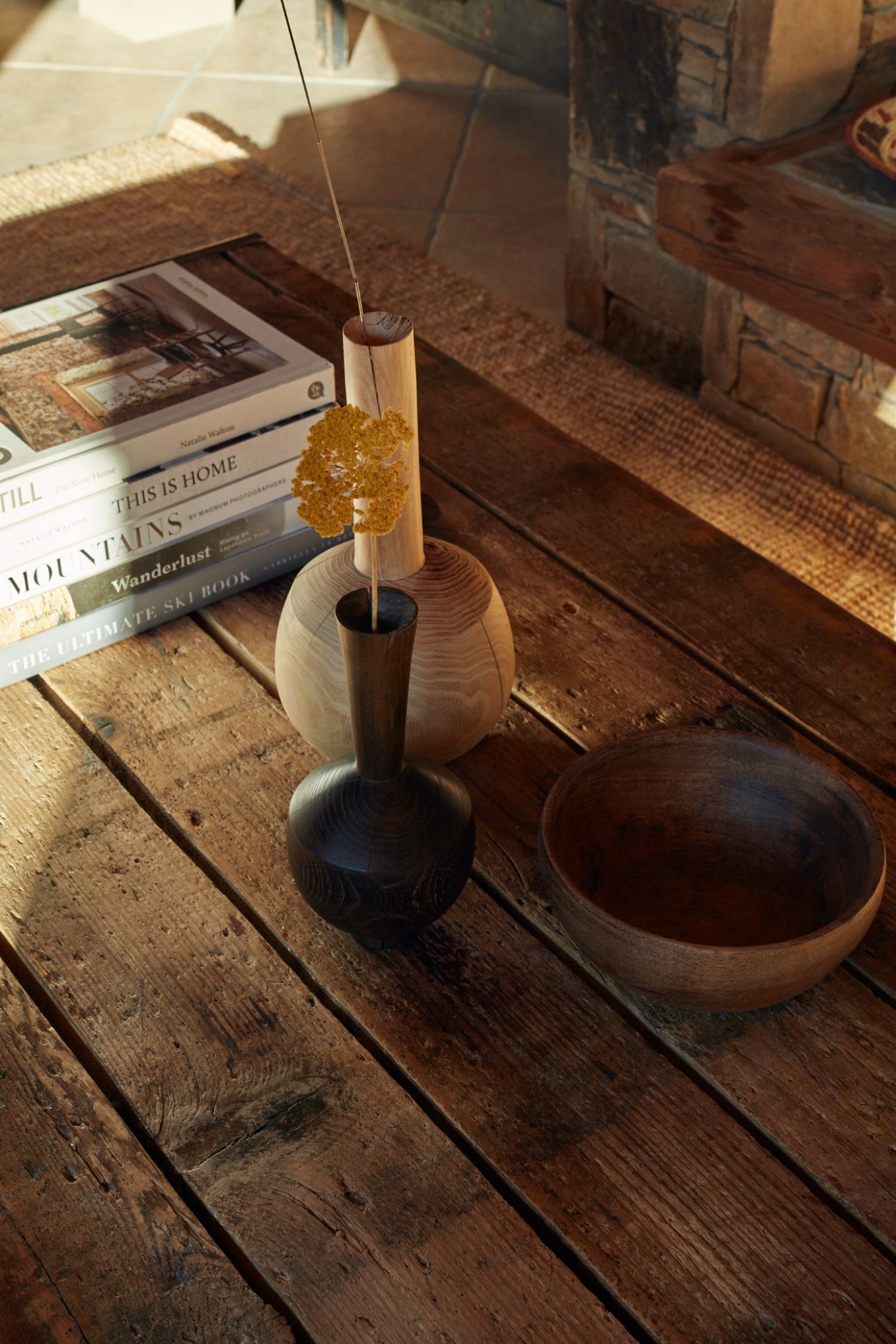
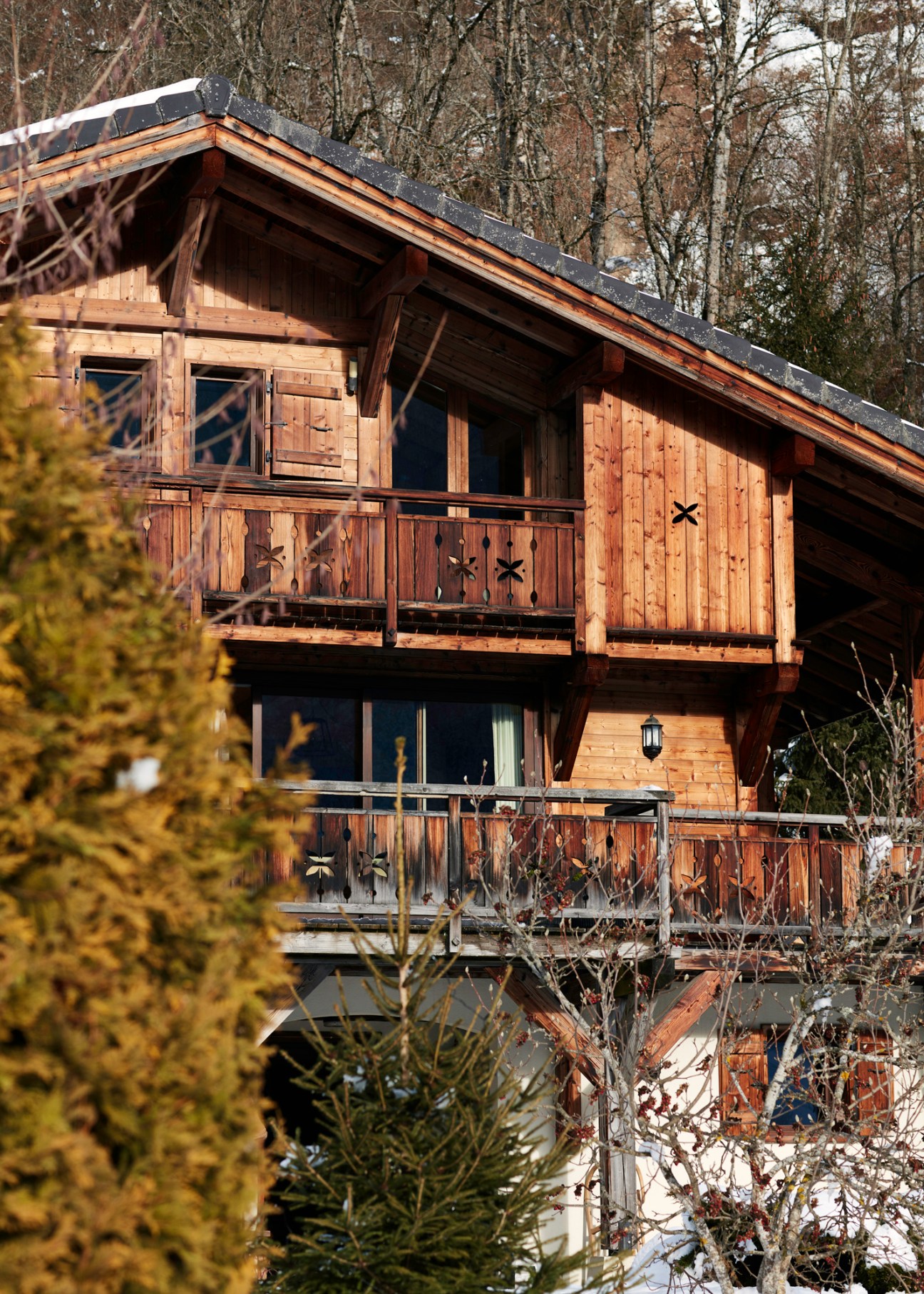
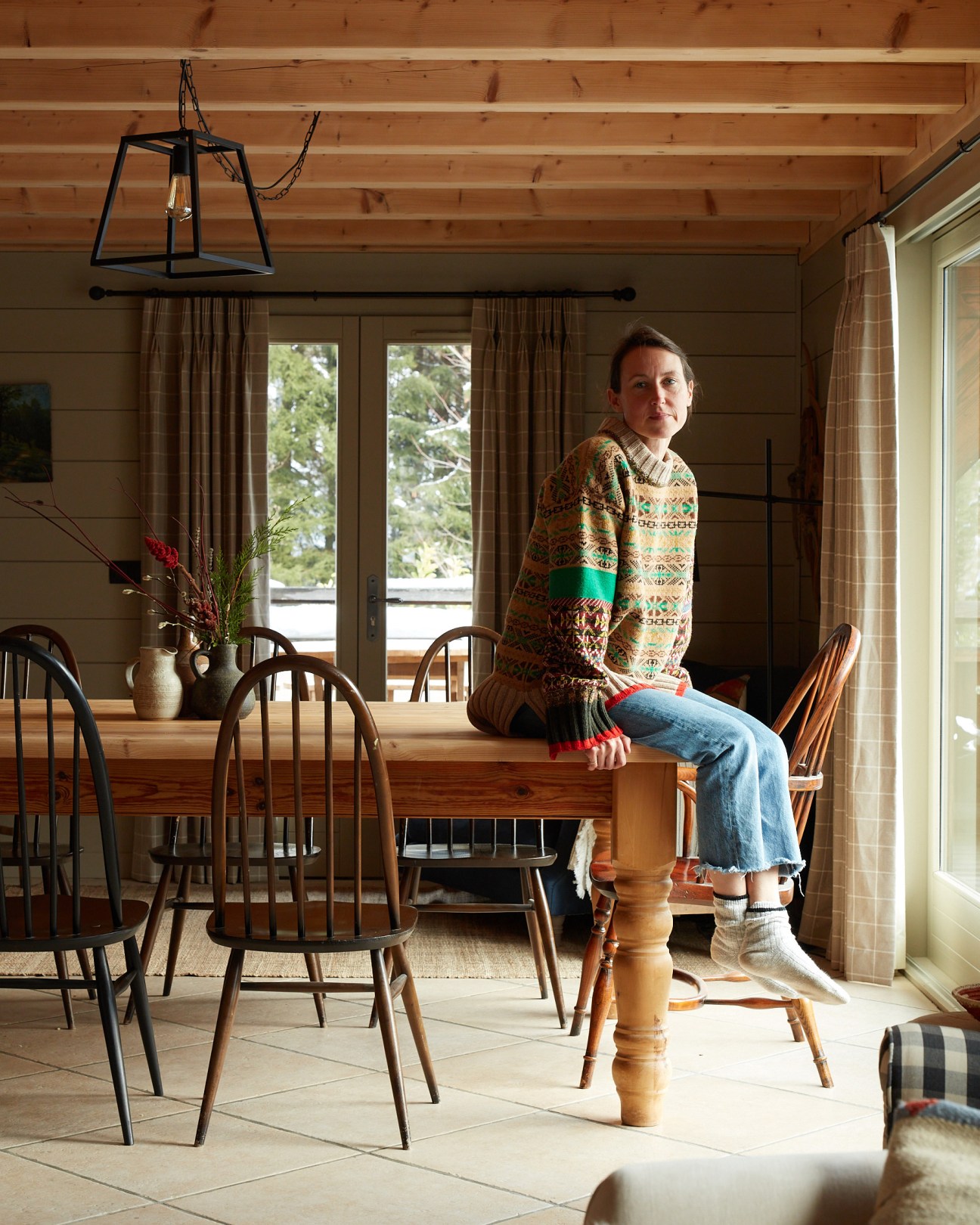
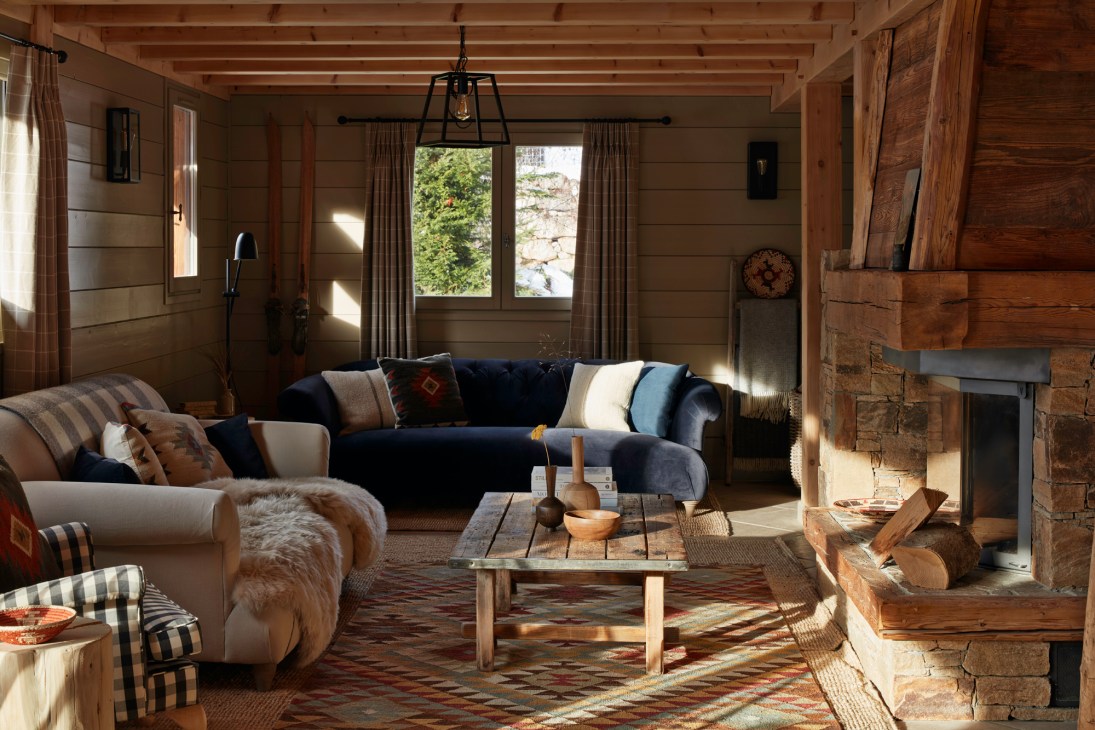
The renovation work took longer than expected because of the pandemic but the exterior of the house was kept intentionally unchanged. Stringer, on a break from her career, oversaw every detail of the revamp. “As a knitwear designer, I have always been drawn to older techniques,” says Stringer who recruited friend and interior designer Louise Curnuck to aid with the fit-out.
“We immediately started sanding to lighten the space,” says Stringer. “The wood turned out to be a lovely blonde colour,” says Stringer. “For some surfaces we left the wood as it was originally and for others we painted using a soft neutral palette to accentuate its cosy cabin appeal.” Although the project was decided by its location, it imported some of its interior design cues from further afield. “In recent years I’ve spent time on the West Coast of the US and truly loved my spells in the Joshua Tree and Sequoia national parks,” adds Stringer. “A favourite town we came across was a place called Sedona, in Arizona. It’s a spiritual mecca with a vibrant arts community, surrounded by majestic red rock scenery.” So plump sofas and minimalist lamps share this blissful space with old sledges and oil paintings capturing idyllic mountain vistas, which are punctuated with US keepsakes including Navajo textiles and folk baskets.
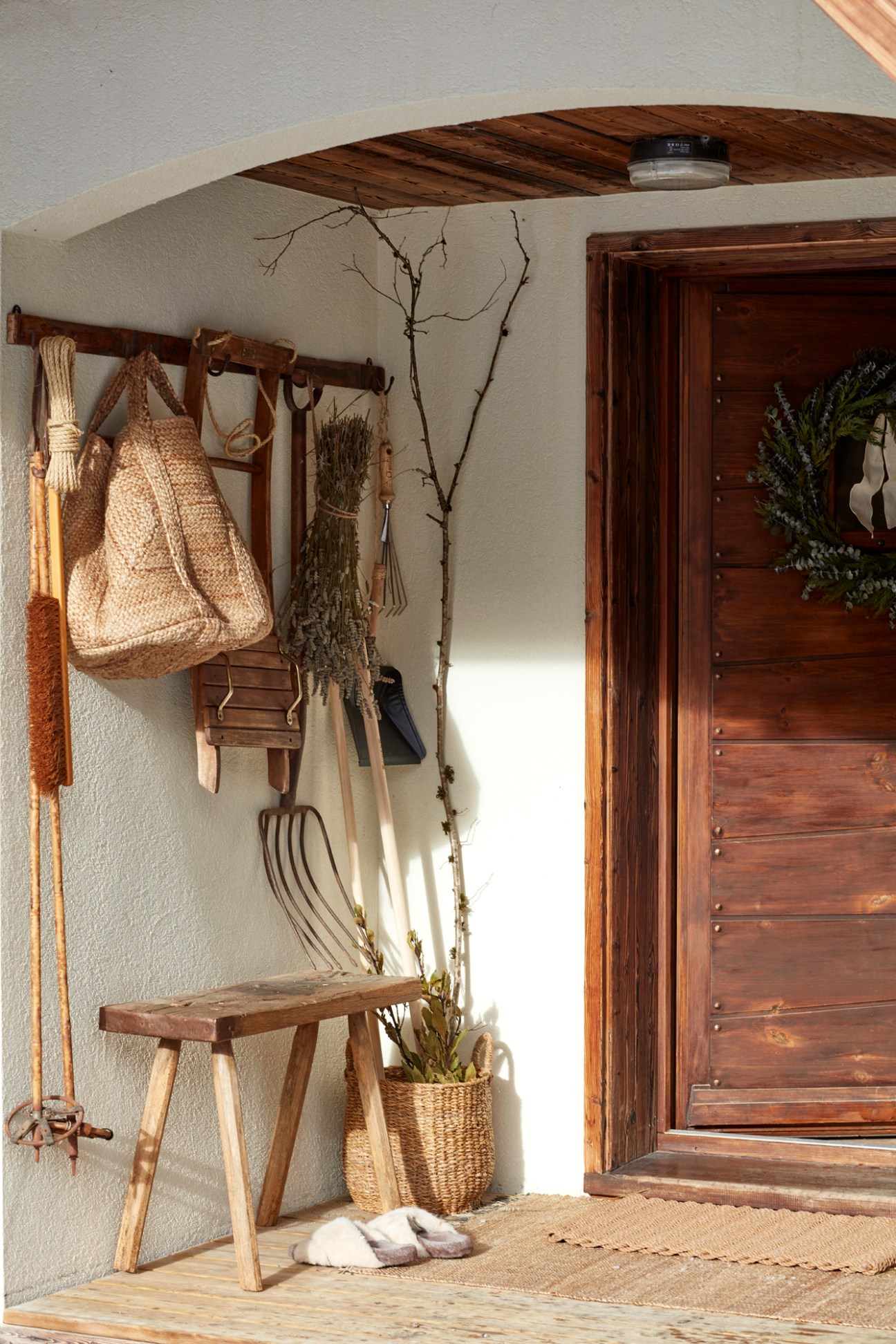
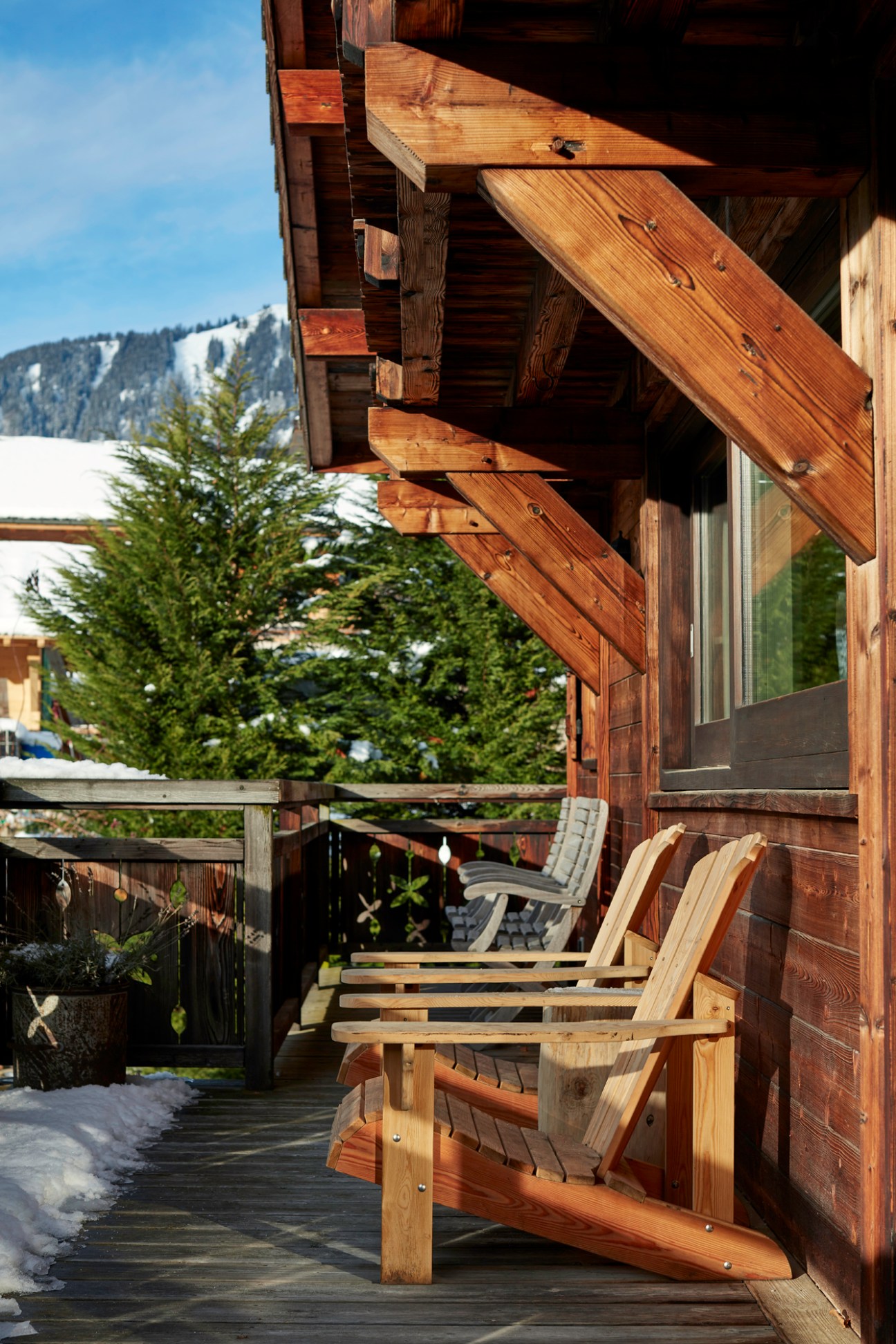
Beyond the lodge are peaks to scale, valleys to explore and lakes to swim in. The village of Cercle is quiet but there are still markets from which to buy regional delicacies such as Abondance: a nationally renowned cheese. Stringer and Ingman have woven a close-knit network of friendships and are happy to pull together an itinerary for the more adventurous. That said, you’d be forgiven for getting cosy and staying put.
thelandscapelodge.com
Hungry for more?
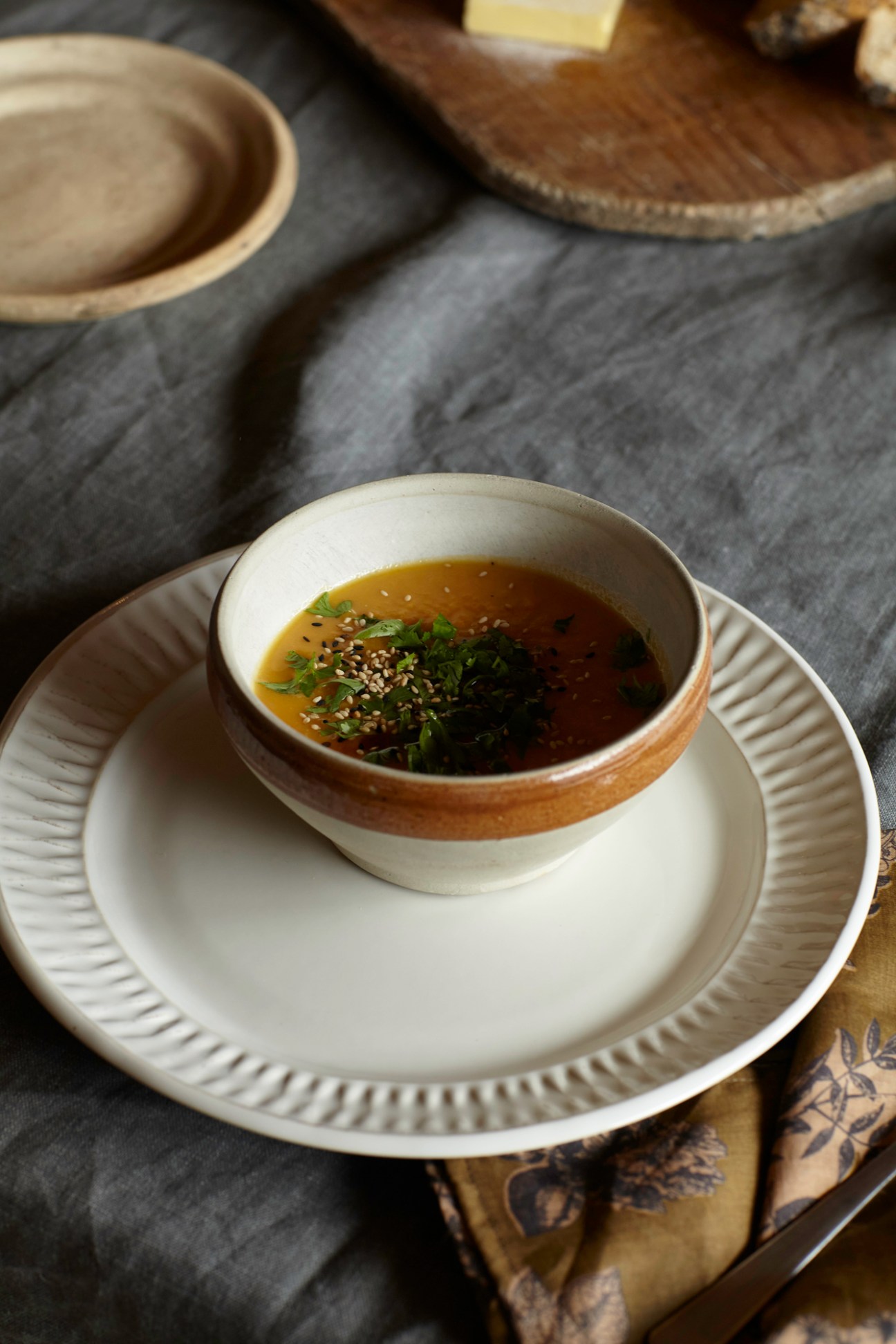
Tamsin and Michelle of the Bon App catering team dish up scrumptious meals for guests. These include a leek and potato soup with a poached hen’s egg and chervil oil, as well as confit Morzine trout, aioli, buttered Jerusalem artichokes and shaved fennel. Not to mention a mean chocolate torte and a selection of cheese, homemade bread and crackers.
bonapp74.com
Here to stay
Malda Kyoto
Kyoto
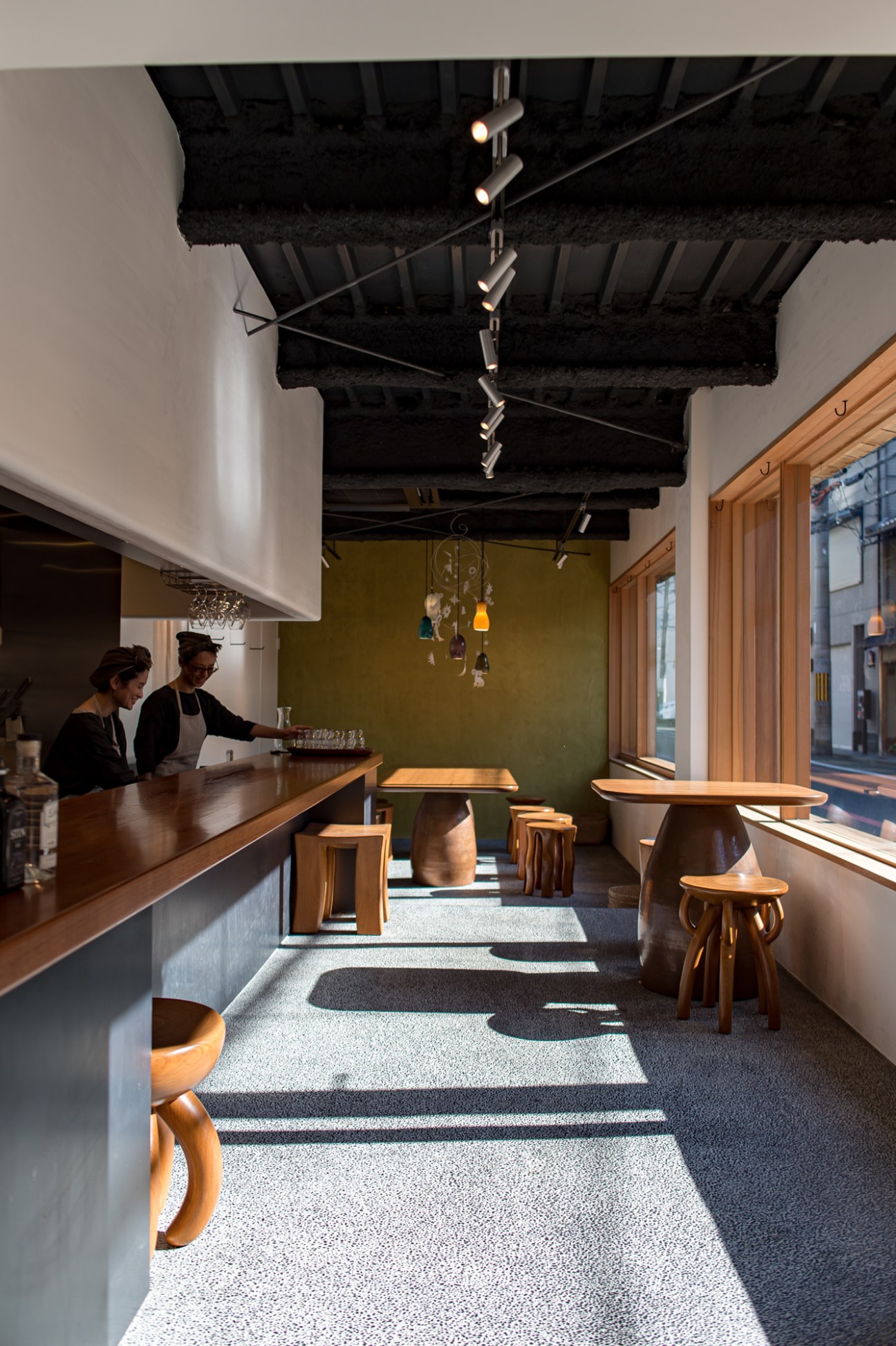
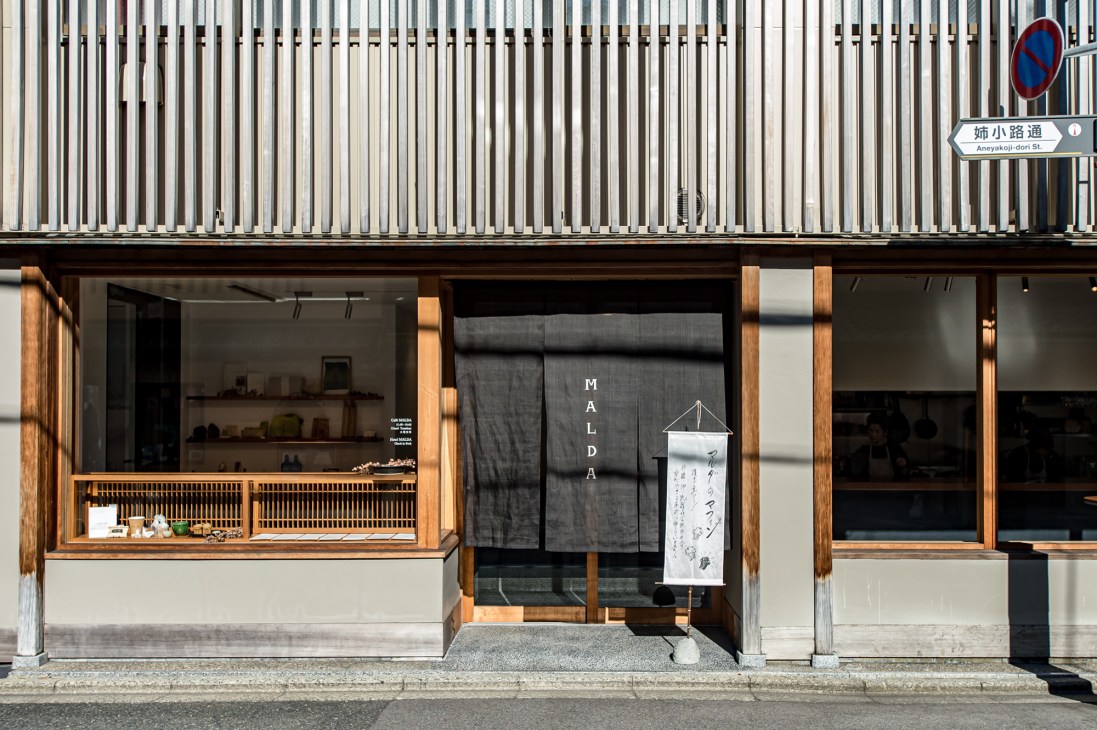
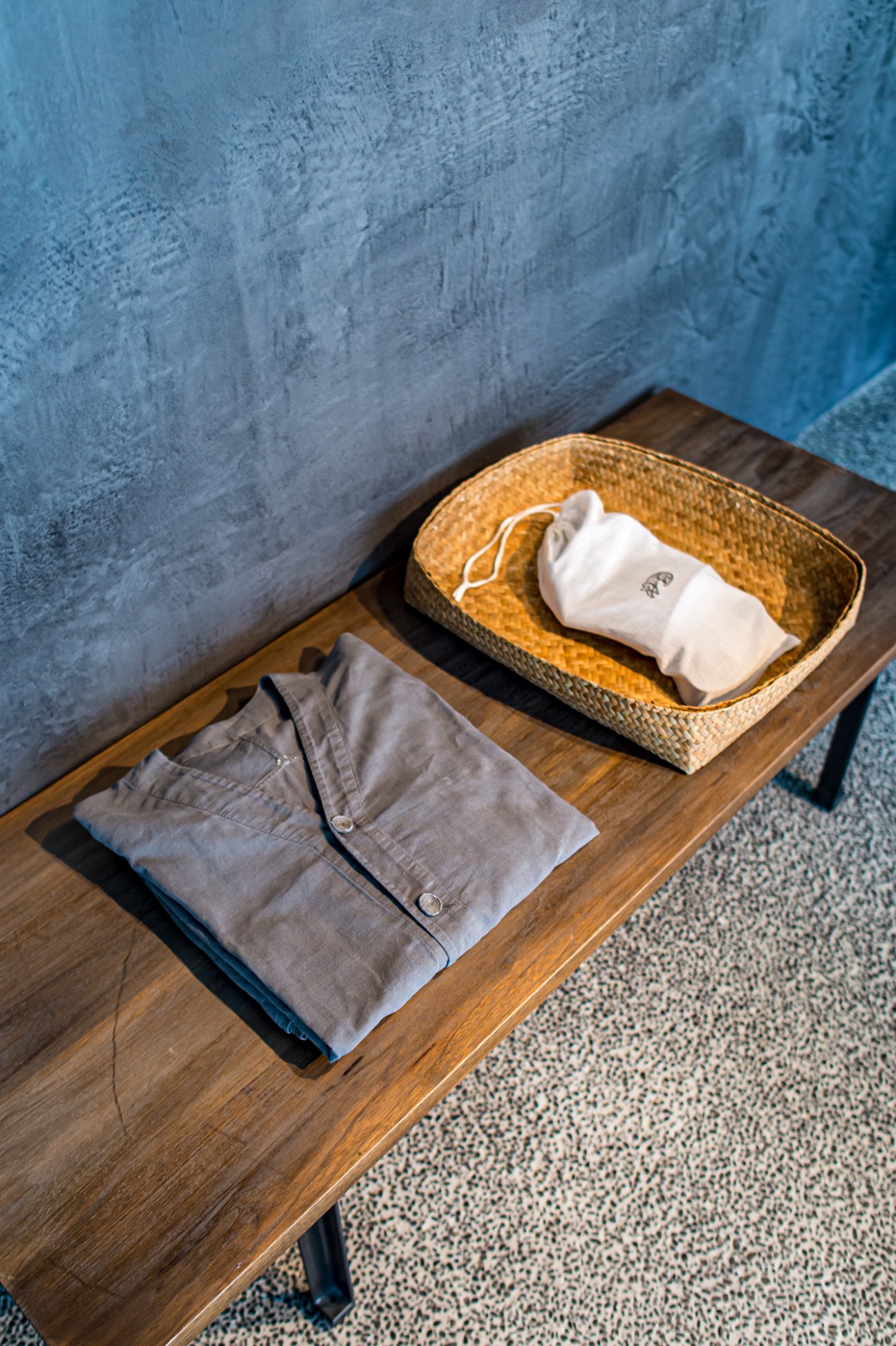
“There was a proliferation of guesthouses and bunk-bed accommodation in central Kyoto,” says Nobuyuki Fujimoto, who designed the smart Malda hotel. Here time flows slowly and the mood is relaxing. Under the direction of Hideaki Matsuura, the designer for eco-lifestyle brand Jurgen Lehl, Fujimoto kitted out the interior with natural materials, polished concrete floors and walls finished in a matte sumi charcoal black. The accommodation is set across three floors and guests can relax in organic cotton loungewear and enjoy Malda’s signature breakfast, which is cooked at its café downstairs and served in the guests’ rooms. “People come here for good design and a new style,” says Fujimoto. “Our direct face-to-face service is popular too.”
maldakyoto.com
The Art Gate
Lisbon
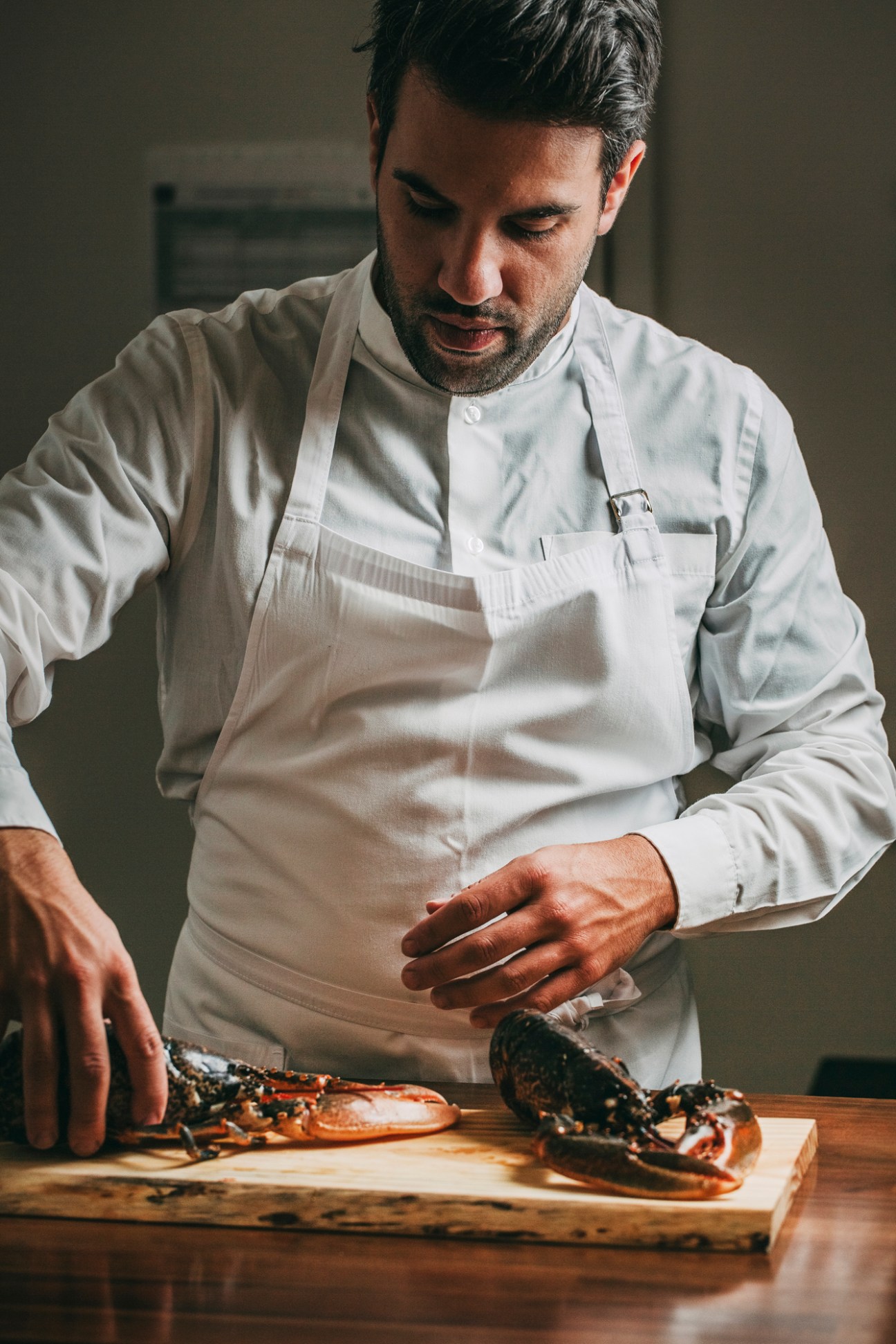
Diogo Figueiredo has been developing restaurants for many years and has now pulled the trigger on his own hotel in Lisbon’s Chiado neighbourhood. “It’s a hidden spot for food and art-loving visitors to Lisbon, in a perfect location,” he says. The suites, each like a tasteful friend’s Lisbon apartment, come with an in-room breakfast and concierge service. A long breakfast or multi-course dinner, inspired by classic dishes, is brought to life with the best in Portuguese produce alongside artistic decor.
theartgate.com

White Water
California
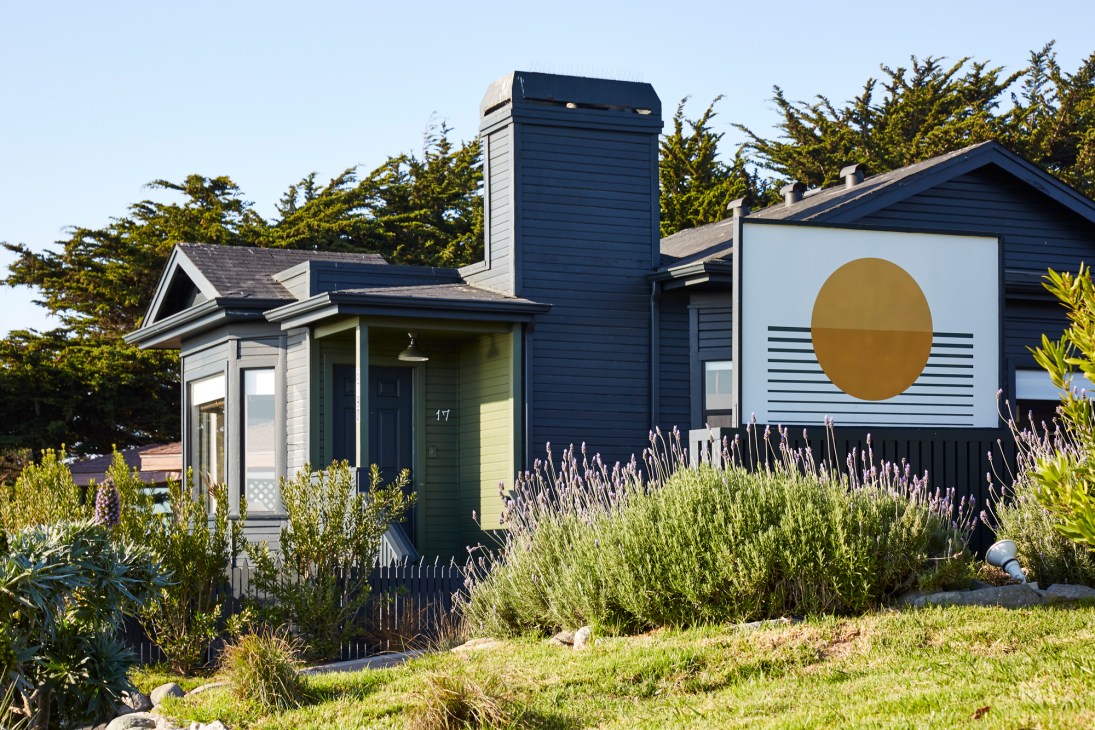
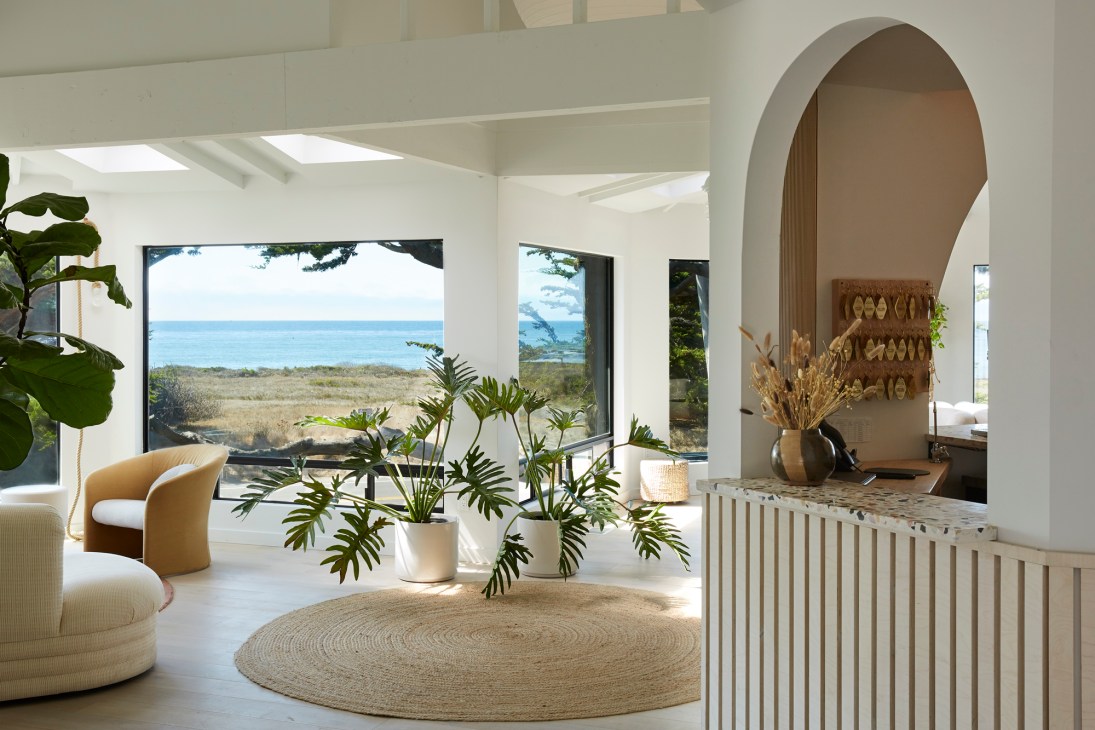
Perched on a rugged tip of the California shoreline, White Water offers a slice of laid-back coastal living across from the inviting Moonstone Beach. The 25 rooms have an assortment of vintage and custom furniture, some with giant bathtubs overlooking the Pacific. In the 1970s-style lobby, the sandy tub chairs and raffia rugs vie with a small breakfast nook and bar, where guests can grab a grilled sandwich, negroni or glass of California rosé from one of the nearby wineries in the Paso Robles region.
whitewatercambria.com
Rockaway Hotel
New York
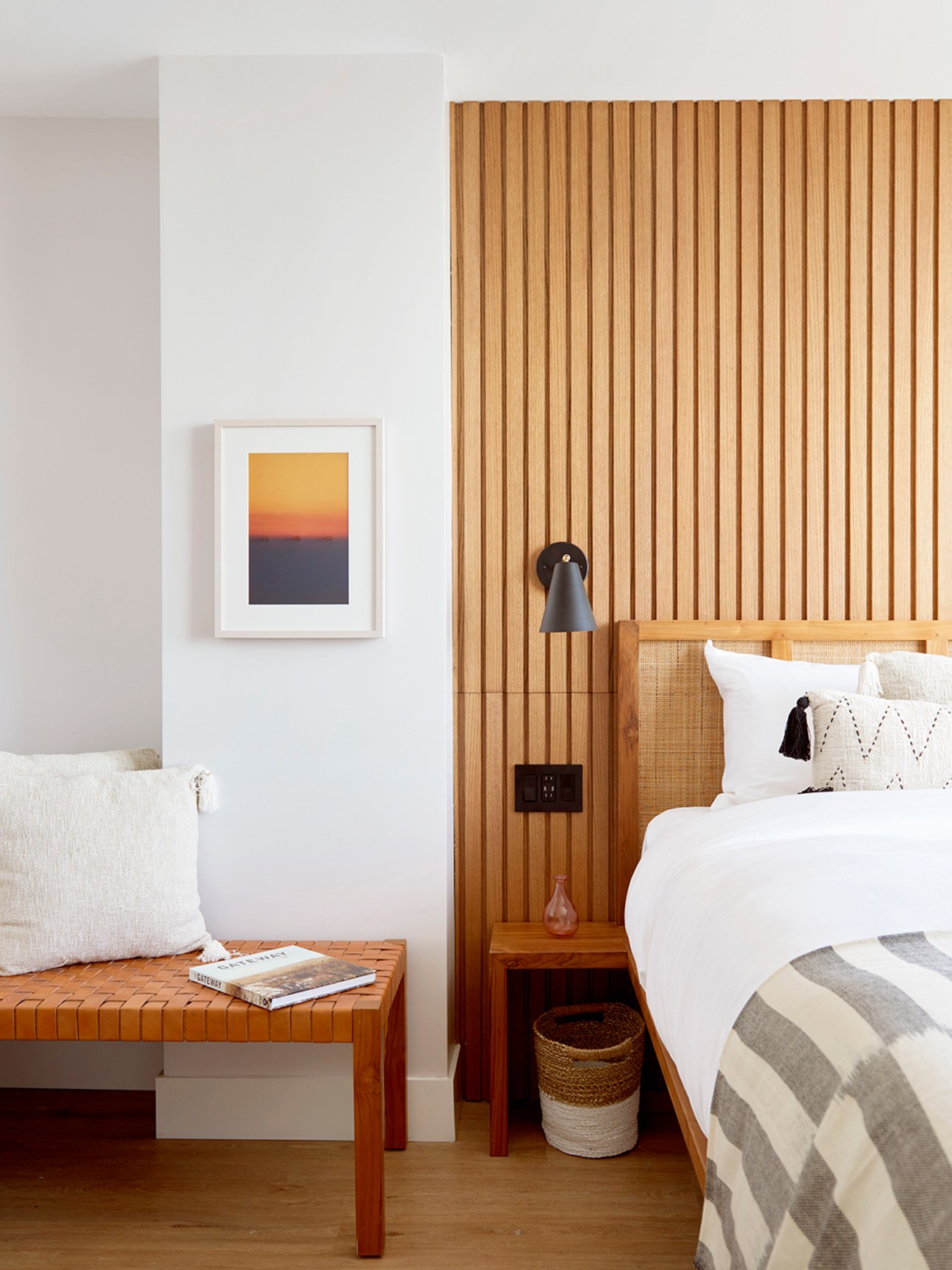
In recent years, Rockaway Beach has become one of New York’s more popular getaways. And with the opening of Rockaway Hotel just minutes from the subway, it’s bound to become even more alluring. The 53 neutral-toned rooms have pops of colour and a beach bungalow feel, with wooden headboards and rattan chairs. But what truly makes this hotel such a fun weekend getaway is the trimmings: the rooftop, the sun deck overlooking the glimmering (heated) pool, the Greenhouse Café (serving light meals) and Margie’s restaurant for reinvented American classics. Open all year, the winter might be the best time to visit: when the crowds have dispersed, the pool house is turned into a heated wonderland and Rockaway Beach has the best waves for surfers.
therockawayhotel.com
The Falcon
Bornholm
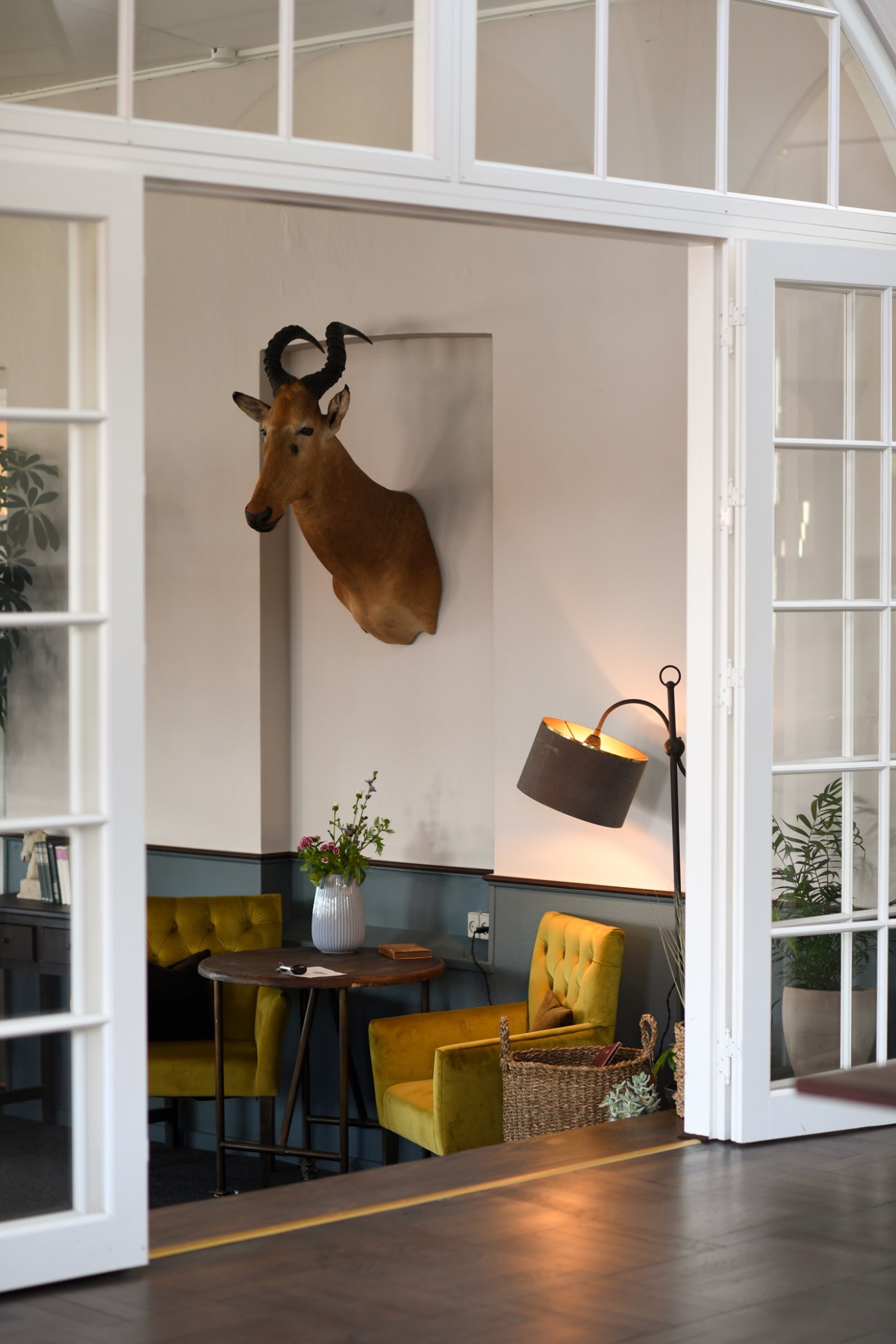
Martin Ramstrup rarely misses his mark. The former Danish shooting champion came to the island of Bornholm more than 10 years ago and when an old hotel came up for sale, he and his partner Mette Tiensuu transformed it into a 33-key retreat. “I want to share my passion for travel, nature and adventure in the guesthouse’s redesign,” he says. Terraces face the Baltic coast, while inside is all wood-burning stoves, leather chairs and vintage bric-a-brac. Best enjoyed with a candlelit Danish dinner.
thefalconhotel.dk
Columns
New Orleans
Columns hotel has reimagined a 19th-century building in Nola’s desirable Garden District. Once the home of a wealthy tobacco merchant, then a boarding house, the 20-room mansion is framed by the towering white columns that give the new opening its name. Many of the building’s old details, including a mahogany staircase and stained-glass skylight, are updated mementos of the building’s past. The bar – with pressed-wood ceiling, chandelier and leather bar stools – is an irresistibly snug spot for an evening sazerac or gimlet. Outside, the restaurant spills from the porch into the garden, dotted with inviting tables and tropical plants. Once a gathering place, the elegant space entices diners with its menu of roast gulf oysters, Broadbent Country ham and classic cocktails.
thecolumns.com
Pontisella
Stampa
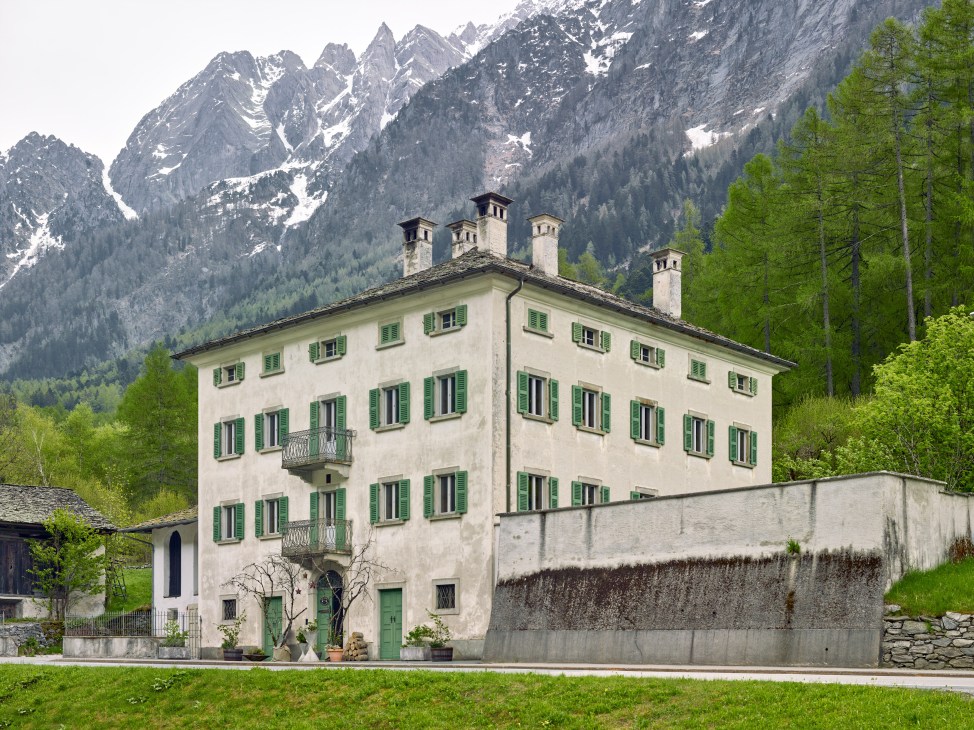
“We wanted to awaken a historic building from its slumber, without compromising on its authenticity,” says Daniel Erne of his bed and breakfast, Pontisella, in Stampa, Switzerland. He has brought new life into the typical Grisons home with its symmetrical façade, wrought-iron balconies and green shutters. Retaining its 1849 exterior, the inside mixes original features with warm, contemporary touches. The four guest rooms are furnished with alpine wood panelling, concrete floors and futon-style beds, while communal spaces combine stone fireplaces and pendant lights. The highlight here is breakfast, which Erne prepares using cured meats from a Stampa butcher, Latteria Bregaglia dairy products and eggs from his own chickens.
pontisella-stampa.ch
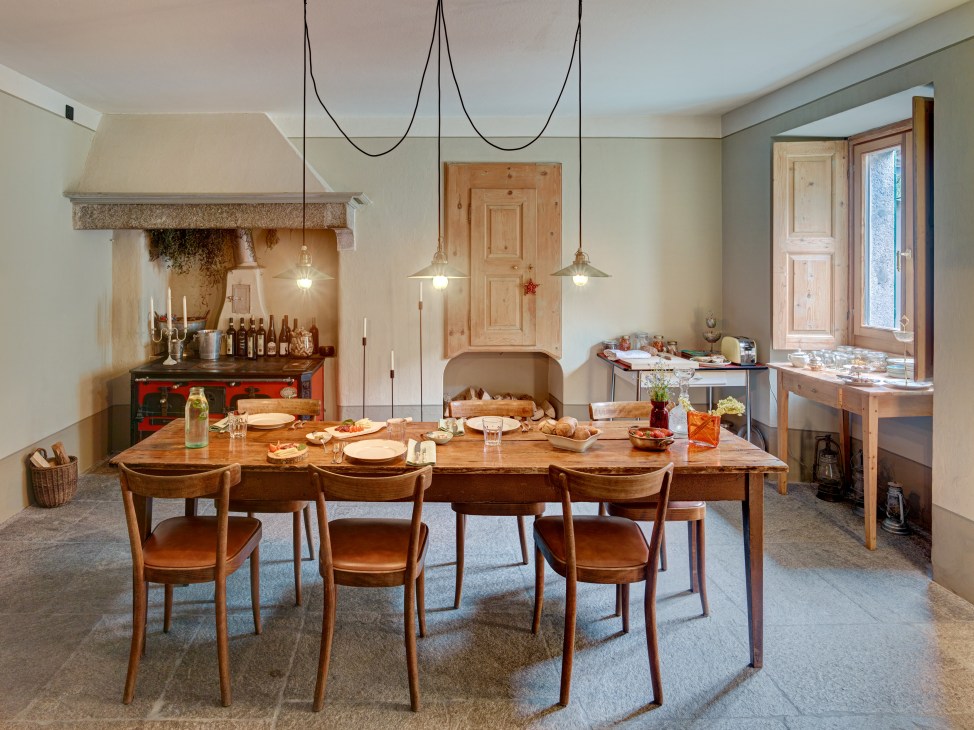
Open sesame
“Do not disturb” has been the message figuratively slung on the handle of the hospitality industry at large for most of the past 12 months. Luckily there’s a tentative opening-up afoot and whispers can be heard from behind the long-shut door.
Last year was tough for many hotels as lost revenues, muddled government guidance and uneven support schemes shook some, and forced others to close before their time. Other hotels, with established backers and a longer track record, stayed the course and pushed on with long-planned openings. This is a good thing, as the human urge to travel and discover new things (and receive a warm welcome) will emerge undimmed after lockdowns ease.
So we’ve scoured the operators gearing up for some much-anticipated – and nudged-back – openings. Here are a selection of beds we’re looking forward to relaxing on, lobbies we’re hoping to linger in and places we’re planning on checking out.
1.
Reykjavík Edition
Iceland

On the heels of its Toranomon opening in Tokyo late last year, Marriott’s Edition brand (headed by Ian Schrager) is looking north this summer. Iceland’s increased importance as an Atlantic stopover – not to mention the Nordic nation’s intense beauty – has buoyed tourist numbers but good hotels have remained few and far between. The 253-room new build, designed by Tark, is next to the harbourside Harpa Concert Hall in the centre of town. In keeping with Schrager’s penchant for parties (remember those, readers?), you will find a ballroom here, plus a bustling bar and café. Watch this space: there are currently 11 Edition hotels, with a further 13 in development.
editionhotels.com
2.
25hours Hotel Piazza San Paolino
Florence
French hotel giant Accor showed its intent to expand its smaller but smarter portfolio of brands when it teamed up with London-based Ennismore (behind Gleneagles and the Hoxton marque) last year. The next 12 months will also see it hit play with new spaces for Accor-owned 25hours, as it opens the Hotel Piazza San Paolino in Florence and an outpost in Dubai, its first beyond Europe. Another brand under the Accor umbrella is Mama Shelter, which will add a site in Rome, and take up residence in a former office block in the French capital for the Mama Paris Litwin. Meanwhile, in London, its Mondrian brand will take over The Curtain hotel in Shoreditch.
group.accor.com
3.
Azumi Setoda
Japan
Hotelier Adrian Zecha, founder of Aman Resorts, doesn’t do anything by half. His new ryokan-style hotel in a 140-year-old kominka (literally “old house”) home is adrift on an island in Japan’s Seto Inland Sea. Zecha told the press that he remembers this sort of secluded hotel from when he worked in Japan as a correspondent for Time magazine in the 1950s. This might be where the inspiration came from, but it’s safe to assume that the Azumi will dial up the home comforts, which include a public bathhouse, sauna and restaurant. Zecha teamed up with Japanese firm Naru Developments and Kyoto architect Shiro Miura, who brought in a team of gardeners and artisans to add the just-so finishes.
azumi.co
4.
The Standard Bangkok Mahanakhon
Thailand
We were sad to see The Standard in West Hollywood close over a leasing issue but at least the hotel had the chance to set the dna for a brand that would spread around the world. The Standard Bangkok Mahanakhon and The Standard Hua Hin are both anticipated to open in 2021. Expect future Standard hotels in Milan and Lisbon, plus an expansion of the Bunkhouse brand, which opened Hotel Magdalena in Austin in 2020, and The Peri, which as of last year has two sites in Thailand. “I believe travel, broadly defined including hospitality, restaurants, nightclubs and live music, will bounce back – big time,” says Amar Lalvani, CEO of Standard International.
stndintl.com
5.
Amanvari, Baja California Sur
Mexico
Resort brand Aman will make a move into New York this spring and Bangkok next year, followed by Miami in 2023. But it’s the group’s 2022 Mexico opening in Baja’s East Cape on the Sea of Cortés that we have our eye on. The hotel is in a huddle of 20 stilted buildings on a sandy beachfront called Amanvari (opposite the slated site of a forthcoming Soho House & Co venture). Expect three restaurants, a library, lounge and vast infinity pool nestled among sleepy villages and waterfalls less than an hour from Los Cabos International Airport.
aman.com
6.
Mandarin Oriental Palace
Lucerne
Mandarin Oriental’s latest Swiss opening will be the renovation of the 1906 belle époque building on the Nationalquai on the northern shore of Lake Lucerne. The grand 146-key affair (formerly the Hotel Palace Luzern) will be joined next year by openings in Honolulu and Dallas, as well as a push in mainland China. The revamp includes the creation of a new bar, restaurant and extensive landscaping of the grounds.
mandarinoriental.com
7.
Desa Potato Head
Bali

Indonesia’s irrepressible Potato Head Family will open its ambitious Desa, a village complex in Bali around the popular beach club and Katamama hotel in Seminyak this spring. Its 168 rooms are just one draw, along with an art gallery, nightclub, recording studio and somewhere for the tots to play while you sink a few Balinese arak cocktails and watch the waves. Dovetailing with this issue’s promise to “do better”, the hotel makes full use of natural and biodegradable materials, and sustainable practices to limit waste and pay respect to the island’s beauty – something to ponder as you stare at the waves outside your room.
potatohead.co
8.
NoMad
London
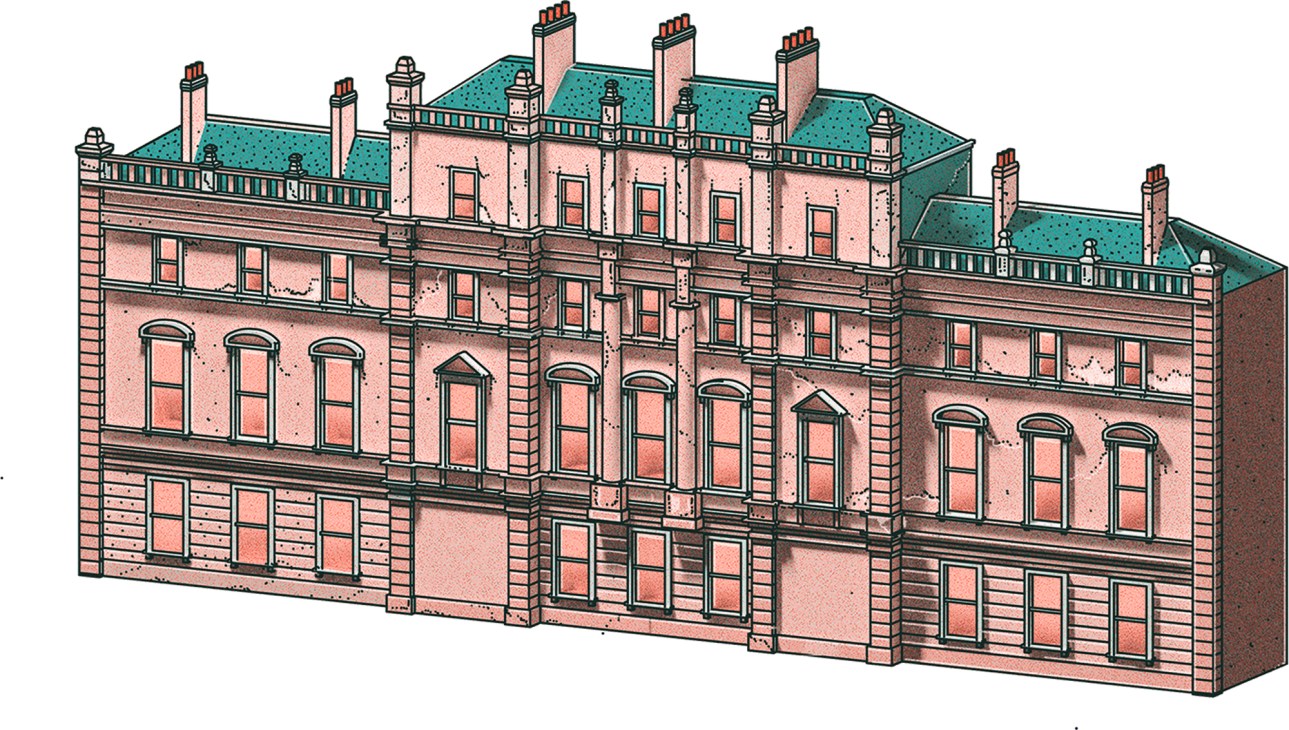
The NoMad in midtown Manhattan has long been a favourite for its well-stocked bar (held aloft by two gold elephants), dusky film-noir feel and fin de siècle swagger. The Sydell Group behind the brand (also a partner in The Ned and The Line hotels) showed that it could put on a show anywhere when it opened the Los Angeles property in a former bank in 2017. Its European outpost is a Grade II-listed former magistrates court opposite the Royal Opera House in Covent Garden. The Roman and Williams-designed space has 91 rooms, plenty of snug spaces for a drink and ample charms to tempt the evening crowds when they eventually return.
sydellgroup.com
9.
Hoshino Kai Kirishima
Japan
Japanese hospitality firm Hoshino Resorts specialises in stays that give a taste of the great outdoors, from camping to bubbling geothermal baths. Kai Kirishima is a 2021 addition near Kagoshima in southern Japan that’s all hot springs, washi paper, sliding screens and tatami floors, plus views towards the magnificent Sakurajima volcano and over Kinko Bay. The tone of escape is set by the surrounding Kirishima-Kinkowan National Park. In keeping with Hoshino’s focus on Japanese culture, the food is faultless and no western menus are offered. Expect plenty of references to Tenson Korin, a folkloric tale that’s part of the mythic foundation of Japan and involves a deity descended from the heavens to the nearby Kirishima Mountains. Luckily, the superb service is anything but a tall tale.
hoshinoresorts.com
10.
Splendido Mare Hotel
Portofino
lvmh-owned hospitality firm Belmond is reopening its Splendido Mare Hotel in Portofino after an extensive spring clean and refit by French firm Festen Architecture. Beyond its roster of luxurious hotels, Belmond is also on track to upgrade its railway escapes with the Venice Simplon-Orient-Express. Boarding points will now include Rome, Florence, Geneva, Brussels and Amsterdam, and the number of Grand Suites onboard has been doubled to six by Wimberly Interiors, whose work respects the original art deco design and ambience of the 1920s carriages. All aboard.
belmond.com
11.
Ace Hotel Sydney
Australia

Londoners were sad to hear that Ace’s Shoreditch outpost wouldn’t reopen after the pandemic. However, the US group’s ambitious global rollout continues with a 264-room key space in Sydney, which is set to open in a 19-storey tower in the Surry Hills area of the city. If last year’s opening in Kyoto is anything to go by, you can be confident that the brand’s dna travels rather well – think nice food tie-ins with nearby restaurants and public spaces to nestle in with a good playlist and coffee. The anticipated opening date of “2021” is vague, but perhaps because the team is readying other unveilings in Toronto’s Fashion District and on Schermerhorn Street in Downtown Brooklyn. You can expect those in 2021 too.
acehotel.com
12.
Rosewood São Paulo
Brazil

Hong Kong-based Rosewood can do five-star finesse like few others. While its European expansion is underway, it’s the São Paulo landing that will create the biggest stir this year. Located in the Cidade Matarazzo, a complex of well-preserved early 20th-century buildings, this vast, slatted block-like structure was designed by Jean Nouvel in a manner that’s anything but austere. Add the eight event spaces, outdoor pool and six bars and restaurants, there are plenty of reasons to see it for yourself. In fact, you can’t miss it.
rosewoodhotels.com
13.
Hotel Castello di Reschio
Umbria
Slated to open in April, this 36-key hideaway in the Umbrian hills is built around a 10th-century castle and farmhouses in a sprawling 1,500-hectare estate. Owned by the Bolza family, the hotel is the result of painstaking restoration with just the right amount of leaving things be, from terracotta floors to original stone fireplaces and bags of Italian charm to boot.
reschio.com
14.
Four Seasons Hotel at Chao Phraya River
Bangkok
After opening in Madrid and Tokyo late last year, Four Seasons has its sights set on properties in Napa Valley and New Orleans, and 2021 will see a few other noteworthy additions. The San Domenico Palace, Taormina, Sicily, is built around a 15th-century monastery, while the Embarcadero is a second site in San Francisco. In the Thai capital, the arrival of a new 299-room space by architect Jean-Michel Gathy is yet another intriguing addition to the banks of the Chao Phraya.
fourseasons.com
15.
Château de la Messardière
St Tropez
French hotel firm Airelles is set to have a big year. The Château de Versailles will open in spring and feature an Alain Ducasse restaurant, terrace, bar, spa and 15-metre indoor swimming pool, as well as 14 rooms. Meanwhile, in St Tropez, the brand will take over the Château de la Messardière, reducing its room numbers by 33 (to 75) after a three-year renovation.
airelles.com
Looking for more? Why not buy:
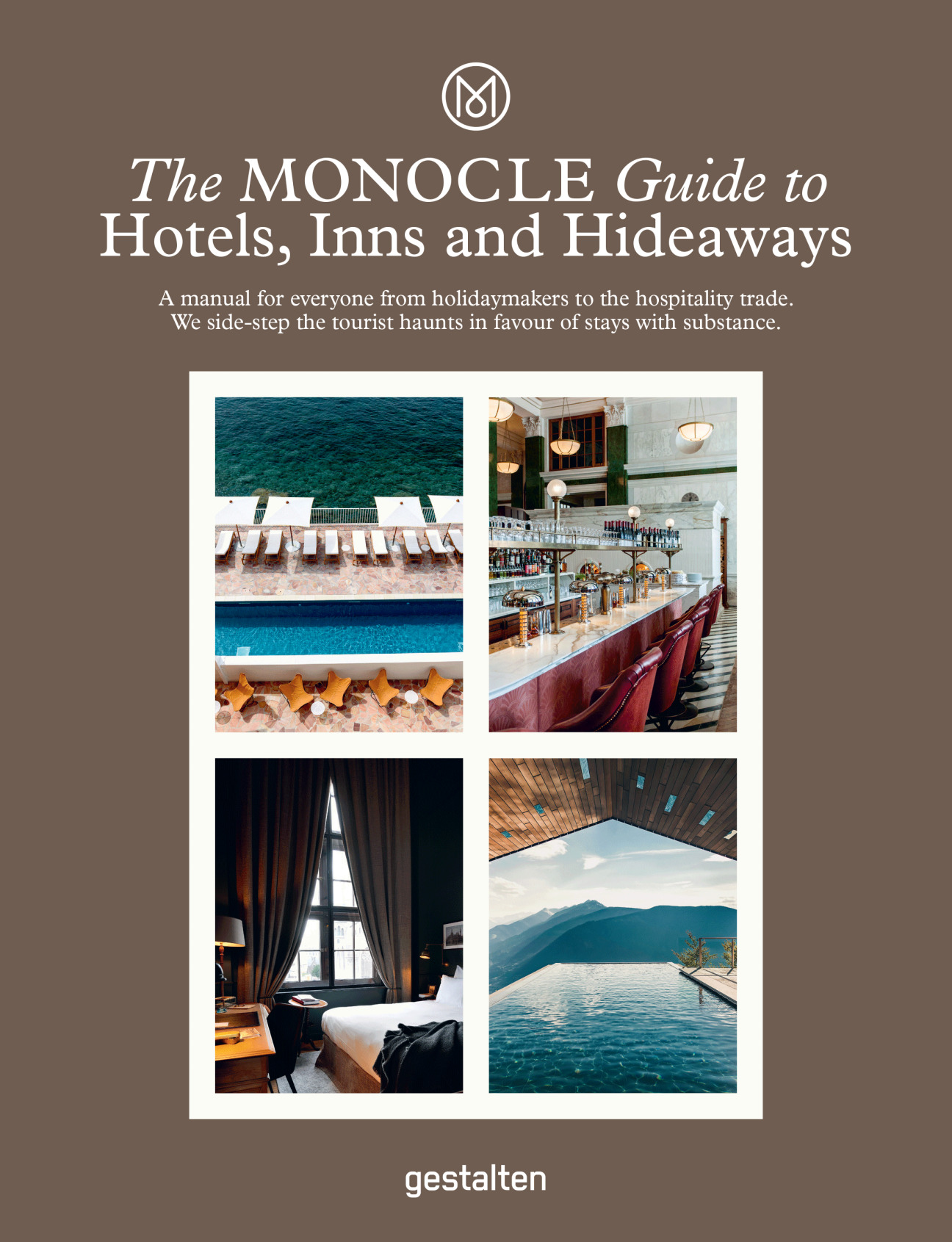
The Monocle Guide to Hotels, Inns and Hideaways
A handbook for everyone from holidaymakers to hoteliers. We jump on a few choice beds, check out the start-ups breaking new ground and talk to the ceos of the best and biggest groups. Through interviews, in-depth reports, essays, insight and opinion, we explore the state of the hospitality industry and make a case for why hotels are resolutely here to stay.
1.
Our favourite 100 hotels
Our editors are often quizzed for tips that we’ve gleaned from years on the road, so we’ve decided to share. Discover our 100 choice hotels, inns and hideaways from around the world.
2.
The ideal hotel
A fictitious floorplan, should we ever turn our hand to the trade, plus a roll-call of ideal employees.
3.
Advice on starting out
Counsel on getting your venture off the ground from those who know, plus interviews with everyone from a bartender to a swimming instructor.
4.
Essays
We share a few spirited tales of hotel life from some of our editors and industry innovators.
5.
The best hotel bars and restaurants
Twenty-five spots in which to dine and delight, plus 25 more in which to toast hotels that are surviving and thriving.
monocle.com/shop
Business
Water works
USA
Agriculture
Sam Norton is embracing Earth’s most abundant resource: seawater. Norton’s Heron Farms in Charleston, South Carolina, is the world’s first indoor saltwater farm and grows samphire – a green plant that often accompanies fish dishes. Norton’s pioneering techniques have attracted attention and the firm has been invited to build a model farm near the COP26 summit in Glasgow in November.
Heron Farms’ first harvest was in April last year and its debut crop has been sold to chefs and small grocers, with plans to expand to national chains in the future. “We want to double the production capacity of our current grow room by early spring and start the build out of our second farm, whether it be in the US, UAE or Glasgow,” says Norton.
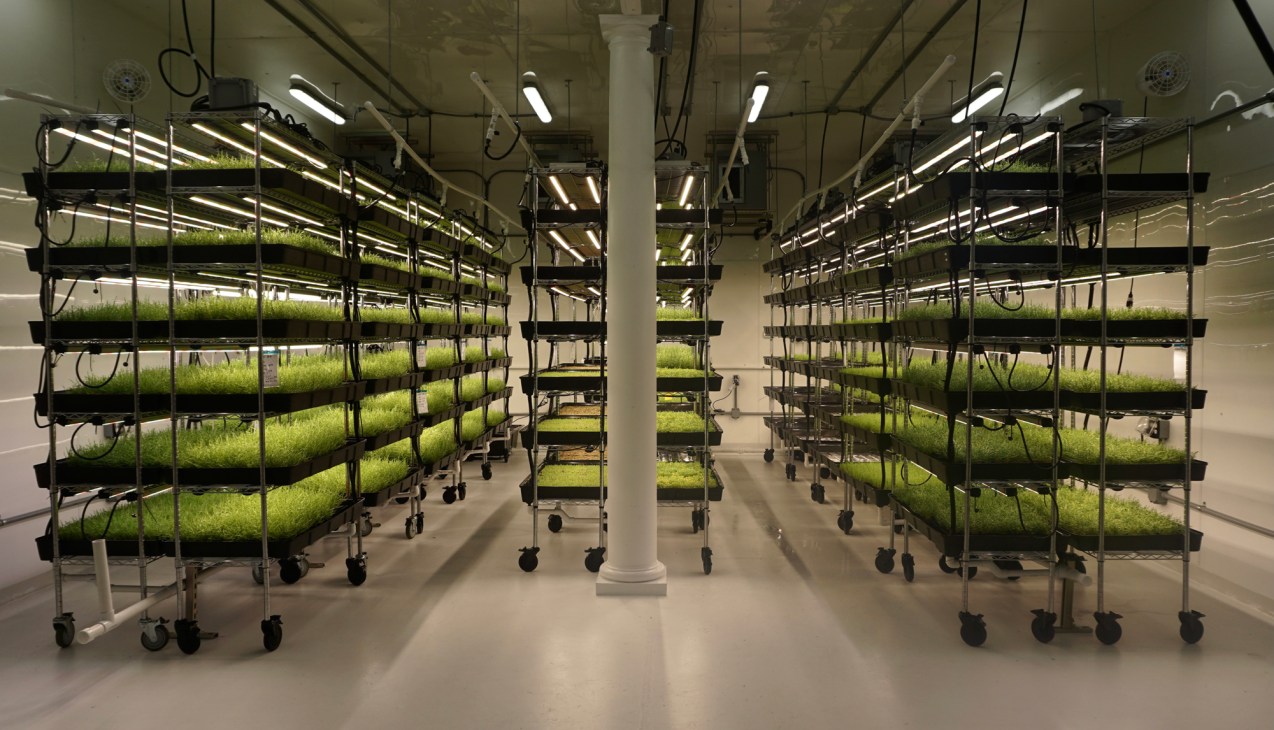
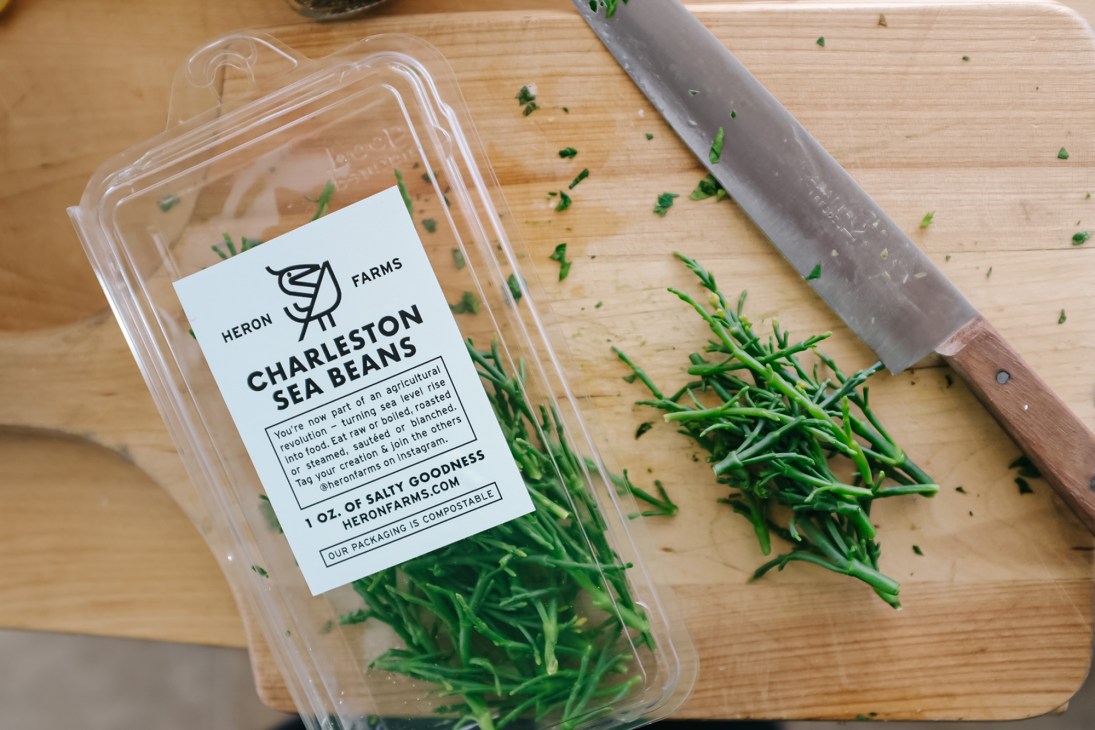
For every pound (454g) of samphire sold, Heron Farms replants an area of salt marsh in Charleston or Bangladesh. The farm is also exploring other halophytes (salt-tolerant plants) that are used for indoor production and Heron Farms has been experimenting with the outdoor production of salt-tolerant shrub Yaupon holly, the only caffeinated plant native to North America, whose leaves can be used to make tea. The berries, though, are less commercially viable: they’re poisonous.
heronfarms.com
Social construct
Indi
Construction
DLF, India’s largest real estate developer, is committed to becoming one of Asia’s leaders on sustainability. Its Camellias project – nine towers with 429 residential units in Gurugram, near New Delhi – was recently awarded Leadership in Energy and Environmental Design (LEED) platinum status by the US Green Building Council, thanks to restructured building materials and an “active solar energy system”, which uses the sun to illuminate cool spaces and warm others. Some 2,500 mature trees in its grounds have also been transported from sites slated for clearing. “It’s just the beginning,” says DLF’s chief marketing officer Karan Kumar. “By 2030 we want almost 90 per cent of our total portfolio to be LEED certified.”
dlf.in
Fade over time
Italy
Design
For Scribit, tackling global plastic waste means rethinking the simple marker pen. According to the brand – in partnership with Italian designer and MIT professor Carlo Ratti – 35 million of the pens end up in global landfills every year. To confront this issue, Scribit, which has also created a robotic device that writes, draws and erases, has launched the first fully compostable marker.
The body of the pen is made from biodegradable plastic, while the nib and cartridges are made from natural fibres. And for those worried about children sticking the pens in their mouths, fear not: the ink is non-toxic and water based, and comes in cartridges that can be replaced when they run out.
scribit.design
Rubbish tips
Hong Kon
Waste
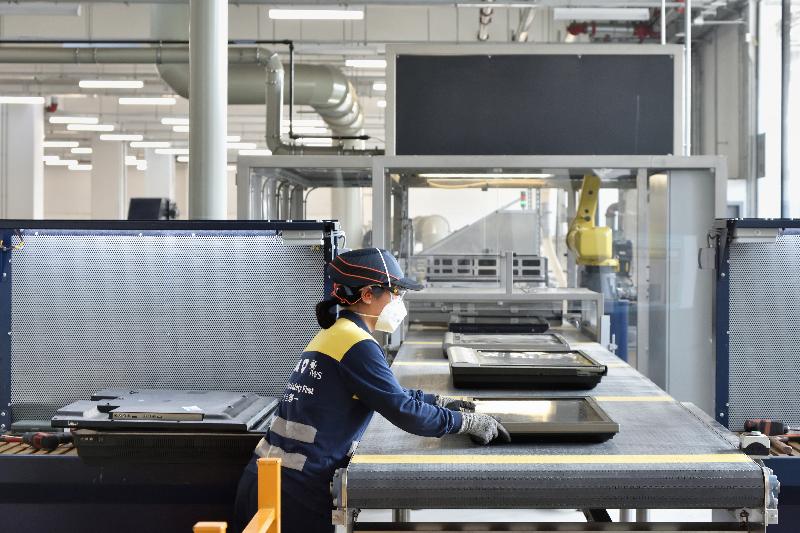
Talking about recycling in Hong Kong can sound puerile: residents offload waste electronics at a place called WEEE Park, while Big Waster, the government’s mascot to discourage food waste, looks like cartoon excrement. Big Waster spreads slogans such as “Dump Less, Save More” and is the face of an initiative to launch high street recycling shops. Always open, these outlets swap used batteries and bottles for noodles and green credits.
Q&A
Jamie Hall
Co-founder and CFO, Pentatonic
London
A 2019 report by the World Economic Forum stated that a global transition towards a circular economy could add €3.7trn to the world economy by 2030. But just what is a circular economy and how do we get there? Anglo-German design and consultancy firm Pentatonic is working with clients such as US design practice Snarkitecture, Starbucks and Nike to answer these questions.
What is the circular economy and how can you design for it?
When materials go into a system where they can be used and reused again. For us, this can mean working with big corporate businesses to reduce and repurpose their waste. But it also means convincing consumers to buy into this system.
And how do you do that?
We need to convince people that their lives will be better if they use sustainable products. It also means making products that are better than the non-sustainable items already out there.
How much money is there to be made in the industry?
It’s healthier to think about how much money can be saved. There are so many ways companies can be more efficient with their materials. For instance, we’ve turned plastic bags into hangers for fashion brands, or considered how damaged goods can be reused to create new products. Every part of the business can be more profitable if it feeds back into another part.
pentatonic.com
Images: Heron Farms