Issues
Wear it better
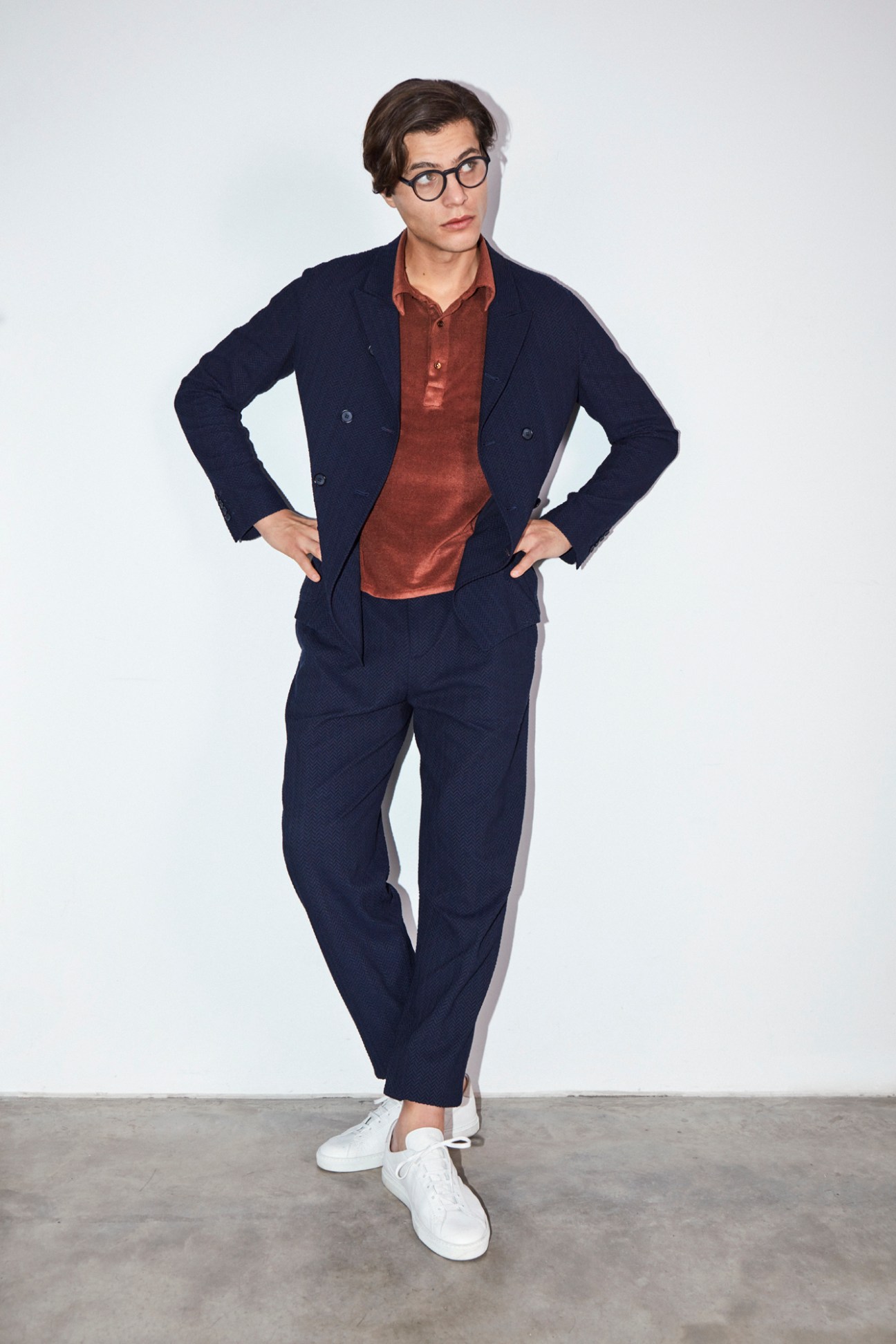
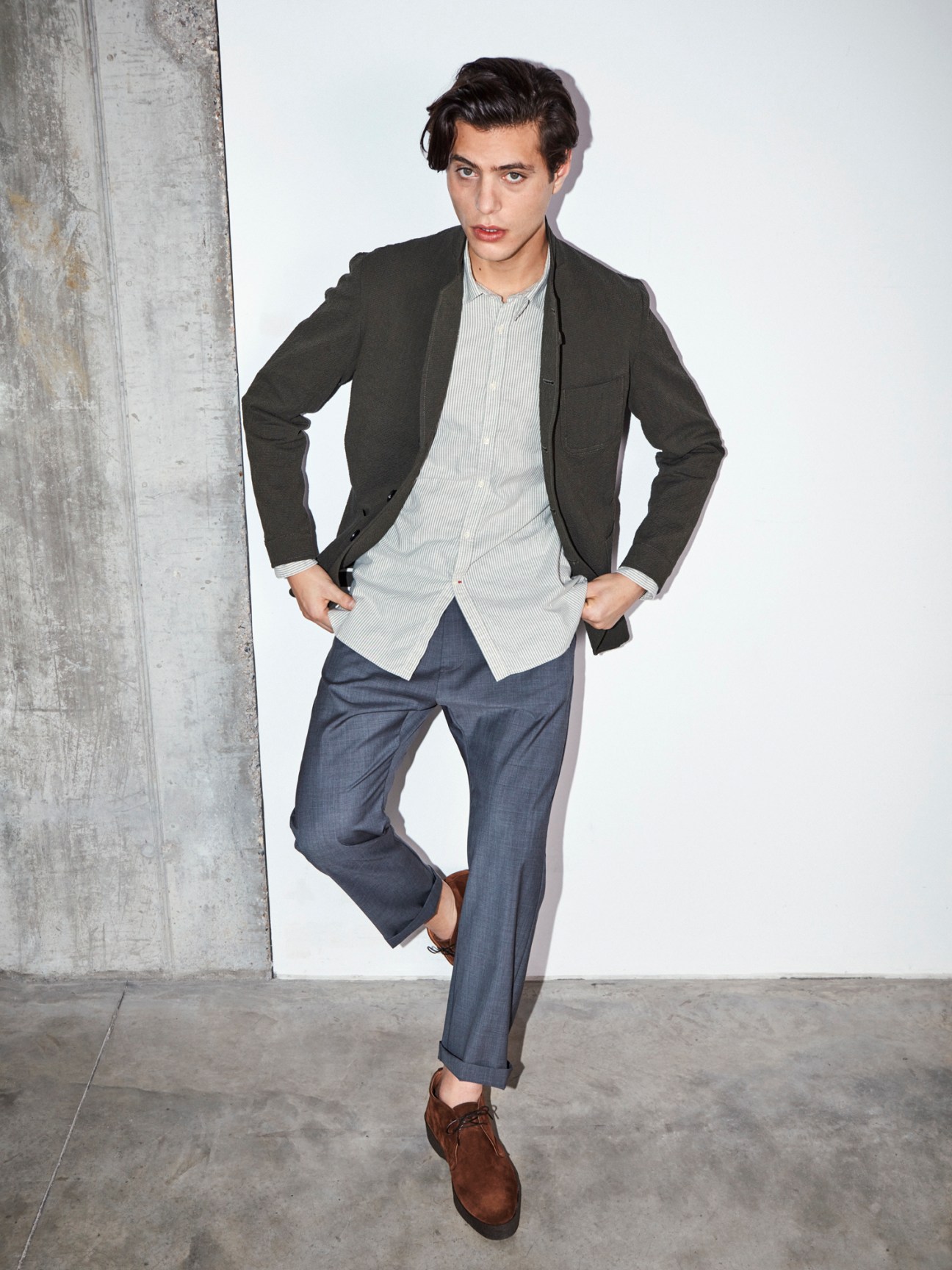
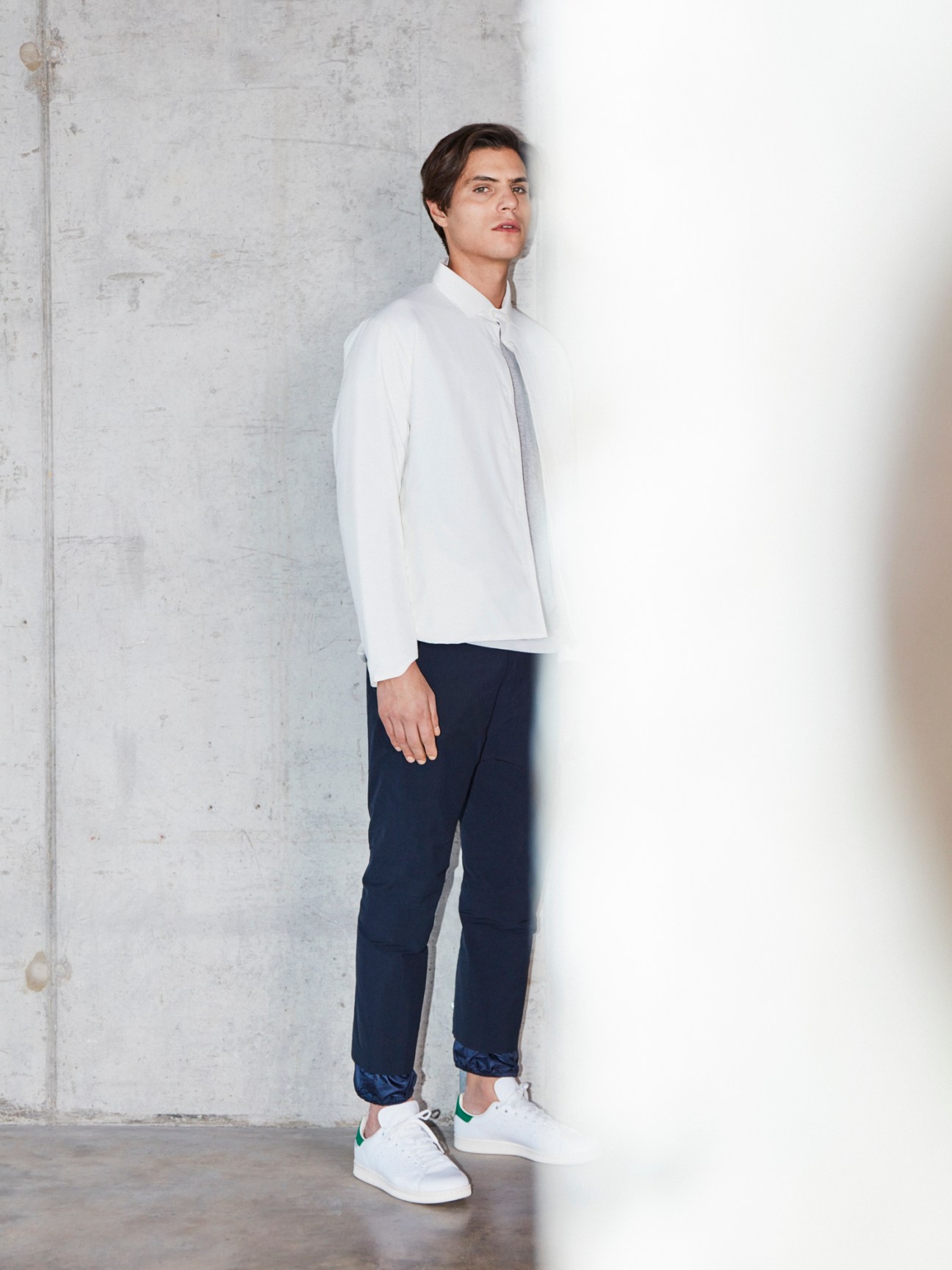
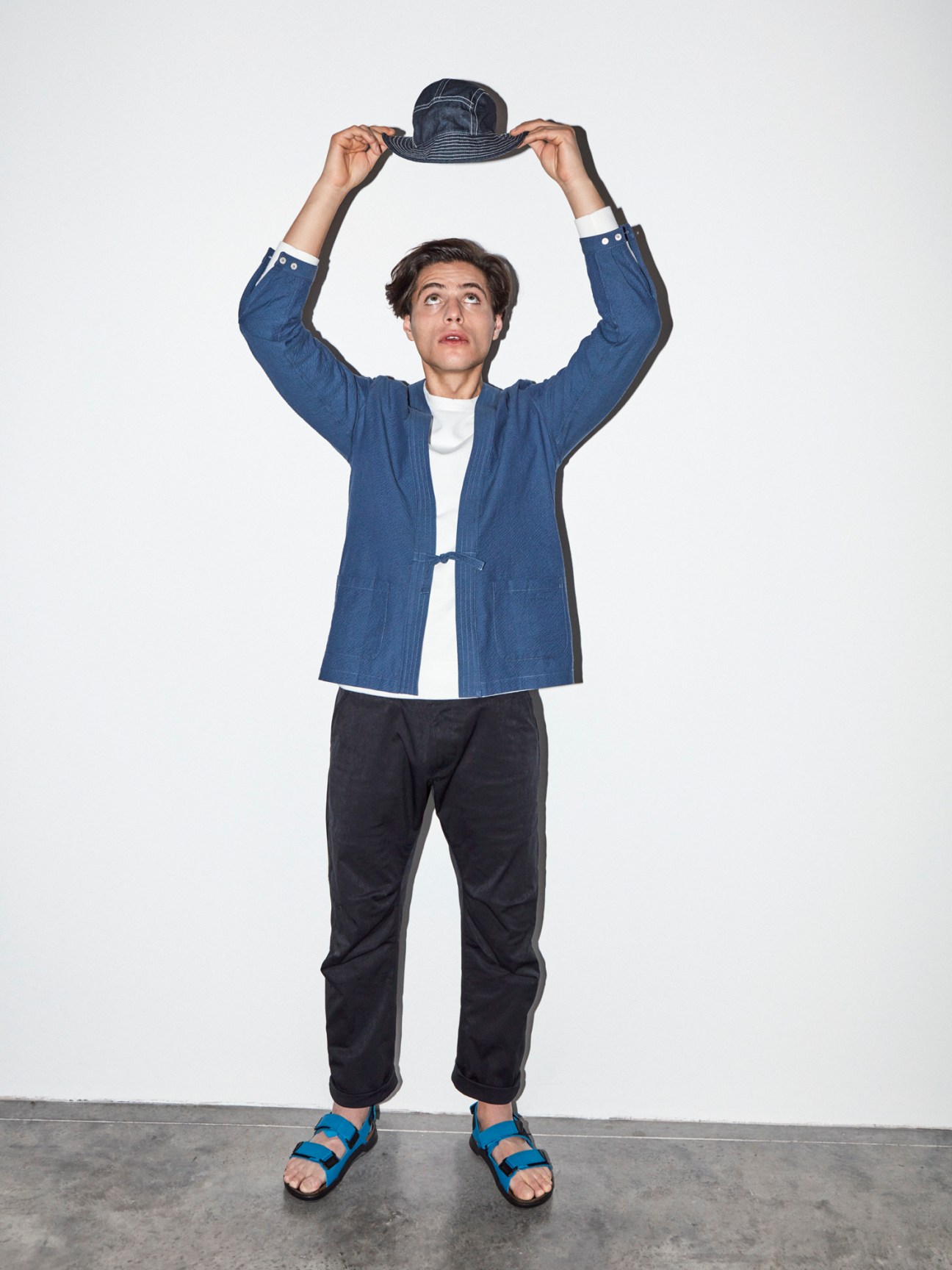
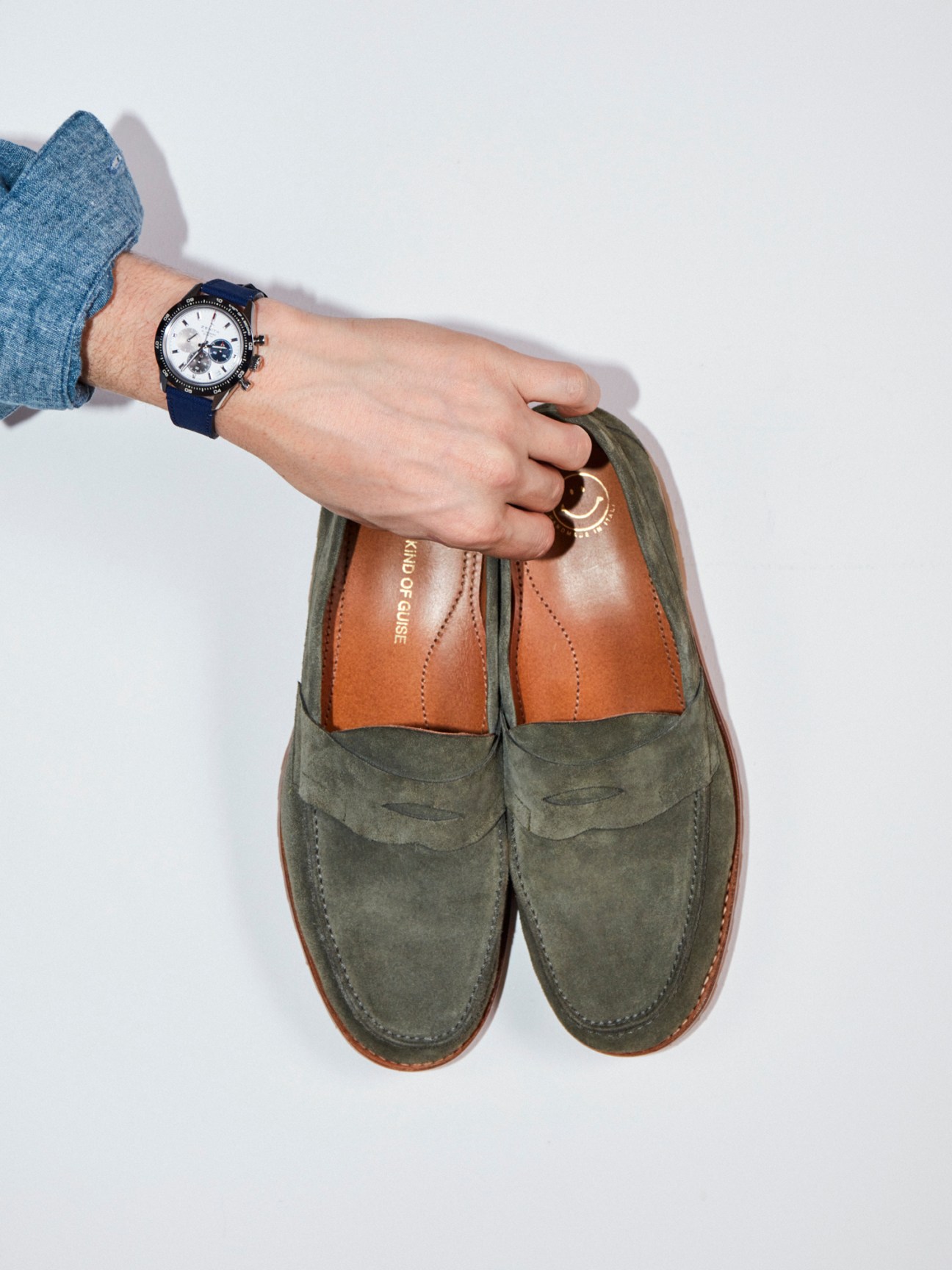
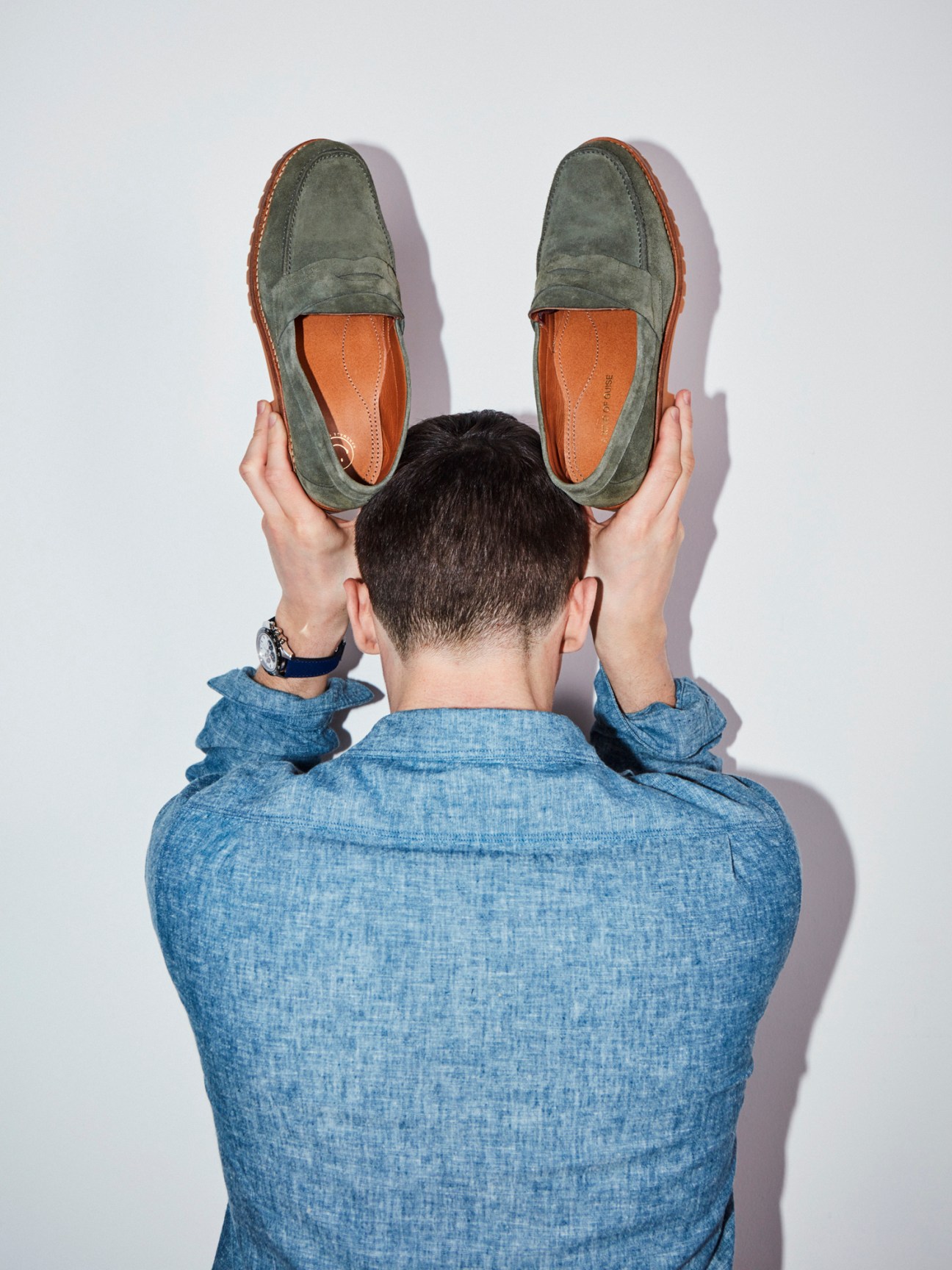
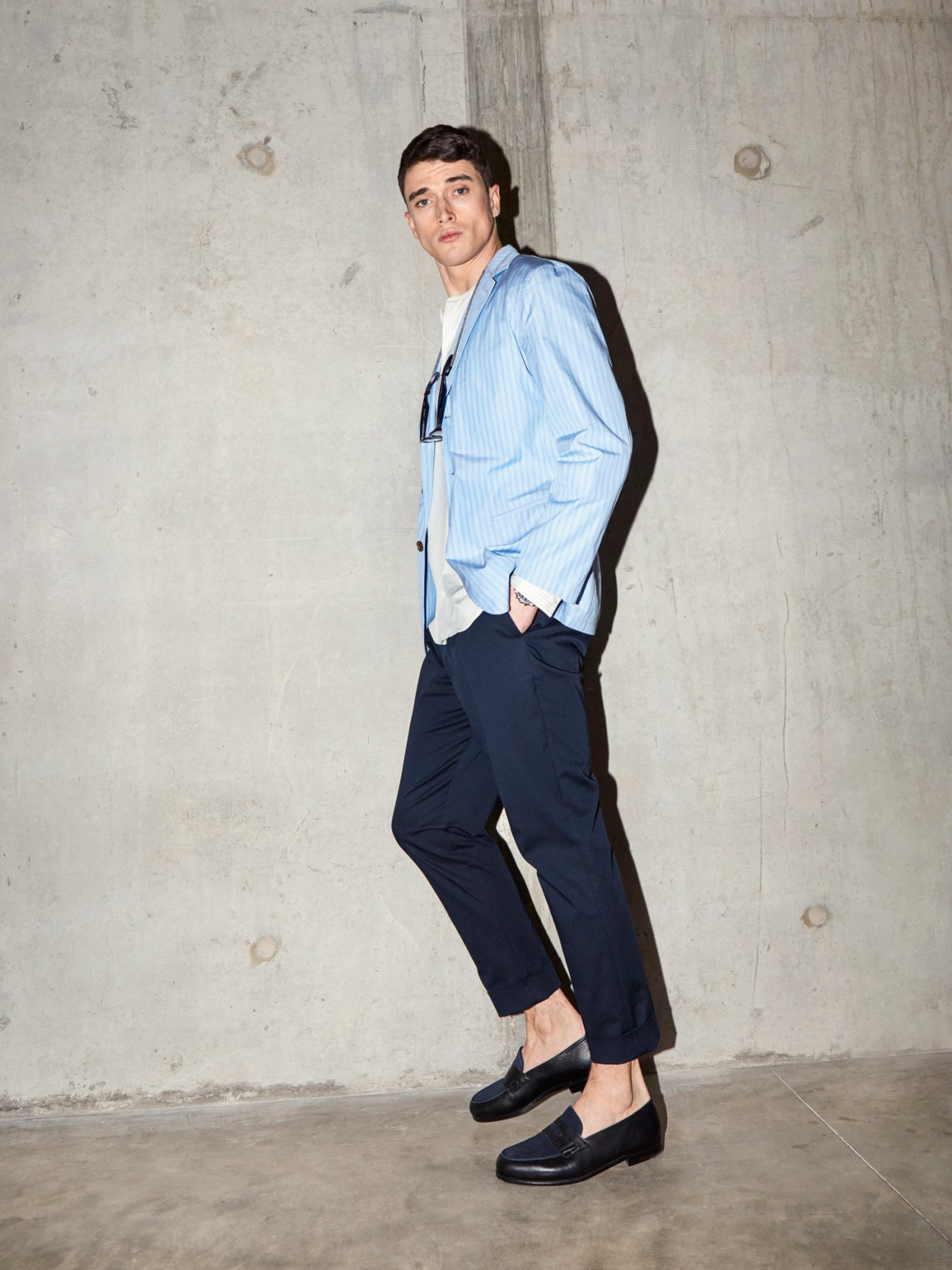
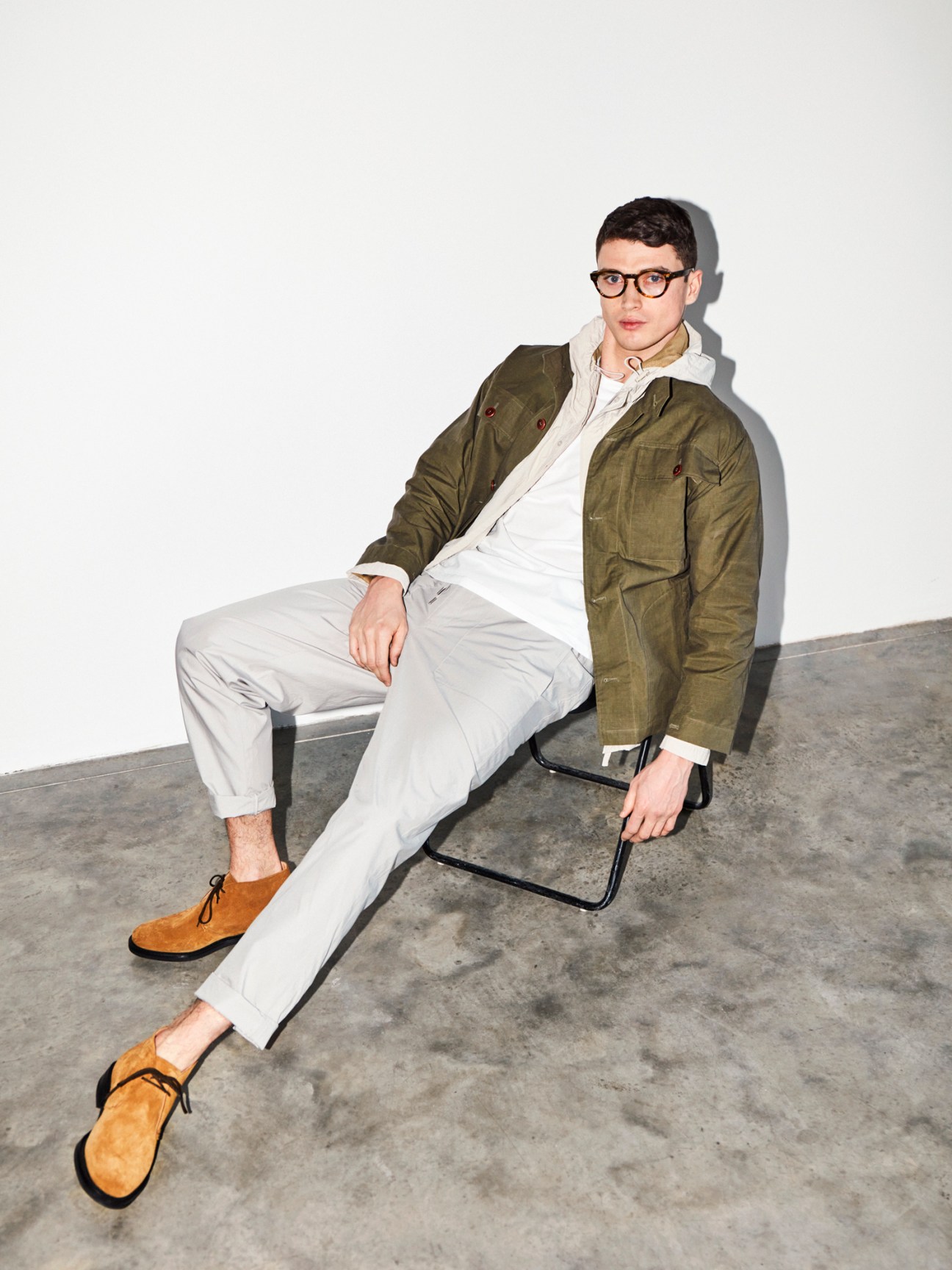
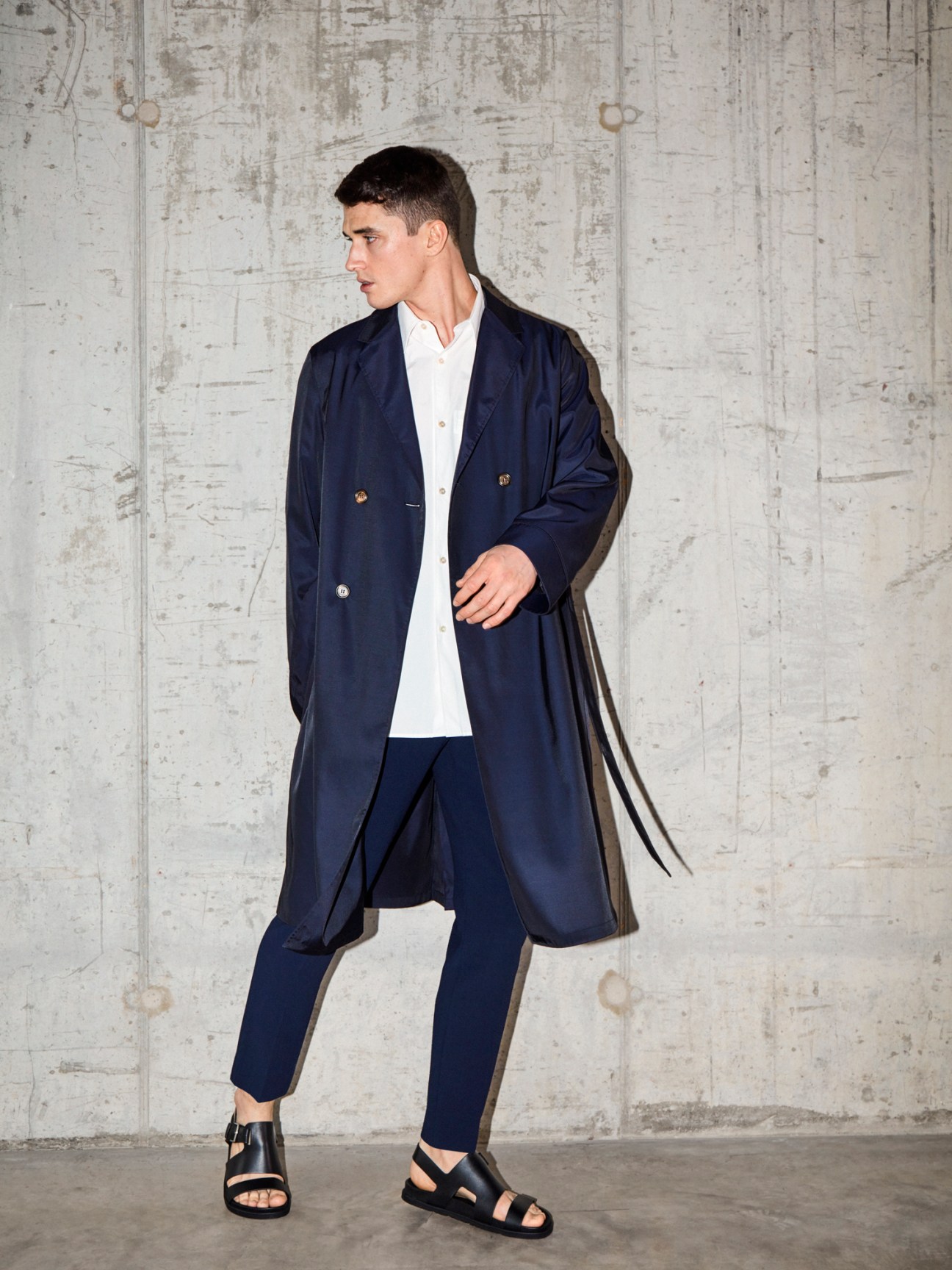
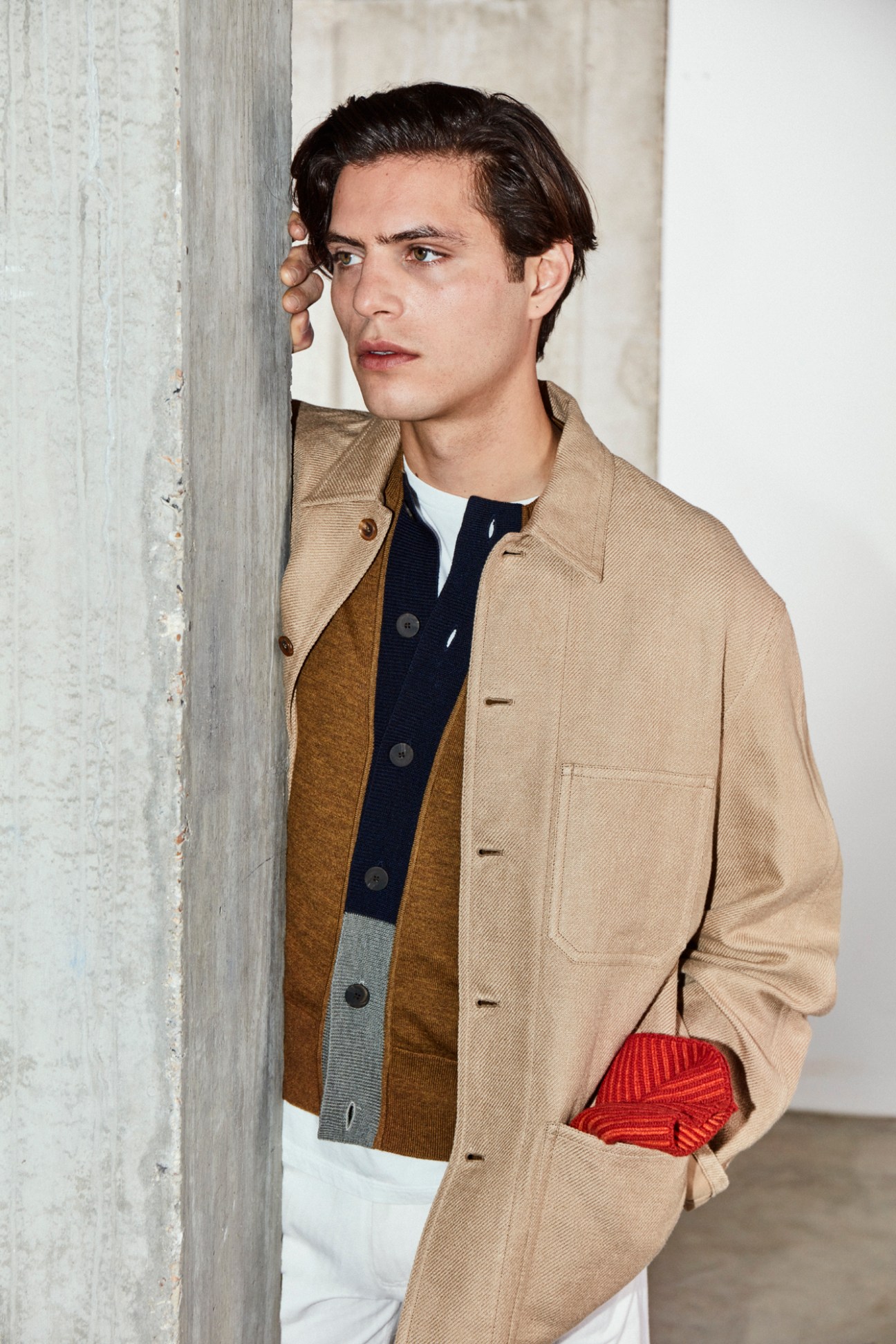
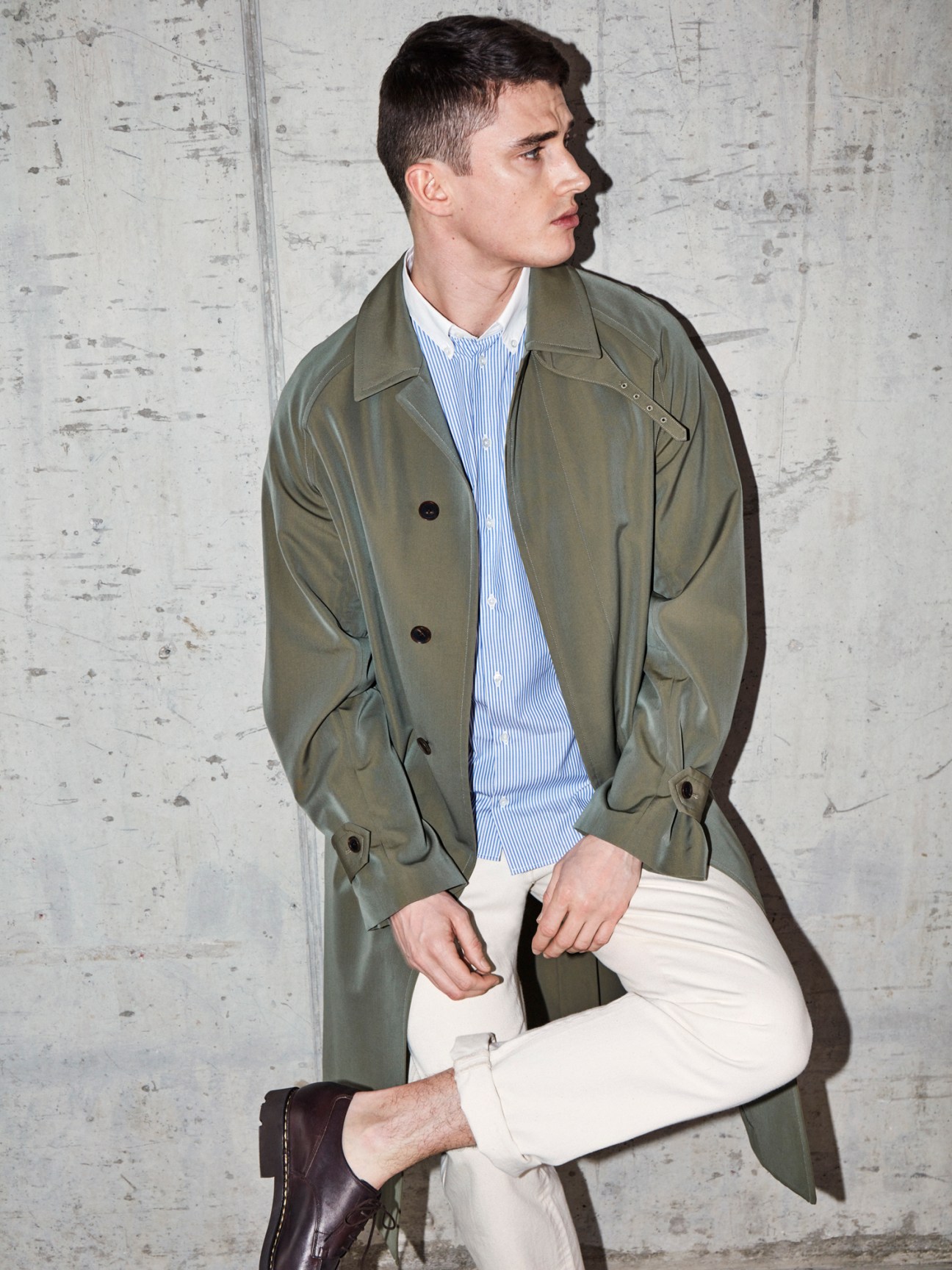
Models: Matthew Holt, Antonino Russo
Changing gears
About a year ago, 12 February 2020 to be precise, I boarded a flight in Geneva, heading back to London. Seated near me was a woman who was clearly no fan of dressing down for a plane journey. No athleisure here – I just remember the fur coat that she wore: punked-up day-glo pink and green-dyed strips of fox fur. And the surgical mask. The fear was beginning.

Then, moments before takeoff, a group of very animated epidemiologists boarded, talking excitedly about the meeting they had just attended at the World Health Organization (WHO) and the threat posed by the virus that was already wreaking havoc in China. They stood in the aisle exchanging conclusions from their gathering. “I predict this will have a very long tail; it could last until November,” said one of their party. That doesn’t sound great, I remember thinking.
Back then, we were only beginning to see the risks posed by coronavirus but events were about to move very quickly. On 22 February, Italian authorities reported clusters in Lombardy, Piedmont and Veneto. On 11 March, the WHO declared that the spread of infection now constituted a global pandemic. Countries swiftly moved into lockdowns – the UK on Monday 23 March. Within a week, 150 nations were fighting coronavirus outbreaks.
The year since then has been the longest – and the shortest. Lives lost, jobs gone, waves of lockdowns, hope tripped up again and again but somehow, in just months, the scientists and pharmaceutical companies have delivered a series of vaccines that work, and drugs and treatments that mitigate symptoms and save patients’ lives. Also impressive has been how so many people have found the stamina and dexterity to navigate, with their families, businesses and communities, through the turbulence. And now, finally, there is a sense that we are on the cusp of our lives returning to something close to normal.
But. Well, the “but” is that not everything is just going to slot back in where it was before (although, from the desire to travel to the lure of a packed bar, many things will). Some things have changed. Some trends have accelerated. And this means that there are lots of opportunities to do things a bit better than before. Whether that’s cementing in some of the ways that neighbourhoods have come together, rewilding our urban world, making more trips on our electric bicycles, ensuring that society is once again willing to debate contentious issues calmly or using everything from energy to mobility more wisely (and, hopefully, throwing even more fun parties).
That’s why this issue looks at the people who want to “do it better”. While some of their ideas embrace the potential of new technology, most have gone back to basics – devising beautiful products that can be fixed; designing buildings that can be cooled, even in the tropics, without air-conditioning; growing their own vegetables for their restaurants; or shortening supply lines for their fashion brands so that everything can be made in one spot (and not in some out-of-sight factory in China). Because when we use words such as “sustainability” and “environment”, they should touch on more than solar panels and recycling, and focus on delivering quality of life to people too. And when you think about how much good work people have achieved in a year, it’s inspiring to think that in another 12 months, our lives could be better in all sorts of ways – and that we will be able to get together to celebrate that fact, wherever we are in the world.
You can contact me at at@monocle.com with your thoughts on the issue or perhaps to offer ideas for removing a moose from the herbaceous border (see page 36). Thank you.
Fashion
Ripple effect
Tokyo
Launched in 2013 by Kensuke Hoshi, Japanese menswear label Reverberate is one-man operation. The young designer learnt tailoring in London and today manages everything from designing to pattern-cutting to sewing in his Tokyo atelier.
“The fabric shop I visit in Tokyo is pretty much the only fashion contact I have,” he says of his low-key set-up. This approach is mirrored in his marketing. Recently he ditched holding biannual previews and tends to work purely by appointment and through small trunk shows, the last of which was at L’Échoppe, an influential fashion retailer in Aoyama.
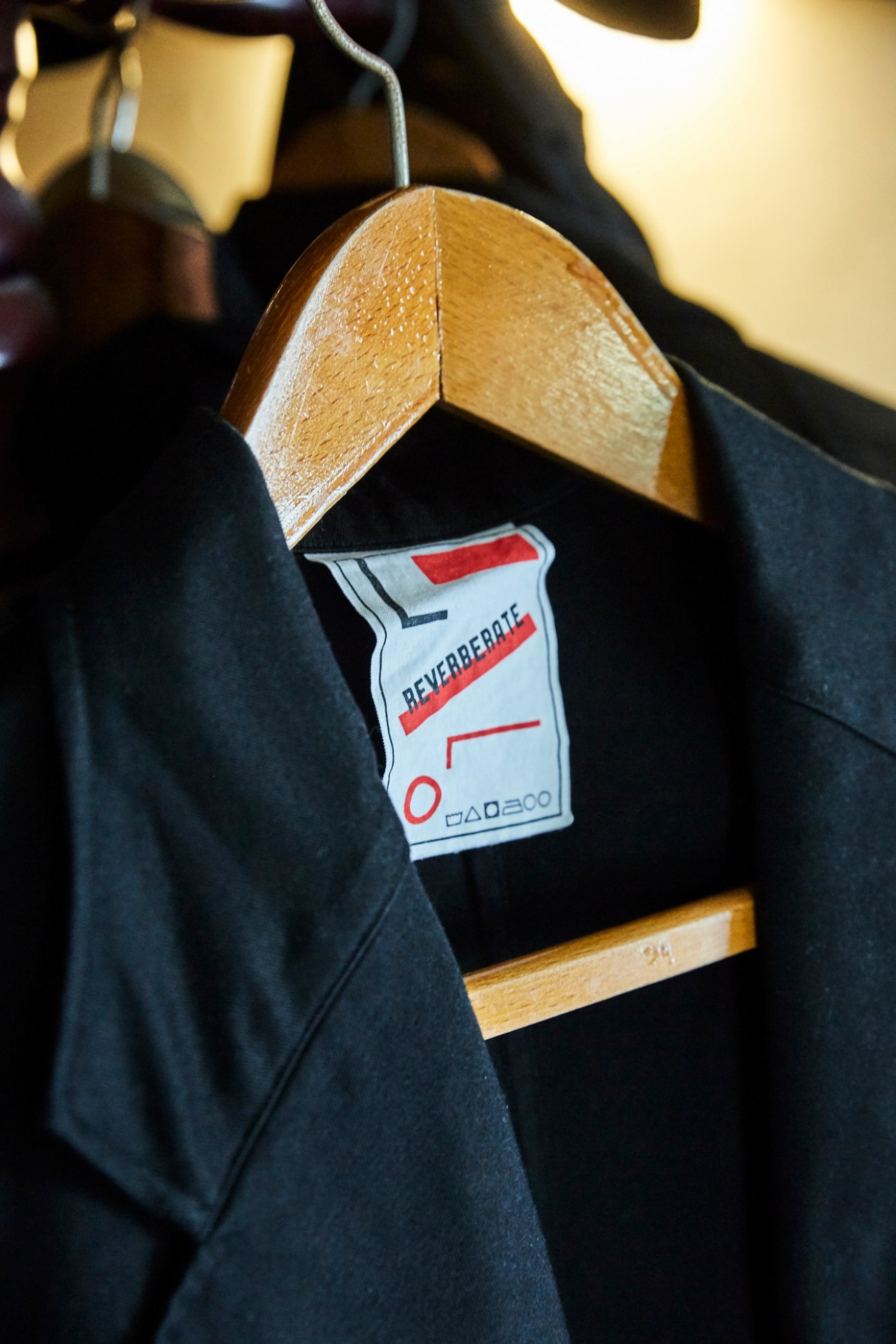
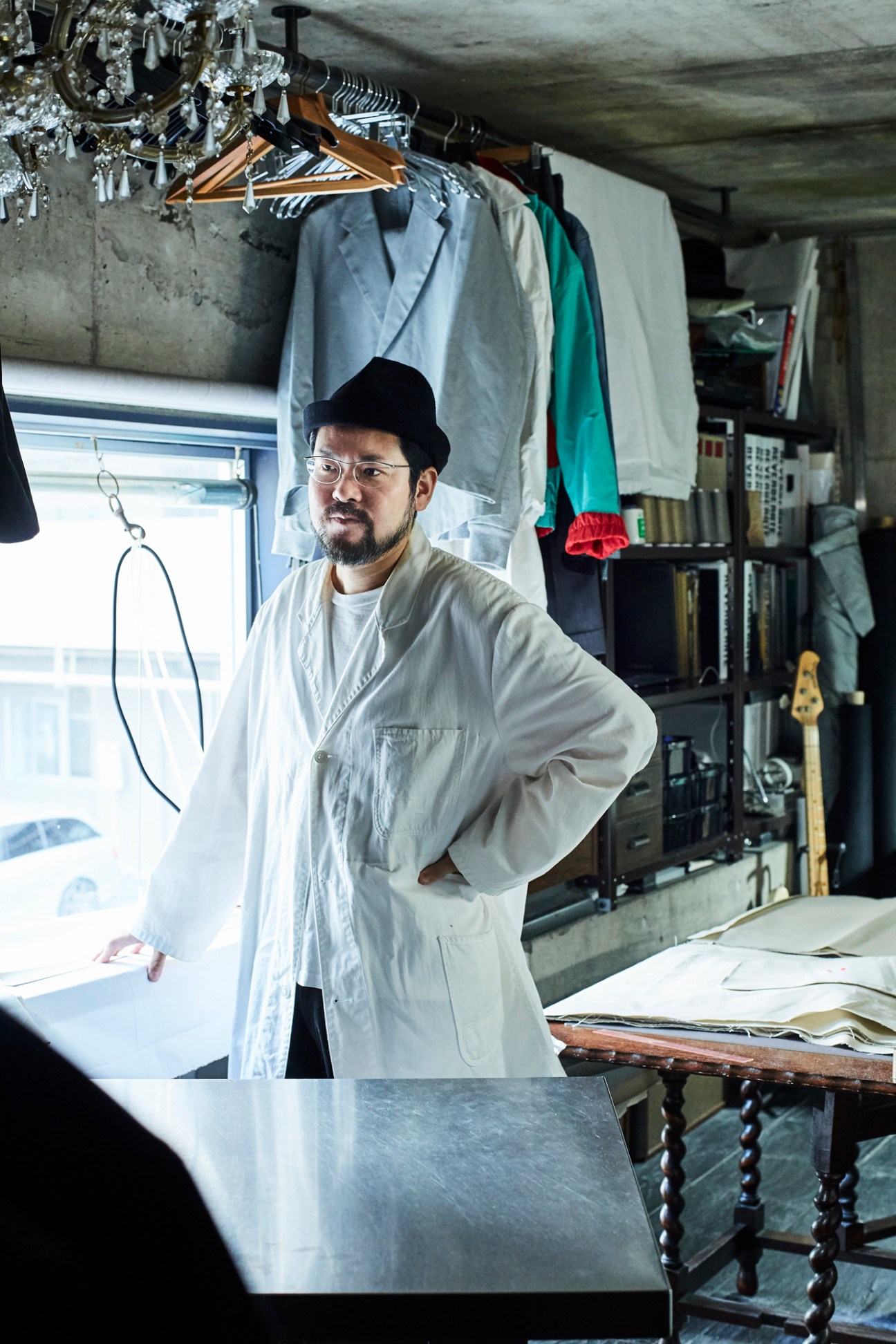
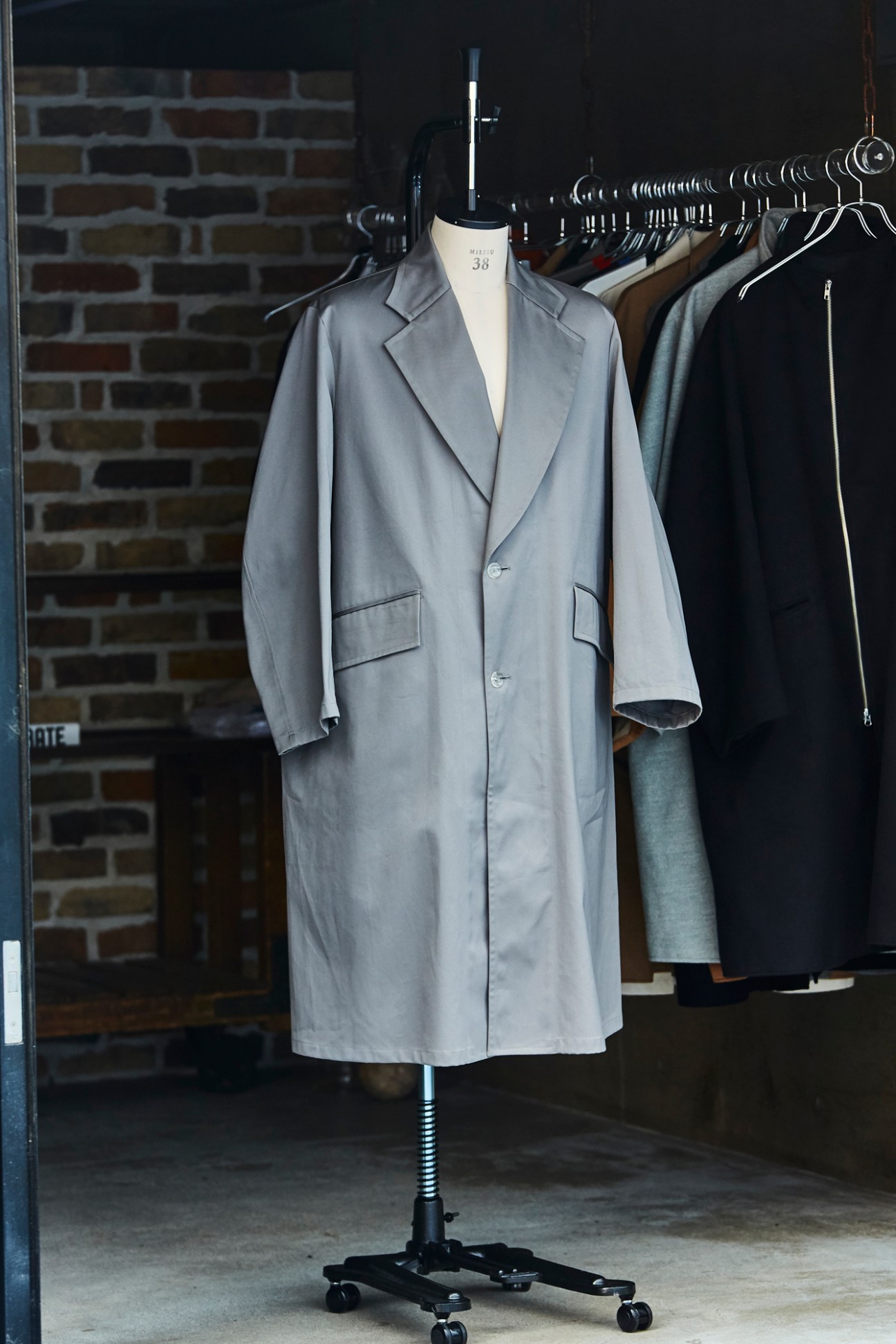
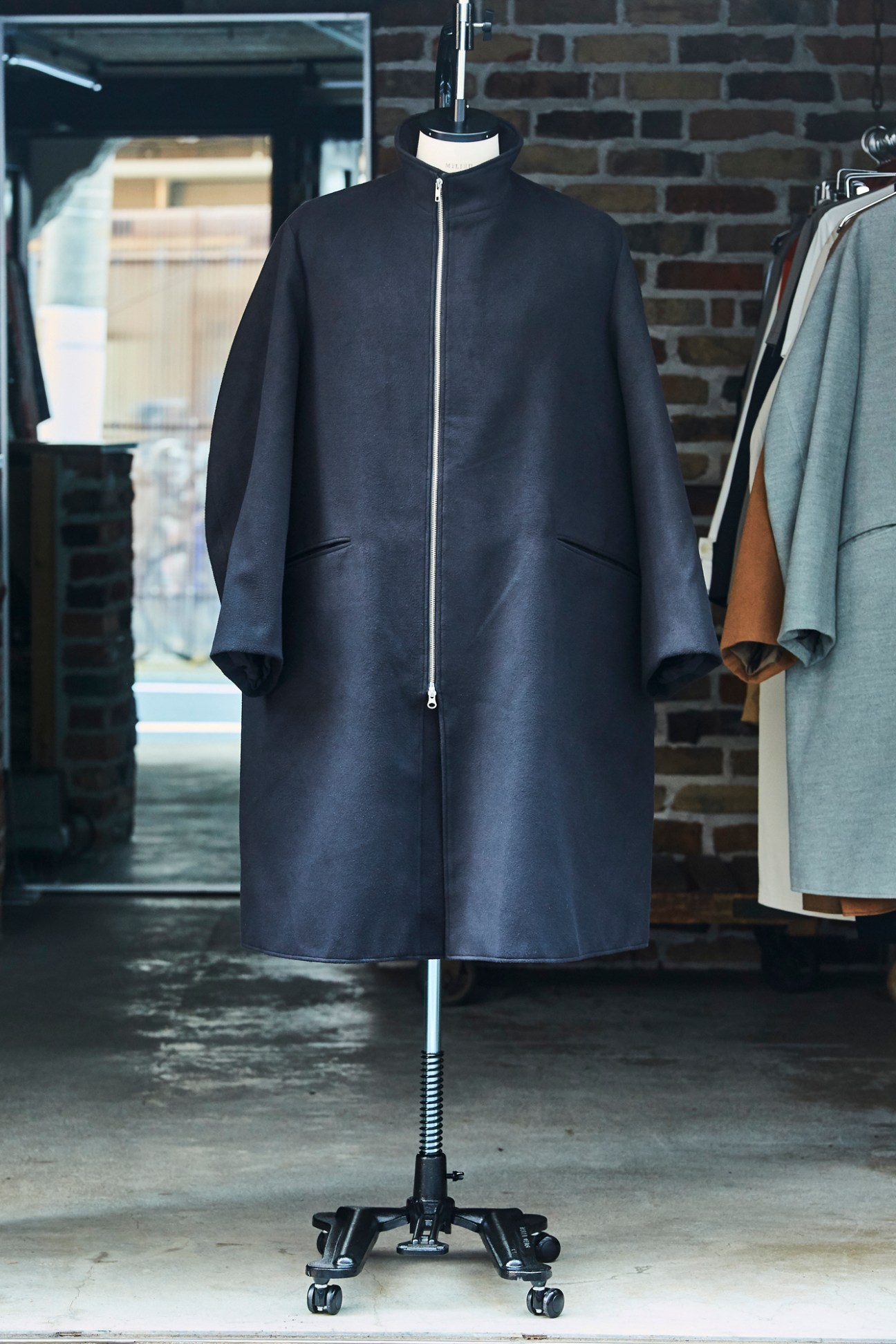
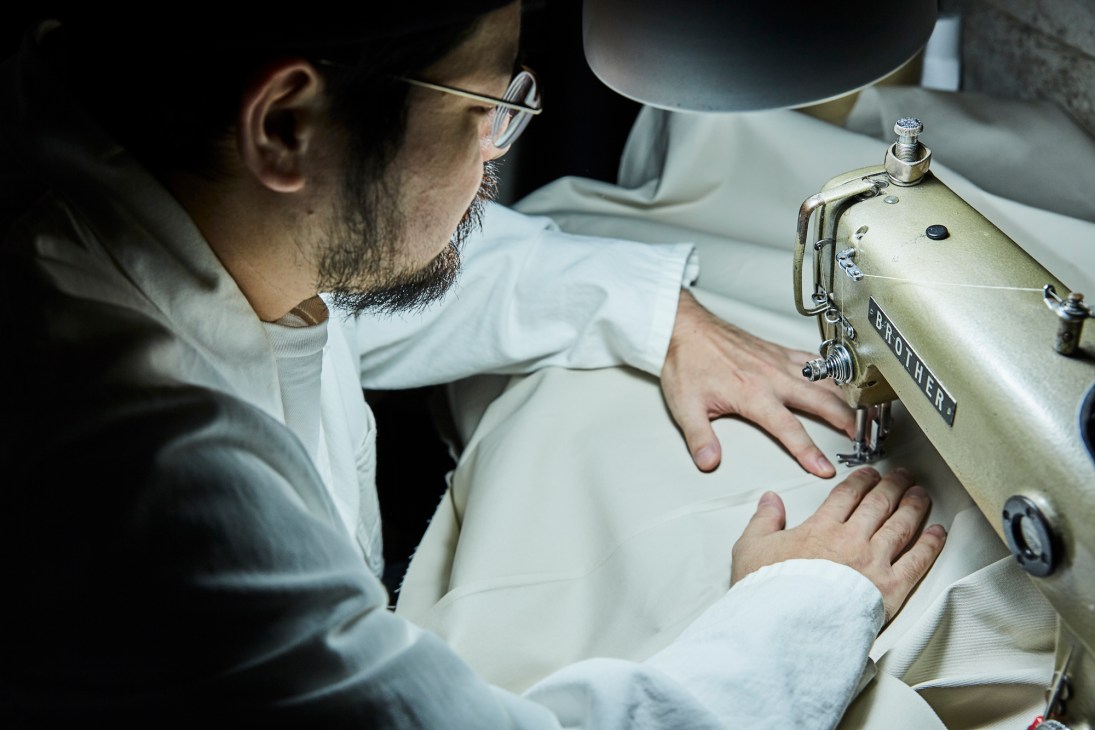
Reverberate’s beautifully cut men’s coats and jackets also appeal to women, who wear them as part of an oversized look. when operating on a made-to-order basis, Hoshi sources fabrics for individual items, therefore producing little waste. “I feel like I’m a sushi chef,” he says, noting that his philosophy is to make something extraordinary using ordinary materials. “All the ingredients – say, tuna, rice and vinegar – are available in supermarkets, but they turn into something special in the hands of a professional. I’d like to do that in fashion.”
reverberate.jp
Spanish steps
Spain
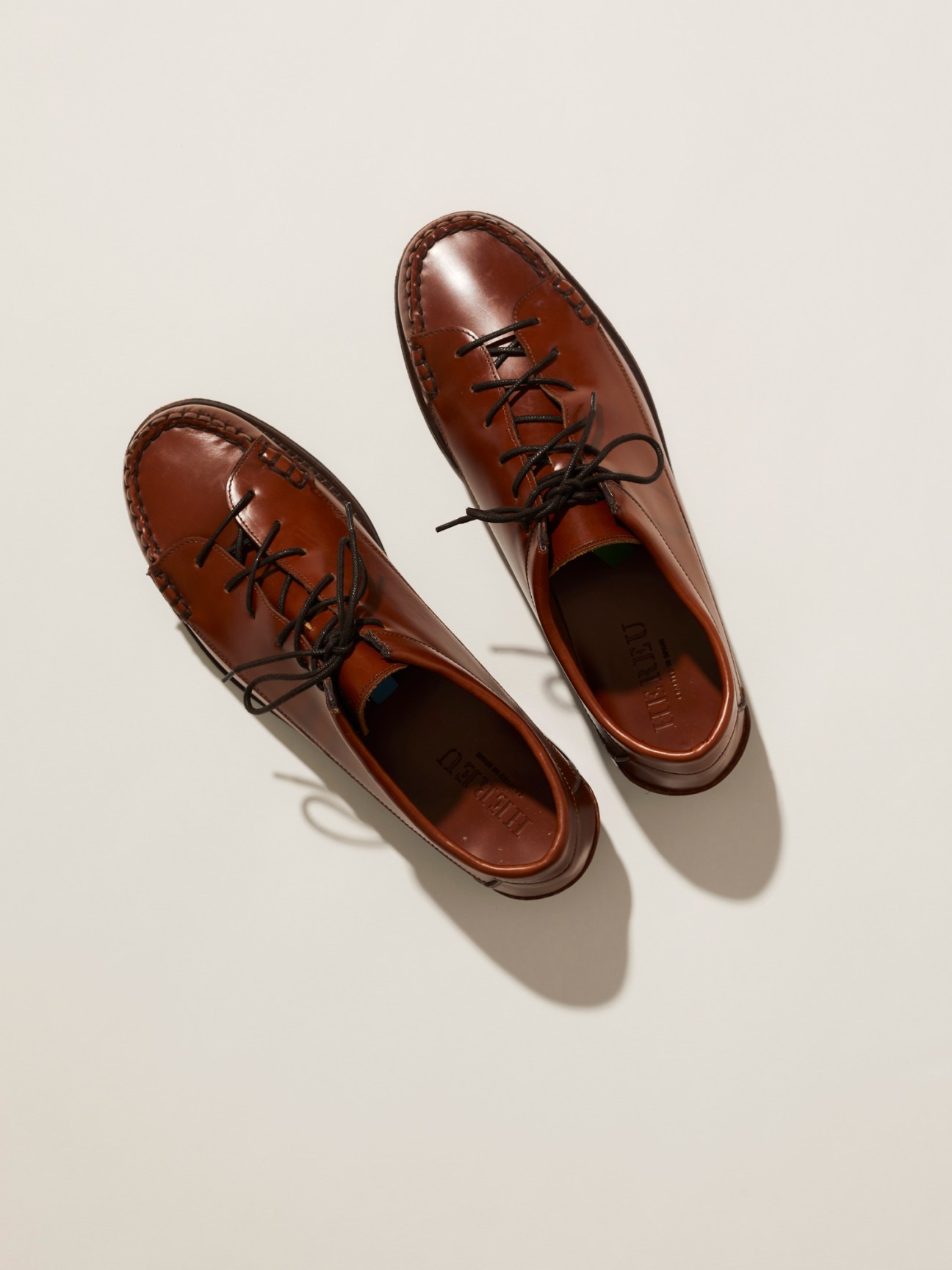
After pursuing fashion careers in London and Paris, José Luis Bartolomé and Albert Escribano moved to Spain to establish Hereu, a shoe and bag brand that celebrates Mediterranean style. Priego (Priega for women) is the newest addition to their collection. The “Made in Spain” full-grain calf leather shoe is a contemporary take on the traditional moccasin that can be worn with chinos to smarten up your look or with a suit to dress it down a touch.
hereustudio.com
Sheep chic
UK
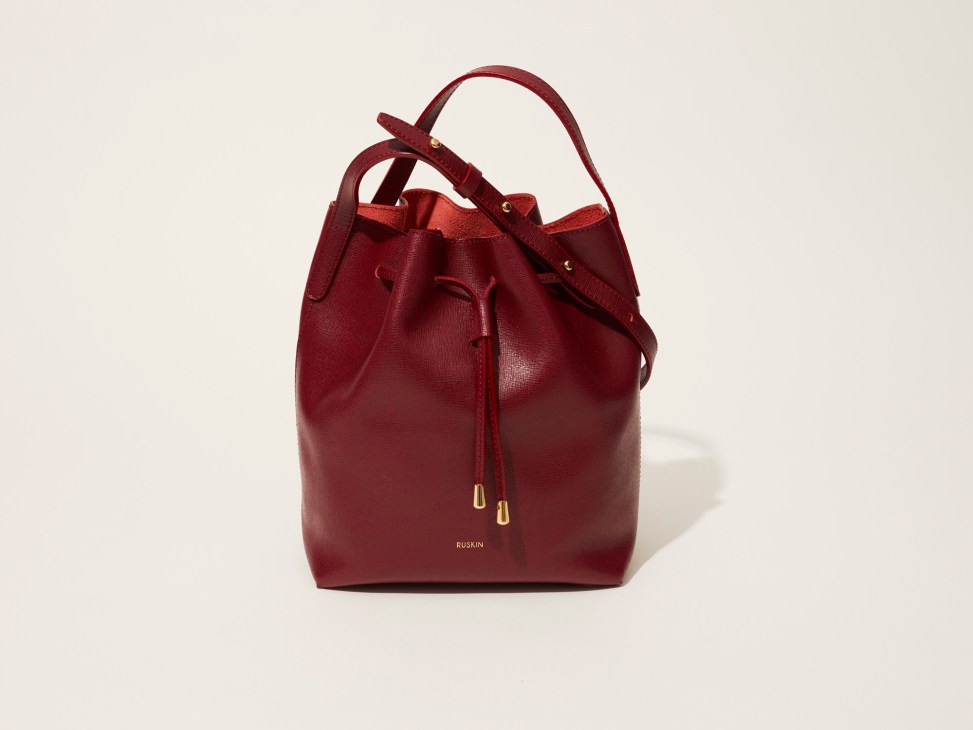
Ruskin takes a hands-on approach to sustainability: the British bag brand keeps its sourcing supply chain close to home to ensure that it operates in a meaningful manner. Fabrics are sourced and crafted in workshops in the north of England by millers, weavers and artisans who draw upon traditional skills and techniques. The wool that is used in the tweed collections comes from a protected breed of sheep called Herdwick, which is unique to the beautiful moors of the Lake District in the north of England.
ruskinlondon.com
Q&A
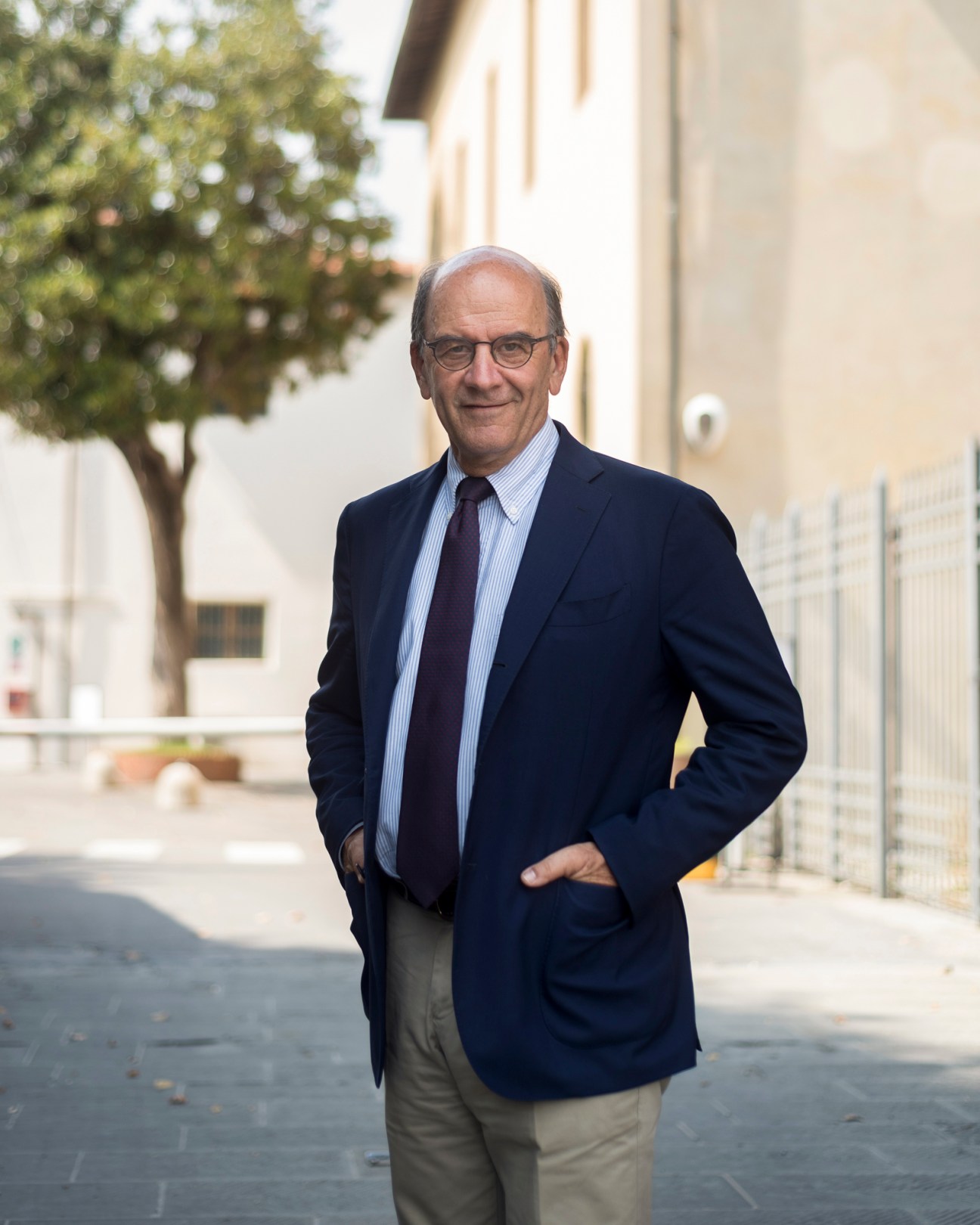
Raffaello Napoleone
CEO, Pitti Immagine
Italy
Pitti Immagine organises the influential biannual menswear trade show Pitti Uomo. The fair’s 100th edition is due to take place in Florence in June. Napoleone talks to Monocle about his plans for the year and his views on sustainability in fashion.
How optimistic are you about efforts to make the fashion industry more sustainable?
The coronavirus pandemic has actually helped to accelerate the shift by firms to be greener, [when they] might have taken longer without it. In Italy the brand Herno’s Globe collection uses eco-friendly materials in outerwear, such as regenerated nylon sourced from landfills and oceans, recycled wool and biodegradable polyamide yarn – all developed in Italy. In Tuscany, Rifò responded to the problem of overconsumption and over-production by making clothes that use, for example, almost exclusively upcycled fabrics, such as cashmere or denim. In footwear, Allbirds is a great example, with their uppers in merino wool and eucalyptus fibre, which makes for an extremely comfortable shoe. Lightly worn pairs returned by customers are donated to the homeless community to cut down on waste.
“Fashion labels and buyers have greatly missed the possibility to meet face to face”
Are seasonal in-person fairs, such as Pitti Uomo likely to be at risk?
No. We see in surveys that fashion labels and buyers have greatly missed the possibility to meet face to face. Yes, investing in digital is important – for 10 years we’ve had an online platform [E-Pitti] that serves as a supplement, with pictures and videos of collections. But it can’t replace a physical fair. Pitti Uomo is not a runway show. It’s where you get a sense of where trends are headed, research new labels, find a supplier and, of course, touch and see the patterns and fabrics of clothes clearly, to understand their quality – all under one roof.
What is the near-term outlook for Italian fashion?
Labels still know that “Made in Italy” is a tremendous asset. We will recover but the market is still finding a new equilibrium between supply and demand as people have been adjusting their shopping habits during the pandemic and generally consuming less. Still, we need fashion. People still like to dress up and look nice even if they are only going to be at home. It has a curative effect.
pittimmagine.com
From the ground up
Italy
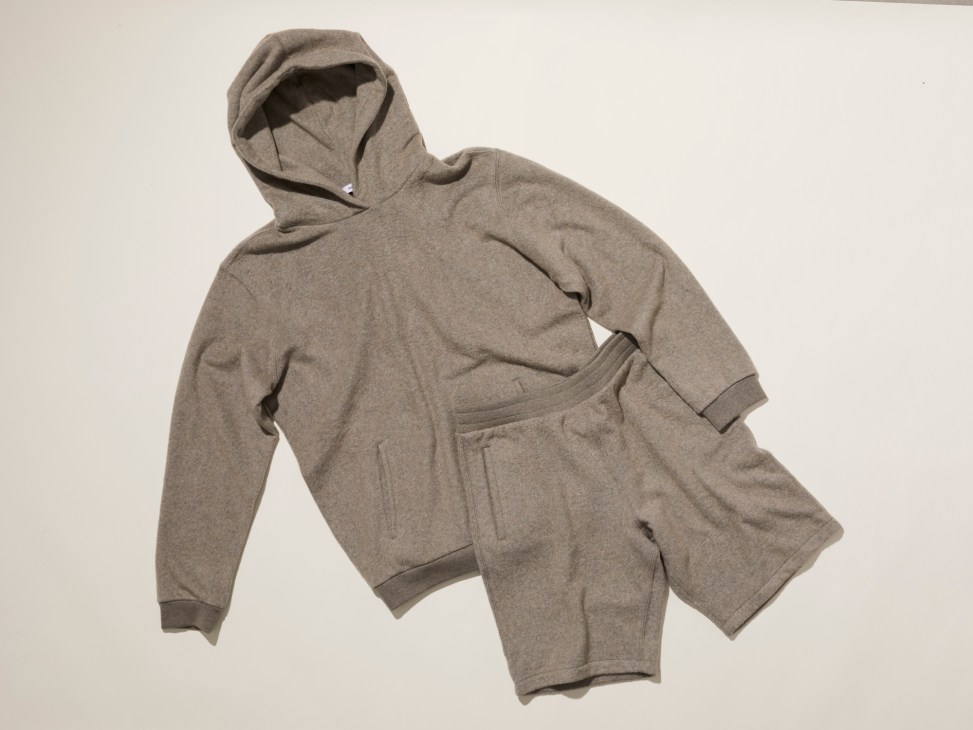
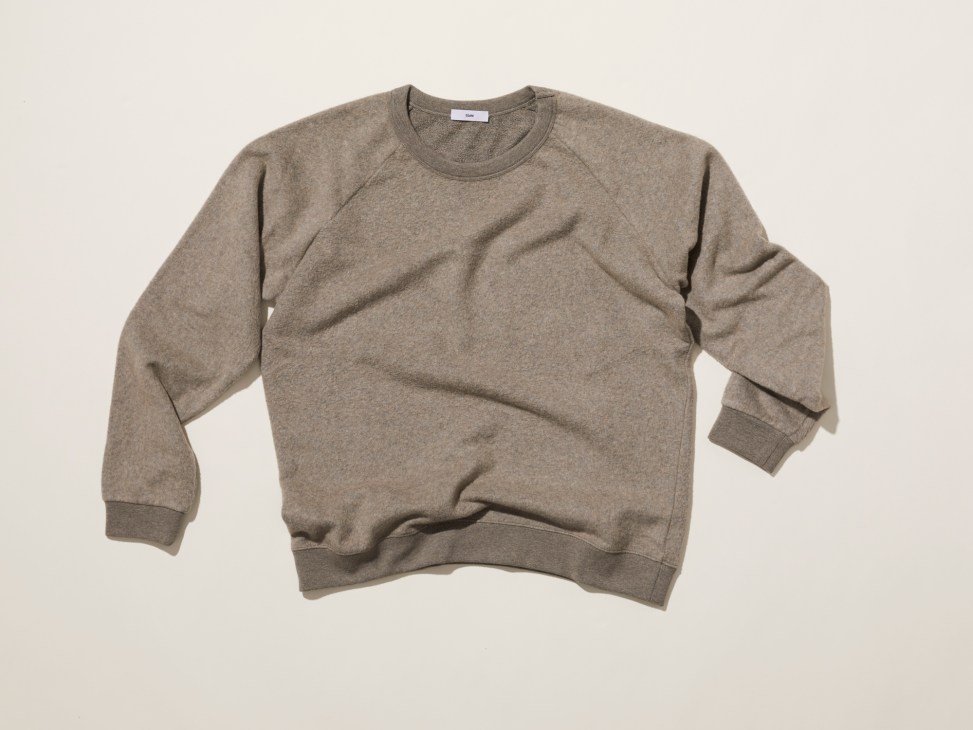
After fitting the feet of the style-conscious with his sleek contemporary footwear, Common Projects co-founder and co-designer Flavio Girolami has turned his eye to dressing clients from head to toe. To do this, he has launched a premium range of leisurewear comprising tops and bottoms made in Italy using high-quality fibres. Pieces include hooded and crewneck sweatshirts, long-sleeved T-shirts and shorts, all made with fabrics such as cashmere and camel hair. The project is the latest addition to Girolami’s ssam label, a venture that specifically supports small artisanal manufacturers and which boasts a line of minimalist furniture, scented candles and wine. Colours mimic his signature trainers, with clothing generally offered in modern, clean hues of white, black, grey, navy and camel.
ssamlab.com
Still Life: Tony Hay
Close quarters
The manufacturing of fashion collections usually happens at some distance from the people dreaming up the looks in creative studios. In a trade of tight margins, the real cost-cutting tends to focus on production, with manufacturing in countries with low labour costs all too commonplace and few companies designing and making on the same site.
But consumer demands are changing, and while it is more costly for brands to be close to their suppliers, it’s increasingly seen as a better way of doing business. It also allows designers to monitor production; and it’s better for the environment if the supply and distribution chains are kept taut.
With this in mind, we’ve selected three brands of different scales and ambitions that are keeping it close to home.
1.
The country workshop
Racing Atelier, Germany
Visitors crunching through winter snow (or past grassy meadows in warmer months) en route to the cosy atelier and home of designer Leander Angerer tend to be struck with a sense of envy. Indeed, as Monocle drops in on the owner of design studio Racing Atelier in the pretty Bavarian town of Oberammergau, a desire to linger in the brand’s base overwhelms us. While Angerer jokes that managing the wood-fired heating of his modest family home and studio set-up sounds more romantic than it actually is, he has found an ideal work-life balance here in the Alps, with his wife and one-year-old child.
“A gut feeling brought me back here,” says Angerer of his return to the region he grew up in after completing design studies at Dessau in Germany then Central Saint Martins in London. “I found this unused carpenter’s workshop and home, and started something that I couldn’t afford to do in the city.” Seven years in and Angerer has developed a business model that allows him to create products from the workshop adjoined to his home, while servicing a discerning international clientele. Across the timber-walled workshop, he and a small team make the coveted backpacks from durable leather and technical materials that command a certain price. He has one sole retailer: cult Japanese chain Arts&Science. Beyond this, everything else produced here is made-to-order.
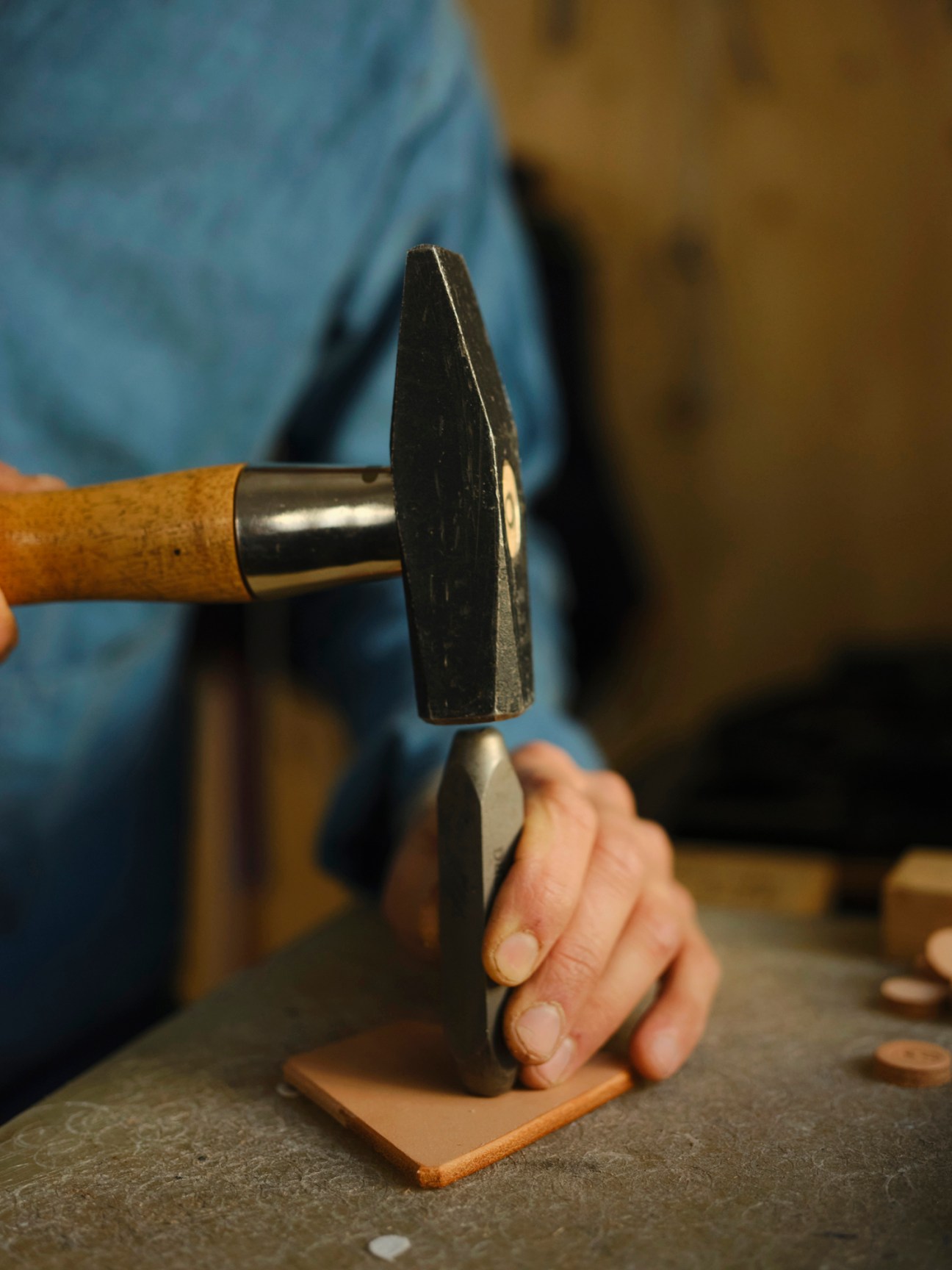


“People are now looking for products that they can feel a connection to,” he says. Clients correspond directly with him, some even visiting the studio to collect their order. “One guy came all the way from Cyprus,” he says, laughing. “He was so happy just to see my workshop.”
While Racing Atelier possesses an order book much smaller than most industry brands, there are lessons that the broader fashion world can learn from its success. Shoppers now understand the value of products imbued with a sense of place and want to be treated as partners in a worthwhile transaction, rather than buyers of a commodity.“If I want to make a living, I have to communicate the value of manufacturing the product here,” says Angerer. “The idea of my work is to create something meaningful for people.”
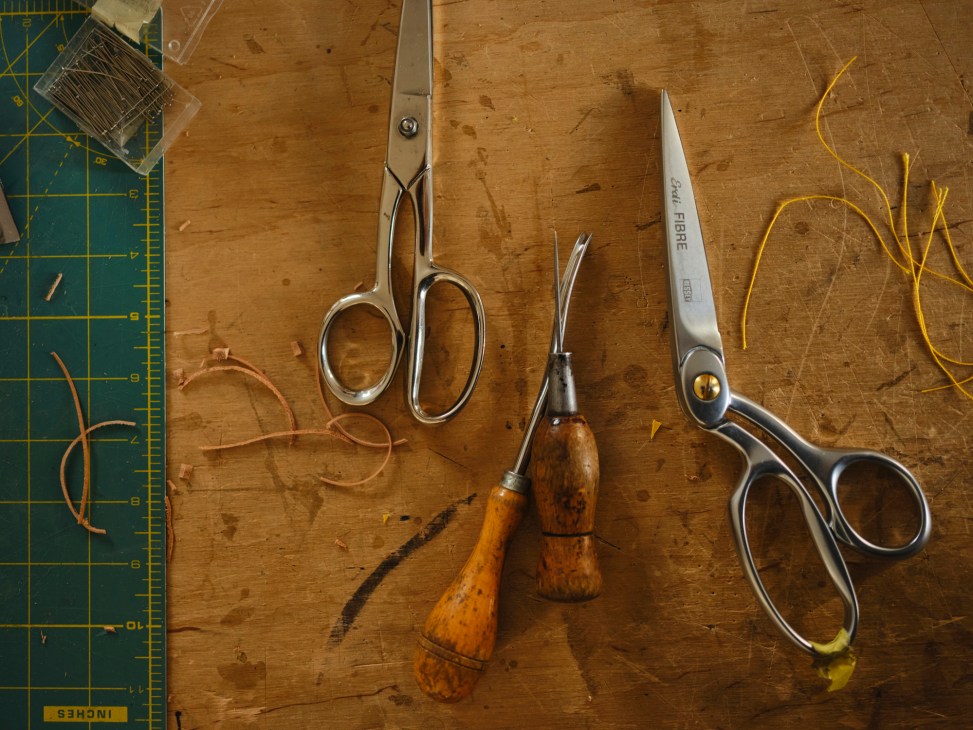
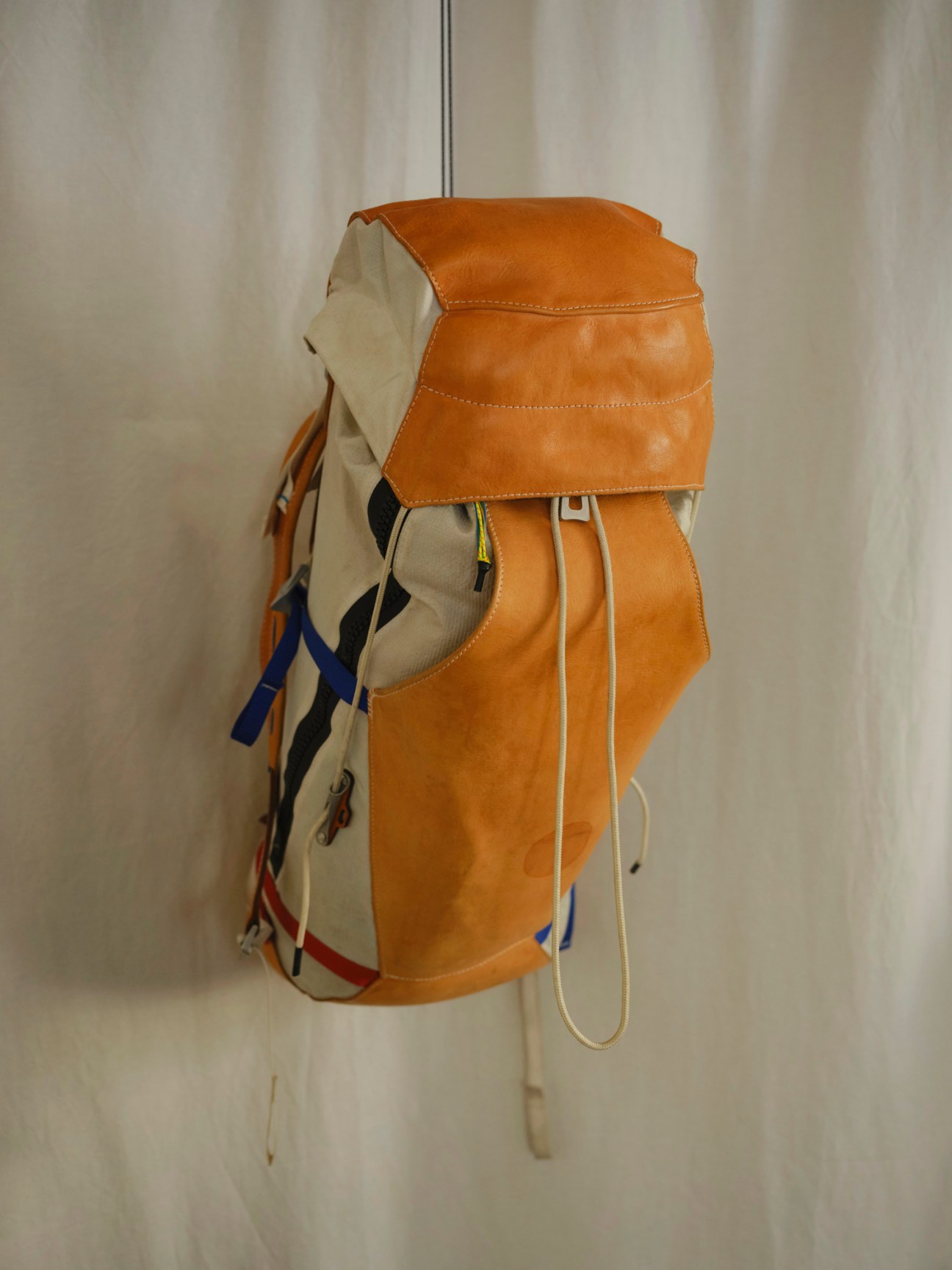
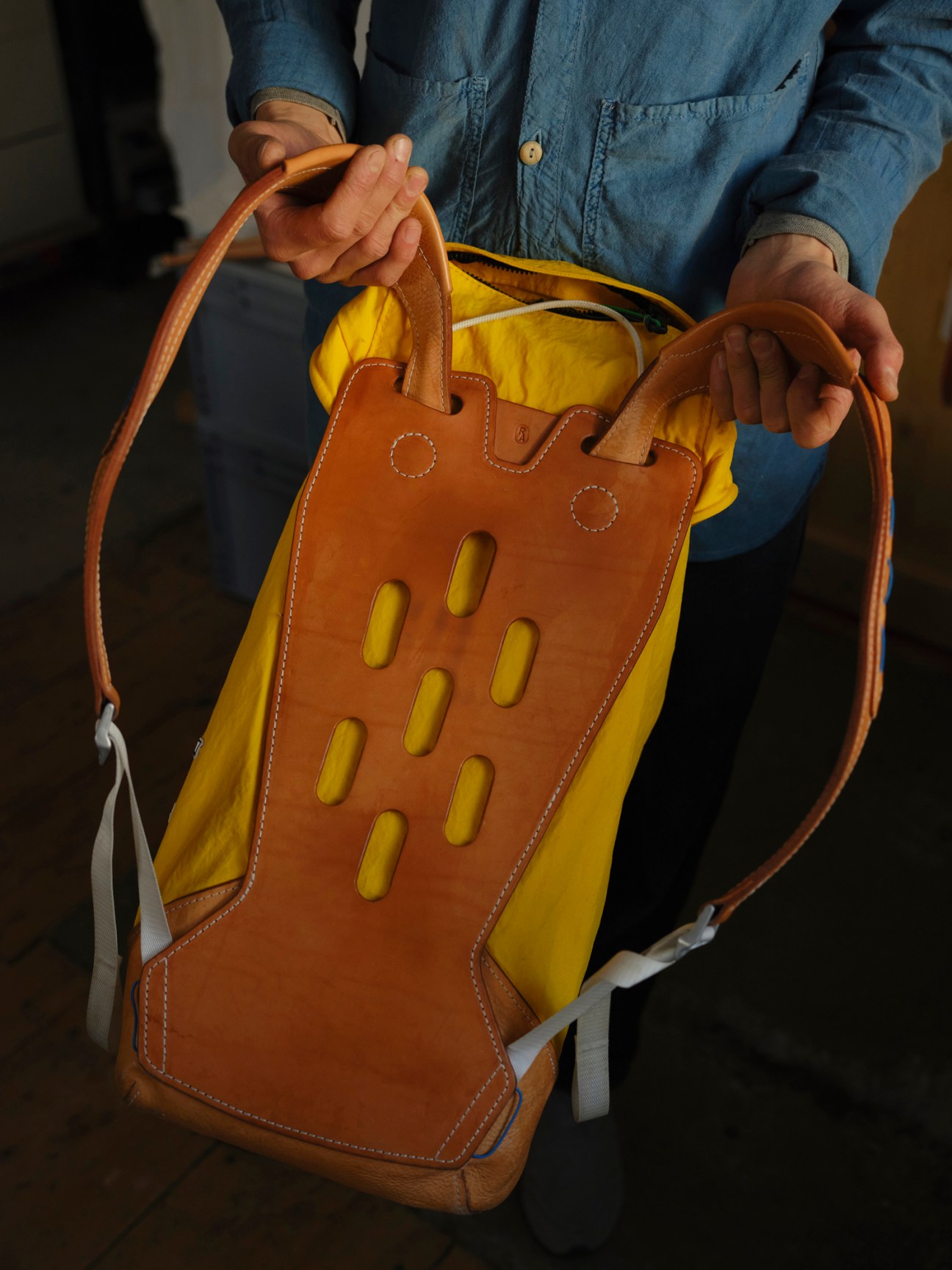
Racing Atelier also checks many boxes around responsible manufacturing; the leather, for example, comes from within a three-hour drive of its base. “The remoteness doesn’t tend to affect the materials I use,” says Angerer. “But it does influence my take on design.” This has enabled him to form his point of difference. “Living and working here, and not being exposed to everything that someone in the city experiences helped me to define my own style. Being detached from city life and separated from other designers doing similar things has become a luxury. It has helped me to find what I’m after in my work.”
Benefits of keeping it closer to home:
1. Angerer retains a close client relationship.
2. Made-to-order means he can manage his workload and supply chain in advance.
3. Angerer shies away from marketing and prefers exposure from word of mouth.
2.
The neighbourhood manufacturers
Engineered Garments, USA
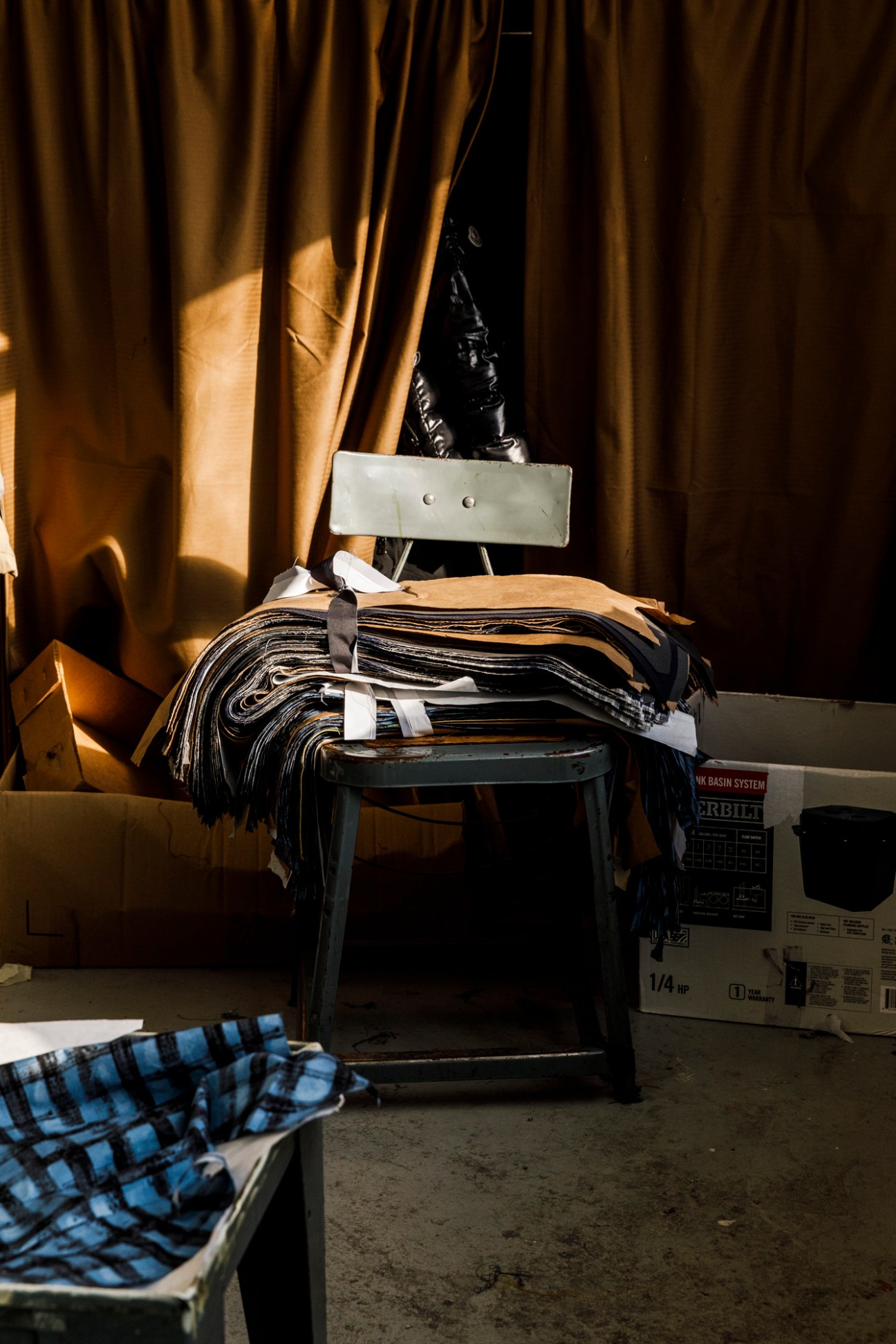
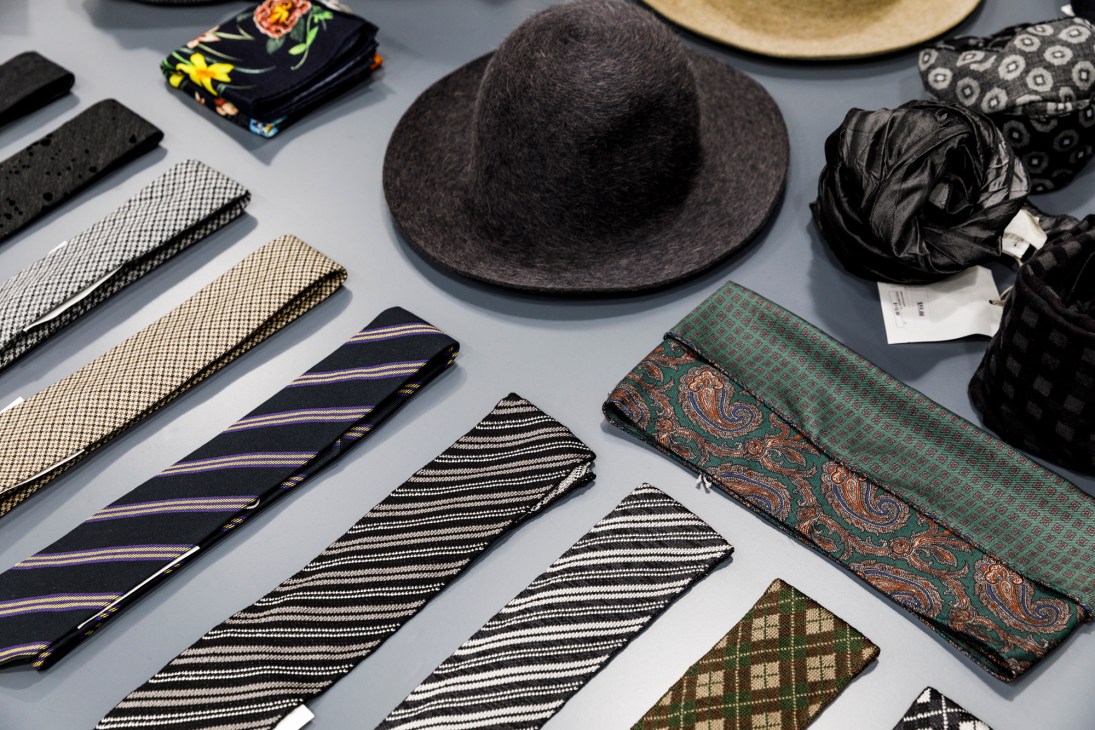
Fashion cities such as Milan, Paris, New York and London tend to be filled with studio space for designers and brands. But manufacturing at scale in expensive urban environments like this is rare. Engineered Garments in New York is one such exception, producing 90 per cent of its wares within the city, while enjoying a global cult following. The founder, Daiki Suzuki, is adamant that the brand should remain true to itself, which means designing and making in his adopted home city even if it means spending more on real estate. “I am Japanese, yes, but Engineered Garments is an American brand,” he says. “We design, manufacture and sell it right here in New York.”
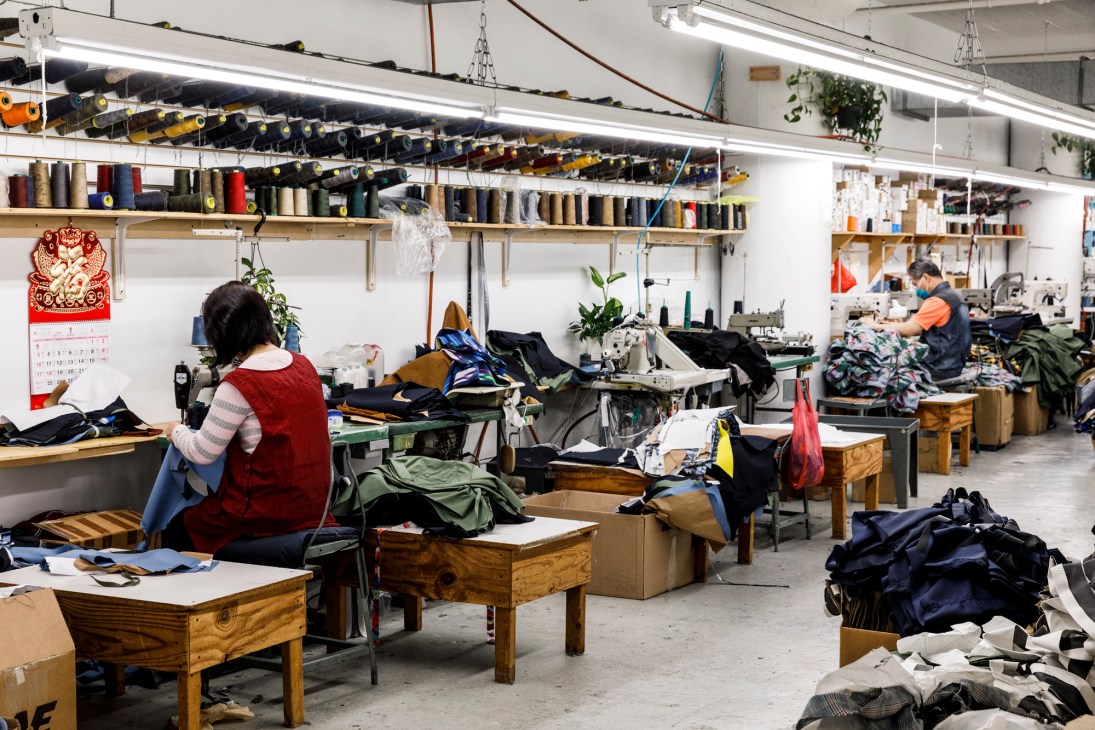
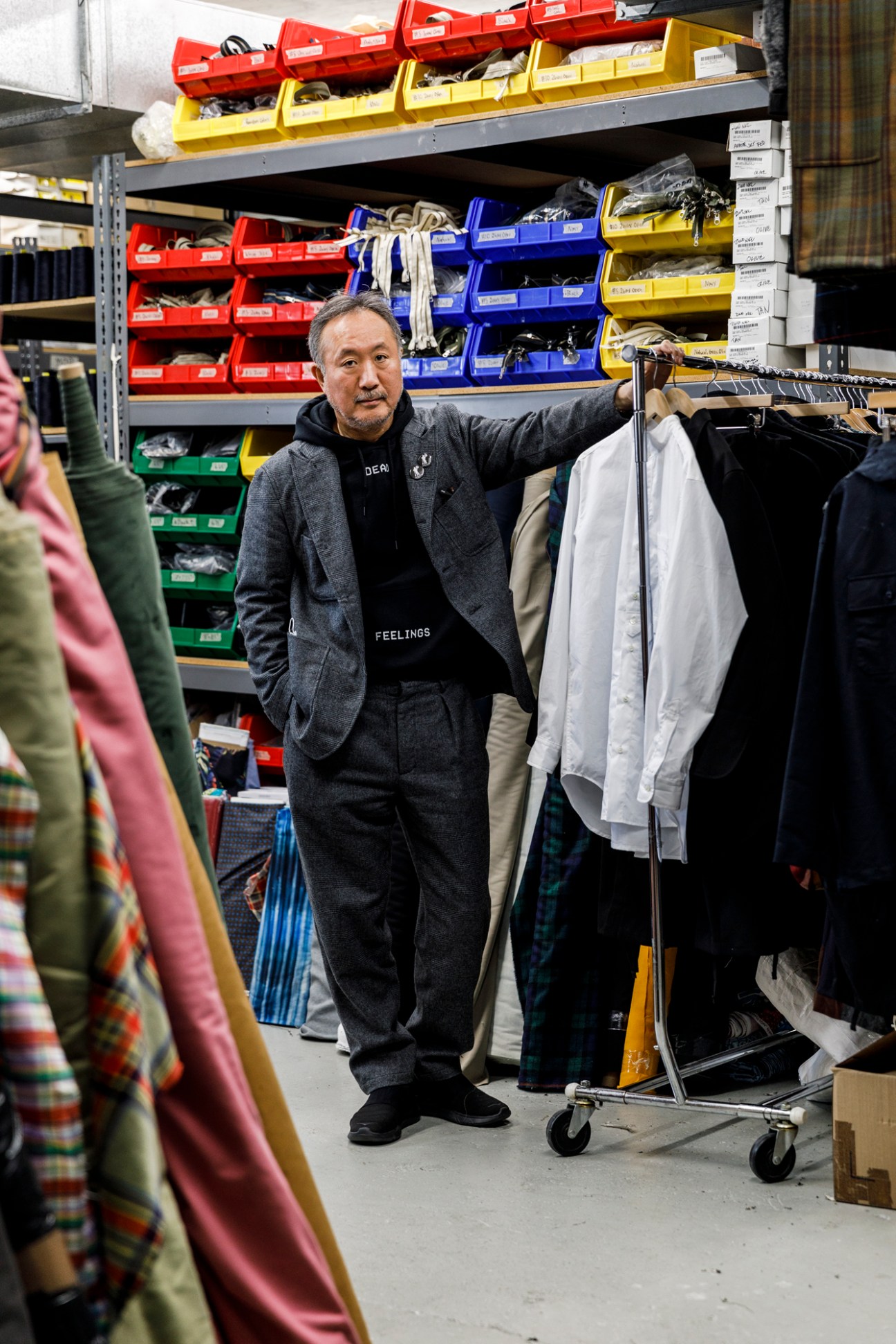
A former fashion buyer, Suzuki started the label in Manhattan in 1999 under the Japanese parent company Nepenthes. Suzuki’s enthusiastic fans, who care deeply about provenance, respected the label for its concentrated operation in New York’s Garment District. Suzuki ran a tight ship with everything at his fingertips; the factory was above his office and the brand’s flagship shop was on the ground floor. “The factory owner helped us to find a space in the same building,” he says. “We later opened our retail shop. Not intentionally; it happened very naturally.”
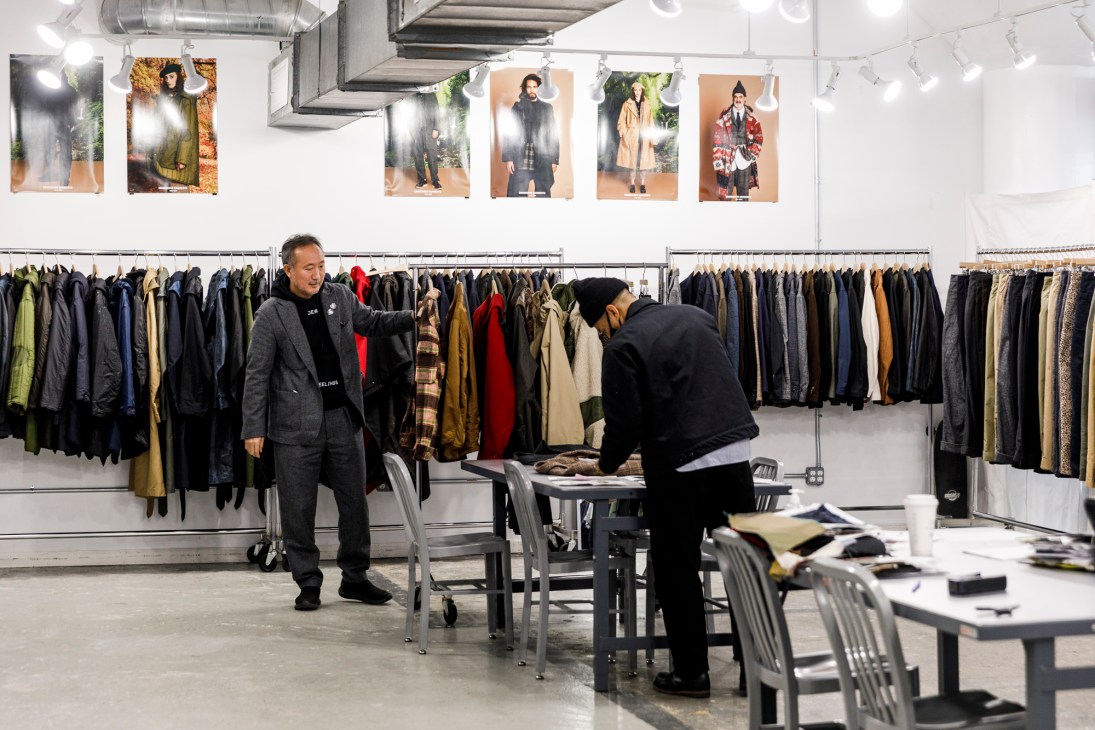
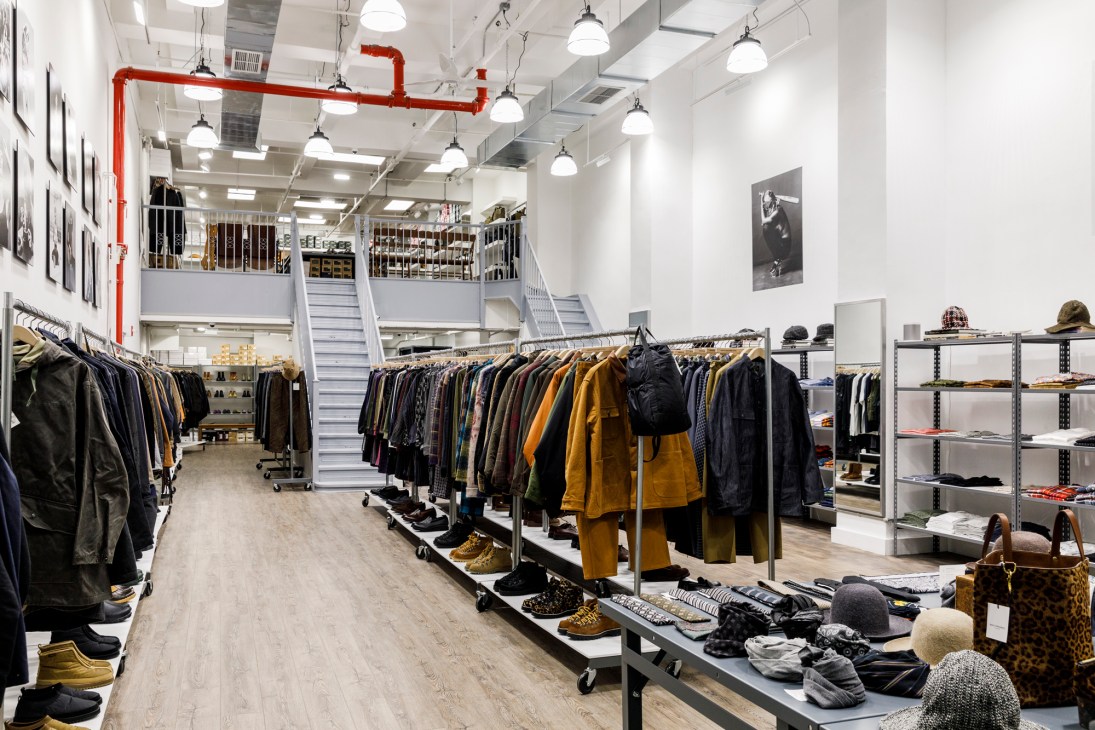
As the brand continued to grow, Suzuki moved his office and factory to Long Island City (LIC). “The choices we had were either LIC or Brooklyn,” he says, as though discussing two separate cities, rather than adjoining districts. “We picked LIC because it’s as close as we can possibly be to our retail store.”
Today, Suzuki makes the short commute from his home in lower Manhattan to work. His attention to detail is legendary, so to be as close to the process as possible is crucial. “American manufacturing is very different from how it is in other countries,” he says. “Our products are not easy to make, so we have to work closely with the factories to produce what we want.”
Benefits of keeping it closer to home:
1. Suzuki has his operations nearby to keep a close eye on production.
2. Celebrating New York’s manufacturing history has been a powerful brand asset.
3. Staff connect with products made locally.
3.
The beach-city brand
Handred, Rio de Janeiro
Moments away from the promenade of Copacabana beach, is the atelier of fashion brand Handred. Started in 2012 with a few recruits, the team now has 40 full-time employees. “Our process runs from every cut to embellishment and the final product,” says founder and Copacabana resident André Namitala.
Silk is sourced from the town of Petrópolis, about 75km away, which means that it can be received and shaped into final pieces that are taken to the brand’s nearby beachside retailer. One of the benefits of having production so close, says Namitala, is the “fluidity” of his operation. His team can go from the office to the atelier and on to the shop, on foot or by bicycle. It’s something that reduces costs and speeds things up. “We’ll have a meeting at the office, fix something at the atelier and go to the shop to meet a client who needs something readjusted – all in one day,” he adds.


Handred takes inspiration from Rio’s nature-centric lifestyle, without becoming a surfwear cliché. Its first collection of oversized shirts, tunics and jumpsuits was initially designed for men but the loose-fitting pieces, ideal for the hot and humid climate, appeal to women too. Nine years in, Handred’s original spirit remains intact – its latest collection, Copacabana, is a tribute to the city. Despite offering e-commerce, another shop in São Paulo and two pop-up sites further afield in 2021, the atelier by the seafront, its seamstresses and the shop nearby remain at the core of the brand, busier than ever.While fashion is a global beast today, Namitala says that success is “about relationships”. He believes this is lost by firms that outsource production and are therefore disconnected from their suppliers.


Benefits of keeping it closer to home
1. Design naturally reflects the place of making when done in one neighbourhood.
2. Employees can walk or cycle to meetings.
3. Respecting the area’s manufacturing heritage creates a sense of authenticity.
Rafaela Seppälä
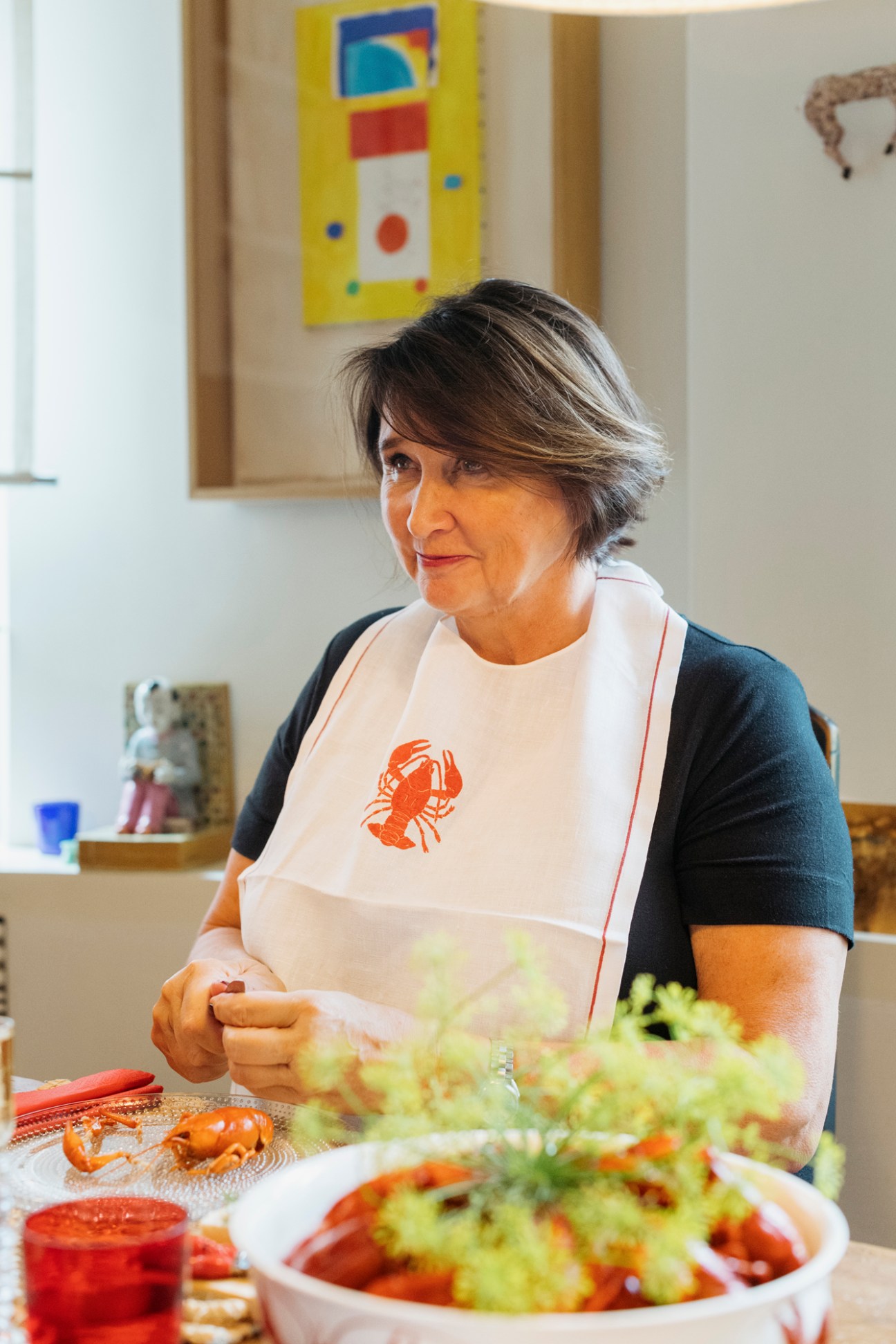
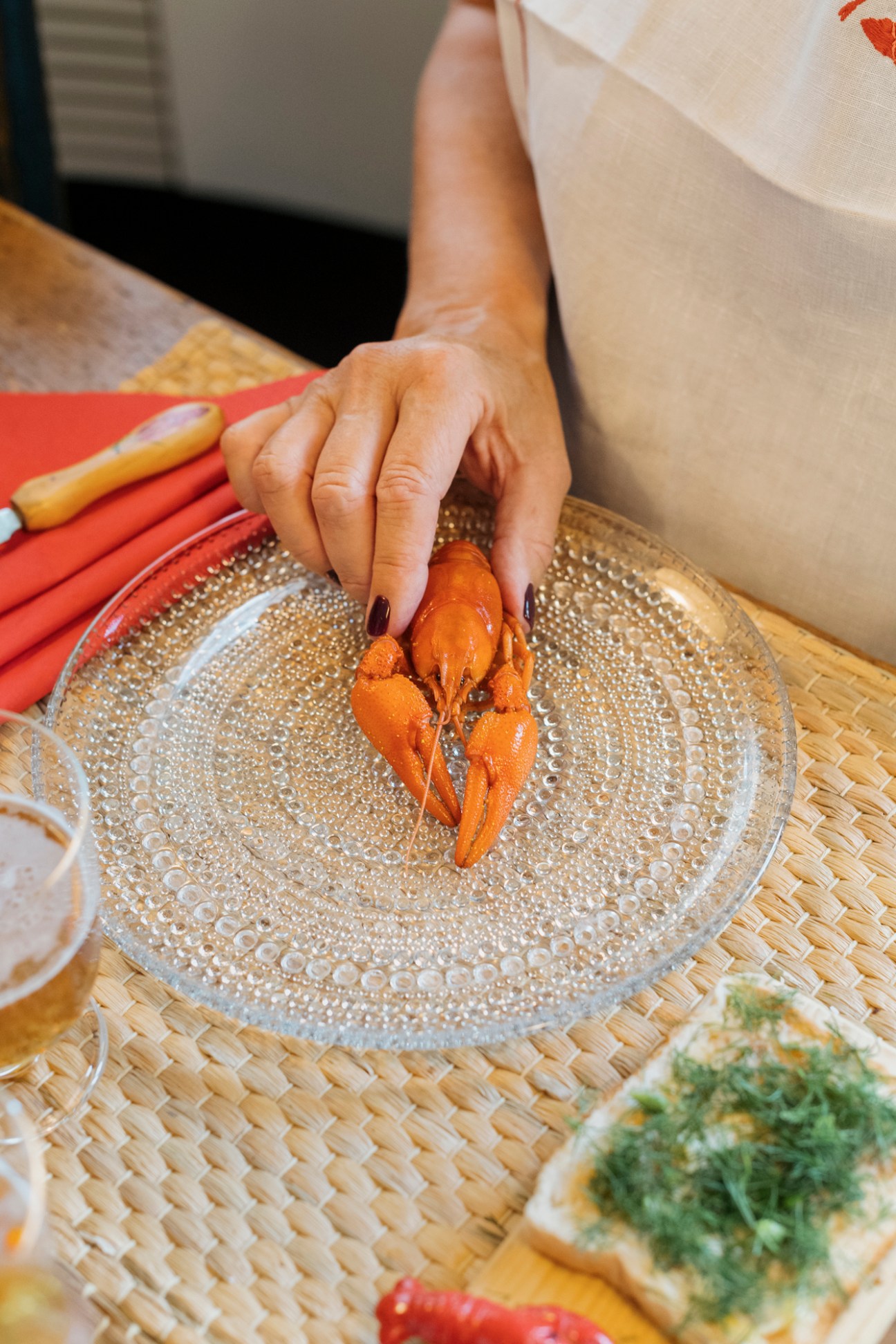
“My earliest fond memory of food is eating crayfish at our summer house in the Finnish archipelago. The crayfish season is the highlight of summer and they are considered to be a bit of a luxury. Eating them can be tricky. As children we were only allowed to partake at home if we mastered the technique. Late summer – the end of July and August – is a marvellous time on the islands. When the forests are full of bilberries, it’s only fitting to bake them into pies for dessert.
I was born into a family that was often in the centre of things. My father was Finland’s ambassador to France and the US during the cold war. My grandfather was Finland’s wartime foreign minister and my great grandfather founded what is now Finland’s biggest newspaper [Helsingin Sanomat] as part of the Finnish independence movement. I’ve been very fortunate to grow up surrounded by inspirational people. During my parents’ diplomatic life, I came to meet many people who are now in history books, such as US vice-president Lyndon Johnson, who visited our island, as did Finnish president Urho Kekkonen, who came to have crayfish with us on the islands every year. Some of our other guests included glass designer Timo Sarpaneva and the founder of Marimekko, Armi Ratia. Less famous but all the more fascinating were the many journalists, photographers, statesmen and diplomats.
Our family has always believed that Finland has a lot to offer to the world. I spent most of my life abroad but moved back to Helsinki 20 years ago. It is a great city for many reasons. It has wonderful covered and open markets; great restaurants, including the legendary Savoy and the new brasserie Aleksanderplats; really good museums, such as the Ateneum, Kiasma and the new Amos Rex; and, more importantly, you can walk through the whole city centre. However, I do believe that one thing Helsinki still needs is something instantly recognisable, a unique world-class attraction that exists only here. That is why I became involved with the initiative to open a Guggenheim museum here, which the city ultimately rejected for purely political reasons.
I have high hopes for the new design and architecture museum that’s now being planned. Finland is a truly great design nation, past and present. Eliel Saarinen was a pioneer, while Alvar Aalto, Tapio Wirkkala, Timo Sarpaneva, Paavo Tynell and Gunnel Nyman became international stars. But there are great contemporary designers too, such as Harri Koskinen and Ilkka Suppanen, or the newer furniture brand Made by Choice.
Venue:
Seppälä’s home is a vast two-floor apartment in a 1901 neoclassical building in Helsinki’s leafy Ullanlinna district. It contains most of her and her husband Kaj Forsblom’s collections of Finnish design and international art. There are works by Andy Warhol and Julian Schnabel, plus rare Finnish glass and Alvar Aalto prototypes. Seppälä’s favourite room is the kitchen, where a small abstract landscape painting by Swedish artist Peter Frie hangs on the wall.
To eat:
Boiled river crayfish with toasted bread, butter and fresh dill
Homemade pie with fresh wild bilberries
To drink:
Koskenkorva Finnish snaps and Lapin Kulta beer, also from Finland
Now is the right time to set the bar a little higher. Helsinki would be an ideal place for a real museum of Nordic design, complete with spaces dedicated to the other Nordic countries that have great design cultures as well. People would come from all over the world to see it. It is clear that the city has finally understood that culture can be an important driver of tourism and economic growth. The new Helsinki Biennial, which had to be postponed because of the pandemic, is now set to be unveiled in 2021, if circumstances allow.
After working in journalism and media, I still serve on the board of the Sanoma Group, which grew out of our newspaper company. My husband [the gallerist] Kaj Forsblom and I travel to see art and we collect Finnish design. I also serve on the board of Finland’s National Gallery and, until recently, I was on the board of the elo foundation, which promotes Finnish food culture by participating in international culinary competitions. I am a firm believer that food should be cooked from local produce, which is why for my ‘last meal’ I would definitely have Finnish crayfish with white toast and lots of fresh dill. Crayfish season, which is strictly regulated, begins in Finland on 21 July, running through until the end of September. It means marvellous parties with friends, tables decked in red and wonderful rituals such as snapsvisa [drinking songs] in a very relaxed and merry atmosphere.
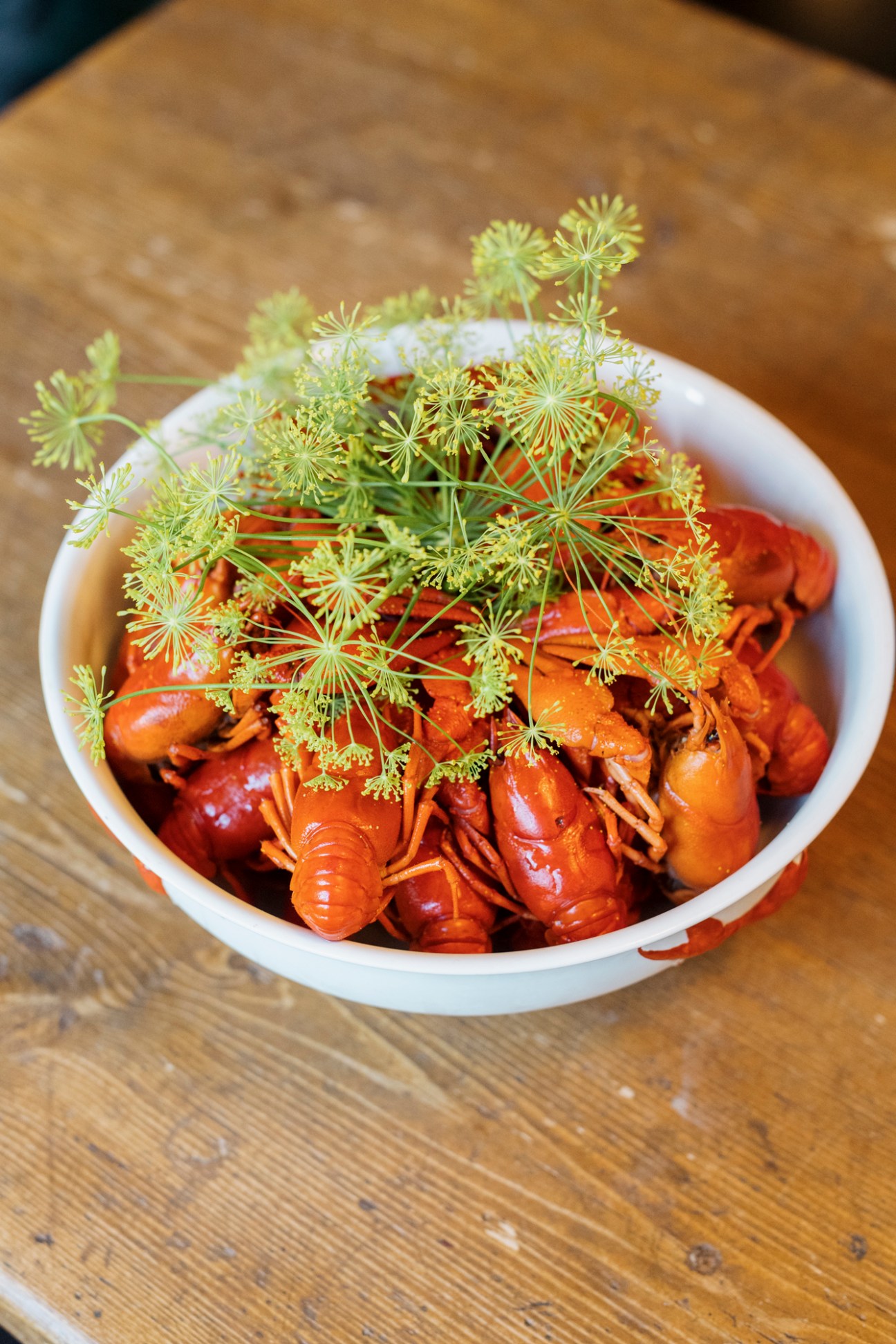
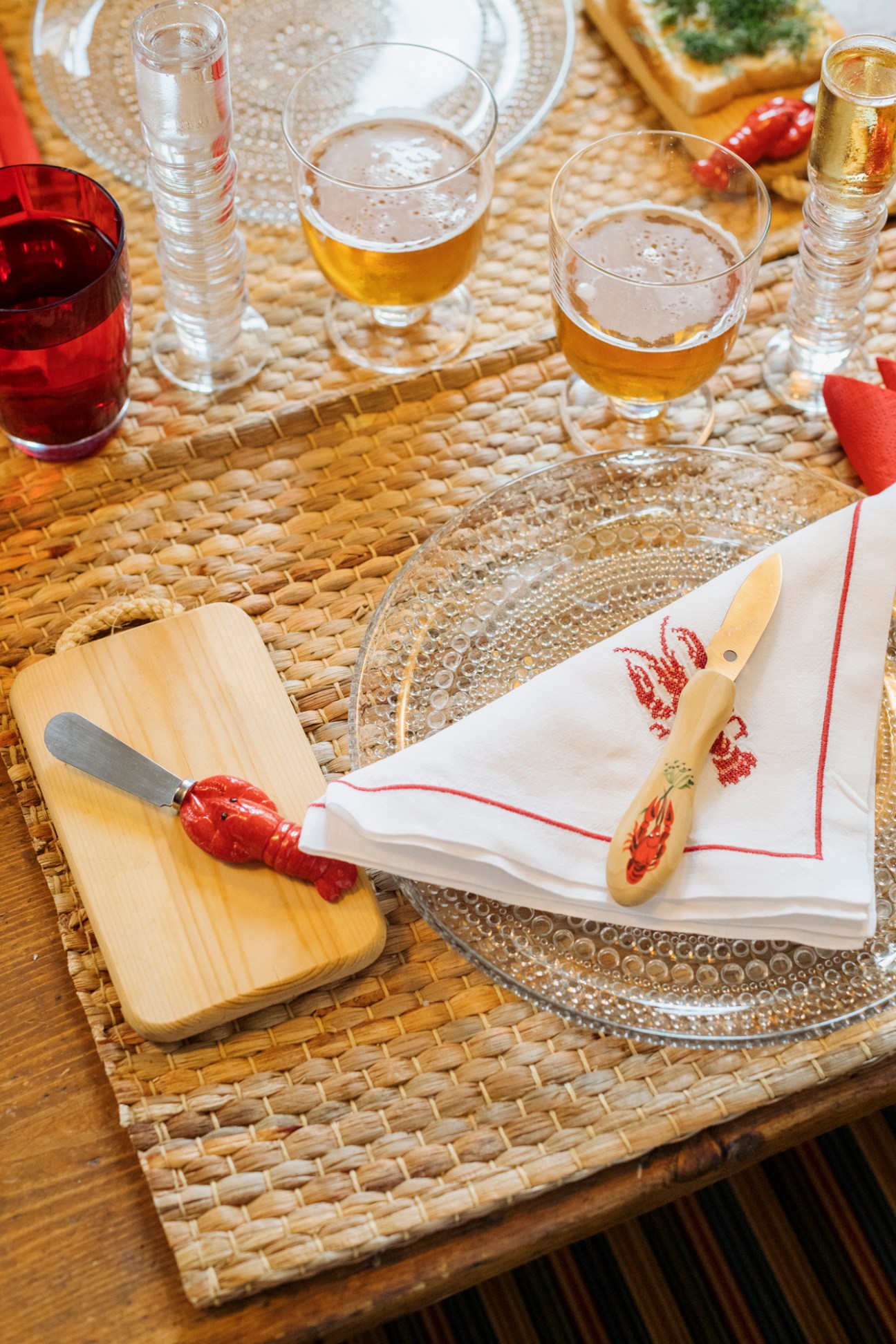
I prefer the wild river crayfish that we have in Finland to the farmed variety that has been eaten in Sweden since a disease wiped out the wild ones. The wild ones have a sweeter taste and less spiky shell. They are best enjoyed with white wine or beer and a snaps [the Swedish version of schnapps] – either Finnish Koskenkorva made from barley, or Akvavit, imported from Sweden.
If I could not be out on the islands, my last meal would be enjoyed at my home in Helsinki and in the company of family and close friends. Friendships need to be nurtured and what better way to do that than to share a nice meal and conversation in your own home, bringing together friends from different backgrounds, nationalities and ages. A perfect meal is a magic moment when everything comes together. I remember having a meal of oysters and fresh bread while sitting on rocks on a damp beach in Brittany with a few friends; that was bliss. It’s the company and the atmosphere, as much the food, that count.”
Profile:
Rafaela Seppälä followed in the footsteps of her grandfather and great-grandfather by pursuing a career in journalism. She studied politics at the Paris Institute of Political Studies and journalism at Columbia Journalism School before working for Le Figaro as well as Agence France-Presse and the UPI news agency. Seppälä also spent 10 years working in licensing with some of Europe’s largest museums. Upon her return to Finland at the turn of the millennium, she worked for Sanoma Group and, from 2000 to 2005, headed Finland’s largest photo agency, Lehtikuva. She now manages the Rafaela and Kaj Forsblom collections of art and design and splits her time between Helsinki, New York, Spain and, when possible, the rest of the world.
Food & Drink
Recipe 1.
Kakiage don

Kakiage, our recipe-writer tells us, is a type of tempura – a light Japanese batter. It’s normally made with shredded vegetables and seafood (particularly prawns) coated in the batter and deep-fried. Add rice if you’re planning to make a meal of it. We’ve added aonori, a seaweed powder, which is available in most supermarkets or Japanese food shops. You could also blitz a sheet of nori into powder in the food processor but don’t worry if you can’t find it – the recipe works with or without.
Ingredients
150g Japanese short-grain rice (often sold as “sushi rice”)
175ml water
100g prawns
100g butternut squash or sweet potato, cut into 5mm matchsticks
1 medium carrot (about 100g), cut into 3mm matchsticks
1 medium onion, sliced thinly
2 tsps aonori powder
400ml sunflower oil
75g plain flour, plus extra for dusting
1½ tsps baking powder
180ml ice-cold water
For the sauce:
150ml dashi stock. (If you are using powdered dashi, dissolve it in hot water. Or if you are using a dashi pack, which is available in teabag form, soak in water, bring it to a boil and let it infuse for a few minutes. The method and quantity varies depending on the brand, so follow the packet instructions.)
4 tbsps soy sauce
1½ tbsps mirin
3 tbsps light brown sugar
Optional extra:
Shichimi togarashi powder, a Japanese seven-spice mix and great pantry staple
Method
1.
Wash the rice in a sieve over a bowl, changing the water a few times until it runs clear. Drain in the sieve to remove excess water and leave it for 15-30 minutes.
2.
Place the rice in a pot (ideally cast iron). Add 175ml water, cover with a lid and bring to a boil over high heat. As soon as you hear a vigorous boiling sound, reduce the heat and cook for 11 minutes. When the time is up, keep the lid on and leave to steam for a further 10 minutes. Then fluff the rice lightly with a wooden spoon. Put the lid back and keep warm.
3.
As the rice is cooking, prepare the sauce. Place all the sauce ingredients in a small saucepan and bring to a simmer. Once the sugar is dissolved, turn off the heat and set it aside in a warm place.
4.
Heat the oil in a medium-sized pot. Put prawn, squash, carrots, onion, aonori powder and 2 tbsps of the flour in a bowl, and toss lightly to coat all of the ingredients.
5.
Sieve the rest of the flour and baking powder into a bowl, then add the ice-cold water. Use a whisk to mix very lightly. It doesn’t need to be incorporated perfectly so don’t worry if there are a few lumps.
6.
Test the oil temperature by dropping in a small amount of the batter. If the batter sinks a little then floats to the surface of the oil quickly, it is ready (180c if you have a thermometer).
7.
Coat a large metal spoon with oil then scoop a quarter of the mixture into a loose fritter and drop gently into the oil. The mixture tends to split up, so carefully use the spoon to keep it together until the mixture is half-cooked and set. Repeat with the rest of the mixture (another three fritters/kakiage). Flip each fritter after 1 minute and cook on the other side for 1 minute until all are cooked. When each kakiage looks crispy and golden, lift it out with a slotted spoon and place it over a metal rack, lined over the kitchen paper.
8.
Heat the sauce. Divide the rice between 2 bowls, drizzle over a bit of sauce, then place 2 kakiage fritters in each bowl. Pour over more sauce, sprinkle with shichimi togarashi and eat immediately.
ayanishimura.com

Recipe 2.
Clam chowder
The subtle flavour of seafood with the bite of bacon. We’d recommend crackers to dip or a good loaf cut into generous slices to soak up the soup. Clam stock is quite salty so taste before seasoning to see if it needs it.
Ingredients
750g clams
1 tbsp salt
25g unsalted butter
4 slices smoked, streaky bacon, cut into small pieces
1 small onion, finely chopped
2 garlic cloves, finely chopped
3 tbsps plain flour
300ml whole milk, warmed
1 bay leaf
2 floury potatoes (300g approx), cut into 1cm cubes
1 carrot, cut into 1cm cubes
To serve:
Chopped curly parsley
Crushed black pepper
Sprinkle of extra crispy bacon
Squeeze of lemon juice
Cream crackers or crusty bread
Method
1.
Wash the clams in water to rid the outer shells of dirt. Place in a deep baking tray.
2.
Measure 600ml of water, add 1 tbsp salt and mix until dissolved. Pour the salted water over the clams, cover with a tea towel and leave at room temperature for 1 hour to help the clams to release sand.
3.
Drain the clams and wash again. Place in a medium pot with 300ml water. Bring to a boil, cover with a lid and cook until the shells open (about 3 minutes). Drain the clam stock through a sieve over a bowl and set it aside. Pick the clam meat and discard the shells (along with any unopened shells). Set the meat aside.
4.
Place butter and bacon in the same pot that you used to cook the clams. Cook until the bacon becomes crispy, then remove about a quarter and set aside. Add onion and garlic, and cook until onions become translucent, then add flour and cook for 1 minute. Add the clam stock and warm milk, turn up the heat and bring it to a boil. Scrape up the burnt bits with a wooden spoon. Add a bay leaf, potatoes and carrots, and turn down the heat to low, cover with lid and cook for 20 to 30 minutes. When ready to serve, add the clam meat and stir through.
ayanishimura.com

Recipe 3.
Korean Ssäm
This Asian riff on a tortilla substitutes lettuce for the wrap. Our recipe is for beef but pork works just as well. Be warned: this is a slow-burn option, so check the cooking times well in advance and buy some pickles or kimchee to top off the dish. A little sticky rice goes well if a starchy side dish or extra stuffing is in order too.
Ingredients
For the pulled beef:
1 beef shoulder tip, 2.5kg
100g cane sugar
100g salt
3 tbsps of oil
For the spicy ginger vinaigrette:
30g of ginger
1 chilli
1 garlic clove
15g coriander
5 tbsps soy sauce
5 tbsps rice vinegar
5 tbsps rapeseed oil
1 tsps powdered sugar
For the wraps:
Fresh lettuce leaves
Extras:
Kimchee or pickles
Diced spring onions
Mint or coriander
Method
For the beef: place the meat in a bowl and rub with cane sugar and salt. Cover and leave to marinate in the refrigerator for at least 10 hours.
1.
Preheat oven to 130c. Use a cloth to remove the salt-and-sugar mixture from the marinated meat and place it in an ovenproof dish. Drizzle with the oil.
2.
Cook for approximately 6 hours.
3.
Turn off the oven and let the meat rest, keeping it warm until serving.
4.
For the vinaigrette: peel the ginger. Deseed the chilli. Finely chop the ginger, chilli, garlic, coriander (including stalks) and mix with the remaining ingredients. Pour the sauce into a small bowl.
5.
To serve: load up the lettuce leaves with the beef. Add rice, kimchee and pickles if you have them, and enjoy.
ralphschelling.com
Recipe 4.
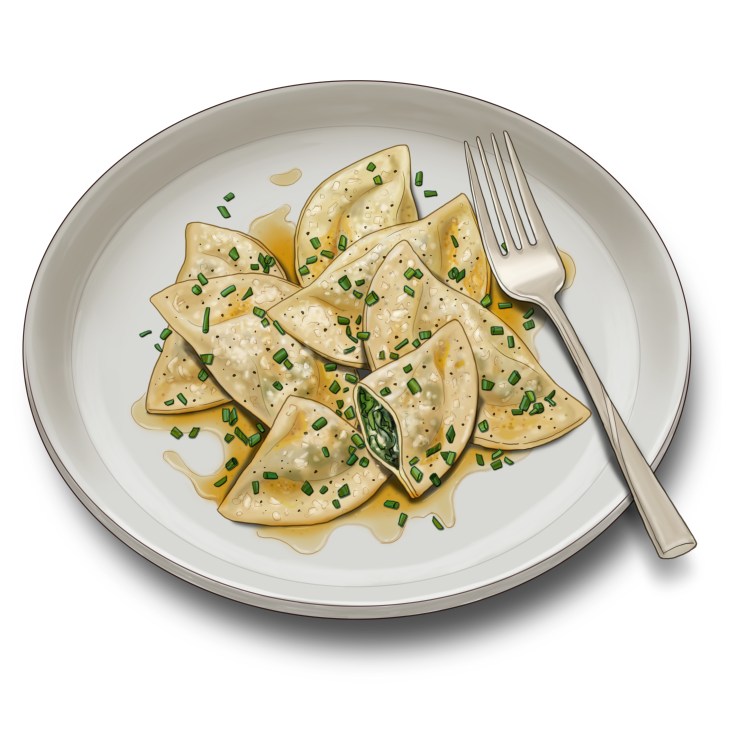
Schlutzkrapfen
Swiss chef Ralph Schelling channels South Tyrol, the German-speaking region of northern Italy, where he encountered Schlutzkrapfen: a pasta-like stuffed parcel bursting with spinach and cheese.
Ingredients
For the dough:
150g rye flour
100g plain flour
1 egg
3 tbsps lukewarm water
1 tbsp olive oil
Pinch of salt
For the filling:
150g spinach
1 small onion, finely diced
1 garlic clove, finely diced
1 tbsp butter
100g cottage cheese or quark
2 tbsps grated parmesan
2 tbsps chives
¼ tsp nutmeg, finely grated
Black pepper from the mill, to taste
Pinch of salt
To serve:
1 tbsp parmesan, grated
1 tsp brown butter
Chives cut into 1mm pieces
Method
1.
Knead the ingredients for the parcels, by hand or with a machine, to a smooth dough. Cover and let it rest for about 1 hour, ideally in the fridge.
2.
For the filling, dice the spinach. Sauté the onion and garlic with butter in a pan until translucent but not browned or burnt. Add the spinach and leave to cool. Add quark, parmesan and chives, then season with nutmeg, salt and pepper, and mix. Leave to cool.
3.
Roll out the dough thinly with a rolling pin or pasta machine. Cut out with a round cookie cutter (approximately 6cm in diameter) or with the rim of a cup. This should make 30 or so parcels.
4.
Put 1 tsp of filling in the centre of every parcel. Moisten the edge slightly with water and fold it into a crescent shape – ensuring that it is sealed and watertight.
5.
Cook the Schlutzkrapfen by submerging them in boiling salted water for 3 to 4 minutes. Drain and arrange on a plate. Add parmesan, melted brown butter and scatter with chives. Serve.
ralphschelling.com

Recipe 5.
Risotto with smoked cod and bitter leaves
A filling favourite comprising bright (and slightly bitter) radicchio, smoked cod and a reassuringly warming risotto. The key to any good one? Just keep stirring.
Ingredients
500g smoked cod, deboned
450ml milk
2 bay leaves
Black pepper from the mill
1 shallot
50g butter
200g risotto rice
100ml white wine
500ml hot vegetable broth
2 large handfuls of radicchio leaves
Salt to taste
Method
1.
Put the fish in a pan and cover with the milk and bay leaves. Add pepper, bring to the boil once then simmer for 5 minutes on the lowest heat. Remove the cod and set aside, saving some of the milk.
2.
Finely chop the shallot and sauté in the butter in another pan. Turn up the heat to medium, add the rice to the shallots and deglaze with white wine for about 45 seconds so some of the alcohol cooks off. Keep stirring. Add the vegetable stock and cook to packet instructions until it’s almost completely absorbed – then add in the milk you saved. When the risotto is done (keep stirring) add in the cod and the chopped radicchio leaves.
3.
Season to taste and enjoy.
ralphschelling.com
Starters’ orders
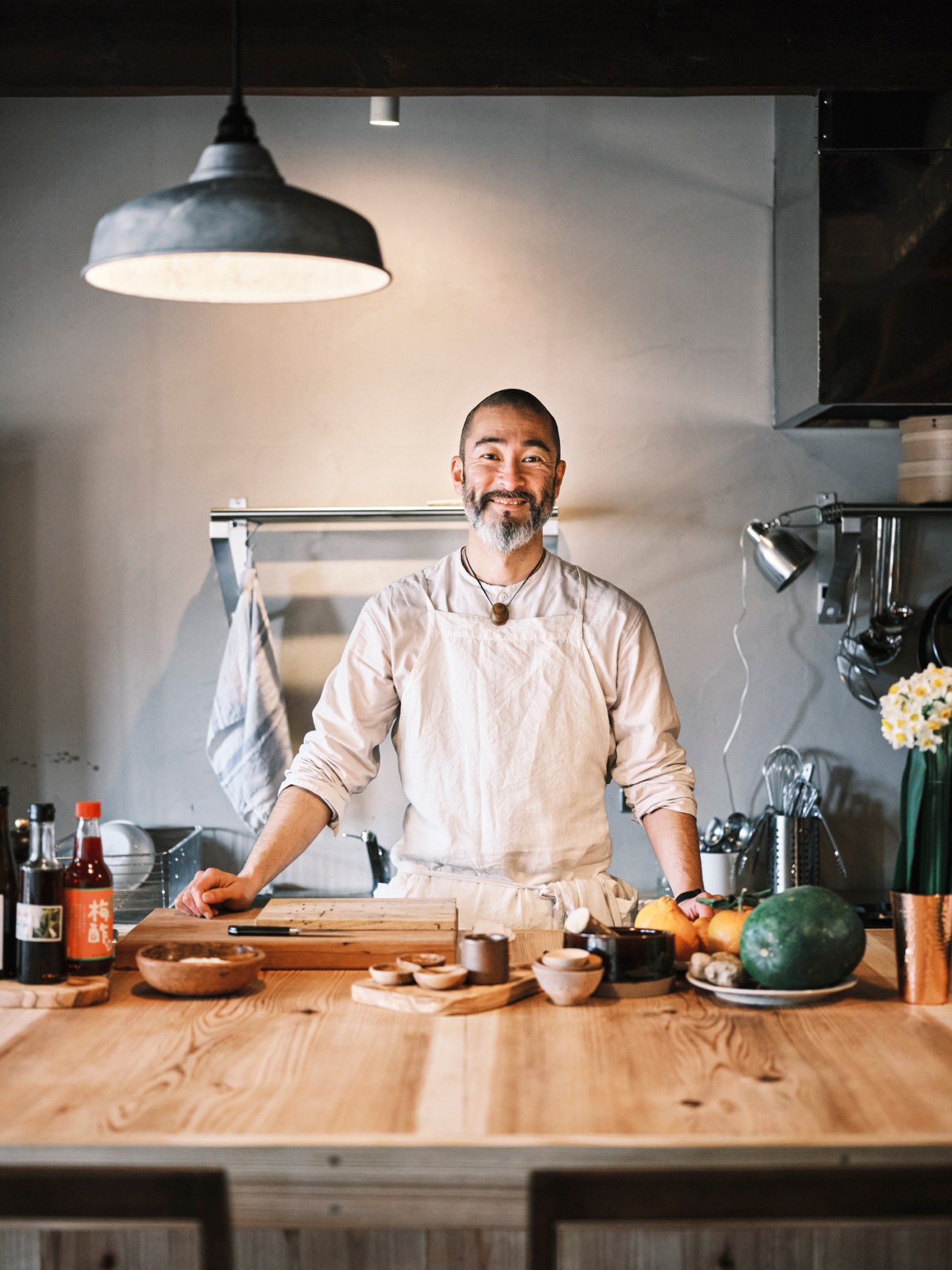
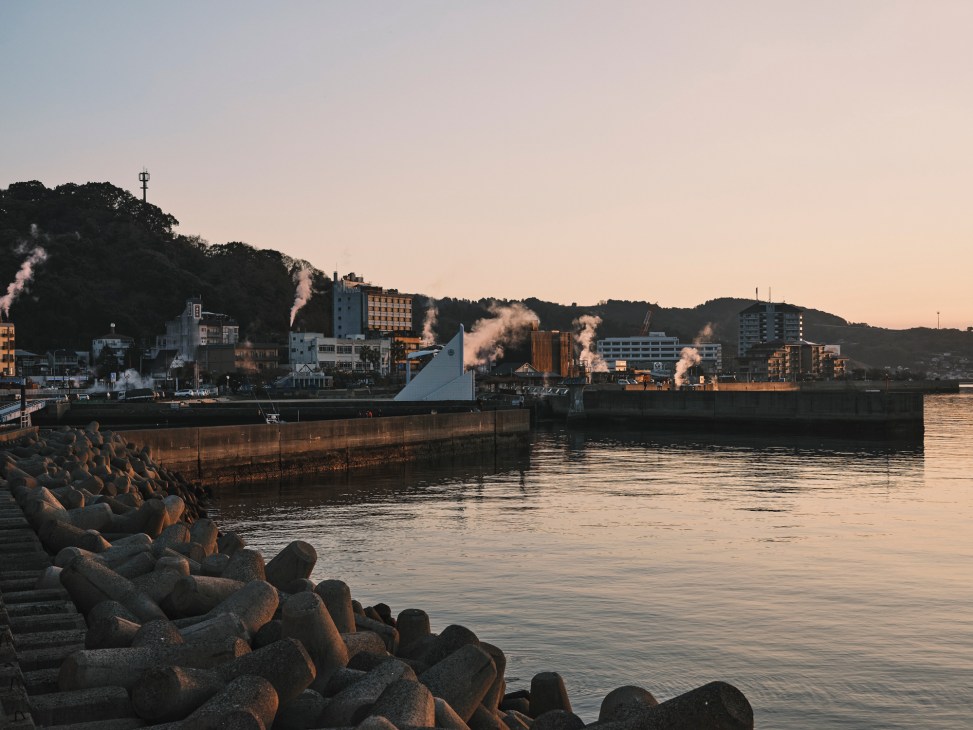
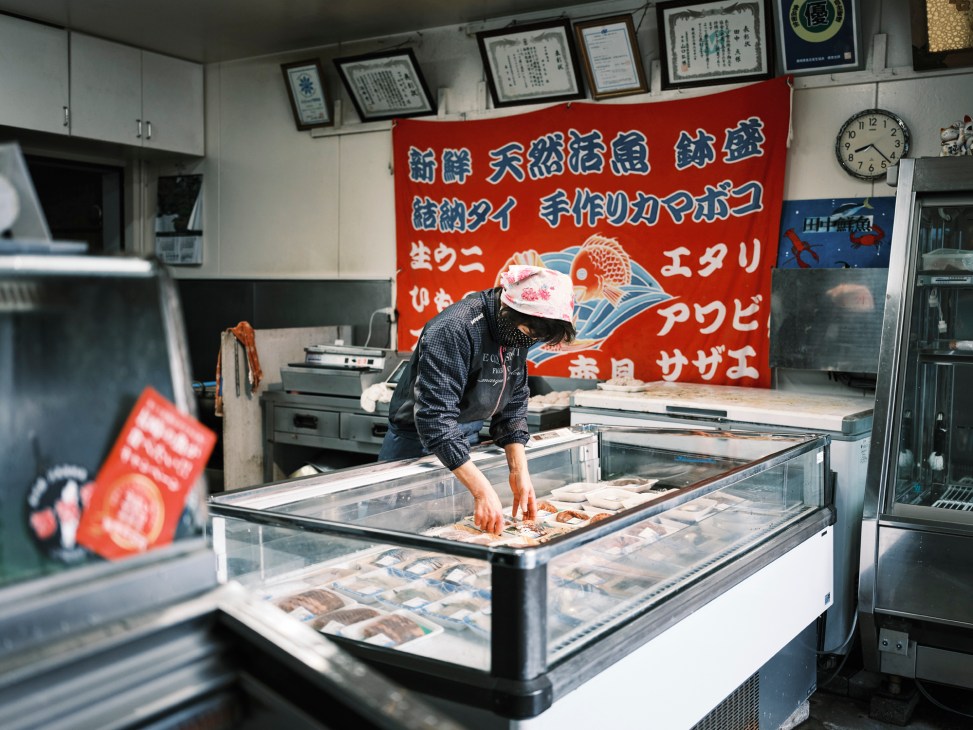
In Unzen, Nagasaki prefecture, a two-hour flight and another hour’s drive south of the Japanese capital, sits what could well be the best restaurant opening of the year. Choosing the quiet seaside town of Obama, which has fewer than 8,000 inhabitants, wasn’t an obvious spot for an ambitious new opening but chef Shinichiro Harakawa has seen potential where many others didn’t. He made his name at Tokyo bistro Beard, a beloved neighbourhood restaurant in a residential corner of Meguro, which he closed in 2017.
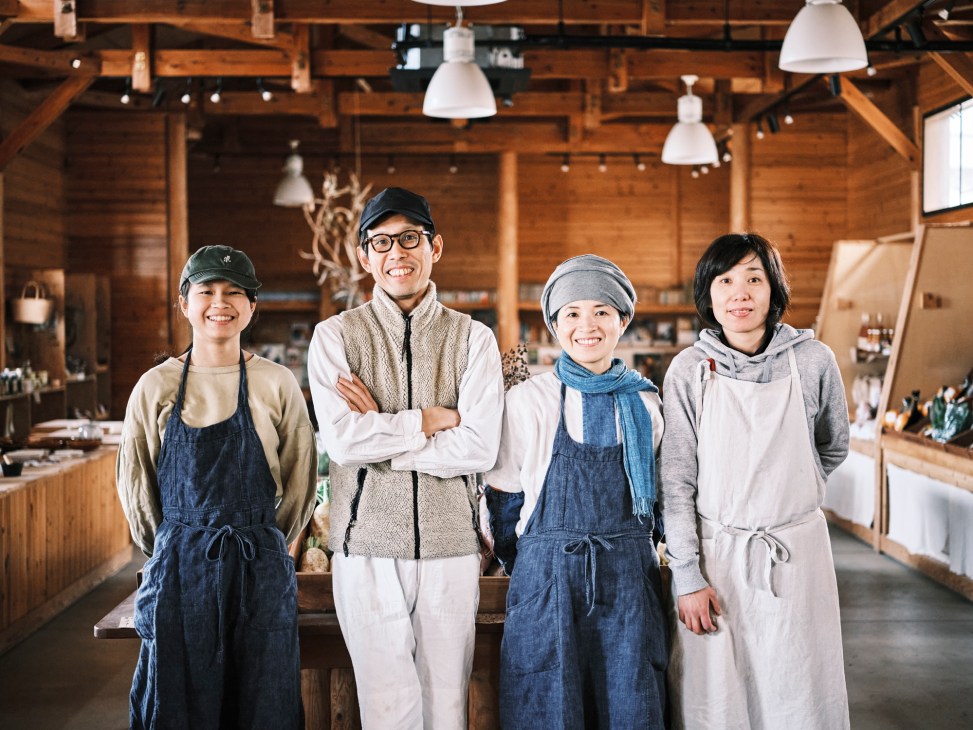
The winter after closing to start something new, Harakawa and his business partner Jérôme Waag founded another restaurant in Kanda, downtown Tokyo, which proved to be an important stepping stone to the rural restaurant he’s now championing. “When we opened The Blind Donkey, we travelled around the country to meet the farmers and fishermen,” says Harakawa. “One of my contacts told me that I had to meet this one incredible farmer called Masatoshi Iwasaki in Unzen.”
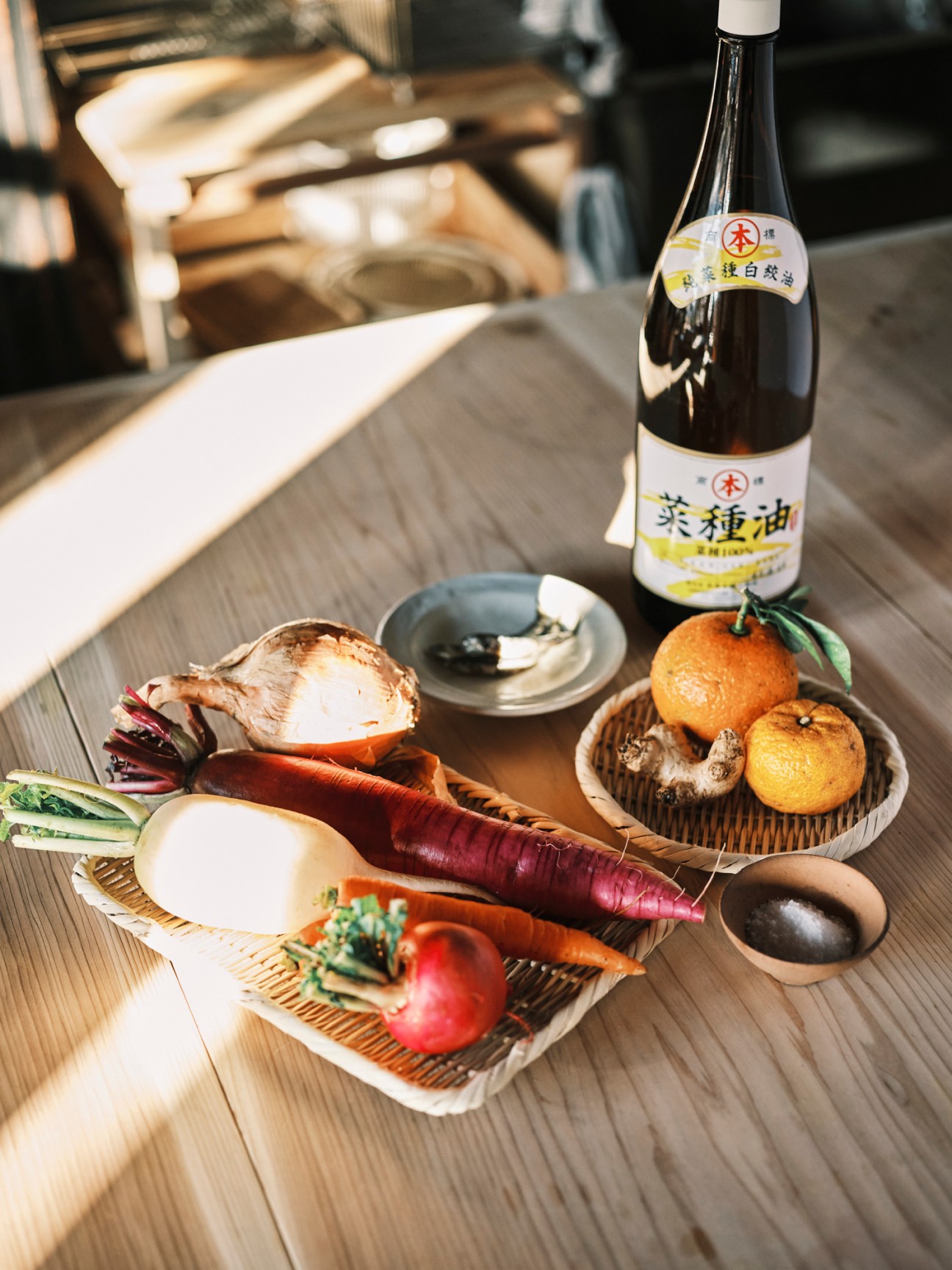
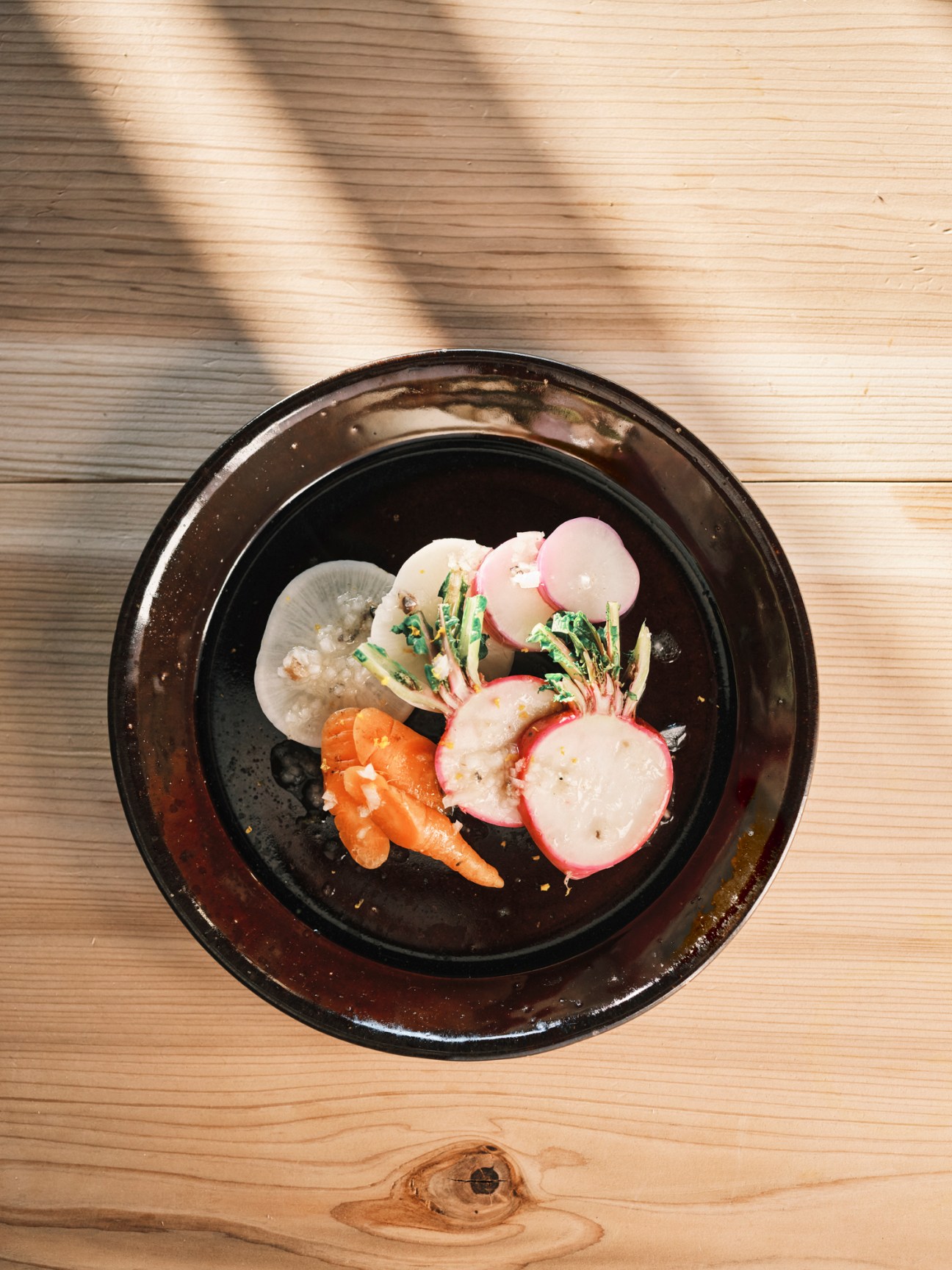
In summer 2018, he hopped on a plane to see for himself. “I was so overwhelmed,” he says. “Iwasaki-san grows about 80 varieties of indigenous vegetables using organic and seed-saving methods and has done for 40 years – with just his wife. He must be the only farmer engaged in this model at this level and scale in the world – and his produce is delicious.” Harakawa began buying his vegetables from Unzen and visited the farm regularly for ideas and inspiration. As he learnt more, he also understood more about the model and how he could help the tired town.
Finding few buyers in their area, the 70-year-old farmer and his wife had long sold the produce to sustainability-conscious customers in the city. “In the Unzen countryside, people were not yet interested in what he was doing,” says Harakawa. “No restaurant in Unzen was using his vegetables, so I decided to open my restaurant here.”
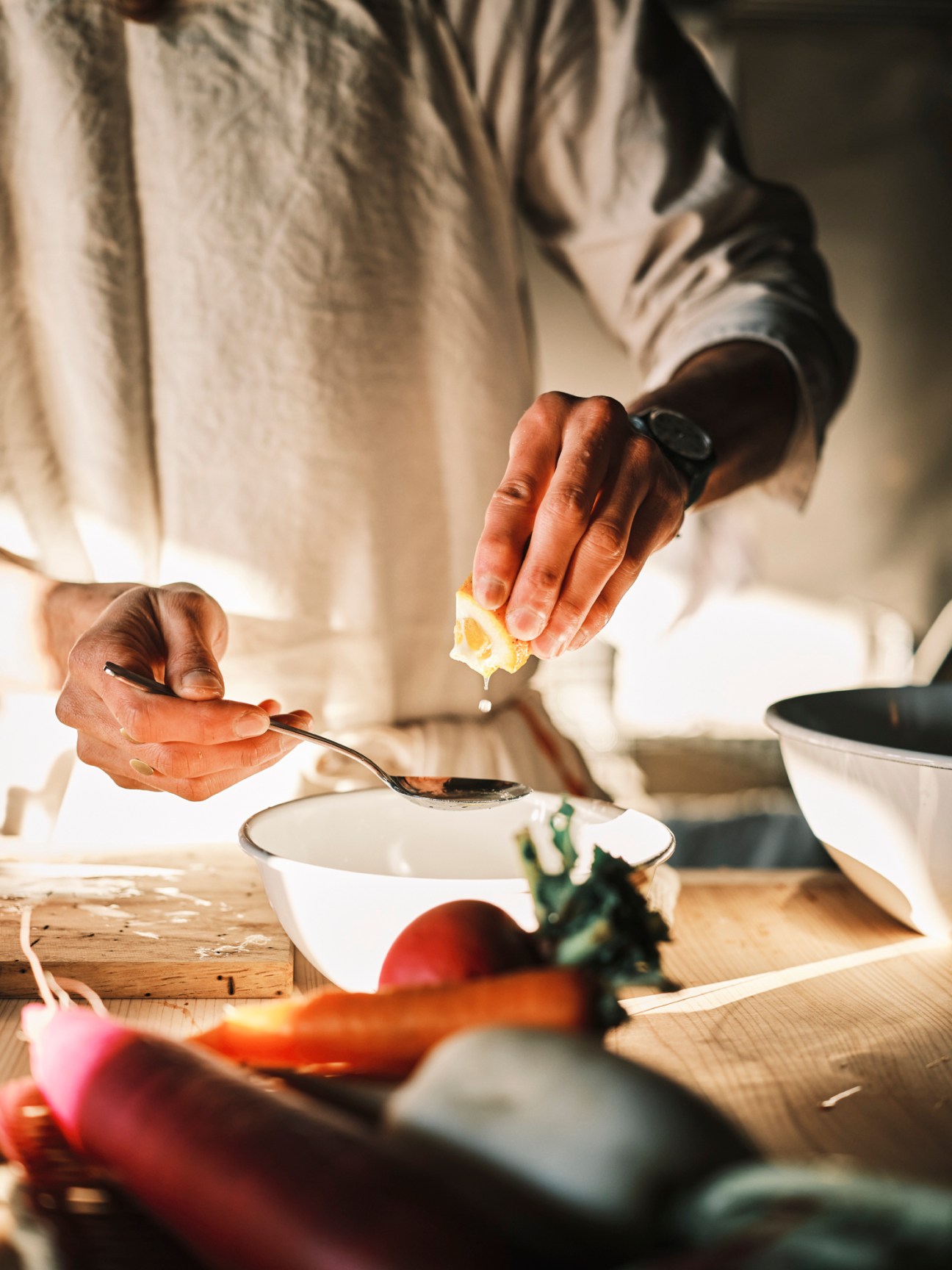
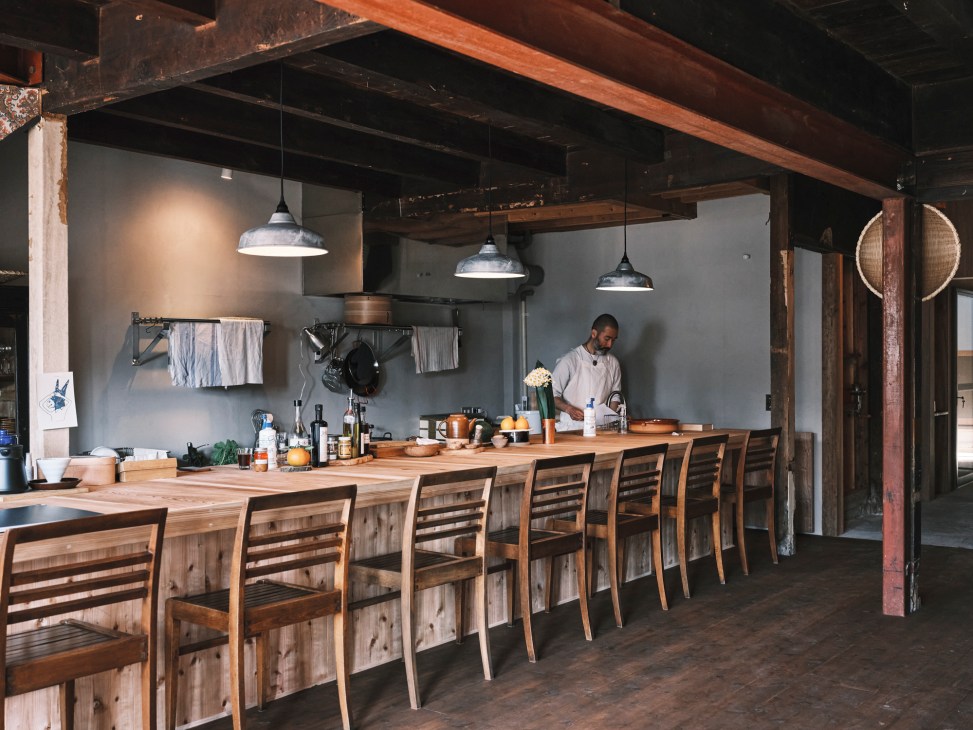
After 18 months of planning, Harakawa moved to Unzen in December 2020 and opened the new Beard in January 2021. It found digs in a former beauty salon within an otherwise unremarkable century-old structure, which had been home to a variety of businesses. “Here I’m going to run a solo operation,” says Harakawa. He commissioned Unzen-based designer Kishu Yamazaki to create an inviting space with a mountain-cottage feel. The counter-dining-only set-up is set around a long sugi (cedar) board with room for just eight seats. Yamazaki raised the floor a little to create a snug ambience, while ensuring that Harakawa had all he needed at his fingertips. To match the old building, he chose vintage furniture.
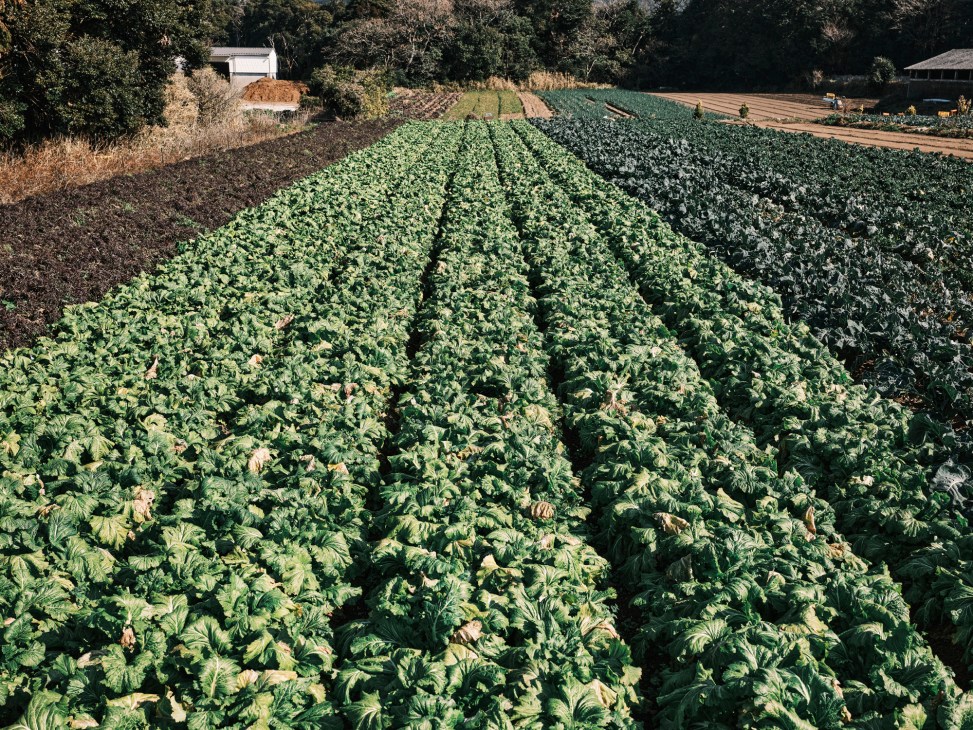
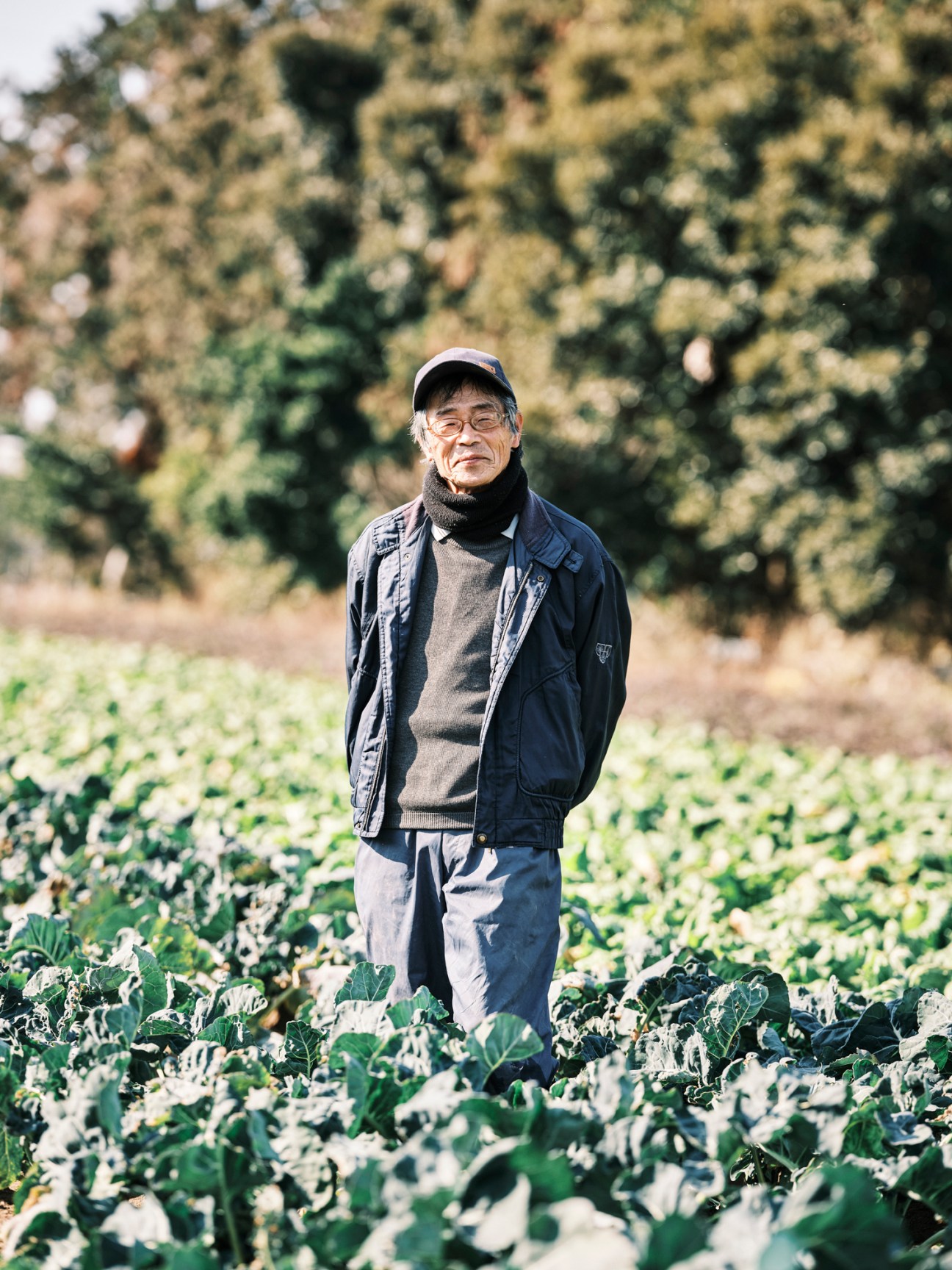
“Don’t expect much meat,” says Harakawa. “I mainly serve vegetables from Iwasaki-san and Tanaka-kun [see Q&A], local fruit and sometimes fish.” He runs to his own timetable. You can expect a set lunch on Thursday and Friday, while Mondays are à la carte. “I want to keep it casual and open for the locals, so they can enjoy the food grown in their hometown,” he says.
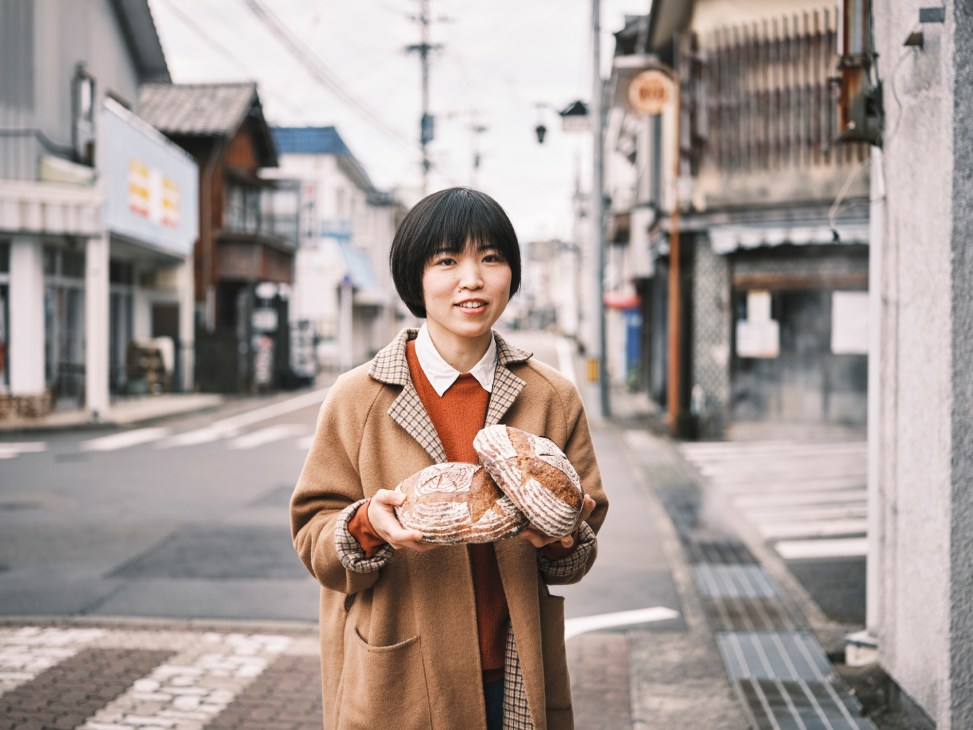
Elsewhere in Unzen, others had felt the region’s pull. Chikashi Okutsu, who introduced Harakawa to Iwasaki, is part of a broader community of craftsmen, designers and food folk who have come to call it home. A 15-minute drive from Beard is Taneto, the direct-to-consumer organic vegetable shop, which Okutsu opened with his wife in 2019. They previously ran a restaurant and cooking class in Tokyo but were drawn south by Iwasaki’s irresistible produce and arrived in 2013. “When we came, there was Iwasaki-san for food and the late designer Kosei Shirotani,” says Okutsu, referencing the celebrated Obama-born talent who also had a studio here. “Young people moved here because they were inspired. There was a growing sense of community.”
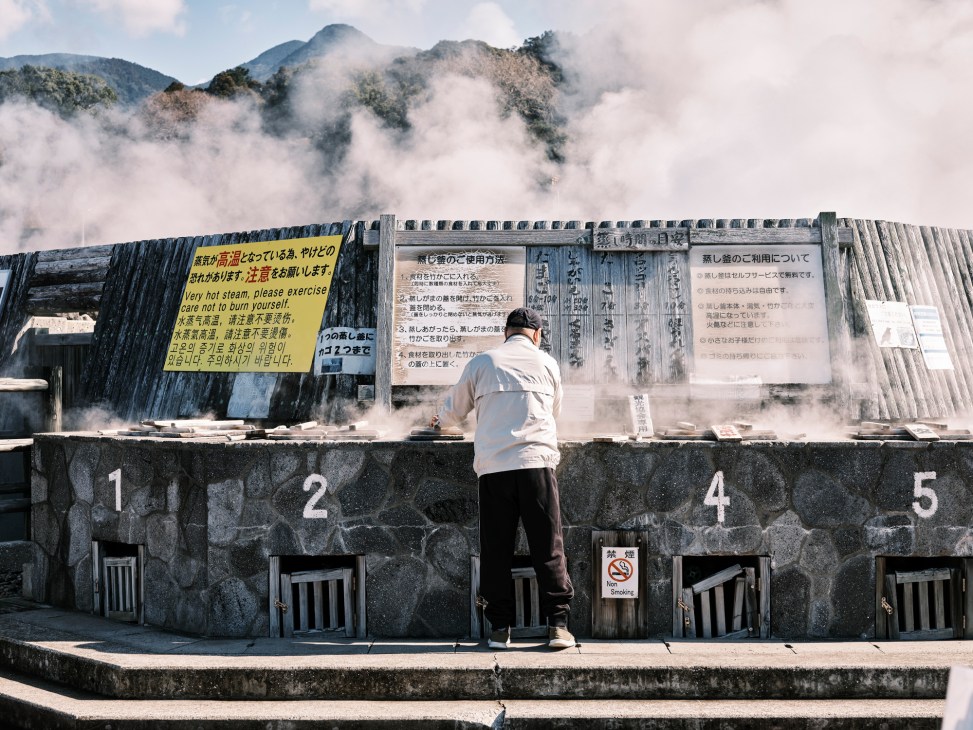
Geothermal cooking: meet the ‘mushigama’
Obama is home to the hottest onsen, or hot spring, in Japan. Its 105c spring is the source of many bathhouses. Hot Foot 105 is a footbath pit-stop situated in Obama Marine Park. Don’t soak yourself into this giant pot (pictured), though. Instead, bring your own food and steam them here. The instructions on the side helpfully show cooking times: “Octopus for seven minutes and eggs for eight to 10 minutes.”
Alongside its shop, the couple has cultivated awareness by holding seminars and events with chefs to draw attention to better farming and fresher produce. Their mission? To convince people here in Unzen that Iwasaki’s style of farming wasn’t an expensive luxury but a privilege to cherish. “Most people said that a [more expensive] organic vegetable shop here wouldn’t stand a chance,” says Okutsu. “That this is the countryside, not a city.”
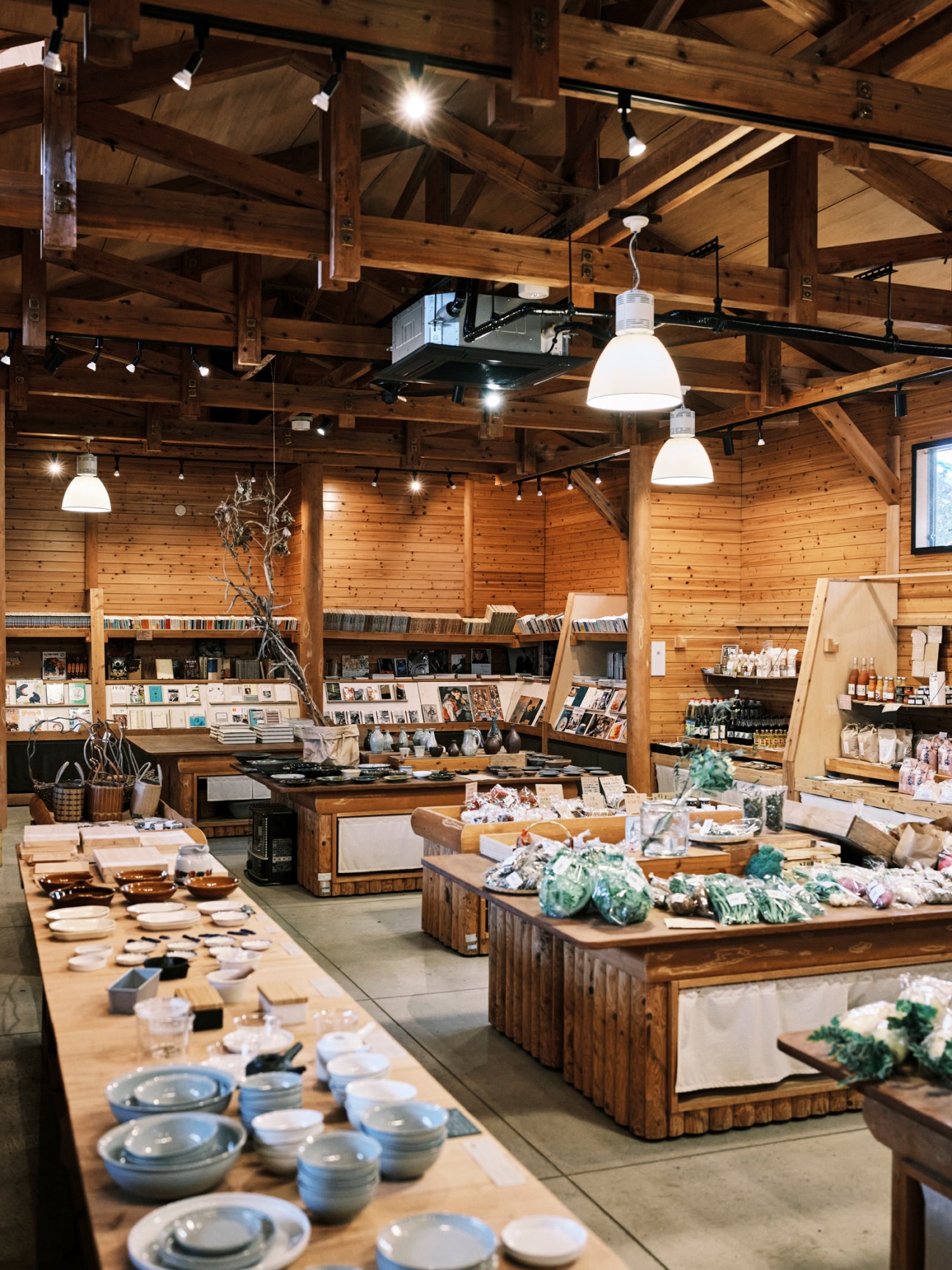
But the couple’s hunch proved correct after they opened Taneto. “The reception has been great,” says Okutsu. “People are pleased to have something that they can be proud of.” Today the shop sells a variety of small-batch organic farm produce that is difficult to find in supermarkets. Inside, there is also a shokudo canteen as well as a secondhand-book shop. “There was no bookshop around here, so we made one of those too.”
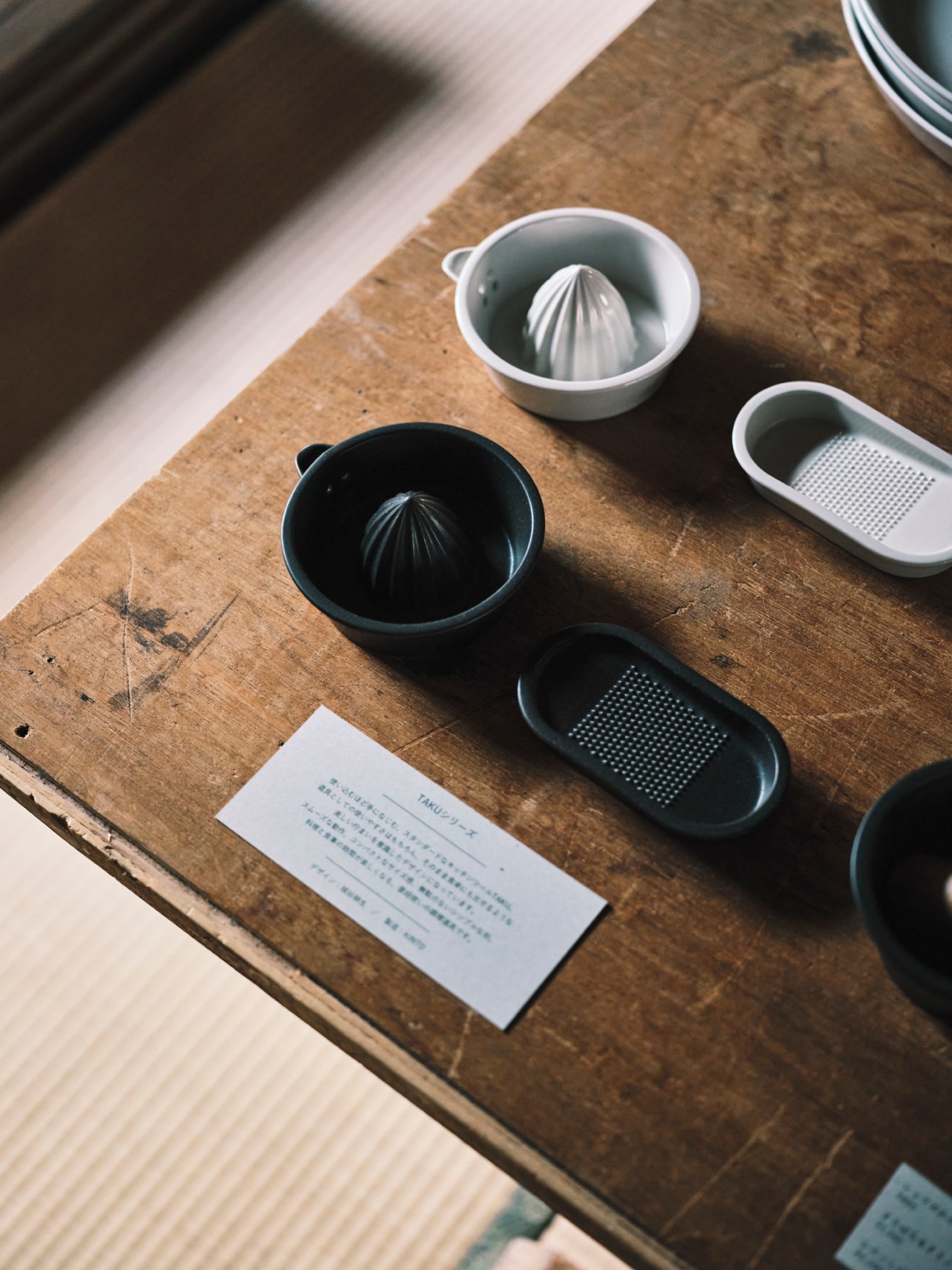
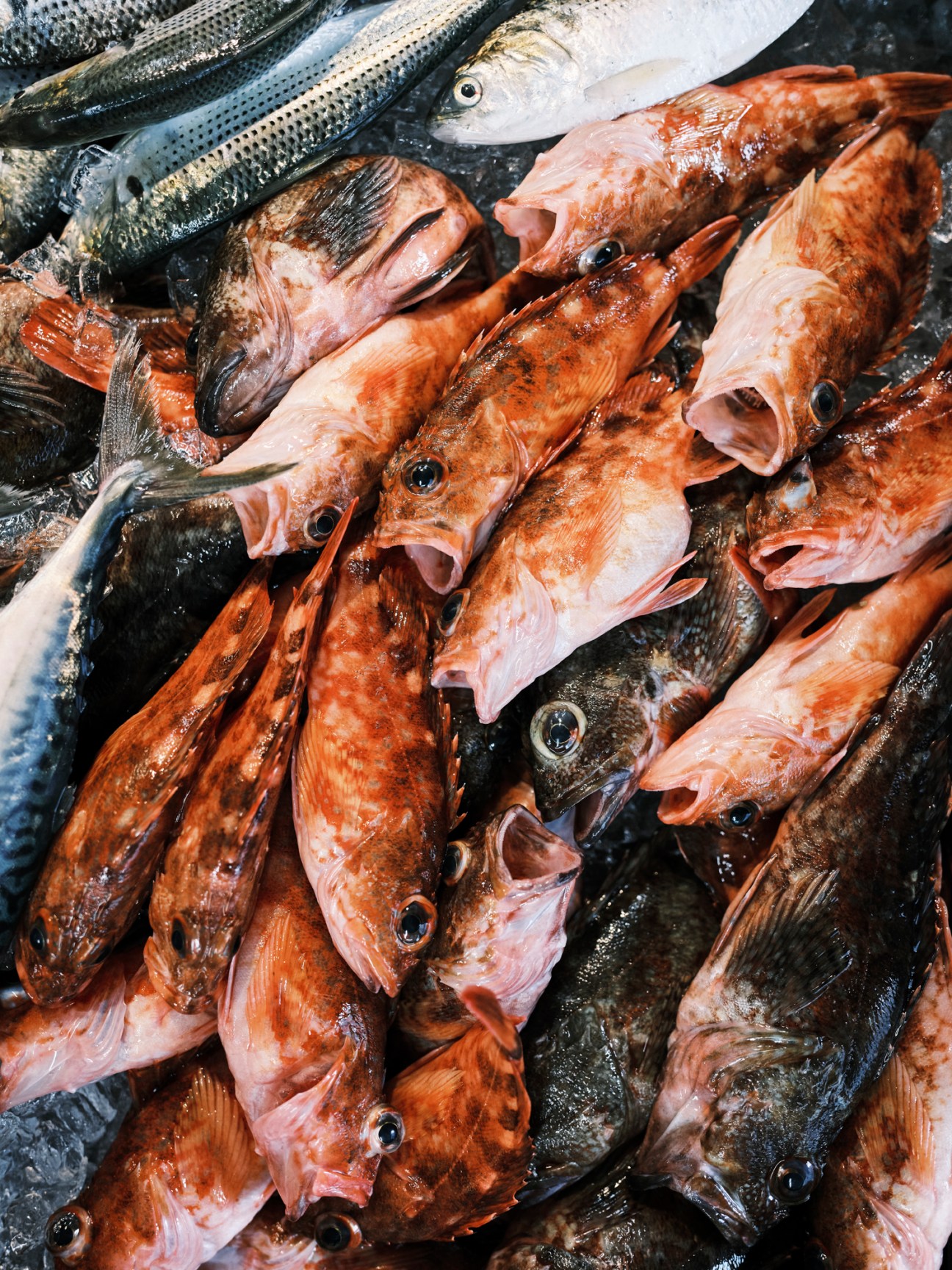
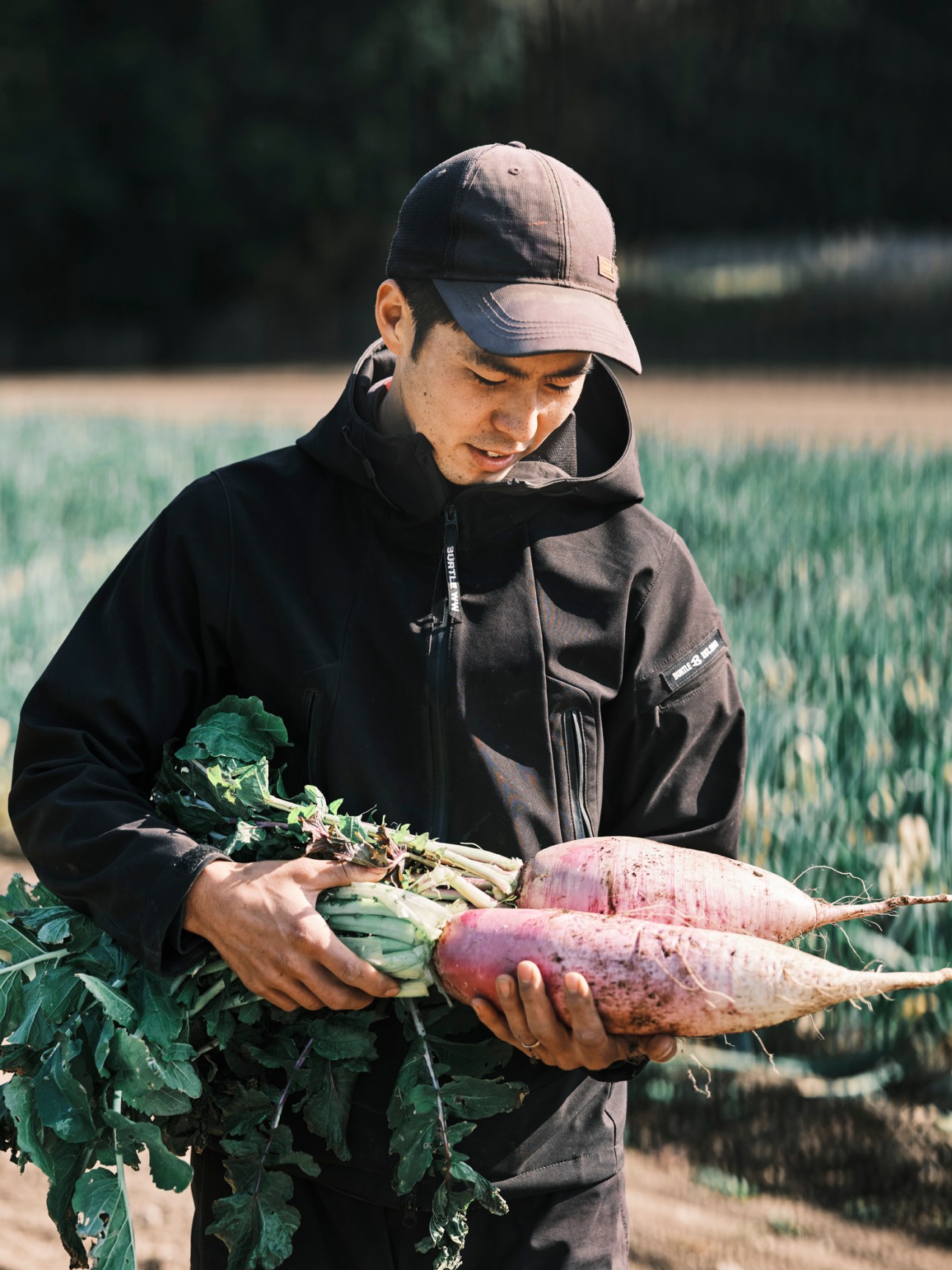
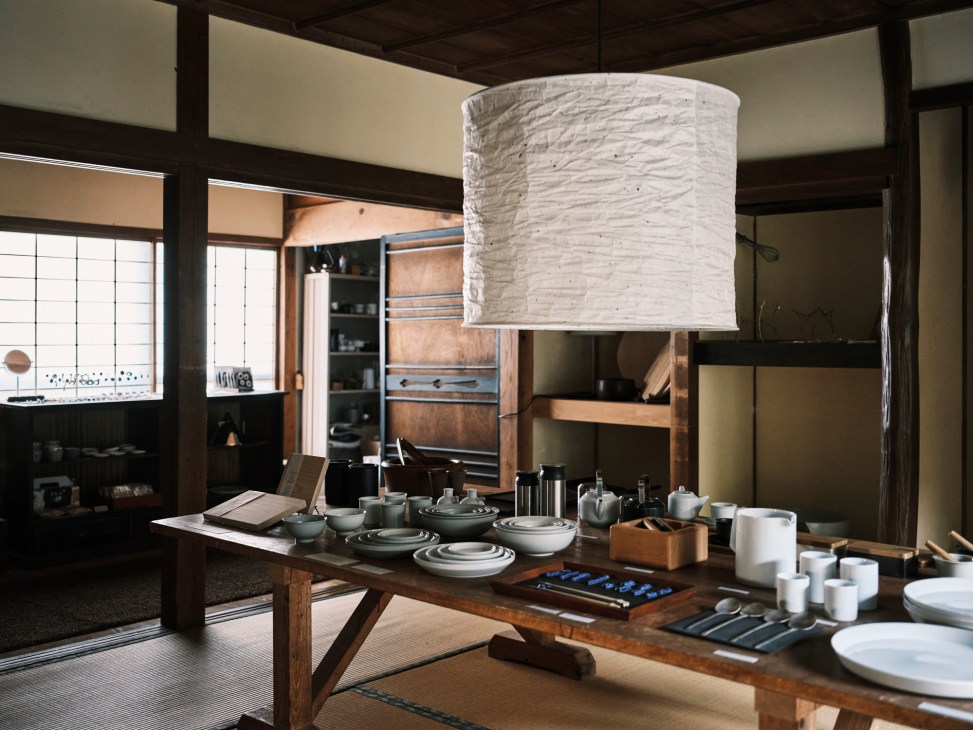
The return of Beard is a new chapter for Harakawa. Sometimes it’s hard to tell whether he’s here to help the town, or the town has helped him to better understand his craft. “The late designer Shirotani shed a light on a rural place and paved the way for younger people who followed him,” says the chef, acknowledging that he isn’t the first city slicker to set down roots here. This said, he’s still keen to find other missions. “This is my new base but I want to be as free as a bird,” he says. “If there are other places where I can help, I’m still able to fly.”
Unzen address book
Beard
Shinichiro Harakawa’s new restaurant showcases the region’s impossibly tasty produce.
2-1 Kitahon-machi, Obama-cho
Taneto
A Tokyo pair’s take on the ideal vegetable shop, complete with a shokudo and used books.
organic-base.com
New Obama
Try the champon noodles, toruko-raisu (Turkish rice) and ebi-don (shrimp rice).
862-2 Kitahon-machi, Obama-cho
Karimizuan
A shop-cum-café run by Studio Shirotani in an 80-year-old renovated Japanese structure.
karimizuan.com
Curry Life
A curry joint that uses ingredients from nearby Unzen farms.
currylife323.com
R Cinq Famille
The place for sensational ice sorbet with organic fruit and vegetables.
114-6 Kitahon-machi, Obama-cho
Jyokiya
A great onsen inn. Sleep tight and be ready for the delicious homemade Japanese breakfast.
jyo-kiya.com
The Monocle Shop
The Monocle Book of Italy
€65
From the craggy peaks of the Dolomites to the azure waters of Sicily, join us as we throw down our towels at the best bagni and maybe hit a disco or two in this 302-page book.
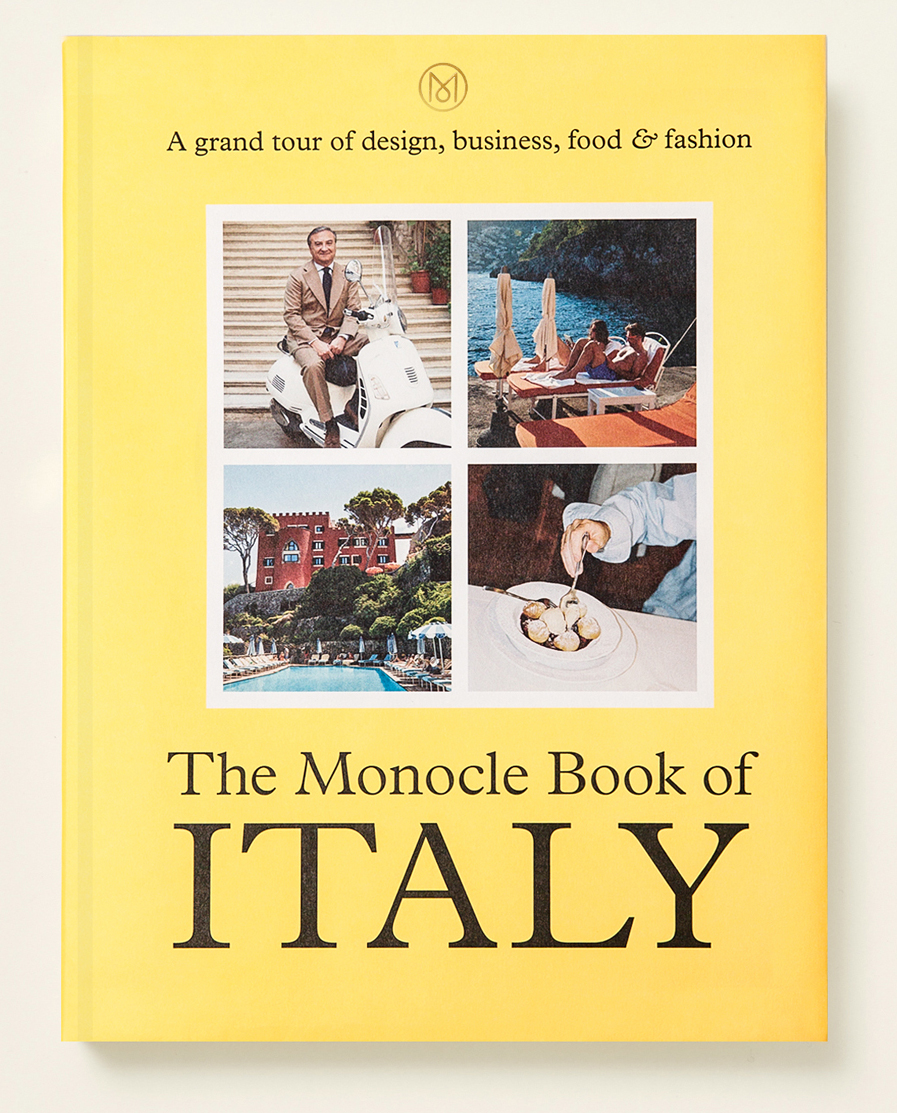
Dimensions: 40cm x 30cm.
Printed in: Germany.
Shop now
Smock x Monocle Yoyogi seersucker suit
Blazer €425; Trousers €285
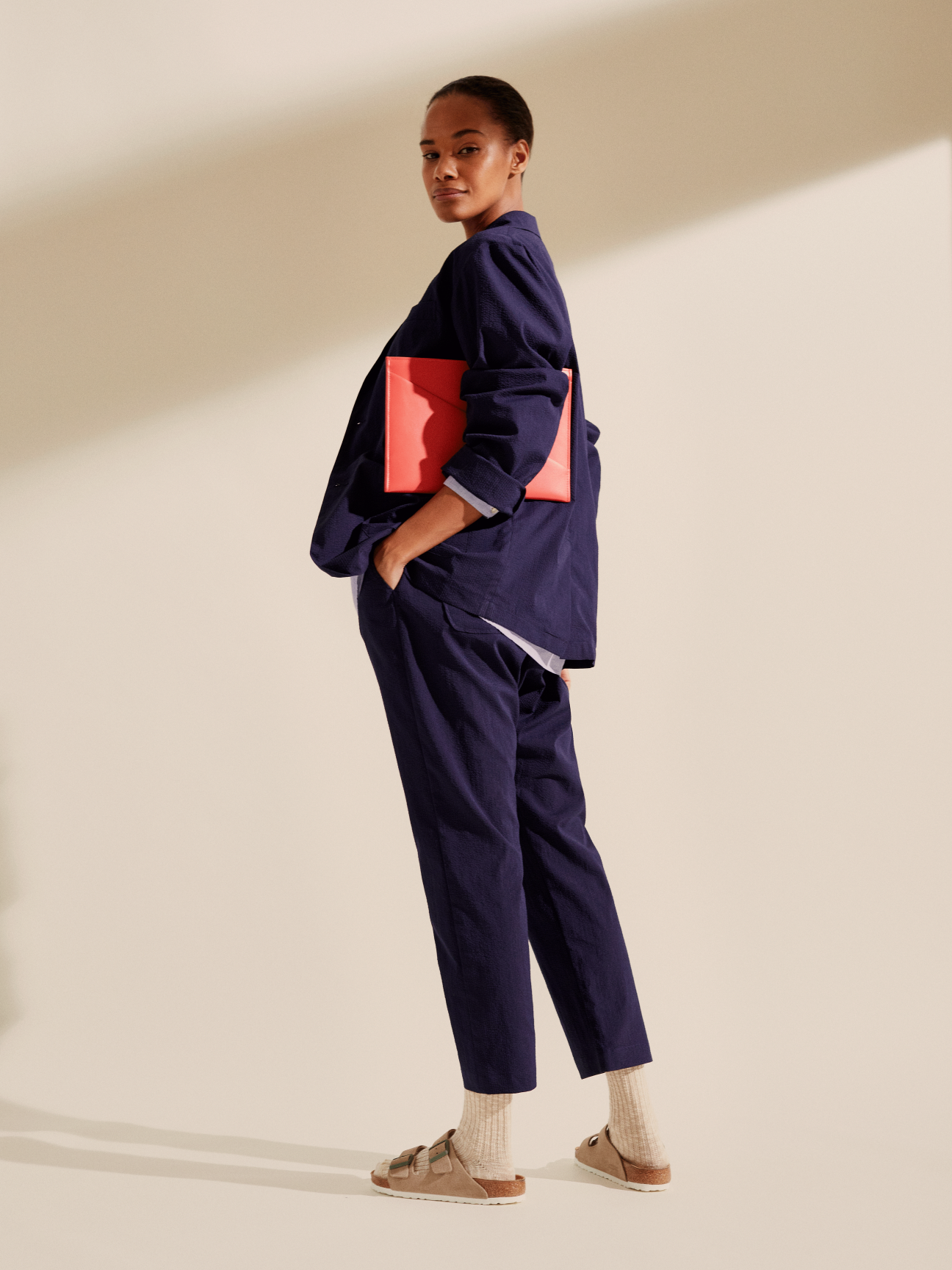
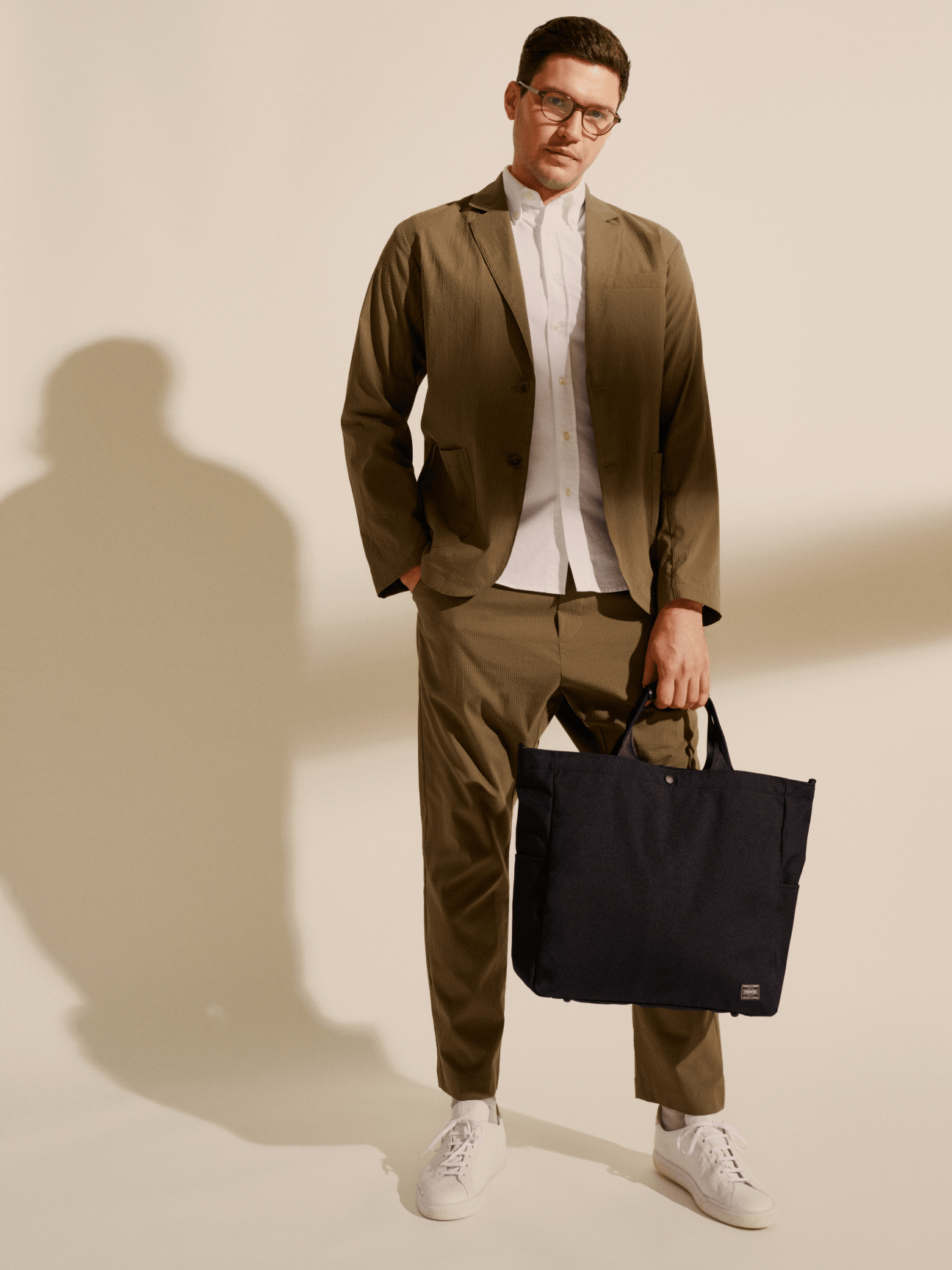
Kevin and Bo Carney are the husband and wife behind Mohawk General Store, which might well be the best multibrand shop in Los Angeles. And Smock, their in-house brand, embodies the Carney’s laid-back Californian aesthetic. A case in point: this unisex seersucker suit, available in olive or navy. Like many of Smock’s products, it’s made in California using Japanese fabric. The fit is loose and the trousers – with an elasticated drawstring waist – are slightly cropped. Whether worn as separates or a matching set, it’s a playful, youthful spin on the traditional suit, ideal for the warmer months.
Material: Cotton.
Colours: Navy or olive.
Made in: Los Angeles.
Shop now

Trunk x Monocle classic round-neck sweatshirt
€130
Everyone needs a solid sweatshirt. Comfort is king with this design, which has a round neckline and is sewn from a special cotton: we worked with a Portuguese mill to develop the perfect mélange hue, in grey or oatmeal.
Material: Cotton.
Colours: Grey or oatmeal.
Made in: Portugal.
Shop now
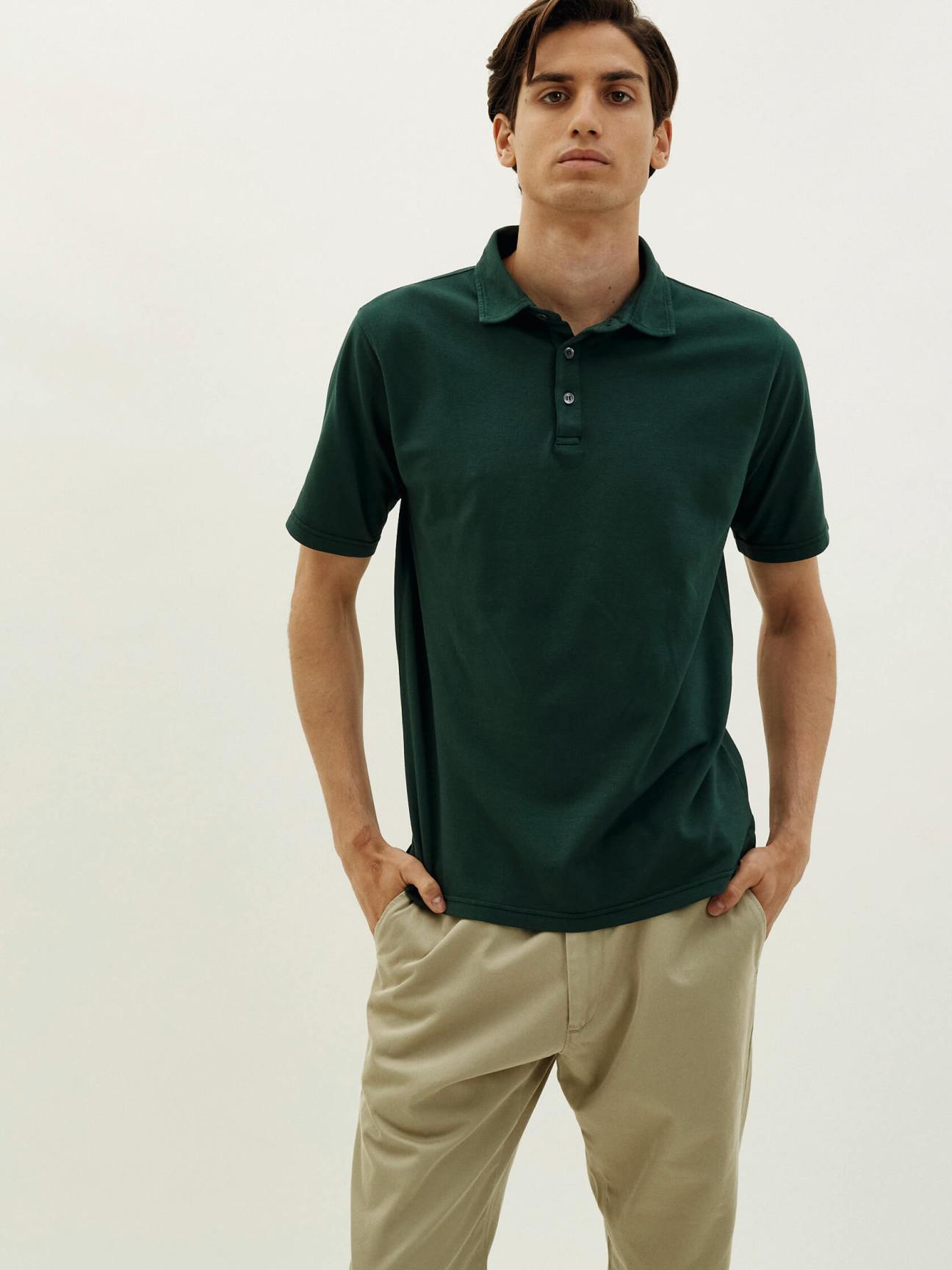
Trunk x Monocle piqué polo shirt
€90
Inject a preppy note into your wardrobe with this classic polo, which is made in Portugal from smooth cotton piqué.
Material: Cotton.
Colours: White or forest green.
Made in: Portugal.
Shop now
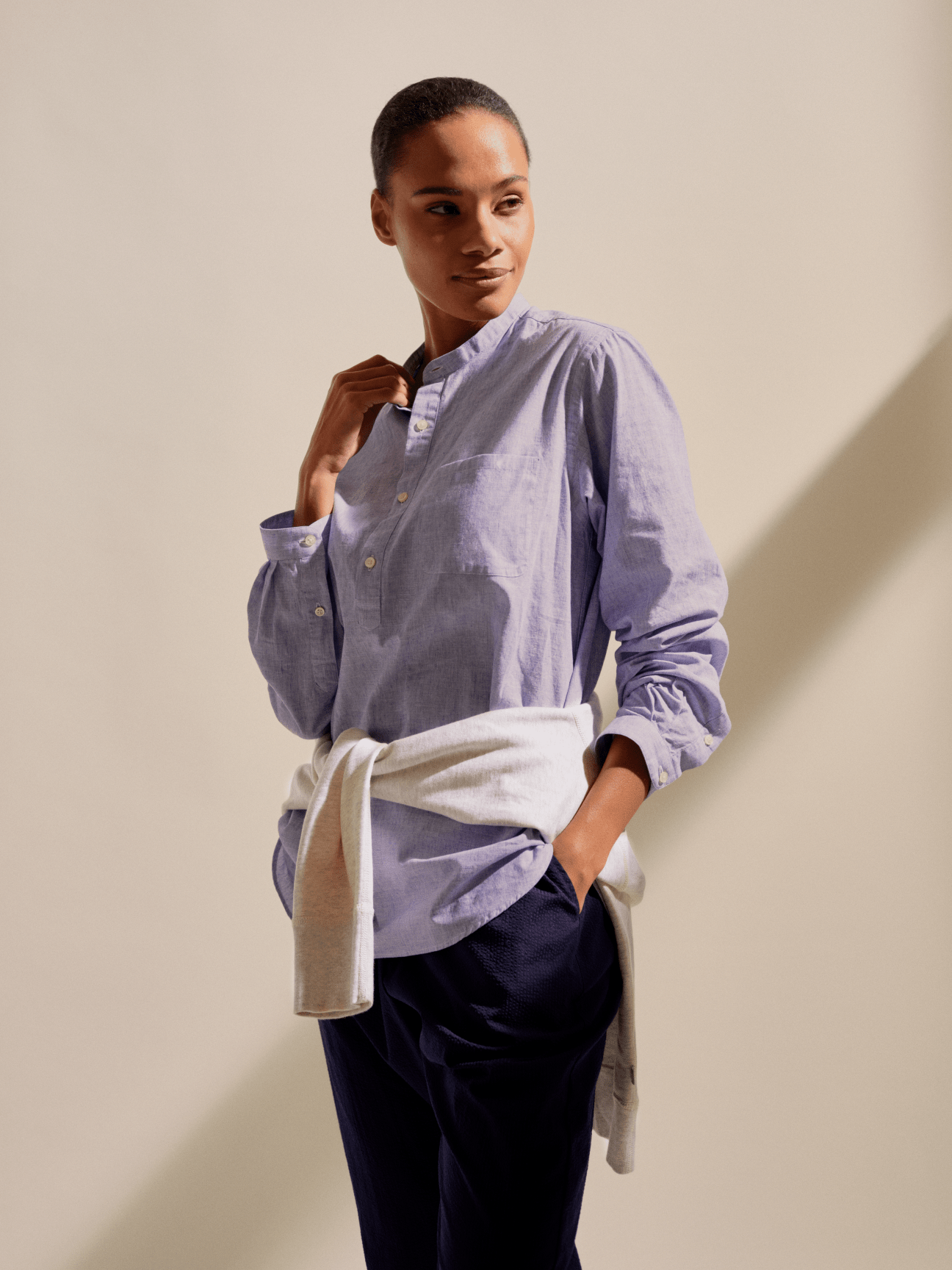
Monocle essential grandad-collar shirt
€110
We’ve added two new colours – white and pale-blue – to join our best-selling blue-and-white pinstriped grandad-collar shirt.
Material: Cotton and linen blend.
Colours: Blue or white.
Made in: Portugal.
Shop now
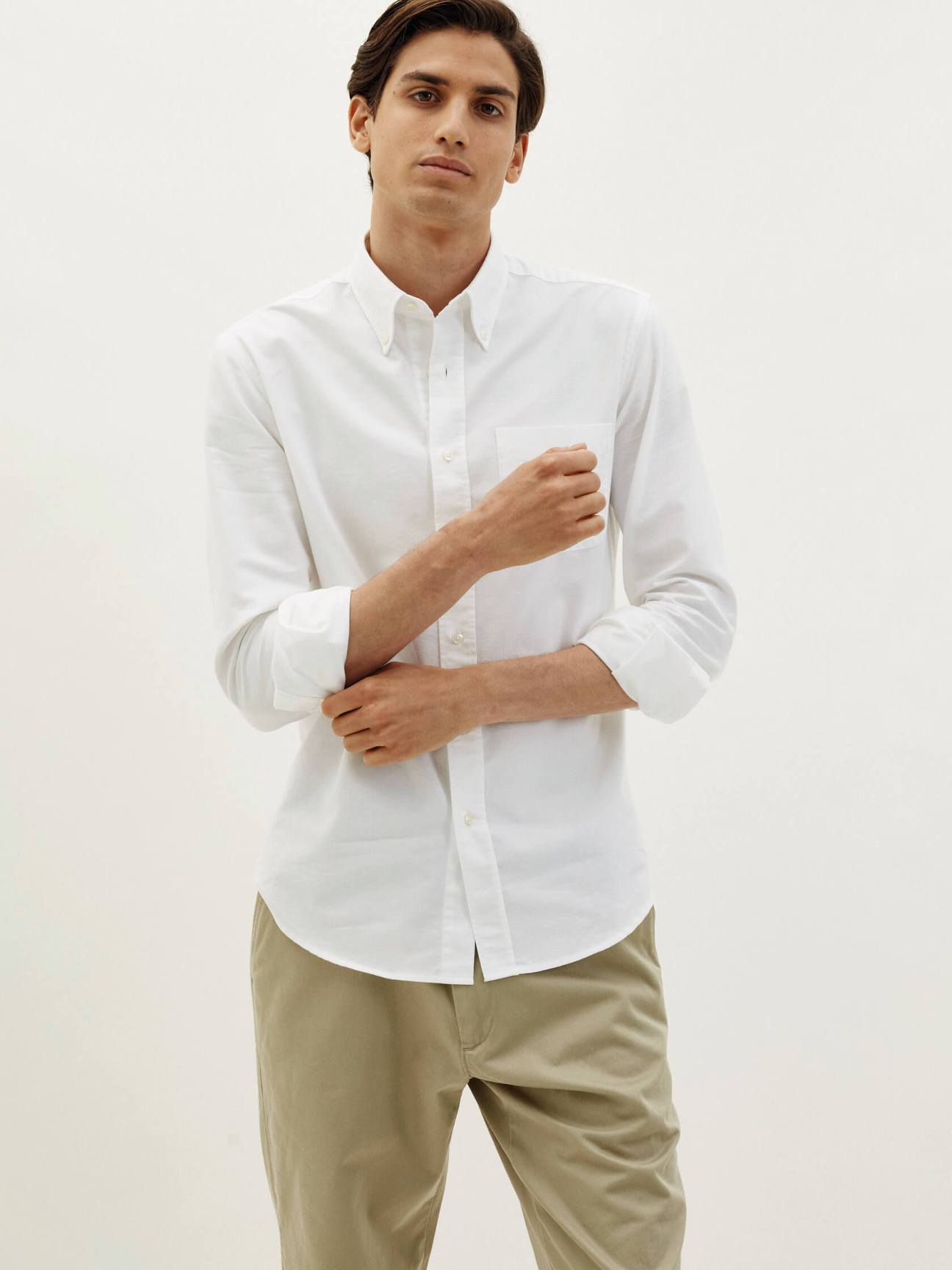
Trunk x Monocle button-down classic shirt
€165
We’ve perfected the finer details of this classic staple.
Material: Cotton.
Colours: White or pale blue.
Made in: Portugal.
Shop now
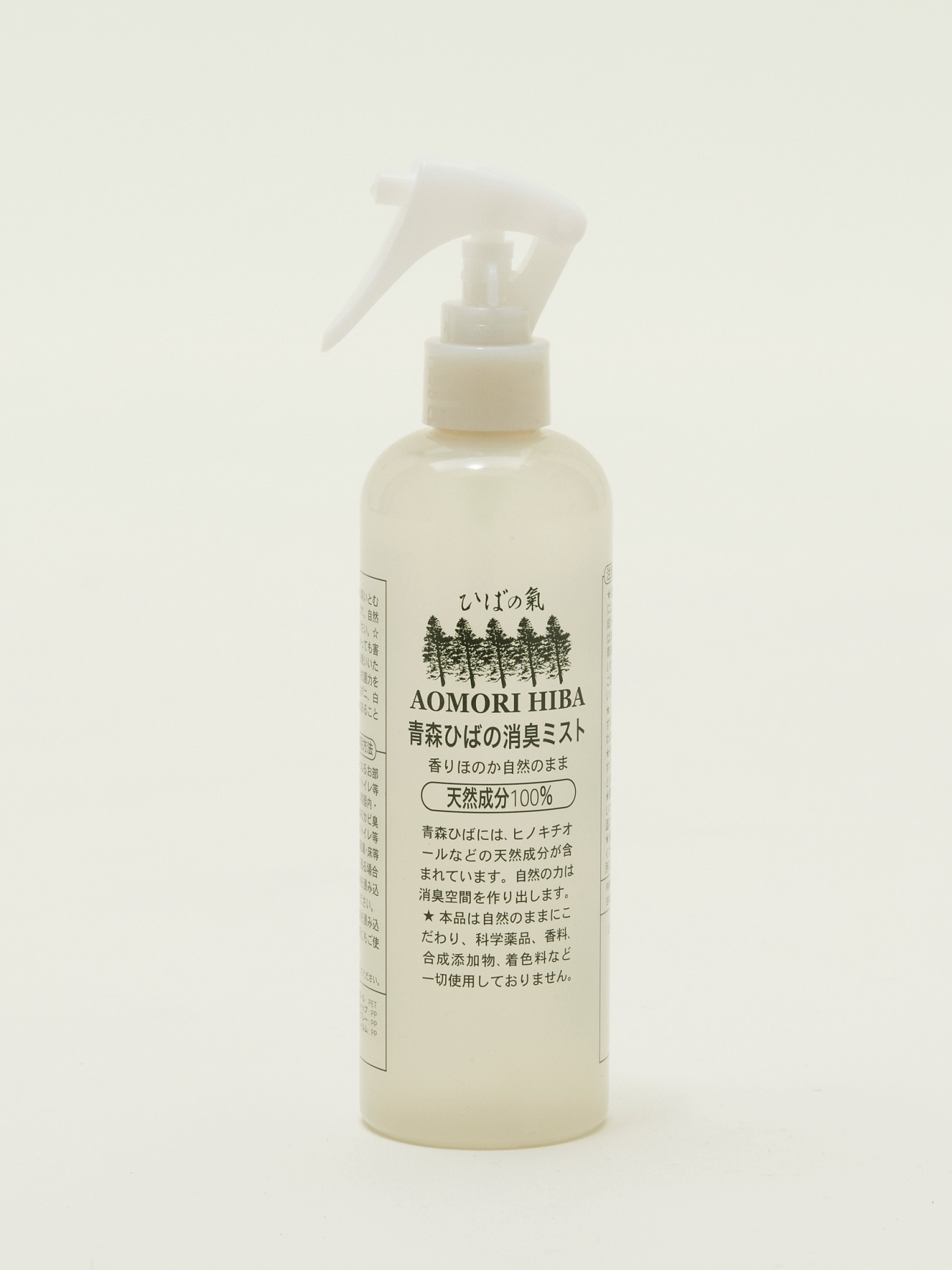
Aomori Hiba x Monocle room scent
€22
This room fragrance will lift your home with a crisp, woody scent. The hiba aroma has natural antibacterial and insect-repelling properties, leaving your house feeling fresh and clean.
Volume: 300 ml.
Made in: Japan.
Shop now
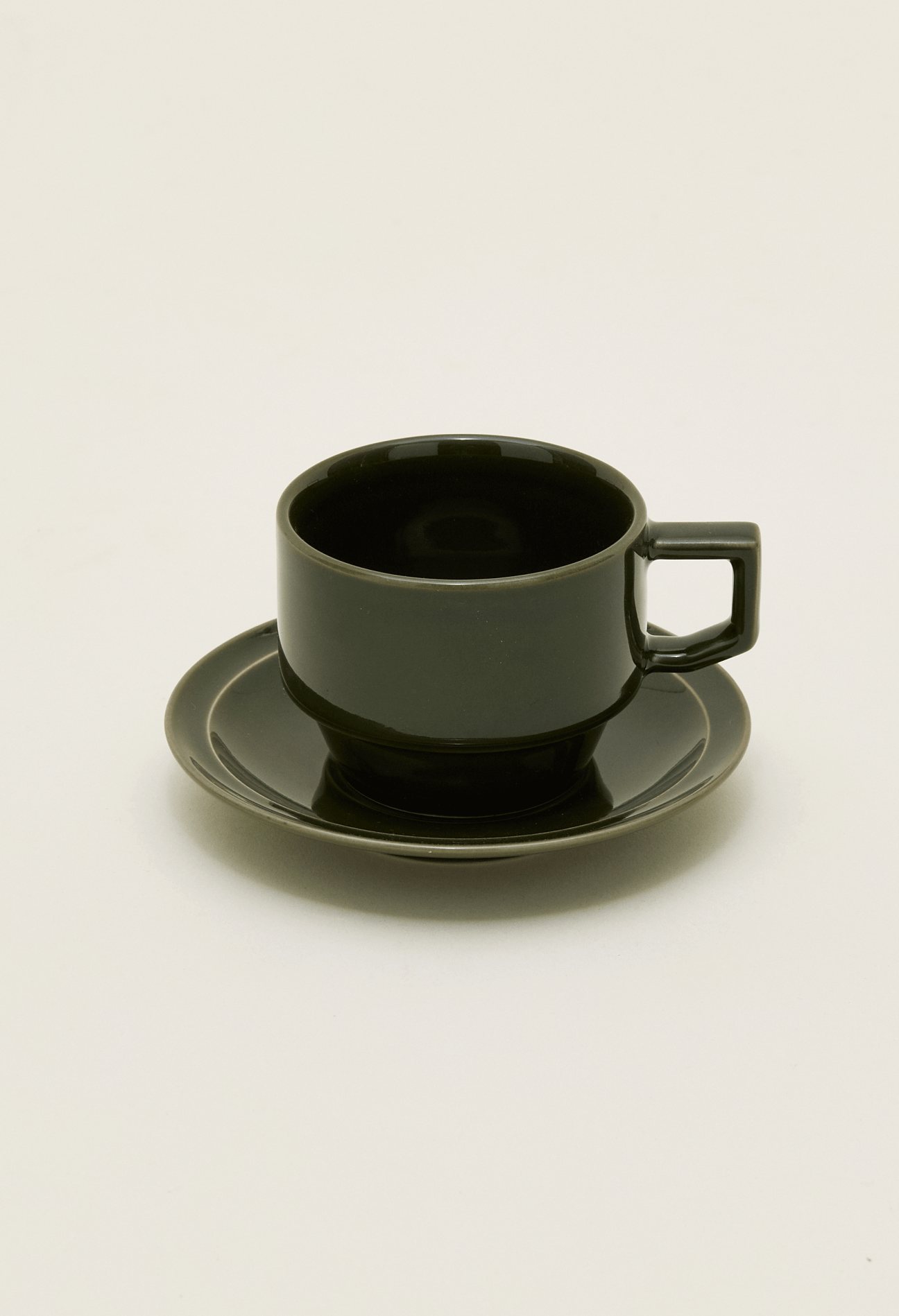
Hasami x Monocle small mug set
€52
These are crafted in Hasami, Nagasaki.
Material: Glazed porcelain.
Dimensions: 6.5cm x 8.2cm (mug); 13.5cm (saucer diameter).
Colour: Moss green.
Made in: Japan.
Shop now
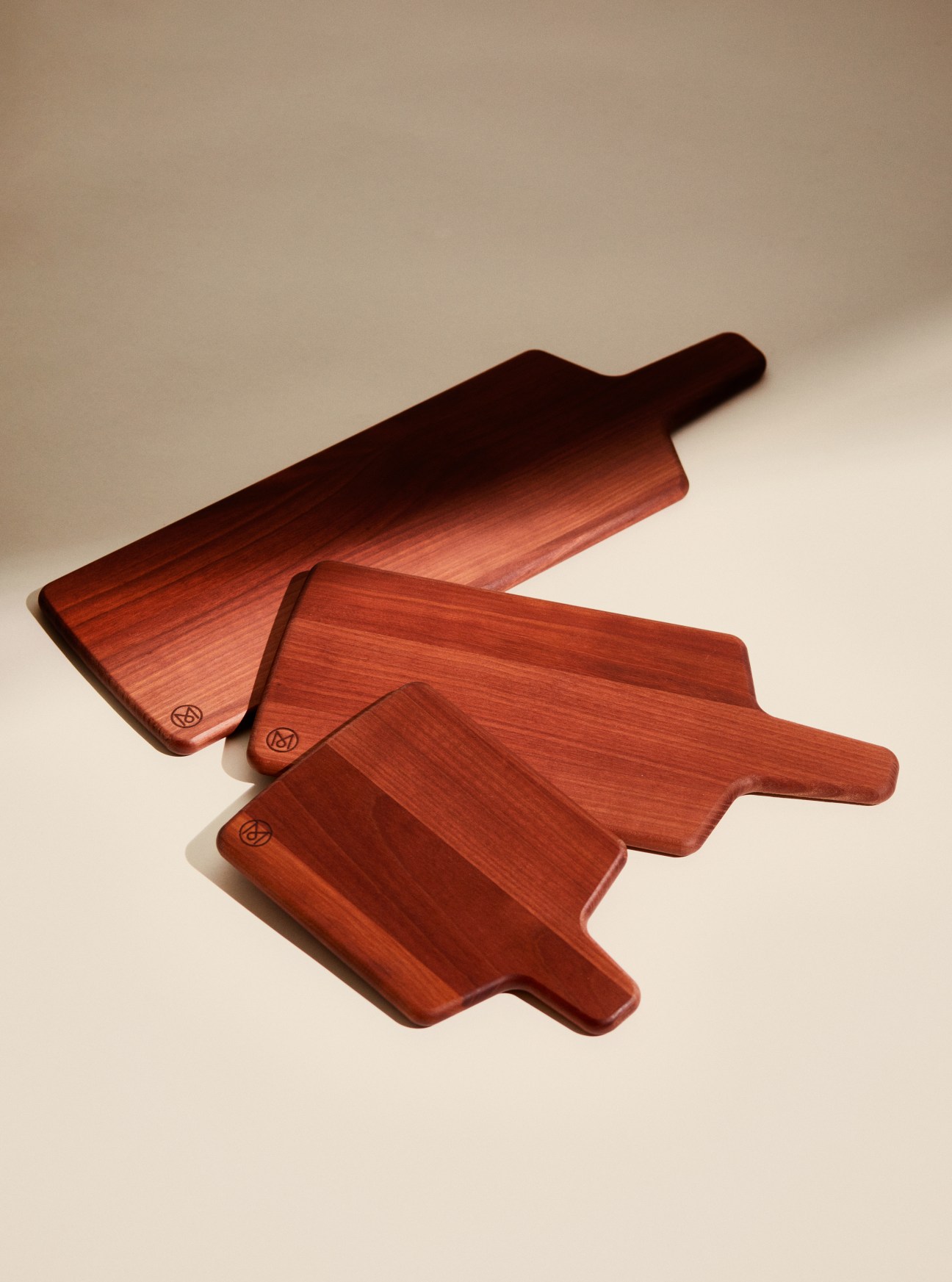
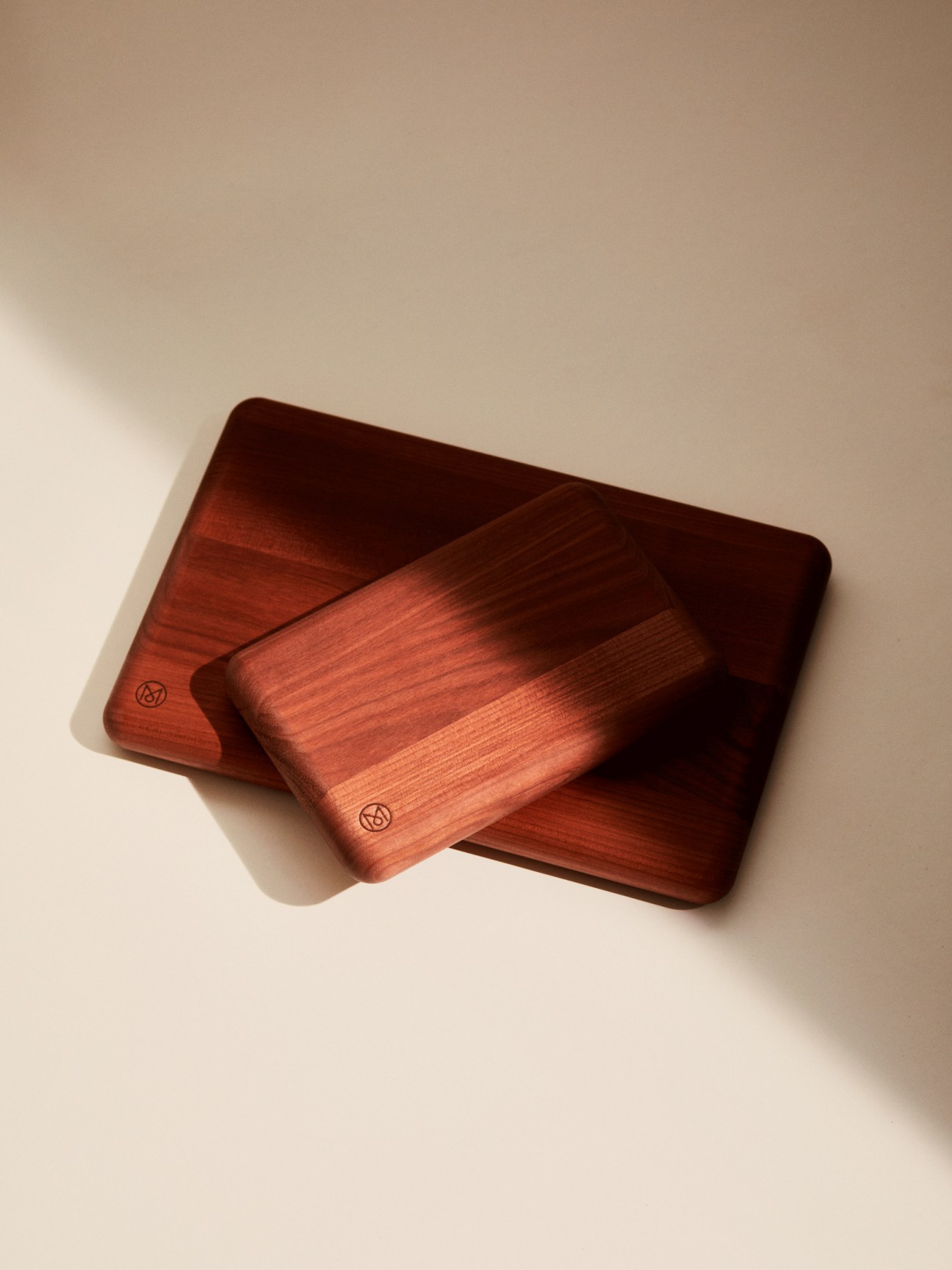
Studio Sebastian Marbacher x Monocle
Cutting boards (set of 2) €195; apéro boards (set of 3) €170
These limited editions are available exclusively at all Monocle Shops.
Material: Swiss cherry wood.
Size: Set of two cutting boards (large: 22.5cm x 33.8cm; small: 15cm x 22.5cm) Set of three apéro boards (large: 14.5cm x 43.6cm; medium: 14.5cm x 32.5cm; small: 14.5cm x 21.8cm).
Made in: Switzerland.
Shop now
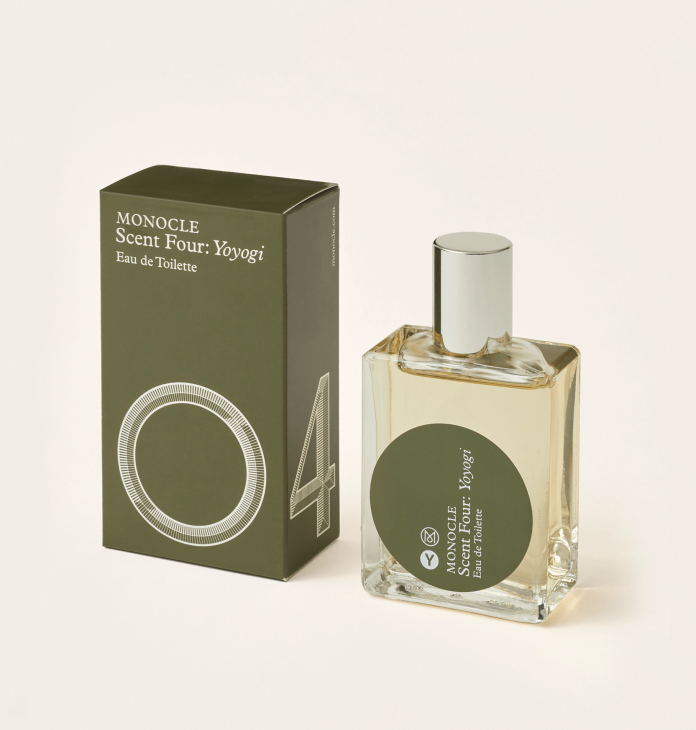
Comme des Garçons x Monocle Scent Four: Yoyogi
€105
Our fourth unisex scent made with Comme des Garçons evokes an early-morning run around Yoyogi Park in Tokyo.
Volume: 50ml.
Made in: France.
Shop now
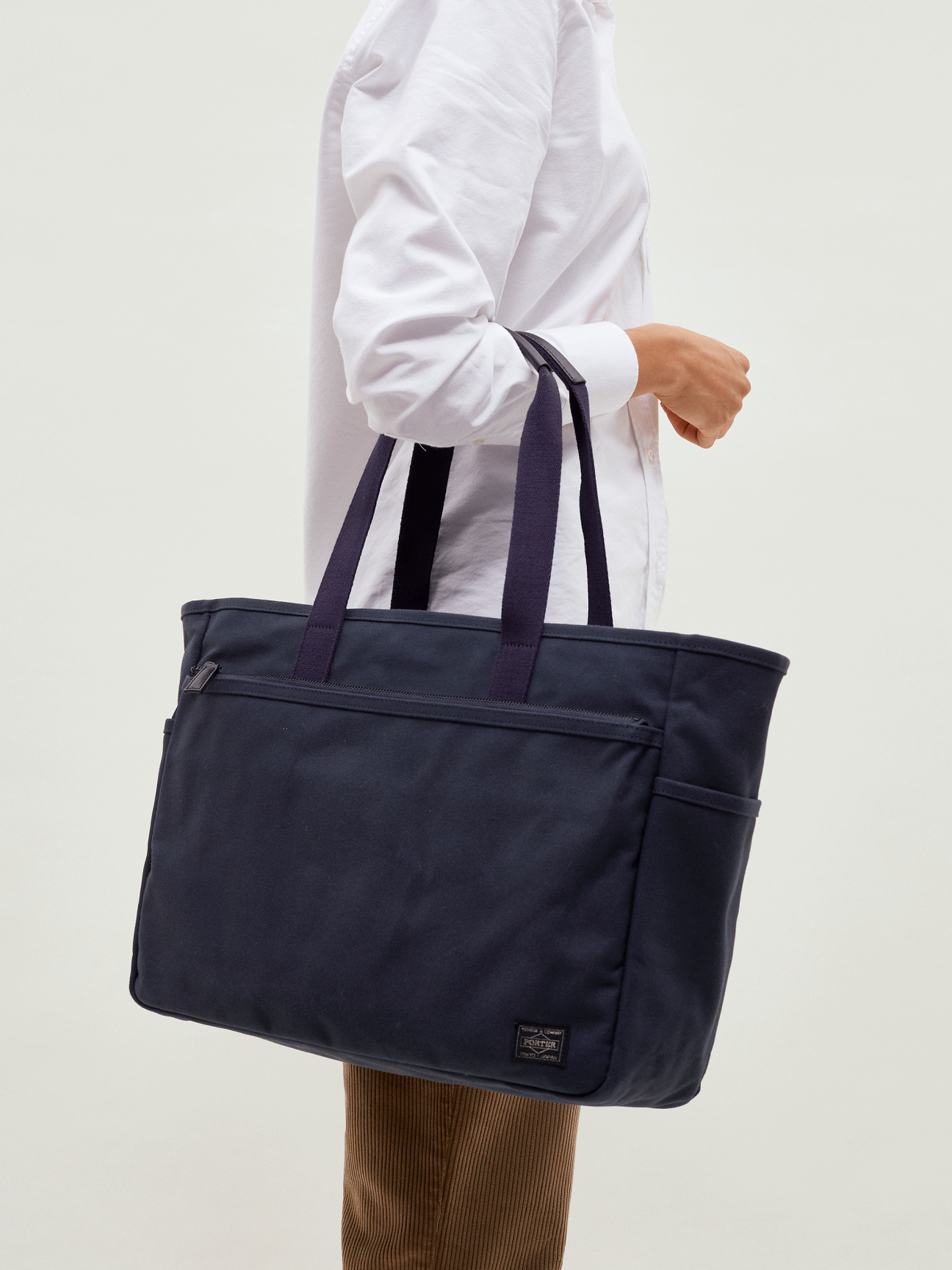
Porter x Monocle travel tote
€395
Made from Japanese paraffin-cotton canvas by Fuji Kinbai, this travel tote features a separate padded pocket for a laptop and has a strap to attach it over the extension handle of your suitcase.
Material: Fuji Kinbai (Japanese canvas).
Colours: Khaki or navy.
Made in: Japan.
Shop now
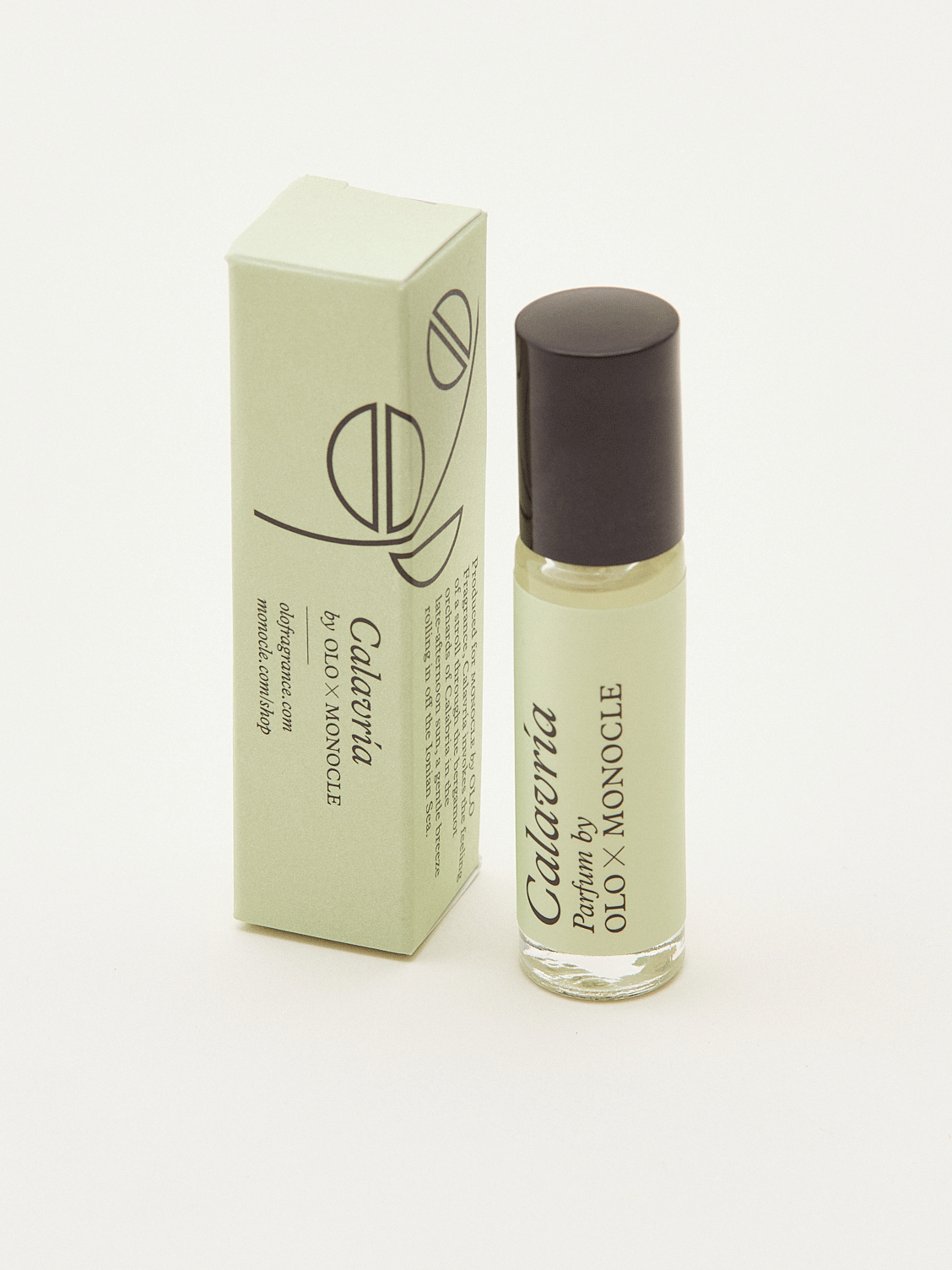
OLO x Monocle Calavria roll-on fragrance
€55
We have again partnered with Portland, Oregon-based perfumer olo to create a second oil-based perfume. It has noticeably fresh, verdant notes and the compact roll-on format makes it ideal to revive you when travelling.
Volume: 10ml.
Made in: usa.
Shop now
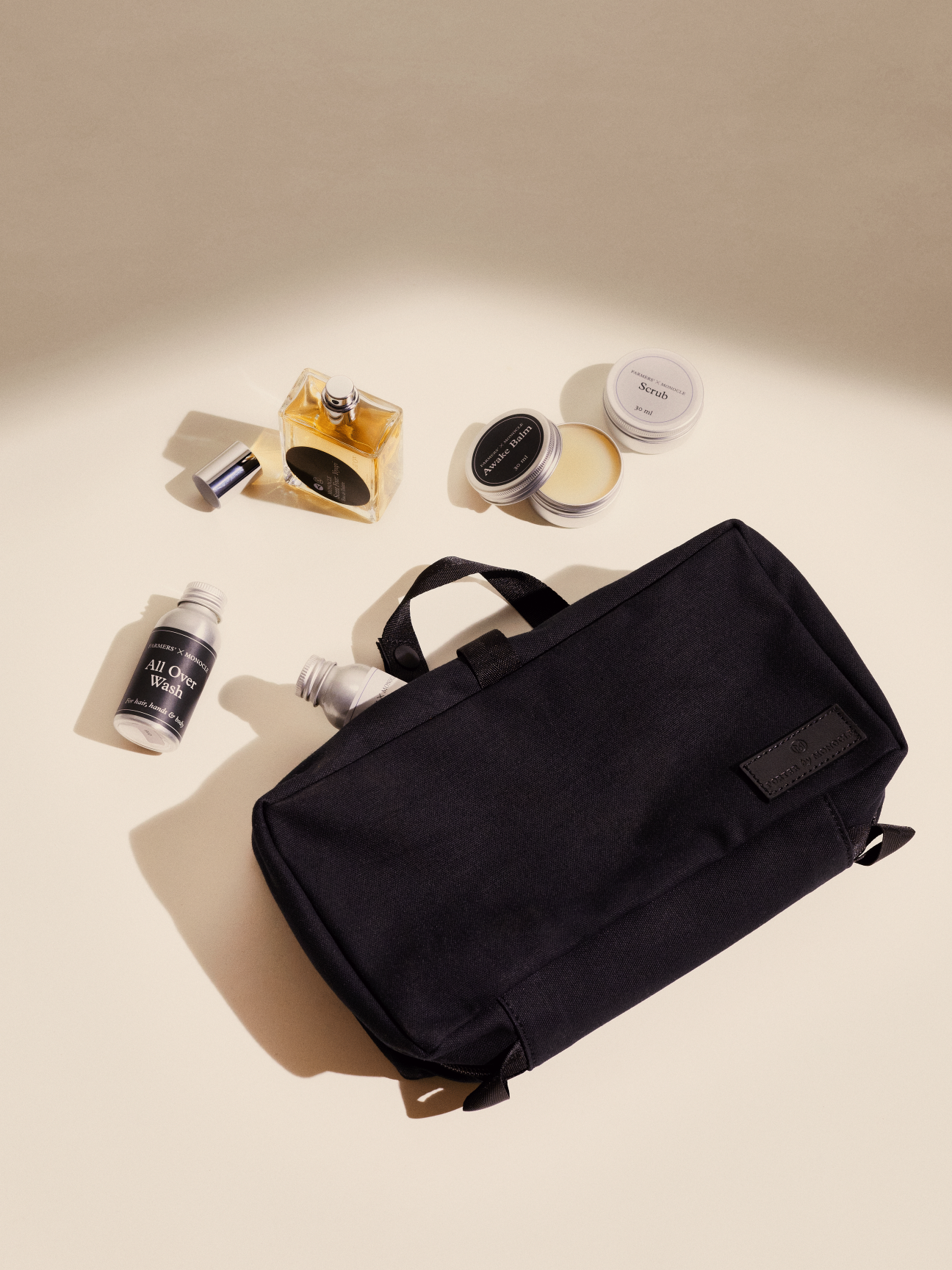
Porter x Monocle toiletry pouch
€150
Get organised with our toiletry bag, which is made from sturdy Fuji Kinbai canvas, has four zip compartments to sort your cables from your creams, and can be hung from a towel rack.
Material: Fuji Kinbai canvas.
Colour: Navy.
Made in: Japan.
Shop now
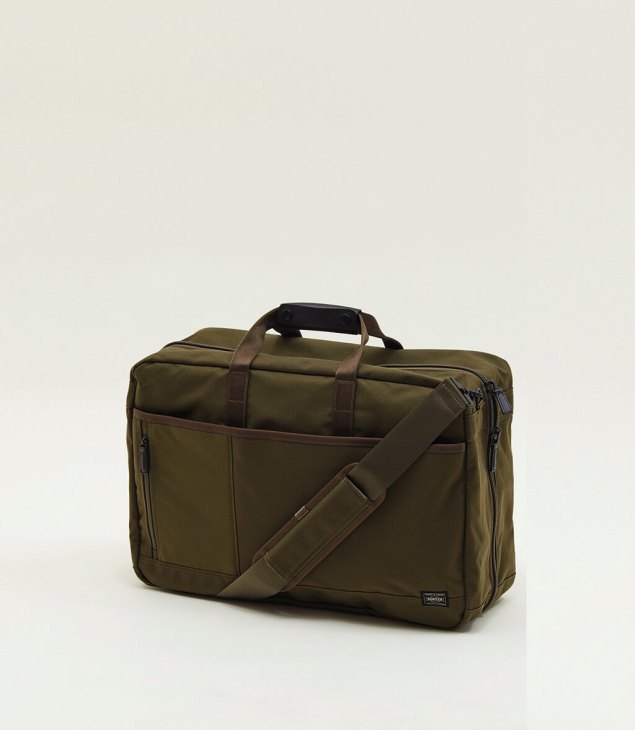
Porter x Monocle Overnighter bag
€565
Our Overnighter is the ideal compact carry-on.
Material: Nylon Cordura.
Colours: Black or olive.
Made in: Japan.
Shop now
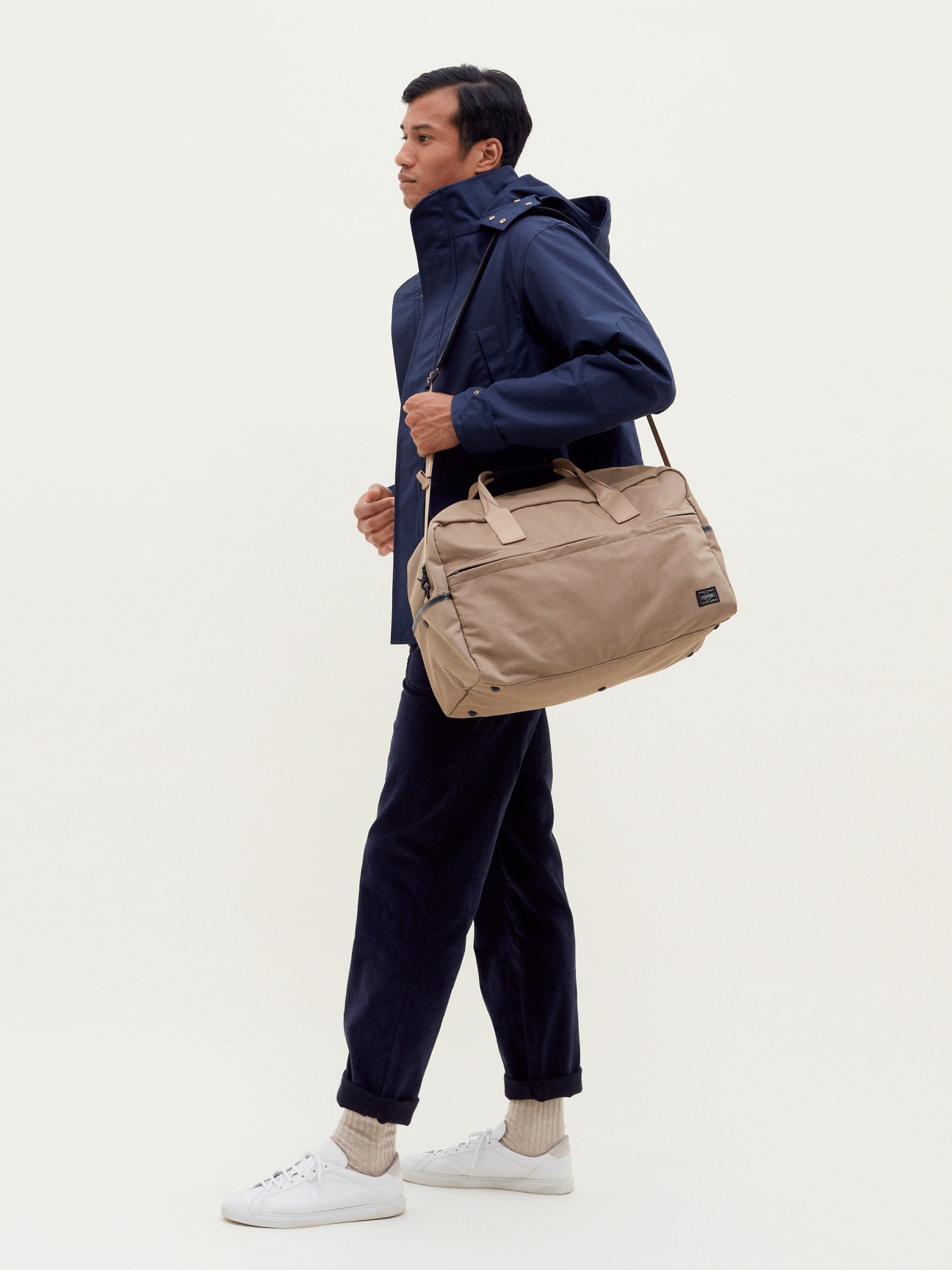
Porter x Monocle Short Weekender
€465
Roomy yet suitably neat, Porter’s Short Weekender includes a tote bag for smaller items and a matching wash bag for toiletries. The detachable leather and felt strap is exclusive to Monocle and subtly co-branded.
Material: Cotton and nylon blend.
Colours: Sand or navy.
Made in: Japan.
Shop now
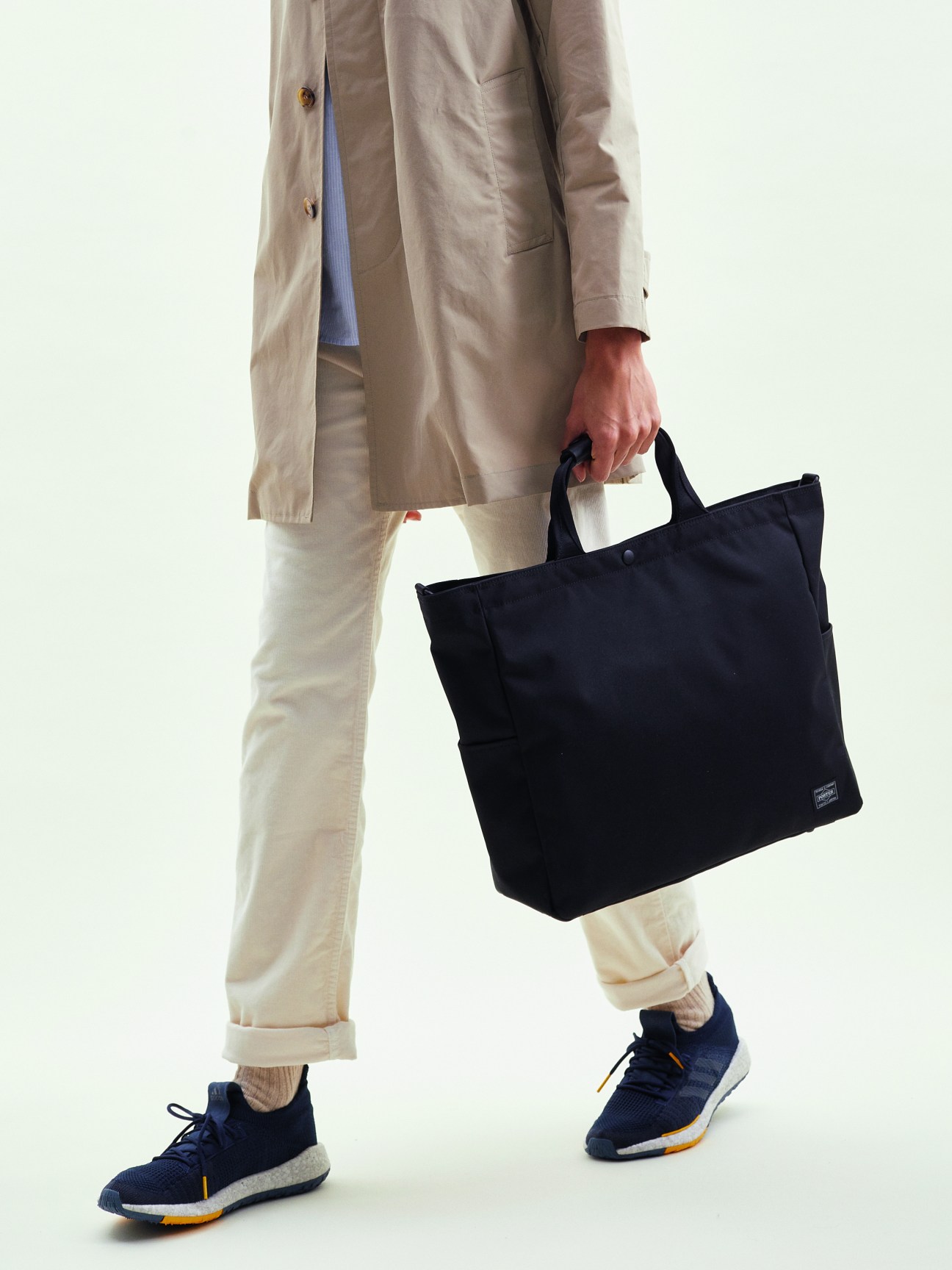
Porter x Monocle zip tote with pouch
€365
Whether used for a quick business trip or a weekend away, our zip tote is a flexible carryall. You’ll find multiple internal pockets and a detachable pouch for smaller items. The top flap has two zipped pockets for quick access to essentials and it comes with a detachable shoulder strap.
Material: Nylon Cordura.
Colour: Black.
Made in: Japan.
Shop now
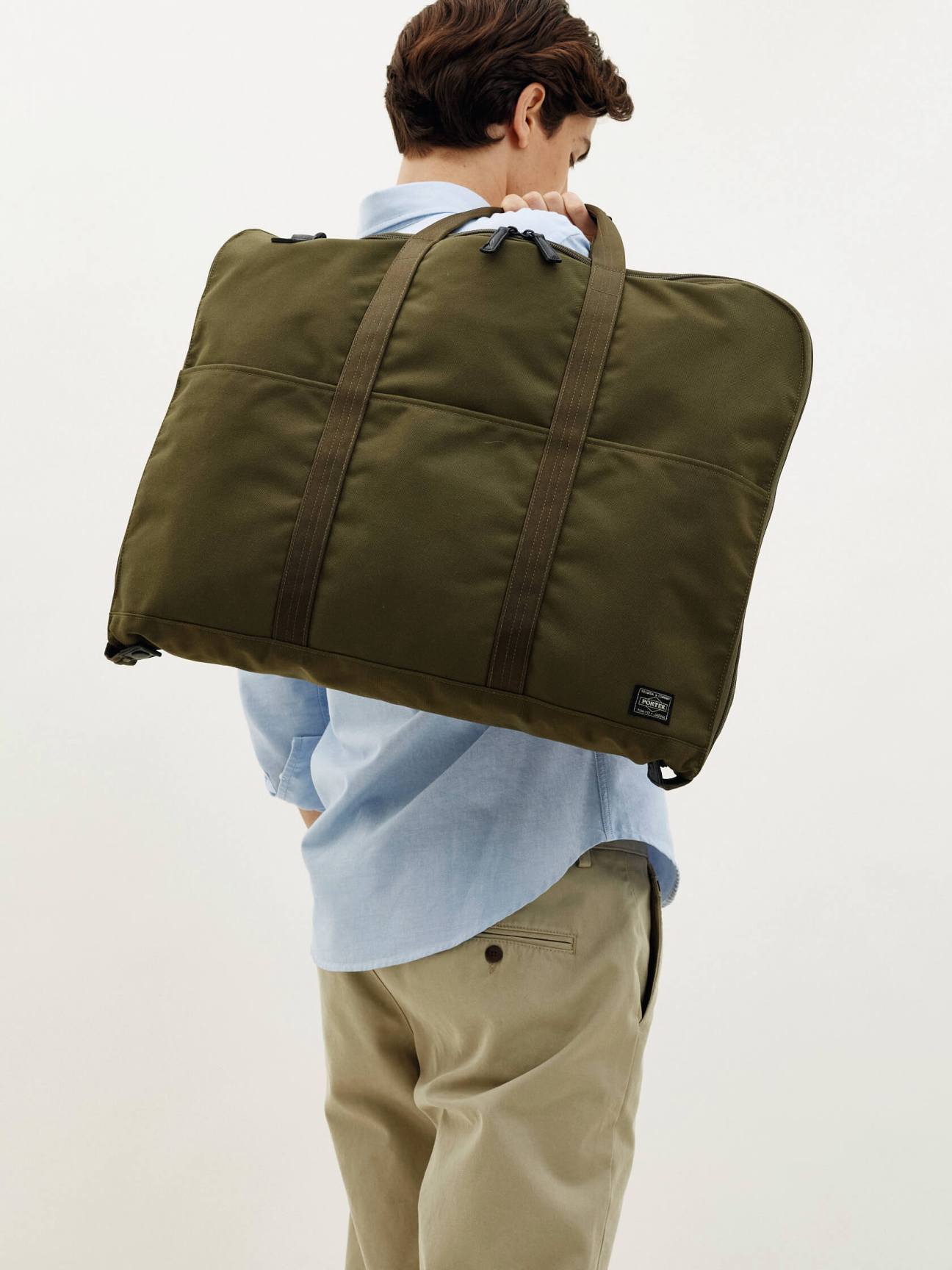
Porter x Monocle suit bag
€450
Ensure that your tailored items arrive in pristine condition with Porter’s suit bag. It’s made from durable nylon that’s resistant to scratches; comes with a built-in hanger and zipped mesh pockets to keep everything organised.
Material: Nylon Cordura.
Colours: Olive or black.
Made in: Japan.
Shop now
Styling: Kyoko Tamoto
Ground control
The Paris-based Japanese architect Tsuyoshi Tane has an impressive international portfolio. He has a body of work that most architects would be happy to realise across an entire career. His designs prioritise longevity, social responsibility and a sense of place. Yet speaking to Tane at Basel’s Swiss Architecture Museum, where his Tsuyoshi Tane: Archaeology of the Future exhibition was on show, the impression Monocle gleaned is that he is just getting started. For Tane, the exhibition was not a celebration of a decade of successful work but a tool to review the ideas behind past projects in order to inform how his 30-staff practice moves forward.
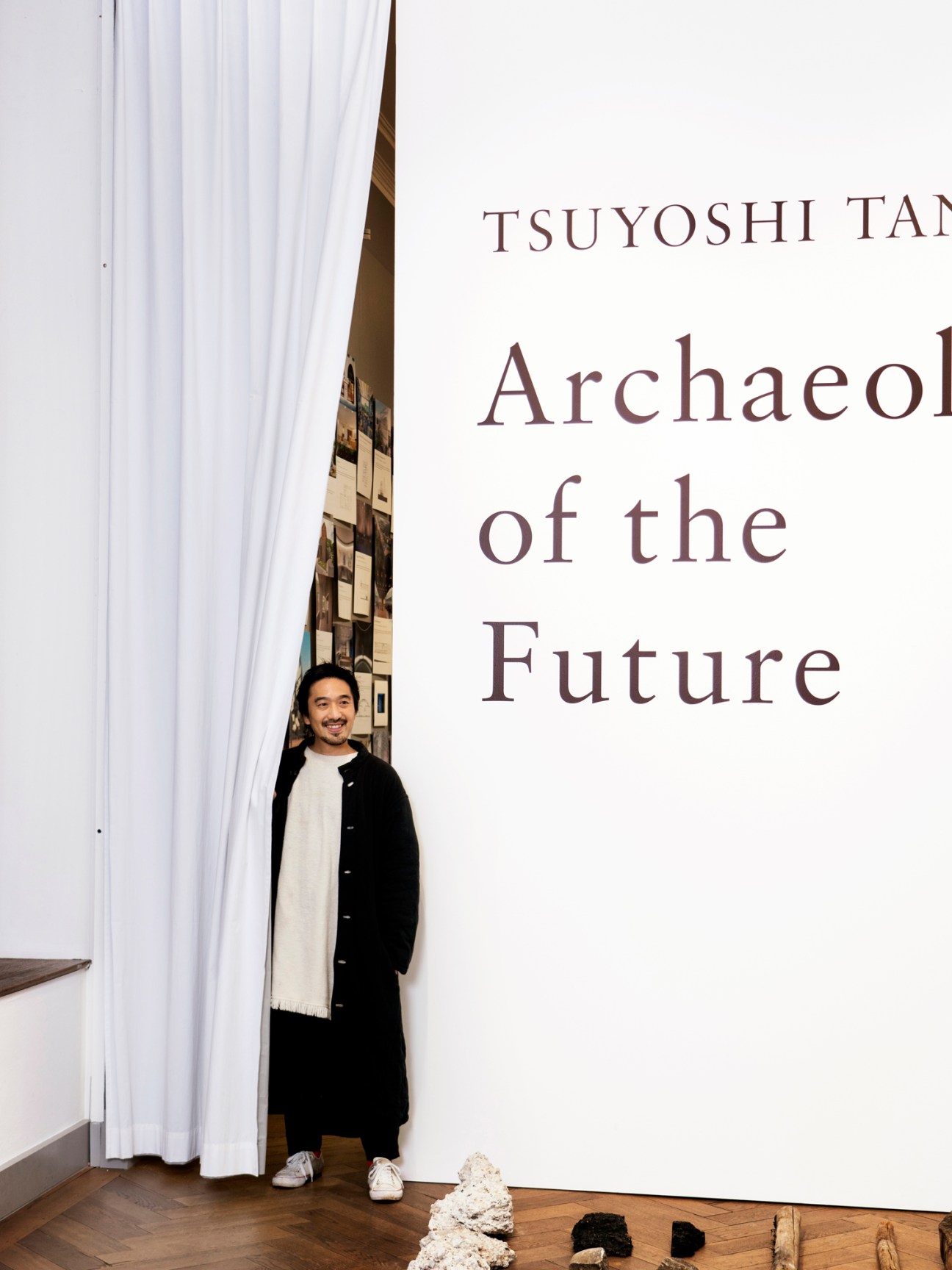
Tane’s work has proved attractive to everyone from the mayor of Tokyo’s Shibuya ward to a luxury-hotel developer in Bhutan. These clients head his way not only because of his solid portfolio but also his unique creative process, which questions all aspects of a project. Thanks to Tane’s ideas, the luxury developer’s concept pivoted from a flash modern hotel to an initiative that helped a village to revitalise its infrastructure and economy. And in Shibuya he turned the mayor’s dream of building Tokyo’s “High Line” into an urban- farming project. Monocle met Tane in Basel to talk process, projects and ambitious work prospects.
Tell us about your design process.
We work more like archaeologists. When we visit a site we try to dig as far as we can into its history to give us something that will inform our ideas. We use this “archaeological research” to define the themes that will ground the project. Sometimes it’s literal digging but mostly it’s bringing artefacts back to our studio. These could be something bought from an antiques market or just rocks from the road. We also read a lot of books and use the internet for research. Our findings are displayed at our studio and we approach the design in the way that the police might solve a crime. We work through the evidence in front of us to form the answer about how the architecture will be developed.
How do new members of your team adapt to this process?
Once they understand the research process, things start to feel very simple. For an international office such as ours, using this visual-research mapping style, which can be explored in our office, means that communication across language and cultural barriers becomes easy. We can stand in front of our research and use it to inform the conversation and ideas for the project.
Is a new building a success for you when it feels as though it has always occupied its space?
The concept of “new” is troubling in architecture today because the lifespan of modern buildings is too short. The average lifespan of new housing in Japan is only 27 years. When the life of a building is so short, the power of the architecture is diminished. If you look at the Hirosaki Museum of Contemporary Art, a Japanese museum that we’ve just finished, you would think that it had been there for decades because we used bricks from the old brewery building that we were converting. This building is a special place because it was originally built with handmade bricks, which is unusual in Japan. We celebrated this with fresh bricks that were carefully developed to match the originals. It’s a new building now but it will remain important because of the past.
How does your research help you if a building that has been months or years in the planning isn’t realised?
Our work is about helping people to learn from the past. For the Tokyo Olympics we proposed an 80,000-seater stadium. We took inspiration from a forest near the city’s Meiji Shrine. It appears ancient but it’s actually artificial and was planted 100 years ago. We also looked to ancient earth mounds and burial sites that still exist across Japan but are similarly unrecognised by most. We shaped the stadium inside a huge earth mound and were going to have Tokyo citizens plant trees across its exterior. Even though it was never built, this work and the publicity it received helped Japanese people to remember what was forgotten and our research became valuable content.
Can you tell us more about your urban farm in Tokyo?
It’s a new project. There was a small river that was an economic lifeline for trade in Tokyo but after the Second World War it was buried in rubble and became a dark, derelict passage. Shibuya’s mayor wanted to build a version of New York’s High Line over the top but we proposed using the stream as a space for urban farming. The aim is to create somewhere in the city where residents can produce their own food. Across a 3km strip around the old river, people who live nearby will be able to participate in farming and the food will go to the community. It will have urban kitchens and markets – we even want to form rivalries between different farming groups along the river, who will compete to grow the best tomatoes. Because the citizens will take so much pride in this place, the city won’t have to worry about maintenance costs; it will belong to the people.
Builds of future past
Tane’s landmark projects
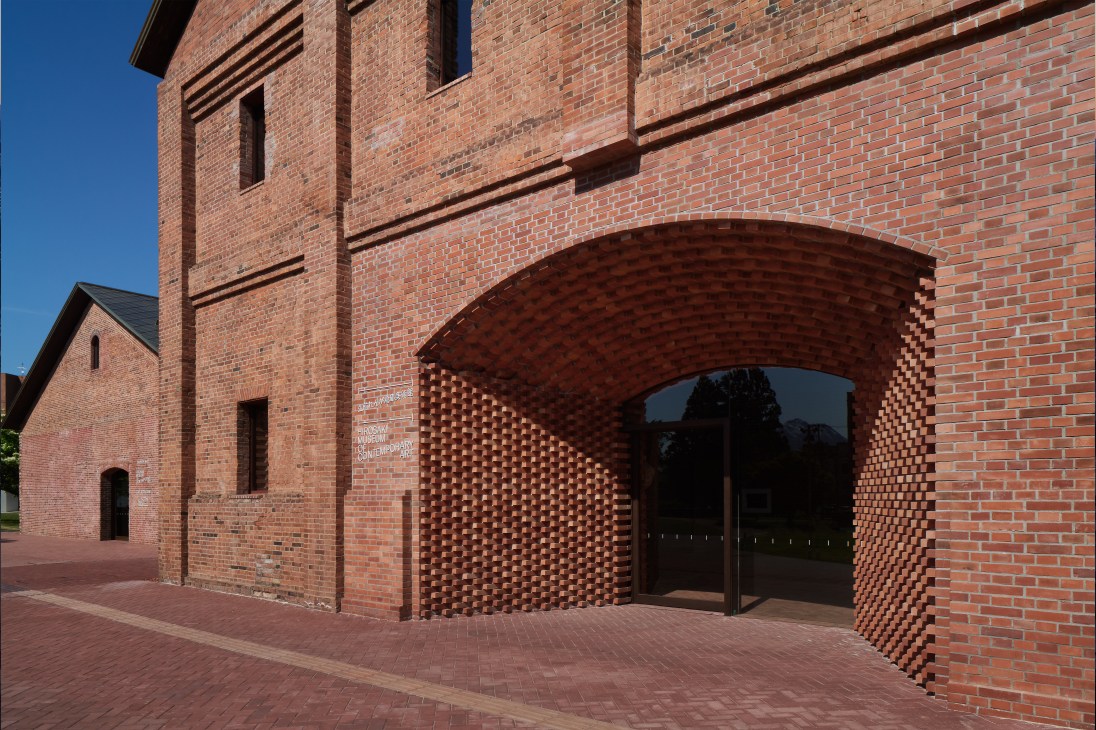
Hirosaki Museum of Contemporary Art
2020
The exterior of this building – originally a brewery – was made from handmade bricks (unusual for Japan). Tane used the same material in his museum conversion, producing bricks to match the exterior.
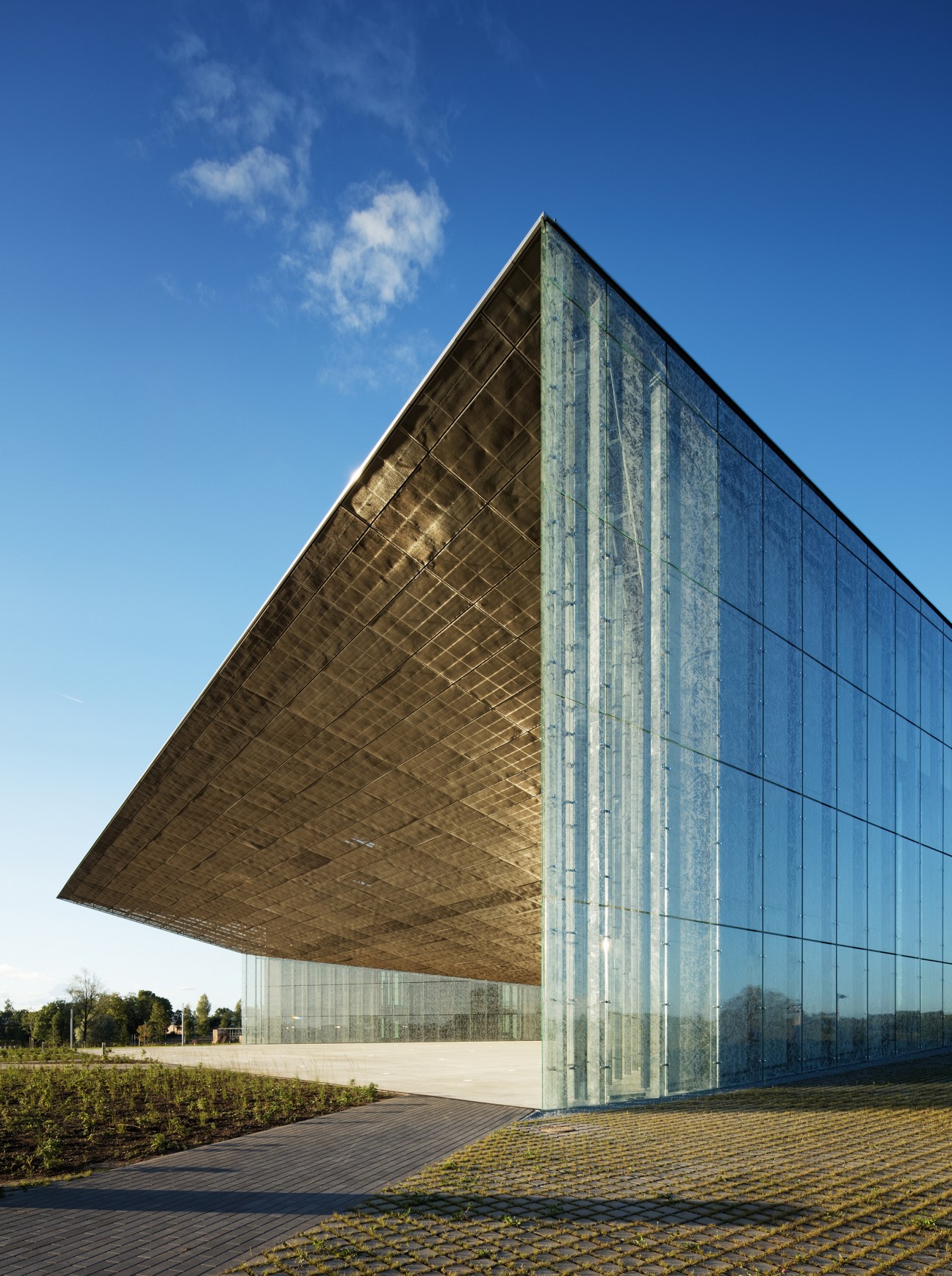
Estonian National Museum
2016
Designed in collaboration with his former studio, Dorell Ghotmeh Tane, the sloping roof of this museum turns the site it was built on – a Soviet-era runway with a dark history – into a space Estonia can celebrate.
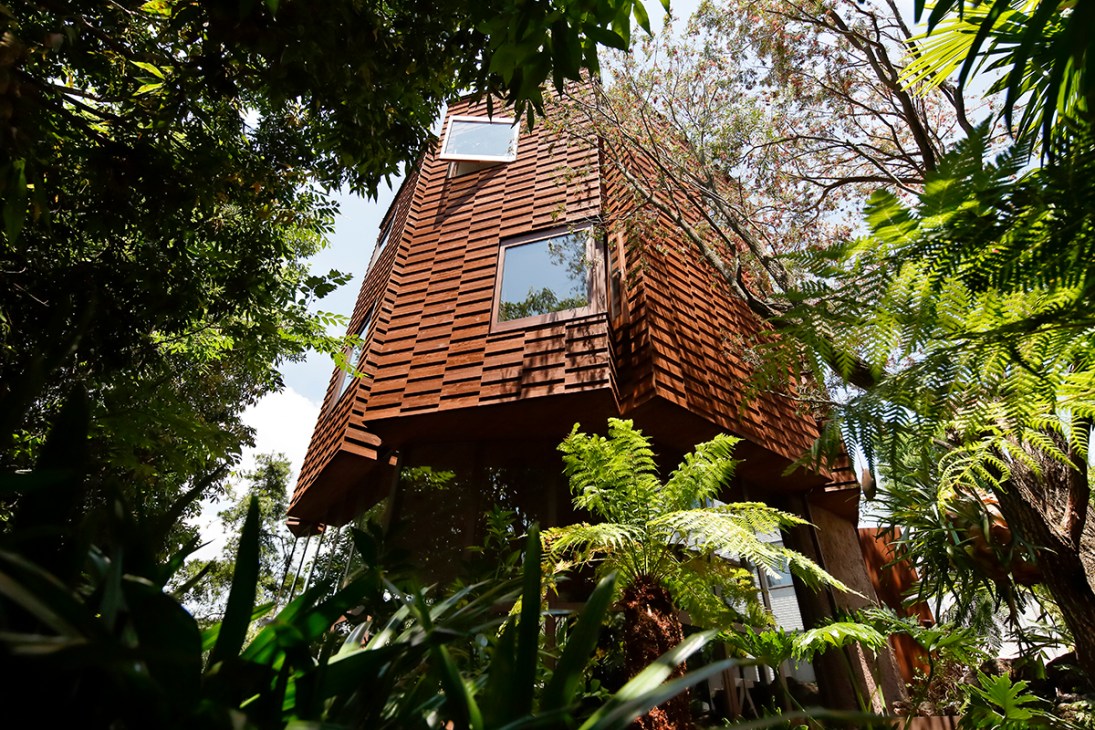
Todoroki House
2018
The cool earthen-wall ground floor of this unique residence is perfectly suited to the humid urban climate, while windows above allow its residents to feel as though they’re living amid greenery.
No time to waste
In Italy’s manufacturing centres, seasoned craftworkers operate alongside state-of-the-art technology to conjure up products that stand apart in the marketplace. The design and furniture hub of Brianza is perhaps the best known. And arguably the most recognised of the many brands that operate here is B&B Italia.
Formed in 1966 by the Busnelli family, the firm forged a successful path by combining creativity and chemistry to develop an injection-moulding technology using cold polyurethane foam to make sofas, chairs and beds. In 2019 the Busnellis exited the business after it merged with brands including Louis Poulsen and Flos to form Design Holding, a high-end furniture group. Under the new management, the company is again making its mark thanks to its focus on sustainability.


“Today it is important to consider a product’s lifecycle and how we can lower its carbon footprint, from the initial sketch to the client experience,” says Design Holding’s chairman and CEO, Gabriele del Torchio. “Our designs are long-lasting. Pieces stay in a customer’s home for generations. But we must also consider the recovery and disposal of materials that make up a product.” B&B Italia uses non-toxic, water-based paints with no ozone-depleting substances and aluminium that is totally recoverable.
Examples of the brand’s eco-friendly approach include the latest contribution from Italian architect and designer Piero Lissoni, who was appointed B&B Italia’s artistic director late last year. For 2021, Lissoni and the firm have unveiled an outdoor collection, Borea, which uses polyester fibres from recycled pet plastic bottles that undergo a six-step process to be converted into upholstery. In addition, tabletops made from enamelled lava stone quarried from Mount Etna are glazed with an eco-glass derived from ground material from discarded computer monitors. Crucially, these pieces look good too.


The brand also highlighted its green ambitions through the 50th-anniversary relaunch of its Camaleonda sofa by Mario Bellini. One of the couch’s removable covers is spun from recycled pet, the spherical sofa feet are made from Forest Stewardship Council-certified beech and the polyurethane padding is cut into sections to make it easier to disassemble.
On a visit to B&B Italia’s factory and headquarters north of Milan, which hosts a standout 1970s-era office building designed by Renzo Piano and Richard Rogers, Monocle asked Del Torchio about the challenges ahead. As the design industry deals with the pandemic, it is also gearing up for this year’s Salone del Mobile, which has been pushed back to September. Del Torchio remains bullish. “Italian design is difficult to imitate,” he says. “We have a lot of heritage related to our products and product excellence. Among these is the work of our artisans and craftspeople. We bring in noted designers [such as Antonio Citterio and Patricia Urquiola] who give us a competitive advantage.”
“It is important to consider a product’s lifecycle and how we can lower its carbon footprint, from the initial sketch to the client experience”
On the retail side, Del Torchio is eager not to let the pandemic seize the initiative. For 2021 he has announced the rollout of B&B Italia showrooms to open in New York, Dubai and Copenhagen. These will operate as hybrid retail outlets where a portion of the floor space will be given over to the contract business so that architects can meet with project managers to push along ideas for commissions. The contract market, which is worth €40m a year to B&B Italia’s bottom line, is seen as a segment that’s ripe for recovery, given that developers of upscale hotels and high-end apartment towers want to get building. Del Torchio has plans for a dedicated contract-only Miami showroom to cater to such clients. “Our brand has a rich history and ‘Made in Italy’ remains strong,” he says. “We’re optimistic that we are on the right path.”
bebitalia.com
Best in practice
Top of their game
The world of furniture manufacturing can be a wasteful one. Although companies can claim that creating pieces with longevity in mind means that they’re not producing a disposable commodity, there is plenty of room for improvement in the making process. With this in mind we’ve selected five pioneering projects from brands worth benchmarking.
1.
Sebastian Cox, UK
Happy harvesting
This UK furniture-maker takes its approach to sourcing material much further than most. Its Silviculture collection draws timber from coppicing, a means of woodland management in which young trees are cut back periodically to stimulate growth. The wood is used to make its handsome furniture, while the woodland itself remains productive.
sebastiancox.co.UK
2.
Ikea, Sweden
Buy it back
Ikea is looking beyond the design industry in its aim to be one of the world’s most sustainably minded mega-companies. Its replacement of Black Friday in 2020 with Buy-Back Friday transformed Ikeas worldwide into thrift-shop-like spaces where customers could exchange old wares for new.
ikea.com
3.
Vitra, Switzerland
Material minded
The Swiss furniture brand never brings unproven new materials to market that won’t stand the test of the time. Instead it pours years into research and development for more eco-friendly options in its wares. Its recently released Tip Ton RE chair in recycled polyurethane is a case in point.
vitra.com
4.
Nikari, Finland
Clean production
This Finnish furniture company and timber specialist operates from a charming base in the village of Fiskars. Nikari’s head office, studio and workshop use renewable energy from an adjoining hydropower plant.
nikari.fi
5.
Vepa, the Netherlands
Light footprints
Vepa makes hardy furniture with regional hemp and Plantics, a plant-based thermosetting resin. Chairs can be shredded and pressed over and over again, making them totally recyclable.
vepa.nl