Issues
Go clubbing
Private clubs are as old as Hong Kong itself and there’s a membership to suit most persuasions, from horses and yachts to the foreign press. Carlyle & Co is set to join this gilded group later in 2021 but the city’s newest go-to is determined to mix things up from its towering home on the Kowloon waterfront. “We’re looking forward to stepping away from how things have been done before,” says Sonia Cheng, founder of Carlyle & Co and CEO of Rosewood Hotel Group. Although distinct from the upscale hotel brand, both businesses share an address. Members will enter through their own set of lifts in the Rosewood Hong Kong lobby before being whisked up to the 55th floor.
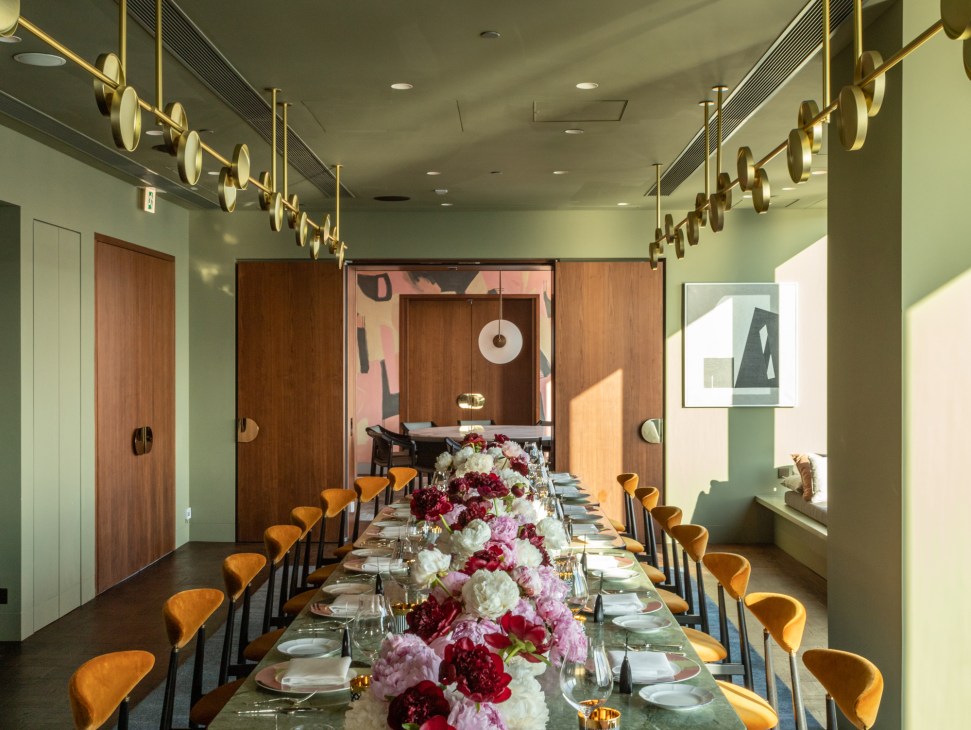
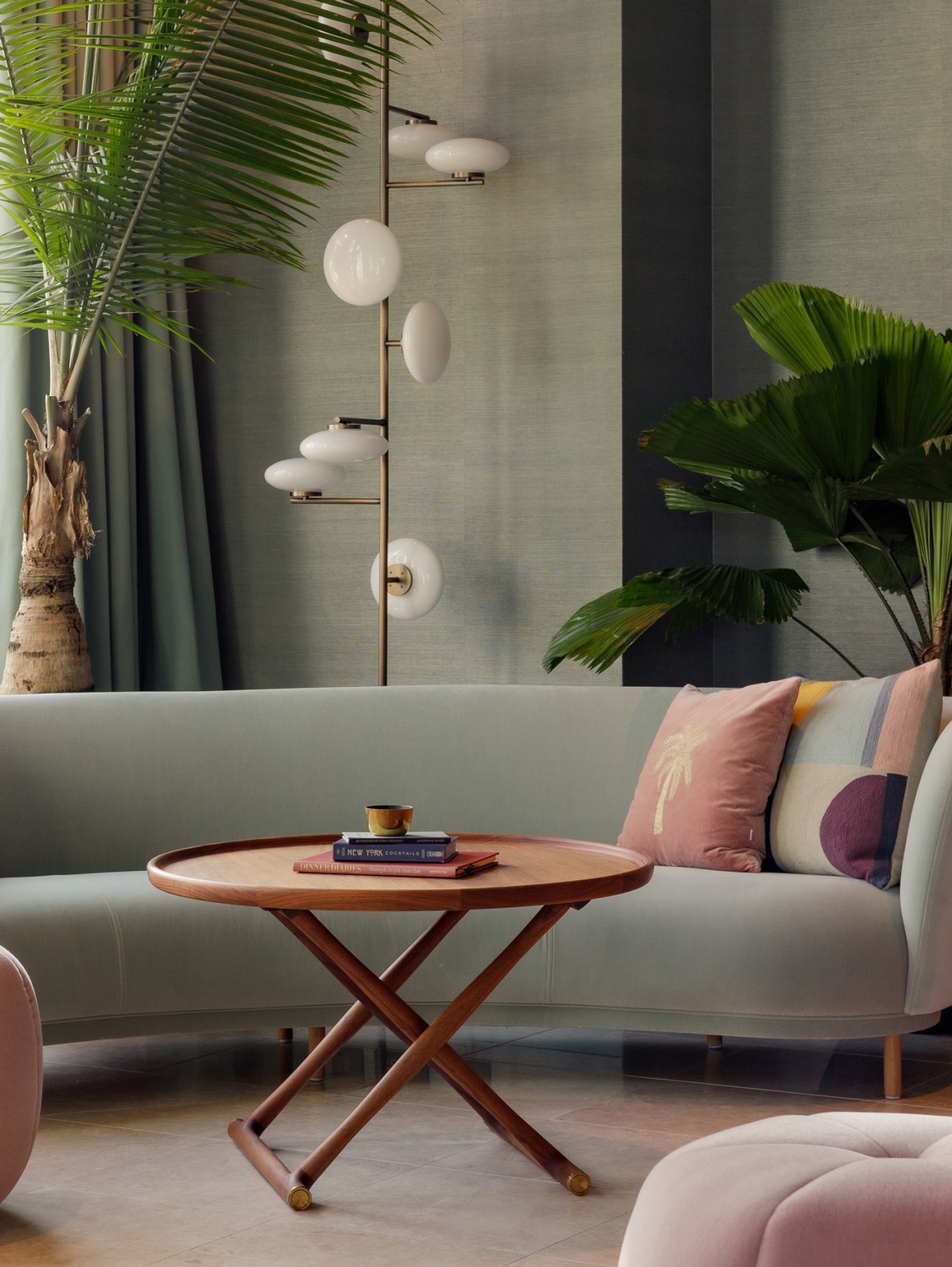
The club is also getting a lift from another corporate cousin: The Carlyle in New York. Cheng’s family, owners of one of Hong Kong’s largest property developers, acquired the Upper East Side establishment at the same time as it bought Rosewood hotels a decade ago. Her experiences of staying in the storied art deco hotel – famous for bringing together poets, writers, rockstars, actors, art dealers and wandering political royalty – inspired her to create a private club in her hometown with the same spirit, if not the architecture or interiors.
Set over three storeys, Carlyle & Co is a maze of well- upholstered salons, snug seating arrangements, secret bars and eight bedrooms – for any unexpected sleepovers. The focal point is a near-replica version of the famed Café Carlyle jazz bar, although that’s where the direct visual references end. Studioilse had a freer hand elsewhere. “We were very clear that it wasn’t about imitation or pastiche,” says studio head Ilse Crawford, whose designs share the exuberance of Dorothy Draper’s original anti- minimalist interiors, with Soane’s soft Albatross Wing chairs, patterned Tai Ping rugs and colourful Dedar fabrics.
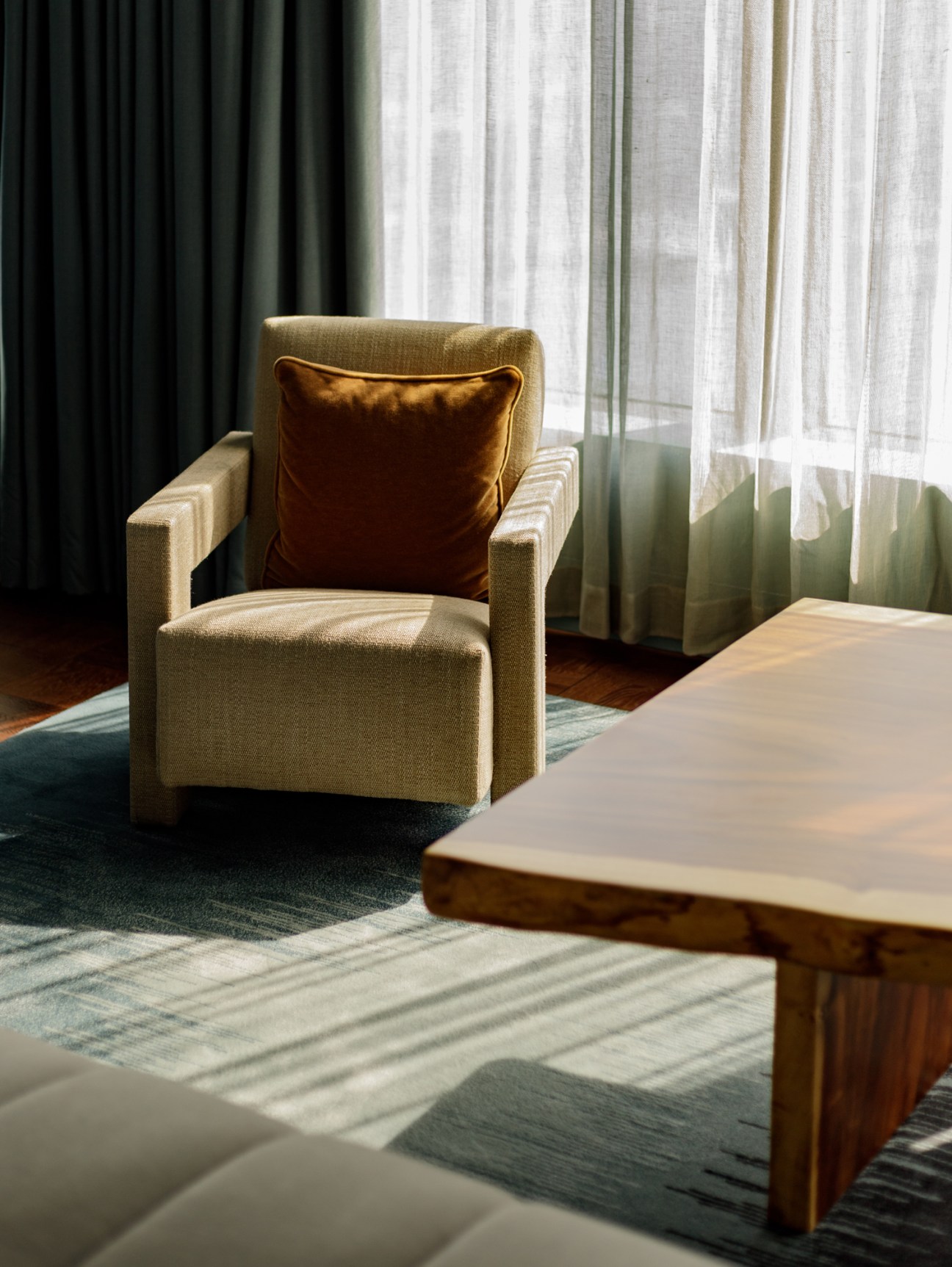
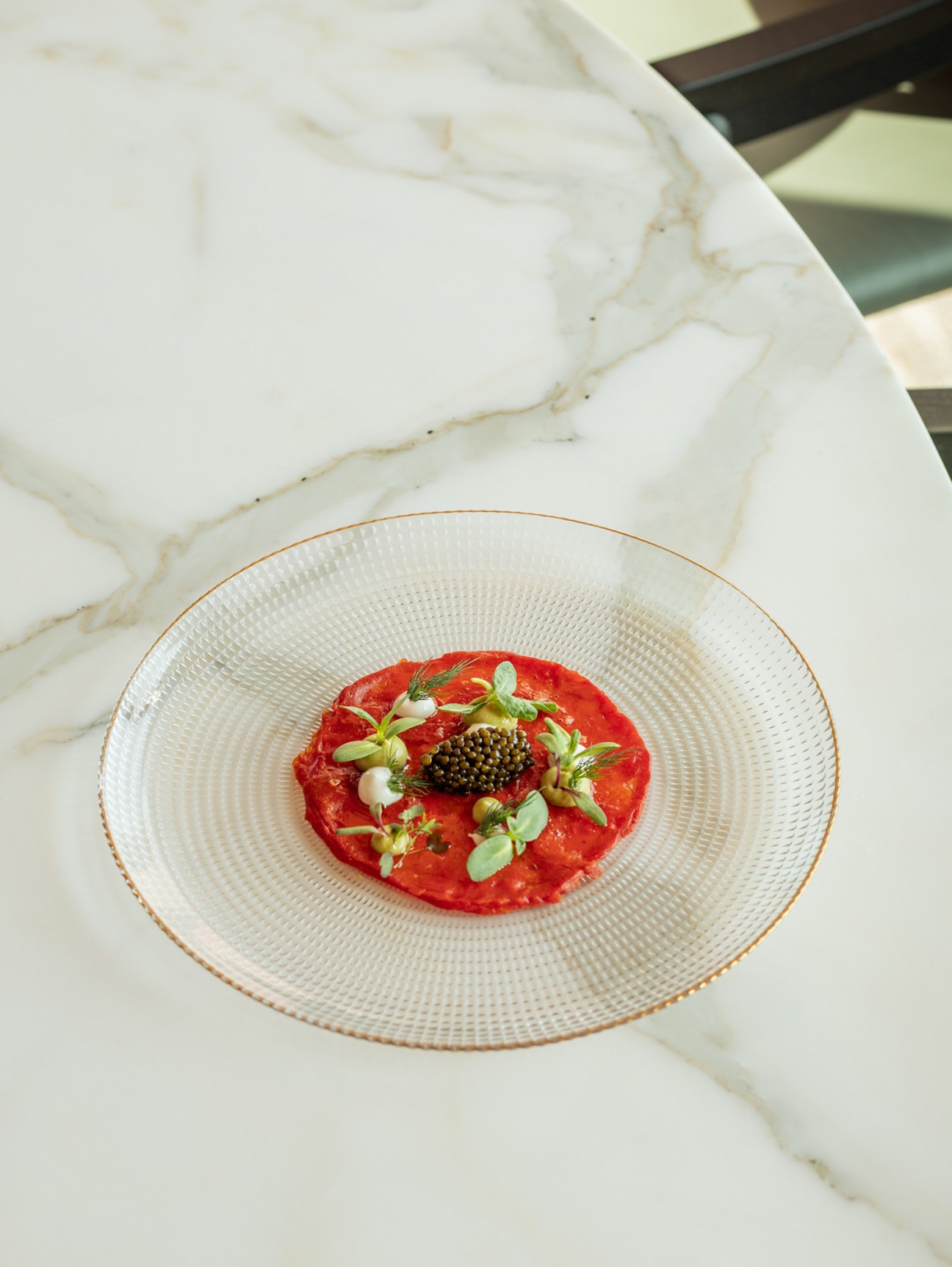
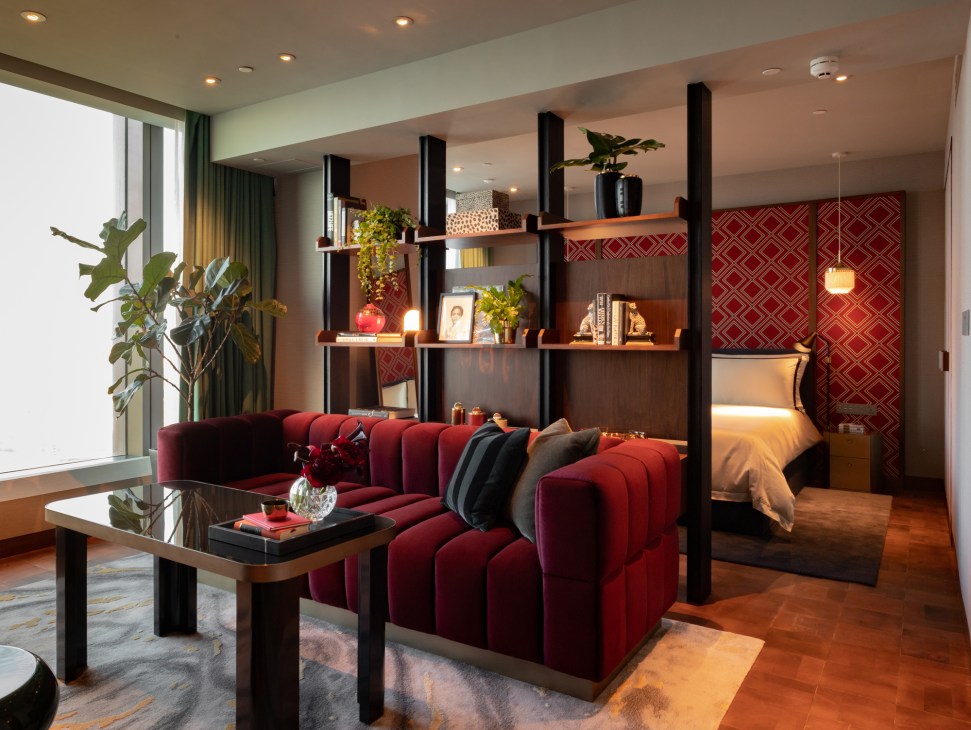
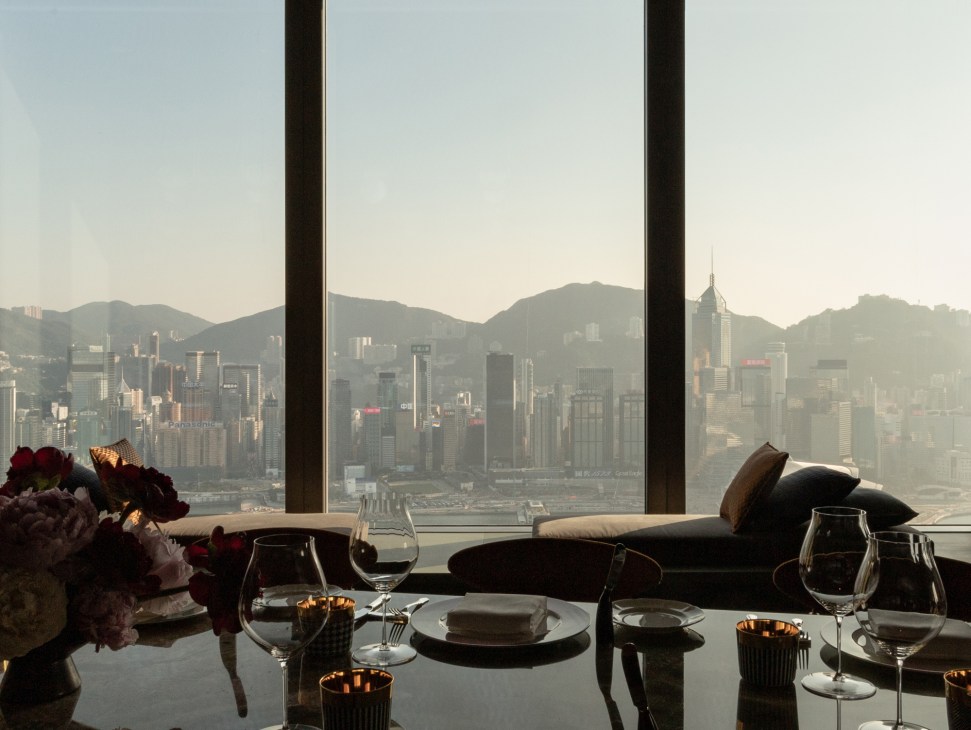
The intimate scale of the layout, inside what is a huge modern skyscraper, is another subtle reference to its New York namesake. From the library to the music room, few spaces would look out of proportion in a refined residence. “We wanted to create a whole series of curated rooms to support different uses and different times of day,” adds Crawford.
There is an expectation, given its Kowloon location, across the harbour from the cbd, that members will stay longer than at rival clubs on Hong Kong Island. “It’s really interesting to make things that become part of the fabric of people’s lives,” says Crawford. The end result certainly doesn’t feel like a Manhattan import, nor a typical Hong Kong club. International members will feel right at home, albeit without getting lost – postcard views of Victoria Harbour appear out of most windows. “Carlyle & Co is most definitely a global brand,” says Cheng, who plans to expand overseas.
carlyleandco.com
Sense of belonging
Members’ clubs have had a hard year. The one-time attraction of mingling with like-minded people has been a little less appealing during a pandemic but investment now should pay dividends when the world is moving again. Global players such as Soho House & Co have doubled down on their investments, even as spaces have shuttered. The Rosewood team is also betting that club culture can survive and thrive.
Picture perfect
Single-occupancy guesthouses, or single-room hotels, are a timely response to the current challenges faced by the hospitality industry. They offer a professionalised version of Airbnb; a hotel just for you and without the stress of other guests. But the latest arrival on Copenhagen’s increasingly diverse hotel scene will have a special appeal for those well-disposed to Danish design.
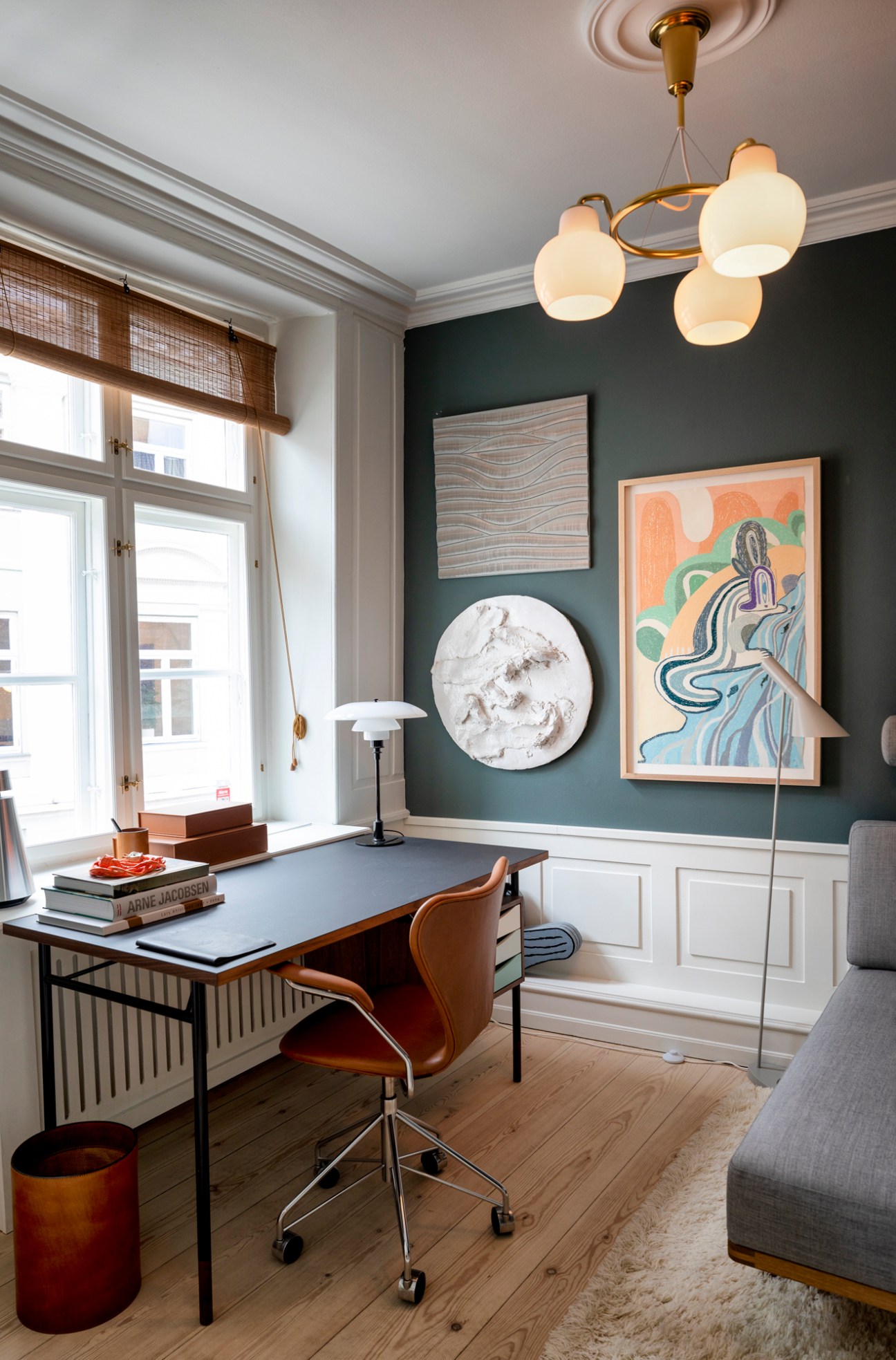
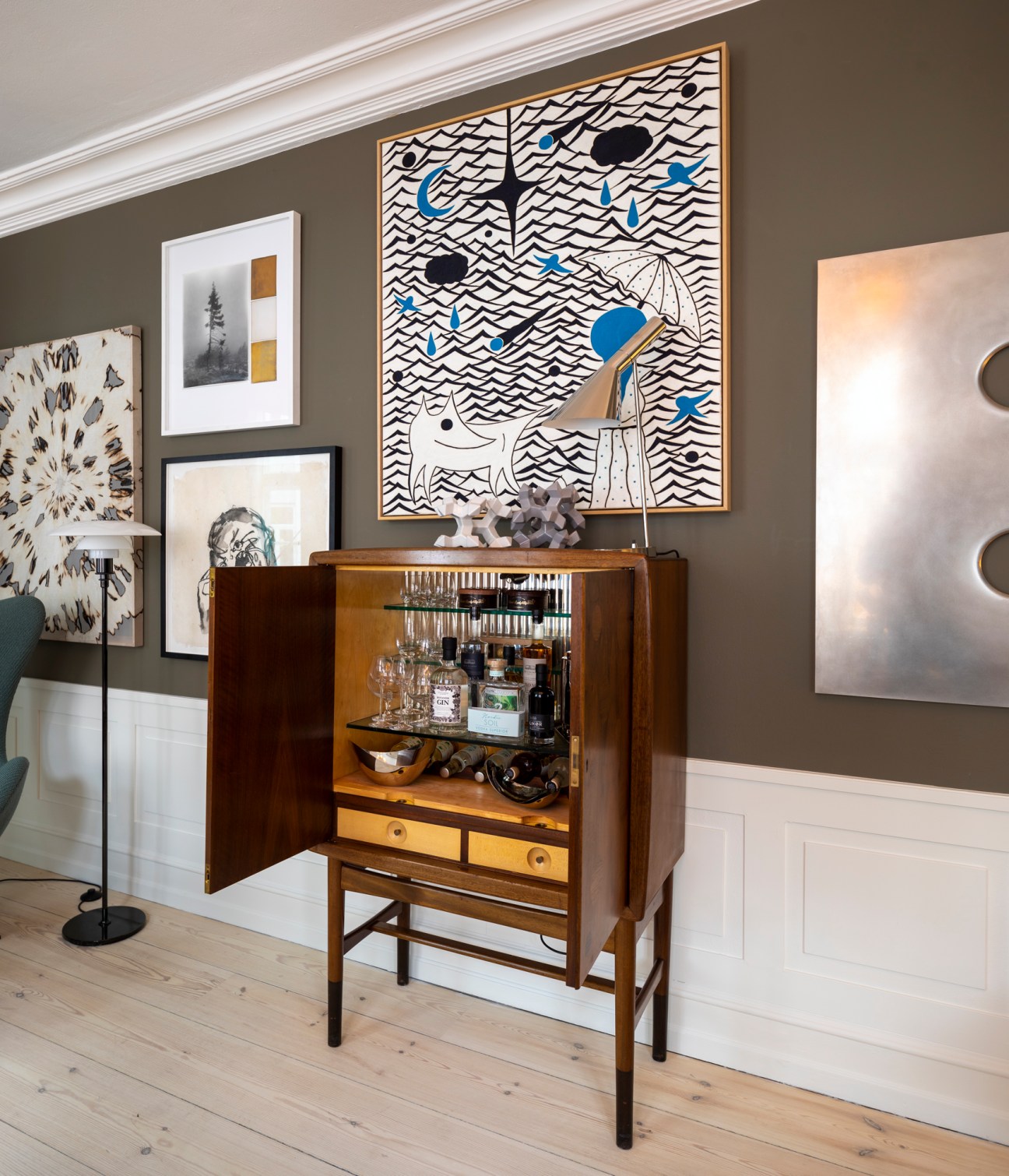
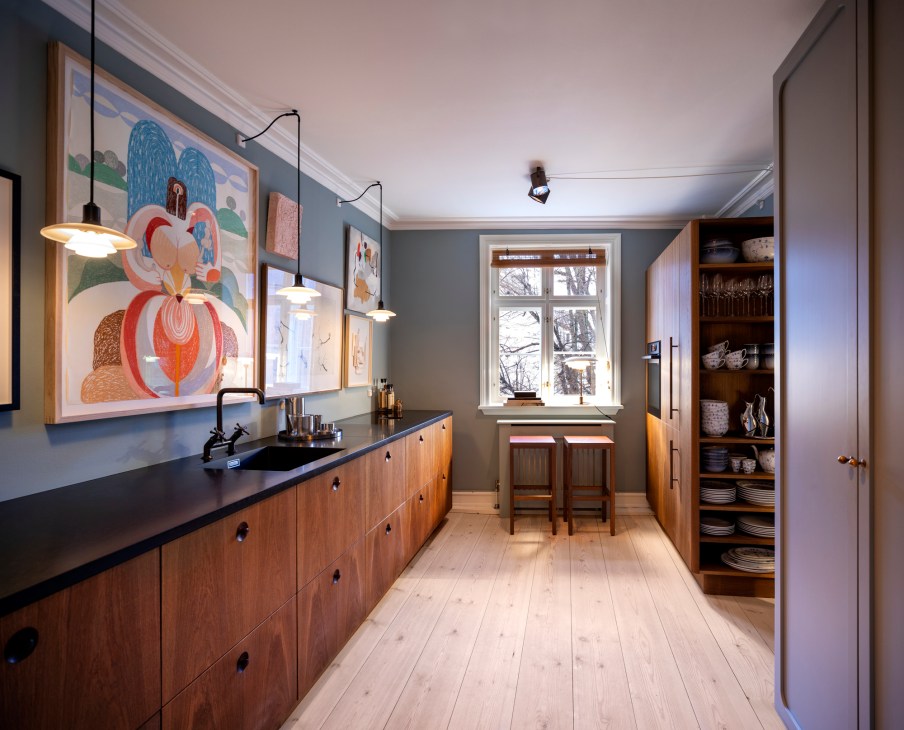
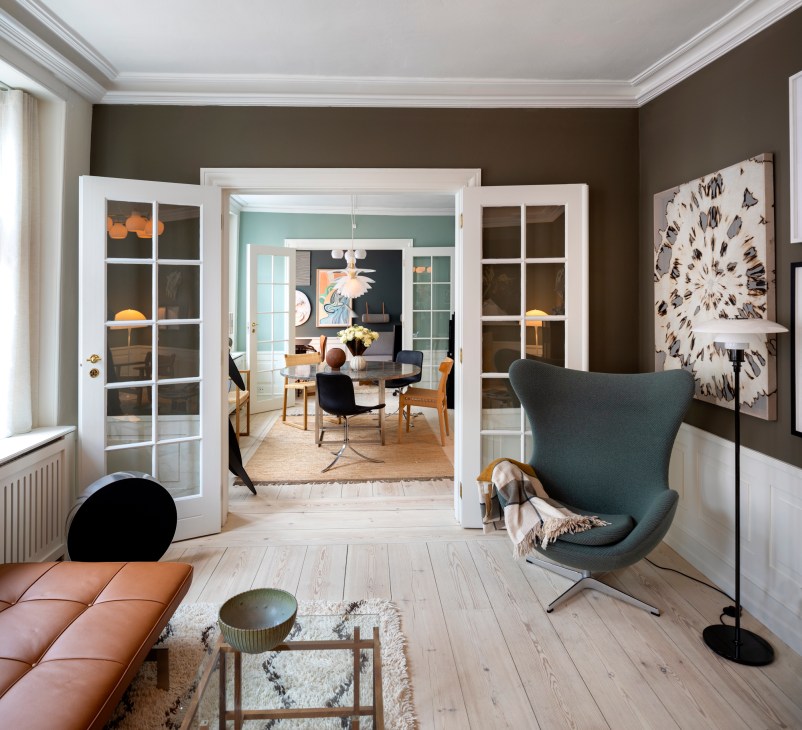
In a large second-floor apartment located in a charmingly wonky 18th-century townhouse along Strøget, the city’s main pedestrian shopping street, The Darling is full of pieces by some of Denmark’s much-admired furniture masters, including Finn Juhl, Poul Kjaerholm, Hans Wegner, Børge Mogensen and Arne Jacobsen.
“This is the first time that anyone has opened a design-oriented hotel that encompasses so many different classic brands,” says The Darling’s co-owner Jens Løkke. The apartment now functions as an ad hoc Danish design museum, with even the tableware (Royal Copenhagen), silverware (Georg Jensen) and glassware (Holmegaard) made by homegrown brands.
To bring things a little more up to date, furniture-makers Københavns Møbelsnedkeri created a bespoke kitchen from smoked oak, the bed is by dux, and all the art is contemporary, sourced in collaboration with a handful of Copenhagen galleries. You can probably guess who made the television and sound system.
“We realised that it was important to give it a little edge so that it didn’t feel like a museum but more like a home”, says Løkke. To this end, designer Helene Blanche has provided bespoke wallpaper, Copenhagen interiors company File Under Pop have mixed a new shade for the walls inspired by the verdegris of Copenhagen’s church spires, and tea merchants Sing Tehus created a special blend for breakfast.
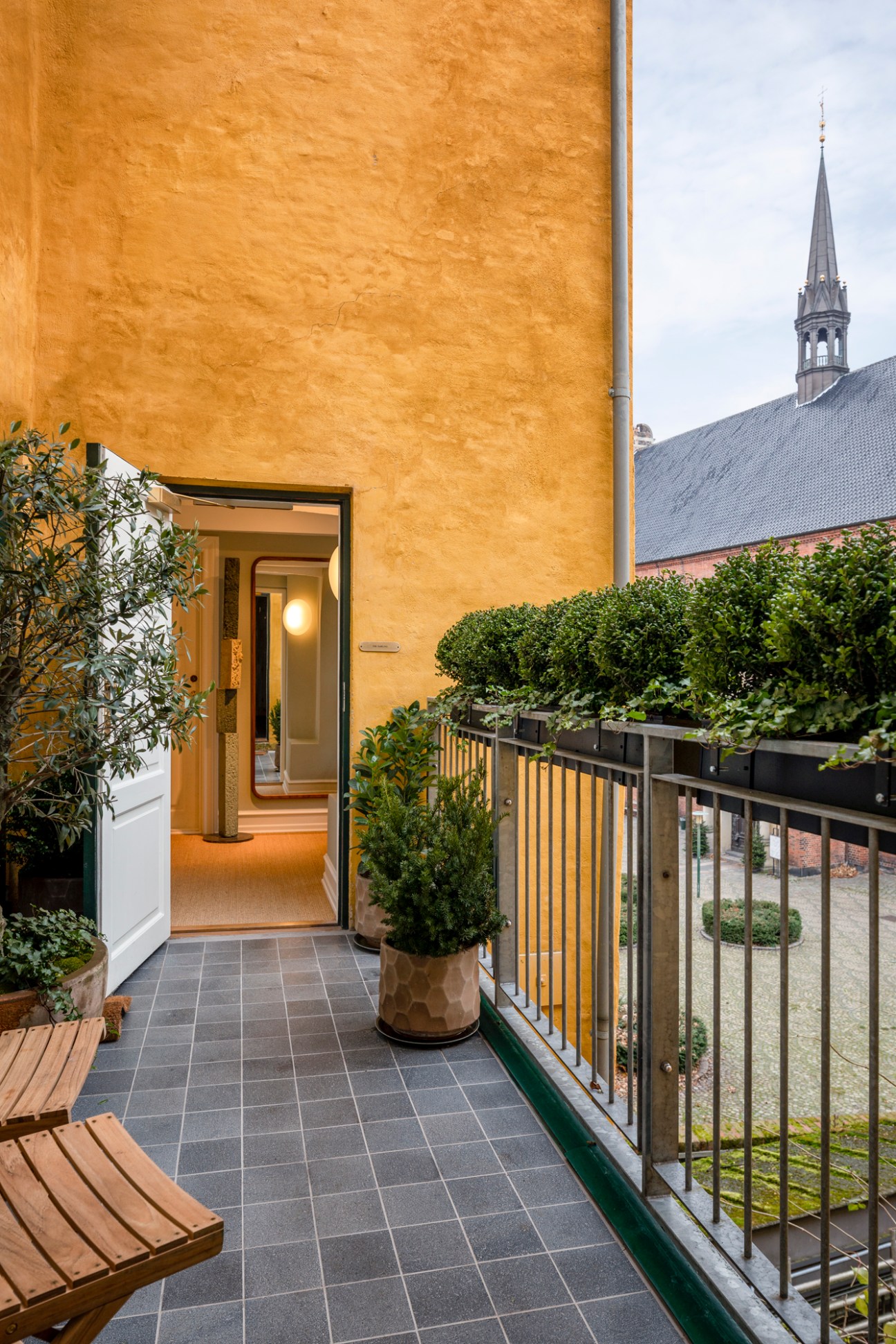
Løkke and his business partner Uffe Buchard have borrowed all the furniture directly from the brands, many of whom the pair have collaborated with in the past through their branding company Darling Creative Studio; all of these pieces are available for purchase. Most of the represented companies have their flagship shops within 500 metres of the apartment, in what is sometimes referred to as Copenhagen’s design district.
The cost of the apartment includes a pre-arrival concierge service for help with reservations and entertainment: a private chef can also be arranged should you prefer to stay in. And who could blame you if you took advantage?
thedarling.dk
Hop to it
As Greek poet CP Cavafy put it, it’s not about the destination but the journey. While you can jet into many Greek islands (Mykonos, Santorini, Naxos and Paros, to name just a few), there’s something special about navigating the outcrops by sea. Whether you’re booking yourself onto one of the many ferry routes or renting your own sailboat, there’s nothing like soaking in the atmosphere as you come into port. And travelling this way you feel more off-grid, more able to reset body and mind for what lies ahead.
The southern Aegean is home to the Cyclades and Dodecanese, two sets of islands that can be both wild and charming; the proximity of one island to another means you can pack in a lot. To an untrained eye they might all look the same: stucco-built towns of white and blue, churches, village squares and pretty beaches. But every island has its own claim to fame that sets it apart from the rest and, if you’re willing to cast your net a little wider and holiday like a local, there’s much to explore besides Mykonos and Santorini.
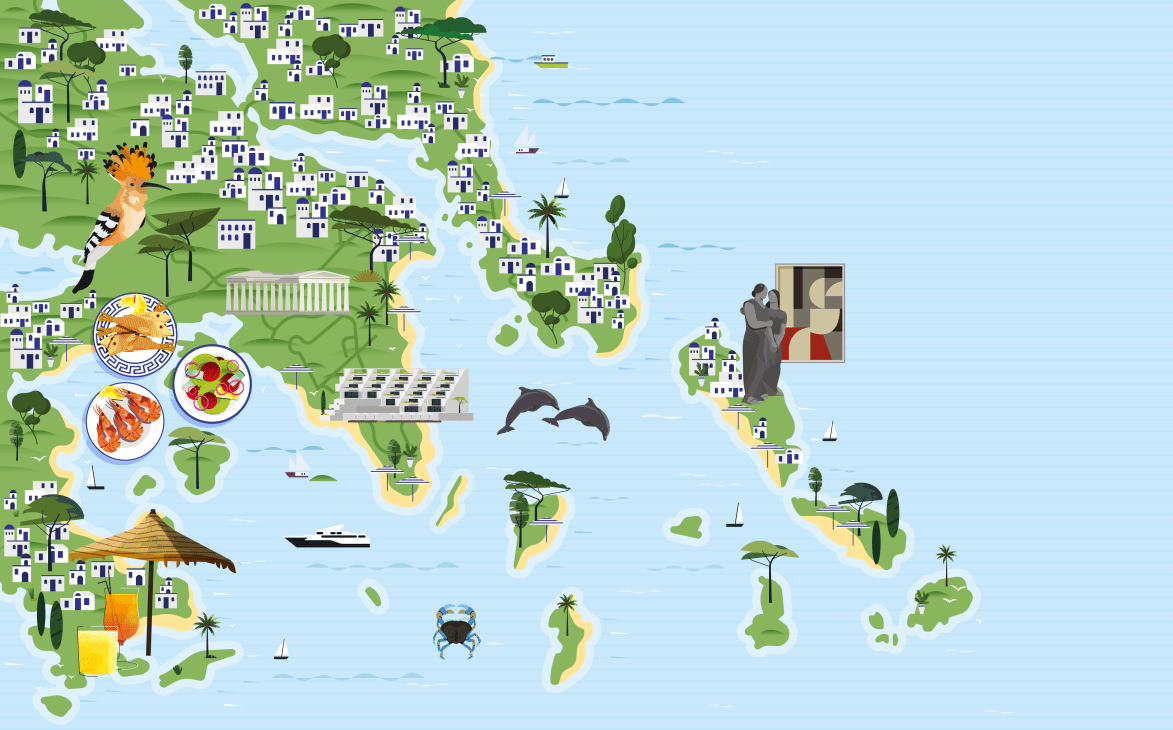
From a café and cocktail bar built into rocks jutting out to sea, to the island known for its year-round hiking and contemporary art, via the beaches putting Greece on the surfing map, we highlight some stops you need to check off your list. Just don’t forget to enjoy the journey as you’re carried along by the meltemia (summer winds). It’s time to set sail.
1.
Margaro, Piraeus
For Greeks, nothing signals the start of summer more than catching that first salty breeze as you cross through the gates into Piraeus port. While rushing to catch the ferry is almost a tradition for locals, it’s worth arriving early to spend a few hours in Piraeus. Visit the much-loved taverna Margaro, tucked next to the naval academy, for a no-fuss menu serving only the staples: feta salad, fried shrimp and fried red mullet.
margaro-restaurant.com
2.
Hydronetta café and bar, Hydra
A daytrip favourite and under two hours from Athens, Hydra, one of the smaller territories, packs the best of island life into one neat package: a tranquil old town with stone houses and tiled roofs, delicious cuisine and no cars. No wonder artists and musicians such as Leonard Cohen made it their home in the 1960s. While Hydra lacks sandy beaches, the alternative makes up for it. Hydronetta café and bar perches on a rocky outcrop above the sea, with stone steps leading down to the water.
3.
Museum of Contemporary Art, Andros
There’s plenty more to Greek islands than tavernas and sun-soaked beaches – and Andros, the northernmost of the Cyclades, is a case in point. A hiker’s paradise with year-round trails, it’s also an artistic paradise: the Museum of Contemporary Art, which opened in 1979, has hosted works by Picasso, Rodin and Matisse, alongside Greek greats Michael Tombros and kinetic artist Takis. Don’t miss the roof garden.
goulandris.gr
4.
Modern villas to rent, Antiparos
Southwest of Paros, its laid-back sibling Antiparos has gathered a loyal fanbase of Greek and international visitors. The island, which counts Tom Hanks as a summertime resident, has built a community around a modern-architecture movement. Many of its summer houses are reinterpretations of traditional Cycladic architecture, with contemporary villas designed by the likes of Tokyo-based Atelier Bow-Wow, Swiss firm Harry Gugger Studio and Greece-based Deca Architecture. Check out the Helix, Gia12 and Cliffhanger villas, all available to rent through Oliaros Properties.
oliarosproperties.com
5.
Polyaigos & Kimolos
Polyaigos is a tranquil mid-sea meeting point for anyone with a boat around the islands of Milos, Kimolos, Sifnos and beyond. As one of the largest uninhabited islands in the Mediterranean, it has some of the richest blue waters you’ll find and an impressive chain of sea-level caves. Rent a boat from neighbouring Milos and head for the islet’s southern tip. The literal translation of Polyaigos is “many goats”, after its only full-time residents.
6.
Estate Argyros winery, Santorini
The Aegean islands have been active in viticulture since ancient times and a slew of family-run wineries are continuing those traditions. Estate Argyros, one of Santorini’s oldest continually running wineries, was founded in 1903 and is now overseen by the fourth generation. Don’t be fooled by the island’s volcanic soil: Santorini is fertile ground for delicious indigenous varieties. Book a tour of the estate’s minimalist main building, designed by local architecture studio Oikos, and try the naturally sweet vinsanto dessert wine.
estateargyros.com
7.
Pori beach, Koufonisia
Koufonisia is unassuming, with kaikia (wooden fishing boats) moored along its coast and fewer than 400 year-round inhabitants. Its relaxed charm draws to its golden sand. Rent a bike and cycle from one end of the island to the other in an hour, passing by the beaches of Pori, Italida, Finikas and Ammos – and be sure to visit Gala cave.
8.
Ikaria Surf School, Ikaria
Greece isn’t considered a prime destination for surfing, unless you know where to look. Come August keen surfers flock to Ikaria, which is steadily building a reputation for its waves. Playing its part is Ikaria Surf School on the northern beach of Messakti, where help from the meltemia makes the waves ideal for both advanced and beginner surfers. While you’re there, check out Blue Zone for climbing and bouldering classes.
ikariasurfschool.com
9.
Mylos Fish Restaurant, Leros
It’s worthxa taking a detour when food is involved. Leros is part of the Dodecanese island complex in the southeastern Aegean and home to Mylos Fish Restaurant. This family affair run by brothers Giorgos and Marios gives a contemporary take on classic dishes. The common denominator is always fresh fish – think octopus carpaccio, tuna sashimi, kataifi cheese rolls and calamari in pesto sauce, or just the humble catch of the day. Plus, thanks to the waterfront setting, you can listen to the soft waves breaking on the shore as you eat.
mylosexperience.gr
10.
Astir Palace, Athenian Riviera
The Astir Peninsula on the southern coast of Athens is an easy escape, being just 30 minutes by car from the city centre. Its crowning jewel is Astir Palace, a hotel that was bought by Four Seasons in 2018. With 303 rooms, it’s one of the nation’s only big internationally run hotels. Renovated by Greek practices Aeter and K-Studio, the original buildings have been preserved, while the interiors have been given a facelift. Among other attractions here you will find three lounges, a taverna, a spa and 2,000 contemporary Greek artworks.
fourseasons.com
Check-in time
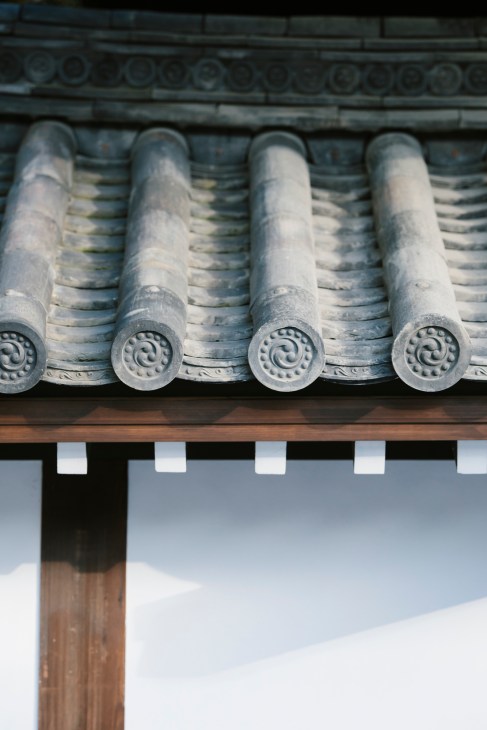
In Japan, domestic tourism is booming and long-slated projects are opening. In the luxury sector, brands such as Park Hyatt, Aman and Four Seasons have put home-grown options in the shade. That was until November 2020 when Hotel The Mitsui Kyoto opened its grand Kajiimiya Gate, dating from 1703. The 161-room hotel with a hot spring was a fresh and unmistakably Japanese launch.
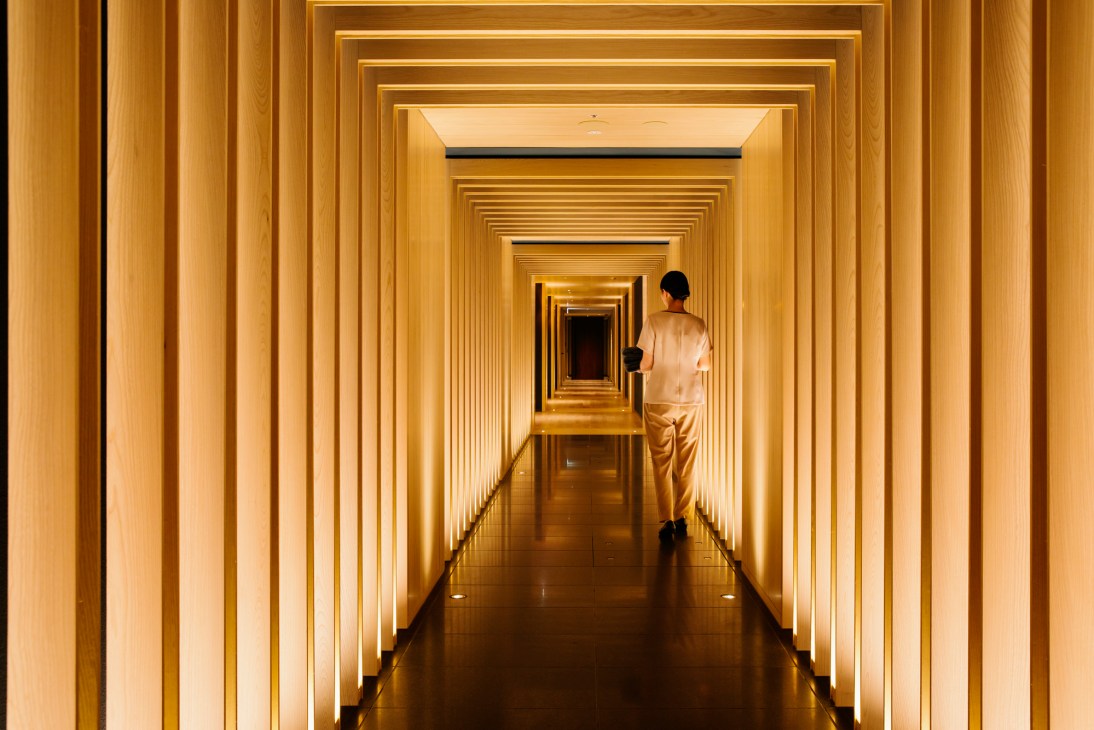
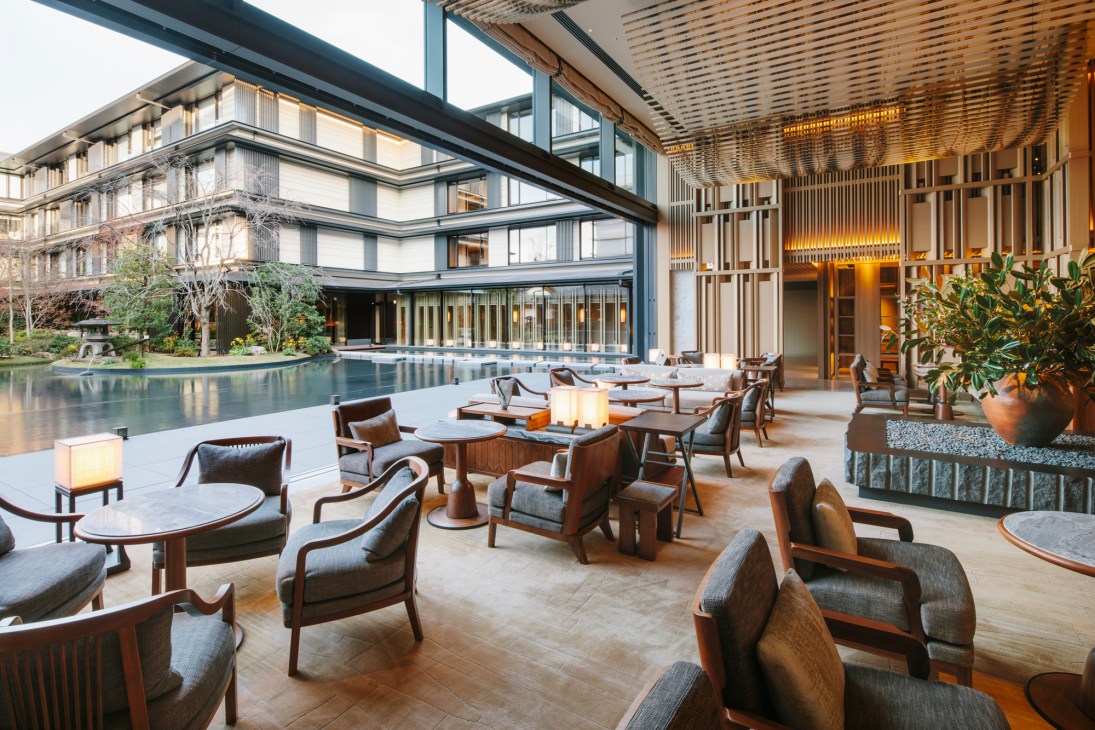
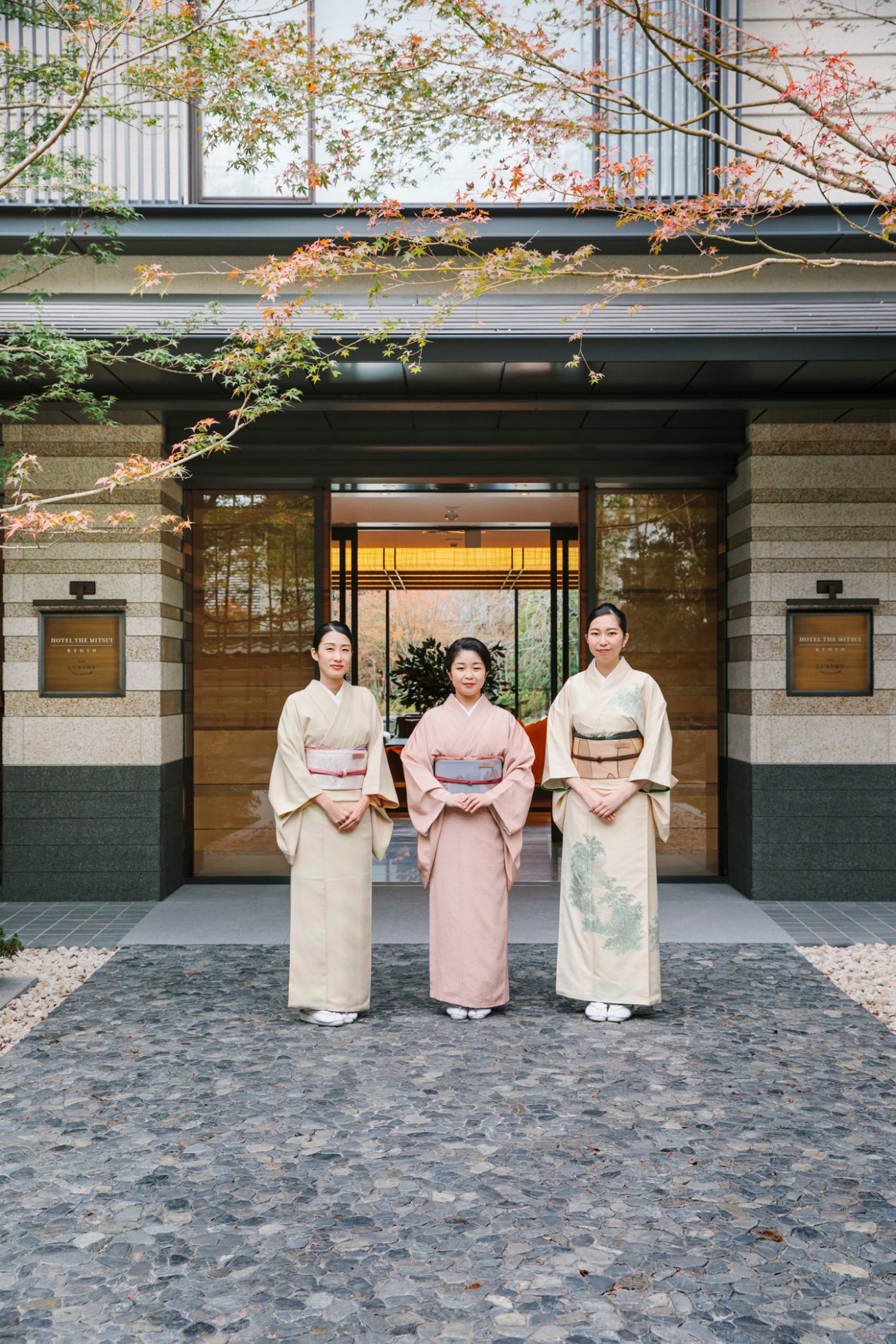
The site, which is opposite Kyoto’s Nijo Castle, had belonged to the Mitsui family since 1691. The family lost the plot of land after the Second World War, before the Kyoto International Hotel opened here in 1961. When the Japanese institution closed in 2014, Mitsui Fudosan, the property wing of the vast Mitsui Group, saw an opportunity. “Mitsui has been in the luxury hotel business in Japan by bringing in foreign names, such as Mandarin and Ritz,” says general manager Manabu Kusui. “From here we wanted to build a Japanese luxury hotel from scratch under the Mitsui family name.”
Mitsui already had a portfolio of luxury chains that it runs in Japan, including the Halekulani in Okinawa (plus the original in Honolulu) but its domestic outlets, such as Mitsui Garden Hotel, were functional rather than fancy. “If you ask people what the best hotel in Kyoto is, you will probably only hear non-Japanese names,” says Kusui. Having worked for big names including Park Hyatt Tokyo and Mandarin Oriental in Hong Kong for more than 20 years, Kusui knows his onions when it comes to accommodation.
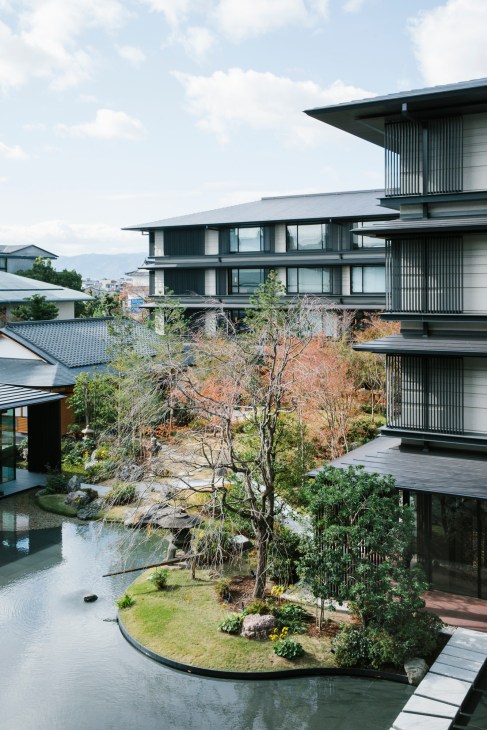
The Mitsui team went all out, commissioning Japanese architect Akira Kuryu as master design advisor, and landscape designer and Kyoto native Shusaku Miyagi to produce the Japanese garden. Parts of the hotel’s sophisticated interiors were conceived by Hong Kong-based designer André Fu, others by Yohei Akao. The team went as far as digging and excavating an onsen 1,000m below ground.
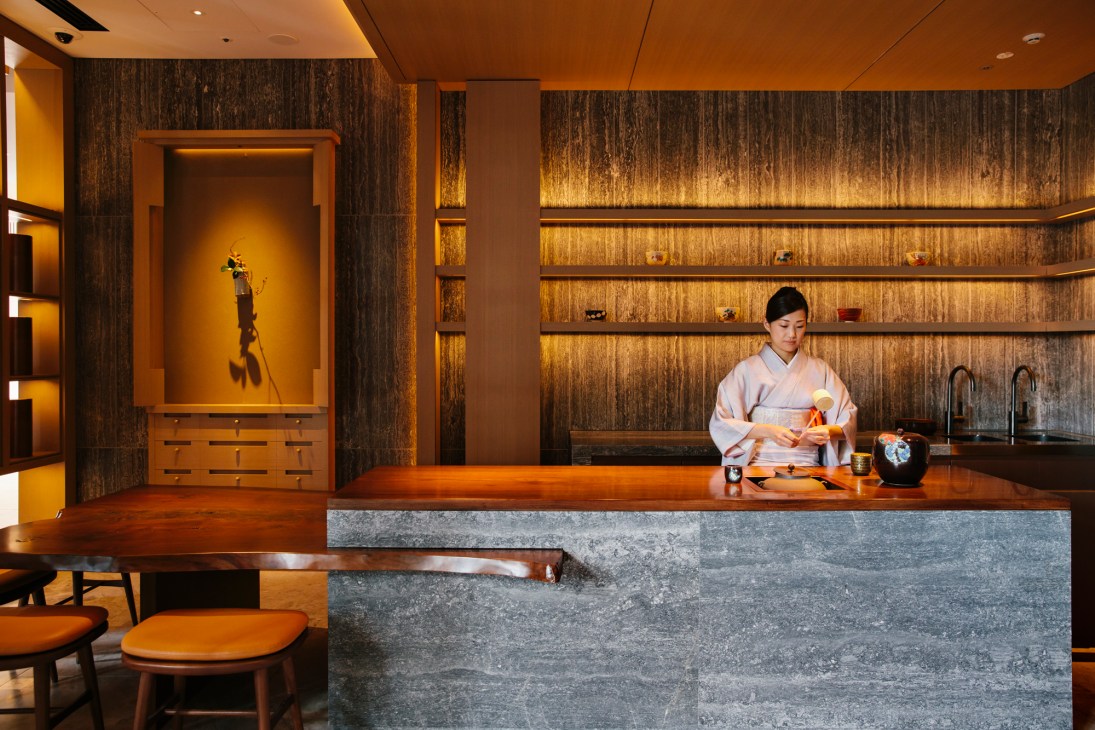
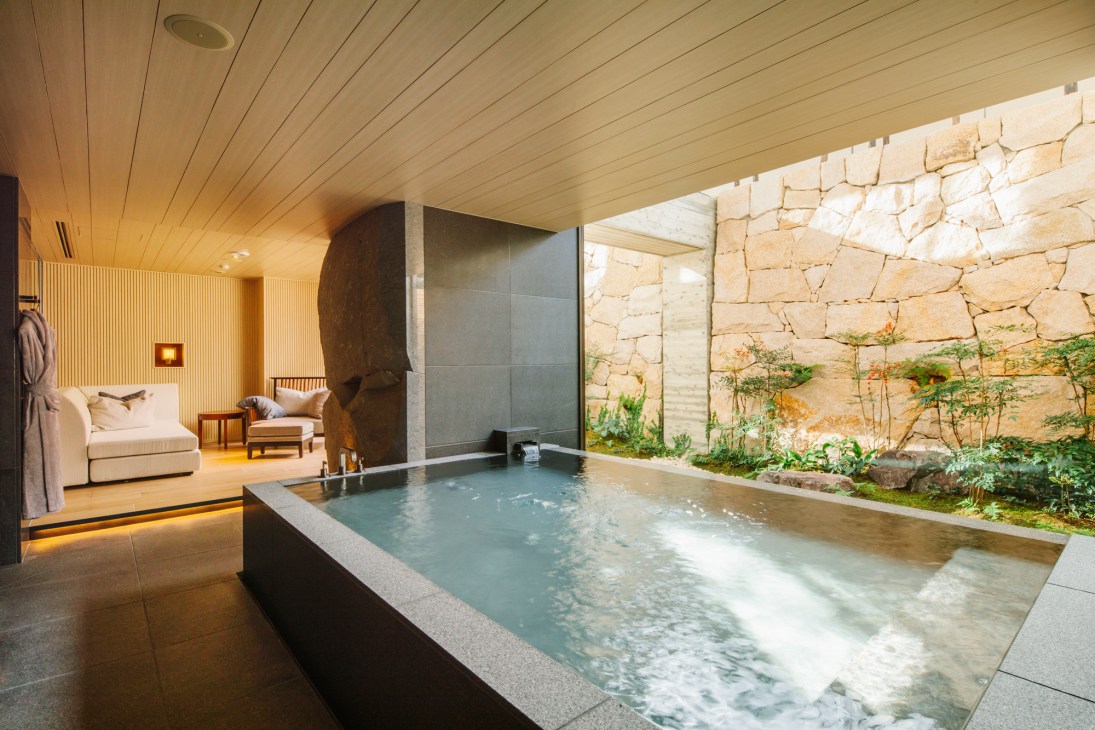
The basement is home to the dimly lit thermal-spring spa (men and women together, in swimming costumes) and two private onsen rooms for guests only that are each more than 100 sq m. At the main restaurant, Toki, guests can tuck in to teppanyaki with a French-inspired twist prepared by head chef Tetsuya Asano, who was called in from Ritz Paris, and plenty of Japanese whisky and gin at the bar.
The garden, dotted with an impressive Yaebeni shidare-zakura cherry tree from Fukushima and centuries-old stone lanterns, is an urban oasis, and the Chakyo tea-ceremony room, directed by tea master So’oku Sen, is operated in approachable ryurei style, with tables and chairs.
“We want to become an institution that represents this old historic city,” says Kusui, thoughtfully. Mitsui is already different to its rivals – it’s Japanese for a start. But, more than that, it feels like a first roll of the dice, the beginning of something new and we would love to see more Japanese names mixing it in their own market.
hotelthemitsui.com
Step to it
A sturdy pair of shoes that are comfortable, well designed and made to last are arguably the most important items in our wardrobe – but they can also be the hardest to find. Although buying once and buying well might take longer, finding products that stand the test of time is not only sensible but more satisfying too.
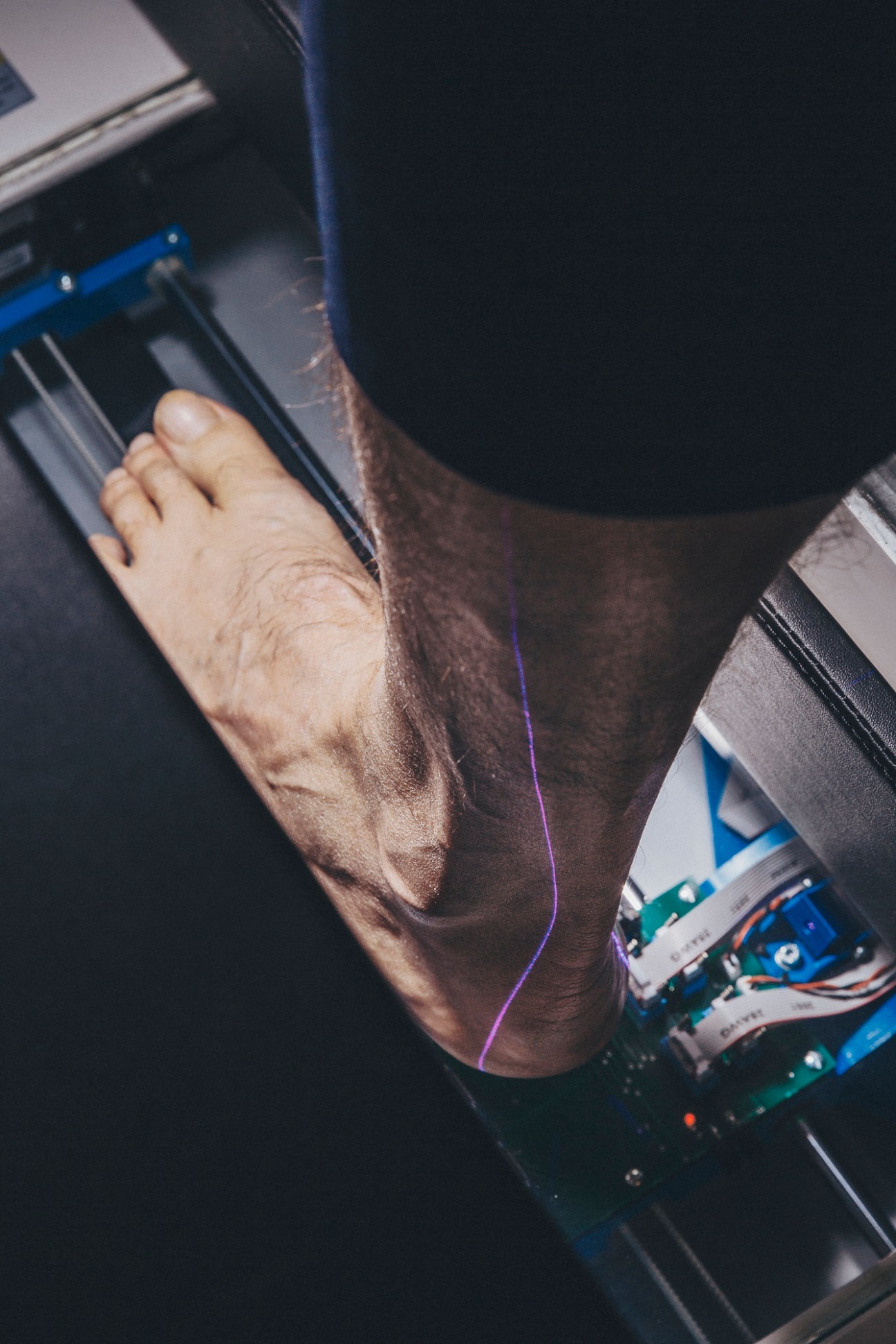
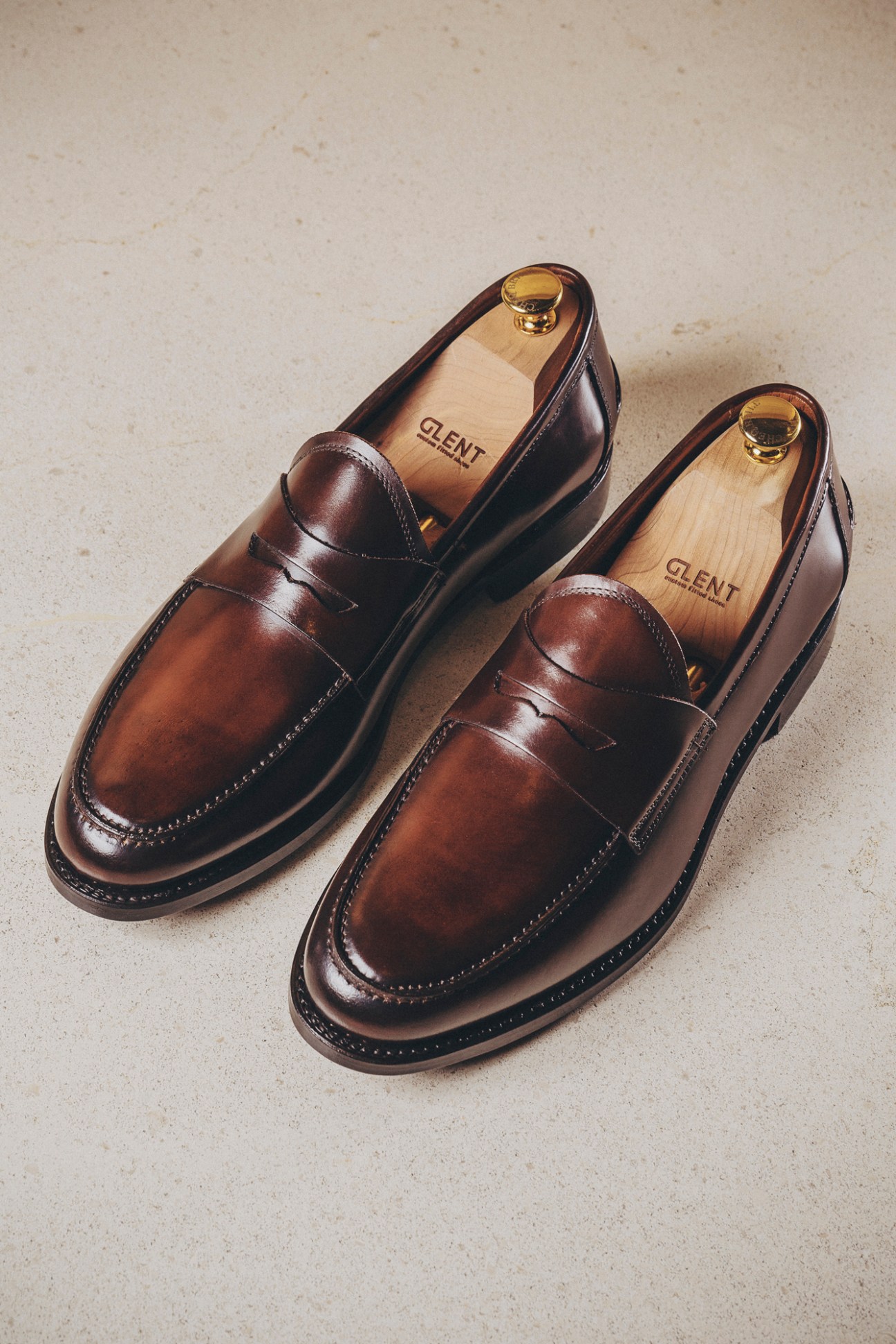
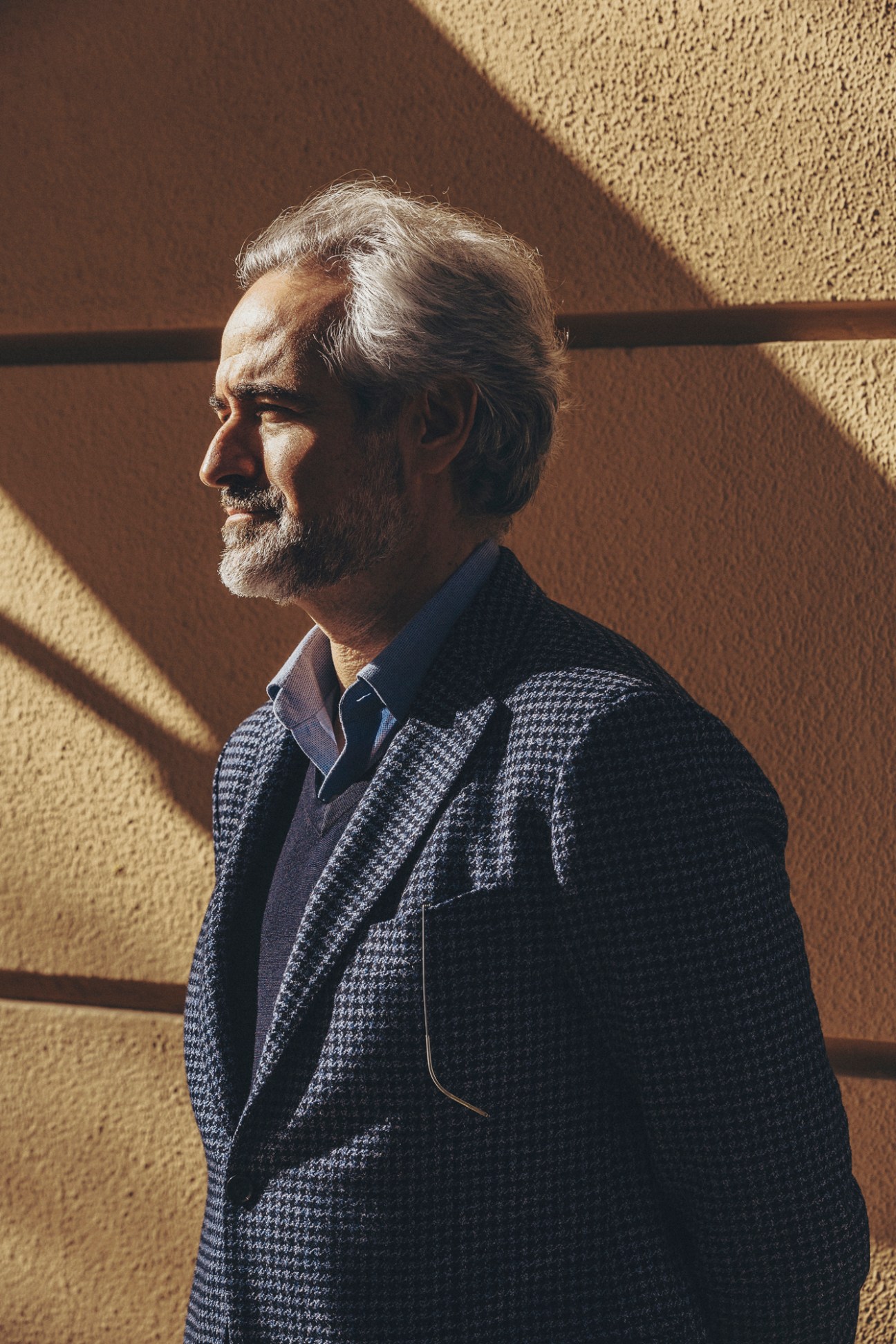
Madrid-based Glent Shoes, founded in 2014, specialises in custom-made men’s shoes by combining Spanish craftsmanship with cutting-edge technology. In its shop in the Spanish capital, customers’ feet are measured using a 3d laser scanner that calculates their precise shape and size. “A lot of knee and hip problems are caused by bad footwear,” says company director Carlos Baranda. “We measure each foot individually because people are not symmetrical.” Glent even employs a team of podiatrists who make sure that the product meets a customer’s specific needs.

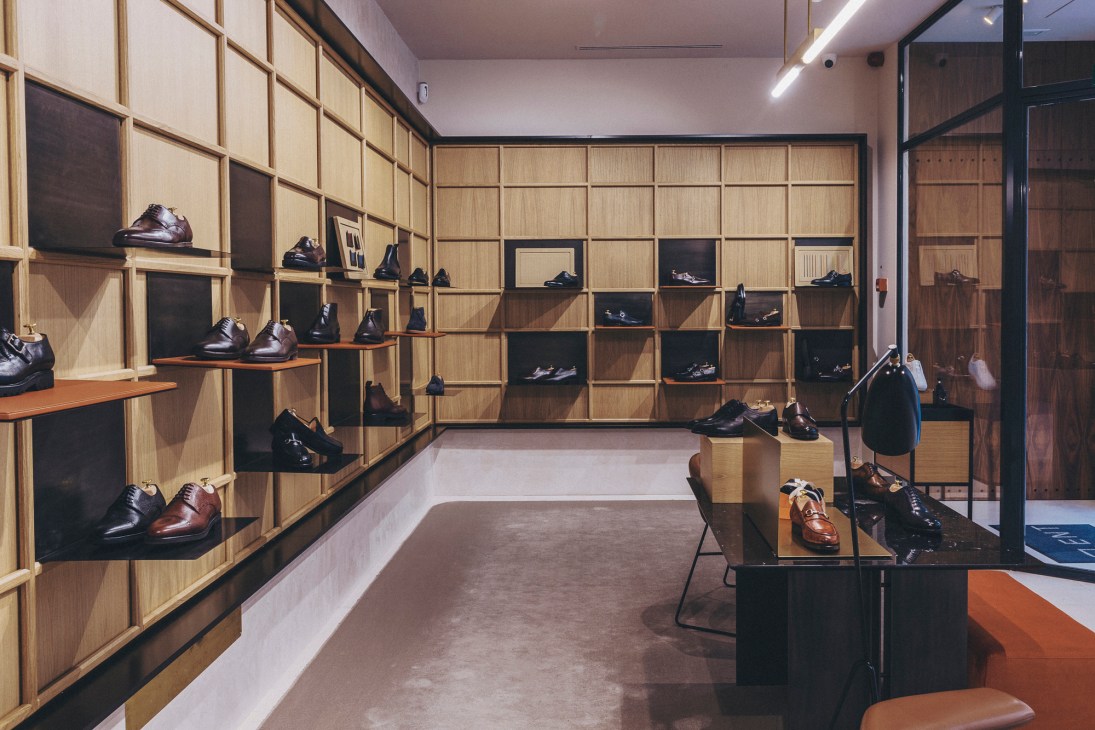
The loafers can be personalised down to the smallest detail: there are 60 different models to choose from, as well as various choices of leather, lining and sole (Baranda recommends a more resistant rubber if you live in northern Europe; leather for sunnier climes). Every pair is handmade in workshops around Spain and shipped to customers worldwide. For those able to revisit the shop, the brand offers maintenance services too, from polishing to replacing the soles. “Experienced artisans and quality materials are crucial when it comes to durability,” says Baranda. “The shoes are repaired by the same people who made them, so the result is almost like new.”
glentshoes.com
Making the case
While we get plenty of use out of a wheelie suitcase, some journeys call for more heft. On those occasions, our top choice would be a handmade leather case or trunk from Japanese maker Masumi Hono. Masumi has been in business since 1916, making hat boxes for the imperial family, cases for kabuki (Japanese dance) performers and torch boxes for the 1964 Tokyo Olympics. Today the company is run by the third-generation owner Kenji Uemura, who took over from his father about 20 years ago. The workshop and showroom sit in a wooden structure that was once the family home. “I thought it was time to make a place where people could come and see what we do,” says Uemura.
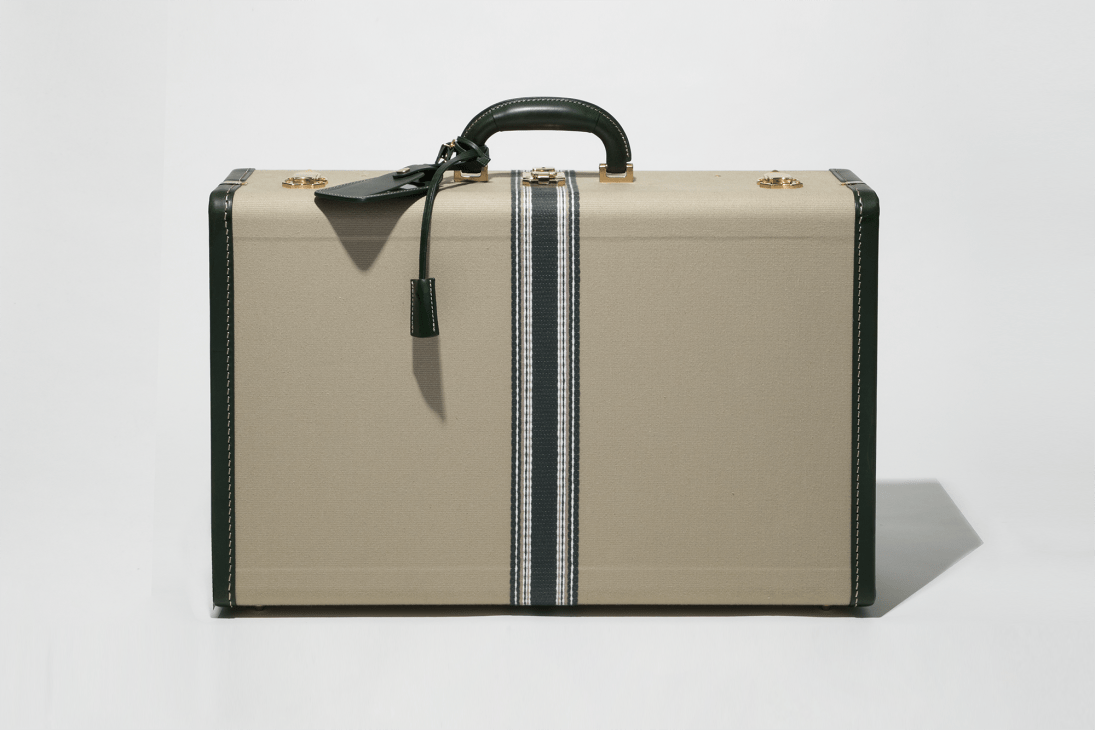
A traditional kura (storehouse), with thick walls and a heavy door, is now a private showroom. vip customers sit at a large wooden table and choose from Italian buttero leather, German shrunken calf, Japanese leather from Himeji and English bridle leather; they come in colours that cover the classics and bolder choices, such as sakura pink. Kiri or Paulownia wood is used for the frames of small suitcases, cedar for bigger trunks, with the linings made from Japanese jacquard. Masumi is located in the city of Toyooka, on the Sea of Japan coast, which is the centre of Japan’s bag-making industry. Uemura’s father, Michio, still runs a bag workshop in town.
Masumi’s craftsmen can make travelling trunks, belted suitcases, doctor’s bags and attaché cases as well as handbags, wallets and jewellery boxes. The in-house woodwork team can also turn its skills to storage chests and retail displays. So even if you’re not planning to go anywhere, you can order trunk furniture (they made a piece for the Japanese emperor). You can go full or semi-bespoke and bags can be returned for repairs. “Our customers love the romance of travel,” says Uemura. These are investment pieces that future generations will thank you for. masumihono.com
Happy meals
The studio we would hire to design our
Hospitality project
OEO, Copenhagen
Since founding their multidisciplinary design studio OEO in 2003, Thomas Lykke and Anne-Marie Buemann have been perfecting their approach to transforming existing infrastructure into beautiful and inviting hospitality projects. An approach, they explain, which is rooted in dialogue and aimed at creating human-centred spaces through careful and balanced use of colours and materials, and where lighting and acoustics are just as important.
“First, we invest time talking with the client to understand the experience they want to create, where people feel welcomed and embraced,” says Lykke. He refers to Kadeau, a Michelin-starred restaurant headed by Nicolai Nørregaard and housed in a former yoga studio, for which OEO recently completed a project around the concept of “open privacy”. The team ensured impeccable acoustics by using sound-absorbing materials and added bespoke design pieces reminiscent of the chef’s native Bornholm island to develop interiors that would match the culinary experience. “While the food was great, the interiors weren’t,” says Lykke. “So we took it to the next level.”
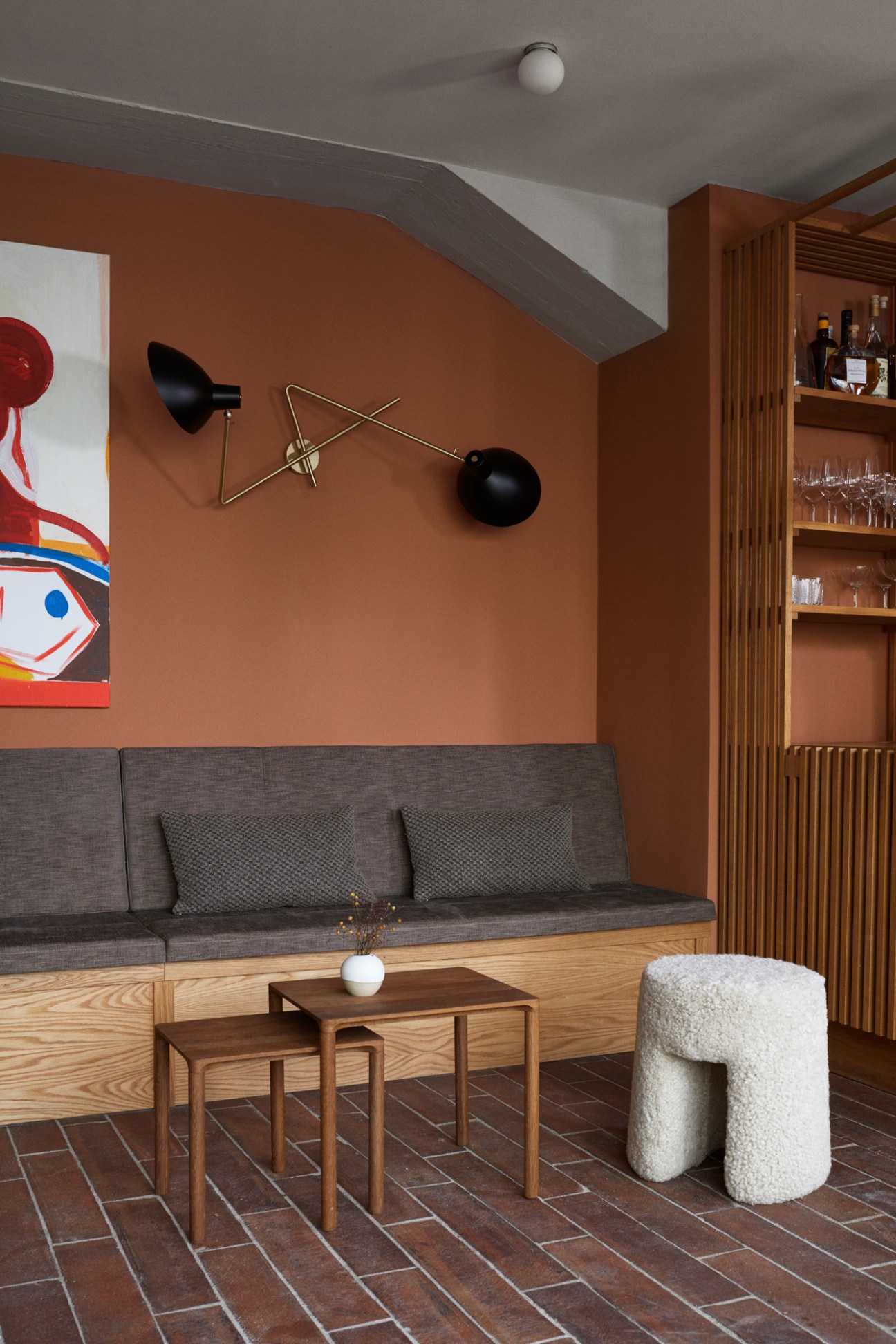
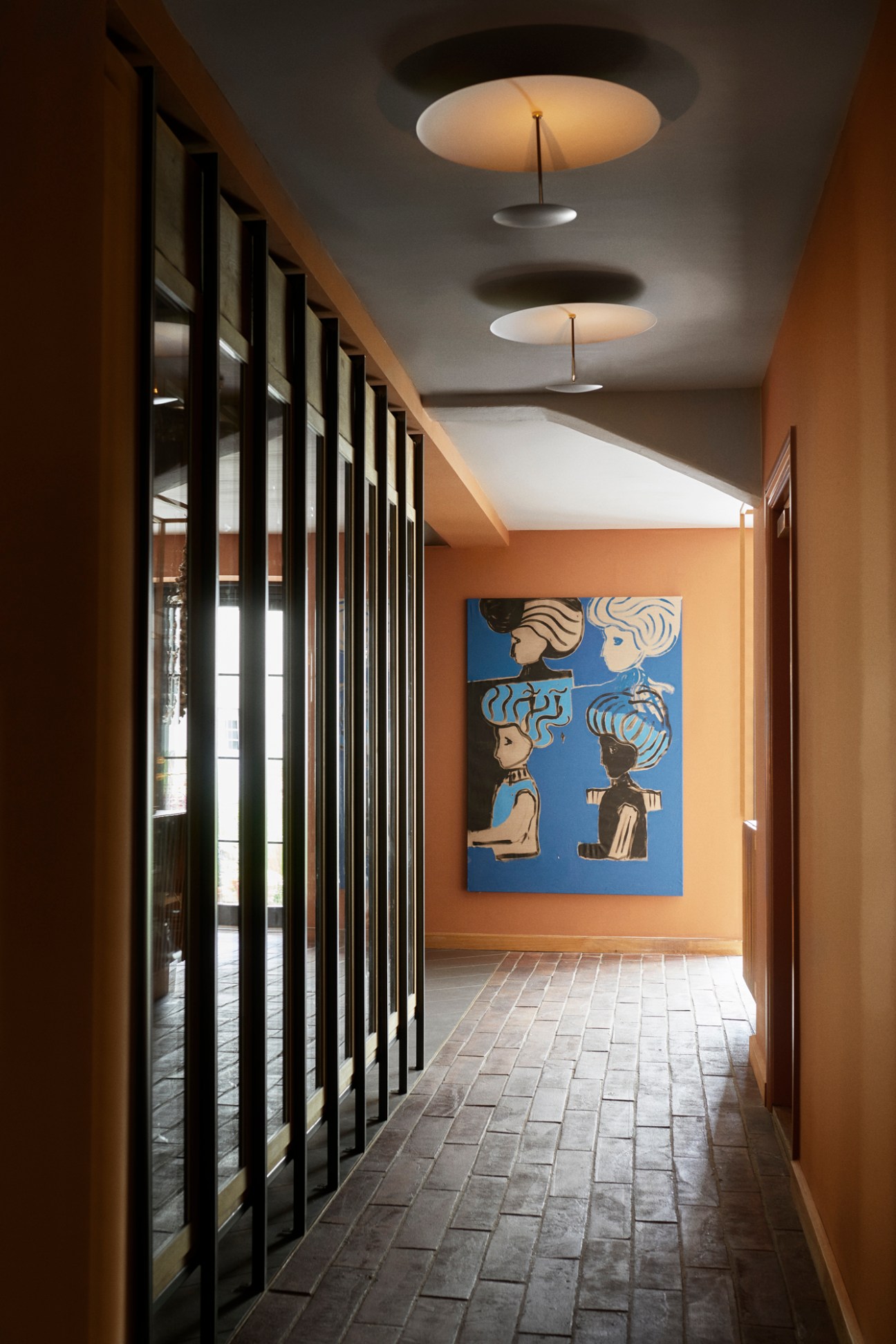
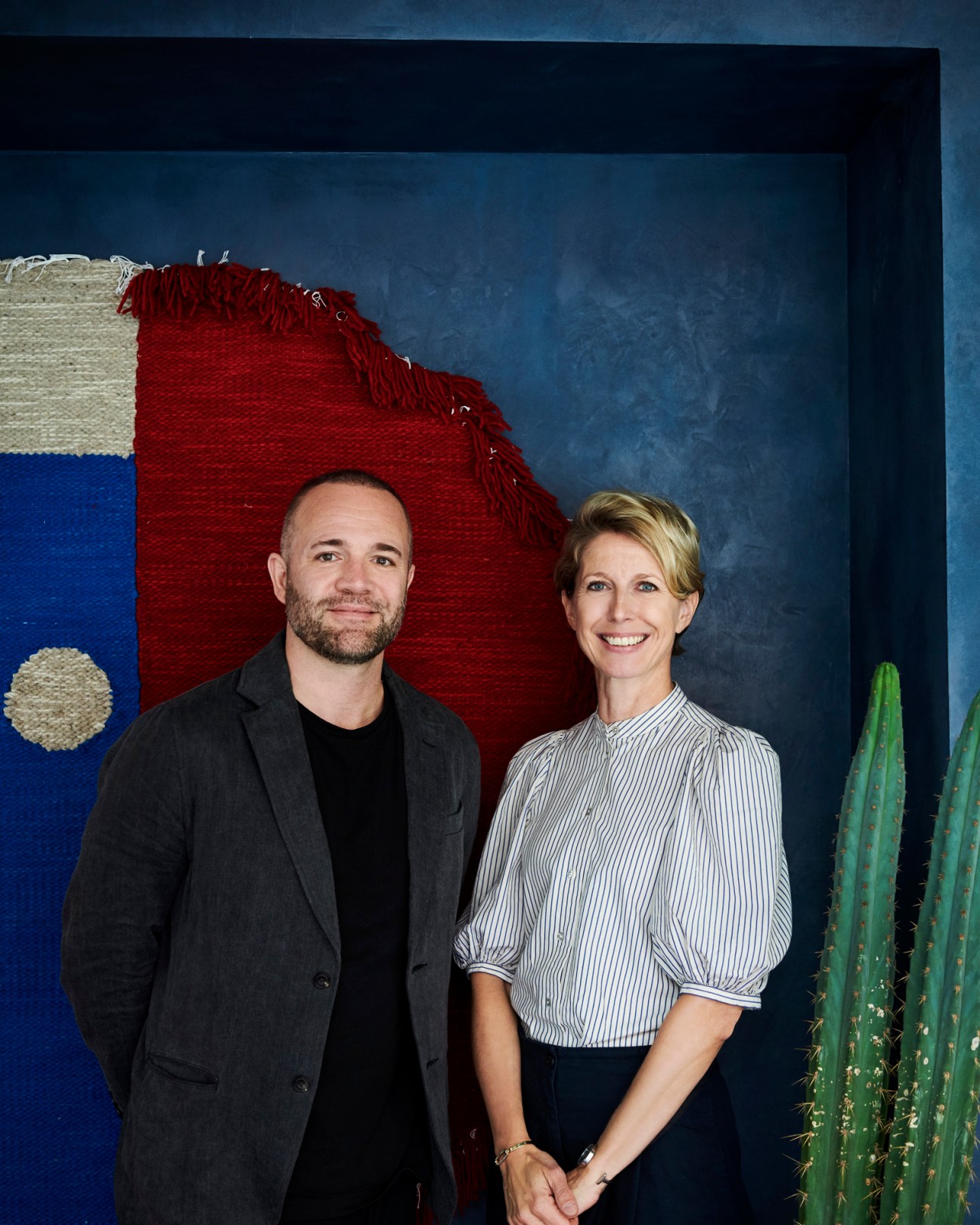
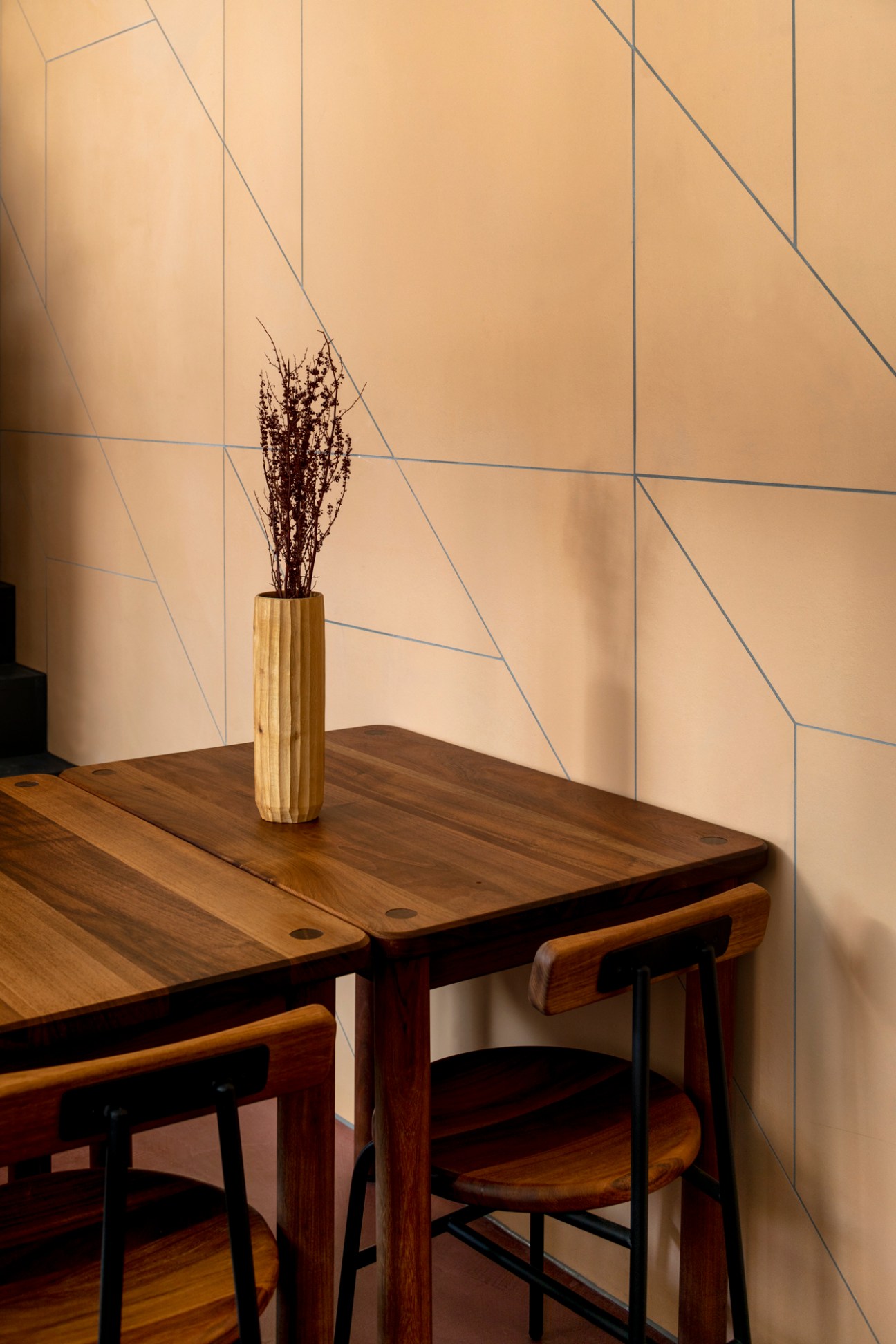
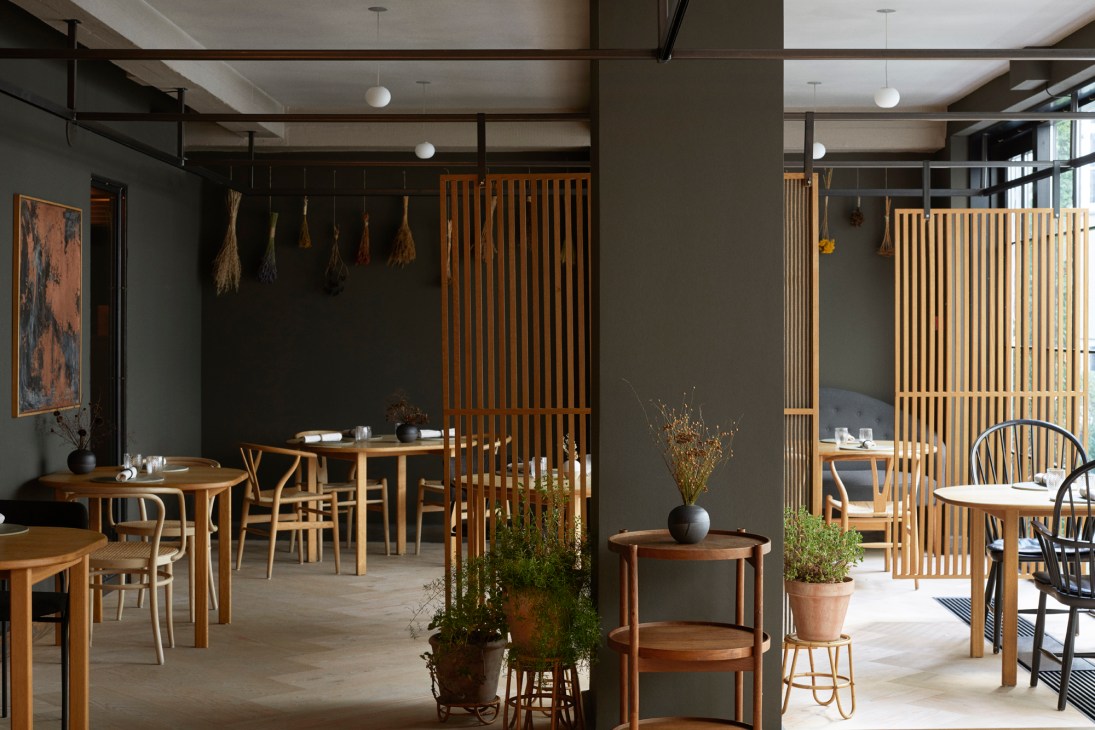
Lykke stresses the use of materials, colour and furnishings to create spaces that feel authentic. This is something that the firm strived to achieve in the restaurant Hija de Sanchez Cantina, which recently opened in a former grain silo in Copenhagen’s Nordhavn and is headed by Noma alumnus Rosio Sanchez. “Creating a Mexican restaurant outside Mexico can easily lead to clichés,” Lykke says. “So we wanted to make it a tribute to the best of Mexican craftsmanship and design.” A playful palette of pinks and blues offsets exposed concrete walls and Mexican and Danish furniture collaborations.
“If there is one thing all our projects have in common, it is a continuous dialogue with our clients,” says Lykke. “To create an inviting space, you need to put people first.”
Tips for getting your restaurant design right:
1.
Develop a warm and welcoming space where diners will want to spend time and a workplace that staff can be proud of.
2.
You can serve the highest- quality food but bad acoustics will undoubtedly spoil any visit. Get them right.
3.
Just as with acoustics, a restaurant’s lighting will shape its design and determine customer experience.
Make your shop sing
The studio we would hire to design our
Retail project
Teo Yang Studio, Seoul
While good retail design enhances a shop’s value to customers, the tag “experience” is often misused by marketeers. With this in mind, Korean interiors firm Teo Yang Studio has carved a niche for itself in the retail-heavy landscape of Seoul. The firm uses thoughtful design to help brands to articulate their story in a manner that goes beyond anything superficial.
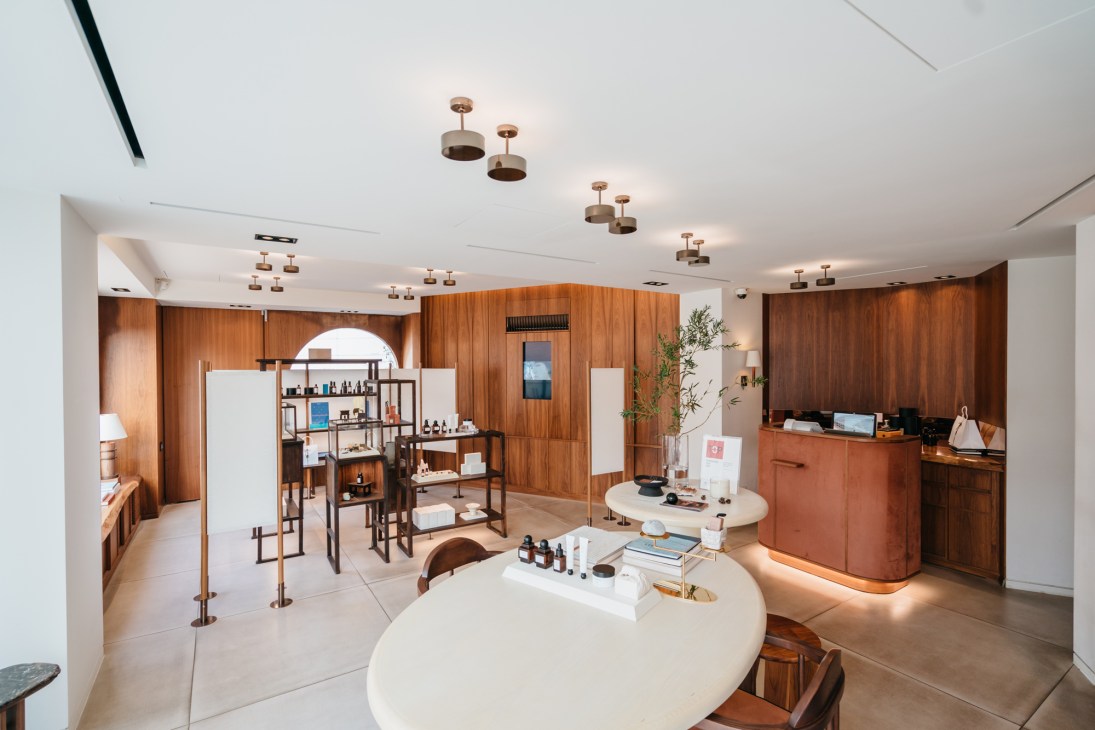
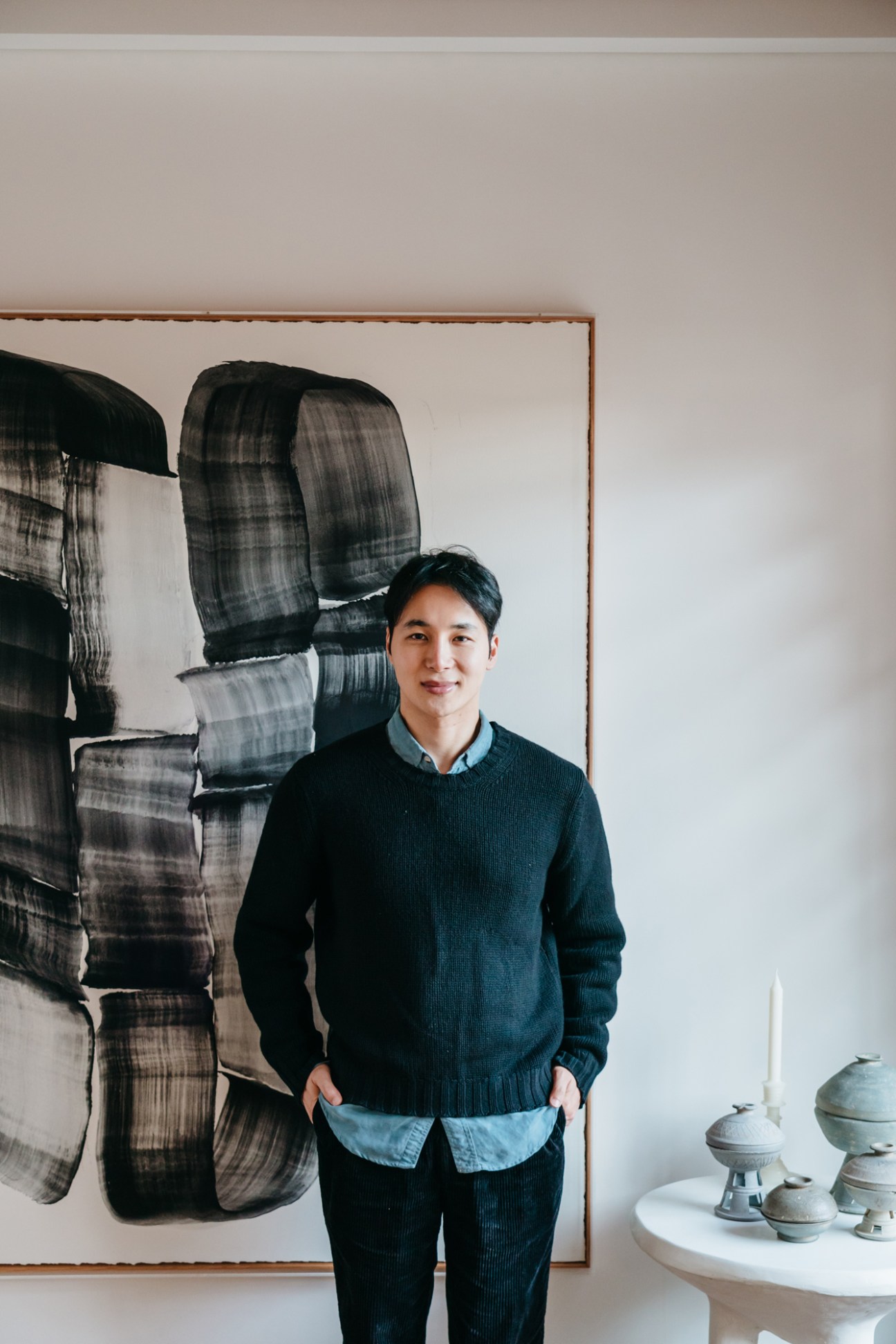
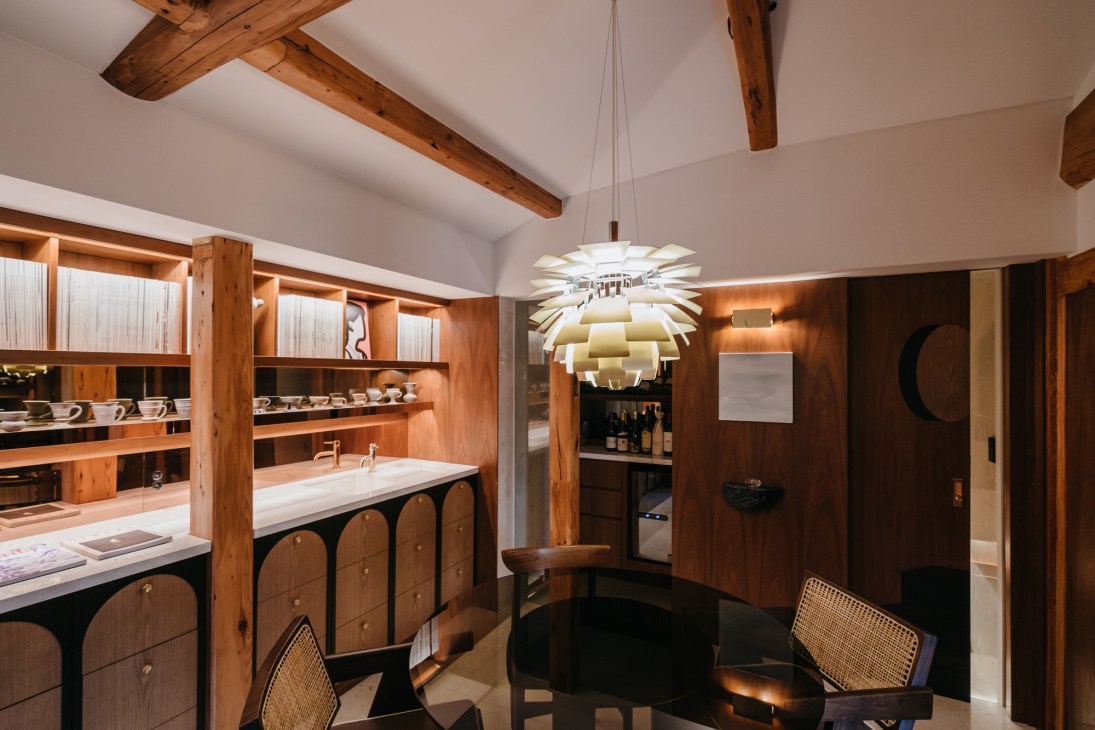
“Sometimes a client comes to us with nothing except the idea that they want to create a retail experience but there is always something – there is always a story to tell,” says Teo Yang, who founded his eponymous firm in 2009. Unearthing this story is something his team relishes. He references a project with Fendi for Design Miami, where the studio was asked to design a bag but challenged the client to go deeper. In the end a beautiful book was published, examining 500 years of history revealing how the image of women has been created by men, and the role male desire has played in the process.
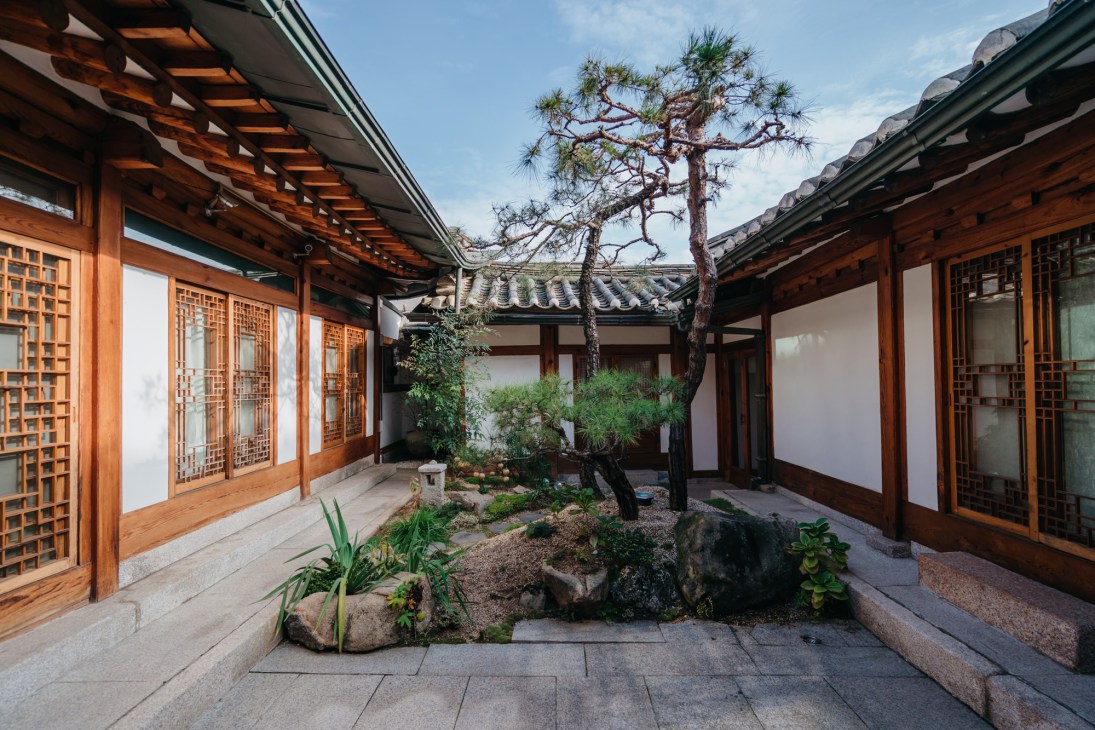
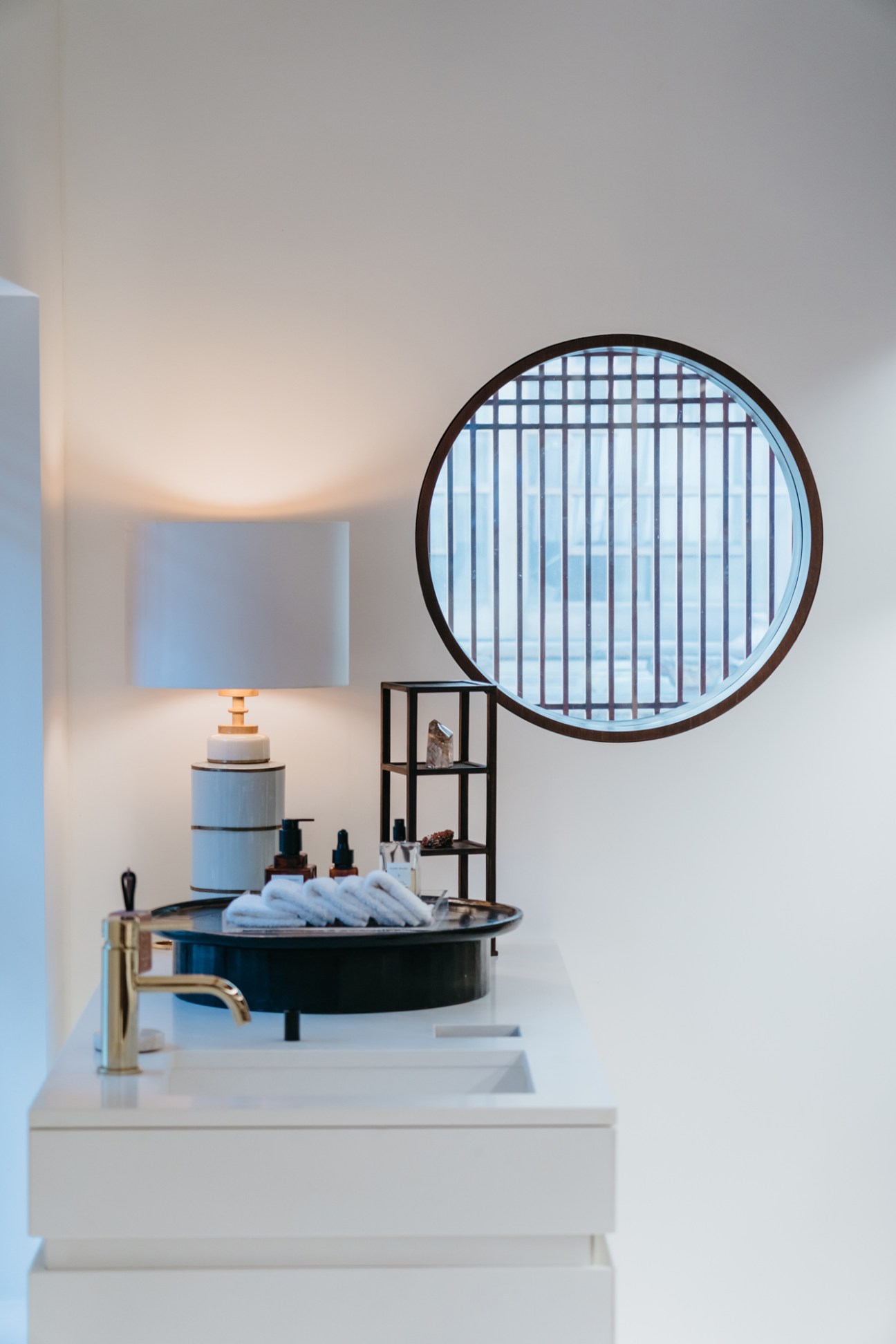
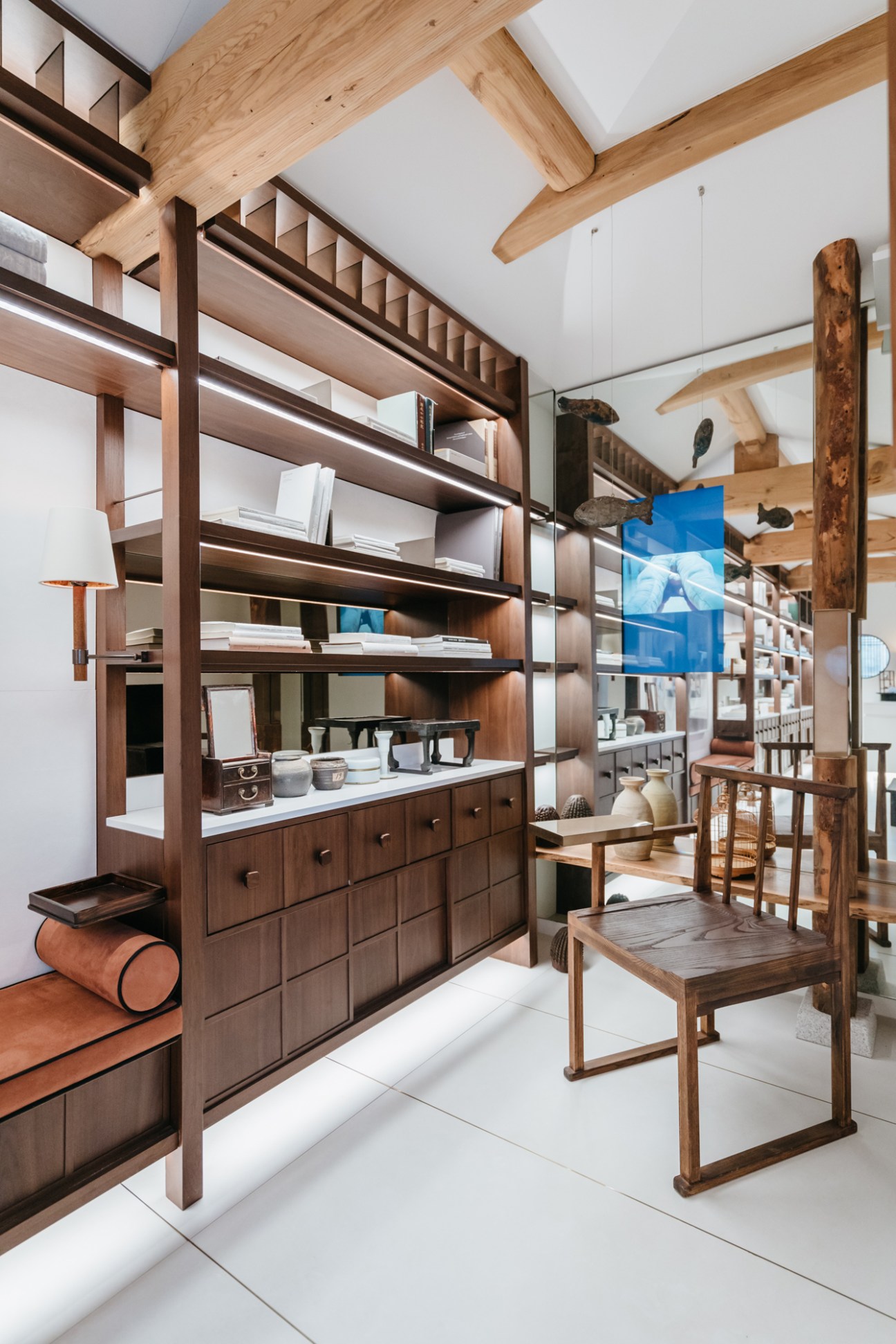
When it comes to physical retail design, eath Library – a Seoul-based purveyor of skincare products inspired by traditional Korean medicine, launched by Yang – highlights the firm’s attention to detail. Located in a sensitively transformed hanok (traditional Korean house), eath’s fit-out references Korea’s minimalist design heritage and appreciation for natural materials. Yet the connection to the place is taken further – furniture-makers from the neighbourhood are tasked with upcycling used eath product bottles, turning them into new pieces to use in the space. By doing so, eath is not only respecting the neighbourhood’s craft culture but also encouraging artisans to experiment with different materials.
“With every project, we try to change people’s mindsets and make a little mark in history,” says Yang. “We are not just interested in making beautiful spaces in the hope that people will open their wallets – that is not the future of retail.”
Yang’s tips for getting your retail design right:
1.
Challenge the brief. Often shops are very good at peddling the right product but not so great at forming an environment that tells their story well. Push back on ideas that are only skin-deep and find a compelling narrative.
2.
Look at your surroundings and find a balance. A shop should feel both harmonious with its environment and distinct enough in design to distinguish itself from its neighbours.
3.
Highlight your products. This seems simple but often in an effort to form a fully fledged “experiential” retail design, with plenty of bells and whistles, the product that the business is trying to sell stops becoming a priority. Avoid this at all costs.
In good hands
The studio we would hire to design our
Countryside retreat
Mesura, Barcelona
“Understanding the place, both culturally and architecturally, is essential,” says Benjamin Iborra of his firm’s design process. Along with business partners Carlos Dimas, Marcos Parera, Jaime Font and Jordi Espinet, Iborra is at the forefront of a new generation of architects emerging from Spain. Since founding architecture and design studio Mesura in Barcelona 11 years ago, they have been making a name for themselves with residential projects across the country and beyond.
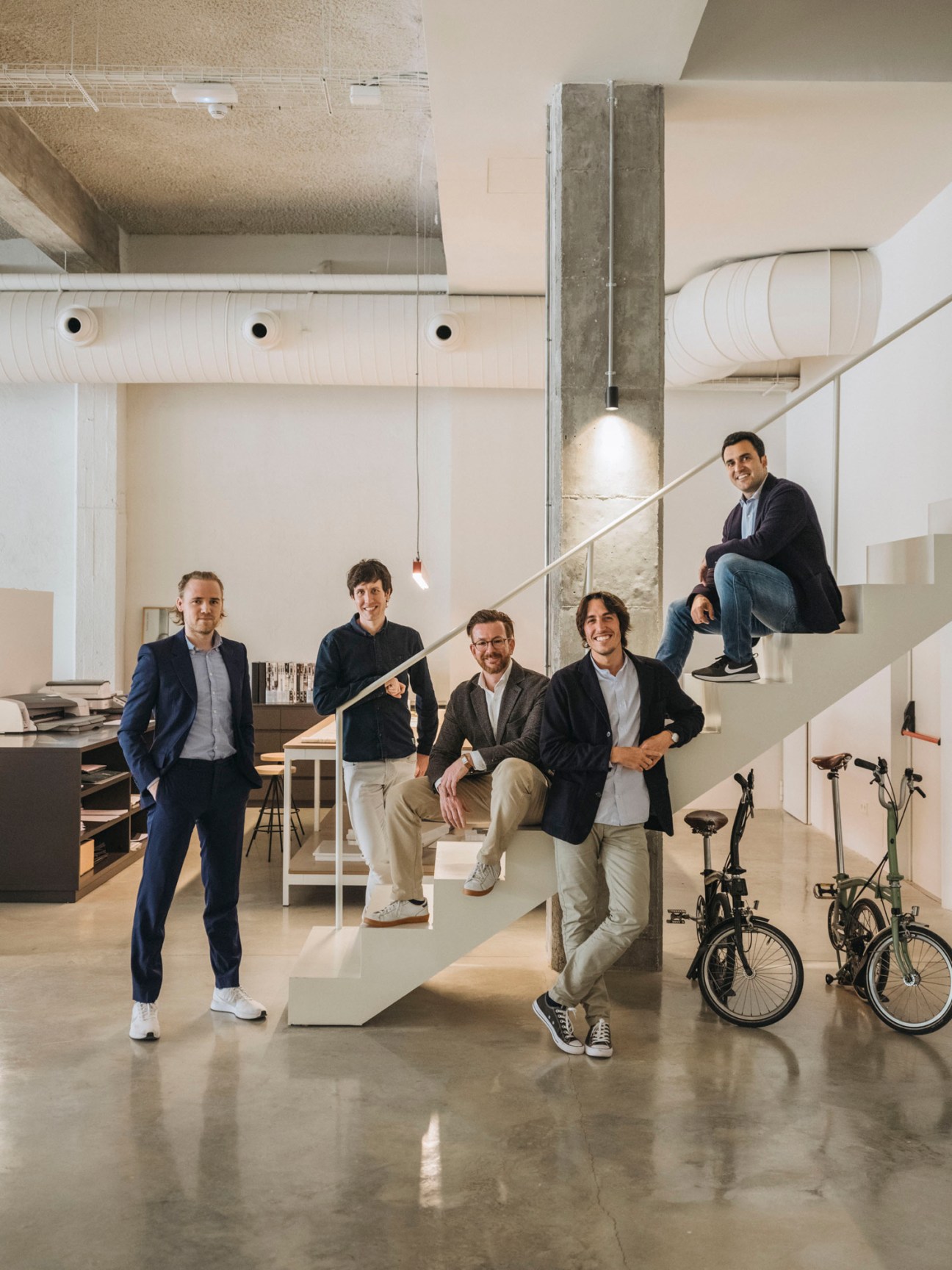
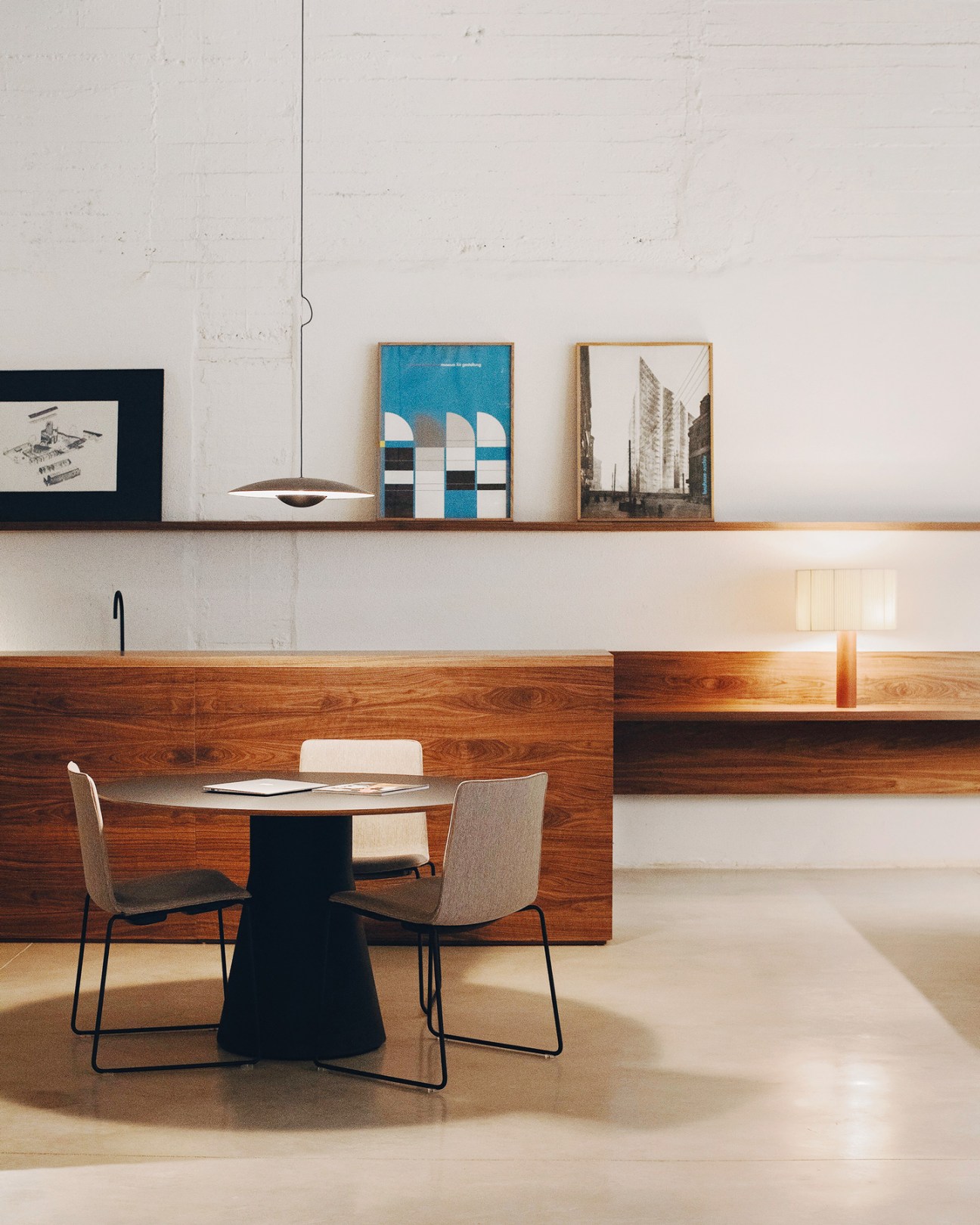
Mesura – which means “measured” or “calm” – is a response to the extravagance that dominated Spanish architecture before the recession of 2008. From restoring a medieval castle to extending a 1980s house, the architects approach every project with an open mind: a way of thinking they call “designing for the unknown”. While the firm is led by the five partners, the team of 30 staff make a point of working horizontally. “We shy away from the ego of the ‘starchitect’ that perhaps defined previous generations,” says Dimas. “What’s important is finding a consensus on what the best solution is.”
When it comes to residential architecture, rather than aiming to develop a particular style, a generous chunk of time is spent researching the culture, architectural history and materials of the chosen location. The aim is to create something that complements its surroundings. “Sustainability has always been important to us and vernacular architecture always gives clues to a very ancestral type of sustainability,” says Iborra.
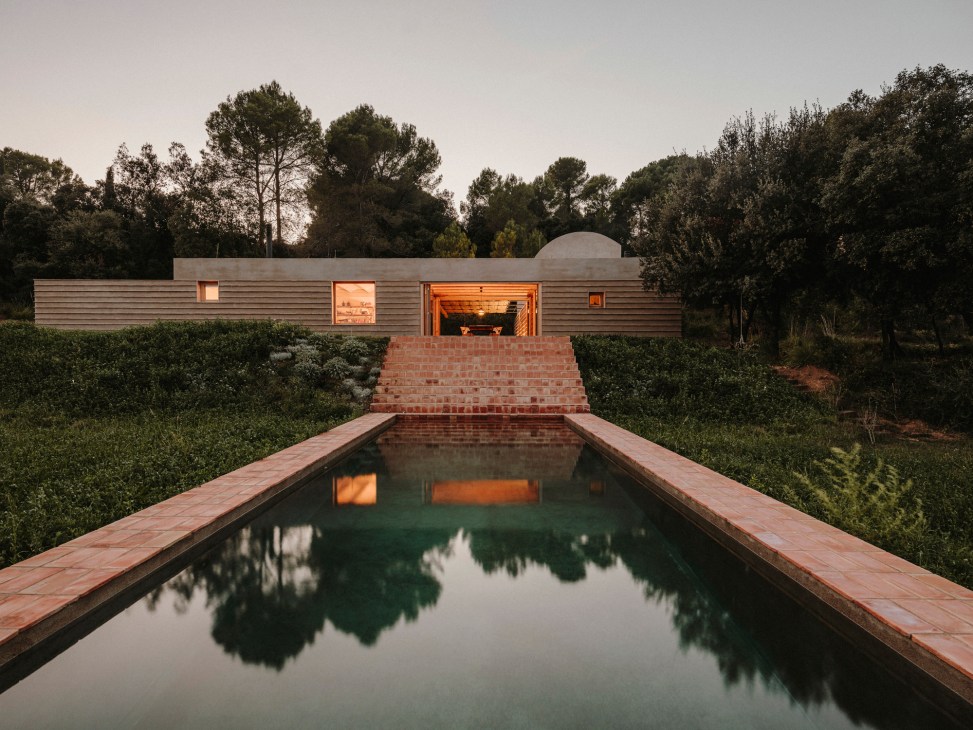
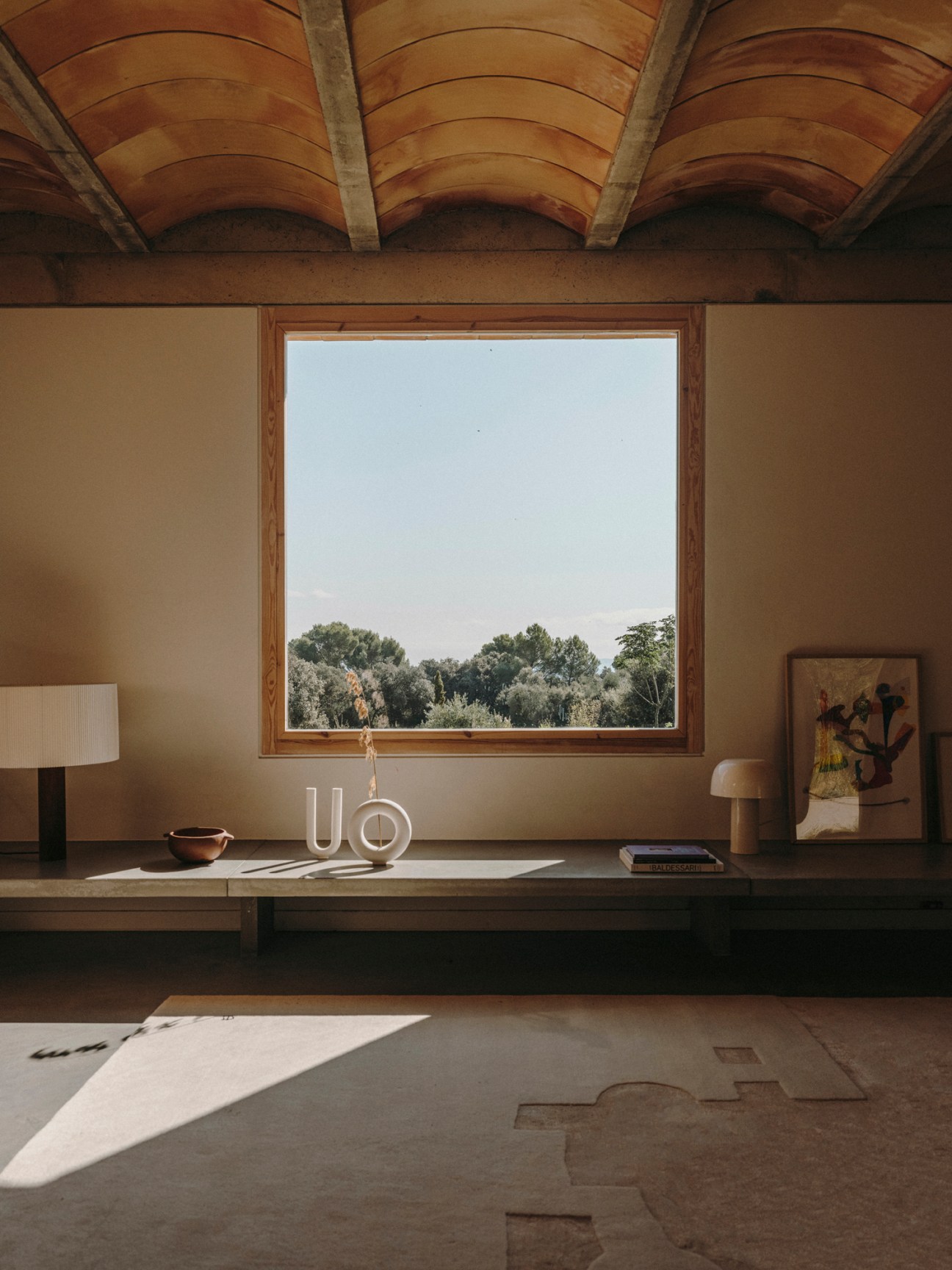
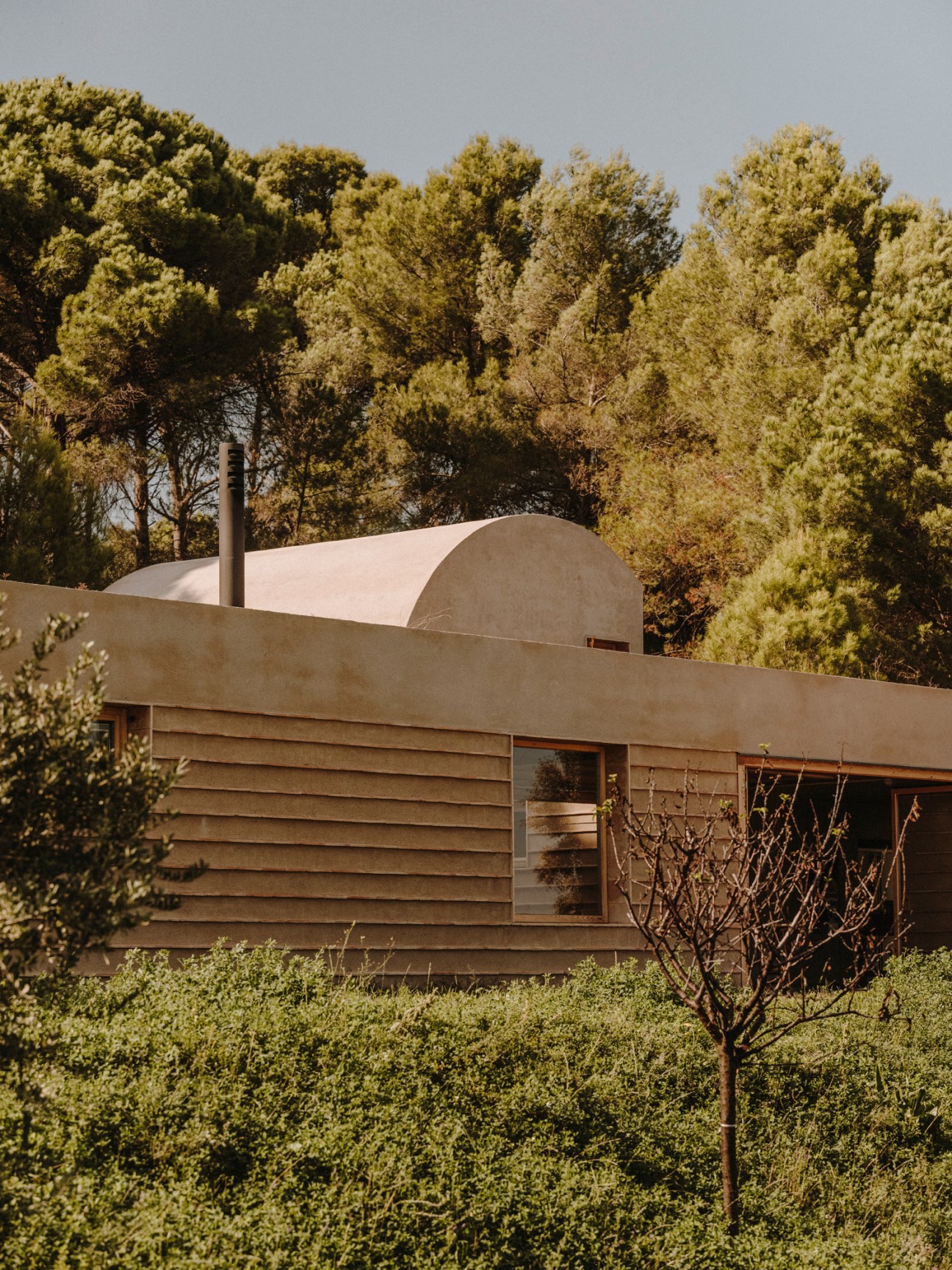
Casa Ter, a recently completed countryside residence in Catalonia, highlights this dedication to nature and history. The two-storey house features a façade made from a mixture of concrete and and gravel from the nearby River Ter. Ceramics, the main industry of neighbouring town La Bisbal d’Emporda, are used throughout. “It’s about returning to the beginnings,” says Dimas. “The result is an ode to the region and its culture.”
Tips for getting your rural residence right:
1.
Use materials that reflect the surrounding environment and local heritage.
2.
Make space for living areas that can be opened up in summer and closed off in winter, plus private corners for peace and quiet.
3.
Use sliding glass doors to bring in natural light and allow for efficient ventilation.
Rich pickings
If you find yourself repeating the same batch of recipes, perhaps now is the time to try something new. Why not start with our suggestion of a mushroom stroganoff with potato rösti, which is as much a nudge as a recipe. The beauty of widening your culinary repertoire is also about seeking out prime produce, preparing the meal and then assembling around a table with loved ones.
Taking time to digest the day’s events (without screens or interruptions) is a lost art but one that should be revisited and revived. Taking time to consider what we consume applies to what we eat but also where we do it – not every meal should be eaten from a bowl perched on the arm of a sofa.
So hit the market and get cooking.

Creamy mushroom stroganoff and rösti
(Serves 2)
For the stroganoff:
45g unsalted butter
1 onion, finely sliced
4 garlic cloves, crushed
3 sprigs fresh thyme
500g mixed mushrooms (such as portobello sliced into 1cm pieces, chestnut mushrooms halved or quartered, or girolles torn in half if they are large)
250ml vegetable stock
12g dried mushroom mix
½ tbsp tomato purée
1 tsp paprika
2 tsps Dijon mustard
200ml sour cream
salt
10g chives, finely chopped, lemon zest from half unwaxed lemon, extra sour cream, freshly ground black pepper (optional)
For the rösti:
500g floury potatoes
½ tsp salt
Black pepper
30ml olive oil
30g unsalted butter
Method:
1.
Soak the dried mushrooms in 125ml water for at least 30 minutes (or use hot water and soak for 15 min). Finely chop the hydrated mushrooms; save the soaking liquid.
2.
Melt the butter in a frying pan over a medium heat, add onion, garlic and thyme, sauté until the onion is slightly caramelised and golden.
3.
Remove the onion from the pan and pan-fry the mushrooms in small batches; try not to overfill the pan as this will result in the mushrooms releasing too much water. Brown them on both sides; remove half and set aside.
4.
Add the sautéed onion, hot stock, hydrated mushrooms with liquid, tomato purée and paprika. Bring it to a simmer and cook for 5 minutes. Set it aside until the rösti is ready.
5.
Peel the potato and grate with the coarse side of a box grater. Squeeze out water from the grated potato with your hands. Place the potato in a bowl and season with salt and pepper; mix well.
6.
Put 1 tbsp of olive oil and 15g of butter in a frying pan, and place over a medium-low heat. When the butter melts, divide the potato mixture into six and spoon three portions into the pan; flatten each one to 8cm circles. Cook until crispy and golden (about 5 minutes), then flip and cook for 4-5 minutes. Remove from pan and place over kitchen paper to get rid of excess oil. Repeat with the rest of the mix. You’ll need to top up olive oil and butter.
7.
When the rösti is ready, heat the stroganoff back to a simmer. Add the rest of the mushroom, mustard and sour cream, and heat through; season with salt.
8.
Serve stroganoff with chopped chives, lemon zest, fresh black pepper and a drop of extra sour cream, if you like.
ayanishimura.com