Issues
Taste the classics
Greece is one of the world’s oldest wine-making nations but its vintners are not stuck in the past. Even retsina, the wine notoriously flavoured with pine resin, has been vastly improved by producers in the Peloponnese – and Greek wine has plenty more to offer. One breakthrough has been in the use of the assyrtiko grape, the origin of which can be traced to the volcanic island of Santorini, where it’s still favoured. It’s a feat of nature that anything grows on this arid rock, where vines are twisted into basket formations known as kouloura to protect them from the fierce Aegean winds. Here, producers such as Hatzidakis and Domaine Sigalas have charted a new course for Greek wine with their bright, slightly saline (and affordable) whites.
On the mainland, in the most northerly reaches of Macedonia, a grape known as xinomavro flies the flag for elegant reds. Often dubbed as the nebbiolo or pinot noir of Greece, this noble vine makes for wine that is at once fresh, textured and refined. In contrast to the islands, the landscapes here are lush, green and mountainous, and the climate wetter: testament to how unique and varied Greece’s wine-making regions can be. Producers such as Thymiopoulos and Domaine Dalamara make complex wine that improves with age – much more than everyday pours.
On the island of Tinos, natural wine-maker Jerome Charles Binda runs the Kaloriziko Project, which aims to save heritage vines and educate future generations about traditional wine-making. On the island of Lemnos, third-generation wine-maker Manolis Garalis works with limnio, one of the world’s oldest-mentioned grapes, referenced in Aristotle and Homer.
Something that adds to the romance of Greek wine and its struggle is that most of its ancient native grapes (there are about 200) are hard to pronounce and in such short supply that global recognition is elusive. Getting your head around Greek wine takes time and effort but it also rewards explorers with unique bottles that are impossible to imitate.
Six Greek wines to try:
Macedonia
Thymiopoulos: Earth and Sky 2018
A fresh, elegant red made from xinomavro by one of Greece’s most respected wine-makers.
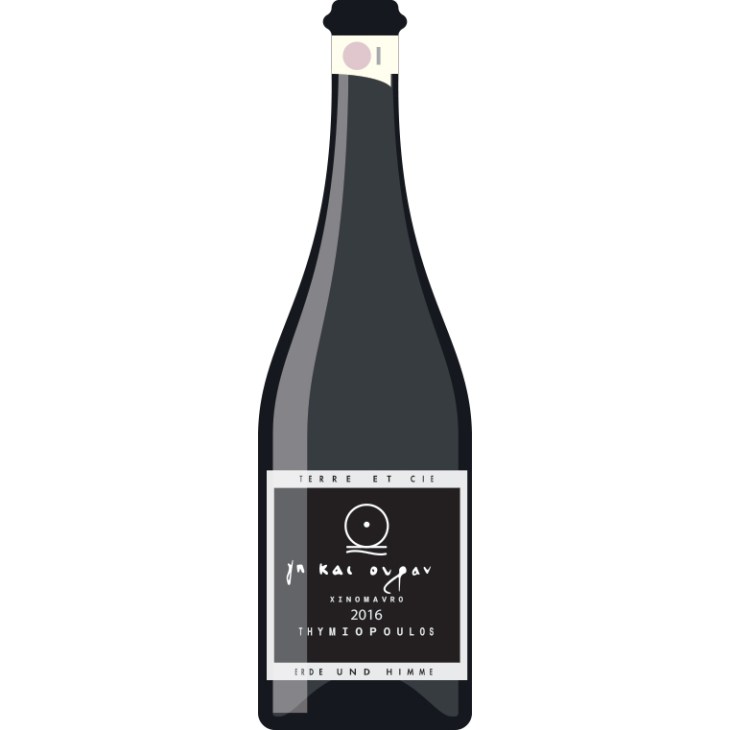
Macedonia
Chatzivaritis Estate: Migma Pet-nat Rosé 2019
Made by Chloe Chatzivariti and Tobias Tullber, this natural pink fizz is perfect for celebrating.
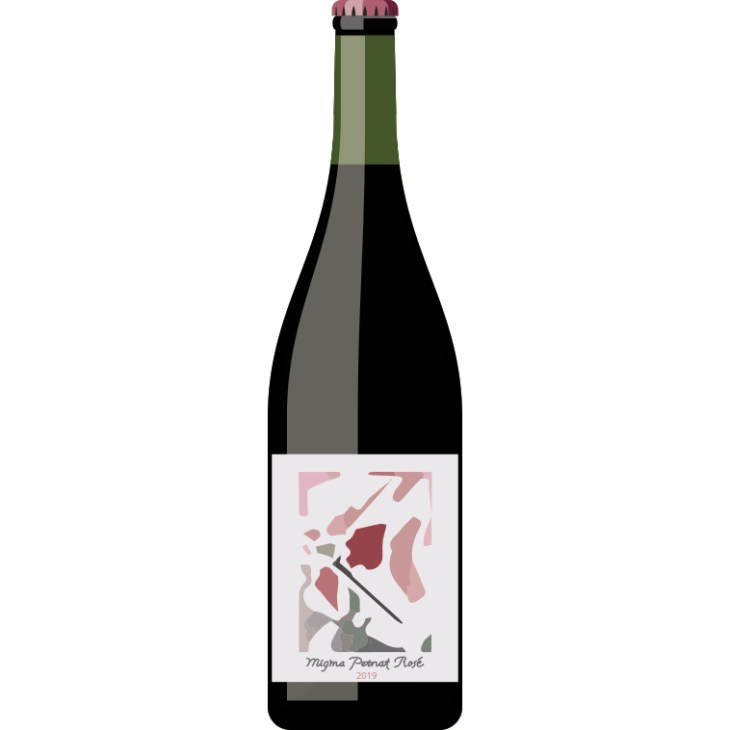
Peloponnese
Tetramythos: Agiorgitiko Natur 2018
This high-altitude organic red with a nose of violets and cherries balances intensity and refinement.
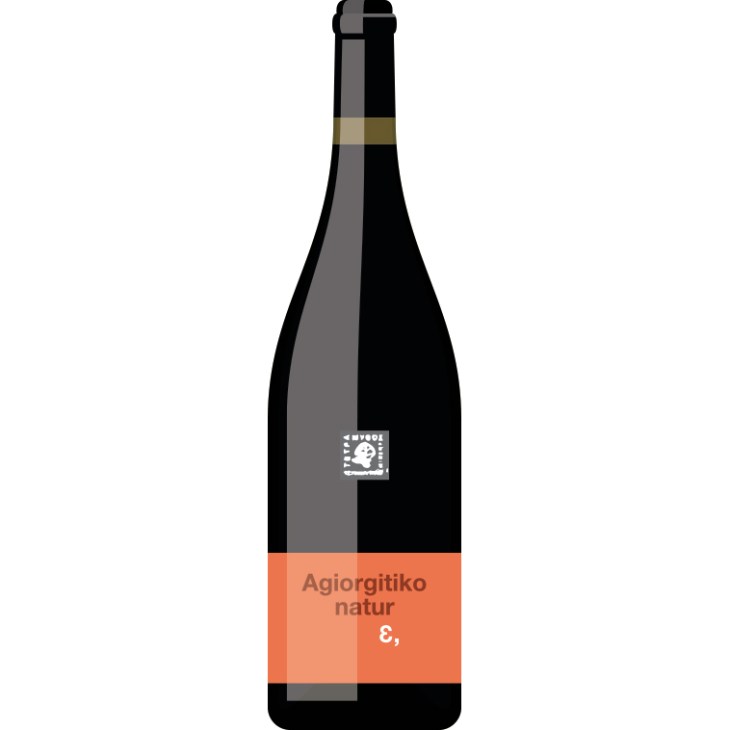
Tinos
Domaine de Kalathas: Vorias 2017
Made from the rozaki grape of Tinos, this natural wine has notes of lemon zest, grapefruit and peach.
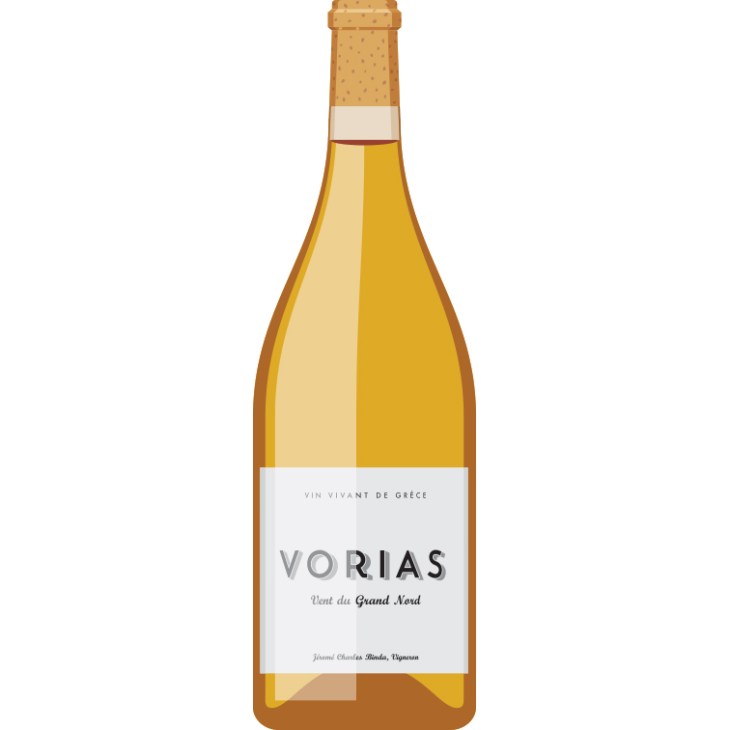
Thessaly
Papras Bio Wines: Oreads Rose 2019
This natural rosé is made at the base of Mount Olympus from black muscat, a rare and floral grape.

Central Greece
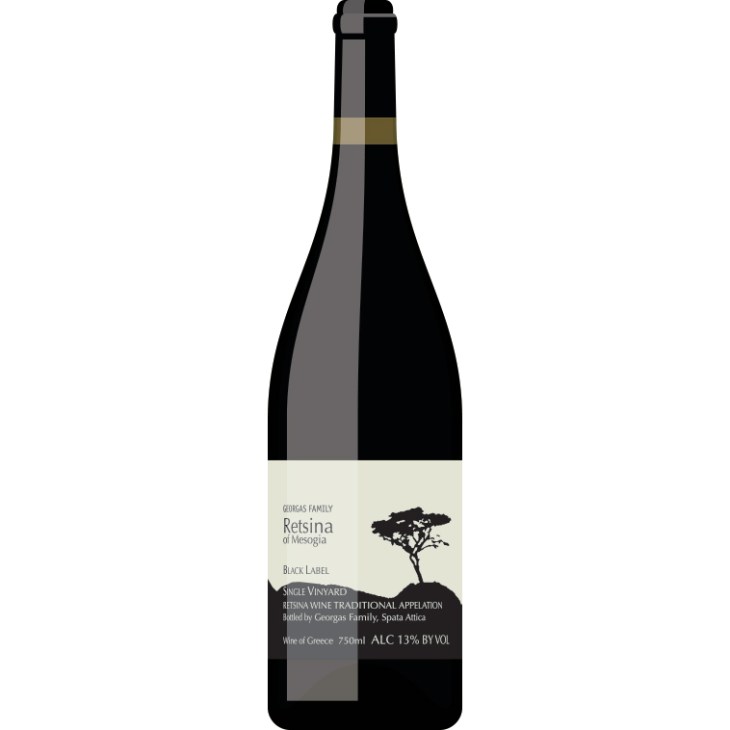
Georgas Family: Retsina Black Label 2019
Biodynamic amber savatiano, co-fermented with pine resin. Uniquely herbaceous and citrusy.
Seat at the table
When Monocle joins Aussie architects Ingrid Richards and Adrian Spence at their beautiful Bowen Hills home, where they are dining with friends, they say it’s a “regular Sunday”. A long lunch is in full swing, with caprese salad, oysters and paella all being enjoyed by a cast of creatives – other architects, designers and a photographer (on commission today but a weekly guest) – in a sunny upstairs area of the home designed by the pair’s firm, Richards & Spence. It’s built for entertaining, with a spacious high-ceilinged sitting room and dining area that opens onto a rooftop pool area in a lush, jungle-like setting.
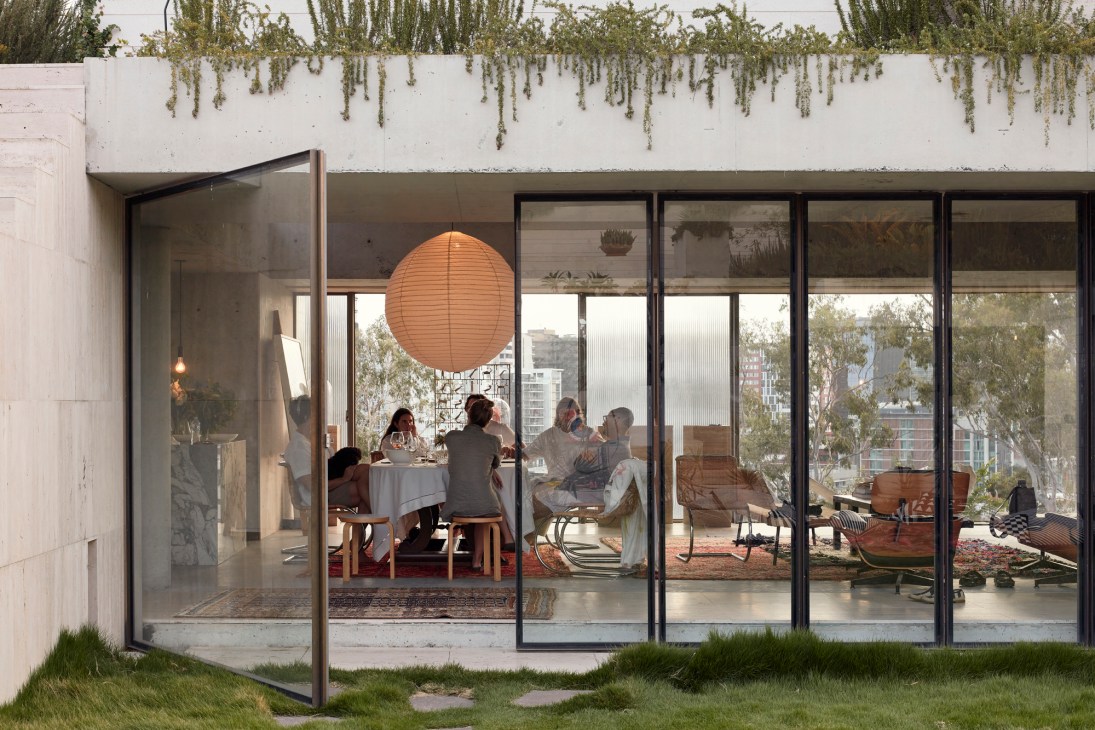
This is smart weekend living in subtropical Brisbane. Spence notes that the pandemic, due to its travel-limiting effects, has helped them to appreciate the security of home but also the joy of sharing it. “We have our office here too, so Friday afternoon work drinks usually lead to us cooking dinner for everyone, then someone comes back to get their car on Saturday morning,” he says. “One thing leads to another, more people arrive and by Sunday we are all back here again. It has been good to be forced to enjoy the house like this.”
At Monocle, we like this way of life and hope to see people the world-over aspiring towards it. So get around the table together in the months ahead.
Monocle comment: As the world opens up again, we are looking forward to homes being opened up too, with dining tables surrounded by chatter. The power of hospitality is something to cherish and use. And invitations to your house will see contacts becoming friends.
Perfect pitch
In the summer of 2000 I was doing my Finnish military service. We were in a forest in the west of the country for battle practice. We had been carrying 20kg of military gear for many hours and had a long break ahead. One of the guys had an idea: pitch a tent and warm up the wood-burning stove until it became a sauna.
We gathered logs of birch and lit up the stove, or kamina, in the middle of the tent. The temperature shot up in no time and the stove was glowing red. As all Finns know, a good sauna is not about heat; it’s all about the humidity created as a result of throwing water on the stove. We used our rationed drinking water – not the best of ideas as we then had nothing to drink on the march that would follow.
But it was worth it. As we sat outside the sauna to cool off, our bodies and minds relaxed. That was when the commanding officer arrived and saw us, two-dozen naked, sweaty men. “Easy pickings for the enemy,” he shouted. He had a point but, had the enemy seen our makeshift tent, perhaps they too would have put down their weapons and stripped off for a steam.
Transforming a tent into a sauna is something that most Finnish men know about, as all male Finns undergo a minimum of six months’ military service. The tents have been made for the military by Savotta for more than 50 years. The puolijoukkueteltta, as they’re called in Finnish, are sturdy, reliable and surprisingly enjoyable to be in. Savotta makes these same tents for civilian use – they’re light to carry and perfect for pitching up in a scenic spot of your choosing. So go on, get out into nature with a Finnish sauna tent in tow. No camouflage necessary.
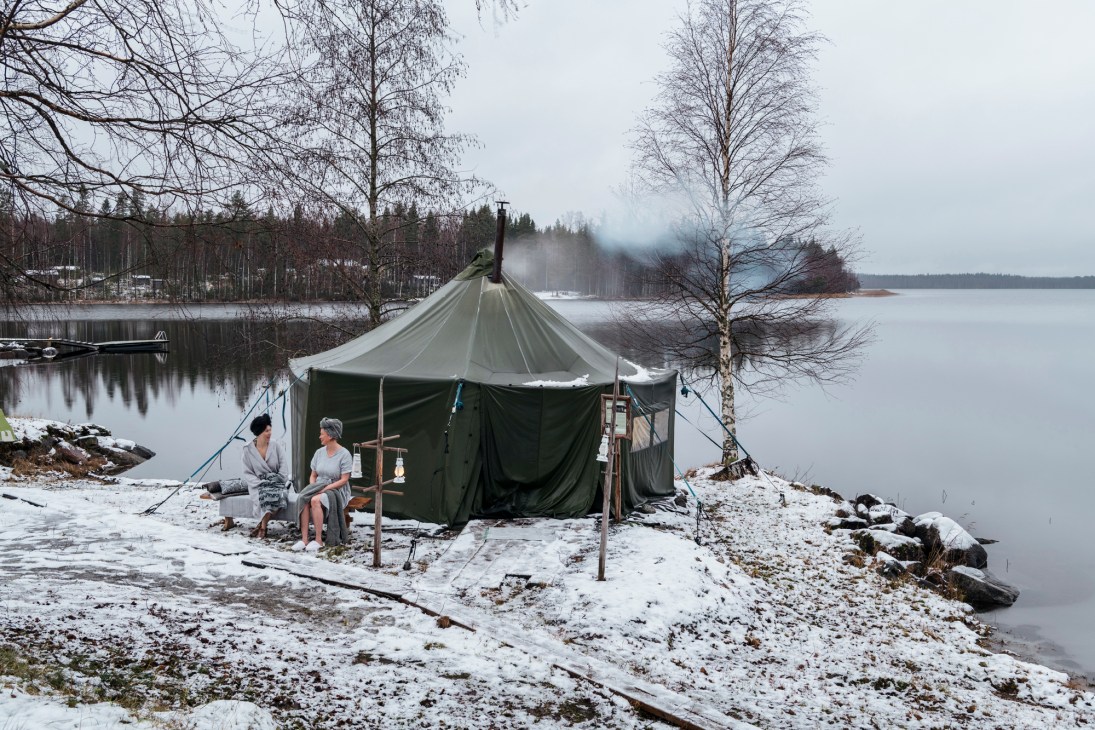
How Savotta’s Hiisi 4 sauna tent works to maximum effect:
1.
The walls and ceiling, made from a cotton/polyester blend, are fire retardant and mildew resistant.
2.
A wood-burning stove with a stone rack and stones generates the heat. It also doubles up as somewhere to make a hot drink.
3.
Wood from deciduous trees (which shed leaves annually) should be used as fuel. Coniferous trees can spark a lot and might cause damage to the tent roof.
4.
Don’t heat the tent above 75c. Overheating could damage the tent and is unnecessary; it’s the steam that makes the sauna enjoyable, not hot air.
5.
Ideally set up your tent on the edge of a lake so you can take an invigorating plunge afterwards.
finn-savotta.fi
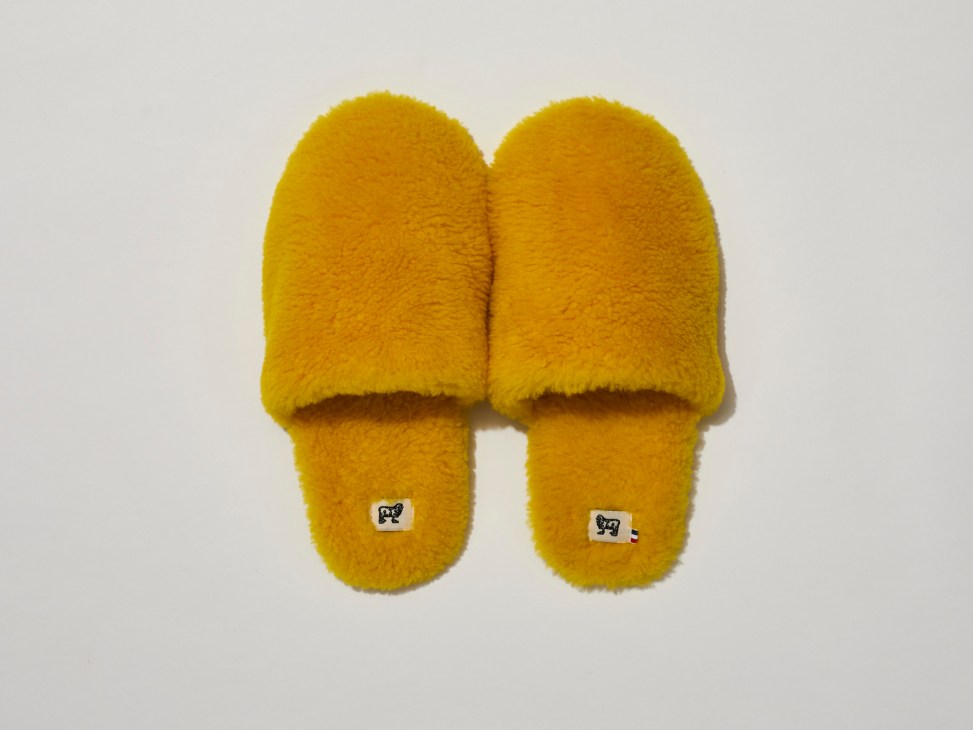
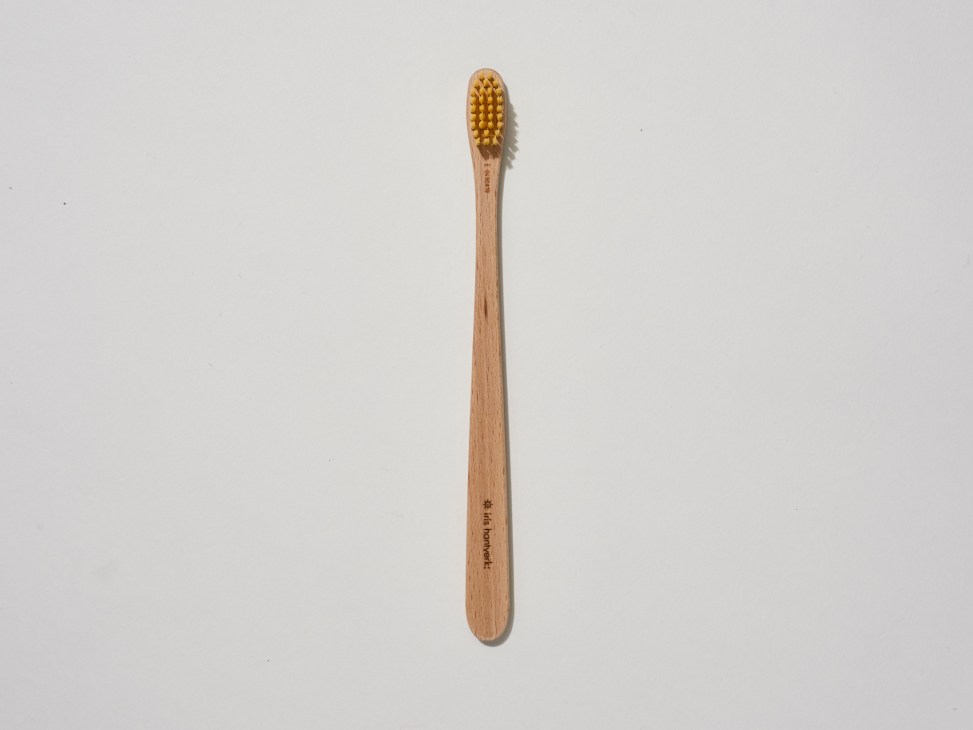
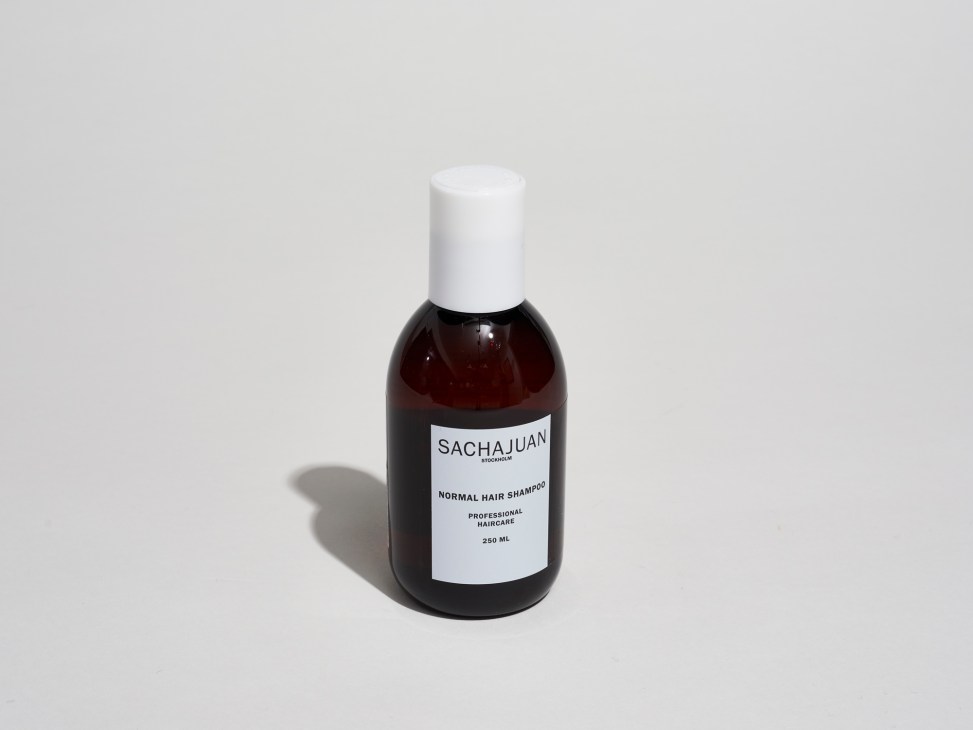
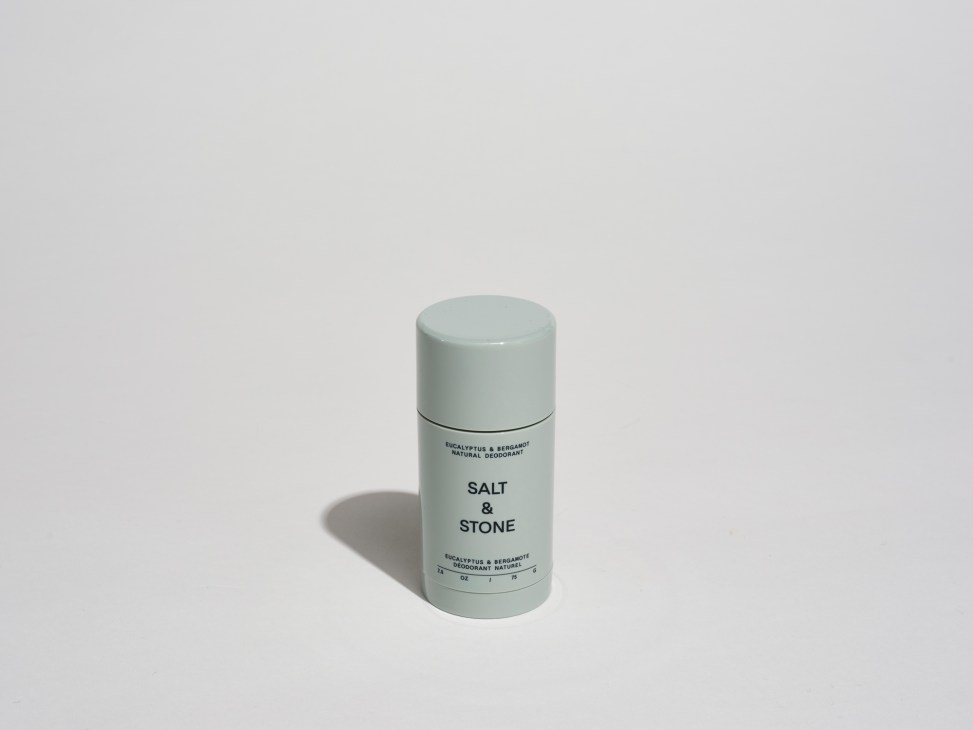
Morning glory
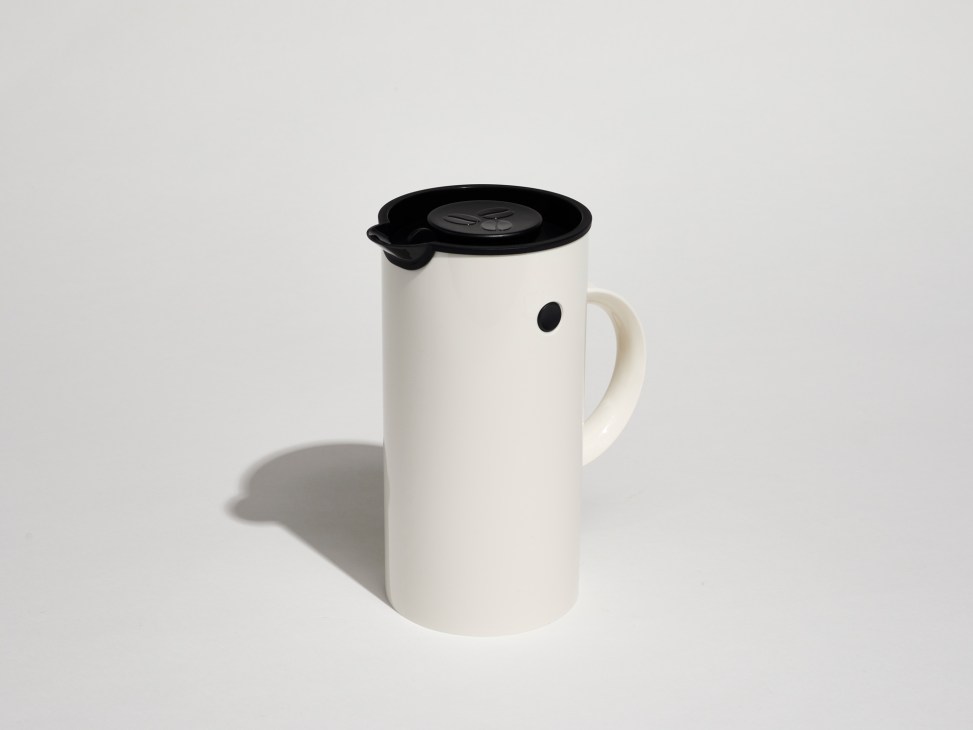
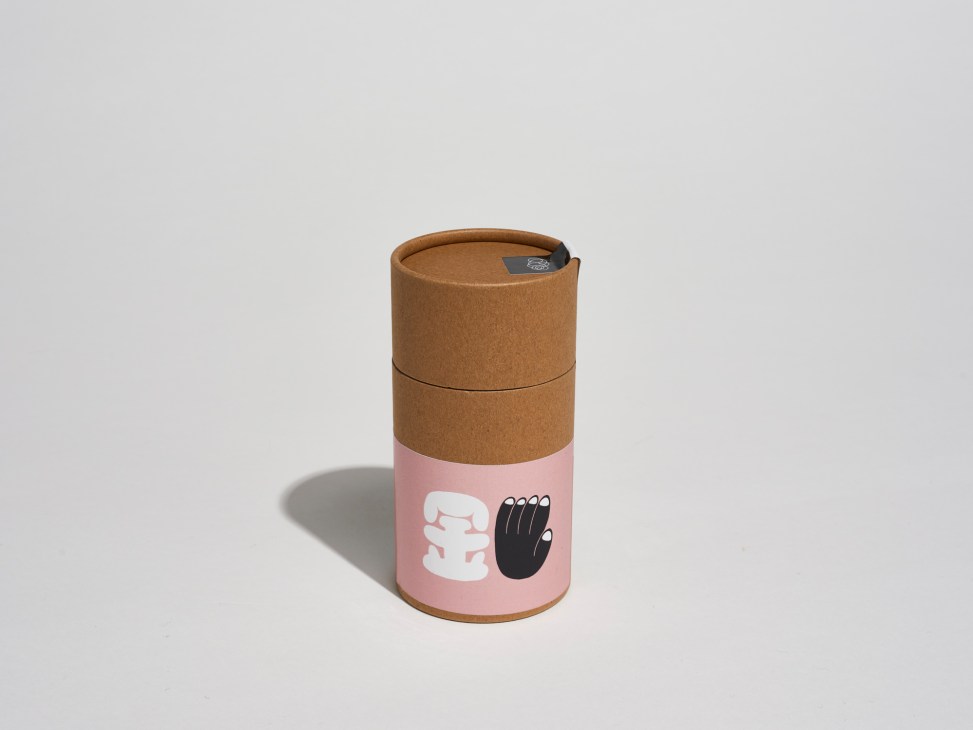
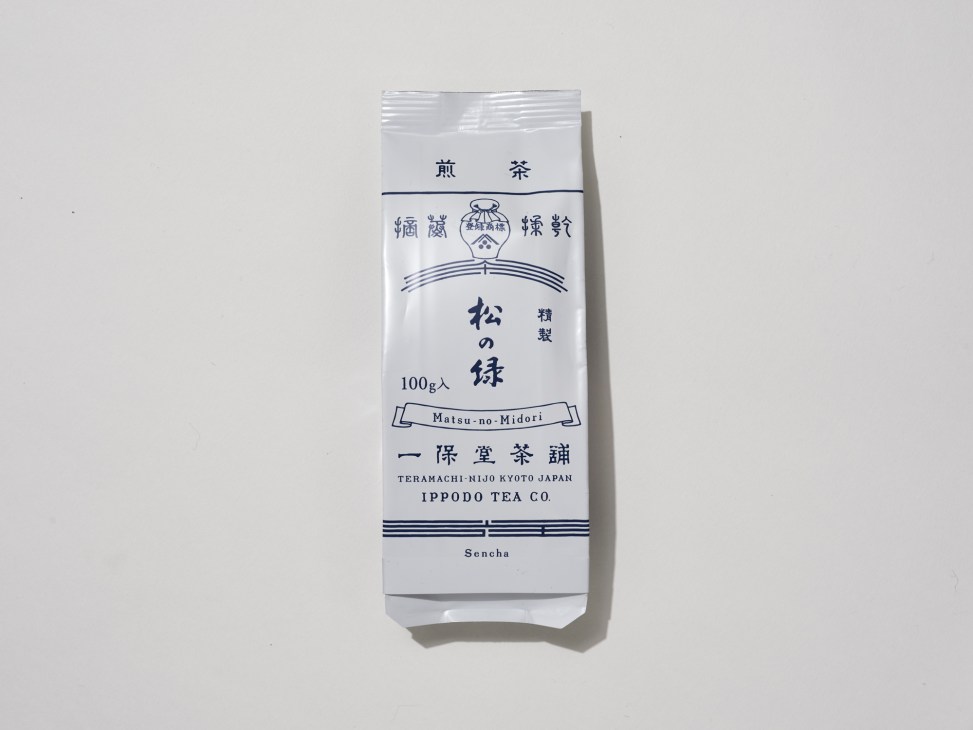
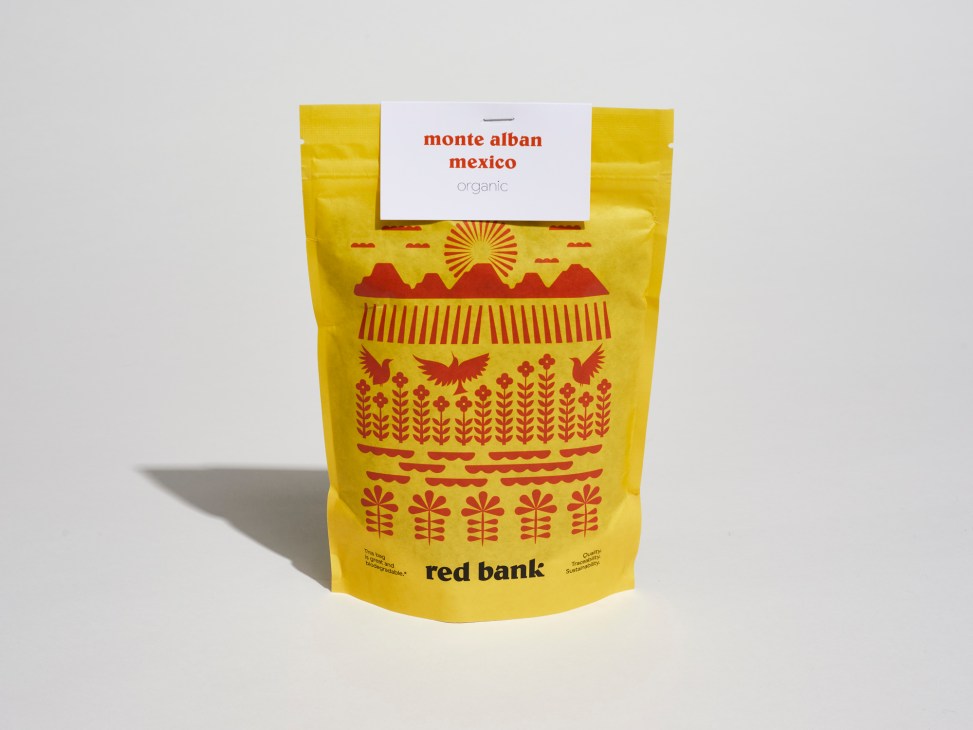
It might only take a matter of minutes but your morning routine is important. A jolt of great coffee, a chunky bar of Portuguese soap, a dousing of energising shampoo – all can be tone-setters. And there’s a common theme in this issue: good routines and nice habits are not only good for you, they save time too. So stock your bathroom cabinets and kitchen pantry with wise essentials. Start as you mean to go on.
Ring the change
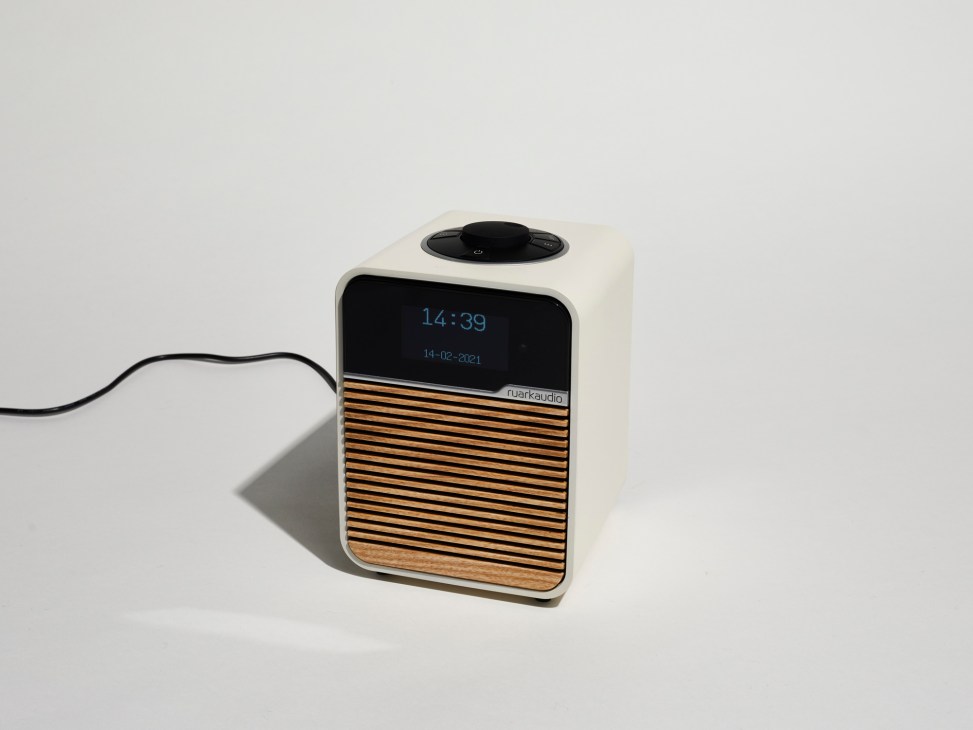
There’s another element of the morning routine that’s worth considering: not having your phone plugged in right beside your head when you go to bed. OK, we know it’s hard to resist. But if you are checking messages the minute wake up, there’s no time to allow your mind to come up with a better plan for the day: you are immediately bounced into responding to the news, insistent but actually not-important emails. That’s why we have a radio here – we promise you, a bit of Monocle 24 is a good way to start your day. And, even better, find days when no alarm or gadget is used to stir you from your slumber – perhaps just a strike of sunshine on your face or someone rather attractive on the other side of the bed. Go on, hit play.

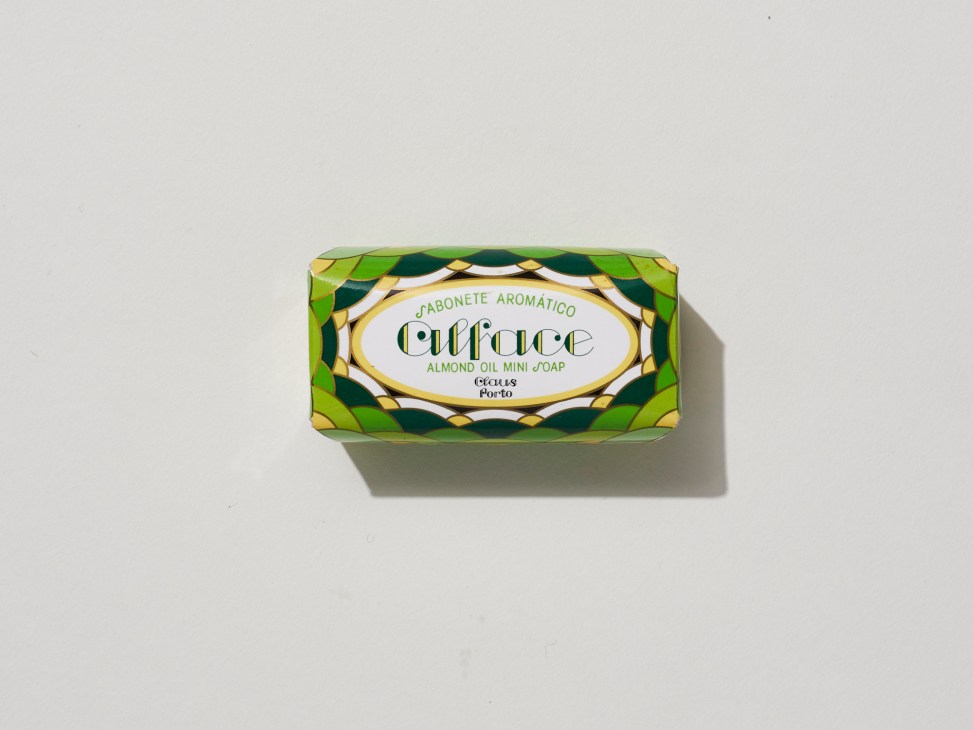
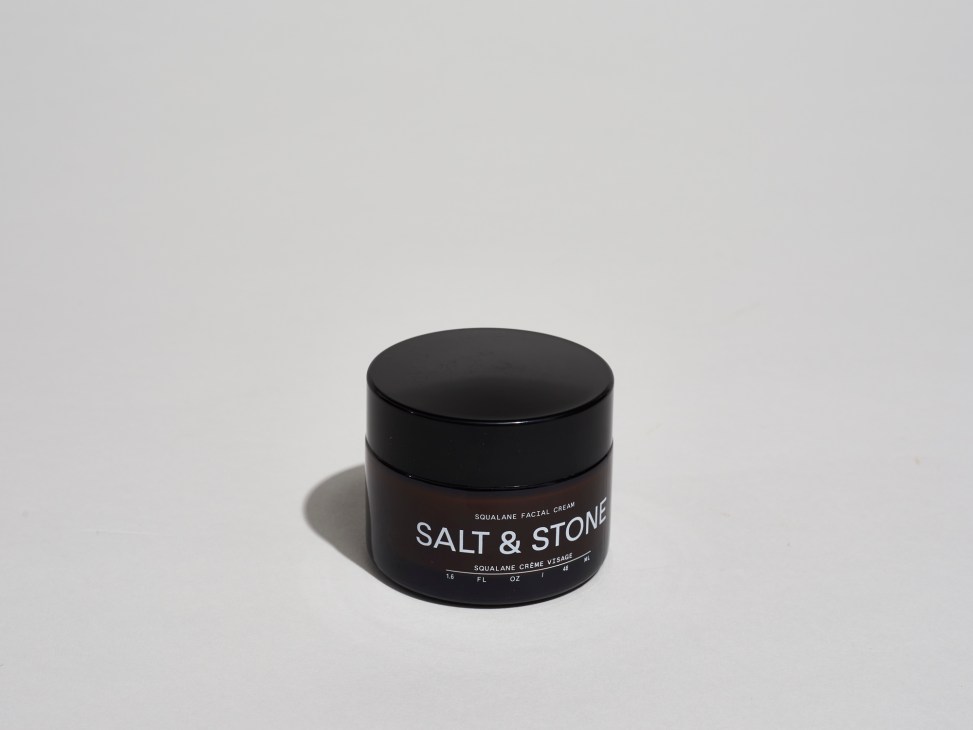
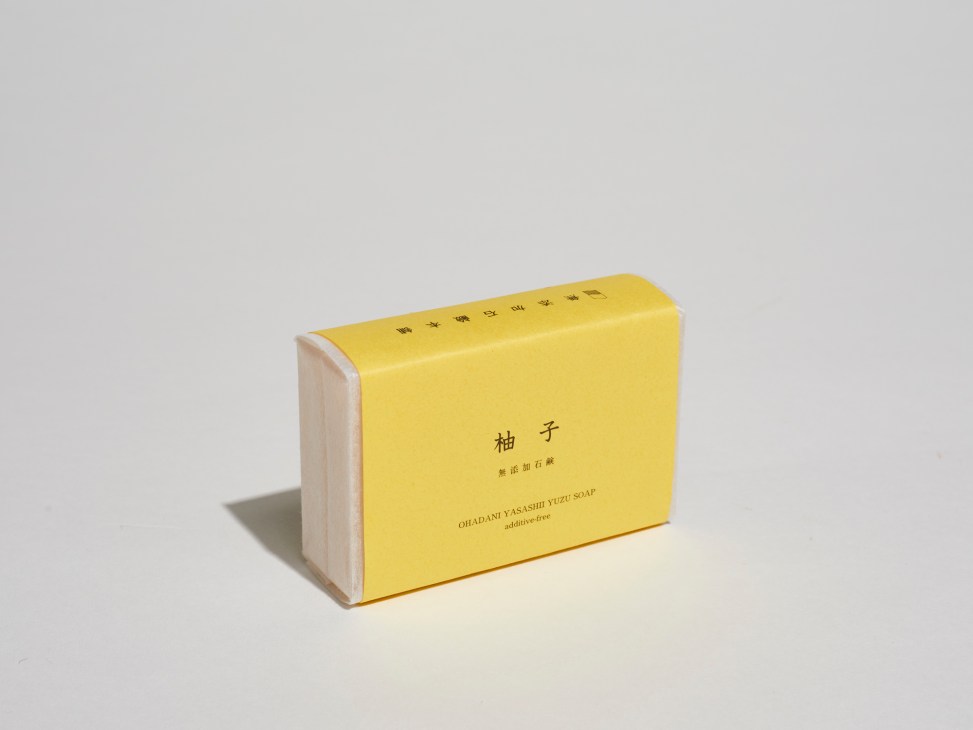
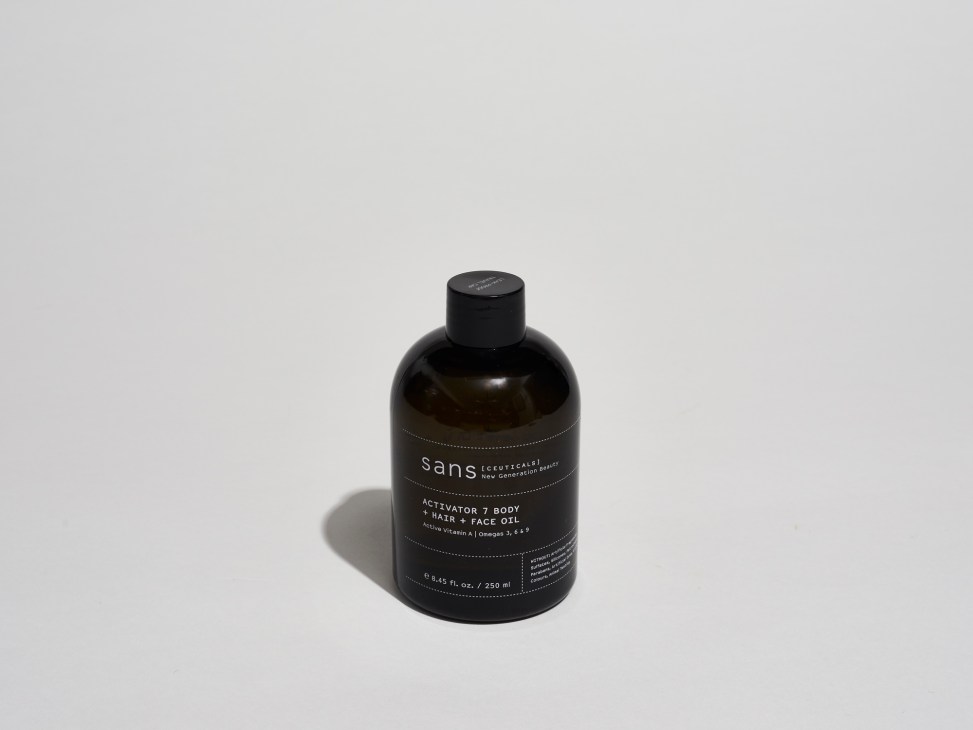
Still life: Tony Hay
Set your alarm
The sky is still dark and the air frosty when (pictured, from left) Max Cascini, Giacinta Valfré, Luca Ballarini and Aline Cantono arrive at the Circolo Canottieri Caprera, a rowing club on the banks of the River Po in Turin. “If anybody had told me a few years ago that I would have set my alarm for 05.50 to be here at 06.40, and be willing to face temperatures of minus 5C to then tackle 10km in a rowing boat, I would have told them that no one in their right mind would do such a thing,” says Cascini. “And yet, here we are: crazy and happy.”
The quartet has been coming here to row together in the morning for the past two years, rain or shine. “The idea of meeting so early began in summer when the heat prevented us from practising sport during the day,” says Cantono. “But it has become a tradition and we never stopped.”
Though the wintry temperature may not make getting out of bed easy, the fact that this is a team sport – and all members of the boat rely on one another to be able to set off – is a great incentive. “It’s a commitment you make with your team and a challenge with yourself,” says Valfré.
The advantages soon outweigh the difficulty and set each member up egregiously for the day. “It gives you an incredible energy that allows you to tackle work with your head held high,” says Valfré. “At 09.00 your colleagues might still be asleep, while you’re already operating to the best of your abilities.”
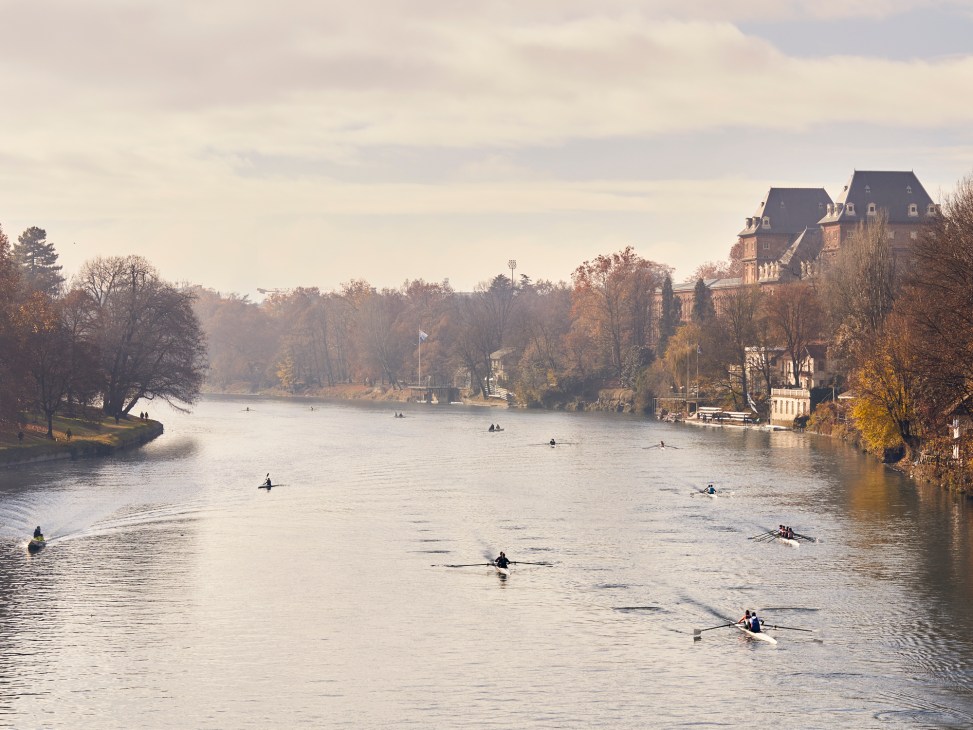

It’s not just about the endorphin hit: the repetitive nature of rowing makes this something of a meditative experience too. “In the morning, when my brain is still slow, I like to concentrate just on movements, on rhythm and balance. When you can feel that everyone is rowing in unison, the feeling of perfection and lightness is so gratifying,” says Ballarini. “Surely the setting in which we’re lucky enough to do this helps. The landscape as seen from the river – the hill, the parks, the Alps in the background and the city’s palazzi, castles and bridges – has an unbelievable charm.”
The radiant glow on the team’s faces as they go about their day has inspired friends to take to the water too, no matter how fit they might be – rowing is surprisingly approachable.
“Many have asked me how they could try,” says Valfré. “Now their days are also beginning this way.” Placid and inviting, the river’s ready. Oar you ready?
Monocle comment: If you can find your own regime then you start finding pleasure in routine. You know to save time for your run or tennis match. You know that you’ll be cheating yourself if you don’t pull on your runners or pick up your racquet. Alone, or in a team, find a sport that suits you; one that lets you fill your lungs with fresh air is highly recommended.
Counter culture
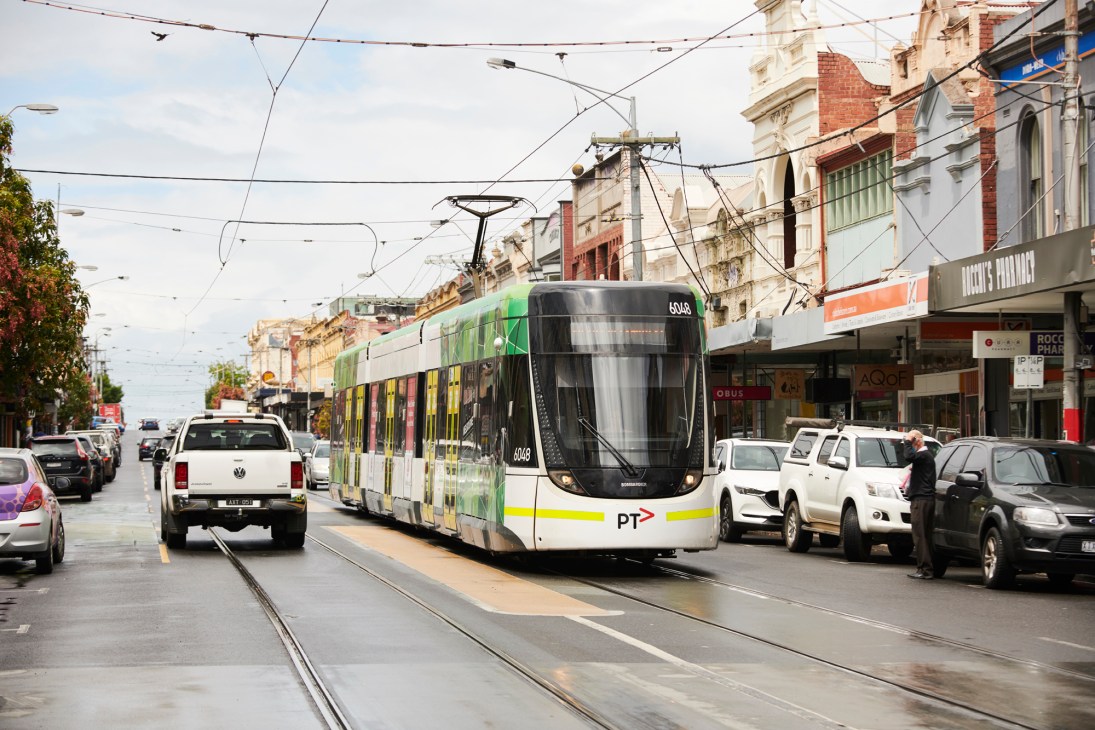
Winding its way through four suburbs in Melbourne’s inner-north, High Street is a long shopping strip in a city with plenty of them. It offers something of a modern parable for the state of retail today: some parts are thriving, buoyed by eclectic shops, vibrant cafés and heavy footfall; the sections with more generic offerings and less of a community feel, however, are struggling.


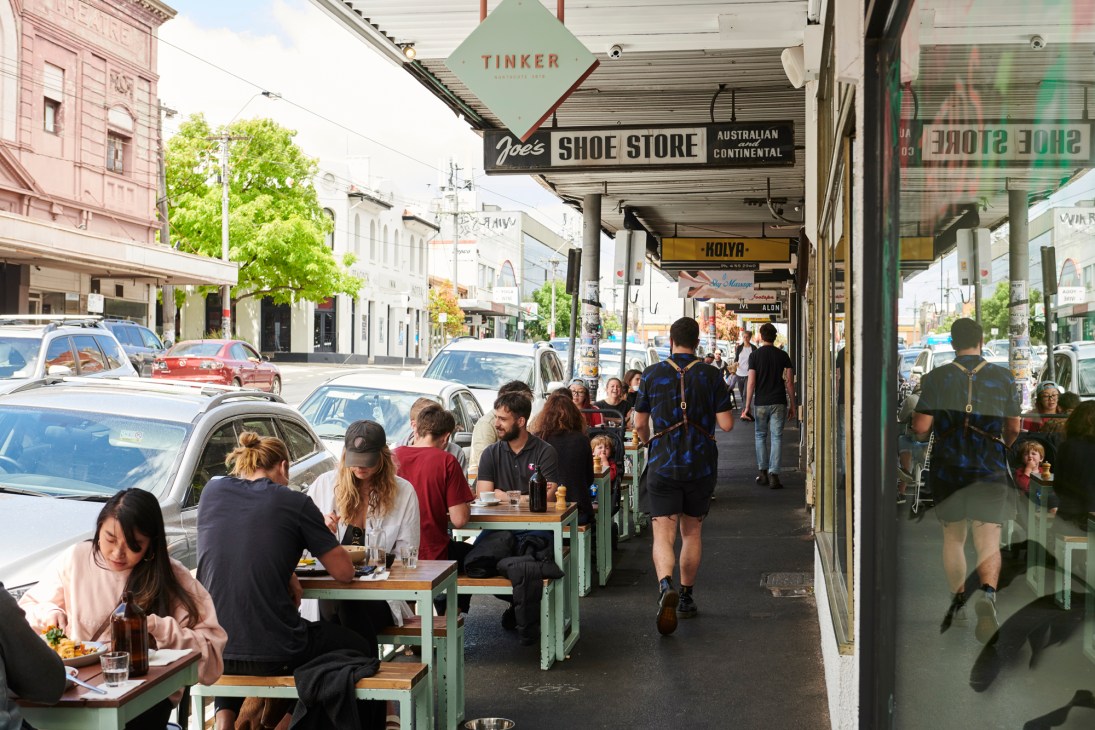
At the Northcote end of High Street, a 1km-long strip starting in the Westgarth Village hums with life. There isn’t a chain in sight, just independent grocers, restaurants, record shops, vintage shops and an art deco cinema (see more of Melbourne’s cinemas here) in weathered but charming Victorian and Federation-era buildings. It’s an example of how a street can evolve while retaining its personality (not to mention how the proportions of Victorian high streets work just as well as, if not better than, new builds). The planners and residents are now being duly rewarded: while the pandemic has seen a rise in the number of vacant shopfronts, occupancy rates on this street are among the city’s highest. Bettina Tynan, co-owner of homeware shop Kathryn and the Bear, says that the sort of imperfection that newer developers tend to try to eradicate is exactly what draws people here. “It’s popular because we’re different,” she says. “Most of the shops are independents and people discover things that they wouldn’t find elsewhere.” Her airy shop is busy with people admiring ceramics, Pollock-esque paintings and locally made jewellery – nearly everything on the shelves hails from creatives in Melbourne.
How to revive a high street:
1.
Independent shops and some characterful architecture give a sense of place and history; malls and new developments forget this and seem samey.
2.
Gentrification has bad associations but that doesn’t mean that things can’t progress or be improved. If the neighbourhood needs a new bistro, build it.
3.
Community spirit will buoy businesses and create something that visitors buy into.
4.
Smaller spaces allow first-timers and small businesses to experiment without breaking the bank.
5.
Good high streets manage the transition from day to night in a way that’s respectful to residents: cafés for the morning segue into the shopping hours and end with a little fun after dark.

Equally busy is the nearby Terra Madre organic market, which is brimming with people carting boxes filled with vegetables. A nearby café space is peppered with diners devouring flat whites and poached eggs while checking performance times for the nearby theatre. Another key to the strip’s success: people might come for breakfast but most stay to soak up other attractions.
Former resident Florencia Georgi is in the area to introduce her partner Max to her old stamping ground. “I had to show him Terra Madre and why I made this area my home,” she says. “It’s special because it’s a reflection of the people who live here; it’s a bit alternative.” Julian Pocock, a resident for about 30 years, has a similar affection for the high street. “I don’t really go anywhere else,” he says. “Everything is here and I like to support locals.” By spending his money here, Pocock is also supporting his neighbours: most owners call the suburb home.
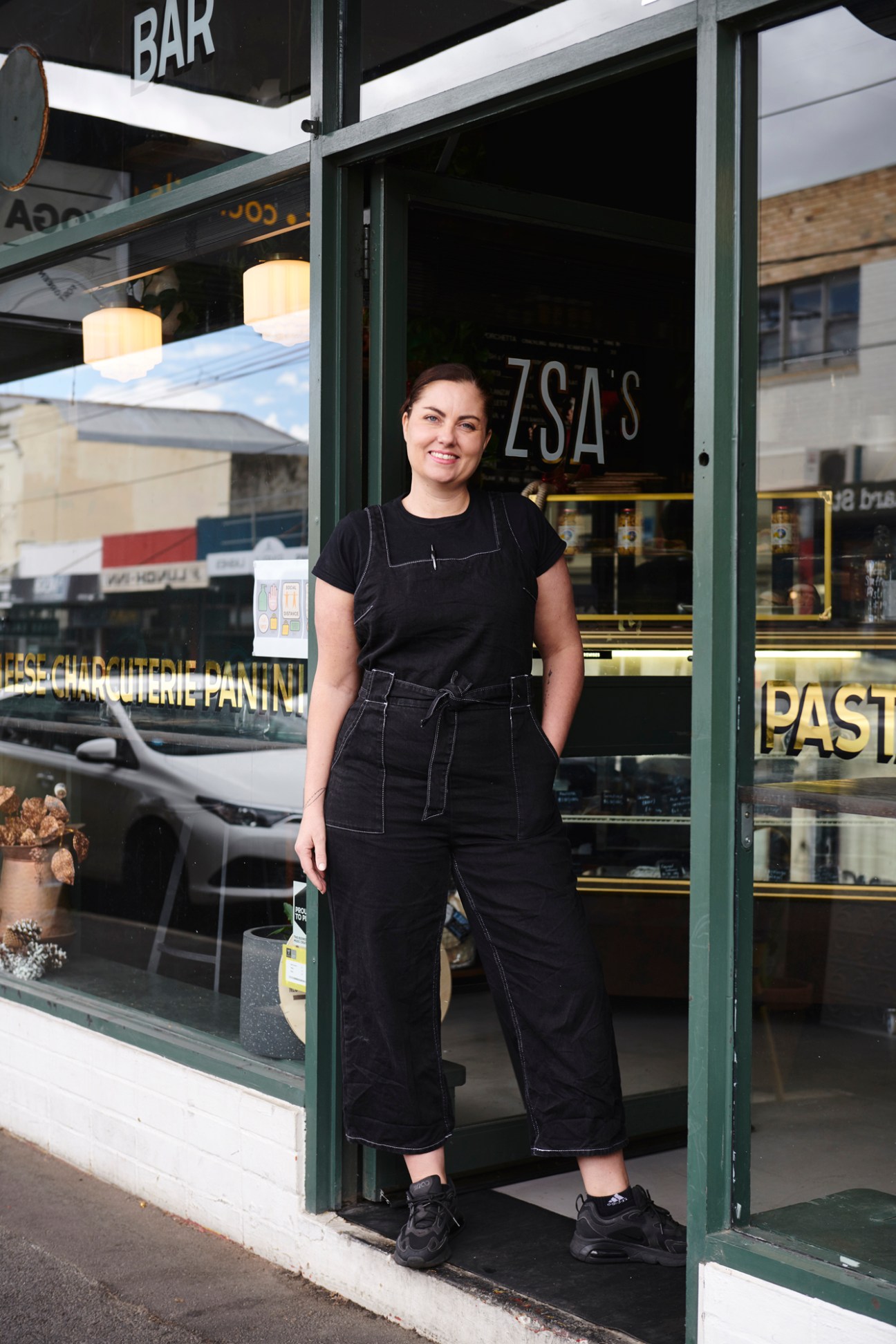
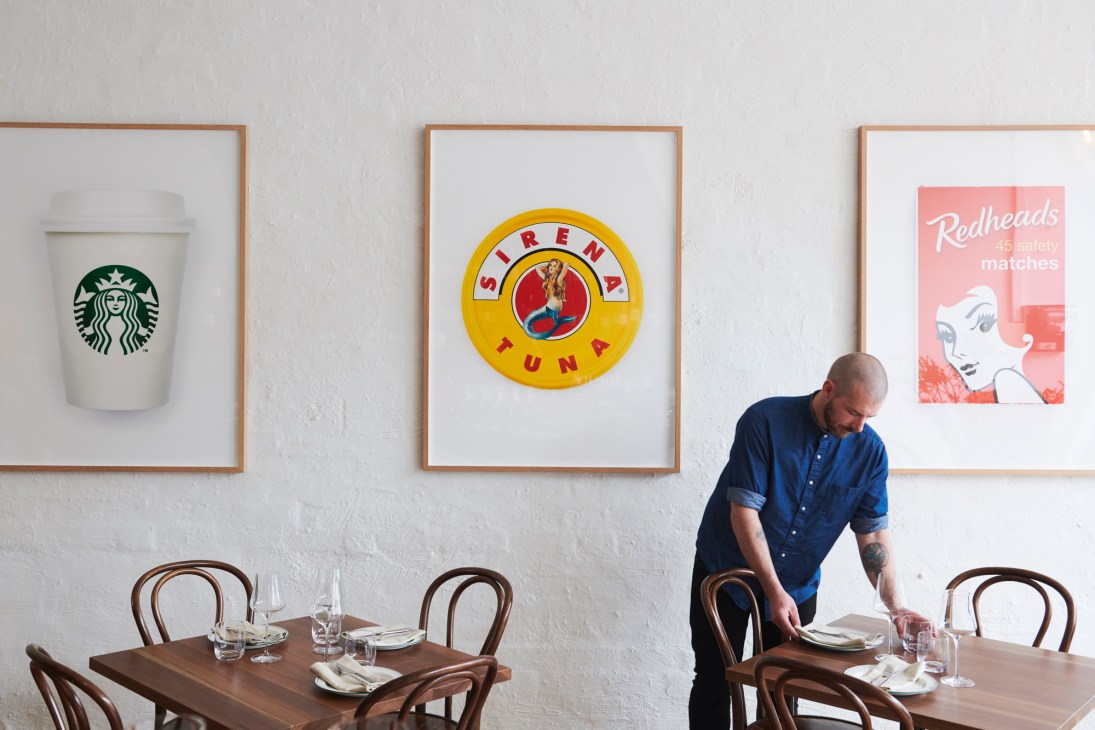
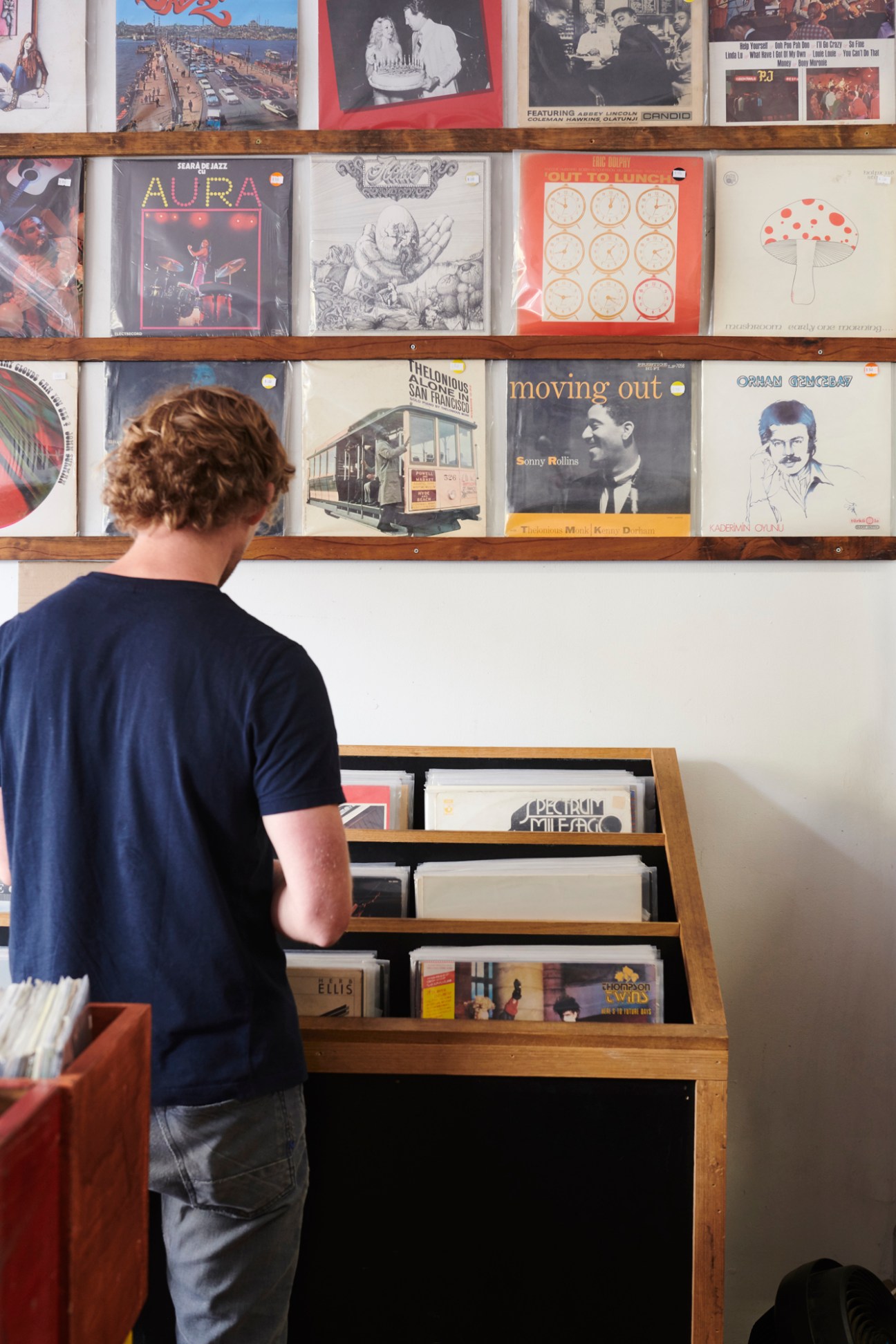
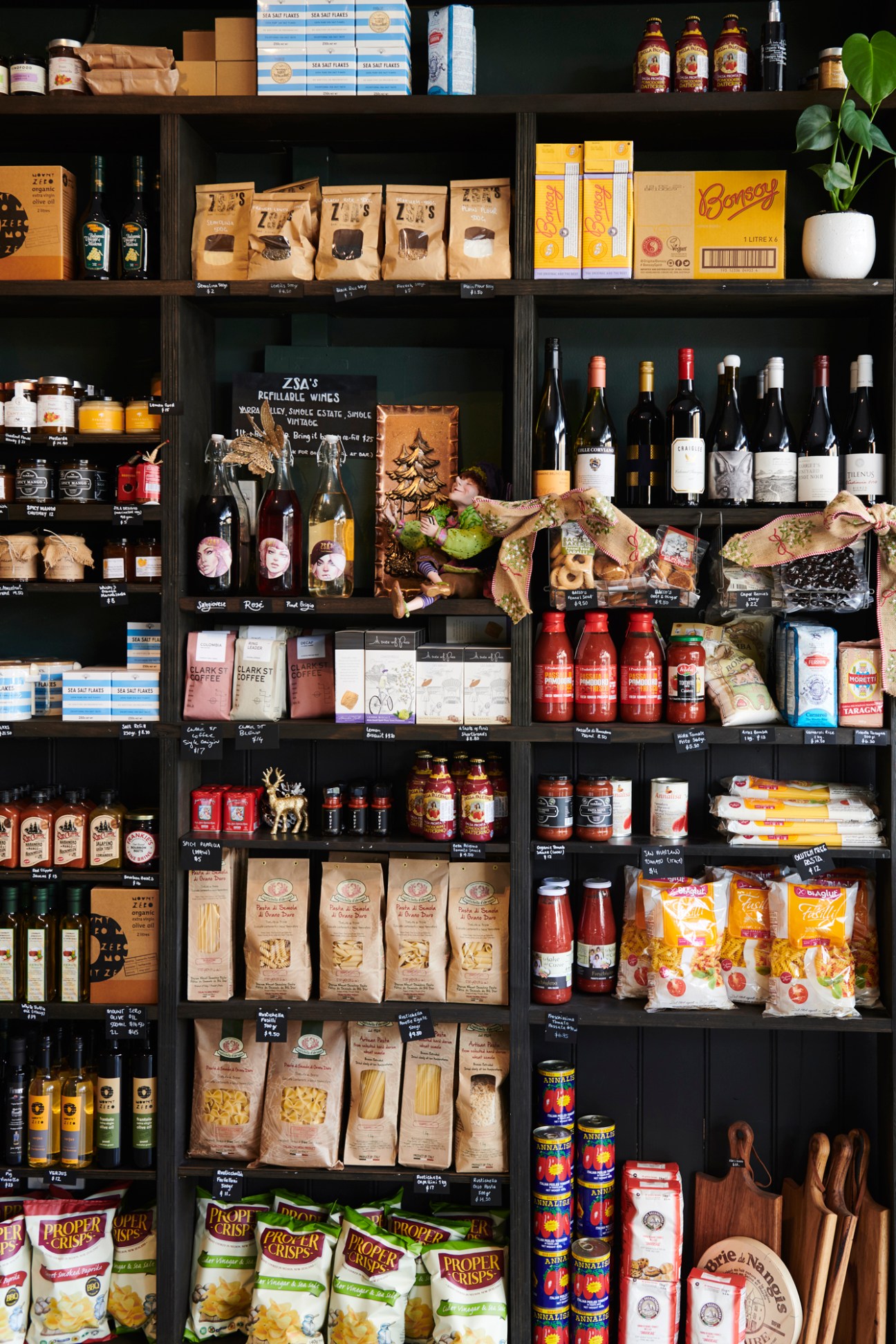
Living in the area helped Zowie Minchin when she founded Zsa’s, an elegant all-day European bistro, bar and deli. “A lot of us owners live, work and play here, so we know what’s needed,” she says. Her faith in the community paid off: Zsa’s opened in July, near the height of Australia’s coronavirus outbreak, yet business has boomed. Joel Shortman, the owner of Rathdowne Records (who lives above the shop) has another theory for why starting a business on the strip is an attractive option. “The shops are smaller so there are lower overheads than other shopping precincts,” he says. “And we have an extremely loyal base.”
Come late afternoon the high street transforms into Melbourne’s live-music mecca, with venues such as the Wesley Anne and Northcote Social Club putting indie acts and big-name musicians of all genres on stage. Also of note is the dimly lit Open Studio: since 2006, jazz musicians have flocked to this unassuming bar and crêperie.
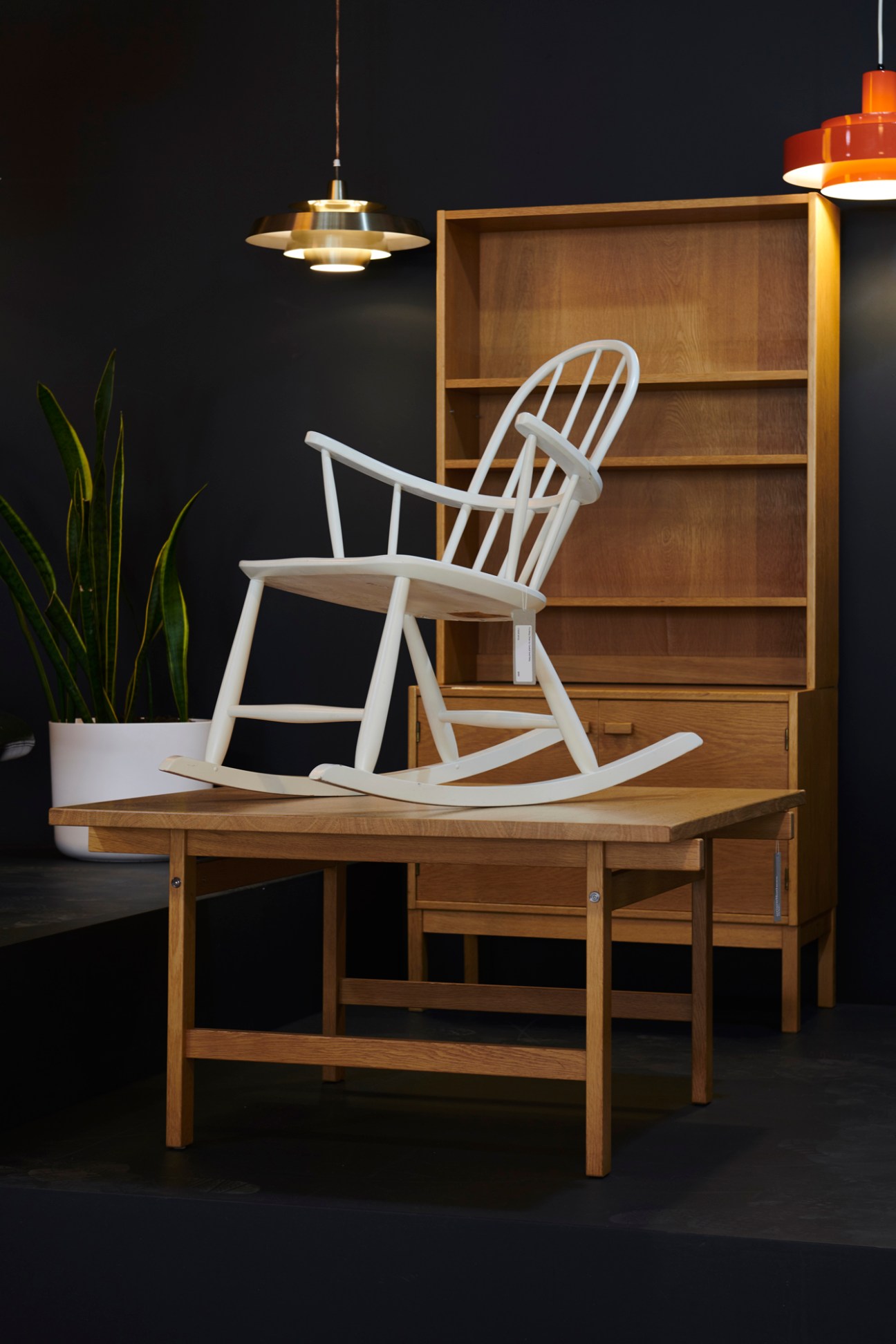
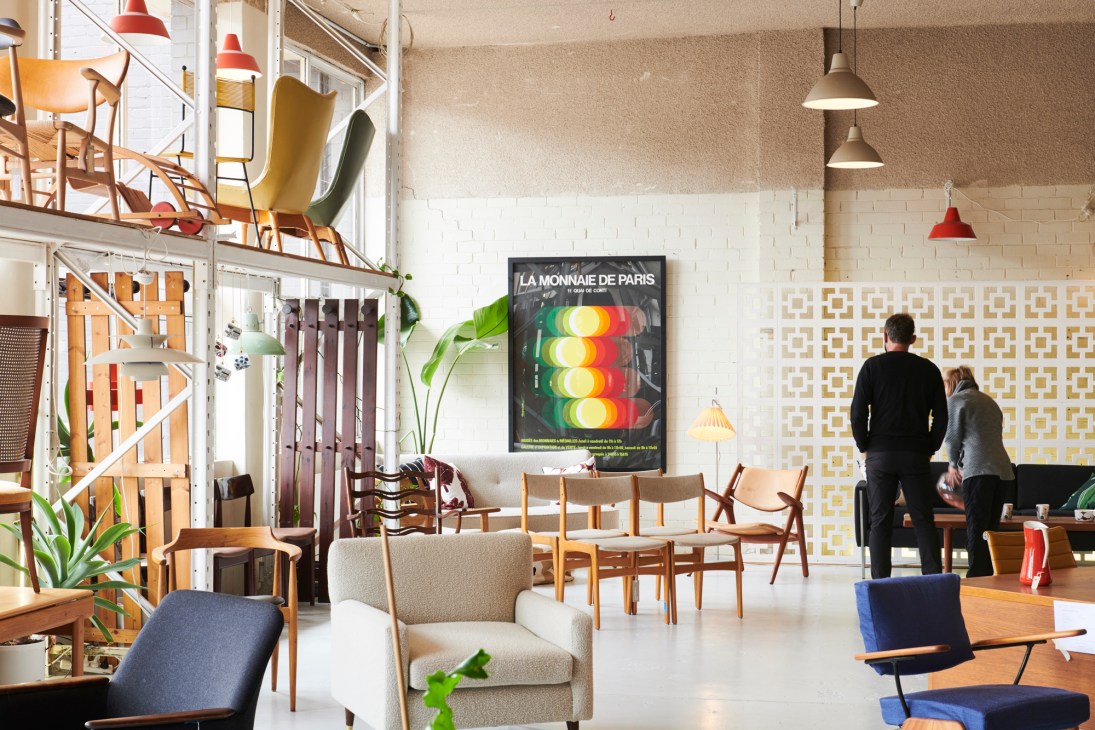
Ed Klein has run his High Street mid-century furniture shop Grandfather’s Axe since 2009 and been familiar with the suburb for even longer. “It has changed but it has still retained some of its old-school charm,” he says when asked if all the attention has altered the area’s character.
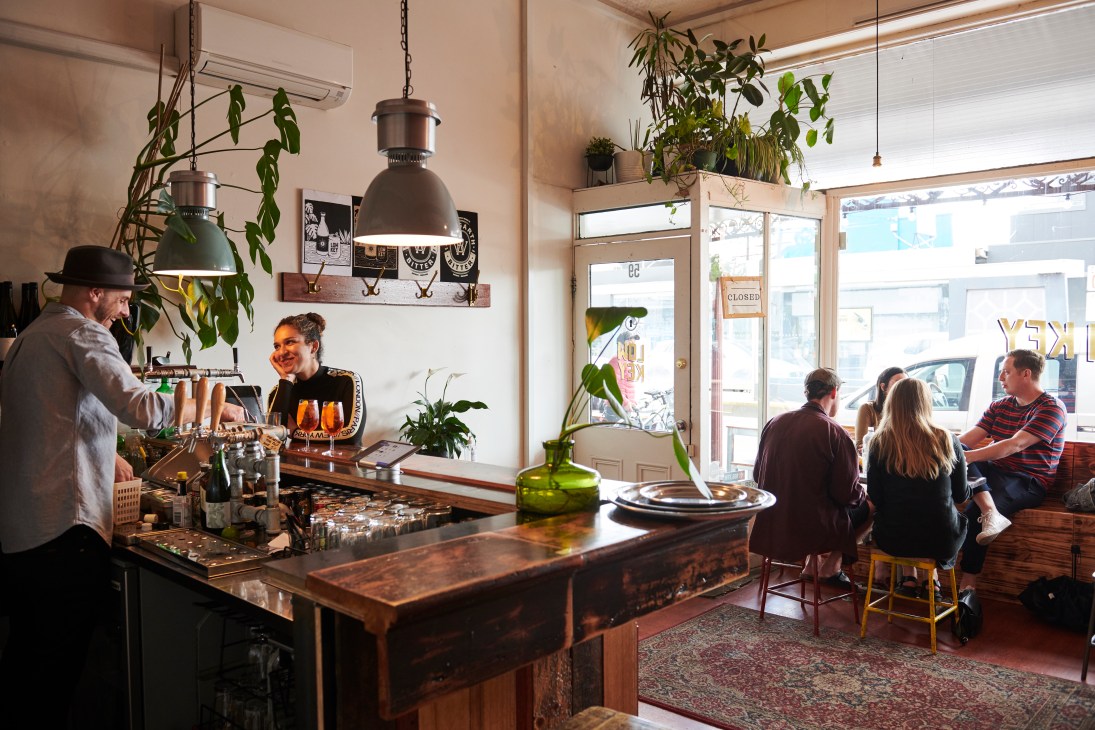
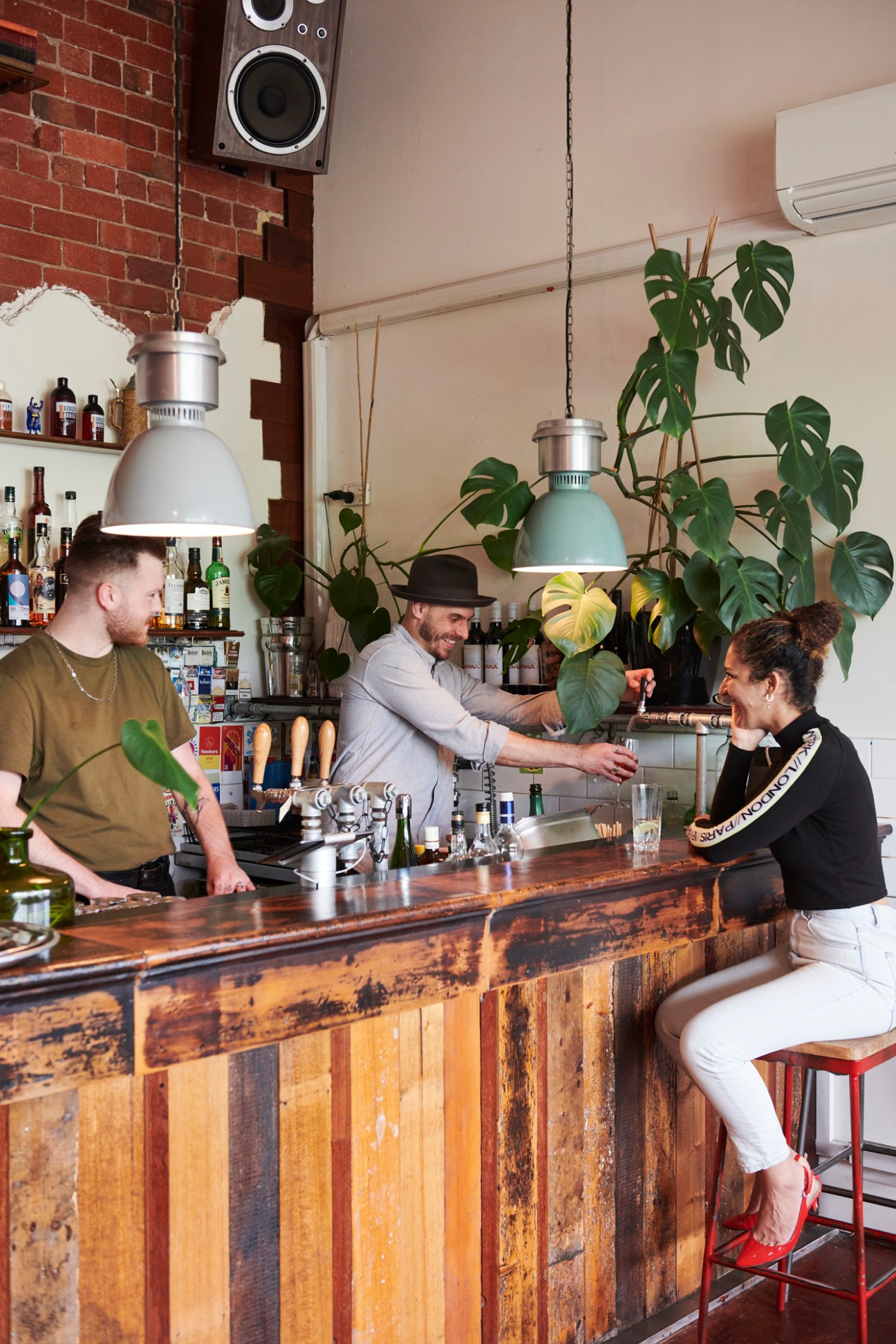
At neighbourhood bar Low Key, owner Riccardo Rantino echoes Klein’s thoughts on the matter. “We have the balance right, people come here for the old reasons they came: the theatre, the market,” he says. “But they’re also coming for so many other businesses now. That hasn’t quite extended the full length of the street but right here, this is the sweet spot.”
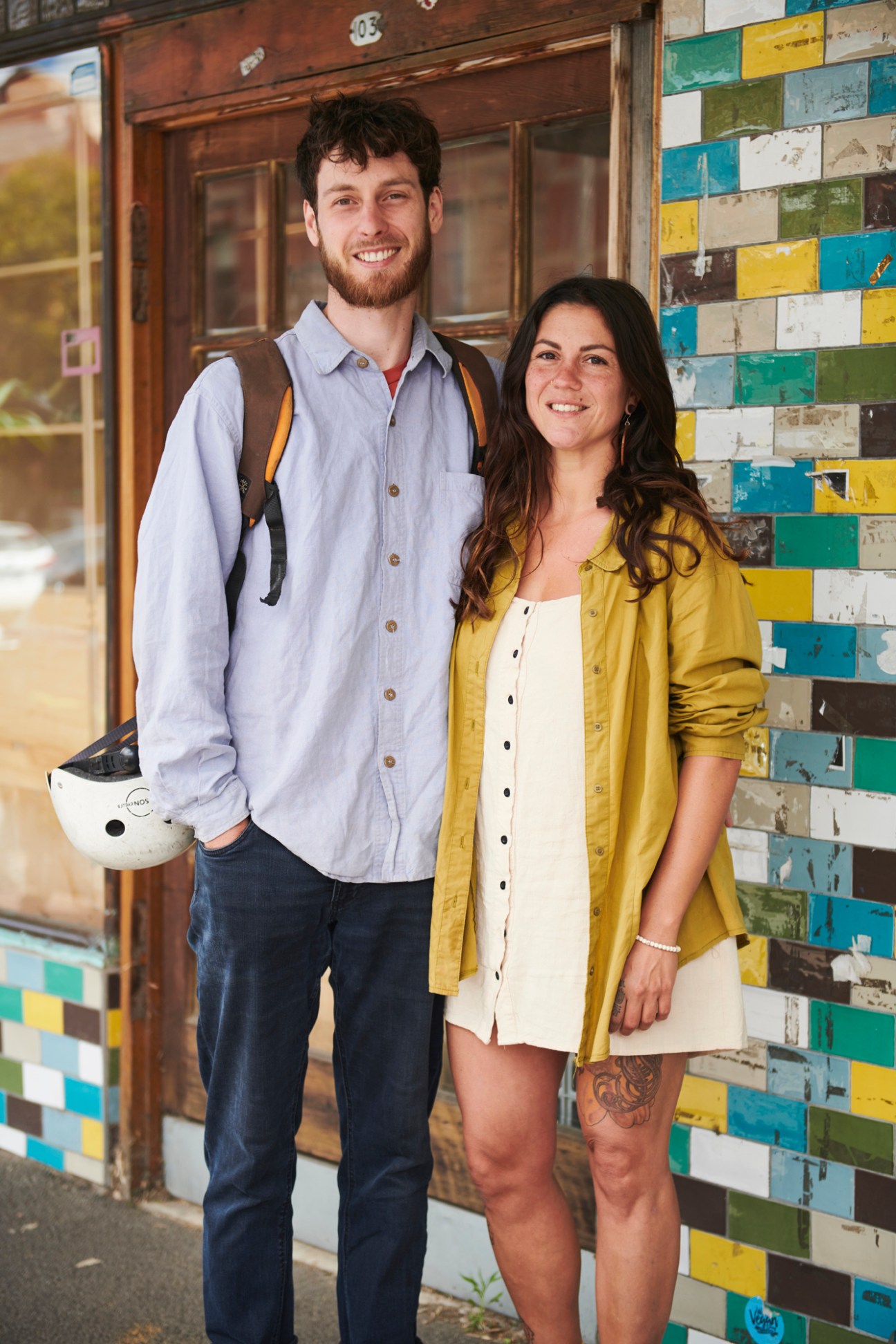
Northcote High Street address book
Neighbourhood Books
A small shop with a special focus on Australian authors.
neighbourhoodbooks.com
Kathryn and the Bear
Homeware shop supporting local artists. Also runs workshops in ceramics and candle-making among other crafts.
kathrynandthebear.com
Barry
Contemporary café serving excellent flat whites and brunch.
barrycoffeeandfood.com
Terra Madre
Cosy market selling organic groceries and products on the ground floor while upstairs is a wellness clinic.
terramadre.com.au
Rathdowne Records
Record shop with an especially stellar collection of jazz.
+61 (03) 9482 4213
Zsa’s
Elegant European bistro, bar and deli. Perfect for any time of day.
Zsas.com.au
The Phoenix and the Turtle
A great rack of men’s and women’s clothes from Australian designers as well as homewares.
phoenixandturtle.com.au
Low Key
No fuss neighbourhood bar in a rambling old house. A DJ spins vinyl on weekends.
lowkeybar.myshopify.com
Open Studio
Dimly lit live music venue, bar and crêperie
openstudio.net.au
Grandfather’s Axe
An elegant trove of mid-century modern furniture sourced from Scandinavia and beyond.
grandfathersaxe.com.au
Vex
Neighbourhood restaurant run by three residents, serving excellent seasonal food and wine.
vexdining.com
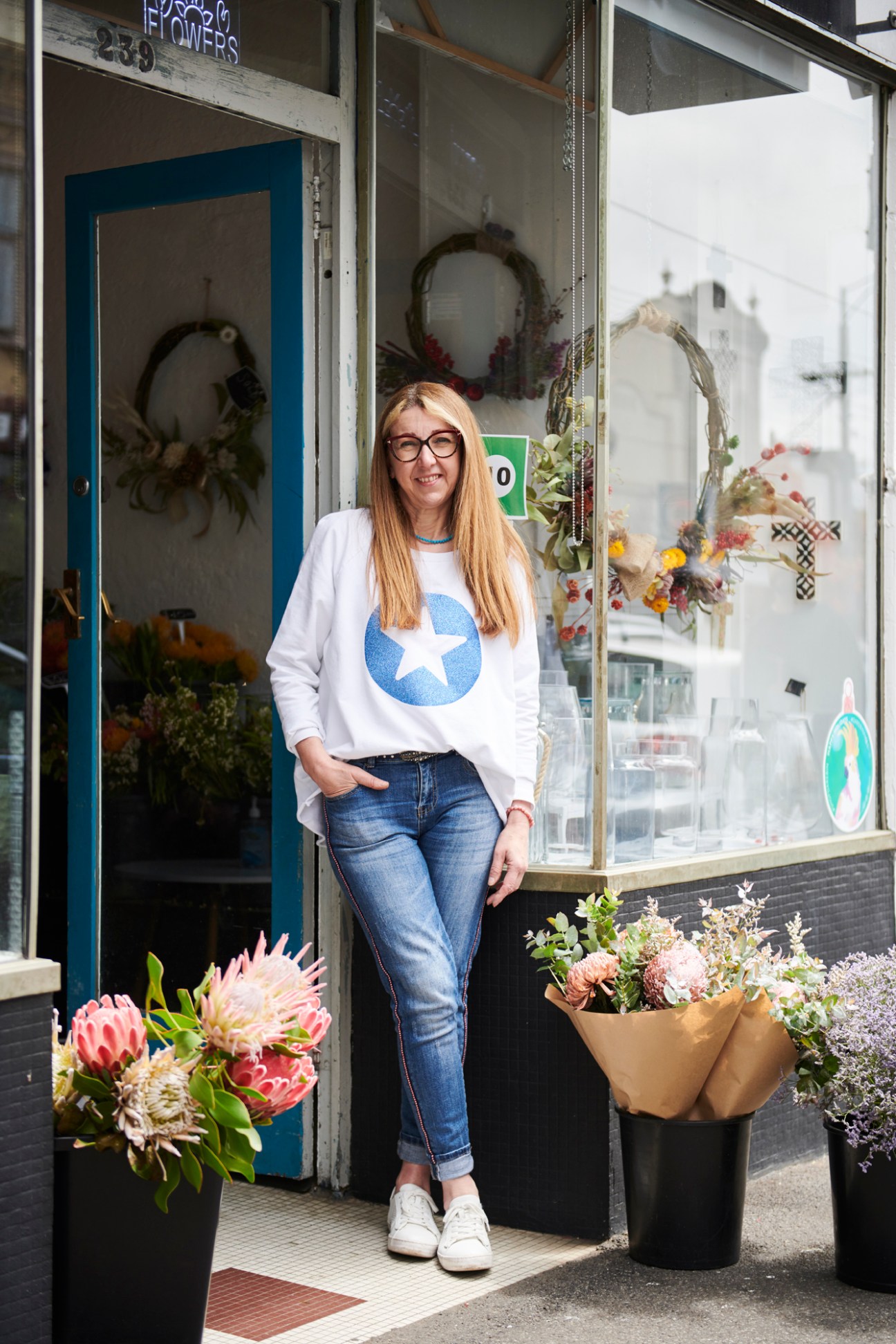
Fresh Flowers on High
Flowers, indoor plants and gifts.
fresh-flowers-on-high.business.site
Naturally inclined
If, in normal times, you barely even register the leaves changing with the seasons, the hiatus in the frenzy of daily life in 2020 was an opportunity to reconnect with the way that nature unfolds every day. Whether through leisurely strolls, brisk jogs or simply popping a head out of the window, cooped-up urbanites realised just how vital green spaces and fresh air are as a source of comfort and joy.
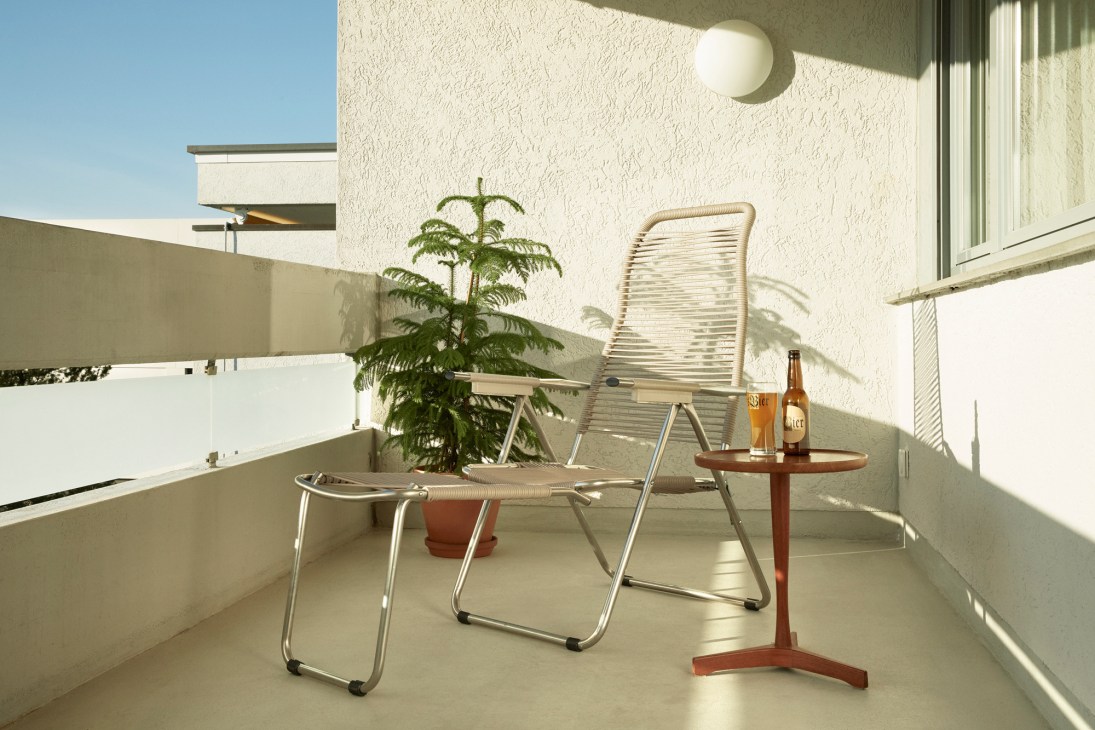
So with bluer skies again on the horizon, those fortunate enough to have an outdoor space at home should make the most of it – and there is no simpler way to do so than with a well-designed lounge chair. Having one lying around serves as a gentle invitation to make time for unwinding in the open air, even as you ease back into busier routines.
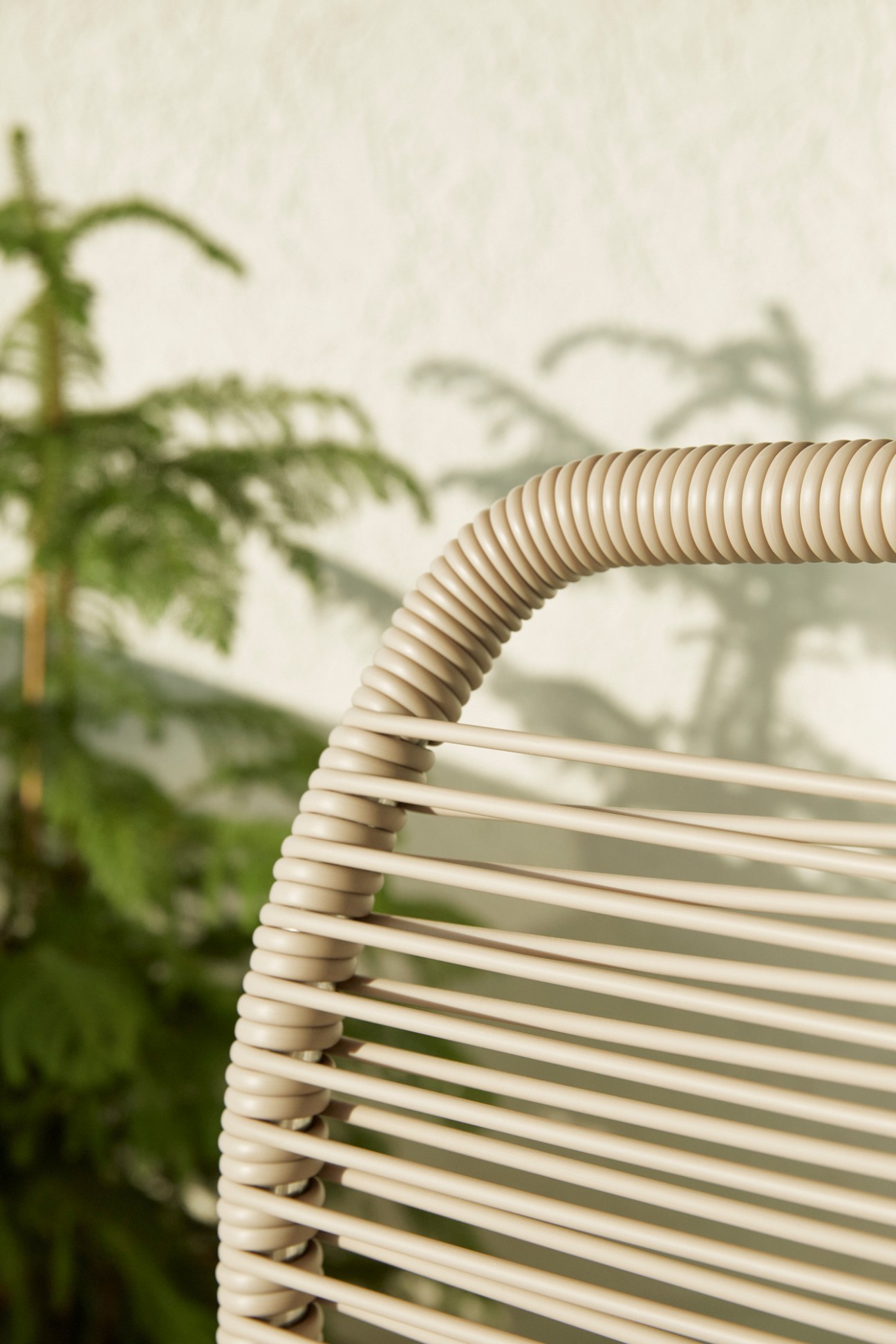
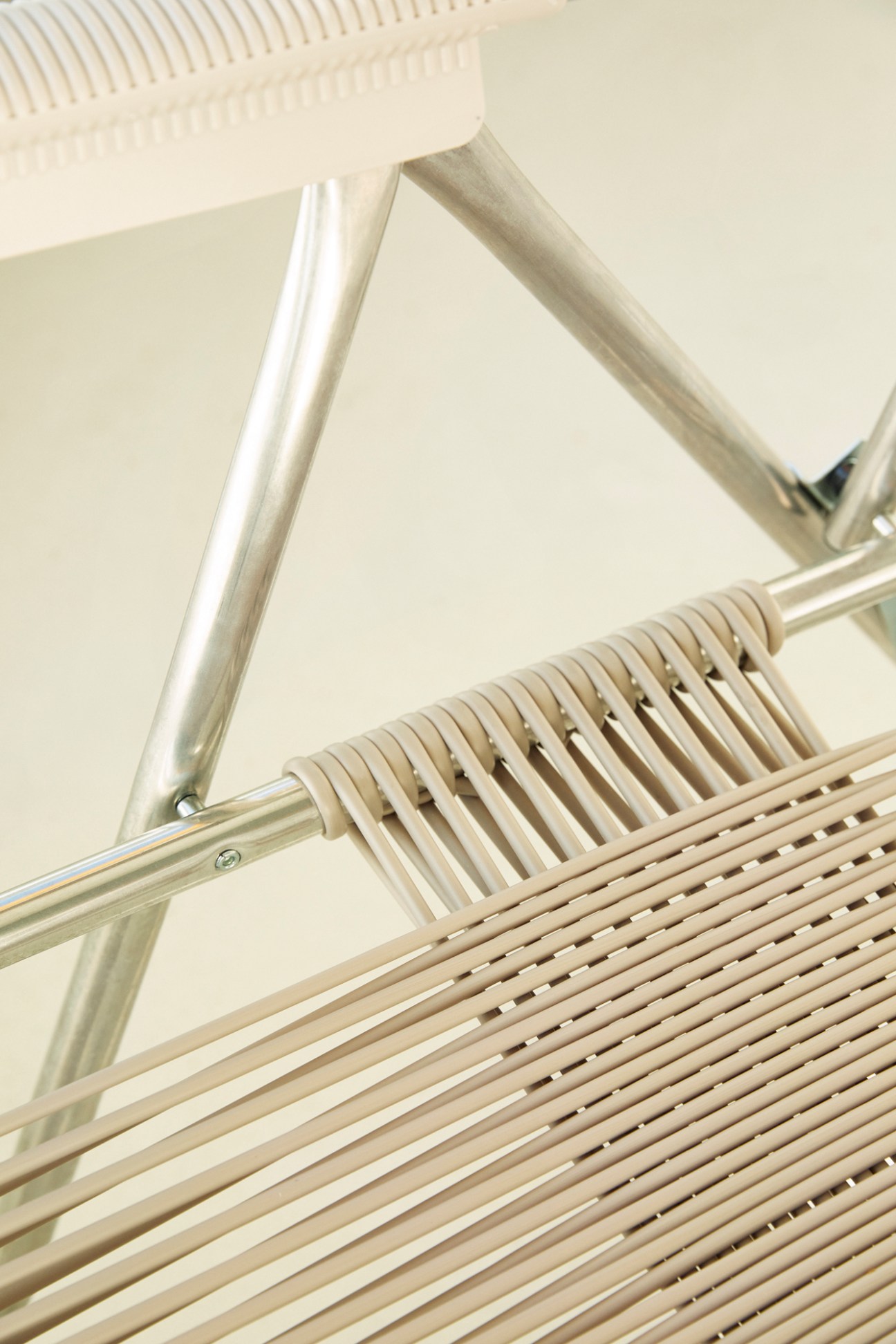
A good lounger needn’t be extravagant. Just look to the Spaghetti deck chair from Italian furniture brand Fiam for inspiration. Coming in an array of cheerful colours, its unfussy design means that it’s lightweight and foldable so it’s suitable for tighter spaces such as balconies. Kick back with an aperitif and a good book in hand, and let the birdsong remind you that living at a slower pace can frequently be more fulfilling.
fiam.it
1.
Cappellini steel pipe drink trolley
Italy
This drinks trolley is more than sturdy enough to be loaded up with a full afternoon’s worth of snacks, drinks and reading material. Its elegant slender form, meanwhile, will enhance any outdoor environment.
cappellini.com
2.
Coleman drinks cooler
USA
Outdoor equipment specialist Coleman has been providing the world’s coolest coolers since the 1950s. Fill one of the brand’s simply designed boxes with ice and you’ll have a portable fridge in which to chill your drinks.
coleman.com
3.
Alexo parasol by Glatz
Switzerland
A design that’s kept the Swiss cool for some 80 years, the Alexo parasol stands handsomely on durable ash-timber poles. Their shades draw upon robust fabrics that last for many seasons and fade slower than most.
glatz.ch
Lights, please
1.
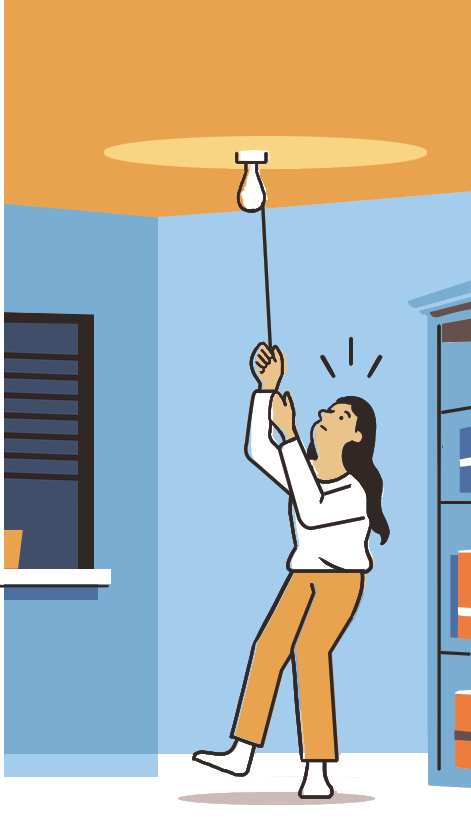
Pull the plug on the ceiling light
Non-dimmable, non-adjustable ceiling lights should be a non-starter when you’re planning the lighting of your home. The first step in your scheme should be taking back control of your lighting sources. Look to hanging pendants, sconces and directional standing lamps whose glows can be easily adjusted.
2.
Take a dim view
The dimmer rose to fame during the 1960s. This tool should never have fallen out of fashion: it makes switching up the atmosphere in your home a breeze. Dim it down for a flattering glow during date night and then back up again to clean up the mess the following day.

3.
Deploy mirrors to add some depth
Interior designers swear by smart mirror placement to make a small home seem roomier and to amplify both artificial and natural light. The design need not be ornate; a large ash-framed mirror can be an illuminating addition to your pad.

4.
Use candles and oil lamps
We’ve all been to parties at which hosts have overdone the candles and caught our coat-tails on tiny corridor flames or extinguished one closing a bathroom door. Place oil lamps and candles in quieter corners to create cosiness. But don’t rely on them to do your scheme’s heavy lifting.

5.
Give your meals some elegance with a pendant light
The dining table should be the heart and soul of your home and the lighting should accentuate this importance. Harness a hanging pendant – or look to be ambitious and cluster a few above the space where you’ll entertain guests – to enhance its warmth, helping you to enjoy many a memorable meal.

6.
Drop the LED bulbs
While some of us go to extreme methods to acquire largely banned iridescent lightbulbs and the rich, warm glow that they offer, LED light sources are improving. This being said, most LED lighbulbs are too bright and can create an unflattering environment. You can soften the tone by placing them in an Ozeki paper lantern.

7.
Take cues from the Nordics
If you want to cheat our instructions, hop on a plane to Stockholm or Helsinki and do a spot of late-night window peeping (not the naughty kind) in a Nordic nation’s winter months. You’ll find yourself looking into a moody menagerie of masterfully toned lighting emitted from Finnish Secto wall lamps and Swedish Karlskrona oil lamps.

Go where the art is
This is a good year to rethink your career and for those in the creative industries, sharpening your skillset need not be a chore. Taking a hiatus from the day job to add a new feather to your creative hat in a far-flung location, while soaking up a new culture on a relaxed student schedule, sounds pretty alluring. We’ve selected some design-minded courses in enticing locales to get you motivated.
Interior architecture
Camondo Méditerranée
Toulon, France
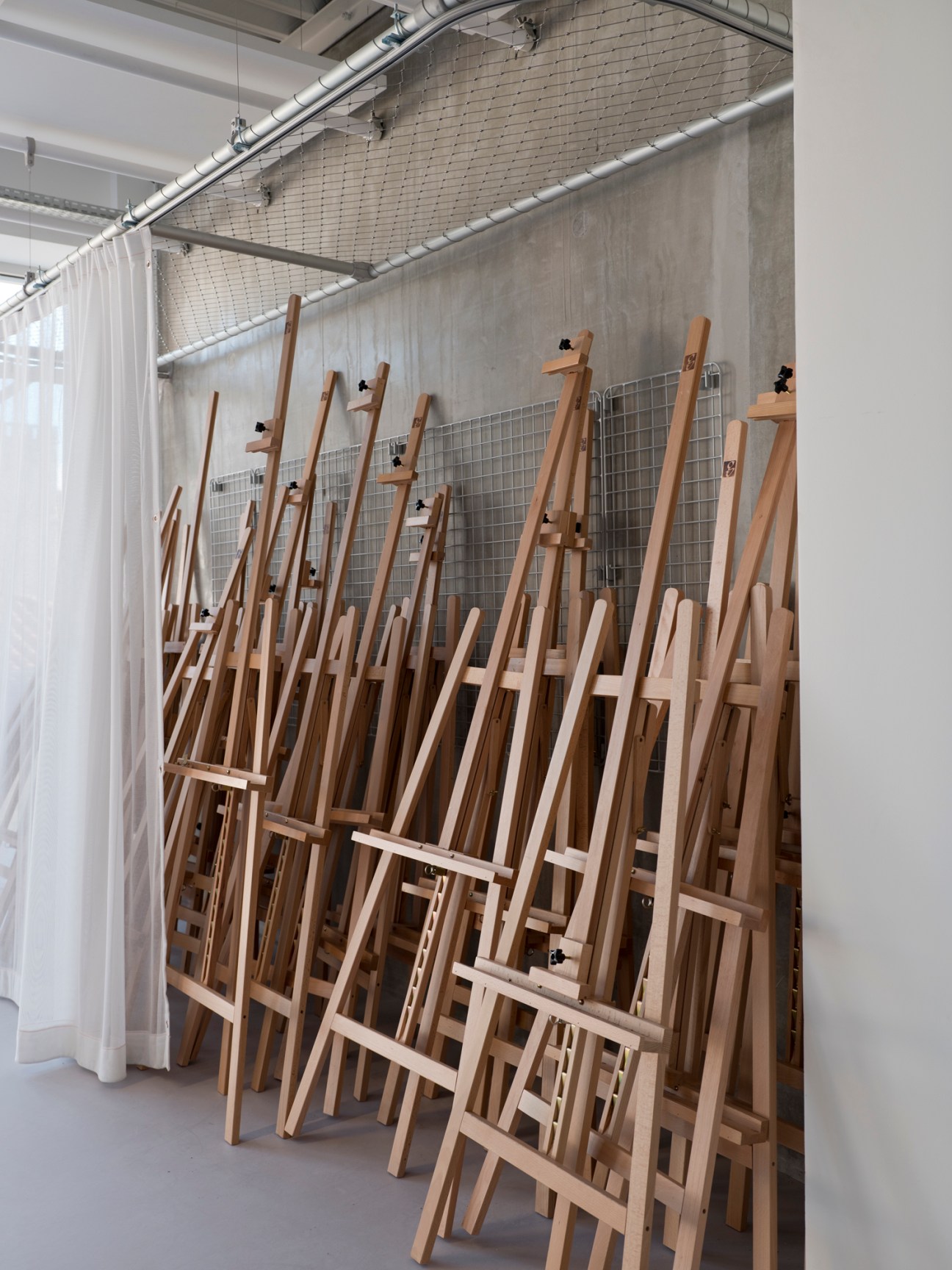
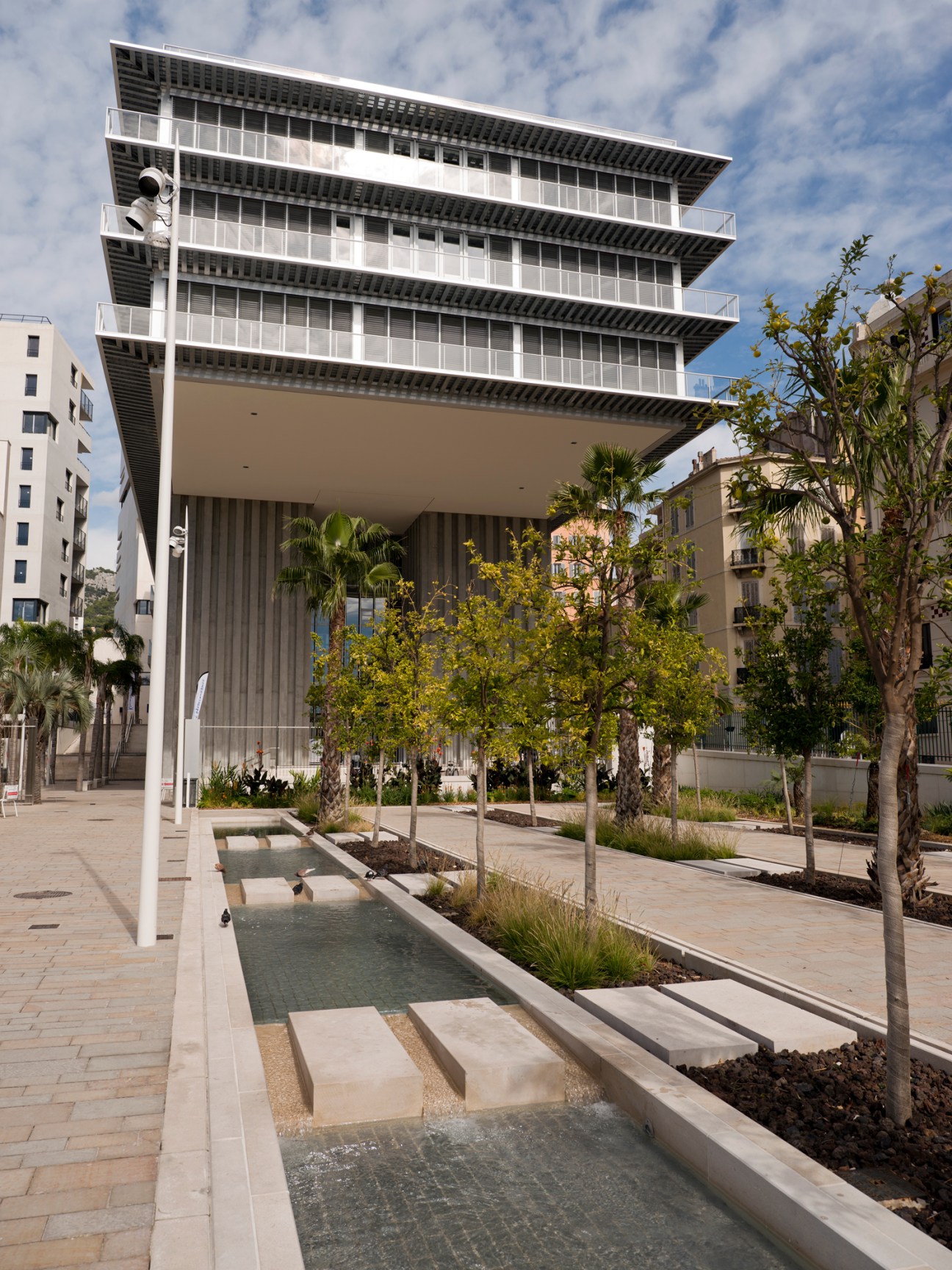
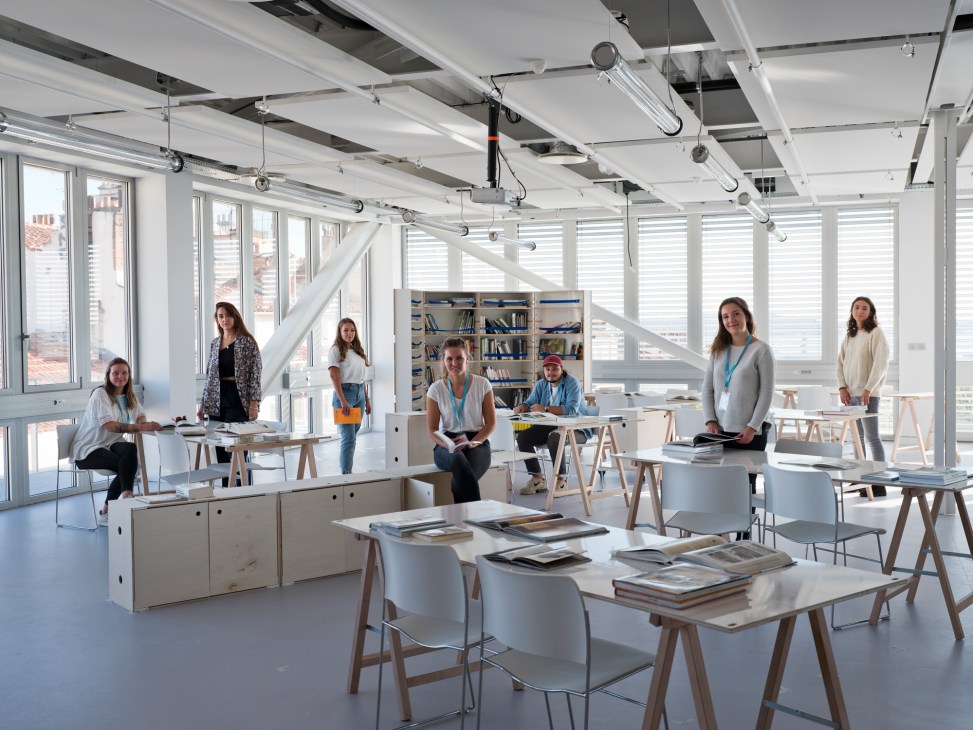
Overlooking Toulon harbour on France’s sunny Côte d’Azur is as good as spot as any to enjoy a sea change. The prestigious École Camondo, established 77 years ago in Paris, has opened its second campus in architect Christian Devillers’s Maison de la Créativité in the small city’s new creative district. Learning areas are less classrooms, more sprawling workshops, where modular furniture can be wheeled around and large projects can be crafted on campus.
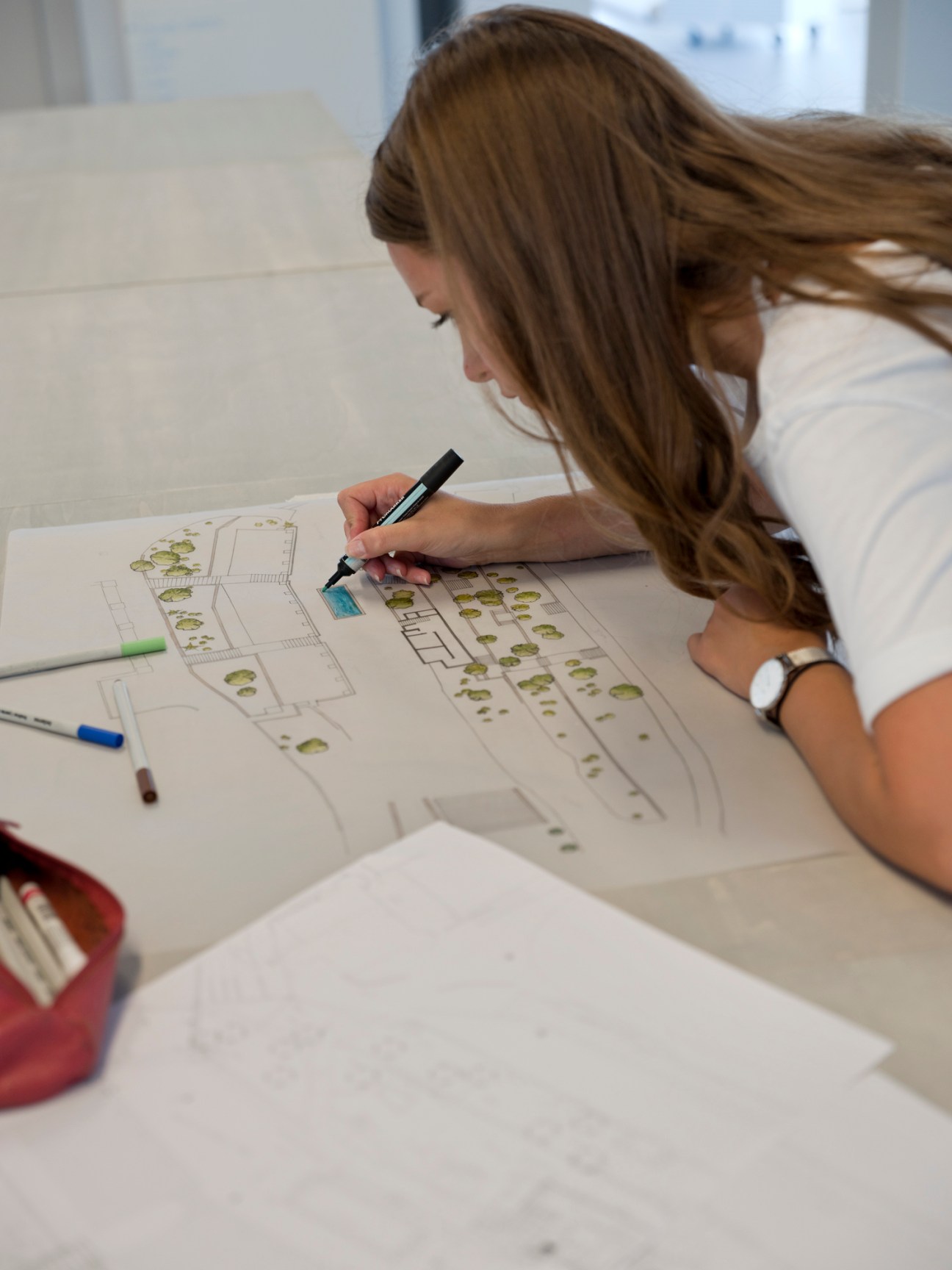
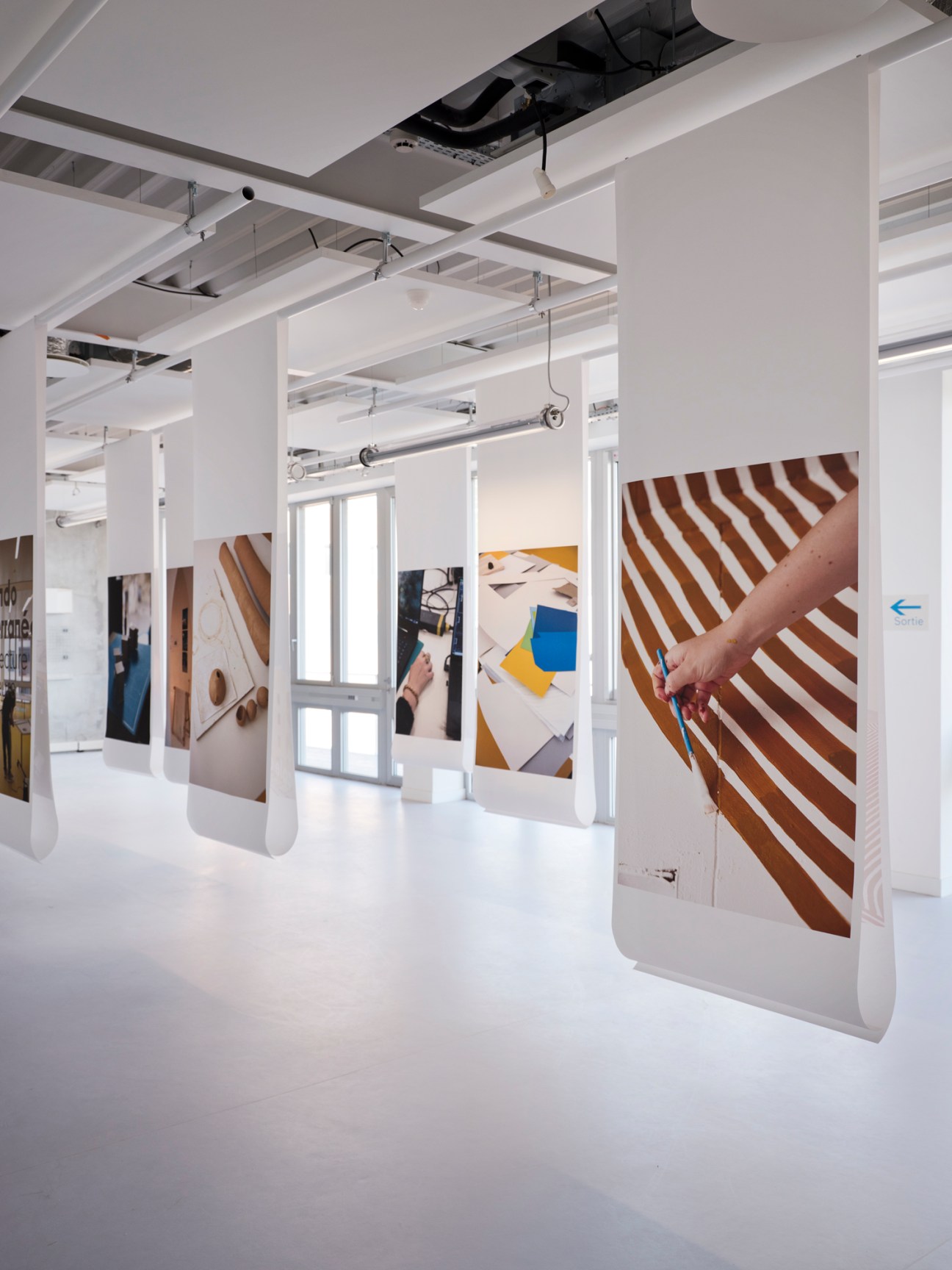

The focus is on interior architecture and design, paying close attention to the importance of place and the effects of climate change. Students work on live briefs, busying themselves on the development of the nearby Châteauvallon outdoor theatre and adding interiors improvements to the art centre Villa Tamaris. “It’s easier to work on sustainable developments because we are in direct connection with nature,” says student Coralie Démoulin, who has recently worked on the renovation of an old seaside fort. “Here we have a much greater connection with the outdoors and especially with the sea.”

From Med to Pacific
Marble sculpture
School of Fine Arts
Pyrgos, Tinos, Greece
A sabbatical to the island of Tinos sounds to Monocle like a terrific way to expand creative horizons. On an island known for its crafts and marble quarries, the school’s director Leonidas Chalepas has injected his understanding of sculpture into a world-class curriculum. The only difficulty is leaving; graduates are known to stay to found studios on the idyllic island.
Carpentry
Suikoushya International Craft School
Kyoto, Japan
For a shorter back-to-school experience we would point designers, architects and anyone else with a penchant for craft to take a month-long carpentry course with Japanese master Takami Kawai. Even after a glorious day with Japanese woodworking tools, students continue the immersion in the craft as they admire the ancient timber architecture of the city.
Book your ticket
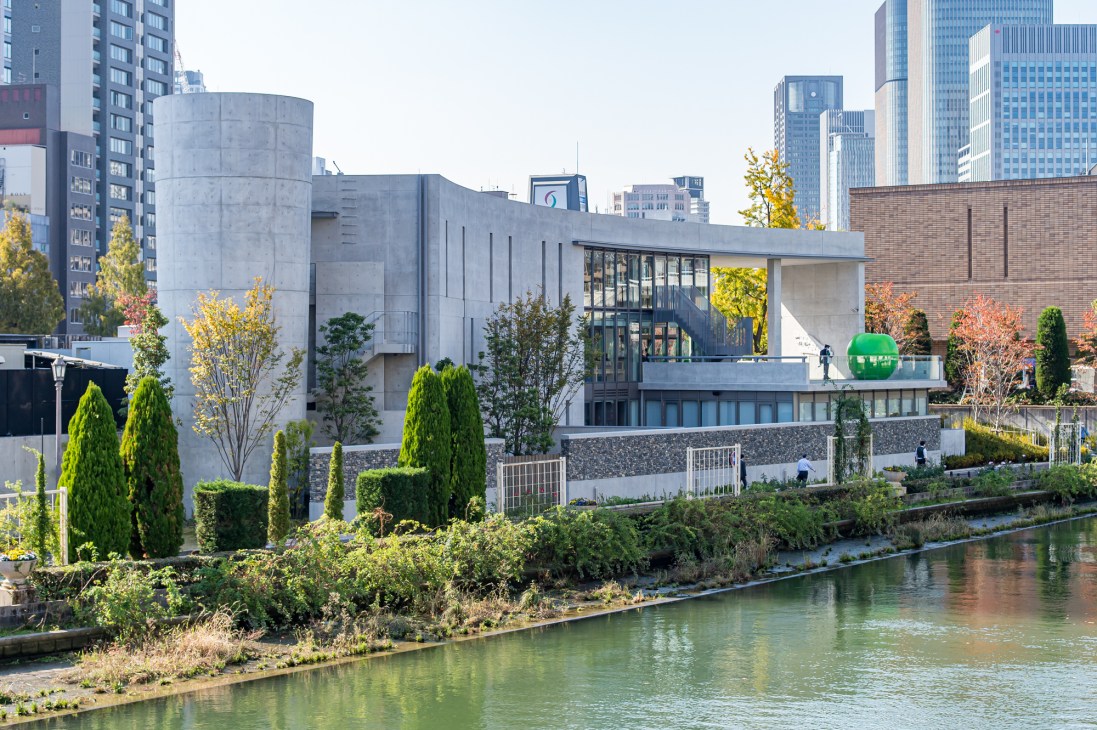
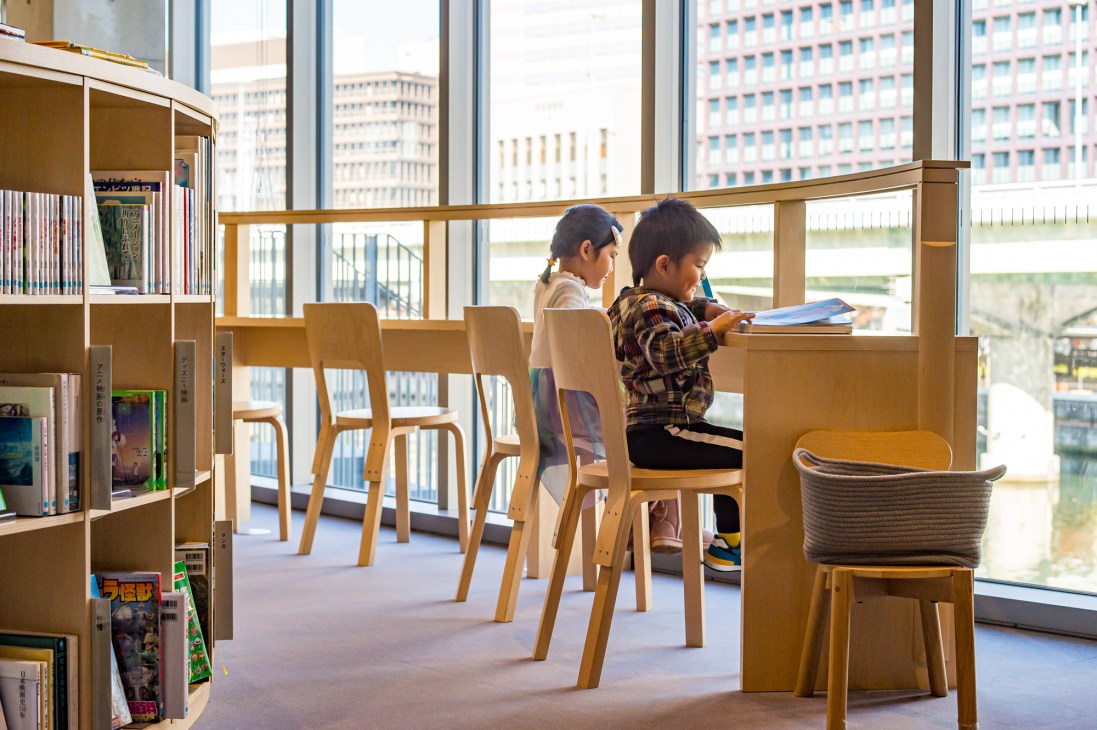
Designed by the architect Tadao Ando, Nakanoshima Children’s Book Forest (Kodomo Hon no Mori) in Osaka is a library but also a new chapter in venerating the book in an increasingly digital world. “I had worked on facilities for children before,” says Ando, 79, of the space that opened in July. “Through those projects, I have been thinking about what I could do for children as an architect. I wanted to execute the idea of creating a facility in which children can read as much as possible. Reading is an essential part of nurturing our abilities to judge, express and raise creativity.”
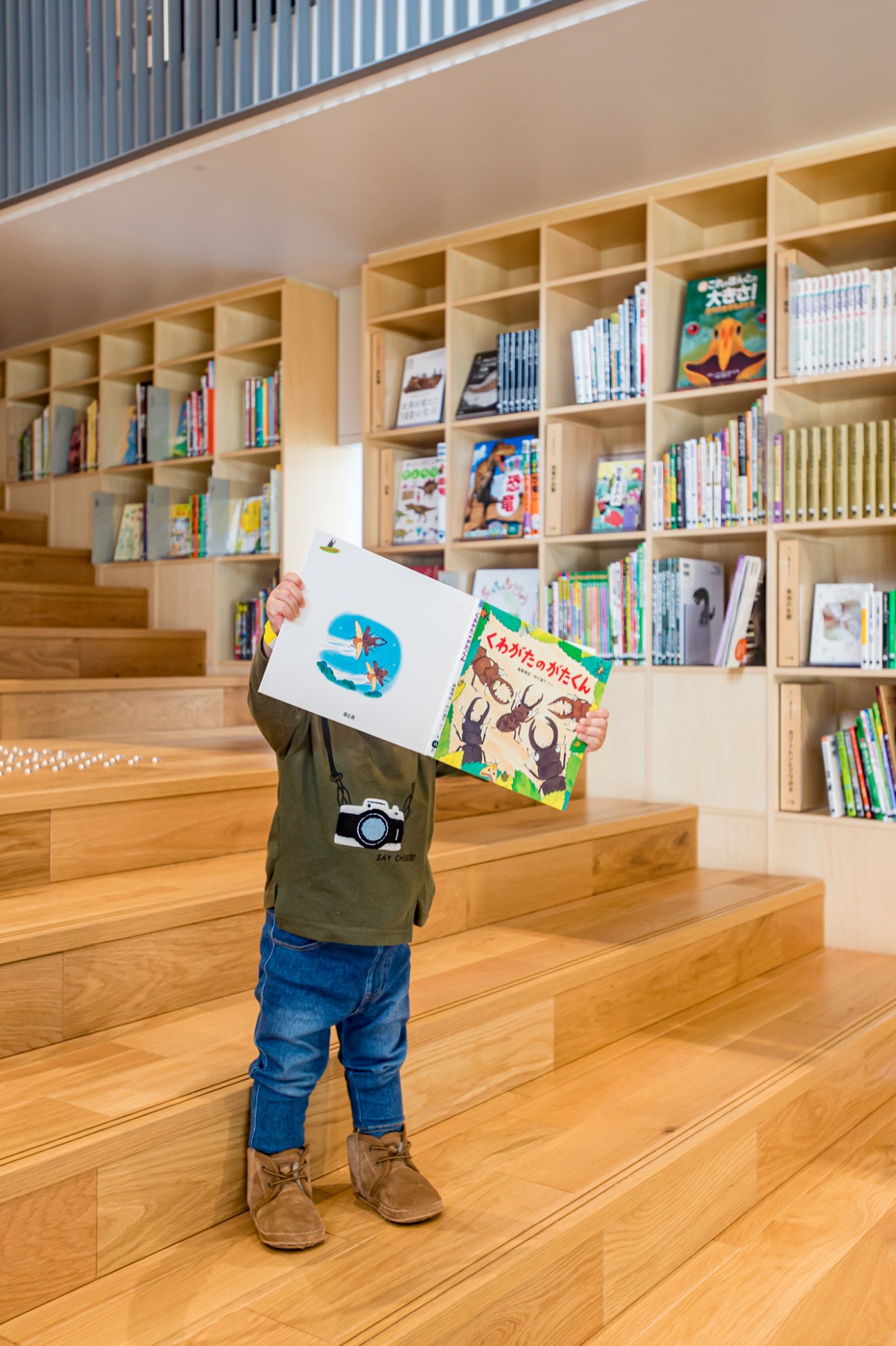
In 2017, Ando pitched a proposal to the authorities in Osaka that he would design a children’s library, with his office shouldering the design and construction fees, and donate it to his native city. The result is a signature concrete structure with a three-storey atrium and plenty of natural light. The interior is warm, surrounded by floor-to-ceiling wooden bookshelves housing 18,000 books. Graphics and logos designed by art director Fumikazu Ohara of design studio Bootleg catch the eye of visitors of all ages, while Artek n65 children’s chairs, handpicked by Ando, allow space to enjoy the literary bounty in comfort.
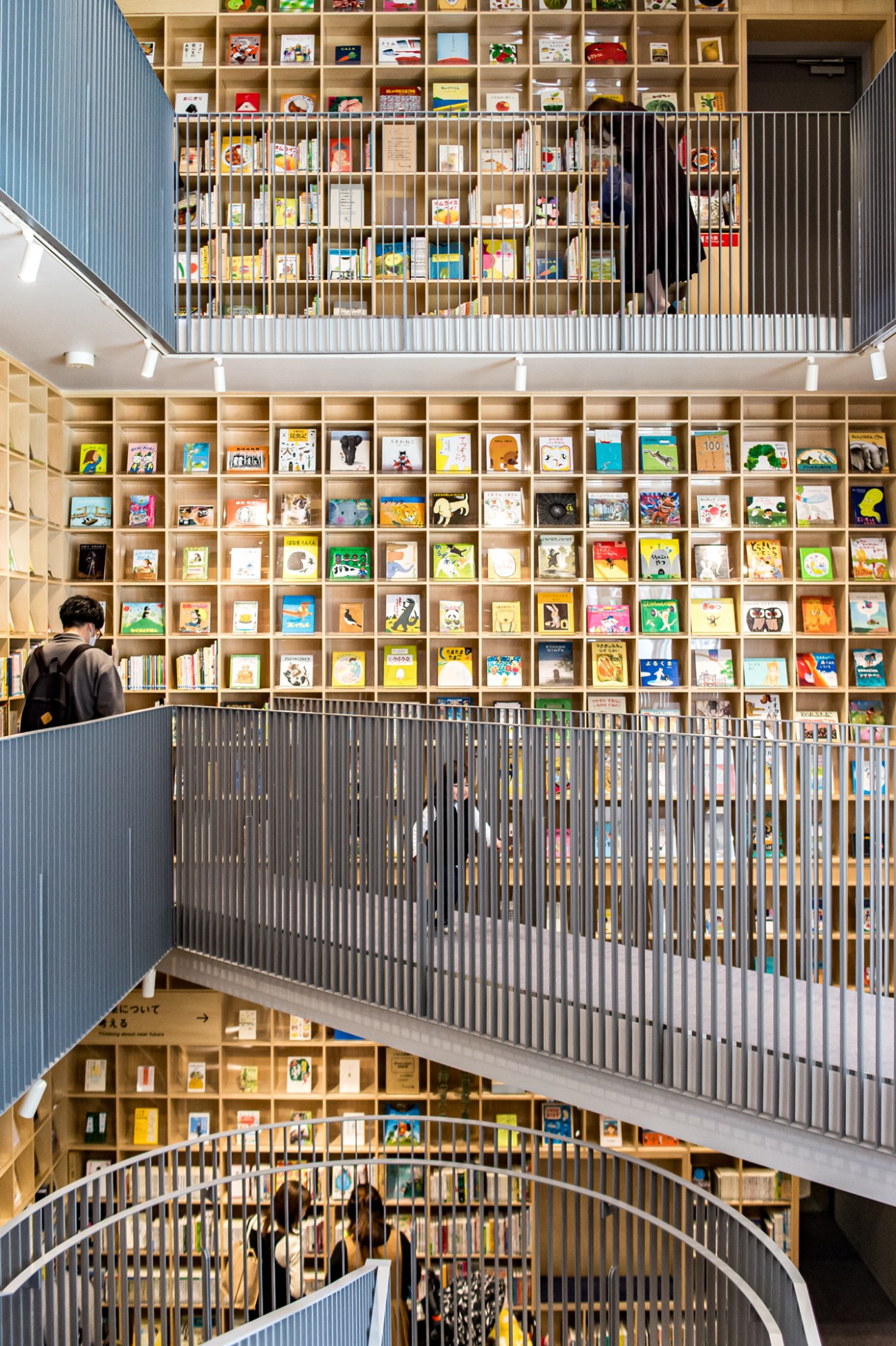
There is also a sense of play, with staircases and a bridge running across the space. “I wanted to create a place where people can enjoy the building simply by walking in and around it,” says Ando. “When you walk through this labyrinth of knowledge, glimpses of the Dojima River appear between bookshelves. You’ll also come across a mysterious protrusion that overlooks the atrium and leads to a space akin to a deep well. Children can experience this structure as though they were wandering through a forest of books.”
The environment has been masterminded to encourage a great sense of freedom and curiosity, and without the tapping of keyboards. Children are left to their own devices to explore and discover topics that they didn’t know they were interested in. By design, there is no counter to keep the children and librarians apart. “Children can ask our staff to read books to them any time, anywhere,” says library director Chiharu Maekawa. “Everyone is amazed with the building and the collection but there is a human element too. People need to connect children with books. We do just that.”
The collection was curated by book director Yoshitaka Haba of Bach and divided into 12 categories, including nature, design and stories about life and death. “Children don’t like to be treated like children,” says Haba. To this end, he added serious titles that adults can also appreciate, covering everything from Japanese cuisine to nuclear power plants and the arts. “You cannot just tell children to read,” he adds. “But they’ll get into it if they see that their parents are into it.” The trick appears to be working.
The library is a testament to the future of publishing and an investment in the next generation. “Subscription services are seeing a big growth now, but it feels as though you can passively keep watching or listening to whatever is being fed to you endlessly,” says Haba. “What’s good about books is that you can pause, think and go back. Humans have proactive control of time [spent reading].”
Haba reflects with a smile on a project for which there was no previous example to draw on, but is confident that the team has delivered. “We want people from around the world to visit,” says Haba. “We believe that we have created something epoch-defining.”
kodomohonnomori.osaka