Issues
Own it
You don’t have to be a Renaissance-style patron or planning a pavilion for the forthcoming Venice Biennale in order to commission a work of art. Gallerists, artists and collectors are often involved in conversations that result in personalised pieces that never get to hang in a white cube but instead head straight to the walls of a home. Commissioning a new artwork feels as though it’s an opportunity to end up with exactly what you want but it’s titillating and risky at the same time. Sure, you can make requests to the artist but you will never really know what the result is going to be – and that’s where things get exciting.
More than anything, commissioning a work anew establishes a relationship with an artist that no sale from a booth at a fair (virtual or not) can ever match. It’s a chance to be part of a creative process and perhaps support something experimental that, otherwise, wouldn’t have seen the light of day. Whether you’re a first-time buyer who’s looking for something to hang above the sofa, or a company keen to make a statement in the lobby, commissioning a new work will make you feel more invested in your purchase. From artists and gallerists to the collectors who have gone through the process themselves, we spoke to a few experts to reveal how and why you should commission your own.
The collectors
Nina Gscheider and Franz Ihm
By Chiara Rimella

Nina Gscheider and Franz Ihm (pictured, with the mural they commissioned) had been collecting art for about seven years when they decided to take the plunge and commission their first work (apart from the Christmas cards they had asked artists to design for them every year). As owners of insurance company Segurio – which looks after beautiful items of all kinds, including artwork – they had long been involved in the art scene of their hometown Vienna. But buying a new apartment in Munich inspired them to go a step further.
“We decided that we wanted to do something with it,” says Gscheider. “We got a huge table where we could have dinner with lots of people and make it a social place to connect the Viennese art scene with Munich’s.” A space aimed at hosting art-themed conversations deserved something special to be shown on the walls; which is why, in late 2019, the couple landed on the idea of asking German artist Sophie Schmidt to create a mural in their home.
“With the new flat in Munich we had the opportunity for the first time to think outside the collectors’ box,” adds Gscheider. “We do collect large-scale paintings but, at the end of the day, you have to be selective because you don’t have that many walls. And I always find it quite sad to put things in storage.” Mainly, though, the decision was taken because of a willingness to bring a new approach to their art buying. “We really wanted an opportunity to develop something totally new with the artist, to get to know her better and dive into her practice.”
Having met Schmidt at a friend’s party – and seen her work inside other collectors’ homes, at gallery exhibitions and her graduation display at the Academy of Fine Arts of Munich (incidentally, a huge mural on the walls of the Academy itself) – the pair found themselves increasingly drawn to her work. “We always admired it so much because it always looked so connected to nature – everything kind of relates to her very personal experiences,” says Gscheider.
By being involved in the process, the couple managed to make this specific artwork even more unique – though to begin with, they were surprised by the amount of choice they were given. The artist started by asking them if they wanted words to be part of the finished work and what colour they would prefer. “We didn’t expect these questions because normally you go into a gallery, you see the art and it’s there: you either like it or you don’t,” says Ihm. “You really don’t think you can interfere with the artist – but, in a way, you can.”
In the end, however, the couple settled on giving very little guidance at all. “We realised that the more freedom we gave the artist, the better the work was going to be,” adds Ihm. That’s why, after a couple of months of planning, they gave her the keys to their apartment and left for Art Basel Miami. During their absence, the artist moved in, with her boyfriend in tow, and worked more or less day and night. Gscheider and Ihm believe that not being present to look over the artist’s shoulder throughout the process also benefitted the final result. “We were quite glad that we weren’t there,” says Ihm. “We got photos on the phone, a few stressed-out calls – so we were participating but from a distance.”
When the charcoal, wax, oil and pencil wall painting was finally completed, Schmidt decided to inaugurate it – or “activate” it, in her words – with a performance. The couple took to the idea. “We invited friends and clients and threw a little party – it was a lot of people,” says Gscheider. The exposure to such an audience at the event – and at the dinners and home visits that followed – landed the artist with more contacts to explore as friends of Gscheider and Ihm took inspiration.
“When it comes to collecting art, there’s always some economic thought at the back of your mind,” says Ihm. “But you also need to trust your feeling: if you don’t like it, you’re not going to make a good decision. Having an artwork on the wall is value added, even though you can’t take it off and have it sold. It’s part of the whole artistic experience. Everyone should really go for it.”
Face value
Commission a portrait
By Kimberly Bradley
Monocle’s Berlin correspondent explains why it’s time for traditional portraiture to make a comeback.
From painting to photography all the way to snaps on our phones, personal portraiture has become increasingly loose over the decades. Whereas our ancestors hung official-looking busts above the mantelpiece, how many people today even bother printing the pictures they take of family and friends?
Portrait painting is a form of art commission that deserves a revival. Two years ago I was visiting my native rural Minnesota for the holidays. On the wall at my mother’s house, my then nine-year-old daughter, Iona, noticed two painted portraits of children: one, a realistic rendering of me as a first-grader, the other depicting my brother as a towheaded boy.
My mother and I exchanged glances and soon cooked up a plan. Why not commission a painted portrait of Iona to join the family wall? Which painter would we ask? It didn’t take long to decide on Alice Blessing, who teaches art at the nearby university and is married to a family friend. Her style and technique are unusual: she paints entirely with her fingers and often adds lush foliage to backgrounds in a nod to artist Kehinde Wiley, who painted the leafy official portrait of Barack Obama a few years ago.
Blessing was immediately receptive to the idea as her new personal series was about the transition from girlhood to womanhood. My daughter was a little shy but honoured to sit – as we live far away, Blessing took photographs of her. A couple of months later I received the news that the portrait was finished. A colourful rendering of Iona among pink flowers, the picture captured her young essence yet also reflected the artist’s aesthetics.
Photography began replacing personal portraiture nearly 200 years ago but there’s nothing like the permanence and creativity of a painting to celebrate a family member. It’s a process that requires time and effort, which is why it feels as though it’s a genuine, thoughtful tribute to a person. The key is choosing an artist who you like (and like working with), respecting the process and being open to wonderful surprises. When Iona first glimpsed “Iona”, a broad smile spread across her face.
Q&A
Emilie Pastor and Sibylle Rochat
By Chloë Ashby
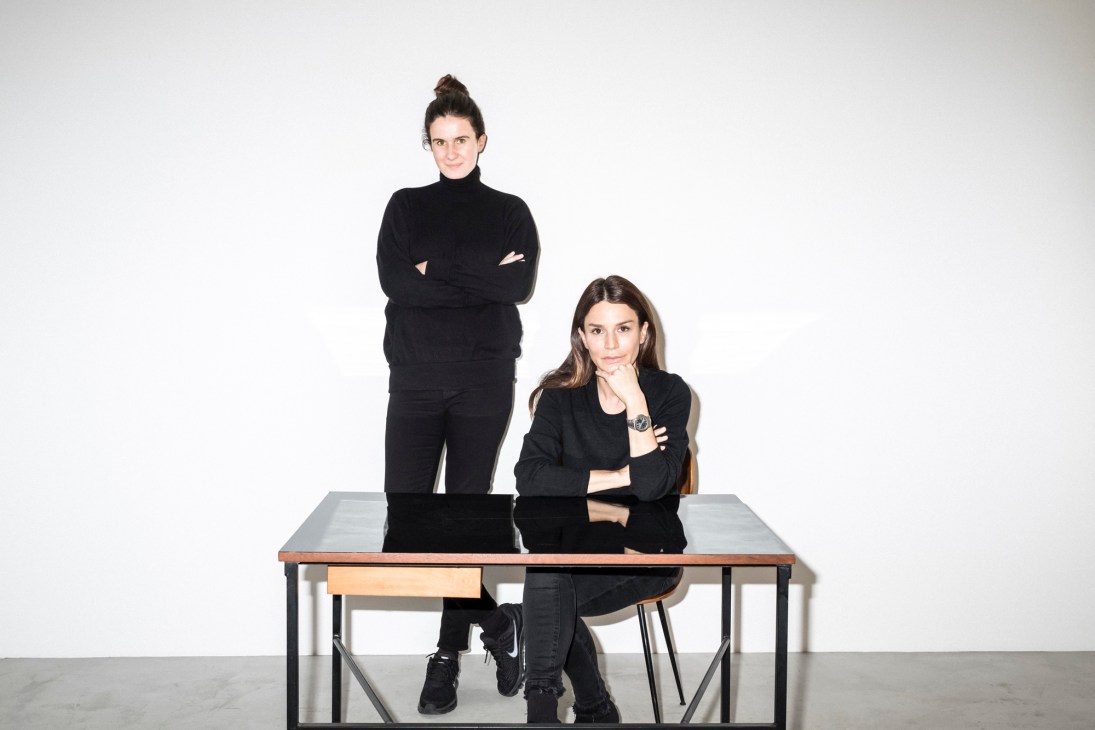
In 2015, Monaco-based contemporary-art collector Pastor and London-based art consultant Rochat founded Concrete Projects, an international initiative that provides financial and technical support to artists and institutions. Now they have decided to take on more of a commissioning role. We ask them why.
What kind of commissioning does Concrete Projects do?
SIBYLLE ROCHAT: Initially our aim was to enable independent institutions to commission works. Now we plan to come up with the ideas. We want people to always be connected to art so we’re working with a non-profit institution to commission artists to create outdoor works so that the community can still experience the art when it’s closed.
You’re working on a private commission too. Why?
EMILIE PASTOR: We wanted to contribute to the creativity. I love [US conceptual artist] Lawrence Weiner and I’ve always wanted one of his texts but never knew where to put it. Then we had an idea for a site-specific artwork on my boat. He’s going to paint the words inside it.
Why commission a work when you could buy one in a gallery?
EP: It’s a chance to engage in the discussion. When you buy from a gallery, it’s done. With a commission, you don’t know exactly what it will look like – it’s exciting.
Any commissioning advice?
EP: You have to love the artist, and their work has to make sense in your home.
SR: Commissioning is an experience. You’ll always remember that encounter.
concreteprojects.co.UK
Step-by-step
Working with the artist
By Gabriele Dellisanti
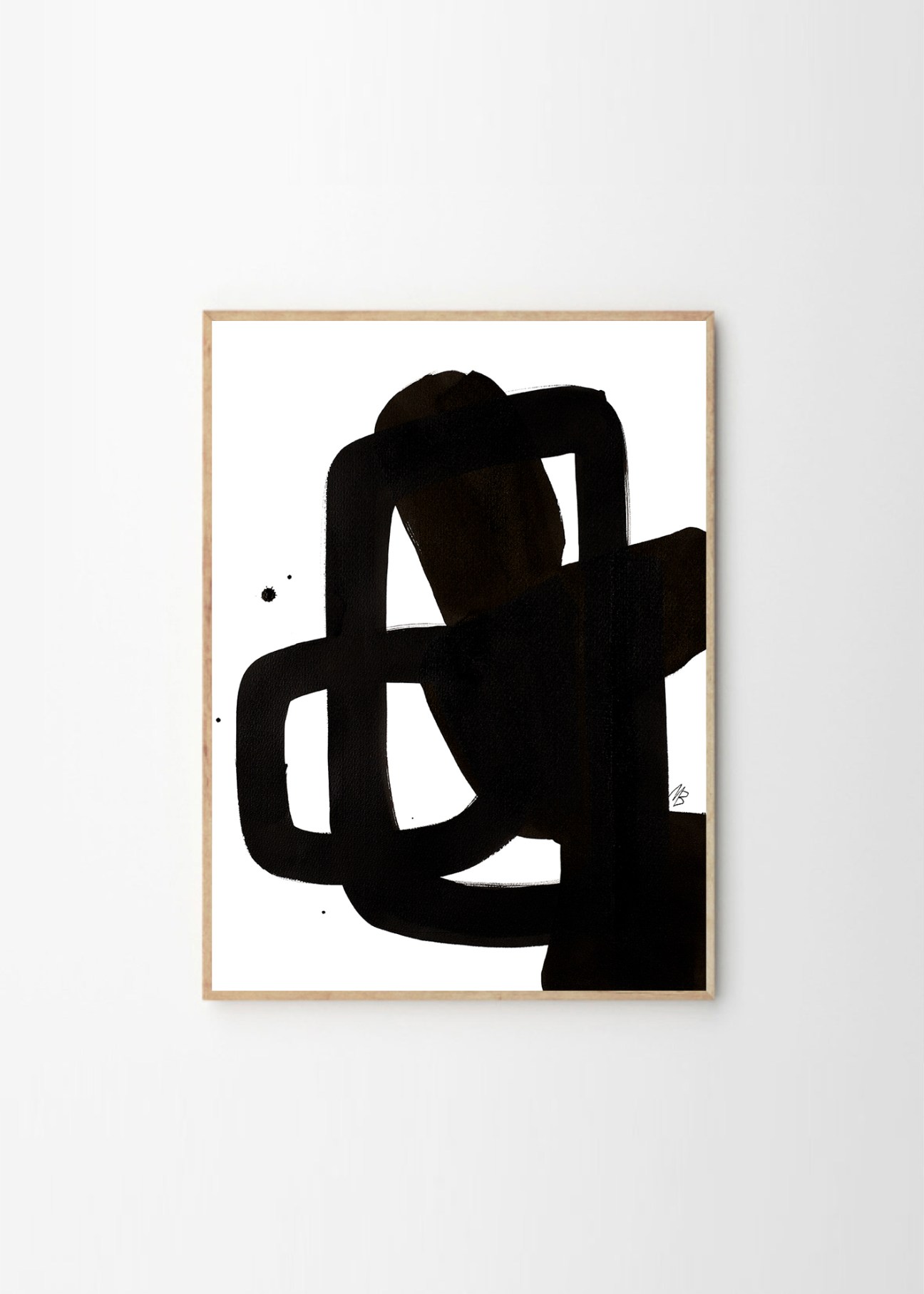
Thomas Nissen founded art-print retailer The Poster Club seven years ago and has accumulated a collection of more than 400 high-quality prints in collaboration with photographers and other creatives the world over. Among them is Danish designer and fashion-brand owner Malene Birger, who approached Nissen to print her artworks, including “No 03” (pictured), some of which are among The Poster Club’s bestsellers. Thinking back to that experience – and the many other commissions – Nissen shares his tips on how to make the process as smooth as it can be.
1.
First, research: visit galleries, talk to friends and collect inspiration. Find an artist whose work inspires you and whose style matches your interiors. Consider borrowing a similar work from the artist, if possible, to see whether it matches your home.
2.
Get together to discuss colours, materials and size of the artwork.
3.
Set your terms, including the price range and a potential deadline.
4.
Help the artist to understand what you’re after early in the process. Consider using specific examples or similar pieces for reference and share images of the space where you plan to display the work. This will help the artist to get a sense of whether it needs to match or complement other art or a specific interior.
5.
Remember to give the artist as much creative freedom as possible but make sure that you are on the same page. Typically the artist will present some sketches or mock-ups before moving on to the final artwork. This will give you time to adjust and synchronise if needed.
The collaborators
Mutual appreciation
By Chiara Rimella
Some of artist Karin Sander’s work involves taking 3d scans of people to create ultra-realistic portraits. Here we look at the commission of one such piece from the point of view of all participants.
1.
The gallerist
Esther Schipper
Private commissions are often initiated by gallerists through conversations with collectors. It might become clear in speaking with a buyer that they are looking for something specific. Some artists even make the participation of the collector part of the work, as is the case with certain works by Karin Sander. It’s rewarding to see an artwork come to fruition in this way. Historically, before modernism, almost all artworks were commissions. Private commissions are special but they’re not really suitable as objects of speculation: they are often more complicated to resell.
2.
The artist
Karin Sander
The commissioned work, as well as the person who commissions it, are already part of the concept, part of the work. Through this I provide the collectors with a platform where they can act, a process they can use for themselves and, at the same time, become part of the project. With each of my artworks, every collector follows the respective rules of the game; rules that are part of the concept and part of my work. They commission a kind of self-portrait but they decide whether and how they want their likeness to be seen as a sculpture, which posture they want to adopt and how they participate as co-agents in a system of artistic production that is also part of my work.
3.
The collector
Olivier Renaud-Clément
The process was as easy as could be because I knew everyone in the chain. To make the work I just made an appointment where I had to be scanned. I was somewhat surprised by the result: in view of its size, people could still recognise me from quite a distance, especially by the posture.
View from the gallery
David Khalat, Edition VFO
By Nic Monisse
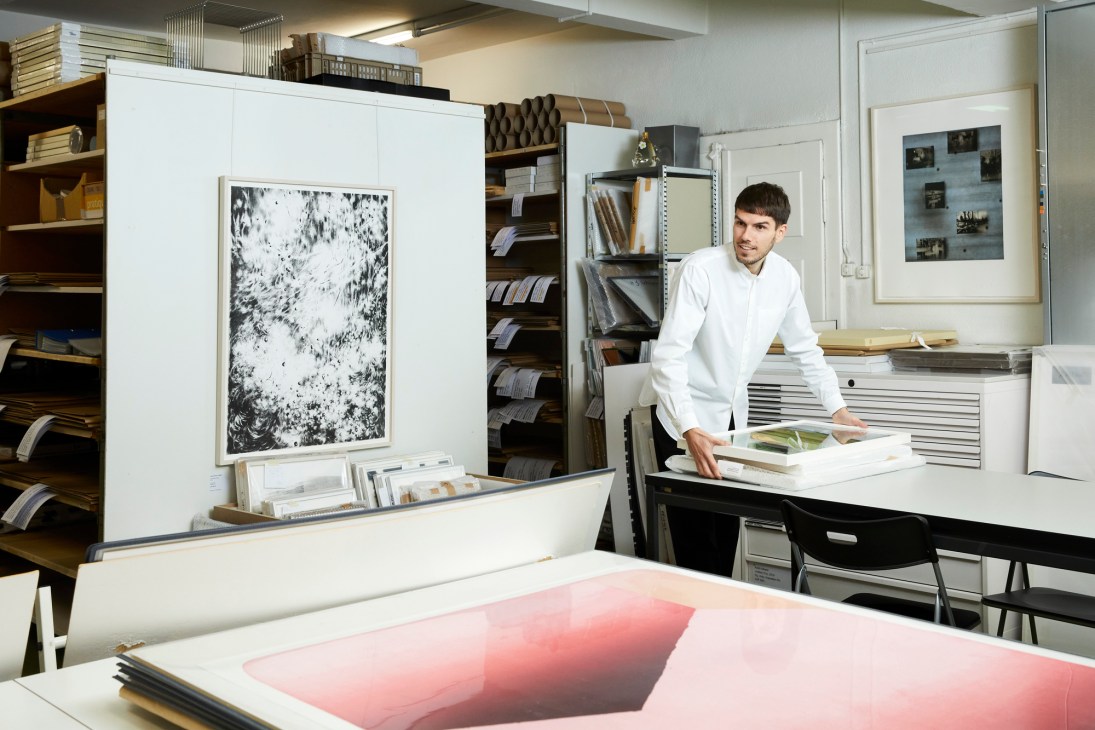
There are three reasons for ordering a bespoke piece of art, says David Khalat (pictured), director of Edition vfo – a Swiss institution that specialises in commissioning original prints by emerging artists from all over the world. “First of all, it enables a completely new form of creative production for the artists,” he says. Second? You will end up with an artwork that’s perfectly tailored to your space, as “the artists can think through the project and make it a specific fit”. And finally there is the “exclusivity element”: the knowledge that you have something that is truly one of a kind.
A successful commission starts and ends with an appropriate brief. Once you have found an artist whose work you like, make sure that you steer them in the right direction while keeping a strong emphasis on making a bona fide original. “The idea of Edition vfo is not to make a reproduction of something that is already there – like a painter reproducing their work on an inkjet printer – but rather something specifically created and new,” says Khalat. Although a carbon copy of one of your chosen artist’s previous works is off the table, do remember that they can be inspired by one, or perhaps they can take the opportunity to experiment with new methods and mediums.
For a good example of this, look at Edition vfo’s commission of Andrea Heller. Titled “Subtle Shift I” (pictured in foreground), it’s inspired by one of Heller’s huge ink paintings but has been made with lithography. “It’s the translation of a practice of an artist, applied to a new way of working,” says Khalat. With this in mind, you shouldn’t be afraid to ask an artist to stray from their preferred medium. “We approach artists and say, ‘Look, you do really nice paintings, would you be interested in doing a photography project and sending us a proposal of what you would like to do?’” This method leads not only to original works but also a refreshingly original approach.
And if at any point you are uncertain of which direction to take, don’t hesitate to talk it through with your friends. After all, even Khalat relies on a committee of seven people to agree about making a commissioning call.For a good example of this, look at Edition vfo’s commission of Andrea Heller. Titled “Subtle Shift I” (pictured in foreground), it’s inspired by one of Heller’s huge ink paintings but has been made with lithography. “It’s the translation of a practice of an artist, applied to a new way of working,” says Khalat. With this in mind, you shouldn’t be afraid to ask an artist to stray from their preferred medium. “We approach artists and say, ‘Look, you do really nice paintings, would you be interested in doing a photography project and sending us a proposal of what you would like to do?’” This method leads not only to original works but also a refreshingly original approach.
edition-vfo.ch
Travel to the globe
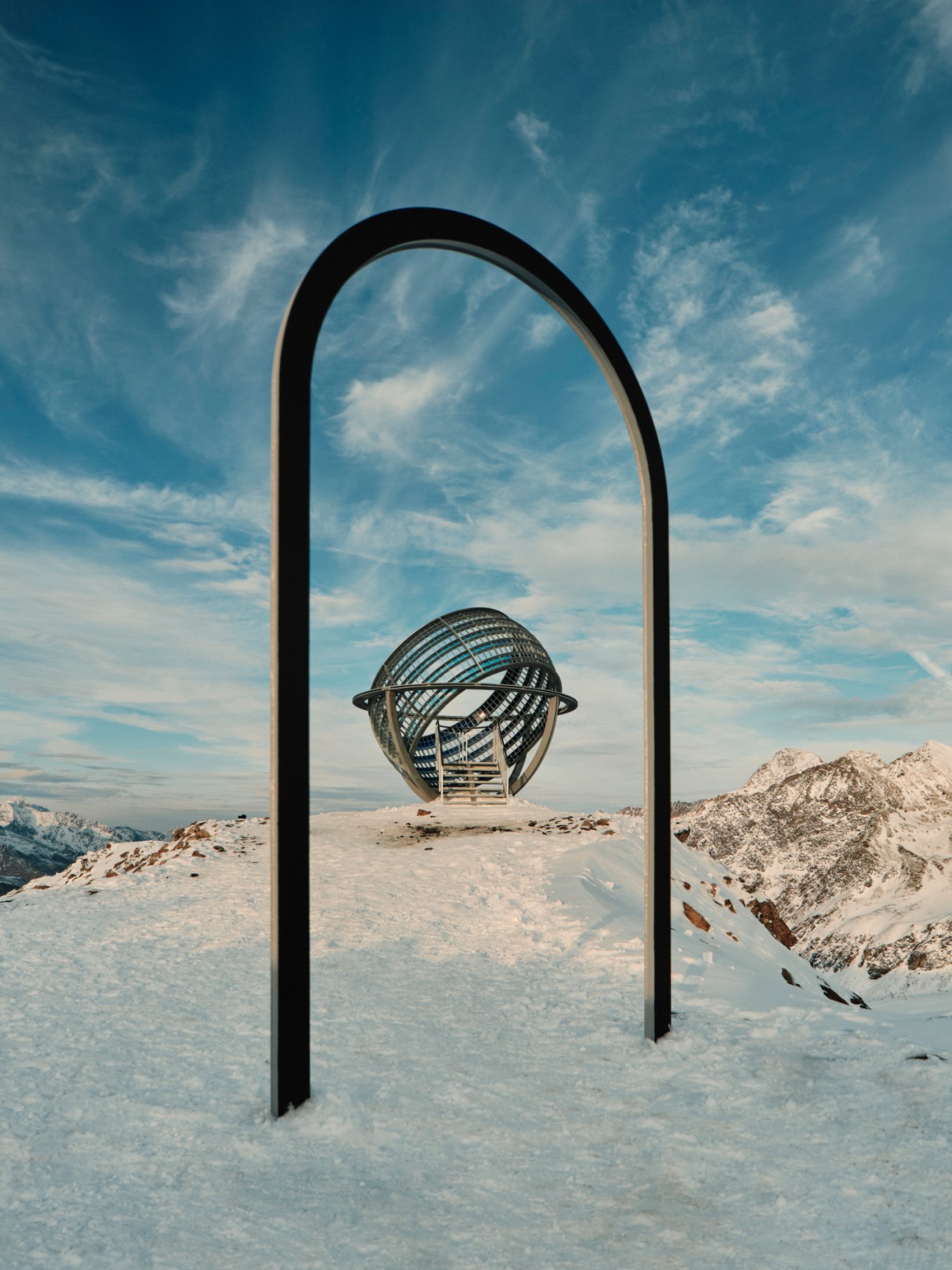
Perched on the tip of the Hochjochferner glacier, facing a horizon of snowy Alpine peaks at Italy’s border with Austria, the newest work by Olafur Eliasson is a long way from the accessibility (and indoor heating) of a museum. Visitors are encouraged to come to this high-altitude corner of South Tyrol not only to witness the impressive, science-fiction-like globe but to observe the icy mountain landscape beyond. Danish-Icelandic artist Eliasson has long been focusing on climate change in his work and this latest sculpture is an important addition to that theme.
“I find it inspiring to create a more contemplative relationship with nature and the mountains,” says Eliasson, wrapped up in plenty of warm layers as he gazes at the white peaks. The artwork, titled “Our Glacial Perspectives”, sits like a fragile planet adrift in snow. It’s reminiscent of an ancient astronomical tool used to measure the paths of heavenly bodies.

The far-flung work was commissioned by Talking Water Society, a water-preservation organisation. One of its founders, Bolzano-based Austrian Ui Phoenix von Kerbl, convinced South Tyrolean officials to turn this frigid patch of land into a space for a permanent and public, if remote, work of art. Crafted in galvanised steel by Pichler, a Bolzano-based manufacturer of cable cars and steel façades, the sculpture’s structure – 10 tonnes of metal and glass anchored to the rock – means that visitors can step inside to study the firmament through the globe’s apertures.
The rings trace the sun’s path through to the year’s equinoxes and solstices, and each glass pane measures 15 arc minutes of the sun’s movement. “If you understand the cyclical nature of the celestial, you take away the mechanification of our relationship to the world and start to physically relate to it,” says Eliasson.

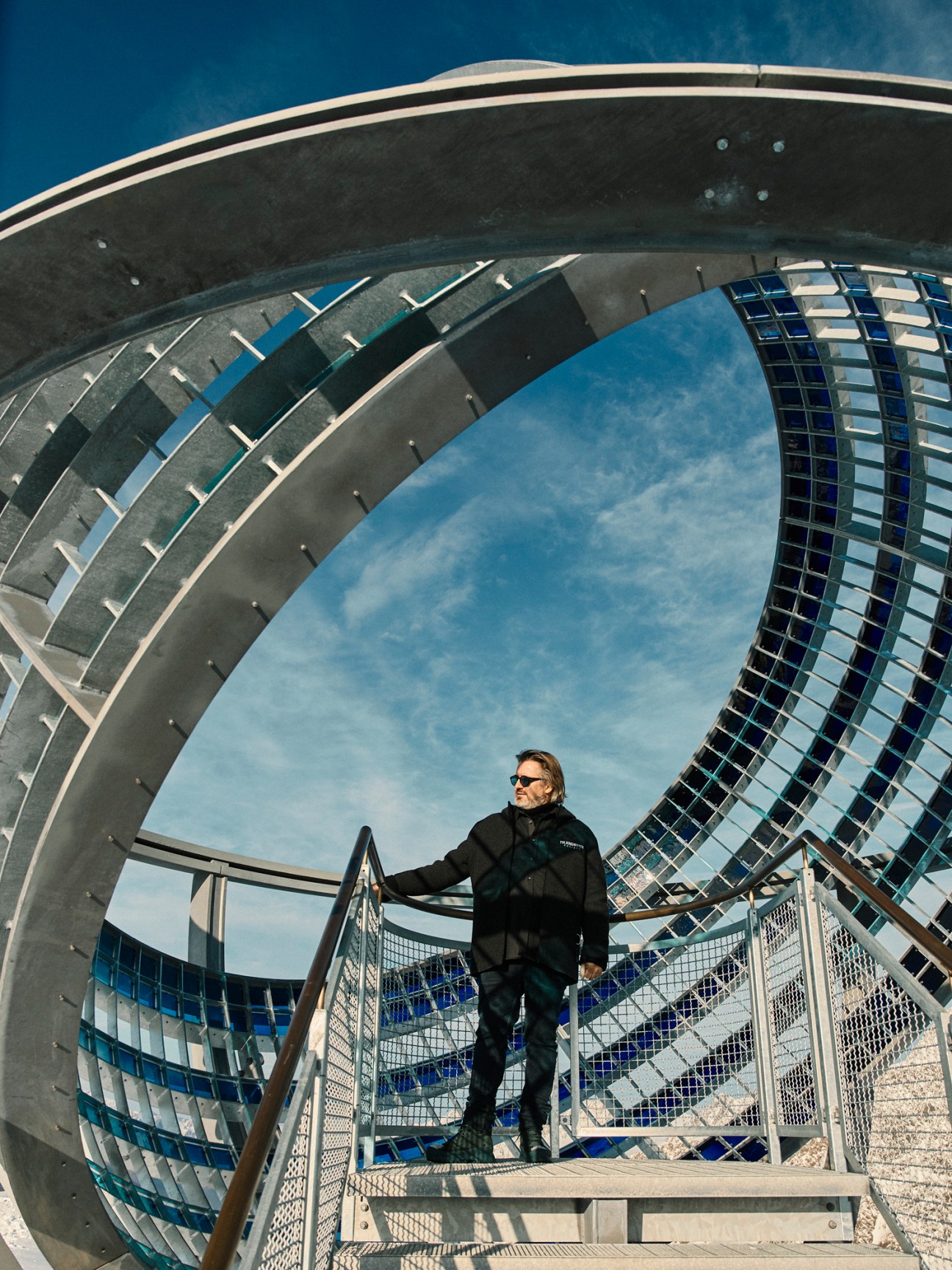
Inspired by jmw Turner’s 19th-century paintings of an environment “that was not standing still”, Eliasson has long depicted the ephemeral: moving water, sunlight, melting glaciers. Over the past century, temperatures in the Alps have risen by 1.5c and permafrost now clings only to the tip of these peaks. To represent climate change, “something so abstract that it’s outside our imagination,” Eliasson prefers to let an encounter with the threatened glaciers speak for itself.
Getting to the work is no mean feat: visitors ride a cable car to the mountaintop Grawand lodge and then traverse a narrow 410-metre path along a frozen crest marked by nine metal archways that symbolise Earth’s ice ages. At an elevation of 3km, the sculpture floats above a vertiginous drop to the valley below. The artwork is a tool to understand the landscape, not a mere installation: the visitors’ experience of the freezing-cold trip, their high-altitude isolation and their ascent are all part of it.
“It’s an instrument,” says Eliasson. “It gets you into the mountains and gives you the opportunity to think about something abstract.” His eyes pivot upwards. “Like, for instance, how blue is the sky?”
olafureliasson.net
Monocle comment: After a lot of time spent cooped up, inspiration should be sought further afield. Do so and you will find places and works that will truly shift your perspective.
Call the tune
Not all of us possess dulcet tones or operatic potential. But if the podcast boom has taught us anything, it’s that people love the sound of their own voice, especially if it’s professionally recorded. So if you’ve had a burning desire to get that six-part investigative series on the airwaves, or you want to belt out something more lyrical, all you need is a studio that will make it sound like the real deal.


The new Studio 33 in Rome’s Trastevere neighbourhood might be just the ticket. Outside, the buzzing of mopeds, the lively chatter of residents and the clanging of bells at the church of Santa Maria are typical enough. What’s being heard inside, however, is something less ordinary: musicians’ experimental tracks come to life, podcast hosts get professional treatment and audiophiles simply enjoy their favourite albums in a dedicated, high-end listening room.
“We’re all 40-somethings,” says Crescenzo Abbate, founder of the team that, back in October, launched this facility. “One morning I woke up and thought: let’s pool our knowledge and share it in one space.” The result of a mid-life creative spark (rather than a mid-life crisis), the project brings together Abbate, his designer wife Ana Gugic and an old friend, record producer and DJ Raffaele Costantino. They are supported by a multi-skilled technical crew, who provide discerning ears for all kinds of recordings – be they spoken-word or instrumental.
“It’s a factory with music as its engine,” says Abbate. “But there are many offshoots.” These tangents range from producing podcast series to recording internationally famed musicians who happen to be in town. Separate podcast and music recording suites, a kitchen-cum- catering area, a dressing room and a shower have all been impeccably installed to Gugic’s designs; the mood is suitably industrial. Gugic also worked on a range of wooden horn-shaped loudspeakers made in collaboration with New York’s oma (Oswalds Mill Audio), stocked exclusively in southern Europe by Studio 33.



“If you count all the things that are coming out of here, we already have a packed broadcast programme,” says artistic director Costantino. As well as all manner of ad spots and voiceovers, the studio also produces long-play audio for the studio’s own channels and for commercial and institutional clients. Also in the pipeline is a 10-part series on niche music, including “Syrian psychedelic” from the 1970s. “We are a musical supernova,” says Abbate, referring to the studio’s tagline. “We’re exploding with energy and ideas – sometimes too many!”
Abbate’s day job is running a digital communications agency that he set up almost 20 years ago in neighbouring Testaccio. However, it’s hard to believe that Studio 33 could possibly be just a side hustle. In the impressive listening room, adapted to deliver the best acoustic experience, Abbate unpacks a box that resembles a large CD case. It is a master tape made by hyper-specialist, Perugia-based Hemiolia Records. “This is for audio extremists,” he says with a hint of melodrama. As he places the tape onto a reconditioned, Swiss-made Studer player (also for sale, to order) the sound feeds through the mixer and speakers. The sublime voice of Luciano Pavarotti begins to fill the room. By offering moving aural moments such as this, as well as a raft of services, Studio 33 is a venture whose praises deserve to be sung.
studio33club.com
Monocle comment: Booking in time at a professional studio gives your ideas the legitimacy – and treatment – they deserve. Reserve a slot to focus your efforts: having a deadline will help you to kick-start your project in earnest.
Set the scene
Why do we prefer watching films at a cinema rather than at home? It’s not only about the large screen and enveloping sound (though those certainly help). It’s also because laughter and tears feel that much sharper when they are shared. Emotional bonds are created in the darkness of a projection room – and the cinemas that manage to create a community beyond the screen deserve particular praise.
West of Melbourne’s cbd, Yarraville is a village-like suburb where narrow streets are lined with handsome heritage buildings – among them, the art deco home of the Sun Theatre. On its eight screens the cinema shows arthouse films and classics as well as the latest releases – but residents appreciate it for more than that. “It’s the heart of this community, not just a hub for lovers of cinema,” says punter Claudia Funder. “Without it, we might not have this,” she adds, gesturing to the park in front of the theatre. The green square is humming with people sipping coffee in the late afternoon sun.
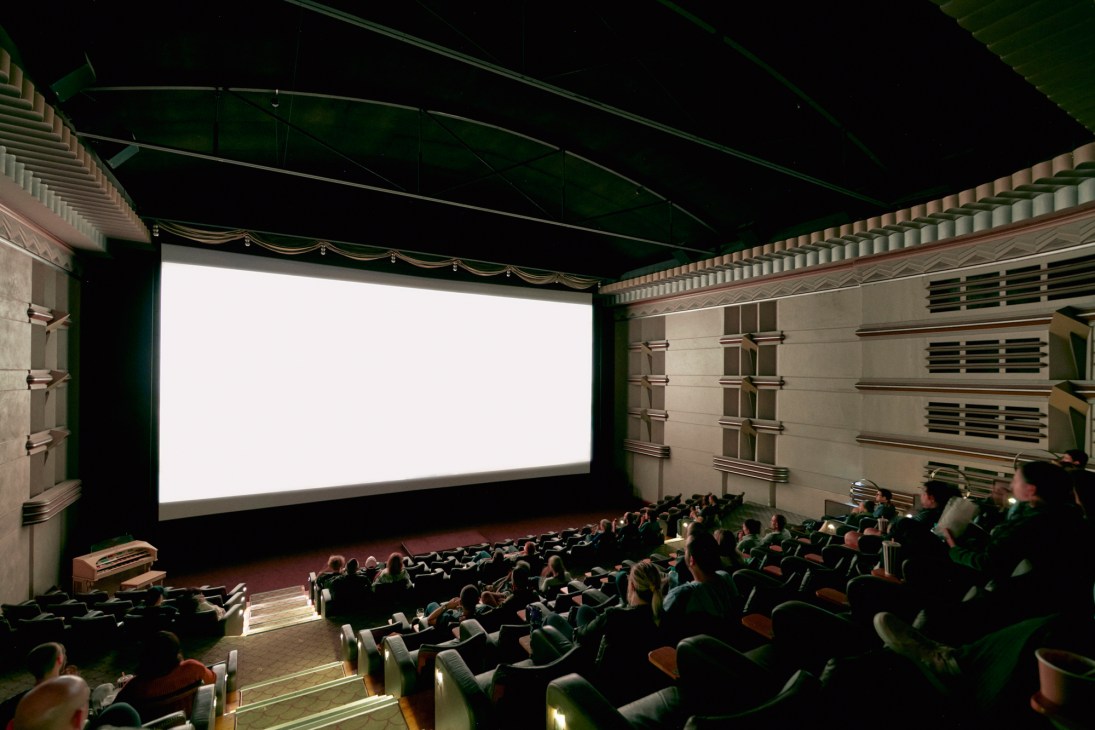



It was the Sun’s owner who suggested closing the once-busy street to cars and creating a European-style piazza. The People’s Park, as it is now known, has become a meeting point for the area. “You cannot overstate the influence this cinema has had here,” says Funder.
It’s something that makes the Sun’s owner Michael Smith very proud. “This theatre has always served its community,” he says. Opened in 1938 as an opulent 1,050-seat cinema in what was at the time a working-class neighbourhood, the Sun was immediately embraced by residents. But as television flourished, the crowds started thinning so, in the 1960s, the Sun was repurposed as a Greek cinema frequented by the many immigrants who had come to Australia after the Second World War. That incarnation didn’t last and eventually the Sun was left empty to spend 20 years derelict.
Smith came to the rescue in 1995, when he began to operate a film society from the building. It proved so popular that he and his interior-designer wife Anne decided to restore it to its fully functioning glory – with luxurious leather seats and ample legroom. The whole area stood to benefit. “When we purchased it, about a third of local businesses were boarded up,” says Smith. “When people come here I want them to go to the local cafés and restaurants, pick up a book next door. The money has to be shared.” This outlook is behind the Sun’s decision not to serve meals – though you can buy a glass of wine or choc-top ice-creams made on site.
The community-centred approach extends to what is shown on screen too: Smith won’t play any adverts. Instead, the cinema has a strict eight-minute rule: two trailers and a short newsreel highlighting stories from the Yarraville community are shown before every feature.
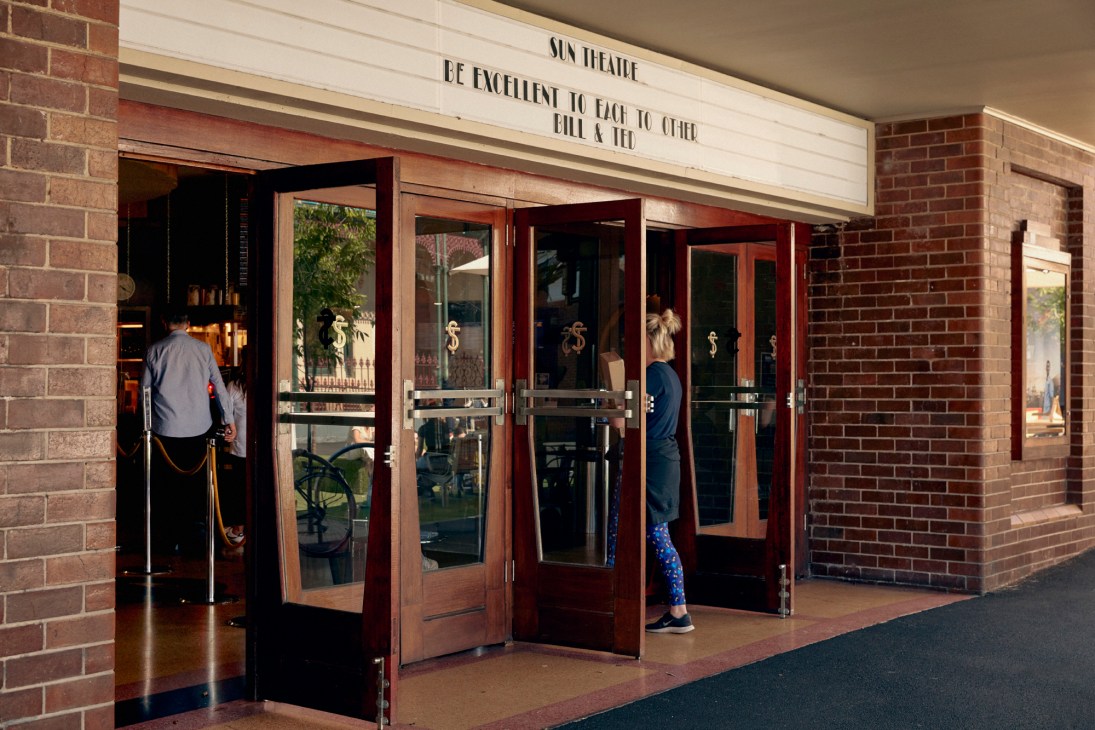
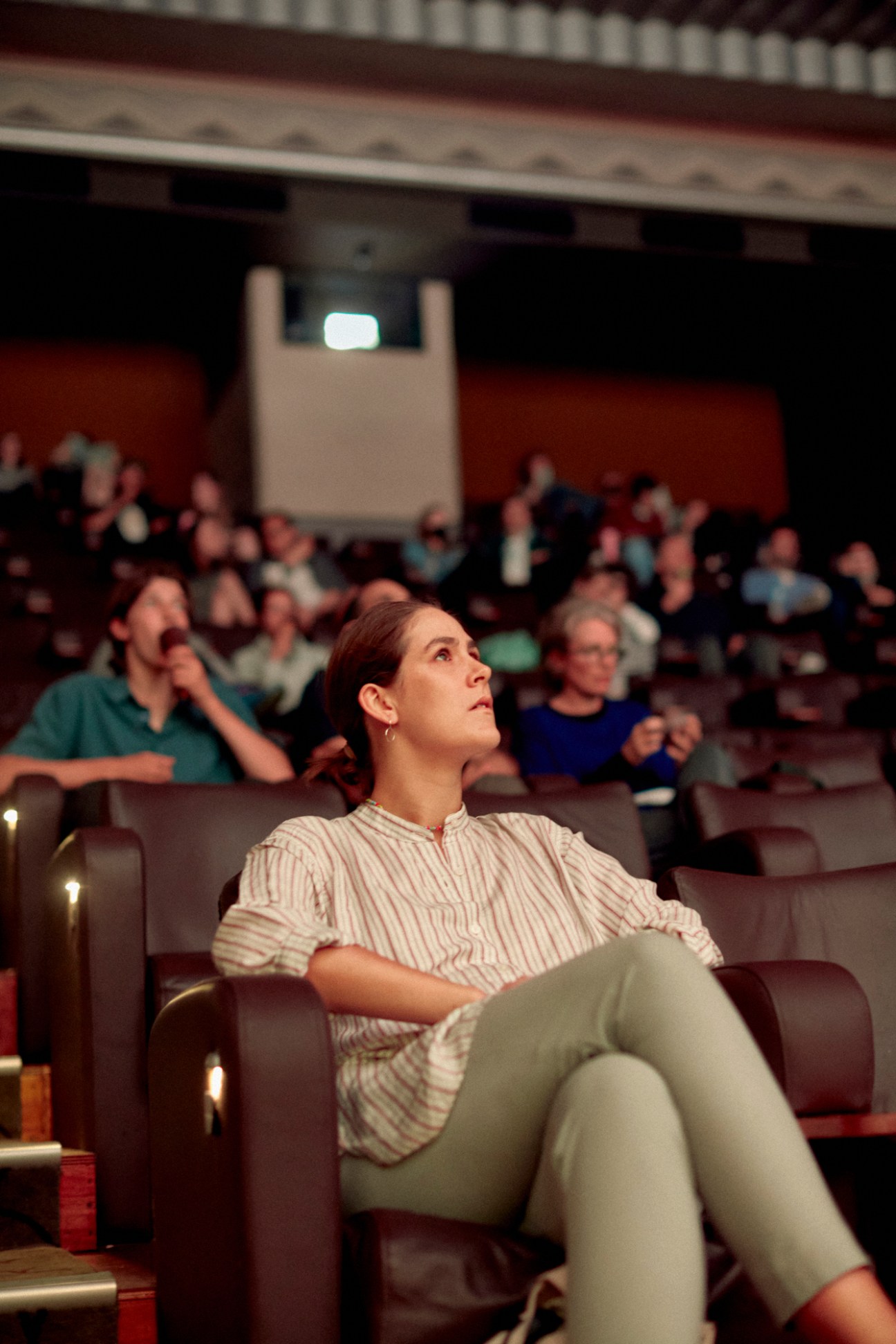
Trevor Junge has frequented the Sun since its early days as a film club. “It has become a second home; it’s the friendly faces you see,” he says. “It’s the act of dedicating yourself to a film for a few hours, then bumping into people you know afterwards and talking about it.” With fans like Junge and Funder, Smith need not worry about streaming services killing cinema; the average Australian might go to the movies just four times a year but the average Sun patron does so 17 times. At dusk, as the cinema’s neon sign switches on, a queue starts forming for the next screening, proving that venues such as the Sun can really become a neighbourhood’s cultural shining light.
suntheatre.com.au
Balance the books
That bookshops were among the first businesses allowed to reopen after lockdowns across the world is proof of the value they hold for a city’s cultural life. Booksellers are community-makers too – how many birthday presents have they advised on, knowing little more than the recipient’s age and favourite title? How many of their recommendations had the power to change someone’s approach to life or simply to amuse them for a while? The knowing way in which a seasoned bookseller disappears between the shelves on the hunt for the perfect fit for a reader (often delivering obscure but wondrous surprises) is unmatched.
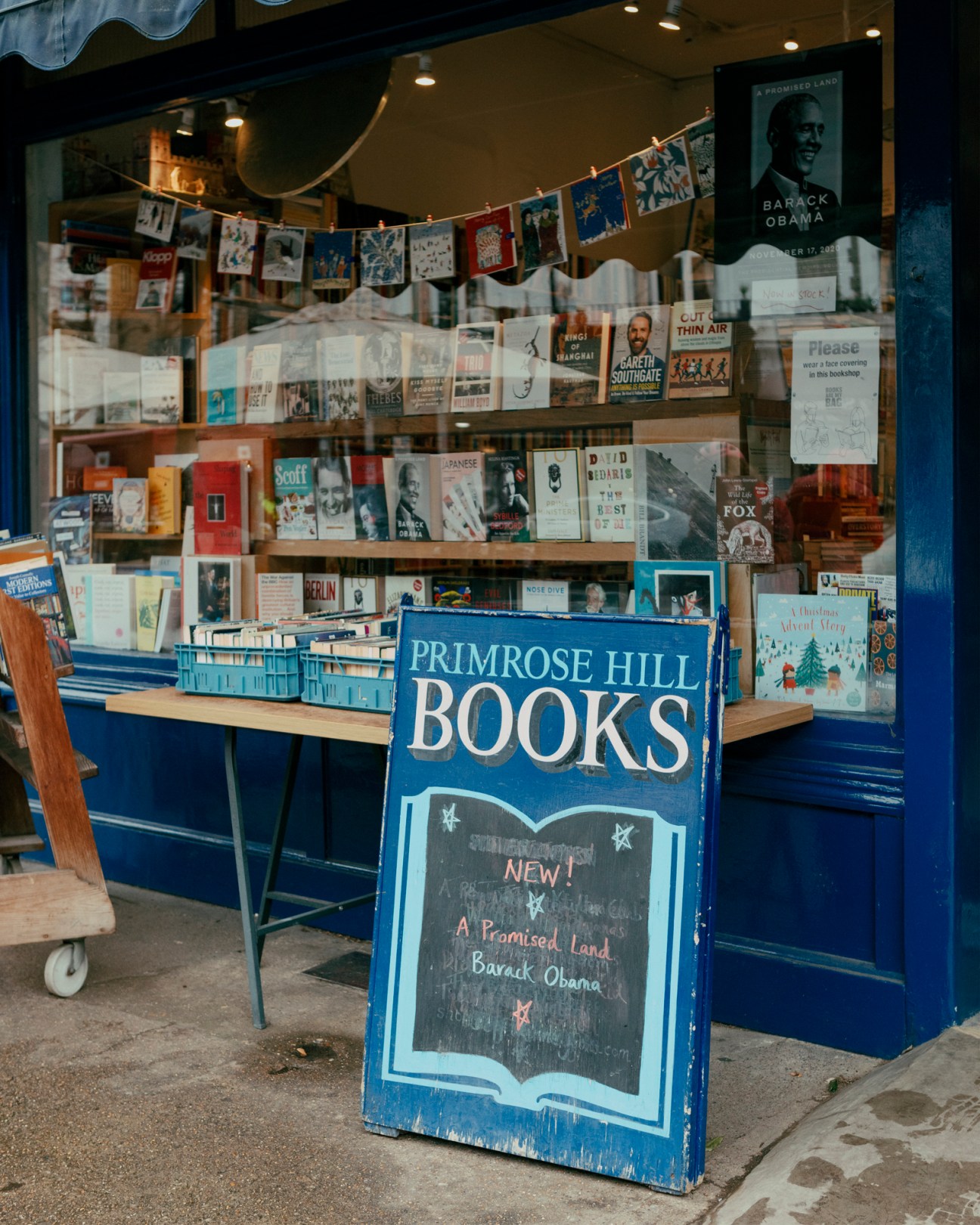
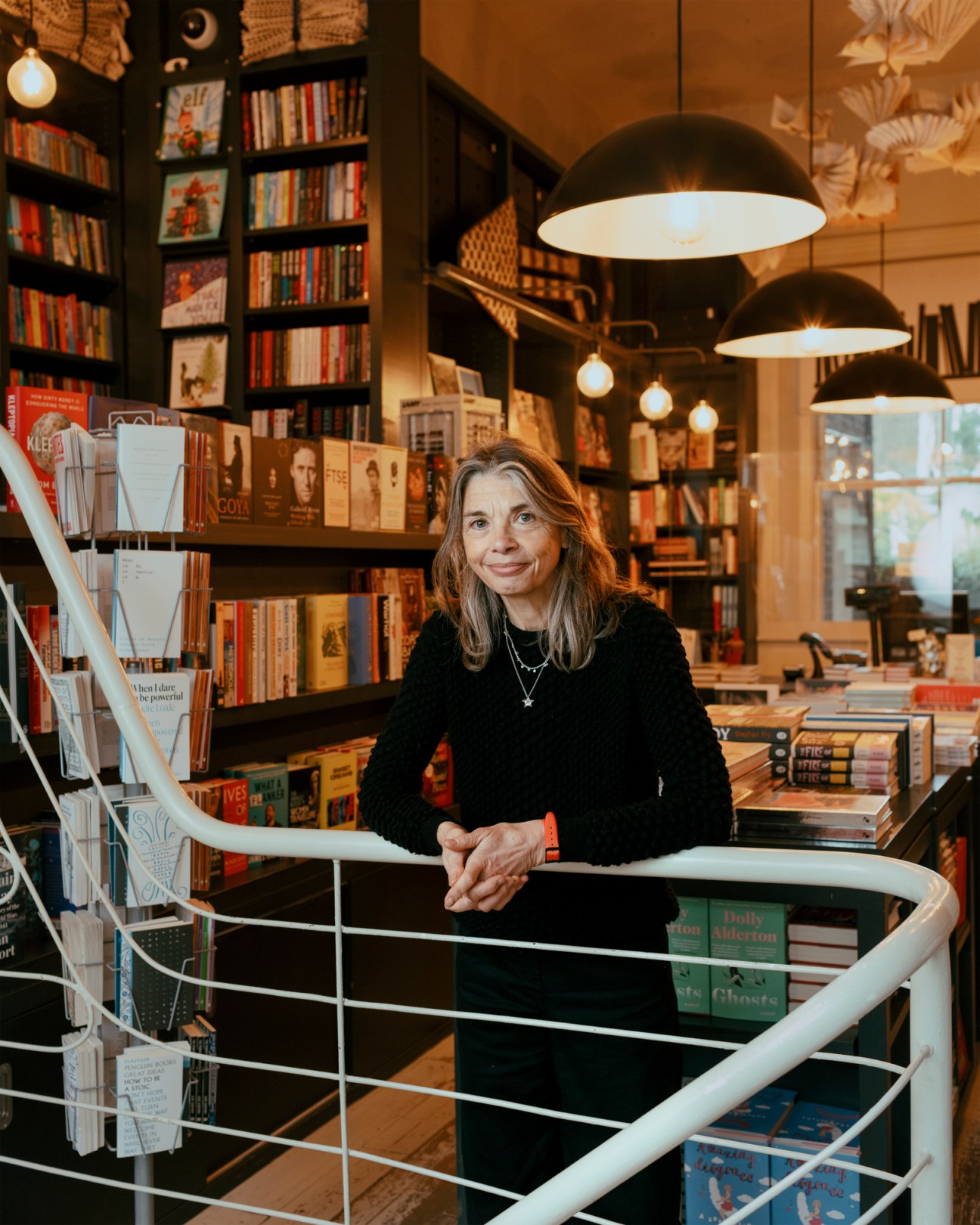
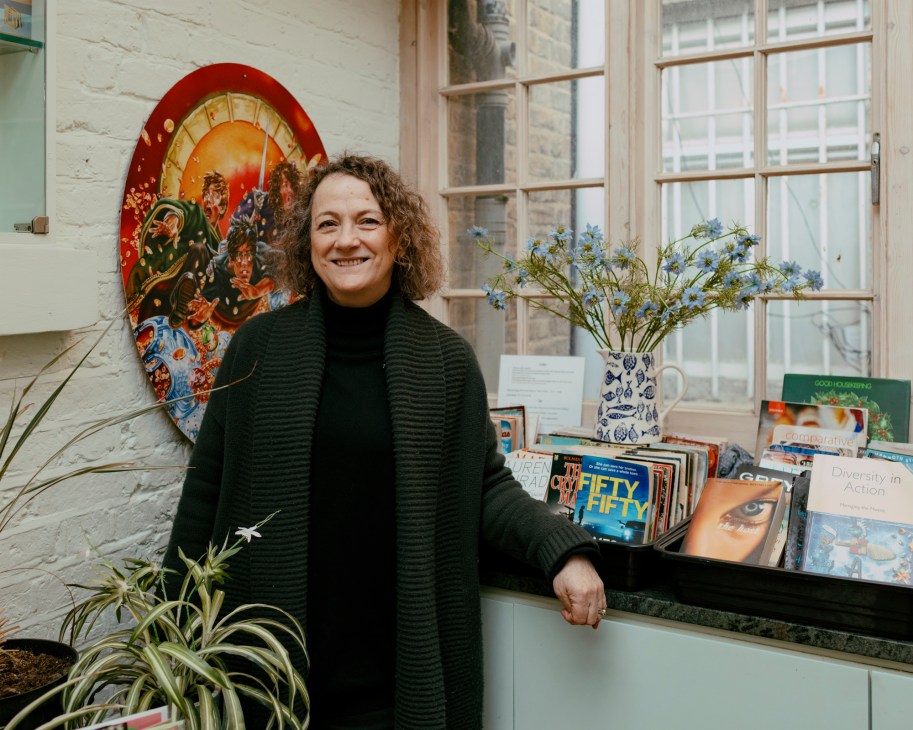
These neighbourhood shops need preserving. The easiest way to support your go-to is to continue going, leafing through pages and buying. Some, such as Monocle’s London neighbour Daunt Books, have set up ways to purchase gift cards or to buy into their subscription: in Daunt’s case, for £160 (€175) a year, customers receive a gift-wrapped book every month, chosen to suit them.
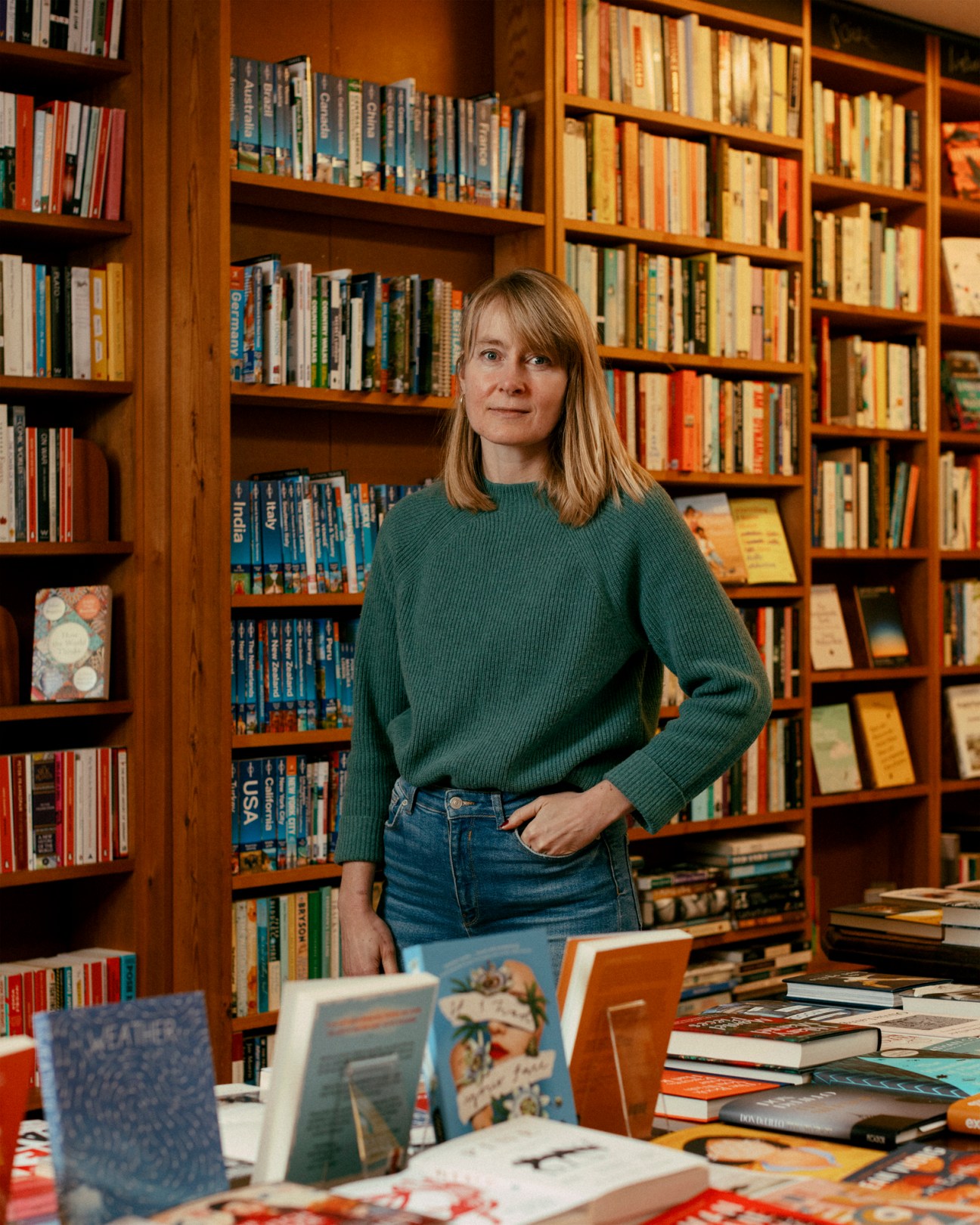
If for any reason (be it geography or rules), heading in for a browse is not possible, don’t give in to the siren call of large online retailers. Long a spectre hanging over the publishing industry, Amazon is hard to beat in terms of inventory and delivery speed but the writer and publisher Andy Hunter decided that it was time to launch a project that could challenge it in one way: how a purchase makes you feel. His online marketplace Bookshop.org brings together more than 1,000 independent bookshops in the US and more than 350 in the UK (some of which are pictured here). Having launched last year, it is set for European expansion. “A lot of people feel the way that I do, which is that independent bookshops were an entry point for them into a lifelong love of reading, learning, understanding the world and connecting with others,” says Hunter. “They are of outsized cultural importance. They’re not just shops, they’re advocates for the relevance of books in their community.” Bookshop.org processes orders via a single wholesaler and distributor, which makes e-commerce a viable option for many businesses that would not otherwise have the means to adopt it. “A lot of them don’t have the money to build fancy, nice websites; many are very lean operations with only a few employees,” says Hunter. “Sometimes they are literally mom-and-pop businesses. They don’t necessarily have the bandwidth or technical knowledge to set up a good online e-commerce platform.”
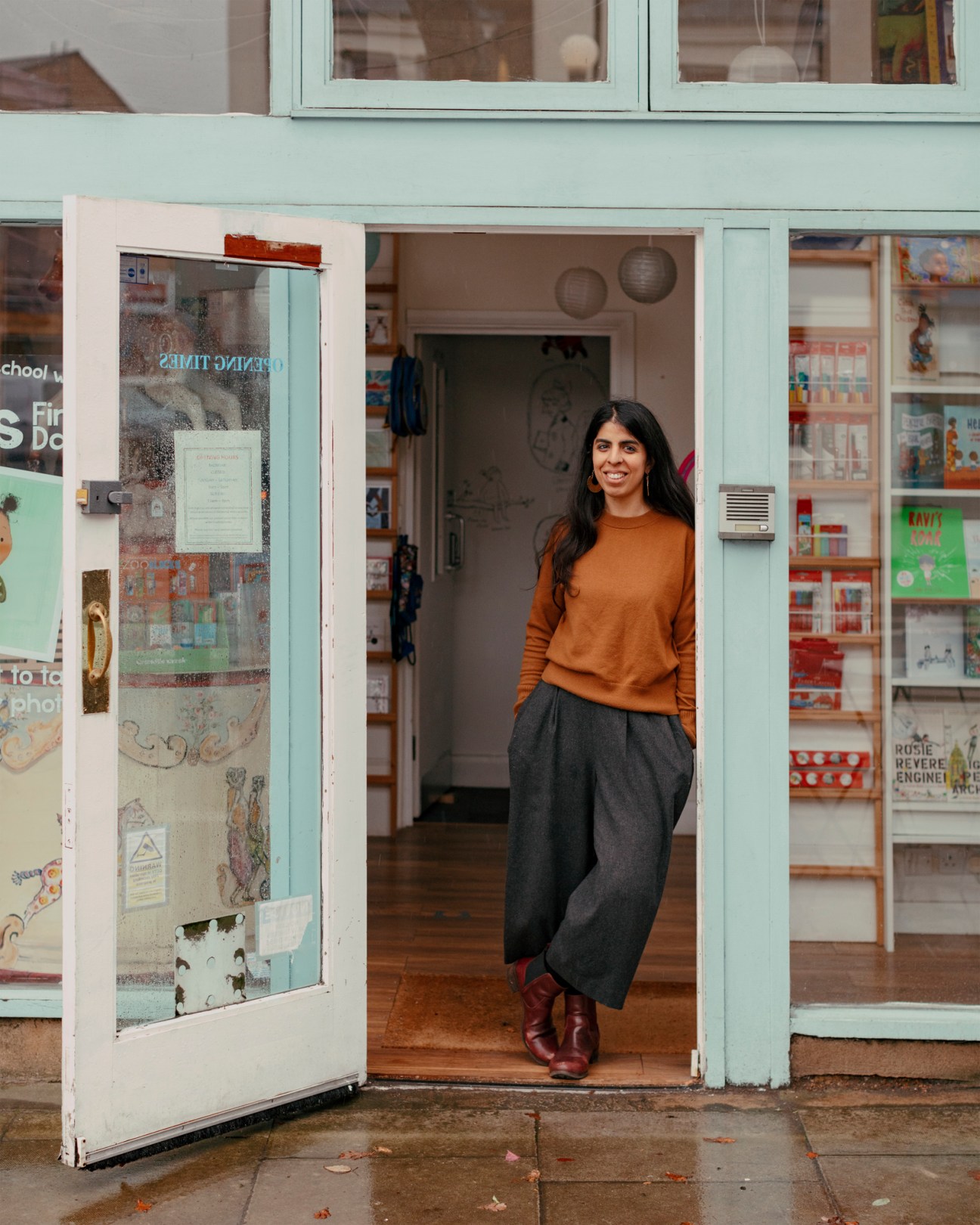
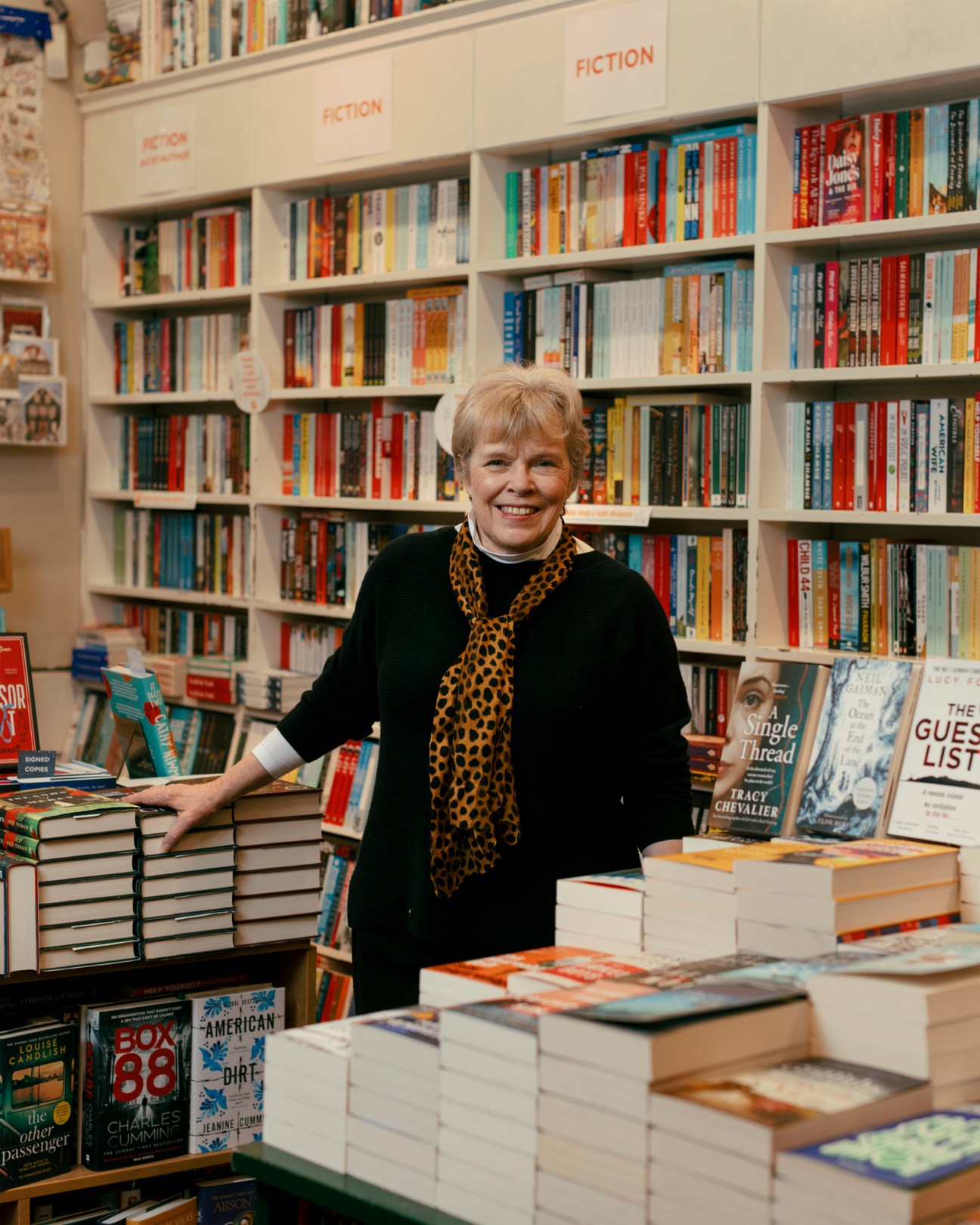
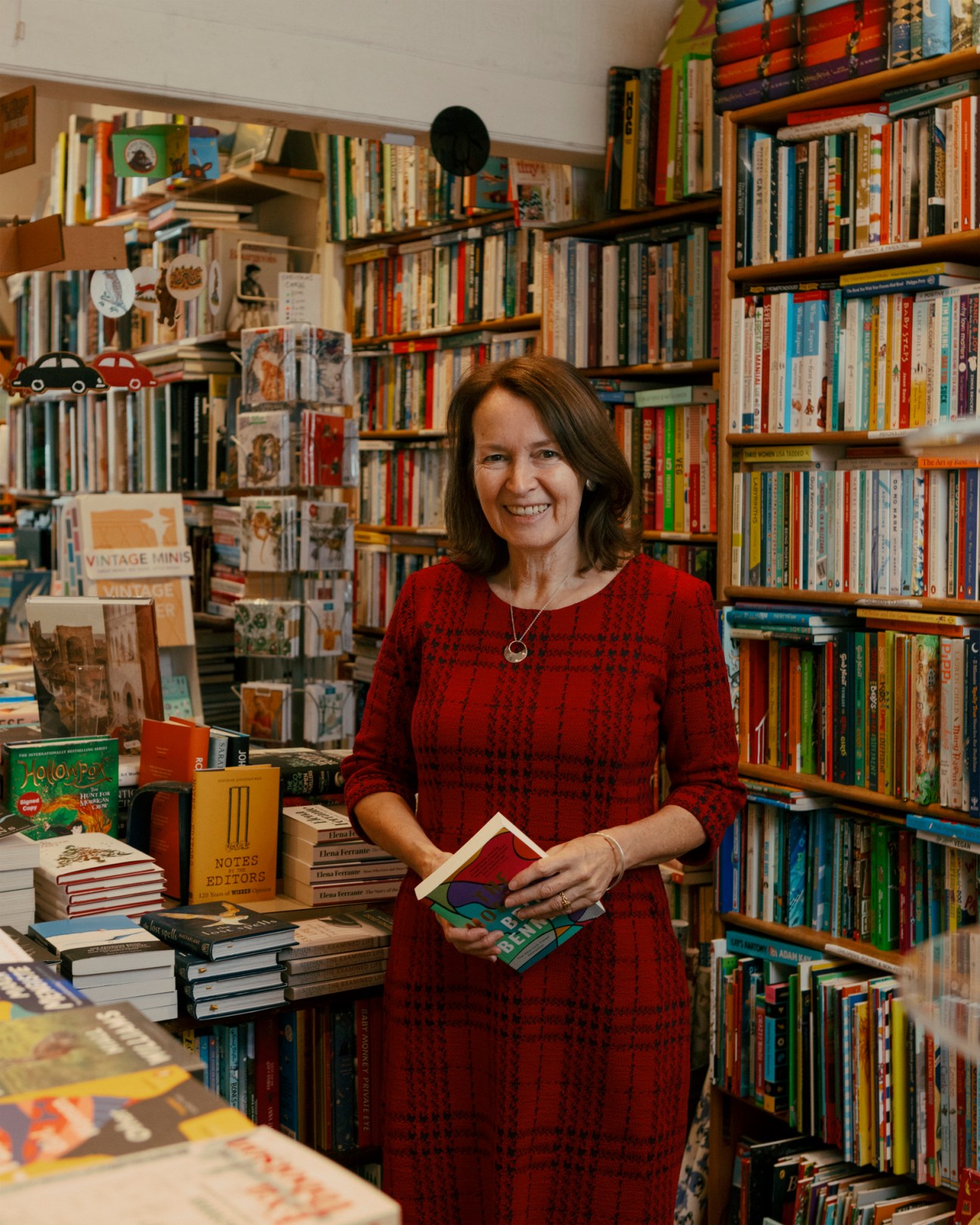
On Bookshop.org, shops can set up their profile in less than half an hour and start trading immediately. Although sales through the platform yield 30 per cent of the value of the book for them, against about 40 per cent which they would make if they sold it directly, they pay no overheads and are spared shipment headaches.
Bookshop.org is run as a benefit corporation, not a non-profit. The 21-strong team finances itself via sales through its affiliate network (whenever an article or webpage links to an item on Bookshop.org, and that item is bought) and adverts on its US site. “It allows us to give the maximum profit to the shops which I think is really critical to making it work,” says Hunter. “The digital sales that Bookshop.org provides are just meant to augment the store’s revenues. But we’re really happy to provide a lifeline of support.”
bookshop.org
Do your bit
“This is the best part of my week,” says Leila Ikeda, just before sunrise at the headquarters of Toronto’s Humane Society, in the city’s east end. It’s snowing and Ikeda’s charge for the morning, a gentle-souled German shepherd called Zoe, is ready for her morning walk.

“[After I] walk with the dogs, my entire week is gold,” says Ikeda, laughing as Zoe, who is sporting a bright pink children’s sock on one of her paws following recent treatment for a wound, strains at her leash. The nearby dog park, and the prospect of escapades there, are now firmly in her sights. Ikeda, who moved to Canada from Brazil five years ago, is one of a core team of 12 Humane Society volunteers who are trained for one specific task: walking the dogs in the society’s care. “We are very fortunate to have a strong group of volunteers,” says Maddie Kingston, the Humane Society’s volunteer manager. “It is hard to put into words, the work that they do and the dedication they show us.”
It’s just one of several volunteer dog-walking programmes across Toronto, a city that is home to 230,000 dogs, 65 dedicated dog parks and which has a relationship with its canine companions that runs deep. “The reality is that we’re a dog city: people here love dogs, they give up their homes and their time [for them], and they do it from the goodness of their hearts,” says Hannah Sotropa, who runs the Humane Society’s communications department. She notes that they receive more than 100 applications for every dog-walker vacancy that comes up. Some of the pooches that arrive at the shelter are housed within a matter of hours.
Sam Gainer (pictured, with Diamond) is wearing a bandana printed with brightly coloured butterflies around his neck to stave off the early morning chill. He’s a firefighter who has been a volunteer dog walker for five years. “I always wanted a dog growing up, so I started here to see whether I’d like it,” he says. Bruno, a shih tzu-miniature poodle mix and his boisterous, fluffy-haired companion for the morning is leaping up and scrambling for his attention. Gainer says that he enjoyed the job so much that he fostered a dog of his own from the society last year. “It’s the part of my life I like the most,” he says.
But at the end of the day it’s also about giving back to the community. “If everyone gave a bit of their resources, the world would be a much nicer place,” says Glenn Condy, an entrepreneur who lives nearby. By his own estimate, Condy has walked hundreds of dogs over the years. “There’s a few rockstars [among the dogs]; the nicest characters you’ll ever meet,” he says. “It’s always gut-wrenching to say goodbye to them.”
Monocle comment: Volunteering has taken on new meaning this year as many people – on furlough or just wanting to help – have worked in care homes, as nurses or at mental-health charities, or have simply helped an elderly neighbour to buy groceries. Donating time is worthwhile even in the best of circumstances. It’s a rewarding and uplifting experience, as these loving dog walkers make clear.
Age gracefully
Driving a car is rarely a necessity in Tokyo, where the public transport is excellent. So if you do own a car, you might want something that not only gets you from A to B but also truly enriches your life.
For me this came six years ago in the form of a 1970 Mercedes-Benz w108, a stylish machine that belonged to my neighbour. It was my childhood dream car: former Japanese prime minister Shigeru Yoshida had used a similar model. My neighbour had inherited it from a dear friend and decided that I could be the next custodian. The ownership was soon signed over.


My first destination was a mechanic, Mito-san, near Nakameguro who specialised in vintage Mercedes. He had been taking care of the car for years for its previous two owners. He assured me that old motors were well-built and that he could still source original parts from Stuttgart for this handsome dinosaur. Having a go-to doctor like Mito-san is key for old-car owners – these professionals take as much pride in repairing and maintaining the models as drivers do driving them.
Mito-san was there for me after the engine blew near the Meiji Shrine on my way home from an onsen trip in Yamanashi. I have been going to him for a shakken (a Japanese motor-safety inspection) every other year, although I’m now seeking a new doctor as, sadly, he retired last autumn. But thanks to his services and German engineering, my car remains impossibly fit. It still flies along the motorway, topping out at a speed of 120km/h and it gracefully cruises along winding mountain roads.

The joy of owning an old car comes from caring for and loving every part of your vehicle. I’ve formed an emotional attachment to mine in a way that I never would with a new car. I need to ask her (it is a “she”) how she’s feeling and what she wants to do. On cold winter mornings she’s slow to wake up, while on scorching Japanese summer days her engine could easily blow. So I treat her with care. In an era when everything is made to be convenient, you have to be able to appreciate all of this unreliability as you would the quirks, charms and flaws of a long-term human partner.
Tokyo is an amazing open-air museum of vintage cars in mint condition. Mine is far from pristine: the shell is losing its paint and becoming rusty in places, while the fabric seats have holes. But I have no envy for any of the shinier models on the roads.
Monocle comment: Most car companies are commendably racing towards an electric future and greener business model. Buying an old model to take care of, renovate and revamp speaks to a different kind of sustainability.
Rapid succession
Do you want to make an impression on your work colleagues in 2021? Well, you could zip into the office on something that’s racy but also subtly reflective of your sustainability minded resolutions. No, we don’t mean one of those pedestrian-bothering stand-up electric scooters. We’re talking about scooting stylishly through your commute on a vehicle that commands attention.


The BMW Definition Motorrad CE 04 is a different beast to the performance bikes that the marque specialises in but it’s an equally eye-catching machine. The design of the scooter, unveiled in 2020, is inspired by the urban environment that it was born to traverse. The bike’s clean lines and generous surfaces reference sleek city skyscrapers.




“The formal design language is clear and clean to provide the urban look but the scooter can also be treated as though it’s a canvas,” says Edgar Heinrich, head of design at BMW Motorrad. He explains that the vehicle can be easily branded in the livery of emergency services or couriers – commercial uses that the company plans on targeting.
We advise leaving the sporty fluoro-splashed body-kit and its Blade Runner-like stylings to one side and just enjoying the ride. Thanks to the Definition CE 04’s large but lean battery, its centre of gravity is low, making it stable while enabling the rider to enjoy the feeling of zooming through the city.
Monocle comment: Mobility companies are scrambling to find the quickest, greenest way to conquer a journey’s “last mile”. An electric scooter is a smart pick for zipping through traffic.
Lighten your load
A huge uptick in the number of cyclists in 2020 prompted cities across the globe to roll out new bicycle infrastructure and pop-up lanes, so there’s never been a better time to get into the saddle. However, one issue remains: do you invest in a handsome old Bianchi or trade good taste for technology with an electric bike that can handle the steepest urban incline?
Benno Baenziger’s goal was to develop a bike that makes the choice a little easier by overcoming the common objections raised by most fair-weather cyclists. His remit was a model that makes riding easy, looks good and has the grunt to carry heavy loads. Enter the Remidemi by Baenziger’s company, Benno Bikes.

“A lot of bikes look cool but can’t carry much,” says Baenziger, when asked about the neat but nonetheless electric model. “Others carry a load but they don’t ride well, and some simply don’t look good. So trying to find the perfect blend was my mission.”
Based in California, German-born Baenziger established the brand in 2015 after selling his first cycling company, Electra, to Trek. Benno Bikes, he hopes, will be a brand like no other, using electric assist as a starting point for design rather than including it as an afterthought.
The resulting Remidemi is a smart e-bike powered by a lithium-ion battery, with Shimano gears and disc brakes. The bicycle can carry a range of cargo racks, from surfboard holders and child seats to more traditional baskets. Crucially, it doesn’t look bulky without them.
“It’s the balance of ride quality, looks and cargo that makes our bikes unique,” says Baenziger. What better way to cruise into 2021?
bennobikes.com
Monocle comment: By taking some of the strain, e-bikes should encourage more people to swap four wheels for two in the city, especially if they’re comfortable, can carry a load – and look great.
Sail of the century
“I’m just happy being on my boat, even if it’s not on the water,” says Arthur van Berge Henegouwen, former director of Netherlands-based boat-builders Feadship. “The shine of the teak puts a smile on my face. I’m proud to own a classic Feadship – an Ammerland from 1966 (pictured) – which I’ve had since 2008. It’s very elegant. It’s like a beautiful woman walking through the street who knows she’s beautiful but smiles at everybody.
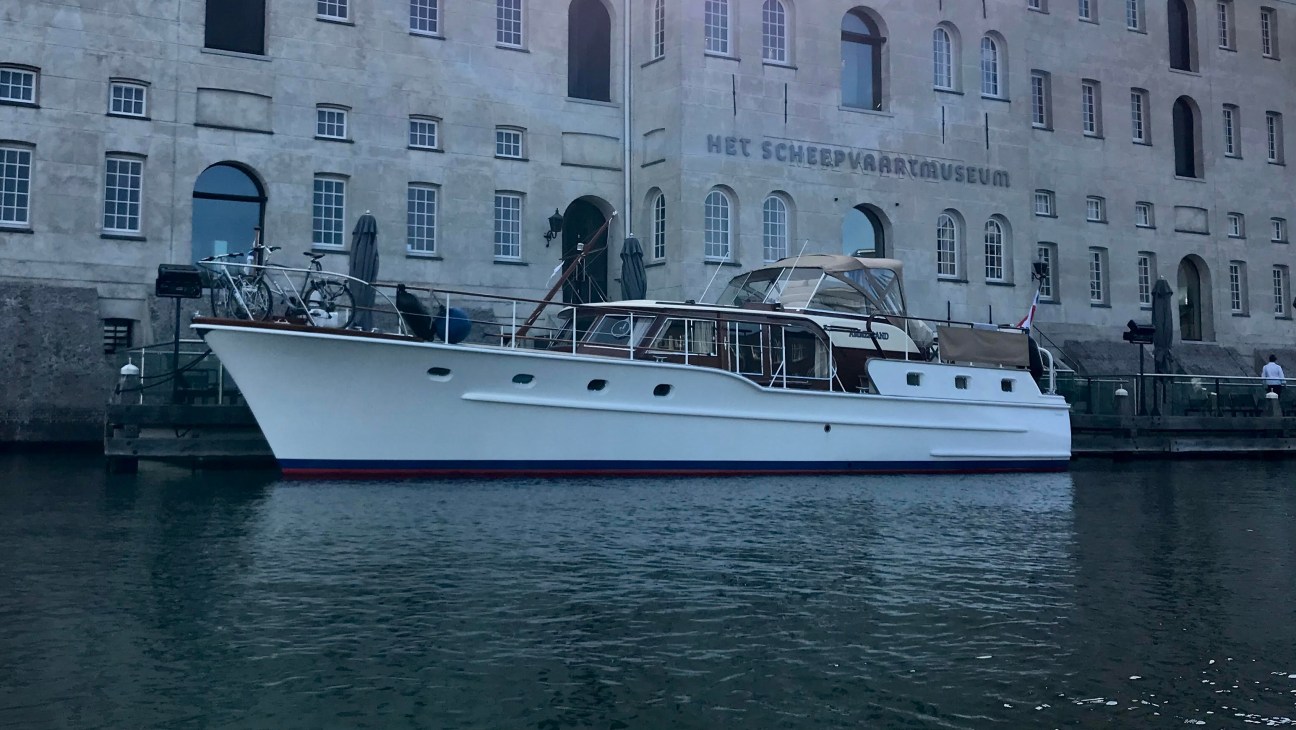
“Feadship was founded as an association by seven shipyards in 1949. It exported Dutch boats to the US and was subsidised by the Marshall Plan,” says Van Berge Henegouwen, who previously owned superyacht multimedia company Van Berge Henegouwen Installations. “After the 1970s the majority of the boats being delivered grew hugely in size – and that appeals to a different public. These little yachts from the 1950s and 1960s were built for yachtsmen, not to make a big profit. And every one of them is different; some look alike but there are always hundreds of differences within the boat.
“Why buy a classic boat? You learn to slow down, for one. You might travel at 10km/h; about twice the speed of walking. Plus, every country that has canals and lakes is more beautiful from the water. The world looks better from here.”
Monocle comment: There’s a glamour and romance that’s been lost by some boat-builders who have succumbed to making craft that are more about money than a mariner’s life. But whatever your budget – paddleboard anyone? – pushing away from shore and charting a course to somewhere new is a fitting metaphor for what we need from the world in the months ahead.