Issues
Francis Belin’s plan to turn Mytheresa into luxury’s best-connected club
Francis Belin has big shoes to fill. He took the reins of online fashion retailer Mytheresa from Michael Kliger at the start of this year – a time when the business was already at the top of its game, beating market trends, posting double-digit growth and becoming a retail partner for brands from menswear behemoths such as Zegna to Kering stalwarts Bottega Veneta. Under Kliger, Munich-based Mytheresa has become a luxury multi-brand digital platform, with some of the highest-spending customers from around the world. In 2025, it acquired one of its largest competitors, the Net-a-Porter Group, to form LuxExperience. In the third quarter, net sales rose 10 per cent to €250m. Europe remains the company’s biggest market, with the US and Middle East following behind.
When Monocle meets Belin on a sunny afternoon in Los Angeles, it quickly becomes evident that he’s more than up to the task of continuing this growth trajectory as CEO. “Let’s make it clear: if I didn’t see further opportunities, it would be very dangerous for me to take the job,” says Belin, who has spent the past 21 years working across the luxury industry in Asia, starting with a managing director post at watchmaker Jaeger-LeCoultre in Tokyo. More recently, he served as Asia-Pacific president at Christie’s in Hong Kong.
Fresh from a trip to New York, by way of Munich, he’s preparing to welcome top-spending clients and influential US editors at Dawnridge house in Beverly Hills, the former home of Hollywood interior designer Tony Duquette. “I sold part of Duquette’s collection at Christie’s, so it’s a full-circle moment,” says Belin, as he takes us on a tour of the house’s maximalist, jewel-toned rooms. The occasion is an intimate dinner held alongside Valentino, one of Mytheresa’s top-performing brands.
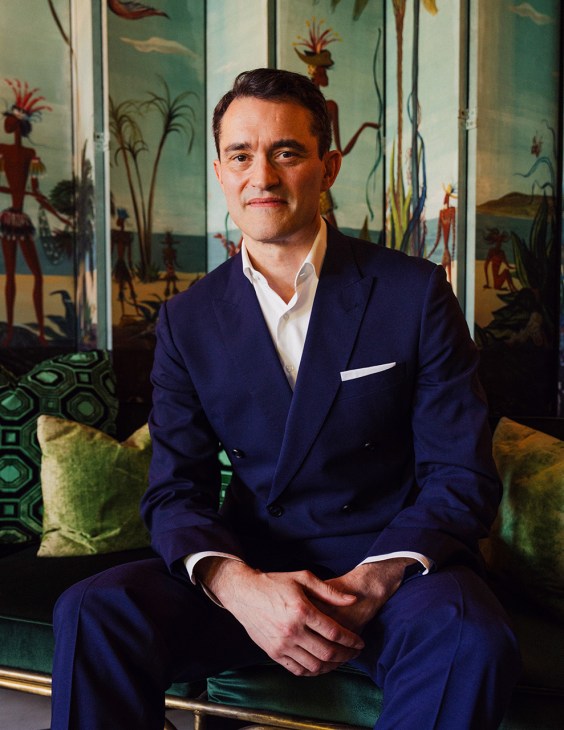
Since joining, Belin has also hosted dinners in the Hamptons for East Coast clients, attended fashion shows in Milan and Paris, and overseen the summer edition of Maison Mytheresa – a two-week residency on a yacht that sailed between Monaco and Saint-Tropez, offering trunk shows, cocktail parties and private shopping appointments. Belin, who enjoys the occasional late-night party, certainly matches the sociable, high-flying spirit that has been integral to Mytheresa’s success.
He’s convinced that this people-centric approach will ensure that the business stays on top. “I don’t even like the term multibrand retailer,” he says, explaining that Mytheresa has moved past the traditional wholesale model that has slowed many competitors. It’s also a host, entertainer and private club of sorts, with access to high-spending fashion clients from across the globe. “If you scratch beneath the surface, it becomes clear that we’re not just an ‘e-tailer’. We’re all about relationships, first and foremost with our customers but also with the brands that we sell. We’re extremely focused on who our customers are and what’s interesting to them. We then remove everything that’s not relevant, so there’s no clutter.”
Investing in logistics and a seamless online experience remains “the bedrock” of the business, says Belin, yet he keeps returning to more traditional values, primarily relationship building. “That’s the part that ties this to my previous experience at Christie’s, where it was all about people’s relationships with sellers who would trust you to sell some of the most prized objects in the world,” he says. “With buyers too, there were generational relationships. You got to know the whole family.” As luxury prices rise and clients start to adopt a collector’s mind-set, Belin’s approach feels timely. In his eyes, curation is more important than ever, even in a digital-first world where there are fewer space limitations on stock. “We don’t want to be a place where you have everything for everybody,” he says. “Mytheresa is the place where you have exactly what a specific audience is looking for. That’s real curation.”
This means a constantly reviewed edit of up to 250 fashion brands and 30 fine-jewellery labels. There are also ongoing efforts to secure access to exclusive capsule collections and brands that are hard to find elsewhere, such as Phoebe Philo. “It’s all about access,” he says. “In the art world, we would have pre-sales and here we have exclusive capsules, pre-launches and trunk shows for our customers.”
The fact that brands – from the digitally shy Phoebe Philo to established names Brioni and Miu Miu – are willing to offer this level of access is remarkable in itself. “It goes beyond being able to sell their products at full price,” says Belin. “It’s the way we tell their stories, put together campaigns and address our top customers’ needs. So many of them want to have access to a curated selection, instead of spending three days going up and down Fifth Avenue or Avenue Montaigne. Mono-brand retail can’t replicate this.”
Belin plans to scale initiatives such as Maison Mytheresa, creating more seasonal residences and money-can’t-buy experiences to keep customers entertained – and his own curiosity fed. “I do all of my market research at our events,” he adds. “If you’re sitting next to me at dinner, I’m going to grill you. I want to know everything.” It’s why travelling to LA with Valentino and pulling out all the stops was a top priority. The event that he co-hosted included everything from a live orchestra to an alfresco dinner in Dawnridge’s garden and a desert room filled with towers of cannoli and giant bowls of tiramisu. Despite the grandeur, by the end of the evening, guests were unwinding in the cosy lounge, tasting the sweet treats and getting to know each other. “We create those rare occasions where people barely touch their phones – that’s luxury to me,” says Belin. “We have to keep investing in technology for various reasons but that’s something that AI can’t crack. We won’t be replacing the taste of our buyers, or the real-life events that our team puts together, with technology.”
Takashi Fukuchi is betting Japan’s foot health on zero-drop shoes
Step by step, Stride Group’s Takashi Fukuchi is reshaping the way that we move and the shoes that we wear. Since 2016, the Tokyo-based entrepreneur has been building Stride Lab, a network of shops that specialises in running gear and zero-drop shoes – a footwear design that places the heel and forefoot on the same level. Along the way, he has become the distributor of brands including Denver-based Altra, while creating new ultra-light-shoe brand Notace, which was launched in 2025. Designed to support the body’s natural movements, its shoes provide balance and comfort, plus an amplified sense of ground contact.
Stride Group has seen a 30 per cent increase in year-on-year growth, with annual revenue predicted to reach ¥3.5bn (€18.8m) by the end of this fiscal year, all without the aid of outside investment. The entrepreneur plans to increase Stride Lab’s retail footprint; it will have one shop in the US, two in South Korea and 20 in Japan by 2027. He aims to have 100 Stride Lab shops in his home country within the next decade. Monocle stops by the Stride Lab flagship in Nihonbashi to find out more.
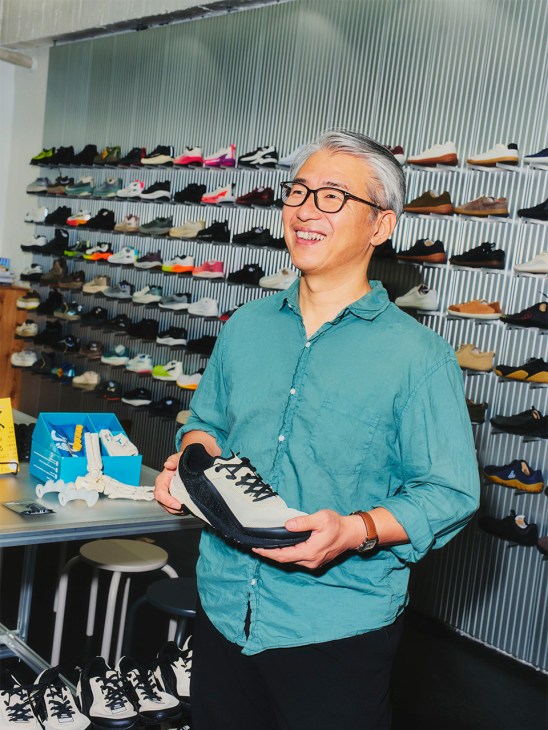
How did you become involved in the shoe industry?
My background is in physiology and I have been involved with the health industry for a long time. One day, at an outdoor retailer show in Utah, I met the gentlemen who started the shoe brand Altra. Their background was in biomechanics so, while other brands were talking about cushioning and performance, their focus was on how to run more healthily. I was surprised and even though I had never been in retail or wholesale before, I decided to become their distributor in 2011.
What motivated you to open the first Stride Lab shop in Tokyo in 2016?
For a few years, I insisted that people should wear zero-drop, foot-shaped shoes. They look quite different to conventional footwear and it wasn’t easy for people to understand why they were better. That’s why I opened the first Stride Lab shop and trained the staff to grasp the importance of choosing the right shoe to meet people’s needs. It was an immediate success.
Our Tokyo flagship has a basement training facility where we assess people’s foot strength, based on a foot-health index that we created from more than 1,000 tests. Our foot-health programme is led by a trainer who worked with the Tokyo Yakult Swallows baseball team and also teaches professional strength coaches and trainers effective testing protocols and exercise prescription. We’re not only selling footwear. Shoes are great but they don’t magically make you healthier. We also need to educate people about the natural movements of their feet and their whole body.
What does Notace aim to bring to the market?
After working with many different brands and requesting a particular kind of shoe without success, my co-founders and I decided to do it on our own in 2024 [before officially launching in 2025]. We knew the shape, construction and cushioning required. We removed all of the unnecessary parts to simplify and reduce the shoe’s weight. The next-generation ETPU [expanded thermoplastic polyurethane] midsole is an important feature. It’s not only lightweight but provides both protection and flexibility too.
When we set out to create our shoes, we didn’t rely on modern, maximalist technology. Instead, we looked to ancient wisdom – specifically, to waraji, the traditional Japanese sandals woven from rice straw that travellers and marathon monks wore across rugged terrain for more than 1,000 years. Studying this type of footwear was a brilliant, centuries-old masterclass in biomechanics. Traditional waraji were woven to a thickness of about 15mm to provide just enough protection to take the edge off impacts, while letting the foot feel the earth. They were also flexible, as they were made from straw. To replicate this, we build our shoes to be highly pliable. They move with your stride, never against it. Your foot has 26 bones and 33 joints. Each has a specific function. Our shoes are designed to allow them to move naturally. Waraji were also shorter than the foot, allowing the toes to hang off and grip the ground directly. We designed a wide toe box and flexible forefoot to give toes the room to splay and engage with the trail. Whether you are walking, running or standing, to keep your posture right, every movement needs ground stability. In Japan, people used to be offered giant waraji shoes at temples to pray for strong legs and feet. It’s a culture that honours the body’s inherent abilities. Notace was born from this philosophy.
How can wearing the correct shoe improve people’s everyday lives?
Stride Lab believes that footwear is the foundation of a healthy life. A major cause of declining health is a lack of daily exercise, which is often caused by pain. When our feet or lower back hurt, we move less. While experts recommend walking 8,000 steps a day and engaging in light exercise, doing so consistently requires pain-free feet. That is where choosing the right shoes becomes crucial.
Numerous studies show that regaining lost foot function and strengthening your feet can help to prevent future internal diseases. We address this by restoring foot function so you can keep moving. We design shoes that help to rebuild the natural strength of your feet. We focus on the perfect fit for every individual.
All in good time: Peerless timepieces to enhance your style

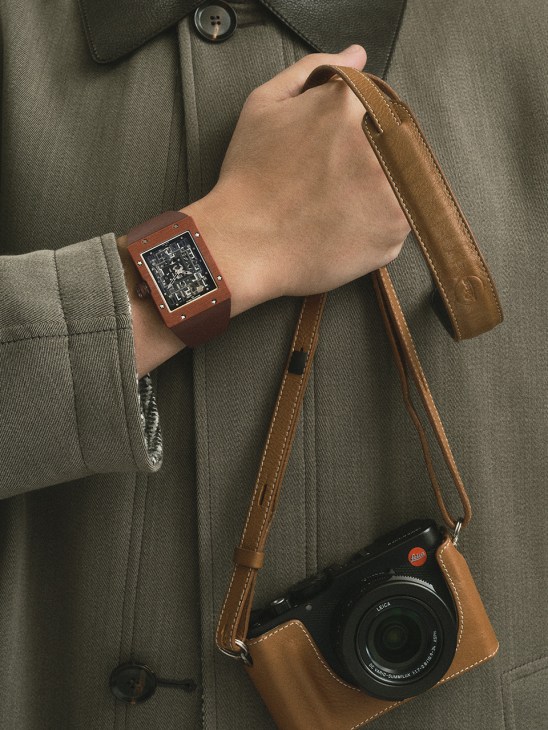
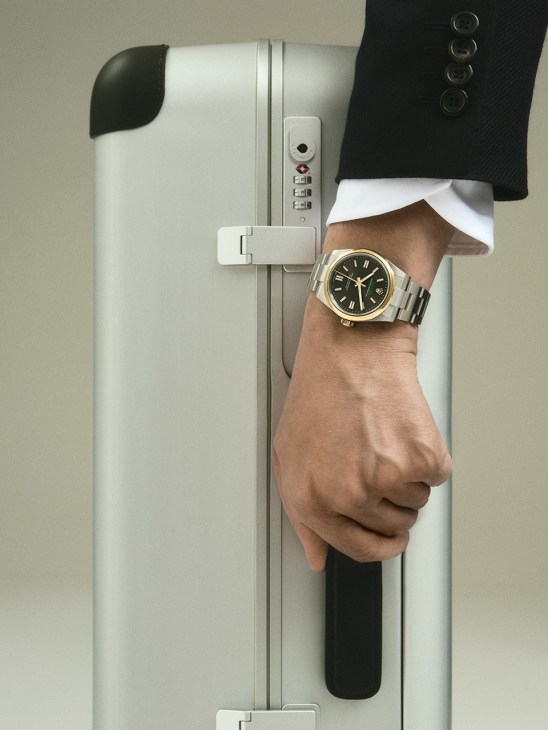
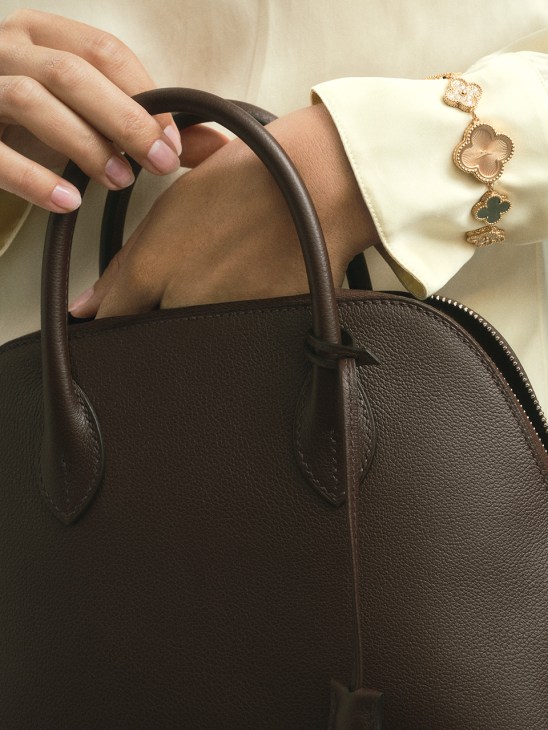
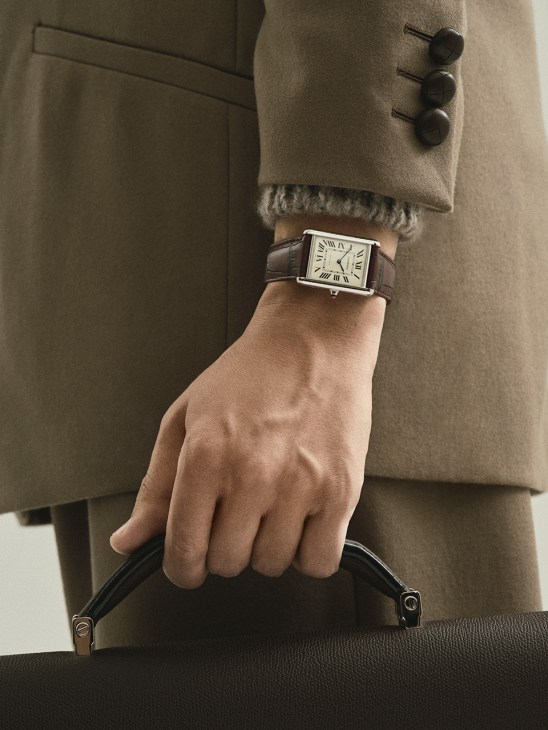

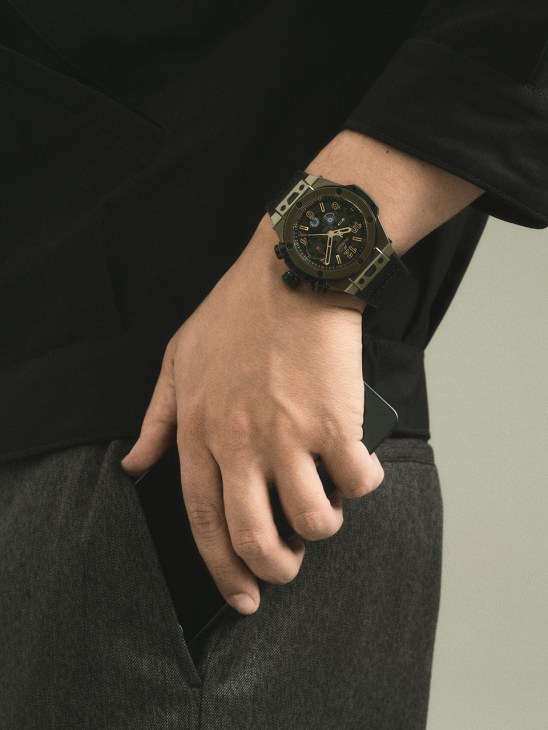
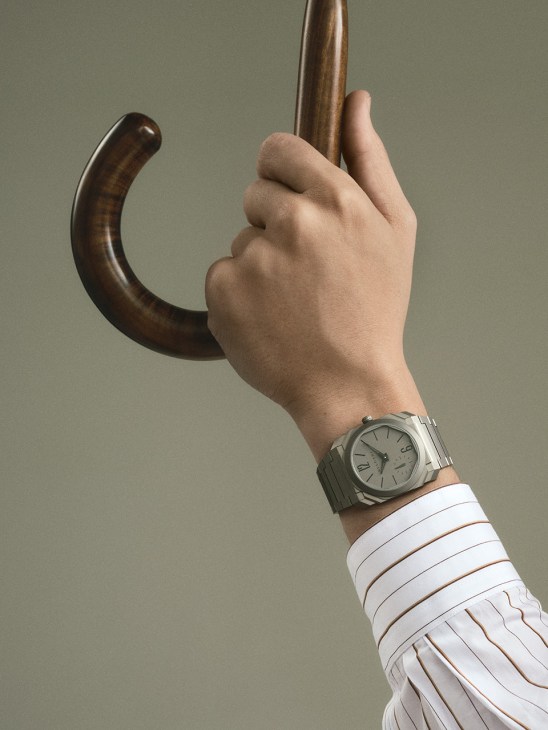
Stylist: Kyoko Tamoto
Reborn from a historic 1930s art deco bathhouse, the Rockaway Ocean Club is reclaiming the Big Apple’s beach cred
It’s a late-summer evening on the Rockaway Peninsula in Queens, New York, and a salty Atlantic breeze is blowing. The sun’s out, music is pumping from speakers and lobster rolls are being served at The Courtyard, just off the boardwalk at Jacob Riis Park beach.
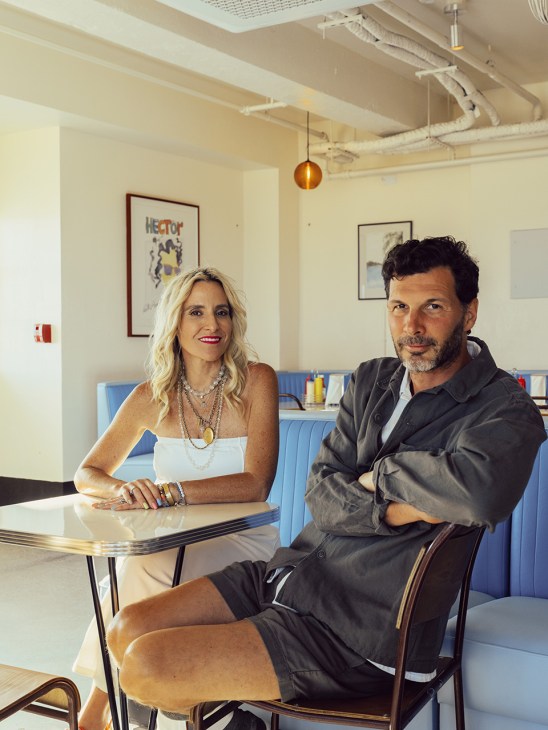
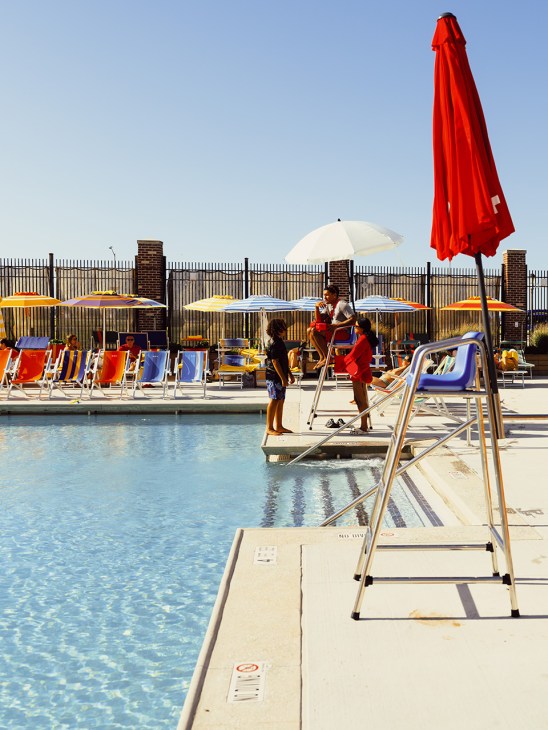
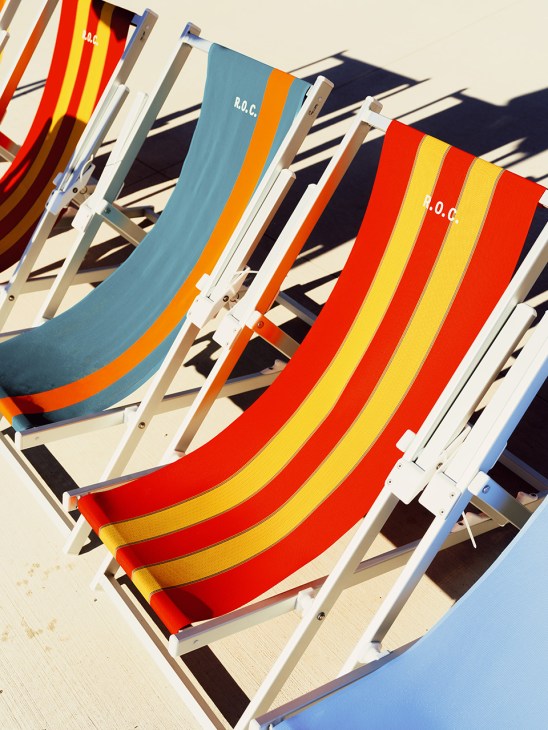
The scene feels a million miles from the pavement-pounding pace of Midtown Manhattan, where steel and glass can dupe residents into forgetting that the city is surrounded by water. “My uncle has lived in New York since 1970,” says Ursula Damani between greeting guests at The Courtyard. “He had no idea that this place exists.” We meet Damani at the soft-launch party for Rockaway Ocean Club, of which she is a founding partner. The club occupies the Jacob Riis Bathhouse, a sprawling art deco building from 1932 that is undergoing an $88m (€76m) restoration. Phase one of the project, which opened at the tail end of the 2026 season, includes a café on the boardwalk and The Courtyard, which will host events. A pool fringed with sunloungers is accessible to club members. Next year, first-floor membership spaces will be added, alongside a 28-key hotel and four food concessions.
The push to give this stretch of coastline a new lease of life comes at a crucial moment. Though New Yorkers experienced a wet summer this year, the season here is growing ever hotter, with heatwaves becoming more frequent and continuing for longer. As a result, there’s an increasing need for places to cool off. City and state administrators agree. Two publicly owned, bay-facing facilities – East Bathhouse at Jones Beach State Park on Long Island and Orchard Beach Bathhouse in the Bronx – were recently refurbished and a floating, water-filtering swimming pool is being piloted near Pier 35 on the Lower East Side.
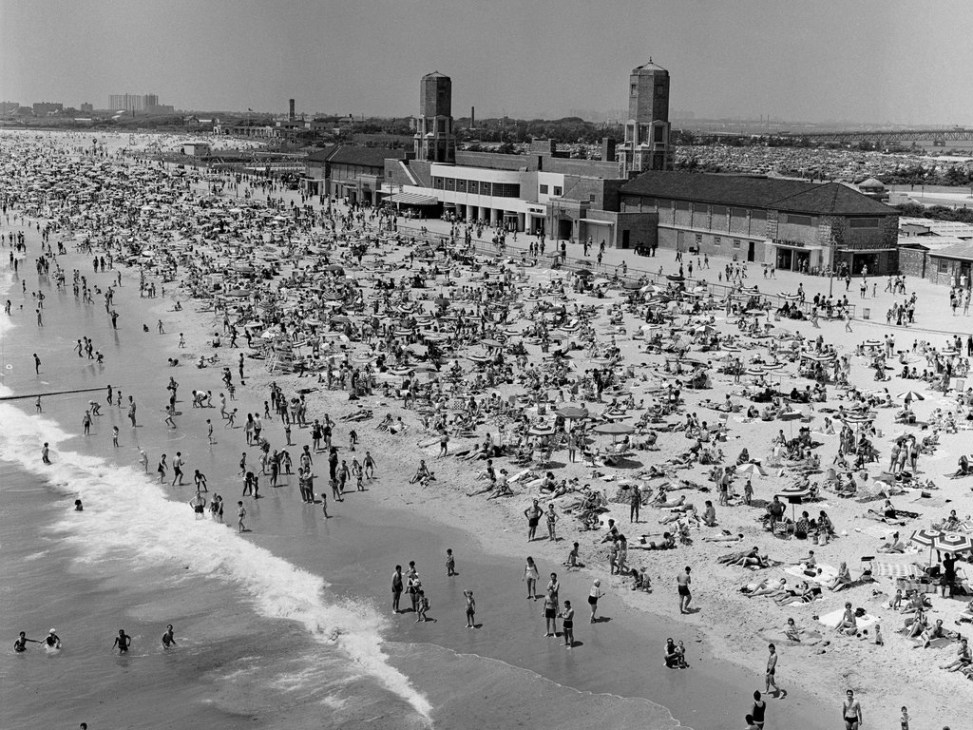
Damani compares the original Jacob Riis Bathhouse to “a sandcastle on the ocean”. Architect John L Plock designed it in 1930 as a place where New Yorkers could take advantage of their coastline, which, at almost 850km, stretches longer than those of Los Angeles, San Francisco, Miami and Boston combined. The bathhouse offered subsidised showers, changing rooms, an open-air dance floor and a solarium, making for an affordable day trip. But this vision for the beach was cut short in 1972 when the facility closed after years of mismanagement and underinvestment from the city, which was then heading for a fiscal crisis. Ownership passed to a federal landlord, the National Park Service, which kept the building boarded up for half a century. Without the budget to do the necessary work, the government agency eventually turned to private-sector companies, including developer CBSK.
Completion of the first phase took almost a decade. The project was hit by delays, some of which were caused by the complexities of dealing with a preservation project – not to mention the pandemic. “I always joke and say, ‘Give me a government acronym: we have probably been in front of them at some point,’” says Damani.
The Rockaway Ocean Club is a little different from the original 1930s vision – a sign of both evolving beach habits (the need to change from formal attire into swimwear is no longer an issue) and the fact that the project will need to be profitable to pay off its loans.
At the soft opening, an Italian-American originally from Gravesend in Brooklyn tells Monocle that he is “worried about change” in the area. Another man overhears and counters, “Everything will turn out fine.” That brief exchange captures the tensions surrounding Rockaway Ocean Club. There has been talk of gentrification and accusations that “The People’s Beach”, as Jacob Riis Park is known, is being privatised; this has led to plenty of online vitriol and calls to boycott the project, even though the beach itself remains public.


What does Damani make of all this? She points out that the bathhouse always used to charge for entry and adds that 60 per cent of the restored site will remain open to the public, including the entire span of the ground-floor boardwalk, with the remaining 40 per cent for members, who pay a fee that starts at $1,000 (€858) a year for Rockaway residents. “There’s a plaque on the building that says, ‘Erected by the City of New York for the recreation of its citizens’. That has been our North Star,” she says. “We’re thoughtful about the diverse traffic that will be coming.”
Pierre Antoine Dourneau, formerly of Soho House, is Rockaway Ocean Club’s chief operating officer. He knows that the club will need buy-in from locals. “We won’t survive without them,” he says. “We’re coming onto their patch so we must be good neighbours.”
Dourneau is passionate about building a community and bringing economic development to this low-income corner of New York. His plans include holding swimming lessons for children and bringing a farmers’ market to what he describes as a “bit of a food desert”. With ambitions to keep the club open from mid-spring through to early autumn, he is already thinking about holding a pumpkin-patch event. If all goes to plan, a new crowd will discover what the Rockaways have to offer: a change of pace, with the Manhattan skyline a distant presence on the horizon, and a welcome respite from the heat. “We’re reminding New Yorkers that we live in a beach town,” says Damani. “That’s one of the biggest joys of this project.”
rockawayoceanclub.com
City of rivers
New York is a city of waterways but you wouldn’t always know it. Its rivers, canals and docks were long treated as dumping grounds for sewage and heavy metals from local industry. Brooklyn’s Gowanus Canal earned the undesirable accolade of being one of the most polluted waterways in the US, while the Hudson also suffered from contamination. The 1930s were the heyday for swimming here but dips were taken far from the canals and rivers.
Robert Moses, who was the city’s parks commissioner from 1934 to 1960, undertook a series of significant infrastructure projects funded by the Works Progress Administration. In addition to the Jacob Riis Park Bathhouse, he oversaw McCarren Park Pool in Greenpoint, Brooklyn, and the bay-facing Jones Beach State Park. But over the decades, many of these spots fell into disrepair and were forgotten – until the recent resurgence in interest.
New York is beginning to re-evaluate its relationship with water. In 2012 a $50m (€43m) renovation brought the long-closed McCarren Park Pool back to life. The East Bathhouse at Jones Beach State Park, shuttered since 2009, reopened this year, thanks to a $100m (€86m) investment. The Bronx’s Orchard Beach Pavilion also reopened to the public this year after receiving $114m (€98m) in funding.
The rivers and canals, however, still have a long way to go. Gowanus Canal is undergoing a multimillion-dollar clean-up but remains toxic. Swimming in the East River and the Hudson remains off limits too but a pilot scheme for a water-filtering floating pool on the East River (named +Pool) is nearing completion and could prove to be a game changer. With summers getting hotter, these projects will be sweet relief.
“We are explaining. We aren’t preaching.” Mina Al-Oraibi on the role of journalism in the Gulf
Mina Al-Oraibi enters the Abu Dhabi headquarters of The National in a flash of burnt orange – a bright contrast with the newsroom’s cool blue-and-grey palette. As she cuts across the open-plan floor towards her glass-walled office, she greets staff and stops to check in on an editor who had difficulties on his commute to work. “That’ll teach you to get an Italian car,” she says, with a laugh.
In the nine years since Al-Oraibi arrived in the Emirati capital to relaunch the English-language title, she has become one of the most recognisable figures in Gulf media. As editor in chief, she oversees a newsroom producing print, digital, video and magazine journalism for a publication whose ambition is captured in its tagline: “The Middle East. Explained”. In addition to The National’s day-to-day operations, she can be found moderating panels at the World Governments Summit, speaking at the World Economic Forum in Davos or fielding questions on CNN and the BBC. “I never thought that I would end up leading a newsroom,” she says, fishing for earrings in a taupe Mulberry Bayswater bag. “But I have always loved being a journalist, getting stories and meeting people on the ground.”
On a table in Al-Oraibi’s office sits a large white dallah filled with Arabic coffee, beside a neat row of cups. She offers Monocle one before pouring her own, then lifts the lid of a dish filled with pistachio-stuffed dates.
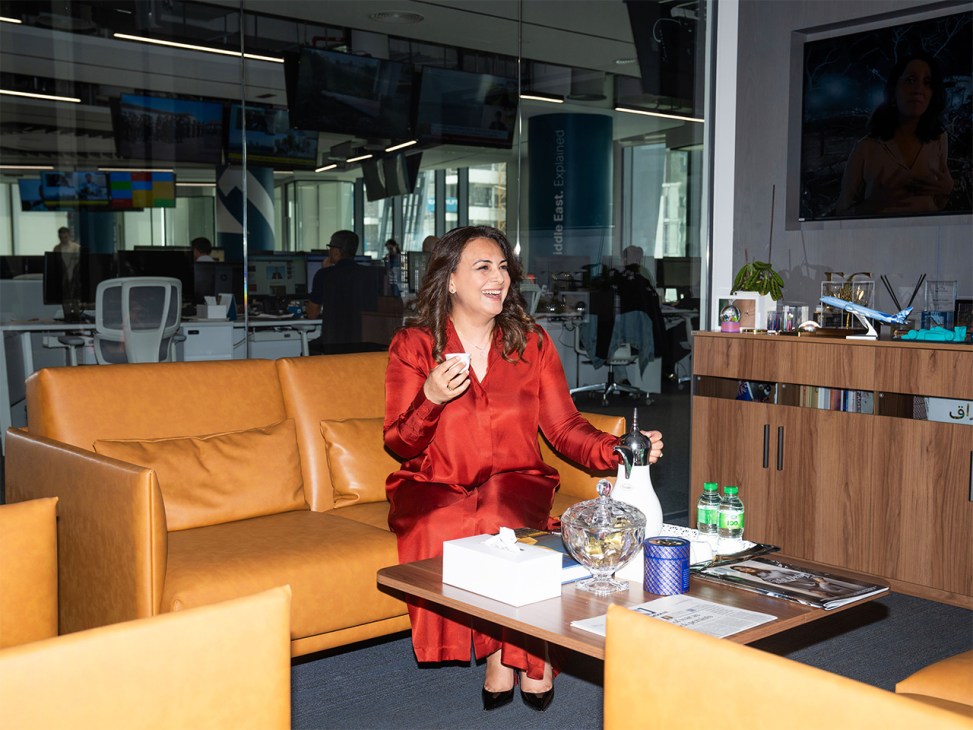
Al-Oraibi was born in 1980 in Stockholm to Iraqi parents and raised in the Middle East and the UK. After university, she started at London-based Arabic daily Al Hayat. In the run-up to the Iraq war, there was demand for those who understood the region’s geography and politics but didn’t have “an axe to grind”, as she puts it. Soon she was appearing on British television as a commentator and reporting as a roving correspondent, before being sent to Washington to run a bureau for international Arabic newspaper Asharq Al-Awsat. “The centre of the political universe is Washington,” she says. “You learn things there that shape how you see the world.”
She went on to become the youngest and first female assistant editor in chief at Asharq Al-Awsat in London before burning out. In 2015, after years covering the destruction of Arab cities and the rise of Isis in Mosul – her father’s hometown – she stepped away to take up a fellowship at Yale University. “I was heartbroken by what was happening in the region,” she says. “We would review the front pages and it was destruction, destruction, destruction. You couldn’t tell if it was Syria, Libya or Iraq.”
Following this break, Al-Oraibi joined The National in 2017. The mission was to rebuild the publication as a digital-first title. “I remember thinking, ‘Please stop saying digital-first,’” she says. “How do we just make sure that we’re getting through to audiences?” Today more than 80 per cent of The National’s readers access it via smartphone. But print still matters. A copy of the day’s broadsheet newspaper lies on her desk beside the latest issue of the title’s glossy weekend magazine and several branded stress balls. “I have used those a lot,” she says wryly.
Her digital instincts extend to artificial intelligence. The National has integrated AI into the less-glamorous mechanics of the newsroom – tasks such as transcription, audio clean-up and video editing. The question of jobs is hard to avoid: the business laid off 28 journalists as part of a restructuring in 2025, with further staff made redundant this summer (though Al-Oraibi is adamant that AI was not a motivating factor). The challenge, she says, is ensuring that efficiency doesn’t come at the expense of people learning the craft.
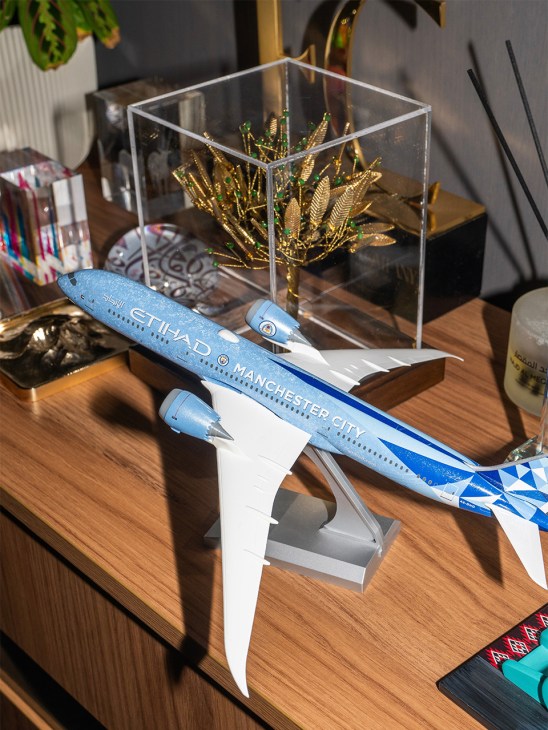
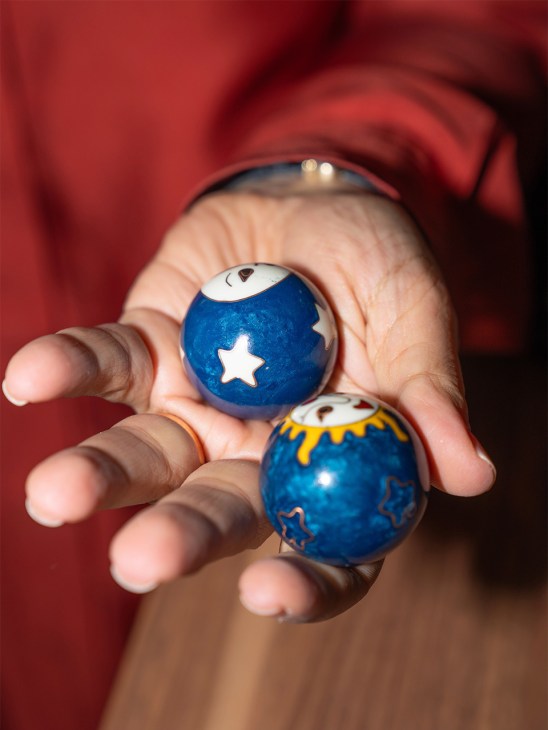
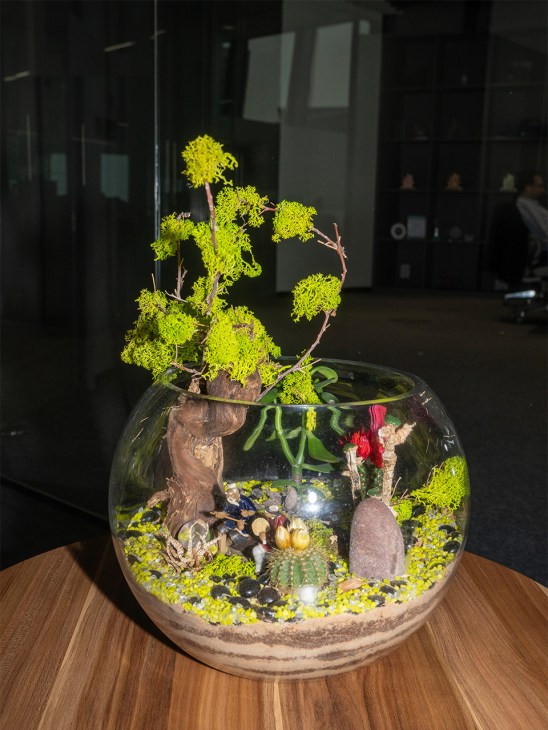

Al-Oraibi’s glass-walled office means that she can scan the entire newsroom in a single sweep, while staff know whether she is available. “If there’s breaking news, I can immediately see whether anyone is on it,” she says.
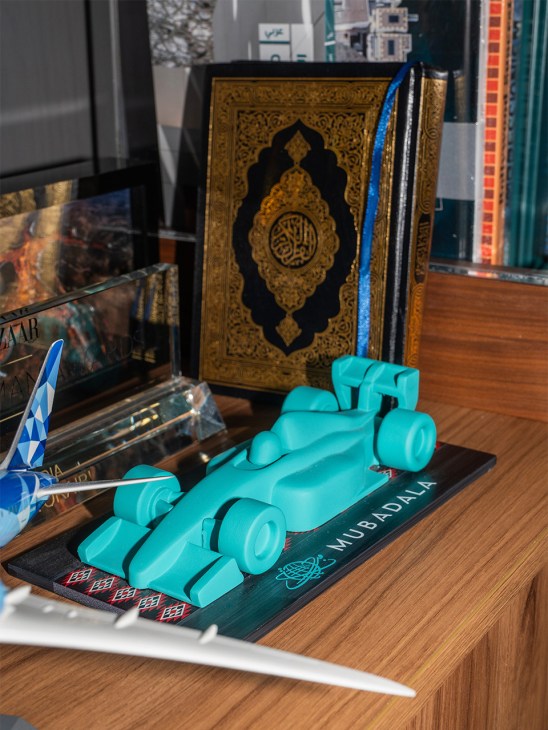
There are clues to Al-Oraibi’s personality in the objects that surround her. Several notebooks, each with “different roles to play”, sit alongside a fountain pen that was given to her by Riyadh’s King Abdullah Financial District and shaped like one of its towers. “It’s pretty,” she says, “but it would be insane to actually use.” There are no family photographs. “My work is work,” she says. Her Mulberry Bayswater – an almost permanent fixture on her arm – is crammed with the essentials of a life that’s lived between meetings: two phone batteries, make-up, reading glasses and sunglasses. “Everybody comments on how heavy my bag is,” she says.
The National is state-owned. Perhaps inevitably, Al-Oraibi is frequently asked about press freedom in the UAE. The question clearly irritates her. “My answer is always: read it,” she says. “If you have read The National and can point to something that doesn’t hold water, then we can have a conversation.”
Every country has media laws, she says. The UAE’s are stricter than some but clearer than many. Privacy laws, in particular, shape reporting. “There isn’t the same societal acceptance of digging into people’s private lives,” she says. “In much of the region, that is off limits.” She is equally forthright about journalism elsewhere: British royal correspondents protect access; Washington reporters can become too close to administrations. “There are always trade-offs,” she says.
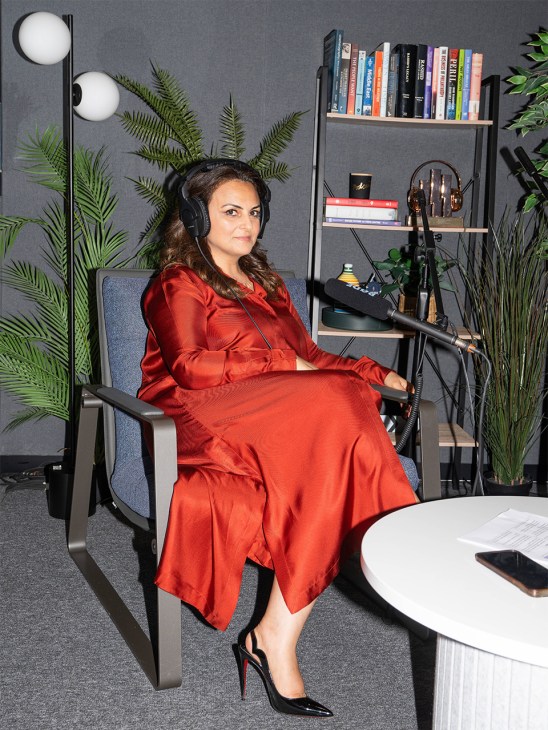
As a female editor in chief leading a prominent newsroom in the Arab world, Al-Oraibi represents a generational shift. The National’s staff includes journalists from across continents. “Someone will shout across the newsroom, ‘Does anyone speak this language?’ – and someone always does,” she says.
That breadth in terms of backgrounds became crucial during recent coverage of the conflict in the Middle East, when the UAE came under attack from Iranian drones and missiles. Al-Oraibi’s first concern was not headlines but staff welfare. “Everyone reacts differently,” she says. “Some had never lived through war before.” The National’s newsroom became both reporting engine and international resource, fielding requests from global broadcasters. “Covering a war can make or break a newsroom,” she says. “It made us. It didn’t break us.”
When it comes to Al-Oraibi’s reading habits, she consumes news quickly and mostly online: Reuters, AP, AFP, X and Instagram, alongside international titles. But some preferences remain analogue: the weekend Financial Times is a fixture and she regularly buys Monocle. A print subscription to Vanity Fair has been arriving at her London home for more than 20 years. Books are also always physical. She is currently reading Departure(s) by British writer Julian Barnes. “I’m obsessed with history, memory and how things are reported,” she says.
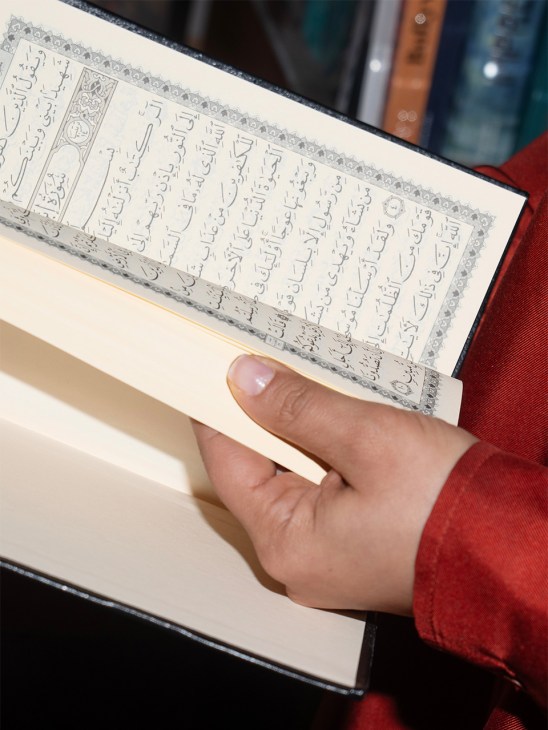
In the office, the television is almost always tuned to the BBC. At home, Al-Oraibi unwinds by watching series on Apple TV – Shrinking, The Morning Show and Slow Horses. Since leaving Asharq Al-Awsat, she has had one rule that dictates her viewing choices: no miserable television. “We do enough sad,” she says.
As Monocle departs, Al-Oraibi’s office door remains open. In a media industry that is contending with market forces and collapsing trust, she remains ambitious and clear about journalism’s purpose. “We are explaining,” she says. “We aren’t preaching.” It sounds simple but in this part of the world – and increasingly elsewhere too – that might prove to be a radical editorial philosophy.
CV
1980: Born in Sweden to Iraqi parents.
1982–1986: Lives in Baghdad during the Iran-Iraq War.
1986: Moves to Canberra, Australia, where she learns English.
1999: Enrols at University College London to study history.
2002: Completes a master’s in history at UCL and joins Al Hayat as an intern, before becoming a current-affairs journalist.
2005: Moves to Asharq Al-Awsat, going on to serve as a roving correspondent, Washington bureau chief and assistant editor in chief.
2015: Selected as a Yale World Fellow.
2016: Becomes a senior fellow at the Institute for State Effectiveness.
2017: Joins The National in Abu Dhabi as editor in chief, overseeing the publication’s relaunch.
How Italy’s Modiano keeps playing its cards right in an age of digital distraction
Drop in on any beach bar in Italy and you will spot a recurring cast of characters: tanned and concentrating, dedicated cardplayers sit around a shaded table that they will barely leave all entire afternoon.
Cardplaying is not only a seaside activity: from social clubs to neighbourhood bars, parks and ferry-terminal queues, Italians love to whip out a deck and get stuck into one of their favourite games – be it briscola, scopa, scala quaranta or canasta – using cards that, like the country’s traditions, look different from region to region. Teenagers are also increasingly keeping packs at the ready to kill time, rather than giving in to the lure of their phones. “In this hyper-connected but disconnected world, card games engage the mind and are enjoyed with other people,” says Stefano Crechici, the president of Modiano, the Trieste-based company that manufactures about half of the nation’s decks. “You could also play cards on your computer but it’s about being present with your team-mates. You get to know people’s strengths and weaknesses; their character.”
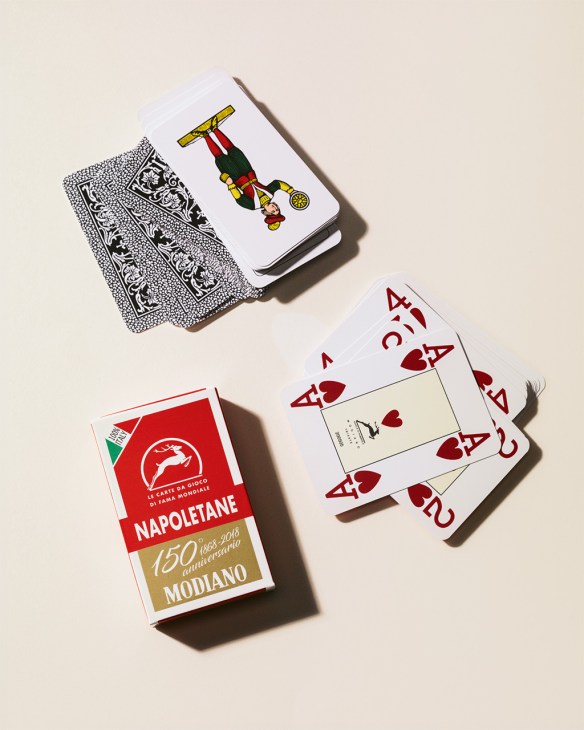
Modiano started out in 1868 producing cigarette papers and expanded into lithographs, posters and eventually the playing cards beloved by Trieste’s dock workers. During the Habsburg era, the city was an important trading hub: Modiano’s products travelled as far as India; the company had factories in Budapest and Rijeka.
Today, half of its €10m turnover comes from exports, including to Greece, Central Europe and the United States. Casinos across the globe use Modiano cards and the company is the World Series of Poker’s official supplier. Playing cards’ popularity increased during the pandemic and they are still the company’s main focus. But over the years, Modiano has also started printing Tarot cards and personalised decks. Making the cards that are used in a number of popular board games has also shown the company that screen-free pastimes are on the up. “Playing has always been part of human life,” says Crechici. “The more immediate a game, the more successful it is.”
modiano.it
On Lisbon’s Rua Áurea, Portugal Jewels is reviving a fading retail tradition
When a property became available on Lisbon’s Rua Áurea, also known as Golden Street, jeweller siblings Joana and Alexandre Bastos Gomes knew that it was an opportunity that they couldn’t pass up. The historic Baixa district in which it’s located was a fitting place to establish the second outpost of the duo’s business, Portugal Jewels, founded in 2017. “After the 1755 earthquake, this area was rebuilt and its commercial activity reorganised by decree, with goldsmiths concentrated along this avenue,” says Alexandre, whose family has been in the trade for three generations.


For more than 200 years, the premises had been a stamp and seal workshop that once supplied the royal household. Recently, however, the shop had begun to show the marks of time. “The previous owner was getting tired and the shop lacked its original character,” says Joana. “Some older people still came in for stamps but it mostly sold postcards, magnets and suitcases.” The story is a familiar one in Baixa. Once the epicentre of Lisbon’s commercial life, the neighbourhood has been transformed by rising rents and shifting consumer habits. During the past decade, many historic retailers – charming haberdasheries, bookshops and milliners – have shut, replaced by souvenir shops and international franchises. “It’s a difficult balance for the municipality to manage,” says Alexandre. “On the one hand, enterprises need to be economically sustainable. On the other, there must be some form of protection for heritage businesses.”
For Portugal Jewels, the answer has been to preserve the spirit of this historic street through the new shop’s design. The siblings enlisted creative director Ricardo Preto to reimagine the space by evoking Portuguese goldsmithery’s heyday. An illustrator was brought in to create gold lettering on the façade in the style of the original signage. Pieces from antique dealers – desks, china cabinets and even a small oratory – were restored and repurposed as display cabinets for the jewellery (as well as old stamps from the shop’s previous life). The walls were upholstered in floral chita de Alcobaça, a block-printed textile that dates back to the 18th century. “It’s a bit like a grandmother’s home,” says Joana with a smile.


As she shows Monocle around, she holds up a necklace that’s made from filigree gold spheres, a design that’s typical of Viana do Castelo, a town in the country’s north. “Our jewellery is steeped in Portugal’s goldsmithery traditions. It makes sense that our spaces add a new layer to this,” she adds. Portugal Jewels’ first shop, opened in 2025, is a five-minute walk away and follows a similar philosophy. Housed in a former barbershop that was once frequented by the country’s intellectuals, it retains many of the old barber stations and mirrors. “We like to think that we are a good example of how commerce in this part of the city can evolve without destroying the past,” says Alexandre.
portugaljewels.com
‘Ritokei’ is Japan’s well-designed island newspaper connecting remote communities
“What is the purpose of media?” asks Atsuko Isamoto, the 43-year-old editor in chief of Rito Keizai Shimbun (Ritokei). “There are editors who want to make a cool magazine or deliver something interesting to society but, for me, media is ultimately about the world that you want to shape.”
Isamoto – who is from Hita, a landlocked hot-spring town in Japan’s Oita prefecture – launched her remote-island media company in 2010. When we meet, she has just returned from the Izu archipelago and is preparing to visit Osaki Kamijima in Hiroshima prefecture. The latter, in the Seto Inland Sea, is one of Japan’s 14,125 remote islands (of which 417 are inhabited) and the place that inspired Isamoto to establish Ritokei.

“Japan’s identity is built on being an island nation,” she says. “There is incredible diversity: everywhere you look, there are different dialects, industries and climates. Remote islands present the most extreme cases of that diversity.”
Ritokei’s free quarterly newspaper was initially focused on these idiosyncrasies and their allure but Isamoto’s gaze soon turned to people’s everyday lives. For the past decade, every issue of the print edition has explored a single topic, from raising children on an island to the economics of sustaining life in such places, while navigating broader civic challenges, such as disaster resilience, preserving traditional culture and maintaining quality of life. The editorial team aims to present the publication’s 500,000 annual readers with a range of perspectives, rather than seeking out a single answer – giving island residents a platform to share their own experiences.
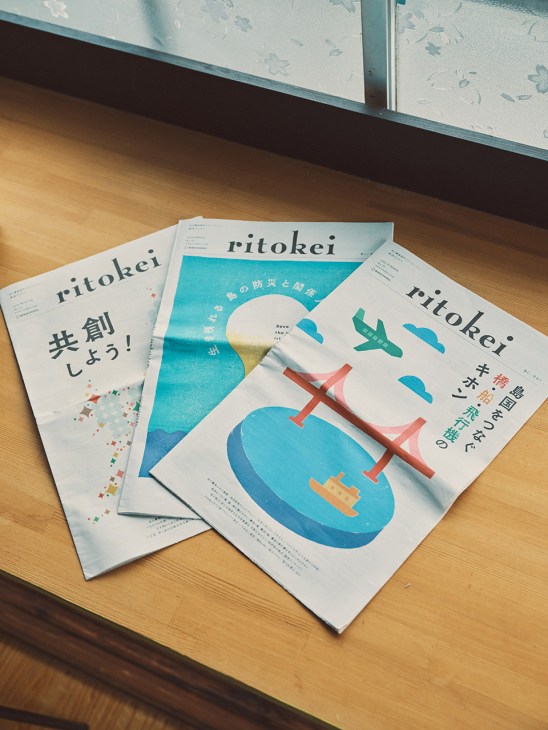
Design plays a key role. Tomohiro Okazaki, Ritokei’s art director, has shaped the paper’s identity since day one, from the signature logotype to the eye-catching cover graphics that render island motifs, such as lighthouses and sea bream, in vivid colours. It’s a visually striking approach that makes for a publication that demands a closer look, regardless of whether it’s found in an inner-city bookshop, a subtropical hotel suite or one of more than 1,300 stockists across Japan.
New opportunities have arisen since the company’s transition to nonprofit status in 2014, which was made possible by partnerships with villages and businesses that promote regional industry and products. It has enabled a supporter-based model: for as little as ¥1,000 (€5.39) a month, subscribers gain access to the entire back catalogue and receive three copies of every new publication – one for themselves and two to share – growing readership through first-hand, human interactions.
“Making a newspaper for all this time has come at a significant cost,” says Isamoto. “But having something physical has allowed us to forge real connections with people on about 170 inhabited remote islands.”
ritokei.com
Comment
A newspaper can be a potent form of communication. Ritokei demonstrates the importance of serving a geographically remote readership whose everyday concerns might otherwise be overlooked by the mainland media, while sharing their experiences to a wider audience.
The entrepreneur making a quiet city sing: How Indra Kantono is shaking up Singapore’s nightlife
Considering the recent spate of restaurant and bar closures in Singapore, one might conclude that the city-state’s F&B scene has lost its fizz: 1,267 food businesses shuttered between January and April alone. But Indra Kantono begs to differ. The Indonesia-born co-founder of hospitality company Jigger & Pony Group recently launched two successful businesses within six months. First came Pop City, a cocktail bar inspired by contemporary Japan, followed by BOP, billed as Singapore’s first Korean cocktail-dining bar.
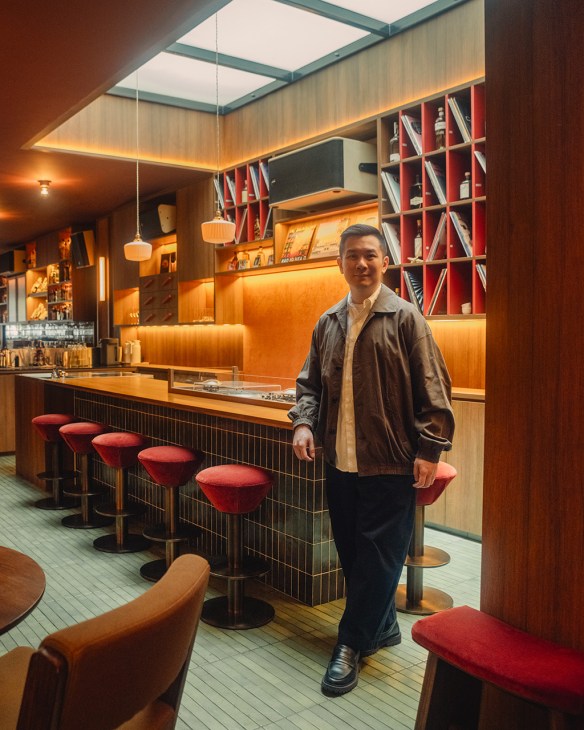
Despite opening these spots in quick succession, Kantono never rushes the process. “We start by taking an honest look at the scene and thinking about what we can add to it,” he says. Singapore’s nightlife offering has become increasingly competitive in recent years, partly because the city isn’t constrained by classic bartending styles. Instead, it has found inspiration in Southeast Asian ingredients, Japanese hospitality and European traditions, creating what Kantono describes as “new formats that don’t fit neatly into any category”.
The group has also focused on creating welcoming, living-room-like third places where the drinks are as approachable as the friendly staff. “In an uncertain and divided world, bars are places where we can talk over our differences – at least, for a few hours,” says Kantono. Authenticity matters too. “The concepts need to be rooted in personal experiences,” he says. “For example, Uno Jang, our South Korean creative director, based BOP on his memories of his country’s drinking culture.” Whatever Jigger & Pony Group’s precise formula, it’s working – as one glance at the snaking queue outside BOP will make abundantly clear.
jiggerandponygroup.com


Kantono’s recipe for the perfect watering hole
1.
Prioritise interaction
Be intentional and design bar heights, counter widths and table shapes in ways that make it easy for guests to talk with each other, as well as with staff.
2.
Set the tone
People are drawn to natural light during the day and the glow of a bonfire at night. So install lighting that evokes the warmth of a flame. You can light a few candles too.
3.
Don’t neglect service infrastructure
Having a beautiful bar means little if guests aren’t served their drinks quickly and correctly. Add more service counters than you need and equip them in ways that will help your staff to top up patrons’ glasses and snacks efficiently.
Inside Club 7, the Lisbon members’ club turning hospitality into a competitive sport
Ask anyone who has recently moved to Lisbon where to meet people, close a deal or feel part of something and they will likely say Club 7. Over coffee with Monocle, the lifestyle club’s CEO Carolina Melo Duarte greets passing members by name. Nestled among the greenery of Parque Eduardo VII, a short walk from the buzzy Marquês de Pombal in central Lisbon, the sports club opened in 1997. It started in Portuguese hands, passed to an English investment fund and in 2022 returned to Portuguese ownership when 15 members bought it because they couldn’t bear to watch their club decline. That group has since narrowed to three.
An €8m renovation by Saraiva e Associados, with interiors by Lisbon firm Andrez & Andrez, has transformed the 29-year-old club into an airy, terracotta-hued space with the scent of green fig drifting through every corridor. There are six tennis courts, seven for padel, a gym, a 25-metre pool and a spa. “We used to mainly train Portuguese players but now our tournaments draw 12 nationalities,” says Luís Bonet, the club’s longest-serving tennis coach.


“We don’t call it a fitness club, sports club or wellness retreat,” says Carolina Melo Duarte, who took over as CEO in 2022. Her team of 140 staff spent the summer reading Will Guidara’s Unreasonable Hospitality, which chronicles lessons in service and leadership. Her aim is to treat every part of a member’s day, from their games on the courts to time cooling off in the café, with the same care that a top hotel might offer. “We put hospitality first,” she adds. Its success shows that, with the right infrastructure, a sports club can be more than just a place to let off steam.
club7.pt