Issues
The Eternal City’s oldest gift shop, Savelli Religious, is bringing old-school sensibility to city souvenirs
Cities across the globe are plagued by tourist-trinket shops hawking mass-produced plastic memorabilia. But step away from the madding crowd on St Peter’s Square in Rome and you’ll find a souvenir shop that has the art of tasteful keepsake curation down to a science. Founded in 1898, Savelli Religious is a fourth-generation, family-run emporium that has catered to everyone from Leonardo DiCaprio to pilgrims journeying to the Vatican.
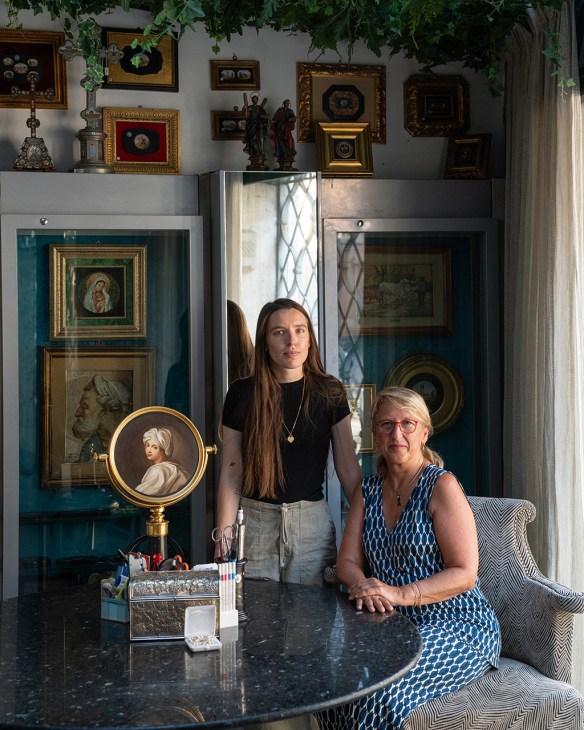
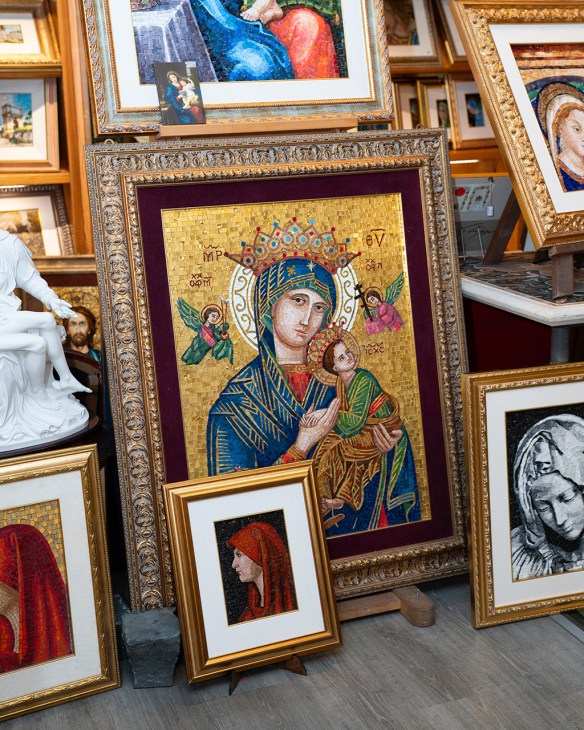
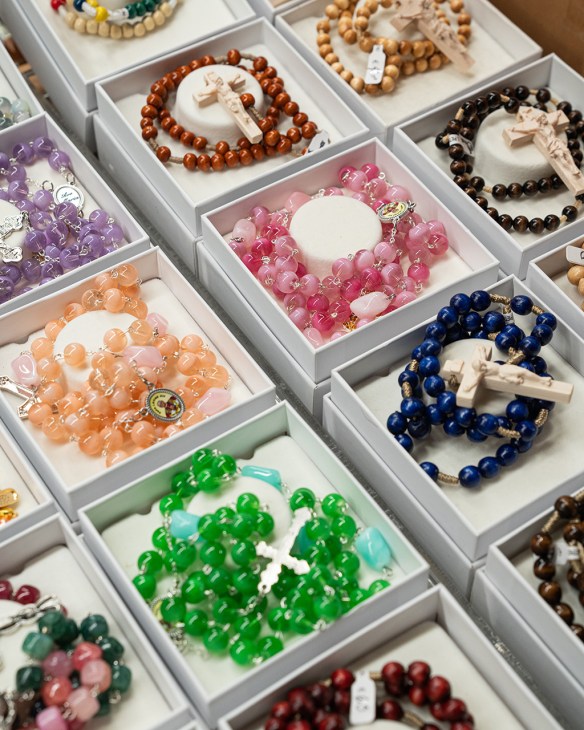
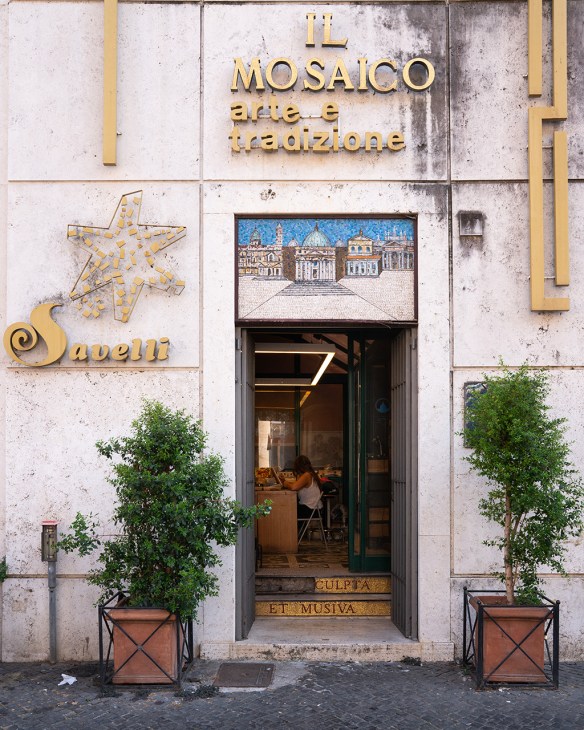
“Those who come to us are looking for something that they can’t find just by shopping around,” says Alessandra Savelli, the current custodian and great-granddaughter of the shop’s founder (and former Palatine Guard), Lorenzo Savelli. Inside, objects from legacy Italian suppliers line the shelves and rosaries made from shimmering Murano glass sit alongside silver angel pendants and carved wooden crucifixes. Upstairs, a mosaic gallery offers depictions of Rome’s iconic sites, as well as the opportunity to commission a custom-made piece.
When Monocle visits, Alessandra’s 29-year-old daughter Giorgia is on duty, stopping to talk with employees as we walk through the shop. The long-term plan is for Giorgia and her two sisters – the fifth generation of the family – to take over the business. “People come here and feel welcomed, as though they were at home,” says Giorgia. “We are not just a family with the name Savelli. This shop represents everything that we have built together.”
savellireligious.com
Comment
A city’s soft power encompasses more than its major exports or the prestige of the celebrities who call it home. Small keepsakes that visitors pick up on a whim can also broadcast its appeal from a mantelpiece. Mayors, take note: keep an eye on your souvenir shops.
Rome City Guide
Few cities pack a punch like Rome, with its breathtaking beauty and illustrious cultural heritage attracting millions of tourists each year. But to truly uncover its charms, you have to head to the Italian capital’s less-frequented corners. Find out how by reading our City Guide, one of more than 30 profiles of destinations around the world.
As premium labels return to print, Swiss manufacturer Sonderegger leaves quite the impression
“You wouldn’t print an email event invitation and frame it on your wall,” says Bruno Sonderegger. “But if you receive a well-made physical one and it later reminds you of some good times that you had, you might keep it.” This sums up the core mission of Bruno’s family-run business. Established by his father, Ernst, in 1966, Sonderegger is a Swiss packaging manufacturer based in Bronschhofen, a small town about an hour’s drive east of Zürich.
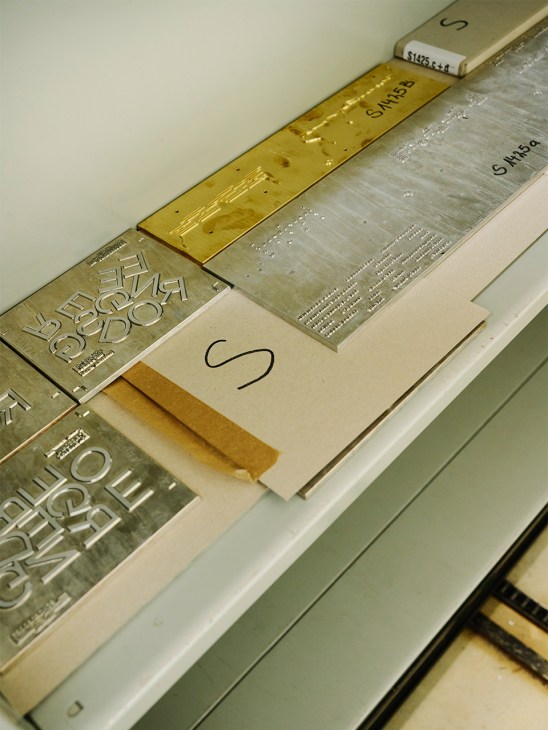
“Our basic materials are paper and cardboard,” says Bruno, walking Monocle across the factory floor, past whirring machines spitting out boxes with precisely cut 45-degree corners. There are also filing cabinets stacked with magnesium and brass cutting dies. “Our portfolio includes everything from packaging for products to brand communication and gifts. We’re about trying to develop things that you haven’t seen before.” The second-generation owner has built a reputation for the use of innovative techniques – unique laser engraving and foil stamping on surfaces, bespoke box-folding systems (including cubes that open from the bottom) and more. It’s work that feels particularly relevant at a time when many brands still see digital experiences as the most important way of communicating – it’s easy to track the reach and effectiveness of a marketing email or a pop-up ad on a website. However, a recent report surveying about 6,000 European and Turkish consumers showed that physical packaging is increasingly becoming a deciding factor when it comes to customers’ brand loyalty. “Premium watch brands have told us, ‘We do all of our communication digitally’ – but I challenge them to show me a luxury email,” says Bruno. “When you have a physical product, you can say within a second, ‘This is premium’ – or not.”

Sonderegger started out printing X-ray envelopes – physical storage pockets used in clinics. “My father produced his own machine to get them made automatically,” says Bruno. “After two years of working together, I said to my dad, ‘We need to find a new strategy to survive because these X-rays will disappear.’” With the company’s departure from that line of business – a shift that Bruno oversaw – Sonderegger’s client list moved from hospitals and medical facilities to fashion brands such as Hermès International, watchmakers including Switzerland’s Richard Mille and banks like the Liechtenstein Global Trust. The company’s success is proof that brands are waking up to the importance of physical packaging for positioning and communication.
Bruno’s son, Dimitri, joined Sonderegger a decade ago. “When you’re spending money on print, you want to make sure that it will give you a return on investment,” he says. “So, if you’re a luxury brand like Hermès and you send an invitation, you want people to receive it and show it to their team in the office and say, ‘Look what I got.’” Working with high-end clients means that expectations are always high. “There are so many projects that we can’t show on our website because we have signed NDAs,” says Dimitri, before telling Monocle about one that he can talk about: packaging for Swiss passports, which were created for the Federal Office of Police in 2022. “We made bespoke boxes to hold several passports, which were sent to Swiss embassies all over the world to showcase their security elements – and encourage other countries to come to Switzerland to get their own passports produced. It was an advertising tool for the nation.”
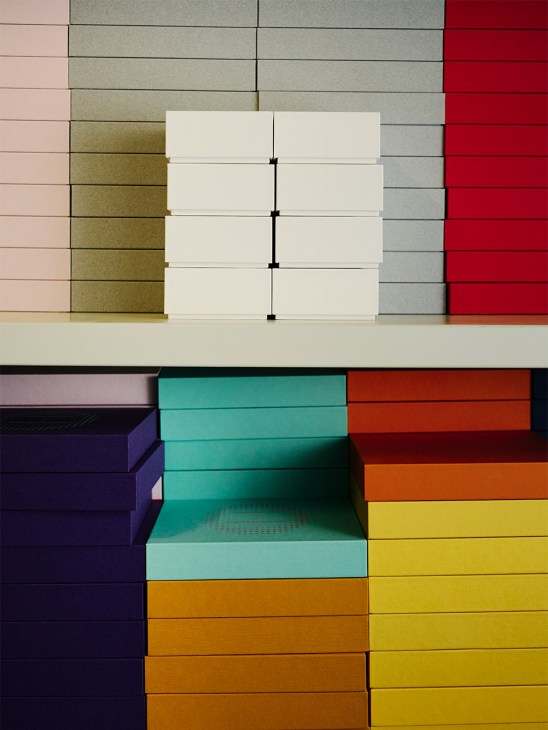
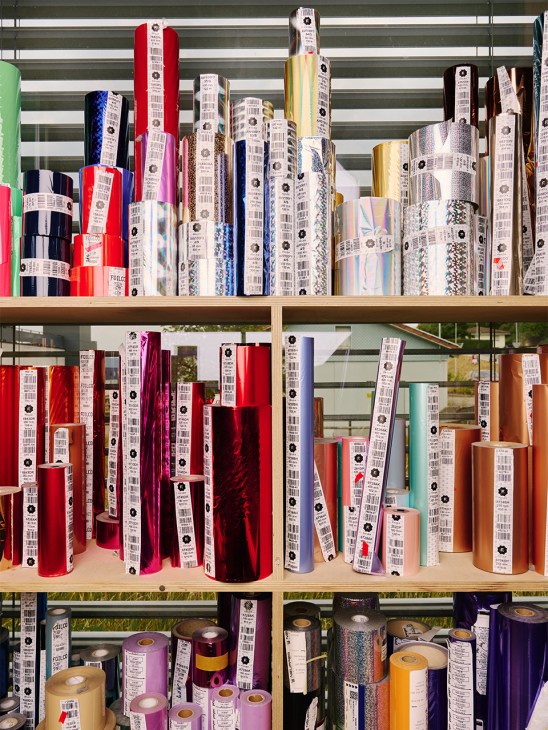

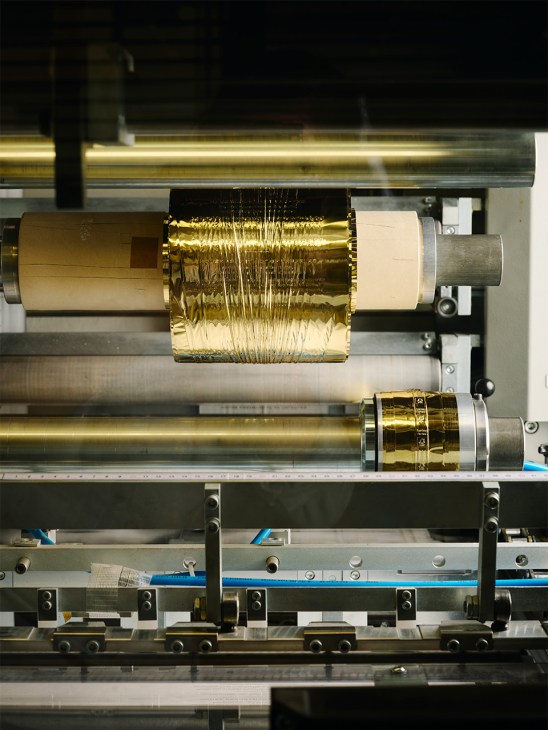
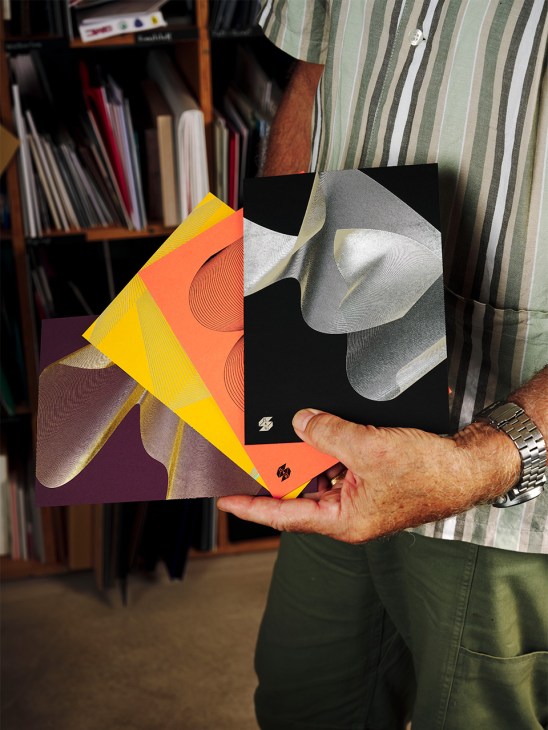
Such jobs for the state sit alongside requests to produce invitations for royal weddings, commissions from the International Olympic Committee (Sonderegger made pin boxes for the Milan Cortina Games), among others.
“The CEO of Omega asked us for special packaging for a candle, with a box and a lid made from a single piece of cardboard,” says Dimitri. “We had just purchased a new machine and asked the technician whether it would be possible to produce such a thing. He said, ‘No – if it’s not in the handbook, then it can’t do it.’ The technician returned the next day and saw us lying under the machine, cutting pieces out of it. We modified it to make that candle packaging possible.”
Sonderegger has more machines than employees, with some devices only running a couple of times a year. “That gives us the ability to do things that others would say they can only achieve by hand,” says Bruno. During our tour of the factory, we walk past devices capable of automatically folding boxes and multiple machines that press thin layers of foil onto dies and then paper or card, creating shiny or textured designs. The old X-ray-envelope maker is now used for producing vinyl sleeves. Bruno stops and points to a machine that resembles a 1980s science-fiction film prop. “I bought that one from Orell Füssli, which handles the security printing and production process for the Swiss currency,” he says. “They made the CHF20 bill on this. You can still see the marks left from the film for the notes on the iron plate.”


Despite the complexity of Sonderegger’s work, Dimitri says that what matters most is making simple and authentic physical products. “We don’t need to have five hot foils and seven laser engravings on a box or invitation,” he explains. “We need the product to be focused and transparent.” Every Sonderegger client can opt for a number of bespoke materials – from coloured paper and foils to counter plates (a metal surface placed against the raw materials during cutting, embossing or foiling) – custom-made for each project. Much of it is stored in the site’s neatly ordered archives. “Packaging reflects what’s behind a product and an invitation reflects what’s behind a brand,” says Dimitri. “It’s not decoration. It’s honesty. If I receive a letter with a handwritten address on it, I might think, ‘Wow!’ It’s a show of respect for the customer. It says, ‘I took my time and thought about you.’”
The Commute: Clock in to work with Wilhelm Schmid, CEO of A Lange & Söhne
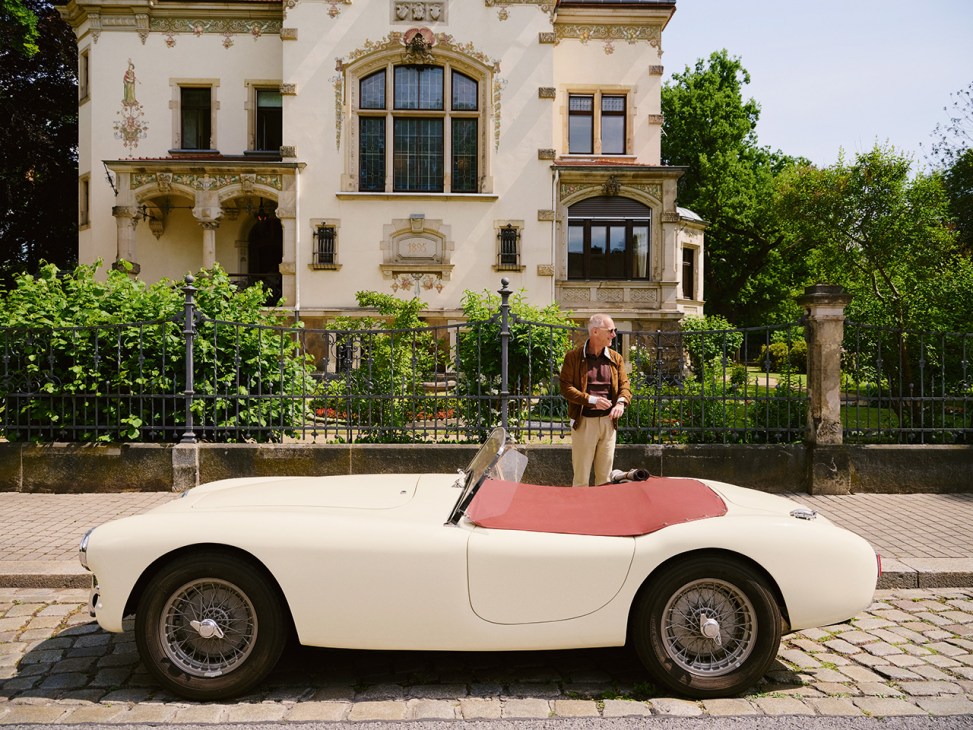
It’s on his 40-minute commute to work that Wilhelm Schmid, the CEO of A Lange & Söhne, finds time to unwind. Since taking the helm of the Richemont-owned horological house in 2011, Schmid has overseen the expansion of its products and global retail presence. He is also a collector of classic cars. When Monocle accompanies him on his daily journey from Dresden to the company’s HQ in the small town of Glashütte in Saxony, his choice of wheels is a 1957 AC Ace Bristol.
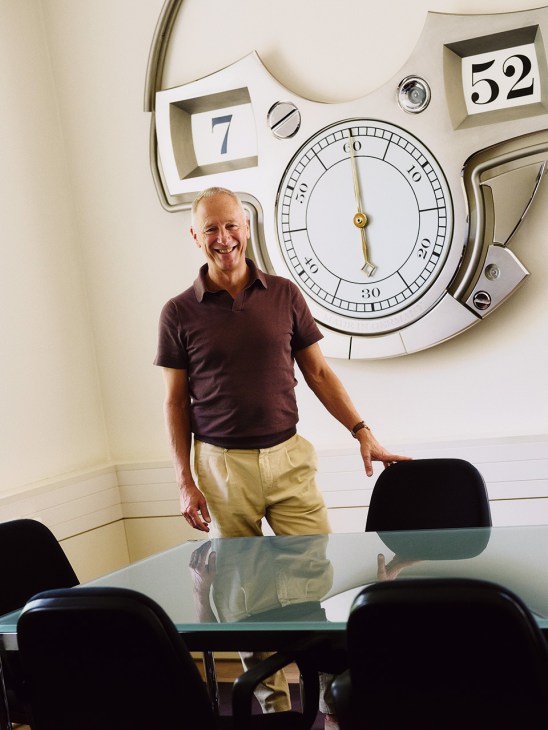
Are you an early bird or a late riser?
I wake up at about 06.00. In the summer, this is easier, thanks to the daylight. In the winter, it might take me 30 minutes longer. But I’m an early-morning person. It’s when I exercise and go swimming. I wake up before my alarm sounds, though I make sure to set it, just in case.
What do you wish that you had more time to do in the mornings?
I would love to walk my dog but I don’t have the extra hour to squeeze it in, so my wife, Yvonne, does it. He’s the best dog on the planet, a mixed breed. We got him from a shelter when he was six months old. He’s a naughty little boy but I wouldn’t trade him for any other dog. His name is Baloo, like the bear in The Jungle Book.
Speaking of time, what watch do you strap on?
As the CEO of A Lange & Söhne, I know what’s in the pipeline, so I can’t tell you what watch I’m wearing because everyone would know what we’re launching. It’s one of the perks of being a CEO: you see early design sketches but it’s still a special moment when you wear a new watch for the first time. I have small wrists, so I’m a good guinea pig, particularly when it comes to testing whether the bigger models are comfortable.
Once you’re out the door, what does the rest of your morning look like?
When there’s no salt on the road or it’s not raining too heavily, I drive one of my classic cars. I have six and try to use them all. Cars don’t get better if you don’t drive them. It’s the same with watches. It’s also a digital detox because you can’t use a phone when you’re on the road. There’s not a lot of safety features in these vehicles, so you have to stay vigilant. They only do what you tell them to do; there’s no assistance. I use the commute to calm down. It gives me 40 minutes of breathing time, depending on the traffic. The first 7km go through Dresden but, after that, there are no traffic lights – only little countryside roads up a hill and then down to Glashütte.
Do you ever get nervous driving classic cars?
The first scratch always hurts but you have to accept that you will collect some dents from flying stones or insects. So far, nobody has crashed into my cars or damaged them while parking. People are careful around classic cars.
Comment
The automotive tide might be shifting towards hybrids and electric vehicles – but Wilhelm Schmid’s elegant commute proves the timeless appeal of classic cars.
From transitional jackets to practical totes, here are sharp new picks from The Monocle Shop
Get ready for the change in weather with our seasonal selection from the Monocle range.
Moleskin coach jacket and trousers by Monocle
€380 and €280
Made in Portugal from cotton-wool moleskin woven in Lombardy, this set combines a boxy, lightly padded coach jacket with trousers. Finished with contrasting cotton lining, the jacket has a boxy fit, while the trousers have a relaxed look that’s suited to year-round wear.
Colour: Tan or navy
Made in: Portugal
View in The Monocle Shop


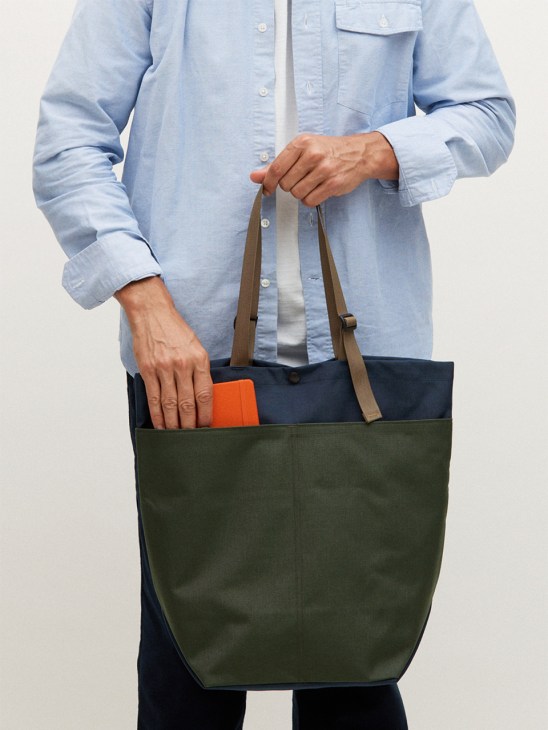
Holdall bag by Bags in Progress × Monocle
€240
Designed by New York label Bags in Progress, this holdall comes with a military-spec nylon webbing shoulder strap and handles. The colour-block combination was developed exclusively for Monocle. Featuring four pockets, a detachable and adjustable shoulder strap, and a three-snap closure.
Colour: Navy/green
Made in: USA
View in The Monocle Shop


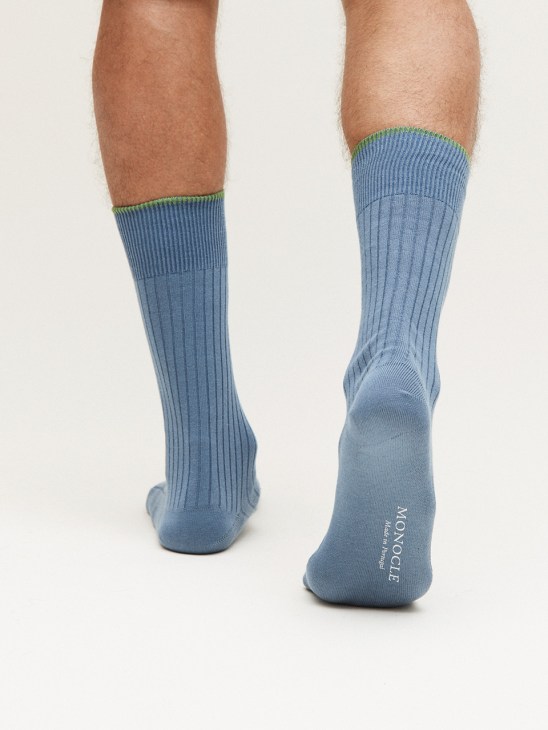
Cotton ribbed socks by Monocle
€15
These cotton socks have been made exclusively for Monocle in Portugal. Mid-calf length and available in green, yellow and navy, each pair has a rib-knit finish with a contrast detail. Don’t miss the Monocle logo on the sole.
Colour: Blue
Made in: Portugal
View in The Monocle Shop
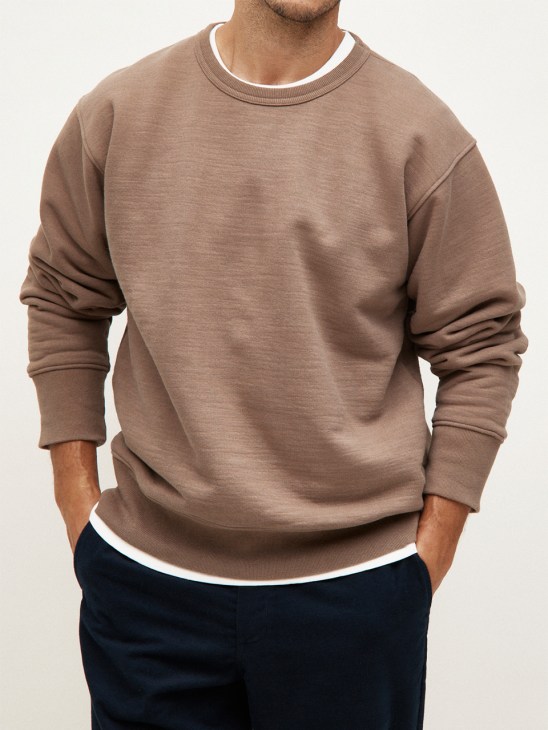
Loopwheel crewneck by Monocle
€195
Designed in house by the Monocle team, this pure-cotton crewneck uses heavy terry fabric knitted on loopwheel machines in Japan’s Wakayama prefecture. Made in Tokyo, the sweatshirt features ribbed cuffs and neck trim, and is available in navy or yellow.
Colour: Taupe
Made in: Japan
View in The Monocle Shop
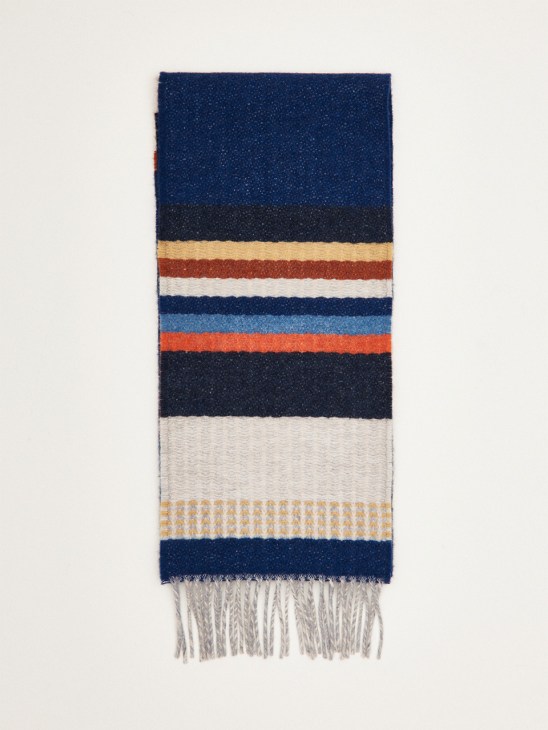
Lambswool stripe scarf by Wallace & Sewell × Monocle
€90
The pure merino lambswool used to craft this striped scarf is washed and milled at finishers in Yorkshire and Scotland, before being woven at a family-run mill in Lancashire by design studio Wallace Sewell’s in-house team. Available in a colour palette developed exclusively for Monocle.
Colour: Persian blue or moss green
Made in: UK
View in The Monocle Shop
Cotton twill caps by Monocle
€70
Top off your look with this versatile hat. Made in California from cotton twill, this signature cap features embroidered Monocle branding on the front and a tonal logo on the rear. It can be worn for everything from a walk through the city to a round of golf.
Colour: Dark olive or golden brown
Made in: USA
View in The Monocle Shop


Carry-all tote by Bags in Progress × Monocle
€195
Like the holdall bag, this US-made carry-all tote from Bags in Progress comes with military-spec nylon webbing handles. Crafted from durable, water-repellent nylon canvas, it’s also a Monocle exclusive. Featuring five pockets, a detachable and adjustable shoulder strap.
Colour: Navy/green
Made in: USA
View in The Monocle Shop
Styling: Kyoko Tamoto
What’s the secret to a perfect sample? Australian music group The Avalanches share their secrets
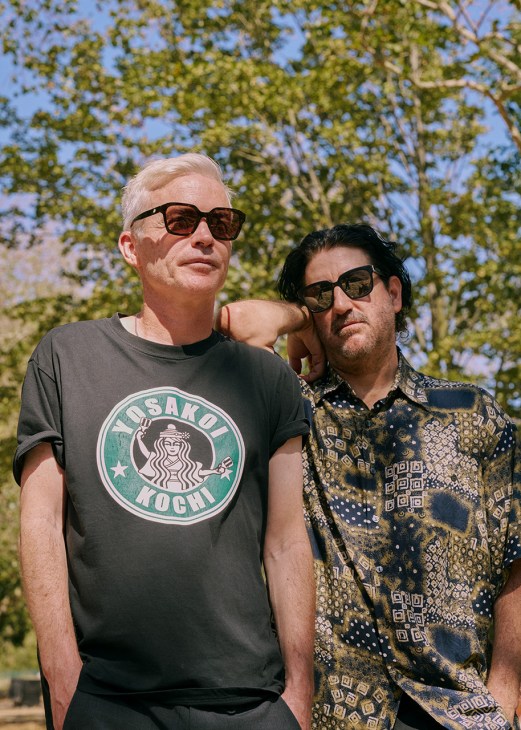
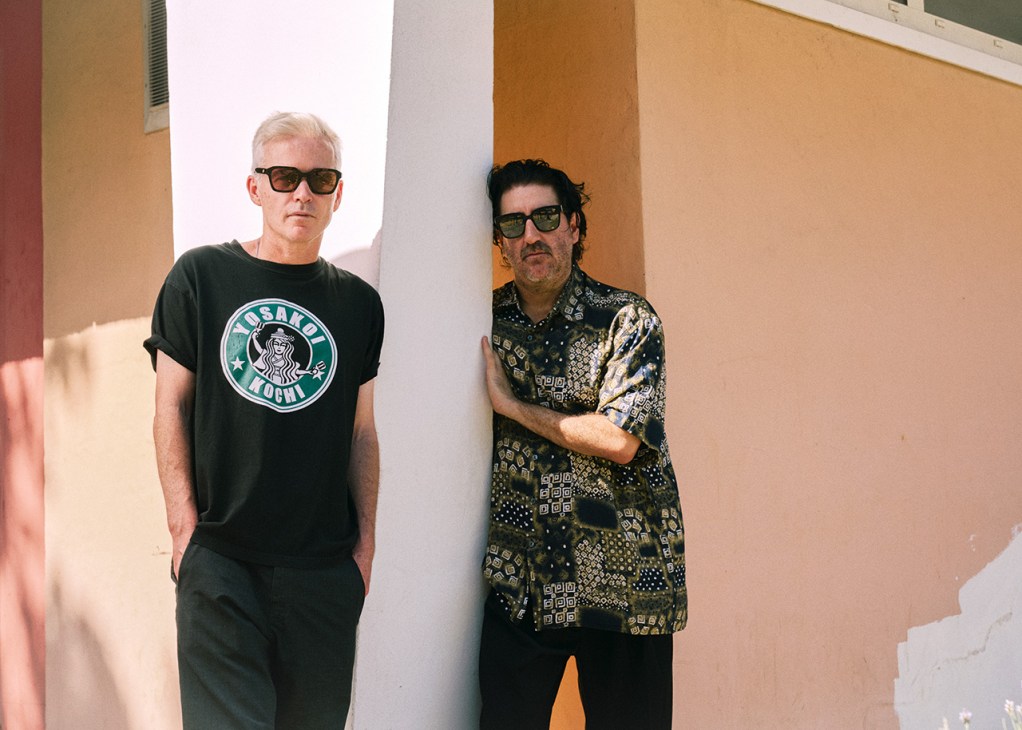
The Avalanches occupy a rarefied position in the pantheon of pop music. The Australian group, now consisting of Tony di Blasi, Robbie Chater and Andy Szekeres, isn’t prolific, rarely writes hit singles and doesn’t get entangled in celebrity spats or affairs with fellow musicians – but it does make monumental albums full of uncanny melodies and surreal diversions that are almost universally admired.
Its debut album, Since I Left You (2000), was a dizzying cocktail of nagging earworms and the inspection of strange emotional territory, realised by bringing together more than 3,000 samples from commercials, old songs and found sounds. The record sold 600,000 copies and turned The Avalanches into unlikely stars. And then came the “difficult second album”. Wildflower took 16 years to arrive but mapped new terrain and featured singers, not just samples. It was beautiful.
Its follow-up, We Will Always Love You, was released in 2020 and now the self-described “sampologists” (“Oh, God, sorry about that,” they say) are back with a fourth album. No Bad Memories links “real” music with the jingles and sound designs associated with the technology of the past 40 years: CD players, mobile (but not smart) phones, floppy-disc drives, modems, the shimmering noise of a just-switched-on Canon digital camera. The Avalanches hear tenderness in these sounds, made by machines that still carry our memories, somewhere in a drawer in our house, lifeless. But the new album – on which the group enlisted the talents of Jamie XX, Karen O and Portraits of Tracy, among others – is full of life. Oh, and there are some samples too. The Avalanches write and record as a trio but Di Blasi and Chater are the founding, touring and talking heads. Here, they tell Monocle about memory, melody and the magic of deadlines.
‘No Bad Memories’ is a kind of concept album about internet nostalgia and the sounds of machines. How did you begin creating it?
Robbie Chater: We’re always writing and sampling. Some songs started in the usual Avalanches way, with no theme. We find a beautiful sample that evokes a certain feeling and we try to make a song from it. The very nature of sampling is to explore the memory and meaning inherent in an old piece of music. Then we began wondering about the devices on which we store our memories and the sounds that they make when loading or starting up, and that was a wonderful rabbit hole to fall down.
So I’m not weird for loving the sound of the CD player closing its drawer and reading the disc?
RC: No way. And that’s exactly it – that’s our world. The internet is capable of being a wonderful archive, with catalogues of start-up sounds and disc noises. There are so many beautiful tangents: the way that Brian Eno made the Windows 95 start-up sound on an Apple computer, or the Nokia sound that we put in a song. It’s endless. And then we began making our own start-up sounds, jingles and audio logos to mix in. It was a lot of fun.
Tony di Blasi: In the past, switching on your computer and logging on to a website or early social media was a choice. Things weren’t always on, like they are now. The patience required to wait for a dial-up modem to kick in or for an image to load, let alone a song, was a choice and a commitment.
Does your writing process involve making an edifice of music, samples and sounds, then chipping away to reveal the sculpture?
RC: That’s absolutely it. Tony made a number of 30-minute sound collages to which we would then add more traditional songs. It becomes this huge thing but we need the freedom to make stuff. And then, of course, finishing it becomes incredibly hard – which bit goes here; which bleep goes there?
How do you know when it’s finished?
TDB: When someone tells you that you have a deadline. And on that day, you have to send everything in. And it’s been a bastard to finish but if that date wasn’t there, it would remain unfinished – forever!
RC: Yeah, that happened to us after the first album. It took us 16 years to follow it up. That was a trying time in many ways, so now we try to embrace deadlines. It’s tough to get far enough away from something that you’re working on to be able to judge it. At that point, my favourite sounds are when I go for a walk and just listen to the birds and people chatting in the street, the rumble of life, you know?
TDB: He’s saying silence is golden when we’re trying to promote a new album. Brilliant.
Finally, let’s go back to your original love of samples. Is there a song that represents your Proustian madeleine?
RC: Well, when we were thinking of samples to make our first album, we were buying old records from the bargain bin in record shops in Melbourne – easy-listening stuff that had come from the US in the 1950s and 1960s. So that texture was in those LPs.
TDB: There was also a Big Audio Dynamite record that was a hit in Australia when I was at school. And then Art of Noise were making odd pop records full of weird stuff and my brain was, like, “Whoa, that’s the most amazing thing I’ve ever heard!” Sampling is an art form that’s so close to our hearts.
RC: It’s a sort of alchemy, the crash of combining two sounds that aren’t meant to go together. I don’t know what it is. Actually, I know exactly what it is – it’s a kind of magic.
‘No Bad Memories’ is released on 16 October.
How Prince Rupert became central to Canada dodging a trade-war bullet
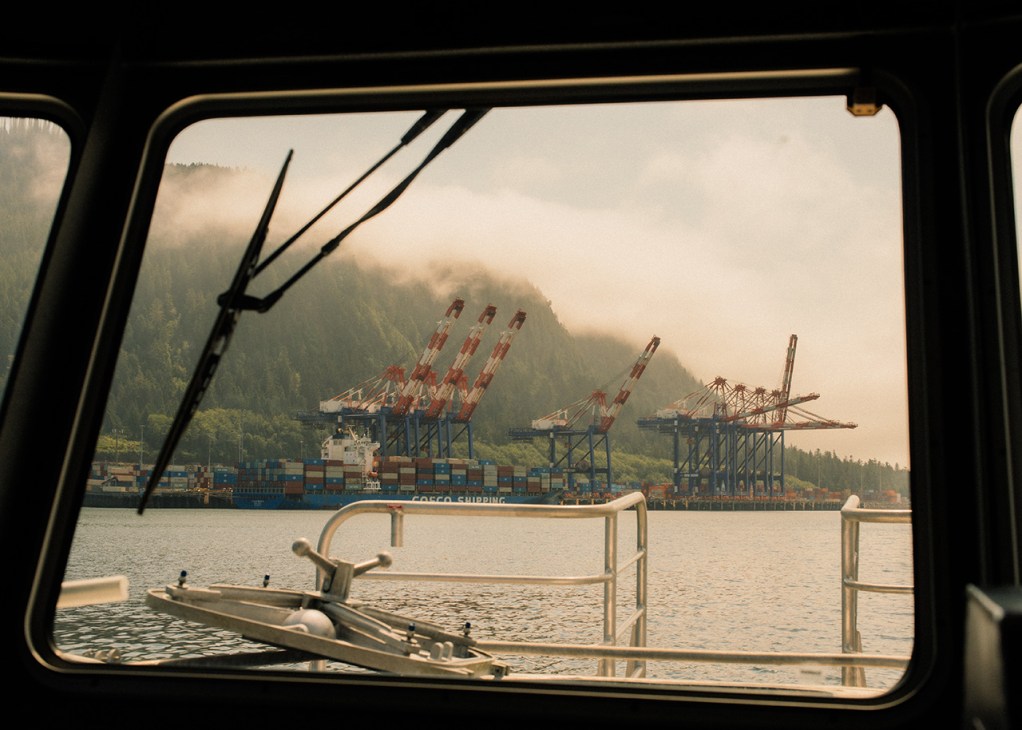
Porpoises and bald eagles greet the GSL Lydia as the 350-metre-long container ship glides into Prince Rupert Harbour in British Columbia after a 12-day journey from Yokohama. It makes an 180-degree turn, then pulls up to a terminal where cranes are waiting to lift its cargo onto trucks or railcars. Until recently, containers would often go back empty. North American consumers have long been eager to buy Asian goods but Canada hasn’t been exporting across the Pacific with the same gusto. Sending raw materials to its southern neighbour, the world’s largest economy, has simply been easier. But a year and a half of belligerence from Washington has damaged the once ironclad relationship between the US and Canada, causing the latter’s prime minister, Mark Carney, to pivot his country’s trade policy towards global diversification. For Ottawa’s current leadership, the race is on to end the nation’s reliance on America.
New facilities for exporting commodities and propane are now arriving at Prince Rupert. The GSL Lydia docks alongside a sliver of port infrastructure that runs for 800 metres. Barely a blemish on this landscape, the container terminal hugs a stretch of coastal rainforest where British Columbia drifts into southeast Alaska. But this remote area, with a population of just 13,000, is the linchpin of Canada’s economic strategy to cultivate new trading partners and build closer diplomatic relations with fellow middle powers.
“We have had a tendency in the past to chart bold new foreign policies without substance behind them,” says David Perry, the president and CEO of the Canadian Global Affairs Institute. “Making a meaningful contribution to a country’s food security or keeping its lights on is something substantial that you can anchor a relationship around.” However, Canada is also discovering how difficult it is to have a virtuous foreign policy and thrive in a fractious world.
On the day that Monocle boards a De Havilland Dash 8 plane for the sole Air Canada flight from Vancouver to Prince Rupert, the White House announces 50 per cent tariffs on a range of Canadian goods. The latest broadside against a neighbour that Donald Trump has needled as the “51st state” is likely a high-stakes tactic in the ongoing renegotiation of the United States-Mexico-Canada Agreement (which replaced Nafta in 2018). The move elicits a fresh round of harsh words – at least, by Canadian standards. Trump is “clearly a bully”, says British Columbia’s premier, David Eby, during an annual meeting of provincial leaders, vowing that there’s “not a chance in hell” that Kentucky bourbon or California cabernet will be returning to his territory’s liquor stores any time soon. A US-Canada trade war has also scuttled a planned opening ceremony for the Gordie Howe International Bridge. The long-awaited crossing between the city of Windsor in Ontario and Detroit, Michigan – named after a Canadian ice-hockey player who made his career on a US team and designed to improve trade flows – couldn’t have come at a worse time.



These rocky relations, however, could be welcome news for the Port Authority of Prince Rupert, which has been tasked with ensuring that Canada’s most geographically favoured Pacific port is ready for a future in which exports increasingly head west, rather than south. “I don’t focus on soundbites,” says its CEO, Kurt Slocombe. “I focus on what countries need from a stable trading partner.” Originally from Vancouver, Slocombe moved his family to Prince Rupert, Canada’s rainiest city, in 2007 to open the Fairview Container Terminal. But why offload cargo almost 500 nautical miles from Vancouver, a west-coast metropolis with a major international airport?
Railroad baron Charles Melville Hays would probably have said it was destiny. In 1905 he determined that this deep, ice-free harbour promised the quickest shipping route from North America to Asia, while offering the flattest rail route through the Rockies to a western terminus. Prince Rupert’s pre-eminent booster perished aboard the Titanic in 1912. Two years later, the first train from Winnipeg arrived but Hays’s vision of a “metropolis of the north” didn’t come to pass.
Instead, the town grew more modestly, focusing on fishing and logging. During the Second World War, it served as a logistics hub. By 2001, commercial fishing had collapsed and a pulp mill closed. From a peak population of 18,000, Prince Rupert lost a quarter of its residents. The shift from halibut and lumber to containers was a gamble but also the realisation of Hays’s vision, almost a century after he scoured Canada’s coastline for a suitable Pacific port.
Canada’s west-coast fossil-fuel infrastructure
In June 2025, LNG Canada shipped its first load from Kitimat, 110 nautical miles east of Prince Rupert. The North American west coast’s first liquified natural gas plant is the result of a CA$40bn (€25bn) investment, the largest private-sector initiative in Canadian history. Another LNG terminal is under construction in Squamish, near the resort town of Whistler. Two years ago crude oil began flowing through an expanded trans-mountain pipeline from Alberta’s tar sands to tidewater near Vancouver. In July, prime minister Mark Carney announced a new pipeline from oil-rich Alberta to the Pacific that could begin construction in 2027. A long-planned major expansion of the Port of Vancouver’s container terminal could commence the following year.
The bespectacled Slocombe is mild-mannered and prone to understatement. He has been here from the get-go: first at the container terminal, now at the port authority. Over the past two decades, he has watched both the port and the town grow slowly but surely. Canada’s northern communities can often feel neglected but here there’s a sense of optimism and prosperity in the air. Monocle visits a new longshoremen’s union hall and strolls past a sleek detachment for the Royal Canadian Mounted Police. New trucks and SUVs are parked outside a well-stocked grocery shop, with abundant fresh produce on display – a rare sight in most remote pockets of Canada. The bar and restaurant at Crest, the town’s best lodging, are packed on a Monday night.
How much the longshoremen will move in the coming years depends on the success of Carney’s globetrotting during his first year in office. His four-day trip to China in January, the first by a Canadian leader in almost a decade, pointedly included a stop in Prince Rupert en route. He has also been to India, Japan and Saudi Arabia this year on trade-focused trips.
While the prime minister was making his rounds, construction workers 5km south of the container terminal were toiling in the rain to build Canxport, a CA$750m (€468m) facility designed to make it easy to move exports into containers for shipment overseas. Carney might be returning to Prince Rupert in late August to formally inaugurate it.


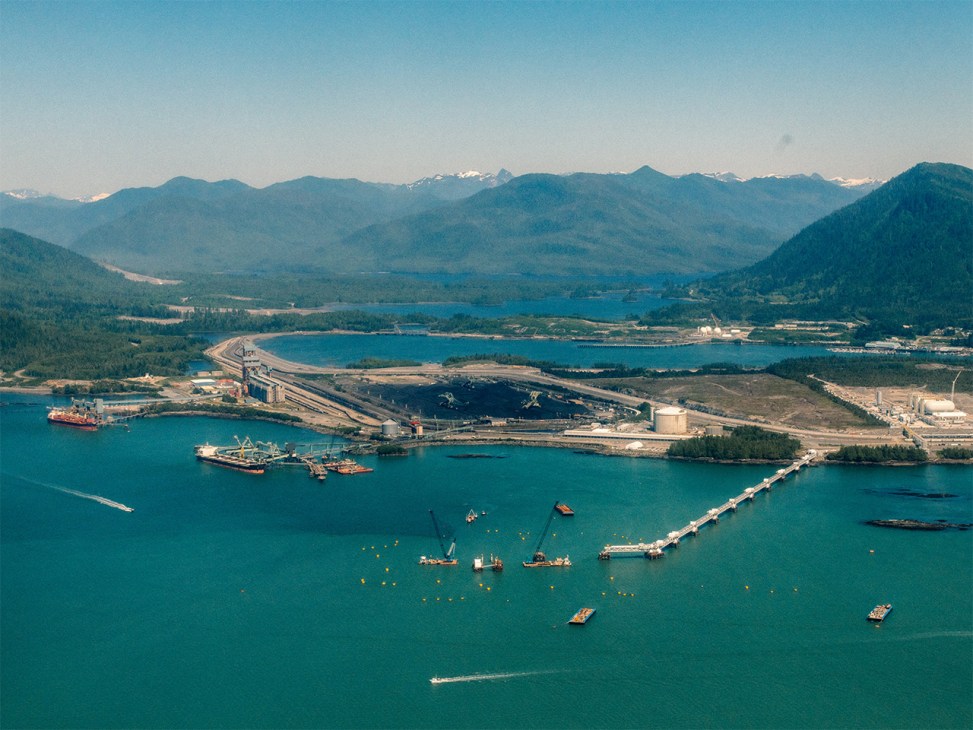
Monocle hops in a Ford F-150 Lightning for a spin around Ridley Island, a port-authority-owned hive of industrial activity. In addition to Canxport, a CA$1.35bn (€842m) project named the Ridley Island Energy Export Facility will help to unleash a flood of Canadian raw materials onto global markets. When it becomes active at the end of this year, it will welcome tankers destined for countries such as China, Japan and South Korea that rely on liquefied petroleum gas (of which Canada is a leading global producer) to power homes and industry.
In the meantime, customers can already make orders for another, less glamorous Canadian export: polyurethane pellets. Their exporter is Montréal-based Ray-Mont Logistics, for which our guide, Ryan Storry, is the local terminal manager. “I’m in charge of this jigsaw puzzle,” he says, gesturing at the choreographed chaos of cranes and containers. Inside a huge, white-domed building, an army of vacuum pipes suck pellets from hopper cars, before soaring five storeys to fill 25kg bags with tiny plastic beads, then stacking them on pallets. Ray-Mont’s Vancouver-based automation expert Luca Villa is troubleshooting the state-of-the-art equipment, which has reduced railcar unloading times from four hours to one, ensuring that Canxport is running at full steam before a potential prime ministerial visit.
Prince Rupert’s new export investments are just the prow of the ship for Canada’s Indo-Pacific trade ambitions. While projects such as Canxport faced traditional regulatory and permitting hurdles that took years to overcome, many of the flurry of new proposals are from Carney’s Major Projects Office, which promises to cut red tape and expedite construction. “The government of Canada is working at a pace we have never seen before,” says Slocombe.

Inevitably, there are detractors: the full-steam-ahead trade strategy, much of it powered by fossil-fuel-based commodities, jars with the image of a country that until recently prided itself on its green credentials. As former prime minister Justin Trudeau said in 2016, “My predecessor wanted you to know Canada for its resources. I want you to know Canadians for our resourcefulness.”
Under his successor, a fellow member of the Liberal Party, the pendulum has swung back in the other direction. Though Carney has maintained a ban on oil tankers in northern BC waters such as Prince Rupert, there has been enough of a U-turn to cause the environment and climate change minister, Steven Guilbeault, to resign from his cabinet. But dissent in the Liberal ranks is unlikely to cost Carney much political capital, says Heather Exner-Pirot of the Macdonald-Laurier Institute, an Ottawa-based conservative think tank. “Elbows up has become more important than environmental purity,” she says.
The economic underpinnings of this Canada-strong foreign policy seem to have also become more important than holding the line on human rights. With the exception of his March trip to Japan, Carney’s trade-focused tours have been to nations where, until recently, the maple leaf was flora non grata. The 2018 arrest of Chinese telecom executive Meng Wanzhou in Vancouver angered Beijing; yet the Canadian prime minister made a point of visiting the city in January to meet Xi Jinping. New Delhi and Ottawa withdrew their respective high commissioners in 2023 following the assassination of a Sikh separatist leader in British Columbia; in February, Carney talked business with Narendra Modi in Mumbai. “Whereas Canada led with its values for those 10 years [under Trudeau], now it’s leading with its interests,” says Exner-Pirot. “We are in an era of realism and pragmatism.”
Prince Rupert in numbers
2,600: Millimetres of annual rainfall
2030: The year that it is projected to become Canada’s second-biggest port, surpassing Montréal
750,000: Maximum capacity of Canxport in 20-foot (six-metre) equivalent units – a unit of measurement used in the shipping industry to quantify how much cargo can be processed
80,000: Barrels per day of liquefied petroleum gas that the Ridley Island Energy Export Facility will be able to process when active
114: Hours saved when sailing to Shanghai compared to journeys from Los Angeles
Essential reading: There’s plenty to learn in our September Education Special
Don’t sit next to me at dinner. It’s not that my table manners are that bad – it’s just that one minute you will generously be telling me some interesting fact about your life, then the next I will be suggesting that you should tell this story to Monocle’s readers. Perhaps pen a few hundred words or jump on Monocle Radio.
It’s a warning that I offer to my team at Monocle too. Earlier this year, when we were in Shanghai for our Entrepreneurs Live conference, I was able to spend time with our Asia editor, James Chambers. He happened to mention that he and his wife had decided to home-school their two children; more than that, they were “unschooling” them, letting their offspring help choose what they wanted to do and learn every day. James explained that it was going well – his children are inquisitive and already, instinctively, excelling in languages and mathematics (James’s wife is Chinese and they are based in Bangkok, so there are lots of linguistic opportunities).

So, of course, when we started planning this issue themed around knowledge, lifelong learning and education, James found himself swiftly commissioned to write an essay about the experience and how we should all question how children are taught. His is just one of many fascinating looks at education over the following pages but I am delighted that he has told you his story – one that challenges us all to question how we should teach young people.
And we definitely need some new thinking because AI is set to undermine many of the old certainties about work and life, forcing governments to scrub down their national curriculums as they think how to help young people gain skills that won’t be erased by machine learning. One of the big shifts that we are seeing is a re-embracing of the value of learning a manual trade, gaining craft skills. That’s why for this issue we also set out to find “masters and apprentices” in everything from shoemaking to boatbuilding to hear about the growing allure of making and building with your hands. I was struck by how, in Australia, an advertisement for a plumbing apprenticeship received 300 applications and also by the relationships between all these teachers and students. One skilled educator can reorientate a life.
I was diligent but slightly plodding at school and only found my footing once I reached university, where I could follow my own path more and teach myself. So, while I did all the prescribed reading for my course, I also lost myself in books about art and design, took myself to the theatre and to see arthouse films and started writing for the university paper. When I began looking for work, I knew that I had to find a way into journalism and somehow landed an internship at Time Out in London. There, I met Tony Elliott, the title’s founder, who was probably the first person to see in this awkward but keen young man someone who might be worth employing – and a long career in journalism commenced. Often, that’s all anyone needs: some mentoring, a few words that help focus a young mind. That’s why we have asked 25 successful people to tell us about the one life lesson that they most cherish; the one piece of advice that provided a ticket to a different future.
Among the answers are numerous nuggets of inspiring wisdom. Gildo Zegna, of the famous fashion house, says that he has been guided by his grandfather’s advice to “do what’s right, not what’s convenient”. Automotive CEO Klaus Zellmer urges you to “be bold enough to step into unfamiliar territory”. I also like architect Amanda Levete’s belief that you should “hold onto your passion. You can figure out the rest as you go.” Perhaps it resonates because I think that this has been my plan too.
I hope that you enjoy our September offering – and learn a few things along the way. And if you would like to send me a report card, perhaps even a gold star, you can always find me at [email protected]. Here’s to staying inquisitive.
The secret sauce to Singapore’s clever population? A push for creativity and curiosity
Medicine, law and engineering have long been the holy trinity of Singaporeans’ career aspirations. But the city-state’s politicians hope that this won’t be the case for much longer. “The country would like students to have a broader definition of success,” says Vincent Chua, an associate professor at the National University of Singapore (NUS). Years of rote learning and high-pressure exams have laid the foundations for growth here but, as the economy evolves, education is refocusing on ways to foster entrepreneurship, risk-taking and resilience. So, while the world is worrying about engineering and STEM subjects, Singapore is building design schools and encouraging the study of the arts.
“In an industrial economy, there’s only one peak, which is the academic peak,” says Chua. “Going forward, we want to have multiple peaks: a mountain range where different people can excel in their respective areas.”
One peak has already been conquered. NUS, which sits at the apex of a world-leading education system, is the highest Asian institution in the 2027 QS World University Rankings. In 2022, Singapore’s students came top in mathematics, reading and science in the OECD’s prestigious Programme for International Student Assessment (Pisa) rankings. The following year, they finished first in the International Mathematics and Science Study (TIMSS) for the third time in a row. Alongside academic success has come government-level recognition of the fact that the old, hard-nosed education system undervalued the importance of creative and technical skills. “The old model has its limitations. It gets you far but it doesn’t always bring you to the top of the innovation chain,” says Chua.
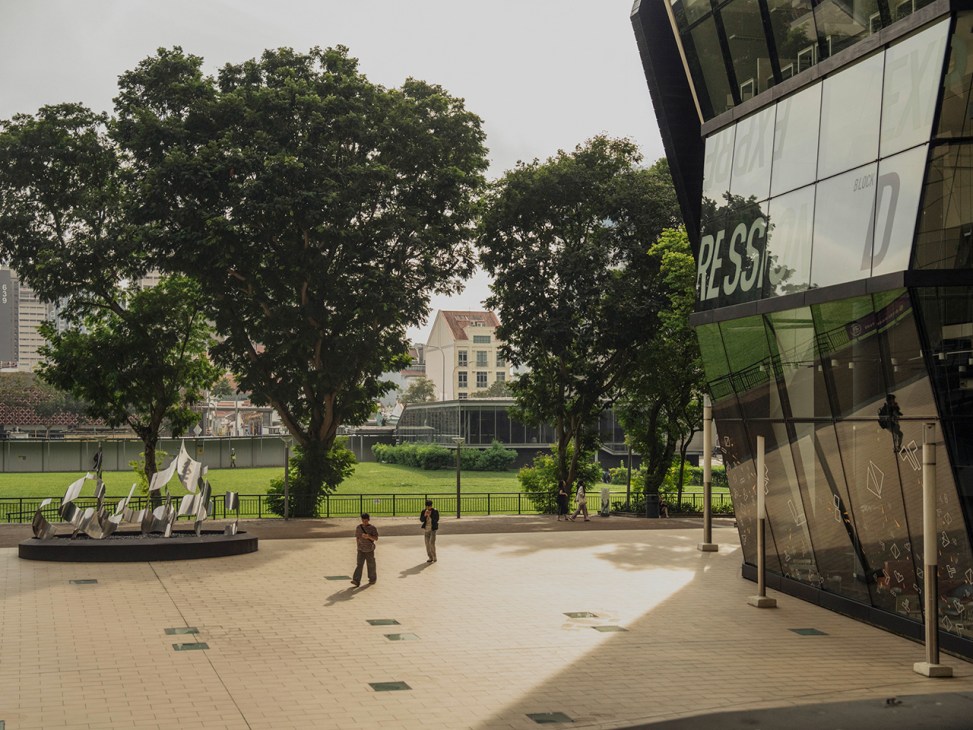
When Singapore gained independence from Malaysia in 1965, the newly sovereign nation, which had no natural resources and little physical space, made education a priority. “There are two factors in the formative influences of a young man or young woman’s life: one is the home; the other is the school,” Lee Kuan Yew, the city-state’s founding prime minister, once declared. “We cannot do very much about the home but we can do something about the school.”
In 1979, the country rolled out the New Education System, which divided pupils based on academic ability. The goal was to build an elite workforce that would drive economic growth and attract foreign investment. It worked. Singapore’s economy grew by an average of 9 per cent annually in the first 25 years following independence, transforming what was little more than a poor fishing port into one of the world’s pre-eminent financial centres.
In 2019 the state announced that secondary-school streaming, a key facet of the New Education System, would be abolished. Signalling a change of focus, the Primary School Leaving Examination for 12-year-olds overhauled its scoring system to reduce grade comparisons in 2021. Its total numerical score was swapped for a rubric assigning “achievement levels” for individual subjects.
Then, in 2024, Singapore’s prime minister, Lawrence Wong, announced that the Gifted Education Programme – a learning path designed to nurture high-ability students – would be discontinued after 42 years amid concerns about elitism and judging children’s potential too early. It is expected to end in 2027. “It’s no longer just about technical competence,” says Chua. “You now need to be future-ready and global-ready too. That means being more creative and adaptable.” The challenges of today’s workforce, he suggests, aren’t the same as those faced by the successful students of the past.
Such moves represent a shift away from a model geared solely for academic achievement towards one that encompasses broader attitudes to citizenship, resilience and creativity. During a speech to parliament last September, Wong acknowledged the need to “reduce the stakes of single exams”, “broaden definitions of success” and “give every child the chance to discover and develop their strengths – be it in languages, science, sports, art or technical skills”.
A significant milestone in this new mission was the establishment of the University of the Arts Singapore (UAS), a state-supported private institution. Formed from an alliance between Lasalle College of the Arts and Nanyang Academy of Fine Arts (Nafa), it welcomed its first students in 2024. Besides offering an expanded range of programmes including fine art, design and performing arts, UAS now validates, confers and awards its own degrees. This represents a pivot away from Lasalle and Nafa’s long-standing degree partnerships with universities such as London’s Goldsmiths and Royal College of Music.
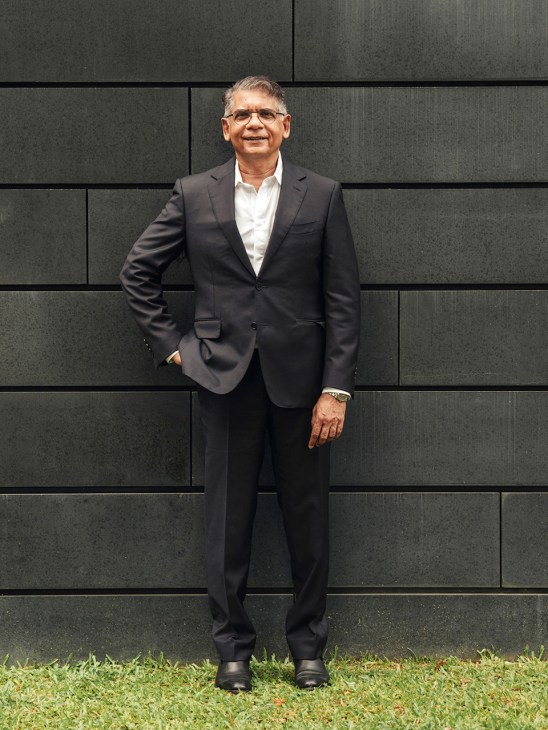
“We always aspired to become a fully fledged university and slowly built the capacity to run our own degree programmes,” says UAS’s deputy vice-chancellor, Venka Purushothaman. The founding of UAS was a response to rising demand for arts-based courses; between 2024 and 2026, undergraduate applications to Lasalle soared by 56 per cent. “People have started to realise that the arts aren’t peripheral to the economy,” says Purushothaman. “We shouldn’t accept a false dichotomy between the arts and the sciences.”
NUS has taken a similarly multidisciplinary approach. It has set up two new institutions: the College of Humanities and Sciences, and the College of Design and Engineering. The latter’s core curriculum states that it seeks to develop students with the critical skills to “meet the needs of a rapidly evolving and complex world”. Purushothaman, meanwhile, says that he is hoping to create a new “venture centre” for students at UAS. “Part of being an artist is fundamentally entrepreneurial,” he says. “We want to help our students to better articulate their value proposition for a changing world.”
Entrepreneurialism, which most Singaporeans previously saw as too risky, is also booming, supported by the city-state’s growing network of venture capital firms and accelerators. Singapore has the highest concentration of technology entrepreneurs in the region, says Caela Tanjangco, the head of Asia for New York-based non-profit Endeavor Catalyst, which set up its fifth global hub here in July. “To support the best founders from around the world, we need to be here.”
Mili Kale can attest to the strength of the nation’s startup scene. Despite not having a background in finance, the co-founder of Moom Health, which makes natural supplements for women, raised S$4.7m (€3.2m) across two funding rounds in order to expand her operation overseas. “Everyone says Singapore is small but the biggest benefit of [it] being small is that you can get a response,” Kale tells Monocle. “You can find the connections you need.”
A vital catalyst for such connections is NUS’s Overseas Colleges (NOC) programme, which finds internships for Singaporean students at start-ups in places such as Silicon Valley and Shenzhen, and has been running for 24 years. In that time, more than 1,200 start-ups, including three unicorns, have been founded by NOC alumni.
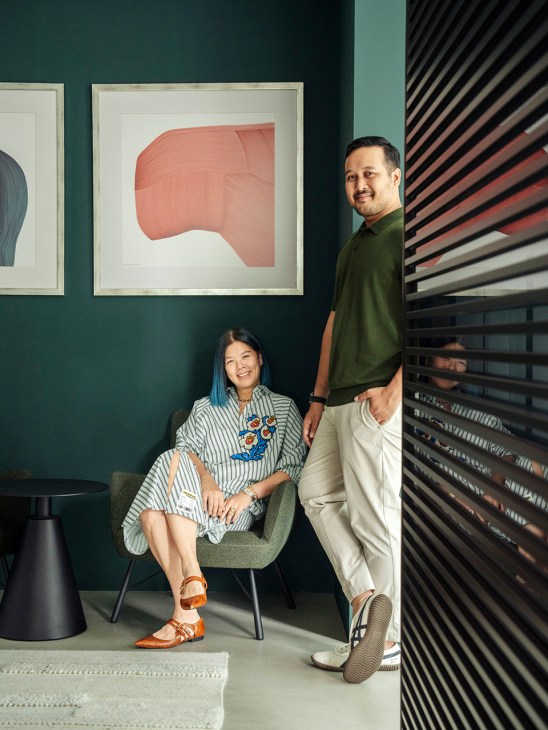


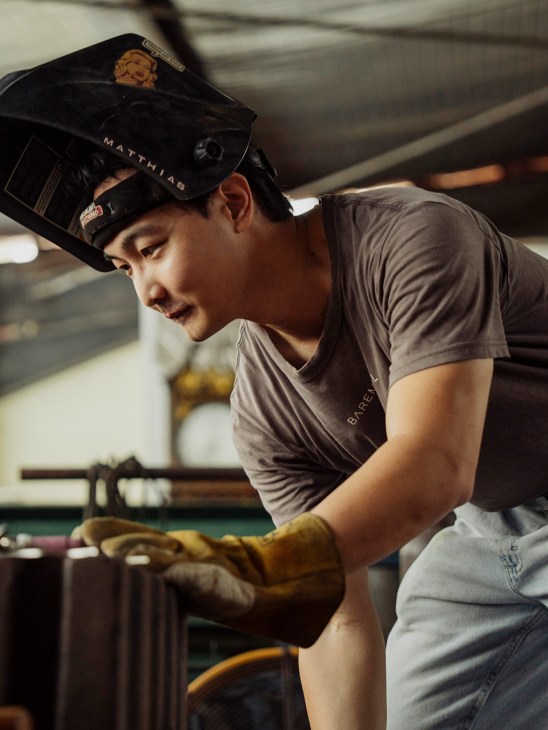
Singapore’s craft scene is finding fresh expressions too. In 2019, Matthias Yong, the son of one of the city’s few metalworkers, founded Baremetalco, which makes metal sculptures, furniture and accessories for clients including Adidas and the Singapore Botanic Gardens. Local makers can’t compete with China in terms of price; as a result, the likes of Yong and fine-jewellery brand State Property focus instead on artistry and quality.
The latter company’s founders, Afzal Imram and Ruiyin Lin, have carved out a niche by leaning into an eclectic mix of influences, from architecture to literature. State Property’s The Voyager collection, for example, drew inspiration from Carl Sagan’s gold-plated phonograph records that were attached to Nasa’s Voyager spacecrafts. Unlike legacy maisons with centuries of heritage, Imram and Lin have had the latitude to forge their own path. “There are no traditions or conventions to hold us down,” says Lin.
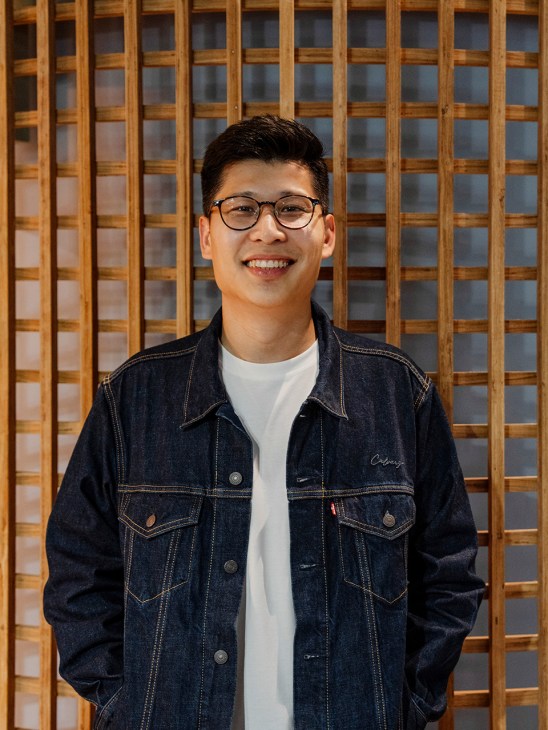
Timber specialist Ruben Chong has a similar strategy. What began as a playful exercise in sanding the teak parquet floors of his parents’ home soon matured into Calvary Carpentry. Founded in 2011, Chong’s woodworking business now employs more than 50 people. His burgeoning portfolio includes the 3.5km Marina Bay Sands boardwalk, the School of the Arts concert hall and wooden structures for Amanpuri’s luxury resort in Phuket, Thailand. Chong has also invented EZ-Rail, a proprietary clip-fastening system for wooden decking, and is one of the pioneers behind Onewood, a Singapore-made homogeneous reconstituted timber that is intended to help plug the gap amid a global hardwood shortage.


Singaporean technological innovation also abounds and the benefits are being felt around the world. The titanium fan blades that propel the Trent aero engines of the Airbus A380 and the Boeing 787 Dreamliner are manufactured at Rolls-Royce’s Seletar Campus in northeastern Singapore; UK-based fintech company Wise’s multi-currency debit card was designed here; and eyewear brand EssilorLuxottica’s Essilor Stellest Lens, which slows down myopia in children, was conceptualised in the firm’s Singaporean innovation centre. Then, of course, there’s Dyson.
Founded in 1991, the British electronics company moved its global headquarters from the UK to Singapore in 2019. Though the media attributed this to the city-state’s low taxes, the relocation wouldn’t have been possible without the presence here of a deep talent pool. “Singaporeans instinctively think globally and there is an openness to constant learning,” says John Churchill, Dyson’s chief technology officer. “There are excellent universities, which we work closely with, and a large number of engineers and scientists, as well as people of many nationalities and backgrounds.”
The city-state has become the command post for some of the firm’s biggest recent breakthroughs. The Hyperdymium 140k, Dyson’s smallest and fastest motor, was designed here; it powers the PencilVac, the world’s slimmest cordless vacuum.
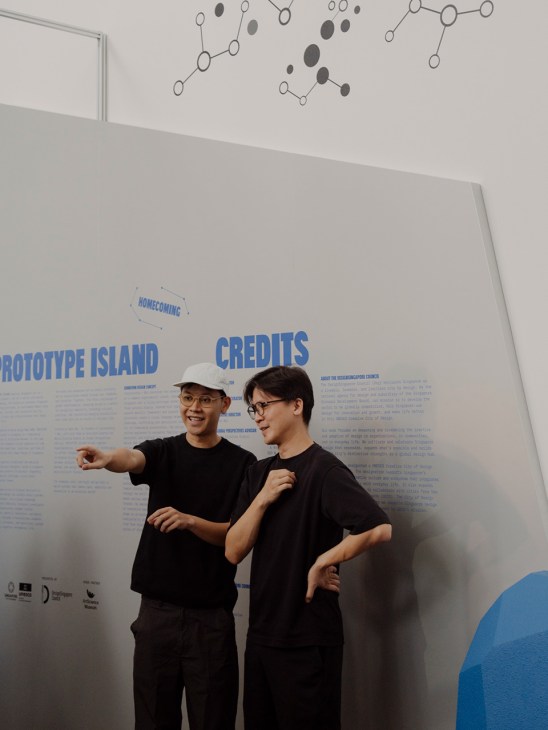
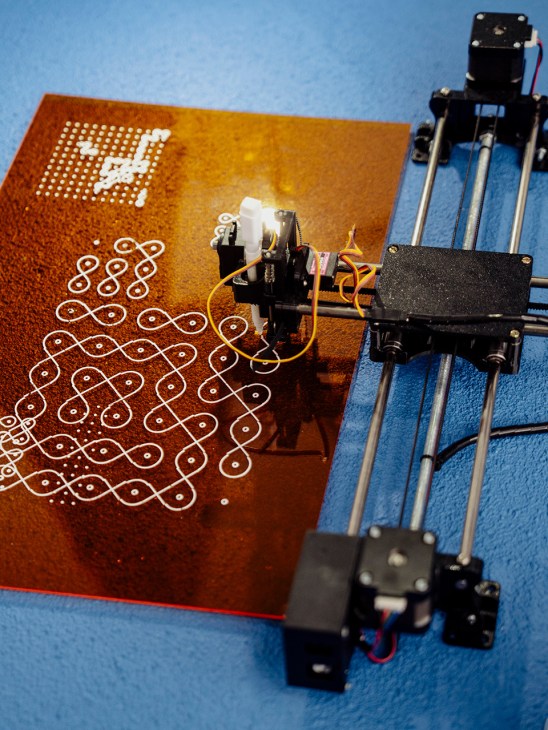

Hunn Wai is a co-founder of Singapore- and Milan-based creative studio Lanzavecchia + Wai, and an adjunct associate professor at the Singapore University of Technology and Design (SUTD). He has had a front-row seat to his country’s creative and technological evolution. “Back in the day, Singapore was more of an auxiliary design market. When I graduated in 2005, we were supposed to work for companies such as Philips and Sony Ericsson – not designing the main product but working on the accessories,” he tells Monocle. “We have moved beyond that. We are now becoming self-made people, moving fast, prototyping and iterating.”
Having taught at SUTD for eight years and incubated young designers as the curator for DesignSingapore Council’s award-winning exhibition at Milan Design Week, Prototype Island, Wai sees how government reforms have mirrored a change in mindset. “Everyone today, by default, is well educated and these young people now have the space to dream,” he says. “My hope is that they will continue to grow in confidence and contribute original ideas to the world.”
Singaporean education at a glance:
- Ranked first place in the 2025 Global Talent Competitive Index
- Top for maths, science and reading in the 2022 Programme for International Student Assessment ranking
- First in the Trends in International Mathematics and Science Study
- Singaporean maths textbooks have been licensed to more than 60 countries
- Singapore’s literacy rate (aged 15 and over) is 98.6 per cent
- Nine in 10 literate residents under the age of 45 can read two or more languages
Three other smart cities
São Paulo
Higher-education hub
São Paulo is Brazil’s academic hub, with 22 universities and 92 degree-granting institutions. The country’s public universities charge no tuition fees. The Universidade de São Paulo frequently tops rankings of Latin American universities and it contributes significantly to a total student population of more than 500,000.
Boston
Best for biotech
Known for its proximity to world-beating research universities such as Harvard and MIT, Boston is also arguably the world’s biotech capital. The Kendall Square neighbourhood is home to several leading companies including Moderna and Biogen. More than 143,000 people work in the sector, the largest of any US city.
Warsaw
Best for learning a trade
Warsaw is Central Europe’s largest construction and logistics zone, partly thanks to Poland’s well-established two-track educational infrastructure (known as the Stage I and II schools). Students split their time between technical classrooms and paid apprenticeship schemes, allowing them to earn while also gaining on-site experience. Employers who take on vocational apprentices receive subsidies of up to €3,000 per worker if they train students in occupations deemed crucial by the state.
What I wish I knew then: Words of wisdom from 25 world-class entrepreneurs
Good advice is like gold dust: rare, hard to find and all the more precious for its scarcity. Hear the right words at the right time and they could alter the course of your life for the better. We all have stories of transformative nuggets of wise counsel received at pivotal moments of our careers – whether from strangers, family members or the pages of a book picked up by chance in a shop that we walked into on a whim.
But often what inspires us most is the hard-earned knowledge of those who came before us and used their passions to power their success. Whether you’re considering how to start your career or weighing up a radical pivot, we have collated some words of wisdom that might come in handy. Here, 25 leaders from all walks of life share what has helped them most and what they would like to pass on.
Some speak of the importance of building a trusted support network, while others cite specific role models to emulate. But most agree with Los Angeles-based Thai architect Kulapat Yantrasast, who tells Monocle that it’s crucial to constantly expose ourselves to ideas that differ from our own. “When we stop learning,” he says, “we stop living.” Read on for more pieces of gold dust.
1.
Yotam Ottolenghi
Chef and restaurateur
“Having a community around you is the ultimate source of support. It will help you to achieve whatever you seek. Trust and empower people, and remind them how good they are every day. A good education is primarily about building confidence; the rest hardly matters. In my experience, confidence has a lot to do with whatever is holding you back. You can learn everything else along the way. Education isn’t about setting impossible standards, which can be very demoralising. That doesn’t help anyone in the long run. And the skill that we all should have? Knowing how to make a really good tomato sauce.”
Yotam Ottolenghi is an Israeli-born restaurateur and the chef-patron of the Ottolenghi Group. His new book, ‘Simple Too’, is published in September.

2.
Tim Marshall
Journalist
“The best advice that I have ever received is that if you want to change the world, change yourself. Also, ‘Duck!’”
Tim Marshall is a journalist and the author of several books, including ‘Prisoners of Geography’.
3.
Masamichi Katayama
Interior designer
“Above all, you must enjoy what you do. Everything that you put into your work will ultimately come back to you. The secret to my success is that I found what I truly wanted to do and chose it as my work. I can continue doing it without growing tired of it. The best advice that I have ever received is, ‘If you want to create bigger ripples, throw the largest stone that you can into the very centre of the pond.’”
Masamichi Katayama is the founder and principal of Tokyo-based interior-design firm Wonderwall.
4.
Sarah Andelman
Creative consultant
“One thing that I wish I knew when I was younger? Practise sport. And my secret to success is to work relentlessly.”
Sarah Andelman is the founder of creative consulting company Just an Idea.
5.
Neville Brody
Graphic designer
“I wish that I had known earlier that trying and failing are vital steps towards greater knowledge and experience. The worst advice that I have ever received was to give up struggling as a designer and go into advertising instead. The key to a good education is to confront your own limitations and, with support, exploring new and unfamiliar ways of looking, thinking and responding. That creates skilled, independent minds. If the goal is to develop familiar and clichéd ways of thinking, the result is standardised minds. Trust yourself. You’re not there for the institution.”
Neville Brody is a professor of visual communication at the Royal College of Art in London.
6.
Hanna Stjärne
Journalist and media executive
“When you face a difficult decision, leave it until the next morning. Most things can wait and the solution will be more evident after a good night’s sleep. Also, value the success of your team and your colleagues more than your own.”
Hanna Stjärne is the executive director of the Nobel Foundation, Stockholm.
7.
Giuseppe Sala
Mayor
“The worst advice that I have ever received was not to enter politics because nothing would ever change. It’s important to be persistent. Believe in what you do and build a solid base on which your vision can become a reality.”
Giuseppe Sala is the mayor of Milan.
8.
Stefano Rabolli Pansera
Architect and curator
“The poems of [US modernist poet] Wallace Stevens taught me the most valuable life lesson that I have ever learnt: not to attempt to impose an order upon reality but to accept complexity and to inhabit it. Another important lesson is ‘to change nothing so that everything is different’ – a quotation from film director Jean-Luc Godard. Transformation isn’t about altering reality but about changing the way in which we perceive it. And the worst advice? To buy NFTs. Thankfully, I never followed it.”
Stefano Rabolli Pansera is the founding director of contemporary-art spaces Khao Yai Art Forest and Bangkok Kunsthalle in Thailand.
9.
Ruth Rogers
Chef
“Never hold a party without a margarita. And if I could live my life again, I would probably learn how to play the banjo. I have recently been listening to actor and musician Steve Martin play the instrument and he has inspired me. Meanwhile, one thing that I wish I knew when I was younger is that you don’t have to answer questions right away. You can say that you will think about it.”
Ruth Rogers is an American-born British chef and the founder of The River Café.
10.
Yassmin Abdel-Magied
Novelist
“A skill that everyone should have is the ability to change their minds. And we should also remember that no matter how awful or brilliant a particular experience is, it won’t last for ever. Time will pass.”
Yassmin Abdel-Magied is a Sudanese diaspora writer and the author of literary thriller ‘At Sea’.
11.
Kim Ghattas
Journalist
“Perhaps the least helpful piece of advice that I have received is that I would never succeed as a journalist or make a living from it. It’s a good thing that I didn’t listen. Nothing is as definite or as final as you might think. When I was younger, I sometimes felt overwhelmed by the need for every choice or decision to be perfect. But I have learnt that you can always make amends or adjust course. I grew up during Lebanon’s civil war so I missed a lot of school. But reading avidly gave me a deep sense of curiosity about the world, which has been key to setting me up for success. People should know more than one language – it opens up your mind, your horizons and your heart. The most valuable lesson that I have learnt? It sounds like a cliché but I have come to believe that setbacks always have a reason. Eventually, they lead to something better if you learn from them and focus on creating your own luck.”
Kim Ghattas is a Beirut-based journalist and the author of ‘Black Wave’, about the origins of the Saudi-Iran conflict. Her forthcoming book, ‘The Best Kind of American’, is published in October.
12.
Fareed Zakaria
TV anchor
“Money, fame and career success aren’t the most important guiding forces in my life. Instead, it’s time. That’s what is most valuable to me and I work hard to manage it carefully and thoughtfully. The best lesson that I have learnt is a simple one and it’s still my golden rule: be nice and forgiving. In other words, give people a second chance. It’s good for the world but even better for you. It means that you don’t live with tension bottled up within you. Let it go.”
Fareed Zakaria is the host of CNN’s weekly international-affairs programme ‘Fareed Zakaria GPS’.
13.
Peter Saville
Art director
“The best advice that I have ever received was from [former Pentagram design director] John McConnell. He told me, ‘The solution is the problem.’”
Peter Saville is a London-based graphic designer and art director.
14.
Benjamin Vuchot
Hotel group CEO
“Everyone should have the abilities to quieten their mind through daily meditation and to listen properly. In a fast-paced world, the best connection often begins with understanding what is not said, picking up on unspoken details and responding with empathy. I don’t think that there’s one great secret to success but I have always believed in staying close to people and to the details. True achievement is never a solo endeavour. Beekeeping is a hobby of mine; it has taught me to rely on a collective unity, where every individual’s contribution is vital to the harmony of the whole. The most interesting careers rarely follow straight lines. Some of my most valuable lessons have come from outside the boardroom – from interacting with customers on the shop floor, from moving countries and from learning about different cultures.”
Benjamin Vuchot is the CEO of Hongkong & Shanghai Hotels Limited, the parent company of The Peninsula.
15.
Gildo Zegna
Fashion executive
“When you’re young, you believe that everything has to happen quickly. But building a group that’s meant to last – and the team to drive it – is like being part of a family. It takes consistency, focus and a long-term vision. There’s a lot of value in patience too. When it comes to leadership, hard skills aren’t enough. You also need soft skills, so cultivate both. The classroom teaches you some things; life teaches you the rest. Do what’s right, not what is convenient. This is what my father and grandfather taught me, what I have taught my sons and what I will teach my grandchildren.”
Gildo Zegna is the CEO-turned-chair of the Ermenegildo Zegna Group.
16.
Andrea Trimarchi
Designer
“Uncertainty is an essential part of learning. The key to a good education isn’t a pyramidical structure. Learning should be as horizontal as possible. Stay curious and ask better questions. Don’t be afraid to say ‘no’ a lot of times.”
Andrea Trimarchi is a co-founder of Italian design studio Formafantasma.
17.
Klaus Zellmer
Automotive CEO
“Several of the defining steps in my career came through roles, projects or challenges that I hadn’t anticipated and initially might not have considered myself fully prepared for. There’s value in knowing your strengths and building on them. But if that becomes an excuse to remain in your comfort zone, it can limit both personal potential and organisational progress. For me, growth has often begun when I said ‘yes’ to something unfamiliar. Adaptability isn’t just about individual capability. It requires the ability to nurture followers who understand the need for change, trust the direction that you set and contribute their own energy and expertise. That’s how a group becomes a team and a team becomes one that wins. If I could share one secret to success, it would be to expand your role before someone else expands it for you – and be bold enough to step into unfamiliar territory.”
Klaus Zellmer is the CEO of Czech carmaker Škoda Auto.
18.
Tara Bernerd
Interior architect
“The moment when you think that you’ve learnt everything is the moment when you stop growing. So practise the art of staying interested. The world is full of extraordinary people, places and ideas, and I have found that curiosity has opened more doors than any grand plan ever could. So much of our work is about our relationships and the people we meet.”
Tara Bernerd is a UK-based designer and the founder of interior-architecture practice Tara Bernerd & Partners.

19.
Kulapat Yantrasast
Architect and designer
“The key to a great education is to be around curious minds that don’t necessarily agree with you. When we stop learning, we stop living.”
Kulapat Yantrasast is a Thai architect and a co-founder of Los Angeles-based interdisciplinary design practice Why Architecture.
20.
Ben Smith
Airline executive
“One thing that you learn as you grow older is that life goes by so quickly. You can choose to spend your time with a lot of people but bear in mind that you won’t ever get any of those days back. So make sure that you spend them with the ones who you truly care about and those who genuinely care about you. Also, try to surround yourself with people who are smarter than you. Not everyone is comfortable with that but I am.”
Ben Smith is the CEO of Air France-KLM.
21.
Amanda Levete
Architect
“One day you realise that you can learn as much from your younger self as you can from decades of experience. Hold on to your passion. You can figure out the rest as you go.”
Amanda Levete is a British architect and the founder of London-based studio AL_A.
22.
Thomas Chatterton Williams
Author
“The worst advice is to just be yourself. That is well-meaning but mistaken. Everyone can benefit by learning from and emulating what is excellent in others, often by reading about lives and perspectives other than their own. The best advice that I have received came from my father. He told me to read as much and as widely as possible while I was young because in adulthood, no matter your intentions or plans, life gets in the way. Though I’m now a writer and it’s part of my job to read, I see just how right he was and I’m grateful for those early years. Everyone should develop the ability to listen and not just be quiet until it’s their turn to speak. This is harder than it seems.”
Thomas Chatterton Williams is an American cultural critic and writer.
23.
Alain de Botton
Philosopher and author
“Every choice is painful. The only kinds of success that are worth measuring are serenity and the absence of anxiety.”
Alain de Botton is a Swiss-born writer and the founder of The School of Life.
24.
Roksanda Ilinčić
Fashion designer
“Learning is a lifelong conversation. Art, travel, literature, architecture and human encounters all become teachers if we are attentive. I wish that I had known when I was younger that uncertainty isn’t something to fear. It is often where imagination begins and where the most meaningful work takes shape.”
Roksanda Ilinčić is a Serbian-born fashion designer and the founder of label Roksanda.
25.
Arthur Person
Fashion executive
“Too often, France’s elite business and engineering schools, its grandes écoles, teach their students how not to listen to their own instincts and to fold themselves into narrow career templates. But the key to a good education is letting a child take an interest and open up. It’s about constantly widening the field of what’s possible for them, whether through concerts, exhibitions or discoveries – all with a real sense of pleasure. It should be an ongoing dialogue, involving them in every decision that concerns them.”
Arthur Person is the head of Parisian menswear label Octobre Éditions.
Quotes gathered by: James Chambers, Grace Charlton, Julia Jenne, Rory Jones, Tomos Lewis, Ed Stocker
‘Strategic troublemaking’ for peace: Europe needs a new defence plan if it wants to play negotiator
Journalist Robert Kagan once quipped that Americans are from Mars and Europeans from Venus – meaning that the former are attuned to power politics, while the latter remain preoccupied with peace and diplomacy. It’s a bon mot, though one that ignores centuries of history. The foundational texts of strategic thought, from Thucydides and Machiavelli to Clausewitz, all hail from the Old Continent. Grand strategy is not an innate American trait; it’s a lost European art. Decades of outsourcing security to Washington has caused Europe’s strategic muscles to atrophy. But given that this intellectual deficit is partly an educational failure, it’s a fixable problem.
The consequences have been evident in national security pronouncements in the past couple of years, particularly in the immediate aftermath of Russia’s invasion of Ukraine. Scrambling to confront a revanchist Russia and fracturing global order, European capitals churned out documents cluttered with unachievable aspirations that ignored hard realities. Germany’s 2023 strategy listed nine core goals that promised robust territorial defence and preserved social-market spending, entirely ignoring the brutal fiscal trade-offs required to fund a modern military. The EU’s 2022 Strategic Compass, meanwhile, pledged to become a “security provider”, without ever defining what the concept would mean in practice.

Beyond this vagueness, some of Europe’s key powers consistently confused strategic means with ultimate ends. In 2022, France explicitly declared that its core objective was to be a “balancing power… by 2030”, treating international influence as a self-fulfilling goal – a fixation with prestige usually reserved for autocracies. Similarly, the UK’s strategic review a year later targeted an “open and stable international order” as an end in itself, forgetting that it’s merely a tool used to cultivate peace and prosperity.
Some of these omissions are being fixed in the latest iterations of strategic blueprints. But to understand how European strategy became so decoupled from reality, we should also look to its universities. For a generation, European higher education has treated international relations as a playground for normative ideals, viewing the study of raw military power with deep suspicion. However, we study war for the same reason that medical researchers study cancer: to understand and defeat it. A lack of academic rigour undermines democracy. When civilian leaders are strategically illiterate, they lose the capacity to exercise meaningful oversight over military affairs.
Reclaiming this lost art requires moving beyond one of Europe’s favourite reflexes: box-ticking. Simply adding a few elective modules or convening an advisory committee will not suffice. Instead, Europe needs a cultural shift that welcomes strategic “troublemakers” – analysts who challenge assumptions rather than rubber-stamping them. In the short term, dry policy papers should be replaced with immersive war-gaming, forcing leaders to experience the visceral, agonising choices of high-intensity conflict before a real crisis strikes. Europe can no longer afford to treat strategy as an American intellectual import. It’s time to study power once more or prepare to be dictated to by those who do.