Issues
The Waldorf Astoria’s lavish renovation blends its original splendour with gorgeous modern luxury
There are few hotels as storied as Manhattan’s Waldorf Astoria. In the grand, chandelier-filled ballroom, Albert Einstein gave a speech and Ella Fitzgerald once sang. The hotel was also home to luminaries such as Cole Porter, who lived in a suite that was later taken over by Frank Sinatra. Marilyn Monroe and Herbert Hoover were residents at this grandest of grandes dames too.
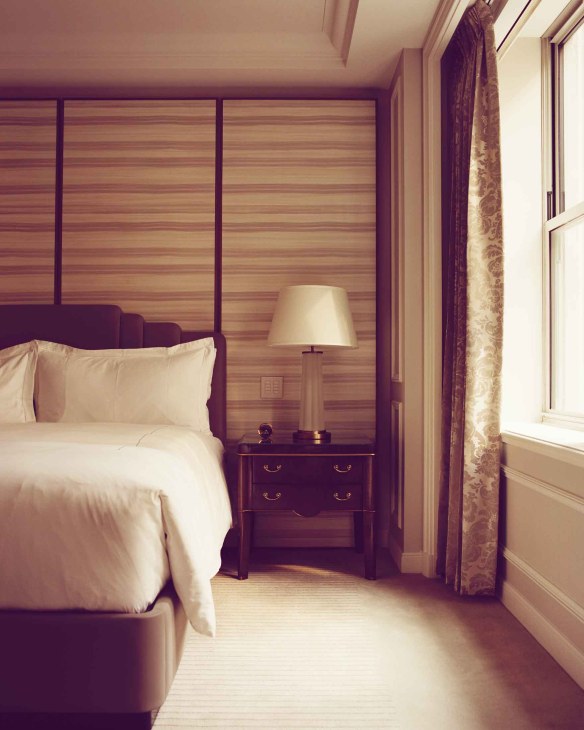
Founded in the 1890s, the Waldorf Astoria moved into its art deco building, steps from Grand Central Station, on Park Avenue in 1931. Closed since 2017 for an eight‑year restoration that reportedly cost $2bn (€1.72bn), the hotel has at last reopened. One bold aim was reducing the 1,400 guest rooms. Today it has 375 rooms and suites, and 372 private residences. “You can’t run a 1,400-room luxury hotel [these days],” Dino Michael, senior vice-president and global head for Hilton’s luxury brands, tells Monocle. Conrad Hilton won the managing rights in 1949 with his corporation buying it in 1972 before a sale to China’s Anbang Insurance Group in 2014. “The world has moved on,” he adds, while suggesting that the demand for branded residences has been rising. The rooms are designed by Pierre-Yves Rochon in soft grey with white furnishings and art deco motifs on geometric pendant lamps and patterned doorknobs.
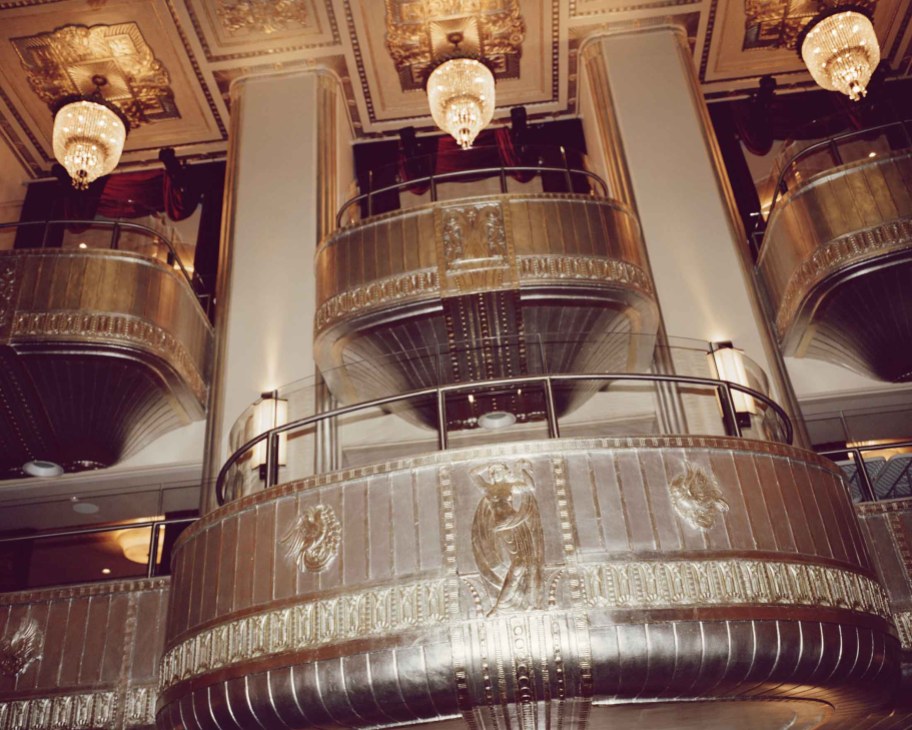
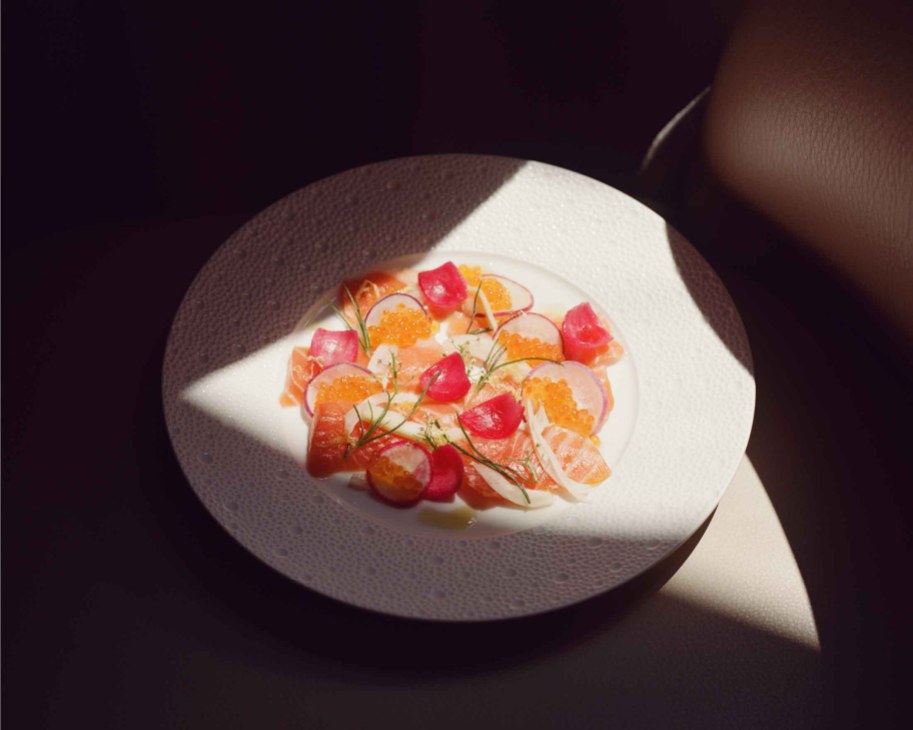
Another addition is the Portes Cochères (discreet porches) on 49th and 50th Streets, where guests, greeted by staff in Nicholas Oakwell-designed uniforms, can slip into a marble-clad lobby on the lower-ground floor. At American brasserie Lex Yard by chef Michael Anthony, there are several takes on – you guessed it – the Waldorf salad: the original features celery, apples, grapes, walnuts and a lemon dressing. As the building was picked apart and layers of paint were peeled back and sandblasted, the team unearthed wonders including original marble pillars, embossed walls and even smoke-stained murals on the ceiling in the Silver Corridor, built to mimic Versailles’ Hall of Mirrors.
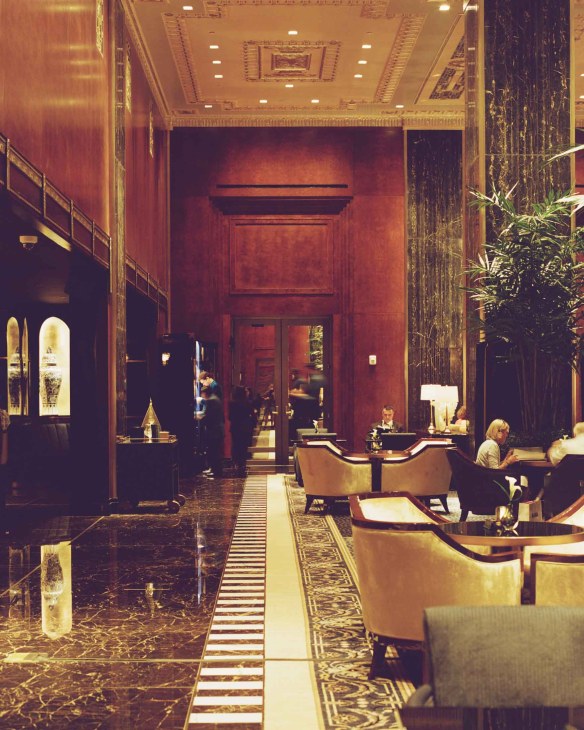
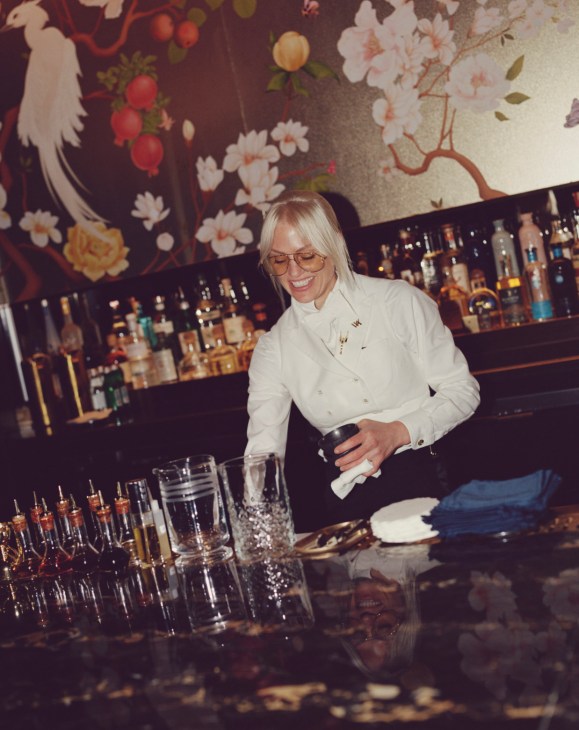
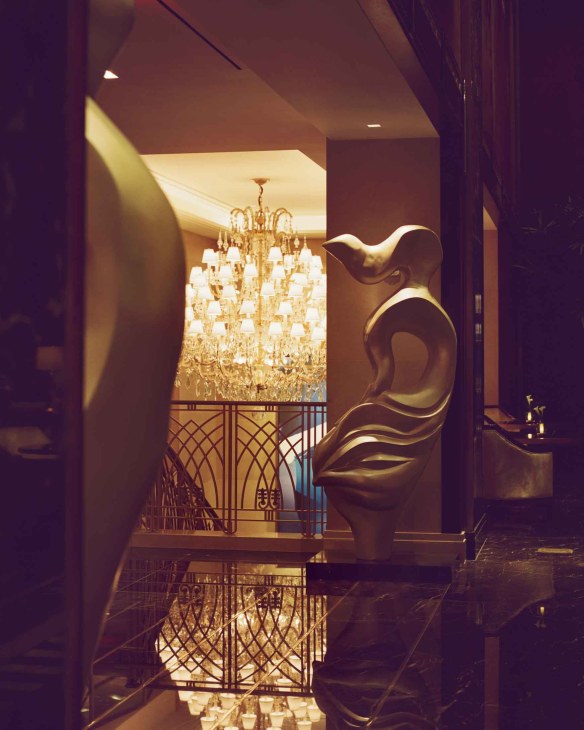
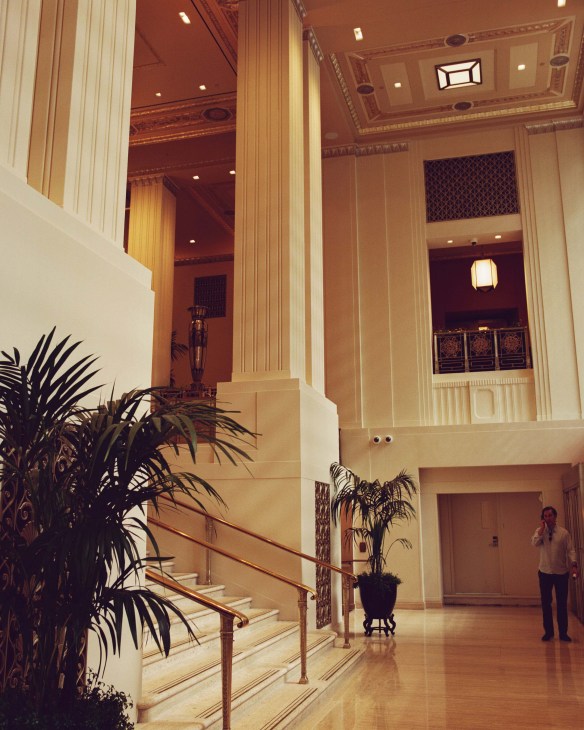
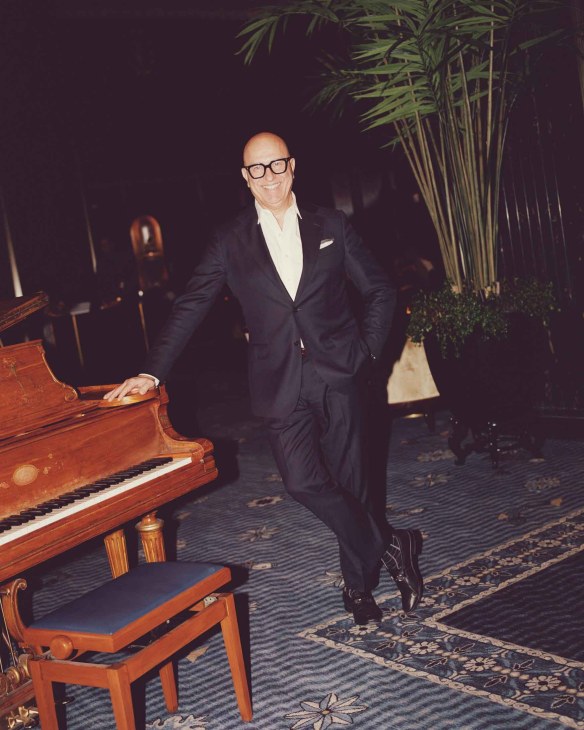
The main lobby, known as Peacock Alley, originally linked two separate hotels – the Waldorf and the Astoria were subsequently connected – and in it you’ll spy a walnut-and-copper clock commissioned by Queen Victoria, as well as Cole Porter’s mahogany Steinway piano. “It’s in perfect condition and someone plays it every night,” says the senior vice-president, Michael. “We’re living in a time when people are just overwhelmed with homogenisation,” he adds. “Wherever you go, it’s kind of copy-and-paste. This is real and authentic. They don’t build things like this any more.” By 17.00 on a Thursday, before the first piano note even sounds, the lobby buzzes with energy. Patrons cluster at the bar, sipping martinis, playing their part in a century-old ritual.
waldorfastorianewyork.com
Timeline
1893: The Waldorf Hotel is built on Fifth Avenue.
1897: Two hotels created by feuding factions are combined to create the Waldorf Astoria.
1929: The Waldorf Astoria is demolished in order to make way for the Empire State Building.
1931: The Waldorf Astoria opens on Park Avenue.
2014: China’s Anbang Insurance Group purchases the hotel.
2017: Renovations begin, reportedly costing $2bn (€1.72bn).
July 2025: The Waldorf Astoria is reopened.
Inside a brutalist US embassy reborn as London’s newest Rosewood hotel
For decades a sculpted golden eagle loomed over London’s Mayfair as the embodiment of US diplomatic might. It still presides over Grosvenor Square – but now as the gilded emblem of the UK capital’s newest luxury hotel.
The brutalist landmark that once served as the US embassy was unveiled in 1960 by Finnish-American industrial designer Eero Saarinen. Its chequerboard stone windows made a disruptive statement amid the Georgian residences that lined the square. Long rumoured to contain a CIA office, it carried all the intrigue of a Cold War stronghold. The sculpted eagle, whose wings span 11 metres, was created in Brooklyn by Theodore Roszak, who cast it from aluminium sourced from B-52 bombers once deployed as a deterrent against the Soviet Union. The hotel group Rosewood won the coveted redevelopment opportunity in 2017, commissioning David Chipperfield Architects to transform the site. With 30 new entrances, the former fortress has literally thrown open the doors to a landmark that was once strictly off-limits.
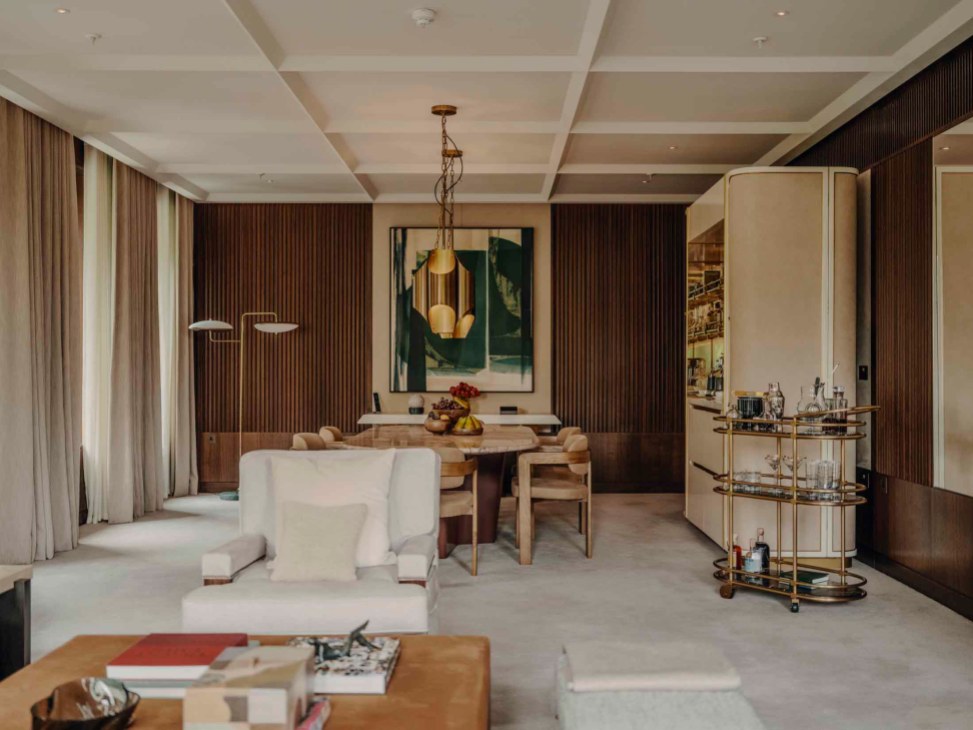
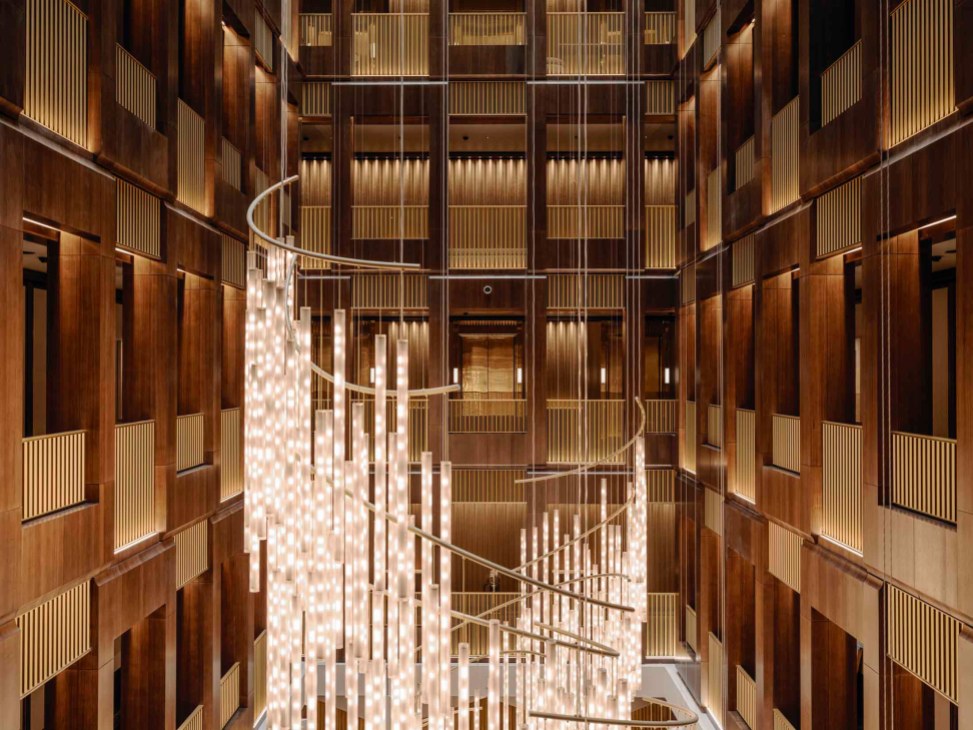
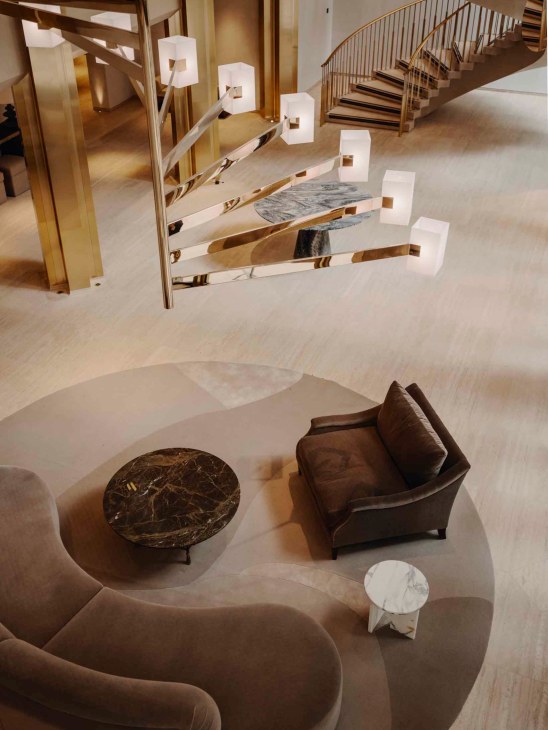
Redeveloping the embassy presented engineering challenges: a four-storey excavation, delicate heritage preservation and the retention of Saarinen’s striking angular façade. The hotel has almost doubled the footprint of the original embassy. There are 144 houses and suites – each averaging 185 sq m, comparable to a large Mayfair flat. The Eagle Bar on the seventh floor fosters Manhattan-style rooftop culture. Parisian designer Joseph Dirand has layered art deco detailing with mid-century glamour in the interiors. The dining offering is immense, with the first European outpost of New York’s Carbone, alongside the hotly anticipated revival of London institution Le Caprice.
As for the eagle, it was so synonymous with the US embassy that the plan was to relocate it to its new site. But when Saarinen’s building achieved Grade II status in 2009, the sculpture was legally bound to its original perch. So the formidable bird continues to preside over Grosvenor Square, watching on.
rosewoodhotels.com
Read next: The Monocle City Guide to London, featuring the best hotels, restaurants and retail spots in the UK capital
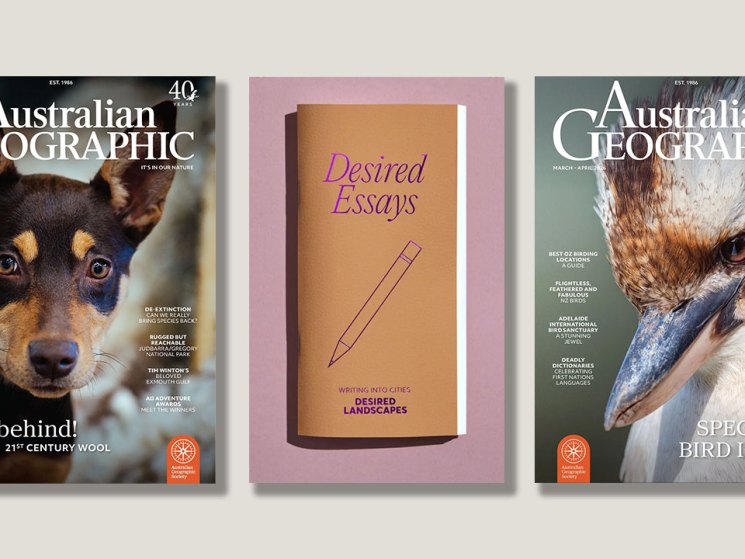
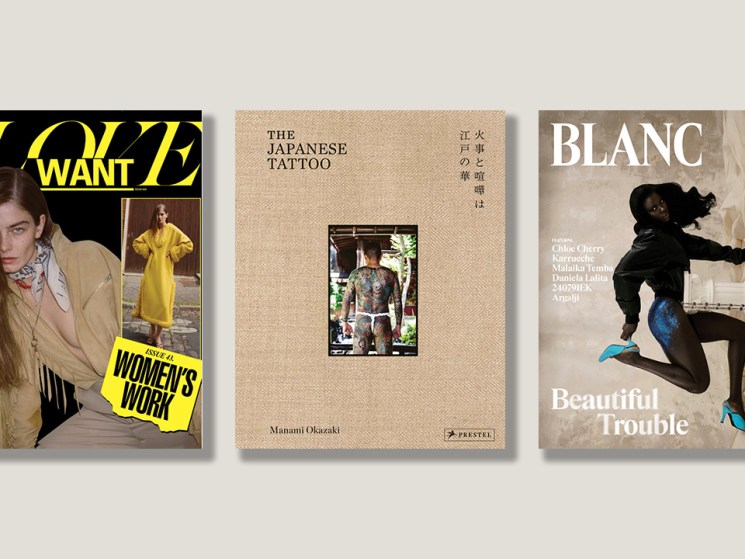
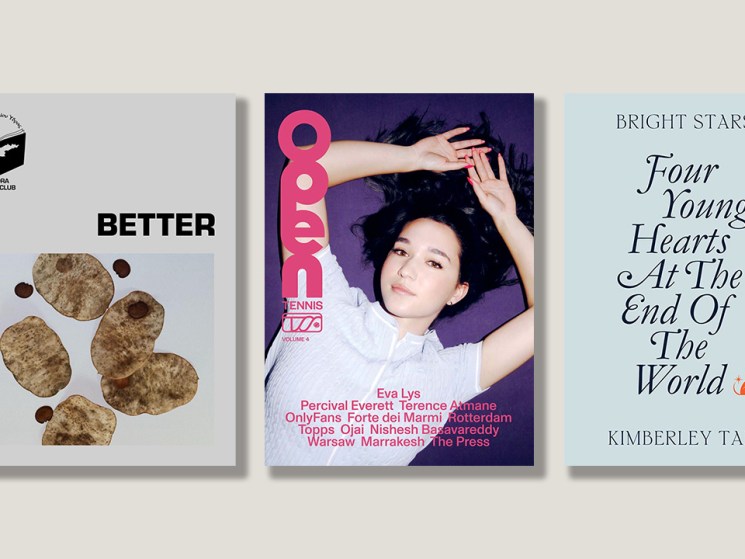
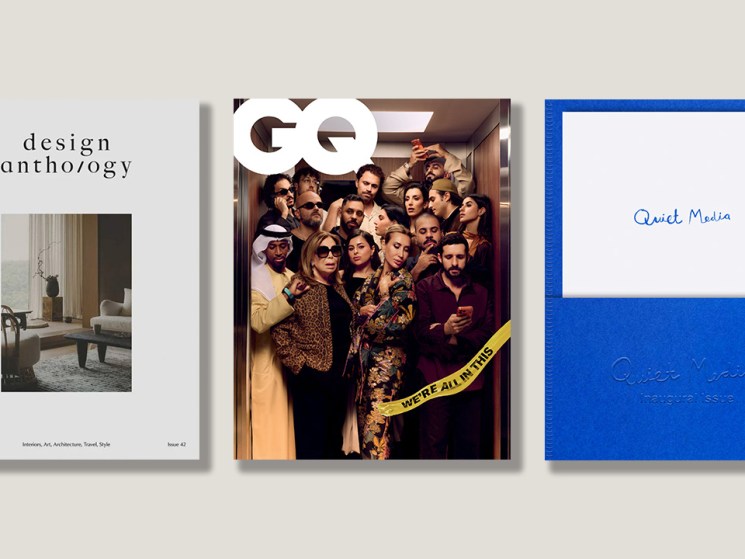
Chanel, Translator and About present three new arts & culture magazines to add to your stack
1.
Arts & Culture Magazine, Chanel

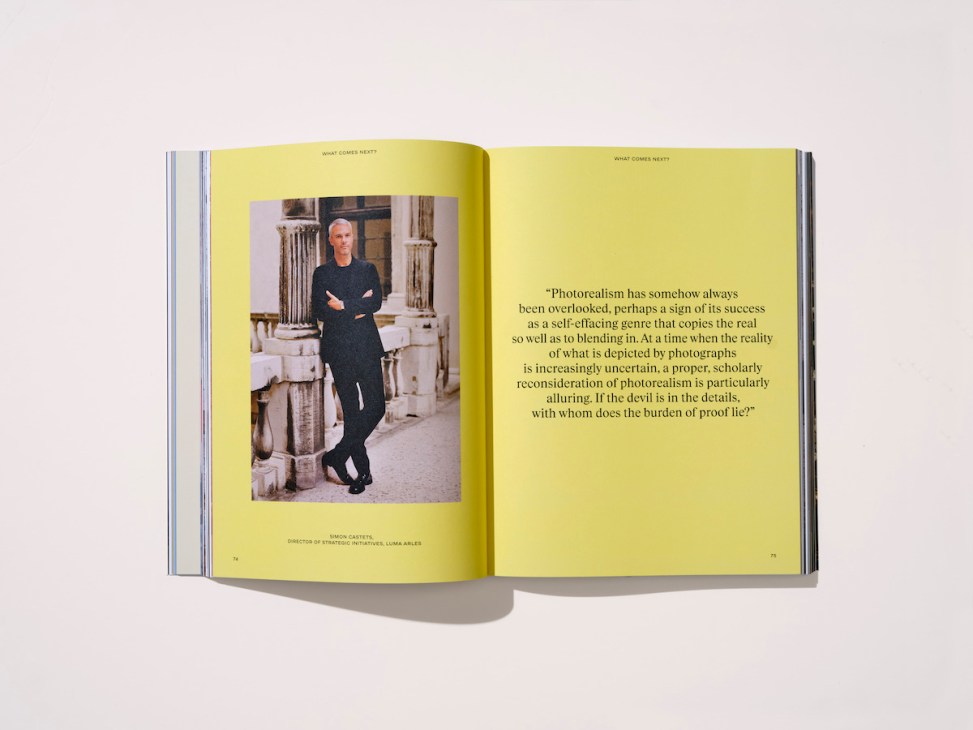
In this launch issue, Swiss critic Hans Ulrich Obrist muses on the relationship between art and technology, while US photographer Roe Ethridge creates sumptuous still‑life shots of objects that once belonged to Gabrielle Chanel. Throughout, creatives are asked, “What comes next?” It’s a question that we’re eagerly asking of Chanel’s magazine production team too.
2.
Translator
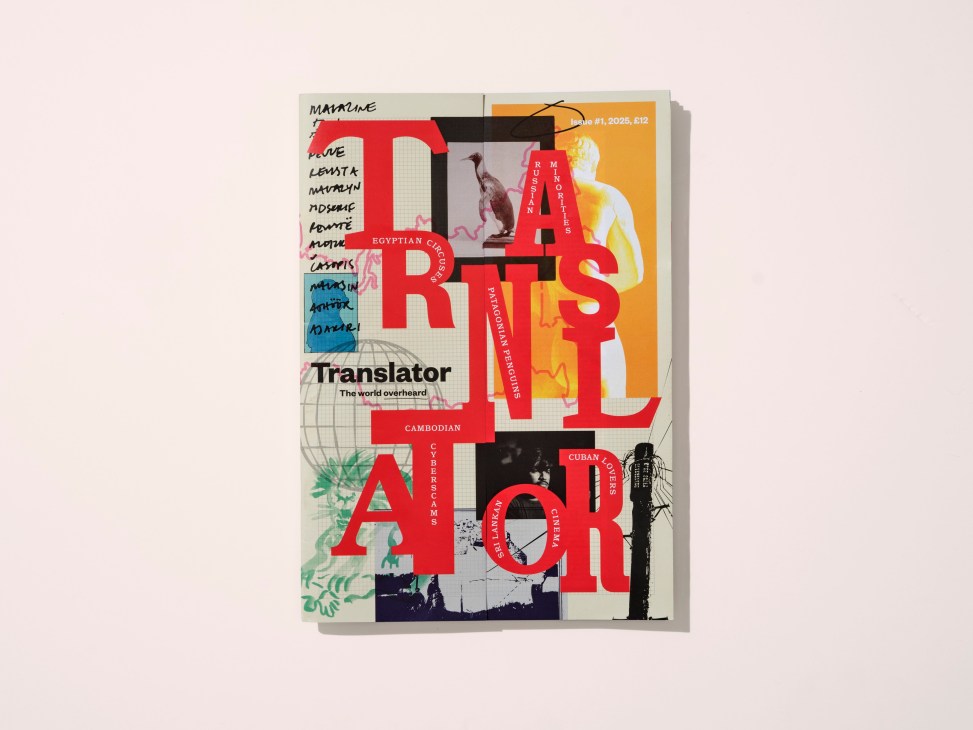

“This is a way of platforming excellent writing from across the globe and giving English‑speaking readers a different frame of reference,” Charles Emmerson, Translator’s editor, tells Monocle. Highlights from the first issue include pieces on penguins in Patagonia and Donald Trump’s executive order to make English the official language of the US.
translatormag.co
3.
About
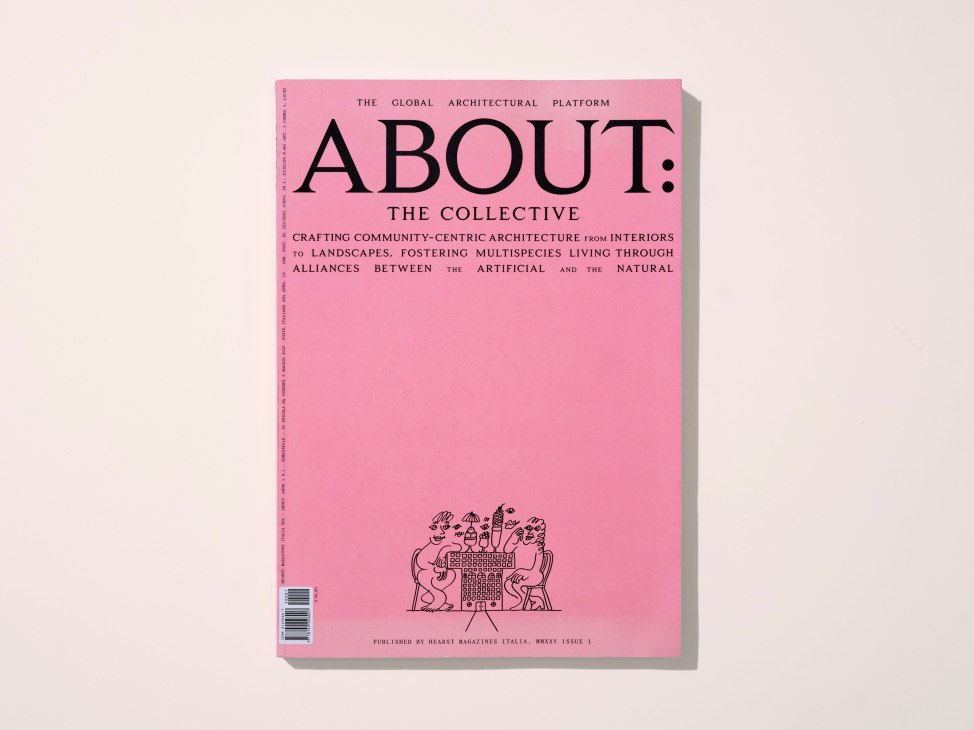
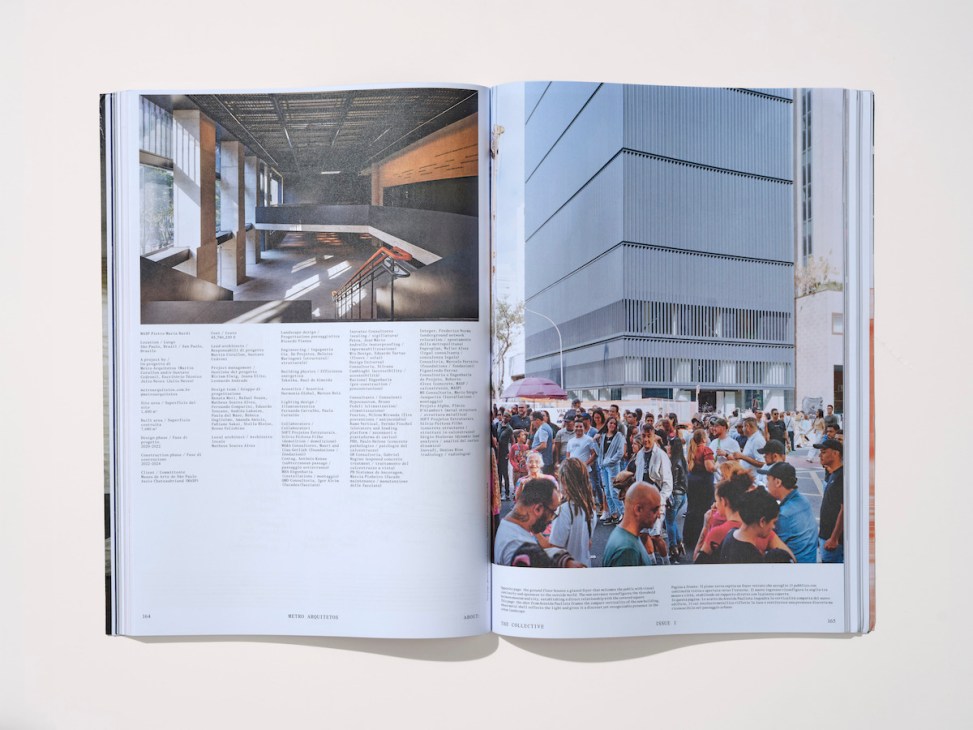
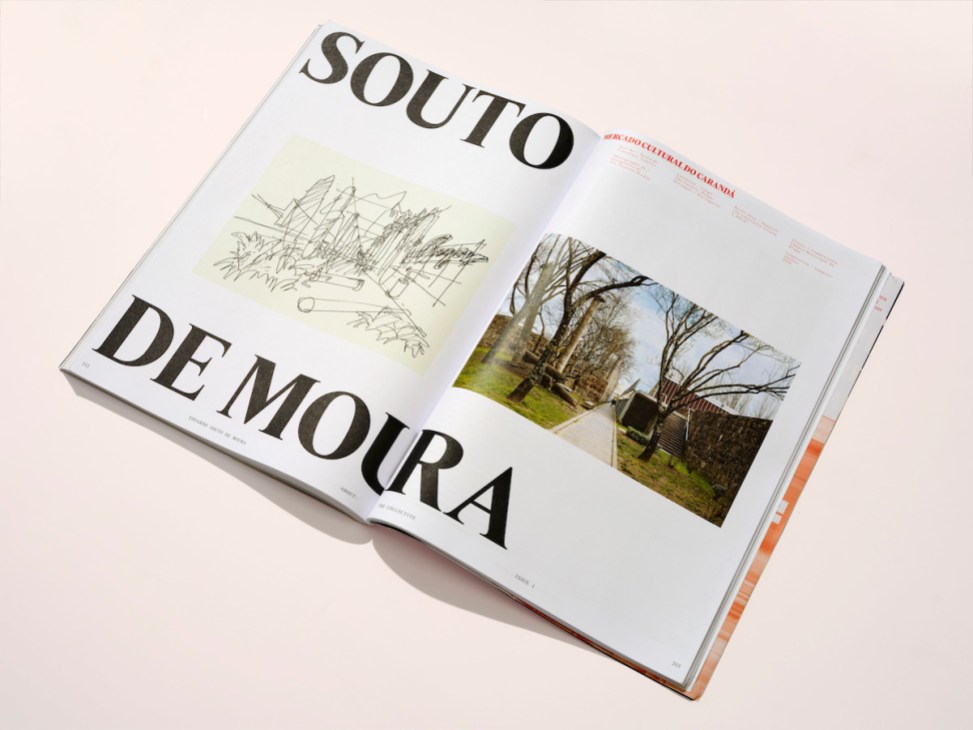
“Its references are the 1970s and 1980s, when architecture was political and magazines were cultural projects,” says Alessandro Valenti, editor in chief of Hearst Magazines Italia’s hefty new publication About. The bilingual Italian and English title features photographs and blueprints of projects such as a Mexico City Pilares civic centre.
aboutplatform.com
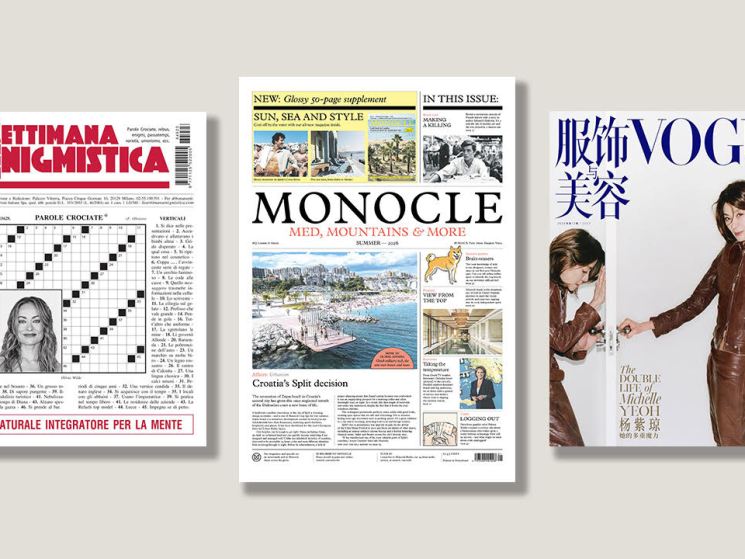
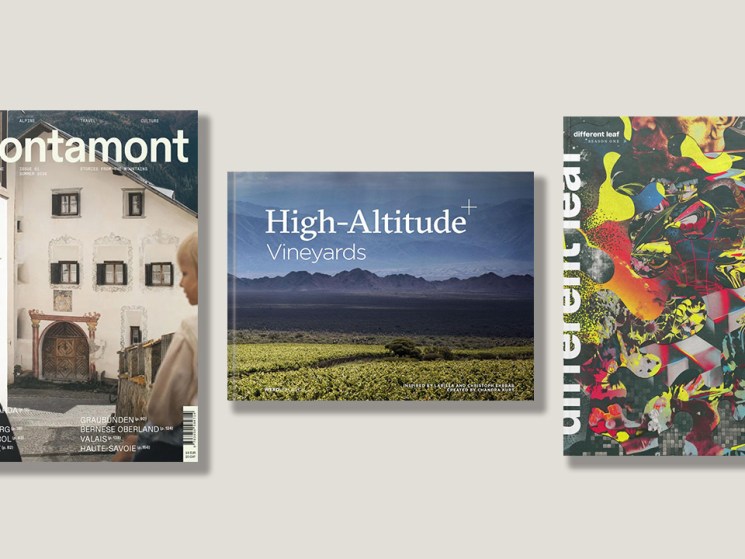
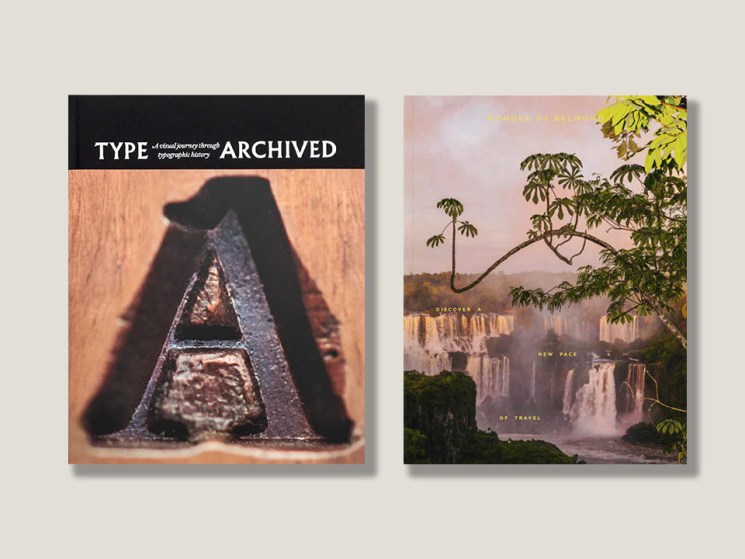
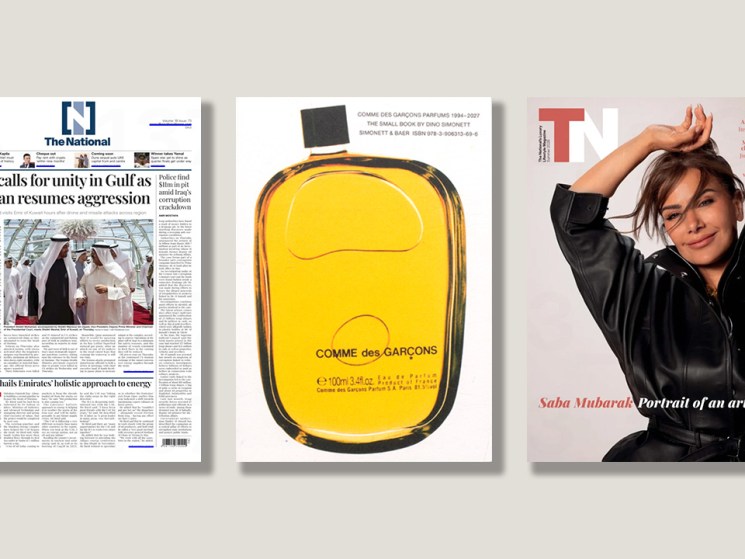
Find out more about the titles that should be on your radar on The Stack, Monocle Radio’s weekly show about print media.
RECENT EPISODES OF THE STACK







Other Circle blurs fashion, design and culture in Copenhagen
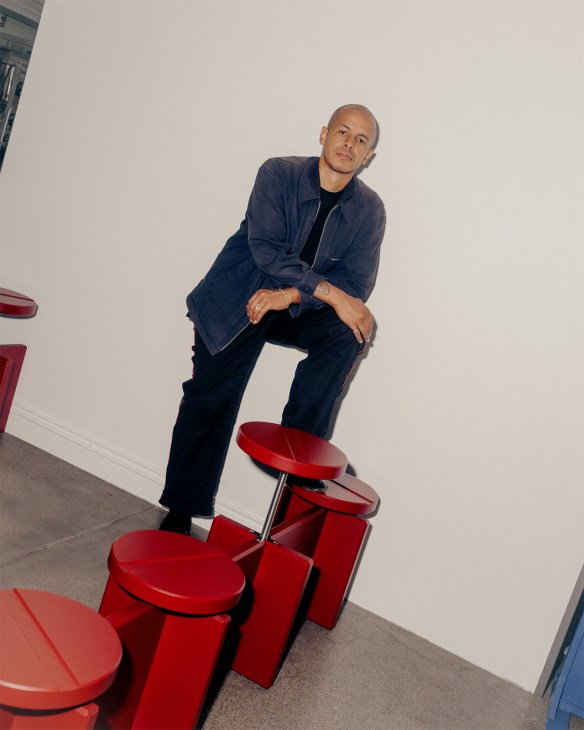
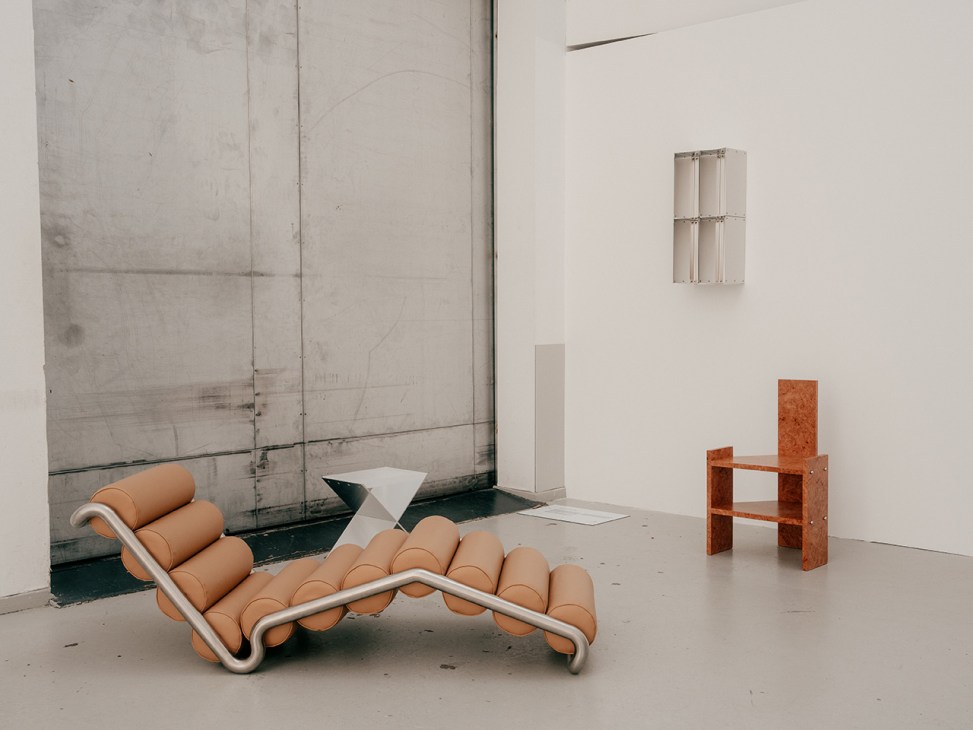
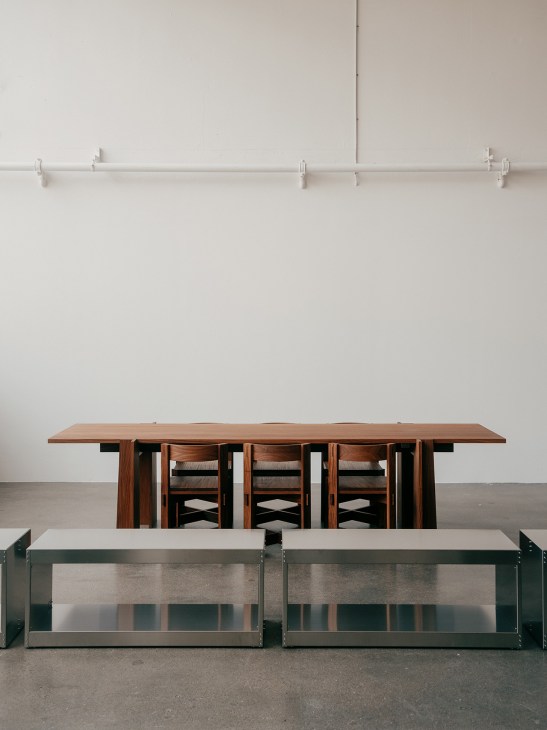
Design intersects with a host of disciplines: ask Silas Adler, the creative director of new design salon Other Circle. “We feel that these boundaries between creative disciplines are dissolving and the way that we engage with culture is shifting,” he tells Monocle. The platform’s first event debuted alongside Copenhagen’s design week earlier this year, to showcase how design, art, music, food and fashion often overlap. It featured more than 50 participants, including local food institutions Atelier September and Noma Projects, as well as Berlin-based Lotto Studio and Reidar Mester, Stockholm-based Joy Objects and Italy’s Meritalia. Adler’s background in the fashion industry (he founded streetwear brand Soulland in 2002) might explain his desire to do away with the rule book.
Why create a showcase that blends so many different disciplines?
We felt that there needed to be a curated exhibition experience that highlights creative culture beyond disciplines. We need these platforms to happen within design week, within fashion week – at these moments, there should be a platform that can be a catalyst for upcoming designers to be in the room with established furniture brands and fashion labels, and next to artists, chefs and people who don’t even put labels on themselves.
How did your experience in the fashion industry lead you to co-create this showcase?
We often put boundaries on ourselves creatively. That was, perhaps, one of the toughest things when I worked in fashion. But creatives are questioning the old models and pushing for something more connected, more alive.
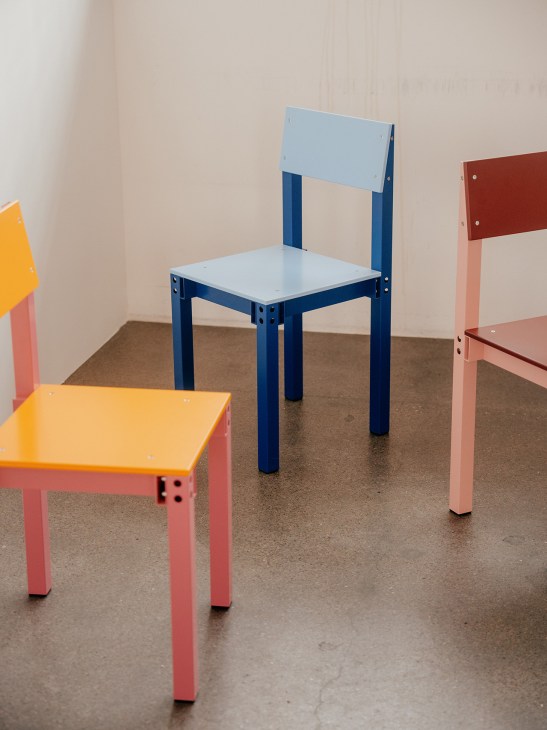
If the boundaries are dissolving, why are there still labels such as ‘fashion’ and ‘design’?
It’s harder for the people selling the work to explain it without a label. But for people consuming creativity, it’s all the same. If you have a great meal or listen to a great record or see design that you really enjoy, it’s the same neurological experience.
othercircle.com
Achielle shifts European bikes up a gear with custom, luxury frames
Peter Oosterlinck and his brother, Tom, are steering their third-generation family business, Achielle, back to the front of the continental peloton. “When my grandfather Achiel started building frames in 1946, there were about 250 companies in Europe doing the same,” says Peter. “By 2000, there were only four.” The cause of this decline? Cheap Asian imports of steel bicycle frames. Rather than go toe-to-toe on price, the Oosterlincks changed gears, deciding to construct entire bicycles using high-quality European-made parts and accessories, including Brooks England saddles and Busch & Müller headlights from Germany.
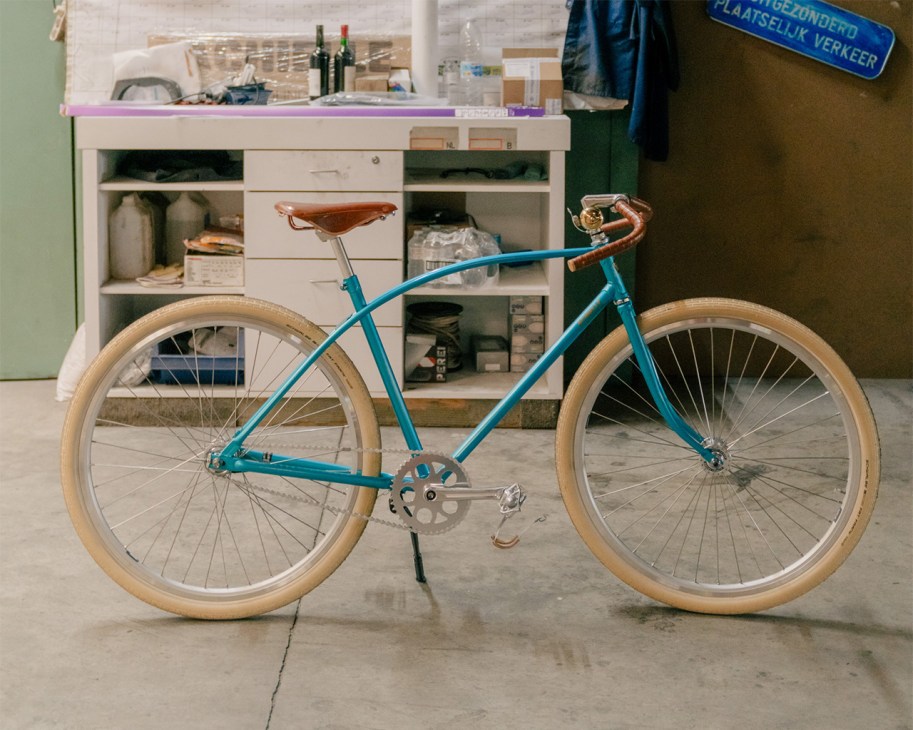
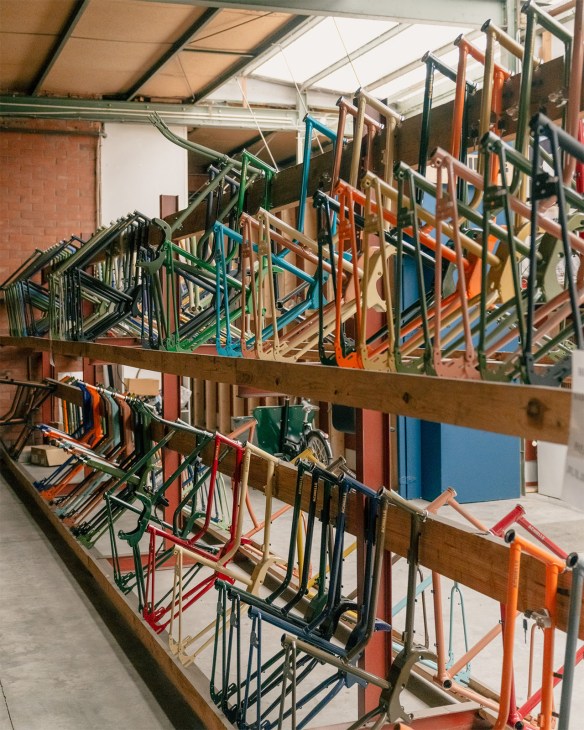

“We went from making 30,000 frames annually and supplying some of the biggest companies in Europe to only 800 bikes in 2007,” says Peter. “I didn’t pay myself a salary that year.” Today, Achielle builds and assembles about 2,000 bikes annually and is part of a resurgence of European manufacturing that places quality over cost. “Bikes are becoming more luxurious so we’re aiming to have a bigger turnover while making the same number of units,” he says. Achielle brazes and welds all its frames in its atelier in Pittem, West Flanders.
It even powder-coats parts in-house, allowing clients to choose from a palette of 30 colours. “Twenty years ago nobody wanted a brightly coloured bike,” says Peter. “Now cyclists want their bike to fit them not only in form but also in style.”
achielle.be
Comment
Cheap imports have left many hankering for the quality of old. Brands such as Achielle answer the call for the local and the handmade.
Read next: These €70,000 bikes are helping German athletes to make faster tracks
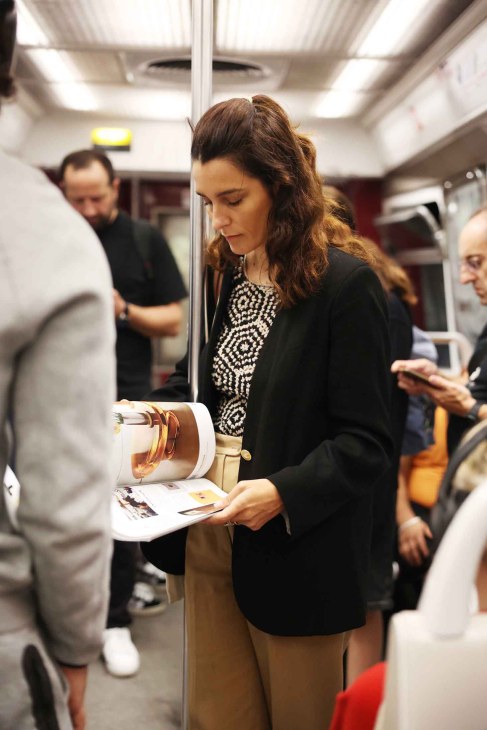
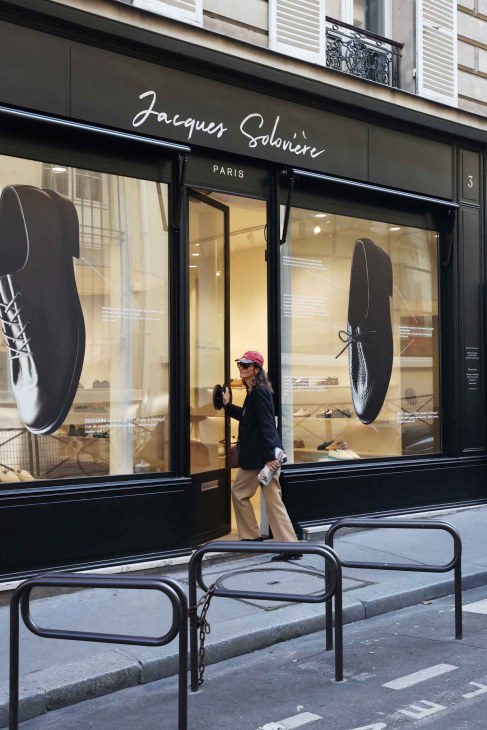
The commute: Take the Paris Métro with shoe designer Alexia Aubert
Do you get any time for yourself in the morning?
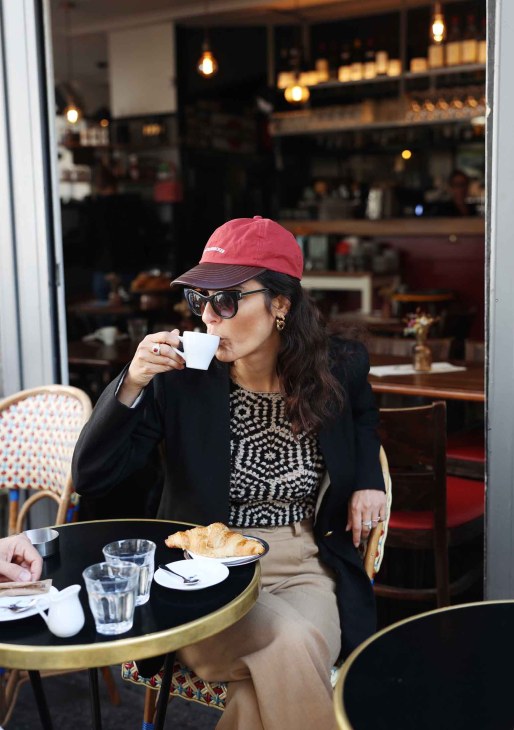
After taking my kids to school I’ll go to the gym and, when I have time, to Café Marguerite on Rue des Martyrs for breakfast with my husband. I love its buttery croissants. Another spot is Café Varenne on Rue de Varenne, which is a bit more discreet – perfect for a slower breakfast. And there’s always Café de Flore. There’s something timeless about sitting at one of its tables in the morning and watching the Left Bank wake up.
Sitting or standing on the Métro?
I prefer to sit because I often work while I’m commuting.
Are you chatty with fellow passengers?
No, I don’t talk to other people. I actually hate it when people interrupt me.
You must put a lot of thought into your commuting outfit. Best shoes for a Parisian stroll?
They need to balance comfort and elegance: practical enough for long walks across cobblestone streets, yet stylish enough to wear to the office, a business lunch or an evening art opening. Our Édouard Lug Bold is a perfect example: a sleek leather upper, a lightweight but sturdy sole and a versatile design that will take you seamlessly from day to night.
What would improve your commute?
Fresh air. The Paris Métro has its charms but breathing crisp, clean air underground would change everything.
You’ve lived in Paris all of your life. What is the best thing about life here?
The city is bursting with creativity: exhibitions, music, food and design. I never miss Art Basel Paris when it’s on. Throughout the year, one of my favourite places to go is the Musée des Beaux-Arts de la Ville de Paris [Petit Palais] in the eighth arrondissement. It has a courtyard garden, where you can take a break. I also love Galerie Perrotin, which feels both accessible and edgy.
And the worst thing?
Endless roadworks, dense streams of cars and trucks, and the brusqueness of people in a hurry. It can make moving across the city feel exhausting.
Is Paris a morning or an evening city?
An evening city. That’s when it comes alive: glowing with lights, the cafés buzzing, the streets shimmering. There’s always a palpable sense of energy, as though something is about to happen. I often head to Classique for inventive cocktails that aren’t overcomplicated. For dinner, I like to book a table at L’Arpaon. It’s delicious and has that mix of conviviality and refinement that I love in Parisian restaurants.
Read next: Monocle’s full city guide to Paris
Bringing Nagasaki’s ghosts to life: Kei Ishikawa on adapting Kazuo Ishiguro’s debut novel
Eighty years since its end, the Second World War is fading from living memory. Acclaimed Japanese film director Kei Ishikawa explores the aftermath of the conflict and the unreliability of recollections in his new Anglo-Japanese adaptation of A Pale View of Hills, the 1982 debut novel by Nobel Prize-winning writer Kazuo Ishiguro.
The book is set in two different eras: Nagasaki in 1952, seven years after an atomic bomb was dropped on the city, and England 30 years later. “I had always thought that this subject was for older generations who had experienced the war,” Ishikawa tells Monocle. “But that generation is disappearing and somehow we have to find our own way to tell the story.”
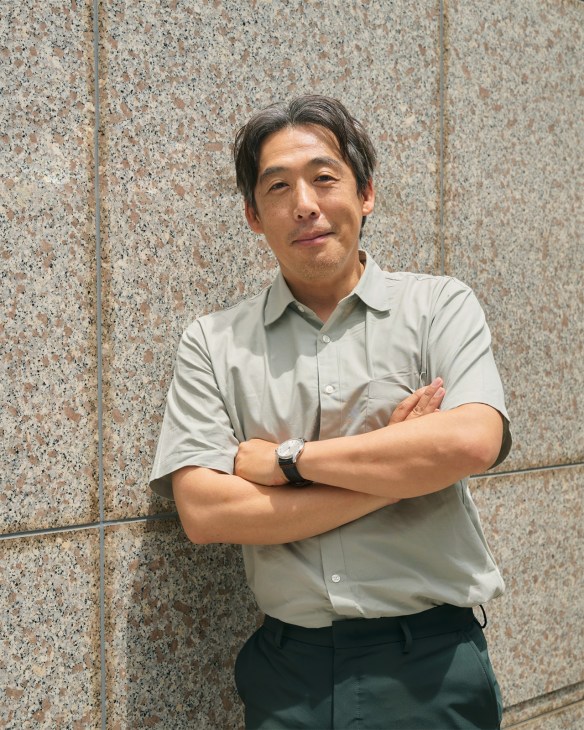
Ishikawa, 48, whose 2022 film Aru Otoko(AMan) was a critical and commercial success in Japan, had other reasons to be hesitant. “I was aware that Kazuo had written two books set in Japan but he is a big name so I wondered whether I was the right person to make the film.” But Ishikawa was more than up to the task. Engaging and laid-back, he is easy to converse with and curious about the world; he poses for a portrait in the hot sun without any complaints.
A Pale View of Hills focuses on Etsuko, who we meet as a young housewife in postwar Nagasaki and again in 1980s England, where she has settled. She has lost her husband and her eldest daughter, and lives alone with her memories. The logistical challenges of adapting the book are immediately evident: it required not only two period settings but also two locations on opposite sides of the world, not to mention two languages. It helps that A Pale View of Hills has a pair of powerhouse production teams behind it: Japan’s Bunbuku, which works with leading directors such as Hirokazu Koreeda, and the UK’s Number 9 Films, which has produced everything from Neil Jordan’s Interview with the Vampire to Oliver Hermanus’s Living.
Ishikawa was surprised to discover that Ishiguro’s first book had yet to be turned into a film – a sign of the challenge that the material presents. Few Japanese or international filmmakers have tackled the difficult subject of the Nagasaki bomb, which fell three days after the strike on Hiroshima and killed 74,000 people.
For Ishiguro – who was born in Nagasaki in 1954, before moving to England at the age of five – it was a deeply personal subject. The psychological impact of the bomb on a generation of people is the focus of his book, rather than the attack itself. Ishiguro has said that the novel was informed by conversations with his mother, Shizuko, who lived through the bombing. Her memories showed him that war is “not just about big violent conflict – it’s about small everyday lives”.
Ishikawa immediately knew that he would have to make that part of the story more explicit for contemporary viewers. “The bomb is a dark shadow that lurks underneath Kazuo’s story,” he says. “That was obvious to readers in the 1980s when this book was published; people still remembered the war. For audiences now, though, even the 1980s feels like a long time ago.”
The director brought in Ishiguro, who is credited as an executive producer, from the outset. “We had a video call,” says Ishikawa. “I thought that it would just be a matter of saying hello but he was very enthusiastic. He said, ‘Listen, it’s my first book so there are some problems but this is a good direction.’” As well as welcoming Ishikawa’s tweaks, Ishiguro even joked that the director had improved on his youthful novel.
Having swept the board at the Japan Academy Film Prize with Aru Otoko, Ishikawa is now a director who every actor wants to work with. For the leads in A Pale View of Hills, he cast Suzu Hirose as the young Etsuko and Fumi Nikaido as her mysterious friend, Sachiko. Both will be instantly familiar to Japanese audiences. “It’s the first time that they have been in the same film,” says Ishikawa. “There was a good tension between these two top actresses. I loved the chemistry between them.”
In this 80th-anniversary year, with fewer and fewer hibakusha (atomic-bomb survivors) remaining, relaying the horrors of nuclear weapons to the world has become more urgent. “This story is so important to the people of Nagasaki and they wanted us to shoot in the city,” says Ishikawa. “But it looks too different now.” As a result, much of the two-month Japan shoot took place in a studio, followed by a two-week shoot in England. The house that appears on screen is in Hertfordshire, carefully styled as the 1980s home of a woman who had emigrated from Japan.
The film shows us a fascinating montage of photos of 1950s Nagasaki, which might surprise viewers who are expecting to see only despair and devastation. “We wanted to make the movie very colourful because, in Japanese cinema, [representations of] postwar Nagasaki are always about the immediate aftermath of the bomb,” says Ishikawa. “Its people are always shown as poor, hungry and sad. But this film is set in 1952, seven years after the war. The city had been rebuilt a lot and people were wearing nicer clothes. It was quite close to the American base, so a lot of jazz bands had started to play there. A dark shadow is always present but this aspect is something fresh.”
A Pale View of Hills is out now in Japan and is released in France on 15 October, with wider releases next year. Ishikawa hopes that his film will resonate with a younger audience, however distant the events that it portrays might seem. “Our generation might not be able to experience that time,” he says. “But we can still tell the story.”
bunbukubun.com;number9films.co.uk
What to stream, visit and read this month: October 2025 cultural releases
Art
Unicorn: The Mythical Beast in Art
Museum Barberini, Potsdam
Religious icon, LGBTQIA+ symbol or pointy-horned horse with delusions of grandeur? Featuring artworks more than 4,000 years old, this collection explores our fascination with the unicorn.
‘Unicorn’ runs from 25 October to 1 February 2026

Maria Helena Vieira da Silva: Anatomy of Space
Guggenheim Bilbao, Bilbao
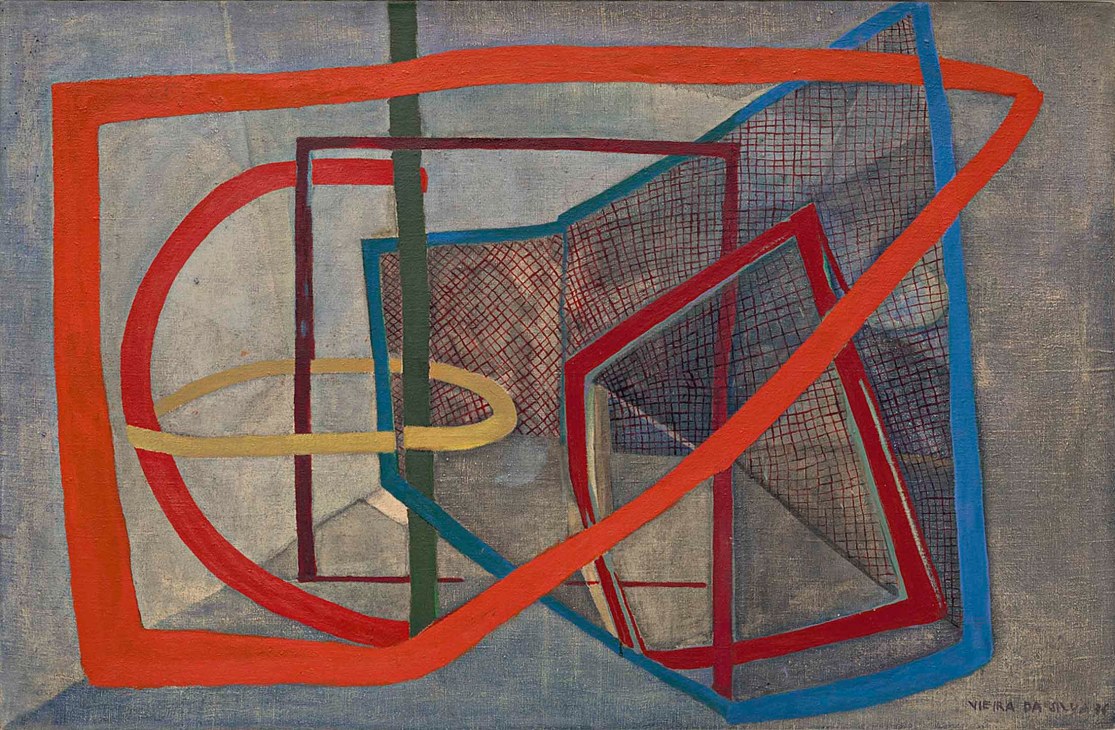
Looking at Lisbon-born French artist Maria Helena Vieira da Silva’s vast abstract canvases can feel like diving under a patchwork blanket. She has also worked in tapestry and stained glass, with an interest in cityscapes.
‘Anatomy of Space’ runs from 16 October to 22 February 2026
Television
House of Guinness
Netflix

Steven Knight, the creator of Peaky Blinders, is back to rifle through history’s grubbiest pages with the wild story behind Ireland’s most famous export. Set in 1860s Dublin and New York, when Guinness was one of the world’s largest breweries, the series follows siblings Arthur (Anthony Boyle), Edward (Louis Partridge), Benjamin (Fionn O’Shea) and Anne (Emily Fairn), saddled with the family legacy after the death of their father, Sir Benjamin Guinness.
‘House of Guinness’ is released on 25 September
The Savant
Apple TV+
“Is it possible to stop a mass shooting before it happens?” asked a 2019 Cosmopolitan article by Andrea Stanley that profiled an anonymous investigator tracking violent misogynists online. Known as “the Savant”, she had an uncanny instinct for knowing when evil words were about to spill into evil deeds. Her story has inspired this nail-biting series starring Jessica Chastain.
‘The Savant’ is released on 26 September
Mr Scorsese
Apple TV+
Martin Scorsese has contributed so much to cinema history that Rebecca Miller’s plan to shoot a single-part documentary ballooned into a five-part epic, shot over half a decade. How very Scorsese-esque. Miller, the director behind Greta Gerwig-fronted comedy Maggie’s Plan, was allowed unrestricted access to his private archives, plus the time and insights of the filmmaker and his closest collaborators.
‘Mr Scorsese’ is released on 17 October
Film
A House of Dynamite
Kathryn Bigelow
The Oscar-winning director of The Hurt Locker returns after an eight-year absence with another politically charged thriller, led by Idris Elba and Rebecca Ferguson. The White House scrambles to respond to a missile from an unknown source. Kathryn Bigelow’s clear-eyed lens on geopolitics and knack for action make for a complex look at American exceptionalism.
‘A House of Dynamite’ is released on 3 October
Souleymane’s Story
Boris Lojkine
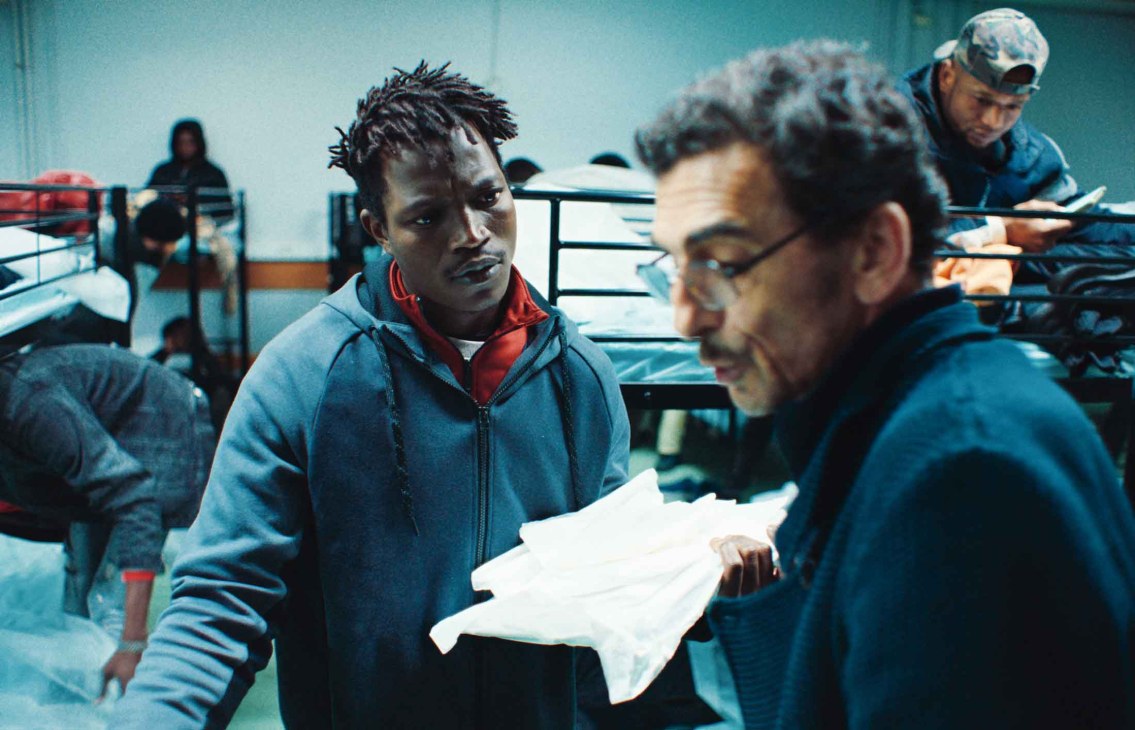
This socio-realist drama delivers a raw, urgent glimpse into the precarious life of an undocumented immigrant bike courier in Paris faced with only two days to gather the funds for his asylum papers. The film exposes systemic exploitation and fragile hope within a flawed asylum process and an exploitative gig economy, anchored by Abou Sangaré’s breakthrough performance. Boris Lojkine’s unflinching direction expertly balances grit with sensitive humanity.
‘Souleymane’s Story’ is released on 17 October
After the Hunt
Luca Guadagnino
The prolific Luca Guadagnino follows last year’s Queer and Challengers with a psychological thriller. Julia Roberts plays a professor caught up in a scandal when her protégée Maggie (Ayo Edebiri) accuses her fellow professor Hank (Andrew Garfield) of assault. Edebiri holds her own against the two A-listers, as Garfield twists his charisma to create a mercurial, menacing presence.
After the Hunt’ is released on 20 October
Music
Tron: Ares (Original Motion Picture Soundtrack)
Nine Inch Nails
Trent Reznor, vocalist of industrial-rock stalwarts Nine Inch Nails, has become a successful go-to for soundtracks. Last year, sexy electro beats drove his music for Luca Guadagnino’s Challengers. Now he returns with his first soundtrack with his band for the latest film in sci-fi franchise Tron. Lead single “As Alive as You Need Me to Be” is pure NIN, its rocky danceability nodding to the films’ futuristic themes.
‘Tron: Ares (Original Motion Picture Soundtrack)’ is out now
Interior
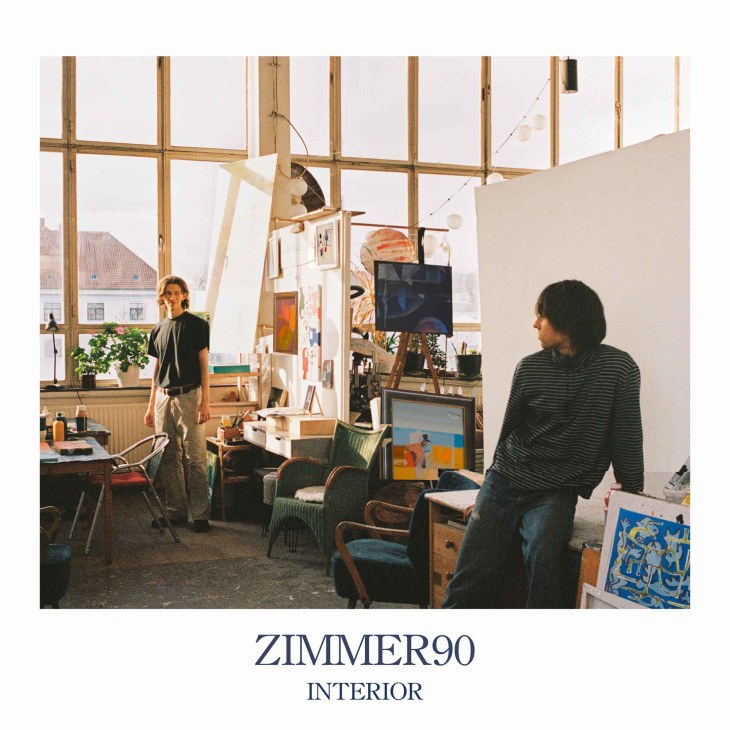
Zimmer90
After creating a buzz on social media, German duo Zimmer90 have released their debut album. As its title suggests, the Freiburg-based duo are looking inward, via a selection of gentle songs with melancholic touches. Among the highlights are “Makes Me Wanna Dance”, a delightful piece of bubbly pop, and “Wait for You”, an enchanting 1990s-style electronica tune.
‘Interior’ is out now
The Art of Loving
Olivia Dean
Dean’s dulcet tones, easy-listening songs and warm persona have made her a big hit in her native UK. She has described her sophomore album as a deep dive into the different facets of love. “Nice to Each Other” is an uplifting track about kindness, while “Lady Lady” is a soulful coming-of-age anthem. Next year fans will experience that gorgeous voice on an extensive European tour.
‘The Art of Loving’ is released on 26 September
Photography
Erwin Olaf: Freedom
Stedelijk Museum, Amsterdam
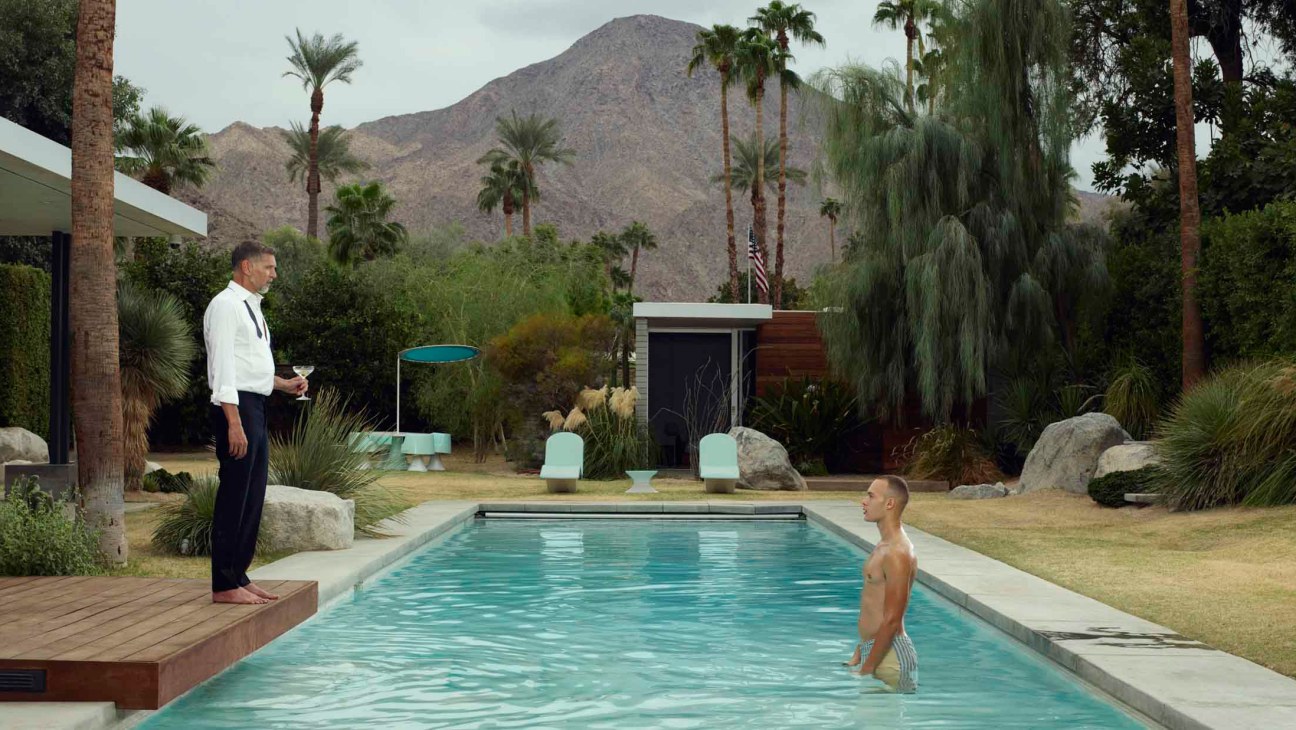
Working in photography but not confined by it, Dutch artist Erwin Olaf used his camera to challenge societal norms, advocate for marginalised groups and deliver provocative advertising campaigns while conjuring moments of pure, unadulterated beauty. This first major exhibition in his homeland since his death in 2023 will debut a poignant, unfinished video work.
‘Freedom’ runs from 11 October to 1 March 2026
Books
The Loneliness of Sonia and Sunny
Kiran Desai
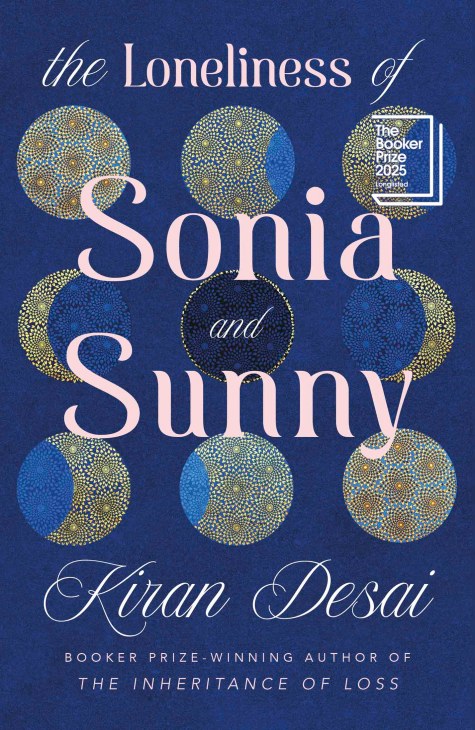
India-born US writer Kiran Desai chronicles generational sagas and post-Partition growing pains with cultural sensitivity. This tender epic, which depicts two young diasporic Indians at the start of their writing careers, contemplates the complexities of loving in an era of immigration, displacement and globalisation – and the resulting feelings of loneliness and fragmentation. Desai asks her protagonists whether solitude is necessarily a bad thing.
‘The Loneliness of Sonia and Sunny’ is out now
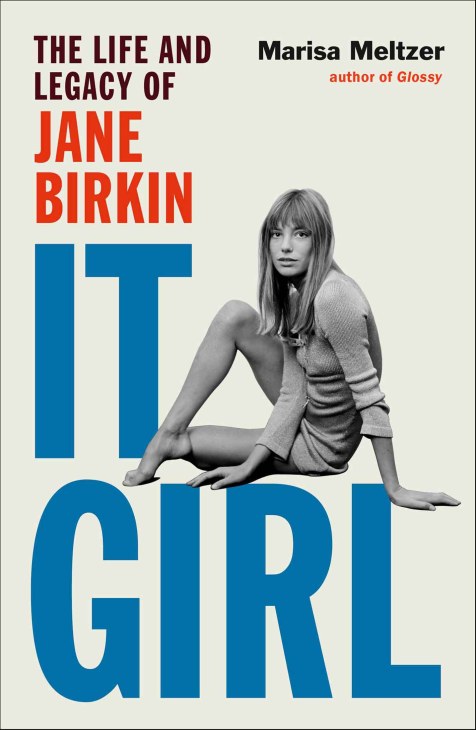
It Girl: The Life and Legacy of Jane Birkin
Marisa Meltzer
When Sotheby’s made history this summer by selling a handbag for €8.6m, there was only one item that it could have been – the original Hermès Birkin. Jane Birkin has often been remembered more for the bag that she inspired and her famous relationships than her work as an actress and singer, but this new biography captures both her colourful life and extraordinary creative talents.
‘It Girl: The Life and Legacy of Jane Birkin’ is published on 6 November
Vaim
Jon Fosse, translated by Damion Searls
In his first novel since winning the Nobel Prize in Literature in 2023, Fosse navigates the dark waters of a coastal Norwegian town. Here, Jatgeir travels by boat to the city of Bjørgvin to procure needle and thread but returns with a woman – the long-lost love of his younger years. As the story unfolds, relationships become complicated and the stakes higher, and Fosse shows his mastery of the unnerving atmosphere and page-turning plot.
‘Vaim’ is published on 23 October
Jakarta rising: Inside the creative renaissance of a city on the brink
Traffic-clogged, slowly sinking and the centre of anti-government protests, Jakarta is scheduled to be replaced by Nusantara as Indonesia’s capital city in the coming years. But the streets of Southeast Asia’s largest metropolis – home to more than 11.4 million people – are still brimming with life, thanks in part to the efforts of a new generation of creatives and entrepreneurs who are re-embracing their roots.
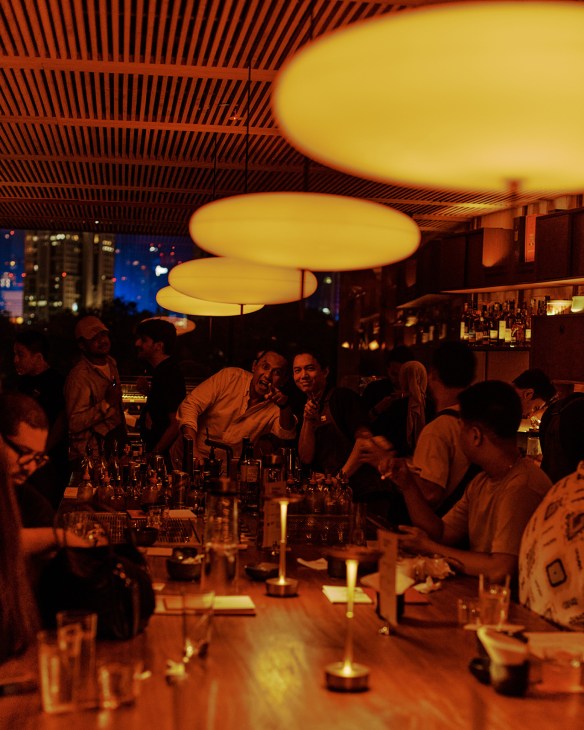
It’s midday on a Friday in South Jakarta and Siti Soraya Cassandra and her husband, Dhira, have a pond to clean. “There wasn’t any permaculture in this city so we decided to make it,” she says. The couple’s company, Kebun Kumara, is regreening the Indonesian capital, one urban forest or edible garden at a time. In a few months they expect to finish work on the expansive Taman Kota Peruri gardens, their largest project so far.
There’s no shortage of residents to unite with the outdoors here. Following Indonesia’s independence in 1945, Jakarta experienced a decades-long boom and became Southeast Asia’s most populous hub. More than 30 million people now call the greater Jakarta area home but green spaces make up just 4.65 per cent of the city, with an average of a paltry 7.1 sq m of green open space per capita. Even fellow megacity Bangkok has 7.6 sq m per person, while Singapore boasts 47 per cent green coverage.

With architecture firm ARD Design, Kebun Kumara is transforming a 1.08-hectare patch of disused, state-owned land into a public park full of plants from the region, such as scholar trees, lemon basil and pandan. Cassandra hopes that this will be the first of more large-scale projects. “Everybody in Indonesia gravitates towards Jakarta,” she says. “It’s up to us, the people who live here, to make it as resilient as possible.”
In recent months, Jakarta has been the centre of anti-government protests. It is often labelled “the fastest-sinking city in the world”, an unfortunate sobriquet gained thanks to its rapid growth, excessive groundwater extraction and frequent flooding. Coupled with its reputation for gridlocked traffic and the lingering question over its status as Indonesia’s capital, all of this has meant that more people are leaving Jakarta than migrating to it. Last year, for every person who moved here, almost three left. Even so, many young creatives and entrepreneurs are staying or returning home to put down roots. Monocle has come here to spend a weekend with this ambitious cohort of people who are steering the city’s cultural renaissance.
A 10km drive southwest of Kota Peruri brings us to another park, Taman Manyar. This slice of Jakartan suburbia is where Andra Matin, one of Indonesia’s most revered architects, lives and works. For years, Matin has been acquiring the buildings surrounding the park to create a small creative complex. This is nothing new for the architect, who has long sought to transform his home city for the better. “I’ll stay in Jakarta as long as possible to see how it changes because I have hope that it will become a good city in the future,” he tells Monocle.
We pop into Kopimanyar, a café that Matin set up for his workers and visiting design pilgrims. “My staff members like coffee,” he says. “Also, having my kopi [coffee], my house and my office in one place is useful.” Milky brews sweetened with palm sugar in hand, we walk through the building, which transitions from a café into a series of meeting rooms and exhibition spaces. Today it’s calm but in October it will host Bintaro Design District, a biennale that Matin co-founded in 2018 to galvanise the local scene. “Many architects and designers live in the area,” he says. “There were so many art events in Indonesia but none for design. Our festival keeps getting bigger.”
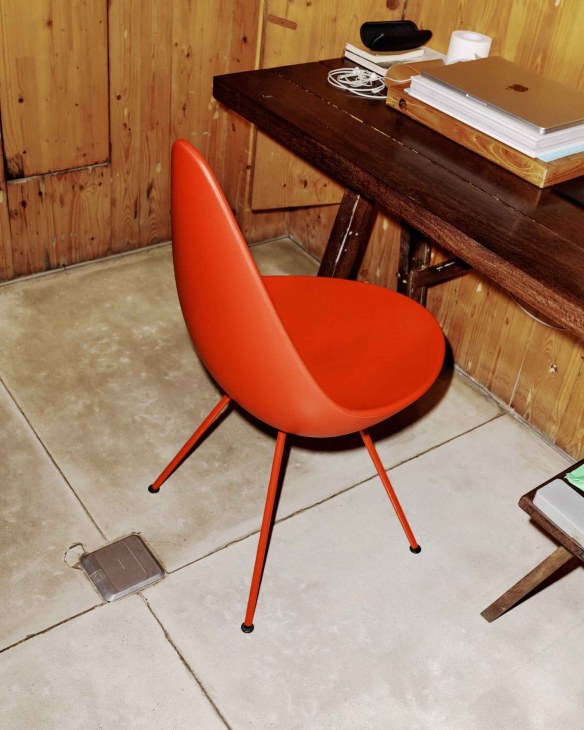
Matin’s house overlooks the park. His work is renowned for its integration of the indoors and outdoors, and his peaceful home exemplifies that approach. Made from exposed concrete and reclaimed ironwood, the structure cleverly allows in plenty of natural light. The only movement comes from dozens of luxuriating cats – Matin and his wife have adopted more than 80 of them and they freely roam the grounds – in between siestas in the park’s sleek, Matin-designed cat houses.
Jakarta might be hard to traverse geographically but it’s a joy to navigate socially. Befriend one person and it’s likely to lead to introductions to everyone they know. Next, we visit I&L Residence, which Matin designed for his friend Henricus Linggawidjaja. The latter is the owner of Artnivora design studio and helps to oversee Art Jakarta, one of Southeast Asia’s biggest art fairs. “This city’s creativity has been growing for a long time now,” says Linggawidjaja. He suggests that we visit the Museum of Modern and Contemporary Art (Museum Macan), which opened in 2017. We tell him that it happens to be where we’re heading tonight – but first we have an appointment with Winfred Hutabarat and Michael Wijono, co-founders of The Union Group, Jakarta’s leading hospitality business. “Ah,” says Linggawidjaja. “[Hutabarat’s] house was designed by Andra too.”
Started in 2008 with a single bistro, the Union Group now encompasses 28 venues. We meet Hutabarat and Wijono over wine and satay skewers at the Cork & Screw Country Club, which Matin also designed. The hospitality group was created with the aim of bringing global cuisines to Jakarta but now it’s opening its first Indonesian restaurant. “The market has matured and locals want local food,” says Wijono. Hutabarat adds that it’s high time the country’s neighbours got to know about Jakarta too. “Indonesians always visit places such as Singapore, Bangkok or Hong Kong,” he says. “It should be a two-way exchange.”
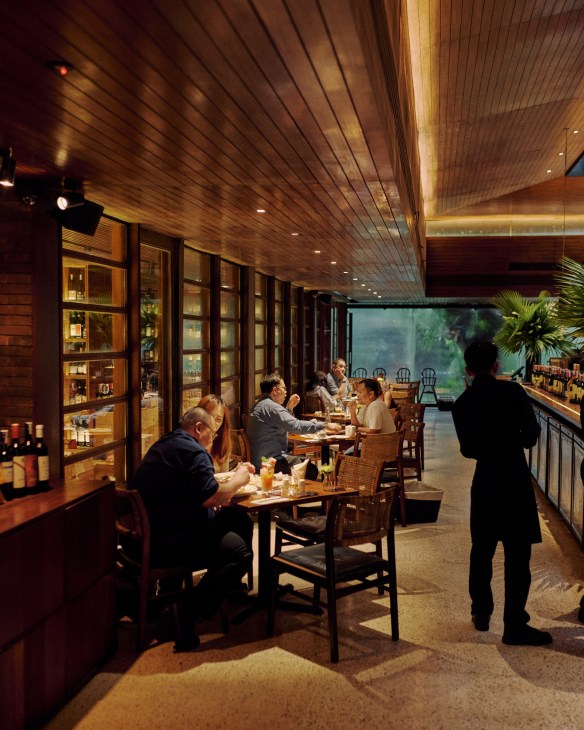
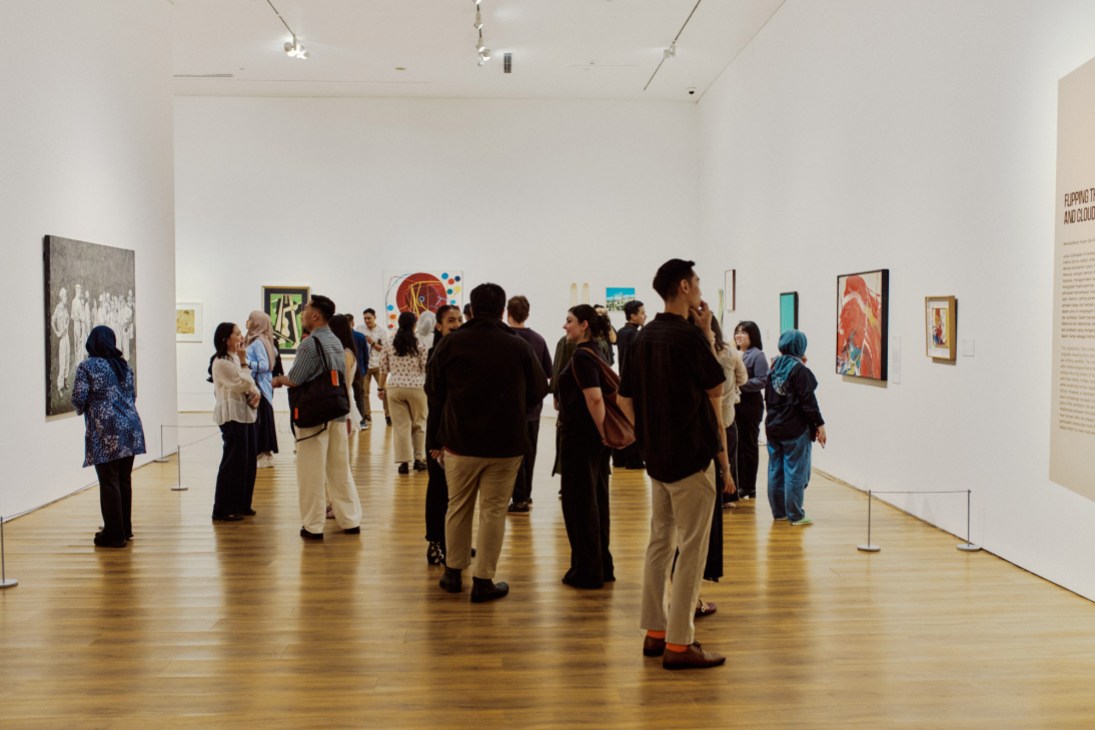
Evening congestion in Jakarta makes fashionable lateness commonplace but our drinks push our tight schedule to its limits. Luckily, Hutabarat is on his way to Museum Macan too and offers us a lift. “There are pockets of great things in this city,” he says as we sit in traffic. “Museum Macan is our window to contemporary art.” Tonight is the opening of Japanese artist Kei Imazu’s first solo exhibition in Indonesia, The Sea Is Barely Wrinkled. The show was inspired by the coast and Jakarta’s history of continuous reinvention – first as Sunda Kelapa and Jayakarta, then as Dutch Batavia, until independence in 1945.
When we arrive, Hutabarat finds his partner, Jun Tirtadji, who runs gallery ROH Projects. “When we started we were pushing a snowball up a hill,” says Tirtadji. “Now it’s rolling downhill. It feels as though Jakarta’s art story has only just begun.” He helps us to find Amalia Wirjono, Museum Macan’s head of development. “This museum’s demographic is young,” she says, as she points out works from the permanent collection. Yayoi Kusama installations and Keith Haring paintings are displayed alongside pieces by homegrown pioneers such as Raden Saleh. “We’re offering something here that Jakartans once had to travel outside of Indonesia to find,” says Wirjono. She introduces us to her sister, Cynthia, who we previously arranged to meet the following day. “Museum Macan is probably our only museum with world-class art,” she says. “But we’ll talk about it more tomorrow.”
Saturday morning starts at Space Available, a community space, café and shop in Kemang that recently relocated here from Bali. Kemang’s lively atmosphere and leafy streets once made it Jakarta’s go-to neighbourhood for expats. However, various misfortunes – ranging from flash-flooding to upticks in crime, followed by the hammer blow of the coronavirus pandemic – caused its star to fade. Space Available’s arrival was a vote of confidence in the area’s revival. The building was originally designed by – who else? – Matin. Sidarta & Sandjaja, a firm helmed by two Matin alumni, has since turned it into Space Available’s striking HQ, whose façade is mottled with cut-outs shaped like fruits of the indigenous kemang tree.
“Space Available is a community centre for self-care,” says music director Aradea Barandana, as his dog, Zissou, patters towards the meditation room. The brand also recycles waste by turning it into homeware and clothing. “We’re here for people who think about the environment and want to make this city a better place.”
Barandana offers to take us to our next appointment, so Monocle – and Zissou – hop in his car for the short drive to fragrance brand Oaken’s HQ. The company is launching two new scents tonight and rain has prompted a last-minute relocation of the DJ decks. “It’ll be fine,” says Cynthia, laughing, as water trickles from a tear in the gazebo.
Oaken’s office above its shopfront serves as a modest home for what is now one of the region’s most exciting fragrance companies, whose soaps can be found in Ombé cafés and 25Hours hotels. In a corner of the shop sits a perfumer’s organ that’s tightly packed with samples. It’s here that Chris Kerrigan, Cynthia’s husband and Oaken’s co-founder, creates the brand’s scents. These make use of Indonesian ingredients, such as patchouli and sandalwood, and are often inspired by local places.
For Chicago-born Kerrigan, Oaken is the culmination of his 20-year love affair with Jakarta. “If you have a vision and want something that you’re not experiencing, you can make it happen in this city,” he says. For Cynthia, the brand is part of her lifelong quest to put the spotlight on her home city. “Everybody comes together to help each other here,” she says. “It’s a close-knit creative community.”
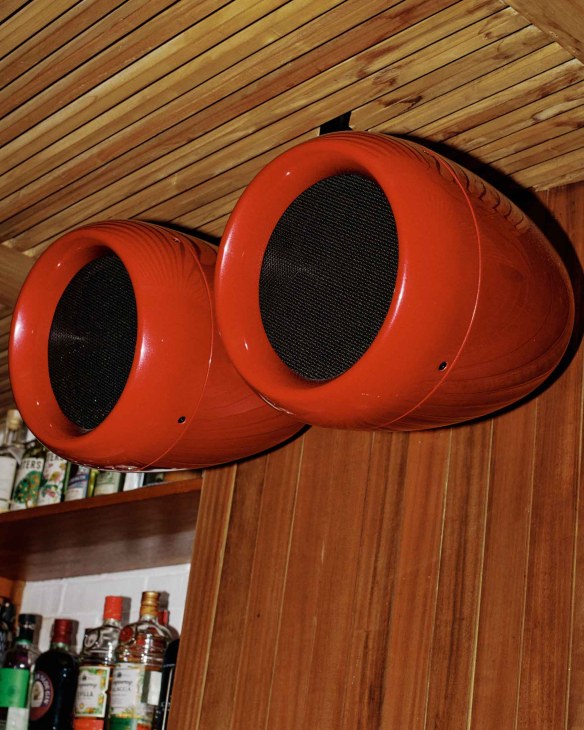
As night falls, we head to seafood restaurant Tide & Table. Its chef, Theodore Darrel, has recently returned home after years in Switzerland and then Bali. “The food scene in Jakarta is ramping up,” he says. “Five years ago a place like this couldn’t have existed.” Nextdoor, Kurasu Kissaten is pumping. At this Japanese-inspired listening bar, more people are drinking coffee than sipping cocktails. “About 90 per cent of the population here is Muslim but everybody still needs somewhere to go for a good vibe on a Saturday night,” says Michael Djuita, whose hospitality venture 20wol funds Kurasu Kissaten. Djuita founded 20WOL after returning to Jakarta from Melbourne in 2014. “People were seeing what was trending abroad and started demanding a better product here,” he says. “That’s where we came in.”
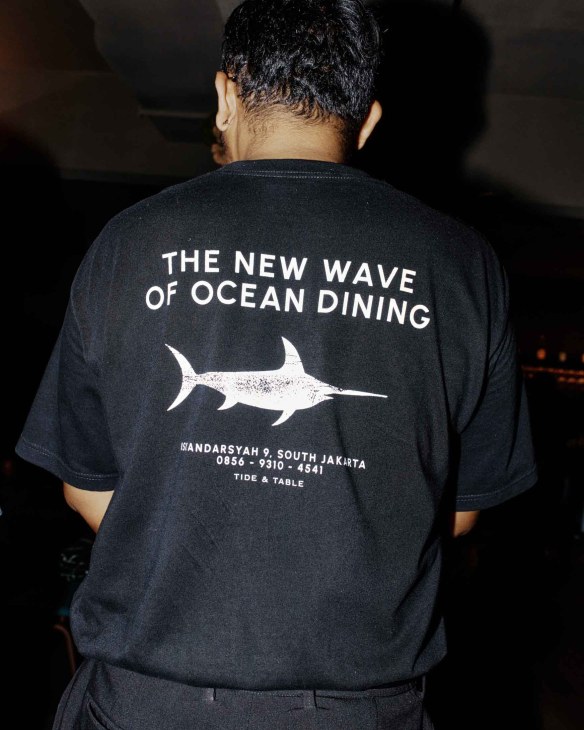
The fund has now supported more than a dozen spots, including Kurasu Kissaten’s sister venue, Hats. There’s a late-night ice-creamery at the front of the latter but step inside and you’ll find young Jakartans knocking back shots. Djuita’s next goal is to attract more tourists and counter Jakarta’s reputation as a staid regional hub for business, not pleasure. “A lot of people who have never visited the city see it in a bad light but it’s not an obvious place – you need to find the fun and the hidden gems,” he says. “Once you do, it’s amazing.”
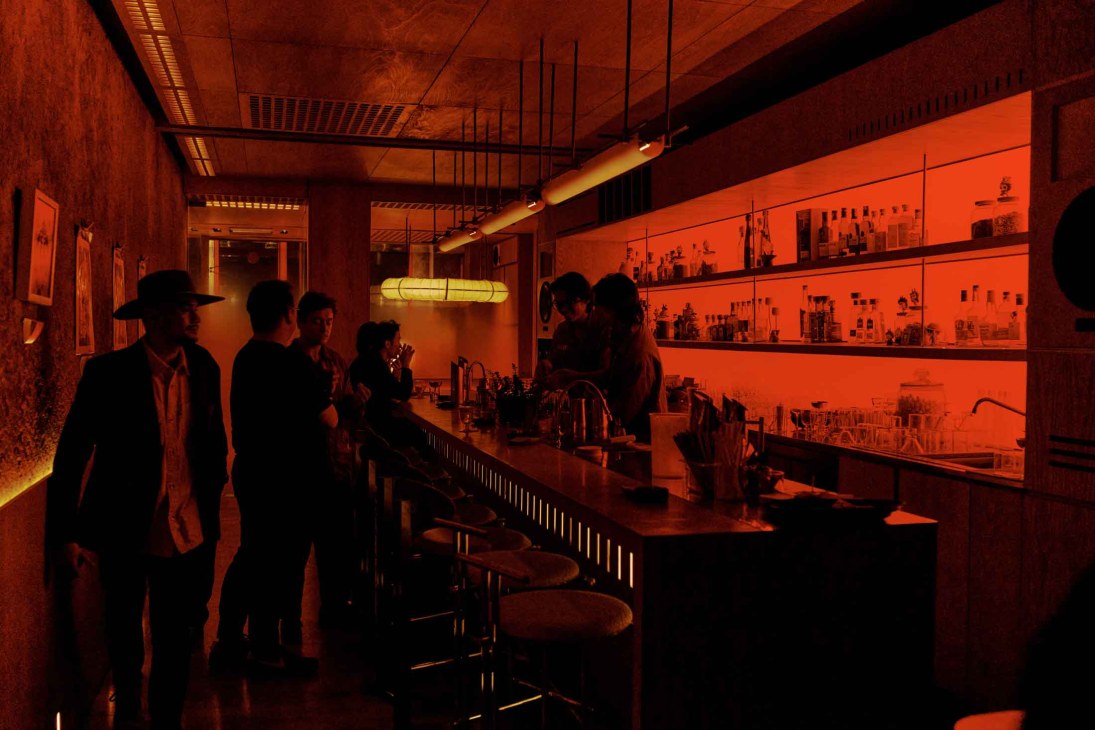
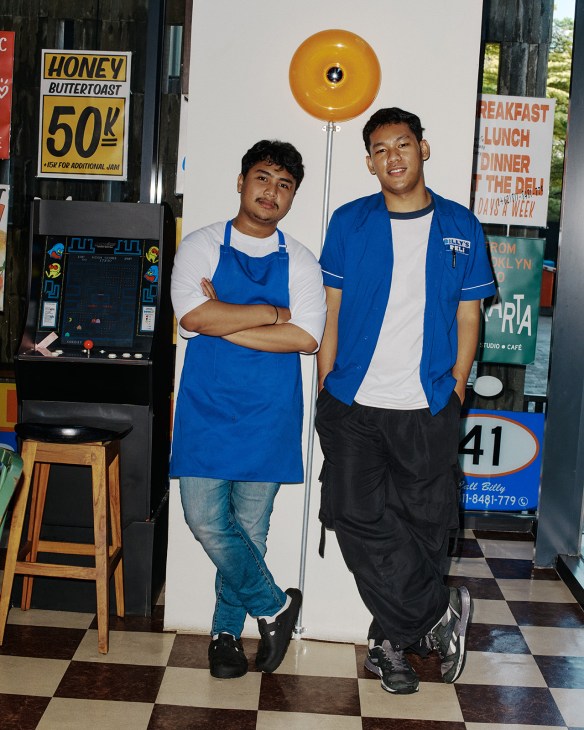
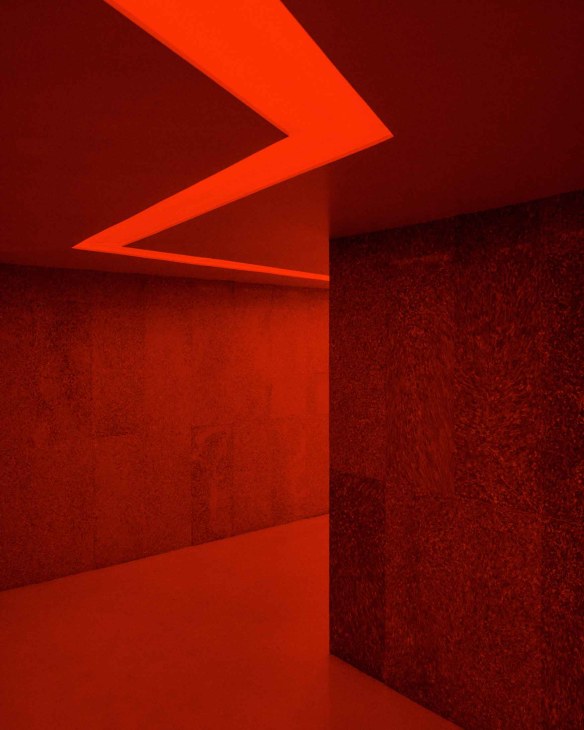
On Sunday mornings, Jakarta’s main thoroughfares close. Cyclists and runners race down major avenues, padel courts are booked out and cafés fill up. After securing coffee at buzzy New York-style café Billy’s Block, we head west to Rubik Office, an exemplar of adaptive reuse in the Indonesian capital. Esteemed architecture firm Shau retained the original 1990s structure, adding an external envelope, a new floor and a biophilic terrace last year. Tomorrow it will be filled with employees of Indonesia Kaya, an organisation that promotes traditional Indonesian arts and culture.

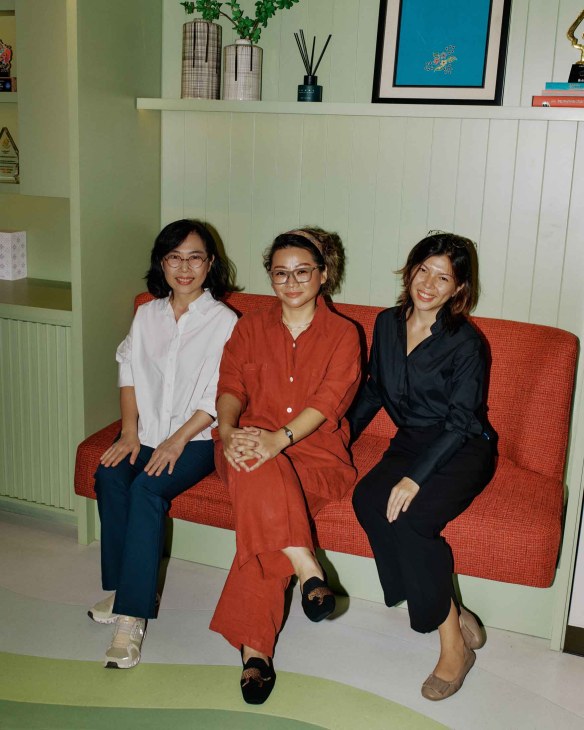
Jakarta-based Domisilium Studio designed the interiors, which juxtapose traditional Indonesian artwork with pops of terrazzo and calming pastels. “I wanted to create a healthy environment for young people doing creative work,” says the studio’s co-founder Santi Alaysius. Jakarta’s younger creatives are taking up Indonesia Kaya’s goal of ensuring cultural handover between generations with increasing gusto. “More and more young people are relearning Javanese folk dances,” says Alaysius. “They’re finding out more about their roots.”
Alaysius returned to the city after spending about 10 years overseas. “Jakarta is huge but it feels like a kampung [village] where everyone creative knows each other,” she says. When we tell her that we’re visiting Chinatown next to meet artist Metta Setiandi, she smiles. “She’s a good friend,” she says. “Our grandparents knew each other.”
Glodok, Jakarta’s historic Chinatown, is one of its most distinctive enclaves. Fittingly – since we’re in a city where caffeine is sacrosanct – our final stop this weekend is MET, a café owned by Metta Setiandi. Chinese Indonesians have faced persecution since the days of the Dutch occupation and the neighbourhood still bears the memory of those ugly times. MET’s mission is to preserve Glodok’s culture by hosting art shows and organising tours of the area. Setiandi spent years travelling but always knew that she wanted to return home. “You have to think of yourself as a seed, choosing between being in the ground or being in a pot,” she says. “Pot plants can go anywhere but trees need to take root. It’s a slow process but one day a tree will grow and provide shade to people. That’s why I came back.” This city has always shaped its people. Now, its people are shaping Jakarta.
Read next: Monocle’s complete city guide to Jakarta
How Ann Doherty changed city living with a farming collective in Amsterdam
“I had always wanted to farm but I thought that I would have to marry a farmer to do it,” says Ann Doherty, the founder of Amsterdam’s food-growers’ collective Cityplot. It turns out that the city has plenty of agricultural potential – if you know where to look.
Doherty is among the Amsterdam residents developing the idea of edible cities, a concept that fosters urban food production by nurturing neglected plots. “I went back to school to learn how to grow food,” she says from a Cityplot garden in Amsterdam Osdorp. As industrial-scale farming was pushed to the city’s outskirts, the 17th-century tradition of volkstuinen (allotments) endured so that the working classes could feed themselves and sell the surplus. Today, as a national drive to build a million homes by 2030 puts pressure on space, these gardens are tempting a new generation to enjoy growing their own food.

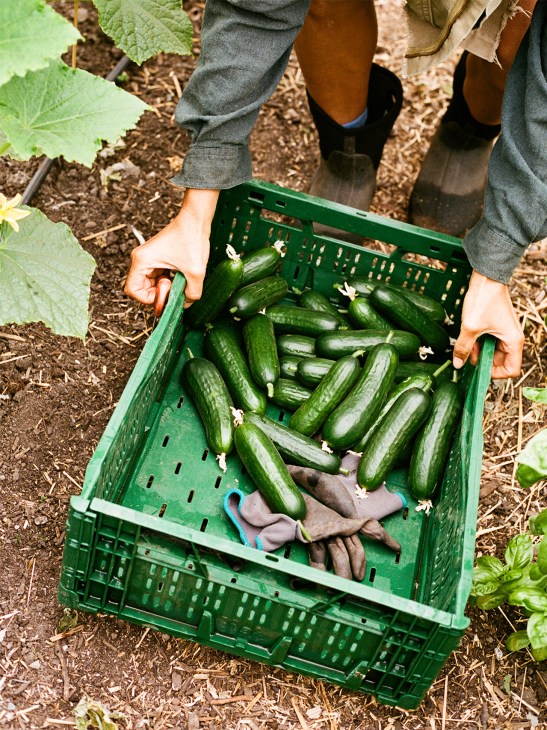
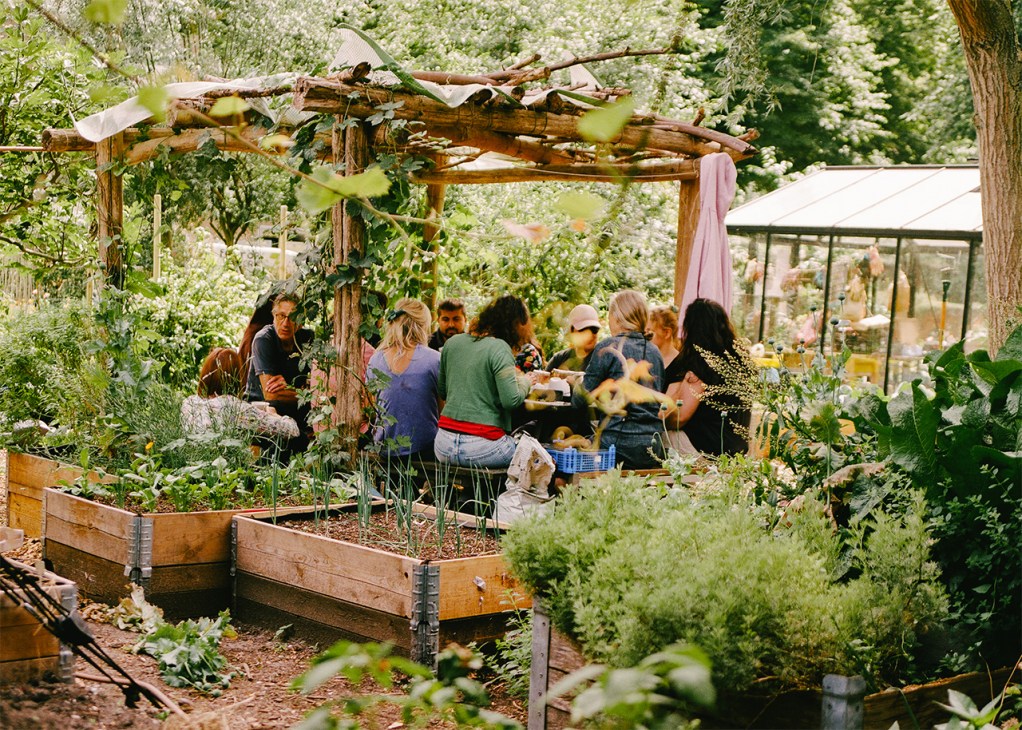
A 10-minute cycle from Osdorp, Doherty’s first initiative, Pluk!, is flourishing. A yearly, means-based subscription allows you to harvest your own vegetables, herbs and flowers; it helps the farmers to earn a minimum wage of at least €18 per hour. We join dancer-turned-gardener Genevieve Osborne as she prunes cucumbers. Momentum is gathering. “People come here for a lifestyle change,” she says. “We meet those suffering from burnout, activists and young families wanting to feed their kids something homegrown and show them how it happens.”
In dry periods, these revitalised green spaces also help to cool the city. On the town’s outskirts, campaigners including Iris Poels want to create a “food park” on reclaimed land in the Lutkemeerpolder. “This is the last bit of fertile sea-clay soil in Amsterdam,” says Poels. “Amsterdam is 750 years old. This work we are doing is for the city’s future.”
voedselparkamsterdam.nl
Read next: Paris’s secret gardens where rooftop re-wilding projects are turning the city green