Issues
How Gabriel Chipperfield saved a London street
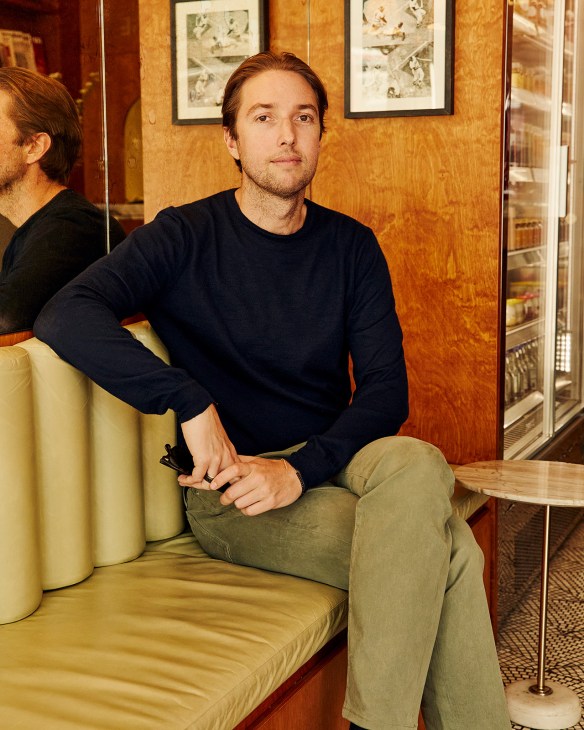
Gabriel Chipperfield feels more at home running his property firm, Wendover Partners, than in the world of hospitality. But when the son of Pritzker prize-winning architect David took over the development of London’s Lancaster Gate Hotel in 2022 and began transforming it into flats, he felt that the surrounding area could also do with some help. “Bayswater is well located but underappreciated,” says Chipperfield. “It has some of London’s best period architecture.”
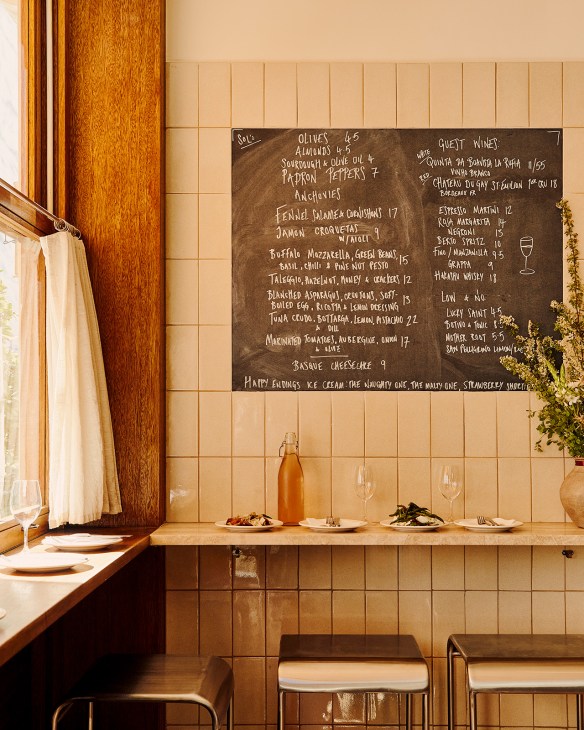
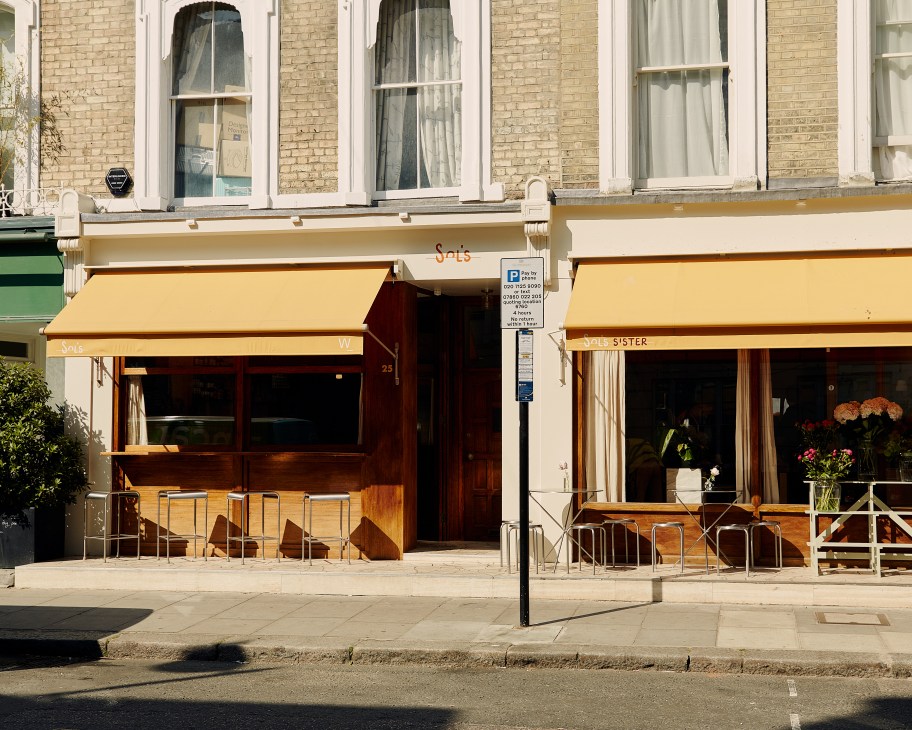
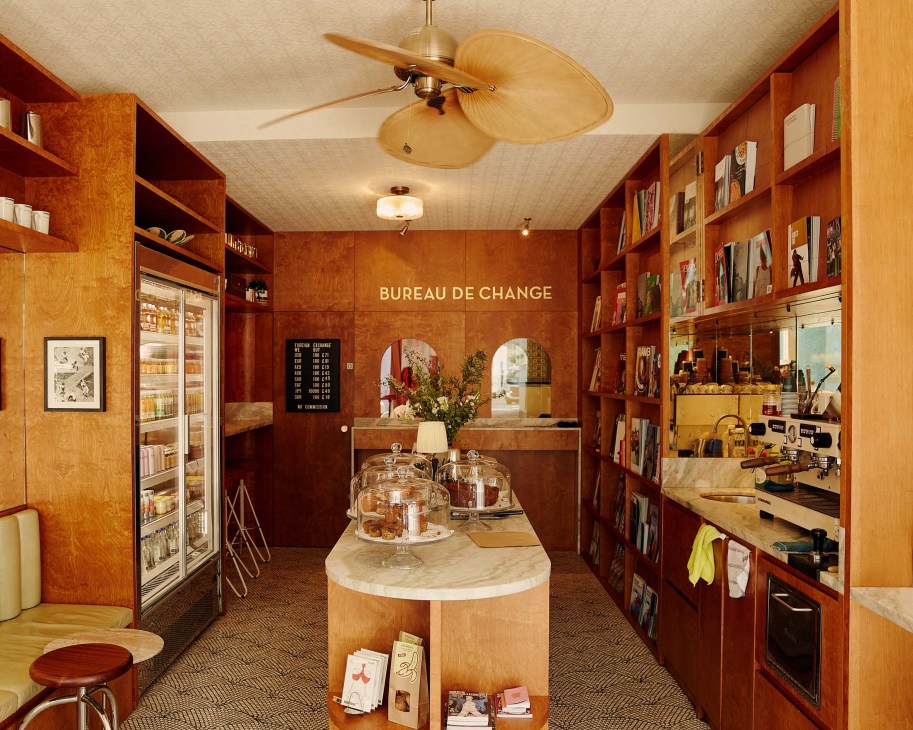
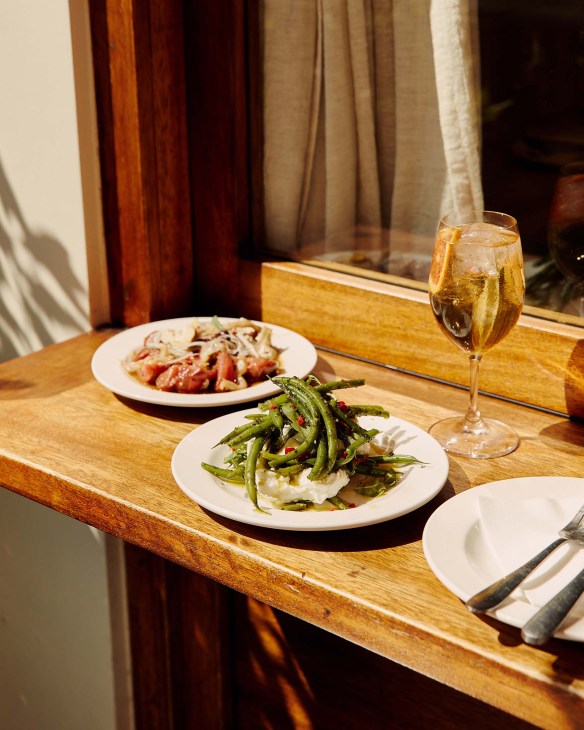
That’s why he started Foreign Exchange News, a bureau de change-cum-newsagent and café. “The money traders didn’t want to move out so we fused the concepts,” he says. Sol’s, a Spanish wine bar and deli, soon followed. When Monocle visits, diners are feasting on padrón peppers and croquetas, and clinking glasses of albariño. “A local resident told us that she had taken her house off the market since we opened Sol’s,” says Chipperfield, who has now taken over the premises next door to create Sol’s Sister, a florist and events space.
“We have had requests to create comparable ‘concepts’ in New York, Doha, Adelaide and Miami,” says the property developer of the now-humming high street. “But what we have achieved in Bayswater wasn’t about creating something that’s replicable.” Instead, he wants to revive the liveable neighbourhood where he grew up. “We should probably create a dry cleaner’s or a convenience shop next.”
sols.london; solssister.com
Read next: The Monocle City Guide to London, featuring the best hotels, restaurants and retail spots in the UK capital

What the Paris Air Show tells us about the future of flight
The deadly crash of an Air India Boeing 787 Dreamliner in Ahmedabad on 12 June – just days before this year’s Paris Air Show – ensures that the mood at Le Bourget on the opening morning is at odds with the sunny weather. Since Boeing’s CEO, Kelly Ortberg, cancelled his plans to attend and the corporation ruled out making any business announcements, attendees know that the event won’t be dominated – as it usually is – by the competition between the US manufacturer and its main European rival, Airbus. With that arm-wrestle momentarily paused, what are the great and the good at Le Bourget going to talk about this year?

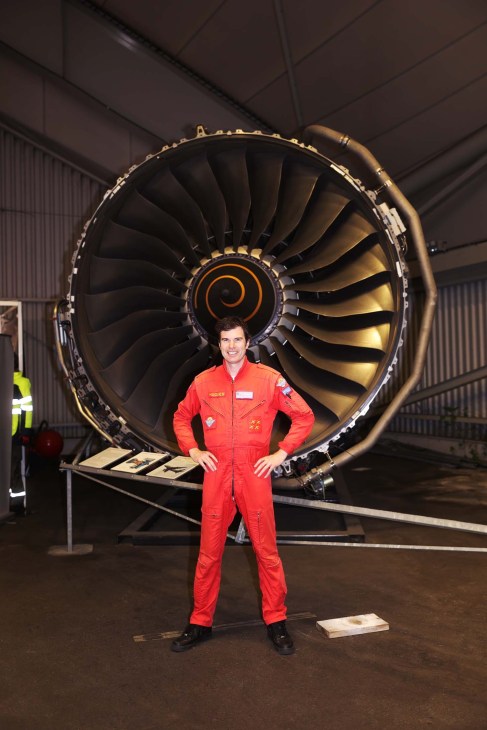
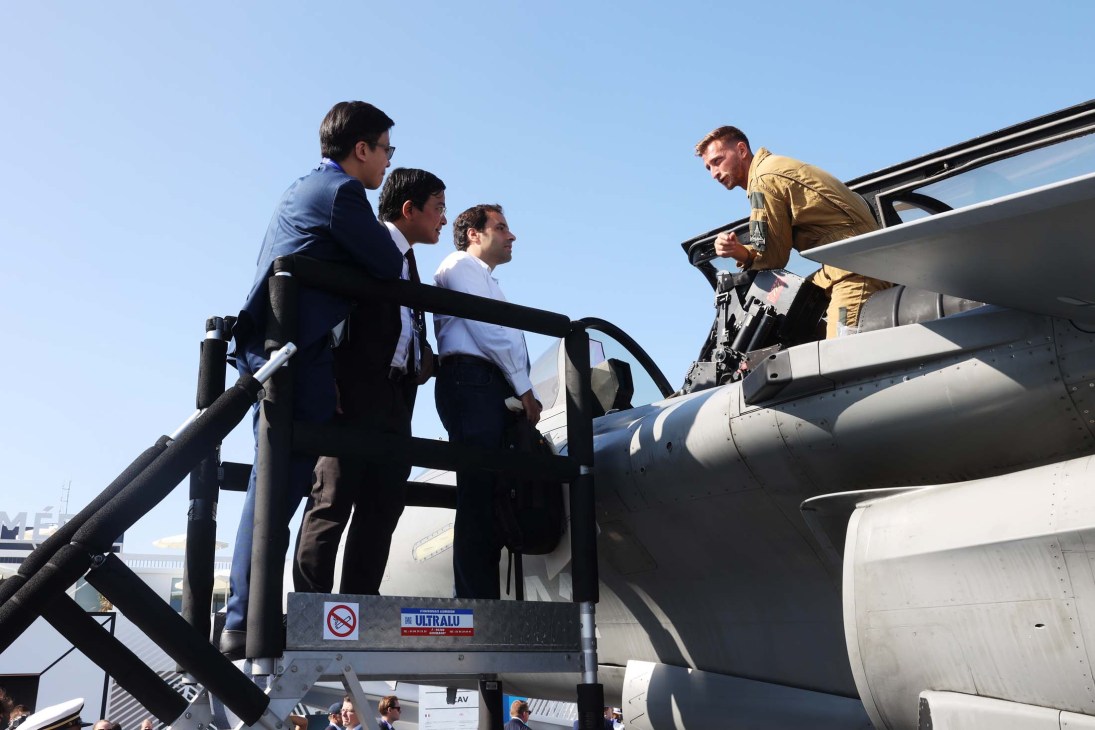
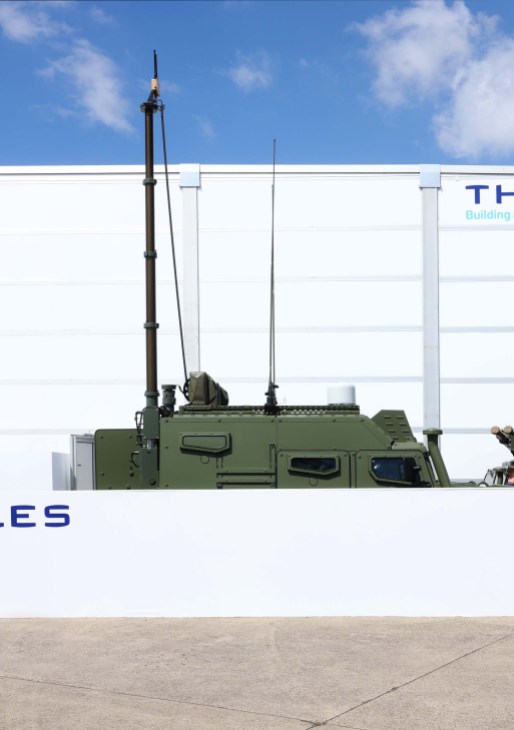
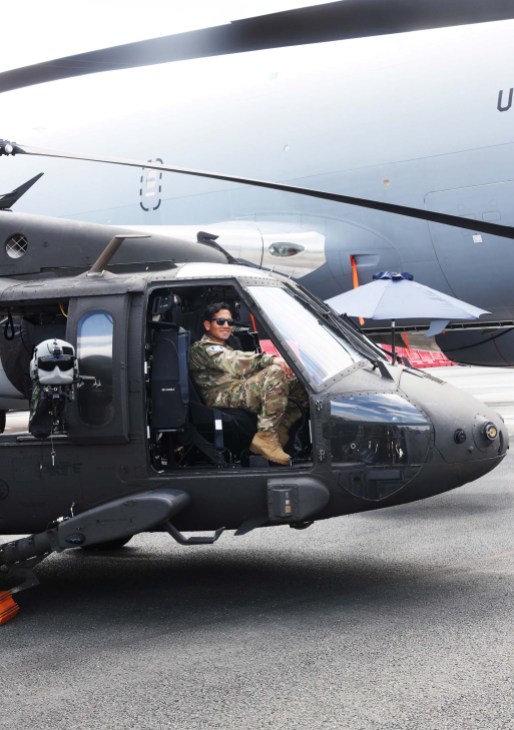
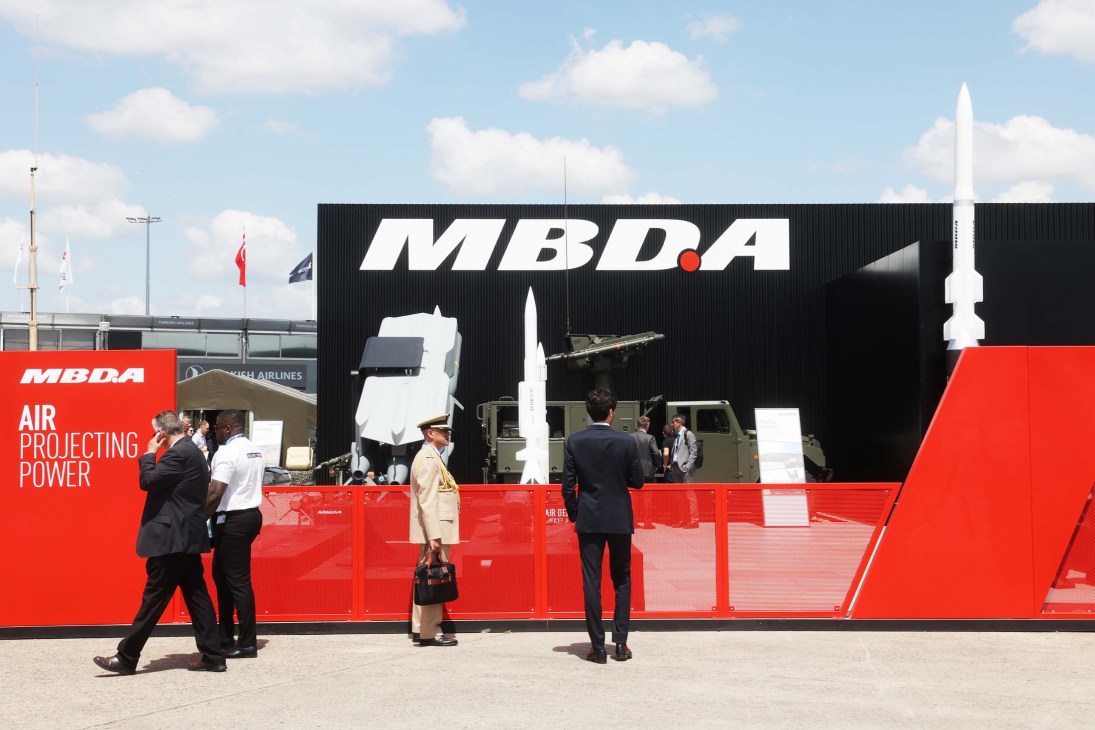
As always with big commercial fairs, it helps to follow the money. With major geopolitical turbulence buffeting Europe, a huge rearmament effort is releasing a lot of money into the aviation sector. Indeed, pride of place on the tarmac has been reserved for two military planes – an Airbus A400M Atlas and Dassault Aviation’s iconic Rafale fighter jet – and some parts of the fair feel like an air-force base. Officers sporting aviators move among sprawling stands devoted to drones, missiles and radar systems, which wouldn’t have had such prime real estate a few years ago. Here’s what else is being discussed above the din of roaring jets.
Unmanned aerial vehicles
The threat and opportunity of uavs and drones hover over most conversations at the air show. “A €100 toy can now destroy a €100m aircraft,” as a European air-force officer tells Monocle. That cost-benefit analysis is reshaping procurement strategy. Drone swarms have already been tested as defensive shields for fighter jets – and are, if conversations here are to be believed, likely to become a standard operating procedure across the world’s air forces. Even as militaries scramble to adapt to the game-changing warfare being pioneered on the battlefields and in the skies above Ukraine, UAV technology is changing. “Ten years ago, we couldn’t detect anything slower than 50 metres per second,” says Eric Huber, Thales’s vice-president for surface radar. “Now we can see targets at 10 metres per second.” His company’s Ground Fire 300 radar tracks up to 1,000 simultaneous targets – an indication of how big drone swarms are expected to become.
During a Strategic Aerospace Seminar at the Hôtel de Bourrienne,Taras Wankewycz, the CEO of hydrogen start-up H3 Dynamics, argues that hydrogen-powered UAVs will redefine our understanding of stealth and endurance. “Electric UAVs are quiet and low signature but battery limited,” he says. “Hydrogen expands range dramatically.” Wankewycz tells Monocle that mobile units enabling liquid-hydrogen UAV supply will be a battlefield reality in the near future. Big players such as Airbus and Lockheed Martin are now pushing into unmanned systems, either through in-house development or strategic acquisitions. Yet many significant advances seem to be coming from software firms such as Helsing, which are marrying rapid deployment hardware with AI to speed up decision-making and co-ordination.
What was once a novelty is now a necessity. The organisers of this year’s show invited more than 100 start-ups to present what they are working on in a dedicated space. Many, such as France’s Aerix, are developing “dual-use” technologies for defence and civilian needs – from medicine deliveries and pipeline inspections to flying taxis. In the civilian space, there are still a lot of questions about regulation: how can drones and traditional aircraft share airspace safely? To what extent will authorities allow the buzz of delivery drones overhead to pervade urban life? One thing is clear: unmanned aviation, military and civil, isn’t on its way – it has already landed.


Manufacturing
With Boeing less present, Airbus is dominating the backrooms: the European giant has taken off with almost $20bn (€17bn) in deals, including prominent contracts with Saudi Arabian players such as Riyadh Air. But there are signs that the traditional duopoly is broadening as the Airbus-Boeing duel gives way to a more fragmented and dynamic landscape.
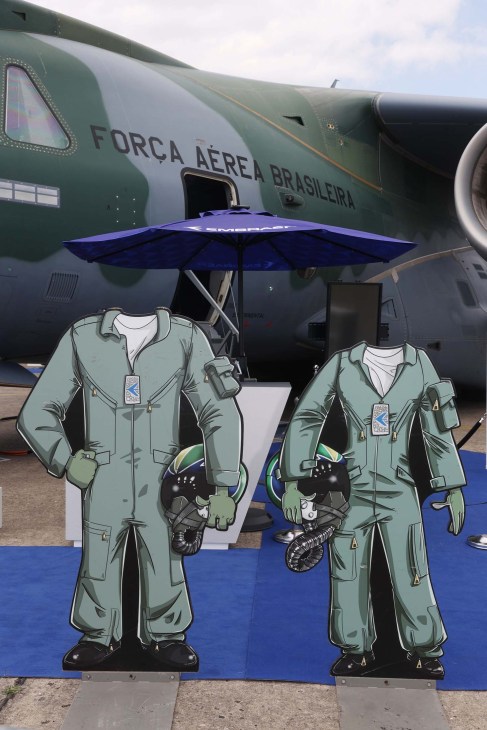
Brazil’s Embraer, already a leader in the regional jet space, is making headlines with its urban air-mobility arm, Eve, which has inked a $250m (€217m) deal for 50 Evtols (electric vertical take-off and landing aircrafts) with São Paulo-based Revo. China’s Comac C919 narrow-body jet – which has been flying over the People’s Republic since 2023 but is absent from Paris due to its lack of European certification – is courting Southeast Asian operators and quietly positioning itself as a viable third force. When it is certified in the next few years by European regulators, it could become a major player in the West, given the aircraft shortage that continues to blight the civilian flight industry. According to McKinsey, just 7,000 aircraft were delivered globally from 2019 to 2024, 5,000 fewer than projected before the pandemic. As a result of supply chain snarls, labour shortages and material delays, manufacturers and their suppliers are under immense pressure to catch up. This lag benefits leasing companies (rates for the 737 Max 8, for example, have soared by nearly 60 per cent since 2021) but hampers airline expansion.
Complaints from carriers, such as Air France, that European regulations are putting them at a structural disadvantage against state-backed competitors – combined with the fallout from transatlantic tariffs and geopolitical tensions – mean that it’s likely that governments will increasingly offer to prop up their national flag carriers when it comes to manufacturing and procurement. France has floated incentives to reshore aerospace production, while India and the UAE are tying purchases to local assembly deals, further complicating the equation for manufacturers that are duty-bound to ensure consistent production standards.
Monocle swings by the invitation-only Strategic Aerospace Seminar on the sidelines of the show, organised by Belgian think tank Premier Cercle. Here, one industry analyst tells us that commercial traffic will continue to grow by up to 5 per cent a year for the foreseeable future. With Nato countries ramping up defence spending, orders for commercial and military aircraft will rise – so building faster and delivering more reliably presents a big opportunity for anyone who can take advantage of this. But, as ever, a single weak link in the supply chain or safety concern can hold up the delivery of an entire aircraft. Nurturing the vast ecosystem of suppliers on which manufacturers rely is crucial, as going it alone is not an option – even for the giants.


Civil aviation
Airbus’s sale of 25 A350-1000s to Riyadh Air, a Saudi airline that hasn’t even flown yet, shows both industry-wide confidence in air travel and continued state support for the sector in the Gulf region. At this year’s event, Qatar Airways has been named the Skytrax World’s Best Airline for the ninth time. Emirates has come fourth this year; it has won the award four times since the inception of the prize in 2001. That’s a lot of visibility and prestige for two countries with a combined population of just 14 million. Saudi Arabia is looking to emulate their success at establishing brands that are admired for the quality of their service.
Meanwhile, low-cost carriers continue to gain ground across the globe (a notable exception is North America), creating a market that’s polarised between premium and budget experiences. “I wouldn’t be surprised if aviation ends up like fashion, dominated by low-cost carriers on one end and luxury brands on the other,” one industry insider tells Monocle at the Aéroports de Paris chalet.
Besides the shifting business models reshaping the carrier landscape, the future of civil aviation largely depends on logistical advances. Airspace is overcrowded, ground staff are overwhelmed and airport logistics are strained, as evidenced by the travel chaos in Europe this summer. Meanwhile, newer, lighter aircraft, such as the Airbus A321 XLR, are capable of bypassing traditional hubs, so airports will need to expand or adapt to increasingly crowded operating conditions. On top of congestion and less predictable weather due to climate change, conflict in the Middle East and Ukraine is restricting the available airspace. It all adds up, leading to lengthy delays, frustrating customers and costing airlines almost €90 per minute.


Alternative fuels
In a year dominated by big guns, the lower profile, less headline-grabbing booths dedicated to clean technology can be easy to overlook. Perhaps that belies a lack of momentum in sustainable aviation fuels (SAFs), even though EU mandates, which came into effect in January, impose minimum quotas for the use of sustainable fuels. The atmosphere is sluggish. With that deadline looming and lofty 2050 objectives of carbon neutrality still in place, both availability and the cost of SAFs remain a challenge. SAFs made by recycling food or agricultural and forestry waste can be used as a like-for-like replacement for kerosene (the primary ingredient in jet fuel) while producing up to 80 per cent less carbon emissions. That transition, if it happens, will make a significant dent in the aviation industry’s 2.5 per cent share of global emissions.
Production of SAFs doubled between 2023 and 2024 and is expected to double again by the end of 2025 but the International Air Transport Association has dubbed global progress in replacing fossil fuels as “disappointingly slow”. At fault is the continued abundance of fossil-fuel subsidies, as well as worldwide backtracking on sustainability goals, led by a shift in US policy.
With airline profit margins already razor-thin, few want to spend extra cash on greener fuel without government support. Partnerships between the public and private sector will be crucial in the SAF transition. Given the current economic and geopolitical headwinds, this doesn’t seem likely to be a top priority in a world of conflicts and tariffs.
Kevin Noertker, co-founder of Ampaire, isn’t making promises about net-zero moonshots. He’s starting small, with a combustion engine conversion that turns engines for Cessna Grand Caravans into efficient hybrid propulsion systems that cut fuel use by 50 per cent. “Like the Prius did for cars, they eliminate range anxiety, work with current infrastructure and are available now,” he tells Monocle. The solution that he is developing could eventually encompass passenger-jet engines but clearing regulatory hurdles and convincing the risk-averse to gamble on new technology will take time and effort. As long as SAFs still cost between three to ten times more than conventional fuel, it’ll remain a matter of baby steps where giant leaps are needed.
Space
While an F-35 roars overhead and commercial- aircraft deals are being struck below, there’s a quieter kind of aerospace ambition at the air show’s space pavilion. Monocle spots France’s prime minister, François Bayrou, making a hushed visit to the ArianeGroupe stand. Government efforts to reach and navigate space are nothing new but the interest in it as a place to do business is. “Satellites used to weigh 10 tonnes and cost $500m [€438m] to launch into orbit,” says Stanislas Maximin, a co-founder of the Reims-based rocket company Latitude. “New small satellites now cost less than €1m, so we’re seeing massive growth in launches.”
According to a recent report by Goldman Sachs, the satellite market could grow from $15bn (€13bn) today to $460bn (€400bn) in the next decade, with 70,000 low-Earth-orbit launches expected in the next five years. Latitude builds rockets for small satellite launches that Maximin promises are the cheapest on the market. “We just need a concrete slab and electricity,” he says. “Everything else – launchpad, rocket, even facilities – we can bring ourselves.”The main target market? Not governments or their armed forces but commercial clients. “It’s all about data,” says Maximin. “How do we understand our planet better? How do we build services that enable us to track containers or detect tanks?”
With generous public funding, home grown engineers and access to a world-class spaceport in French Guyana, France’s space start-ups are well placed. Latitude’s goal is to work up to 50 launches a year but early failures are expected, including at its first rocket launch, scheduled for the end of 2026. “I just hope that we don’t blow up the $4m [€3.5m] launchpad,” says Maximin with a laugh. As satellites become more accessible, space will become a marketplace – bringing with it unglamorous cargo, including regulation, waste-management procedures and maintenance headaches. Such things have yet to bring entrepreneurs back down to Earth and the optimism here is stratospheric.
Can this Cold War-era train revive the romance of rail travel?
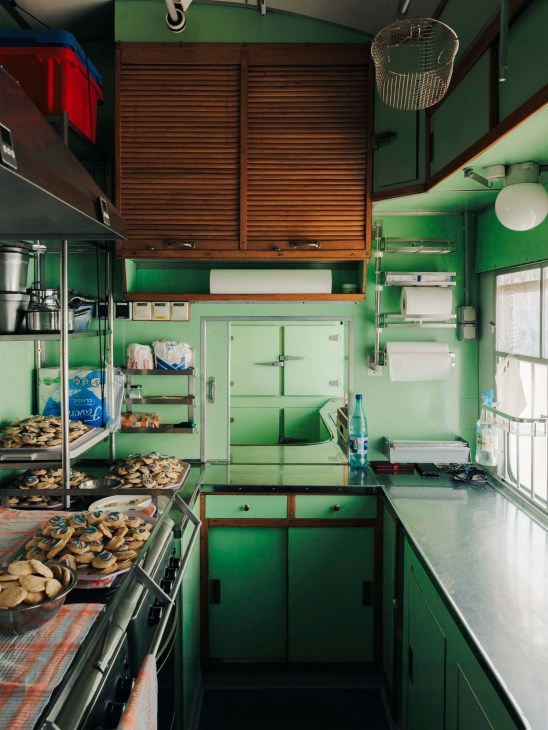
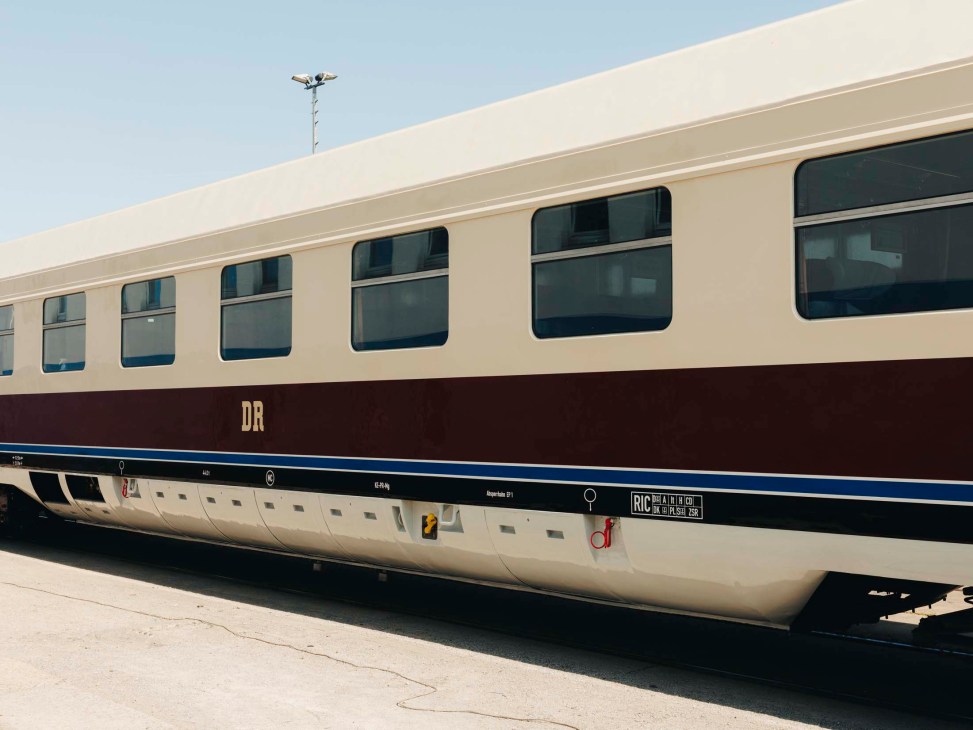
In the Cold War’s great game of global prestige and influence, East Germany’s most mobile ambassador didn’t carry a passport – it carried people. Unveiled in 1963, the VT 18.16, later known as the SVT Görlitz, was the GDR’s answer to the West’s glamorous trains. A sleek, diesel-powered bullet of beige metal and burgundy, it transported party delegates, foreign dignitaries and business travellers from Berlin to Prague, Copenhagen and Vienna at a stately 120km/h. Inside were beech-veneer panels, deep-blue upholstery and rotatable seats modelled after those in a jetliner.
The SVT Görlitz was built not merely to move passengers but to stage a performance of modernity. That it was reservation-only – almost unheard of at the time – only burnished its brand. “Boarding the train felt like stepping into another world,” says Matthias Hebenstreit, who was just 18 years old when he took his first and only journey aboard it during a work trip. “It was like catching a glimpse of the future.”
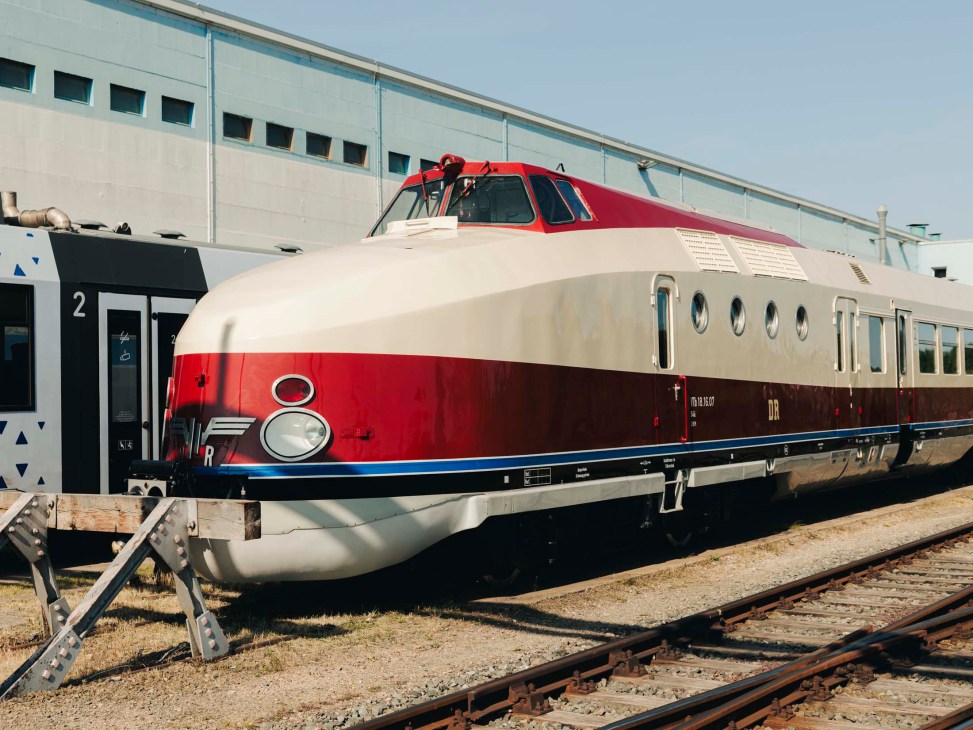
Dubbed a “diplomat on wheels”, the SVT Görlitz offered a rare corridor between East and West. By the late 1970s, however, railcars were falling out of favour and the train was gradually withdrawn from service. Of the original eight, only three survived reunification. One sat mothballed for years in Nuremberg at the museum of national rail network Deutsche Bahn (DB), lacking a working engine or brakes.
It is this SVT Görlitz that is finally getting back on track. In a hangar in Halberstadt, a town in the state of Saxony-Anhalt, a team of railway enthusiasts and engineers is painstakingly restoring one to its former glory with the aim of resuming a service within Germany next year. “Getting a high-speed train such as this back on the rails is a way of making a legacy visible again,” says Mario Lieb, who is leading the effort.
More than 70 volunteers – mechanics, electricians, upholsterers, administrators and planners – have spent the past six years sourcing parts, stripping paint, replacing windows and reinstating fixtures with forensic attention to detail. Among them is Andreas Haufe, who oversees operations planning for the train’s return to the rails. A driver with DB in Dresden, he’s responsible for staff co-ordination, training and regulatory oversight – a wide-ranging role that reflects his personal commitment to the project. “For DB, I drive modern trains to Berlin, Hamburg and Rostock,” he says. “But this one is different.” Born into a railway family, Haufe was four years old when his uncle, one of the SVT Görlitz’s last certified drivers, brought him along on a refuelling run between Dresden Neustadt and Altstadt. “I still remember the sound, the atmosphere,” he says. “For me, it’s the most elegant train ever built in Germany.”
Of the €7m restoration budget, €5m came from public funds. The project aligned neatly with talk in Berlin of reviving the network’s international rail express routes. The restoration also happens to coincide with a moment when DB – beset by persistent delays, last-minute cancellations and overcrowded trains – is seeking to repair its battered image. Just 62.5 per cent of German long-distance trains arrived on time last year and the public’s patience is wearing thin. Patrick Schnieder, the transport minister, recently said that the state of the railways had become a national barometer. “People feel that things no longer function in the way that they should,” he told the German Press Agency. “That’s not just seen as a failure of infrastructure. It’s perceived as something more fundamental.”
Berlin-based revenue analyst Jessica Neumann joined the restoration as a volunteer, signing up as a photographer for the project. “It’s amazing how many people have a personal connection to this train,” she says. One couple wrote to say that they met in the SVT Görlitz’s dining car on a journey to Karlovy Vary in the 1970s. They struck up a conversation, fell in love and eventually married. Decades later, they hope to take that journey again.
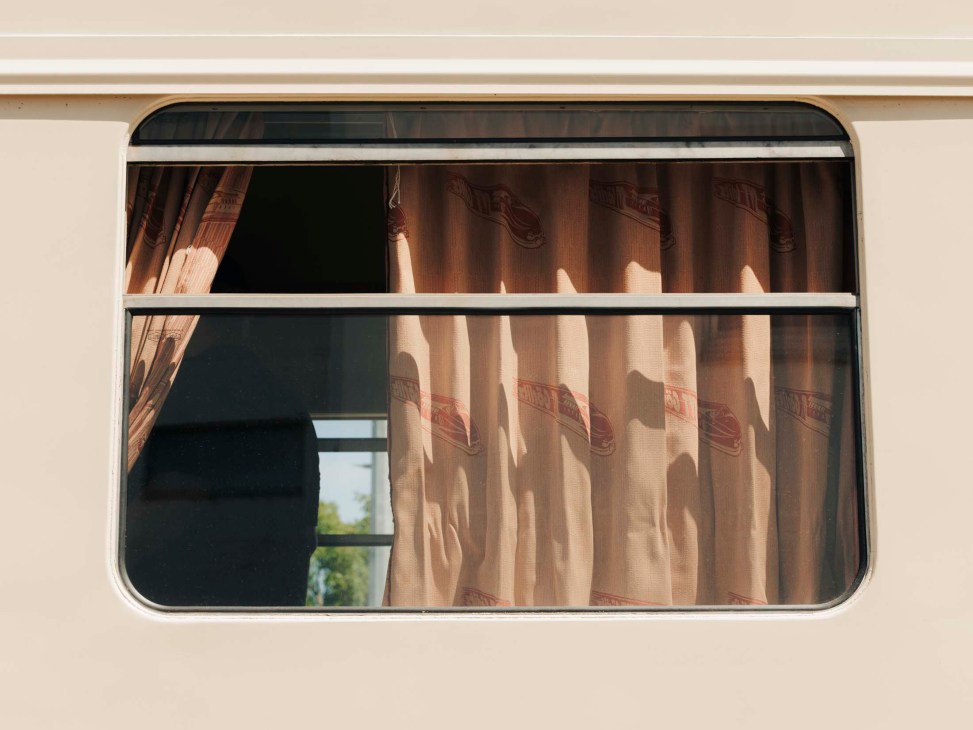
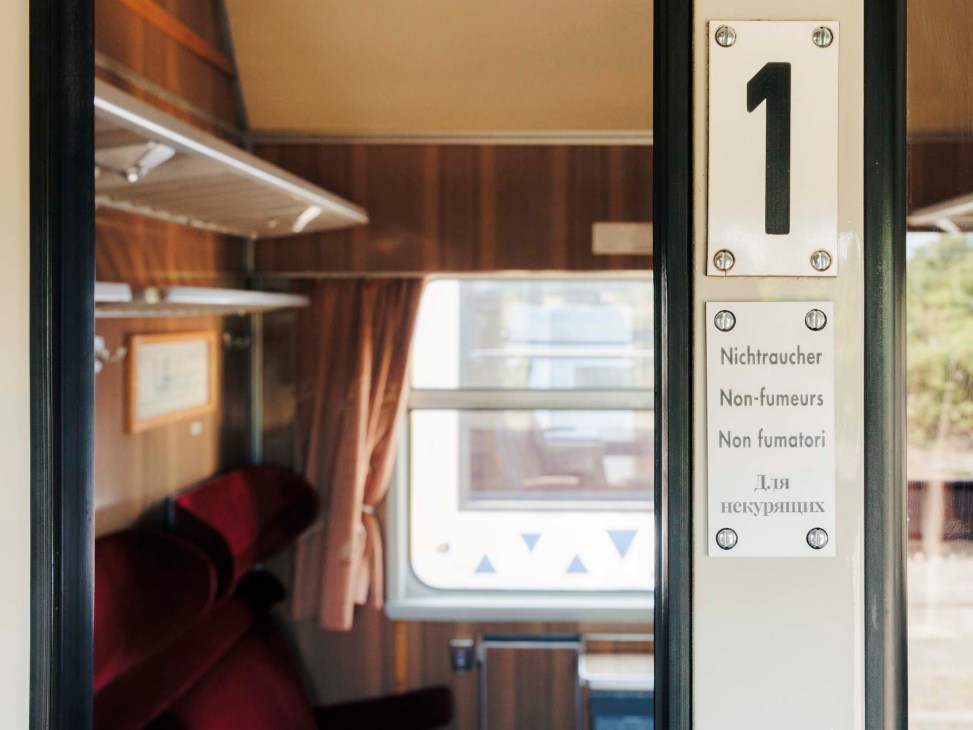
Wherever possible, the restoration work is done in-house. “We have people here with a great deal of expertise,” says Lieb. But restoring the SVT Görlitz requires not just technical skill but an eye for nuance. “There was no unified interior across the eight trains,” he adds. “They were built in four batches, two units each, and there were notable differences in detail.” The team approached what remained with archival precision. Swivel seats, originally clad in grey-brown corduroy, were reupholstered in deep red with black side accents. The pattern of the dining-car curtains was faithfully reproduced. And the lighting? “The worn-out lamps had been replaced with pressed-glass fixtures,” says Lieb. “We had new ones produced by a local lighting maker, closely modelled on the originals.”
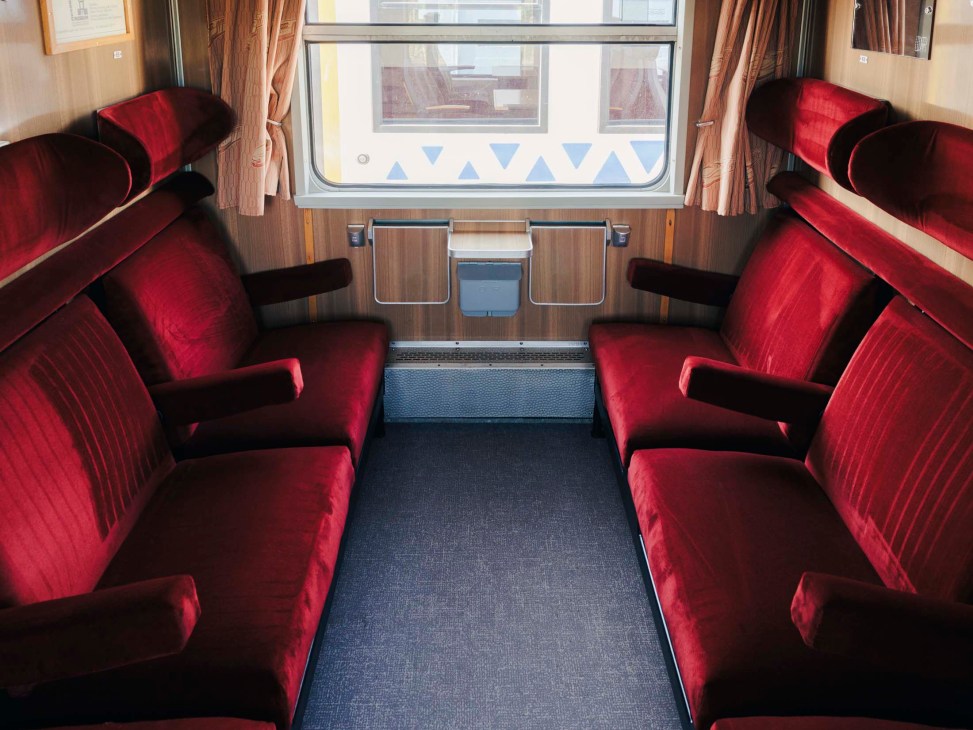
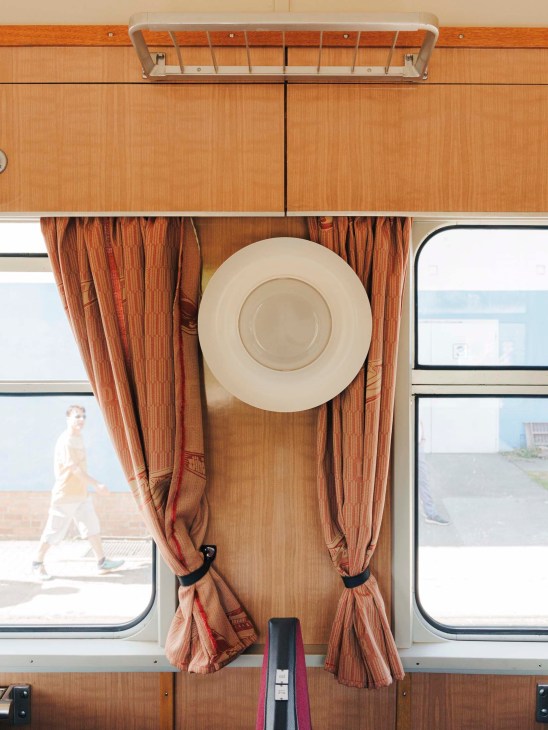
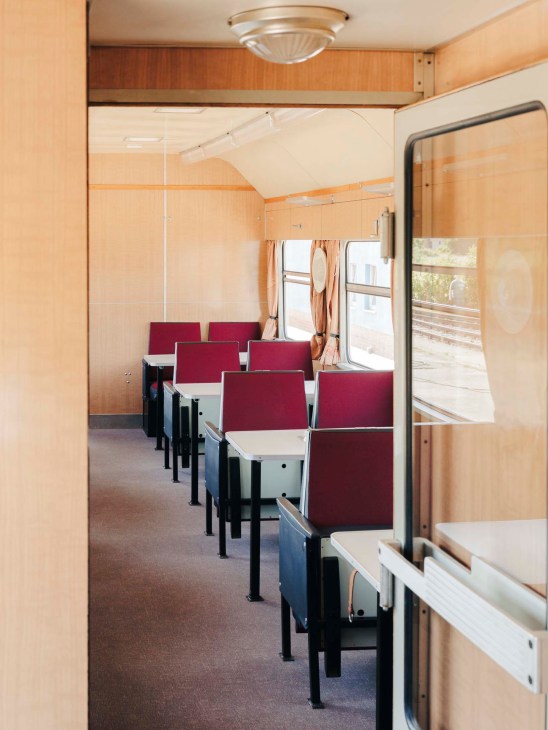
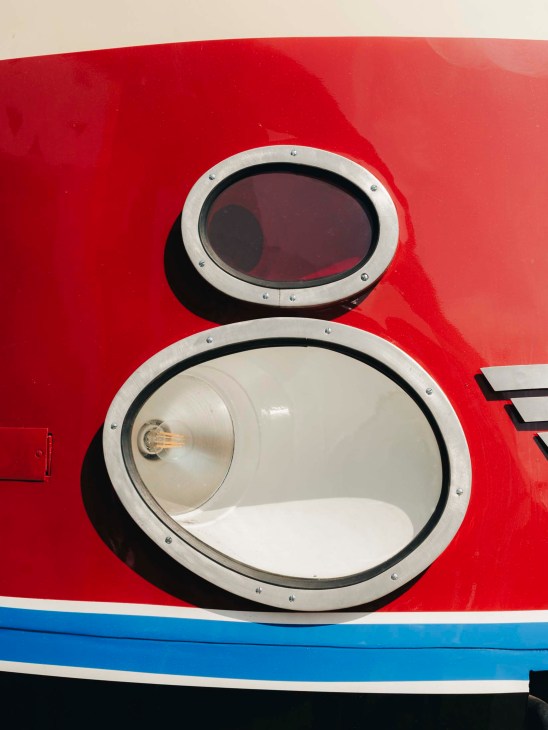
All of the fabrics now meet modern fire regulations and hidden systems such as toilet technology and door locking have been discreetly introduced to meet cross-border standards. Other aspects needed no improvement. “There was hot and cold running water on board already,” says Lieb. While the exterior, originally developed by Berlin-based architect Hans Gutheil, was leaner and sleeker than the more bulbous silhouettes emerging from West Germany, the interior was far more restrained. The aesthetic nodded subtly to Bauhaus principles, especially in the dining car, right down to the decorative end panels. “Of course, they had to work with what was available,” says Lieb. “But they still made something elegant.”
Though the SVT Görlitz emerged from a combination of constraint and ingenuity, the railway itself would soon face a very different challenge. After the fall of the Berlin Wall, the newly unified train network was less a public service than a profit-driven enterprise. “The early years were genuinely positive,” says Christian Böttger, a professor at Berlin’s University of Applied Sciences for Engineering and Economics, and an expert on Germany’s railways. He explains that as passenger numbers grew and freight volumes increased, new high-speed routes helped to make the national railway company a respected enterprise.
While the DB remains a pillar of German mobility, the emotional contract that it once held with the public has quietly lapsed. The railway still moves people but not, perhaps, in quite the same way as before. What’s missing isn’t just modern infrastructure or newer trains, even though the federal cabinet has just approved a €107bn support package. It’s more a sense that the railways belong to everyone.
That spirit, say the restorers, is embodied in the SVT Görlitz. If all goes according to plan and the train returns to the rails in 2026, there will be space for 238 passengers to come aboard, plus 23 in the dining car. “We even have a chef,” says Lieb. For some, the journey to Prague will be a sentimental one. For others, it might offer a glimpse of how rail travel once looked, sounded and felt, when it carried a sense of purpose and promise.
svt-goerlitz.de
Monocle comment
Focusing on function alone will only ever get you so far in the world of mobility. One reason why this train (and any worthwhile travel experience) lives long in the memory is that it embodies an idea missing from most providers today: generosity. It might sound idealistic – even improbable, given the degradation of the lower ends of train and plane travel – but zipping between cities or stops should be enjoyable. More often than not, this means natural materials, good low lighting, some soundproofing and sturdy construction. And what about some fun too? The odd plush finish – such as this deep-red upholstery – is a reminder that a little drama in our designs can go a long way.
Why global eyes are on South Africa’s next design stars
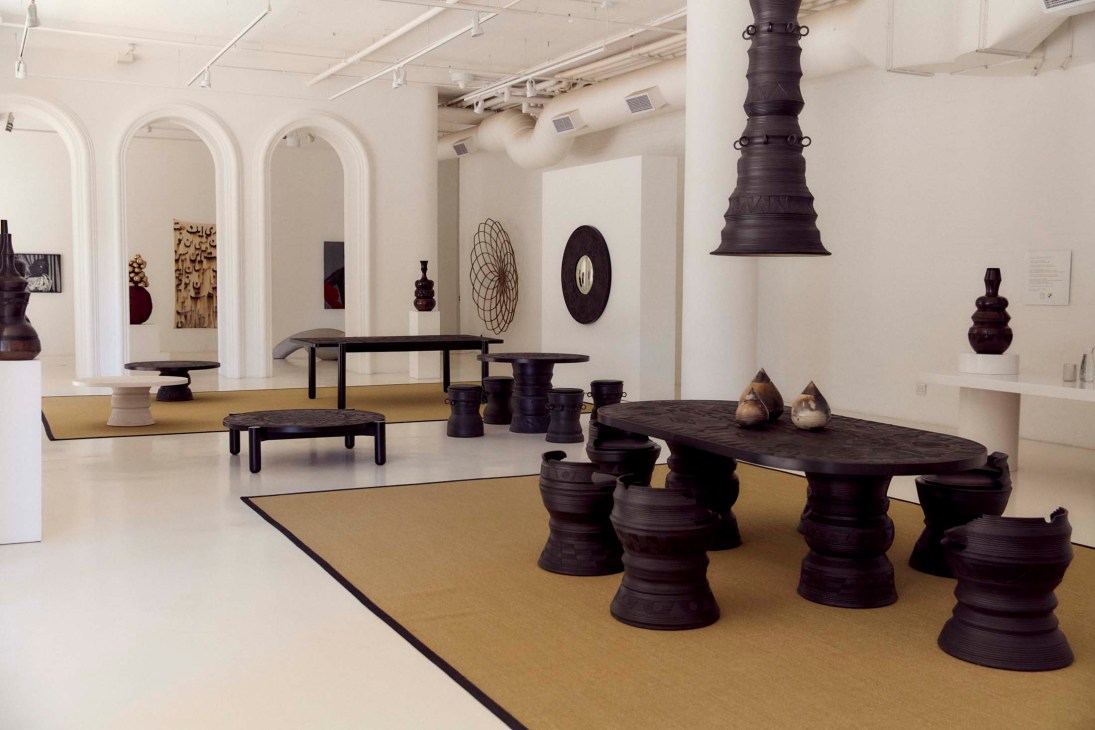
“Cape Town is such a vibrant city that it makes you want to create,” says Megan Hesse, co-founder of Anatomy Design, an interiors and product studio that recently opened a lofty new showroom in the De Waterkant neighbourhood. Hesse started her business with her partner in Johannesburg but later moved to Cape Town to tap into the latter’s booming creative scene. South Africa’s second-biggest city is a rapidly growing design capital where it’s getting easier to do business. This is thanks, in part, to a robust economy, which is expected to grow by 1.8 per cent in 2025 (outpacing the country’s forecast 1.3 per cent), with €304m in investment and more than 15,000 jobs directly created in 2024 by business initiatives, which support a host of sectors that include the creative economy.
This creative scene is building on solid foundations. It has hosted Design Indaba, an annual global conference that has attracted the likes of Tom Dixon and Milton Glaser since 1995. Cape Town Art Fair launched in 2013 and, a year later, the city was named the World Design Capital, stirring even more interest. “Cape Town has always had a very active, healthy design and creative scene,” says Gareth Pearson, who along with his partner Aimée Pearson co-founded Cape Town Furniture Week in 2023. The event grew from 80 exhibitors in its inaugural year to nearly 100 in 2025. “Cape Town is definitely having a moment,” says Aimée. “There’s an influx of like-minded people, as well as resources.”
Importantly, the city hasn’t just captured aesthetes and design-minded transplants looking for a permanent move but also tourism dollars. The city’s population is growing steadily; between 2020 and the end of 2025, it will have gained about 400,000 new residents.
“There is a lot of international traffic here,” says Chuma Maweni, a designer who creates functional ceramic pieces such as intricate chairs, mirrors and tables. Maweni, who works with the influential Southern Guild gallery (which has an outpost in Los Angeles), moved from the neighbouring Eastern Cape province to Cape Town in 2006. “The Western Cape has better opportunities and more art enthusiasts,” he says.
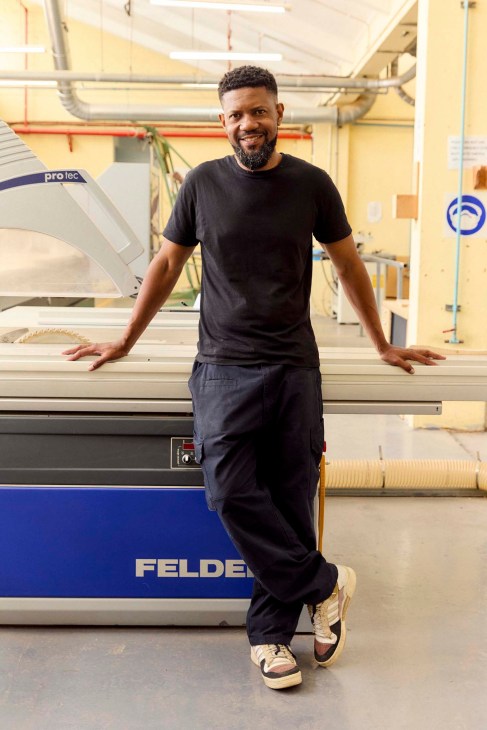
In terms of tourism, the first quarter of 2024 saw a 16 per cent increase in tourist arrivals via air travel, amounting to 336,000 visitors. This rising interest is stoking confidence in creatives and even impacting their work. “It’s an international destination so it feels very cosmopolitan but at the same time it’s very South African,” says artist and designer Tshidzo Mangena, who moved to Cape Town and recently launched his design studio after practising fine art for years. Two decades ago, this was much more difficult.
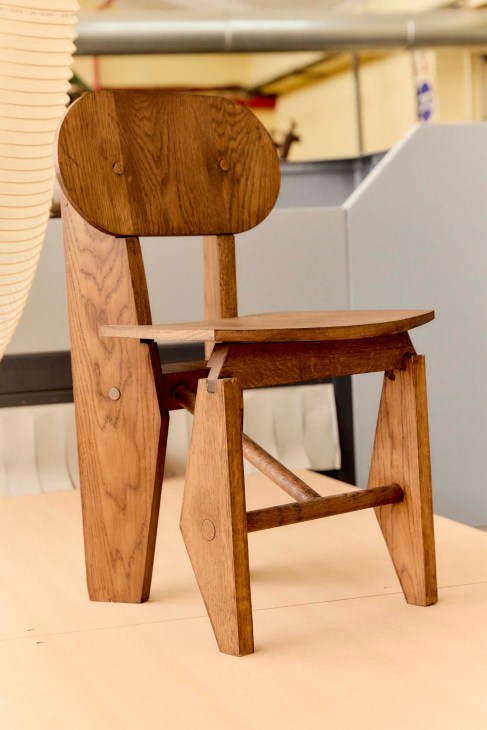
When James Mudge started his furniture business in 2006, there was only a handful of furniture makers in the city. The country was still emerging from the hangover of apartheid. “Sanctions only ended in 1994,” says Mudge, as he walks Monocle through his impressive showroom and factory. “Ten years is not that long in the spectrum of an economy.” What started as a one-man band is now a sprawling warehouse in the industrial area of Paarden Eiland on the outskirts of Cape Town, where Mudge’s signature wooden tables and chairs are manufactured. He brought the entire production in-house a few years ago – a savvy move, given that electricity cuts still aren’t unheard of, despite infrastructure improvements.
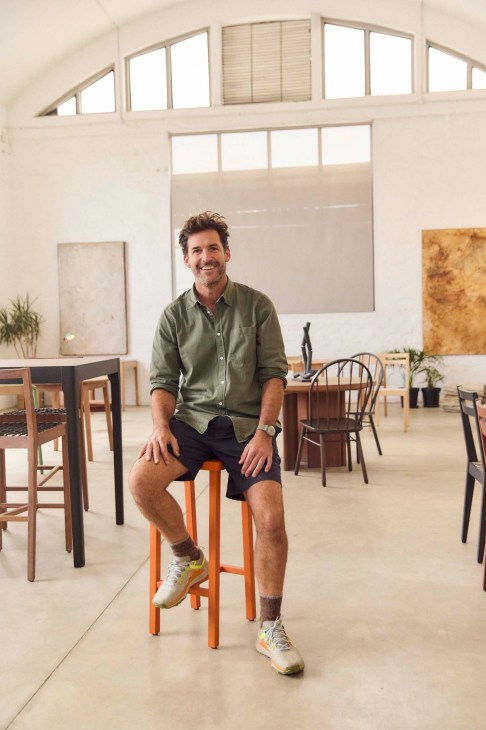
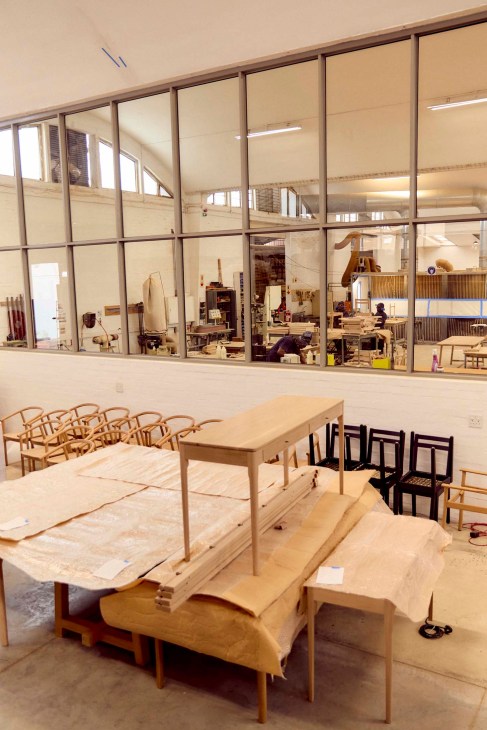
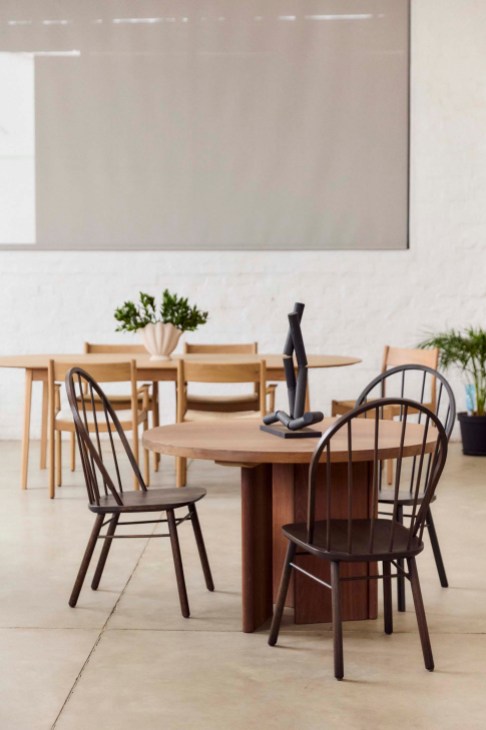
Though Cape Town is arguably the most efficiently run metropolis in the country, it has had its problems, from those cuts to water shortages and safety issues. “There are all kinds of challenges,” says Carla Erasmus, co-founder and designer at Bofred, a contemporary design studio that crafts sculptural chairs, sconces and lamps. Erasmus remembers a time when the studio couldn’t make its bestselling items because they required clay and there was a shortage of water. “We just had to work around it,” she says, adding that it doesn’t faze them any more.
One thing that set South Africa’s design scene back in the early 2000s was the notion that the products made here weren’t as good as those from places such as Denmark or Italy, which had established design identities. This is despite South Africa having a long history of manufacturing, from textiles to woodwork and cabinetry. In the 1990s, many industries fell into decline, which undermined the confidence of the manufacturing scene. “It got depleted and people started importing,” says Erasmus. But, as pioneers such as Mudge, Haldane Martin and Xandre Kriel began paving the way and producing better-quality products, perceptions shifted, kick-starting demand and creating space for makers.
Designers have been grappling with this inferiority complex for years. “We have all been so obsessed with overcoming this idea that things made in South Africa might not be great and all of the imported stuff is amazing,” says Mudge, adding that this mindset is what drove the industry to improve. “We have tried so hard that we have ended up with products that have their own essence and flavour, and are different from what’s available in Europe and America. You go to these international trade shows and, while the products are cool, they’re all the same. Because we are separate from that, we have developed our own language, which I think is incredible.”
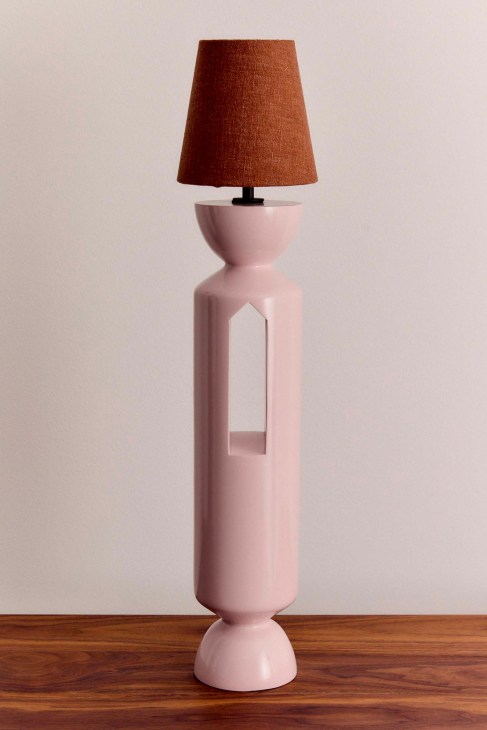
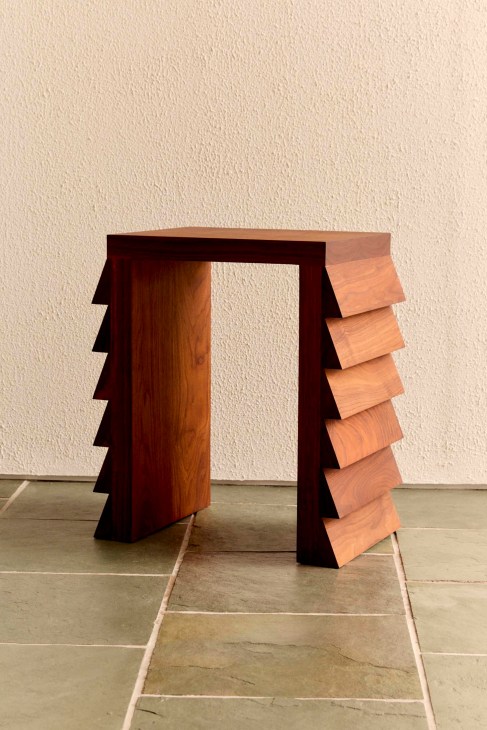
For many here, this means leaning into a fresh but distinctively African aesthetic. Maweni’s clay chairs riff on Zulu and Xhosa ceramics, while Mangena’s series of decor pieces and furniture is named after progressive African cities, such as the muscular, wooden Kigali chair. “I’m trying to redefine stereotypes about African design,” says Mangena.
Indeed, it seems that there has never been such an appetite for African art and design, with fairs such as Art 3 Lagos and Nairobi Design Week drawing global attention. Margot Molyneux, founder of Design Week South Africa, remembers sitting around a table at Milan Design Week a few years ago with a group of people from Europe and the UK, who quickly turned their attention to her. “All of these people wanted to know where I came from and what was happening in Cape Town,” says Molyneux. This curiosity prompted her to launch her design week event in 2024, a three-day immersive fair that hosts product launches, talks, meet-ups and showcases in Cape Town and Johannesburg. “There’s international attention on Africa; it feels sort of like the last frontier,” she says. “People want to know what is happening in this continent. And there is a lot going on.”
Indeed, in the past few years, more brands have launched and even opened standalone shops. Bofred recently unveiled a new glass-fronted space on the second floor of a shopping hub on buzzy Harrington Street, while furniture designers Pedersen 1 Lennard opened a bricks-and-mortar outpost with pieces that can be purchased in-store. New makers are arriving on the scene too. At the Ramp, an artist-led space on an industrial street in Paarden Eiland, architects and furniture makers share a communal workspace. In the workshop at the back, there’s the constant hum of a saw or sander. It’s here that artist and designer Gabriel Hope creates his custom cabinetry and flatpack stools. His business has grown organically and flourished thanks in part to consumers who no longer want to import pieces but have regionally made goods instead. “There is an interest in trying to support smaller businesses,” says Hope.
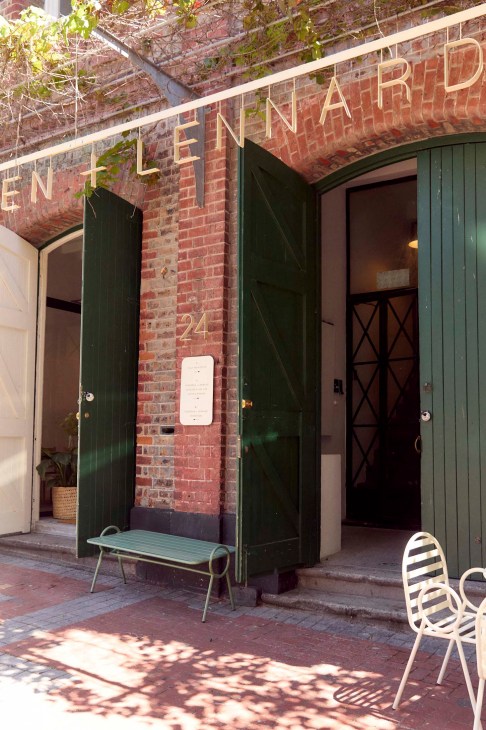
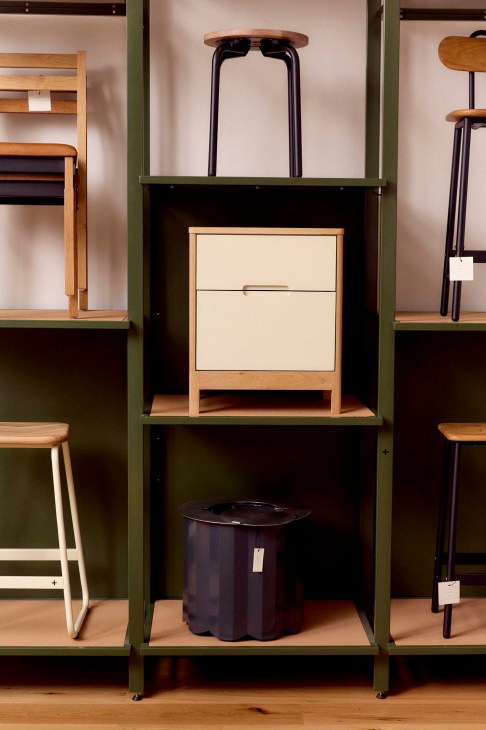
South Africans, who are largely accustomed to political turmoil and international outsider status, tend to rally behind local industries that are doing well. And designers also garner support because they can customise products for their clients. “A little bit higher or a custom colour? No problem,” says Bofred’s Erasmus, adding that South African designers go above and beyond for their customers. And they can because prototyping here is easy so you don’t have to make a run of thousands of items. “But that’s also because the designers themselves want to create something unique,” she says. For some brands, multiple craftsmen will work on one piece of furniture. While this can create an artisanal quality, it also requires time. “It can take between eight to 12 weeks to make a sofa,” says Anatomy Design’s Hesse. “We don’t have big factories like they do in China where they are mass-producing,” she says. “There’s a man or woman sitting behind a sofa hand-stitching it. Which is so beautiful – all of these incredible hands that are poured into one piece of furniture.”
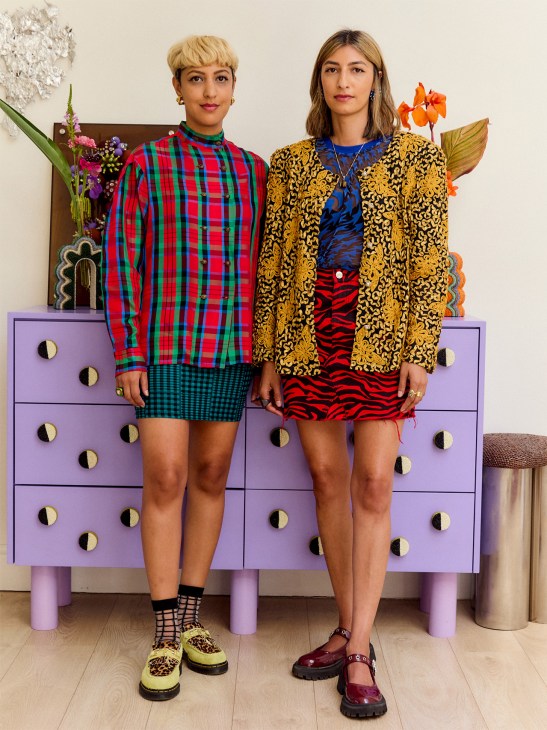
Tapping into the country’s craft scene has presented opportunities for many brands. At Ananta Studio, sisters Viveka and Rucita Vassen work with craftspeople to produce beaded lamps, vases and chairs in colours such as hot pink and emerald green, inspired by their Indian heritage. “There’s so much opportunity because there are a lot of crafters here,” says Rucita. The sisters (one studied fashion, the other graphic design) got the idea for the brand when they noticed craftspeople on the side of the street creating beaded flowers and animals. “We saw the untapped potential,” says Viveka. “As designers we thought, ‘How can we support them, grow the craft and take it to another level?’” Ananta now works with a host of artisans to produce collections of vibrant, beaded pieces that feel entirely unique but also true to the city. “There’s a feeling that Cape Town wants to put itself on the map,” says Rucita. “People travel from all over the world to go to design fairs and Cape Town should be on that map.” (Also, she adds, because it’s “such a beautiful destination”.) For creatives, there couldn’t be a better time to be producing here. “It’s exciting to be making things in Cape Town. You can feel that things are moving. There’s an energy that is starting to shift.”
Lessons from the Mother City
Here are three lessons that Cape Town can teach design-minded cities across the globe.
1.
Embrace constraints
Designers here have turned infrastructure challenges, such as water shortages and electricity outages, into opportunities for innovation, developing resilience and honing their output and design language.
2.
Use your geography
Separation from American and European design centres has prevented homogenisation and allowed Cape Town’s creatives to produce work that stands out, precisely because it’s different from the global mainstream.
3.
Come together
The Cape Town design scene thrives on shared resources such as communal workspaces and strong consumer support for regional businesses, creating an ecosystem where small-scale production can flourish.
How John Lobb footwear stays one step ahead
“The way that people move during the day has changed,” says Philippe Gonzalez, the global CEO of storied footwear brand John Lobb. “We need to be responsive to that.” When Monocle meets Gonzalez in London, he is fresh off an early Eurostar with just a small suitcase in tow. “It’s important for us to be like a sponge,” he says. “When you look at people in the street, you see men cycling in the morning with their children, taking them to school before heading to work. That’s why we developed a bag for our customers where they can put their shoes for their commute.”
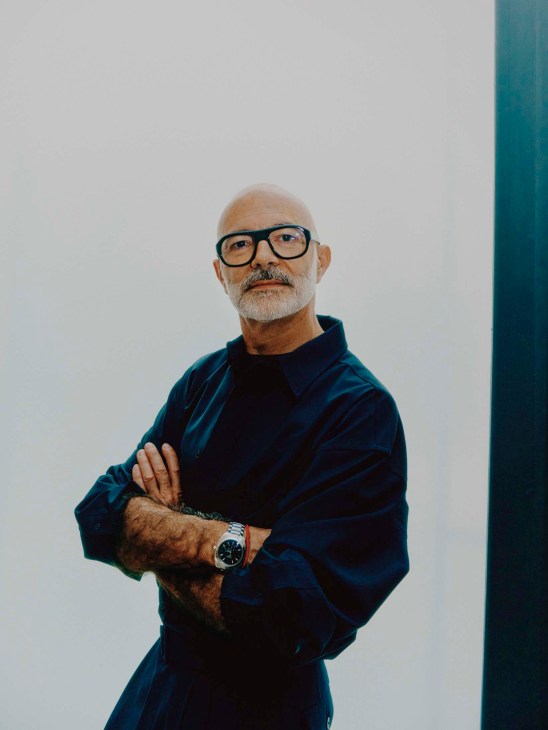
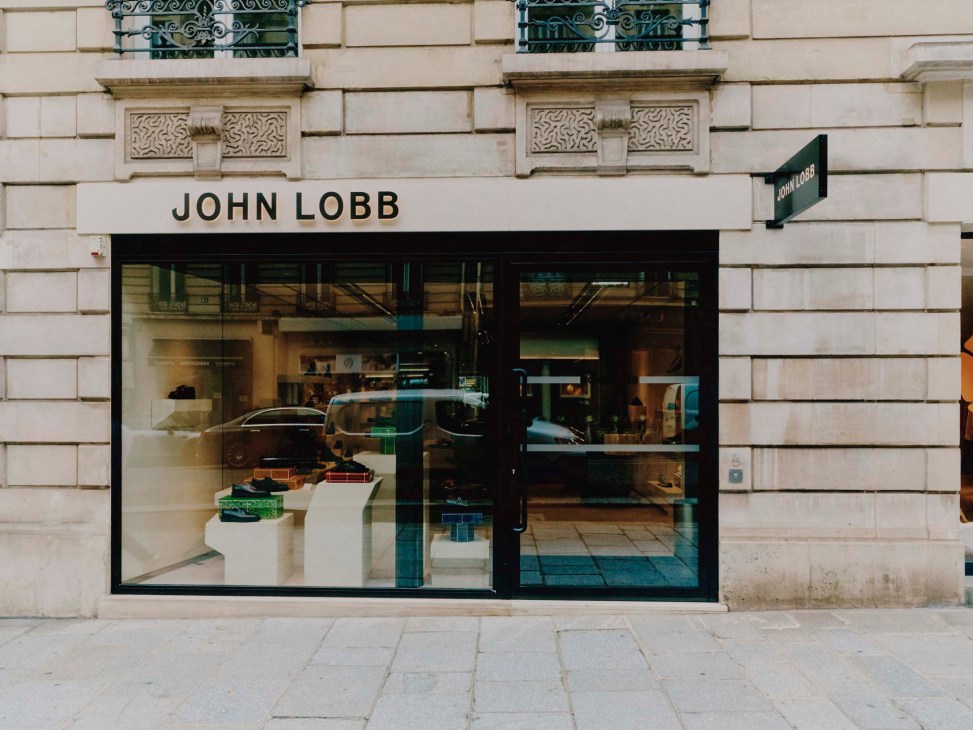
Gonzalez has been the custodian of John Lobb since 2019, safeguarding a heritage that is as compelling as it is complex. The brand combines British origins with French flair, a Northampton workshop with a Paris atelier and a ready-to-walk range of shoes with a top bespoke service. Spanning more than 150 years, its history includes a royal appointment from the Prince of Wales in 1863 and acquisition by French fashion house Hermès in 1976.
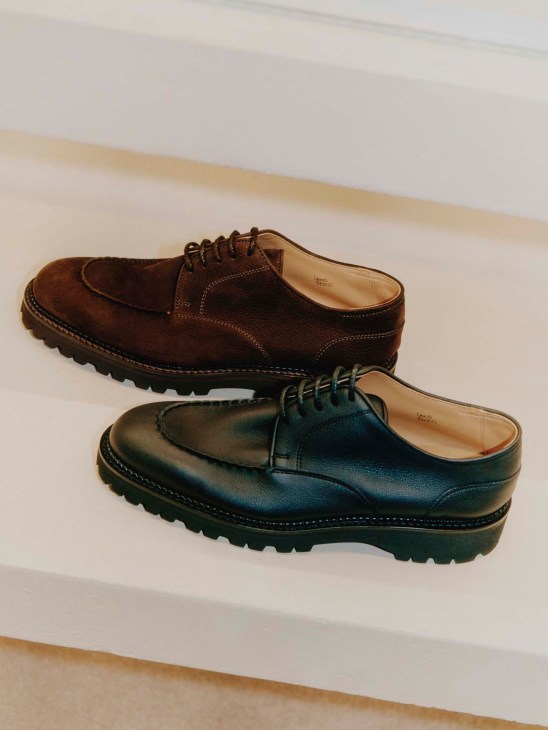
Under Gonzalez, the brand has stayed focused on its core category, men’s footwear. But working under an ethos of “slow evolution”, it has subtly updated its collections by making changes such as adding bike-friendly accessories, lighter fabrications and signature hardware. The introduction of replaceable rubber soles was also a direct response to the changing needs of the label’s customers.
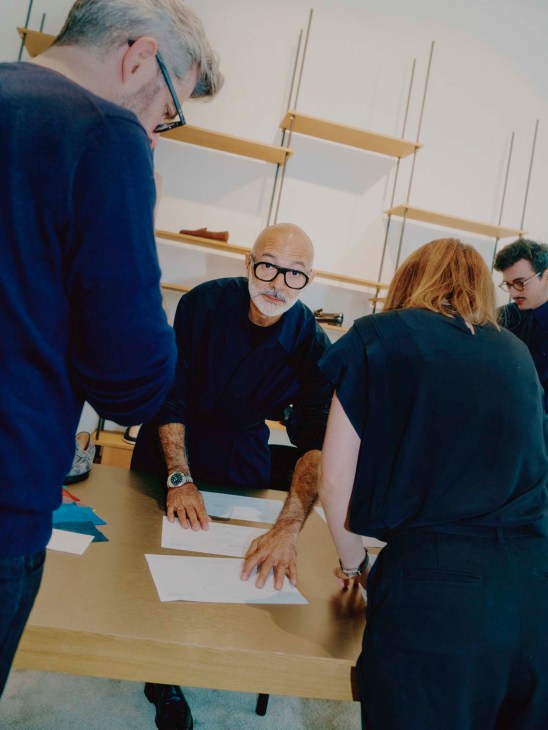
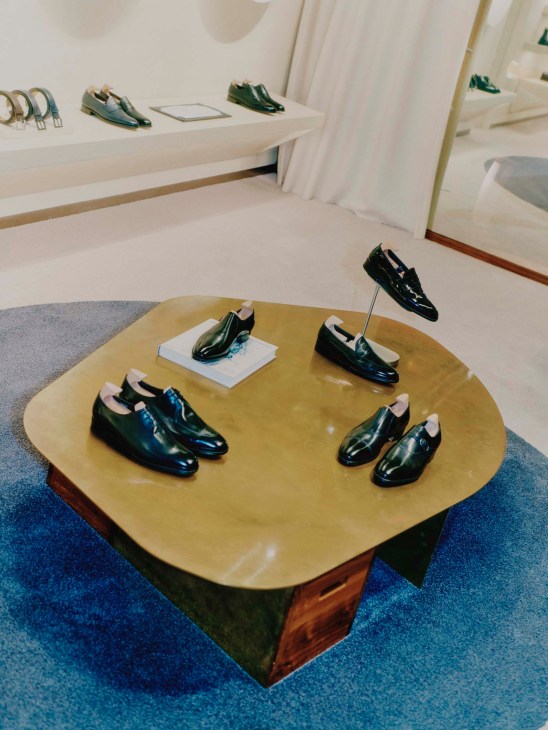
John Lobb’s latest collection, presented in a small gallery inside the Palais-Royal in Paris, includes perforated leather loafers in supple suede (a nod to driving gloves), derbies in new colour-block patterns and dress shoes embellished with silver buckles. The oval metal rings have become a discreet brand signifier that is only identifiable to those in the know.
Launches of the brand’s collections have become a mainstay at Paris Fashion Week Men’s but its production remains in the UK. When Monocle meets Gonzalez, he is on his way to Northampton, where 90 per cent of the brand’s ready-to-walk offering is crafted. There, he will present the spring-summer collection to the artisans and congratulate them for bringing it to life.
Having a manufacturing base in the English heartland of shoemaking is a point of pride for Gonzalez. People who hail from Northampton (as well as the local football team) are nicknamed “cobblers” because of the town’s historic association with the trade; the Goodyear-welted shoe-construction method originated there.
“Britishness means having a sense of humour and a certain attitude,” says Gonzalez – a warm, generous view of the UK that defies the general post-Brexit sentiment. “Our bestselling Lopez shoe was created in the 1950s and has a specific English sensibility, a sort of rock attitude. Our latest model, the Smith, is also infused with that same spirit but with a rubber sole. Our customers want to feel at ease throughout the day when they’re walking but also want to feel elegant.”
Bespoke services are available in the company’s Paris atelier, where every made-to-order pair of shoes begins with a conversation between the customer and the makers. This is followed by detailed measurements, trials and plenty of design discussions.
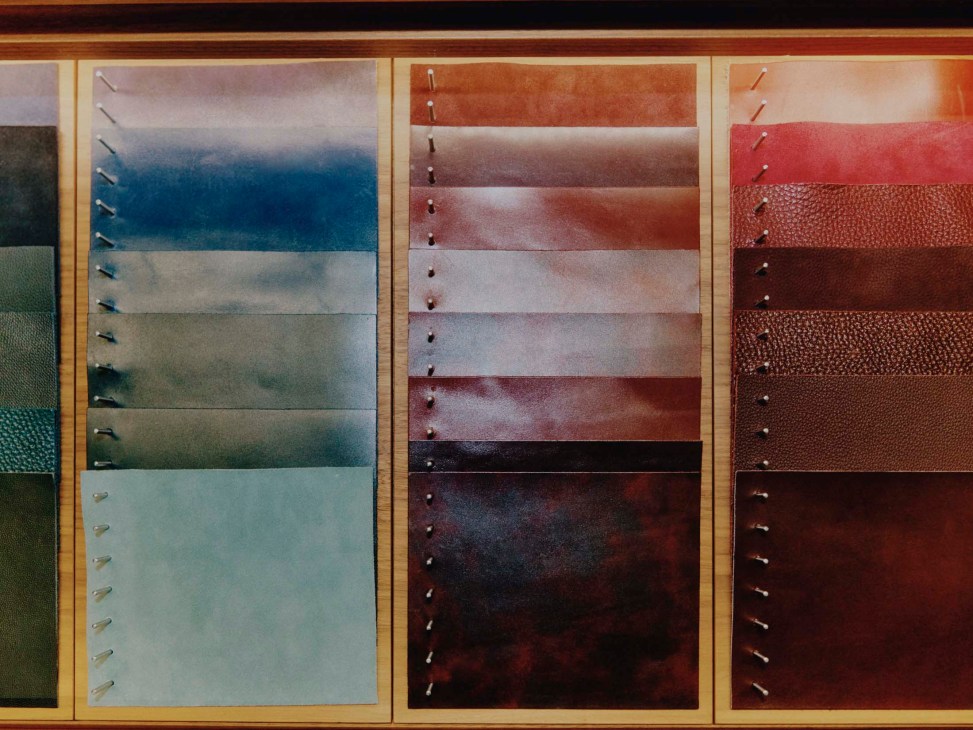
Gonzalez’s commitment to growing both the bespoke and ready-to-wear parts of the business is yielding results. He tells Monocle that despite an overall slowdown across the luxury industry, the past year has proven “healthy” for the brand. The Hermès Group reported a 9 per cent sales increase across the business for the first quarter of 2025. “We’re seeing a nice, steady growth that shows that our convictions are right,” says Gonzalez, pointing to a balance between the brand’s core markets, which include the US, Europe and Asia (particularly Japan).
The brand’s wholesale distribution includes partners in Dallas, Madrid, Seoul and Hong Kong. “We want to grow our presence where we are successful,” says the CEO. “We often say that it’s like a shoe: we only open a shop if it fits. My intention is not to reinvent the brand but to nurture it. After all, what are shoes? They are very personal objects that reveal a lot about their wearer. So we don’t want you to disappear behind the shoe.”
johnlobb.com
A tale of two shoemakers
John Lobb’s history stretches back more than 150 years, when the eponymous founder, an apprentice bootmaker from Cornwall, travelled to Australia during the gold rush. There, he developed shoes with hollow heels in which miners could stash contraband nuggets of gold. Despite these somewhat illicit origins, Lobb was named as the bootmaker for the Prince of Wales in 1863 upon his return to the UK. A shop on Regent Street followed in 1866, then a Paris boutique in 1899. The brand was acquired by Hermès in 1976; as part of this deal, Lobb’s descendants (who have their own workshop in London as a separate entity) requested that the sale of the Paris-made shoes be prohibited in the UK. Though John Lobb London and John Lobb Paris share a founder and a history, the two are not to be confused.
Sharp new styles from the Monocle Shop
Teba travel jacket and travel trousers by Monocle
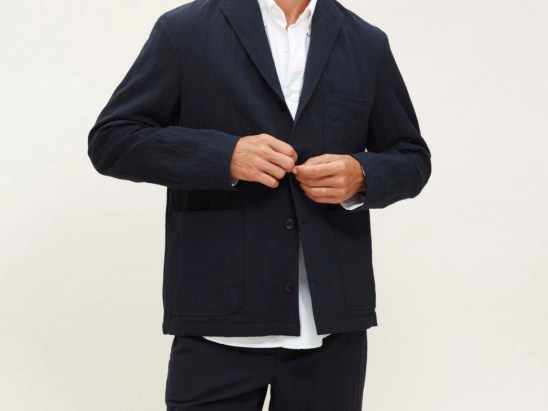
A project with fabric mill Vitale Barberis Canonico, this premium worsted-wool jacket and trouser pairing are thermo-regulating and anti-crease. The jacket has three patch pockets and one inside, while the trousers have a single pleat and welt back pocket.
Price: €440 (jacket) / €340 (trousers)
Colour: Navy
Material: 100 per cent wool
Made in: Lithuania
Yeti corduroy cap by Kappy Design x Monocle
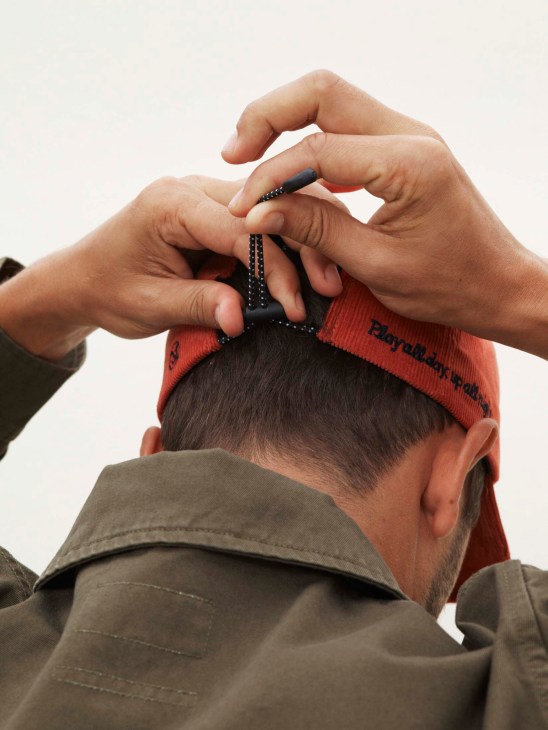
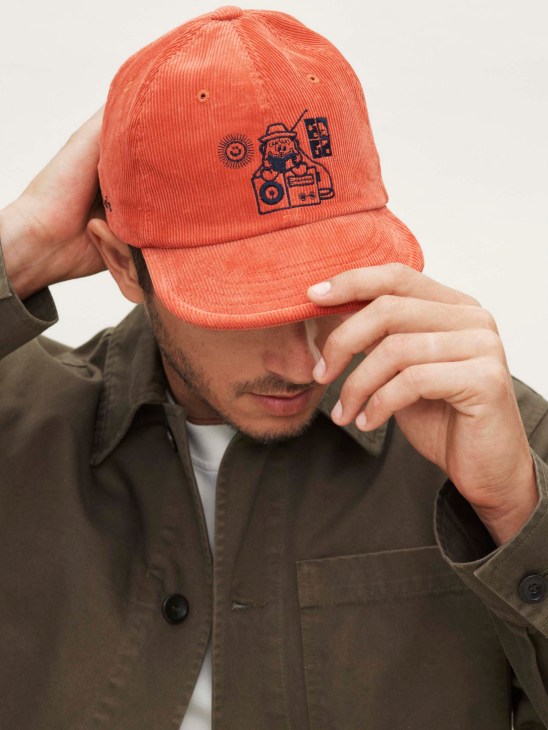
These cotton corduroy caps – the result of a partnership between Seoul brand Kappy Design and Monocle – feature exclusive designs from Japanese artist Toru Fukuda. Made in South Korea, they are available in red and navy or forest green and white.
Price: €80
Colour: Red/navy or forest green/white
Material: 100 per cent cotton
Made in: South Korea
FreeWalker GL suitcase by Proteca x Monocle
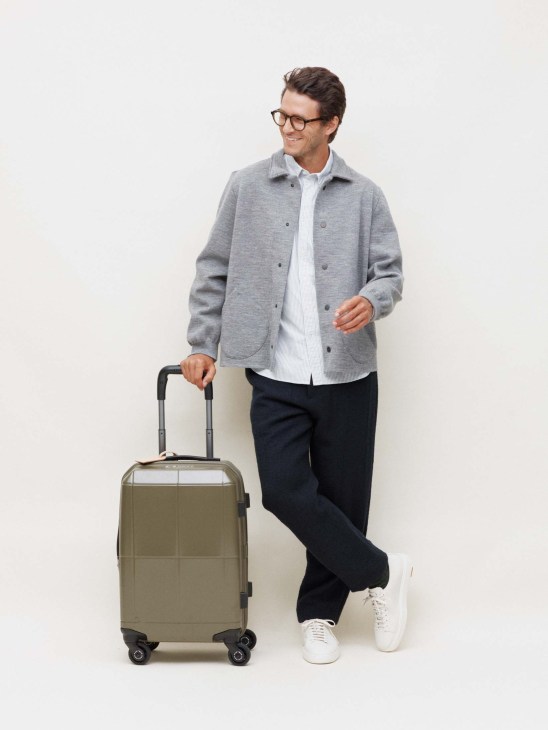
Proteca’s 50-litre FreeWalker GL is made in Akabira, Hokkaido by Japan’s leading luggage manufacturer Ace – a specialist in suitcase technology for more than 50 years. It comes with a TSA-approved lock and a luggage tag from Japan’s Brooklyn Museum.
Price: €770
Colour: Olive
Material: Polycarbonate-abs resin blend
Made in: Japan
All-season work jacket by Monocle
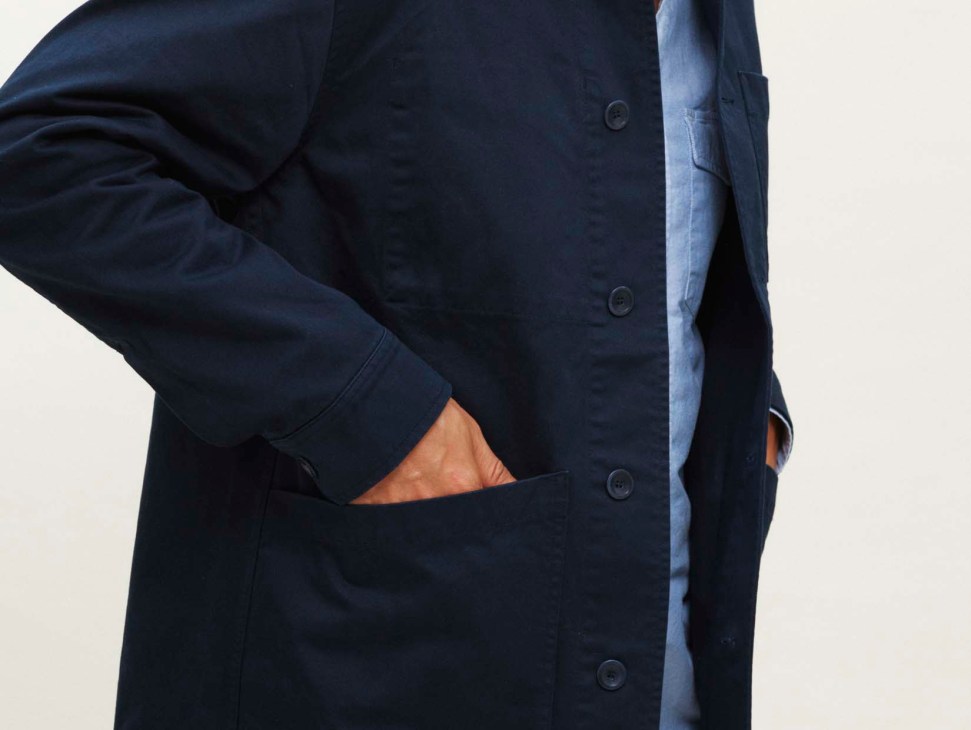
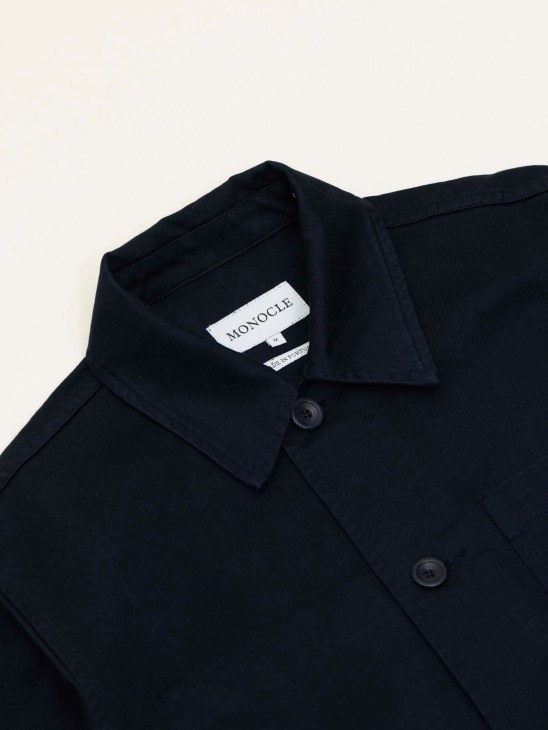
This classic jacket is made in Portugal from pure cotton, with corozo buttons. Designed by our in-house team for writers and artists needing to stow away notebooks, it has five pockets, including one internal option. It is available in navy and olive.
Price: €250
Colour: Navy or olive
Material: 100 per cent cotton
Made in: Portugal
Correspondent bag by L/Uniform x Monocle
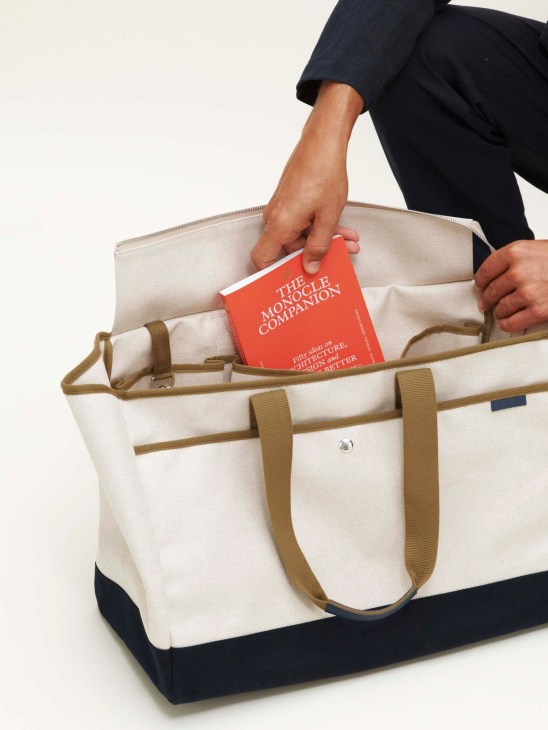
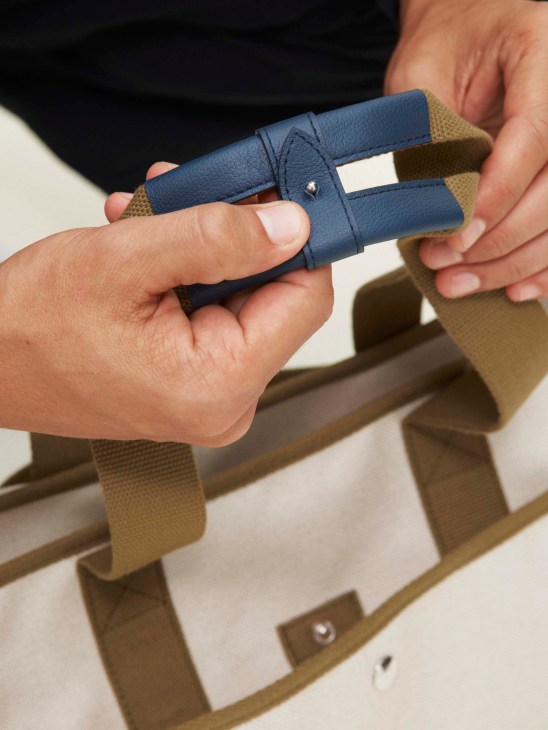
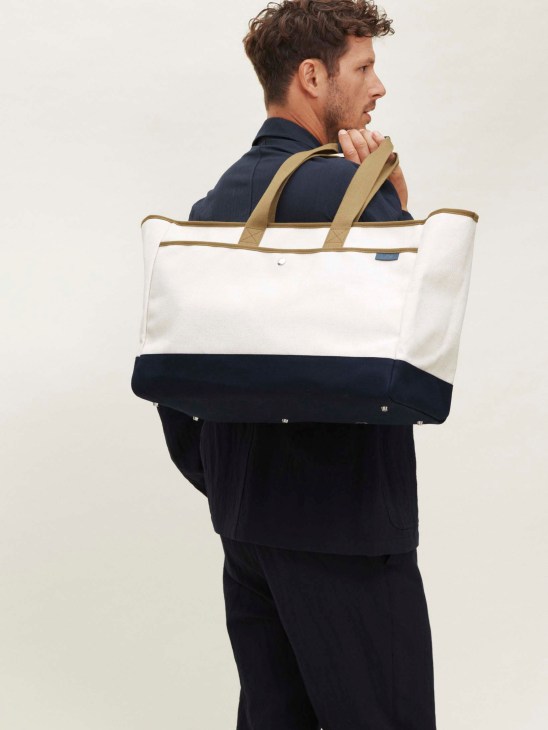
Born from a conversation between Tyler Brûlé and L/Uniform’s founder, Jeanne Signoles, this compact version of the No 54 Large Bag has extra pockets. It is handmade in Portugal from Italian cotton-linen canvas and full-grain calfskin leather.
Price: €1400
Colour: Ecru
Material: Cotton and linen
Made in: Portugal
Flight bag jumbo by Beams Plus x Monocle
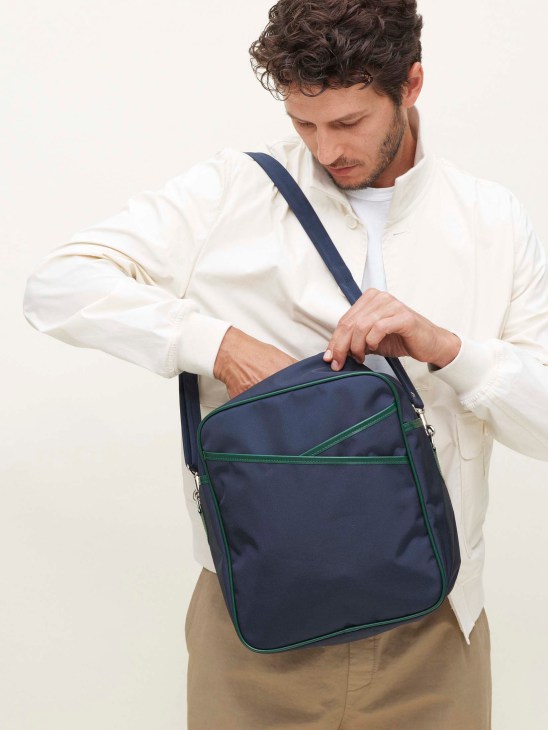
This jumbo version of our flight bag is inspired by airline carry-ons from the 1960s and 1970s. Sewn by hand in Tokyo, it is made from Japanese nylon with PVC coating. The double-layered front pocket is exclusive to Monocle customers.
Price: €250
Colour: Navy
Material: 100 per cent nylon
Made in: Japan
Tyrolean leather shoes by Tep_P x Monocle
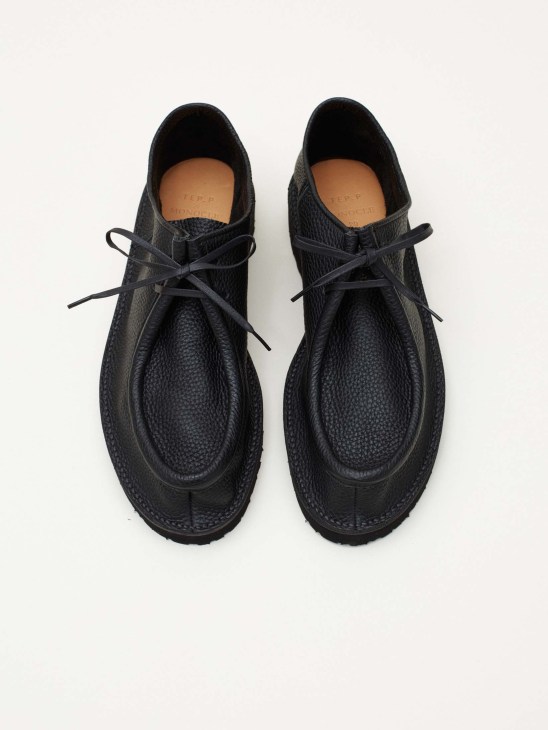
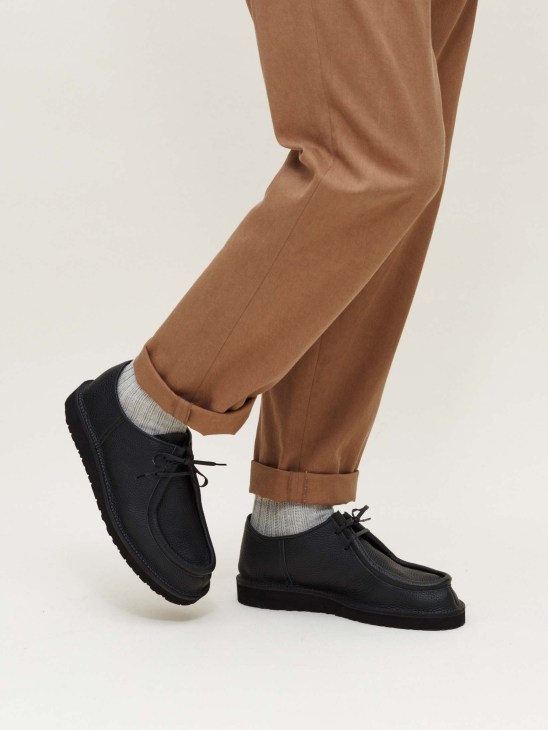
Handmade in Tokyo, these shoes from Tep_P are a laidback answer to the loafer. The collaboration features some exclusive alterations, including leather in the black pair. The shoes have a lightweight Vibram sole and no extra interior linings, for a natural feel.
Price: €350
Colour: Black
Material: 100 per cent leather
Made in: Japan
Your autumn style edit: Weather-proof picks and smart layers
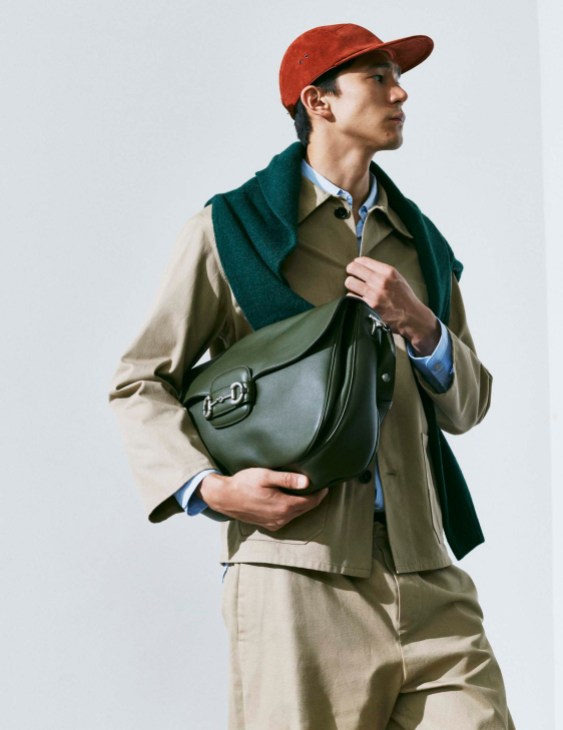
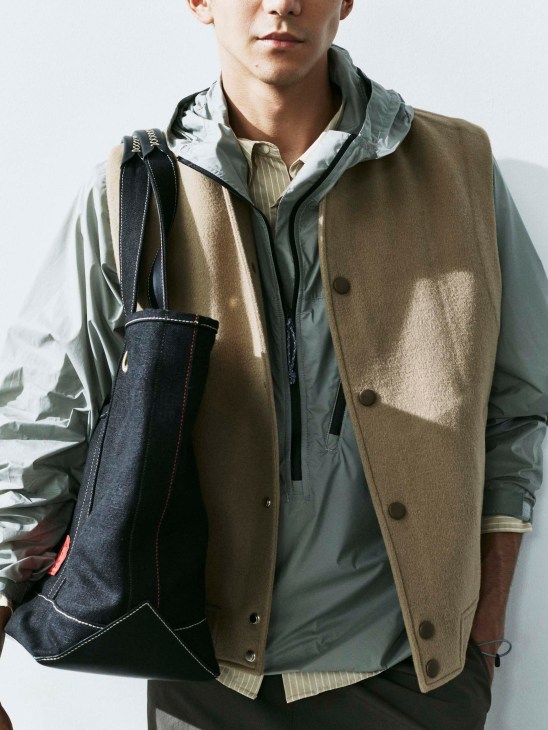
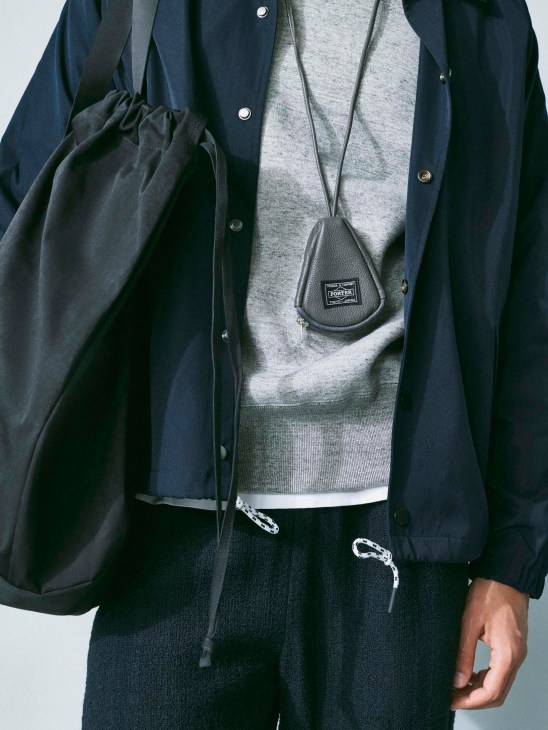

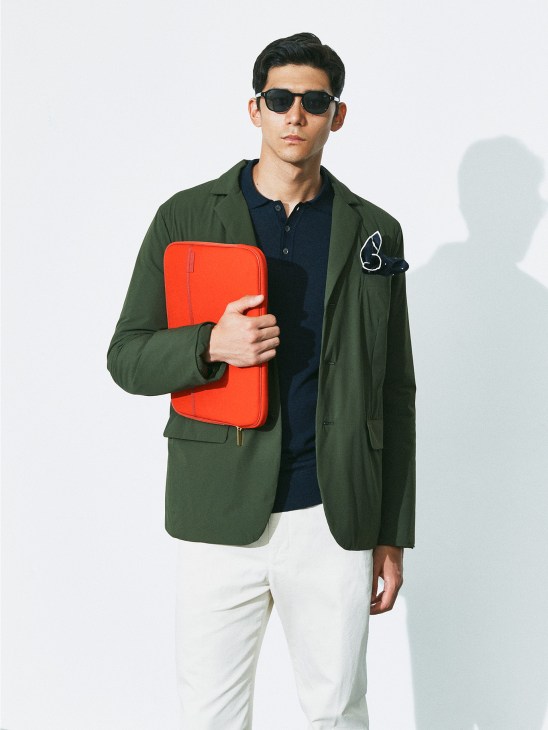
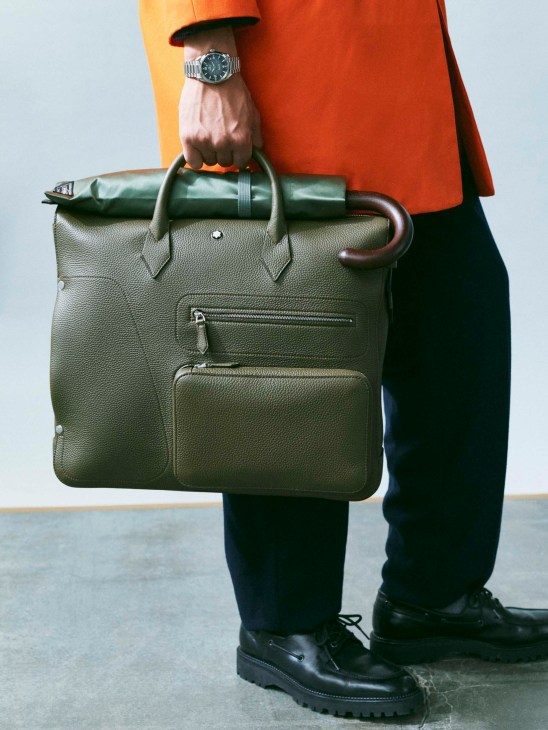
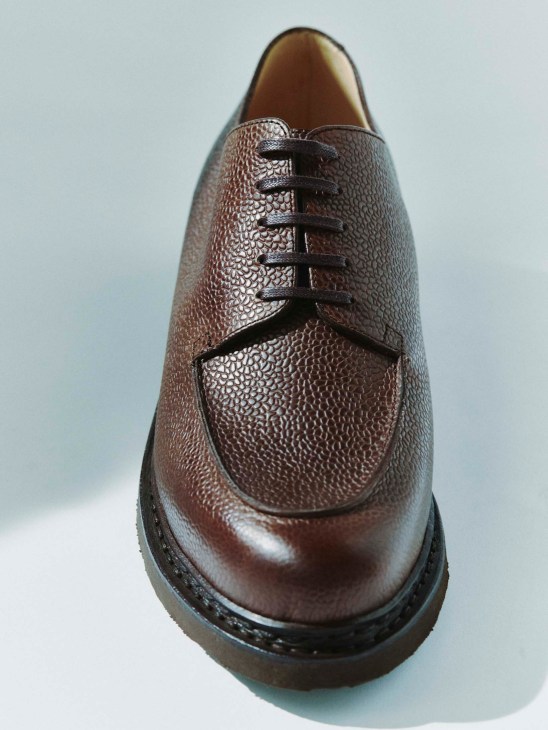



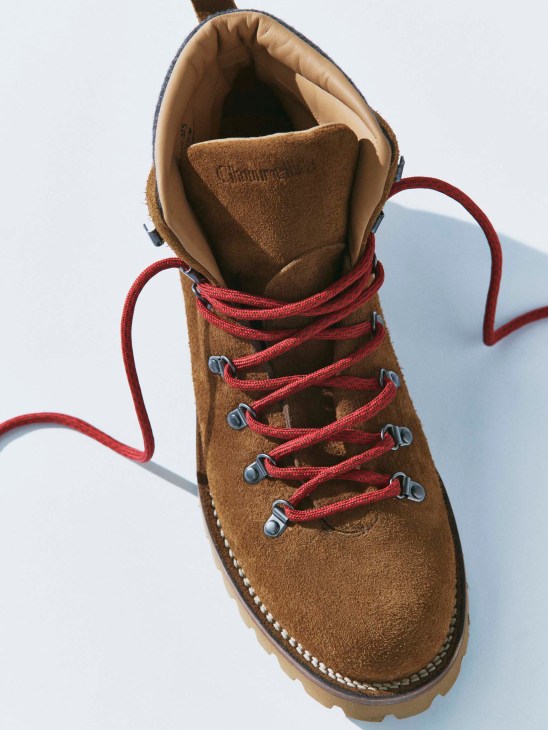
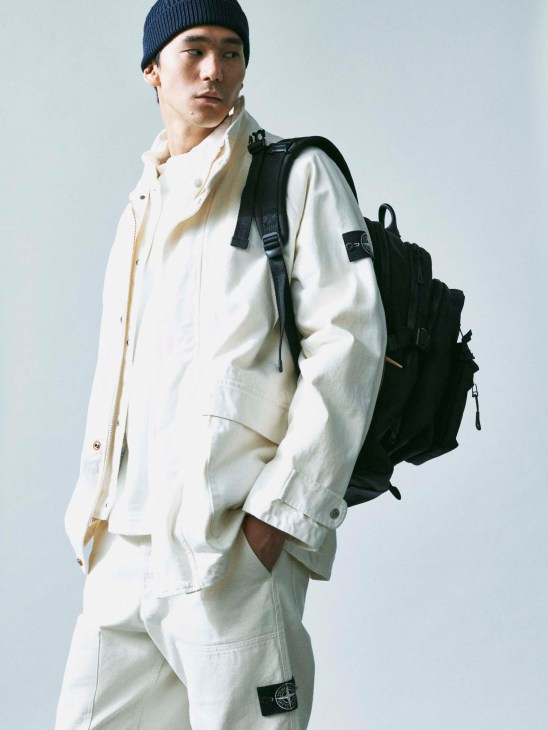
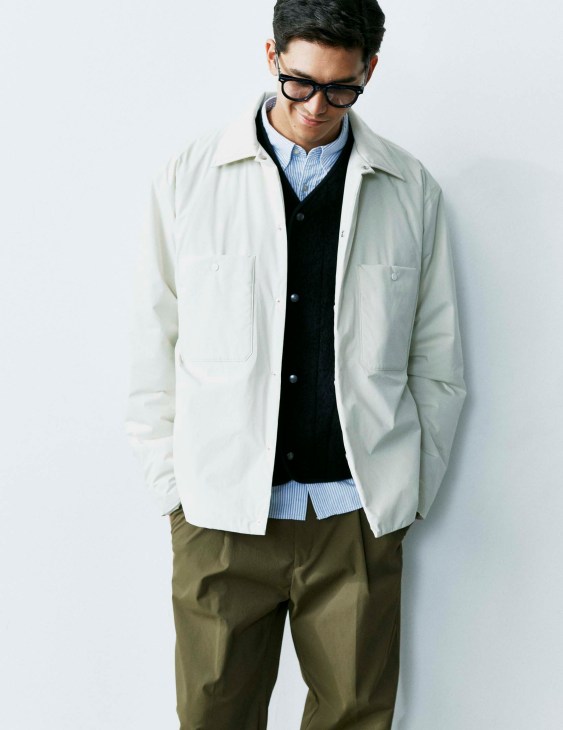


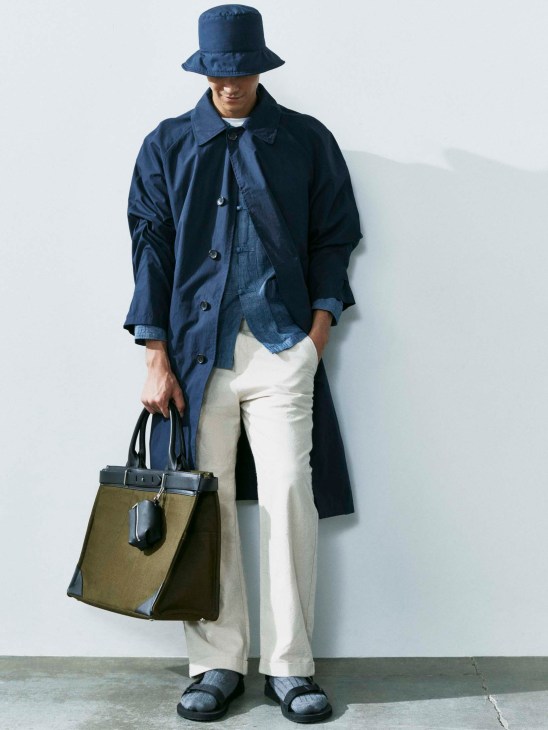
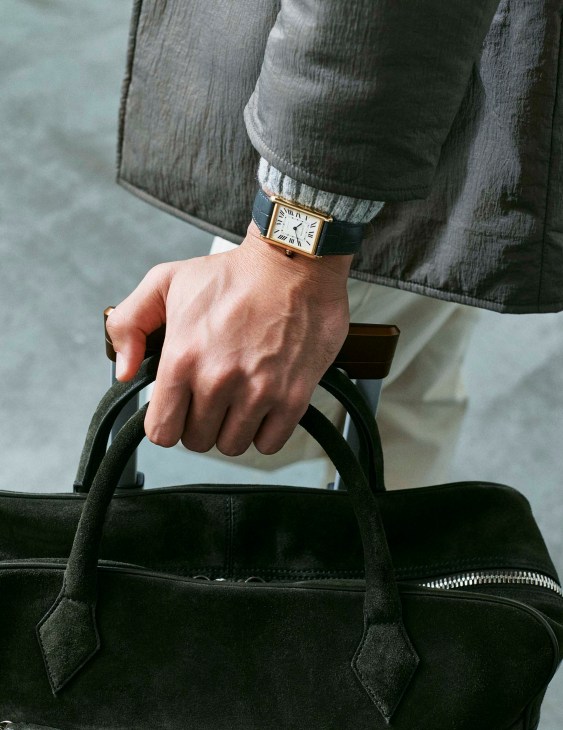

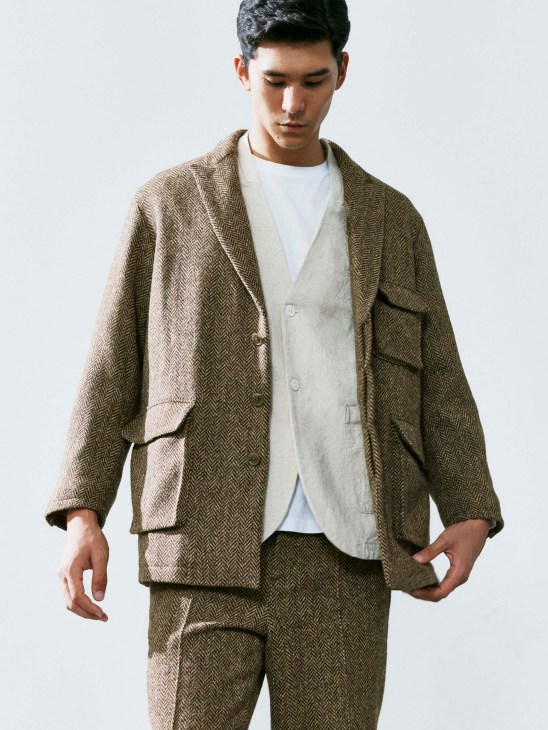
Stylist: Kyoko Tamoto
Hair & makeup: Hiroshi Matsushita
Model: Frederico Takahashi
How locals saved and reinvented a modernist Junzo Sakakura building
Walk below the “White Phoenix” castle of Iga-Ueno and history is never far away. There are rows of old townhouses and shops selling traditional ceramics, while the Iga-ryu school of ninjas and 17th-century poet Matsuo Basho are widely celebrated. This summer, however, it’s an icon from a more recent era that’s renewing interest in this part of western Mie prefecture.
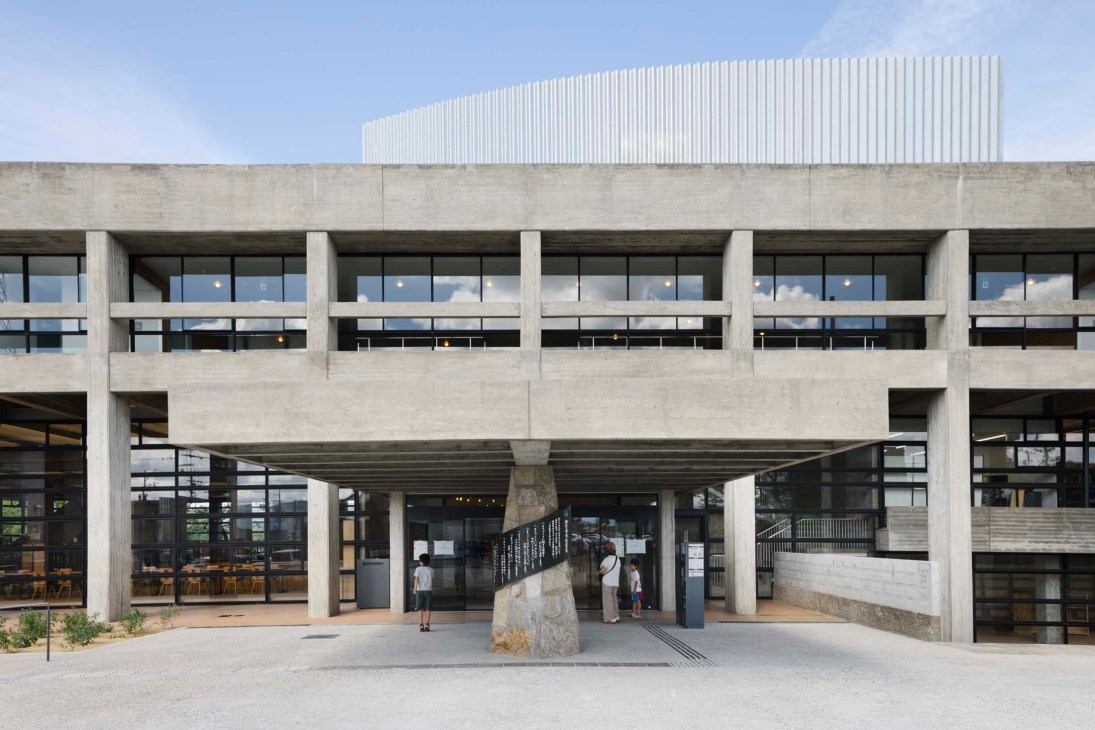
Built on a gentle slope by the castle, the former Ueno Municipal Office was designed by Junzo Sakakura, one of Japan’s finest modernists, whose impact on life in the postwar era extended to numerous civic projects in regional Japan. Completed in 1964, the low-rise building merges with the landscape, welcoming Iga’s citizens rather than looking down on them. It has long been a beloved architectural icon. When it faced the prospect of demolition in 2008, a local movement led by former mayor Sakae Okamoto ensured its preservation. It was designated as a cultural property in 2019, laying the foundations for the creation of a destination for local residents and visitors alike.
Junzo Sakakura’s ‘architecture for humanity’
Sakakura trained under Le Corbusier before rising to fame with his prize-winning Japanese Pavilion at the 1937 Paris International Exposition. He later became a leader of postwar modernism, working across public and private commissions with a core philosophy of “architecture for humanity”. In Iga, his buildings included schools, a community centre and a park rest area, many of which have not survived. Aside from the former Ueno Municipal Office, projects that have now been preserved include the Museum of Modern Art in Kamakura and the International House of Japan, designed with Kunio Maekawa and Junzo Yoshimura.
Working closely with the local government, Iga-based Funatani Holdings developed plans for Sakakura Base, a culture complex with a hotel, an Iga-brand shop and a public library. The first phase of the project includes Hakusen, a 19-key hotel on the second floor. Its design was led by Yohei Takano and Sachiko Morita of Tokyo-based studio Maru Architecture, which also oversaw the building’s renewal and the design of the library.
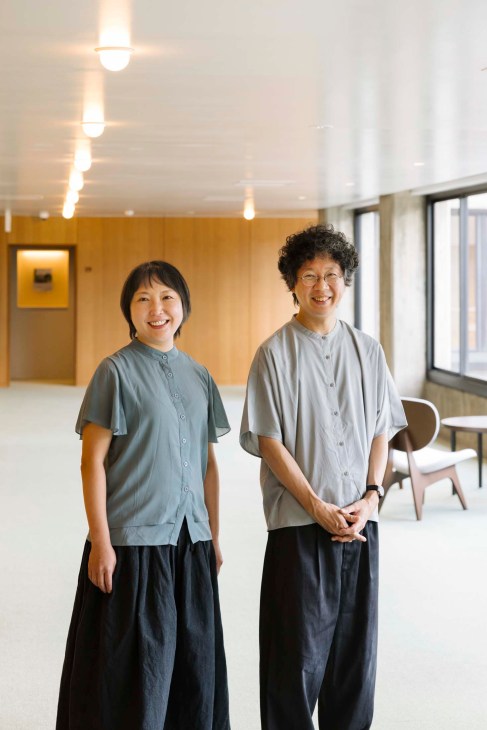
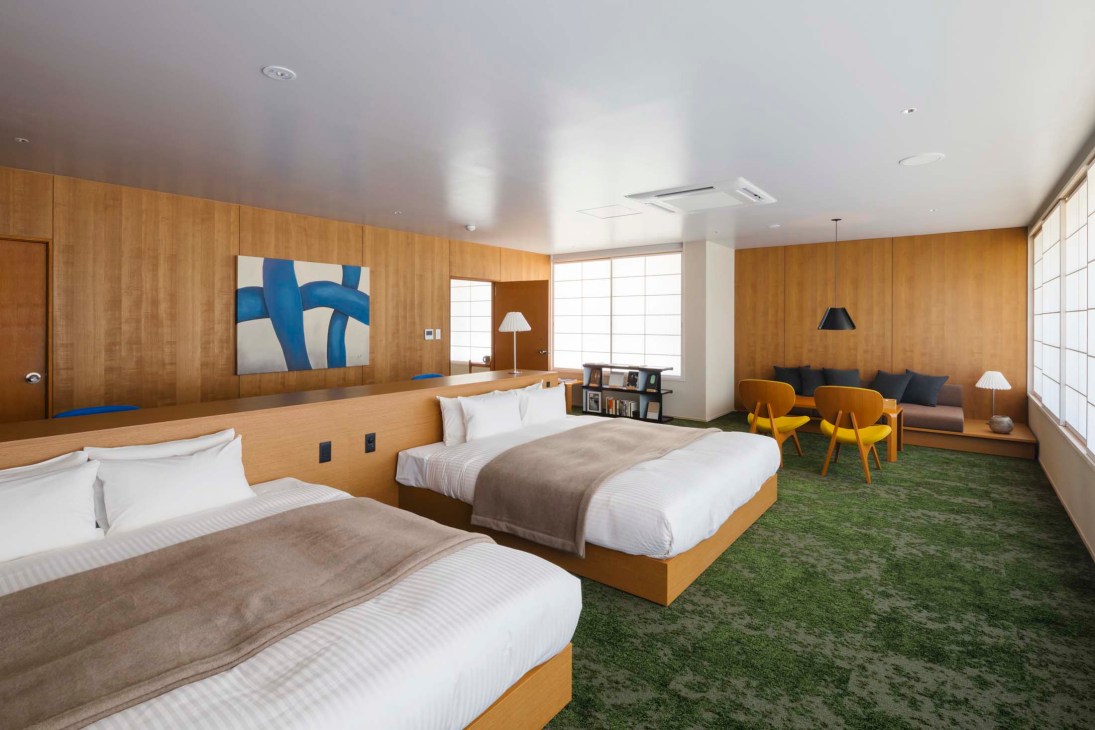
“Junzo Sakakura was one of Japan’s greatest architects, so there was a bit of pressure,” says Takano. “The building felt like Sakakura’s at first but, over time, the boundaries between his work and ours became less clear. Our aim was to seamlessly connect the old and the new.” Yet the architects quickly found out that bringing a 60-year-old heritage-listed building into the present era was not without its challenges. Sakakura’s largely passive design – the building originally had no air-conditioning – had to be updated, leading to the creation of spaces that transition from calm interiors to the external surroundings.
“Sakakura really valued circulation, so he created details that catch your gaze as you move through the building,” says Morita, pointing out the variations in grain on the wood-pressed concrete pillars. “Even the same materials are given different textures in different places, drawing you in deeper and deeper.”
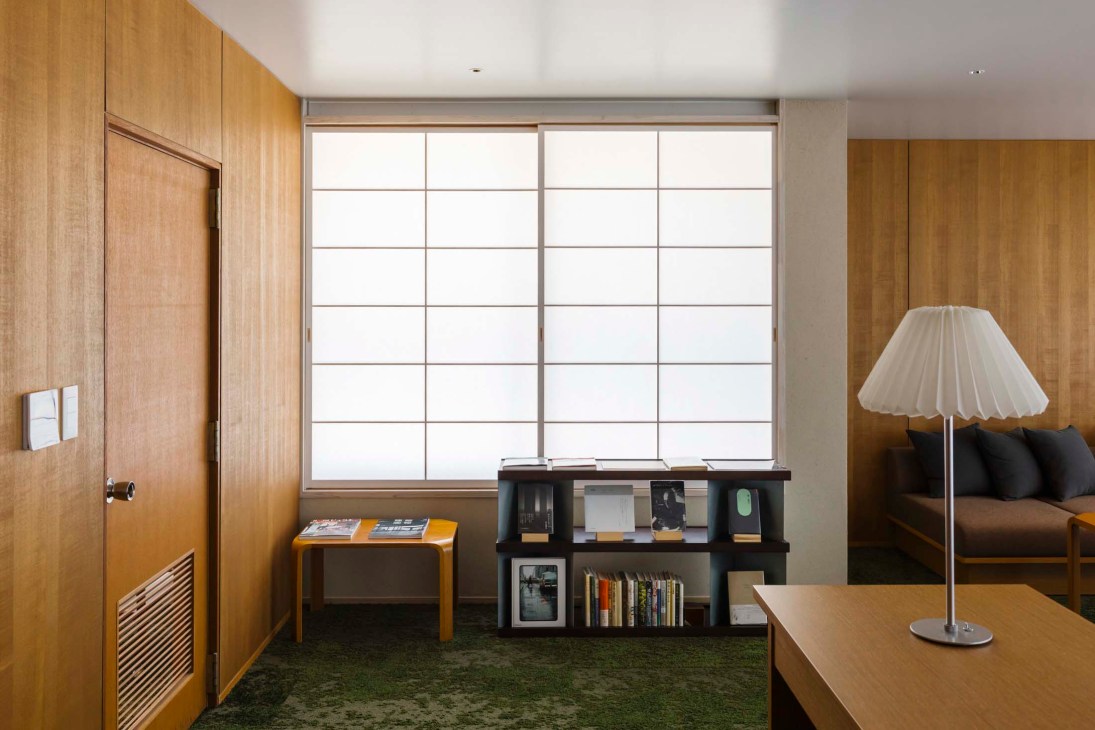
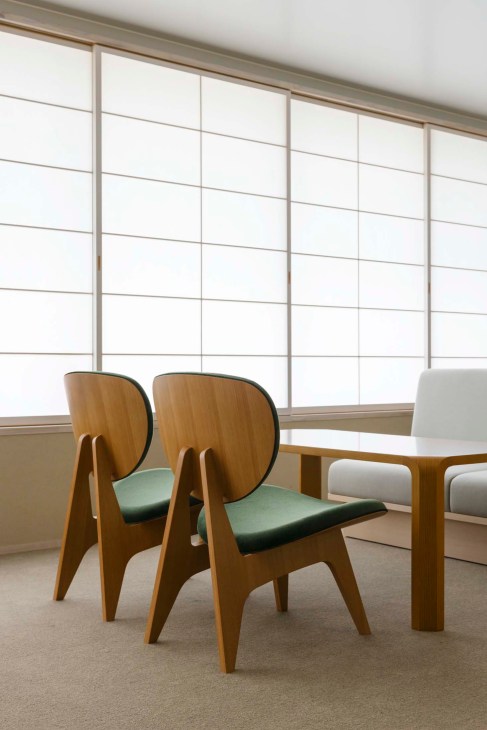
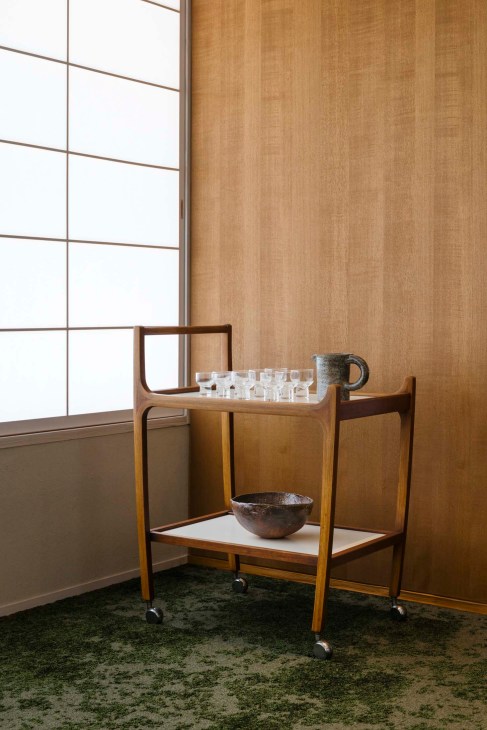
From the Hakusen Suite, the former mayor’s office, all the way around the perimeter, the guest rooms feature ash-wood veneer, sakan plasterwork and shoji panels in harmony with restored heritage materials. A mix of new and vintage furniture from Tendo Mokko, designed by Sakakura Associates architects and engineers, adds further character, alongside art curated by Shunsuke Kato of Shigaraki-based Nota&design. “This building has survived due to the strength of its architecture, so I was intent on finding works with a quality that will remain powerful a century from now,” says Kato. Three young artists with roots in Mie prefecture were selected: Masaomi Yasunaga, whose ceramic glaze mosaic takes pride of place at the reception; Lena Fujimoto, who lends her abstract paintings; and Taro Tsubota, whose wood-fired vessels and objects appear throughout the rooms.
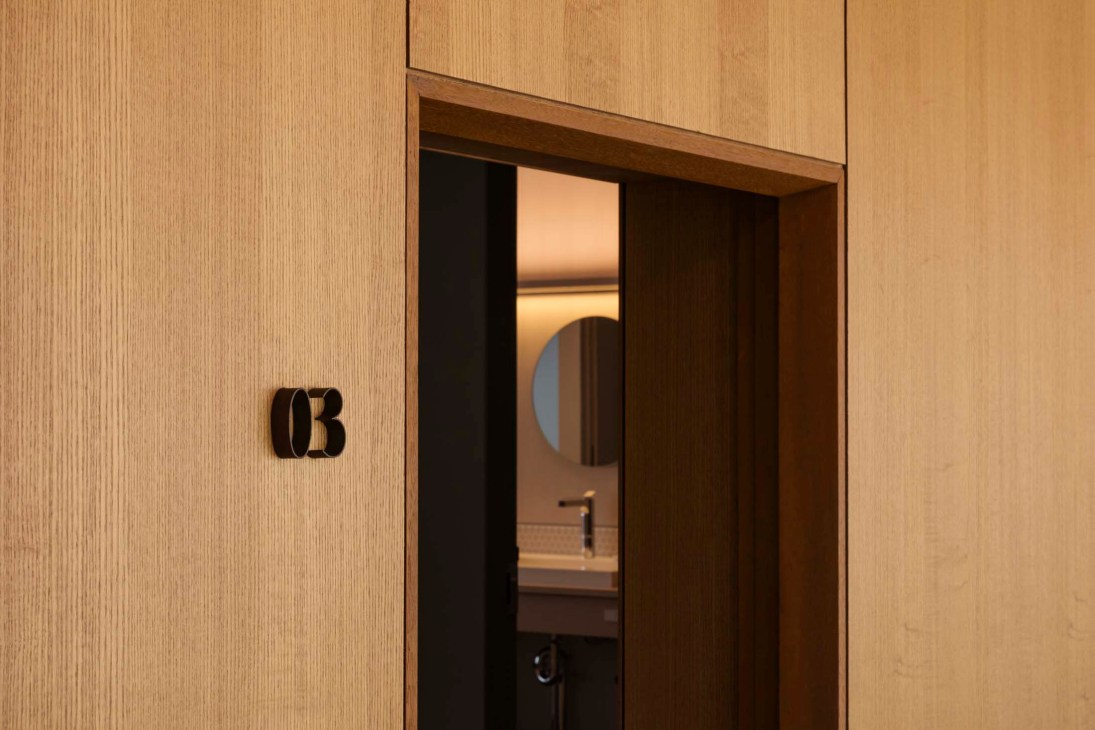
The local flavour extends to Iga-made products, including Nagatani-en ceramics, amenities from 101-year-old Kimura Soap and room numbers designed by UMA/Design Farm. There’s also ample reading material: architecture, modernism and art titles can be found in every room. Once the ground-floor library opens next spring, plans are under way for hotel guests to become honorary members, able to borrow titles to enjoy in the comfort of their room or in the reading lounges.
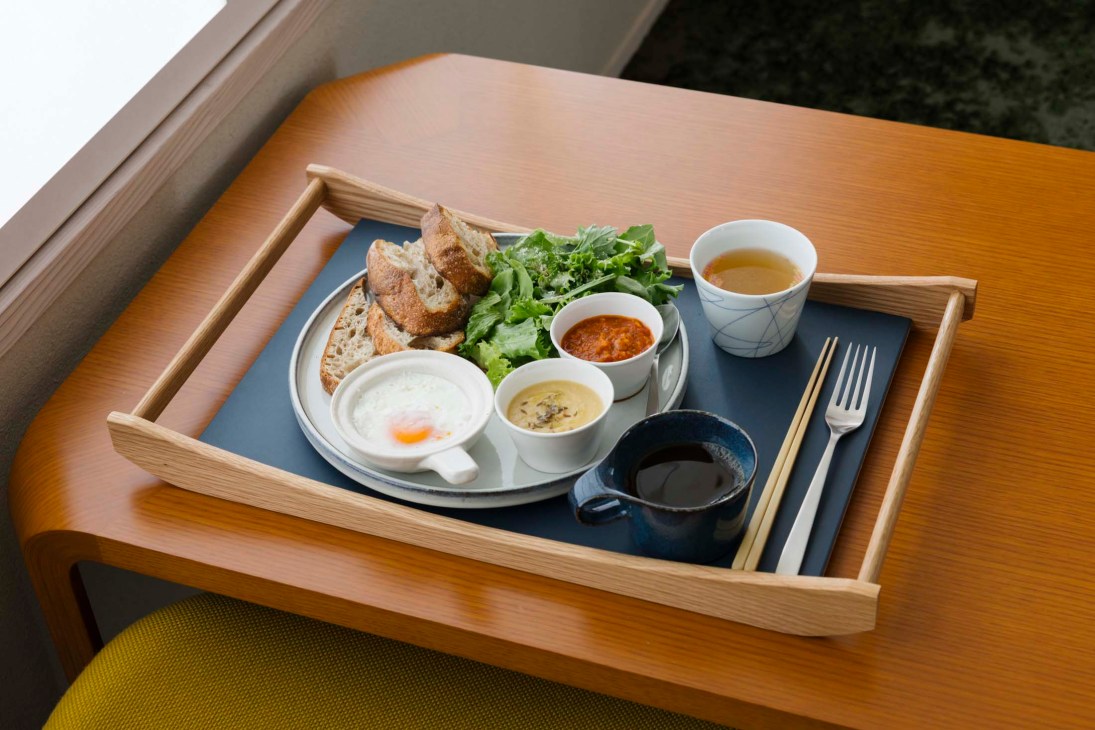
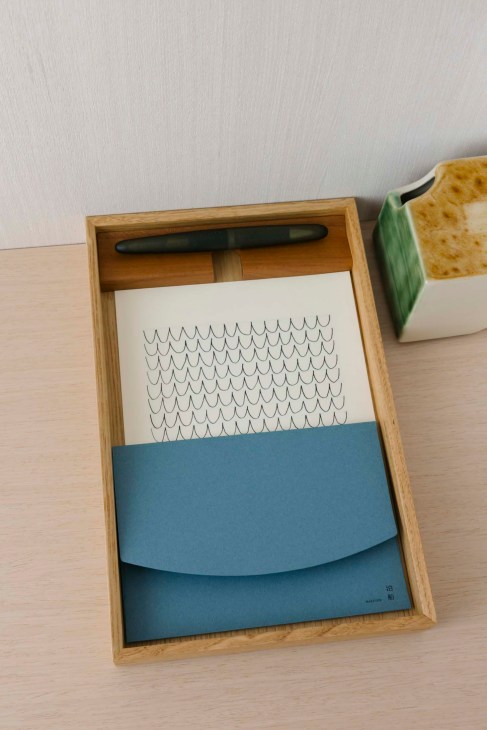
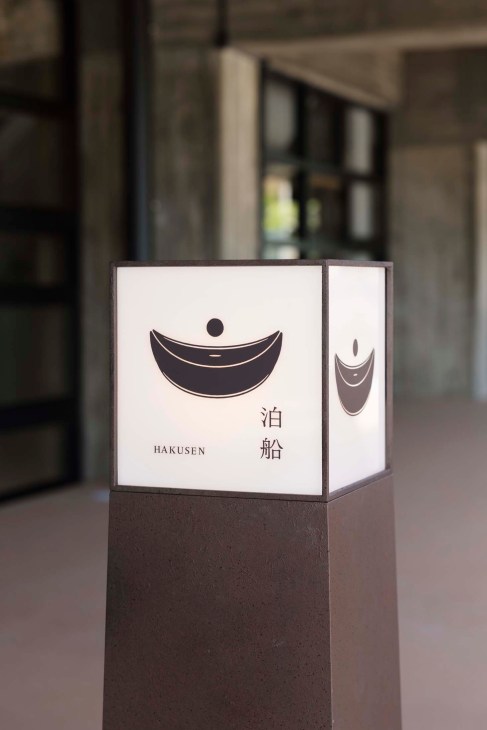
“The hotel’s concept is a ship on a lake of words. I want people to arrive here at this dock and not worry about time, enjoying their stay before embarking on a new voyage,” says Iga local Takashi Wada, who joined the hotel as hotelier. “This building has always been here, watching over us. I hope that, just like me, the children walking past on their way to school will want to work here when they grow up.”
Getting here
Iga is best accessed by car. The drive takes an hour from Osaka and 90 minutes from Kyoto or Nagoya. Your journey will give you a chance to explore pottery towns and the surrounding nature. Train and bus links are also available.
Iga address book:
1.
Omori
Yoshinori Omori’s counter-only diner has 10 seats and a blackboard filled with daily specials. He is also behind Hakusen’s breakfast service.
Shintenchi M, 23 Uenomarunouchi, Iga
2.
Ris
Italian omakase (chef’s choice) restaurant in a townhouse showcasing locally sourced Iga beef and seasonal produce.
ris-iga.com
3.
Minomushi-An
The reconstructed thatched-roof hermitage of Iga-born poet Matsuo Basho, who is considered the greatest haiku master in history.
basho-bp.jp
4.
Ichinoyu
A neon-signed sento (bath house) with floral-tiled baths and a Showa-era atmosphere. The heritage-listed building dates back to 1926.
ichinoyuiga.com
5.
Gallery Yamahon
Tadaomi Yamamoto’s gallery and café in the northern pottery town of Marubashira is essential for craft fans.
gallery-yamahon.com
How a remote Swedish vineyard became a must-visit winery, hotel and spa
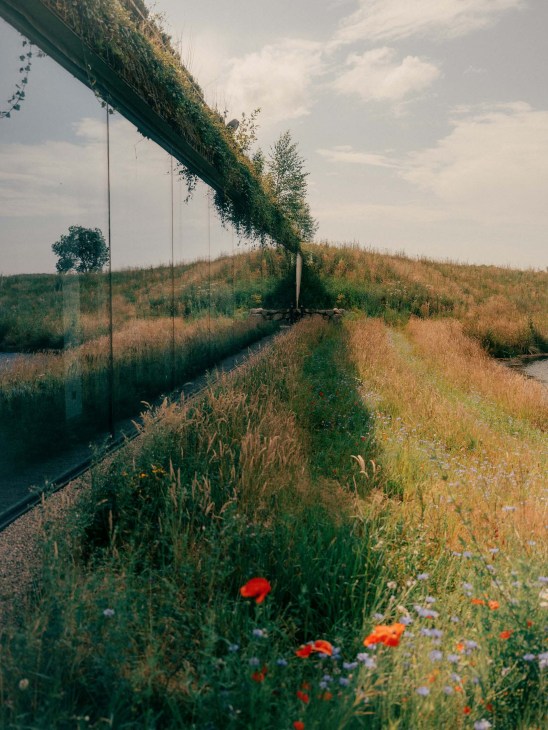
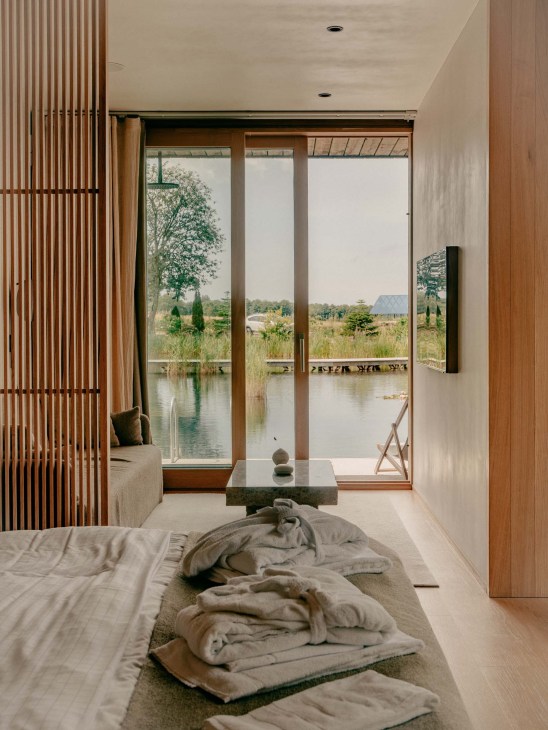
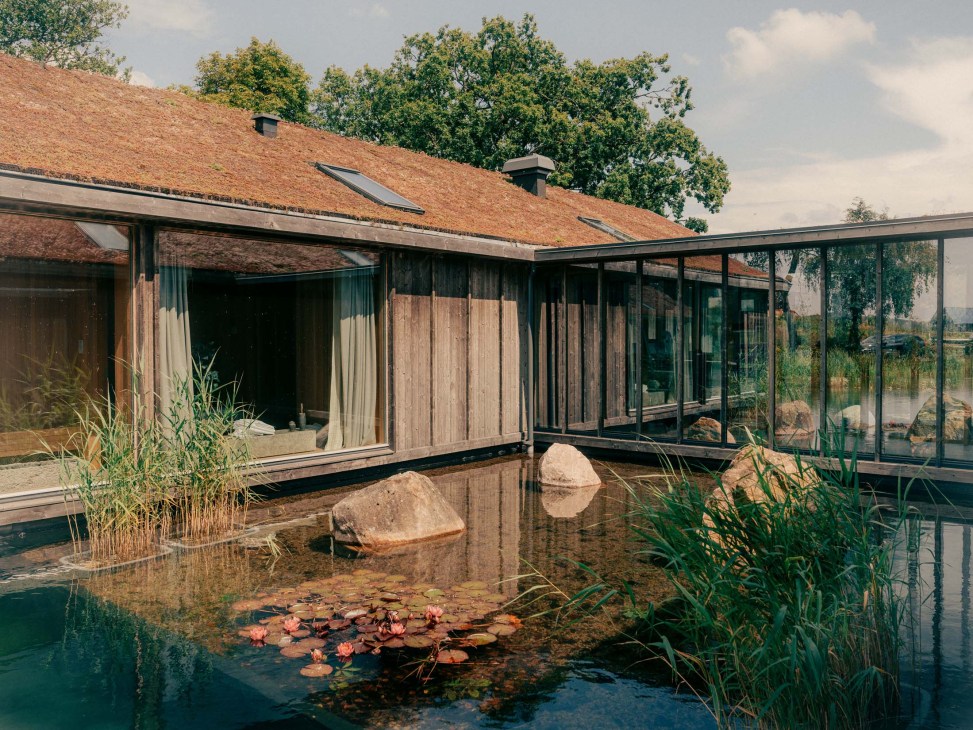
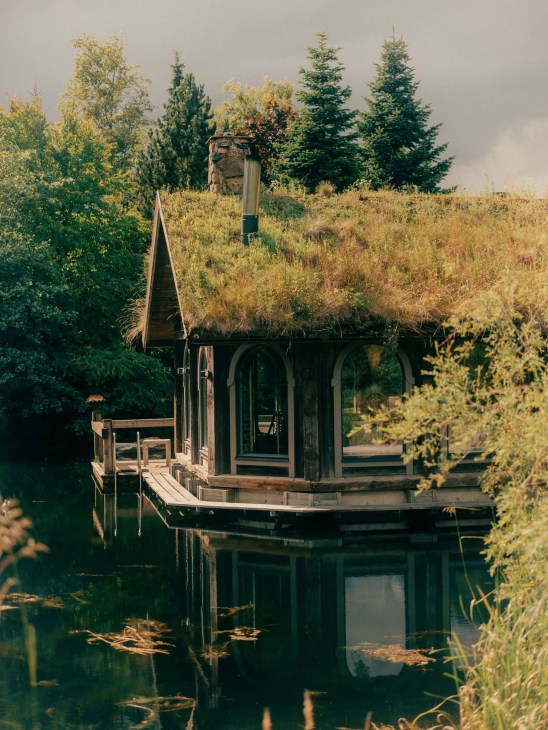
Daniel Carlsson was right to act on his dream of creating something unexpected in the middle of the countryside in southwest Sweden. With his siblings Linda and Mattias, he has transformed his grandparents’ organic milk farm (which was among the first in the country) into Ästad Vingård, a spa and hotel with an organically certified vineyard and a Michelin-starred restaurant called Äng. “This is the kind of place that I love to visit when I’m travelling,” Daniel tells Monocle. “I wanted to build that right here in my family home.”
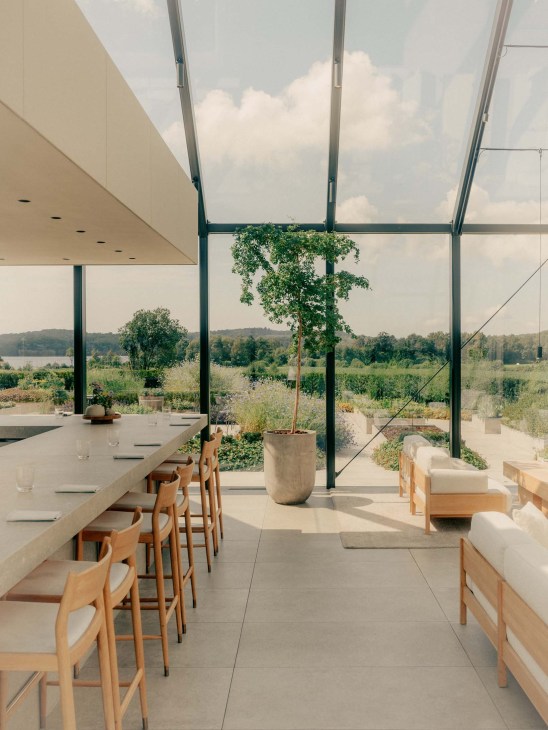
The Carlssons tapped Copenhagen’s Norm Architects to design their hotel, Sjöparken, and Äng restaurant, both of which are understatedly Scandinavian delights. They planted their first grapes in 2011 and only reaped a good harvest seven years later. “We live in hectic times,” says Daniel. “It felt special to work on something that can’t be rushed.”
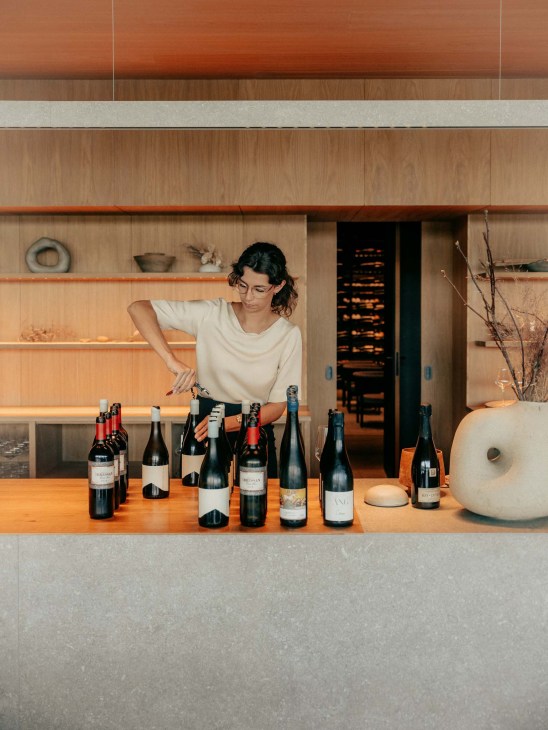
Two microclimates – one inland, one coastal – make for a unique wine matured in steel or French oak barrels and aged according to a traditional method involving a second fermentation once bottled. “Sweden can become a wine-producing country,” says Daniel. “We don’t have to be small-scale any longer. We’re making a great wine that can compete on the world market.”

Uncorking opportunity
Small-scale producers long struggled for access to Systembolaget, Sweden’s government-owned chain of liquor stores (geared towards selling alcohol responsibly), with a monopoly on selling alcoholic beverages. Luckily, a new rule was introduced in June 2025 (in effect for the next six years) that now makes it possible for alcohol producers in the country to sell directly from vineyards or breweries when purchases are made in conjunction with an event such as a wine-tasting or a concert.
The commute: Join José Miguel de Abreu biking from Porto to the central Ribiera district
In the first of a new series joining people we admire on their way to work, we hitch a ride with Portuguese entrepreneur José Miguel de Abreu, co-founder of menswear brand La Paz. As a keen surfer and photographer, De Abreu has an eye for the sublime.
He uses his short scoot east from his home in the riverside neighbourhood of Lordelo do Ouro to the central Ribeira district to study the light on the water, stop at a portside café to see what the locals are wearing and unplug a little before the day ahead.
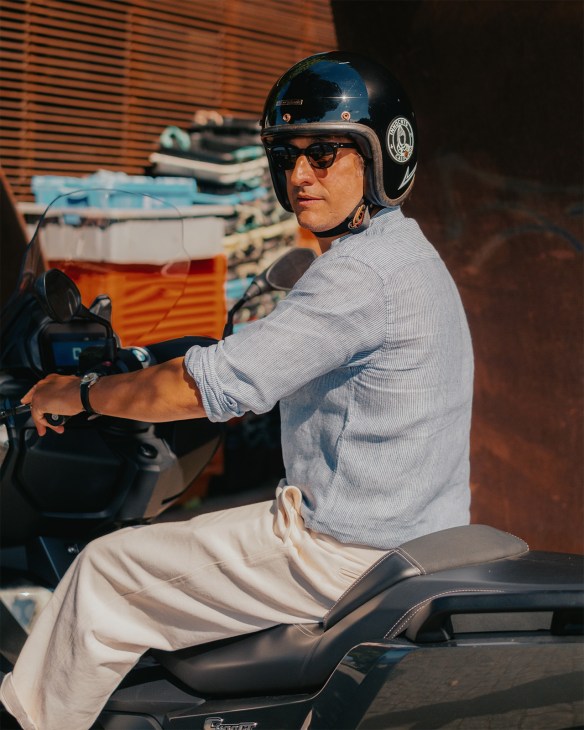
Ah, you’ve got a helmet on, so perhaps you’re not walking to work. Tell us about your vehicle of choice.
It’s a BMW c400 GT motorcycle that I’ve had for the past two years. It’s on the bigger side so perfect for riding in the city.
A soundtrack? Are there any headphones under those flaps?
That’s not possible, I’m afraid. I’ve got to listen out for other vehicles. An accident in a car could leave you with a few scratches. On a motorbike, you’re a little more exposed.
And for the day, what reading material do you bring?
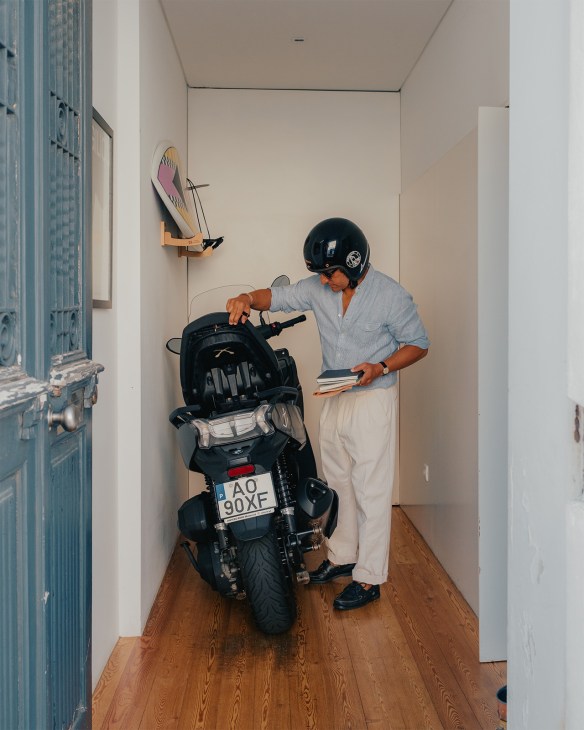
I’ll always pack a book as well as my computer. I’m reading A Whole Life by Robert Seethaler and The Way of the World by Swiss photographer Nicolas Bouvier. I also pack Público, a Portuguese daily, to keep me informed.
Best time to beat the traffic?
In Porto it’s about 08.30. There’s lots of investment in transport for commuters and there are a few metro lines under construction. But right now, there’s a lot of congestion because often only one lane on most roads is available. So it gets busy in the morning; a journey of 4km could take 40 minutes. People in cars get stuck – that’s why I ride.
Any pit-stops?
Most mornings there’s an espresso at Paparoca da Foz, a café in the port where the Douro River meets the ocean. I soak in the atmosphere and see the locals; it’s very different to the city centre.
And, since you’re in the business, let’s talk outfits. No leathers?
In winter, I’ll wear a heavier jacket, which helps with safety. Usually it’s just the clothes I’m wearing that day.
How is Porto’s road etiquette?
Drivers here don’t beep their horns too much. They’re pretty polite and respectful. Even so, if you’re on a motorbike like me, you have to keep your eyes peeled.
Some people see the commute as a means to an end but you seem to enjoy it. What’s the best bit?
The view. There’s water everywhere, with bridges taking me over the river and the ocean on the horizon. In the evening the light on the waves is beautiful.