Issues
Copenhagen’s latest park demonstrates the virtues of having no kids on the block
Unicef recently published a list of the best countries in which to be a child. The Netherlands placed first. Denmark, my adopted homeland, came in second. Copenhagen certainly scores well on the “popsicle test”, which assesses the safety of a place according to whether an eight-year-old can walk to a shop on their own, buy a lolly and return home safely. I know families in Copenhagen whose children have roamed freely around the city centre from the age of six. Danish children enjoy wonderful freedoms and protections, and are indulged by city planners. It’s hard to argue against any of this but I have begun to wonder: can a society shift too far in favour of the youngest generation?
I recently walked around Copenhagen’s new Opera Park with its architect, Maj Wiwe. Since opening in 2023, Opera Park has become my favourite public space in the city but I had never really thought about why until Wiwe drew my attention to the absence of children. There’s no programming for them. There are no playgrounds or areas for ball games; no climbing walls, basketball courts or shallow boating ponds; no signs with cartoon characters on them; no cuddly mascots encouraging you to pick up your litter.

Wiwe said that she had designed the park for adult pursuits, such as gazing at spring blossoms, reading a book in a shady corner or getting mildly drunk on a summer’s evening. Seeing my children grow up in Copenhagen has made me realise that Danish children are cosseted in many ways. The country’s one-size-fits-all state-school system has a laudable emphasis on supporting lower-achieving pupils but it often comes at the cost of the academically ambitious. Competitiveness is generally discouraged and the limelight is meant to be shared. I once sat, bewildered, at a school production of Treasure Island, until it was pointed out to me during the interval that every child in my son’s class was being given the chance to play one of the main characters through scene-by-scene rotation. It’s a strange paradox: Danish children are extraordinarily free, except to succeed or fail.
Visiting the Opera Park with its designer made me realise the extent to which most other public spaces in the Danish capital are sacrificed in order to keep children amused or distracted. Perhaps the adults have gone along with it because we ourselves have become so infantilised. We dress like children in sportswear and trainers. We play computer games, read Harry Potter and wait patiently outside multiplexes for the latest Marvel film. Instagram encourages us to eat under-10s’ birthday-party food. We drive cartoonish cars and play padel instead of tennis. And don’t get me started on grown men on skateboards.
Copenhagen’s Opera Park offers a compelling alternative approach to urban spaces, with fewer swings and rubberised safety surfaces, and more contemplative oases – quiet corners of the city in which to read a book or flirt. Who knows? If we show our children more mature ways in which to live in the city, we might begin to raise more robust grown-ups.
Michael Booth is Monocle’s Copenhagen correspondent.
Illustrator: Pete Ryan
From accessories to adventures, 21 ways to instantly elevate your summer
Summer isn’t merely a meteorological matter. As the temperature creeps up, the heat is on to make the most of your time off, soak up some sun and uncover a little inspiration (and why not cut a dash with some fresh trunks and a new towel, while you’re at it?). So our editors clubbed together to select 21 things to improve your summer, from the shades to have poking out of your pocket to the publications to stuff into your tote and thrillers to stack beside the lounger. We have identified the Portuguese ‘praia’ on which to host your family gathering, the nippiest set of wheels for an urban adventure and the breezy Mediterranean retailer for all of your warm-weather needs. What more do you need?

1.
Unexpected tipples
Poolside sundowners
Forget the dusty bar-cart staples and mix up your apéro this summer. For a Provençal turn, try Pastis 12/12, produced by Cristal Limiñana, one of Marseille’s oldest distilleries. Pour over ice for an anise-infused sipper with a hint of fig and sweet almond. Wermut, from Zürich restaurateur Marius Frehner and Kronenhalle alumnus Kaspar Fenkart, can add a subtly bitter but delightful spice to your negroni or goes down a treat neat on the rocks. “There hadn’t been much innovation in apéritifs in decades,” says Belgian entrepreneur Jules Delaere of his decision to found Midi Apéritifs and the thirsty new market that he discovered. Is there a better time than summer to shake things up?
pastis1212.com; wermut.ch; midiaperitifs.com

2.
Seeing through a new lens
The snapper to sling over your shoulder
The Sigma BF won “best camera” in The Monocle Design Awards 2025. This digital shooter was created by Japanese lens-maker Kazuto Yamaki, the CEO of Sigma, who set out to make a camera that would return users to the early days of photography with a product that’s little more than a lens and a body. The outcome of his deliberations is a stunning piece of stripped-back industrial design that marries beauty and function. Only people in daring swimwear will have more people turning their heads for a crafty peek.
sigma-global.com

3.
Knife in the water
Five thrillers that you’ll devour in days
It’s all too easy to nod off while reading on a scorching shoreline or a gently rocking boat. That’s where the killer thriller comes in – a dose of intrigue and murder to keep you alert on your lounger. It’s why so many holidaymakers have tracked the movements of George Smiley through the pages of John le Carré novels or revelled in Patricia Highsmith’s deliciously base and exquisitely rendered antiheroes. If you want a twist on the genre, pick up the new graphic novel adaptation of Raymond Chandler’s classic noir Trouble Is My Business.
1. Call for the Dead, John le Carré
2. Maigret Goes Home, Georges Simenon
3. Strangers on a Train, Patricia Highsmith
4. The Labyrinth House Murders, Yukito Ayatsuji
5. Trouble Is My Business, Raymond Chandler & Arvind Ethan David, illustrated by Ilias Kyriazis
4.
Family values
The setting for an overdue reunion
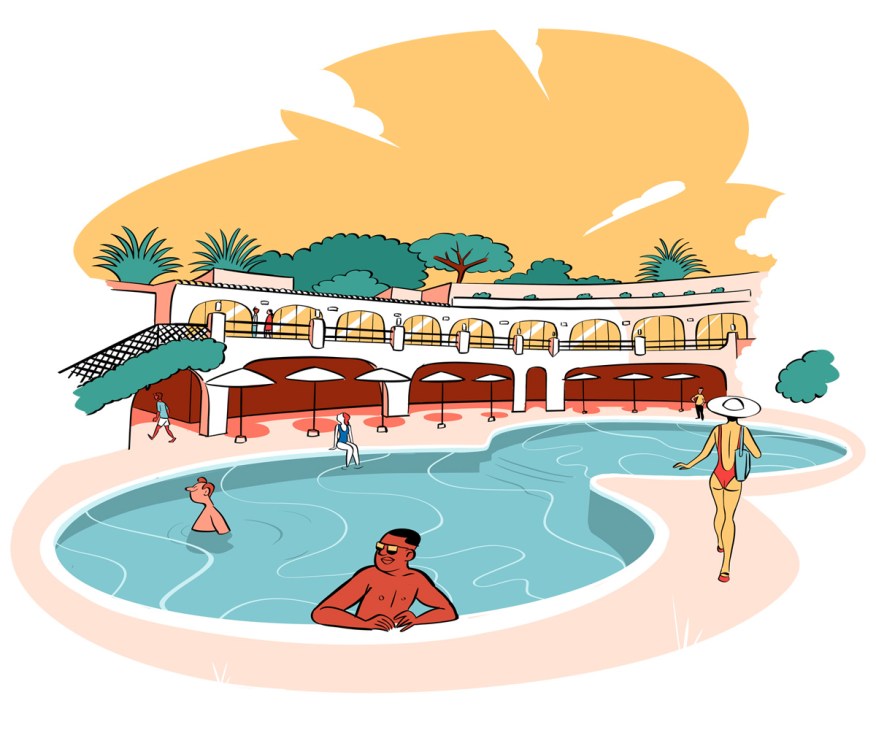
With its photogenic fishing villages and limestone cliffs towering above peerless beaches, Portugal’s southernmost Algarve region offers the peace required to host a family reunion. The Vilalara Grand Hotel in Praia das Gaivotas gets its name from founder George Ansliy’s granddaughter, Lara. He founded the property in 1966 before selling it two years later to the Swiss businessman Léon Levy, who helped to turn this magnificent hospitality outpost into a star-studded affair. Today its five restaurants cater to every taste and its thalassotherapy centre (back in the 1990s, it was the first to be built in Portugal) boasts relaxing treatments inspired by the Atlantic. This is one place that everyone in the family can agree on.
vilalara.com
5.
Undercover style
The best umbrella brand for beach, garden or terrace
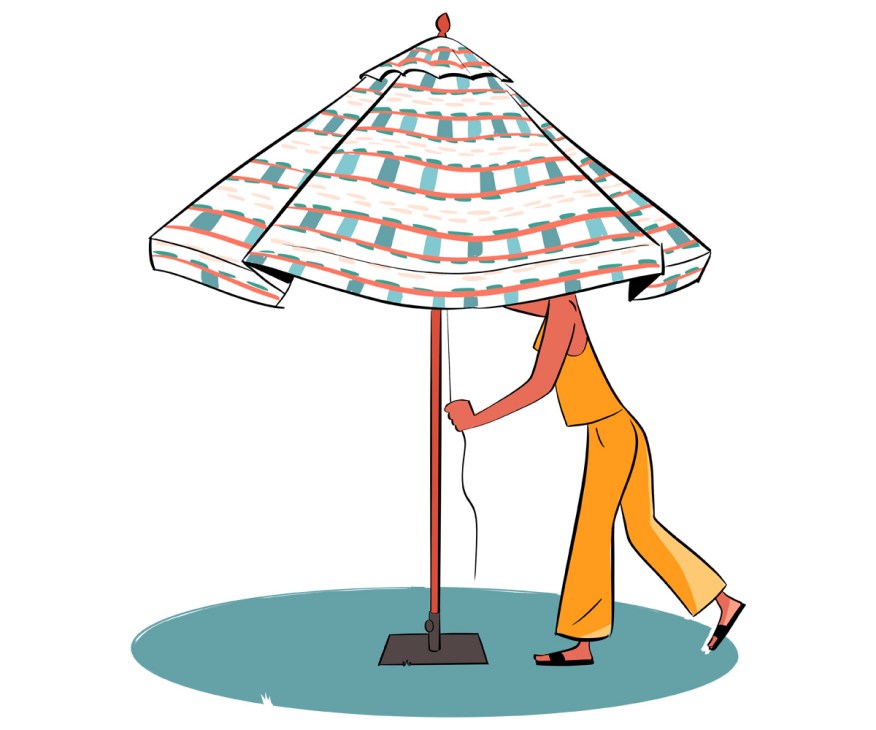
For a parasol that suits outdoor terraces as well as Amalfi Coast beach clubs, UK company Plia has the best selection. Finding that most of the options available were poor in quality, unattractive or simply unfit for the British climate, Plia’s owner, Alex Sudron, began making her own. “We set out to make parasols that were more beautiful and interesting than usual,” she says. “But we didn’t want them to just be decorative.” Her products are colourful and fun but can withstand a storm: each umbrella is made with durable weather-resistant fabric, helped by strengthened corners, storm vents, double-sewn seams and a bamboo wood frame with rust-resistant stainless-steel fittings. They feature canopy fabric sourced from Europe and are sewn in a workshop in Cornwall.
pliaparasols.co.uk

6.
Swiss poise
The beach tote that smartens your look
The answer is surely a Monocle tote, no? Well, today we’re feeling generous and want to put in a word for the sturdy shoulder bag offered by Swiss media group NZZ. Made by Zürich-based brand Ilhement, the heavy cotton canvas shopper comes in two styles but we recommend the “blank” option, which is a crisp white and has “NZZ” emblazoned on one side and the manufacturer’s brand on the other. It will make you look considered and a little Swiss in your tastes even as you head across the sand in just your bathers. And that’s a good thing.
shop.nzz.ch

7.
Printed pages
The poolside periodicals to inspire your guests
Have an absorbing pile of print media for friends to dig into – because no matter how much we love them, we all suffer from a dose of hosting fatigue now and then.
1. Spanish homes and interiors magazine Manera. We adore Casa Brutus from Japan too.
2. The Monocle Companion: 50 Ideas on Architecture Design and Building Better is on sale from 26 June.
3. The summer edition of our sister title, Konfekt, with ideas for sunny hosting and a look at Catalan living.
4. The French Harper’s Bazaar Intérieurs for a cutting-edge look at how we live – or rather, how we should.
5. Finally, M Le Magazine du Monde, with its stellar coverage of everything from people in the news to fashion.

8.
Made in the shades
The eyewear poking from our pockets
Californian label Jacques Marie Mage has fast become the go-to eyewear brand for those in the know for its commitment to best-in-class quality: every pair is handcrafted in Japan from materials such as acetate and titanium, with the occasional addition of precious stones such as onyx and turquoise. Founder Jérôme Jacques Marie Mage is also known for his ability to make statements with his designs. He has a flair for unique coloured lenses and can seamlessly marry a medley of references, from art deco and the American West to Napoleon Bonaparte. This summer, we’ll be channelling the 1960s with the label’s amber-hued Fugue navigators.
jacquesmariemage.com

9.
Screen time
The cinema where you can enjoy a movie under the stars
Outdoor cinemas are found in almost every neighbourhood in Athens and, on a balmy evening in the city’s Exarcheia district, the Riviera theatre is buzzing with cinephiles. In the open-air courtyard, its single screen is framed by a wall of cascading greenery and hundreds of yellow canvas-backed director’s chairs fill out before the first showing at dusk. The theatre hasn’t changed much since 1969, when it was opened by Theodoros Rigas, who also owns the nearby Vox and Athinaia cinemas (today his daughter Peggy runs the operation). The Riviera shows classics by Alfred Hitchcock, Andrei Tarkovsky and Billy Wilder, as well as modern movies such as Barbie and Joker, but it’s also known throughout the neighbourhood for screening Greek movies and late-night cult classics.
46 Valtetsiou, Athens 106 81
10.
Easy does it
The slides for getting around town
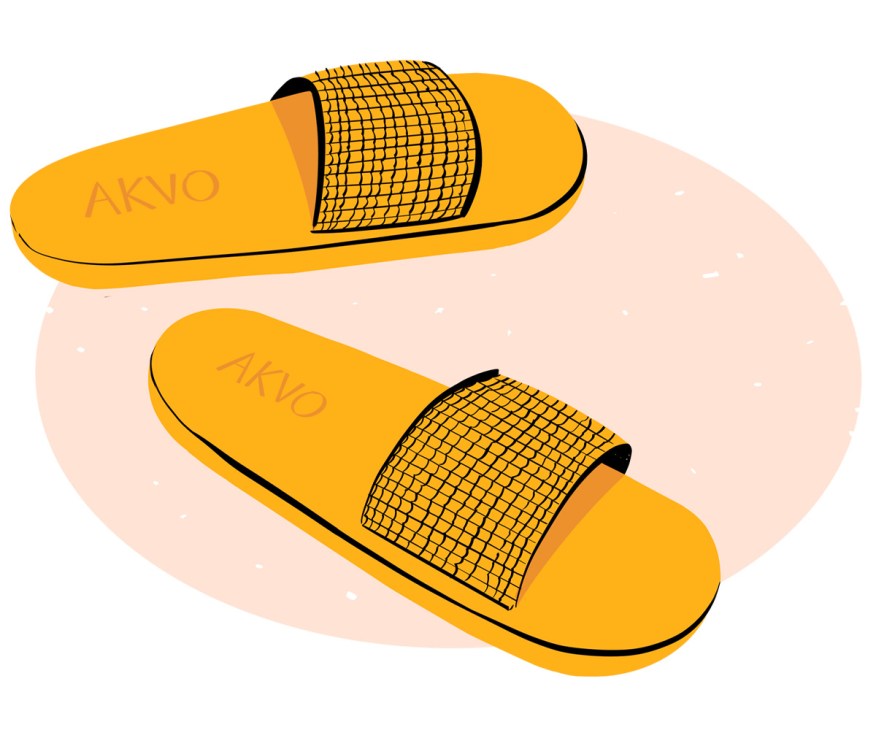
Chances are that the slides in your closet are made from pvc or other synthetic materials. Make a better choice this summer by opting for a pair from Akvo, a new Parisian label by Belgo-Canadian designer Daphne Wattiez. After years of research, Wattiez resorted to using all-natural materials such as sugar-cane foam and a hemp-and-Tencel-blend for the straps. We recommend the label’s elegant Maro slides in sunny yellow – perfect for slipping on and nipping down to the beach for a sundowner or just shuffling around the cobbled streets of your favourite beach town.
akvoshop.com
Wattiez resorted to using all-natural materials such as sugar-cane foam and a hemp-and-Tencel-blend for the straps

11.
Short cuts
The trunks of choice
There might be better places in Italy to enjoy the summer than the landlocked Milan but can you name a city that you’d trust more with tailoring, even the type designed for the beach? Ripa Ripa is a Milan-based brand specialising in tailored swim shorts and clean, straight-leg cuts. That means no more parachuting trunks as you hit water or bulges – the unflattering waterlogged variety – as you step out. The sartorial nous of founders Anna Laura Hoefer and Oliviero Muzi Falconi doesn’t end there. They also added hand-stitched finishes and traditional sailing-boat cording for the ties. Mother-of-pearl buttons add the finishing touch.
riparipa.com
12.
Get on board
The trainers that’ll get you back on track
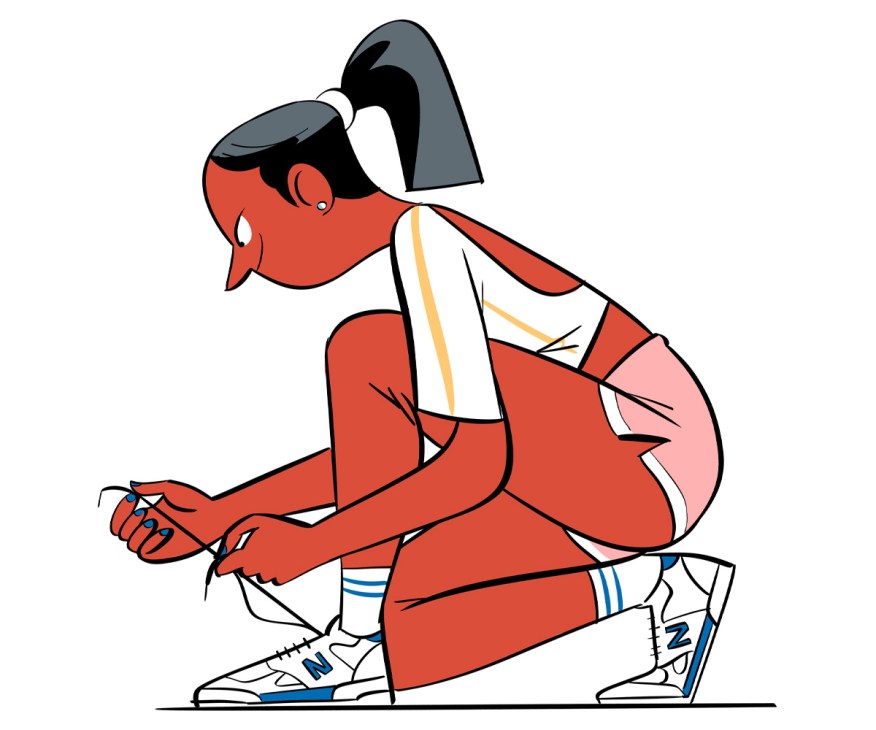
In summer, when there’s so much else to do, committing to exercise can sometimes take a little enticement. Consider getting yours in the form of New Balance’s Tom Knox trainers, with their low, sleek profile and cushioning for flexibility and comfort. Knox, one of the UK’s premier skateboarders, is behind the design and his British sensibility comes through in the style’s pragmatic elegance. These shoes will take you around town but will also hold their own on summer walks. Don’t forget to slip them into your suitcase before you jet off.
newbalance.com

13.
Sumptuous silverware
The cutest ice-cream cup and spoon
Georg Jensen shows us that silverware isn’t just meant to be displayed in a glass vitrine. Introduced this spring in Milan at its Salone pop-up ice-cream café, Gelateria Danese, this cup-and-spoon set was created in close collaboration with the brand’s Copenhagen silversmiths. It reimagines traditionally disposable items as lasting objects, crafted from Georg Jensen’s founding material: silver. The aim? To bring silver, in all of its beauty, into everyday life. “We’re challenging the perception that it’s untouchable,” says Georg Jensen’s creative director, Paula Gerbase. “What better way to do that than by introducing it into simple, everyday rituals such as having an ice-cream or a cup of coffee?”
georgjensen.com
“We’re challenging the perception that silver is untouchable”
14.
Sands of time
The watch to sport on the beach
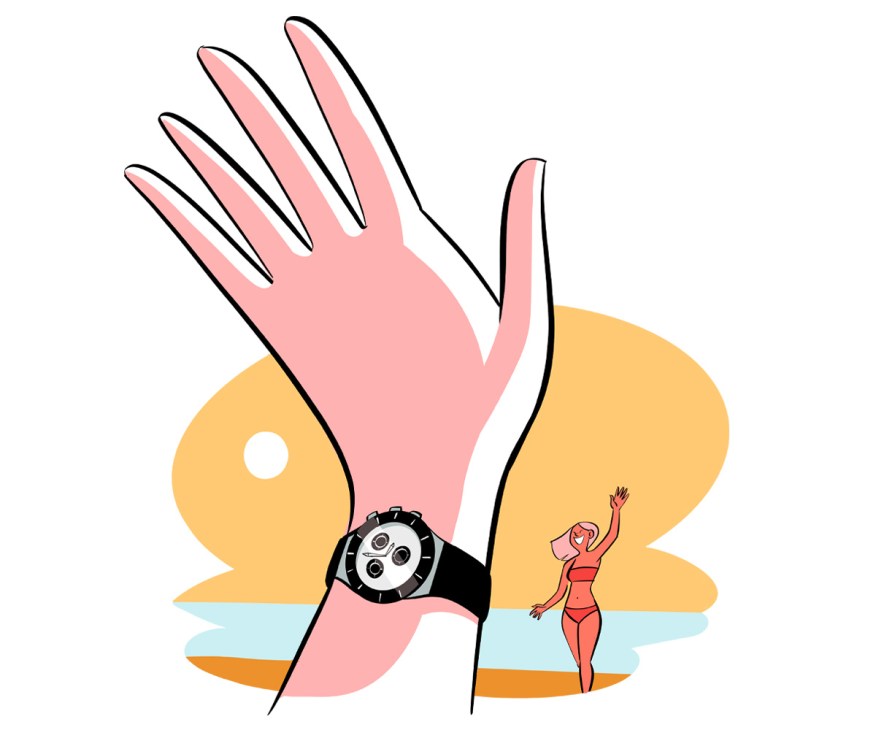
If you’re not ready to give in entirely to holiday time fog, Swatch and Omega have come together for a playful collaboration that will keep you somewhat tethered to the real world and its rhythms. Combining luxury craftsmanship and street smarts, the Moonswatch range riffs on Omega’s iconic Speedmaster Moonwatch model. Each of the 11 styles corresponds to a different planetary body and comes in colours from pale blue to pastel pink and lemon yellow. Now, back to that snooze.
swatch.com

15.
Fresh impressions
The fragrance with a scent of summer
Sunny days call for a more laidback beauty routine but that doesn’t mean you should forgo a spritz of perfume. For Dimitra Louana Marlanti and Alexandros Kalogiros, co-founders of Greek fragrance boutique Phaon, citrus and green notes paired with floral elements such as neroli, jasmine and orange blossom are the perfect marriage for a sensual summer scent. “A good summer fragrance should feel as refreshing as a breeze or a splash,” says Marlanti. “It’s something fresh and uplifting that blends with your skin and enhances your natural scent without clashing with the heat.” Among the many brands stocked by Phaon, the pair’s picks of the season include Neroli Oranger by French perfumer Matiere Premiere, Fig by Perfumer H and 28° by Ormaie.
phaon-athens.com
“It’s something fresh and uplifting that blends with your skin and enhances your natural scent”

16.
Electric avenue
The nippiest car for urban adventures
The electric Renault 4, with an optional retractable canvas top, is the French car-maker’s newest model to hit the market. It comes after the success of the Renault 5 and is a fresh take on the classic R4, built in 1961. The latter sold in the millions over the course of more than 30 years and built the Renault brand and its reputation for laidback chic. Upgraded to a family-friendly ride with plenty of boot space, a sleek design and quick-charging lithium-ion battery, the Renault 4 is a modern equal to its beloved relative.
renault.fr
“Just in time for those breezy summer drives, it comes after the success of the Renault 5”
17.
Bold treatments
The Med fashion outlet that should kit you out
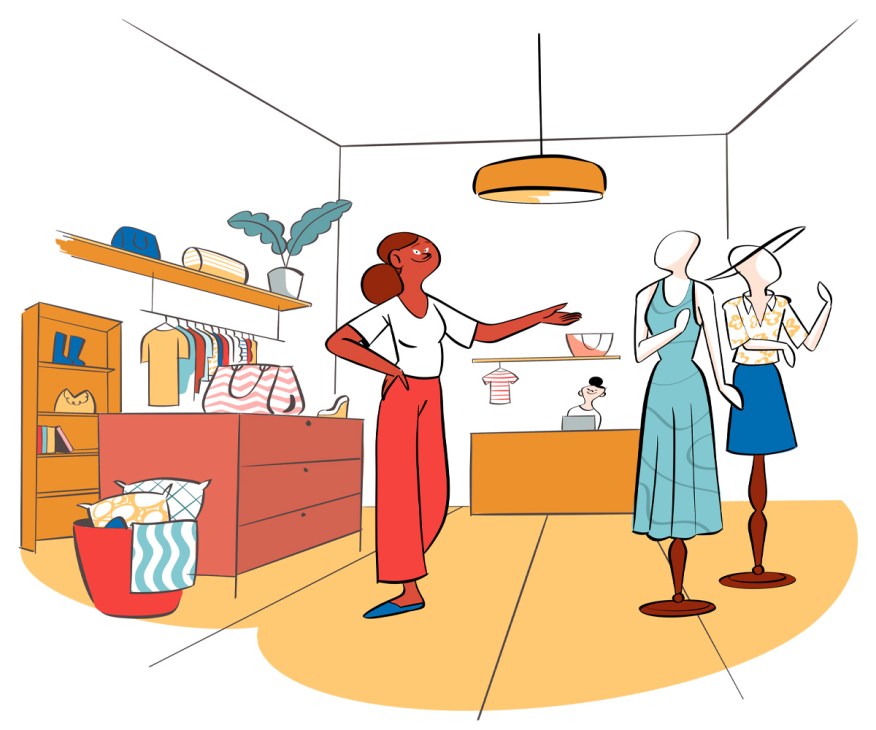
Fashion Clinic is one of Portugal’s most elegant shopping destinations, with outposts across the country. Its boutique in Comporta, a haven of sunny fashion, is well worth a visit in the summer months. “The clients in Comporta might be the same [as in Lisbon or Porto] but they are in a different mood so we always offer something special,” says Maria Pimentel, the retailer’s fashion director. “Our goal is to surprise.” Part of the surprise includes a series of artisanal brands that capture the more relaxed, bohemian spirit associated with the season: hand-embroidered men’s shirts by Paris-based Baziszt, tunics by Marrakshi Life and knit polos by Piacenza 1773. Pimentel recommends visiting with your fellow travellers. “A simple ‘This looks good on you’ from a friend will encourage you to make bolder choices.”
fashionclinic.com

18.
Soft touches
The towel brand to give you beach appeal
Relaunched in 2020, Torres Novas is one of Portugal’s top purveyor of beach towels, with a heritage that stretches back to 1845. Wherever you are in the world, a yellow-and-white striped number can evoke sun-soaked days on the sandy beaches of Cascais or tanning sessions by an aquamarine-hued pool in Comporta. Taking inspiration from 1940s designs, the towels’ vertical stripes bring a pleasingly retro flair to your beach bag. They also come in generous proportions and buttery-soft terry and cotton fabrics. You couldn’t pick a better beach companion if you tried.
torresnovas.com
“Wherever you are in the world, a yellow-and-white striped number can evoke sun-soaked days on the sandy beaches of Cascais”

19.
Case in point
The luggage label that’s under the radar
There’s no way around it: travelling in style means travelling light. This summer we’ll be bringing the Cubo Small cabin bag by Hong Kong-based Lojel on our city breaks and weekend escapes. With a nifty flat-top opening, the front compartment is designed to store laptops and documents and is easily accessible in tight spaces or in-flight, while the magnetic divider can be flipped up should you need to retrieve anything from the main body of the suitcase. The lightweight part-recycled polycarbonate shell makes it robust and reassuringly weather-proof too. And if you do pick up a few souvenirs along the way, the case can be expanded for the journey home.
lojel.com

20.
Smooth service
The perfectly formed gateway airport
We love compact airports and one of the most perfectly formed is Nice Côte d’Azur (NCE). This gateway to the south of France – whether you’re heading to Monaco (there’s a helicopter service), Antibes or your villa in the hills – somehow handles almost 15 million passengers a year. In addition to two commercial terminals, there’s a private one too. The retail offering is nicely focused, featuring Hermès and Zegna outposts. Best of all? If you’re staying in Nice and hit the traffic just right, you can be checking in to your hotel just 20 minutes after getting in the limo. Suffice to say, the people-watching at NCE is pretty good too.
21.
Ideas for a better world
The conversation starter
There’s one other thing that will really enhance your summer, leaving you inspired and with an address book full of fresh contacts, while revealing a new side of a Mediterranean city. You need a ticket for this year’s edition of Monocle’s Quality of Life Conference, which will take place in Barcelona from Thursday 4 to Saturday 6 September. There will be fun receptions, tours and a day of panels focused on making better businesses, cities and lives. Join us.
monocle.com/events
Illustrator: Antonio Sortino
Can Candela build the perfect all-electric Med ferry?
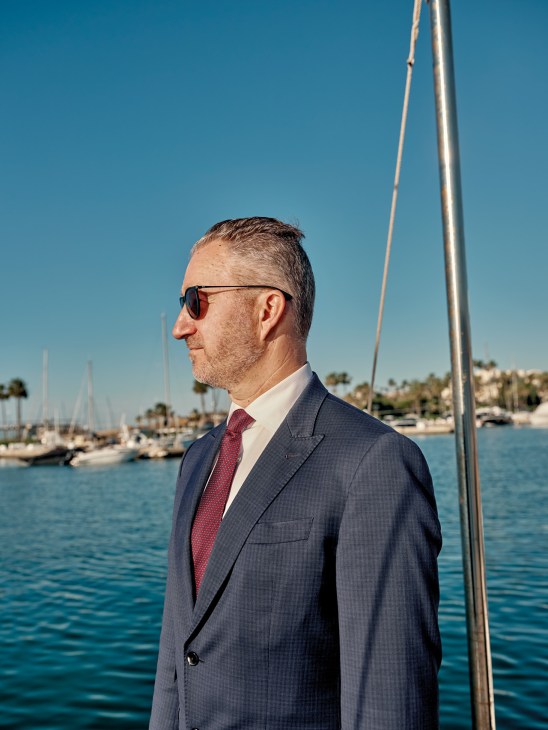
Per-Arne Hjelmborn, Sweden’s ambassador to Spain, arrives early at Sotogrande, an upscale harbour on the southern coast of Andalucía. Standing on the quay in the soft morning sunlight, dapper and tall in a suit, tie and sunglasses, he says, “We’re about to set a milestone. We will be connecting Africa with Europe [in a new way]. This is a great day for Swedish technology.”
Hjelmborn is about to board Elina, the fully electric hydrofoil boat that is attempting to set a world record for being the first all-electric vessel to traverse the Mediterranean. The plan is to graze past the Rock of Gibraltar, dock at the Spanish city of Ceuta on the African continent for a quick charge of the boat’s battery and then return to the Spanish mainland in the afternoon.
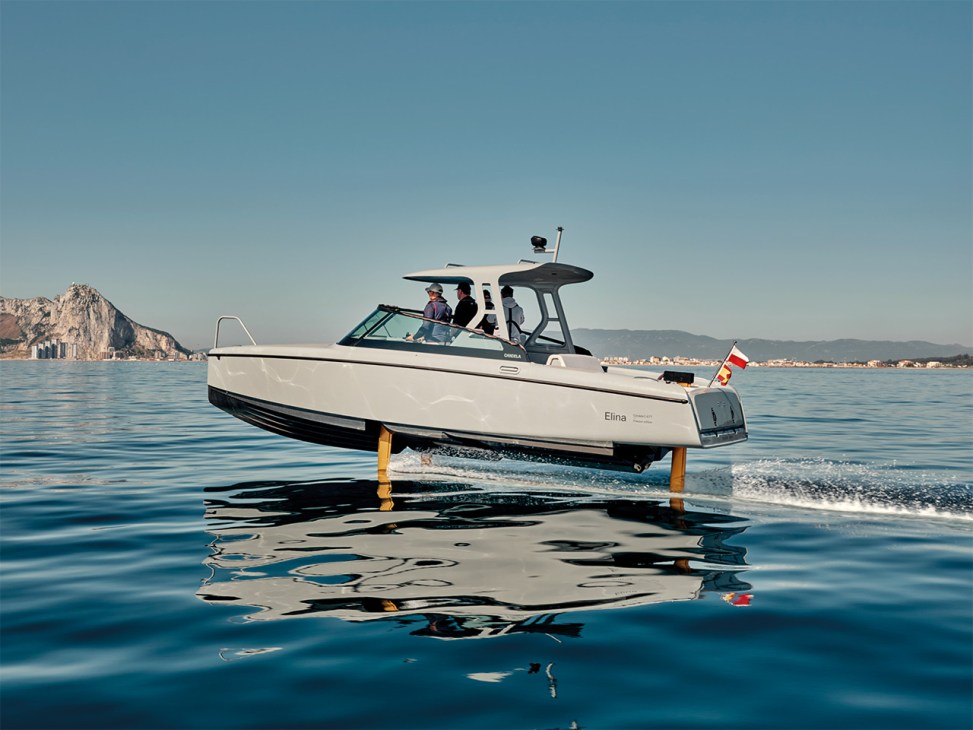
Elina is a C-8 hydrofoil, a nimble and lightweight 28ft (8.5-metre) leisure boat built from carbon fibre that comes with battery technology and upholstery designed by car manufacturer Polestar. The boat, which is built and developed by Swedish firm Candela, can reach speeds of 30 knots (55.6km/h) and travel 40 nautical miles (74km) on a single charge. Candela’s crossing of the Med is not just about breaking records; it’s also a charm offensive. This will introduce the technology behind the firm’s larger hydrofoil, the P-12, which can take 30 passengers and is already running a successful commuter service on Stockholm’s waterways. If Gustav Hasselskog, Candela’s founder and CEO, gets his way, the two million people who travel between Algeciras on the Spanish mainland and Ceuta every year on large, polluting ferries will, in the near future, have the option to board Candela’s P-12 instead. “We’re proving that it is possible to revolutionise transport at sea,” says Hasselskog, as he climbs aboard Elina.
Since launching Candela in 2014, Hasselskog has added more funding (€35m raised in the latest round), staff (currently 220), an HQ in Stockholm and a factory outside the Swedish capital. The company will soon inaugurate a second factory in Poland. He has sold the P-12 to 10 countries so far, including Germany, New Zealand, the US and Saudi Arabia, where the hydrofoil will frequent the canals of the futuristic new megacity, The Line, once it’s built.
The potential to electrify sea traffic is there and the market for smaller, faster and cleaner vessels is wide open and untapped. “These sea lanes have existed for thousands of years but we’ve lost sight of their potential,” says Hasselskog. “Ferries are expensive and dirty. We’re paving the way for a new zero-emissions mode of public transport.”
Hasselskog is hopeful that his hydrofoils will appear everywhere, from Mumbai to New York, and believes that people on the Costa del Sol would be quick to jump on a P-12 between, for instance, Málaga and Marbella, cities that can often only be reached via traffic choked roads.
“We have a product that delivers a fast, clean and reliable alternative to clunky, dirty ferries,” he says. “We also have no competitors.” Hasselskog steers Elina out of the harbour and sets the bow towards the open sea. Candela boats run on a software system similar to that found in fighter jets; it stabilises an essentially unstable craft using ultrasound sensors that gather information about wave movements, adjusting the foils accordingly for the boat to stay on course. Lowering the foils into the water, the CEO then pushes to full throttle.
Cresting the waves alongside Elina is a fossil-fuel-powered speedboat, which struggles to keep up with the C-8, with its foils that lift the craft about half a metre above the water’s surface. She’s silent, fast and stable – unlike the speedboat, which smashes hard onto the waves, roars and smells of gasoline.

Except for the fog that envelops the harbour entrance at Ceuta, the trip over the Mediterranean runs smoothly – and we’re accompanied by schools of tiny dolphins. At 25 knots (46km/h), it takes about an hour to travel between continents. Upon arrival in Ceuta, Hasselskog’s PR manager, Mikael Mahlberg, who rode in the speedboat next to Elina, shouts to his boss, “We have a world record!” and gives a thumbs up.
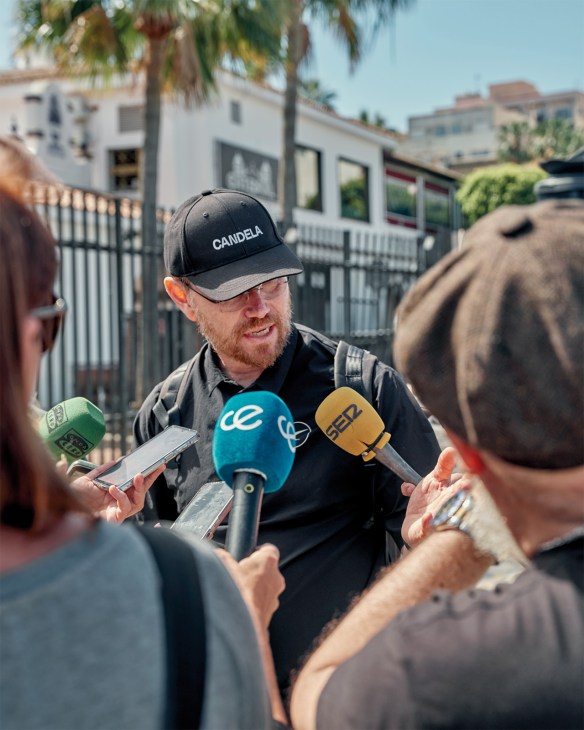
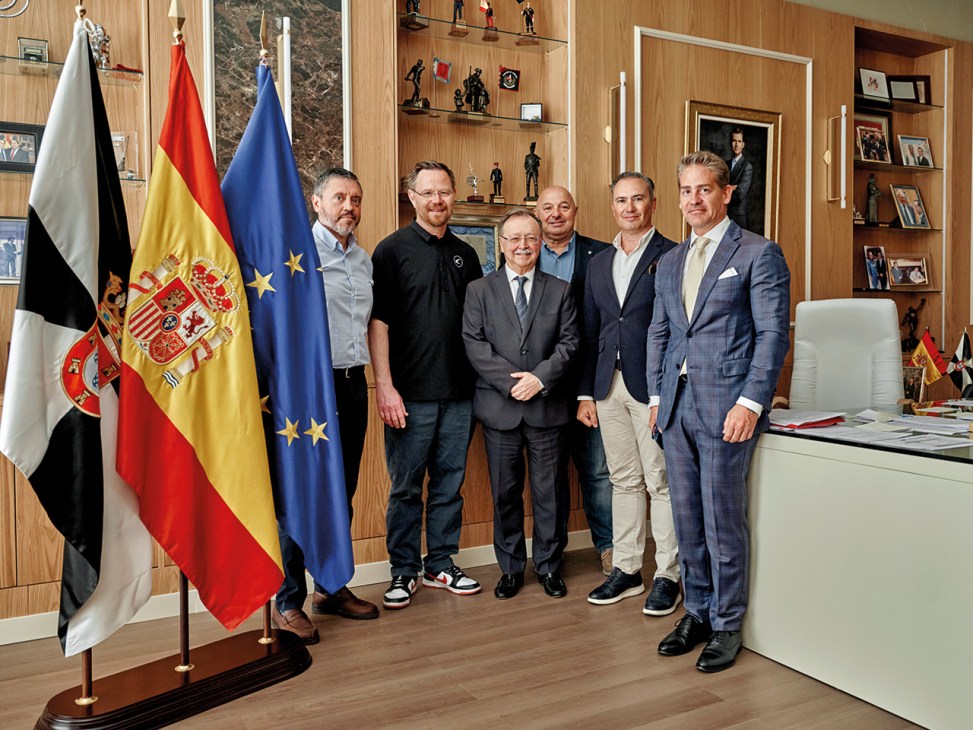
As Hasselskog moors the hydrofoil, he and his team are surrounded by a scrum of journalists and TV crews, who are there to record the historic crossing, and are then greeted by dignitaries including Karim Bulaix García-Valiño, president of Ceuta’s chamber of commerce. “Ceuta is reinventing itself,” says García-Valiño. “We want to be smart and green. Candela fits right into that.” This sentiment is echoed by Ceuta’s diminutive mayor-president, Juan Jesús Vivas, who expresses his enthusiasm once Hasselskog shows him a reel of the P-12 cruising Lake Mälaren in Stockholm in more explicit terms. “Es de puta madre,” he says, which roughly means, “It’s awesome.”
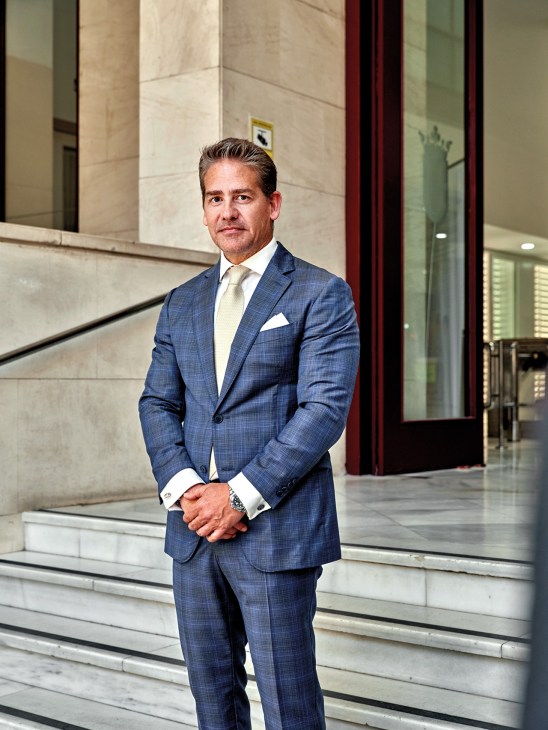
The man who is most likely going to operate a fleet of Candela P-12s between Ceuta and the Spanish mainland is Manuel Gómez Guiterrez-Torrenova, the president and CEO of Avangreen, a multinational green-energy infrastructure firm that recently opened a solar-panel park in Ceuta harbour. “We can plug in the boats to charge right here,” says Guiterrez-Torrenova. “Millions of people visit Andalusia every year but many don’t realise how close they are to Africa. There’s a big gap in the market. These people could easily pop over to Ceuta on a Candela boat.”
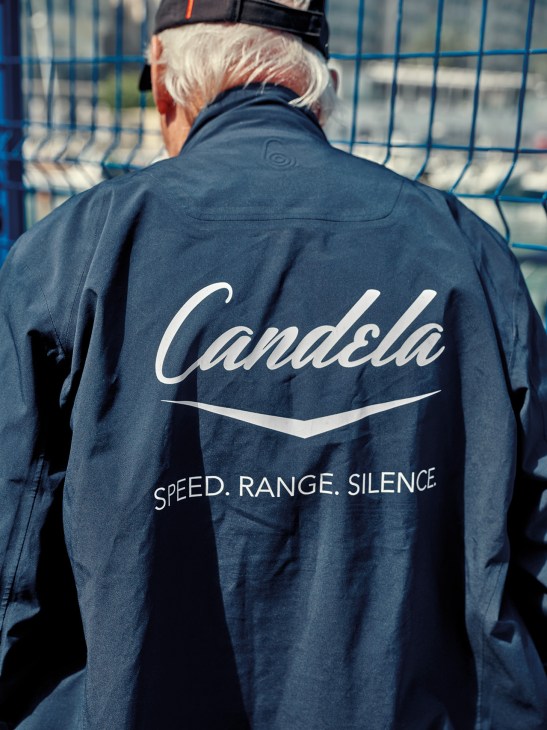
To understand how a small Swedish firm could become a world leader in the electric hydrofoil market, you have to understand its founder. Hasselskog’s core team describes his leadership style as open and hands-on. He certainly looks the part of a technology entrepreneur: black T-shirt emblazoned with the company’s logo, shorts and a Candela cap. He also speaks like one when he says that he is ready to dominate the world’s waterways.
The 53-year-old, who has an engineering degree, is quintessentially Swedish, hiding his intelligence and entrepreneurial prowess behind a measured and humble attitude. And, judging from the boyish glint in his eyes, Hasselskog retains the same curiosity for research and development that he had as a young man when he would tinker with anything that he could disassemble and reassemble – then improve.
That is further confirmed when he talks about the beginnings of Candela. “I had achieved all that I wanted,” he says. “I had the corner office, the money, the nice car. But I realised that no one cared about what I did. Nobody would remember me for my corner office.”
Hasselskog, who talks with great affection about his two teenage sons – “They don’t take after me,” he says with a laugh, sounding content. “One paints, the other makes music” – explains how he stumbled across the idea of launching a company that makes electric hydrofoils. “I’d spend €50 on petrol to take my sons in our motorboat from our summer house in the Stockholm archipelago to the nearest kiosk in town to buy ice cream,” he says. “Those ice-cream runs were far too expensive. I had to do something about that.” Now, just over a decade later, Hasselskog knows that he did the right thing when he spent part of his savings on renderings of the first boat and embarked on the schlep to find investors, sketches in hand. Out of 90 venture capitalists, all but two turned down meeting him, though they too ultimately said thanks but no thanks. It took investment from Christer von de Burg, a Swedish rare and antique bookseller in London, to get things going. “Hasselskog is an inventor,” says Von de Burg over dinner with representatives from Málaga’s local government. “He is passionate about his project. He gets things done. He’s the real deal.”
That assessment proved wise. Though Candela’s first prototype failed to lift out of the water and brought the team back to the drawing board, the next iteration, the C-7, worked – and Hasselskog’s doggedness and belief in his product has delivered a clean way to travel by sea. “We flew across the Mediterranean today,” he says back at the quay at Sotogrande, looking relaxed and happy. “That has never been done before.”
Candela timeline
2014: Hasselskog launches Candela
2019: The first hydrofoil, the C-7 model, is launched
2021: Launch of the C-8; 60 orders are made within the first five weeks
2022: Candela opens a factory in Rotebro, Sweden. First US Candela test centre opens in San Francisco
2024: The P-12 starts a commuter service in Berlin and Stockholm.
The C-8 crosses the Baltic Sea from Stockholm to Mariehamn, the capital of Åland, for the first time
2025: Candela sets a world record for an all-electric hydrofoil crossing the Mediterranean. New factory in Poland is scheduled to open at the end of 2025
Japan has taken up the mantle for Expo 2025, showcasing the design world’s brightest ideas
Japan’s longstanding relationship with the World Expo dates back to the country’s debut at the Paris Expo in 1867, when the previously isolated nation unveiled its culture and aesthetics to new audiences. About a century later in 1970, Osaka hosted the first expo in Asia, amid Japan’s economic boom. That event has been etched into the nation’s modern folklore, with memories of Japanese artist Taro Okamoto’s avant-garde sculpture “Tower of the Sun” complementing works by the country’s avant-garde metabolist architects, not to mention the Thai elephants that were paraded along the motorway after arriving at Kobe port.
More than 64 million visitors attended the 1970 event, seeking a taste of international culture and a glimpse of the future. “There was even a moon rock,” said one Osaka taxi driver on the cusp of the 2025 edition’s opening day. “How can you possibly beat that?” The collective memory of that event remains strong and while Expo 2025 Osaka unfolds in a far different world, his sentiments echoed those of many locals looking on with a mix of caution and curiosity.
Running until mid-October, the event is coordinated by the Bureau International des Expositions, an organisation established in 1928 and comprising 184 member countries. The ambition? To foster international collaboration and address universal challenges. This year’s event is taking place against a tense global political and social backdrop – and it wasn’t entirely smooth sailing in the lead-up to the event at the Yumeshima (“Dream Island”) venue either. Concerns around the fair’s economic viability, soaring budget – almost doubling to ¥235bn (€1.43bn) – and sustainability were accompanied by rather tepid pre-opening ticket sales, threatening the target of 28.2 million visitors. Early reports of long waiting times and problems navigating the vast site added to the challenges.
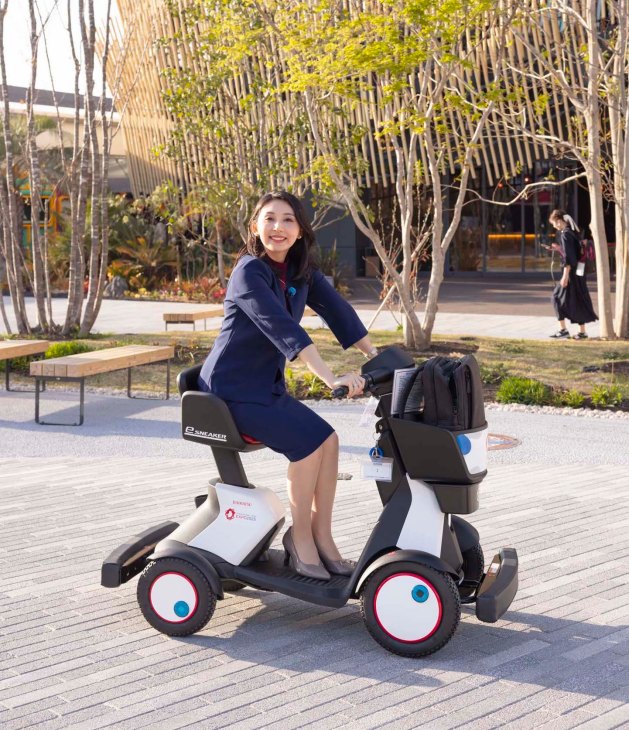
Yet when Monocle arrives at the 156-hectare site by Osaka Bay, there’s optimism in the air. The newly opened train station is brimming with life, with the Expo’s quirky mascot Myaku-Myaku appearing on digital displays. Meanwhile, eager travellers compare notes from their guidebooks, and staff from the Japan Pavilion make their way towards the venue in kimono-inspired uniforms, complete with tabi socks and sandals. Once through the gates, visitors are greeted by Sou Fujimoto’s Grand Ring and pavilions from 158 countries and regions, along with international organisations and a swath of leading Japanese companies.
Everything from public amenities to bespoke uniforms and conceptual installations has been given consideration – many drawing inspiration from the central theme of “Designing Future Society for Our Lives”. It’s a call to action that has inspired much talk of unity and dialogue, while also giving rise to innovations that respond to global challenges. Here, we visit a clutch of the expo’s contributors to see how nations, organisations and individuals might work together to build a better world.
1.
Inner circle
The Grand Ring
Japanese architecture’s biggest names have shaped Expo 2025. Pritzker Prize-winners Toyo Ito, SANAA and Shigeru Ban, as well as Kengo Kuma, Nendo and Yuko Nagayama, have all worked on buildings for the event. The defining figure, though, is Sou Fujimoto. In addition to master-planning the site, the Hokkaido-born, Tokyo-based architect is responsible for The Grand Ring. At 2km in circumference and reaching 20 metres high, it is the world’s largest wooden architectural structure.
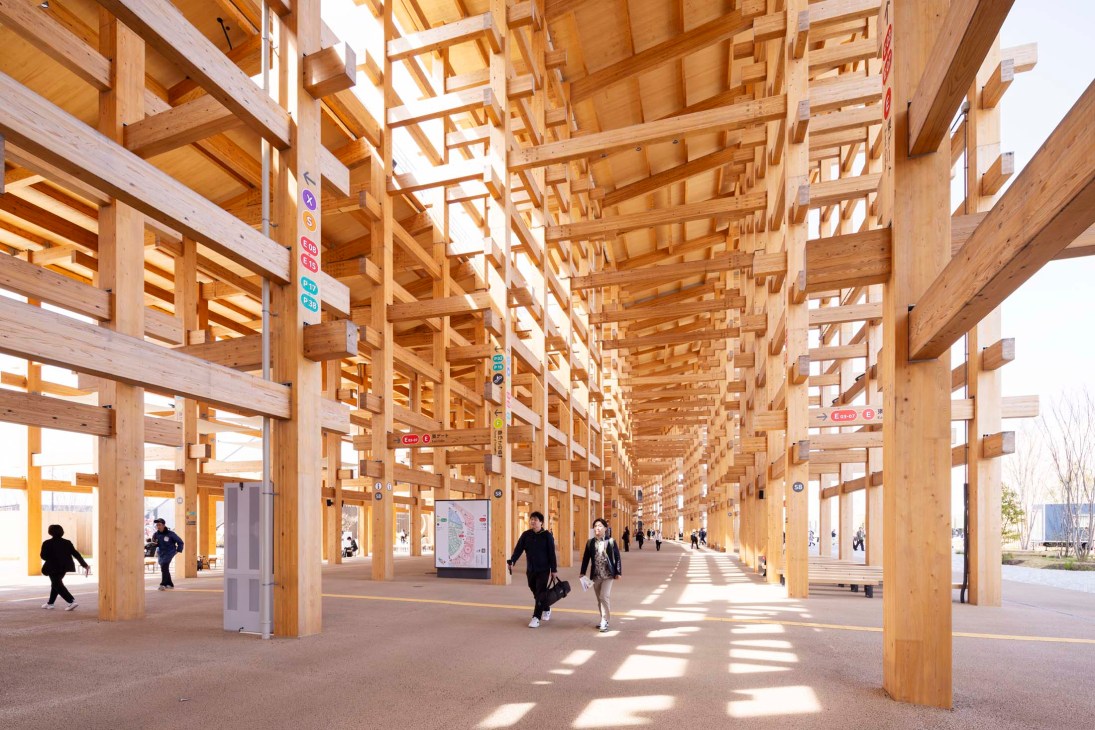
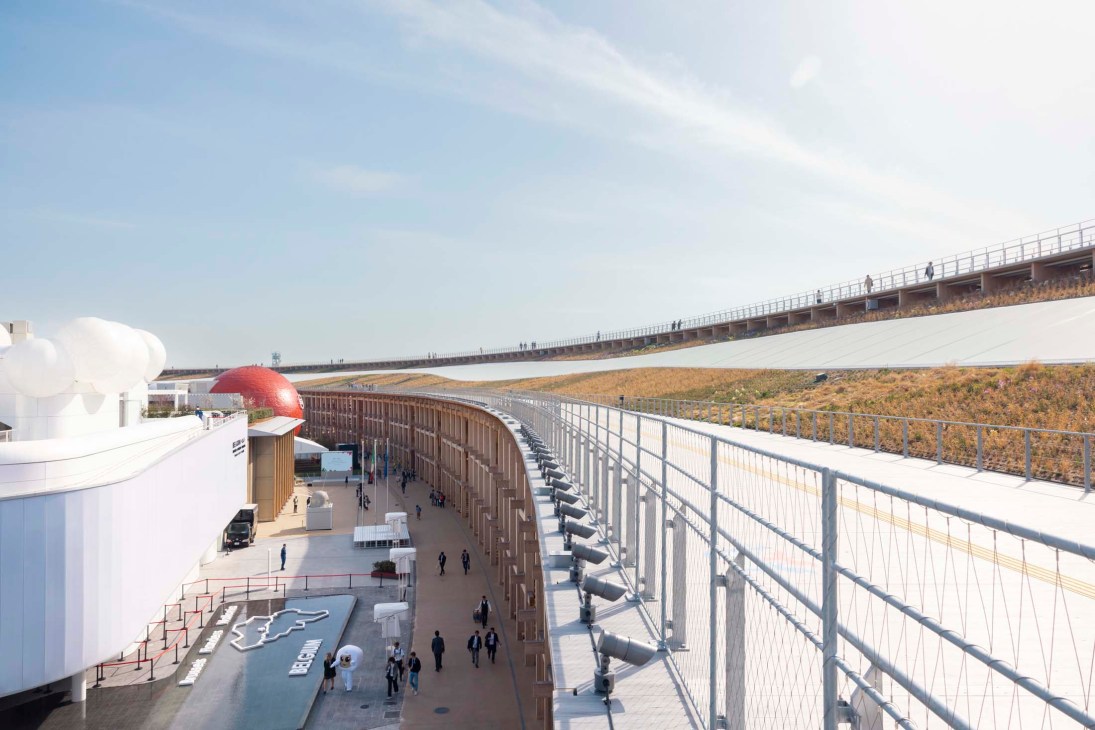
The Grand Ring encloses many of the country pavilions. In practical terms, it works harder than any other structure on the site. It brings a verticality to the windswept artificial island of Yumeshima and provides shelter from the blistering summer sun, while also functioning as a viewing deck, with the city in one direction and the sea in another. Built by three of Japan’s most powerful construction giants – Obayashi, Shimizu and Takenaka – its latticework design pays tribute to the ancient Kiyomizu Temple in nearby Kyoto, making it a showcase for Japan’s history of wooden architecture.
“This ring is a symbol of our times,” says Fujimoto. “At a moment when diversity around the world seems to be coming apart, it reflects our desire to hold it all together.” The ring’s fate has yet to be confirmed. Fujimoto says that he hopes that it will be preserved in its entirety. Many visitors would also like the ¥34.4bn (€207m) wonder to stay put. Sadly it won’t – and how much of it will be preserved and reused remains unclear. Even if it is entirely demolished, The Grand Ring will endure in the memory as the architectural emblem of Expo 2025.
2.
Wealth of nations
Country pavilions
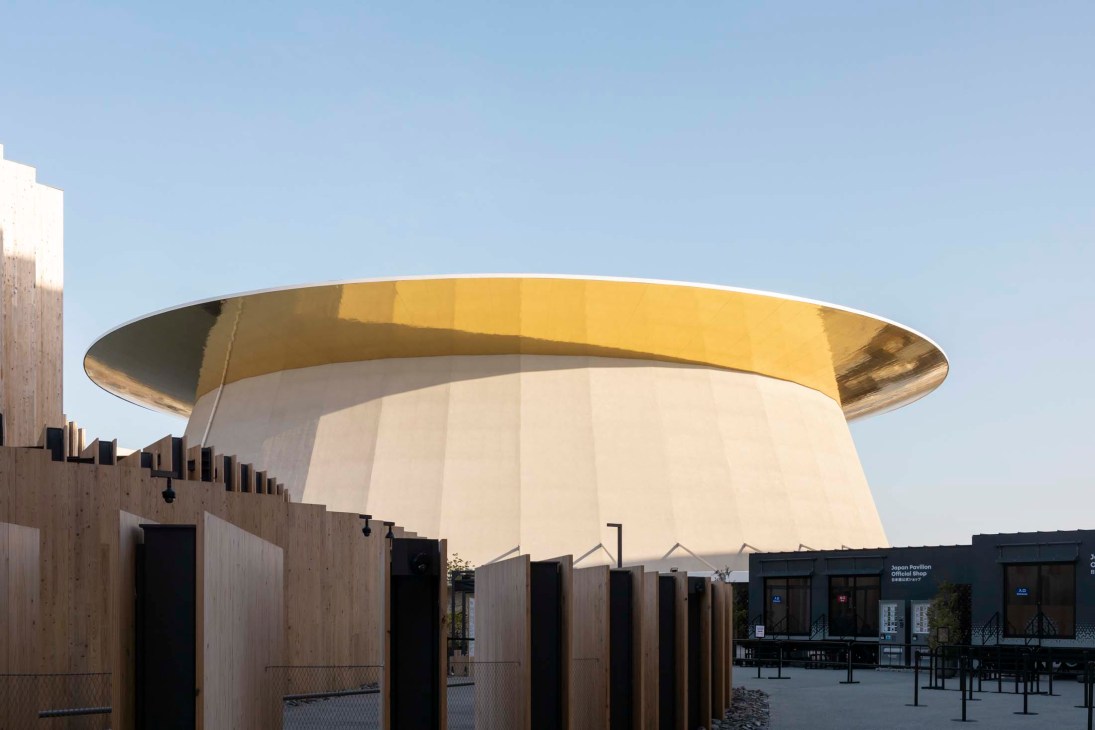
In a field of national pavilions with each jostling for attention, the countries at Expo 2025 present a mixture of ambitious visions, collective solutions and expressions of soft power. Occupying prime position is the US Pavilion, designed by Louisiana-based Trahan Architects, but the Philippines holds its own next door with a lively mix of AI and traditional crafts. Nations are playing to their strengths: the Chinese pavilion unfurls like a bamboo scroll and the Italians have a Caravaggio, while the Japanese pavilion’s circular structure is made from recyclable pieces of timber. France, meanwhile, leans into its cultural might; its expansive, museum-quality space hosts Rodin sculptures alongside works from heritage fashion houses such as Louis Vuitton and Christian Dior.

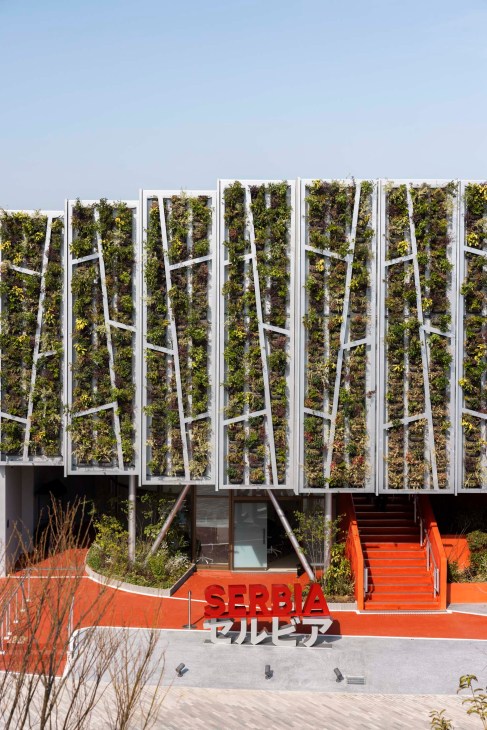
These visions are counterbalanced by pavilions tackling broader challenges such as climate change. Visitors to the Netherlands Pavilion can learn how the country’s complex relationship with water (a third of the nation sits below sea level) is fuelling solutions relating to food security, renewable energy and future mobility.
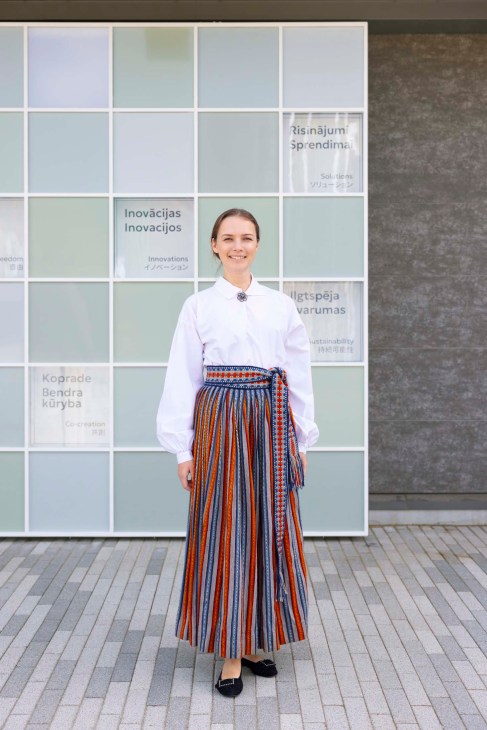
Links to the natural world are also at the heart of Latvia and Lithuania’s Baltics Pavilion, where the installation “Nature’s Pharmacy” comprises some 300 plant specimens from the region’s meadows. It highlights their unique properties and health and wellbeing benefits, alongside crowd-sourced imagery celebrating an outdoors lifestyle.
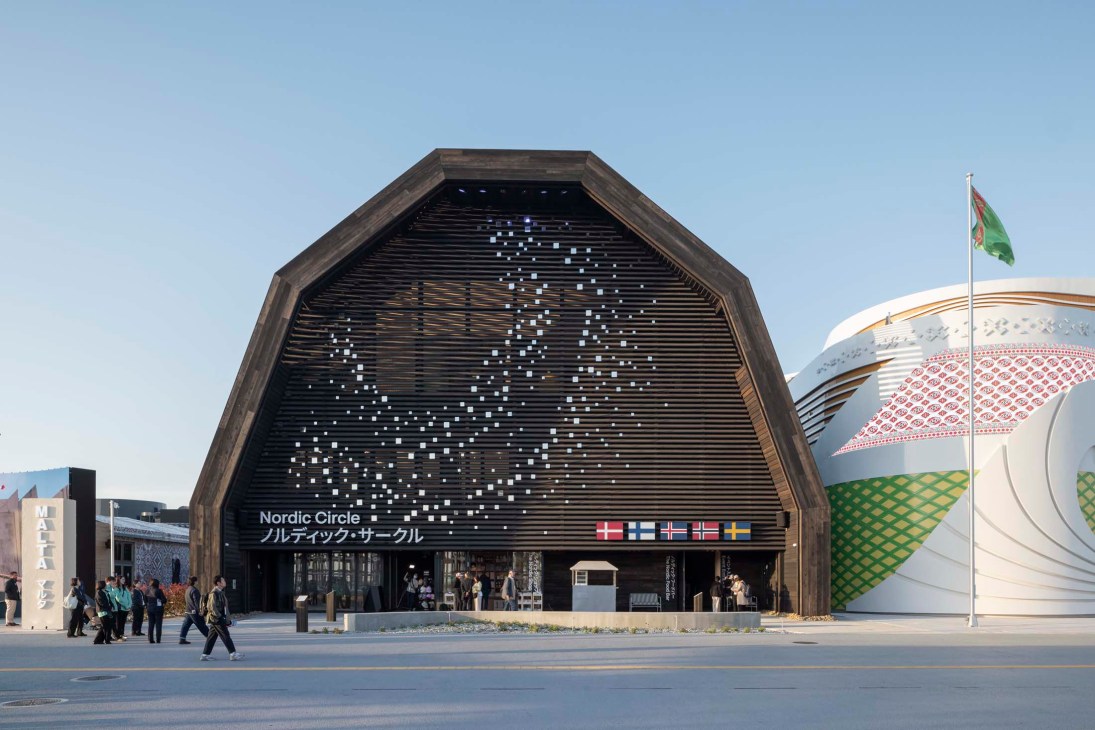
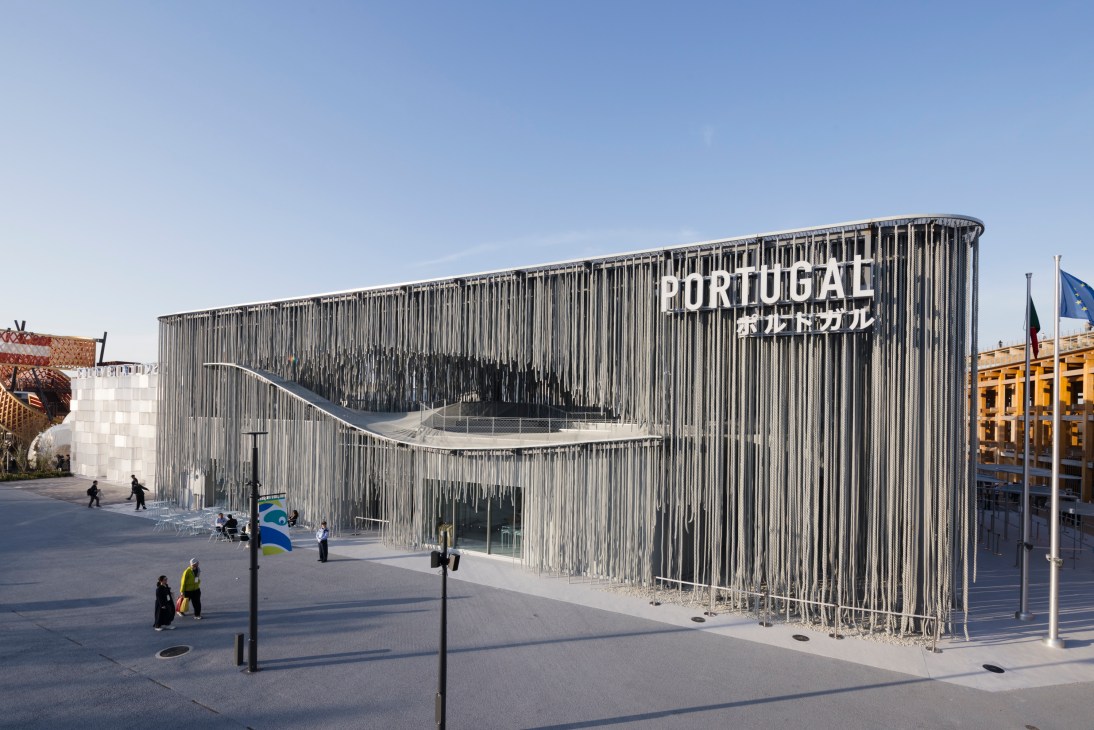
Food culture is also on the menu, with the Australians preparing flat whites and lamingtons, and the Nordics serving traditional skagen (open-faced sandwiches) and semla buns. At the UK Pavilion, afternoon tea is on offer. The aim of all of this is to present friendly forms of nationalism, reminding visitors that many of the solutions to our most pressing issues might lie in our own – or our neighbours’ – backyards.
3.
Dress to impress
Uniforms and mascots
While it is architecture that is making the biggest national statements at the expo, fashion reinforces the message. The Japan Pavilion’s gender-neutral grey uniforms by 6 Yuya Nakata are inspired by kimonos and made from recycled materials. The Malaysians are looking stylish in national dress; for men that’s traditional baju melayu, comprising a five-button collarless shirt, loose trousers, a decorative sarong and a black songkok hat to top it off. Japanese designers are involved in multiple pavilions. Textile designer Akira Minagawa, who runs fashion brand Minä Perhonen, has given staff at the Dialogue Theatre (a signature pavilion commissioned by the expo organisers, celebrating the power of conversation) loose-fitting outfits and bandanas, with hair and beauty direction by Shiseido. For the Better Co-Being Pavilion (an open-air space with a cloud-like roof supported by metal uprights), Japanese outdoor brand Goldwin worked with designer Yuima Nakazato to create staff uniforms to withstand the sun, wind and rain. Such 7 qualities are particularly important in light of the rise of unpredictable weather patterns across the globe.
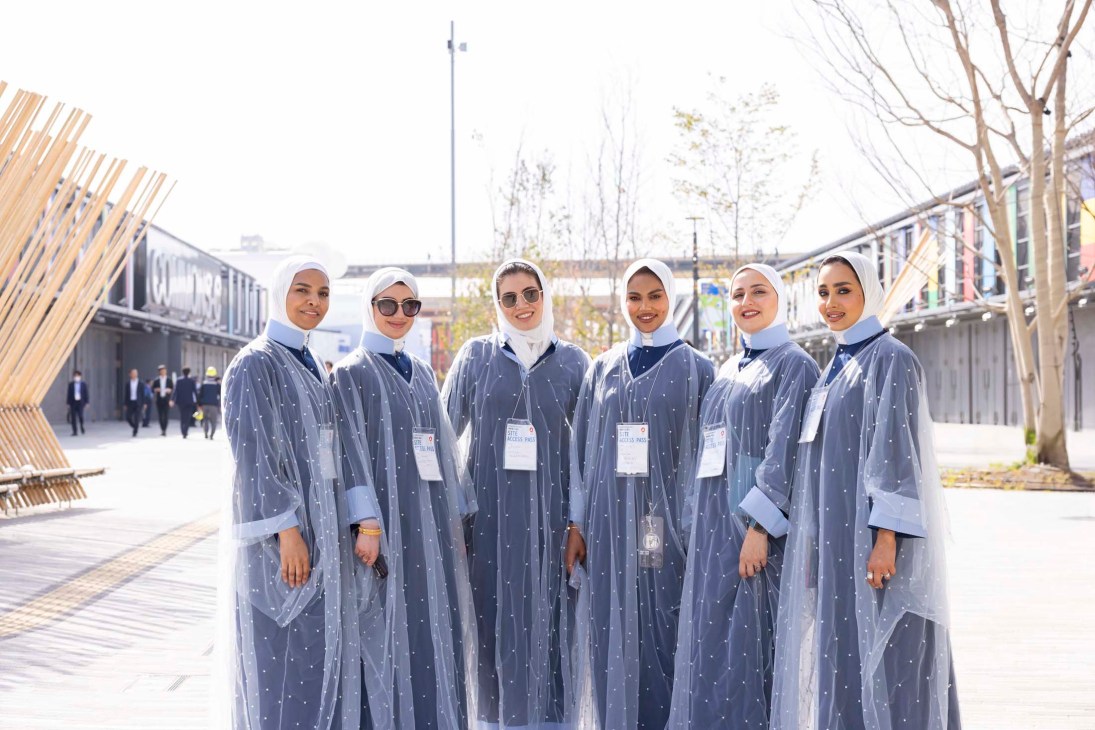
Japanese recruitment firm Pasona, which has a pavilion dedicated to nature, has gone all out with a striking uniform by nonagenarian designer Harumi Fujimoto. It blends futurism and tradition with Nishijin-sourced silk fabrics and yuzen dyeing methods, transforming the beauty of classic kimono and obi fabrics into modern uniforms.
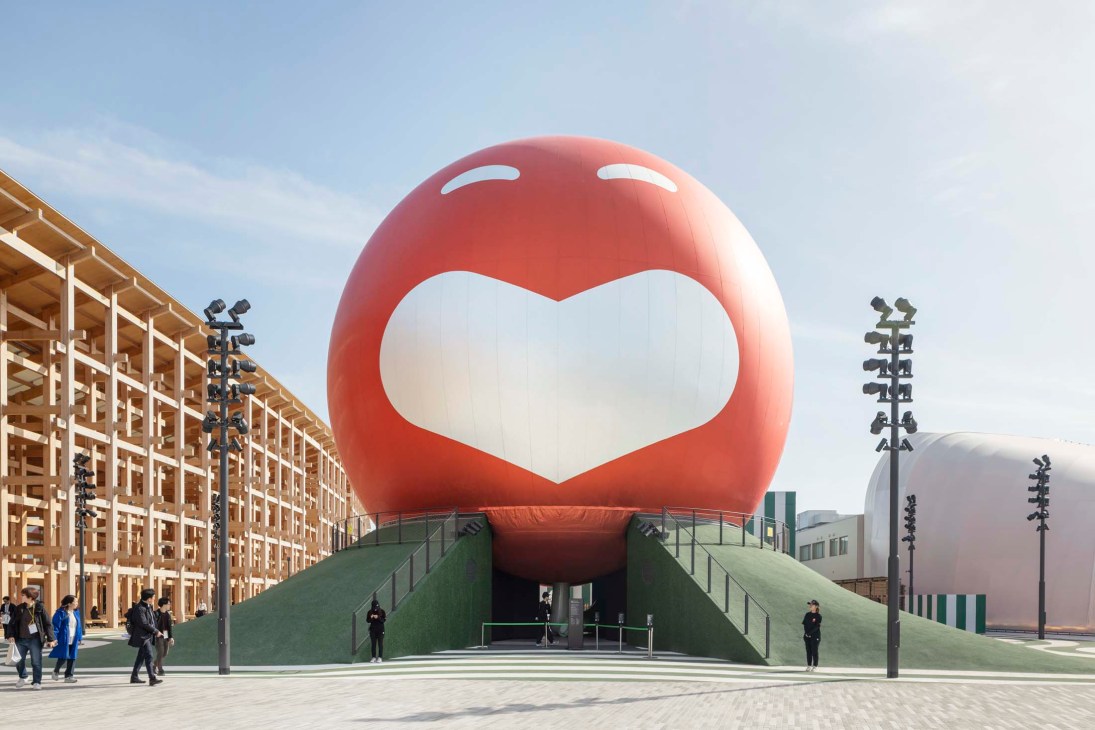
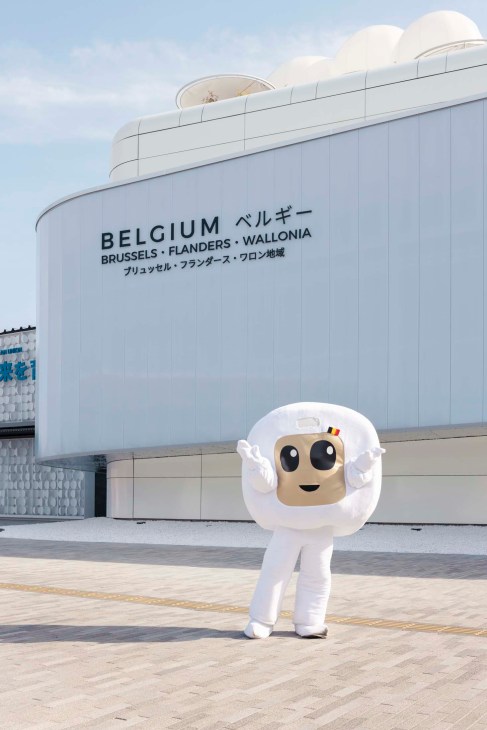
Some countries have even been brave enough to introduce a traditional Japanese yur u kyara-style mascot. Look out for Belgium’s cheery BeluBelu (pictured, right) – a cell rendered in furry form – which you’ll see posing for selfies and winning friends. It’s a bold move in Japan, which has made the genre its own, but shows the power of delivering a complex message in a cuddly package.

Meet the mascot
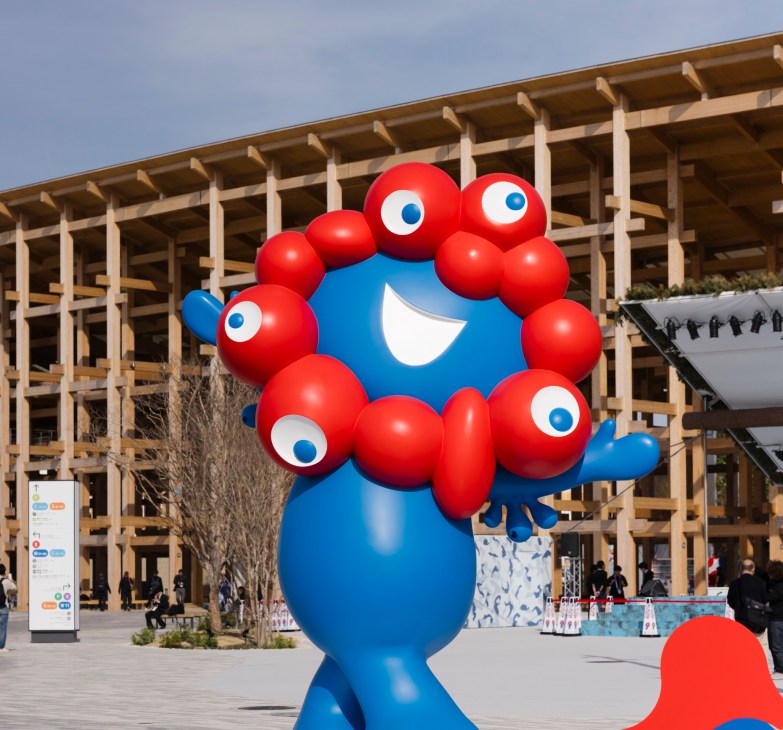
It’s hard to miss Myaku Myaku. Created by illustrator and picture-book author Kohei Yamashita, it’s said that it emerged from a spring somewhere in the Kansai region. The mysterious creature has attracted a cult following as the official mascot of Expo 2025. Fluid in form, friendly but goofy, it has been known to transform into everything from trainers and smile-detecting robots to manhole covers and daruma dolls. Even the country’s traditional crafts industry has been involved, with Nara-based retailer Nakagawa Masashichi spearheading the creation of figures in hand-painted Nabeshima ceramics, washi paper, glass and more. As for the name, Myaku-Myaku replicates a heartbeat and carries the meaning of “continuously”, in reference to the event’s ambition to leave an enduring mark.
4.
Infinite potential
Domestic and signature pavilions
Stationed outside the Grand Ring is a host of so-called domestic pavilions, which include private-sector players such as entertainment conglomerate Yoshimoto Kogyo and electronics giant Panasonic, both from Osaka and presenting playful installations for young and old. The Japan pavilion, overseen by design studio Nendo and all about sustainability, even features micro-organisms that decompose rubbish and turn it into biogas.
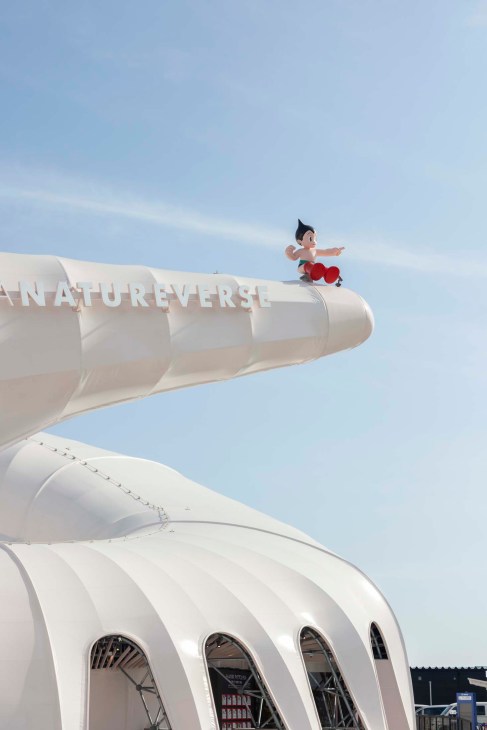
One of the most interesting is the pavilion of the Pasona Group, which commissioned a fossil-inspired building to house exhibitions that champion physical, mental and social health. The company has also announced that it will relocate the Dutch Pavilion to Kansai’s Awaji Island, where it will be a contributor to the region’s revitalisation after the event, showing the potential for Expo 2025 to shape design and discourse for generations to come.
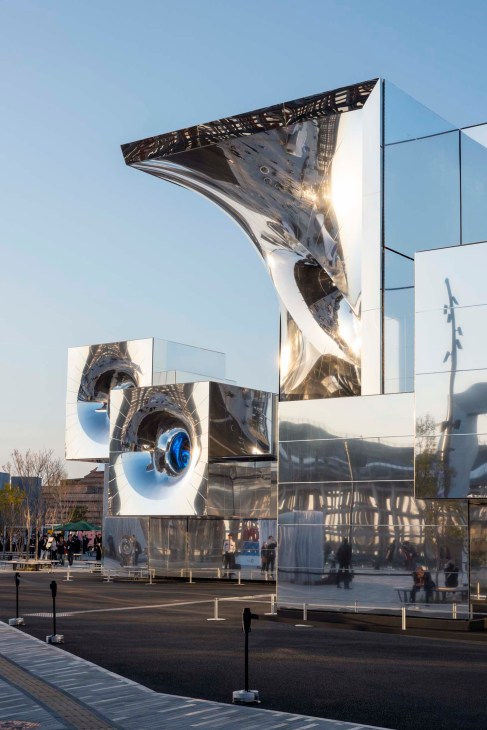
The visionary work of key figures from the arts, academia and more takes shape in the cluster of eight signature pavilions, produced by leading Japanese experts in fields such as art and science. This includes Japanese media artist and academic Yoichi Ochiai’s popular Null2. Standing at the intersection of architecture and interactive technology, it is a pulsating mirrored creation where visitors engage with screens that throw up digitalised duplicates of them while they move through the space.
At the Kengo Kuma-designed Earth Mart, screenwriter Kundo Koyama (of Iron Chef fame) explores the future of food with the help of producers, chefs and food-technology companies. The pavilion is designed as an imaginary supermarket and tackles environmental challenges and hunger, shining a light on the potential of Japanese food and technology. A selection of 25 ingredients and innovations, from katsuobushi (dried bonito) to koji mould, showcases what the country’s rich gastronomic traditions continue to offer.
Expo 2025 in numbers
Duration of the event: 184 days
Visitor target: 28.2 million
Construction budget: ¥235bn (€1.43bn)
Days it took to reach a million visitors: 11
Participating countries and regions: 158
Signature pavilions: 8
Domestic pavilions: 17
Inner diameter of the Grand Ring: 615 metres
Pillars marked for navigating the Grand Ring: 78
Trees planted in the central Forest of Tranquility: 1,500
Length of the conveyor belt at Kura Sushi restaurant: 135 metres
Big takeaways
Small changes
World Expos have a long history of showcasing innovation, from the steam locomotive to the Singer sewing machine and the wireless “telephone of the future” at Osaka in 1970 – all of which have had an outsized impact on life across the globe. This year’s event embraces this heritage with a cross-section of next-generation technologies: autonomous robots, flying cars, electricity-generating garments and a “heart” made from induced pluripotent stem (IPS) cells.
Everyday Japanese fixtures have also been given a makeover. Japan Post invites people to dream big, with an AI-powered service that delivers personalised letters of encouragement from the future; Fuji Electric has partnered with Coca-Cola on a hydrogen-powered vending machine; and 7-Eleven’s expo-only “Future Store” is deploying initiatives ranging from energy-harvesting tiles to plant-based products and biodiesel-powered delivery trucks. Even Hello Kitty, a star of the Japan Pavilion, makes an appearance, alongside science-fiction franchise Gundam and children’s toy Tamagotchi, reinforcing the enduring power of the country’s pop-cultural icons.
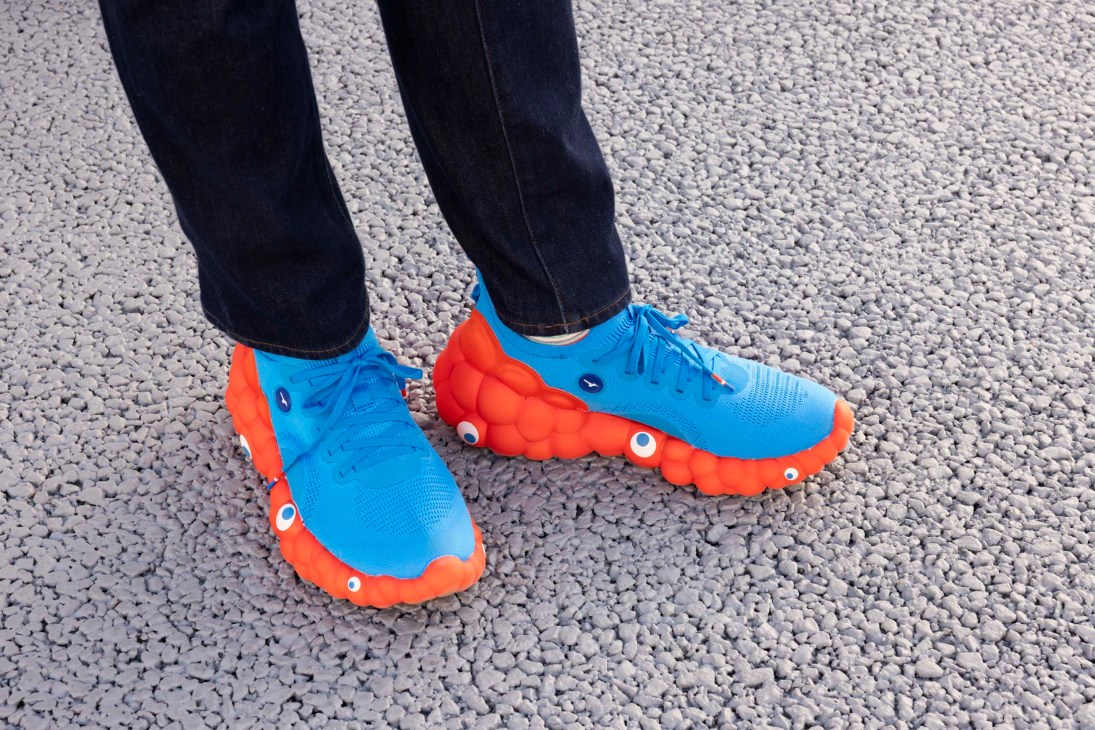
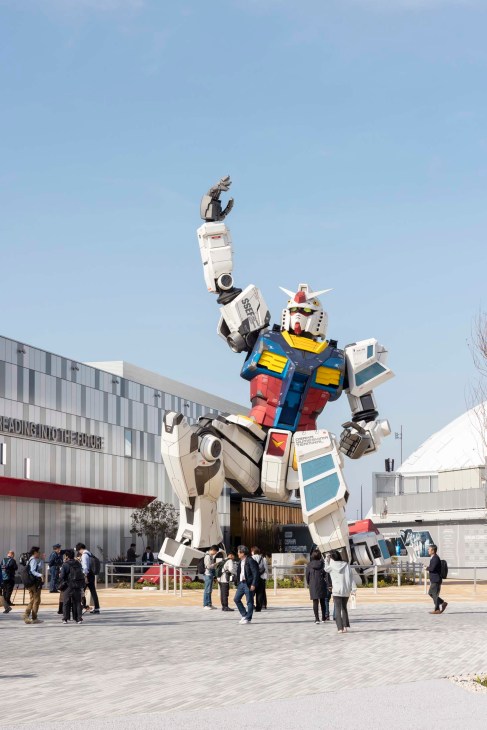
Beyond the symbolism and spectacle, the expo’s outlook on sustainability is prominent. Some pavilions visibly weave the issue into the narrative of their presentations: the Saudi Arabia Pavilion by Foster & Partners, for instance, embraces a net-zero operation target and has been designed for reassembly at future events. While the post-event fate of many other pavilions and facilities remains unclear, the official Reuse Matching Project invites applications for the “legacy preservation” of everything from buildings to furniture, fixtures and trees. And with its acquisition of the Dutch Pavilion, Pasona has demonstrated that the corporate world can also play an important role.
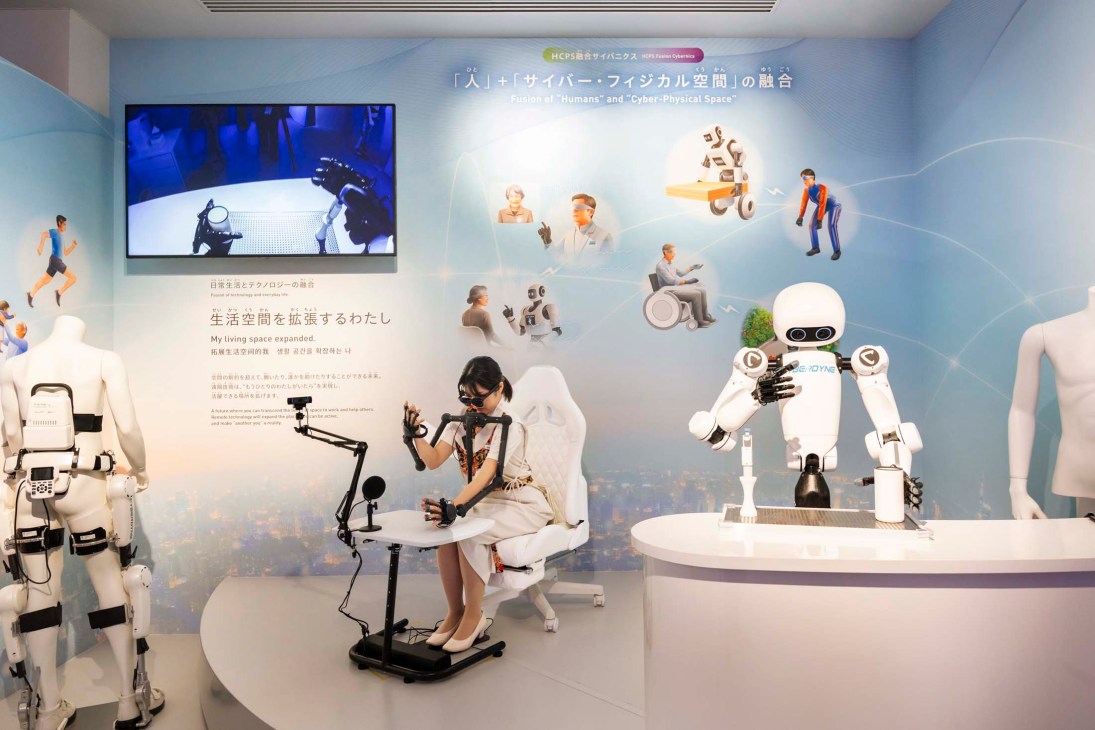
So, while Osaka’s Expo 2025 opened at a time of uncertainty, it has also been a demonstration of the potential for incremental and drastic change. Only time will tell whether these innovations will leave their mark. With the world’s eyes focused elsewhere, it can be easy to downplay such an event – but there’s something heartening in seeing countries come together from far and wide to share the stage alongside some unlikely neighbours.
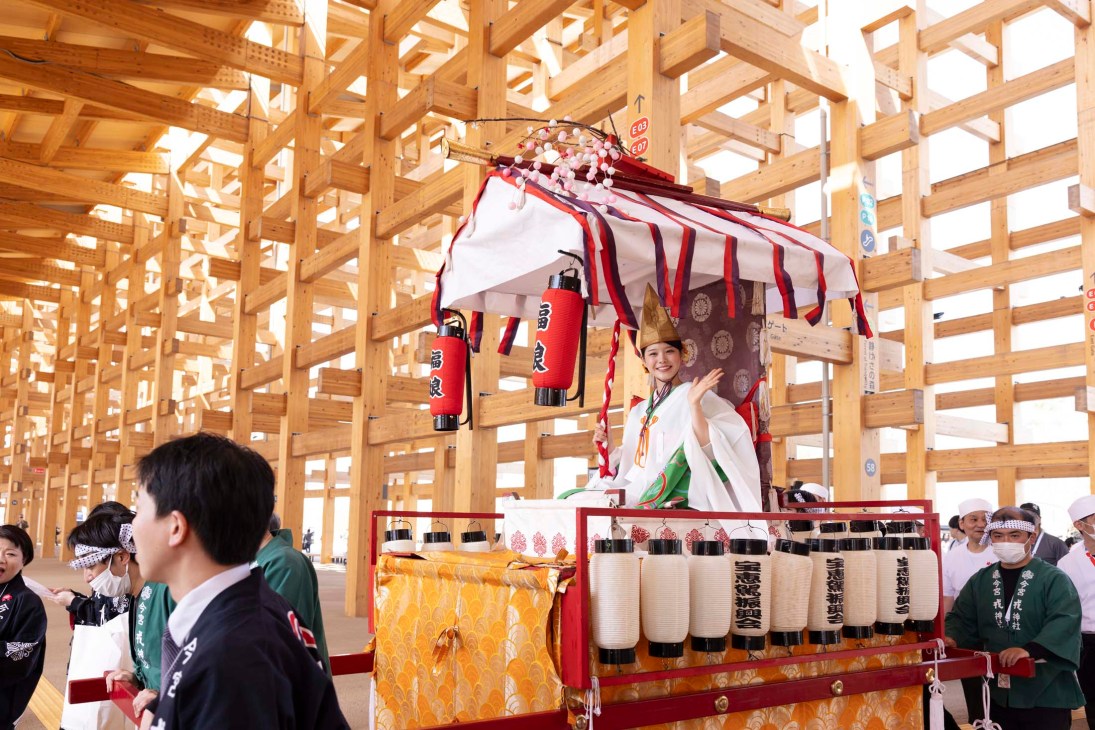
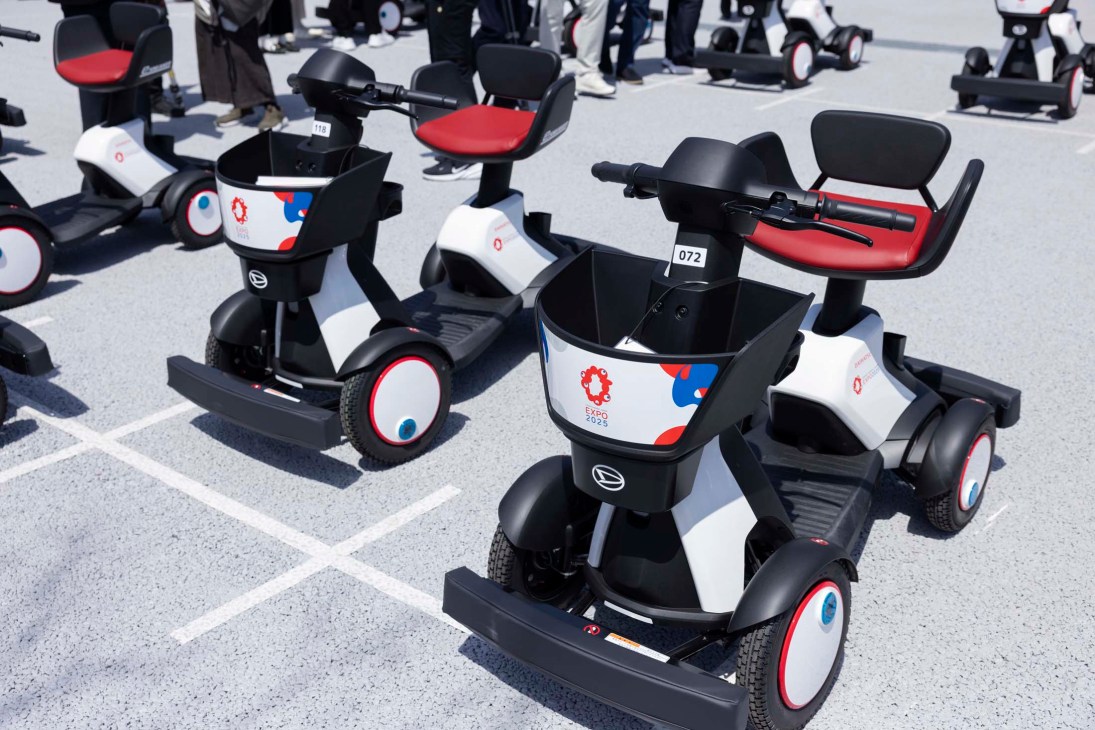
Q&A: Takako Yagi
Founded with the aim of providing solutions to society’s problems, Japanese recruitment company Pasona Group believes that personal wellbeing is today’s most significant challenge. TakakoYagi is its managing executive director, as well as the project lead for its pavilion, Pasona Natureverse. Here, she introduces its concept,“ThankYou, Life”.
Pasona Natureverse references Expo 1970. How did that earlier expo influence this pavilion?
Visitors enter through the “History of Life” zone, where they can reflect on life on Earth. The centrepiece is an installation called “Tree of Life Evolution”. The 10 layers in its trunk depict different stages of evolution, from single-celled organisms to the sun’s eventual expansion into a red giant. The branches extending out represent the future’s infinite possibilities. The design is a homage to the symbol of Expo 1970, the “Tower of the Sun”.
The pavilion uses anime characters Neo Astro Boy and Black Jack as guides. What’s the power of this distinctly Japanese genre?
Anime is an aspect of Japanese pop culture that really resonates. As a robot with a human spirit, Astro Boy represents harmony between humanity and technology. He has been reborn as the original character “Neo Astro Boy”, equipped with an “IPS stem-cell heart” by fictional surgeon Black Jack.
What do you hope visitors will take away?
The theme of both Expo 2025 and our pavilion expresses a desire for harmony between technology, humanity and nature. We hope visitors come away with a greater sense of gratitude and respect for life.
Q&A: Ries Straver and Pim Schachtschabel
Amsterdam-based design studio Tellart led the experience design for the pavilions of the Netherlands and the Philippines. Partner and executive producer Ries Straver and design director Pim Schachtschabel share their insights.
Water is a central theme of the Dutch Pavilion. How did you bring it to life?
Ries Straver: The Netherlands has a unique relationship with water. Being below sea level, the Dutch used to have to fight to keep it out. But through active management, water was allowed in and made an ally. Now we’re looking at related innovations that might hold the key to solving the world’s biggest challenges today: climate change, the preservation of biodiversity and food security.
The pavilion doesn’t shy away from global challenges. What would you like visitors to take from their experience?
RS: We hope that visitors will leave the pavilion with a sense of hope and agency. Unconventional thinking and joining forces as an international community can help us to find solutions.
For the Philippine Pavilion, how did you combine tradition and technology, handcrafts and interactive AI?
Pim Schachtschabel: One of our design philosophies is “form follows story”. How can technology, handcrafts and AI all be part of the same tale? In the Philippine Pavilion, handwoven textiles hang beside interactive AI installations. These juxtapositions celebrate the continuity of Filipino culture – how it adapts, evolves and stays rooted. It’s a conversation between past and future, nature and technology, human and digital.
Matters of the art: Verónica Delgadillo García plans to position Guadalajara as a culture hub
In September 2024 – about four months after Mexico elected its first female president, Claudia Sheinbaum – voters in the city of Guadalajara chose Verónica Delgadillo García to be their first female mayor. It was a watershed moment for a society that has long struggled with its deep-rooted machismo culture. The 42-year-old activist-turned-politician of the centre-left Movimiento Ciudadano party sees her achievement as an opportunity to emancipate Mexican politics from prejudice.
“I want to show how power can be empathetic and sensitive in a country where violence persists,” she says from her desk in Guadalajara’s city hall, which looks out onto the distinctive, richly decorated cathedral of the capital of Jalisco state. Behind her is a sign that reads “Limpia Guadalajara” (“Clean Guadalajara”). “I want us to have the cleanest streets in the country,” she says. The first phase includes graffiti removal and the maintenance of green spaces, a project that has already cost some MX$226m (€12m).
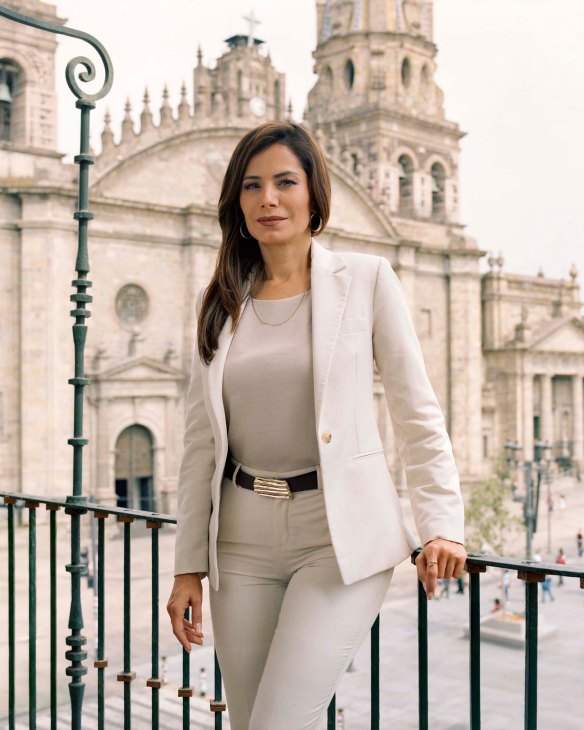
Delgadillo García cut her teeth in politics as a student. As president of the university body at the Instituto Tecnológico y de Estudios Superiores de Occidente, she had big ideas. “Back then I knew nothing about politics but my sense of conviction opened a lot of doors.” In 2012 she became deputy at the Union Congress Chamber of Deputies after a solo door-to-door campaign. “For as long as I can remember, I have been intent on improving Guadalajara’s quality of life,” she says.
Delgadillo García’s three-year term will be punctuated by political, social and economic challenges, one of which will be jointly hosting the 2026 Fifa World Cup with 15 other cities across Mexico, the US and Canada. It’s fitting, then, that Delgadillo García’s government acquired 160 rubbish trucks to establish a reliable waste-management system and is creating faster road links with Mexico City.
But the mayor also hopes to consolidate her city’s position as Mexico’s emerging epicentre of arts and culture. “I want to make this place a global reference point for architecture, gastronomy and audiovisual production,” she tells Monocle.
The foundations for this are well established. Every year, Guadalajara hosts the most important book fair in Latin America, Fil. The city is also home to the world’s largest mariachi festival and hosts PreMaco, the warm-up act to ZonaMaco, Latin America’s most important contemporary-art fair, which is held in Mexico City.
The Tapatíos – as the city’s residents are known – are feeling optimistic. When we join the mayor at popular Guadalajara watering hole De La O, we sip on tejuino, a fermented corn tipple, while members of the public greet her with enthusiasm.
Delgadillo García’s battle cry is La ciudad que te cuida, which means “The city that looks after you”. “Guadalajara can be a demanding place but it’s also resilient,” she says. Like its mayor, who has had to overcome difficult challenges over the years as a young woman in politics, Guadalajara is a city with steely determination and a desire to present its best face while the world watches.
The CV
1982: Born in Guadalajara, the capital of Jalisco
2000: Enrols at the Instituto Tecnológico y de Estudios Superiores de Occidente to study communication sciences. While there, she becomes president of the student body
2012: Serves as a federal deputy at the Union Congress Chamber of Deputies of Jalisco
2015: Becomes a local deputy at the Union Congress Chamber of Deputies of Jalisco
2021: Elected as member of the Senate of the Republic of Mexico for Jalisco – the highest office that a woman from the state has held
2024: Becomes the first female mayor of Guadalajara
Case Study 2.0: The grassroots initiative to rebuild a more resilient Palisades
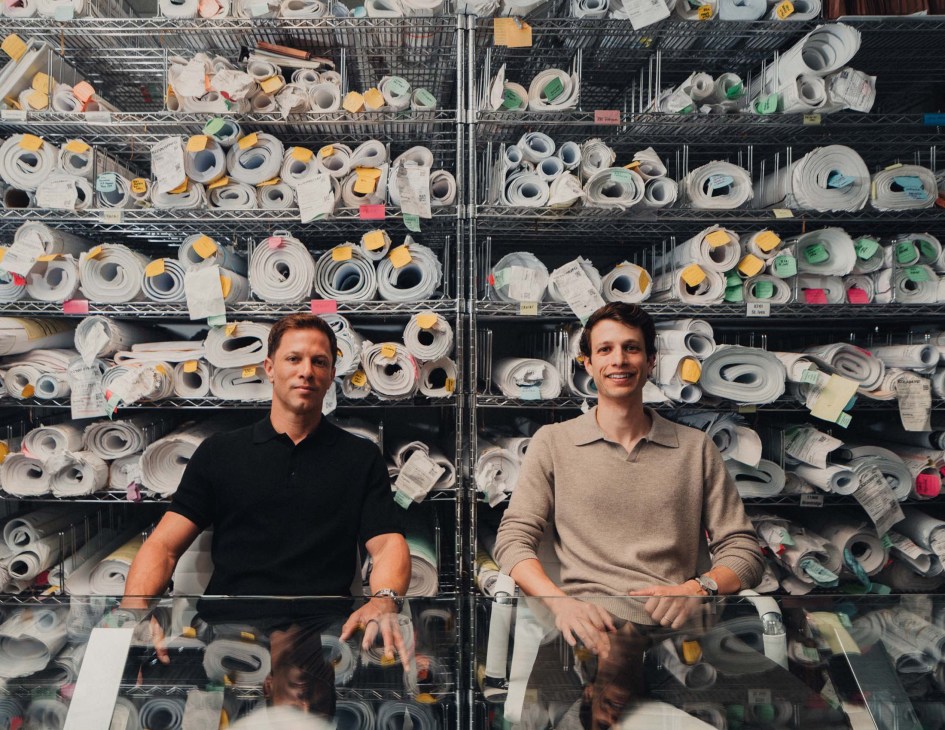
About 30km west of downtown Los Angeles, the Pacific Palisades was once a bucolic enclave famous for its design-forward addresses and illustrious residents. But in January the area was hit by the worst wildfires in the city’s history – almost 7,000 buildings were destroyed. But as the flames subsided, property-developer brothers Jason and Steven Somers, third-generation Angelenos, set out to help save the neighbourhood.
The Somers brothers decided that the best way to rebuild quickly without making aesthetic sacrifices was to take inspiration from the Case Study Houses, a mid-century initiative that gave the city so many of its landmark residences, from the Eames House to Pierre Koenig’s Stahl House. The name of the brothers’ ambitious project? Case Study 2.0.
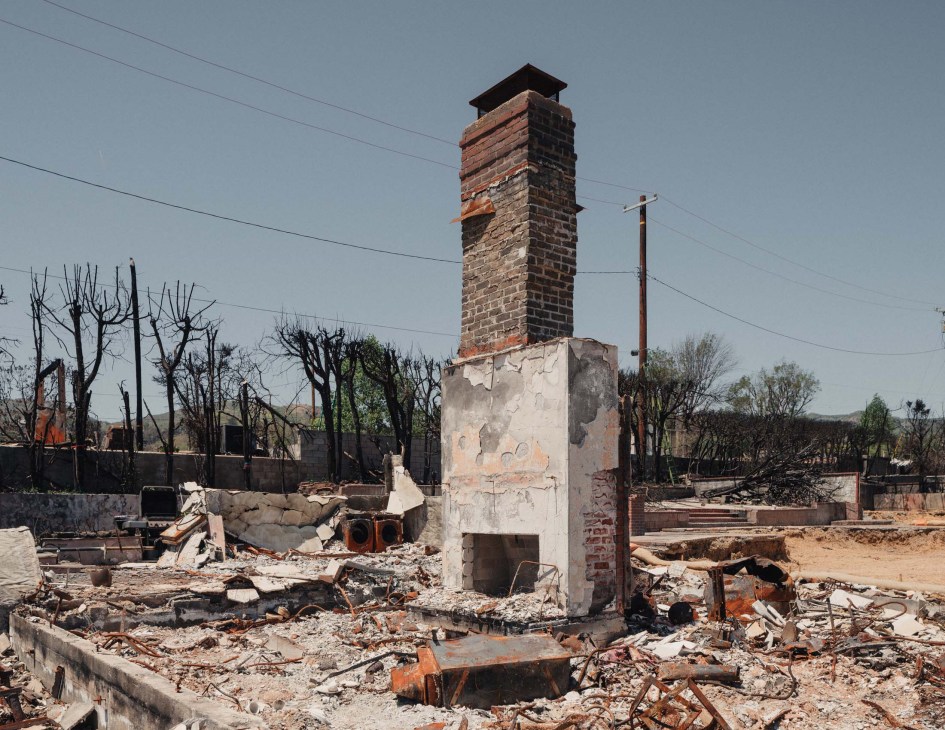
“We want to create cost-effective, time-efficient and fire-resilient solutions that are also beautiful,” Jason tells Monocle from behind the steering wheel of his electric Range Rover. The brothers are in the Pacific Palisades to meet with potential clients and contributing architects. Outside, solitary brick chimneys surrounded by heaps of ash and rubble dot the streets.
“No situation is more critical than building back a community,” says Jason. The Somers brothers are the owners of Crest Real Estate, an agency based nearby, which specialises in managing the process of obtaining permits for property developments. They also have a deep knowledge of southern California’s arcane land-use codes, as well as a handy network of architects. “Our company is based on fast-tracking the development process,” he says.
The aim is to build 200 houses. More than 50 designs have been commissioned so far, including a Spanish-colonial-style property with terracotta roofing and a gabled three-bedroom home with a pool and guest house. Protecting homes against fire is a must. Architect Michael Kovac, whose home we visit on the trip, explains the importance of fireproofing tweaks, including lava-rock landscaping and ember-blocking vents.
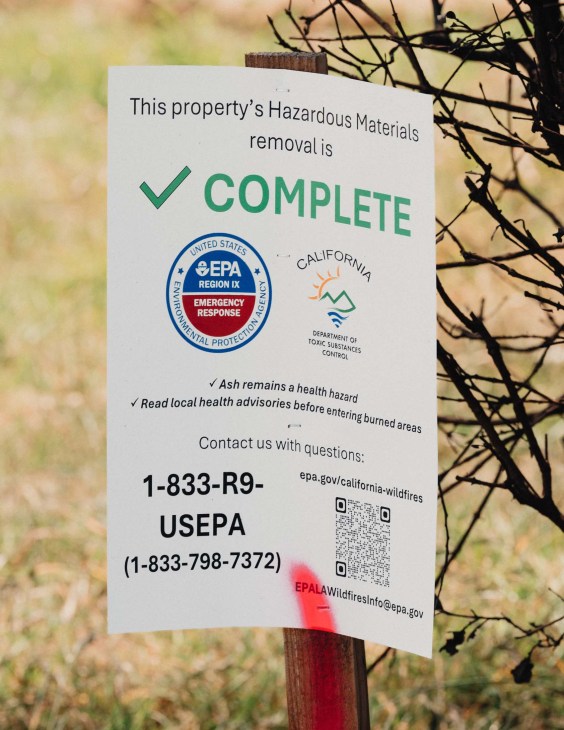
The brothers check in on Doug Hafford, whose 1940s bungalow burnt down, leaving only its garage standing. Hafford is keen on an L-shaped design with a glass-enclosed great room. Steven estimates that it will cost between $650 and $800 (between €570 and €710) per square foot, 20 per cent less than a custom build. “It’s about time as much as money,” says Hafford. “We were looking for an à la carte menu like this.”
The Pacific Palisades still faces headwinds. More than 200 lots have been put on the market as property owners seek to cut their losses. But having worked here their entire careers, the brothers believe that a critical mass of residents will remain. “It will feel like home again five years into the programme,” says Steven. “By year eight, the Palisades will be the most desirable neighbourhood in LA.” To achieve such a remarkable turnaround, speed is of the essence.

How to get dressed: Atsushi Hasegawa, the head of creative at The Newt in Somerset
Atsushi Hasegawa, the head of creative at luxury hotel The Newt in Somerset, can be spotted wandering around its verdant grounds in a straw boater, longline linen shirt or even a kimono-inspired work jacket that he designed for UK gardening brand Niwaki. Hasegawa was born in Japan and became fascinated with fashion in the late 1980s, when he worked at Vivienne Westwood’s Tokyo shop. A passion for fly fishing brought him to Paris, where he worked at Maison de la Mouche, a shop that caters to the outdoors hobby. After about 10 years in the city, where he also worked in textile design, Hasegawa crossed the Channel to become the head of creative concept at footwear brand Clarks. Today he oversees The Newt’s visual identity, marketing activities and cultural partnerships. He tells Monocle about his spontaneous approach to getting dressed and his many sartorial obsessions.
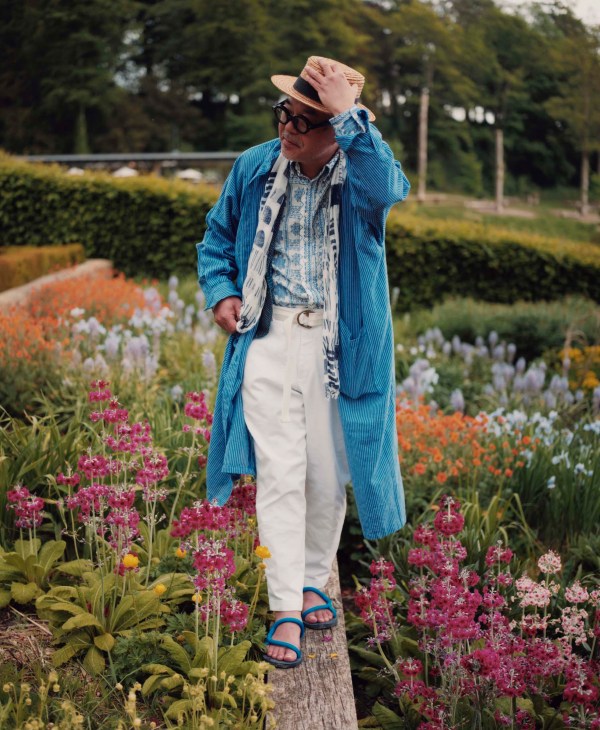
How has your style evolved?
In the 1980s I went to university in Tokyo, the same one that Kenzo Takada [the founder of Kenzo] and Yohji Yamamoto went to. I would read magazines such as The Face and i-D, and I was into hip-hop. These things weren’t mainstream in Japan at the time. Since then I have been addicted to fashion. In Tokyo at the time, there were codes. If you were a skater, you’d wear Stüssy. If you were into reggae, you wore Kangol hats. You were either a Yohji man or a Comme des Garçons lady. Nowadays fusion is completely normal but it wasn’t allowed back then. So when I moved to Paris I loved the freedom. Parisians wear anything naturally. Now I dress according to how I feel. Sometimes I’m more expressive; at others I’m more humble in how I present myself. My colleagues would probably describe me as a peacock.
Do you mean that your style reflects your state of mind?
When life gets stressful, I become almost punk and more expressive. When I’m more relaxed, it’s reflected in my laidback clothing. Clothes protect you so I’m serious about what I wear. As I get older, I know that what matters is what suits your body, your height, your posture. I’m quite obsessed with understanding what kind of hats suit me or how a T-shirt is made. I collect clothes and never throw anything away. I still have clothes that I bought when I was 18 because I don’t want to be a part of throwaway culture.
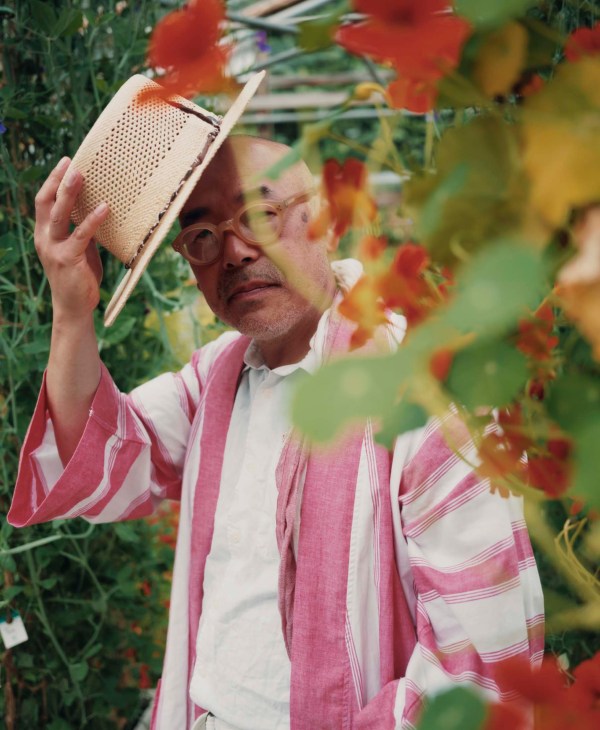
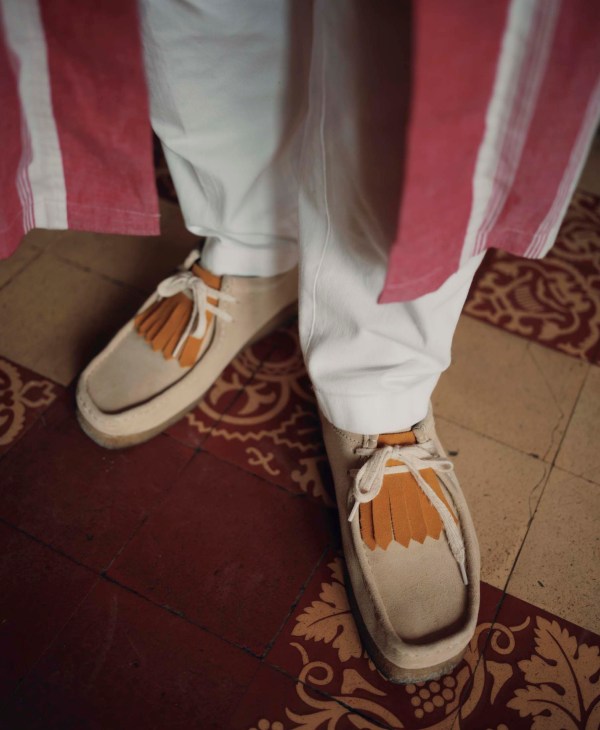
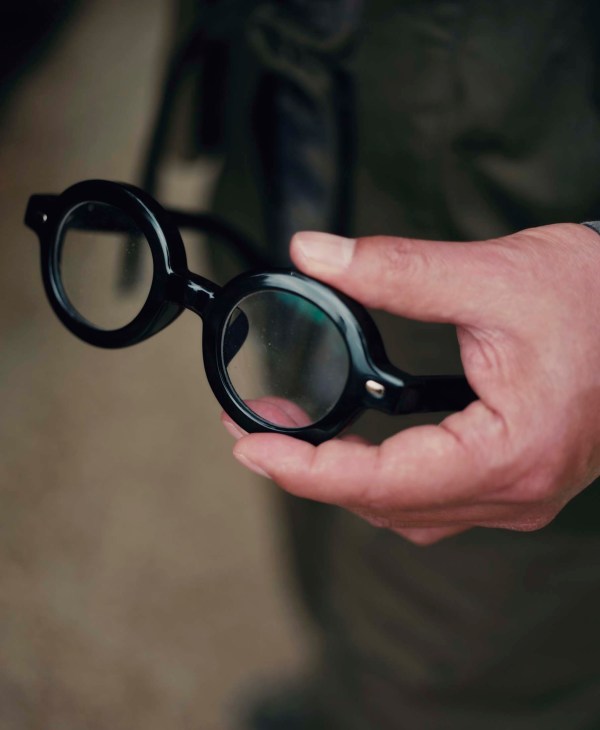
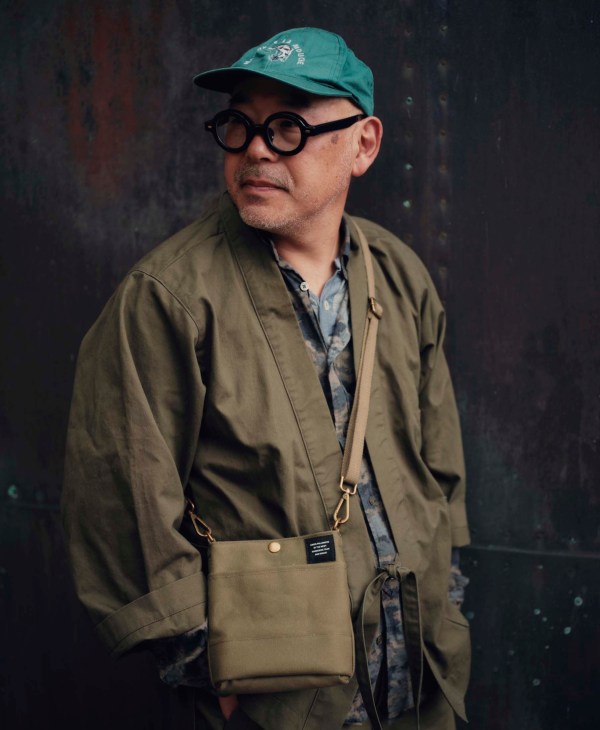
How would you describe your everyday style?
I’m a chameleon. I like the unexpected. Yesterday I wore an all-pink jumpsuit to the beach and my daughters said that it was cool. In some ways, hospitality is like show business, so as head of creative I want people to see my outfits and think, “Oh, wow.” When I left Japan, I slowly understood that there is unique craftsmanship there and I’ve since become obsessed with it. I might mix a kimono with European clothes. I look to 1920s and 1930s society fashion for inspiration: white trousers, a chain, a funny way of doing a tie. I’m now enjoying this phase of my life and being myself completely.
Do you pre-plan your outfits?
No, I wake up and start from there. I’m a DJ and only mix with seven-inch vinyls with the aim of seamlessly connecting everything without planning. I like to do the same with getting dressed, almost in a half-stressed state and with only 20 minutes to get ready. I start with one item and then co-ordinate from there. Fashion is where I find joy.
Street style from Rome: what to wear in the Eternal City
If Italian cities could be personified, Milan would be a bejewelled grand dame and Florence a dandy cycling along the Arno in a linen suit. But Rome? The capital is too vast, ancient and complex to distil into one stereotype. The city has exerted its gravitational pull on the world for millennia. It has been a melting pot since the days of the Roman Empire, when every road was said to lead there.
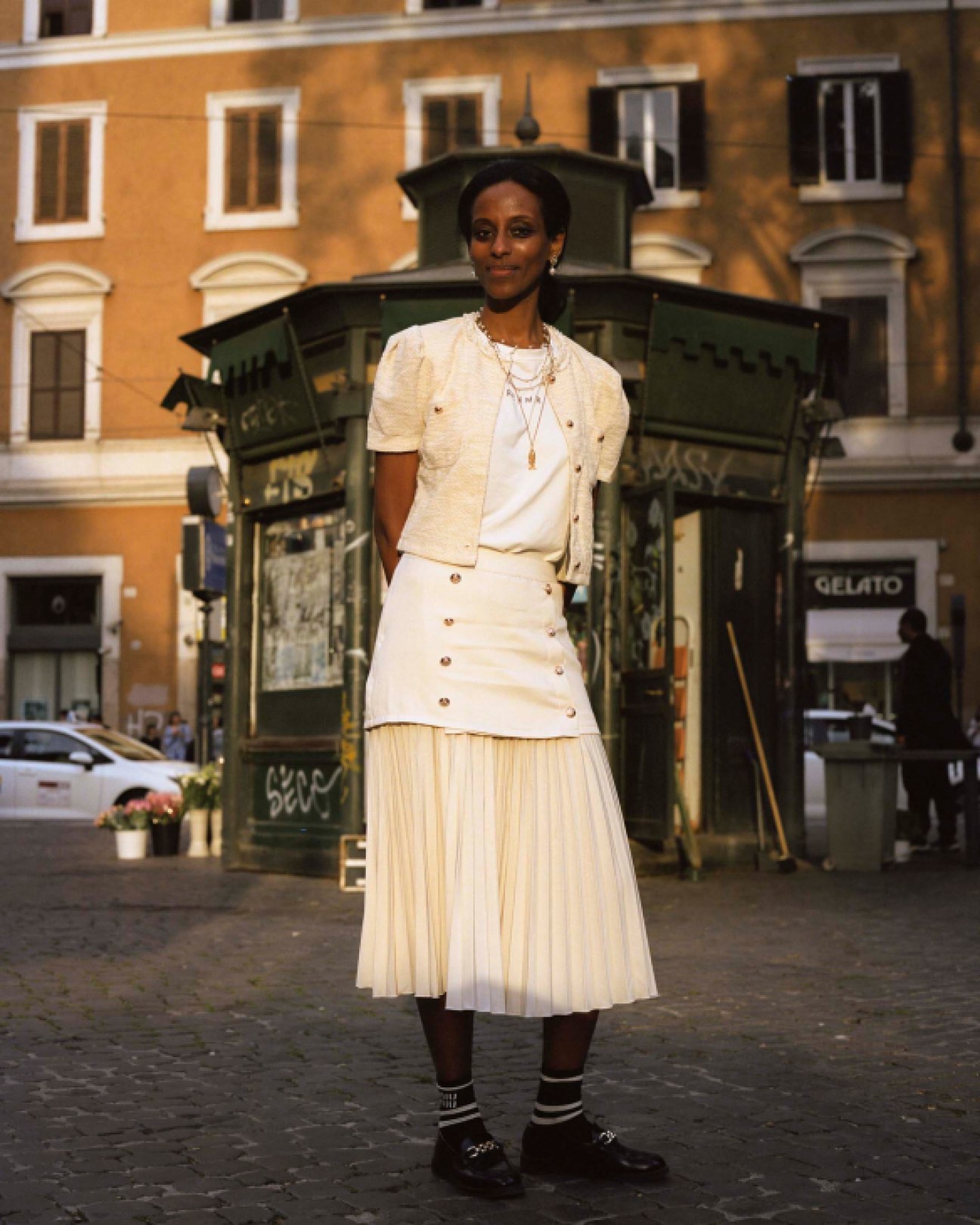
The Eternal City has also been captured on screen by the maestri of Italian cinema, who used its Cinecittà film studio as a base in the mid-20th century. Directors including Michelangelo Antonioni, Bernardo Bertolucci, Federico Fellini, Roberto Rossellini and, more recently, Paolo Sorrentino have captured Rome on film in a seductive light, with leading men prowling the streets at night in tailored suits and tilted hats while their love interests dance at rooftop bars or splash around the Trevi Fountain (please don’t try this). Today, Romans navigating cobblestone streets in formal footwear or zooming past on Vespas stand out from the backpack-toting tourists. There’s a sharpness to Romans’ presentation and also in how they move through their city.
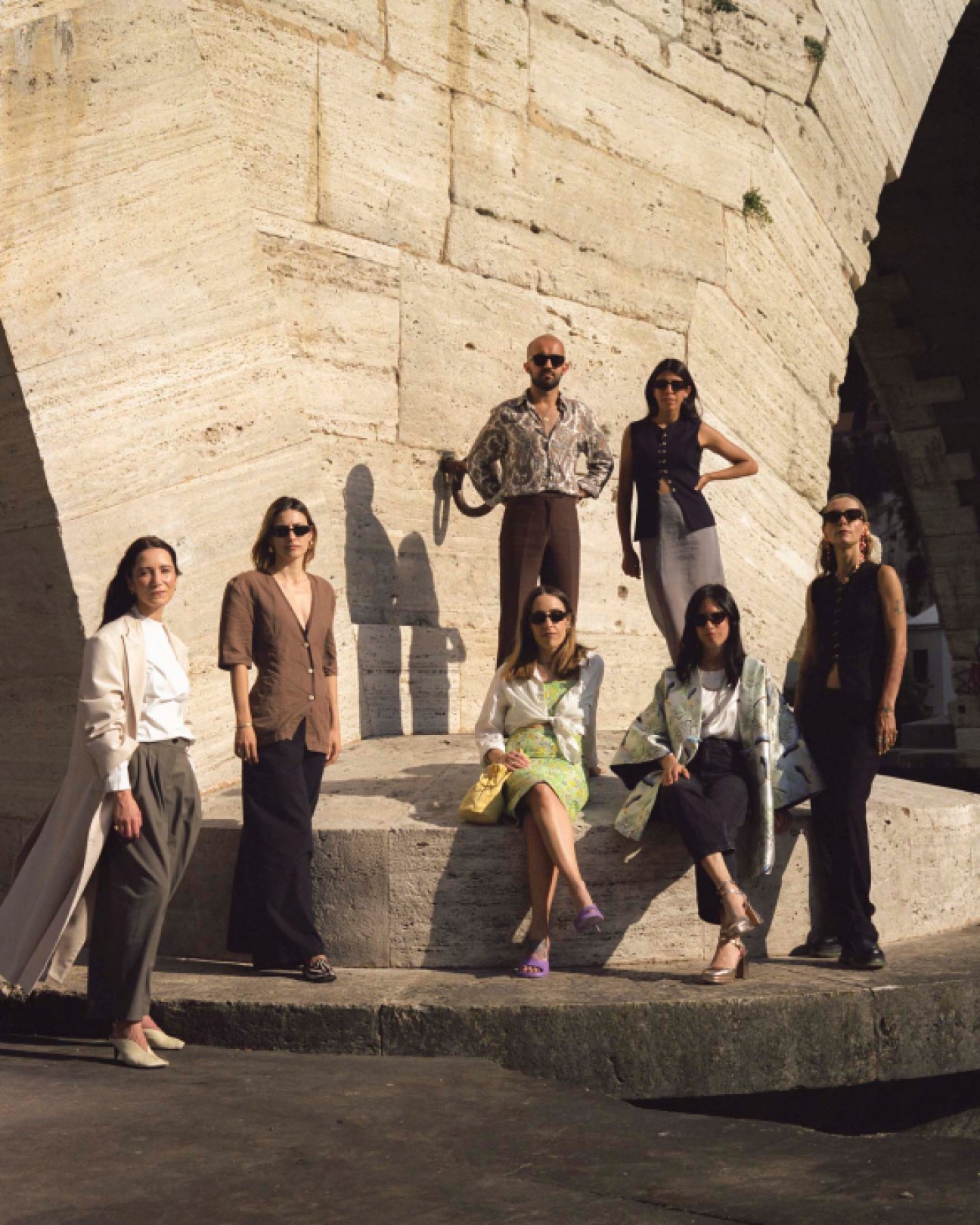
“Roman style is more sober compared to somewhere more eccentric such as Naples,” says master tailor Gaetano Aloisio when Monocle meets him at his atelier behind the Spanish Steps. Aloisio has dressed heads of state and royalty from around the world, receiving a knighthood from the president of the Italian republic in 2011 for his contributions to the country’s fashion industry. “I seek sophistication in every detail,” he says. “My aim is to craft suits that inspire strength and command respect.” One sartorial detail that Aloisio abhors is the shoulder pad. He prefers the fluid lines of Italian tailoring over the more military style associated with London’s Savile Row. And this soft shoulder has soft-power credentials – many city tailors and shoemakers rely on a moneyed global clientele from the US, the Middle East and France but rarely Italy. We hear similar stories at tailoring atelier Sartoria Ripense and shoemaker Bocache & Salvucci, where orders are more often placed from outside the Bel Paese.

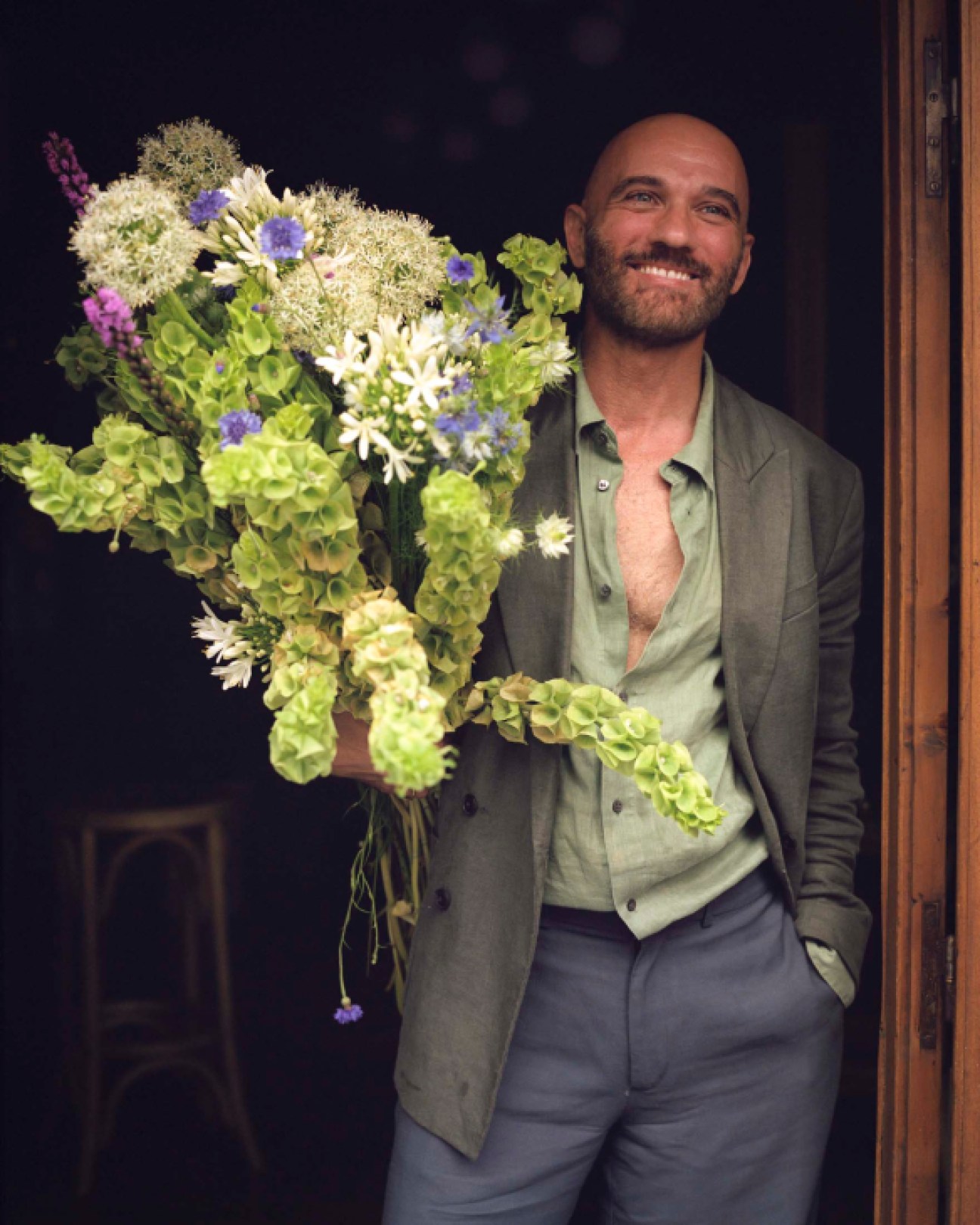
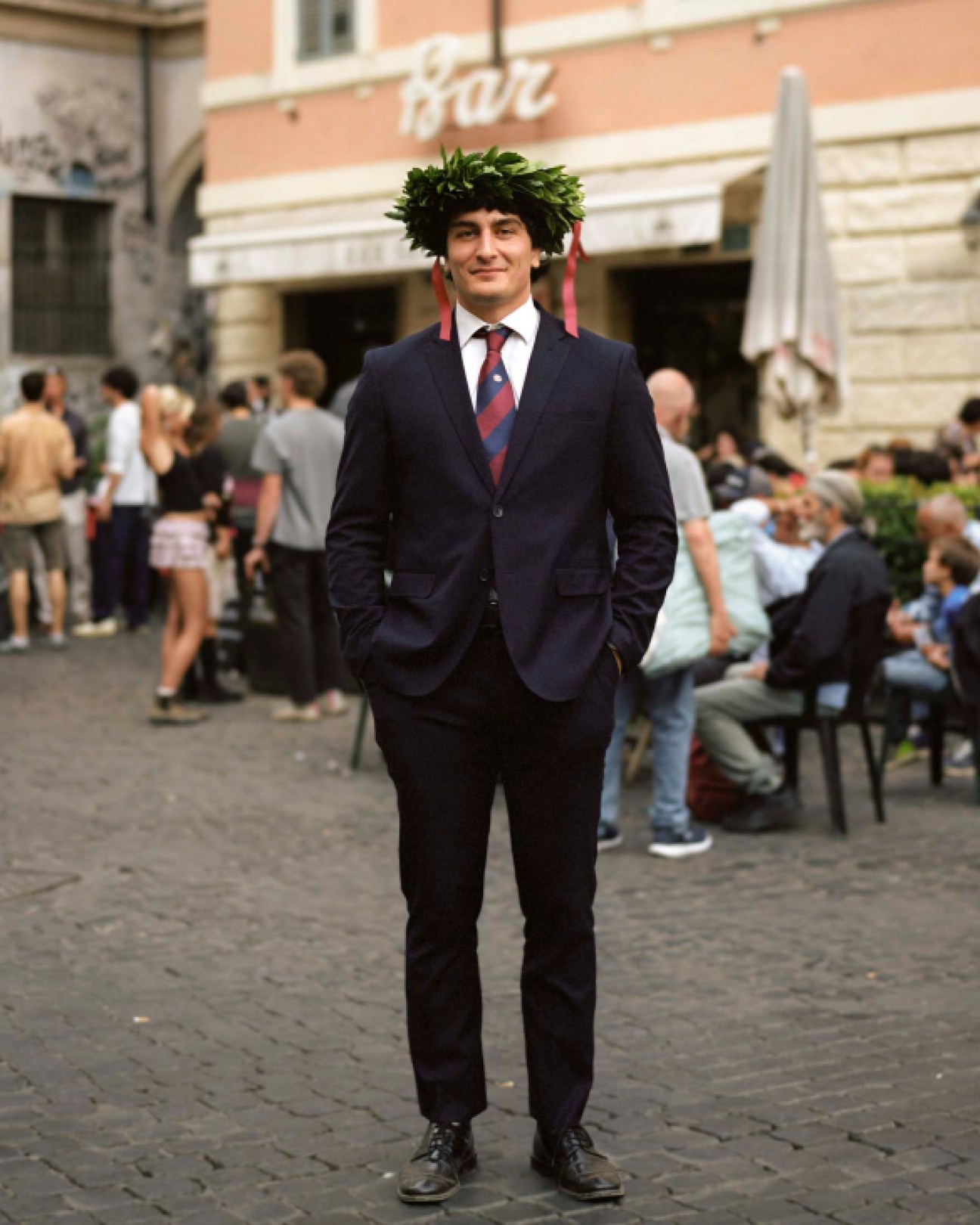
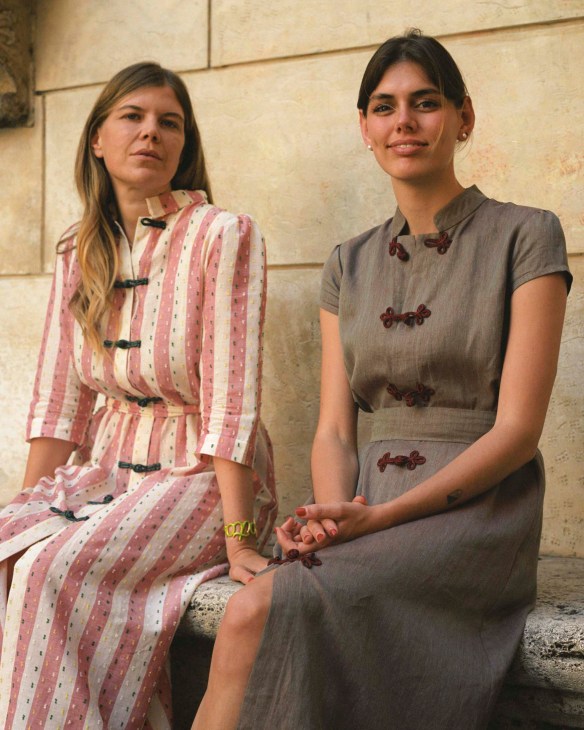
But a younger generation is poised to take up the mantle of la bella figura. Throughout the day we spot students dressed for their graduation ceremonies, donning traditional Roman crowns of laurels instead of tasselled caps. In the afternoon we stop by Piazza de’ Ricci to meet the team behind Le Tre Sarte, a fashion brand spinning a modern take on formal womenswear and menswear. In its atelier, vests, dresses and jackets are crafted using end-of-roll materials – wool, linen, silk and velvet – from Italian factories. Customers can choose to dial up or down the saturation from a palette ranging from forest green and deep burgundy to light pinks, blues and a zesty yellow.
“In Rome, we’re surrounded by beauty,” says Camilla Voci, who co-founded Le Tre Sarte with Niccolo di Leonardis in 2021. “If you’re always surrounded by materials that are high quality – bricks, marble – it translates into how you dress and your taste in design.” Di Leonardis agrees. “There’s a heritage of bespoke,” he says, “and tailors are passed down through families.” Exceptionally well-turned-out Romans who wouldn’t go near flip-flops with a barge pole assure us that the city’s style can be described as somewhere between “relaxed and elegant”.

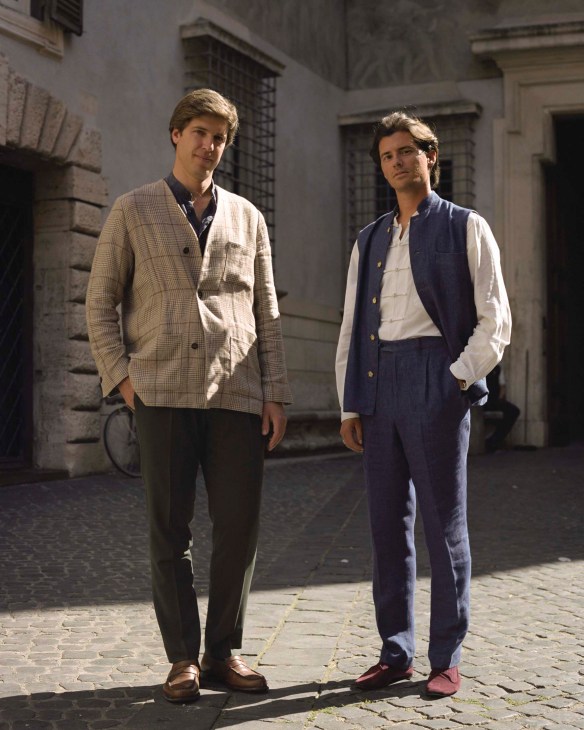
But perhaps Roman style isn’t something that can be bought or replicated so easily. It’s an attitude, the way that a jacket might be nonchalantly slung over one shoulder while strolling down the street, its owner holding a loud conversation on their phone. It’s the proud upward tilt of a chin, paired best with an aquiline nose. A fearless commitment to navigating cobblestones in heels rather than trainers. It’s thinking that a tailored suit paired with calf-leather brogues and a carmine red silk tie is a “sober, simple look”.
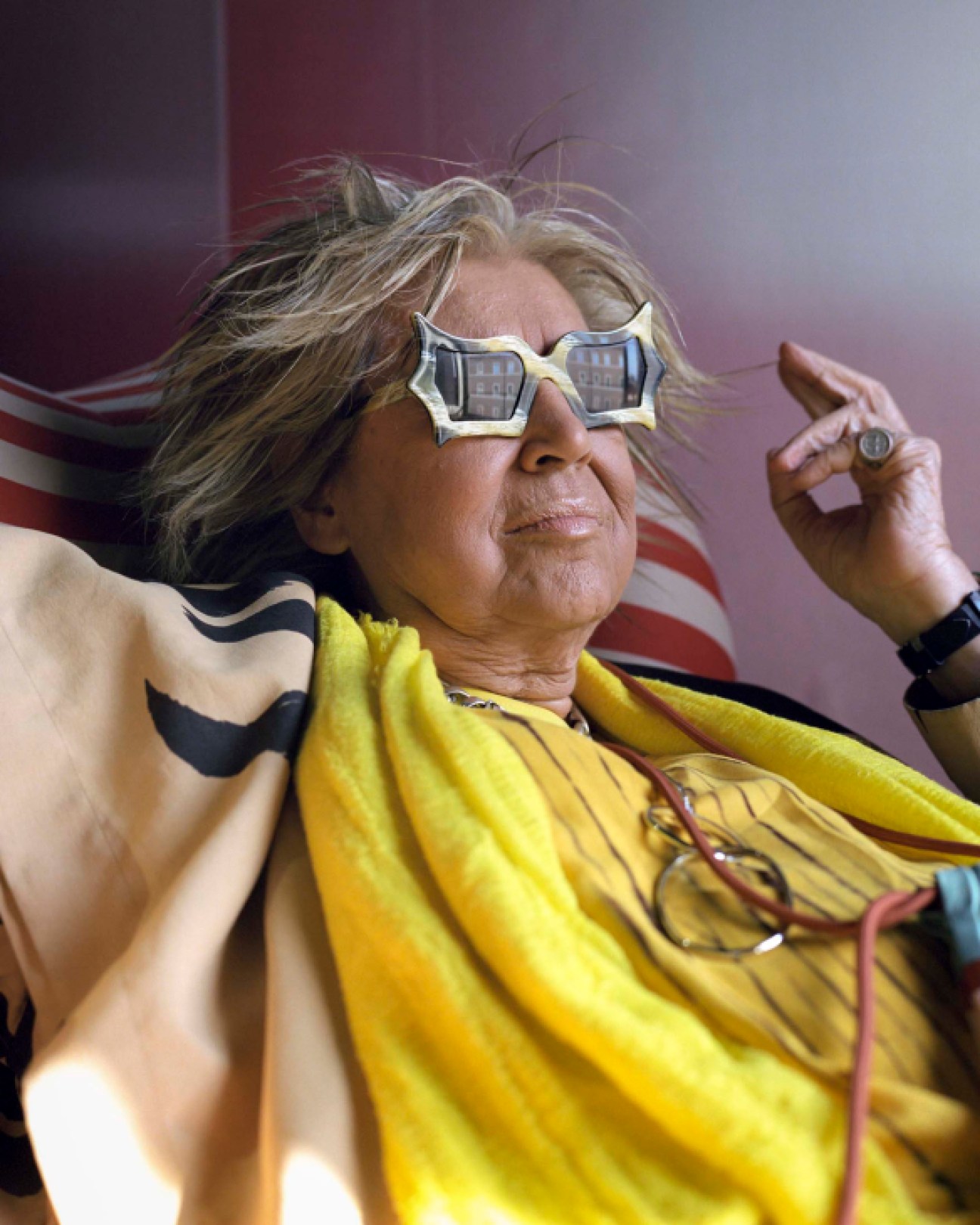
As the sun sets, we make our way to the Rhinoceros hotel and art space foundation for our final appointment. We meet Alda Fendi and her sizeable entourage in the gallery. The last Fendi shareholder of the namesake luxury fashion house (now majority owned by LVMH) is wearing head-to-toe yellow and spiky sunglasses that echo her energetically coiffed blonde hair. As she reclines in a La Mamma armchair by Gaetano Pesce, we ask the doyenne of the city’s fashion scene how she would describe Roman style. “How people dress here reflects the city when it scintillates at night,” says Fendi with a smile. “It’s romantic and mysterious. It’s poetry.”
The quiet life: A look inside Casa O, Enrique Olvera’s rural weekend residence
Enrique Olvera has 14 restaurants in cities from New York and Los Angeles to Mexico City but he likes to spend his downtime far from the hustle of a busy service. When Monocle pulls up at his wooden bungalow in Reserva Peñitas, a nature development in Valle de Bravo, a two-hour drive west of the Mexican capital, the chef is distractedly removing fungus from one of his 100 fruit trees. “It’s what I like to do with my free time,” says the Mexican chef with a smile. He acquired the site during the pandemic, built the Japanese-style residence, then set about planting local flora and helping it all thrive. “If a plant isn’t supposed to grow here,” he says, his fingernails black with soil, “then I must respect that.”
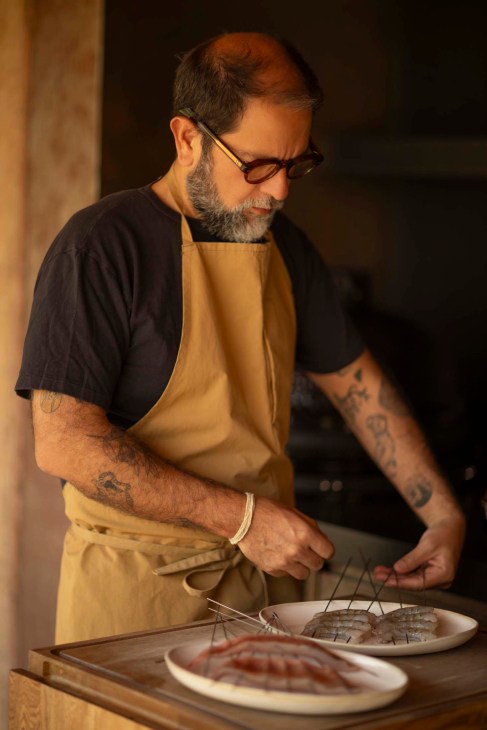
Dubbed Casa O, Olvera’s weekend residence is a long way from anywhere, marked only by a large steel “O” on a gate that even a neighbour struggled to direct us to. Here, Olvera – a man who changed the face of Mexican cuisine and put street food on the top table – seems almost anonymous. And, it turns out, that’s exactly how he likes it.
Olvera’s story began in 2000 with the opening of his debut restaurant, Pujol, in the Polanco neighbourhood of Mexico City. It would prove to be a rather revolutionary idea. He saw no reason why the street food traditionally consumed by blue-collar workers couldn’t be fused with the likes of tuna tartare, lobster ceviche and beef empanada. He was 24 years old and only just out of the Culinary Institute of America in New York but Pujol quickly became the revelation that launched his career and his hospitality firm, Casamata. “Until very recently, Mexican restaurants abroad reduced our cuisine to stereotypes,” says Olvera, his brow briefly furrowing. “Our gastronomy is often exported as fast food but in Mexico we eat healthily because we have always relied on seasonal produce found within our borders.”
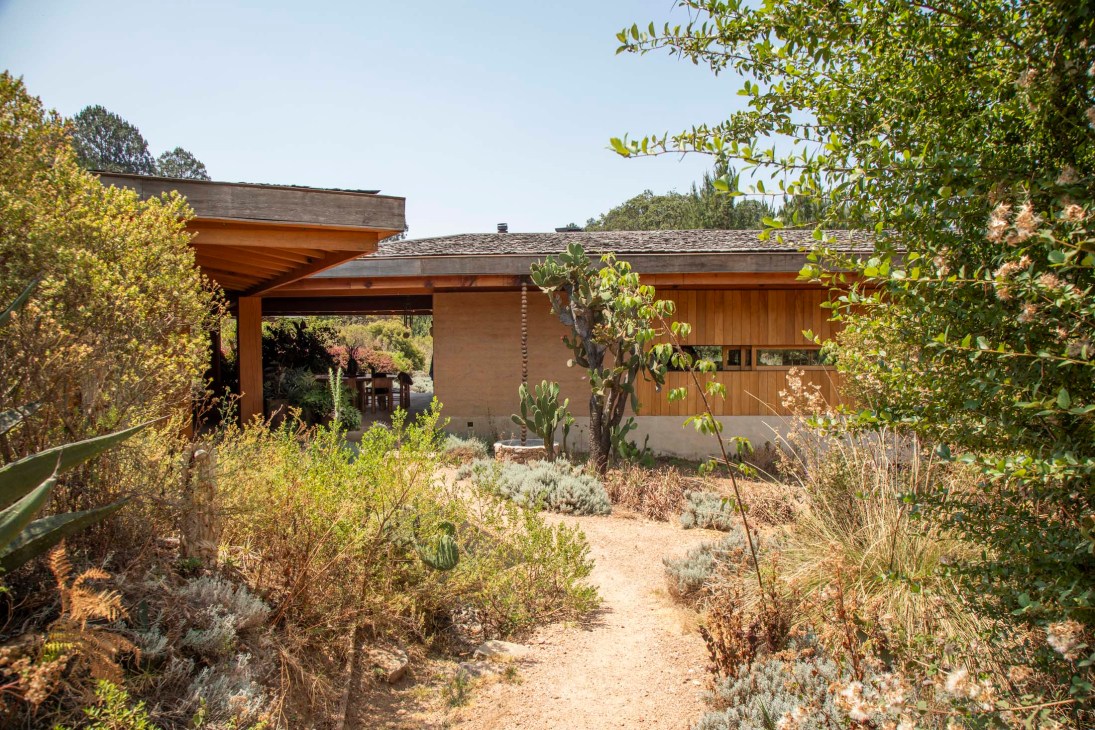
Overlooking the gently swaying heather from the veranda, Olvera says that he’s still riding high from Pujol’s 25th-anniversary celebrations in May. Attendees at the dinner included the great and the good of the Mexican dining scene: Lucho Martínez of Michelin-starred Em, Diego Klein, Joaquín López-Dóriga and Gabriela Cámara of Contramar, and Edo López of Mexico City’s growing Japanese-inspired hospitality empire, who gathered in Olvera’s newly renovated space to toast his achievements. More than the star-studded guest list itself, what pleased Olvera was the way that it demonstrated how the scene had grown in the quarter-century since he started out.
The chef isn’t one to linger too long on an idea without leaping to the next. “There’s a misconception that Mexican food is expensive because in the US you pay $3 [€2.60] for an avocado,” he says pensively. “Here, the same amount will buy you a kilo because we have so many,” he says with an expansive gesture.
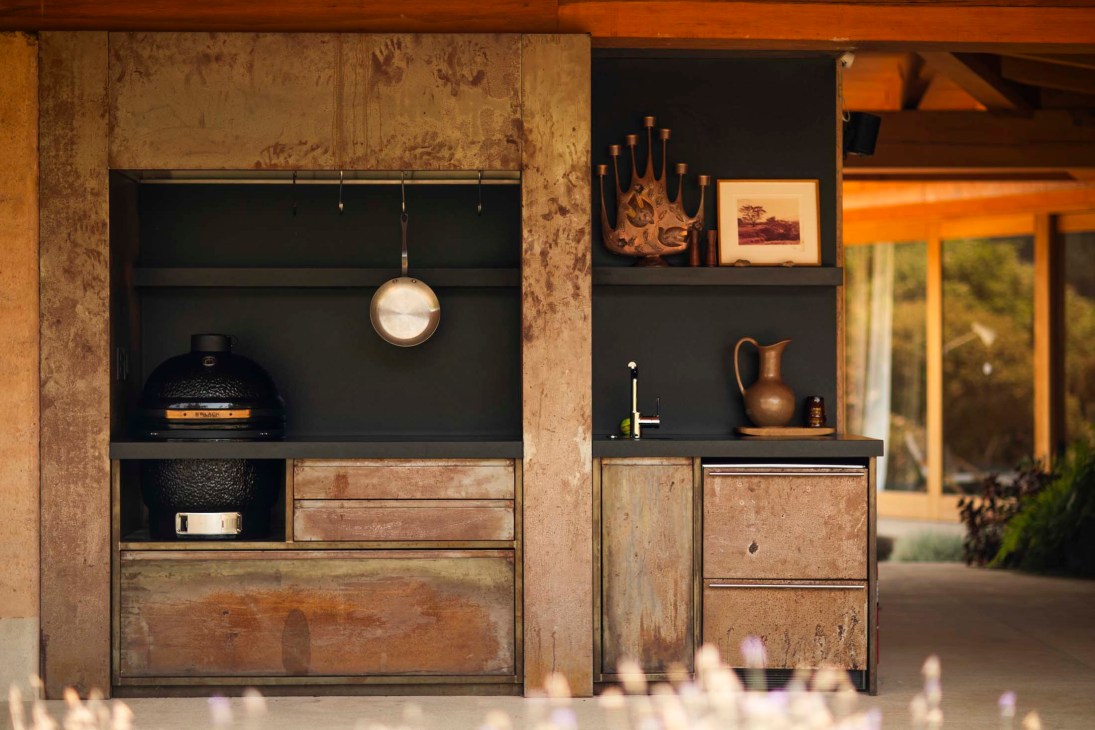
Olvera worked with Mexican architect and developer Javier Sánchez to build Casa O. Sánchez was a safe bet, having also designed many of Olvera’s other projects, including Pujol and mezcal bar Ticuchi. “The brief was to design a residence from which I could give back to the territory, rather than taking away from it,” says Olvera, explaining the adentro-afuera (“inside-outside”) nature of the sliding doors and wide apertures.
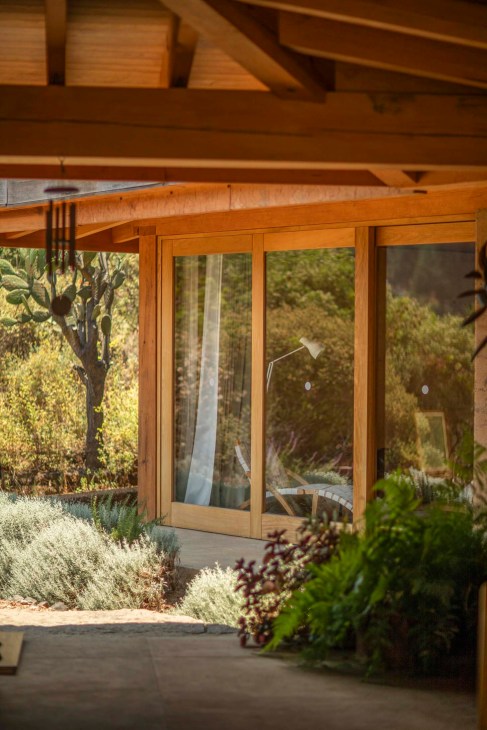
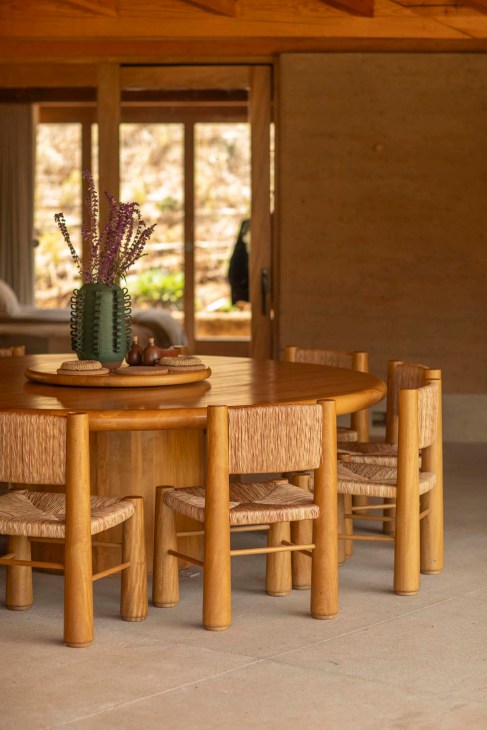

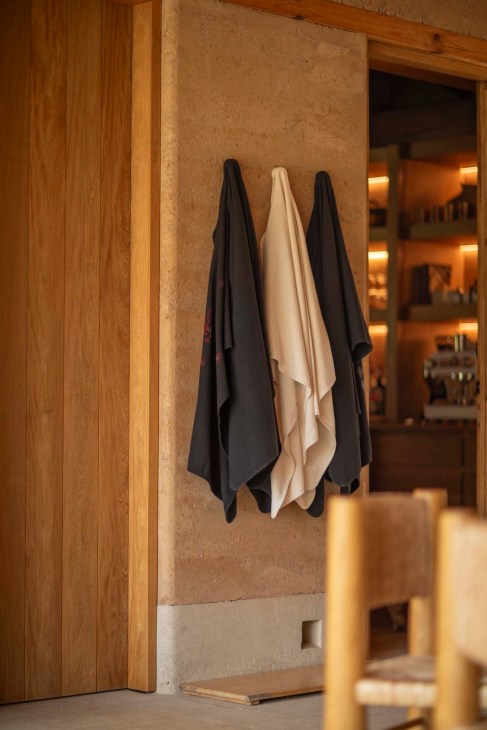
Brought up in Mexico City, where water rationing is common, Olvera has built a home that collects and recycles rainwater for self-sufficiency. He leads Monocle to the artificial pond where his labradors Maia and Uma, never far from his side, are lapping a little of the rainfall that has been collected. “It’s still the dry season,” says Olvera, who moves eagerly about amid the foliage and rarely sits down. “When I used to visit the area as a child, the wet season would begin in May but now it starts in June,” he adds, a cloud passing over his face as he considers the changing climate to which we’re all slowly adapting.
Is Casa O the vanity project of a wealthy chef? Olvera sees it as a long-term investment. “I built it for my children but also for my grandchildren,” he tells Monocle enthusiastically. Valle de Bravo’s climate allows him to grow tropical produce here. “We’re at the limit of the state of Michoacán,” says Olvera, pointing out his favourite tree, the floripondio, which is sprouting fragrant trumpet-shaped flowers. We might be hours from anywhere else but Olvera’s talk inevitably turns back to his obsession with plants and his restaurants. “At Cosme, we substitute the pumpkin flowers that grow here with rhubarb, which we don’t use in Mexico,” he says. “There are no good or bad ingredients.”
Olvera has trained some of Mexico’s most prominent chefs, including Jorge Vallejo of Quintonil, currently ranked seventh globally, and Gabriela López of Máximo Bistrot, a regular on Latin America’s list of its 50 best restaurants. But it’s not past successes that Olvera wants to discuss. Instead, it’s the possibility of fresh ones. “You won’t find these methods used anywhere else in the world,” he says of his famously outré flavour combinations, from coffee in mayonnaise and a mole containing 100 ingredients to the use of ants and creepy crawlies. “Eating Mexican food means being open to trying new things.”

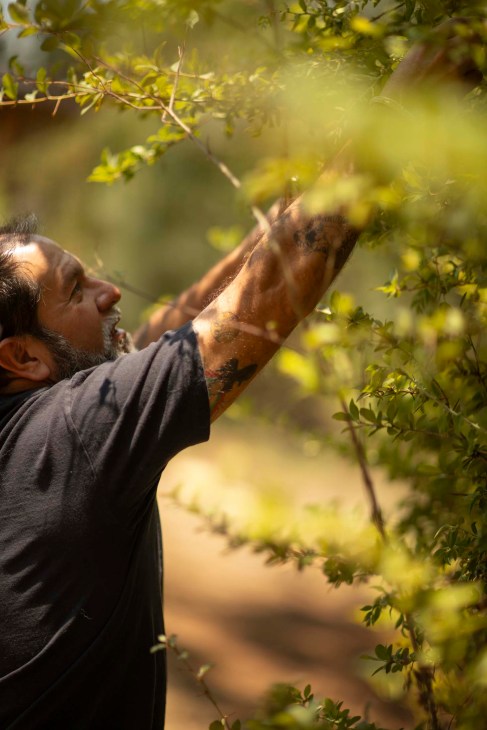
We walk a little further and look back at the house, encircled by blackberry bushes, apple orchards and macadamia groves, as well as plum, pear and lemon trees. We see fat cucumbers, lettuce, crimson chillies, tomatoes and avocados, each crop planted according to the reserve’s sloping topography to give it the best chance of flourishing. There are two towering agave plants, one green, another brown. “The plant uses all of its energy to bloom and then it dies,” says Olvera, with the satisfaction of a botany professor eager for his student to understand his enthusiasm for the topic.
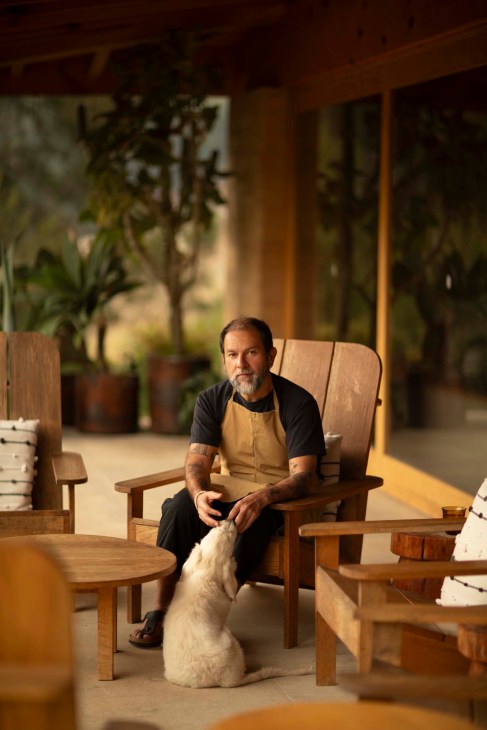
Olvera is the consummate host but it’s hard not to feel as though you were intruding on somewhere special to the chef while you’re here. “I try not to invite guests – I like to walk by myself,” he says. “I feel at peace because I can’t see or hear the neighbours.” Away from the city in which Olvera became a household name, the introverted chef prefers to spend his evenings experimenting with flavours or examining his crops.
So what does the future hold for the godfather of modern Mexican gastronomy? Olvera’s appetite for commercial success appears sated. “I don’t plan to conquer the world with Mexican food,” he says. “Every restaurateur’s dream is to be able to pay their producers fairly and to celebrate the value of the produce once it’s on the plate. If I have that, I’m content.” Right after saying this, Olvera admits a little ambition that subtly undermines his previous statement and opens up a conversation about a new hospitality project. “In a restaurant you have hours to impress your guests,” he says, his eyes lighting up. “In a hotel you have days.”
casamata.com
Street food is still a defining force in the culinary scene of Istanbul
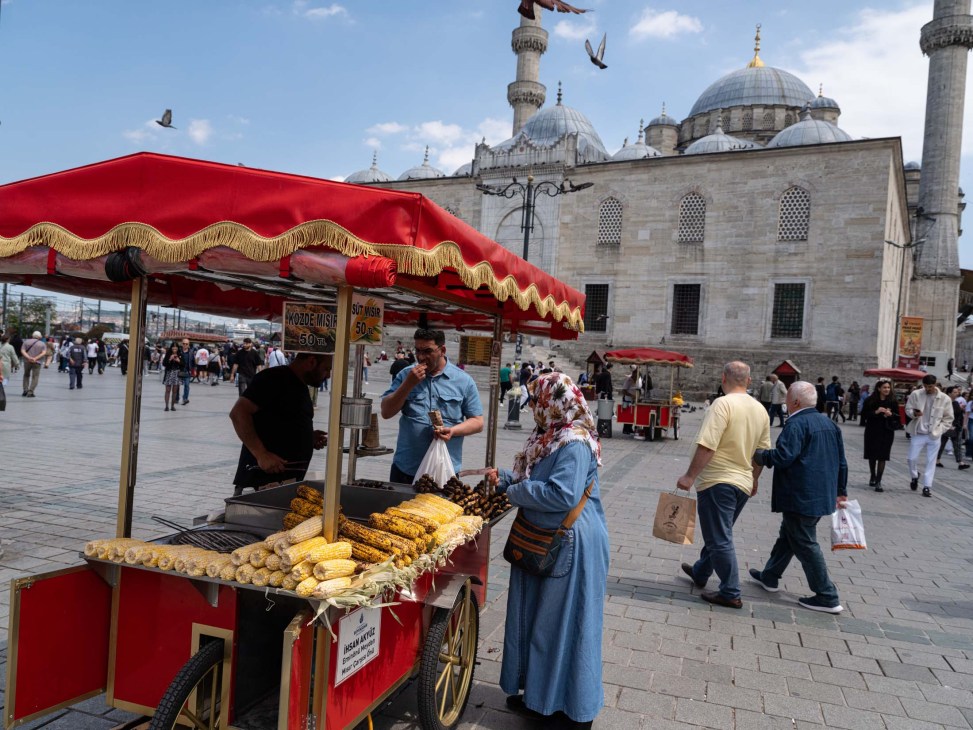
When Cenk Debensason is hungry, he rarely reaches for a Michelin guide for tips. “Whenever I think of food in Istanbul, I think of this,” the chef behind the celebrated Arkestra restaurant tells Monocle as he stands beside a vendor while a fish sizzles on the grill atop a simple cart. Debensason is here by the edge of the Bosphorus for balik ekmek: mackerel with onions, parsley, sumac and cumin, served in a hunk of fluffy white bread. Alongside the simit – sesame-crusted rings that are sweetly caramelised outside and pillowy soft within – such simple snacks are the city’s staples. But for all of the tiled lokantasi (workers’ bistros), black-tea sellers and kebab shops, Turkish fare has undergone something of a reinvention of late.
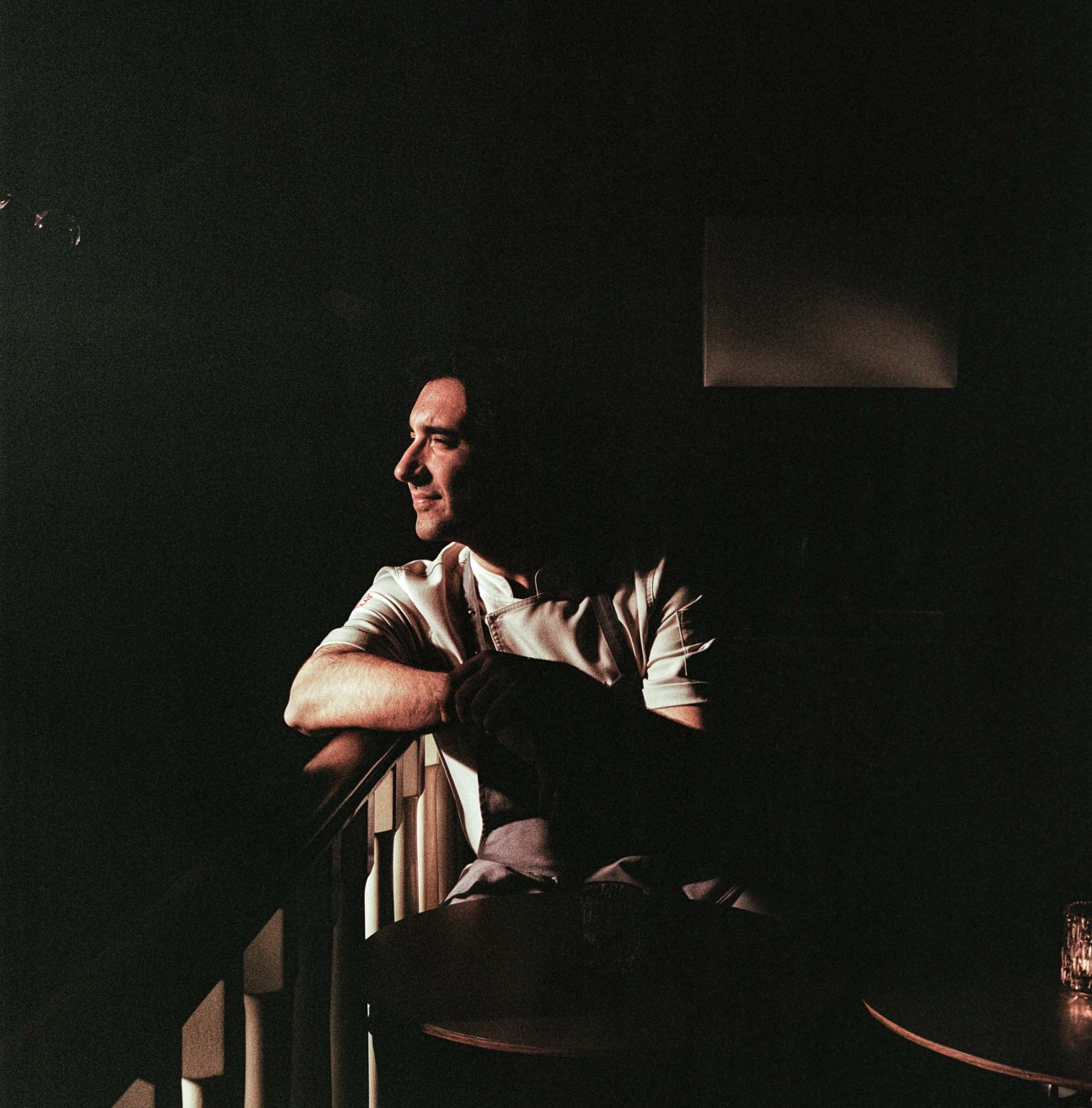
Debensason trained in France and, with his wife and business partner, Debora Ipekel, creates simple yet sophisticated spins on modern European and Turkish classics, using ingredients grown and caught around the city. The Michelin guide arrived in Istanbul in 2022 (the inspectors went to the western provinces of Izmir and Bodrum a year later) and Arkestra, based in a discreet modernist villa in the Etiler district, was one of the establishments that earned a coveted star. It marked a major step up in the city’s culinary reputation.
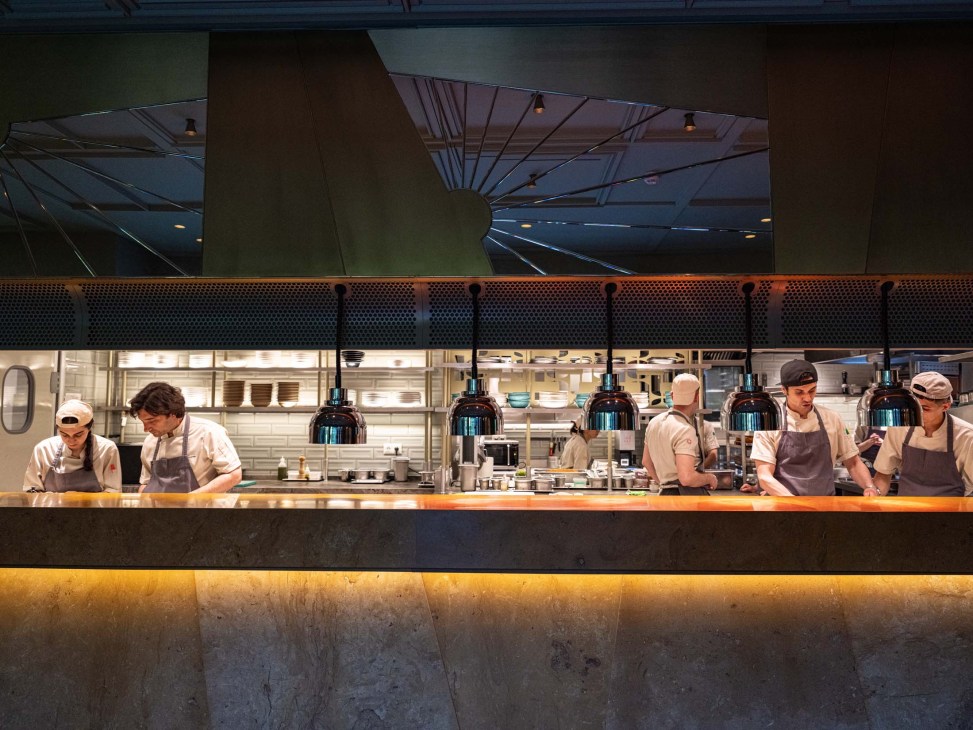
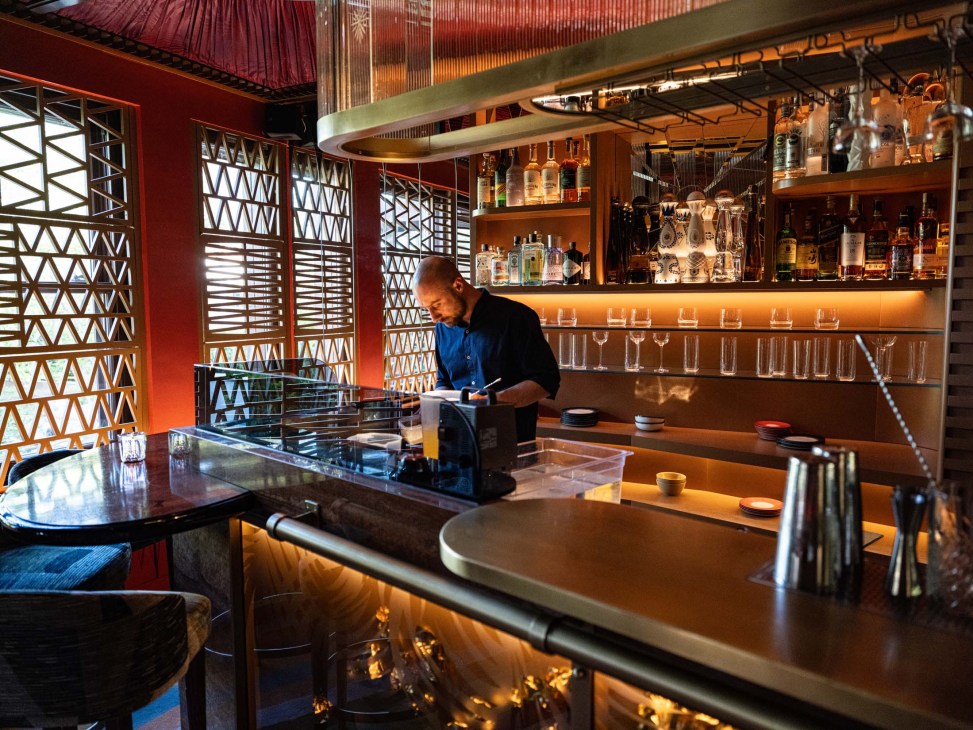
Meanwhile at Turk, a sleek establishment with a months-long waiting list in fashionable Bomonti, Fatih Tutak fuses Turkish flavours with techniques that he learned during his 15 years working in some of Asia’s top restaurants. At Neolokal, set in the grand building that housed the Ottoman empire’s central bank, Maksut Askar riffs on the flavours of his home region of Hatay (Turkey’s gastronomic capital, according to some), adding a sustainable slant by using regional produce and providing a vegetarian menu – something that would have been hard to come by just 10 years ago.
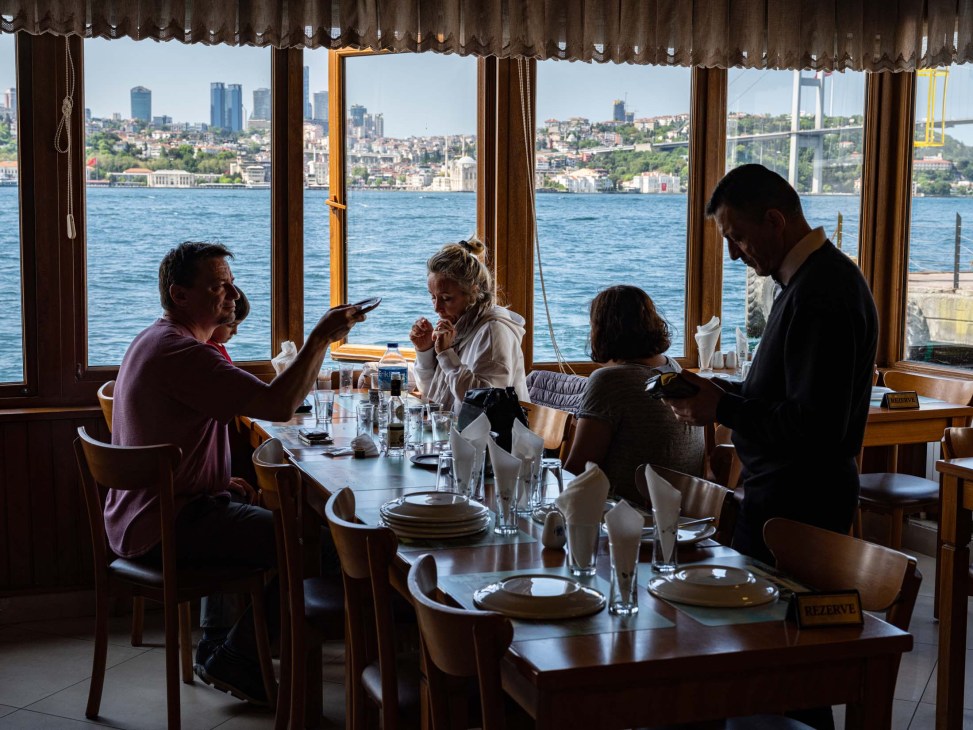
There’s a fierce wind whipping across the Bosphorus when we arrive at the packed terrace restaurant of the Sakip Sabanci Museum. This landmark building in Istanbul’s affluent northern suburbs has one of the best waterside vantage points in the city and a menu to match. It is the training restaurant for the MSA (the Mutfak Sanatlari Akademisi, or the Culinary Arts Academy), Turkey’s premier school for chefs, meaning that the food here, as affordable as it is, reaches the standards of the city’s most elite institutions.
Here we meet Sitare Baras, the managing director of the MSA, and Sabiha Apaydin Gonenli, one of Turkey’s foremost sommeliers. Baras is keen to try the new dishes on the menu, so we order delicate slivers of beef tartare in a tangy sauce; icli kofte, tiny meatballs stuffed inside bulgur dough; hummus; and delicate lahmacun, crispbreads topped with meat and tomato. Dessert is a twist on an Istanbul street-food classic: candied chestnut, reimagined as a creamy mousse topped with feather-light whipped cream. “We didn’t have avant-garde chefs before the 2000s,” says Baras. “Turkish food used to be very local. We transformed the quality of the education in the country. Our graduates work in all of the biggest restaurants and a lot of them who came from Anatolia want to go back to their hometowns and raise the bar there.”
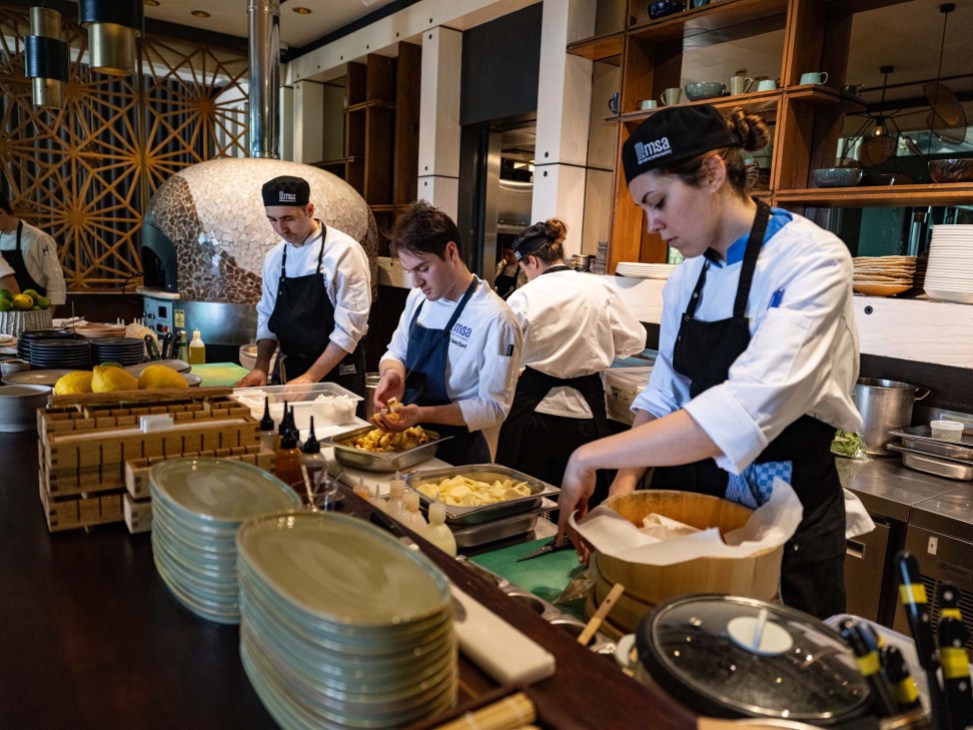
The MSA’s premises in Maslak, a bustling business district on the European side of Istanbul, is a mix of nostalgia and cutting-edge efficiency. In the foyer are glass-fronted cabinets stuffed with vintage food tins and wine bottles but the training kitchens are kitted out with stop clocks and viewing windows that allow visitors to watch the trainees in action, replicating the high-octane atmosphere of a working kitchen. Here, Baras hopes that chefs will be able to hone their skills to the millimetre-fine accuracy required in the top kitchens.
“We tell the students that it should be a reflex when they are cutting – their mind should be on the next stage,” says Sergin Keyder, one of the trainers, who started as a student at the school eight years ago. “At first I was working with a ruler and stickers on my cutting board. I ate carrot purée for two months.”
The MSA’s diploma is internationally recognised and its former students, who number about 30,000, have gone on to work in kitchens worldwide, as well as refilling the city’s culinary talent pool. Turkish cuisine is the school’s bedrock but it also teaches other styles, reflecting the increasing appetite for variety in Istanbul. Birol Can is one of the 2025 cohort. The 27-year-old had already completed a degree in cinema and was living in his home city of Tekirdag when he decided to pursue his childhood dream and sign up at the MSA. He hopes to open a French or Italian restaurant in his hometown once he graduates.
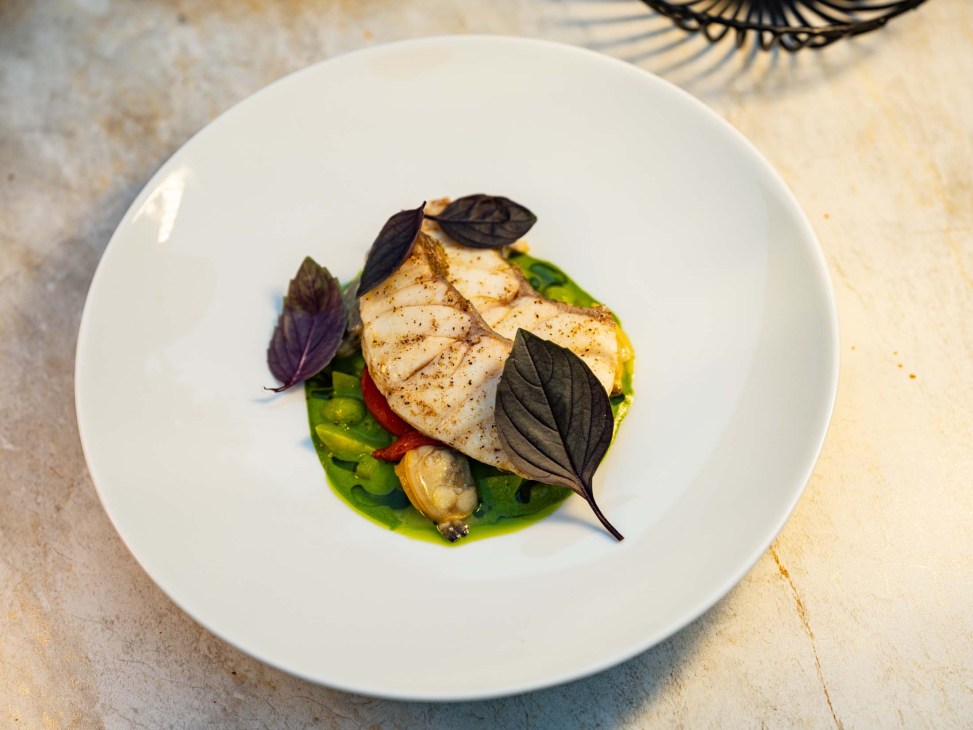
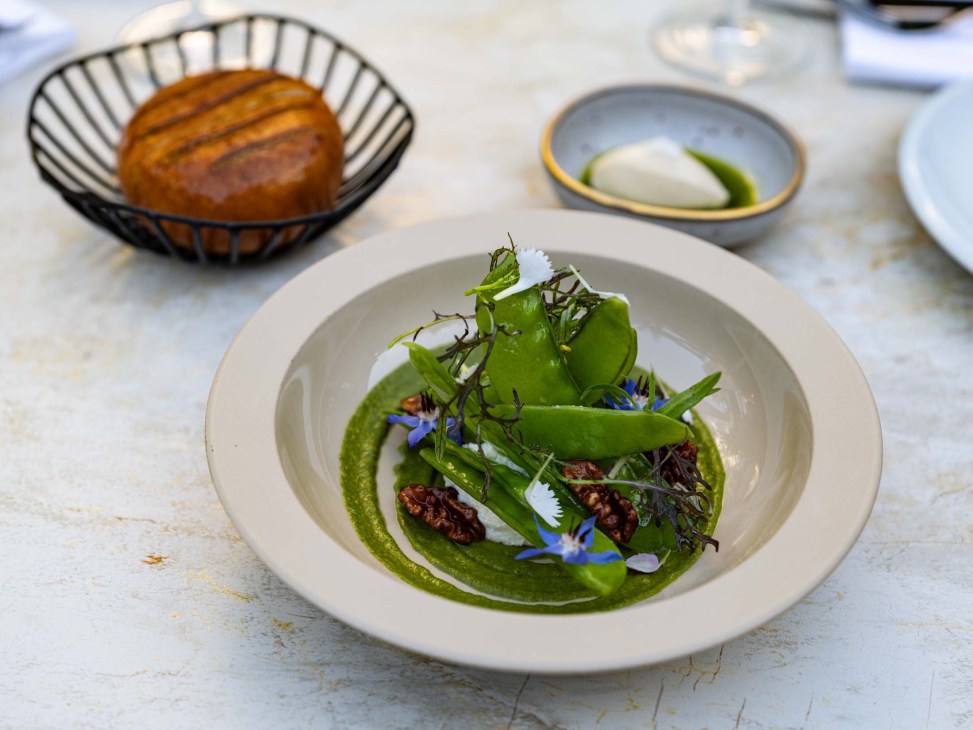
Turkish wine is also stepping up after years of obscurity. Apaydin Gonenli is a former chief of front-of-house operations at Mikla, an Istanbul institution where she was responsible for food and wine pairings. In 2019 she organised the first Root, Origin, Soil conference to showcase Turkish viticulture, an event that is now held biannually. “We were always drinking the same six Turkish grape varieties and I wondered why,” says Gonenli. “In Turkey we have about 800 unique varieties and I started promoting them. When I set out, there were 20 indigenous varieties available commercially. Now there are 60.”
The bottles are now making their way into high-end restaurants and a few pioneers are popularising wine bars. Chief among them is Foxy in Istanbul’s smart Nisantasi district, a venture by Maksut Askar and wine expert Levon Bagis, where an extensive and ever-changing selection of regional varieties is available by the glass, alongside fresh twists on classic mezze.
Above all – and despite the role that Michelin has played in internationalising and glamorising Turkish food – there is still something pleasingly democratic about the restaurant scene here. “Our customers come here for a good time, not to feel overwhelmed,” says Debensason, while explaining why Arkestra offers à la carte rather than the tasting menu often favoured by Michelin inspectors.
On the weekday evening that Monocle visits, the atmosphere at the restaurant is fittingly fun and informal. The tables are full but Debensason and Ipekel mingle with guests, explaining new dishes and recommending wine pairings. When Monocle asks where he would head for a taste of the city, Debensason suggests Donerci Engin, an unassuming hole in the wall with plastic furniture in Beyoglu that serves nothing more complicated than a classic doner kebab. Prices might be on the rise but don’t let anyone tell you an international reputation has cost Istanbul’s food scene its authenticity or its originality.
Tastes of the city
Here are some of Istanbul’s culinary attractions beyond the white tablecloths and polished dining rooms.
Pandeli
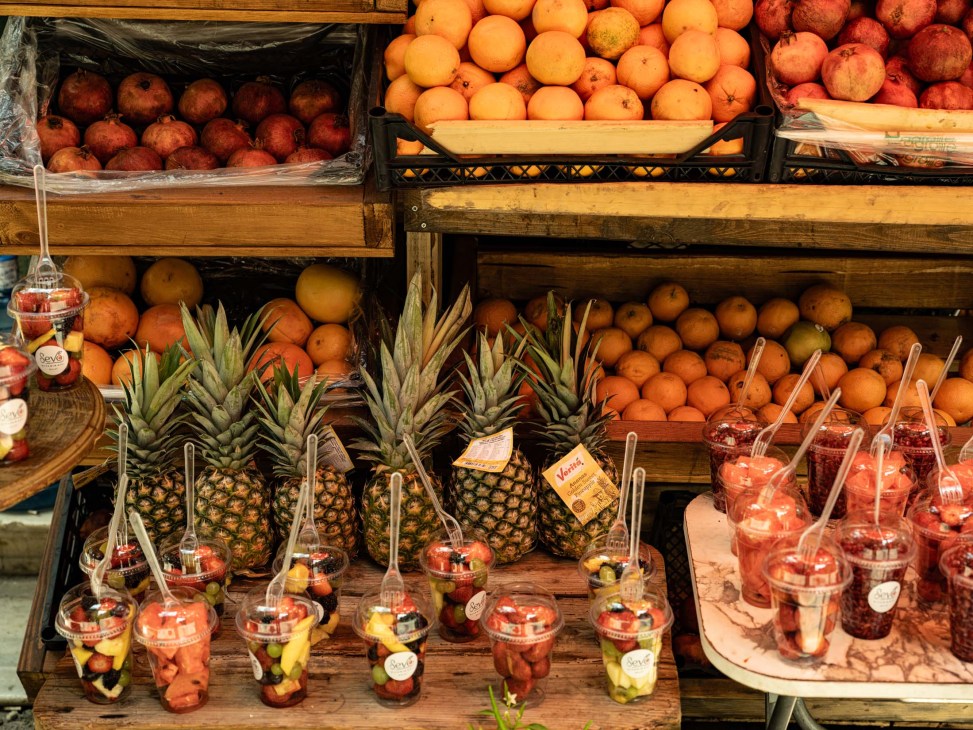
This canteen feels like a hidden palace and is the best spot in the city for a quick, inexpensive lunch with views over Eminonu port. Turkish staples have been served here for about a century and the quality has never dipped. Arrive early or reserve to secure the best table.
pandeli.com.tr
Karakoy historic fish market
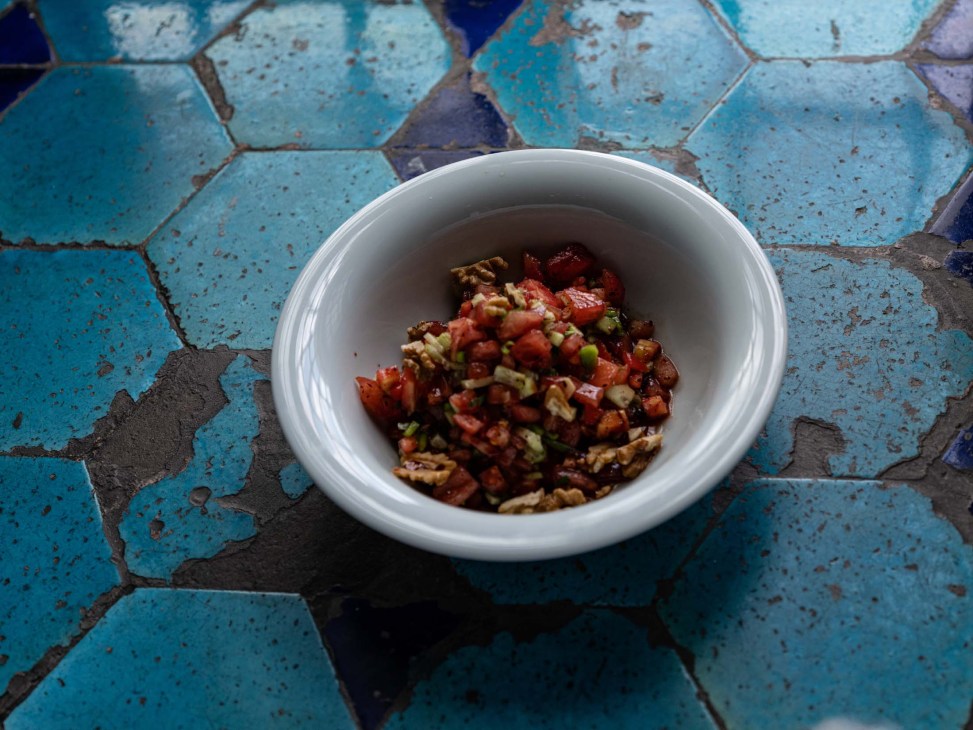
You need to venture to the lesser known side of Karakoy to get to this market. Cross through the underpass that runs under the Galata Bridge and you’ll find it just a few steps beyond. This is where locals come to buy the freshest catch to take home. But you can also ask one of the adjoining restaurants to cook your choice for you or get it served in a sandwich or wrap to eat by the waterside.
‘Simit’ stands, citywide
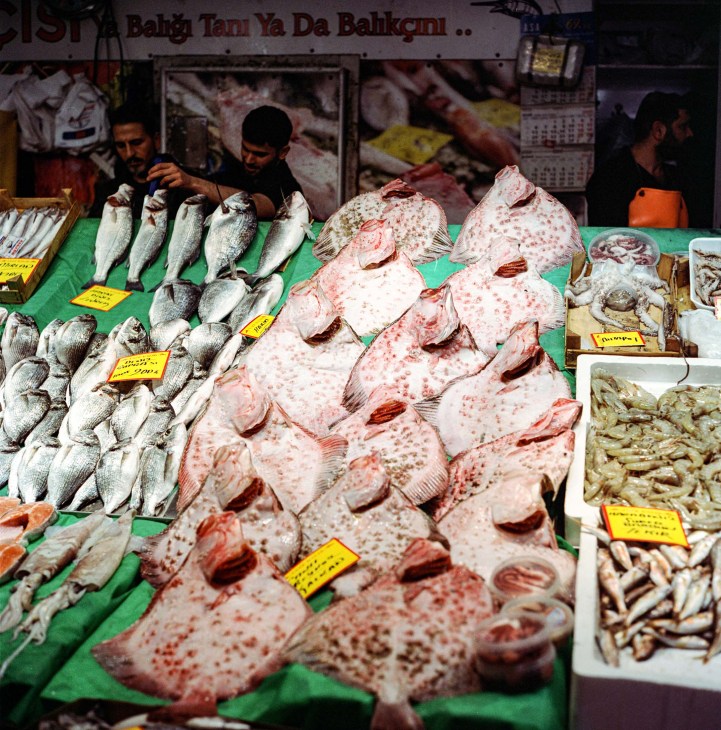
You’ll find simit everywhere but if you want the freshest available, look for the vendors with the highest turnover. You can’t go far wrong at any of the city-centre ports, where thousands of people pass by every hour. One of the most atmospheric is the cart just outside Besiktas port, which has a lovely backdrop of the historic terminal and the Bosphorus beyond.
Basta!
Founded by two chefs who worked in Michelin-starred restaurants outside Turkey, this no-fuss spot has the best wraps (dürüm) in the city. The menu is tight, with options that you can count on one hand, but the flavour combinations are so well balanced that you’ll keep coming back for more. Try the lamb with harissa and yoghurt. The pavement seats make for prime people-watching spots.
bastafood.com
Kebapci Zeki Usta
Proprietor Yilmaz Omeroglu uses only the freshest meat for his kebabs and meatballs. There’s no doner here, however. Zeki Usta’s specialities are adana and urfa kebabs, richly spiced and served with pillowy pitta bread. This atmospheric café is in the heart of Kuzguncuk, a quaint neighbourhood of coloured houses and ancient churches on the Asian side.
Kuzguncuk, Icadiye Caddesi 31
Moda Tea Garden
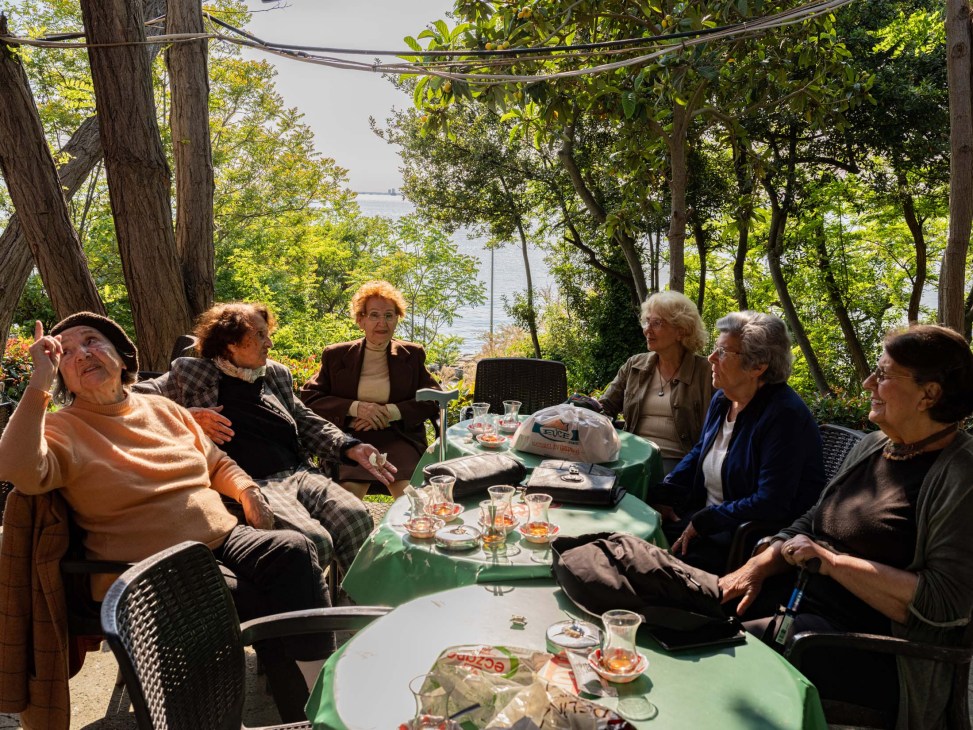
Tea is a way of life in Istanbul and you’re never too far away from a seller brewing a fresh batch. Seek out the tea gardens if you want to retreat from Istanbul’s chaos and sip your drink in peace. Our favourite is in the Moda district on the Asian side, on a bluff overlooking the Sea of Marmara.
Caferaga, Park Ici Yolu, 34710 Kadikoy
Rising to the challenge
Much has been done to improve Istanbul’s drinking-and-dining scene but there remain challenges – not least the Turkish economy, which continues to suffer from sky-high inflation that has pushed the once famously low dining prices up to levels that you might expect in London or Paris. The government is also slapping punitive taxes and restrictions on alcohol producers and retailers, including a wide-ranging ban on advertising, which even precludes wine-tasting events. “We can produce but not promote,” says Sabiha Apaydin Gonenli, wine director of Istanbul’s Mikla and co-founder of Heritage Vines of Turkey. “When I am teaching front-of-house courses, I ask my students how many grape varieties they know. Most still don’t know any Turkish varieties.”
Luckily, Gonenli’s work and that of many of the city’s best chefs is helping to create a market for Turkish wine. Several vineyards are now also opening to the public, many of them in pleasingly unexpected places. Monocle recently enjoyed an afternoon at Eskibaglar winery in the mountains of Elazig in eastern Anatolia, where ancient vines have been brought back into commercial use and complemented by a smart on-site restaurant and hotel.