Issues
Hot property: The best of this summer’s cultural releases
Film
This summer marks 50 years since the release of Jaws and with it the birth of the summer blockbuster. While a rewatch of the sharp-toothed classic is never a bad idea, here are three new films well worth your time.
‘Jurassic World Rebirth’
Gareth Edwards
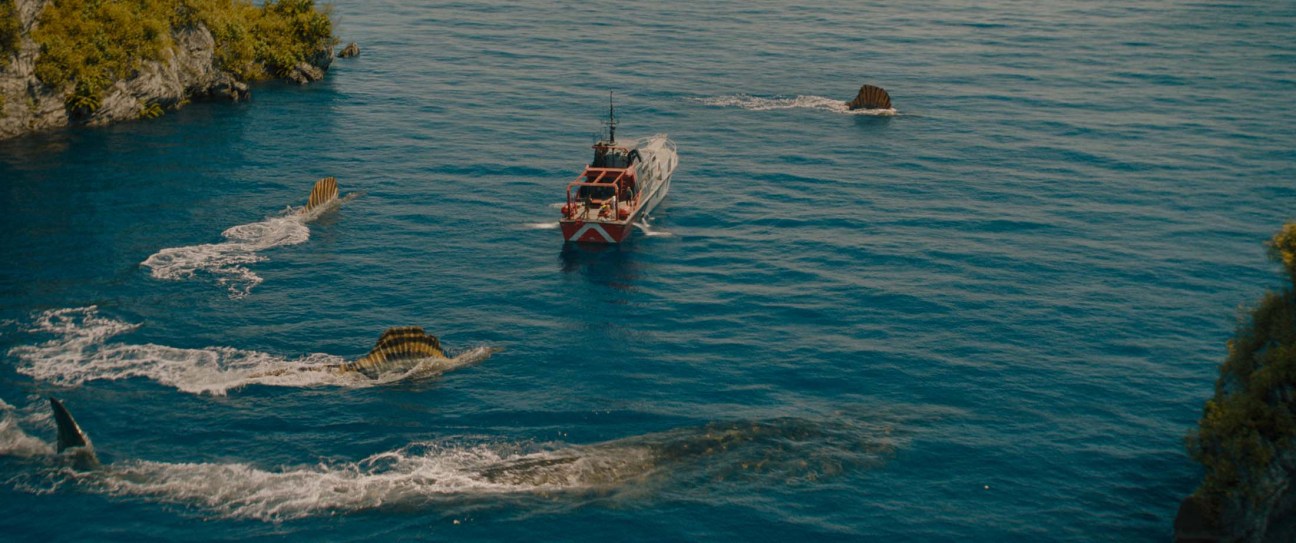
After the lumbering missteps of Colin Trevorrow’s increasingly intolerable sequels, Jurassic World Rebirth promises to be a sleeker, grander soulful beast with director Gareth Edwards’ knack for tension and spectacle.With Scarlett Johansson fronting a cast that features Mahershala Ali and Jonathan Bailey, it’s finally time to recapture the magic of Spielberg’s original.
‘JurassicWorld Rebirth’ is released on 2 July. To read more about it, turn to page 49
‘The Shrouds’
David Cronenberg
Elegant, eerie and intimate, this macabre tech-noir lingers in the mind like grief itself. Vincent Cassel gives an understated performance as Karsh, a bereaved widower whose invention lets the living survey the dead’s rotting bodies. With sterile spaces, a haunting Howard Shore score and an intriguing central mystery, all contained within Cronenberg’s obsession with flesh and metal, it’s an elegant meditation on love and decay.
‘The Shrouds’ is released on 4 July

‘Materialists’
Celine Song
Song follows up her charming love triangle Past Lives with another look at a woman caught between two romantic prospects. Dakota Johnson stars as Lucy, a New York matchmaker torn between Pedro Pascal’s dashing wealthy suitor and Chris Evans’s emotionally raw ex. Song’s script skewers the transactional nature of dating while honouring the highs and lows of genuine connection. With its gauzy A24 polish and Song in both writer and director mode, this is the thinking romantic’s summer must-see.
‘Materialists’ is released on 16 August

Books
With the lazier schedule of the summer months – and the possibility of time to get away and reset – comes the prospect of unencumbered hours to get stuck into a great book. From chefs and politicians to fashion designers and authors, we asked 10 interesting people which book they’d encourage others to pack for a holiday. These novels, short stories and non fiction reads offer entertainment, escapism and, in many cases, fresh perspectives on life. A visit to the beach can expand your horizons in more ways than one.
1.
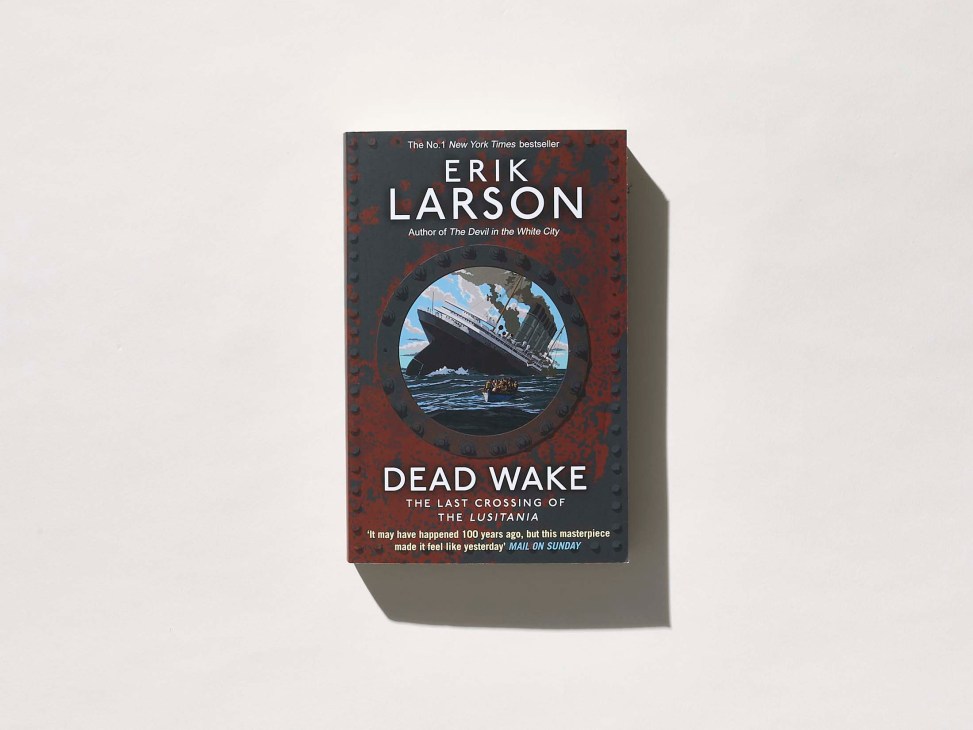
‘Dead Wake’ by Erik Larson
Selected by Gabrielius Landsbergis
Larson’s non-fiction account of passenger ship Lusitania is a beautifully rendered picture of war, trauma and hope. This thriller is told from multiple vantage points. Though I knew the ending, I still hoped against history that the protagonists survived. Beyond the human story, it’s a political meditation on how long it took the US to act and at what cost. It resonates today. How many lives could have been saved if America chose to lead when it mattered most?
Landsbergis is the former foreign minister of Lithuania
2.
‘Os Sertões’ by Euclides da Cunha
Selected by Tomás Biagi Carvalho
Os Sertões (or Rebellion in the Backlands) recounts the War of Canudos, a civil conflict that took place in northeast Brazil five years before this book’s publication in 1902. The story combines poetic beauty and emotion with the precision and rigour of science. The descriptions of the backlands, climate, fauna and flora, the rivers that flow into the sea and the favelas always endear me to my country.
Biagi Carvalho is editor and founder of ‘Amarello’ magazine
3.
‘Garden Bulbs in Color’ by J Horace McFarland LHD, R Marion Hatton and Daniel J Foley
Selected by Cecilie Bahnsen
I found this 1938 book in a vintage bookshop. It is made for amateur gardeners, like me and my son. I’ve enjoyed reading the tips and the history of bulbs, as well as the charts for size and planting depth, as we have spent the spring planting tulips. The most inspiring parts are the illustrations. The flowers bloom outside their frames like floral collages of inspiration.
Bahnsen is a Danish fashion designer
4.
‘The Political Thought of Xi Jinping’ by Steve Tsang and Olivia Cheung
Selected by Benedetta Berti
I found this book compelling, insightful and highly educational. Ideology is certainly not the
only factor shaping political behaviour, yet underestimating its importance comes at great risk. In a world of growing strategic competition, which is underpinned by markedly distinct views of global order, this book sheds light on the evolving “Xi Thought” and its influence on both the People’s Republic of China and the rest of the world.
Berti is the director of policy planning at Nato
5.
‘The Chronology of Water’ by LidiaYuknavitch
Selected by Aline Asmar d’Amman
Books are the foundation of my architecture practice; necessary to the mental construction of every project narrative and space. Sometimes, a book is such a magical encounter that its resonance inspires a dedicated space, floor to ceiling, walls to textures. Case in point: this memoir. I know that there will be many readers looking to outswim pain or traumatic experiences this summer, just as Yuknavitch did.
Asmar d’Amman is an architect and the founder of Culture in Architecture
6.
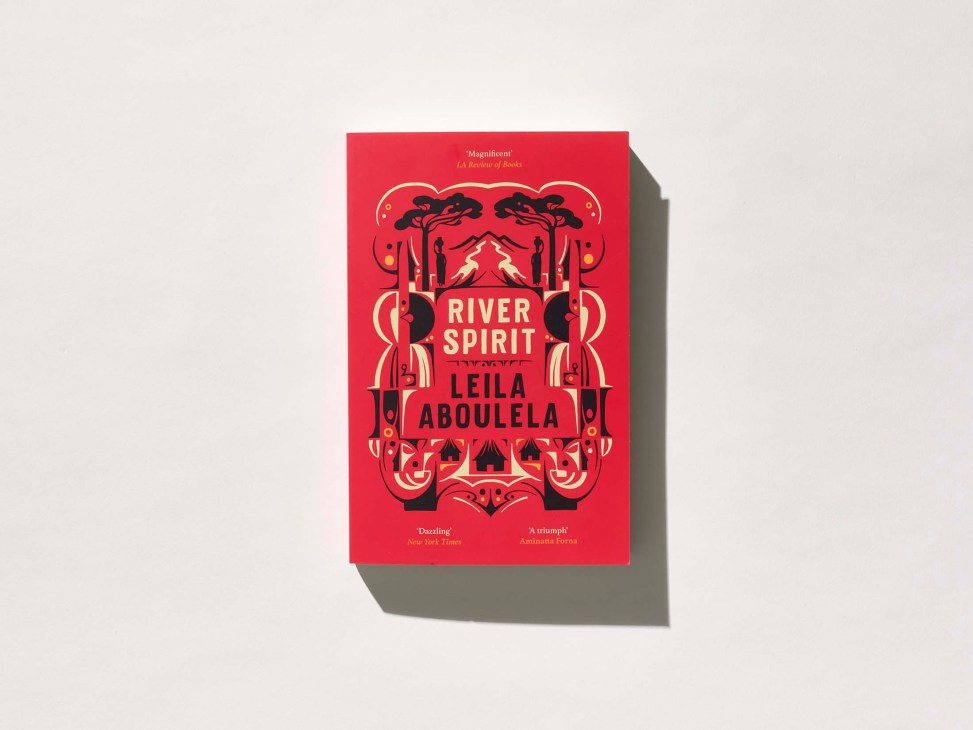
‘River Spirit’ by Leila Aboulela
Selected by Yassmin Abdel-Magied
This historical fiction about Sudan mirrors the current moment in many ways. It is beautifully written and, for readers who might not know a lot about the country, it’s a wonderful entry point. It has nuanced characters and, though it’s historical, it feels very contemporary.
Abdel-Magied is a Sudanese- Australian media presenter and writer
7.
‘The Story of San Michele’ by Axel Munthe
Selected by Amy Poon
This extraordinary book is composed of vignettes that span the author’s experiences as a society physician, an animal lover and a doctor during cholera outbreaks. He ultimately rebuilds the ruined Tiberian villa of San Michele, perched high above the shimmering Bay of Naples on Capri. Full of charm, wit and wisdom worn lightly, it’s a mesmerising read. I came across it more than 20 years ago; it made me believe in magic.
Poon is the founder of Poon’s London

8.
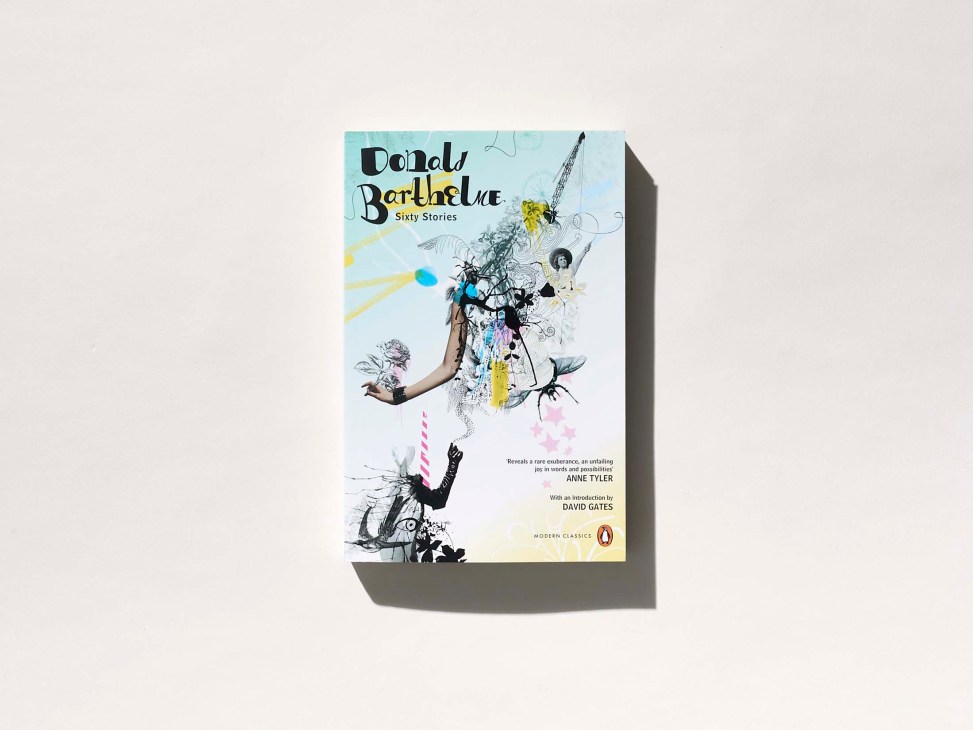
‘Sixty Stories’ by Donald Barthelme
Selected by David Shrigley
I was introduced to Barthelme’s short stories when I was about 17 years old. They challenged what I understood to be literary conventions in a way that was tremendously exciting.They were punk rock but at the same time clever and strange. I later heard people call this style “postmodern”. Whatever postmodernism is or was, there was something about this version of it that moved me. Start with “On Angels” and maybe you’ll see what I mean.
Shrigley is a visual artist
9. ‘Spent Light’ by Lara Pawson
Selected by Vijay Khurana
This is an exquisitely written flight through a woman’s mind, as she considers the objects in her life: a second-hand toaster, an egg timer, a collection of dog fur. This is a book about noticing, a book that shows how the mundane things we surround ourselves with connect us to structures of cruelty but also to love and each other.
Khurana is an Australian writer and author of ‘The Passenger Seat’
10. ‘The Third Plate’ by Dan Barber
Selected by Brad Carter
This book looks at farming that’s sustainably minded and produces delicious seasonal food. It hit me hard at the time as everything I was applying to my restaurant was in this book. Barber shows why good practices make a good dinner.
Carter is a celebrated chef and co-founder of Island restaurant in London

11. ‘Monsoon’ by Asma Khan
Selected by Fadi Kattan
Monsoon is the ideal cookbook for summer. Khan’s magical writing takes us on a journey into the depths of her native Bengal. The aromas of the kitchen are mesmerising. Be it at home or on holiday, this book is an invitation to enjoy Indian cuisine at a leisurely pace and in any mood. I can already imagine the crispy crack of the lentil fritters or the cooling kaddu ka raita (pumpkin raita) on a sunny day.
Kattan is a chef and the co-owner of restaurant Akub
12. ‘The Book of Tea’ by Kakuzō Okakura
Selected by Charlie Casely-Hayford
Okakura’s exploration of the tea ceremony as an art form deeply resonated with me. It illuminated how simplicity and imperfection can be celebrated. The book’s meditation on the West’s pursuit of dominance over nature and the East’s reverence for its subtle rhythms continually informs my creative process. It reminds me to appreciate the profound in the everyday.
Casely-Hayford is a menswear designer
Exhibitions
The airy rooms of a gallery provide escape and inspiration on a hot summer’s day. Here, we pick the best exhibitions this summer to capture your imagination. They might even help you cool off.
‘Jenny Saville: The Anatomy of Painting’
National Portrait Gallery, London
Stare at a Jenny Saville portrait and you’ll swear the subject is alive under those luscious strokes of paint, such is the clarity and visceral power of her craft. With Saville’s brush, eyes pierce, blood pulses and skin reveals gorgeous, bruised hues. More humane than Lucian Freud’s, her work is a celebration of flesh in all its ungainly forms. Anyone doubting the power of 21st-century figurative art should prepare to dissect the work of one of Britain’s greatest living painters.
‘The Anatomy of Painting’ runs from 20 June to 7 September

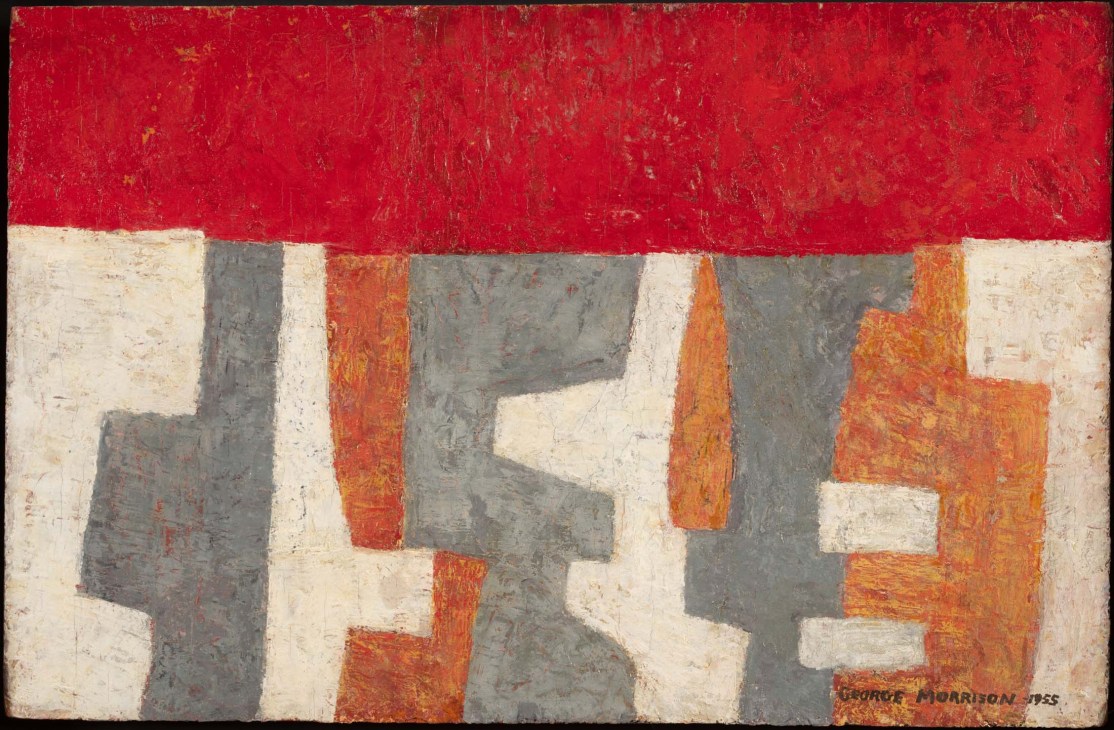
‘The Magical City: George Morrison’s New York’
TheMetFifthAvenue, NewYork
A Native American who grew up in rural Minnesota during the Great Depression before later training as a painter in Paris and Antibes, George Morrison’s path to Manhattan was not a well-trodden one. With 25 large-scale paintings and archive materials, this exhibition will celebrate his loose connections to mid-century icons such as Willem de Kooning. It
will also explore Morrison’s fondness for Fauvist-like colour combinations and map-like dissections of the landscape, revealing a singular talent.
‘The Magical City: George Morrison’s New York’ runs from 17 July to 31 May 2026
‘The Architecture of Sou Fujimoto: Primordial Future Forest’
Mori Art Museum, Tokyo
In the past 25 years, Hokkaido born Sou Fujimoto has developed into one of Japan’s leading architects and most influential thinkers. Respectful of nature and the built environment, his designs play with semi-open spaces and encourage us to rethink how we interact with the world. Through photos, plans and scale models, this first major gallery survey will ask big questions while laying out Fujimoto’s stimulating answers.
‘Primordial Future Forest’ runs from 2 July to 9 November
The affairs agenda: Clean ports in Baltimore, Ukraine’s evolving rave scene and a Q&A with Sadiq Khan
Environment: USA
Deep cleaning
Many US coastal cities have had their post-industrial harboursides repurposed to great effect. But while getting people next to the water has proved easy, getting them into it is more of a challenge. Industrial run-off has polluted waterways, preventing wild swimming. One city changing that is Baltimore; the Maryland port has plunged $1.6bn (€1.4bn) into upgrading its storm water and sewage infrastructure. And this summer, the second Harbor Splash will reprise 2024’s mass swim but with 50 more people than last year’s 150.
This is a significant achievement considering the legacy of Baltimore’s heavy industry, which left high levels of toxic pollutants in the water. “The perception was that the water in the harbour would melt the skin off your hand,” says Adam Lindquist, vice-president of the Waterfront Partnership, an organisation founded in 2010 by a group of business, non-profit and government leaders with the goal of making the harbour swimmable. The group has revived aquatic habitats with floating wetlands and oyster farming, providing natural filters for pollutants, while city government has repaired pipes and built storage tanks to prevent sewage entering the waterways.
The amount of sewage discharged into the harbour fell by 97 per cent between 2018 and 2022. The water is tested five days a week and people are advised against swimming outside of organised events due to boat traffic. “It’s early days but we think that a permanent swim spot is the future for Baltimore,” says Lindquist.
Politics: UK
Q&A
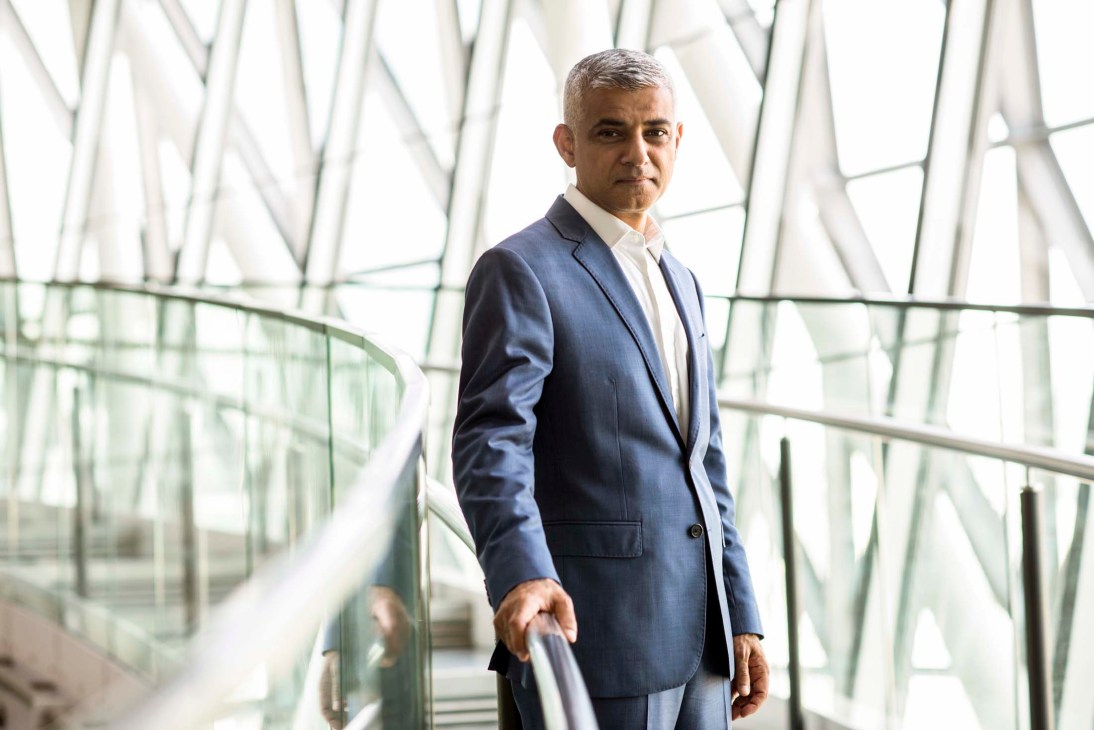
Sadiq Khan
Mayor of London
Sadiq Khan believes that his city is poised for a pivotal moment of opportunity and growth. He is urging the world to take note.
Why is this year important for London?
We’ve got a new national government whose number-one mission is growth. The stars have aligned in terms of certainty and stability, which is what stakeholders and contractors are looking for.
There’s a tension now between liveability and economic viability. Do you think that people are wary of rapid urbanism?
We need to grow sustainable, green, human-oriented cities. Our plan for London prioritises public transport, cycling, walkability, no car parks near stations, green roofs and walls, and rewilding urban spaces. We’ve brought back bats, bees and beavers to the city – Justin and Sigourney Beaver, to be precise – and we’ll clean up the Thames so that residents can swim safely.
What keeps you up at night?
Street crime remains a concern but we have made progress. We currently have the lowest rate of teenage homicides in 13 years. Burglary is also down and we’re tackling phone theft by working with police and phone companies to make second-hand phones worthless, just as car stereos once were. We’re also working with the private sector to create a better city.
Click here to read the full, extended interview.
The Foreign Desk
Andrew Mueller on: Earning respect
The funeral of former Uruguayan president José Mujica was a grand affair, certainly relative to the man that it commemorated: a flag-draped coffin on a horse-drawn gun carriage, mourning dignitaries, weeping crowds and a lying in state at the Legislative Palace in Montevideo. But Mujica’s final interring was more like what he would probably have wanted: he was buried under a sequoia tree on his modest farm, alongside his dog Manuela, who died in 2018.
Mujica’s schtick while serving as Uruguay’s head of state between 2010 and 2015 was that he was the world’s poorest president. On arriving in office at the age of 74, he declared a net worth of $1,800 (€1,600). The farm belonged to his wife. Other presidents, he once said, considered him a weirdo. But what if he wasn’t? Whatever lessons Mujica learned about the follies of avarice, he learned the hard way. As a young man, he committed himself to the dangerous and austere life of a guerilla in the ranks of Marxist insurgents, the Tupamaros. He was eventually arrested – being shot six times in the process – and spent more than a decade in prison. By the time material possessions were a possibility, he had little interest in them. He once harrumphed that his three and a half million fellow Uruguayans annually imported 27 million pairs of shoes: “Are we centipedes?” he demanded of his people.
But he seemed content and led an engaged, interesting and eventually admired life. “I dedicated myself to changing the world and didn’t change a damn thing but I was entertained,” he said. The lesson here applies as much to countries and cities as individuals: think a bit more about what we need, a bit less about what we want. In recent months, another president, who gets two Boeing 747s with the job and already has a Boeing 757 of his own, has grumpily defended his right to accept the gift of still another Boeing 747 from a royal. But does that president, or the country he governs, seem happy?
Andrew Mueller presents ‘The Foreign Desk’ on Monocle Radio
Urbanism: Czechia
Squaring up
Staré Brno, the oldest district of Czechia’s second city Brno, seems like the kind of place that should have a town square. Until recently, however, it did not. What it had was Mendel Square, an unprepossessing bus and tram station which, with bleak irony, bore the name of a botanist. But over the past few years, Mendel Square has been reimagined and reinvigorated. You can still catch a bus or a tram there but the idea is that you can now do much more, including complaining about the city authorities that funded the refurbishment.
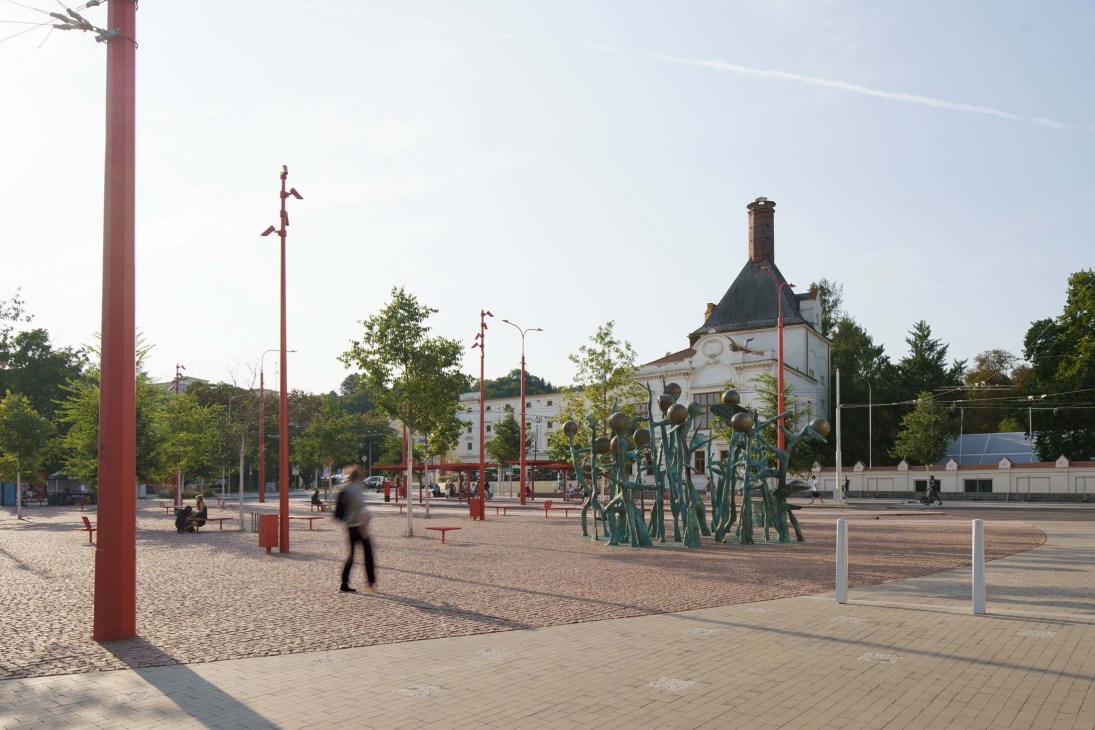
“We’re not French – we don’t protest constantly,” says Brno-born Ondrej Chybik of Chybik + Kristof, which undertook the redesign along with Brno architecture firm Dílna and landscape architect Zdenek Sendler. “But in Central Europe we do consider squares as very important for civic society because all the revolutions and big changes within our country happened in those squares.” Chybik is of the generation of Czechs who grew up in a country transformed by people gathering in town squares; he recalls, as a four-year-old, sitting on his father’s shoulders among the crowds urging on the Velvet Revolution in 1989.
“There’s a place where you can put a stage, for instance, not just for protests but also cultural performances,” says Chybik. “There’s shade given by trees so you can stay a while, whether you’re protesting or enjoying an exhibition. The goal was to create a good square to accommodate as many functions as possible.”
Nightlife: Ukraine
Dancing in the face of danger
Before Russia’s invasion of Ukraine in 2022, Kyiv was fast becoming Eastern Europe’s hedonism hotspot. Wartime Ukraine’s nightlife, however, has far from disappeared and has even evolved to meet the moment head on.
The techno festivals and all-night raves might be gone but they’ve been replaced by a rich scene of day parties and evening gigs that frequently double as fundraisers for those fighting on the frontline.

Legendary Kyiv nightclub K41, designed by the architects behind Berlin’s Berghain and housed in a former brewery, has raised more than €700,000 to fund the purchase of everything from energy generators to bulletproof vests for the army. In the Black Sea resort city of Odesa, sometimes dubbed the Ibiza of the East, Ukrainians continue to party at the bars and clubs that line the seaside, even as drones hover overhead and missiles pummel the surrounding oblast.
In a time of blackouts, bombardments and daily uncertainty, the partygoers cutting shapes on the country’s dancefloors demonstrate how Ukrainians have refused to be flattened by a narrative of war and definitely still know how to have a good time.
For both civilians and soldiers on leave, these venues provide otherwise hard-to-come-by opportunities for conviviality and kicking back. Dancing the night or afternoon – away in a nation at war promises fleeting yet welcome moments of respite and an all-important morale boost.

The business agenda: An airborne taxi start-up and a Lego-style construction in Singapore
Urbanism: New York
Business is blooming
Once the niche fascination of native-plant obsessives, wildflower meadows are poised to go mainstream as more homeowners and landscape designers reconsider the ecological cost of traditional lawns. The trouble is that few have the patience or the time to pull it off. Enter Meadow Lab, a start-up that allows people to roll out a biodiverse native wildflower meadow just as they would a lawn.
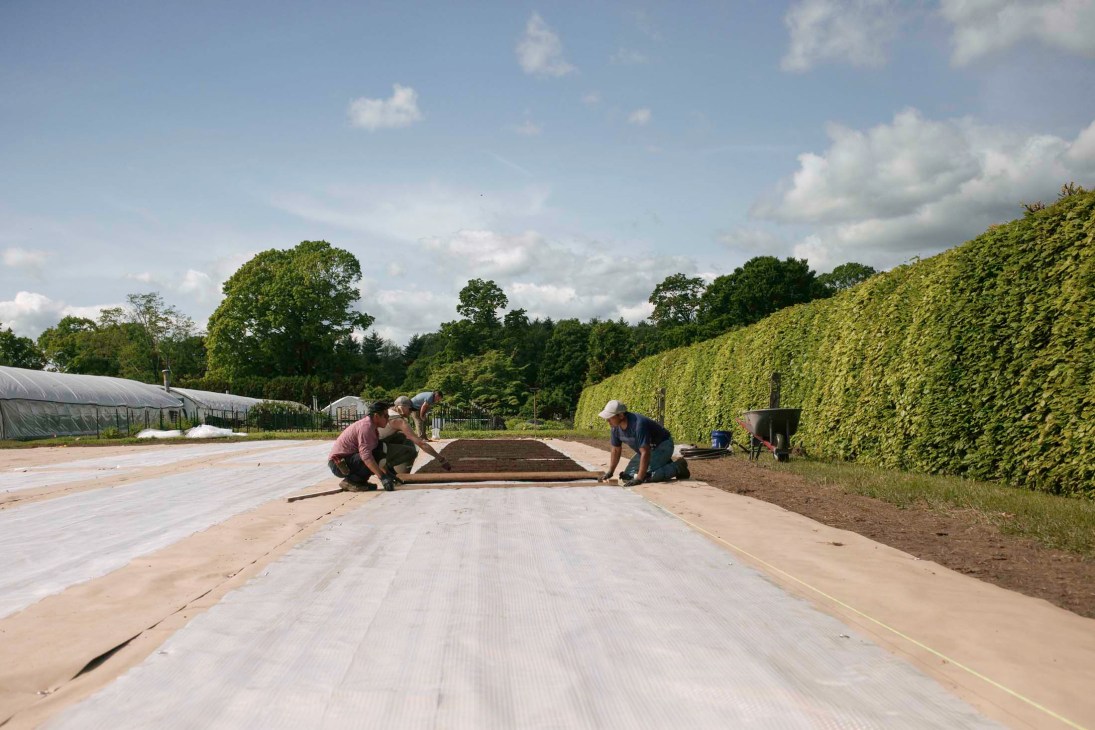
Launched this year in New York’s Hudson Valley by former Food52 chief commercial officer Claire Chambers, Meadow Lab offers two products: Wildflower Soil, a blend of northeastern native seeds mixed into high-performance soil; and Wildflower Sod, a pre-grown wildflower turf. Both are designed to speed up the notoriously finicky multi-year process of establishing a meadow. “There’s a lawn-conversion conversation happening everywhere,” says Chambers. “But most people who try to start a meadow end up with a horror story.”
Her version eliminates early failure points, appealing to designers, developers and homeowners who want ecological impact and instant visual feedback. “It’s a gamechanger,” she says. “You’ve asked for a meadow and so you actually get one.”
After a long career that has seen her running ecommerce at Walmart, Chambers is leaning into the back-to-the-land lifestyle and plans to have a network of company-owned farms across the US. “This should feel like a generational business,” she says. “Something built to last.”
Aviation: USA
Flights of fancy
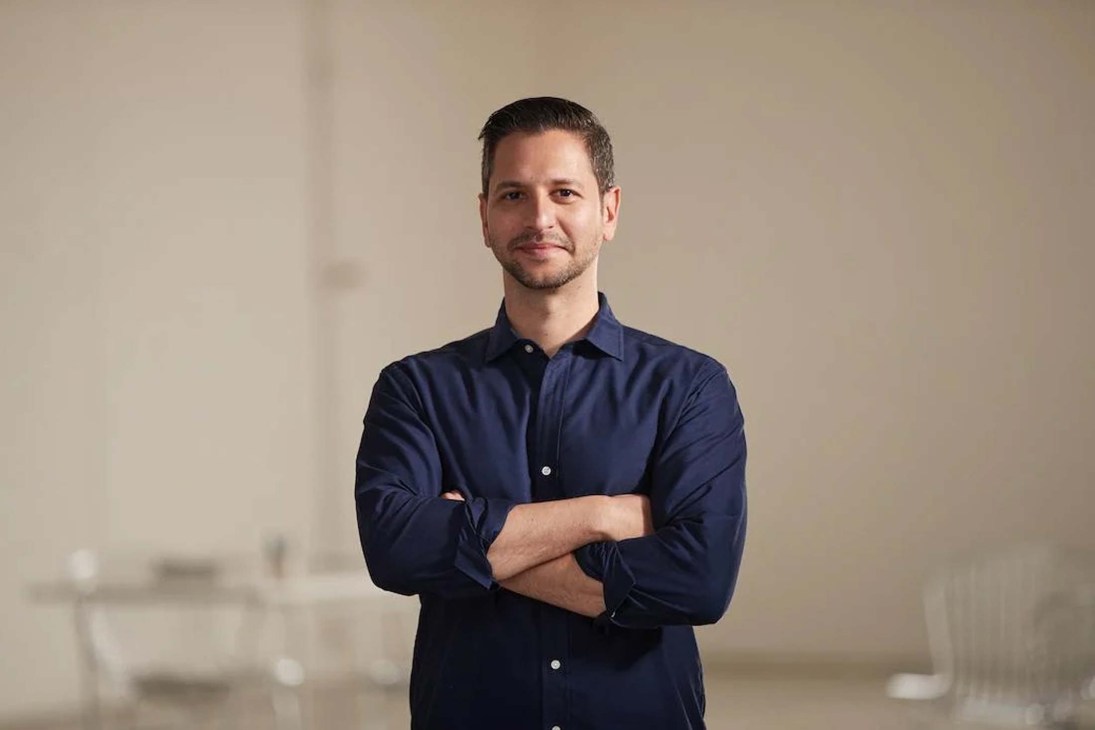
Adam Goldstein
CEO and founder, Archer Aviation
The hype around airborne taxis has long outpaced the hardware. But Archer Aviation, a Silicon Valley Evtol (electric vertical take-off and landing) start-up, believes that it’s primed for flight. The plan is for its four-seater, Midnight, to launch in the UAE in December. It aims to eventually run 20-minute hops from Dubai to Abu Dhabi.
Flying taxis have been in the works for years but haven’t shown up. Is Archer different?
The technology’s ready now. Tesla led a revolution in battery tech that’s made its way into aviation. Governments are working with industry to shape aircraft standards and real capital is coming in.
Why the UAE and not the US?
From Abu Dhabi Investment Office, Mubdala Investment Company and Etihad Airways to the regulatory authorities, everyone in the UAE said, “We want to make this happen.” It’s is more agile and ambitious. And it’s our gateway to the Gulf, India and Asia.
The ‘Midnight’ seats four. Will it work as public transport?
We’re looking at $200 (€175) for a 20-minute flight but as we scale that number comes down. We want the price to be closer to that of an Uber Black.
What about military use?
We’re building an autonomous hybrid Evtol aircraft that can carry significant payloads for surveillance, logistics and tactical mobility together with [US defence start-up] Anduril.
Construction: Singapore
Stacking up
Prefabricated homes have struggled to shake off a reputation for drab uniformity. But Singapore’s developers and designers are showing how prefab can be pretty fabulous – and premium. The city’s skyline now has several silhouettes that are standing due to PPVC, a construction method akin to that of Lego houses: modules are manufactured and finished in a factory before being fused together to make a high-rise.
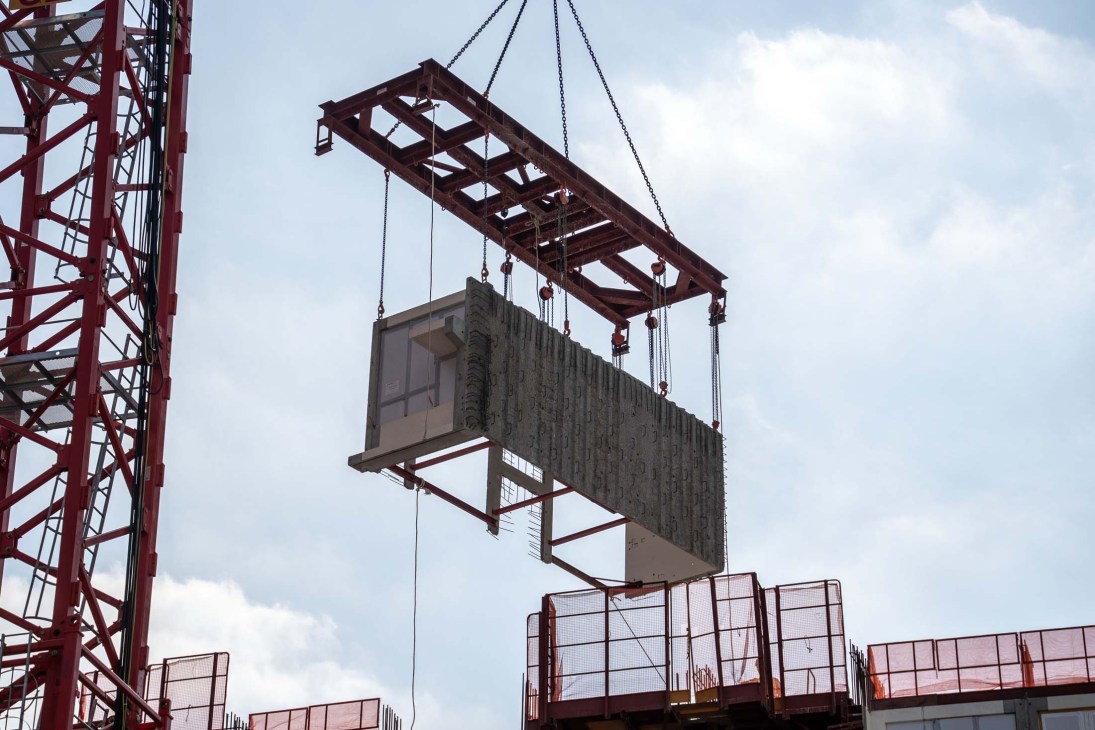
Leading the way is homegrown studio ADDP Architects, which has designed several skyscrapers using this technique. Its 56-storey condominium complex, Avenue South Residence, features some of the world’s tallest prefab buildings.
Hang Ping Chin, partner at ADDP, wants to challenge the idea that prefabrication results in cookie-cutter developments. “Building modularly doesn’t mean standardisation,” she says. “In fact, PPVC enables one to experiment freely and test different façades, treatments and high-quality finishes.” The firm’s latest addition to Singapore’s skyline is The Orie, currently under construction, which features eye-catching origami-like folds in its design. It’s pretty far removed from being a mere stack of little boxes.
The culture agenda: Behind the scenes of ‘Jurassic World Rebirth’ and Madagascar’s first art institution
Music: UK
Q&A

Power of three
Anoushka Shankar
Musician
Sitarist Anoushka Shankar is riding high after the release of We Return to Light, the last of her trilogy of mini albums. The daughter of late musical giant Ravi Shankar and half-sister of Norah Jones, Shankar pushes the envelope of Indian classical music – but don’t call it “fusion”.
You’ve said that you always knew you wanted this project to be a trilogy. Why?
There’s a symmetry to doing things in threes. I felt a bit stuck leading up to it. We had all been through the pandemic and I had experienced some big life stuff. I was weighed down with the feeling that anything that I created had to be “important”. Then suddenly it became simple. I was on holiday with my children in Goa at New Year [in 2022], staring at the ocean.
I decided on three albums, a blank slate for each one: different collaborators, different producers, different countries. I stopped thinking that I had to make the most significant post-pandemic opus ever made. I just started telling a story.
Do you have a problem with the term ‘fusion’ in music?
Is there anything that isn’t “fusion”? If you go back centuries and centuries, maybe then you’ll find something untouched by cultural exchange. Ultimately words don’t describe what we do. I prefer “neoclassical Indo-futurism”. But then again, aren’t they just words as well?
Anoushka Shankar’s Chapter albums – ‘Forever, For Now’, ‘How Dark It Is Before Dawn’ and ‘We Return to Light’ – are out now on Leiter.
Art: Madagascar
Creative thinking
Many visitors come to Madagascar for a glimpse of a lemur – the island’s most famous inhabitant. But the country’s inaugural contemporary art institution, Fondation H, gives more culturally minded tourists a reason to head to the capital city, Antananarivo, while also offering a leafy new arts space for residents.
Fondation H is the brainchild of Hassanein Hiridjee, a Malagasy French art patron and the CEO of telecommunications group Axian. Founded in 2017, it now occupies a 2,200 sq m renovated colonial mansion and welcomes about 15,000 visitors a month. The high-ceilinged rooms and wraparound balcony provide a calming contrast to the bustle and hum of downtown Antananarivo.
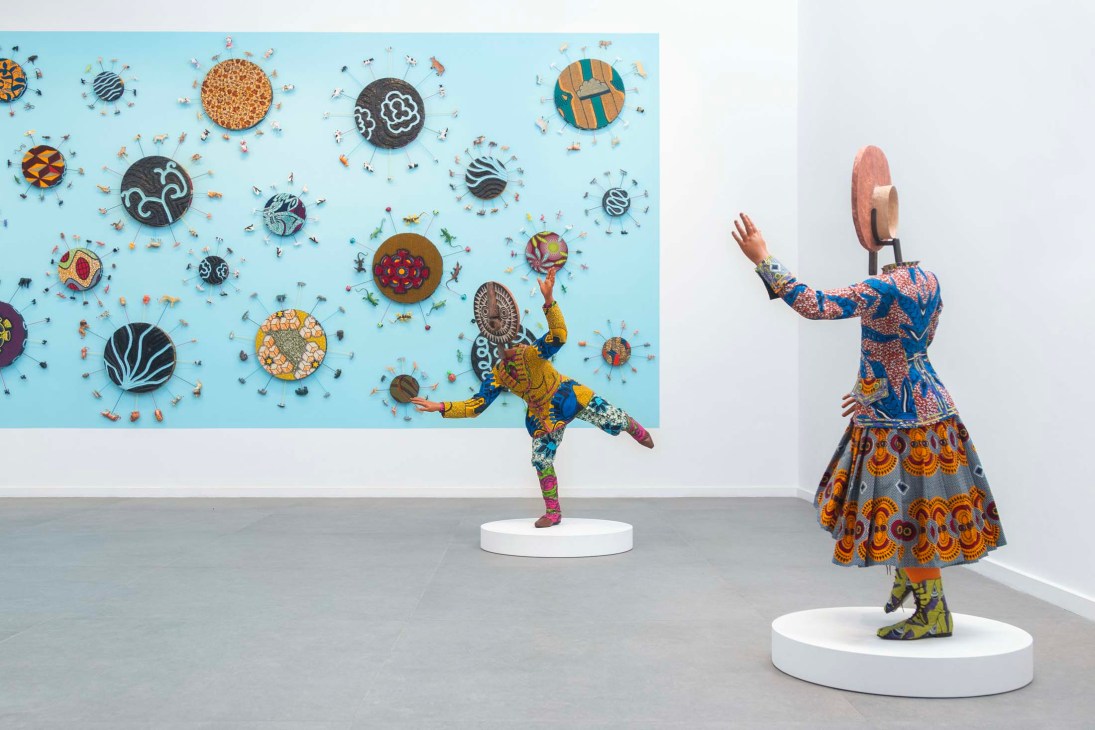
“It works because we didn’t come up with an idea right away,” Fondation H’s director, Margaux Huille, tells Monocle. “It took us seven years to open this new space – seven years of trying to imagine better solutions, failing and then trying something else.”
Fondation H is currently exhibiting UK-Nigerian artist Yinka Shonibare’s work, including an installation called “The African Library” (2018). Six thousand books covered in Dutch wax-print fabrics span one wall of the gallery, each title bearing the name of a key figure in the formation of postcolonial Africa. The foundation is a fitting location for the artist’s first major solo exhibition on the continent.
Though Madagascar lacks an art school, it has a vibrant creative scene. “Having a space to exhibit works and support local artists while giving international visibility to Madagascar is massive,” says Huille. “I don’t think that many other African countries are witnessing that.”
fondation-h.com
Film: UK
Bigger beasts
“Steven Spielberg has been very involved,” says Gareth Edwards, the UK filmmaker charged with wrangling Jurassic World Rebirth into cinemas this summer. It might be the seventh film in the dinosaur series but it represents a fresh start – a new storyline, with new characters.
Edwards had sworn off making blockbusters after experiencing studio interference on his two previous tent-pole movies, Godzilla and StarWars adventure Rogue One. But this time he welcomed the notes of the man who invented the summer blockbuster with Jaws in 1975. “Spielberg is the reason why I even knew what a director was when I was a child – and the reason that I wanted to become one,” Edwards tells Monocle.

Much of Edwards’ last film, 2023 science-fiction spectacle The Creator, was shot guerrilla-style, with a very small crew. The director was working on his next original project when he got the Rebirth call. Edwards read the script – in which a drug-research team heads to the island science facility of the original Jurassic Park to harvest dino DNA – and was surprised to find himself caring for the characters. Even so, he only agreed to do it if he could make it his own.
On the screen, viewers will see Scarlett Johansson, Mahershala Ali and Jonathan Bailey wading across the jungles of Thailand as they battle a hybrid predator called Distortus Rex. Edwards, however, has met a far more impressive beast. “Being in a room with Steven Spielberg never gets old,” he says. “It’s like the cinema version of meeting Father Christmas. He shouldn’t exist. It’s too magical.”
‘Jurassic World Rebirth’ is released in cinemas on 2 July.
The design agenda: An interview with Carlo Ratti and the redevelopment of a Bordeaux district
Architecture: Argentina
Spaces reinvented
When architect Eran Chen first set foot in the derelict three-storey car park that he had been tasked with repurposing in Palermo – a hip yet historic neighbourhood in Buenos Aires – he was struck by the building’s spacious dimensions and vantage point. “I told the developer, ‘If we do it right this building will be attractive to anyone,’” says Chen, who is the founder of the New York-based architecture studio ODA. “People would love working here, people would love coming for leisure.” Developer BSD Investments was granted a lease by the city of Buenos Aires to revitalise the abandoned parking lot – and ODA has delivered on Chen’s vision.
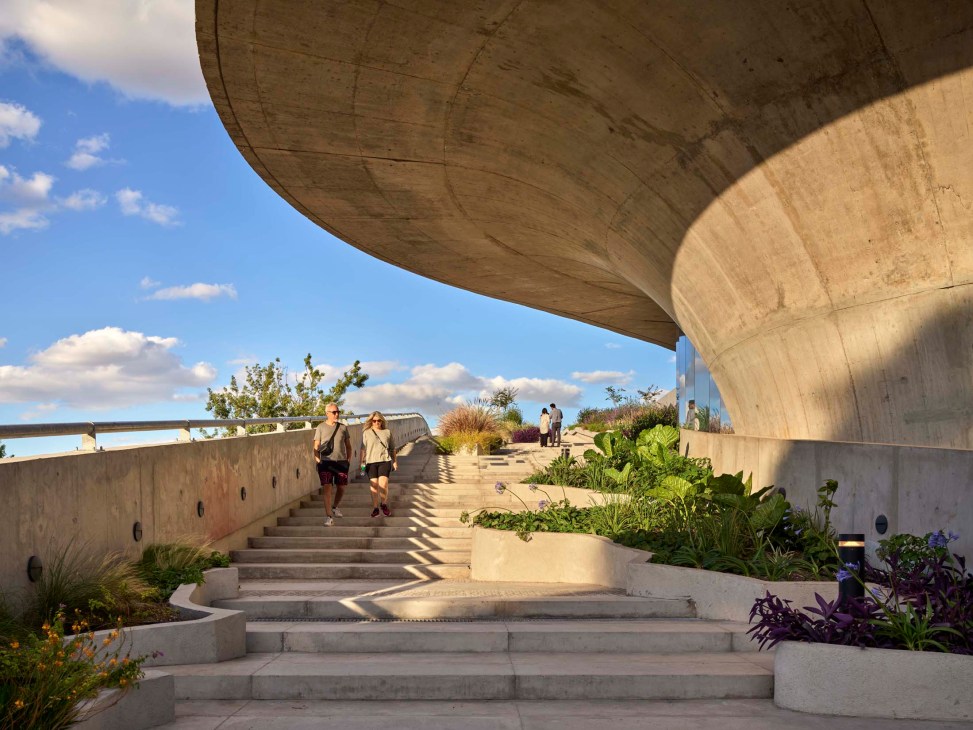
What stands there now is OLA Palermo, a mixed-use building of concrete curves, combining office space with retail and a landscaped rooftop terrace offering views of the adjacent hippodrome racetrack and El Rosedal Park. An open-air promenade links the green terrace to this green space, completing a loop within the park and reconnecting the former car park with the neighbourhood. Significantly, ODA kept 80 per cent of the old concrete shell, preserving features such as the exposed waffle slab ceilings while softening the original structure’s harsh angles with sloping ramps, organic forms and a mushroom-shaped extension that recalls the water tank that once stood in its place. “Repurposing existing buildings to do something exciting and give them new life, new energy and new meaning, without doing major work to them, that’s the most sustainable thing you can do,” says Chen.
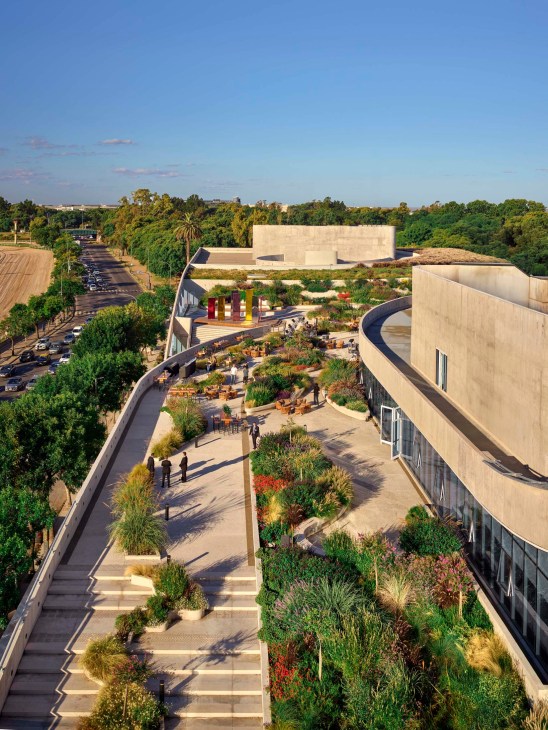
In the same spirit, all the building materials were sourced in Argentina. With its design-forward blend of public and private, old and new, OLA Palermo offers a blueprint for the future of urban infrastructure – and is a fine example of public-private partnerships. Everyone comes out a winner. Developers add value to the property. Tenants get an office environment that inspires them. And the people of Buenos Aires gain a new public space to enjoy in their city.
Revival: France
Warm welcome
The area around a city’s railway station can often feel uneasy. Commuters come and go in a hurry; unsure tourists stumble off their rail connections. But visitors leaving Bordeaux’s station are in for a pleasant surprise when they enter Paris-based architecture studio Lan’s redevelopment of Amédée Saint-Germain, the former industrial district that borders the transit hub.
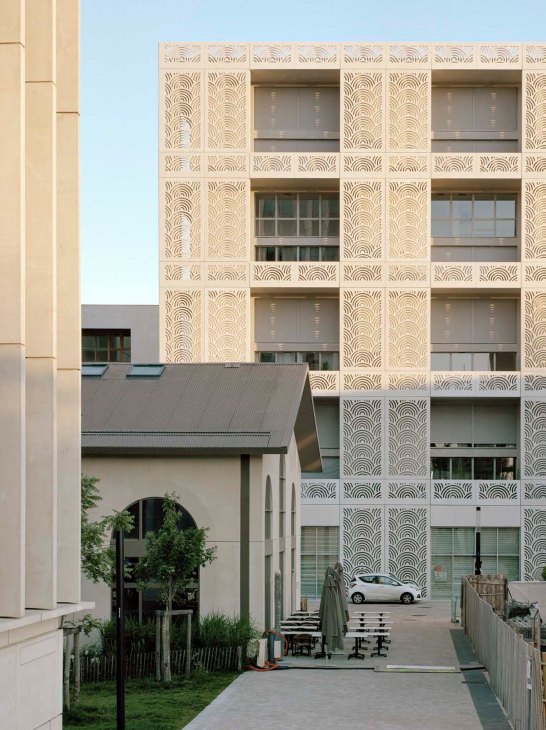
“We were searching for a design that could function as an entrance to Bordeaux for people leaving the station,” says Lan co-founder Umberto Napolitano. With white stone residential blocks, leafy courtyards and spaces soon to be filled with bustling shops and offices, the district offers a modern vision of France’s southwestern city. Existing local architectural styles and industrial elements were also referenced in the new build.
But for Napolitano and his team, the real challenge was transforming a district so different from the rest of the city into a place to live and ensuring that it had a connection to the existing urban fabric. “The real question for us with Amédée Saint-Germain was creating a geography that could help inhabitants create a sense of place. One of the answers lay in crafting a hybrid space between the interior of the apartments and the exterior,” says Napolitano, referencing the perforated stone balconies that shield residents from the street, while still allowing them to look out onto Bordeaux. “People can still see into the city – it helps them feel that they are a part of it.”
lan-paris.com
Furniture: USA
Hit parade
The new MillerKnoll Archives at West Michigan Design Yard enables design buffs to drool over 300 pieces of furniture pulled from the catalogues of US firms Herman Miller and Knoll. Located at the headquarters of its namesake furniture group, it’s the first time that the brands’ wares have been permanently presented side by side. “We intend the archive to be a living resource,” says Amy Auscherman, director of archives and brand heritage at MillerKnoll. “We want it to be a place that fosters curiosity, learning and inspiration.”
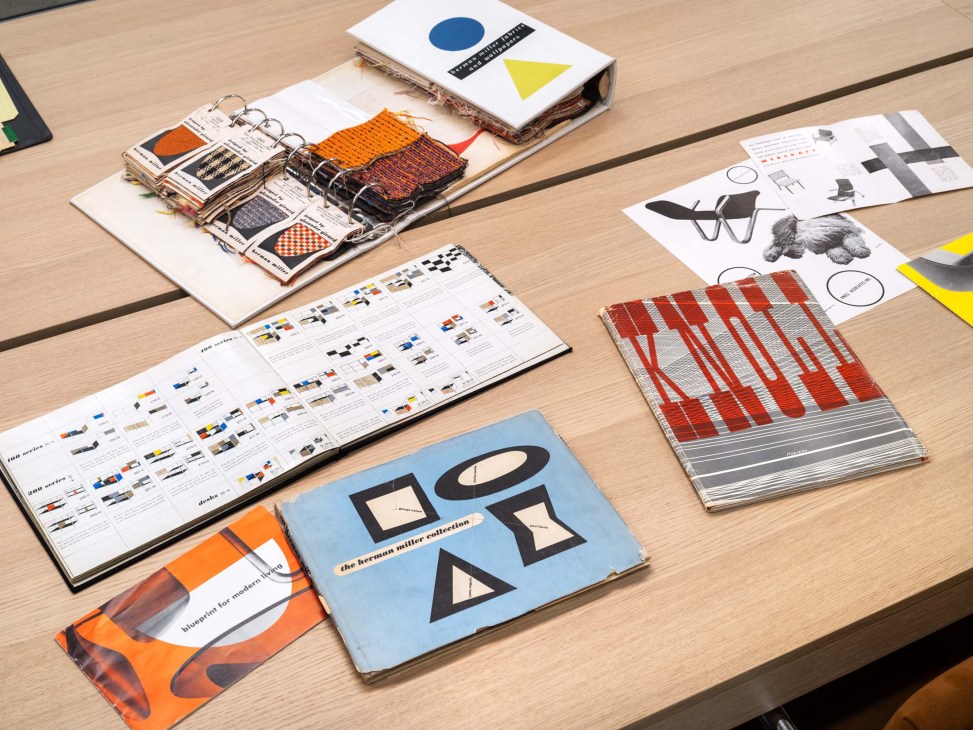
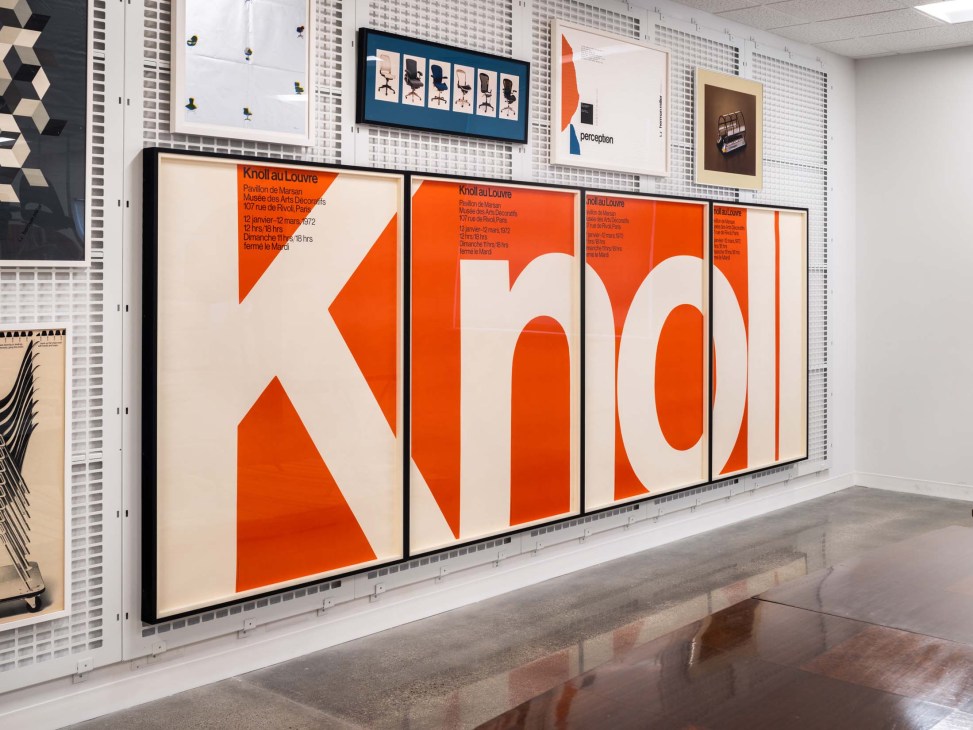

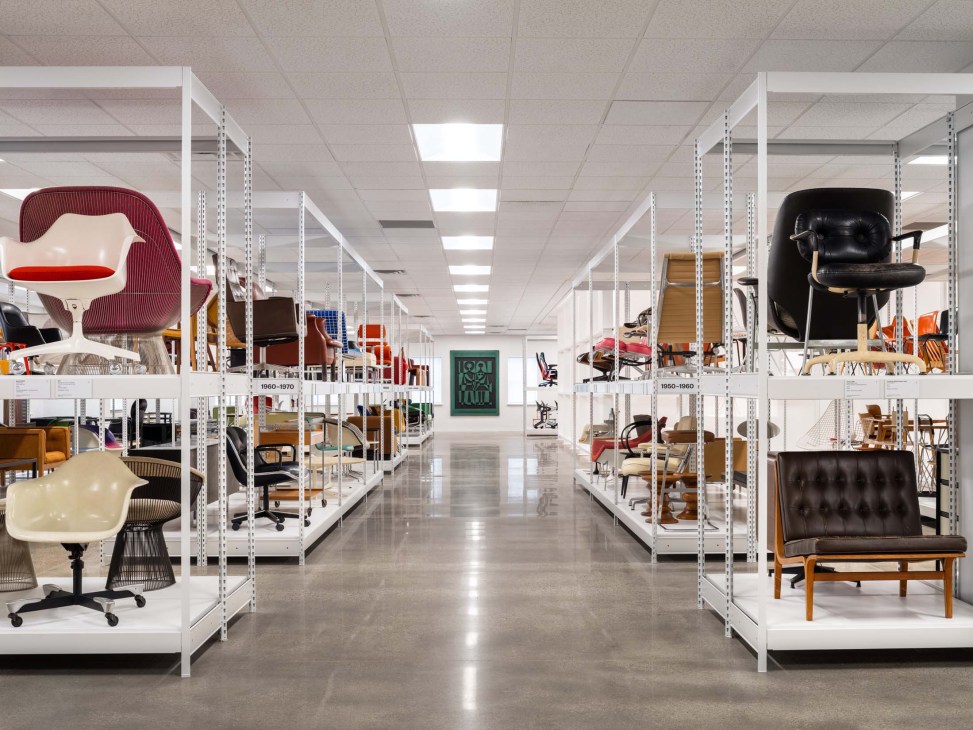
The archive is organised into three areas, comprising an exhibition space, open storage and a reading room. The debut exhibition, “Manufacturing Modern”, charts the rise of modernism in the 20th century. Through the lens of Herman Miller and Knoll’s products, visitors can see how the movement prioritised functionality and comfort, as well as affordability and accessibility. On show are a selection of Florence Knoll’s office furniture, Eero Saarinen’s prototype of the Knoll Womb Chair and Gilbert Rohde designs for Herman Miller.
“By combining these archives, we can tell a multidimensional story of modern design, its evolution and its impact,” says Auscherman.
millerknoll.com
Architecture: Morocco
Learning lessons
Too often, contemporary schools are uninspiring, grey spaces. Yet studies show time and again that students who learn in aesthetically pleasing, well-designed places are much more likely to score higher in tests. A benchmark for such educational environments is the Jacques Majorelle school in the Moroccan city of Ben Guérir. Designed by Rabat-based ZArchitecture Studio, it’s a warm terracotta red structure with sunny patios, shaded play areas and an abundance of palm trees.
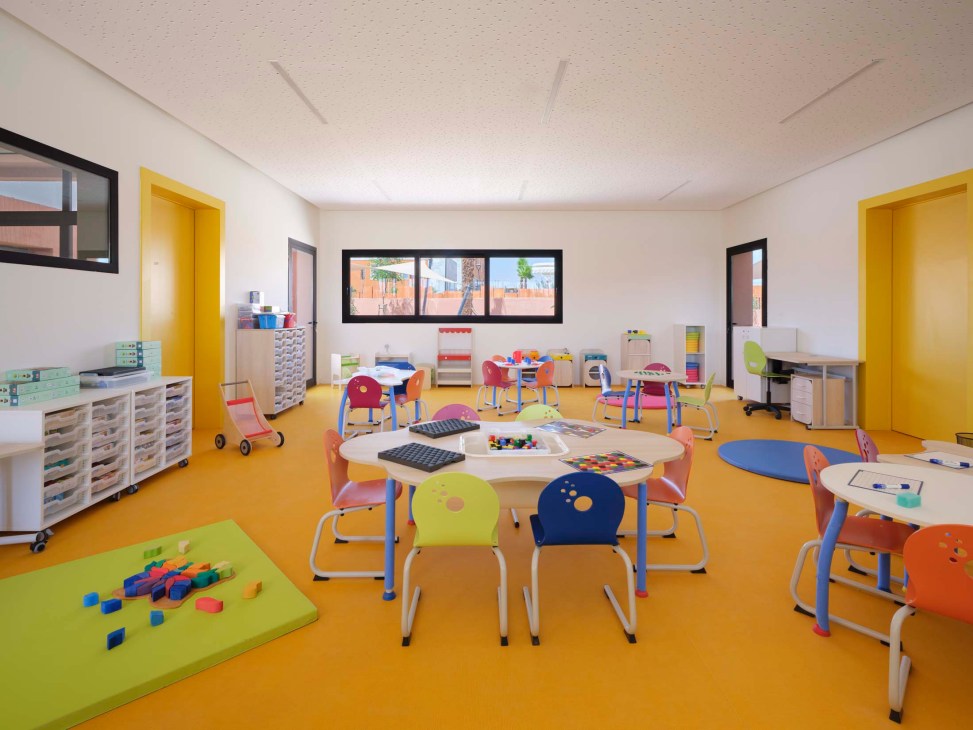


For ZArchitecture Studio founder Zineb Ajebbar, the key aim was to allow pupils to immediately feel comfortable in the space. “Our priority was to create a school that feels intuitive and fluid,” she says. “Take the patios – they are integral to social interactions, serving as natural gathering points and reinforcing the idea that learning happens beyond the classroom.”
The way the school connects with the surrounding neighbourhood was also a priority for Ajebbar and her team. “During the design process, it was important for us to create a building that remains deeply rooted in the local identity,” she says. “It draws inspiration from Moroccan vernacular architecture, which is characterised by simple forms and openings. We tried to combine both tradition and modernity.” With its tranquil, design-forward surroundings, the Jacques Majorelle School’s classrooms could well be nurturing the next generation of creative talent.
zarchitecturestudio.com
Design: Italy
Q&A
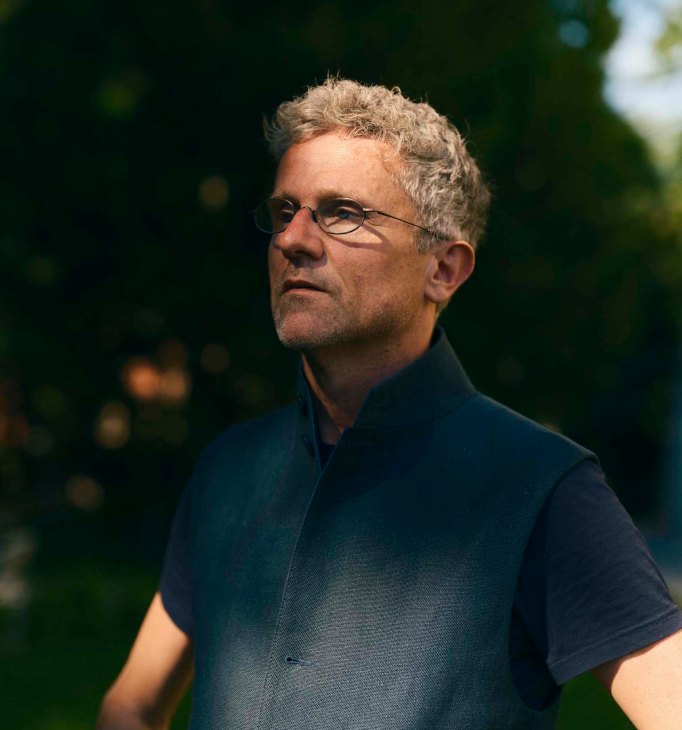
Carlo Ratti
Curator of the Venice Biennale
As curator of the 19th International Architecture Exhibition, the Italian-born creative has set the edition’s theme: Intelligens: Natural, Artificial and Collective. Here, he explains why disparate disciplines need to pull together to deliver better architecture.
Why is knowledge sharing across disciplines essential to architecture?
Architecture starts when the climate is against us. Architecture is about survival. Today the climate and the natural environment are changing and transforming, and architecture must become a primary mechanism for adaptation. We have seen floods in Bangladesh and Valencia and fires in Los Angeles. The question is how do we respond to these disasters. And while there is not one single response, we do need to build in a more holistic way.
How can we deliver these holistic responses?
The built environment is about many disciplines combining: teams comprised of architects, designers and urbanists, but also scientists and those working in agriculture, fashion, the arts and sociology are well placed to tackle major challenges. It is the old dream of the great biologist EO Wilson from his book Consilience. It is about the unity of knowledge because a different type of intelligence is needed. It’s our only hope.
Monocle Radio: Three playlists to kick back to this summer
Playlists
Monocle Radio’s Fernando Augusto Pacheco picks 30 songs across three playlists, providing
a soundtrack to accompany your summer days, sunrise to night. From chic Mexican disco to sunny Thai pop, these tunes are the perfect fit for the season.
Morning on the balcony
Gentle sunny music, guaranteed to help you to start your day right.
1. ‘Bonheur Sampler’ by Odetto
This French track is a funky way to kick off the day.
2. ‘ILYSMIH’ by Kali Uchis
Uchis’s lush vocals underpin this touching ballad about being a mother.
3. ‘Girl Feels Good’ by FKATwigs
On her latest album, fka Twigs combines ethereal vocals with 1990s-style electronica.
4. ‘Nelle Tue Piscine’ by Giorgio Poi
This is a standout track on the Italian singer’s sunny new album – see our Q&A with Poi opposite.
5. ‘Yougotmefeeling’ by Parcels
This is a groovy taster of the happy-go-lucky Australian group’s new album, which is out in September.
6. ‘Kaiken arvoinen’ by Behm
This is easy-going Finnish pop at its best. No wonder Behm is a superstar in her home country.
7.‘Pensar Em Mim’ by Carolina Deslandes
An empowering track by one of Portugal’s most celebrated singers.
8. ‘Olha Eu Aqui Oh! Oh! Oh!…’ by Evinha
No wonder Brazilians have recently been excited to rediscover the 1970s sounds of Evinha – still fresh as ever.
9. ‘Radiocaset’ by Disco Bahía
Smooth and chic Mexican electropop.
10. ‘V.I.P’ by Françoise Hardy
A track that’s oh so breezy. One to listen to before catching a morning flight.


Afternoon at the beach
Whether you’re playing “frescobol” or sitting back with a cold drink in hand, these songs provide the perfect soundtrack for a day on the sand.
1. ‘Diva’ by Saint Levant
This Palestinian-Algerian-French singer’s breezy song is a tribute to Algeria.
2. ‘Swimming Pool’ by Cosmic Crooner
As the name suggests, this is a fitting song for the summer and very much in the typical style of the charming Dutch singer-songwriter.
3. ‘Dance II’by Discovery Zone
The dreamy synths in this delightfully retro track are reminiscent of Ryan Paris’s “Dolce Vita”.
4. ‘Headphones On’ by Addison Rae
Rae’s debut album features some of the best pop of 2025 so far.
5. ‘Love Come Down’ by Barry Biggs
A great reggae version of the classic song by Evelyn “Champagne” King.
6. ‘Only You Can’by Tilly Birds and Polycat
These two pop trios from Bangkok have joined forces to make some of the best Thai pop this year.
7. ‘Not Enough’ by Dam Swindle and Haile Supreme
Soulful dance music by the Amsterdam duo, with warm vocals from Haile Supreme.
8. ‘Radosc najpiekniejszych lat’ by Anna Jantar
Vintage disco beats from a Polish icon.
9. ‘Mangue’ by Bleu Toucan
Our friends from Bleu Toucan are back with their trademark tropical pop.
10. ‘A Little More’ by Angèle
While we wait for Angèle’s new album, this sweet song features in the ad of Chanel’s new perfume, Chance Eau Splendide.
Evenings are for dancing
Stay out late on warm summer nights and impress with your moves to these tracks.
1. ‘Te Quero Perto (Club Mix)’ by Millos Kaiser and Juju Bonjour
Known for throwing the best parties in Brazil, DJ Millos Kaiser has crafted a perfect summer track with the sweet vocals of Juju Bonjour.
2. ‘Karma’ by Étienne de Crécy and Olivia Merilahti
The French Touch pioneer is still hot, as evidenced by this track from his latest album,Warm Up.
3. ‘Maravilhosamente Bem’ by Julia Mestre
An infectious track – whose title translates as “Wonderfully Well” – from the Brazilian singer who is featured in the summer issue of Monocle’s sister magazine, Konfekt.
4. ‘Blackout’ by Emilia, TINI and Nicki Nicole
Bouncy pop music that features three of Argentina’s biggest singers.
5. ‘La Plena (W Sound 05)’ byW Sound, Beéle and Ovy On The Drums
We dare you not to shake your hips along to this Colombian track.
6. ‘Super Discoteca’ by Valentino Vivace and Corine
The Swiss star joins forces with French disco Queen Corine in this joyful ode
to dancing.
7. ‘Hot For You Baby (Pet Shop Boys Remix)’ by Tina Turner and Pet Shop Boys
The iconic British duo have remixed a long-forgotten track by Turner. It hits
the spot.
8. ‘Brothers (Mix Gabi)’ by DAF
Pure “HI-NRG” from the German avant-garde techno group.
9. ‘Billo To Meri Aan’ by Johnny Zee
The title is Punjabi for “BabeYou Are Mine” and it’s an undeniably infectious bhangra pop song.
10. ‘Isaka (6am)’ by CIZA, Jazzworx and Thukuthela
CIZA is the South African name to keep an eye on and this song’s elegant house beats have gone viral.
Monocle Radio
Search for “Monocle Radio” on Spotify to listen to the playlists, or tune in live for more music, as well as a daily mix of comment, analysis and news shows across the schedule. Our radio station broadcasts round the clock, seven days a week. You can find it at monocle.com/radio or download the programmes wherever you get your podcasts.
Local radio
To really get under the skin of your summer destination, shun the algorithm and tune
in to the local radio. Music streaming services offer the same thing wherever you are in the world and that means that you miss out on specific styles and emerging artists in certain locations. Local radio allows you to pick up on the rhythm of a place. And where else can you hear a DJ turn down a track in favour of singing it themselves? Here are five of our favourite stations for a long drive, alfresco dinner or illicit hotel-room party.
Empneusi 107 FM
Syros, Greece
Broadcasting from Ermoupoli in the Aegean Sea, presenters Yiannis Kouloukakos and Kyriaki Ailianou have entertained listeners for more than a decade with their 24/7 feed of Greek “Entechno” music, including artistic folk songs and alternative tracks. “We don’t confine ourselves to one genre,” saysYiannis Denaxas, the station’s founder. “Our selections are based on quality and aesthetic, spanning a wide musical spectrum.”
Novabrasil FM 89.7
São Paulo, Brazil
Since its inception in 2000, Novabrasil has brought its audience cutting-edge Brazilian music.The São Paulo-based station is Brazil’s most popular for “mpb” or música popular brasileira, a post-bossa-nova urban style that blends elements of samba, samba-canção and baião with foreign genres such as rock and jazz. Novabrasil is at its best late at night, so tune in after 22.00 for a lively soundtrack to get you ready for a night out.
105.7 FM Triple J
Sydney, Australia
Triple J found a niche in the market in 1975 by shunning American pop in favour of underground Australian music. Tune in daily between around 19.00 and 22.30 for Drive, an hours-long roadtrip soundtrack punctuated by listener call-ins with Abby Butler and Tyrone Pynor. Sister station Triple J Unearthed launched in 2011, only playing tracks from unsigned Australian acts. It has been credited with discovering Grinspoon, Flume and Vance Joy.
Radio Diaconia 92.7 FM
Apuglia, Italy
The parish priest of the small seaside village of Fasano, Don Salvatore Carbonara, started Radio Diaconia in 1977 after Italy’s constitutional changes gave private stations the right to broadcast locally. Diaconia plays mellow tracks with an old-school feel and lots of Italian music. It also covers cultural, political and sporting events for Fasano’s 39,000 or so residents.
Radio Planeta 92.8 FM
Costa del Sol, Spain
Since 1999, the party town of Torremolinos has been home to Radio Planeta, which broadcasts dance music across the Costa del Sol. The independent Spanish-language station plays its high-energy tracks all day and all night, befitting the spot that enjoys year-round sunshine. Radio Planeta’s philosophy has remained the same since its inception: “More music, less blah, blah.”
Interview: Singer Giorgio Poi breaks down the meaning behind the music on his new album ‘Schegge’
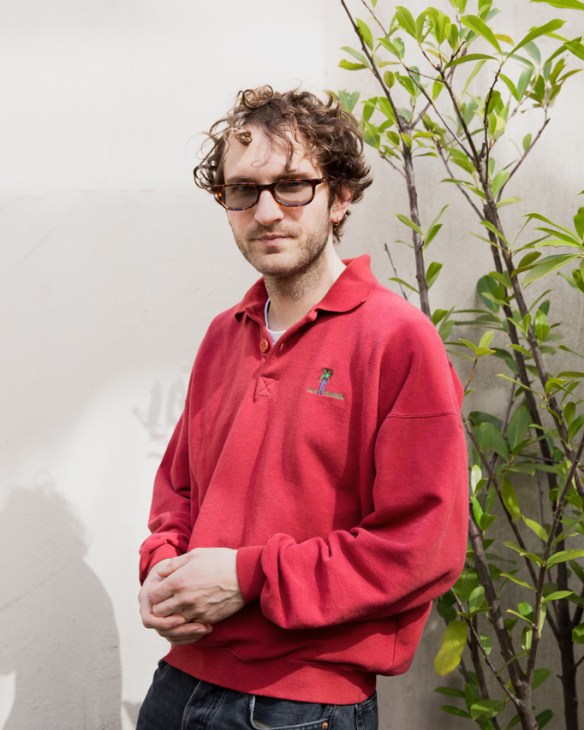
Singer-songwriter Giorgio Poi hails from northern Italy but he found his groove in his twenties when he was living in London and Berlin. After releasing his debut Italian-language record in 2017, he found fans and friends in the French band Phoenix and went on tour with them.
Now, Poi is back with his fourth album, Schegge, a fitting soundtrack to hot summer days spent floating across a swimming pool. Monocle caught up with him during the London leg of his tour to find out about his favourite songs, his musical influences and which Italian beaches we’ll find him on this summer.
Are you inspired by the summertime?
The sun has been part of my life for many years, except for when I was living in London. And, in those years, I missed it. I always felt this attraction towards the summertime; towards sunny places. I didn’t really have that before I lived there. Quite the opposite; I was attracted to gloomy weather.You always want the opposite of what you have.
Tell me about the title of your album, ‘Schegge’ [‘Shards’].
When there’s an explosion, there are shards everywhere.The idea is that, with the Big Bang, everything started to explode – and it is still exploding.We’re in the middle of it. We live our lives – we are born, we have kids of our own, we have friendships and relationships.There are people we love. Many things happen in life but I like the fact that we are all exploding together. It makes me feel like I’m part of something.
The song ‘Nelle Tue Piscine’ stands out to me.What’s it about?
In that song, the idea of swimming in a pool is applied to a relationship.When you’re with someone, you’re swimming in waters that you know well. They feel comfortable and have just the right temperature. But at some point, you might realise that you need more ocean around you and you might decide to go and face the waves. It’s about exploration.There’s a lot of the sea in the album – a lot of water.You could say that it’s a liquid record.
Do you have a favourite song on the record?
I like them all the same once I have reached a point where I’m satisfied and they’re done. It’s a difficult relationship with songs that you’ve written and you’veloved and hated while you were in the process of working on them. There’s one called “Un Aggettivo, Un Verbo, Una Parola” which I quite like these days. But tomorrow it will be a different one.
Who are your musical influences?
Growing up, my parents listened to Lucio Dalla, Francesco de Gregori and Fabrizio de André. They are classics and I think that they’re great, both musically and lyrically.
Are you excited for the summer and performing songs from your new album?
This is my fourth album, so the show right now is a selection of what I’ve done over the years. And we’ll play the whole of the new album – every song is in the show. It’s fresh and we haven’t done it before, so it’s exciting for us.
Where will we find you this summer?
My uncle has a small flat in Monte Argentario, Tuscany, so I’ve been going there for a few years. I like it but the Italian seaside does get busy in the summer.
‘Schegge’ is out now
From egg sandos to onigiri, here’s what makes up the perfect Japanese picnic menu
The arrival of the summer sun in the northern hemisphere means more eating alfresco. If you’ve got the weather, we’ve got the picnic line-up planned. With the help of Monocle’s Japan-born recipe writer, Aya Nishimura, we’ve popped together a plan for a fine open-air feast.
Our menu leans on well-executed comfort food in the yoshoku vein (Japanese, yes, but influenced by Western tastes and ideas). On our picnic blanket you’ll find rich yakitori skewers and an egg sando with a twist, alongside onigiri and crispy katsu prawns. For drinks, we’ve got you covered with a kitschy, refreshing melon-soda float – you’ll need a cooler for this one – and a refined shiso sour with plum for the grown-ups.
And if you’re new to Japanese cookery or feel daunted by what’s on offer, worry not. If you squint, most of our dishes feel rather like western dinner party dishes from the 1980s or picnic staples that you know, albeit with a few improving dashes of rice vinegar, some red-bean paste or yuzu kosho. Is that a crème caramel and fruit salad I see before me? There’s nothing to fear here but plenty to be gained from some simple, judiciously applied Japanese techniques. We’re here to help your summer-picnic plans – how you hamper them is up to you. Enjoy.

1.
Drink
Melon-soda float
Serves 1
Ingredients
3 tbsps melon syrup (Ideally the bright-green kind used for Japanese shaved ice, kakigori. If this isn’t available or lacks the classic colour, add a dash of green food colouring.)
150ml unsweetened soda water 1 scoop vanilla ice cream
1 tinned cherry in syrup or maraschino cherry
Ice cubes
Instructions
1.
Fill a tall, stemmed glass with ice cubes and pour in the melon syrup.
2.
Add the soda water and stir gently with a muddler.
3.
Top with a scoop of vanilla ice cream and place the cherry on the side.
4.
Serve immediately with a straw or a long spoon.
2.
Drink
Shiso umeshu sour
Serves 1
Ingredients
50ml umeshu (Japanese plum liqueur)
1 tbsp fresh lemon juice
1½ shiso leaves
Egg white from a medium egg
2 dashes Angostura bitters
Ice cubes
Instructions
1.
Blend the umeshu, lemon juice and a shiso leaf together until smooth.
2.
Add a few ice cubes to a shaker alongside the blended mixture, egg white and Angostura bitters. Shake vigorously until chilled and frothy.
3.
Strain into a glass filled with fresh ice.
4.
Slice the remaining ½ shiso leaf lengthwise and place it on top as a garnish. Serve immediately and enjoy.

3.
Side
Soy-marinated quail eggs
Serves 4
Ingredients
12 quail eggs
3 tbsps light soy sauce
3 tbsps water
1 tbsp sugar
1 clove of garlic, crushed (keep it whole)
1 tsp yuzu kosho paste
2 spring onions, finely chopped
For the topping
2 tsps sesame seeds
Instructions
1.
Bring a pan of water to a boil. Add the quail eggs and boil for 3 minutes. Prepare a bowl of ice-cold water and set aside.
2.
Transfer the eggs to the ice-cold water and cool for at least 5 minutes, then peel the eggs.
3.
Toast the sesame seeds in a dry pan over a medium heat until they begin to pop.
4.
Mix all the marinade ingredients in a bowl, until the sugar dissolves.
5.
Pour the marinade into a food-safe plastic bag or container. Add the peeled quail eggs and marinate for a minimum of 1-2 hours.
6.
Remove the eggs from the bag. Cut each egg in half and put them in a bowl with some of the marinade.
7.
Sprinkle with toasted sesame seeds and serve.
4.
Side
Daikon salad
Serves 4
Ingredients
For the dressing
2 tsps toasted sesame oil
1 tsp olive oil
2 tbsps rice vinegar
1 tsp light soy sauce
2 tsps honey
1 tbsp toasted sesame seeds
For the salad
200g daikon
1 spring onion
2g katsuobushi (dried bonito flakes)
1 large sheet of nori
Instructions
1.
Mix the dressing ingredients together in a small bowl. Set aside.
2.
Peel the daikon and slice it lengthwise, then cut it into thin matchsticks.
3.
Cut the spring onion into 5cm lengths, then slice thinly lengthways.
4.
Place the daikon and spring onion in a bowl of ice-cold water for 10 minutes to make them extra crisp.
5.
Drain using a sieve and pat dry thoroughly. Transfer to a serving bowl and refrigerate until ready to serve.
6.
Just before serving, drizzle the dressing over the salad. Sprinkle with katsuobushi, then crush the nori over the top and serve.
5.
Side
Potato salad
Serves 4
Ingredients
400g starchy potatoes, peeled and cut into 3cm cubes
1 tsp salt
75g cucumber
100g onion
1 egg
3 slices bacon, cut into 1.5cm pieces
2 tsps rice vinegar
2 tsps wholegrain mustard
3 tbsps Japanese mayonnaise
Black pepper, to taste
Instructions
1.
Cover the potatoes with water in the pan and add the salt. Boil, then simmer until soft. Drain, cool and roughly mash.
2.
Cook the egg in boiling water for 9 minutes, then cool in cold water. Peel and chop.
3.
Halve the cucumber lengthwise, remove seeds and slice thinly. Thinly slice the onion. Salt both lightly in separate bowls and let them sit to draw out the moisture. After a few minutes, squeeze and discard the excess liquid from the cucumber.
4.
Heat oil in a pan. Fry the bacon until crispy and drain it on a paper towel.
5.
Add the vinegar, mustard and mayo to the mashed potatoes. Mix in the chopped egg, squeezed cucumber, onion and most of the bacon.
6.
Top with the remaining bacon and freshly ground pepper.

6.
Main
Chicken and spring onion yakitori
Makes 9
Ingredients
For the chicken
500g skinless chicken thighs, cut into 3cm cubes with the fat removed
5 spring onions, cut into 4cm pieces
2 tsps sunflower oil
For the yakitori sauce
50ml soy sauce
1 tbsp mirin
1 tbsp saké
2 tbsps clear honey
Instructions
1.
Place all the sauce ingredients into a small pan and cook over a medium heat. When the sauce starts to boil, turn down the heat and simmer for five minutes or until the sauce has slightly thickened. Take the pan off the heat and leave to cool.
2.
Soak the bamboo skewers in water while preparing the ingredients (this is to prevent them from burning). Spear the chicken and spring onion with skewers, aiming for a good mix of chicken and spring onion.
3.
Heat a frying pan with the oil. When the oil starts to sizzle, place the chicken skewers in the pan. Cover and cook for 3 minutes on each side. Remove the lid. Char for 1 minute on each side, pressing with a spatula.
4.
Pour half of the yakitori sauce into the pan, turn the skewers with tongs and toss the sauce over the chicken. As the sauce thickens, take the pan off the heat.
5.
Arrange the skewers on a serving plate, drizzling them with the leftover cooking sauce.
7.
Main
‘Onigirazu’ (Rice sandwich)
Serves 4
Ingredients
For the ginger chicken
1 tbsp oil
20g ginger, cut into thin matchsticks
4 small chicken thighs, sliced into thin strips
3 tbsps light soy sauce
3 tbsps runny honey
For the sesame carrots
1½ tbsps toasted sesame oil
1 large carrot, peeled and cut into matchsticks
¼ tsp salt
1 tsp toasted sesame seeds
For assembling
4 sheets of sushi nori
150g Japanese rice
4 gem-lettuce leaves, washed and dried
Instructions
1.
Rinse the rice in a fine sieve under cold water. Soak in fresh water for 20 minutes, then drain.
2.
Place the rice in a medium cast-iron pan with 165ml water. Cover tightly and bring to a boil. Once you hear bubbling or see steam, reduce the heat to low and cook for 10 minutes. Turn off the heat and let the rice steam, covered, for another 10 minutes.
3.
Fluff the rice with a wet wooden spoon to prevent it from sticking, then re-cover until ready to use.
4.
Prepare the ginger chicken. Heat the oil in a frying pan, add the ginger and cook for 2 minutes. Add the chicken and cook until the colour changes. Stir in the soy sauce and honey. Cook until the chicken is coated and cooked through. Set aside.
5.
Prepare the sesame carrots. Heat a teaspoon of sesame oil in a pan, add the carrot and stir-fry for 1 minute. Turn off the heat, then stir in the remaining sesame oil, salt and sesame seeds. Set aside.
6.
Assemble the onigirazu. Place a sheet of clingfilm on a chopping board and lay a nori sheet on top. In the centre, spread 50g of cooked rice into a 10cm square. Layer with carrots, lettuce, then chicken. Finish with another layer of rice.
7.
Fold all four corners of the nori toward the centre, overlapping slightly to enclose the filling completely. Wrap tightly in cling film and let sit for 10 minutes to set.
8.
Cut the onigirazu in half horizontally. Remove the clingfilm and serve.
8.
Main
Egg-and-pickle sando
Serves 2
Ingredients
For the filling
3 medium eggs
45g takuan (pickled daikon)
1½ tbsps Japanese mayonnaise
½ tsp caster sugar
1½ tsps milk
1 tbsp chives, finely chopped
For the sandwich
4 slices of medium-thick soft white bread
20g unsalted butter, softened
1 tsp Dijon mustard
¼ cucumber, seeds removed
Instructions
1.
Bring a pot of water to a boil. Gently lower the eggs into the water, then reduce the heat to medium and cook for 8 minutes. Prepare a bowl of ice-cold water and set aside.
2.
Drain the eggs and place them immediately into the ice-cold water. Let them cool for 10 minutes, then peel.
3.
Roughly chop the eggs into 1cm pieces. Chop the pickled daikon into 5mm pieces.
4.
In a bowl, combine the eggs, pickled daikon, Japanese mayonnaise, sugar, milk and chives. Mix well.
5.
Spread the softened butter and a thin layer of Dijon mustard onto one side of each slice of bread.
6.
Spoon the egg salad evenly onto two slices of bread, leaving a 5mm border around the edges.
7.
Thinly slice the salted cucumber and arrange the slices over the egg salad.
8.
Top each slice with the remaining bread (buttered side facing down) and press.
9.
Trim the crusts, then cut each sandwich in half and serve.
9.
Main
Ebi fry (prawn katsu) with ‘shibazuke’ pickle tartar sauce
Serves 4
Ingredients
For the tartar sauce
4 medium eggs
½ large shallot, finely chopped
90g shibazuke pickles, chopped
1 tbsp shibazuke pickle juice (rice vinegar also works)
4 tbsps Japanese mayonnaise
Salt and pepper, to taste
For the prawn katsu
12 large prawns, shelled with tails intact, deveined
10g plain white flour
1 small egg, beaten
50g panko breadcrumbs
Neutral oil, for deep frying
Instructions
1.
Boil the eggs for 8 minutes, then cool them in ice water.
2.
Peel and chop the eggs into roughly 5mm pieces.
3.
Finely chop the shallot and shibazuke pickles into roughly 3mm pieces.
4.
Mix the chopped eggs, shallot and shibazuke with mayonnaise and pickle juice in a bowl.
5.
Season with salt and pepper. Set aside in the fridge until ready to serve.
6.
Turn the prawn over so that the belly (ventral side) is facing up. Make 4 or 5 shallow diagonal incisions along the belly, head to tail. Then hold both ends of the prawn and gently twist, stretching it until the internal muscle fibres snap, before straightening to prevent curling during cooking.
7.
Dust each prawn with flour, dip in the beaten egg and coat with panko.
8.
Heat the oil in a deep pot to about 180C.
9.
Fry the prawns in batches until golden and crispy. Drain on paper towels.
10.
Serve immediately with a generous spoonful of the shibazuke tartar sauce.

10.
Dessert
Yuzu sorbet
Serves 6
Ingredients
6 yuzu fruits (or small oranges)
85g granulated sugar
200ml water
2 tbsps yuzu jam
30ml yuzu juice
Instructions
1.
Slice a thin layer off the top and bottom of each yuzu (or orange) so that they sit flat. Cut off the top quarter horizontally and set the “lids” aside.
2.
Place a fine sieve over a bowl. Carefully squeeze the juice from each fruit through the sieve, making sure not to tear or break the skins. These will be used as serving cups.
3.
Using a spoon, scoop the pulp and membranes from three of the fruit bottoms. Take care not to pierce the skin.
4.
In a small saucepan, combine the sugar, water and yuzu jam. Bring to a simmer, stirring until the sugar dissolves. Remove from the heat. Let cool.
5.
Stir in the yuzu juice.
6.
Pour the mixture into a shallow metal tray and freeze for 2 hours. Once it starts to solidify, use a fork to break up the ice crystals.
7.
Repeat every hour, until the sorbet is light and fluffy.
8.
Scoop the sorbet into the yuzu shells, cover with the reserved lids and freeze again until ready to serve.
11.
Dessert
‘Anmitsu’ fruit salad
Serves 4
Ingredients
For the kanten (agar) jelly
375ml water
1½ tsps agar flakes
For the ‘kuromitsu’ syrup
100g dark muscovado sugar
100ml water
For the ‘anmitsu’ fruit bowl
300g tinned mandarin segments
2 kiwis
6 strawberries
4 tbsps adzuki-bean paste
4 scoops vanilla ice cream
Instructions
1.
Stir the agar flakes in 375ml water and soak for 30 mins (or follow the packet instructions). Pour the liquid and agar into a saucepan and let it heat without stirring. Once boiled, reduce to a simmer and cook for 5-10 minutes until it dissolves completely, stirring from time to time. Pour the liquid into a shallow metal tray and let it set in the fridge for about an hour.
2.
Put the sugar and water in a small pan and cook over a medium heat for 4-5 minutes, stirring occasionally until the sugar dissolves and the liquid thickens. Set it aside to cool.
3.
Once the kanten jelly is set, divide into 1cm cubes. Drain the mandarin segments and cut the kiwis and strawberries into bite-sized pieces.
4.
Divide the kanten jelly and fruit between four small bowls, adding one scoop of adzuki paste and vanilla ice cream to each. Drizzle with the kuromitsu syrup before serving.
12.
Dessert
Purin (Caramel pudding)
Serves 4
Ingredients
For the caramel
5 tbsps granulated sugar
2½ tbsps cold water
2½ tbsps hot water
For the custard
225ml whole milk
75ml double cream
60g caster sugar
3 medium eggs
1 medium egg yolk
½ tsp vanilla essence
To serve
Double cream, whipped
4 tinned cherries, in syrup
Instructions
1.
In a small saucepan over medium heat, combine the granulated sugar and cold water. Have hot water ready on the side. Once the sugar has melted, turning the mixture dark brown, remove from heat and carefully add the hot water all at once – it will bubble vigorously. Stir it gently to combine.
2.
Once the caramel has cooled slightly, pour it evenly into 4 ramekins.
3.
Preheat the oven to 140C.
4.
In a saucepan, heat the milk, cream and caster sugar until the sugar dissolves. Then remove it from the heat.
5.
In a bowl, beat the eggs and extra yolk together. Gradually add the warm milk mixture to the eggs, whisking constantly to prevent curdling.
6.
Stir in the vanilla essence. Strain the mixture through a sieve for a smoother texture.
7.
Divide the custard mixture evenly between the caramel-lined ramekins. Tightly cover each ramekin with foil.
8.
Line a deep baking tray with a kitchen cloth and place the ramekins on top.
9.
Pour hot water (50-60C) into the tray until it reaches halfway up the sides of the ramekins.
10.
Carefully transfer to the oven and bake for 20 minutes.
11.
Remove the ramekins from the tray and take off the foil. Give each ramekin a gentle shake; the custard should wobble slightly in the centre.
12.
Let them cool on a wire rack, then chill in the fridge for at least 2 hours.
13.
Run a knife around the edge of each ramekin to loosen the pudding inside. Invert onto a serving plate.
14.
Pipe a small amount of whipped double cream on top. Top with a cherry in syrup and serve.
Illustrator: Xiha
Editor’s letter: Andrew Tuck on crafting with intention
There are some words that, like a virile invasive plant, spring up in the most annoying of places. Often, just as you are busy removing an outbreak from one sentence, it will appear in another paragraph, out of place, an irksome addition to an otherwise fine clause. One of these words is “curate”. For me, the nadir came when someone sent us an email about a shop that offered a “curated collection of socks”. I recently read in another magazine about a cake shop where the buns and fondants had been “carefully curated” (these two words rarely make an appearance in text unless they can arrive arm-in-arm). In this issue of the magazine, however, which includes our annual art special, they are allowed free rein. This is its natural and proper home.
How you collect and show works of art in a new and meaningful manner, or offer fresh ways to respond to cultural artefacts, is always fascinating. But in this issue we have access to a remarkable project where the curation is next level, even if this is not the sole reason for the endeavour.

Monocle’s Sophie Monaghan-Coombs recently spent several days with the team at the V&A East Storehouse as they readied this epic project for launch. In what was the press centre for the 2012 Olympics in east London, the esteemed institution has created a vast new storage facility for tens of thousands of pieces held in its collections, from tiles and paintings to sculptures and an entire ceiling of a Spanish church. The building is open to the public and objects long hidden from view are now proudly on display. There is a also a system where anyone, not just academics, can become curators, choosing pieces that they’d like to see from the collections. Head over to our Expo to see the scale of the ambition.
The V&A project is also part of a bigger story: an attempt to shift some of the city’s – the nation’s – most important cultural institutions into places where they can connect with people who might think such spaces were too aloof or precious for them. Sadler’s Wells Theatre has also opened an outpost here as part of the East Bank scheme. Together they’re responding to some big questions. How can culture, for example, reshape our cities as better places to live in? And how can you revive neighbourhoods and create hope?
This theme of remaking cities is picked up in our business pages, where our executive editor, Christopher Lord, reports on what Jony Ive is up to in San Francisco. The UK-born industrial designer created many of Apple’s most important products, including the iPhone, before leaving the company in 2019. He is now an advocate for the remaking of the town from where he runs his new business, LoveFrom, with Marc Newson. Ive has been buying up property around Jackson Square, an area badly hit by post-pandemic office vacancies, to the tune of an estimated $100m (€88m). He aims to bring jobs and vitality back to the streets. It’s a great interview that reminds you how just one or two people can ignite the fuse of change.
This issue also includes an interview with New Zealand’s prime minister, a tour of a remarkable house in the mountains outside Palma de Mallorca by Ohlab and a report on Indonesian beauty player Paragon. It’s what some would call “nicely curated”.
On a different note, we now have a new website that looks handsome on laptop and mobile, where we offer a full digital version of our magazine stories, plus access to unique content, including a series of insider city guides written by our correspondents. Please, take a tour of this new world. As always, please send me any ideas, reflections or suggestions – you can write to me at at@monocle.com. Have a good month.
Interview: Jony Ive joins OpenAI. The designer on his new venture in San Francisco
The hand of Jony Ive is all around us: on our desks, in our pockets, in our palms. More than any other living designer, Apple’s former design chief has shaped and contoured our day-to-day experience. Yet unlike the buzzing, attention-hungry iPhone – his most earth-shaking effigy – the man himself is much less forthcoming.
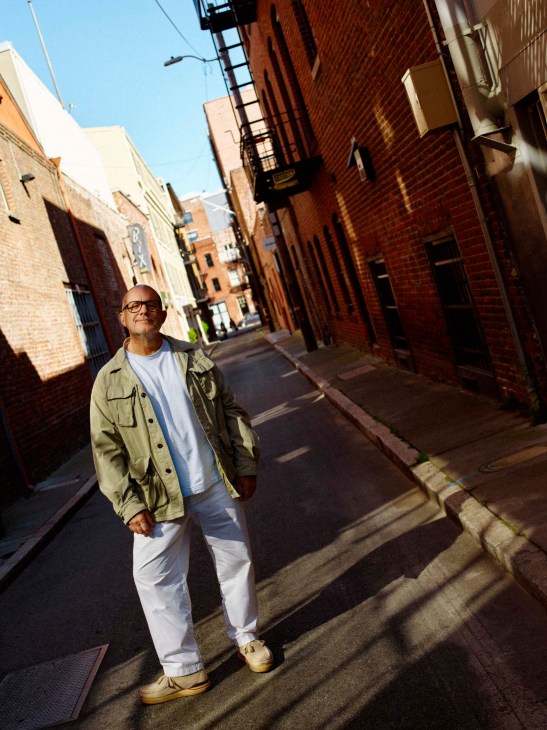
Interview-shy, Ive was never a fixture onstage during the Steve Jobs-era product launches. He often worried as a young designer in England that his chronic fear of public speaking would keep him from a career. Nevertheless, Ive spent 27 years drawing up the first iterations of everything from tablets to smartwatches. He changed the world – then fell off the radar. “When I left Apple, six years ago, I had the overwhelming conviction that my most important and useful work lay ahead of me,” says Ive, in his hesitant Essex accent that has persisted despite four decades of living and working in the US. “I just didn’t know yet what it was.”
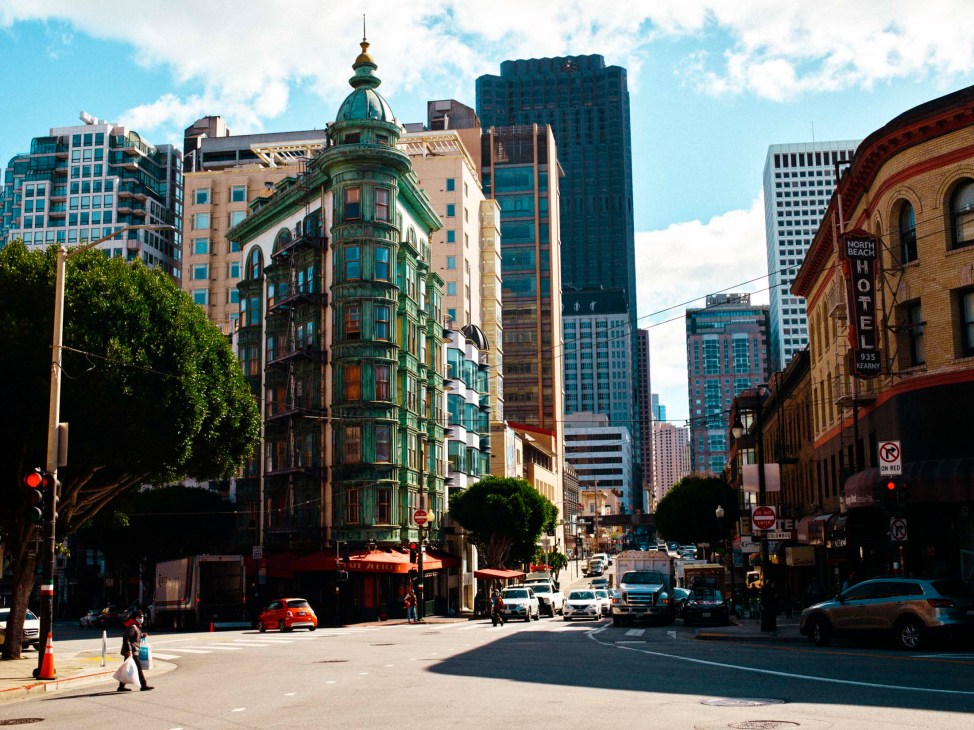
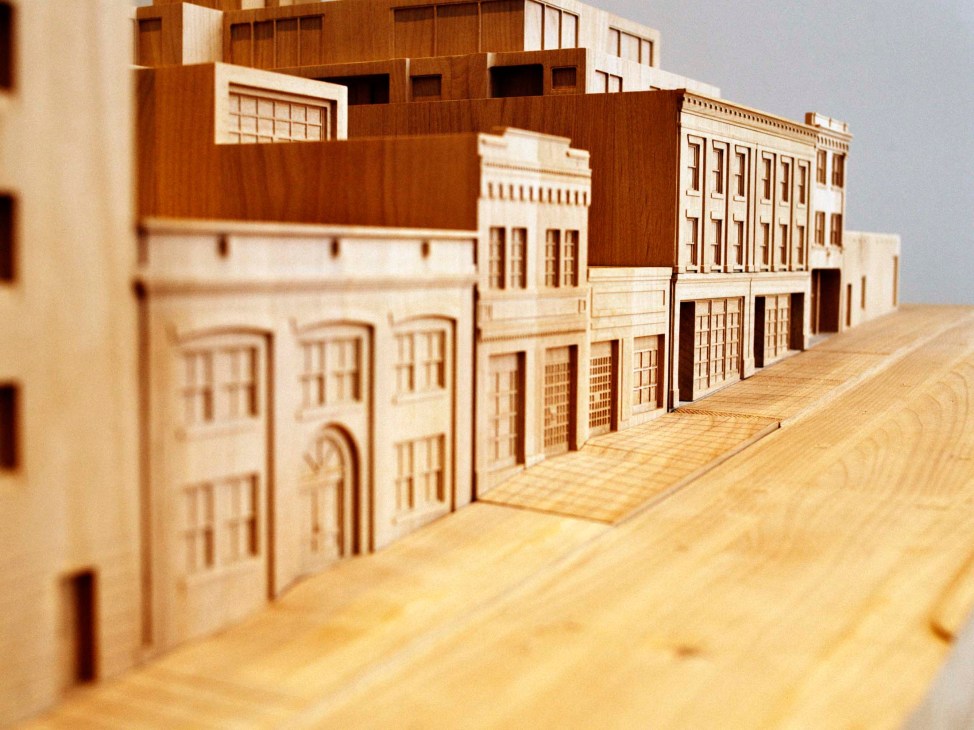
The work, says Ive, is now starting to take shape. Monocle meets the designer in a bright white room in the Jackson Square neighbourhood on the edge of San Francisco’s Financial District. Through large windows that frame a blue sky, light pours onto an intricate wooden model of a single city block. We’re standing in a building halfway down Montgomery Street in a space that Lovefrom, the studio he founded in 2019 and which counts Australian designer Marc Newson as a collaborator, bought as the pandemic was dawning. Since then, Ive has been snapping up a vast chunk of real estate across downtown reckoned to be worth more than $100m (€88m) and equating to half a city block. It includes multiple offices, private residences and a fly-fishing shop called Lost Coast Outfitters. “I now have the guy whose name is on the patent for the aluminium MacBook coming in here, buying flies,” says owner George Revel, who speaks highly of his new landlord.
The scale of acquisitions would be remarkable anywhere. But San Francisco has been brought to its knees in recent years. During the pandemic, many of the big-hitting tech businesses that have brought the city wealth and unparalleled productivity over the past two decades went remote and never returned. This left the urban core decayed, with boarded-up boutiques and streets devoid of workers or a reason for being. The Financial District, which buttresses Jackson Square, was hit hardest, with office vacancies soaring to 35 per cent; with that came an epidemic of homelessness, crime and drugs. “It hurts profoundly to see a person or an entity that you love suffering,” says Ive. “And I had benefitted from and learnt so much from San Francisco in my life.”
By basing his growing business in the neighbourhood, he says he can contribute to the city revival and get people working in the downtown again.
On the wooden model, thinly etched lines delineate the elegant façades of historic 19th-century buildings, which are currently being restored with the studio’s oversight. Such renovations are regarded as giving back to the neighbourhood. Attention has turned to the forlorn car park in the centre, with a construction team hard at work digging up the asphalt to create a landscaped area that Ive calls the Pavilion, where the Lovefrom team can gather for lunch and host friends from the area. “I’ve just always loved walled gardens,” says Ive, as we peer into the quadrangle at the centre of the model. The neighbourhood resounds with hammers, diggers and the clamour of industry again. But what is it all for? “At its most pedestrian, it is a tool to support our practice,” says Ive, as we walk between high-ceilinged rooms. So far, Lovefrom has worked on a string of prestigious if whimsical commissions: the seal for King Charles III’s coronation; a line of jackets for Moncler; the fitout for an all electric Ferrari. The 60-strong studio, which is currently housed in a bare-brick building on Montgomery Street, counts several A-team hires from the Jobs-era of Apple among its roster. A steep staircase in the centre of the room that leads to the studio is off-limits to all but true insiders.
“Upstairs are the most remarkable industrial designers in the world,” says Ive. “The most remarkable user-interface designers, graphic designers, typographers, engineers and, my God,” he says, visibly moved at the thought, “I get to walk up those stairs every day.” As the team expands, Ive explains, they will move into one of the newly restored spaces over the next summer.
Yet the ambition here goes well beyond coats, cars and even city blocks. In 2023, it was reported that Ive had begun talking to Sam Altman, founder of OpenAI and developer of the ChatGPT large language model, which has become the poster-child firm for artificial intelligence and how it will supposedly remake the world. Reports suggest that they are collaborating on a phone-like device; something less disruptive to our social ways than a smartphone; something, even, without a screen. On all of this, Lovefrom declines to comment. Despite the paucity of detail, tech watchers describe this meeting of minds as a formidable and potentially highly disruptive force. Ive has reinvented the way we communicate before. Could he be about to do it again? From the outset, Ive and his team are clear that he will not be drawn on the AI work. On May 21, Lovefrom announced that the team behind it would be merging with OpenAI, with Ive taking on design and creative responsibilities across both OpenAI and the project, called io, “focused on developing products that inspire, empower and enable.”
Secrecy was a hallmark of Jobs-era Apple and, at Lovefrom HQ, this mysterious AI project has all the mystique and air of importance of the space programme. Ive clearly believes that he and the team are onto something big. At one point, we are taken to Ernie’s, a fully-staffed in-house medical centre dedicated to keeping Lovefrom employees tip-top and at their wellbeing best. (Naturally it has rather exquisite branding). Named after a restaurant that once stood on the site and was apparently a favourite of Alfred Hitchcock, Ernie’s illustrates the scale of ambition behind Lovefrom’s dignified façade. “If you’re dealing in fragile concepts, the working environment has to be characterised by trust and care,” says Ive, who then quotes Freud. “‘Love and work, work and love; that’s all there is.’” What comes across on the day that Monocle spends with Lovefrom, is a sense of mission – alluded to but never stated – to create a different kind of founder-led business than the sort San Francisco has become associated with. That’s not just about wellness check-ins but also about how the business interacts with the city around it; how to be disruptive without being destructive.
It may well sound high-minded and unmistakably West Coast in tone but powerful people are breezing through these brick hallways, whether that’s Laurene Powell Jobs, the philanthropist widow of the late Steve, or cellist Yo-Yo Ma, who recently put on a private concert for the staff, the neighbourhood and a few high-profile friends. Officious men in black coats and earpieces are often seen waiting in front of the Lovefrom building. Those out of the loop of Ive’s plans walk past and wonder, what is he building in there?
All this brings a sense of momentum to an area that, just two years ago, was bereft. At Postscript, an elegant market and café that opened across the road from Lovefrom in late 2023, there’s a buzz among the outdoor tables. “Well, you know Jony’s just signed for another one,” says a woman, holding court over coffee with a well-heeled-looking group of out-of-towners.

Around the corner, a vast new Paul Smith boutique has just opened and there are more shops, cafés and studios moving in. Back in January, Ghazi Shami, the CEO and founder of record label Empire Distribution, purchased the historic One Montgomery building for $24.5m (€21.5m), saying that he intends to create his headquarters and restaurants inside, while the Transamerica Pyramid, following a restoration by Foster and Partners that was completed in 2024, is attracting big-office clients back to the centre. According to Bloomberg, real-estate developers Brick & Timber Collective are planning $500m of investment and restoration all around Jackson Square.
Ive, of course, isn’t solely responsible for this; the city is poised for another tech boom as an AI gold rush smoulders with possibility. All over San Francisco, AI start-ups stare down from the billboards. But Lovefrom’s investments were a bold act of belief in the city when the chips were down.
He is keen to make it clear that this shouldn’t be seen as property development. “There’s no fiscal benefit for us in investing in these buildings; these aren’t a means to an end, if that end is generating revenue,” says Ive. “There are also much more cost-effective ways of providing space for the design team. The reason we’re investing in these buildings is because we really love this neighbourhood and believe that it deserves investment.” Jackson Square was where the designer first landed in the US in 1989, on a bursary after his graduation from Newcastle Polytechnic (now Northumbria University). The first shop he visited on US Shores was William Stout Architectural Books, which sits across the road from Lovefrom’s new office on the street where he vowed to one day have a studio, almost 40 years ago.
The bookshop was recently acquired by the Eames Institute, which administers the legacy of California designers Ray and Charles Eames, with the view to preserve and safeguard this long-standing architectural resource for the future, especially as San Francisco’s downtown kicks back into gear.
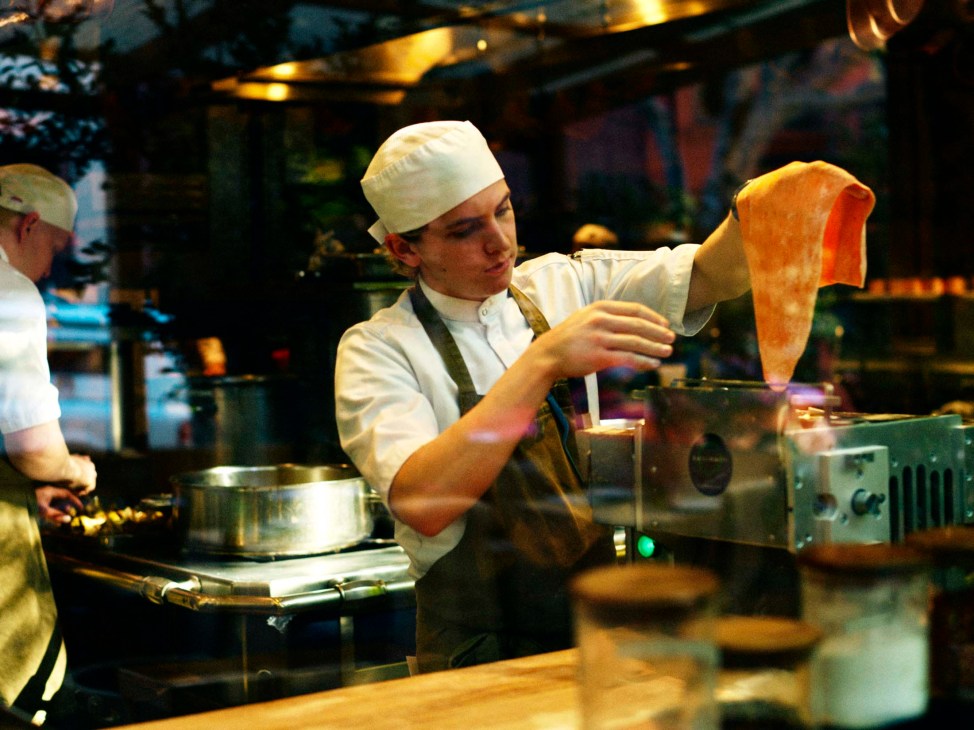
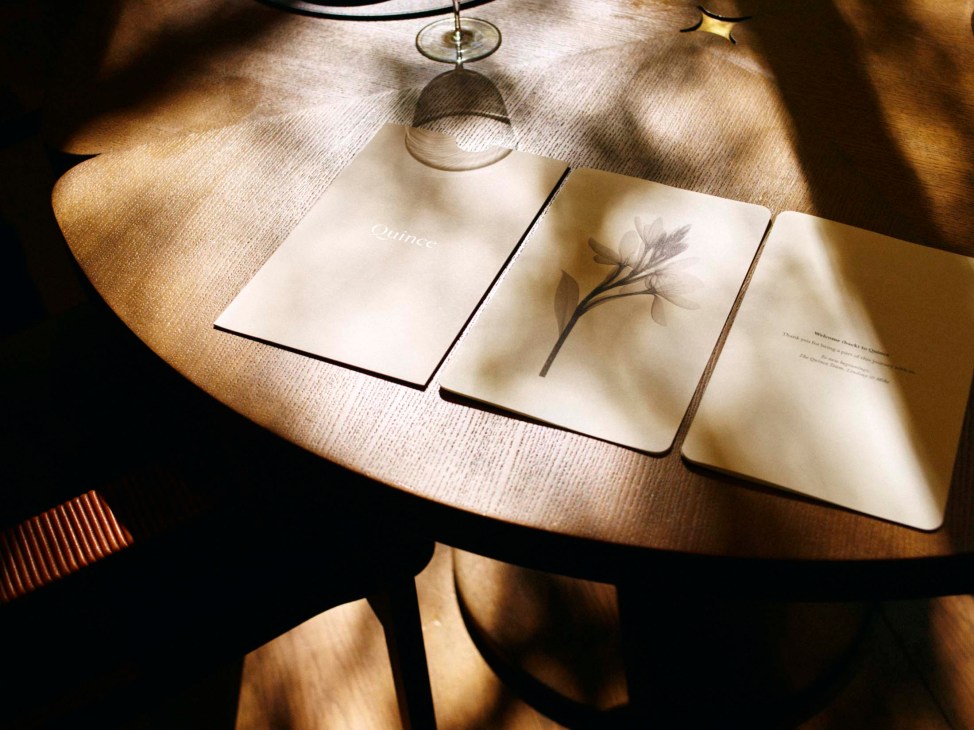
“The customers walking through the door have been getting younger over the past six months,” says Erik Heywood, retail director for the Eames Institute and William Stout. “That doesn’t always happen with a 50-year-old business.” Lauren Smith, the chief experience officer for Eames, agrees that there is a new energy downtown, heralded by the arrival of Lovefrom. “It feels like we’re on the brink of something.” Continuing the idea of giving back to the neighbourhood that it now calls home, Lovefrom is refreshing Stout’s branding (gratis, of course) and has done the same with the menus at Quince, a much-lauded restaurant and Ive favourite. “Jony and I share the opinion that we have to be stewards of the neighbourhood,” says co-founder Lindsay Tusk, who planted a flag in Jackson Square in 2003 and now has multiple restaurants dotted around the area. “There is a lot of curiosity about what Jony is working on; it’s attracting a group of highly creative individuals and people want to be around that.”Jackson Square itself could be described as the guts of San Francisco. The neighbourhood was founded in 1849 amid the first big gold rush, an era when the genteel Italianate buildings served as the nucleus of the so-called Barbary Coast, a red-light district that catered to sailors and prospectors seeking somewhere to splash their lucre. Under the asphalt, holding up the futurist struts of the Transamerica Pyramid, are the compacted remains of tall ships whose owners sailed to the New World in search of fortune and then abandoned their galleons when they got there. What is now the Financial District was built on this reclaimed land, and on Hotaling Street, the oldest lane in the city, there are wavy marks etched into the pavement showing where the tide once rose to.
Those beginnings set the mould for San Francisco’s boom-and-bust rhythm. It has always been a place where fortunes are made and lost, and the city is often left picking up the pieces once the gold runs out.
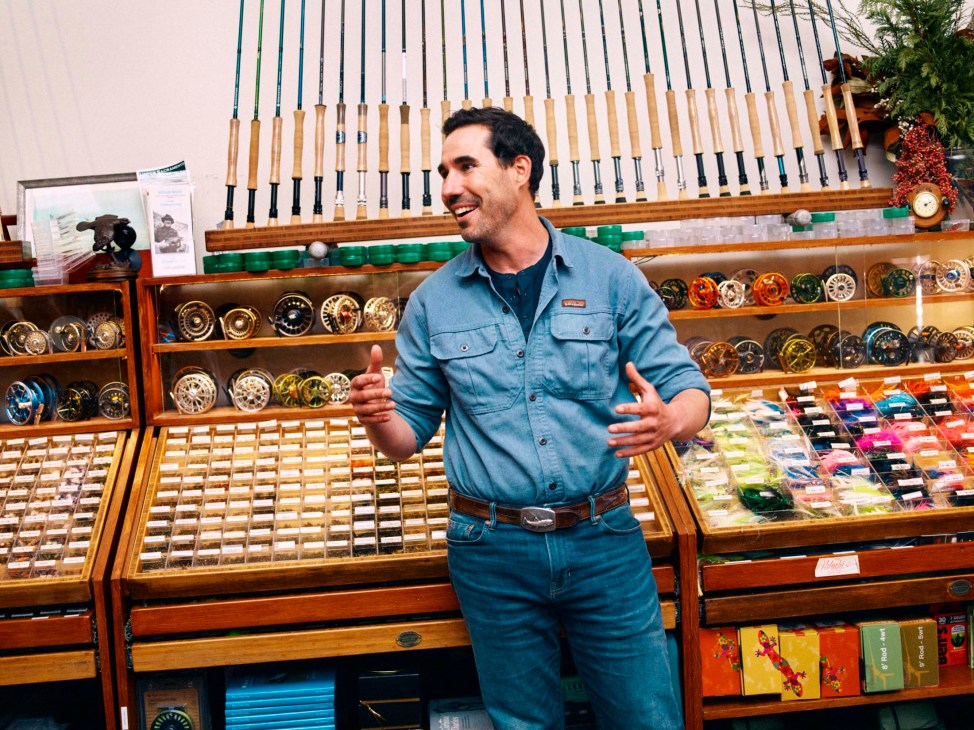
Prior to the crisis wrought by the coronavirus pandemic, the dotcom bubble of the 1990s was the most recent modern equivalent. Long-time residents, who have seen high- rolling days before say that the energy coursing through San Francisco right now around artificial intelligence has the whiff of exactly one of those upswing moments.
Ive remained at Apple for several years after Jobs’ death in 2011 and watched the behemoth balloon into a company that was very different from its beginnings. On its route to becoming the world’s first trillion-dollar company, Apple has cranked out products including augmented-reality headsets and a personal-trainer service; it became a
platform for and producer of films and released new iterations of the iPhone every year. Some of those who came up through Apple say that it lost something along the way – perhaps the focus that its co-founder once extolled as a driving virtue. It went from being a maker of products intended to simplify one’s life to, quite simply, another tech company, albeit the world’s biggest.
San Francisco changed in tandem. The barefoot, Buddhist founders of the dotcom days were slowly replaced by a new generation of bolshier entrepreneurs. Birkenstocks were out; gilets were in. The modern city was never a cheap place to be but, in about 2011, it went into overdrive as rents and salaries climbed precipitously high and many longstanding residents were priced out. The social fabric frayed as a homelessness crisis went unchecked, compounded by the rise of fentanyl and a leniency towards drugs coupled with profound inequality.
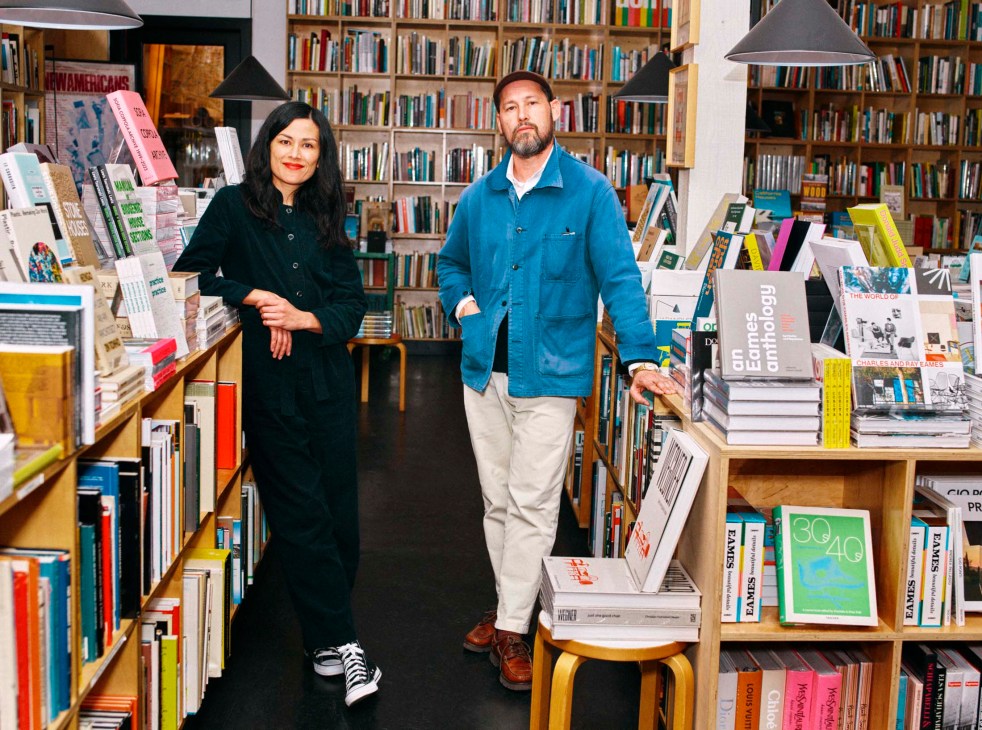
Still, the mass flight of businesses in 2020 irks Ive. “I don’t like fair-weather friends,” he says. “Those people who just consume and declare themselves a friend and [then leave] as soon as it gets inconvenient or challenging.” The whims of the technology industry, however, are only partly to blame for what happened to San Francisco. The authorities are still trying to get a handle on the open-air drug markets that were left to proliferate downtown. Meanwhile, parts of Union Square are still beset by social problems, even as things are improving. But as one long-standing resident of Jackson Square sees it: “What nobody wants to say in this progressive place is that, basically, the city finally got tough.” Many still need to be convinced that San Francisco is changing.
New mayor Daniel Lurie, an heir to the Levi’s fortune who takes a dollar a year from city hall, immediately set to work cracking down on crime in the city centre upon his appointment in January – and the data suggests that his efforts are working. But he has his work cut out for him. “I’m calling companies around this country and saying, ‘What can we do to get you back here?’” Lurie tells Monocle, in a month that saw the Bay Area-based property firm Realtor.com announce it was moving to Texas. “I am laser-focused on making sure that we bring [big] business back, which will help our small businesses too. But I want those companies to be part of the community.”
Lurie references what Ive is doing in Jackson Square as an example of how this can be done. But what if this old gold-rush town booms and busts again – if the AI bubble bursts and businesses head for the hills? “There’s no better place to do business,” he says. “When you come here, you need to be involved. But we saw what happened when businesses fled and we, at times, took that for granted here. That will no longer be the case.”
Over the years, plenty of ink has been spilled about the death of San Francisco – some of it fair, some of it less so. “There was a tendency to overstate the issues – but there were problems and real suffering,” says Ive. “My goal isn’t to shift the narrative, though. My goal is to help shift the city.”