Issues
Neighbourhood enclave: Budapest’s Napraforgo Street
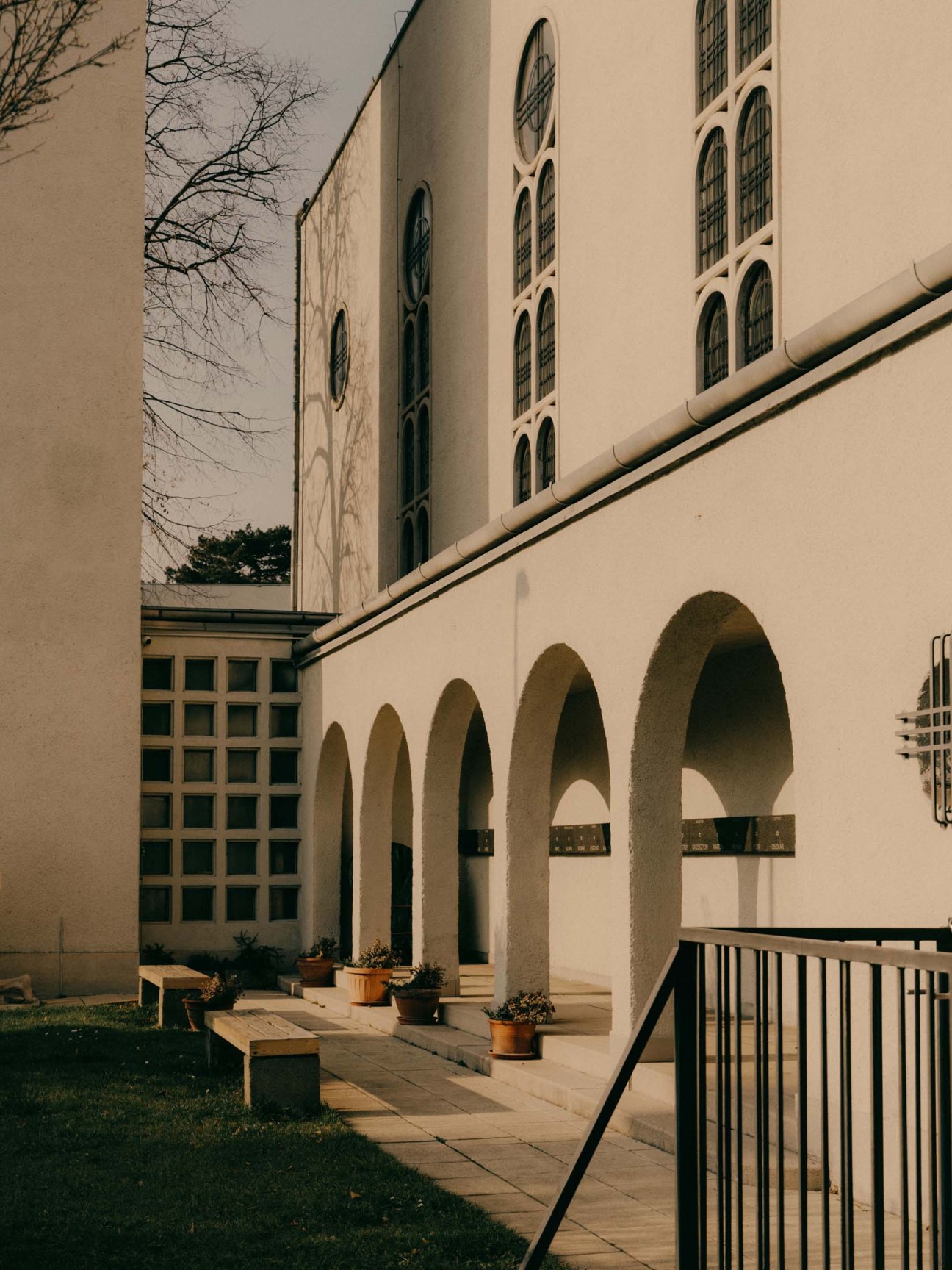
When the Napraforgo Street enclave was built in the space of a few months in 1931, it was revolutionary. Similar in spirit to the so-called Werkbund estates in Austria, Germany, Poland, Switzerland and Czechia, the idea behind the low-rise suburb was to create a new model for urban living. Building detached, single-family homes was hardly the norm at a time when Budapest, like the other great cities of Central Europe, was reeling from a profound housing shortage.
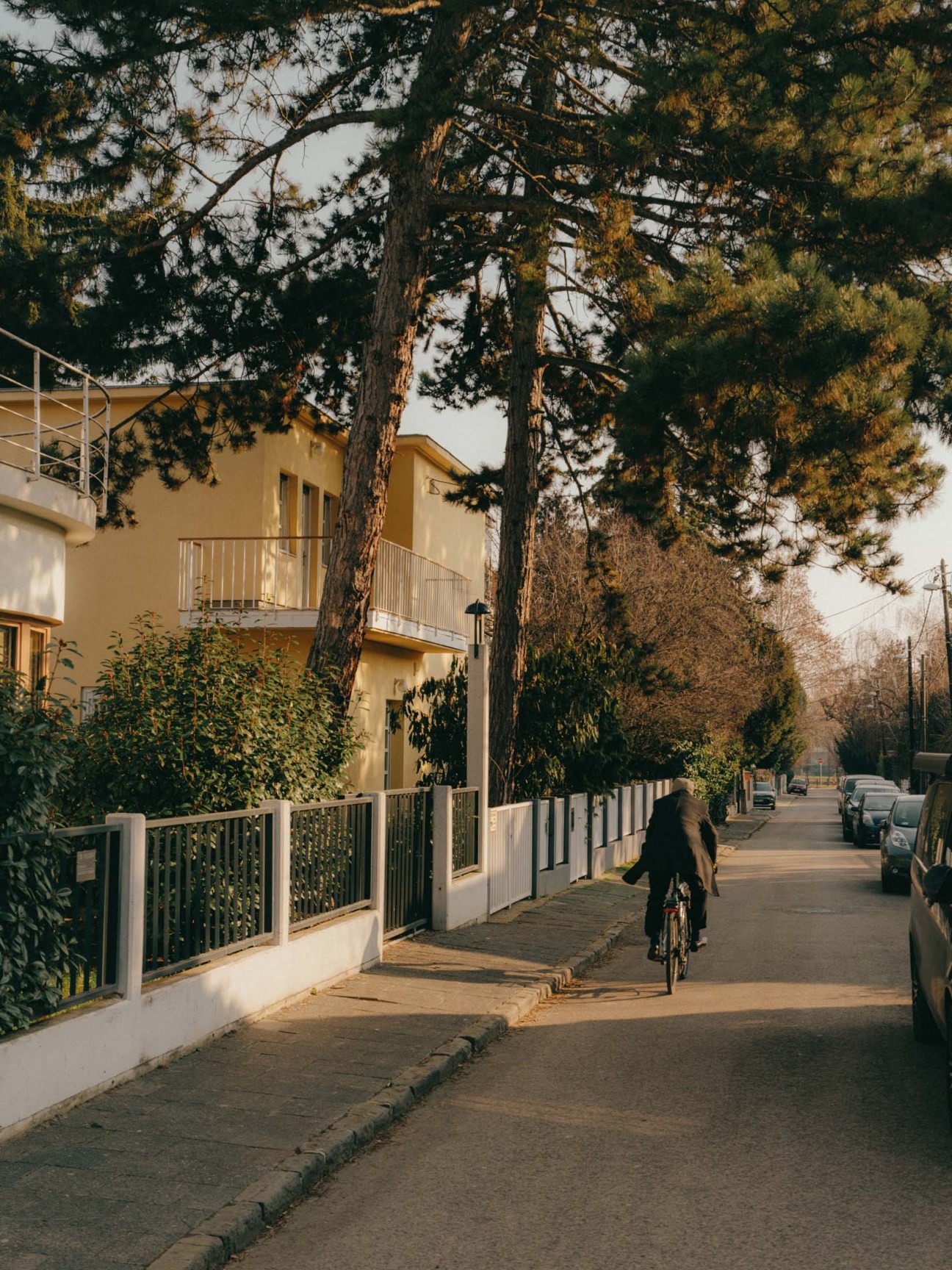
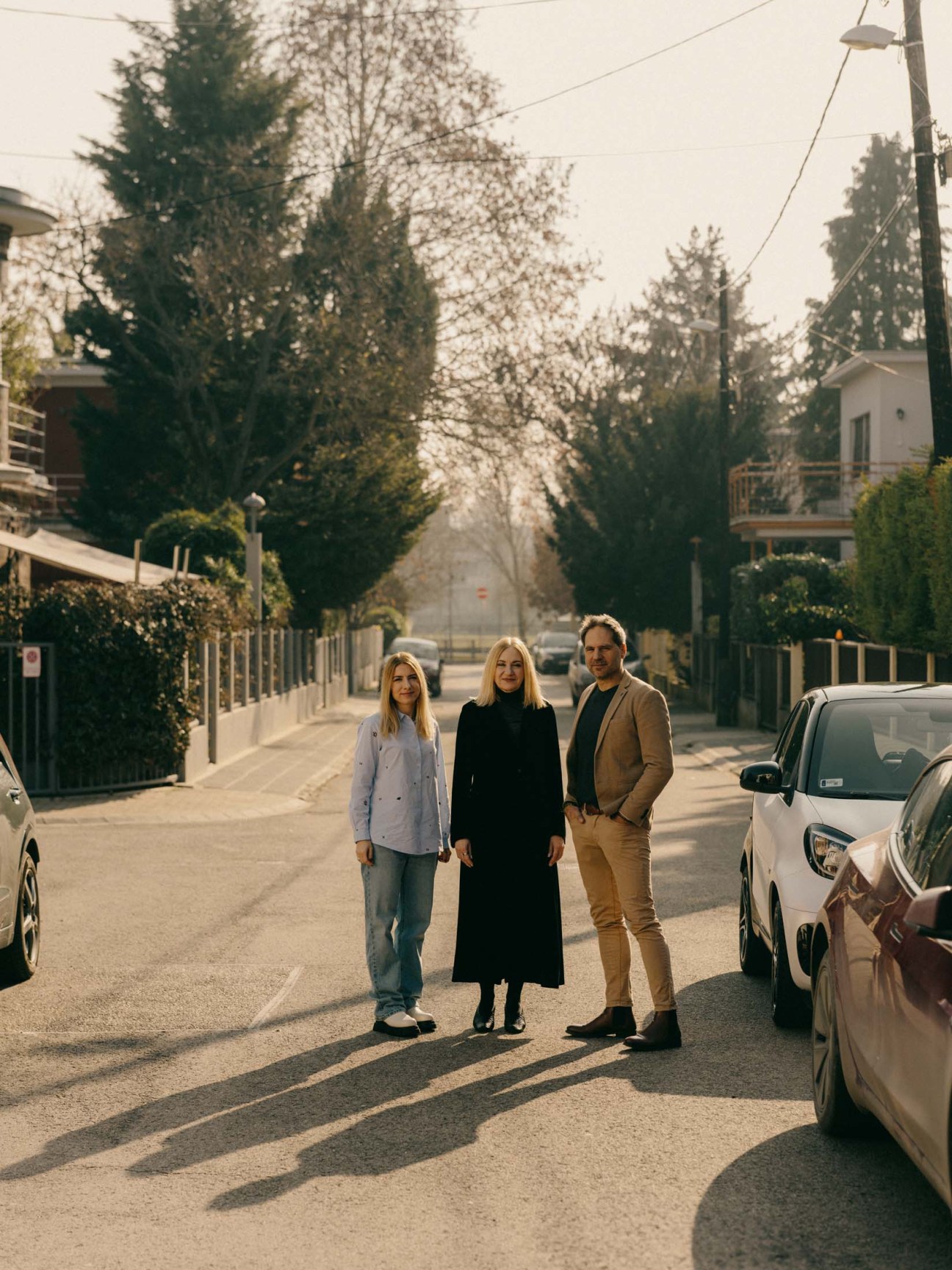
Sitting on the quieter Buda side of the Hungarian capital, the neighbourhood is well served by tram and metro lines, meaning that the city’s fairytale-like parliament building is a mere 30 minutes’ walk away. And yet, Napraforgo still feels like a world unto itself.
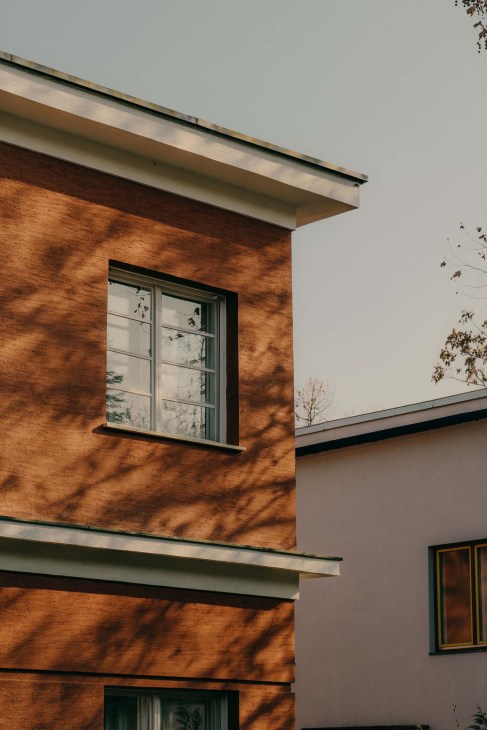
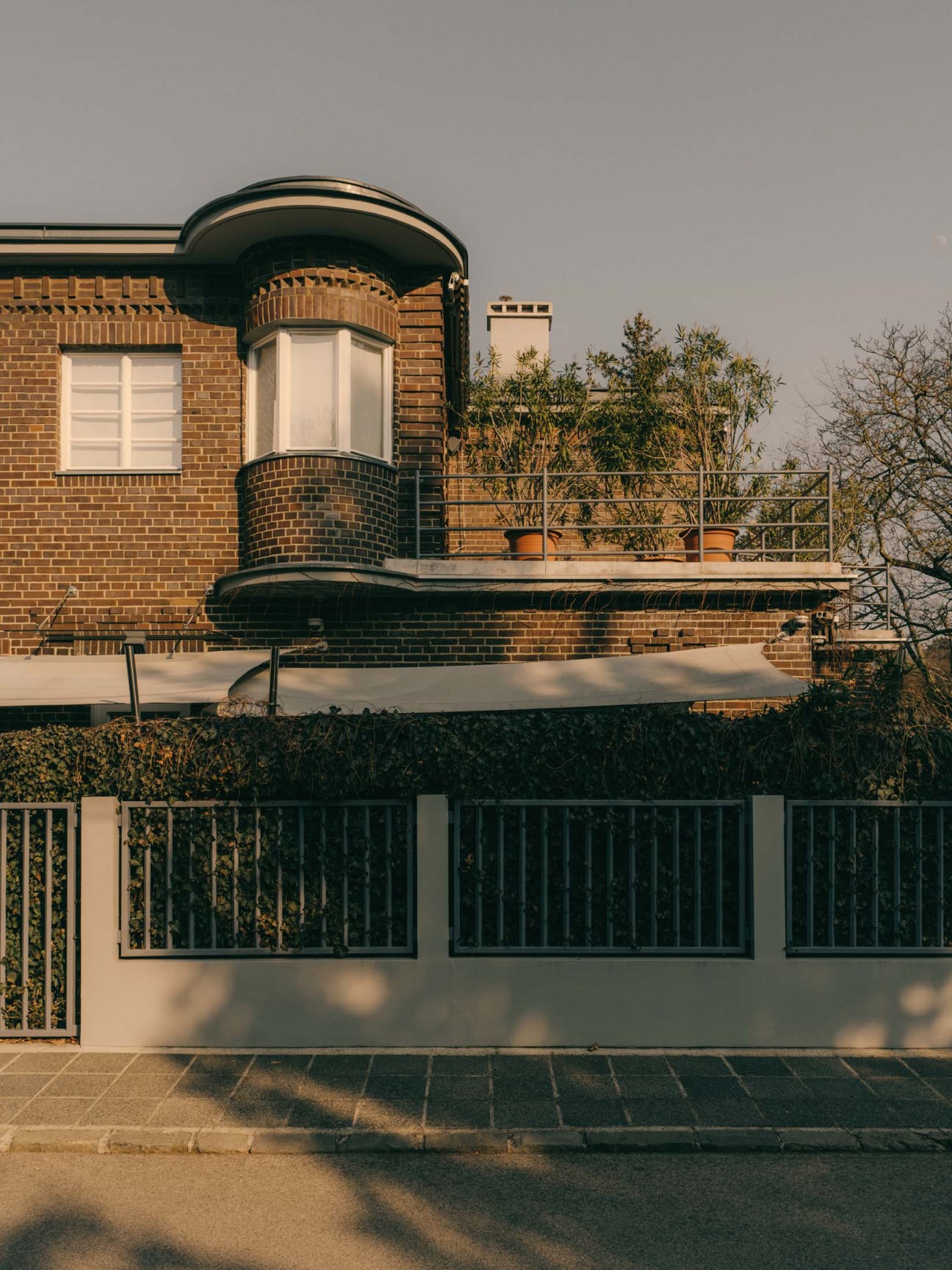
The 22 houses of Napraforgo – Hungarian for sunflower, a name chosen to highlight the houses’ airy design – vary in size but range from 140 to 250 sq m. They strech over two or three storeys and sit in a small plot of land, each flanked by a garden. Unlike its Werkbund counterparts, there is little rigid stylistic uniformity, though all the units adhere to the principles of modernism and, more narrowly, the Bauhaus school. Indeed, many of the architects involved – 18 firms – studied in Germany, including one at the Weimar school itself. Others, such as Alfred Hajos, had backgrounds as inventive as their creations. Before forging a career in architecture, Hajos was Hungary’s first Olympic swimming champion, a runner and footballer. In Napraforgo, he designed House No 19, now home to Dora Groo and her husband, Gabor Megyeri.
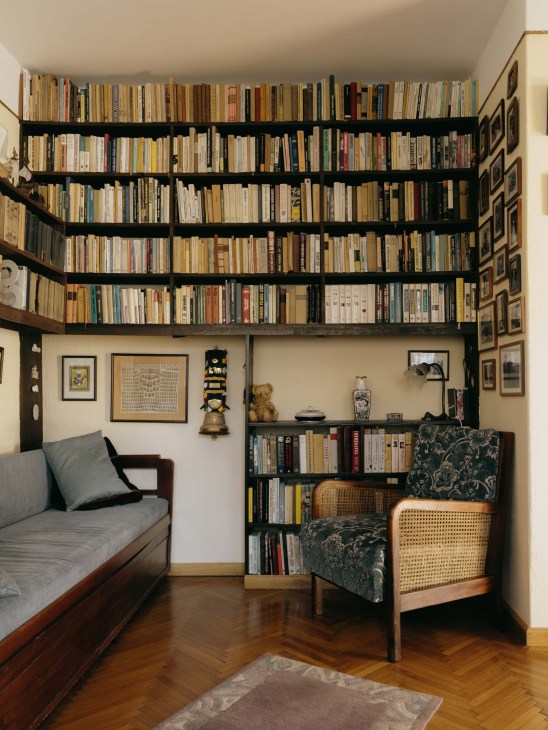
Groo, a medical researcher before she retired, is the only descendant of an original owner family still living here. Her grandparents’ motivation for moving to Napraforgo sounds as relevant today as it did then. “My grandfather was a mid-level banking manager, and his wife and their children, including my mother, were living in the centre of Budapest but wanted to move somewhere green,” says Groo as she settles into the downstairs living room with her husband, a chemical engineer whom she met and married in the 1970s. Behind her, a swirling wooden staircase leads up to the first floor, where there is a bedroom and an office, complete with original beds and bookcases, as well as a sunny terrace. Yet to Groo, it doesn’t feel like living in a time capsule. “I have lived in this house since I was born so for me it’s not a museum. We raised our two children here. This street was created as a place to live.” And life has been plentiful. By the late 1930s, some of the original owners – mainly from the middle-class intelligentsia with the occasional aristocrat and military officer – moved out as war loomed. After 1945, as Hungary became communist, some buildings were requisitioned and subdivided to house multiple families, before another wave of selling and reselling reshaped the street.
Throughout, the ensemble remained intact but some degree of protection was necessary and in 1999 (much too late for Groo’s liking) the street was finally given listed status. By then, however, many alterations had already been made to the original designs, a consequence of Hungary’s lax heritage rules and the upheaval – and rampant speculation – that followed the fall of the Iron Curtain.
In 2017, Groo and Megyeri founded the Napraforgo Street Bauhaus Association, both to help secure the ensemble’s historic status and to establish a shared archive of materials while raising public awareness. The results are encouraging: there are now guided tours, as well as a strong interest in purchasing. Despite limited availability, the houses still come up for sale with some regularity. One two-storey house – designed by architect Ervin Quittner, who later built several factories in Budapest and served as president of Hungary’s touring club – recently sold for a little more than €1.1m.
In keeping with the homes’ original ethos, their new owners tend to come from the creative industries – a phrase that wouldn’t have existed in the 1930s. No 1 stands at the head of the street and forms a symbolic gateway with views over a football pitch. Lawyer, journalist and art collector Erno Muranyi lives here with his wife, who is also in the legal profession, and their teenage daughter. They moved a year ago into a property that had belonged to the dean of law faculty of the university they attended. The Muranyis had been living on a nearby street and would often walk through Napraforgo, wondering what it might be like to have a house here all to themselves. “We saw our dean many times here and greeted him,” says Muranyi. Then, the dean’s nephew – a family friend – asked whether they might be interested in taking over. “My wife said, ‘Call him immediately!’”
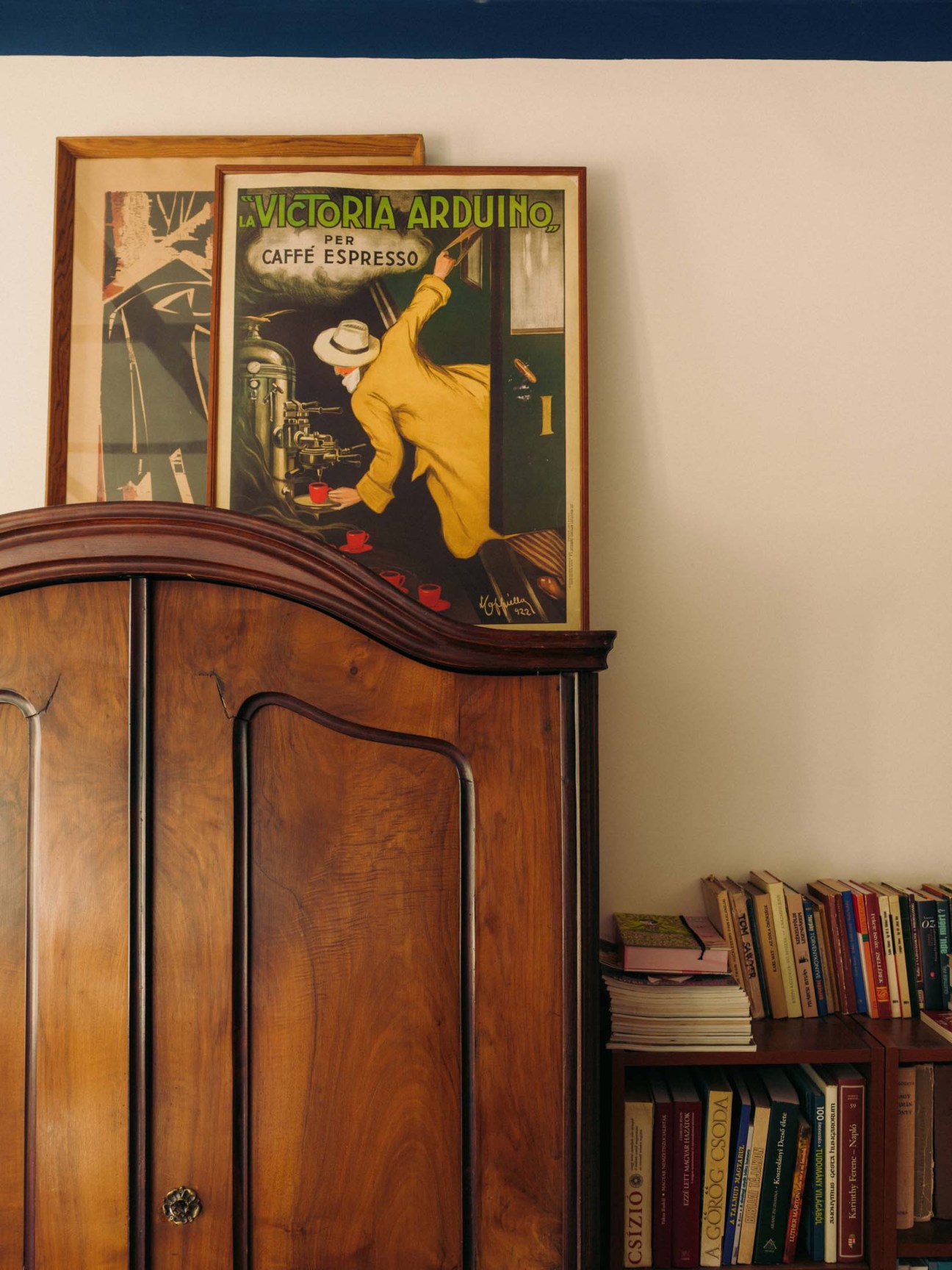
Like most of the other houses, the Muranyi residence is furnished with antiques, though not necessarily all from the Bauhaus period. There are cupboards from the turn of the 20th century, heavy desks and bookcases from the 19th, and even furniture from the 18th century sofa. In this respect, the Napraforgo estate stood apart from similar projects elsewhere, where buildings typically came with furniture and fittings included as part of the package. But from the very start, Napraforgo owners had the freedom to choose their own decor so true modernist pieces, like those in the home of Groo and Megyeri, were comparatively rare.
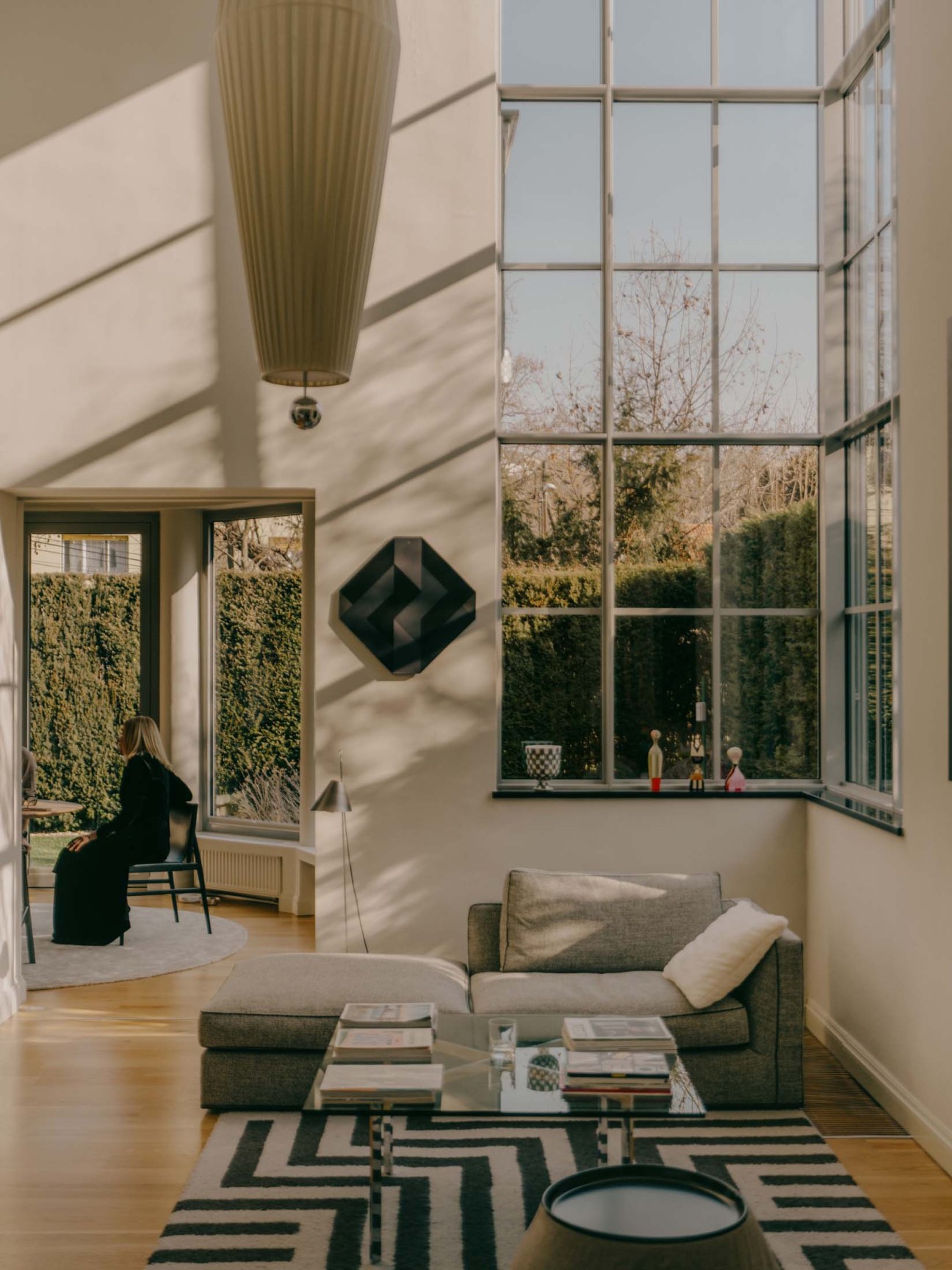
Nevertheless, the 1930s interior design aesthetic remains strikingly modern – and many now aspire to it. Returning the original feel of her new house is the aim of another recent arrival, Andrea Mari. Mari runs a furniture showroom in Pest and owns three properties across Buda, including House No 11 (formerly 13) in Napraforgo. The house – an elegant corner building designed by architect Laszlo Vago, a member of the Congrès Internationaux d’Architecture Moderne group, which included Bauhaus founder Walter Gropius and celebrated Soviet constructivist Moisei Ginzburg – had been altered by its previous owners, who added a controversial extension.
Budapest architecture firm Rapa is now planning a discreet overhaul (the extension – essentially a windowed winter garden – will remain), which will introduce thinly framed windows to allow even more light, while keeping amenities, such as the kitchen and bathrooms, up to modern standards. “We have to respect the past but also do something new with these buildings,” says Mari. Rapa co-founder Adam Reisz is still waiting on approval from heritage authorities.
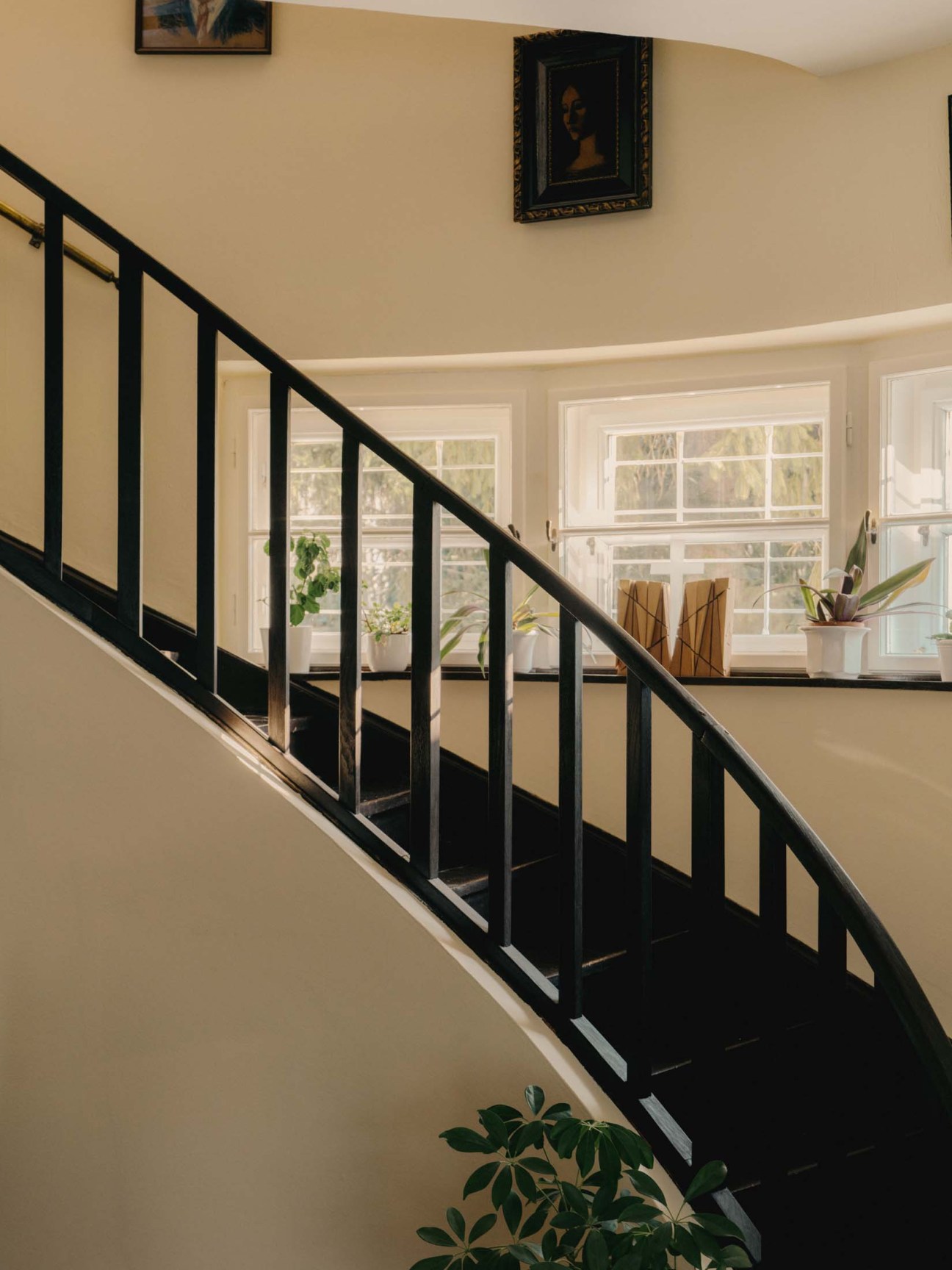
“The biggest challenge is how to modify the exterior and interior in a way that reflects the original architect’s intentions but in a modern manner so we have had to find this connection between then and now,” says Reisz. But he is undaunted – not only because of his expertise in dealing with historic architecture but also because of the overarching spirit of the Bauhaus, which championed technical innovation.
For Mari and her daughter, Nora Szeleczky, a recruitment expert who lives in the house, there is something else about Napraforgo that makes it special – the sense of community that they say has all but disappeared in Hungarian cities. “People are very individualistic now,” says Szeleczky, who lived in eight countries, including a seven-year stint in Vancouver, before returning to Hungary. She believes that this has prepared her for life here. “This street was built around the idea of community. It is unique in Budapest and anyone moving in should expect to be open with their surroundings – and with their neighbours.”


In the know: Napraforgo
Cost per sqm:
Between 2m and 4m Hungarian forints, or €5,000 to €10,000.
Best school: Pasareti Szabo Lorinc School
Set on a hill above a stream, just across a bridge from Napraforgo Street, this bilingual Hungarian-English primary and secondary school counts Groo and her two sons among its alumni.
Amenities and cafés:
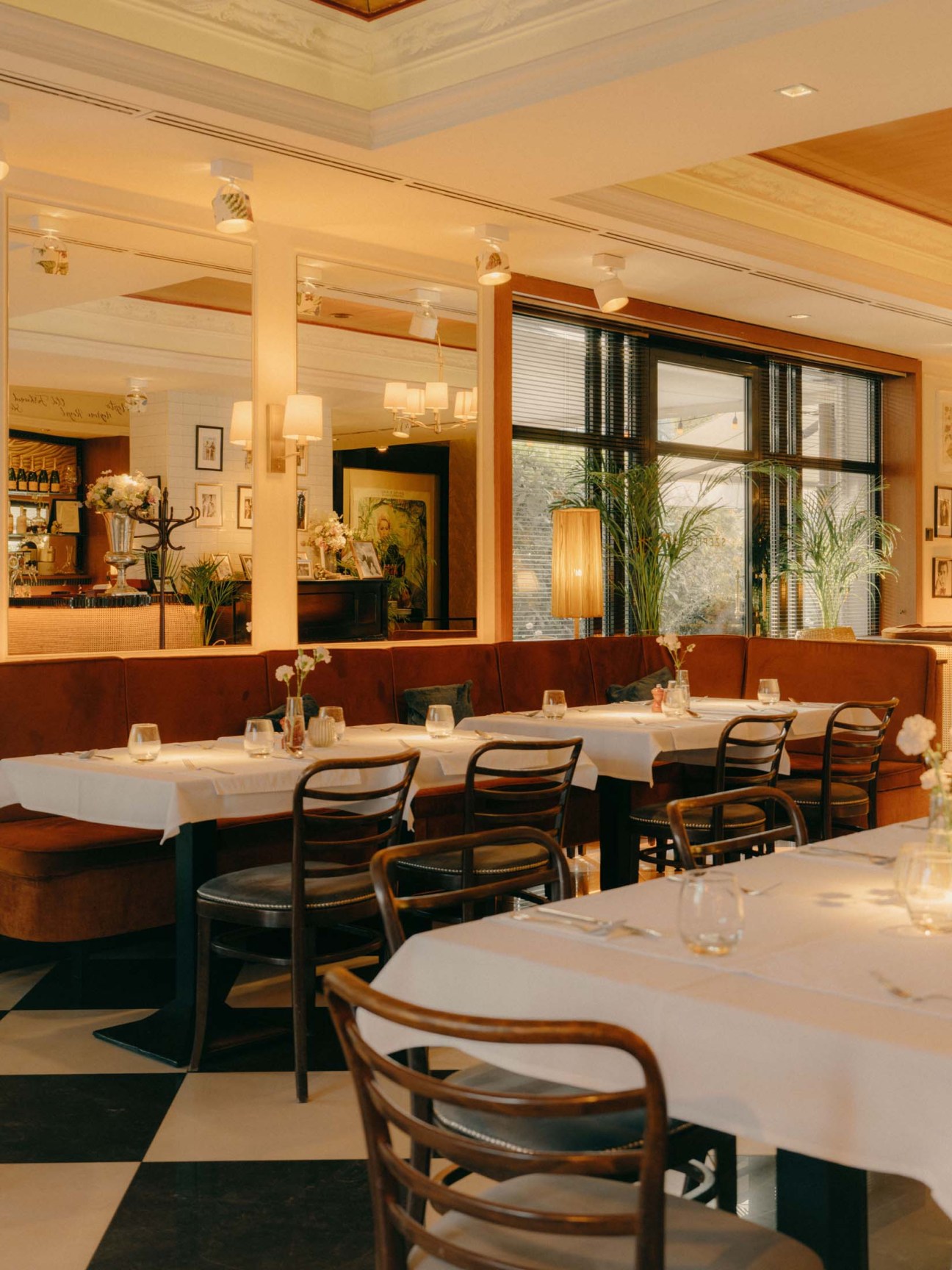
The Pasareti roundabout hosts all the essential amenities, including a pharmacy with a natural cosmetics section, a medical centre and the much-loved Pasaret Bisztro, a favourite of locals for daily meals. A few streets away is the Szepilona Bisztro, offering an international menu that blends Hungarian and Austrian classics, such as tafelspitz (boiled beef), with French and Italian dishes.
Further info:
Groo and Megyeri’s association can assist with any inquiries and can be contacted through napraforgoutca.hu
The effort to rebuild Syria: Life after the fall of the Assad regime
Updated 14 May: The US has taken the surprise decision to lift its long-standing sanctions on Syria. As Donald Trump meets with the nation’s new leader, reformed rebel Ahmed al-Sharaa, in Damascus, we’re revisiting this story from Monocle’s April issue about the opportunities and potential pitfalls that Syrians face as their country reopens to the world. With the West now set to re-engage with Syria after a devastating civil war levelled vast swathes of its cities, our Istanbul correspondent, Hannah Lucinda Smith, meets the people looking to rebuild the nation, as well as the contractors hoping to make a tidy profit along the way.
There’s a burst of applause and a chorus of an Arabic song as the passengers of Turkish Airlines flight 846 touch down at Damascus International Airport (DAM). An old man pauses on the steps down from the aircraft. “Congratulations to us all, by God!” he says, holding his bag aloft. “Assad is gone and we are back.” Inside the rundown arrivals hall, a crowd jostles for its first view of relatives returning after years of exile. Despite the many traumas that Syria has lived through, the mood is exuberant. In the car park, a band plays celebratory music while a white-cloaked dervish whirls amid a dancing, flag-waving throng of people. Everyone exiting the airport walks over a picture of the face of Bashar al-Assad, the erstwhile president who fled from this same airport on 8 December.
Syria is a country transformed overnight, from an insular, heavily sanctioned and brutal dictatorship into a chaotic but cautiously optimistic free state. Its new rulers, technocrat Islamists who for years ran a quasi-state in the rebel-held north of the country, have promised to respect the nation’s ethnic and religious diversity. Transitional president Ahmed al-Sharaa’s first aim is to lift the crushing sanctions that were imposed on Assad’s regime, which will allow Syria to start trading internationally and receive foreign aid and investment. So far the US has granted limited humanitarian exemptions but most of its commercial embargoes remain in place. The EU suspended its sanctions on energy, transport and banks on 24 February.
Turkey, a close ally of the new Syrian administration after consistently supporting its fight against Assad, is ready to do business. Thrice-weekly flights from Istanbul that began on 23 January are booked months ahead, with many Syrians returning home for the first time. Turkey’s national carrier was the second international airline to resume its route to Damascus after Qatar Airways.


Ghosts of the almost 14-year civil war greet you even before you disembark at DAM, in the shape of dozens of rotting commercial jets scattered around the bumpy runway. Sanctions mean that Syrian Air, the national carrier, and Cham Wings, a private operator, have been unable to fly to most places in the past decade; the few planes that are still operational have been repainted with the new Syrian flag. Turkey’s ministry of transport and infrastructure is soon to begin helping to overhaul the airport.
What the future holds is unclear but one thing is certain: Syria must be rebuilt. More than half the population is displaced, more than 130,000 buildings are destroyed and economic output has halved. Who the stakeholders in the reconstruction are and what they prioritise will shape not only the built environment but also the success – or failure – of this shattered nation. Key to it all is money: USAID is frozen, humanitarian organisations are holding back and Western companies are hesitant to enter the Syrian market. That leaves the door wide open for the country’s closest geopolitical allies – Qatar, Saudi Arabia, the UAE and, above all, Turkey – to seize the opportunity.
“I got my first calls from Turkish companies days after the regime fell,” says Alaa al-Hilal, the founder of BuildEx, an annual international construction fair that has been held in Damascus since 1996 and was once one of the biggest events of its type in the Middle East. Turkish builders had a large foothold in Syria’s pre-war market. Hilal holds up a thick, dog-eared guide from BuildEx 2010, which bristles with Turkish contacts. After 2011, however, everything stalled. “We work as if time stopped on the day the war started,” says Hilal. “We don’t have the latest tools, construction materials or techniques.”
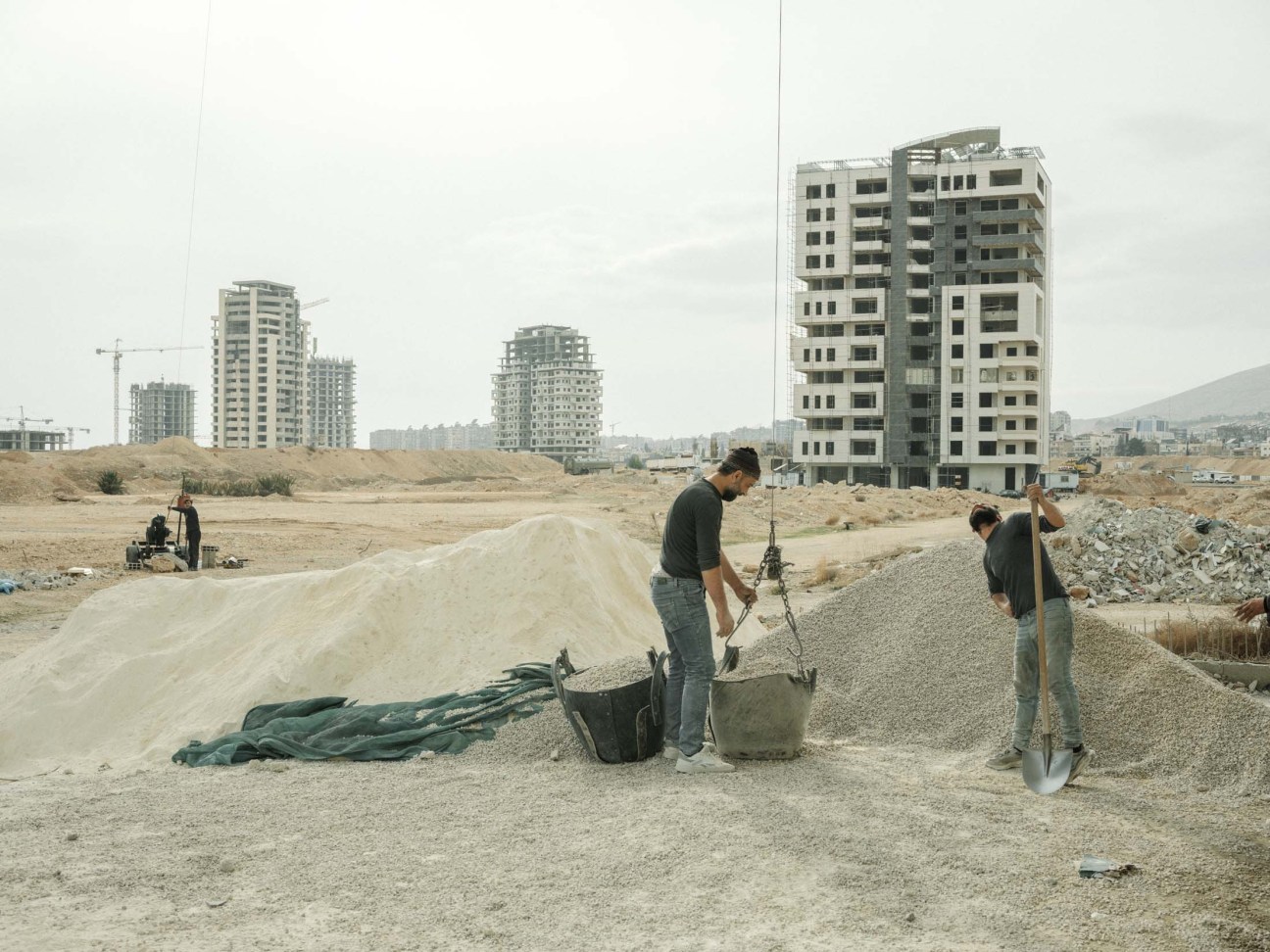
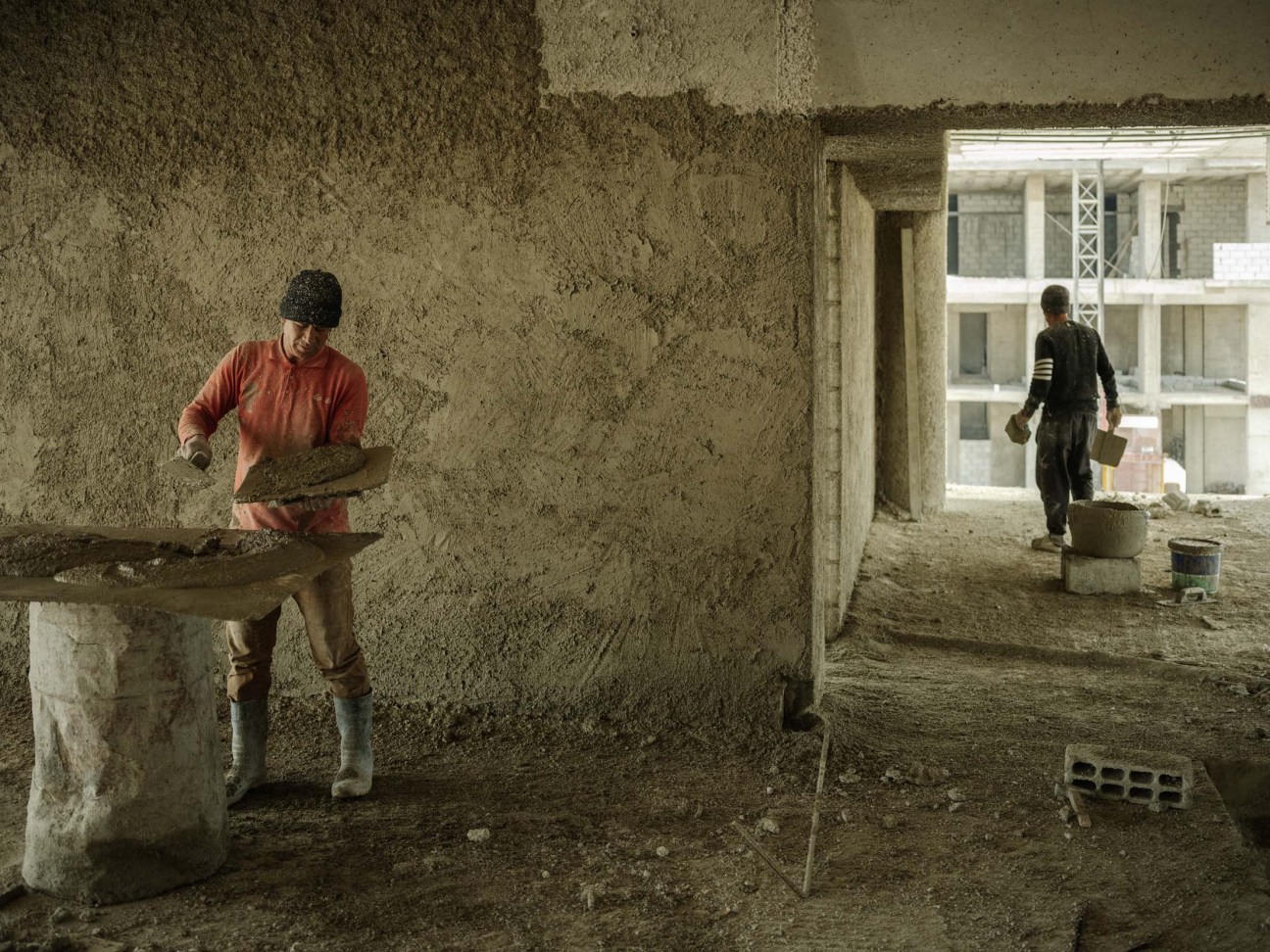
Syria stands on the brink of becoming the world’s biggest building site and investors are lining up. Whole communities must be remade from the ground up, with entire towns and city suburbs reduced to urban scars devoid of infrastructure, commerce and people. While there are still some successful Syrian manufacturers and constructors left in more functioning parts of the country, many businesses moved their operations to Jordan, Egypt or Turkey to keep trading when sanctions were imposed.
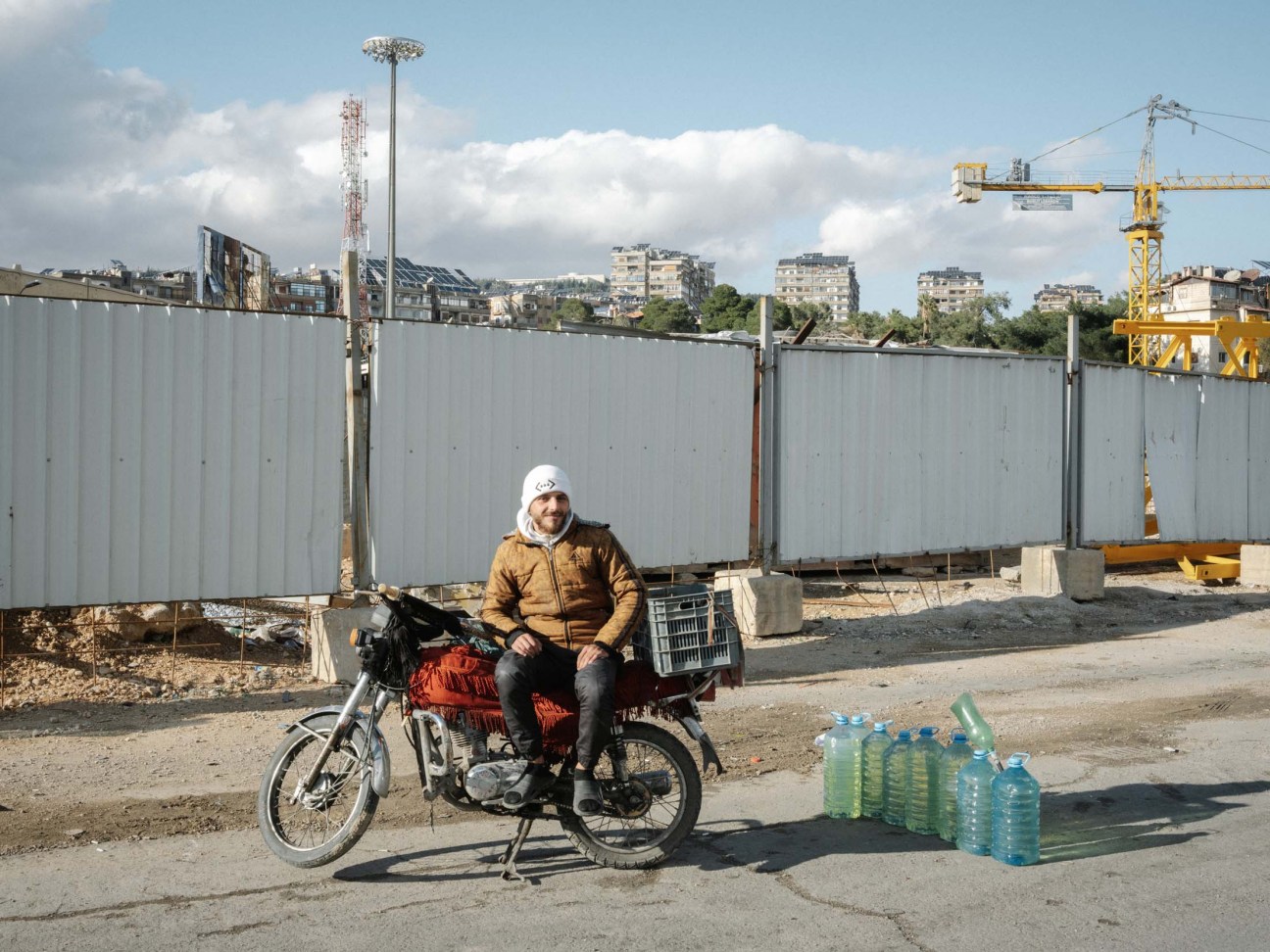
To rebuild the country, help from beyond its borders is needed. In BuildEx’s office, phones ring constantly with foreign firms looking to book exhibition spaces at the forthcoming event in May. The derelict halls and vip lounges of the Damascus Fairgrounds, a faded relic built in 2003 to host the city’s international fair. During the Assad years, the event was dominated by companies from the former president’s closest allies: Iran, Russia and China. But this year the biggest contingent is from Turkey.
In June, a Turkish exhibition company will run a separate event in Damascus hosting companies that can build sports facilities and amusement parks, as well as housing and infrastructure. It’s a reflection of the scale of the rebuild ahead. Fabo, an Izmir-based company that sells and services concrete-crushing equipment, has signed up. “It is our best opportunity in 20 years,” says Omur Gulec, one of the firm’s directors. Syria is currently under a sea of rubble but Fabo’s equipment can scoop it up, compress it and turn it into concrete. “We are neighbours; our cultures are close and we helped Syrians during the war. It’s a big chance for everybody.”
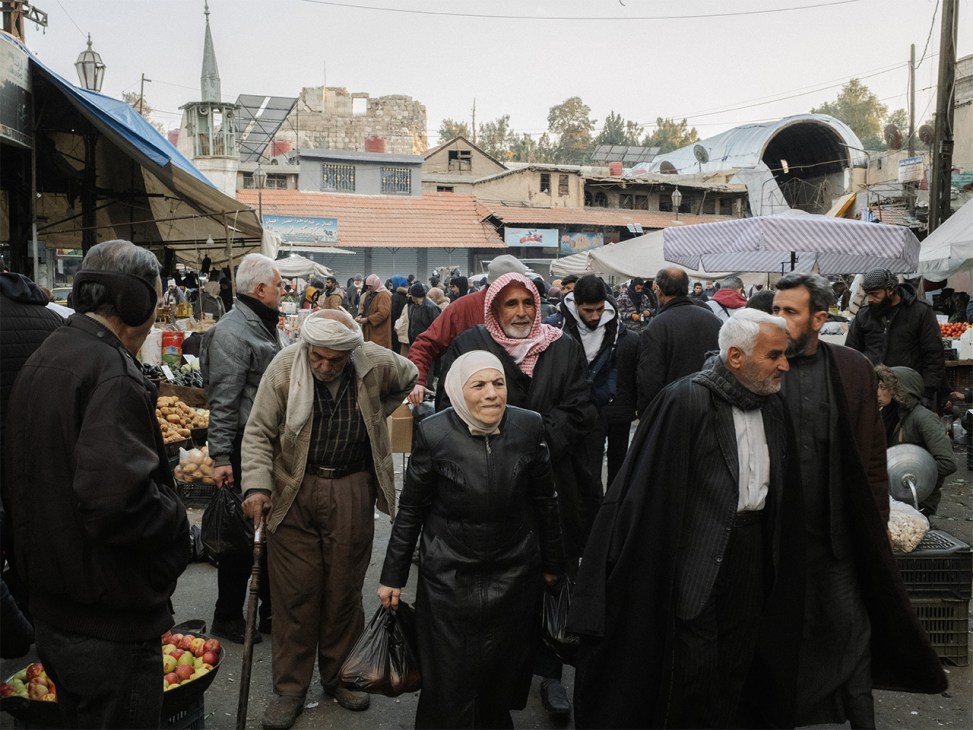
Over at the reopened Turkish embassy in Damascus, ambassador Burhan Koroglu is dusting off his desk and settling in. Trade attachés have been appointed and, back in Turkey, business federations are holding events to discuss opportunities in Syria. There is a boom moment waiting to ignite but it hinges on how fast crippling sanctions can be lifted and some normality restored.
Syria currently has the most open trade policy in the world simply because it doesn’t have one. Borders that were almost entirely closed for import and export under Assad have been opened and products that were banned are flowing into souks. After Ankara and Damascus cut diplomatic ties in 2011, any trader caught selling Turkish goods was slapped with a heavy fine and risked prison. A few foreign consumer products, such as electronics and solar panels, were imported from China but otherwise almost everything was Syrian-made.
At his shop in the historic Souk al-Hamidiyeh, Abdulrahman al-Horani is selling Turkish dried apricots and cevizli sucuk, a walnut-filled sweet found in every confectioner’s in Istanbul. His family has run the business since 1930, and Horani, aged 17, is well-versed in Syria’s Byzantine import rules. But within two weeks of Assad’s fall, he was selling goods brought over the border by Syrians living in Turkey. “Everything that is sweet tastes better from there,” he says. “Turkish goods are the norm now because there are no duties.”
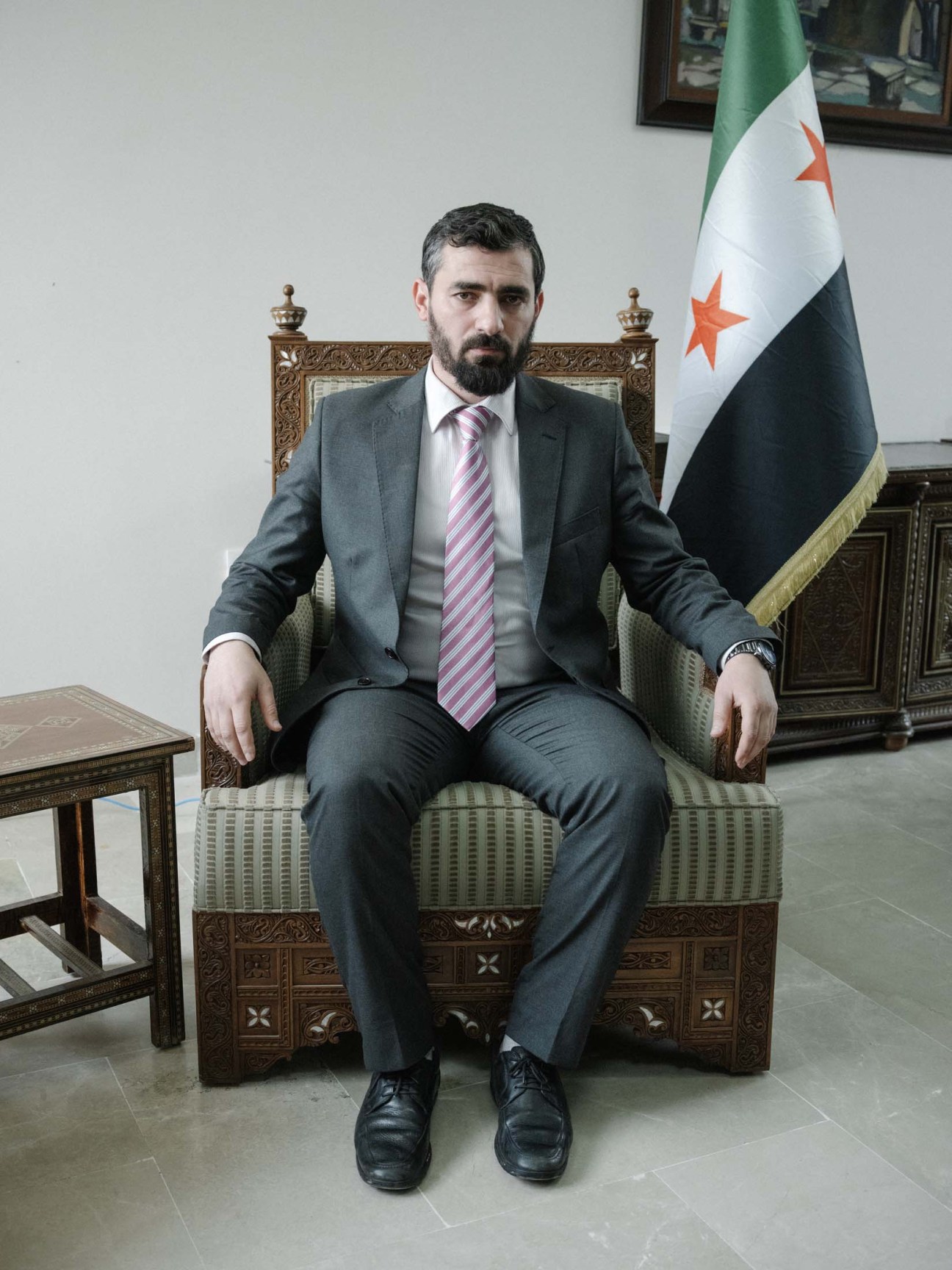
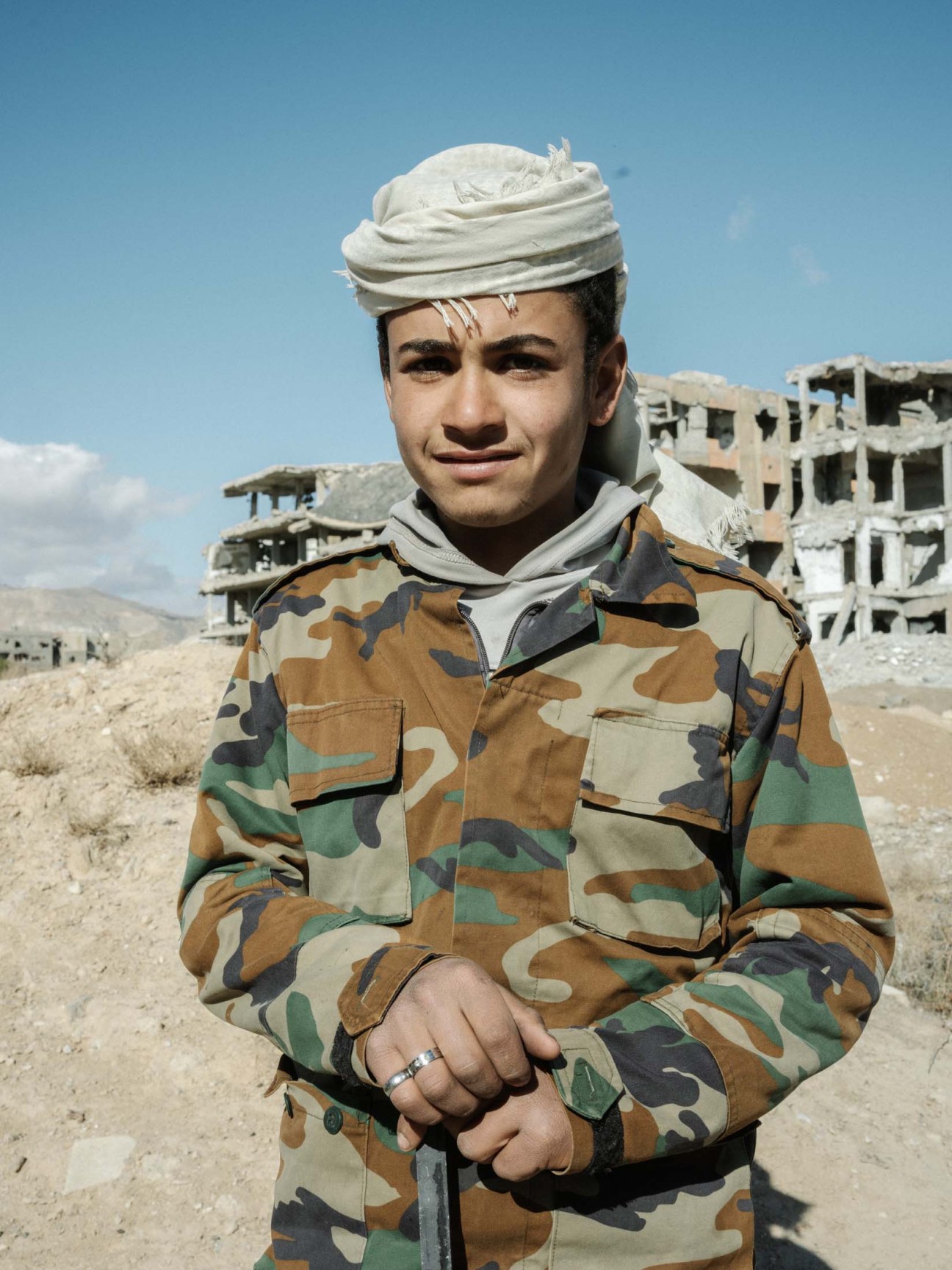
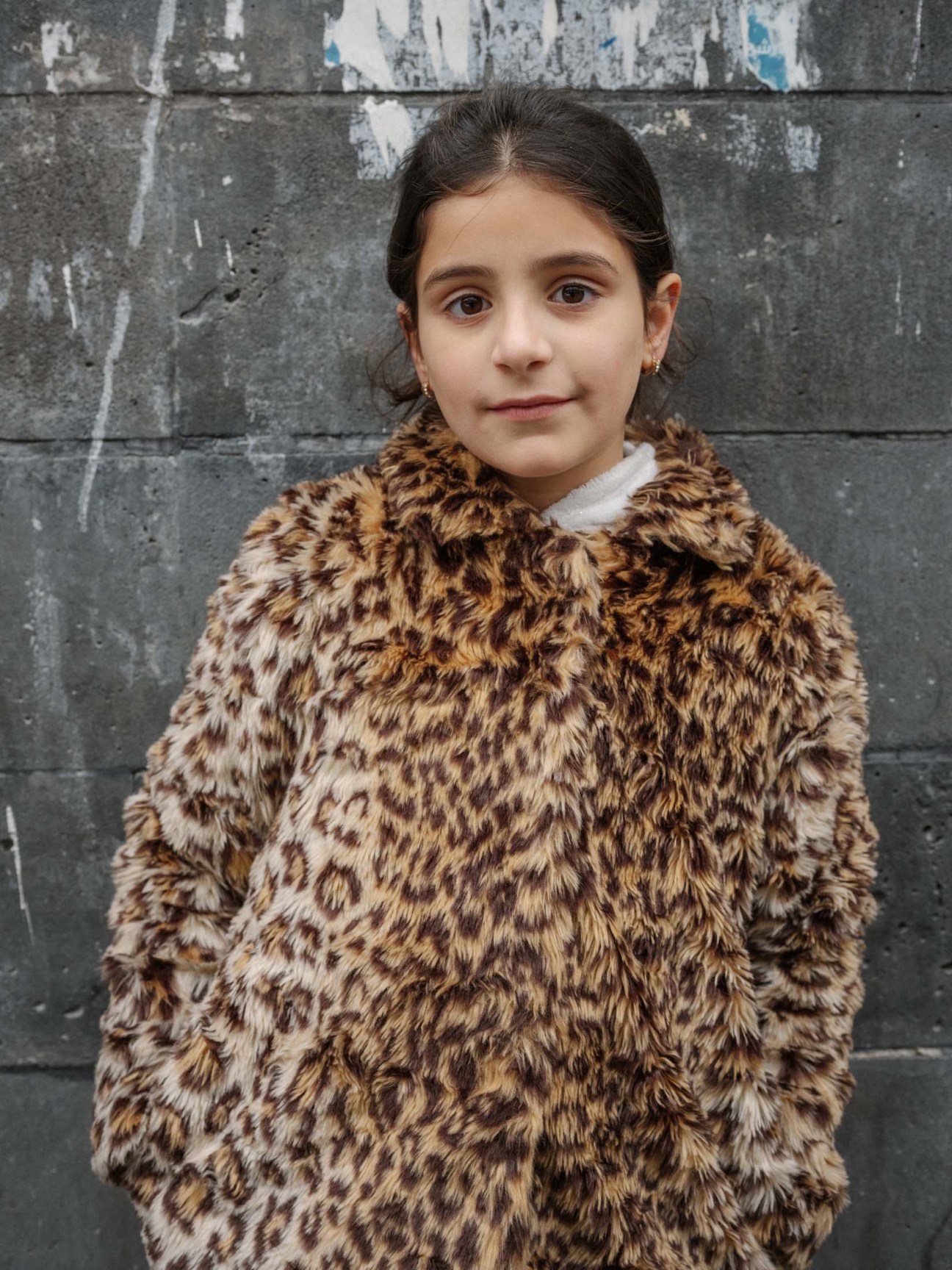

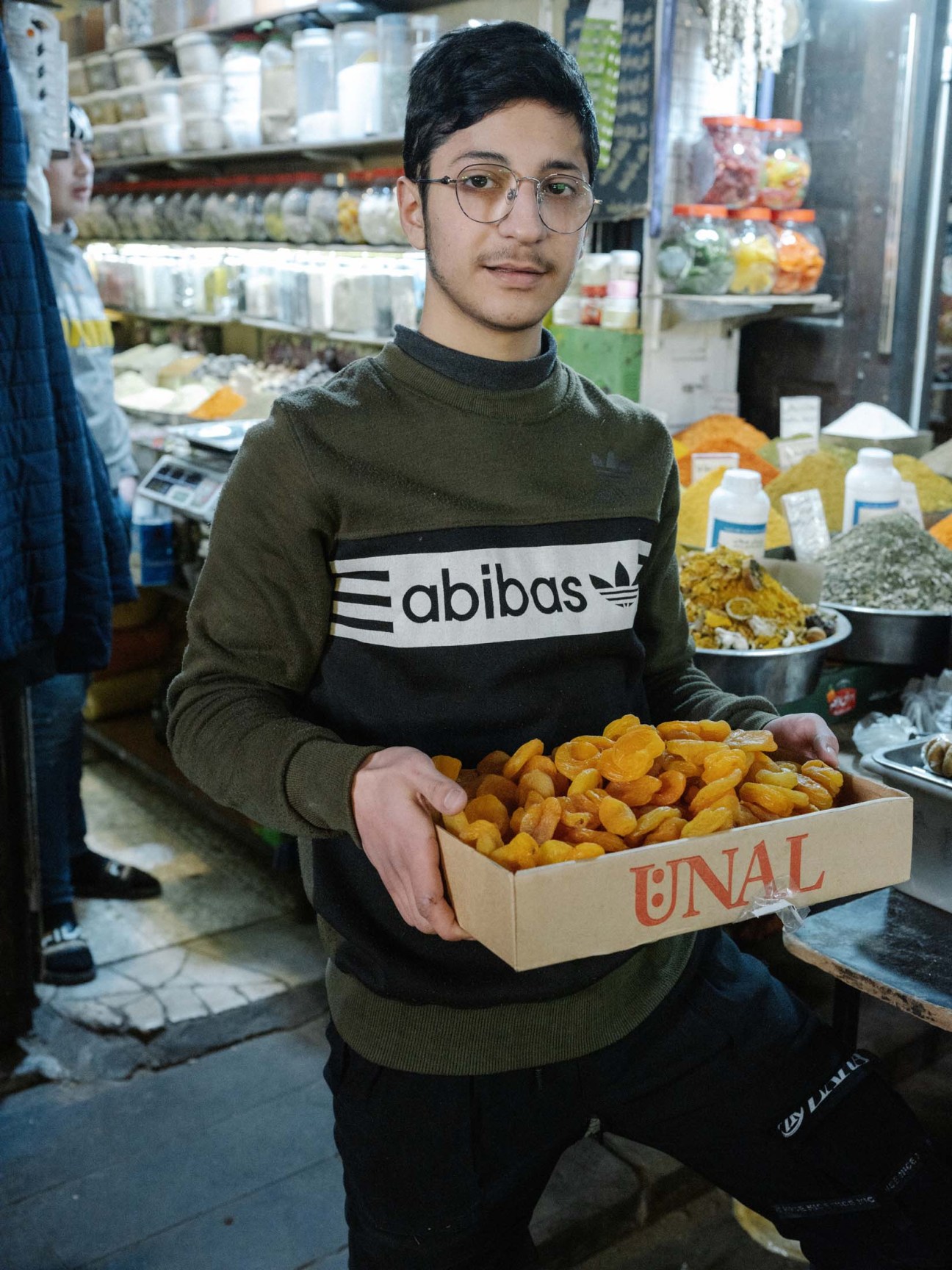
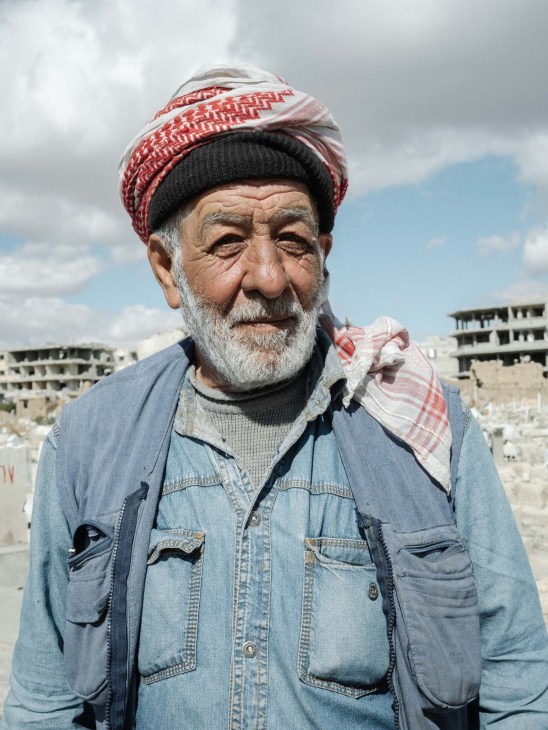
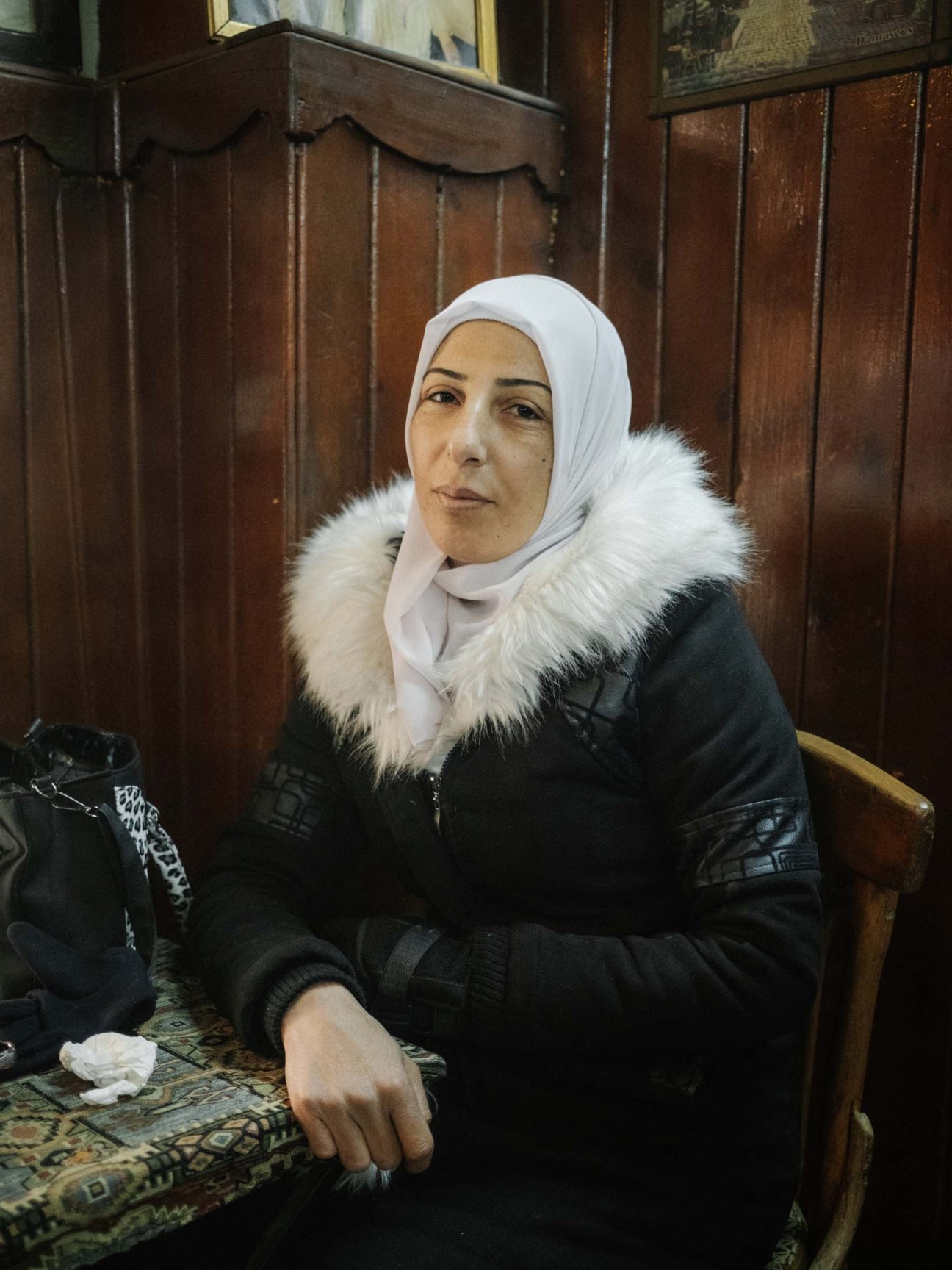
After years of privation, Damascenes are desperate to open their eyes, country and wallets to the world. Though the worst of the fighting around Damascus ended by 2018, the US imposed heavy commercial sanctions on Syria a year later in response to evidence of war crimes leaked by Caesar, a regime defector who fled to the West. The embargoes brought Damascus to its knees. For many years, Syrians have been locked out of the international banking system. A convoluted process of sending payments through Dubai, Beirut, Cairo and Ankara has sprung up, allowing foreign traders to do business in Syria.
Nevertheless, ministries are starting to get back to work. The sudden flood of foreign products into the Syrian market is a sweetener for a long-suffering people. Over the long term, however, it will leave the country with a negative trade balance. Syrian manufacturers have already suffered the loss of international markets, while domestic consumption has crashed.
Before the war, family-owned aluminium manufacturer Madar was Syria’s second-largest private-sector exporter, with an annual turnover of $200m (€193m). Hassan Daaboul, Madar’s general manager, had to leave the country in 2012 but kept the factory in Syria open while establishing partnerships in Jordan and Egypt to supply international customers. Now he wants to bring the work back to Syria. “Our plants and our people are ready,” says Daaboul. “But does the Syrian government have a strategy for the economy? The market is filled with Turkish products, from metal to chocolate. But if we are just a market for Turkey, the economy will be a disaster. Syria was a manufacturing hub before. If we don’t grow our own industry, we can’t provide jobs.”
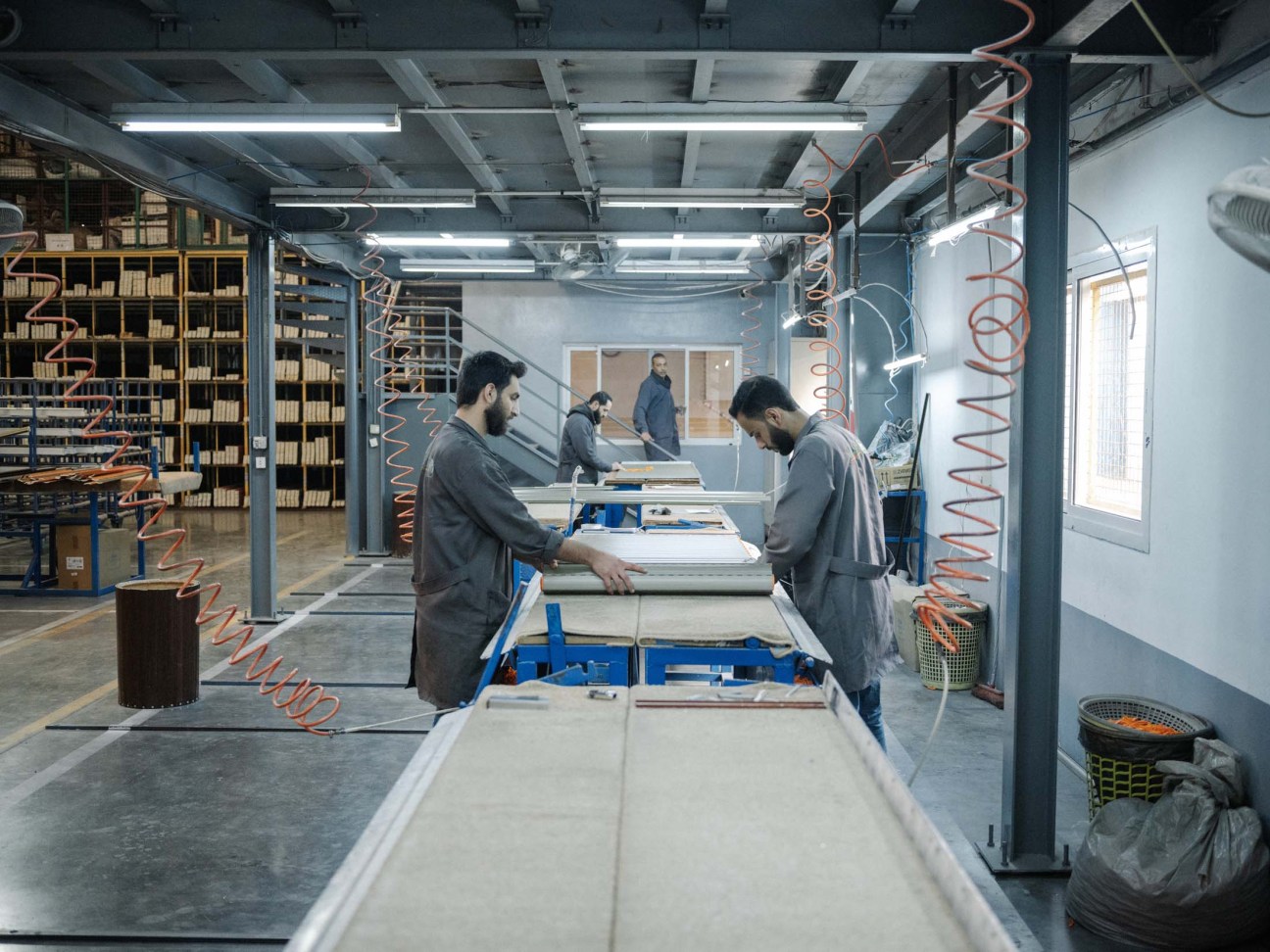
Monocle meets Daaboul in a five-star hotel in the city centre, many of which were taken over by the new government after the regime fell. His relative, Humam, takes us on a drive to the devastated suburb of Darayya, where their family once lived. Assad’s army gave Humam just five minutes to leave his home in 2011. When he returned in 2019, the neighbourhood was devastated and the Daabouls’ building was a shell. They have since reconstructed it themselves, wrapping new stone and breeze-block around structural columns that were, miraculously, still standing. Life is slowly returning to the streets and a restaurant of some local renown has reopened on the refurbished ground floor of a destroyed block.
Now 25, fluent in English and a civil engineer by training, Humam is typical of Damascus’s war generation. “I want to change everything,” he says, surveying the ruin of his old neighbourhood. “This needs someone to study a regional plan, look at sustainability. There should be green places. This area has water; it should be blue and green.”
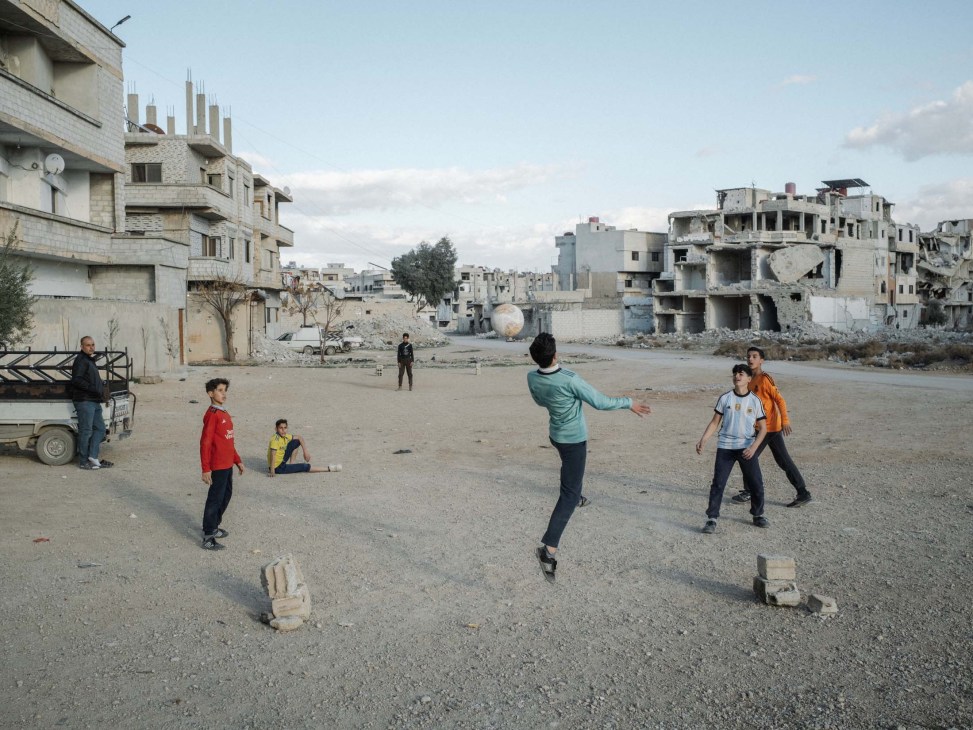
Damascus’s Old City, a Unesco World Heritage Site, is mercifully intact. Much of the destruction happened in newer suburbs built on old farmland. These areas included unplanned settlements and large Soviet-style housing projects from the 1980s – relics from the era when Hafez al-Assad, Bashar’s father, began cosying up to Moscow. Damascus’s modern architecture is rundown, with much of it carrying connotations of the old regime. Some buildings, such as prisons, intelligence branches and the modernist presidential palace designed by Kenzo Tange that was completed in 1990, are overt reminders of Assad’s despotism. Yet the question of whether to destroy, preserve or renew these structures is not straightforward.
“It is important to understand where we are now and how we can develop in the future,” says Mirma al-Wareh, the co-founder of the Archive of Modern Architecture, a project set up in 2020 that aims to document Syria’s 20th-century architecture. “Reconstruction is complex. It needs to consider the context of each area.”
Damascus, one of the world’s oldest inhabited cities, will survive. Some 40 per cent of Syrians are under 15 and returning emigrés are bringing new connections back to their homeland. Syrians entrepreneurial enough to have built businesses during the war are now poised to reap the rewards. Tourism will be important too. Rami Nawaya founded travel agency Syrian Guides in 2019. He has future plans to launch a vineyard tour. When he passes destroyed areas as he takes groups between Syria’s famous sites, he is now able to fully explain what happened there.“There is much to be done,” he says. “But the moment we are fully open, Syria will boom.”
Who is Syria’s new government?
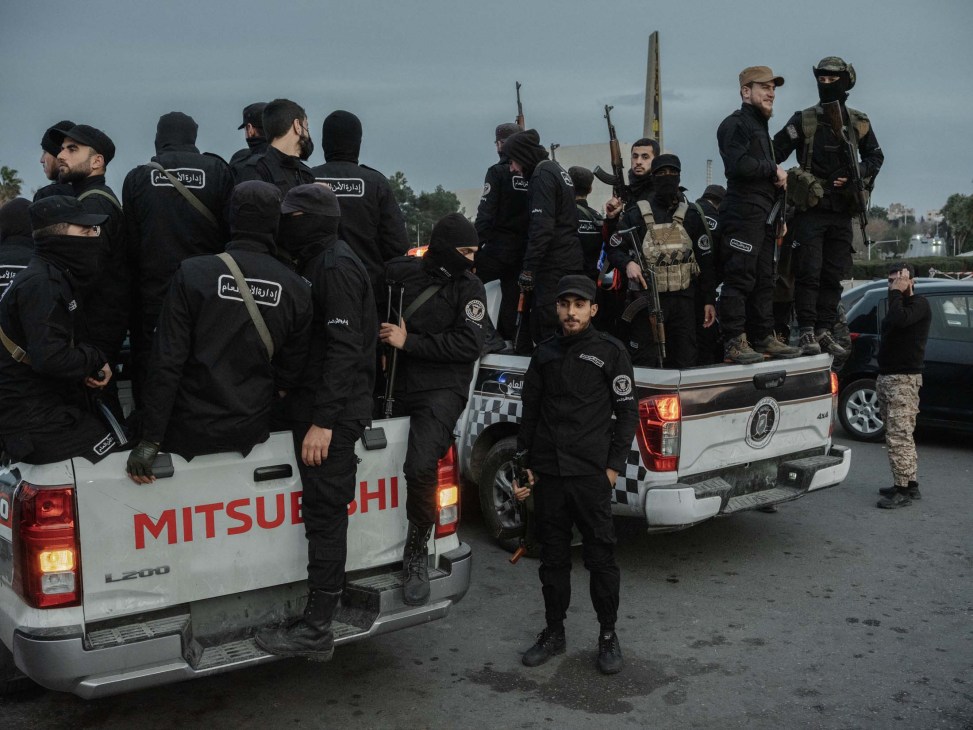
The new regime in Damascus is the first government of any country in the world to have once been affiliated with Al-Qaeda. But Ahmed al-Sharaa, the leader of rebel militant group Hayat Tahrir al-Sham, rebranded and reformed in the years before he swept into Damascus as interim president. At Syria’s first ever pluralist conference in February, he promised to restore justice and rights and to protect minorities. Al-Sharaa has also held meetings with European diplomats and Arab leaders. His closest relations are with Qatar and Turkey. Ankara’s foreign minister, Hakan Fidan, drank coffee with Sharaa on Mount Qasioun just two weeks after Assad’s fall. Sharaa’s biggest domestic challenges are remaining Assad loyalists, who have launched large attacks on his forces, and preventing revenge attacks in his fractured country.
View from an architect
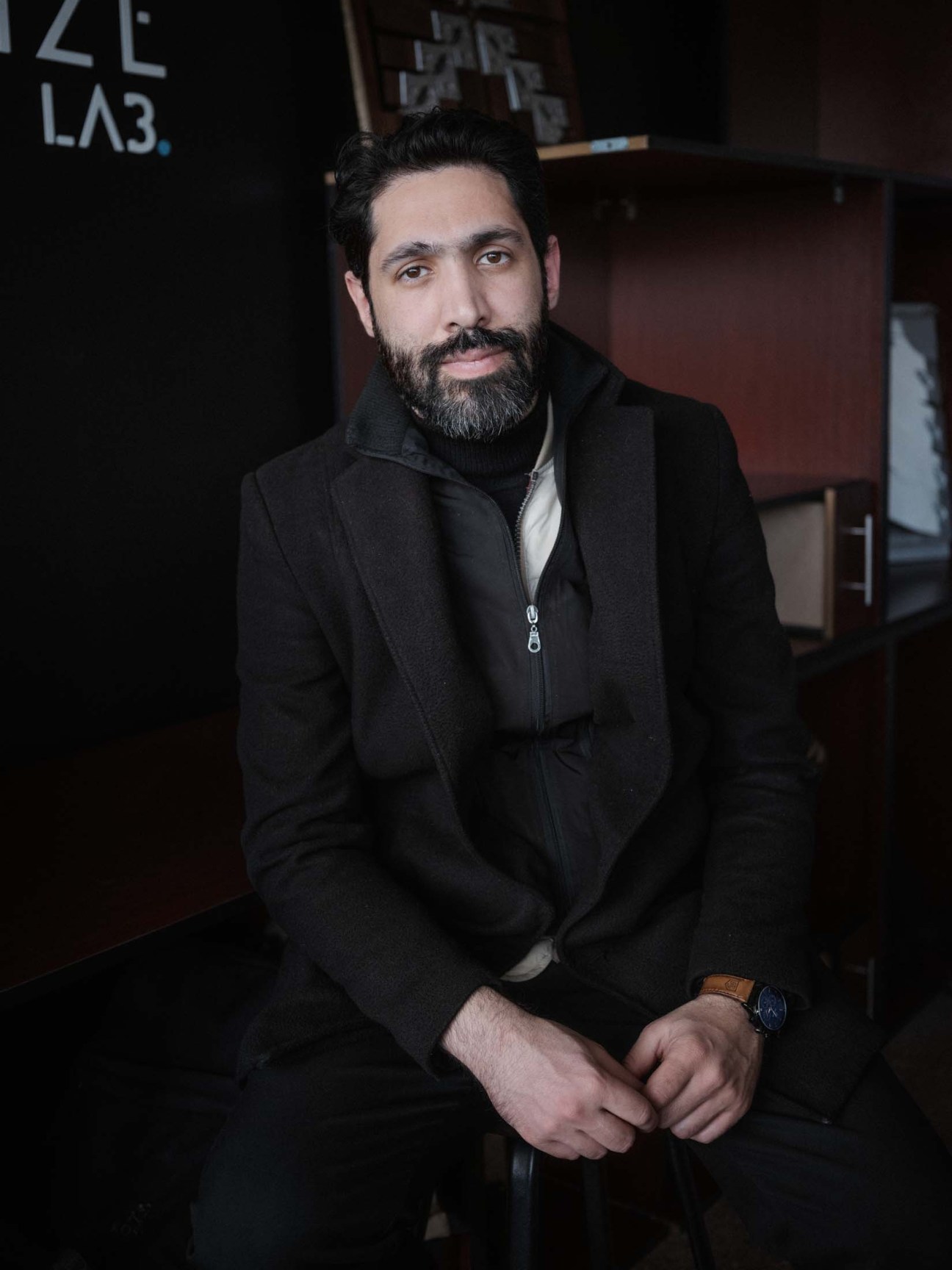
Ziwar al-Nouri is an architect and researcher who trained under Norman Foster and Zaha Hadid. He returned to his native Syria in 2018 to set up the Reparametrize Lab at Damascus University’s architecture faculty. The urbanism lab explores visionary solutions to Syria’s reconstruction challenge.


What is the biggest challenge facing Syria’s architects?
There are a lot of failed examples of postwar reconstruction. In Beirut, for example, they only considered the economy when they rebuilt after the civil war. Now the city centre is empty. Diving straight into reconstruction is a problem.
What is an example of successful urbanism in Syria?
The Old City of Damascus is still a successful prototype because it was built by the people who lived there. It is a complete system, with spaces for manufacturing, trade and religion. It was the original 15-minute city, a concept that has become fashionable once again.
How should the war be memorialised through architecture?
We need to start by engaging the community. People have memories attached to destroyed places, so we propose regenerating and reusing buildings wherever we can. We need sponsors and international aid but we also hope that working with Damascenes will be a top priority.
The Monocle Concierge’s illustrated guide to Tokyo during cherry blossom season

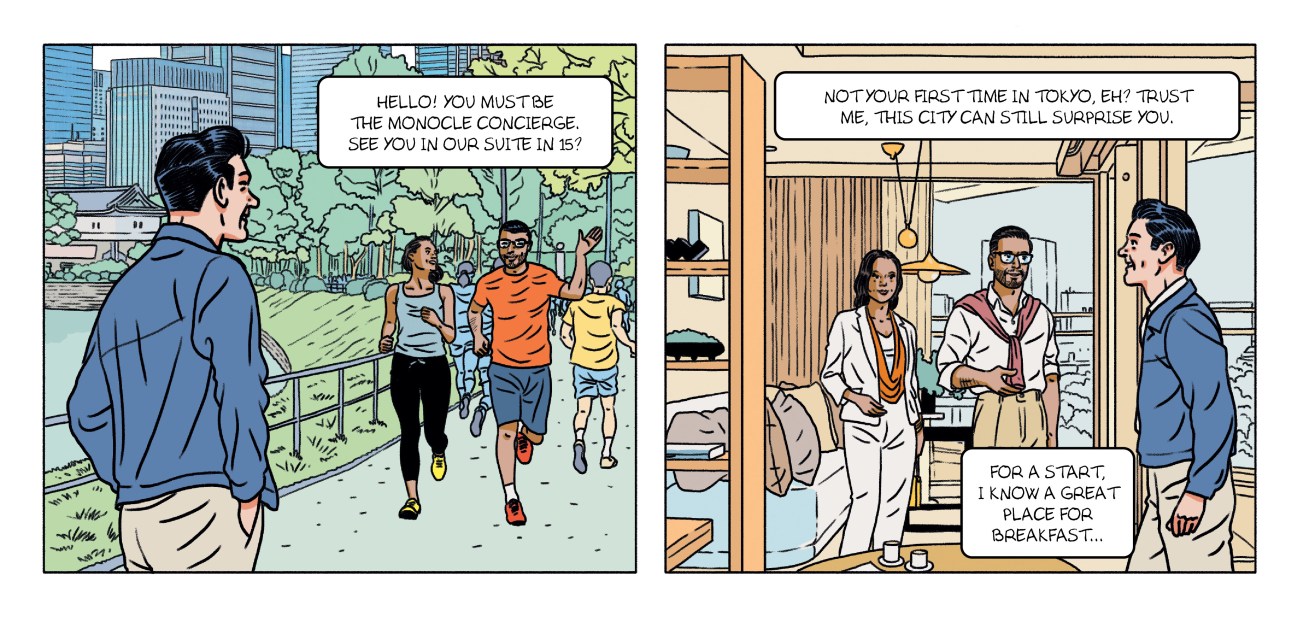
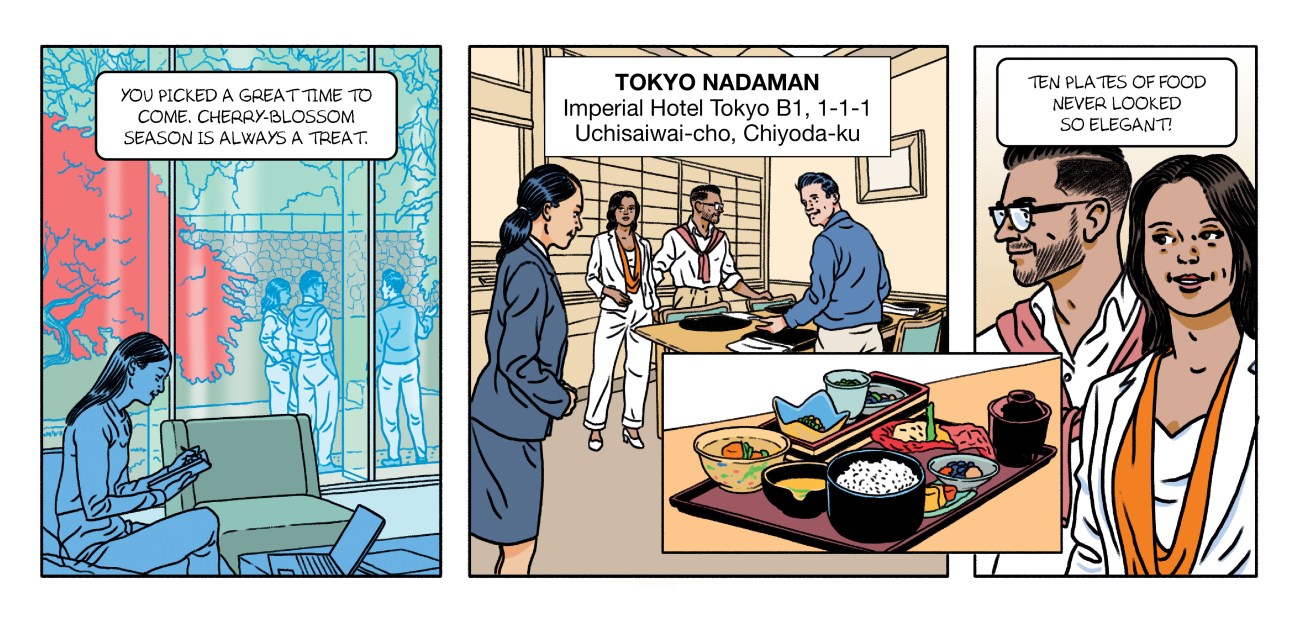
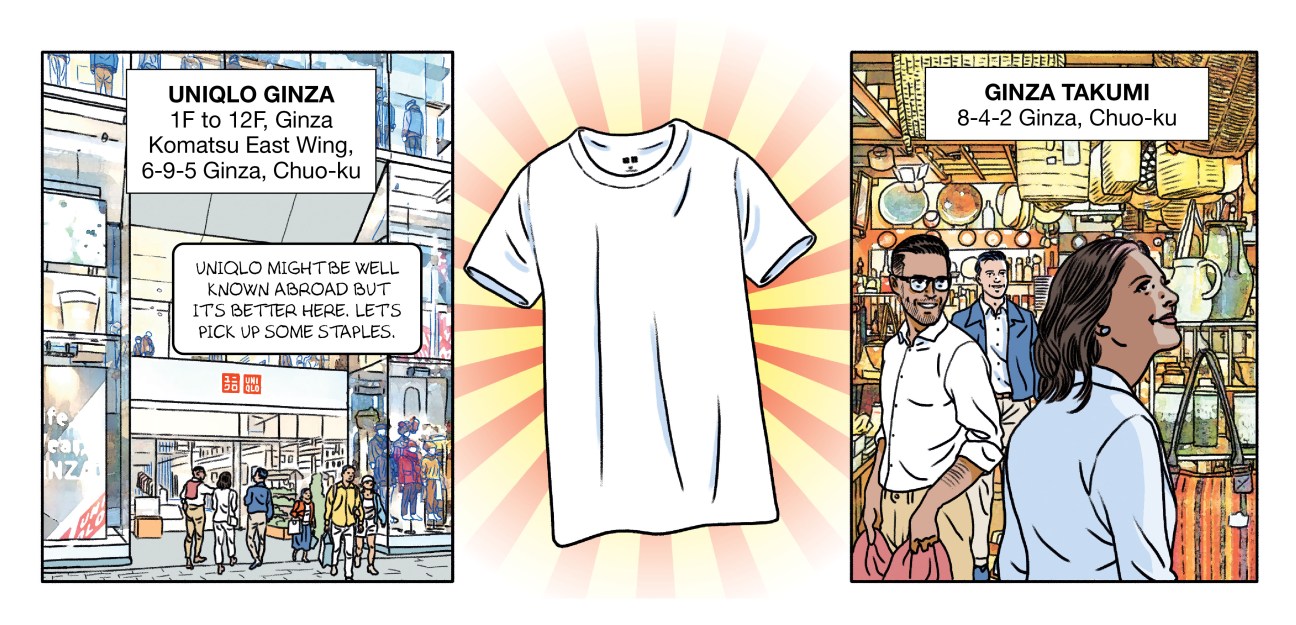
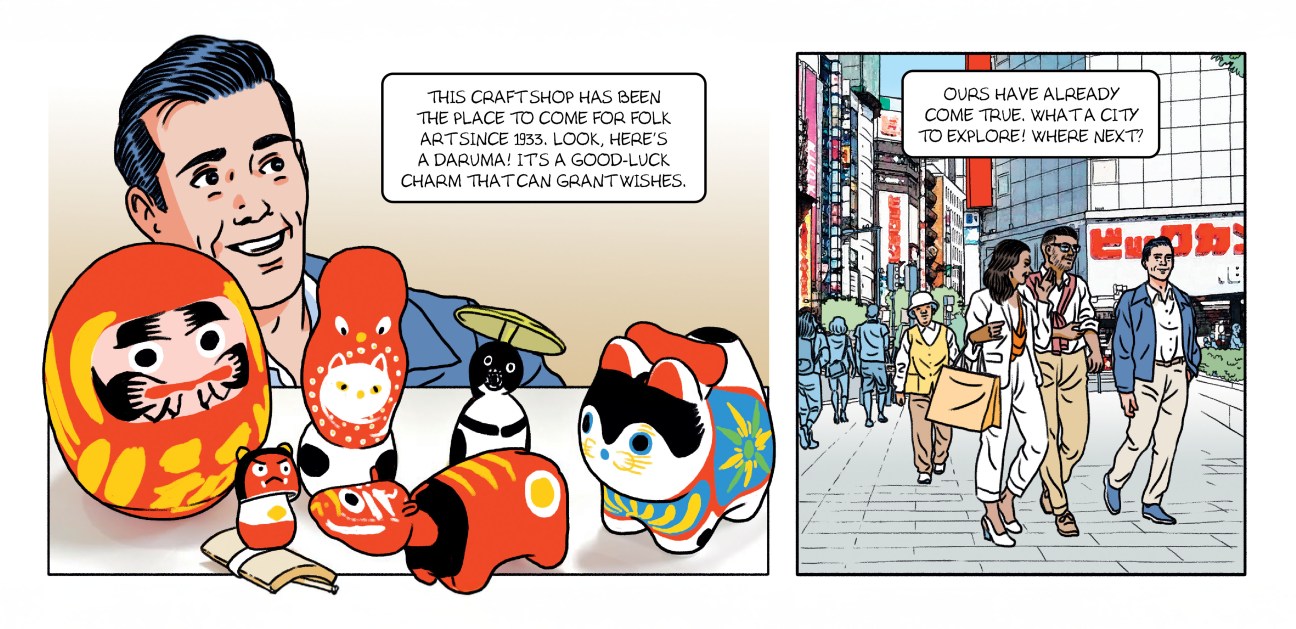
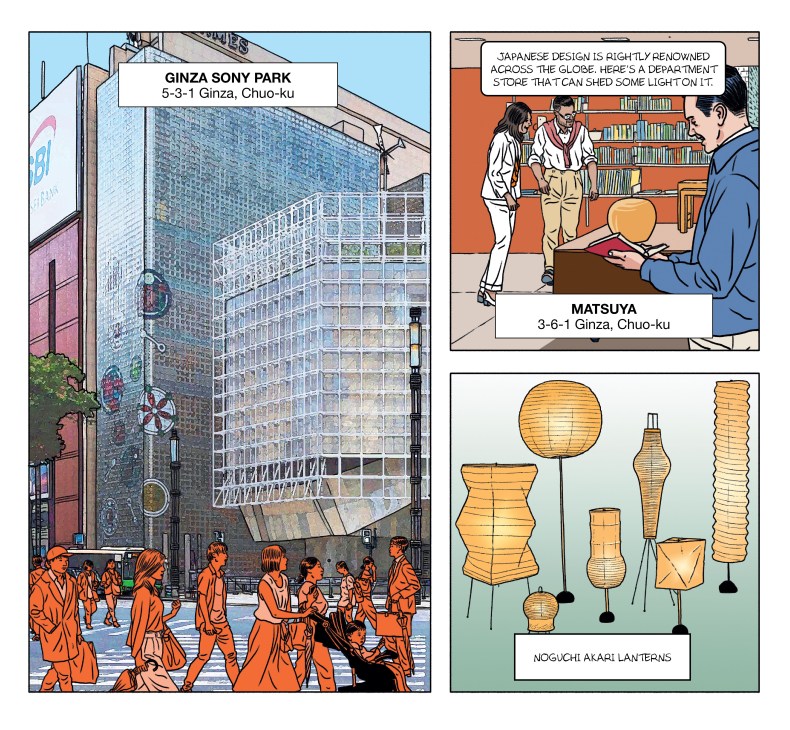
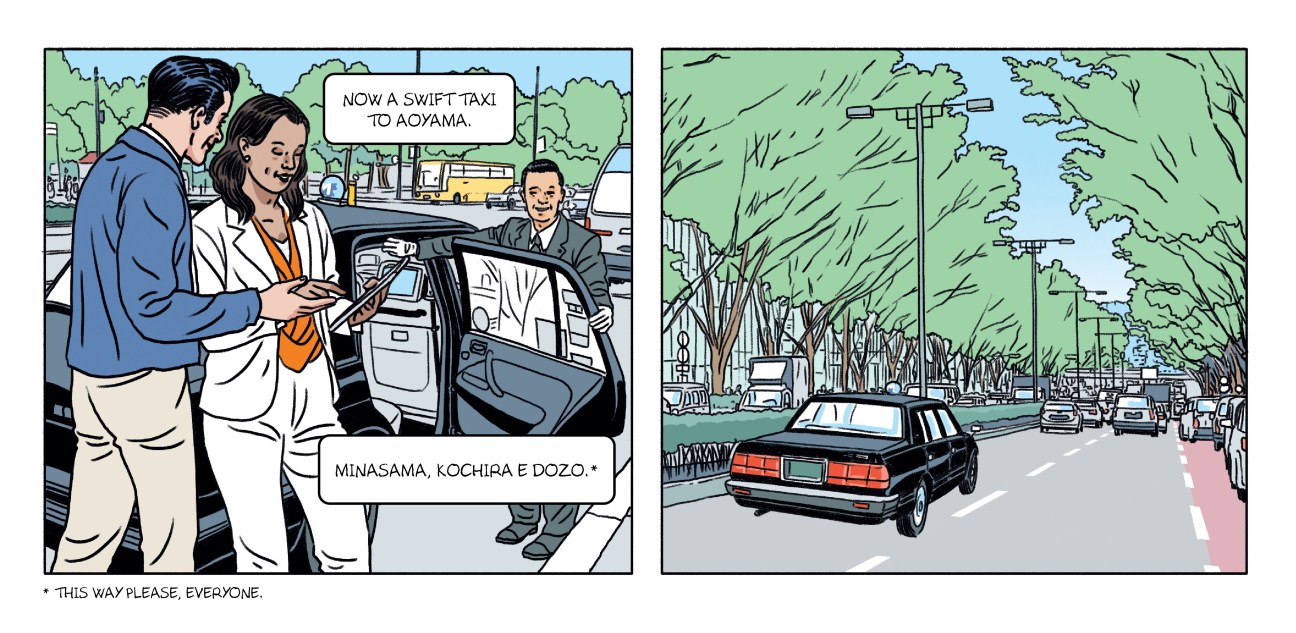
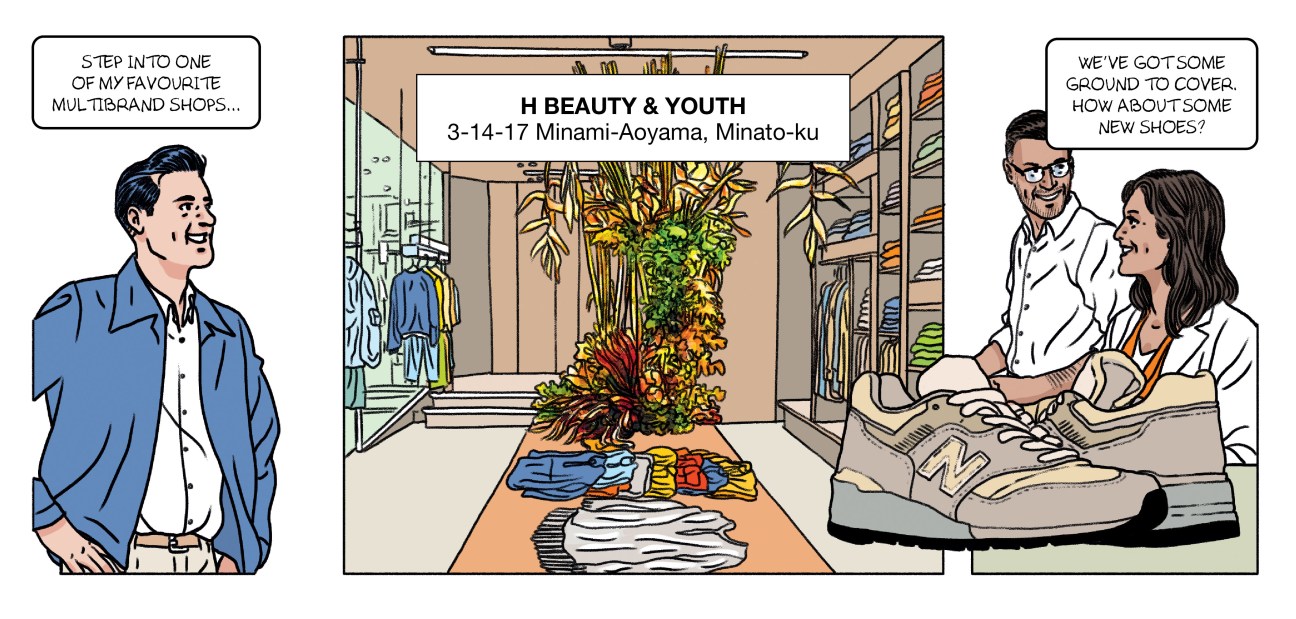
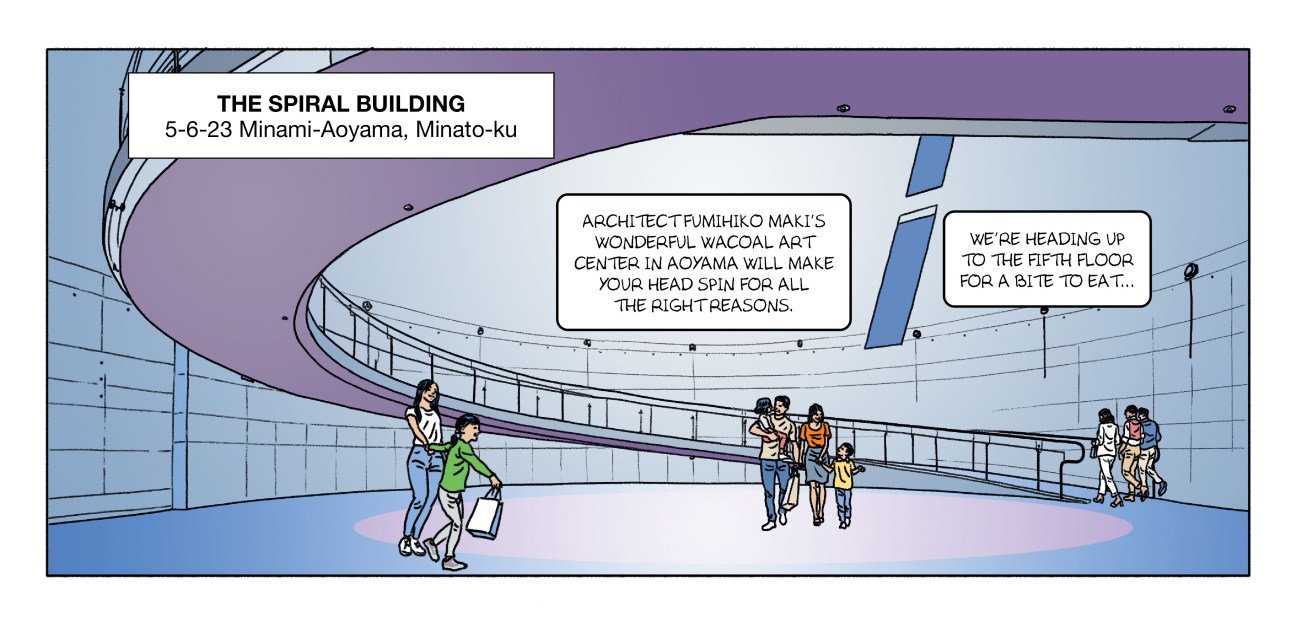
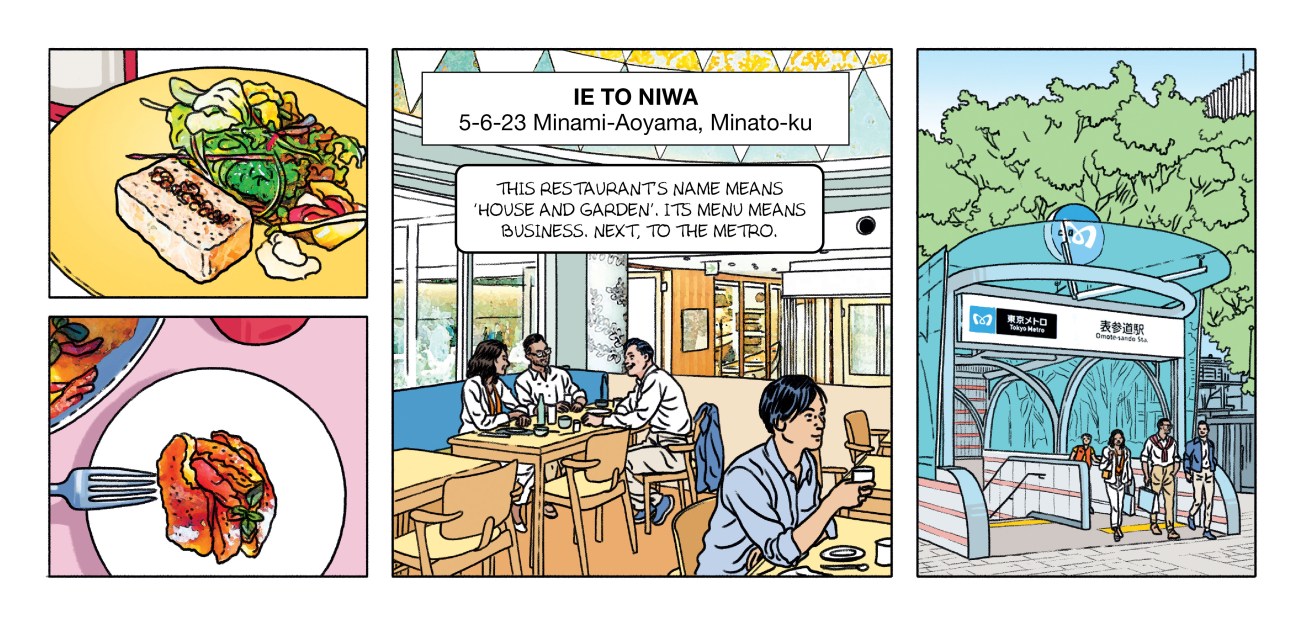
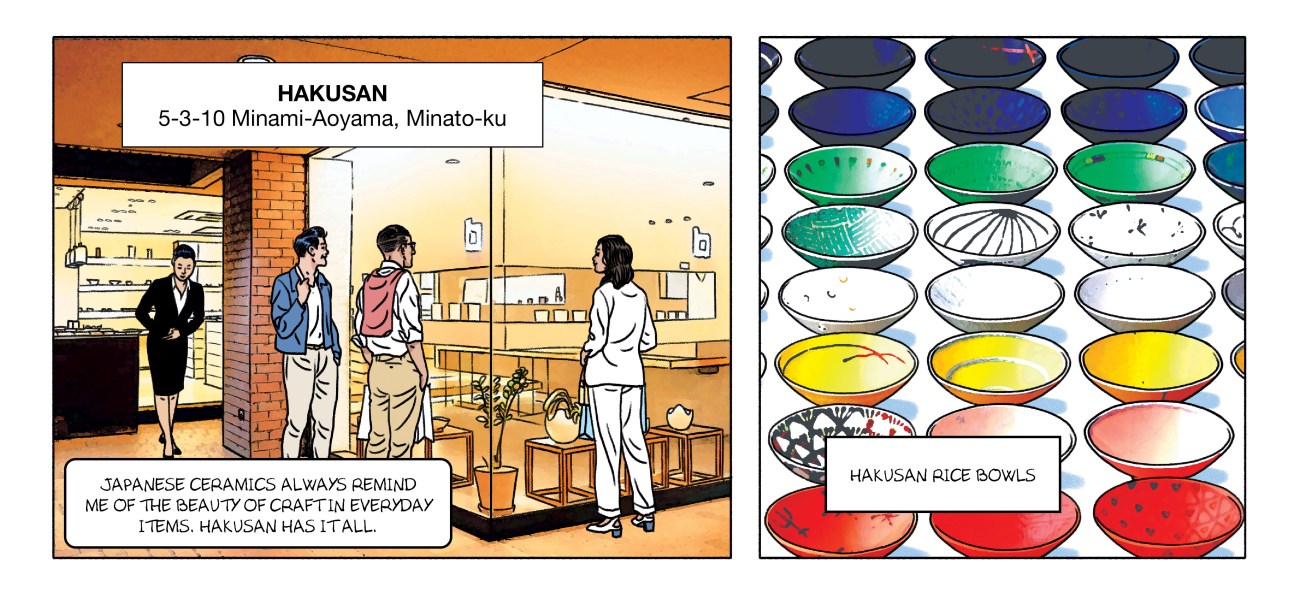
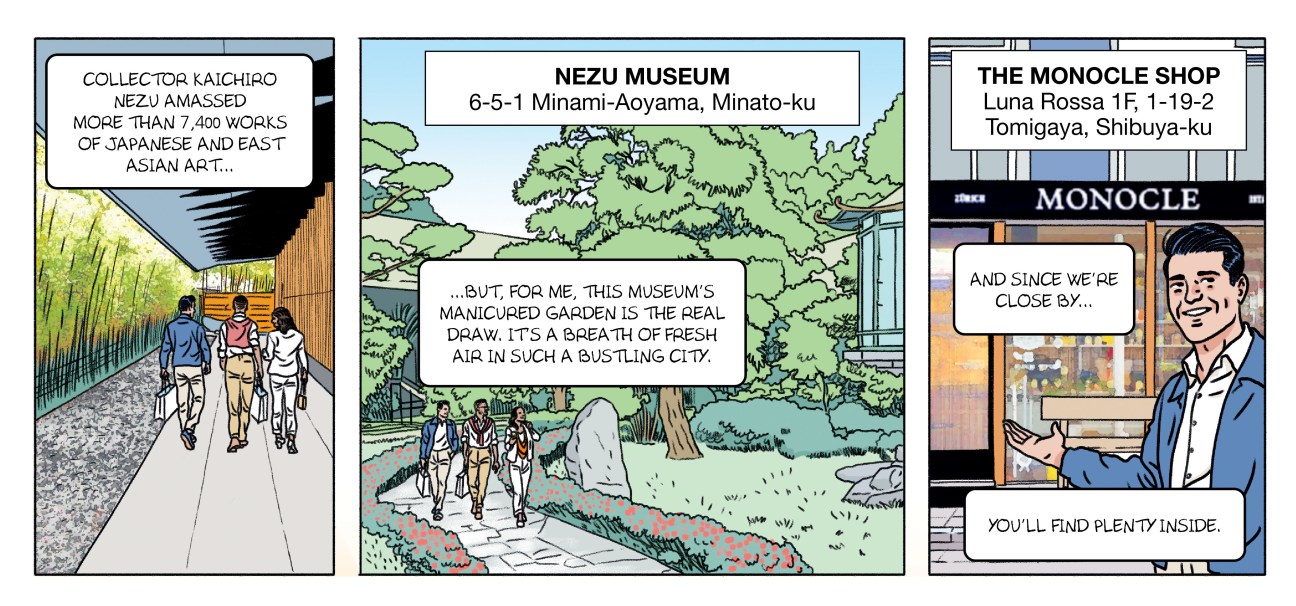
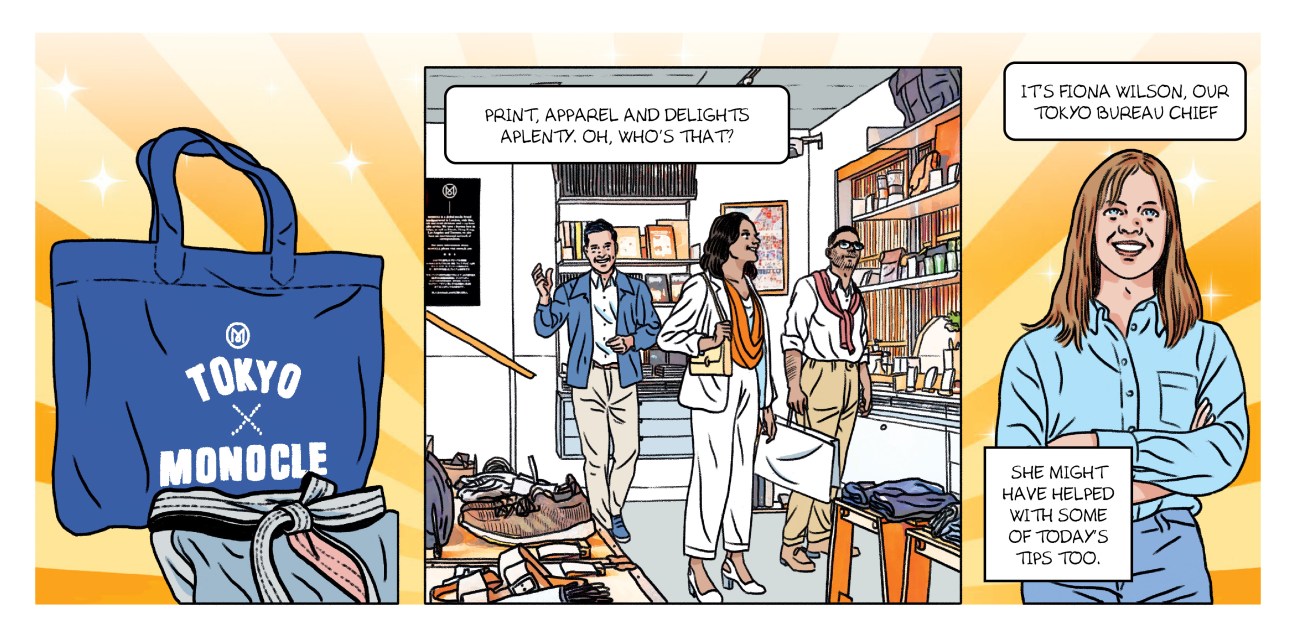
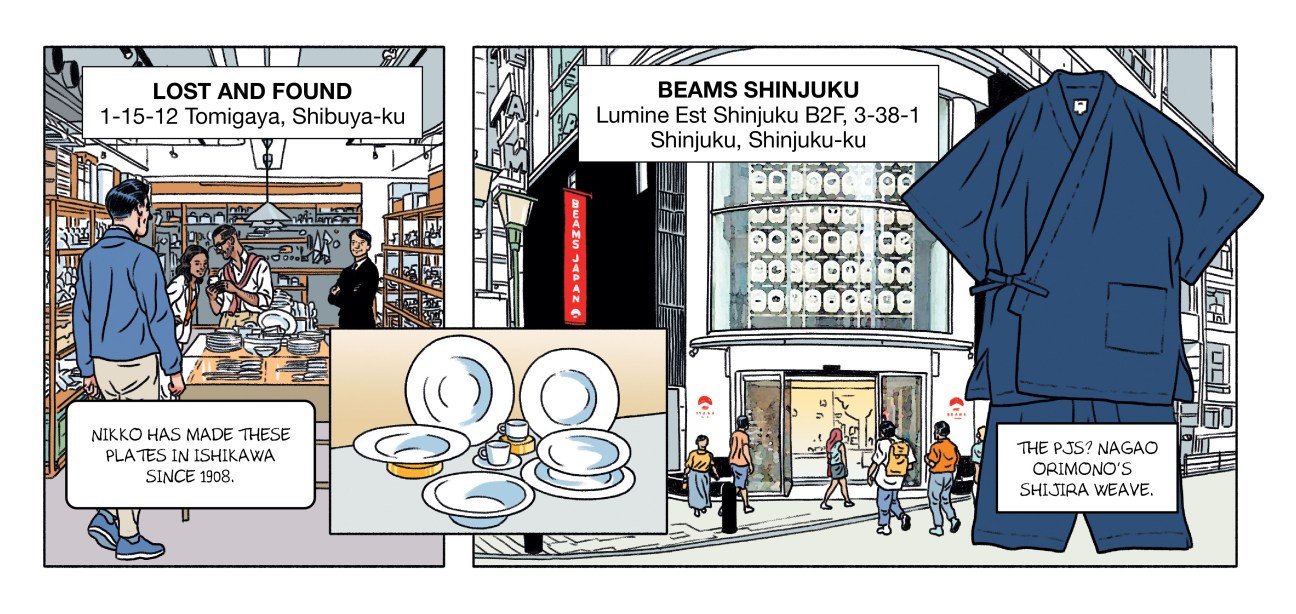

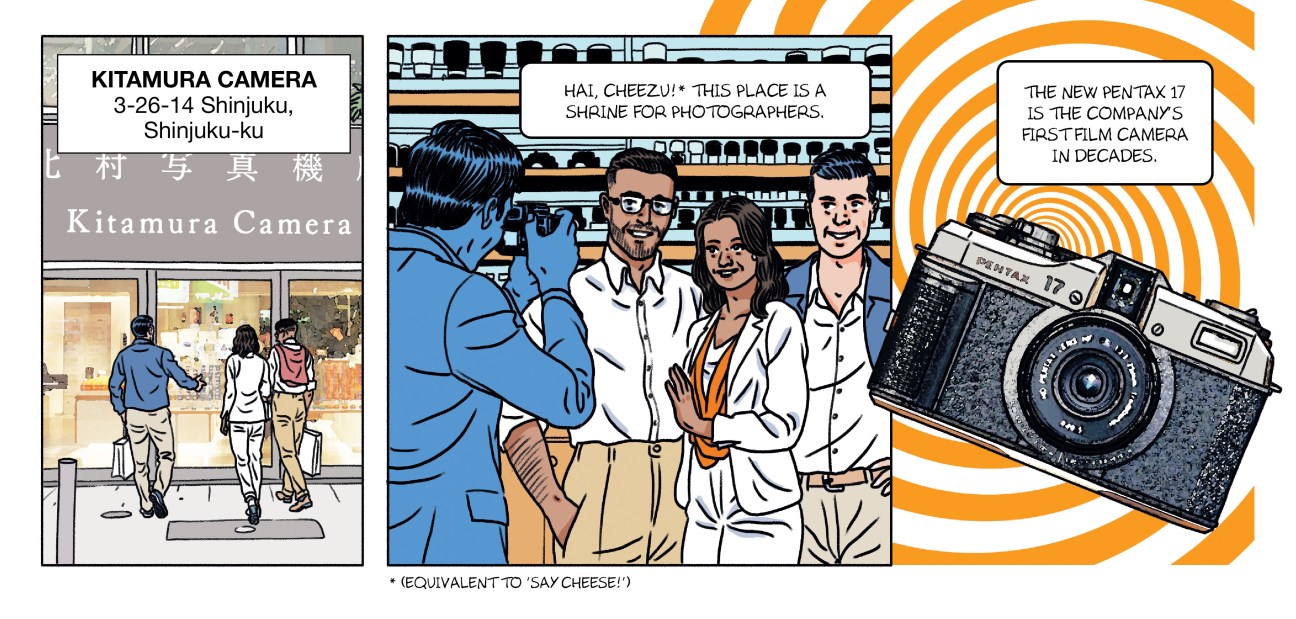
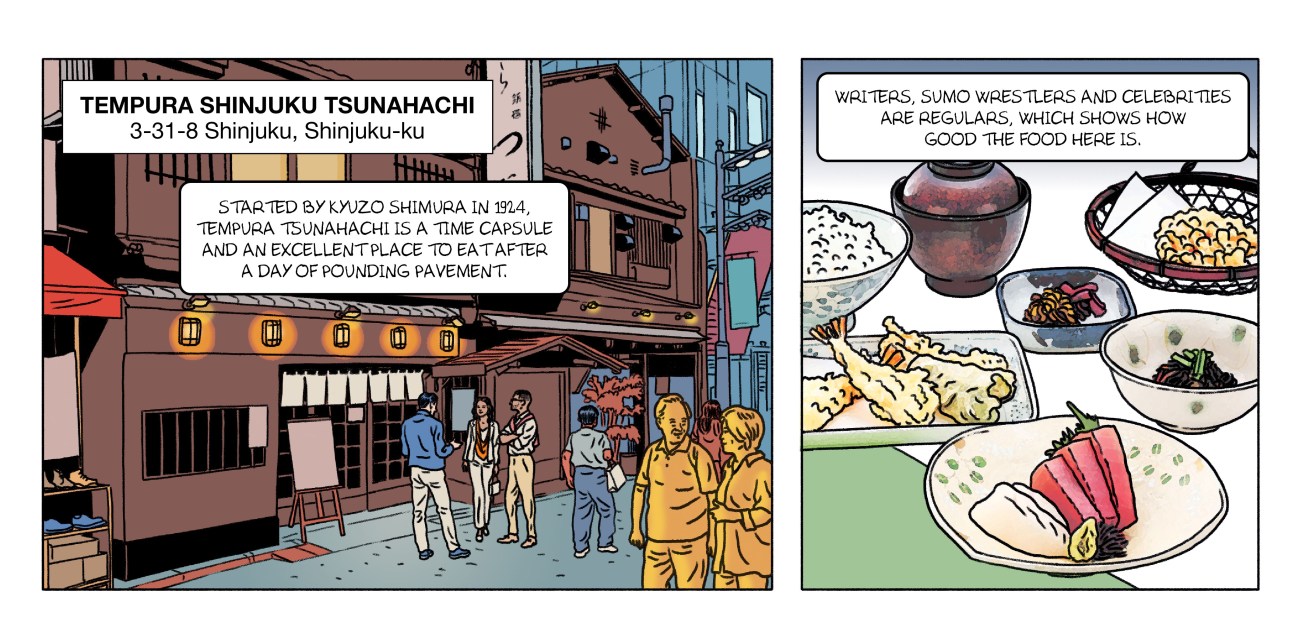
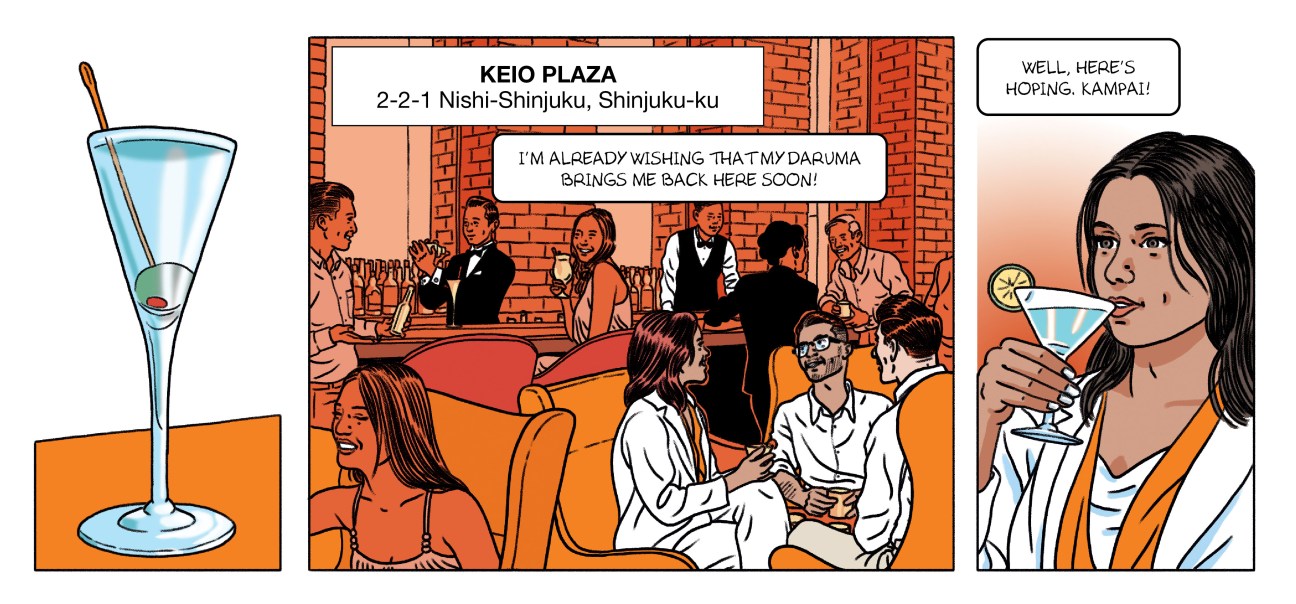
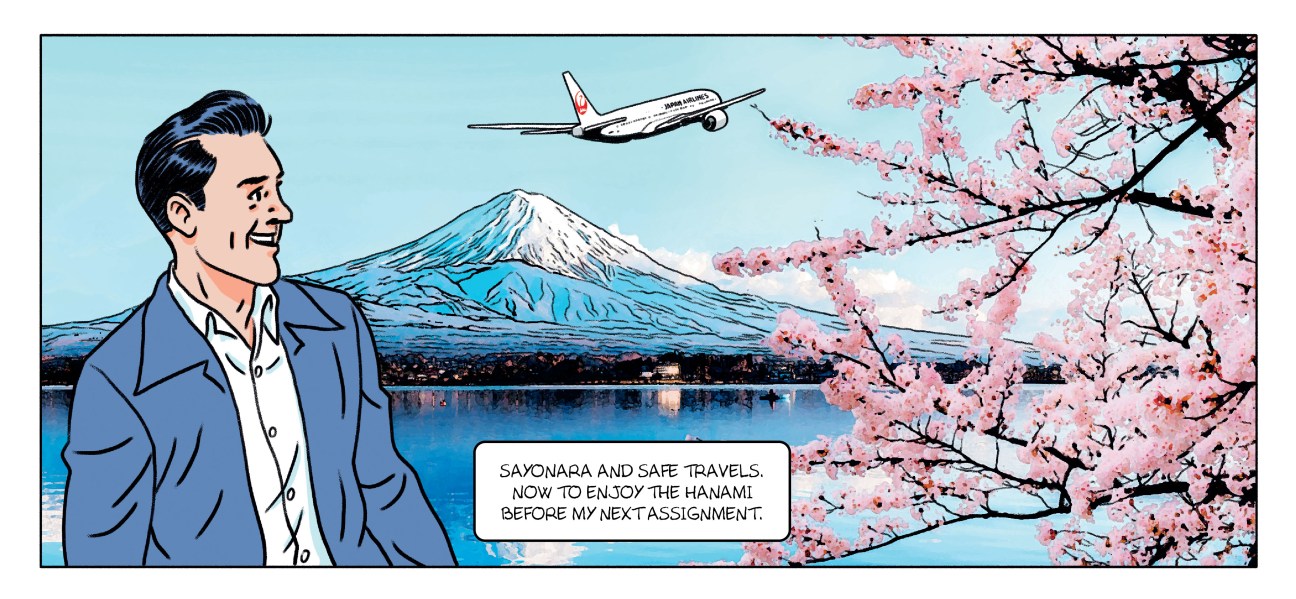
Click here to enjoy Monocle’s complete city guide to Tokyo
Interview: Joaquín Trías on the reinvention of Delpozo
Spain’s fashion heritage might be associated with the likes of Cristóbal Balenciaga and Enrique Loewe Roessberg, but those in the know will also recognise the name Jesús del Pozo. The Spanish couturier founded Delpozo in Madrid in 1974 and helped to shape the country’s fashion history.
After his death in 2011, the label was acquired by Spanish conglomerate Perfumes y Diseño. But after a few years the group decided to cease operations, turning Delpozo into a sleeping beauty brand.
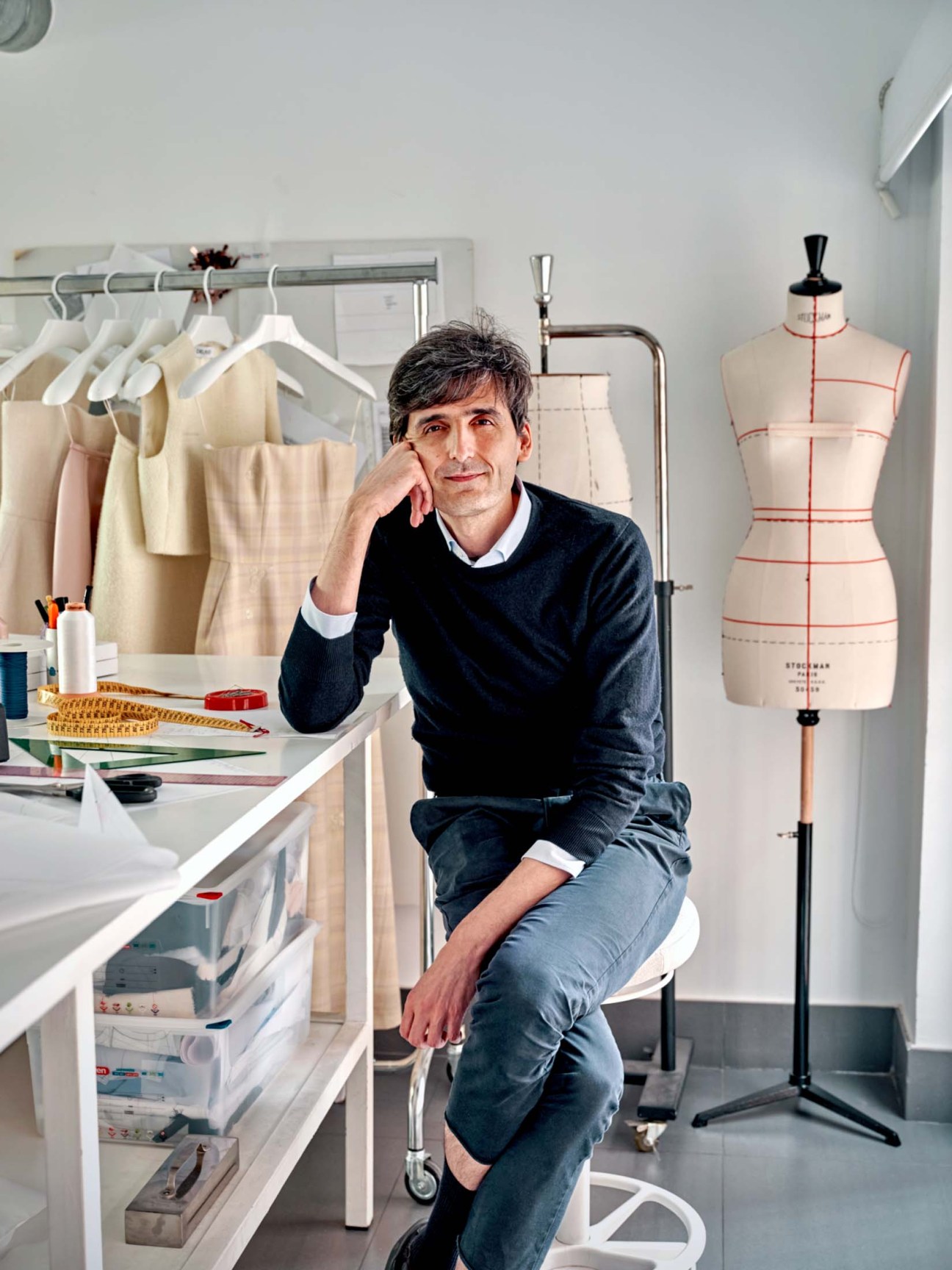
Joaquín Trías, a former economist and self-taught designer, came in last year as creative director with a plan to revive it. Applying the lessons he learned from running his own fashion label, he attracted new investors, adjusted the label’s pricing and began refining the Delpozo look – together with stylist Kate Young, Trías has toned down the embellishment and introduced a lightness and ease to the label’s collections. A chance encounter with actress Tilda Swinton resulted in the creation of Obertura, the brand’s debut film, set in a blossoming garden and starring Swinton in Delpozo’s sharp pant suits.
Trías has also been adamant about centring the brand in its home city of Madrid. At a time when Spain is enjoying economic growth well above the eurozone average, he couldn’t have chosen a better time. Here, he tells Monocle about his ambitions to turn Delpozo into the country’s flagship luxury brand.
What challenges has Delpozo faced in the past?
Delpozo always had this magical aura that everybody recognised. But the price point was wrong: the products were in a niche of a niche, with prices sometimes being even higher than those by the most established luxury brands. The designs also felt quite stiff, with too much volume and embellishment. They couldn’t be worn day-to-day, meaning it was impossible to create the right volumes to survive. I faced a lot of these challenges when I was running my own label and it taught me that the product comes before communications and glamour.
Given these issues, how did you then convince investors to come on board?
Here in Spain there’s a culture of investment in construction and tourism but not so much in luxury fashion. Trying to convince investors took two and a half years. It’s important to consider who you partner with: it’s not just about money but also about the sensibilities of your partners and whether they’ll let you develop your vision. Perfumes y Diseño still owns a minority stake and the perfume licence.
Was rebuilding an atelier in Madrid and a network of artisans a big part of your process?
Delpozo was always known for incredible craftsmanship; – everything was created to couture standards. I started approaching the artisans in Granada, in Toledo and in Galicia who used to work for the brand. It can sometimes be difficult to recover those teams but when they heard that Delpozo was back, everybody was so excited.
When the team was back in place, how did you go about redesigning the collections?
Delpozo can be identified by two clear characteristics: beauty and colour. There’s so much room for creativity within that. We’re not [limited by] a specific silhouette, a specific volume, or concept; it’s just about impact. We have an opportunity to change evening dressing. I’m obsessed with designing separates; I love seeing women like Tilda [Swinton] wearing a jacket and trousers at galas where everyone else is wearing big gowns.
Does the brand’s Spanish heritage play a role in the new strategy?
It’s something that we’re really focusing on as a team. We want to make Madrid our territory, we want to own the city and export it to the world, [particularly now] that everybody is talking about our city and it has become so much more international. We’re always trying to introduce a certain Spanish flair to both our product and our imagery. There’s this concept I love in Madrid and Barcelona about “the extraordinary everyday”. Spanish women really love fashion but there’s always an element of reality and practicality in the way they get dressed. It’s never too dressy or too dramatic, yet they always look pristine. That’s the Delpozo woman.
Interview: Marko Djuric is the diplomat who could bring unity to the Balkans
In European diplomacy, few jobs are more demanding than the post of Serbia’s foreign minister. Its holder must manage relations with several neighbours that the nation has fought against in recent history, one of which – Kosovo – it refuses to recognise as a sovereign state. For related reasons, Serbia looms in the Western imagination as somehow not quite one of us. The Federal Republic of Yugoslavia, of which it was a part until 2003, was the only European country to have engaged in a hot war with Nato. Meanwhile, Belgrade maintains obstinately friendly relations with Russia.
Throughout his career, Marko Djuric, Serbia’s 41-year-old foreign minister, has had to deal with such challenges. Before being appointed to his current position last May, he spent more than three years in Washington as Serbia’s ambassador to the US. Before that, he was the director of Serbia’s Office for Kosovo and Metohija, which oversees the country’s turbulent relations with its reluctant former constituent. On one visit to Kosovo in 2018, Djuric was unceremoniously arrested and deported after local authorities claimed that he had entered without permission.
Prior to that, he was a foreign-policy advisor to Serbia’s then president, Tomislav Nikolic. Unlike the current president, Aleksandar Vucic, who served as minister of information under Slobodan Milosevic, Djuric has no ties to the regime culpable for the wars that destroyed Yugoslavia during the 1990s. Quite the opposite: as a teenager, he was active in the Otpor! (“Resistance!”) movement, which was crucial to the overthrow of Milosevic in October 2000.
Serbia is now convulsed by remarkably similar-looking demonstrations. In November the collapse of a concrete canopy at Novi Sad train station killed 15 people. There have since been huge and recurring protests. Serbia’s government has seemed uncertain how to respond. The prime minister, Milos Vucevic, resigned in January – but his deputy, Aleksandar Vulin, has suggested that the protests are being stoked by Western intelligence agencies, an echo of the Milosevic-era complaint about Otpor! In a corner office at the Ministry of Foreign Affairs in Belgrade, an aide tidies away a “Make America Great Again” cap before Monocle sits down with Djuric to discuss the current protests, Milosevic, Ukraine, Donald Trump and more.
What drew you to politics?
My grandfather was involved in Yugoslav politics and my great-grandfather’s brother [Nikola Pasic, former prime minister of both Serbia and Yugoslavia] was too. So it was natural for me to be interested. Growing up in Belgrade in the 1990s, you couldn’t escape what was going on. I was born in the capital of a country of 23.5 million people, covering more than 255,000 sq km. Then it became smaller and smaller, until it was the capital of a country of about seven million people.
As a teenage rebel, did you imagine that you would be sitting where you are now?
I certainly didn’t. But we had big dreams for our nation. Those years were a crucial moment in Serbian history. We were able to introduce serious democratic reforms after a difficult decade in which we not only lost our reputation but suffered tremendous losses – in terms of territory, people and the economy. It all went very wrong during the 1990s. But on 5 October 2000 [when protests forced Milosevic to resign], the people said, in a loud, clear voice, “We do not accept the direction that the regime is taking us and want to belong to a different type of community of nations.”
Do the current protests in Serbia remind you of Otpor! at all?
Apart from the fact that both are protests, I can’t say that I see any other similarity. The protests of 2000 were the culmination of a nationwide struggle for democracy. They were driven by our desire to free our country from a regime that had isolated us from the international community and to build a bright future in a new, democratic society – which is what we have today.
Today’s protests originated as a public expression of grief over the tragic incident in Novi Sad; this was coupled with calls for accountability. So the context is quite different. Centred on four key student demands, these protests have brought issues such as upholding the rule of law, fighting corruption and strengthening our institutions into our focus. The government has addressed these concerns within a democratic framework and has fulfilled the students’ demands.
Which aspect of Serbia’s foreign policy are you prioritising?
We need to break free from the paradigm that we inherited from the 1990s and resolve our political problems. These include our difficult relations with some of our immediate neighbours and the relationship between Belgrade and Pristina. It’s the only way for us to turn the Balkans into one of Europe’s engines of economic growth, which I believe is possible. For us to be even more successful, we have to create a friendly environment for Serbia. As foreign minister, I view this as my primary task: to make new friends for my country and ask people across Europe and beyond to take a fresh look at us.
Do your neighbours still have fears and suspicions about Serbia because of what happened in the 1990s?
Yes. The break-up of Yugoslavia didn’t unfold like Czechoslovakia’s. There are still many families suffering as a result of those wars, as well as unresolved issues, including missing persons. It’s our duty to establish, where they do not exist, working groups to tackle these things. But we need two tracks: one for resolving those issues and closing open wounds, and the other for looking towards the future. We have to forge better connections between our countries. We have hard borders in our region that divide communities and families, and prevent business. Think of the number of hours that trucks spend a year on the borders between Serbia and Montenegro, Serbia and Bosnia-Herzegovina, and Serbia and Croatia: it probably adds up to thousands of years.
“No rational Serbian politician would support any policy that would involve attempts to forcefully change borders”
Do you still need to reassure your neighbours that Serbia is happy with where its borders are now?
A quarter of a century ago, Serbs renounced a regime that was involved in very wrong-headed attempts to amend regional borders and we were burned by this. No rational Serbian politician would support any policy that would involve attempts to forcefully change borders.
Does this thinking apply to Kosovo?
Our relationship with Kosovo is very specific. It unilaterally declared independence in 2008, almost a decade after the war in 1999, in which Serbia also suffered greatly.
The ruins across the street are of the Yugoslav Ministry of Defence building, aren’t they?
Yes. Nato bombed it in 1999. But just a year later, Serbs embraced and elected a pro-EU, pro-Nato government. Then, in 2008, Kosovo unilaterally declared independence without the participation of Kosovo’s Serbs. It was completely outside the Constitution of Serbia and outside the scope of the UN Security Council Resolution 1244, which ended the hostilities in 1999. The resolution stipulated that Kosovo should be an autonomous province within Serbia, with the highest degree of autonomy to be determined through negotiation. This not only resulted in a new political problem in our region but also created political openings in Serbia for various malign influences.
If you ask Kosovo’s current government what it wants – and I’ve interviewed its prime minister, Albin Kurti, several times – the answer is simple. Kosovo wants to be a country like any other. Does Serbia have a preferred end point now?
We’re working hard to change the relationship between Serbs and Albanians. Relations between Serbia and Albania have helped a lot in recent years. With Albania and North Macedonia, we created a single labour market that has been in effect since March 2024. It shows that things can be different. Last summer about 118,000 Serbs spent their holidays on the shores of Albania. It’s no longer a conflict between Serbs and Albanians.
But what would a settlement look like?
We need a pragmatic solution that will be a win-win for both Serbs and Albanians in Kosovo. Serbs are the majority in 10 out of 38 municipalities in Kosovo. That’s what remains of the Serbian community, which has suffered very greatly, just as Albanians have. We need a compromise that will address the questions of status and territory in a way that won’t leave either side entirely frustrated. We’re not setting any red lines as to what the final outcome of the arrangement might be.
Has there ever been any talk along the lines of: just let Kosovo go and President Vucic and Prime Minister Kurti can share a Nobel Peace Prize?
We’re not in the business of doing things that are personally profitable. For Serbs, Kosovo and Metohija aren’t just about territory. There are four Unesco World Heritage sites of the Serbian Orthodox Church [in Kosovo], which, by the way, has been around since 1219. For Serbs, it’s like a spiritual cradle. Many of our medieval kings and queens ended their lives as monks in the monasteries that they built in Kosovo. So it’s complex. It’s something that deeply touches the emotions of every Serbian.
Serbia has been an EU candidate since 2012. Your office is decorated with the bloc’s flag, as well as the Serbian one. Are you still serious about joining it?
It’s a key priority. By 2027, Serbia will fully complete all of the reforms required for membership. Even now, Serbia is doing far better economically than many countries that are already members. Our debt-to-gdp ratio is 46 per cent, while the Eurozone average is more than 90 per cent. The IMF has projected that we’ll have a growth rate of 4.1 per cent this year. The Eurozone’s projected growth rate is 0.7 per cent. Serbia can contribute a lot to Europe – not just in terms of the economy but also when it comes to culture and our geopolitical position. We are at the crossroads of civilisations. We are in the middle of southeastern Europe and have a vast network of connections and friendships with countries just beyond our region.
What is your position on Russia and Ukraine? Serbia has declined to participate in sanctions against Russia. But you’ve sold Ukraine a lot of ammunition – at least, through third parties. Whose side are you on?
Serbia has a clear position of unambiguous support for Ukraine’s integrity and sovereignty in the entire territory of the country – including Donbas, including Crimea. My first guest here after I was appointed to this role was Ukraine’s former foreign minister Dmytro Kuleba. Since then we have also met its current foreign minister, Andrii Sybiha. Serbia has consistently voted in the UN and in the OECD to support Ukraine’s territorial integrity and condemn any actions that undermine this. I should also mention that Ukraine supports Serbia’s territorial integrity in the question of Kosovo and Metohija. However, our relationship with Russia is somewhat different, both historically and currently, than with some other European countries.
Why is that?
We have some interests – including the question of Kosovo and Metohija – for which the Russian Federation provides support at the UN Security Council, alongside the People’s Republic of China. Sometimes, people have used this specific situation to criticise Serbia. It’s easy not to look under the surface and come to the conclusion that there’s something more to our relationship with Moscow. I’ve read conspiracy theories linking Serbia to Russia in ways that would mean that we ostensibly support what it is doing in Ukraine. But we aren’t supporting that war in any way.
Could Serbia be an interlocutor? Have you had any direct contact with Russia since taking this job?
I haven’t met my Russian counterpart and haven’t been to Moscow yet. I can say that we have been approached by various actors internationally with ideas to act as intermediaries. But, for the time being, we are doing everything we can to help with the humanitarian needs of the people of Ukraine, and we are focusing on maintaining our position and our interests, because this is not simple in the current circumstances, as you can imagine.
“The Balkans can’t be Europe’s blind spot while Russia and Trump-era politics loom over the continent”
With Trump back in the White House, do you think that things will be easier? I noticed a Maga cap on the bookcase when I arrived and I doubt that many European foreign ministers own one of those.
In the coming months we will need more countries that are able to talk to all sides. Being ready for conversation while taking a principled stance is what I believe will be most helpful for Serbia. As for Trump, if you look at the opinion polls in Europe, you’ll see that Serbia probably has the biggest number of his supporters per capita. Even many liberals here are pro-Trump. Their reasons aren’t ideological. It’s to do with the fact that it was the Democratic Clinton administration that bombed Serbia in 1999, bombed my hometown of Belgrade. Unfortunately, this is still a feeling that is out there but Serbia has made tremendous steps forward in its relationship with the US. People in Serbia would support any politician who is ready to take a fresh look at our country and establish a new type of relationship. We are moving closer to the US in many ways and are hopeful about seeing its new president visit Serbia.
How much of a burden is the recent past? Do you feel obliged to maintain some grievances for domestic political reasons? For example, you recently complained that the UN-designated day of recognition for the Srebrenica massacre of 1995 [in which some 8,000 Bosnian Muslim men and boys were killed] only memorialised one group, rather than the 100,000 victims of the wider conflict.
Unfortunately, many among the political elites and the wider public in the West haven’t been exposed to new developments in the Balkans so I often need to talk about all of the things that have changed. Among these is our mindset. In the 20th century, many of us were focused on ideological, territorial and identity issues. Now we are concentrating on growth and building up our infrastructure. Ethno-nationalism in its malign form is still out there but it’s not a prevailing current of Serbian politics – or even regional politics, for that matter.
Much of the rhetoric of Milorad Dodik, the president of Republika Srpska [one of Bosnia and Herzegovina’s two constituent entities, predominantly inhabited by Serbs], sounds like ethno-nationalism in its malign form.
I speak for the Republic of Serbia. We are committed to regional co-operation and stability. Serbia firmly supports Bosnia’s territorial integrity and sovereignty. It also supports the Dayton Peace Agreement, which means that we support the territorial integrity of Bosnia but also the [autonomy] of Republika Srpska and the Federation [of Bosnia and Herzegovina].
So you’re absolutely against any declaration of independence by Dodik?
I’m against anything that violates the Dayton Peace Agreement, including that.
Is your overall contention that prosperity is the cure for ethno-nationalism?
Economic prosperity and connectivity are prerequisites but we also need to emancipate ourselves to a sufficient level to be able to preserve our national identities and cultures without hating each other. We might not be there yet but we’re getting close.
When you talk about the idea of the Balkans without internal borders, with national identities preserved yet subsumed in mutual self-interest, it sounds like you’re describing Yugoslavia.
We aren’t aspiring to recreate Yugoslavia because it failed miserably in previous generations. We want to create a truly European Balkans that will enable young people to live their dreams in their own region, instead of leaving for Western Europe, the UK or the US. And I believe that this is achievable in our generation.
Interview: Canadian author Éric Chacour, a rising star on Québec’s literary scene
Canadian author Éric Chacour’s writing reads more like poetry than prose. In his award-winning debut novel What I Know About You, he reimagines the tragic tale of Romeo and Juliet through the character of Tarek, a Levantine Egyptian man living in 1980s Cairo whose life is turned upside down by a fateful encounter. For Chacour, writing is the medium he uses to translate a wide-ranging passion for the arts that also includes music and theatre. “I always say I wrote a novel because I couldn’t play the piano,” he says.
Born in Montréal to Egyptian parents who migrated to Canada in the late 1960s, Chacour grew up hearing stories about the community they had left behind. “They were part of a small Syro-Lebanese community in Cairo. They were Christian and often learned French before learning Arabic. It was a bubble within Egyptian society.”
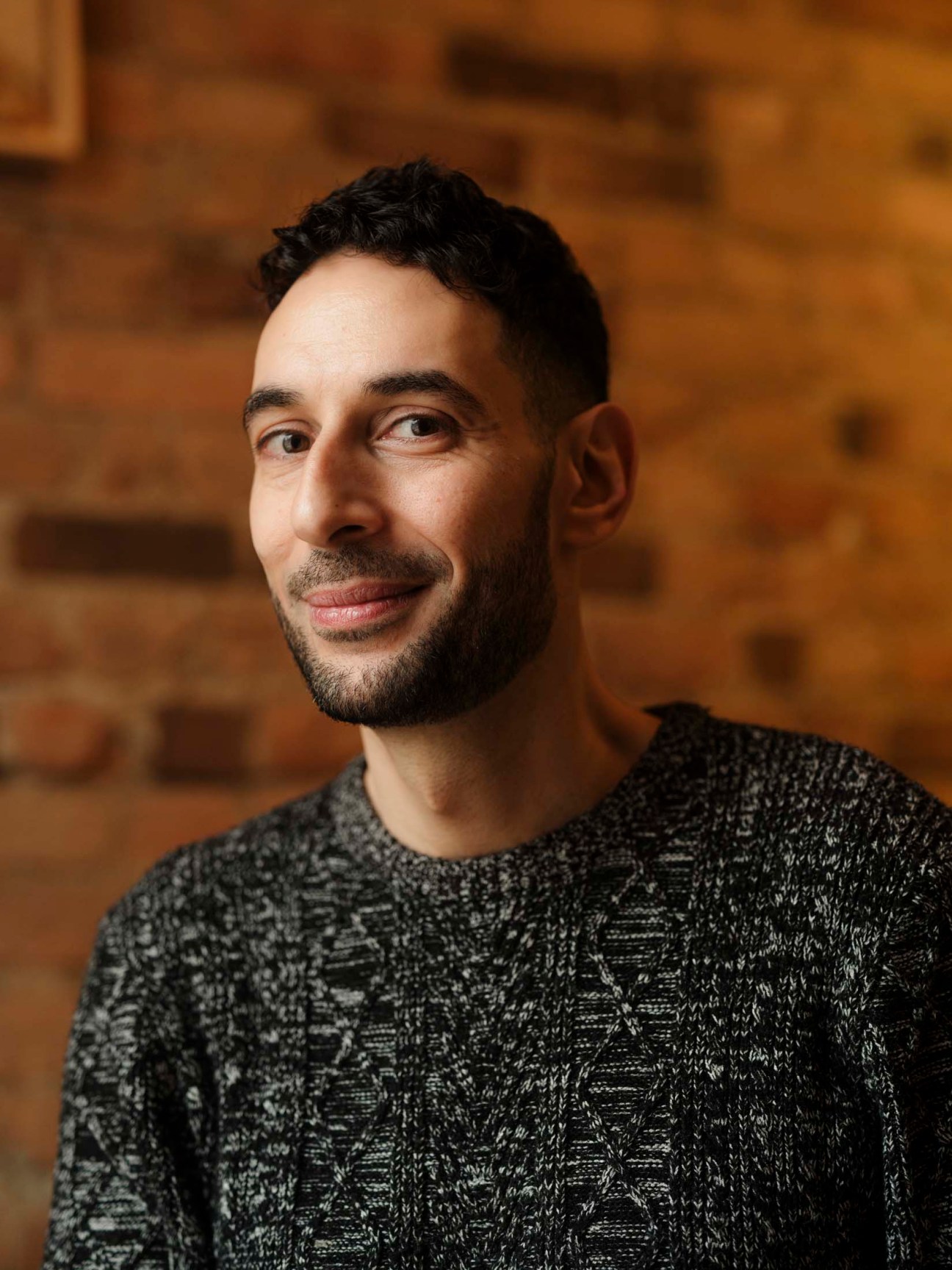
Setting his novel in late 20th century Cairo allowed Chacour to dive deeper into his heritage. “Writing this book was a way to connect my parents’ Egypt with the very different Egypt I saw when I visited many years later for Christmas or summer holidays,” he says. His father’s job also took the family between Montréal and Paris.
It was as a teenager that he discovered his passion for literature through writing song lyrics. The words of singer-songwriters such as French artist Jean-Jacques Goldman and Belgian poet Jacques Brel made their way into his novel. “I recently re-listened to ‘Le Coureur’, a Goldman song I hadn’t heard in a long time and stopped when I heard his lyric, ‘Je suis étranger partout’ [I’m a stranger everywhere],” he says. “It’s a central theme in my book and I realised that’s where I probably got the idea for it.”
Originally written in French, his debut novel received accolades from the Francophone literary world, including the Prix des Libraires (awarded by booksellers), the Prix Femina des Lycéens (an accolade given by a jury comprising only adolescents) and most recently the Prix France-Québec, a Canadian literary award. The novel has been translated into 15 languages.
For Chacour, collaborating with the translators was a process of rediscovering his own work. “It forced me to verbalise my intentions, some of which had been purely subconscious,” he says. “My English translator would pick two sentences from the original text and would notice similar structures such as the same number of syllables and rhyming words. There’s a distinctive poetic construction that I hadn’t fully realised existed.” The English version earning a shortlist nomination for the 2024 Giller Prize, a Canadian award for English language fiction, is a testament to the translator’s success in conveying not only the words but the melody of Chacour’s story.
Most recently, What I Know AboutYou has been picked up for a theatre adaptation in Québec with Canadian artistic director Olivier Arteau taking on the task of bringing the author’s words to the stage. For Chacour, this new translation is the occasion to explore another dimension of his novel, mixing different art forms to create an even more meaningful experience.
It’s also an opportunity to settle back in Québec after a year touring the world to promote his book – and tackle his second novel. “I’m ready to go back to the solitude of my keyboard,” he says. “For a lot of authors, writing is a painful thing. For me, it’s a soothing process.”
The CV
1983: Born in Montréal.
2007: Graduated from the Université de Montréal in applied economics and international relations.
2013: Starts working on his first novel.
2023: Publishes What I Know About You. Later that year, Chacour is warded the Prix des Libraires and the Prix Femina des Lycéens.
2024: Awarded the Prix des cinq continents de la Francophonie.
2025: What I Know About You is tapped for a theatre production.
Meet the designer bringing architecture to life with doll-sized models
At the back of American designer Giancarlo Valle’s New York studio, there’s a room that looks as though it could be a Wallace and Gromit film set. Shelves are lined with maquettes from architecture and interior-design projects, which include miniature furniture pieces such as thumb-sized lampshades and chairs no larger than hens’ eggs.
For Valle, who trained as an architect, these small-scale buildings and furnishings are integral to his practice, which encompasses architecture, interiors and the decorative arts for residential and commercial projects. His studio has designed lofts in New York, villas in St Barths and residences in Mexico City. “We work on a lot of interior architecture, so using models is important,” says Valle. “They help you to understand the proportions or height of something – both essential when it comes to composition.”
The team spends hours crafting and then rearranging the sculptures within the maquettes. The studio has acquired a 3D printer that renders products in materials such as aluminium and wood. But sculpting pieces by hand from clay is still a large part of the creative process. “It’s fun,” says Valle, picking up a hand-moulded chair.
“As a creative person, one of the most rewarding things that you can achieve is an element of surprise,” he says. “There is a lot of planning in architecture, so you know what you’re going to get. But this process also allows you to do unexpected things,” he adds, holding up a green couch about the size of a deck of cards. He places it back on the shelf, next to a miniature coffee table. “Models force you to edit your work. With a computer, you can make objects as big or as small as you want. But with models, you actually have to make decisions.”
The sculptures also act as a kind of visible archive that the team can tap in to at any point. “Having them in the space is a big part of the way we work,” says Valle, who often uses old models to inspire new projects. “We take ideas and repurpose them,” he adds, looking around the room at the various models, which resemble unfinished dolls’ houses. “There’s no formula to it. Sometimes we start on a computer and other times we start on a model but the idea is to keep things visible.”
Monocle follows Valle to the main room, where an employee is painting a maquette with squiggles and half-moon shapes in shades of black and gold. We then travel downstairs to a studio with a long, crafting worktable. Creating models in this way ensures that the team comes up with innovative design ideas that haven’t been perpetuated online. “It’s our remedy for internet algorithms,” says Valle. “Everything is digital now and everyone sees the same things. There’s no way to break out of that cycle unless you create your own analogue algorithm,” he says, gesturing to the shelves lined with objects and tools. “A generation of work is being created that is just referential; a recycling of ideas,” he says. “You have to invent your own world.”
Greece is taking a leading role in European defence. What’s next?
In February, Greece announced a 12-year €28bn modernisation of its armed forces that will include the acquisition of 20 fifth-generation F-35 fighter jets, a sensor network for underwater threat detection and the construction of a comprehensive air, missile and anti-drone system dubbed “Achilles Shield”, built in partnership with Israel. The plan also allocates about €2.5bn a year to the Hellenic Armed Forces, meaning that Greece will potentially exceed the more than 3 per cent of GDP it currently spends on defence.
Countries such as Poland have been singled out for walking the talk on defence at a time of heightened security concerns across Europe. But Greece is rarely mentioned in the same sentence, even though it has the third-highest defence expenditure of European Nato members as a percentage of GDP. For decades, Athens, like many European nations, relied on the US to guarantee its security. Its mutual defence co-operation agreement with Washington, signed in 1990, grants American forces access to Greek bases.
“Athens’ military push comes at a time when it’s also trying to burnish its diplomatic credentials”
But with uncertainty over Washington’s commitment to Europe, Athens is recalibrating. It has become one of the EU’s most vocal advocates for defence autonomy, pushing for looser fiscal constraints to allow members to bolster their own security without breaching the EU debt ceiling. Kyriakos Mitsotakis, the Greek prime minister, has suggested a similar system to Achilles Shield to cover the whole continent. Athens’ military push comes at a time when it is also trying to burnish its diplomatic credentials. In January, Greece began a two-year term as a non-permanent member of the UN Security Council and foreign minister Giorgos Gerapetritis has been active, attending bilateral meetings concerning the wars in Ukraine and Gaza. During uncertain geopolitical times, Athens is aiming to have its voice heard above the panic.
Navigating nuclear proliferation
Russia’s assault on Ukraine has been an ominous advert for a nuclear deterrent. Moscow felt empowered to launch its rampage in part because Kyiv is not protected by such weapons. Ukraine ceded the Soviet nukes stationed on its territory after gaining independence and, unlike the formerly Soviet Baltic states, it is not under Nato’s nuclear umbrella. Conversely, Russia’s nuclear weapons stopped Ukraine’s allies taking a more direct role in its defence. This two-way demonstration of the efficacy of nuclear deterrence, coupled with recent statements by Donald Trump’s administration, will prompt focused discussions among countries that spent the Atomic Age assuming that American Minutemen, Titans, Tridents and Tomahawks were protecting Berlin, Seoul, Sydney and Toronto as diligently as Washington, Honolulu, Albuquerque and Muskogee.
Several countries could build nuclear weapons and might now begin inching from the theoretical to the practical. Polling in South Korea has shown handy majorities in favour – living next door to a nuclear-armed cult compound that threatens you with obliteration will do that – and that was when the US was assumed to be a reliable ally. If Iran ever tests a functional device, Saudi Arabia will want one too. Poland has indicated a willingness to host American nukes – if the US has lost interest in defending Europe, Poland may prefer to host its own. Turkey, which stores American tactical nuclear bombs at Incirlik airbase, has occasionally sounded interested.
Countries that fear China may also consider their options. Taiwan had a nuclear-weapons programme until the 1980s, before ending it under American pressure. They are obviously a sensitive issue in Japan but former prime minister Shinzo Abe publicly tested the water on the subject. Australia’s mood has shifted towards nuclear energy; nuclear power is a current election issue. If it can’t rely on Washington, Canberra could decide to go it alone.
The more nuclear weapons there are, the greater the danger of rogue actors obtaining them or calamitous misjudgements being made. President Trump has not been wrong to note the costs to America of underpinning a rules-based global order. There are also costs of not doing it.
Mueller is the host of the ‘Foreign Desk’ on Monocle Radio.
Culture Cuts: Art shows, music and films to savour this month
Art
City of Others: Asian Artists in Paris 1920s–1940s
National Gallery Singapore
Between the two world wars, Paris was a playground for artists such as Picasso and Dalí. This group show reframes the era from an Asian perspective, spotlighting talented painters, such as Georgette Chen and Amrita Sher-Gil, and Paris-based designers and furniture makers from Asia. Often sidelined at the time, this overdue corrective explores their influence on Western art.
‘City of Others’ runs from 2 April to 17 August 2025
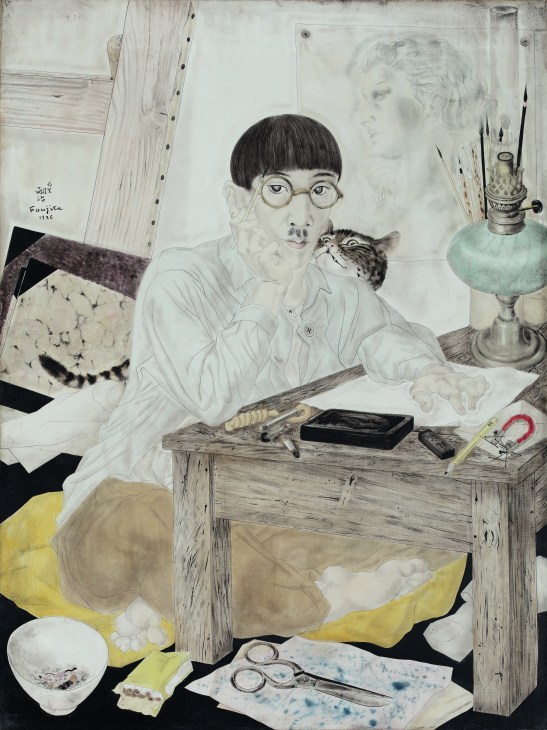
Paula Rego and Adriana Varejão: Between Your Teeth
Centro de Arte Moderna Gulbenkian
Varejão is one of Brazil’s leading contemporary artists, famed for using cracked Portuguese tiles as a visual metaphor for subjects such as colonialism and religion. She co-curates this two-hander, drawing parallels with the work of Paula Rego, who shared a desire to tackle taboos.
‘Between Your Teeth’ runs from 11 April to 15 September 2025
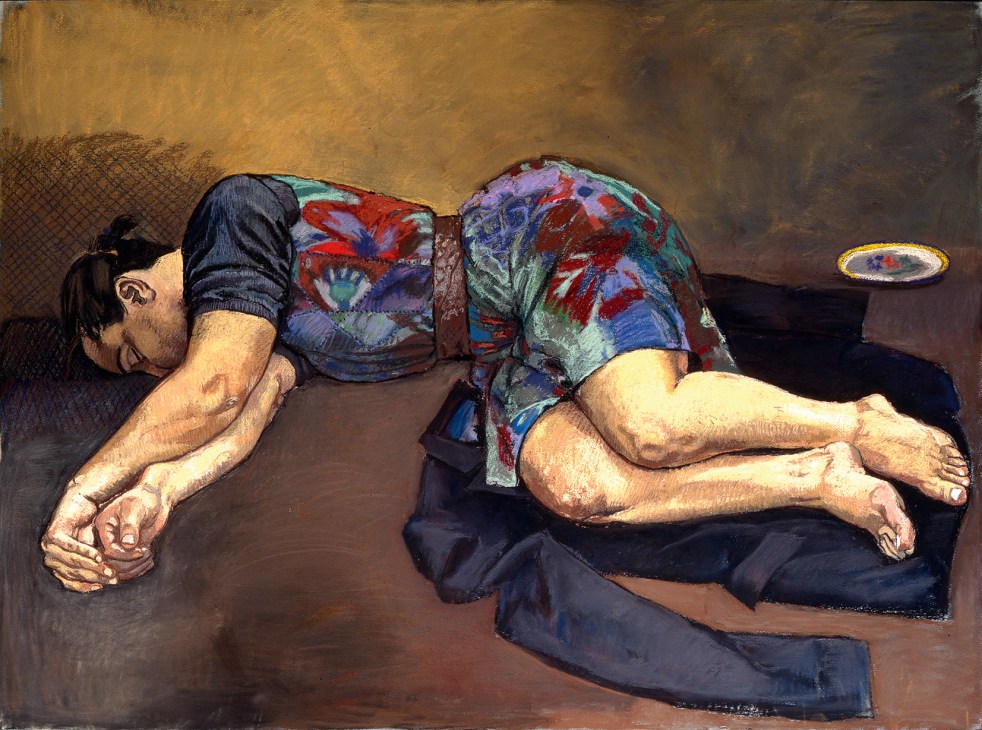
Photography
Kunié Sugiura: Photopainting
San Francisco Museum of Modern Art
A trained photographer, Sugiura’s first multimedia works happened by chance in 1967 when she moved to New York and couldn’t find a darkroom. Coating canvases in photo emulsion started a lifetime of experimentation. The artist has oscillated between the soft expressiveness of her brush and the focus of her lens ever since.
‘Kunié Sugiura’ runs from 26 April to 14 September 2025
Books
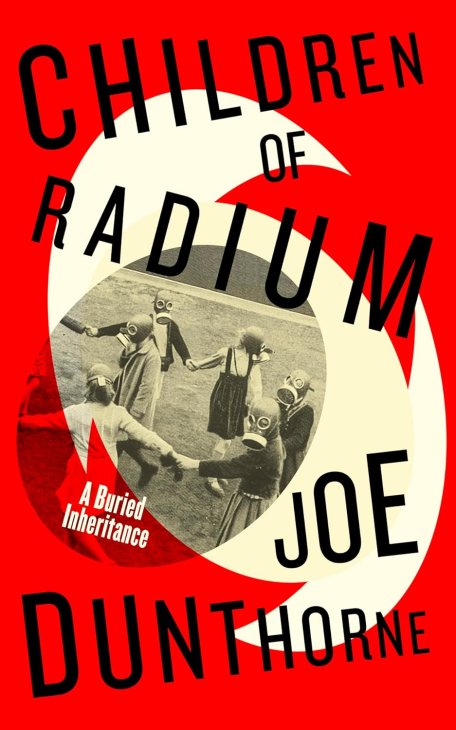
Children of Radium
Joe Dunthorne
In this memoir, poet and novelist Joe Dunthorne investigates the life of his great-grandfather Siegfried, a Jewish scientist who worked in Germany between the wars developing, among other substances, radioactive toothpaste and poison gas. Siegfried wrote a near 2,000-page memoir, which Dunthorne’s father called “a bit of a slog”. By contrast, Children of Radium is anything but: a funny and moving family history that troubles even as it entertains.
‘Children of Radium’ is published on 3 April
The Accidentals
Guadalupe Nettel, translated by Rosalind Harvey
Nettel, one of Mexico’s most well-regarded authors, returns with a collection exploring the ways in which ordinary lives can turn upside down. Sometimes these changes, such as the one described in “The Pink Door”, are brought about by magic. Other stories, such as the brilliantly menacing “Playing with Fire”, suspend us in a space somewhere between realism and horror-tinged fantasy.
‘The Accidentals’ is published on 10 April
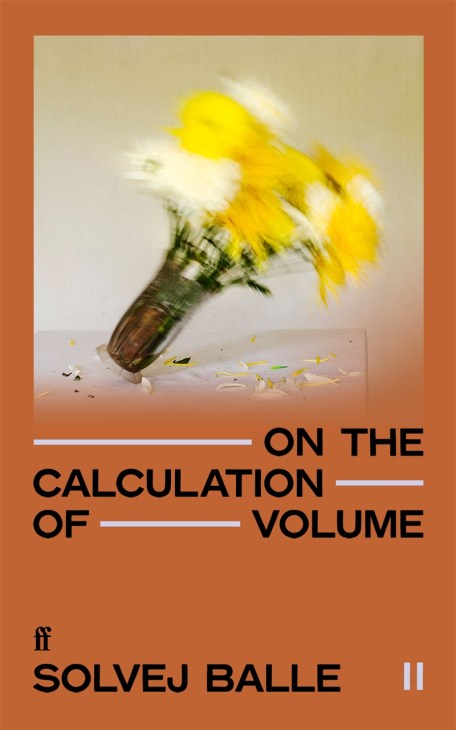

On the Calculation ofVolume, Books I & II
Solvej Balle, translated by Barbara J Haveland
The first two books of Danish writer Solvej Balle’s On the Calculation ofVolume are published simultaneously. They follow Tara, a bookseller, as she lives repeatedly through the same November day. If the conceit isn’t original, the beauty and philosophical heft that Balle brings to it is.
‘On the Calculation ofVolume’ Books I & II are published on 10 April
TV
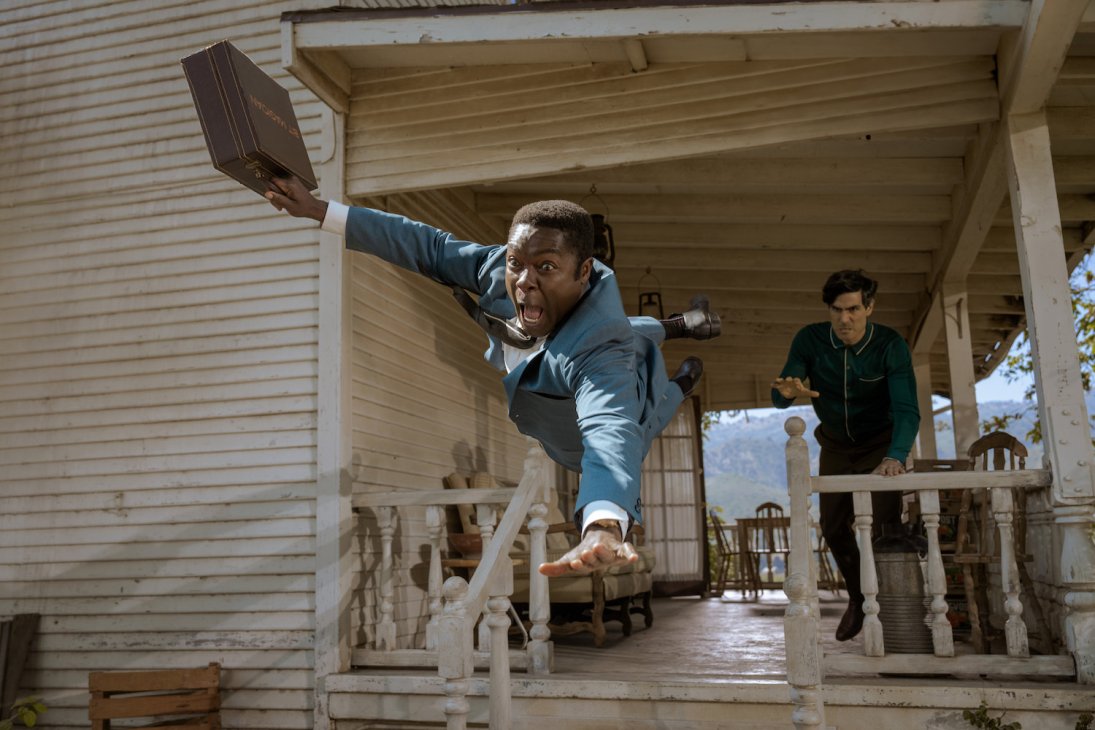
Government Cheese
Apple TV1
David Oyelowo, alongside his wife and producing partner Jessica, signed a first-look deal with Apple TV+ after his work on their series Silo convinced him of the streamer’s commitment to originality and artistic integrity. Their collaboration, surrealist comedy Government Cheese, features Oyelowo as a 1960s family man intent on grabbing his slice of the American dream.
‘Government Cheese’ is released on 16 April
The Eternaut
Netflix
One of Argentina’s most celebrated literary works, The Eternaut is a dystopian comic series about the survivors of a mysterious, toxic snowfall, now left to battle new oppressors. It proved unexpectedly prescient for its writer, Héctor Germán Oesterheld, who was disappeared by the country’s military dictatorship in 1977. Now, a Spanish-language adaptation shot in Buenos Aires hopes to honour his legacy.
‘The Eternaut’ is released on 30 April
Music
Slipper Imp and Shakaerator
Babe Rainbow
Listening to Babe Rainbow will immediately transport you to their native Rainbow Bay in East Australia. This album was recorded in a warehouse on a banana farm and is full of their trademark sunny acid-pop sounds. The breezy “Long Live the Wilderness” hides the track’s theme of the loss of innocence. Another highlight is “Like Cleopatra”, featuring fun synth-funk beats.
‘Slipper Imp and Shakaerator’ is released on 4 April
Jesucrista Superstar
Rigoberta Bandini
This is Spanish singer Paula Ribó González’s follow-up to her successful 2022 record La Emperatriz. The 22-track album traverses from the danceable electro pop of “Kaiman”, which sounds like it could be a winning Eurovision entry, to the poignant single “Pamela Anderson”, a tribute to the American actress. A big summer tour across Spain is on the horizon.
‘Jesucrista Superstar’ is out now

Music Can Hear Us
DJ Koze
The German DJ and music producer returns with an album released on his own label, Pampa Records. The cosmic-inspired record has an A-list set of contributors, including Damon Albarn on “Pure Love” and Ada and Sofia Kourtesis on “Tu Dime Cuando”. Progressive house track “Unbelievable” is a highlight, as is the otherworldly cover of the 1983 iconic summer hit “Vamos a la Playa” by Italian duo Righeira.
‘Music Can Hear Us’ is released on 4 April
Film
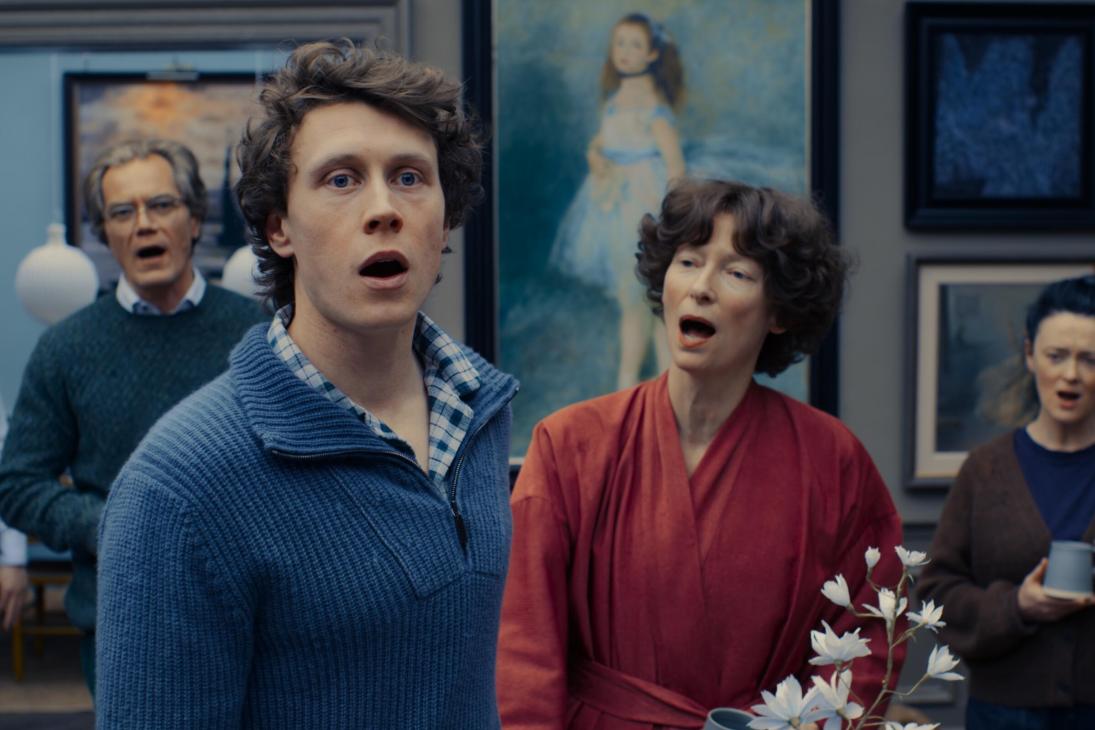
The End
Joshua Oppenheimer
Having made The Act of Killing, one of the most inventive documentaries in memory, and followed it up with further acclaimed non-fiction work, it would have been easy for filmmaker Joshua Oppenheimer to remain in his comfort zone. Instead, he has defied expectations by returning to cinemas with an audacious post-apocalyptic musical starring Tilda Swinton and Michael Shannon as the heads of a family clinging to their privilege after an extinction-level event.
‘The End’ is released on 28 March
The Most Precious of Cargoes
Michel Hazanavicius
The first animated feature to compete for the Palme d’Or since Waltz with Bashir in 2008 takes on similar themes of war, dehumanisation and trauma. In this case, a fairy-tale retelling of the Holocaust centres around a baby abandoned just outside Auschwitz. It’s a lyrical fable that includes the perspective of those who enacted these horrors – and some who defied them.
‘The Most Precious of Cargoes’ is released on 4 April
The Amateur
James Hawes
In troubled times, escapism and familiarity can be attractive, so the timing of The Amateur could not be more perfect. James Hawes’ spy thriller is based on the 1981 Robert Littell novel, which was previously adapted for the screen starring Christopher Plummer. It has now been reimagined with Rami Malek as a CIA operative who goes on a quest to avenge his wife’s death.
‘The Amateur’ is released on 11 April