Issues
Up in the air: India’s fighter-jet conundrum
Since its independence in 1947, India has assiduously avoided enmeshment in any bloc or alliance (“We endeavour to maintain friendly relations with all countries, even though we may disagree with their policies or structure of government,” as Jawaharlal Nehru had it). Sometimes, however, choices must be made and India now faces one both militarily and diplomatically significant: whether its next generation of fighter pilots will fly the US-built Lockheed Martin F-35 or the Russian-made Sukhoi Su-57. The F-35 is the more advanced aircraft but costs at least twice as much – and there is yet more to it than that.
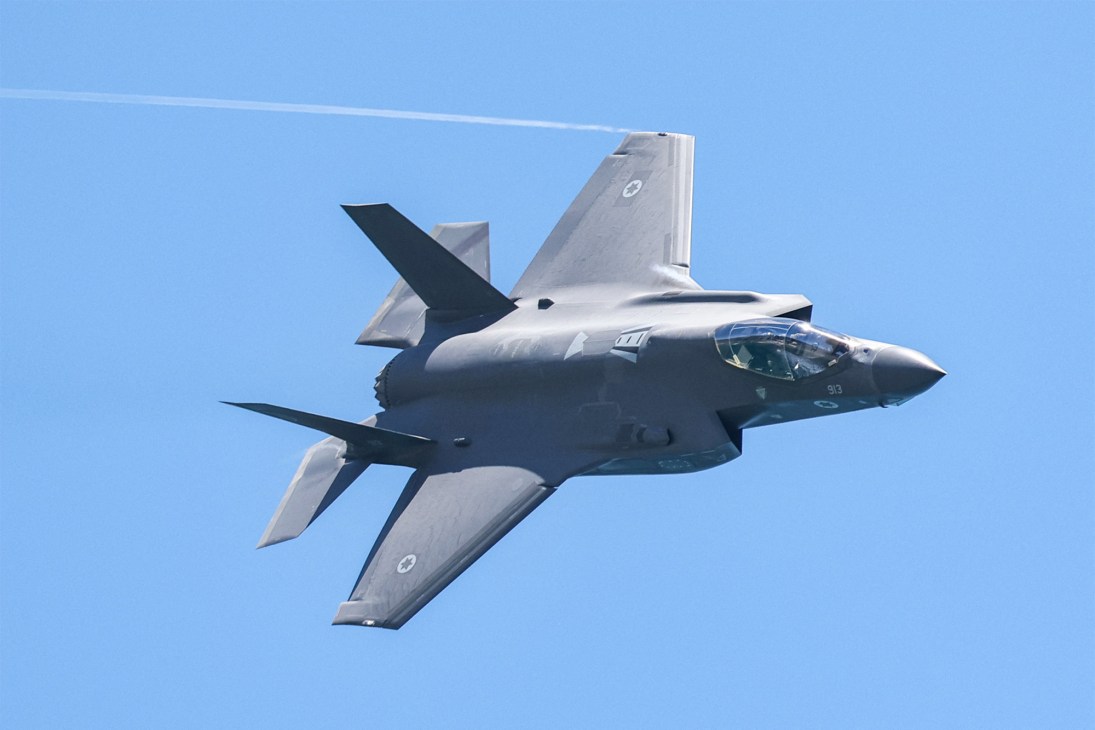
“Strategic and geopolitical implications will be taken into account,” says Dr Walter Ladwig III, senior lecturer in International Relations at King’s College London. “As a major weapons purchaser, New Delhi has used arms deals as part of its overall diplomacy, ensuring that a range of strategic partners get a piece of India’s business.”
India’s relationship with Russia is, however, especially significant. “The majority of front-line combat platforms across all three services are of Russian origin,” says Ladwig. “Even before the Ukraine war there was an attempt to reduce India’s dependence on Moscow.”
There might seem an obvious third option for a country that does build fighter jets. India’s Aeronautical Development Agency is working on a fifth-generation fighter which would be an approximate analogue to the F-35 or Su-57 – but it is not expected before 2035 at the earliest.

The art of a narrative: How Louise Courvoisier and Natasha Brown bring stories to life
Slice of life
Louise Courvoisier, director
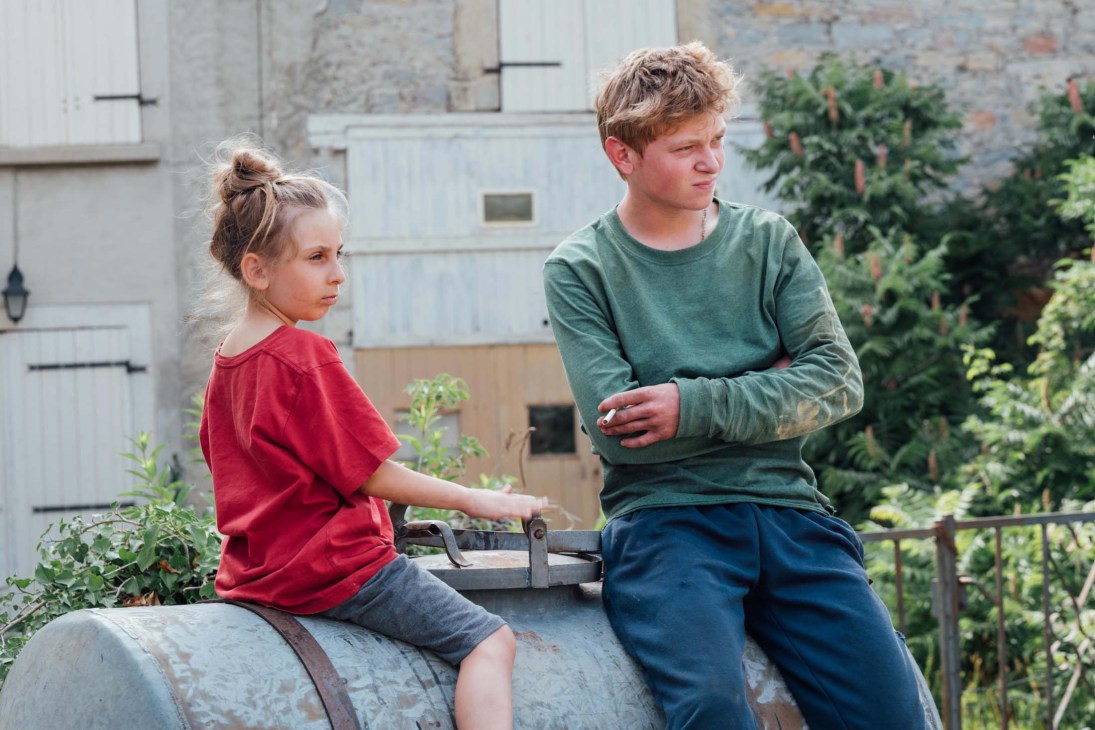
The process of making comté cheese isn’t something that has had much cinematic airtime. But director Louise Courvoisier puts the arduous task centre stage in Holy Cow. The new film follows 18-year-old Totone as he takes over his father’s dairy farm while wrestling with the travails of first relationships. Here, Courvoisier tells us about decentralising French cinema, casting non-professional actors, and why cheese is a worthy protagonist.
How did you choose the film’s location?
I grew up in the Jura, so that’s where I shot the film. I wanted to make a film about the young people who I grew up with and those that don’t have a choice to leave the countryside. In France, films are always set around Paris, so it was important for me to focus on my area.
How did you cast the film?
I wanted to work with non-professional actors who were from the area, but I didn’t know how to find them. It isn’t a documentary, so they had to be good at acting. Clément Faveau, who plays Totone, has fire and fragility in him.
Why did you want to tell a story about comté?
Only a small part of France is allowed to make this cheese. When you come from the area, it surrounds you in a way. It was a challenge to film, but I was confident about the idea because it’s interesting to capture a process that’s so physical. Totone grows up in the film, and making comté helps him to evolve.
Holy Cow is in cinemas on 11 April.
Novel techniques
Natasha Brown, author
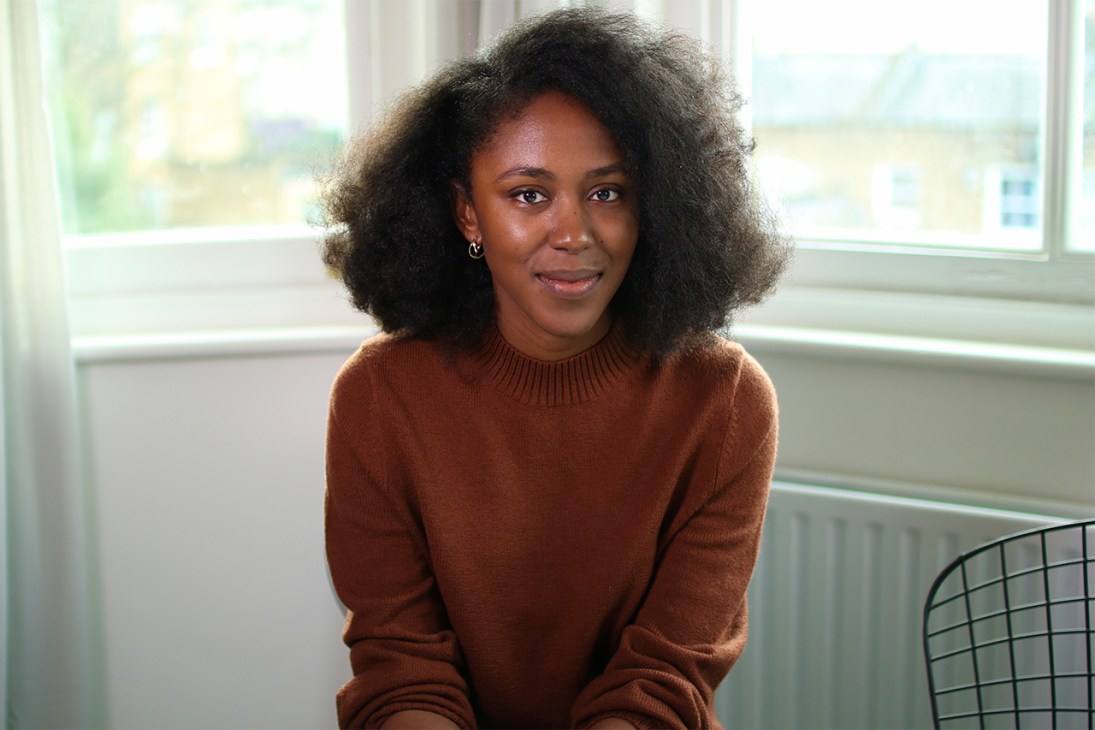
Following the success of her debut, Assembly, in 2021, British novelist Natasha Brown returns with Universality. In this comedy thriller, a journalist’s exposé raises questions about the power that language holds. Here, Brown tells us about her influences, writing dialogue and hooking readers.
Is social analysis at the heart of ‘Universality’?
Jane Austen is a huge influence. Her novels capture what life and people were like in her time; the little hypocrisies of those who take themselves too seriously. I wanted to do the same for what the world looks like today.
How do you write such lifelike conversations?
I write every scene from the perspective of every character, then go over it. After I’ve done that, I write from that scene’s narrative perspective and pick and choose from those different bits. Sometimes I have to be harsh and take away a character’s perfect line but I always need to believe that they’re real people and that their motivations are real.
How do you balance the excitement with the ideas?
I wouldn’t write novels if I wasn’t interested in these questions about language. The esoteric side is where I begin. But when I get into it, it’s about the characters, the story and the hook. These are key.
‘Universality’ is published by Faber UK and Penguin US
What can furniture brands learn from fashion?
The blurring of boundaries between fashion and design is picking up pace: famed Finnish design house Iitala (whose catalogue includes designs by Aino and Alvar Aalto, and Tapio Wirkkala) has just celebrated the second anniversary of its creative director, Janni Vepsäläinen, who took up the role after working as the head of knitwear at JW Anderson. Meanwhile, French outdoor furniture firm Tolix is now being run by former Balmain executives Antoine Bejui and Emmanuel Diemoz. At Milan Design Week, which this year runs from 7 to 13 April, the biggest showcases are almost always the fashion brands, with Hermes’ homewares prompting queues around the block. A host of labels have even launched furniture and homeware lines – Fendi Casa, Versace Home and Dolce & Gabbana Casa spring to mind.
This movement is, so far, one way: fashion to furniture. Perhaps it’s understandable, as clothing textiles know-how is simpler to apply to upholstery than joinery and welding to cutting a suit. Nonetheless, I’ve begun pondering what the furniture industry could embrace. Certainly, I don’t want to see fashion’s rapid seasonality transfer over: in an ideal world, you’re sitting on the same sofa in 30 years’ time – and preferably not in the same pair of trousers.
I would like to see furniture brands that show the fashion designer’s sense of adventure. Furniture design studios tend to share creative directors, an approach that means the same person is churning out similar-looking chairs and sofas for multiple brands. Fashion’s current merry-go-round of creative directors, by contrast, is producing a giddy host of new styles. And emerging fashion designers are given serious platforms: editors flocked to Jawara Alleyne’s London Fashion Week show in February to size the young designer up. By tapping into fashion’s taste for innovation, furniture brands might be able to compete, finding themselves some breathing room in a crowded creative market. They could step back into the limelight at events such as Milan Design Week too. And maybe it will even make for a better product.
Context matters. How has journalism helped us to understand South Korea’s martial law?
It was a night to remember, even for South Korea – a country accustomed to political turmoil and social unrest along its 77-year road to democracy. President Yoon Suk Yeol’s martial-law declaration in December was short-lived but it succeeded in unleashing a flood of political and social complications that continue to this day.
While news traffic has surged, so too has distrust in traditional journalism. The struggle to hold on to audiences has intensified as their interpretations of news have become increasingly polarised. Meanwhile, balanced reporting has become more difficult, with fringe views harder to ignore. News outlets have been accused of misrepresenting information while conspiracy theories have run rampant in the months since. Youtube algorithms are convincing radicals – both progressive and conservative – that their beliefs are the truth.
To the democratic audience worldwide, the case was clear-cut. Yoon’s martial-law decree, which banned all political activities and placed the media and doctors under military supervision, was swiftly judged in the courts. But the question for the media in South Korea has been how to report the nitty gritty of his trials without burying the bigger picture.
At The Korea Herald, we provide an inside perspective for global readers and strive to report in a way that provides context. During those six hours of martial law, we glimpsed what being robbed of our freedom of speech might look like. But the turmoil also united the country’s news outlets, regardless of their political persuasions, and reinforced our fundamental purpose. It highlighted how journalism exists to assist people’s judgement and not lead it, and how safeguarding the credibility of the media has become even more important to ensuring a sound democracy.
Lee Joo-Hee is the managing director of The Korea Herald.
What can the Munich Security Conference tell us about the new world order?
At the 2025 Munich Security Conference (MSC) in February, the world underwent what can only be described as a geopolitical vibe shift. A horrific car-ramming attack on the eve of the event set the tone for a rancorous long weekend during which Nato, the institutional bedrock of the MSC, was ripped asunder by JD Vance, the US vice-president, who fired a rhetorical salvo on the opening morning that reverberated across the whole continent. Here are five things that I learned during a tumultuous three days in Bavaria.
Munich is the Davos of a rearming world
For years, the MSC has followed a week or two behind the World Economic Forum’s get-together on the other side of the Zugspitze. The former was seen as a Cold War anachronism during the era of hyper-globalisation, when heads of state and CEOs favoured Davos as a place to do deals while enjoying Mitteleuropa’s hospitality. But in a more security-conscious world, the MSC has regained its relevance and this year’s event was the hotter ticket for both politicians and big business.

Are journalists the real enemy within?
Much eye-rolling greeted Vance’s description of Europe’s gravest threat as the “enemy within” – what he saw as illiberal constraints on freedom of expression. But I was troubled by how the media were treated at this year’s MSC. Herded into a marquee 10 minutes’ walk from the Hotel Bayerischer Hof, we were only allowed into the main venue with a pre-arranged meeting and a security person in tow. Given the profile of the attendees, the organisers were understandably on edge but a free press is something that the conference was founded to defend. Every journalist there had been background-checked – so trust us to behave ourselves among the grown-ups next time.
The power of hot air
Vance’s excoriating address on the opening morning became the talking point of the weekend, though perhaps not for the reasons that he intended. Still, in an age in which political rhetoric appears to be either a soundbite or a rant, it was notable for the power of its (slightly loony) message. A few hours later, Germany’s defence minister, Boris Pistorius, tore up his own prepared speech to deliver a rebuttal. It might have felt a little unseemly to have two apparent allies engaged in a public slanging match but it was interesting to witness a speech that is likely to go down in history for its impact on global security.
The US still cares about its own safety
The security surrounding a high-level US official is almost artful in its sustained choreography. Vance’s exit from the Bayerischer Hof featured a 35-strong convoy, including several armour-plated Chevrolet Suburban SUVs, which are flown around the world alongside the vice-president. The long periods spent shivering at checkpoints while Secret Service men with M16s frowned with distaste and barking Polizei ordered you back were also a taste of American over-the-top protocol.
Don’t break the rules in a beer hall
On entering one of Munich’s most famous beer halls, I immediately began to get under my waiter’s collarless shirt. My first sin was to sit at a table with a laminated “Reserved” placard on it. After I explained that I would be gone before the 19.00 reservation, I was allowed to remain. I ordered a glass of the house ale; one litre arrived. I asked for a replacement; my request was denied. Then I got my card out to pay – this was the final insult. My glass was snatched from me and a finger pointed towards the door. I could say that this denial of my freedom of expression was relatively small beer compared to the geopolitical gravity of utterances made elsewhere in Munich that weekend but it was actually a very big beer.
About the writer:
Self is the foreign editor of Monocle. He covers diplomacy, defence, geopolitics and more besides. He will bring hard cash next time he steps foot in a Munich beer hall.
Interview: Meet Martin Österdahl, the man behind Eurovision
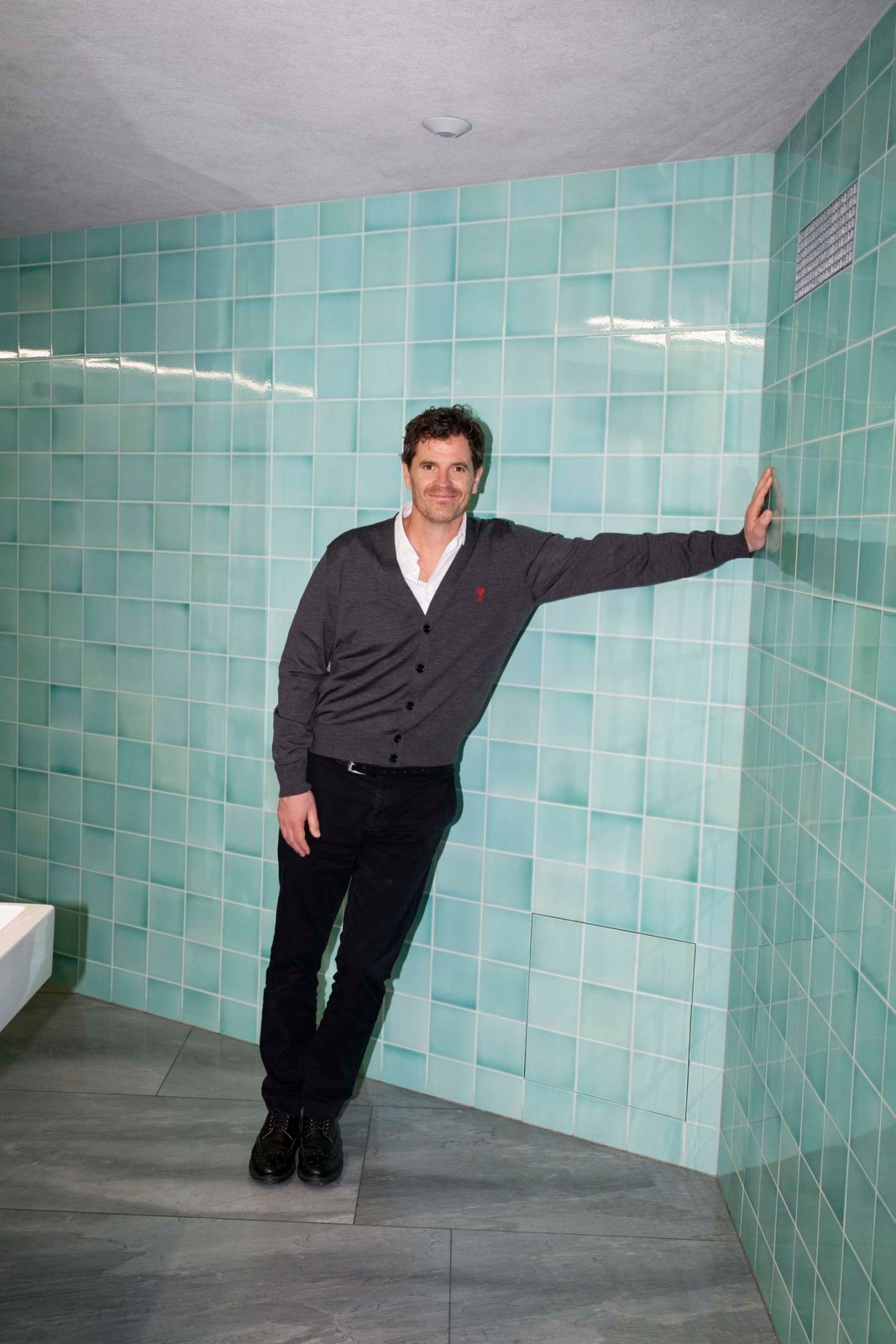
In many ways, Switzerland is the true home of the Eurovision Song Contest. It is co-ordinated by the Geneva-headquartered European Broadcasting Union (EBU) and Switzerland hosted (and won) the first edition in 1956. But at the helm of this rather Swiss enterprise is, in fact, a rather dapper Swede.
You might recognise Eurovision’s executive supervisor, Martin Österdahl. On finals night, he announces when the votes have been counted. But this moment in the spotlight is the culmination of months of behind-the-scenes grunt work getting Eurovision – still the world’s most watched non-sporting TV event – shipshape and sparkling.
Österdahl has been in the role since 2020 but last year he was booed on stage due to several flashpoints, including Israel’s presence at the event and the exclusion of the Dutch representative. Despite the bumps, the 2024 contest’s three live shows reached an audience of 163 million, making it one of the most successful so far.
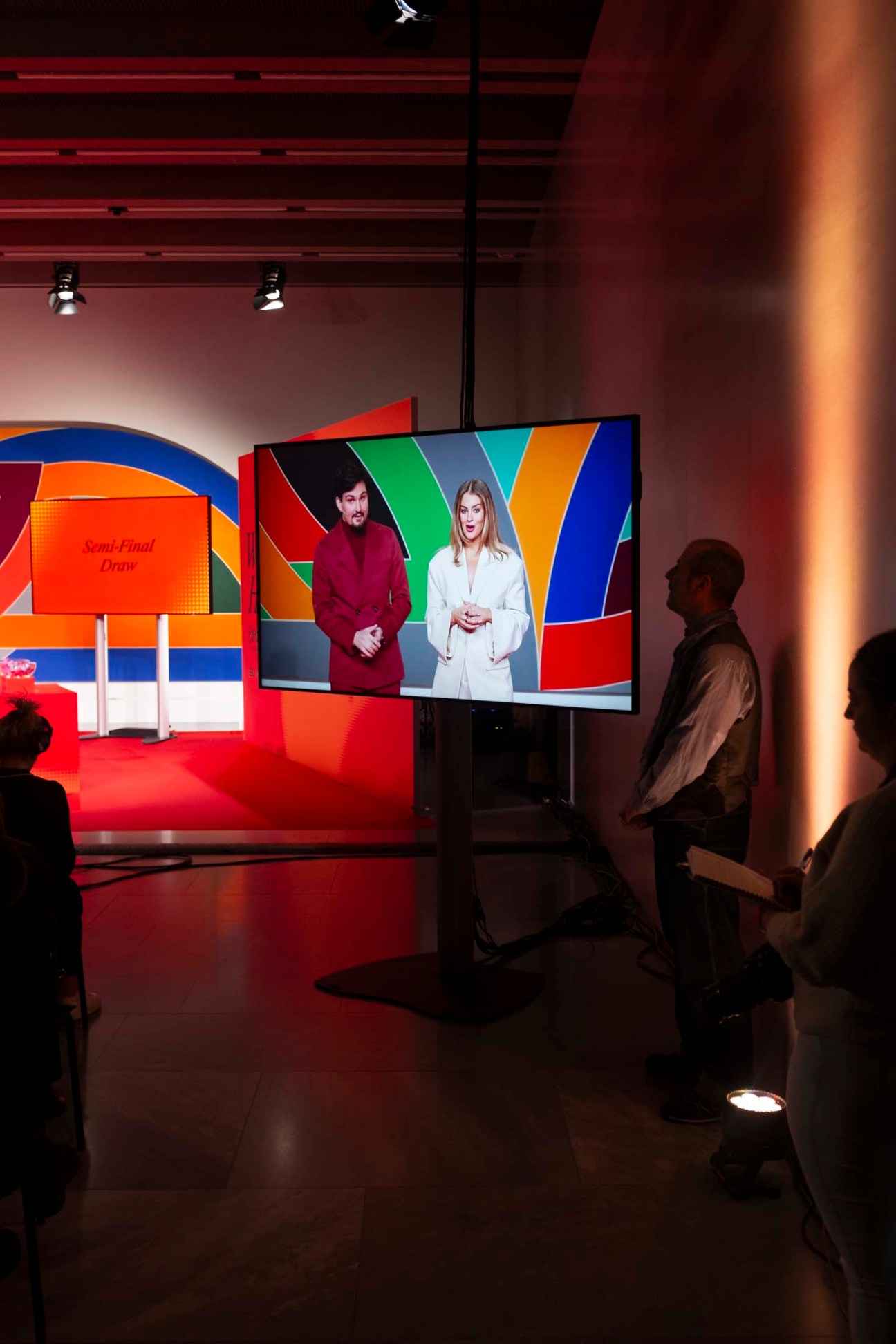
The 2025 competition will be held in Basel. And so on a crisp day in late January, monocle traversed the city’s cobblestone streets to witness the semi-final draw and city handover – two key moments ahead of the live shows in May. These took place in the new wing of the Kunstmuseum, in front of a brightly coloured Frank Stella artwork, which serves as a fitting backdrop for an event that is known for its vibrancy. After a record-breaking yet bruising period for the competition, we sit down with Österdahl to hear about how he keeps the show on the road, why contemporary culture is always political and the importance of events that unite not divide.
Many people know about the Eurovision Song Contest but you technically work for the European Broadcasting Union (EBU). What is it?
The EBU is an international member organisation of national broadcasters with 100 members across Europe and associate members all over the world. I only work on the Eurovision Song Contest and Junior Eurovision Song Contest, but the EBU does co-production and programme exchange within the membership across all genres, including news and sport.
How long have you been a Eurovision fan?
I grew up in a home where both my parents worked in the music industry. My father competed in Eurovision in 1967 as a songwriter on the Swedish entry. He was a hit maker in the 1960s and 1970s, and then he started managing his own recording studios in Sweden and the UK. The first one was in the basement of my family house; Abba recorded there. Later, we moved to the UK and my father recorded some of the biggest stars of the time, from Marvin Gaye to Iron Maiden and later the Spice Girls and Take That. It was a very special environment; I learned the ins and outs of recording music. That has been helpful in this job.
“Eurovision is the Super Bowl on steroids”
Sweden has a special relationship with Eurovision. When the show is hosted there, the level of excitement is palpable…
That’s right. And our national competition to select our Eurovision representative, Melodifestivalen, is a massive event. It takes place over six consecutive Saturday nights with Eurovision-style production in arenas around Sweden. The whole country pretty much comes to a standstill. The final of that tour is in Stockholm with 35,000 people in attendance – more than we have for any Eurovision Song Contest. The secret to the success of Sweden in Eurovision and the Melodifestivalen format is the close collaboration between SVT [the national broadcaster] and the Swedish music industry.
Does it feel particularly special to be hosting the competition in Switzerland this year?
The first edition was in Lugano, so it is coming home in a way. There’s a growing fan base here and Switzerland is quite unique. It’s a country divided between three languages but united in being Swiss.
Tell us more about your role and the complexities of hosting an event like this.
A large part of what we do is the knowledge transfer from each year: sharing how to set up what is the world’s largest music event and arguably its most complex TV production. My team and I work on this every year, so we make sure that the new host broadcaster has all the information they need because of the unique hosting mode – if you win it, you host it. We take the Monday off after the grand final and then we start again on Tuesday. There is no time to lose. I used to be a commissioning editor of entertainment and sports programming at SVT. If you’re the host broadcaster for a ski world championship, you normally know that five years in advance. With Eurovision, you win it on a Saturday night, and the host broadcaster gets a letter on Monday saying, “Congratulations, you’ve won. Now you’re expected to put all this together a year from now, and it will go out live to hundreds of millions of people”. It’s quite a daunting task.
Do you try to avoid capital cities when selecting the host location?
The show employs more than 10,000 people, which is something that people at home perhaps do not realise. We need a lot of hotel rooms and an international airport. We also need an area near the arena with changing rooms for up to 26 delegations of 20 to 25 people. They need to have space for hair and make-up, and somewhere to organise their costumes. There needs to be a prop storage area. We also need a media centre for 1,000 members of the press and a press conference room. The logistics behind the stage are extraordinary. Cities such as Basel, Malmö and Liverpool are well equipped, but there’s the soft factor too. You want to have a city that embraces the values of the brand and wants to do something with it; that tends to be a country’s second or third city. The biggest cities have so much happening already.

Those logistics are comparable to the biggest international music tours, right?
When we produced the Eurovision Song Contest in Malmö back in 2013, the last big show before us was Lady Gaga’s tour – at that time, the world’s biggest. Lady Gaga had something like 30 semi-trailers of technology and props. We had 97. And now, we have more than 200. I love when people talk about the Super Bowl; Eurovision is the Super Bowl on steroids.
Let’s talk about the 2024 show, which was incredibly successful in terms of viewing numbers but also controversial.
The truth is that the Eurovision Song Contest started in 1956 as an experiment in new technology but it also had that big idea of uniting people across borders at a time when Europe had become very divided. That’s one of the main reasons why it’s become so popular. Throughout the almost 70-year history – this is the longest-running show on television – lots has happened in Europe. Unfortunately, we live in a time of conflict and division but that just makes the Song Contest even more important. We believe that we have a higher purpose: for a few nights, we can imagine the world as we would like it to be, not necessarily as it is. That’s what gets us out of bed in the morning.
“For a few nights, we can imagine the world as we would like it to be, not necessarily as it is”
How do you manage the delicate question of artists expressing political views?
The arrival of social media has changed things and artists who participate in this event suddenly have their own platform. Popular culture has always been opinionated – and it must be to be contemporary. It’s an expression of identity, of what’s going on in the world and what you think about it. We understand that but we also have a set of rules that say that you’re not supposed to use the Song Contest to express political views. And that does become more challenging when we’re in a divisive time. Unfortunately, over the past few years, we’ve had the Nagorno-Karabakh conflict between Armenia and Azerbaijan. They both participate. We’ve had the invasion of Ukraine. And now we have the conflict in the Middle East. It’s difficult to be that neutral space when things like this are going on.
Some of those conflicts will be ongoing during this year’s show…
We don’t expect anything else but it’s important that we find a way through it. In Malmö [the 2024 edition], the latest conflict in the Middle East was relatively new and we were the first big international event to come on stage with an Israeli delegation. I think we became a little bit too passive, a little bit too silent. And we’re not making those mistakes again. We’re going to be much more proactive. We’re going to be much more communicative. We’ve introduced new codes of conduct and duty-of-care protocols. But, ultimately, it’s about mutual respect. We are supposed to be a kind, gentle event. Hate, violence and toxicity have no place in the Eurovision Song Contest.
And there have been some new additions to the team as well.
One of the things that we realised in Malmö was that we were understaffed because the event has grown so much. We’re now a global entertainment superbrand with millions and millions of followers. We needed more support for the leadership, crisis communications and everything that has to do with managing an international brand. That’s why broadcast events leader Martin Green was recruited, which is great for us.
Lots of fans would like to see Turkey back [after it withdrew over perceived bias]. Would it be welcome?
We would love to have Turkey back because of the fanbase there. There’s a massive fanbase in Russia too. I’d love to be able to serve those fans with Eurovision. Unfortunately, in the case of Russia, that is looking difficult. But in 20 years from now, I would love to see Turkey and Russia participating.
“Public service media is more important today than it has ever been”
At the heart of Eurovision are public service broadcasters, which each fund and organise their country’s participation. Have attitudes toward those organisations changed?
There are a lot of political voices who think that public service media is something that we no longer need but we believe that public service media is probably more important today than it has ever been. With all the new channels of communication and information, it’s harder to figure out what is going on in the world and what is true.
What’s your favourite moment in the show?
Right at the beginning when the clock starts and then it’s Eurovision time. It gives me goosebumps just thinking about it. I find the energy in the venue to be like nothing else.
Finally, what music do you enjoy listening to in your spare time?
I listen to the Eurovision songs until I’ve learned them completely. I also watch every single rehearsal. I have to learn every detail of every performance to be able to see if something goes wrong. So when Eurovision is over, I need something different. Most likely, classical music.
Top 10 winners
Fernando Augusto Pacheco’s favourite Eurovision victors.
1956: Lys Assia’s “Refrain”(Switzerland)
The first Eurovision winner was a classy strings affair.
1972: Vicky Leandros’ “Après Toi” (Luxembourg)
The Greek singer represented Luxembourg with a ballad by her father.
1974: Abba’s “Waterloo” (Sweden)
One of Eurovision’s most recognisable tracks, spurring an international career.
1988: Céline Dion’s “Ne partez pas sans moi” (Switzerland)
A historic win for a young Canadian on the brink of stardom.
1990: Toto Cutugno’s “Insieme: 1992” (Italy)
This ballad in support of the European Union shows a political edge.
1998: Dana International’s “Diva” (Israel)
The victory of this trans artist showed how the contest can break boundaries.
2003: Sertab Erener’s “Everyway that I can” (Turkey)
An energetic winning performance before Turkey withdrew from the contest in 2013.
2014: Conchita Wurst’s “Rise like a Phoenix” (Austria)
The bearded Austrian drag queen impressed with a song that sounded like a Bond theme.
2021: Måneskin’s “Zitti e buoni” (Italy)
Måneskin made leather trousers cool again, bringing a taste of rock’n’roll.
2022: Kalush Orchestra’s “Stefania” (Ukraine)
An emotional victory for the Ukrainian group the year Russia invaded their country.
Why we need to nurture children’s media literacy
In 2014, when I worked for Slovenian daily newspaper Delo in Ljubljana, we often hosted children and school groups on the editorial floor. During their visits, we would conduct a Q&A and I liked to ask whether the children’s parents were subscribers of any newspaper. Only a few hands would ever shoot up. This was a sign of a worrying trend. A 2024 Reuters Institute study with Oxford University put the proportion of people who pay for news online in France at 11 per cent and in the UK at 8 per cent. What example are we setting our children by abandoning traditional sources of information? And are we on the brink of losing a generation of discerning, intelligent current-affairs readers?
We live in an increasingly fragmented and polarised world where many are shunning the news. The line between information and entertainment is becoming blurred, while the information systems vying for our attention are growing in sophistication. But old-fashioned media, for all its failings, still offers hope. Standing there on the editorial floor, I realised what had to be done if we wanted diligent, professional journalism to survive. Starting with trust and solution-driven storytelling, we had to teach children media literacy. Not all stories are equal. Instead, it is all about creating a balanced media diet.
So, in 2015, I set up Casoris with a team of fellow journalists and editors. Buried within each story in my children’s news company is the idea that trustworthy journalism has value and a role to play in democracy that can connect people, communities and society. This is especially important given the media landscape that young people have to navigate today. Amid all the news junk food, we wanted to offer some nutrition – more a refreshing smoothie than online broccoli.
Aimed at children between the ages of six and 15, Casoris caters to those who wouldn’t necessarily read the news on their own. An advantage for us (but also the difficult thing about social media) is that children are rather trusting souls, less cynical than you or I. If an adult who they respect – a teacher, say, or a parent – tells them that it’s important to read and engage with ideas, they will listen and often end up enjoying it. It’s my hope that if we work together to instil this habit early enough, the process of scrutinising what they are presented with and seeking credible information will be second nature for them by the time they are young adults.
Every morning starts with a current-affairs story. We publish a short article (no longer than 300 words), accompanied by a glossary and some points for consideration delivered in a child-friendly but not patronising tone. Though we write about difficult topics, our articles try to be solution-oriented to avoid the doom and gloom so often present in the news (grown-up media companies – take note).
We also aim to spark hope, reinforcing the idea that life is beautiful, and to prevent news avoidance and crisis fatigue by offering a range of stories. One week we covered a bomb scare in schools, a disinformation campaign, the importance of writing by hand and skills that you can develop by building with Lego.
In the afternoon, we publish articles written by children to give them a voice. They deserve to be heard and this is part of creating a dialogue. Our research shows that they also prefer reading news written by their peers. By engaging with young readers directly through our mentorship programme, Casoris is more than just a news outlet for children. It’s a platform helping the next generation of informed citizens to read, think, write and share their thoughts – all without the risks associated with the scarier, anonymous and unpoliced world of social media.
In the end, the news media might be divided, dissolute and have a bad reputation to shake off but I truly believe that it remains important in a world where positivity seems in fatally short supply. Think about it: as recently as 2020, the coronavirus pandemic taught us that people can still discern between cat memes, conspiracy theories and clear, impartial news.
Of course, some parents might feel that they can get all the information that they need online for free. Perhaps they have even told their children so. But I’ll remind you of a handy adage: there’s no such thing as a free lunch.
About the writer:
Slovenian journalist and novelist Zdovc founded her award-winning online newspaper for children, Casoris, in 2015. She serves as its editor in chief.
casoris.si
How can we defend journalism in an age of declining press freedoms? One Berlin-based firm has the answer
From media polarisation and falling subscriptions to fake news and the threat of artificial intelligence, the challenges facing journalism are a familiar topic to anyone who, well, follows the news. Even in Germany, where it is still common practice to flip through a broadsheet every morning, many major newsrooms are going through rounds of layoffs. But the country’s capital is also home to a new bastion of optimism named Publix. Located on Hermannstrasse, a hectic street in the Neukölln neighbourhood of Berlin, this hack’s haven is an institution entirely dedicated to journalists and pro-democracy organisations.
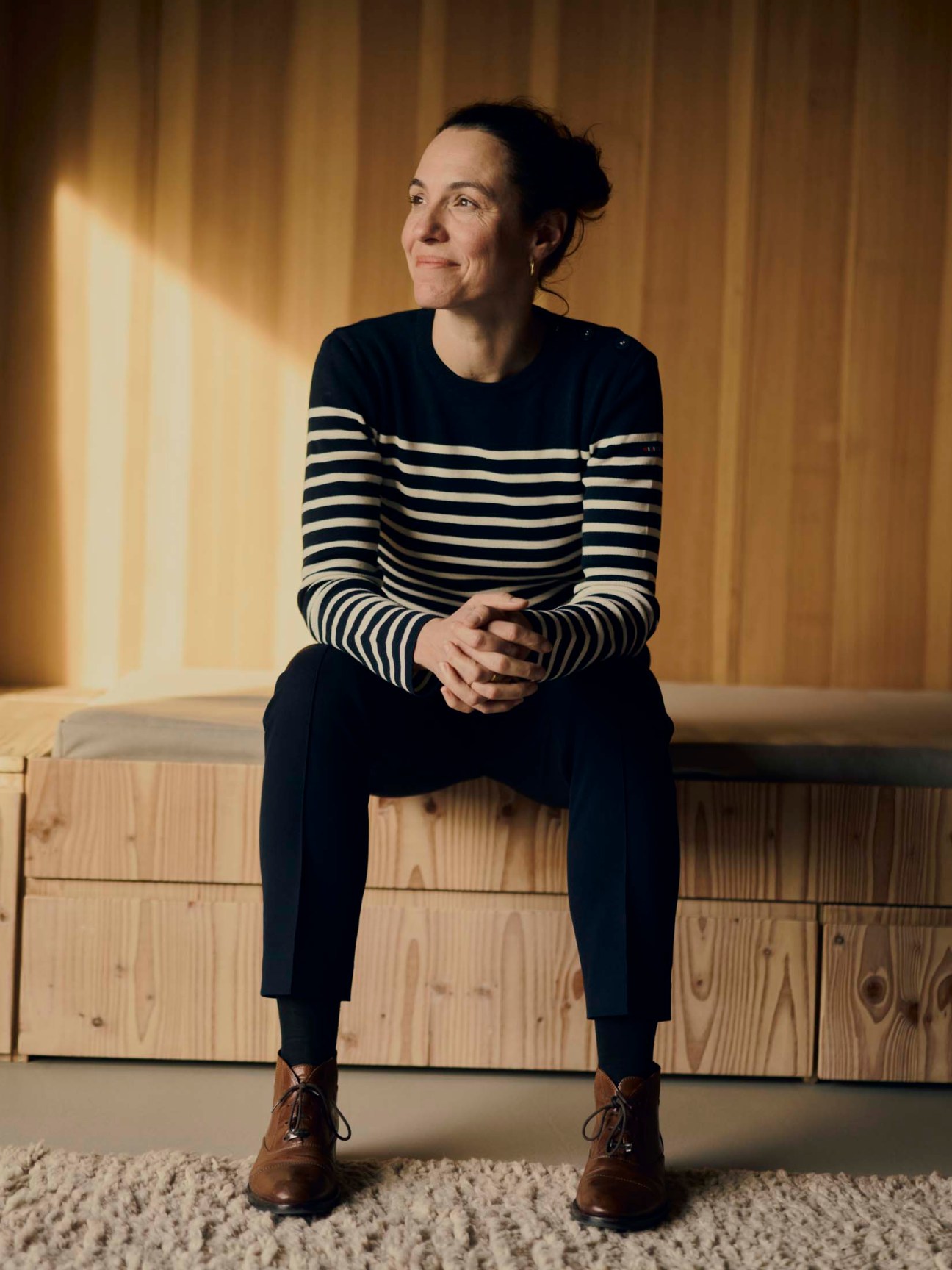
“This is a kind of editorial utopia,” says Maria Exner, director of Publix, as she greets monocle on a sunny Monday morning. In the glass-walled foyer of the building, which opened last September, a barista is making espressos while tables are occupied by people tapping away on laptops. A wide wooden staircase, which doubles as a stage during panel talks and readings, leads to the upper floors. Here, a badge is needed to enter: the first floor is a co-working space for media professionals, with fees starting at €179 per month, while the four storeys above host permanent offices for organisations including Reporters Without Borders and investigative outlet Correctiv.

in-chief at ‘Correctiv’
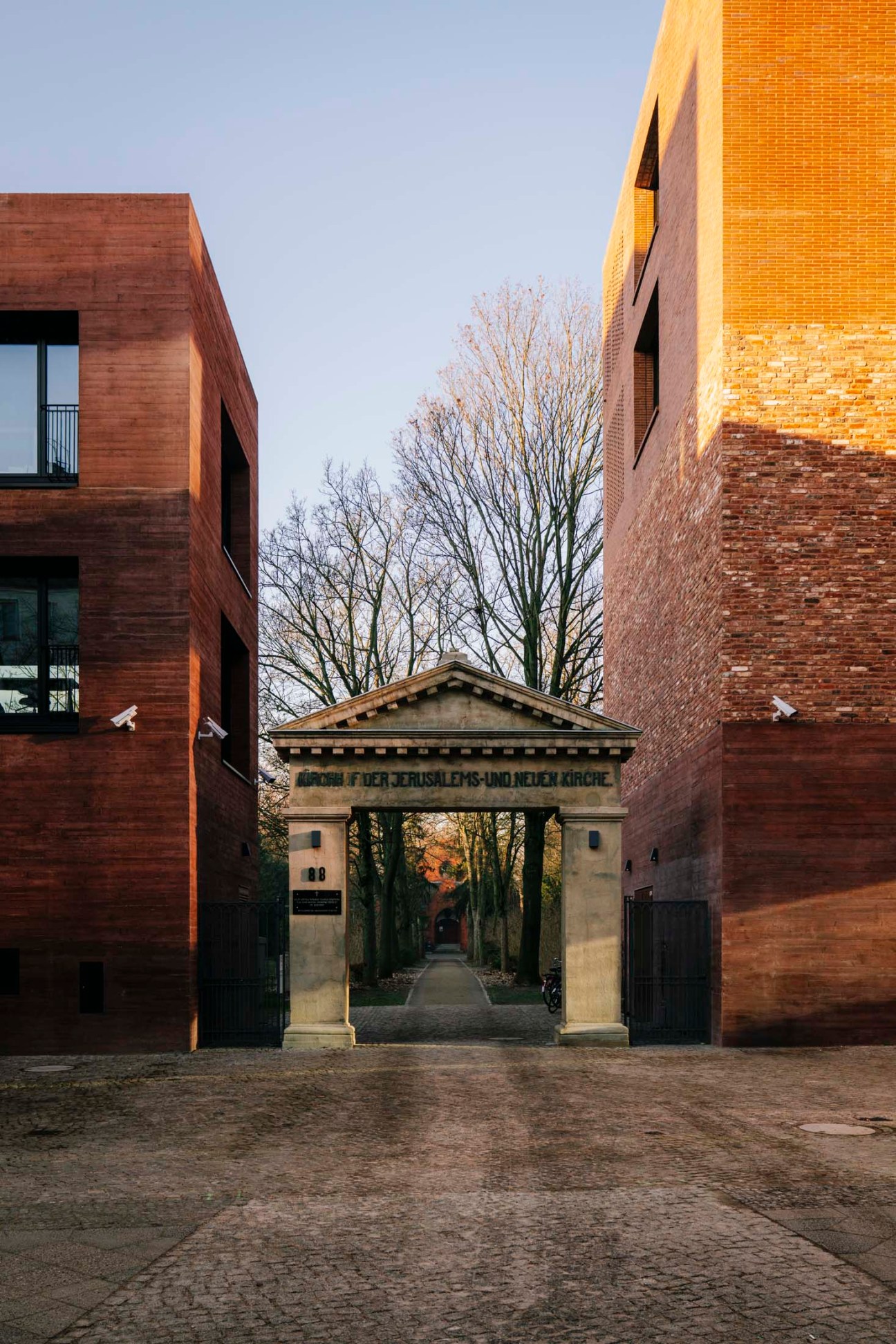
Publix is the initiative of the Lörrach-based Schöpflin Foundation, a low-profile but deep-pocketed philanthropic organisation. Founded by entrepreneur and investor Hans Schöpflin, it has long been a funder of local and start-up journalism in Germany. The idea for a physical space came from seeing how many Berlin-based organisations were struggling in the city’s tight property market. “Many would have to move offices every year, or even several times a year,” says Exner. When a partly disused cemetery on Hermannstrasse chose to sell a part of its land to the non-profit initiative, the idea grew in scope, expanding to co-working spaces and public programming.
“We always said that this is a building without a model,” says Ulrike Dix, a partner at AFF, the architecture practice behind the design. Indeed, there are similar journalists’ houses elsewhere but none have the size or scope of Publix. To figure out the building’s needs, the team set up a panel with its future tenants to steer the planning process. But the board made few design demands, mostly stressing the need for secure computer systems and data storage. “Journalists are used to working anywhere,” says Dix. “They’re not used to thinking of their needs in terms of architecture.” Exner, who was previously editor-in-chief at Zeit Magazin, chimes in. “When we started a podcast [before the Publix outpost was built], we set up our first studio in an old server room,” she says, laughing.
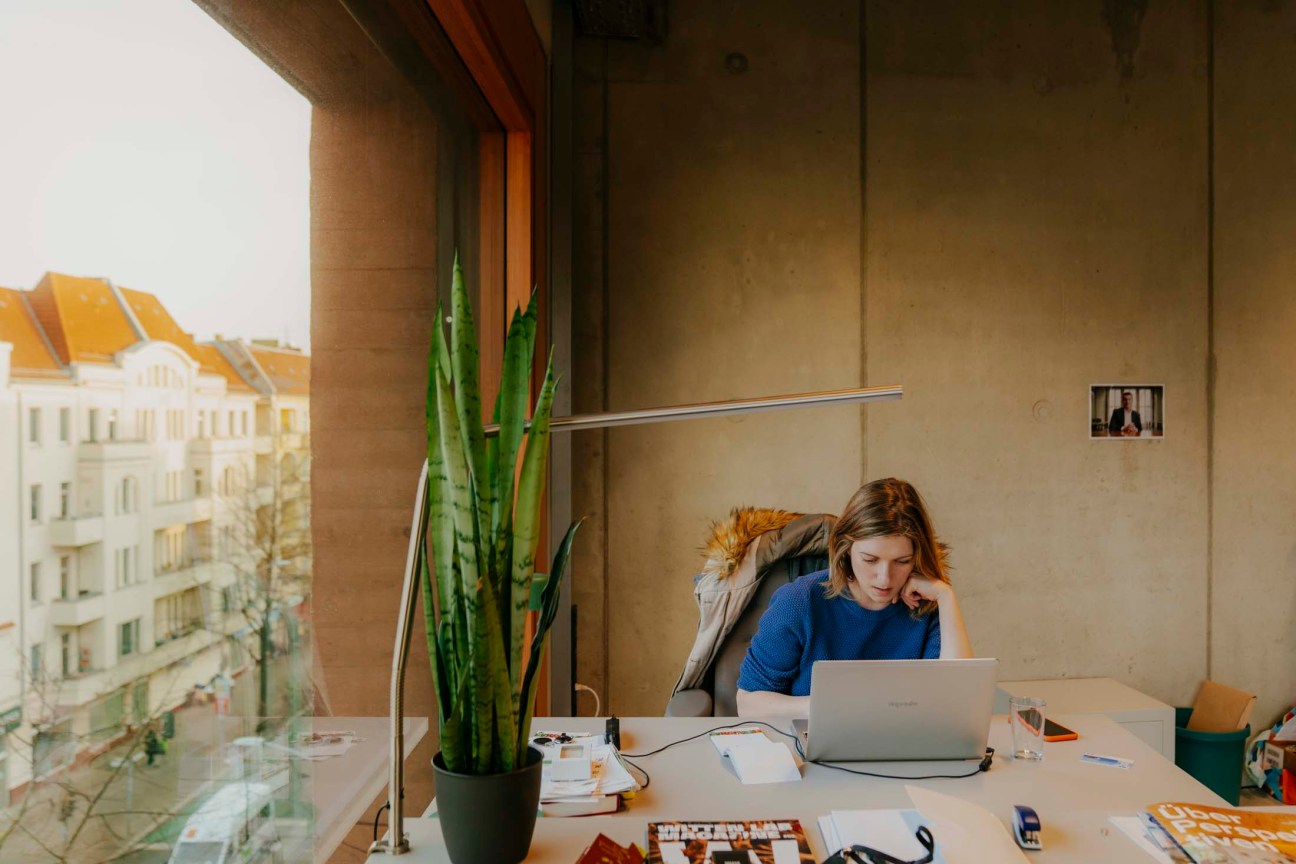
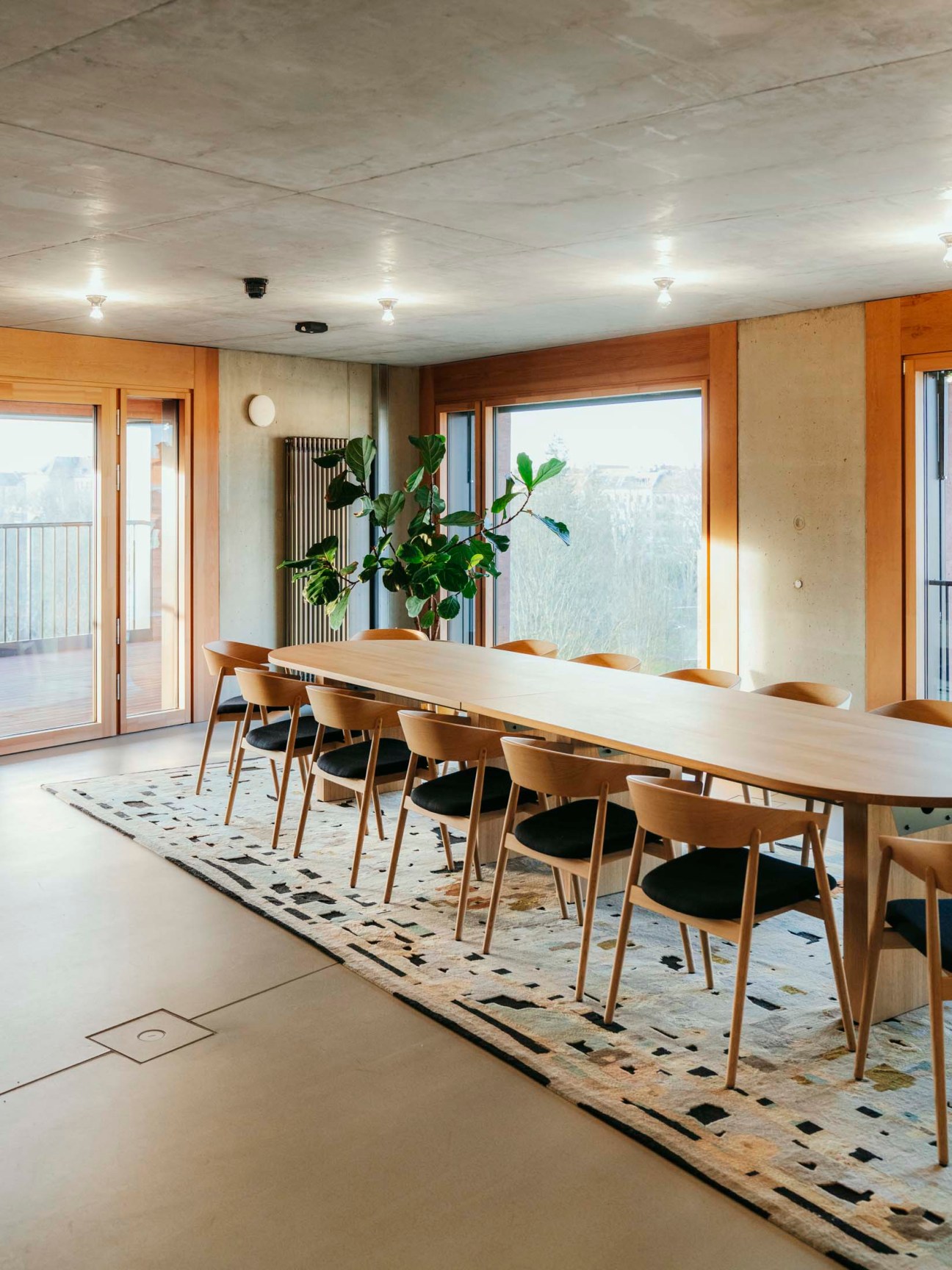
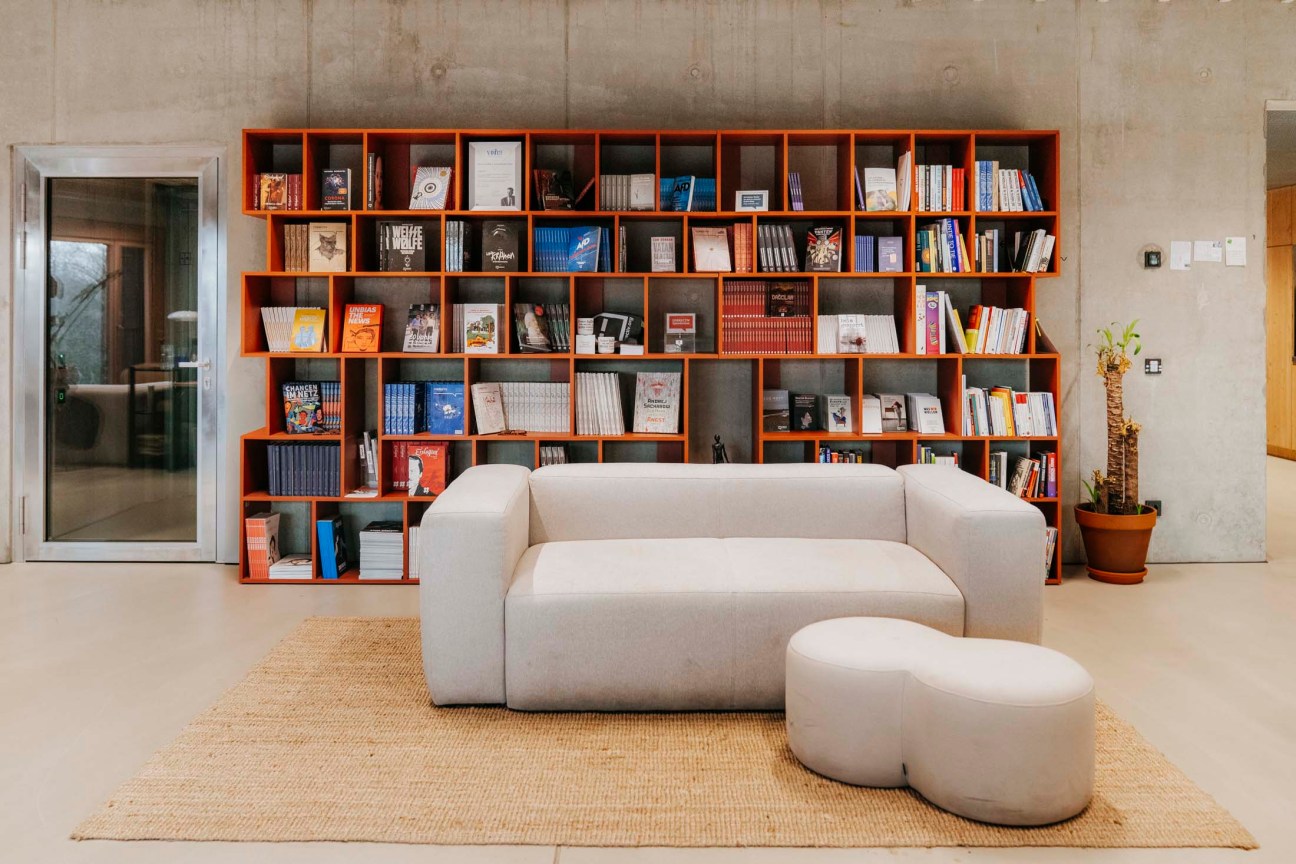
Despite the relaxed brief, the architects delivered something remarkable. The six-storey building makes the most of its slim site: with a busy street on one side and a lush park on the other. There are floor-to-ceiling windows throughout that bathe the building in light. “We wanted to create a sense of transparency,” says Dix. Tenants have open-plan offices and plenty of meeting rooms – named after activists and journalists such as Alexei Navalny and Letizia Battaglia – all in a simple palette of raw concrete, galvanised steel and Douglas fir. “We didn’t look to co-working spaces that are furnished like a home,” says Dix. “We wanted this to feel like a workshop for journalism.” Naturally, there are audio and film studios that are used by tenants and can be rented.
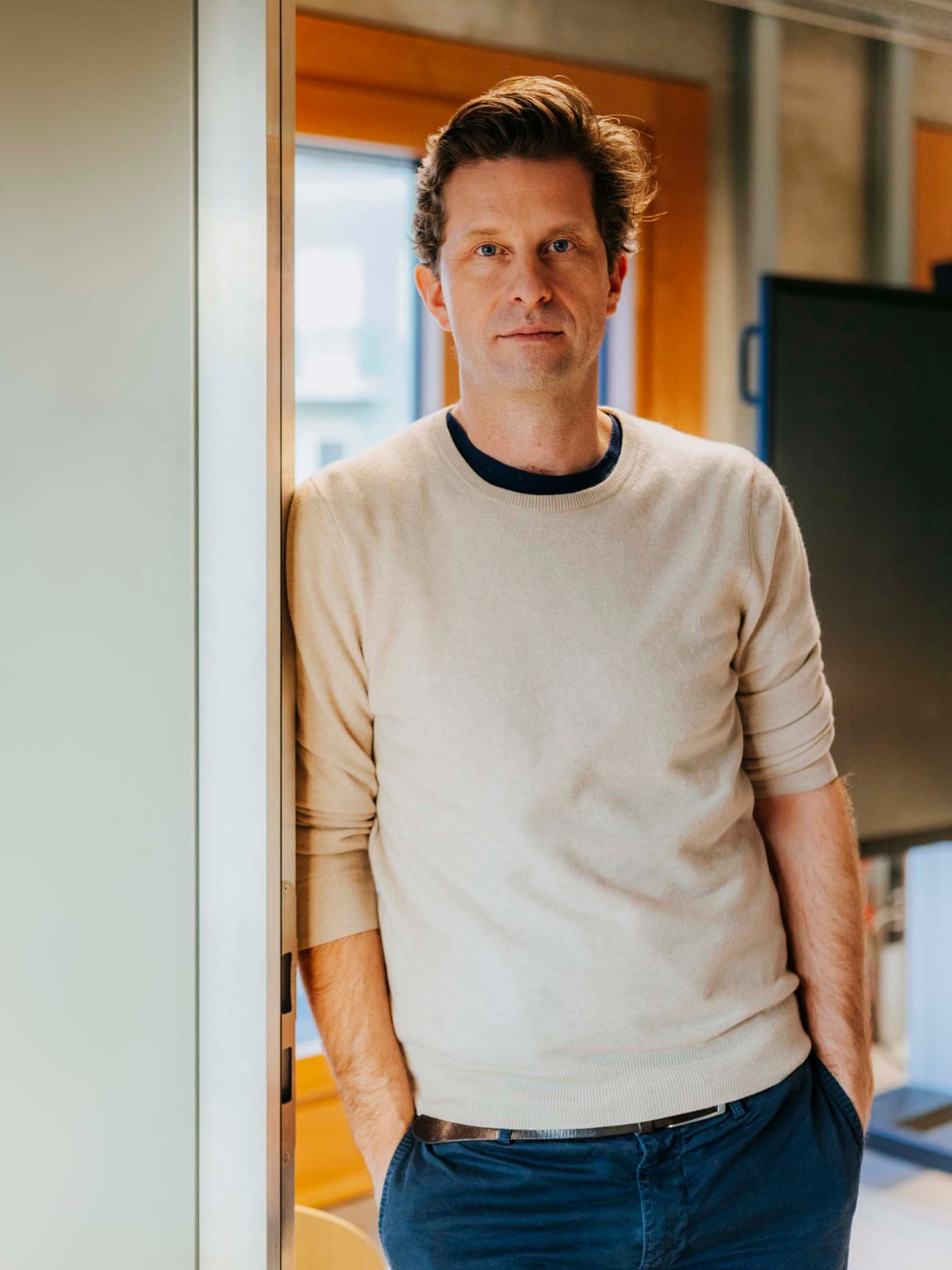
The safety demands of the tenants turned out to be no exaggeration. In January 2024, only a few months before moving into their new offices, Correctiv published an exposé of a secret conference in Potsdam that plotted the “remigration” of people with foreign backgrounds. The bombshell report led to both protests in opposition to the rising far right in Germany and a wave of lawsuits and harassment against Correctiv. “There were people standing outside our offices, filming,” says co-editor-in-chief Justus von Daniels. Once they moved into Publix, that became more difficult: the offices are tucked away behind multiple locked doors. “Here, we had the fortune to decide what kind of offices we wanted.”
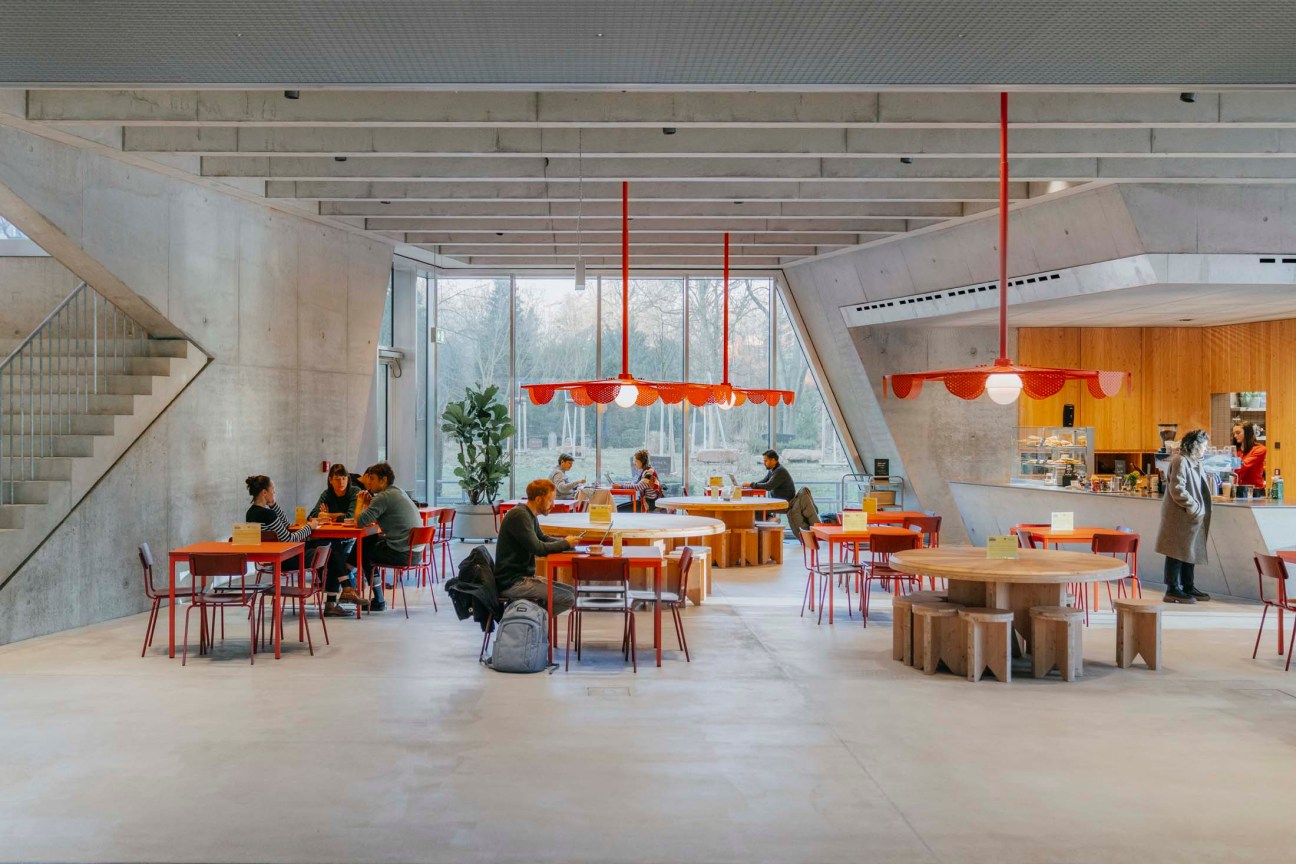
Publix has opened to high demand. There are already more than 400 registered tenants, though, according to Exner, “nobody comes in every day”. The journalists have done far-reaching work: editor Tobias Haberkorn got a new magazine, the Berlin Review, off the ground thanks to the support of the Publix fellowship, while the first documentary partly filmed at the building, about the German pension system, aired in January on public-service broadcaster ZDF. Exner is now focused on establishing Publix as an international hub for the future of journalism and public discourse. “My hope is that the organisations inside this building take really novel, experimental approaches to editorial work,” she says. Exner lists AI-generated headlines, low media literacy and the fragmentation of news media as just some of the looming threats to journalism, though Germany has, so far, been less affected by these than other countries. “Luckily, Germany tends to be 10 years behind other countries,” says Exner. With Publix, it is suddenly setting an example.
publix.de
Monocle’s menswear picks from Tokyo
Italian icon
At Zegna, creative director Alessandro Sartori aims for a quintessentially Italian look: relaxed silhouettes, dropped shoulders and artisanal quality, mastered at the company’s historic Piedmont factory.
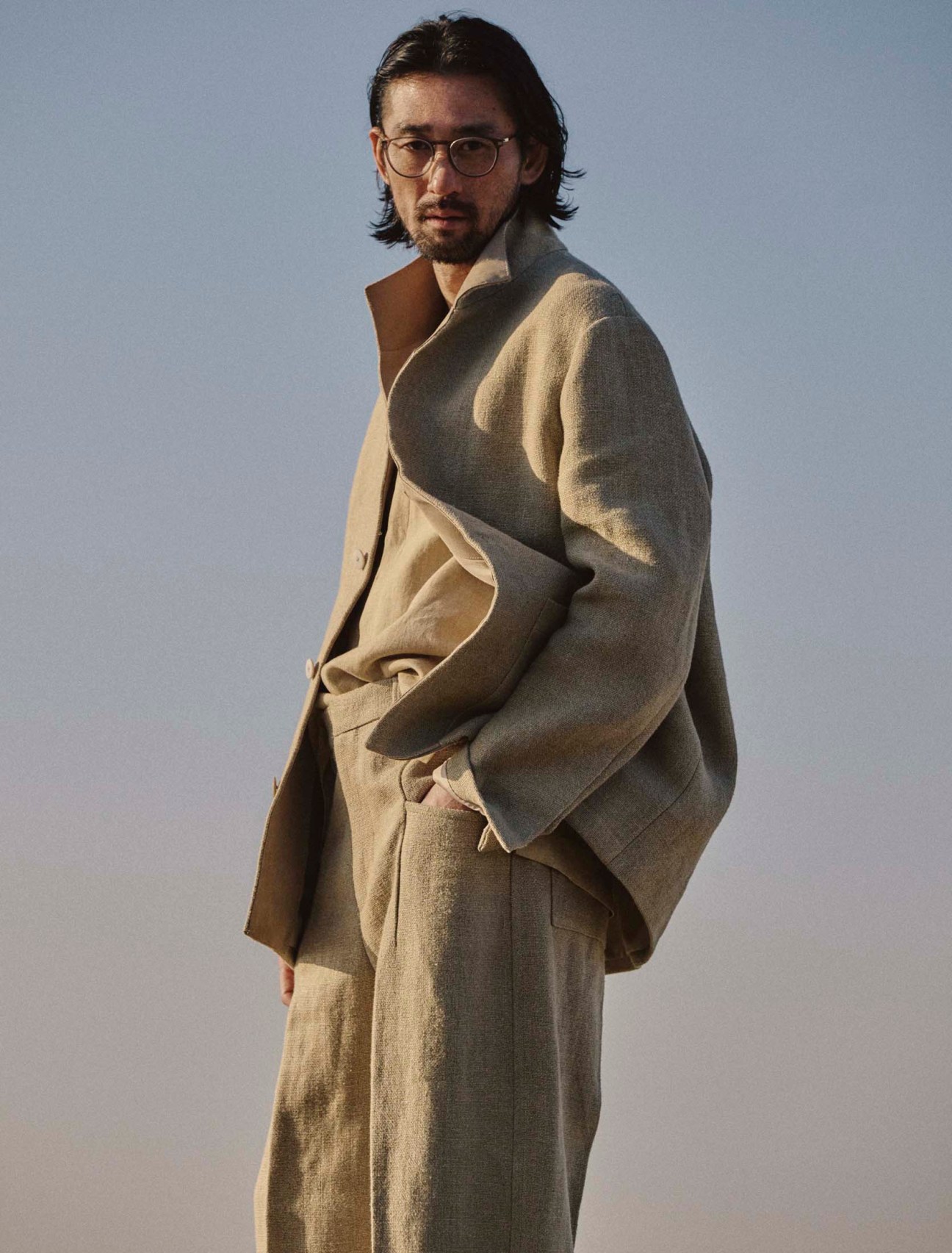
Left: Suit and shirt by Zegna, glasses by Mykita.
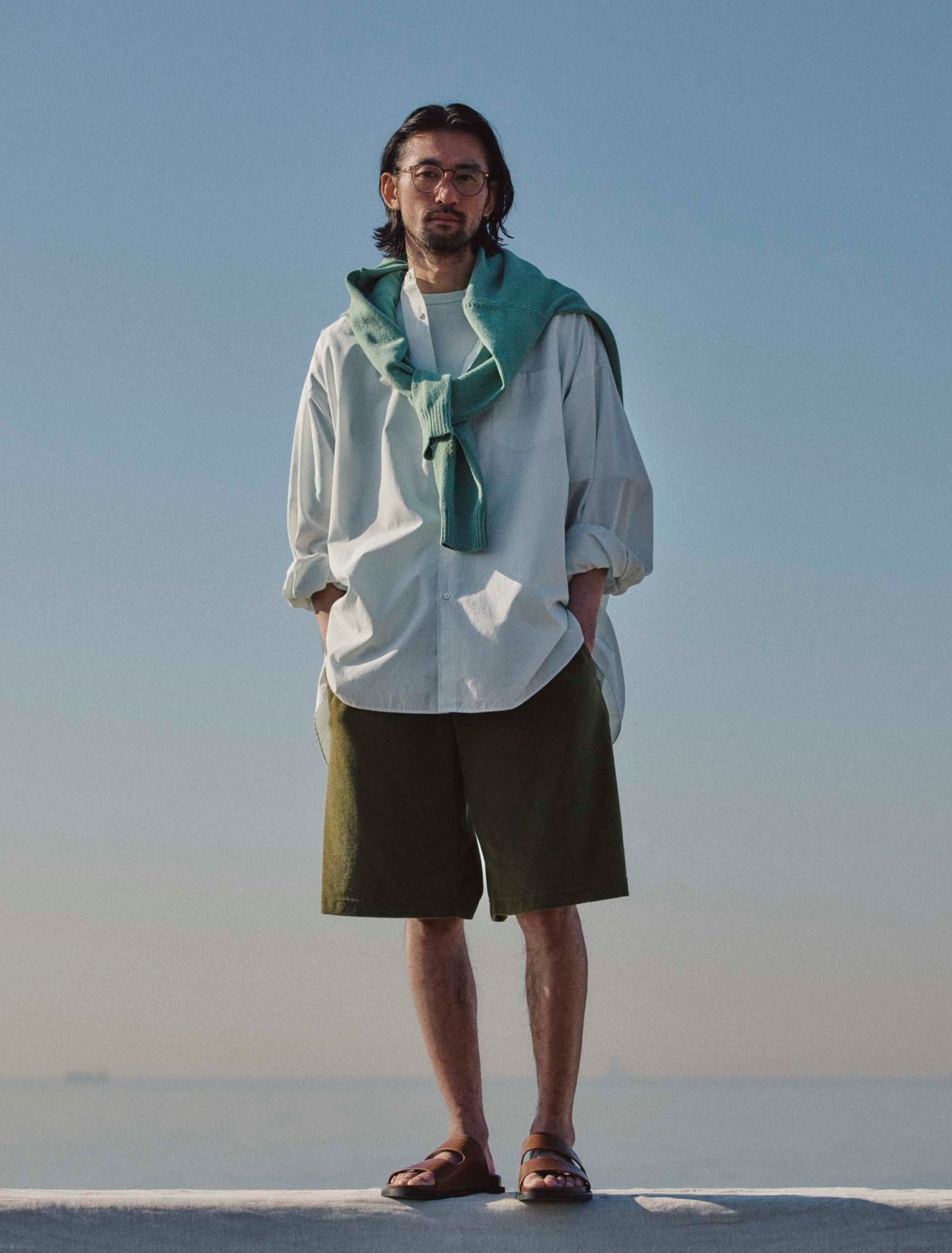
Right: Jumper by Beams Plus, shirt and t-shirt by Graphpaper, shorts by Herno, sandals by JM Weston, glasses by Mykita
Free and breezy
Kyoto-based Graphpaper, is best known for its boxy supima cotton shirts, selvedge denim and relaxed tapered trousers. The latter look best when rolled up and paired with leather sandals on sunny days.
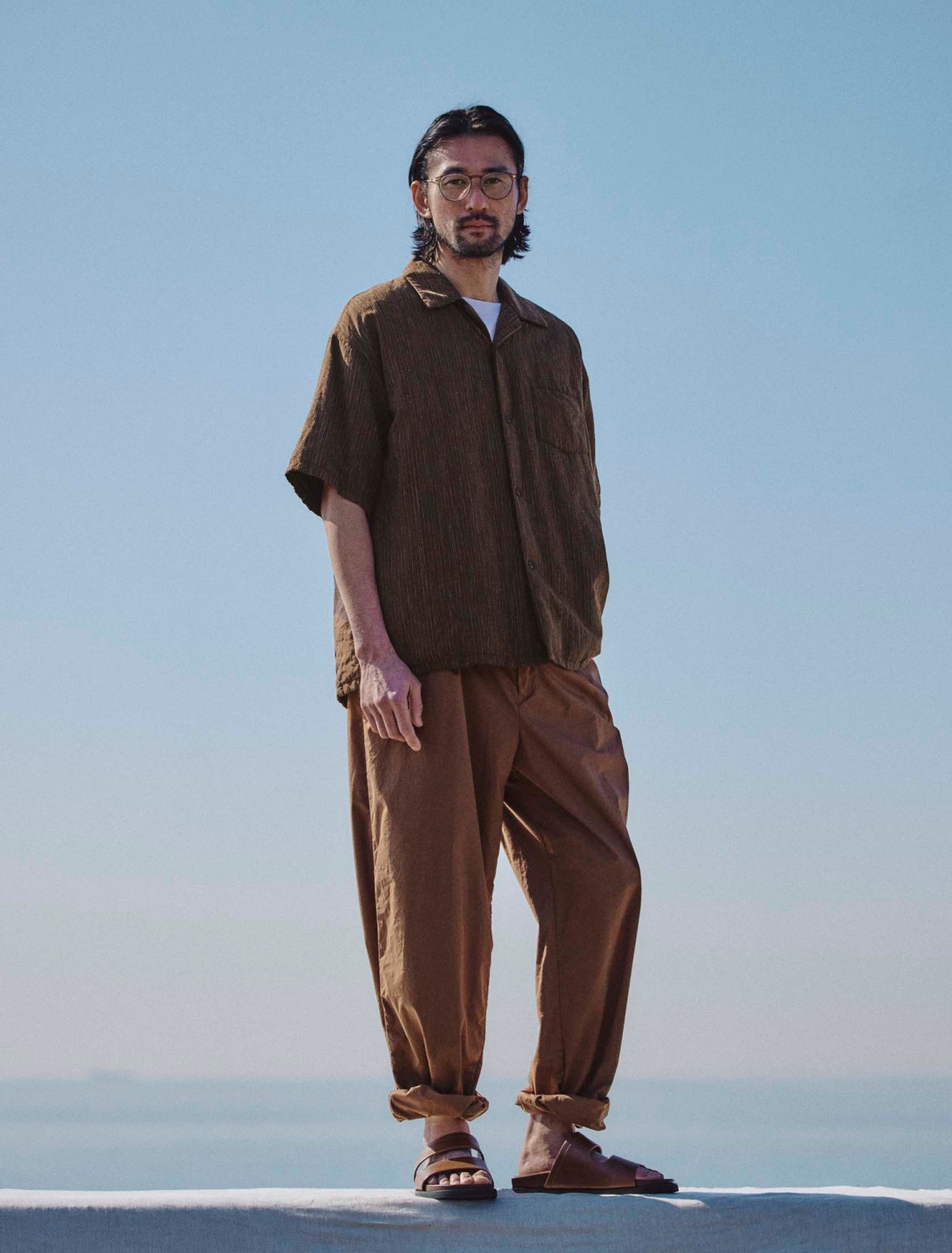
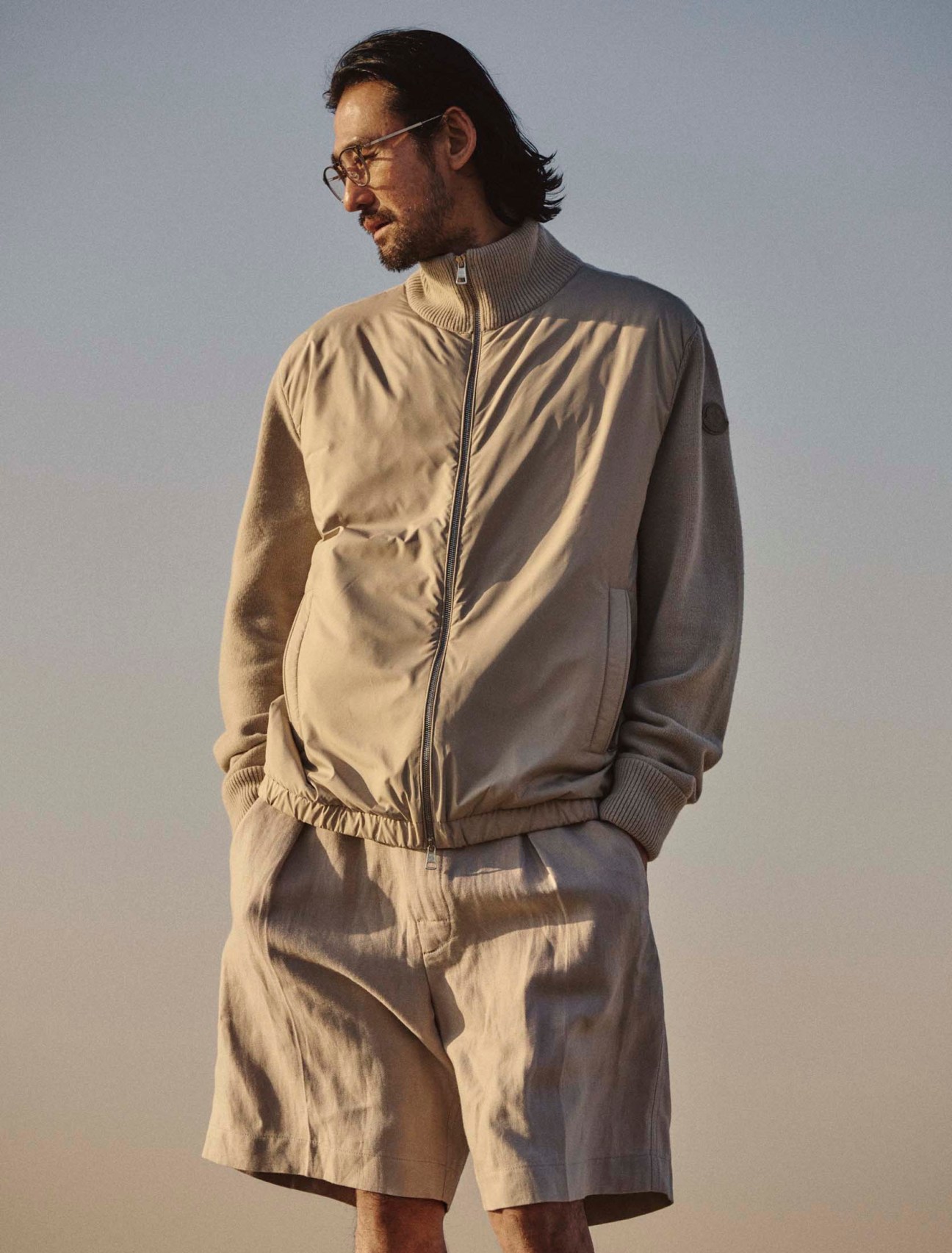
Left: Shirt by Visvim, t-shirt by Eton, trousers by Graphpaper, sandals by JM Weston, glasses by Mykita
Right: Jacket by Moncler, shorts by Loro Piana, glasses by Mykita
Science conviction
Polyploid is a Berlin-based label, founded by Isolde Auguste Richly, a designer known for the scientific precision with which he cuts patterns and sources fabric. The result is meticulously crafted wardrobe essentials, including shirts manufactured between Germany and Japan.
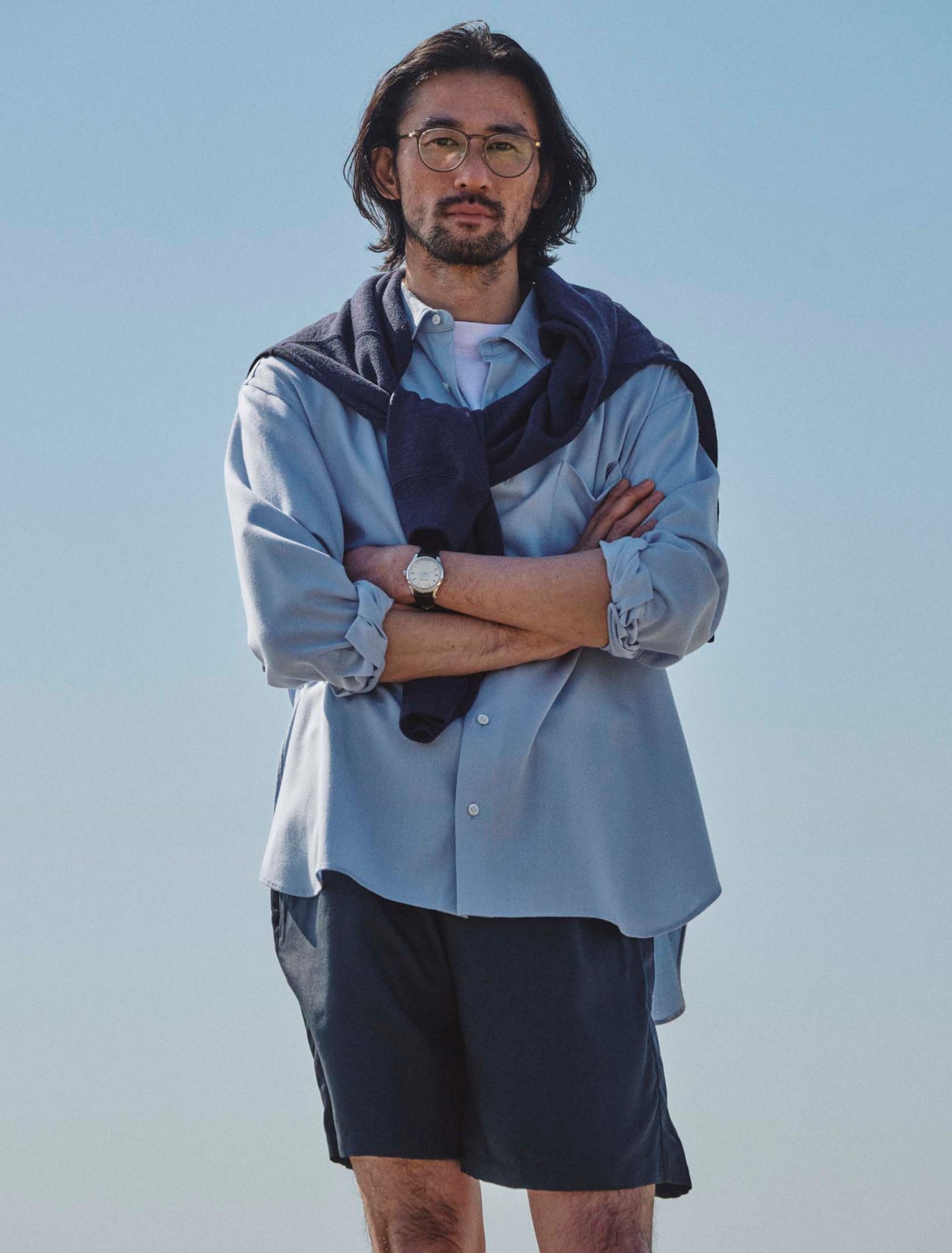
Left: Hoodie by Visvim, shirt and shorts by Bodhi, t-shirt by Comoli, glasses by Mykita, SBGW301 watch by Grand Seiko
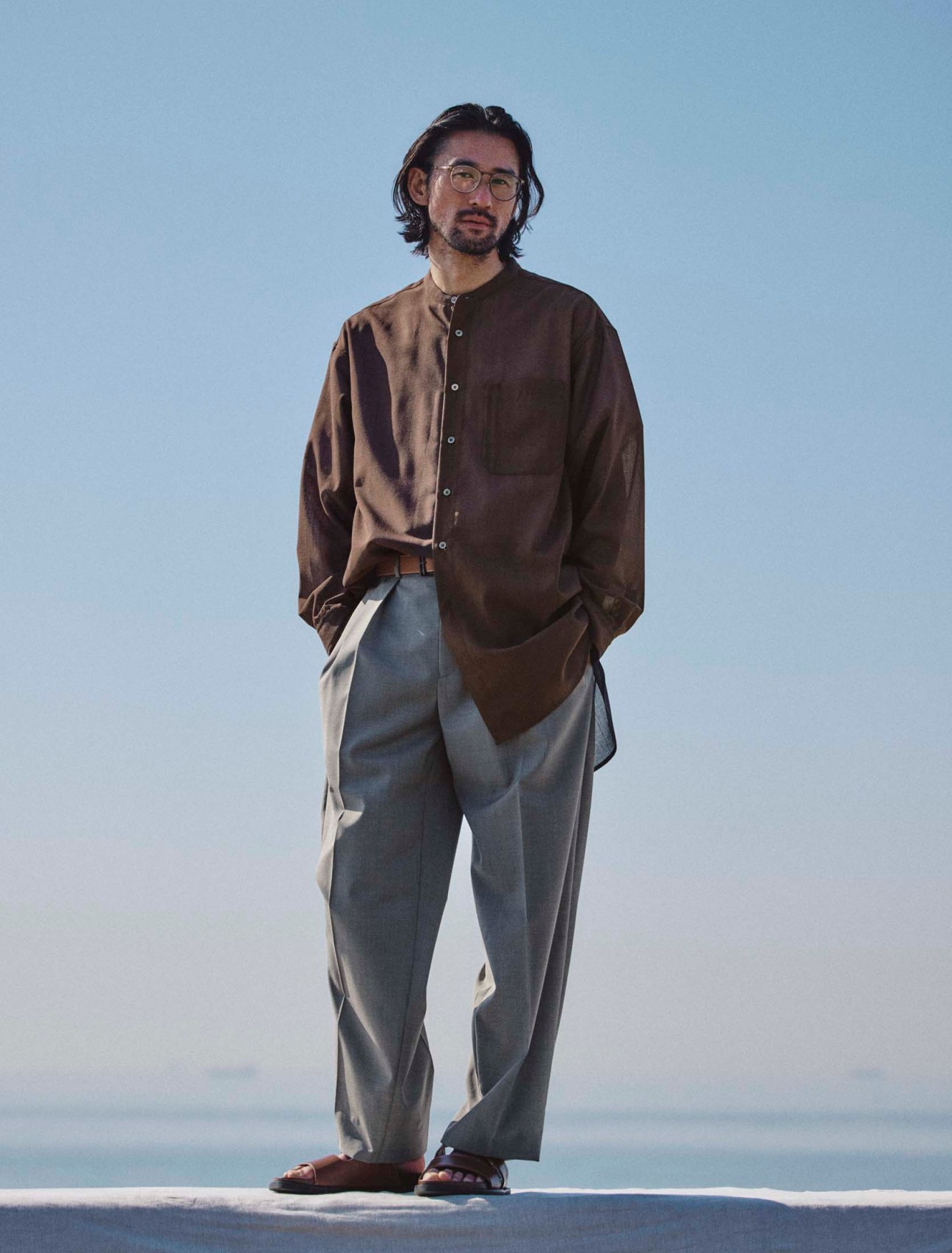
Right: Shirt by Polyploid, trousers by Emporio Armani, sandals by JM Weston, belt by Hermès, glasses by Mykita
Classics reimagined
Sans Limite is the brainchild of Comme des Garçons veteran Yusuke Monden. He started with a sharp edit of six shirts and has since continued to perfect his concept: wardrobe classics made well.
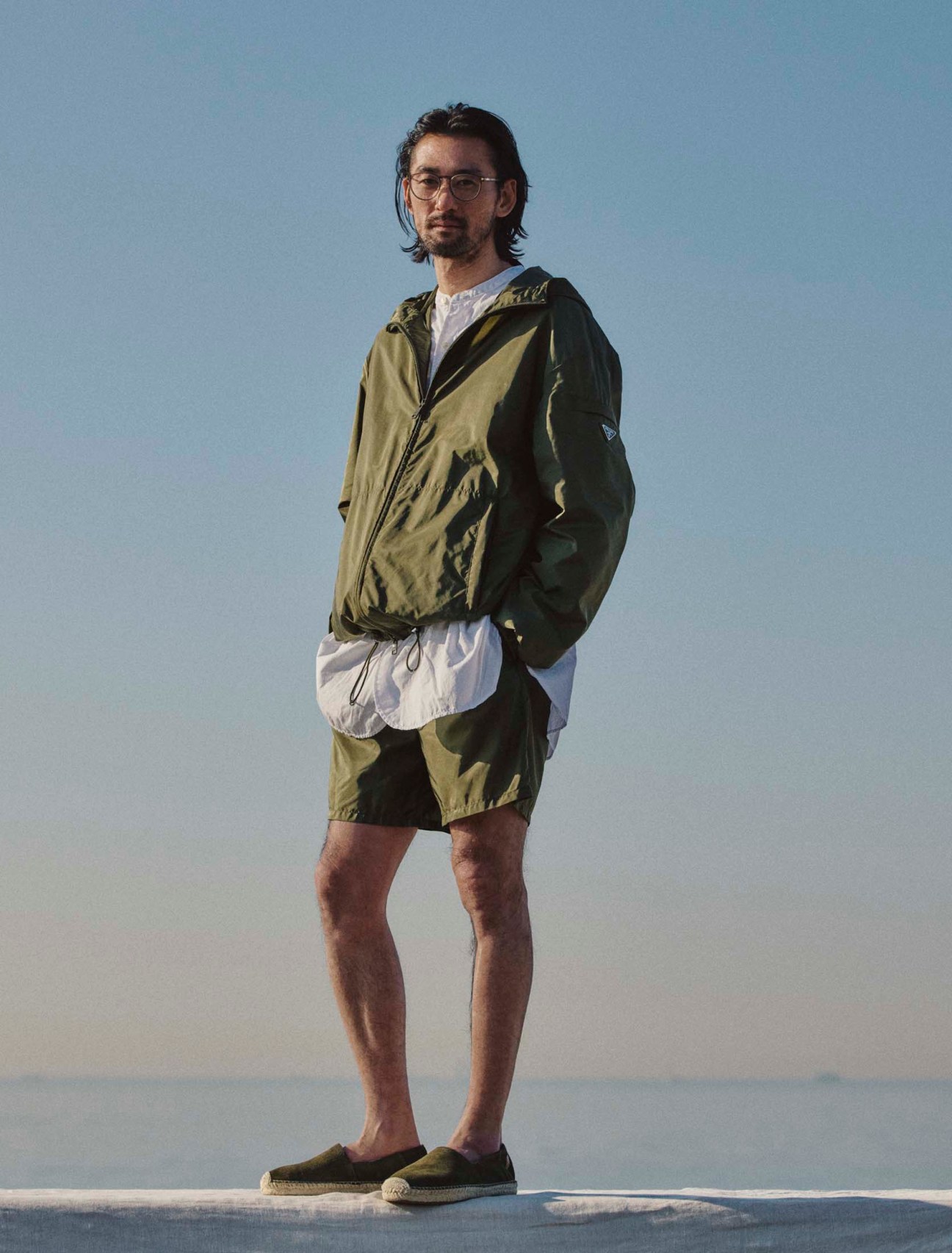
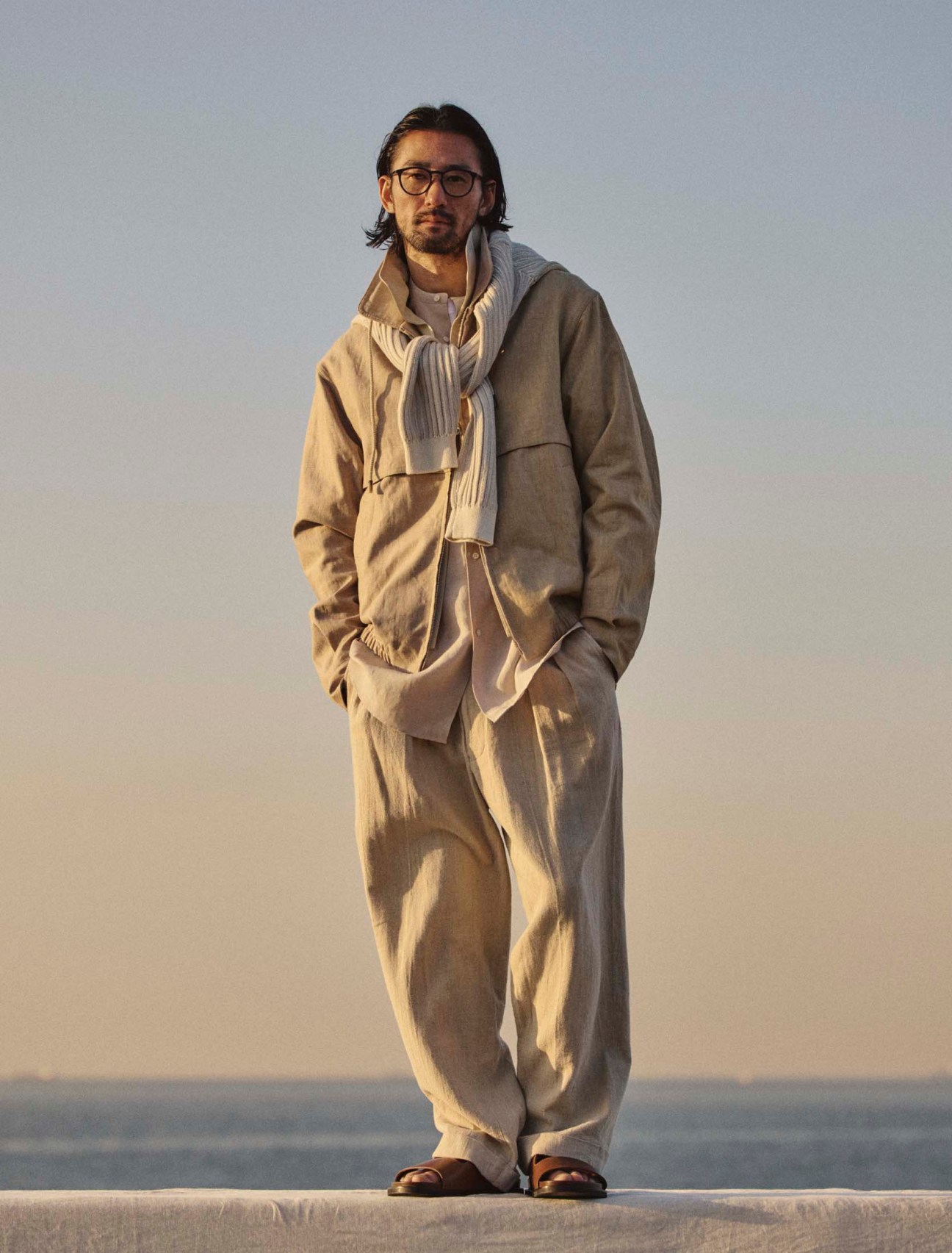
Left: Jacket and shorts by Prada, shirt by Sans Limite, espadrilles by Polo Ralph Lauren, glasses by Mykita
Right: Jacket by Loro Piana, shirt by Graphpaper, jumper by Zanone, t-shirt by Eton, trousers by Beams Plus, sandals by JM Weston, glasses by Mykita
Come rain, come shine
Herno is an authority in outerwear, having been created in 1948 in Lesa, Italy, to fulfil a growing demand for raincoats in the region. Today the family-owned business remains our go-to for waterproof essentials made with durable, innovative materials.
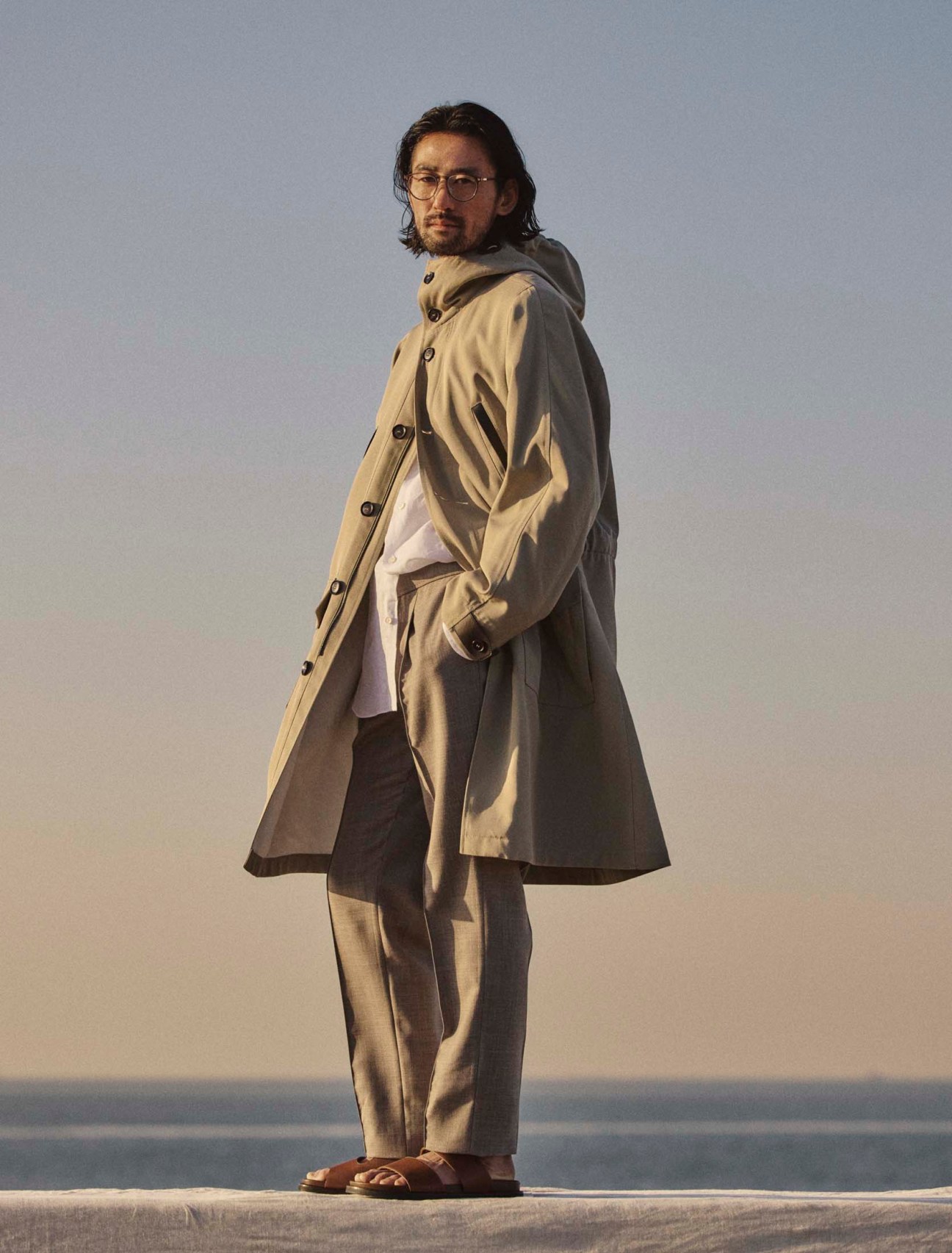
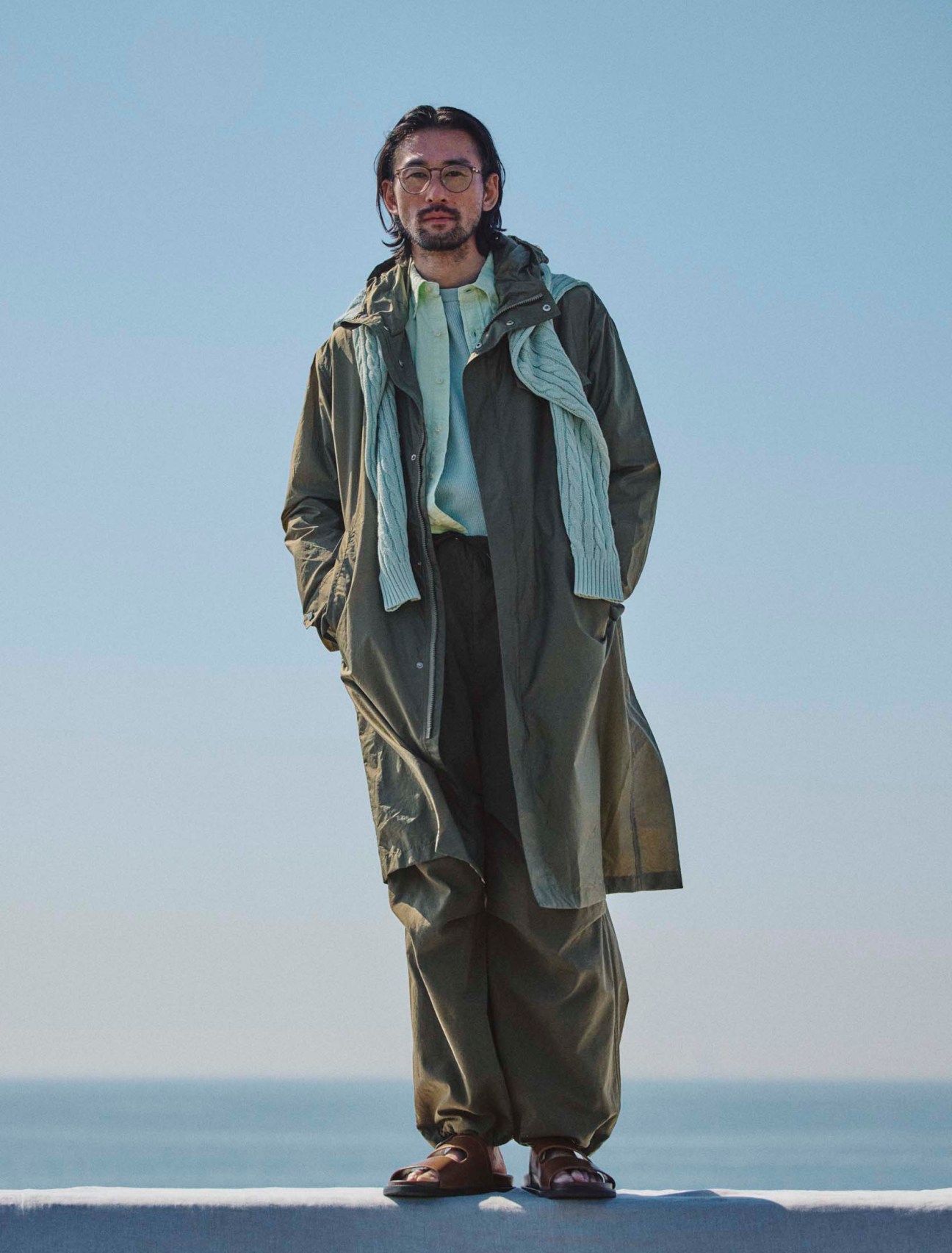
Left: Coat, shirt and trousers by Brioni, sandals by JM Weston, glasses by Mykita
Right: Coat by Herno, shirt by Polo Ralph Lauren, jumper by Beams Plus, thermalshirt by Polyploid, trousers by Blurhms, sandals by JM Weston, glasses by Mykita
Sight to behold
The appetite for refinement in fashion has returned – and with it, accessories such as hats, gloves and optical glasses are rising in popularity. Mykita remains our go-to for sleek, metal frames, made at the label’s high-end manufacturing facility in Berlin.
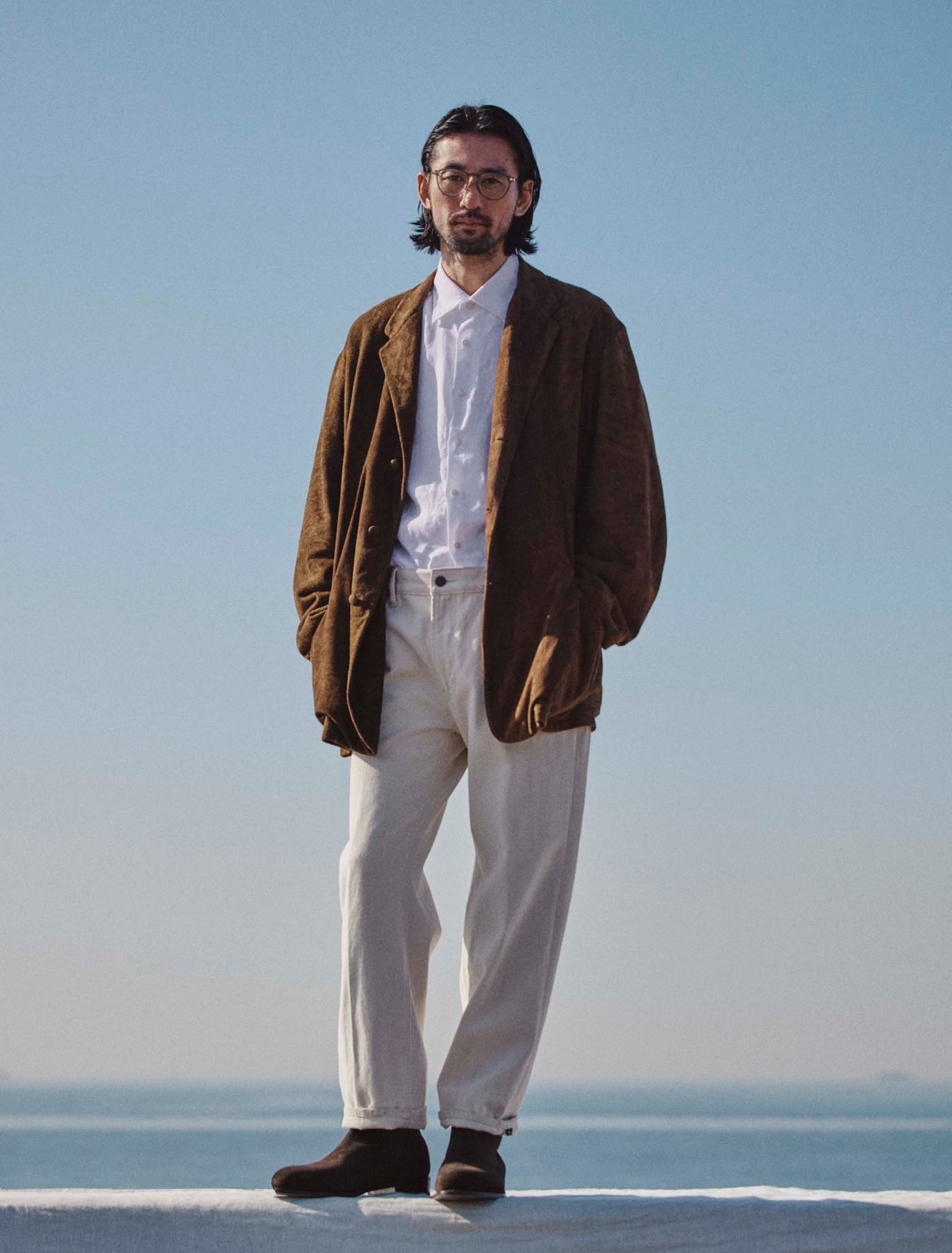
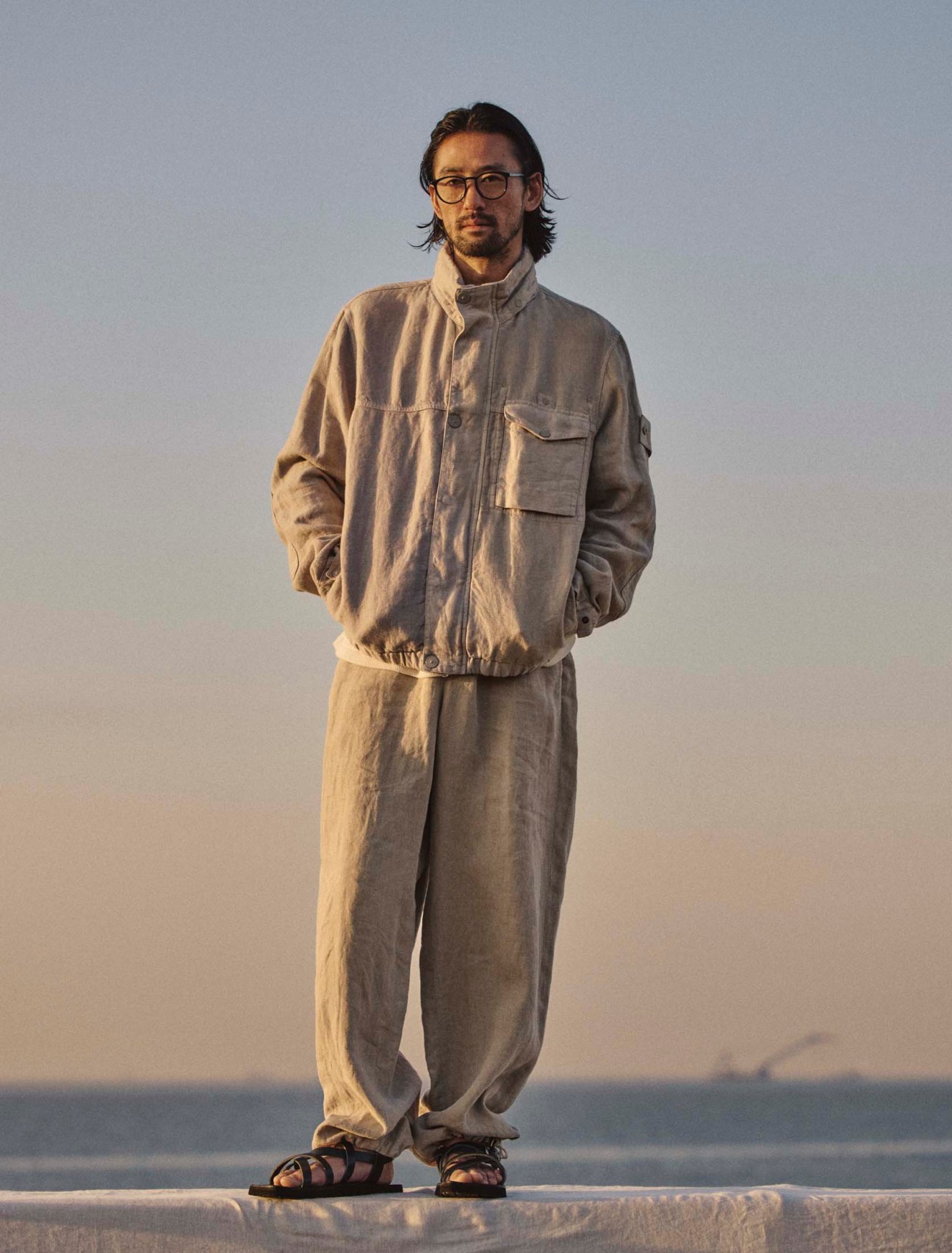
Left: Jacket by Comoli, shirt by Glanshirt, trousers by Emporio Armani, boots by JM Weston, glasses by Mykita
Right: Jacket by Stone Island, thermal shirt by Polyploid, trousers by Aton, sandals by Hender Scheme, glasses by Mykita
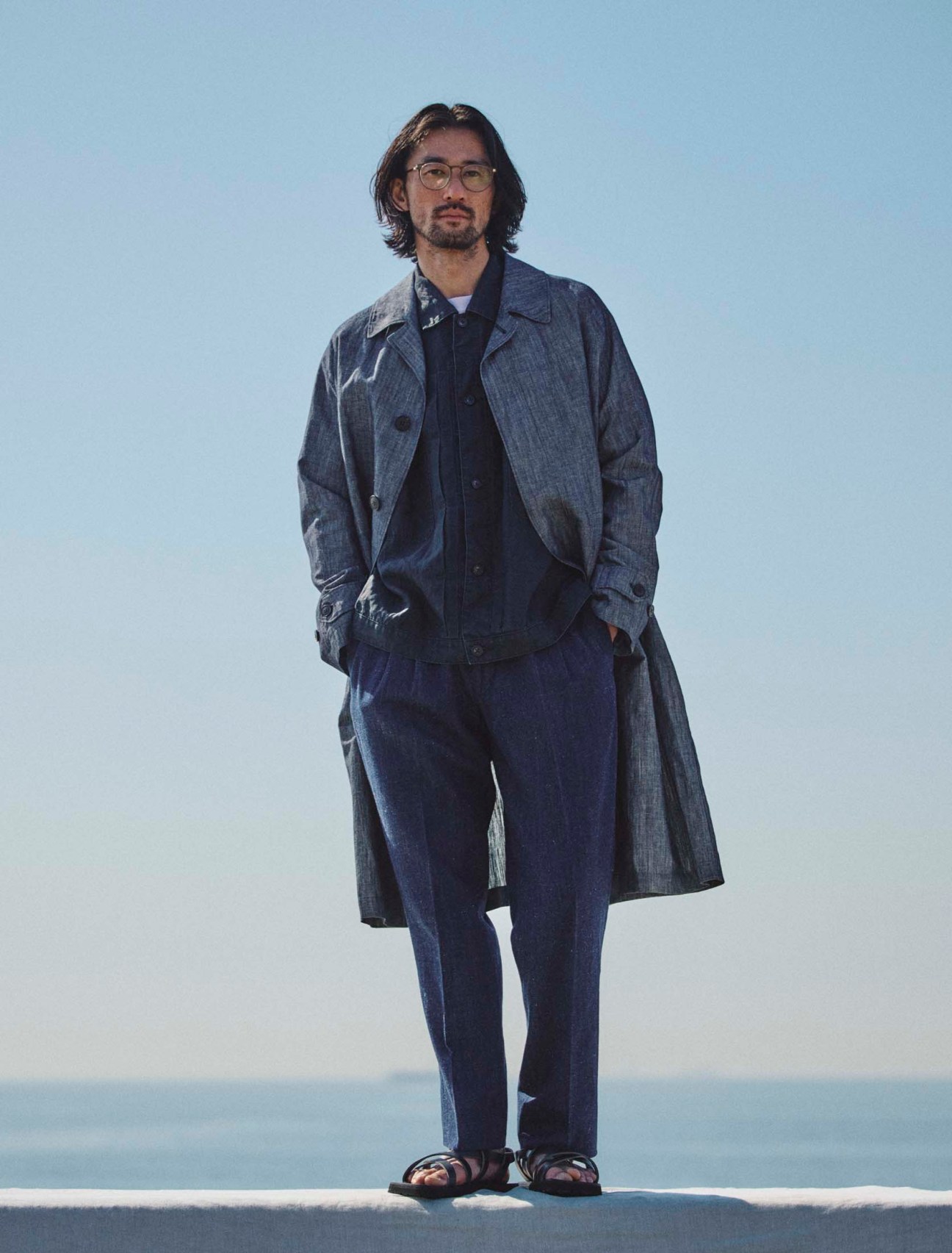
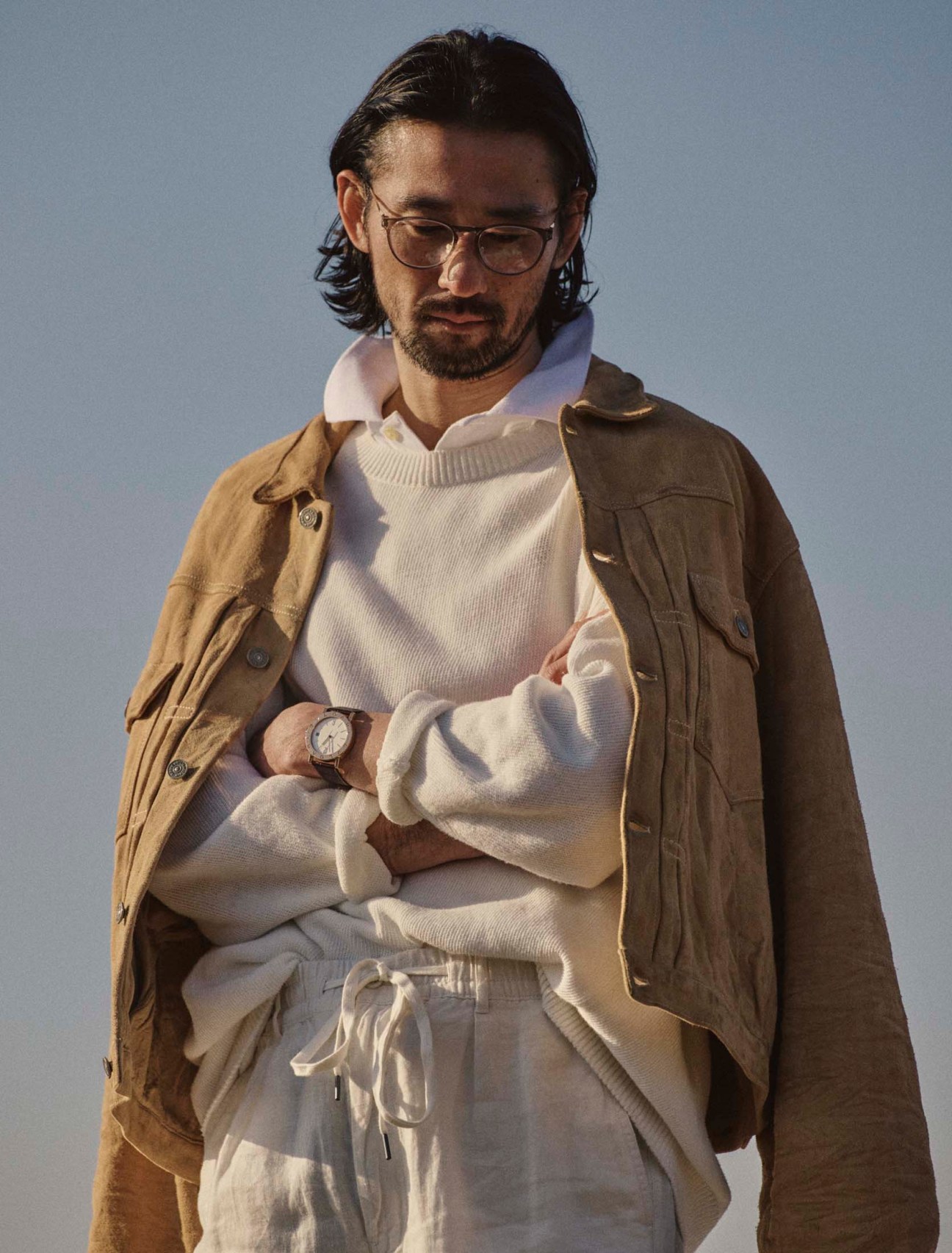
Left: Coat by Hevò, jacket by Porter Classic, t-shirt by Comoli, trousers by Devorè Incipit, sandals by Hender Scheme, glasses by Mykita
Right: Jacket by Visvim, jumper by Comoli, polo shirt and trousers by Polo Ralph Lauren, BVLGARI BVLGARI watch by Bulgari, glasses by Mykita
Styling: Akio Hasegawa
Grooming: Kenichi Yaguchi
Producer: Shigeru Nakagawa
Model: Ikken Yamamoto
The best new restaurants this April, from Greece to South Asia
Tiffany’s X 1905
Thessaloniki
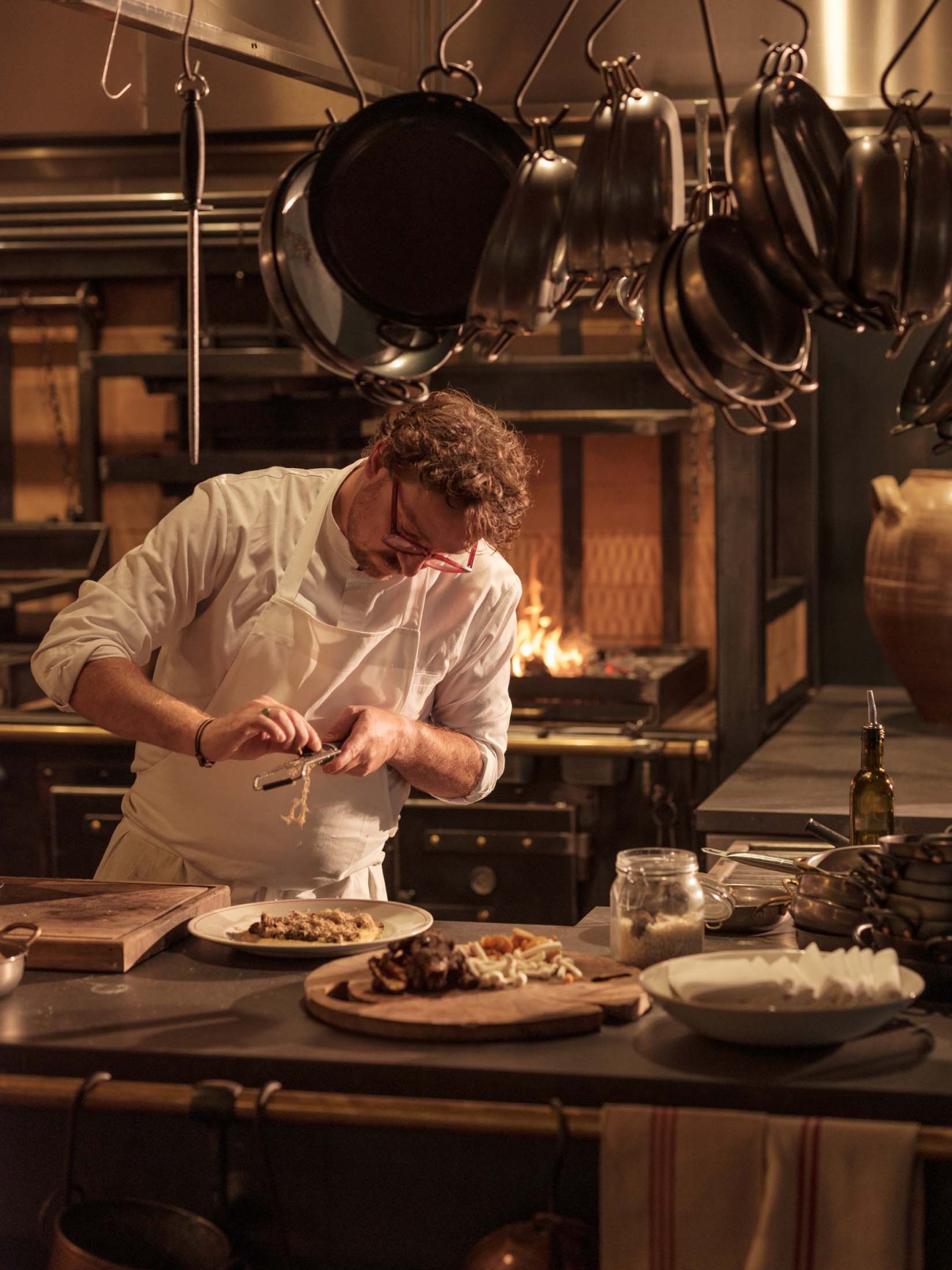
A classic mageirio, Tiffany’s served homely dishes to Thessaloniki’s diners for some 40 years before closing in 2013. Now, Tiffany’s X 1905 (pictured above) is bringing it back – with a twist. “We didn’t want to copy the original but to invent a modern version,” says restaurateur Nikos Nyfoudis, who draws inspiration from Crete, Kefalonia, London (where he lived for 13 years) and his native Thessaloniki. Oenologist Anestis Haitidis procured about 550 varietals for the wine list, for pairing with the kontosouvli (spit-roasted pork), Tinos pickled artichokes and braised lamb with yoghurt. For dessert, try the kiounefe – a pastry shell filled with mozzarella cheese.
tiffanys1905.gr
Da Costa
Somerset
Since Hauser & Wirth opened its Bruton outpost a decade ago, tasteful types have flocked to the Somerset village to see the best art that England’s southwest has to offer. But leafy Bruton boasts more than just contemporary culture. Named after co-founder Iwan Wirth’s maternal grandfather, Da Costa is a new addition to the gallery and to Bruton’s culinary scene. The restaurant serves northern Italian fare made with seasonal ingredients – think salt-baked beetroot risotto and cured trout with smoked ricotta and blood orange. Tiramasù will wrap up your food tour of the Italian Alps via the West Country.
da-costa.co.uk
Jason
Helsinki
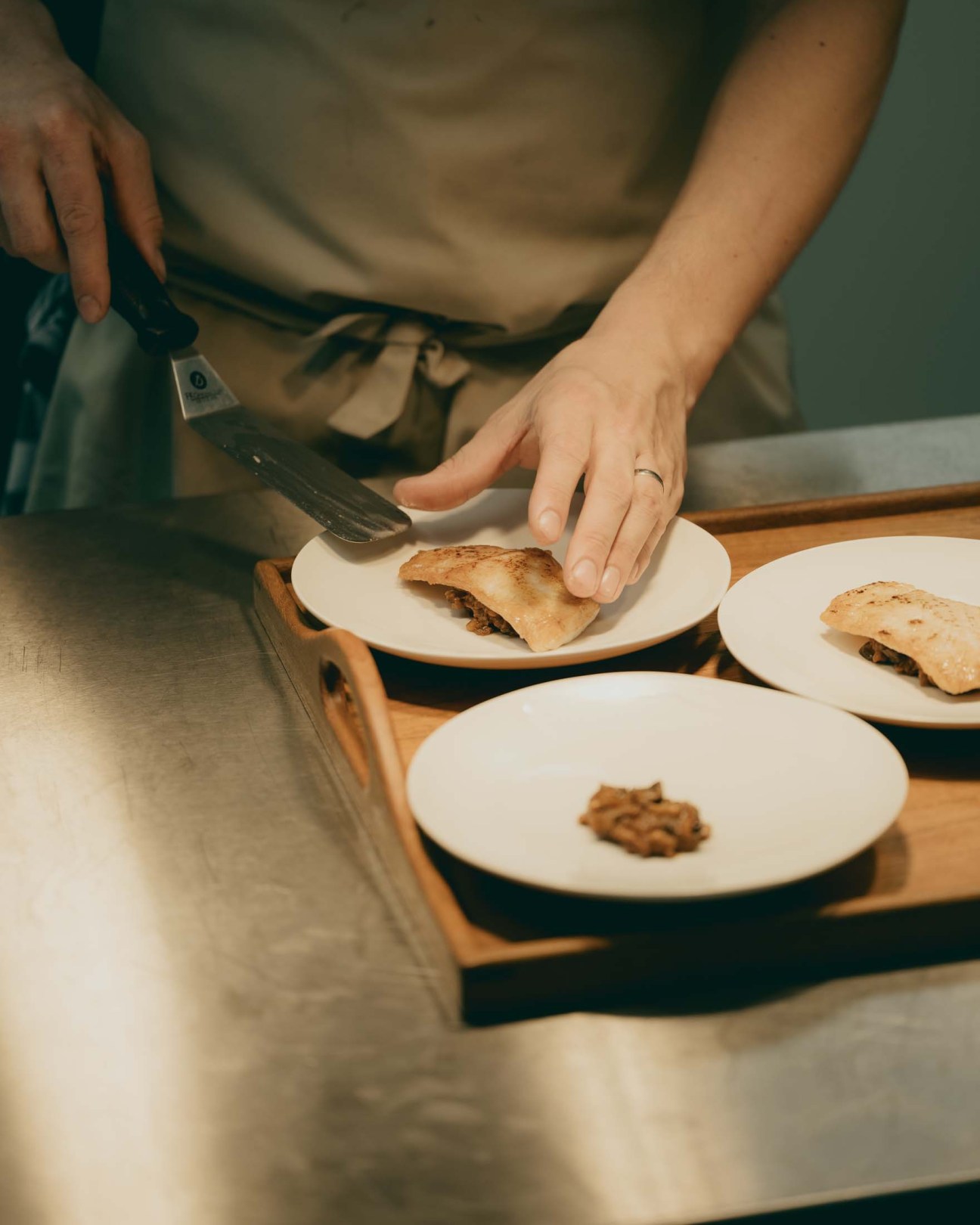
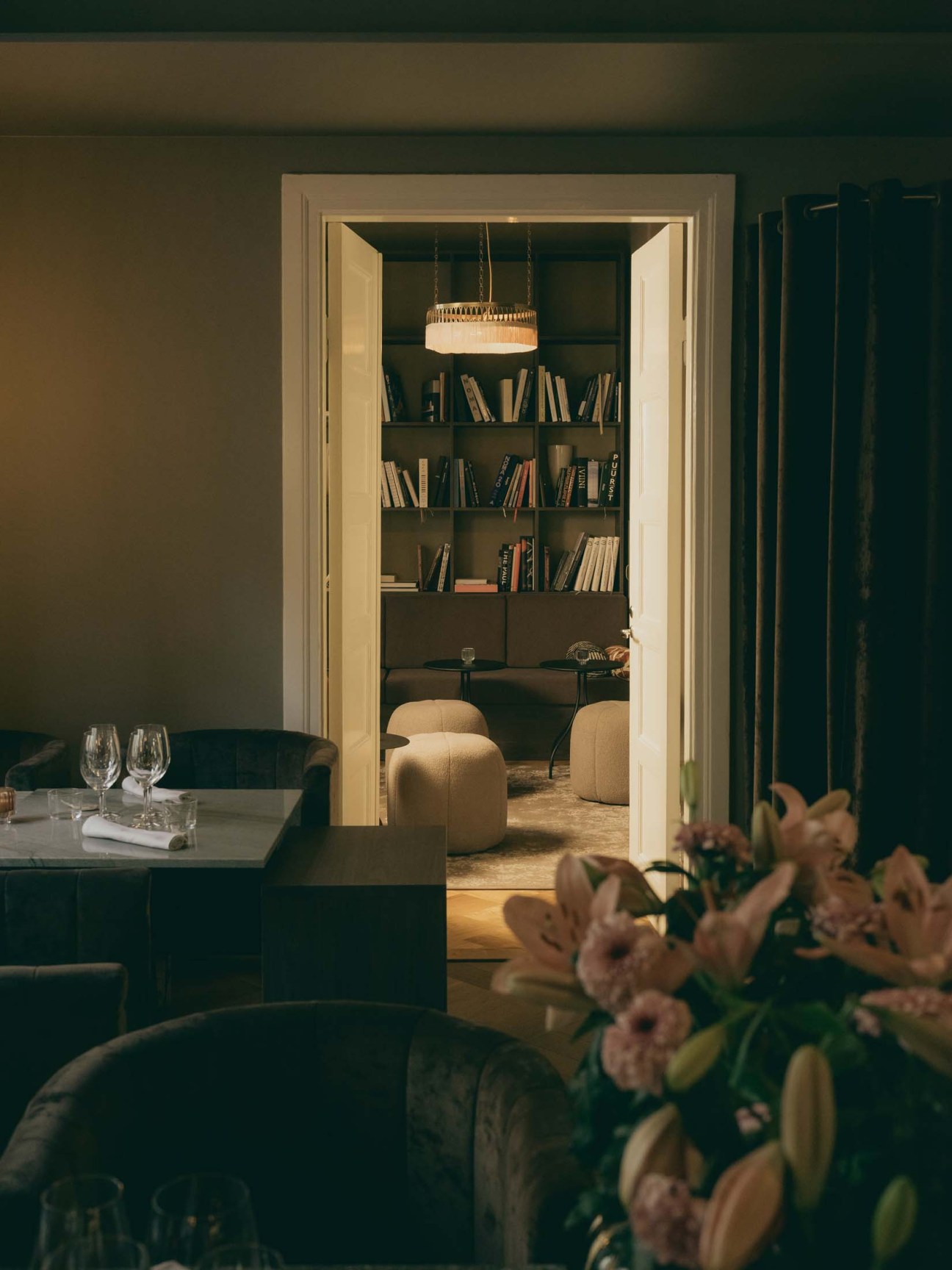
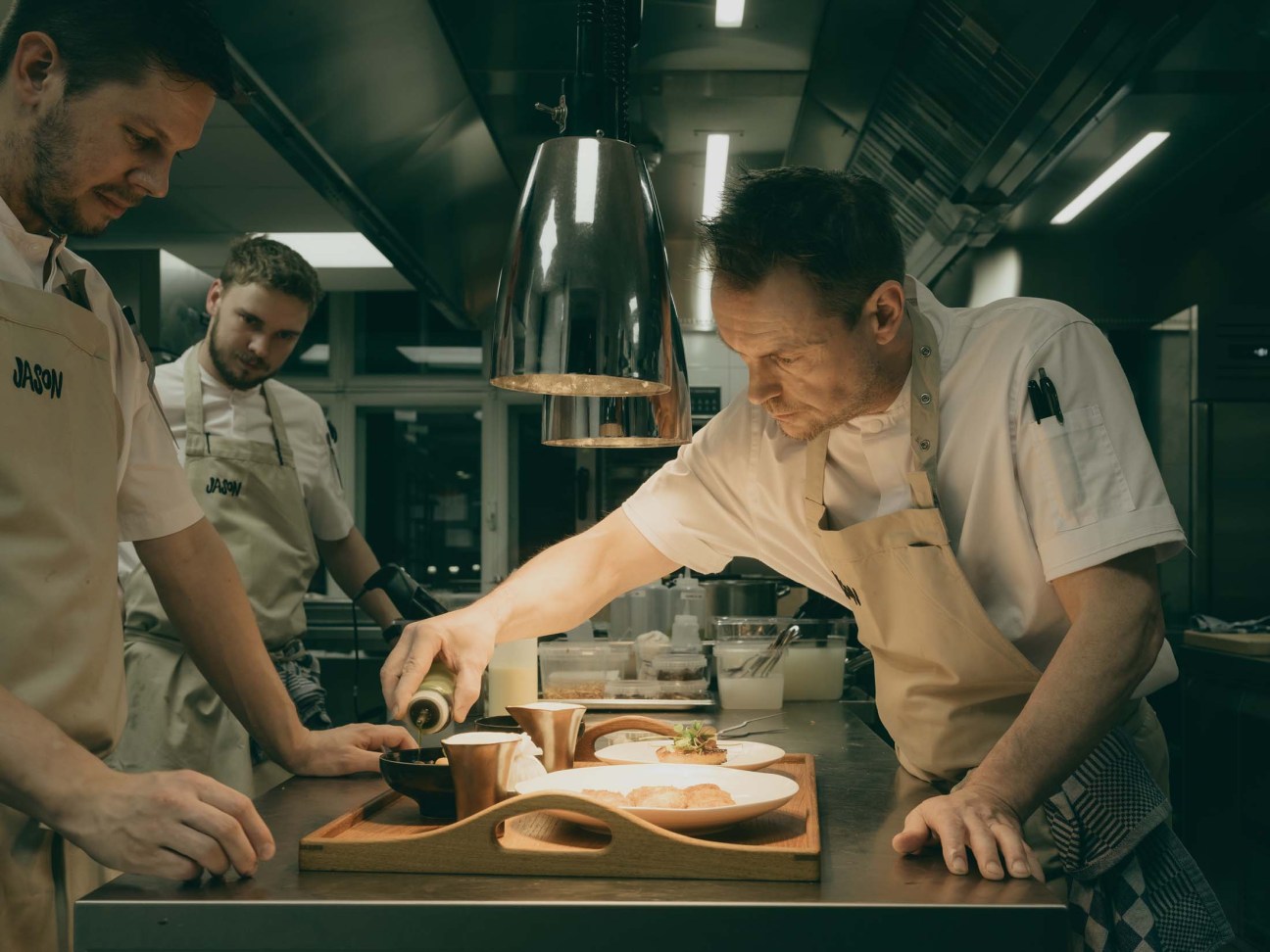
Finland’s Jari Vesivalo, a chef with decades of experience in his capital’s Michelin-starred kitchens, has shifted gear to open a casual joint, Jason. “The goal in the kitchen is to make good food without unnecessary gimmicks,” says Vesivalo of the 50-cover venue in a dark-hued art nouveau building. Monocle is treated to seasonal dishes on our visit: mushrooms with sour plum and white soy, and pike perch served with lobster butter sauce. “Our portions are hearty and we don’t align every salad leaf on the plate,” says Vesivalo with a chuckle. “But I still organise the kitchen like I used to.”
ravintolajason.fi

Luna Restaurant
Bolzano
Luna Restaurant has opened in Bolzano’s Parkhotel Mondschein, parts of which date back as far as 1320.
Head chef Mathieu Domagala’s menu features carpaccio of pink shrimp from Porto Santo Spirito, tagliatelle with duck ragù and salted cod with Taggiasca olives, with all vegetables courtesy of the kitchen garden. To finish? A zu Plun Rum babà. Merano-based Biquadra’s design pays homage to the building’s history with a rich red colour palette, accented with brass and offset by velvet seats and travertine tables.
parkhotelmondschein.com

Somma
Singapore
After the success of his seaside bistro Fico, Singapore-based Italian chef Mirko Febbrile embarked on a fresh fine-dining venture: Somma. Within the city-state’s New Bahru retail and hospitality complex, this collaboration with The Lo & Behold Group takes inspiration from Febbrile’s home province, Puglia. The intimate 36-cover restaurant offers a tasting menu, while the bar is more casual, with options from taralli crackers to handmade pasta with river crab. Cocktails include Italian aperitivos and experimental creations: the whiskey-based Bolognese Muse is unmissable.
somma.world
Eel Bar
New York
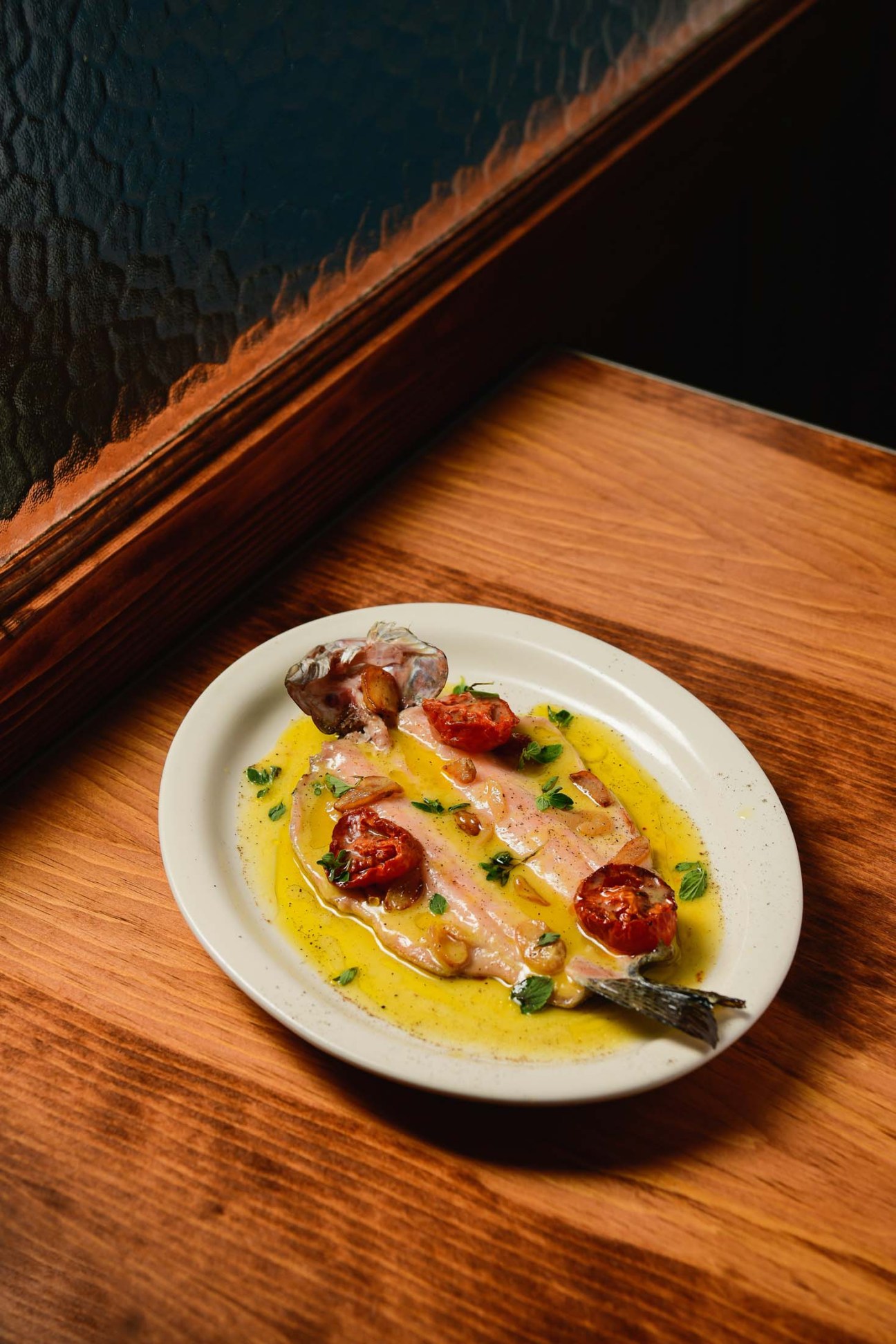
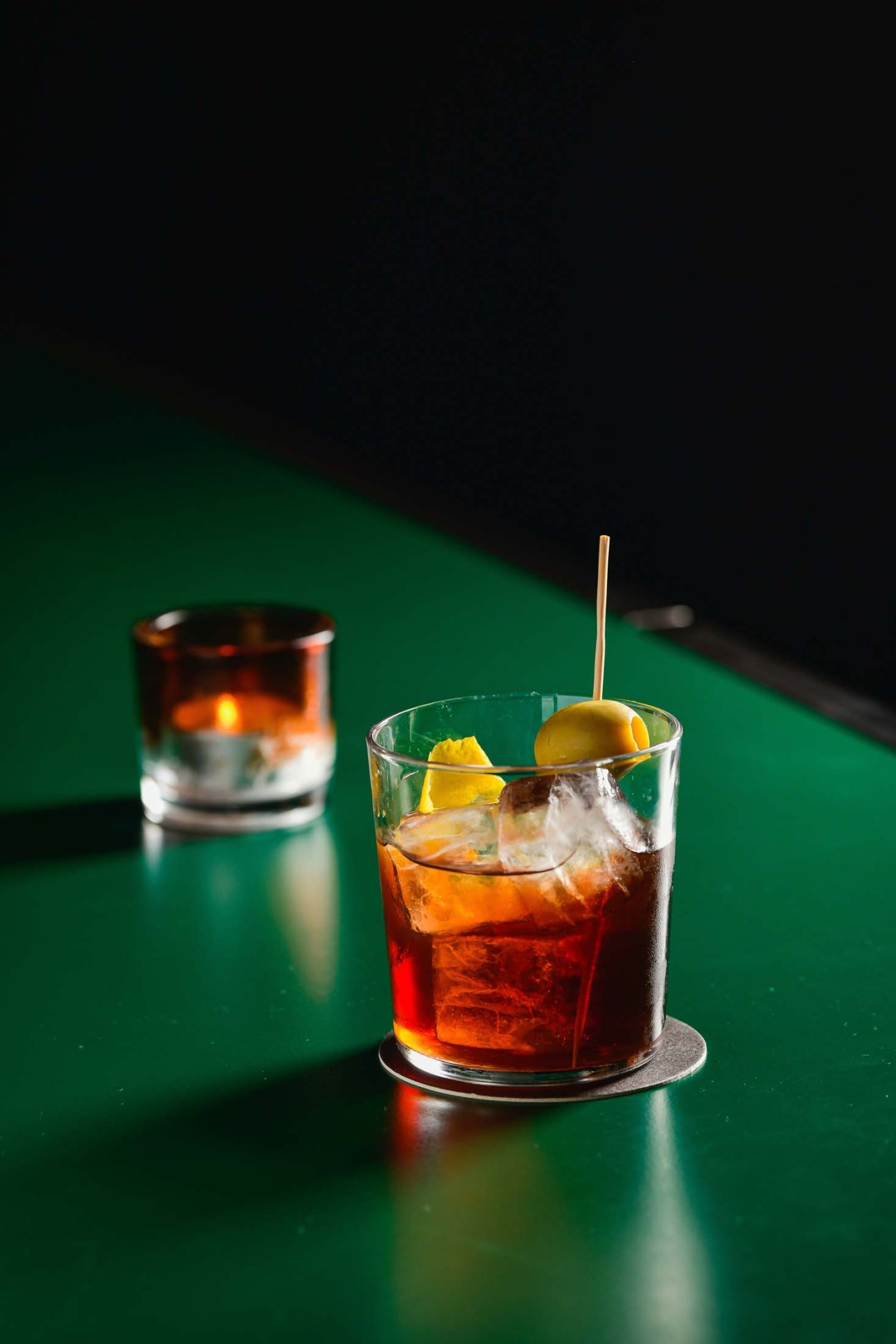
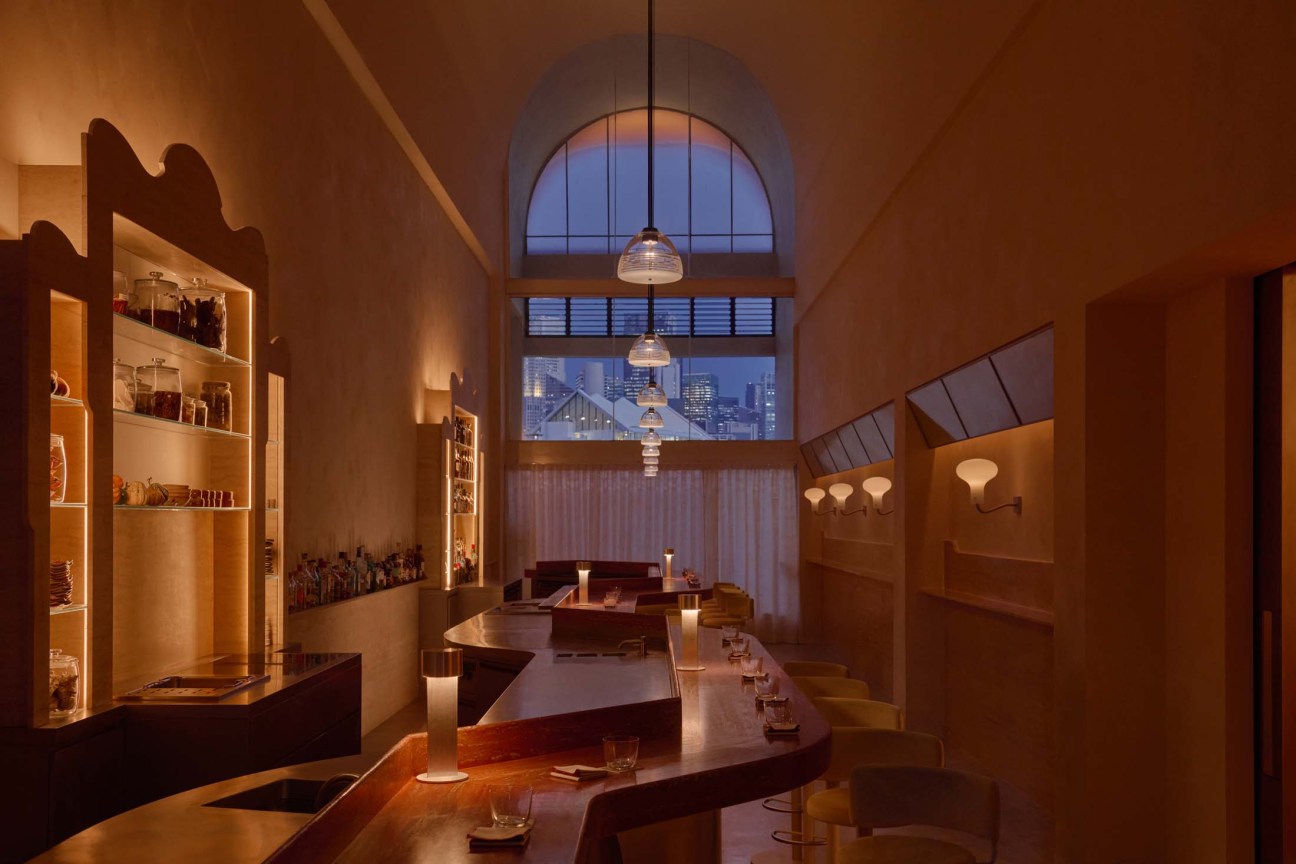
New York’s Lower East Side doesn’t exactly need another new restaurant. But when the team behind much-loved Iberian-style bolthole Cervo’s announced that its new venue, Eel Bar, was opening around the corner, locals regained their apetite. “We knew that we wanted to be in this neighbourhood,” says partner Nialls Fallon. Inside, diners share olives and anchovies, fried and marinated mussels, and hunks of pan de cristal. It can be hard to snag a table in this wood-clad dining room but you can sink a cocktail at the bar while you wait.
eelbarnyc.com