Issues
A roadtrip through the Peloponnese: Greece’s rugged, scenic heartland
With its four “fingers” stretching out into the Aegean, the Peloponnese is a defining part of Greece’s geography: its hand-like shape helps to make the country’s outline immediately recognisable on a map. Yet its shores have long been under-explored by those international visitors who, after landing in Athens, hop straight onto a ferry bound for one of the country’s islands. Perhaps unsurprisingly, this largely unspoilt area has instead served as the setting of many a Greek childhood summer – and, in recent years, it has been luring back nostalgic domestic entrepreneurs seeking to give it a well-deserved update.
The drive from Athens to Corinth, which sits on one side of the isthmus dividing the mainland from this sizeable peninsula, is only an hour long. But the scenery soon becomes more rural and the roads wilder. Most will know this territory as the home of Sparta, the much mythologised rival to Athens in antiquity. But the Peloponnese’s role in Greek history begins long before that, as the seat of the Mycenian civilisation during the last phase of the Bronze Age. Many cities that signify Greekness abroad can be found here, including Olympia, the birthplace of world’s most renowned sporting event, and Kalamata, known for its olives.

While many who head to the Cyclades relish the chance to avoid driving on holiday, the Peloponnese rewards an old-school roadtrip approach. You’ll have to get behind the wheel to reach some of the remote villages and thick pine forests, which later descend into semi-deserted coves.

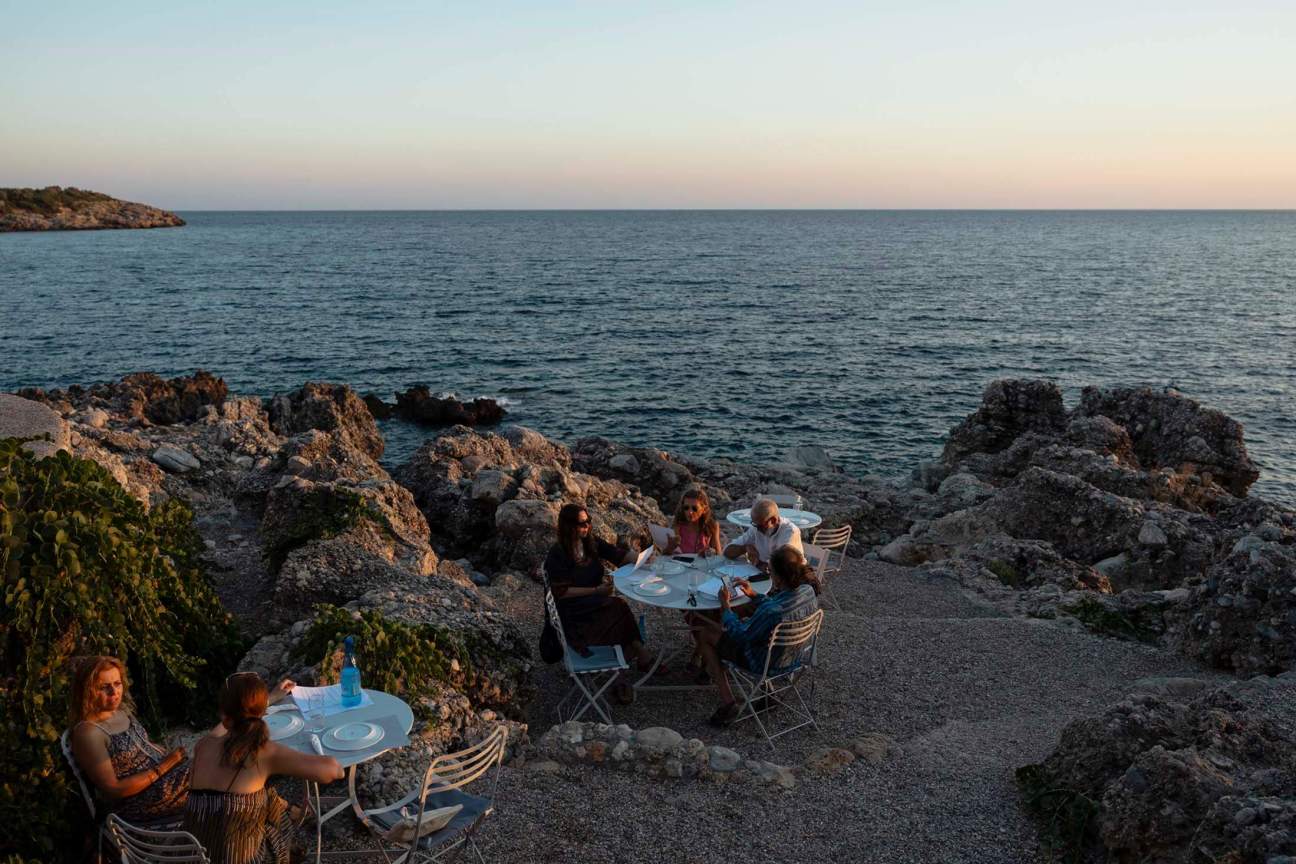
The region is a combination of starkly different terrains. You can start your day in the mountainous wilderness of Arcadia and soon be scattering your towel on the pebbly shores of the Argolic Gulf. The Mani peninsula, the Peloponnese’s middle finger, is said to have the area’s most spectacularly crystalline waters. Though grand hotels clinging on to steep hills can make for dramatic accommodation options, this is a place of rustic guesthouses, where the sun filters through olive groves and afternoons are soundtracked by the hypnotic buzz of cicadas. Lunches at old-school tavernas are practically mandatory, though many ambitious chefs are rethinking the region’s traditional fare. Here is our pick of the essential stop-offs to explore.

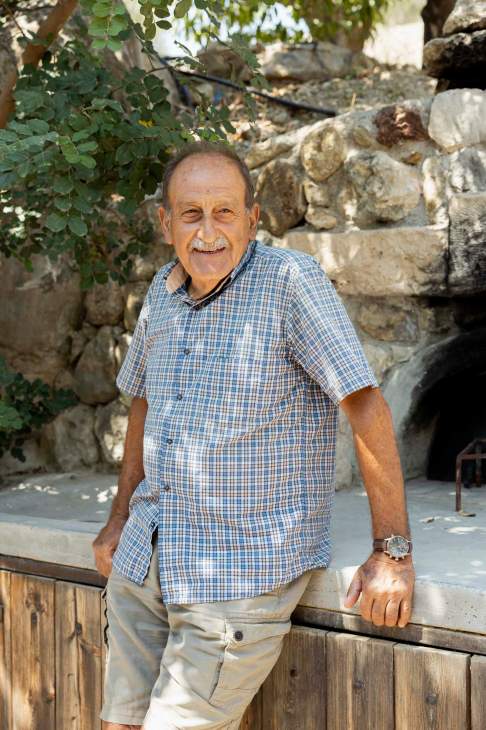
Stay: Kinsterna Hotel, Monemvasia
This hotel near the town of Monemvasia is housed in a 17th-century mansion that looks out to the Aegean. The surrounding farm, vineyard and olive groves supply the kitchen with oil, wine and fresh produce.
kinsternahotel.gr
Stay: Opora Country Living, Nafplio
Owner Konstantinos Markidis decided to renovate his family’s traditional stone farmhouse in 2015. Tucked away in the hills, this guesthouse has a handful of self-contained rooms, as well as a delightful pool.
oporacountryliving.com
Stay: Amanzoe, Porto Heli
High up on a hill on the Argolis peninsula, this Aman property is designed with Hellenic simplicity in mind. Made up of marble-clad villas and column-lined, Parthenon-like pavilions, it nods aesthetically to the Acropolis and its temples.
aman.com
Stay: Laspi, Pefkali
A brutalist-inspired construction made up of two villas on a hillside on the northern Peloponnese coastline. Inside, the raw concrete is balanced out by warm interiors.
laspi.life
Eat: Mple Kanarini, Kalamata
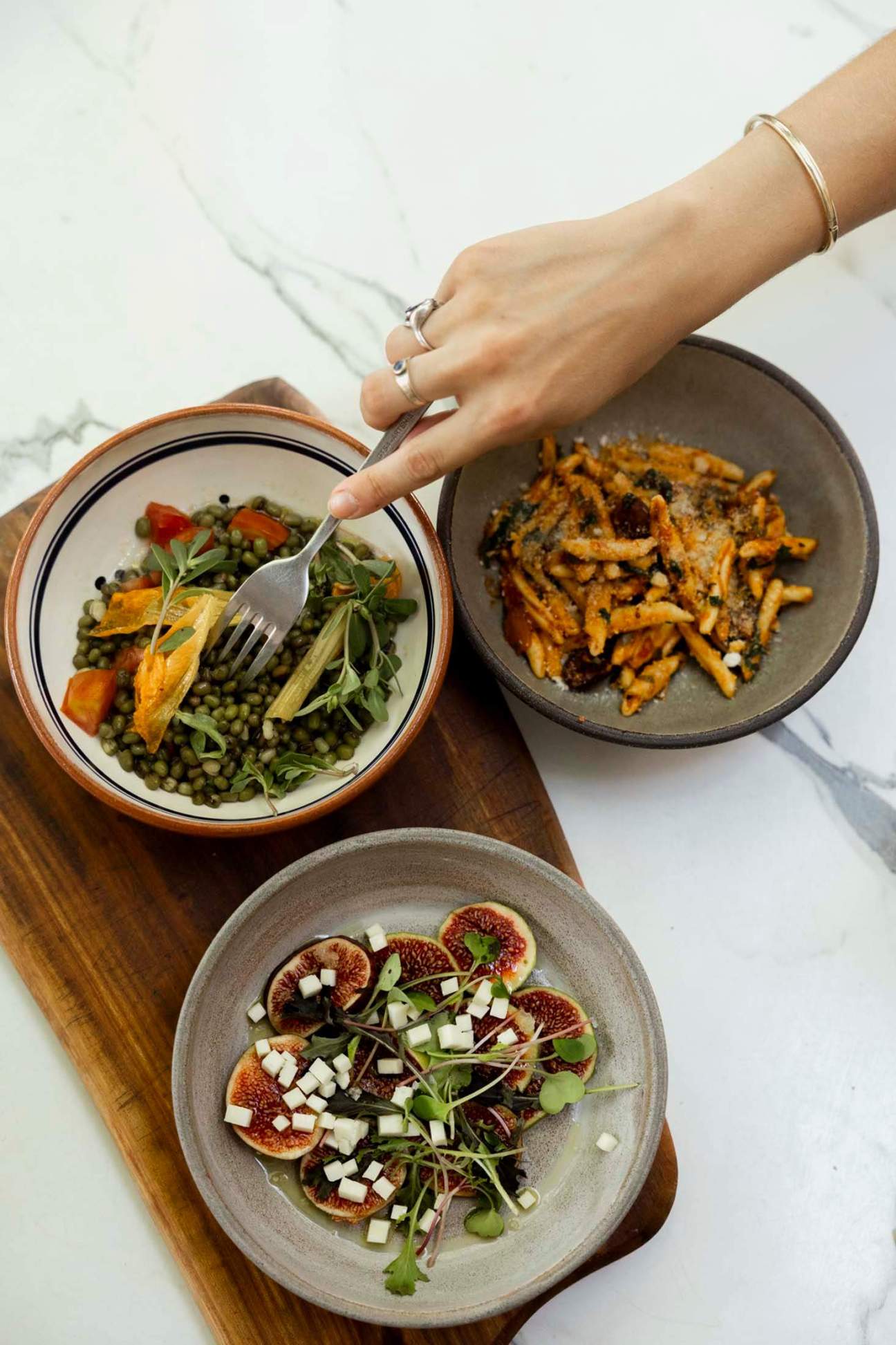
After a stint working abroad, chef Konstantinos Vasiliadis returned to his hometown of Kalamata to celebrate the bounty of the southern Peloponnese. Signature dishes, such as stuffed courgette flowers in tomato sauce, reimagine traditional staples.
Kritis 34, Kalamata
Eat: Lela’s Taverna, Kardamili
Giorgos Giannakeas has been running this restaurant alongside his brother since taking over from their mother, Lela, who established it in 1983. The menu now offers more contemporary options but the taverna’s spirit of easy hospitality has not changed.
lelastaverna.com
Spa: Euphoria Retreat, Mystras
The region’s celebrated Byzantine churches provided inspiration for the centrepiece of this spa resort: a cave-like thermal pool painted in shades of blue and green.
euphoriaretreat.com
Getting here: Though the cities of Kalamata and Patras have airports, Athens is far better connected. The drive from Attica can become part of a well-planned roadtrip.
Read next: The Monocle City Guide to Athens, featuring the very best hotels, restaurants and retail spots
Pushing the boat out: Vancouver repurposes homes as an alternative to demolition
Vancouver-based Renewal Development has an innovative solution to Canada’s housing shortage. The company identifies detached single-storey homes across the city that are slated for demolition and, instead of knocking them down, transports them by road (and sometimes by barge) to communities outside Greater Vancouver. The reinstalled bungalows are then modernised; in order to maximise land use, basement suites are often added before the homes are brought to market.
“Some of these houses were only built about five years ago or were refurbished in the past decade,” says Glyn Lewis, who founded Renewal Development after a career as a political advisor in Ottawa and the US. “They are in good condition so demolishing them doesn’t make sense. Some 3,000 single-family homes are torn down every year, so we thought that we could give them a second life elsewhere.”
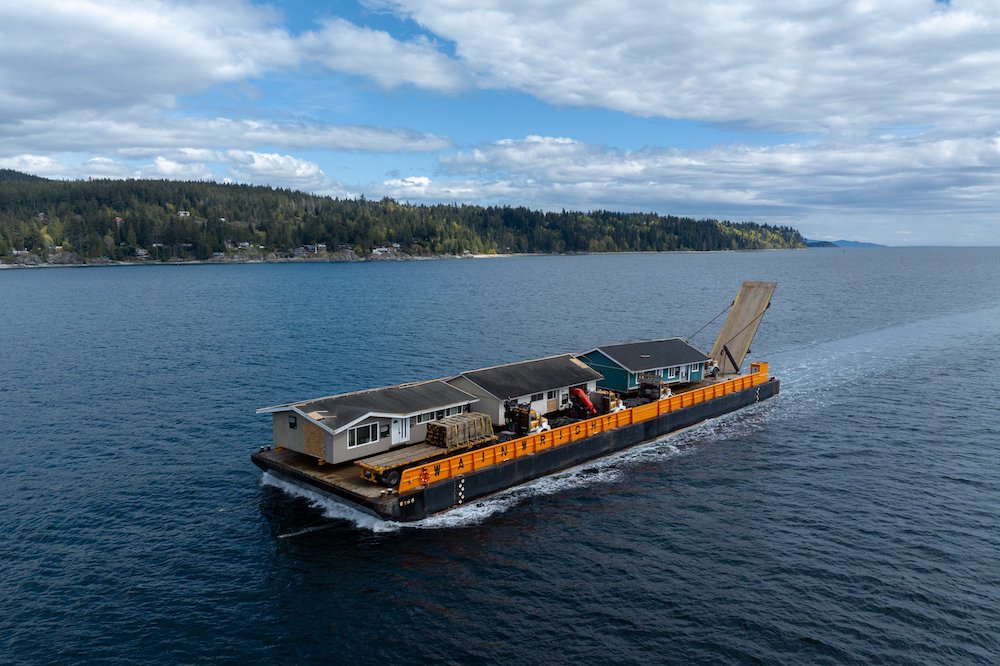
Renewal Development’s practice of picking up entire houses and hauling them where they’re needed is a novel idea in Canada. Other countries – such as New Zealand, which rezoned several residential districts in its big cities in 2016 – are rolling out the infrastructure required to relocate detached homes and make way for larger developments. “Vancouver moves about 50 houses a year,” says Lewis. “But we should be moving 200 to 300. If we’re ambitious, many urban areas across North America could be moving in that direction.”
renewaldevelopment.ca
Inside Bau, the key industry event for builders, architects and developers
At Bau, a biannual get-together in Munich for builders, architects and developers, you will find Bavarian brickies in journeyman cords, a crowd applauding a remote-opening double-glazed window and an Oktoberfest-like atmosphere where steins of beer are emptied among sanitaryware and an occasional outburst of Schlager on the sound system.
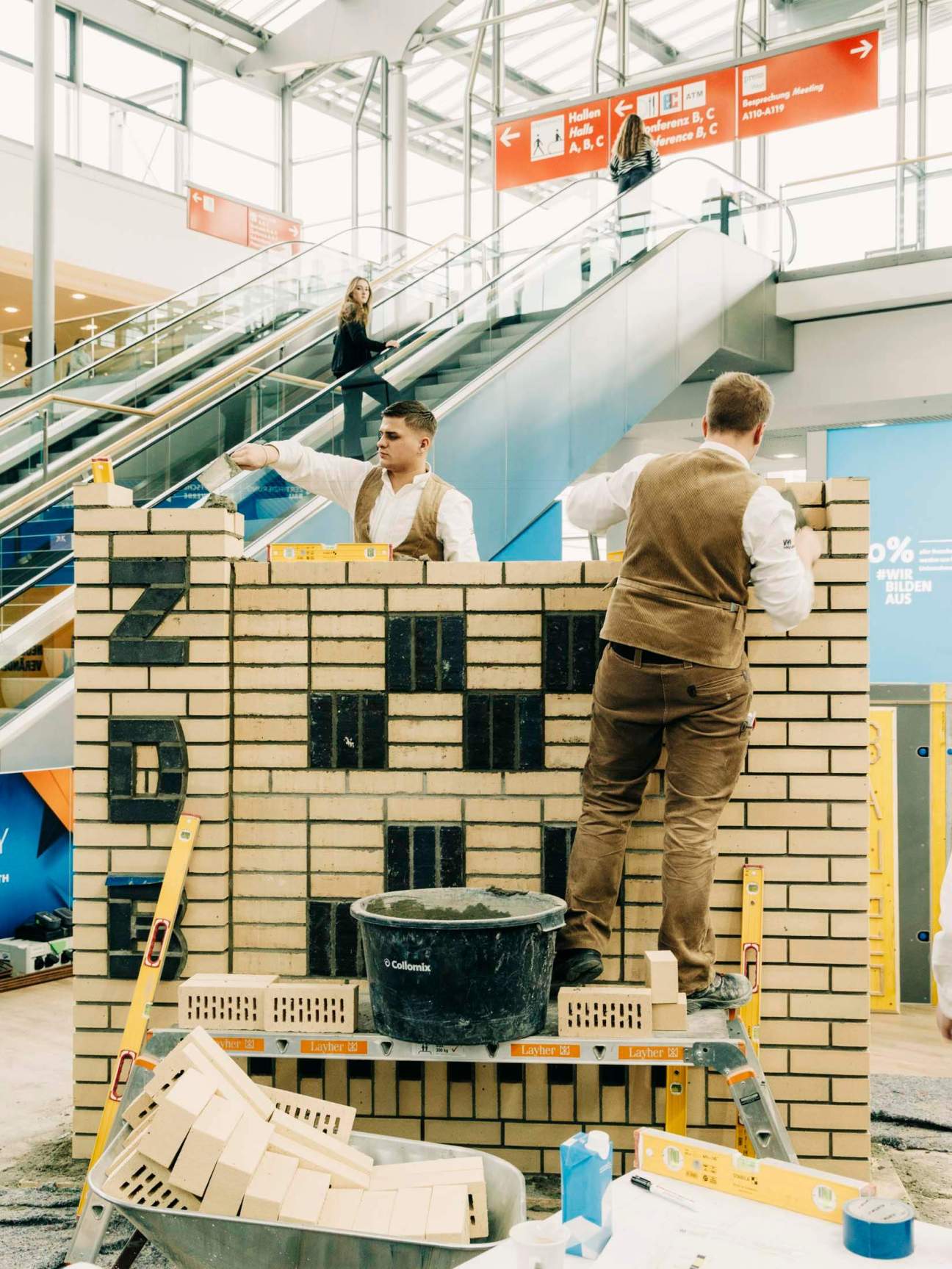
With hangar-sized conference halls dedicated to aluminium, glass and ceramics, Bau digs deep into the nuts and bolts of the build- ing industry. But it’s more than a sum of its parts; it’s also a sense check for where the sector is heading and who has smart ideas, as told by the people who make the structures that we live with. “Beautiful shutters, better life” is one prominent brand’s slogan.
“Resources, and how to reuse them, is the big topic this year,” says Mario Lenzen, a German salesman from Kellerer ZMK. He’s standing beside the company’s patented product: a pile of bricks stuffed with tiny pellets of repurposed polystyrene for a bit more insulation and a bit less expenditure.
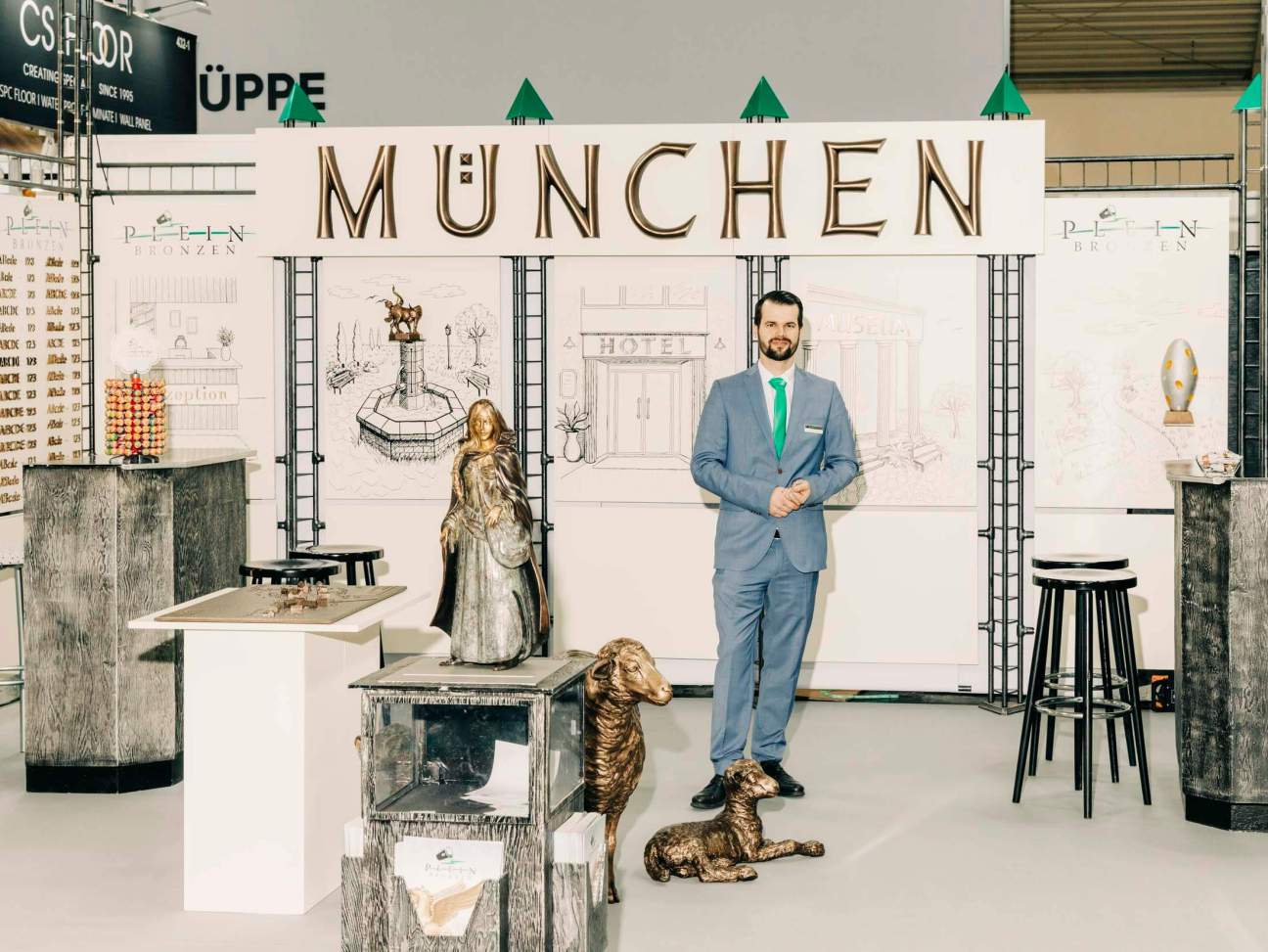
Ideas and inspirations abound. There’s Berlin-based Ecolocked, which mixes cap- tured carbon into cement, and Alicante-based architectural ceramics firm Tempio affixing elegant, glazed façades to major projects around the world. “Germany is in a difficult economic position, France as well,” says Carmen Molina, export manager at Cerámica Mayor. “But Spain is booming.”
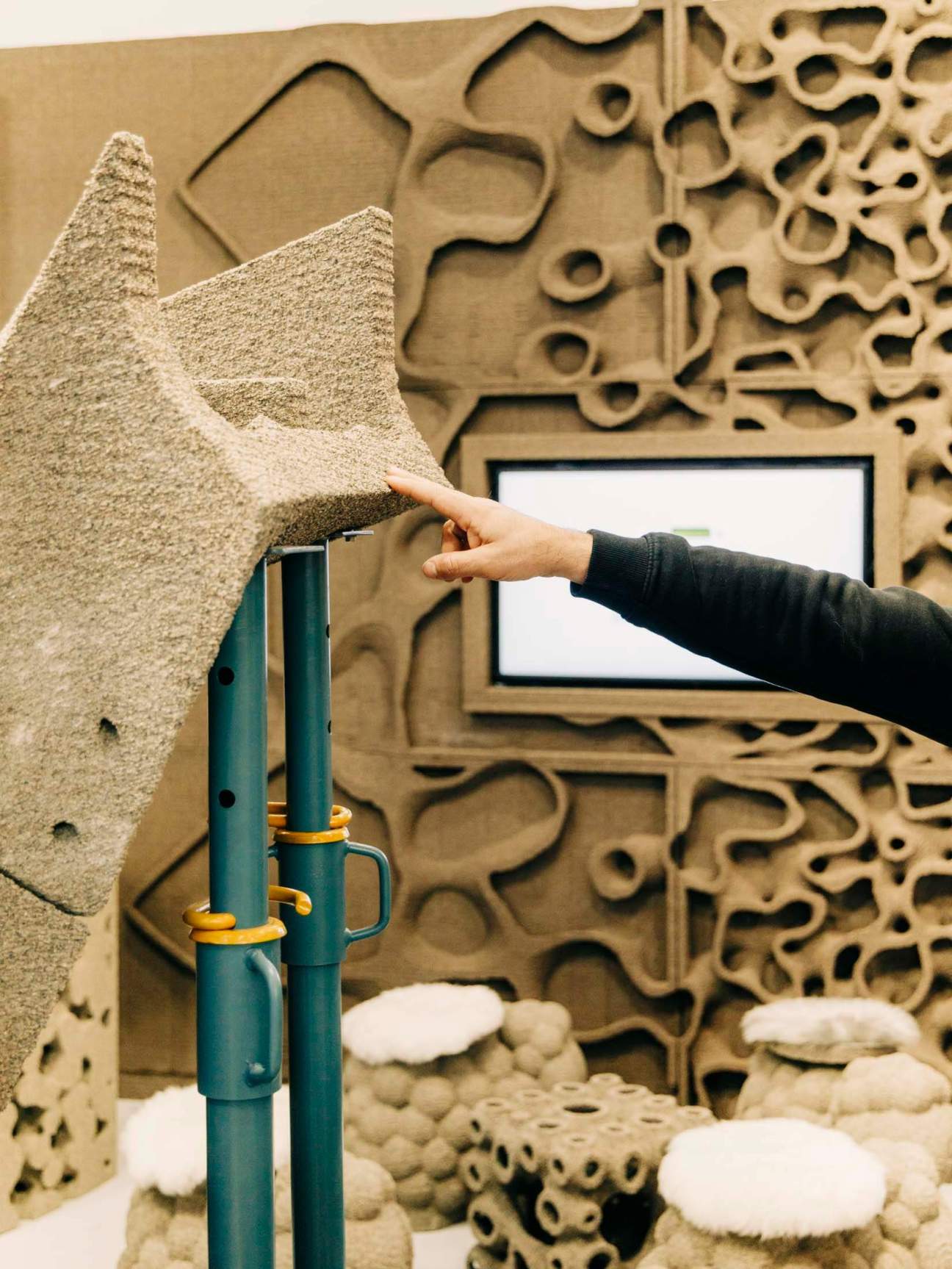
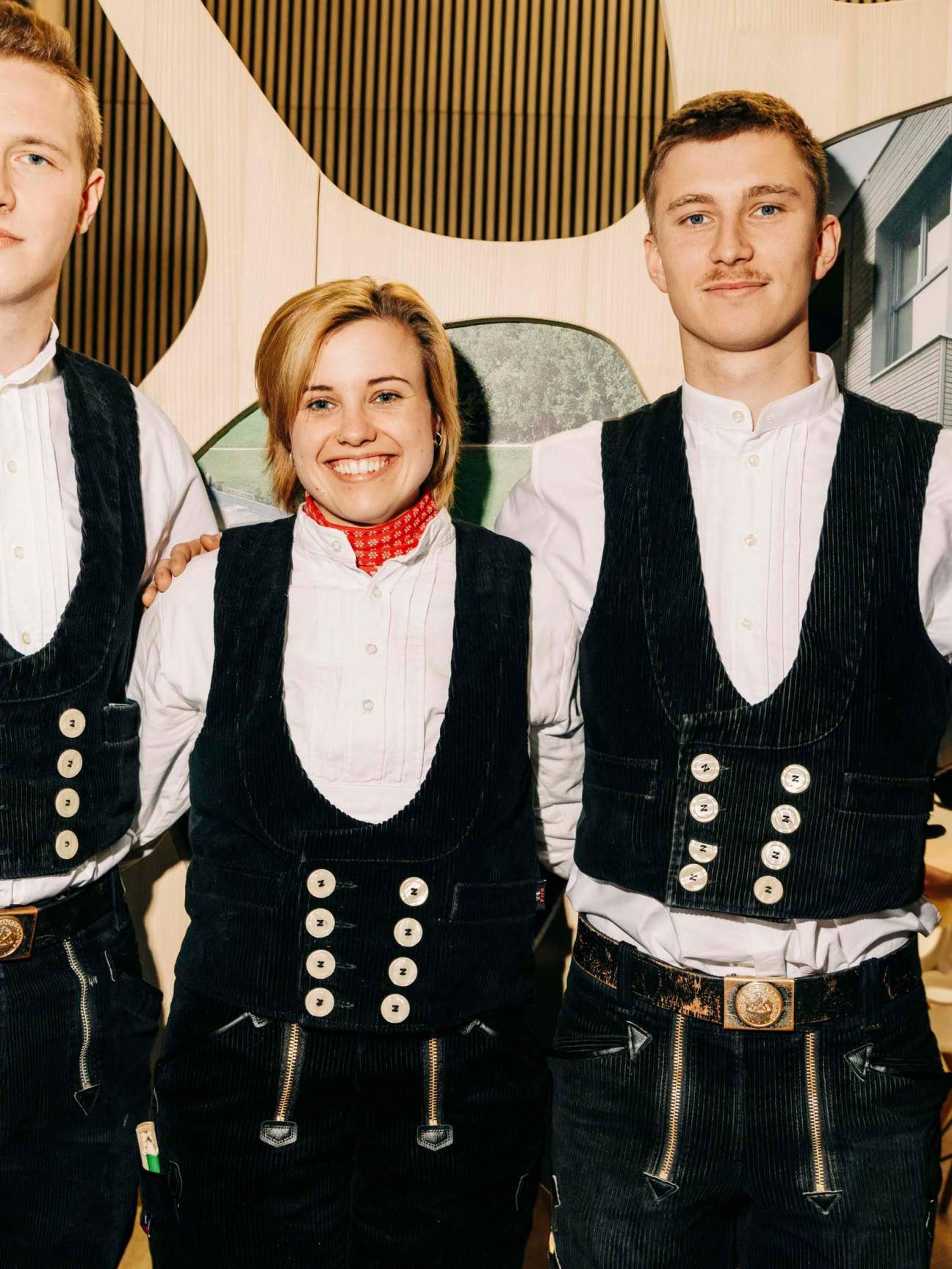
It’s similar to the sentiment among the woodworkers of Eastern Europe. Slovpol Wood is doing a solid trade with its tactile slabs of Polish oak made in the village of Pietrowice Wielkie, while Estonian firm Arcwood is carving out a niche: its beams of cross-laminated timber – all sourced from forests around the Baltics – artfully bend into triumphant archways.
While the economic travails of Bau’s host nation were never too far from exhibitors’ minds, the trade show is also a reminder of the engineering heft that Germany still commands in construction, with a backbone of Mittelstand family-run firms. Sommer, makers of bulletproof glass, debuted its first curved façade complete with an assault rifle and accompanying bullets to show how much firepower it can withstand. Over at the booth of Schmitt + Sohn Elevators, the sixth-generation of the family Schmitt is on hand to explain how the business is on the up. “The elevator is the most secure transportation vehicle in the world,” says Roland von Hinüber, who married into the Schmitts. “If you feel quality metal by pushing a real button or touching walls that are not plastic, it is reassuring.” Now that’s an elevator pitch.
bau-muenchen.com
Foreign aid isn’t charity; it’s an investment in global security. Slashing it is a dangerous political shortcut
For a certain sort of political leader, there is no easier win than taking an axe to foreign aid. For a start, foreign aid goes to foreigners, to whom supporters of this certain sort of political leader are generally indifferent. While those voters seethe that colossal quantities of their money are shipped overseas, the certain sort of political leader knows that the amounts are, in the grand scheme of things, tiny.
It is unsurprising that the United States Agency for International Development – US Aid – has been an early target of US president Donald Trump, via his hatchet man, Elon Musk. US Aid’s name contains the word “international”, which is nearly as toxic a word in some quarters as “foreign”. It accounts for a rounding error of about $50bn (€48bn), or only a little more than Musk spent on a social-media platform.
Many US voters, however, all but believe that their money is shovelled out of aircraft flying over Africa, Central Asia and the Middle East. Polls have found that Americans estimate that about 25 per cent of the federal budget is spent on foreign aid; it is, in fact, about one per cent.
International aid is not charity; it is an investment – and one that pays for itself, time and again. In episode 573 of Monocle Radio’s The Foreign Desk, we spoke to Andrew Mitchell, former minister of state for development and Africa from 2022 to 2024 during the last Conservative government. The UK’s foreign aid, he told us, “makes Britain safer and more prosperous because it makes the poorest and most difficult parts of the world safer and more prosperous”.
Even the most rugged isolationist should be able to absorb this point. It might also be worth considering who is in favour of the US withdrawing from this field; among those offering their congratulations is Russia’s former president Dmitry Medvedev. If the West doesn’t get involved, then someone else will.
Andrew Mueller is the host of ‘The Foreign Desk’ on Monocle Radio.
‘The Brutalist’ proves architecture can be as captivating as any art form
It’s a Tuesday night and I’m surrounded by cinemagoers who have turned out to see The Brutalist at the Barbican Centre, London’s most celebrated brutalist building. “This is great for architecture,” I think, as I tuck into my popcorn.
As an art form, architecture has a bit of a reputation problem. Its lengthy academic pathways can make studying it off-putting for many. In everyday life, people’s views on buildings are only sought when councils want feedback on development plans. We’re also accustomed to accepting mediocre, poorly designed environments, from badly lit supermarkets to dingy train stations.
To change this, the discipline needs to find ways to communicate why it is important – and why people should care. And that’s what The Brutalist does. By the time this column is on newsstands, director Brady Corbet’s feature will have likely picked up at least one of the 10 Academy Awards for which it has been nominated.
Other films have touched on architecture before: think Nora Ephron’s 1993 romcom Sleepless in Seattle, about a widower architect finding love, or Parasite, Bong Joon-ho’s Oscar-winning 2020 thriller set in a strikingly austere residence. The difference here is that Corbet uses both architect and architecture as his film’s protagonists. It tells the story of László Tóth, a Hungarian refugee loosely based on Marcel Breuer and Erno Goldfinger, who travels to the US after the Second World War and introduces brutalism to North America. When Tóth’s concrete walls frame a crisp, blue sky, the audience gasps; there’s a collective intake of breath when a modernist library is revealed in a renovation scene.
After the screening, I hear people walking out of the film discussing the trauma that Tóth experiences but also how the on-screen architecture affected them. I pass a couple talking about commissioning their own light-filled library. The Brutalist is a great PR campaign for architecture. It encourages us to demand more from our environments and reminds us to take delight in great buildings – not just at the cinema.

Meet the fashion week specialists: Hidden talent from five fashion capitals
Runway shows are fleeting affairs but every 10-minute spectacle requires months of careful thought and arduous preparation. Out of view of the front rows, there are teams of highly skilled specialists who play fundamental but rarely celebrated roles in every fashion week. You’ll find them in London, Milan, New York and Paris, working in cramped backstage areas or bustling offices until the early hours of the morning. These are often hectic, fast-paced environments but they are where a lot of the creative magic happens.
Here, Monocle goes behind the scenes in the five major fashion capitals to catch some of that action and pay homage to the unsung heroes of fashion weeks.
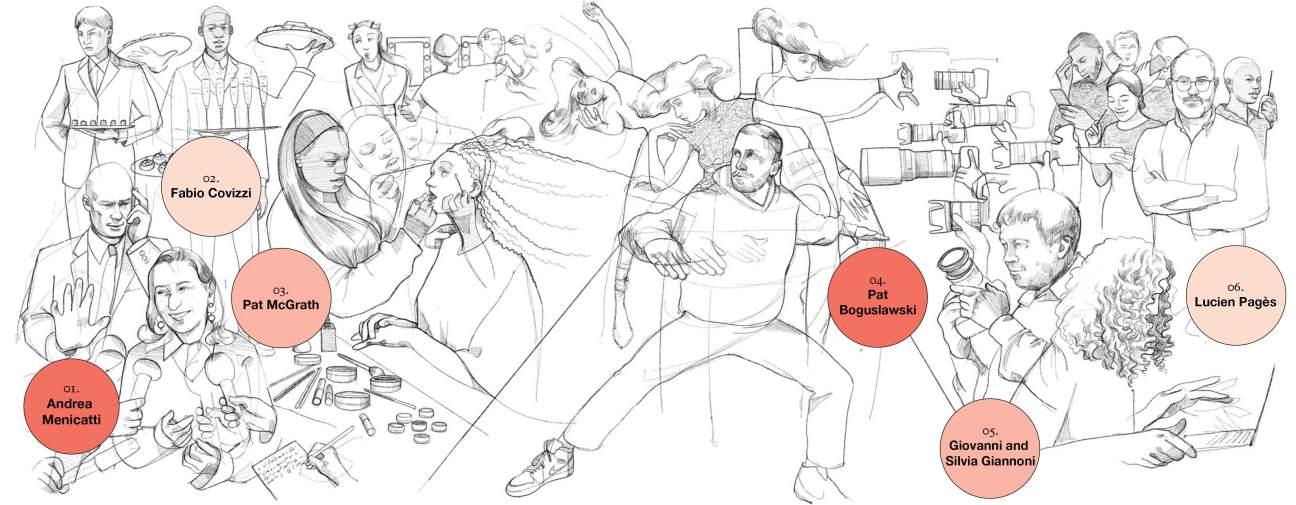
1.
The caterer
Andrea Menicatti
Milan
Post-show celebrations are almost always followed by champagne – even before noon – along with quick bites for the models, photographers and journalists backstage. Perhaps unsurprisingly, Milan holds first place when it comes to fashion-week hospitality. Here, you can expect to be served delicious focaccias, mini-bowls of pasta or biscotti on silver trays. Miuccia Prada is known as one of the city’s best hosts, thanks in no small part to the cheerful and generous catering by Marchesi 1824, the historic Milanese pastry shop now owned by the Prada Group.
Its CEO, Andrea Menicatti, ensures that every Prada show culminates with waiters serving trays of bubbly, chocolates and the crustless salty butter and cucumber canapés that are such staples of the brand’s events that habitués call them “Prada snacks”. “It’s a team effort, serving a large number of people with different needs and tastes,” says Menicatti. Contrary to popular belief, fashion people do eat.
2.
The security chief
Fabio Covizzi
Milan
Even among Milan’s immaculately dressed fashion crowd, Fabio Covizzi stands out. He’s easy to spot with his shaved head and sharp suits from the likes of Fendi, Prada or Ferragamo. At shows, many guests wonder how he can move so seamlessly between guarding the entrance, escorting guests to their seats and fending off over-eager fans from celebrated designers such as Miuccia Prada during their post-show interviews.
“I sleep very little,” says Covizzi, who tells Monocle that he typically works on seven or eight runway shows a day, plus events and evening cocktails, during fashion weeks. Covizzi’s company, Eventservices, employs more than 350 security guards, who are divided into various teams that he oversees. The process requires months of advance planning to ensure that those 10-minute performances go smoothly. “I started in 1984 with the very first Dolce & Gabbana show,” he says, adding that he has worked at more than 2,000 such events. “I still love this job. Otherwise it would be impossible to be so attentive.”
3.
The make-up artist
Pat McGrath
London
You’ll spot Pat McGrath and her team of make-up artists backstage at the biggest shows in Europe’s main fashion capitals, from Versace’s in Milan to Miu Miu’s in Paris. In her signature black headband, she has a calm presence even amid the pre-show pandemonium when dozens of models are waiting to sit in her make-up chair. Over the years she has created ancient Egyptian-inspired looks for Christian Dior Couture, added petals on models’ eyelashes while working with Pierpaolo Piccioli at Valentino and caused a sensation when she transformed John Galliano’s Maison Margiela models into porcelain dolls with glass-like skin – an artistic and technical feat involving airbrushed layers of gel finish.
Even as her career reaches new heights (she now has her own make-up label and was named a dame of the British empire for her services to beauty), she remains a reassuring backstage figure. You might hear her team members referring to her as “Dame Pat” when they need her to pass a brush or add her finishing touches to a look.
4.
The movement director
Pat Boguslawski
New York
Models’ mesmerising runway struts don’t happen by accident. The man adding flair to many of their performances is former model and dancer Pat Boguslawski, who now works as a movement director. “I knew that there was a gap in fashion since the 1990s,” he says. “I wanted to be the person to bring energy back to the runway.” After walking for the likes of Alexander McQueen, he had ideas for how to enhance fashion shows with more stagecraft. “The magic is in the combination of dance and acting,” he says. “You need to see characters, not just movement – otherwise, the clothes aren’t believable.”
Boguslawski’s most celebrated moment took place at last year’s Maison Margiela Artisanal show by John Galliano for which models prowled around in a theatre-worthy runway performance. The piece of advice that he dispenses most frequently could apply to anyone. “Be confident, be yourself and have fun,” he says. “That way, people will remember you.”
5.
The pit photographers
Giovanni and Silvia Giannoni
Florence
During every fashion week, thousands of runway images are disseminated online, to be pored over by buyers, editors and fashion enthusiasts across the globe. None of these would exist were it not for the skilled runway photographers who you’ll see positioned at the end of each catwalk, sometimes shouting at guests to uncross their legs as the lights go down – anything to get the right shot.
Italian-born Giovanni Giannoni has been a steady presence in the pit for more than 20 years. A pioneer in the transition from film to digital photography on the runway, he has worked as the in-house photographer for brands such as Louis Vuitton and shot for industry publications including Women’s Wear Daily. After he takes the photographs, his partner, Silvia, selects the best images for every look, swiftly editing and archiving them. It’s a carefully choreographed job that takes them to Milan, Paris, London and Tokyo for months at a time, all in the name of fashion.
6.
The PR maven
Lucien Pagès
Paris
The night before a fashion show, fleets of press officers – often dressed in black and holding walkie-talkies – are up late finalising seating charts, confirming interviews and negotiating access with fashion editors. Among the busiest communications specialists in the business is Lucien Pagès, who works between New York, London, Milan and Paris, and spearheads public relations for about 60 runway shows every season. To ensure that his clients get the visibility that they deserve, Paris-based Pagès divides his staff between events yet also puts in plenty of personal face time.
“I have to work a lot but I take things day by day, level by level, like in Super Mario Bros,” says Pagès. “I’m lucky to work with a young team that’s excited about fashion and their job. Still, it’s like co-ordinating something that’s a cross between a ballet and an army.” His survival tips? Being in bed by midnight and abstaining from drinking at parties – even though those that Pagès holds are always unmissable.
Christie’s expands into Saudi Arabia under the helm of Nour Kelani
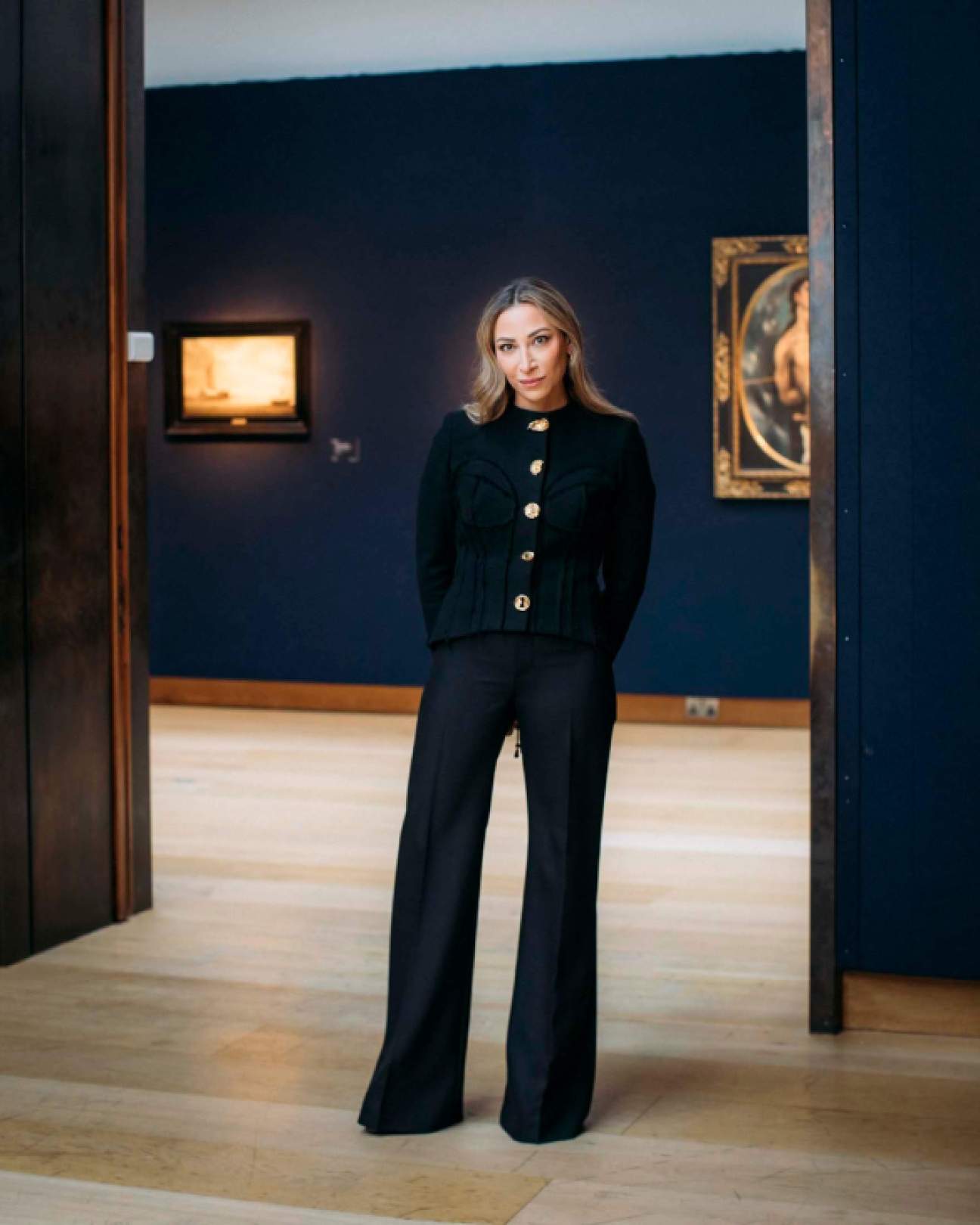
Christie’s cemented its interest in the Middle East when it opened an office in Riyadh’s Diplomatic Quarter last September. And Nour Kelani, a resident of the city, was tapped to oversee this new development for the London-based auction house as its managing director.
“Christie’s already has a well-established client base in Saudi Arabia but having someone on the ground strengthens these relationships,” says Kelani. The auction house has been arranging sales in the Middle East since 2006 but this move suggests a long-term commitment.
For Christie’s, hiring a local – and somebody embedded in the contemporary art scene – was important, particularly in a country that prizes in-person deals over phone calls or anonymous bidding. Though the art market uses “Middle East” as a sweeping term for the region, Saudi Arabia is distinct when it comes to culture and the rules of business. “It’s a different market here because when you say ‘luxury’, it’s very luxurious, very specific,” says Kelani. “Saudi Arabians don’t want another poster. They want the right artwork, the right artist, for the right reasons.”
Kelani is a third-generation transplant to the Kingdom; her family is originally from Syria. After studying abroad, she returned to Saudi Arabia to work as a consultant for luxury brands before switching to the art world when she joined the now-closed Ayyam Gallery in Jeddah. Over the years, Kelani’s Rolodex of collectors and artists grew. An invaluable draw is her contacts at the Ministry of Culture as the government expands its artistic ambitions under Vision 2030, Crown Prince Mohammed bin Salman’s plan to invest about €1trn in the country’s society and culture.
Another key consideration is Saudi Arabia’s young population: 63 per cent of its citizens are under 30. “A lot of my clients are millennials who are buying houses and looking to fill their walls with art,” says Kelani. “However, this generation is sophisticated. They want artwork they can relate to, so a lot of them want to start collecting Saudi artists and Middle Eastern artists.” For this generation, it’s more thrilling to be the first to support an emerging artist, rather than staying hung up on a Eurocentric view of art history. Kelani names Nasser al Salem, Dana Awartani and Ahmed Mater as some of her favourite artists for their ability to experiment with the heritage of Islamic art.
“We’re so rich in culture, even if 50 new museums opened it wouldn’t be enough,” says Kelani. As the Saudi Arabian art market continues to expand rapidly, Kelani will be front and centre, representing Christie’s, championing local artists, connecting to new collectors and building on existing partnerships with a savvy Saudi Arabian clientele, government institutions and likeminded businesses.
As Saudi Arabia ushers in a new era for culture, Christie’s strategic move into Riyadh – guided by Kelani’s local expertise – should prove a wise investment.
The CV
1988: Born in Syria. Raised in Saudi Arabia.
2008: Worked as a consultant for luxury and fashion brands.
2012: Appointed co-director at the Ayyam Gallery, Jeddah.
2016: Worked as a luxury brand consultant in the Middle East before moving into fine-art consultancy.
2024: Appointed managing director at Christie’s Saudi Arabia.
Making time: The Finnish school shaping the future of watchmaking
Kelloseppäkoulu, The Finnish School of Watchmaking, is one of the watch industry’s best-kept secrets. But for those in the know it is considered to be one of the world’s most prestigious watchmaking schools, with Swiss heritage labels such as Rolex and Patek Philippe trying to recruit its students before graduation. Alumni include the likes of Kari Voutilainen and Stepan Sarpaneva, who regularly receive some of the top honours at the annual Grand Prix d’Horlogerie de Genève.
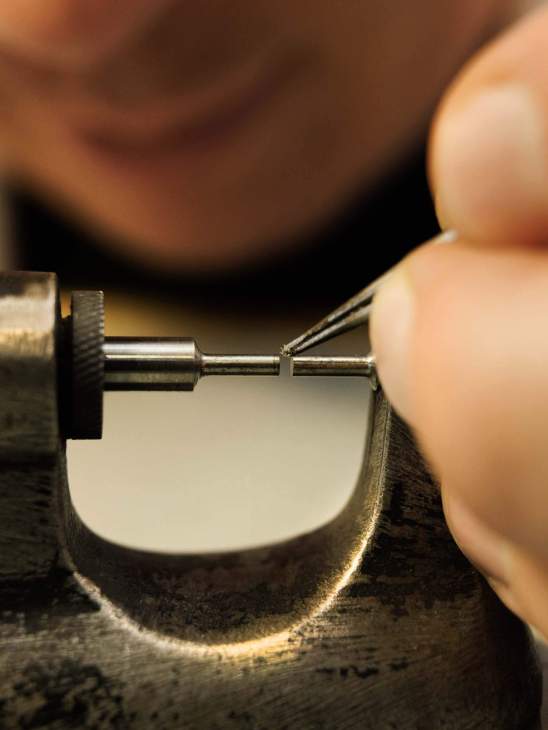

Despite its successes, Kelloseppäkoulu is relatively unknown outside the tight-knit circles of watch enthusiasts. Securing a place on the school’s three-year training course, which doesn’t charge tuition fees, can seem impossible: Kelloseppäkoulu has only admitted a maximum of 30 Finnish students a year since it was founded in 1944. But things are changing. In an effort to expand its curriculum and attract an international cohort, the school has announced plans to launch its first English-language programme later this year. The €50,000 course will teach pupils the art of bespoke watchmaking over two years.
Despite revisions to the school’s admissions process, Kelloseppäkoulu’s commitment to precision and artisanship remain unchanged. When Monocle visits, a dozen or so third-year students are hard at work, assembling wristwatches in classrooms filled with neat rows of desks, lamps and large collections of tools. It would be easy to mistake them for surgeons, given the white jackets and protective glasses that they often wear. In fact, much of their work is similar to surgery: watch movements are made up of miniscule pieces that require both a steady hand and detailed knowledge to assemble. Working on wristwatches is a privilege that these students have earned after years of rigorous training. This starts with learning the basics, including the construction of tools and individual watch parts.
First-year student Mervi Kivistö is building a handmade drill bit in a workshop, whose walls are lined with antique pendulum clocks. She worked in another industry for more than a decade before pursuing her dream of becoming a horologist. “Many of my fellow students had other careers before deciding that watchmaking was what they wanted to do,” she says.
It’s rare for horology students to start their training by making their own equipment. Most Swiss brands use industrial machinery to produce their watches, so tool-making know-how is often deemed unnecessary. “It’s this expertise that makes Finnish graduates stand out from those who come from German or Swiss schools,” says celebrated watchmaker Kari Voutilainen. Part of Kelloseppäkoulu’s class of 1986, Voutilainen went on to work for the likes of Parmigiani Fleurier in Switzerland before founding his eponymous brand in 2002. He has since received multiple awards for his designs, including the kv20i Reversed and World Timer men’s watches. “Finns have been working for the likes of Patek Philippe since the 1960s and the Swiss industry loves them,” he says.
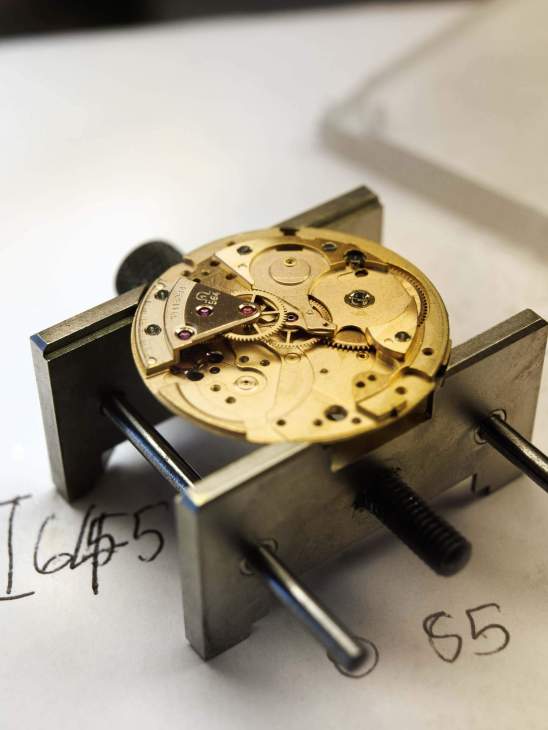

Many students hope to work in Switzerland after completing their studies. In order to beat the competition, Swiss brands start courting Kelloseppäkoulu pupils before graduation. Direct sponsorships are forbidden in Finland, so luxury watchmakers forge co-operation agreements with the school, allowing them to donate movements and train teachers.
Given its close-knit relationships with some of the best brands in the world of horology, aspiring watchmakers have often lamented the school’s admissions process. “People are constantly asking me how they can study at Kelloseppäkoulu,” says alumnus Stepan Sarpaneva, who started Helsinki-based brand Sarpaneva Watches after working for celebrated watchmakers Viennau Halter and Christopher Claret in Switzerland. “The school could charge more than Harvard and its courses would still be full.”
For Kelloseppäkoulu principal Hanna Harilainen, the decision to address these concerns by introducing the school’s first English-language course couldn’t come at a better time. Demand for luxury watches is rising. Fashion brands, such as Louis Vuitton and Gucci, are investing in the sector and Swiss factories are seeking new talent to increase their production capabilities. Soon, Kelloseppäkoulu students will be able to partake in international exchange programmes with watchmaking schools across Europe. Finland’s best-kept secret might not stay secret for much longer.
Alessandro Sartori’s vision for a timeless, trend-free Zegna
“Last week I was dressing a doctor friend for a special night,” says Alessandro Sartori, Zegna’s artistic director, sitting on a sofa in the Italian fashion house’s Milan showroom. “He needed something a little different so we went with a deep-blue tux and an extra-large lapel.” As Sartori speaks, his eyes widen with excitement. “I really enjoy dressing people – getting the perfect fit, choosing the most amazing fabrics. If I wasn’t doing what I do, I would have certainly been a tailor.”
Before taking on his current role in 2016, the Biella-born designer held prominent positions at Z Zegna, the label’s now-defunct sub-brand, and Berluti. Yet Sartori, who grew up seeing his mother work as a tailor and his father design textile machinery, never forgot the joy of dressing individual customers. As far as he’s concerned, being a fashion designer is a service job. “As with hairdressers and make-up artists, designers’ work touches the human body so we need to be respectful and ensure that people feel like themselves,” he says. “We are not dressing them for our own pleasure.”
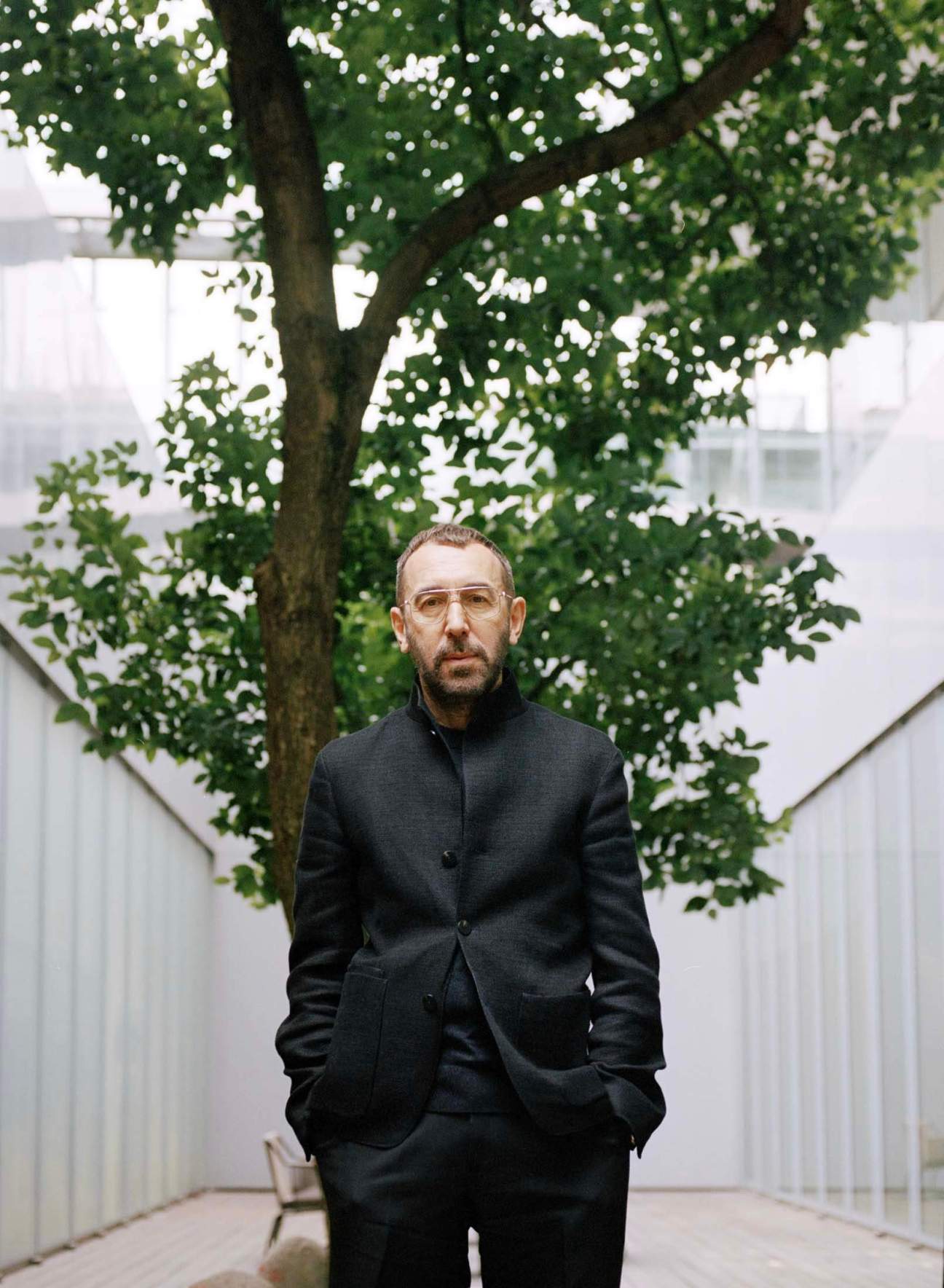
His grounded approach has helped him to steer Zegna through one of the most successful rebrands in luxury menswear – and entice customers to keep shopping, even as sales have slowed down across the sector. In 2024 it was the only house in the Ermenegildo Zegna Group (which also owns brands such as Thom Browne and Tom Ford Fashion) that grew, generating €810.6m in sales in the first three quarters.
Sartori works closely with ceo Ermenegildo Zegna, who was named after his grandfather, the company’s founder. On their watch, the brand’s name was shortened from Ermenegildo Zegna to Zegna; they also unveiled a new logo and a fresh design direction. “We wanted to recreate the Zegna silhouette,” says Sartori. “In the past the brand was recognised for quality and beautiful tailoring but we would design our collections based on seasonal [themes] and trends. Now we want to own a specific tailored look, to define the style of tomorrow. That’s why we started launching new designs that are easy to wear, uncomplicated and work across the seasons. It’s more utilitarian but executed with made-to-measure precision and luxurious fabrics.”
By way of illustration, Sartori points to some of Zegna’s new designs, from cashmere overshirts to loosely tailored blazers and the Il Conte chore jackets, with their raised collars and leather-trimmed pockets. “There’s classic tailoring, which many heritage brands execute at incredibly high standards, and then there’s experimental tailoring – eccentric lapels, pieces with too many buttons and so forth – which is usually for the pleasure of the designer,” he says. “But there’s a beautiful middle ground where you can express a fashion-forward point of view while also remembering that the garments that you’re designing need to be worn by real people. I’m always returning to the idea of respecting the customer.”
A sense of lightness and fluidity has come to define Sartori’s designs: think lapel-free cashmere blazers that are so comfortable that you’ll want to wear them all day but are smart enough for dinner; feather-light loafers that are appropriately named Secondskin; or cashmere polo shirts that make for the perfect layering pieces. A new outdoors-wear collection also caters to customers’ off-duty needs, with a wide range of ski and technical wear.
“Zegna performs so well for us,” says Sophie Jordan, the menswear buying director of e-commerce platform Mytheresa, which recently celebrated the launch of the new outdoors-wear collection with an event in Milan and Piedmont, home to the company’s factory and natural park, the Oasi Zegna. “There’s value and quality in every piece that it produces. With Sartori’s attention to detail and creative direction, the brand will continue to evolve and lead the menswear space.”
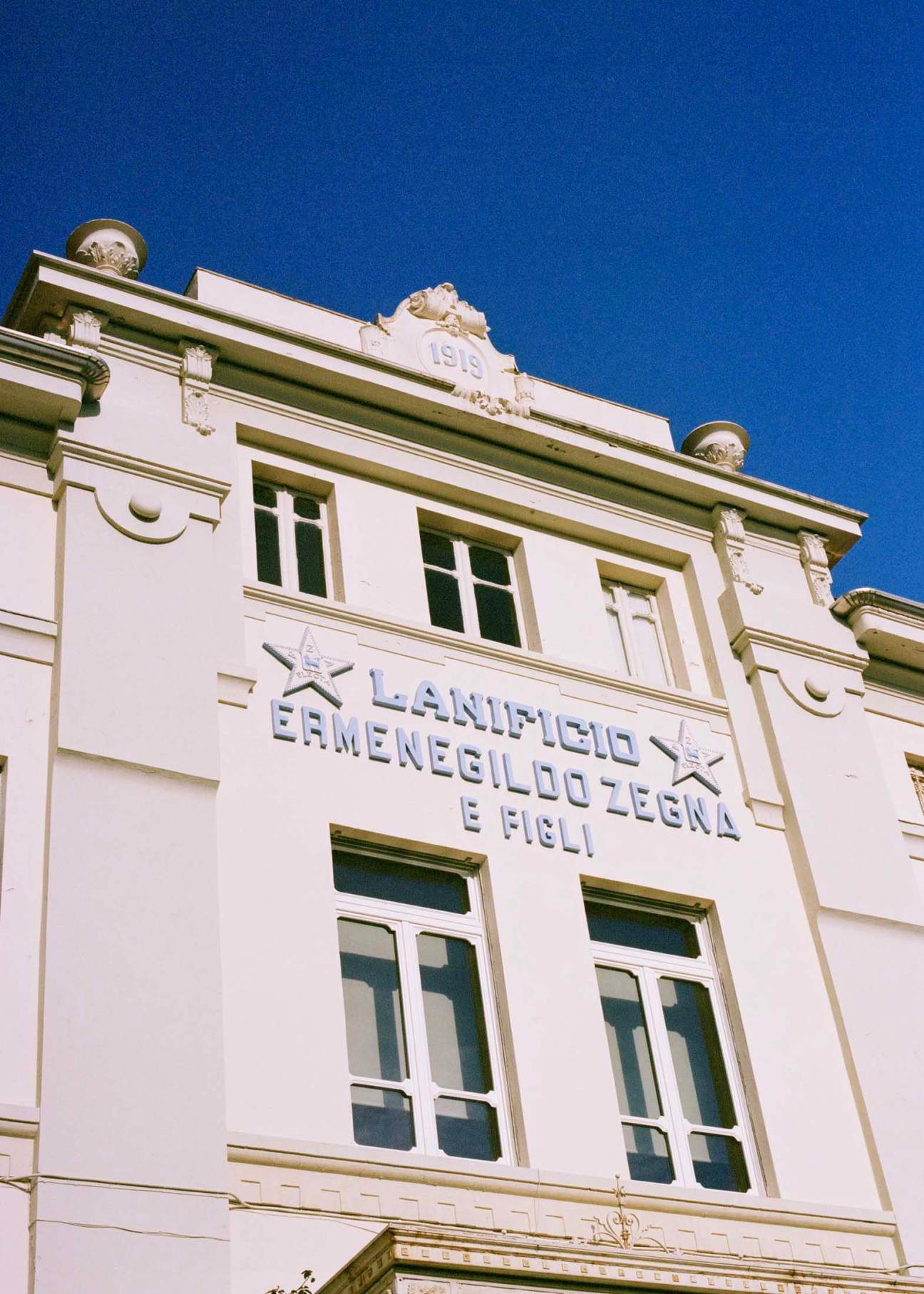
It helps that Sartori is his own customer. “I love wearing the same jacket from morning to evening so I’ve been focusing on the idea of multifunctional pieces,” he says. Men across the globe relate to his need for elegant yet pragmatic designs, including famous faces such as Danish actor Mads Mikkelsen (who is now a brand ambassador), film-maker Adjani Salmon and dancer Paolo Busti. “I want to represent our entire community, which ranges from men aged 20 to octogenarians.”
The idea of “an encounter of generations” was also on Sartori’s mind when he was designing Zegna’s latest collection, which the brand presented during Milan Fashion Week Menswear in January. Models walked around a vast runway that was covered in green grass, wearing tweed coats, high-waisted trousers and cardigans crafted with Vellus Aureum – an award-winning wool that set a world record in 2023 with a fineness of 9.4 microns. Sartori tells Monocle that all of these items were designed to be collected, kept for decades and combined with staples from previous seasons. He compares his work to furniture and, like a true Milanese, makes frequent trips to the city’s Nilufar design gallery for inspiration.
The artistic director is equally fond of thinking of himself as a chef. “I work in the best kitchen, using the best ingredients,” he says with a big smile, referring to Zegna’s wool mill in Piedmont, which the founder established in 1910. It remains the backbone of the business today. The highest-quality merino wool is transported there from Zegna-owned or partner farms in Australia and washed using the region’s purified water. It is then combed to ensure that the fibres are parallel to each other and woven on machines, before undergoing rigorous quality checks. Specially trained artisans inspect every centimetre of the fabric by hand and mark even the smallest of defects, moving swiftly from one end of their station to the other as if they were choreographed.
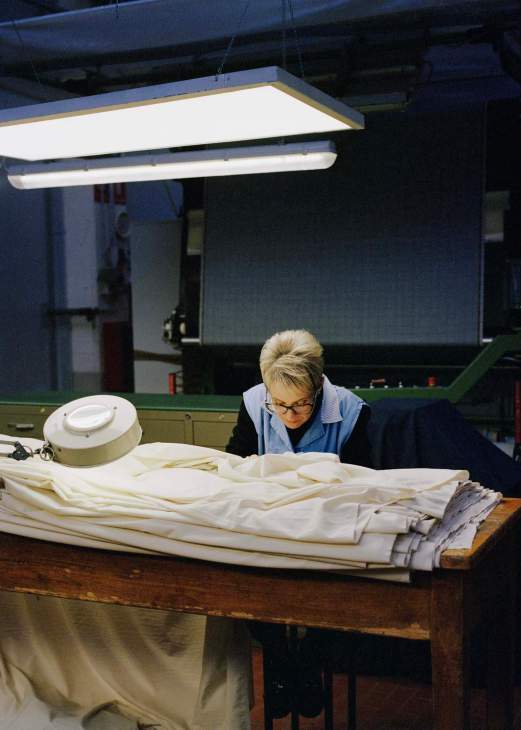

“We love the idea of having every component of a garment made in-house,” says Sartori, who frequently drives to Piedmont to work with the factory team and gather new ideas. “The concept of ‘sheep to shop’ is real for us.” Above the factory is the founder’s office and vast archives filled with fabric swatch books dating as far back as the 1930s, when the first Ermenegildo Zegna travelled to the US to sell the woollen and worsted fabrics that he was already known for.
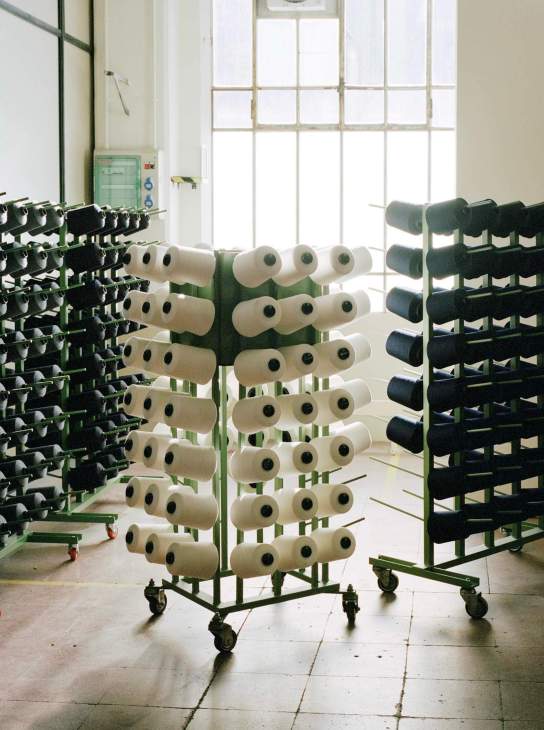
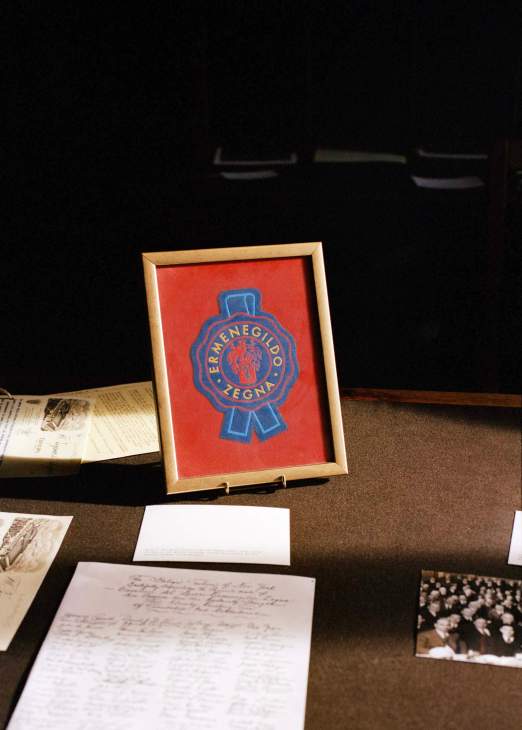
At the nearby Villa Zegna, members of the family sometimes still gather for celebratory meals – usually a risotto, followed by a roast and baked cakes from the recipe book of the founder’s wife, Nina. Meals are then followed by rides up to the mountain to ski or enjoy the panoramic views from the Monte Marca Hut, which was designed by architect Ernesto Giuliano Armani. It was the founder who planted the first tree on the then-barren mountain in 1929, hoping to transform the region for generations to come. He also built roads, a hospital, a pool and a recreation centre for residents in the area in the belief that you can only produce high-quality clothing if its makers have fulfilling lives. It’s an inspiring entrepreneurial story that remains relevant a century later as luxury brands try to clean up their supply chains and build communities. It also offers Sartori and the new generation of Zegnas who are now in charge solid foundations from which to execute their new strategy.
“If the ingredients are good, the food will be delicious, even if the recipe is simple,” says Sartori, returning to his culinary theme. Zegna’s recipe for success is refreshingly straightforward: focusing on wardrobe staples and eschewing trends, putting the customer first and investing in intimate retail experiences. The company’s trusted retail partners include Munich-based Mytheresa, which shares its premium, customer-centric approach, flying top clients to Italy to experience family-style lunches at Villa Zegna and tour the company’s wool mills.
Emphasising the human side of the business, even as it scales globally, has proven just as important. Customer events, such as those held with Mytheresa, frequently result in friendships being formed, personal stories being exchanged and plenty of cannoli being passed around. Campaign shoots also often end with Sartori and Mikkelsen playing cards and singing karaoke into the wee small hours. “We are not here to teach anyone,” says Sartori. “We just want to be true to ourselves.” As luxury goes mainstream, being yourself and celebrating your humanity might be the most revolutionary approach that a designer can take. For Sartori and Zegna, it’s paying off.
Monocle’s spring style forecast
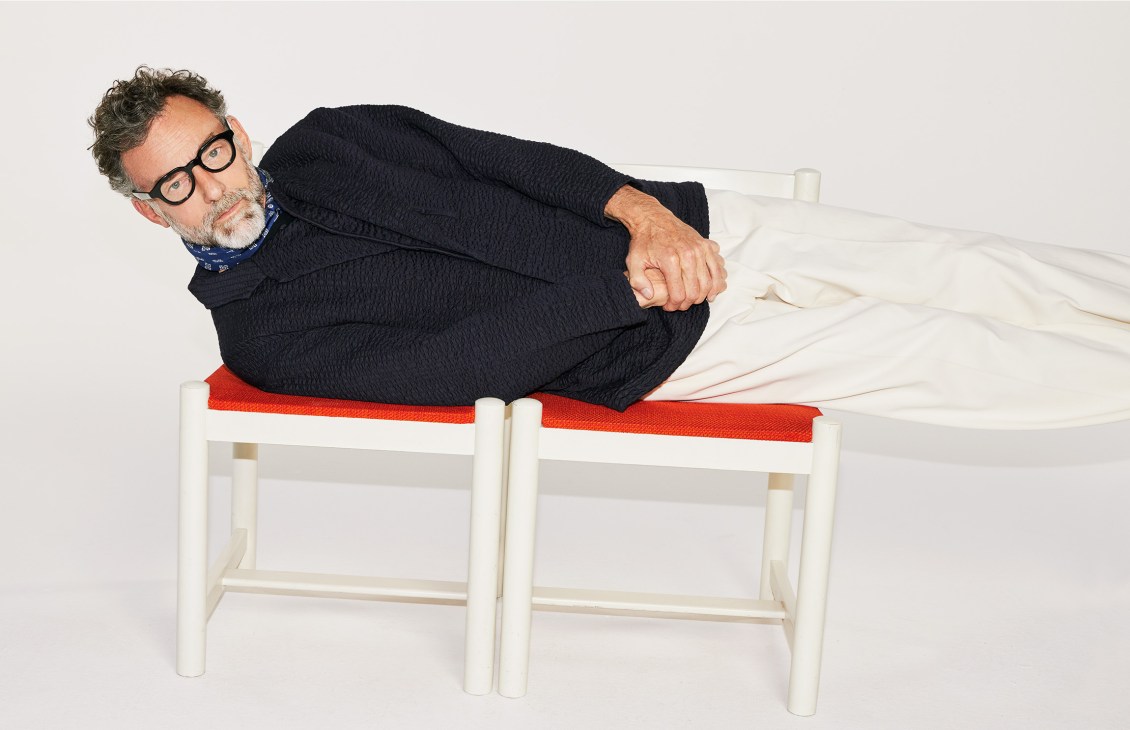
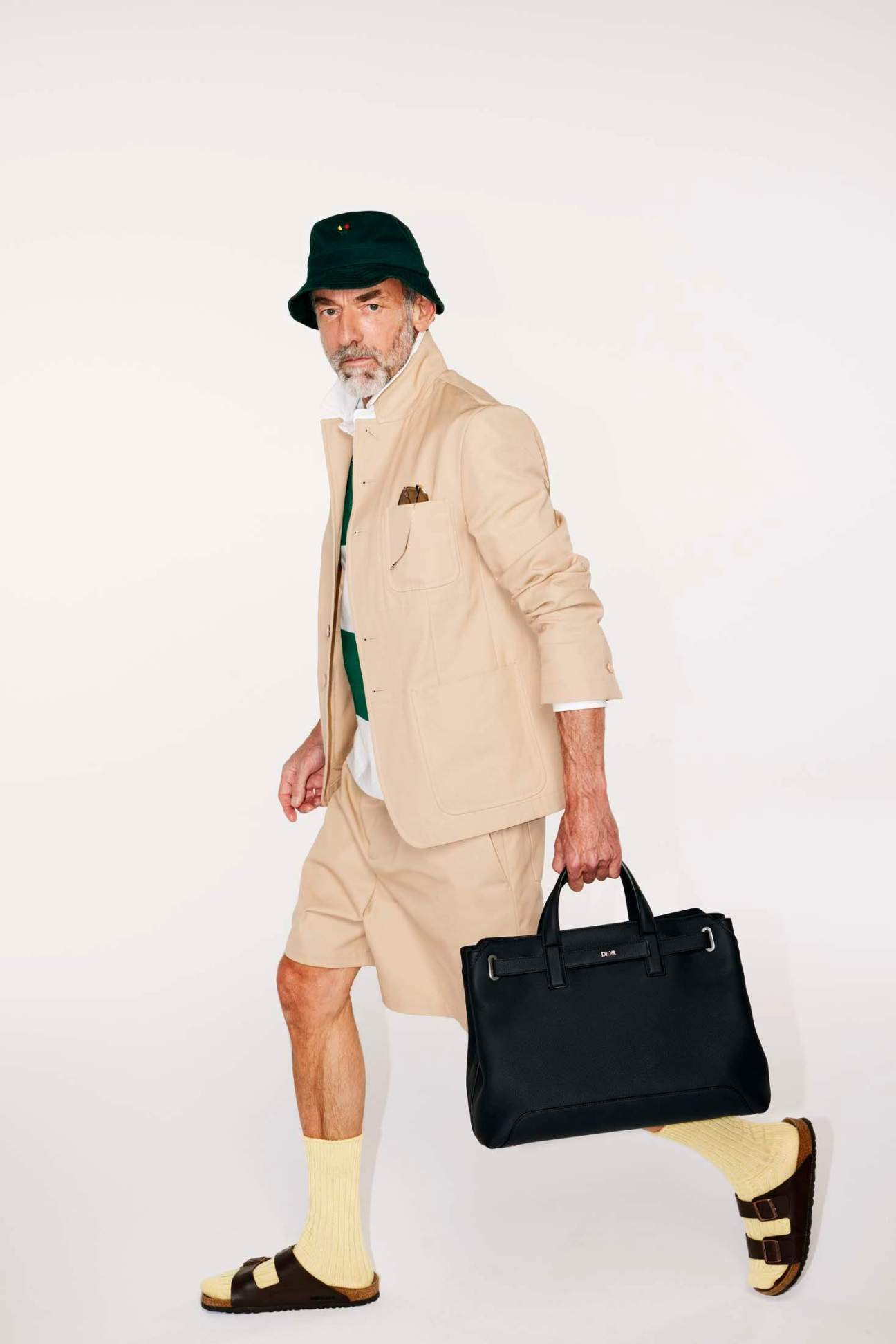

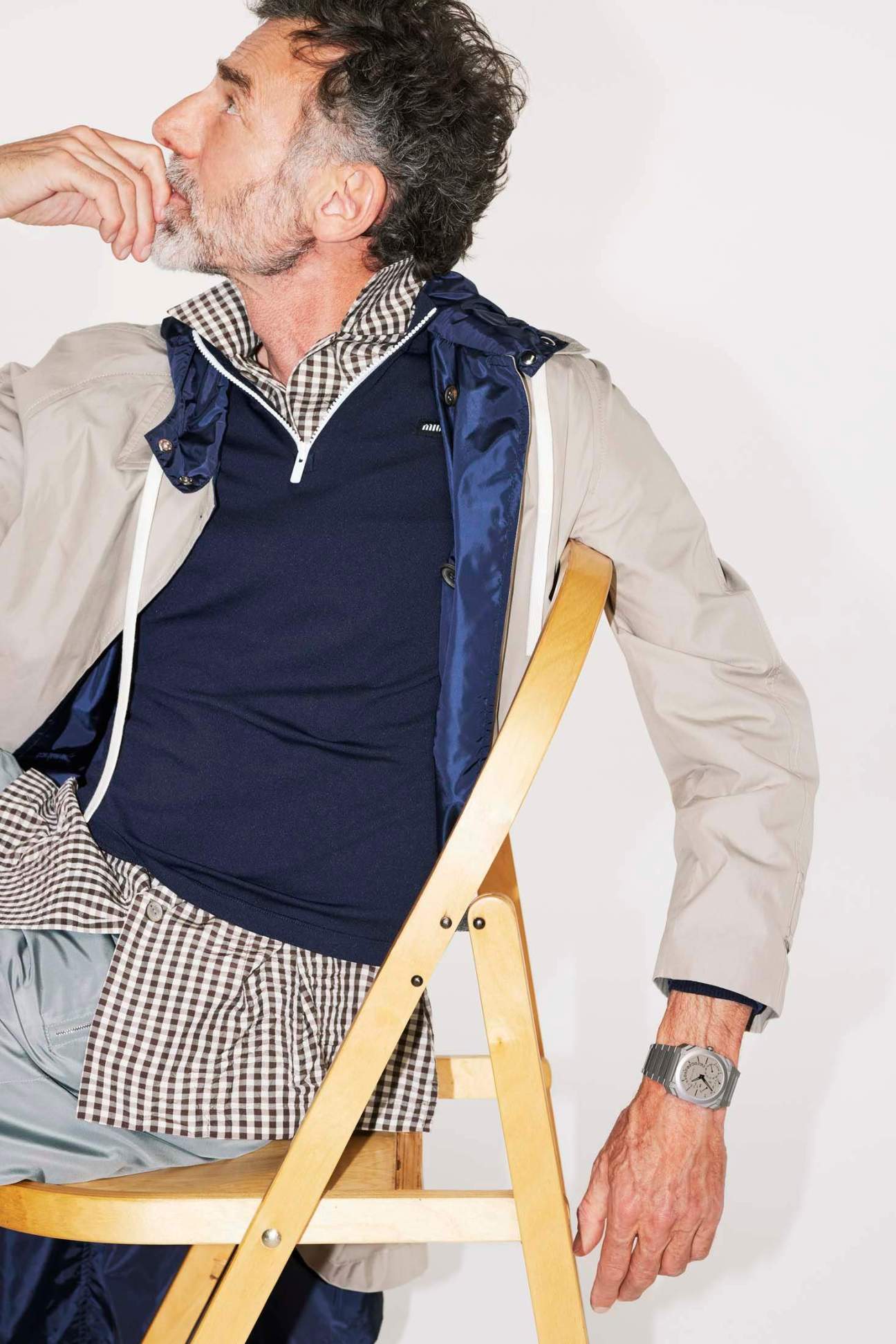
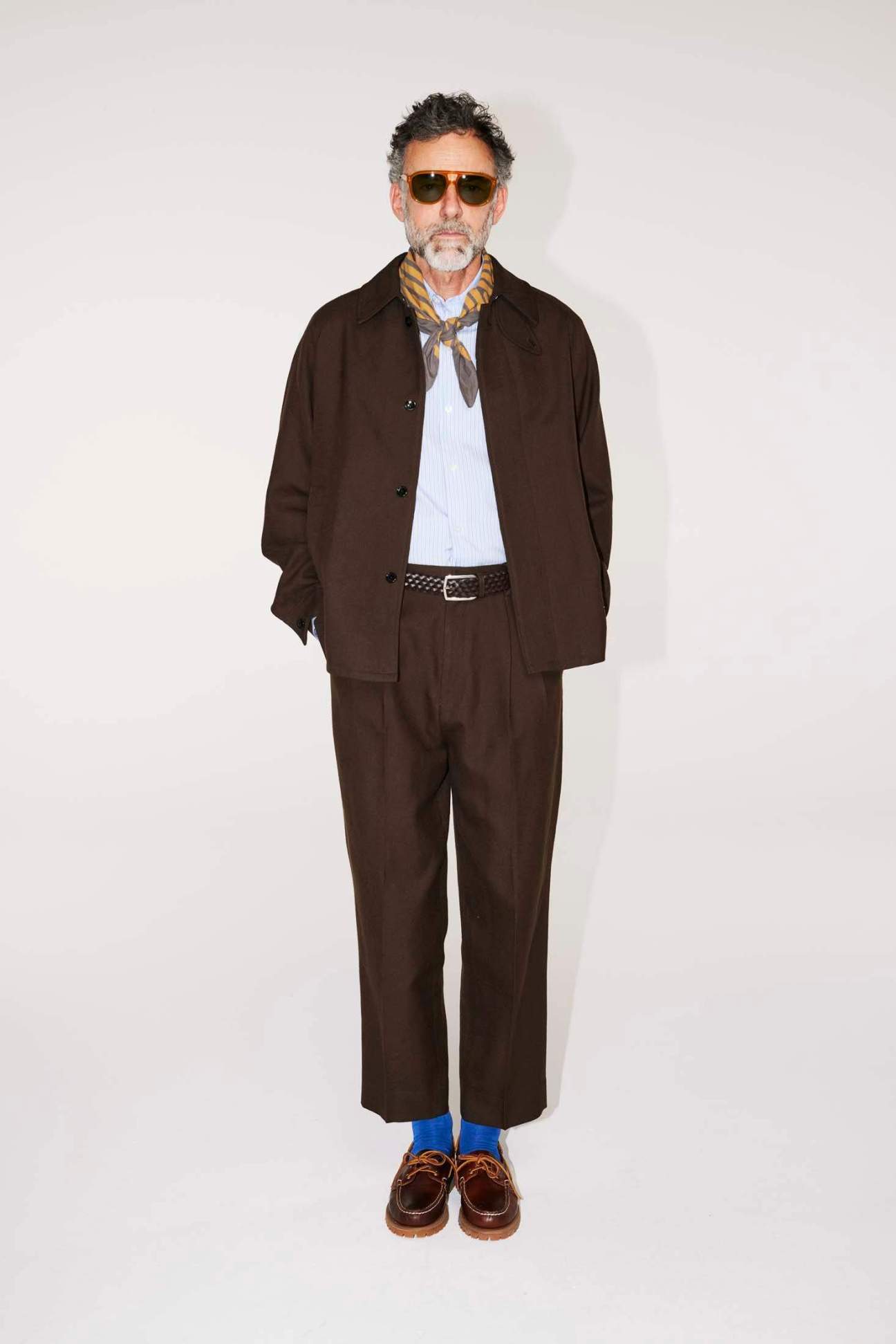

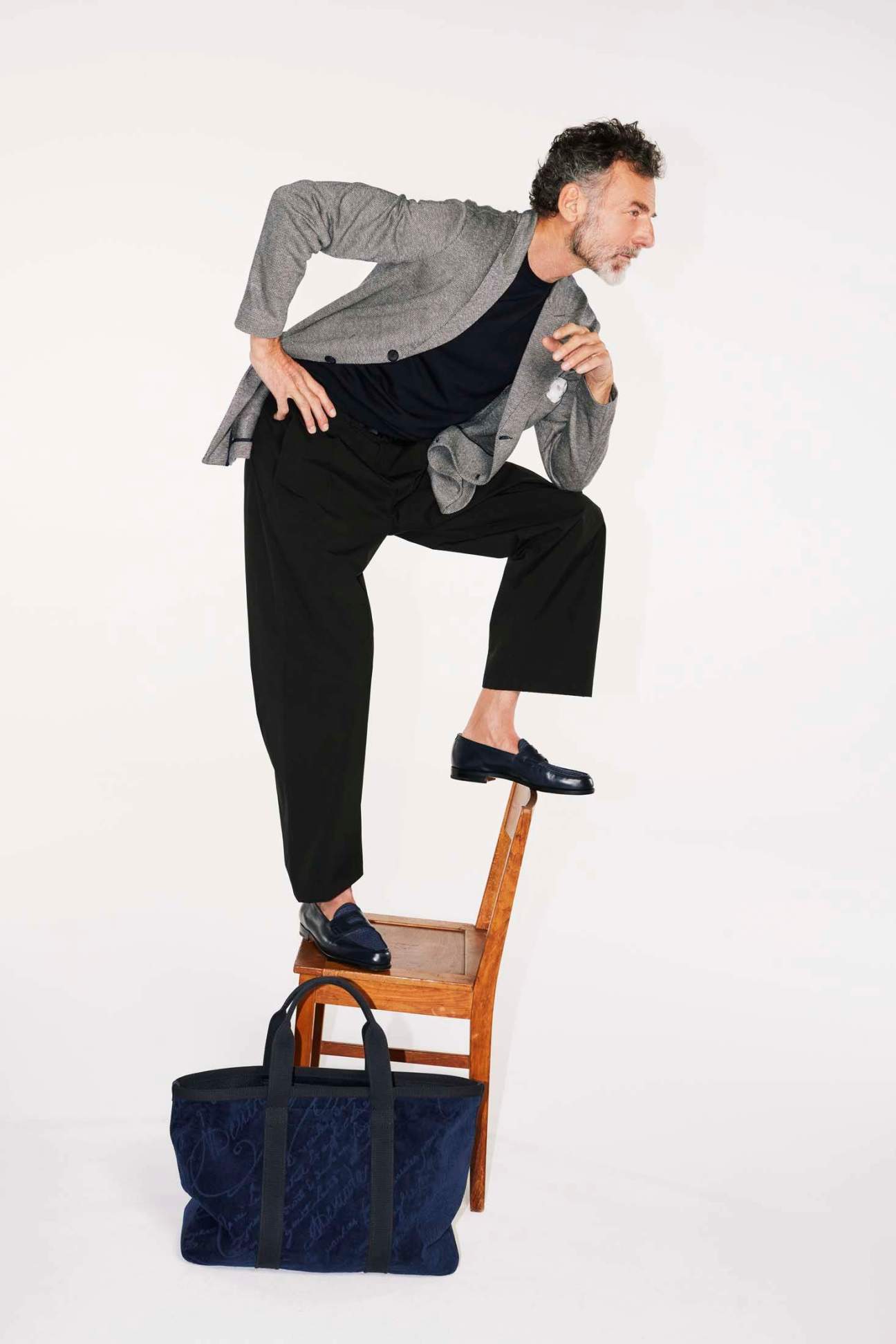
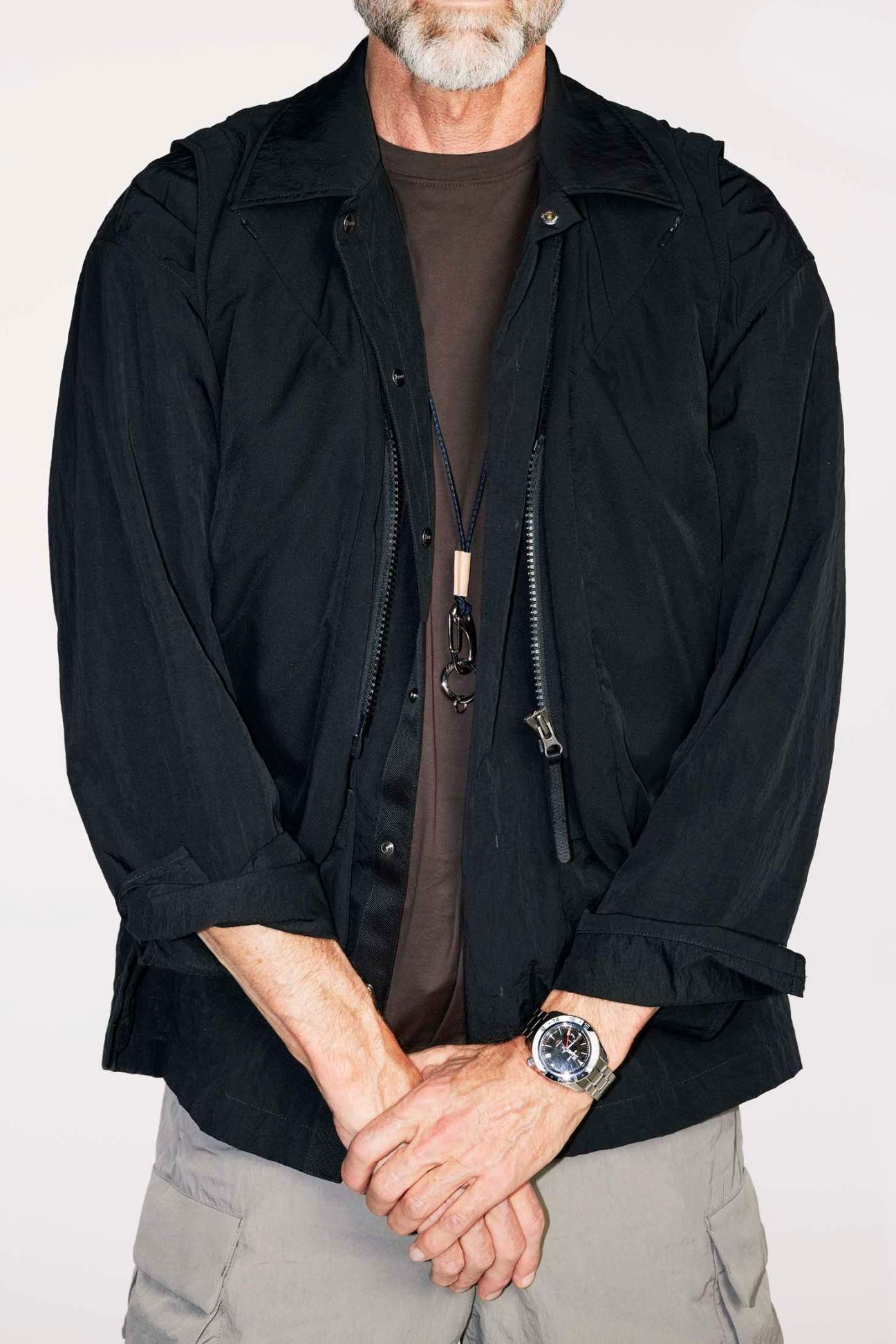
Trousers by Goldwin 0, Shoes by John Lobb, Bandana by Glarner Tüechli, Bag by Berluti
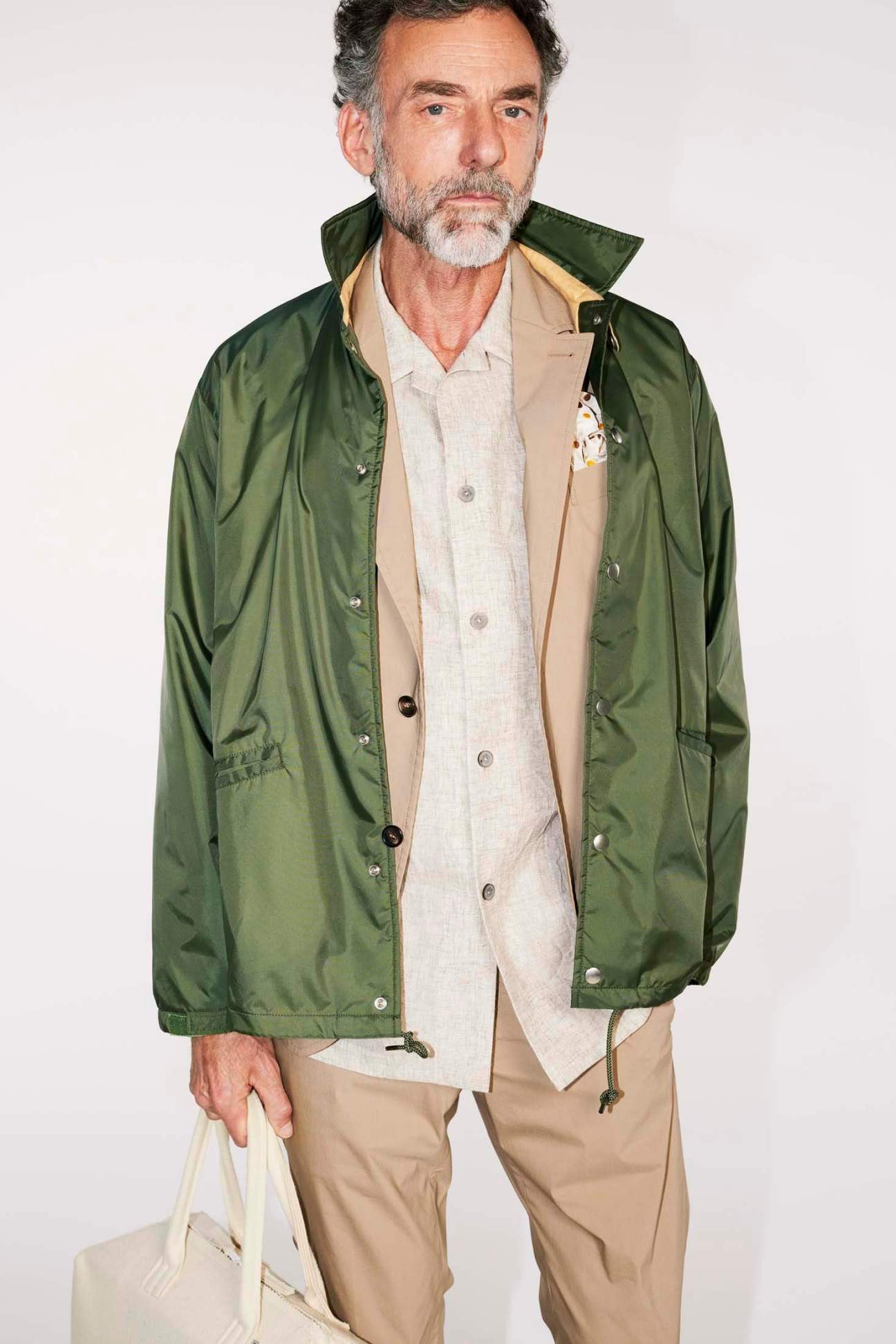
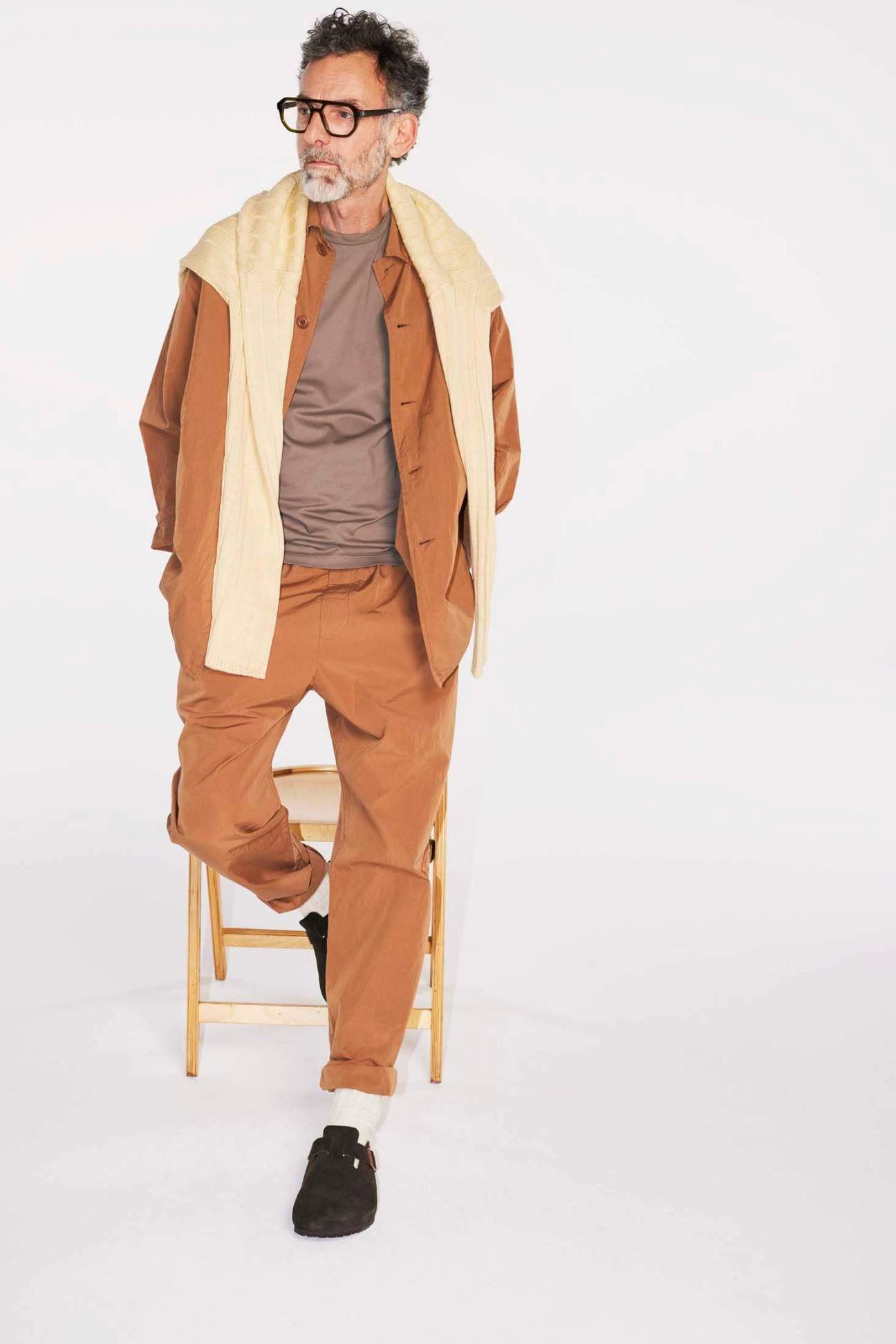

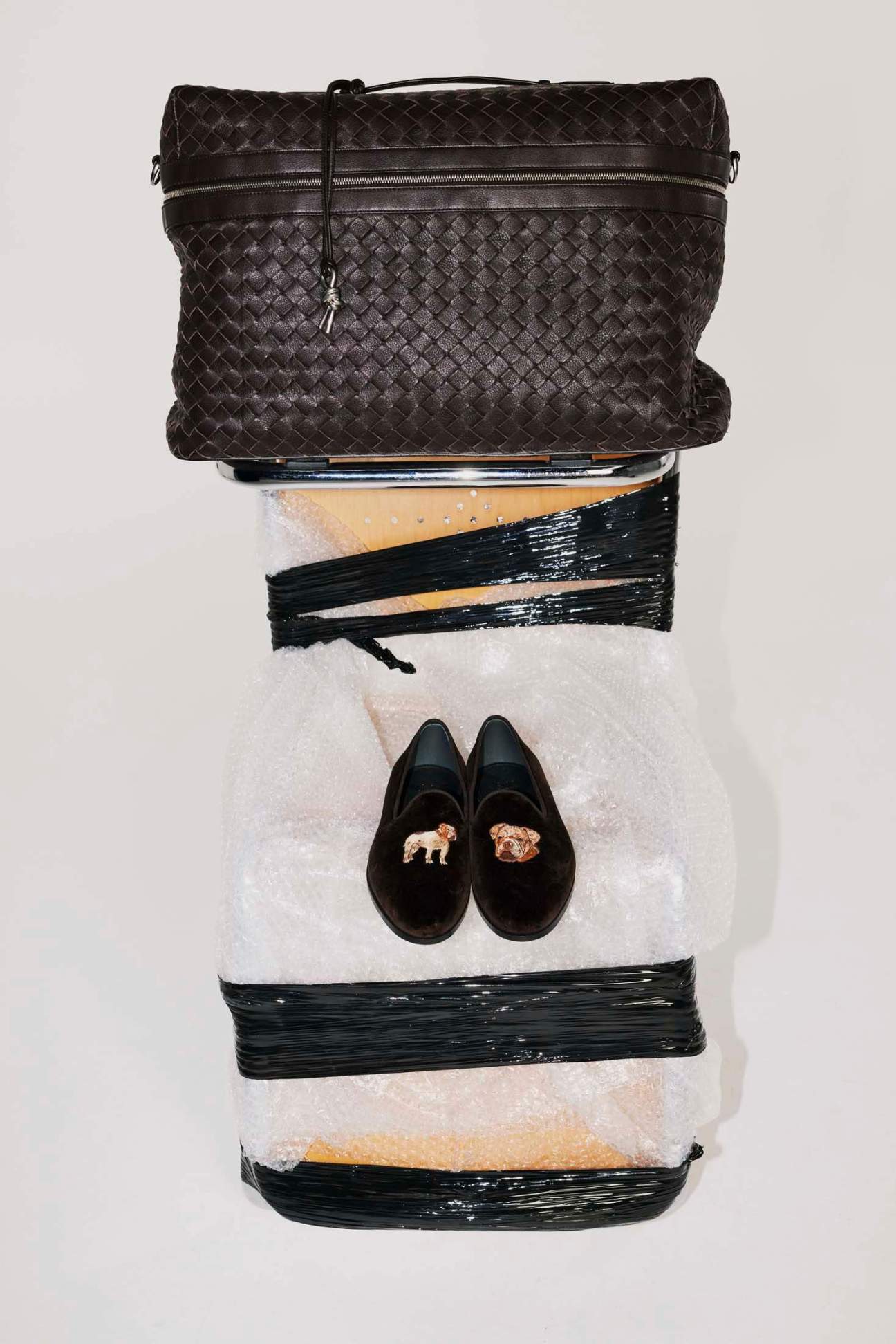

Stylist: Kyoto Tamoto
Grooming: Hiroshi Matsushita
Prop stylist: Emily Beaman
Props: House of Modern Vintage
Model: Alain Gossuin