
Issues
Why are Finns enlisting in the military?
Alisa Krol takes a deep breath, exhales and pulls the trigger of her 7.62 RK62 assault rifle. The 50-cent coin on the rifle’s barrel quivers but doesn’t fall. “Well done,” says her trainer Ida-Susanna Pöllänen. The two women, both in their early twenties, are crouched down on a shooting range on the island of Santahamina off the coast of Helsinki. Krol had never fired a gun before today but, in less than half an hour, she and 20 or so more in her group will all fire live rounds from these assault rifles. All are attendees on a three-day “basic military skills” course, one of more than 3,000 voluntary defence courses organised every year by the MPK (short for Maanpuolustuskoulutus, or “national defence training”). This publicly funded, independent, non-partisan organisation has taught military and safety skills to hundreds of thousands of Finns.


When Russia launched its invasion of Ukraine in 2022, applications to MPK courses grew tenfold. Most of them – many of which charge a €15 enrolment fee – now sell out in hours. On the day that Monocle visits the Santahamina base, less than half an hour’s drive from downtown Helsinki, most participants cite the Ukraine war as the reason for taking part. Finland shares a 1,300km land border with Russia and the conflict has shaken the foundations of the Nordic country’s defence and security policy. After decades of neutrality, Finland has joined Nato and there has been a significant uptick in conflict preparedness.
Krol’s group is split evenly between men and women. In a country where military service is mandatory for men but voluntary for women (about 1,500 of whom elected to take part this year), courses such as these are a great way to learn basic military skills in a short period of time. “I’m thinking about volunteering for the military service and this is a great way to see if I’m cut out for it,” says Krol. She’s not alone in this way of thinking. Tessie Fagerholm, a 22-year-old taking part on the same course, shares Krol’s sentiment. “Defending our country is everyone’s responsibility, not just the men,” she says as we accompany her and the other participants for a lunch of chicken soup and military-issue banana chips under the pine trees. “I work as a baker, so I’m accustomed to waking up early like they do in the army,” says Fagerholm.
The Puolustusvoimat (Finnish Defence Forces) views the MPK as a strategic and operative partner. Despite the latter’s notional independence, much of the training takes place on military grounds with military gear. Moreover, most of the courses that the MPK runs are designed in collaboration with the defence forces. The MPK’s mission statement, as defined by Finnish law, is to promote national defence while supporting and improving the country’s military preparedness. Remarkably, its courses train more than 70,000 participants a year on a budget of just €8m. And these numbers are set to grow.
The Puolustusvoimat (Finnish Defence Forces) views the MPK as a strategic and operative partner. Despite the latter’s notional independence, much of the training takes place on military grounds with military gear. Moreover, most of the courses that the MPK runs are designed in collaboration with the defence forces. The MPK’s mission statement, as defined by Finnish law, is to promote national defence while supporting and improving the country’s military preparedness. Remarkably, its courses train more than 70,000 participants a year on a budget of just €8m. And these numbers are set to grow.
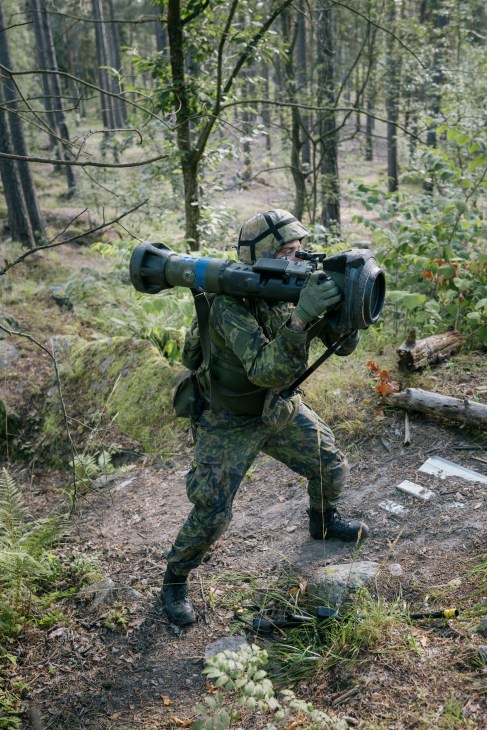
“Without the 3,000 unpaid volunteers who run the organisation and its exercises, none of this would be possible,” Vesa Sundqvist, head of MPK’s Southern Finland District, tells Monocle as we join a group of men in their thirties taking part in anti-tank training. Dressed in battle gear, the men advance in the hilly forest, each carrying an Apilas anti-tank weapon. It’s a sunny day, with temperatures hovering around 25c, and the recruits are drenched in sweat. “Enemy tank ahead, take your positions,” shouts the trainer as the men dive into trenches. The tank is imaginary. This exercise is about how to manoeuvre while holding a 9kg weapon. If it was real, a properly managed Apilas would be able to destroy a tank from up to half a kilometre away. One of the participants is 30-year-old Heikki Toijala, who works at an IT company. “Russia attacking Ukraine was a wake-up call for me,” he says. “I signed up for courses in order to learn as much as possible about defence.”
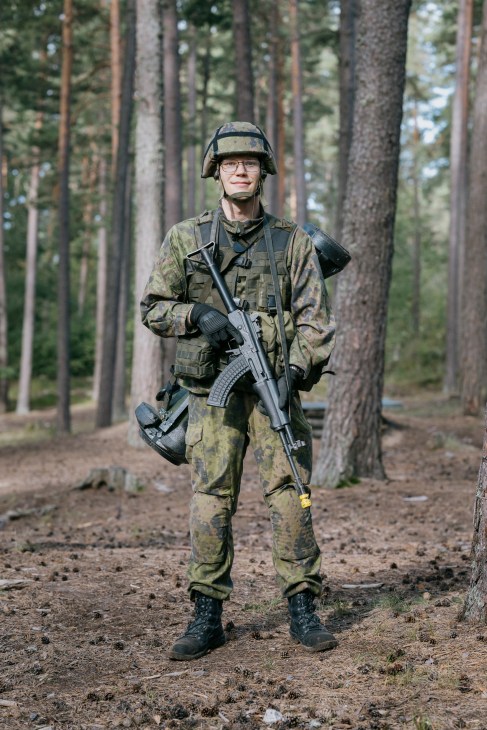
The two wars that Finland waged against the Soviet Union in the 1930s and 1940s, and the subsequent period dubbed Finlandisation – during which Moscow had a final say on the country’s foreign and security policy – are still fresh in Finns’ collective memory. When Russia attacked Ukraine, public opinion about staying out of Nato in order to avoid provoking its eastern neighbour shifted rapidly; Finland joined the alliance in 2023. Mandatory national service still enjoys widespread popularity in the country, with surveys indicating that 79 per cent of Finnish citizens would be willing to take up arms, among the highest numbers in Europe.
Finland’s armed forces in numbers
Active service personnel: 24,000
Reservists: 870,000
Artillery units: 1,700
Tanks: 650
Number of military aircraft: 164
Naval fleet: 246 vessels
The fact that all men are enlisted means that the country’s armed forces boast an astonishing potential wartime strength of more than 900,000 trained soldiers, out of a population of 5.5 million. “Our military strength, and therefore our deterrent, relies on having well-trained and active reservists,” says Sundqvist. “So it is important that they have the chance to maintain and improve their skills in voluntary training.” To keep such a large reserve army in fighting shape, people from all walks of life need to practise their military skills, not just those who are young and fit. Sundqvist tells a story about an 80-year-old participant for whom the MPK needed to negotiate tailor-made insurance coverage so that he could continue taking part in the courses.
Women now constitute one-fifth of participants, a marked increase compared with just a few years ago. In a lakeside military training facility near Tuusula, an hour’s drive north of Helsinki, two dozen women of all ages are split into three groups to study portable generators. Ulla-Maija Niemi and Anne Takala run a five kilowatt Scheppach generator under the guidance of Jouko Savolainen, a volunteer trainer who is an electrician in his civilian life. “There is so much war and conflict in the news that I felt like I needed to prepare,” says Takala. This class is part of MPK’s comprehensive defence training, which makes up about a quarter of all of its courses. It’s a concept that underpins Finland’s defence doctrine and is built on the principle that the society in its entirety, not just the military, is responsible for safeguarding vital functions in times of conflict and emergency. In addition to teaching how back-up generators work, the MPK also hosts courses on cybersecurity that it organises with Finnish universities, as well as ones on first aid, navigation, radiation, search and rescue, and wilderness survival.
Much of the MPK’s funding comes from the state. When asked whether more money would help, Sundqvist replies that “it wouldn’t hurt”. He is being diplomatic. MPK volunteers are currently stretched to the limit and it is clear that additional funding is needed in order to keep up with the growing popularity of the courses. In 2022 the government of then prime minister Sanna Marin granted the organisation additional funding worth €3m, while Finland’s current centre-right government has increased state support further.
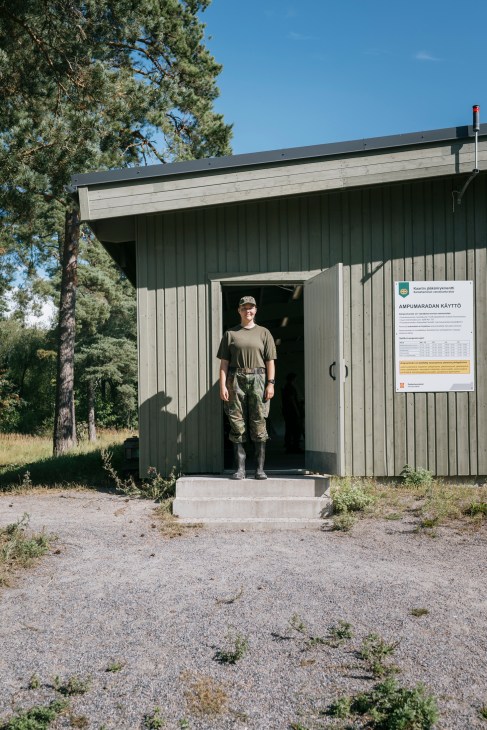
But the organisation needs more than just money. Weapons training is by far its most popular course; few things beat target practice with live rounds when learning combat skills. Following the invasion of Ukraine, the Finnish government passed a law in 2022 that allowed the MPK to train with weapons and ammunition from the defence forces and border guards. This August, following a €1.6m deal for tailor-made AR-15 and Nato-compatible practice rifles for voluntary defence training, Finnish weapons manufacturer Sako delivered a first consignment of ARG S40s. The organisation won’t disclose how many rifles it ordered but says that the guns will give them the ability to organise more shooting training. “With this new rifle, we can practice shooting without the need to involve the defence forces,” says Sundqvist.
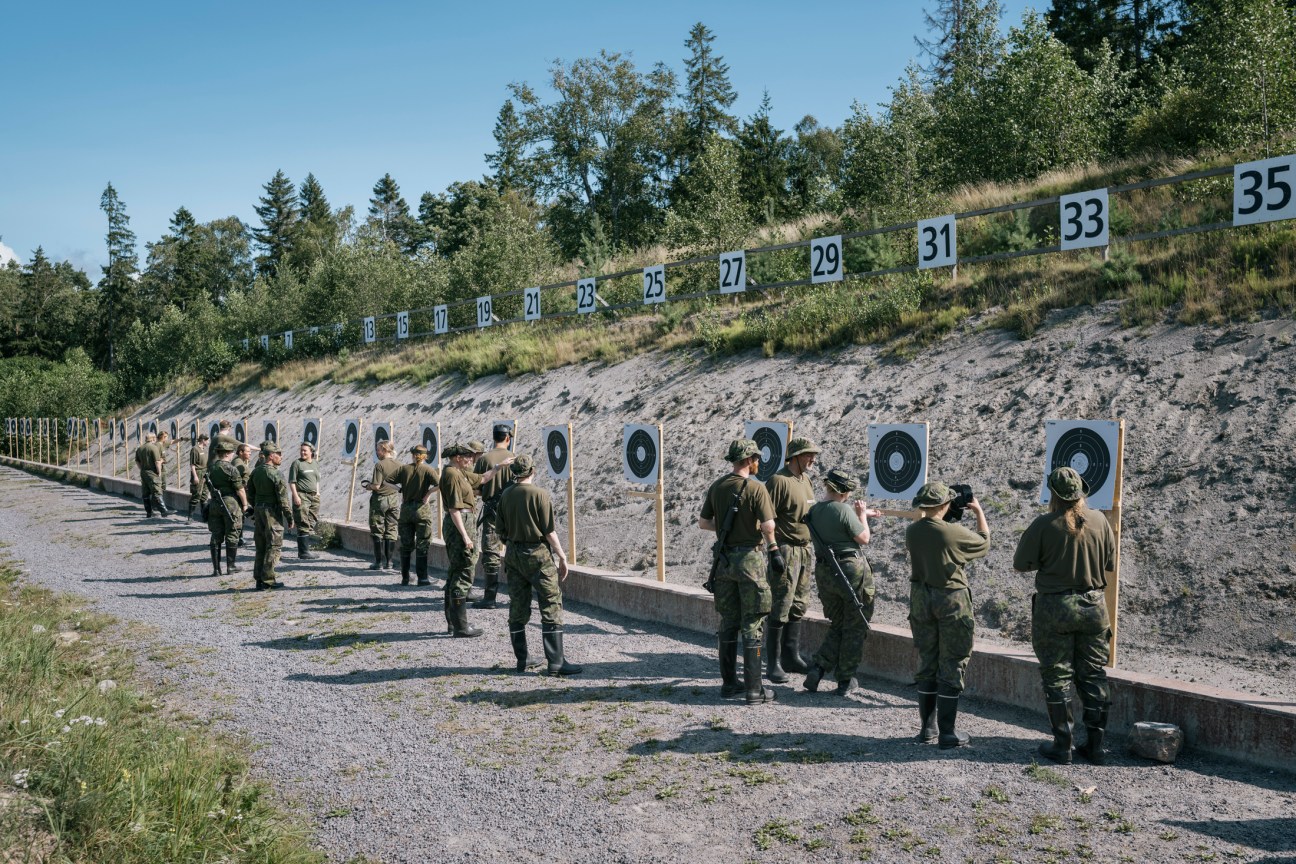
But the MPK also needs places to fire the rifles. The number of shooting ranges away from military bases has dropped from several thousand a few decades ago to just 670 today. In its policy programme, Finland’s current government, led by conservative prime minister Petteri Orpo, has pledged to up that number to 1,000 by cutting down on bureaucracy and environmental regulation, something that the MPK has welcomed.

The war in Ukraine has led many Western countries to increase defence spending and ramp up weapons production. Politicians in countries including the UK and Germany have suggested returning, at least partially, to mandatory military service, while Latvia, Lithuania and Sweden have reinstated conscription. Many cite Finland, which never scrapped national service, as a positive example.
Finnish voluntary defence training is getting a lot of attention too. Finland’s neighbours Estonia, Sweden and Norway have their own equivalents of the MPK, though they are part of the defence forces, while Taiwan has a longstanding tradition of civil defence training. Sundqvist says that he has recently hosted contingents from other European countries who have expressed interest in doing things the Finnish way. Poland has launched an initiative dubbed “Holidays with the Army” to attract recent graduates to learn military skills over a month in the summer. For their efforts, the participants were paid an equivalent of about €1,400. In contrast, Finns have to pay to take part in most MPK training. It is a testament to the country’s remarkable national unity and sense of duty that tens of thousands do this every year. In a world sliding towards conflict, there are few better deterrents.

An illustrated guide to the 10 buzziest spots in Toronto’s East End
Despite its size and vast footprint along the shore of Lake Ontario, Toronto tends to think of itself in more intimate terms as a city of neighbourhoods. And while its districts downtown and in the West End are the go-to for visitors – thanks to their many restaurants, watering holes and independent retailers – Toronto’s East End is reimagining itself and beginning to dream a little too.
It is here that one of North America’s largest urban projects is currently under way – a transformative redevelopment of former docks into homes and business hubs that will continue to take shape in the years ahead. But there is already much to savour in the city’s east, particularly in two of its prettier residential neighbourhoods: Leslieville, which kept its handsome red-brick Victorian architecture; and The Beaches, an intuitively named neighbourhood on the mainland shoreline that includes the peerless Woodbine Beach.
The Fox Theatre has been screening films in this part of town since 1914 and newer openings – including dining rooms, magazine shops and music venues – are enlivening proceedings further. There’s also an array of recording studios dotted around the area where Toronto-born rapper Drake opened his concert hall, History, in late 2021.
Yet it’s the neighbourly qualities that define Leslieville and The Beaches, particularly in their public parks, which host some great summer farmers’ markets. Here’s our guide to a small corner of Canada’s largest city.
1.
Read:
‘Serviette’ magazine
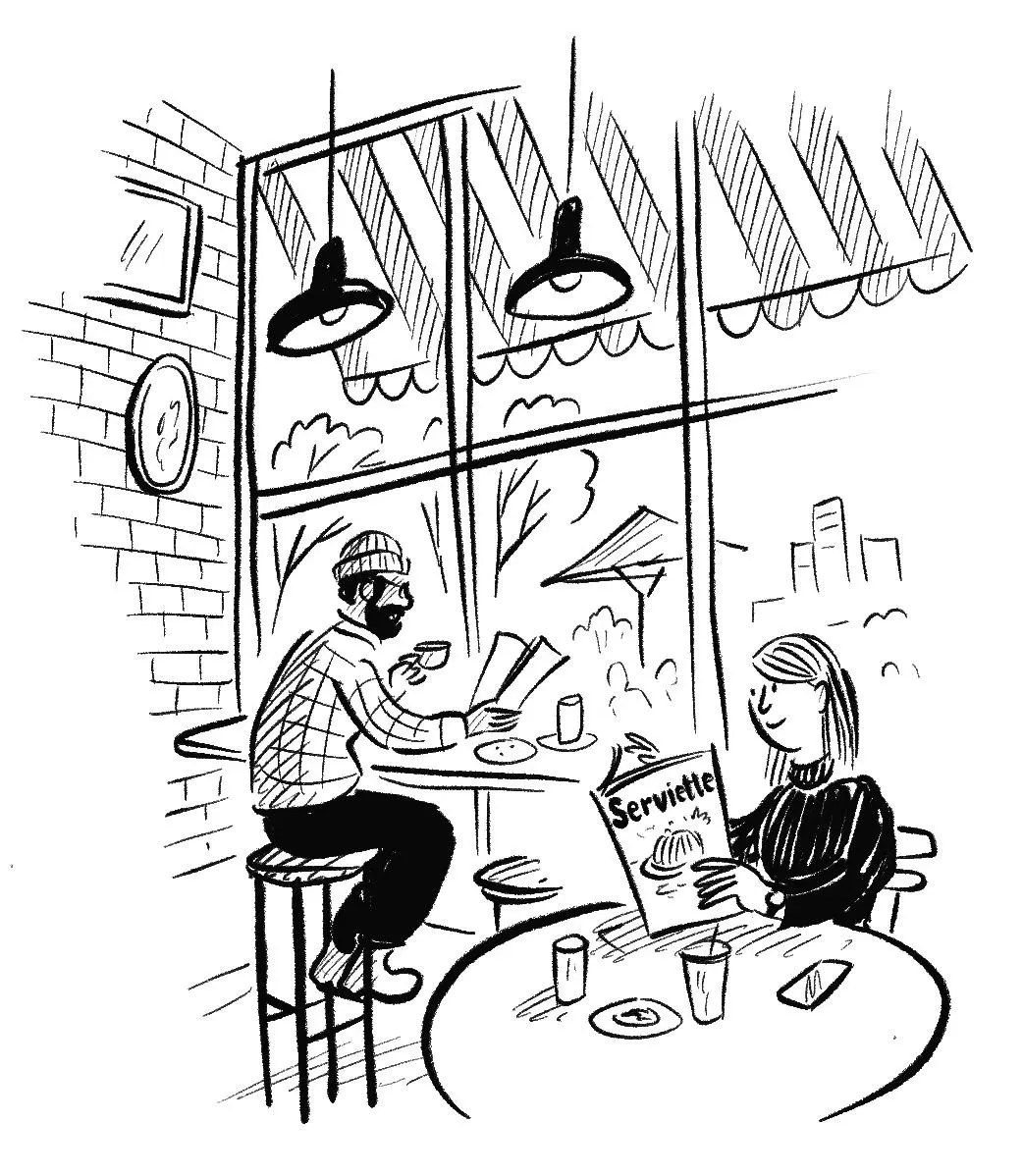
A stylish food and drink quarterly launched in 2022 by restaurateur Max Meighen, founder of Leslieville’s Avling Kitchen & Brewery. Pick up a copy from nearby Issues Outpost, Toronto’s newest magazine retailer, and leaf through it over an espresso at Rooster Coffee House.
serviettemag.com; roostercoffeehouse.com; issuesmagshop.com
2.
Stay:
The Broadview Hotel
Housed in a red-brick corner plot, which played cameos in the Hollywood films Cinderella Man and A History of Violence, The Broadview Hotel reopened in 2017 after a restoration, shaking off some of its notoriety in the process (it was home to Jilly’s, a well-known adult venue, for 34 years). The cosy, brick-walled private space attached to the King Terrace Room makes it the suite to plump for.
thebroadviewhotel.ca

3.
See:
Leslie Lookout Park
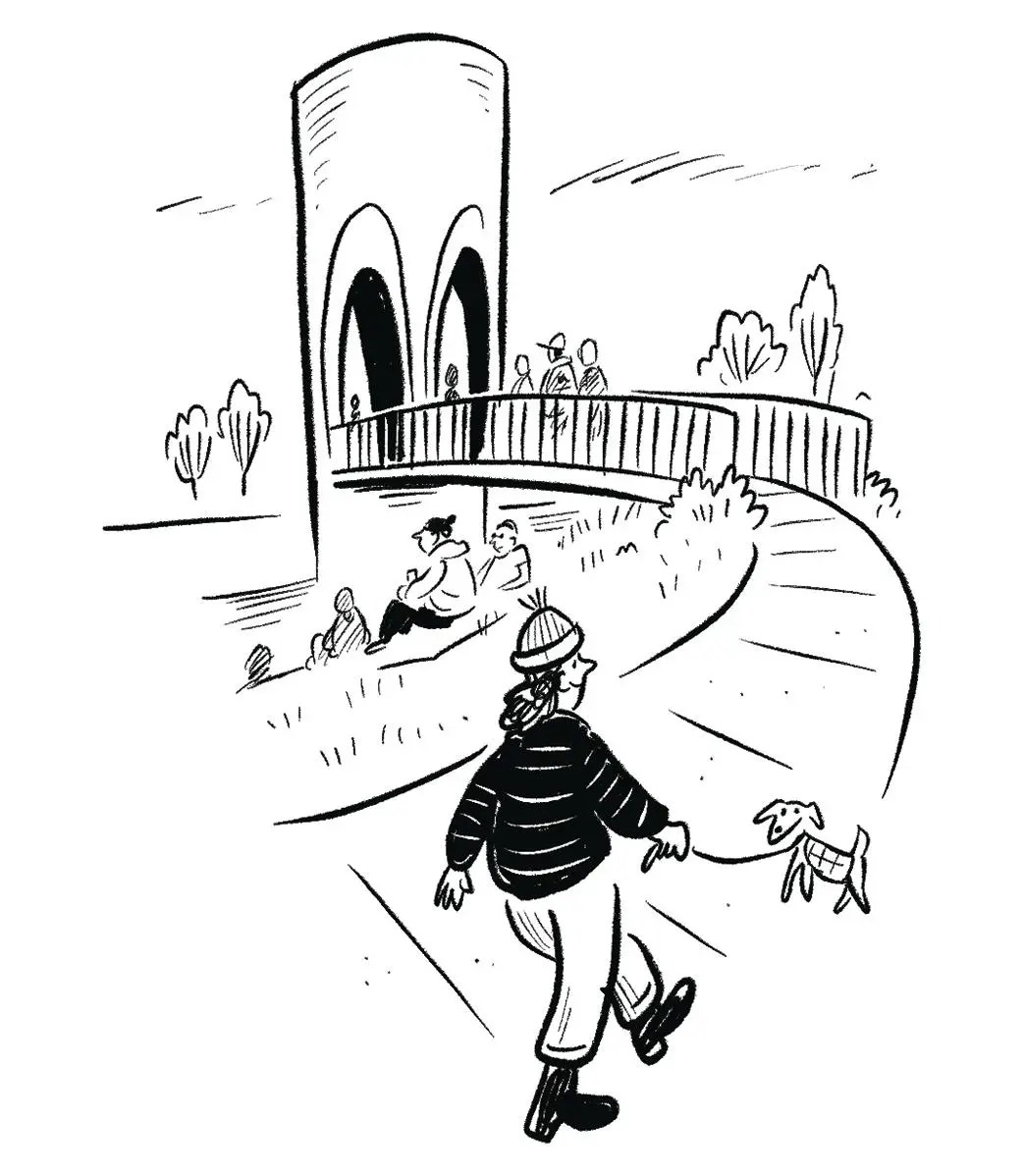
Toronto’s newest public park, which opened in September 2024, is one of its most unusual. Nestled in a nook in the industrial waterfront where cargo ships turn around in port, the space has been transformed into a charming public beach by Montréal-based architects Claude Cormier and Associates.
createto.ca
4.
Eat:
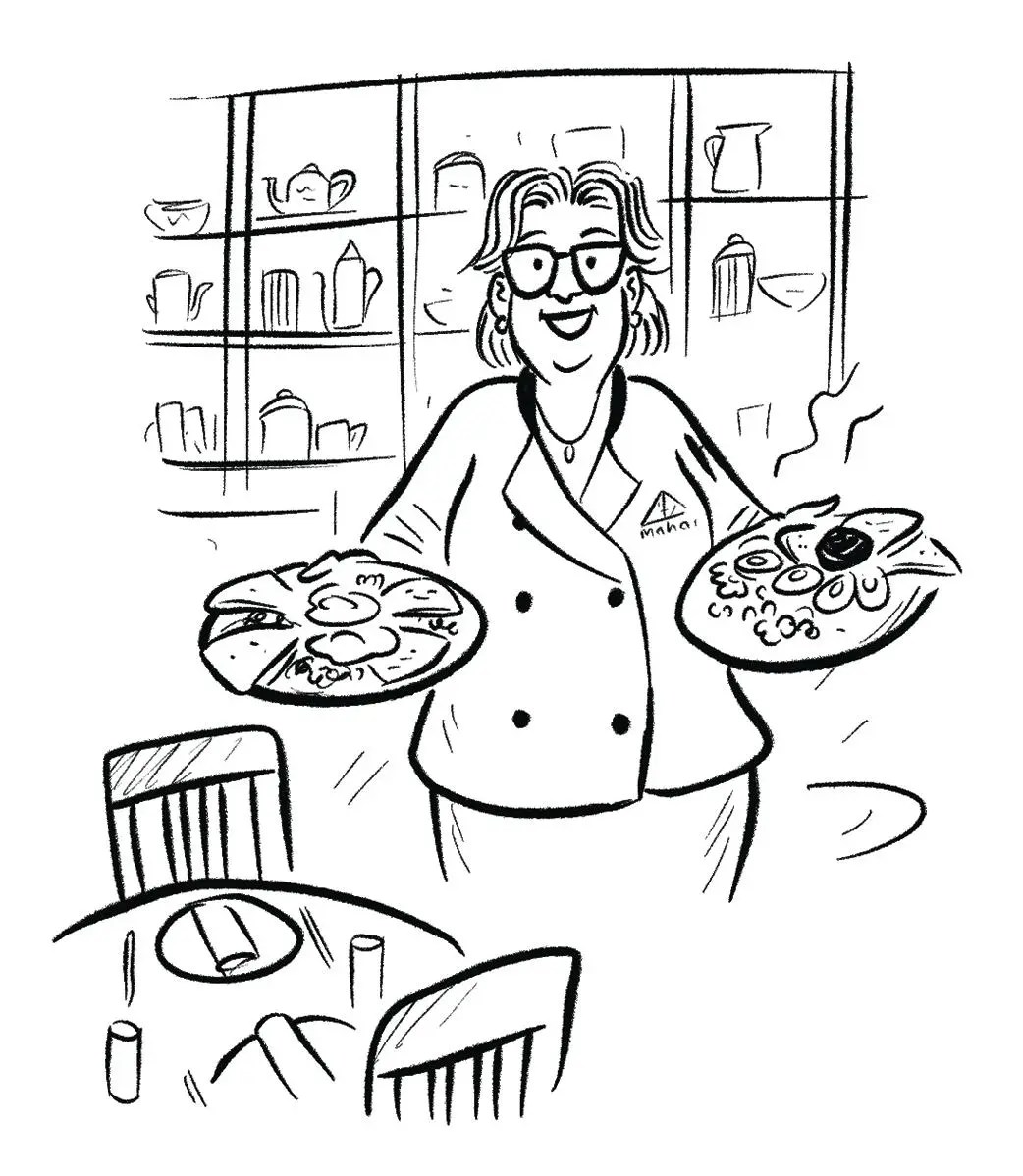
Maha’s Egyptian Brunch
Try celebrated Egyptian-Canadian chef Maha Barsoom’s novel takes on the African country’s staples. The grilled cheese sandwich, studded with caramelised dates, is a treat. A second location, shared with Toronto-based Egyptian-cotton clothing brand Kotn, opened last year.
mahasbrunch.com; kotn.com
5.
Shop:
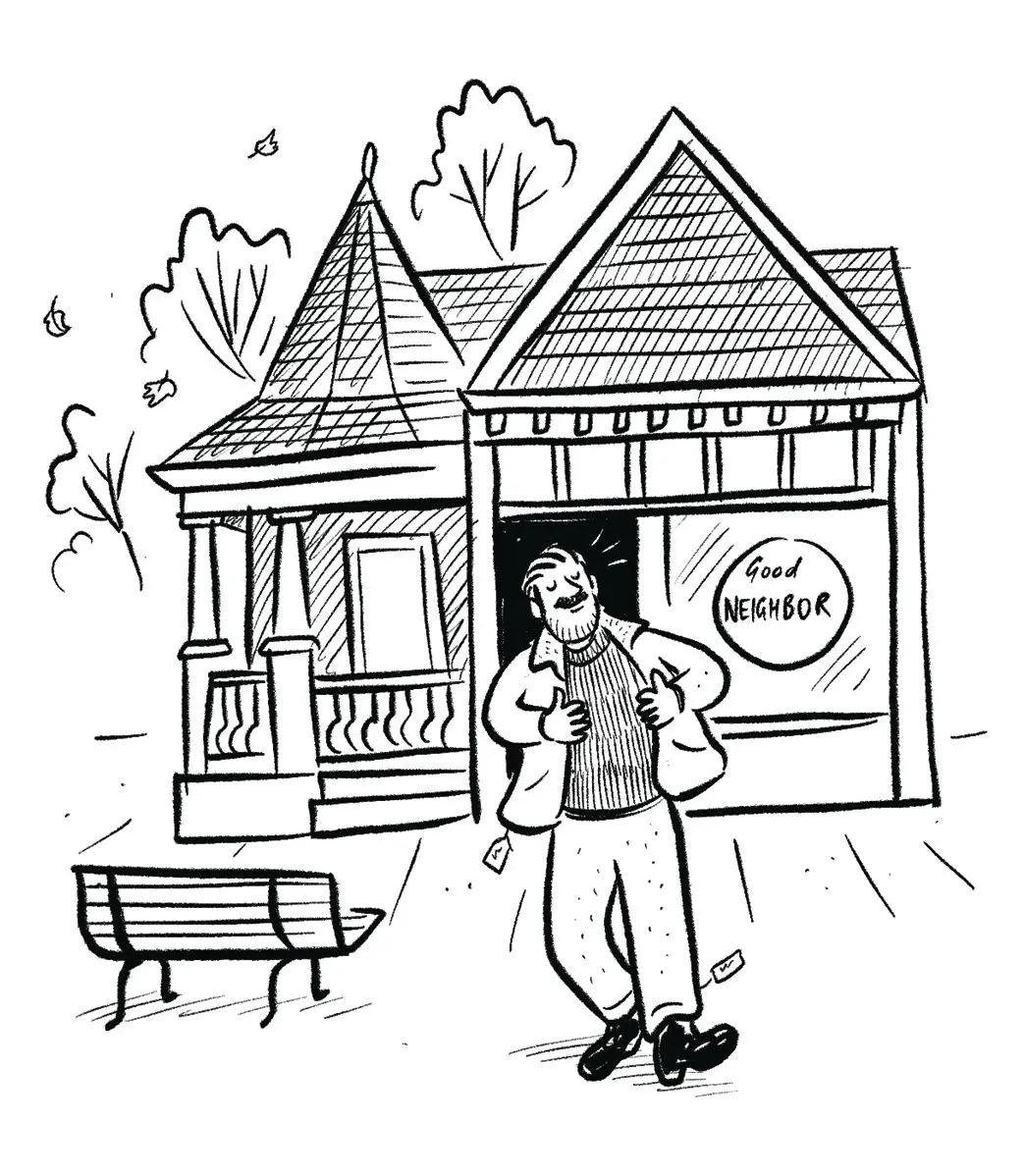
Good Neighbour
Opened in a pretty converted home in Leslieville, Good Neighbour stocks jumpers and shirts by brands including Portuguese Flannel and Les Deux, plus sunglasses by Le Specs and Izipizi. Its third branch opened in the affluent Summerhill neighbourhood this year.
goodnbr.com
6.
Drink:
A daiquiri at Goods & Provisions
This lively neighbourhood tavern is known for its excellent natural-wine list (try a chilled glass of Foradori teroldego Lezèr) but it mixes a mean daiquiri too. The Wagyu carpaccio, served with fresh chive dressing, is a dish to savour.
1124 Queen Street East

7.
Buy:
Guff mid-century furniture
Guff is one of the best suppliers in a city that does mid-century furniture very well. Its inventory changes frequently but dining tables by Denmark’s Hans Olsen and Gudme Møbelfabrik make paying a visit to its showroom well worth it.
gufffurniture.com

8.
Visit:
Fox Theatre
Toronto’s oldest continuously operating neighbourhood cinema opened its doors in 1914. Its single unfussy screening room is an institution, showing blockbusters, indies and documentaries, as well as playing host to public screenings during the annual Toronto International Film Festival. For a pre-film tipple and snack, head down the street to Mira Mira Diner to enjoy a martini and the signature deviled eggs.
foxtheatre.ca; eatmiramira.com

9.
Order:
Ontario striploin at Wynona
Served with spring-onion chimichurri, soubise (oniony bechamel) and pickled mushrooms, the striploin is a staple dish at one of Leslieville’s most highly regarded dining rooms. The venue’s more casual sister cocktail bar, The Comrade, is also a neighbourhood favourite.
wynonatoronto.com; comradetoronto.com

10.
Don’t miss:
Woodbine Beach
If you’re visiting Toronto in summer, pick up a read at Queen Books before wandering along the boardwalk to take your place on the sand at Woodbine Beach. In the chillier months of winter, when the annual Winter Stations design competition takes place here, architects transform the beach’s lifeguard stations into eye-catching – and warm – huts.
queenbooks.ca; winterstations.com

Read next: The Monocle City Guide to Toronto, featuring the best hotels, restaurants and retail spots
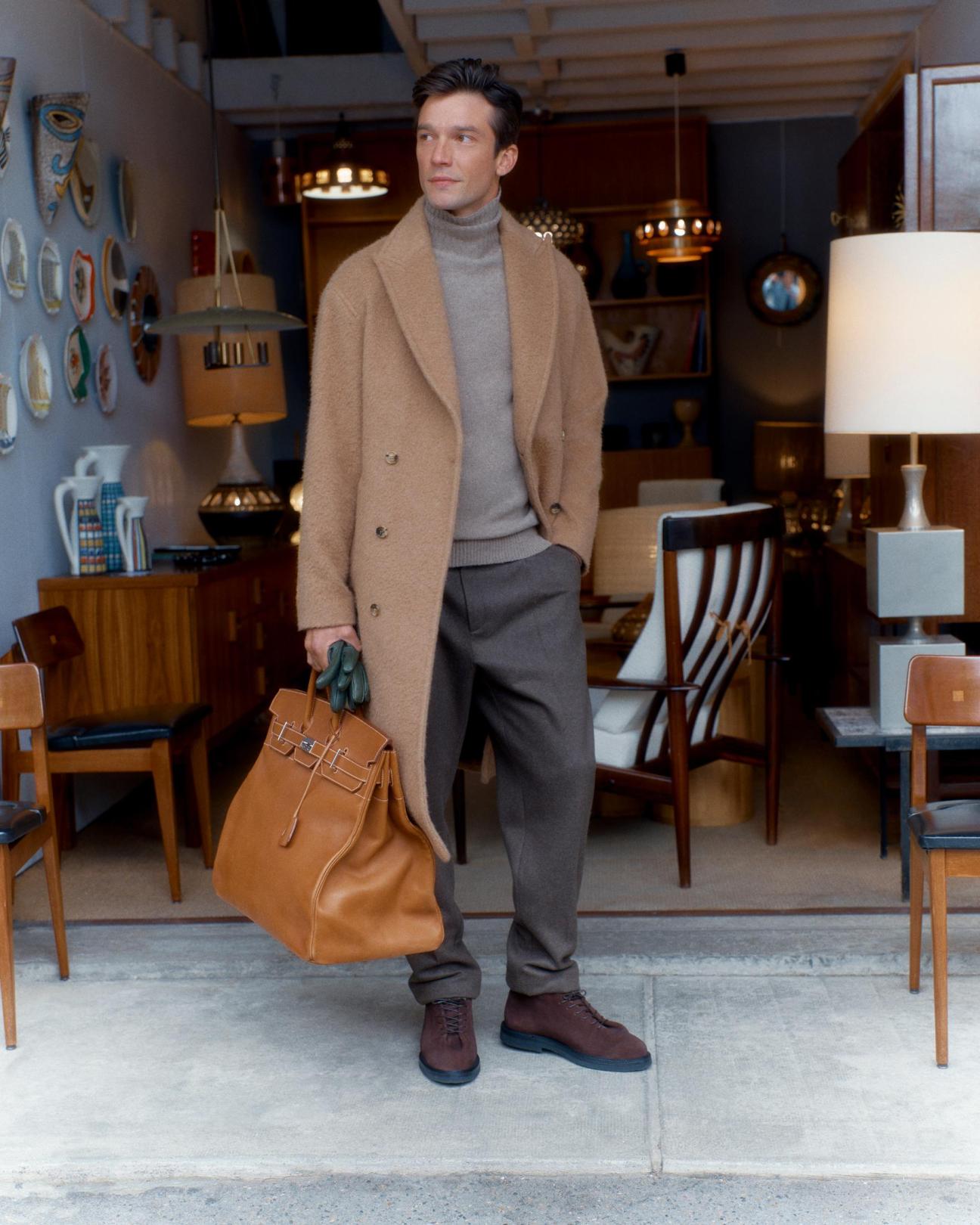
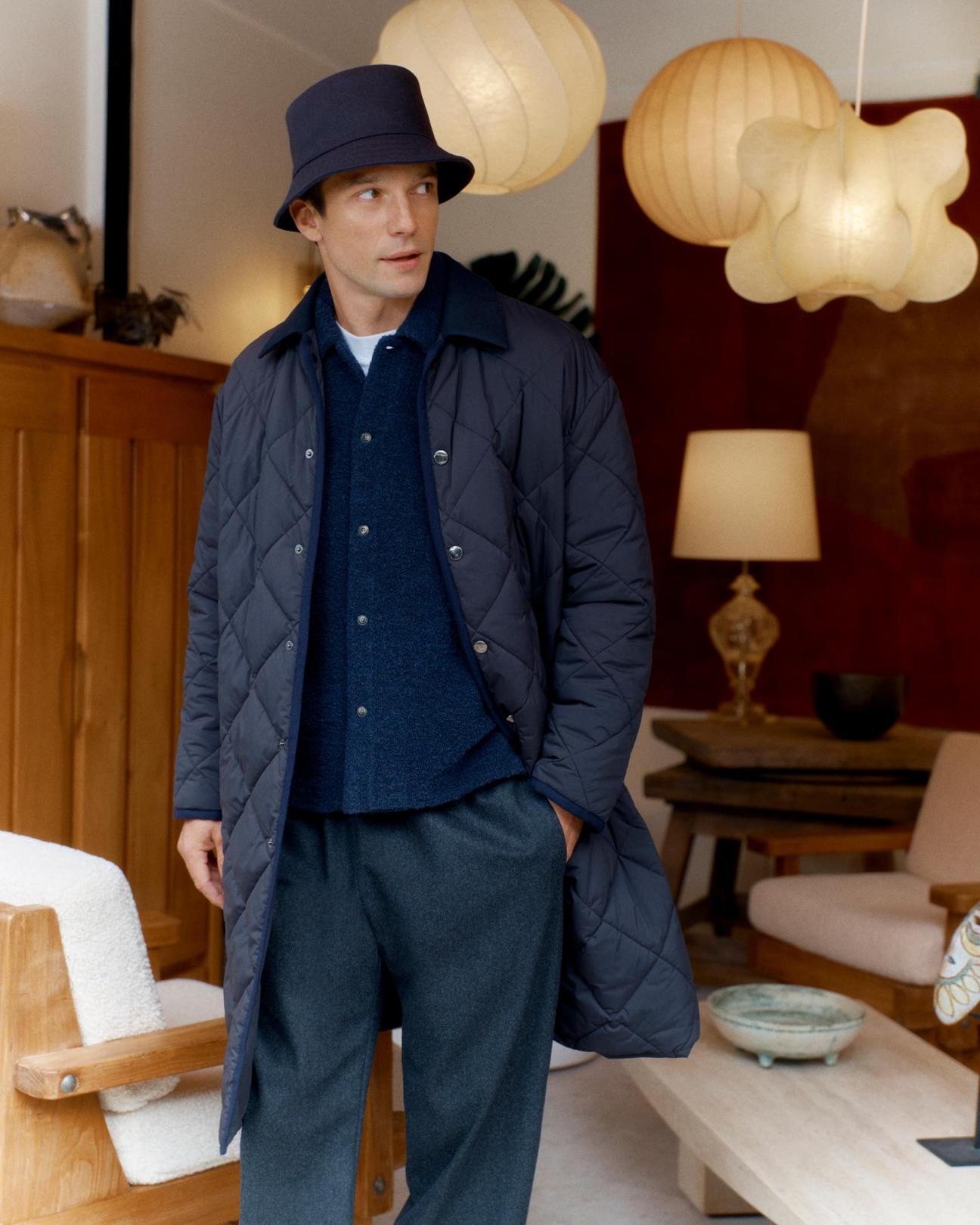
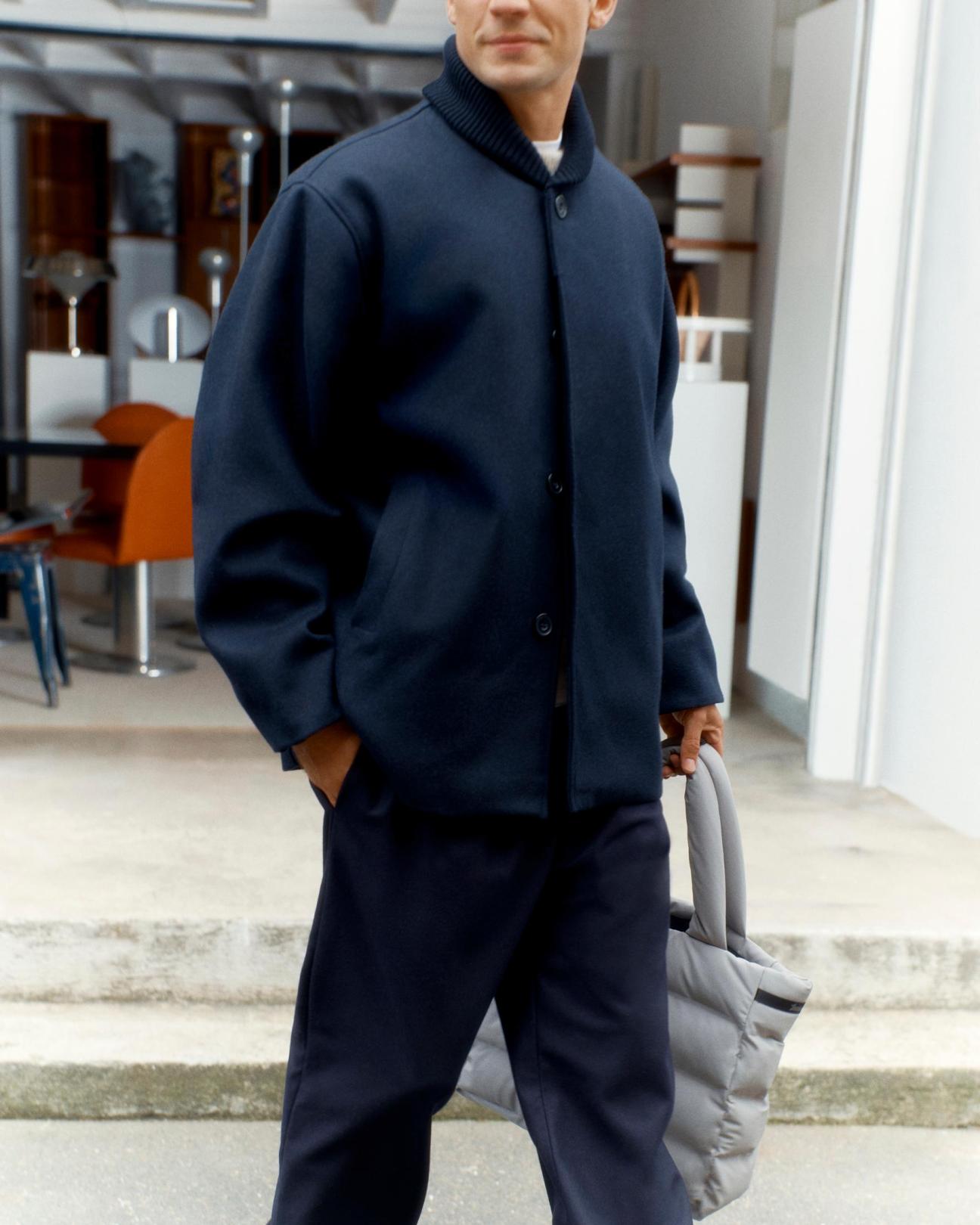
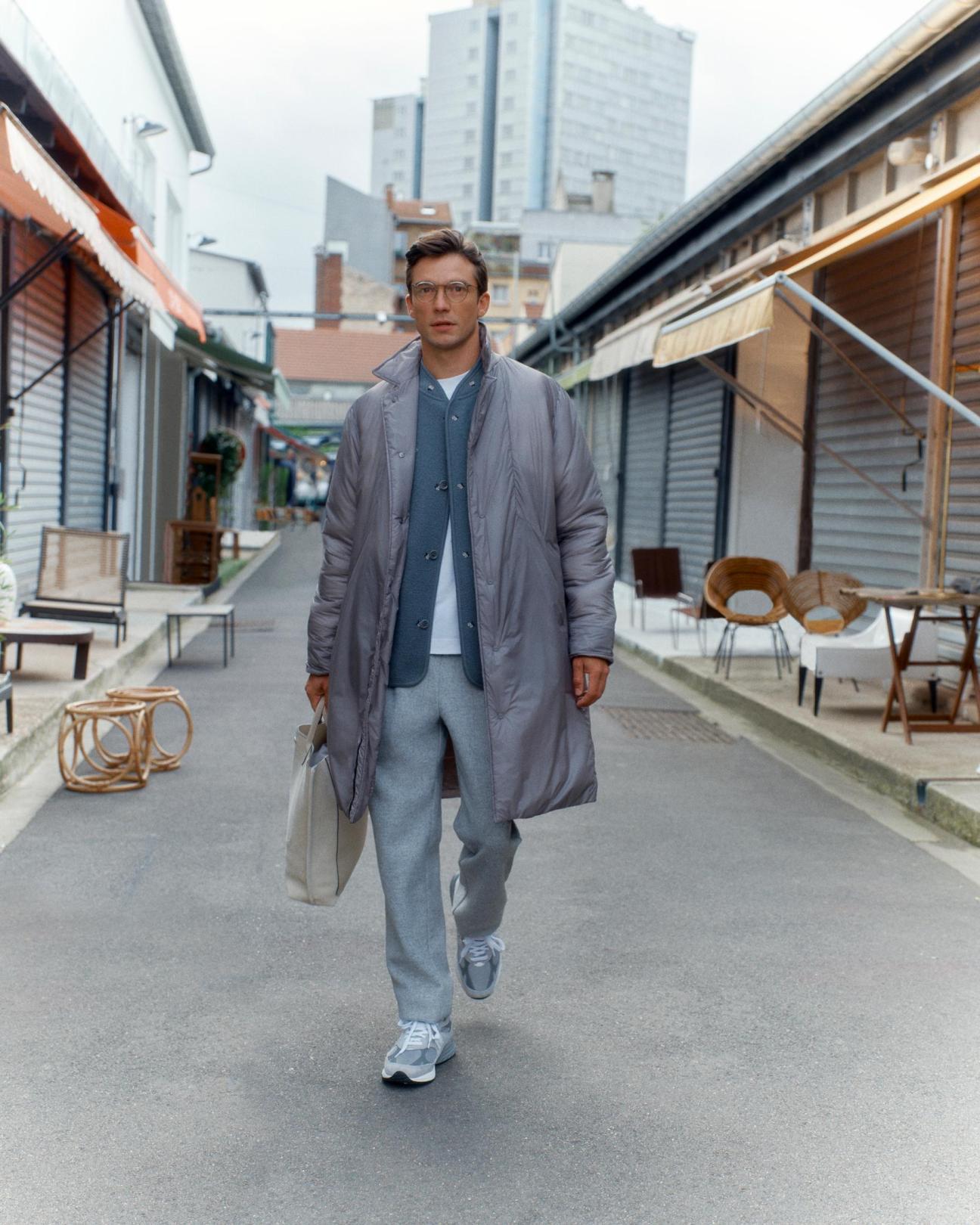
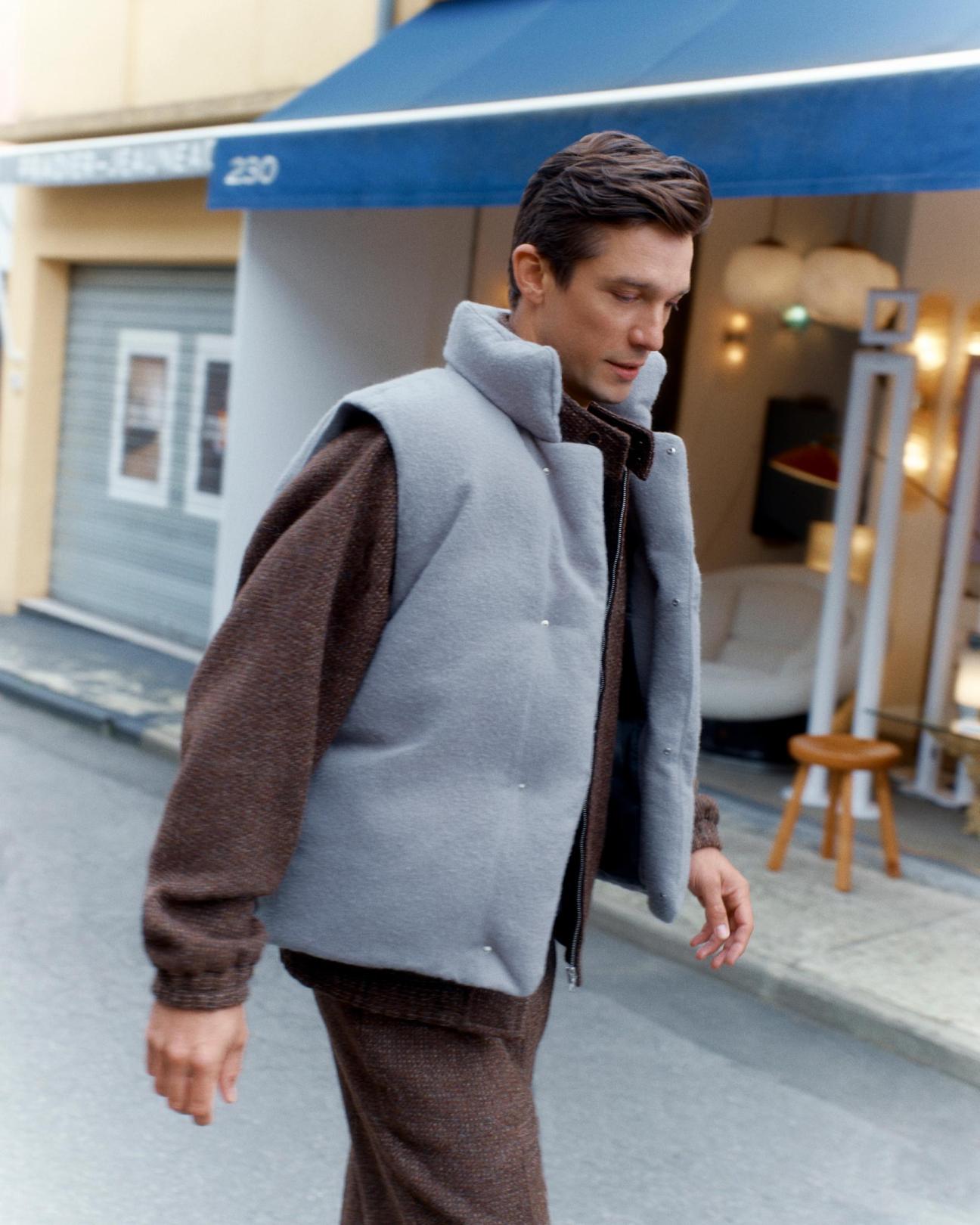
Fall guise: The sharpest menswear for winter, photographed on the streets of Paris

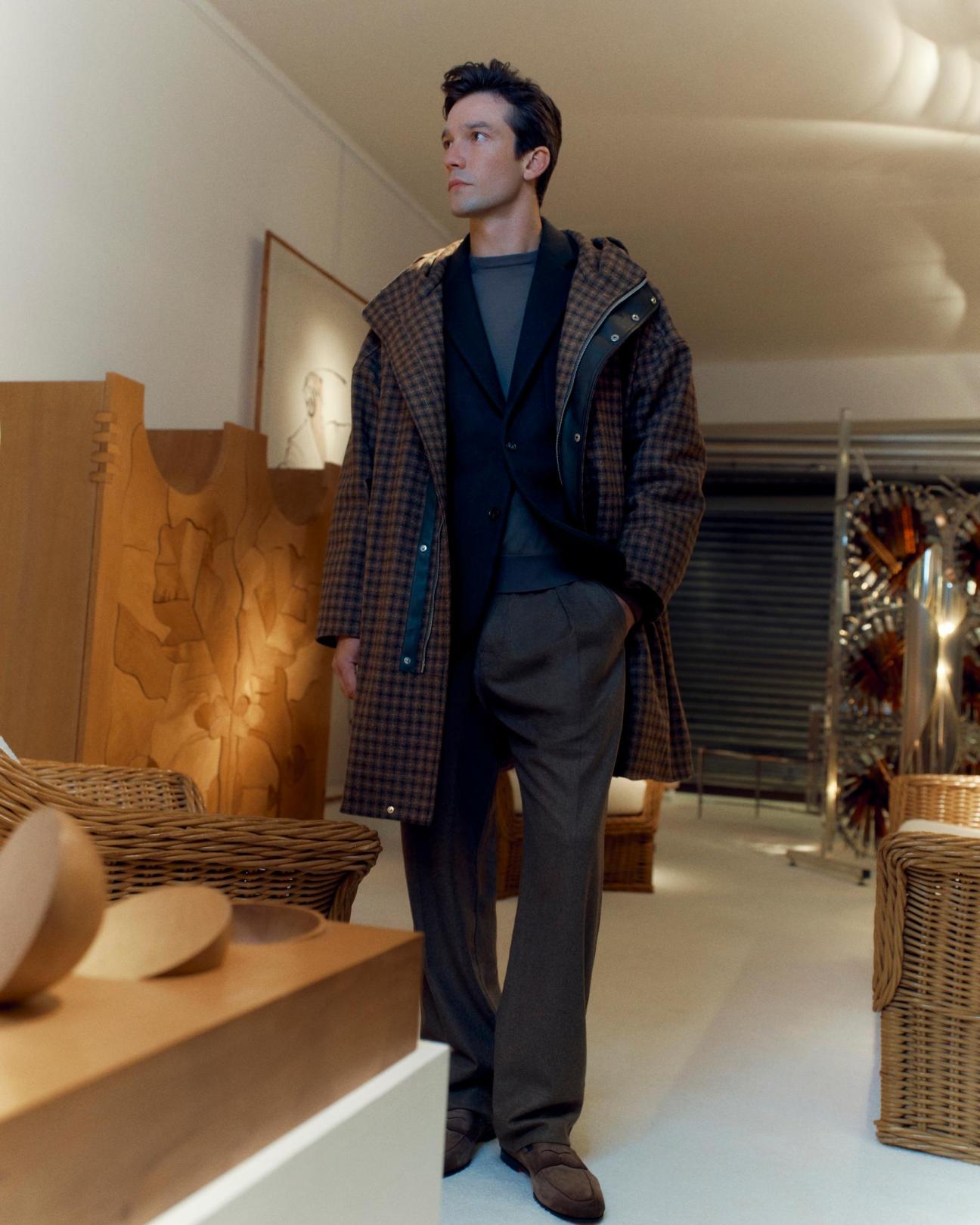

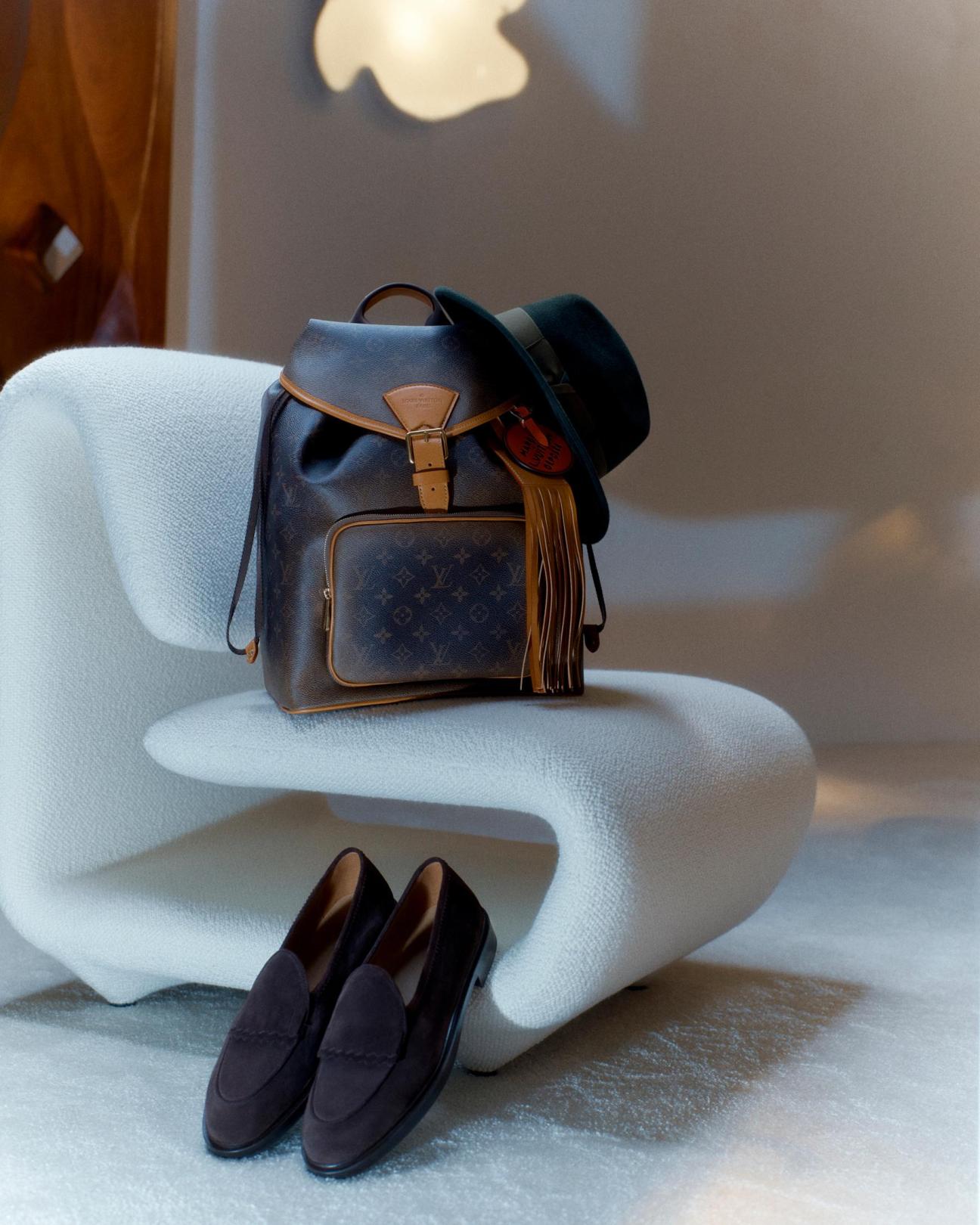

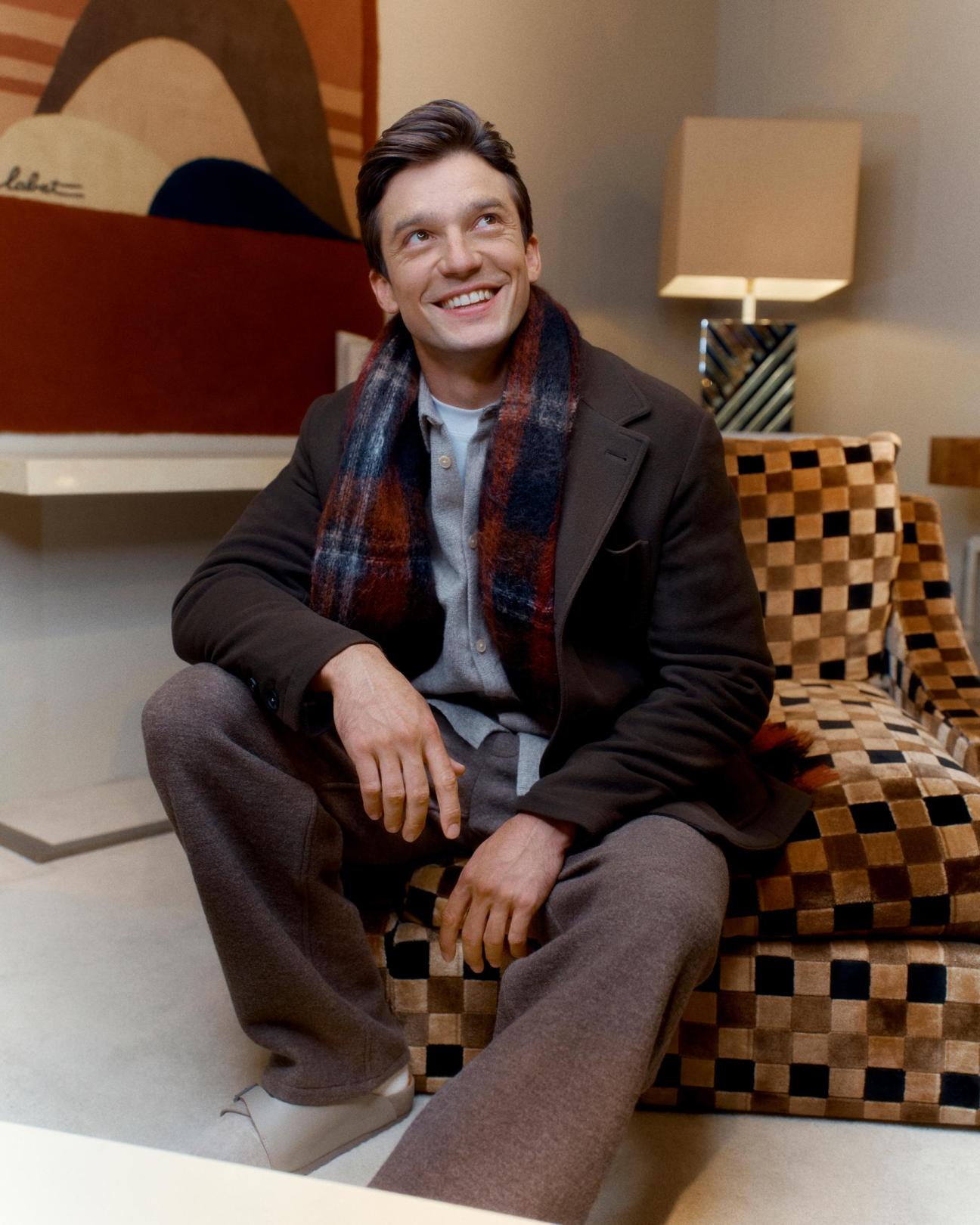
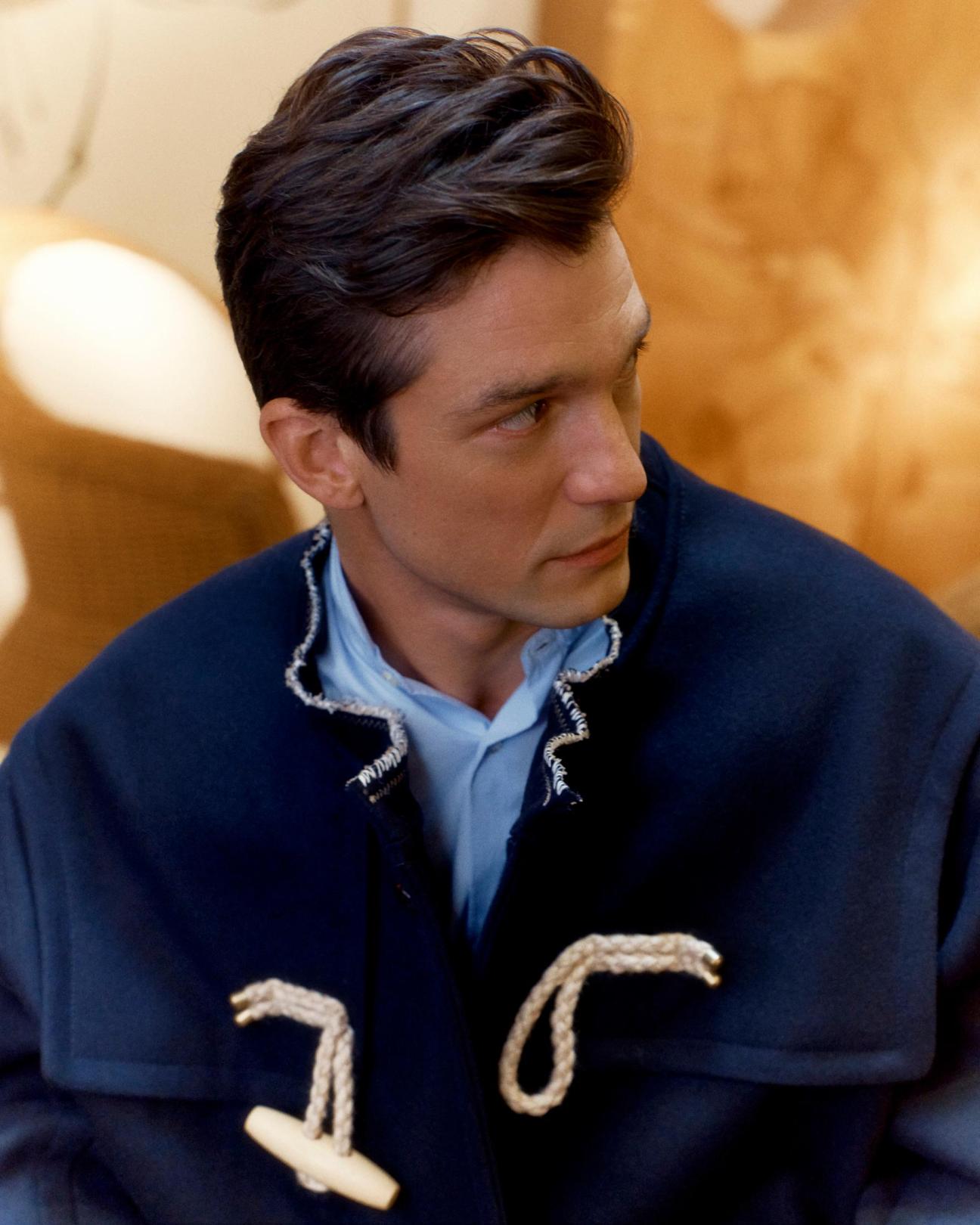
Stylist: Kyoko Tamoto
Hair & make-up: Marlène Bouron
Model: Alexis Petit
Design agenda: Sydney’s Studio Prineas, London-based Hût Architecture and the revival of the Memphis waterfront
Urbanism: USA
Walking in Memphis
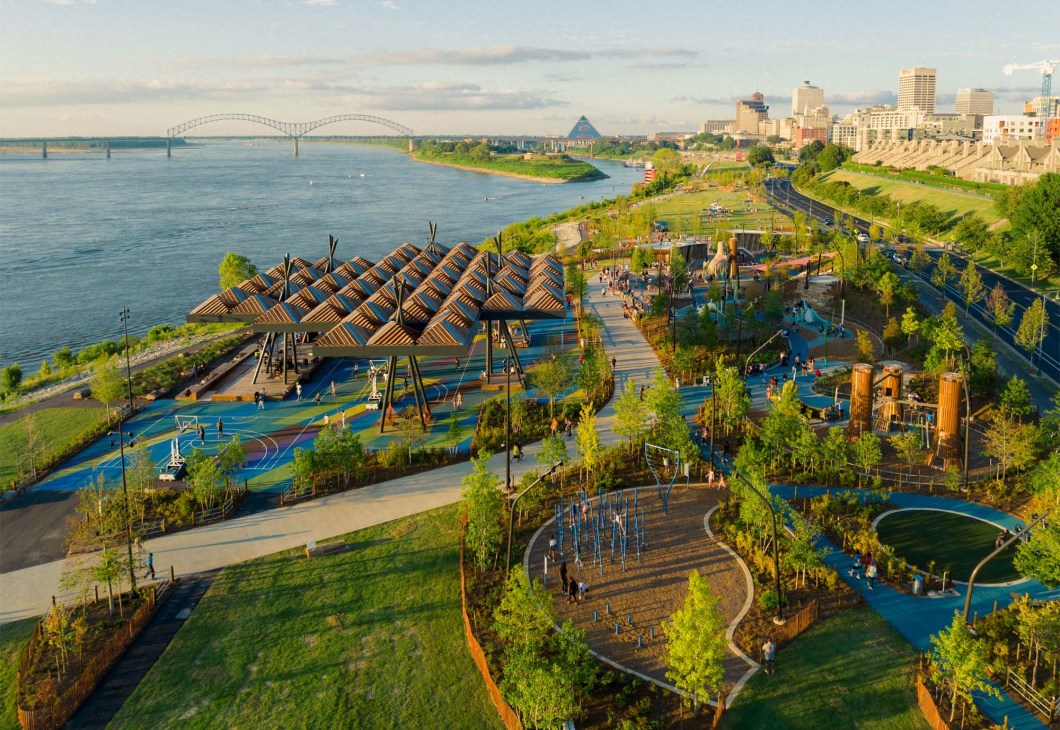
The city of Memphis, Tennessee, was founded on the banks of the Mississippi river in the 19th century but its modern waterfront has long been defined by unremarkable swaths of turf abutting the famous waterway. Now, a 12.5-hectare portion called Tom Lee Park has opened as a dynamic public and natural space, refreshing the city’s most prominent landscape.
“The redesign was inspired by a desire for Memphians to come to the river to reconnect with each other and with the Mississippi,” says Kate Orff, founder of New York-based design studio Scape. “It’s also inspired by the story of Tom Lee, an African-American river worker who became a hero after risking his own life to save 32 people from a capsized steamboat in 1925. The space celebrates Lee’s legacy of generosity, while still confronting difficult and unfinished conversations about justice.”
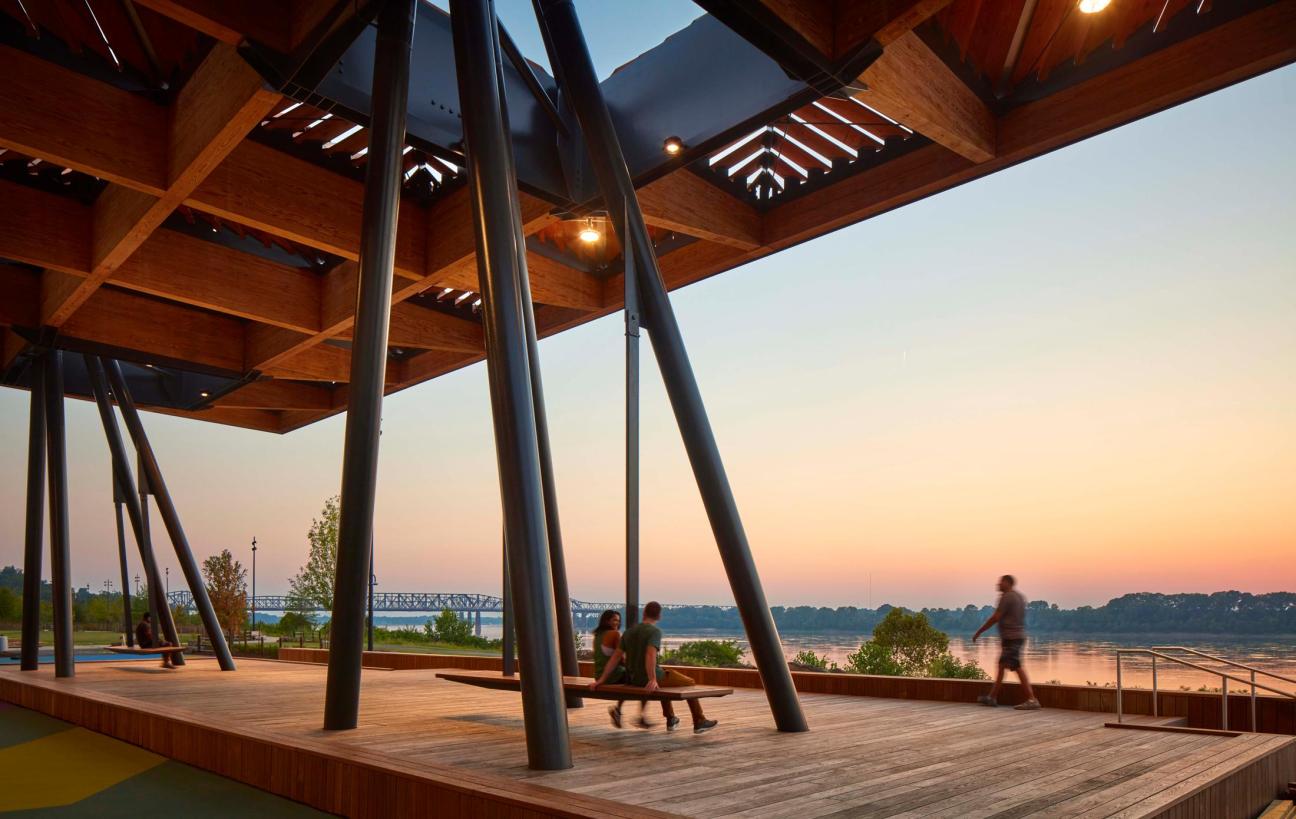
Brought to life by Scape and architecture firm Studio Gang, the new design has organised the parkland into a series of zones that mimic the sediment flows of the Mississippi. Boasting structures made from timber, a river-themed playground, sports and recreation courts, as well as picnic areas, the park also works to strengthen the connection between downtown Memphis and the river, with locals now having a reason to venture towards the water.
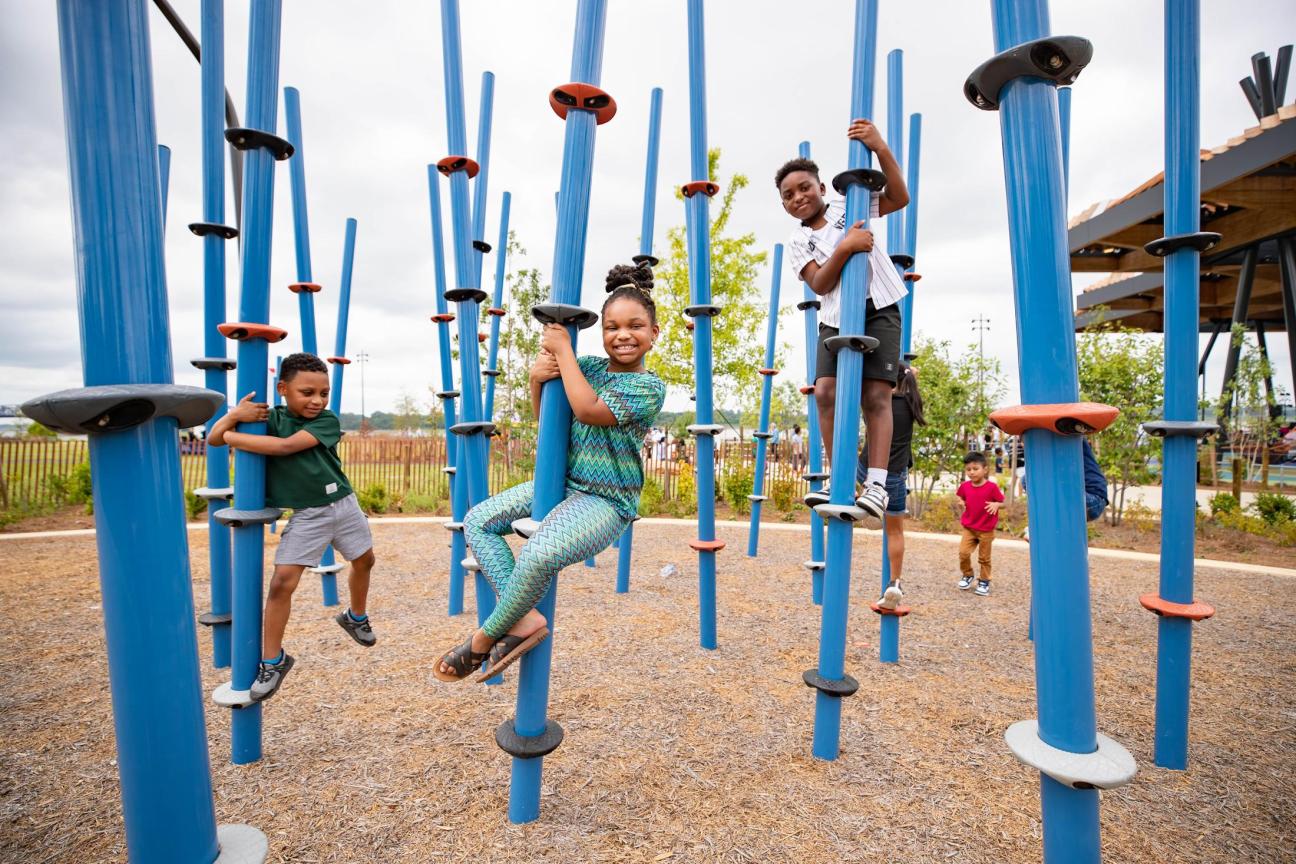
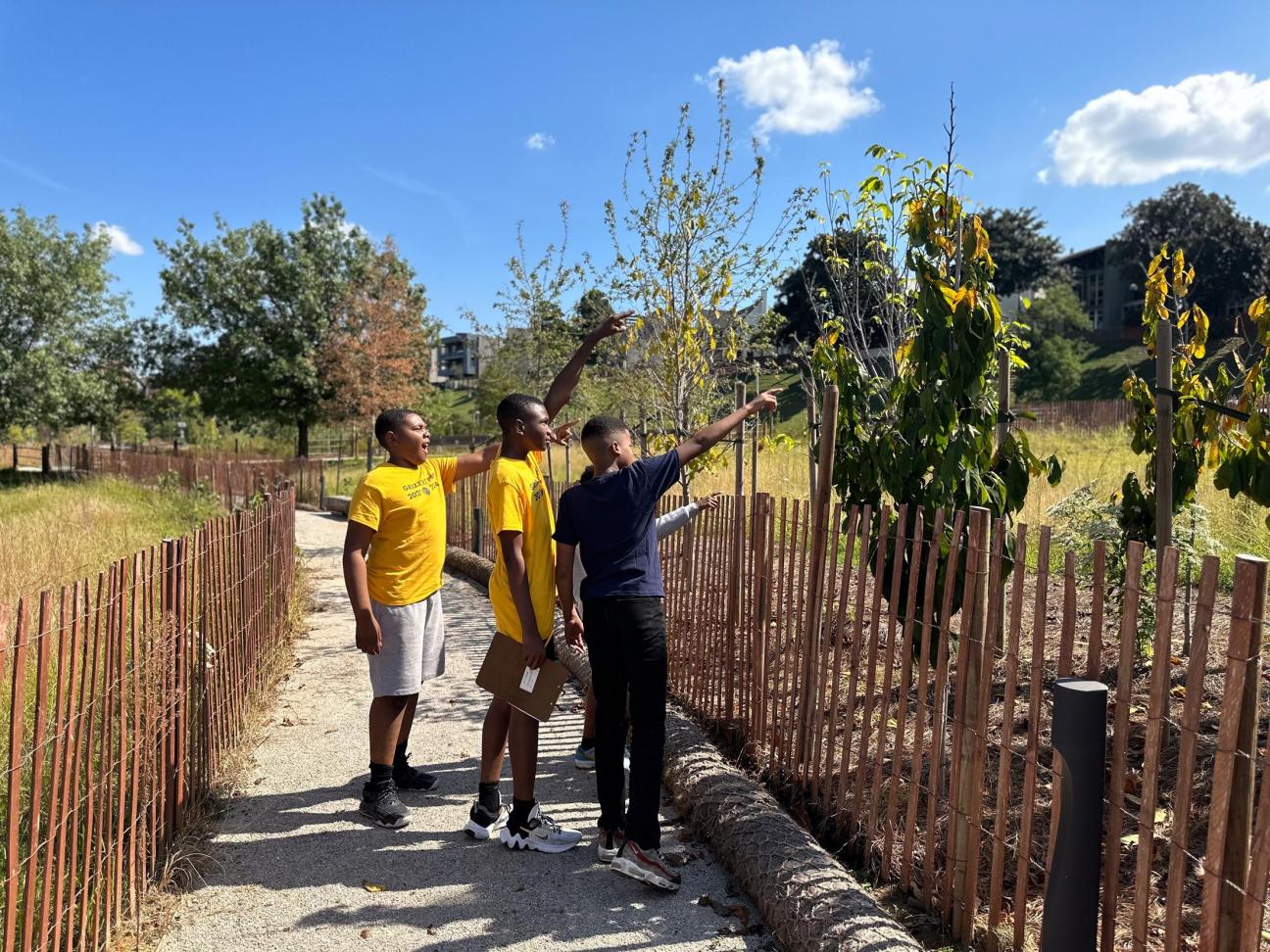
More than 1,000 new trees and native plants have also been added to the space, helping to replenish and restore the local ecosystem.
The transformation has added a new civic common space where Memphis residents are welcome to gather, exercise, relax and attend events alongside the ecologically revitalised river corridor. “Our job was to design a park that aspires to meet Tom Lee’s spirit of generosity,” concludes Orff. “Communities in Memphis are so vibrant. We wanted to make a park that enables that grit and love and creativity to come together in one place – at the river’s edge.”
Design: Europe
Charged up
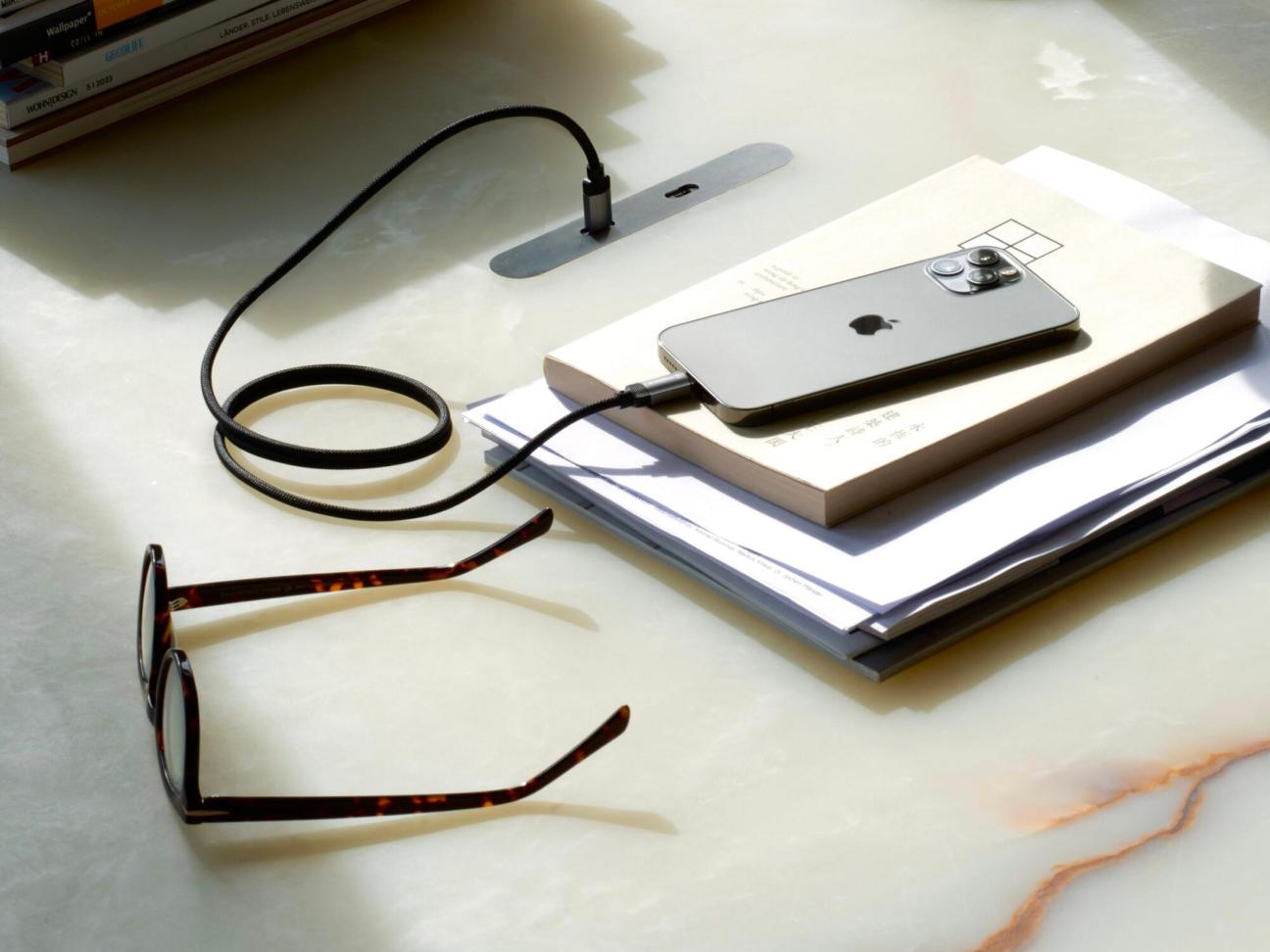
Frankfurt-based design firm E15 and Australian brand Zetr have joined forces to create a new flush-finished socket set-up to subtly incorporate power sources in office furniture. Called System 25, it can be fitted to E15’s own tables or integrated into products from other manufacturers. The nifty little gadget is composed of two parts: a power box which is fitted to the underside of desks and contains electrical charge, and a flush metal faceplate from which only essential cables, such as phone or computer chargers, emerge. Available in brass, bronze, steel or black steel finishes, there’s a host of options available to ensure that a table’s silhouette is no longer interrupted visually by clunky outlets.
e15.com, zetr.com.au
Architecture: UK
East-end makeover
London-based Hût Architecture have transformed a former military drill hall into a new mixed-use development in the UK capital’s East End. The property, which has been largely undisturbed since the 1930s, when it served the Royal Army Service Corps 1st Anti-Aircraft division, had seemingly been doomed to a gloomy future of use as a storage space and the dilapidated backdrop for grunge fashion shoots. But the restoration has breathed new life into the building in the form of new offices, apartments and a coffee shop.
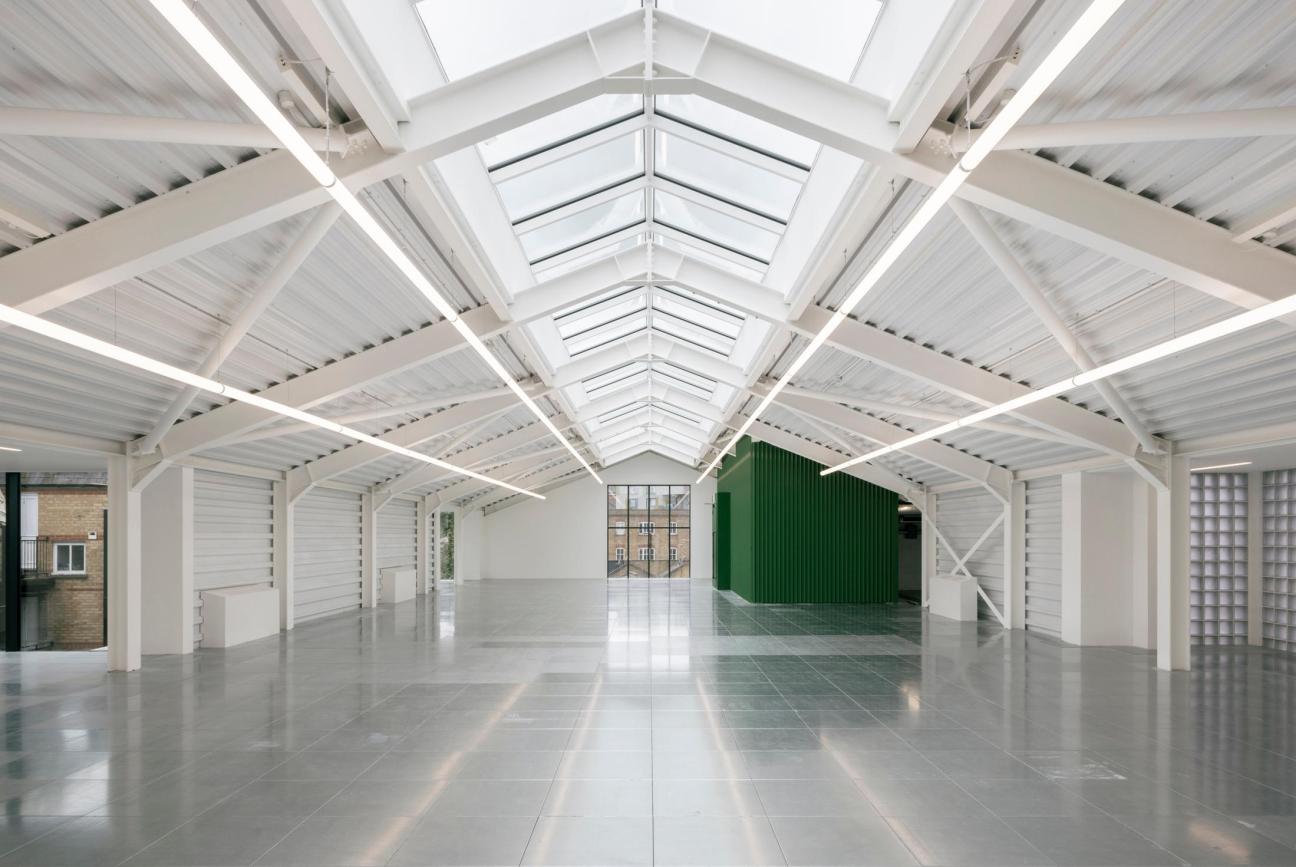
Roof lights and translucent block walls ensure that natural light glows across the exposed structure and brickwork, while also illuminating the forest-green accent colour that defines the renovation. From sheets of corrugated iron and steel beams that cross the lofty ceilings, to plants and vines that tumble down the exterior walls, the redesign’s juxtaposition with the original industrial feel brings a sense of purpose to a neglected urban relic.
hutarchitecture.com
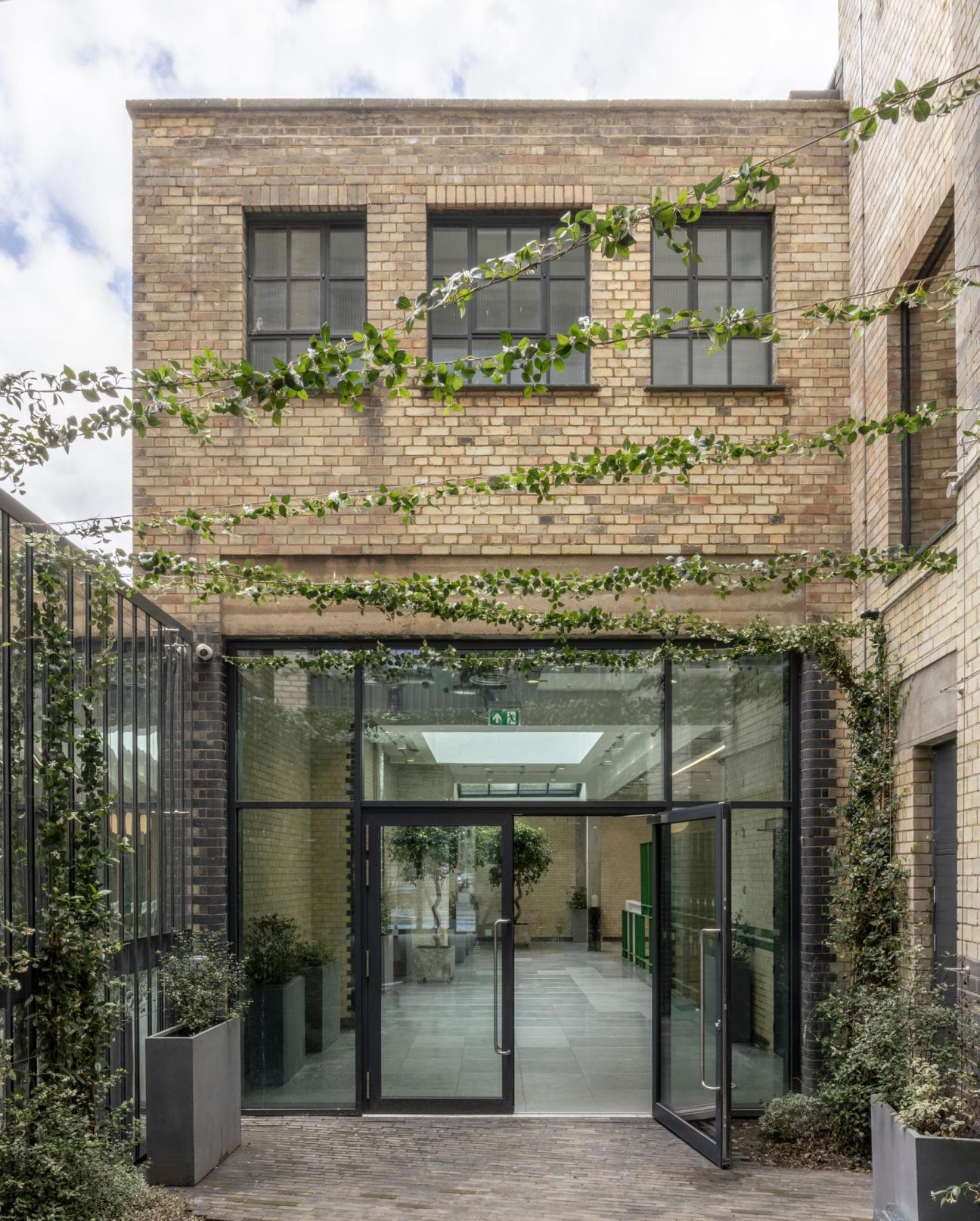
For more on Drill Hall, click through to our feature here, where the project sets the scene for a fine selection of sofas, chairs and lighting.
Design: Australia
Q&A

Eva-Marie Prineas
Founder, Studio Prineas
Since 2004 the Australian architect Eva-Marie Prineas’s projects have focused on building on Sydney’s historic architectural legacy, “thinking more and building less”. We asked her about her responsible approach to building and the peculiarities of work in Australia.
How does a ‘building less’ approach end up improving your practice?
It’s the most responsible way for architecture to move forward. When you’re working with existing buildings, you have to think about what you need to keep and what you might not necessarily have to keep; these are the decisions that are important moving forward, so that you’re doing as little as possible, but with as much impact as necessary.
Why is ‘responsibility’ your word of choice when describing your projects?
I feel that the word sustainable is almost an oxymoron in construction. Everything that we do is creating more of a carbon footprint. So it’s about being responsible about our choices and minimising the impact as much as possible.
How do you create architecture that is grounded in place?
With a recent project, we developed the landscaping as a reference ecology for the local area. We went for a bush walk with our clients and looked at all the planting, then we came up with a beautiful scheme. Once the garden started to grow, beautiful fauna were coming to the site.
studioprineas.com.au
Culture agenda: New art spaces from Guadalajara to Warsaw and what’s next for the Australian Ballet
Media: Dubai
Q&A
Isabella Craddock
Editor, ‘Near+Far’
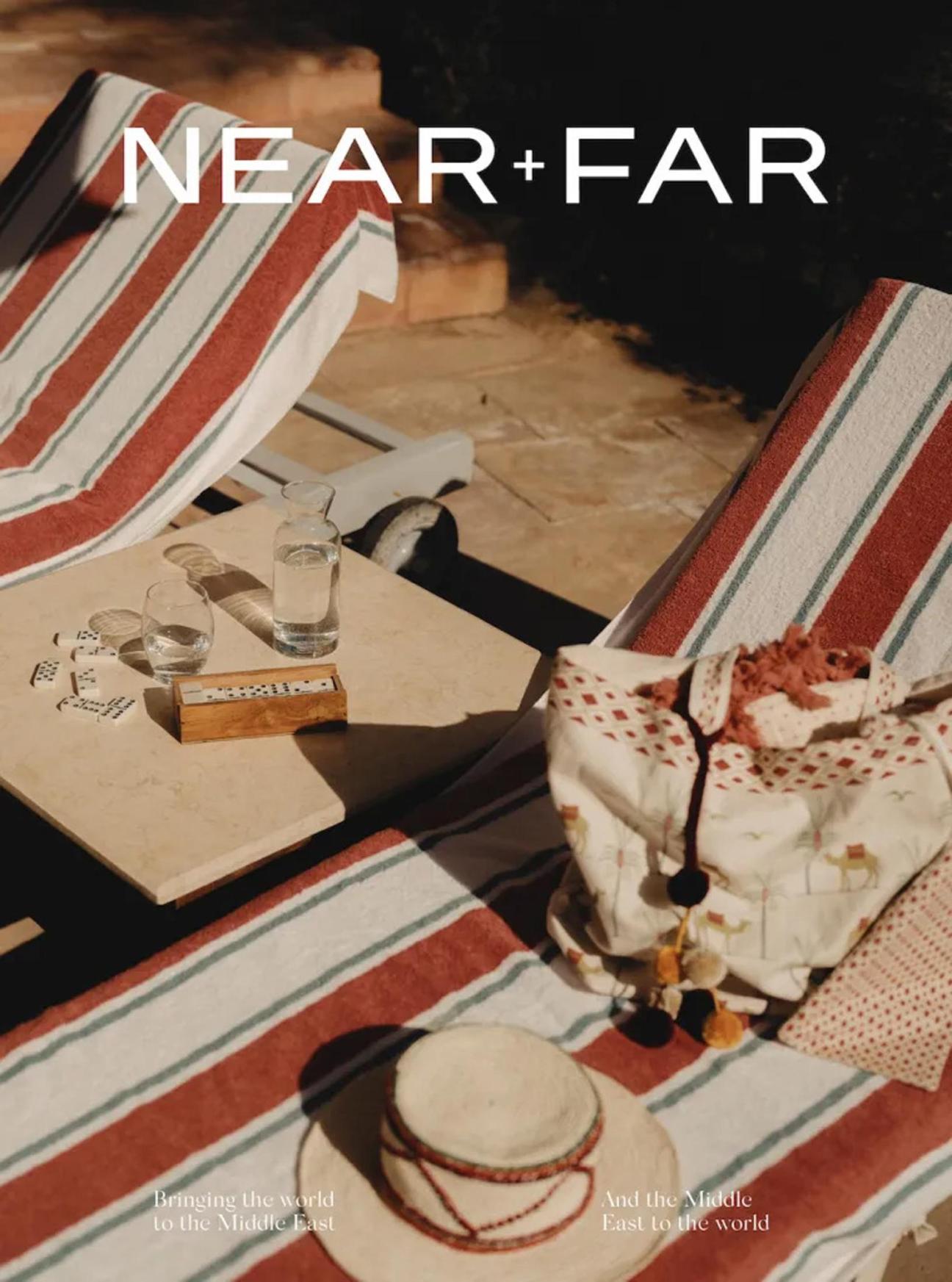
New Dubai-based publication Near+Far offers a Middle Eastern perspective on hospitality and travel. Its stories range from those on the Palestinian art scene to coverage of Dubai’s latest hotel openings. The magazine’s founder and editor, Isabella Craddock, tells Monocle about its audience, the tourism industry and her aim to dispel regional clichés.
Why is Dubai a fitting place to launch this title?
There’s space here for a homegrown, independent title such as mine. I have worked in publishing for more than 10 years but it’s still exciting to launch a new magazine.
What’s the main aim of your publication?
As the title suggests, I want to go near and far. The first part of the magazine is all about the Middle East. The second is about other places but with travellers from this region in mind – though anyone can read it.
Is tourism booming across the region?
Tourism numbers are very positive. Great hotels are opening, not only in Dubai. Saudi Arabia is also an exciting place for tourism. In Near+Far, I try to dispel the clichéd image of the region as one of camels and desert dunes. There’s more to it.
To hear the full interview with Isabella Craddock, click here.
Art: Poland
To those who wait
Muzeum Sztuki Nowoczesnej (MSN) has been a long time coming. “There are newspaper articles from the 1950s arguing for a dedicated modern-art museum in Warsaw,” says Sebastian Cichocki, its chief curator. Now it has finally arrived.
The museum was originally slated to open 10 years ago. In 2005 planning began in earnest for the new building on Plac Defilad, the capital’s central square, next to the Stalinist-era Palace of Culture and Science. The project, however, was beleaguered by several false starts and delays.
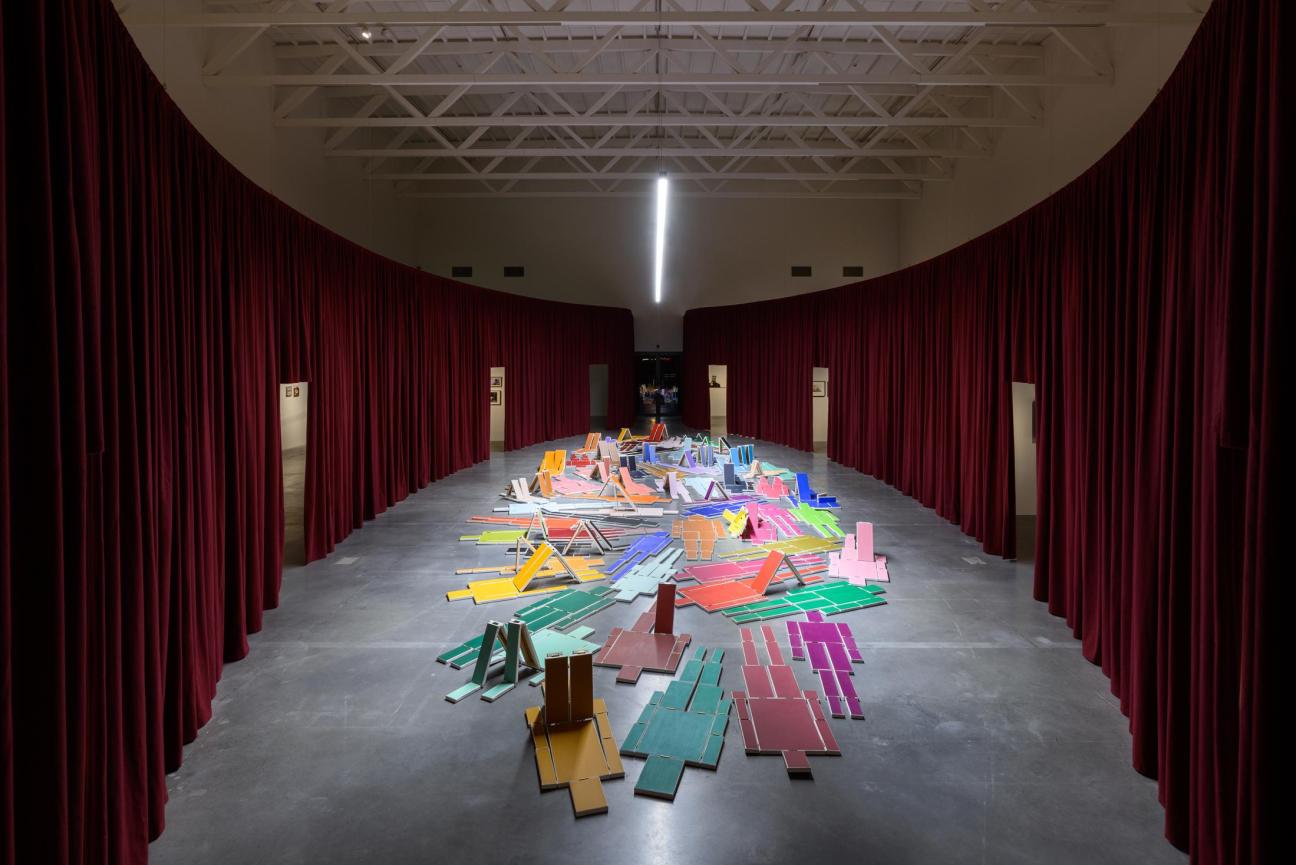
After such a long wait, it seemed that the only appropriate way to celebrate the museum’s launch was with a three-week party. In October, the MSN’s curators lined up more than 160 events over 16 days, including performances by US musician Kim Gordon and Lebanese contemporary artist Tarek Atoui. The festivities and a rich public programme will carry on until the full opening in February, when visitors will be able to see the full extent of the collection, which focuses on art made since 1989.
“Much of this space was handmade by craftsmen from Warsaw,” says Thomas Phifer of the 20,000 sq m building. The New York-based architect’s design is a minimalist box in white concrete. “There’s a sense of abstraction,” he says. “It’s very simple, very heavy and all about the light.”
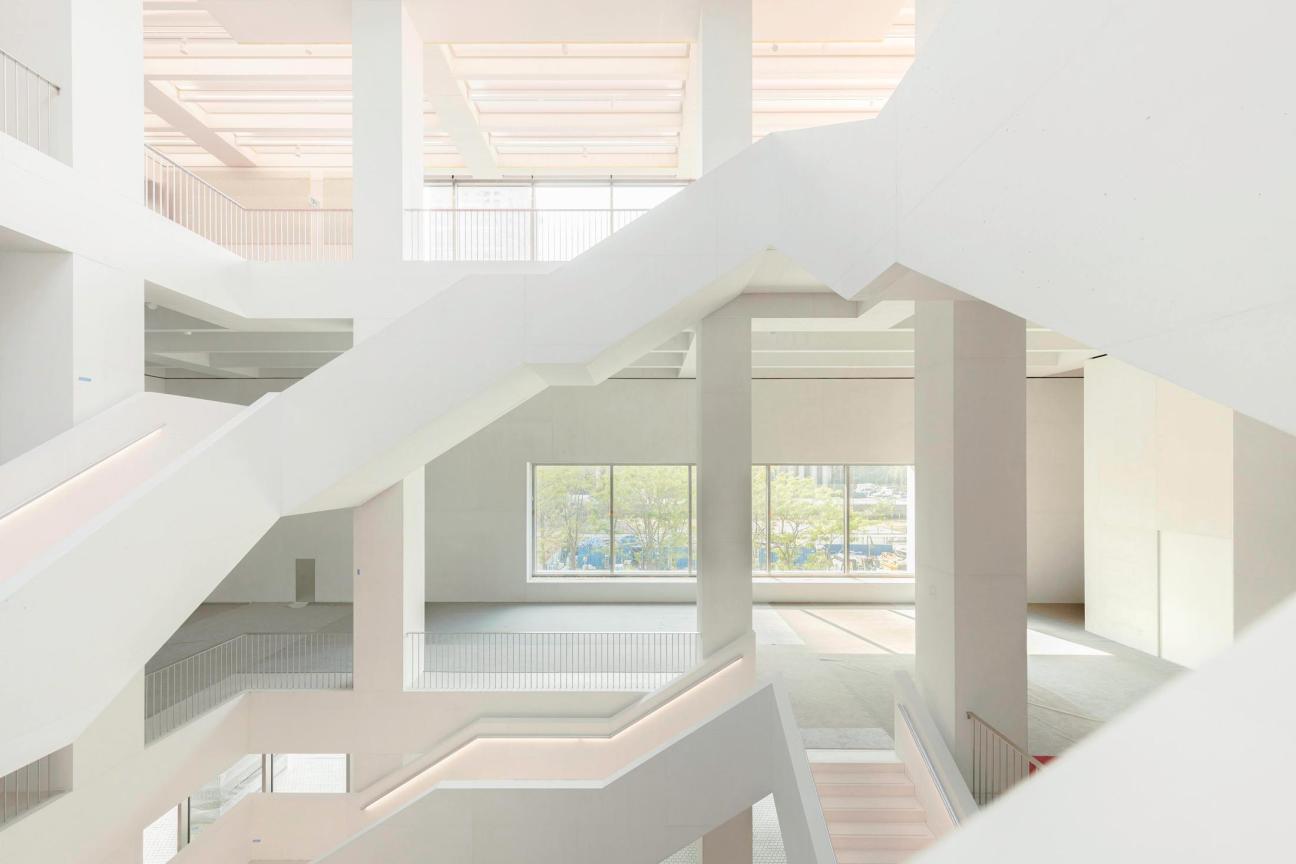
The MSN’s ground floor is open to the public and serves as a shortcut across the square, where the city is building a performing-arts theatre (also designed by Phifer) and a park. A symmetrical staircase takes visitors up to the galleries, which range from compact rooms to vast, skylit spaces. Resisting the trend for flexible exhibition spaces, the MSN has opted for a fixed floor plan. On every floor, windows and balconies overlook the Palace of Culture on one side and a shopping centre on the other. “Moving through the building, you have different framed views of the city,” says Phifer.
The location of the MSN is fitting, as it sits between structures from Warsaw’s communist past and its subsequent commercial boom. “Poland was the best student in the class after 1989,” says Cichocki, referring to the country’s embrace of capitalism after the fall of the Iron Curtain. “But it always lacked a magnet.” It might be a few decades overdue but Polish art finally has a venue that stands on its own.
artmuseum.pl
Art: Mexico
Centre of attention
When José Noé Suro discovered a former funeral home in Guadalajara’s Americana district, he knew at once that it was where he would open the city’s latest art space, Plataforma. Not only was it central and in a creative area but the 1970s modernist site would also provide ample exhibition space. “The bones were perfect,” says Suro, who called on the expertise of architect Sergio Ortiz for the project.
Suro had long dreamt of an art hub that could provide a platform for the burgeoning regional talent that he already knew and worked with in his ceramics business. His collaborations have also included international designers and architects, such as Kelly Wearstler; he has welcomed artists in residence from across the globe too.
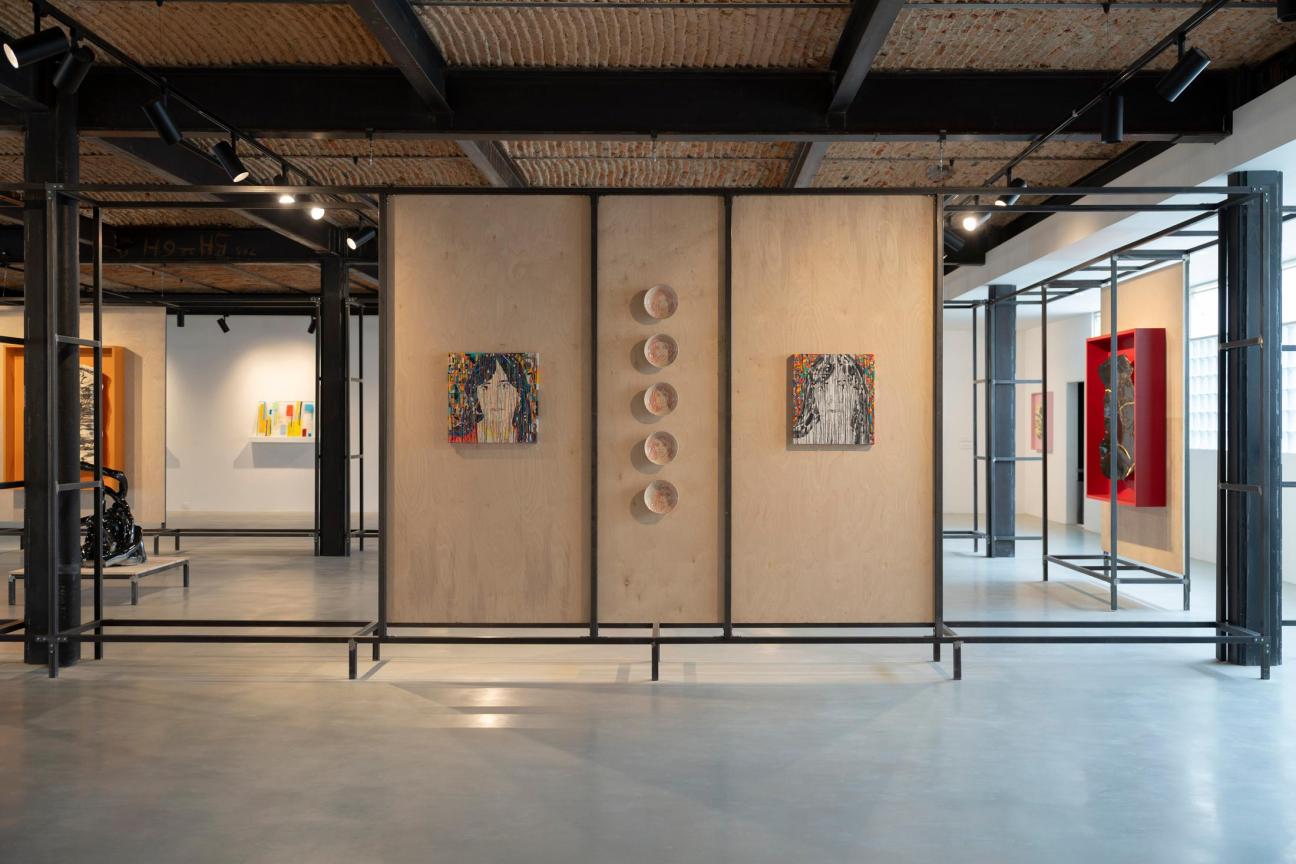
At Plataforma, Suro has brought in renowned curators – including Madrid-based Agustín Pérez Rubio, former director of Museo de Arte Contemporáneo de Castilla y León – to develop exhibitions with artists from Guadalajara and Mexico’s interior. Also on display are pieces from Suro’s private collection. Meanwhile, a bar just opened and a restaurant is in the works. “We will show visitors what is happening in the region,” he says.
Ballet: Australia
Q&A

David Hallberg
Artistic director, Australian Ballet
The Australian Ballet’s new production, Oscar, reimagines the life and work of Oscar Wilde through dance. It’s an ambitious commission that celebrates love in all of its forms. Here, David Hallberg, the company’s artistic director, tells Monocle about using Wilde’s life as source material, the power of storytelling and choreographer Christopher Wheeldon’s brilliance.
Why did you and Wheeldon bring this story to life?
The life and writings of Oscar Wilde have been explored before but never really in the ballet world. I want to tell bold stories that people can relate to.
Do you feel that you have broken new ground?
People have said so but that wasn’t the intention. Wilde wrote beautiful stories and also had a troubled existence. He was tried for gross indecency with young men, served two years of hard labour and died not too long after he got out of prison. We wanted to tell this honest story. I hope that this paves a new path for more courageous storytelling.
How do you create the building blocks of a character through dance?
It takes a great choreographer such as Wheeldon to evoke the wit and character of Oscar Wilde through movement. He has told Wilde’s story not through the words that he wrote but through the life that he led.
Music: UK
Playing it by ear
The Marquee Moon in northeast London is a bar of two halves. At ground level, you’ll see traces of its past life as a pub: an oak parquet floor, leaded windows with streaks of green stained glass. The formidable array of DJ equipment dotted around the building signals its new function as a listening bar. The downstairs space was once a club with “a little 60-capacity dance floor”, says co-founder Eugene Wild. Now it’s a sleek, seductive world of mid-century lamps and stools, half-moon booths made from teak and sapele, and banquettes, tiles and speaker grills in shades of deep orange.
The listening-bar concept has its roots in the jazz kissa – bars or cafés playing US jazz records that emerged in Japan in the late 1920s. Many of these venues banned talking, such was the veneration towards the perfect sound. In recent years, more relaxed interpretations of the idea have spread across the world.
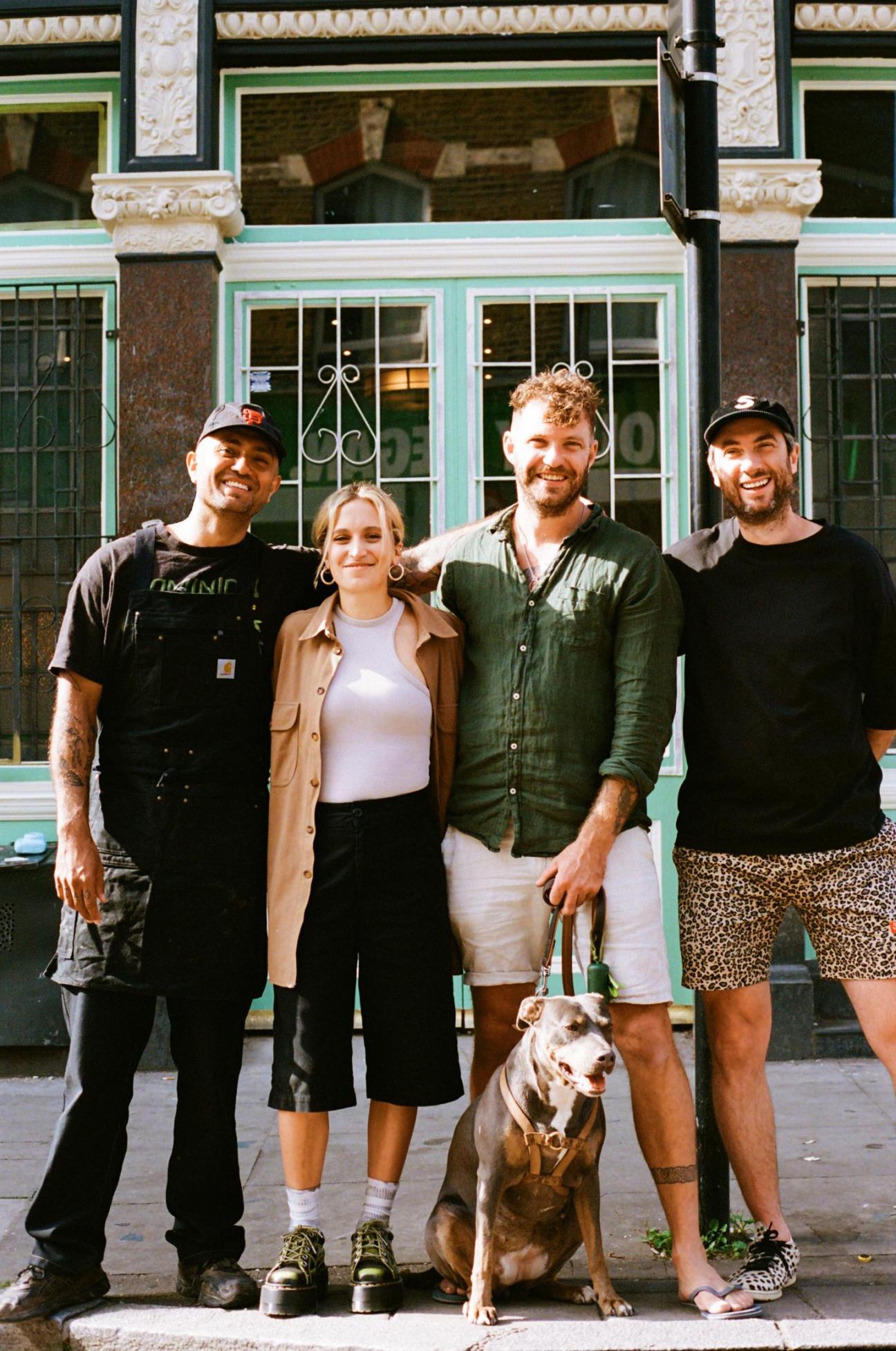
Wild and his business partner Stuart Glen have worked together since 2018 and today run five businesses in London. The Marquee Moon was partly inspired by the fact that its customers were increasingly going to late night bars. “As they’re maturing, so are we,” says Wild.
The DJs who play here are briefed to steer clear of “run-of-the-mill” electronic dance music. “We know that these DJs have amazing record collections. So, we want to encourage them to play like they would in their living room to a bunch of mates.” The downstairs area is acoustically treated and the JBL speakers are rigged for quality, not volume. Unlike a traditional Japanese kissa, conversation is encouraged. And Wild promises the occasional airing of punk band Television’s 1977 album Marquee Moon, the bar’s namesake.
themarqueemoon.uk
Berlin’s Eternithaus returns to its roots
In 1957 the Hansaviertel, a quiet neighbourhood between Tiergarten and the river Spree, drew more than one million people to gawk at how good living in West Berlin could be. The occasion was a building exhibition, Interbau, where more than 50 leading architects, including Alvar Aalto and Oscar Niemeyer, had designed modern, near-nature homes that were in sharp contrast to the cramped Plattenbau being built in communist East Berlin. Today one of the Hansaviertel’s most beloved buildings, the Eternithaus, has been returned to its original purpose as a space for living well – and, perhaps, showing off a little. And this time around, it’s available for rent.
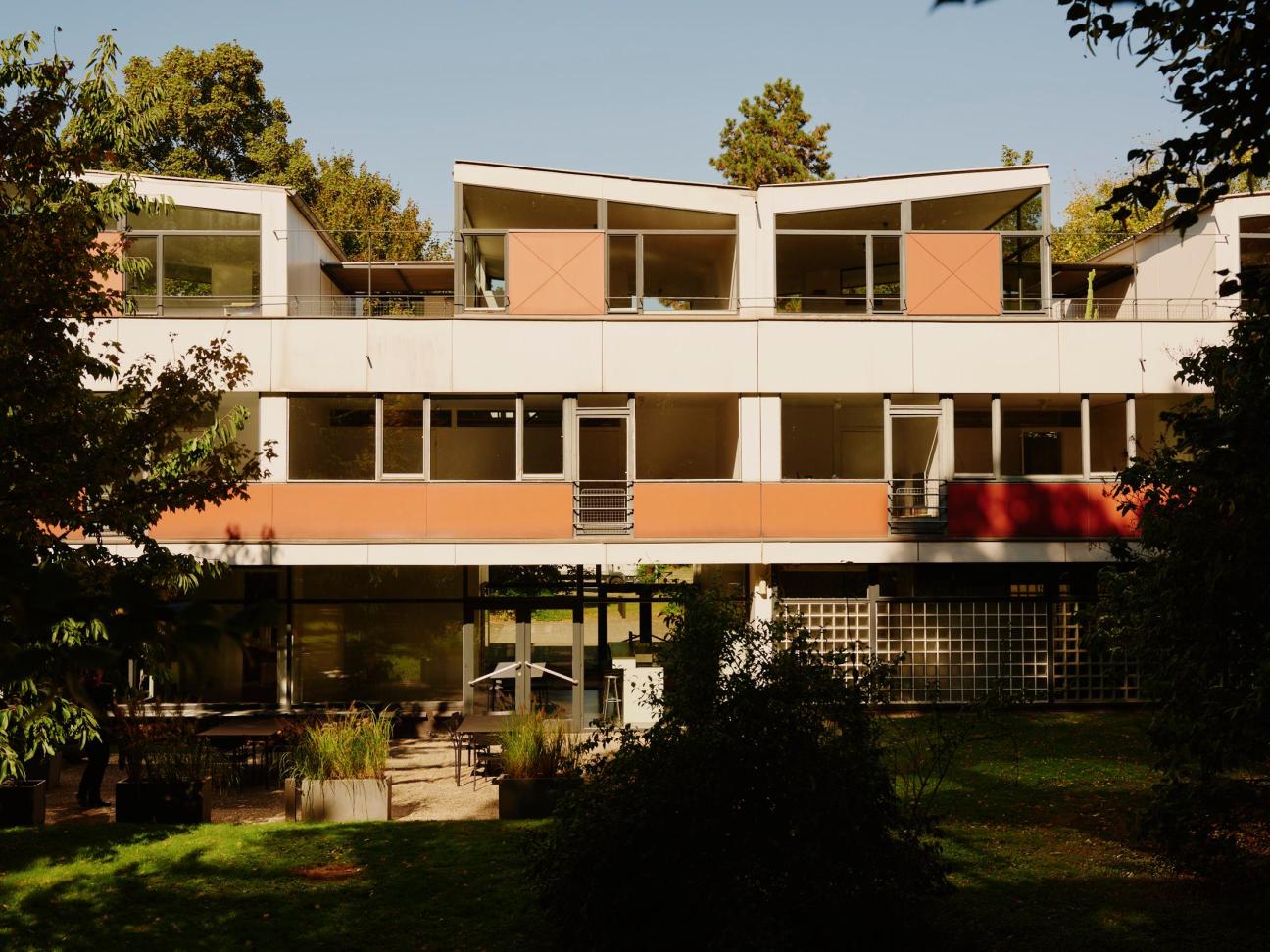
Fulds was founded by Sarah-Joan Fuld, who runs a design agency, and her brother David, who lives and works in the Eternithaus and runs a personnel company. The slender building has a glass-walled ground floor, topped by seven two-level maisonettes. “There were always people standing outside, looking in,” Sarah-Joan tells Monocle. “We thought that we needed to share this with other people.”
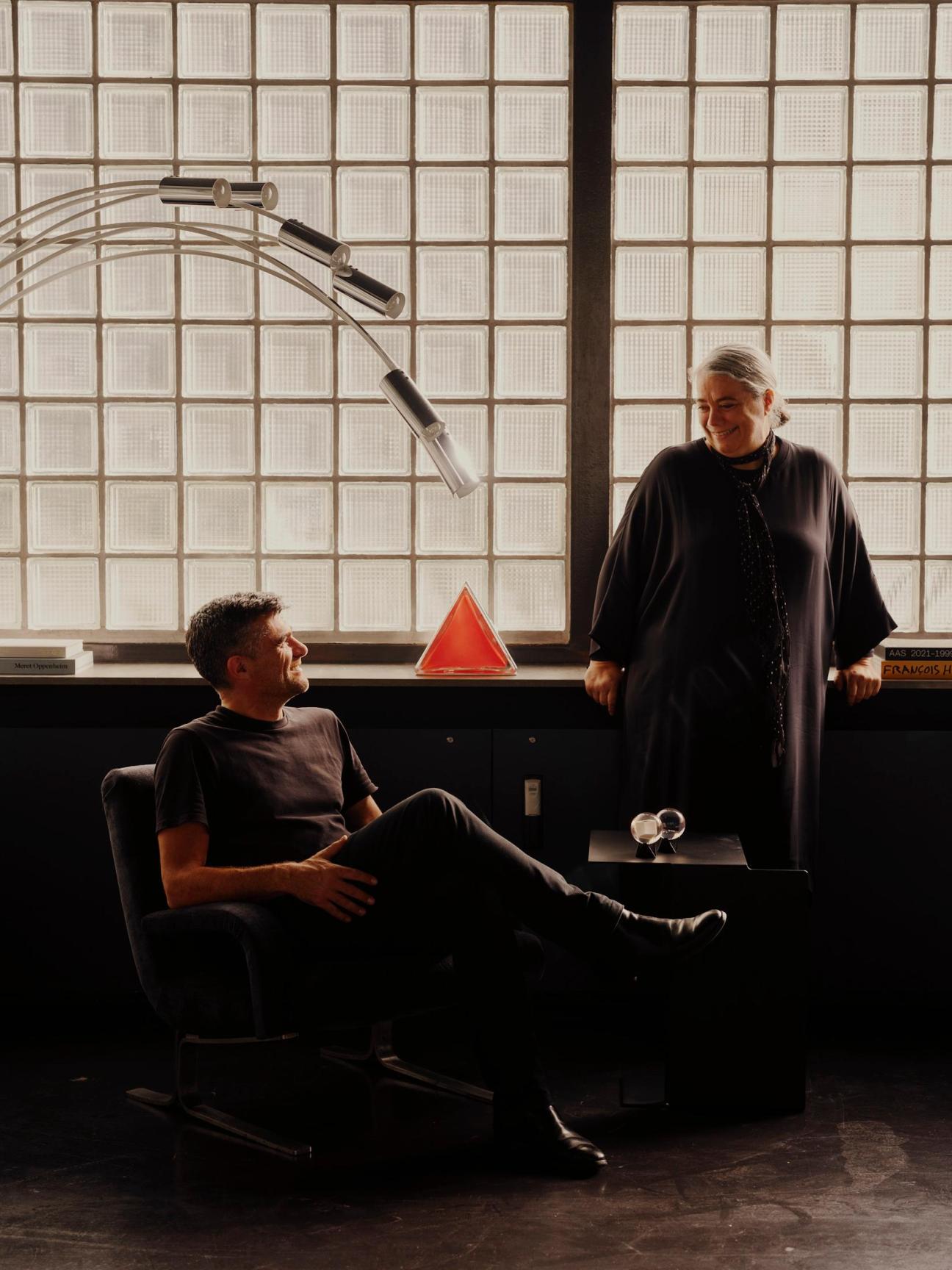

Sarah-Joan was already running The Fuld, a townhouse in Munich used for events. Keen for a Berlin project, David gradually took over leases as apartments freed up in the Eternihaus. After a two-year project to renovate and furnish the spaces, the ground-floor Glass Block Room and two maisonettes are now available to hire for meetings, dinners, exhibitions and parties.
The Eternithaus itself was designed by German architect Paul Baumgarten on a plot of land bordering Tiergarten. Tasked with making compact family homes, Baumgarten felt that it was improper to create gardens right next to Berlin’s most beautiful park. Instead, he chose to raise the homes and give them windows in three directions, plus large balconies that feel nestled among the trees. The building takes its name from its sponsor, Eternit, one of Germany’s largest manufacturers of construction materials. After Interbau, it became the site of the firm’s offices and employee homes.
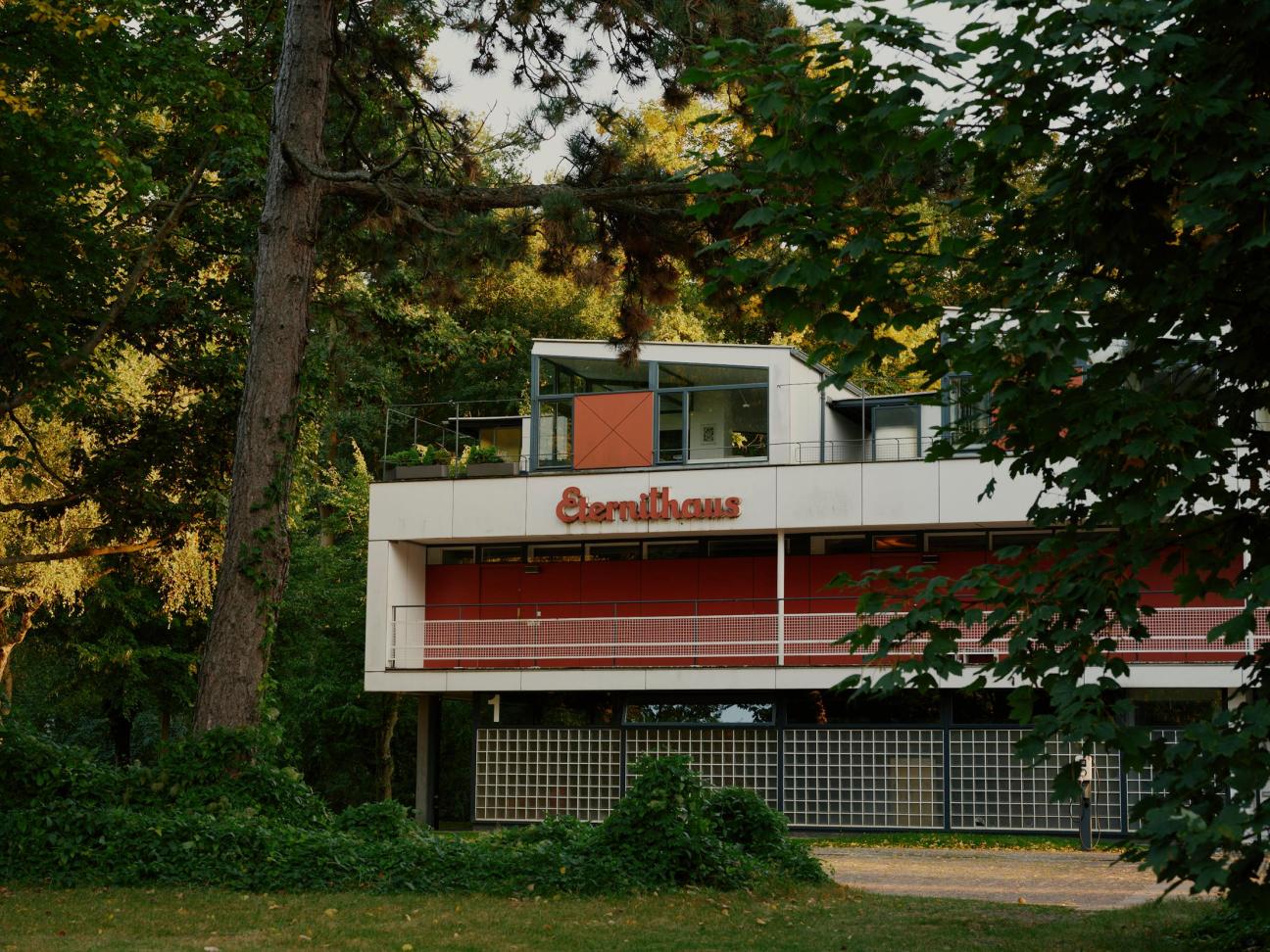

David came across the Eternithaus in 2007, when he was seeking an office space for his fledgling firm Fuldwerk. “The ground floor had been empty for years and was in terrible shape,” he says. “There were seven layers of carpeting and plastic covering on all the windows.” He slowly returned the heritage-listed building to its former, airy character. As well as organising employee trainings, he often rents the space to film crews and friends – and has thrown many parties himself. But when more maisonettes were freed up, the siblings realised that there was potential to create an official venue. “We want to bring in life here,” says David.
First came a six-month effort to bring the apartments – many of which hadn’t been renovated in 40 years – up to scratch. Respectful of the original design, the pair laid new floors, updated a new bathroom and kitchen and painted the walls. Sarah-Joan handled the interiors. The furniture is almost all mid-century, acquired from dealers including Studio Schalling in Sweden and Morentz in the Netherlands, alongside Berber rugs sourced from Thomas Wild in Berlin.
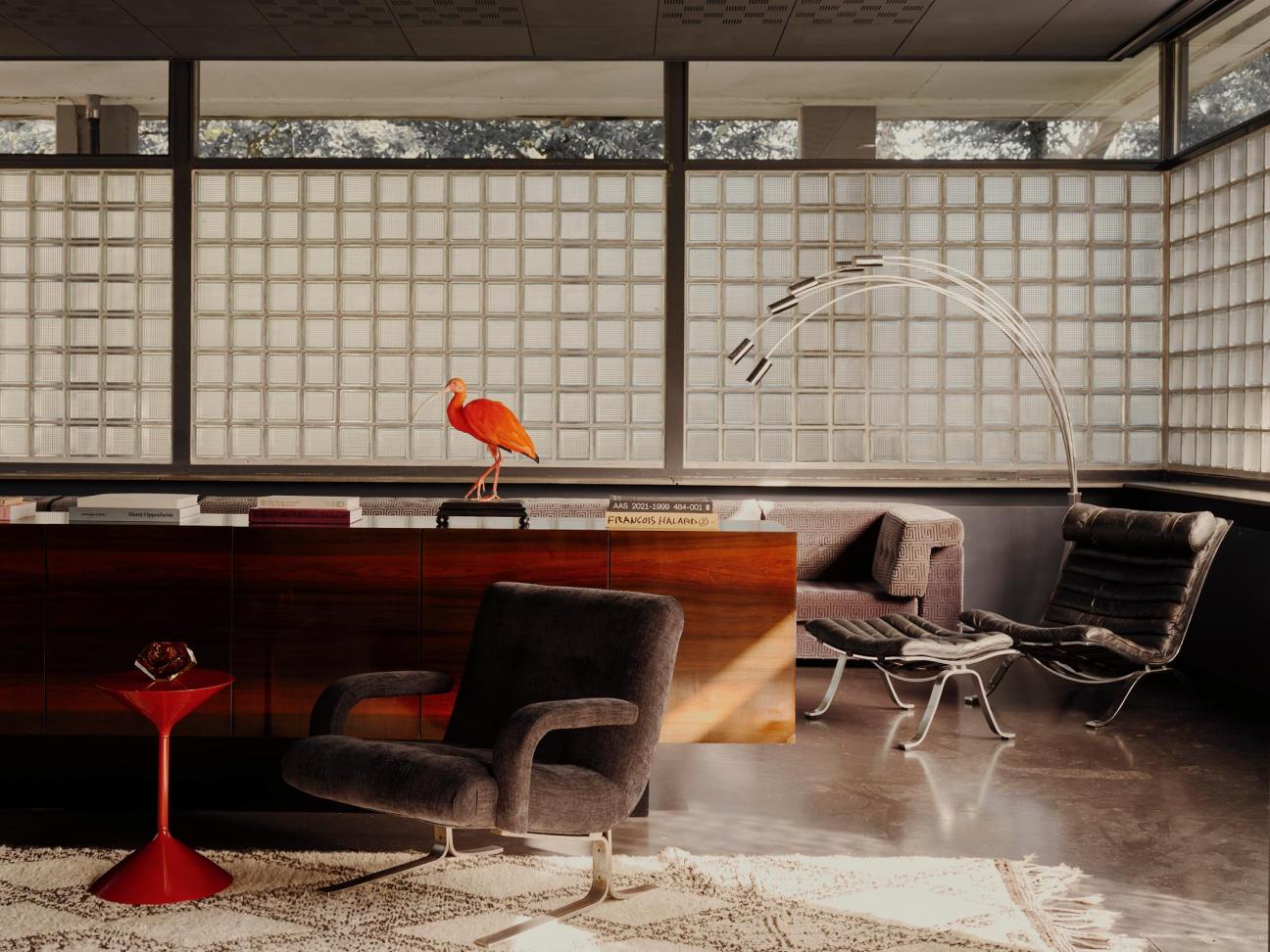
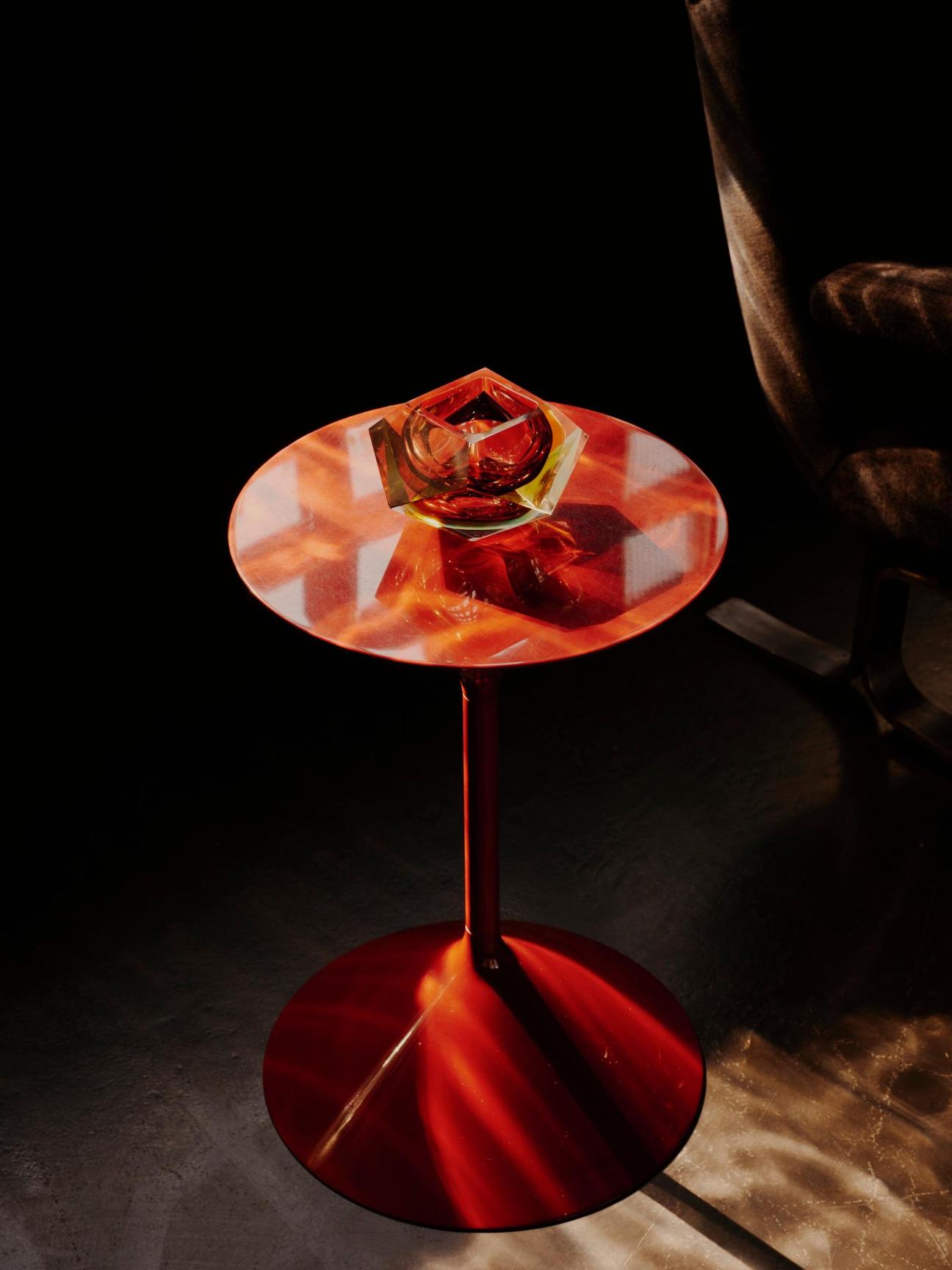
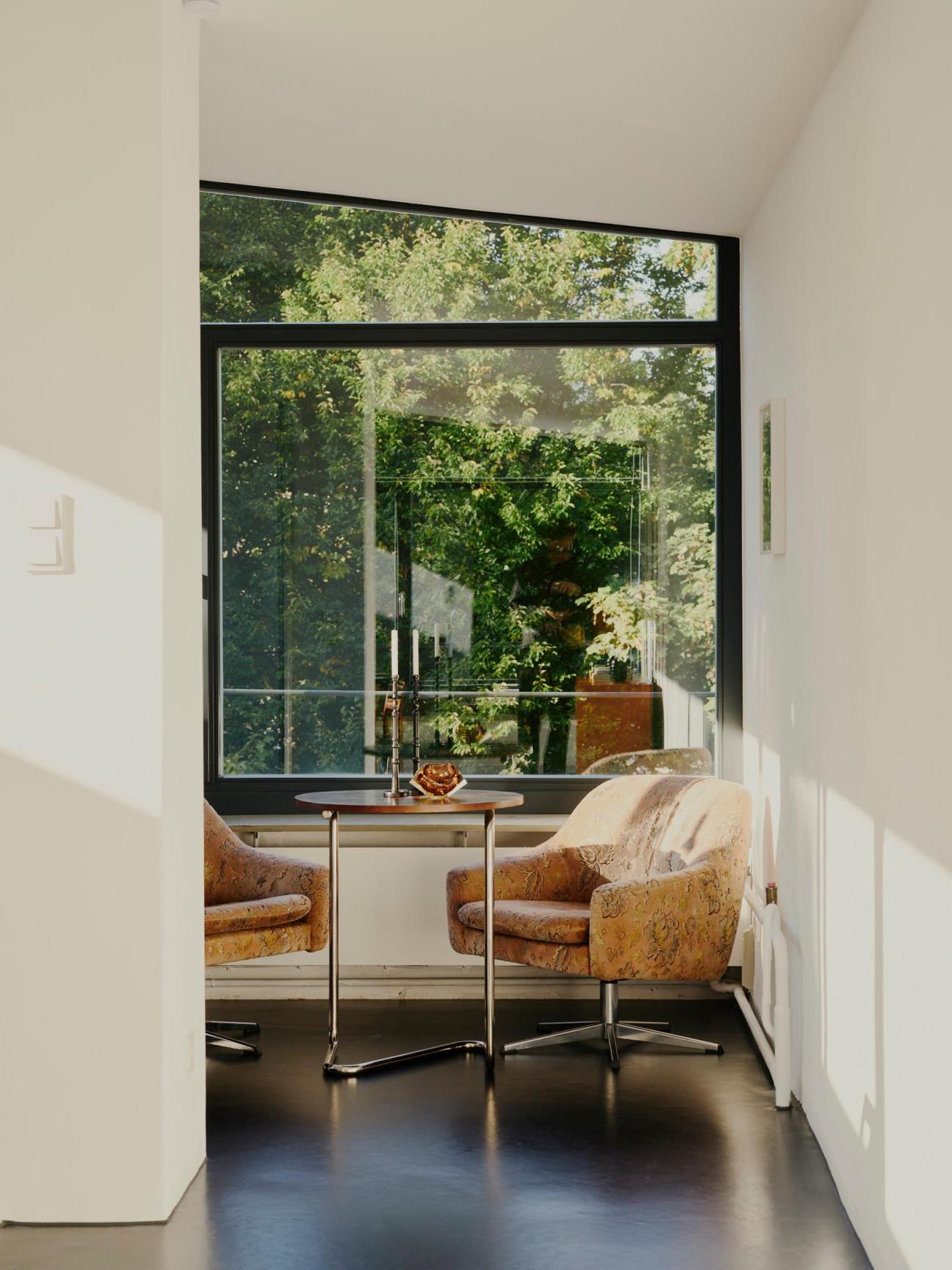
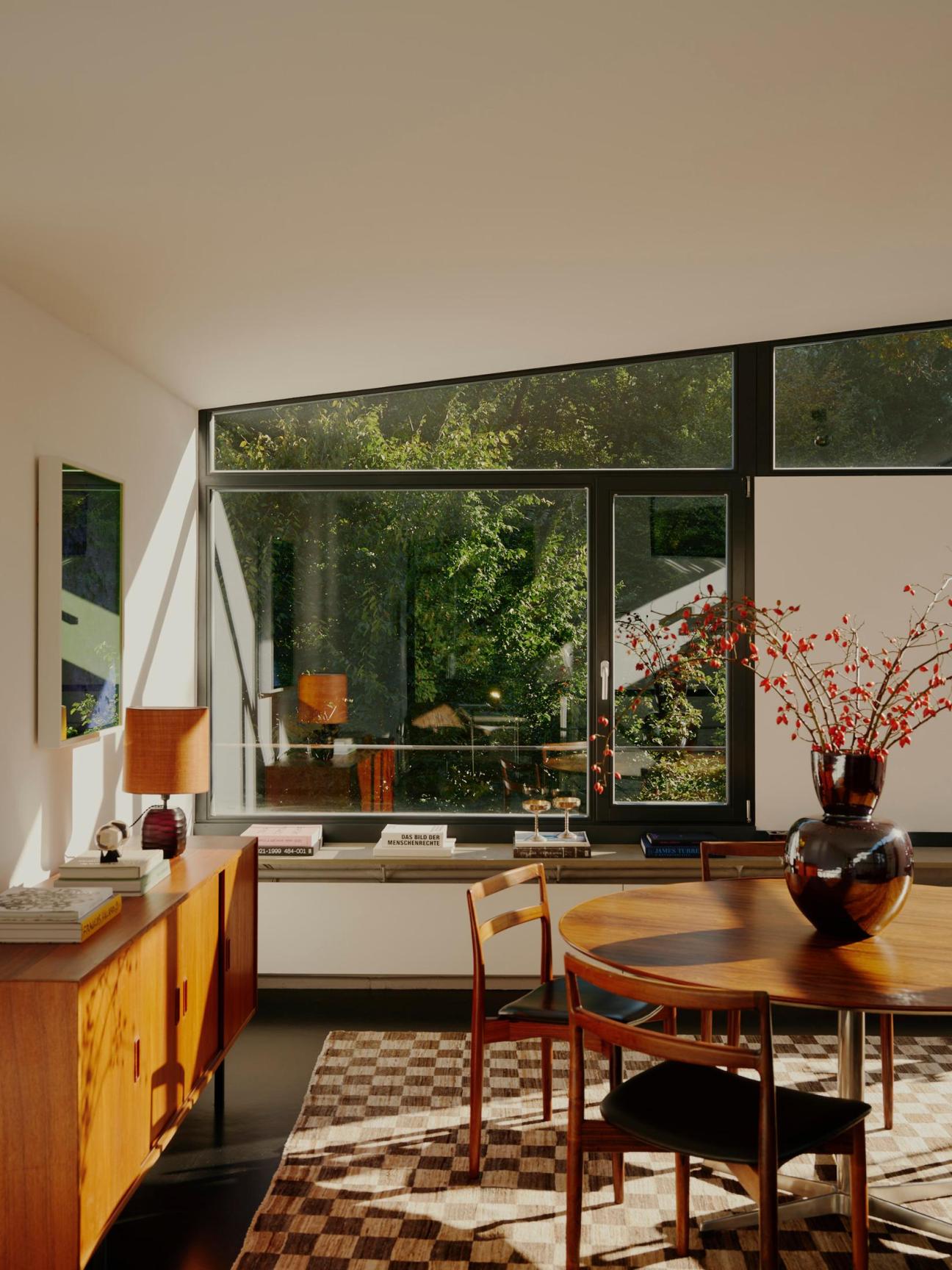
No expense has been spared. Downstairs, meetings can be chaired around a 6.5-metre-long rosewood table, while the apartments have original Eero Saarinen tables and Jean Prouvé chairs. Some furniture is by architects who participated in Interbau, such as Arne Jacobsen’s Series 7 kitchen-table chairs. “We try to fill this, bit by bit, with really good things,” says Sarah-Joan. Contemporary accents come courtesy of Berlin-based designers and artists, including Gonzalez Haase’s triangular Lola light and works by Wolfgang Flad.
Despite the substantial investment of time and effort, the siblings are not too precious about the space and hope to host lively dinners and raucous parties. “You can always paint the walls,” says David with a glint in his eye. That is not to say that the Fulds aren’t picky about who they welcome into the Eternithaus. “If someone were to book an event and come in with ugly plastic tables – I would probably throw them out.”
fulds.berlin
Eternithaus in numbers
Year built: 1957
Time spent on renovation: Six months – and a further six months to furnish
Cost: €300,000
Units available to hire and rates: Two maisonettes (€1,500 a day); the Glass Block Room (€2,500)
Distance to Siegessäule: Less than 500 metres
Homeware brand Via Arno debuts to provide a commercial platform for artisans
After walking around this year’s Homo Faber, the Venice biennial dedicated to craftsmanship that took place in the grounds of a former monastery on the San Giorgio Maggiore island, visitors were invited to step into a quiet refuge tucked away next to the lagoon. This was the home of the event’s bookshop but also the first physical manifestation of something more ambitious: Via Arno, a new start-up from luxury behemoth Richemont. It made its debut this autumn. Its mission: to promote the “beauty and spirit of human making”.
Richemont, which owns jewellery and watch houses from Van Cleef & Arpels to Cartier, has long relied on craft to create best-in-class pieces. With Via Arno, the group is paying it forward by giving artisans a new global platform, connecting them with buyers and helping to safeguard their vocations.
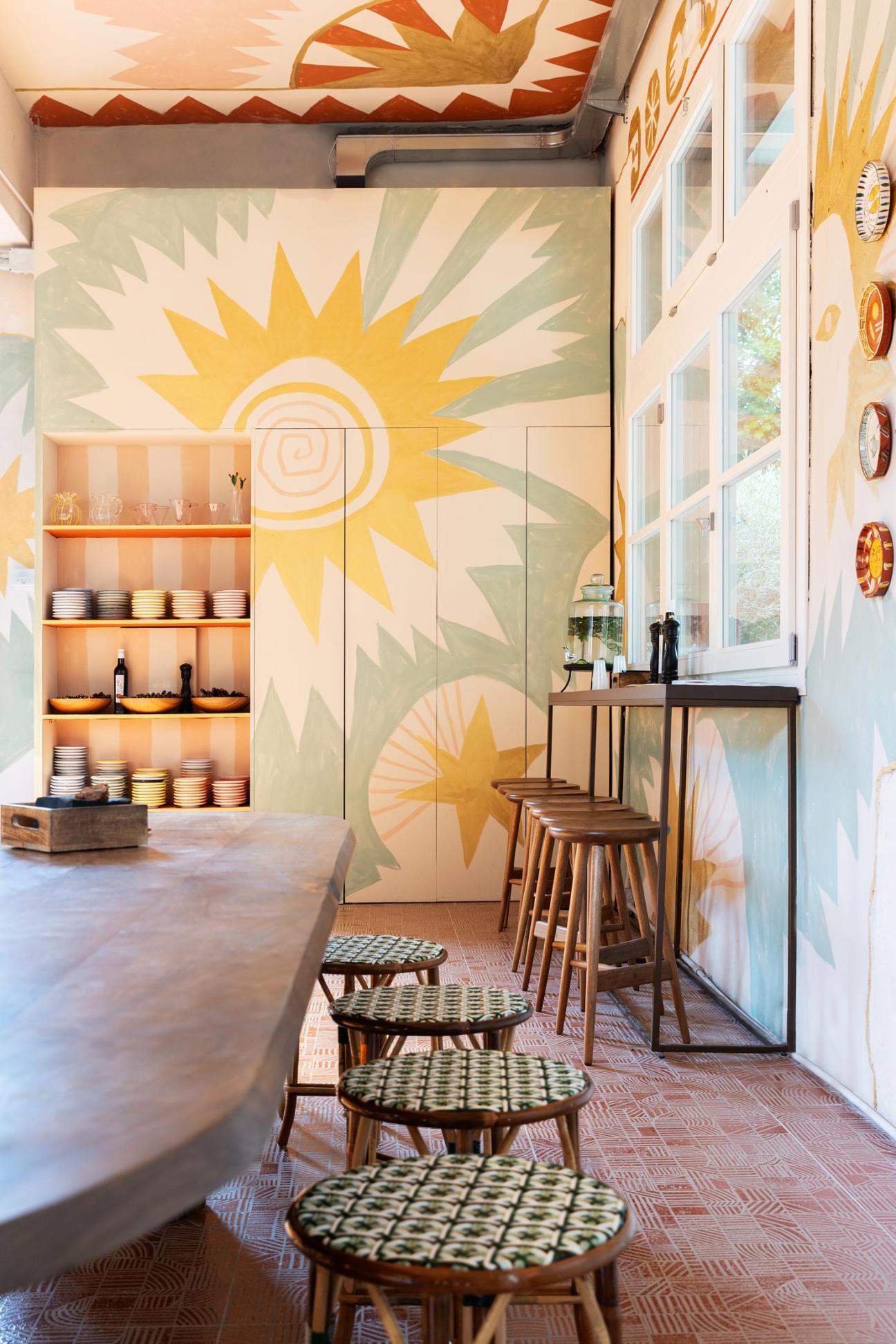
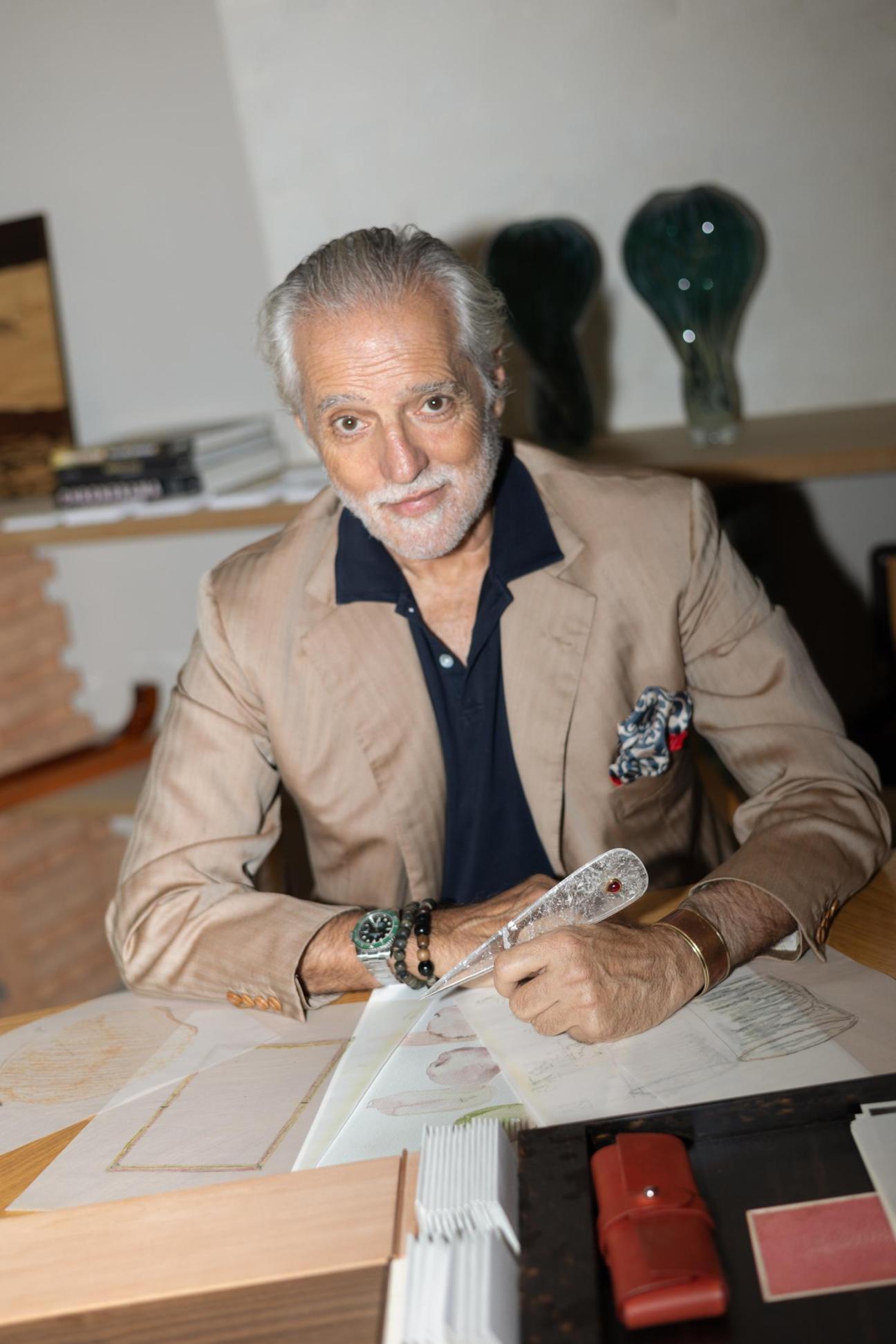
Stepping inside Via Arno’s Venice pop-up feels like entering an impeccably decorated living room or, perhaps, given the corner bar and piano, the lobby of a hotel. A wall mural by Mayeul Gauvin is flanked by multiple mirrors; soft rugs and a host of other design objects are scattered throughout the space. At the centre of it all, Annia Spiliopoulos, CEO and co-founder of Via Arno, sweeps in to greet Monocle in a flowing red dress. A trained classical ballet dancer from Greece who went on to work in film and music, she is a long-time resident of London, where Via Arno is headquartered.
Spiliopoulos is clear about what Via Arno is and is not. “This is human-made craft,” she says. “Design comes into it but it’s not design. It’s the woodworker applying their skills, or a marquetry maker or candle maker.” In short, Via Arno aims to provide a commercial platform for artisans from around the globe to sell often bespoke or custom-made goods.
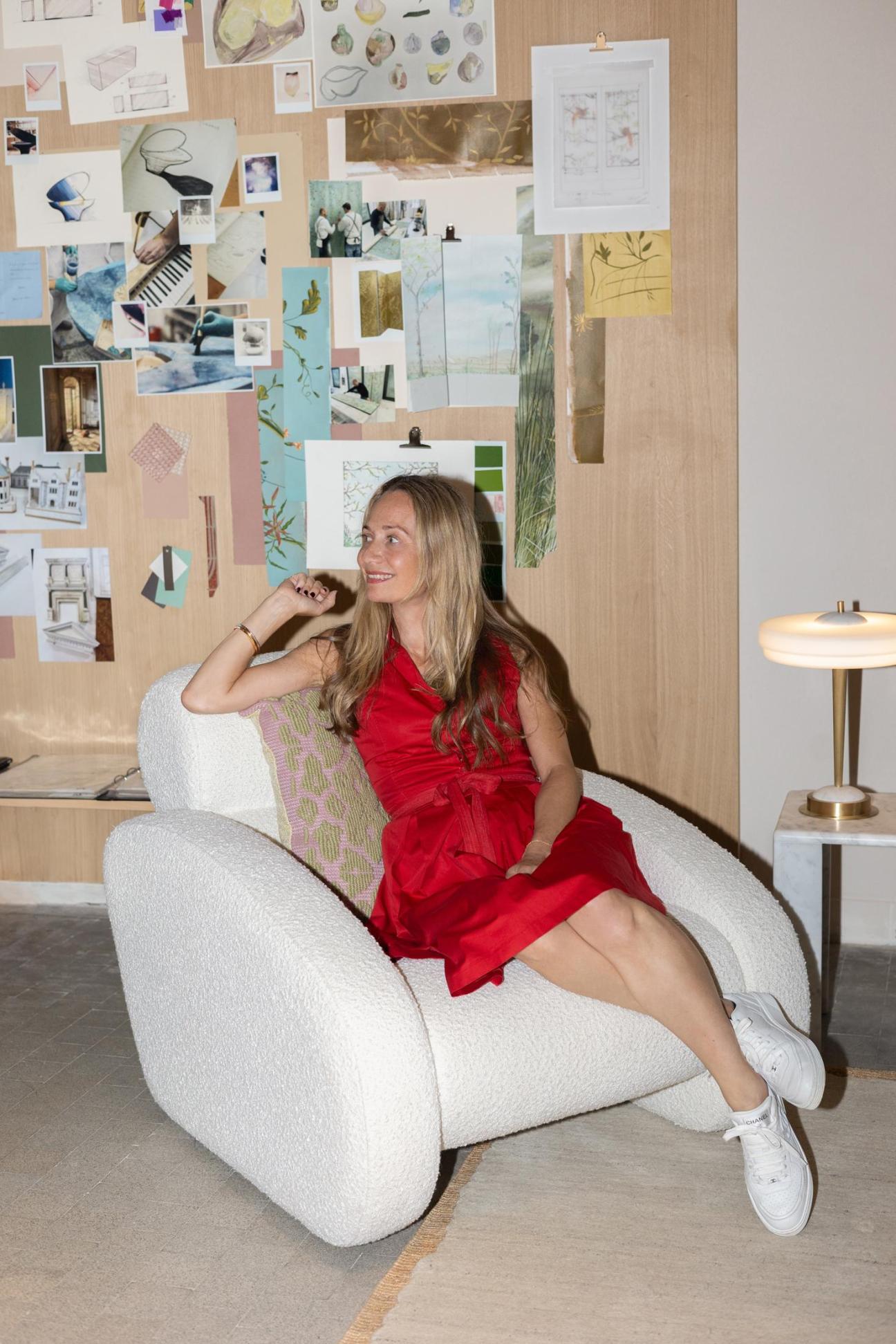
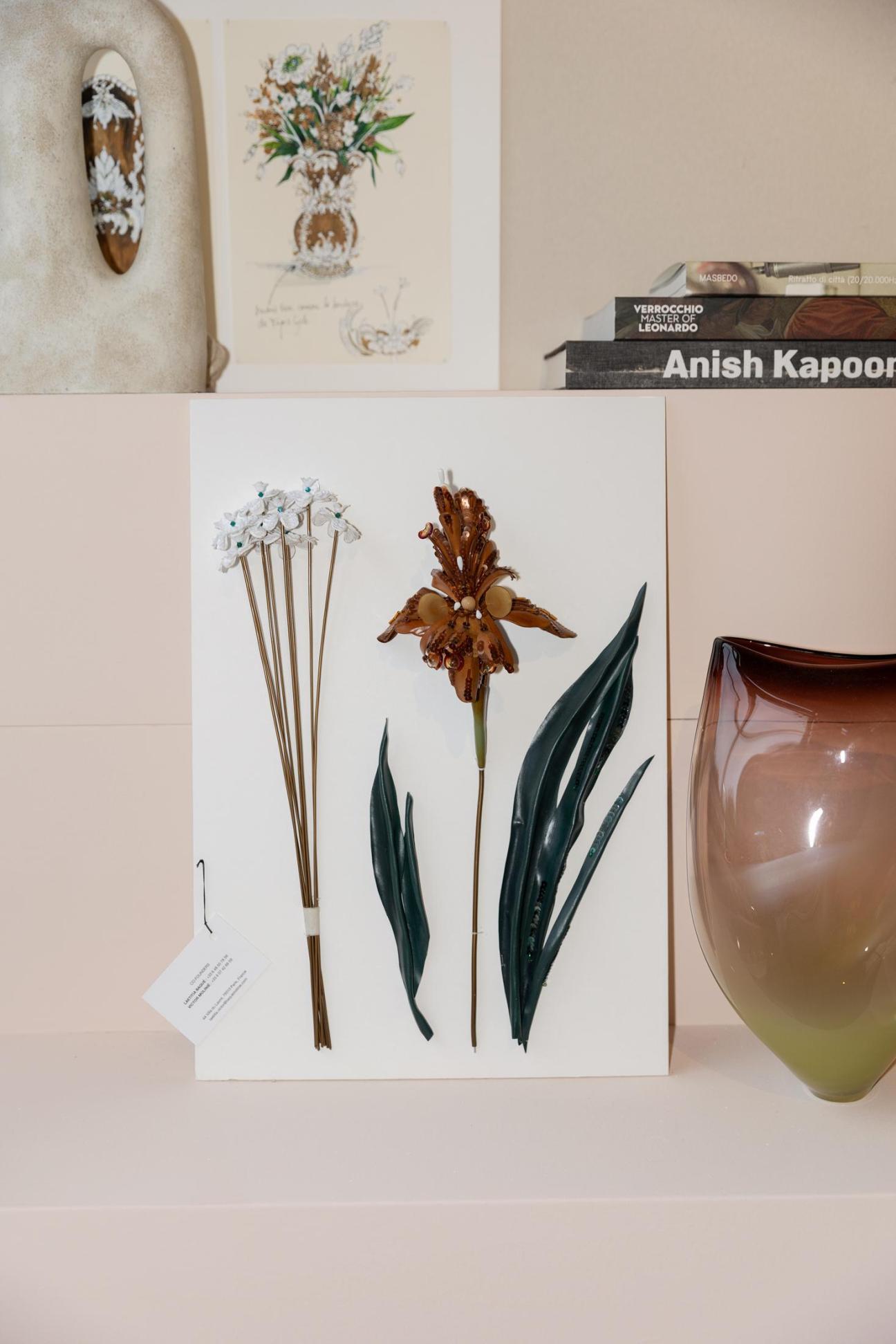
Spiliopoulos admits that she is still fine-tuning the details with her team but she envisions the bulk of Via Arno’s business being B2B. It will work with companies and architects that need to furnish homes or offices with unique pieces. Potential customers will be able to browse and shop on Via Arno’s soon-to-launch website. The platform will tell the stories of the 800 or so people it works with – a number set to grow as the company expands. The artisans, in turn, pay a service fee for each transaction.
The fledgling business doesn’t have plans for a permanent showroom for now, relying on select events such as Venice’s Homo Faber and online retail channels. When it comes to the latter, Spiliopoulos is keen to point out that Via Arno isn’t striving to be the next Amazon or Etsy. For one, people need to be happy to wait for what they’ve ordered; the artisans, each selected for their expertise, work at their own pace. “If you want to hit a certain level of excellence, it’s a smaller crowd,” she adds.
At first glance, the objects on display at the Homo Faber salon – from an espresso cup from Kihara in Japan to a stool from Brazil’s Fernando Mendes – may seem different to the rest of the Richemont portfolio. Founded by South African magnate Johann Rupert and based in Bellevue, Richemont has become an authority in jewellery and watches (Montblanc, A Lange & Söhne and Vacheron Constantin are also part of its portfolio) and has planted its foot in fashion with the likes of Dunhill and Chloé. But just as luxury conglomerates such as Chanel and LVMH have looked to safeguard craft by acquiring artisanal workshops and spearheading Métiers d’Art programmes, Richemont is equally committed to the idea. “Richemont has a tradition of long-term investing in craft,” says Spiliopoulos. “It’s a sensibility that cuts through the whole group.”
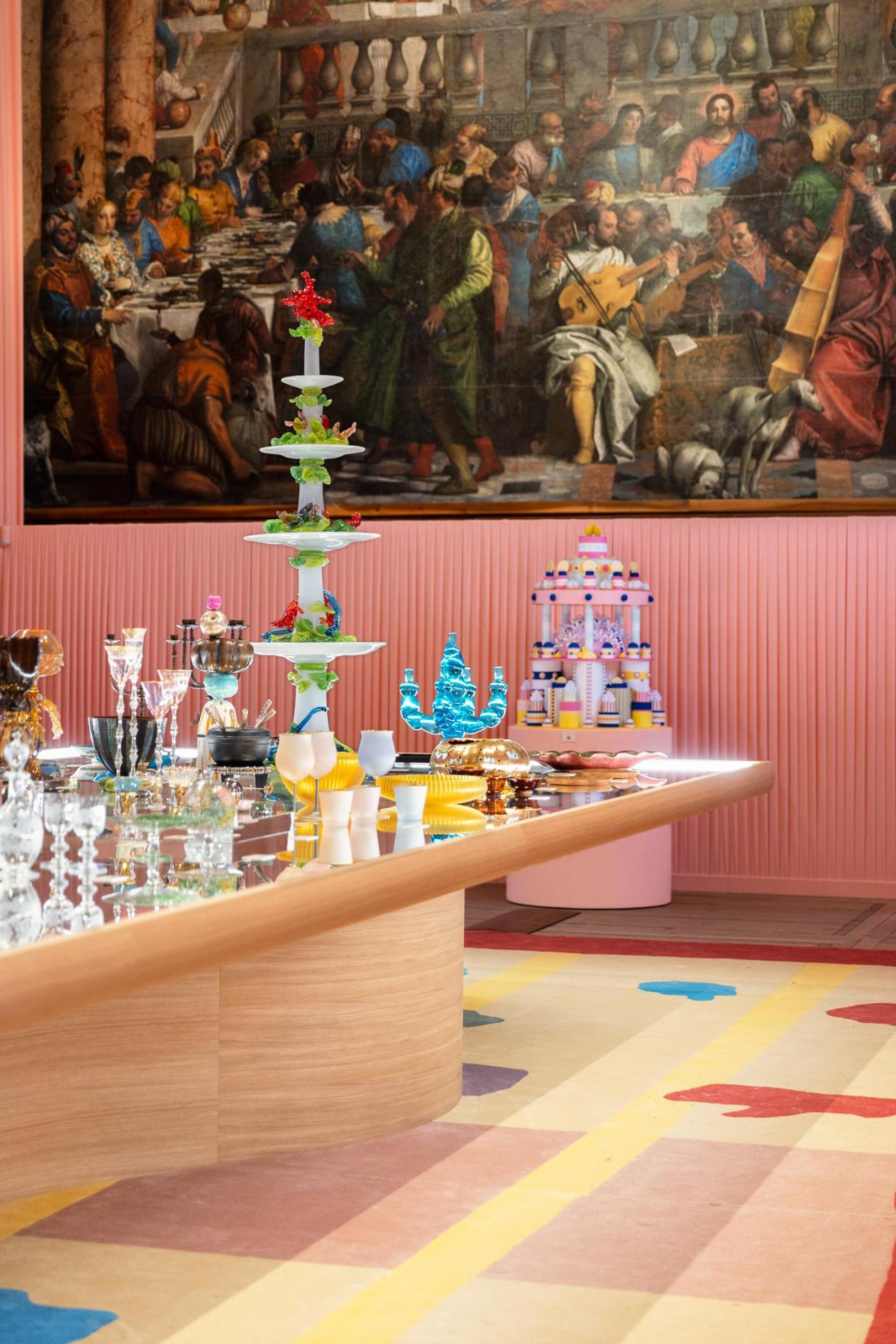
Richemont runs an annual craftsmanship programme that hunts for new talent in timepiece and jewellery making, while Rupert is also the co-founder of the non-profit Michelangelo Foundation for Creativity and Craftsmanship (which sponsors Homo Faber). Clearly, his connections in the craft world are helping to lay the foundations for Via Arno and will prove invaluable when the business looks to scale.
Like other Métiers d’Arts programmes looking to protect specific skills and traditions, there’s an existential element to Via Arno. Spiliopoulos and her team are aware of the ways in which machines have been eliminating craft jobs – a pattern bound to accelerate with the rise of artificial intelligence. Via Arno’s artisans are offered as the resistance to this shape-shifting world. “With the onset of rapid developments in technology, what is left of the human element in anything that we do?” says Spiliopoulos. Via Arno is a celebration of what its CEO calls “human faculties” and our ability to create beautiful objects that are the product of hours of toil and patience.
It’s an ambitious undertaking with a vast scope, spanning what Spiliopoulos broadly defines as “lifestyle”. While there are prerequisites – artisans must operate independently and be transparent about the provenance of the materials they use – a Via Arno item could be anything from a pair of earrings to a set of golf clubs or even a boat. In fact, an example of the latter is bobbing on the water a short walk from the Homo Faber site. A pristine vessel with distinctly mid-century aesthetics from Swedish builder J Craft, it comes in at more than €1m. Just like Spiliopoulos, who says that Via Arno works with artisans with at least a decade of experience, the craftspeople behind J Craft take time to mature. “I employed two people a few years ago with 20 years of experience in leisure boats,” says chief technical officer Johan Hallen. “I consider them boat builders but not ready to build a J Craft.”
As Via Arno navigates its own waters, it will have to question everything about the luxury landscape, even the definition of craft itself – a word so frequently used by brands that it has started to lose its meaning. How will Via Arno renew it? “Here [at Homo Faber] you’re starting to get a taste of what Via Arno stands for – and that’s the only way,” says Spiliopoulos. “I invite you to find something in here that, whether it’s to your taste or not, is not beautiful and made with love.”
These €70,000 bikes are helping German athletes to make faster tracks
Aspiring engineers in Germany typically do not have a hard time landing well-paid jobs. After graduating, almost all of Orfeo Nil’s classmates headed to Stuttgart or Munich for well-cushioned careers in the car industry. For his internship, however, the Brazilian-born 27-year-old sought out a nondescript workshop in Schöneweide, southeast Berlin. When he meets Monocle, he is wearing protective glasses and polishing a black carbon-fibre disc. The component will become the wheel of one of the world’s fastest track bicycles. “There’s no other bike like the ones made at FES,” he says.
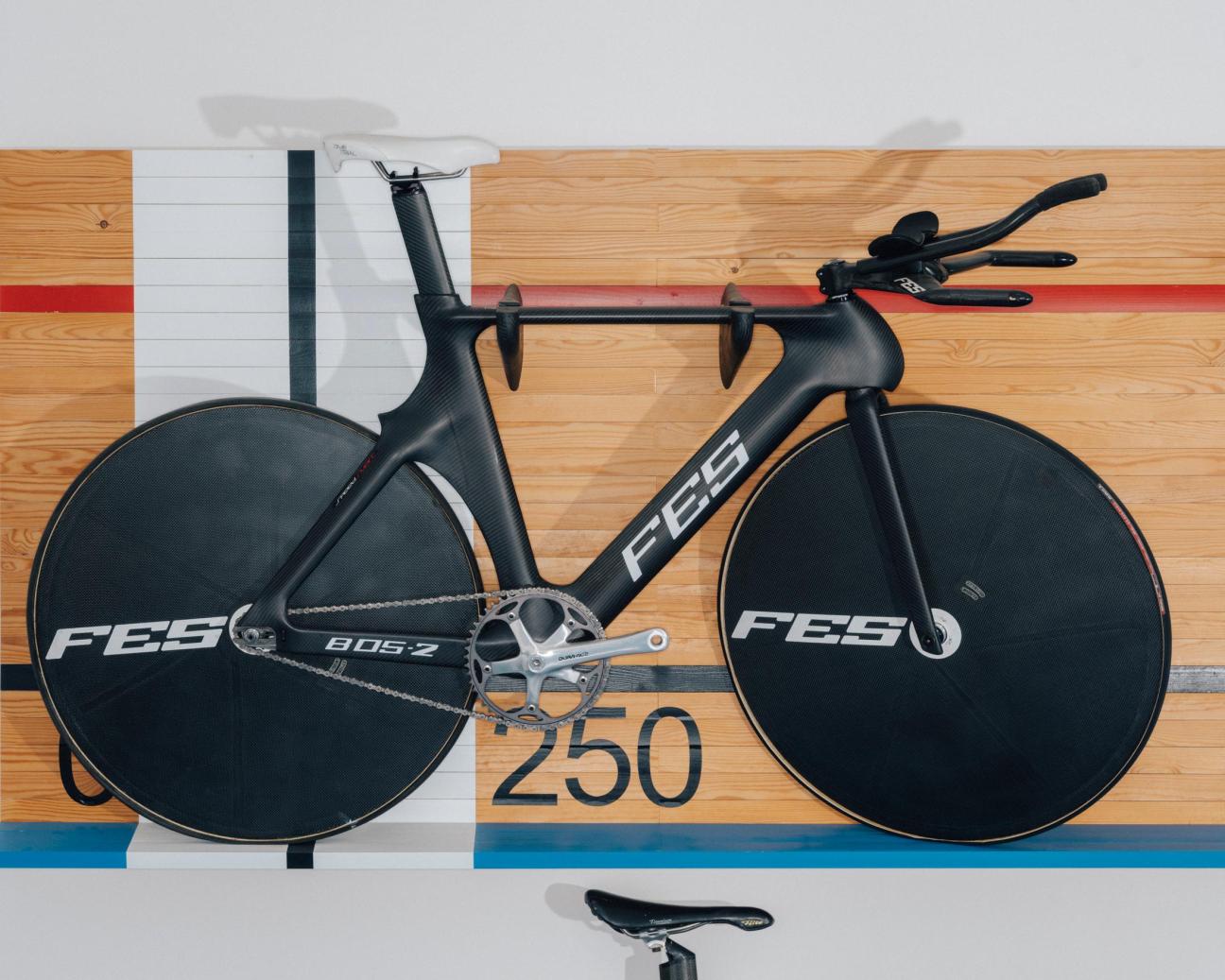
FES is short for Institut für Forschung und Entwicklung von Sportgeräten, the state-funded organisation that propels Germany’s athletes to victory. The institute produces kit used by Olympians across 14 sports, including most that Germany excels in: cycling, rowing and canoeing in the Summer Games; luge, bobsleigh and skeleton in winter. Though this year’s Olympics were disappointing for Germany, FES was involved in almost a third of the country’s medals. In the 2022 Winter Games, its share was more than 75 per cent.
With a staff of 90 – mostly lean Germans with aerodynamic buzz cuts – everything is manufactured from start to finish across FES’s three floors, which contain offices as well as carbon-fibre and steel workshops. “We cover so many sports, with everything under one roof,” says director Michael Nitsch. “I don’t think there is anything comparable in the world.”
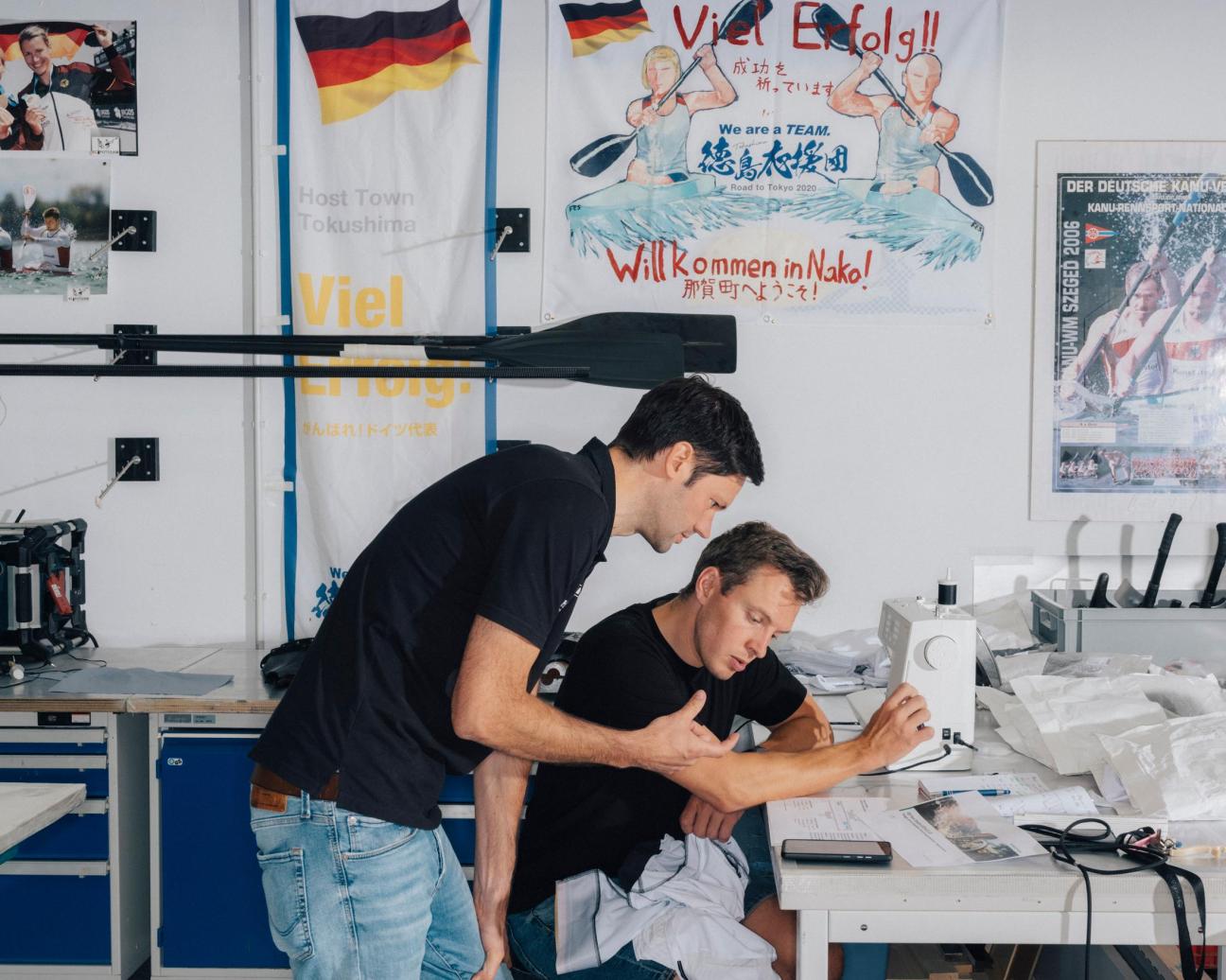

FES was founded in 1963, when this part of Berlin was inside the GDR. With the Cold War as a motivator, East and West Germany were often racing helmet to helmet in Olympic velodromes. Many of FES’s bicycle innovations were quickly adopted across the Iron Curtain, including making frames from carbon fibre and switching from spokes to disc wheels. Preserved post-reunification, the institute works with a modest budget – about €10m in 2024. Only a few firms can rival the wheels moulded at FES. “Regulators often look for features that only FES have and ban them,” says Nitsch. “We take it as a compliment.”
At the workshops, the manufacturing process begins with the frame, made almost entirely from carbon fibre. It arrives pre-mixed with glue and rolled up like a textile, before being cut, moulded and baked into shape. “You have three things to think about: the feet, the hands and the ass,” says Nitsch. “The secret is how you position these things.” But this humility is partly obfuscation. The B20, FES’s latest model used at the Paris Games, is made from more than 500 components – all individually engineered and moulded in-house. The improvements included a tweaked fork (the bit that connects the wheel to the frame) and a carbon-fibre crank (the part that the chains bolt onto). “At this level, the improvements are tiny tweaks,” says Nitsch. “Everything counts.”
When Monocle asks whether we can take a bicycle out for a spin, Nitsch looks appalled. “We don’t even let these bikes roll on normal floors,” he says. “It makes no sense.” Only professional athletes – as well as the occasional lucky intern – are welcomed into the FES velodrome. Still, there is hope. Olympic regulations stipulate that all gear used by athletes must be commercially available, so FES bikes are for sale. These Weltspitze wheels could yet be ours – for a mere €70,000.
How chef Fabrizia Lanza is reviving Sicily’s culinary roots
“The allure of Sicily is that it is a small continent of unique flavours, with each part having its own identity,” says Fabrizia Lanza as she prepares a dish in the kitchen of her cookery school. “We have mountains, rolling hills and the sea. The soil is different – think of the rich volcanic terroir around Etna – and ingredients are distinctive. Food is varied, so a dish that you find in Messina might not exist in Catania.”
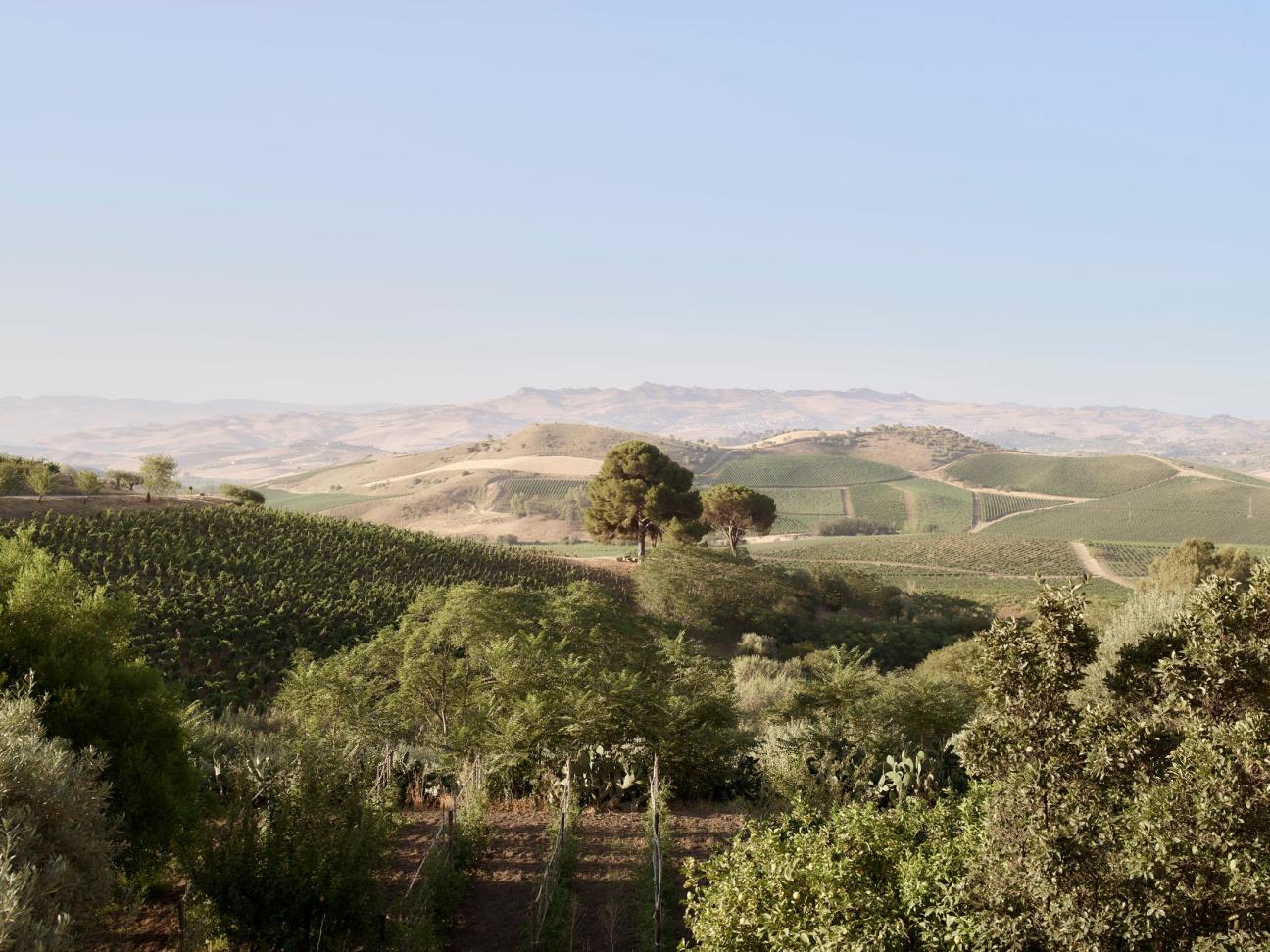
Born in Palermo to an aristocratic family, Lanza opted to leave her homeland behind at 18 years old to study art history in Florence. After almost two decades working at museums in northern Italy, the siren call of home lured her back to Sicily, where she decided to take up the torch and manage the culinary school set up by her mother in 1989. Nestled on the 600-hectare Regaleali estate, where her family has busied itself making wine for eight generations under the Tasca d’Almerita label, the school teaches students about Sicilian cuisine, from traditions and cooking techniques to ingredients.


There is much to learn about the island’s food, aside from classics such as ricotta-filled cannoli and pasta alla norma. Over the centuries, a succession of invaders brought new ingredients to Sicily and transformed its agricultural practices, leaving a lasting mark on the region’s culinary scene. “It’s a melting pot,” says Lanza with a sense of animation. “The Arabs brought sugar cane to us, so we started to make candied fruit and marzipan. Then the Spanish brought us the tomato and potato, which revolutionised our cuisine.”
The Anna Tasca Lanza school’s team of 12 welcomes more than 250 students every year, attracting a range of travellers from places as afar afield as North America and Australia. Even prominent chefs have enjoyed spells at the institution, including Alice Waters of Chez Panisse and Beirut’s Kamal Mouzawak. Some visit as part of a food-focused holiday to learn how to prepare specific recipes, such as stuffed calamari with currants and pine nuts, while those working in hospitality stay longer. The six-week Cook the Farm course, for example, is designed for anyone interested in food production. It involves trips to an olive-oil press and a flour mill, where students learn about ancient grains.
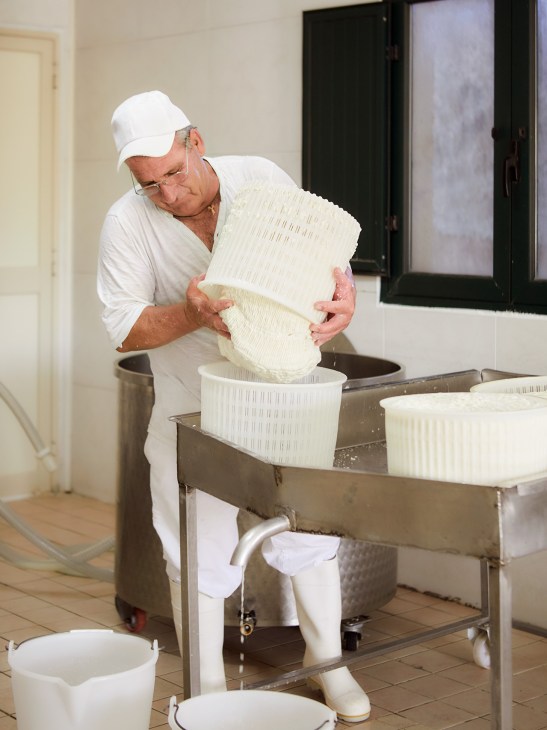

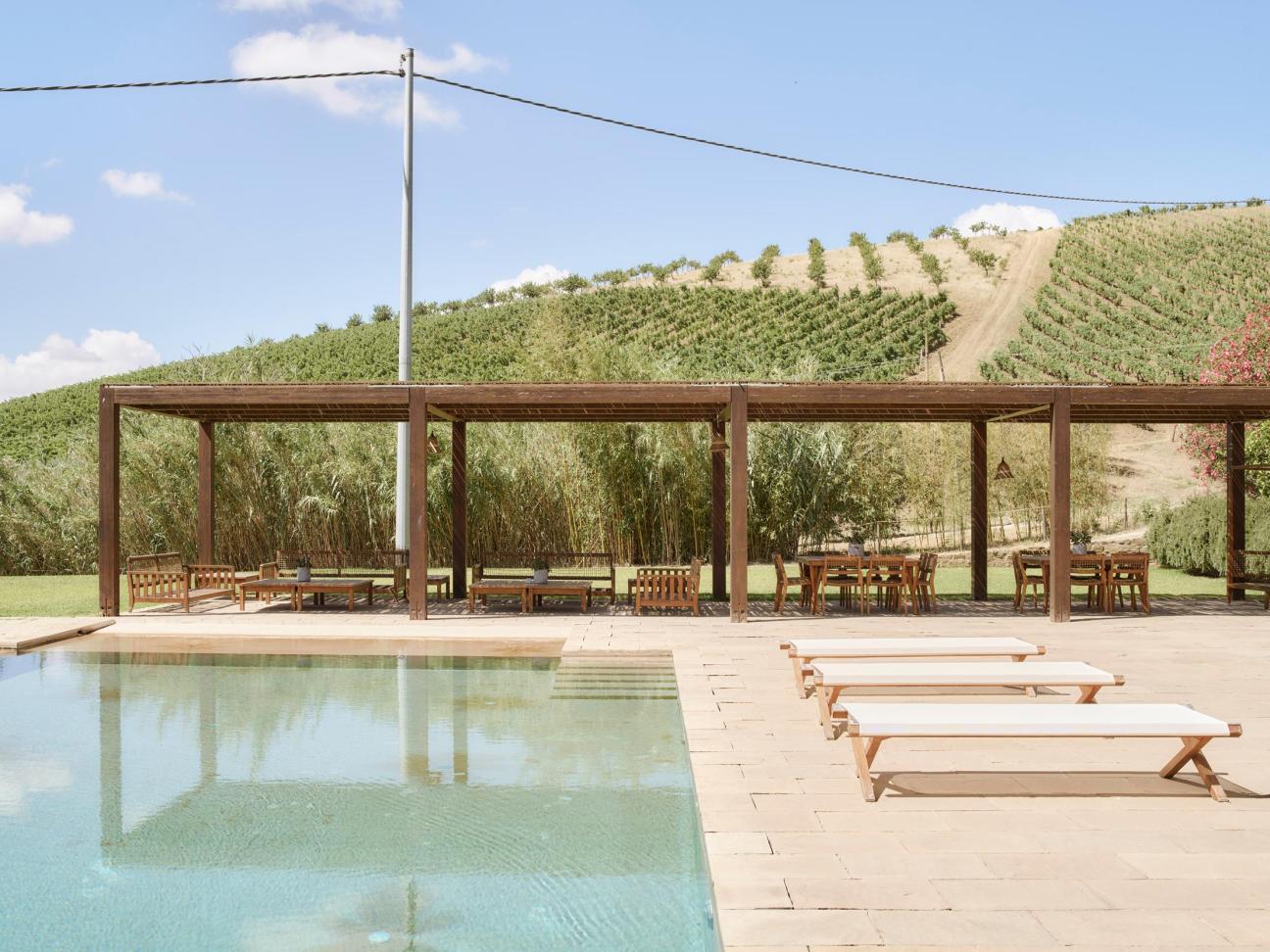
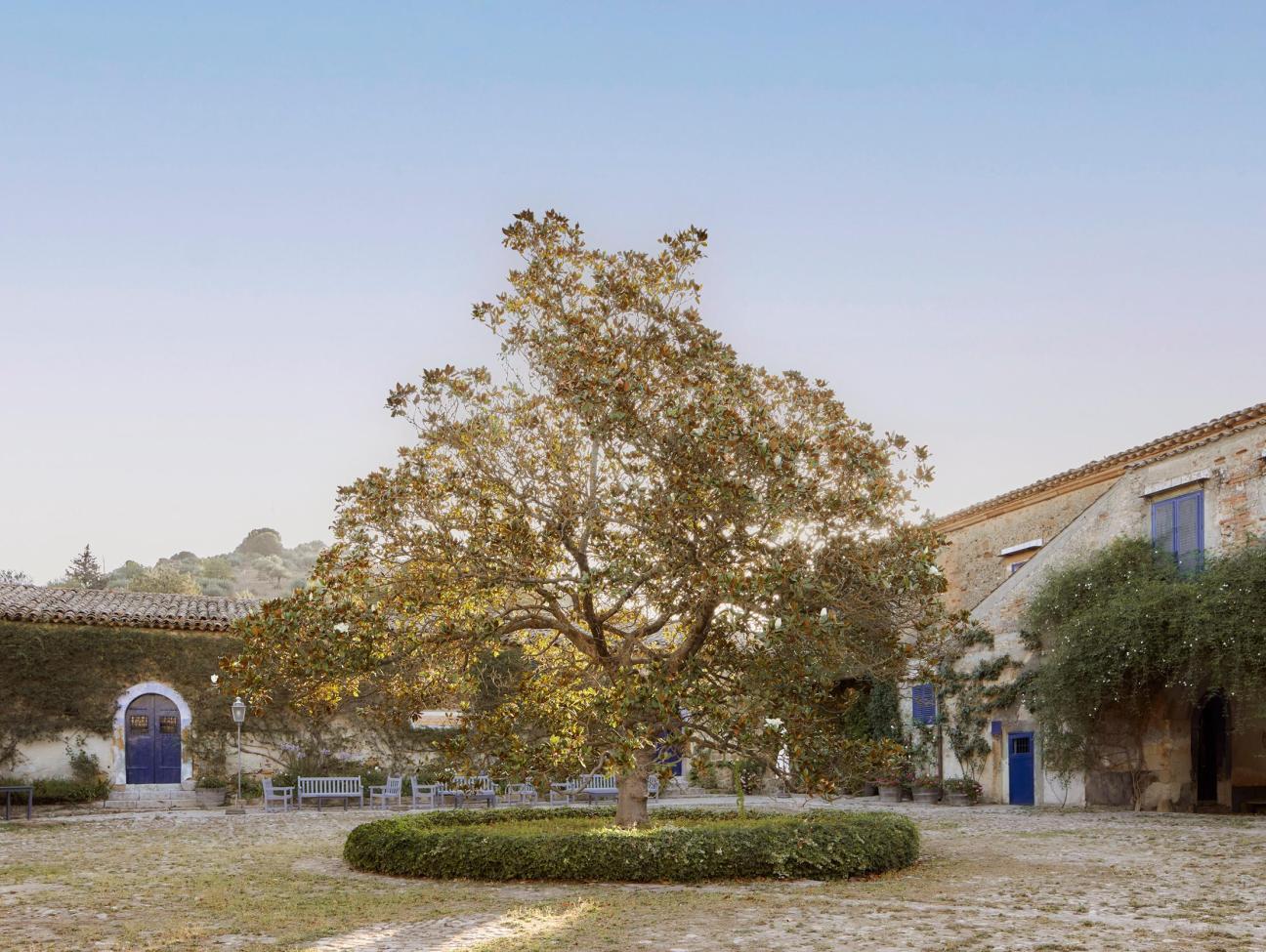
Foraging and on-site work in the school’s garden are part of the process. “These activities get people thinking about the environment and the produce,” says Lanza. Classes and meals take place within the idyllic Case Vecchie, a collection of stone structures from the 1830s surrounding a courtyard. Fig, lemon and orange trees frame the property, while a majestic old pine tree leads down to a swimming pool where attendees can unwind in the afternoon to beat the fierce Sicilian heat.
During Monocle’s visit, Lanza and her students take a trip to a local ricotta producer. She then whips up fried courgette blossoms for lunch in the school’s cosy kitchen space while Francesca Farris, the co-ordinator of Cook the Farm, gathers herbs in the garden. Meals are paired with wines made on the estate at the Tasca d’Almerita winery, a short drive up the road, and feature indigenous grape varietals such as grillo, nero d’avola and perricone.

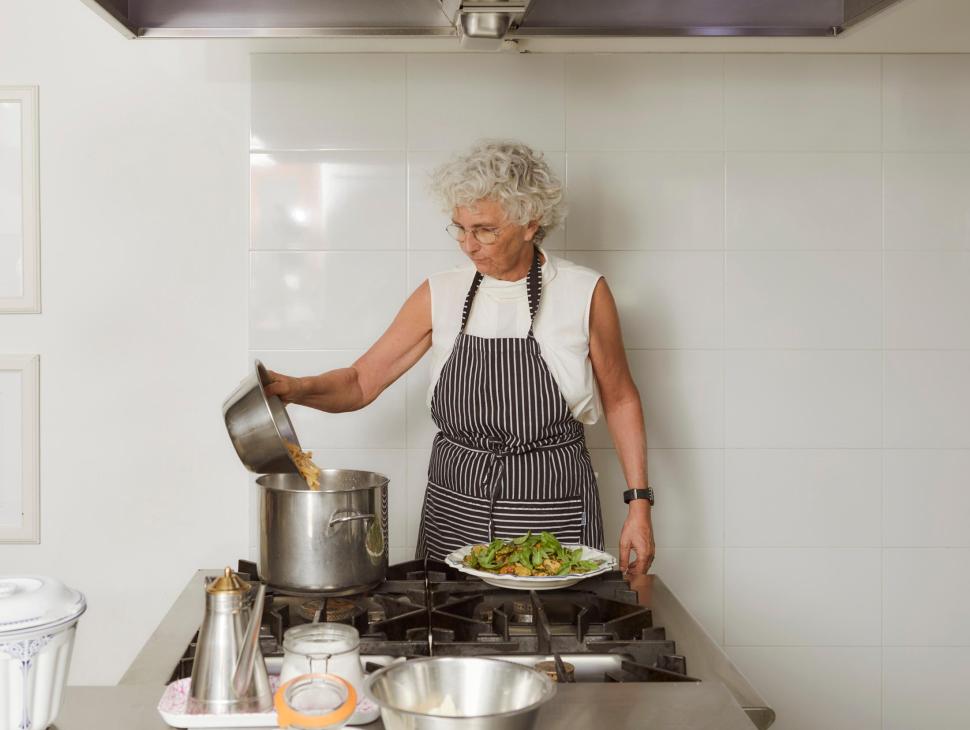
Lanza emphasises the importance of seasonal cooking to her pupils and prepares food using regional ingredients. Some of these components, including ornate breads, are derived from religious festivals such as the feast of St Joseph, which takes place in March. Lanza has committed many of her recipes to paper through cookbooks that chronicle the incredible array of dishes found on the island. Her latest title, The Food of Sicily: Recipes from a Sun-drenched Culinary Crossroads, documents 75 of her most-loved dishes, from savoury to sweet creations. One of her favourite recipes in the book is cassatelle: ricotta-filled turnovers, from the area around Trapani, which locals nibble on at breakfast. Lanza enjoys dispelling myths about Sicilian food. “Most people have this stereotype that our cuisine is very spicy because the island is close to north Africa. But this is not so,” she says. “We derive flavour from ingredients such as capers, wild fennel and oregano.”
During her time at the school, an increasing number of young people have begun signing up for classes; there is lodging on the site for up to 14 guests. “When my mother started her classes, we mainly received older students and retirees; often Italian-Americans reconnecting with their roots,” she says. “Nowadays, it’s encouraging to see more people in their twenties and thirties coming to learn about cooking with fresh, quality ingredients.”


With so much delicious Sicilian produce, from olives and grapes to dense, pulpy tomatoes and squash, Lanza and her team stay busy by gathering and preparing meals. “The island truly is a bounty,” she says, savouring the taste of her words. “Take citrus as an example. There are vanilla oranges, blood oranges and lemons here. It’s a triumph.”
Lanza is also committed to exploring the lesser-known parts of Sicily’s culinary heritage. Her latest cookbook mentions a recipe for roasted cardoon – a thistle-like plant – drizzled in honey, which is traditionally consumed on a saint’s feast day. “This contrast between bitterness and sweetness is at the core of our religious festivals. It resembles life: a bittersweet story.”
Lanza is adamant that her school not only serves to pass on tradition and prepare regional specialities but also carves out space to experiment by engaging with outsiders such as chefs and journalists to exchange ideas about food. “Sicily has always been at the crossroads of the Mediterranean,” she says. “It’s a place where people have brought their own unique customs to enrich our table.”
annatascalanza.com
Pasta alla norma
Serves 4-6
Ingredients
Vegetable oil, for frying
900g firm aubergine, cut into 4 cm cubes
Fine sea salt
450g dried ziti or other tubular pasta
480ml high-quality tomato sauce, warmed
115g ricotta salata, grated
Handful of coarsely chopped fresh basil
Method
1.
Pour about 5ml of oil into a wide, heavy-bottomed pot and place over medium heat until hot enough to fry in.
2.
Once the oil is ready, lower the aubergine cubes into the pot. Do this in batches if needed to avoid crowding them in the oil. Fry the cubes for about 5 minutes, flipping occasionally, until golden brown all over. Use a slotted spoon to transfer the fried aubergine onto a wire rack or kitchen roll to drain. Sprinkle with salt.
3.
Meanwhile, cook the pasta in a large pot of boiling, salted water until al dente.
4.
Transfer the pasta to a large serving bowl along with warmed tomato sauce, half of the grated ricotta salata and half of the basil. Toss gently to combine. Pile the fried aubergine over the pasta and top with the remaining ricotta and basil. Serve immediately. This recipe is taken from ‘The Food of Sicily: Recipes from a Sun-drenched Culinary Crossroads’ by Fabrizia Lanza.
Intelligent digital tools are reinventing peacemaking in Finland
From her office on Helsinki’s South Harbour, Johanna Poutanen can see the Presidential Palace, where Donald Trump and Vladimir Putin met for talks in 2018. Finland’s capital was also the favoured city for Cold War summits between US presidents and their Soviet counterparts and it remains popular with peacemakers thanks to the country’s history of neutrality and reputation for diplomacy. But in her role as head of digital peacemaking at the Crisis Management Initiative (CMI) – also known as the Martti Ahtisaari Peace Foundation – Poutanen says that she wants to bolster Finland’s diplomatic savvy with innovative solutions for resolving conflicts. “Digital tools can help us analyse, visualise and present data to enhance understanding in mediation contexts, reach stakeholders who are difficult to engage in peace negotiations and disseminate critical information more effectively,” says Poutanen, who has just concluded a tender process for providers of “peace tech”, technology designed to help prevent or end conflict.

CMI has already used the AI-powered analytics tool Remesh to understand women’s priorities for peace talks in Sudan. In Yemen it used the Inclus platform to build consensus between political groups by visualising their agreements and disagreements. Elsewhere, Project Didi, which is based in Israel, uses “ripeness theory” to explain why parties in peace negotiations might be hostile to a proposed agreement at first but later agree to the very same terms. The Human Rights Data Analysis Group in San Francisco documents human-rights violations and verifies casualty data with machine learning. Peace Geeks in Vancouver operates a messaging platform for Ugandan victims of war crimes.
The trouble is that large data sets and data-driven tools for making peace can easily be turned against the people who they are aiming to protect. Take “big data” firm Palantir, which uses AI to analyse satellite images, open-source data, drone footage and on-the-ground reports. Lauded for helping to clear landmines and resettle refugees in Ukraine, Palantir, part-funded by the CIA’s venture-capital arm, is contracted to use the same technologies to supply information on targets for military forces. In the wrong hands, such tools could be exploited and used to attack vulnerable populations or manipulate peace negotiations.
We need strong regulations for the safe, ethical and moral use of peace tech. “Data protection and security are an absolute priority,” says Tim Epple, managing director of Edinburgh University’s PeaceRep initiative. “The challenge is preventing dual use of peace tech. Imagine, for example, if data collected on the ethnicity of respondents in a conflict zone gets into the hands of nefarious actors.”
Policing peace tech, which is often deployed in fragile states where governance is weak and accountability non-existent, won’t be easy. Can individual nations be trusted any more than big business or entrepreneurs to use technology for peaceful purposes? Of course, we’ll need top-down oversight by global institutions, such as the UN, itself a significant peace-tech developer, and a legally binding international treaty that expands the jurisdiction of war-crimes tribunals to cover the unethical use of peace tech.
But we should also use technology such as blockchain to track and publicly record the development and sale of any tech that could be misused, and mandate that all peace-tech systems have a “kill switch” if they’re found to be used for warfare. An international team of digital peacekeepers and cyber experts must be empowered to intervene, neutralising threats of peace-tech misuse in conflict situations. Ethical hackers swapping red hats for blue berets might be our best bet for ensuring that technology makes peace, not war.