Issues
Exploring Edge House: Tom Wood’s founder’s minimalist masterpiece
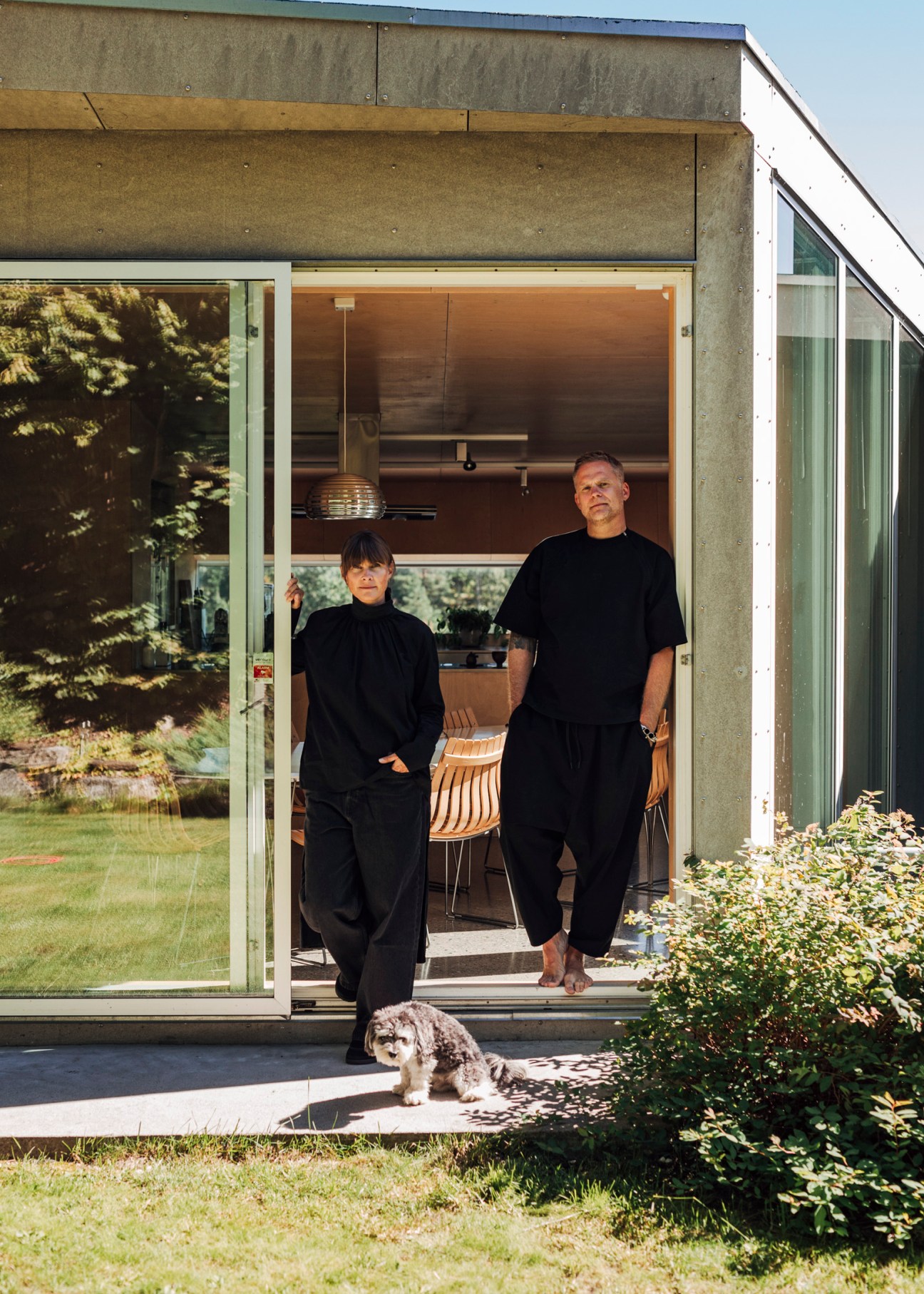
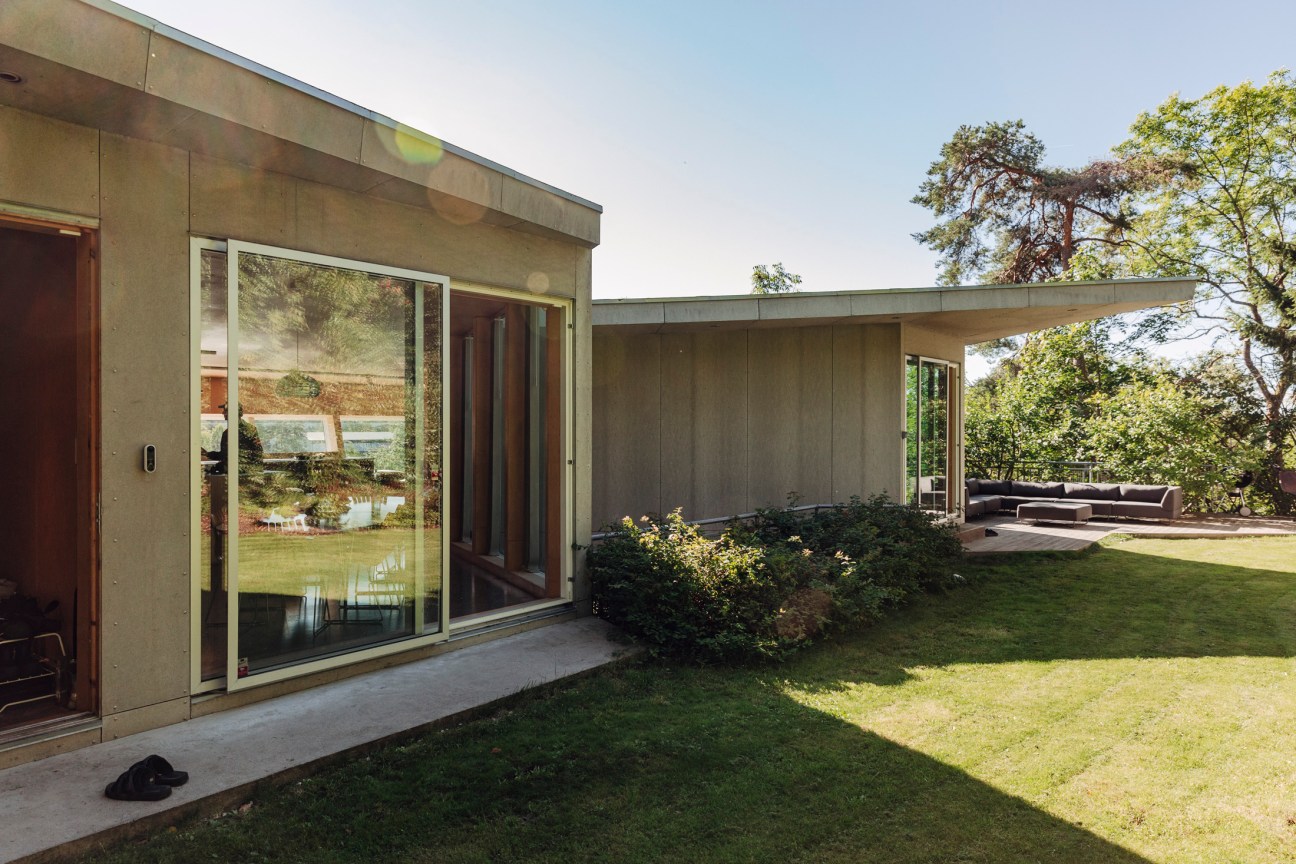
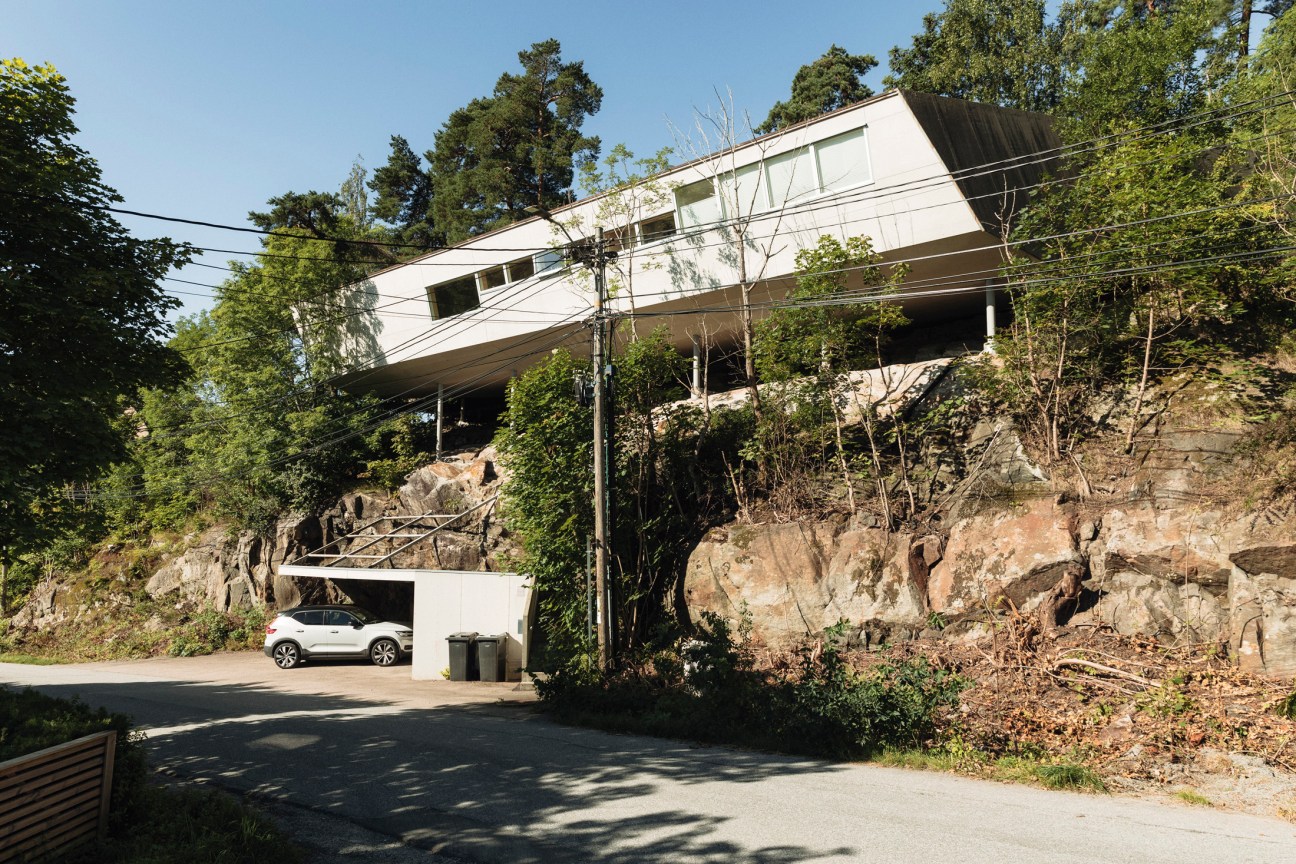
On a rocky outcrop near central Oslo, an unconventional house looks out over Kolbotn, a residential area of otherwise conventional wooden houses and low-rise brutalist apartments. Nicknamed Edge House, the distinctive edifice is the family home of Mona Jensen and Morten Isachsen, the duo behind Norwegian jewellery brand Tom Wood, which was founded in 2013 and is known for its simple, elegant designs.
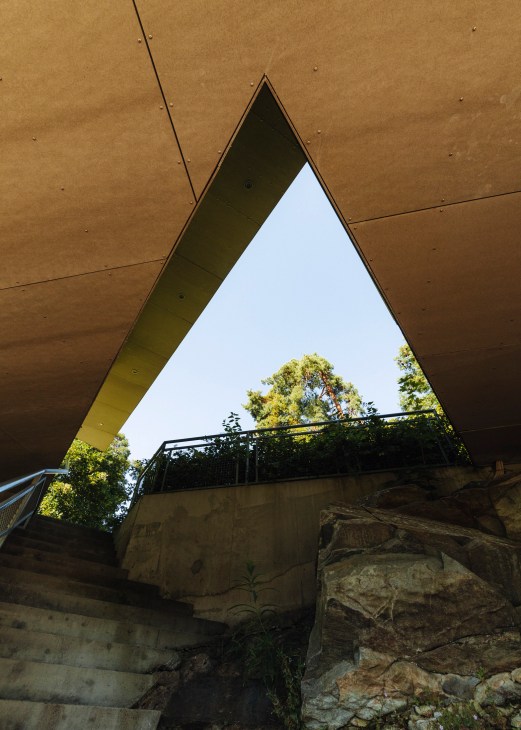
Access is via a narrow stairway, which has 52 steps that cut through rough granite boulders glinting with quartz crystals. As you ascend, the seven load-bearing pillars that support the house – which sits entirely over the stony slope – loom close, with pine saplings seeding into the nooks and crannies of the surrounding rock. Then, at the top, 12 metres above street level, you reach even ground as the stairway opens out into a garden.
Edge House was an ambitious undertaking for Jensen and Isachsen. After living in apartments in central Oslo, they were spurred by a desire to move to a home where their children would have more space to run around among greenery. For the couple, who grew up in bucolic Stord and Tromsø, it was also about regaining a connection to nature.
To do so, they enlisted Oslo-based architects Einar Jarmund & Co, to whom they submitted a somewhat unorthodox initial brief in 2006. “We sent them the James Bond theme song and asked, ‘Can you make us a house like this?’” says Jensen. “They were our dream architects at that time but we were very young and couldn’t really afford them. So they told us to save up some more money. We did and came back a year later but still had a very limited budget.”
Ultimately, Jensen and Isachsen wanted to build a home that, much like their clean-lined jewellery, wouldn’t age in terms of style or integrity. “Building a house is a significant project, something that most individuals or families do only once in their lifetime,” says Isachsen. “It prompted us to ask what kind of footprint we wanted to leave on this planet. Is building a house truly necessary? And if the answer is yes, how can I design a home that will not only stand the test of time but remain relevant and sustainable for many decades – perhaps even a century?”
In response to these questions, rudimentary raw materials were chosen for their hardiness, cost efficiency and durability. The exterior of the house is clad in fibre cement panels that, like a giant Meccano set, are screwed in place, allowing easy access to the structure of the building for repairs. It was a relatively new technique at the time of construction; the couple had heard of its use in The Oslo School of Architecture and Design, which was also built by Einar Jarmund & Co. “If one panel gets damaged, you can change it and don’t need to tear down the whole façade,” says Jensen. “You don’t have to paint it or do anything to it for 100 years,” adds Isachsen. “It just stays and looks the same.”
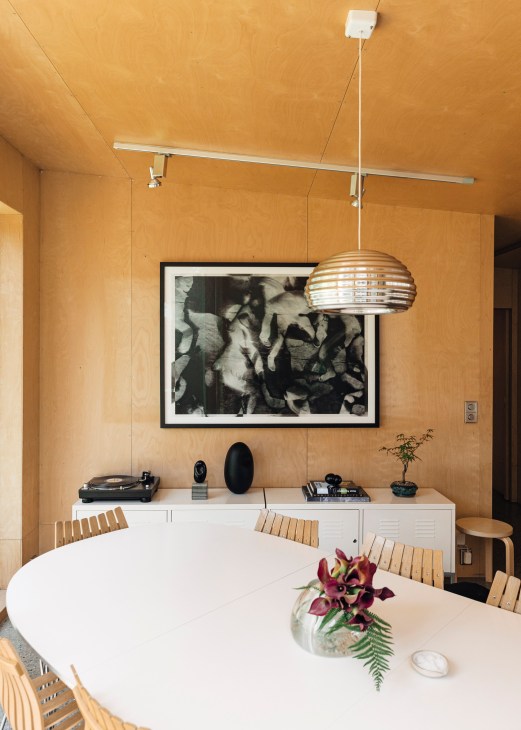
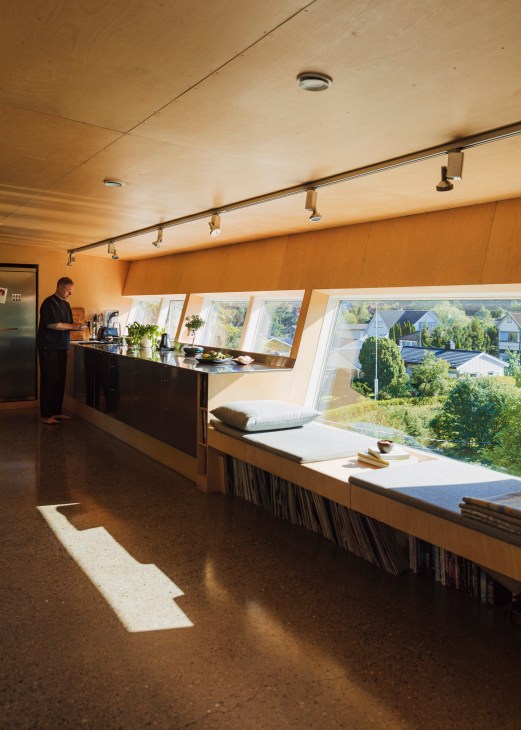
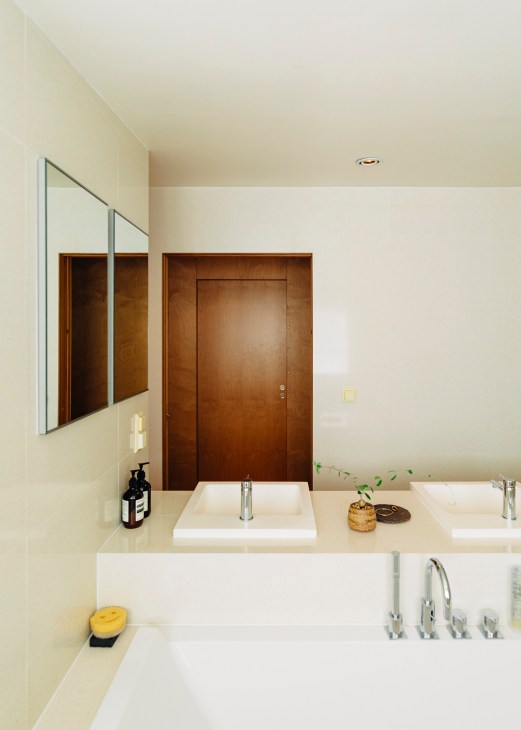
There’s a practical simplicity to the home’s interiors too, with the walls clad entirely with birch veneer, with no paint or wallpaper, and no skirting boards or highly finished edges. A sizable steel bench-counter is the heart of the kitchen – both in terms of activity (Jensen and Isachsen like to cook) and in presence. Appropriately, the finishes match the look of Tom Wood’s Oslo flagship shop, where similarly steely surfaces create a common visual thread that links the couple’s home and creative venture – even though Jensen says that her work as a jeweller didn’t influence the house directly. The home’s concrete terrazzo floors, reminiscent of those found in Venetian piano nobile, are also found at the Tom Wood office, which was opened after the house was built. (Perhaps it was the residence that influenced the brand.)
Set across one floor, almost every room in the house is oriented towards – and opens out onto – the garden. Cultivated by a Japanese landscaper with particular attention given to the seasonality of its vegetation, it has copses of trees and flower beds that bloom in the warmer seasons. “In summer especially, the house becomes twice as big because it’s all on one level, with windows towards the garden,” says Isachsen. “We constantly move from indoors to outdoors.”
Built in 16 months on a 900 sq m plot of land (an area about the size of 3.5 tennis courts), the house was designed to work in harmony with the landscape. “When the architects came here, they got the idea to put the house on the edge of the plot, destroying as little of the existing vegetation as possible and creating this very private garden,” says Isachsen. “There was very little demolishing that had to be done.”
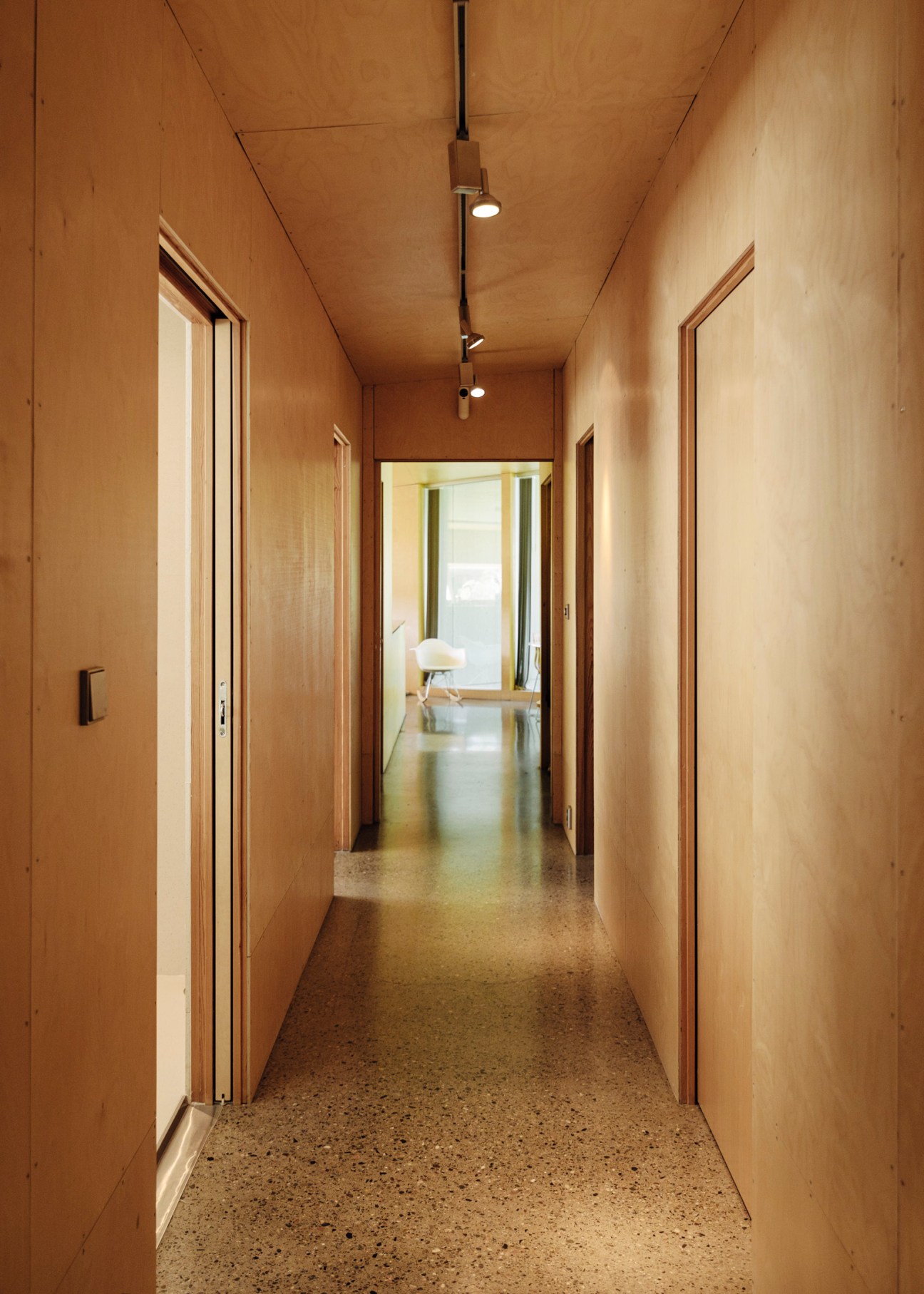
Despite its imposing appearance on its rocky perch, the house isn’t a behemoth. It was originally just 210 sq m with three bedrooms. Following a 2018 extension, it now occupies 258 sq m, when an extra bedroom and a study-cum-entertainment room were added after the couple’s children complained of living on top of each other. The addition is marked by a transition from light to dark as you walk from the luminous open-plan living and dining area towards the bedrooms through a softly lit birch-panelled corridor, evoking a winding down of energy and indicating that you are heading to a place of relaxation.
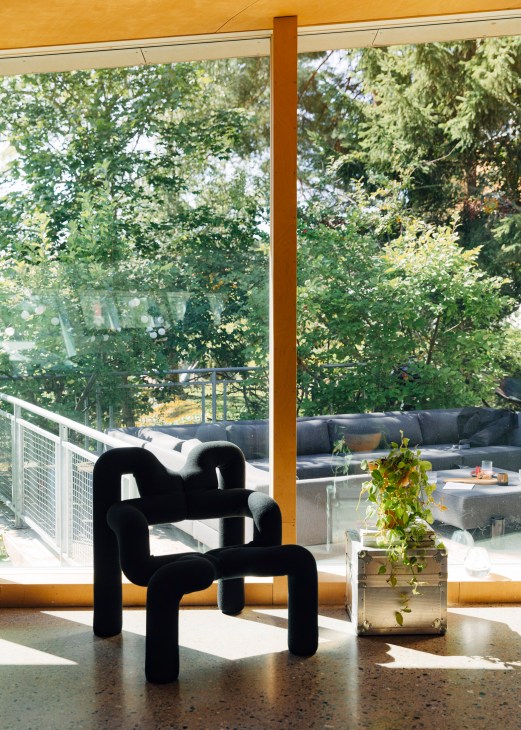
The furnishings, meanwhile, reflect the couple’s personal tastes and their journey through life. There’s a big collection of vinyl (Isachsen is a former DJ) and a larger-than-life portrait of Norwegian musician Turbonegro, taken by Aleksander Nordahl, which presides over the living space. A colossal suar-wood coffee table that the couple brought back from Bali takes centre stage in the living room. Throughout the home, you’ll find a mix of modernist, postmodernist and contemporary furniture from designers such as Terje Ekstrøm and Andreas Engesvik, and brands including Fjordfiesta and Italy’s Flos.
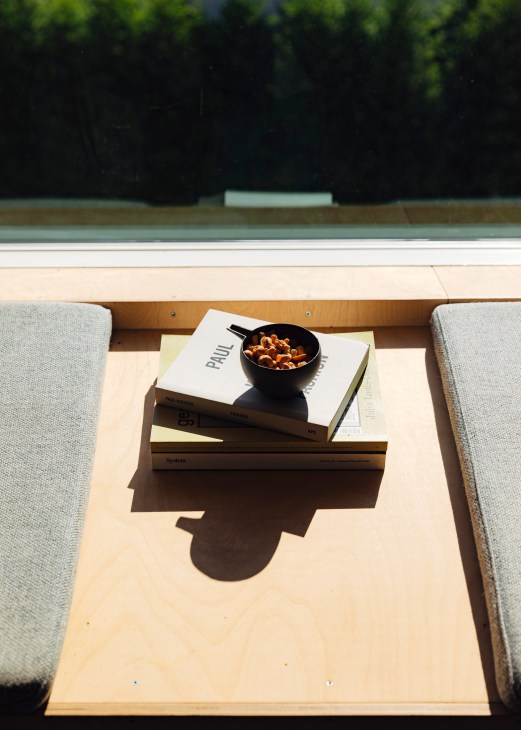
A bespoke “thinking bench”, cushioned with Norwegian woollen textiles, starts at the end of the steel kitchen counter and extends into the living space, butting up against the plate-glass window and defining a clear sightline to the undulating neighbourhood beyond – it’s a psychotherapist’s couch with a view.
Jensen and Isachsen are part of a wave of now-established Nordic creatives who are breaking out of the mid-century mould that has come to define design in the region. Their home is reflective of this: it’s exactly what one would expect from cool industry leaders. Appropriately, when monocle visits, both are dressed head to toe in black, with Jensen drifting elegantly in a vintage Celine shirt and Hermès loafers and Isachsen wearing an asymmetrical-zip White Mountaineering top and capacious slacks. They appear totally at ease in their natural habitat but they’re quick to explain that there were times when they didn’t always have such confidence in the home’s creative form. “I cried when I saw the mock-up model of the house,” says Jensen. “I thought it was horrible. I expected something practical and easy to understand. This was hypermodern. There were so many angles and corners – it was entirely new.”
Isachsen, on the other hand, thought that it was exciting. “He said, ‘It’s only four walls and a roof – it’s a house,’” Jensen tells monocle. She explains that she soon came around to the originality of the design. Now, she can’t imagine living anywhere else – at least for the foreseeable future.
The architecture, says Jensen, has enriched their lives over the past 16 years. She explains that one of the keys to its success was that it reflected their ideals. “To me, a home is a place that holds a family together and needs to work with its different phases. We spent a lot of time thinking about which rooms and functions a house needed to have, to work for us the way we like to live.” For Jensen and Isachsen, it turned out that living on the edge doesn’t mean having to be totally out of your comfort zone. tomwoodproject.com
The complexities of a migrant campaigner
“Eighty per cent of the people I know in Basel are foreigners,” says Alima Diouf. “I want our cries to be heard. I want people to understand what the reality is for us migrants: more and more are coming to the country in ignorance. And many who are already here have no chance of moving forward.” Why? “The system only creates problems and causes conflict among us,” she says.
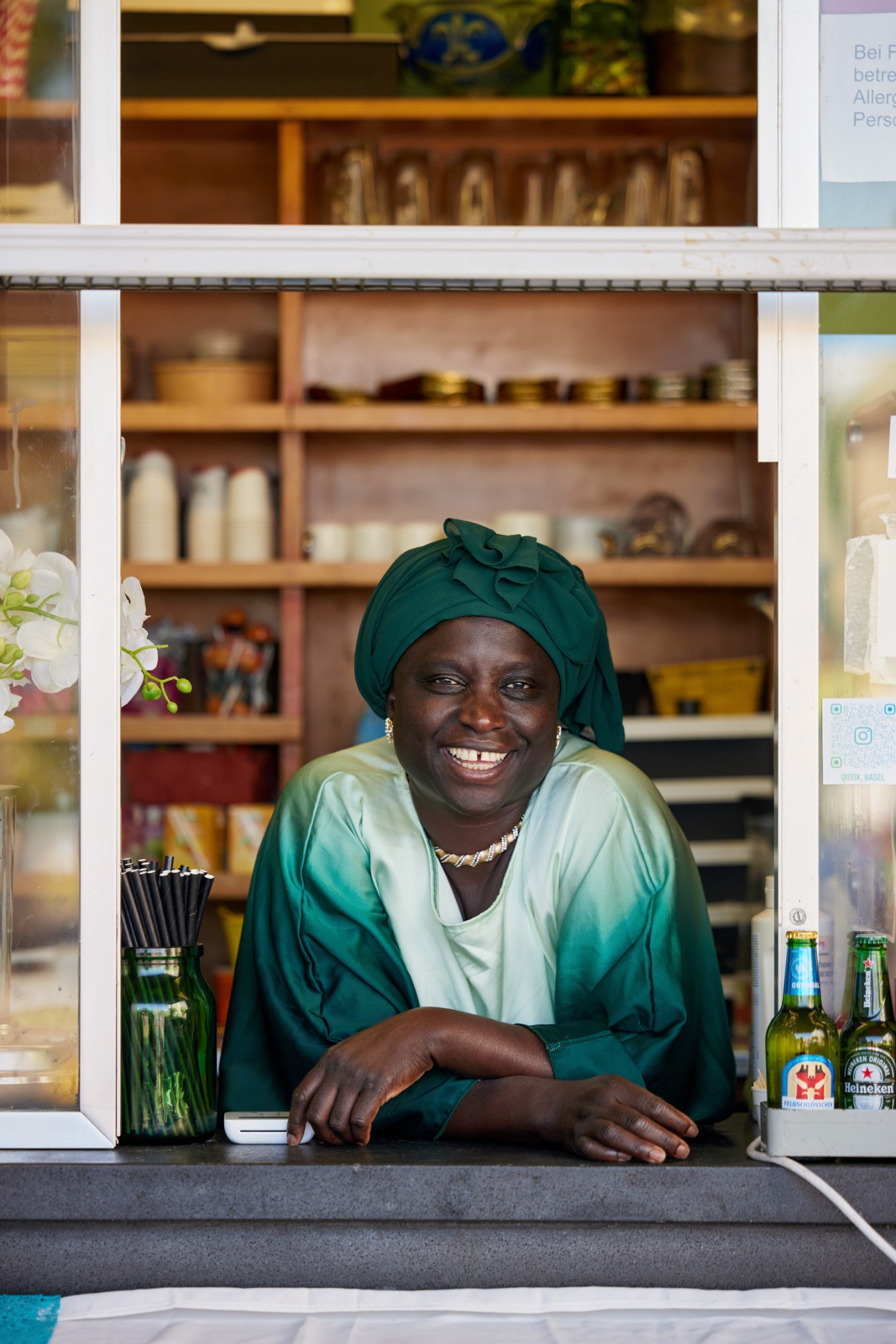
Diouf is the most dazzling figure in Basel’s politics. She has been committed to helping migrants for years and this autumn is running for the Basel cantonal parliament – for the Swiss People’s Party (svp), which blames migrants for almost all of the country’s problems. She is full of energy and almost always on the go. Before we speak on a hot afternoon, she quickly closes up her small restaurant on the edge of a crossroads in Kleinbasel and clears the last tables and chairs from the pavement. A few years ago, she set it up in an empty kiosk and today she serves lunch every day there for people from the neighbourhood. Dressed in her traditional orange floor-length dress and headscarf, she hurries across the square to the car to change the parking ticket. “Otherwise, I have to keep an eye out for the traffic police,” she says apologetically as she breaks into a run again.
Diouf came to Basel from Senegal in 1994 at the age of 21 as the wife of a Swiss man. The marriage soon fell apart but Diouf stayed in the city. She learnt German and tried to keep herself afloat with jobs in hospitals and retirement homes. She raised two sons alone who are now adults. She completed several training courses in Switzerland, including one as a nursing assistant and a second as a specialist in finance and accounting. This helped her to get better jobs, even though she remained dependent on social welfare for a long time. “Anyone can make it,” is one of Diouf’s many mottos. Despite this, she also stresses how difficult it is for migrants to get ahead in the Swiss working world. She networked, got to know people and soon appeared in a documentary film to tell her story.
Shortly afterwards, she began advocating for migrants – casually, at first. Everyone in the community quickly realised that she knew her way around and had a few tricks for getting by in a foreign country. She believes that many migrants often receive bad advice from official bodies, so she founded her own association in 2014, Migrants Help Migrants (mhm). She encourages clients to learn German. She informs them that in Switzerland you should never hit on women, even if they show some skin. She explains traffic rules and etiquette. She urges them to look for work quickly and helps them to deal with authorities and fill out the necessary forms.
As a hobby, she is building her own little restaurant for the mhm association, where she employs people who are stuck on welfare. Here, in the Qiosk, as Diouf’s snack bar is called, everyone is welcome. No one needs to order anything and everyone pays just what they can.
That might sound like a perfect template for a career in left-leaning politics but Diouf doesn’t think much of the socially minded parties that usually set the tone in Basel. Instead of genuinely addressing the concerns of migrants, she says, money is often distributed to self- proclaimed experts who are usually close to the Social Democratic Party of Switzerland (SP). She thinks that problems are being ignored, the situation is glossed over and, most explosively, migrants are being intentionally played off against each other.
When asked what she means by this, she points to two boys walking past, most likely Swiss by their appearance. “These two have to pay for every tram ticket themselves,” she says – just like all those who have been temporarily admitted, some of whom have lived and worked here for years. Only people from Ukraine have received a free pass. “Nobody [in our community] understands why that is,” says Diouf, shaking her head. “No wonder there are conflicts [between migrants]. And that’s just one example.”
There are many such tensions in the district where Diouf’s Qiosk and the offices of her association, mhm, are located. A few hundred metres away is the Dreirosenanlage, a Kleinbasel hot spot that has become notorious even beyond the city limits. The district has fallen into disrepute as a result of open drug dealing, shoplifting and other crimes, including brutal robberies and fights. For a long time, the problems were played down until representatives of schools, various social institutions, the police and others began to speak more frankly about the unrest at meetings. The conditions around the Dreirosenanlage were described in merciless detail: children and women avoided the place out of fear, even though there were schools and recreational facilities there. It wasn’t uncommon for the police to receive several calls a day about goings-on in the area.
Diouf experiences aspects of this unrest on most days. There are thefts, assaults and often a tense atmosphere. Migrants also suffer from psychological and reputational damage, not to mention the fact that they are usually the victims of the crimes that are becoming more frequent in the neighbourhood.
Diouf hears complaints about harassment and racist outbursts by police officers almost every day. Instead of protesting against racial profiling, Diouf organises meetings between migrants and the police to foster mutual understanding. Conflicts arise from the clash of world views and values that our culture gives us, she says. Asylum seekers are able to describe the injustices that they experience to uniformed officers, who are in turn given the chance to talk about their everyday lives that are full of stress and hostility. They explain how to behave in conflicts and Diouf helps to spread such tips. “Police officers help us more than radical leftists,” she proclaimed a few years ago in the Basler Zeitung – a typical Diouf sentence.
She also likes to address her clients in plain language. For example, she has two pieces of advice for Nigerians who turn up in Basel. First, she says, “Don’t go to Dreirosenanlage, Kaserne and Claraplatz. There, you will be checked or arrested as a drug dealer, even if you aren’t one.” Second, “Get out of Switzerland and go to Italy or France. Anyone who comes from Nigeria or Senegal will never be granted the right to stay here as a refugee, no matter what anyone tells you. You are wasting your time here.”
Diouf says that a fear of speaking the truth is one of the main problems in Switzerland. The city of Basel, with its penchant for multicultural romanticism, is deceiving not only itself but also those who come here. For many, welfare is at first glance a symbol of prosperity, a promise. In reality, most want to work. Doing nothing makes people unwell and state welfare takes away their dignity. “Stay as far away from it as possible,” Diouf tells migrants, and she likes to underline this with a vivid comparison. “In Africa, lions are proud and strong animals,” she says. “Accept welfare and you’ll become like the lions in the zoo: well fed but locked up.”
Diouf is on the front line every day, trying to explain to migrants how Switzerland “works”. Where the system causes problems, she tries to compensate for the deficits. She obtains special permits from the police for minors who have been admitted temporarily and who, even after years, are not allowed to leave Switzerland, even to visit their German neighbours. She runs free family holidays for migrants in the Basel area and organises sporting activities in the neighbourhood. She plans action weeks against racism and neighbourhood festivals in which people from different religions come together. She collects donations for needy families in the city and organises the necessary funds from foundations and companies to finance them.
In the social sector, there’s a type of person who, with a flood of ideas and initiatives, almost single-handedly gets things off the ground that would quickly become overcomplicated and fall apart in the hands of established institutions and authorities. They achieve great things but because everyone else is too slow, it’s not long before nothing can be done without them. It’s then that such people suddenly find themselves at the centre of attention, sometimes overshadowing the cause that they’re championing. Gradually, their own view and approach threaten to become the only ones. Rules and objections become annoying. Requirements from donors become unpleasant; criticism is increasingly unwelcome. The good cause slowly takes on a missionary veneer. Such signs are also noticeable in Diouf.
While she is fiercely critical of politics, the asylum system, the canton, Ukrainian arrivals, social welfare, employers and left-wing politicians, Diouf is utterly convinced of her own mission. She is annoyed that she does not simply receive money from the canton of Basel-Stadt but has to work with “unsuitable” experts from the administration for her projects. An “anti-Alima” alliance is at work, she says. In short, she believes that there’s nothing that can redeem the system – it only causes problems.
It’s unclear whether being part of the svp will work out for Diouf in the long term (and vice versa). Despite their agreement on border protection, crime and social welfare – as well as on who is responsible for the grievances – some significant contradictions remain. Diouf says that she is particularly concerned about those who have been granted temporary admission and who were born or grew up here – the category of people that the svp no longer allows into Switzerland and whose right to remain it hopes to abolish. Ironically, Diouf wants to promote understanding for migrants with the support of a party that is conducting xenophobic campaigns. She collects money for poor asylum seekers but the svp intends to cut their support. The contradictions go on. A few years ago, Diouf strongly criticised her party’s policies in a publication by the Federal Commission against Racism (ekr). As long as the old “the boat is full” and “Switzerland for the Swiss” mentality is celebrated, migrants will have little chance of being accepted into society, she wrote. “With the immigration policy shaped by the svp’s hard positions, we are reaching the limits of integration policy in the fight against racism.”
Diouf downplays such differences but she does not deny that they exist. Even though she might believe that the svp has the best policies of all of the parties, she still writes down everything negative that she hears or feels about the party and reports it to its executive. “If you want to achieve something and are not xenophobic, then you should show it,” she says. Diouf believes that the svp only needs to change a little to win over most migrants. “I’ll keep at it.”
This article was first published in the ‘Neue Zürcher Zeitung’. Translated by Monocle and edited for clarity and length.
East meets west within Istanbul’s design evolution
Plenty of ink has been poured over Istanbul’s mystique; its status as a crossroads for cultures, religions and customs is well known. So let’s get the clichés out of the way: it’s a place where East meets West, Asia meets Europe, religion meets secularism and past meets present. These clichés sometimes hold truth, with Istanbulites created in their city’s image, adept at negotiating swirling economic, social and cultural currents. Nowhere is this more apparent than in the field of design, where Istanbul-based studios demonstrate multidisciplinary nous and a can-do mentality.
In this city of 16 million people, there are countless firms seamlessly shapeshifting between architecture, urbanism, print and more. Istanbul’s complex matrix and occasional chaos has fostered an agility among its designers, particularly in the central and historic neighbourhood of Beyoglu, which rises up from the port and the Galata Tower towards Taksim Square.
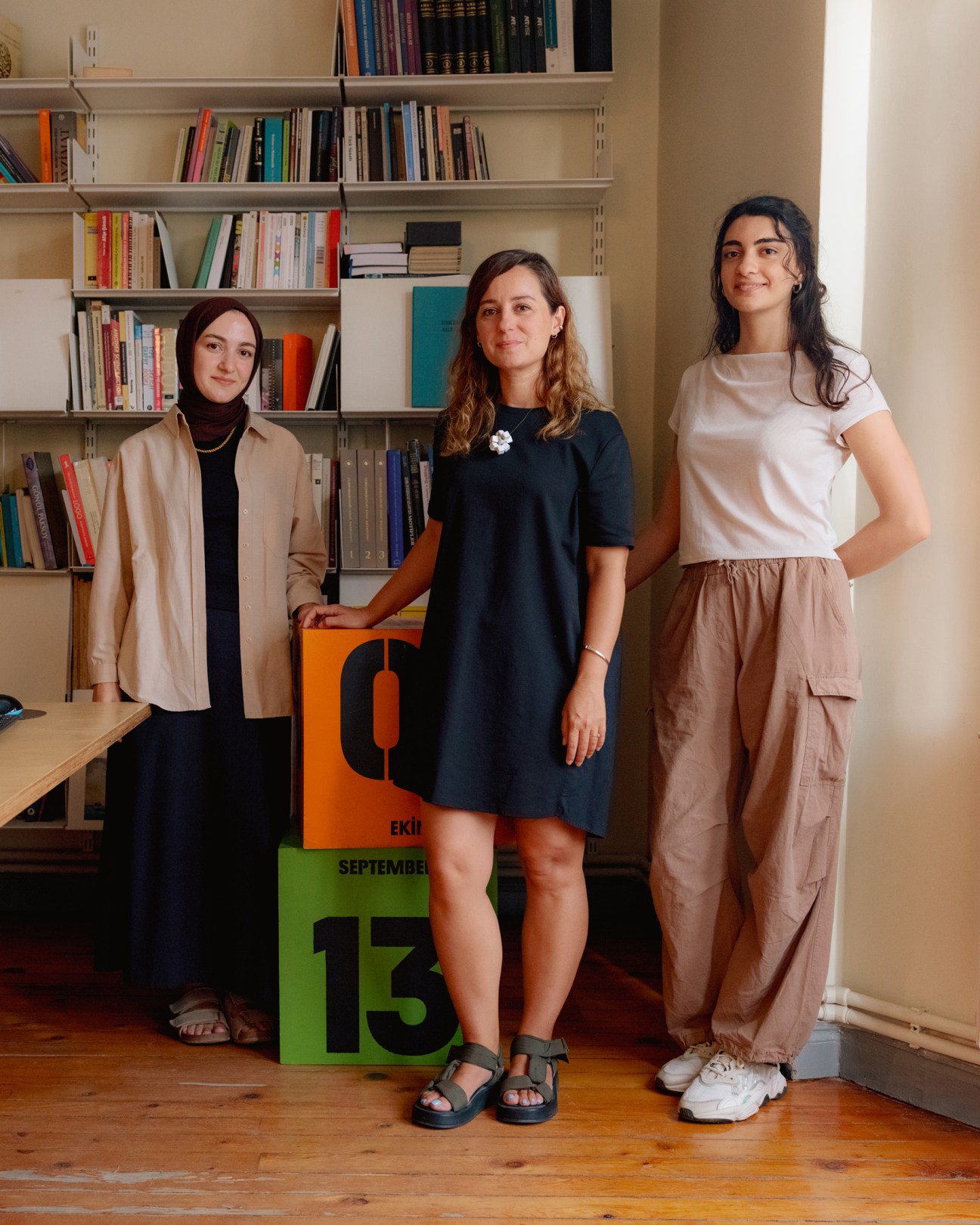
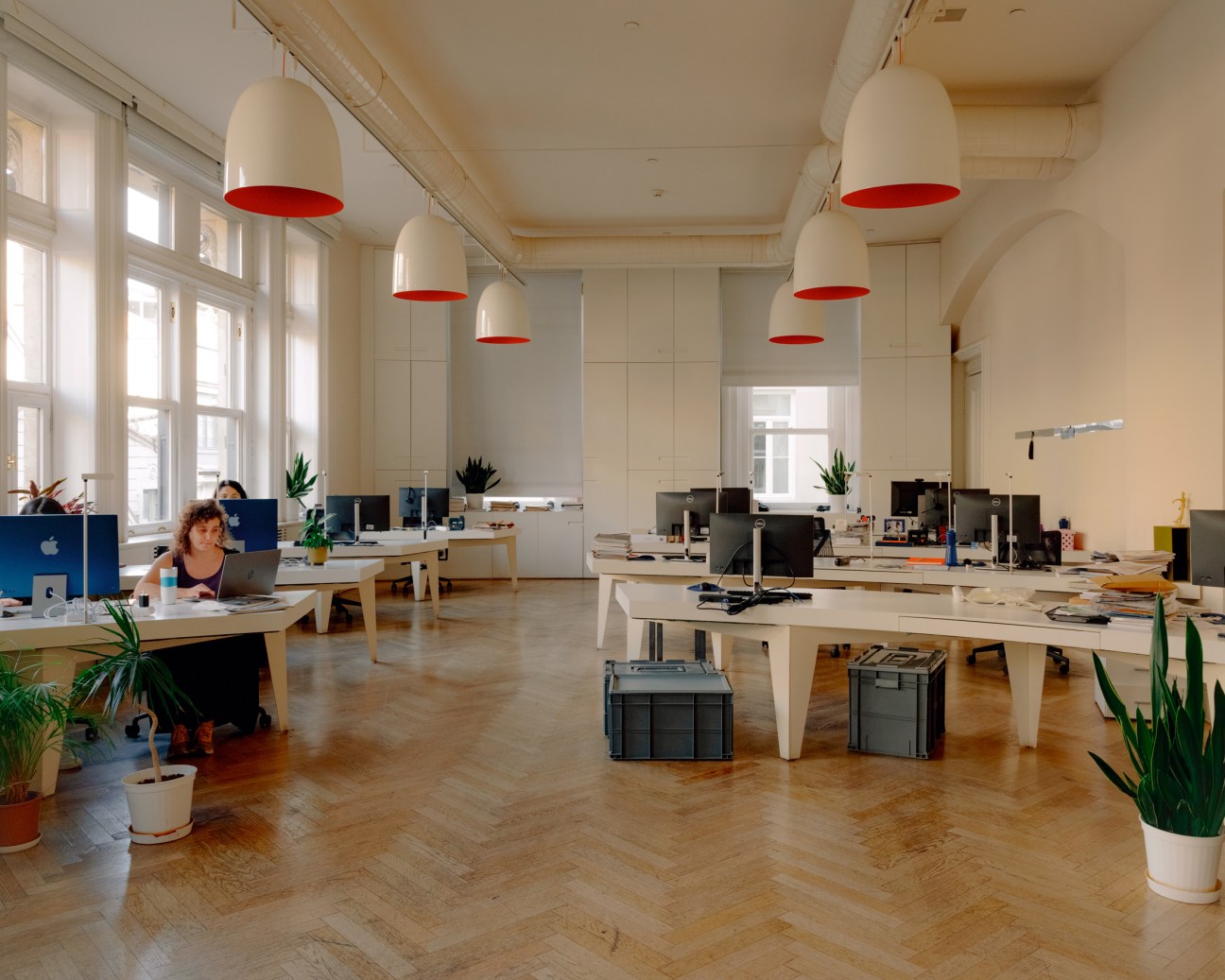
Here, above a cobbled street, architecture firm Superpool has been designing offices, retail outlets, exhibitions and urban interventions since it was founded by Selva Gürdogan and Gregers Tang Thomsen in 2006. The business-and-life partners first met at Dutch architect Rem Koolhaas’ Office for Metropolitan Architecture (oma) in Rotterdam but decided to set up their practice in Istanbul where they sensed more possibility to conduct projects that would have a more meaningful effect on the built environment. “When we began, we simply could not do business as usual in the ‘starchitect’ manner that was prevalent back then,” says Tang Thomsen. “Istanbul is a very fluid place; whatever you put in needs to adapt and change,” adds Gürdogan in agreement. “It forces you to be multidisciplinary as you work with the flows of the city. It’s not perfect and that’s the beauty of it. You can imagine ways to transform it.”
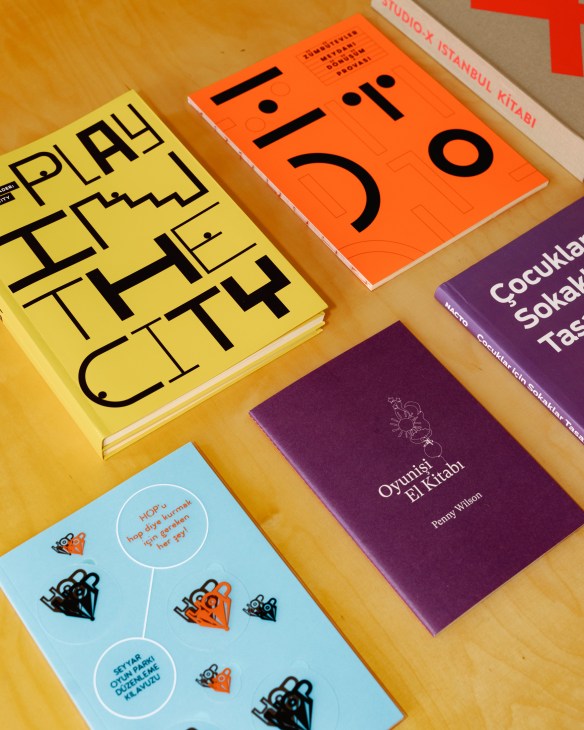
Beyond architecture and interior design for commercial properties, a central part of Superpool’s practice is looking at how cities can better accommodate children. This research has led the studio to collaborate with local municipalities on urban interventions in underserved corners of the city. It’s working with the Netherlands-based Van Leer Foundation as part of its Urban95 programme, a global initiative aimed at helping city leaders and urbanists create spaces that can positively influence youth development. After successfully turning around Yali Square and Zümrütevler Square on the Asian side of the city with colourful pedestrian-focused interventions, Superpool published its findings as neat books and maps, and is now exploring how best to share its expertise further afield in Ethiopia and Jordan. What began as branching out for the practice has, in turn, led to branching out internationally.
A short walk away, another team of architects is working with a similar mindset to tackle wider problems through design. Based between New York and Istanbul, Sour is a studio that has pioneered research-driven and collaborative design methods since 2015. “In Istanbul cultures live together and find a middle ground; everything becomes a negotiation,” says British-Turkish Inanc Eray, who worked at Zaha Hadid Architects in London before founding Sour. “Sometimes it can be a challenge because it’s an on-guard society that requires convincing. It keeps you on your toes – and in an agile state of mind.” Eray sees the evolution of Istanbul’s cross-functional mentality as a response to a lack of standardised rules in architecture and design in the country. It’s a status quo that requires architects to oversee everything from acoustics and insulation-thickness calculations to material selection and project ideation.

“Real creativity is making something happen within the budget and time that you have,” says American-Turkish Sour partner Pinar Guvenc. “It’s frugal innovation.” In recent years the studio has been looking into risk assessment and post-disaster urban regeneration. Sour was invited by the Türkiye Design Council to help in the aftermath of the devastating 2023 earthquake in Antakya in the southeast of the country. Working with a national organisation requires understanding Turkey’s political context but Guvenc recognises opportunities to build a strong, neutral common ground through collaborative design. “There’s something unbiased about translating the voice of the people into your work.”
It’s an outlook shared by Sour’s neighbours and fellow Beyoglu-based studio Autoban. “We focus on public projects so that we can reach more people,” explains its co-founder, Seyhan Özdemir Sarper. From the top-floor terrace of Autoban’s headquarters, Istanbul sprawls out over landmarks such as the Hagia Sophia, first built around 537 AD, and the Çamlica telecommunications tower, which was finished in 2020. In between these structures lie a host of popular cafés, hotels, clubs, shops and even a supermarket that Autoban designed in 2003. “We created a new lifestyle for people; not only the interior architecture but the full picture,” Özdemir Sarper tells monocle. “The beauty of our profession is that we make our dreams real with other people’s money. We design places first for ourselves and our satisfaction.”
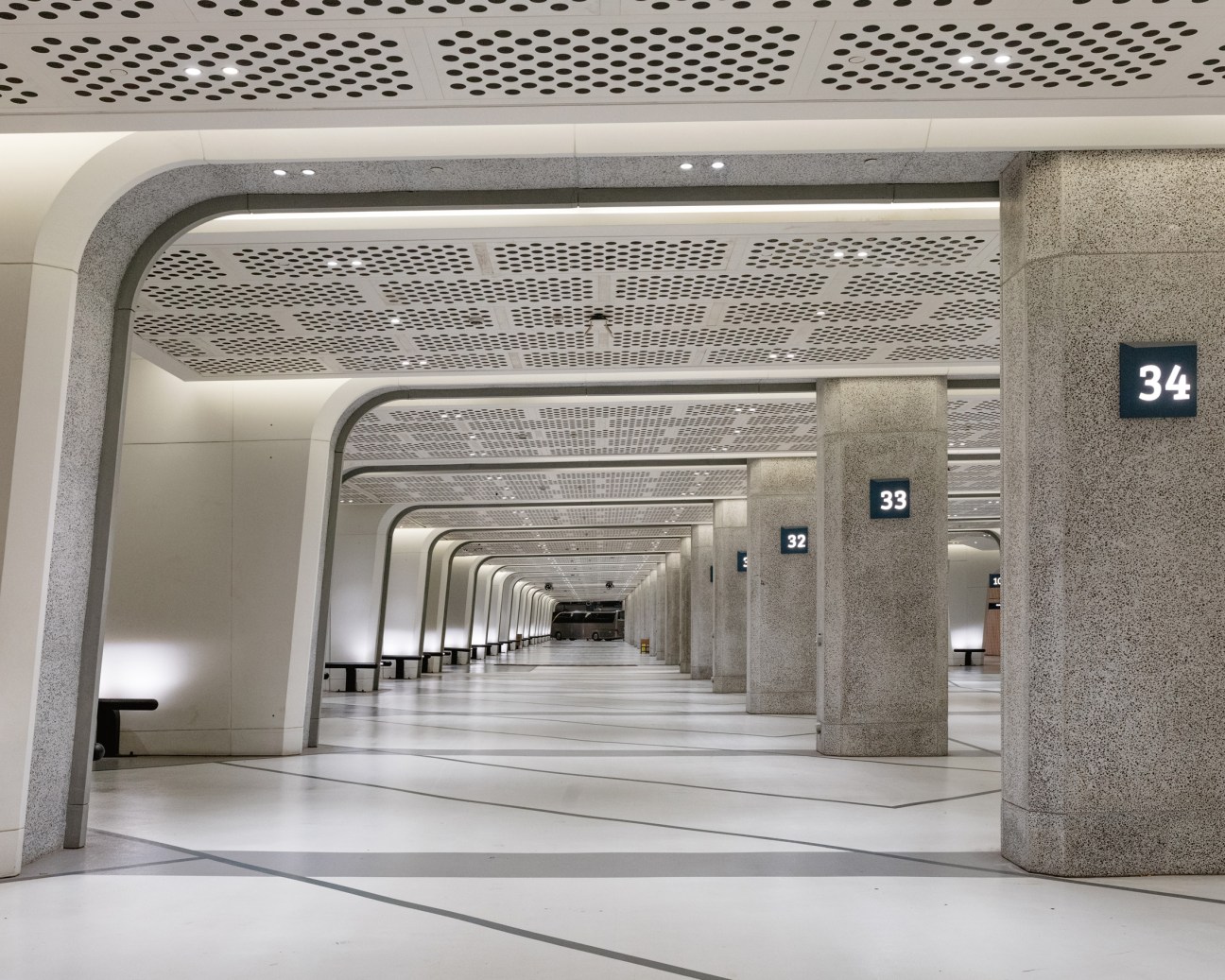
In time, Autoban has evolved to do it all, from product and furniture design to conceptualising new city landmarks and major transportation hubs in Istanbul and further afield. One such example is the Heydar Aliyev International Airport in Baku, Azerbaijan. In 2020, on the coastline of Istanbul’s Karakoy neighbourhood, Autoban executed its vision of a modern cruise terminal that draws inspiration from the city’s antique water cisterns. “We were asked to design an underground Istanbul landmark with no daylight,” says Özdemir Sarper with a laugh. “And can you please turn it into one of the most fantastic cruise terminals in the world?” The result is a cavernous, sleek and highly functional space that can accommodate 15,000 passengers, crew and staff. It also serves as the first and last point of contact for people visiting Istanbul, creating an initial and, hopefully, lasting impression of the city.
A 40-minute drive (if the traffic’s good) from Beyoglu to the Maslak business district leads to design studio Sanayi313’s office, events space and emporium in a converted workshop. Brothers Enis and Amir Karavil founded the practice in 2014 and have shaped Istanbul’s contemporary design scene, working on residential projects and the interiors of shops and cafés, including Beyoglu’s sleek Petra Pera café and the Raisa Vanessa shop in upscale Akaretler. All have a minimalist starkness, topped with decorative flair and hints of Ottoman opulence. “I like heritage; combining pieces and contrast,” Enis Karavil tells monocle with his Schnauzer, Polka, on his lap. For Karavil, Istanbul is an endless source of inspiration. “It’s interesting to be in this environment, this history, the Byzantine architecture, the art deco, the art nouveau, the mosaic of churches, synagogues and mosques,” he adds. “The economy is in flux but I believe it will get better. We need to stay positive. There’s an educated young generation coming through and a bright future.”
Every year, the studio also publishes its own magazine, Paper. “We like to go deep, see progression and explain ourselves through different disciplines,” says Enis Karavil. The magazine’s editor, Sidni Karavil, agrees. “We feature real Istanbulites and run interviews with artists, writers and designers on how they live in the city,” she says of the magazine, which encompasses design, travel, literature and traditional Turkish food recipes. “After every issue is printed we grow the community.”
The studio is also committed to supporting the city’s craft community too, producing a line of ash veneer-and-leather furniture manufactured by the ustalar, the craft masters of Istanbul. These wares, in an effort to increase the profile of collectable Turkish furniture, are sold in galleries in Geneva, London, New York and Sydney, as well as on the website 1st Dibs.
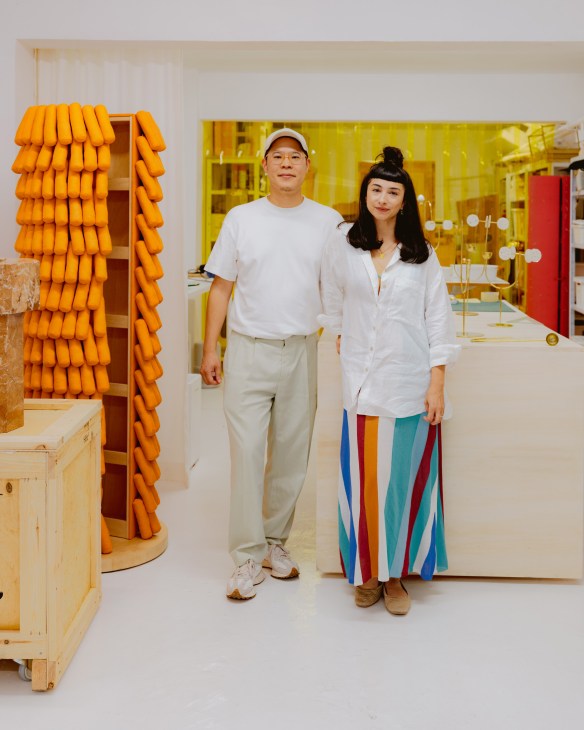

Also investing in craft, and partnering with local ustalar are Turkish artist and designer Dilara Kan and American-Chinese industrial engineer Bodin Hon. Based in the upscale neighbourhood of Sisli, the duo have set up the Istanbul base for its burgeoning multidisciplinary practice, Yellowdot.
After meeting in Milan at the prestigious Istituto Europeo di Design, the pair now split their time between Hong Kong and Istanbul but Turkey is where much of their product development takes place, from upholstered cabinets in a traditional Ottoman fabric to playful brass chandeliers for storing eggs (yes, really), in dialogue with the local ustalar. “We work with them to understand the design process in lighting, woodworking, marble and upholstering,” says Kan with a smile. “They give us a lot of feedback. We produce everything with their direction.”
As an emerging studio, Kan and Hon are gaining traction thanks to their playful eye, showcasing work during the design-fair circuit of Maison & Objet in Paris, Dubai Design Week and Milan’s Salone del Mobile. But being based outside of the EU can present its own challenges. “It’s not as easy as putting things in a truck and driving over,” says Hon. “We plan ahead and learn every time we take a trip.” Difficulties also emerge due to the instability of the Turkish lira and the hyperinflation that has plagued the country’s economy for almost a decade. “If a project lasts too long, the cost will fluctuate,” adds Hon. “It’s hard to explain this to people outside of Turkey.”
For Yellowdot, persisting amid the chaos is the price to pay when it comes to benefiting from Istanbul’s local craft savoir-faire and drawing inspiration from the wealth of culture and history it offers. “We’re playful in our designs because Istanbul is already extremely chaotic,” says Kan. “We have to flow around it. We find our way through playfulness and humour.”

It’s an apt explanation for the broader approach of the city’s creatives, who are leaving a mark not only on Istanbul’s physical spaces but also on the fabric of its design community, showing that designers – much like the Turkish capital – can’t easily be categorised or pigeonholed. As Istanbul continues to write its complex, multilayered story and push on into the 21st century, championed by its proud and multifaceted residents, much ink remains to be spilled.
Studio CVs:
Sour
2015: Founding of Sour.
2023: Begins Antakya Urban Regeneration Project. Puts forward its floating structure proposal for the Izmir Sustainability Centre, Sal.
sour.studio
Sanayi313
2014: Founding of Sanayi313.
2015: Opening of its headquarters in Maslak.
2019: Launch of in-house magazine, Paper.
sanayi313.com
Superpool
2006: Founding of Superpool.
2018: Starts working with the Van Leer Foundation on Urban95.
2021: Unveils a six-month intervention on Yali Square.
superpool.org
Yellowdot
2018: Founding of Studio Yellowdot.
2023: Collaboration with Istanbul ceramics company Gorbon. Participation at Salone del Mobile.
studioyellowdot.com
Autoban
2003: Founding of Autoban.
2014: Completes Heydar Aliyev International Airport in Baku.
2020: Unveiling of Istanbul’s cruise terminal, Galataport.
autoban.com
A selection of pristine pieces and best-in-class cuts to help you navigate the new season in style
1.
Best for autumn wear
Lutays
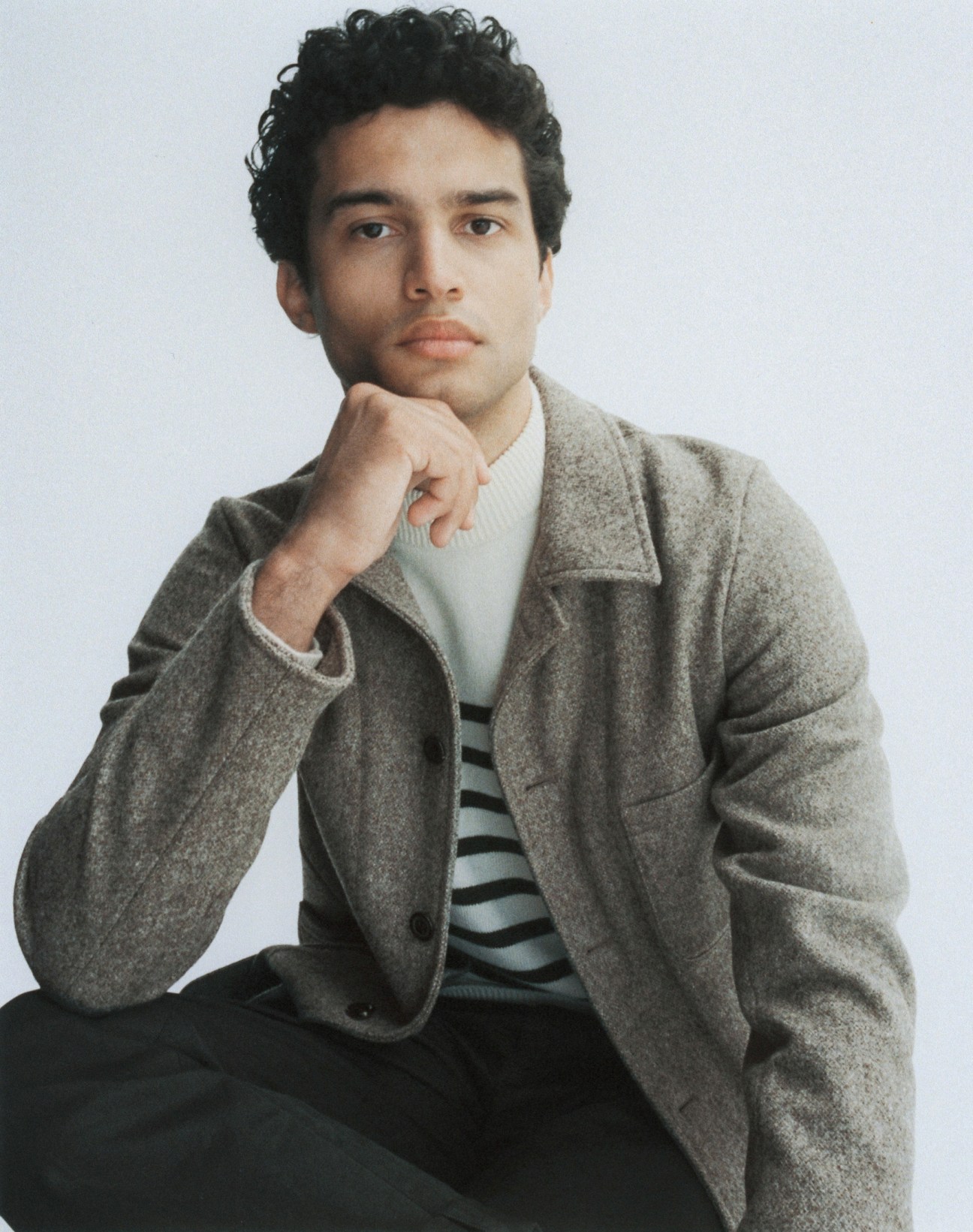
Jean-Baptiste Rosseeuw established Lutays in 2020 after spotting that the menswear fashion landscape was missing a French touch. “The image of the Parisienne is well known around the world,” says the Belgian-born designer, who is based there. “We want to introduce French style to men’s wardrobes so that it can achieve the same recognition that it has in womenswear.”

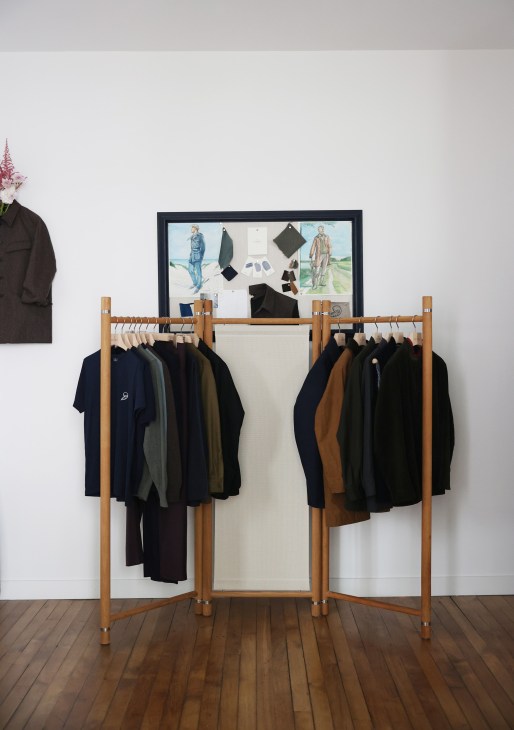
Named after Lutèce, the historic word for Paris, the brand is informed by the country’s fashion history: 19th-century riding attire, for example, inspired its straight-cut Saumur trousers, while belle-époque casualwear informed many knitwear designs. Rosseeuw’s aim is to offer a full look – hence his collections’ elegant berets and fine leather gloves – but his speciality lies in jackets. “We want to become the go-to brand in this field, giving men an alternative that’s less formal than a blazer and more structured than a shirt,” says Rosseeuw.
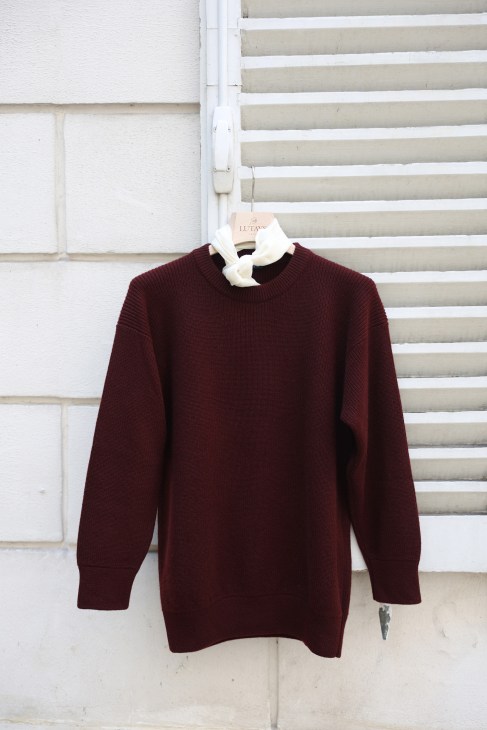
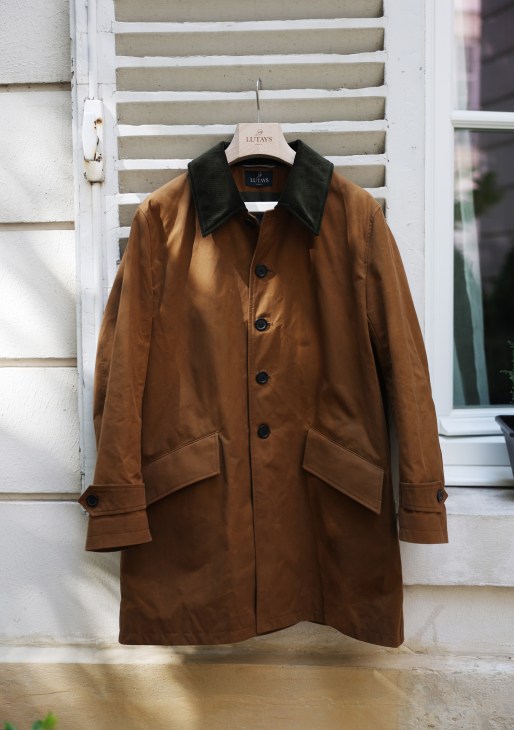
All items are crafted in France, using artisanal techniques: jackets are made in a family-run atelier in Normandy and trousers in Vendée, while jumpers are hand-knitted and springwater-washed in the south of France. Rosseeuw likes to play with textured fabrics, be it denim, linen or wool. “You’ll never see us using something like Harris Tweed from Scotland,” he says. “In all that we do, we want to stay true to our French heritage.”
lutays.com
2.
Best for flair
Derrick
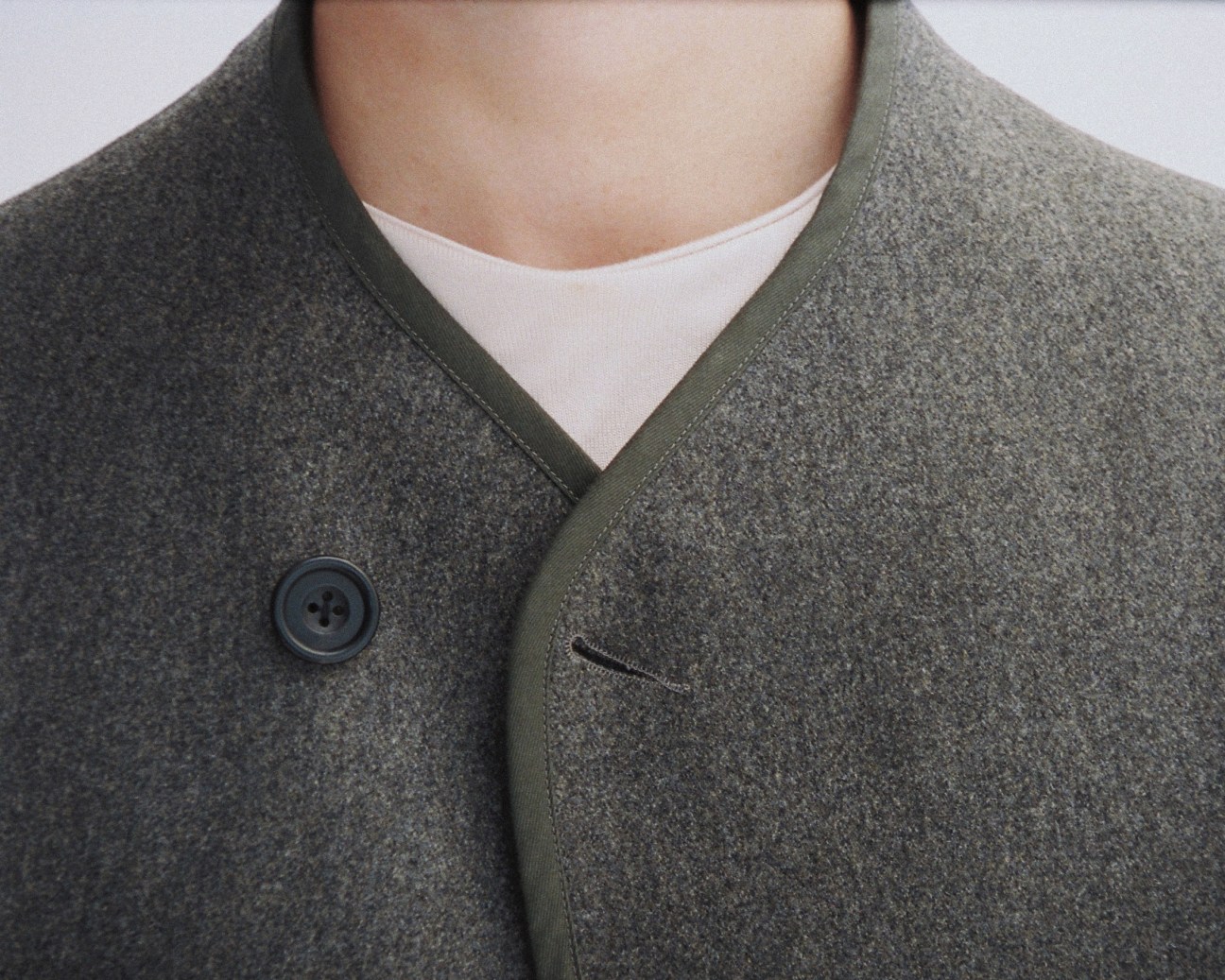
“In this country you’re in Soho or Savile Row – either a punk or attached to heritage,” says London-based Luke Derrick, who founded his eponymous menswear label in 2022 to find a happy medium. He created signatures such as collarless jackets and sporty cargo trousers paired with smart blazers, reworked with waterproof Japanese jackets. “You can now wear tailoring without losing yourself or compromising comfort,” he adds.
derrick.store
3.
Best for jackets
Ssstein
Self-taught designer Kiichiro Asakawa learnt his craft through years of deconstructing vintage garments and running Carol, his multibrand boutique in Tokyo’s Shibuya neighbourhood. More recently, he has been enjoying the success of Ssstein, which he founded in 2016. Japanese customers are well versed in its collections of classics elevated by expert cutting techniques. Now, the rest of the world seems to be catching up: the label was on many international buyers’ lists at the latest edition of Paris Fashion Week Men’s.
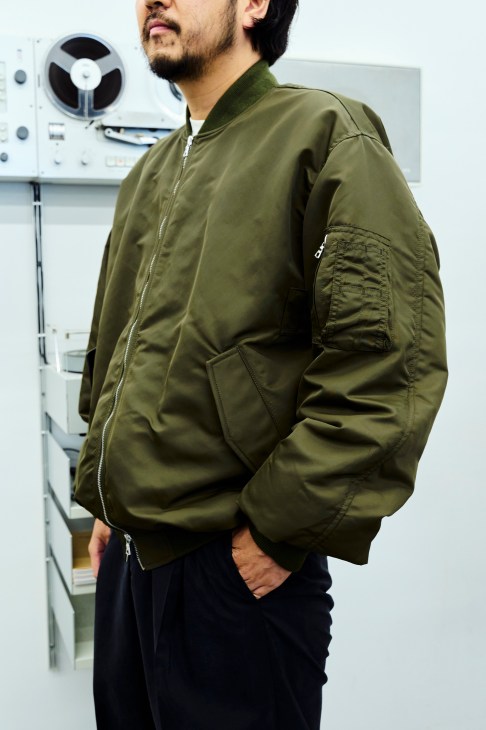
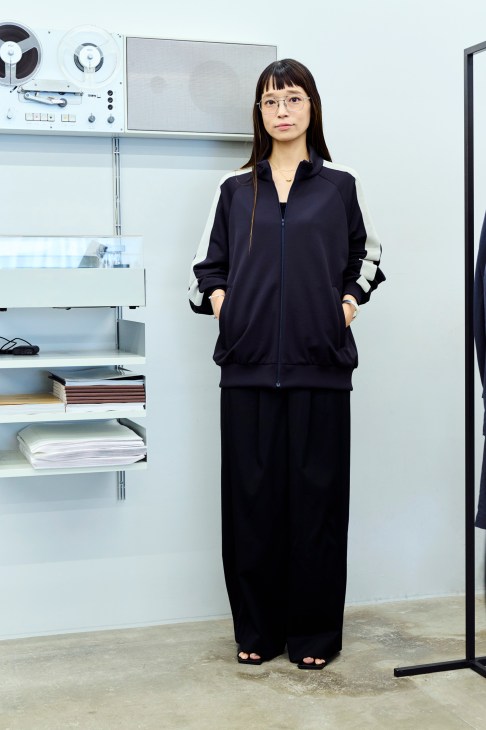

Highlights from his new collection include oversized flight jackets made from military khaki Olmetex and track jackets featuring a cotton-nylon knitted fabric sourced in Japan, as with all of the label’s materials. “The level of craftsmanship is high here,” he says. Asakawa works with understated colour palettes and silhouettes that look good on both men and women. “I’m always thinking about cuts and fabrics that will feel comfortable,” he says. “We want to create a relaxed elegance that isn’t flashy. It’s about beauty and quality for the everyday.”
ssstein.com
4.
Best for vision
Torishéju Dumi
London-based fashion designer Torishéju Dumi became the breakout name of Paris Fashion Week last year. Her debut show stood out thanks to Dumi’s confident designs: a mix of deconstructed blazers, billowing shirts and intricate cocktail dresses referencing UK tailoring traditions, the designer’s Brazilian and Nigerian heritage, and her Catholic upbringing in the English countryside. “It’s all about world-building and creating stories,” says Dumi.

Despite growing demand, Dumi is committed to using deadstock fabrics and working with manufacturers in London, so she can only produce collections in limited quantities. She also favours monochromatic colour palettes, which help to emphasise the sculptural and textural qualities of her designs.
Sticking to a niche is a radical move for a young designer. “You need to feel something real, especially in a crowded world that’s obsessed with technology,” she says. “It’s like asking, ‘Why do you need to dream?’ Because if you don’t, what do you have left?”
05.
Best for unisex
Yali Milano
Housed in a garret apartment-turned-studio, Yali Milano’s headquarters in Milan are as intimate and personal as designer Pia Zanardi’s vision for her brand. Garment designs are pinned straight to the wall next to paintings by friends, while stacks of typed notes detailing the colours, textures and shapes of future collections are scattered next to piles of books. Clothing racks feature rows of Yali’s signature design: unisex jackets inspired by Tang suits, a traditional Chinese style with a mandarin collar and knotted frog closures, rendered for autumn in plush jewel-toned corduroys and silk velvets with contrast piping. Zanardi sees herself “more like an artist than a fashion designer”. Yet fashion has always offered the easiest form of self-expression for the peripatetic Italian, who spent years in China, as well as the UK, New Zealand and the US. Inspired by her many travels, she launched Yali in 2017. “After all,” she says, “when you arrive in a new country, your first impressions come from how people are dressed in the streets, not from visiting museums.”

While she has adjusted the fits and created personal colour palettes and combinations for the jackets, the styles remain true to the traditional Tang silhouette. “I haven’t invented anything,” she readily admits. Today the brand is rapidly growing – it staged one of Pitti Uomo’s most popular events over the summer – and plotting partnerships with the likes of Belmond hotels and Casa Cipriani.
yalimilano.com
06.
Best for officewear
Miu Miu
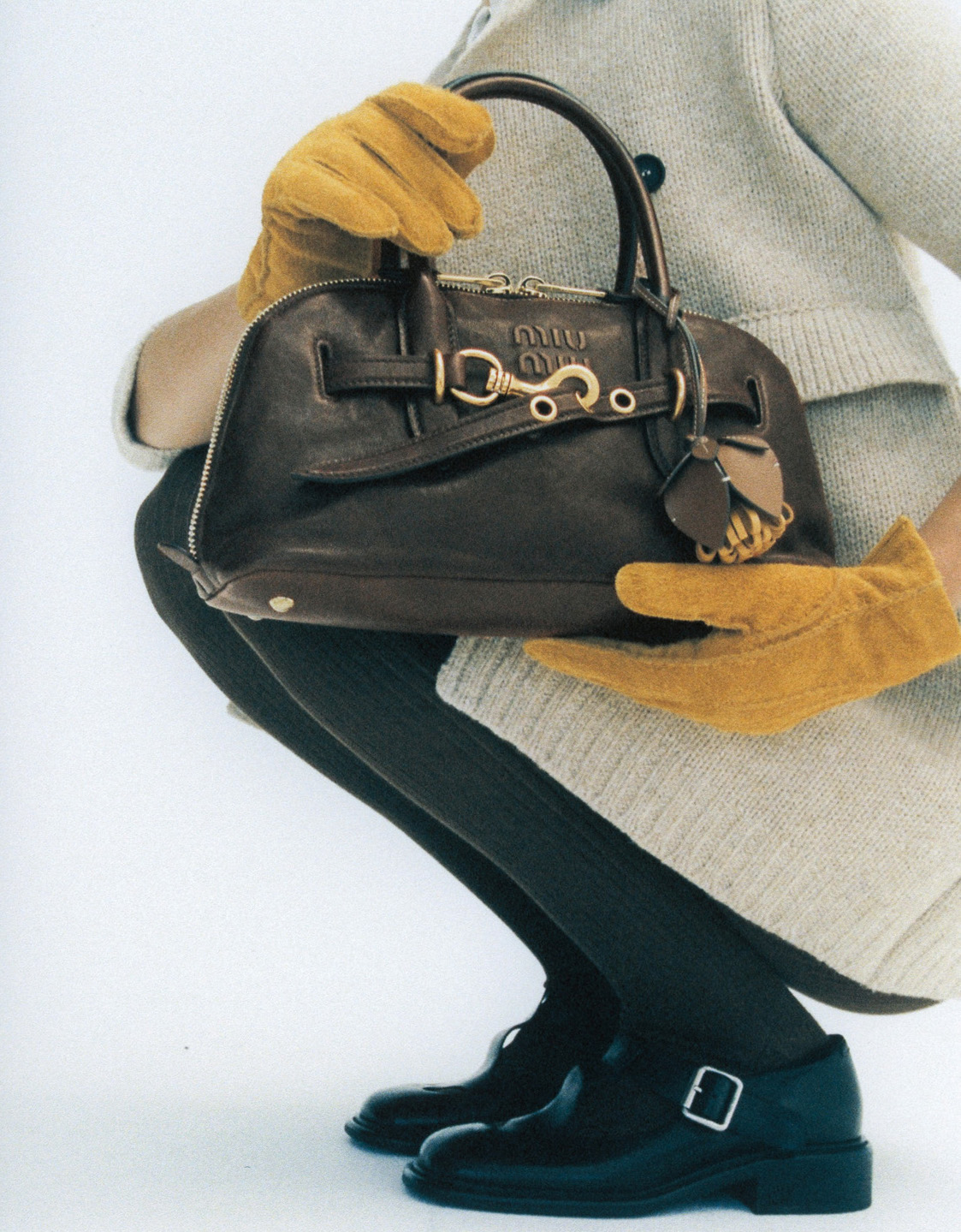
Miu Miu is one of the world’s fastest-growing luxury brands, thanks to creative director Miuccia Prada’s ability to twist traditional dress codes and present collections that blend intellectual ideas with a sense of fun. We have our eye on the knitted coats, paired with brightly hued leather gloves and a ladylike top-handle bag.
miumiu.com
07.
Best for bags
Wanze
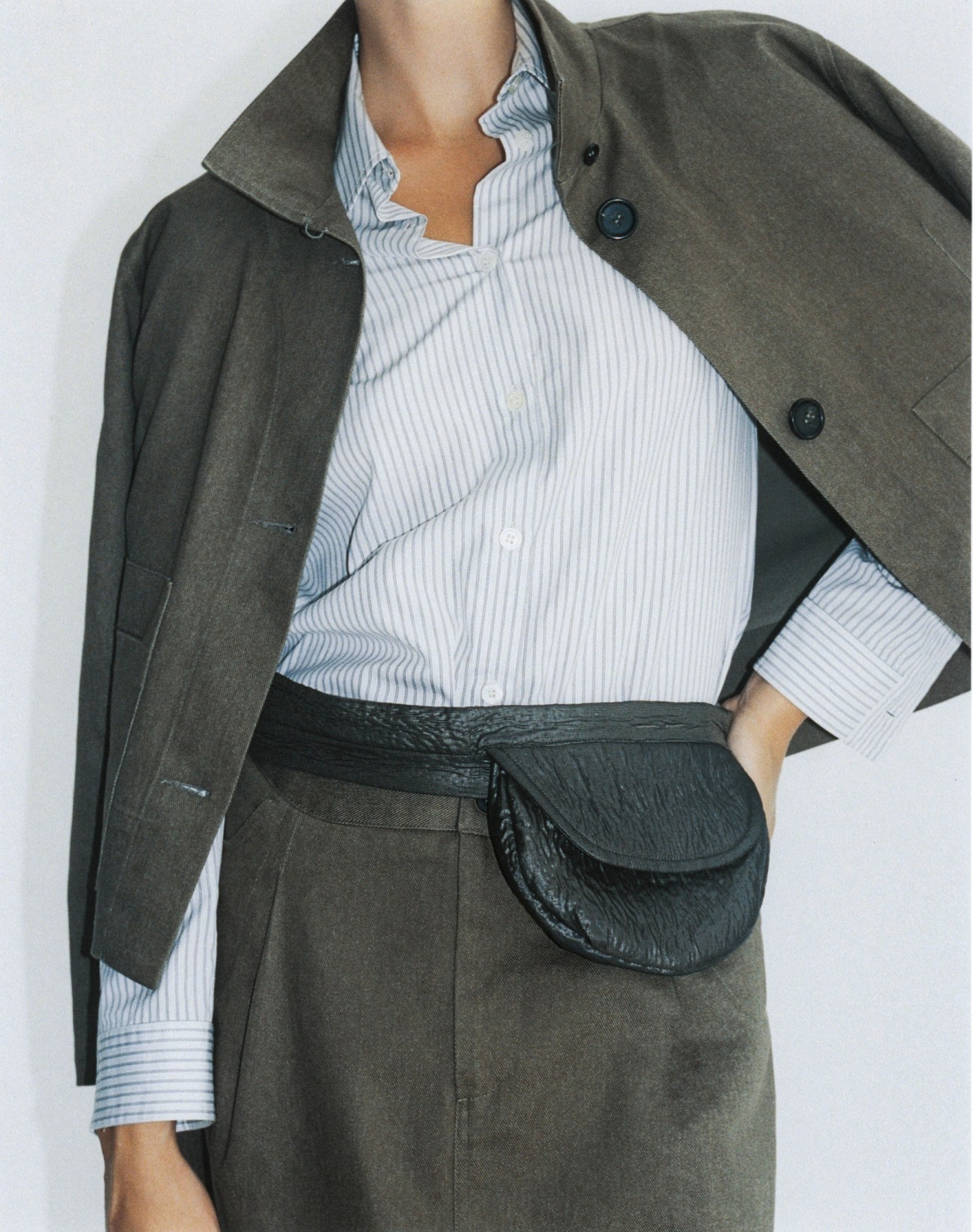
“For a little too long, I was known as the bag lady,” Wanze Song tells monocle. After working as a pattern maker in the UK and Shanghai, Song returned to her hometown of Toronto in 2020 and launched a product that captivated the city’s creatives: the Dumpling Bag. It was an instant hit. Inspired by her family’s weekend tradition of making and devouring dumplings, the handbag caused a stir with its pleats and crescent shape. Four years on, her brand has maintained its cult appeal, crossed borders and broadened its range to both womenswear and menswear. “I wanted to know what fashion could look like when you don’t create new fabrics or [invest in] marketing,” says Song, who has made a name for herself with her sharp, elegantly tailored silhouettes.
Most of the brand’s sales come through its e-commerce platform and Toronto showroom but Wanze also works with Canadian boutiques such as Lost & Found and Neighbour. “I’ve declined offers from the big online retailers,” she says. “First, I want to land my 10 dream boutiques across the world.”
wanzesong.com
08.
Best for classics
JM Weston Sacai
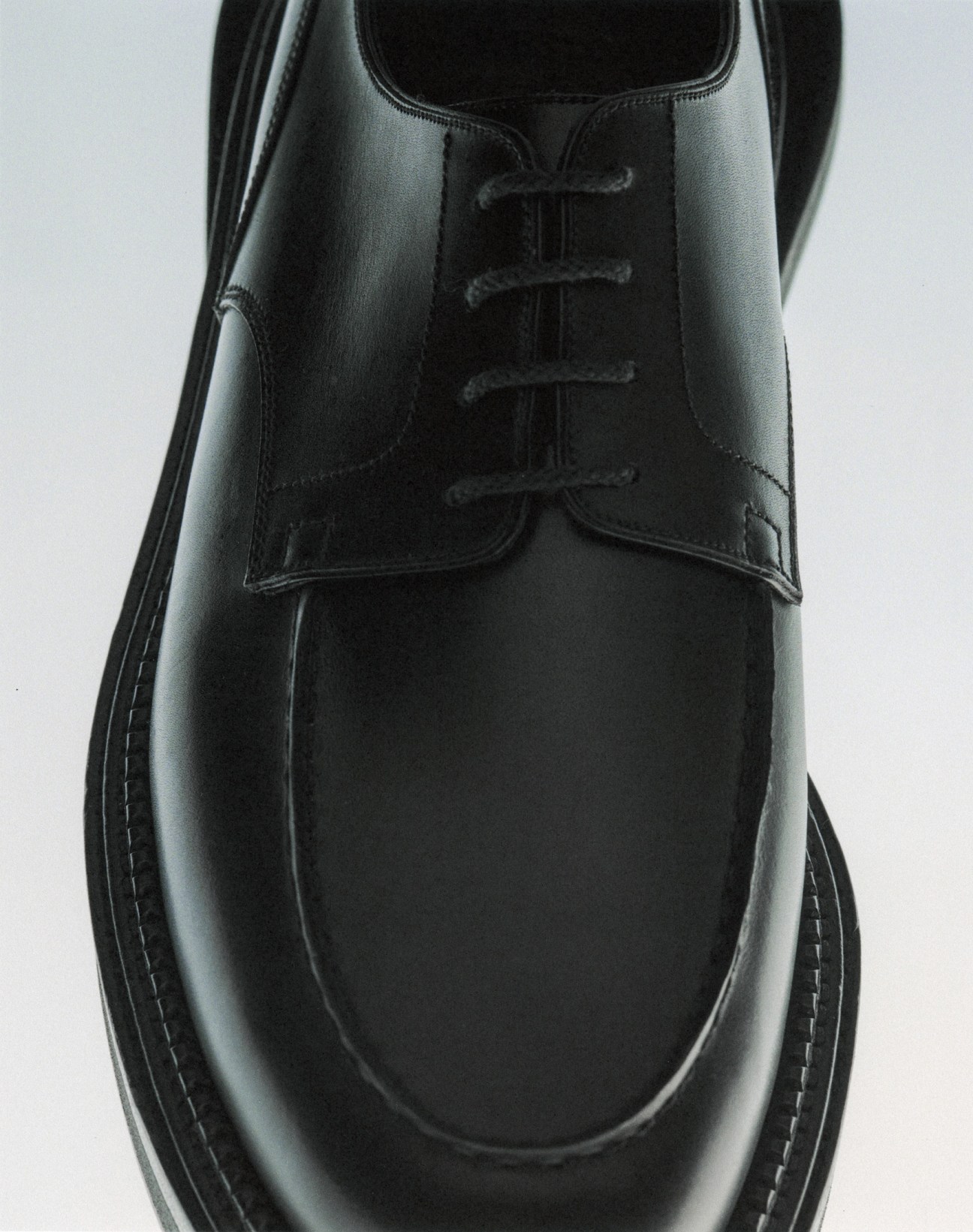
French footwear label JM Weston’s latest collaboration with Japanese brand Sacai offers a new take on the former’s classics, including its Golf Derby shoes and lace-up ankle Worker boots. Sacai’s creative director, Chitose Abe, who has a flair for mixing and matching contrasting fabrics and styles, added dramatic, extra-large soles on her designs. The result? Head-turning shoes that marry Abe’s experimental spirit with the French shoe label’s heritage. We’re opting for the classic derbies, rendered in smooth black calfskin.
jmweston.com; sacai.jp
09.
Best for craft
Kartik Research
The latest collection from Kartik Kumra, the New Delhi-based creative director of Kartik Research, explores the dichotomy of the “two Indias”, Delhi and Jodhpur. “I have translated the differences into my designs in a very visual, literal way, through texture and embroidery,” says Kumra.

For a young business – the now 24-year-old founder established it in 2021 – Kartik Kumra has a mature sensibility. Its signature linen and jacquard tailoring, woven jackets and cotton vests are impressively smart. Every collection is produced in limited quantities and the pieces all feel unique. “Each yarn varies in coarseness and natural dyes can be absorbed differently. These imperfections make our designs human.”
kartikresearch.com
10.
Best for innovation
Massimo Osti Studio
This year, Massimo Osti Studio made its debut, paying homage to the legacy of Massimo Osti, a pioneer in the world of performance wear. Demand for hard-wearing technical garments is high and the brand wants to become a market leader, developing innovative new fabrics with several partners. We recommend one of the regenerated nylon jackets from the autumn range.
massimoosti.com
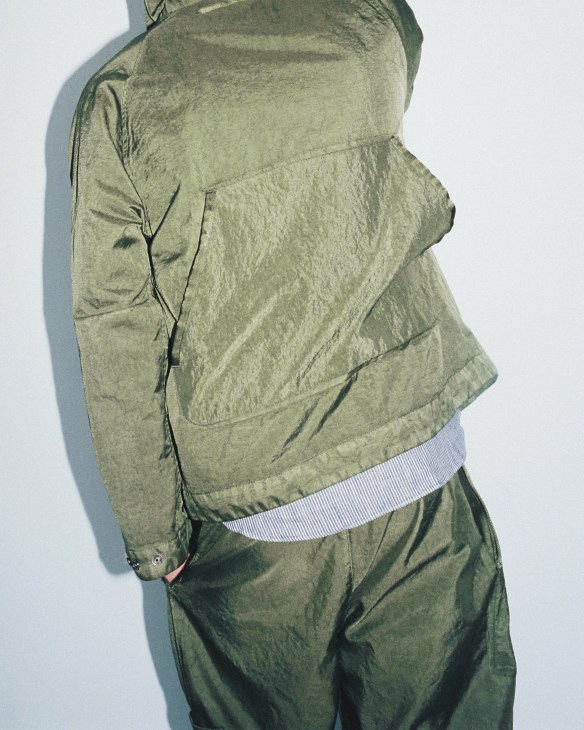
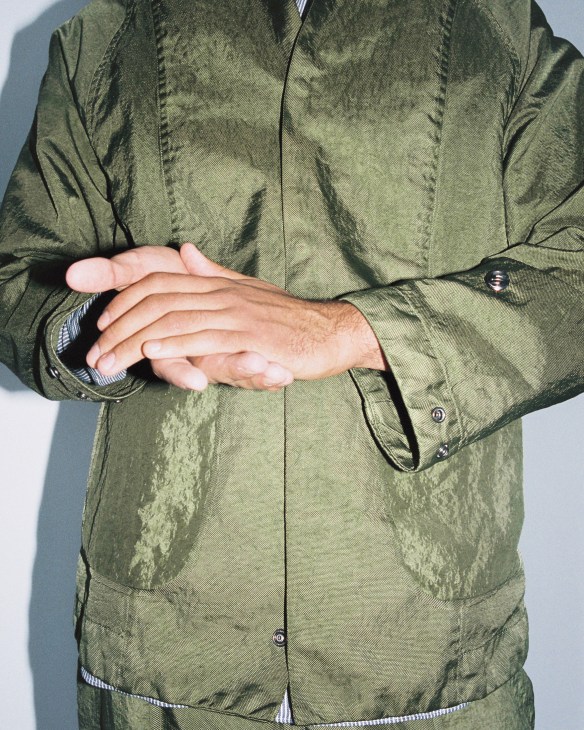
Jacket and trousers by Massimo Osti Studio, shirt by Salvatore Piccolo
11.
Best for materials
Evan Kinori
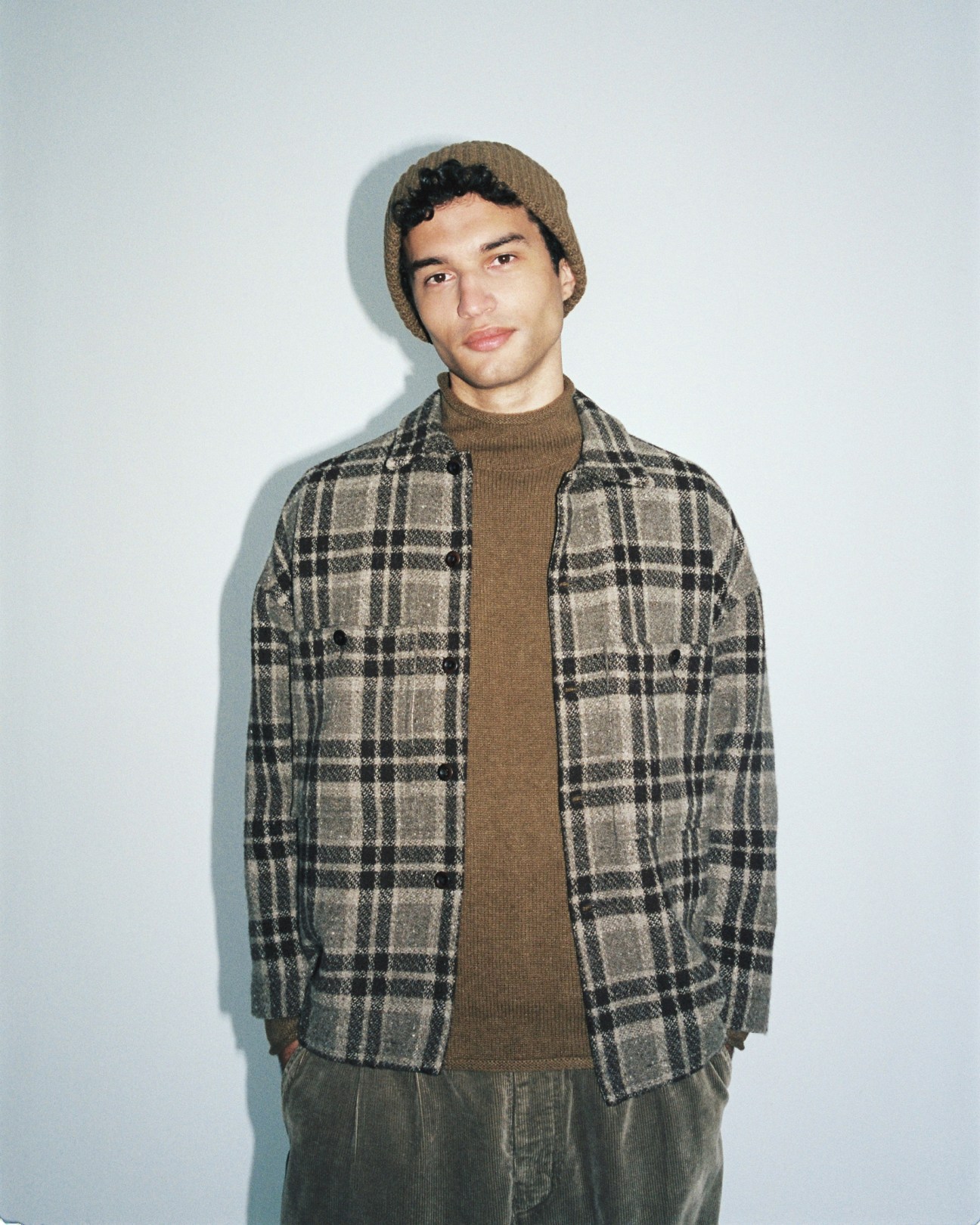
In 2015, San Francisco-based Evan Kinori started making shirts for his friends, then moved on to designing fully-fledged collections. A retail shop opened in 2021 and his workwear became sought-after among the international fashion community. Yet the most impressive part of Kinori’s story is how he has set a new bar when it comes to sourcing the finest materials. “I design to stay out of the way and let the materials sit front and centre,” he tells monocle.
evankinori.com
12.
Best for jewellery
Joelle Kharrat
Two years ago, Joelle Kharrat, a former beauty veteran, decided to move from Paris back to her home of Beirut and launch her namesake jewellery label, with a line of sculptural charm necklaces manufactured in Lebanon. “Think art meets fine jewellery,” says Kharrat of her signature Totem necklaces. They are made from a series of modular, hand-carved pieces featuring 18-carat yellow gold, natural wood, mother of pearl and opal, referencing the four elements of earth, fire, water and air. The interlocking elements can be combined in different ways to create a fully customised finished product.
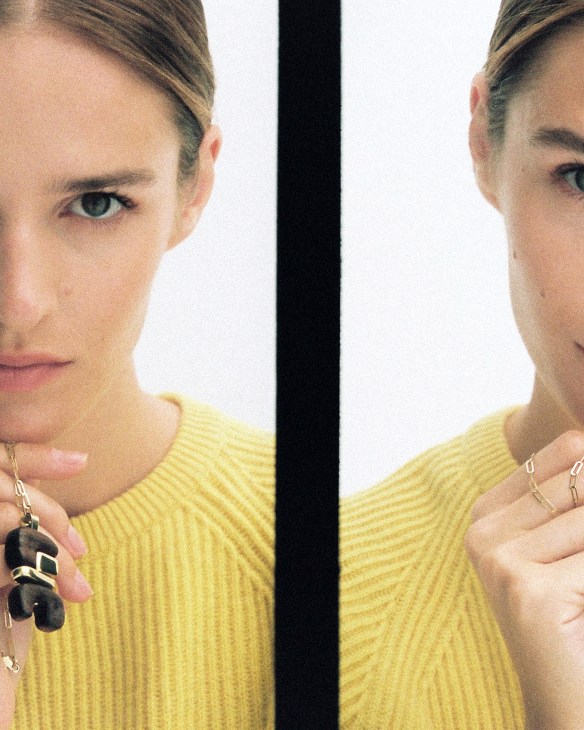
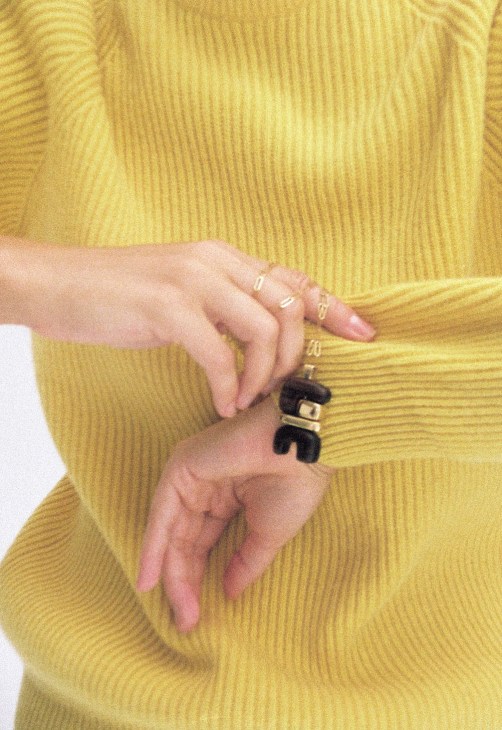
Jumper by Denobiliary Particle, pendant and chainby Joelle Kharrat
Kharrat’s affinity for her Lebanese heritage is imbued in every design. She often takes her cues from abstract Lebanese painter and sculptor Saloua Raouda Choucair, the old craft techniques that artisans specialise in and fellow Lebanese women’s flair for dressing up. “These women express their femininity and personality through jewellery from youth,” she says. It’s a philosophy that she shares with the rest of the world.
joellekharrat.com
13.
Best for feet
John Lobb
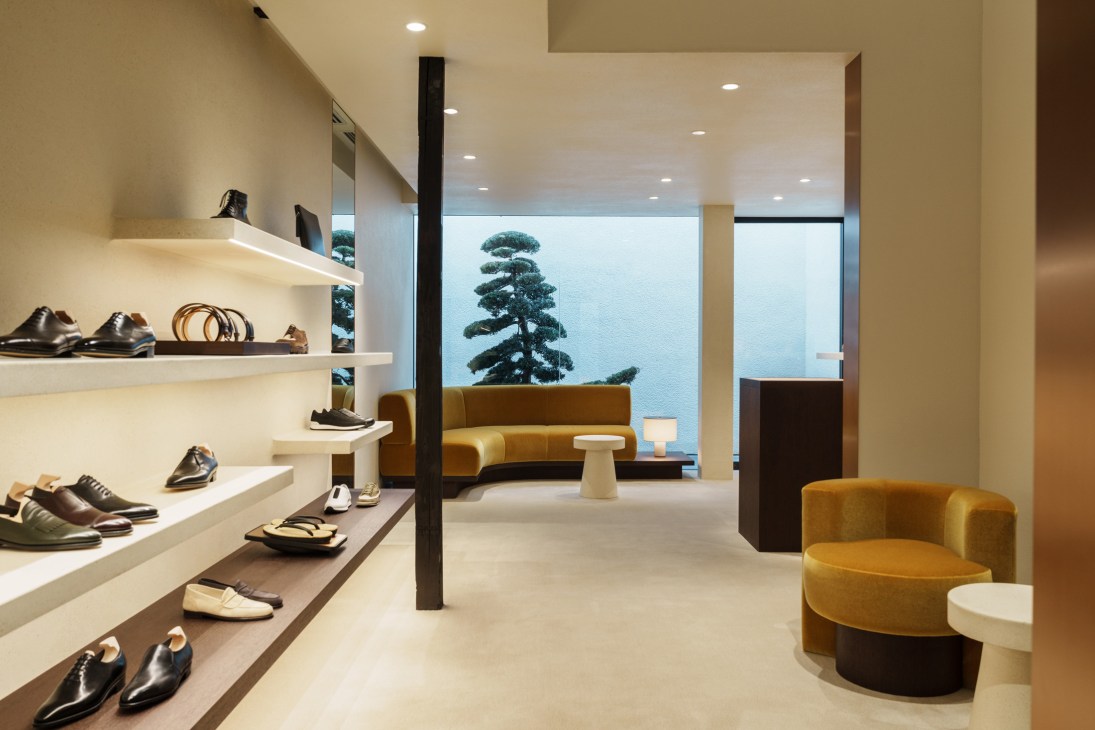
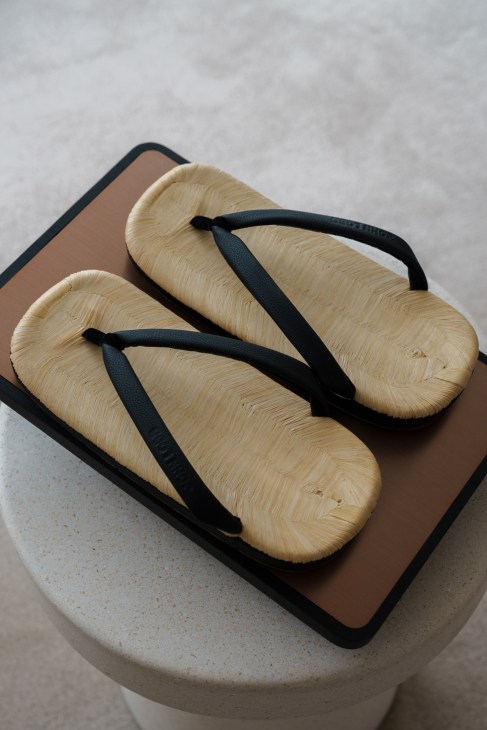
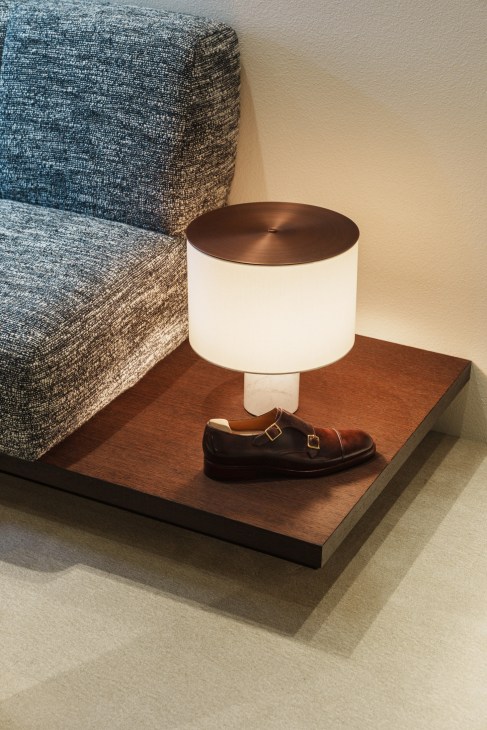
English shoemaker John Lobb has long found an eager audience in Japan. And where better to express its commitment to craftsmanship than the ancient city of Kyoto? Earlier this year, the brand invested further in its Japanese business, opening a new shop in a wooden machiya townhouse on the city’s Shinmonzen street. The cosy space, which was given a refresh by Japanese designer Teruhiro Yanagihara, features John Lobb classics such as the Lopez loafer (on sale since 1950), as well as new Kyoto-exclusives, including the traditional zoori sandals made with hand-crafted woven bamboo insoles. Also on offer are styles that can be customised using a range of materials, colours, soles and buckles or the ultimate luxury: fully bespoke shoes built around the customer’s foot.
johnlobb.com
14.
Best for originality
Oliver Church
In a fashion landscape defined by uniformity, Oliver Church is an outlier. The New Zealand-born, Paris-based designer hand-cuts, hand-dyes and hand-finishes all of his signature shirts. “This is a human activity and as long as the hand is involved, there will be certain elements that can’t be controlled,” says Church, who designed the first pieces for his namesake label in 2020 from his spare room. He only used his sewing machine to complement his handwork and opted for vintage fabrics. “I’ve spent so much of my career trying to recreate age in fabrics,” he adds. Every Saturday, on his walk to his studio in Montrouge, he visits the Puces des Vanves to hunt down antique cotton, linen and rare regional weaves, which he then transforms into his label’s open-collar shirts, oversized coats and patchwork jackets.
oliver-church.com

15.
Best for prestige
Auralee
When Tokyo’s Auralee released the first pieces from its autumn-winter 2025 collection, queues at its Aoyama shop stretched out of the door. The brown leather blouson, one of the season’s star turns, immediately sold out. It’s been busy for designer Ryota Iwai: this summer he was part of the official Paris Fashion Week schedule for the first time. There’s a new press showroom in Aoyama, while the nearby flagship has been expanded and refreshed.
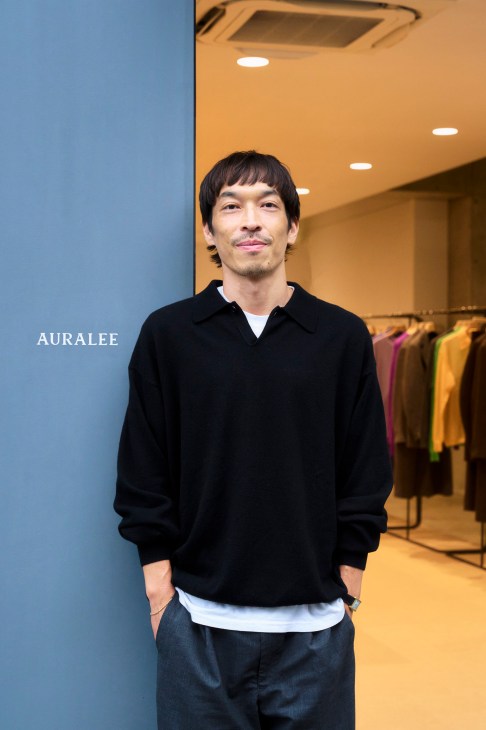

Auralee is an easy brand to love: elegant and understated, known for the best fabrics and its commitment to Japanese manufacturing. “We’ve worked with the same factories in Japan from the beginning,” says Iwai. “The scale is different now and it’s important to support the people who’ve been there with us.” This season, the brand has a strong line-up of winter coats in cashmere and tweed, as well as puffer jackets covered in the softest brushed alpaca. “I want people to feel [like] themselves in my clothes,” adds Iwai.
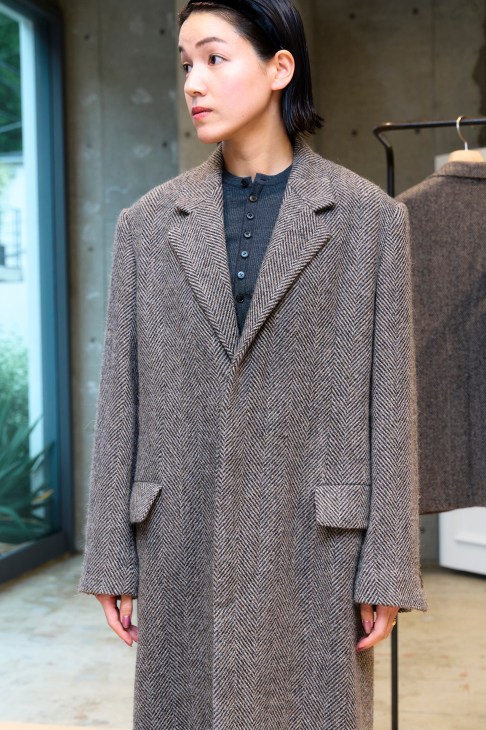

Accessories are equally sought-after: canvas suit bags made by Japanese brand Aeta, a selection of soft suede shoes made with a Kobe shoemaker and trainers made with New Balance. Iwai also has another collaboration up his sleeve: he has been working with Copenhagen-based Tekla on a line of sleepwear, outerwear and bath products – a perfect marriage of Japanese and Scandinavian design. “I put the same effort into designing a T-shirt as a coat,” he says. “For me, it’s about great fabrics and meticulous tailoring.”
auralee.jp
16.
Best for cashmere
Linnea Lund
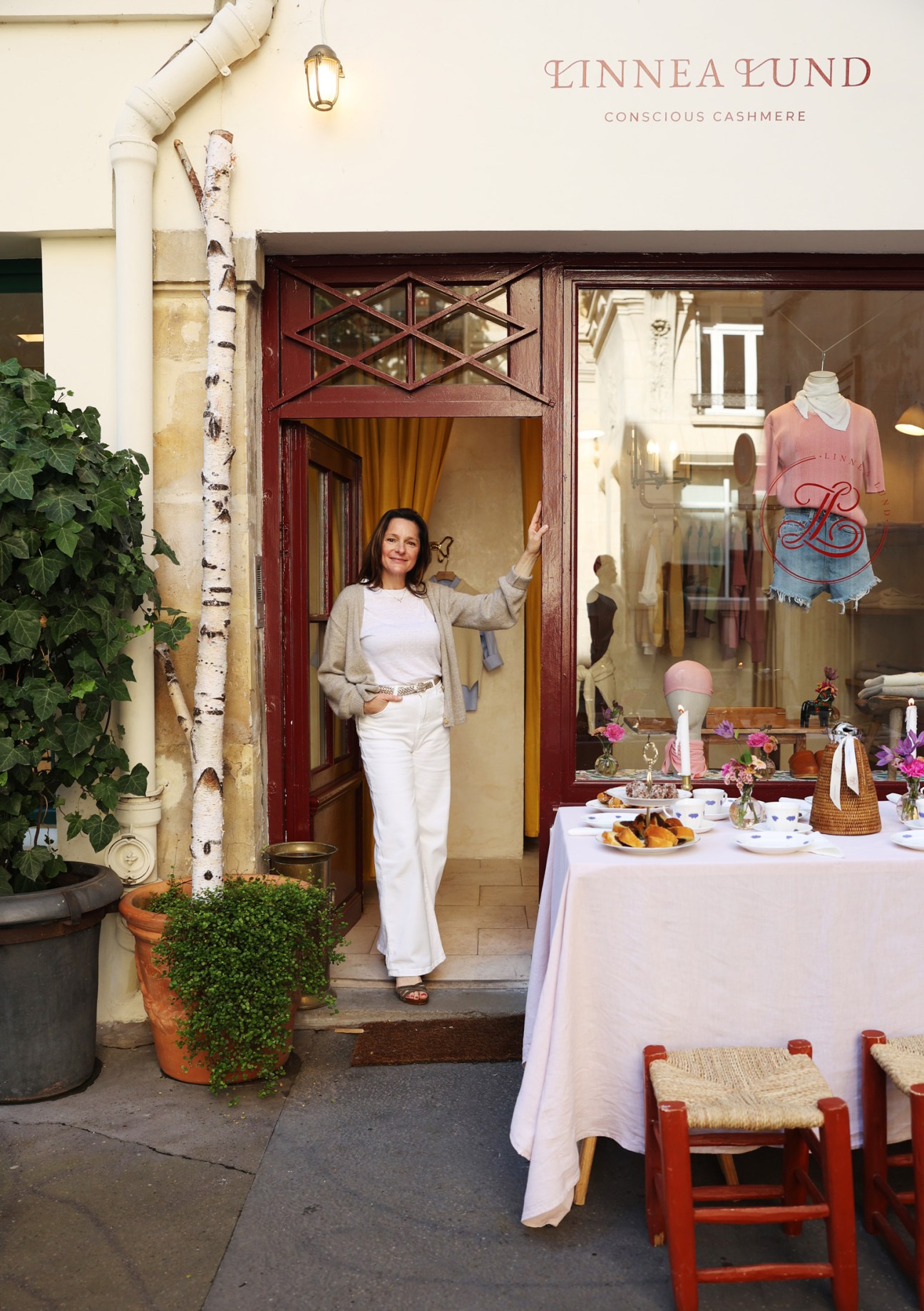
On a leafy square in Paris’s St-Germain district, Linnea Lund’s red shopfront stands out among the area’s residential buildings. Designer Charlotte Björklund has been building her business from this minuscule yet charming spot, becoming a go-to for the finest-quality cashmere, which is made to order. Björklund offers a taste of Sweden by serving frukost (breakfast) every Thursday. Stop by for tea, a pastry and a new oatmeal-hued polo jumper.
linnealund.com
17.
Best for comfort
Margaux
Sarah Pierson and Alexa Buckley started their business when they were younger than most. The Harvard graduates were only 22 and still in university when they chose to forgo opportunities in venture capital and consulting to found Margaux, a footwear brand whose designs are as handsome as they are comfortable. Think sleek sandals, whimsical ballet flats and bold leather loafers, all handmade in Spain’s Alicante region. “You often have to choose between style and comfort,” says Buckley. “In the corporate environments that we worked in, we saw colleagues wear a pair of shoes to get themselves somewhere, then change into something else in the office. It felt outdated and inconvenient.” Their desire to offer hand-crafted, practical footwear is rooted in the belief that women shouldn’t have to compromise. From the start high-quality, “Made in Spain” manufacturing was a priority.
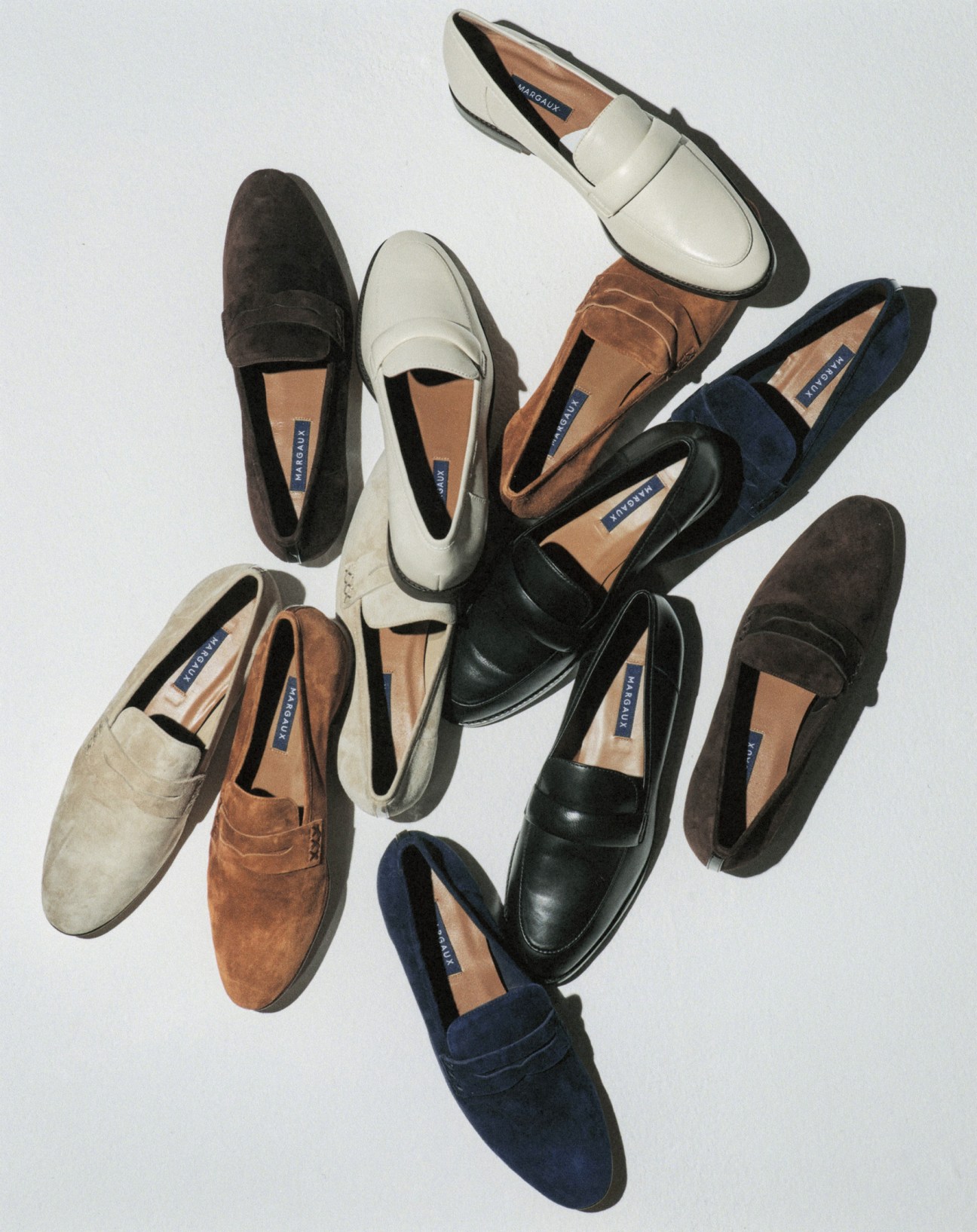
They also make time to connect with customers through their popular book club. “The meetings have been a success from a business perspective but they have also been enriching on a personal level,” says Buckley, referring to a recent event with journalist Carol Kino, who talked to customers about her biography of fashion photographers Frances and Kathryn McLaughlin.
Their next target? Opening a shop in their home city of New York. “We haven’t committed to a neighbourhood yet,” Buckley adds. “Finding the right space comes first.”
margauxny.com
18.
Best for collecting
Dries van Noten
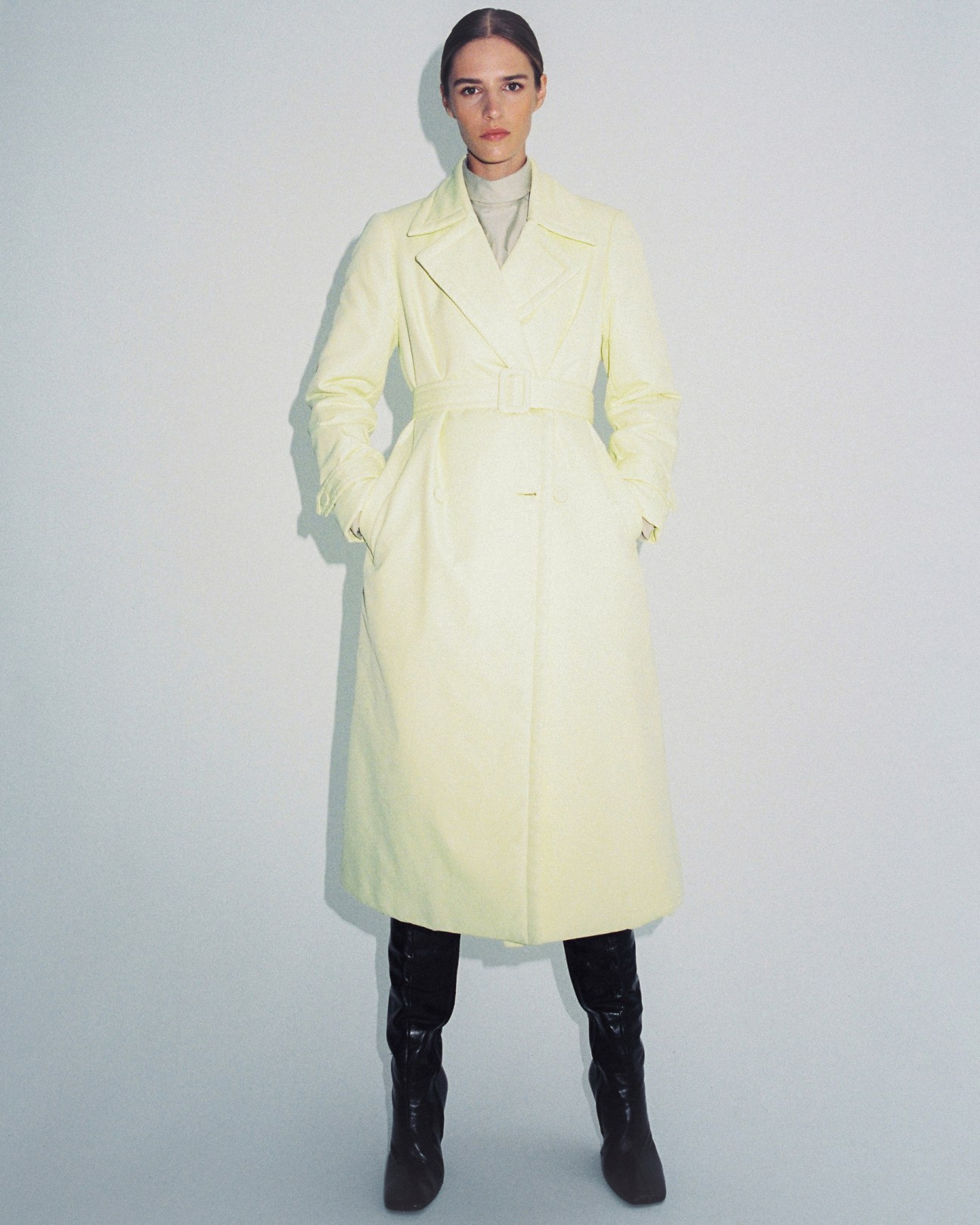
Antwerp-based Dries van Noten made headlines this year when he announced his decision to step down from his namesake label. Since the early 1990s, the beloved designer built a loyal following for his immaculate tailoring, sculptural accessories and ability to experiment with pattern and colour like no other. The last womenswear collection that he designed for autumn-winter 2024 is now making its way to shop floors around the world – and is brimming with elegant, collectible pieces, from pastel-hued outerwear to embroidered blazers and beautifully draped evening dresses. Invest in one of the new-season coats and treasure it in your wardrobe for years to come.
driesvannoten.com
19.
Best for timekeeping
Wrist assessment
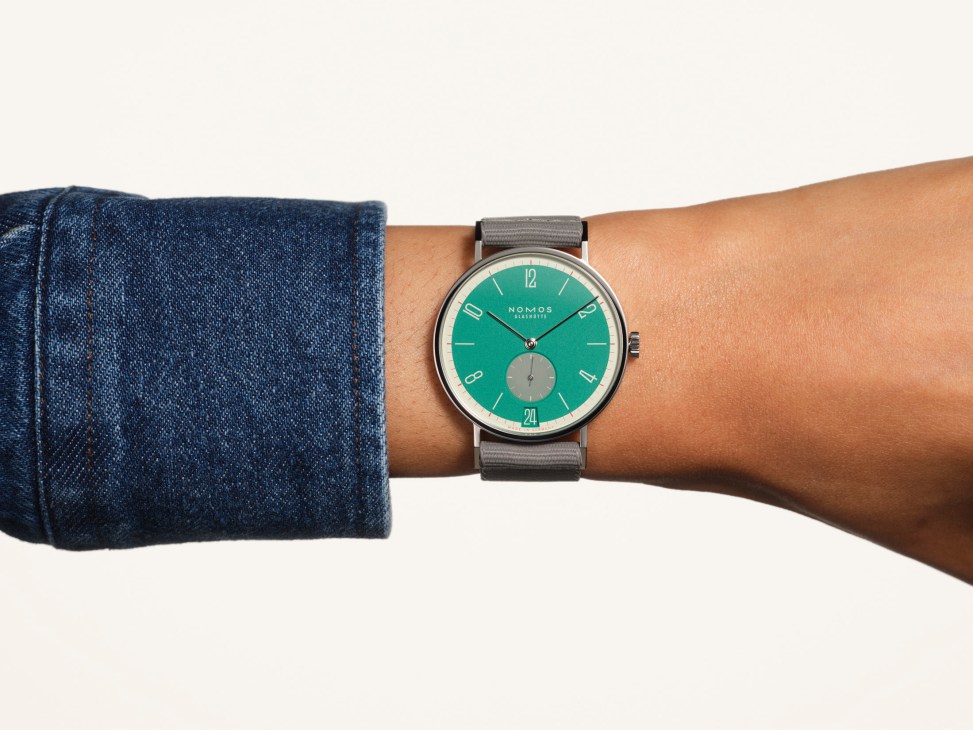
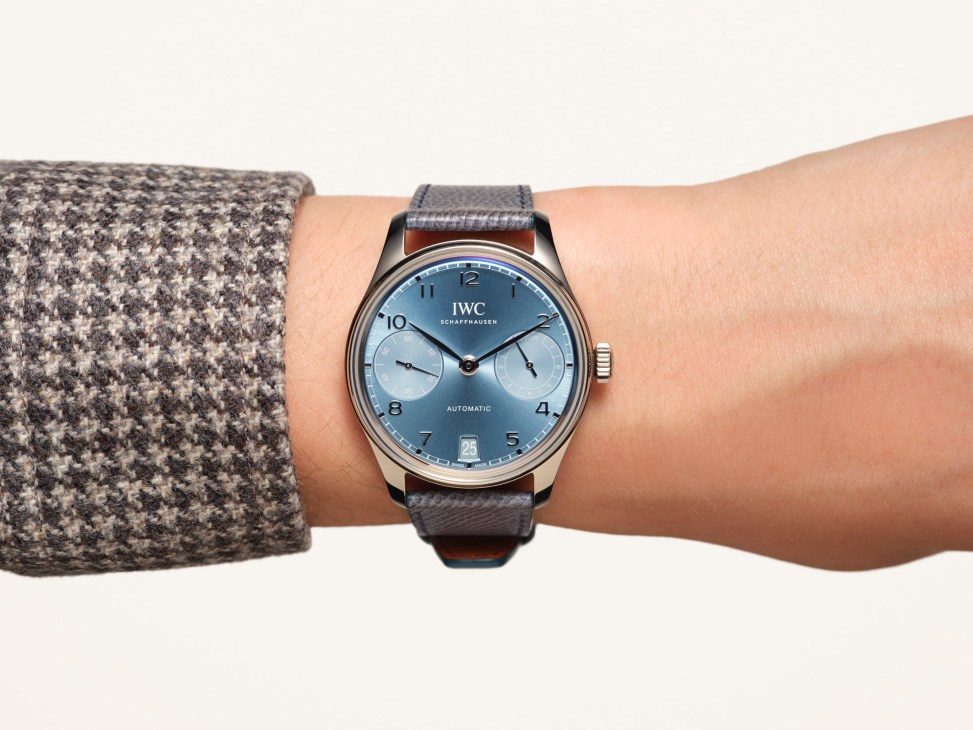
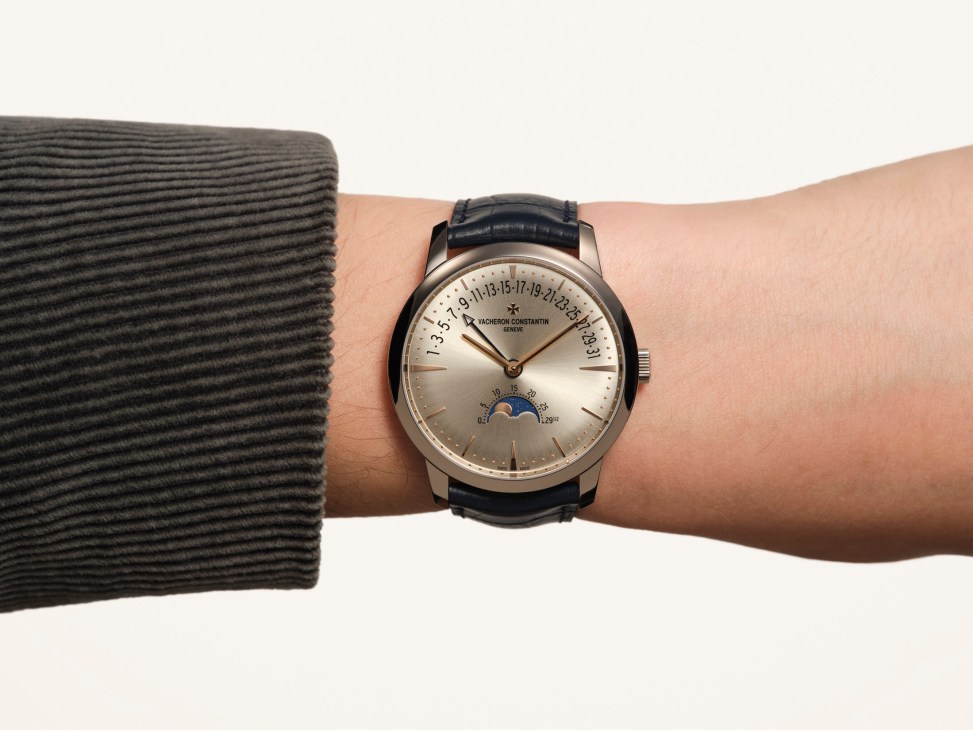
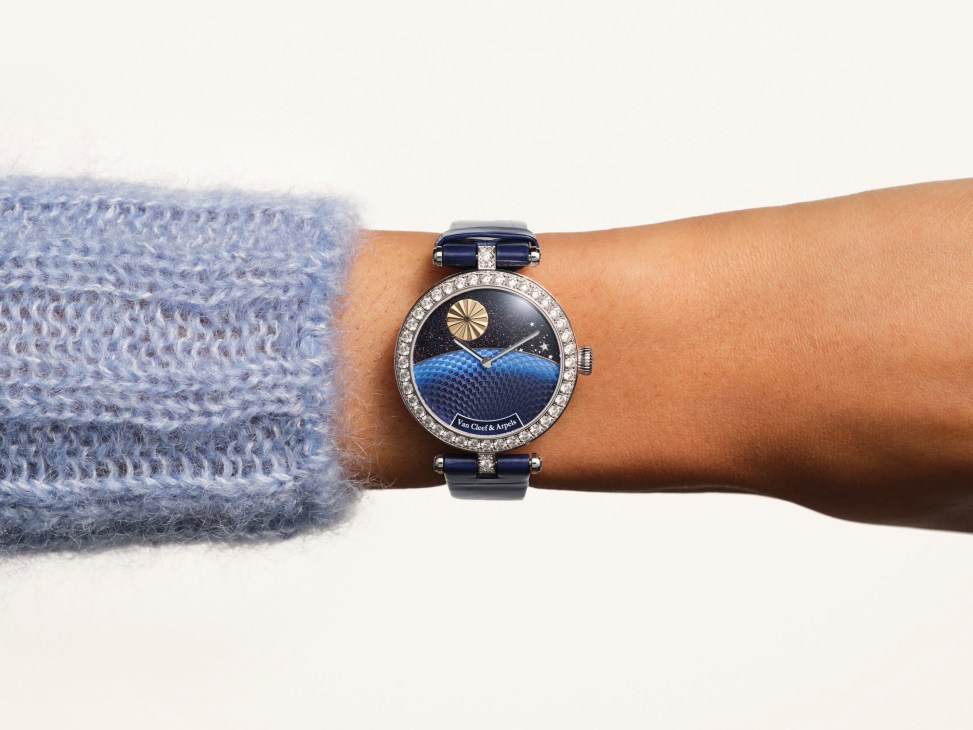
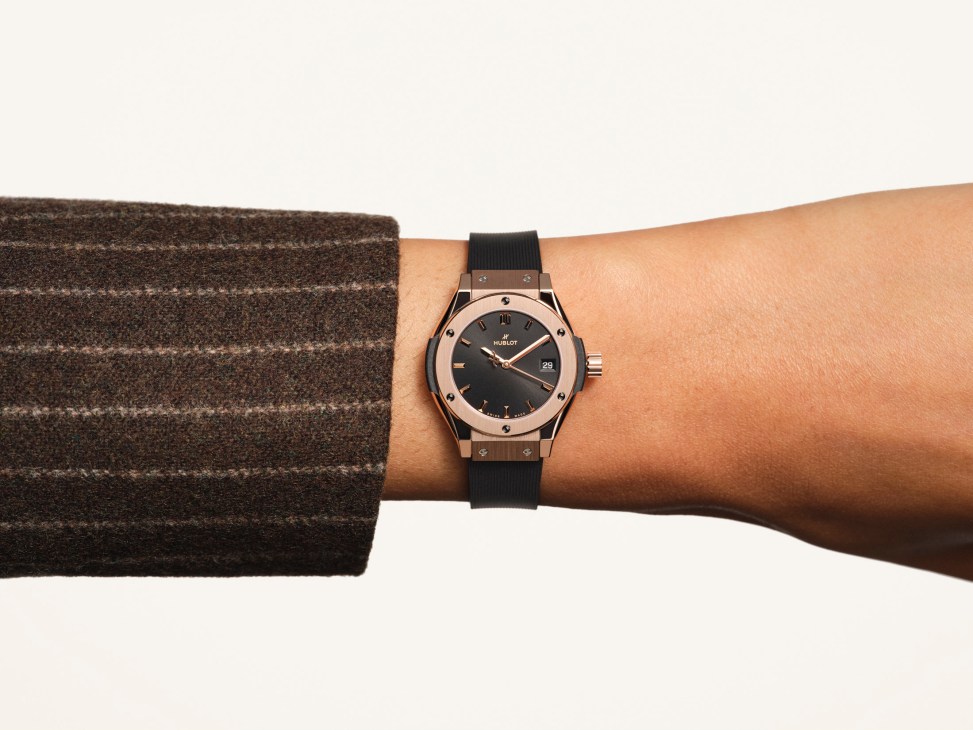
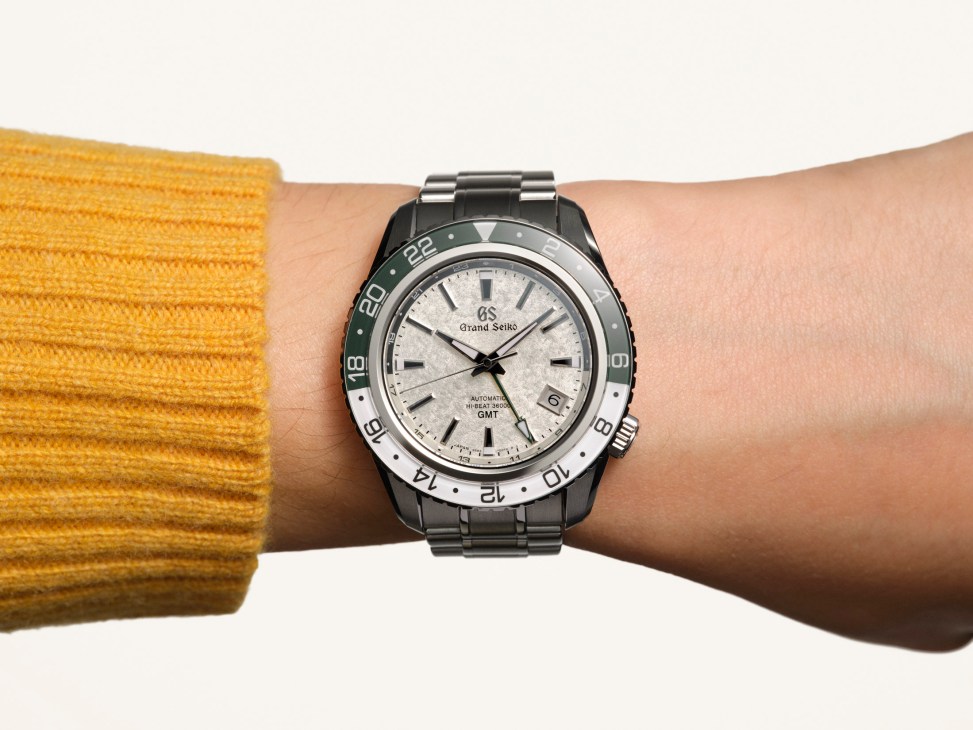
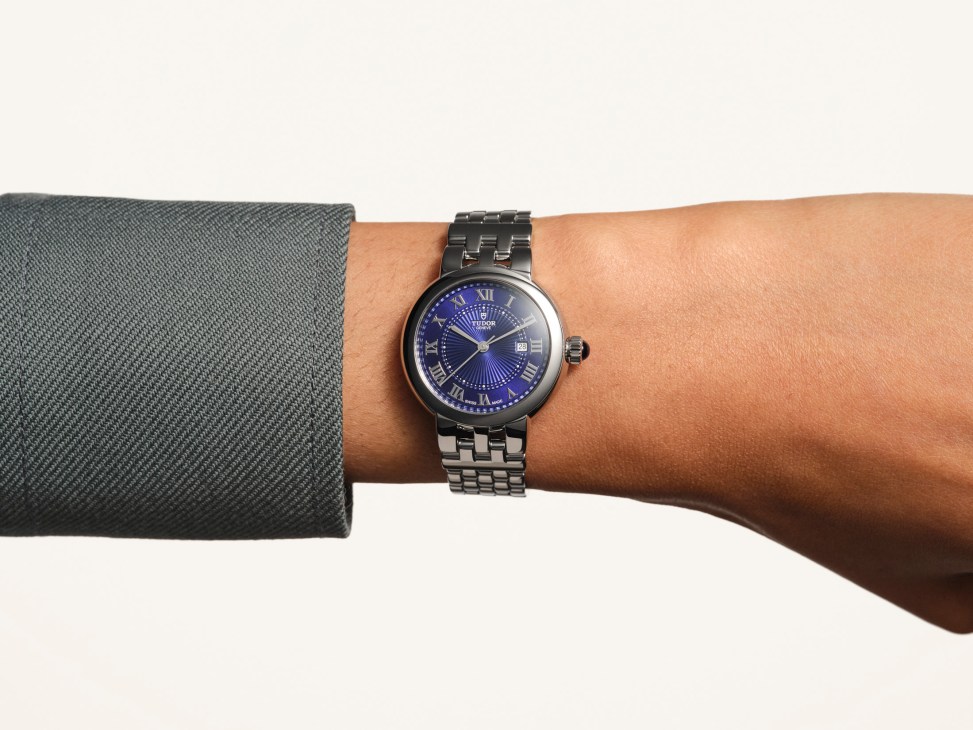
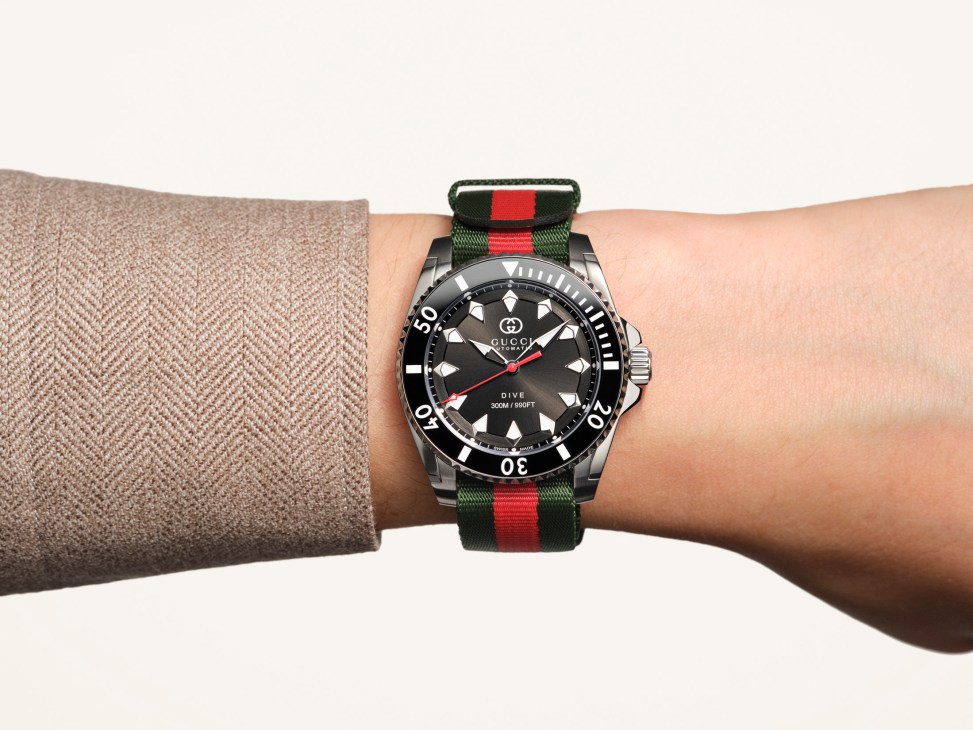
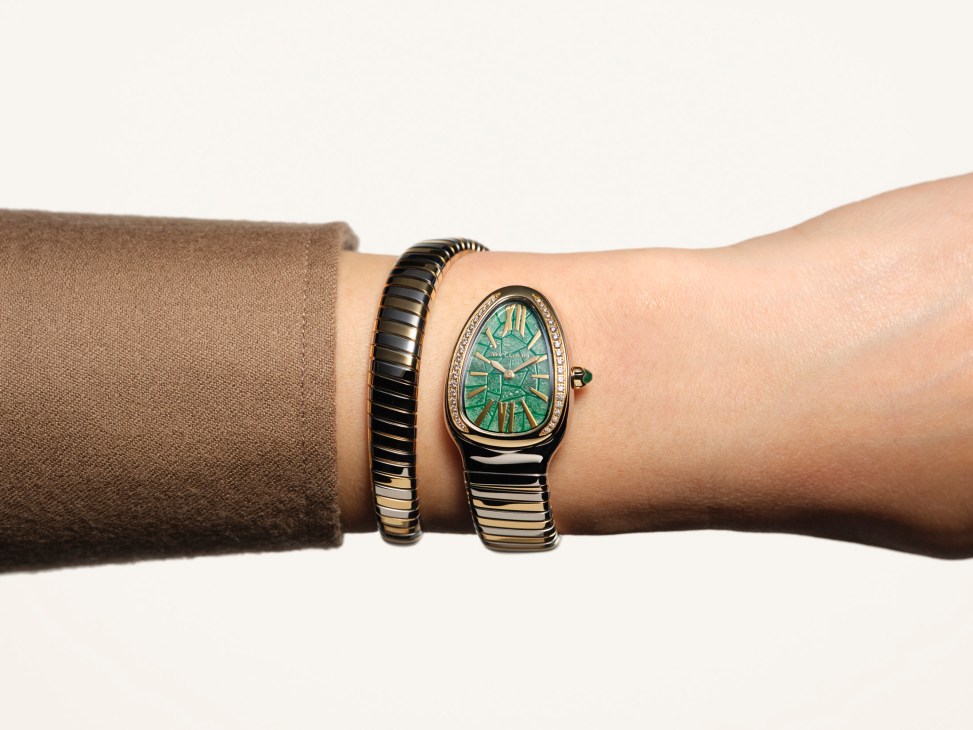
The watch market is becoming increasingly playful. Nomos Glashütte’s popular Tangente 38 design is now available in a rainbow of fetching candy colours, while the latest iteration of Bvlgari’s Serpenti Tubogas watch, which is part of a collaboration with Japanese architect Tadao Ando, features a striking green aventurine dial. Over at Chanel, measuring tapes have wittily been turned into straps, while Van Cleef & Arpels’ new designs reference the celestial world. There has never been a better time to add a touch of whimsy to your look.


20.
Best for tailoring
Dunhill
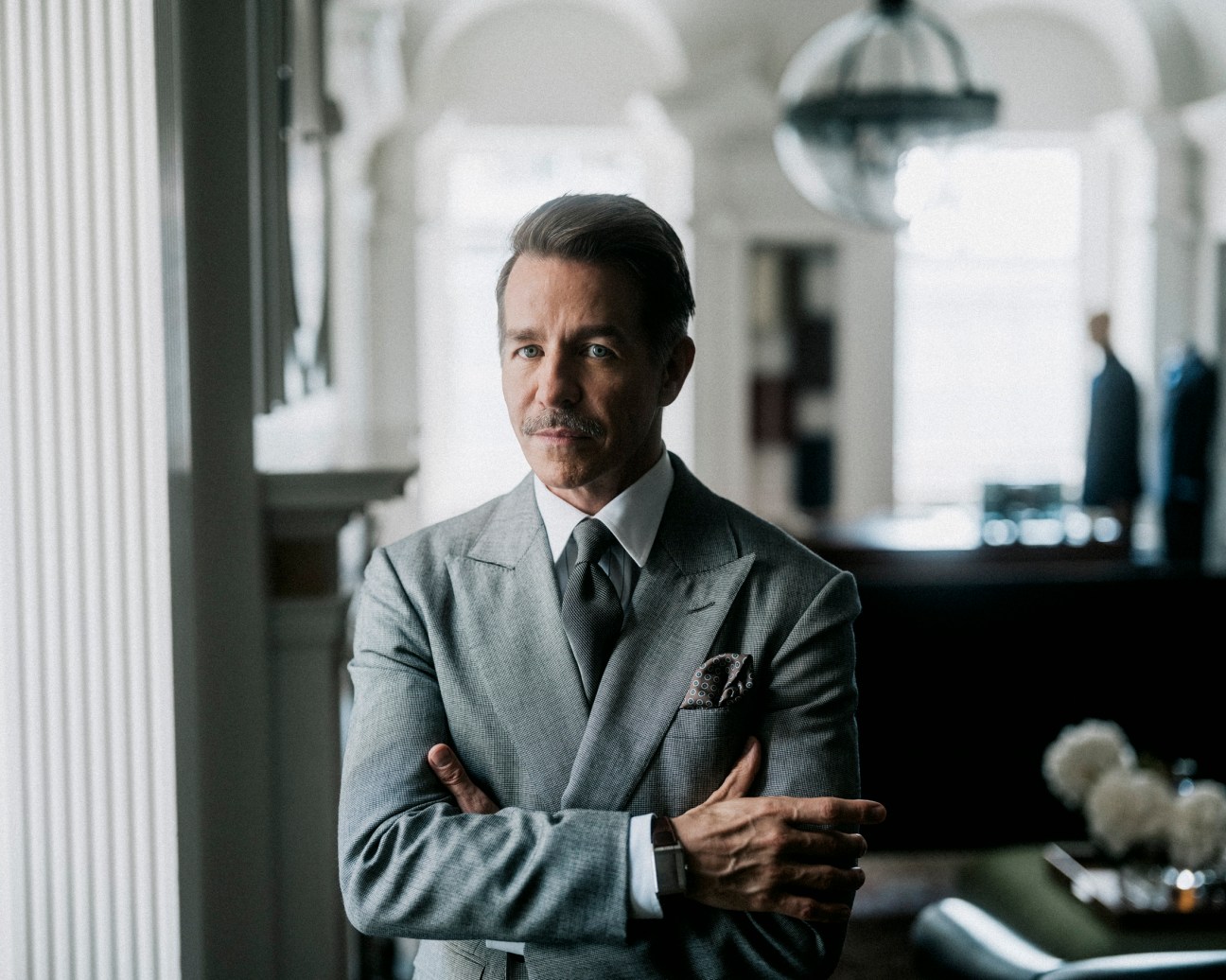
This year, fashion designer Simon Holloway made his debut as Dunhill’s creative director with an autumn-winter collection fit for the modern gentleman that quickly reignited excitement around the heritage UK brand. monocle meets Holloway to talk about how the fashion pendulum is swinging back in favour of tailoring.
What are your priorities as creative director?
To re-establish Dunhill as the quintessential British menswear luxury house. I think of the role as being the conductor of an orchestra and the key is to find synchronicity. On a surface level, it’s about image-making but the heart of what we do is product. It starts with the fabric and moves to the craft of the cut, proportion, detail and finish. Everything has to be humming together.
What inspired your new autumn-winter collection?
Threading together the 130-year history of Dunhill. In the early 20th century the house developed the original car coat. Then there was the high-deco period of the 1920s before the more refined, late 20th-century era that is synonymous with the tuxedo, like the one that Dunhill made for Truman Capote’s Black and White Ball. That legacy will inspire every season. My intention is to bore people with consistency while delighting them with newness.
Have men’s attitudes towards tailoring shifted?
Everything is cyclical. The casualisation of menswear affected brands that specialised in tailoring. But I believe that the pendulum has swung back and it’s a responsibility to make Dunhill part of that conversation. For a generation that grew up starved of anything resembling a dress code, [tailoring] has become a choice and a badge of discerning, individualistic style.
dunhill.com
21.
Best for bespoke
Blazé
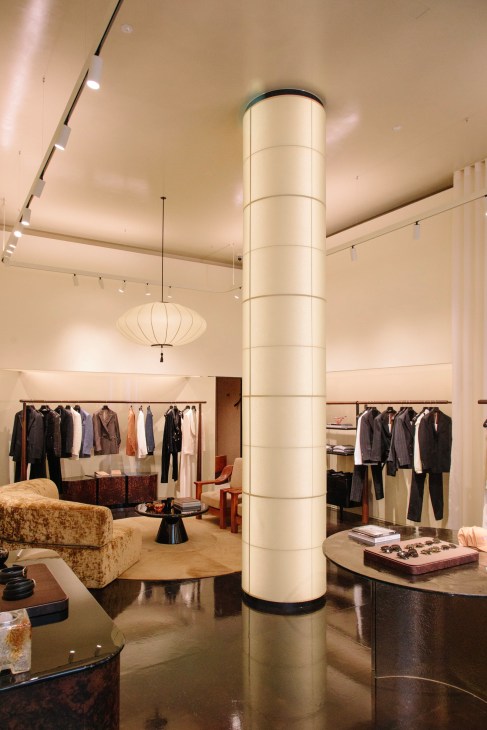
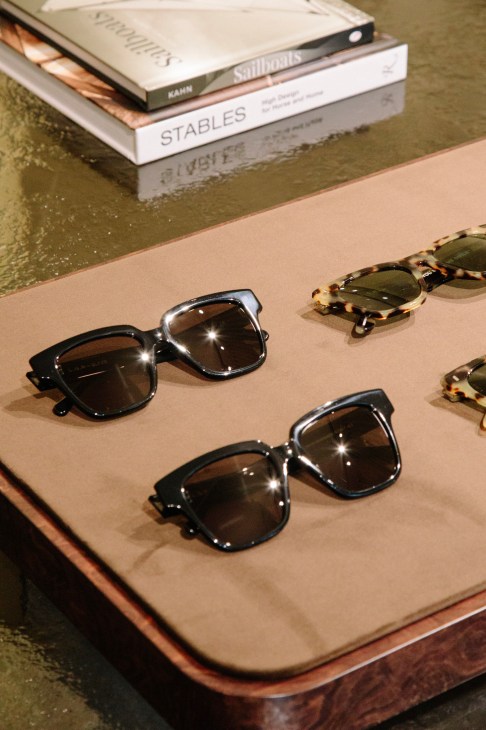
For its first shop opening, Blazé Milano chose the elegant Via Santo Spirito, part of Milan’s famous quadrilatero d’Oro district. The prime spot is testament to how far the label has come since its 2013 inception. “It was time to consolidate what we’ve established,” says Corrada Rodriguez d’Acri, a co-founder of the brand alongside Maria Sole Torlonia and Delfina Pinardi. “We needed to create our own little corner of paradise.” As well as its signature blazers, Blazé’s offering now extends to sunglasses, a denim line and a range of jackets in fabrics such as bouclé, velvet and camel hair. An atelier corner is prepped with books of cloth samples, lining fabrics and buttons for clients seeking to commission a bespoke blazer. There’s no better way to spend a Milanese afternoon.
blaze-milano.com
22.
Best for workwear
Henry’s
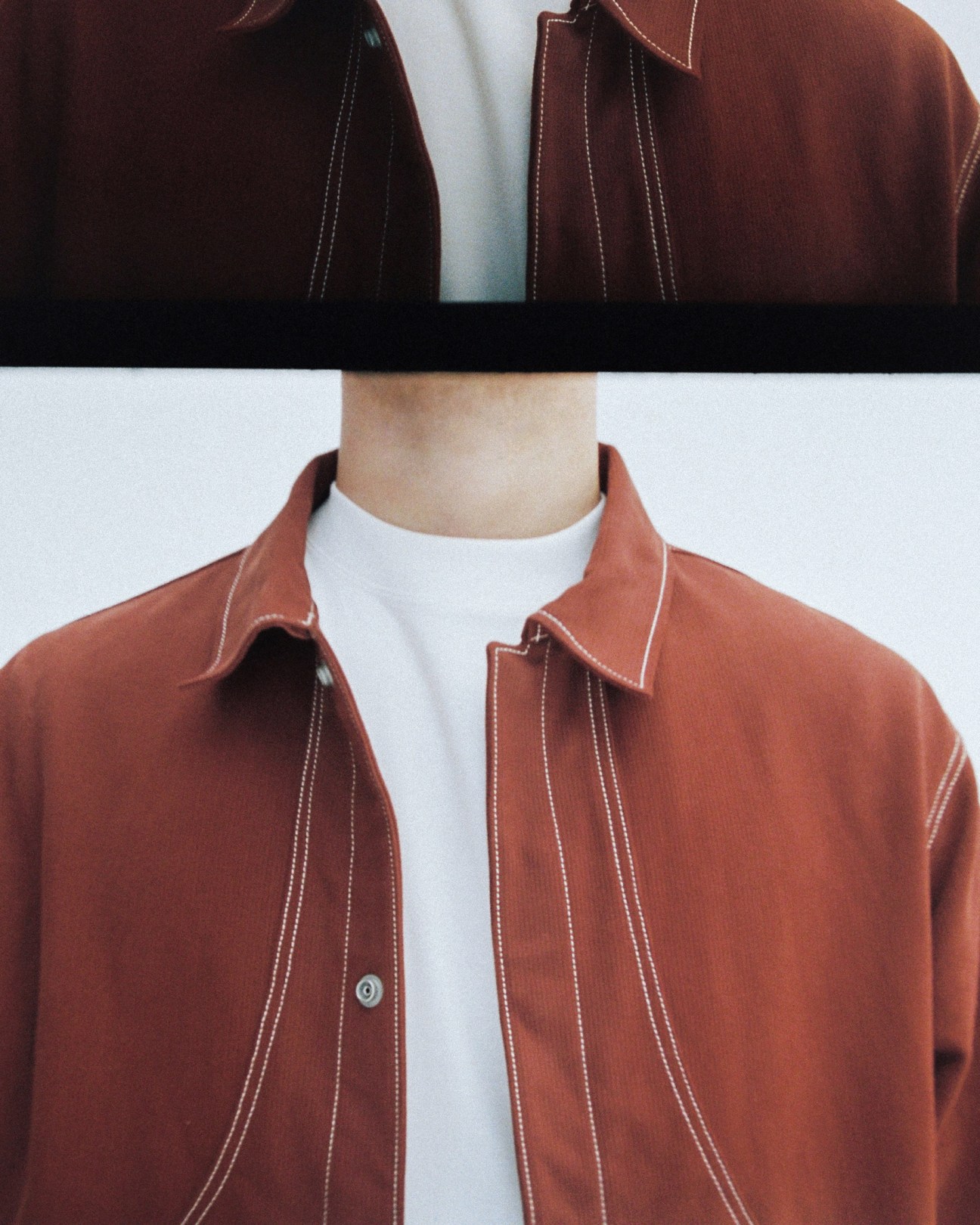
Patternmaker and tailor Keith Henry runs his men’s workwear label, Henry’s, on his own. You’ll usually find him in his Toronto studio, cutting curved lines of dark selvage denim, stitching pockets on deadstock Japanese corduroy and contorting military shapes. Given his limited stock runs, securing one of Henry’s pieces feels like going on a scavenger hunt. “I don’t want to dilute my work by flooding the market,” he tells monocle. “Seasonal calendars are driven by manufacturing cycles but I work alone, which frees me to release these as I please.”
wearhenrys.com
23.
Best for fragrance
Fendi
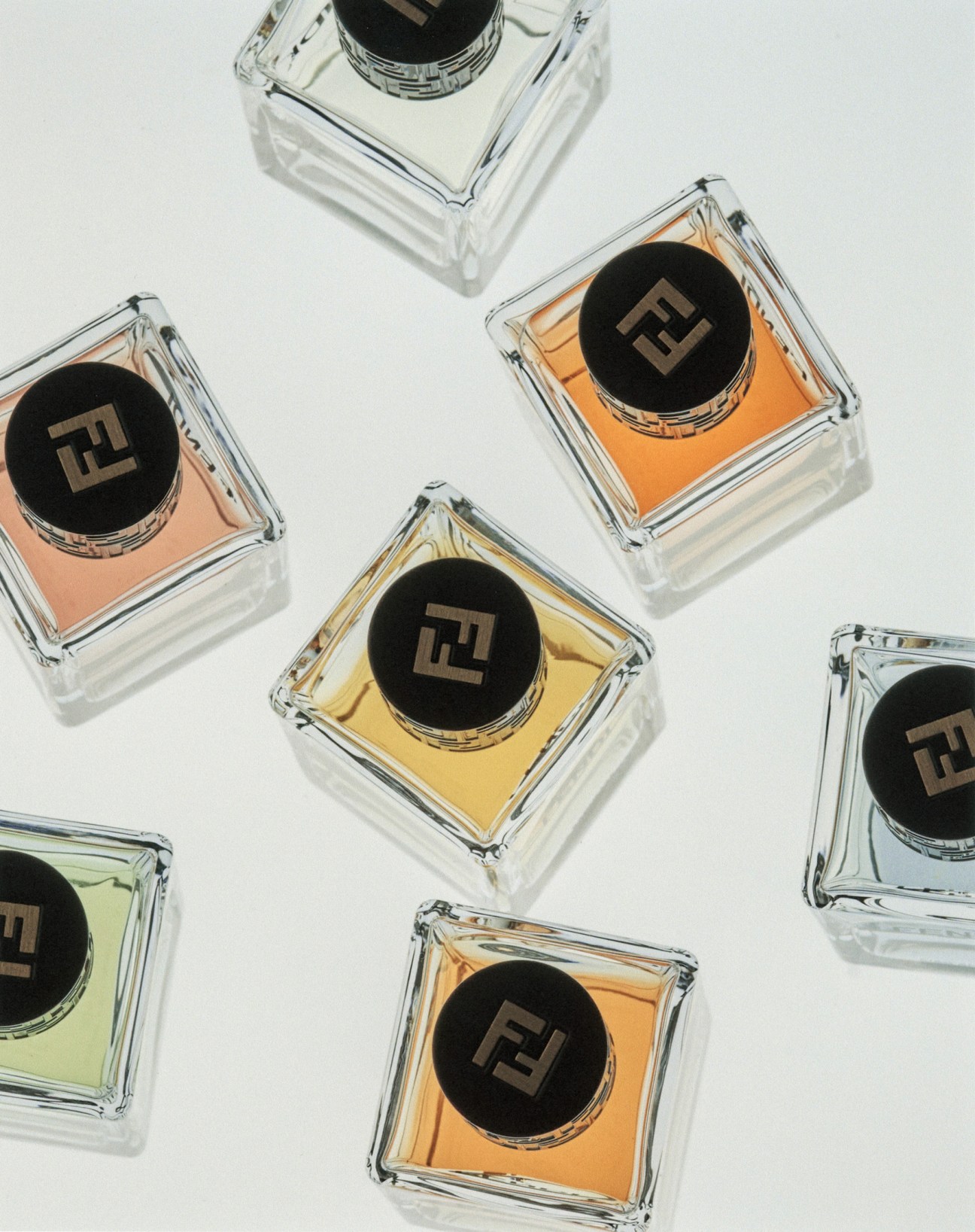
As it approaches its centenary, Fendi delves into the world of fragrance for the first time. Its new collection consists of seven perfumes, each inspired by different figures from the family. The scents evoke the Fendis’ hometown of Rome using ingredients such as Madagascan vanilla, Calabrian bergamot and Moroccan orange blossom. And the brand has named them after some of their most frequently used phrases, from Ciao Amore to Perché No (Italian for “why not”).
fendi.com
24.
Best for spice
Morjas
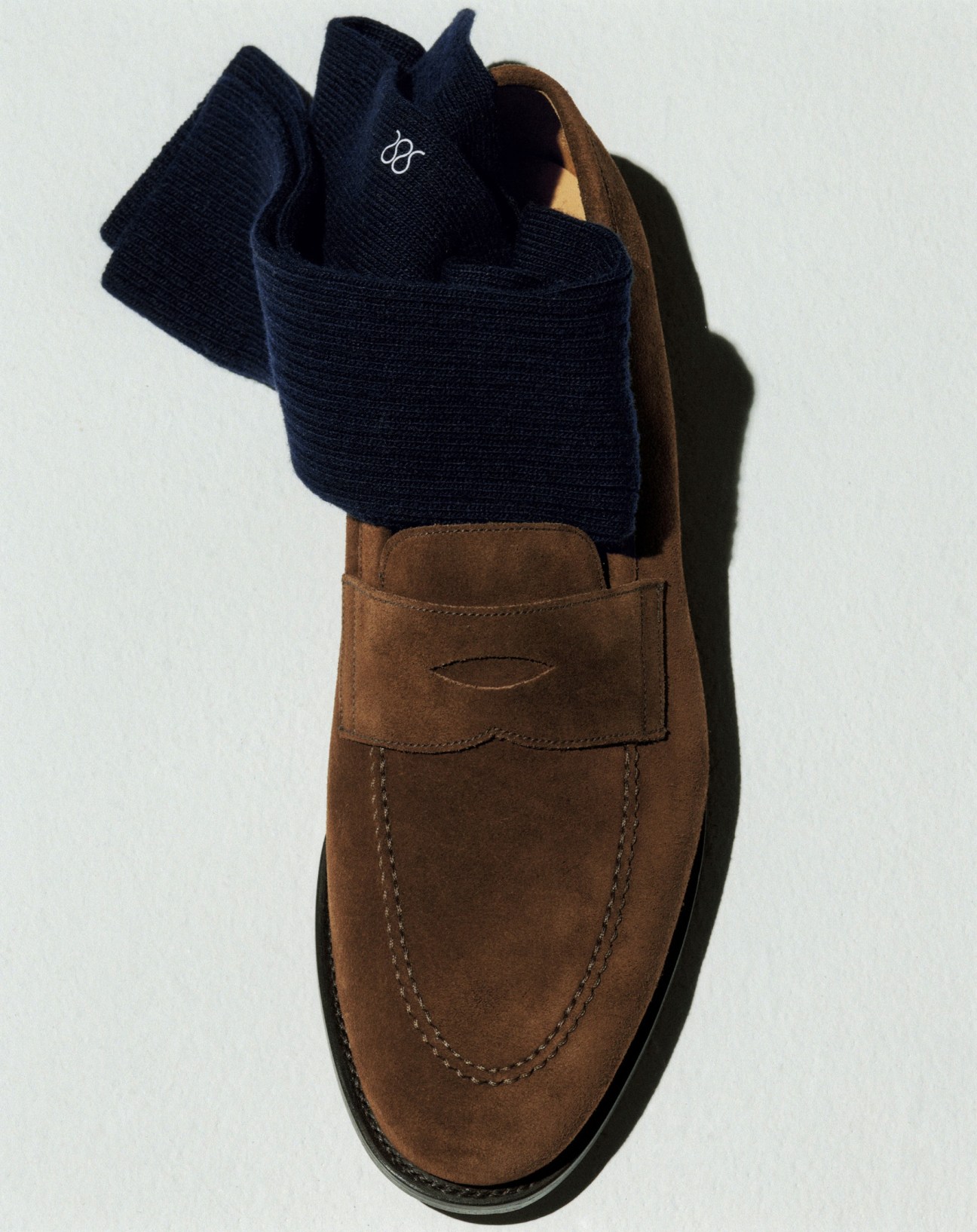
“Our philosophy is to do a few things really well,” says Henrik Berg of Morjas. The shoe and accessories brand that he launched in 2017 reflects his Spanish-Swedish heritage, with its Scandinavian-inclined “less is more” design ethos and “passionate and warm” Spanish spirit.
Berg describes this blend as his way of adding spice to a more classic menu. It’s visible in the brand’s products but also in the design of its flagship shop in Stockholm: against a backdrop of wood panelling and exposed beams are red marble tables and art deco lamps. “[These are] little spices,” says Berg, “things that are more futuristic, a little bit chic and a little bit sexy.”
Recently Berg worked with Chris Black and Jason Stewart, the duo behind hit podcast How Long Gone, to launch a limited-edition boat shoe. It came about after Morjas created custom wedding shoes for Stewart to accommodate his larger feet.
Morjas’s Stockholm flagship has its own café. On offer is the traditional Spanish breakfast pan con tomate. It’s the only thing on the menu but, just like Morjas’s signature loafers, it’s executed to perfection.
morjas.com
25.
Best for accessorising
Hermès
It was in the 1830s that Hermès made a name for itself by perfecting harnesses and saddles for horses. The brand is now a leader in all things leather and its signature Birkin and Kelly bags increase in value so much that they are said to make better investments than gold.
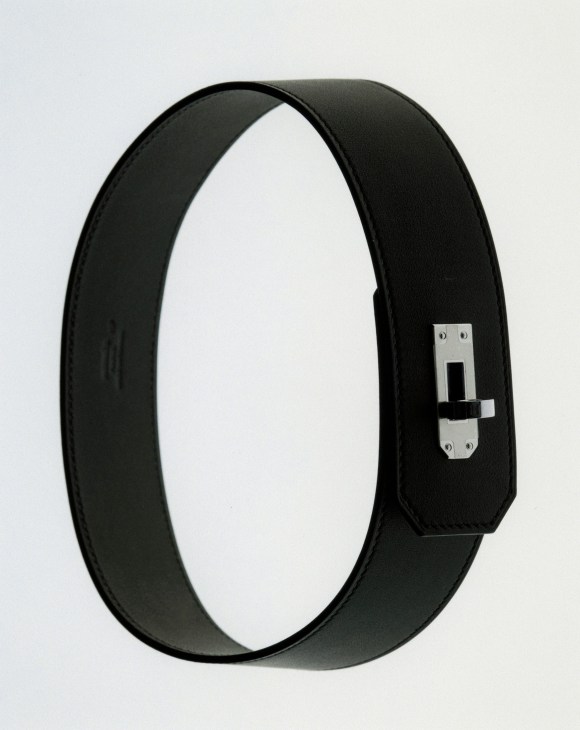
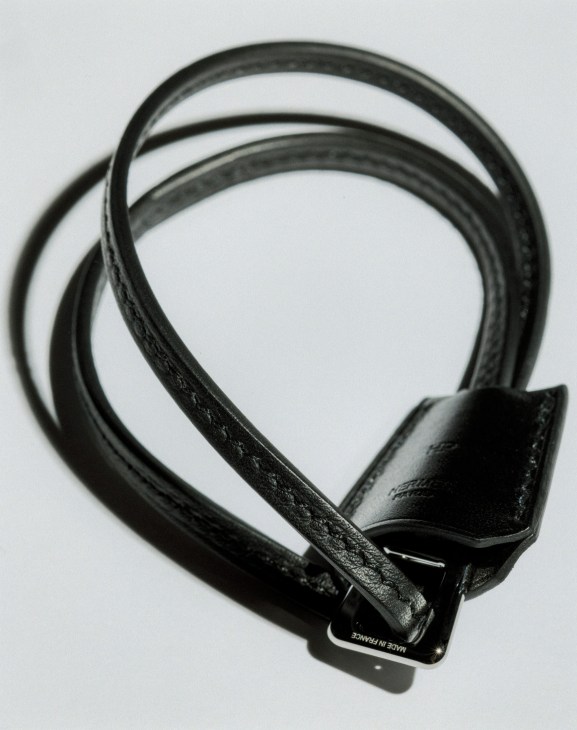
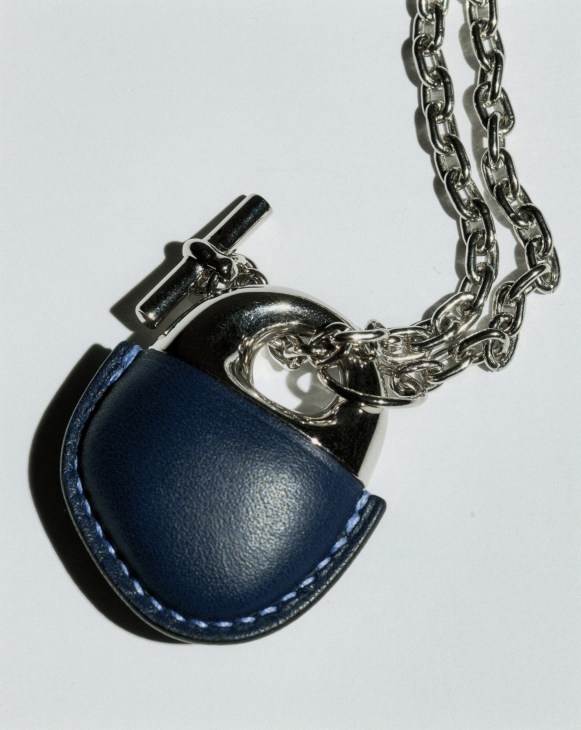
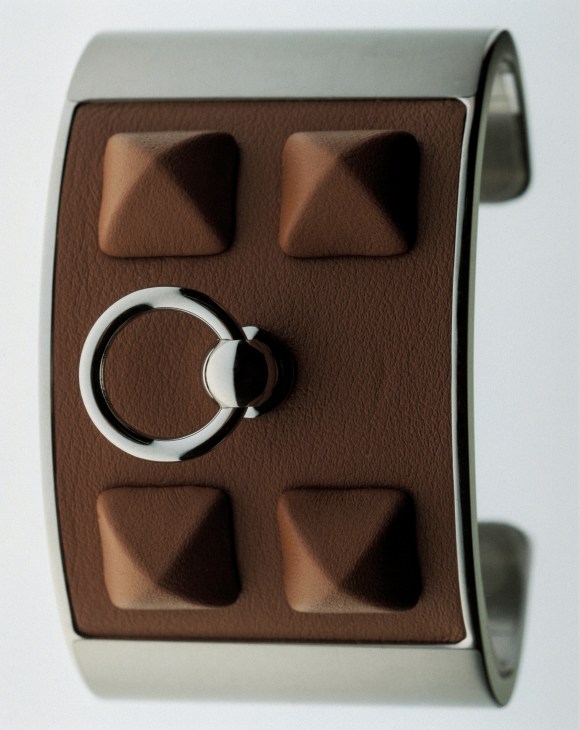
The brand has been expanding into other segments, fine jewellery and watches in particular. These autumn-winter pieces, including a sturdy cuff, leather choker and charm necklaces and bracelets (pictured), will provide the perfect finish to any look.
hermes.com
Istanbul musician Melike Sahin’s literary lyrics and stage presence have helped create a modern diva
Turkey’s music scene is so vibrant and eclectic that many Western stars are unheard of here. This homegrown dominance became even more unassailable in the mid-2010s when a period of political turbulence led to international acts cancelling their tour dates in the country. And while some notable international artists are creeping back to the country’s concert venues, it is still locals who dominate the music scene. Artists who merge the sounds of old Anatolian folk music and psychedelia, along with the artistic vision of a new generation and the occasional input of international collaborators, have the market singing to their tune.

While mid-20th century Turkish pop stars confined themselves to producing covers of international hits, today the Turkish sound is distinctive and already popular across the Middle East and Eastern Europe. Now that sound is starting to reach Western audiences. A boom in Turkish film and television – spurred by the success of hit series including the 2020 Netflix drama Ethos and the bbc’s recent The Turkish Detective – is giving Turkish music global visibility. Acts such as Altın Gün, a Turkish-Dutch rock group, and Hey! Douglas, the stage name of Ankara-born DJ Emin Yasin Vural, have already found global success.
Melike Sahin is poised to be the next breakout star. Her forthcoming show in London in November will be her first time performing in front of a UK audience. “I hope that I can explain something about Turkish music and show the audience that it is easy to catch onto,” says the 35-year-old Sahin when monocle visits her at her home, a traditional wooden villa overlooking the Bosphorus. Sahin’s crystal vocals and ethereal style have propelled her to the forefront of a new wave of musicians who are bringing Turkish music to the world. “I want audiences to see a young, modern Turkish diva who has hopes of becoming a global name.”
Sahin’s concert will come shortly after the release of her album Akkor, which was recorded in London, New York and Istanbul, alongside a cast of guest stars – including drummer Sterling Campbell, best known for his work with David Bowie. The album is produced by Martin Terefe, a Swede who has collaborated with artists including Beverley Knight and Coldplay. “The main connection between East and West happened in London,” says Sahin. “I was abroad with new musicians and new ideas, and that gave me inspiration. When those musicians arrived, a new fusion happened.”
Akkor is still an unmistakably Turkish album. The opening track, Sag Salim, announces itself with a bar of pounding drumbeats and then a set of bold minor chords, before giving way to Sahin’s vocals. But it is also pared-back and elegant, stripped of the rococo flourishes that adorn more traditional Turkish songs, and reminiscent of the minimalism of London Grammar. There are the sounds of classic eastern instruments such as the oud, a stringed instrument that looks something like a lute, but also choral backing vocals that add a euphoric quality to the closing bars of songs such as Ifsa. You can even sense a hint of drum’n’bass in the rhythms of the track “Beni Ancak”. Sahin’s lyrics and performances elevate the music with the kind of theatricalism and storytelling that is a hallmark of Kate Bush and, like the legendary UK singer, she says that she takes much of her inspiration from literature. “Sometimes, when I am reading a novel, one word inspires me and I start to write a song based on that. My main inspiration is to explain the inexplicable.”
Where to start
Five Melike Sahin songs to get you moving.
1. Olur Mu (with Gazapizm)
2. Durma Yürüsene
3. Diva Yorgun
4. Ortak
5. Düldül (with Mabel Matiz)
In turn, Sahin’s lyrics are inspiring a generation of Turkish women. In recent years, her words have been appearing on placards at women’s-rights demonstrations. One of her lyrics has become iconic: “I deserve each and every inch of this smile.” In a country where, in 2014, the deputy prime minister said that women should not laugh out loud in public – and where rates of femicide appear to be rising – this is more than an abstract statement. In 2021, Turkey withdrew from the Istanbul Convention, an international treaty designed to combat gender-based violence. Protests in opposition to the withdrawal were met with violent police crackdowns. Sahin has leant into her feminism with Akkor, an album that she says is centred on the themes of rebirth and survival.
“I enjoy writing things that I am not able to shout on the streets,” she says. “The problems in Turkey are serious. We are not talking about wage differences; the number of murders of women is huge. It is our job as artists to say that this is wrong. I feel useful when I see my lyrics on the placards. When I first saw that, my eyes were full of tears of pride for being their sister.”
Sahin first entered the spotlight as a frontwoman with Baba Zula, a group formed in 1996 that features a changing cast of musicians and spans genres from folk to electronica. With them Sahin honed her vocal style, which she has been developing since she first started singing at family gatherings as a child.
Sahin was born in Istanbul to a family originally from Sivas in eastern Anatolia and attended high school in the affluent district of Besiktas. While she was a teenager, she took singing lessons from Timur Selçuk, a legendary Turkish composer and vocal coach who twice participated in the Eurovision Song Contest. The outcome was Sahin’s signature: lilting, melancholy moments in which she hits several notes within one syllable. She continued to sing in choirs as a hobby while studying for a degree in sociology at Istanbul’s prestigious Bogaziçi University, adding Latin choral music to her repertoire. Then, on graduating, she went straight into music.
After six years fronting Baba Zula, Sahin decided to set out as a solo artist in 2018. It seemed a bold move at the time: she was a relatively new voice, leaving an institution to go it alone. But Sahin says that she knew it was the right moment. “It was my time to fly.” Her first album, Merhem, which she released in 2021, was an instant hit. Off the back of the release, she played more than 100 shows in Turkey and around the world. She has had more than 460 million downloads as a solo artist, her first hit being “Olur Mu”, a duet with Turkish rapper Gazapizm. The video for the next and biggest, “Diva Yorgun”, is a camp pastiche of Turkey’s club culture that plays on Sahin’s diva stage persona.
In person, Sahin is slight and diminutive, and speaks with a friendliness that is rare among well-known musicians. Onstage, however, she is unrecognisable. Her costumes and styling match those of the most flamboyant Turkish legends and she stalks the stage, conversing with her audiences. Her favourite Istanbul venue is the Cemil Topuzlu theatre in Harbiye, a huge open-air arena with a 4,500 capacity and which has been the setting for some of the most iconic performances in Turkish music history. “It was my childhood dream to perform there,” she says.
In London, her stage will be more intimate: Earth has a capacity of 1,200 and hosts some of the UK’s most loved DJs and alternative artists. At a time when live music seems to be swinging towards huge, impersonal (and prohibitively expensive) stadium shows, it promises to be an antidote.
Every part of Sahin’s performance is intentional and planned out months ahead. “Right now we are designing the new stage and I am going to the costume fittings. As a control freak, I am there for every part. I consider the emotional flow of my shows. I start with the serious emotions and by the end I am making them dance. It’s not just about the singing or the costumes. It’s about opening my heart to my audience.”
Turkish pop timeline
1940s: Artists including Suat Sayın and Haydar Tatlıyay popularise Arabesque, a style of music with Arabic roots and a lyrical focus on nostalgia and longing.
1950: Zeki Müren wins trt Istanbul Radio’s music competition and performs live on the station a year later, kick-starting a four-decade music career.
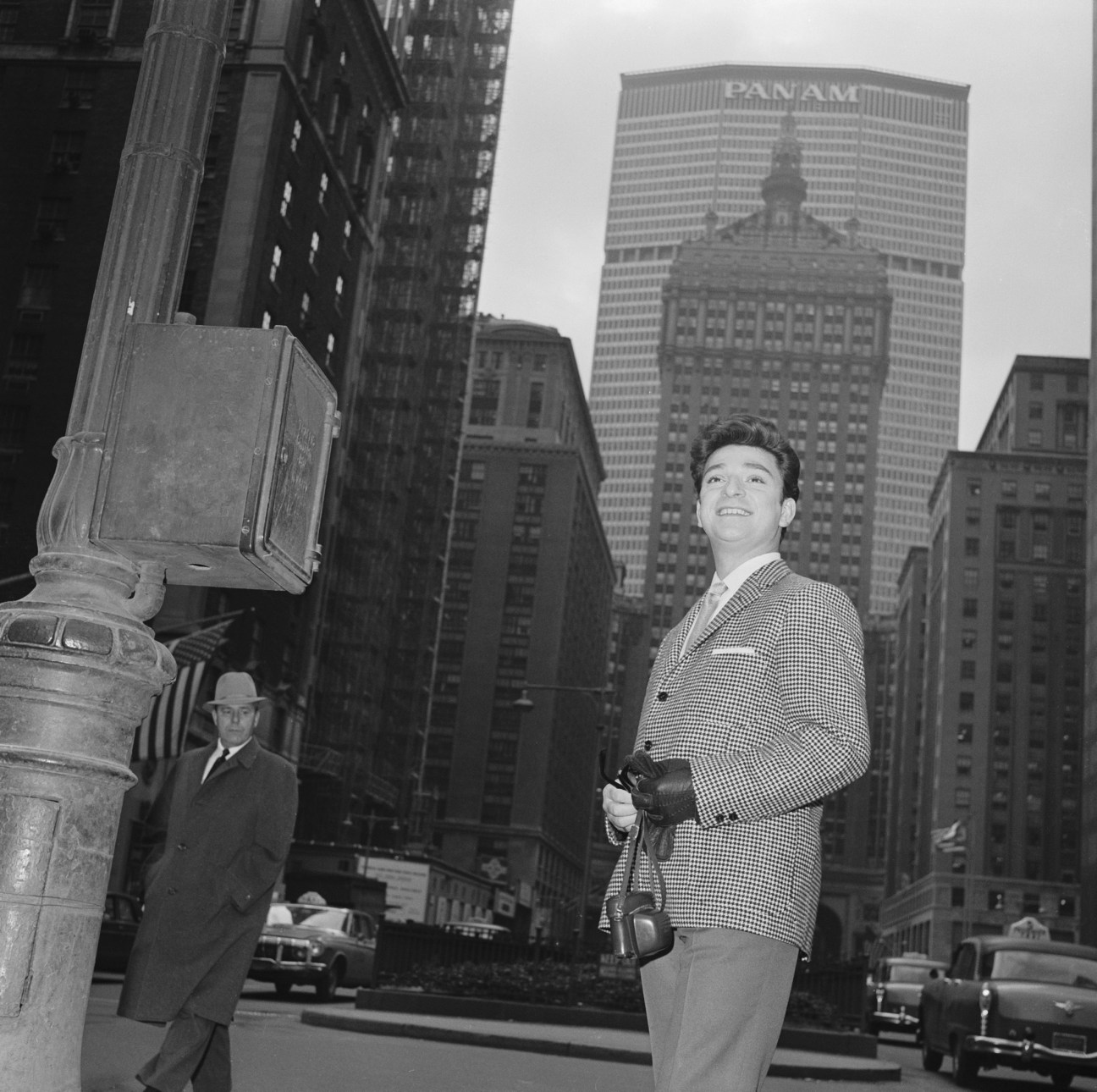
1968: Ajda Pekkan, Turkey’s first modern pop megastar, releases her debut LP. Many of her early releases are Turkish-language covers of classic tracks, including “I Will Survive”. Now 78, Pekkan still releases music and performs stadium shows.
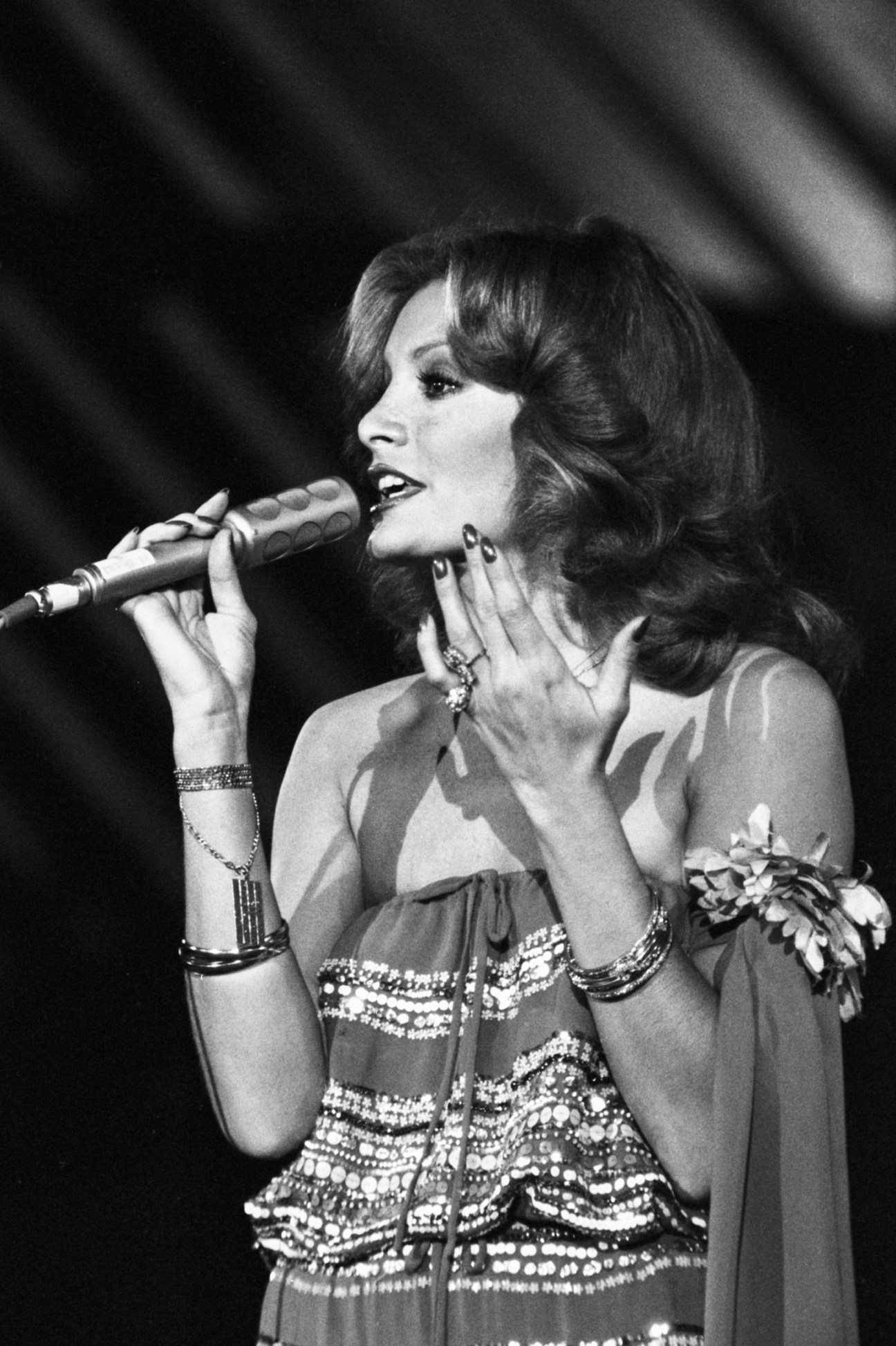
1973: Anatolian psychedelic star Barıs Manço makes Turkey’s first music video to accompany his single “Hey Koca Topçu”, eight years before the launch of mtv popularised the concept of music videos globally.
1980: A military junta overthrows the government and imposes strict cultural censorship until the restoration of democratic elections three years later.
1997: Tarkan’s Sımarık becomes a smash and its riff is widely sampled. Five years on, Holly Valance’s English cover goes to number one in the UK.

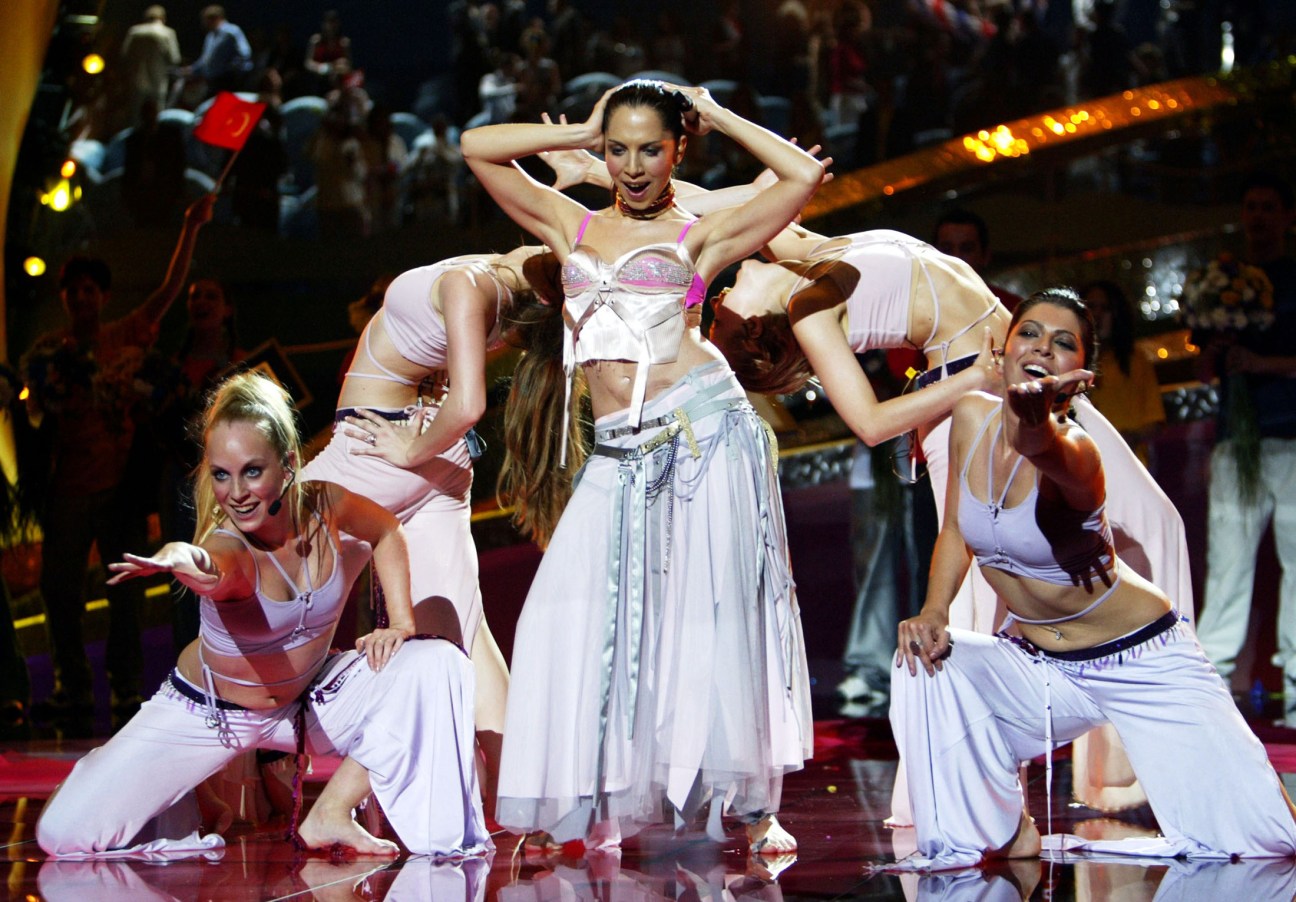
2003: Sertab Erener wins the Eurovision Song Contest with Every Way That I Can.
2008: Mabel Matiz becomes the first Turkish pop star to break out on Myspace.
2018: The head of trt says that Turkey is unlikely to compete in Eurovision again in the near future.
2022: Arabesque singer Ibrahim Tatlıses breaks Turkey’s live music record, playing to 120,000 people in four days.
Inteview: Daniel Lalonde on merging fashion and furniture for luxury design success
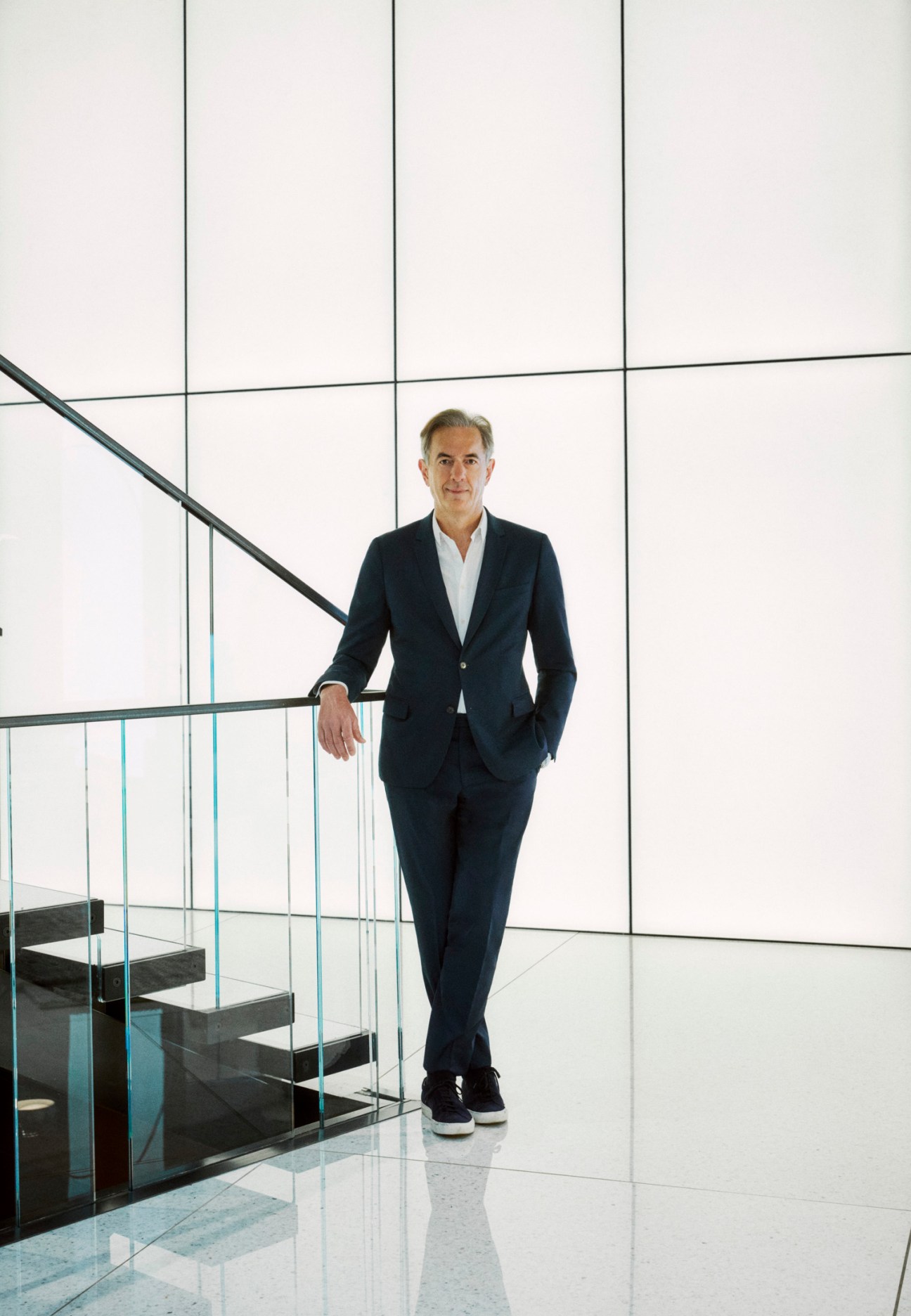
Daniel Lalonde’s CV makes for impressive reading. After starting his career as a management consultant in Paris, the Canadian-born businessman worked at Nespresso before spending more than 10 years in executive positions at lvmh, building brands such as Tag Heuer, Louis Vuitton, Moët & Chandon and Dom Perignon, followed by a stint at Ralph Lauren. In 2014 he became the ceo of smcp and under his leadership the French multibrand group flourished, achieving €1bn in revenues and a successful Euronext Paris listing. In 2021 he channelled this experience in the luxury-fashion sector into high-end design, taking the reins at Design Holding, a group that was founded in 2018 and whose portfolio of brands includes Flos, b&b Italia, Louis Poulsen, Maxalto, Azucena, Arclinea, Fendi Casa, Audo and Lumens. In the past year, the nine brands generated €898.6m in gmv revenues and the company changed its name to Flos b&b Italia Group. Lalonde tells us about the significance of the rebrand and the parallels between fashion and furniture.
Why are groups such as Flos B&B Italia Group emerging in the design sector?
If you look at the fashion and luxury space, it’s a world that has been consolidating into groups for quite some time, with the likes of lvmh and Kering evolving over the past 30 years. It has become a very concentrated sector that is doing very well. That hasn’t happened in high-end design – and that’s why we’re doing it. We are the first to consolidate these types of world-class design brands and provide them all with a platform for international growth. We’re only at the beginning of developing this design space but it is closely linked to luxury and fashion. These sectors have a lot of things in common. The first and probably most important commonality is that we share a customer: they’re someone with a Birkin bag, a Cartier watch and a pair of Louboutins, plus a sofa by b&b Italia and an Arco lamp from Flos.
Why is this shift only starting to happen now?
Design has been a very fragmented industry, built by family-owned companies that are successful in their home markets. Because they are usually small, they found it difficult to expand globally. But that is changing and the sector will grow with the formation of groups. And it’s a good thing because it creates interest in everyone that’s doing work in the high-end design space. It helps the industry to become more democratic too, which benefits consumers. Our job at Flos b&b Italia Group is to be better than our competition – to have superior designs, focus on sustainability and tell the story about our heritage and our icons, which are important.
Explain to us the significance of your rebrand as Flos B&B Italia Group.
The decision to rename the holding company Flos b&b Italia Group was driven by a desire to reference the sectors in which our brands operate and excel in more clearly and directly. We wanted to anchor the corporate name to the founding and most globally renowned brands in our portfolio. We also wanted to highlight the fact that we are a group by including the word in our name, reaffirming our solid, unified and complementary dimension. We are an ecosystem of iconic brands that share a common ethos, focused on beauty, craftsmanship, quality and sustainability, but each of them is fiercely independent, with its own strong brand identity and design dna.
1874
The Louis Poulsen brand is launched as a wine-importing business in Copenhagen.
1925
Kitchen specialist Arclinea is founded in Caldogno, Italy.
1947
Azucena is established in Italy.
1962
Dino Gavina and Cesare Cassina found Flos in Merano, Italy.
1966
Piero Ambrogio Busnelli and Cesare Cassina start furniture firm b&b Italia (formerly c&b) in Novedrate, Italy.
1975
Maxalto is established in Misinto, with furniture designers Afra and Tobia Scarpa as collaborators.
1978
Furniture and homewares brand Menu, now known as Audo, is launched in Copenhagen.
1988
Luxury fashion brand Fendi starts its first homeware collection as Fendi Casa in Rome.
2001
Lighting specialist Lumens is founded in San Francisco.
2018
Flos, Louis Poulsen and b&b Italia Group come together to form Design Holding.
2021
Fendi Casa and Lumens enter Design Holding.
2022
Design Holding acquires Audo.
2024
After a rebrand, Flos b&b Italia Group is born.
The unseen influence of Fathia Elaouni in Moroccan public discourse
Fathia Elaouni has a voice that often gets her recognised. The Radio 2M presenter has been on the airwaves since she was 17 years old. “I got involved in a local station in France, where I grew up, and was told I had a radio-friendly voice,” she says. “What started as a hobby soon became an addiction.” After working at several French stations, she moved to Morocco in the early 1990s and is now the antenna director and editor in chief of its biggest public radio station, on which she appears as a host.
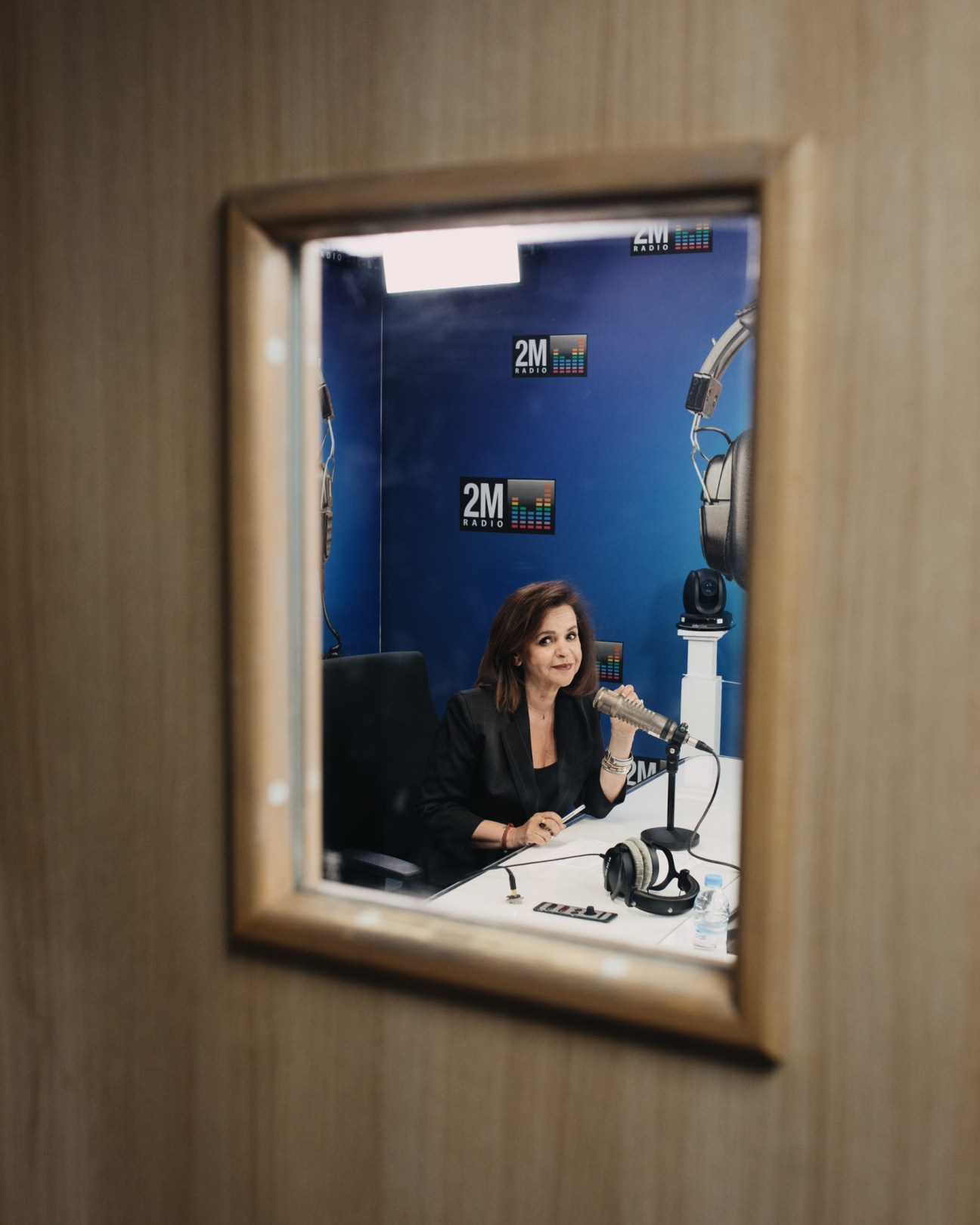
Elaouni and her team report on the daily news and the topics preoccupying the nation and the hosts of the weekly shows Faites Entrer L’Invité (Let the Guest In) and L’Hebdo (The Weekly). Radio is an intimate medium: only a microphone stands between a host and the two-and-half-million listeners that Radio 2M attracts each day. “We’re in people’s homes, their cars and their ears when they take public transport,” she says. “It’s extraordinary because with just our voice we transmit information as well as our emotions. ”
Radio plays a central role in Moroccan people’s lives. It follows the oral tradition of the African conteurs, storytellers who passed down information from generation to generation through folktales, fables, proverbs and riddles. It also benefits from its ability to reach even the remotest areas of the country. Radio 2M broadcasts in the three major languages spoken across the country: Arabic, French and Tamazight.
Beyond the linguistic diversity, it’s also the content of Elaouni’s work that has earned the broadcaster a loyal listenership. Along with her team, she works to provide accurate information in a media landscape shaped by social media and evolving AI technologies that make it difficult to discern the truth. “People trust us,” she says. “If something makes it onto our shows, then it’s true. We have an immense sense of responsibility.”
The CV
1988: Begins working as a journalist for Europe 2 in Auxerre, France.
1990: Moves to Morocco, first to Tangier then to Casablanca, to work for Medi1. Obtains her official press card.
1991: Founds her first radio station in La Rochelle as part of the Skyrock media conglomerate.
2009: Joins the 2M media conglomerate.
2013: Becomes editor in chief at Radio 2M.
2015: Is appointed head of radio at Radio 2M.
Radio 2M also invites the public to call in to its shows. Through these conversations, topics that might be considered taboo in Moroccan public life, such as domestic violence or poverty, can be broached. “Our lines are open from 07.00 until midnight and people call in every day to share their most personal stories,” says Elaouni. On one of Radio 2M’s shows, Kilma Likoum (The Floor Is Yours), public figures face questions live on air. “We recently had a minister on for two uninterrupted hours. It wasn’t us asking the questions – it was the Moroccan people.”
For the country’s elite, from politicians to medical specialists, successfully navigating appearances on the show is a badge of honour. For members of the audience, it’s proof that their voices matter. “Being able to speak openly is important,” says Elaouni. “I often get told, ‘I didn’t think that you would have let me say that,’ but as journalists that’s what we’re here for.”
This year, Morocco moved up 15 spots in Reporters Without Borders’ Press Freedom Index Ranking, from 144th to 129th. Though there’s still work to be done to protect Moroccan journalists, Elaouni is hopeful. “There’s more freedom of speech and that can be seen by how much our listeners make their voices heard on our shows. This has opened the media’s eyes to subjects that we didn’t tackle enough in the past.”
A cultural renaissance in Salzkammergut is reviving art and history
Stretching east of Salzburg to the Dachstein mountains, Austria’s Salzkammergut region, once renowned for salt-mining, has a new currency: culture. Under the banner town of Bad Ischl, the Salzkammergut’s 23 municipalities are one of this year’s three European Capitals of Culture; for the first time, a region, rather than a city, was awarded the coveted title. Buoyed by this vote of confidence from the EU, and with €30m in funding, it is busily reviving its artistic heritage.
“We’re using this impetus to understand how the region can be attractive globally,” says the programme’s artistic director, Elisabeth Schweeger. As part of the yearlong initiative, about 300 projects, including art exhibitions, concerts, operas and operettas, panel discussions, guided hikes and public installations, will come to fruition. It’s a feat spearheaded by Schweeger’s efforts to revive the Salzkammergut’s postindustrial spaces and defunct railway infrastructure.
“We don’t have an impressive opera house or a vast state-owned museum so we must think outside of the box,” Schweeger tells monocle in Bad Ischl’s Trinkhalle, the town’s classical-style concert hall that was once a place for mineral water thermal baths. She has her work cut out: following its illustrious peaks during the imperial era, the town’s cultural clout dramatically faded over time.
In the 19th century, Bad Ischl was considered somewhat avant-garde. Artists and well-heeled Austrians seeking to escape the heat of the capital during the Sommerfrische, the summer holidays, would flock to the Salzkammergut’s mountains. Among them were members of the Austro-Hungarian monarchy, who brought Vienna’s cultural prowess with them in the 1850s. One of the aims of this year’s events is to distribute tourism more evenly around the region. “We’re a team of 38 based across the area, looking at its cultural deficits but also at the possibilities of the Salzkammergut as a model rural region. This isn’t about urbanising the countryside. It’s about reviving dormant cultural facets, on behalf of the Salzkammergut and for Europe as a whole.”
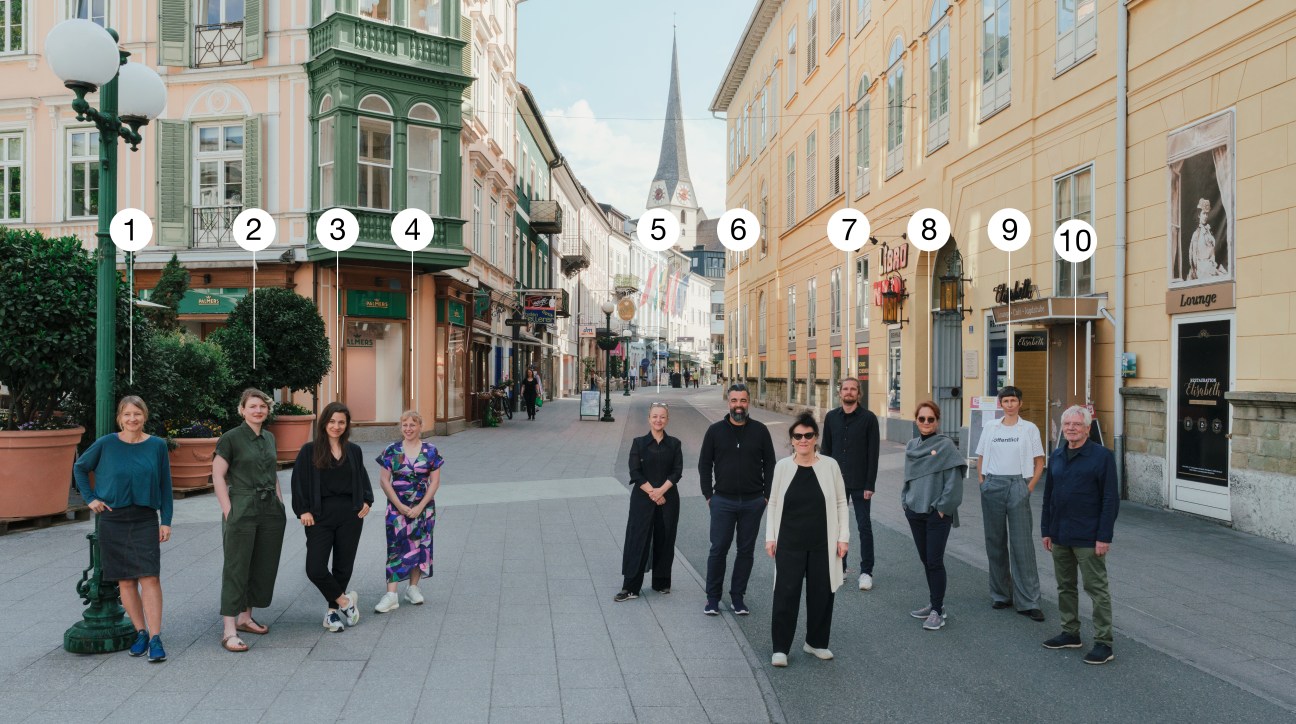
Elisabeth Schweeger
Artistic director
Born in Vienna, Schweeger studied comparative literature and philosophy in Innsbruck, Vienna and the Sorbonne in Paris. Since then, she has curated at the Akademie der bildenden Künste in Vienna and the Venice Biennale. Between 2014 and 2022, she was the artistic director of the Academy of Performing Arts Baden-Wuerttemberg and of the Salzkammergut Capital of Culture programme in November 2021.
1.
Jana Lüthje, Head of dramaturgy, “Lüthje incorporates diverse international perspectives into her theatre, dance and discursive projects.”
2.
Christina Jaritsch, Head of ecology, agriculture and social affairs, “Jaritsch returned to the region after studies in Vienna, Nancy and Havana. Her focus is on climate change and gender diversity.”
3.
Eva Mair, Head of building culture and crafts, “Mair is responsible for areas involving the culture of buildings.”
4.
Lisa Neuhuber, Head of programme, remembrance culture, history and museums, “Neuhuber focuses on the Second World War and remembrance.”
5.
Maria Neumayr-Wimmer, Head of production, “The lead producer of the official opening ceremony this year.”
6.
Stefan Heinisch, Head of communications and marketing, “He helms the Tavern Culture Reloaded project, offering chefs a way to reimagine the regional gastronomy.”
7.
Christian Haselmayr, Head of music, youth and community building, “A former music curator at Linz’s Crossing Europe Film Festival, Haselmayr leads experimental digital art festival New Salt.”
8.
Martina Rothschädl, Head of performing arts and literature, “Rothschädl worked for Salzburg State Exhibitions and the European Art Forum before joining us in Salzkammergut.”
9.
Simone Barlian, Head of visual arts, “As an artist and curator from Gmunden, Barlian is interested in sociopolitical interaction through the medium of art.”
10.
Gottfried Hattinger, Curator for visual arts, performance and sound, “Hattinger curated the ‘Art Your Village’ series, exploring the artistic gaze placed on local communities, traditions and rituals.”
Interview: Prada Group CMO Lorenzo Bertelli on the Company’s Future
On paper, Lorenzo Bertelli holds the titles of chief marketing officer and head of corporate social responsibility at the Prada Group, which involves shaping its communications efforts, leading its sustainability projects and maintaining its cultural relevance along the way. But his influence reaches much further. As the eldest son of Prada’s co-creative director Miuccia Prada and its group chairman, Patrizio Bertelli, he represents the future of the Hong Kong-listed group, which consists of luxury fashion labels Prada, Miu Miu, Church’s and Car Shoe, as well as the beloved Milanese patisserie Marchesi 1824 and Italian sailing team Luna Rossa. And there have never been more questions being asked about the future of the business, given its outstanding growth trajectory over the past five years.
At a time when the industry at large is contending with significant sales slowdowns and price resistance, the Prada Group exceeded all expectations in the first half of 2024 by posting a 14 per cent uptick in sales, with net revenues reaching €2.55bn. Miu Miu, best known for its irreverent designs, achieved a 93 per cent year-on-year retail sales increase thanks in part to increased distribution, multigenerational runway castings and a long series of commercial hits, from tennis-inspired clothing to shoes designed in collaboration with the likes of Church’s and New Balance. That’s why all eyes have turned to Bertelli Jr and the question of what comes next keeps being posed by market analysts, investors and customers alike. Will he take over as ceo? Can he maintain momentum? Are there future acquisitions in the works or will the family cash in on its success by selling to one of the bigger fashion conglomerates?
Time will tell, says Bertelli, who has by now learnt to dodge succession-related questions elegantly. Instead, he is maintaining his focus on the many projects that he is spearheading: scaling the new Prada fine-jewellery line that he helped to launch in 2022, overseeing all group marketing efforts and investing in the sustainability projects that will help to safeguard the company’s future.
One of the schemes that he feels most passionate about is Sea Beyond, executed in partnership with Unesco and focusing on ocean-literacy education for children. The programme offers training sessions by Unesco climate experts to more than 35,000 secondary-school students and teachers from 56 countries, and holds an annual contest inviting the students to create campaigns promoting ocean preservation. This year, the group also worked with Philippe Starck to incorporate the Ideas Box he initially designed for Bibilothéque Sans Frontières into the Sea Beyond initiative: the mobile box containing everything from books to laptops and training materials, will travel the world and facilitate access to sea education for young people in vulnerable communities.
Bertelli, a new father, meets monocle in Venice a few hours before going onstage to join a panel at the city’s Ocean Literacy World Conference. He speaks of the importance of investing in children’s education, establishing cross-generational dialogues and not always expecting instant results.
“We always talk about the younger generations as though older people need to be thrown away,” he says. “But there is nothing stronger than the relationship between different generations. I have never seen bigger smiles on my parents’ faces than when they met my daughter for the first time.”
A philosophy graduate and former rally racer, Bertelli confidently dissects abstract topics and holds multilayered perspectives, much like his mother. He seamlessly moves from talking about the importance of optimism to fashion’s complex effects on society and the psychology of luxury pricing. At the same time, he maintains a sense of pragmatism that allows him to make swift business decisions, execute the kind of marketing strategies that propelled Miu Miu’s explosive growth and approach issues such as sustainability with realistic goals in mind. Here, he shares his take on the Prada Group’s many cross-sector activities and leaves some clues about what might come next.
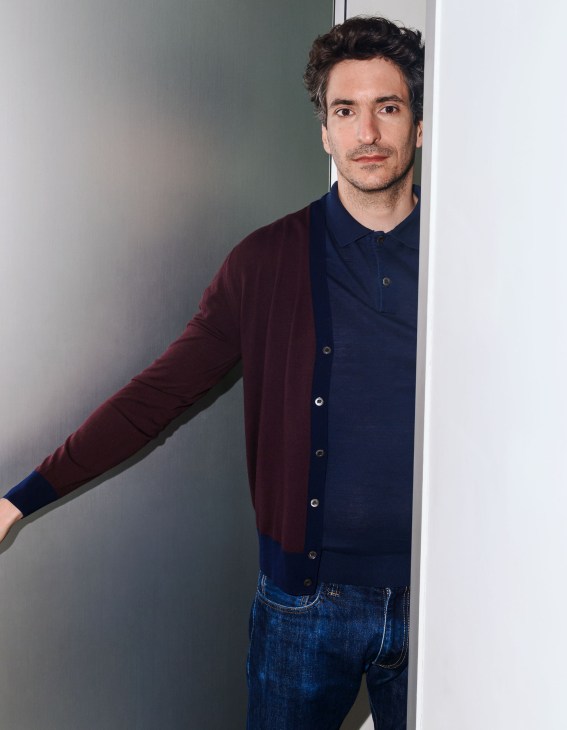
You have overseen a wide range of internal sustainability projects, such as the launch of the popular Re-Nylon range. Why is it important to also invest in public projects and work with governments and organisations such as Unesco?
The main goal is to inspire future generations to behave better. We are always working with photographers and activists but we need the public sector to help us to deploy the educational content [that we’re producing], especially when it comes to dealing with schools, which are public entities in most cases. The public sector isn’t always as fast as the private sector but we need to all work together. Having everybody on the same page will be the biggest challenge.
The process can often be a bit boring when you start. You have to keep going, even though you might not see any results for another five, 10, maybe even 20 years. Politicians in particular aren’t so patient but we need to invest in strategic projects that have longer timeframes.
Do you think that fashion businesses are well positioned to address broader social and environmental issues?
We can leverage the popularity of fashion and the way that it touches pop culture and society to make certain topics more attractive to people. How can you use the company as a communications medium to deliver messages that aren’t related to products? Fashion can be one of the strongest mediums and can help to influence society. We need to think about it as an industry with big pros and cons, with this being one of the pros. We have to try to reduce its environmental impact and play to its strengths to influence people to become more mindful.
What are some of the other key messages that you have been trying to convey using the Prada Group platform?
We need to explain to people that they should pay the right price for what they’re buying. The problem with sustainability today is ensuring that it is no longer perceived as a cost. Customers need to understand the real value of an item of clothing or a bottle of perfume. We are coming out of a long period of illusion when the real cost of goods was not accounted for but somebody had to pay the price at the end. The illusion that everything could cost a few euros or that everything is accessible for everybody is over. This is the message that we need to reiterate: that, unfortunately, not everything can be accessible. It’s the hardest message to relay to the consumer, so it’s essential to do it well.
I was speaking with Matteo Ward [the ceo and co-founder of design studio Wråd] and he said that to explain the value of garments to people, you shouldn’t start by talking about labour costs. You should explain how a well-made piece is better for them and their health, and put the focus on the individual to grab their attention. We’re teaching the future Prada customer and it’s going to be a long process. We have to start, then wait and see. We can be impatient; we don’t start things if we can’t see a shortcut. But we need to go back to investing money and time in things that will pay back in the longer term.
Has the way that you communicate with your customers had to change in recent years?
It’s becoming harder but the challenge doesn’t come from people not listening; it comes from the complexities of the market. We just have to do a better job. As for the mediums that you choose to communicate with, from digital to traditional, those are just the means to an end. I come from a racing background and we always used to say that it’s up to the driver to make sure that the car is fast enough, not the car itself.
You recently announced you will be investing €60m into the group’s industrial facilities in 2024 during the unveiling of a new knitwear-manufacturing plant in Torgiano, Umbria. How important is vertical integration for the Prada Group?
Since the 1990s, my father’s entrepreneurial vision has been to invest heavily in verticalisation [of our supply chains]. We have been the first in this sector. It’s a natural move for us. We’re just continuing to employ the original vision. Maybe for others, integrated manufacturing is something new but, for us, it’s a matter of continuing down the same path.
Has staffing factories become more challenging?
It’s becoming harder to find skilled people and that’s why we’re once again investing in education, with the Prada Group Academy, where retired Prada employees get to teach new talent. It’s an opportunity for them to keep working, to stay connected. It’s a great example of conversation between generations. People often talk about the new generation versus the old generation but we rarely talk about how the two can work together.
What are your ambitions for Prada’s fine-jewellery line, after such a successful launch?
Fine jewellery is now one of the fastest-growing categories for Prada and we’re staying very focused on it. We started with a small business but with the right spirit. It was a new category for us so it was easier to make things right from a sustainability point of view and scale quickly, since we were starting from zero.
Is there an increased focus on growing these new, fashion-adjacent categories and touching different aspects of customers’ lives?
If there is a true lifestyle brand, then that’s Prada. We have so much to say in the worlds of the home, jewellery, technology, material innovation and sport, thanks to our partnership with the America’s Cup. If you look at my mother’s family history, designing jewellery and objects was already part of what they did so I don’t see big gaps that we need to fill. Instead, we need to make the right choices and prioritise some categories. It’s a constant evolution. We’re always looking at where the biggest opportunities lie but we also need to consider what we enjoy the most. At the end of the day, we need to have fun. This has always been the spirit of my parents.
I do see a big opportunity in the world of sports with Linea Rossa [Prada’s sportswear line, known for its signature red stripes]. This is an area of development that we will be strongly focusing on in the near future.
There’s a lot of speculation about a potential sale of the Prada Group. How do you approach this?
We’re focusing on ourselves at the moment and making strategic investments. If and when the right opportunity knocks on our door, we will, of course, look at it. It would be silly not to.
The Prada Group is growing but the industry is being challenged by macroeconomic and political issues. Overall, are you feeling optimistic?
I always say that it’s a matter of the perspective you choose at any given moment. If you compare the current state of affairs to 85 years ago, when the Second World War broke out, the world does seem like a better place. Humankind is always improving.
pradagroup.com
Building a new life and driving Sweden’s green economy in Skellefteå
“It’s not something that I would do back home in India but it looks like fun,” says Philip Paul as he pushes a three-metre-long double kayak into the Skellefte river, preparing to try his hand at a cherished local tradition. Starting something new often feels daunting but dabbling at kayaking is nothing compared to moving across the globe and building a new life. This is what Paul and his kayaking companions today have all done. They are among the thousands of people who have relocated to this booming town in northern Sweden, just 200km south of the Arctic Circle, in search of work and a better life.

“I’ll never forget the moment I arrived in October last year,” recalls the 29-year-old Paul, who is originally from Kerala in southern India. “They announced on the plane that it was snowing in Skellefteå and I had no winter clothes with me. I had never seen snow.” One year later, Paul is working as an engineer for the battery maker Northvolt and he’s prepped for the bitter weather too.
The kayak group is a microcosm of the new Skellefteå. His fellow kayakers are from China, Congo, Brazil and Portugal. In this growing city of more than 78,000 inhabitants, you hear multiple languages being spoken. It’s a remarkable change for an area that, like many old industrial mining and logging towns in northern Sweden, has long grappled with the consequences of a brain drain and a dwindling population.
Skellefteå’s fortunes have turned due to the country’s green transition. Companies such as battery maker Northvolt are investing in the city because it can provide the company with plenty of clean energy: hydropower. The firm opened its Northvolt Ett battery factory here in 2021 and already employs some 2,000 people directly and an additional 4,000 through its subcontractors. Having raised more than €15bn in funding rounds, Northvolt has an ambitious goal of producing batteries for one million electric vehicles (EVs) every year at its factory here.
It’s why Skellefteå is now the fastest growing city in Sweden and predictions are that the population will surpass 100,000 by 2040. These are numbers that would make many cities in this part of Europe (or anywhere with an ageing population) jealous. But how can Skellefteå manage this growth in a sustainable way and ensure that the boom makes the city better to live in for all?
“It’s a challenge: a positive one but still a challenge,” says the director of the Skellefteå municipality, Kristina Sundin Jonsson, when we meet in a café next to the imposing city hall, which is perched on a hill overlooking the river that bisects the city. “We need more of everything, from pre-school teachers to housing, from better transportation to culture,” she says. Her goal is to guarantee that the boom the city is experiencing, which many have likened to the gold rush that characterised this region in the 1920s, transforms Skellefteå for good. “People move here because of the jobs but we need to make sure that they stay because of the city,” she says. The quality of life that Skellefteå and other Swedish cities are known for will be key.
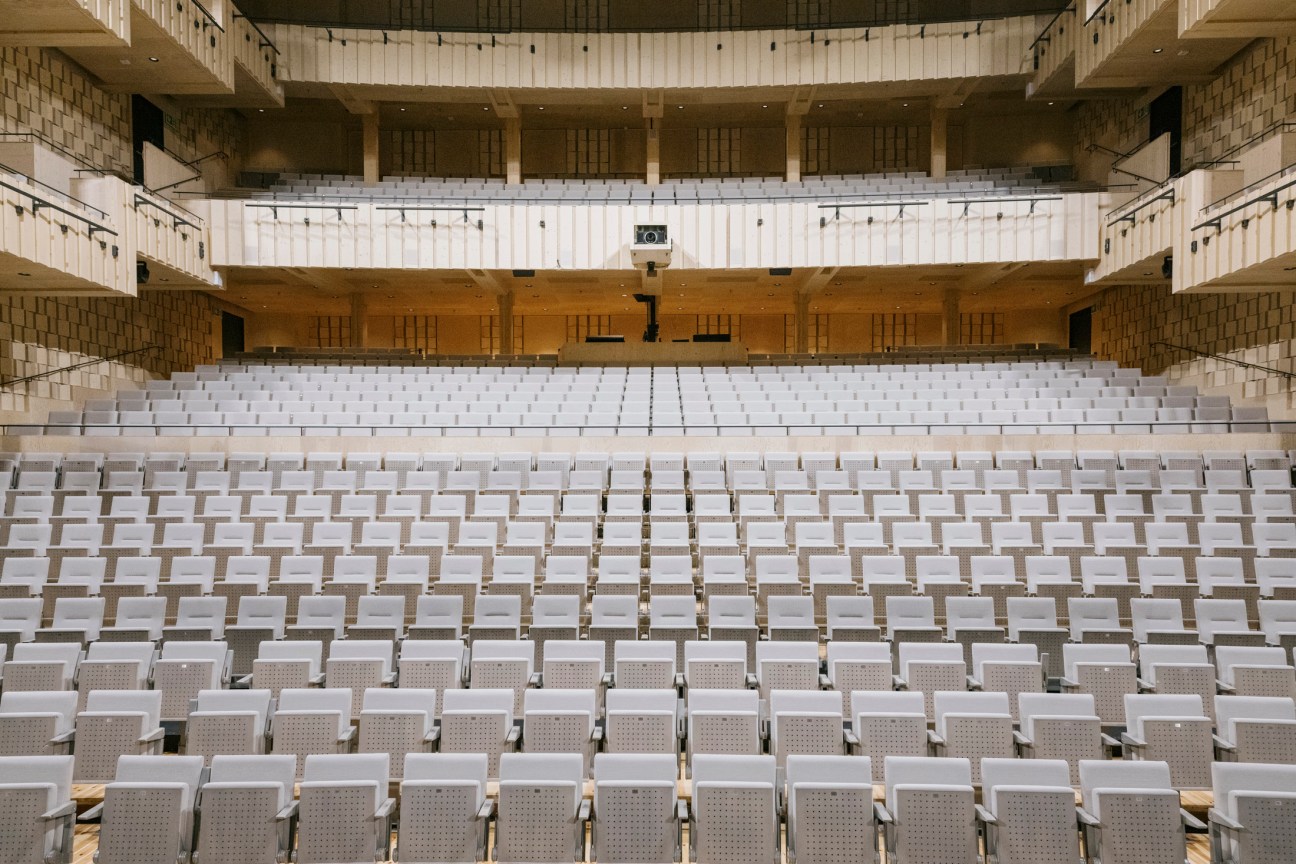
One vital component will be culture. In 2015 the city announced plans to build a flagship cultural centre. Today the Sara kulturhus stands 80 metres tall next to the city’s central square. Built in cross-laminated timber and designed by the Gothenburg-based White Arkitekter, it is one of the tallest wooden buildings in Sweden and without a doubt Skellefteå’s most recognisable landmark. It houses a 205-room hotel, a penthouse spa and three popular restaurants, a library and several venues for the performing arts. “We host about 800 events a year, ranging from music and theatre to dance and festivals,” says its director, Anna Jirstrand Sandlund. The building was publicly funded and is free to enter. Its programming features key figures in Sweden’s cultural life and ticket prices are kept low. “At first, some locals were sceptical about such a large-scale project but we have gradually won them over. People travel from all over Sweden to visit us,” adds Jirstrand Sandlund.
Across Skellefteå, there is a palpable feeling of a city on the up, as new apartment buildings, roads and bridges are being built. “Overall, we are investing skr42bn (€3.7bn) over 10 years to make the city better,” the city’s business director, Anja Palm, tells monocle. In per capita terms, it’s the largest spending figure anywhere in Sweden. The investment includes money for a new passenger hub for bus and rail transport, an airport terminal to handle the passenger increase (about 30 per cent last year), as well as schools and vocational training centres. To fulfil a growing need for skilled professionals such as engineers, several of Sweden’s universities have flocked to the city to open local branches. “We now have about 1,500 people studying in the universities but the number is set to hit 15,000,” says Palm.
When asked what Skellefteå’s biggest challenge is, almost everyone, the municipal director included, says housing. Such growth in a relatively small area means there just aren’t enough apartments to handle the influx, especially when the city wants to build “good homes, not just homes”, as Sundin Jonsson puts it. Skellefteå has opted to place newcomers into temporary housing near the Northvolt factory on the city’s outskirts. “We believe that temporary accommodation is better than rapid and bad constructions, as it allows us to build higher-quality housing for everyone,” says architect and urban planner Therese Kreisel. She’s responsible for planning in the city; among other duties, this includes overseeing the creation of more than 9,000 new homes by the end of the decade. “The goal is to build mixed-use residential areas that are home not only to people but also to commercial activity and services,” says Kreisel.
City transport options
Skellefteå is also reaching out to new residents who have moved to the city to help them integrate. “It’s great that people come here because of jobs but if there are no other reasons for being here, we will have a hard time convincing them to stay,” says Sundin Jonsson. A space in the city hall, Welcome House, helps the new residents with everything from permits and practical advice to more complex issues such as making friends. The newcomers we meet speak highly of the reception that they’ve received. Many have made friends who have taken them skiing in the winter, hiking in the summer or taught them about the Swedish fika – a tradition of coffee and pastry moments that the Swedes take so seriously.
Northvolt employs people of more than 118 nationalities in its Skellefteå factory, which means a major change in the urban fabric of the city. Ethnic restaurants are popping up, as well as English-language schools and day-care centres. The city even has its own cricket team.
Life in this part of Sweden is all about friluftsliv, or spending free time outdoors in nature. To help newcomers, locals have founded a free Fritidsbanken for everyone’s perusal, where people can borrow skates, skis, fishing rods and backpacking equipment.
Not all of the locals are excited about the rapid changes afoot in Skellefteå. Apartment prices have increased and the ethnic make-up of the city has transformed. Sundin Jonsson says that it’s important for city leaders not to forget about older residents and their needs. “We need to make them understand that this growth benefits everyone,” she says, alluding to the fact that an increase in the working population also means better public services. “We have more taxpayers, better schools and infrastructure, as well as a more pleasant city to live in,” she says.
The city is also mindful of not putting all of its eggs in one basket. Northvolt is a major reason for the boom but the growth and investments that the city has made have served as a pull for some industries and given a boost to others. Companies such as South Korean battery materials provider Dongjin, which opened its first European outpost in Skellefteå in March, and logistics giant DB Schenker have moved here, and across the city, new factories are being built for businesses in sectors ranging from component manufacturing, green fertilisers and water purification to clean energy. According to the city, nearly 700 new facilities have either been opened or will begin construction in a few years. And when it comes to attracting new residents, it’s not only foreigners moving in. monocle meets many Swedes who have relocated to the area – or returned after years down south – not because of Northvolt but because of Skellefteå’s new image as a city of real opportunity.