Issues
Air Force: How Enrico Galletti became one of Italy’s youngest primetime news presenters
Enrico Galletti’s voice is recognisable to more than six million listeners every day. At the age of 26, he is one of the youngest radio presenters at a major Italian news station. Monday to Thursday, the Cremona-born journalist hosts Non Stop News, the morning show on RTL 102.5, where he delivers the news. Here, he tells Monocle about what makes a good interview, why radio remains a vital medium and which books are on his nightstand.

Did you always want to be a journalist?
When I was a child, my father took me to a football match and I slipped away. He found me in the media section, watching the reporters instead of the game. I started at my local newspaper in Cremona when I was in high school, then joined the Corriere della Sera [Italy’s most-read newspaper] before starting at RTL Italia in 2019.
What drew you to radio?
I love the live element of it. There’s a thrill in narrating the news as it unfolds and knowing that on the other end there’s someone listening.
What makes radio an enduring medium?
We live in a time when we’re bombarded with information that’s not always reliable so people listen to the radio with the goal of properly understanding a topic. Our audience comes from all walks of life and wants us to get to the essence of an issue. That’s the true mission of this medium – cutting through the chaos of the news cycle.
What’s the general sentiment among young Italian journalists today?
Every young journalist has heard the depressing discourse from older colleagues that the industry isn’t what it used to be, that we shouldn’t invest too much into it and should have a plan B. It is a more difficult career now but we’re also more in need of trustworthy reporters than ever. As young journalists we don’t have to reinvent the job. We just need to adapt it to our time.
Which recent story are you most proud of?
The way that we covered the tragic fire in Crans-Montana in January left a mark. We interviewed doctors who were sharing the latest updates but also their own thoughts as they were trying to save people. For me, good journalism is about stating the facts but also sharing the emotions.
What’s the secret to a good interview?
I always draw some of my questions from our listeners’ feedback and the points that they make during live segments. This helps me to keep the conversation geared towards most Italians’ reality and preoccupations.
What are you currently reading?
On the fiction side, I have just reread Heaven and Earth by Italian writer Paolo Giordano, which I found so moving. I’m also reading Alessandro Sallusti’s volumes on the history of the Italian magistrature. This is ahead of the upcoming referendum on the Italian judiciary. It’ll help me to figure out how to explain it to our listeners.
rtl.it
This article is from Monocle’s March issue, The Monocle 100, which features our editors’ favourite 100 figures, destinations, objects and ideas.
Read the rest of the issue here.
Step inside the Boston Central Library, a beaux arts monument to democracy
There’s a stately, almost courtly grandeur to the Boston Central Library’s McKim Building. It’s magisterial but not imposing; ornate but not baroque. Even on a cool, rainy morning, people filter through its bronze doors and crane their necks to read the names carved into its granite façade: Confucius, Mohammed, Socrates, Pushkin, Edison and Bell, alongside dozens more philosophers, artists, scientists and composers whose works are among the peaks of human achievement. A motto is inscribed above the entrance: “Free to all.”
The building, which opened in 1895, was commissioned at a time of cultural optimism, amid a drive for social reform in the Anglophone world. As disinformation and AI slop pollute the public discourse, the story of this institution and its original ambition to provide free access to accurate information, space for forums and room to learn feel particularly relevant today.
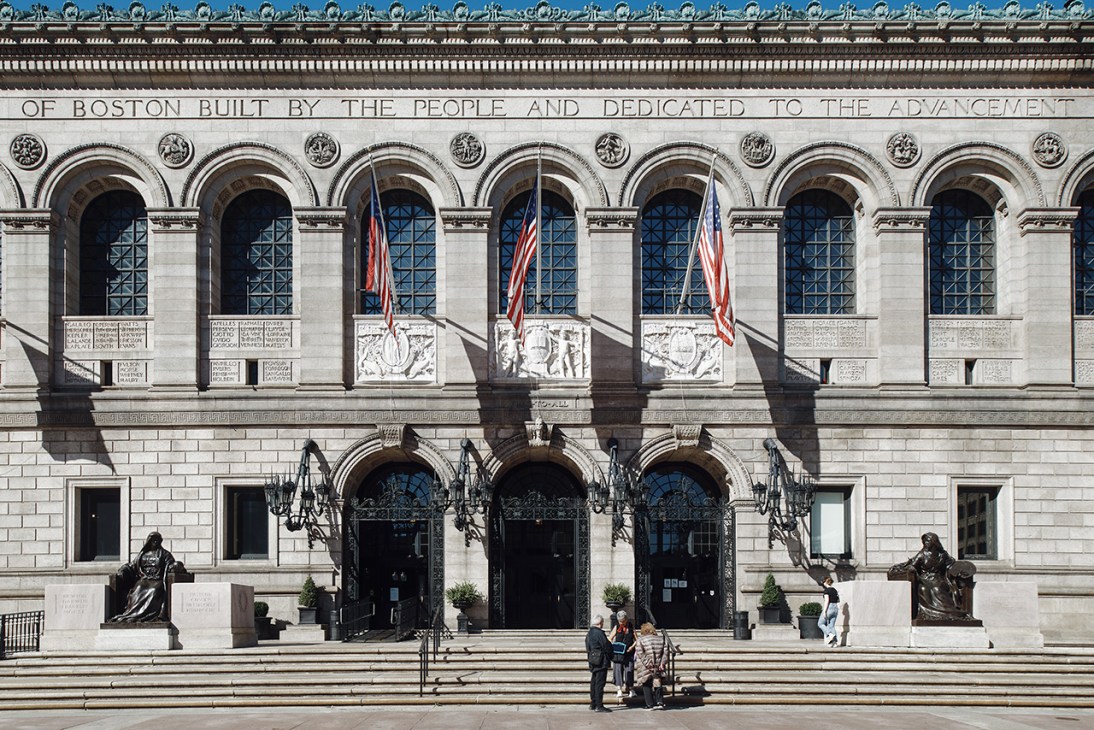
Founded in 1848, the Boston Central Library was the first city-run, free public institution of its kind in the US. It was a hit with the city’s residents; when the library eventually outgrew its first premises, the state legislature allocated funds to erect a new building. After a few false starts, New York architecture firm McKim, Mead & White was handed the commission. Its namesake founders were the leading architects of the American Renaissance movement, which was characterised by lofty ideals and a fondness for classical and Renaissance aesthetics. The building took its name from the project’s primary architect, Charles Follen McKim.
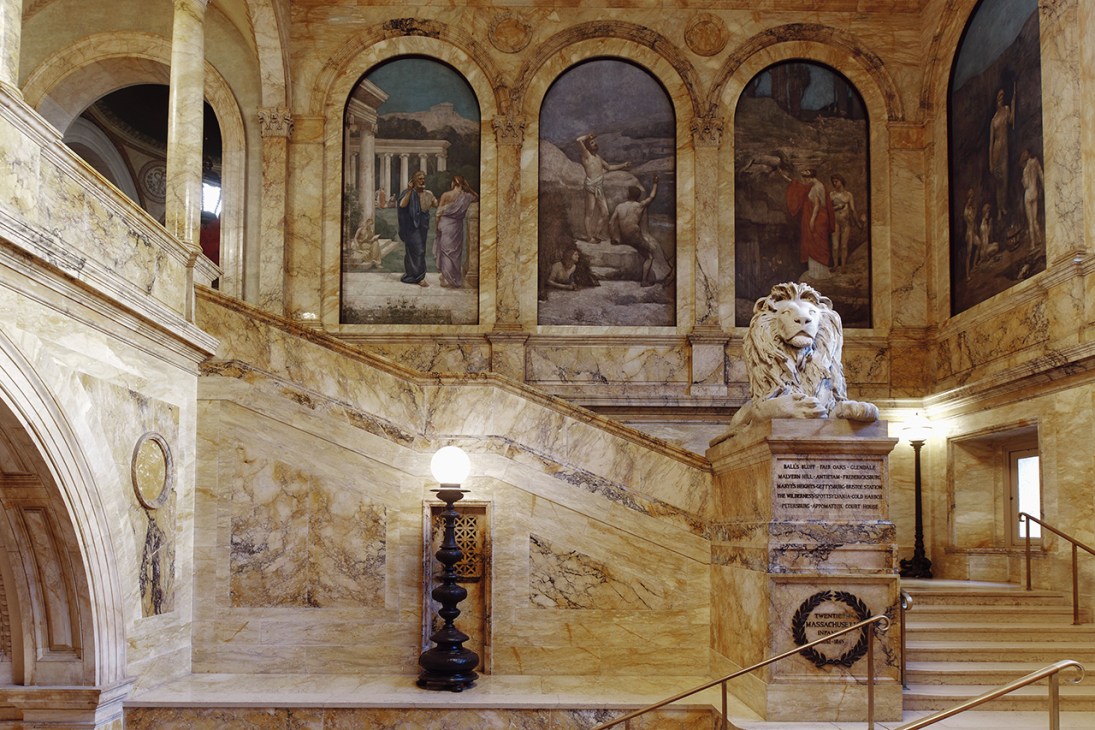
“This is McKim’s brainchild,” says visitor experience co-ordinator Katherine Mitchell. “He worked closely with the library’s trustees but had a real vision.” McKim’s influences were broad. For the building’s façade, he took inspiration from the arched windows and neoclassical restraint of Paris’s Sainte-Geneviève Library, built in 1850. Inside, his beaux arts education rears its head with two marble lions on the grand staircase, whose walls are made from yellow Siena marble.
“Based on his correspondence, he was probably a micromanager,” adds Mitchell. “He handpicked every block of marble.” Such attention to detail was essential to deliver architecture that would inspire. For the staircase, McKim split marble blocks in two and arranged them to form mirror-image panels, placing darker pieces at the bottom and lighter pieces at the top. Ascend the stairs and the room appears to brighten with every step until, at the top, eight murals by Pierre Puvis de Chavannes – depicting personifications of different expressions of human knowledge, such as astronomy, philosophy and epic poetry – burst into view.
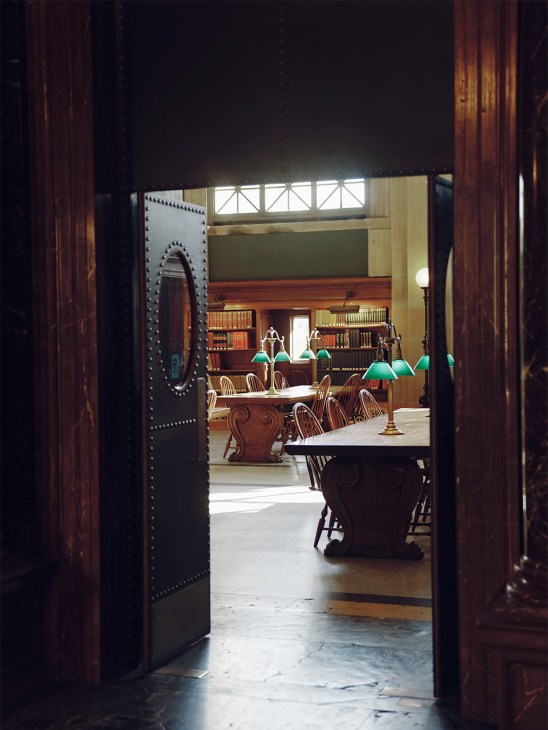
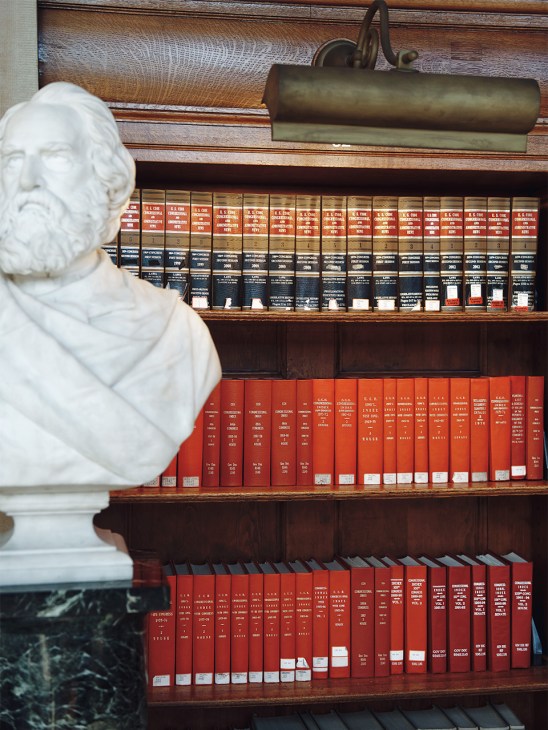
Every section of the library is a world unto itself. There’s the sun-filled reading room, Bates Hall, with its enormous barrel-vault ceiling; the Abbey Room, in which McKim installed a 15-panel mural depicting Galahad’s quest for the Holy Grail, so that visitors would have something to look at while waiting for book deliveries; and the courtyard garden, which was inspired by Italian Renaissance palazzos – a cloistered oasis with neat hedges, a gurgling fountain and arcaded colonnades.
The library’s top floor is home to unfinished murals by John Singer Sargent – the largest-scale works that he ever painted. He spent more than 30 years on the project but was unable to complete it before his death, leaving a blank panel in the centre of the room. The series, Triumph of Religion, depicts scenes from Judaism, Christianity and ancient Egyptian and Assyrian polytheistic traditions. The work is mesmerising, tonally intense and almost frightening – a stark contrast to the murals that adorn the lower rooms and halls, with High Renaissance colouring and mythic themes.
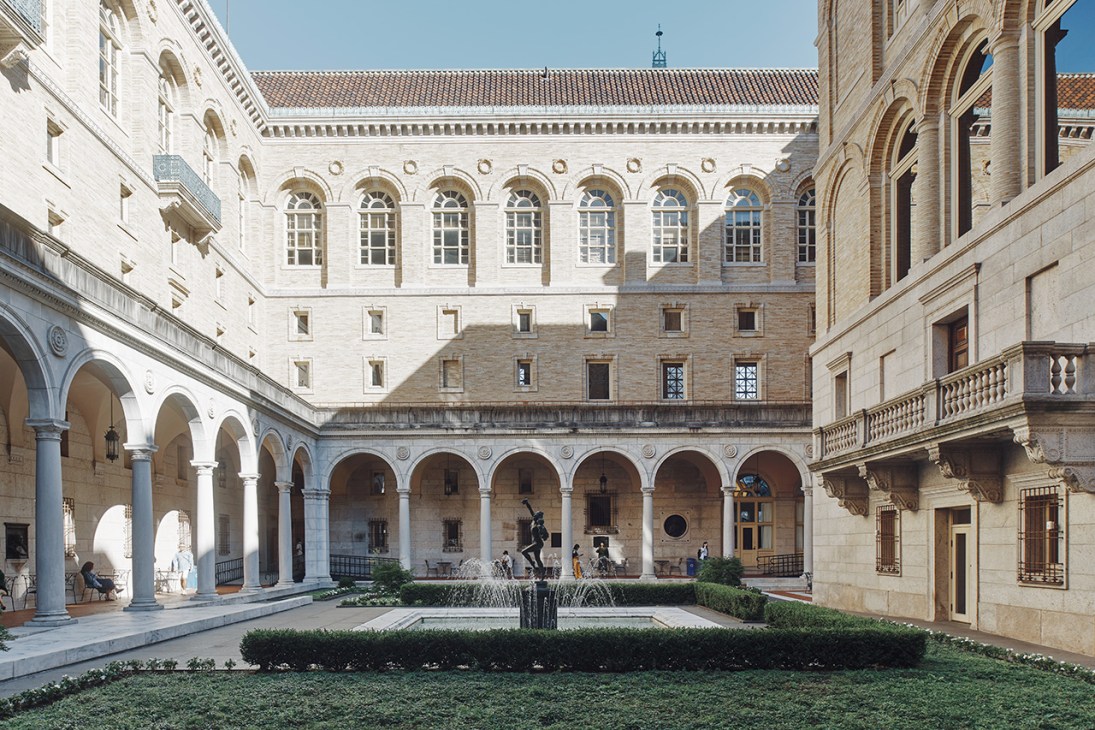
Today the McKim Building is a hybrid institution. It’s a library but also something of a museum. There’s a café inside and chairs and tables in the courtyard where visitors work, read, chat and play – or simply relax beneath shaded porticoes. Most of the library’s day-to-day services and newer, more technologically advanced amenities are next door in a modernist structure on Boylston Street, designed by Philip Johnson in 1972. But the McKim Building offers something different. It’s a long-standing reminder of the essential role that libraries play. Some 130 years after it opened, it remains a monument to the ideals that inspired its construction: civic pride, humanism and democratic access to knowledge and art. And it’s still free to all.
bpl.org
This article is from Monocle’s March issue, The Monocle 100, which features our editors’ favourite 100 figures, destinations, objects and ideas.
Read the rest of the issue here.
Charlie Smith: The in-demand CMO creating something from Nothing
Fashion designers are no longer the all-powerful figures that they once were. As labels engage with global clients, teams are growing and roles are being revised – meaning that it’s increasingly important to tell the stories behind the clothes through attention-grabbing campaigns and brand ambassadors.
This is where marketers come in and Charlie Smith is among the most in-demand chief marketing officers of his generation. Working alongside Jonathan Anderson, he helped to transform Spain’s Loewe from a sleepy leather house into one of the most desirable brands of the moment through initiatives such as the yearly craft prize and campaigns featuring Maggie Smith. Now he is off to Nothing, the UK headphone and smartphone maker, to help it embrace the zeitgeist. Here, he talks to Monocle about building cultural brands, breaking the rulebook and his ambitions for his new gig.

Why do so many luxury brands want to connect with culture? And how do you make those connections in a way that feels genuine?
To be a cultural brand in today’s world you have to behave like a publisher in your own right. If Nothing takes on this role of music publisher, how can we give back to the music community? How can we create events, publish materials and build a community around the brand? That’s what we did with Loewe very effectively – beginning with craft and the Loewe Foundation Craft Prize, our sponsorship of Studio Voltaire and different artists around the world. We then connected to the craft of filmmaking and art – and that, to me, felt very different to what other brands were doing, especially French ones, where it’s about the brand image.
The way I see it, modern-day brands can be patrons of the arts and help support artists, musicians and filmmakers. That’s when the creative community can see that you want to engage in a dialogue and not just take from them.
How do you keep up with ever-evolving marketing trends?
One of the things that I love about my job is that no matter which category you work in, whatever you did a year ago becomes irrelevant. I’m always asking friends and colleagues what’s inspiring them; I’m always looking online to keep up with the zeitgeist; and I find inspiration everywhere, from the Marty Supreme campaign to painters such as Rachel Jones. The way that we communicate will continue to evolve.
What opportunities do you see with Nothing?
I can’t think of a single tech brand that has recently done something cool, unless I go back to Casio in the 1990s. It all feels a bit corporate and awkward. The way to do it is by collaborating with amazing, up-and-coming creatives. I really want to create strong connections to fashion and also to music culture. This idea of collaboration and co-creation feels very modern to me.
nothing.tech
This article is from Monocle’s March issue, The Monocle 100, which features our editors’ favourite 100 figures, destinations, objects and ideas.
Read the rest of the issue here.
The Toyota Crown turns 70 and looks to a hydrogen future
When the Toyota Crown debuted in the 1950s, it marked a breakthrough. The regal and reliable model was one of the first successful cars developed and manufactured entirely in Japan postwar – an accomplishment that put rivals on notice at a time when the easiest way for the nation’s automotive brands to get ahead was through partnerships with US or European manufacturers.
In the seven decades since, the Crown has earned a reputation as a versatile but also stylish model – it’s admired for the original’s rear-hinged back doors and curvaceous grille, as well as for its various incarnations as sporty two-door coupés or stately saloons. The different takes on the Crown have all had their own personality but the designers have always preserved a sense of continuity as technology and tastes have shifted. Over the years, the Crown has also been adapted for a variety of fuel types, from petrol and liquefied petroleum gas to petrol-electric hybrid.
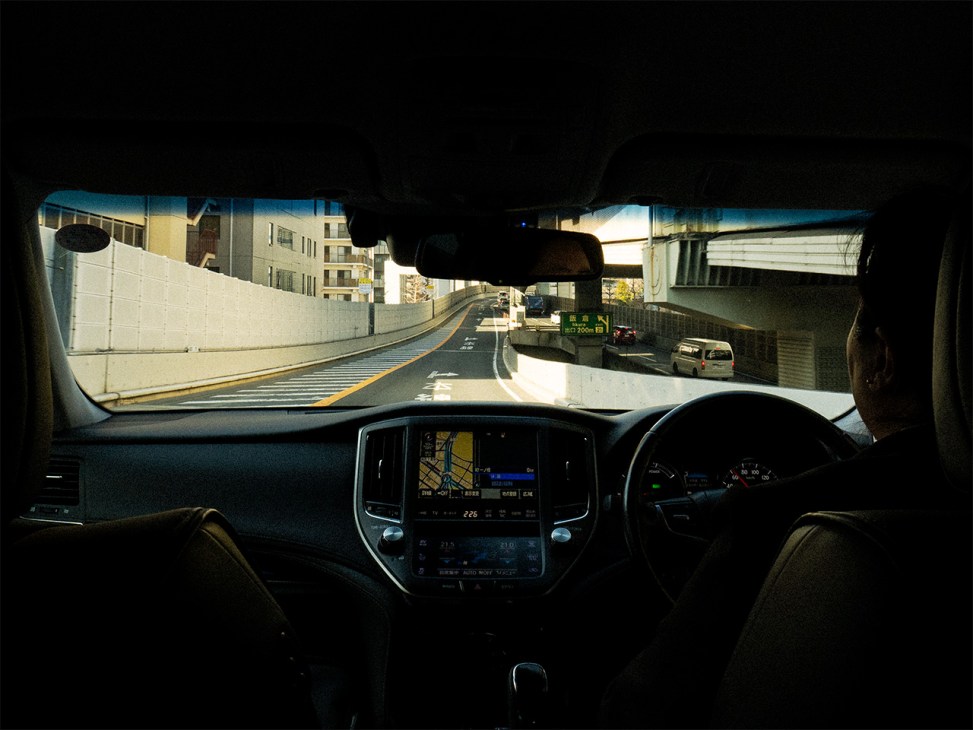

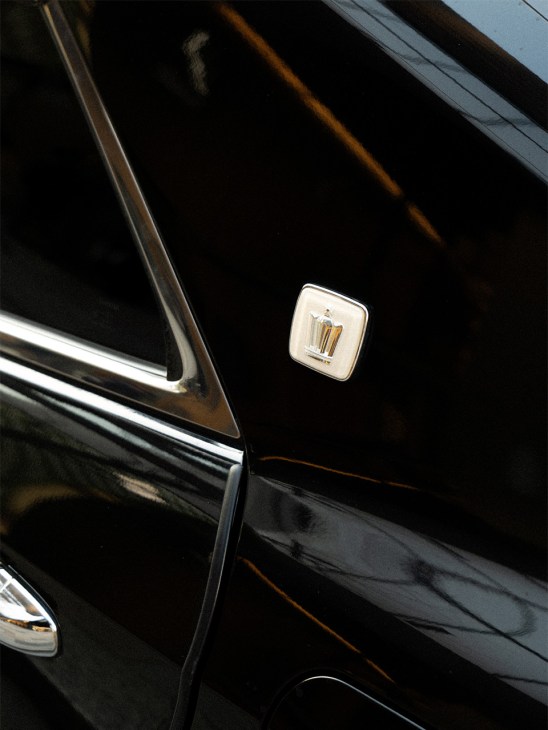
For the Crown’s 70th anniversary in Japan, Toyota has broadened the utility of the flagship model even further. Besides the saloon, there are now three new versions: a station wagon, a mid-sized SUV and a sporty “crossover” saloon (pictured). For the first time, Toyota is also selling a version of the saloon that runs on hydrogen, emits no greenhouse gases and makes barely a whisper of noise. Tokyo’s metropolitan government has already started adding these to its taxi fleet as part of a plan to put 600 hydrogen-fuelled cabs on the city’s streets by 2030.
global.toyota
This article is from Monocle’s March issue, The Monocle 100, which features our editors’ favourite 100 figures, destinations, objects and ideas.
Read the rest of the issue here.
Starlink’s in-flight wi-fi is an overdue gamechanger
The big breakthrough of the moment in aviation doesn’t have wings or turbines – instead, it makes smart use of out-of-this-world technology. With aerospace engineers struggling to deliver much that’s revolutionary, a reliable, no-fuss, high-speed data connection will be the real game changer. For now, the primary player is Starlink. It has won contracts with several major airlines, which have proceeded to roll out the product quickly. The system’s antenna is small and light with no moving parts and it requires no onboard server. That means it can be outfitted during an overnight stop.

The Low Earth Orbit satellites that it uses are crucial to delivering higher speeds and broad coverage. Many existing players in in-flight connectivity are rushing to roll out their own solutions. Passengers will enjoy typical download speeds of 250 megabytes per second to 300 megabytes per second. Scandinavian Airlines recently demonstrated its setup on a flight from Copenhagen to the Arctic Circle. It works – and the speeds have not been exaggerated. What that will mean when an entire aircraft cabin can be live-streaming at the same time is another matter. But one thing is clear: this will rapidly become a competitive necessity.
starlink.com
This article is from Monocle’s March issue, The Monocle 100, which features our editors’ favourite 100 figures, destinations, objects and ideas.
Read the rest of the issue here.
Planning a trip? Here are the top-three flights, cabins and lounges to book
The topic of air travel too often centres on the origin and the destination and seldom includes the moments in between. Monocle has collected three such moments: a fabulous first-class suite, a laudable lounge and a praiseworthy flight path.
1.
Air France sets a new industry standard with its upgraded first-class suites
When Air France refreshed its La Première (first-class) suites last year – giving passengers both a comfortable seat and a longer chaise longue on which to relax or sleep – it improved an already celebrated product that many considered the best in the world. The new suites are spacious, with each Première seating area spanning five windows – perfect for those who like to gaze outside while flying. Floor-to-ceiling curtains, meanwhile, grant privacy when drawn and room to breathe when pulled back.
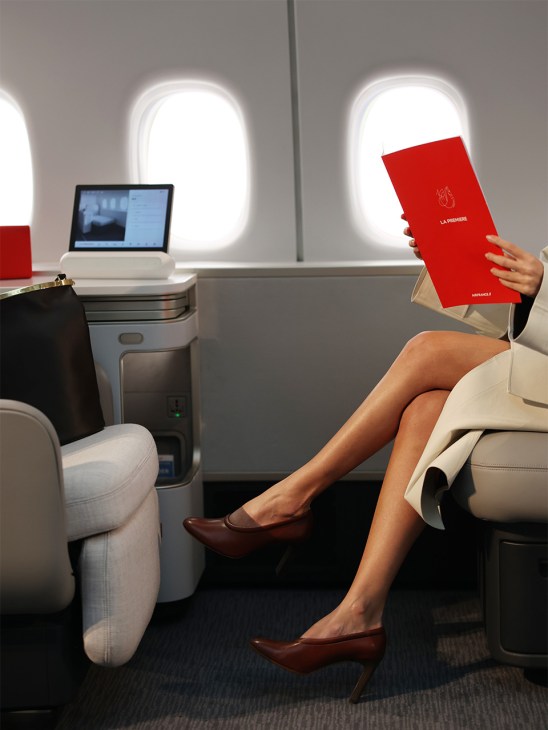
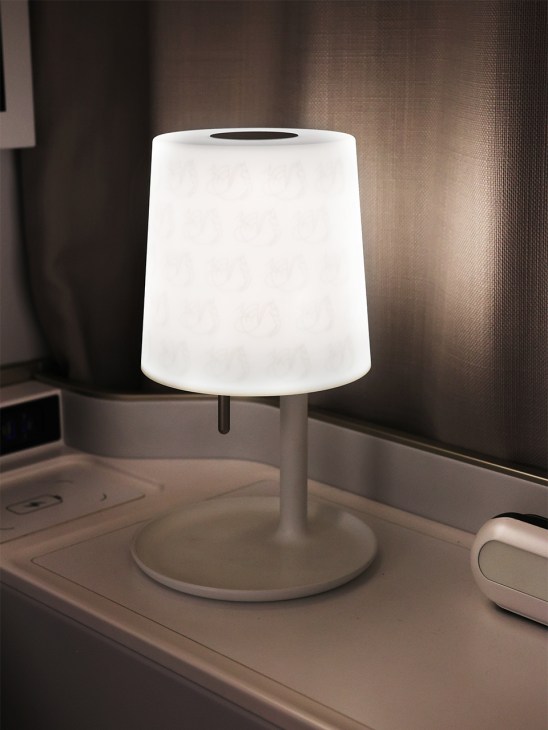
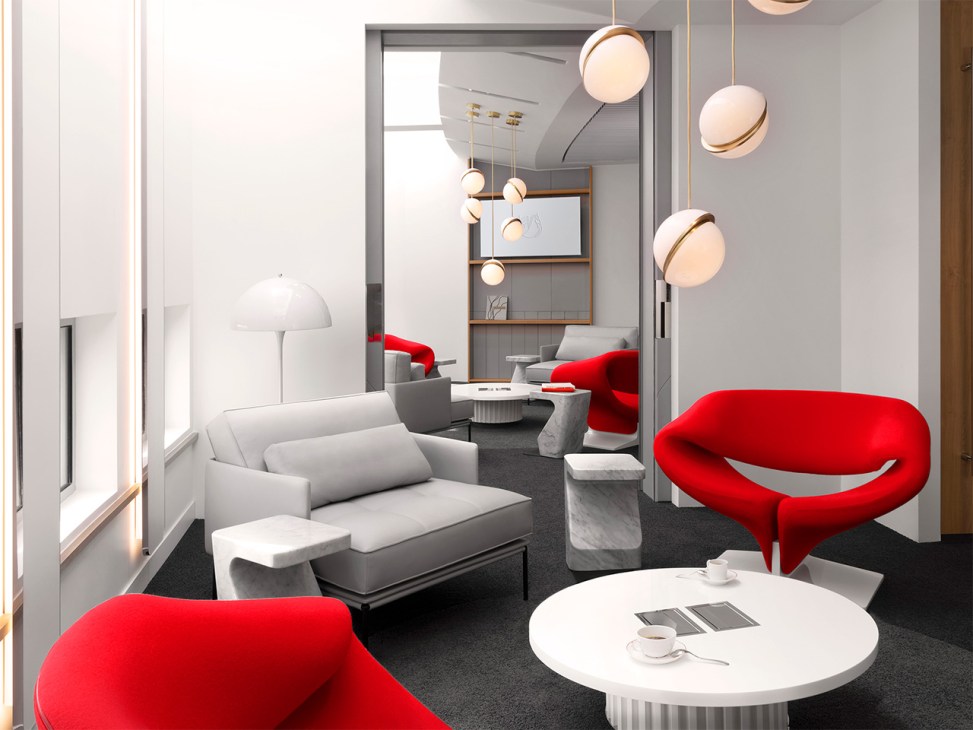
But the real difference is in the ground service. Though it’s an area that many companies overlook, what happens at the airport can make a significant difference to your flight experience. Most air-travel issues occur before you settle down in your seat, with queues, crowds and noise casting a pall over your day. However, at Charles de Gaulle – an airport not noted for efficiency – Air France has sought to minimise inconvenience throughout the departure and transit processes.
Ground perks include a driver to collect and take you to the private check-in area, which leads to an exclusive security screening and then directly to the lounge, bypassing the main terminal area. When it’s time to board, a Porsche is on hand to take passengers to the aircraft steps. The service was already industry-leading. Now these tweaks have set a new standard.
airfrance.fr
2.
Design that soars: why Cathay Pacific’s lounges remain a ground-level triumph
There are many airlines competing for best-in-class seats and service at 30,000 feet but on the ground there’s only one winner. Cathay Pacific’s peerless lounges, created with London-based designer Ilse Crawford, continue to soar above the competition with their homely furnishings, signature cherrywood panelling and sense of warmth.
The remarkable collaboration started in 2014 at Tokyo’s Haneda Airport and was then responsible for The Pier first- and business-class lounges at Hong Kong International Airport (HKIA), among other places. The Bridge at HKIA got the Crawford treatment last year and a revamp of The Wing first-class lounge is under way.
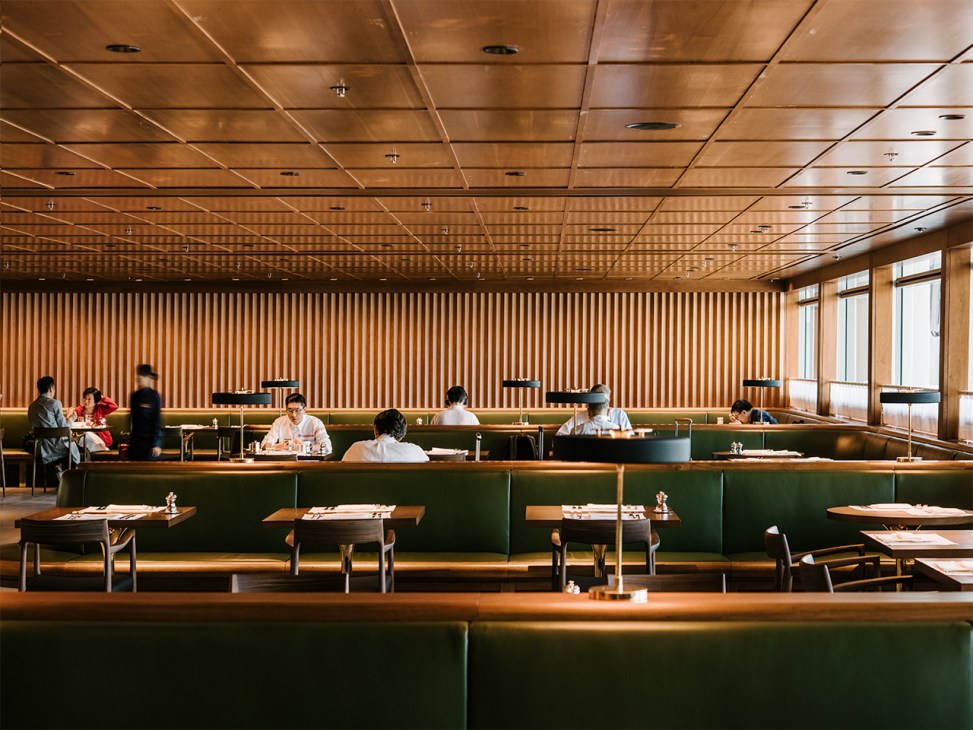
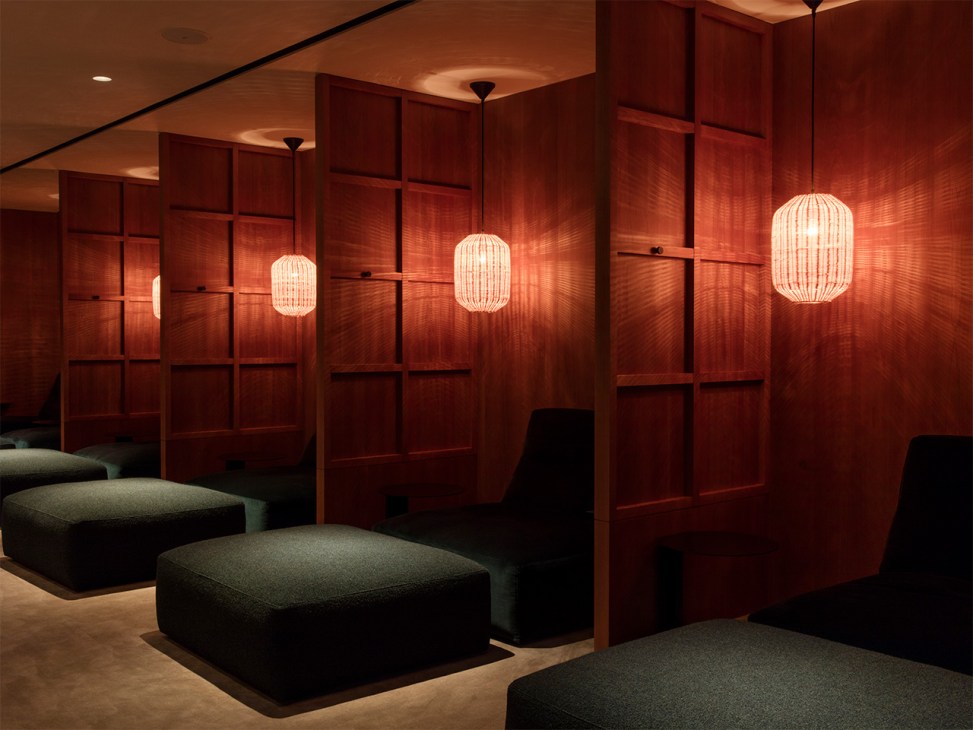
Studioilse is keeping a careful eye on proceedings to ensure that what has made the lounges so successful to date remains intact (the right light, rich, tactile materials and sense of scale), while keeping the peerless design and thoughtful furniture looking fresh. Next on the runway? Cathay’s first New York lounge, which will open later this year.
3.
Côte d’Ivoire’s premium air corridor: Paris to Abidjan
When asked to pick the most glamorous airline journey in the world, which comes to mind? Perhaps some of the traditional transatlantic heavy hitters: Paris to JFK or London to Los Angeles? Or maybe Miami to Buenos Aires still carries an air of romance? But we suggest a busy route for which it’s often hard to book a seat at the front of the plane – specifically, Paris to Abidjan, Côte d’Ivoire’s capital.
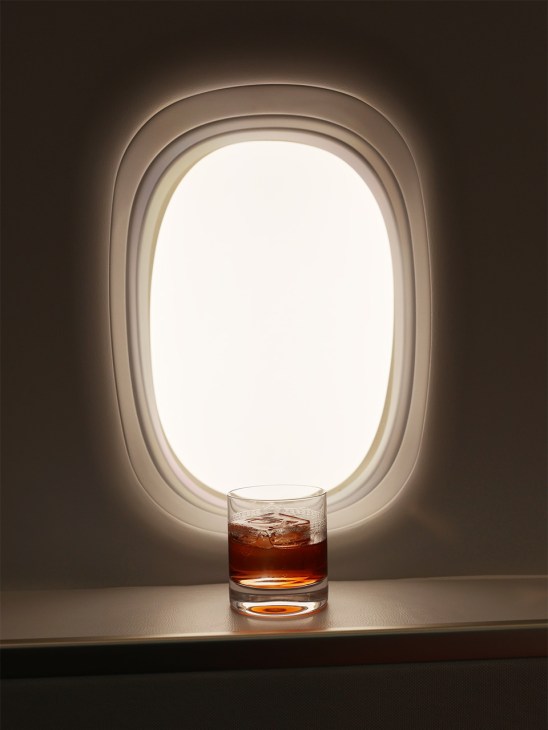
This route has been quietly pulling in healthy profits for Air France for years (it is notably one of only 14 for which it offers its La Première first class), thanks to the West African country’s dynamic economy and a demanding clientele of regulars shuttling between the two cities. Corsair also serves the route and now there is another player. Air Côte d’Ivoire recently bought a pair of factory fresh Airbus A330neo widebodies and began its own service on the lucrative route last autumn. The Ivoirian flag carrier offers its own first-class section in addition to a large and often very busy business-class cabin.
That combination of flying to an African coastal capital and a selection of some of the world’s better premium cabin products en route holds a special appeal. Business in Abidjan? Book well in advance and enjoy your journey.
These articles are from Monocle’s March issue, The Monocle 100, which features our editors’ favourite 100 figures, destinations, objects and ideas.
Read the rest of the issue here.
Inside the Finnish Embassy in New Delhi: A landmark of Nordic architecture
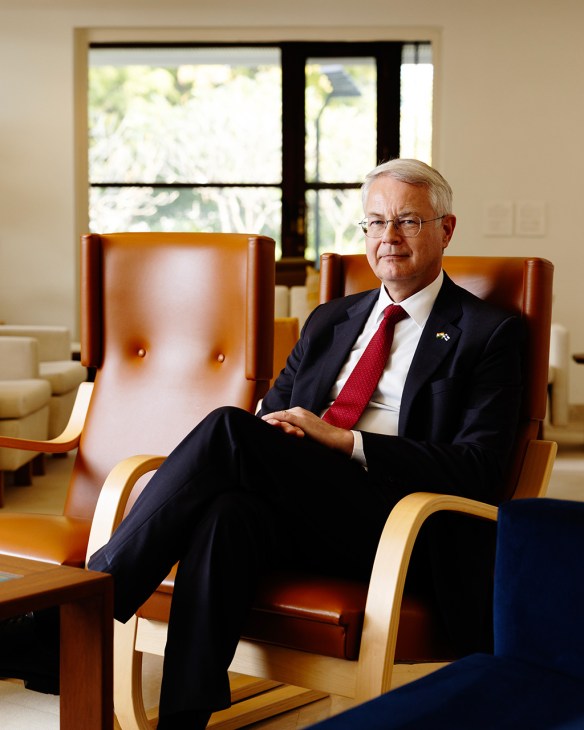
“This is without doubt Finland’s finest overseas mission,” says the country’s ambassador to India, Kimmo Lähdevirta, of the building in New Delhi’s Chanakyapuri neighbourhood where he now lives and works. He might be biased but when you learn that Lähdevirta has previously served in New York, London, Beijing, Hanoi and Belgrade, you’ll agree that his opinion carries weight. Chanakyapuri, the Indian capital’s diplomatic zone, is a tree-lined oasis in a clamorous megacity. But even among its tastefully designed mansions, the Finnish embassy stands out as a mission statement for Nordic modernism.
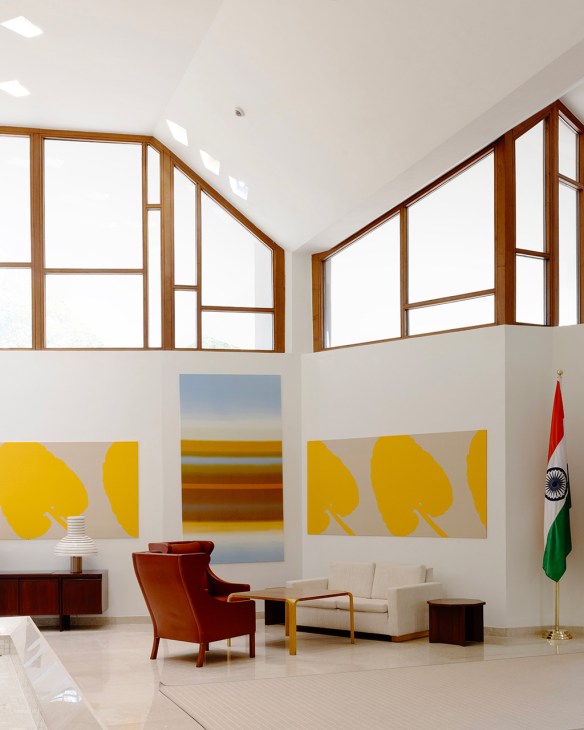
It’s the result of a design competition won by husband and wife duo Raili and Reima Pietilä in 1963. Finally constructed in 1986, the building’s low, white, rippling roof was intended to evoke the snowy peaks of the Himalayas and the icy hills that surround Lake Kitkajärvi in Finland. In the 20 years between its conception and fruition, the original design, which featured one roof, was altered, breaking the single white expanse up into six lateral buildings, evoking the collegial atmosphere of an Indian ashram.
Finnish art and design fill the space, including ceramics by Rut Bryk and a winter landscape painted by Pekka Halonen. There are Indian touches too, such as sliding wooden doors. Home to about 40 staff, it’s now one of Finland’s largest overseas missions – reflecting its increasing importance as India has grown to become the world’s fifth-largest economy.
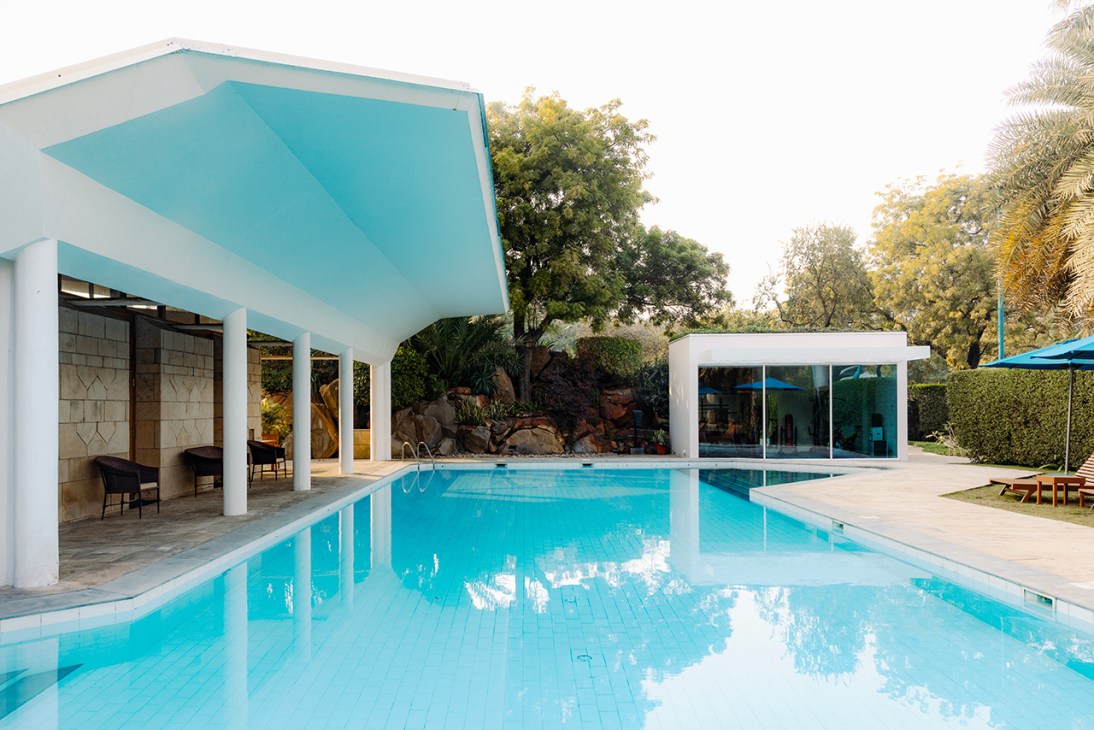
As well as those seeking visa renewals, there are many visitors who are interested in the building. “For them, it’s an experience,” says Lähdevirta – one that often leads to conversations about Finnish aesthetic experimentation. In this way, the structure is the perfect advertisement for qualities that the nation wants to project abroad.
This article is from Monocle’s March issue, The Monocle 100, which features our editors’ favourite 100 figures, destinations, objects and ideas.
Read the rest of the issue here.
Revival or ruin? The controversial €65m makeover of Madrid’s Torres de Colón
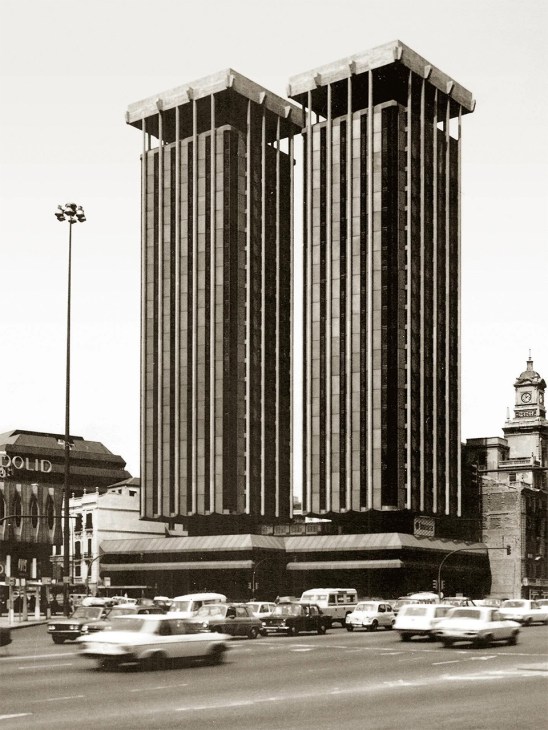
In the late 1960s, Spanish architect Antonio Lamela began construction work on Torres de Colón– twin skyscrapers covered in bronze-coloured aluminium (pictured) – in Madrid’s Plaza de Colón. Half a century since their completion in 1976, a recent renovation has stripped them of Lamela’s vision – leading many madrileños to question the rush to retrofit older buildings.
The original skyscrapers were divisive: for decades, the city’s residents debated whether they were architectural marvels or mockeries, an eyesore or a bore. The Torres Colón story began in 1964, when Lamela conceived the two 24-floor concrete structures. Spain’s then-dictator, the fascist Francisco Franco, was eager to attract foreign investment and the towers were intended to signify the country’s modernity. Before their completion, however, Madrid’s then-mayor got cold feet, issuing a tear-down order, which was promptly overturned by a level-headed judge. The Torres de Colón survived but drama has been a part of their story ever since.
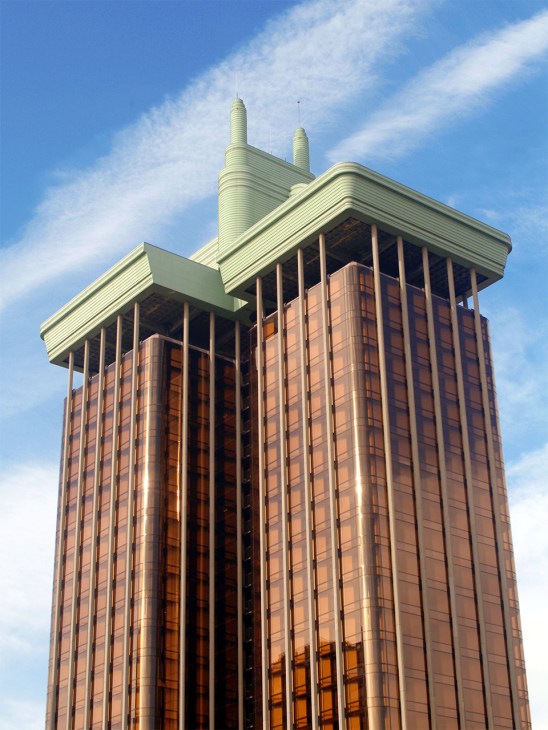
Following a change of ownership two decades later, a two-pronged turquoise crown was added to the roofs of the towers to obscure an emergency stairwell and antennas (pictured). Quickly dubbed el enchufe (the plug), it was loved and loathed in equal measure.
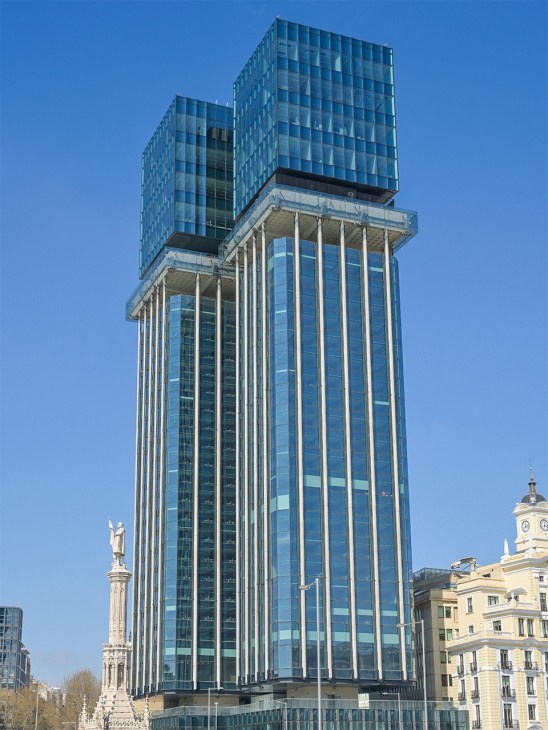
Writing about the towers today feels like an exercise in elegy. The latest makeover (pictured) – which reportedly cost €65m – has erased the edifice’s often spiky identity. The peculiar plug is gone, replaced by two giant cubes that add four floors. The building is glassier, sharper-edged and suddenly blue. Luis Vidal 1 Architects, the practice behind the Nuevas Torres Colón (the retrofit resulted in a subtle name change) touts the project’s sustainability: it is one of the capital’s most energy-efficient office blocks. But the Torres Colón’s old eccentricity is nowhere to be seen, replaced by a soaring yet unremarkable spectacle.
Among the renovation’s fiercest critics is Lamela’s son, Carlos. As the director of Lamela Architects Studio, he keeps his father’s legacy alive through projects including Madrid’s award-winning airport expansion. For Carlos, the entire revamp is “a disgrace”. He mentions the lack of consultation and points to mounting legal challenges against the city council. “Any building made with purpose that is then mistreated, disfigured and altered ends up being a disaster,” he says, lamenting the disrespect shown for one the city’s most iconic architects.
But let’s return to the optics. New, shiny glass towers of this kind could easily belong to a city such as Guangzhou or London – samey, square faced monuments that play it safe. This has become a recurring theme in the Plaza de Colón, where ideas of Spanish identity have a tradition of being explored in architecture and then recast. In 2019, for example, the brutalist stone façade of a bank was stripped, then replaced by a far more prosaic exterior; another distinctive metallic building was recently converted into a boring glass box.
In 2014, Torres de Colón was voted as one of Spain’s ugliest buildings in a poll conducted by ABC España – a testament to its power to inflame passions. Today, all three of the plaza’s newly refurbished buildings would likely fail to spark much of a response. Discussing the towers’ long history of controversy, Carlos says that aesthetic questions miss the mark. “Architecture doesn’t have to appeal to everyone,” he says. “It’s just like cinema: there are arthouse films and commercial hits but we need to respect the art form nonetheless.”
Madrid’s “plug” might be gone but other weird and wonderful buildings still stand. Before rushing to swap them all for shinier, more efficient replacements, cities should ask themselves: at what cost to the character of their skyline?
Other Madrid towers of note
- Torres Blancas by Francisco Javier Saénz de Oíza: A residential block that resembles a giant tree of stacked discs, this marvel from 1969 remains a celebrated iteration of organicism and futurism.
- Castellana 81 by Francisco Javier Saénz de Oiza: An exemplar of respectful retrofits, this 1970s metal-and- glass tower was given a n energy-efficient makeover in 2018 while maintaining the visionary architect’s original form.
- Serrano 69 by Fernando Higueras: Built in 1979, this office block is known for its innovative embrace of arched concrete apertures and embedded garden beds on its façade.
This article is from Monocle’s March issue, The Monocle 100, which features our editors’ favourite 100 figures, destinations, objects and ideas.
Read the rest of the issue here.
Two compelling art shows to see in 2026: Nancy Holt in the UK and Kunsthalle Wien in Vienna
1.
Nancy Holt
UK
Hulking great concrete pipes don’t sound like poetic artwork but those of American land artist Nancy Holt will change your opinion. Holt (1938- 2014) created work that balances the romantic with the colossal. Her epic 1976 installation “Sun Tunnels”, which still stands today, consists of four 5.5-metre-long concrete cylinders set in a giant X shape in the Great Basin Desert in remote northern Utah. Like an industrial take on Stonehenge, the pipes align with the rising and setting of the sun on the winter and summer solstice. Each 2.7-metre diameter tube is perforated with holes – big enough to push a hand through – that echo the constellations of Capricorn, Draco, Perseus and Columba. The result is humbling, as both the Sun and the environment become Holt’s collaborators.
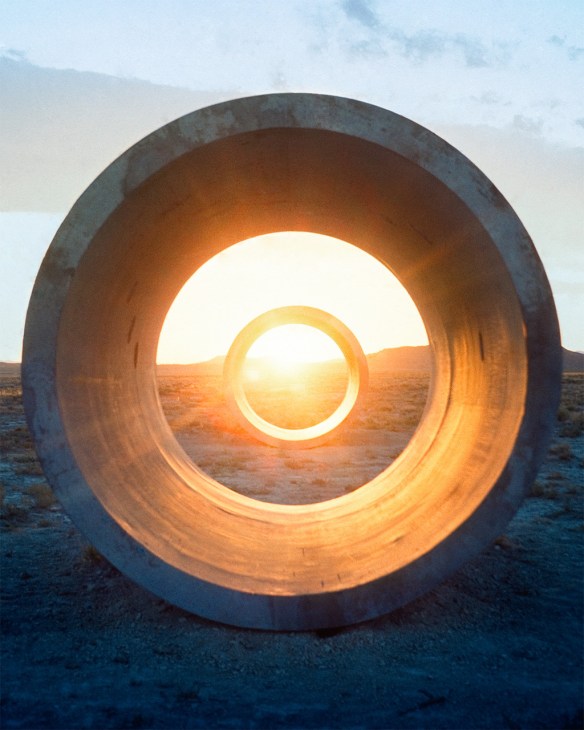
Holt is finally getting her first major presentation in 2026 at the UK’s Goodwood Art Foundation’s two galleries and surrounding estate. Her art is thought-provoking and timeless. Why only think big when you can dream on a titanic scale?
goodwoodartfoundation.org
2.
Kunsthalle Wien
Vienna
Under its artistic director, Michelle Cotton, the Kunsthalle Wien is bringing a new cultural perspective to the Austrian capital with shows and artworks designed to start conversations – without losing their sense of fun.
While super-museums such as New York’s Moma and London’s Tate Modern focus on blockbuster shows, there is quieter, yet profound, cultural innovation happening in Vienna. The city might be known for its art history but Michelle Cotton’s directorship at the Kunsthalle Wien is shifting that idea in the international imagination.
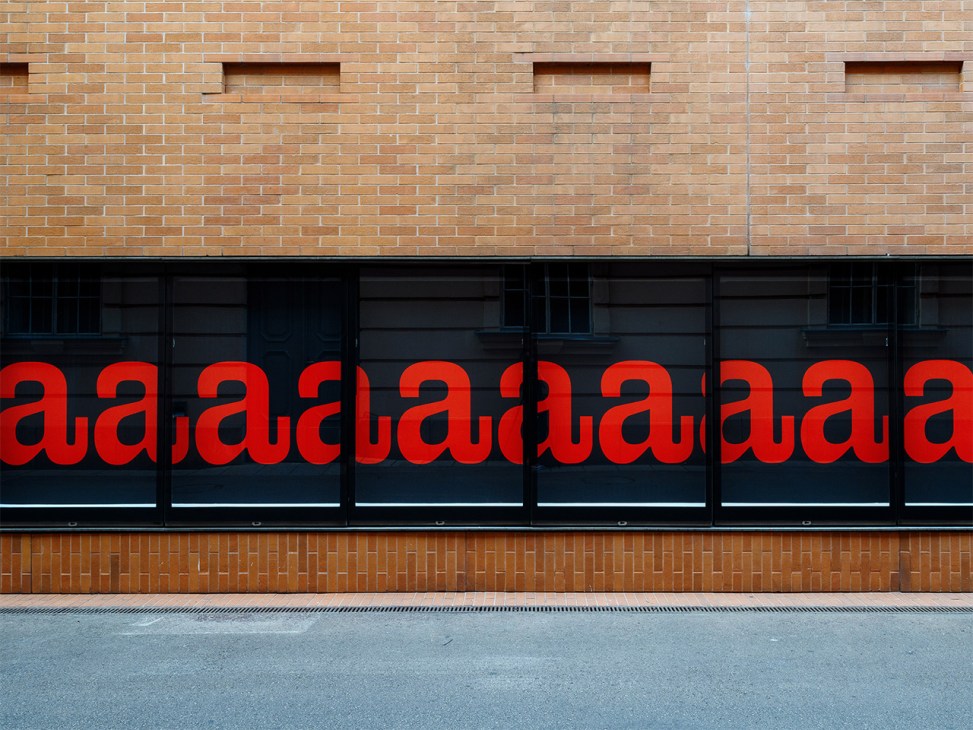
Cotton’s first intervention at the museum, in 2024, was Aaaaaaaaaaaaa aaaaaaaaaaaaaaaaaaaaaaaaaaaaaaaa aaaaaaaaaaaaaaaaaaaaaaaaaaaaaaa! – a 62-metre graphic work by Croatian designer Nora Turato that screamed from the exterior of the building. Many of the major shows since have highlighted the relationship between art and technology, bringing in new audiences and turning the gallery into a space of conversation. It is impossible to look at social media in the same way, for example, after experiencing Richard Hawkins’s gothic selfie films.
Kunsthalle Wien’s almost hidden entrance in Museumsquartier leads to an ultra-modernist, cavernous main space big and bold enough to expand the mind. On display later this year will be US-based filmmaker Tiffany Sia’s videos exploring the geopolitical shifts around Taiwan and Dutch artist Magali Reus’s super-sized sardine-tin sculptures. No matter the subject, this is a museum that demonstrates why we should think beyond borders, as well as providing evidence of how powerful art can be when it makes an audience smile.
kunsthallewien.at
This article is from Monocle’s March issue, The Monocle 100, which features our editors’ favourite 100 figures, destinations, objects and ideas.
Read the rest of the issue here.
Why digital-first furniture brand Tylko chose Berlin for its first physical shop after a decade of online-only
Online retailers often have an edge when it comes to quickly responding to customer or market needs. Everything from virtual shopfronts to branding can be rapidly recalibrated. Bricks-and-mortar outlets, on the other hand, can be slower to adjust. And yet a decade after it began as an online configurator for shelves, Polish brand Tylko has launched its first permanent retail outlet in Berlin.
“Berlin is our biggest market so it made sense to open here. It’s retail but in a very non-commercial way,” says co-founder Ben Kuna, whose Berlin-based team of Max Burrau, Chaewon Sol Song and Marie Munz will share the story of its shelving, sideboards and sofas with locals and visitors. “Rather than just a showroom, we wanted somewhere for the community.”


The architect behind the new Tylko Space is Paul Cournet of Rotterdam-based studio Cloud. “The hardest thing was to design a space for objects from a catalogue that is essentially endless,” he says. His solution was to treat the shop – defined by three rooms – as a kind of “empty box” that can easily be changed and rearranged. Defying the notion that retail interiors are static is a fully LED backlit ceiling that allows the atmosphere to shift in seconds. “You could remove all of the furniture and throw a party, let a single piece take centre stage for a launch or turn the light red at night and let its glow spill out onto the street,” he says. “Retail gets outdated very quickly, so you want to avoid creating a designer space that will feel obsolete in five years.”
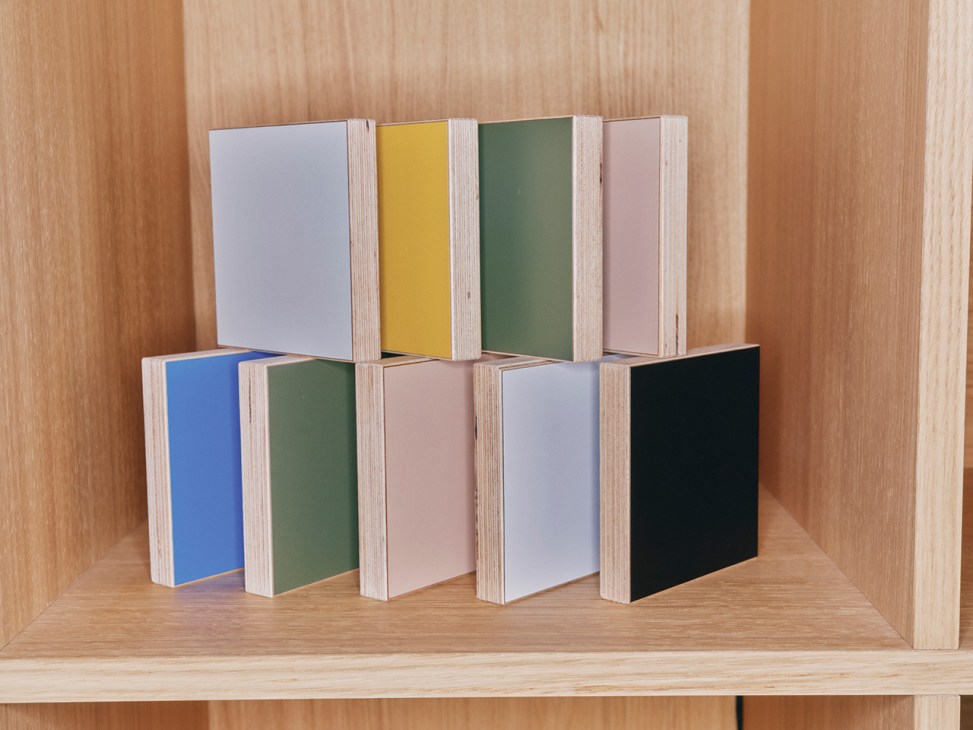
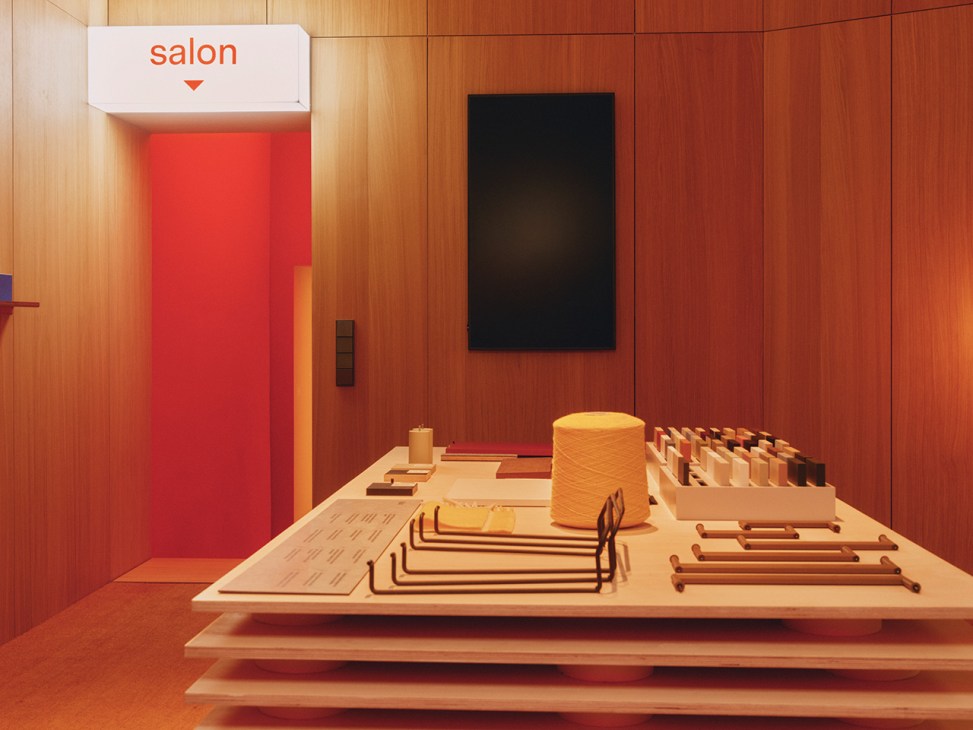
A red corridor leads to an oak-lined sample library, then an intimate, salon-like lounge where modular sofas sit alongside custom-designed speakers. The room also features a playful “configuration station” with two haptic knobs that allow visitors to adjust furniture using images projected on the wall. A mezzanine is reserved for more in-depth planning sessions. “All of our six staff members have design backgrounds,” says Kuna. “They can really understand what customers want and feed those insights straight back to our design team in Warsaw.” For all the advantages of online appointments and apps, the lesson from this technology-first start-up is that sometimes it’s good to talk.
tylko.com
This article is from Monocle’s March issue, The Monocle 100, which features our editors’ favourite 100 figures, destinations, objects and ideas.
Read the rest of the issue here.