Issues
Urbidermis’s commitment to sustainable landscaping is shaping cities across the world
Barcelona is often held up as a prime example of how the Olympics can rejuvenate a city. When it was announced in 1986 that the Catalan capital would be hosting the 1992 Games, a radical urban modernisation plan was swiftly drawn up. This was the city’s big chance to present itself to the world as a future-facing metropolis, with more than just Gaudí-era charm to offer. New green spaces sprung up, the old port was refashioned as a recreational and sports area, and developers created two miles of promenade-lined beachfront using sand imported from Egypt.
It became clear that these public spaces needed to be equipped with street furniture in line with the slick new image. In 1987 city leaders tasked the development of new furnishings to Catalan lighting company Santa & Cole. The business had been founded just two years previously but had quickly won a reputation as a leading name in the design world. “It was an opportunity for the company to collaborate with architects on new products,” says Josep Maria Serra, welcoming Monocle to Parc de Belloch, on the outskirts of Barcelona.
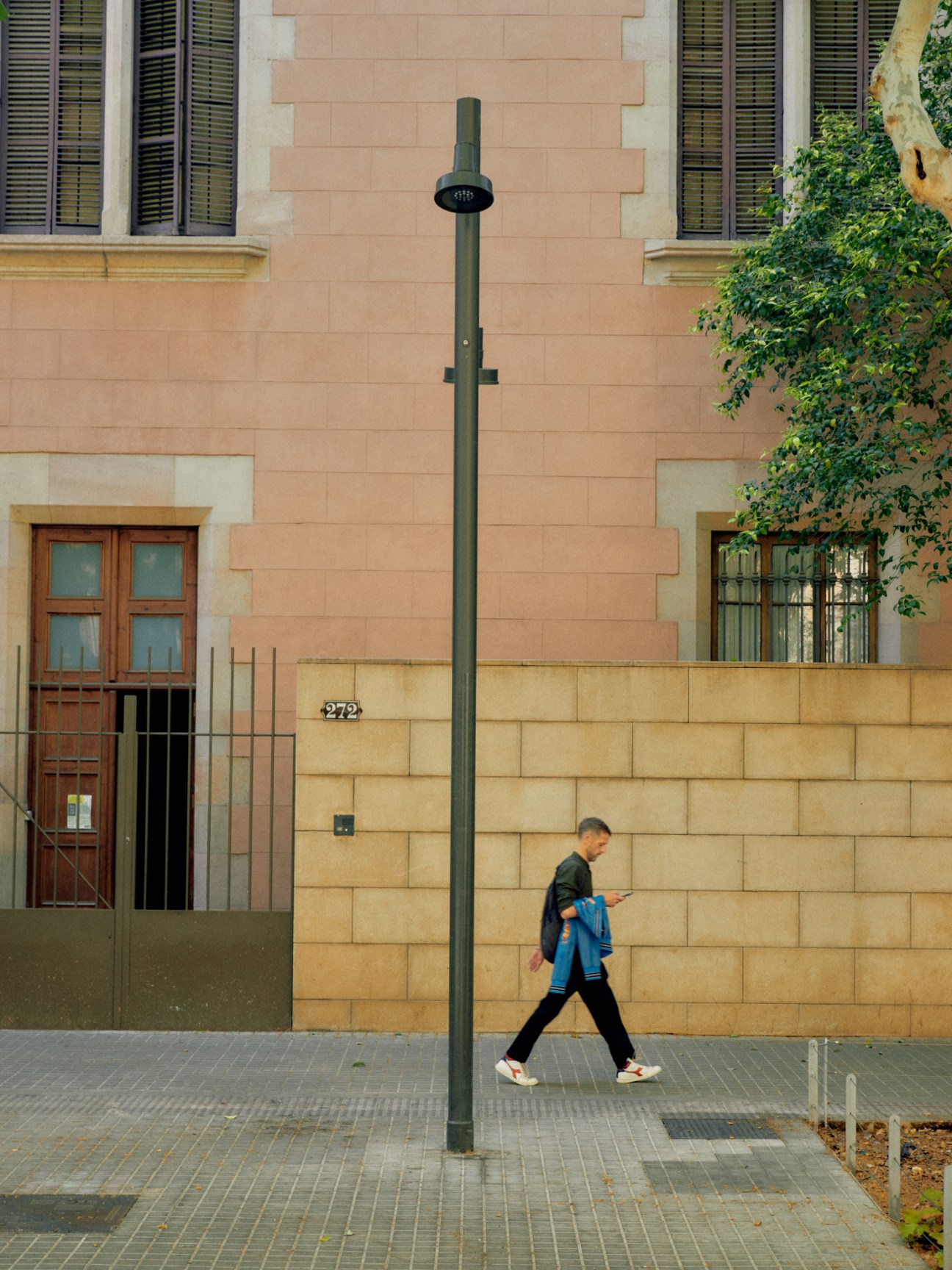

Serra is the editor and vice-president at Urbidermis, which began as Santa & Cole’s urban division during the 1992 Olympic preparations but now operates as a separate entity. “There are various lamps, benches and rubbish bins, including the Atlántida drinking fountain, that were created specifically in anticipation of the Games and remain in our collection to this day,” he says. Today both companies are housed in the same HQ at Parc de Belloch – a former boarding school built in the mid-century, Catalan rationalist style and surrounded by some 200 hectares of dense, rolling parkland.
Though the brand was established for the Olympics, the company’s products are still deeply woven into Barcelona’s urban fabric, from the water fountains in Joan Brossa Park and bike racks on Plaça Catalunya to the benches and lighting that line newly pedestrianised swathes of the Eixample district.
Urbidermis’s reach also extends beyond Spain – its benches can be found overlooking the harbour in Hamburg, facing the Thames in central London and offering staggering views of the Manhattan skyline from Brooklyn’s Pier 26. “Today we actually sell more products in the US than the rest of the world,” says Serra. “We started selling our designs there in 2006, when we partnered with a company called Landscape Forms. It didn’t make sense to send tonnes of wood and iron to the US, so we licensed our designs to the company so that they could be manufactured there. Today you can find our products everywhere.”
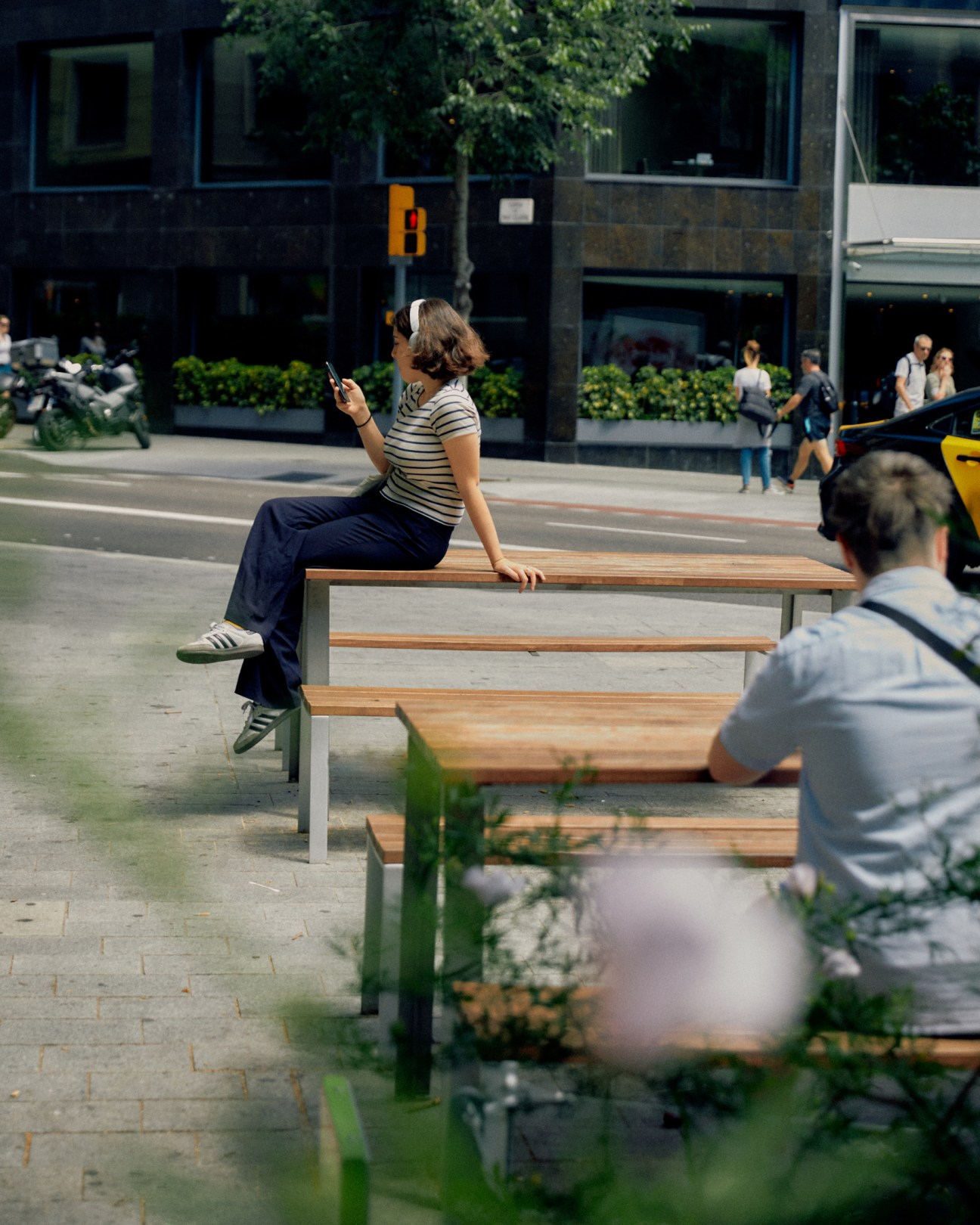
Urbidermis remained part of Santa & Cole until 2018, when it was decided that, to reach its full potential, the street elements division should become a company in its own right. “Urbidermis is focused on the four verticals required to deliver the physical public realm,” says Jordi Muñoz Costin, consulting and innovation director at Urbidermis. “That’s lighting; urban furniture such as tables, planters and benches; microarchitecture, including shade structures; and plants like trees and shrubs.” Delivering these four pillars means that the brand is equipped to provide the physical components a city needs to furnish any public space. It’s something that Urbidermis has been building since separating from Santa & Cole.
However, the link with its parent company means that the first three pillars – lighting, furniture and microarchitecture – were the natural starting point for Urbidermis’s evolution into a full-scale urban furnishing firm. There’s also still some crossover in the designers working for the two companies, the most notable being Miquel Milá.
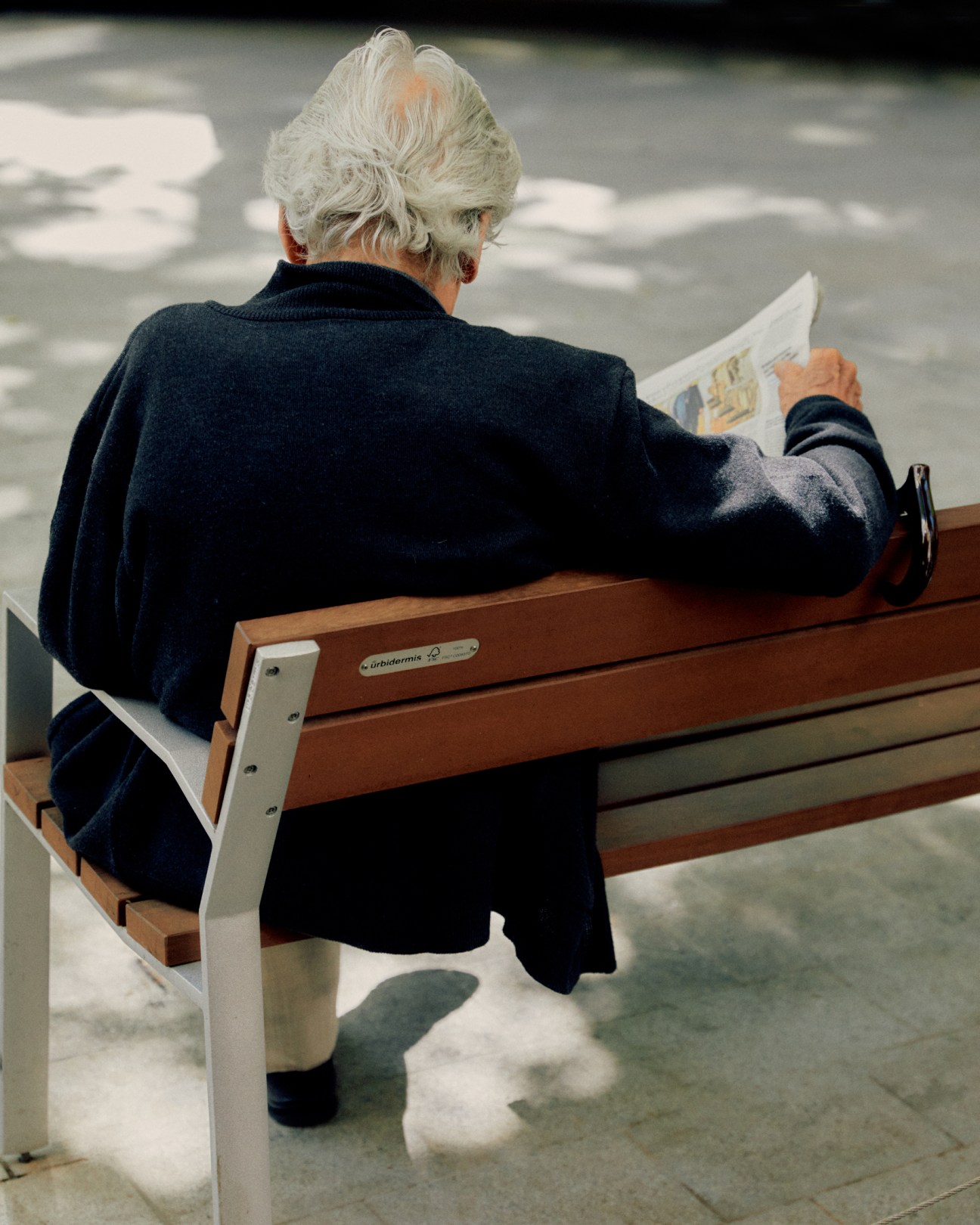
The Catalan nonagenarian is the creator of both Santa & Cole’s opal-shaped Cesta lamp and Urbidermis’s best-selling NeoRomantico seating from the 1990s; defined by its gently curving legs and seat, it’s a reinterpretation of Barcelona’s 19th-century “romántico” benches. The refined form was inspired by Milá’s experience of watching an elderly man struggle to get up from one of the benches, leading him to create a new wood and aluminium design that was higher from the ground and more upright than its predecessor.

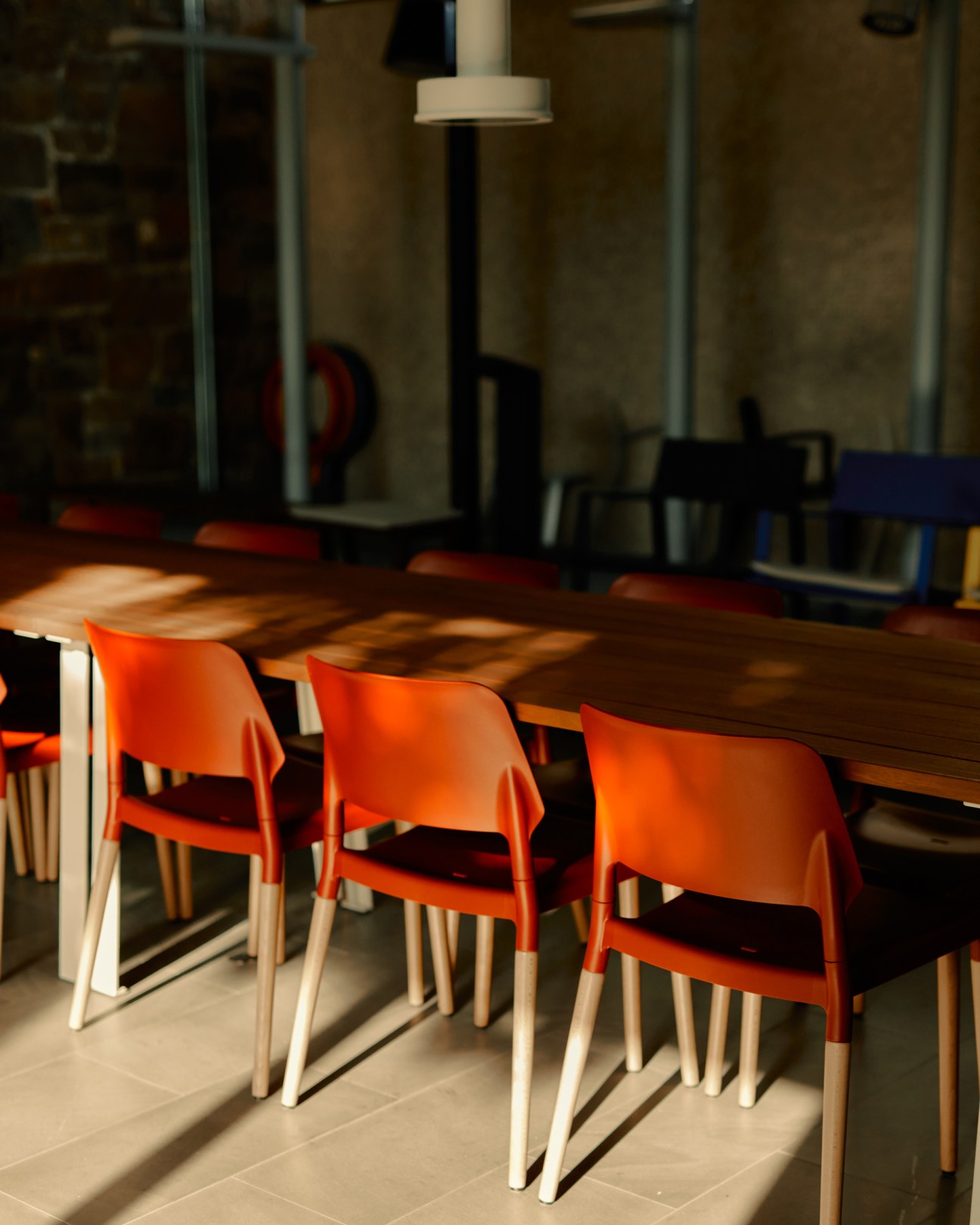
Since its inception, Urbidermis has placed great emphasis on regional manufacturing. Today, 89 per cent of designs are produced in factories less than 200km from its offices. “We’re continually striving to be as transparent as possible when it comes to sustainability,” says Serra. “About 85 per cent of the aluminium we use is recycled and 100 per cent of it is recyclable. Our products were the first to receive cradle-to-cradle certification in Spain, which means that they must be able to be fully recycled at the end of their lifespan to create the same product again.”
When it comes to expanding the range, Serra is keen to adapt existing designs rather than arbitrarily adding new ones. “Urbidermis is focused on helping cities become better connected and more functional,” he says. A big part of this involves working with specialist engineers to create “smart” products. The company has introduced digital elements to its products that can be remotely controlled through its bespoke Urbidata platform, including planters that monitor the status of plants and dispense water from a built-in tank. These innovations not only save water but make for more efficient maintenance and healthier plants. “We’re developing products that can be used to help better manage a city,” says Serra.
It’s a sentiment that Muñoz Costin, on Urbidermis’s innovation side, agrees with and says builds on the company’s first three pillars. “We recognised that the city is at the intersection of technology and nature,” he says. Santa & Cole realised that it couldn’t only embed its lighting, benches and shade structure with smart technology, but it had to go low-tech too – and find a way to deliver on the promise of nature.
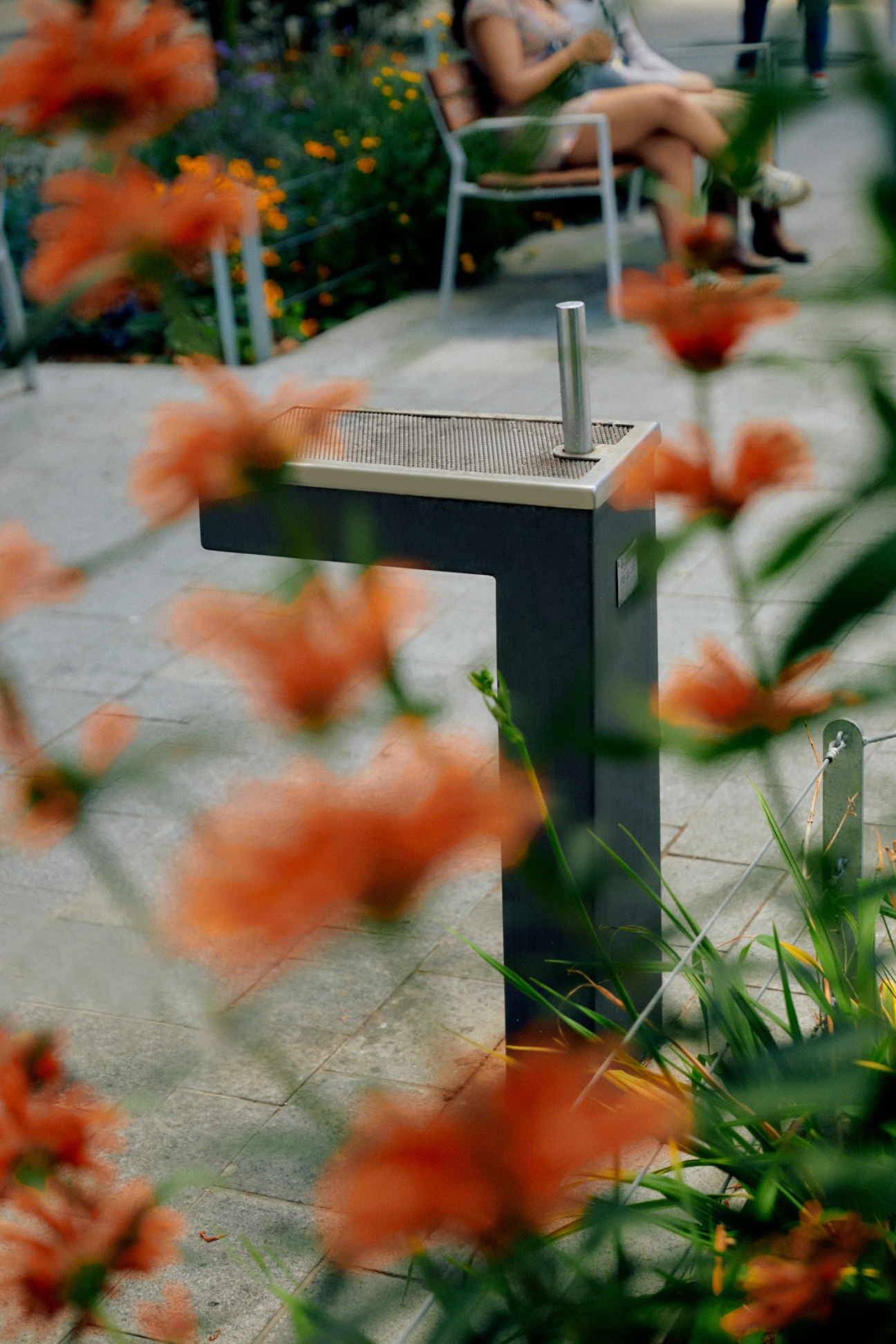
“In 2004 we launched our own forestry division,” says Serra. “Trees are such an important factor in urban design; our range wouldn’t be complete without them.” Today, Urbidermis has a 30 hectare tree nursery adjoining its offices in the Catalan countryside. The trees and shrubs grown here are cultivated in a low-impact manner – sheep are brought in on a regular basis to chew up weeds and no pesticides are applied – before being sent to city streets across Spain and southern France. The company also offers a consultancy service to assist planners in picking the right tree for a particular urban landscape. “If you take an oak tree from the Collserola park that surrounds Barcelona and move it just one kilometre into the city, it will die,” says Serra. “The soil is different. Pollution is different. The temperature is different.”
For years the company has been working with specialists to study the vegetation that works best under different kinds of urban conditions. Today the nursery grows everything from Japanese pagoda trees (a leafy variety capable of withstanding high levels of heat and dryness) to lofty London planes – a deciduous tree that has already been shading city streets across Barcelona for more than a century.
“We’ve compiled all our know-how to recommend specific trees to certain cities,” says Serra. “We believe in spreading knowledge. Good practices should be shared.” It’s an appropriate Olympic-year outlook for a brand that was founded in anticipation of a Games in its hometown – an event that’s all about sharing one’s talents with the world.
Even keel: Y Yacht’s latest sailboat balances beauty and performance
It’s a balmy day on the Balearic Islands when Monocle steps onto the pier at Pantalán del Mediterráneo marina in Palma de Mallorca. Here, Danish architect David Thulstrup is standing alongside the latest launch from German shipyard Y Yachts. “I spent my childhood on the harbour, just outside Copenhagen, so being on a marina is very, very familiar,” he says, walking along the gangway and onto the deck of the Y8, which he has just finished working on. “But I sailed small boats when I was a kid, so this type of boat is very different. It’s quite impressive.” Impressive, indeed. This 80-foot (24-metre) sailboat, constructed at Y Yachts’s manufacturing facilities on the Baltic Sea, boasts a hull made entirely from carbon fibre. It’s a lightweight construction that lessens the reliance on engines and allows easy sailing, even in the light wind conditions typical of the Mediterranean.
“On the deck, it’s all about racing: you lift off the sunroof above the outdoor banquette, pull up the windshield and unfurl the sails, and suddenly you have this machine built for speed,” says Thulstrup. The yacht can cross the Atlantic and will be used to race in regattas around the globe. “Everything has been considered with ease of performance in mind. The Y8 even has two steering wheels, so that the captain can control the yacht from the point with the best visibility.”
Despite his youth spent on the harbour and his appreciation of the performance capabilities of the Y8, Thulstrup was called in to work on its lower deck. The Copenhagen-based designer is the latest in a line of creatives, which include Denmark’s Norm Architects and Pritzker Prize winner David Chipperfield, to collaborate with Y Yachts. Thulstrup was briefed to give the interiors a sense of generosity not typically associated with the cabins of racing vessels.
“The aim was to give the yacht a residential feeling rather than a typical yacht or racing boat feeling,” says Thulstrup. “So the first step was looking at how we could lay the space out so that there was a sense of openness.” The initial move was to create an open-plan living area in the centre of the yacht: on walking down the stairs and into the cabin area, you enter a generously proportioned salon-like space rather than being squeezed into a warren of hallways that typically lead to bedrooms.
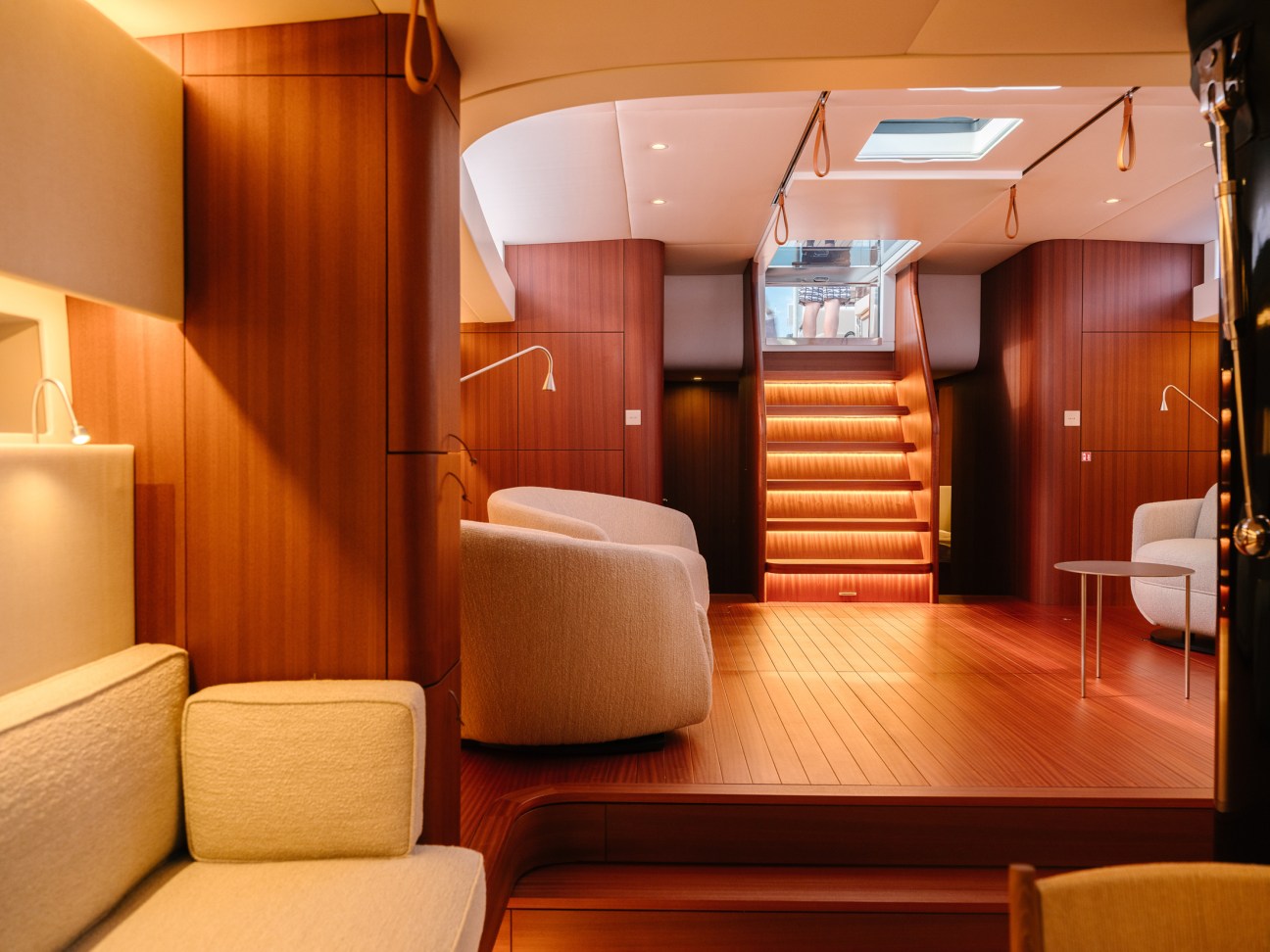

The sense of domesticity was enhanced by a decision to introduce freestanding furniture. “By having everything built-in, a yacht can become very stagnating because there’s no flexibility,” says Thulstrup. Instead of the typical banquettes and benches built into the walls of the launch, a bespoke Thulstrup-designed dining table sits proudly alongside the mast where it comes through the salon and there are also four Brdr Krüger Arv chairs are set (when the yacht is on the move, these are held in place with straps that prevent them from sliding across the floor). Two armchairs and a sofa, which sit on runners and can be fixed in place while sailing, add to the homely atmosphere, complementing Kasthall carpets and bespoke cushions in Kvadrat textiles.
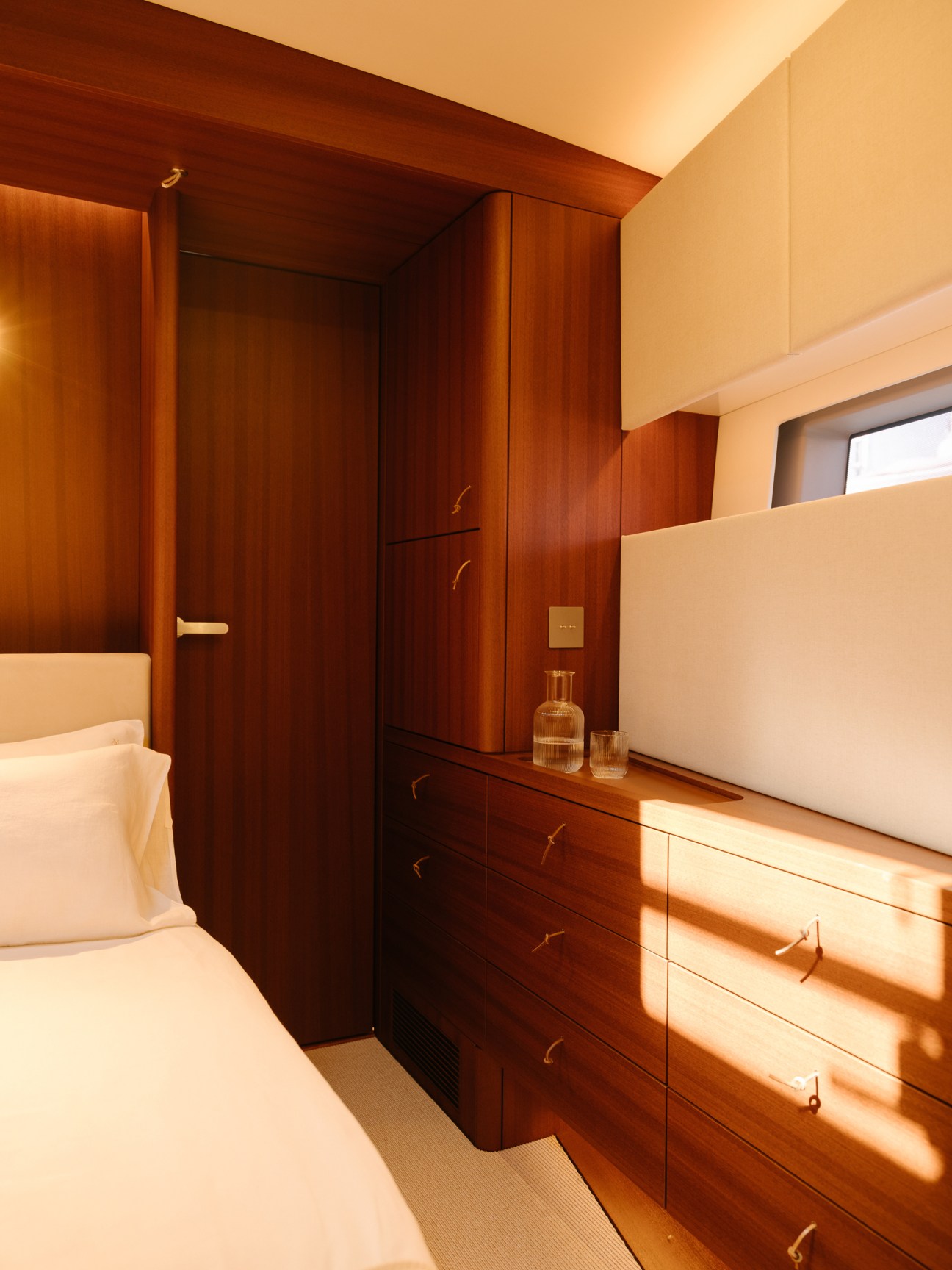
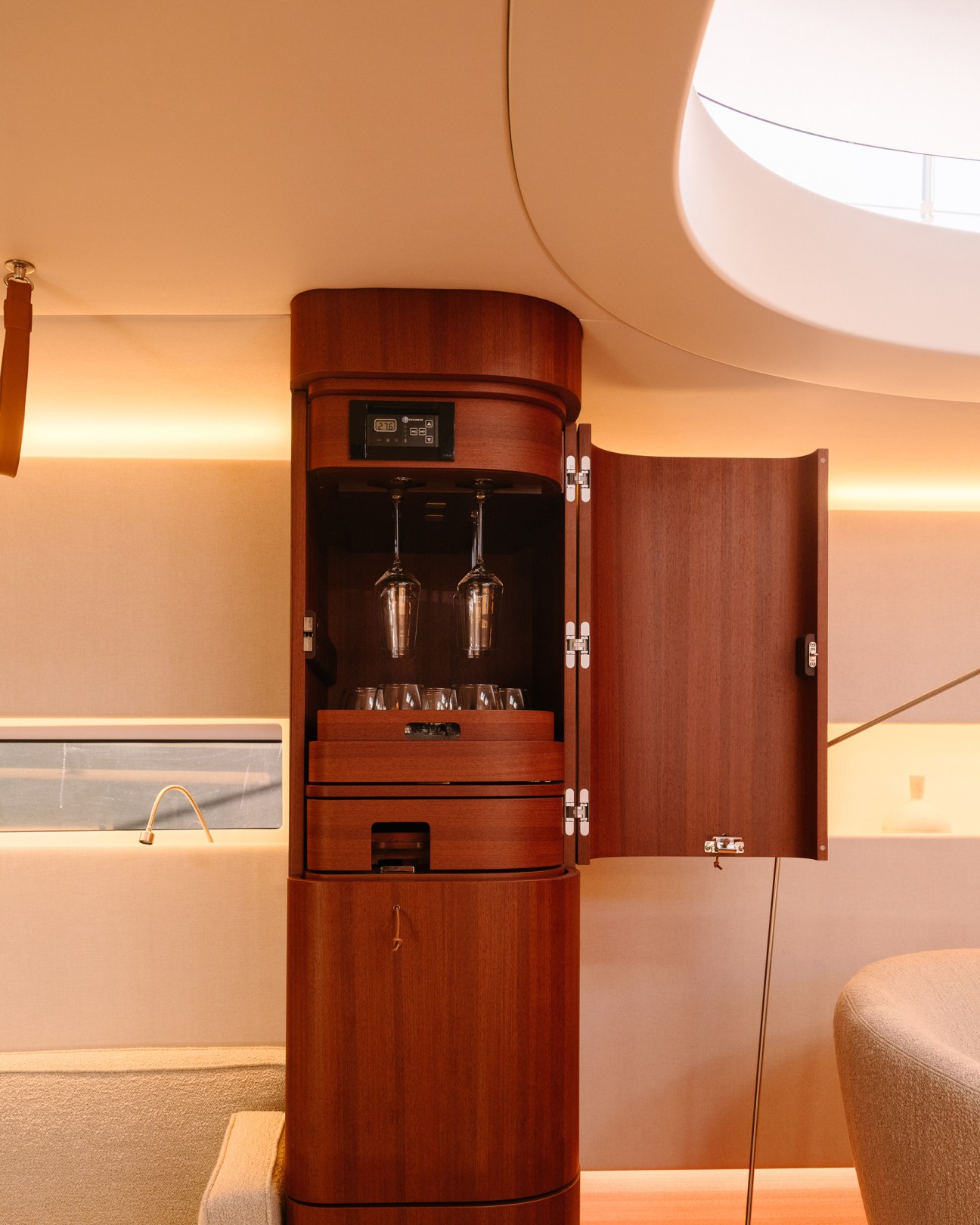
“If the upper deck is all about performance, then the lower deck is all about quietness,” says Thulstrup, adding that the mix of materials was a key consideration too. Matt-finishes typically associated with domestic environments were used to complete the space, with cedar-veneer on the floor and walls, and solid mahogany on the steps and handrails. “When you’re up on the deck, everything shines and shimmers, reflecting the water, which means that, visually, there’s always something going on,” adds Thulstrup.
“We wanted to create a sense of relief for your eyes below deck. When you’re sailing across the Atlantic for three weeks, it’s extremely important that you have a space that helps you feel grounded and calm.”
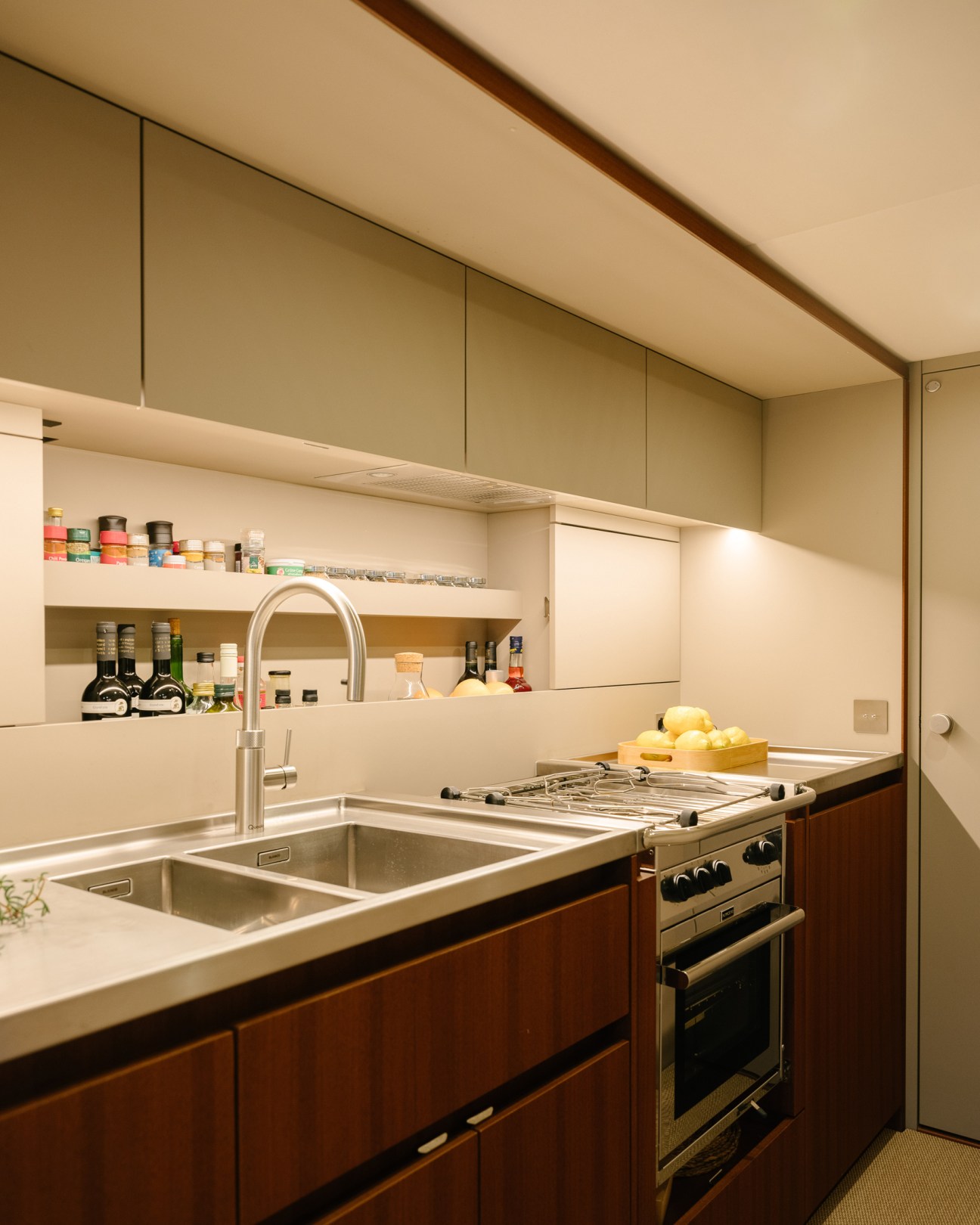
The project wasn’t just about translating Thulstrup’s residential design language into a new environment – the fit-out needed to be engineered for travelling at speed too. “It means that we were always looking for a balance between material weight and strength, and beautiful design,” says Francesca Modica, leader of Y Yacht’s in-house design team. “We are always trying to make everything as light as possible.” Modica holds master’s degrees in architecture and yacht design from Politecnico di Milano and worked closely with Thulstrup on the creation of a fit-out for the Y8 that balanced aesthetics with performance. The duo developed custom cabinets, cupboards and drawers that discreetly lock when closed, so that their contents don’t fall out when jostled by the open sea. “A yacht is a home and it’s a product,” says Modica. “You need to study every detail, like it’s a product you’re developing. But you also need to be able to live in it like a home.”
The analogy is a reminder that designing a yacht really is about balance. It’s about finding an even keel between beauty and performance; between time in the marina and on the ocean; and between speed and stillness. “There’s a different relationship with time on a yacht,” says Thulstrup. “It’s all about waiting – waiting for the right weather, for food and supplies. It’s very much about coming down in tempo as a human, and even though the Y8 is a racing boat designed to go quickly, you need to have a calm space to balance that out.”
When Monocle departs, the Y8’s crew are preparing for a voyage across the Atlantic – just how quick they make the crossing depends on a host of factors beyond their control. So it’s a good thing that Thulstrup designed a space that finds a happy harmony between the need for speed and the ability to comfortably pass time too. Bon voyage.
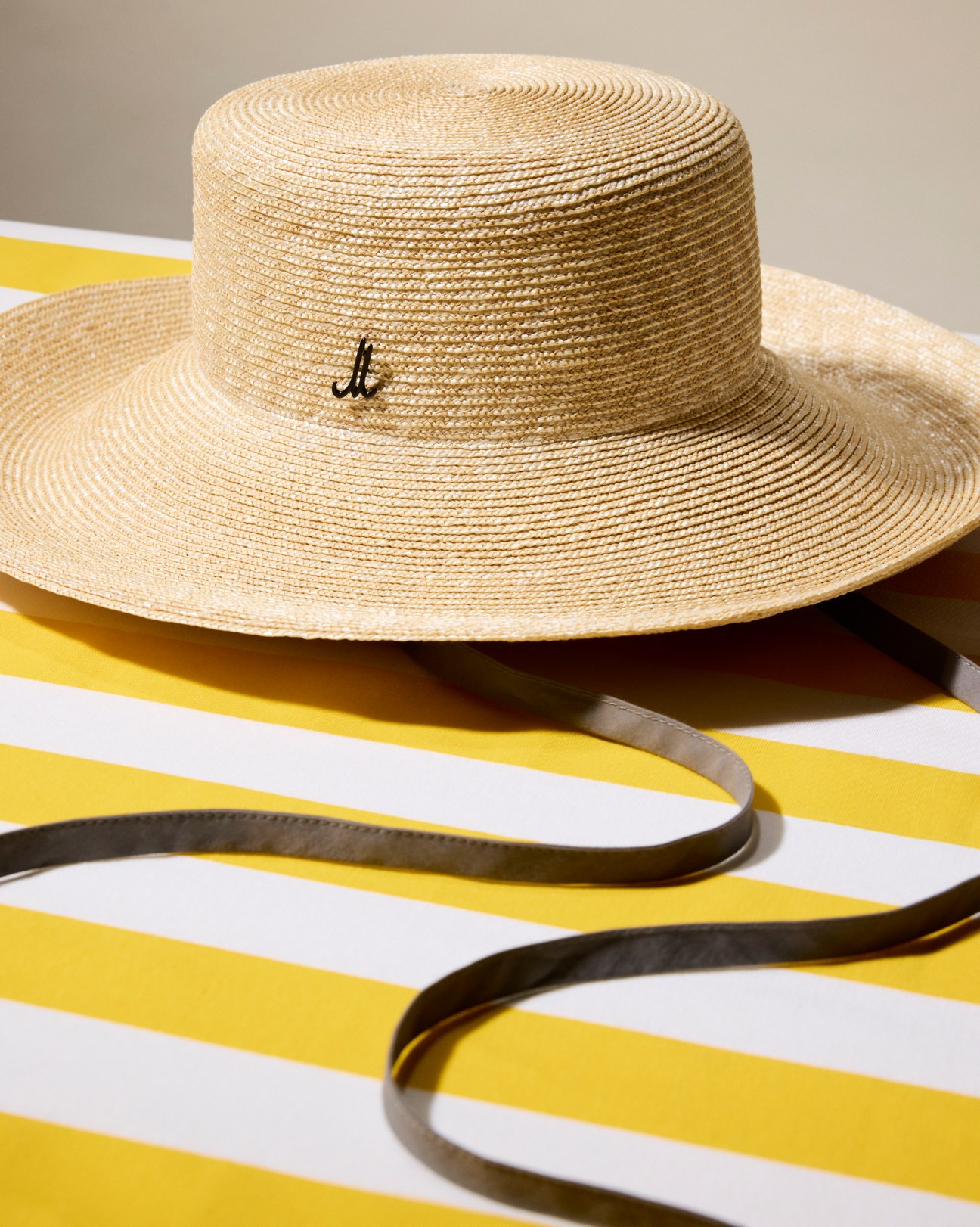
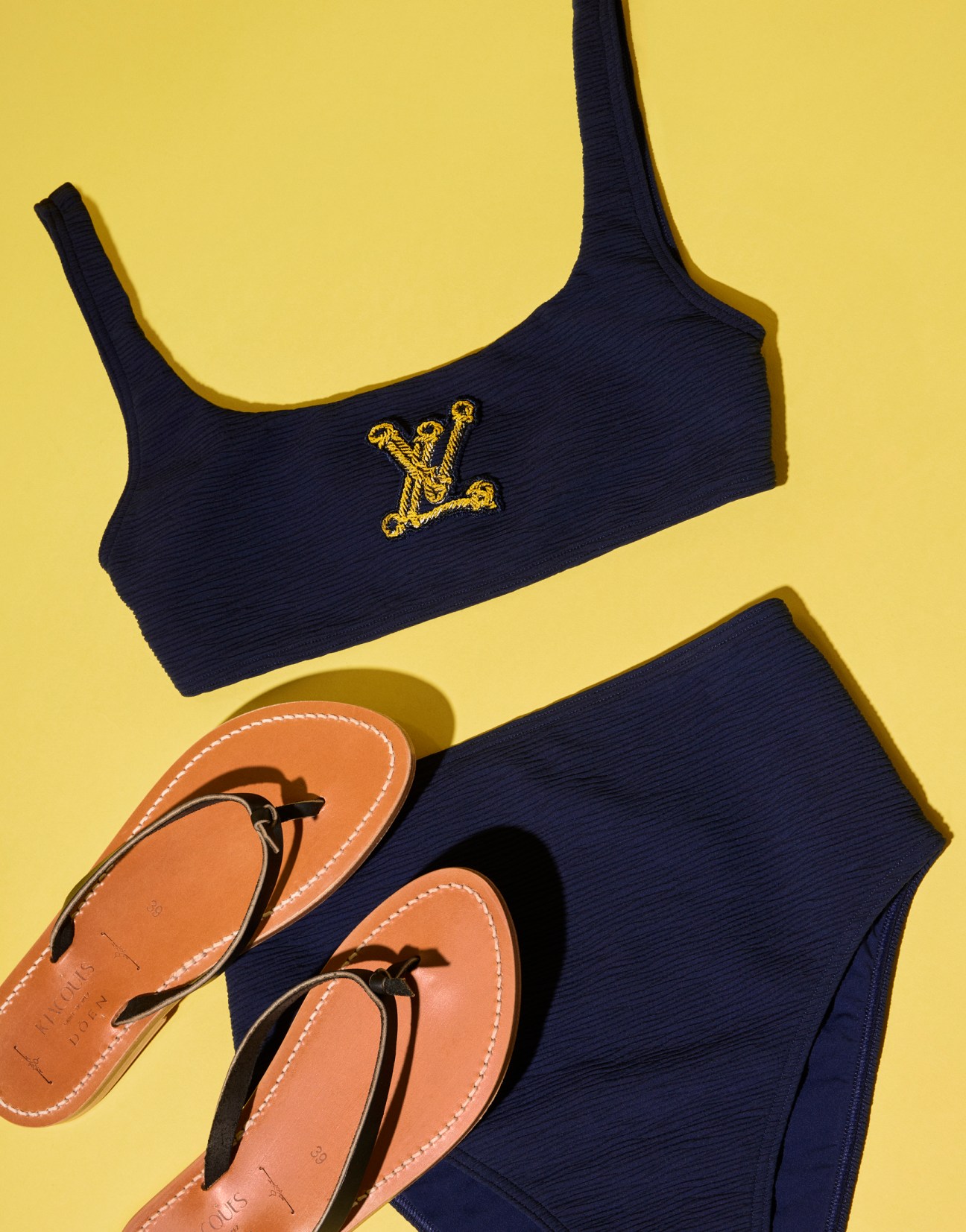
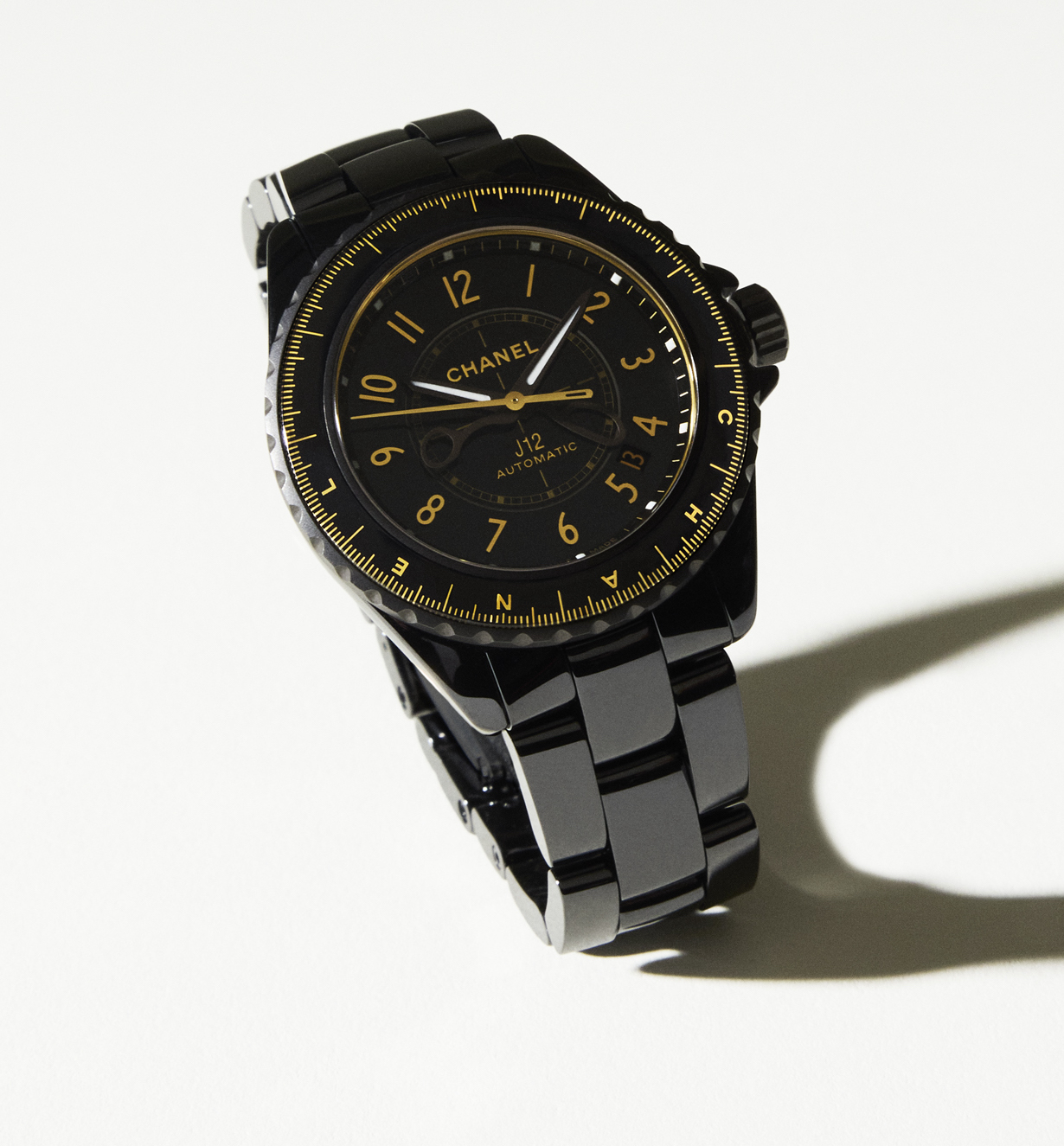
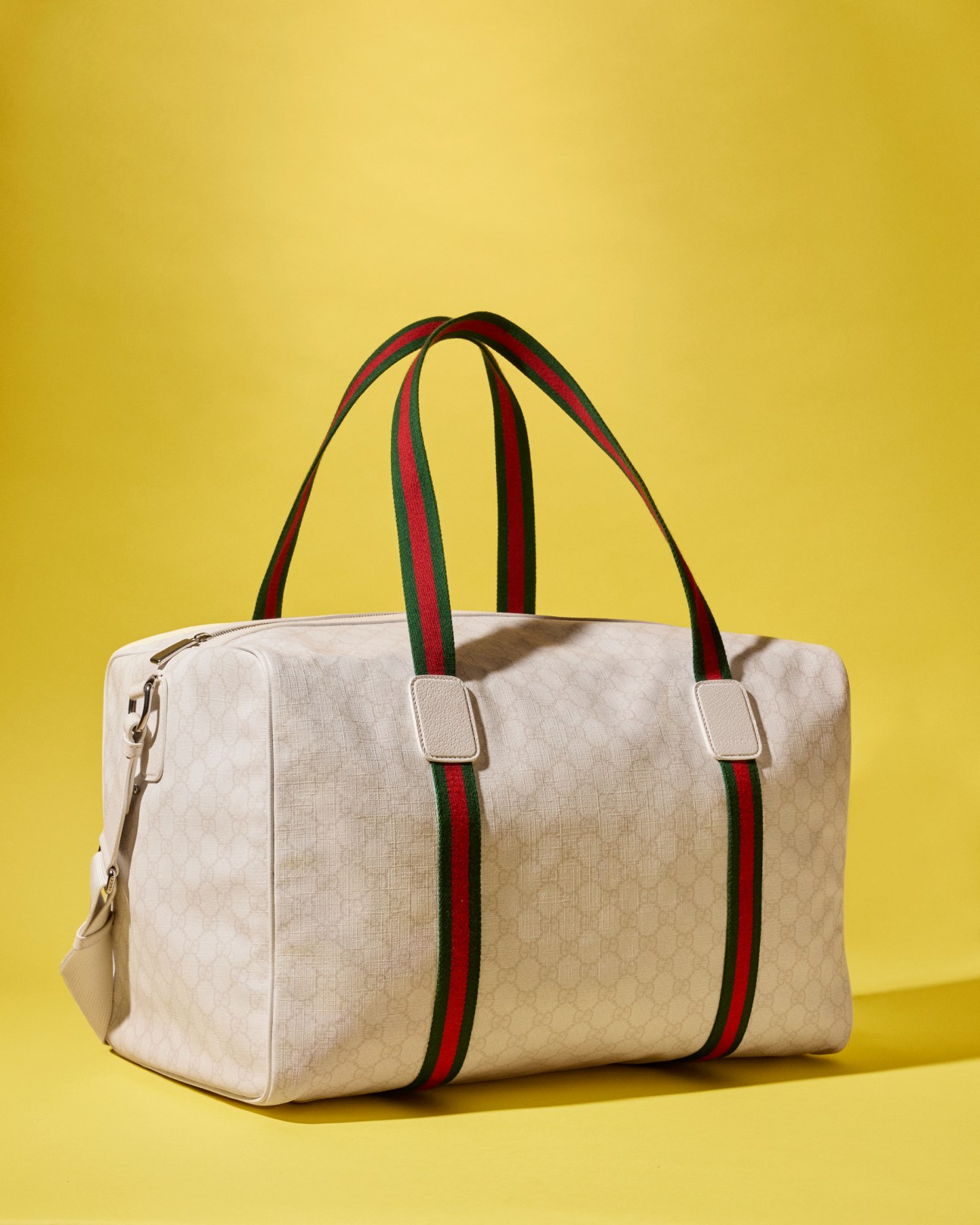
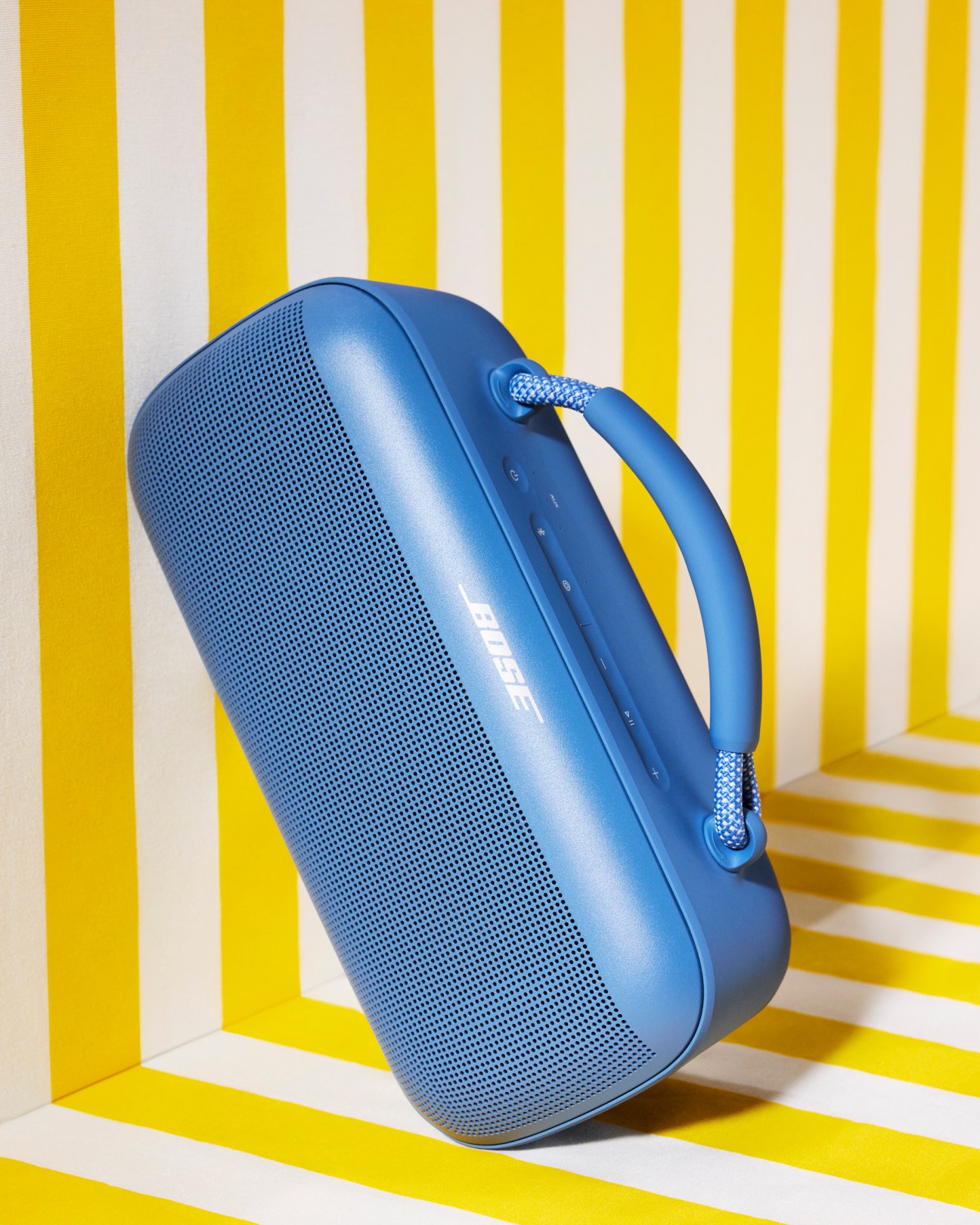
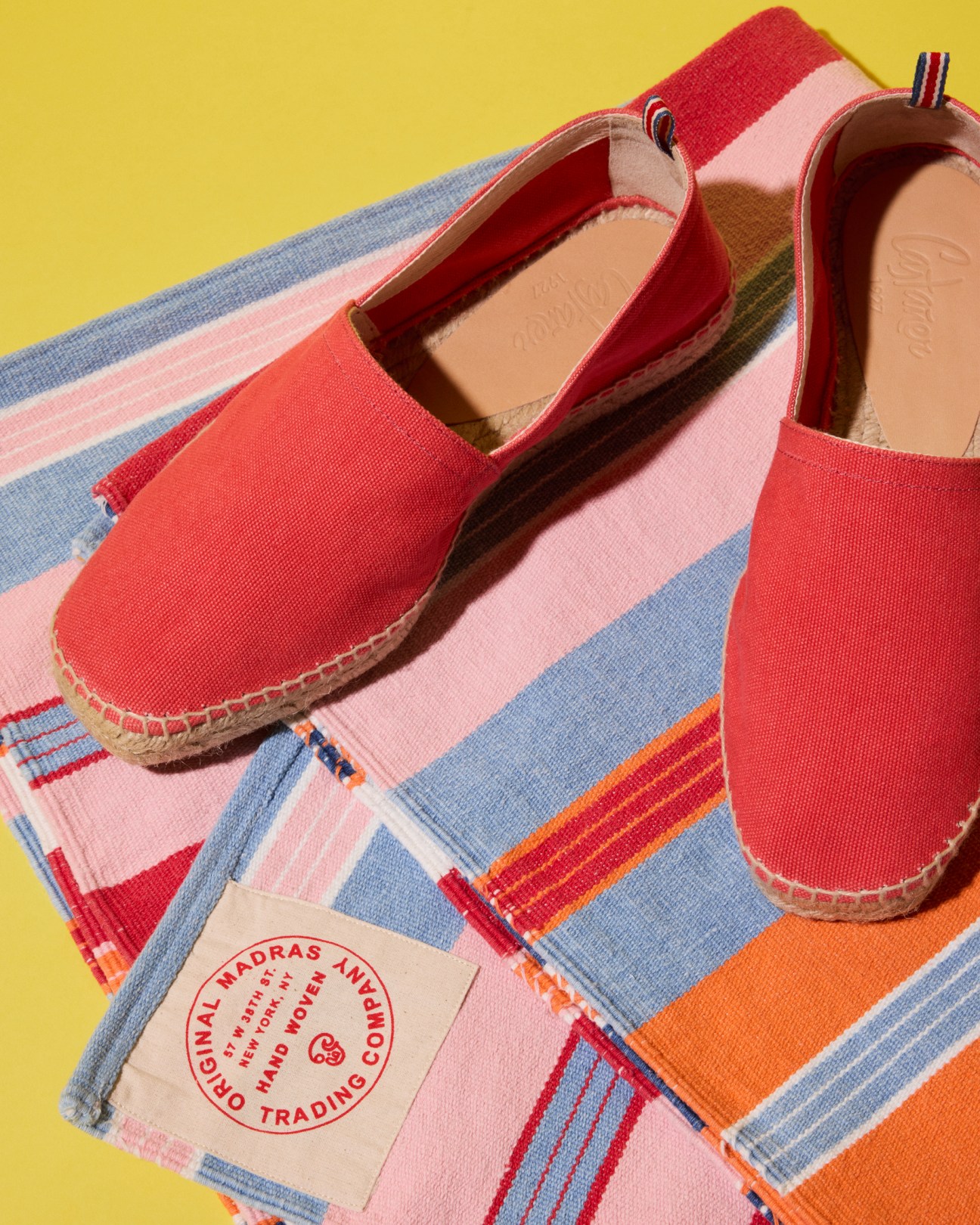
Shore things: Colourful accessories that’ll have you beach-ready


Close quarters: What are the defining factors of a liveable urban area?
1.
Fremantle, Australia
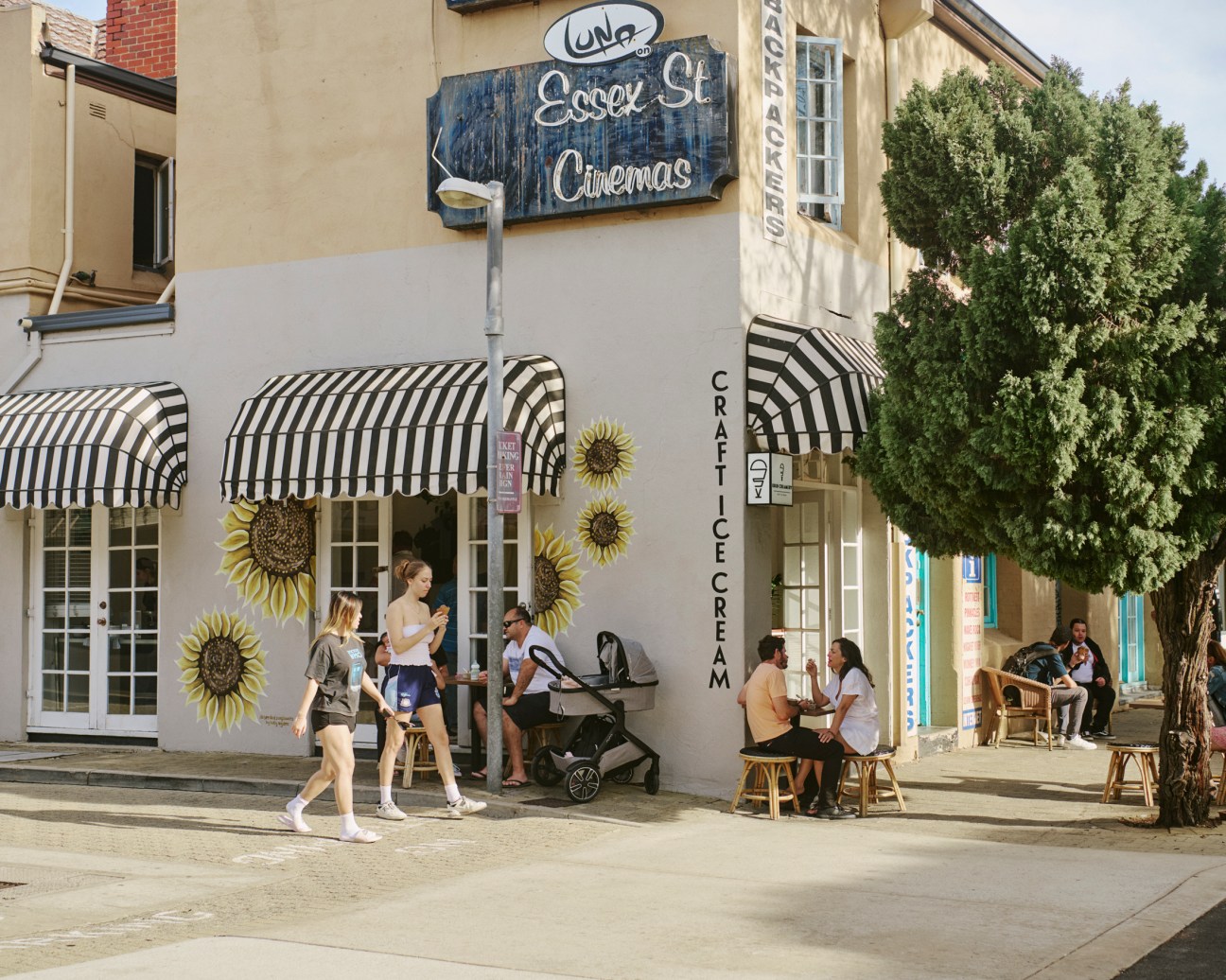
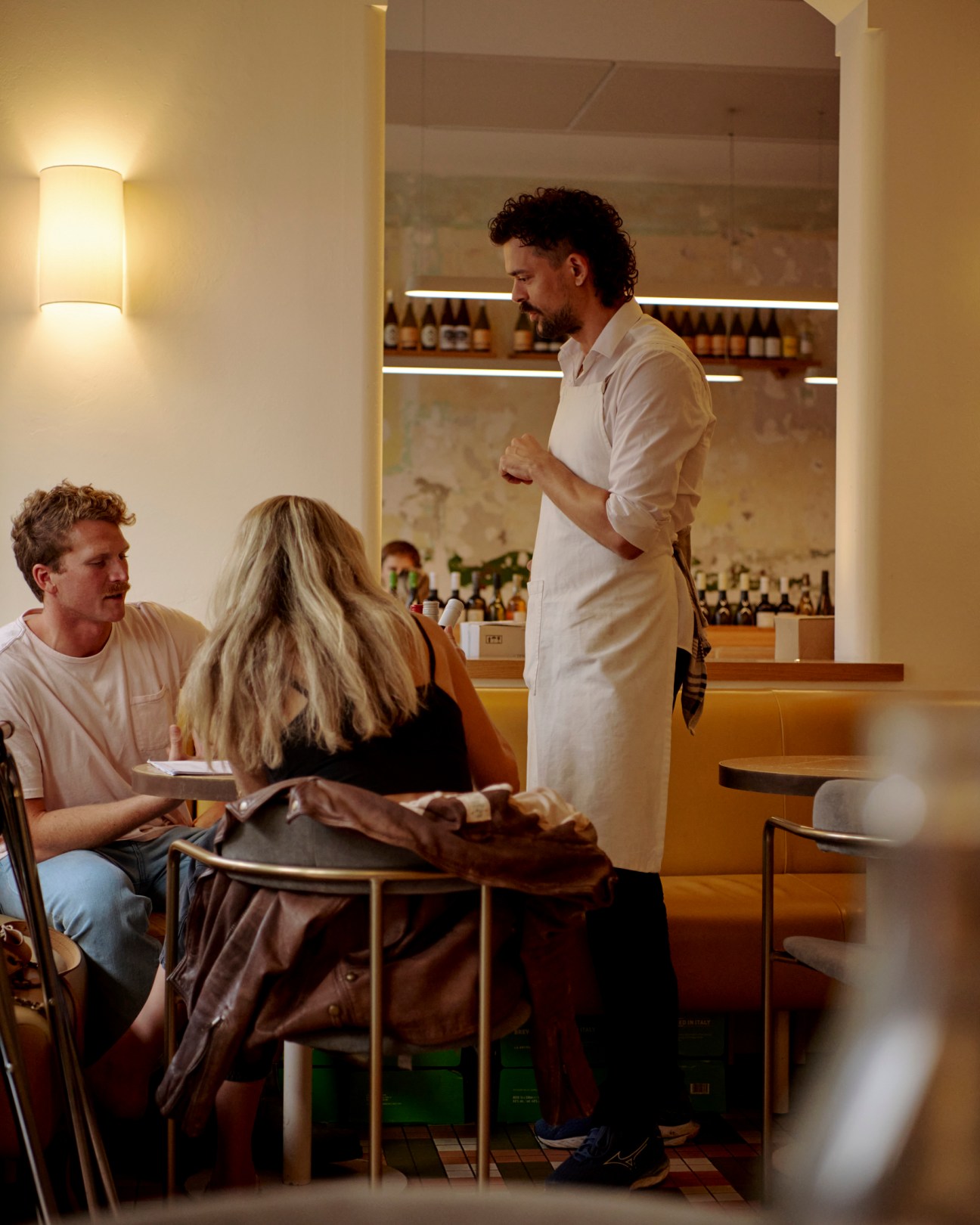
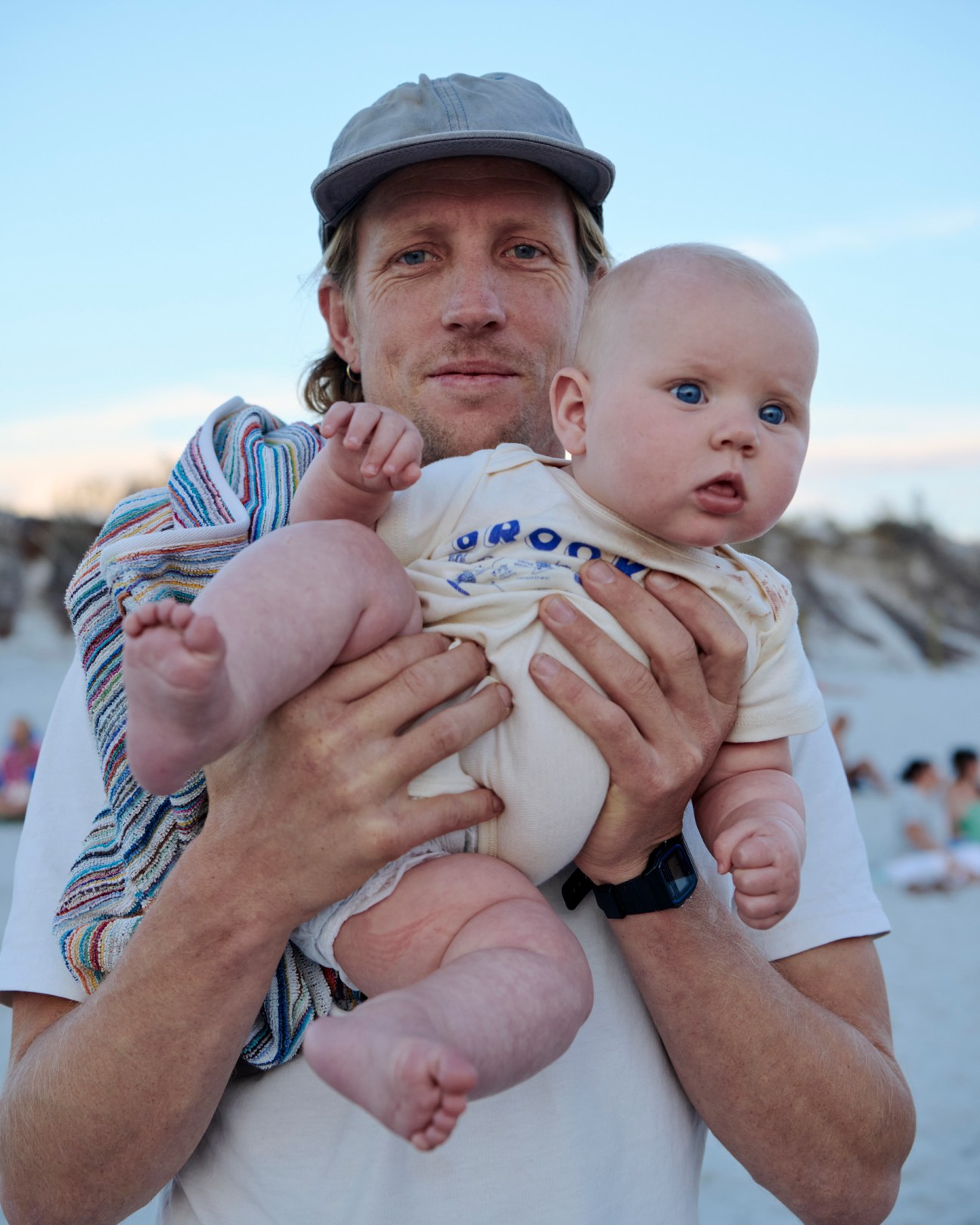
Western Australia’s Fremantle – or Freo (“Free-O”) as it’s known – may technically be a suburb of Perth and its port, but the area’s distinct history and tight-knit creative community make it a place unto itself. While the 30,000 or so people who live here affectionately describe Fremantle as a “bubble”, downtown Perth (30 minutes away by car or train) is a place to venture only if strictly necessary. “It’s like a small town where everyone knows everyone,” says Blaze Young, executive chef at Nieuw Ruin, a restaurant on Fremantle’s Norfolk Street. Young was born in Fremantle but grew up “way out in the bush” and moved back as an adult. “This is a really beautiful, open and welcoming community. There are no downsides.”
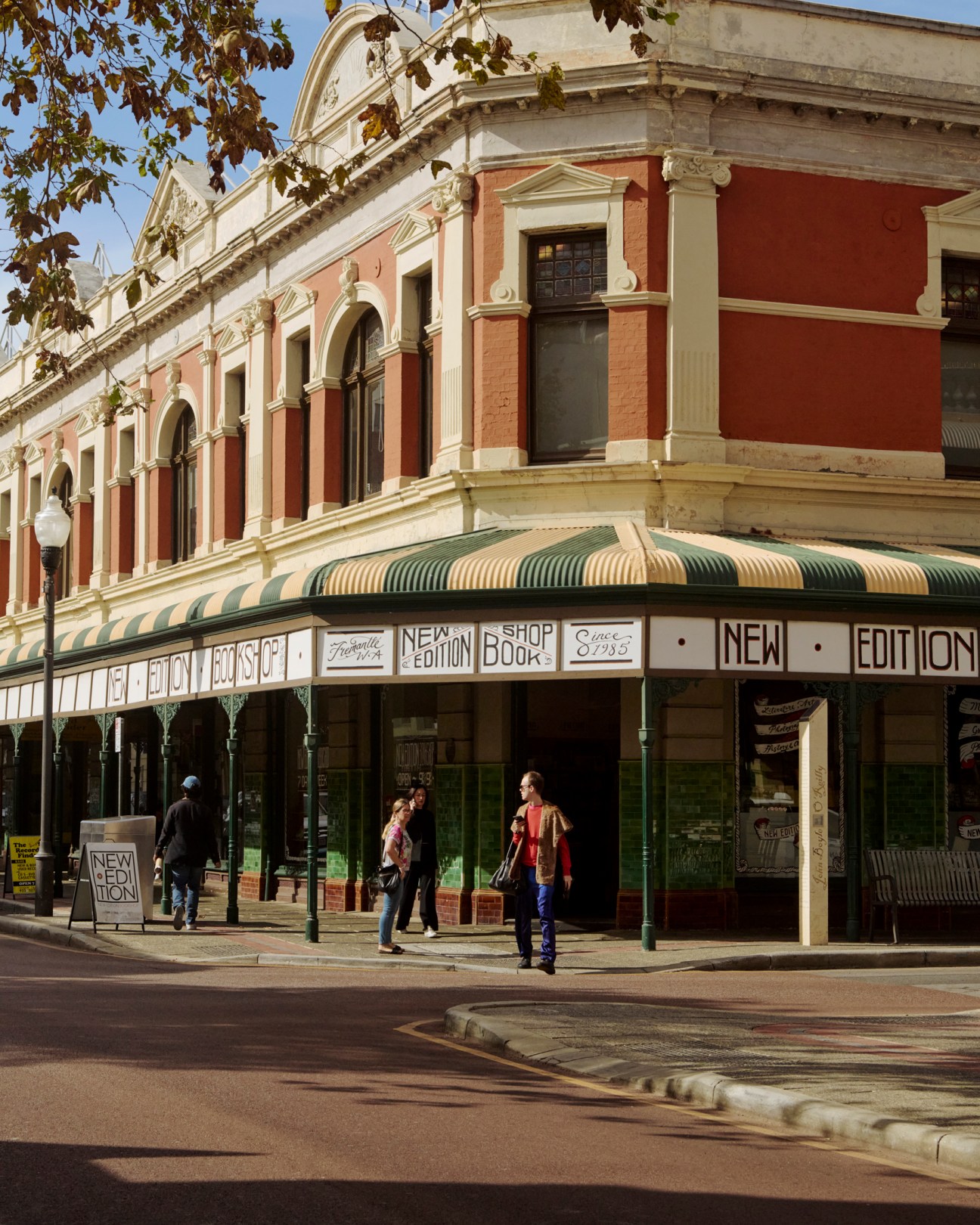
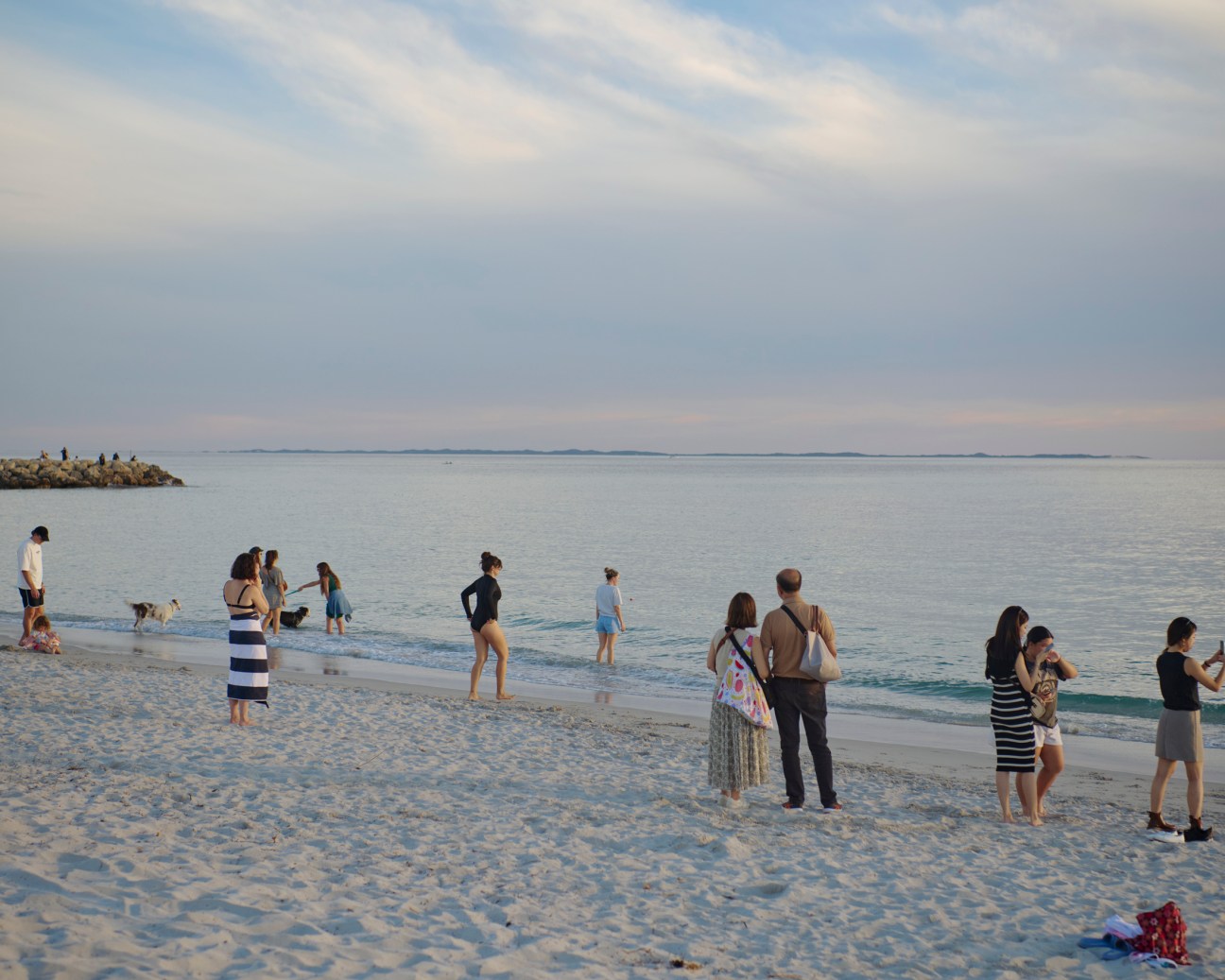
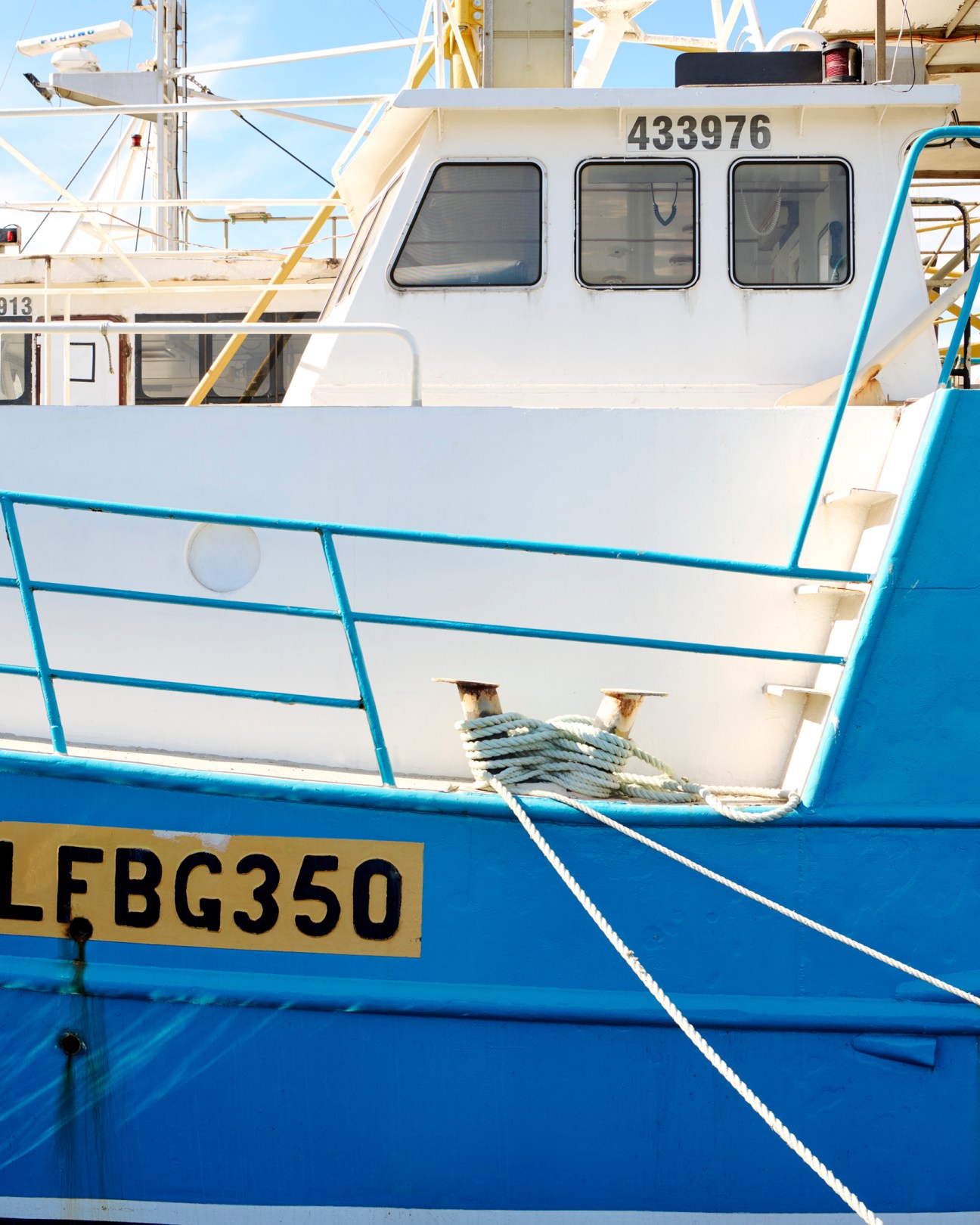
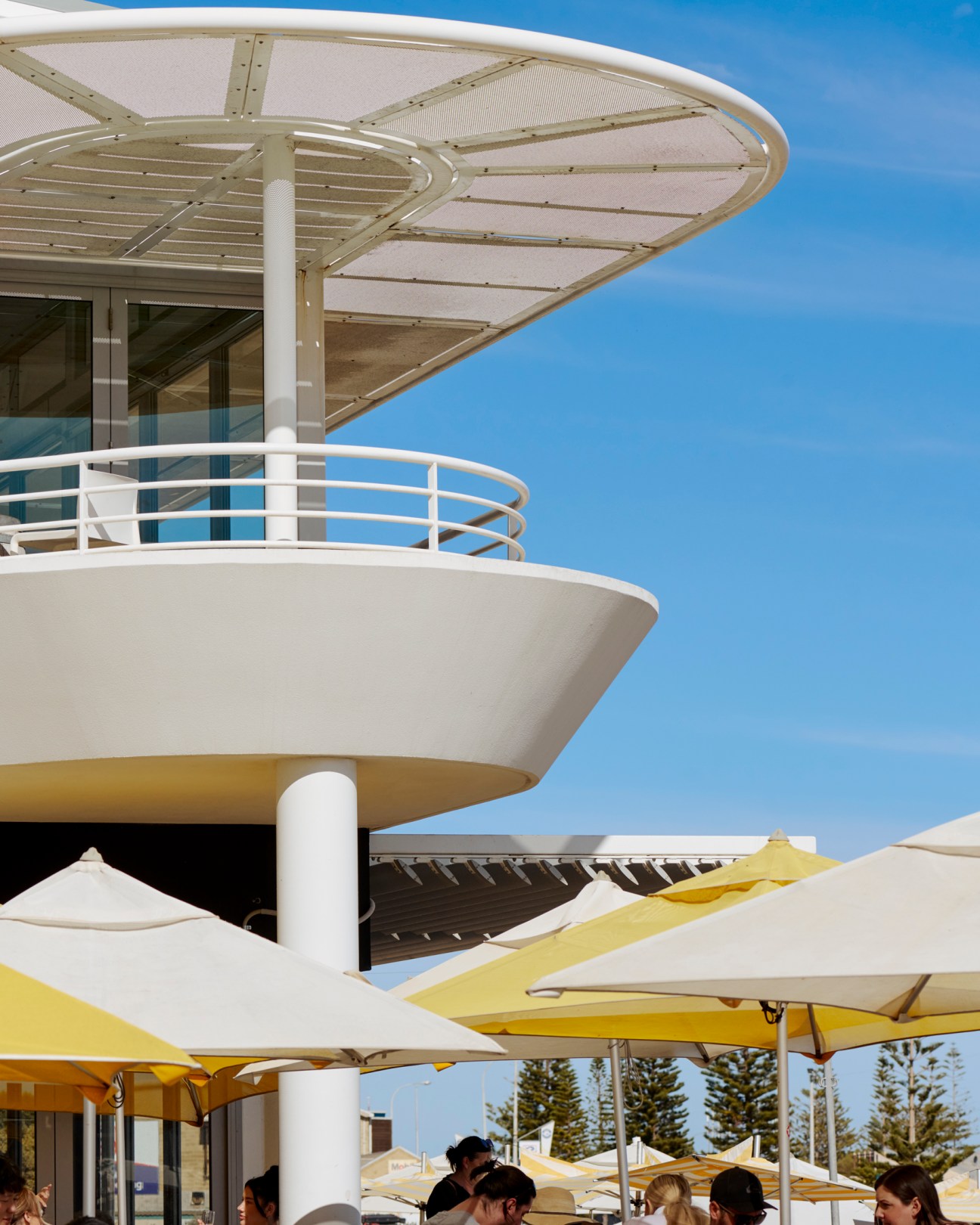
Fremantle’s beautifully preserved Victorian and Edwardian architecture points to its heyday as a 19th-century maritime hub and there’s a mix of colonial red-brick houses, ornate wrought-iron balconies and gothic revival-style churches. Bricks-and-mortar retail is thriving too: the high street is a bustling mix of cafés, wine bars, bookshops, fitness studios and art galleries. The ocean is a few minutes’ away and walking and cycling paths trace the shoreline, leading to pristine sandy shores such as Bathers Beach and the seaside Esplanade Park. Families with young children crowd the playground and wander along the shore. “We have the best beaches in the world by far,” says Young with utter conviction. Every afternoon in the summer, the “Freo Doctor”, a colloquial term for a seasonal sea breeze, blows in from the sea, cooling the whole town.
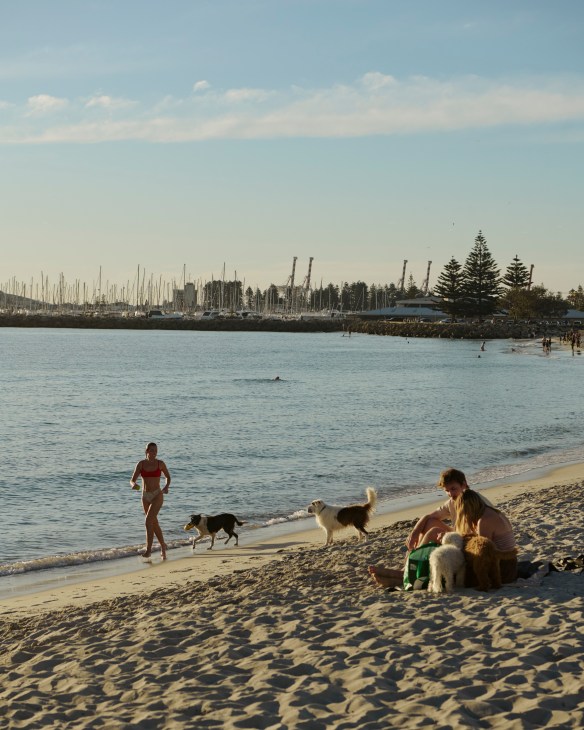
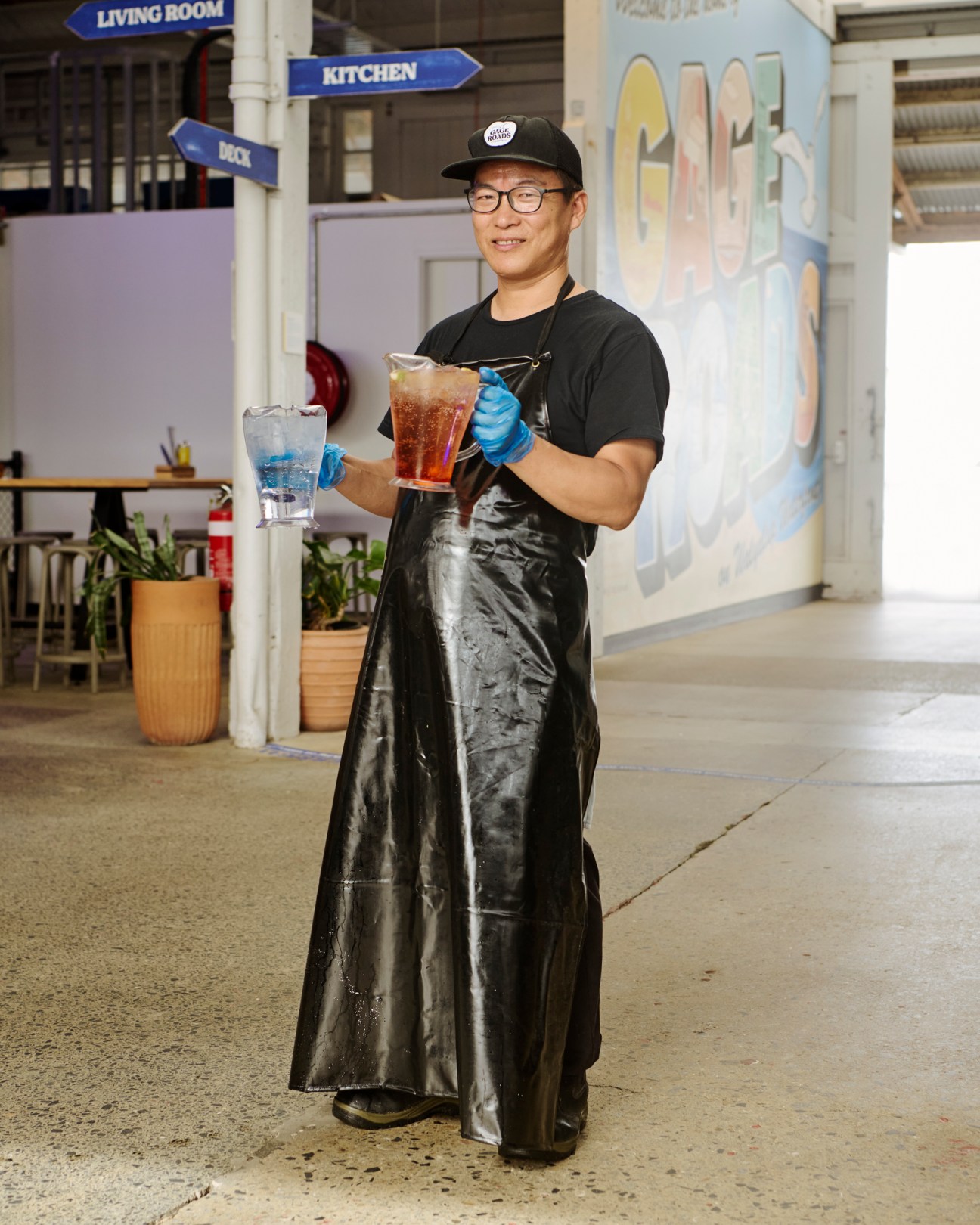
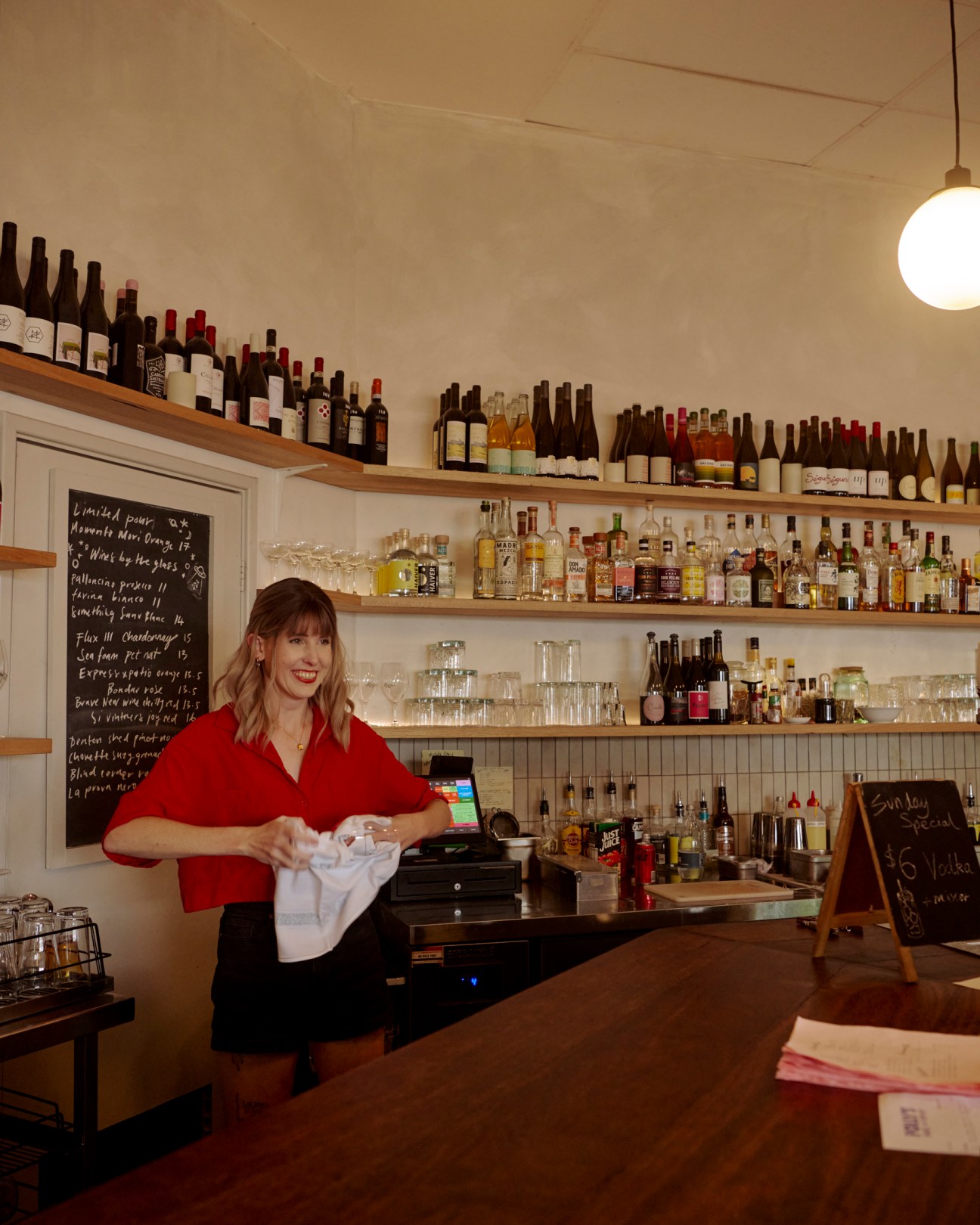
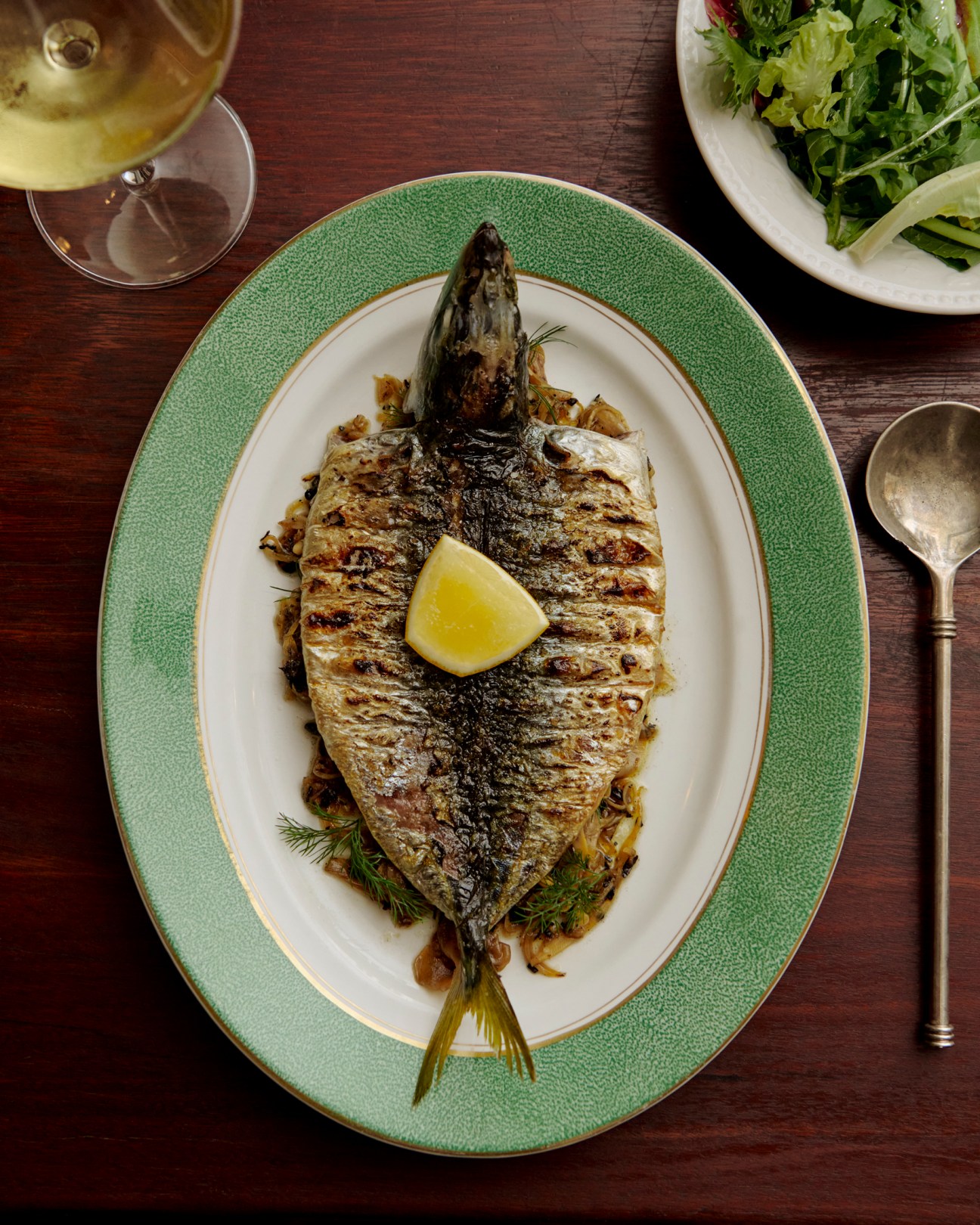
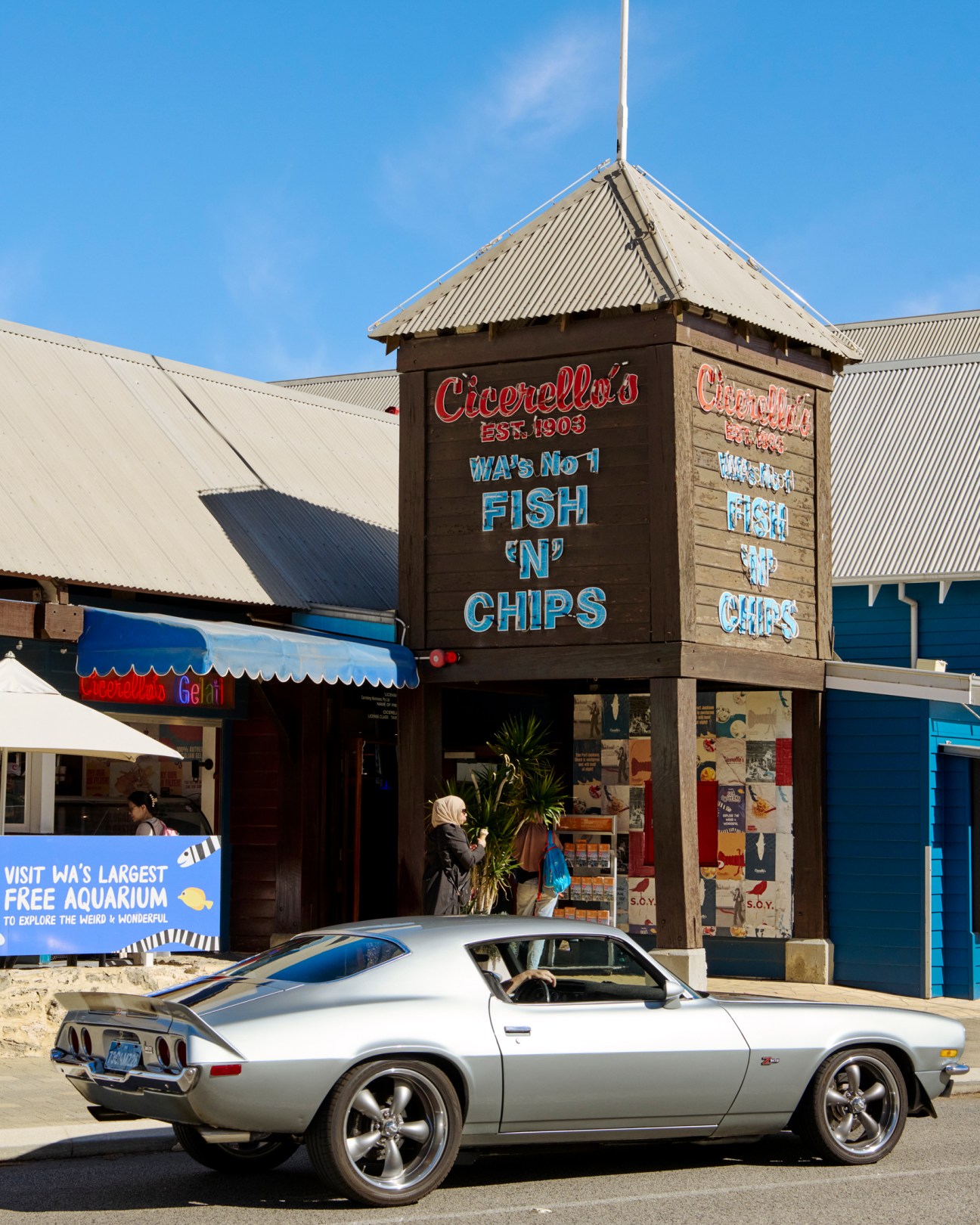
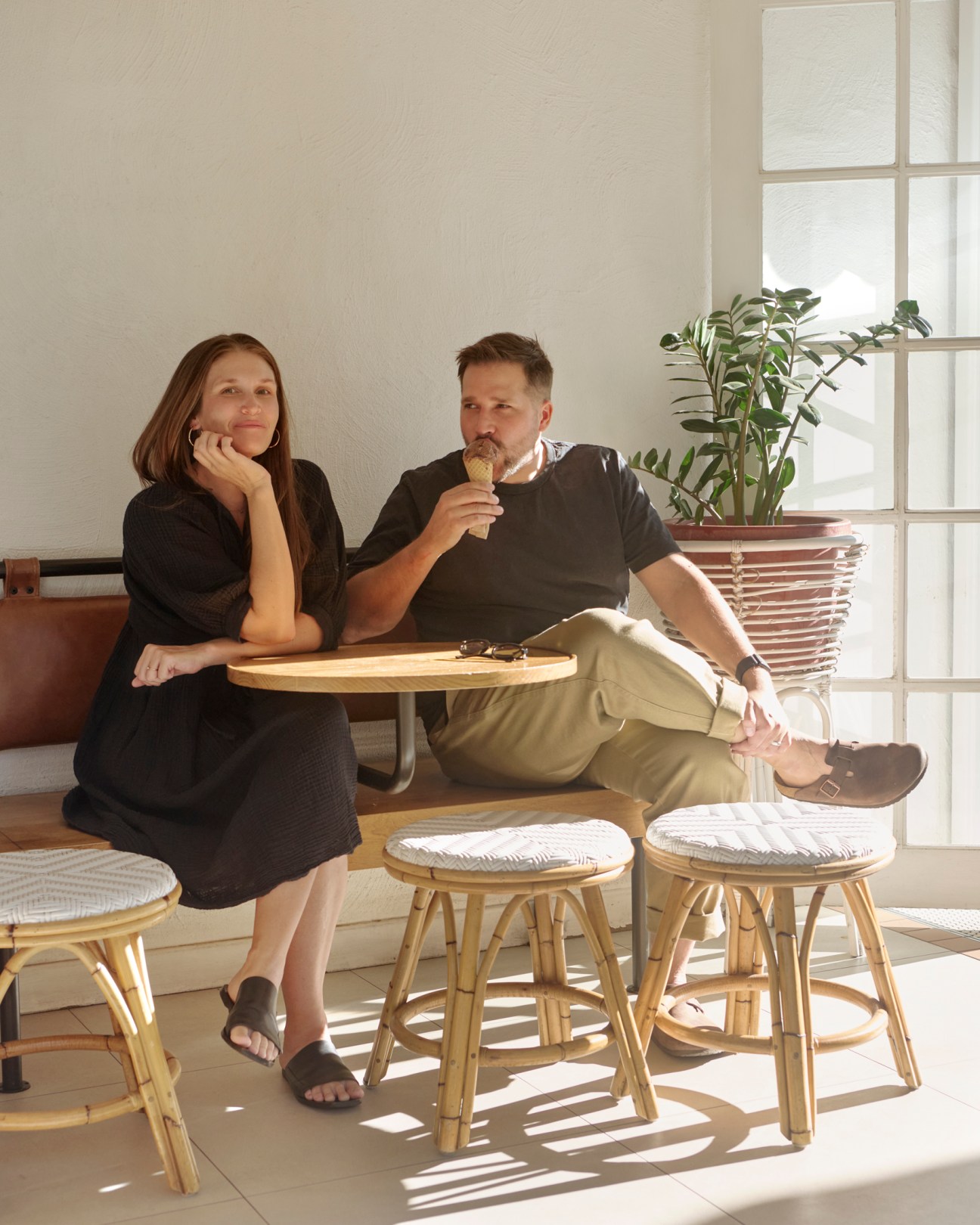
In the past few years a spate of new cocktail bars, breweries, restaurants and speciality cafés opened, injecting new energy into Fremantle’s dining scene (but the classic seaside fish-and-chip spots are still not to be missed). Fresh seafood and local produce dominate bistro menus and wine lists run pages long, taking advantage of Fremantle’s proximity to Margaret River, one of the country’s best wine regions. Good Things Café on Bannister Street has become a weekend brunch institution, to the extent that its owners have been stopped on the street by loyal customers demanding to know when their favourite seasonal dishes are returning to the menu.
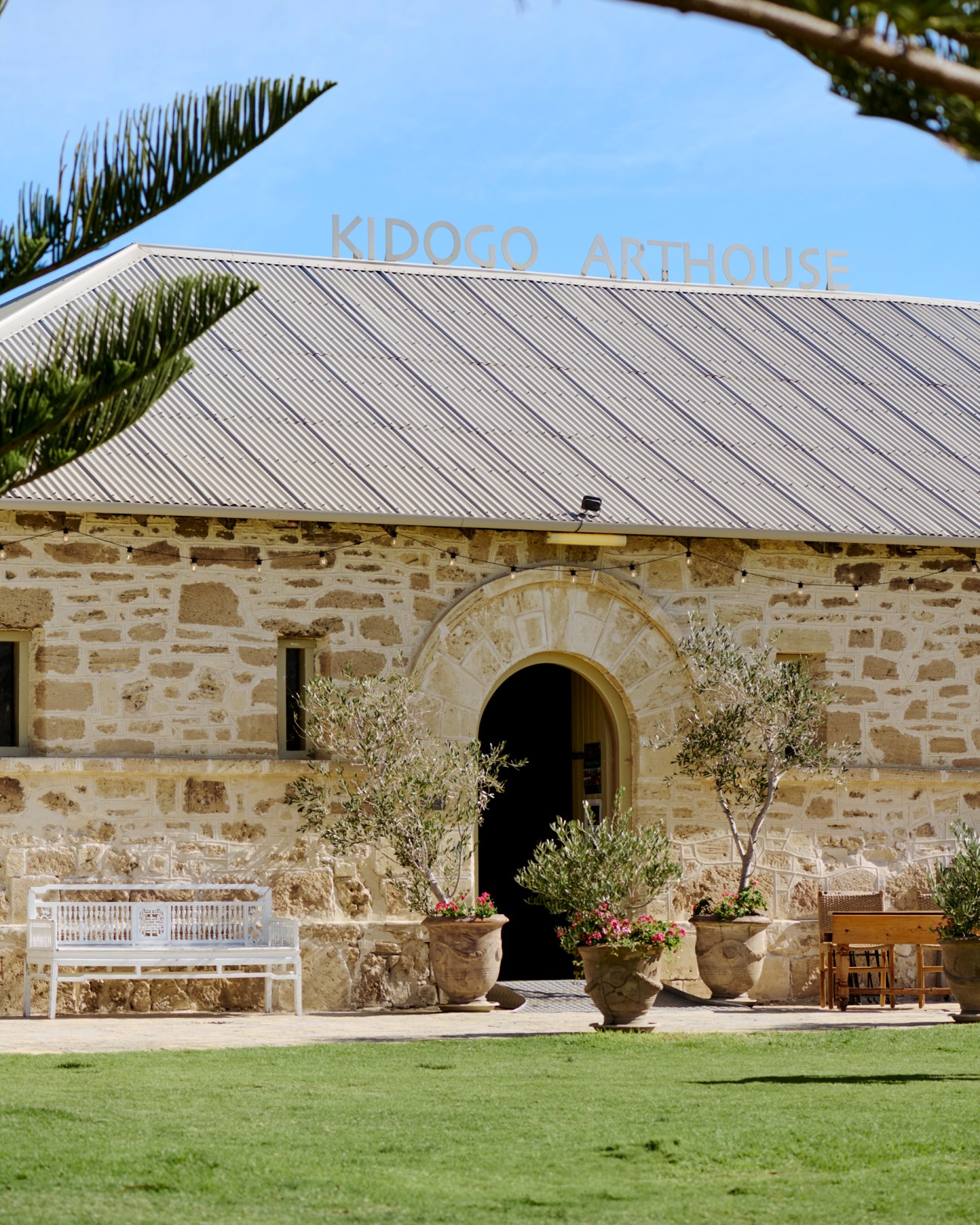
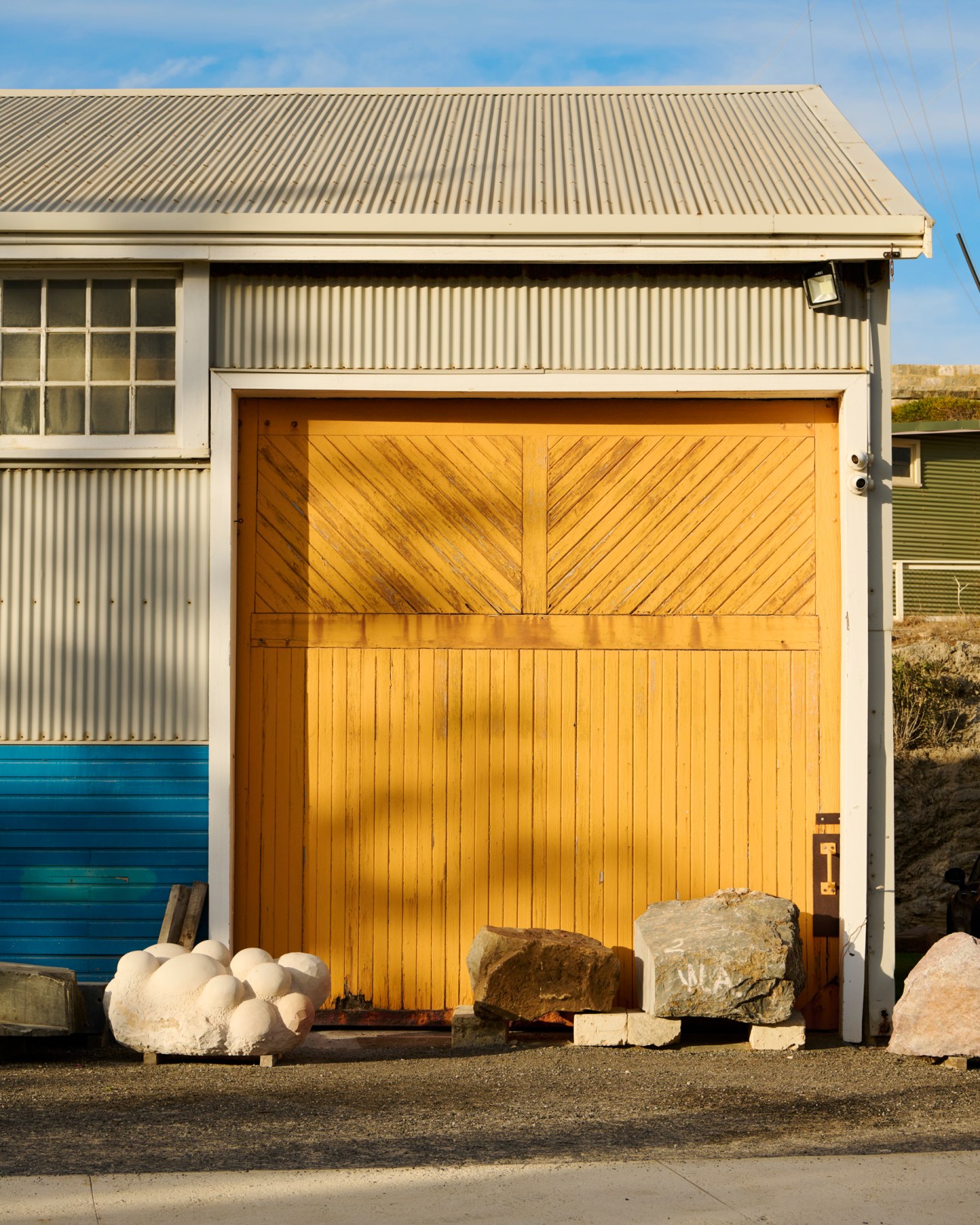
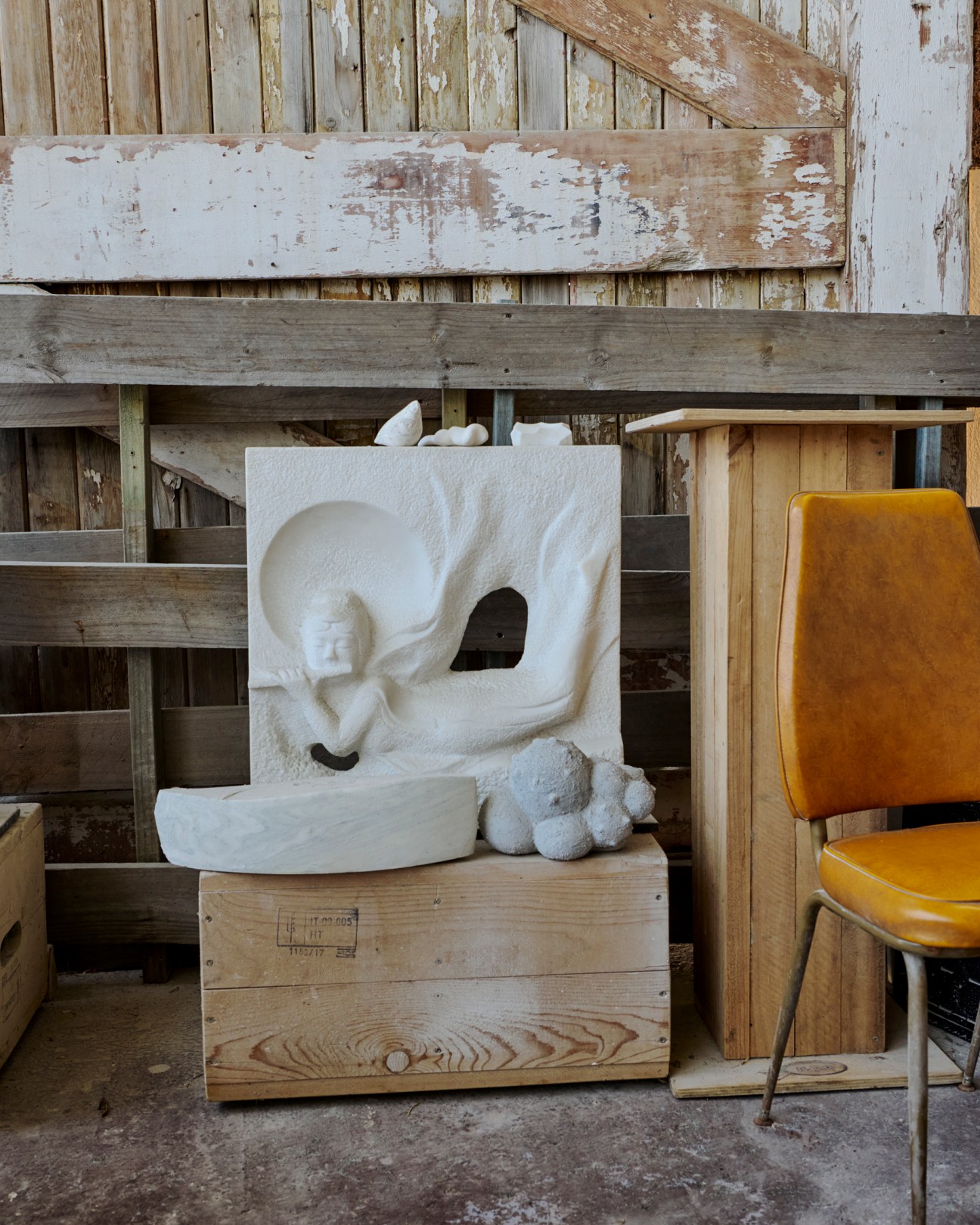
A quiet cultural backwater it isn’t: Fremantle’s arts scene, one of its best-known features, has deep roots. Former shipping warehouses and a Victorian-era asylum now serve as exhibition centres and artists’ studios, such as the colourful J Shed, while independent art galleries populate many shopfronts around town. Amy Grasso, a Fremantle resident who juggles a day job at an apothecary with her textile art, which she makes in one of the J Shed studios, co-organises “creative meet-ups” for local artists. “We’re trying to organise community support for creatives,” says Grasso with a grin. “A lot of artists live in Freo.” Indeed, there are frequent weekend and summer markets featuring Fremantle artisans, dressmakers and ceramicists. “It’s a place that artists have always been drawn to,” says Carine Thévenau, a photographer who grew up in Fremantle and moved back from Sydney last year with her husband and daughter. Before heading to the beach, she drops a parting refrain that Monocle became very familiar with on our trip. “Freo has everything we need.”
Fremantle’s top spots
The bar:
Patio Bar 4/3-13 Essex Street Nieuw Ruin
The outdoor space:
South Beach
The cultural centre:
1 Fleet Street
The school:
John Curtin College of the Arts





2.
Kita-Kamakura, Japan
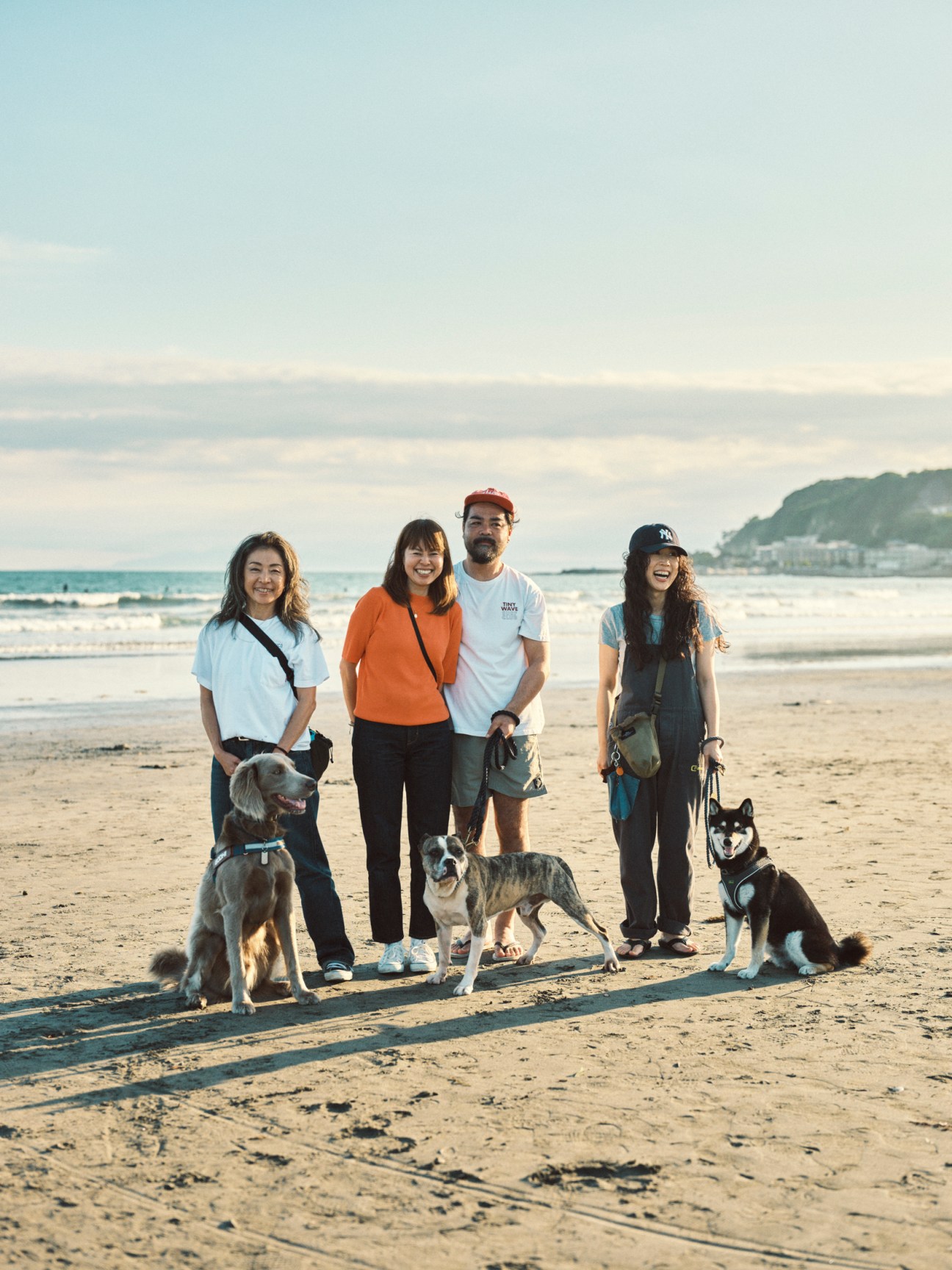
Just a short journey from Tokyo by train, Kamakura offers a very different perspective. The city of 171,000 sits on Sagami Bay, spreading back from a wide sandy beach into the hills. It might not be immediately obvious from the laidback surfer vibe of today but Kamakura was once the religious and political heart of Japan and, in the 13th century, its second capital. The remnants of that era are everywhere, in dozens of temples, shrines and gardens.
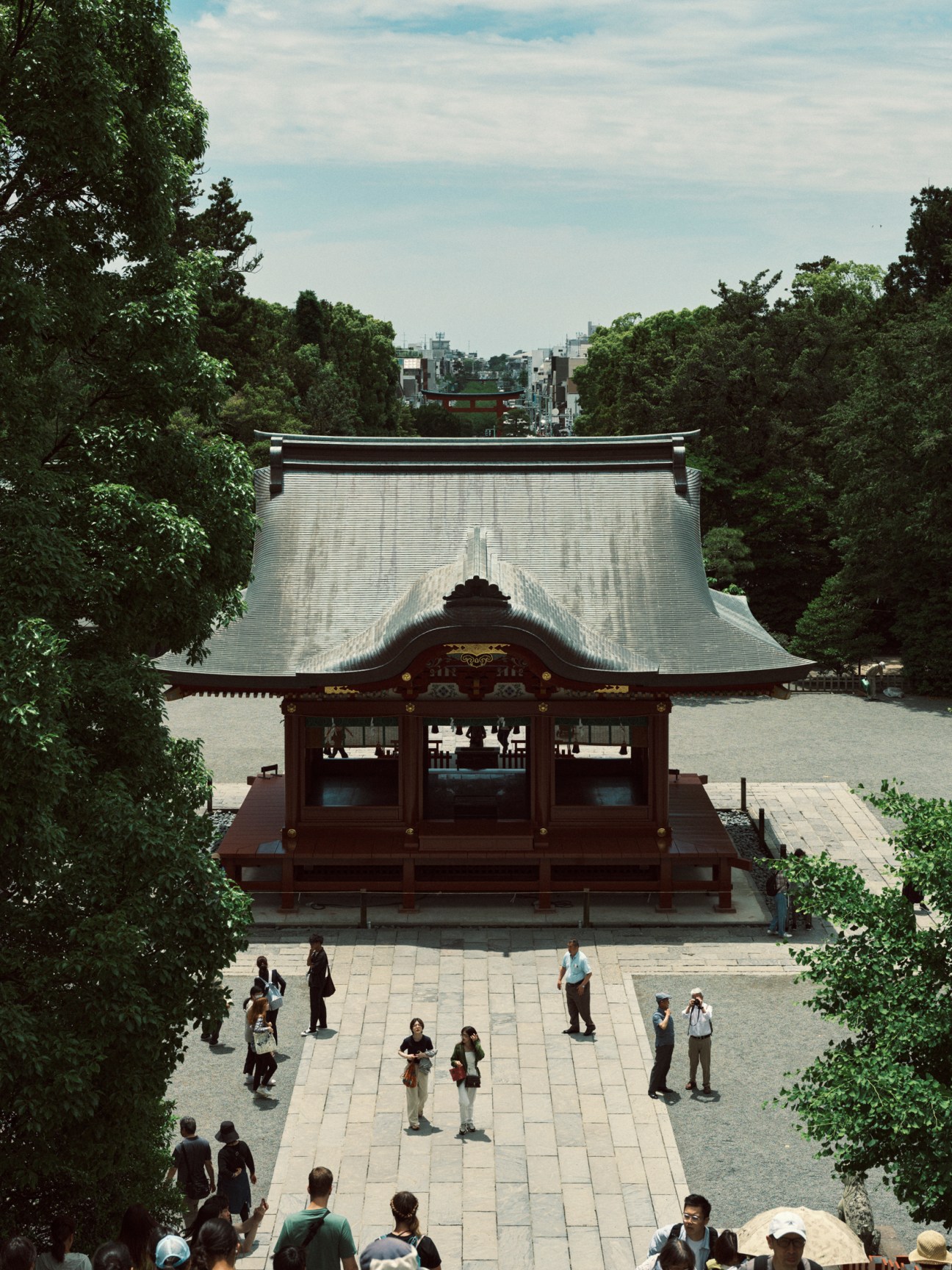
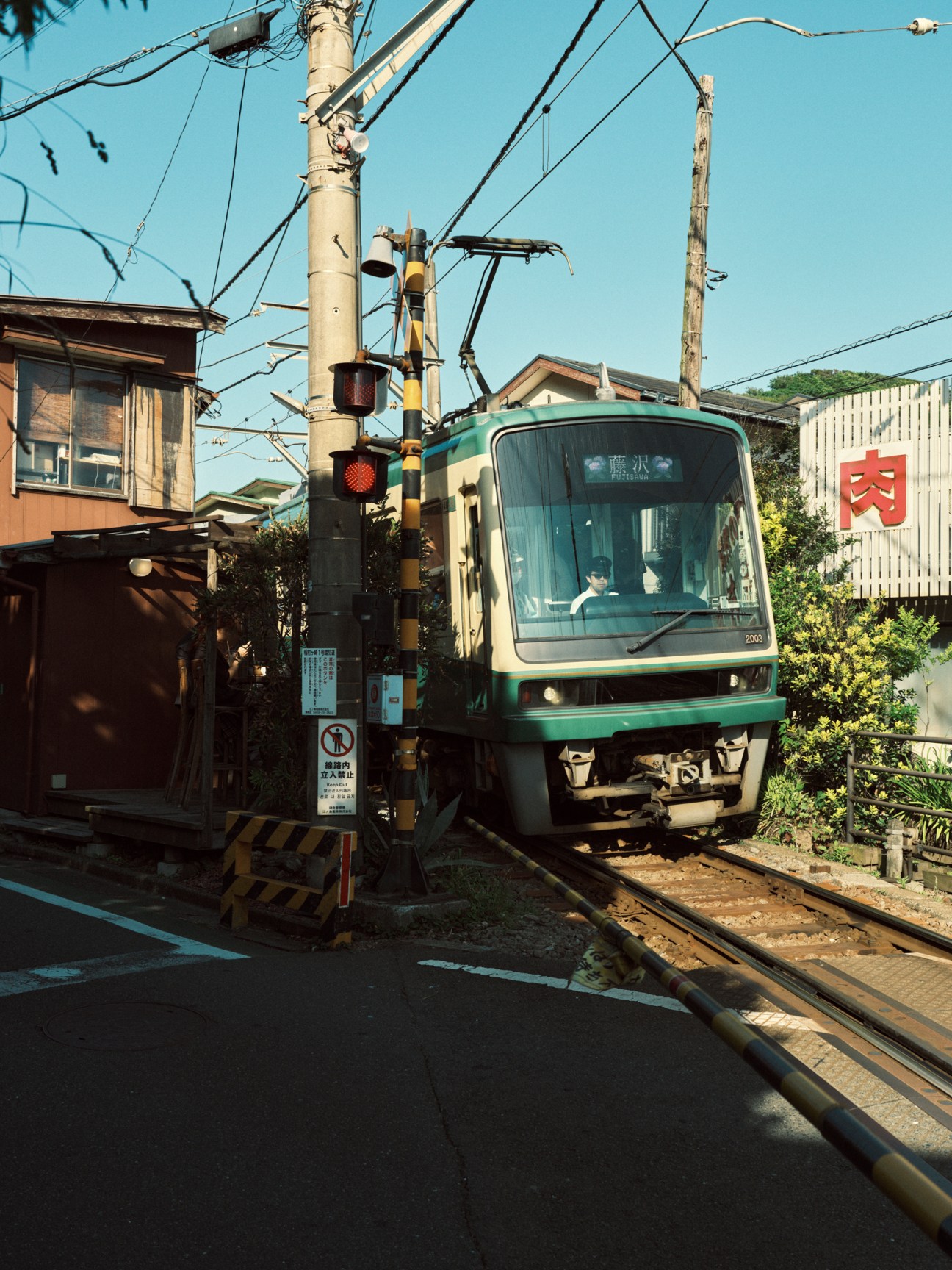
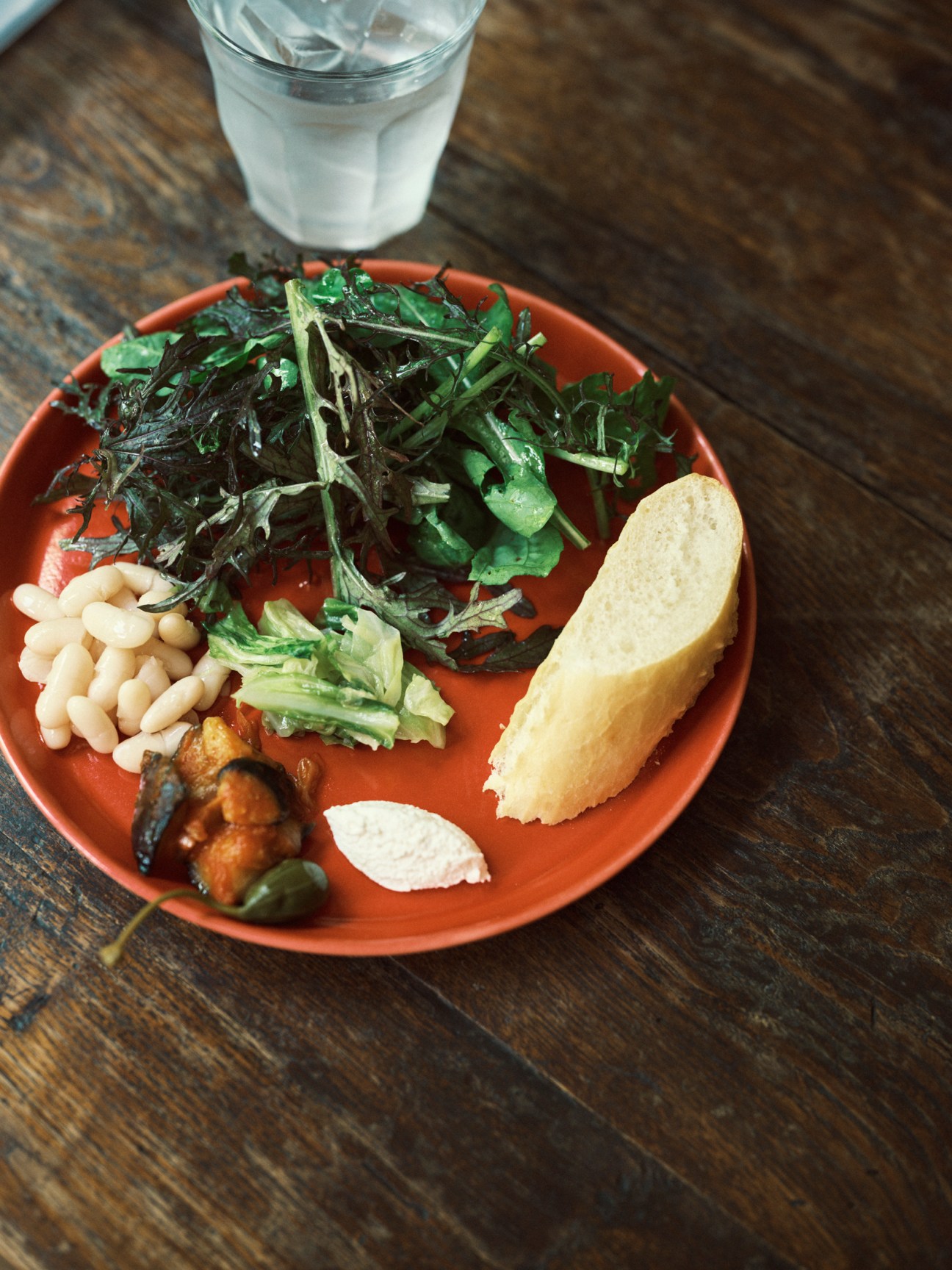
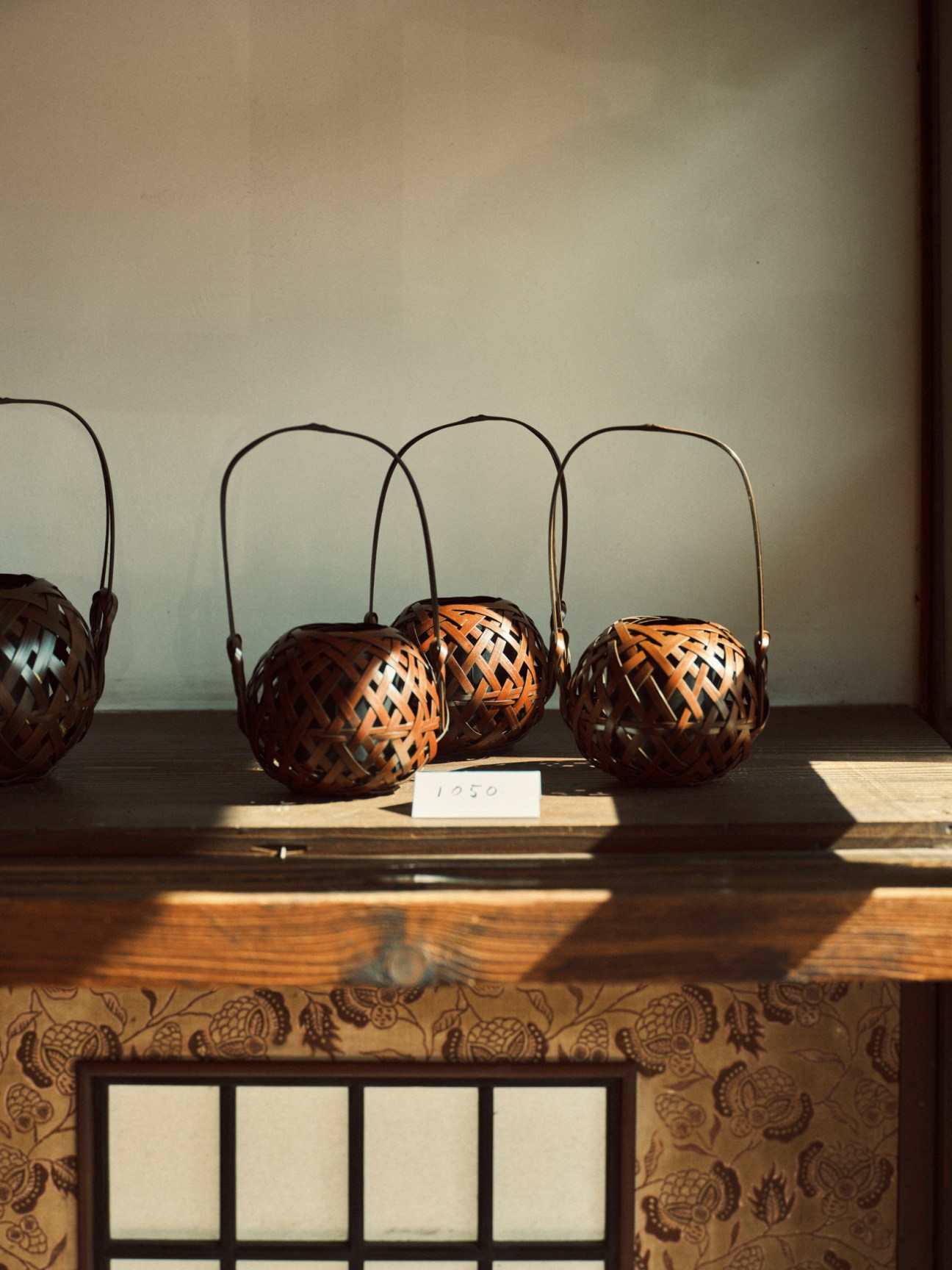
Just a few steps away from Shokado is Cipollino, a bistro where the daily menu includes a fresh pasta with local vegetables and seafood from Zushi, just along the coast. Owner-chef Shuhei Koizumi’s grandfather had a Japanese restaurant in Kita-Kamakura. “I trained in Tokyo,” says Koizumi. “But I always wanted to come back.” One woodworker here is still operating at age 79. His family shop, Tomono Furo, which sells cedar bowls, stools and chopping boards, has been in Kita-Kamakura since 1814. “I started when I was 10 and I make everything by hand,” he tells Monocle. “Things you buy online can’t compare.”


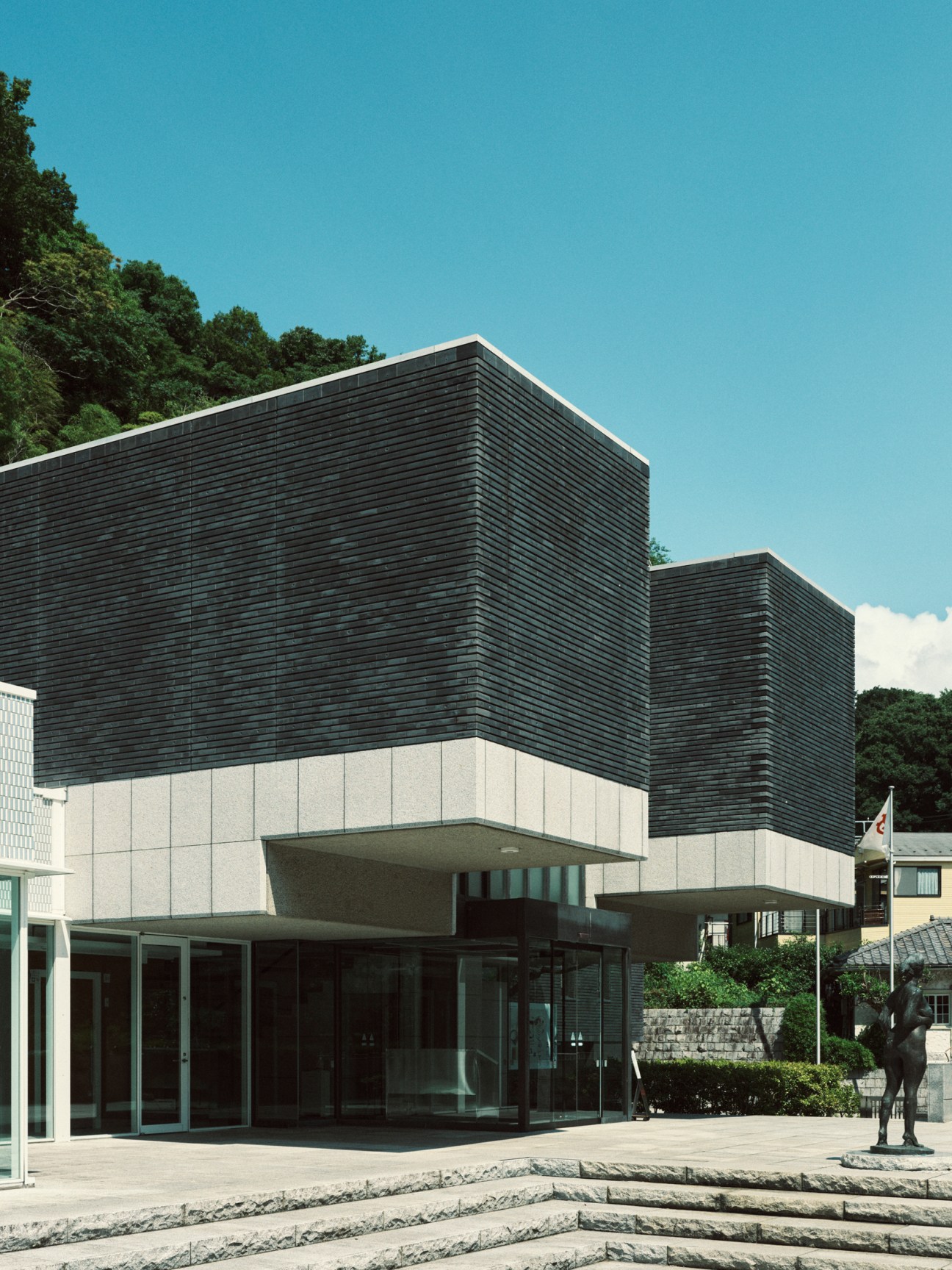
Kita-Kamakura (North Kamakura) is a lush, woody enclave a couple of kilometres inland and surrounded by hills. Streets are leafy and low-rise, and the elegant tone is shaped by the historic Zen temples that stretch along the road. Shokado is a confectionery shop on the main street run by Tomoko Kurihara and her brother; their father opened the business in 1961 and today they sell traditional Japanese sweets. “This is a friendly neighbourhood,” says Tomoko. “People look out for each other.” Outdoor activities are also prominent. “If you grow up here, hiking is part of life,” she adds. One of the most popular trails leads up from Kita-Kamakura, along a ridge and down into Zuisen-ji temple in the east of the city.
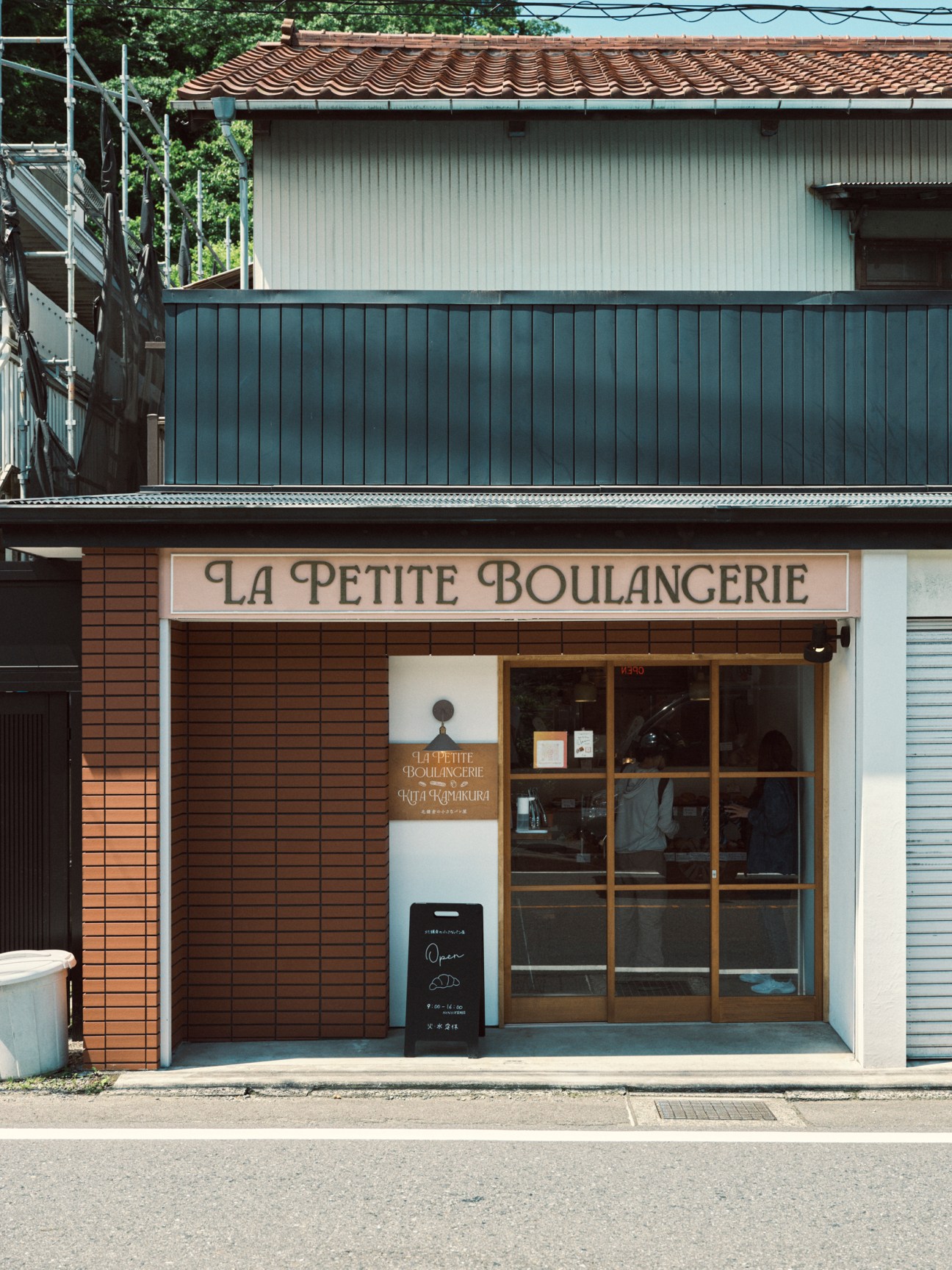

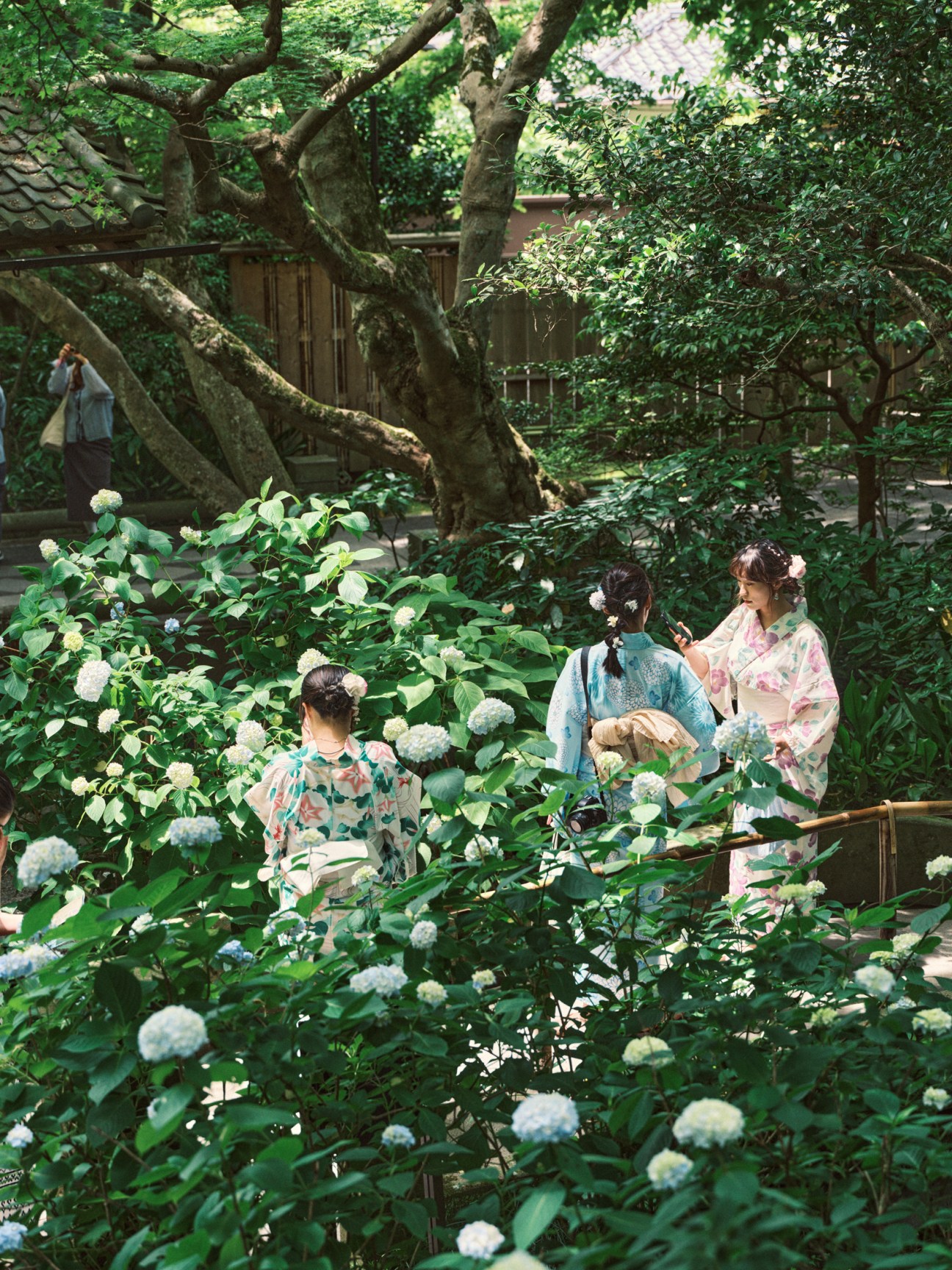
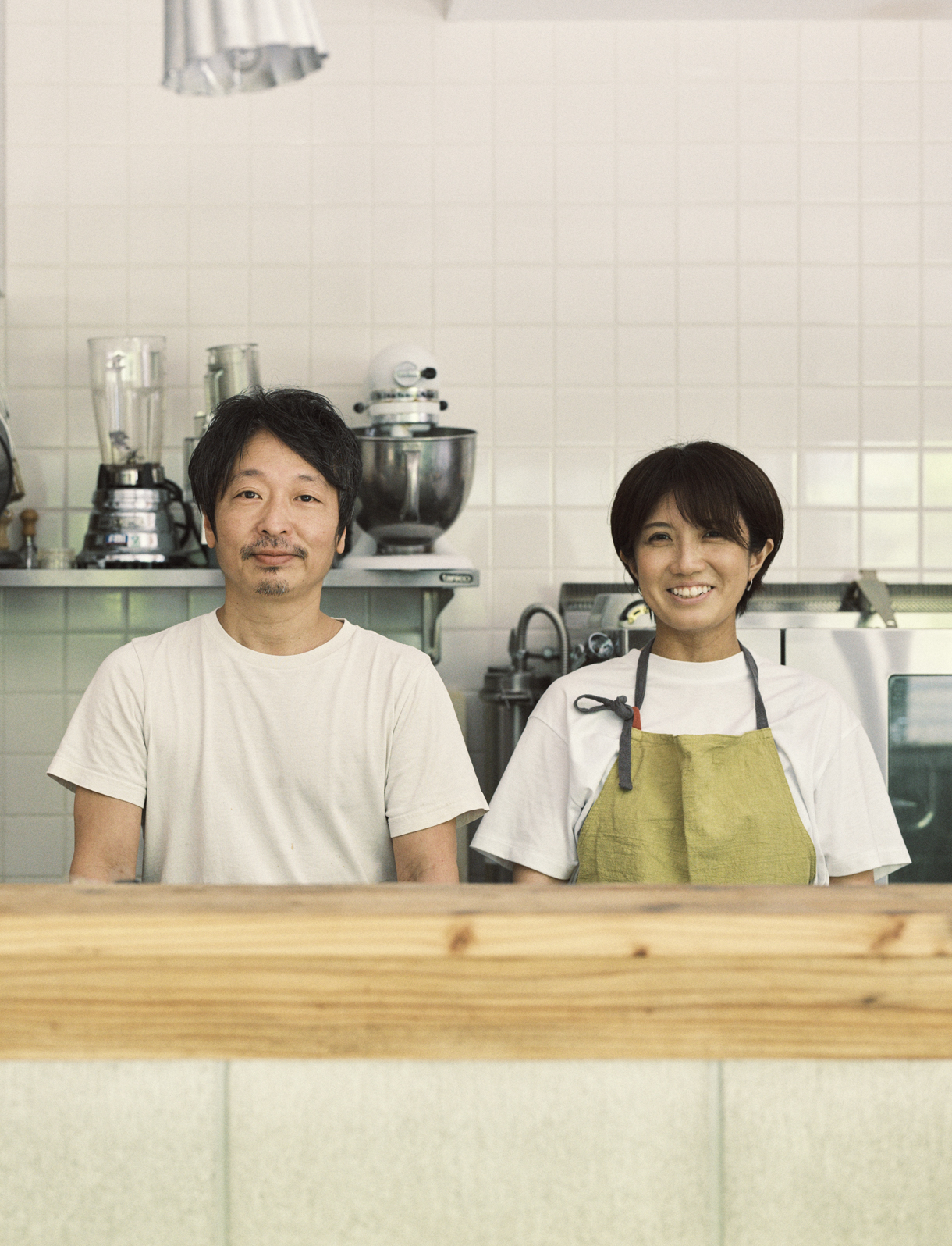
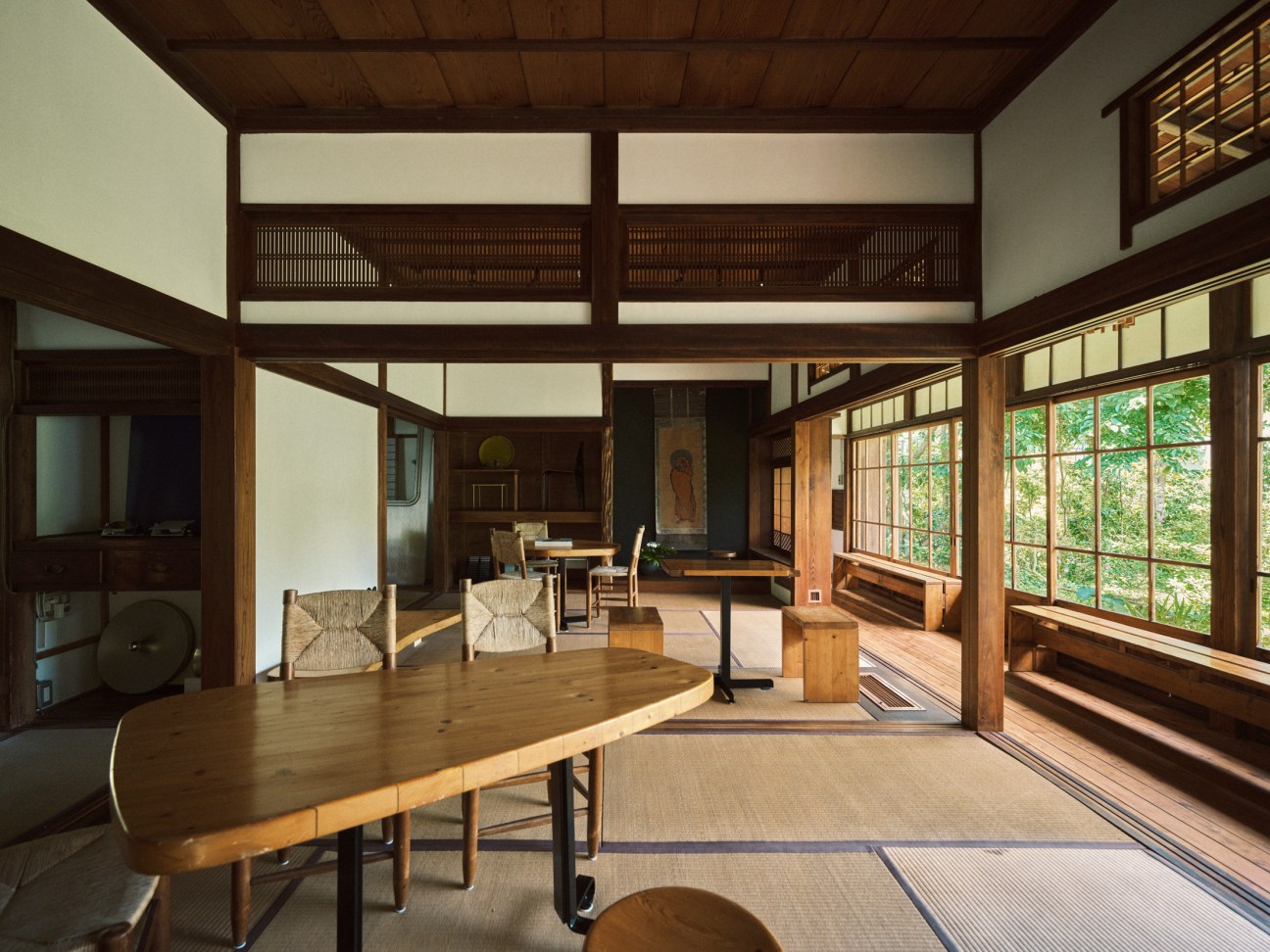
Last year furniture collector Thierry Lamoine and his wife, Arrow Nakajima, opened Galerie One in a pre-war kominka (wooden house). A short walk from Kita-Kamakura and next to the peaceful temple of Kakuon-ji, the beautifully preserved house is the perfect backdrop for Lamoine’s exceptional finds by architects and designers such as Pierre Jeanneret and Charlotte Perriand. “The furniture looks much nicer than in a white cube in Tokyo,” says Lamoine, who also has a gallery in Paris. “Knowing our customers is the biggest asset of the Kamakura gallery: collectors can sit, have a drink and take time to tell us which pieces they like. They never stay less than one hour.”
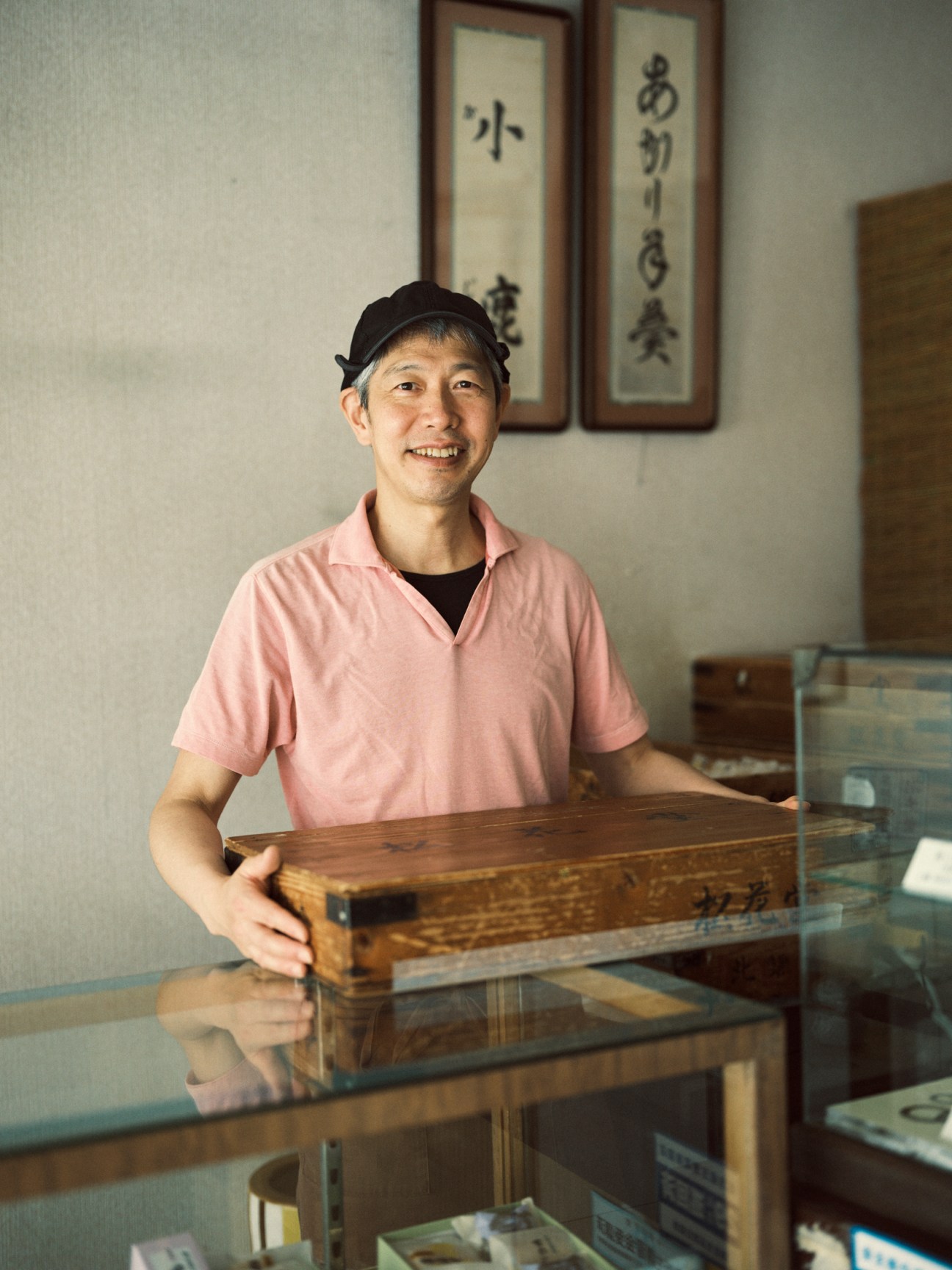
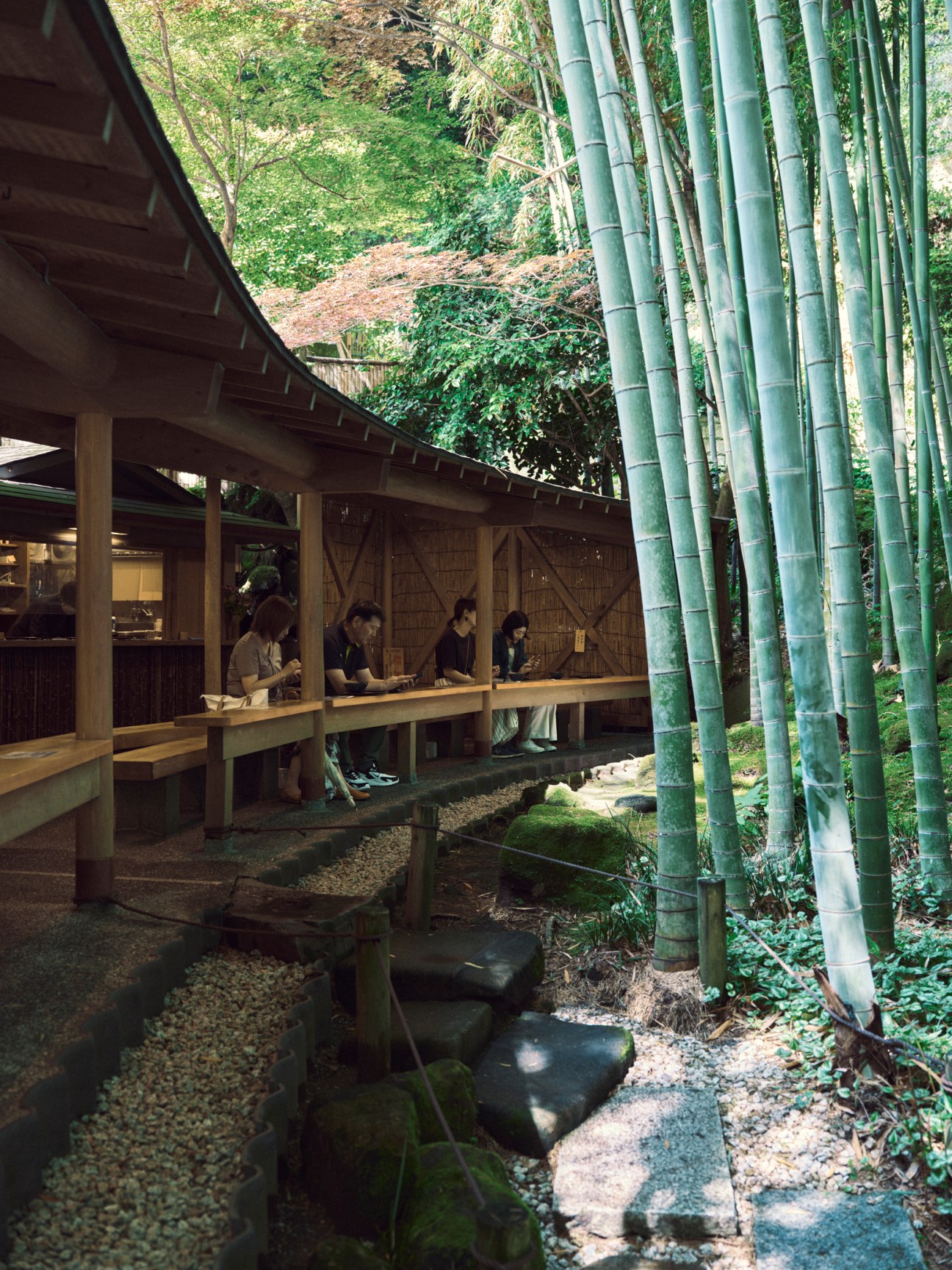
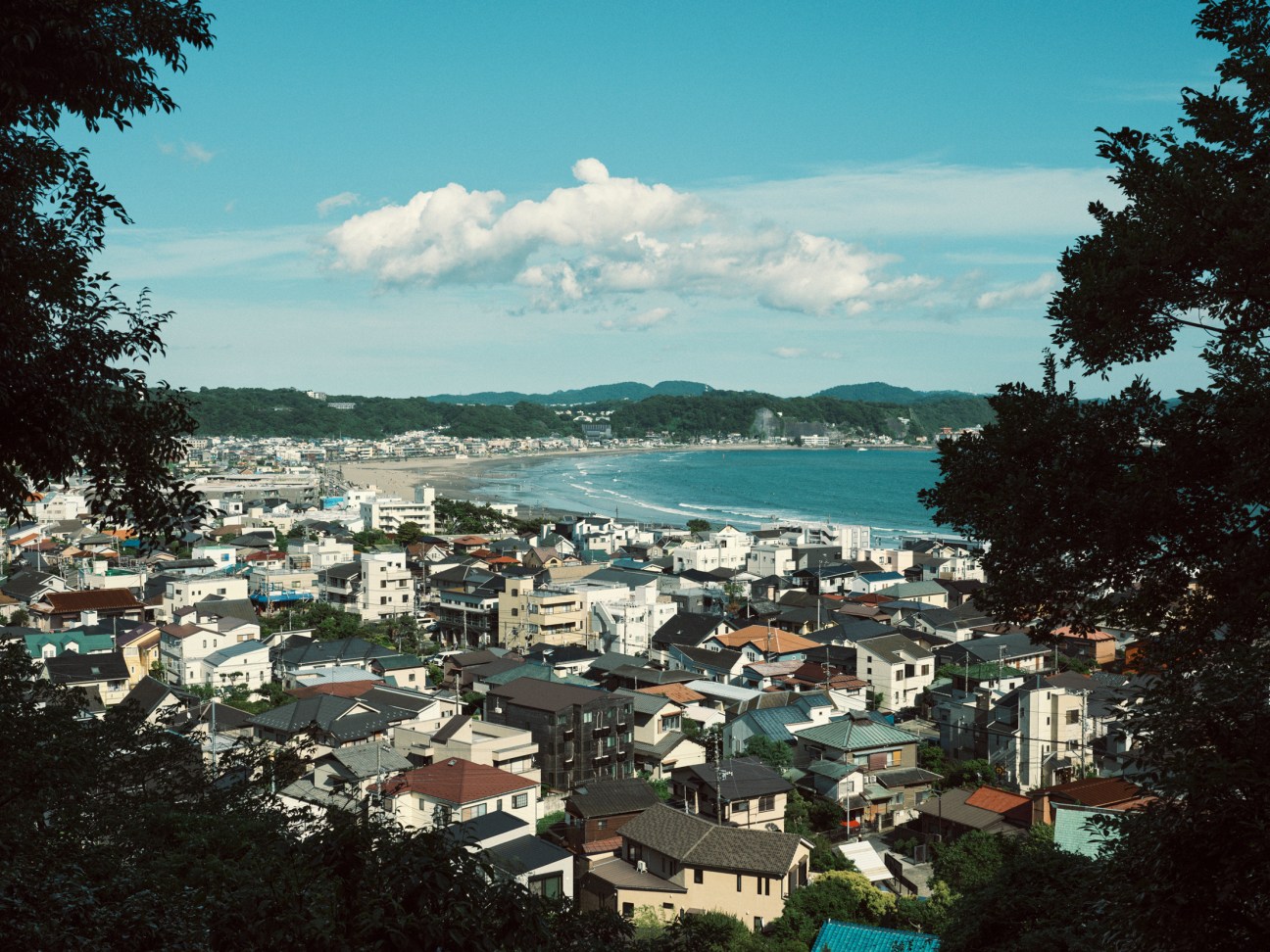
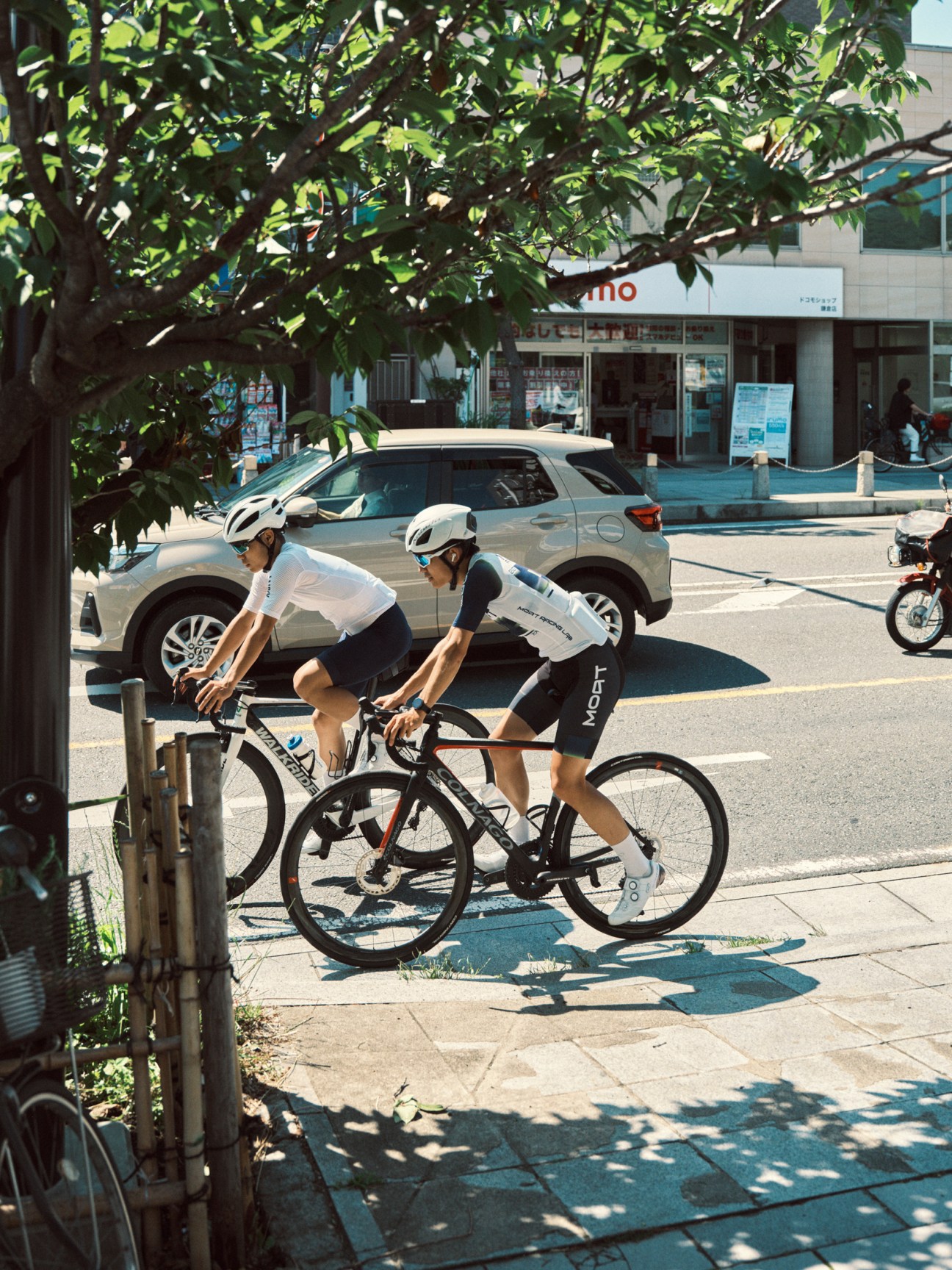
While the tranquillity of Kita-Kamakura makes it a great place to live, those after a more vibrant proposition can hop on a five-minute train to central Kamakura, where there are bars, restaurants and food shopping in the ichiba morning market. The traditional Kamakura scene of hato-sabure (dove-shaped shortbread biscuits) and craft shops is still there but it has now been joined by outdoor brands, coffee shops and a Muji restaurant. Some things never change though: just stand on the beach and take in that perfect sunset view of Mount Fuji.
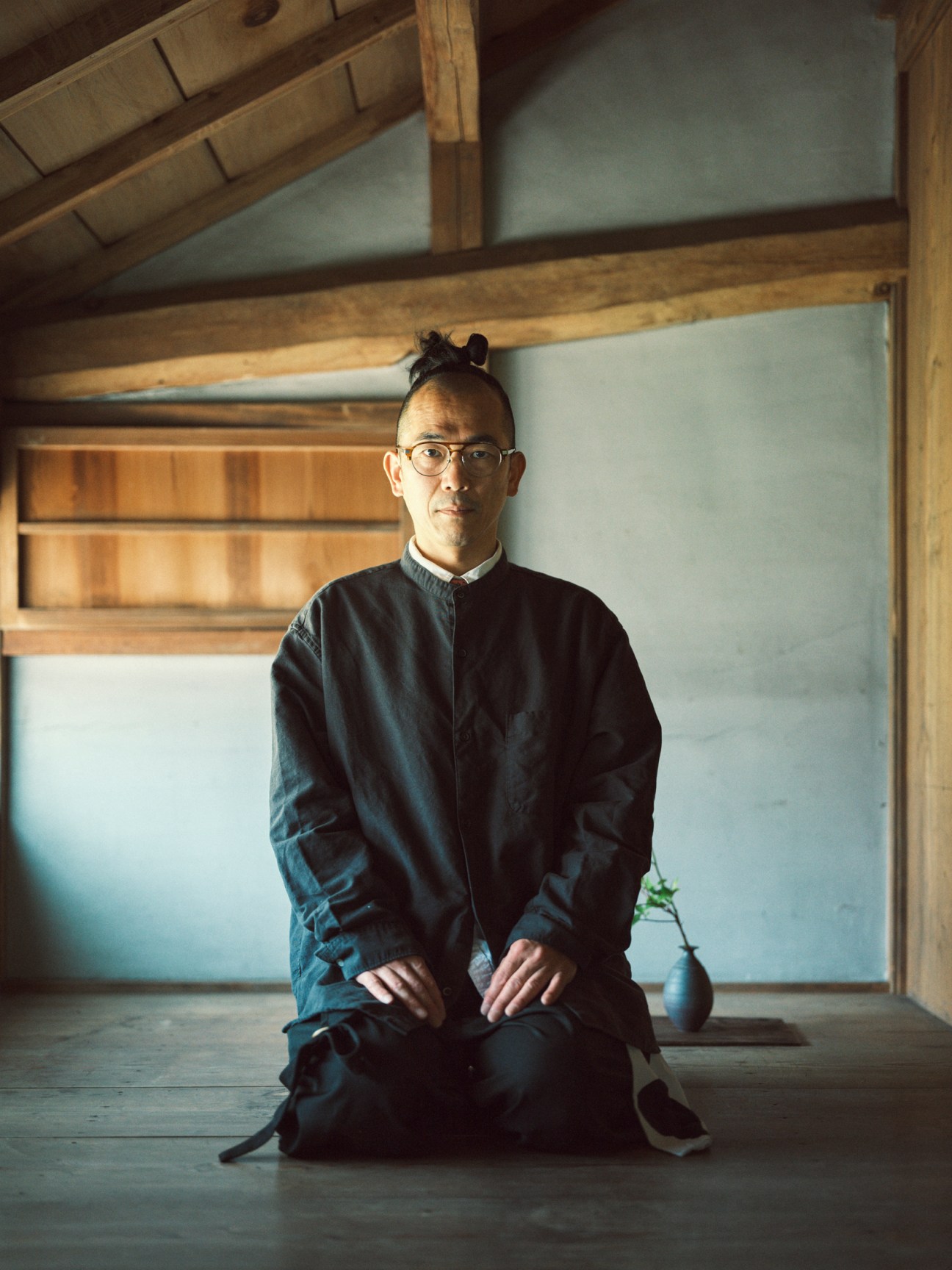

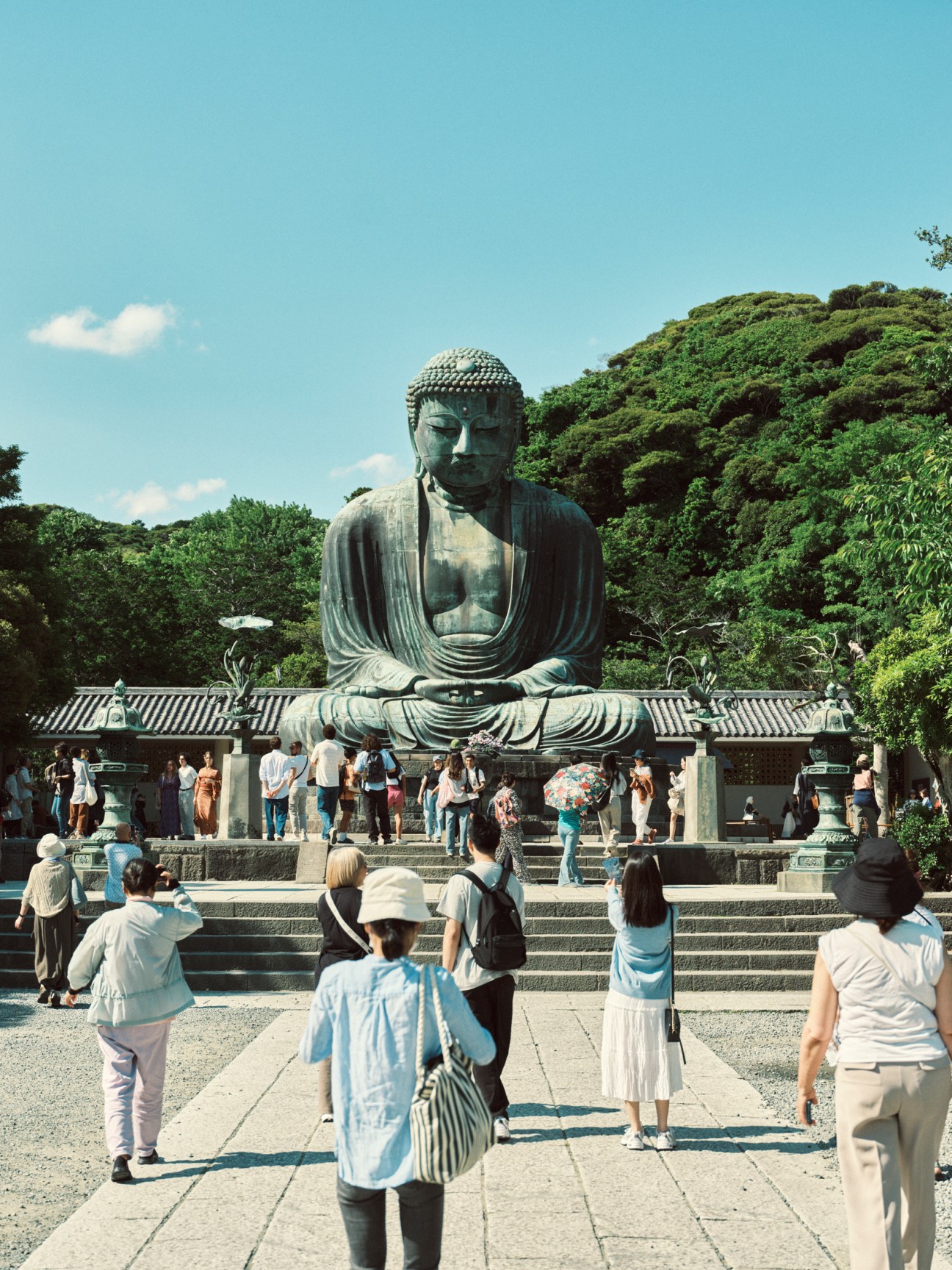
Back in Kita-Kamakura, residents have the place to themselves, the only audible sounds emanate from the trees and the forested hills (and perhaps the clink of wine glasses at Cipollino). “It’s very quiet here,” says Tomoko Kurihara. “That’s how we like it.”



3.
Chiaia & Vomero, Italy
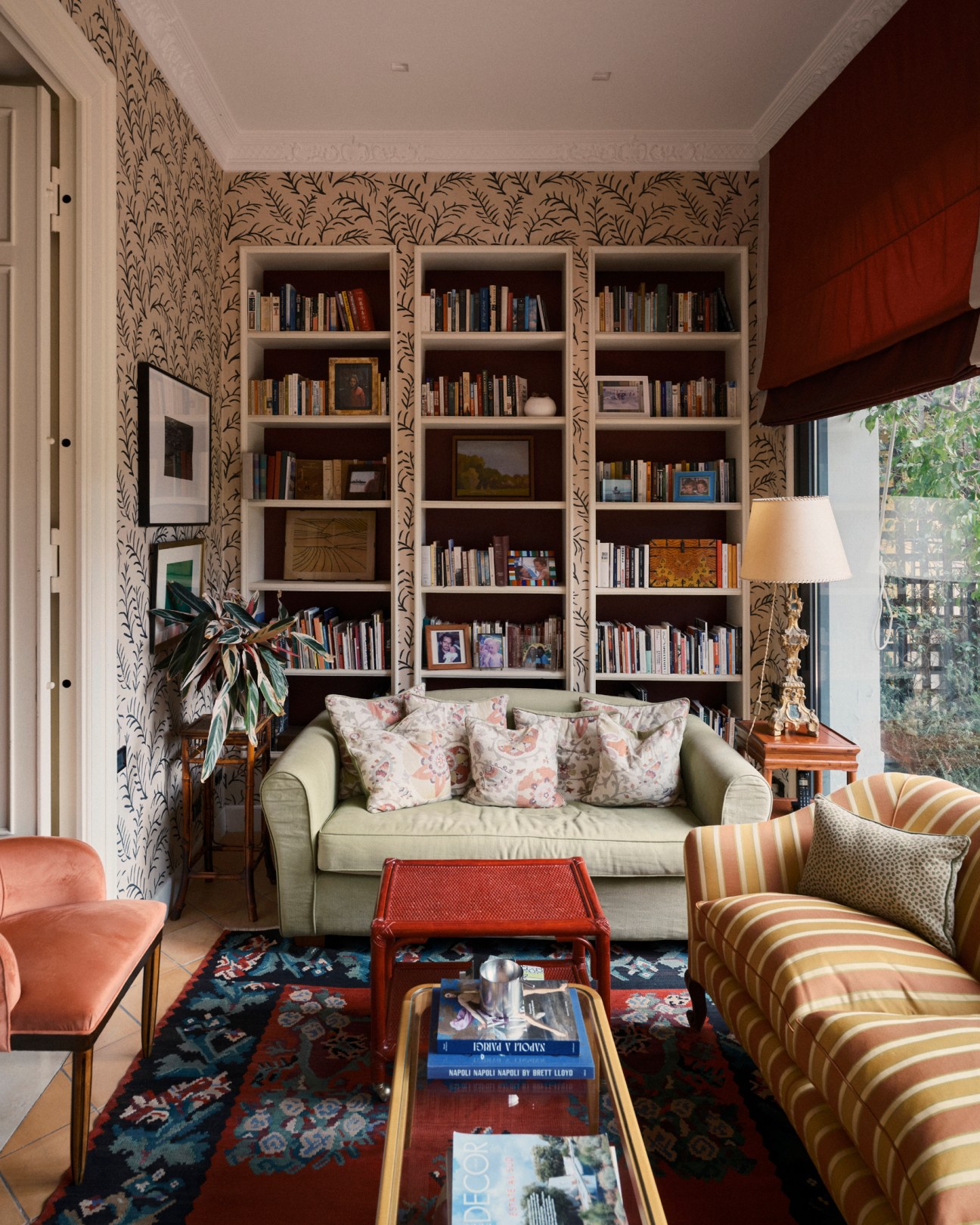
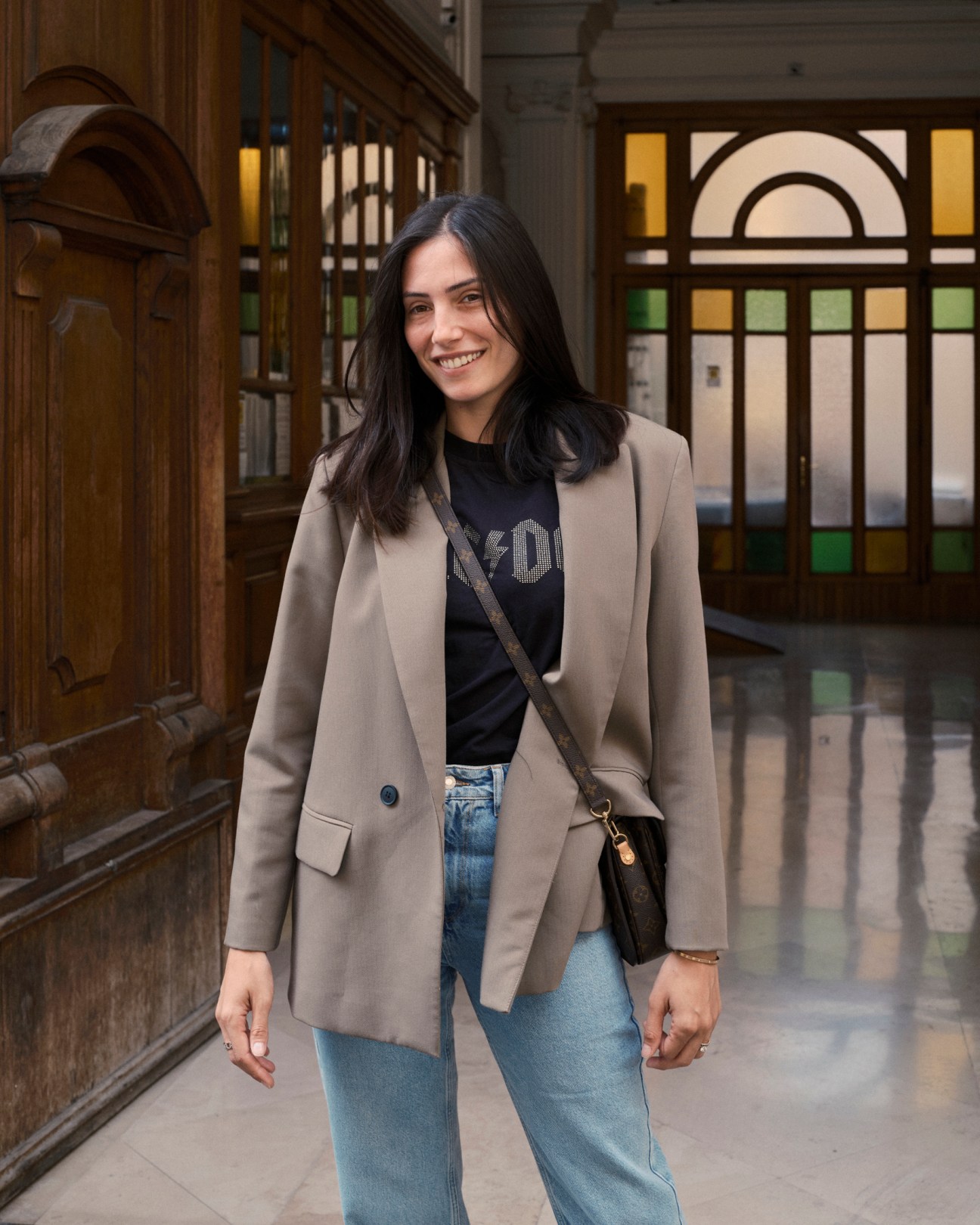
“I wouldn’t go to any other city in the world,” says Giò Nardi as he shows Monocle around his apartment in Naples’ upscale Chiaia neighbourhood. Like so many we speak to during three days in the city, something drew Nardi, a DJ and events organiser, back to his hometown after some time away. It might have something to do with the Bay of Naples glistening away in the distance just outside the window. “I can swim before work or go to Capri at weekends,” he says. “It still feels authentic here.”
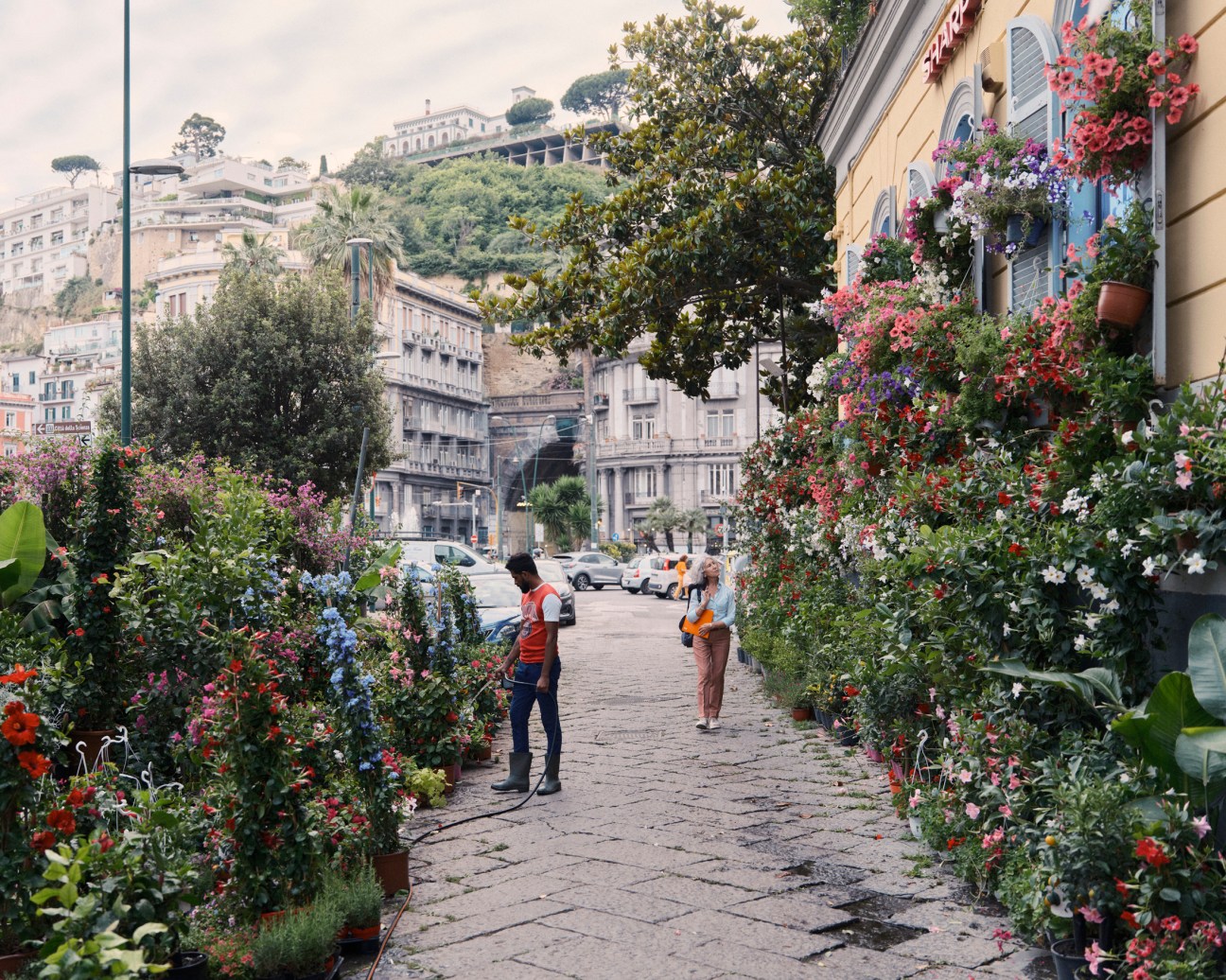
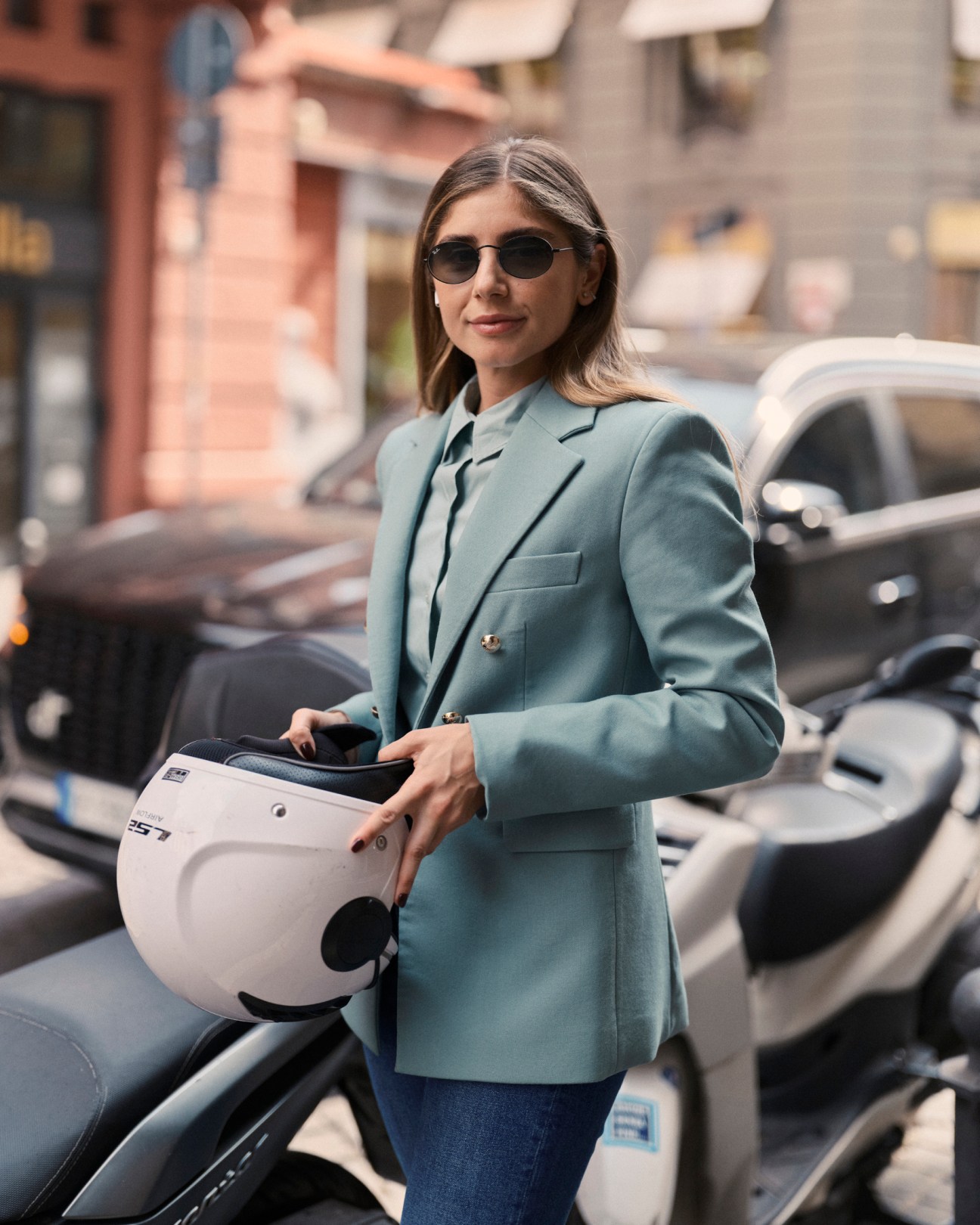
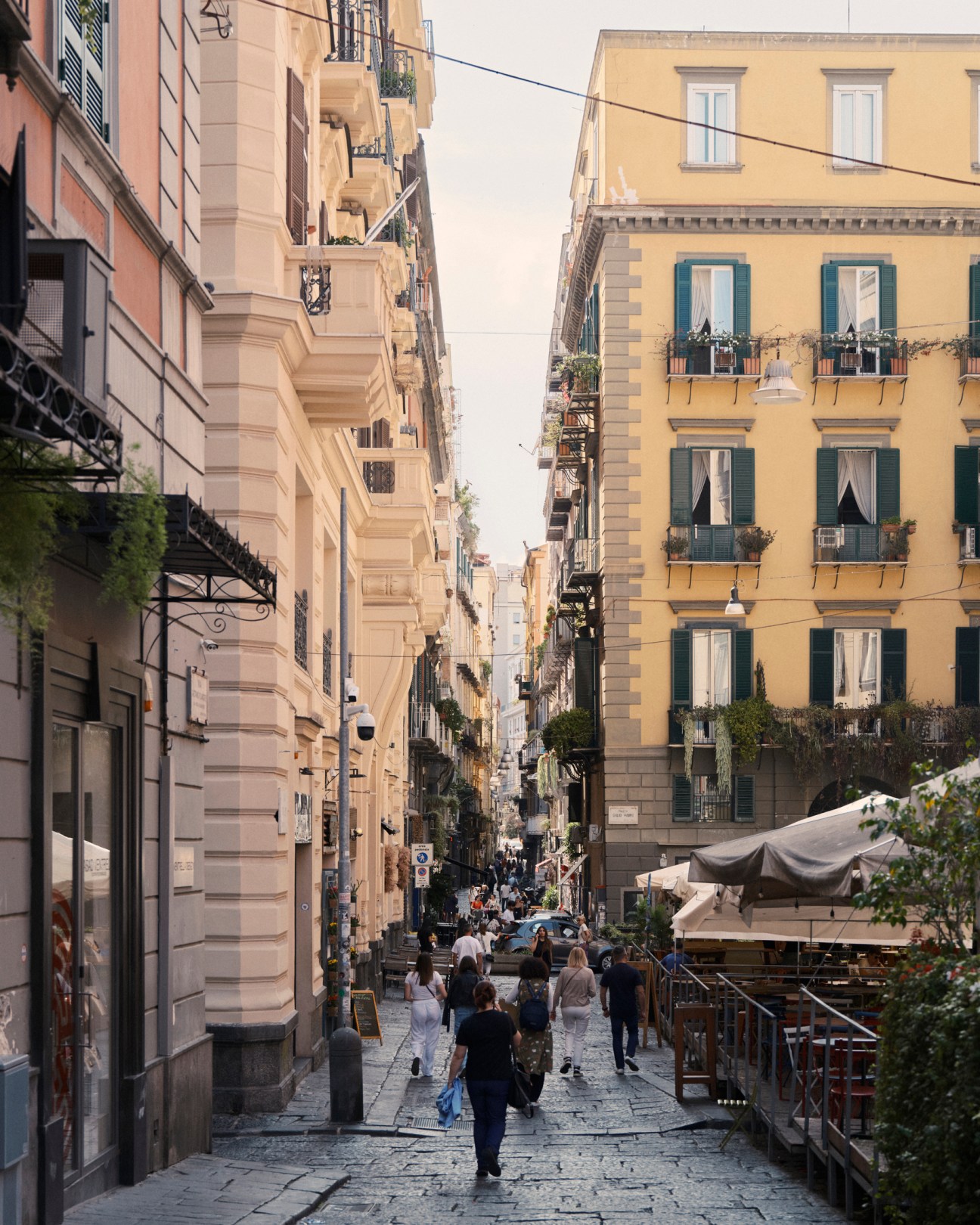
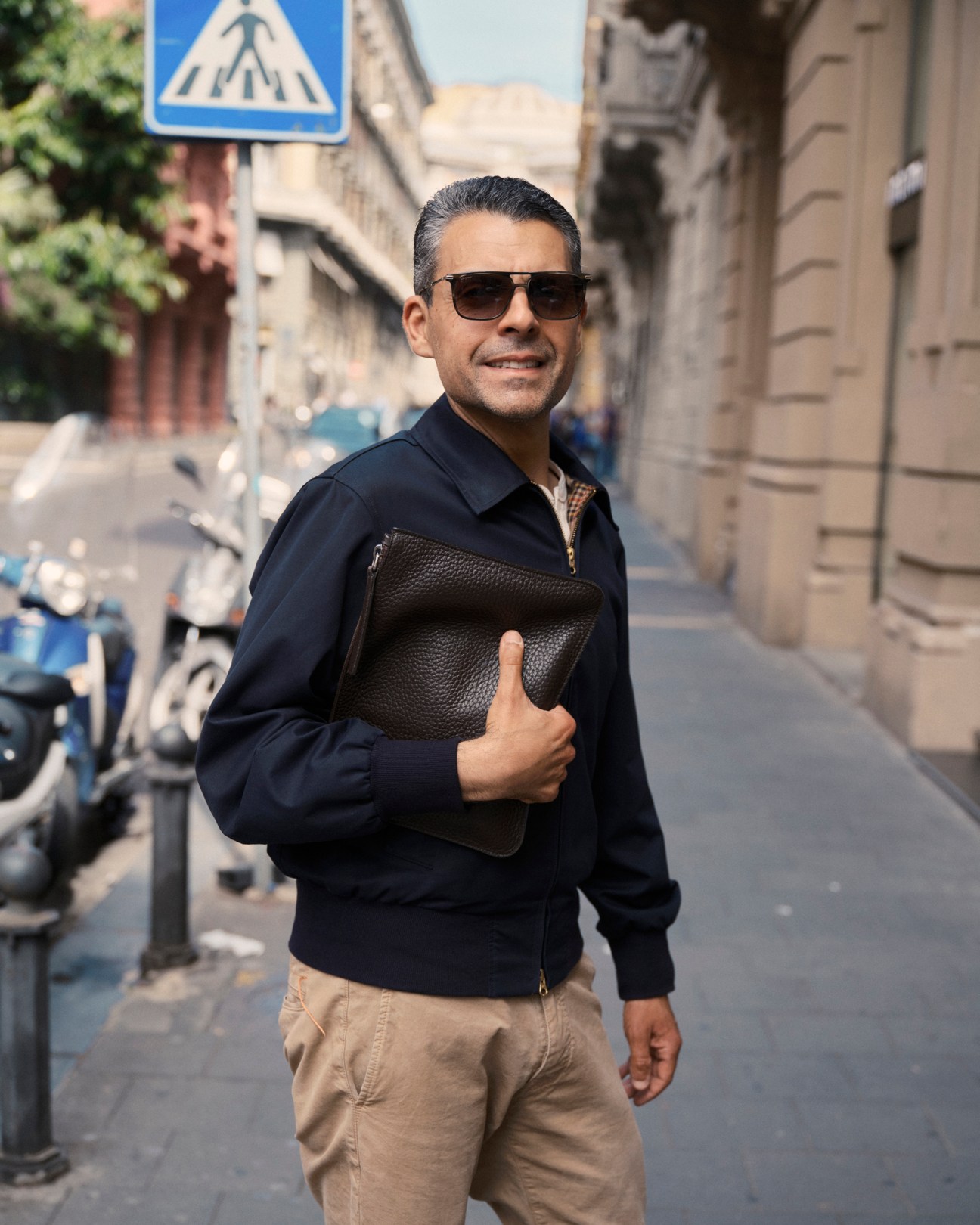
Naples’ stretch of coastline isn’t the Côte d’Azur – but that’s the point that Nardi is making. Neighbourhoods such as Chiaia feel rooted in place rather than transformed into tourist playgrounds; community still exists. One resident we meet by the district’s waterfront, who gives his name only as Andrea, says that he has lived in Miami and Barcelona but Naples always wins due to “the Neapolitan’s heart; a Neapolitan will always help you”, before zipping down the Viale Anton Dohrn on his BMW CE 04 electric motorbike.
Naples’ top spots
Giovanni Bausan the restaurant Cap’alice 28/m Via Giovanni Bausan the outdoor space Villa Floridiana Park the cultural centre Thomas Dane Gallery thomasdanegallery.com the shop M Cilento & Fratello cilento1780.it
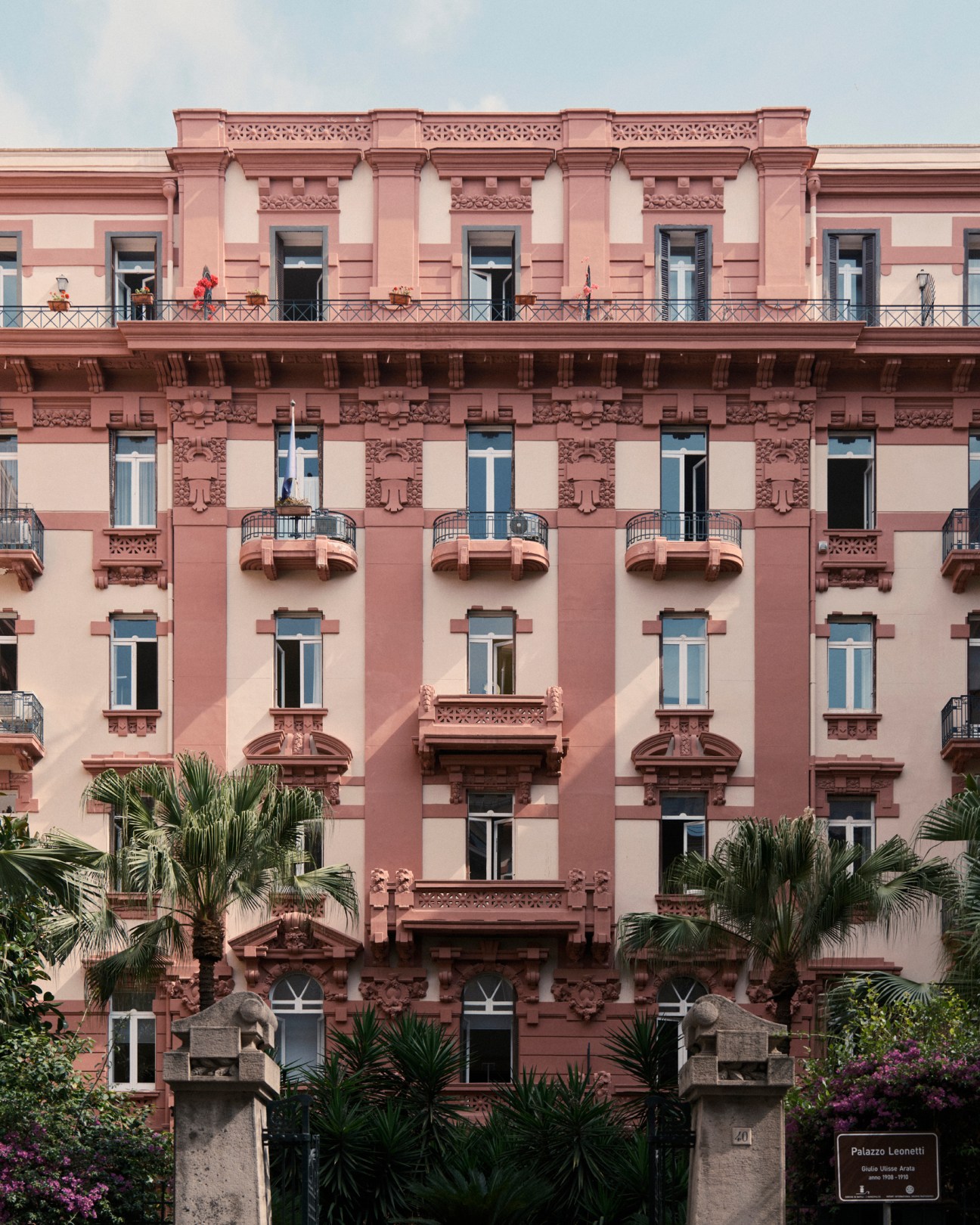
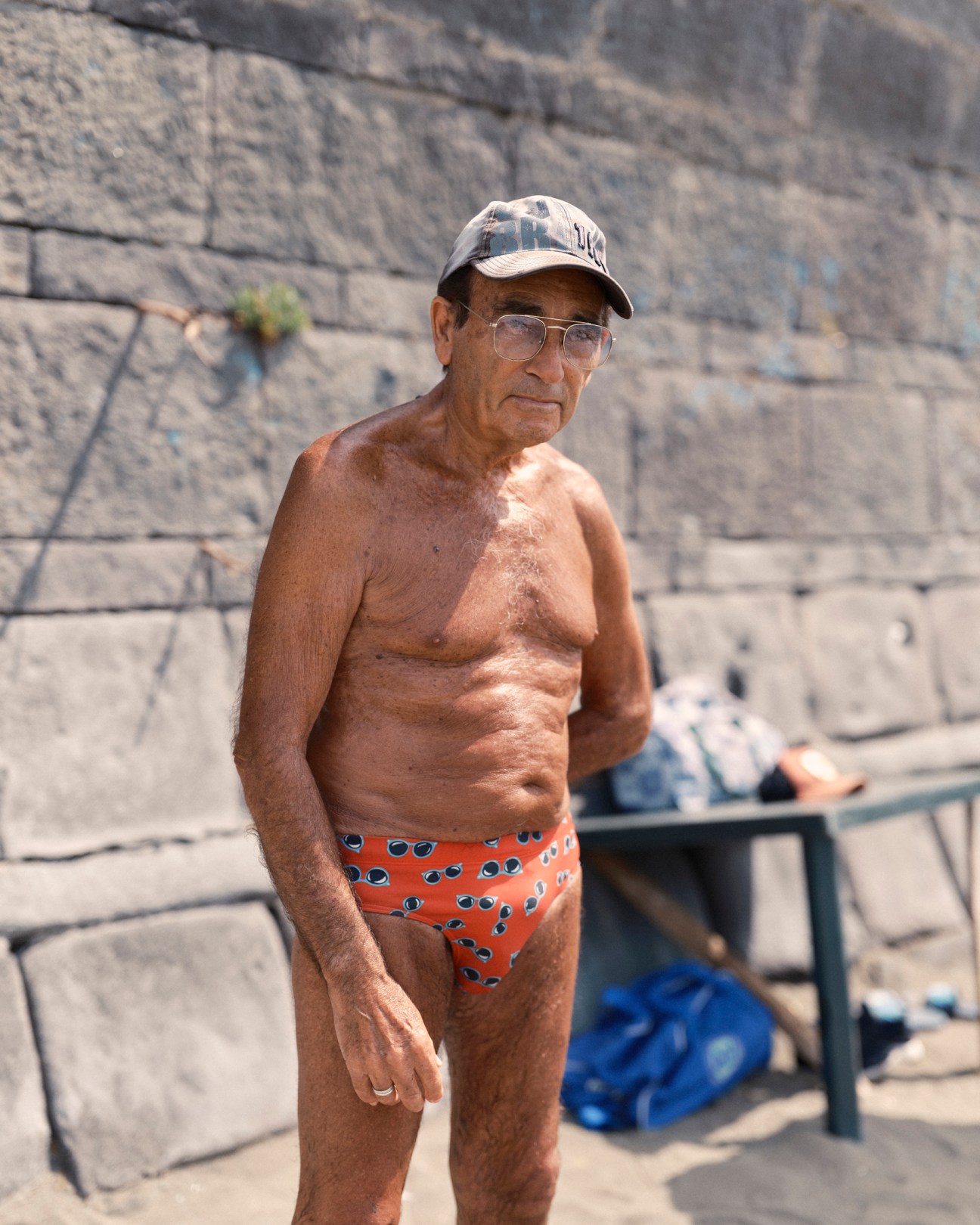
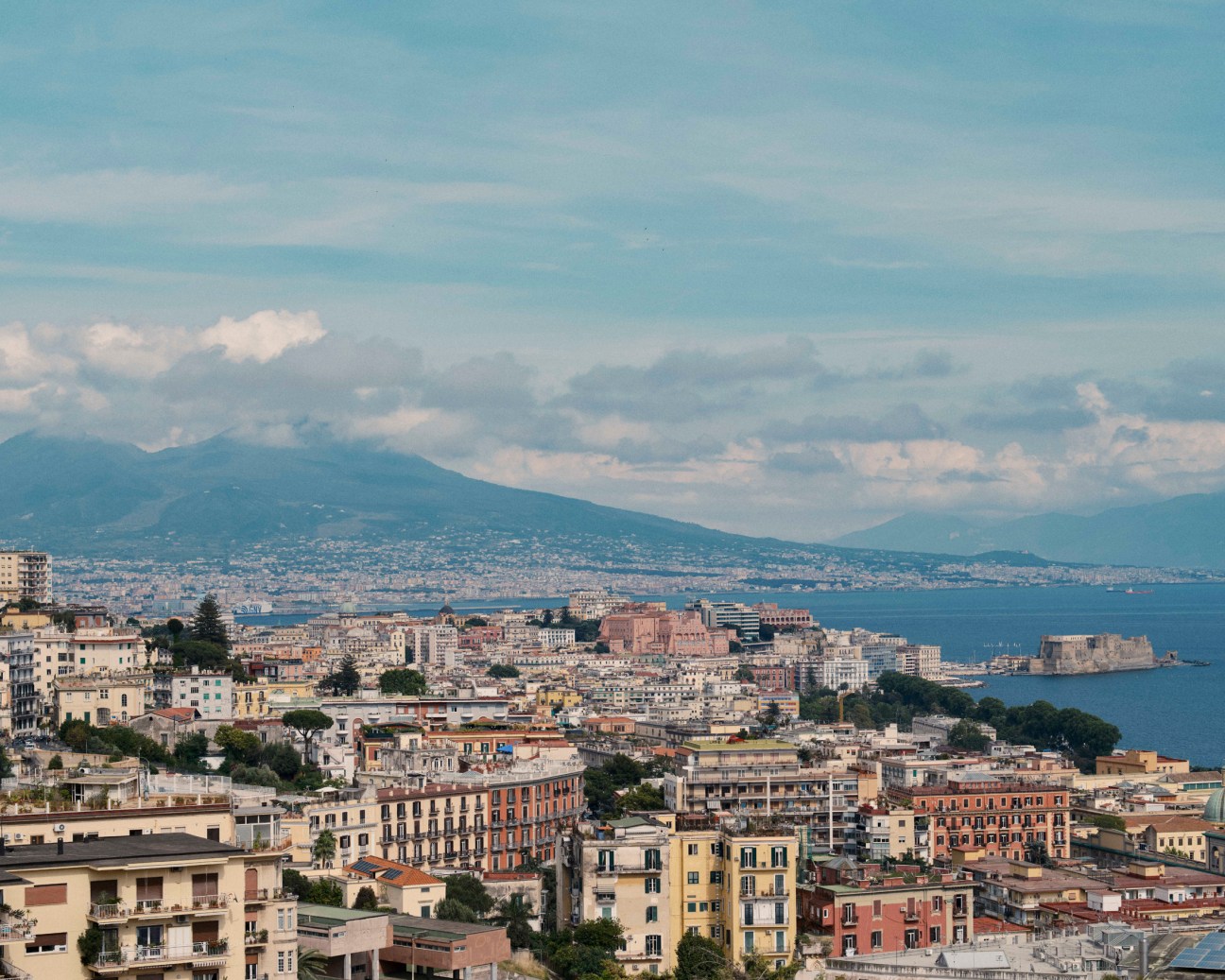
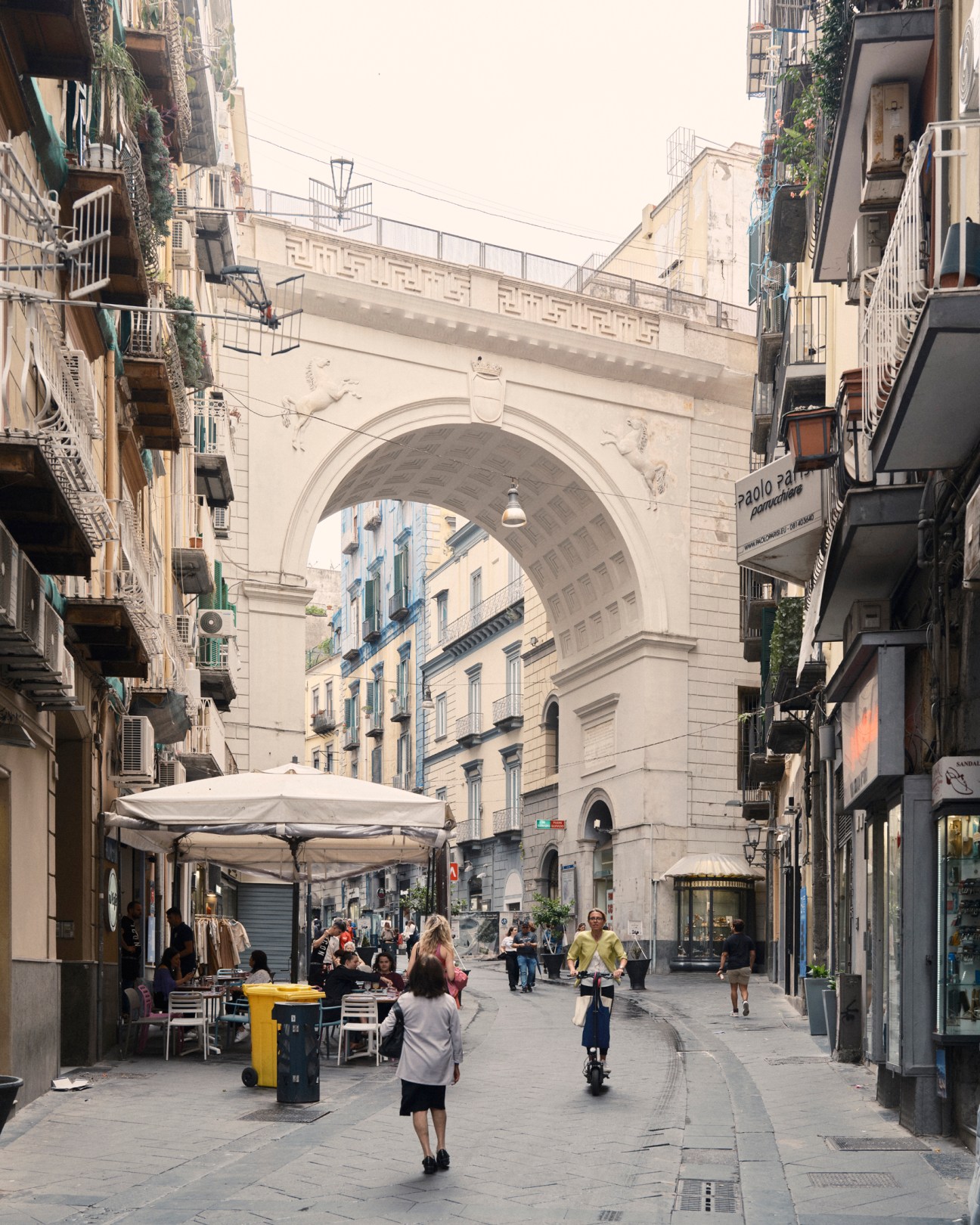
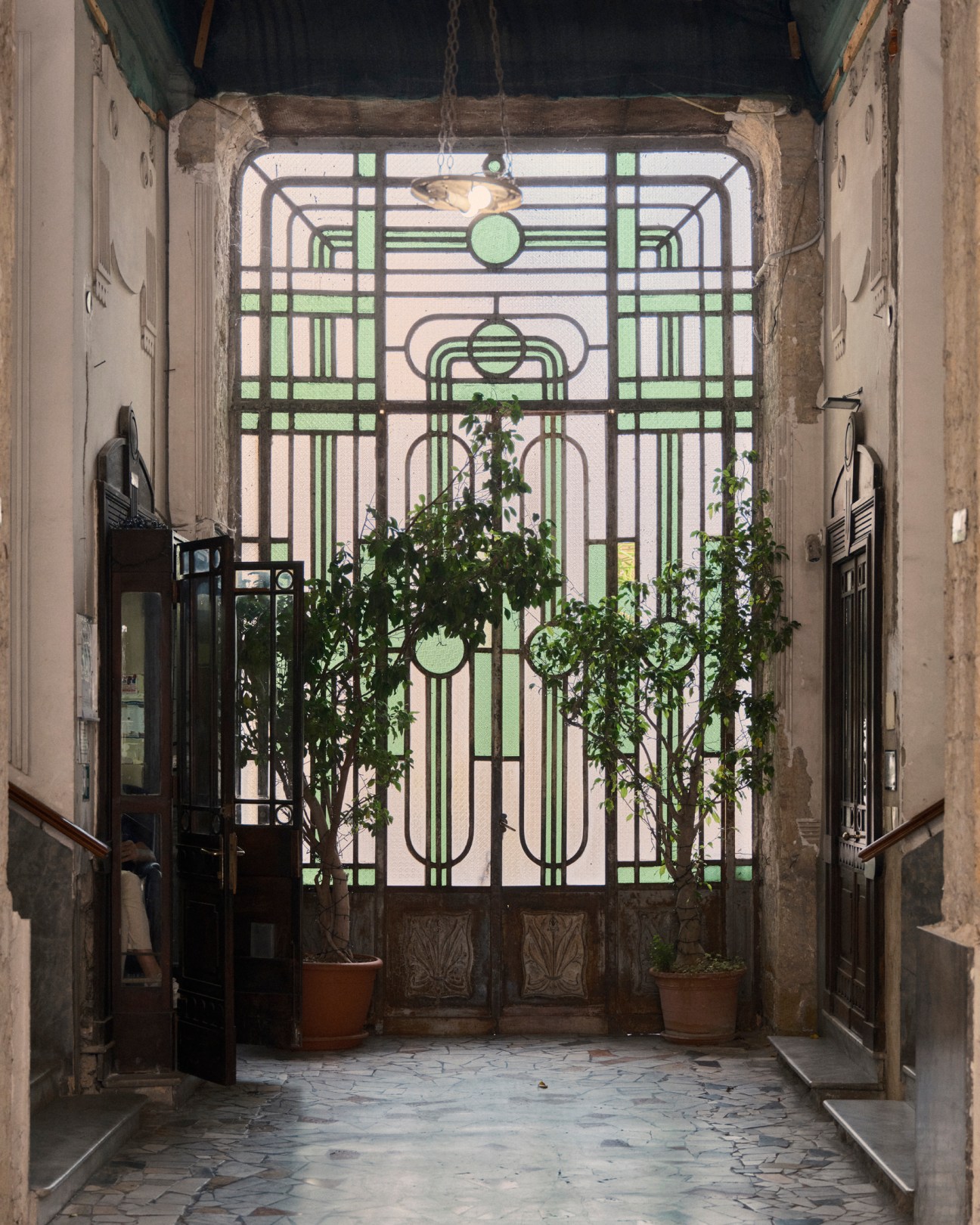
Chiaia is one of the city’s most liveable quarters, with shops, bars and restaurants at its centre. As you retreat from the shore and up into the hills, it becomes populated by 18th and 19th-century villas, plus the occasional Liberty beauty. Nardi calls the area “a good compromise” between the centre – teeming with history but chaotic and full of tourists – and more residential Posillipo further round the coast.
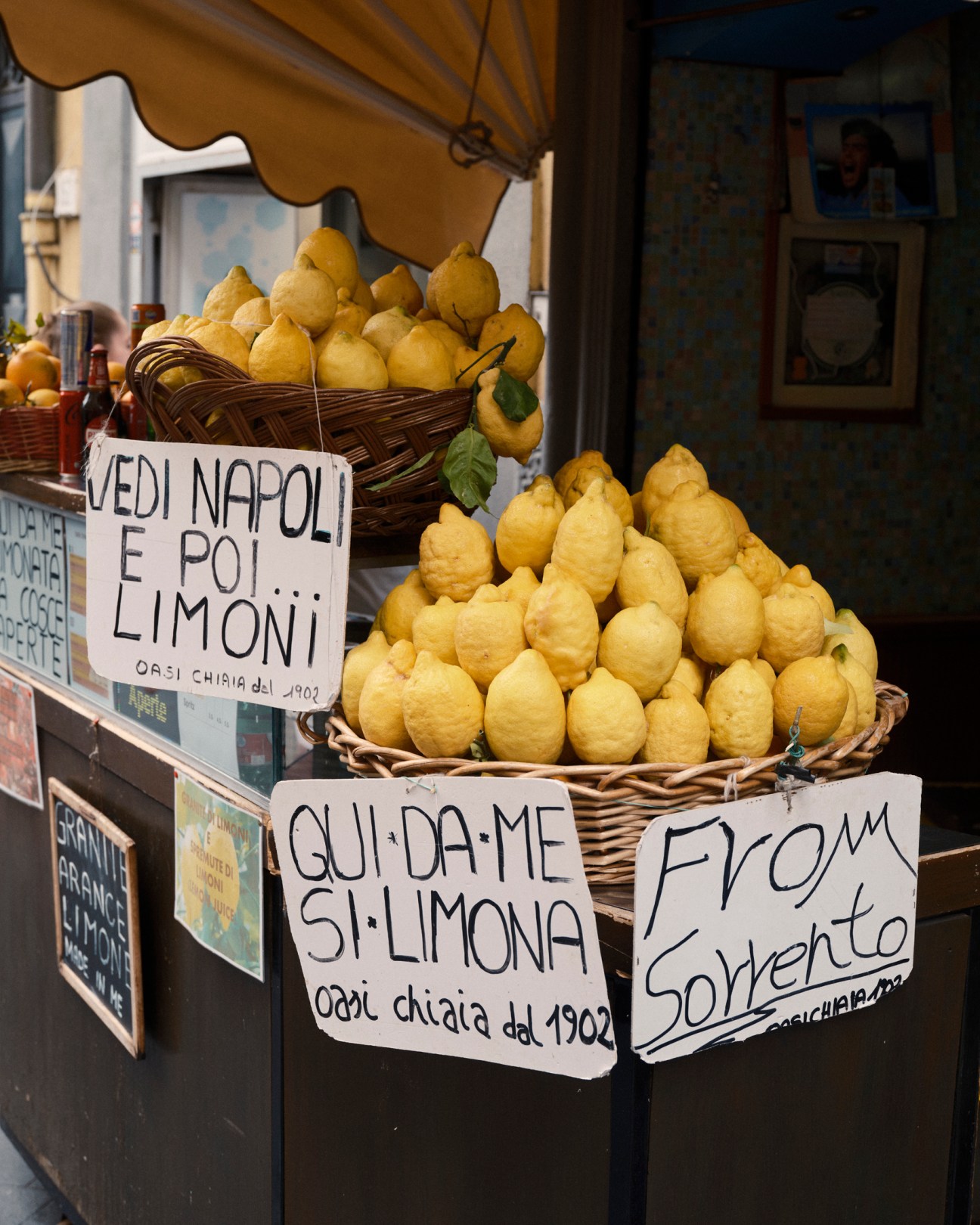
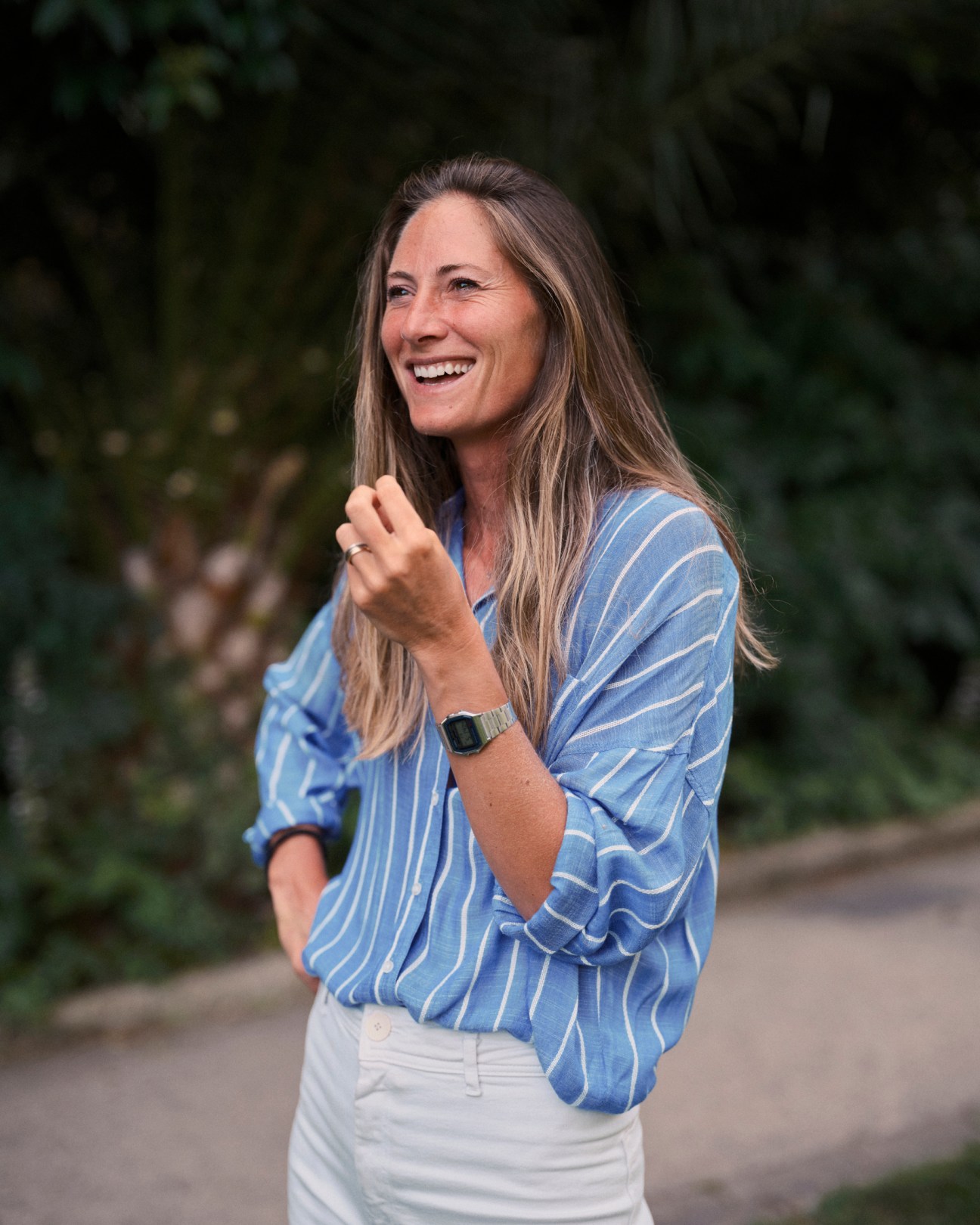
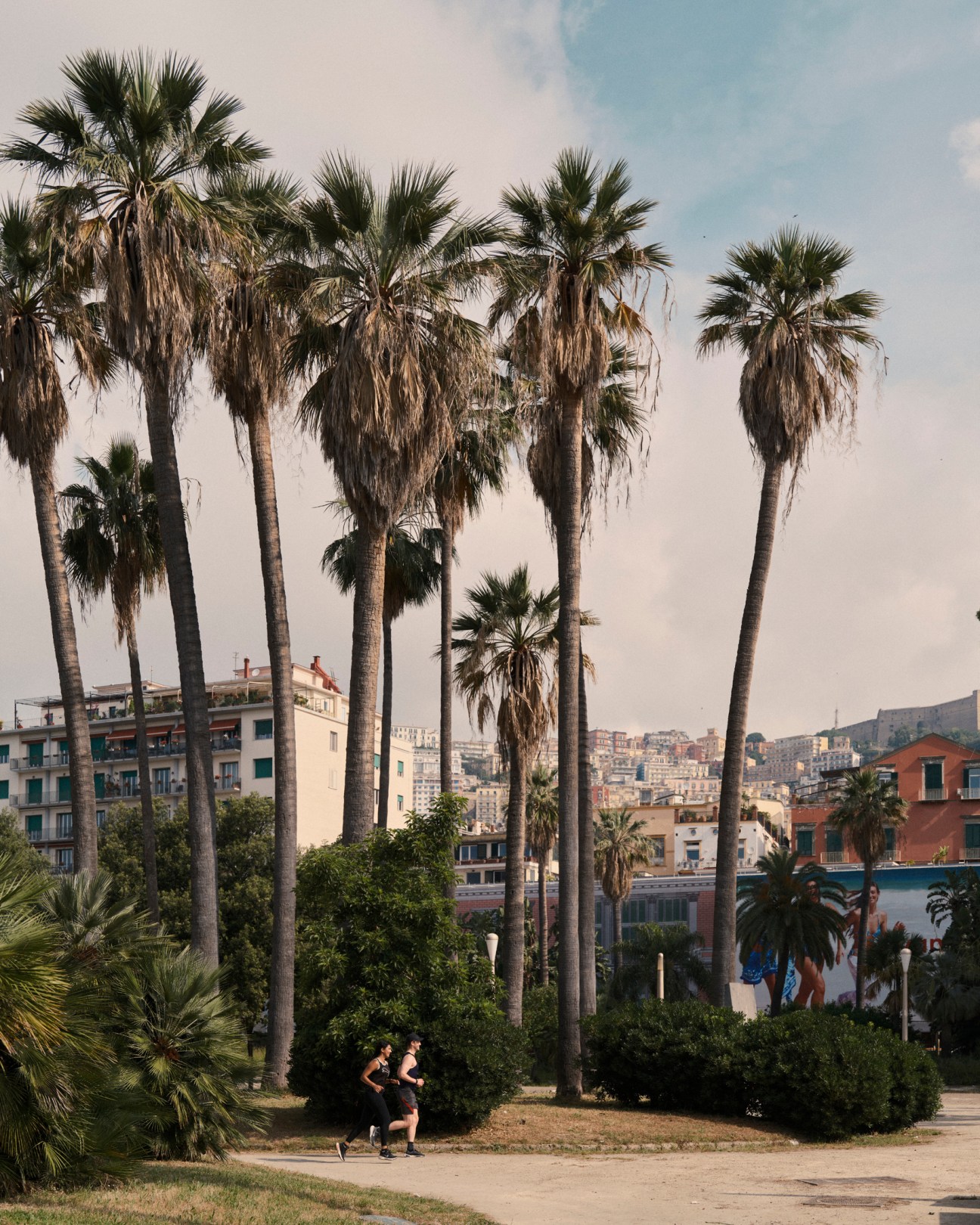
That sense of warmth is shared by Lucrezia Maspero, a tennis instructor originally from Milan, who met her Neapolitan husband in Rome and moved to the city eight years ago. We meet in the Villa Floridiana park in Vomero, a leafy neighbourhood with spectacular views, that sits immediately above Chiaia. “People are very close here,” she says. “You feel immediately at home.” And while she admits that it lacks playgrounds for her two children and other civic amenities, she can still jump in a canoe and explore the coast or be in woodland in less than an hour.

Back in Chiaia, gallerist Federica Sheehan shows Monocle around the Naples outpost of London’s Thomas Dane gallery, open since 2018. Set in a grandiose 19th-century villa, Sheehan says that Chiaia has the “space and light” that the centre lacks. She also explains the neighbourhood’s deep contemporary art roots, pioneered by art dealer Lucio Amelio and continued by the likes of Studio Trisorio and Galleria Lia Rumma.

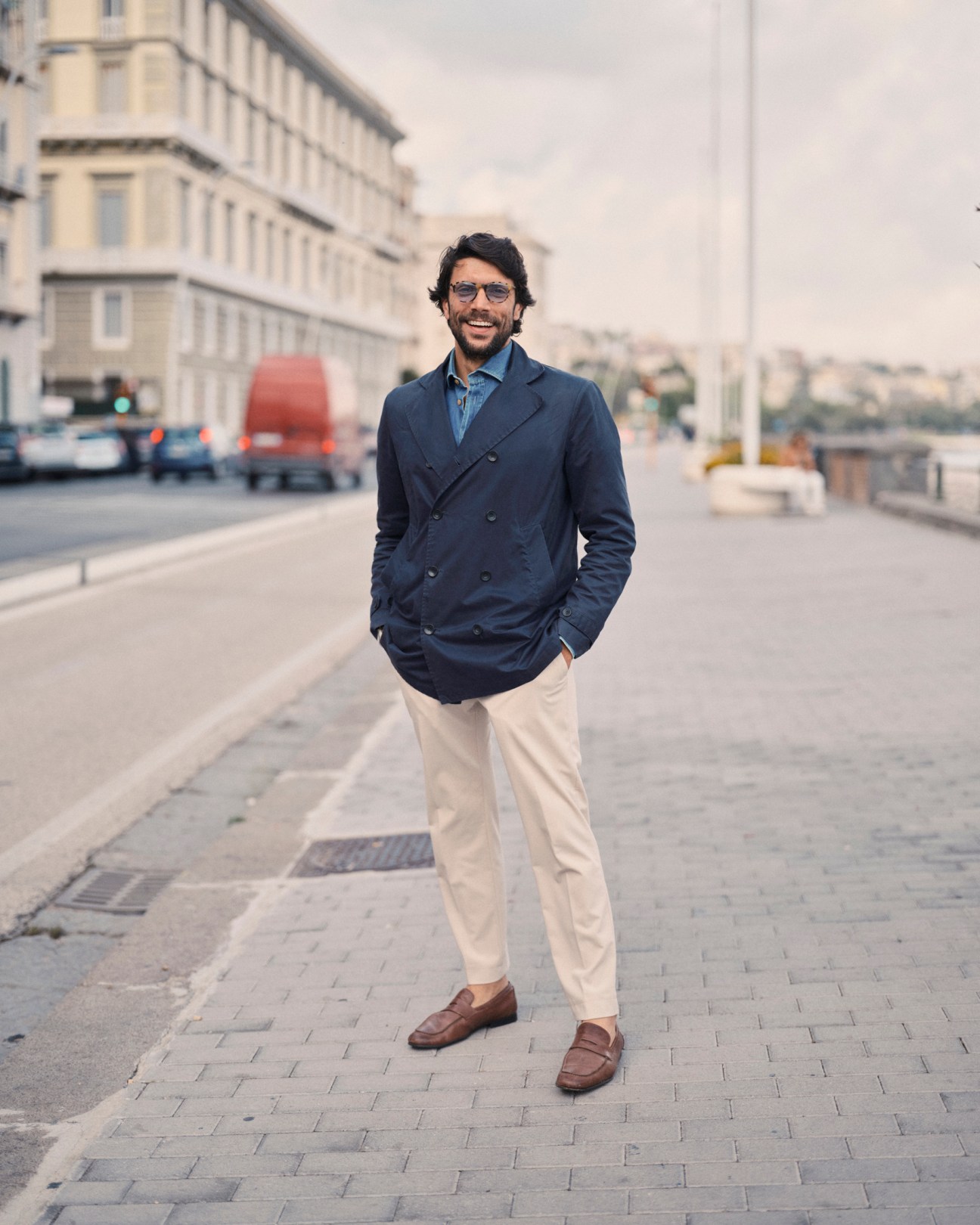

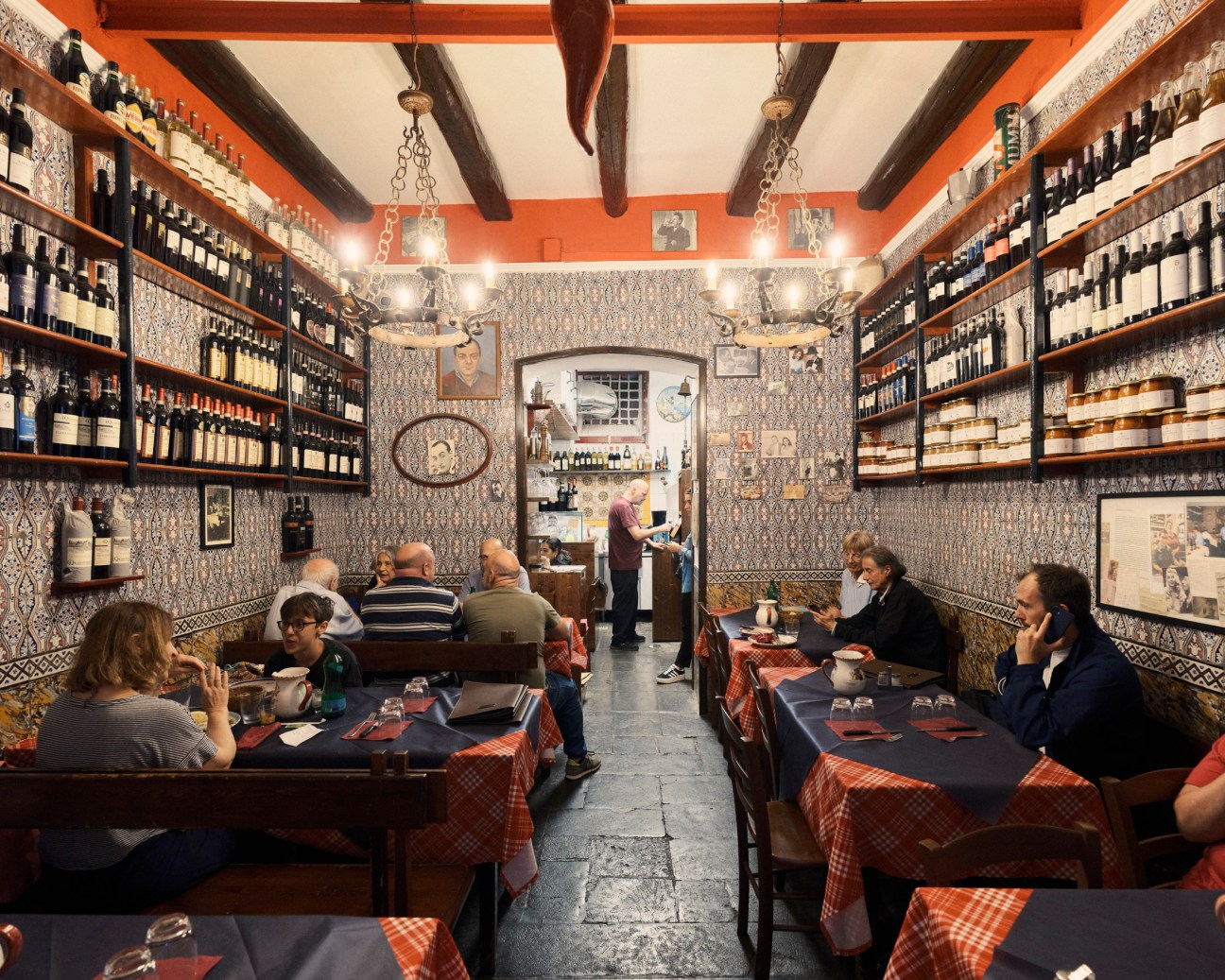
In the evening, people are drinking aperitivo on Via Bisignano, while children play football and adults fish off rocks on the waterfront. Restaurants and taverns such as Cap’alice, Osteria della Mattonella or Vomero’s historic Gorizia pizzeria mean that it’s hard not to eat well. Over at Jus natural wine bar and restaurant, small dishes including luvaro (a local fish) served with a strawberry vinegar and celery, and anchovy fillets accompanied by fragrant bergamot butter, can all be washed down with a glass of minerally Greco di Tufo white wine.

Jus owner Diego Amura left a job in telecommunications to follow his passion for wines in 2021 and hasn’t looked back, helped by the fact that his commute is precisely a three-minute walk. “I love it here. I practically live on the sea and arriving at work is a joy,” he says, before pausing for a moment. “The sea changes everything.”
Business agenda: The case for democratising aviation and the magazine business in Manila
Elevated insights
Private pilot perspectives
Private and commercial pilot Edwin Brenninkmeyer is betting big on the future of aviation. “The sector has changed a great deal. Chiefly, funding is increasingly available to help make aviation more sustainable,” he tells Monocle.
As the founder and CEO of Oriens Aviation, which is based in Biggin Hill (home to a private airfield) and is the exclusive Pilatus and Tecnam UK aircraft distributor, Brenninkmeyer knows the business from inside and out of the cockpit. “Aviation is a conservative industry,” he says. “New technologies have a hard time gaining certification and acceptance but I’m convinced we will succeed as long as people don’t get frustrated and lose interest.”
His passion for flight started at a young age. “I always loved model aeroplanes,” he says. He earned a private pilot’s licence at 17. But Brenninkmeyer’s career initially followed a different trajectory. His early professional years were spent in retail, gaining insights into leadership and team management. After a stint in venture capital watching the growth in the aviation sector, he returned to the skies. “There was a big opportunity in the mid-2000s with technology entrepreneurs producing cost-effective jets,” he says.
The company was founded on a vision of democratising business aviation and provides services including sales, charter management and plane maintenance. Business is booming, especially in the US. “The whole infrastructure there is very different from Europe,” he says. “Seventy to 80 per cent of US business aviation customers are middle management, so it’s not just for the rich and famous,” he says. Brenninkmeyer hopes to change attitudes closer to home too. “In Europe business aviation is often seen as a frivolity rather than a practical tool to save time.” With the company’s values and foundation set, his focus is ethical business and refined hospitality. “If you have a good culture within your company, that translates to your customers.”
Brenninkmeyer is keen on opportunities to support the industry and the investment it’s receiving for innovation. “If you’re developing hydrogen-powered aircraft that are more environmentally friendly, what infrastructure will those aircraft need?” he says. “That’s the next step.”
For more top-flight stories, tune in to Monocle Radio’s business show ‘The Entrepreneurs‘.
Paper state
Magazine mecca
Spruce Gallery opened in Metro Manila at the end of 2023, close to the headquarters of the Asian Development Bank. Both share a similar mission to provide life-improving infrastructure – on a different scale. While the bank finances dams, the gallery is plugging a media hole in the Philippines’ largest metropolis. “We are the only magazine store in the entire city,” says Ric Gindap, who founded the gallery with his business partner Bonnapart Galeng.
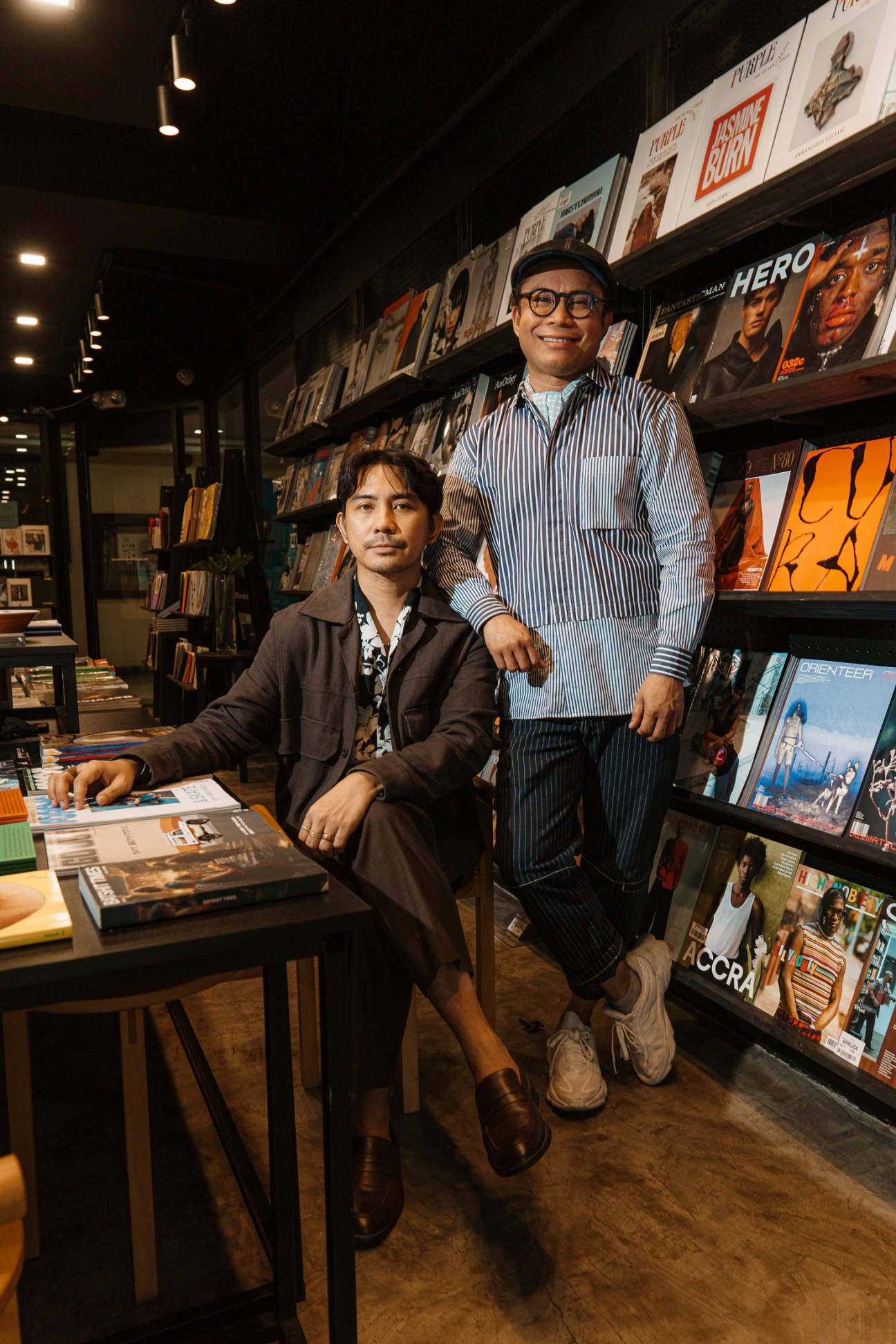
The smart space displays imported magazines alongside a rotating art exhibition. Galeng sits at the counter to provide recommendations, while chairs invite lingering. The absence of a website encourages visitors to come here to discover new titles, as well as create a community around print. Competitive pricing is another draw.
Gindap and Galeng decided to act when the major bookshop chains gave up on stocking print titles. “They just pile up the back issues in one corner and expect people to respond,” says Gindap, who was the editor of Memo magazine when Galeng joined in 2006, eventually becoming its fashion editor. “Our DNA is really in magazine creation,” says Gindap.

The response to Spruce Gallery has been both encouraging and educational. Independent titles have been flying off the shelves faster than they can be restocked, while venerable or established fashion glossies have been slower sells. Teens and twenty-somethings are buying text-heavy publications with few pictures; The Paris Review and The Monocle Companion (our own paperback essay series) are bestsellers. “These kids are bombarded with digital images all the time,” says Galeng. “They’re a reading generation and want to hold something that’s tactile.”
Star glazing
Ceramic excellence
The small Japanese city of Tajimi, famous for its rich clay soil, has a 1,300-year history of pottery. The city has been at the centre of Japanese tile production since the early 20th century and 90 per cent of tiles made in Japan now come from here – an output offset by smaller makers producing tiles using traditional techniques.
Masashi Kasai founded Tajimi Custom Tiles (TCT) in 2020 to connect architects and designers with skilled makers who could produce bespoke tiles that had the handmade feel of pottery. TCT’s presence recently expanded in Tajimi thanks to a new gallery and kiosk where designers can peruse samples, order from its semi-custom range (39 shapes in 100 colours) and buy one-off pieces.
Kasai wants TCT to grow and, buoyed by the low yen, overseas sales have been brisk, with projects for luxury brands and Melbourne’s new Parkville Station. TCT’s Zürich-based creative director, David Glättli has also introduced collaborations with international designers to display possibilities.
“Factors beyond our control, such as interest rates, can affect our sales,” says Kasai. “But the overseas market for Japanese tiles is definitely expanding.”
tajimicustomtiles.jp
Global perspectives on urban wellness: How do we build equitable cities?
1.
Fairness and the Empire State
David Bodanis
The race to build the tallest building in New York could have resulted in tragedy, but the Empire State Building made a point of treating its workers well – and won.
The Chrysler Building is the most beautiful skyscraper in New York, all glistening art deco and huge metal gargoyles. It’s the backdrop to many superhero films but, tellingly, when King Kong came to visit the city, he didn’t consider wasting his time there. Who wants to stand atop something merely shiny, when you have military biplanes to bat away, while clutching the love of your life? You need to be bigger and higher. You need, in fact, the Empire State Building – for nearly half a century the tallest skyscraper on the planet.
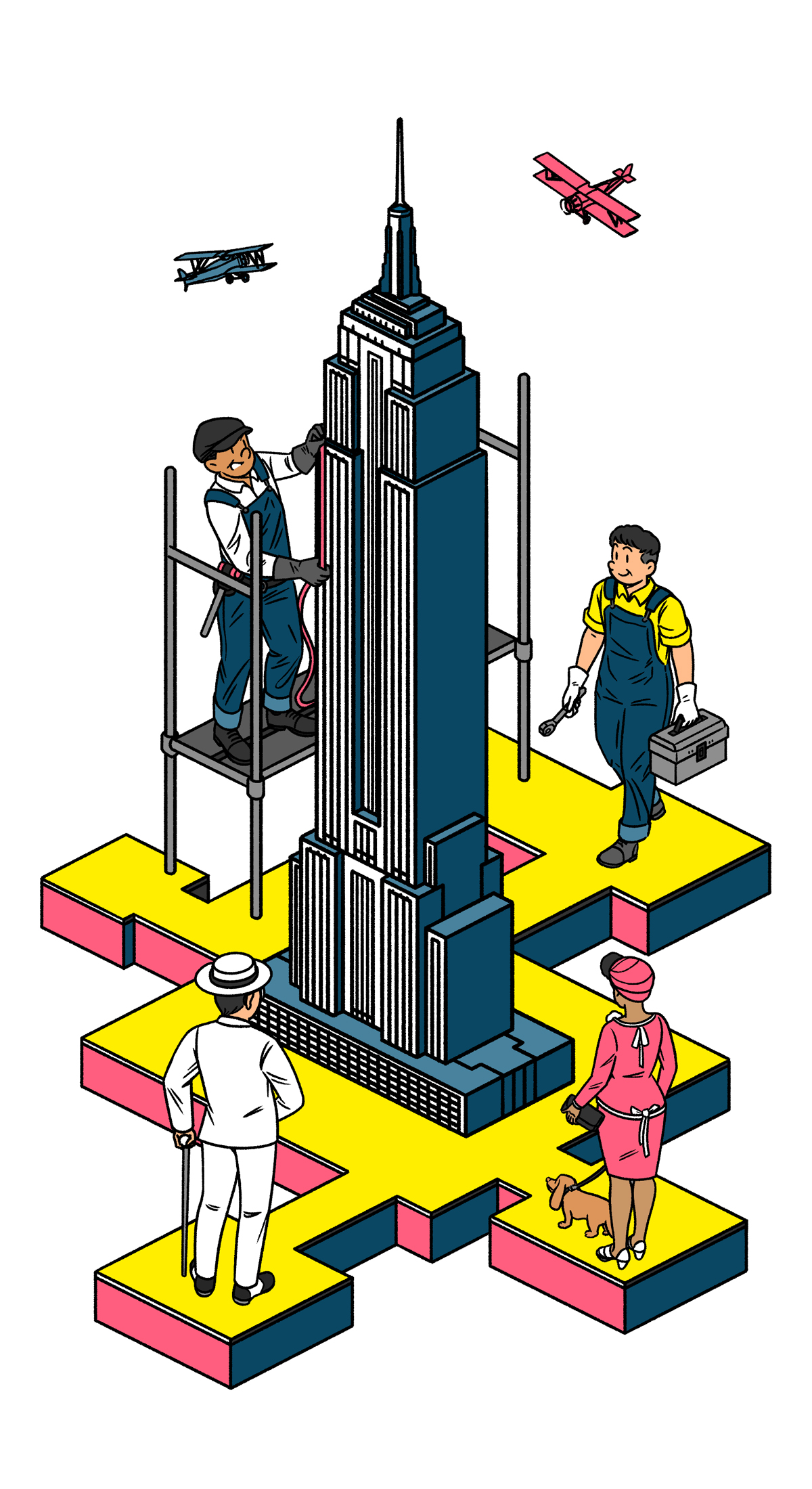
The Empire State is my favourite tower in the New York skyline – and not just because of its proportions. When it was conceived in the late 1920s, it managed to masterfully balance the notion of quality of life with the needs of the urban environment. It’s a landmark that we should be pondering to this day for that very reason.
The Roaring Twenties were a great time to be rich: the Jazz Age with free-living women in narrow dresses; fast cars and speakeasy saloons; and great new music. For most other people, however, it was rather miserable. There was a rough depression in farming regions and, when unemployed farmers did make it to the cities looking for work, construction foremen knew that there were so many of them (and they were so desperate) that even the lowest wages would be accepted.
The planners behind the Empire State Building took a different approach. What if instead of stiffing their workers as much as they could – paying low wages, taking deductions for random costs and making them go up even on the most dangerous, wind-roaring days – they did the opposite? That meant paying wages at double the going rate and offering quality restaurants on-site as the tower was going up. Plus, no one ever had to go out on exposed beams when the wind was howling – and they would be paid regardless.
Imagine those conditions for a moment. It’s the opposite of many construction sites today, especially in autocratic states looking to turbo-charge “progress”. We know that bragging about how quickly a project is completed in these places is often a sign of workers being exploited. But not when it came to the corner of Fifth Avenue and 34th Street between 1930 and 1931, even though it went up fast – at one point rising by four-and-a-half floors a week.
It sounds like a fairy tale but that misses the gratitude that good conditions can produce. Everyone – well, almost everyone (this was still New York, after all) – was willing to go the extra mile. Workers, for example, suggested building a miniature railway line to transport bricks into the site, instead of, as was usual before, stacking them on wheelbarrows to be laboriously pushed along wobbling wooden gangplanks. With a peak of 100,000 bricks arriving in every eight-hour shift, that sped up construction a lot. Electricians also spontaneously came up with wired signalling systems to replace the usual bell ropes for announcing when a shipment was coming up.
None of this would have worked if the owners had been completely naïve or simply too idealistic. Without any supervision, hardly anyone is a saint. Foremen would bill for more men than they actually used and tools would disappear. But the Empire State organisers had survived years in New York construction, a life experience which disabuses anyone of belief in the inherent benevolence of humankind. They sent in auditors to clamber through the building twice a day, checking that the workers were where they were supposed to be. Other sets of auditors counted the tools and the materials. The result? Construction was completed in just 13 months.
Despite the benevolent high salaries and excellent working conditions, and despite the street-smart idea to thoroughly check on progress along the way, the building might not have ended up winning the race to be the tallest. When Walter P Chrysler, the Kansas boy who had made a fortune in automotives and wanted to claim domination of the New York skyline, found out how high the Empire State was aiming to be, he decided – in good old capitalist fashion – to cheat. With the workers sworn to secrecy, he had his architect quietly build a 56-metre-tall glass and metal spire. To keep it hidden, workers brought it up through the Chrysler Building in unrecognisable parts and then performed the final assembly inside the empty top floors as the building was still going up. One morning they used hoists to push that spire up through the top of their building. It perched right on top – creating a structure that they were convinced would outdo the Empire State.
Which meant that the Empire State had to cheat right back. Everyone knew the transport technology of the future wasn’t just propeller planes but also lighter-than-air zeppelins. In the late 1920s they were doing a roaring trade carrying wealthy passengers across the Atlantic but the nearest dock was 80km away in New Jersey. What if the Empire State had a new mooring mast stuck on top, something so broad and tall that the Chrysler could never compete with it? A hard build, perhaps – but this is where the committed, grateful workforce came in. Schedules were adjusted, new material was ordered and fresh gantries designed. Walter P Chrysler, a man who hated losing, was forced to give up.
So what lessons can we take away from the Empire State? Cities never stay the same. They’re always changing. Apply the Empire State’s lessons about generosity – sensibly audited generosity, that is – and who knows what can be achieved, from retrofitting for better environmental operation to cleverly converting downtown offices into apartments. We don’t know whether King Kong is ever going to come visiting again. But if he does, what beautiful, humane cityscapes we can create for him to survey.
About the writer:
Originally from Chicago and now in London, Bodanis is a writer, public speaker and author of The Art of Fairness: The Power of Decency in a World Turned Mean.
2.
Nusantara: great hope or white elephant?
Joseph Rachman
Later this year, Indonesia will unveil its newest city, Nusantara, a multi-billion-dollar attempt to unite both the country’s sprawling geography and its complex culture.
There’s a construction site on the eastern edge of Borneo in what was once rainforest and is now a giant eucalyptus plantation. Tnes of thousands of workers swarm across its 6,500 hectares dotted with half-finished buildings. The largest is set to take the form of a giant mythical eagle, or garuda, and house the president of Indonesia. An opening ceremony will be held in August, which seems enormously ambitious given the state of incompletion. President Joko Widodo, due to leave office in September, clearly wants his successor to feel unable to abandon the $32bn (€29.3bn) mega-project.
Indonesia’s new capital, Nusantara, is raising the usual eyebrows that tend to dismiss such projects as white elephants. And yet Indonesia is far from the first country to embark on such an endeavour. For sceptics, the motivation is either authoritarian megalomania or utopianism. Kazakhstan’s Astana, for example, is a byword for dictator kitsch featuring monumental pyramids, golden towers and the world’s largest tent. Brasília, meanwhile, is usually invoked as a warning against utopian planning. Oscar Niemeyer’s dream of using architecture to abolish Brazil’s class system collapsed on contact with reality.
For those hoping to spin a similar story about Nusantara, there is plenty to work with. It is billed as a “Smart Forest City” that will regenerate nature, but the reaction from environmentalists has been one of scepticism. The digital command centre that I was proudly shown on my visit, with screens monitoring everything from the location of the site’s earthmovers to social media sentiment about the city, speaks to governmental longing to know and control. Even its name, a Javanese word for the Indonesian archipelago, suggests a certain romanticism over practicality.
Leaders have long seen in new capitals a chance to project symbolic potency. Cosmological principles like geomancy (a sort of geography-based divination) played a role in the founding of ancient capitals such as Kyoto, Xi’an and Kaesong. Earthly authority was bolstered by alignment with the divine order. Even today, the location of Naypyidaw, the new capital established by Myanmar’s military, was supposedly chosen in part due to its astrological significance.
With Nusantara, the symbolic significance of its placement closer to the geographical heart of the country is hard to escape. According to Sofian Sibarani, the architect who designed the city’s masterplan, it will also incorporate the Javanese principle of axially aligning the presidential palace with the mountains and the sea. Nowadays, political legitimacy is imagined to spring not from the divine but the national. This quest to capture the national spirit can lead architects to enter realms of stereotype. Brasília’s architect Niemeyer declared that the city’s design was there to echo “curves found in the mountains of Brazil, in the sinuousness of its rivers, in the waves of the ocean, and on the body of the beloved woman.”
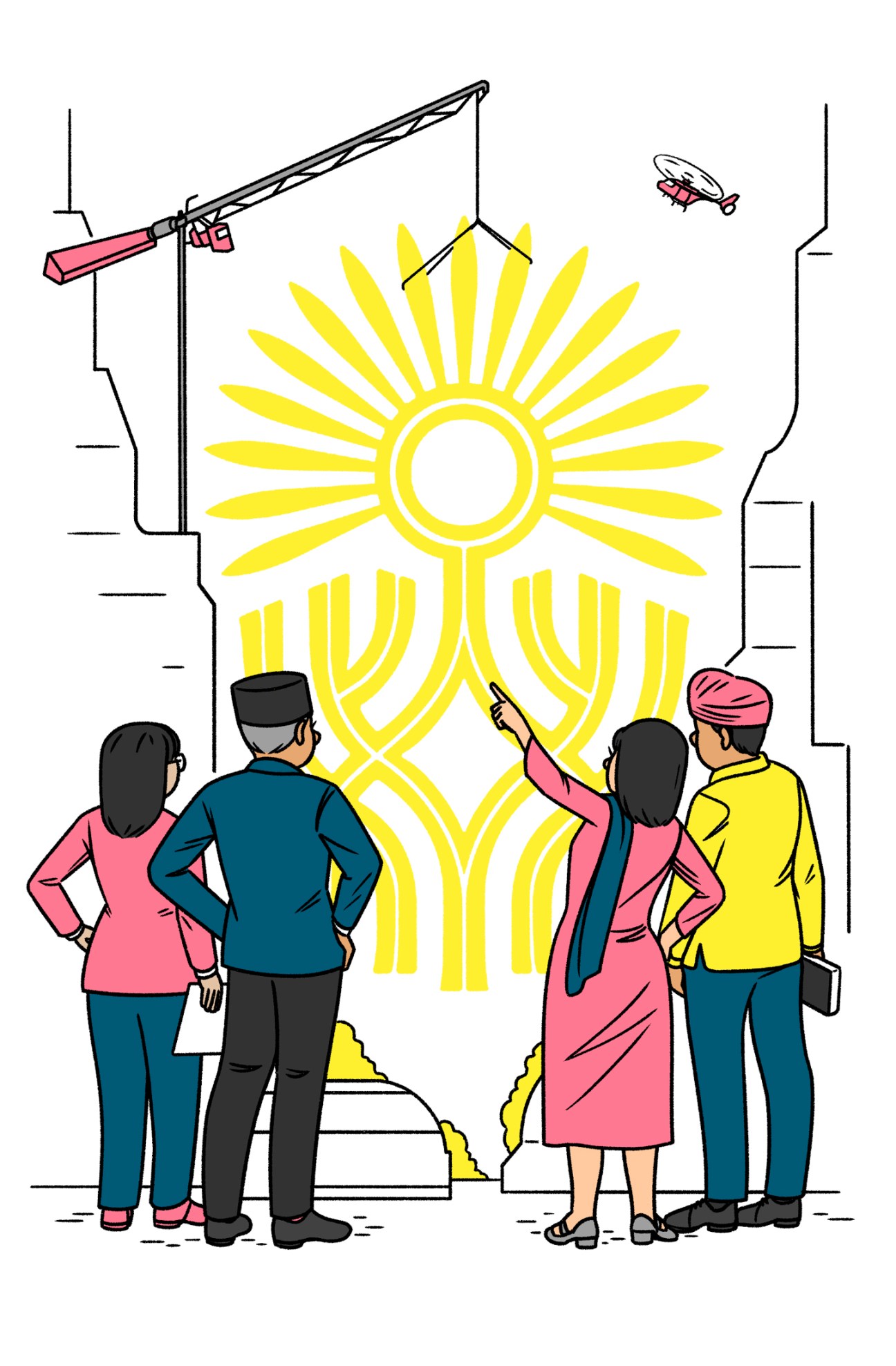
Nusantara carries similar hopes. The style of the buildings synthesises architectural traditions from across Indonesia. The layout, with islands of buildings separated by stretches of green, is supposed to be reminiscent of the Indonesian archipelago. Still, there are reasons to avoid a reflexive sneer, often directed at post-colonial nations. “This strategy is common, not just recently but historically as well,” says Vadim Rossman, the author of a book on capital moves. The projects, he argues, are often more strategically rational than commonly thought. The locations of new capitals often serve practical as well as symbolic purposes, shifting the balance of economic and political power in key regions. Astana helps to defuse ethnic and tribal divisions in Kazakhstan. Brasília develops the Latin American nation’s impoverished inland regions. In Indonesia, geographical balance is a challenge. Tip-to-tip, Indonesia’s 17,000 islands stretch a distance equivalent of London to Tehran. More than 50 per cent of the population live on the island of Java, where Jakarta is found. The idea that relocating the capital to somewhere more central has a logic in a country where politics are marked by resentment about Java-centrism and secessionist movements.
Sometimes, though, the biggest push is simply the unmanageability of the existing capital. Egypt’s plans to move the capital out of Cairo to a new purpose-built city on its outskirts offers escape from not just the traffic of the current capital but also its politically turbulent crowds that brought down the previous Egyptian military regime.
Such calculations might intrude into the desire to escape Jakarta as well. While the current capital’s crowds helped to push the current president to power, they also launched the biggest challenge to his government in 2017 with a series of Islamist rallies against his close ally, the Christian governor Basuki Purnama. Meanwhile, Jakarta’s chaos and the frequency of its flooding is proverbial.
And herein lies the final reason to up sticks and move a capital: physical threat. In the past that meant invading hordes; today that danger is climate-related. Jakarta has sunk nearly five metres over the past 25 years as sea levels rise. Other capitals are also threatened by the weather, with both Bangkok and Dakar vulnerable to sea-level rises. In New Delhi, meanwhile, the heat used to drive colonial rulers to relocate to a summer capital in the Himalayan foothills. With temperatures in central India already turning deadly, a more permanent move could be contemplated.
Capitals are built as visions of a nation’s future – not only as ideals to aspire to, but something projected to last centuries. Nigeria’s Abuja, for example, imagined a post-colonial country that could meet mid-century ideals of modernity conquering nature with concrete, steel and huge roads. Nusantara is the product of a different time, with its designers talking about being not just environmentally sensitive but also resistant to climate shocks. It’s worth contemplating whether Indonesia’s new capital is a vanity project, or simply ahead of the curve.
About the writer:
Rachman is a British journalist based in Jakarta, covering Indonesia and Southeast Asia. He has written for The Times, Nikkei Asia and Foreign Policy.
3.
Why we should value the police
Gregory Scruggs
Measures to make US police departments more attractive to the general public – not to mention their own officers – are falling short. But there is still hope for law-enforcers.
What happens when someone calls 911? Increasingly in the US, nothing at all. On a recent Saturday night, bass frequencies infiltrated my bedroom. Neighbours were throwing a party into the wee hours on the next block. They were in violation of local noise ordinances, which a municipal website informed me are enforced by the police. I called 911 and a dispatcher transferred me to a non-emergency line. I waited in vain, gave up and put in earplugs.
That Seattle’s finest had no time to respond to a loud party was hardly surprising. By the end of last year, the Seattle Police Department was at its lowest staffing level since 1957 – reaching only about 65 per cent of its own staffing goal. Only the direst emergency calls receive a swift response. Noisy neighbours aren’t going to make the cut.
Seattle’s predicament is hardly unique. Police response times are up nationwide compared to the last decade. The chief culprit for this lag time is straightforward: there are fewer cops to respond to ever more emergency calls. Four years after “defund the police” became a nationwide rallying cry, the aftermath has been disastrous for quality of life in US cities amid a nationwide crime spike that is only now subsiding. Though the dead-end slogan has long been jettisoned by any politician hoping to win a competitive election, the damage has been done. Regardless of how much funding was cut from any given police department, police morale nosedived across the board, even if it was mostly left-leaning elected officials who embraced this political rhetoric at the behest of activists.
Officers quit in droves far faster than academies have been able to train new recruits. Depleted departments now triage casework and focus only on violent crimes, effectively ceasing to police comparatively minor offences such as shoplifting, speeding, graffiti or public drug use. As police enforced fewer crimes, a climate of bold lawlessness flourished. Homicide, other violent-crime and property-crime rates soared in 2021 and 2022. Many cities posted their worst crime statistics since the early 1990s. A look at 2023 and preliminary data from 2024 suggests that most crime has finally begun to lessen – except for car theft, which is rising – as the social unravelling of 2020 has quelled and law enforcement begins to re-establish order. But stubborn outliers remain. Take Dallas, a bright spot in 2022 that saw murders increase last year. Or my city, where shootings are double their frequency prior to 2020.
While Seattle still has a low violent crime rate compared to other large US cities, such comparisons are thin gruel for those who spend summer nights trying to distinguish between the sound of gunfire and fireworks. In the worst-hit cities, this level of violence has hampered urban recovery. In April 2023, Brookings Institution began to publish reports drawn from interviews with business leaders in Chicago, Philadelphia, New York and Seattle. The consensus was clear: the largest barrier for workers returning to downtown offices was public safety. While it’s easy to malign remote workers for an unwillingness to trade pyjamas for professional attire, the sorry state of affairs in many US cities has been that simply going to work can feel like a dicey proposition.

Against this backdrop, city leaders are rightly pursuing “refund” over “defund”. In March the Seattle City Council approved a pay bump that will push starting salaries for police officers to $103,000 (€95,000), among the highest in the country. The hope is that this will compensate for the drawbacks of working in a big city with its higher crime, media scrutiny and sceptical civil society.
But trying to buy their way out of a policing shortage feels short-sighted. What cities really need to accomplish is making the job attractive culturally, not just financially, as it is for so many other fields. Cities must recover civic pride in policing as an institution. Police department leadership needs to instil in the rank and file a sense of how people live and work in cities.
While mayors and council members across the country are singing a much more complimentary tune about the role of police in their cities, there are still pockets of deep resentment in the wake of George Floyd’s murder and the subsequent civil unrest that shook the nation. The country seems far from ready for a national truth and reconciliation process. But it’s not too late for respected local leaders to convene both cops and activists for mediated conversation to ease tension. It’s past time for social-justice activists to move beyond childish acab (“All cops are bastards”) sloganeering and start engaging in a more adult debate about the role of police in a civil society.
For their part, police working in a big city should start acting like it. Get out of the patrol car and walk the beat. Last summer, Cleveland cops were required to spend at least an hour per shift on foot. This practice should be de rigueur in all the country’s walkable urban areas. Foot patrols will foster more positive interactions.
Better yet, more police should actually live in the communities they serve. Boston, Chicago and Philadelphia all require officers to reside within city limits; in Atlanta and New York’s cases, cops must live within a certain radius. While police unions complain that this regulation is onerous, these cities also boasted five of the 10 highest police-to-population ratios in the US in 2022. Local residency helps officers identify with the city where they work rather than treat it as a faraway job site, or worse, a hostile territory. Who knows, they might even start to sympathise with a neighbour losing sleep over loud music – and perhaps even issue an infraction.
About the writer:
Scruggs is Monocle’s Seattle correspondent. He has also written for Bloomberg CityLab, Reuters, The Guardian, The New York Times and The Washington Post.
4.
What we can learn from an ancient marvel
Bettany Hughes
Colourful, cosmopolitan and pioneering in fields of architecture and law – it’s little wonder that sixth-century Constantinople was known as the Greatest City on Earth.
The smell must have hit visitors first: the sultry scent of thick clumps of lavender lining the edges of the royal highway that ran into the heart of the great city. If you rode this processional route, or Mese, from Constantinople’s Golden Gate – built by the Romans and named because it shone with brilliantly polished bronze – you would have been entering the largest and most renowned city on Earth. This metropolis that flourished 1,500 years ago sat between the ancient and modern worlds, between East and West, between the Black Sea to the north and the expanse of the Mediterranean and Egypt to the south across the Sea of Marmara.
Welcome to Constantinople in the year 530. A hub that has had several names during its lifespan, from Byzantium to present-day Istanbul, medieval Constantinople was undoubtedly a golden era, when sobriquets such as the Queen of Cities, the Second Rome or simply the Greatest City on Earth were born.
One of medieval Constantinople’s hallmarks was its verdant, often colourful outdoor areas – the reason that the city brought so much joy to its residents. That previously mentioned central highway, for example, was once lined with vegetable patches, even if today you would be hard pressed to imagine it, wandering around what is now a glitzy shopping street.
Neighbourhoods of the city were colour-coded according to people’s allegiances to chariot-racing teams, with ardent fans faithful to the Reds, the Whites, the Blues or the Greens – passions as fierce as any modern- day football supporters. But the colours didn’t stop there. Special courtiers would sometimes wear red buskin boots and the imperial palace was draped in purple silks, while purple-stone bed chambers inside reflected the royal colour.
The rulers of Constantinople were also pretty extraordinary. Emperor Justinian had originally arrived in the city from rural Illyria (near modern-day Macedonia) and hailed from a family of peasant swineherds. Tearing his way up through the ranks of the imperial bodyguard, he shocked stuffy senators and aristocrats by changing the law so that an emperor could marry an “actress”. Justinian’s fiancée was the remarkable Theodora – a young woman who, we are told, started life as an erotic dancer, the daughter of a bear baiter and a sex worker. Humble origins would not stop these ferocious pioneers. By the end of his life, Emperor Justinian and his beloved Empress Theodora reigned over some two million square kilometres of territory, spanning Europe, Asia and Africa.
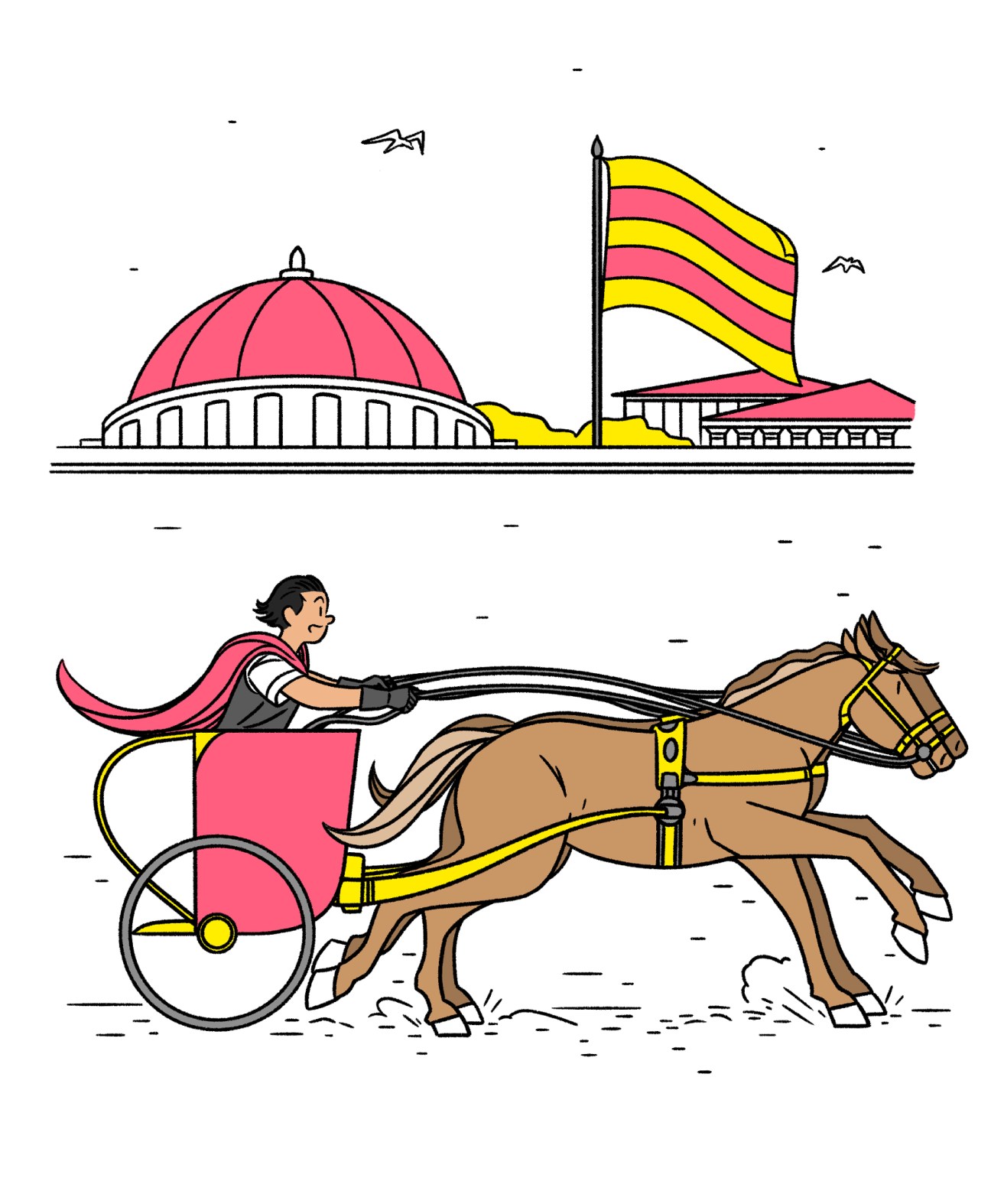
The couple set about proving that their second Rome could be every bit as sensational as the first, turning the city into a hotbed of ambition and ideas. The ruling duo reconstructed the great church of Hagia Sophia, complete with a dome that would be the largest on Earth for 1,000 years. A system of sanctuaries and safe houses for refugees and abused women was established.
The pair also set in train a legal code that outlawed infanticide and increased penalties for rape, enshrining the principle of innocent until proven guilty – still the bedrock of most of the world’s legal systems. Meanwhile, their propaganda merchants were sent out to burnish Constantinople’s reputation as a radical new centre of social justice as far afield as Yemen, India, Lower Nubia and even Cornwall, with Justinian distributing subsidies “to the barbarians of Bretannia”.
Constantinople in the sixth century was the city for which the phrase cosmopolitan could have been invented. Physically and psychologically, all points of the compass counted. Those lucky enough to live here at that time could truly describe themselves as citizens of the world.
About the writer:
Hughes is an award-winning historian, author and documentary maker. She is the author of several books, including Istanbul: A Tale of Three Cities.
5.
How the Spanish stay young
Francheska Melendez
The Spanish can proudly boast of their longevity but why do the country’s elderly citizens thrive so well in their later years? Perhaps it’s because they like to party…
Little did I know when I moved to Madrid that it would be the country’s senior citizens who would teach me how to handle myself on nights out. Though I hail from New York, the city that never sleeps, it was in Spain that I learned how incandescent the early morning hours can be. One night at a piano bar, I gazed in admiration as an octogenarian diva passionately sang “La Zarzamora”, a cautionary tale written in 1946 about giving one’s heart to a married man. It was 03.00.
That singer was part of a glittering set of night owls, all over 50, who performed at the piano every night. Yet Spain’s senior citizens’ embrace of the nighttime economy hasn’t hurt their longevity; I’d vouch that it’s part of the reason for it. In 2022 the UN’s Department of Economic and Social Affairs projected that, by 2065, Spain will rank as Europe’s top for average life expectancy behind Japan and South Korea: 92.7 years.
Spaniards cite the Mediterranean diet. But there is something more subtle at work in the sparkling eyes of Spain’s yayos, technically meaning “grandparents” but often an affectionate moniker. While in some other countries, members of older generations are expected to retreat from social life, the opposite is true in Spain.
The world’s longest-running study on longevity, the Harvard Study of Adult Development, found that, often, those who thrive in their golden years have fostered relationships that make them happy. This tracks with what can be seen on any summer evening along the Iberian coast: yayos dressed to the nines out on a stroll, having a laugh, maybe even going for a dance.
Last spring in Seville during La Feria de Abril fiesta, Rocío Tayan, a woman in her eighties, who I had never met before, laid eyes on me as I sang to the music in her pop-up party tent. She made a beeline for me, a bottle of champagne in hand, so we could share a toast. Another yaya teaching me how to handle myself on a night out.
About the writer:
Originally from New York, Melendez covers Spain for Monocle and Konfekt. The country has furnished her with a passion for belting out jazz standards.
Affairs agenda: Young Danish entrepreneurs, Ukraine’s therapy gardens and eradicating malaria
Nature: Ukraine
Good sense
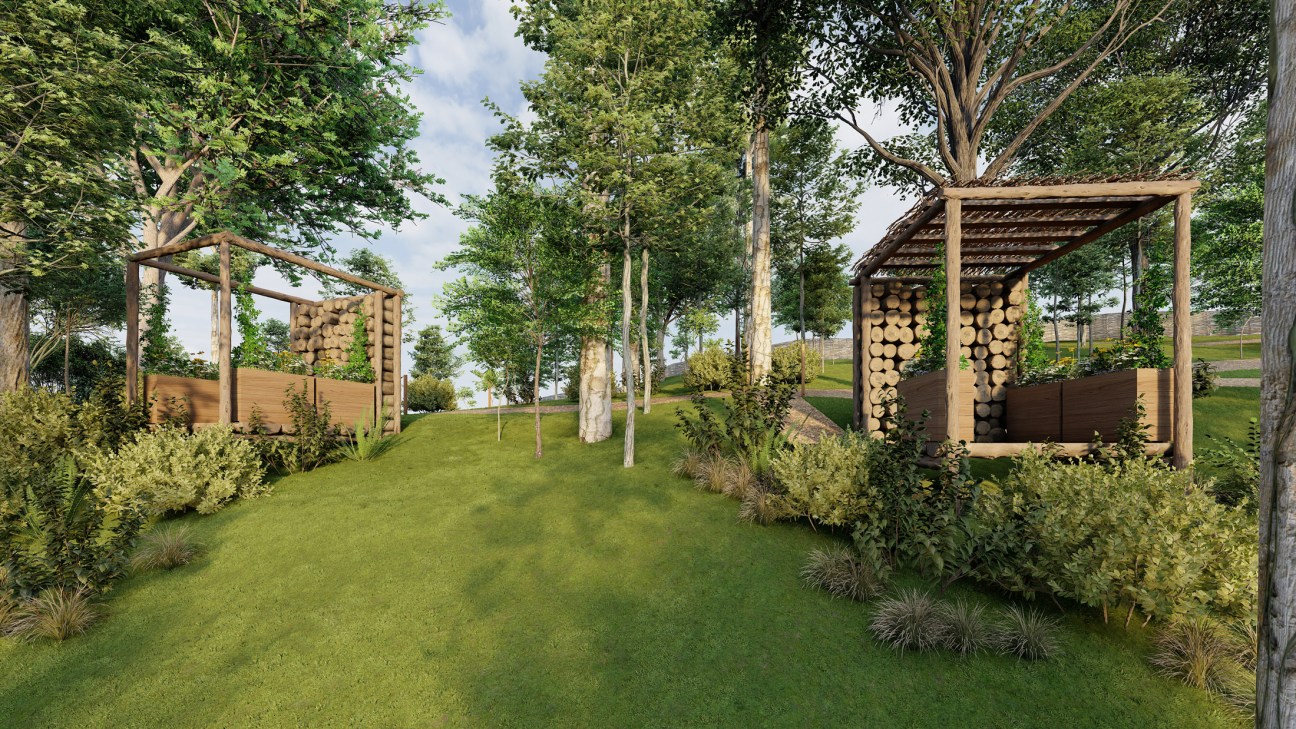
Mikael Colville-Andersen moved to Ukraine in 2022 after answering an appeal seeking bicycles for internally displaced refugees. The Canadian-Danish urbanist, who made his name campaigning to export Copenhagen’s cycling knowhow, is bringing something else from his European homeland to the wartorn country: Nordic therapy gardens. “Places like these have a history stretching back to the Roman empire,” says Colville-Andersen. “Research has shown that when you sit in a garden surrounded by sensory stimulants, stress is instantly relieved.”
Taking his cue from the therapy gardens found in most Danish towns, Colville-Andersen is introducing the concept to Ukraine – even Denmark’s ambassador to Ukraine has helped out in Kyiv. Colville-Andersen and his team will introduce flowing water, aromatic plants and shaded, private spaces to the gardens. The first garden opened next to a psychiatric hospital in Ukraine’s capital in June, with others to follow in Lviv and Chernihiv. “We need to break through to those struggling with their mental health,” says Colville-Andersen. “I want everyone from doctors to architects to see what we’ve done. Then they can build therapy gardens all across the country.”

Business: Denmark
Members on the board
A co-working space mixing surfing and working doesn’t sound like the type of business you would expect to find in Denmark. But “Cold Hawaii”, as Klitmøller on the country’s northwest coast is known, has lured entrepreneurs and remote workers in search of good waves and a better quality of life. As many Danish towns experience an exodus of young people, Klitmøller is booming. “For the past 10 years, more people have come in than gone out,” says Alexander Bengtsen, co-founder of Surf & Work in Voruper, just south of Klitmøller. Bengtsen, who is Danish but was previously living in Portugal, moved here in 2017 to surf and be closer to nature. Shortly after setting up shop, he saw a demand for a co-working space, so quit his remote-working job and opened the area’s first “entrepreneurial house”.
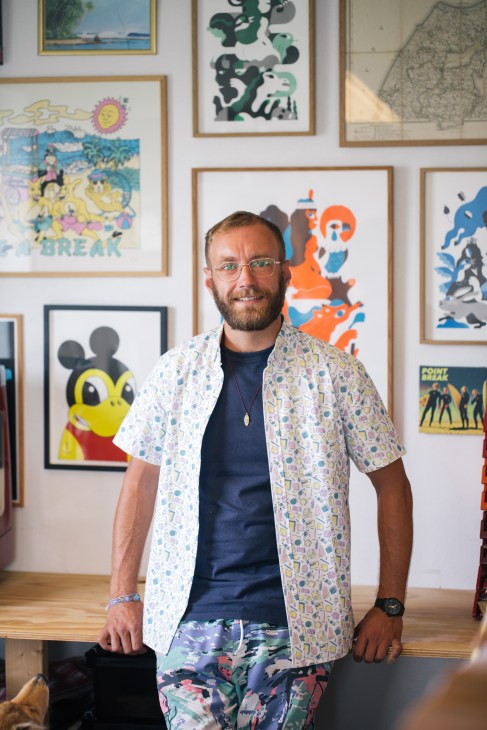
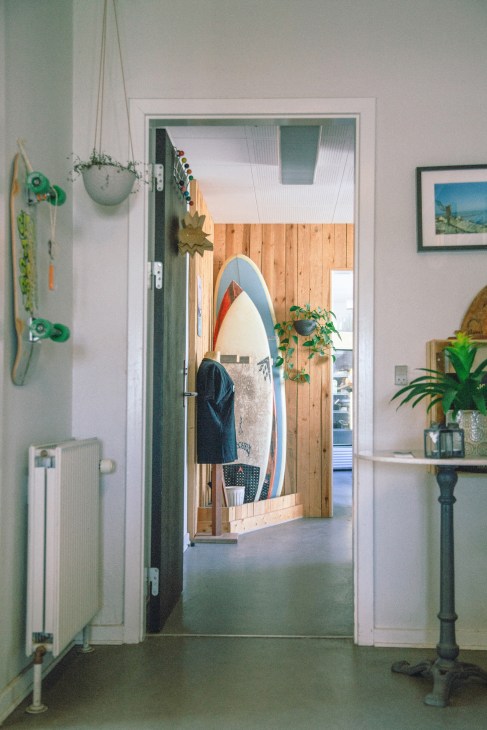
“We’ve attracted people who are tired of city living,” says Bengtsen of Surf & Work’s 40 members. “Most of them come here and start their own thing.” He, for one, has launched an ice-cream company on the side. Among his peers, many of whom have moved from Copenhagen, are coffee roasters, bakers and café owners who share a love for the ocean. “If there are good waves, we go surfing,” says Bengtsen. “Our focus shouldn’t be on work but on what makes us happy.” On Thursdays, many members go cold-water swimming, followed by breakfast at Surf & Work, where they share sourdough bread from a baker who is also a member.
The hope is to expand into a larger space with more amenities. “It’s not a fancy place but we have good coffee and fast internet,” says Bengtsen. And, of course, the wild North Sea just outside.
surfandwork.dk
Environment: Singapore
Green tracks
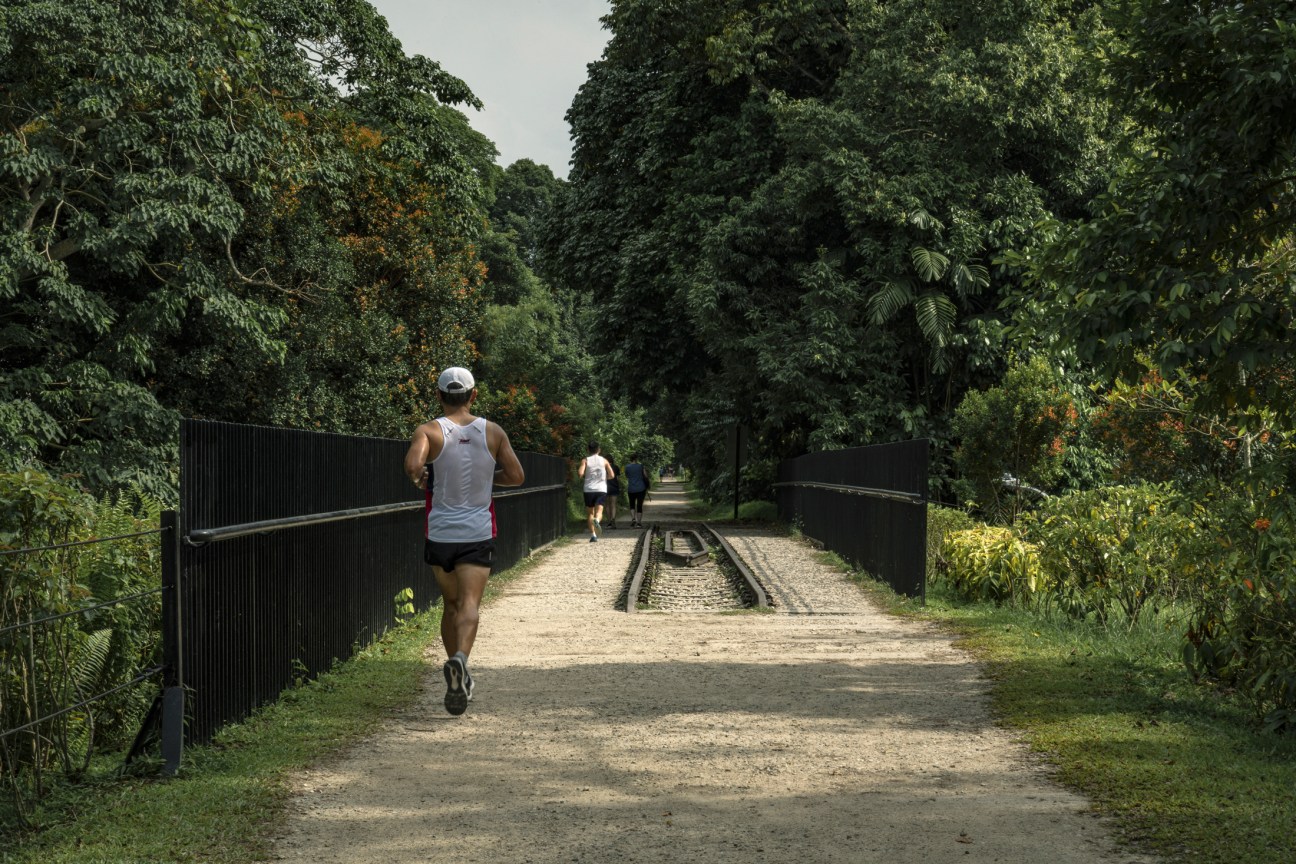
A new section of Singapore’s Rail Corridor opened in April, the latest step in a planned 15-year development of a former railway track into a public park and nature reserve. The 24km trail spans the length of the island, from Kranji in the north to Tanjong Pagar Railway Station on the southern coast. The government has launched a public competition for proposals to redevelop Tanjong Pagar, a 1930s-era rail terminus on the Malaysia-Singapore line that closed in 2011. The station received a heritage designation for its art deco architecture but its future use is uncertain. Options include the addition of restaurants, shops, offices and gardens.
Civic engagement has been vital to the Rail Corridor since its inception. Its existence is something of a historical fluke – for more than a century the land it sits on was owned by the Malaysian government and the trains were run by a Malaysian rail operator. As Singapore developed, high-rises sprung up on the track’s fringes, but the Malaysian-owned strip of green lay untouched. Ownership was transferred to the Singapore government in 2011, when the route’s terminus was moved to the Woodlands Train Checkpoint, endowing the nation with some of the island’s few remaining bits of undeveloped land. The Rail Corridor now contains some of Singapore’s few patches of primordial rainforest, which conservationists have successfully lobbied to have protected. In such a densely populated country, urban greenery is an essential commodity.
Q&A
Hilary Doe
Chief growth officer, Michigan
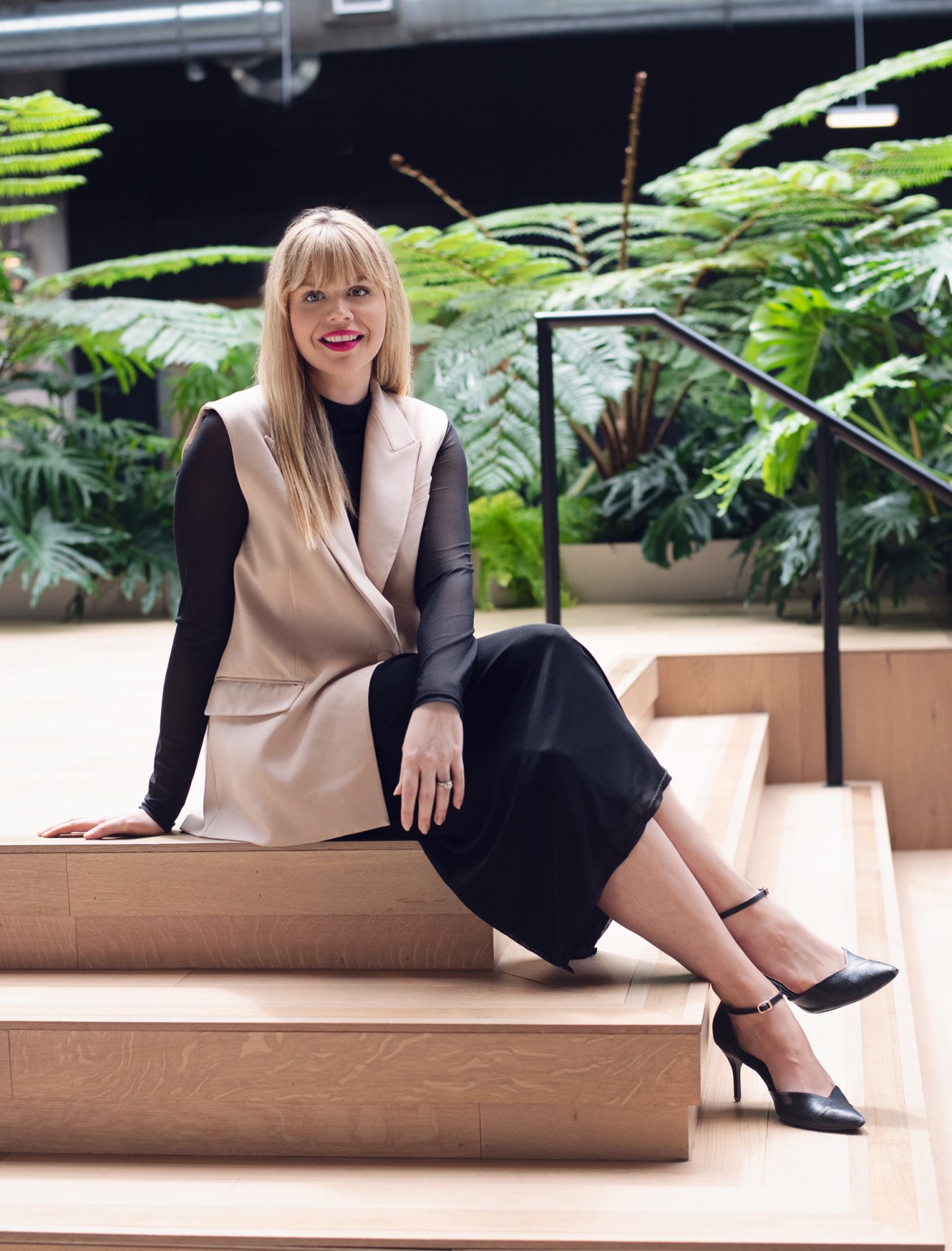
Hilary Doe is the first state official in the US dedicated to population growth. She aims to reverse a projected population loss of 700,000 by 2050.
Why are people leaving Michigan and what are they looking for elsewhere? People want opportunities, of course, but great urban place-making is as important as the number of jobs. In Michigan, we have talent gaps and employers with positions that they need to fill. Many of our fastest-growing peer states have higher taxes than Michigan. Yet they have high and rising median incomes, often driven by the knowledge economy, and they retain their entrepreneurs. That’s what we’re focused on in Michigan: a new fund to invest in entrepreneurs. That said, the metropolitan areas driving growth also tend to be walkable and transit-rich. Take Austin, Texas, which is leading the pack in terms of growth but it’s also struggling with high rents and we’re seeing an opportunity there. Detroit, for example, is growing for the first time in years.
How are you getting the word out about Michigan?
At South by Southwest festival this year, the godfather of techno, Juan Atkins, talked about how Detroit birthed the genre. It’s critical that our state own this campaign. I’ve been going all over the state to sit down with Michiganers and enlist them to share their story with people across the country.
Andrew Mueller on stamping out malaria
A few weeks back, this columnist visited Djibouti on a magazine assignment, which went askew thanks to a bureaucratic snarl-up that obliged the photographer and me to spend a night at Djibouti Airport. It provided me with an intimate acquaintance with the local mosquitoes.
Djibouti has a big problem with malaria. This has grown worse following the arrival a decade ago of a pestilential mosquito species: Anopheles stephensi, originally from Asia. Djibouti, with a population of a little more than 1.1 million, believed it had all but banished malaria but now reports cases in the tens of thousands annually. Despite being crammed full of Doxycycline, I was still pleased to observe, on eventually reaching our hotel, the daily dousing of the grounds with powerful insecticide.
I was even more pleased to read, shortly after returning, of the release in the Djibouti City suburb of Ambouli, a swarm of genetically modified Anopheles stephensi mosquitoes. The altered bugs are males, implanted with a gene that will prevent their female offspring from surviving to adulthood (only female mosquitoes bite). The idea is that this will eventually breed Anopheles stephensi out of existence.
The scheme is led by US-UK firm Oxitec, supported by the Bill & Melinda Gates Foundation, and is a worthy quality-of-life initiative. In 2022, the last year for which the who has figures, 249 million people worldwide contracted Malaria, 94 per cent of whom live in Africa. More than 600,000 may have died. By some estimates, malaria costs the continent €11bn every year in lost gdp. An Africa freed from malaria is likelier to become prosperous, therefore peaceful, therefore less of everyone else’s concern.
When we think of quality of life, we think of improvements in places that are already agreeable. One of the best investments any wealthy country can make in its own quality of life is to invest in someone else’s.
Andrew Mueller hosts ‘The Foreign Desk’ on Monocle Radio.
Design agenda: Paris’s arrondissement culture and Miami’s public-park renaissance
Making an impression
Christophe Delcourt’s Paris showroom
Before housing Delcourt Collection’s furniture showroom, 47 Rue de Babylone in Paris’s 7th arrondissement was home to a photo-developing studio and, before that a piano factory. So it’s no wonder that, when Monocle pushes through the heavy doors leading from the street into the courtyard, there’s an instant sense that this is a space dedicated to craftsmanship.
It was this ambience that attracted Christophe Delcourt when he moved his Paris studio here. “I love its 19th-century-style architecture made from wood and bricks,” says Delcourt of the building housing his office and showroom. “It’s a true atelier made for production.”
It’s an appropriate space for Delcourt to have set up shop, given that he cut his teeth making his own furniture designs by hand, using mostly metal and wood. Today, however, he’s no longer on the tools. Instead, he meets clients in this space, where he draws exceptional furniture pieces and then produces them in collaboration with artisans across France.
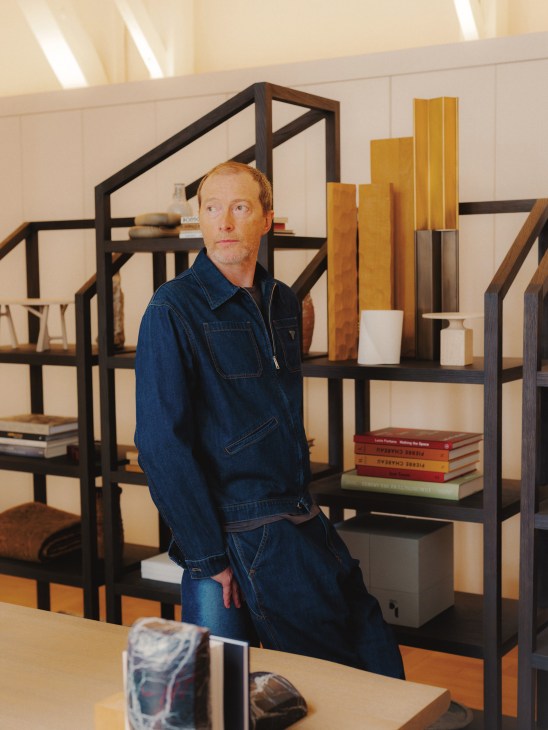
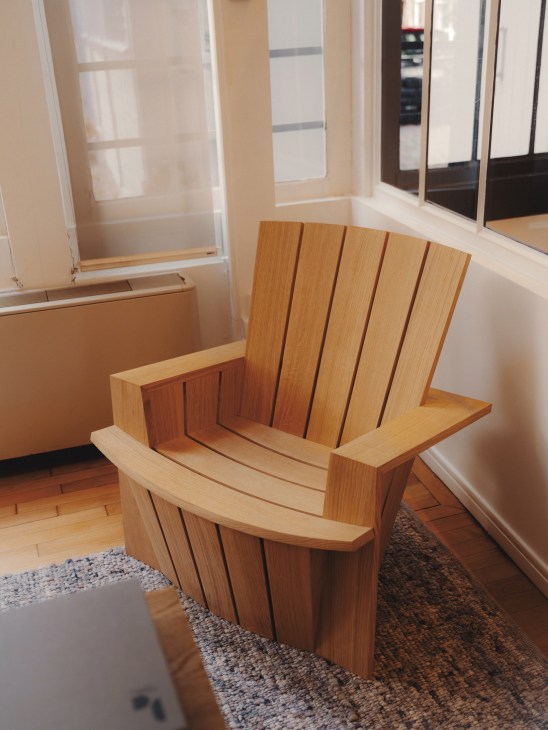
“I used to be shy as a designer – too worried about how the pieces would come together, which limited creativity,” he says. “Today I have a liberated creative process because I am supported by the techniques and know-hows of the artisans I work with; the bigger the challenge, the more they are motivated.”
This love for the complex is easily seen in the pieces around the showroom. The Nin table, for instance, has a long, flat surface, with a base that echoes tree branches in a forest. “I’m lucky to live in the countryside, where there are beautiful trees that were planted 400 years ago,” says Delcourt. “For Nin, I was inspired by a cluster of Thuja trees planted so close together that, over time, the branches have all intertwined.”
Though Delcourt might now live in a rural area and work with artisans across the country, Paris – the city where he was born and raised – still has an influence on his work. He tells Monocle that his vision of Parisian elegance in design is the nonchalant art of mixing pieces from different designers and decades.
In reflecting this ethos, the designer doesn’t show the entirety of his collection in his Rue de Babylone space but rather displays a selection of pieces. “In Paris, we really love the idea of mélange,” says Delcourt. “We mix eras, shapes and materials, and we aren’t afraid to blend the personal objects with signed pieces.”
christophedelcourt.com
Comfort zones
The prejudices of Parisians
Let’s face it, Parisians are prejudiced about many topics: clothes, food, jobs (writes Iban Raïs). But the one thing we’re most judgemental about? The arrondissements. Each of the 20 districts have their own rules, style, architecture and cultural life. And so, the arrondissement that a person chooses to live in says a lot about who they are.
Do you live in the 15th? You probably work in finance and have a penchant for sleeveless puffer jackets. Did you just move to the 6th, in Saint-Germain-des-Prés? You want people to know that you enjoy art and old bookshops, and that you’re happy to pay €10 for a latte at the mythical Café de Flore.
Years ago, I made the decision to move to the 11th. This eastern arrondissement is a village with huge social diversity: artists, students and creative people all live together peacefully in an area stretching from Bastille to République square. Here, you can buy the best baguette in town at Gana bakery and enjoy a delicious coffee at On Partage on Rue de Charonne. A short walk away is Mika’s barber shop, where you can gossip about footballers (he cuts the hair of footballers who play for Paris Saint-Germain).
These opportunities afforded in the 11th are personally significant because they reflect my tastes. Perhaps, secretly, I want people to know that I appreciate a busy food scene and a vibrant street life, and my choice of locale does just that. It’s a reminder that where we live is as much about who we are as who we want to be – something that Paris’s varied arrondissements afford.
Raïs is a writer based in Paris.
Line of vision
Miami’s newest linear park
The newest phase of Miami’s The Underline is now open. Landscape architecture studio Gardner 1 Semler extended the initial stretch completed in 2021, helping to transform the vacant land beneath the city’s elevated railway into what will eventually be a 16km linear park and urban trail featuring protected bike and walking lanes, basketball courts, nature and dog parks. The goal is to reclaim an otherwise abandoned space for the city’s residents.
“It’s a citizen-led movement to transform the way we live in our city,” says Meg Daly, founder of the namesake community group that conceived the project. Daly’s team prioritised community consultation to ensure that the plan serves residents. “This phase went through more single- family residential areas, so our focus became about native planting and bringing back birds, bees and butterflies.”
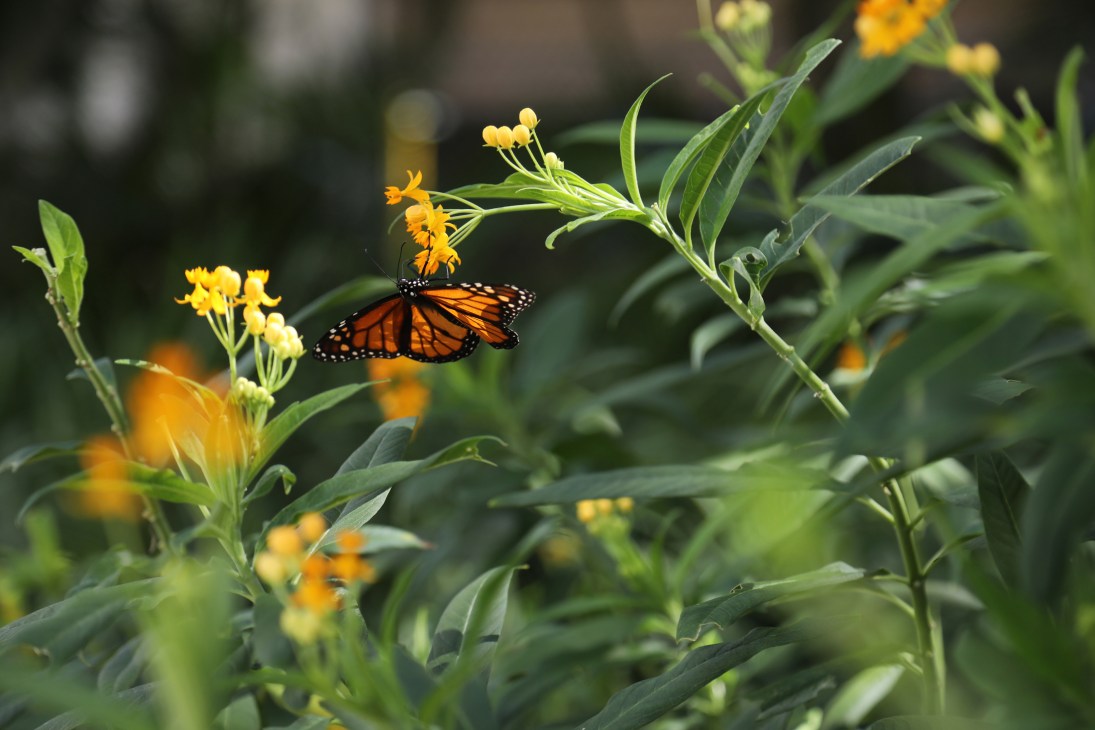
This brief from Daly resulted in Gardner 1 Semler planting 100,000 native plants and 1,000 trees, increasing canopy cover by 36 per cent; it also added a children’s playground. These outcomes highlight the opportunity that brownfield developments present in our cities, showing how forgotten pockets of urbanity can be transformed to serve the community and wider ecosystem.
theunderline.org; gsladesign.com
Nic Monisse on the need to embellish
I’m prone to exaggeration in my personal life, hamming up stories for comic effect. Professionally, however, I’m careful to ensure that it doesn’t creep into my work (after all, as a journalist, I’m in the business of accuracy). And, when I was a designer in a past life, exaggeration was all but stamped out of me. Simplicity and understatement were the hallmarks of the timeless designs to which I aspired.
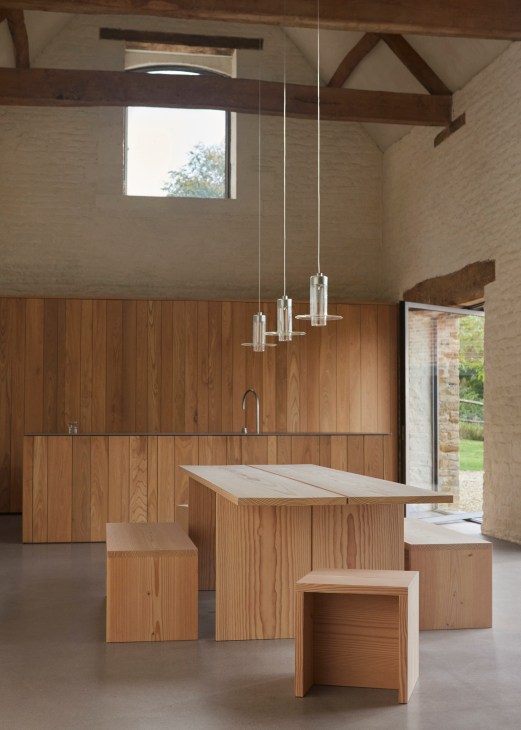
But a recent conversation with John Pawson – the legendary minimalist British designer – turned everything on its head. “I am sometimes worried that I exaggerate too much,” Pawson told me, referring to a portfolio of work that, on closer inspection, includes a host of exaggerated elements. There are galleries with grand stone frontages, offices with striking white walls and, in the case of his own home, 15-metre-long Dinesen Douglas fir floorboards connecting several rooms. The latter led to the creation of a new line of furniture with Dinesen, a Danish timber specialist, featuring dining tables, benches, sofas and daybeds made from impressive lengths of Douglas fir and oak.
“If you stand on these wooden floorboards that are 15 metres long and half-a-metre wide, you feel different,” says Pawson of the decision to use them. “With the furniture too, it’s not some little piece of wood but an impressive piece of timber that can change how you feel.”
However, Pawson is keen to impress that exaggeration needs to be employed in the right place and at the right time. Perhaps it doesn’t have a place in my journalism but maybe I can continue to roll it out at the pub. “Did I tell you about the time I met John Pawson? No? Boy, do I have a story for you.”
Monocle’s Quality of Life survey 2024: The 20 best places to live
This is Monocle’s annual ranking of the world’s 20 most liveable cities. People often ask us how we arrive at such a list, the subtext being: how can you possibly compare something that is as complex and multifaceted as a city with another? You probably know that we aren’t the only organisation that attempts such an endeavour. But while other rankings tend to focus purely on hard data, we take a broader, more balanced approach. Sure, it’s very easy to compare, for example, one city’s GDP per capita with another’s and deduce which is the more successful in that respect. But how often do you consider such a metric when making a judgement about where to relocate, recommend to a friend or visit? Like the cities themselves, our opinions of them are based on a variety of factors – some clearly rational but others less obviously so.
In an age when one can consult all manner of worldly information in an instant, we think that it’s important to take a view – we are, after all, editors. If you want a detailed list of metrics comparing every city in the world, there are plenty of repositories for such things. But if you want to know what a city is like to live, work and play in, then you should ask someone who not only lives, works and plays there but whose judgement you trust too. That’s what we do. We have conversations with our correspondents and contacts who reside in the places that we’re ranking. Then, after consulting the data (yes, there are still many numbers involved) – things such as GDP per capita but also the price of a cup of coffee, whether you can get a decent meal after 22.00 and what time nightclubs close on a Saturday (or Sunday) – we discuss the findings among ourselves. After that, we arrive at our decision.
The final top 20 is a combination of science and, dare we say, art – both statistics and less quantifiable things. It considers the past, the present and the future but especially the past 12 months, and how well we feel that a city has done in that time. Every year we also focus on an area of current debate on what makes somewhere a good place to live. It has been remarked upon that in countries such as the US and UK, life expectancy has dipped and some younger generations, for the first time in history, are expected to live shorter lives than their parents. This year we compared average life expectancies in different cities as part of our ranking: quality also means quantity. As ever, we encourage you to disagree and debate us on the top 20. The more people who question what makes cities good places to live in, the better.
Key metrics explainer
Adopt: Initiatives and policies that would benefit the city.
Drop: Problem areas that are holding the city back.
1.
Munich
Germany’s economic engine.
Position in 2023: 03
Adopt: Improvements in public transport and cycling infrastructure, instead of focusing on expensive tunnels for motorists.
Drop: The habit of awarding municipal jobs to local party members. The practice excludes outside experts.
Population: 1,512,491 (metro: 2,926,802).
Newspapers just for the city: 7.
Average monthly cost of renting a one-bedroom flat: €1,755 (including utilities).
Number of sporting clubs: 694.
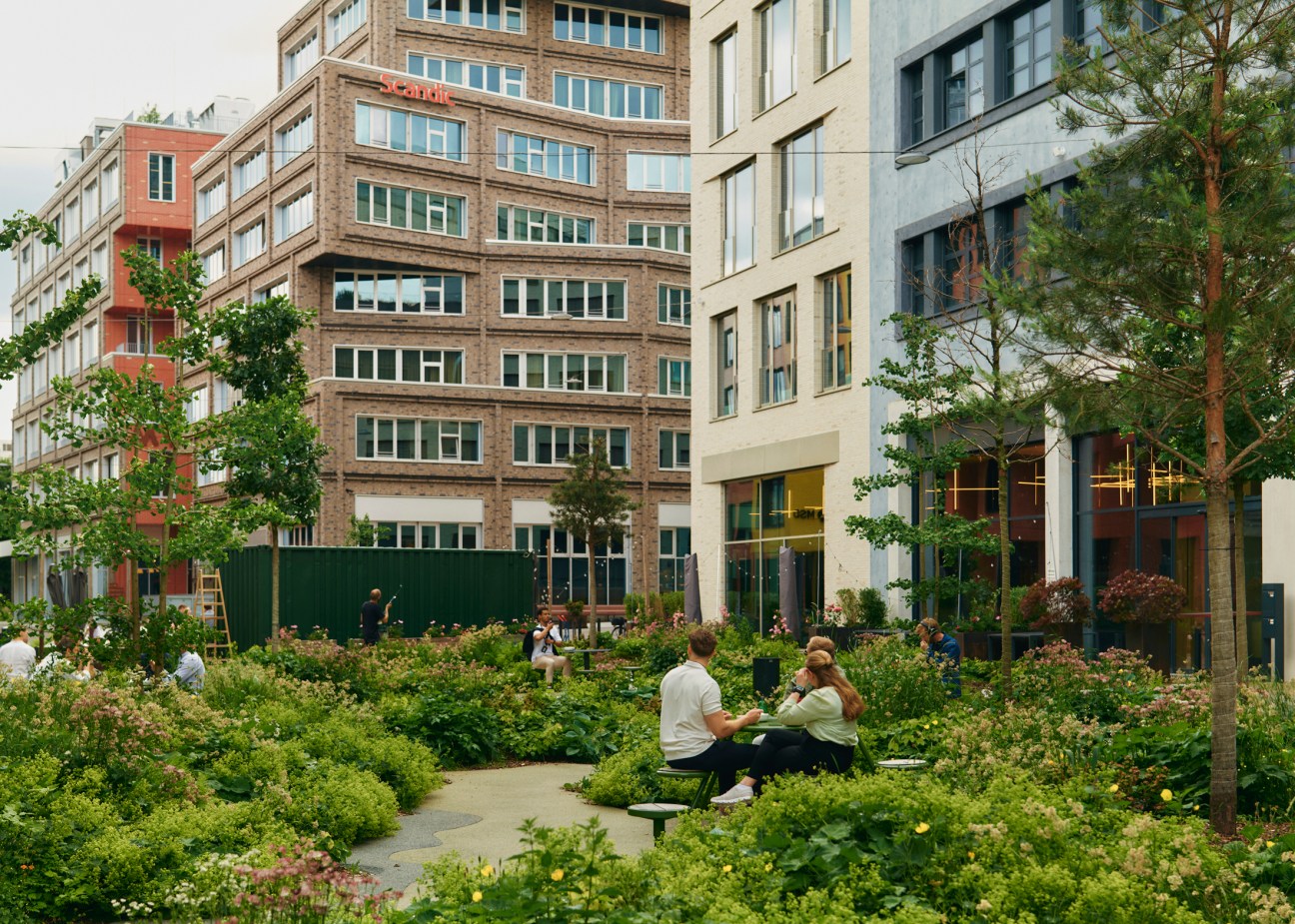
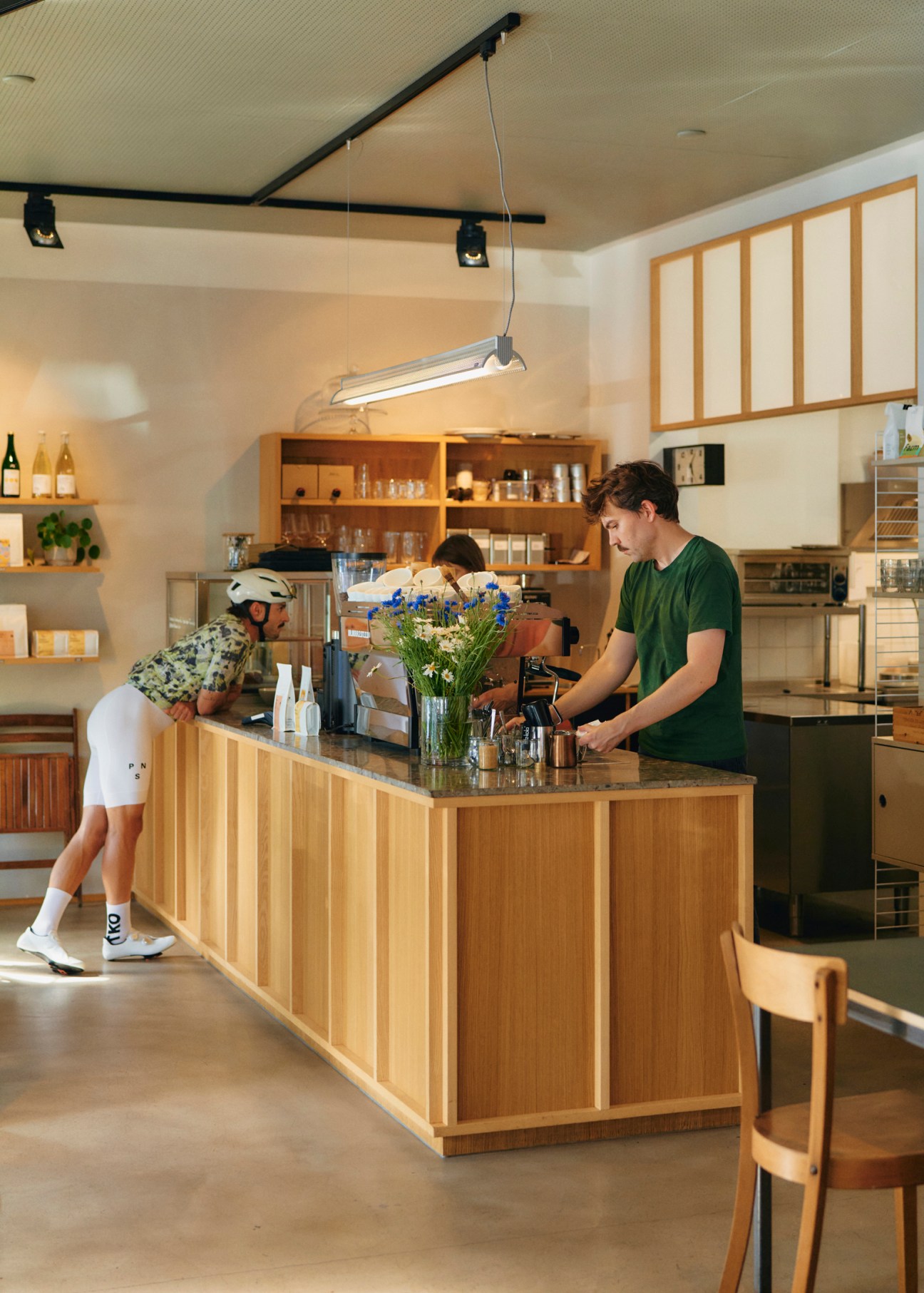
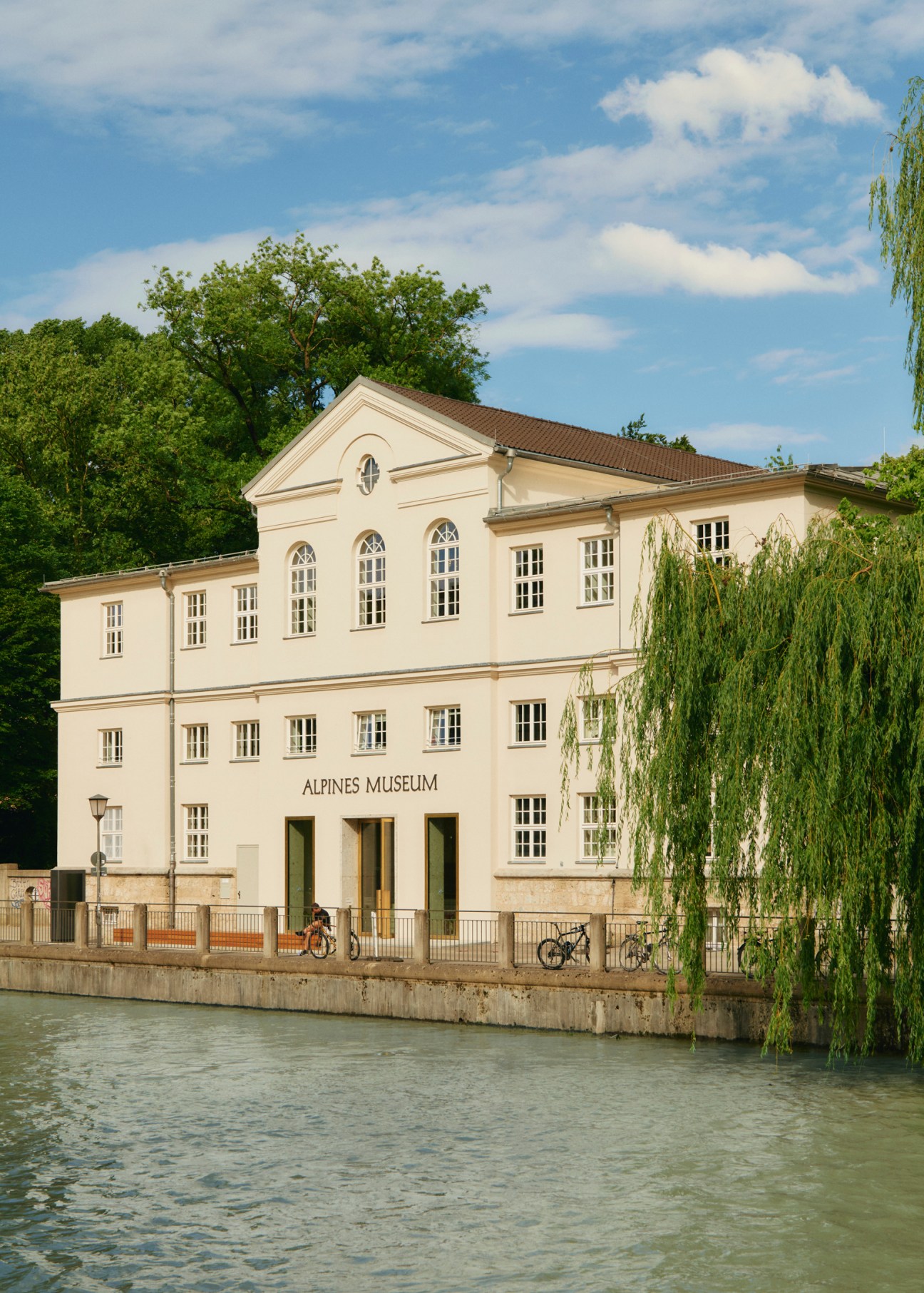
Munich is literally Germany’s most attractive city. Since 2000, the populations of Berlin, Hamburg, Köln and Frankfurt have grown by about 15 per cent – but Munich’s has risen by almost a third. One reason is the city’s economic and intellectual draws. Of Germany’s 40 largest companies, seven hail from Munich. This has probably contributed to its status as Germany’s most expensive city. But talent is nurtured here. In December the city set aside an extra €668m for building and renovating nurseries, pre-schools and schools; with a total budget of €8.4bn since its inception in 2011, it’s Germany’s largest such scheme. On the other end of the academic ladder, the Technical University of Munich and the LMU München are the country’s top-two universities. The city’s proportion of employees with an academic degree is 41 per cent, also Germany’s highest.
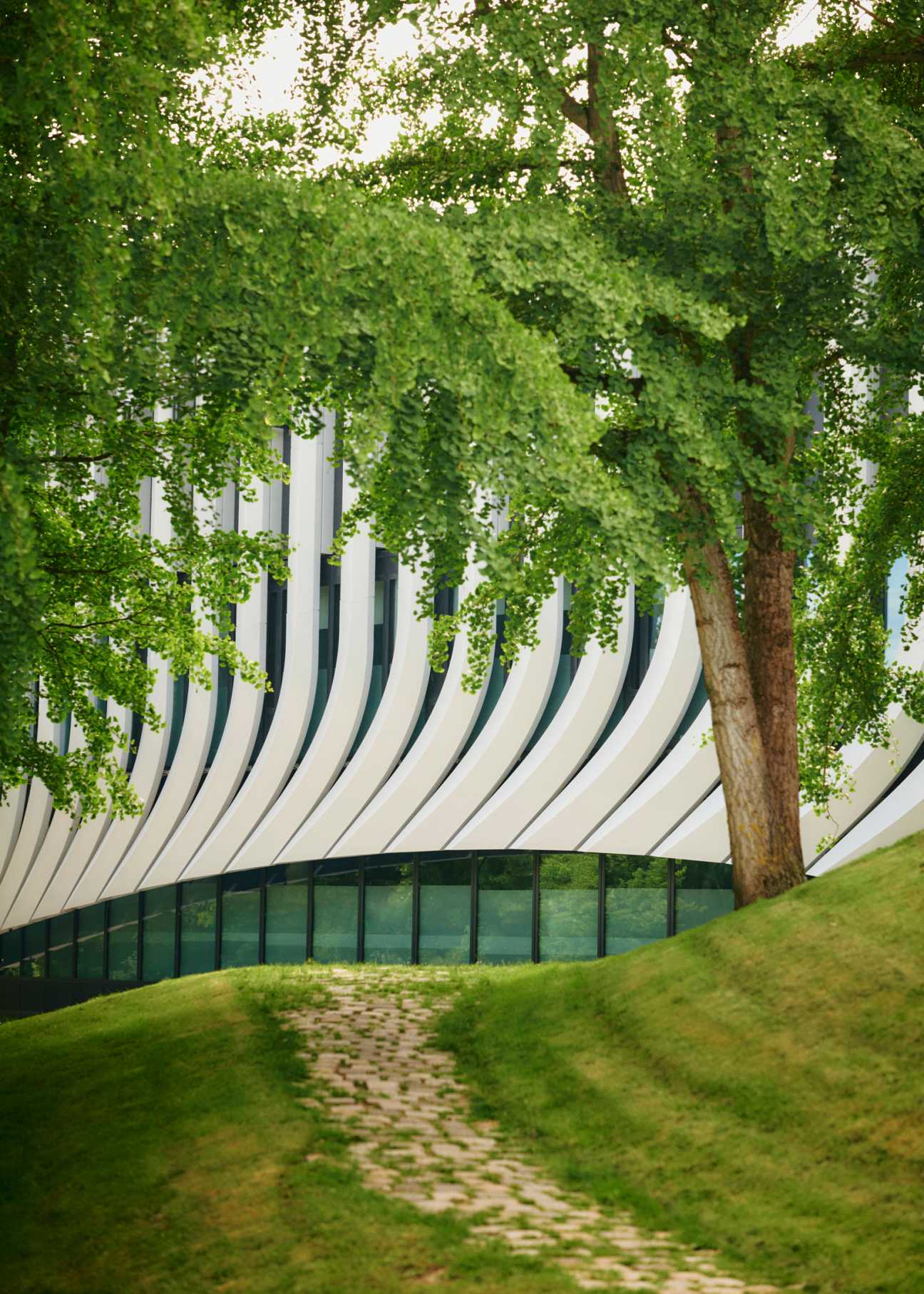
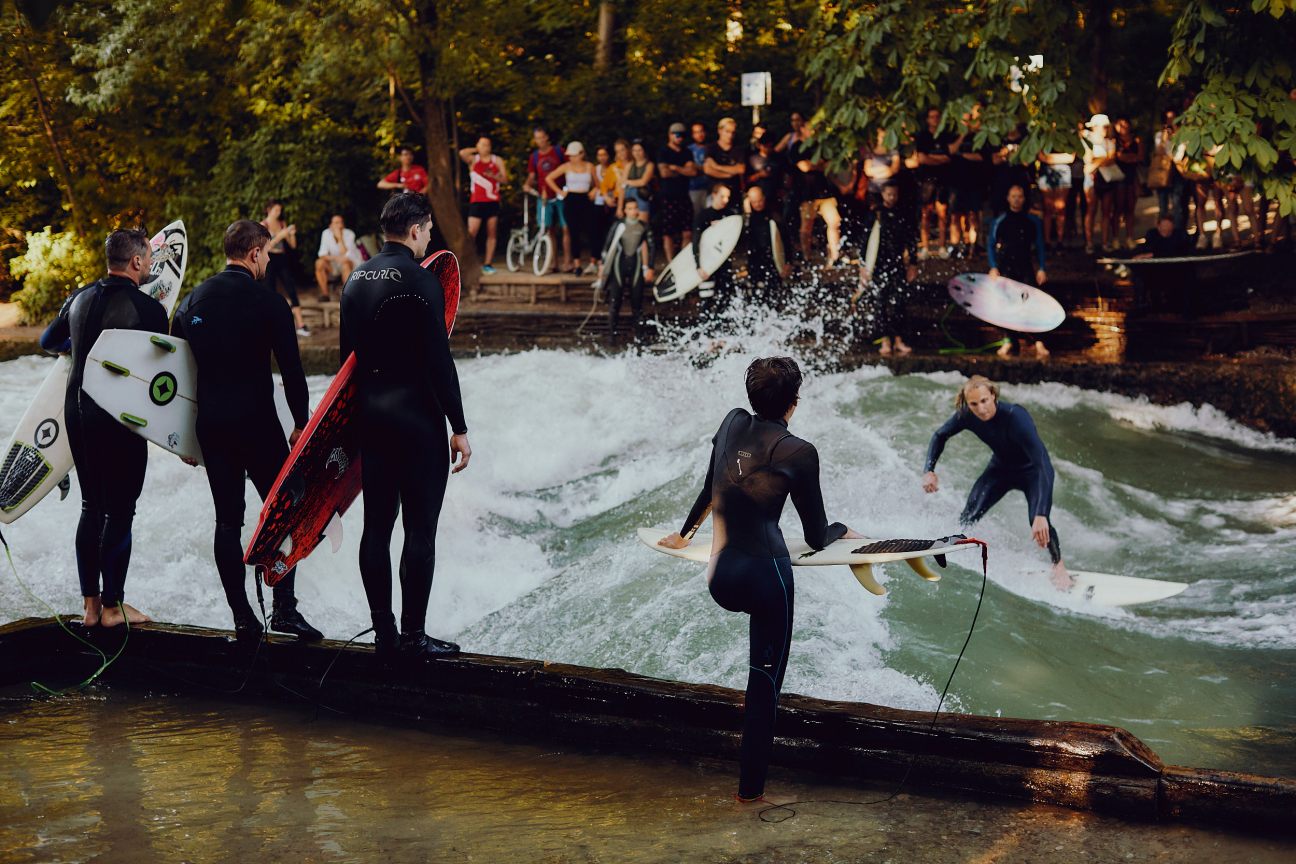
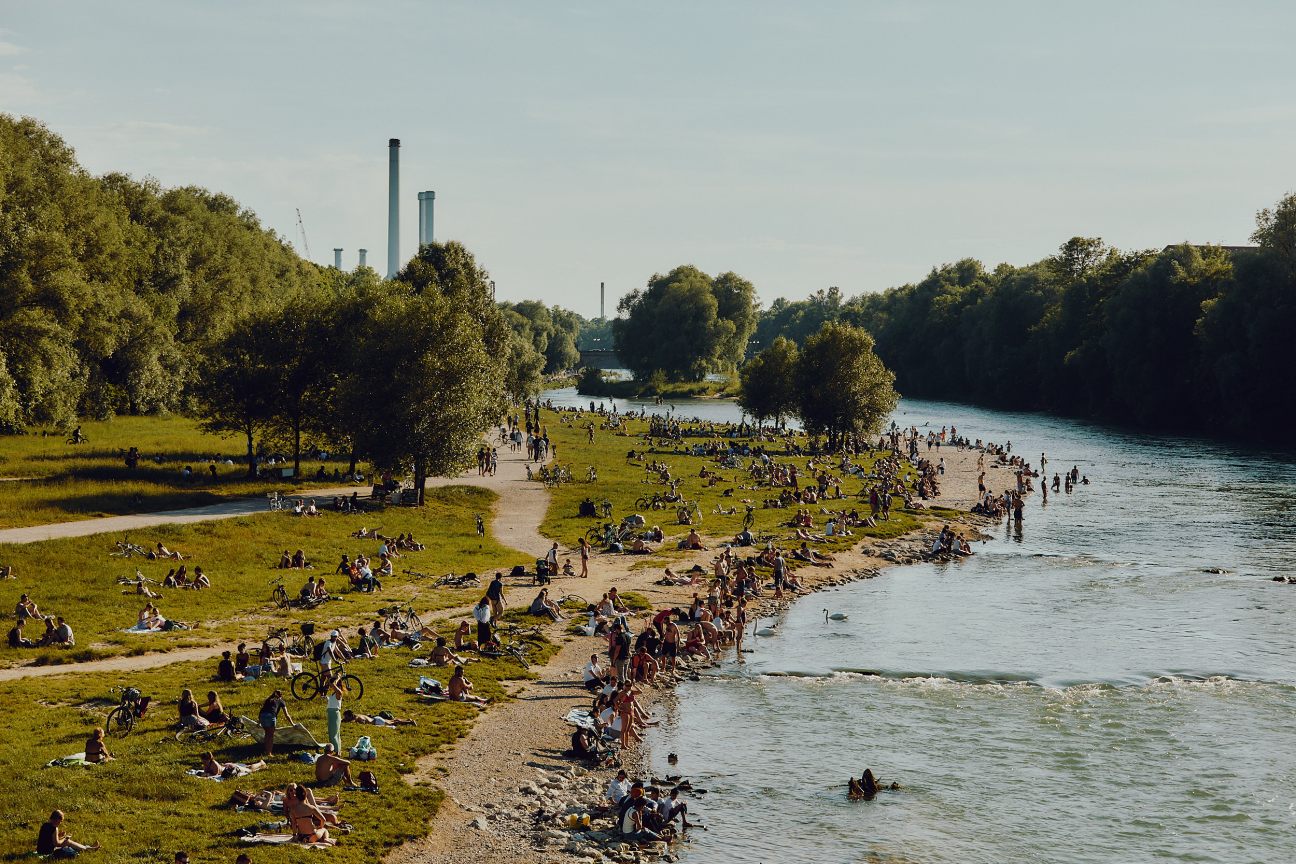
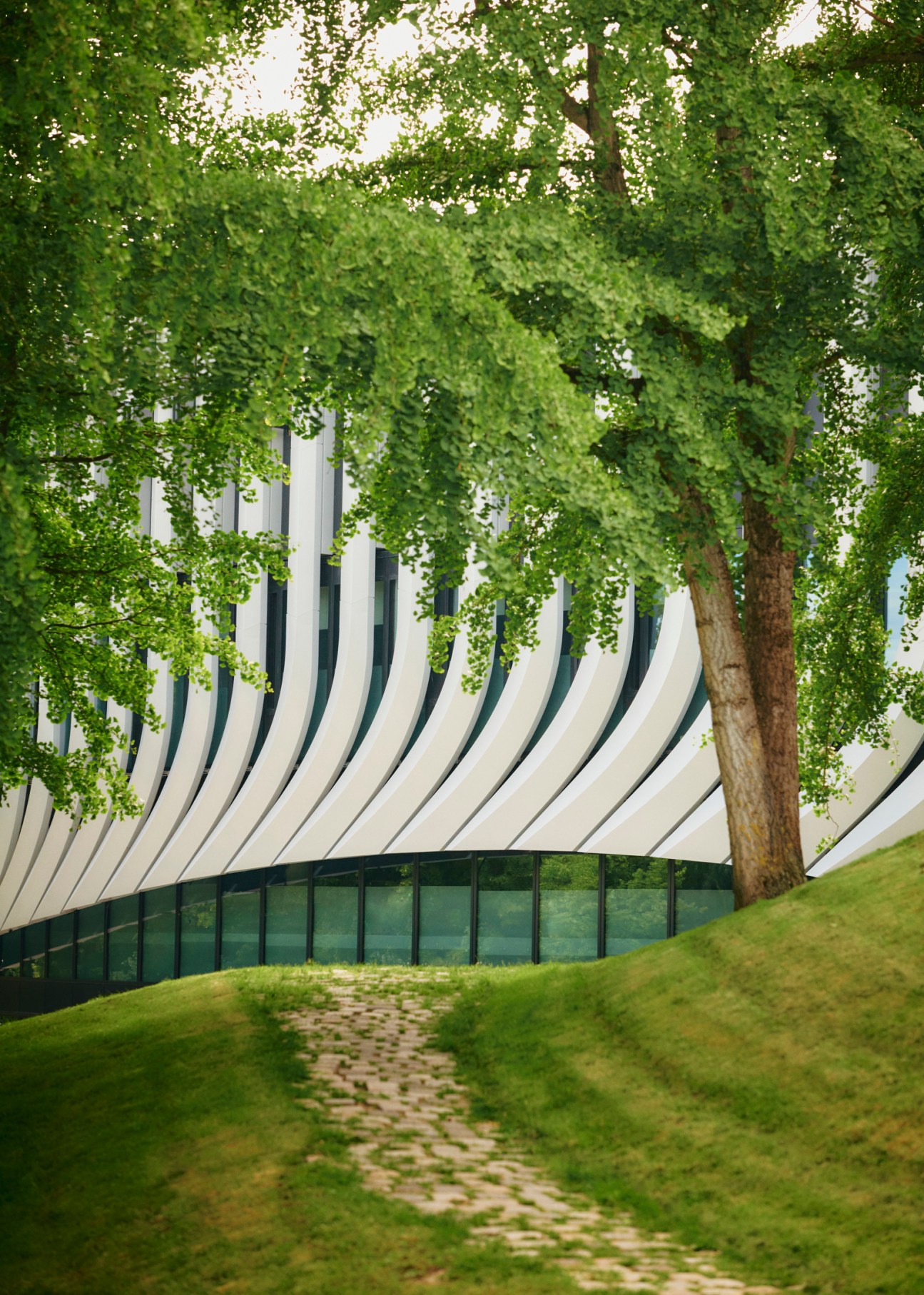
Munich is also the country’s best city for a healthy lifestyle. In an EU ranking of 38 German regions by life expectancy, Upper Bavaria, home to Munich, came first with 82.3 years. One explanation is the city’s access to nature: pristine environs, the river Isar and parks such as the Englischer Garten. New leisure facilities have opened too. Among them is Kunstkraftwerk Bergson, a power station converted into an arts venue. Last year, the city nearly tripled its newly installed solar power capacity with a scheme that supports small panels on private balconies. Munich’s future looks sunny. A worthy winner.


2.
Vienna
The city still improving as it grows.
Position in 2023: 01
Adopt: More than a third of Vienna’s population consists of foreign nationals. City hall should allow permanent residents to vote in council elections.
Drop: The authorities shouldn’t rush to sell off public spaces, such as a much-loved skate park in southeastern Vienna that is currently under threat.
Population: 2,006,134 (metro: 3,004,660).
Number of international destinations served by the main airport: 190.
Electric-car-charging points: 875.
Since topping last year’s survey, the population of Austria’s capital has exceeded two million for the first time since 1910. This growth has taken place as the city works to improve its residents’ access to healthcare and leisure: Vienna has increased its number of mental-health facilities for young people, for example, and has upgraded its public swimming pools. There’s also a new beach on the Danube near the UN office. A place for the diplomatic corps to cool off? God knows they need it.
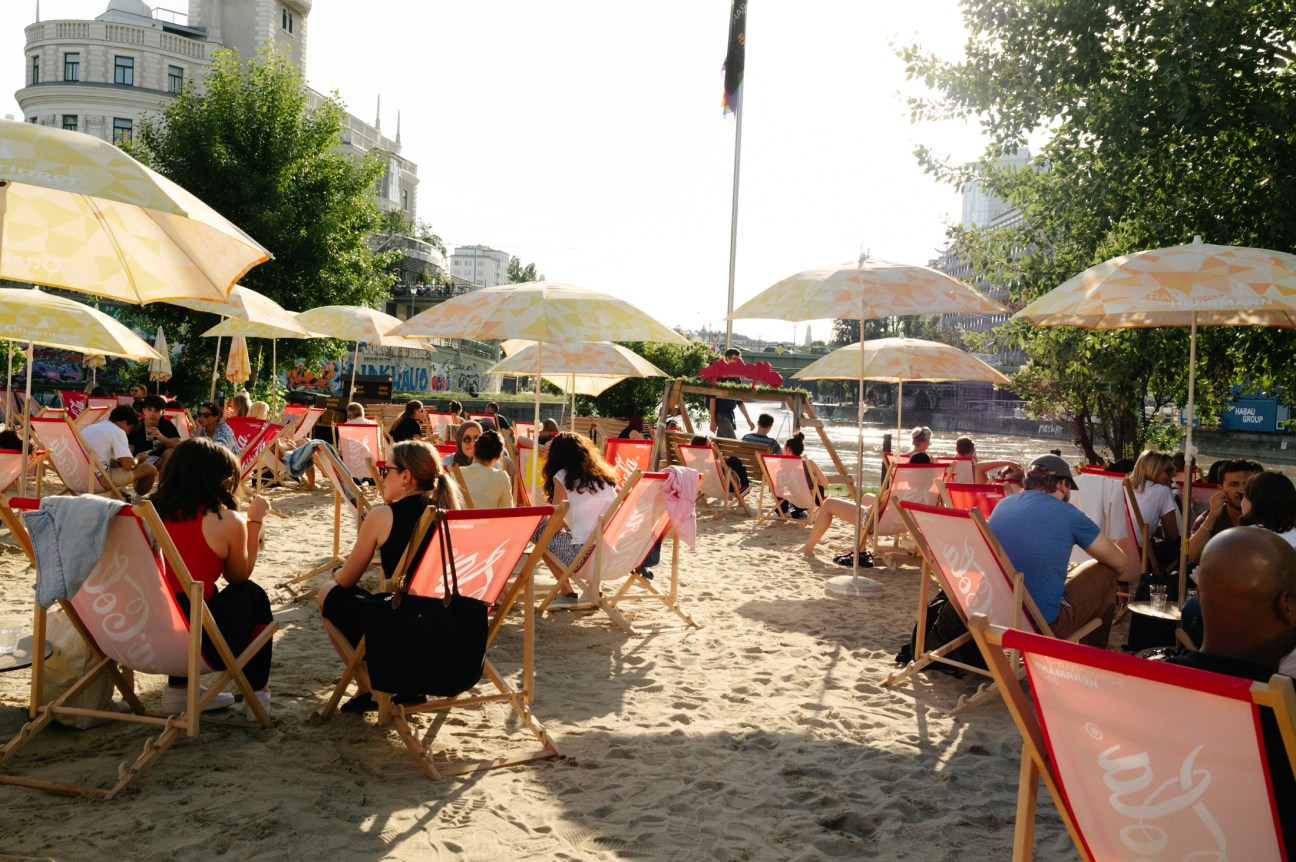
True to its social-democratic ethos, Vienna continues to impress when it comes to affordable housing. In May the city unveiled its newest Gemeindebau (municipal building) containing 118 flats, the 10th such new-build since the programme was restarted in 2015 after a 10-year hiatus. Another milestone came a few weeks earlier when Austria’s parliament voted to give local councils the power to levy a vacancy tax on owners of empty homes. The measure could mobilise as many as 80,000 properties and help to stabilise housing prices.
Last year, Vienna won the EU’s Best Organic City award, thanks to its municipal food brand, Wiener Gusto, which produces flour, lentils, meat and more. In culture, the Wien Museum reopened in December after a painstaking four-year refurbishment. As a bonus, admission to its permanent exhibition, which tells the city’s history in 1,700 objects, is free of charge, a first for an Austrian museum.
3.
Zürich
The health-conscious harbour city.
Position in 2023: 04
Adopt: A tougher strategy for tackling the city’s out-of-control grafitti problem.
Drop: Zürich’s strict Sunday-trading hours. Liberalising these would bring more life to the city’s streets.
Population: 445,015 (metro: 1,341,246).
Average life expectancy: 81.6 (men), 85.4 (women).
Number of outdoor pools or beaches: At least 16 – plus numerous lakeside swimming clubs.
Percentage of commuters who cycle to work: 21.9.
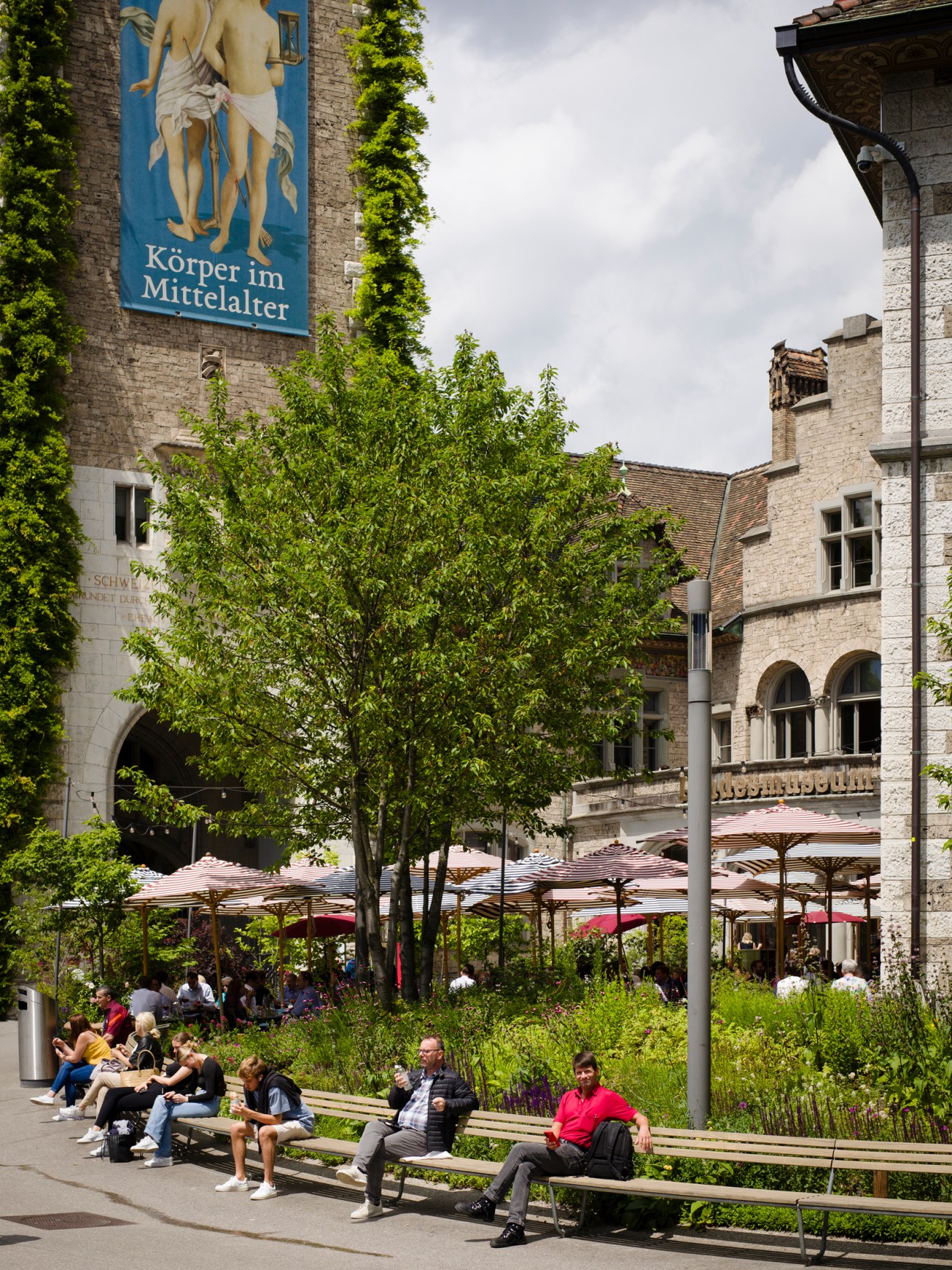
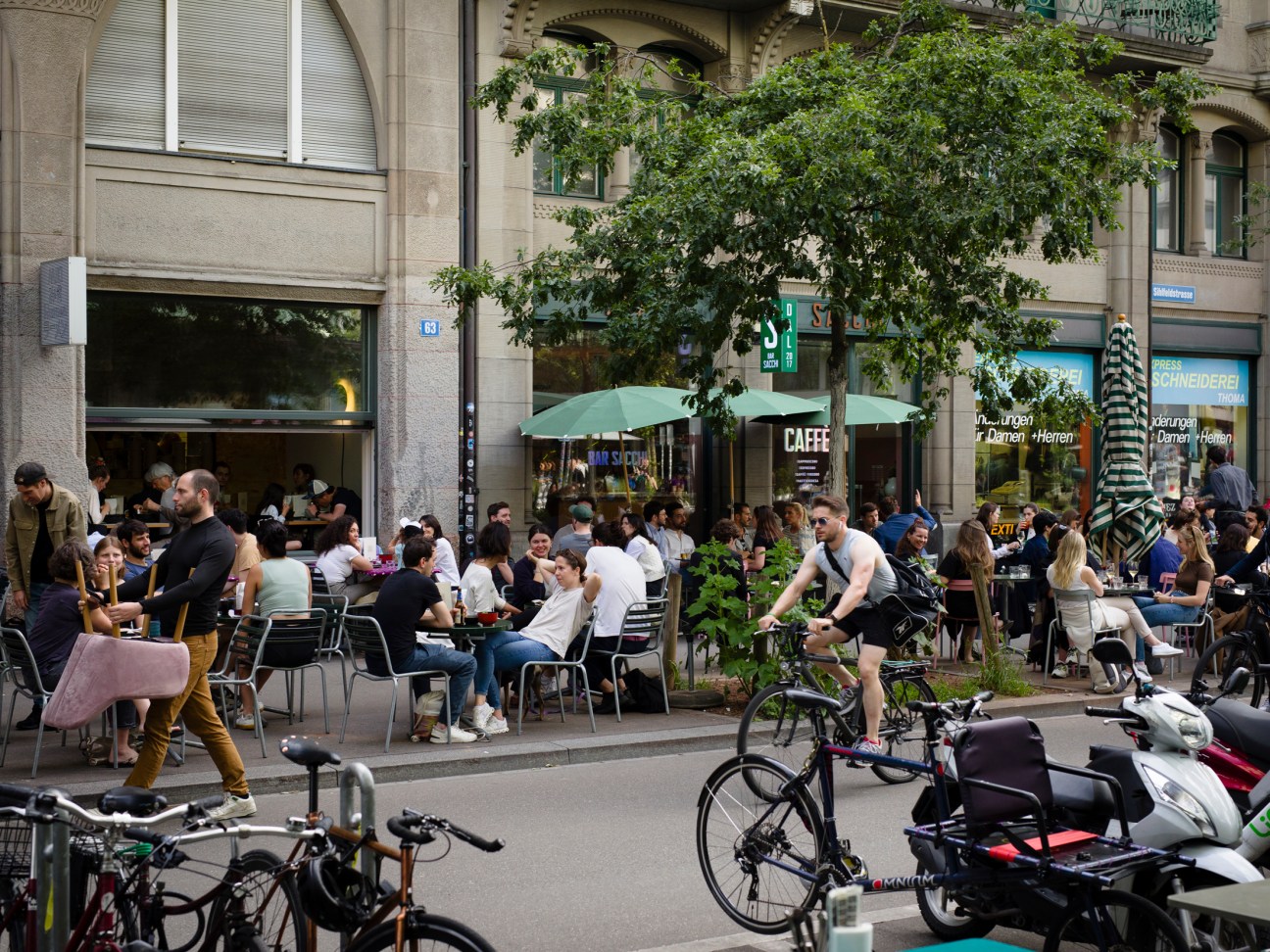
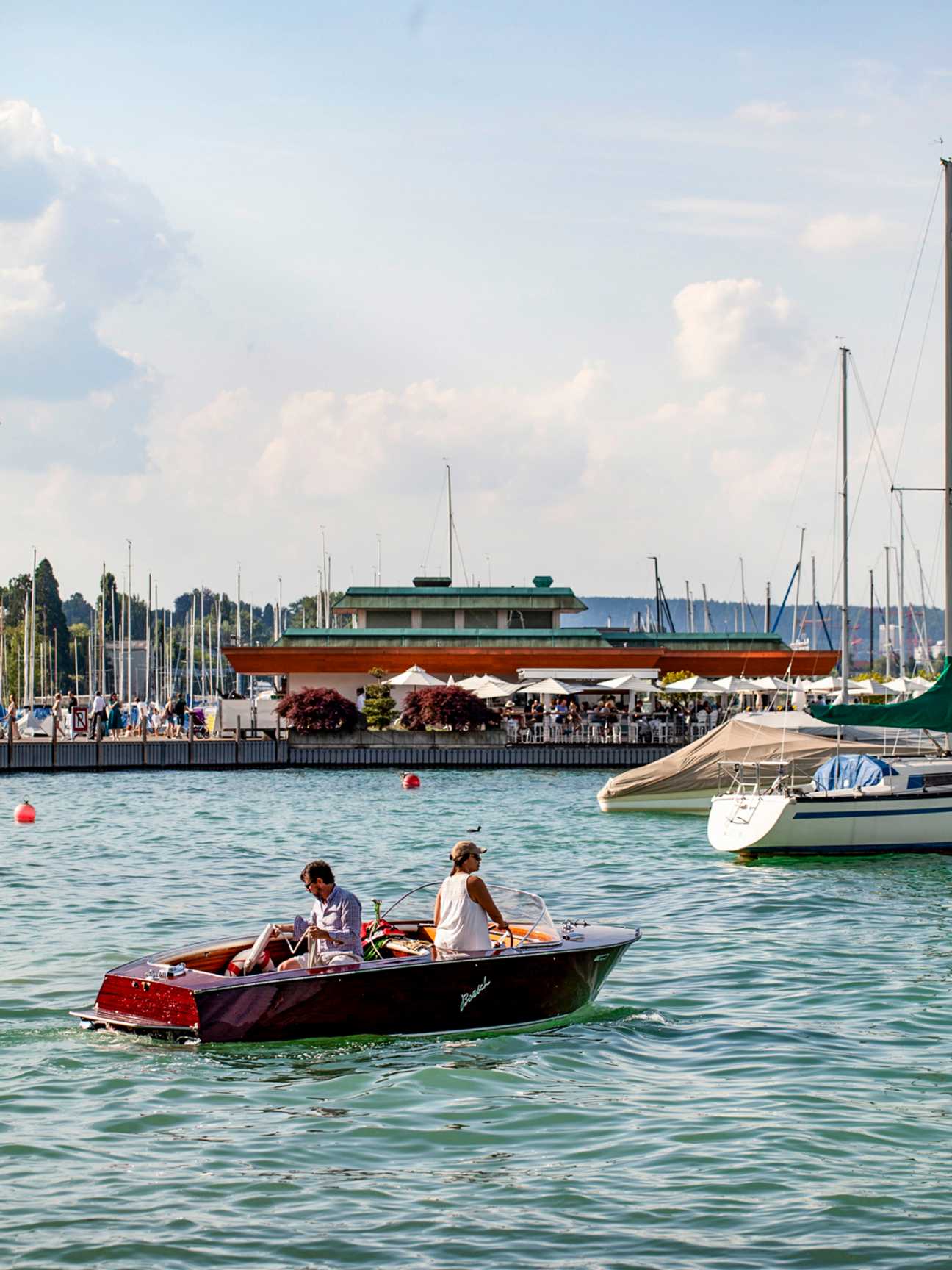
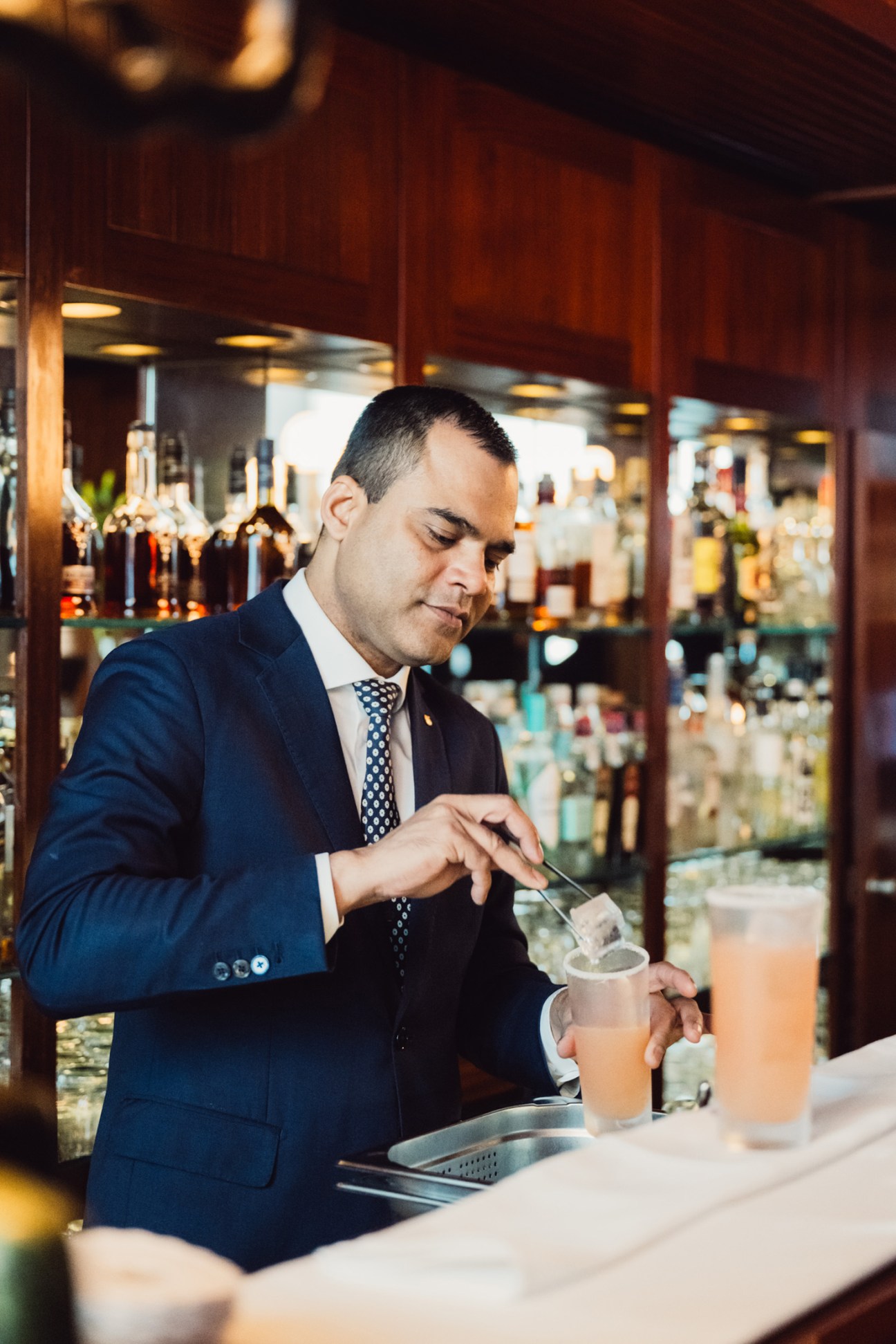
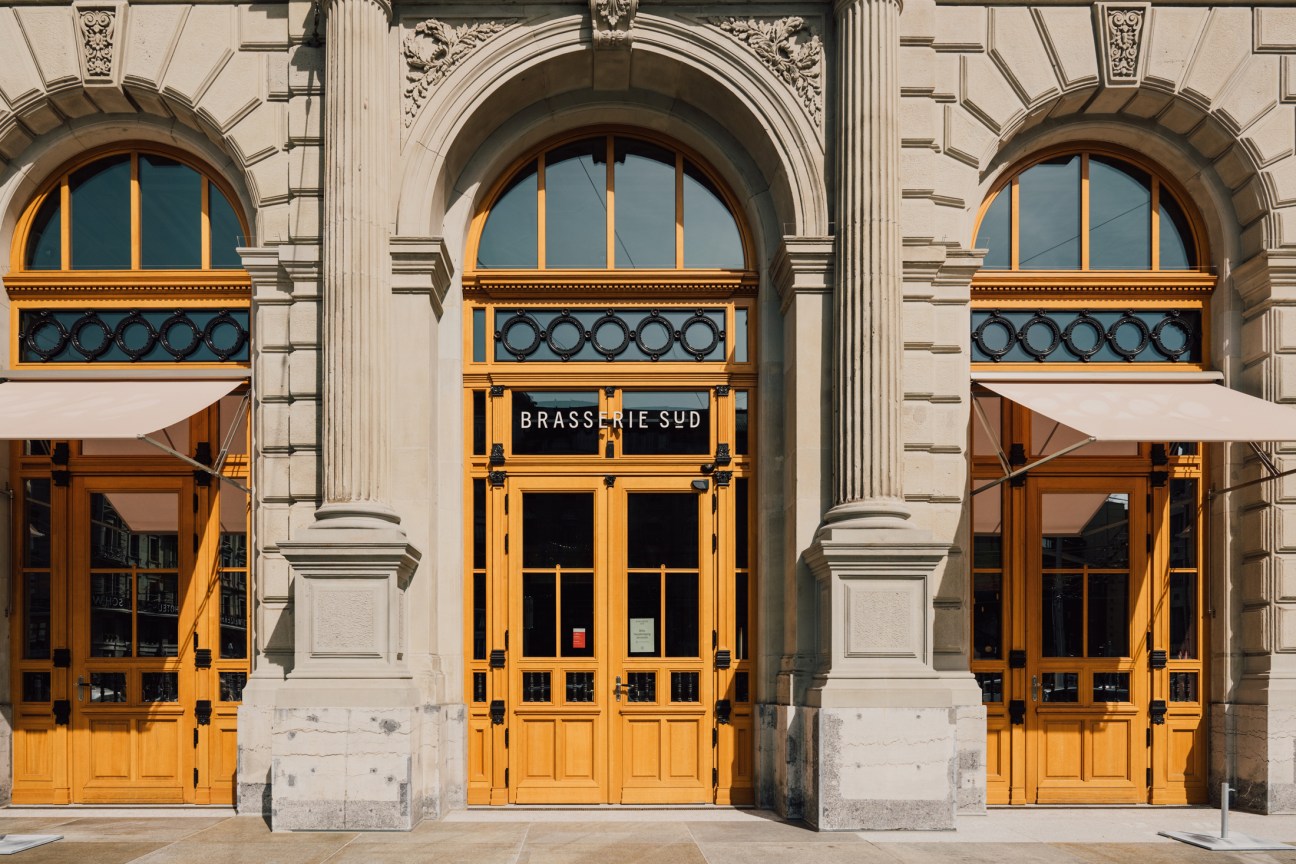
Zürich retains its status as that rare thing: a quaint harbour city in a landlocked country where the trains and trams run on time. But you knew that already. What you might not know is that the city’s food scene is currently benefitting from a new wave of young restaurateurs, many of whom are graduates of Switzerland’s celebrated hospitality schools. This means that the service runs on time too. There has also been a spate of infrastructure projects across Zürich, including new tram lines, refreshed train stations and verdant parks in hitherto lesser-served parts of the city.
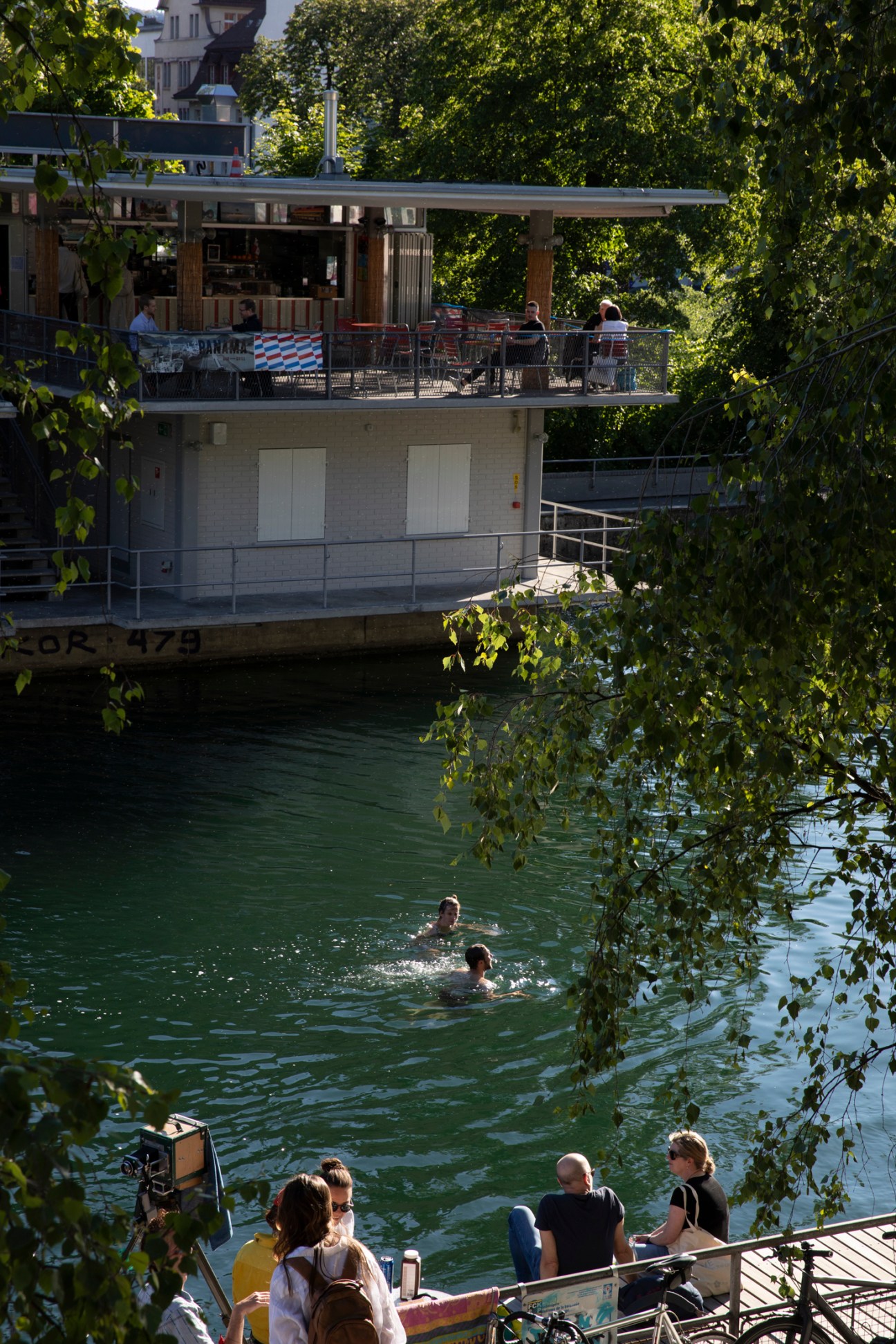

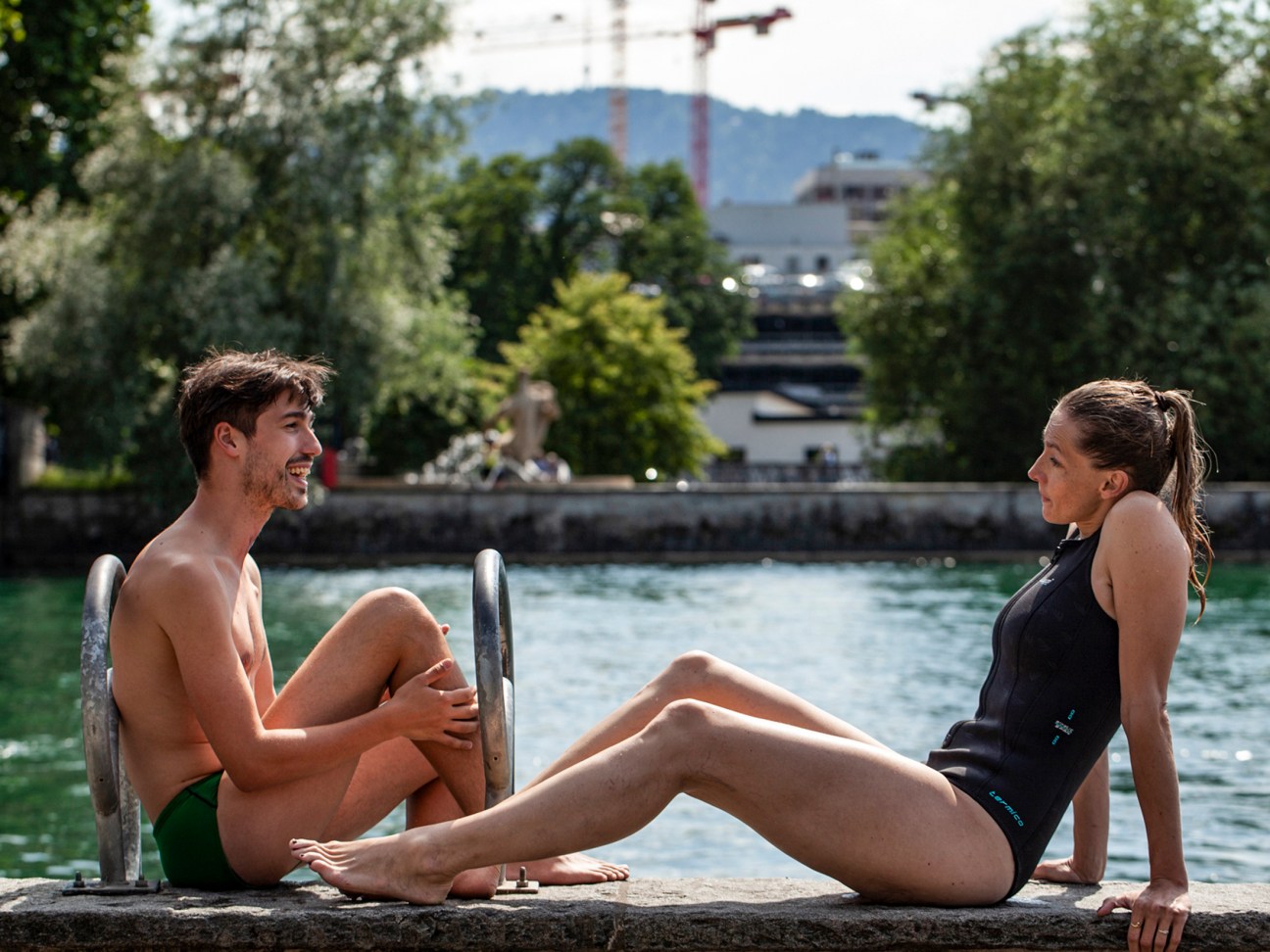
Last year, Zürich had a record number of overnight stays. And it remains a city in which outsiders are keen to put down roots: more than 30 per cent of residents were born abroad. Many were drawn here by the high living standards (and salaries) but also by the opportunity to live a happy and healthy life. Some 76 per cent of the population exercises at least once a week – an impressive statistic that reflects the wide range of walking, swimming and team-sports clubs in the city, many of which are integral to its social scene.

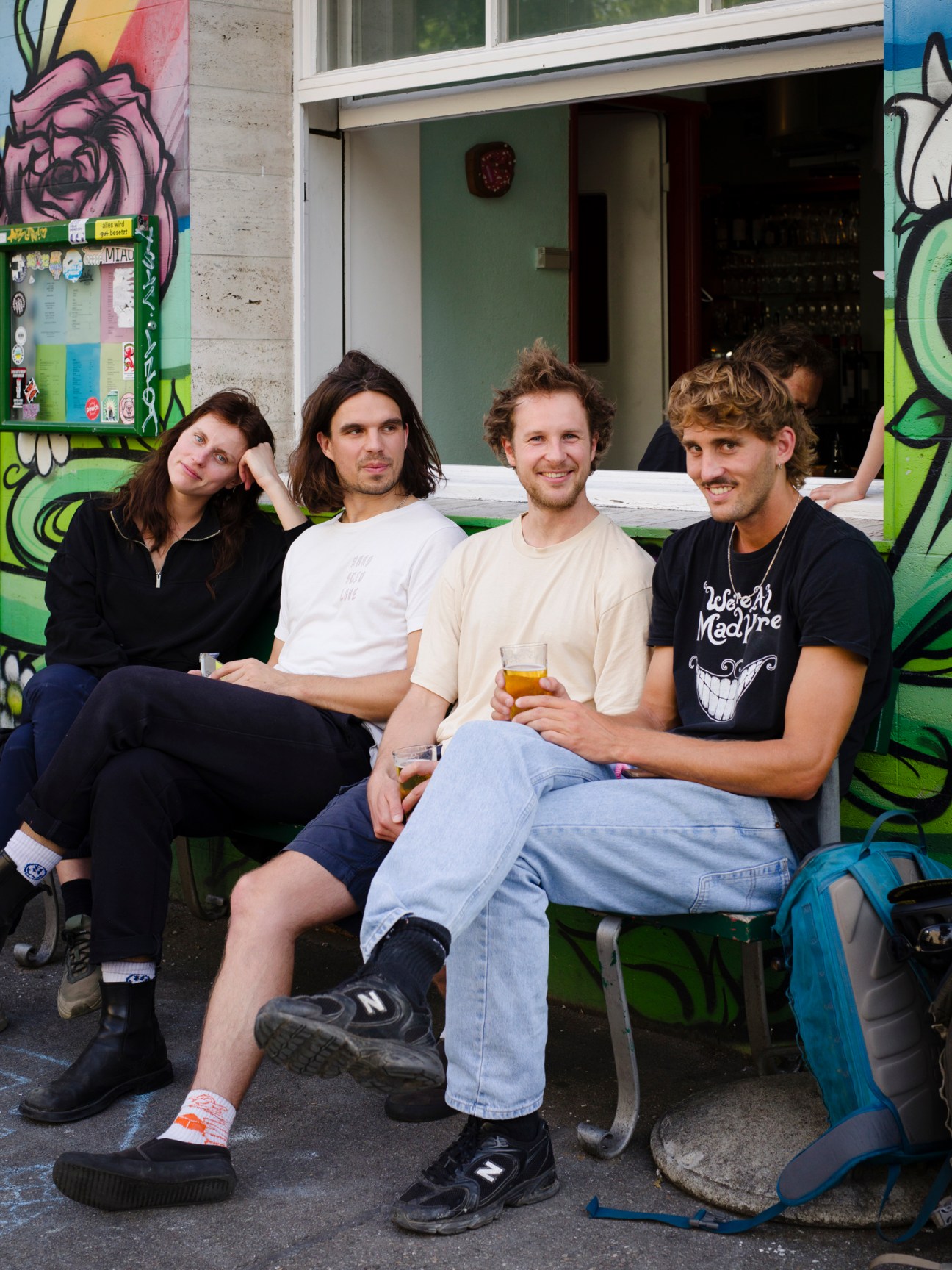
While Zürich’s residents admirably make the effort to stay in shape, the city itself could do with a little extra maintenance: specifically, the authorities urgently need to get a grip on the widespread graffiti problem. If the city wants to win its bid to host next year’s Eurovision Song Contest, it should put on its freshest, cleanest attire.
Come rain or shine
Izmir
When it rains in Izmir, a city on Turkey’s Aegean coast, it pours. Most of its entire annual rainfall comes between November and March, while there’s hardly any at all in July and August. In a city of 4.5 million people built on creaking infrastructure, that means lurching between flooding and droughts. Now a project to turn urban surfaces into sponges is helping to break the cycle.
“Sponge cities” are places that modify every surface where water collects to drain it into storage reservoirs. In the dry months, this supply can be tapped. The idea can be adapted to suit a city’s specific needs. Rain gardens and water-retention parks, designed to channel precipitation into underground filtration systems and storage ponds, also increase green space. Meanwhile, concreted areas such as plazas and school playgrounds can be retrofitted with drainage systems.
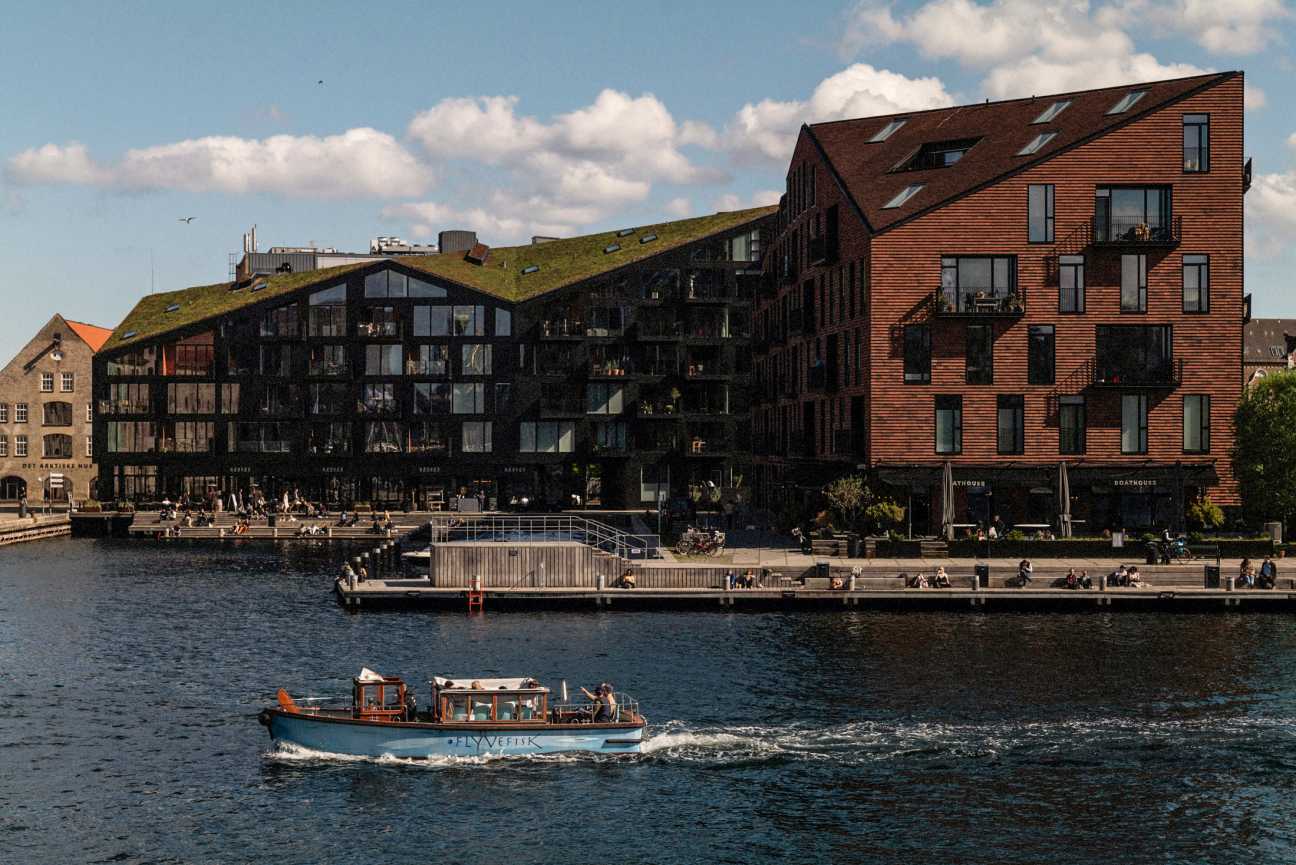
Launched in China in 2014, the sponge-city concept has now spread across the world. In 2020, Izmir became the first Mediterranean city to adopt this approach. Since then, it has installed 5,000 water tanks on roofs across the city; in March a school was fitted with rain gardens and collection channels. Seepage tunnels and a pond have been constructed on an agricultural plain that was prone to drought. About 10,000 rain gardens have been planted too.
“Wherever there is concrete, it should be turned into something that can suck up water,” says Tunc Soyer, the city’s former mayor who introduced the project. The target is for 70 per cent of the rainfall to be saved, with car parks and cemeteries eventually converted for this purpose. Soyer says that Izmir’s experiment will benefit the entire country and region. “We need to find a solution soon because this issue will get worse with climate change.”
4.
Copenhagen
The future-ready capital city.
Position in 2023: 02
Adopt: A more courageous approach to new builds. Allow some taller buildings in the city centre (but only if they’re good).
Drop: Rehousing immigrants further out of the city centre and the steady transformation of social housing into upmarket apartments. Though intended to alleviate social inequality, it doesn’t look good.
Population: 659,352 (metro: 1,945,157).
Average monthly rent of one-bedroom apartment: DKK6,500 (€871).
Retail occupancy rate: 93.7 per cent.
In the 12 months since our last survey, Copenhagen has lost one of its oldest landmarks: Renaissance-era stock-exchange building Børsen, which burned down in April. Needless to say, it will be painstakingly rebuilt. Construction is a theme these days in the Danish capital – a sign of a booming economy. Five new Metro stations will open this year in Valby and, beyond that, Sydhavn, the rapidly growing residential zone on the harbour to the south of the city.
Late last year, Copenhagen opened the new Opera Park beside the Royal Danish Opera House. Designed by Cobe Architects, it has brought some much-needed greenery to the harbour front. But it has also been criticised for its addition of 300 underground parking spaces; many residents feel that the city shouldn’t be encouraging the use of private cars.
The second phase of Copenhagen’s DKK20bn (€2.7bn) expansion onto the artificial island of Lynetteholm began late last year. It will incorporate a ring road and a tunnel beneath the harbour, connecting it to the north of the city. Lynetteholm will also provide homes for 35,000 people, as well as defences from rising sea levels.
Denmark’s first dedicated children’s hospital is under construction, gathering medical services for patients aged 18 and younger under one roof. Designed by 3XN, the €320m project is scheduled for completion in 2026. It’s a big investment in families by a city that’s already well known for its humane generosity.
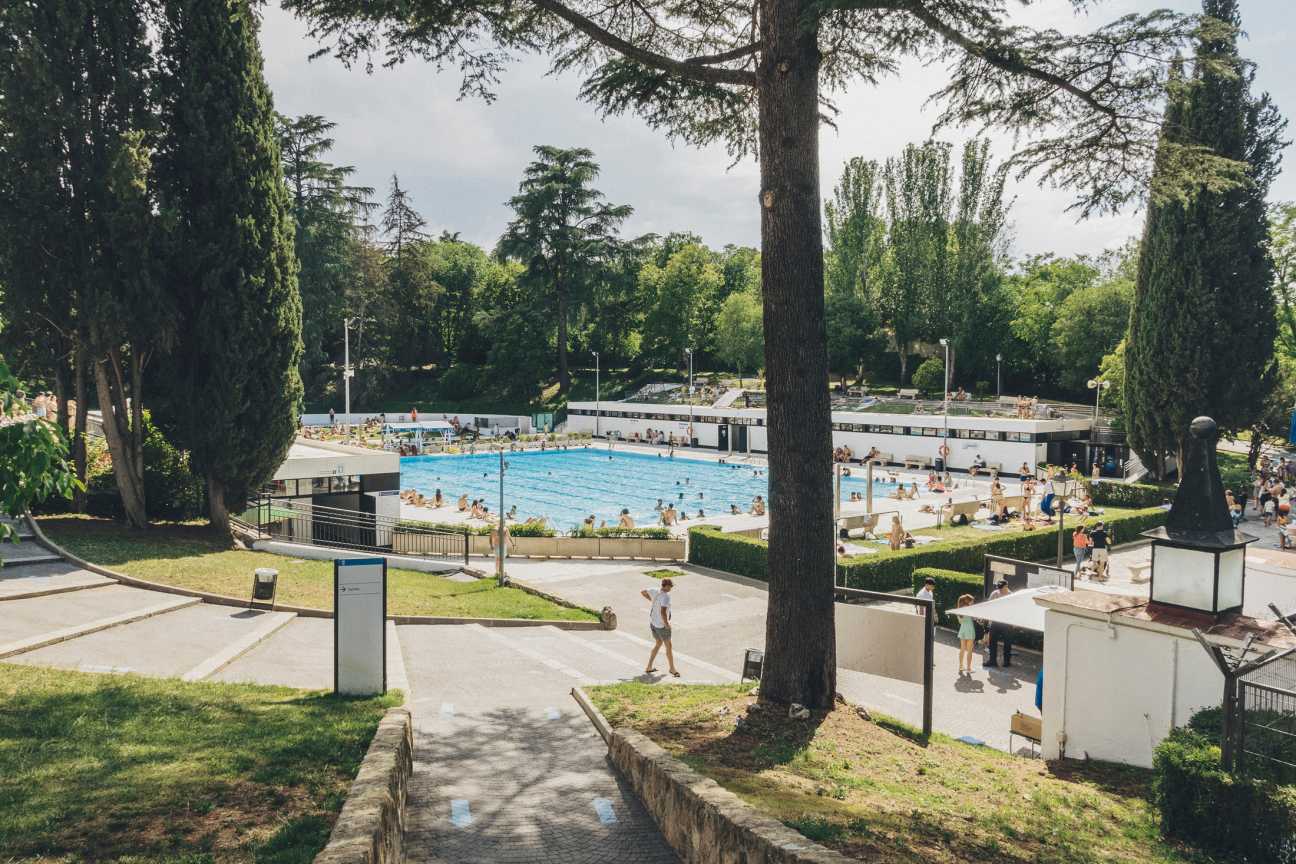
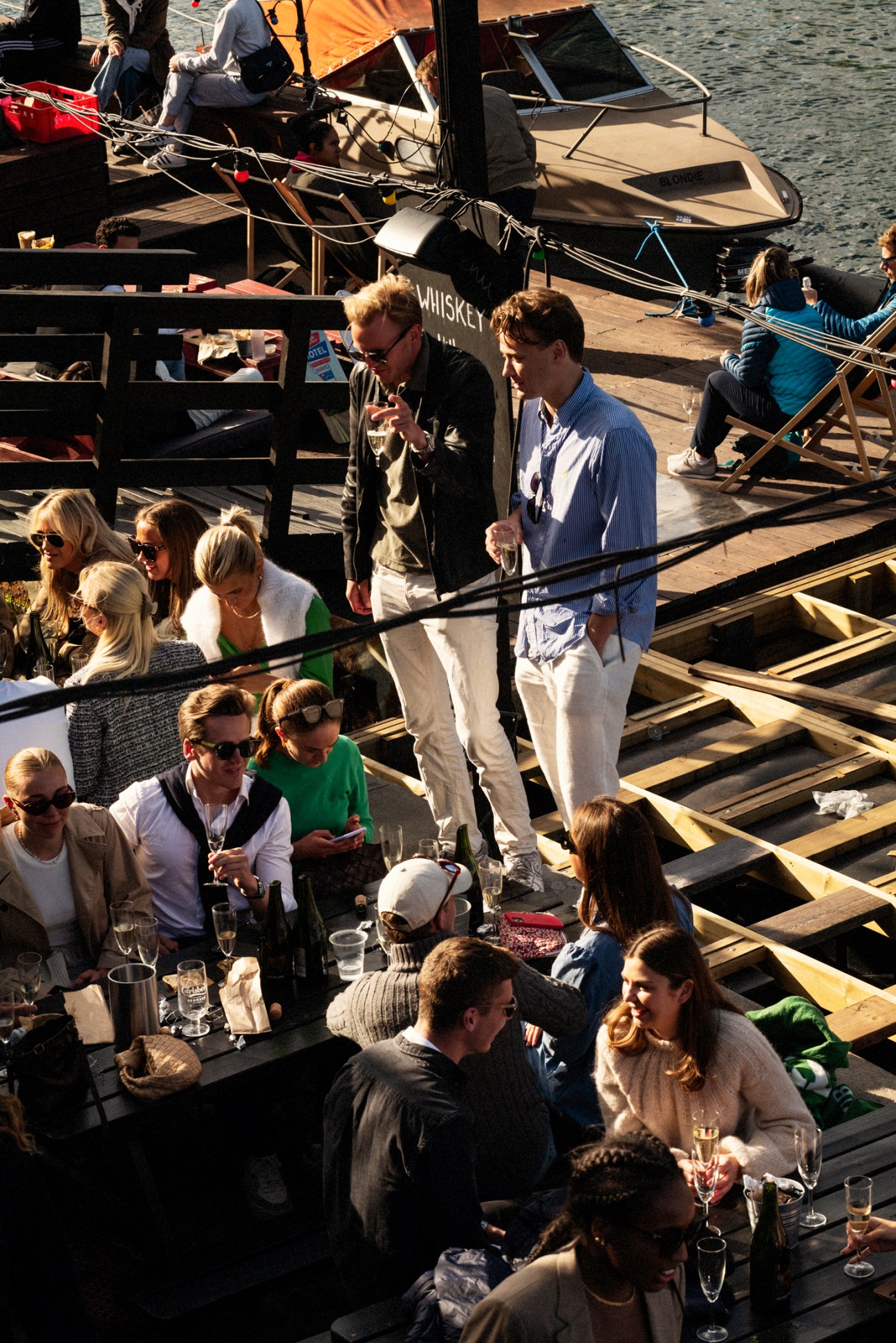
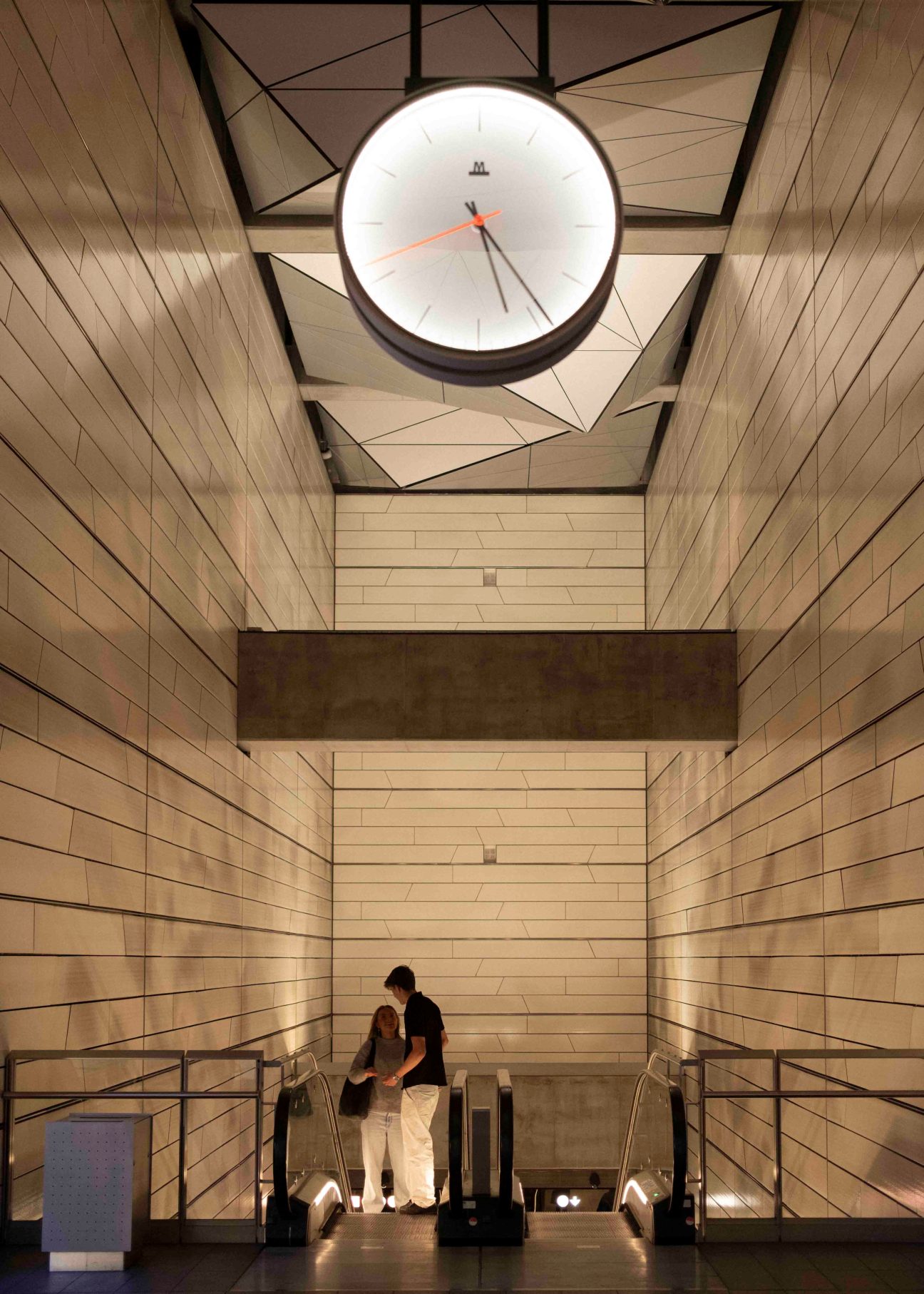
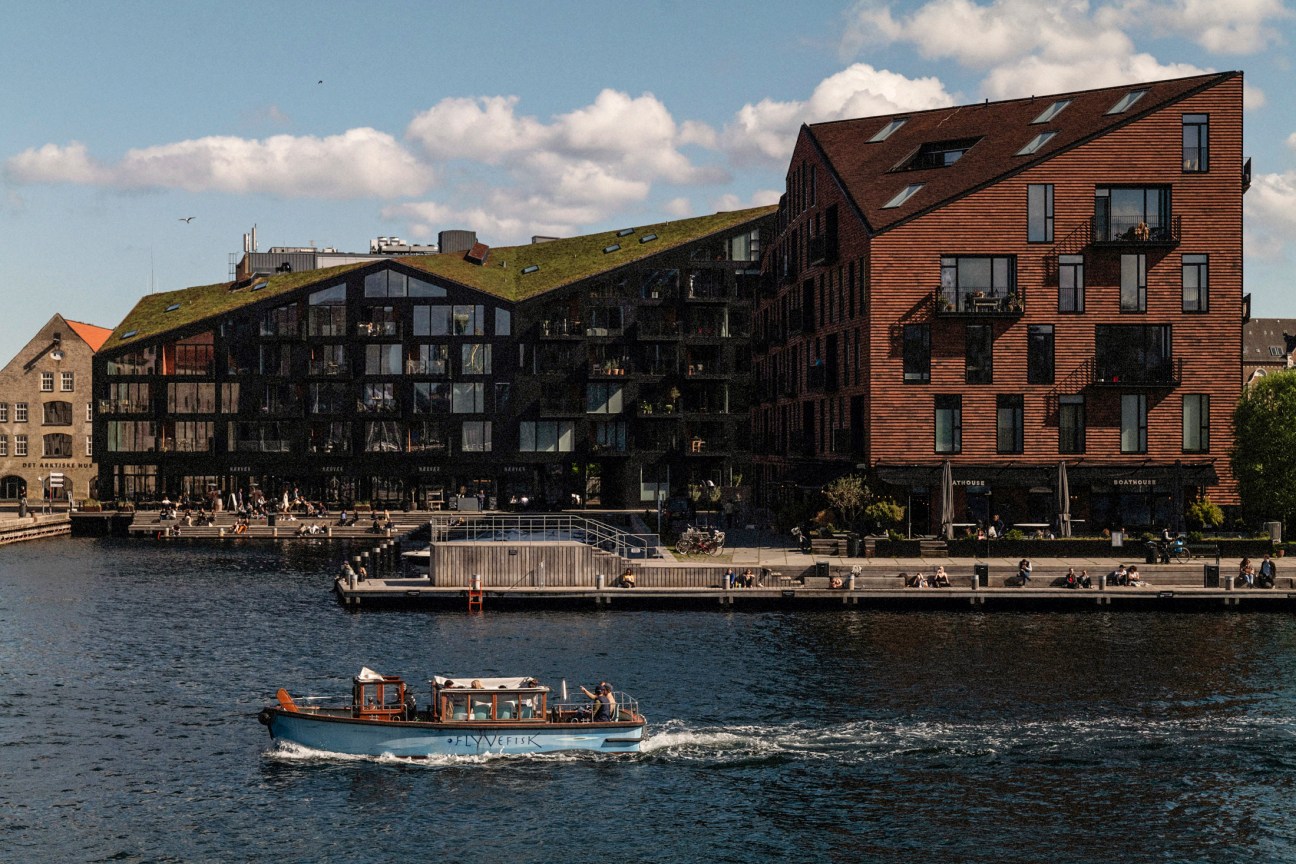
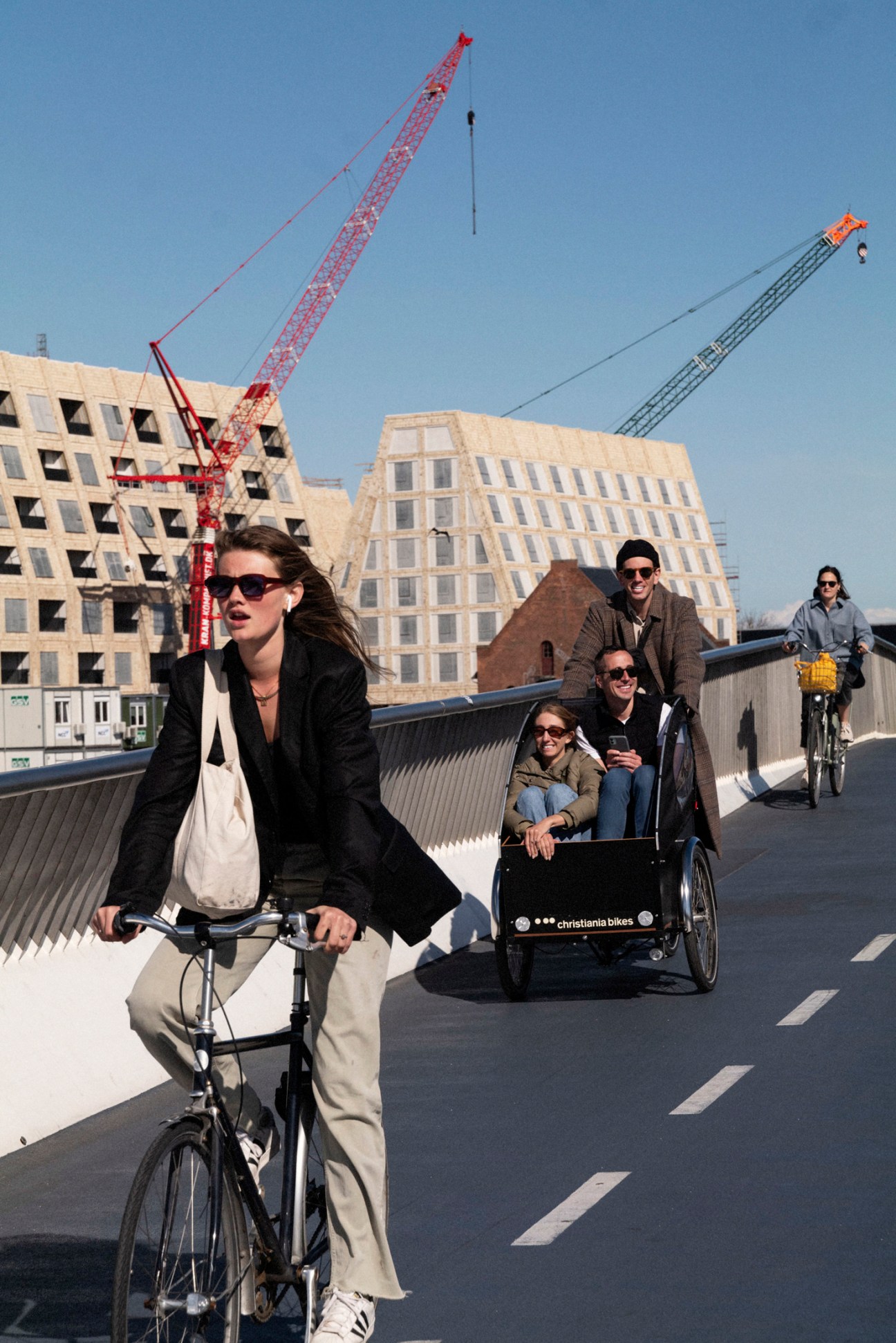
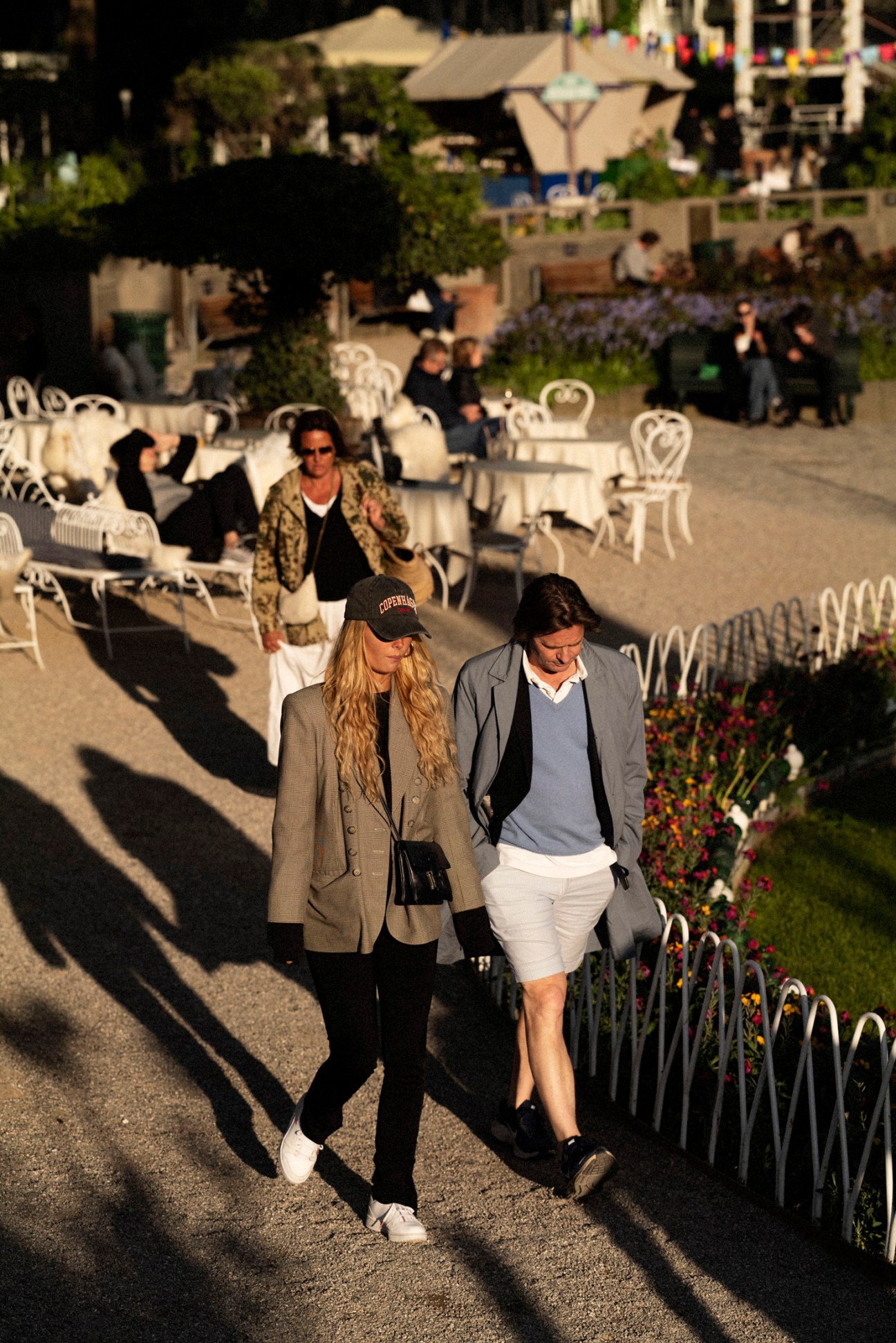
5.
Madrid
A city mixing business and leisure.
Position in 2023: 08
Adopt: A friendlier policy towards foliage. In the past two years, 9,000 trees have been cut down.
Drop: The plan to illuminate the Manzanares river at night. The rewilded waterway is a delicate ecosystem that could be imperilled by the intervention.
Population: 3,332,035 (metro: 7,005,286).
Independent bookshops: 584.
Life expectancy: 82.5 (men), 87.62 (women).
Michelin-starred restaurants: 22.
How can a place that’s as fast paced as Madrid also be so good at kicking back? Clues to the city’s most impressive data point – the life expectancy of madrileños is among the highest in the OECD – are easy to spot. People tuck into meals made from fresh Spanish produce on packed terraces. Colour and creative expression pop from shop windows. Sunbathers stretch out in parks and on rooftops.
Over the past few years, Madrid has revamped many of its public spaces, making its favourite pastime, el paseo (aimlessly strolling), more pleasurable than ever. Now with wider pavements, more public benches, water fountains and thoroughfares that consider pedestrians, could the Spanish capital finally be giving Barcelona’s urbanism pioneers a run for their money? Upgrades along Calle de Alcalá and the Puerta del Sol, a revamp of the Usera district (known for Madrid’s Chinatown), a soon-to-be- finished green corridor that brings the Parque del Oeste closer to the city centre and a huge new park in Cuatro Caminos all make a persuasive case.
Other factors contribute to residents’ wellbeing. Madrid is the capital of Spain’s sporting prowess, from world-class football to tennis (though the Madrid Open, criticised for poor management, still needs to raise its game). It also boasts a growing network of padel courts, running tracks and open-air gyms. One thing’s for sure: madrileños know how to balance their leisurely lounging with some active lunging.
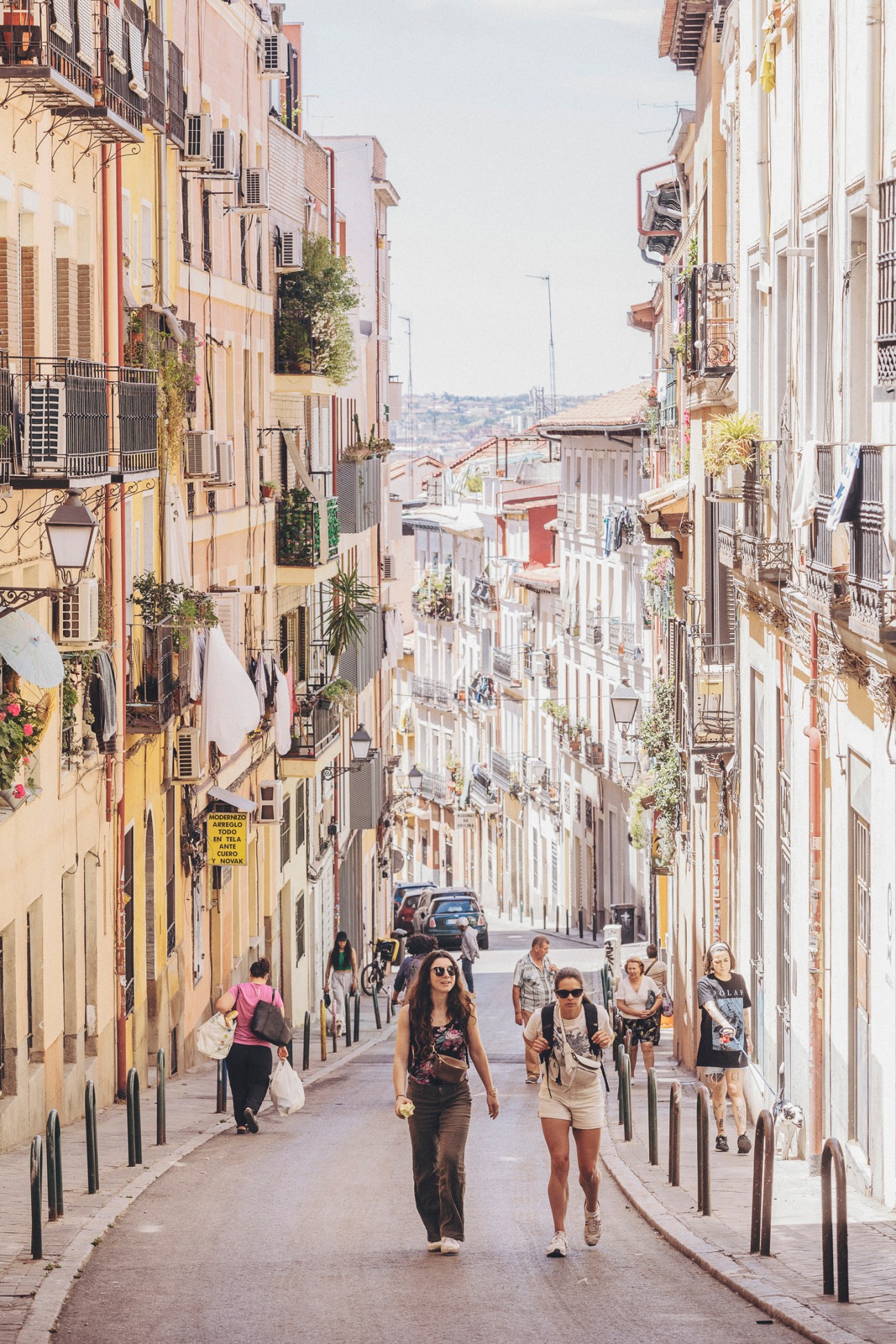

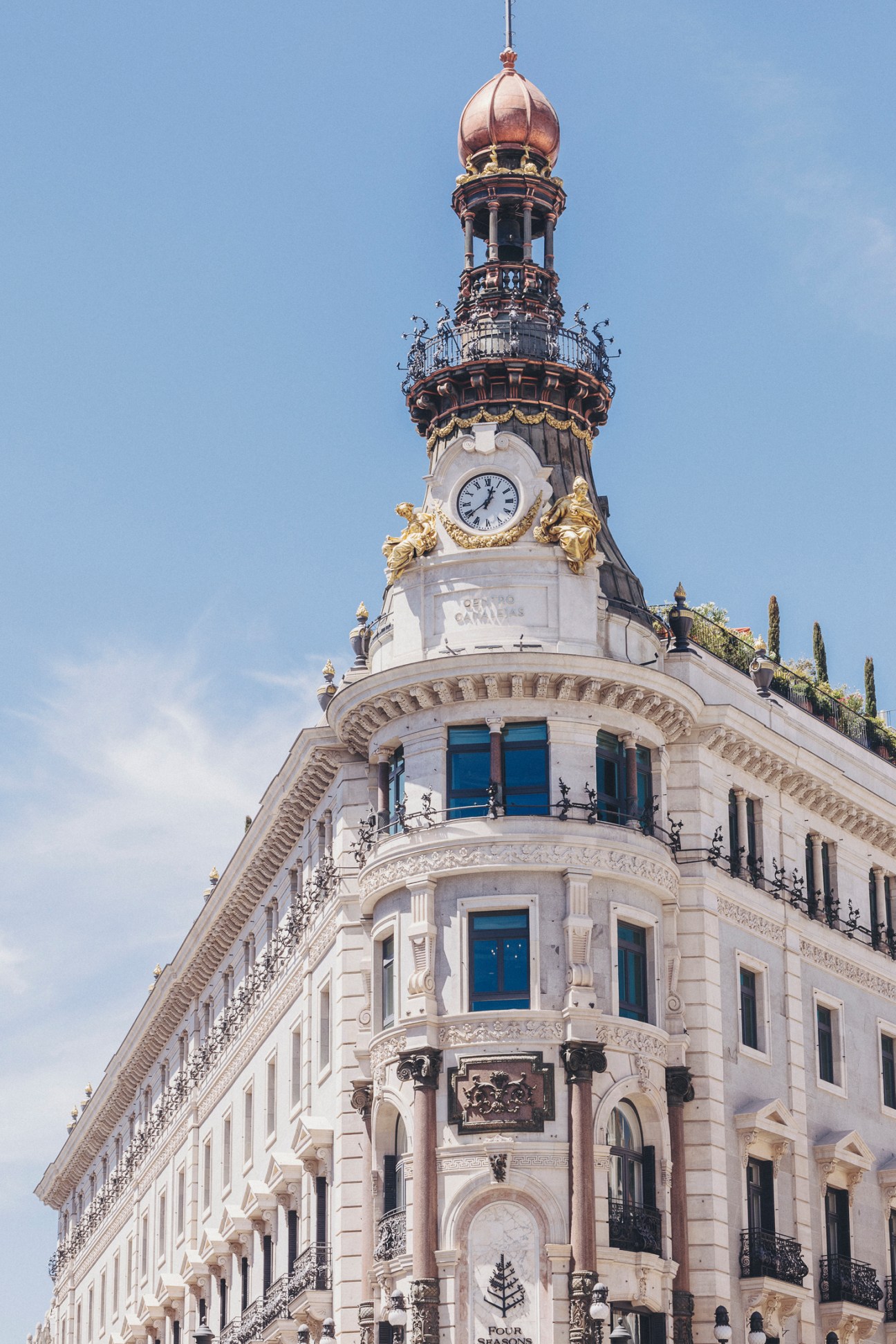
6.
Lisbon
The ever-evolving melting pot.
Position in 2023: 09
Adopt: More green spaces and places for outdoor recreation.
Drop: Rampant property speculation. The city’s public-housing policies to date have been inefficient and have pushed many younger and middle-income earners out of the inner city.
Population: 548,703 (metro: 3,035,487).
Annual hours of sunshine: 2,799.
Percentage increase in prime rent since last year: 13.9.
Number of international destinations served by the main airport: 132.
In April, lisboetas flooded the streets of their city to mark the 50th anniversary of the peaceful Carnation Revolution, which toppled a fascist dictatorship. Though they’re mild and welcoming by nature, resistance is also part of their DNA. Their current battle? The city is contending with the effects of its own charms.
Beautiful, safe and surrounded by nature, and with attractive tax incentives for expats, the Portuguese capital has become a haven for foreign investment, low-cost tourism and digital nomads in recent years. Lisbon is now prettier, cleaner and more vibrant than ever, benefitting from the energy and money of its new residents. A late-afternoon drink at one of its many small parks is a perfect way to sample this delightful melting pot.
On the other hand, house prices have soared and the city’s rising cost of living is incompatible with some of the lowest wages in western Europe. Lisbon’s dusty, picturesque charms have also been rapidly giving way to luxury hotels and tourist traps.
The city’s authorities announced measures last year to create more accessible housing but, so far, these have had no discernible effect. Meanwhile, a recent decision revoked restrictions on short-term rentals. Though highly walkable, there are major problems with traffic and public transport. In May city hall promised a big boost in the number of bike lanes and an expanded rental-sharing scheme, a welcome move for lisboetas pushed to the edges of the city.
7.
Tokyo
The best that Japan has to offer.
Position in 2023: 06
Adopt: Tokyo needs to keep an eye on its past as well as its future. Too many important buildings are being demolished to make way for unworthy successors.
Drop: The notion that people will take home their rubbish. The tourism boom has been accompanied by a rise in litter: the city urgently needs more bins.
Population: 9,660,461 (metro: 37,115,000).
Number of public parks: 11,982.
Unemployment rate: 2.5 per cent (prefecture).
The Japanese capital is the nation’s economic engine, accounting for 20 per cent of the country’s GDP and half of its listed companies. But it is more than just a money-making machine: it’s also a magnet for the best food, retail and art that Japan has to offer. The challenges facing the country (and its neighbours), such as a greying population and a falling birth rate, are being tackled here. As part of a long-term strategy, the city is focusing on the “three Cs” – children, choju (“longevity”) and community – by supporting those who want to have children, encouraging senior citizens to play a more active role and investing in skills that will equip the population for the future.
Large-scale development continues at an unstoppable pace but amid all the newness, it’s good to see Tokyo acknowledging its remarkable craft heritage. Workshops producing knives or printing textiles mustn’t be allowed to sink under the weight of modern glass and steel. Tourism is now at record levels. That’s excellent news for the economy (the low yen has made Japanese food and shopping even more appealing to visitors). For residents, it’s both good and bad. There’s a mild exasperation that even the most obscure ramen shops and cafés now have long queues; apartment buildings have signs forbidding short-term rentals and taxis can be hard to come by. Still, Tokyo life continues to defy big-city trends: service is polite, the streets are safe and people take pride in their environment.
8.
Melbourne
The thriving all-rounder.
Position in 2023: 10
Adopt: A more concerted effort to scrub up Melbourne’s beaches.
Drop: The city’s overreliance on cars. More – and better – bicycle lanes need to be added, particularly in the city centre. Potential cyclists would feel much more confident if physically separated infrastructure was installed.
Population: 177,396 (metro: 5,207,145).
Number of restaurants in the city: circa 3,500.
Average commute time: 65 minutes.
Annual hours of sunshine: 2,380.
Melbourne hovers near the top of most global surveys of the best places to live: it has world-class amenities, good hospitals and schools, a buoyant economy and a vibrant creative scene. But there’s discontent about housing and mobility. The rental market is squeezed and many are struggling to find a place to live in the neighbourhood of their choice. Areas beyond the middle-ring suburbs are poorly served by public transport, which limits residents’ access to many of Melbourne’s much-vaunted attributes.
The city’s attractions are concentrated in its centre so it’s unsurprising that most want to live within easy reach of them. Earlier this year a tight state budget forced local authorities to postpone plans to build a rail link to the international airport, along with other big infrastructure schemes. The rail link is something that Melburnians dearly want but disagreements over the details have held the project back.
Improvements to infrastructure have continued at pace, in particular when it comes to upgrades to local rail. Melbourne is the capital of Victoria, whose economy grew by 2.5 per cent last year, outpacing all other Australian states. Crime rates are falling, indicating that the rise in income is being felt somewhat equitably.
One thing that Melbourne does well is put its best face forward. Signs of its creative community are visible everywhere. It has excellent healthcare and education options, sprawling parks and top surf beaches a couple of hours’ drive down the coast.
It’s the economy, stupid
USA
Many economists will tell you that the US economy has been growing this year at a surprising rate. And yet, in April, consumer confidence dropped to its lowest level in more than two years. In other words, the US economy is doing well but this hasn’t translated into improvements in quality of life for most Americans – largely because of the country’s high cost of living.
That might be the biggest problem facing Joe Biden ahead of November’s election. Voters rate the economy and cost of living among their top issues and trust Donald Trump to handle them better. They don’t necessarily care if the president has anything directly to do with whether the economy is chugging along or sputtering. It’s about a feeling and, right now, it’s not looking great for Biden.
The public mood is rather contradictory. Americans worry about unemployment, even though the country’s joblessness rate has held steady at less than 4 per cent. They worry about companies raising prices despite wages rising at a similar clip. One area that could be to blame is rent: the cost of housing is rising fast.
Beyond that, Trump’s explanation for why life might feel difficult for so many Americans isn’t inaccurate. Inflation has been declining but, as he puts it, “It’s a lot of inflation when added to the inflation that we’ve suffered.” This view is generally supported by economists. “The cost of living remains high so consumers aren’t feeling the benefits of a strong labour market,” says Joanne Hsu, director of consumer surveys at the University of Michigan’s Institute for Social Research. “Consumers are aware that inflation has eased and labour markets are strong but people still don’t feel that they’re thriving. That’s the key issue.” Fairly or not, Biden’s first term will be remembered as a time of rising living costs – and that’s never good for a re-election campaign.
9.
Stockholm
A city of hope and ambition.
Position in 2023: 05
Adopt: Better use of the city’s 57 bridges. How about some retail or hospitality beneath the traffic?
Drop: Hospital staff having to do overtime, often without pay, which affects them and their patients negatively.
Population: 988,786 (metro: 2,377,081).
Average monthly rent on a one-bedroom apartment: SEK16,398 (€1,465).
Number of museums: 56.
Chain test – how many Starbucks? 3.
Following its lengthy renovation, Stockholmers can at last enjoy Vattentorget, a section of the city’s water-lock area connecting the old town with Södermalm in the south. But it’s not all good news: in the past few months, the housing market has wobbled and levels of gang-related crime have gone up.
Luckily, change could be afoot. House prices are ticking steadily back upwards and those hoping to sell are setting their sights on further recovery over the next few months. As for crime, the police now have a remit that incorporates national co-operation, which many see as a promising strategy. Meanwhile, the city, which is run by a green-red coalition, will enact the world’s first fossil-fuel-free zone later this year, making it a pioneer of implementing robust, on-the-ground climate policies.
Stockholm is a growing city. In 2025 its population is expected to surpass the one million mark. Though housing stock is tight, plans for an entirely new neighbourhood are in the works. At some point in the coming decade, a development will be completed near Bromma Stockholm Airport, a 20-minute drive northwest from the city centre. The project is expected to deliver 22,500 homes and many new jobs.
Optimism is high in Stockholm. Smart new restaurants and shops are springing up to capitalise on the good vibes and returning spending power. The future is looking bright for this northern star.
10.
Paris
The shining cultural juggernaut.
Position in 2023: 12
Adopt: A better cycling culture. Though Paris’s network of bike lanes has recently expanded, it will take a while before two wheels become the norm.
Drop: The bureaucracy, a hindrance to entrepreneurs that can turn even the most quotidian administrative tasks into an Odyssean undertaking.
Population: 2,102,650 (metro: 12,997,058).
Average working week: 35 hours.
Number of City of Paris libraries: 57.
Annual hours of sunshine: 1,735.
It’s a big year for Paris. A perennial cultural high-flyer, the City of Light will be showcasing its bold vision of sustainability and social inclusion as the Olympic crowds descend. Its long-neglected northern suburbs have undergone a major face-lift, luring global powerhouses such as Tesla, while ambitious public-housing policies have helped to ensure a baseline of mixité sociale.
The French capital’s creaking transport network is also undergoing a significant overhaul. The Métro’s expansion is Europe’s largest public infrastructure project; once fully operational, the Grand Paris Express will put the city at the global forefront of urban public transport. The backbone of the new network is the speedy Line 14, which from June takes commuters all the way from Paris-Orly Airport to the new Saint-Denis-Pleyel station in 40 minutes.
The Games, however, have exacerbated the city’s rental crisis. Estate agents are overwhelmed with demand as availability continues to plummet and prices soar. Paris remains one of the most expensive European cities to live in across all property types. Security also remains an issue, with France’s terror-alert warning at its highest level following a spate of incidents across the country in recent months. As much as people in big cities bemoan them, the city’s traditional charms have lost little of their storied allure and are increasingly complemented by a welcome new dynamism.
11.
Helsinki
The leafy egalitarian capital.
Position in 2023: 07
Adopt: With the country now under far-right rule, Helsinki should strive to be a sanctuary that supports foreign talent.
Drop: The area around the central railway station is unwelcoming and feels unsafe at night.
Population: 674,500 (metro: 1,526,778).
Conservation areas: 71 (1,350 hectares).
Level of public trust in police (nationwide): 95 per cent.
Average price of a cappuccino: €3.77.
Number of international destinations served by the main airport: 119.
Helsinki’s enviable lifestyle is the result of several factors. It is among the world’s greenest, cleanest capitals, with a city hall that listens to residents and constantly seeks to improve. It is also safe and egalitarian, and has great schools and other public services.
It has been a mixed year, however, for the Finnish capital. In many ways, life in the city has improved, with the opening of major new transport infrastructure, pedestrian zones and several top-quality restaurants. On the other hand, retail flight has continued and the high street has lacked the oomph that it once had. Quality of life here has also been weighed down by too many roadworks.
This year, the boom and bust in the food and drink scene that followed the height of the coronavirus pandemic has meant that many much-loved establishments have had to close down. However, bars and restaurants have been opening in vibrant neighbourhoods such as Punavuori and Kallio. A new 25km circular light-rail link connecting Helsinki’s suburbs was well received, as was a central cycling tunnel that makes trips downtown less stressful. Turning roads into terraces and cycle paths in the Esplanadi park was a brave move.
But Helsinki needs better retail and a more vibrant downtown. Much of the development, such as new residential areas and shopping centres, takes place in the suburbs, which, combined with high rents, drives people and businesses away from the inner city.
12.
Kyoto
Japan’s treasured ancient capital.
Position in 2023: 16
Adopt: The city needs to spread the word about the wealth of its historic sites and hiking trails away from the centre.
Drop: Kyoto has welcomed visitors for much of its 1,230 years but increasing numbers of hotels and private rentals shouldn’t come at the cost of pricing out the city’s younger citizens.
Population: 1,464,890 (metro: 3.8 million).
Number of art and design schools: 10.
Total overnight stays in 2023: 32 million people.
It’s hard to discuss Kyoto without mentioning overtourism. Tens of millions visit every year, overwhelming the resident population of fewer than 1.5 million. While the influx is good for the economy, it presents its own challenges. The city’s new mayor, Koji Matsui, has pledged to tackle these problems, which include overcrowding on public transport, rubbish on the streets and sprawling queues at some of the city’s temples and shrines.
His solutions include new express buses dedicated to tourist sites and smart bins that alert the sanitation department when they need to be emptied. Some private roads in picturesque Gion have been closed to visitors and Matsui is also considering banning non-resident private cars at certain times of the year.
With much of the available land being snapped up by hotels, the city needs to guard against the hollowing-out of the centre. The resident population is shrinking and high rents are driving Kyoto’s younger generations to the suburbs – the very people needed to keep alive the artisanal skills that the city is celebrated for.
The relocation of the Cultural Affairs Agency from Tokyo to Kyoto signalled the city’s importance. By 2030, there will be new facilities for the restoration of Japan’s historic cultural properties. People want to live in this city for good reason: the depth of its culture, its access to nature and food that is admired within Japan and beyond. It’s a way of life that’s worth preserving.
Swift exit
Singapore
Crowds can be a boon or a bane. At their best, they can make a city come alive but mass gatherings can also be dangerous. The Halloween crowd crush in Seoul that killed 159 people in 2022 is a sobering reminder of this. Singapore is seeking to address the risks of overcrowding using technologies such as drones and patrol robots. But it has come up with some simpler crowd-safety ideas too. For Taylor Swift’s concerts in March, a stage was set up outside a train station to allow an emcee to manage the post-concert exodus. With Swift’s songs blasting through the speakers, he roused members of the crowd to sing at the top of their lungs, before calming them down and directing them to stay behind a line or move forwards. The strategy worked.
Crowd control doesn’t need to be all about standard protocols and contingency plans. Praise for the city-state’s public safety and transport efficiency flooded social-media platforms the week that Swift played in town. “It took us less than 10 minutes to board the MRT,” a concertgoer from the Philippines posted. “You will also be entertained while waiting.”
Well-run mega-events boost a city’s image, increase civic pride and benefit the local economy. It is estimated that the 300,000 fans who attended Swift’s six concerts in Singapore generated almost €350m in travel, hospitality and retail receipts. There are now specific terms for such phenomena: “Swiftonomics”, “the Beyoncé Bump” and “the BTS Effect” refer to the rise in tourist spending when stars come to town.
In Asia, countries from Taiwan to Thailand are building more stadiums and arenas to host megastars in the hope of attracting millions of fans. Cities will do well to think of ways to get large groups of people in and out of these new venues safely, quickly and happily.
13.
Oslo
The compact Nordic powerhouse.
Position in 2023: 19
Adopt: Youth activities that aren’t skiing or football, for which provision already abounds.
Drop: The city’s misguided plans for 125-metre-tall skyscrapers. There are better ways to address housing needs that are more sympathetic to Oslo’s aesthetic.
Population: 709,037 (metro: 1,082,575).
Unemployment rate: 2.4 per cent.
Number of trees: more than one million (two thirds of the metro area consists of forest, parks or lakes).
Average price of a cappuccino: €4.16.
Norway’s capital keeps becoming more liveable. Its new centre-right city council is expected to follow through on the green promises made by its centre-left predecessor, with a big bump in climate funding in its latest budget. Cars are making way for street furniture, outdoor cafés and cyclists. In the past 10 years, some 5,000 parking spaces have been replaced by 153km of bike lanes. There is now also a plan to reduce pollution from cruise ships in Oslo’s inner-city harbour, which will be offered land-based electricity, allowing them to shut down their engines while docked.
Independent bars and restaurants keep popping up and the choice of sensibly priced, high-quality meals is growing. But if you want to splash out, you can choose from 11 Michelin-starred restaurants.
Housing remains a challenge. Sandwiched between the fjord and forests, the city has little room to expand, though many developers have come up with innovative solutions, making use of the smallest footprints between existing buildings.
Oslo has a thriving start-up scene, as well as long-established multinationals. A 19-minute train ride from the city centre, the well-connected Oslo Airport is a delight to travel through, with more than 120 direct flights to the rest of the world. The city still falls behind its Scandinavian competitors in terms of attracting talent, however. What Oslo needs to do now is figure out better ways to communicate its undeniable appeal.
14.
Amsterdam
The sustainable technology hub.
Position in 2023: 13
Adopt: More affordable housing for middle-income households. Too many people are being squeezed out.
Drop: The lightning-fast electric “fat bikes”, which are making the city’s narrow streets feel increasingly unsafe. Banish them.
Population: 921,402 (metro: 2,890,428).
Annual hours of sunshine: 1,780.
Number of international destinations served by the main airport: 327.
Number of overnight stays a year: 26 million.
Amsterdam is investing heavily in sustainable urban development. It has turned a former naval base, Marineterrein, into a hub for swimming, dining and leisure. Meanwhile, many residents begin their day with a dip in the increasingly clean canals.
The city is becoming a tech hub, playing a leading role in the global fintech sector as home to companies such as Adyen and Mollie. Higher-education establishments are investing more than €1bn to establish Amsterdam as an AI centre. Public-health initiatives, such as the deployment of HIV-prevention drug Prep, are paving the way for Amsterdam to become the world’s first city to end new infections of the virus. As a centuries-old trading city, Amsterdam has long attracted immigrants. English is gradually becoming a second official tongue, with government institutions offering services in the language.
However, the city’s popularity is straining its housing market. Amsterdam’s population will surpass a million this decade, with that of the greater metropolitan area reaching three million. The average sale price of a home hit a record €603,173 earlier this year. Transportation challenges persist too, with a rise in cycling accidents prompting major infrastructure investments, including the world’s largest underwater bike-parking facilities. The Green mayor, Femke Halsema, secured another six-year term in February but she will face budgetary pressures from the new populist national government.
15.
Sydney
A harbour city on track for success.
Position in 2023: 14
Adopt: Better, more effective solutions to public housing. Some 57,000 people remain on the waiting list.
Drop: The Sydney Harbour Bridge toll. Commuters are fed up with having to pay to drive across the iconic – but also essential – bridge.
Population: 231,086 (metro: 5,450,496).
Median house price: au$1,627,625 (€996,000).
Number of art and design schools: 7.
Chain test – how many Starbucks? 23.
Popular lord mayor Clover Moore continues to reign over the harbour city, which has had a reprieve over the past 12 months from the bushfires and heavy rain that have caused so much havoc in recent years. In a happy development, Sydney’s inadequate public transport system is at last being addressed with some 113km of new metro railway lines and 16 additional stations. The city’s largest transport infrastructure project, it will link the northwestern suburbs with the city centre and provide access to the second Sydney airport that is currently under construction in the western suburb of Badgerys Creek.
The soundtrack to the past year has been that of roadworks. Though this signals improvement, it has strained the nerves of many a Sydneysider. The Sydney Harbour upgrade, due for completion in 2028, has resulted in heavy traffic clogging the edges of the city, including the Harbour Bridge.
High housing costs have also been exacerbated by a shortage of rental properties. Median rent per unit is AU$700 (€425) a week, up 13.6 per cent, while a one-bedroom apartment in the inner city will set you back AU$800 (€491) a week. The retail and hospitality landscapes are still struggling in the wake of the coronavirus pandemic and as a result of inflation. There are “For Lease” signs in the windows of many high-street businesses and popular restaurants.
Leading by example
Latin America
Latin American cities don’t have a good reputation when it comes to quality of life. Indeed, a recent report by global risk intelligence company Verisk Maplecroft found that the region is home to 60 per cent of the world’s most crime-stricken cities. But its metropolises aren’t all plagued by unemployment, pollution and safety issues. Here are three that are bucking the trend.
Querétaro, Mexico
It might not be the sexiest Mexican city but Querétaro is among the safest. Though run by a conservative government, it has taken a liberal stance on many issues – most notably in 2021, when same-sex marriage became legal. In the past 10 years or so, the population has grown by almost a third, drawing outsiders who are attracted by job opportunities, a manageable cost of living and a slower pace of life.
Barranquilla, Colombia
A port city on the Caribbean coast, Barranquilla has avoided the worst of Colombia’s crime wave. Residents tend to attribute this to civic pride. The city has also embarked on the most ambitious park-building programme in Latin America. Over the past 12 years, successive mayors have created more than 300 leafy enclaves. More than 90 per cent of residents now live within eight minutes’ walk of a park.
Florianópolis, Brazil
Of Brazil’s 27 state capitals, Florianópolis in Santa Catarina is the safest. According to a recent study, it’s also the healthiest. Known for its stunning nature and its buzzing beach scene, Florianópolis has been named Brazil’s most competitive city for business and boasts an exciting start-up scene. It might once have been a party town but many are now relocating here for good.
16.
Barcelona
The vibrant Mediterranean gem.
NEW ENTRY
Adopt: A more effective long-term water strategy that involves residents all the way from the consultation stage.
Drop: Street-art tours – and perhaps the city could start by scrubbing away some of that “art”.
Population: 1,660,122 (metro: 5,105,991).
Number of destinations served by the main airport: 210.
Number of beaches: 7 (4.5km of coastline within the city.)
Annual hours of sunshine: 2,530.
The Catalan capital struggled after it lifted its coronavirus restrictions as a return of tourists en masse generated some unwelcome headlines and led to disgruntled barceloní. But as with other issues that the city has faced, such as petty crime and falling retail-occupancy rates, Barcelona is getting a handle on things through a combination of progressive policies and ingenuity.
Since the beginning of April, for example, visitors have had to pay an increased surcharge of €3.25 on top of the regional tourism tax. This means that those staying in luxury establishments contribute an extra €6.75 a night to the city; day-trippers arriving on cruise ships, meanwhile, have to pay €6.25 a night. While this probably won’t dissuade people from making the trip, it’s a useful revenue earner for city hall to direct towards some of the areas under strain.
Elsewhere, the city’s reservoirs received a welcome fillip from unseasonably wet spring weather, easing water pressures that had become a concern and led to regional restrictions. Ensuring that Barcelona maintains its unique qualities while its population swells with short-term visitors might be a difficult balancing act but the authorities are rising to the challenge. For those looking to plan any kind of event on the Med, from large-scale music festivals to boutique food fairs, Barcelona remains a go-to destination because it is easy to get to and fun to be in. All in all, this city remains a vibrant, diverse and extremely attractive place.
17.
Berlin
The laid-back cultural mecca.
Position in 2023: 11
Adopt: More intercity night trains. Connections to Paris and Brussels have started in the past year and should hopefully become more frequent.
Drop: Fax machines. An astonishing share of the city’s bureaucratic bodies would still rather receive a fax before a telephone call or, God forbid, an email.
Population: 3,755,251 (metro: 5,342,958).
Proportion of population who are renters: 85.
Number of museums: 170.
Electric-car-charging points: 1,649.
Berlin is one of Europe’s greenest capitals but it hasn’t always felt that way. Not long ago, visitors could tell whether they were in the former West or East by seeing if the parks sported a cover of healthy grass. The city has invested in fixing up neglected former-gdr areas with stunning results. Mauerpark has transformed from little more than a dusty field into a verdant pocket of Prenzlauer Berg. East along the river, the Spreepark, once home to a huge beer garden, draws crowds with a fine new restaurant and its abandoned gdr-era amusement park is being converted into an open-air arts space.
It’s easygoing in Berlin. Rents are lower than in many other European capitals and the restaurant scene rivals that of any global city. Berliners no longer have to trek to a lake for a swim; they can jump into the Badeschiff pool in the river Spree or the soon-to-open Flussbad. Hundreds of kilometres of bike lanes keep the city almost free of rush-hour traffic even as it swells with white-collar workers.
This famously gloomy city is sunnier than ever but there are still some dark clouds. Berlin’s cultural sector has been in knots since the outbreak of the Israel-Hamas war last year. In April, a peaceful pro-Palestinian conference was shut down by the police and former Greek finance minister Yanis Varoufakis, who had been slated to speak at the event, was banned from entering Germany. As a place that prides itself on tolerance, Berlin should know better.
18.
Singapore
The global city par excellence.
Position in 2023: 15
Adopt: Later last-order times for restaurants and bars. Singapore’s nightlife has got buzzier in recent years but weekend evenings still wrap up too early.
Drop: The pandemic-era Singapore Arrival Card. Electronic forms are time-consuming and confused travellers crowding around an iPad disrupt the otherwise smooth flow at Changi.
Population: 5.92 million.
Number of restaurants opened in the past year: 3,405.
Newspapers just for the city: 16.
Singapore continues to charge ahead with its urban-redevelopment and sustainability projects, securing its place as one of Asia’s most liveable and forward-looking cities. Construction on government-led initiatives such as the Park Connector Network, a web of pedestrian paths that will eventually criss-cross the whole island, is part of a plan that aims to have every household living within 10 minutes’ walk of a park by 2030. Meanwhile, entrepreneurial initiatives – including New Bahru, a creative and retail cluster in a former girls’ school, and Air CCCC, a restaurant, cooking school and picnic spot in Dempsey – are exciting additions to the bricks-and-mortar shopping and dining scenes.
Singapore Changi Airport slipped in the global rankings this year, losing the “World’s Best Airport” title to Doha. Second place might not seem so bad but Singapore holds itself to high standards. A switch to passport-free security clearance, expected to begin this year, should help to boost its chances next time. Improvements are also in the works for the Malaysia-Singapore land border. With hundreds of thousands of people making the trip every day, often facing long queues and traffic jams, streamlining this journey will be a significant boon for many residents and expats.
Singapore welcomed a new prime minister, Lawrence Wong, in May. Wong is expected to continue in the same vein as his predecessors and he’ll be hoping to prove his mettle in the months ahead.
19.
Milan
The design and business hot spot.
Position in 2023: 18
Adopt: A bigger police presence to get tough on everything from illegal parking to the recent uptick in crime.
Drop: Timidity over a 30km/h speed limit from September. Extending this more widely would be good for the city, reducing the dominance of cars, making the streets safer, less polluted and more attractive to cyclists.
Population: 1,371,850 (metro: 4,985,668).
Number of museums: 90.
Office vacancy rate: 10.8%
Electric-car-charging points: 359.
Milan continues to demonstrate why it’s Italy’s most liveable city. It remains the most bankable in the bel paese in terms of job security and investment. It’s also a leader in everything from the arts to gastronomy; nowhere else on the peninsula offers such diversity. Recent openings include the excellent Dimorestudio-designed Trattoria del Ciumbia, while the new home-gallery-residency Villa Clea in Porta Romana adds a welcome new dimension to the cultural mix.
Alongside the much-touted M4 line linking Milano Linate airport with the west of the city – expected to open fully by September, a little later than originally projected – city hall has been tinkering with a number of smaller interventions that have been improving residents’ quality of life. Bike lanes are being added and piazzas are being redesigned, often with extra pedestrian areas, such as in Piazza Castello. Piazza Duomo has also had a green makeover with its incongruous palm trees replaced by indigenous plants as part of Ermenegildo Zegna’s three-year stewardship of the city’s central square.
Pesky little outliers do remain, most notably an uptick in crime and poor air quality, which dipped to levels as bad as those in New Delhi in February. And while mayor Beppe Sala, in his last term, needs to do more by clamping down on outdated building heating systems, you would be hard pressed to find anyone willing to deny that Milan has got plenty of its pre-pandemic zip back.
20.
Athens
Greece’s comeback capital.
Position in 2023: 17
Adopt: Financial initiatives to help restore more historic buildings. They are an important part of the city’s architectural heritage but are too often left to crumble.
Drop: Parking allowance in the centre. Downtown areas are congested and public transport should be encouraged.
Population: 643,452 (metro: 3,526,887).
Number of outdoor cinemas: 65.
Cost of monthly travelcard: €13.50 (no airport transfer).
Annual hours of sunshine: 2,769.
Last year, Athens established a new tourism record of seven million visitors – a figure that has more than doubled since 2014. It’s more than just ancient ruins drawing them in. The creative scene is livelier than ever, with artists from across the globe moving to the city to make the most of relatively low rents and an abundance of vacant spaces that can be repurposed as galleries or studios. Its culinary reputation is blossoming, with new openings including stylish modern-Greek spot Pharoah and restaurant-cum-bakery Akra.
Despite its cultural resurgence, Athens, like many cities, grapples with urban issues. Pollution is a challenge and disrepair makes pavements treacherous. Public transport also needs attention, though a 15-station metro line, slated to open in 2029, offers hope.
Greece’s recovery from the financial crisis is noteworthy but inflation has placed pressure on households. Rent in Athens has surged by 40 per cent in four years. The threat posed by climate change also feels realer than ever, with Athens experiencing its hottest summer in half a century last year. The election of a new mayor, Haris Doukas, a former professor of energy policy, seems promising in this regard.
All told, the city has come on leaps and bounds in the past few years, establishing itself as one of Europe’s most attractive capitals. The new shorefront Ellinikon development – touted as the continent’s greatest urban regeneration project – is emblematic of a city and country looking firmly ahead.
Wellness is a vague concept. The secret to longevity is more simple than you think
Wellness is an irritating word, isn’t it? It’s everywhere – on shop signs, tote bags and infrared blankets – but what does it actually mean? At May’s Longevity Med Summit in Lisbon (slogan: “Committed to global wellness”), pharmacological enthusiasts and celebrity dentists were giving talks with titles such as, “Proteomic profiling platform for the molecular assessment of lifestyle and age-related implications”. Whenever I asked someone to define the W-word, their slick shtick disintegrated into a jumble of “umms” and “ahhs”. This is wellness’s power: it is indefinable.
Longevity, on the other hand, isn’t such an irritating word – yet. May’s summit, hosted at the gleaming Carlos Lopes Pavilion in the Portuguese capital’s sky-scraping Parque Eduardo VII, is part of a fledgling movement to increase its ubiquity. The speakers’ list featured a constellation of MDs and PhDs, many of whom have dedicated their careers to researching areas of medicine now talked up as the key to prolonging human life. Those doing the talking up aren’t usually as qualified as those who are doing the research. They are people such as Dave Asprey, the blue-light-blocking eyeglass-wearing inventor of bulletproof coffee and host of the podcast Human Upgrade, who is 51 but “identifies” as 39. Or Peter Attia, co-author of the best-selling Outlive: The Science & Art of Longevity, who regularly takes rapamycin, a drug normally prescribed to people who have undergone organ transplants.

Both men, and many others on the longevity scene, enthusiastically perform the role of human guinea pigs – trying out things like blood washing and veganism – in a frenzied attempt to extend their lives. The Lisbon summit reflects a wider attempt to wrest scientific authority from these people while harnessing the commercial potential their popularity reveals. It is mostly a b2b event – the lecture hall is ringed with pop-up stands promoting vitamin supplements, Bavarian clinics and space-age technologies. The most eye-catching of these is RLab, a Shanghai-based manufacturer of medical devices intended to aid longevity such as hyperbaric oxygen and sensory-deprivation chambers. Throughout the two days of the event, a steady stream of people were busy queuing up to give these machines a try.
Unlike the other stands, which usually have at least one semi-medical professional on hand to explain the science behind their product, RLab’s seems to be staffed entirely by marketing and sales representatives. At one point the aroma of Burger King wafts across from the direction of a couple of crumpled RLab employees. It is, of course, a sign of the longevity movement’s growing saleability that the great factories of the Yangtze Delta are now hastily producing its mechanical appurtenances.
Some of the scientific research and treatments on show are staggering but let’s leave proteomic profiling for a moment. Instead, I will focus on the most frequently cited contributors to a long and healthy life preached by the speakers and salespeople at the Longevity Med Summit. It may surprise you, given the vast oceans of drugs and data devoted to understanding the key to a longer life, that none of these is either expensive or arcane. After all the PowerPoints and pie charts, I gleaned that the most scientifically proven things one needs to live longer are good sleep, regular exercise, a balanced diet and a vibrant social life. A Harvard University study, conducted across 85 years and published in April 2023, concluded that strong personal relationships are most likely to cause happiness and contentment, and therefore aid longevity. So the next time your hand hovers above an infrared blanket, pick up your phone and arrange to meet your friends for a drink instead.