Issues
Things are looking up for Cuba’s singing street vendors
By mid-morning in Havana’s leafy Vedado neighbourhood, the jostling melodies of the city’s dawn chorus are joined by another group of urban choristers: the voices of the pregoneros. These familiar calls, emanating from Havana’s roaming mobile retailers, are as old as the city itself. Their patter advertises the sale of everything from brushes, buckets and brooms to tamales, television antennae and everything else in between.
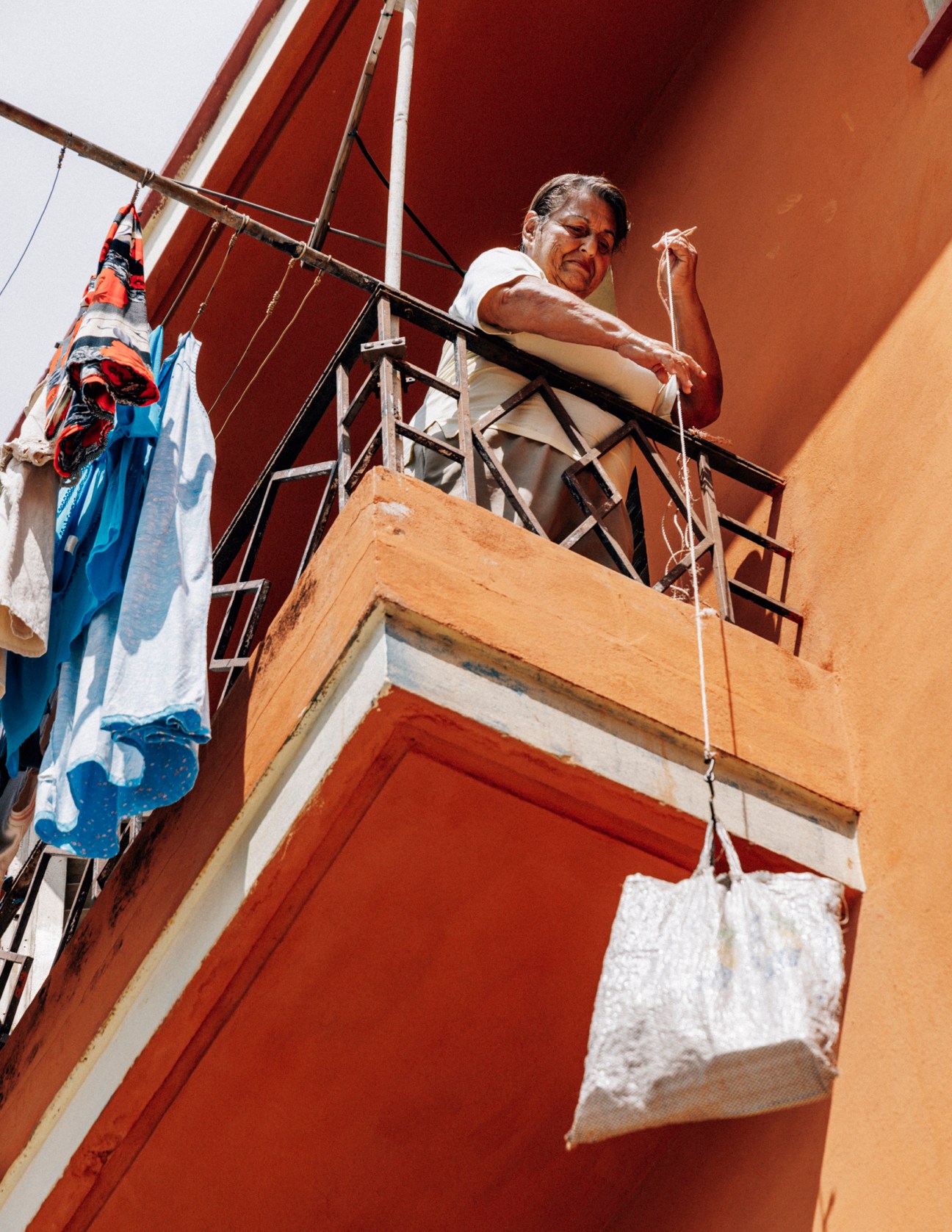
And, like actors who have perfected delivering their lines to the farthest reaches of an auditorium, they know that, in a city of balconies, there are potential customers up in the gods.
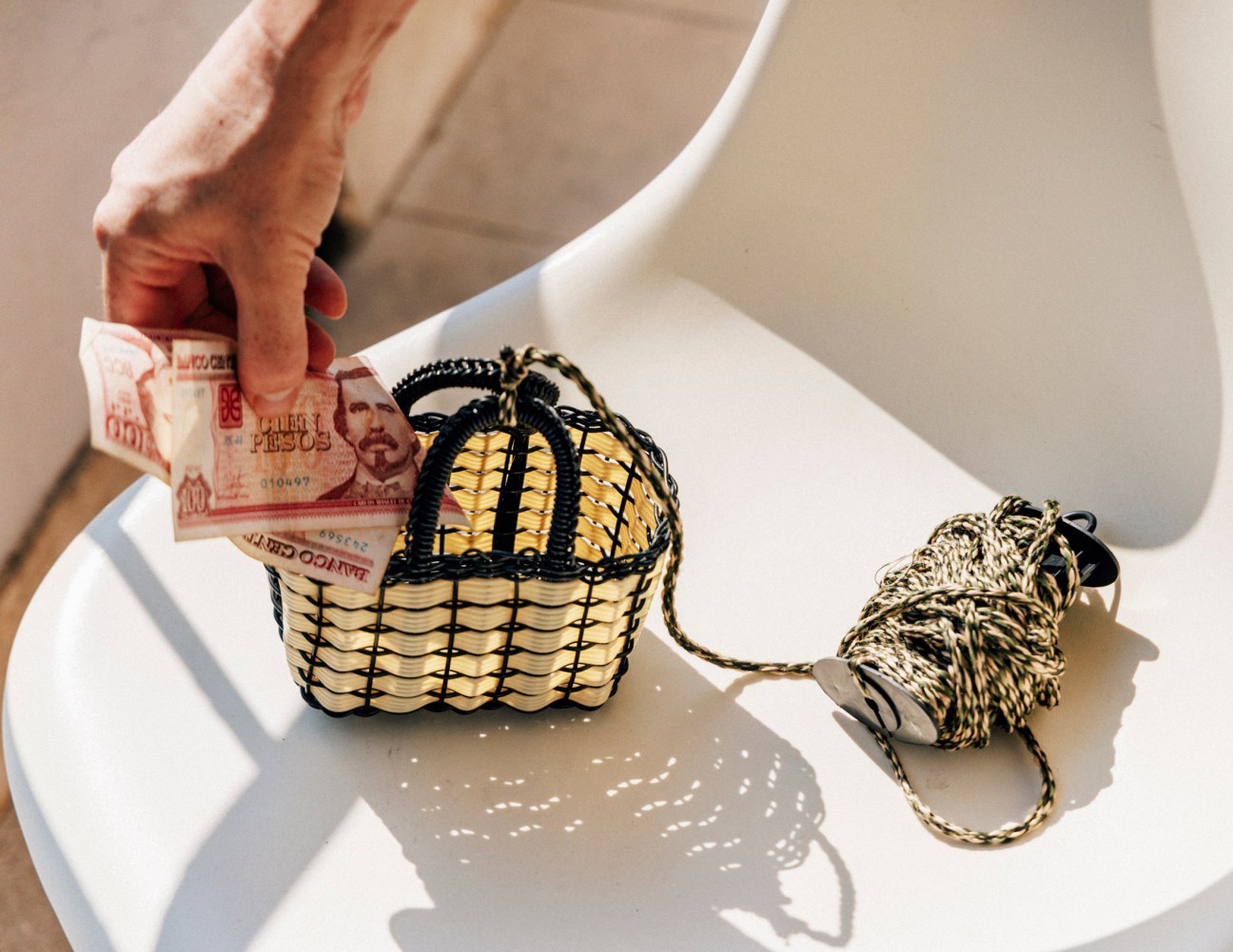
My ears prick up late one morning when a call that I’ve been waiting for soars up to my fourth-floor apartment. It’s advertising fresh-fruit and coconut pies; a local pre-lunch treat. Quickly, I grab a Havana-household essential, a basket tied to a sturdy, plaited string, and try to catch the pie-seller’s attention from my balcony. He scans the sky, sees me and repositions his mobile shop, which has the words “Your Favourite Pie” emblazoned in Spanish on its roof.
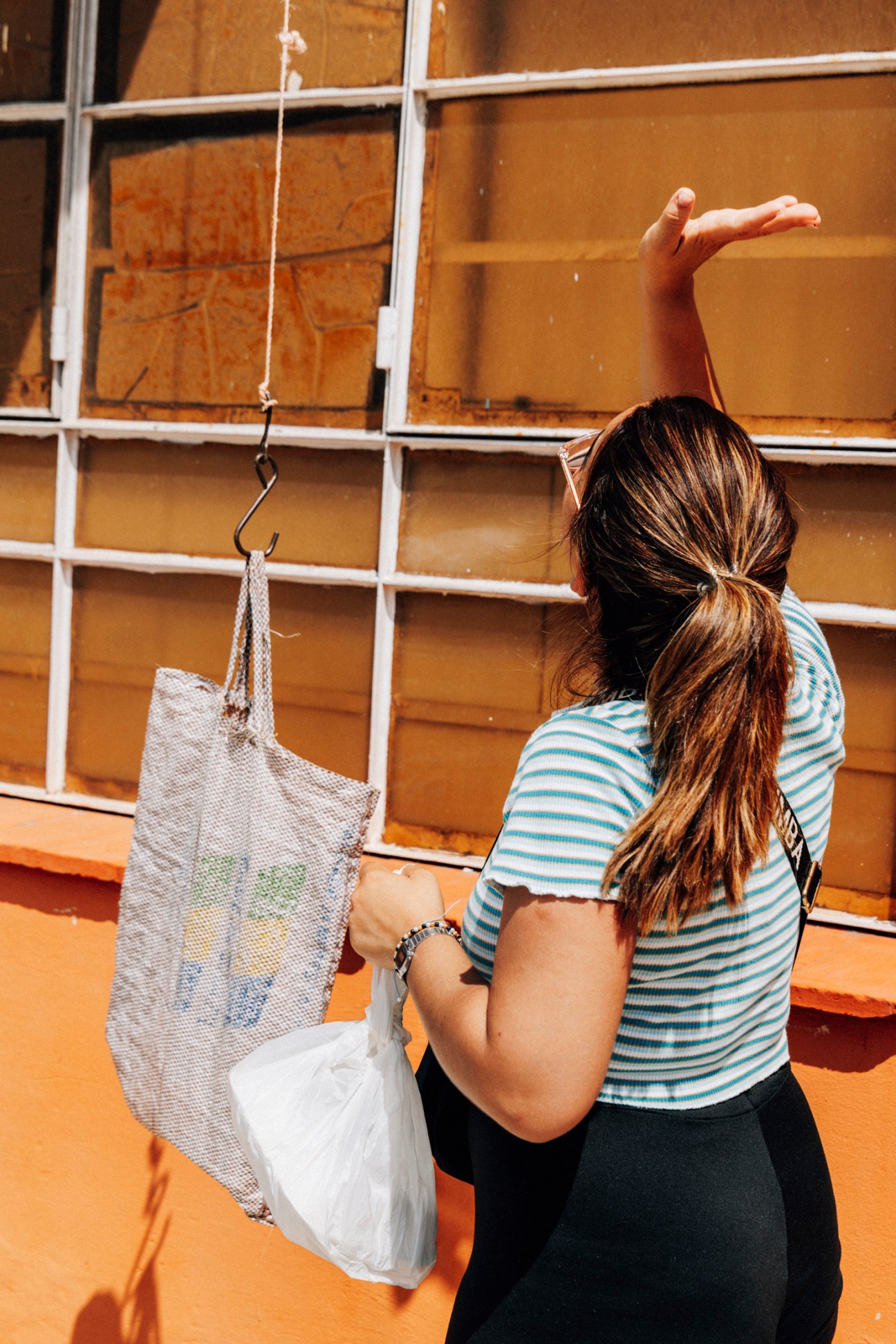
With money in the basket, I lower it down to street level. “How many pies would you like?” the pie-seller says, as the basket descends. “One, thank you; coconut, please.” I tell him. “Only one?” he says, ever the salesman, adding that sometimes he polishes off three family-sized pies in one sitting. I resist and he removes the cash from the basket, sliding a golden, pastry-topped coconut pie into a bag and attaching it to the basket. One pie, it turns out, was not enough.

This street-to-balcony mode of commerce is a long-standing fixture of Havana’s informal retail economy. Historically, the pregoneros only provided daily necessities but some newer Cuban delivery businesses are getting in on the action. In a national economy where the full ownership of private businesses by Cuban entrepreneurs was only legalised by its communist government in 2021, this development is changing the urban fabric of the city as well as the daily routines of its residents.
“It’s a new version of an old idea,” says Marta Deus, who developed Mandao, Cuba’s first mobile food-delivery app, in 2019. Its couriers, most of whom carry-out their deliveries by bicycle, are now a familiar sight across the city. Mandao was conceived by Deus as a way of consolidating a method of retail that has existed in Havana for centuries. “The innovation is that now you can get so many things delivered to you quickly at home,” says Deus, noting that the pregonero’s format of delivery has not been encroached upon but simply expanded and complemented. “Havana also has an older population,” she adds. “And most of the residential buildings don’t have elevators, so it’s a much easier way for people to get what they need.”
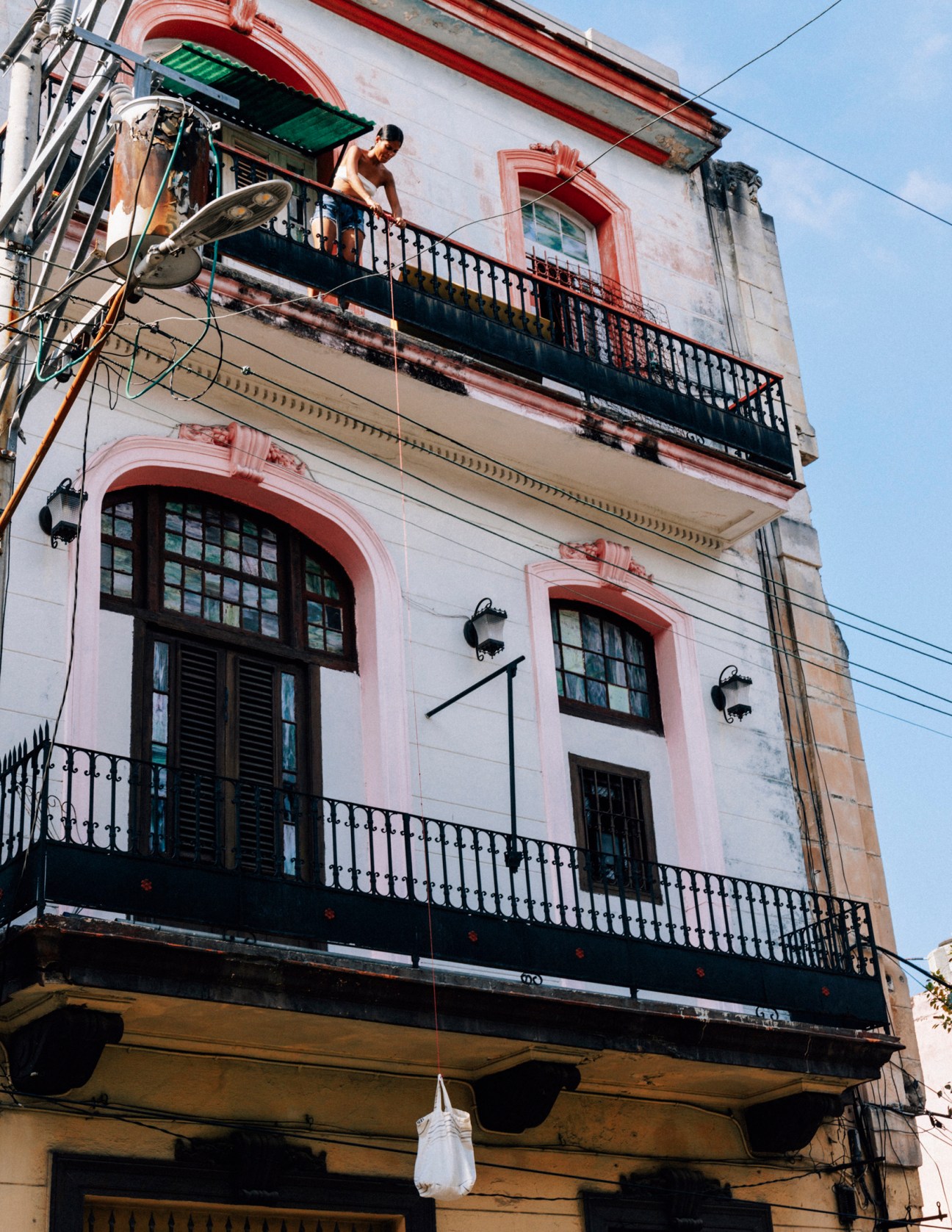
Havana’s balconies also reflect the city’s long history. Told through architectural chapters, the grand verandas mark Spain’s presence in Cuba during the 19th century; the contours of the art deco apartment buildings were built in the 1920s as part of former president Gerardo Machado’s push to modernise; the box balconies that rose after that echoed Soviet architecture. “In colder countries, life unfolds inside the house,” says Deus. But Cuba’s balmy climate looks set to sustain balcony living, and Havana’s time-honoured trading technique, long into the future.

One big family: How one Italian hotel makes guests feel at home
Stretching along three hectares of shoreline on the Lombardy side of Lake Garda, it’s of little surprise that Villa Feltrinelli is a hotel that does just fine when it comes to staff retention. Alongside the magnificent 19th-century sand-and-orange turreted villa — all wood panelling, frescoes and Murano glasswork inside — a walk through the grounds takes in two moored hotel boats, a swimming pool, olive and lemon trees, and plenty of private nooks. “Most of my staff have been with the hotel for 15 years or so,” says the hotel’s Swiss general manager, Markus Odermatt, who is dressed in a beige seersucker jacket. The fact that Odermatt takes a dip in the lake every morning at 07.00, even in winter, from his home further down the lake might have contributed to the fact he’s been with Villa Feltrinelli for more than 20 years.
The hotel might be grand and discreet but Odermatt says that it “feels like someone’s house” rather than your traditional grand hotel. For much of its life, until the late 1990s, the villa was the private pile of the aristocratic Feltrinelli family, who proved to be colourful characters to say the least. Family patriarch Carlo was a successful businessman, while his son Giangiacomo founded the Feltrinelli bookshop chain found throughout Italy (Giangiacomo also became involved in armed left-wing activism, dying in murky circumstances in the 1970s).
Since 2001, Villa Feltrinelli has been welcoming guests in its 20 magnificent suites. Alongside original furniture, everything else is bespoke and handmade in the Bel Paese for the hotel, something that Odermatt calls “a work of art”. Part of the way in which Villa Feltrinelli provides great service is through the sheer number of staff on hand: a team of 90 are charged with going above and beyond for a maximum of 40 guests. “Everyone has the hotel motto emblazoned on their chest,” says Odermatt. “It makes people feel important.” The key, he adds, it’s not just about how staff treat the hotel’s guests but also how they treat each other. “Everything we do is the opposite of what a normal hotel does.” —
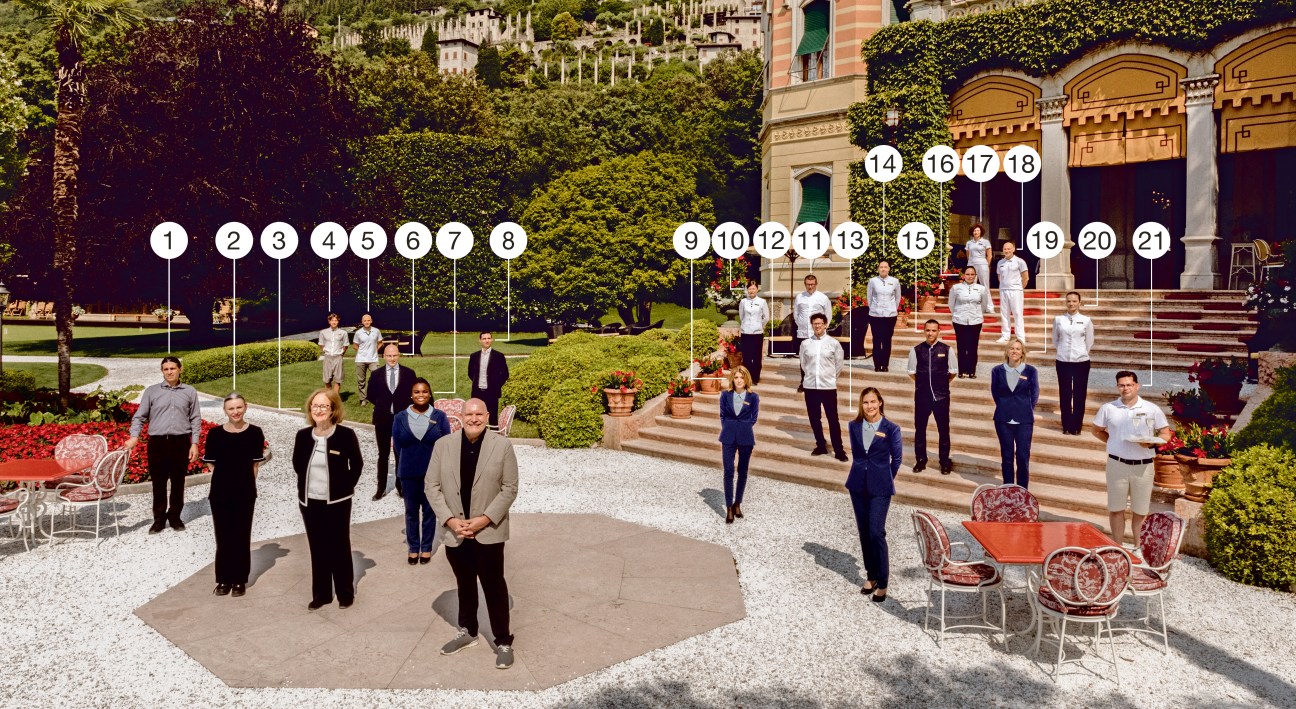
Markus Odermatt
General manager, (front and centre)
Born in Switzerland, Odermatt has been general manager of Villa Feltrinelli in Gargnano, Lake Garda since it opened in 2001. He started his career in his homeland, working for several years in the F&B scene. He moved into hotels in Mexico, where he moved next, working for Casa de Sierra Nevada and the Small Luxury Hotels of Mexico Group. In the West Indies, he played a key role in establishing the exclusive Grace Bay Club in the Turks and Caicos Islands.
1
Max Ferrara
Maintenance manager
“Ensures flawless facility operations”
2
Romina-Maria Florut
Cleaner
“Prepares and presents the laundry of clients perfectly”
3
Piera Donola
Head housekeeper
“Ensures impeccable cleanliness and comfort”
4
Daniele Vezzola
Boat skipper
“Guides Riva cruises on Lake Garda”
5
Matteo Lonati
Head gardener
“Supervises the hotel’s grounds and 30,000 flowers”
6
Tiziano Ghitti
Head maître’d and sommelier
“Curates exquisite dining and wine experiences”
7
Rose-Myrtha Regis
Receptionist
“Always greets guests with a smile”
8
Alessandro Bosco
Restaurant manager
“Delivers exceptional dining experiences”
9
Giuliana Nieddu
Reservation manager
“Plans and ensures the perfect stay for every guest at the villa”
10
Liga Sierina
Waitress
“Elevates service in our two-Michelin-starred dining room”
11
Michele Della Torre
Sous chef
“Second-in-command in the kitchen and oversees exceptional food-quality control”
12
Stefano Baiocco
Executive chef
“Crafts culinary masterpieces, helping earn our two stars”
13
Alessia Micheletti
Assistant to general manager
“Supports executive efficiency and operations”
14
Alessia Vannelli
Waitress
“Her style is efficient and impeccable”
15
Noureddine Hragua
Houseman
“Welcomes and assists guests on arrival warmly and efficiently”
16
Holainy Costanza Duarte
Waitress
“On duty early every morning to serve guests breakfast with aplomb”
17
Elisa Cerutti
Spa therapist
“Provides rejuvenating and therapeutic treatments”
18
Raul Morelli
Masseur
“Ensures relaxation and wellness”
19
Sigrid Jehle
Resident manager
“Overseas daily operations and guest satisfaction”
20
Evi-Sabrina Savu
Waitress
“Her gentle manners charm guests”
21
Andrea Carobene
Poolboy
“Maintains a pristine poolside experience”
Spend the night: How Tallinn kept the party going through economic crisis
Natalie Mets knew that it was only a matter of time before she became a politician. But in the end it happened “accidentally”, she says. For more than a decade, she worked in culture and music management in and around Tallinn. Mets had spoken for years about how the Estonian capital needed its own night mayor; the local government, she believed, was indifferent to the city’s nightlife and didn’t appreciate its economic and cultural benefits. Then one evening, during Tallinn Music Week, a festival-cum-industry-fair, she ended up at a party with the country’s former president Toomas Hendrik Ilves. They were still talking when the hosts had gone to bed. “He was really eagerly saying that I had to join the Social Democratic Party,” says Mets. So she did. And when the party entered Tallinn’s local government coalition in 2021, she was appointed to her dream job.
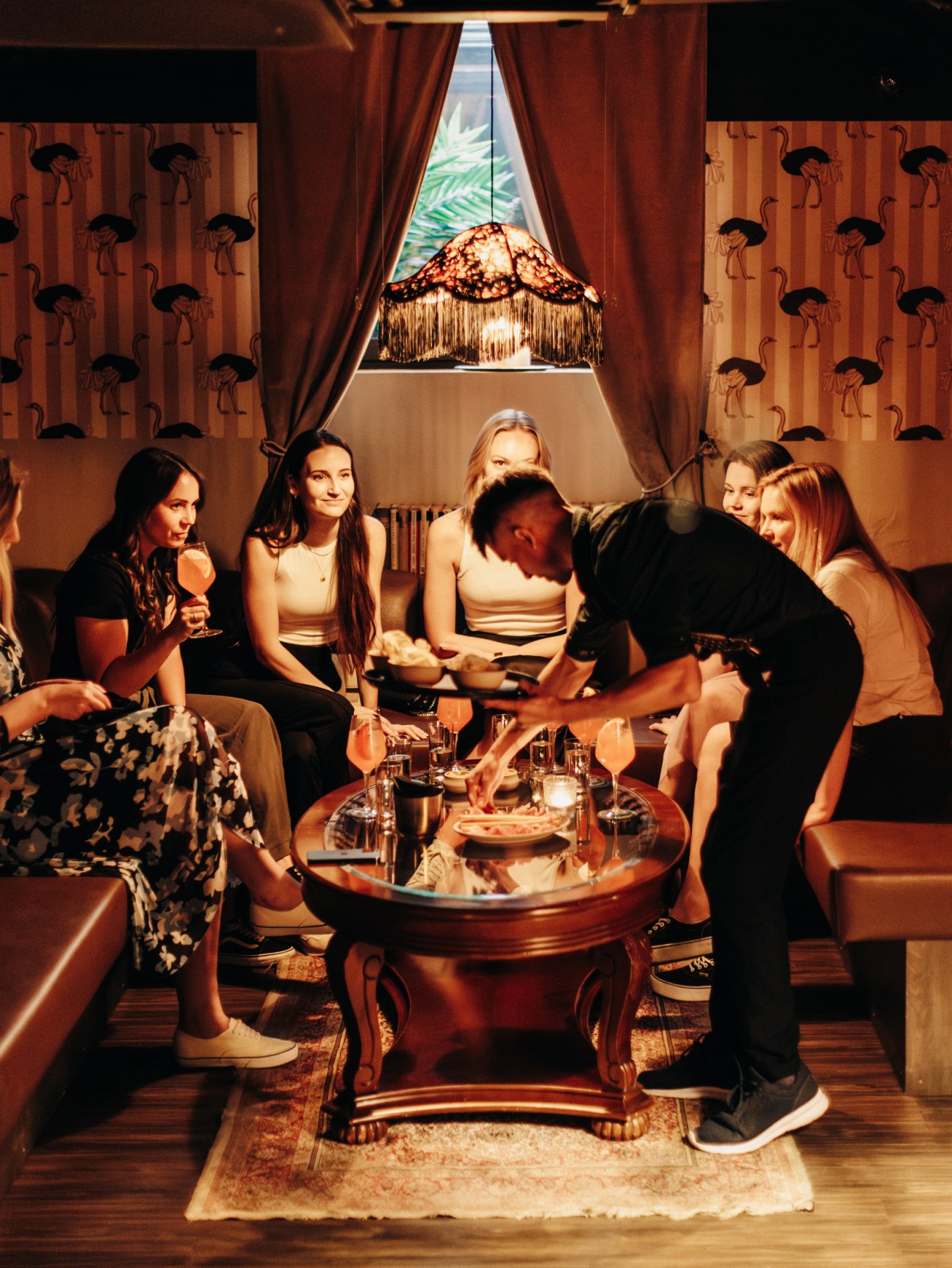
Tallinn is relatively small, with a population of less than 500,000, but it punches above its weight when it comes to nightlife. Hall, its flagship techno club, hosts not only local DJs but the best from around the world, including many who usually play at Berlin behemoths Berghain and Tresor. The likes of German DJ Marcel Dettmann and Detroit collective Underground Resistance are attracted to Hall, founder Elena Natale explains, because it’s one of the few places left in the world with an authentically “diy” ethos. Tallinn’s size has encouraged the formation of a friendly, tight-knit scene. “Whenever you go into a nightlife place, it’s only a matter of minutes before you meet the owner,” Mets tells Monocle. “It all just feels like an afterparty at someone’s apartment.” (An afterparty where you might meet a former president.) “It feels like a city where you can know your neighbours,” says Jirí Mališ, a Czech transplant who moved to Tallinn in 2020 and is now assistant manager at speakeasy-style bar Whisper Sister.

The city’s nightlife – more intimate than in western European club hotspots such as Berlin and Amsterdam, and still cheaper – is attractive to foreigners too, whether they’re long-term expats or simply tourists in town for a long weekend of dancing. Tallinn is well served by its airport, which flies direct to more than 50 destinations. And currently under construction is Rail Baltica, a high-speed rail line linking the Baltic states of Estonia, Latvia and Lithuania with Poland. Due to partially open in 2028, it will invigorate travel to and from the Baltics – and allow potential clubbers from abroad to get home without having to lug their sore heads and aching limbs through airport security.
Mets’ appointment came as Tallinn faced a challenge: how to keep world-class nightlife going through tough economic times. Between 2011 and 2021, Tallinn’s population grew by 11.3 per cent. The city led Estonia’s tech-fuelled economic miracle – the country is now home to more billion-dollar technology “unicorns” per capita than any other European nation. The branding of one of them, the ride-sharing firm Bolt, adorns the sides of many of the cars roaming the capital. This all helped Estonian real incomes to grow by 44.8 per cent, the third-highest level in the oecd, from 2007 to 2021. Tallinn became a destination for young go-getters from the rest of Estonia and beyond – in 2020 the country even introduced a digital nomad visa, allowing anyone in the world who earns more than a certain amount a month (currently €4,500) to live and work remotely there for up to a year. All those go-getters wanted places to party. Nightlife figures talk of a golden era beginning around 2015. Roman Demtšenko, a veteran live-music promoter, says that those years heralded “a revolution in the cultural scene”. Natale, who set up Hall in 2017, says that the city’s start-up mentality “was very good for us”.
But the years since the pandemic have been trickier. Estonia’s geographical position and its dependence on food and fuel imports mean that it was badly affected by the economic shockwaves from Russian’s full-scale invasion of Ukraine. Inflation hit 19.5 per cent in 2022, while the recession that started the same year isn’t forecast to end until 2025. Many nightlife venues haven’t survived this rocky period. Sveta, a much-loved club co-owned by Demtšenko, shut at the end of last year, in part due to financial pressures. It has been “one crisis after the other”, says Natale. The city is hardly unique in this regard: night-time economies around the world have been badly hit by the pandemic and more recent cost-of-living pressures.

Nearly three years since her appointment, Mets’ work on precisely this issue has attracted the attention of Urbact, an EU-funded urbanism institution, which included Tallinn in a recent survey of the bloc’s nighttime economies. The city is “a great laboratory for innovation”, says Simone d’Antonio, the study’s author. “It is doing a lot of things that can set an example, not only for the other Baltic capitals but also for other medium-sized cities in Europe.” Mets spent her first six months in office “explaining [within] the city government itself why [her] position is needed” – in 2022, for example, Tallinn’s nightlife-related sectors employed 14,792 people and generated a taxable turnover of €738m. One early priority was a fund offering grants of up to €30,000 a year to live-music venues. Tallinn also used to be the only EU capital without any public transport running through the night but, after a successful 2023 pilot scheme, it now has a network of weekend night buses. In the spring sunshine, the Estonian capital is picturesque, even sleepy. Modern buildings are broken up by streets of traditional wooden houses that give some neighbourhoods a rural feel. Tourists sit in the cobbled streets of the medieval Old Town nursing tall, gleaming glasses of lager. But the city stirs to life when the sun goes down, especially in its northern quarter. Telliskivi Creative City, just northeast of the Old Town, has led the way: since 2007 a cluster of nightlife and cultural destinations has been built up in a complex of former industrial buildings.
At Fono, a cosy bar in the area, Monocle meets Mark and Villiam, two 27-year-old native Tallinners. Mark, a software engineer at payments company Wise, says that the spot “is as fresh as you can get”: in May, Fono opened a dance floor, Fonoteek, in the adjoining space. Further north is Paavli Kultuurivabrik (“culture factory”), a venue set up in June 2023 by Demtšenko. It has already been admitted to Liveurope, an EU-backed association of 24 of the continent’s best concert venues. For Demtšenko, economic issues were an opportunity as well as a challenge: Paavli Kultuurivabrik occupies a former fish cannery, which he snapped up on a 10-year contract after the previous tenant, a firm that exported to Ukraine and Russia, went bankrupt after the 2022 invasion. Since then the site has hosted everything from Swedish punk to poetry readings.


When Monocle visits Paavli Kultuurivabrik’s outdoor space – a riot of flowering trees and red-and-yellow tulips – Demtšenko gestures over the fence at the building projects that surround the venue on almost every side. Northern Tallinn is following the classic development arc: first the cultural venues move in, attracted by cheap rents, then come residential blocks. Hall occupies a hulking industrial building that used to serve as a clubhouse for dock workers next to Port Noblessner on the Gulf of Tallinn, where the city meets the Baltic Sea. Since the club opened, the port has filled up with smart modern apartments.
Mets is currently working on measures to stop venues being shut down when residents of newly built apartments complain about noise. Not that the relationship between development and cutting-edge culture is always negative. Ivo Arro, an architect in the city government’s spatial planning and design department, points out that the developers near Hall used the area’s cultural amenities as a selling point. “Estonian people, their taste has evolved,” he says. “They’ve travelled more, seen the world more – new generations, they have different ideas of what they want in the city.”

Tallinn’s nightlife also has a unique political dimension. Owing to the country formerly being part of the Russian empire and the Soviet Union, about a third of the city’s population is ethnically Russian. If you clamber into a Bolt, there’s a good chance that the driver will have their app set up in Cyrillic. These Russian-speakers tend to live parallel lives to the Estonian majority; most don’t even speak Estonian. But club culture can transcend the language barrier. Mets recently wrote a master’s thesis on the topic; her research found that nightlife “is perhaps one of the best ways to integrate Russian- and Estonian-speaking youth”. Demtšenko knows this first-hand: he is ethnically Russian and became fluent in Estonian only when he started getting involved in Tallinn’s music scene. The government throws “shitloads of money” at integration, he says, but nothing is as effective as people hanging out and bonding over music.
Giving temporary visitors a similarly warm welcome is one way Tallinn’s nightlife scene plans to ride out the current economic winter. Mets wants the city to become a destination for “high-quality tourists” who’ll party at the weekend but also go to museums and restaurants. Hall is diversifying its programme beyond weekend club nights by hosting concerts by the likes of the Estonian Symphony Orchestra and opening a restaurant to the public. “The way you survive is to offer a space for everything,” says Micaela Saraceno, Natale’s daughter, who DJs at the club.
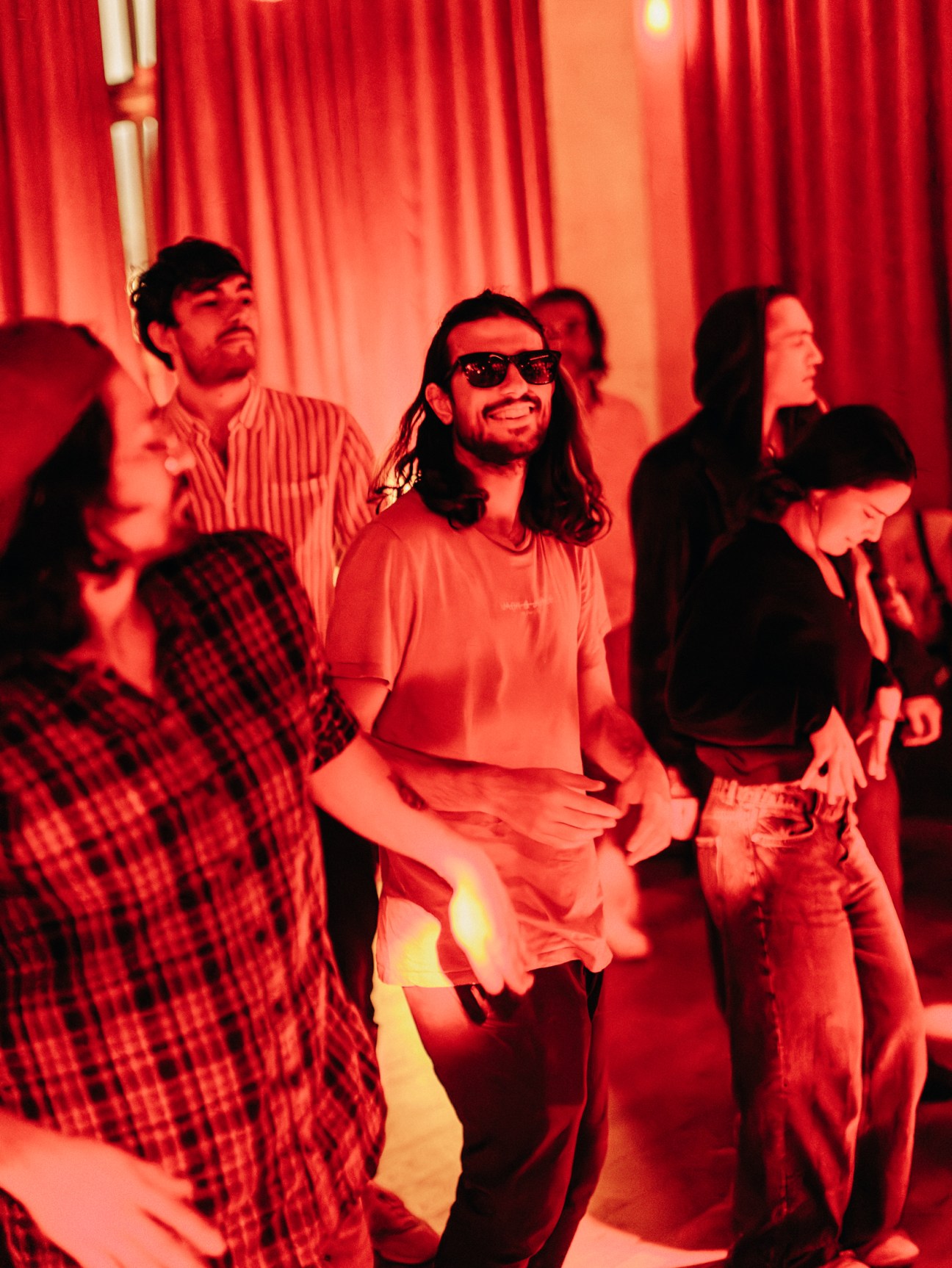
On the Friday night when Monocle is in town, Hall’s main room is filled with thumping techno and strobe lights. The following afternoon is a touch more relaxed: the team are setting up tables for a staff dinner on the leafy terrace, which doubles as the smoking area. Someone’s dog and someone’s toddler gambol about as trays of freshly baked focaccia are produced. It might not be typical Baltic fare but Natale is half-Italian, so good food is non-negotiable. Among those helping are Micaela and her sister, Alessia, a duty manager at Hall. The club is a family business. “It’s all very logical and natural.” Natale, who presides over Hall’s literal and metaphorical family as an affable matriarch, has even started to see the children of regulars coming to nights. “It’s a village here,” she says. “A dancing village.”
Europe’s nightlife hotspots
Braga: Portugal’s third-largest city has seen its tourism business increase fivefold over the past decade. Since being named European Youth Capital in 2012, it has invested in venues that stay open into the night. A 24-hour nursery serving university and hospital employees provides for the night economy’s prosaic needs.
Málaga: The southern Spanish city recently banned the sale and consumption of alcohol in public spaces between 22.00 and 08.00, drawing people back into bars and discouraging irresponsible drinking. Since 2019 the city has organised activities between 22.00 and 02.30 on Fridays and Saturdays for local youth, including museum visits.
Paris: The French capital boasts more than 15,000 bars and restaurants, and more than 600 venues that stay open later than 02.00. Since 2014 its nightlife has been managed by a municipal night council, whose policies have included clamping down on non-reusable plastics in venues and campaigning for better understanding of sexual consent at clubs and festivals.
Culture agenda: How Studio Ghibli might inspire urbanists and the revival of a former factory in Ljubljana
Cinema, Japan
Brought to life
Identifying the rustic locations that inspired a Studio Ghibli animation is a game that fans like to play. The picturesque fishing town in Ponyo is based on Tomonoura in Hiroshima prefecture. Meanwhile, the leafy forest in My Neighbour Totoro is modelled on Sayama Hills in Saitama.
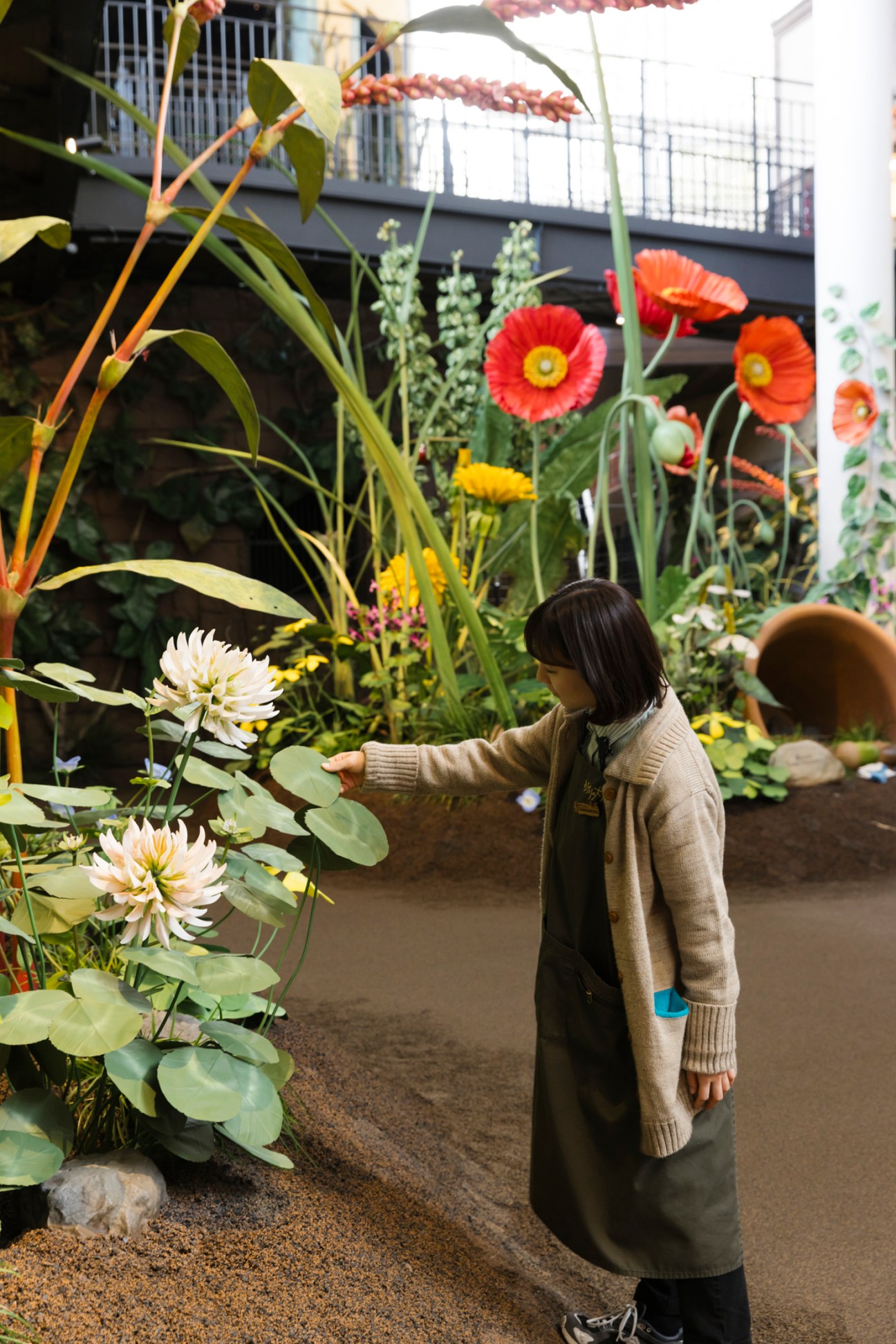
Director Hayao Miyazaki’s urban world is equally thrilling. His extraordinary eye for detail zooms in on the unconscious elements that make Japanese cities so distinctive. It’s less about landmarks than about the sense of scale, street signs or even the railings that skirt the road.
Many of Miyazaki’s most memorable locations have been figments of his imagination. Films such as Howl’s Moving Castle and Kiki’s Delivery Service occupy a specific part of the Ghibli worldview; their cities are part-European, part-fantasy, and wrought with such precision that viewers could almost believe that they exist. At Ghibli Park, the studio’s theme park in Aichi, buildings from those places have been brought to life. There’s the bakery that Kiki worked in – the architectural details perfectly replicated, the baked goods real – and there’s her little attic room. And over here’s the hat shop from Howl’s Moving Castle, recreated as though Sophie, its heroine, had just stepped away from her work.
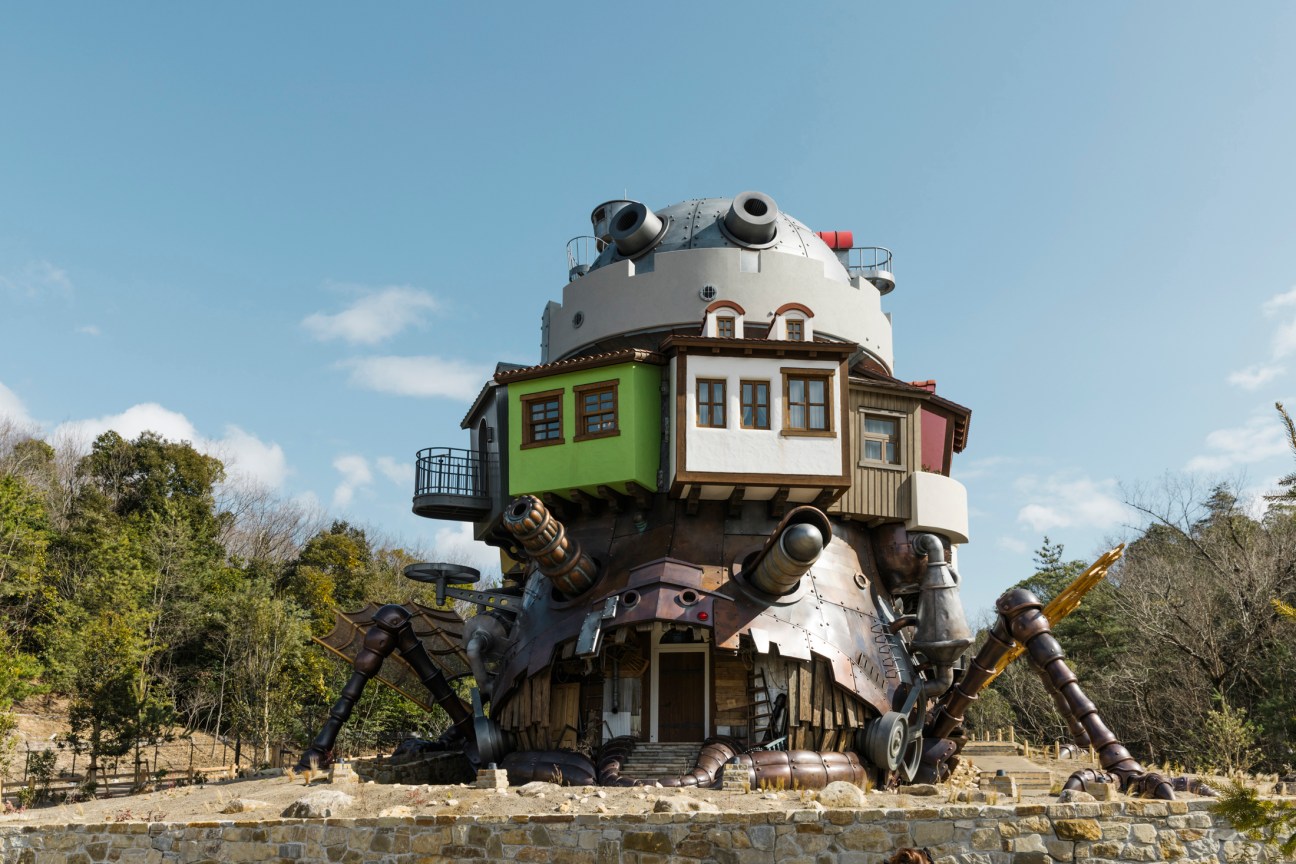

Like any good theme park, Ghibli Park is an escape from the grime of any actual city (less of a contrast in Japan where streets are low on crime and litter). Some consider Miyazaki to be an unsung urban designer, citing examples such as Koriko, the imaginary city in Kiki’s Delivery Service, with its lively streets and old-fashioned low-rise buildings.
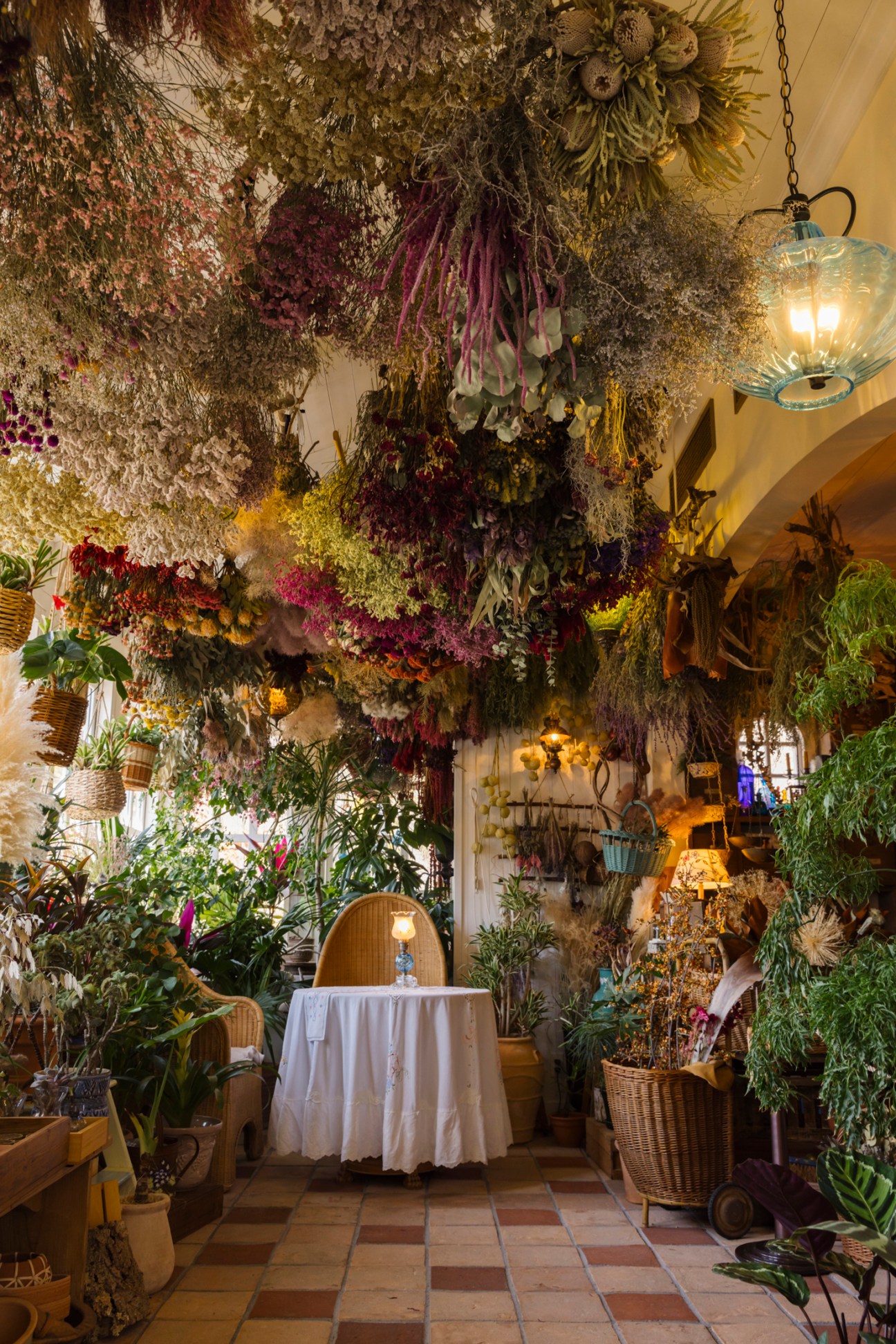
Ghibli Park opened partially in 2022 but Goro Miyazaki, Hayao’s son and the director of the park, opened the final section this spring. Even if you had never seen the films, you can enjoy the experience. Howl’s Castle clanks and steams, Kiki’s washing is hanging on the line. It’s a relaxingly analogue outing and visitors are encouraged to walk between attractions. There are no rides, apart from a merry-go-round where visitors can twirl at a stately pace to a suitably Ghibli-esque tune.
The exoticism and completeness of Miyazaki’s urban vision has long piqued the interest of the Japanese viewer. Perhaps its time that some architects, urbanists and property developers took a closer look for inspiration too?
Read next: AI imitations could never replace the art of Studio Ghibli
Industrial magic
Guy de Launey steps inside a historic former bicycle factory in Ljubljana to explore Center Rog, a new creative hub seeking to democratise a culture of making.
The wheels are turning again at the old Rog bicycle factory in Ljubljana. But this is no longer the facility that provided self-powered mobility to citizens of Tito’s Yugoslavia. Today the new Center Rog is facilitating different forms of production. The city authorities have carried out an extensive and remarkably rapid transformation of the site since they controversially repossessed it in 2021 from the squat that had occupied it for 15 years. The heritage-listed façade of the original 1951 structure remains intact, facing the Ljubljanica river. But the other side is all glass, giving a clear view of the facilities within.
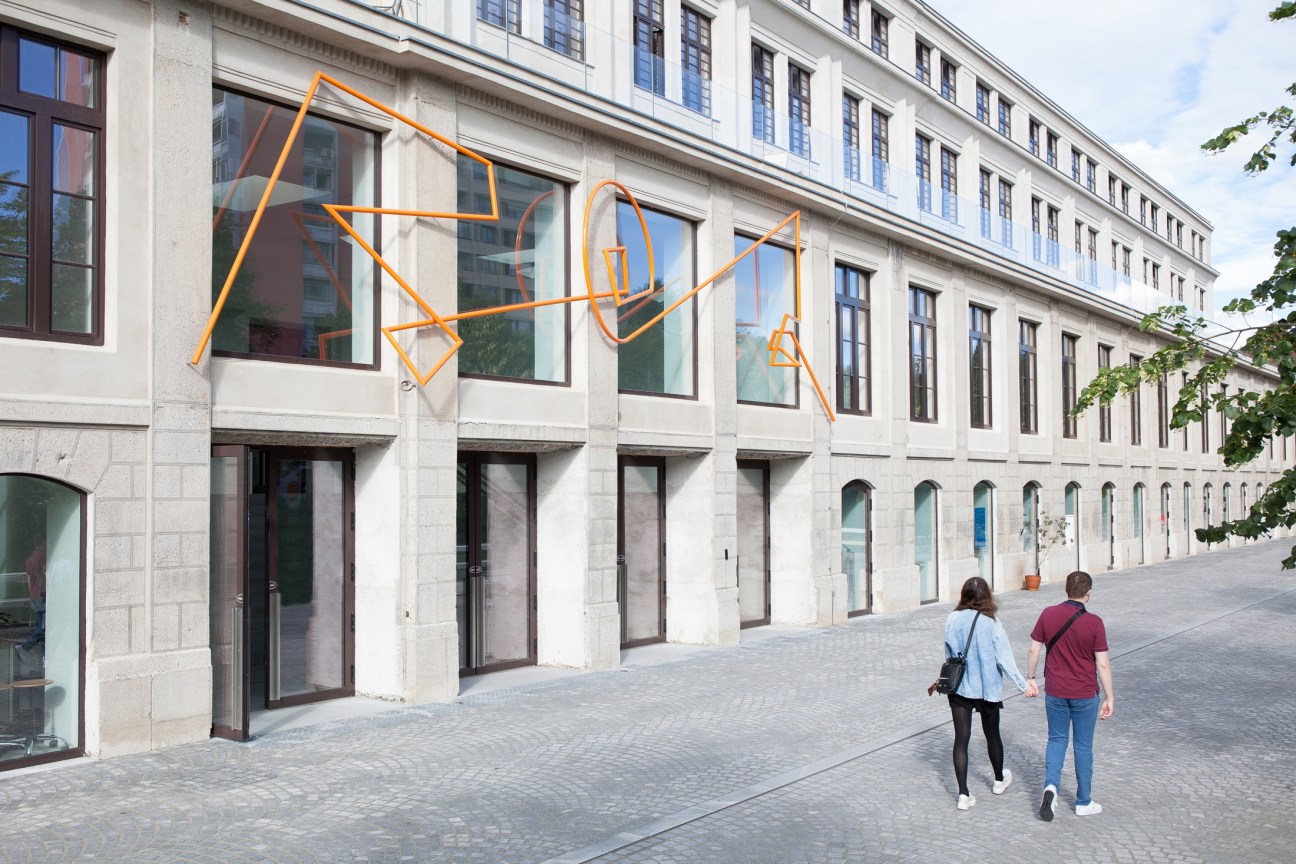
“It’s a place where we turn ideas into products,” says Center Rog’s director-general, Renata Zamida. “We don’t just facilitate the projects of professional creators and makers. Anyone is welcome to work here, turning their ideas into tangible objects.”
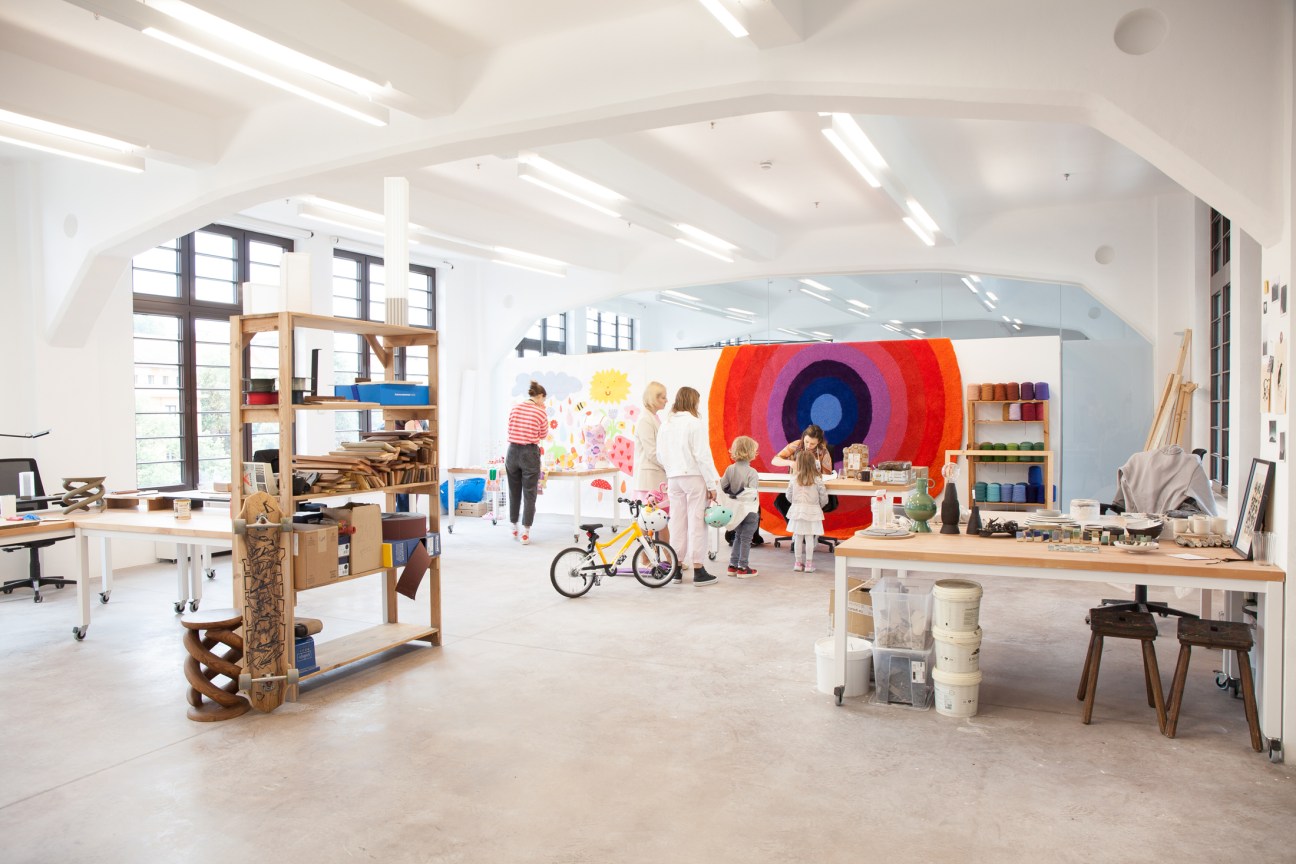
The amenities include “production labs” on the ground floor, work studios on the second and third floors, and artists’ residences on the top level. The first floor houses a branch of Ljubljana’s public library that holds 20,000 items in its almost 300 sq m space; there’s a children’s section, a classroom and a newspaper reading room there too. Zamida says that this encourages people who might be unfamiliar with (or intimidated by) the idea of a “creative hub” to stumble across people and facilities that could help to unlock their creativity.
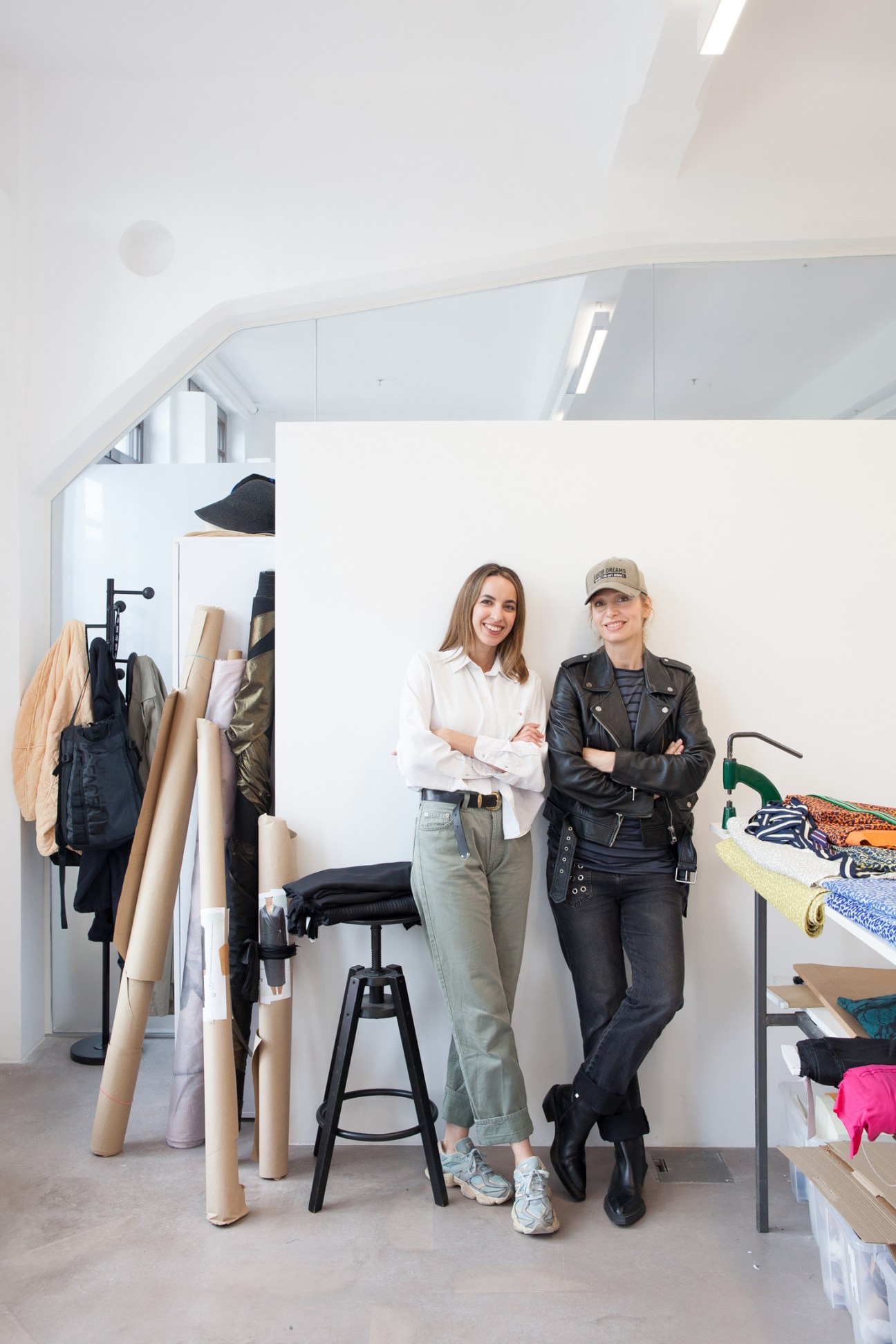
A standard membership fee of just €15 a year opens the door to Center Rog’s nine production facilities. The FabLab has rows of 3D printers, laser cutters and soldering stations. Adventurous interior designers can “learn how to make furniture from mycelium” at the Green Lab. And the Food Lab’s offer of “experimental research and the conquest of new skills” can be tailored to anyone, from home cooks to professional chefs.
The occupants of the generously sized studios, which are granted rent-free for a period of one to three years to projects deemed worthy, also take full advantage of the labs. They are currently creating everything from sustainable snacks to a high-performance electric boat and Center Rog’s version of vertical integration lets them move quickly from concept to production without so much as leaving the building.
“It’s perfect,” says industrial designer David Tavcar, who is creating a range of furniture from deadstock metal. “I can draw something on a computer and then go down to the workshop, where I can produce my own prototypes. I’m completely hands-on.” So far, more than 1,200 people have become members of Center Rog, well beyond the management’s five-year plan. In the old bike factory, a creative revolution is under way.
What’s on Monocle’s July/August radar: Architect Isay Weinfeld and the Paris Olympics
How to live: making a stand
Read all about it
Barcelona’s News & Coffee kiosk is showing that good newsstands can boost a city’s quality of life.
How did you acquire this magazine? If you’re a subscriber, I hope it arrived at your home or office in a timely manner. If not, did you buy it at the grocery store? Favourite bookshop? If you picked it up at your neighbourhood newsstand, how were the shelves looking? Were there other titles you wanted to buy? Did you come across anything new? Or did you leave thinking that there were too many phone chargers and fridges full of energy drinks?
In many markets, the newsstand has all but vanished. Shop signs that promise news and magazines often lead to shelves stuffed with tat, tourist knick-knacks or novelty items that will soon end up in landfill. Fortunately, some are fighting back.
The rise of the hyper-specialist news and book outlets – such as Lisbon’s Under the Cover, London’s Magculture and Stockholm’s Papercut – is nothing new. But once dependable kiosks that have closed or are bursting with rubbish for football fans and school tours are also finding saviours. On a Tuesday morning in June, the News & Coffee kiosk in the heart of Barcelona is bursting with life: locals stop by for their daily papers, students snap up limited copies of Popeye and others pause for coffee. A few metres away, co-founder Gautier Robial is making a case for more branches. “People want to read things on paper,” he says. And he’s right.
With plans to open in other markets (there are currently outposts Barcelona, Madrid, Valencia and London), cities seeking a boost might want to look Robial up. He can add culture and commerce to street corners in need of activity.
Isay Weinfeld’s recipe for architectural excellence
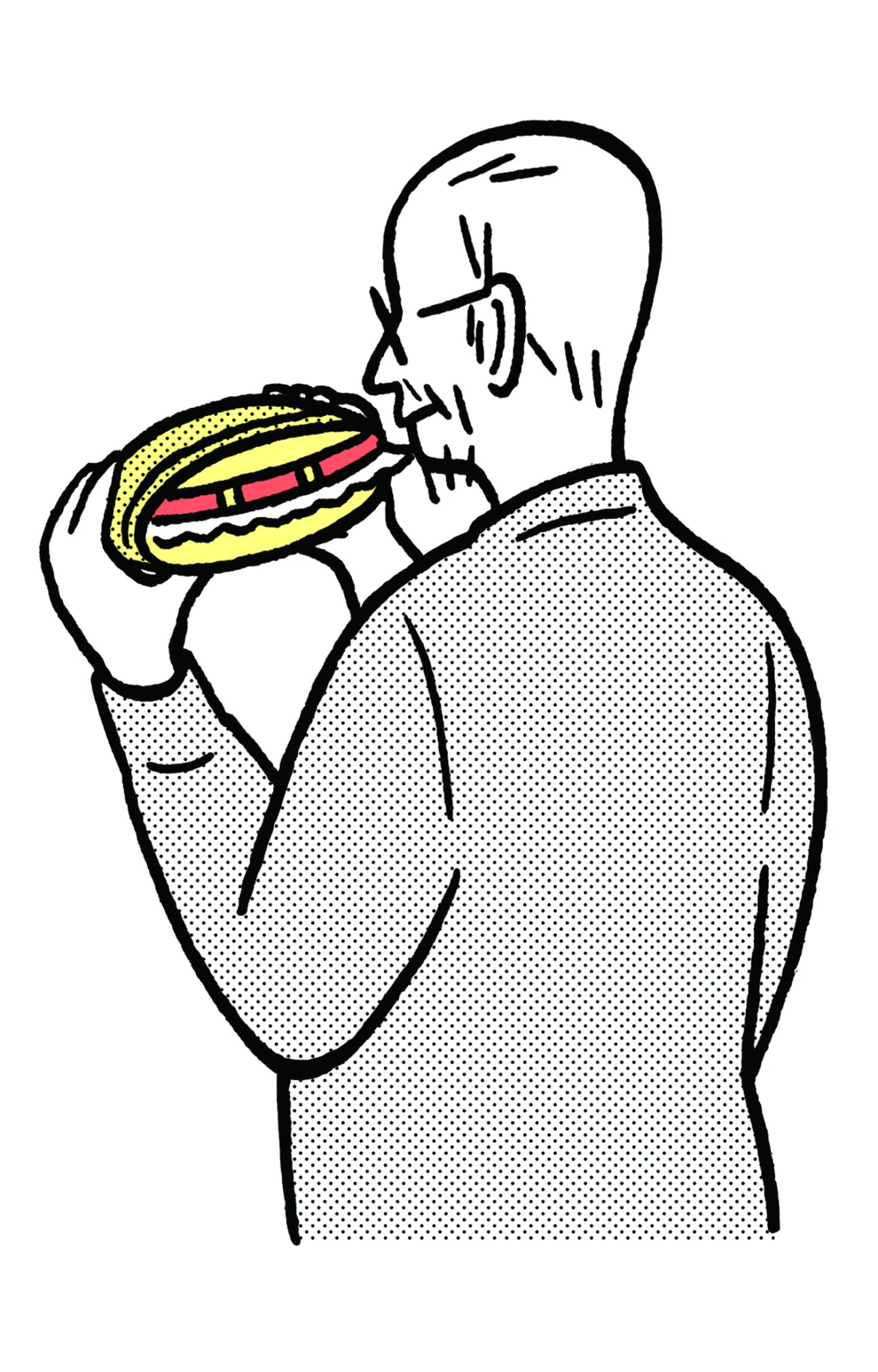
Are you curious to know the essential ingredients that are required to design a good building? Well, according to award-winning Brazilian architect Isay Weinfeld, all one has to do is stop for a bite to eat. “There’s a very traditional diner in São Paulo called Frevo and the perfection of its Beirute sandwich – which is made up of pita bread, lettuce, cheese and roast beef – is what I aim to achieve in architecture,” says Weinfeld when speaking to Monocle for “The View From”.
“It has an impeccable combination of colours, textures, forms, layers, temperature, moistness and crunchiness. The pleasure I have at the first bite is indescribable – and that amount of pleasure is what I wish for people to feel when entering a room I designed.” Weinfeld’s suggestion is a delicious source of inspiration for any architect or designer short on creativity. And it’s also a great local recommendation for anyone feeling peckish in Brazil’s biggest city.
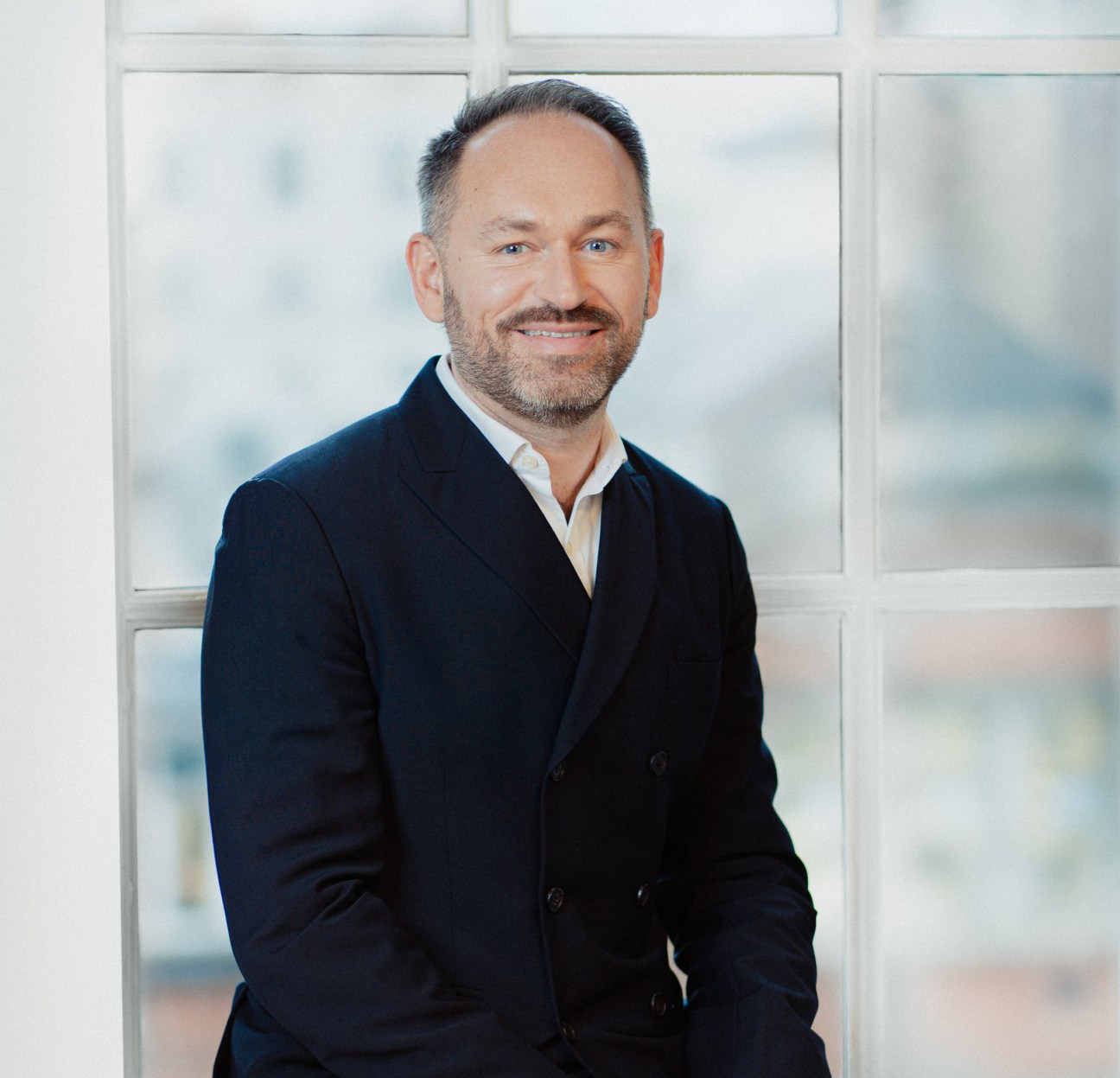
Arnaud Champenois
Senior vice-president, global brand & marketing, Belmond
Arnaud Champenois on getting into the spirit of summer.
What developments are you observing in the travel industry?
Train travel is huge. All of our trains [including the Venice Simplon-Orient-Express and the Royal Scotsman] are fully booked this summer. Italy is still a key destination. We’re launching a new property in Sardinia, Romazzino, and a beach club in Sicily at Villa Sant’Andrea. Otherwise, Mexico is booming and so are the Nordics.
And where will you be?
I’m doing a week in Greece for the islands’ raw beauty and then the west coast of France, in Brittany and Biarritz. I like the waves and the wind.
Will you be packing any books?
I just bought a book by young Irish writer Oisín McKenna called Evenings and Weekends. It’s a contemporary portrait of a new generation of Londoners. I’m also into mythology and the Roman empire so I’ll be reading Mémoires d’Hadrien by Marguerite Yourcenar.
Magazines and newspapers?
I’m a magazine obsessive. I love Monocle and especially the summer newspaper, Mediterraneo. I also like Fantastic Man and Cabana Magazine for interior design. For newspapers, The New York Times and Le Monde.
Ultimate summer film?
Call Me by Your Name is like summer on steroids; you can feel the warmth of Italy. I love Éric Rohmer; Pauline à la plage is the iconic summer film. And I’m looking forward to seeing La chimera with Josh O’Connor, set in Tuscany.
News splash
Our updates from the European continent’s coastlines reveal Renzo Piano’s Genovese regeneration, Louis Vuitton’s culinary venture on the Côte d’Azur and a Greek initiative to minimise sand hassles.
genoa
Solid footing
Italian architect Renzo Piano’s Waterfront di Levante renovation project is taking shape, with the seaside walk opening in time for summer. This landmark development for the Ligurian capital should breathe new life into an underutilised area of the city.
st tropez
Riviera touch
French fashion house Louis Vuitton is again opening its summer restaurant in St Tropez. At the White 1921 Hotel, French chef Arnaud Donckele is teaming up with pâtissier Maxime Frédéric to deliver a menu inspired by the distinctive aromas of the Mediterranean.
greece
Line in the sand
Greece is improving its seaside capacity by restricting sunbeds on many public beaches. While this poses a problem for businesses that rent out sunbeds and umbrellas, it ensures that beaches remain clear for all while preserving the wild nature of sunny regions.
Ambassadors at large
To dine and dash is lamentable behaviour. But bolting from a restaurant without settling one’s bill is not usually the stuff of diplomatic spats. It became so last year when footage of Italian tourists scarpering from a diner in Albania went viral and attracted the condemnation of Albanian prime minister Edi Rama. His Italian counterpart, Giorgia Meloni, hoped to redeem her nation’s honour by covering the €80 tab.

The idea that a national leader is morally on the hook for the conduct of their fellow citizens abroad is an interesting – and potentially expensive – one. In recent times Meloni’s country could have invoiced Switzerland’s president and Germany’s chancellor over vandalism wrought upon the Colosseum by tourists. (“A sign of great incivility,” harrumphed Italian culture minister Gennaro Sangiuliano, to which the accused nations seem to have been too ashamed to respond.)
A UK prime minister would have reason to feel anxious about the precedent that Meloni set. Young British men have been the target of advertising from Amsterdam begging them not to come. Spain’s Balearic and Canary Islands are seeing protests against “rowdy” tourists, locally understood as synonymous for “British”.
UK ambassador to Spain, Hugh Elliott, perhaps anticipating a summer answering for his boorish compatriots, has pleaded with holidaymakers to “behave responsibly”, and rightly so: when we travel abroad, we are all ambassadors for our countries.
Hot off the press
It’s officially summer in the northern hemisphere. From the sun-soaked beaches of the Mediterranean to the mountains of Colorado, here’s what’s in our diary for July and August.
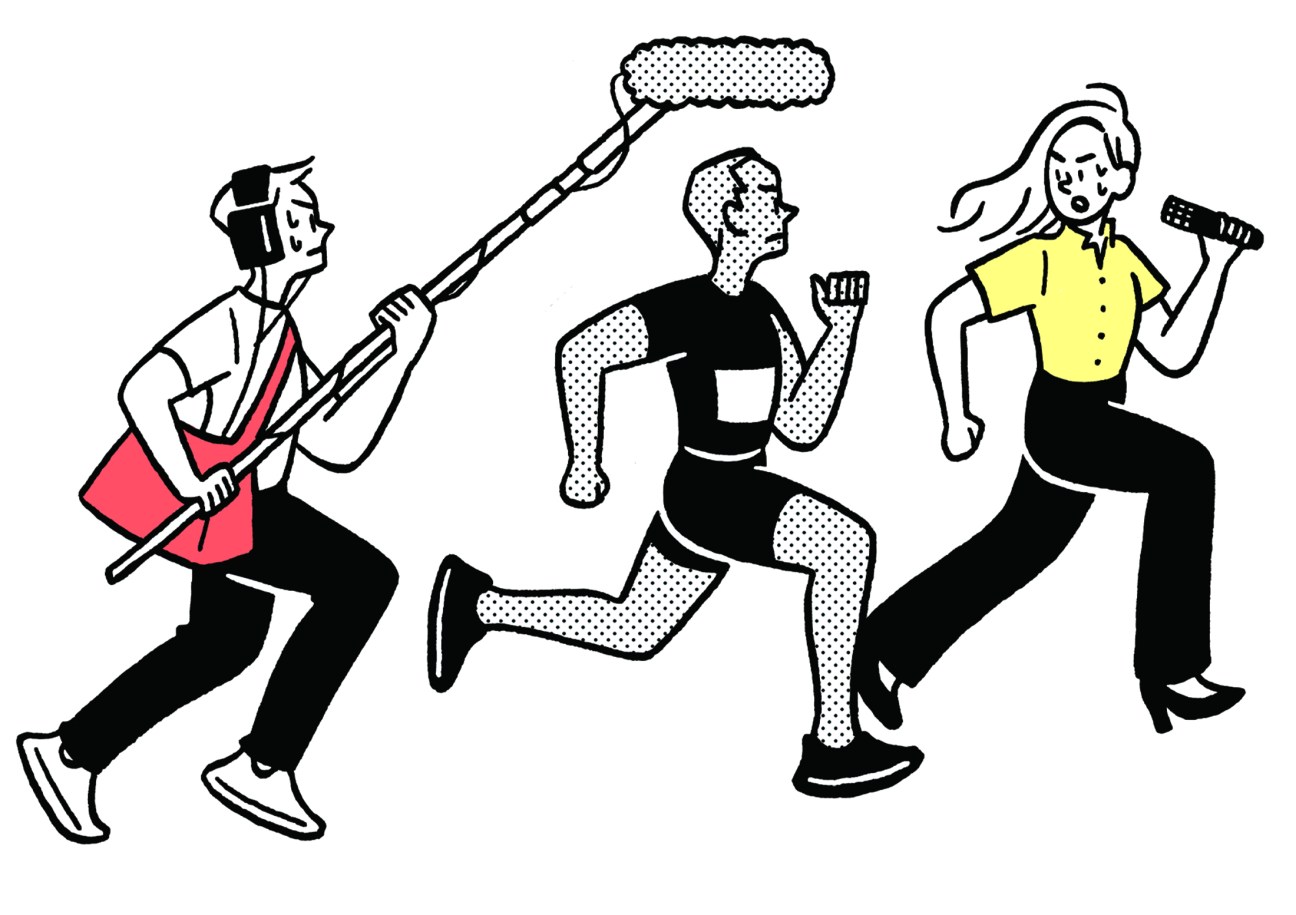
First up, Monocle Radio will be setting up a studio éphémère in Paris to report from the summer Olympics. Expect interviews with athletes but also urbanists, designers and Parisians who we think are worth tuning in for.
In the US, our correspondent Greg Scruggs will be covering the inaugural Bloomberg Green Festival in Seattle and meeting environmental and climate luminaries from 10-13 July. Then our LA-based bureau chief Christopher Lord will be at the Aspen Security Forum from 16-19 July to talk to security chiefs, intelligence services and defence ministers about the state of the world.
But it’s not all conferences and no play. Our man in Milan, Ivan Carvalho, will be finding out what’s worth writing home about from the Sicilian seaside town of Ortigia. Happy summer and see you in September, everyone.
Three things you’ll learn
In this issue, Monocle’s correspondents have reported on hospitality, architecture, fashion and more. Here are three takehomes to get you started.
1.
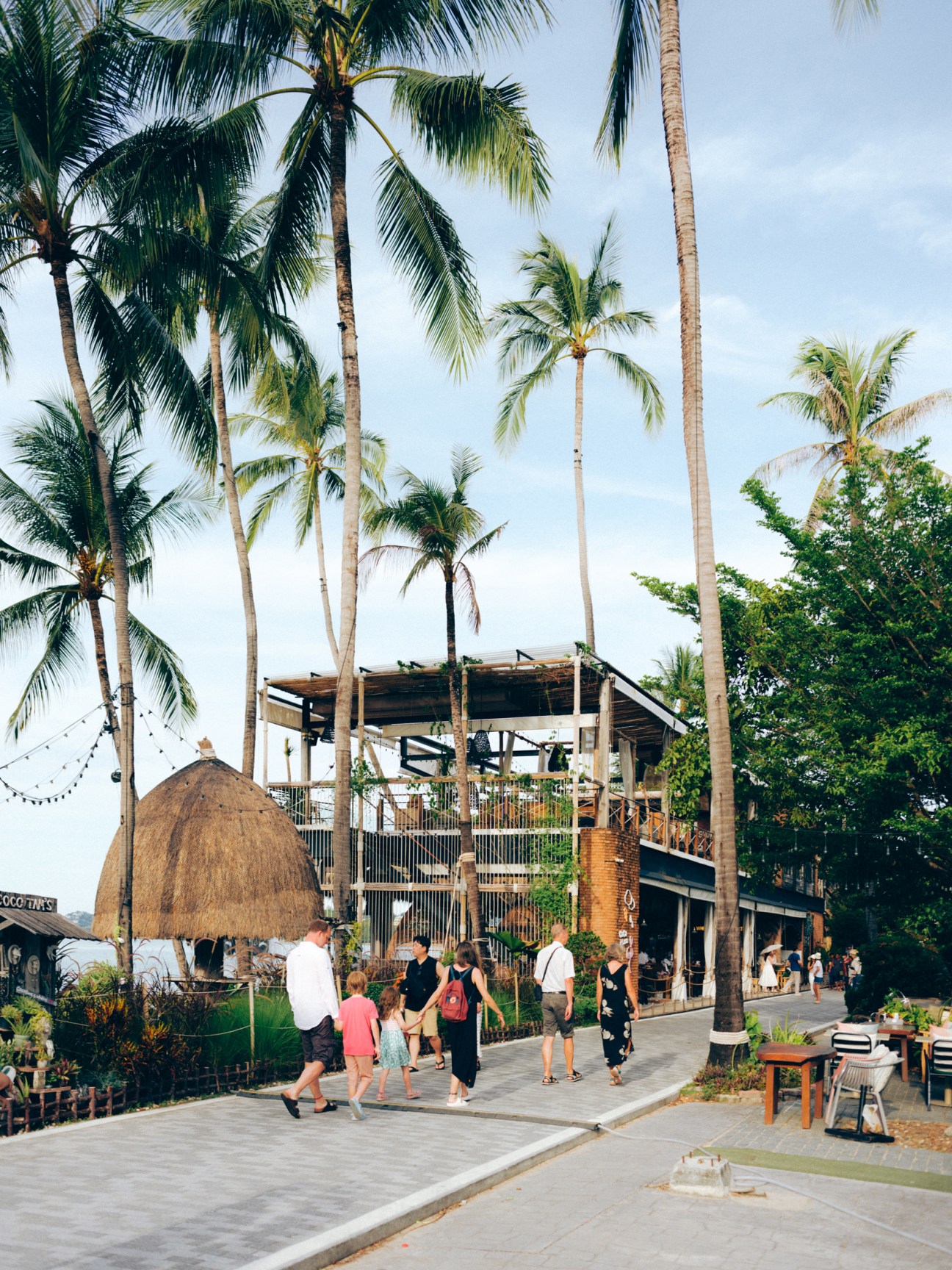
Thailand’s second-largest island is buzzing
Circled by the brilliant waters of the Gulf of Thailand, Koh Samui is gearing up to be Southeast Asia’s hottest destination. Monocle meets the people who have journeyed from all over the world to set up new hotels, bars and restaurants, and add a little vibrancy to the island’s natural beauty.
2.
Olympic projects can be built to last
When Monocle visits Munich’s Olympic Village, we find a thriving community, surrounded by greenery and open space. But when it was completed in time for the 1972 Games, it was never a given that the construction would stand the test of time. We talk to the architects who perfected Bavaria’s Olympic legacy and ask what it takes to design for the future, not just the present.
3.
Changing scene can shake up your style
From the line-up of impressive designers on our fashion pages, it’s clear that there is something special about island life. Finnish-born fashion designer Cecilia Sörensen is certain that relocating to the island of Mallorca has lent a breezy feel to her pieces, while Margaux Varnavidou’s now-signature laidback Smock shirt would never have been possible without a move to Cyprus. Soak up some inspiration for the summer and beyond.
This celebrated Brazilian architect finds inspiration outside of the blueprint
“I don’t find any inspiration in architecture at all,” says Isay Weinfeld, reclining into an armchair with a smile. “It’s something that I’ve been practising for the past 50 years but it’s not the most important thing in my life.”
The ebullient, septuagenarian Brazilian architect is talking to Monocle in London, where he’s working on the renovation of a heritage building for Brazilian hotel group Fasano. But, despite being in town to discuss this work and his approach to architecture, he first wants to talk about his favourite films. “Playtime by Jacques Tati is the best film of all time,” he says, adding that Federico Fellini, Kantemir Balagov and Yorgos Lanthimos are among his favourite directors. “I am a very strong consumer of movies. But music is also a big passion of my life – theatre, dance, art and fashion too. And one of the strongest things about myself is an appreciation of humour.”
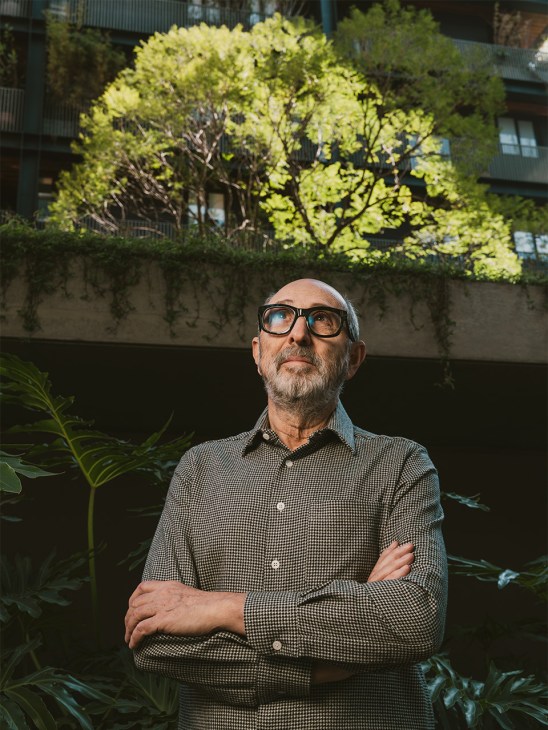
For one of Brazil’s most celebrated contemporary architects, whose work includes the Edificio Oito, a verdant residential building in São Paulo, the Jardim on New York’s High Line and Rio de Janeiro’s Havaianas shop, it might come as a surprise to hear that his discipline of choice is not his first love. But he has always had a restless creative instinct. While studying architecture at São Paulo’s Universidade Presbiteriana Mackenzie in the mid-1970s he began making short films, eventually winning prizes at festivals in Gramado, Brazil and Huelva, Spain. A passion for music has seen him befriend artists such as Radiohead’s Thom Yorke and has resulted in him designing sets for concerts and theatrical performances. More recently he has completed a degree in creative writing and developed a loyal social media following that regularly view his videos, which humorously highlight urban issues in São Paulo.
The diverse set of interests might explain his approach to architecture, which is reflected in a portfolio that includes residences, discothèques, restaurants, hotels, office buildings and cultural centres. It’s a body of work that is as varied in typology and style. “You have to look for new solutions that will surprise you as a designer,” says Weinfeld. “Then you can surprise people.” It’s a refreshing sentiment that’s pertinent given the number of architecture studios that have developed signature styles, which are then rolled out in cities across the globe. “I always want to do something new in my work; I don’t want to have a formula and repeat myself,” he adds before doubling down with, appropriately, a cinematic analogy. “Directors such as Woody Allen, who is one of my favourites, have been doing the same films for their whole life. Then there are the likes of Stanley Kubrick, who has done many genres of film – historical, war, science-fiction – where everything is completely different. I don’t want to compare myself to him but that’s the approach to work that I enjoy.”
When pressed on whether the architecture industry should step out of its comfort zone, Weinfeld is keen to point out that this is simply his personal preference. He is, however, eager to point out that humility still remains an essential architectural building block that should be the foundation of all practice. “Architecture, for me, is about taking out the ego, respecting the clients and the site,” he says. “It’s not about speaking louder to show that you’re important.” He stresses that architecture is a service industry, where practitioners shouldn’t be treated as deities. It’s an outlook that, perhaps, has been cultivated by Weinfeld’s manifold creative endeavours and where a good life is about more than simply making a nice building. “Architecture is a funnel for all my interests,” he says. “I don’t take myself seriously… but I do my work in a very serious way.”
The CV
1952: Born to Polish immigrants in São Paulo
1973: Establishes his namesake design studio while still a student
1974: Completes first short film in partnership with architect Márcio Kogan
1975: Graduates with a degree in architecture from São Paulo’s Universidade Presbiteriana Mackenzie
1983: Wins award at film festivals in Brazil
1998: Finishes the Casa Tijucopava residence in Guarujá, Brazil
2003: Completes first hotel for the Fasano group in Brazil
2009: Wins Mipim AR Future Projects Awards for his 360º Building residential project in São Paulo
2020: Graduates with a degree in creative writing from São Paulo’s Instituto Vera Cruz
Bratislava looks towards the future as they explore family-friendly urban design
Throughout the latter half of the 20th century, socialist cities in Central and Eastern Europe often saw themselves as places where children – “the living flowers of the earth”, in Maxim Gorky’s famous phrase – would get the best start in life. While socialist regimes were highly adept at building schools and youth clubs, they weren’t overly competent at designing streets or public spaces that were child-friendly; priority was instead given to impossibly huge squares and wide avenues. That’s not to say that their counterparts in the West were any better; during the past few decades, many such cities have become increasingly choked with traffic, leaving little space for young people and their parents.
Still, it’s striking that Start with Children (arguably the first dedicated summit on how to place children’s welfare at the heart of urban thinking) took place in the Slovak capital of Bratislava, a city still recovering from its socialist past. But then, as its mayor, Matúš Vallo, said, with tongue in cheek, “Bratislava must be the best city in Europe in something, so we decided to be the best city for kids.” Across two days at the end of May, Vallo, who is an architect by training as well as a rock musician and a father, joined some delegates to debate what starting with children actually means.
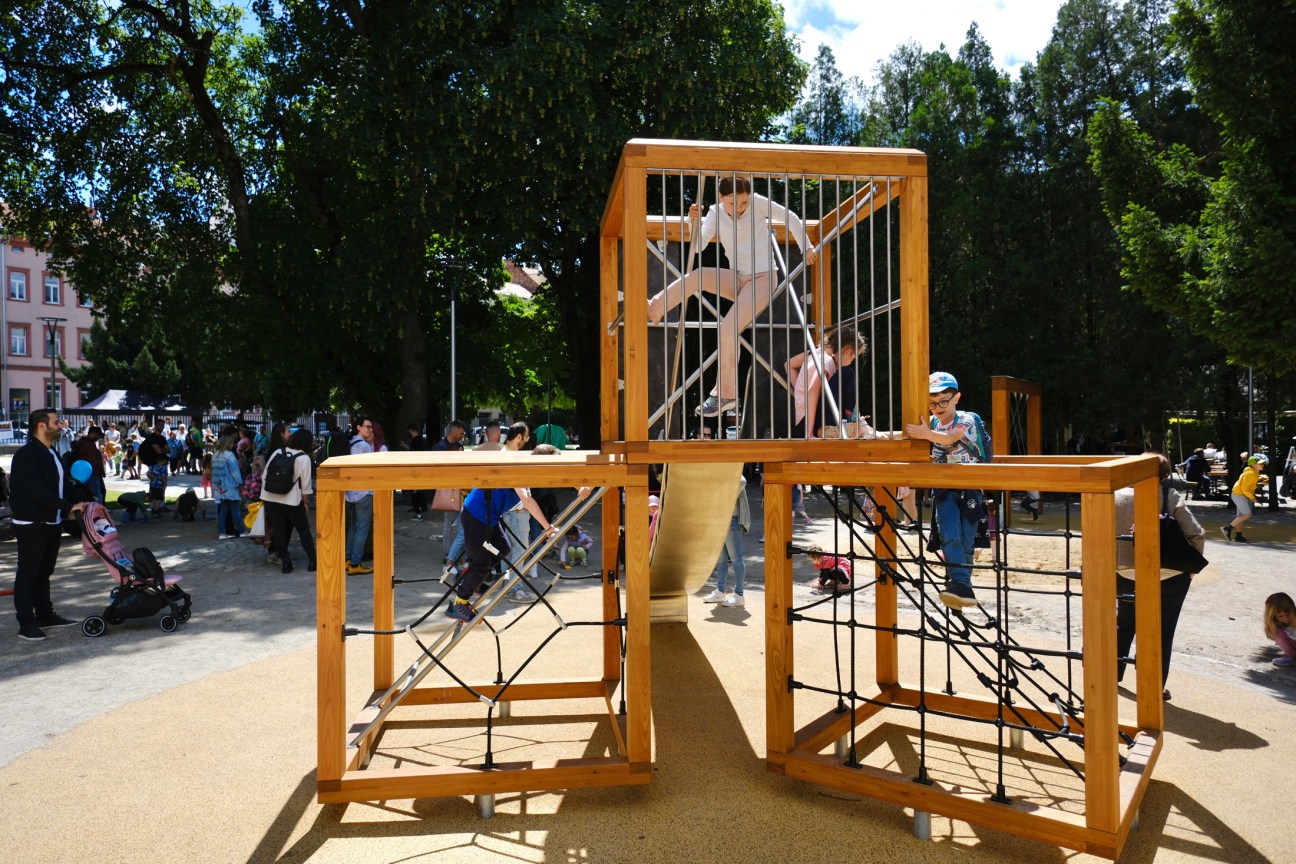

The answers offered at the event, held in Bratislava’s beautiful pre-socialist Old Market Hall in front of an audience of about 600 people, were many. Erion Veliaj, the larger-than-life mayor of Albania’s capital, Tirana, told the story of how, as an experiment, he had let children take over the city’s main Skanderbeg Square for one day. This proved such a success that he decided to make it a car-free and child-centred environment in perpetuity. Xoli Fuyani and Laís Fleury – both women running NGO’s that encourage child activism – put the focus squarely on the need to reconnect gadget-hooked children with nature, be it through planting more trees in school playgrounds or tweaking the curriculum to create more outdoors time. Legendary Danish architect and urbanist Jan Gehl, for his part, called on city builders to downsize residential buildings so that children may feel more grounded. “Anything above the sixth floor belongs to the meteorological department,” he pronounced to much laughter.
Jokes aside, however, there was also recognition of how hard change can be. In a conversation with Monocle, Petra Marko, the newly appointed director of the Metropolitan Institute of Bratislava, said that a wide-ranging shift in behaviour across all levels of society was needed, especially in post-socialist countries such as Slovakia. “We are still a young democracy here in Bratislava and in our region as a whole,” she said. Indeed, discussions of how to bridge political divisions featured prominently at the Start with Children event. Speaker after speaker acknowledged that even if, as a civic leader or activist, you succeed in pushing through change, there is inevitably going to be resentment from what another attendee and urbanism legend Gil Penalosa of urban reform group 8 80 Cities called “Cave” people (citizens against virtually everything). There was also another, more important consensus: that if you do what’s right for children, it will, inevitably, be right for everyone.
Hear our full report from Bratislava’s Start with Children summit on The Urbanist, below:
The personal is political. Here are five mayors who are taking action to improve their cities
1.
The urban planner
Aftab Pureval
Cincinnati
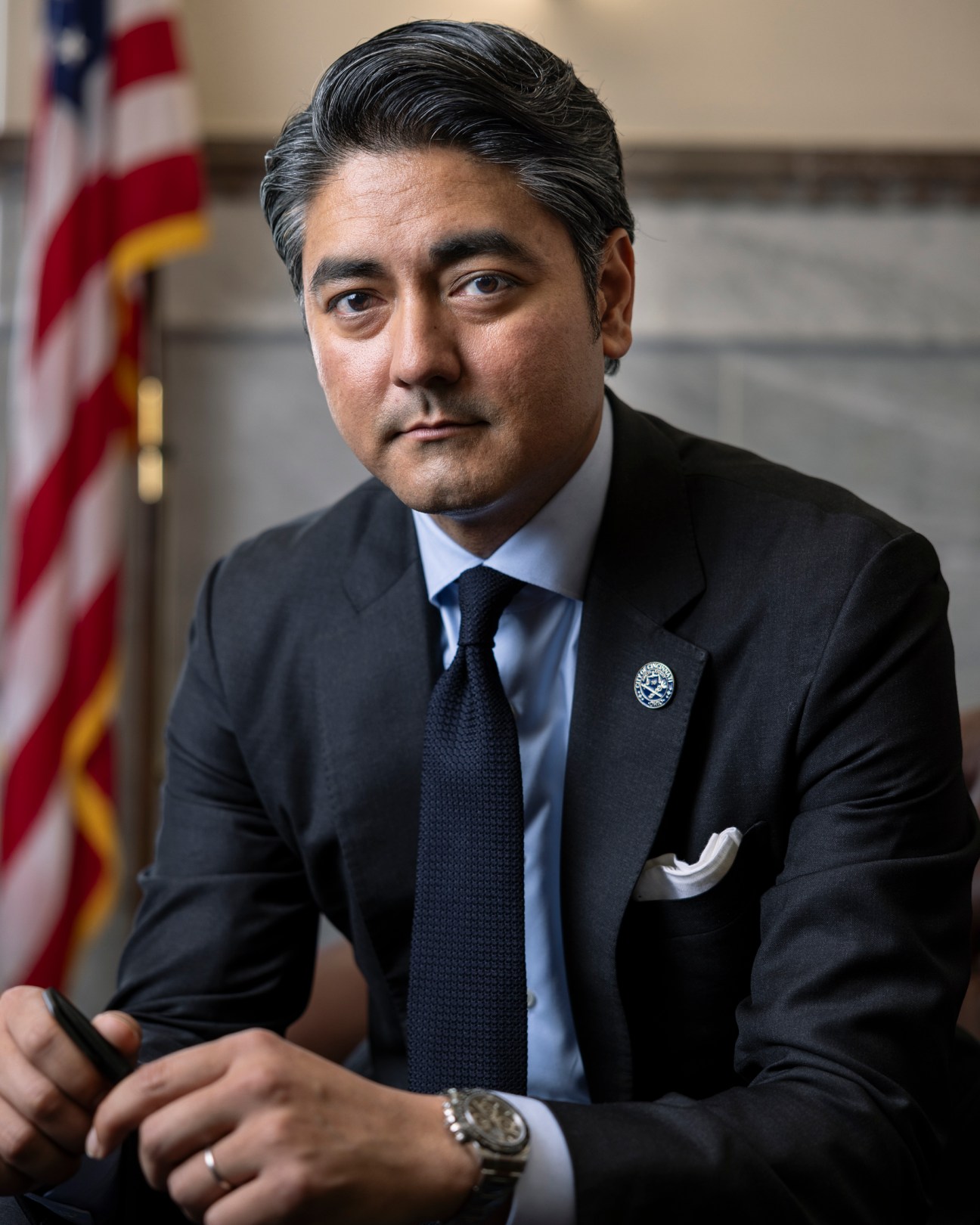
Cincinnati could easily be overlooked as just another Midwestern city. But an enviable stock of historic buildings, a lovely riverfront park and a clutch of downtown cultural institutions are drawing new residents to this affordable alternative to New York and Chicago. As a result, Cincinnati is seeing its population grow for the first time in 70 years.
Its mayor Aftab Pureval’s job is to make sure that this influx is accompanied by more housing. And, particularly, quality housing that isn’t built by bad actors looking to make a quick buck. Pureval is the son of Indian and Tibetan immigrants and, since his election in 2021, has been grappling with an important question: how do you grow after so many decades of decline? The 41-year-old Democrat is unafraid to seek advice. “When I ask mayors from cities I admire, such as Denver and Nashville, what they wish they had done prior to their growth, they say: investment in diverse transportation and zoning,” he says.
To that end, Pureval is working to expand the city’s streetcar network, establish a bike trail connecting all of its 52 neighbourhoods and change zoning rules to allow new types of housing on lots previously restricted to detached houses.
But there is a dark side to Cincinnati’s newfound spotlight. Investors have been buying up housing stock that serves lower-income residents and raising rents without making improvements. But the mayor’s office enforces an aggressive building code and isn’t afraid to take negligent property owners to court. In May it filed its latest lawsuit against an out-of-state property firm whose apartment buildings are plagued with rats and lacked clean water. “These are not developers; these are predatory landlords,” Pureval tells Monocle.
The city also leverages its financial muscle. In 2021 the port authority purchased 194 rental homes for $14.5m (€13.4m), began fixing them up and now sells them to first-time homeowners, many from minority ethnic communities, in partnership with a black-led real estate organisation. “If you are a good-faith investor, we want you here in Cincinnati,” says Pureval. “If you are a bad-faith investor, you are not welcome.”
In May, Cincinnati dazzled 1,400 top attendees at the Congress for the New Urbanism summit. Delegates were surprised to discover the historic Over-the-Rhine district, home to the largest concentration of 19th-century Italianate architecture in the US, and the Zaha Hadid-designed Contemporary Arts Centre. Cincinnati is also home to several headquarters, including consumer products giant Procter & Gamble, conglomerate Kroger and contractor GE Aerospace. Intel is building a $28bn (€25.9bn) semiconductor plant in central Ohio that will keep University of Cincinnati graduates in the state. With that hi-tech manufacturing in mind, Pureval bristles at any mention of “Rust Belt” in the same sentence as his city. “It is an inaccurate, offensive term that has no place in modern Cincinnati,” he says. “We are the very future of this country.”
2.
The people person
Elke Kahr
Graz
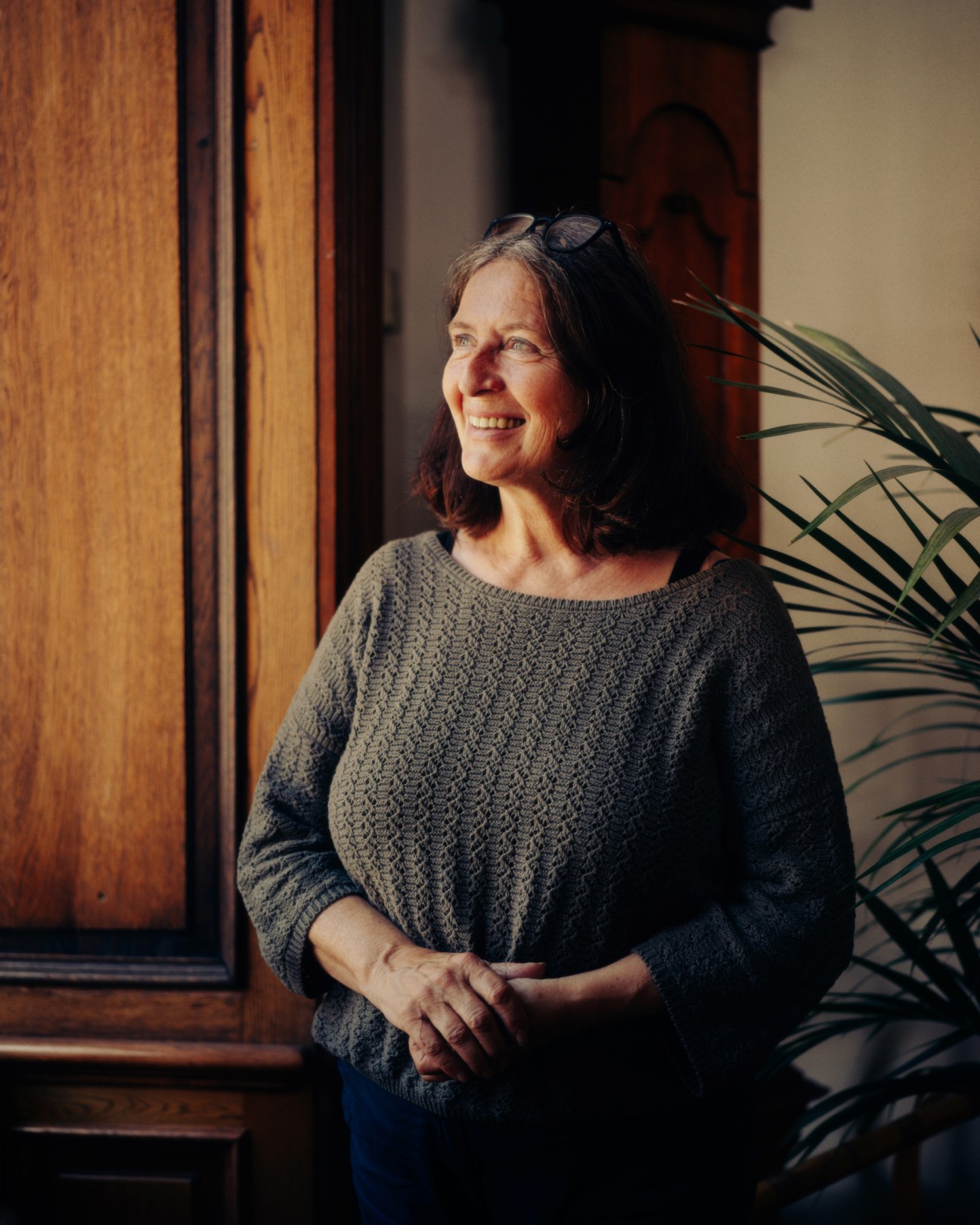
Elke Kahr is a busy woman. But once she starts talking to somebody in need of help, any sense of time pressure quickly dissipates. Indeed, help-seekers occupy the bulk of Kahr’s in-tray. At any given moment there are two or three people waiting outside her office on the second floor of Graz’s city hall – a late 19th-century affair consisting of turrets and marble floors. “Hundreds of people call my office every day with all sorts of problems: apartment searches, marriage breakdowns, problems with children,” Kahr tells Monocle from behind her overflowing desk. To her left is a play area for visitors with children; behind her, two tall doors lead onto a balcony that faces Graz’s busy main square. “There are also many people who come simply for my advice because some problem areas lie outside the city government’s authority,” says Kahr.
It is this devotion to her electorate (there is, of course, a German word for this, Bürgernähe, which literally means “citizen closeness”) that won Kahr the 2023 World Mayor Prize from a London-based think-tank called City Mayors. In its award citation, the jury also commended Kahr’s generosity: of her monthly €9,400 after-tax salary she keeps just €2,000, giving almost 80 per cent away to people in need. Kahr recognises how this might seem unusual to some (though many of her city hall colleagues are now doing the same) but for her this sort of top-down wealth redistribution has always been part of her public and moral duty as one of the more prominent members of the Communist Party of Austria, or KPÖ.
Kahr joined as an idealistic student in 1983, at a difficult time for the KPÖ – the world’s third-oldest communist party after those in Russia and Finland. Ronald Reagan had just called the Soviet Union an “evil empire” and any association with communism was highly suspect. “When people did speak to us, they didn’t say very nice things,” says Kahr with a smile. But after the Soviet Union’s collapse in 1991, the KPÖ steadily gained ground, especially in Styria, the southern Austrian province, of which Graz is the capital. In many ways, Kahr’s triumph in the city’s mayoral elections in late 2021 was a natural consequence of this (though this didn’t take away from the sense of excitement, among Kahr and her supporters, that Graz was now the largest EU city to be run by a communist).
The KPÖ’s ascendancy over the past 30 years has been largely due to affable personalities such as Kahr but also to its focus on a particular issue: affordable housing. Kahr’s administration has so far built about 300 council flats and plans to create at least 285 more. The party is now expected to enter Austria’s federal parliament this autumn for the first time since 1959. Kahr says that the “national stage” is not for her, however; she’s happy right where she is. “Questions of foreign policy, social politics, property politics or climate politics need the involvement of the KPÖ on a national level but in my current role I still have a lot to do. This is a gift and a privilege.”
3.
The reluctant reformer
Yvonne Aki-Sawyerr
Freetown
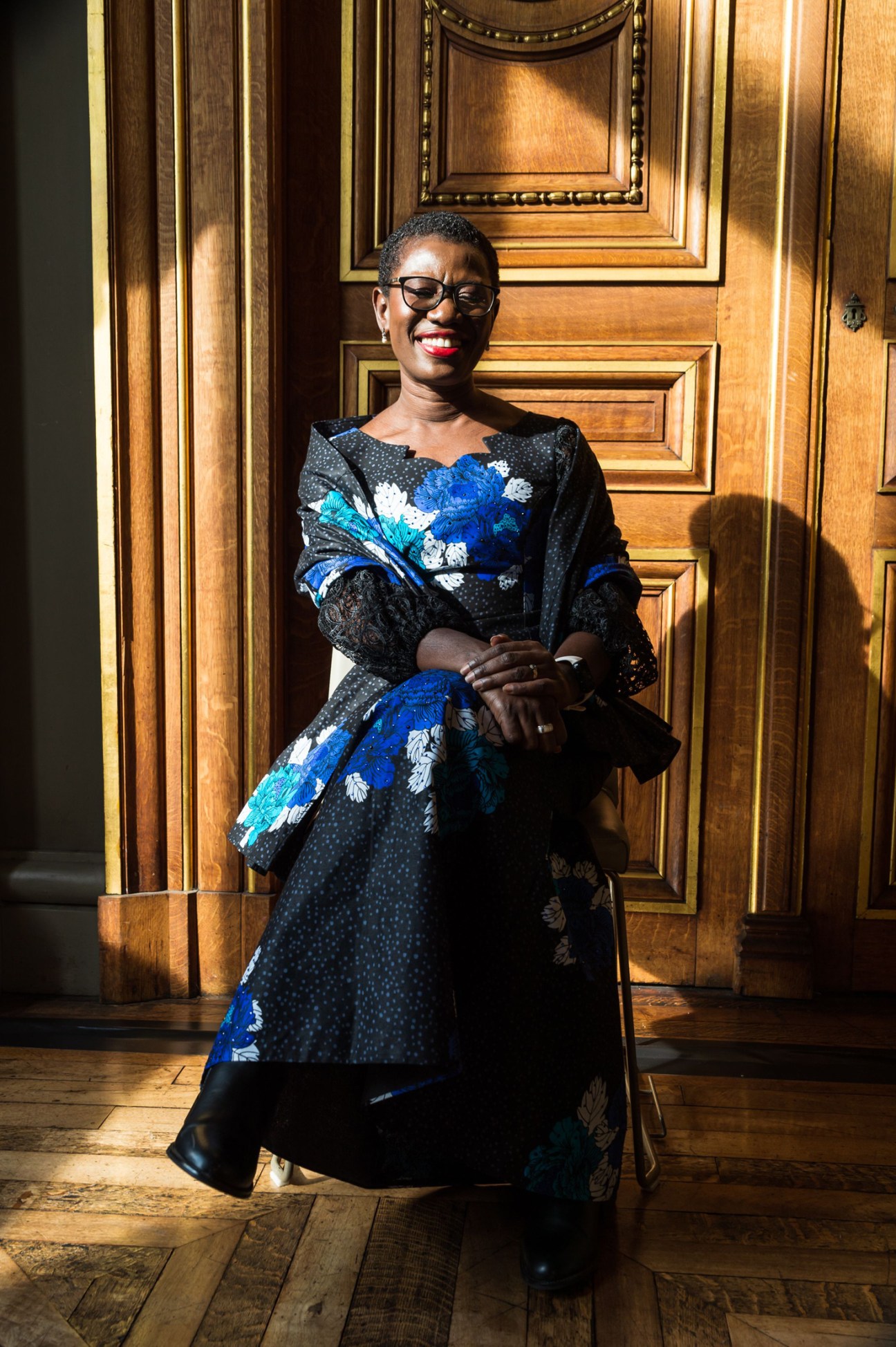
“It was in May 2017,” says Yvonne Aki-Sawyerr. “A friend said to me, ‘You really should run for mayor.’ My initial reaction was, ‘Absolutely not, are you joking?’ But the next day, as I drove to work, I kept looking around me and thinking, ‘I fix this, I fix that’. By the time I got to the office, I was like, ‘I’m going to run for mayor.'”
Two years later, in 2018, Aki-Sawyerr won Freetown’s mayoral election, securing 59.9 per cent of the vote. In 2023 she was re-elected. The extent to which she won is disputed, however. Her party, the All People’s Congress (APC), doesn’t see eye to eye with president Julius Maada Bio’s Sierra Leone People’s Party. This has led to the two parties acknowledging different figures. Aki-Sawyerr claims that she received 66 per cent of the vote, while the official results grudgingly credit her with only 51 per cent. Many independent observers have condemned how the election was conducted and the counting procedures that were in place. It was also marred by violence: in one bizarre incident, a campaign volunteer was killed when police and presidential guards fired at the APC Freetown headquarters while Aki-Sawyerr was present.
“I don’t want to be in a state of disagreement with the national government,” she says. “I’m trying very hard to ensure that there is effective collaboration. I have a very good relationship with the minister of local government in this administration. We started off by saying, ‘Let’s work together in the interests of the people.’ And we’re sticking to that.”
For all the difficulties and dangers of her role, Aki-Sawyerr clearly remains excited by the big changes that can be instigated by initiatives that require relatively little investment. This is an important consideration: without the international funding that Aki-Sawyerr solicits on her frequent travels, her annual budget would be €1.6m (approximately €1.50 per Freetowner). Aki-Sawyerr’s signature policy is a tree-planting programme, which has already furnished Freetown with more than 600,000 trees. There are hopes that, by 2030, five million more will have been planted. She also enthuses about Freetown’s first wastewater treatment plant, which turns the sludge that used to be dumped out in the open into compost and cooking briquettes.
And while she understands that Freetown is not a name that immediately springs to mind as a holiday destination, Aki-Sawyerr thinks that could, and should, change. “I’ve been to many cities,” she says. “We do not have the best infrastructure. We do not have the best roads. But we have beautiful beaches, beautiful people and sunsets like you have never seen before.”
4.
The change maker
Rafał Trzaskowski
Warsaw
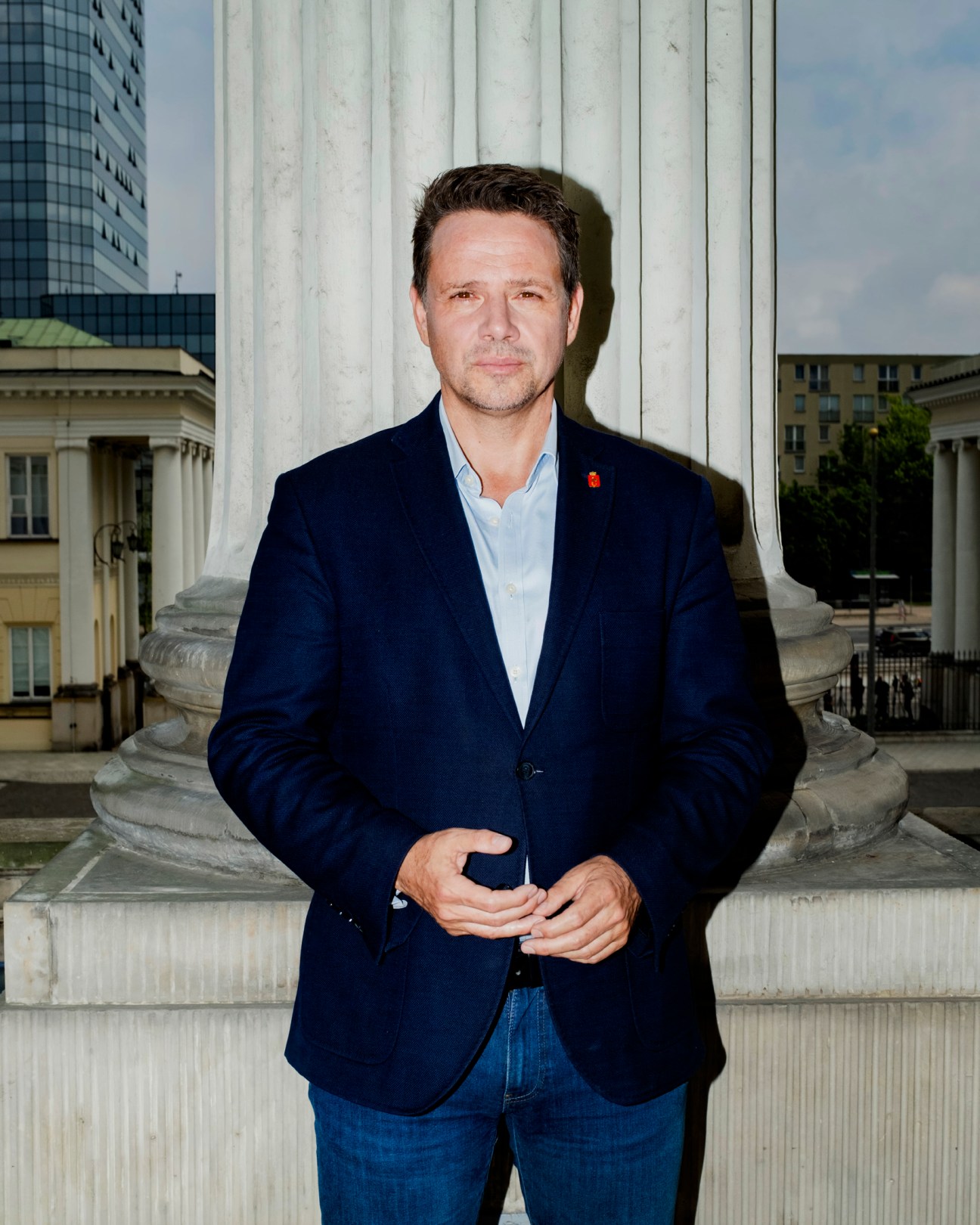
“Running a city is a very hands-on job and you can immediately see the results of your actions,” Rafał Trzaskowski tells Monocle. “The real challenge, after I got elected, was that I simply didn’t expect so many crises to happen on my watch.” In 2018 the now 52-year-old won a landslide first-round victory, securing 56 per cent of the vote. Poland’s capital has always been a bastion of liberal politics and Trzaskowski’s victory ushered in five more years of progressive rule. But his success had a far greater significance. At the time, the country was profoundly divided. Its populist government, led by the Law and Justice party, was severing ties with Europe and pushing a more conservative political agenda. Against that backdrop, Trzaskowski became a beacon of hope for Poles who were uncomfortable with their domestic political reality and were seeking change.
Trzaskowski is a former government minister and member of the European Parliament. He had no difficulty transitioning to city politics, even though he never really left the national scene. “I know that every mayor of a capital city is a national figure,” he says. “But handling the coronavirus pandemic, co-ordinating the influx of Ukrainian refugees, defending the rule of law and, at the same time, managing one of the most dynamic cities in Europe was a lot to handle at once.”
Nothing defined his first term in office, which ran from 2018 to 2024, more than the Ukrainian refugee crisis. Since Russia’s full-scale invasion, more than 1.1 million displaced Ukrainians have passed through Warsaw and, in the first few months of the war, as many as 300,000 were residing in the city. When asked about how their successful integration was achieved, Trzaskowski points to ordinary Varsovians who opened their doors to welcome refugees into their homes. Elsewhere, decisions made by the mayor’s office have led the way for Warsaw to rapidly transform into a model 21st-century metropolis. Under Trzaskowski’s stewardship the city has inaugurated 11 metro stations, new tram lines that connect the rapidly expanding south with downtown, a new footbridge over the Vistula, more than a dozen schools and a free public kindergarten programme. The goodwill this generated directly contributed to his re-election in April with 57 per cent of the vote.
“We shouldn’t have a complex,” says Trzaskowski, sitting in front of his office’s giant bookshelves. “We are experiencing the best moment of our history. Warsaw is almost as rich as Vienna and Berlin. We might not have the recognition of the Western capitals but we are not set in our ways. The sky truly is the limit.” It might be an apt metaphor for his own political ambitions, as he is widely rumoured to be the frontrunner in next year’s presidential election. When asked about his plans, he gives the consummate politician’s answer. “I want to focus on delivering on my promises to the people of Warsaw. There is a lot here that I’ve begun and I would like to finish it. Then we will see what happens.”
5.
The forward thinker
Belit Onay
Hanover
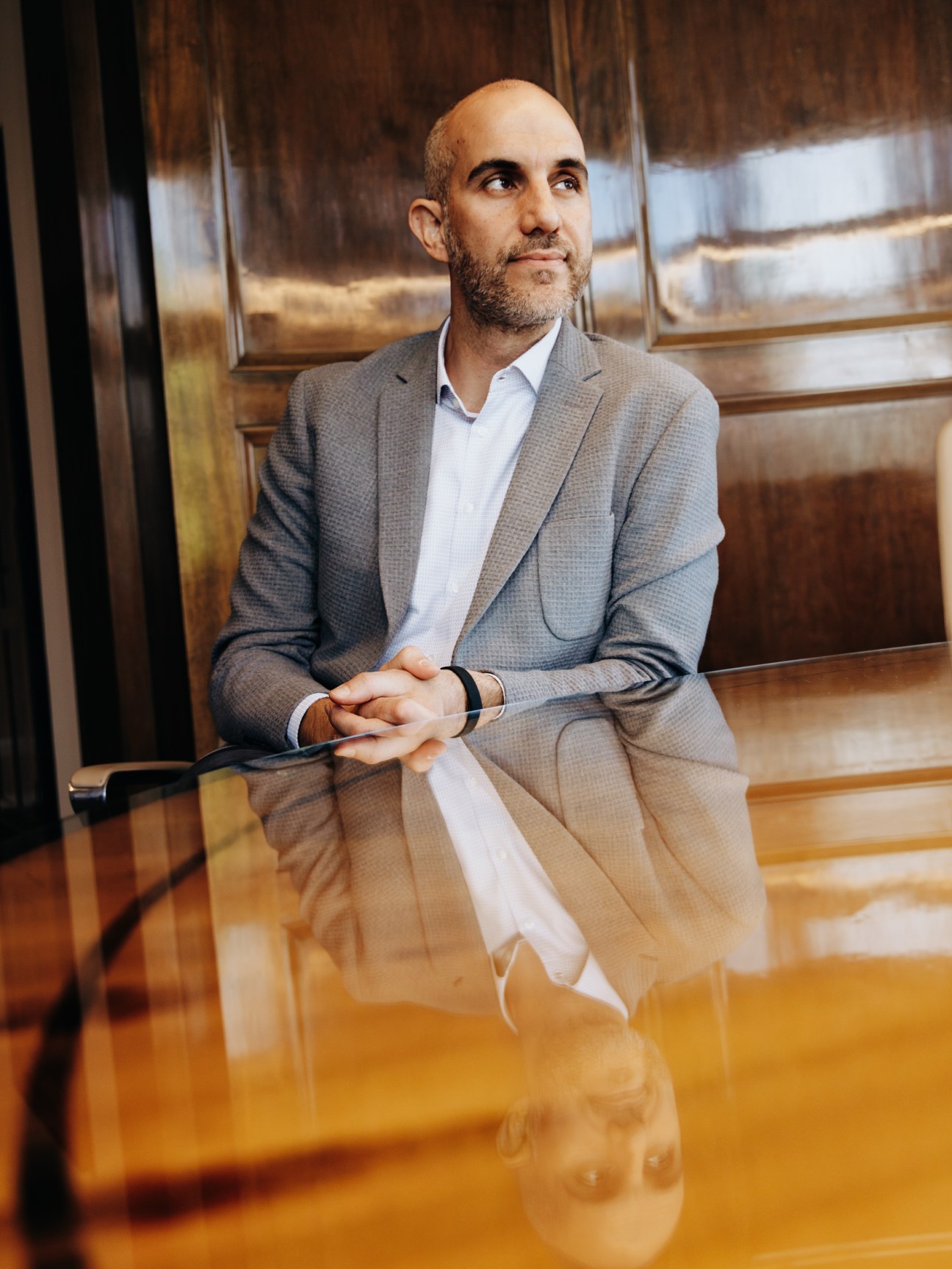
It was a simple promise that got Belit Onay elected in 2019: make Hanover’s city centre car-free by 2030. Onay is the son of Turkish immigrants and, as a Green Party politician, becoming the city’s mayor was no mean feat. Since the Second World War all of the city’s mayors had been from the centre-left Social Democratic Party (SPD). Hanover is also the capital of Lower Saxony – a state that is home to a number of automotive giants, including Volkswagen and Continental. “That influenced the city’s postwar reconstruction,” says Onay as he welcomes Monocle to his office in Hanover’s New Town Hall.
The grand Wilhelminian building dates from 1913 and sits on the edge of a sprawling park, just off the town’s central ring road. “The city planning officer was inspired by the wide motorway lanes of places such as Detroit,” says Onay. “That was the zeitgeist. But today it’s becoming a real burden.”
Under Onay’s plans, parking within the ring road will be largely eliminated. “We’re not closing streets; we’re opening them up for different uses,” says the mayor. Taxis and delivery vans will still be able to get through, and parking facilities for the disabled will be improved. Hanover’s public transport provision is already the best in Germany, according to some surveys, but Onay’s plans will expand it further. Most traffic lights will be removed to avoid any disruption to pedestrian and cycle routes. “For many people, it’s still a car issue. But we are focusing on another question: what do we do with the space? How can we use it to improve life in the city?”
Onay’s infrastructure shake-up is likely to attract attention, and opprobrium, from far beyond the region but mobility isn’t the only issue that he’s tackling. The mayor has filled a funding gap in the state’s housing programme to support mid-range rents. He has accelerated decarbonisation programmes by aiming to phase out coal by 2026 and plans to supply most of the city with district heating. All of these efforts have been introduced to improve the quality of life in Hanover, a city that is a byword in Germany for the drab and joyless. But, as elsewhere, political polarisation makes his job harder. “People are much more short-tempered than they were a few years ago,” says Onay. “But we still have to push on with major changes to the way we live.” He calls the 2020s “the decade of transformation” and wants to see better equipped municipalities. “Climate, social and mobility issues will not be decided at federal level. It’s important that local authorities get the chance to take more things into their own hands.”
But even at the municipal level, policies can get waylaid. Last November, Onay’s coalition partner, the SPD, brought down the administration, citing “difficulties in co-operation”. It is argued by some that the party wants to deny the mayor his flagship car-free project at all costs. Onay remains undeterred and is determined to avoid inertia. “Hanover’s society is much more progressive than some council politicians.”
Key highlights to expect at Art Basel 2024
Art Basel
Blast off
Venice aside, the year’s biggest art deal (pun intended) is Art Basel. With the Swiss firm’s Miami and Hong Kong fairs long bedded in and the new Paris1 event in October circled on every collector’s calendar, Basel’s Messeplatz mothership has become an awesome arrangement of the very best there is to buy (unless it’s artefacts you’re after, in which case, see you at Maastricht’s Tefaf next March), supported by a formidable array of additional programming. It might seem like an exaggeration to regard Art Basel as mad, bad and dangerous to know, but there does seem to be a profound loosening of the tie in the expansive, enjoyable and canny curatorial extensions that bless Basel this summer.

There’s a new director in town too: Maike Cruse, who, as a former head of Gallery Weekend Berlin, is an expert at herding creative cats on a citywide level. So we’ll enjoy a wider extension of the much-admired Parcours programme of public art, this year curated by New York’s Swiss Institute director Stefanie Hessler, who will be sprinkling 20 site-specific installations along Clarastrasse, connecting the fairgrounds to the Rhine (fairgrounds!). The tour, if you do it as one, will showcase work in shops, bars, a hotel and a brewery. Meanwhile, there’s a brand-new round-the-clock art space in town, the Merian, situated next to the Middle Bridge on the Rhine. Popping up throughout the Old Town, the fair will spring to life thanks to a list of vibey curators who, it appears, won’t be kicking you out at 22.00 – instead they’ll be turning up the music (or, your loss, starting on a symposium).
Back in the Messeplatz, Basel welcome Agnes Denes, the Hungarian-born 93-year-old doyenne of environmental land art. She will present “Honouring Wheatfield – a Confrontation”, which will stay in situ until it’s harvested (the point presumably being that it very much depends upon the weather). In the halls, which will host 286 galleries this year, the fair welcomes 22 newbies, five of which are zinging straight into the main selection, including spaces from the US, Taiwan, China and Spain. Wow, no wonder gallerists started wearing trainers with their smart clothes. It should be a lot of legwork and a welcome blast of – what’s that? – Basel fun!
Hauser & Wirth Basel
In the frame
It might come as a surprise that Hauser & Wirth has never had a permanent space in Basel – until now. The Swiss art giant has unveiled a spot on the ground floor of a 19th-century former ribbon factory in the Old Town. It was previously occupied by Galerie Knoell, whose name-above-the-door director, Carlo Knoell, has now assumed the mantle at the new venue.
Why are Galerie Knoell and Hauser & Wirth a good fit? “We’ve always had a mutual interest in artists such as Méret Oppenheim, Sophie Taeuber-Arp and Georges Vantongerloo,” says Knoell. “So, though I call it contemporary art, my focus has always been historical and the secondary market.” Now all that mutual expertise is set to be pooled. “Hauser & Wirth is strong in contemporary and 20th-century art,” adds Knoell. “But it was really about this desire to enforce the historical and secondary market side – and doing this with shows, publications and projects.”
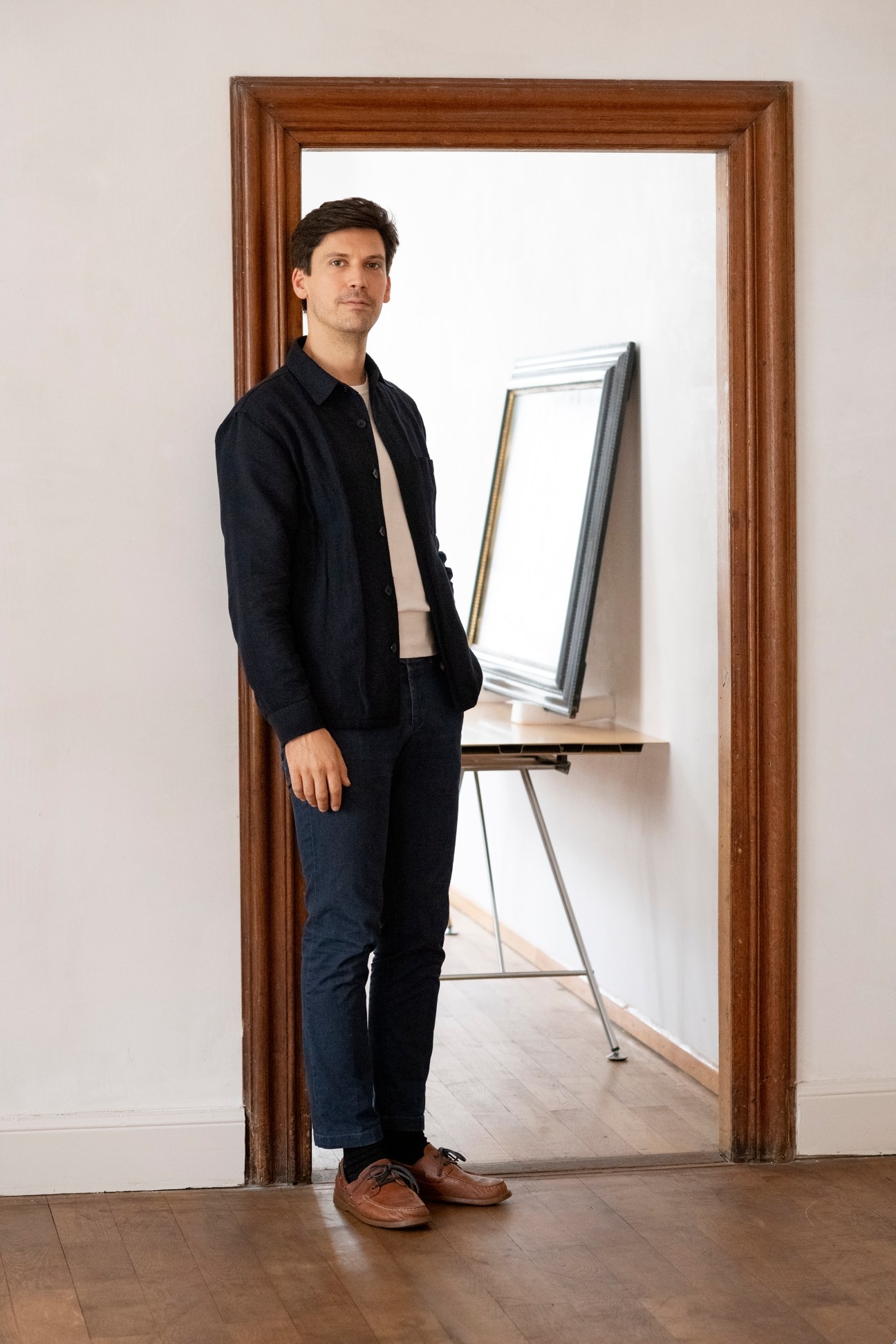
The Basel space will be Hauser & Wirth’s most petite; “intimate and not at all showy”, as Knoell says. An elegant squeeze.
Fondation Beyeler
Mix and match
The Fondation Beyeler has been showing world-best exhibitions in its glass-and-brick Renzo Piano galleries for 26 years – and this year it seems that even these stately walls have caught the 2024 Basel Fun Bug too. For the first time in the institution’s history, it’s being taken over. A roster of 30 contemporary artists will stage an experimental show celebrating “the complexities and uncertainties involved in bringing artists together”. That’s according to Philippe Parreno and Precious Okoyomon, two of the show’s creators, who will also display their own work.

Expect to see pieces by artists such as Kenyan-British poet of figurative paint Michael Armitage, artist and guitarist Joshua Chuquimia Crampton of the American Pakajaqi nation of Aymara people, and Japanese sculptor Fujiko Nakaya. The Beyeler, rather than stuff its wonderful permanent collection in the attic, will allow these artists to interact with works by the likes of Monet, Van Gogh and Bourgeois. Call it a mash-up and they surely won’t throw you out. What’s certain is that it’s going to be busy.
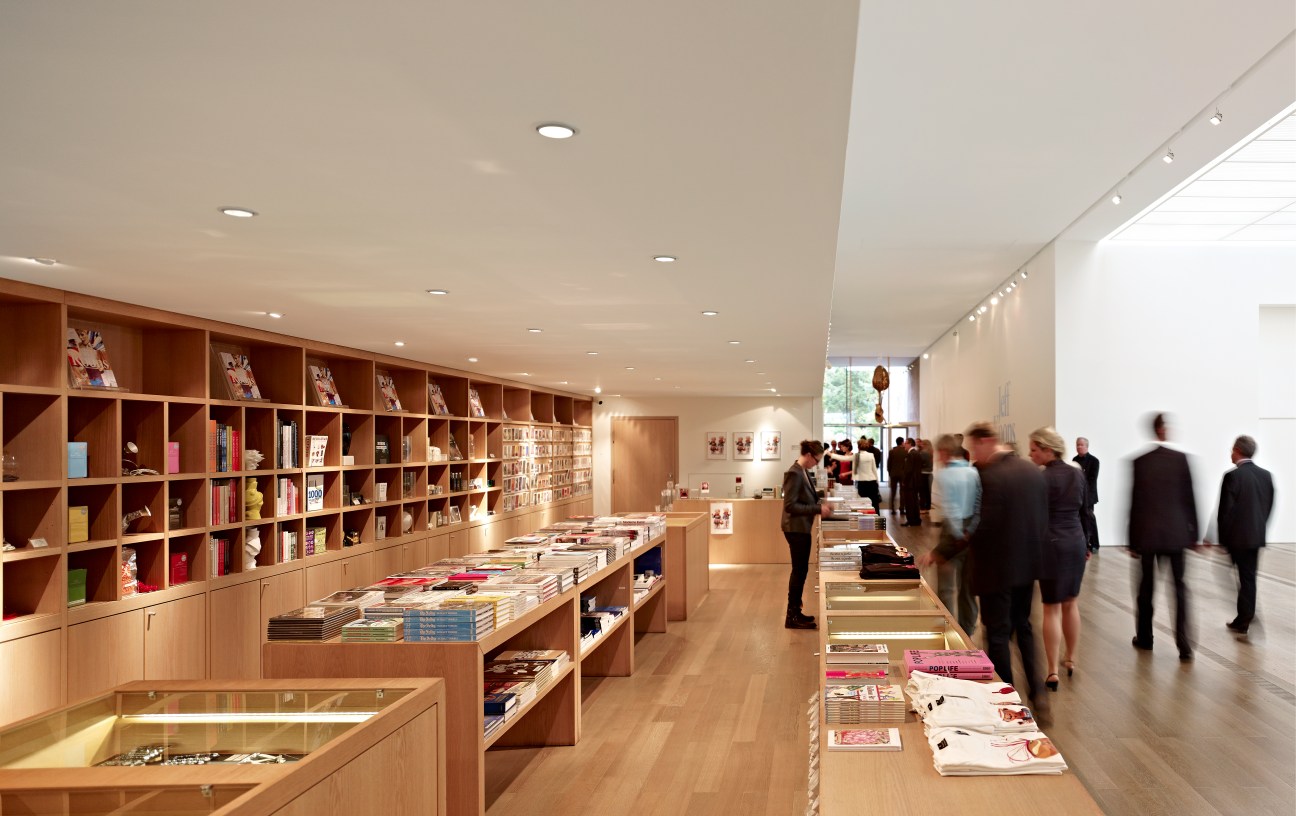
Q&A: Jaqueline Martins and Maria Montero
São Paulo’s new gallery
Brazilian dealers Jaqueline Martins and Maria Montero have teamed up to create Martins & Montero. The gallery will focus on Brazilian art’s historical trailblazers as well as its new voices. “Together, we can expand horizons and offer artists endless possibilities,” the duo tells Monocle. Artists who have piqued the gallery’s interest include figurative painter Lia D Castro, installation artist Lydia Okumura and pop-art-inspired João Loureiro.
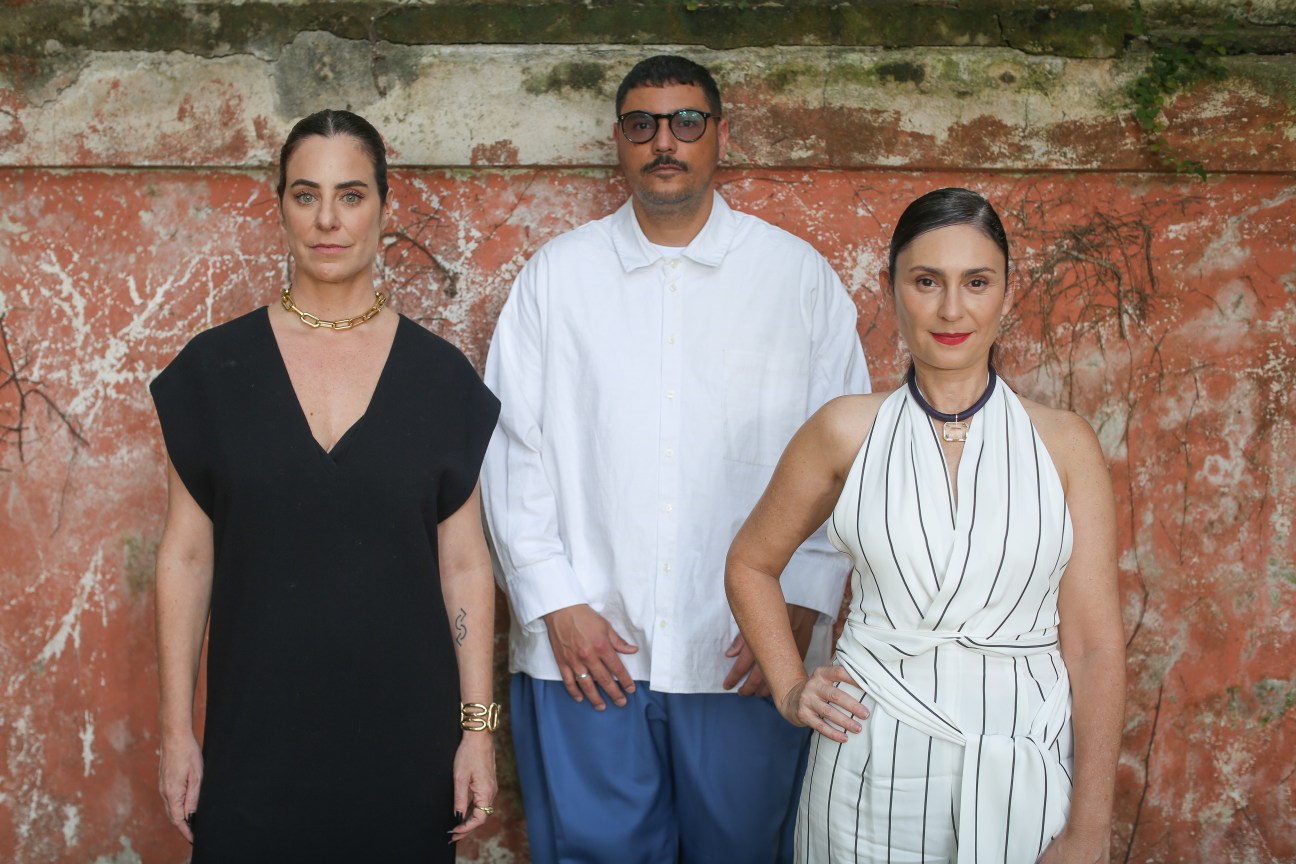
Why is this a good match? This merger combines our shared dedication to celebrating Brazilian art’s historic pioneers and nurturing emerging talents. Fortunately, we’ve also built a lasting friendship, which helps to enrich collaboration and strengthen our role in the Brazilian and international art markets.
How large is your team now? We have 14 people in the galleries between São Paulo and Brussels, where Yuri Olivera came with Jaqueline and will lead operations in Europe. Together we look after 32 artists.
What does the new space in São Paulo look like?
It’s a big, beautiful house built in the late 1950s in the Jardins district – a lush, green neighbourhood. The space can be adapted to host any kind of exposition and all the rooms [there are a lot of them!] have a welcoming ambience. The house is surrounded by a beautiful garden where people can hang out too.
What does Martins & Montero have planned for the summer?
In Brussels, we’ll be showing Rebecca Sharp, a fantastic surrealist painter. In Brazil, we’ll show a retrospective of Lydia Okumura, a historical conceptual artist.
What are you looking forward to outside your own shows?
Lygia Clark at Pinacoteca de São Paulo is a must; Corpo/Casa at Pivo Art & Research creates a dialogue between Carolee Schneemann, Diego Bianchi and Márcia Falcão; the Carmela Gross retrospective at Sesc is wonderful; Celeida Tostes at Superfície Gallery; and finally, at Masp, Lia D Castro is definitely in the diary for July.
Interview: Alain Villard, CEO of Swatch
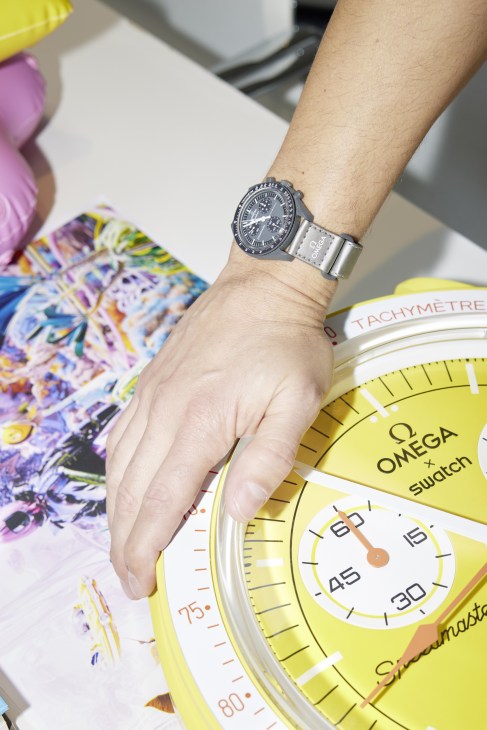
Alain Villard is the charismatic CEO behind Swatch, the Swiss watchmaker known for its brightly hued timepieces that are often associated with our childhoods. But under Villard, Swatch, whose battery-powered watches are frequently credited with saving the Swiss watch industry following the quartz crisis of the 1970s, has succeeded in tuning back into the cultural zeitgeist and attracting the attention of grown-up watch collectors. This is partly thanks to a series of outside-the-box partnerships, including two sell-out collaborations with the Swatch Group’s premium sister brands, Omega and Blancpain. The MoonSwatch – a spin-off of Omega’s popular Speedmaster line, worn on the moon by Buzz Aldrin in 1969 – elicited long queues around the world, with some shops having to close their doors within 30 minutes of the release due to unexpected demand. The excitement remained just as high during the more recent launch of a collaboration with Blancpain, a playful take on its Fifty Fathoms diving watch. Villard is also behind the latest releases in the brand’s long-running Swatch Art Journey collection, which sees the work of famous artists such as Roy Lichtenstein and Jean-Michel Basquiat transformed into wrist-ready masterpieces.
Having grown up in the canton of Bern in Switzerland’s “Watch Valley”, Villard understood the culture of watchmaking from a young age. He began his tenure at Swatch in 2002 at the company’s shop in Biel, home to the Swatch HQ. He quickly rose through the ranks thanks to his zeal for the brand, becoming retail manager for the Swiss market, then brand manager for Swatch Switzerland. He was named CEO in 2022. Here, he talks to Monocle about Swatch’s success, art-world collaborations and future ambitions.
What is Swatch’s position in today’s horology market?
Since the brand was founded more than 40 years ago, our aim has been to satisfy a wide audience with our offering. At the same time, we have always taken risks, which have been key to the success of Swatch today. We have a lot of competition in the watch market now, so it’s important to stay faithful to our identity as the world’s favourite “second watch”. The footfall in our shops and the reception of our projects around the world show that Swatch is still a coveted brand. We want to maintain that momentum and keep introducing innovative products.
Why did you decide to collaborate with Omega and Blancpain, which operate in a more premium space?
By bringing together iconic brands under the Swatch Group umbrella, we were able to really get it right. I was lucky to be part of the task force working on these projects. We could tell that something exciting was happening. We examined every design detail and used the element of surprise to our advantage. These collaborations remain ongoing; we’re constantly developing new ideas and concepts.
Were you surprised by the reaction?
I wasn’t entirely expecting the reception that we received. We had about 5,000 people waiting outside our shop in Melbourne just before the inaugural launch of the MoonSwatch. And there was the same pattern worldwide; the reception at our Carnaby Street shop in London was equally amazing. I still get goose bumps when I think about it. What’s also impressive is that Omega Speedmaster Moonwatch sales have increased by more than 50 per cent since the launch of the MoonSwatch collection.
What was the idea behind your latest Swatch Art Journey collection?
We have collaborated with the art world since 1984, the year after the brand was founded. There has always been a lot of consideration from the artists who we partner with, so our design-inspired collections have always been successful. Keith Haring and Kiki Picasso worked with us at the start and we have since collaborated with creatives such as Damien Hirst, José Carlos Casado, Vivienne Westwood, Renzo Piano and Annie Leibovitz, who are true leaders in their respective fields. Artistic flair has always been part of our brand DNA and identity. The latest additions to the Swatch Art Journey collection are exclusive collaborations with major museums and organisations around the world. We wanted to create watches that paid tribute to iconic artworks from different continents, including those in the collections of the Moma in New York, the Louvre Abu Dhabi, Le Gallerie degli Uffizi in Florence and the Estate of Jean-Michel Basquiat.
What does the future hold for Swatch?
We haven’t made a smartwatch, though I respect brands that have. I’m not saying that we will never make one but it’s important that Swatch timepieces remain coveted fashion items above all else. We want to set trends and create pieces that customers can switch around according to their outfits. Even though I always wear one or, sometimes, even two watches, I can’t recall ever checking the time or longing for the weekend [while at work]. We want our timepieces to be functional but fun too.
Second thoughts
A collaboration fatigue had taken hold of the watch market over recent years, as every watchmaker tried to partner with designers, architects or sportsmen on limited-edition designs. On paper such tie-ins look compelling, yet so many lack substance and fail to resonate: slapping joint logos on a dial can only take you so far.
But this year we’ve seen a stronger play for creativity. The latest slew of collaborations has felt more grown-up, with watch firms allowing partners to put a genuine stamp on the watches that they co-design.
The Royal Oak Concept Flying Tourbillon, designed by couturier Tamara Ralph for Audemars Piguet, and Victoria Beckham’s sleek collection for Breitling – both unveiled in early 2024 – are examples of how to marry a fashion designer’s sensibility with watchmaking. Meanwhile, Italian-Swiss label Panerai has partnered with cultural institutions, the America’s Cup and even the military to offer collectors once-in-a-lifetime experiences. Those buying its limited-edition diving watches, for example, have found themselves visiting the Vatican out-of-hours, or participating in intense US Navy Seal training.
Watchmakers should take note: take bigger chances and think about the value of collaboration beyond the end product.