Issues
New perspectives: Brave openings and what to catch at the Venice Biennale and Art Basel
The Culture pages of Monocle’s June issue include a dab of inspiration, a splatter of fresh ideas and a rather fetching art special. First, our editors whisk you around three bold new openings, from the gallery making Carthage cool again (and rallying Tunisian talent) and a Valencian palace-turned-nightclub that’s welcoming an altogether artsier crowd, to the canny conversion of a military building aiming to put Kristiansand in Norway on the contemporary art map.
Elsewhere in these pages, we offer a not-to-be-missed preview of Art Basel, the 10 things to see at the Venice Biennale and share come secrets from a Canadian art collector par excellence. Sometimes the hardest thing about making a masterpiece is knowing when it’s finished – we hope that you enjoy our portrait of the best to see, buy and inspire this summer.
Emerging art scene
Carthage cool
Tunis
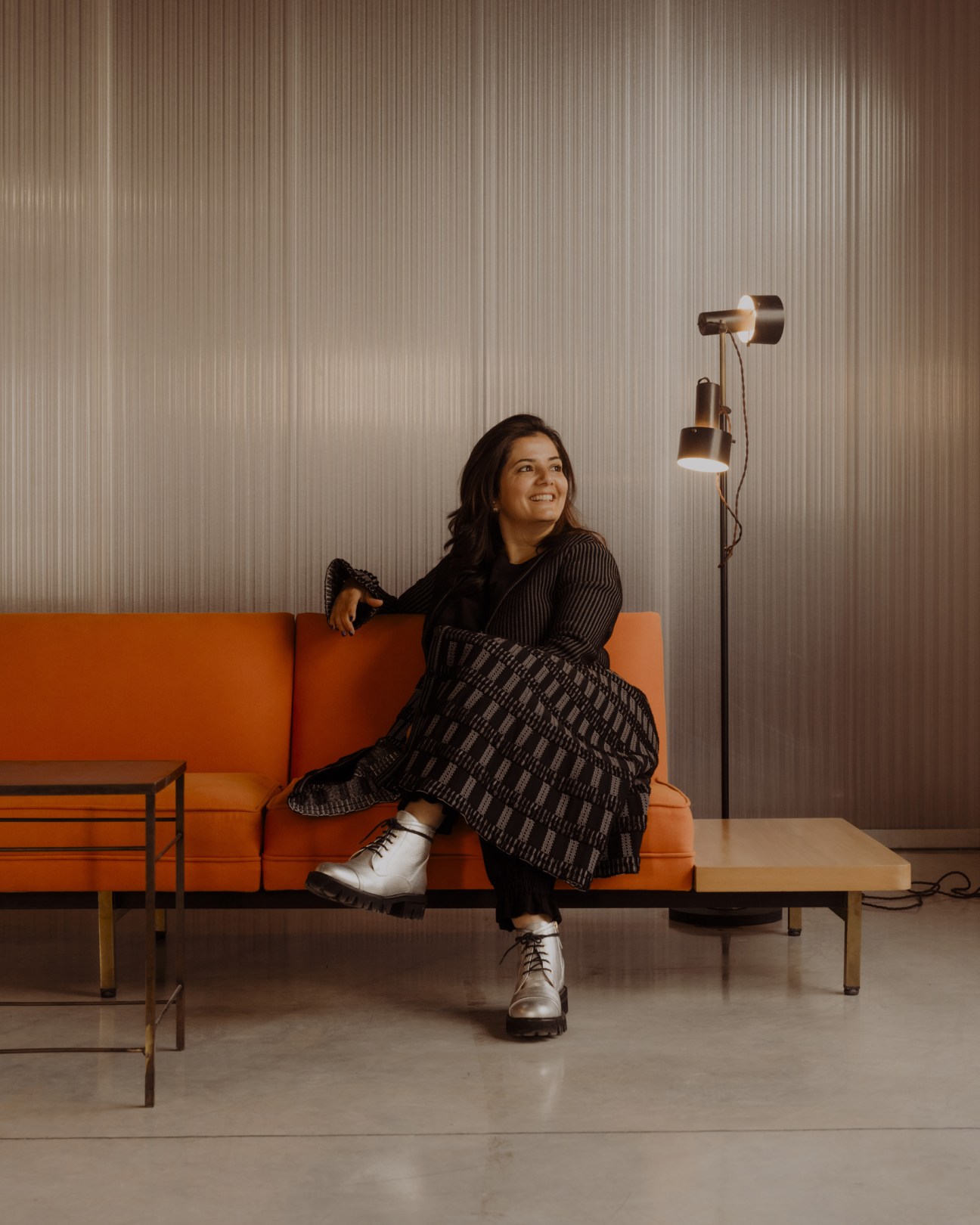
Selma Feriani took a gamble when she decided to open a contemporary art gallery in Tunis’s commercial district Le Kram, far from the city’s arts neighbourhood. “When you take the initiative, other people follow your lead,” says Feriani, who is perched on an orange George Nelson sofa on the vast third floor of her industrial gallery, which was designed by Tunisian architect Chacha Atallah. The space, the largest of its kind in the country, deliberately feels out of place. Feriani wanted to redefine the city’s arts boundaries by positioning her gallery downtown, rather than in the bourgeois neighbourhood of La Marsa, where you’ll find the residence of the French ambassador and the whitewashed bohemian village of Sidi Bou Saïd, which Paul Klee came to paint in 1914.
It’s a bold move but this is Feriani’s third outpost (she first opened in London’s Mayfair in 2010 before inaugurating a smaller space in Sidi Bou Saïd in 2013, now closed) and she isn’t afraid to take risks when it comes to championing her country’s art. More challenging, however, has been finding Tunisian artists who remain in the country. Under the dictatorship of Zine El Abidine Ben Ali, Tunisian creatives emigrated en masse to Europe in the 1980s in search of freedom of expression and, since his overthrow in 2011, their return has been slow and gradual. But Feriani intends to do everything she can to keep them here.
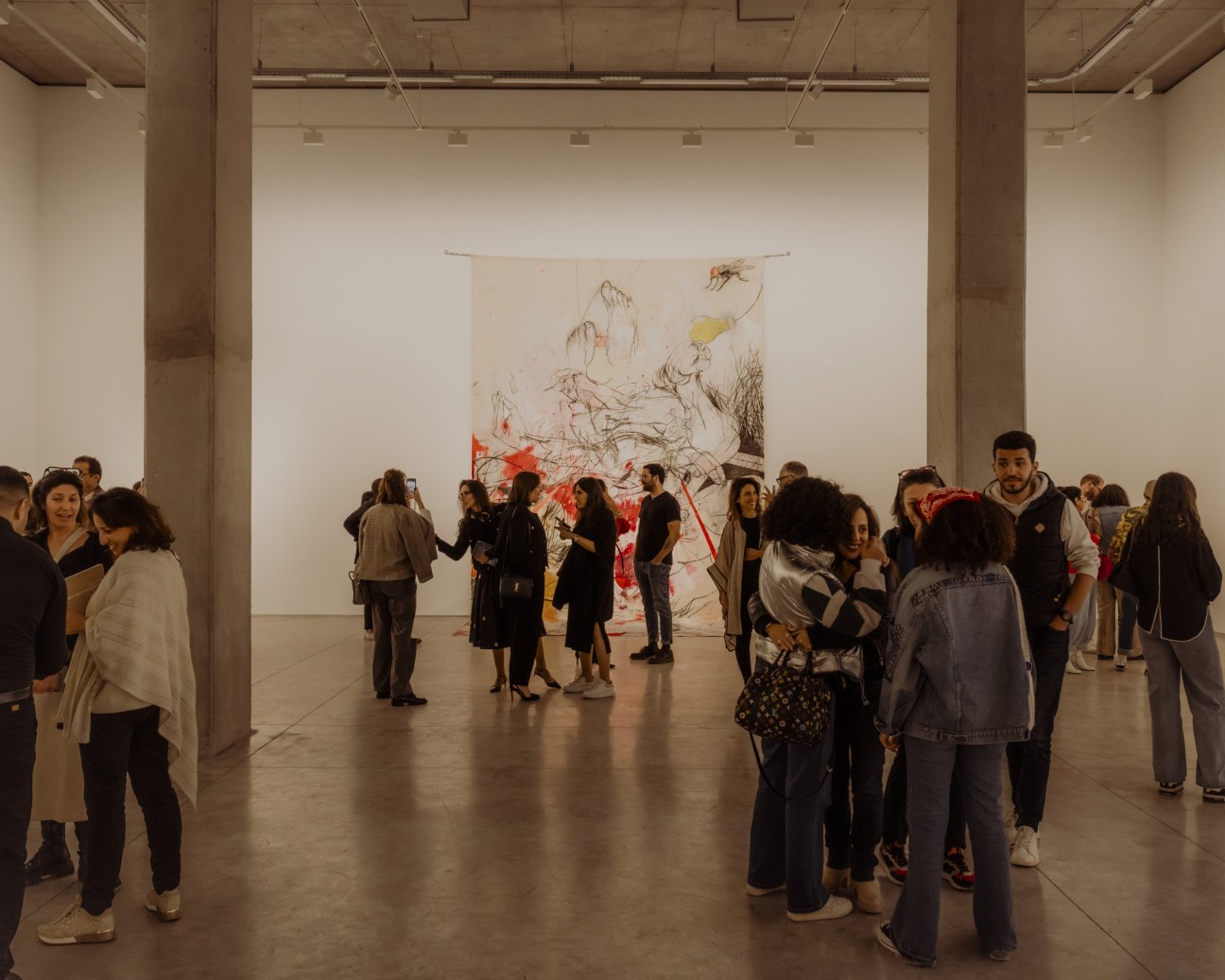
Tunisia gained independence from France in 1956 and the European population that had settled in Tunis under the French protectorate dissipated. “The identity of the arts and culture scenes experienced a vigorous Arabisation as a result,” says Atallah. That Feriani’s eponymous gallery has moved from a location in a converted convent in Sidi Bou Saïd to a slick white cube in Le Kram in the time since the dictatorship was dismantled is a useful barometer for measuring how the country’s changed politics have given the arts space to flourish.
Nevertheless, ever a product of its time, art here remains politically charged. Wider social tensions have calmed but the sector is experiencing significant growing pains. As a result of heavy taxes imposed on importing and exporting artworks, as well as the weakness of Tunisia’s currency, making a living as an artist in Tunis can be complicated and arduous. Relocating elsewhere is not an option for most. The US, for example, only offers 55,000 visas to Tunisians seeking to emigrate via an annual lottery.
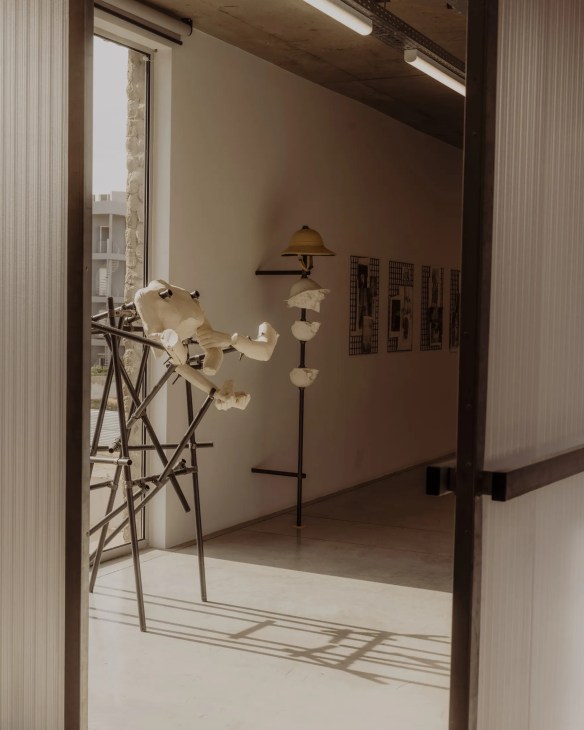
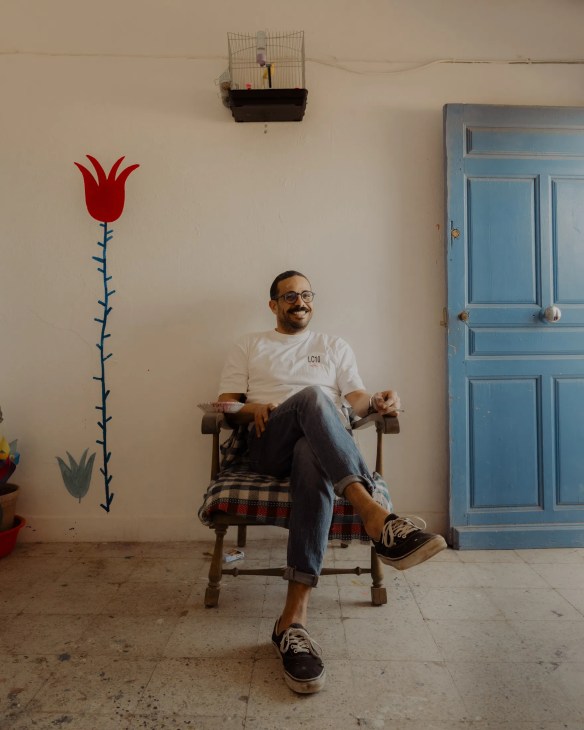
But the community is persistent and is making headway at home. “In Tunis, you always have to have a plan B because nothing comes without a fight,” says Feriani. “As Tunisians, we know never to ask anything of the government. Instead we support each other.” In a country that dedicates a tiny percentage of its budget to the arts, the scale of the new Selma Feriani Gallery sets a precedent for a city with a distinct absence of space for exhibitions.
Feriani’s aim isn’t just to contribute to her native city’s burgeoning art market; she wants to take it to the next level. “I looked to build a gallery that would become a reference point for the region and for the continent as a whole,” says Feriani, who hopes that by exhibiting works by Latin American and Middle Eastern artists, alongside the domestic output (which remains the focus), she can create a cultural mix, harnessing renewed links, particularly within the Middle East and North Africa. She wants to channel her energy into bringing art to Tunis, rather than sending it away. “I don’t want to be everywhere and nor do my artists,” she says. “When artists from here become international, they’re no longer accessible to the Tunisian market, which disenfranchises the industry further.”
One way of doing this has been to create an artist-in-residence programme. “We want to invite international and Tunisian players to spend time in Tunis, to integrate into the tight-knit community and to produce site-specific projects,” she says. In a converted garage in Bhar Lazreg, a rural area in the northern suburbs, Franco-Tunisian visual artist Férielle Doulain-Zouari, who studied at the École Duperré Paris, is currently using the programme to hone her craft. “In Bhar Lazreg, it’s much easier to engage with people who don’t find the city’s art to be very accessible,” she says, motioning to curious onlookers peering in, including a flock of sheep – a reminder of how recently this area has become home to an artistic community. Industrial workshops here make raw materials that Doulain-Zouari, who uses scraps from an ironmonger and a Syrian glassblower based nearby, can easily access to celebrate what she refers to as the behind-the-scenes Tunis.
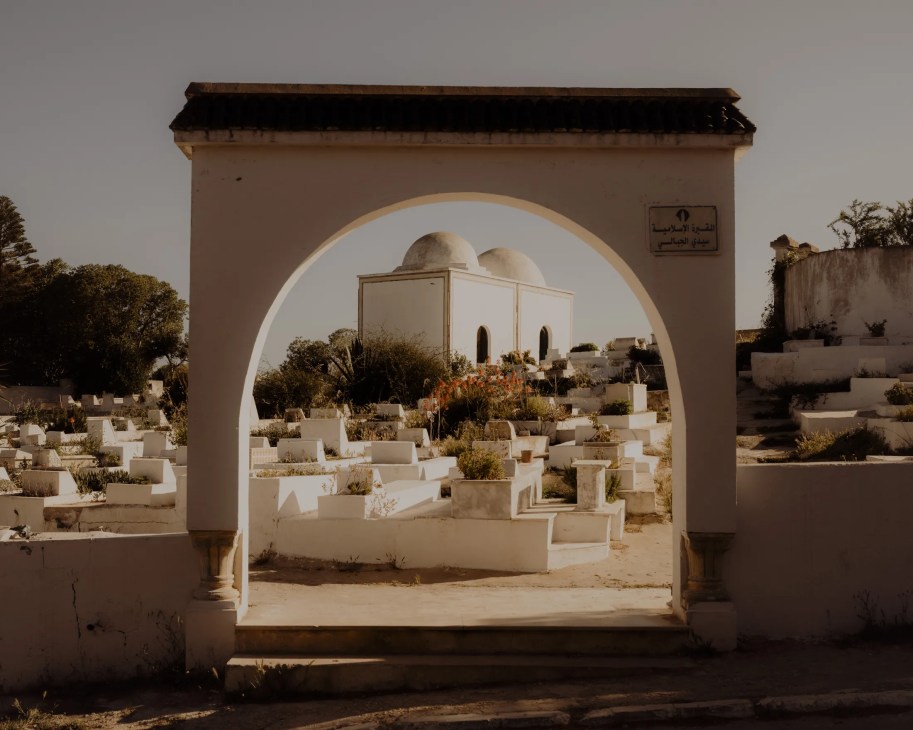
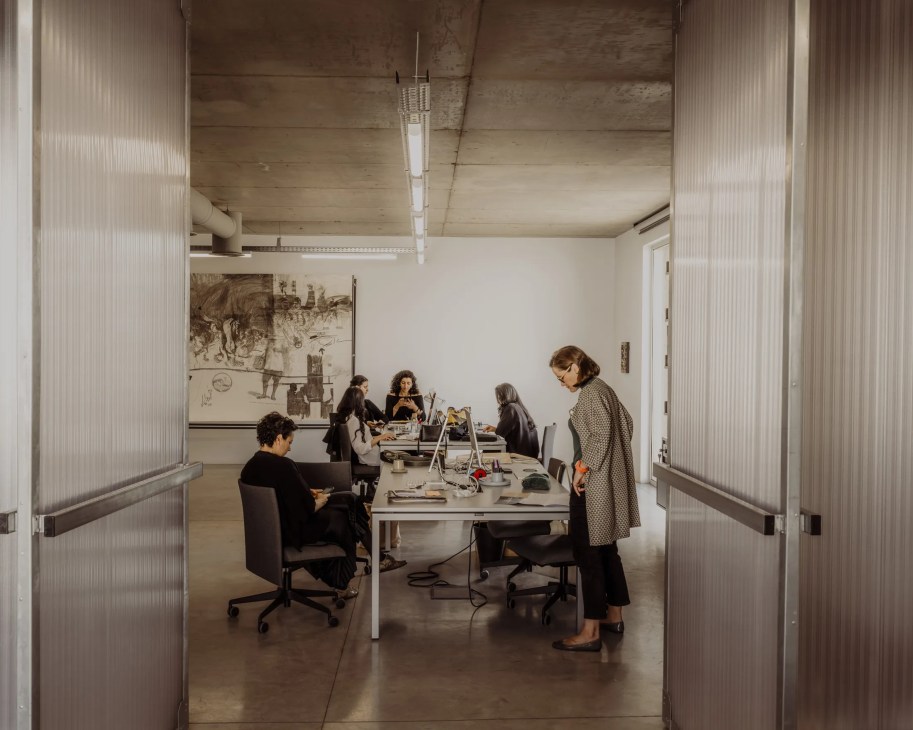
Feriani’s dynamic artist-in-residence programme is nurturing local talent and helping to democrtise the industry. “Before the Tunisian Revolution, the art world was reserved for those who could afford to study in Paris. Now emerging creatives are being granted the space to get involved, challenging the Western idea of the art world as elitist,” says sculptor and filmmaker Malek Gnaoui, who is also the artistic director of the video art section of the Gabes Film Festival. The trope of documentation appears in one form or another across much of Tunis’s modern artwork. “Our government is still very secretive when it comes to archiving,” says Gnaoui.
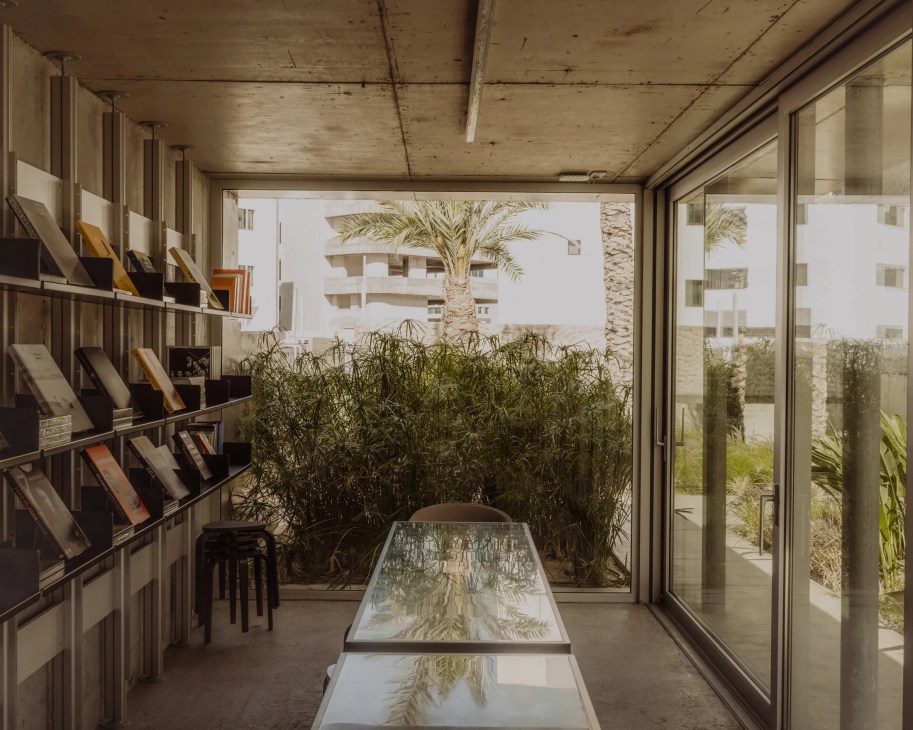

Established in 2007, the work of cultural ngo L’Art Rue is another driving force behind the opening up of the city’s artistic spaces. Tucked away in the Unesco-protected medieval Medina, L’Art Rue’s lively programme runs workshops funded largely by the French and Swiss ministries of culture. “We’re trying to break down barriers, in terms of the spaces themselves but also economically: some of the most marginalised people live in the Medina, which is home to one tenth of the population,” says production manager Aicha Zaied. Cultural centre 32bis, which is in the former Philips HQ in downtown Tunis, offers free access to its media library to make arts publications more accessible. “We don’t publish enough art books in Tunis,” says Feriani, who has a budget to produce one publication a year. Removed from the pressurised environment of Europe’s most lucrative markets, artists choosing to return to Tunis feel some sense of relief. “Here my work has the space to breathe,” says landscape painter Fares Thabet, who studied fine art in Madrid before returning to Tunis in 2016 to take over his father’s ceramics workshop. “In Madrid, the art world has become very intellectual.” As we sip fresh mint tea on the studio balcony overlooking the coastal fishing village of La Goulette, it is clear why Thabet feels calmer away from the noise of Madrid.
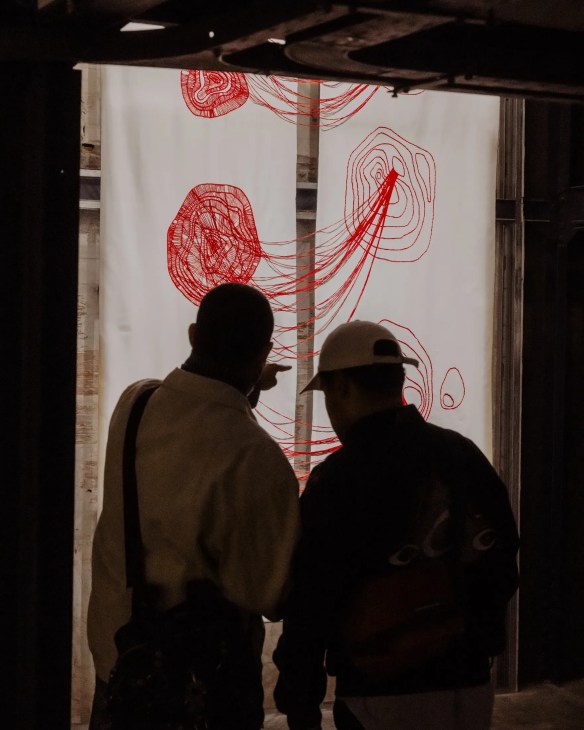
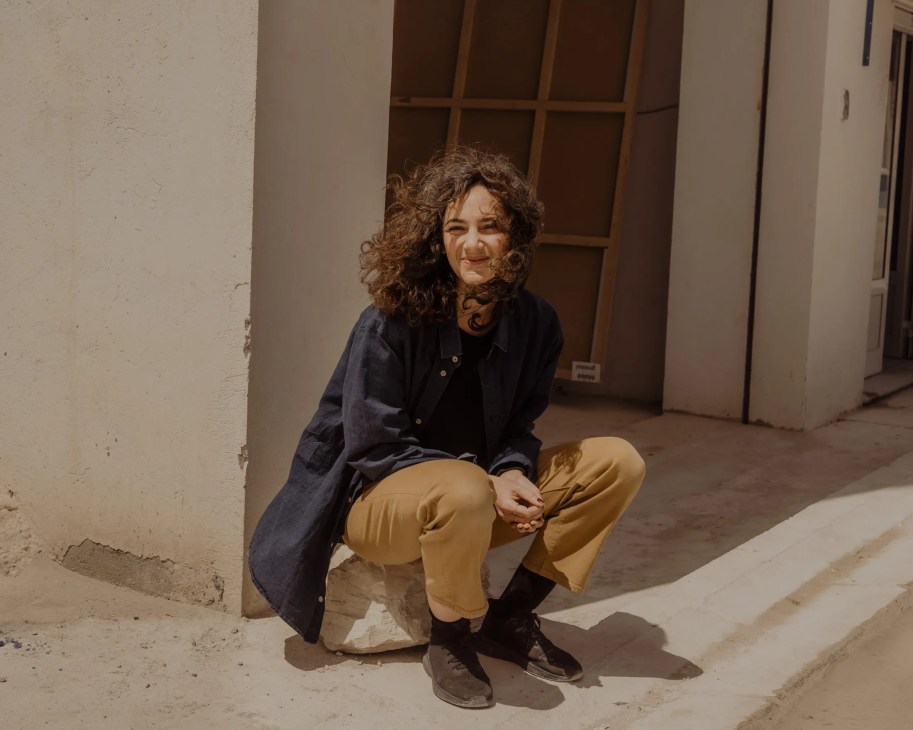
The same goes for other key European centres. “Paris is a bubble,” says photographer and calligrapher Nicène Kossentini, who studied fine arts at the Sorbonne University and whose calligraphy poetically preserves medieval Arabic texts, the language tha forms the bedrock of her Maghrebi identity. After exhibiting in Algiers, Tehran and Alexandria, Kossentini found the most fertile artistic territory in her native North African nation, returning in 2010 despite her family’s base in the French capital. It’s a familiar feeling that Feriani wants to harness. “In Tunis, your work won’t be judged. That’s very refreshing,” she says.
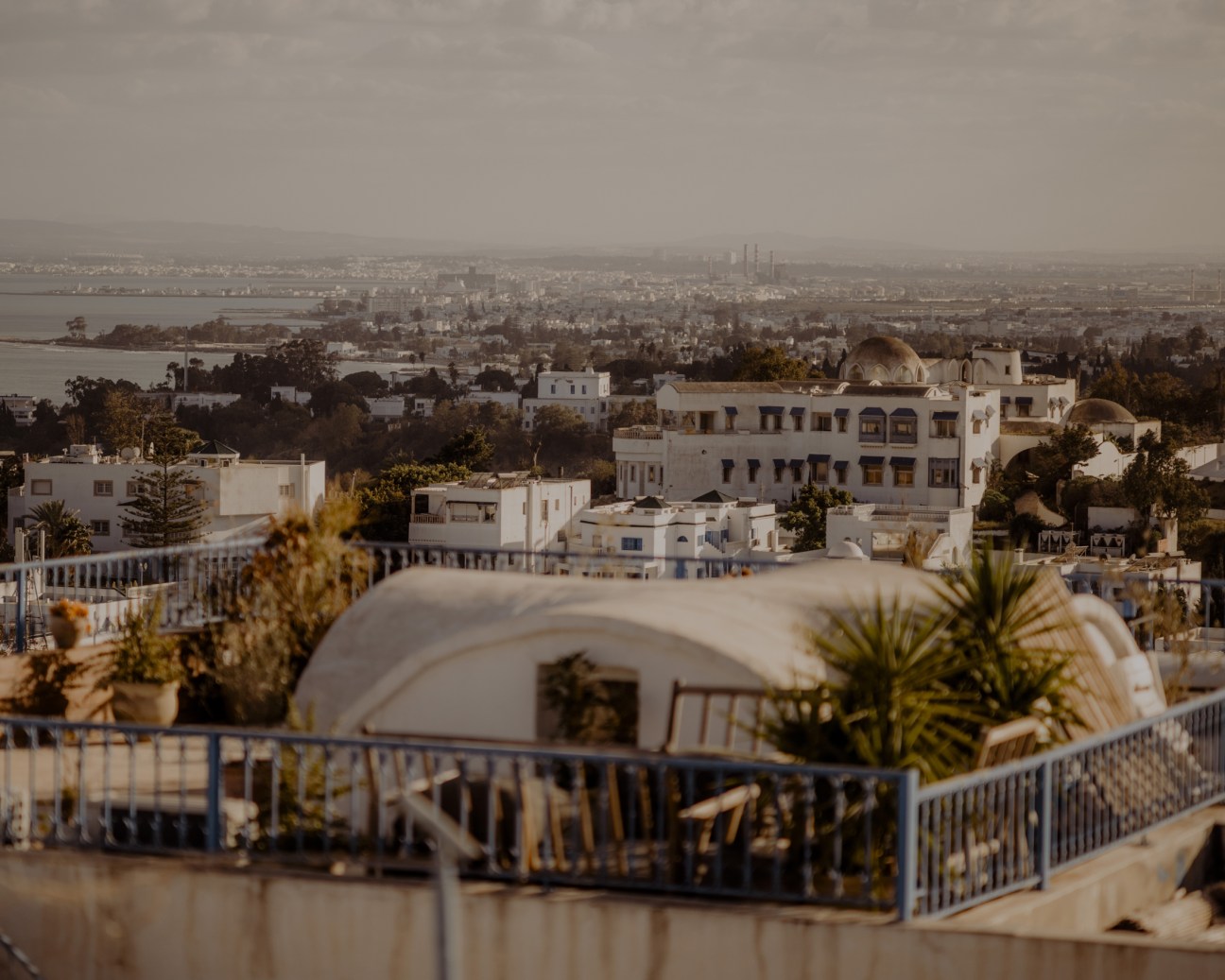
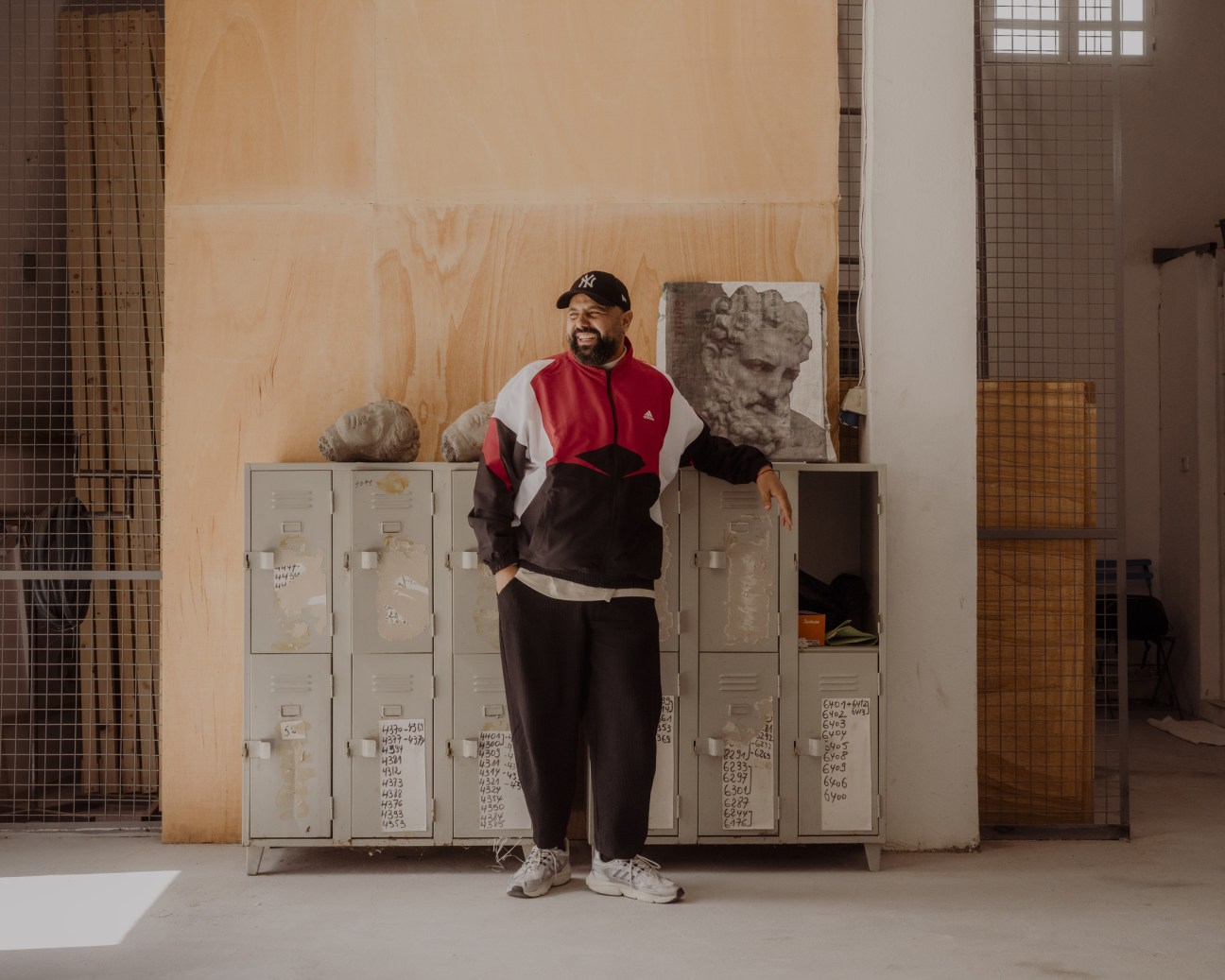
But without a comparable proliferation of arts institutions throughout Tunis, the new generation will continue to migrate. “It’s still the norm to study abroad because we only have 12 art schools,” says Kossentini. This has led to an undervalued Tunisian market. “Art here isn’t always meritocratic because people are still scared to give native artists a platform,” says Benjamin Perrot, co-founder of El Warcha design studio in Le Kram. “Until we fully commit to investing in the art produced within our borders, the scene here will lag behind.”
Though Tunis’s arts infrastructure continues to be hampered by political, economic and logistical constraints, there is a fresh sense of optimism pulsing through the city, which is still suffering from post-revolutionary trauma. Organised by L’Art Rue, the city’s biennial art festival was exported to Brussels for the first time in April. It is a clear indicator that there is a growing European appreciation for North Africa’s rich artistic offering, a trend that Feriani intends to nurture. The festival is aptly named Dream City – a reminder that Tunis has always dared to dream.
selmaferiani.com
Tunis address book
stay
La Villa Bleue
Arab-Andalusian architecture draped in bougainvillea looms large over the Gulf of Tunis.
lavillableuesidibousaid.com
eat & drink
Ben Rahim
Arab coffee culture is ingrained in Tunisia’s first speciality coffee shop, which is open late.
benrahim.tn
Le Golfe
An elegant spot overlooking the Mediterranean: sample the boutargue (mullet roe), a delicacy of the city’s Italian diaspora.
restaurantlegolfe.com
Konbini
Japanese-Mediterranean fusion cuisine inspired by Tokyo’s convenience store culture.
Rue de Phosphate, Marsa
shop
Bleue Deli
Sidi Bou Saïd’s only concept store-cum-café: pick up a jar of locally made harissa or try the signature shakshuka.
8 Rue Habib Thameur, Sidi Bou Saïd
do
Phosphor Design District
A creative area in the city’s industrial neighbourhood, which is home to 12 studios.
Rue Phosphate, Bhar Lazreg
Le Violon Bleu
Set up by Selma Feriani’s mother, Essia Hamdi, in 2004, this gallery promotes the modern artists of L’École de Tunis.
16 Rue de la Gare, Sidi Bou Saïd
The palatial gallery
Hortensia Herrero Art Centre
Valencia

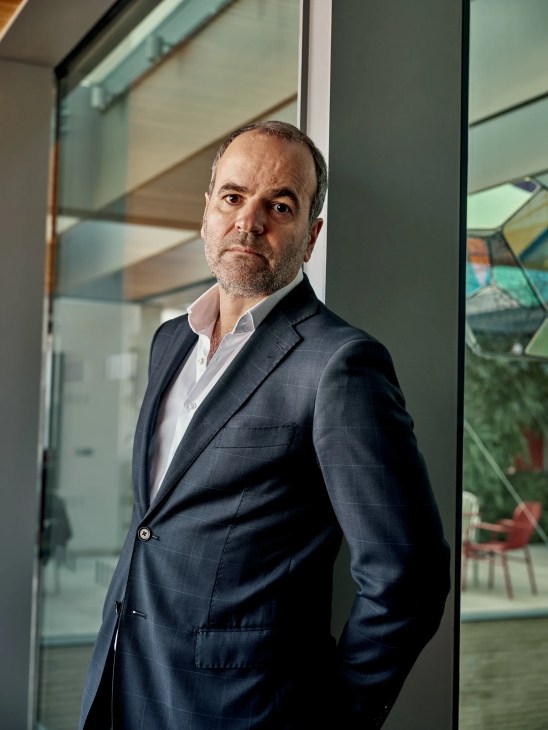
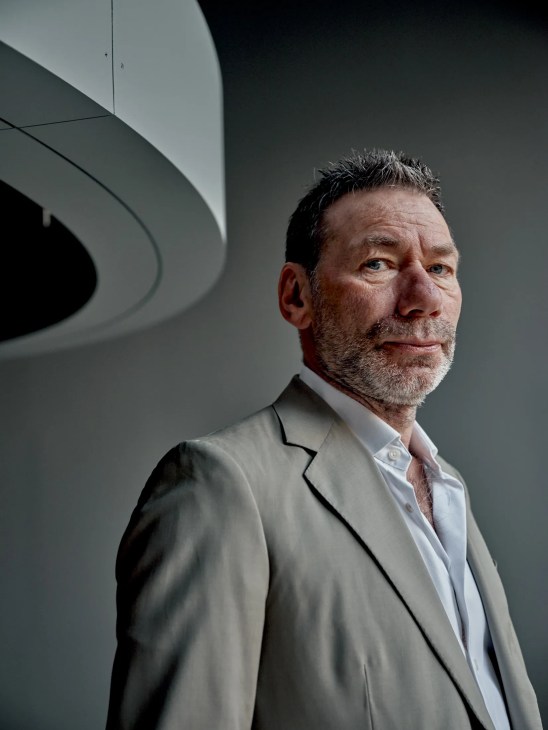
Art collector Hortensia Herrero’s plan to establish a museum that would be the pride of her hometown, Valencia, has been a decade in the making. Herrero, a part-owner of Mercadona, Spain’s biggest supermarket chain, wanted to create a world-class venue for cutting-edge international artists and worked with curator Javier Molins, her advisor and artistic director of the project, to make the museum come to life.
“We had to think about what would be good for Valencia,” says Molins as he shows Monocle around the Hortensia Herrero Art Centre, obviously excited by the opening day ahead. “It’s about bringing together artists who would normally only exhibit in London or New York. By having this art here, we are making Valencia more beautiful and international than before,” he adds, peering out of a window towards the sun glinting off the golden roofs of the historical centre.
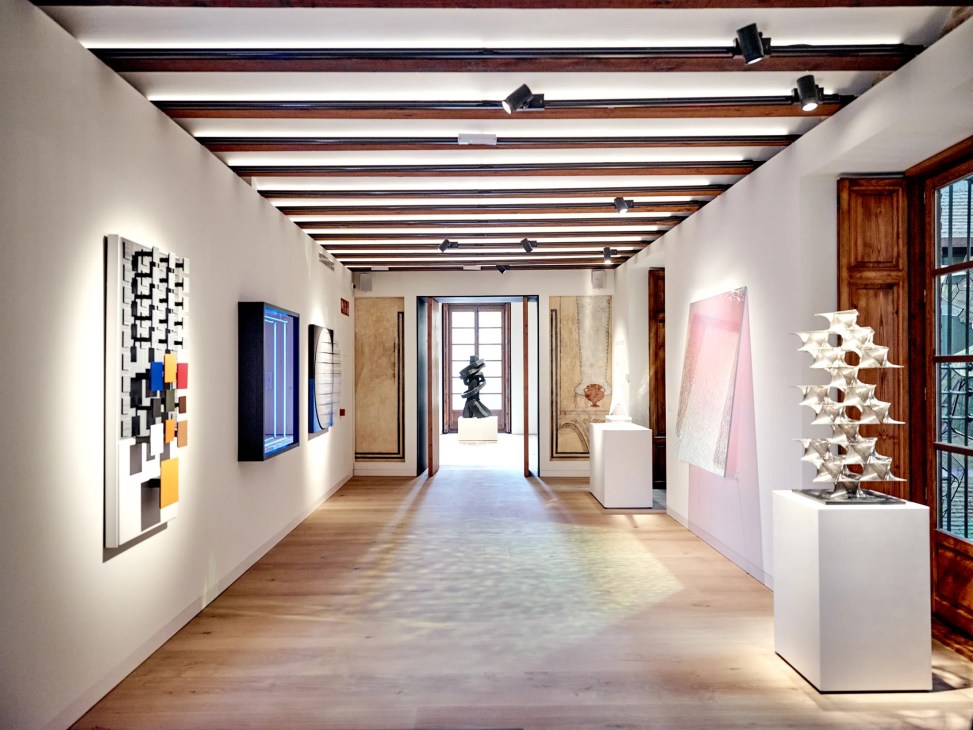
The Mediterranean city is already home to a clutch of well-pitched commercial galleries – among them, Luis Adelantado, Vangar and Ana Serratosa. But, until now, there were few hallmark spaces dedicated to bringing contemporary art into the public sphere. From works by Alexander Calder, Eduardo Chillida and Anselm Kiefer to Georg Baselitz, Olafur Eliasson and David Hockney, the collection is a hit list of modern visual art. The building is inviting, with the works presented against a deliberately accessible backdrop of whitewashed walls.
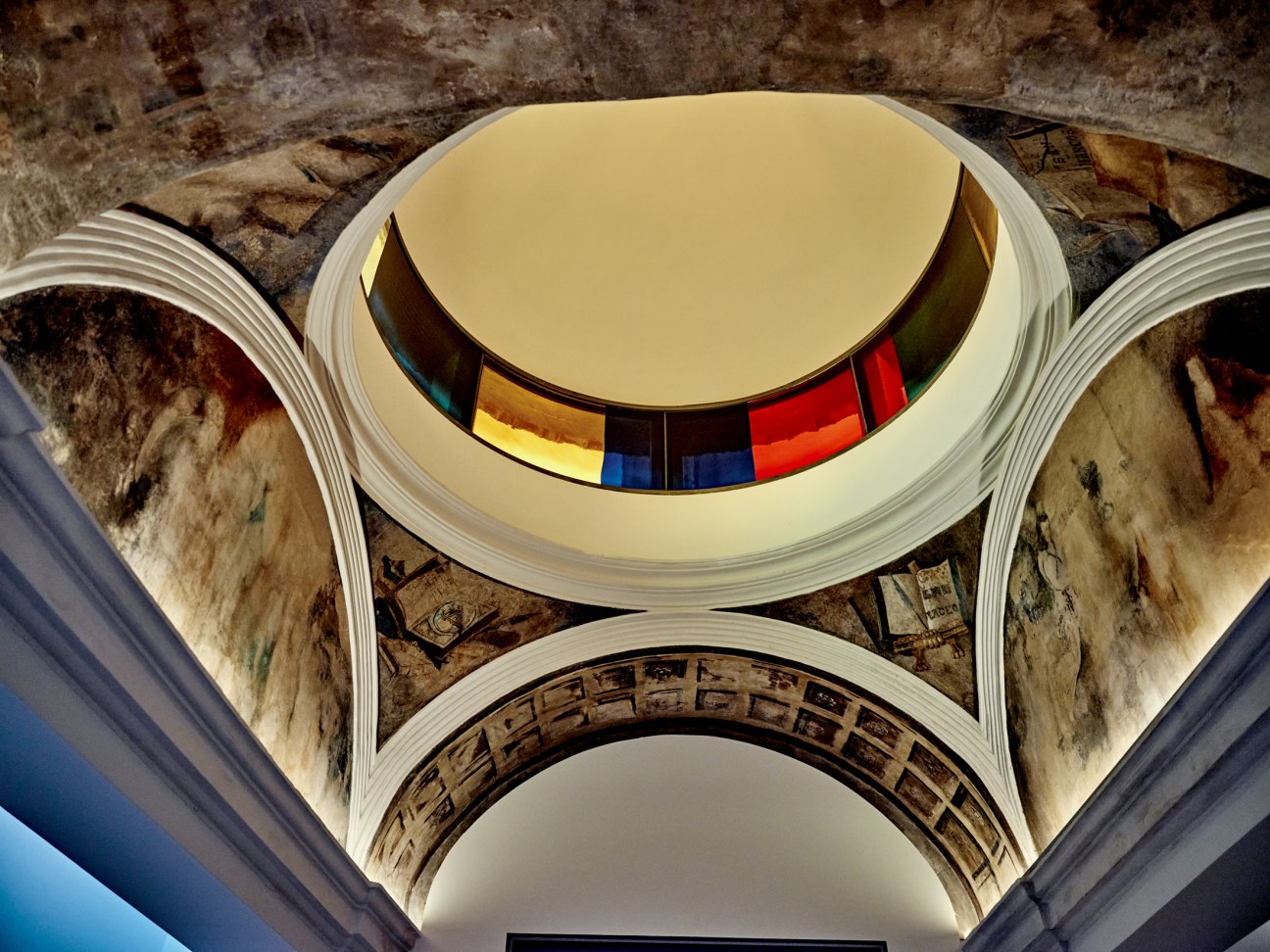
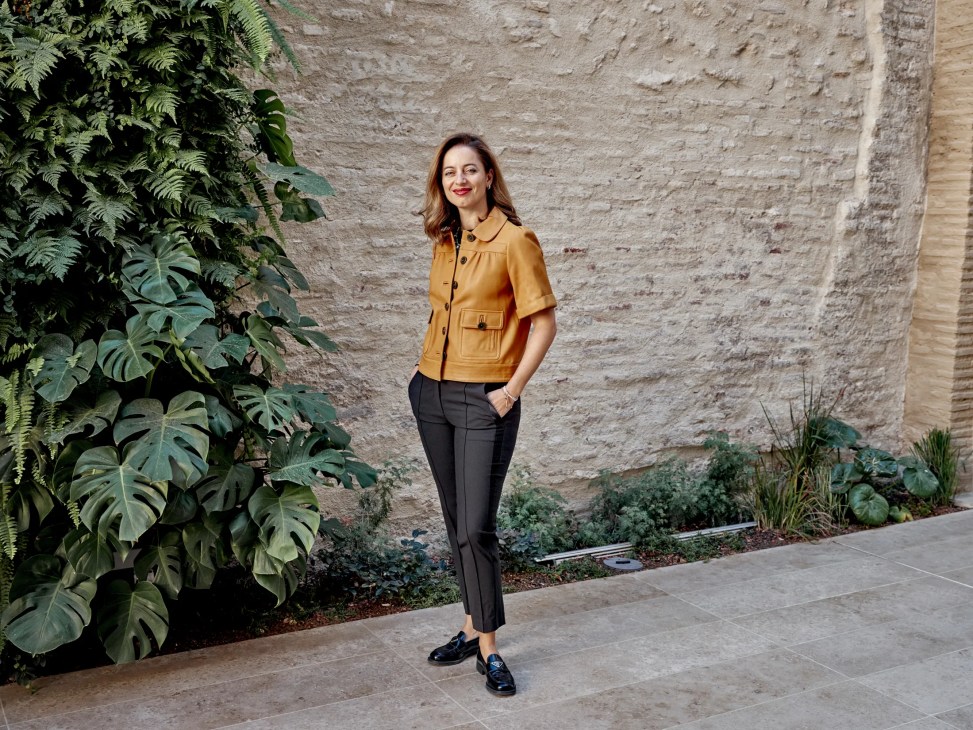
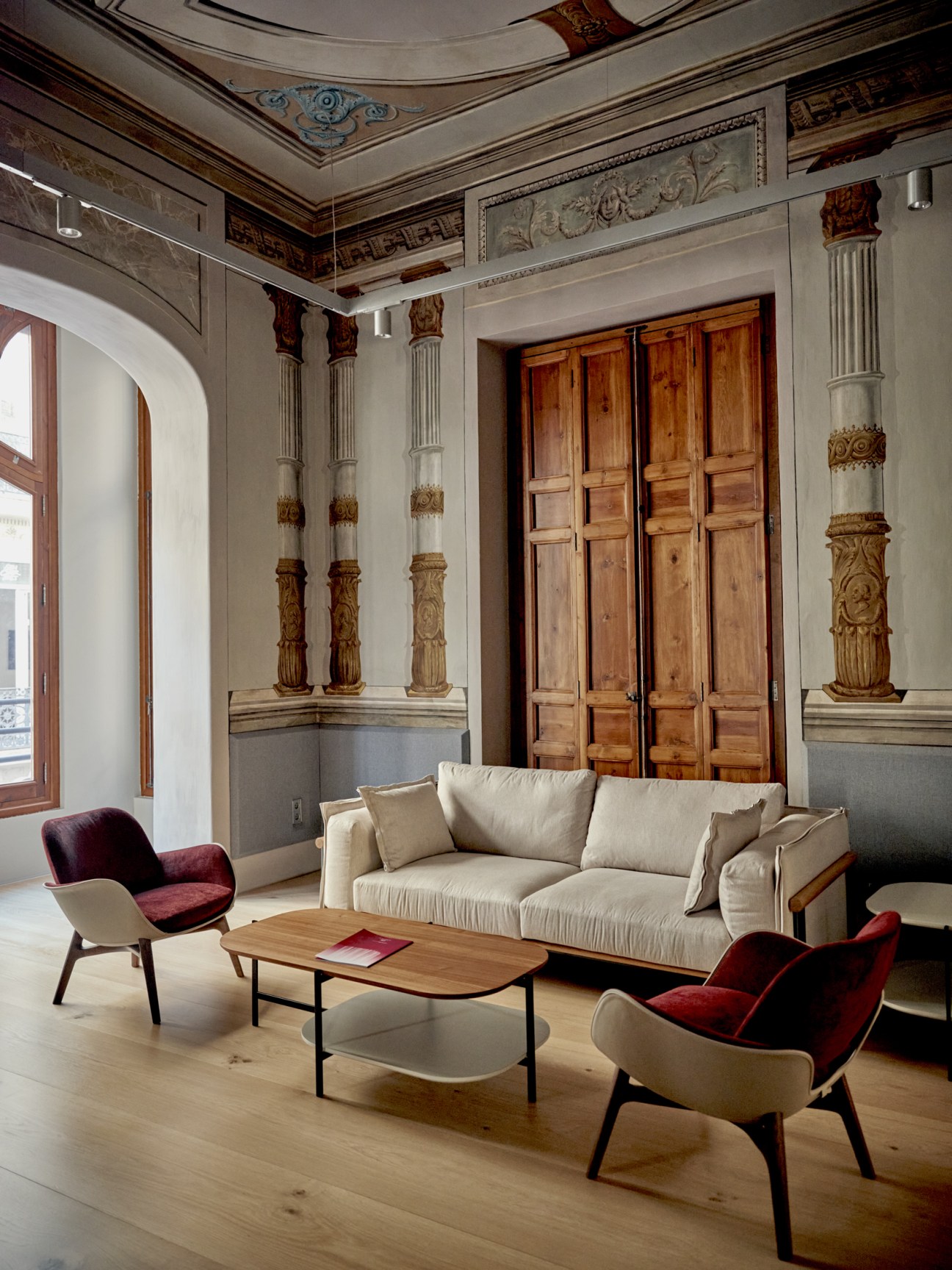
For some Valencianos, the structure is part of the pull. Many hadn’t stepped foot inside the building since its time as a club in the 1980s, when the owners are said to have kept lions in the basement (Monocle is still trying to find out whether this is apocryphal). The property was originally built as a palace in the 17th century but also served as a printing press for Las Provincias newspaper from the early 1890s until the 1970s. By the time the architects at Erre studio were tasked with reimagining the space in 2016, the building had been abandoned for decades. “It had completely deteriorated; it was in ruins,” says Amparo Roig, a partner at Erre and Herrero’s daughter, while standing in the light-filled inner courtyard. “But you could see that it was magical. We were sure that it would be great in the end.”
Remarkably, it is the only place in town where you can catch a glimpse of the city’s ancient Roman circus, the remains of which are hidden beneath the streets. During the renovation work, the architects uncovered a medieval oven, Moorish fountains and a tiled passageway from the former Jewish ghetto. All of these signs of the city’s past are now displayed alongside the gallery’s main collection. “You know that you’re going to find a prize when you start digging in the centre of Valencia,” says Roig with a chuckle. “There are so many layers of history.”
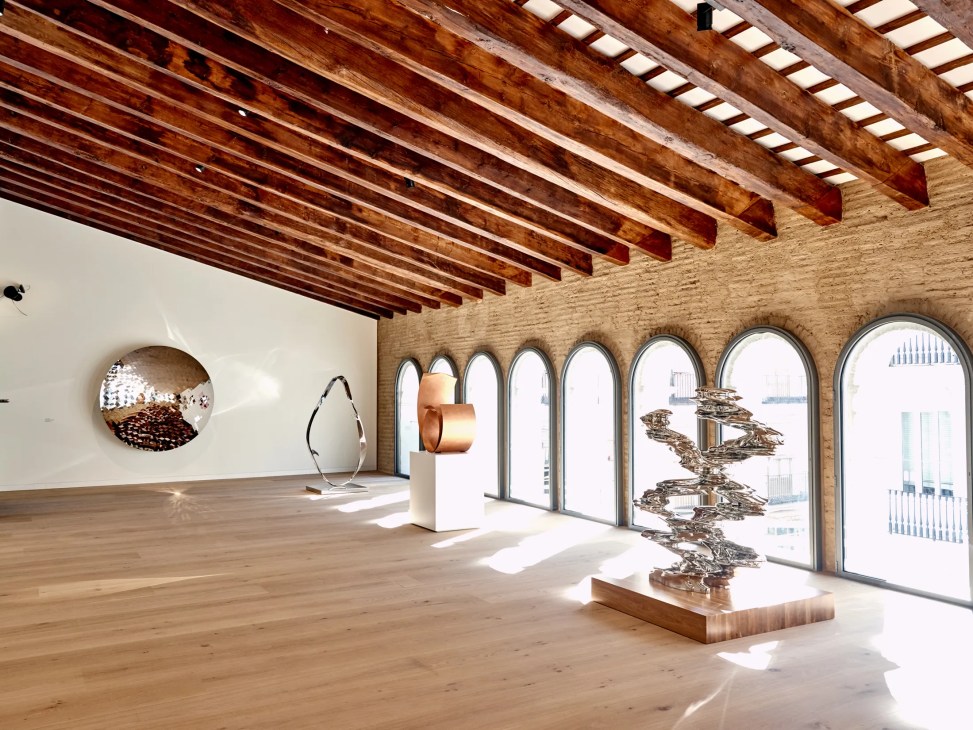
The biggest challenge for the studio was to adapt the residence to displaying art. The team decided to build a vast, hidden elevator platform to bring hefty works all the way up to the top floor, as well as a new wing to house multimedia projects. Much of the debate between the architectural and curatorial teams centred on whether it was possible to keep all of the original windows in place – or whether it might be better to cover them up to create more wall space on which to hang the art.
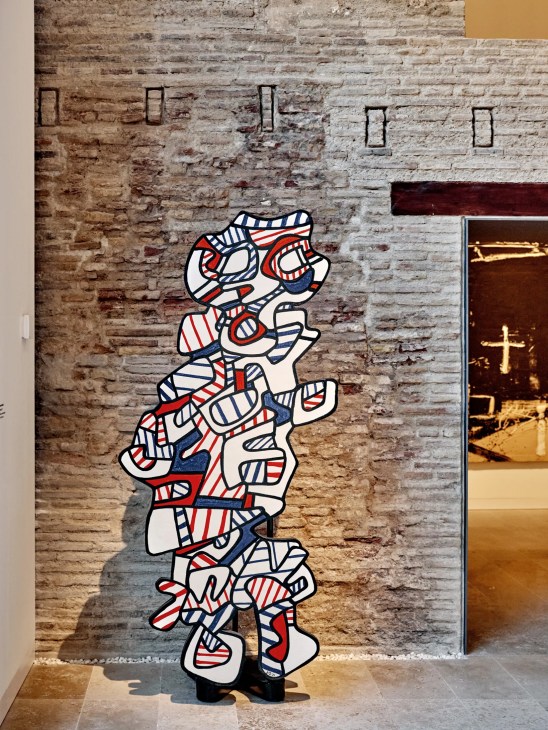
The former idea – and seemly fenestration – prevailed. The refit feels more sensitive and airy as a result. The team was keen to involve artists in shaping the structure from the beginning of the process, commissioning six site-specific installations to maximise all the display space.
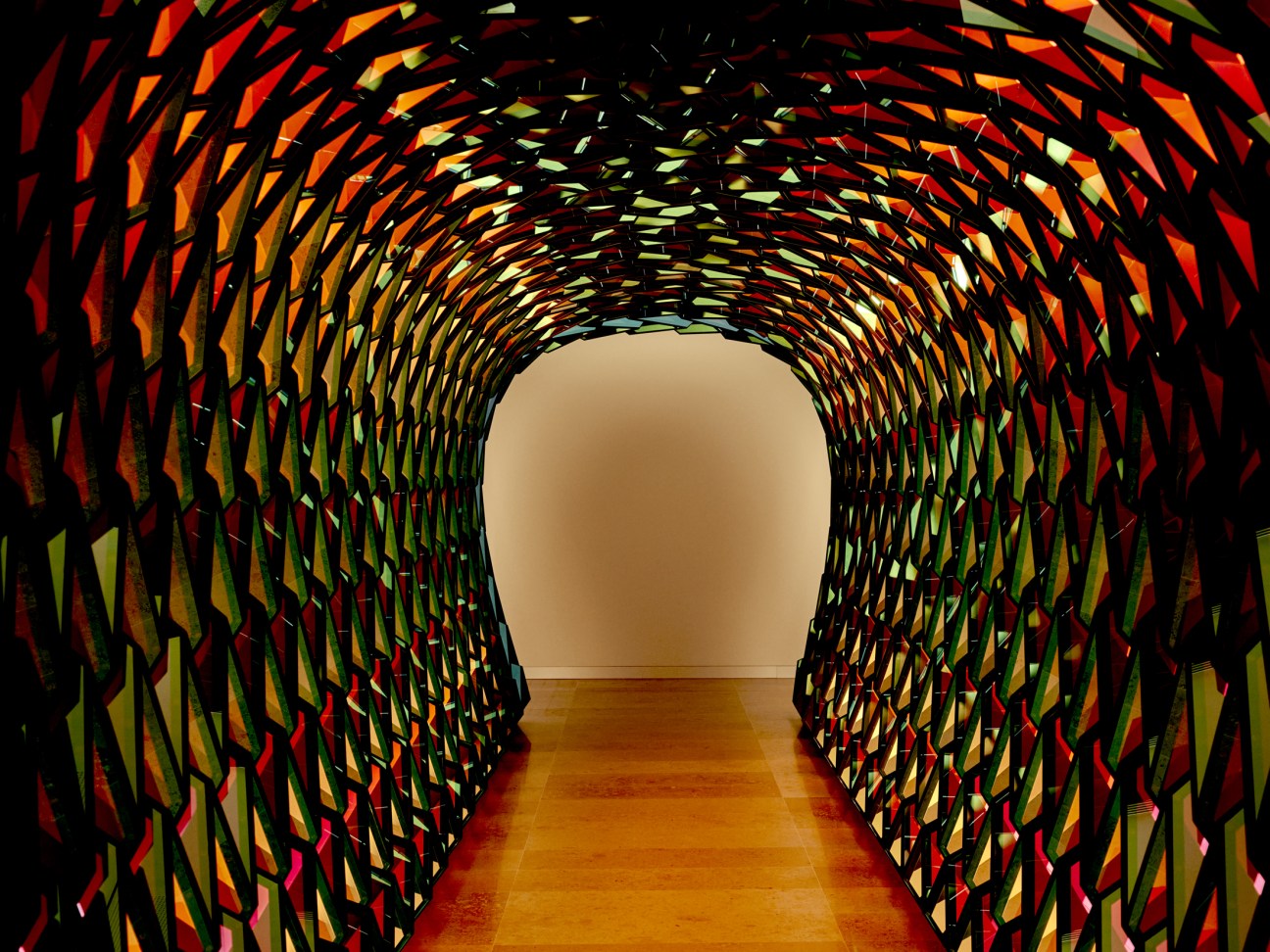
Argentine artist Tomás Saraceno’s bulbous glass sculptures give the brick-lined courtyard an iridescent glare, while Cristina Iglesias’s “Transito Mineral” – a reproduction of large tree trunks in stone – creates a seamless passageway between the museum’s two wings. The building’s former chapel was given to Sean Scully, who produced a striped painting and two colourful stained-glass panels to add to the space’s sense of solemnity.
British artist Mat Collishaw’s video installation, “Left in Dust”, plays a seemingly infinite loop of galloping horses that eventually reveals itself to be a chariot race. For him, the project was an opportunity to connect with the location and showcase its layers of history. “It’s good to evoke some of the ghosts of this spot,” he says, surveying his piece’s final placement. “In a lot of my work, I explore primal impulses and I am also interested in celebrating spectacle.”
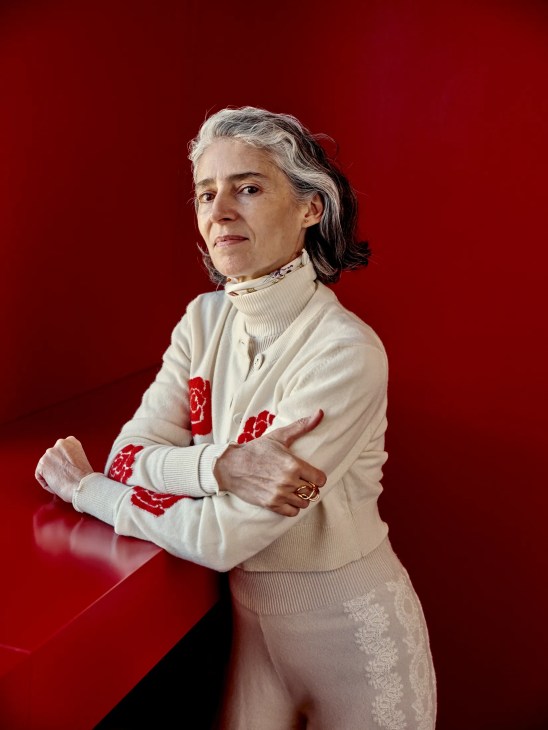
Madrid-based artist Blanca Muñoz has a small sculpture on show in the building’s most atmospheric room – the former granary, under the old roof – and has collaborated with Herrero on a number of bespoke projects in other locations. She appreciates the value of a patron. “Working with a collector is the best thing that you can do,” she says, taking a seat on the breezy terrace. “It’s great to adapt your inner world to a concrete space.” Thanks to these artists’ efforts to fit in, the Fundacíon Hortensia Herrero is all the better for it.
fundacionhortensiaherrero.org
The museum
Kunstsilo
Kristiansand, Norway
A bird’s eye view of Kristiansand, a city on Norway’s southern tip, only a short ferry ride from Denmark, reveals a neat settlement nestled on a rugged coastline. A smattering of red, yellow and white wooden houses perch on the waterfront opposite a port where cruise ships from the UK and Germany dock and disperse little crowds at intervals throughout the day.
Beyond the fish restaurants, wine bar and ice-cream parlour lies what is putting this city of nearly 117,000 people on the map: art, specifically Kunstsilo, a new quayside museum on the island of Odderøya, a former naval base in southwest Kristiansand. The space houses the Sørlandssamlingen (the South Collection), the Christianssands Picture Gallery and the Tangen Collection, the world’s largest, most comprehensive body of 2oth-century Nordic art. The last of these takes its name from Nicolai Tangen, the manager of the Norwegian Sovereign Wealth Fund, who bequeathed his collection of Nordic art to Kristiansand, his hometown, in 2015.
As custodian of the donation, Kunstsilo received more than 3,000 ceramics, paintings, photographs, installations and conceptual works. Tangen believes that the new museum will make Kristiansand a more interesting place to live. “I love that this small place will be able to challenge some of the big national museums,” Tangen tells Monocle from Olso. “The museum will be important for the children who grow up there. It will also be good for visitors.”
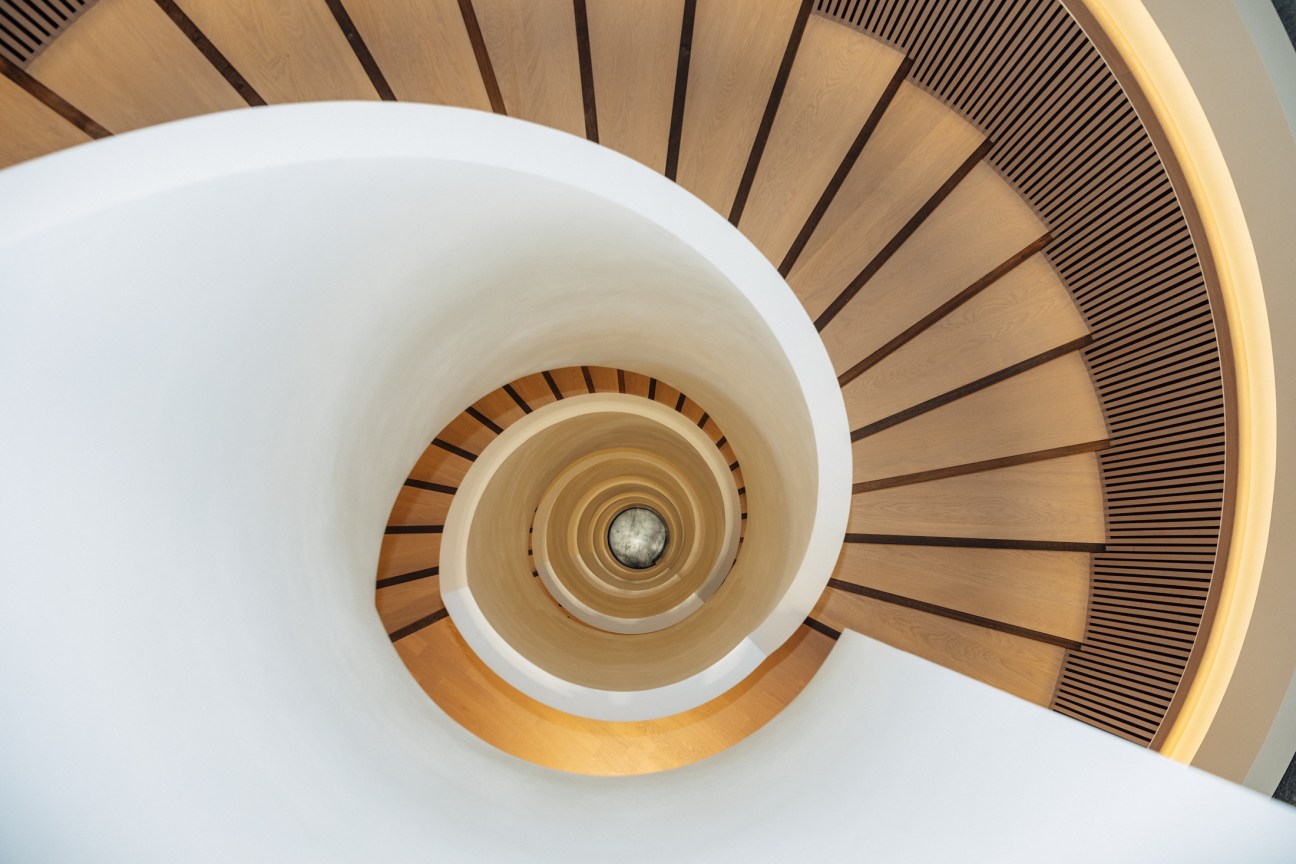
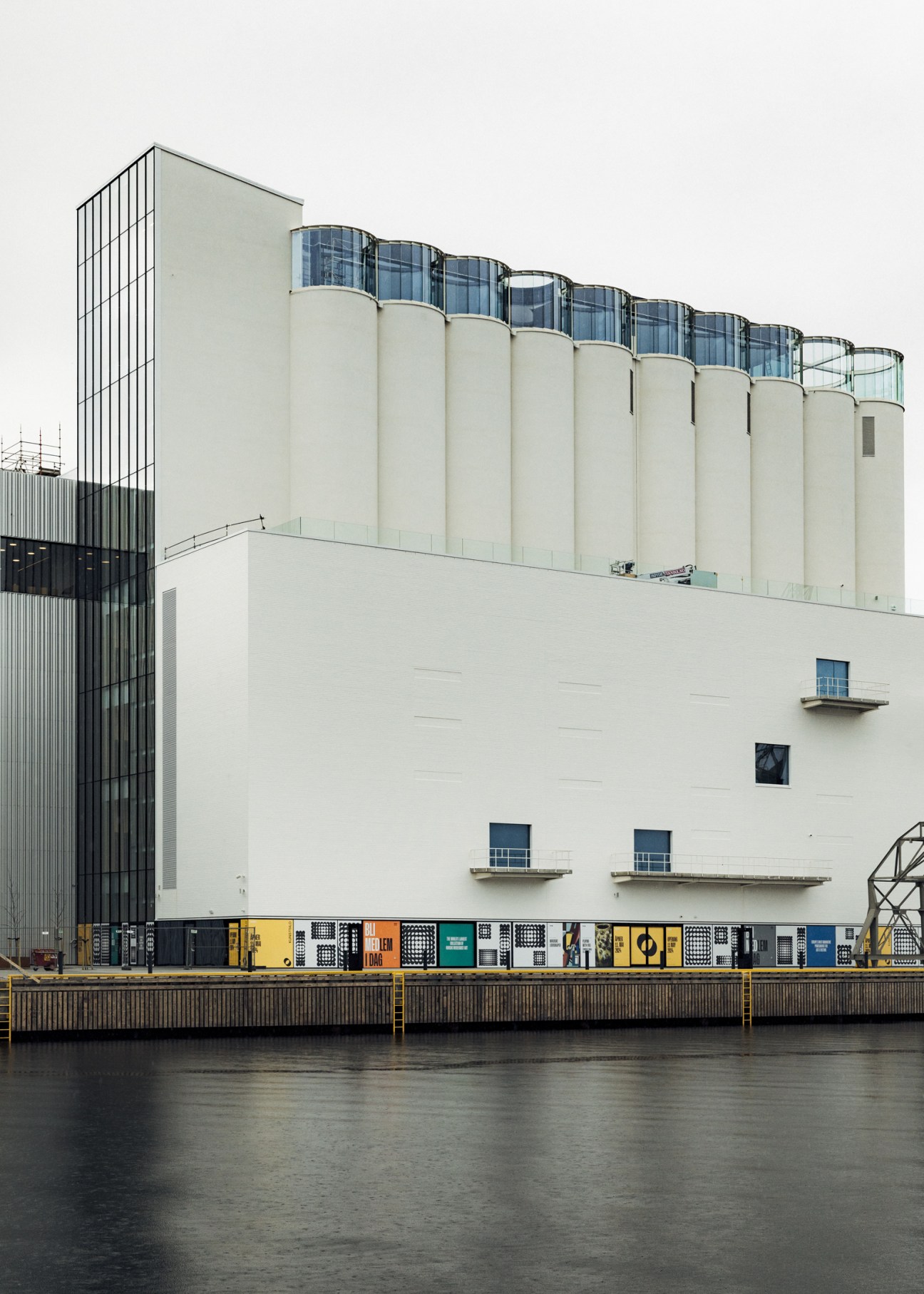
Kunstsilo is within a former grain silo that was designed by renowned Norwegian architects Arne Korsmo and Sverre Aasland in 1936. The structure had stood unused for almost 20 years. And now Mestre Wåge Arkitekter, the practice that won the international competition to repurpose the silo – beating more than 100 other proposals – has breathed new life into it.
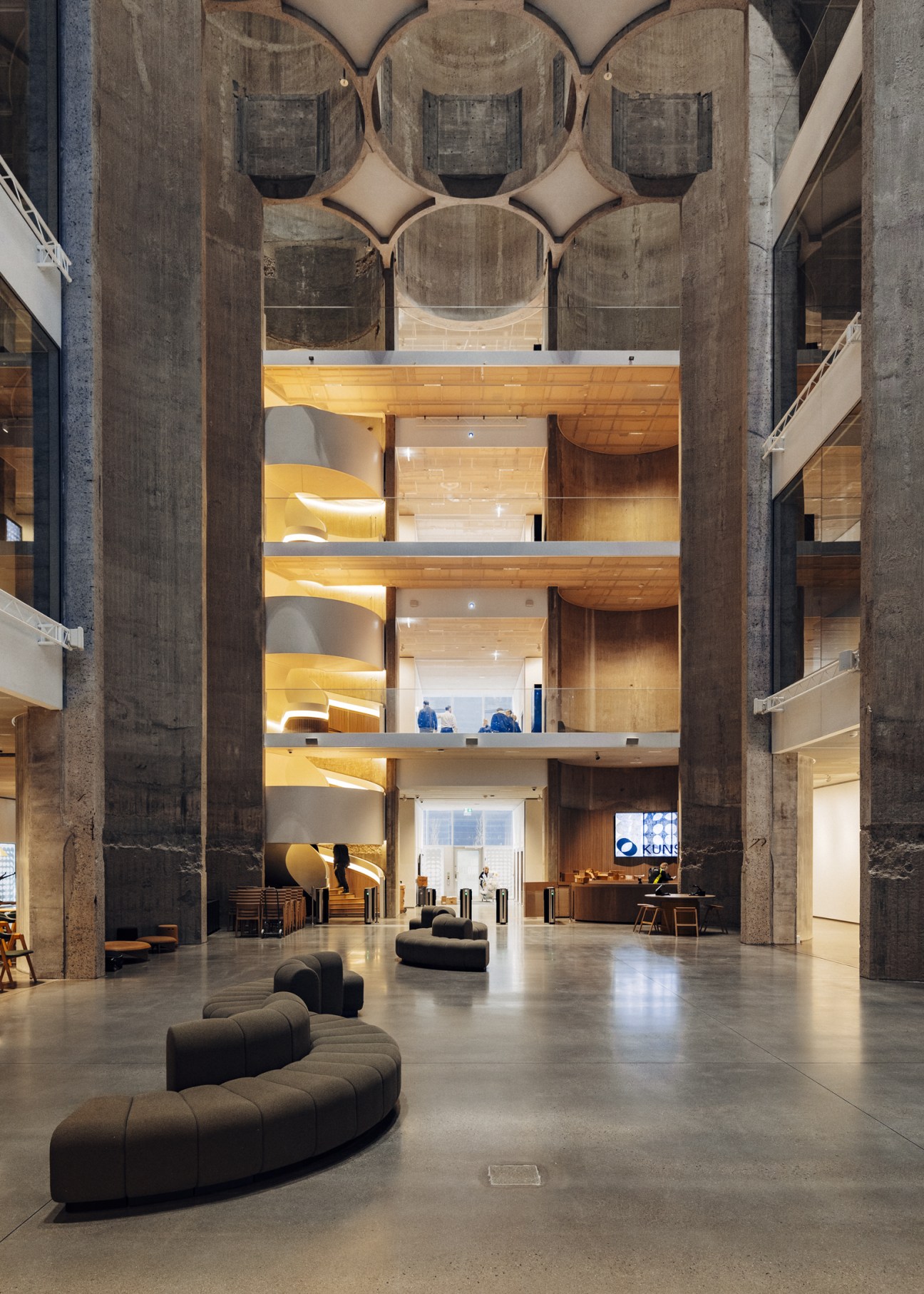
Kunstsilo’s industrial space feels akin to a cathedral. Its soaring silo cylinders have been cut open to enable free passage around the building. Monocle visits a month before its opening on 11 May. The atmosphere is giddy: everyone seems excited and not yet stressed about any last-minute snags. New staff are being ferried around to get the feel of the place. The menu for the downstairs café and rooftop restaurant is being sampled. Workers busily finish the plaza outside the building’s harbourside entrance.
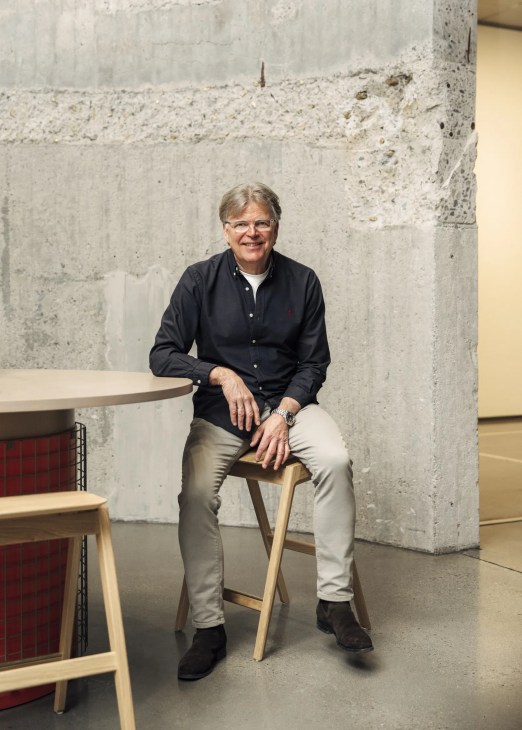
When the museum gave out passes for its opening day, they were snapped up within hours. “It was like selling tickets to a rock concert,” says Kunstsilo’s CEO, Reidar Fuglestad, who joined the project in 2017 having previously run a nearby theme park for 17 years.
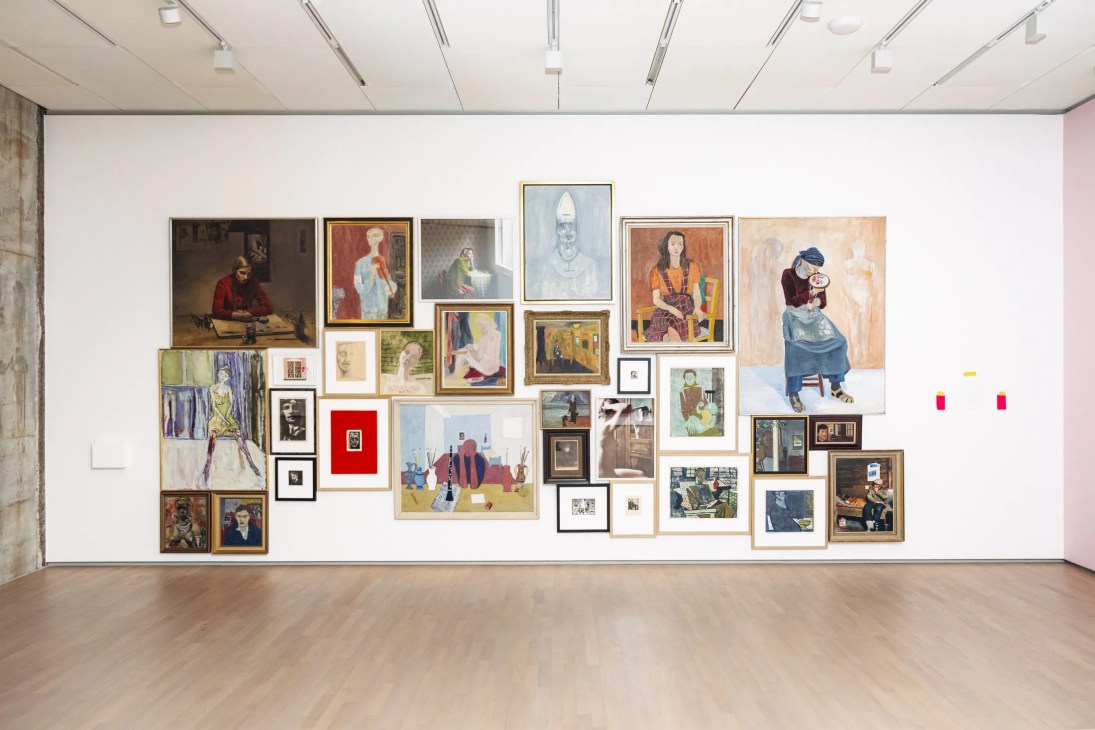
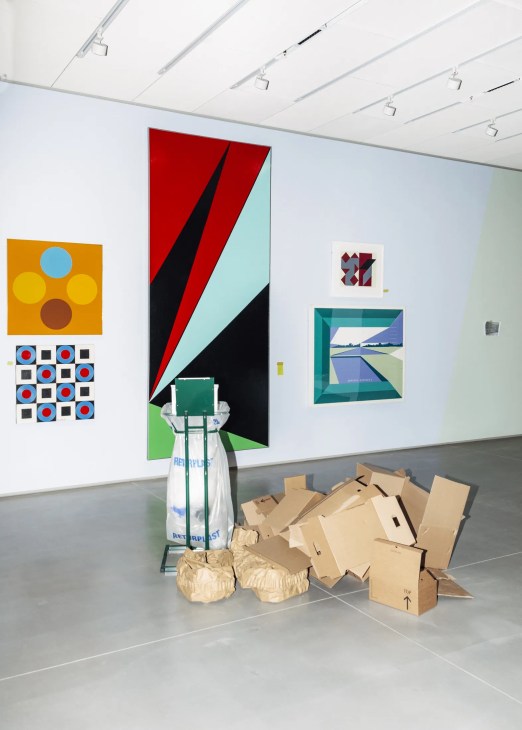
The opening exhibition, Passions of the North, comprises 600 works from the Tangen Collection. It was curated by Åsmund Thorkildsen, who previously worked with Norway’s Drammens Museum, in consultation with Norwegian art historian Steinar Gjessing, and showcases significant pieces of Nordic modernism, including Swedish impressionist Isaac Grünewald and Danish surrealist Rita Kernn-Larsen.
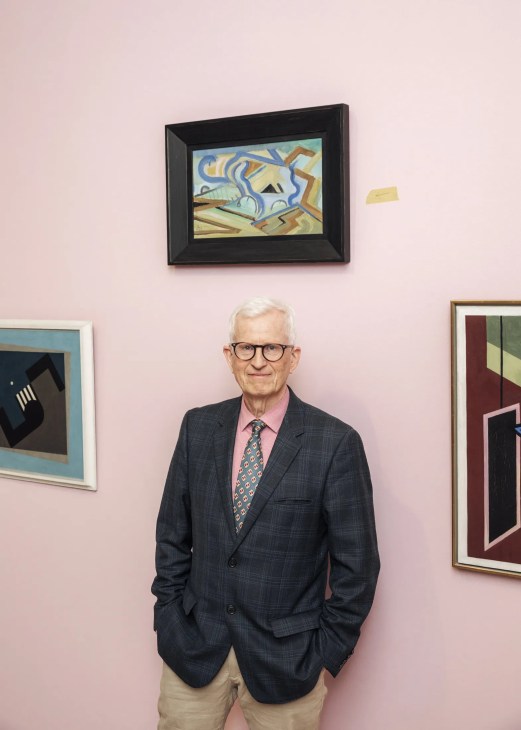
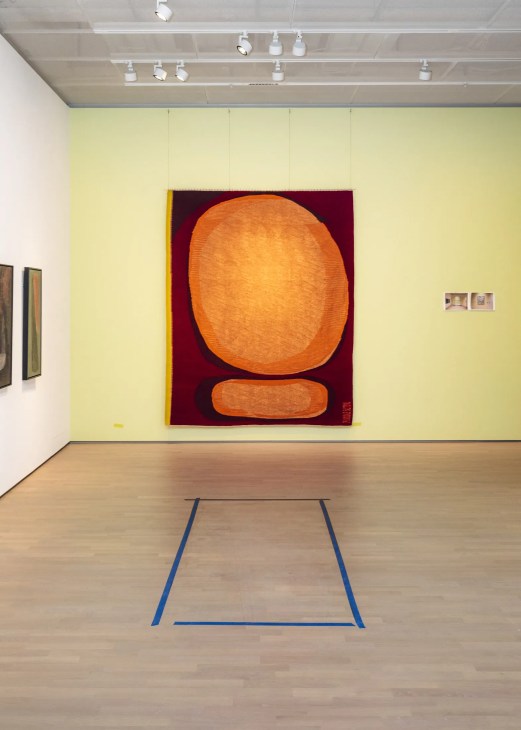
“We have had a lot of fun developing this exhibition,” says Thorkildsen as he directs us through the exhibition rooms, some of which are painted in inviting hues of yellow, green, blue and pink. “We’ve done away with the neutral way of showing art,” he says, pointing at a group of paintings that hang close together as if in a huddle. He then stands next to a work that’s hung high up on the wall. “The placement does something to how you view the art,” he says with a mischievous glint in his eye. “The exhibition should be a bodily, as well as visual, experience.”
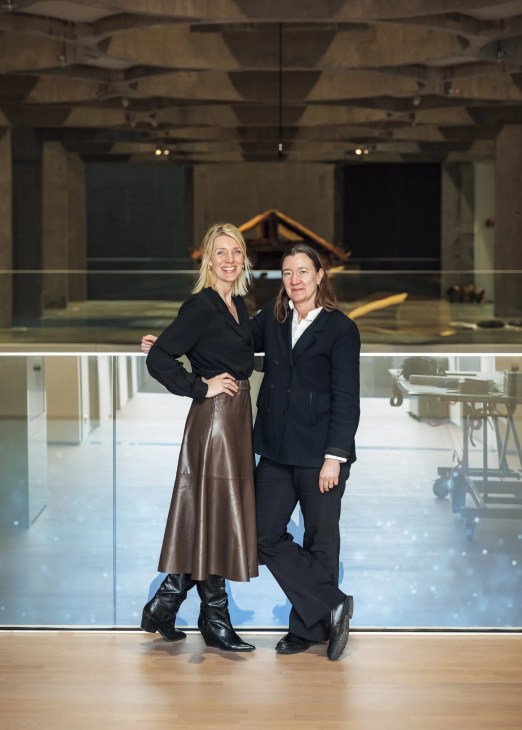
But the process of showing the Tangen Collection in a functionalist grain silo hasn’t been fun and games from start to finish. “We endured six-and-a-half years of political opposition and only six months of support,” says CEO Fuglestad.
He explains that scores of Kristiansand’s residents opposed tax payers’ money going to the art museum. Kunstsilo became such a hot potato that local politics shifted against the project. However, once interest from beyond Norway’s borders started to trickle in, Fuglestad noticed a significant change in people’s attitudes and the positives of having the museum there became apparent. “Now it is a source of pride that residents can show to visitors,” he says. “I joined this project because I believe in it and I am convinced that it will bring real benefits to the people who live here.”
kunstsilo.no
Sensei Porcupine Creek: A mid-century marvel that embodies the spirit of Palm Springs
If the brochures are to be believed, Frank Sinatra crooned and caroused his way around much of Palm Springs. It’s a claim to fame that hotels and bars in this Californian desert city still trade on – especially at the Purple Room, a cabaret lounge built in 1960 at which Ol’ Blue Eyes would sometimes get up on stage.
“Palm Springs was the playground of the stars,” says Michael Holmes, who revived the Purple Room almost a decade ago and caters to healthy crowds every night. “At the time, actors weren’t allowed to be more than 100 miles [161km] away from the studio when they were in production – and this is 100 miles from Hollywood.”
Holmes, an accomplished jazz singer who also performs a stage show dressed as Judy Garland, first came to Palm Springs to flee a cold Chicago winter. This oasis city of perfect blue skies has long been a place that people escape to. In the 1930s it was the desert hideout for stars seeking refuge from the Los Angeles press. Then it was a seasonal bolthole for sun-seeking retirees. More recently it has been a pit stop for festival-goers on their way to Coachella.
Palm Springs holds a special place in the American imagination – people say that they can feel their shoulders drop as they cross its city limits – but having a captive audience has meant that some of the hotels and places to eat were resting on their laurels. The past few years, however, have brought a fresh breeze that’s ruffling the city’s fronds. The extraordinary collection of mid-century buildings – homes created for California’s elite by leading American modernists such as John Lautner and Albert Frey – now attract a global audience. In February, more than 130,000 people descended on Palm Springs during its annual Modernism Week, when the people living in many of these restored houses open their doors to the public. In 2022, Palm Springs provided the backdrop for the martini-swilling fictional utopia of the film Don’t Worry Darling. These houses, with their crisp roof lines and 1950s panache, have soared in value as people decamp to the desert to seek open spaces and a place where the sun shines every day.
With this renewed interest has come a swath of new hoteliers and restaurateurs catering to a changing crowd. During the week that Monocle spent in Palm Springs, a new hotel by Life House opens and a Hyatt Thompson downtown is nearing completion.
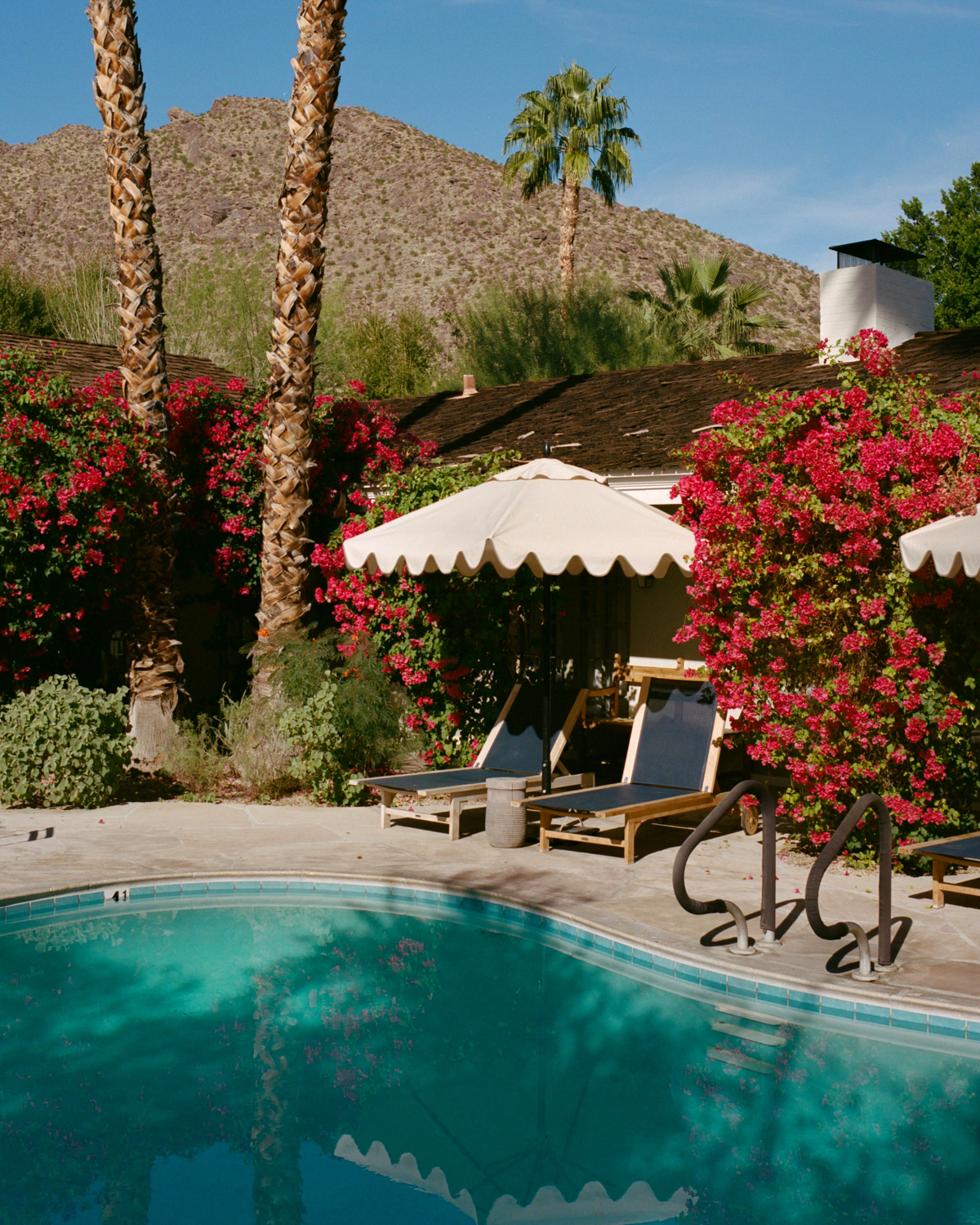
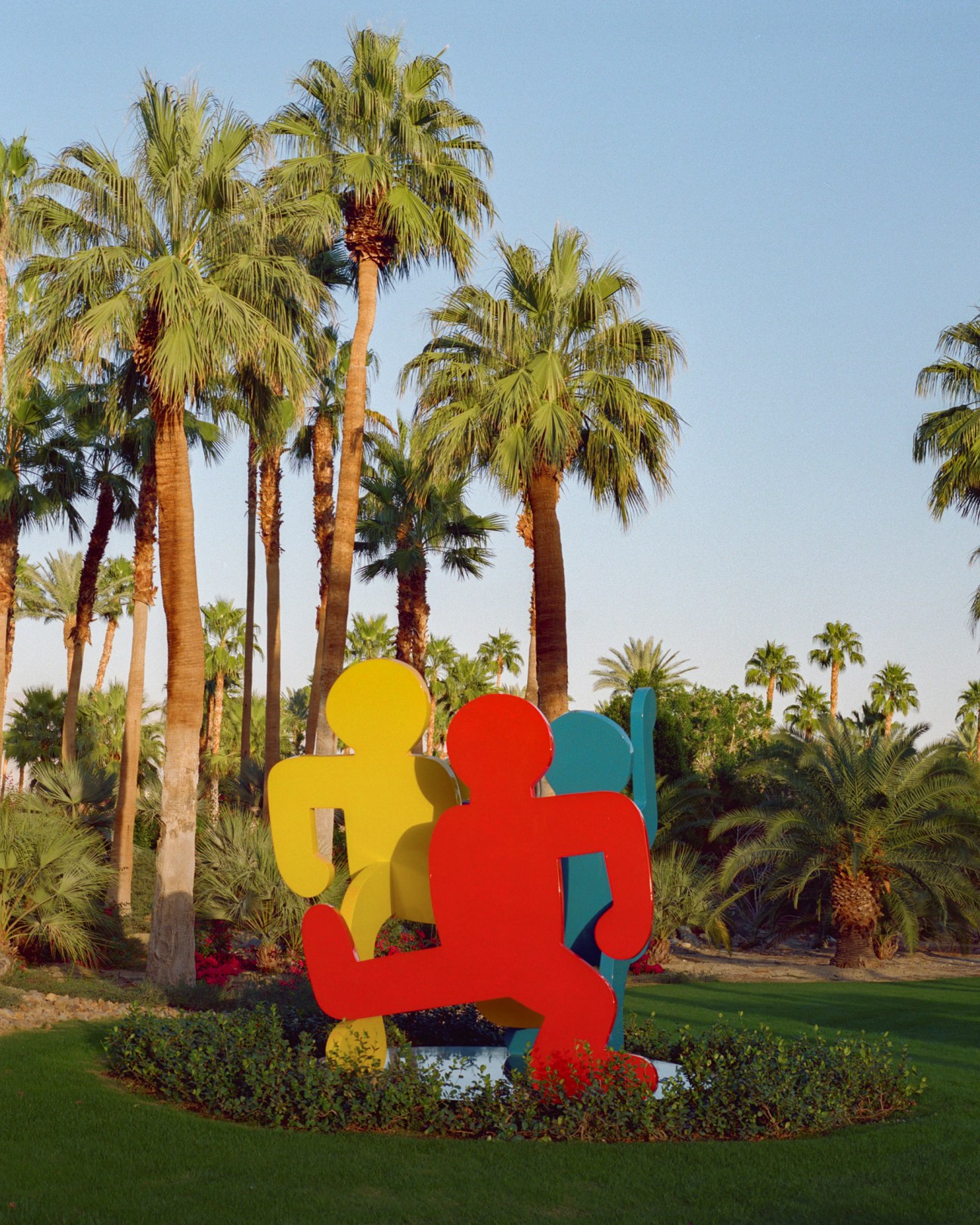
The most inspiring stay is Sensei Porcupine Creek, a hotel at the end of a winding street of mid-century modern bungalows in Rancho Mirage, a community in Greater Palm Springs. The resort, on the estate of technology entrepreneur Larry Ellison, sits on 93 hectares of desert garden interwoven with a manicured golf course. Amid this otherworldly landscape of succulents and meandering trails perfumed by the musk of the creosote bush is Ellison’s extensive sculpture collection, including a stack of Keith Haring’s red, yellow and blue figures – a shock of colour peeking out from behind the palm trees.
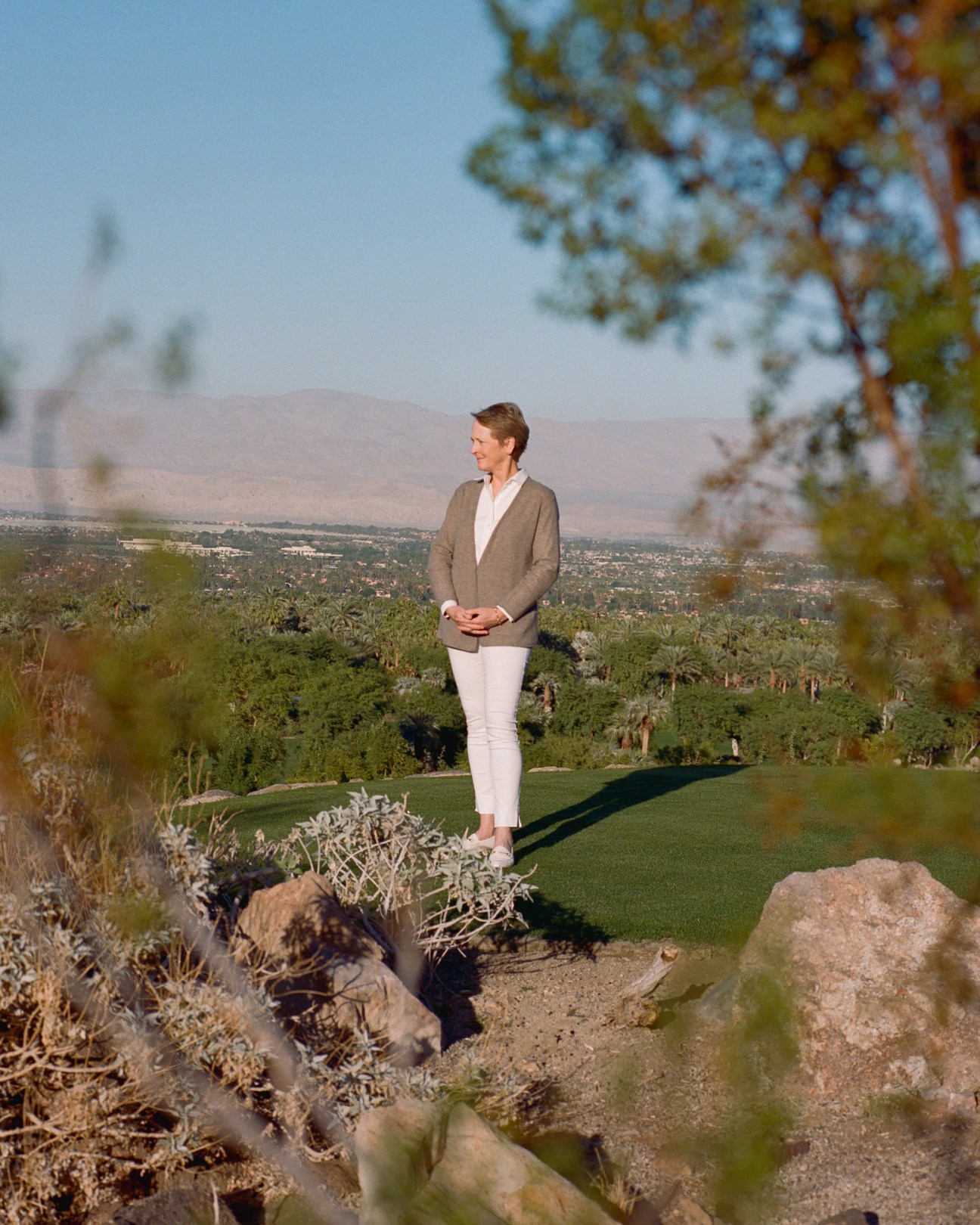
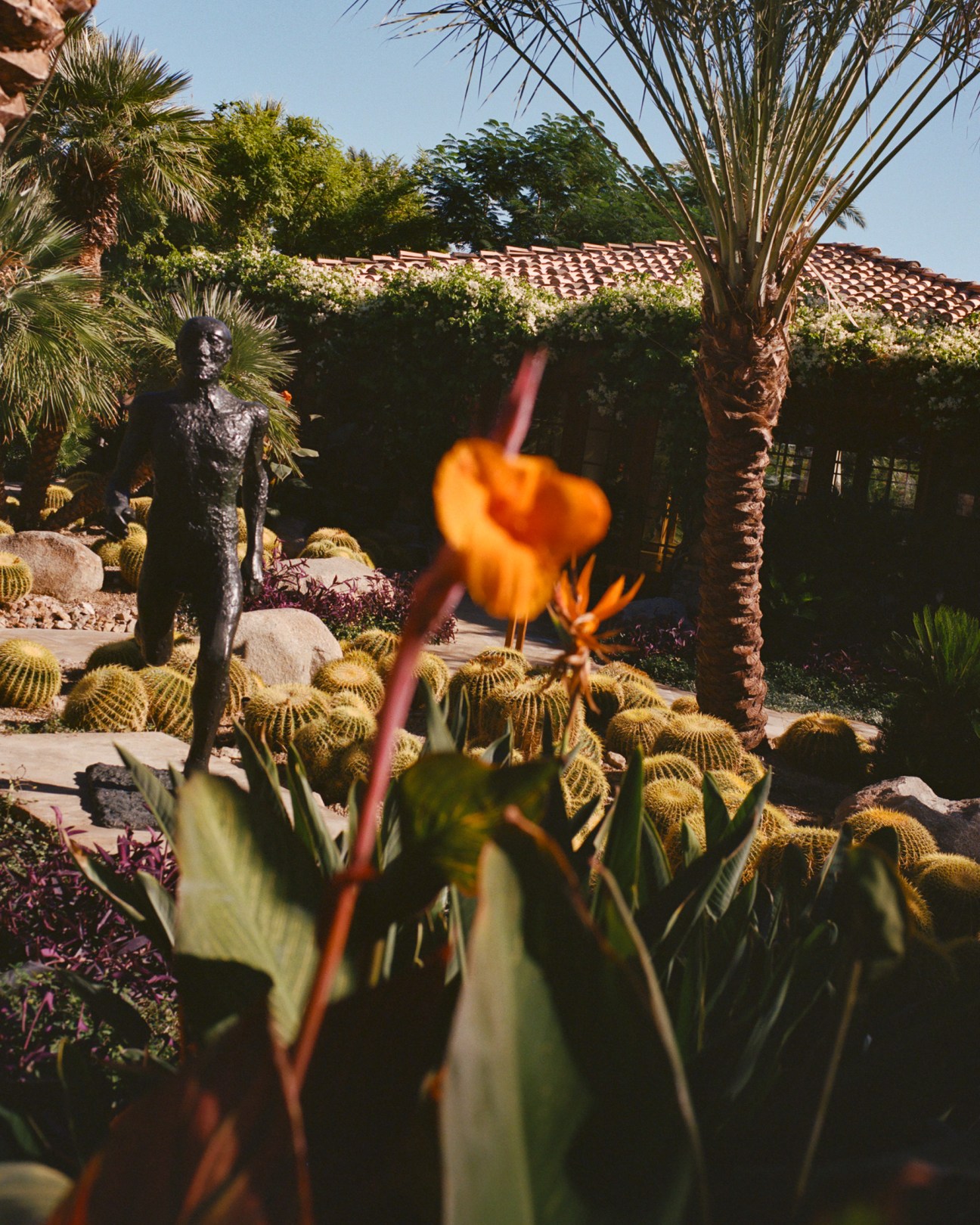
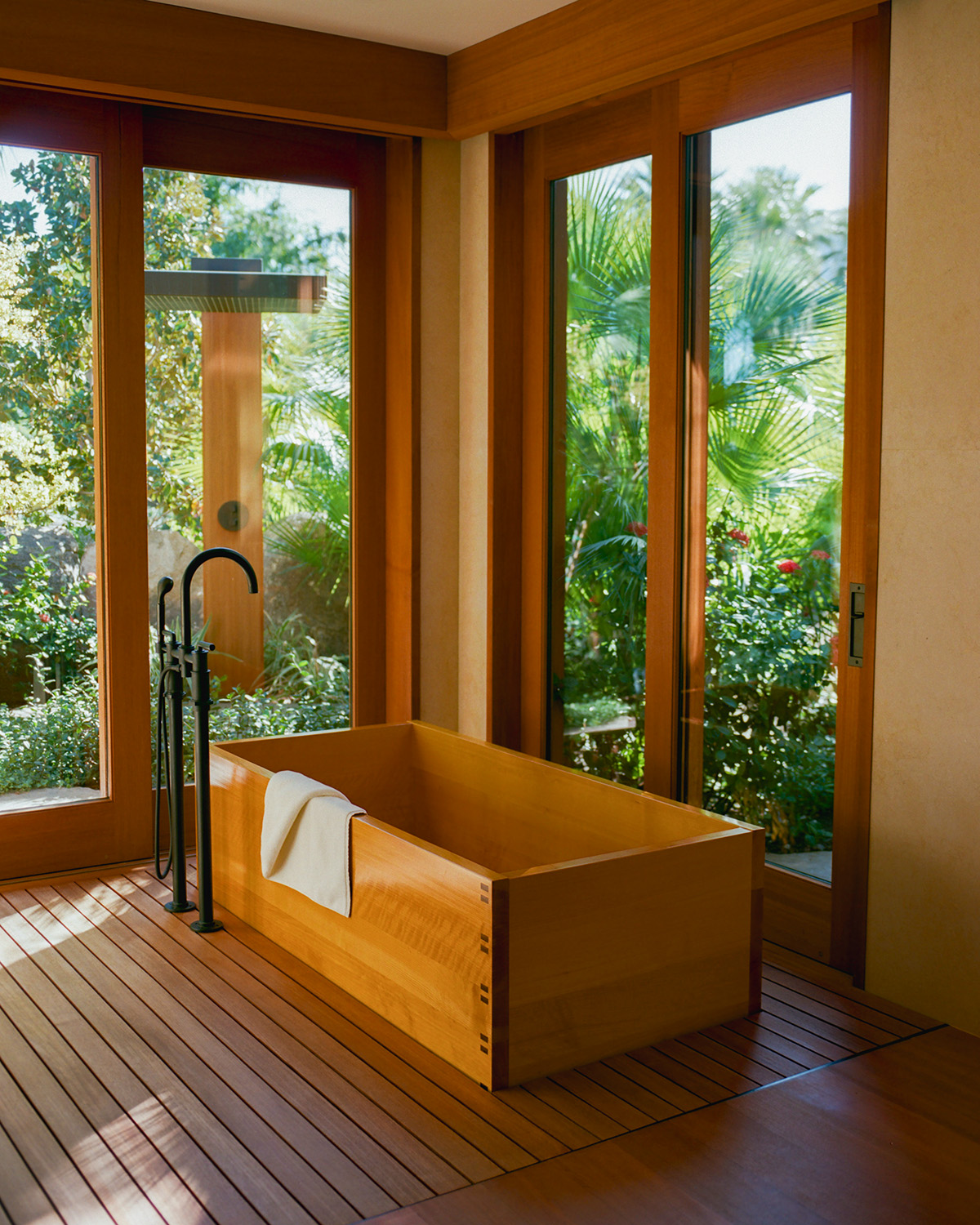
Despite all the space, there are only 22 places to stay on the property, comprising standalone villas dotted through the grounds and suites in the single-storey estate house, which also contains a Nobu restaurant. The bedrooms are understated, verging on spartan, with light wooden interiors and vast windows that frame the gardens beyond. Staff say that the design is about drawing the eye to the estate’s abundant nature rather than the hotel itself, even if it is choreographed: the waterfalls that bubble through the grounds subtly change their cascade according to the time of day, calming to a restful flow after dark.
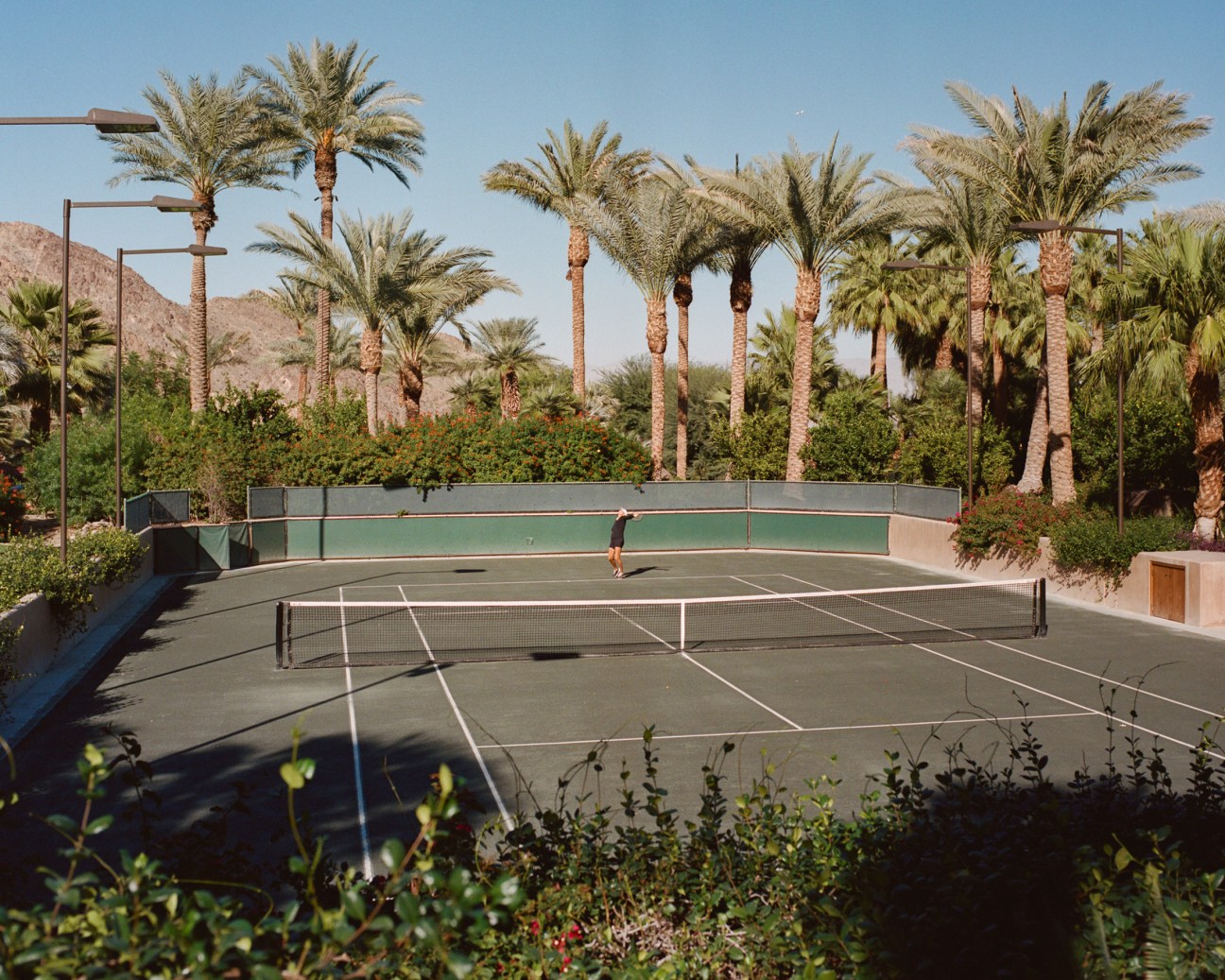
“There’s science to all of it,” says Julie Oliff, the Swiss-born general manager, as she drives Monocle along one of Sensei’s canyon trails in a golf cart. Stretching out below us is the hotel’s canopy of 4,000 palm trees and one of its bright-blue tennis courts, where a bobcat is known to sleep in the midday heat. Like many of her colleagues, Oliff came to Sensei from running premium hotels around the US and takes a high-minded view of the work they are doing in the Coachella Valley. “Our mission is to guide the world to greater wellbeing,” she says.

Ellison co-founded Sensei with David Agus, an author and physician whose book on healthy living sits on the hotel’s bedside tables. Sensei offers guests an “intention-setting” session with a member of its dedicated wellness team to find out what they would like to get out of their stay, whether in terms of fitness or rest. In practice, this means having your blood pressure and some biometrics checked and signing up for yoga, exercise or meditation.
“Wellness is a term that has been used too loosely and way too often, just as ‘boutique hotels’ was about 25 years ago,” says Alexandra Walterspiel, Sensei’s German-born president and CEO. “We just help guests to find opportunity in carving out time for themselves.” That said, Sensei is still a resort that keeps an excellent wine list and will serve a club sandwich poolside. It’s also a premium hotel that sets a new bar for an overnight stay in this valley.
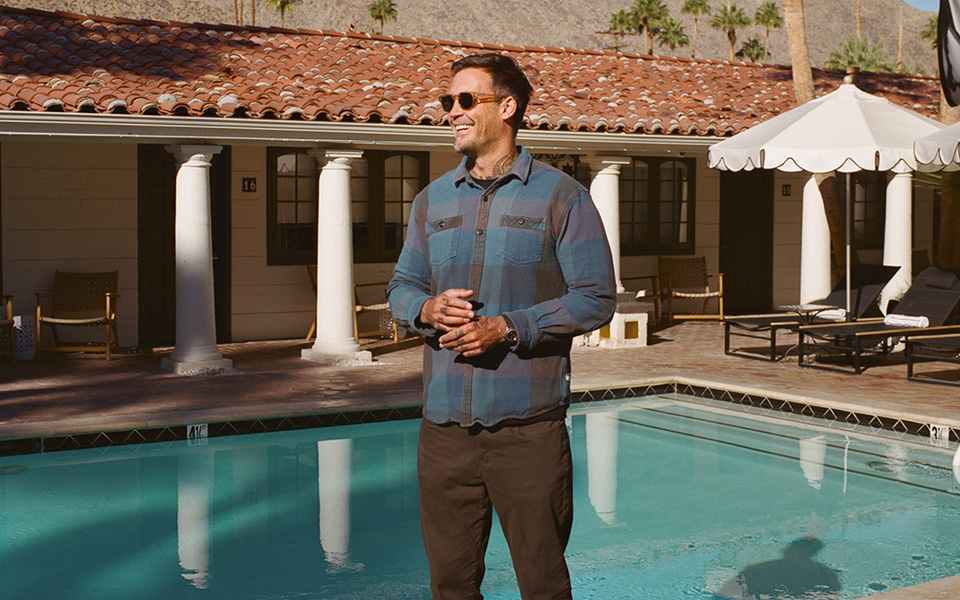
Back in town, the most sought-after table is at Bar Cecil, a corner restaurant where trays of oysters and martinis are whisked through a candlelit dining room. Over the din of a Tuesday evening, co-founder John Janulis explains that there’s fierce competition to get a reservation here. He came to Palm Springs to restore and reopen the once-derelict Villa Royale and believes that now is a moment of great opportunity for those who want to refresh hospitality in town. “It’s the most unique city in America,” says Janulis. “For a lot of people, coming to Palm Springs means instant vacation.”


Entrepreneurs such as Janulis say that it’s not a case of reinventing Palm Springs but re-energising what is already there. Even the Ace Hotel and Swim Club, which opened 15 years ago and was the first to tap into the Coachella crowd, is soon to be remodelled. “The property was originally a Howard Johnson motor lodge and we turned it into a desert retreat,” says Roman Alonso, founder of LA-based Commune Design, which was responsible for the original Ace and is coming back to spruce it up. He says that Palm Springs is being born again.
The past few years have seen several sensitive restorations take place that have breathed fresh life into old lodgings. Azure Sky, which reopened in 2022, took the bones of an old motel and brought a sense of spaciousness and light back into the rooms. Casa Cody, in downtown Palm Springs, is a hotel that hosted Hollywood stars throughout the 1930s and once belonged to Harriet Cody, a cousin of cowboy showman Buffalo Bill. “We wanted to keep the residential feel of the estate in the design and the renovation,” says Carolyn Schneider, co-founder of the Casetta Group, which added muted colours to Cody’s old home that emphasise the bright bougainvillaea spilling over the walls and roofs. Orange and grapefruit trees give shade to the gardens.
Preservation is a relatively new phenomenon in Palm Springs. After the mid-century boom, the city stagnated. By the 1990s its architectural marvels had been mostly forgotten. “They were intact but neglected,” says Peter Moruzzi, an architectural historian who formed the Palm Springs Modern Committee in 1999 to safeguard mid-century masterpieces around town that were threatened with demolition, starting with Albert Frey’s Fire Station No 1.
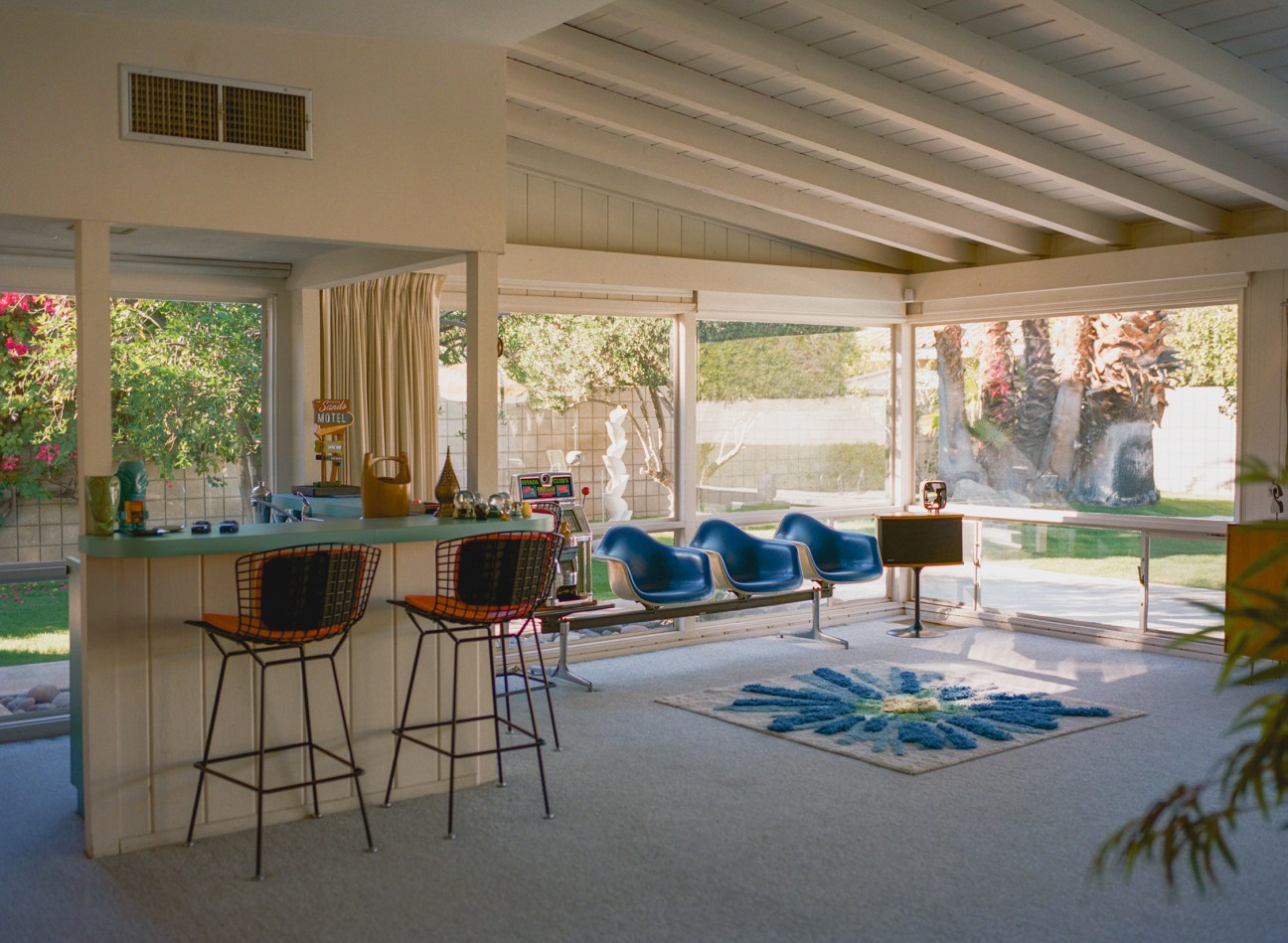
Moruzzi and his partner, Lauren LeBaron, first came to the city in 1991. “I instantly loved the mountains, the air, the palm trees,” says Moruzzi. “Then we noticed all this mid-century stuff just sitting there, still in pretty good shape.” The couple have meticulously restored a 1950s “tract home”, built for the middle classes in the modernist designs favoured by Hollywood stars. Every February they let the public in during Modernism Week, to sit beside their twinkling pool, in the shade of two crossed palms, and admire the oddity that is the indoor barbecue. “A short-lived fad of the time,” says Moruzzi. These houses were undervalued in the 1990s, when nobody cared about Palm Springs modernism, but nearby houses now sell for millions of dollars. “We get a lot of guests booking to stay here because they would like to buy a house in Palm Springs,” says Bruno Santos, the general manager of Colony Palms, a grand old hotel with verdant verandas and green-striped parasols. It opened in 1936 and was reputedly owned by mobster and bootlegger Al Wertheimer, who ran a speakeasy and gambling den in the basement; a mural has survived from the time showing a bacchanalian scene of cavorting women.
The Colony Palms was restored by Steve Hermann, a Montecito-based designer turned hotelier who has recently expanded L’Horizon, his other hotel in town, with bungalows that take cues from mid-century design. Spend enough time in Palm Springs and the pools and palms start to blur together; one blue-skied David Hockney painting after the next. Like the shifting lines that dance across a swimming pool in the midday sun, the city is moving with the times while retaining its sense of mid-century allure. Celebrated artist Phillip K Smith III, a self-professed “desert rat”, grew up in the Coachella Valley and returned to Palm Springs after studying at the Rhode Island School of Design. “I missed the brown mountains, the horizon,” Smith tells Monocle. His sculptural light pieces change colour almost imperceptibly, creating an effect similar to that of a gentle sunrise or sunset in these parts. “The desert I’m talking about doesn’t necessarily have tennis courts, golf courses and pools,” he says. “It’s about going there to disconnect.”

From the windows of his studio, Smith can watch a grand light show as the mountains change from red to black. “It is a totally natural phenomenon that happens every day,” he says. “All you have to do it is to stop and look.”
Palm Springs address book
Stay
Sensei Porcupine Creek
A retreat-like stay on vast grounds where privacy and peacefulness are prized.
sensei.com
Eat
Bar Cecil
Convivial corner restaurant with sought-after reservations that’s a tribute to Cecil Beaton.
barcecil.com
Drink
The Copper Room
It’s worth the trip out of town to this lovingly-restored lounge at the old Yucca Valley Airport.
thecopperroom1957.com
See
‘Albert Frey: Inventive Modernist’
The Palm Springs Art Museum has a long-awaited exhibition dedicated to the architect who defined the city. Until August.
psmuseum.org
Mallorca’s cosmopolitan creatives find a new hub at an old leather factory
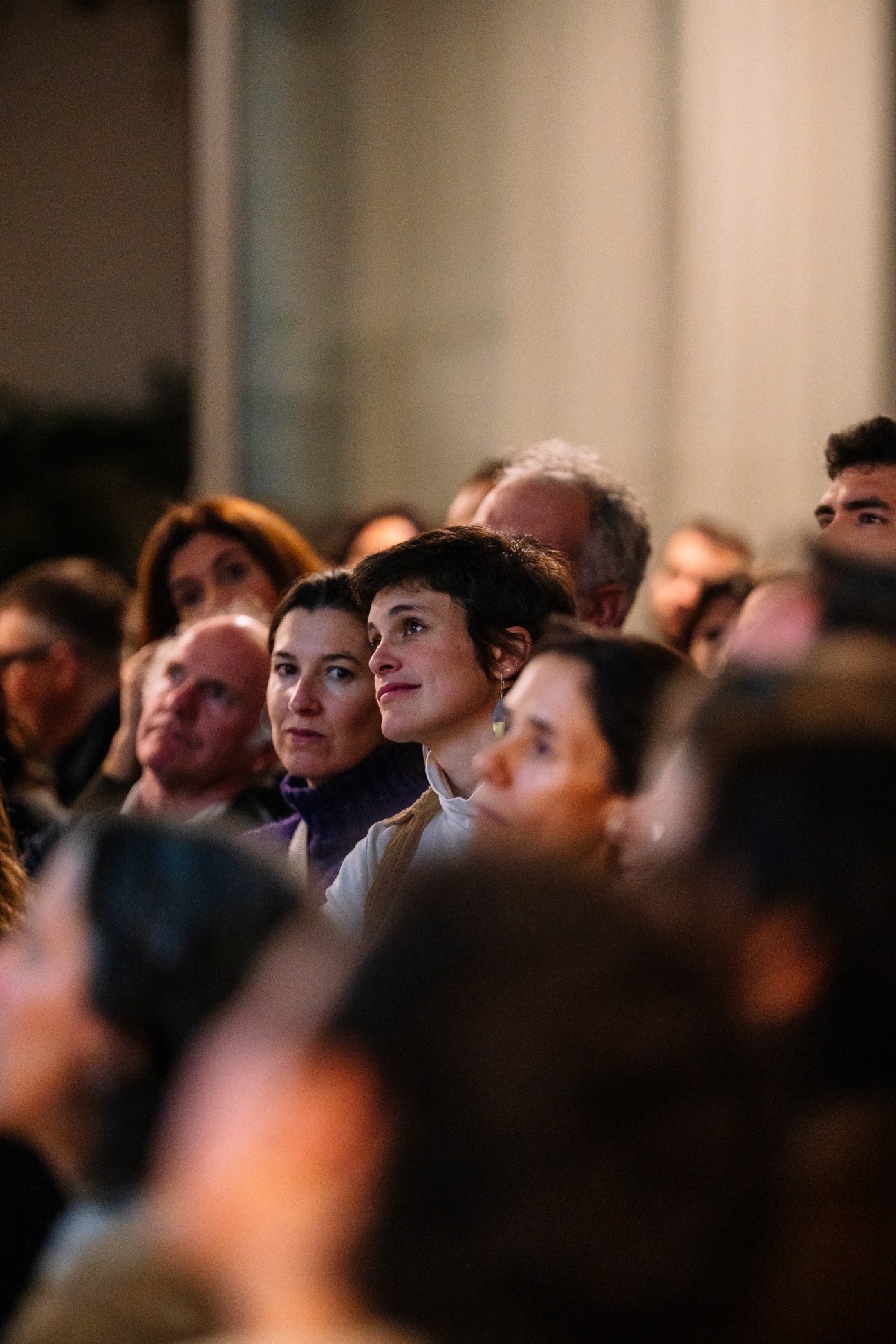
It’s Friday night and more than 200 people have come to 110, a studio space in the town of Inca in the heart of Mallorca. They are here for an evening of Pecha Kucha, a Japanese presentation format where every speaker has to show 20 slides and talk for no more than 20 seconds about each one – speak too fast and there are hard-to-ignore silences before the next image appears, speak too slowly and suddenly the automated slides are whizzing past and you lose your chain of thought. But it’s a generous crowd: they have beers and, like all seven speakers, are drawn mostly from a diverse mix of creatives established on the island – gallerists, writers, photographers, potters, furniture makers and at least one philosopher. They are here to be supportive.

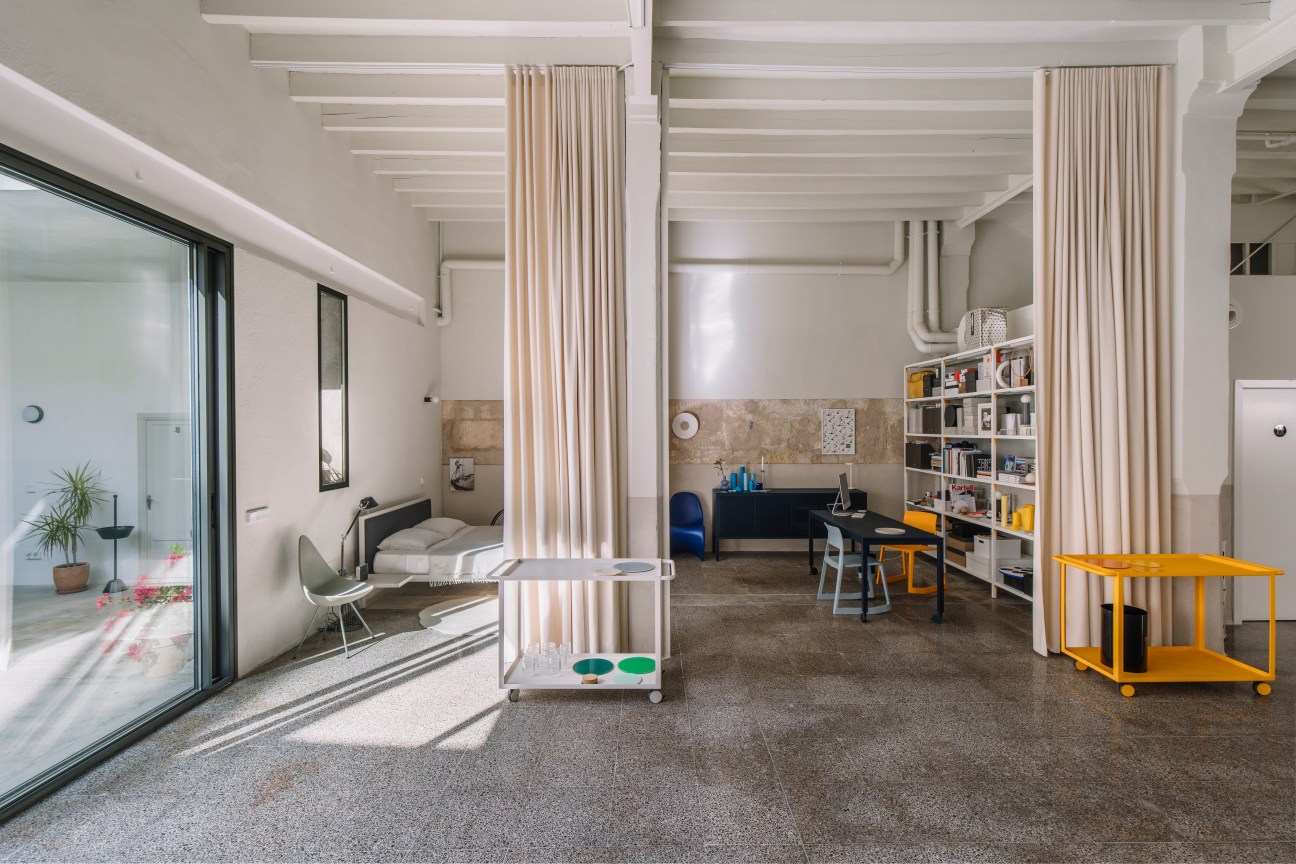
The host, who is the owner of this vast studio, is Italian-born interior and product designer (and educator) Chiara Ferrari. She has organised every element of this night, from designing the social-media promotional campaign to securing the beer sponsor. She seems to know everyone and is a strong advocate for Inca, even though she only bought this then-derelict 1934 leather factory in December 2021 and moved into the space in April 2023. She’s that kind of person: a connector.
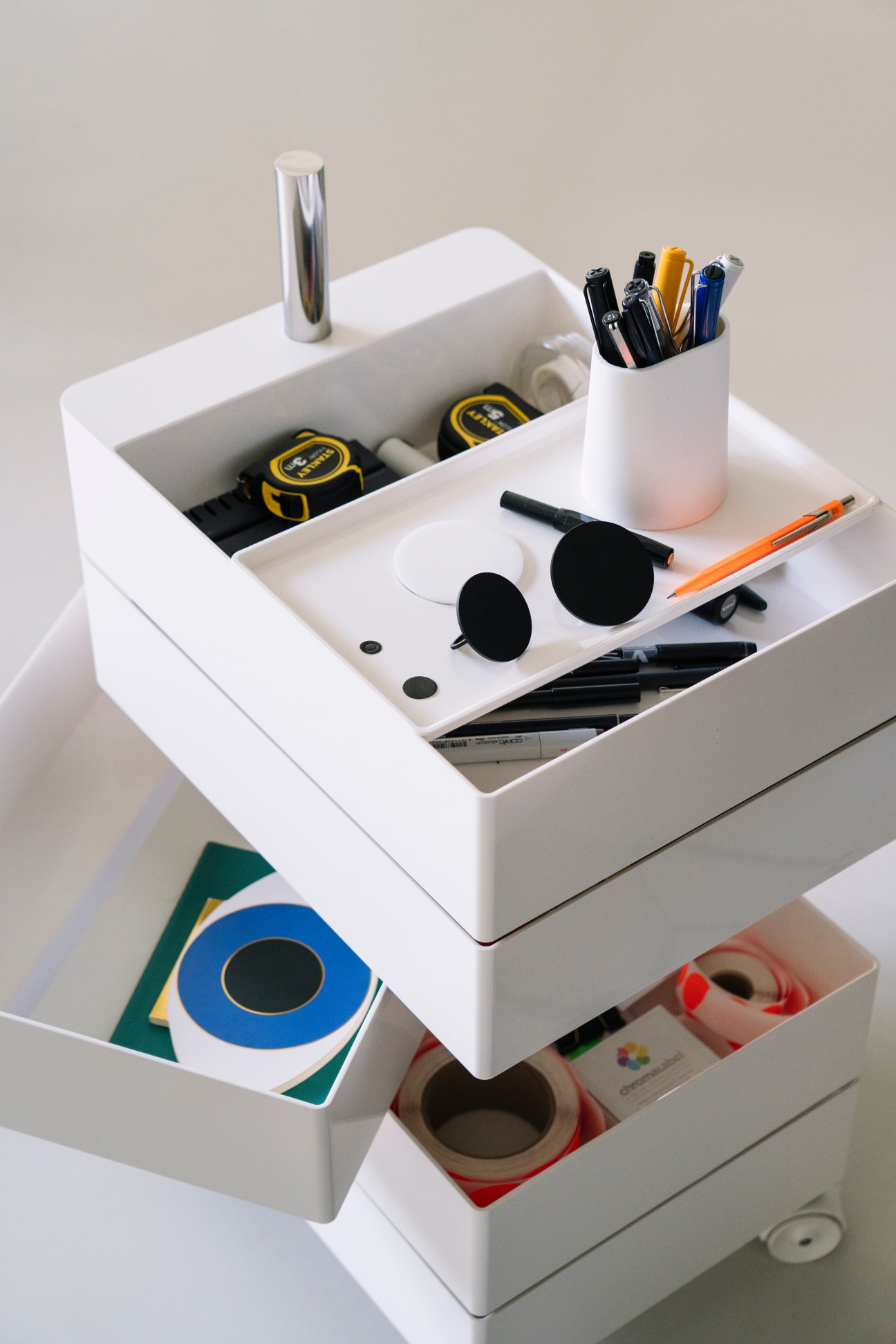
Before we meet Ferrari and tour this two-storey, 400 sq m building (her home takes up the top floor), you need to know where we are. Inca is an industrial town where, at the start of the 20th century, nearly everyone was employed in the making of shoes, whether in the factories themselves or in the suppliers of everything from rubber soles to laces. At its peak, there were more than 2,000 factories here; today that has dwindled to a handful. The trade was hit in the 1980s and 1990s when, faced with a barrage of cheap competitors, many companies either moved production offshore to places such as China or collapsed. (Camper is still a key presence, even if much of its production is elsewhere; Carmina makes its high-end footwear here.) Inca has had some testing times and even now, right in the centre of this important town, there are many empty industrial buildings. But something is stirring.
The speakers – an island of creatives
Esmeralda Gómez Galera
Curator and educator
Gómez Galera is opening Highlights Contemporary, an art office and platform for curatorial research in Inca.
Juan Palencia
Architect
Palencia runs Isla architecture and design practice with partner Marta Colón. Their work is deeply rooted in place.
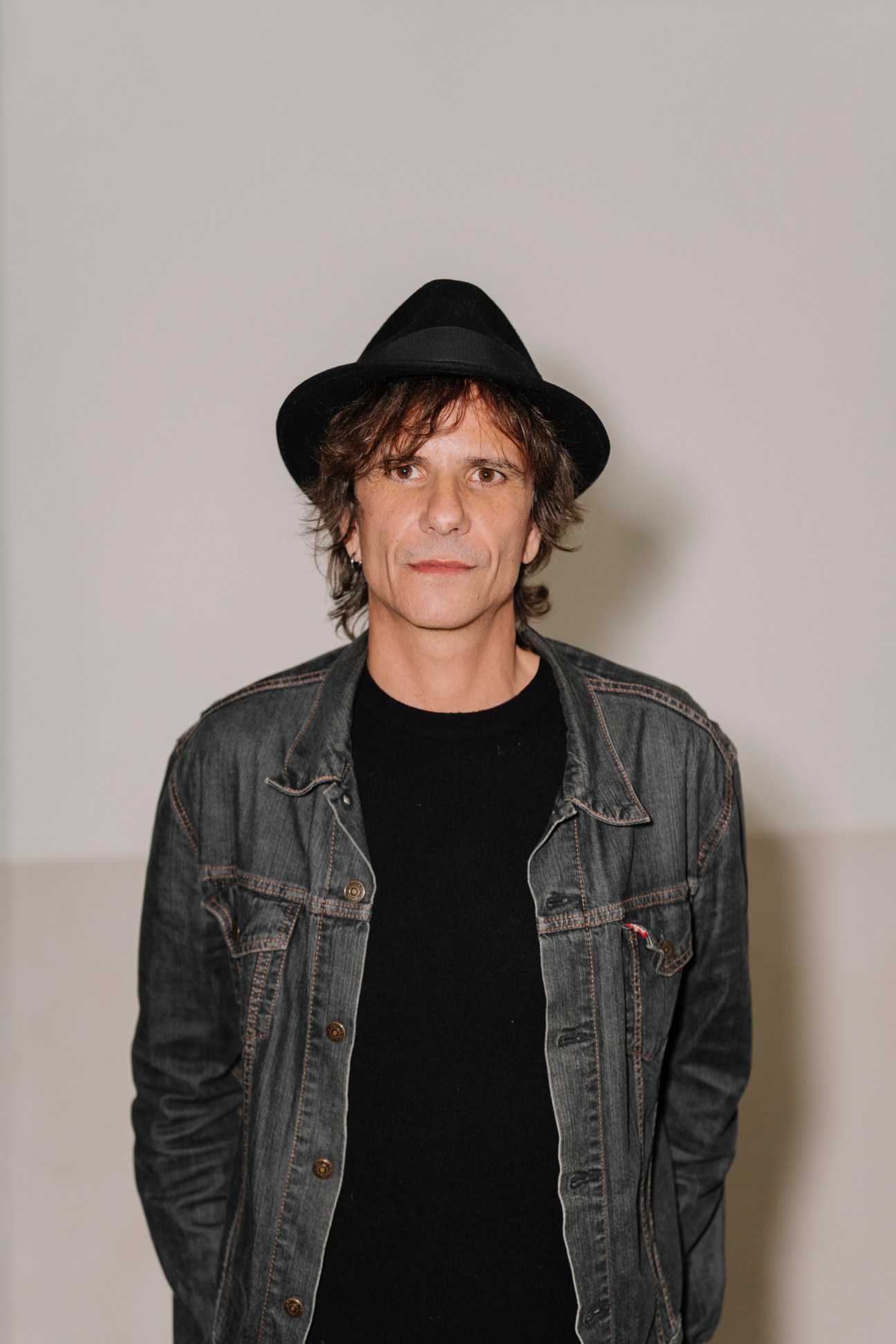
Xim Izquierdo
Photographer
Izquierdo is a photographer who produces work that ranges from commercial to art, fashion and music.
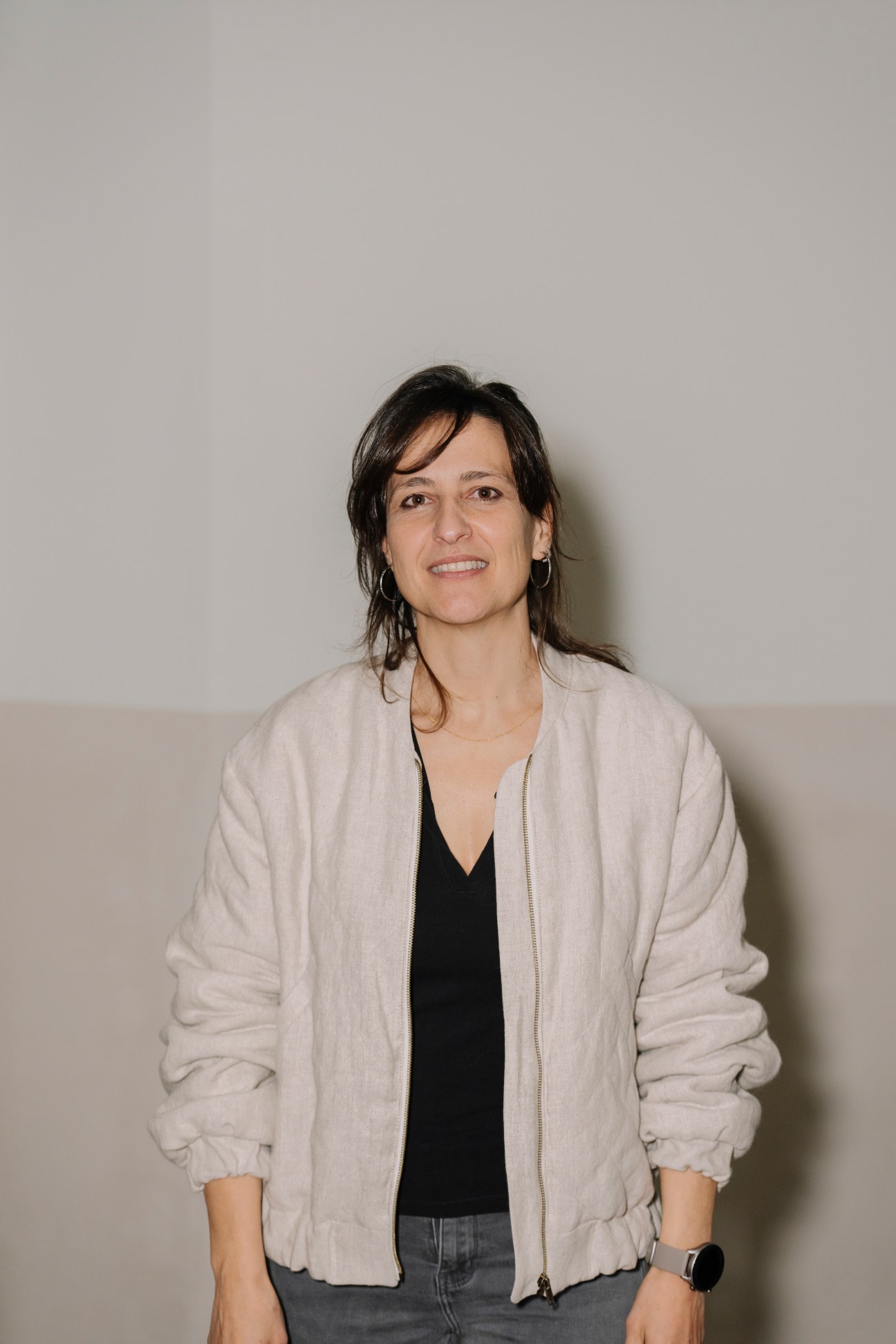
Gemma Salvador
Co-founder
Salvador is the co-founder (with Eugenia Marcote) of Llanatura, a circular wool company.
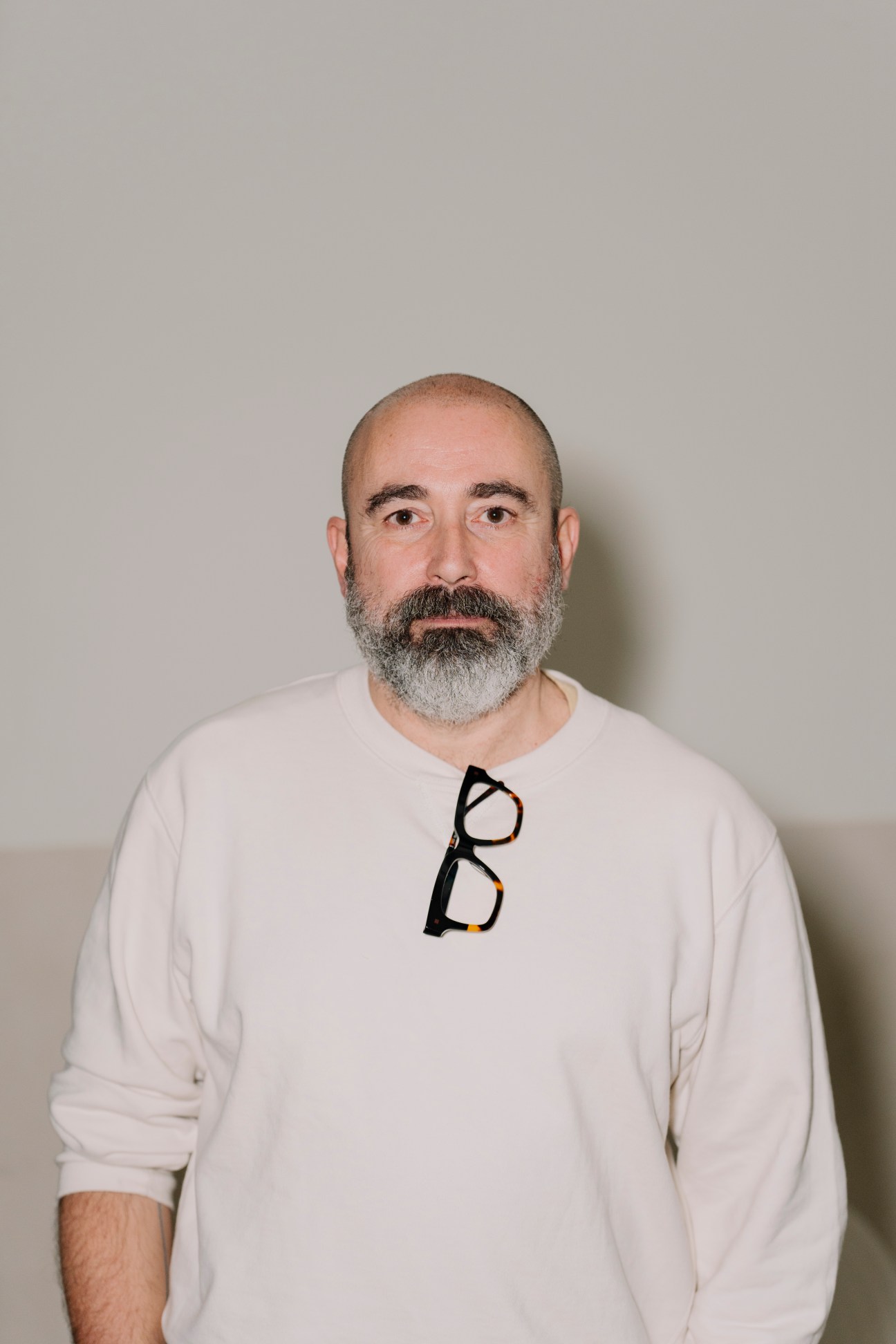
Roberto Paparcone
Potter
Italian-born Paparcone (founder of Paparkone) is a longtime resident whose work is often inspired by island traditions.
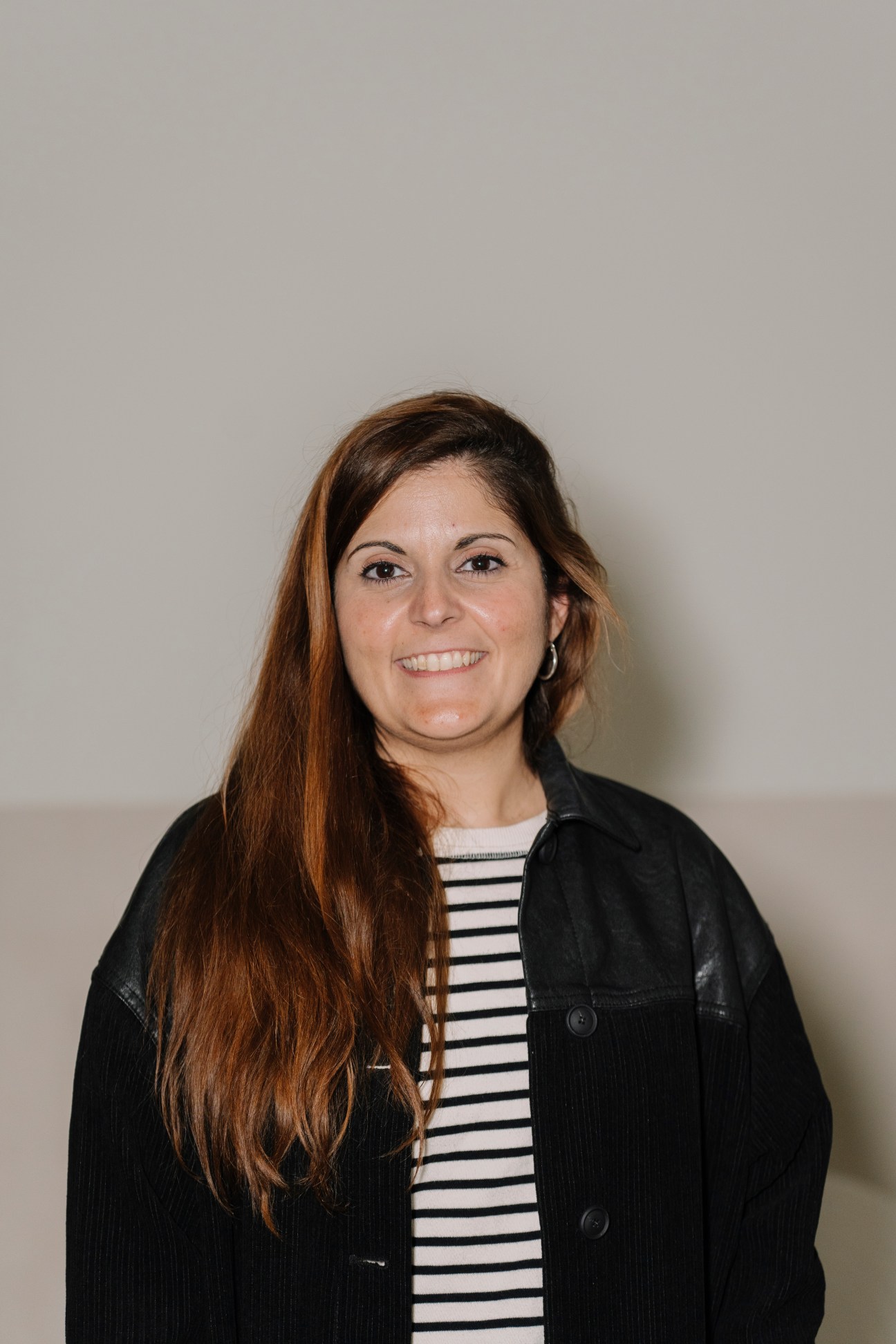
Xisca Homar
Philosopher
Homar is an Inca resident, neighbour of Ferrari and author of Filosofia Salvatge (“Wild Philosophy”).
A couple of days after the Pecha Kucha, Monocle catches up with Ferrari, whose career before Mallorca included stints working in Milan (for Piero Lissoni), London (Zaha Hadid, Ross Lovegrove, Thomas Heatherwick, Amanda Levete) and Los Angeles (running her own studio and teaching at ArtCenter College of Design). How did she end up switching California for Inca? “I was shuttling between LA and a client in Germany and I got tired of it,” she says. “I thought, ‘I need to find somewhere to live in Europe that I know a little and where I can ride my bike.’ I used to come to Mallorca with my father and so I chose here. I thought it would be for a few months but I just stayed.” And she’s not joking about the bikes. Her great-uncle was Alfredo Binda, a champion cyclist, and she was born in the Alpine town of Edolo, so her passion for the saddle is understandable.
“I started thinking about how to bring the space to life. My ideal was what Carla Sozzani did in Milan with 10 Corso Como”
Ferrari initially looked for space in the capital, Palma, but prices were high for even the most compact of properties. “Then Inca popped up as an idea because of the building,” says Ferrari. “I came to see it, fell in love with it and reserved it – without knowing what it would take financially to refurbish it.”
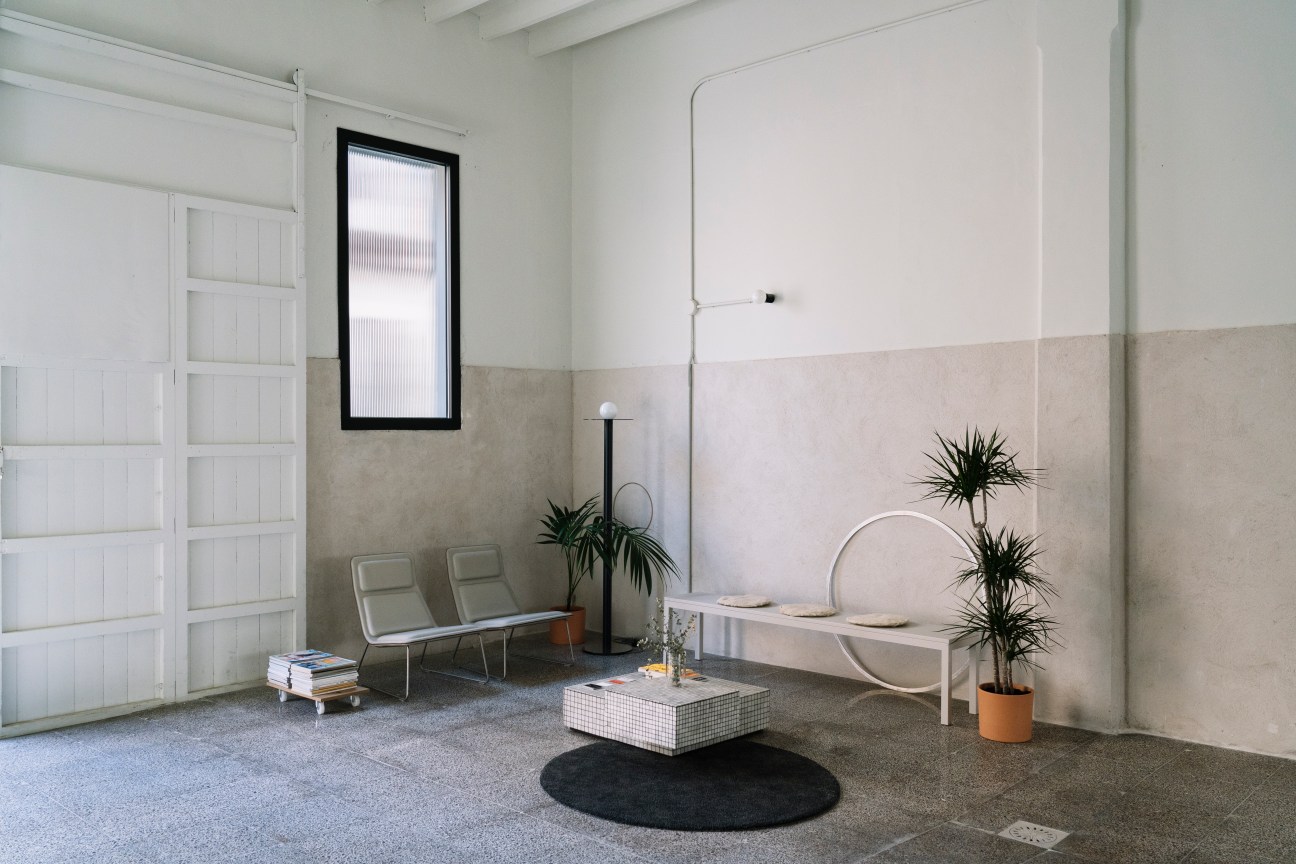
It would take money and time to transform the building. It needed structural reinforcement, windows had been blocked up, services were absent, the top storey had been unused for years, while the ground floor had been a car park. Ferrari reused everything she could from the site and had the original terrazzo flooring buffed back to life. There were also a thousand versions of the plans, simplified again and again (she worked with a Mallorcan architecture practice, ar3, at this stage) to keep costs down. Ferrari made key interventions, including cutting out part of the first-floor slab to allow for the creation of a courtyard garden at the rear.
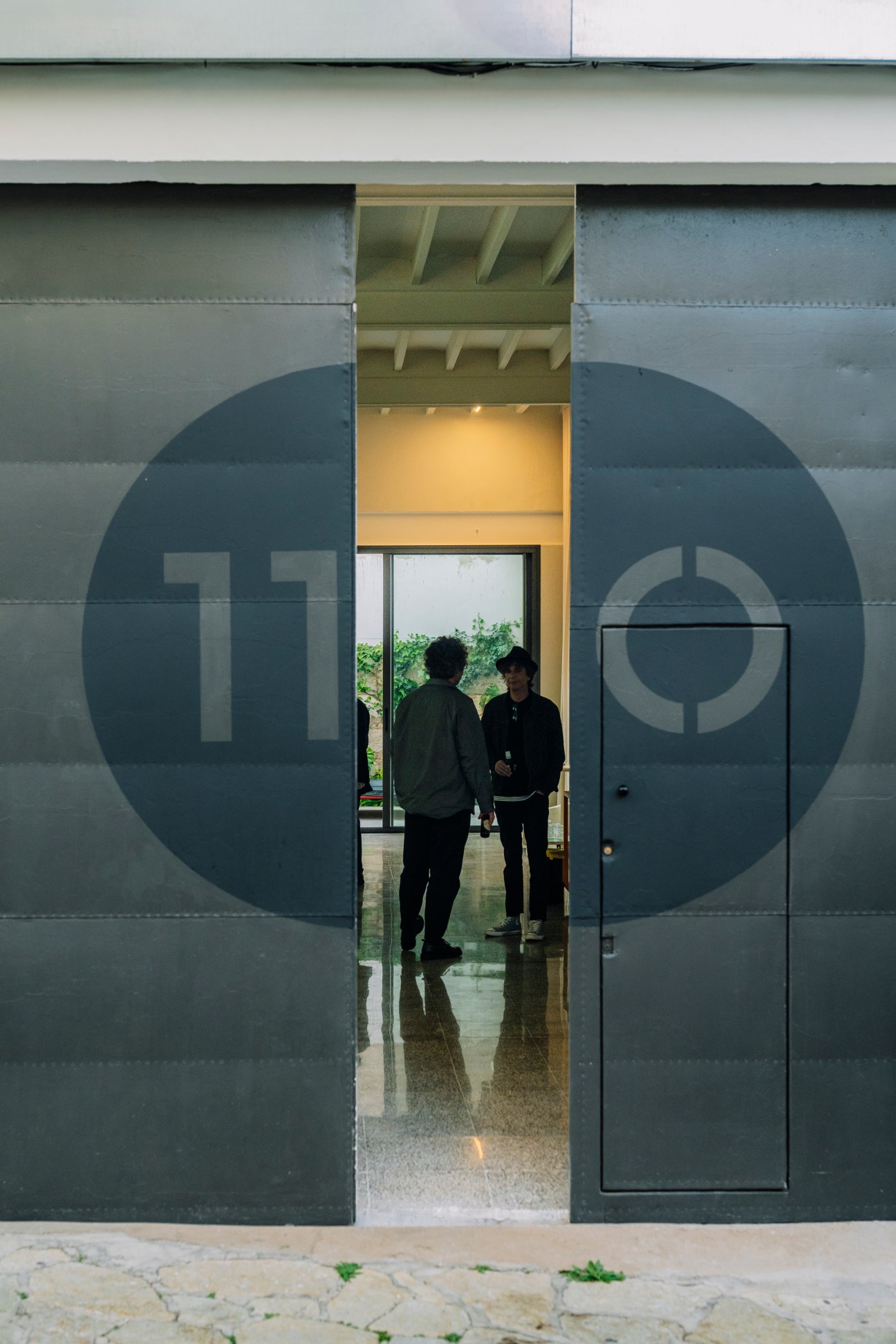
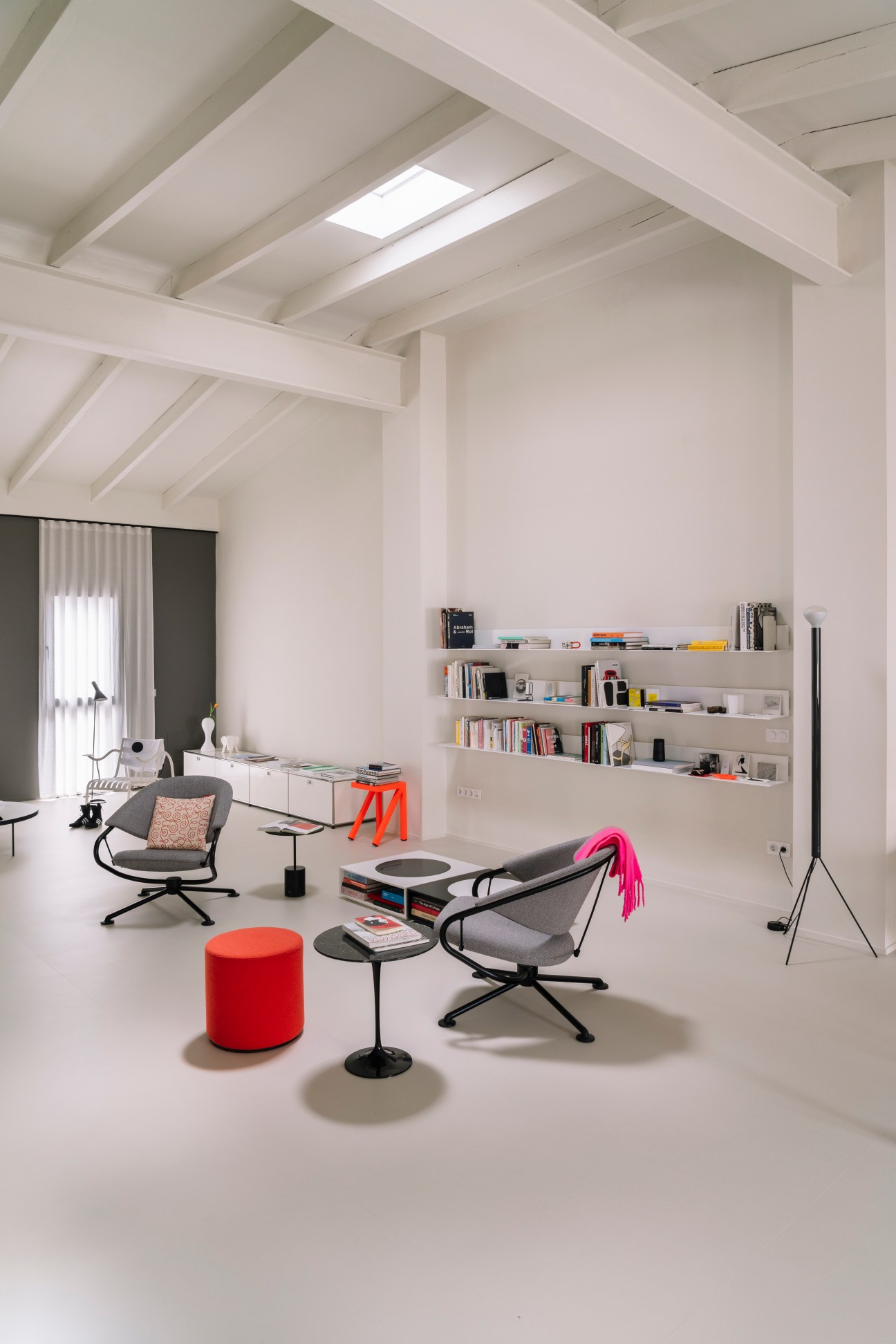
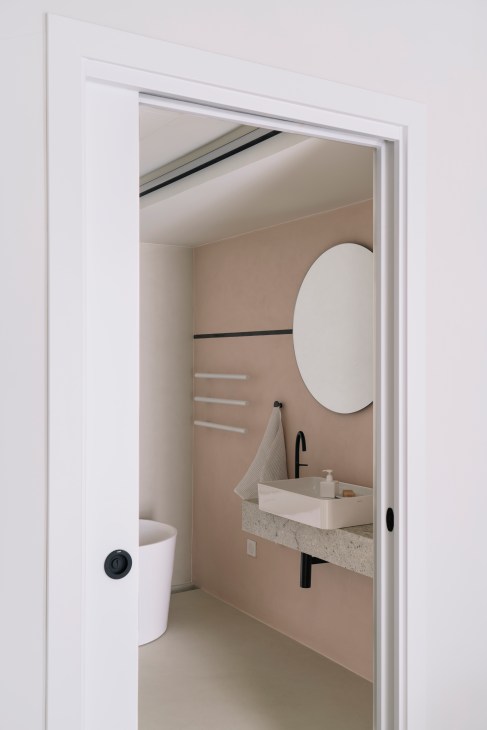
The outcome is breathtaking. You enter through epic grey sliding doors, emblazoned with a giant “110” (the building’s street number), into the studio space with a glimpse of the foliage in the rear courtyard garden. There’s a curtained-off space here that contains Ferrari’s archive and a bed for visitors. Then you ascend to her private world, where a small shock of colourful furniture and design, and an impeccable selection of art, punctuate the room like exclamation marks (her father, another person who has shaped her tastes, was a sculptor). It’s pristine, a world where consideration has gone into every detail.
But something happened as the work on this building progressed. “During the renovation, I started thinking about events, about how to bring the space to life,” says Ferrari. “My ideal was what Carla Sozzani did in Milan when she opened 10 Corso Como [the celebrated concept store and dining space]. I have invested everything I have in this place – so now I have to get the best out of it!”
Getting the best out of 110 started almost as soon as the paint had dried. She offered 110 to a philosopher neighbour for the launch party of her new book. “The place was packed,” says Ferrari. Since then she has moved quickly. “My passion is to do something for the island. There is no point of reference for design here – a place for people to meet physically. I’m open to ideas but we need events that are out of the box. I’m doing this because we need to be an island of creatives.”
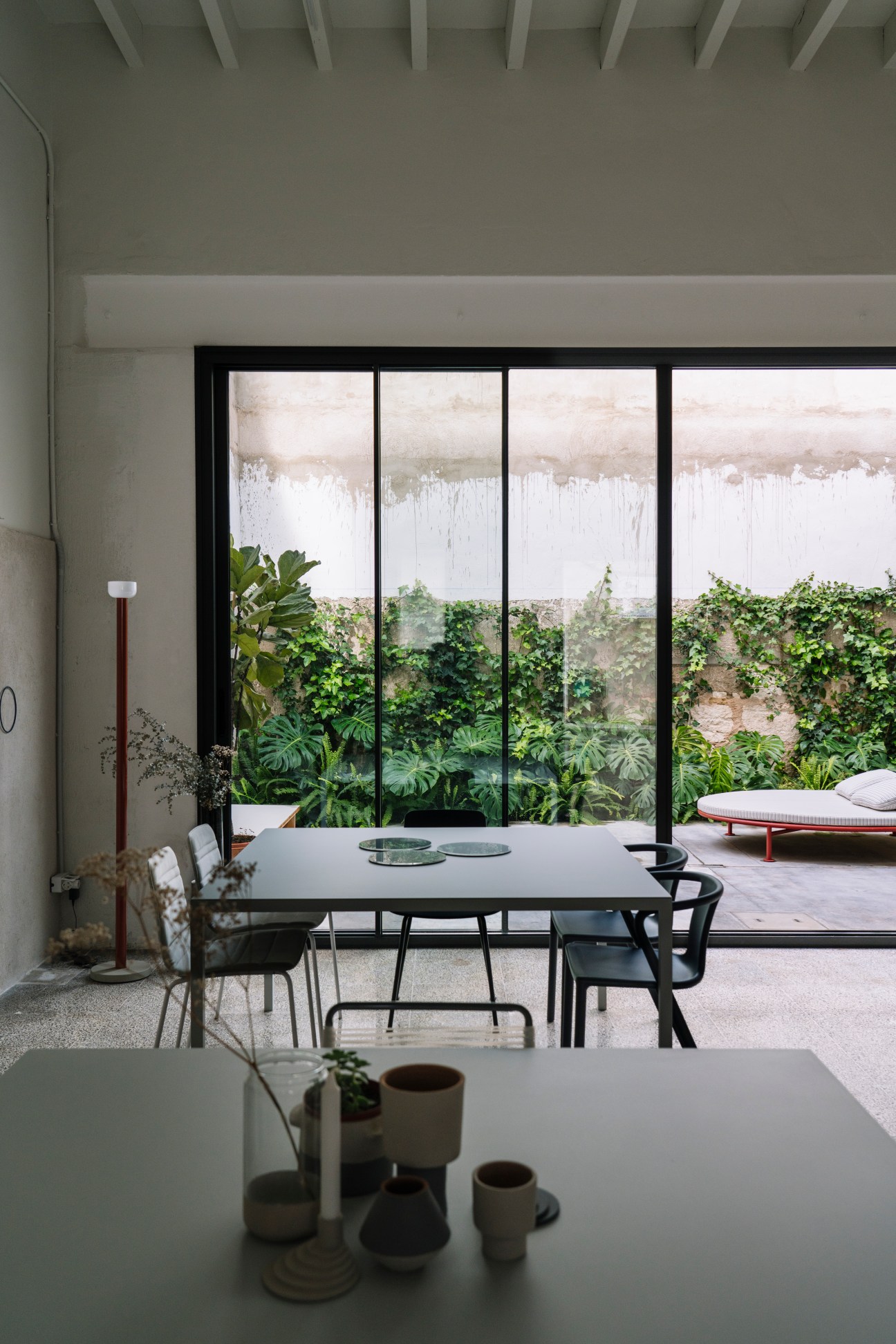
People could have been cautious of a new arrival in town with so many ideas and such energy. But Inca has taken the irrepressible Ferrari in: she’s working with the town hall, has made friends not only with the creatives but the likes of the fishmonger too. What does she make of Inca? “The people are open-minded and welcoming, and it is picking up,” she says. “The city is doing lots of things culturally and there’s energy propelling things forward.”
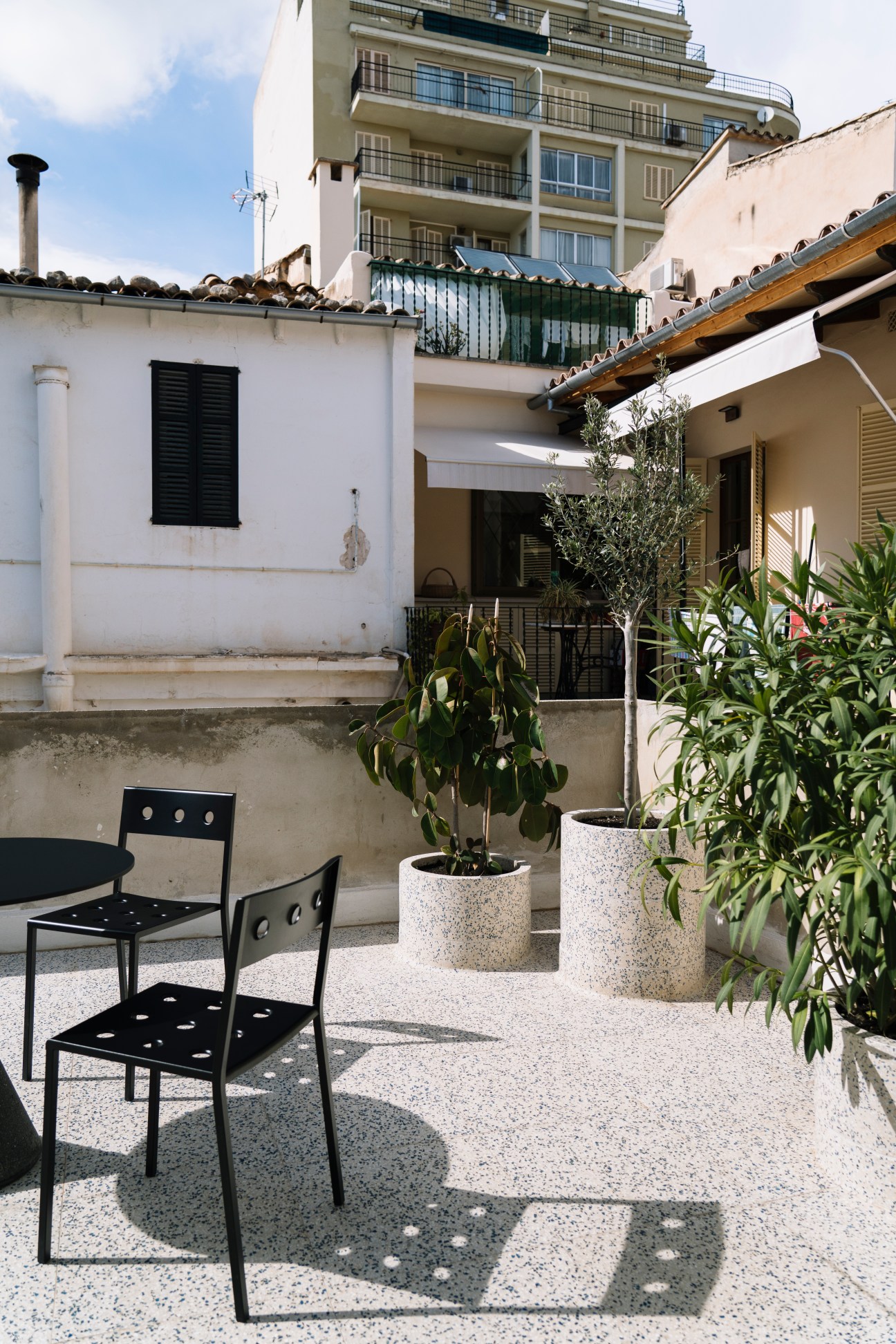
At the Pecha Kucha, I end up speaking with several people in the process of searching for buildings in the city – there are a lot of incredible projects taking root, artists hunting for studio spaces, fashion shops opening. Inca, it seems, offers the chance to experiment.
There are many reasons to celebrate this project but perhaps what’s best is the idea that you can set about making a personal, private space but allow it to become somewhere that can host all manner of collaborations. A simple “for sale” sign triggers a chain of events that leads to 200 people descending on an industrial town reimagining its future, all for the promise of a cold beer – and of being part of something bigger, of joining forces.
110mallorca.com; chiaraferrari.com
Inca address book
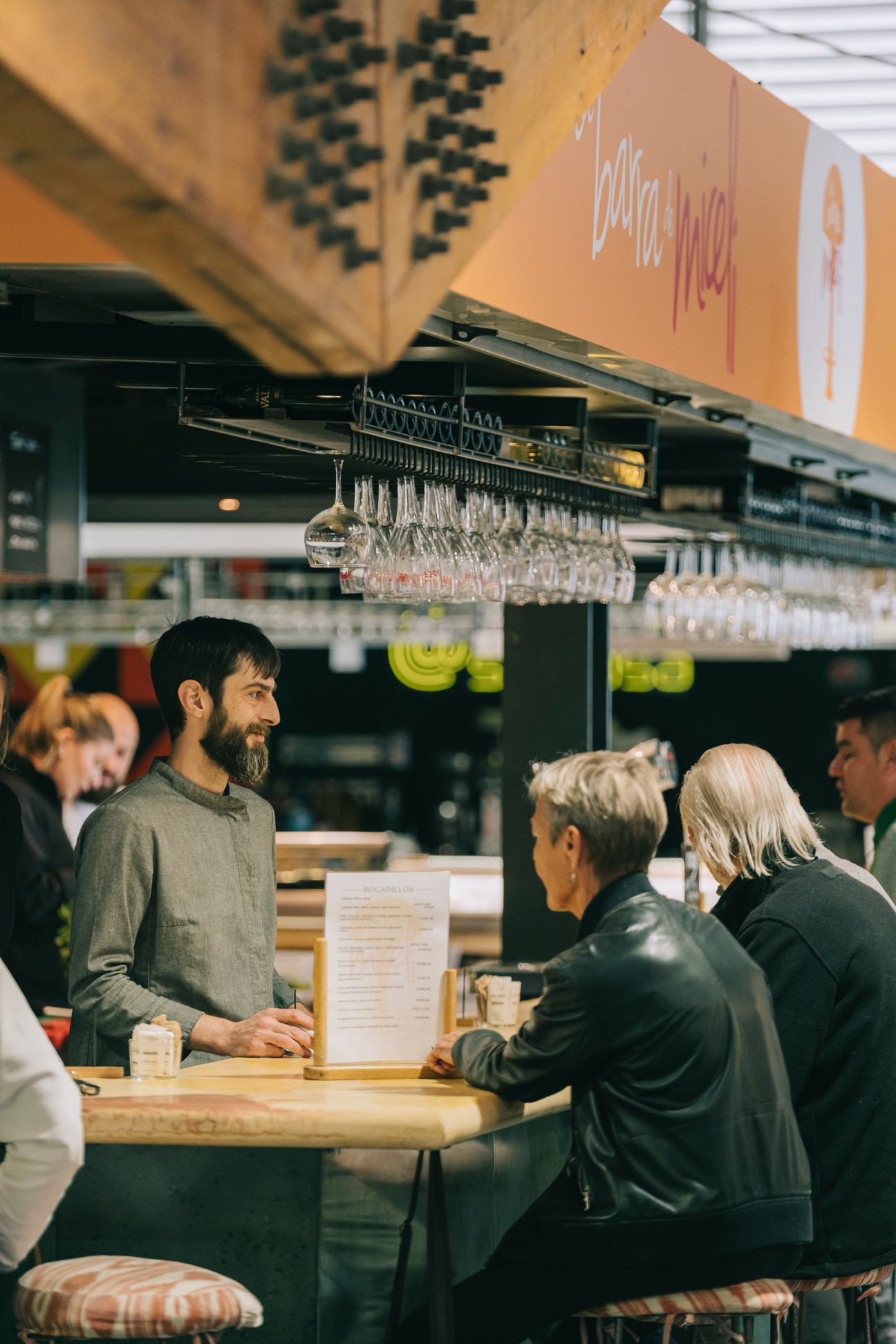
1. Miceli is a celebrated restaurant in the nearby town of Selva but it has an outpost at Inca’s indoor market where you sit at the bar (pictured below) and eat the freshest of produce. It gets its fish from the neighbouring counter belonging to Peix Can Mateu.
miceli.es
2. Café Inca is in a wonderful linear building by AR3 and MDBA architecture studios. It’s run by Amadip Esment Fundació, an organisation that works with people with mental health issues – the site also includes a residential element. It has a great design and great food.
esment.org
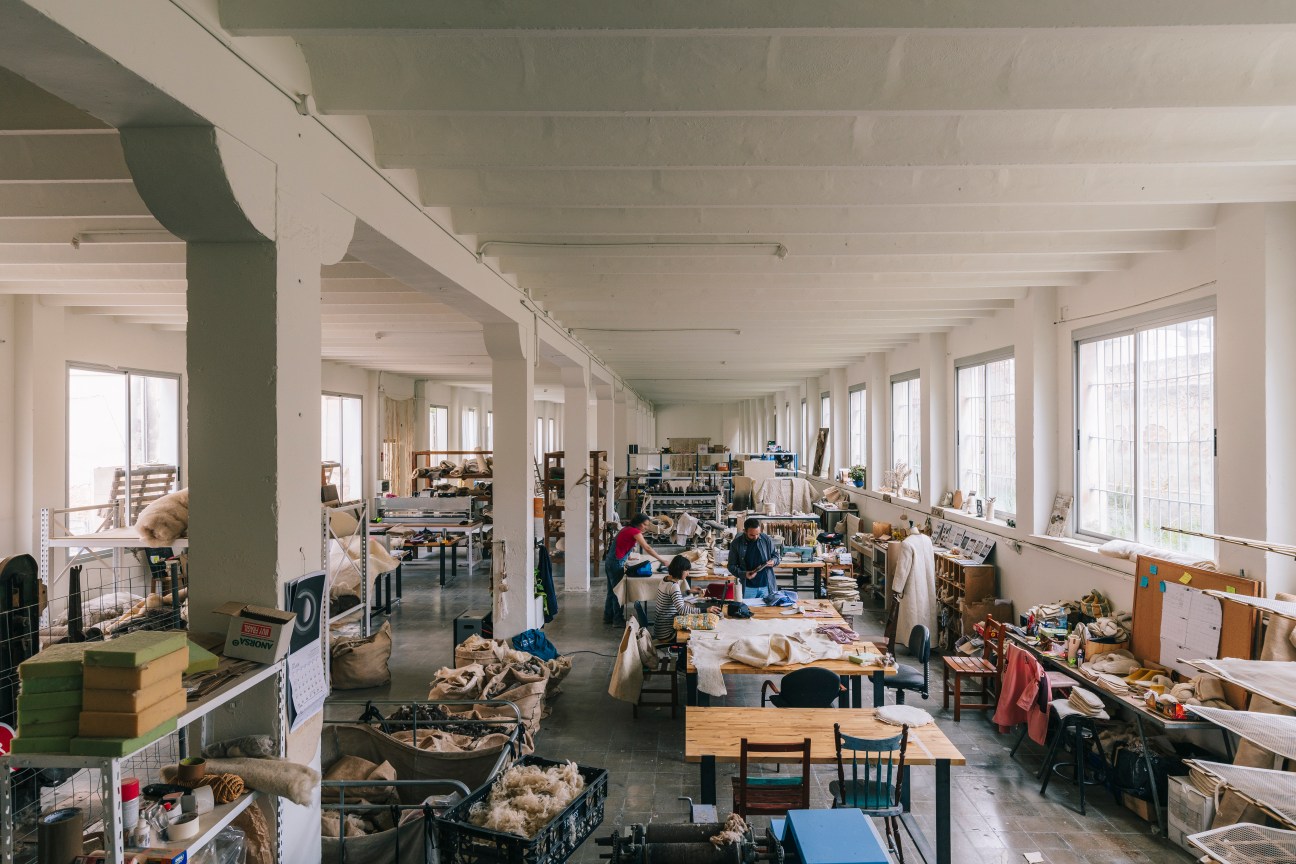
3. Llanatura is a non-profit wool company, housed in a vast former factory (pictured above). It makes rugs, furnishings and clothes, and has numerous collaborations with designers. Llanatura works to protect the island’s ecology.
llanatura.com
4. Museum of Footwear & Industry is housed in a former barracks in which it details the long history of the trade in Inca.
museu.incaciutat.com
5. Architecture. It’s worth wandering the streets to take in the scale of the industrial heritage still awaiting resuscitation. Plus there’s the remade Teatre Principal, some gems of Catalan modernisme design and a great brutalist petrol station.
A historic neighbourhood that’ll show you the slower side of Sydney
The Crows Nest neighbourhood might be just 5km from the skyscrapers of Sydney’s financial centre but it has its own distinct identity. The 19th-century property that gave the area its moniker is long gone; instead, you’ll find a low-rise neighbourhood huddled around Willoughby Road, a bustling high street.
If things are livelier here than elsewhere on the Lower North Shore, it’s probably because of its youthful population: the median age is 36. You’ll see young professionals (and those who are well heeled enough to snap up the remaining Federation-era cottages) making the most of independent businesses such as gourmet grocer The Essential Ingredient and thrift shops stocking designer hand-me-downs. When it comes to food, you’ll find it all, from cheap-and-cheerful Italian restaurants to Vietnamese joints and superb Japanese and Chinese options. The best watering holes include The Hayberry, The Captain’s Balcony and wine bar Knird. Our pick of the cafés is Only Coffee Project. Let’s take a swoop.

1. To read
Pick up a copy of quarterly magazine Northsider at Italian barber shop Antica Barberia and read it over a flat white at Double Cross Dining Room.
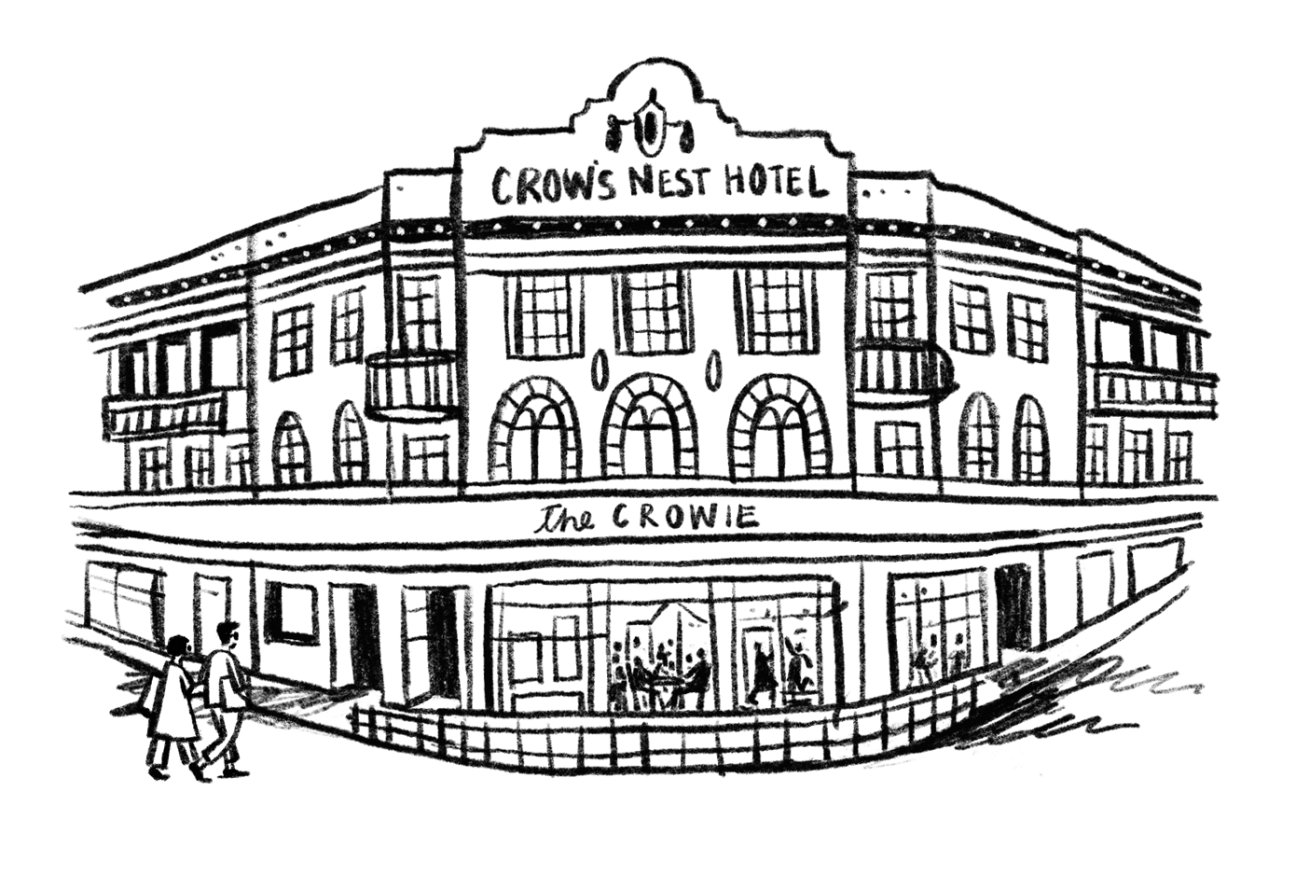
2. To stay
You’ll find the Crows Nest Hotel (or “The Crowie”) at the top of Willoughby Road. Its rooftop bistro is the place to go for a chicken parmigiana and a drink or two. Then head down to its venue space for a dance later on.

3. To see
Amble along Burlington and Alexander Streets to take in their charming Federation-style cottages and terraces. Tempted to buy one? These properties sell like hotcakes when they become available and even a two-bedroom cottage will set you back about AU$2.3m (€1.29m).

4. To taste
Chef Josh Niland has made a name for himself as a seafood specialist. Sample his abalone-schnitzel sandwich at his restaurant, Petermen.

5. …and to buy
Your meal will inspire you to raise your fish-cooking game. Pick up a pair of bone pliers at Petermen – they’re essential for any kitchen arsenal.

6. To read
The Constant Reader bookshop is well stocked with Aussie titles. Buy Possabilities by Victoria Alexander, the late Bill Granger’s Australian Food and children’s classic Alphabetical Sydney by Hilary Bell and Antonia Pesenti.
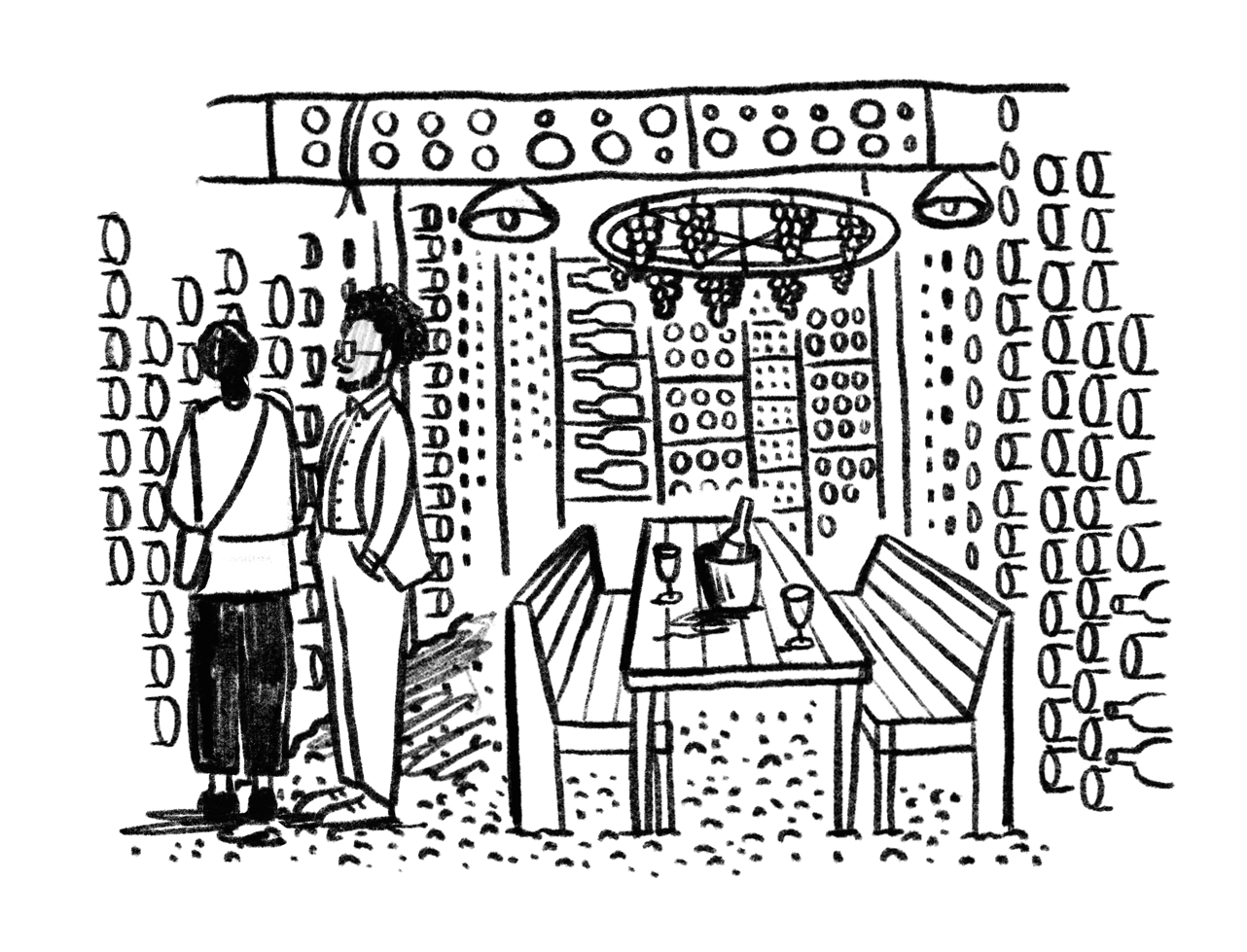
7. Book this
Opened in 1973 by brothers Rudi and Max Dietz, who still run the floor, German restaurant Stuyvesant’s House is a Sydney institution. Expect old-school service, hearty dishes including pork knuckle and a stein. Sehr gut!

8. Perch here
Picnic under the fig trees at St Leonards Park, a popular jogging spot. It hosts a sunset cinema in summer and there are cricket and football matches at the oval year-round.
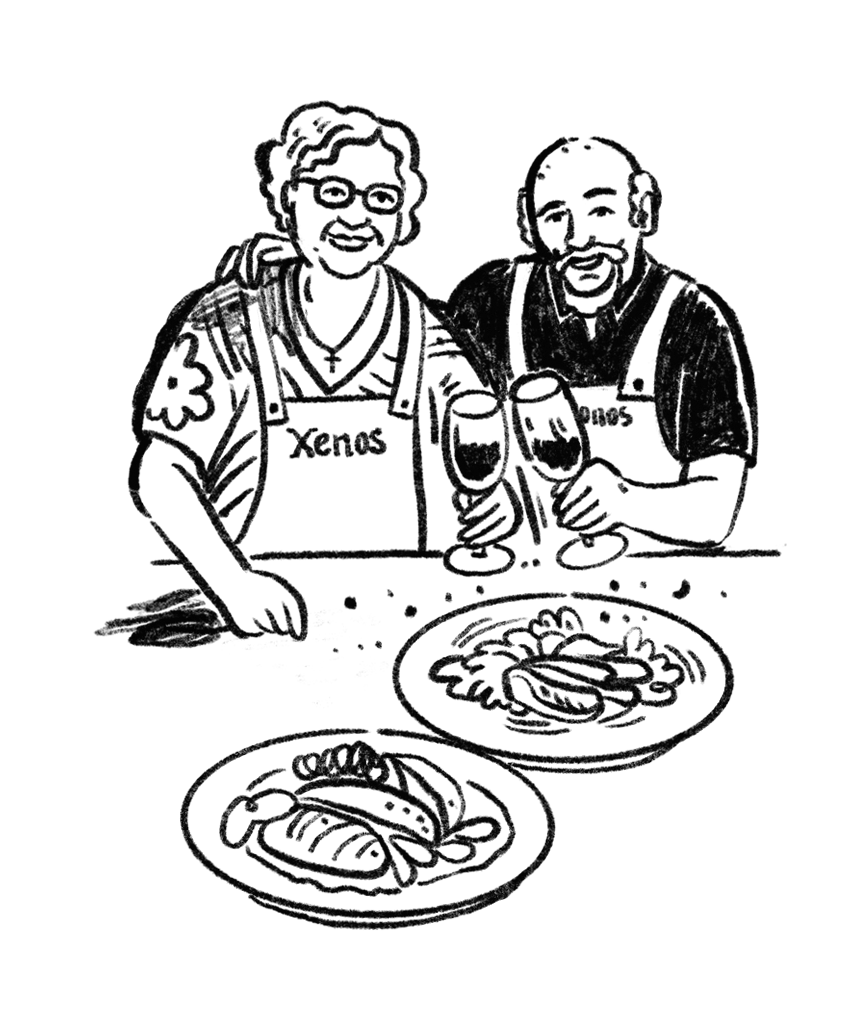
9. To meet
Peter and Kathy Xenos started Xenos Cafe in 1969 as a milk bar. Order the spanakopita (savoury spinach pastry) or the slow-cooked Greek lamb. You can still spot Peter, who is now 80, on the floor every day. “I love it,” he tells Monocle. “Regulars are now friends. They have come here for 30 or 40 years.”
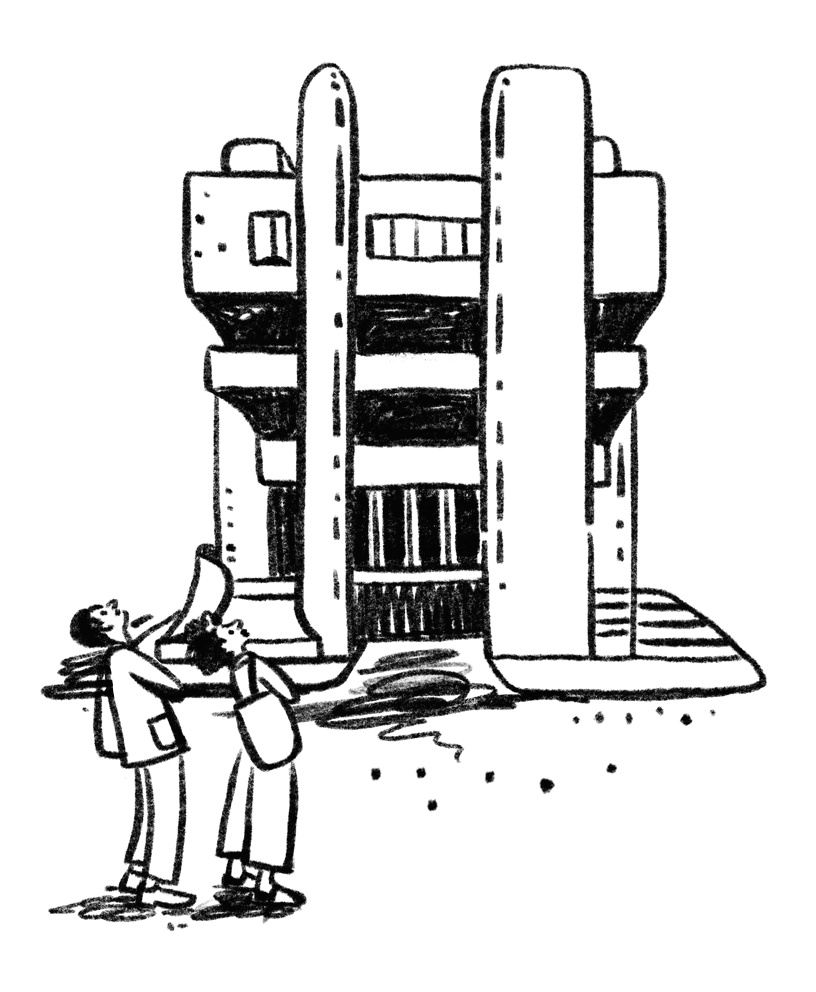
10. Don’t miss
The brutalist Oxley Business Centre was designed by architect Geoff Malone shortly after he graduated from the University of Sydney and completed in 1972. It is now expected to be refurbished, with the possible addition of apartments. One to watch.
The French guide to summer style

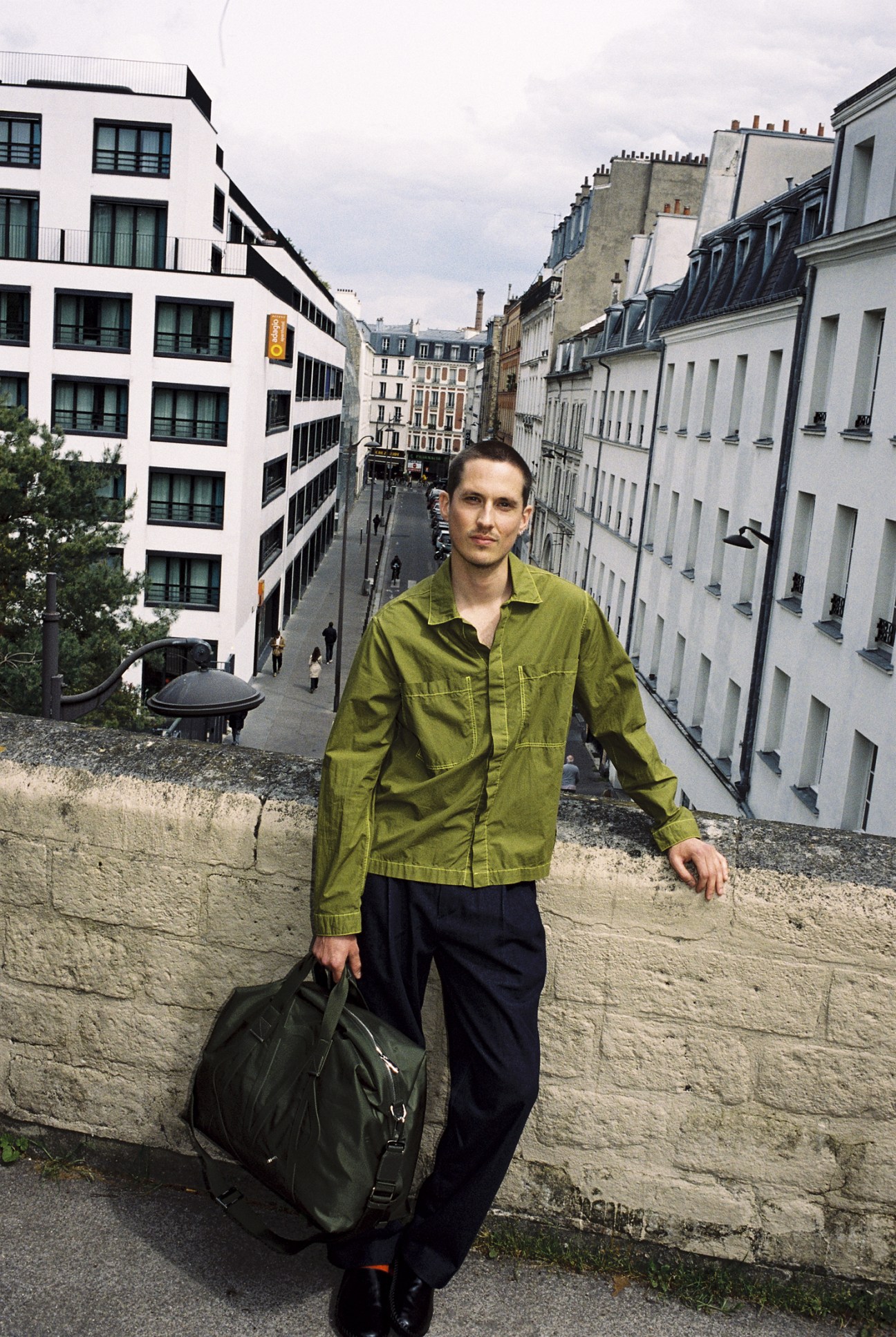
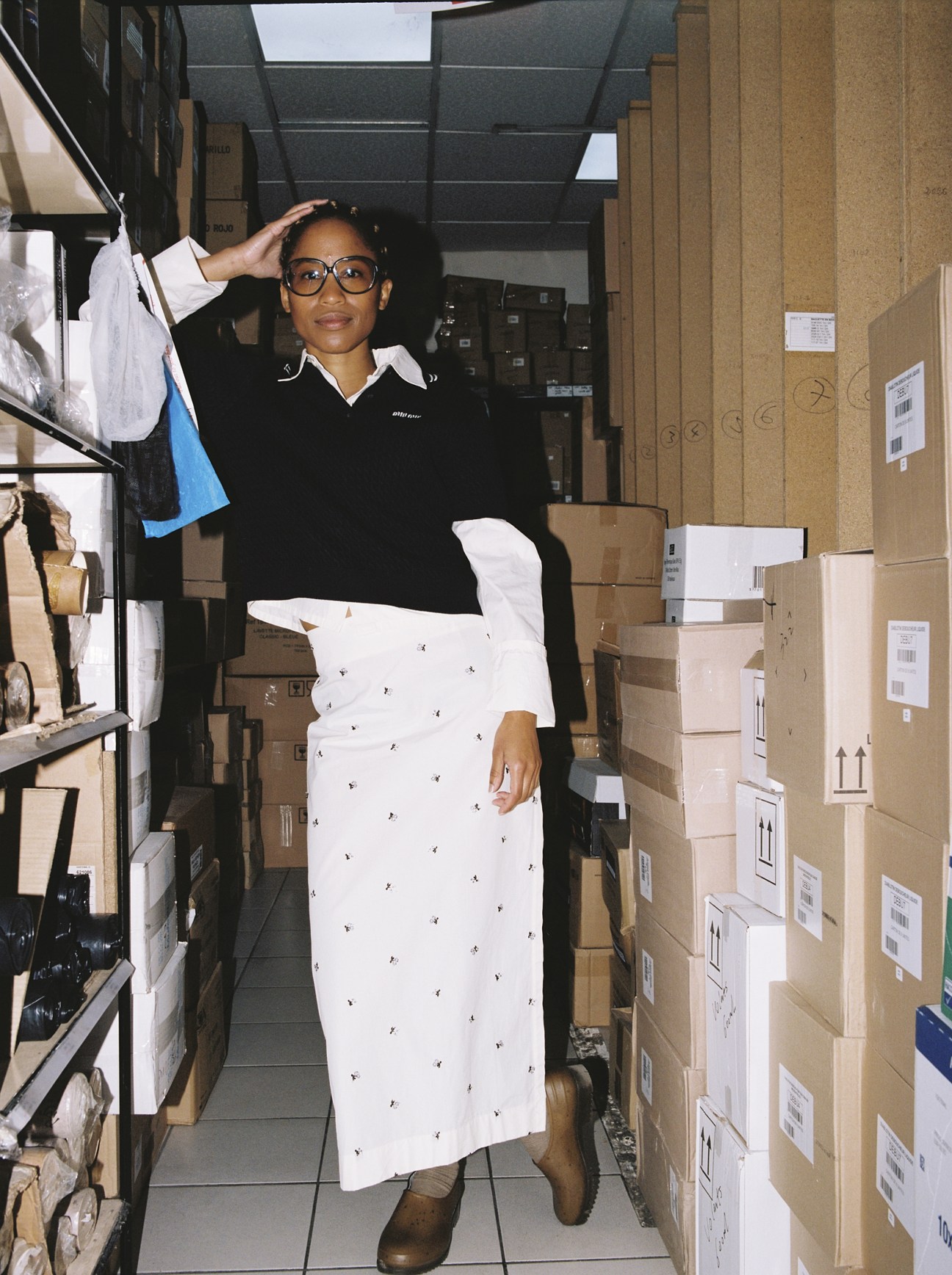
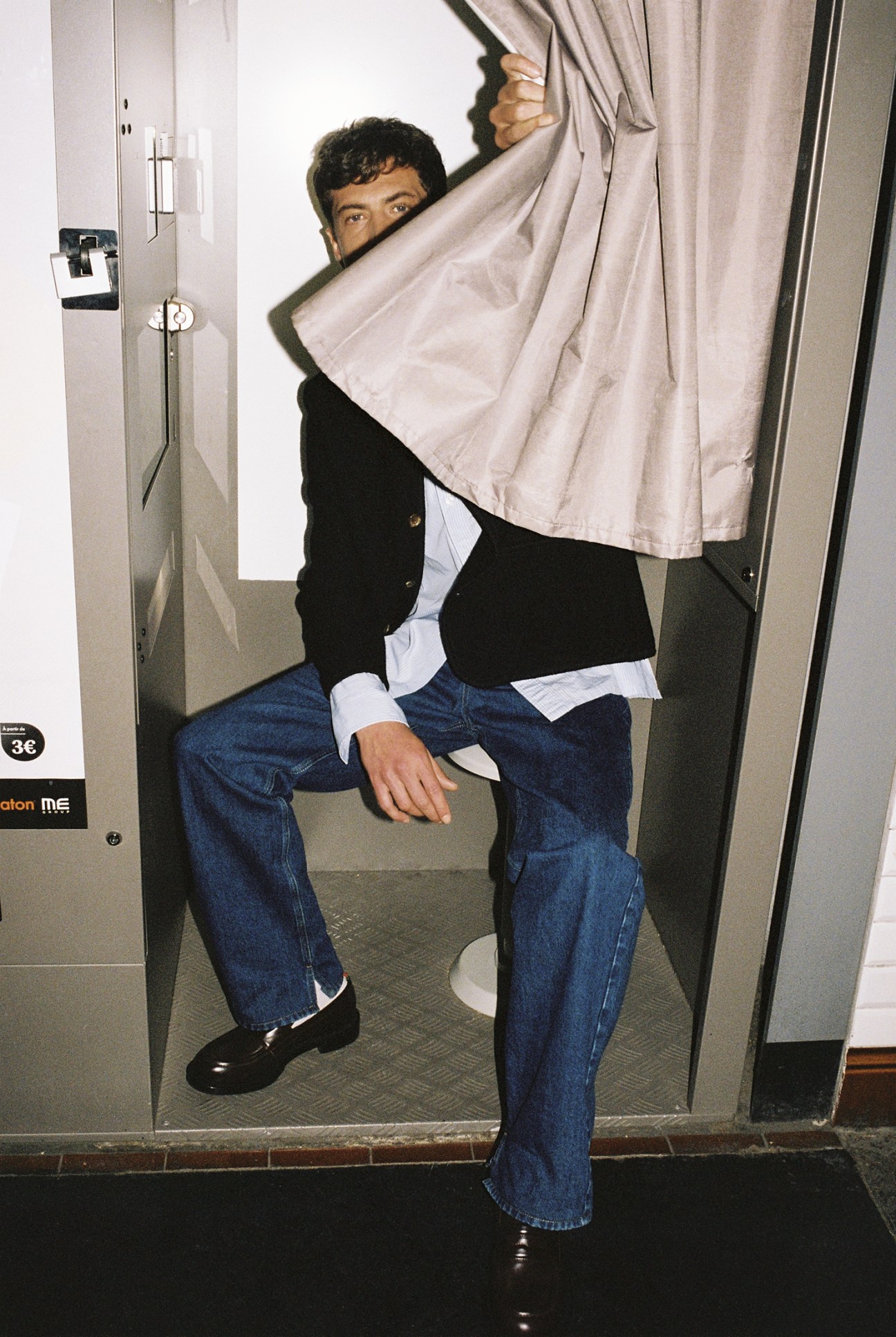
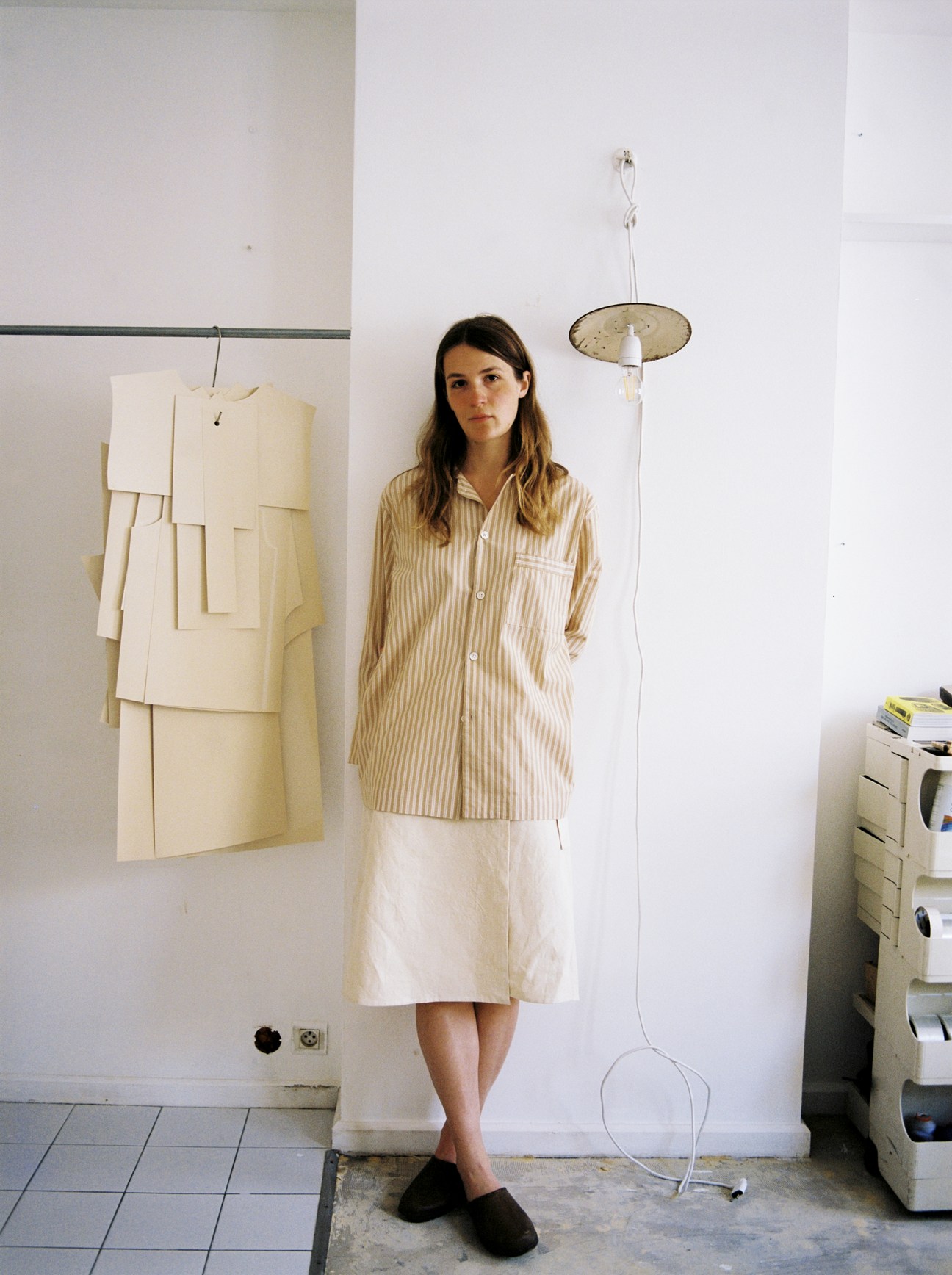
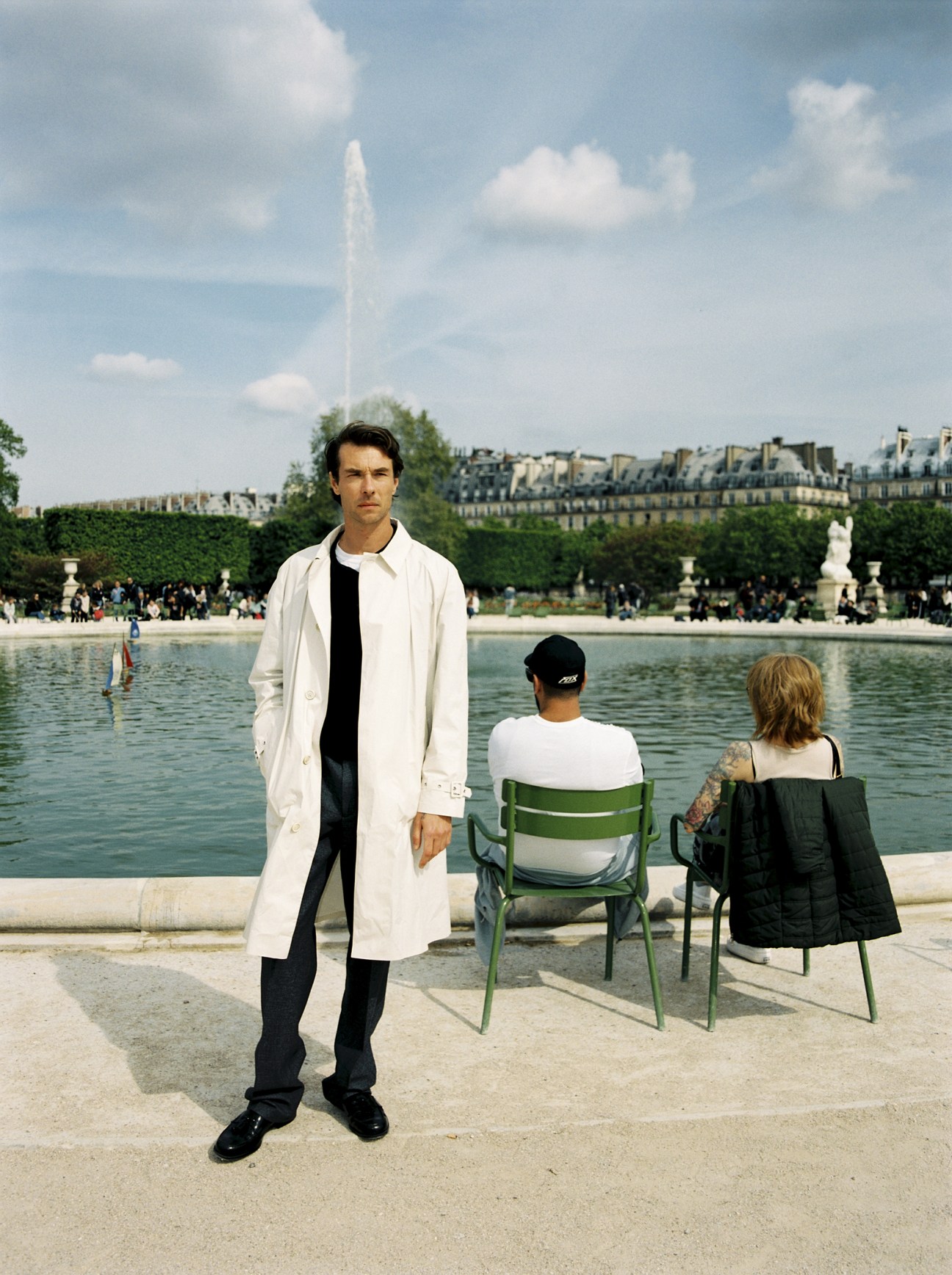
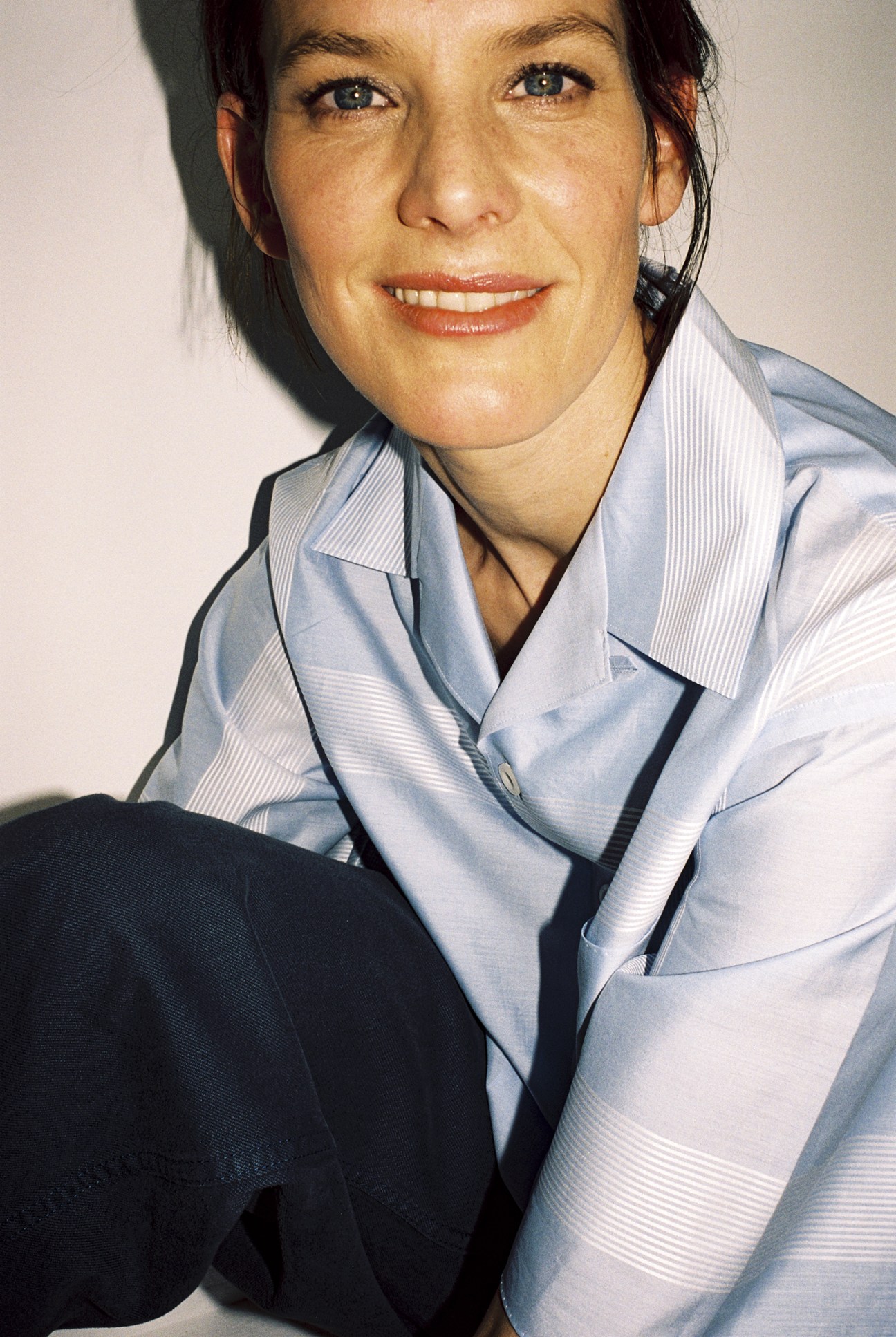
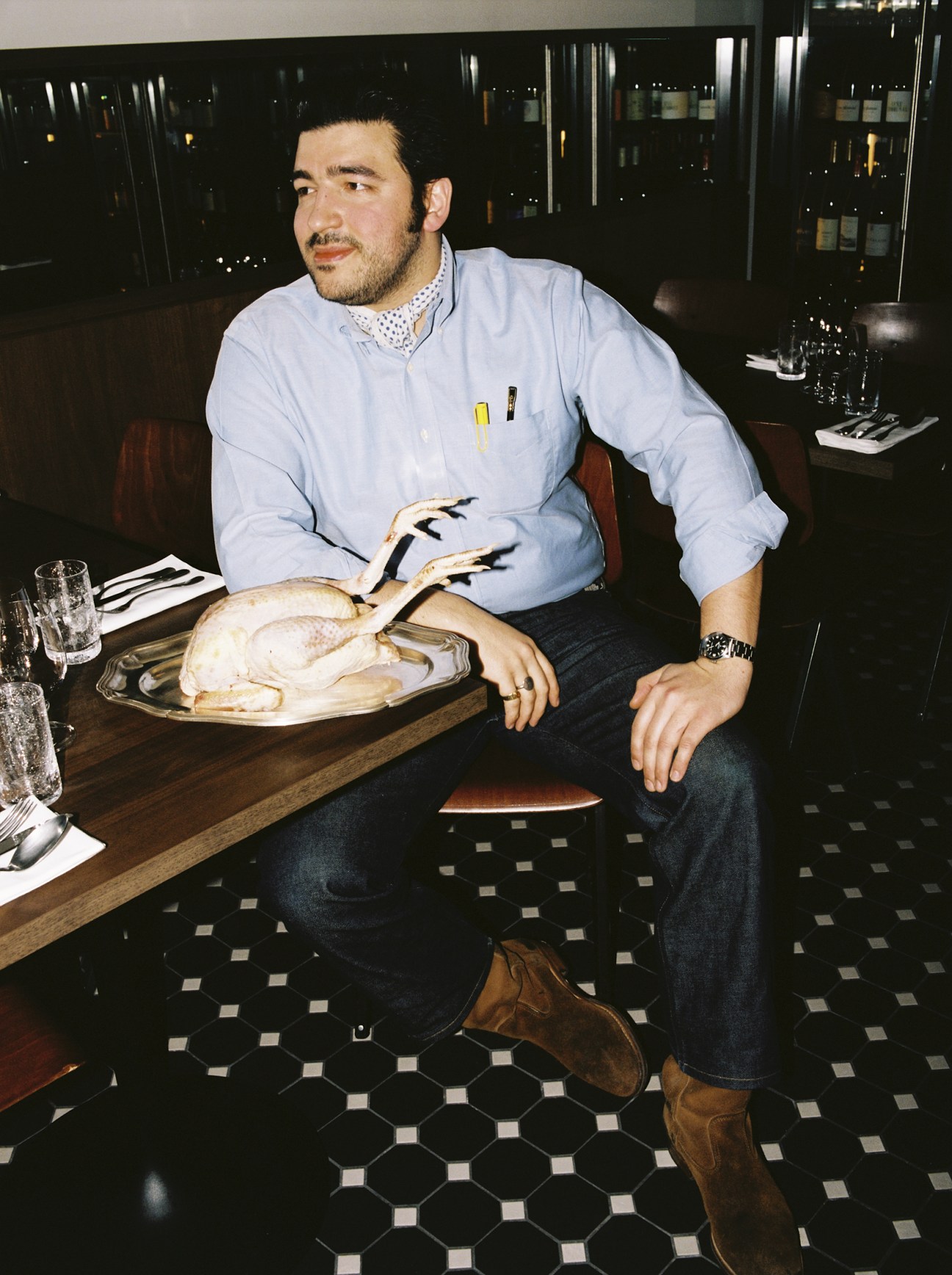
HAIR & MAKE UP: Yoana TG
Inside The Luxembourg Freeport that’s part fortress, part transit lounge
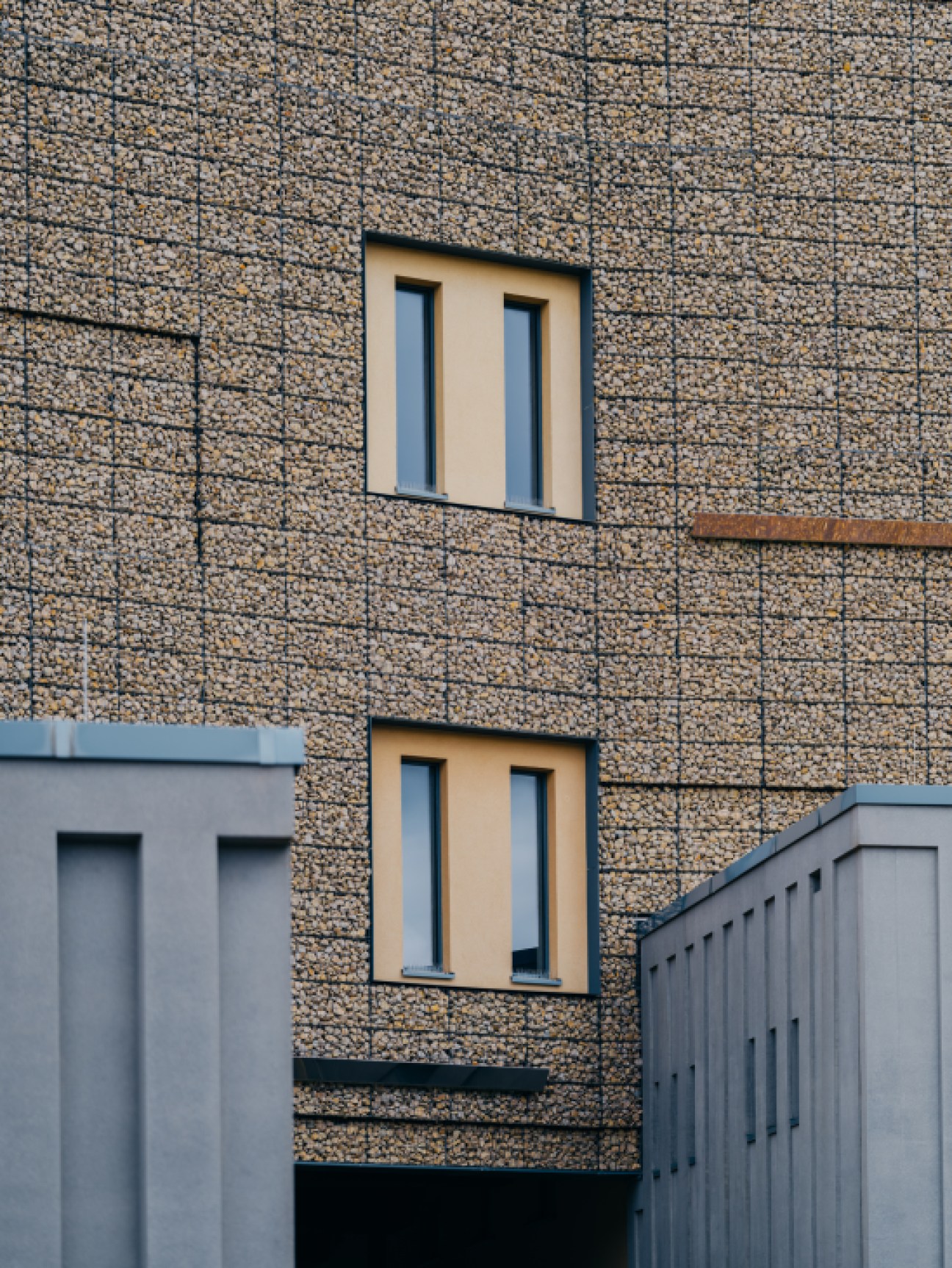
On the far periphery of Luxembourg Airport, among a collection of low-slung lorry depots is The Luxembourg Freeport, one of Europe’s busiest air-cargo handlers. Its large, angular, grey brutalist base is clad with stone-filled gabion fencing punctuated by thin window slits. It resembles a modernist fortress, or perhaps a contemporary art museum. In truth, this strange building is somewhere in between.
Designed by Swiss architects 3BM3 Atelier d’Architecture, the 22,000 sq m building opened a decade ago as the Luxembourg Freeport, a place where high-net-worth individuals could store anything from precious works of art to rare bottles of wine, behind myriad layers of security, within walking distance of a runway and immune from taxation. Though a freeport is discreet by nature, the world got a glimpse, of sorts, of the concept in Christopher Nolan’s 2020 film Tenet, in which a similar, albeit fictionalised place (the “Oslo Freeport”) played a central role. “Sort of a transit lounge for art?” asks one character, when hearing of the place.
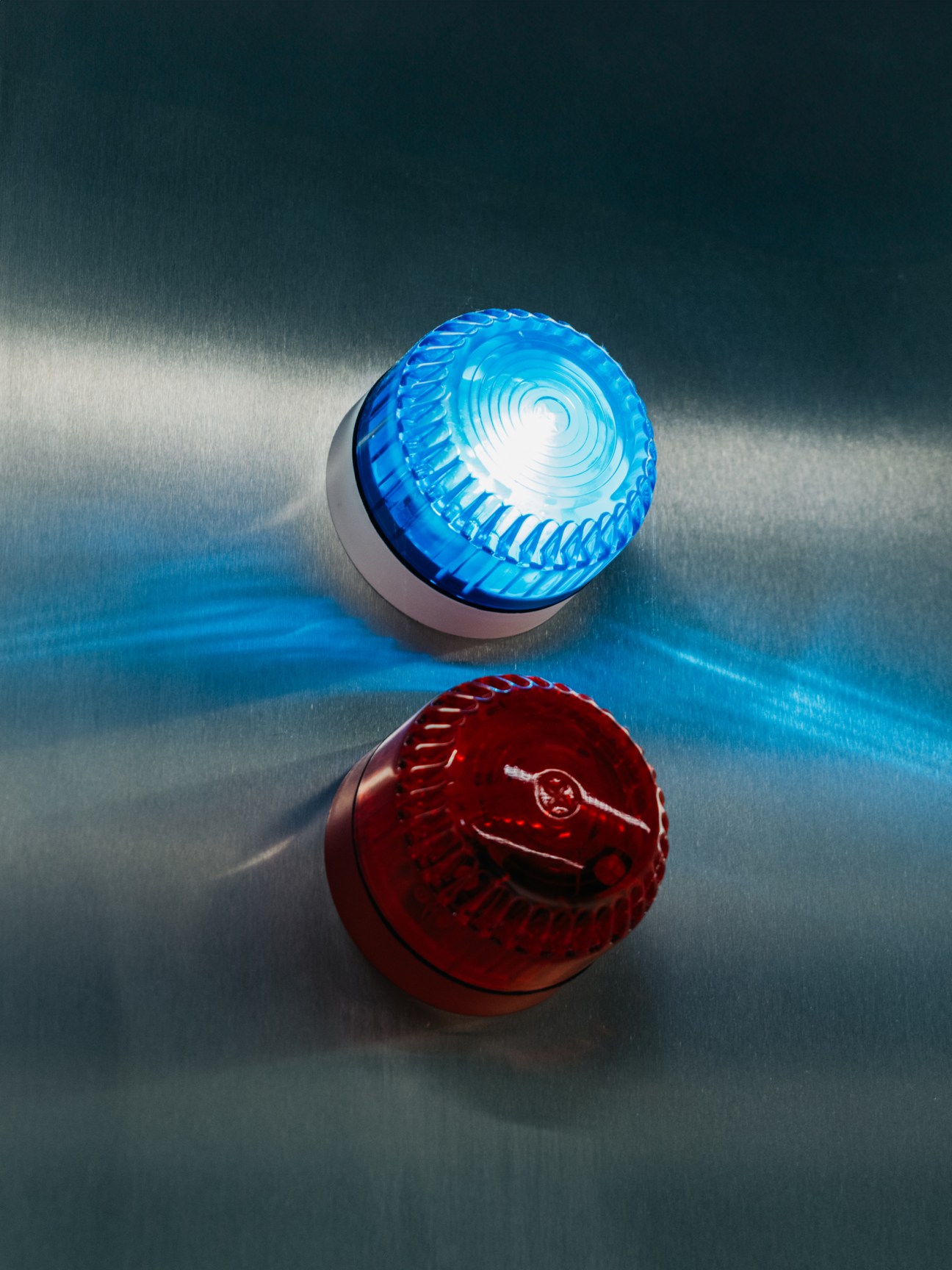
Freeports are nothing new. As early as the 1500s, ports such as Livorno and Marseille were granting tax benefits and less-onerous customs controls to merchants, believing that it helped to boost trade. In 2012 the UK announced the rollout of eight new freeports, at locations including Plymouth and East Midlands Airport. (The country’s prime minister, Rishi Sunak, wrote a pro-freeport paper while a backbench MP.) Opinion is divided on whether they are economic spurs or simply tax havens.
The Luxembourg Freeport, along with sister properties in Geneva and Singapore, also designed by 3BM3, was the brainchild of Yves Bouvier, the now-notorious Swiss art dealer who last year reached an out-of-court settlement with Dmitry Rybolovlev over a decade-long case in which the Russian billionaire alleged that he had been the victim of a billion-dollar overcharge on art purchases. For Bouvier, whose family owned Natural le Coutre, a 160-year-old Swiss firm specialising in the transport and storage of fine art, the freeport was a sort of natural extension: not just somewhere to store art but a marketplace where art could change hands in a “suspensive VAT regime” (ie, tax-free). It was a site tailor-made for art’s increasing status as a global investment vehicle.

But as Bouvier’s reputation began to suffer, so, seemingly, did the Freeport’s. A member of the European Parliament’s Special Committee on Finance Crimes, Tax Evasion and Tax Avoidance demanded an investigation into the Freeport, noting that it had “been alleged to be a fertile ground for money laundering and tax evasion” (a claim rebuffed by the European Commission’s former president Jean-Claude Juncker, who, as it happens, used to be prime minister of Luxembourg). Amid a more general anti-money-laundering campaign in the country (often viewed as a European tax haven), the Freeport reported a loss of €730,000 in 2022, according to the Luxembourg Times. Bouvier had pulled out, new management had come in, and various changes were afoot. Monocle travelled to the Freeport at Findel Airport to learn more.
The first sign of change comes via Google Maps. Though locals might still refer to “Le Freeport”, the facility is listed on the map as the “Luxembourg High Security Hub”, the result of a 2020 rebranding. It is not the easiest place to get to. What looks like a 1km walk on the map actually requires a taxi ride (albeit a ridiculously short one); when the driver drops Monocle off at a security entrance for the larger airport cargo facility, the guards explain that Le Freeport is actually further along, requiring another short taxi ride.
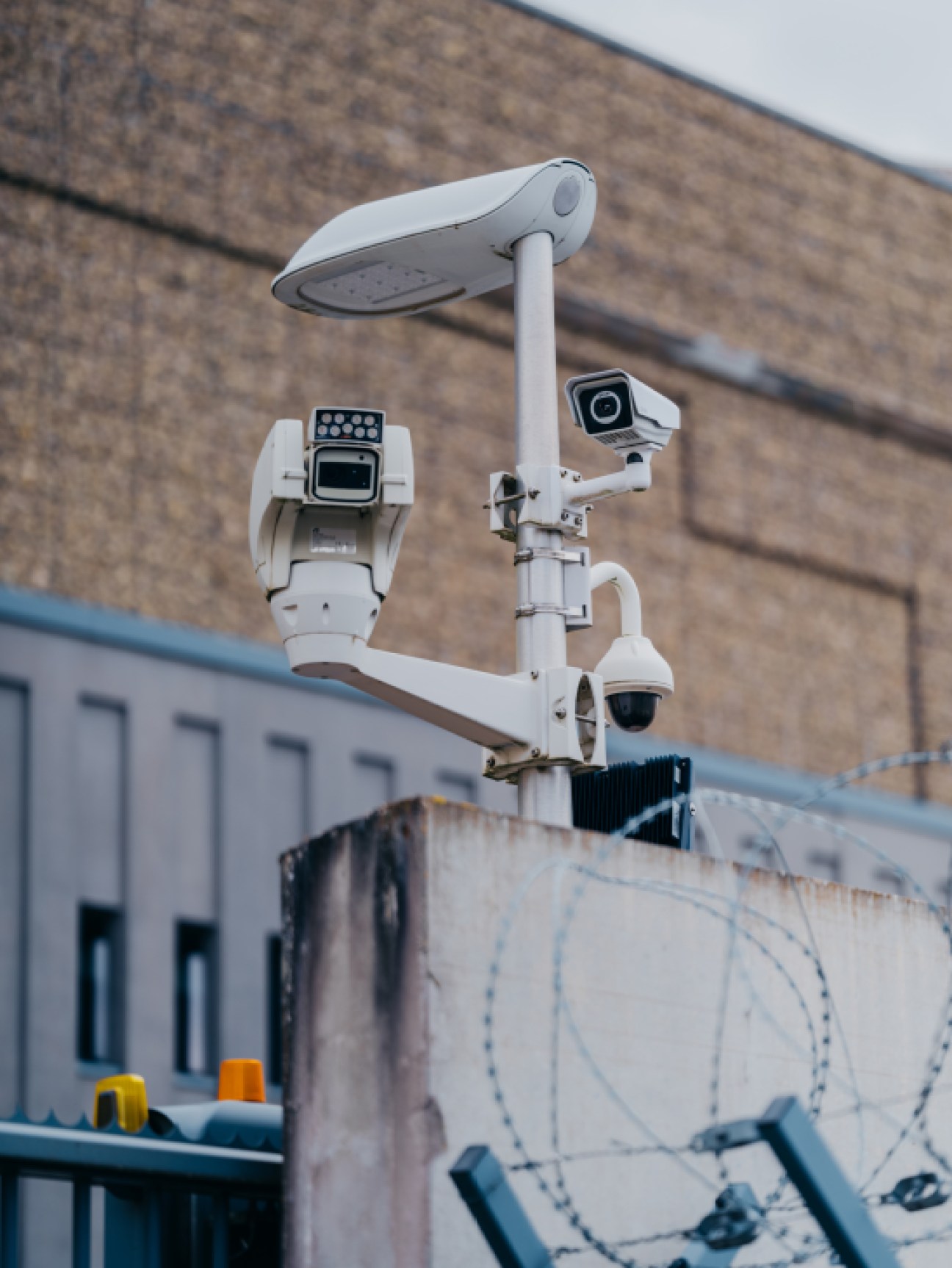
At the facility’s rear, entry is through a rotating steel door, set into a high fence topped with razor wire. The push of a button summons a security guard, who leads us to an interior room equipped with an airport-style security gate. Once through (after removing belt and watch), we meet Philippe Dauvergne, CEO of the High Security Hub, as well as Olivier Thomas, a French investor (he has backed start-ups including Zenly, which was recently sold to Snapchat), who last year became the property’s “unique” shareholder, after buying out Bouvier, his one-time partner. They wear stylish suits and long coats, which they keep on, owing to the fact that the facility is kept at a constant cool temperature.
Speaking in an austere lobby, with poured concrete walls that have been dyed ivory and patterned to resemble wood, Dauvergne has the world-weary, mordant air of the lead inspector in a European detective drama. As well as an anti-money-laundering consultant for the UN Office on Drugs and Crime, he’s a lieutenant colonel in the réserve citoyenne of France’s Gendarmerie Nationale. He stresses that the Hub has nothing to do with Bouvier these days. “We do not mix,” he says. Art is still a focus but the Hub is trying to market itself as also attractive for the storage of precious metals, such as rhodium, which are used in both industry and jewellery. “You have two legs on the ground and it’s very stable.”
There are myriad vaults, ranging from 100 sq m to 400 sq m – numbered randomly as a security measure to confuse those who don’t belong there – which tend to be leased in three- to seven-year blocks. Dauvergne can’t divulge precisely what is in those vaults, because he does not know. The Hub cannot enter the vaults; nor does it even handle the incoming and outgoing goods. Instead, the Hub has a handful of “licensed operators” (companies such as Brinks), that work with Luxembourg customs, which has a small office on-site.
This opacity would seem catnip for illicit activity but Dauvergne notes that the national customs office inspects 100 per cent of incoming and outgoing goods (in typical warehouse environments, he says, the figure is closer to 1 per cent). The fact that more than €200m of Russian assets were seized from the Freeport in 2022 is, he says, proof that the process is working. Goods are not free from inspection and laws, they are exempt from taxation: if a painting stored here were to be sold, say, to the US, no VAT would be assessed because the good never technically entered the EU. “We are based in the territory but we are not in the tax territory,” says Dauvergne.
He leads Monocle to an adjacent room, a garage-like space where trucks enter to unload. “Before being granted access, the licensed operator has to inform us 24 hours in advance, without giving us any information about what is inside,” he says.
He ticks off the Hub’s security features with the well-practised patter of an estate agent. The garage door, he says, is “not anti-missile but anti-ballistic” (good “up to .50 cal”). Retractable bollards will resist up to 44 tonnes of force. There are thermal detection and X-ray cameras, explosives detectors and a ceiling-mounted mirror. A magnetic sensor is used to detect vibration; it’s sensitive to the point where the heartbeat of a stowaway mouse was once detected (and triggered a police call-out). The Hub, monitored by some 300 security cameras, state-of-the-art cooling and nitrogen fire-suppression systems, has a secure rating of 99.85 per cent from the firm Axa, up from 97 per cent a few years ago.
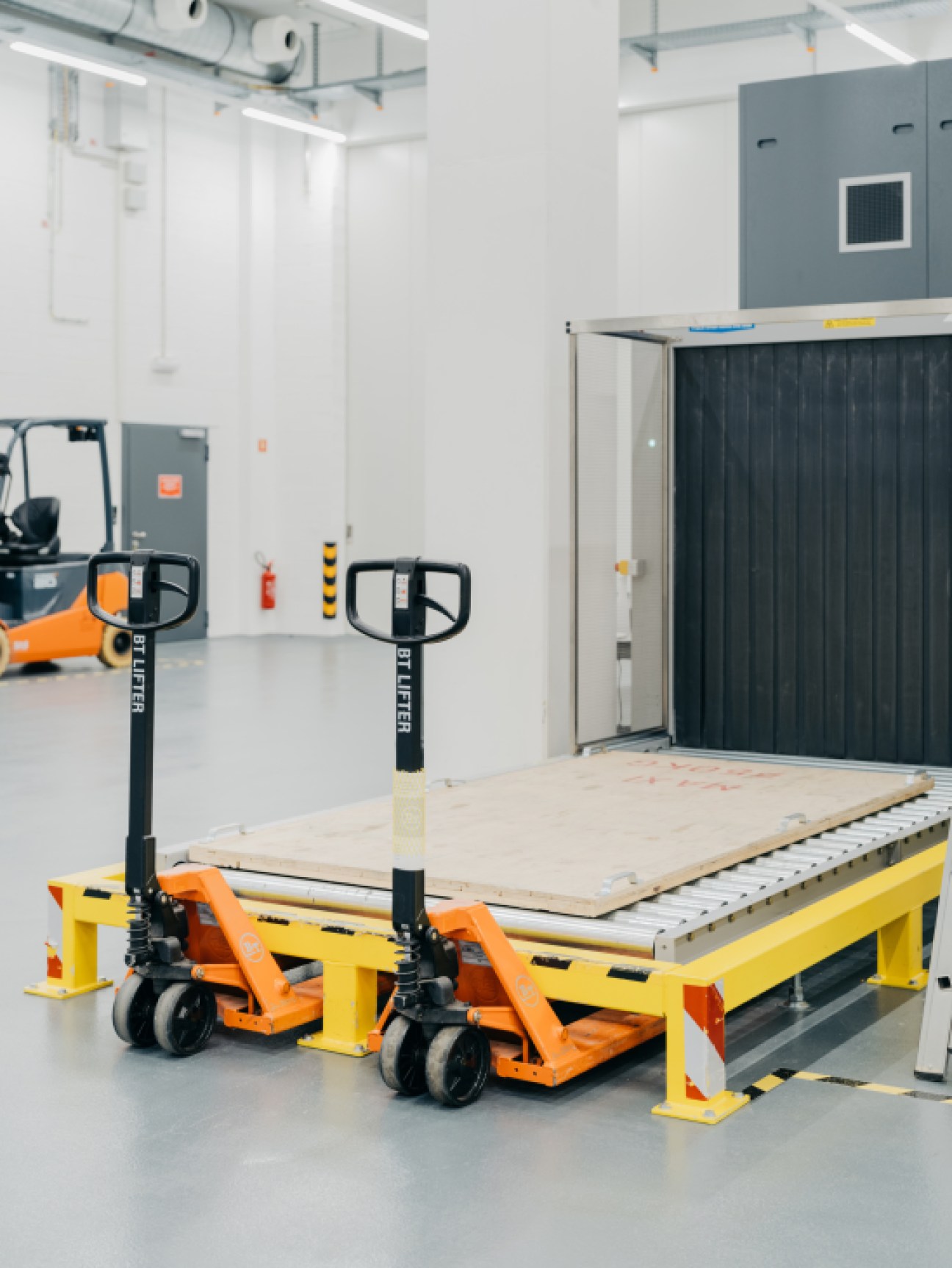
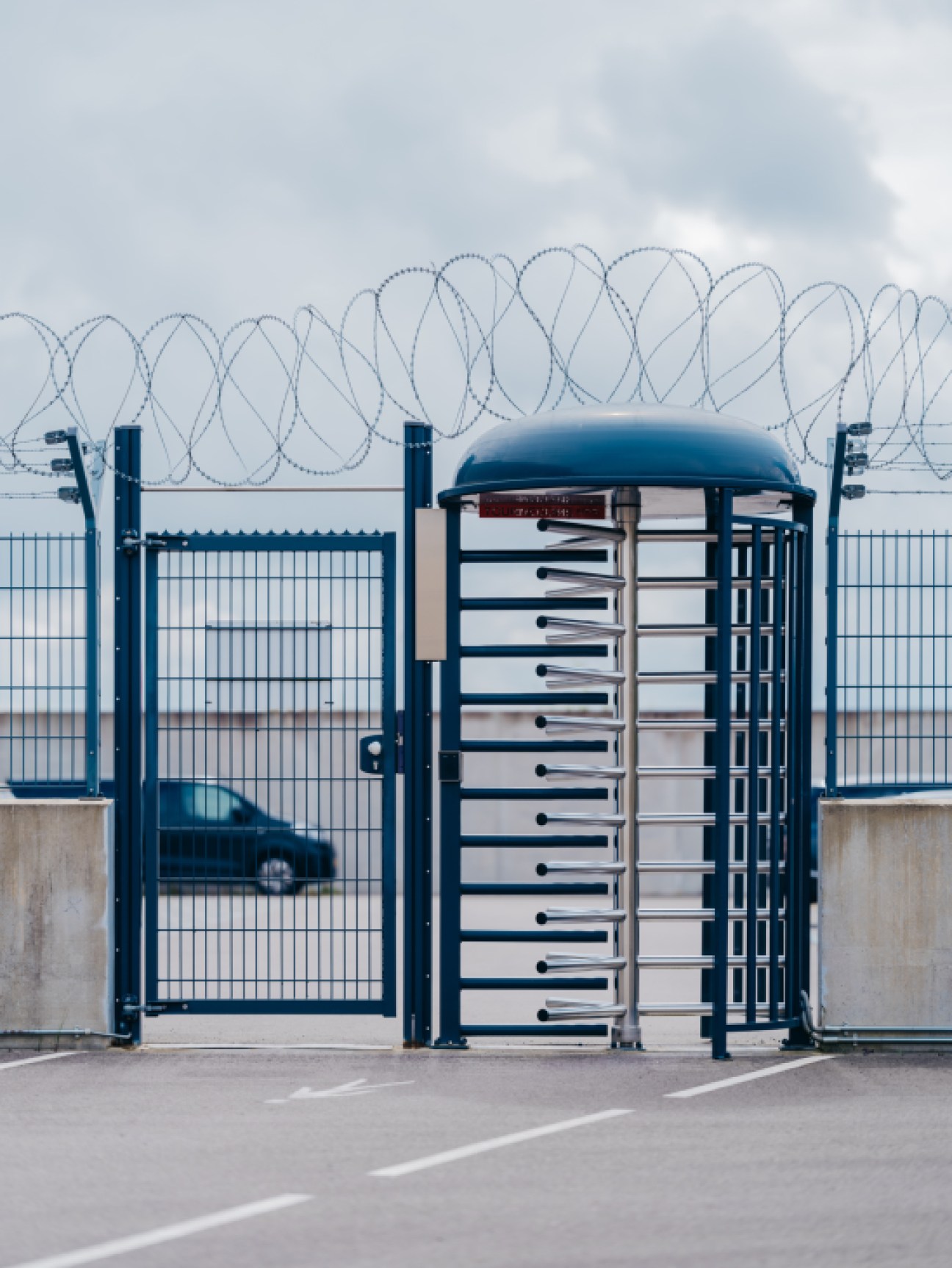
This security, says Dauvergne, leads to reductions in insurance costs, which is one of the Hub’s common sales pitches. Another is that unlike the freeport in Geneva, the Hub is distinct in that products can enter directly from the tarmac. Another garage door, towards the rear of the building, opens onto the airside environment of Luxembourg International, but requires various clearances, from security to air-traffic control, to be opened. From a small rooftop terrace, there is a direct view over a fleet of CargoLux jets; a high-pitched whine and the smell of jet fuel fills the air.
Touring the Hub is a bit like walking through a Delphic riddle. Dauvergne notes that the massive elevators can accommodate cars; when he’s then asked if there are any cars currently in the Hub, he exclaims: “Good try!” Walking down a seemingly blank corridor, Monocle asks Dauvergne if photography is accepted. He shakes his head with a vaguely mournful smile. But what’s the risk in taking a picture of such banality? “There is always something when you know what you are looking for,” he says, his words echoing in the emptiness. One of the few concrete details that Dauvergne reveals while leading Monocle around the Hub’s art-restoration facilities is that a painting by Frank Stella – “Karpathenburg II” – was stored and worked on at the Hub. The work was acquired at a Bonhams auction in 2016 for $277,500 (€258,000) and shown in a nearby exhibition in 2022.
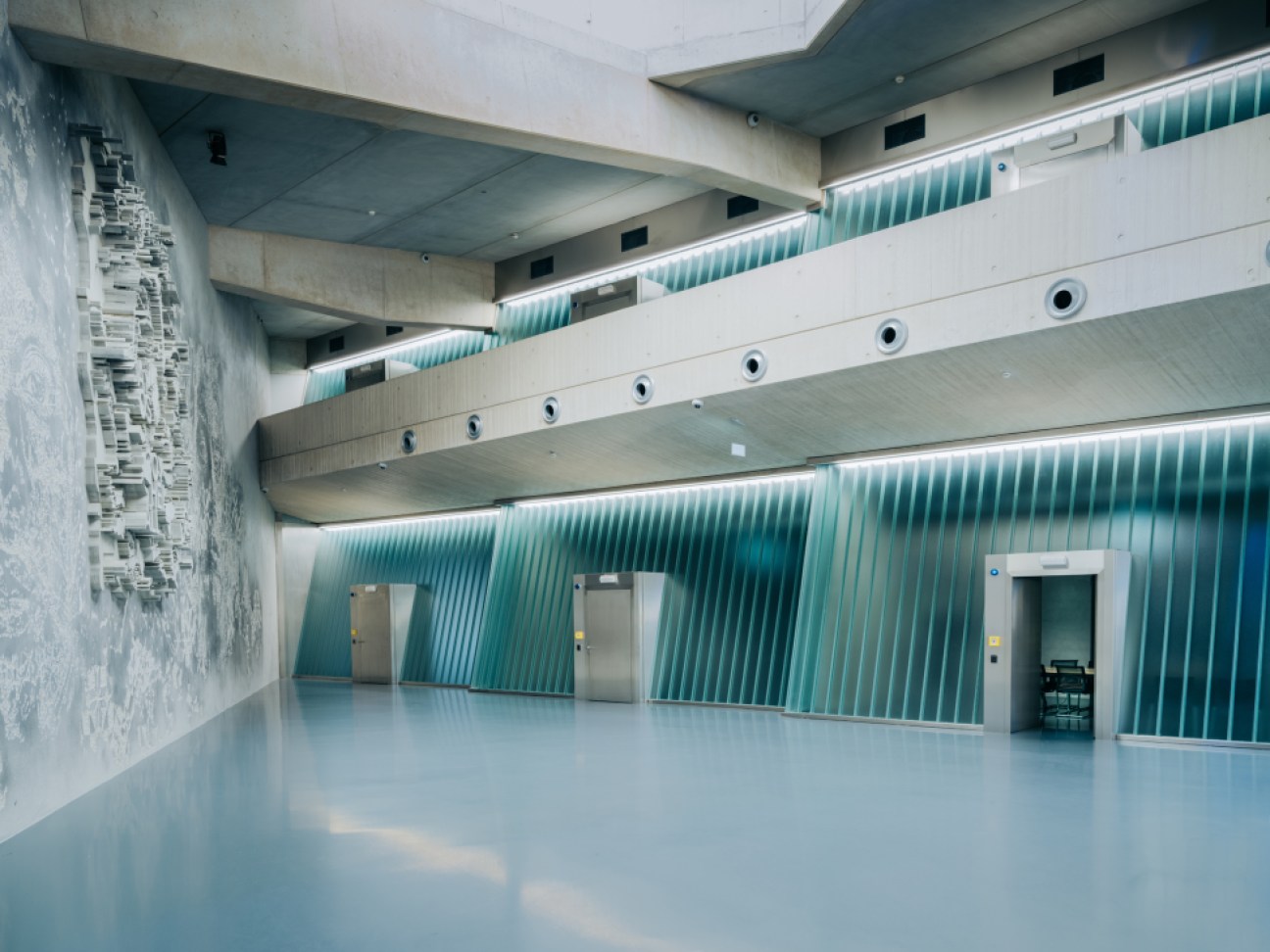
The tour concludes in the Hub’s “ballroom,” a soaring atrium with polished concrete floors, a few minimalist furniture arrangements, a small bar and, dominating the space, a looming fresco in raised cement by the Portuguese artist Vhils (whose work, ironically, typically adorns outdoor public walls). Occasionally the Hub will host security-minded events. One of these was a new BMW car launch in which visitors’ phones were confiscated. Off to the side, behind a slanted, opaque wall of glass, are a series of small “showrooms” in which dealers might tempt purchasers, or insurers might value works. While goods could theoretically linger forever in the Hub, “this is not a cemetery”, says Dauvergne. “Tenants prefer to have a lot of movement for merchandise, because movement is money.”
Lausanne’s Capitole cinema shines once again
Lausanne’s Capitole cinema has reopened after being renovated for the third time since it was built at the end of the 1920s. Switzerland’s largest movie theatre owes its longevity to its longtime owner, Lucienne Schnegg, who died at the age of 90 in 2015. An ardent cinephile from the Jura region, Schnegg was hired as the cinema’s secretary in 1949, before being appointed as its manager seven years later. When its former owner, Luxembourgian confectioner Matthias Köhn, died in 1981, he left the business to Schnegg but his children successfully challenged the bequest in court. Undeterred, Schnegg bought the lausannois institution in 1996.
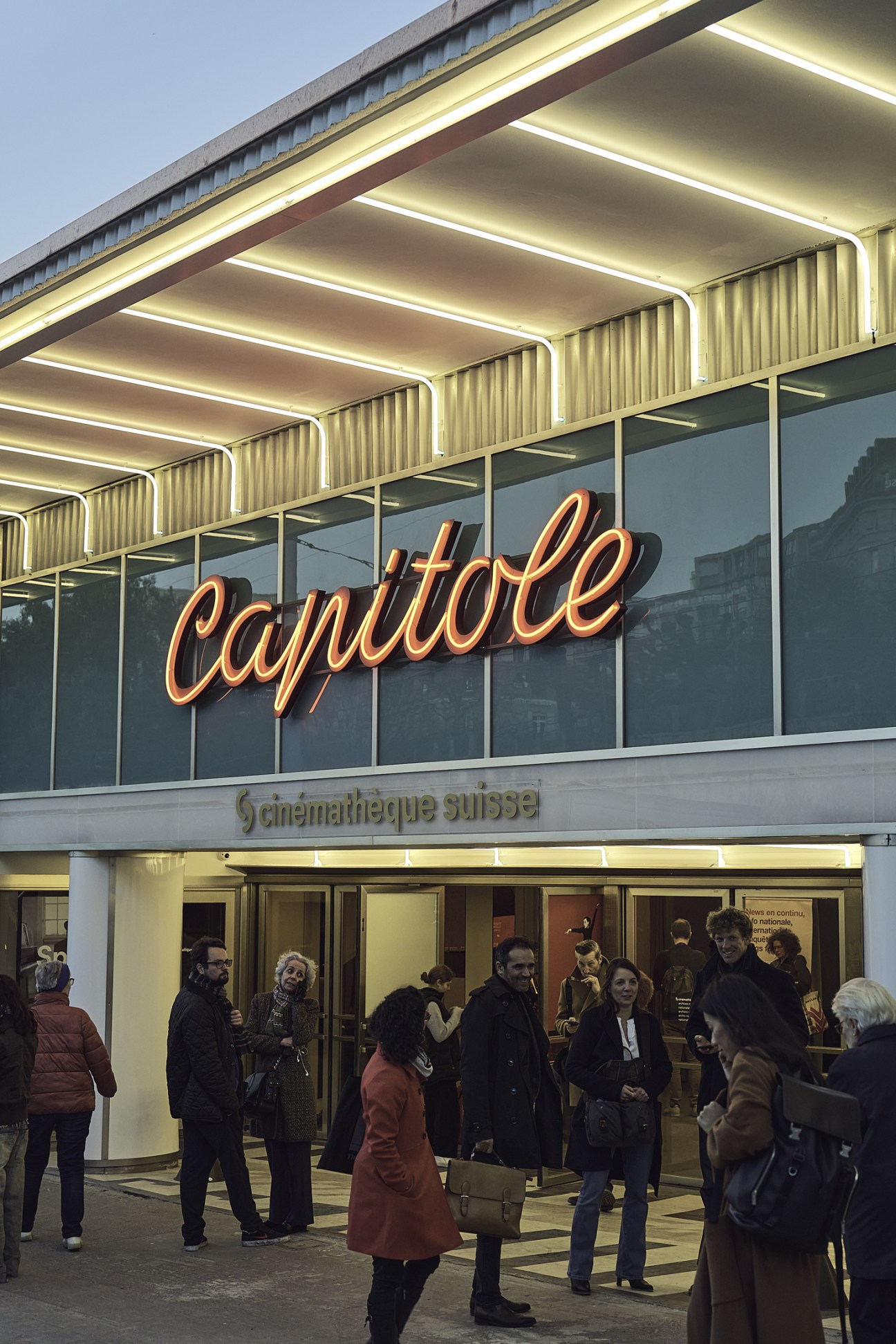
Affectionately known as “la petite dame du Capitole” (“the little lady of the Capitole”), Schnegg ran the cinema for almost 60 years. She also worked there as a cashier, usherette and ice-cream seller. As the era of online streaming platforms took hold, she was determined to ensure that the Capitole would remain a dedicated movie theatre, rather than being redeveloped for other commercial purposes. That’s why, when she decided to sell the building in 2010, she made a deal with the city authorities to safeguard its future. The Cinémathèque Suisse, the national film archives, was brought in to manage the venture, with the mission of protecting works that are considered part of Switzerland’s film heritage, as well as the buildings in which they were shown.
The renovation has been carried out by Montreux-based practice Architecum at a cost of CHF21.6m (€22.5m). “Today most of Lausanne’s 18 historic cinemas have been repurposed as bars or supermarkets,” says Marion Zahnd, one of the project’s lead architects, when Monocle meets her in the Capitole’s sumptuous foyer. “We had the opportunity not only to salvage the historic building but to restore it for its original purpose.”
At first glance, beyond a 500 sq m extension, little seems to have changed. Many of the original art deco features, as well as those added during a smaller-scale renovation in 1959, have been painstakingly restored. But behind the scenes, the Capitole has received a significant upgrade. “We wanted to make the demands of modern technology work around the restored structure, rather than compromising the architecture,” says Zahnd, pointing to the state-of-the-art projection room above.
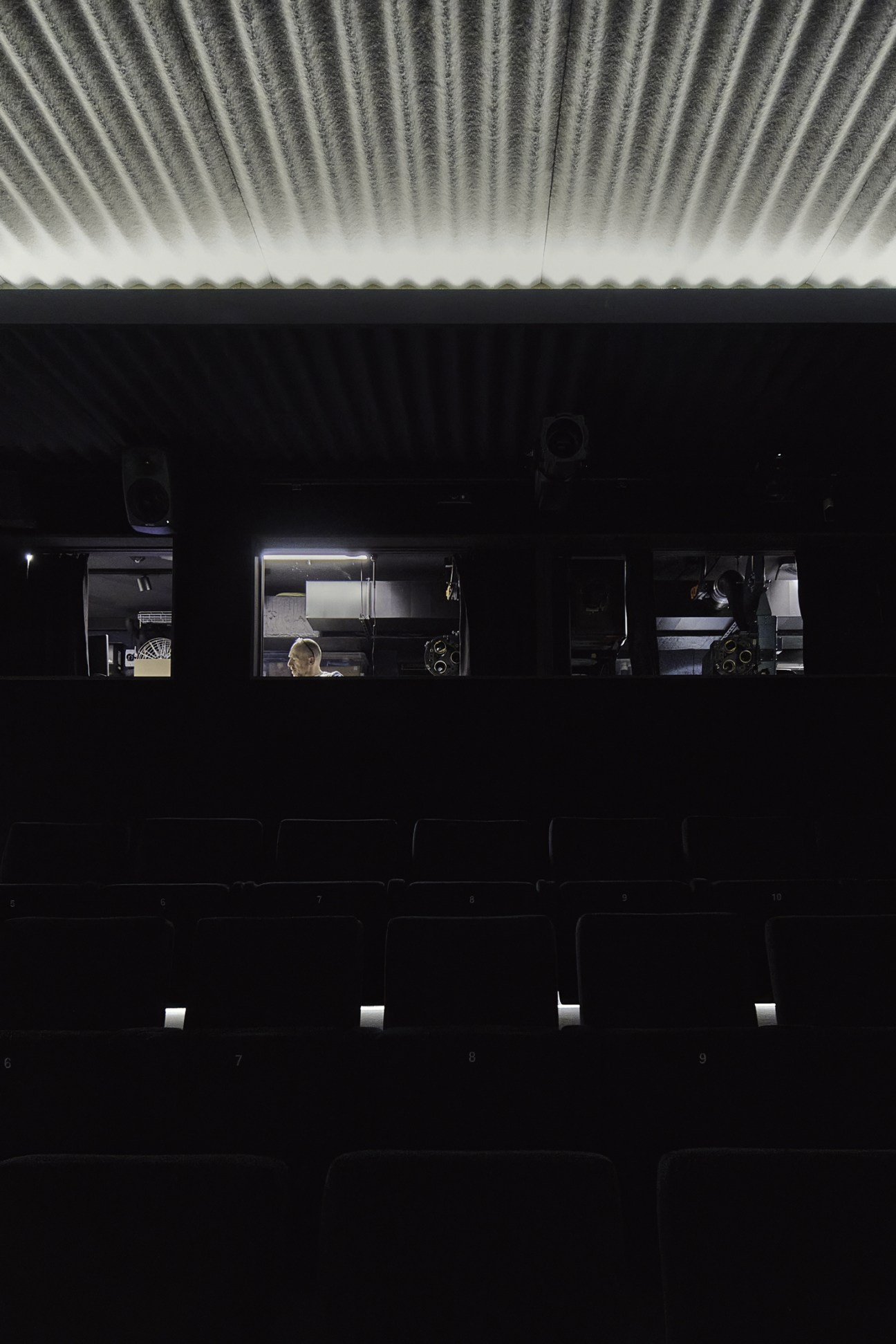
Architecum has added an intimate subterranean screening room named after Schnegg that seats an audience of 144. This complements the original 731-seat auditorium whose vast theatrical structure has remained largely unchanged since its inception. The additional room will show the works of emerging film-makers and the main screen will focus on international blockbusters.
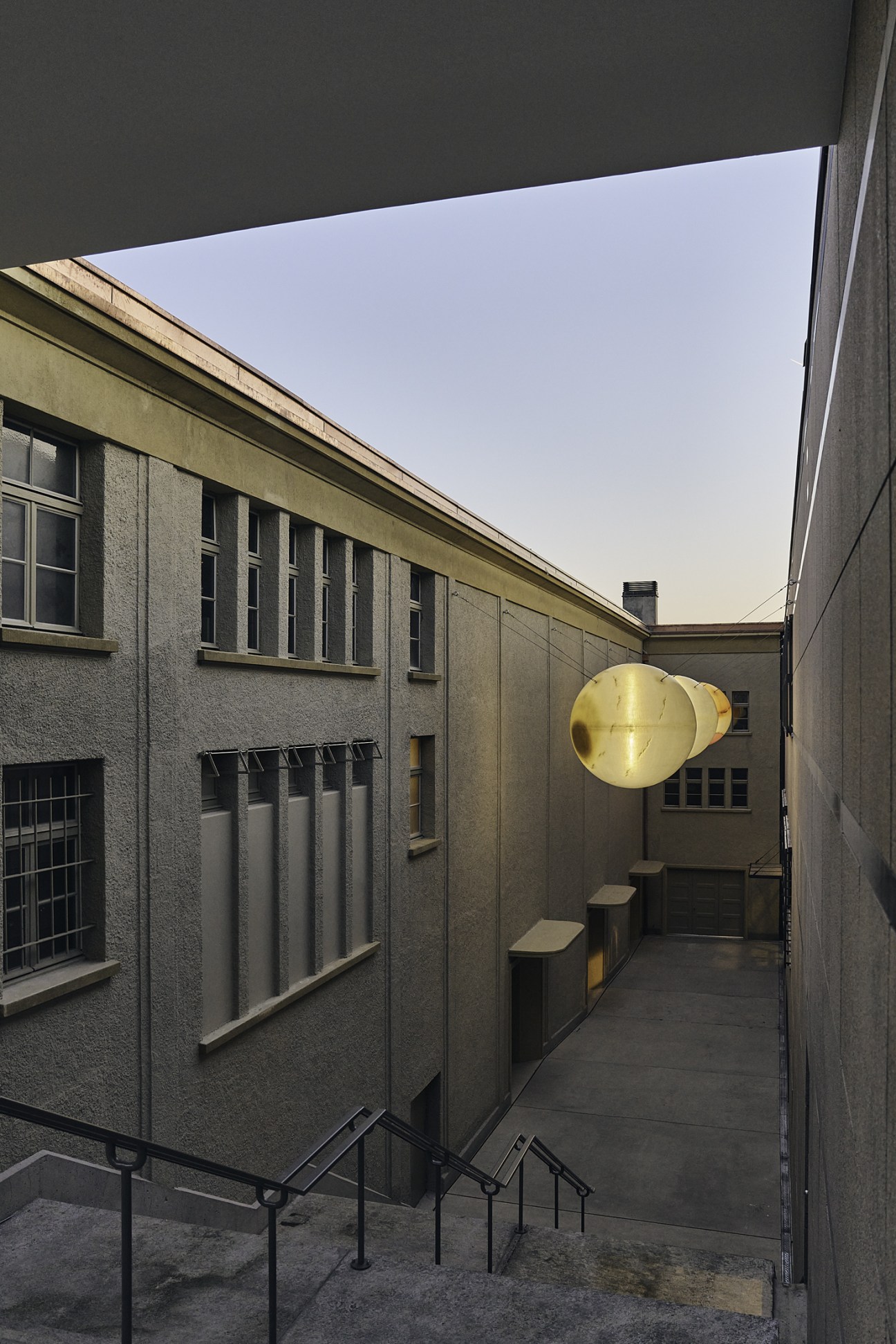
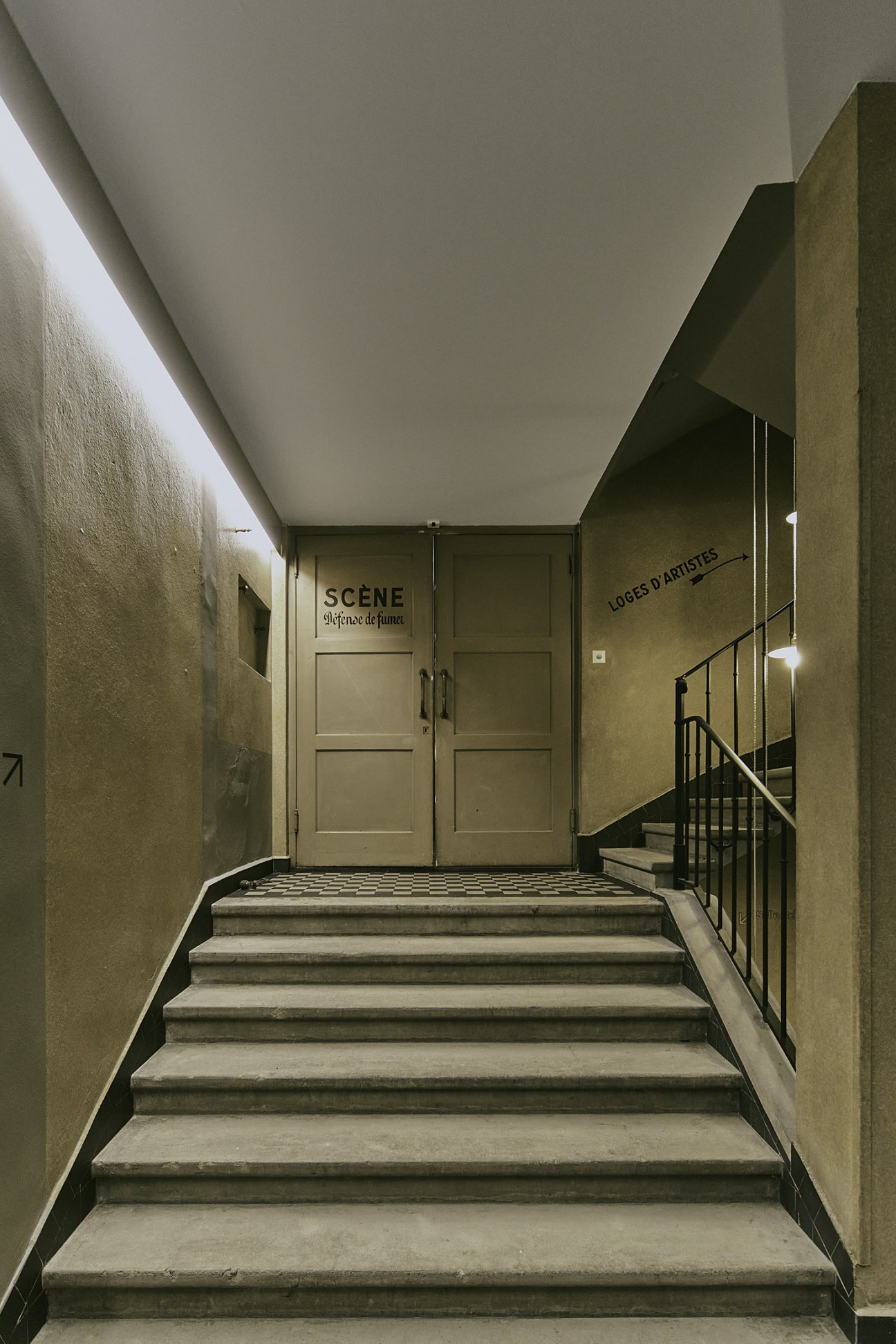
The Capitole was originally designed by Swiss architect Charles Thévenaz and inaugurated in 1928, towards the tail end of the silent-film era. At the time, it featured a glitzy melange of gilded marble columns and pink-velvet sofas. Between the 1930s and 1940s, however, it developed into a more versatile ciné-concert and conference venue, incorporating an orchestra pit, organ and dressing rooms. These features broadened the scope of the Capitole’s offering and the venue welcomed the likes of Russian ballet dancer Anna Pavlova and Geneva’s Orchestre de la Suisse Romande for performances. In 1946, Jean-Paul Sartre declared his existentialist manifesto inside the cinema’s packed auditorium. Then, in 1953, Switzerland’s first panoramic screen was installed here.
In 1959, architect Gérald Pauchard was brought in to update the Capitole’s architecture, partly in a bid to lure audiences back to the big screen as domestic television sets soared in popularity. Pauchard made several significant decorative alterations: he emblazoned the cinema’s name in neon on the façade, for example, and introduced red upholstery, fabric-lined ochre walls and Murano-glass lighting fixtures.
Fast-forward to the cinema’s third renovation, which began in 2021. Zahnd’s team restored the evocative art deco features with Schnegg in mind. Every intricate 1950s chandelier was painstakingly cleaned to eliminate ancient stains caused by cigarette smoke. When the panoramic screen was removed, Zahnd found a frayed sample of the original 1950s blue-grey carpet, allowing her to replicate its precise shade. The new corrugated-aluminium walls in the foyer imitate the folds of the velvet screen curtains that Pauchard installed in the grand auditorium.
“We wanted to preserve the texture of the velvet as much as possible. Velvet is synonymous with the opulence of art deco cinema”
The screening room, which was luxuriously lined with crimson velvet in 1959 to improve its acoustics, has been left untouched. “Removing it all would have spoilt its lustre, so we brought in a consortium of textile restorers to maintain the humidity of the auditorium during the works,” says Zahnd. “We wanted to preserve the texture as much as possible because velvet is synonymous with the opulence of art deco cinema. Heritage and art form had to cohabit.” A media library belonging to the Cinémathèque Suisse replaces what was once the building’s barbershop, while a specialist bookshop and a café-cum-bar have also been added.
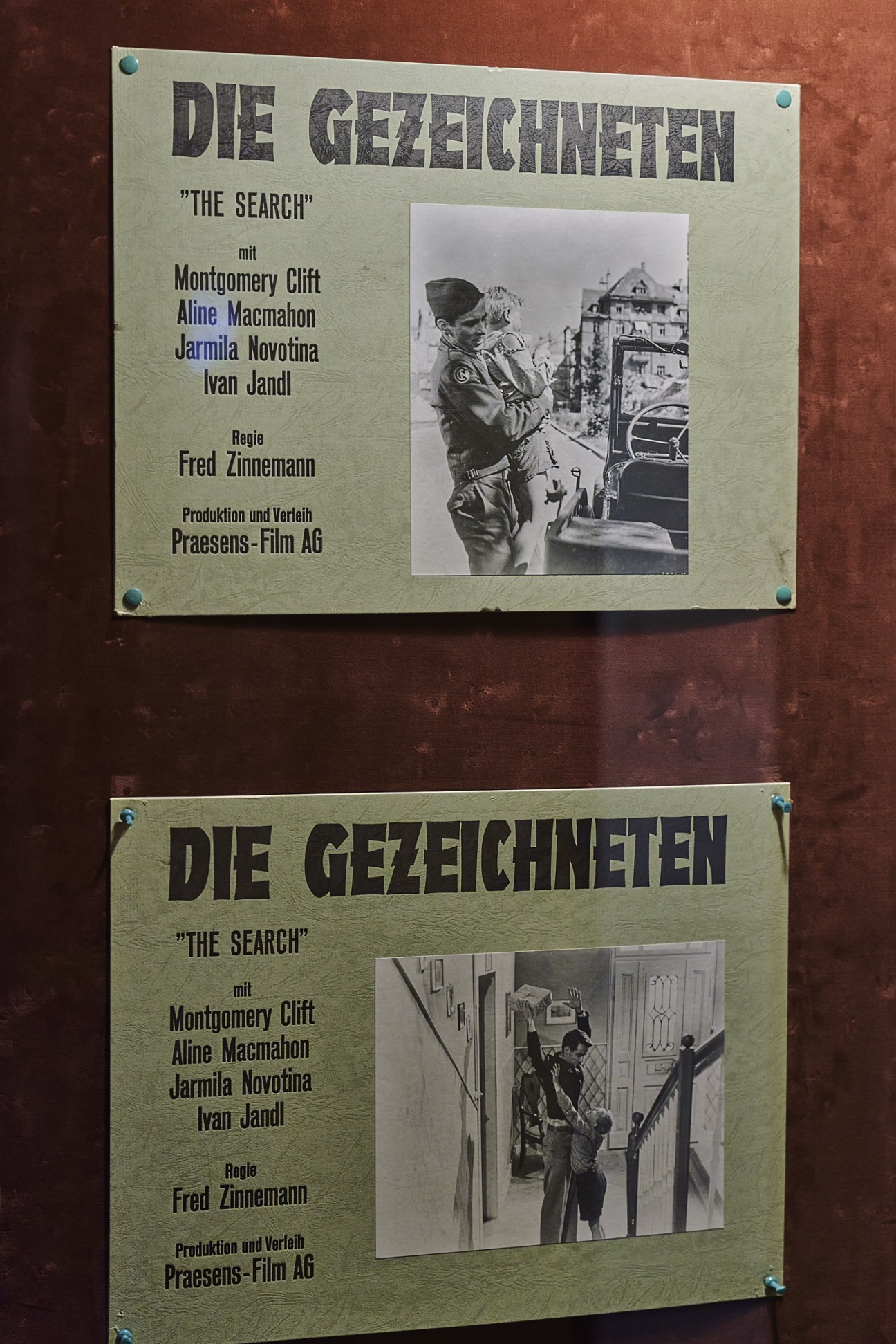
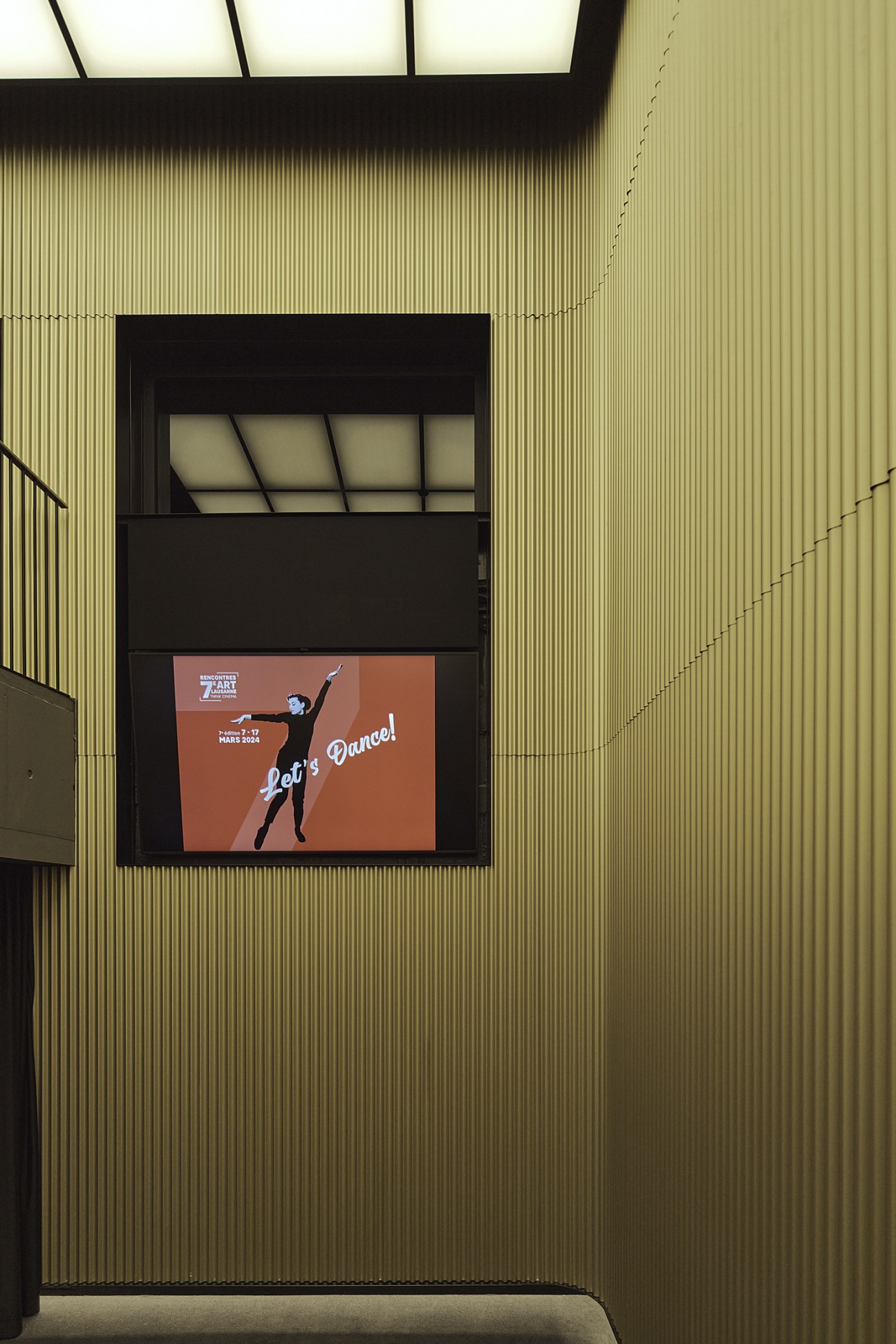
The restoration, which draws deeply on Switzerland’s artistic, architectural and technical capabilities, is evidence that the country’s appetite for the silver screen remains healthy. “There has been a noticeable shift in the way in which we consume movies,” says Christophe Bolli, the Cinémathèque Suisse’s communications director. “But in this country we have also seen an increased demand for our heritage pictures, many of which are found exclusively in our film library.”
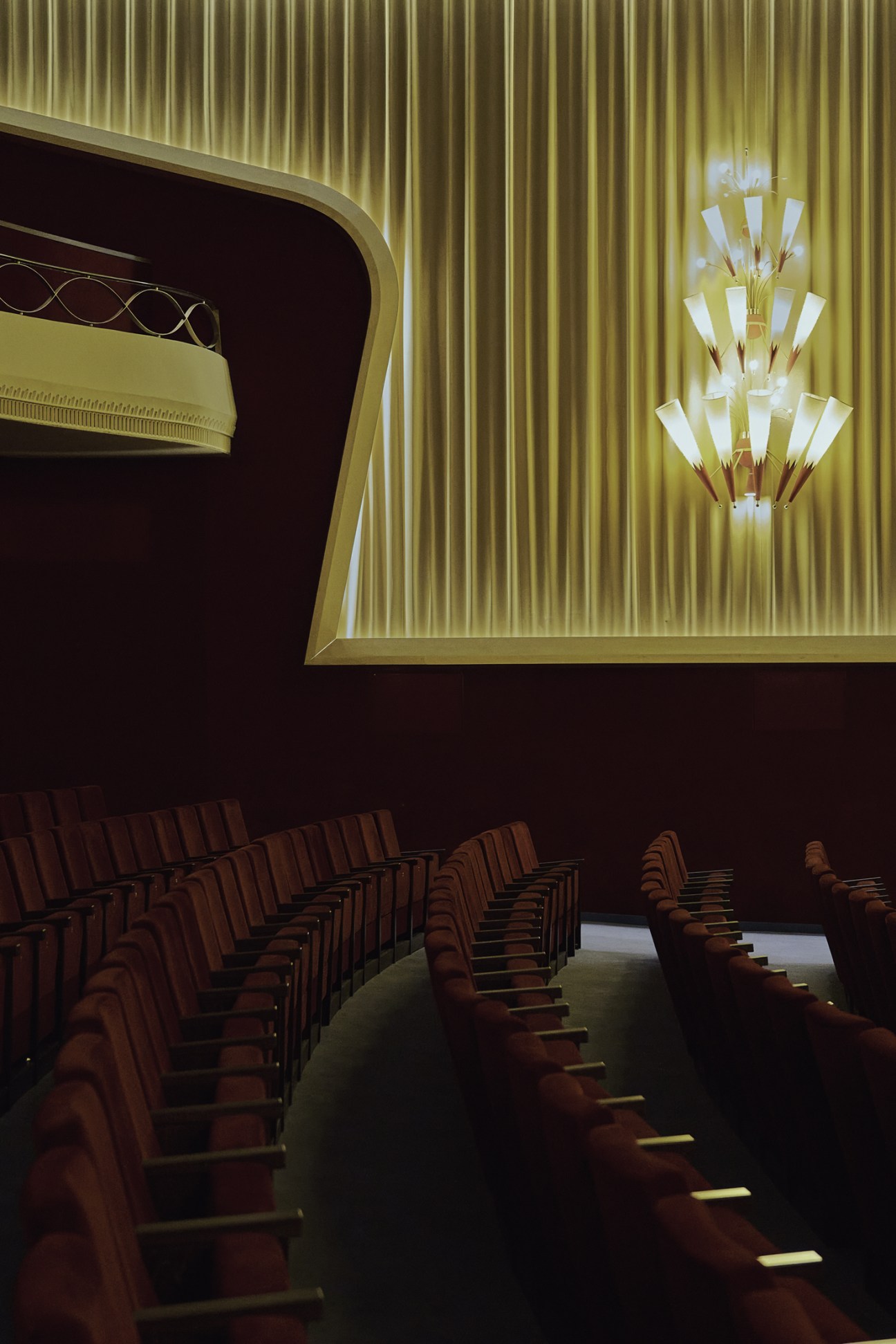
Though Schnegg passed away before she could witness the renewed splendour of her beloved picture house, the new screen honours both her name and her legacy as a champion of the art form’s timelessness and power to entertain. “The magnificence of the Capitole’s interior helps to re-establish Schnegg’s idea that a trip to the cinema should be a celebratory experience,” says Bolli. “I like to think that she would have been satisfied with the job that we have done here.”
cinematheque.ch
10 must-see exhibitions at the 2024 Venice Biennale
Curated by Adriano Pedrosa and entitled “Foreigners Everywhere”, this edition of the Venice Biennale is wrapped up in identity. If that doesn’t sound like fun, let us point out that it’s less “my truth” and more “hey, look at what we get up to down here!” – and it is mostly “down here”, with many of Pedrosa’s selected artists coming from the Global South. Their works invite you into worlds full of joy, colour, history, vivid folklore, vim and vigour. Look at Dalton Paula’s life-size portraits of black Brazilian heroes and Pakistani-American Salman Toor’s physical figurative paintings and you’ll see what we mean.
The national pavilions are not required to follow the curator’s lead. However, many chose to reflect the art world’s current curatorial concerns. Our picks follow but we should also mention the Arsenale’s Ukrainian pavilion, which is rich, poignant, funny and a ringing endorsement of artists’ survival instincts. At other “news agenda” pavilions, Russia has lent its prominent Giardini plot to Bolivia, while Israel’s empty pavilion displays a sign explaining that no art will be displayed until “a ceasefire and hostage-release agreement is reached”. This sheet of paper seemed to be photographed as much anything else on opening week.
Ethiopia
Pallazzo Bollani, Castello
With its debut at this year’s Biennale, Ethiopia has shown that good things come to those who wait. Carrying the inaugural torch for the East African country is Tesfaye Urgessa, with his striking figurative paintings on show at the Palazzo Bollani. Curated by British poet and writer Lemn Sissay, Urgessa’s bold artworks skilfully combine Ethiopian iconography with German neo-expressionist influences – clear evidence of his studies in Stuttgart – to address themes of domesticity and human fragility. Viewers move between large-scale works and smaller portraits, which Urgessa compares to watching a film that cuts between wide-angle shots and close-ups. “One of the things that fascinates me about painting is that I am able to learn about myself,” says Urgessa. “It’s a medium to go beyond what you know and into a greater dimension. You just have to trust the process. As long as the painting is in the studio, it’s a conversation between the painting and me, and with the ones that take a long time, you build up an intimate relationship”.

South Korea
Giardini
Koo Jeong A’s scent-based work, which celebrates 30 years since the South Korean pavilion’s inauguration, is subtle yet imaginative. “Odorama Cities” is the result of hundreds of people submitting their memories of Korean fragrance to inform a space submersed in olfactory meaning, alongside infinity symbols and a scent-breathing bronze mega-baby.
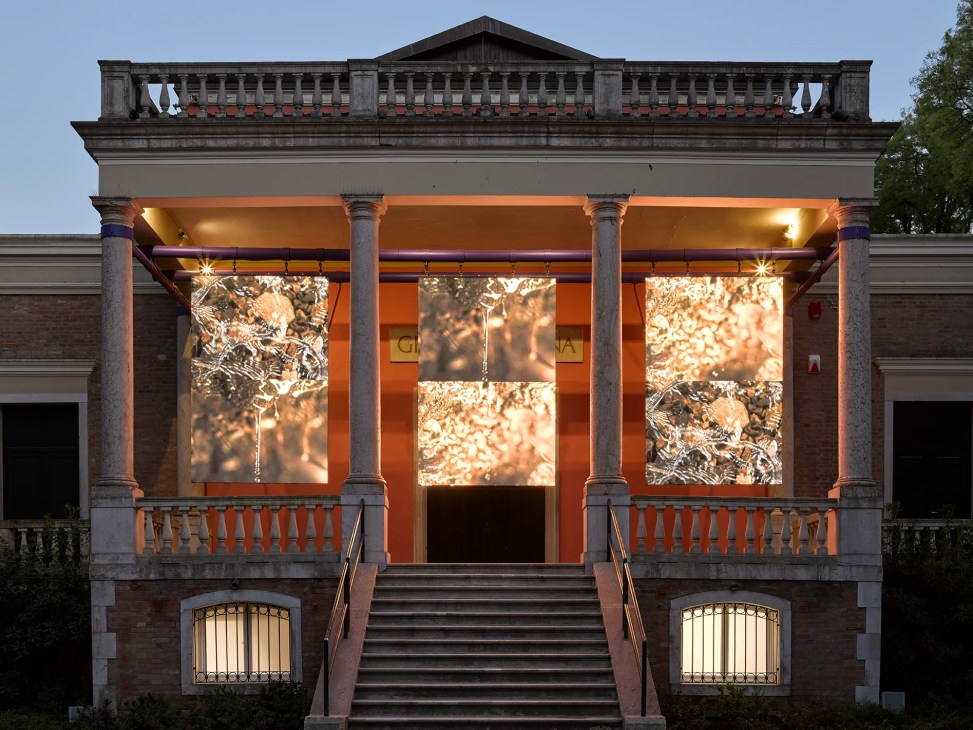
Spain
Giardini
Sandra Gamarra Heshiki was born in Peru and is the first non-Spaniard to represent the nation in whose capital she works. In “Pinacoteca Migrante”, she presents her original works as if in a historical museum that merges themes and elements by Velázquez, Francisco de Zurbarán and Frans Hals to look at the paths of migration and colonialism – what is taken and what is left behind. Heshiki demonstrates an uncanny eye for the brutality behind an “innocent” 17th-century family portrait, for example.
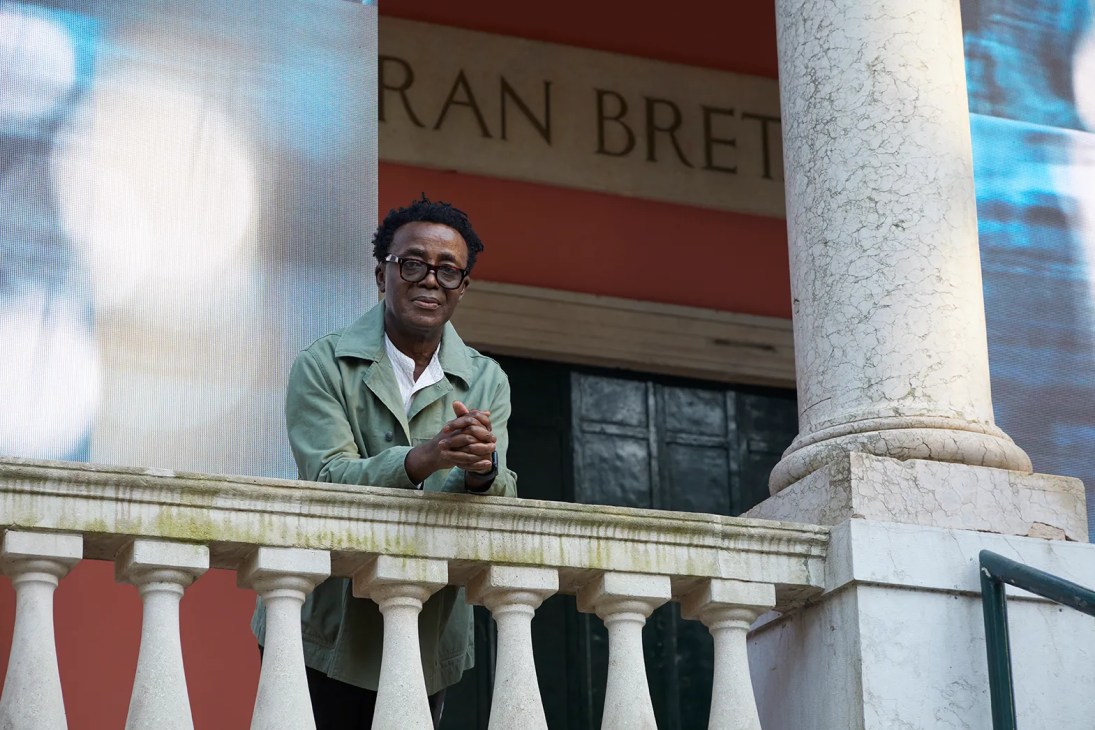
Denmark
Giardini
Photographer Inuuteq Storch of Greenland takes over Denmark’s pavilion this year, demonstrating the knotty relationship between the two countries. Storch’s photographs show intimate moments of his daily life, as well as the natural beauty of the region. Take a break in one of the hammocks behind the pavilion to admire an unexpected recreation of the breathtaking view from Storch’s house.
UK
Giardini
The grand staircase of the imposing 19th-century British pavilion is this year shunned in favour of a backdoor that leads to “Listening All Night to the Rain”, artist John Akomfrah’s commission. “We were tracking the ghost of listening,” Akomfrah says of his multi-screen video installations, which investigate ideas of memory, migration and racial injustice. The exhibition’s eight interlocking works create surprising echoes between sound and visuals.
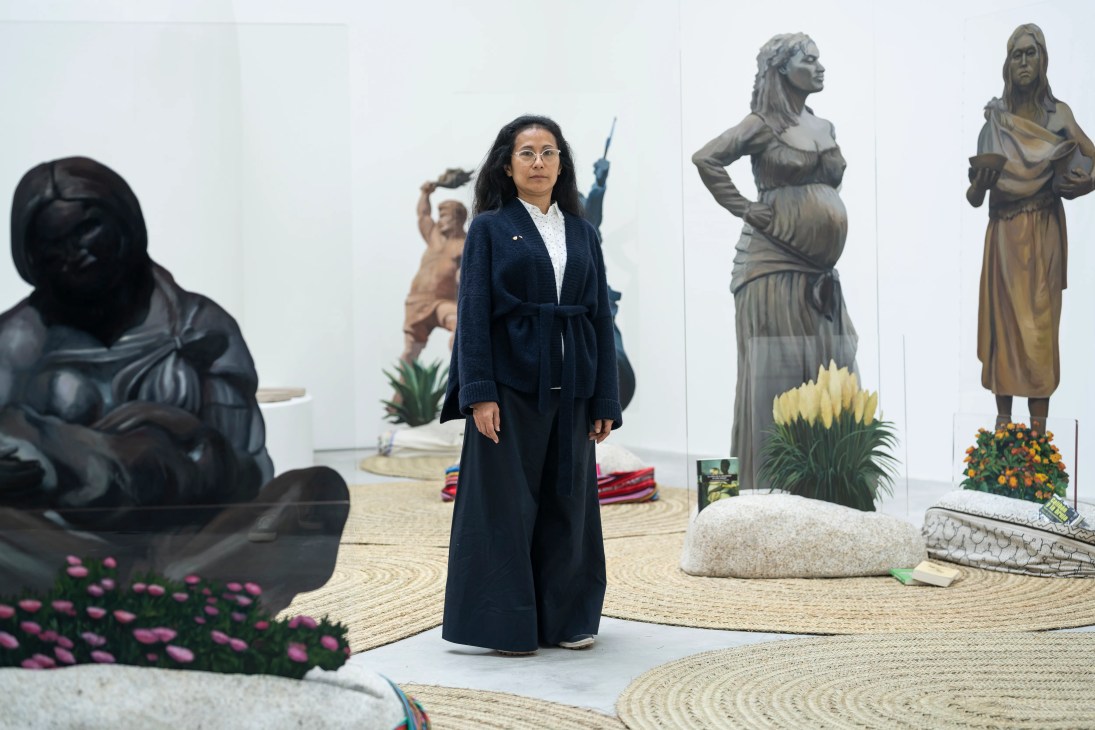
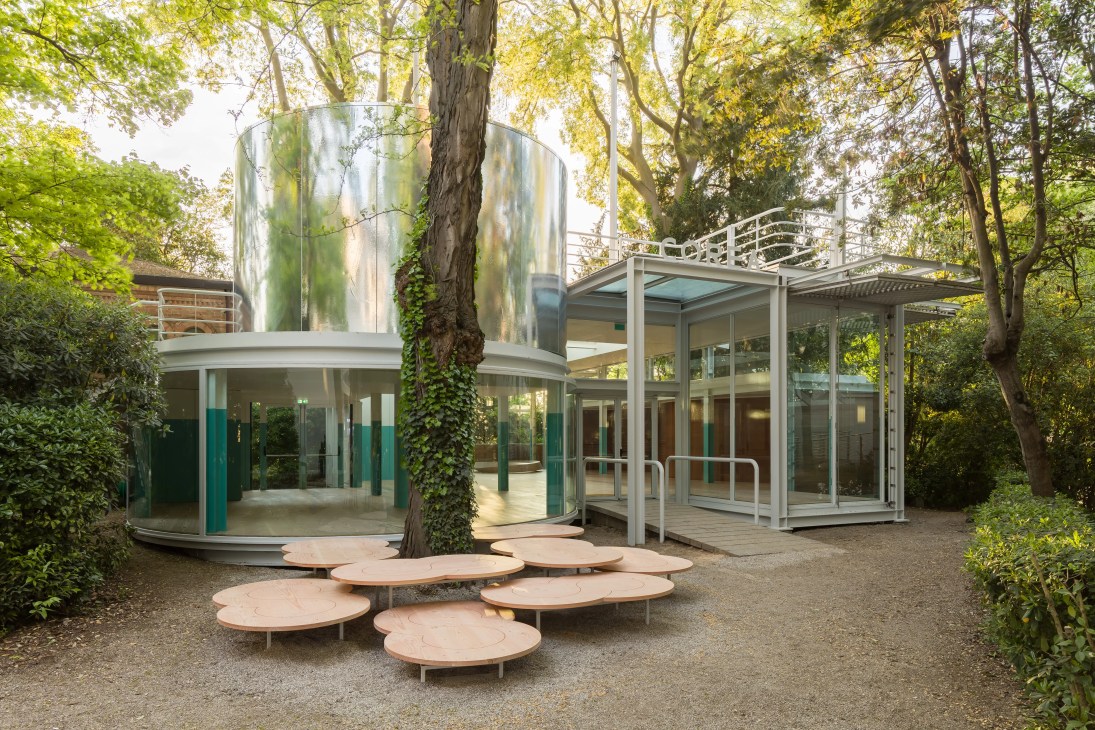
Willem de Kooning
Gallerie dell’Accademia
This show explores Dutch-American abstract expressionist Willem de Kooning’s affinity for Italy in big bold canvases and priapic sculptures, examining how classical Italian masterpieces – and torrid love affairs – influenced his work.
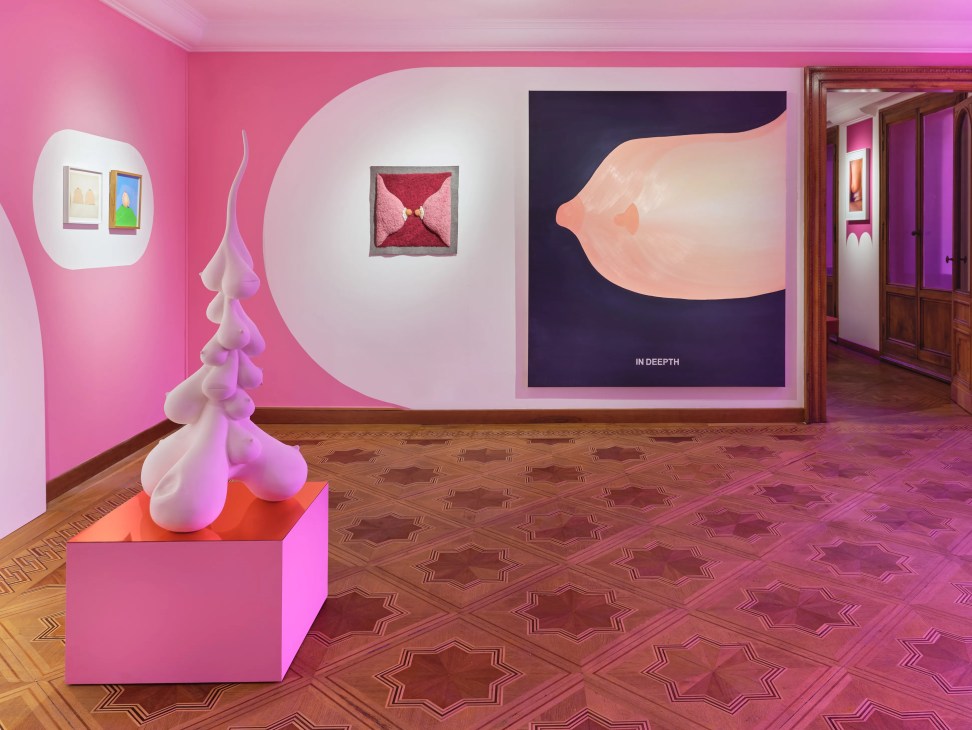
‘Breasts’
ACP Palazzo Franchetti
Curated by Carolina Pasti, this show brings together works from around the world that explore the symbolism of breasts in art. Expect uplifting works by Cindy Sherman, Laura Panno and Louise Bourgeois.
Jean Cocteau
‘The Juggler’s Revenge’, Peggy Guggenheim Collection

The French trickster is celebrated in a sprightly show that swoons at his skills: poetry, music, film-making, textiles, jewellery and visual art. It’s easy to see here how his endless invention ensured he was seen as an enfant terrible until his death at the age of 74.


Peter Hujar
Chiesa di Santa Maria della Pietà
The late, great US photographer Peter Hujar’s 1976 book Portraits in Life and Death has been turned into a beguiling and atmospheric show, combining the creative outsiders of New York’s Lower East Side scene – John Waters, Susan Sontag, artist Paul Thek – with the human remains of Palermo’s Capuchin Catacombs. Hujar’s lens seems to animate the dead while preserving the living.
Santa Maria Gloriosa dei Frari
San Polo
One of Venice’s largest churches, the Santa Maria Gloriosa dei Frari is home to as much artistic greatness as godliness. No less an artist than Titian’s tomb sits below his own vast, stunning Madonna di Ca’ Pesaro, while his Assumption of the Virgin beams down from the altar above. Meanwhile, a Donatello sculpture of John the Baptist keeps a monolithic marble pyramid by Canova in very good company. This is a palate-cleansing dip into the pious.
Editor’s letter: Andrew Tuck on leaps of faith
We’ll come to the pole-vaulting in a moment (it’s amazing what skills you can effortlessly attain at the hands of an illustrator). But we’re going to start at the Park Hyatt Tokyo, the topic of this issue’s Expo.
The hotel gained fame when it was used as the setting for Sofia Coppola’s 2003 film Lost in Translation, starring Bill Murray and Scarlett Johansson. Coppola knew the Park Hyatt well as she had stayed there while promoting an earlier movie, The Virgin Suicides. Its casting as the background to her melancholic and funny tale of failing marriages, jet lag and cultural confusion was perfect. On screen, the hotel looked like a secret world and its views across Tokyo were beguiling. Few could have left the cinema without wondering when the next jal flight was departing.
In real life the hotel, on the top floors of the Shinjuku Park Tower, has mesmerised guests since it opened in 1994. So the news of an 18-month closure for a makeover panicked many regulars who had come to feel that the Park Hyatt was somehow theirs. The hotel has been at pains to stress that the changes planned will not undermine its spirit of calm grandeur – but change is coming. That’s why we asked Fiona Wilson, our Tokyo bureau chief and Asia editor, to capture the hotel’s final days in its current form.
Over the years, Monocle staff have often stayed at the Park Hyatt (it felt at times as though our editorial director Tyler Brûle had taken up residence). I too have woken up there many times (sometimes at 03.00, Bill Murray-style, jet-lagged), dined in the New York Grill, swam in that pool and sat in the bar marvelling at the vastness of Tokyo, so I am keen to see what’s in store.

That theme of managing change also comes to the fore in our fashion director Natalie Theodosi’s interview with Bruno Pavlovsky, president of fashion at Chanel. Fashion is often regarded by outsiders as a business that’s dependent on navigating consumers’ ephemeral tastes. But behind the beauty and the clothes, the best fashion houses are run with a view to the long term, with a depth of consideration that is often remarkable. Pavlovsky shares his take on the industry and explains how going against perceived wisdom has paid dividends for Chanel.
And the theme is there again in Claudia Jacob’s report on the refurbishment of Lausanne’s 1920s Capitole cinema, Switzerland’s largest historic movie theatre. The cinema has survived because of the foresight of its longtime owner, Lucienne Schnegg, who sold the building to the city in 2010 to secure its future. Schnegg died in 2015 but surely would have been amazed at how the technology has been upgraded while leaving the best of the architecture intact, including a vast neon sign that’s more LA than Lausanne.
There are more restorations in our Culture pages, as we report on the Venice Art Biennale and preview Art Basel. But the makeovers come in the form of a series of new arts institutions. Perhaps the most extraordinary is Kunstsilo, in Norway. It’s a former grain-storage facility that has been reshaped into a home for a collection of modernist Nordic art. The project hasn’t always had local support but the outcome is a building that, like Lost in Translation, has the power to change travel plans as people work out how to get to the town of Kristiansand. (Though if you want to see how design and politics can collide to deadening effect, read our Agenda story on Portugal and how an ambitious plan for a national branding exercise was derailed.)
Back to the pole-vaulting. The Paris Olympics are fast approaching and, in our Affairs pages, we meet some of the sportsmen and women who will carry the hopes of their nations and look at how Paris prepared for the Games. It’s a contentious topic for many French people who have opposed hosting the Olympics (too costly, too disruptive). But you get the sense that, as opening day approaches, the mood even among critics will soften. And if you’ll allow me a metaphorical muscle stretch, pole-vaulting also sums up what many of the people, cities and brands in this issue are trying to do – leap ahead with grace and precision.
If you have any thoughts or feedback, feel free to drop me an email at [email protected]
Paris plans for a green transformation
Despite their brevity, the Olympic Games cast a long shadow. For every successful 21st-century iteration – Sydney 2000, London 2012 – there have been Games that have seemed to confirm all negative stereotypes, not just about the host city but the country it is in (Athens 2004, Tokyo 2020, we’re looking at you). It is perhaps because of the relatively short duration that critics are always so concerned with the legacy of each Olympics, even though governments spend more on things that last a much shorter time and are far less entertaining.
Paris 2024 arrives at a combustible juncture. A fractious geopolitical landscape is not exactly conducive to carefree enjoyment, while inflation and climate change potentially make the decision to spend a vast amount of public money on unnecessary construction a vexed issue. It is a sign of the times that its organisers have sought to make the lack of new buildings a defining feature of this year’s Games. The main action will take place at the Stade de France, which was built for the 1998 football World Cup. Other landmarks such as the Eiffel Tower, the river Seine and the Place de la Concorde will provide dramatic backdrops to other events.
Anne Hidalgo, Paris’s mayor, has been criticised for her confrontational politics but she has seized the opportunity provided by the Olympics with admirable zeal. Much of her efforts have been directed towards the goal of making Paris “the greenest big city in Europe” and, while that is hyperbolic, Hidalgo has enacted policies that have already made the city cleaner, greener and more pleasant without the usual attendant hubristic grand projects. Not all of the following urban fixes are the mayor’s own but together they represent an inspiring collection of policies that other cities, especially those hosting future Olympic Games, would do well to emulate.
1.
First stop
Checked luggage
The job of being a good host begins as soon as your guests arrive. Paris’s main airport, Charles de Gaulle, has unveiled a new baggage-handling set-up to cope with the Olympian influx of spectators, athletes and members of the media. The airport’s baggage handlers are expected to process more than 114,000 items of luggage from national delegations and members of the press, with an additional 47,000 pieces of sporting equipment from the athletes themselves. To assist them in this bicep-busting endeavour, the airport has constructed a 10,000 sq m “baggage factory”, a bespoke luggage-processing zone, which should ensure that travellers receive their possessions in record time. The airport has also taken delivery of a new scanner system that will provide a more detailed look at passengers’ luggage – and should mean they don’t need to remove electronics and liquids from their bags before security.
2.
Cleaning up the Seine
Water sports
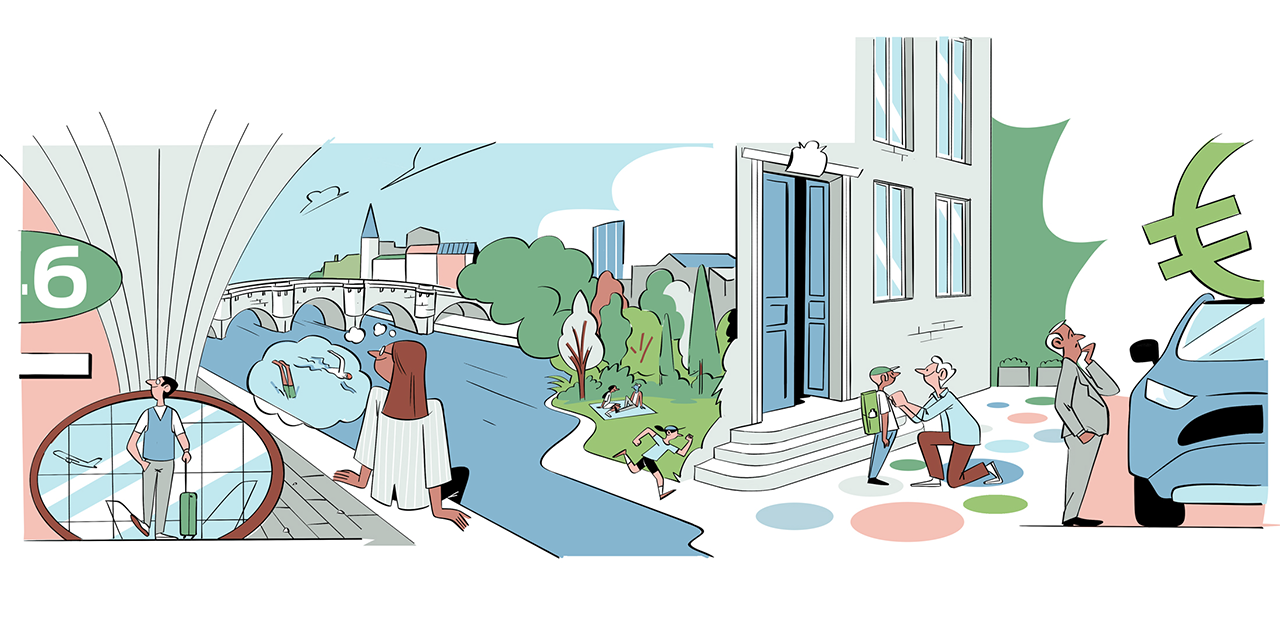
The awarding of the Olympics and Paralympics to Paris galvanised the city’s authorities into moving forward with a long-discussed plan baignade (“bathing plan”), dedicated to cleaning up the polluted river Seine in order to make it swimmable. As with most things in life, this was easier said than done. In the end, the €1.4bn scheme – which involved disinfecting wastewater discharges near treatment plants, eliminating the direct discharge of wastewater into the river from boats and treating sources of pollution upstream of Paris – looks set to deliver a clean Seine in time for it to host the Games’ opening ceremony: a flotilla of boats on the river in the centre of the city. It will also provide the setting for the triathlon and marathon-swimming contests. Taking a dip in the capital’s river was outlawed in 1923 due to safety concerns; 101 years later, Parisians will be able to bathe in it once again. When the Games are over, that is.
3.
Urban forestry
Seeds of change
The motto for Paris 2024 is Ouvrons Grand les Jeux (“Games wide open”) but it could just as easily have been “soil wide open”. As part of its bid to become the greenest capital city in Europe, Paris has embarked on a gargantuan tree-planting programme, including 8,876 in and around the Olympic Village, part of a larger plan to put 170,000 in the ground by 2026. A large portion of this effort has been focused on cultivating several urban forests that will feel welcoming to the wider community. This has resulted in small city sites metamorphosing from neglected, cold spaces to ones in which biodiversity thrives. One such setting is Place de Catalogne, a large roundabout near the Gare Montparnasse, which is now home to an urban forest of 478 trees. There is also a much more ambitious, though not yet confirmed, idea to turn the Champs-Élysées into a pedestrian-friendly “extraordinary garden”. Watch this space.
4.
School-friendly streets
Paved with gold
Hundreds of rues aux écoles (“school streets”) have been created since 2020. These roads outside nurseries and primary schools have been pedestrianised and had their traffic furniture replaced with trees and planters. Where possible, removable barriers have been installed, making these spaces flexible for parents and children to gather and play in. The programme is not only meant to deliver safer public spaces around schools but also to tackle pollution and help create islands of fresh air in the heart of the urban environment. More school streets are expected by the end of this year. Paris is a relatively small city, at least its older centre, so getting around by foot or bicycle need not be an impossibility. Many Parisians have already ditched their cars (car use in the city has fallen consistently since 2012 and in 2020 it fell in the Greater Paris region for the first time) and these school streets aim to nudge that down even further.
5.
Au revoir, les SUV
Traffic jam
Mayor Anne Hidalgo has been putting further pressure on drivers by increasing parking costs, phasing out diesel vehicles and creating no-traffic zones. But perhaps no move has been as well-publicised as the tripling of parking charges for suvs. Officials claim that the number of suvs in the city has increased by 60 per cent since 2020, meaning that they now make up 15 per cent of the private vehicles in Paris. Following a referendum earlier this year, the city has decreed a special parking rate for “heavy and polluting” vehicles. The cost of on-street parking for such cars is now set at €18 an hour in the centre and €12 in the rest of the city, with exemptions for taxi drivers, delivery vehicles, health workers, people with disabilities and residents. The aim is not only to reduce the environmental impact that SUVs have but also to discourage people from driving into the city when coming from the suburbs or further afield.
6.
Park it
Getaway, cars
As part of her re-election campaign in 2020, Anne Hidalgo pledged to remove almost half of Paris’s 140,000 on-street car-parking spaces by the end of her second term in 2026, with a focus on those in narrow and residential streets. Many attribute this pledge to Hidalgo’s advisor, Carlos Moreno, a Franco-Colombian academic known for his contributions to the 15-minute city concept. All over Paris, former spaces have been filled with planters, trees and other street furniture. Priority for those spaces that remain will be given to locals and businesses. As these green spaces become more established, there is a plan to diversify them – proposals include installing vegetable allotments, food-composting areas, playgrounds and eco-toilets. Much of this is happening in areas that are limited to traffic for the Games (only permit-holders can drive through), though the mayor hopes that these low-traffic areas will become permanent after the Olympics have left town.

7.
Take a bike
Easy rides
Paris has seen unprecedented investment in and expansion of its bike lanes. The plan is to eventually increase their total length (the city already has more than 1,000km cycle lane) in time for the Games. These new routes (dubbed “Olympilanes”) have been built to link the main venues, which have also seen the addition of some 10,000 new bike racks. At the same time, there has also been an expansion of the famous Velib bike-hire scheme, which, when it was launched in 2007, was one of the world’s first citywide programmes. City Hall has added 3,000 units to its inventory in an attempt to encourage Games attendees to cycle to events. For those who prefer to travel on two legs rather than two wheels, a long-distance hiking trail built in the Auteuil district in support of Paris’s 2024 Olympic bid has been a big hit, proving that long urban walks need not go near busy roads.
8.
Upgrading Le Métro
Track record
The Régie autonome des transports parisiens (RATP), the body that operates Paris’s public transport system, has had a busy 2024. In February it began replacing its old Siemens automatic control software with a new system to increase capacity during peak periods. Whereas the old system could handle 35 trains at once, with an interval of 105 seconds between them, the new one will be able to handle 65 at a time with an interval of 80 seconds. But perhaps the centrepiece of RATP’s Olympian transformation is the extension of the M14 Métro line. It will be lengthened by 1.5km to the north, terminating at the new Saint-Denis Pleyel station, and by 14km to the south, where it will connect with Orly Airport, linking the Olympic Village to three major train stations (Saint-Lazare, Gare de Lyon and Bercy) as well as the Stade de France and the new Aquatics Centre. Seven new stations will be opening across the line.
9.
Inner-city redevelopment
Designs for life
In 2014, Anne Hidalgo launched Réinventer Paris, a design competition looking for proposals for redeveloping 23 inner-city sites. Of the winners, Morland Mixité Capitale, designed by David Chipperfield Architects Berlin with Parisian practice BRS and Calq, is perhaps the most eye-catching. An imposing former administrative building on the banks of the Seine in the 4th arrondissement has been converted into a “lively campus”, featuring a panoply of public and retail spaces. There is a combination of high-end and subsidised housing, youth hostel, offices, a food market, kindergarten, nightclub and a luxury hotel and restaurant. The pièce de résistance is the top two floors, which feature a bar, restaurant and roof garden (with cutting-edge phyto-purification system). This space is open free-of-charge to the public who can enjoy stunning views over the city.
10.
Gold-standard centrepiece
The main event
The piece of infrastructure that will likely come to symbolise the Games this summer is something that was there all along. The Stade de France, the country’s 80,000-capacity national stadium, which was built for the 1998 Fifa World Cup, has been adapted to be the main event stadium for the Games. Six new bars have been added, while lighting and electronics have been fully modernised – two new high-definition screens have been positioned in the north and south stands to replay footage. French phone operator Orange has also installed a number of large 5G transmitters in the roof. But the most dazzling addition is the stadium’s new 14,000 sq m purple running track. Traditionalists might balk at its radical hue but at least the Games’ organisers won’t be derided for going against another Olympic tradition: building an expensive new stadium that becomes a white elephant as soon as the event leaves town.
Read next: The Monocle City Guide to Paris, featuring the best hotels, restaurants and retail spots in the French capital