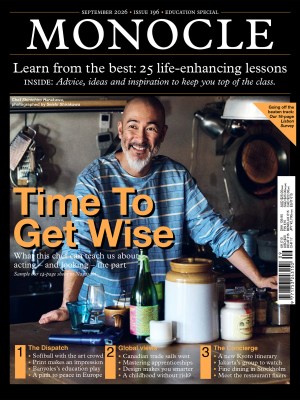
Issues
Culture agenda: This year’s Cannes Film Festival, Mexican quarterly Manera and a Q&A with Amos Rex
Film – France
Cannes heat
From 14-25 May, the Cannes Film Festival is at the starting line of the race to the Oscars. After 2023’s memorable line-up, the 77th edition of the festival embraces a more global view of film. Here are three highlights to keep an eye on.
1
César-winning French actor Noémie Merlant (Marianne in Portrait of a Lady on Fire) directs her second title, a comedy-horror feature called The Balconettes. The story centres on three roommates with a balcony who play with the lives of their neighbours. Set in a Marseille heatwave, it’s all fun and games until it isn’t.
2
Already a must-see, director Francis Ford Coppola’s self-funded Megalopolis has critics comparing it to his 1979 Palm d’Or winner Apocalypse Now. Pivoting on the power struggles in rebuilding New York after its accidental destruction, the epic drama stars Adam Driver, Aubrey Plaza, Talia Shire and Dustin Hoffman.
3
The hottest ticket of the festival belongs to Ali Abbasi’s The Apprentice. This biographical feature focuses on Donald Trump’s 1970s and 1980s New York real-estate career. Its solid-gold cast includes Jeremy Strong, Maria Bakalova as Ivana and, fresh from winning the 2024 Silver Berlin Bear as best leading performer for A Different Man, Sebastian Stan as the young Donald.
For highlights from Cannes and clued-up film coverage across the year, listen to ‘Monocle on Culture‘ with Robert Bound every week at monocle.com/radio or wherever you get your podcasts.
Media – Mexico
Special addition
Whereas many magazines are cutting back on regional editions, Spanish design quarterly Manera – founded by former editor in chief of AD España, Enric Pastor, in 2022 – provides some good news for a change, having launched a Mexican edition to showcase the nation’s design and architecture.
“From the beginning, we offered articles and reports from creatives in Spain and Latin America – especially from Mexico – due to the common language and common cultural tradition,” Pastor tells Monocle. “And that’s why it was very natural to decide to launch a Mexican edition.”
The title will be overseen by Mexico-based María Alcocer. “My homeland has the soul of an artisan,” she says. “Mexico was built by revolutionary minds and artisanal hands. It’s one of the most visited countries in the world for its famous architecture, authentic design and one-of-a-kind craftsmanship.” Plenty to read up on, it seems.
maneramagazine.com
Hear the full interview with Enric Pastor and María Alcocer on ‘The Stack’ on Monocle Radio.
Museums – Helsinki
Q&A
Kieran Long
Director, Amos Rex
Kieran Long took the reins of Helsinki’s Amos Rex art museum in February 2024, having previously worked at the Victoria & Albert Museum in London and ArkDes in Stockholm. Amos Rex opened in 2018 with a landmark exhibition by Tokyo-based TeamLab and has since built a name for itself by focusing on future fields of art and culture. Backed by the generous budgets of its wealthy private owner, the Finno-Swedish Konstsamfundet, Amos Rex has been one of Finland’s most visited museums year-on-year since its launch. monocle met Long fresh from the Venice Art Biennale to discuss his plans for the museum and the role of art and culture in the civic life of cities.
After London and Stockholm, what was it about Helsinki and Amos Rex that attracted you?
My passion for art and culture has always been about what they can contribute to the city. Amos Rex has an unusual ability to contribute. We are in central Helsinki, in a modern and well-equipped museum space. We also have an adjacent courtyard, the modernist Lasipalatsi building (a Helsinki landmark) and have recently bought and renovated the building on the other side of the courtyard, which we have interesting plans for. Amos Rex has immense potential to transform the way we experience art as part of urban life. I was attracted by the amazing job that the museum has done in engaging people beyond those who are normally interested in art. It’s rare to see young people queueing to visit a museum these days; we see it every week.
There is a lot of talk about the future of cities right now. What role can art institutions play?
Culture is the future of the city. Helsinki understands this. The new central library, Oodi, just across the street, is a great example. If you build major institutions of art, culture and learning that are also public spaces, then you have a future for your inner city, regardless of what happens to retail. Helsinki is also building a new flagship design and architecture museum – I sit on the advisory board. All are spaces for everyone and they occupy the most central locations in the city, instead of being institutions that you have to be qualified to enter.

You have only just started, but what are the three things that will make your tenure successful?
I want to give Amos Rex the international profile that it deserves. Finns are humble and like to downplay things but Amos Rex is, in my opinion, one of the most successful new art halls anywhere in Europe. Throughout its history, art has played a key role for Finland and its identity, much more so than in other countries. Our audience is much younger than the audience for museums in general, and given the many difficult issues that today’s youth grapple with, we have a role to play in helping them to reflect and to understand – and we can be a space in which they can take a step back and breathe.
Could a return to its heartland of Seattle be the cure for Boeing’s crisis?
Aviation – USA
Return flight
The successful first flight of Bill Boeing’s Model 1 seaplane in 1916 launched a company that would change the face of 20th-century transport – and the aviation pioneer’s hometown. During the Second World War, Boeing plants built bombers (pictured) that were critical to the Allied war effort. Those factories later formed part of Jet City, with planes rolling off the assembly line. Tens of thousands of engineers and machinists prospered and Boeing’s workers were encouraged to engage in civic life and even run for public office. Seattle became the town that Boeing built.
But in 2001, Boeing moved its corporate headquarters to Chicago. The then Washington state governor Gary Locke said that the surprise move “leaves a void in our economic and cultural life”. In 2022, Boeing relocated again, to Northern Virginia. Every time the company’s leadership moved further away from its core engineering and assembly operations in the Seattle area, the firm’s fortunes seemed to nosedive. First there were the fatal 737Max crashes of 2018 and 2019, then the 737Max-9 door-plug incident in January this year.
The aviation giant once banked on the slogan, “If it’s not Boeing, I’m not going”. Now travellers are deliberately avoiding Boeing aircraft. This crisis of confidence led CEO Dave Calhoun to announce that he will resign at the end of this year, while former COO Stephanie Pope has taken over the commercial aircraft division. But this widely anticipated leadership shake-up isn’t enough. To truly reform what was once the pride of American industry, Boeing must move its headquarters back to Seattle.
Relocation would facilitate the most urgent task – of restoring Boeing’s lapsed safety culture – by allowing the company’s leadership to visit the factory floor daily to untangle the quality-control issues plaguing its assembly lines. Closer proximity to Boeing’s talent pool would also foster the most necessary change at the top: appointing competent engineers to the C-suite.
A corporate culture desperately in need of replicating Boeing’s glory days would benefit from a return to the company’s geographic roots. Executives could visit the Red Barn, Bill Boeing’s modest workshop, which is faithfully preserved by the Museum of Flight next to Boeing’s in-city airfield. They could walk along Boeing’s first runway on Lake Union and admire the B-1 on display inside the Museum of History and Industry. These monuments to Boeing’s ingenuity and mastery of craft are a far more impressive means of inspiring confidence in visiting airline executives than any lavish client dinner. It’s not too late to course correct and rediscover what helped Boeing take flight more than a century ago. Like an aircraft waiting to be assembled, all the parts are here in Jet City.
Scruggs is Monocle’s Seattle correspondent.
Travel – Finland
Stay in touch
Short-term holiday rentals have become synonymous with Airbnb. Yet there’s no shortage of companies keen to redress its market dominance. One contender is Finnish operator Bob W, which is backed by prominent investors and entrepreneurs. Unlike Airbnb, Bob W manages and operates its apartments. Co-founder and ceo Niko Karstikko says that the firm is aimed at the “Airbnb generation that has grown up and expects more”.
Bob W is short for “best of both worlds” and was chosen because the company wants to combine the consistency and standards expected from great hotels with Airbnb’s “live like a local” approach. “Short-term rentals are often hit and miss and you never really know what you’re going to get,” says Karstikko. The hotel market has well-known brands and a regulated quality system; clients know what to expect. But, says Karstikko, they “don’t feel local or personal; they’re pretty much the same wherever you go”.
Bob W focuses on hip areas and provides breakfast in nearby cafés. “We want our guests to feel like they are part of the community,” says Karstikko.
Having launched in 2018, Bob W now manages more than 3,000 apartments in 17 cities across 10 countries. Revenues, according to Karstikko, are in the “tens of millions of euros” and are set to at least double this year. The company has also secured more than €70m in funding. “Only about one per cent of the short-term rental market is commercially branded,” says Karstikko. “The potential is immense.”
Hacking Gutenberg: The letterpress studio that is preserving the art of print
One of Europe’s largest collections of letterpress equipment lies half-hidden in an inner courtyard on Berlin’s Potsdamer Strasse. The duplex studio of Hacking Gutenberg is home to a mass of proof presses, casting machines and cases of rare woodblock type that can rival the collection of any typography museum. The difference is that here, staff and visitors are encouraged to use the materials. Hacking Gutenberg’s mission is to update the letterpress, which was created by Johannes Gutenberg in the 15th century, for the present day. “You understand the world by touching things,” says founder Erik Spiekermann. “I’m afraid that our ability to do this is decreasing.”
Hacking Gutenberg is the result of a lifelong obsession with type. Spiekermann is one of Germany’s most prolific and revered graphic designers. He has shaped the visual identities of both the Deutsche Bahn and Berlin’s public-transit system, as well as that of car brands such as Audi and Volkswagen. Before he launched his first branding agency, Meta Design, in 1979, Spiekermann ran a typesetter’s workshop. Having grown up near Hanover, next to the printer of a local newspaper, he opened his own business as a teenager. “I just caught the bug,” he says. The collection at Hacking Gutenberg is Spiekermann’s second attempt at rehoming unloved machinery: his original equipment burnt down in a fire in London in 1977. “I promised myself that I would rebuild it when I retired,” he says.
But Hacking Gutenberg does not run at a regular pensioner’s pace. Spiekermann employs three staff for marketing and hosting workshops, and a handful of freelancers hire desks on the mezzanine. The office also hosts The Other Collection, a publishing house that prints books using laser-cut polymer plates on a letterpress machine from 1954.
“We’re no Luddites,” says Spiekermann. “If Gutenberg were alive today, this is how he would do it.” Spiekermann is also helping to redesign the Bay Area Rapid Transit system. Most days, however, he can be found, along with his team, between the whirring presses on Potsdamer Strasse.
Affairs agenda: The African National Congress’s return to power, Germany’s trophy hunting restriction and Djibouti’s latest big purchase
Diplomacy: Denmark
Show and tell
Amid the prestige brands and car showrooms of the Champs-Élysées, Maison du Danemark has always seemed an anomaly. Why does Denmark have its own brand house on France’s most prestigious shopping street? “Denmark bought the site in 1948 to promote the best of Danish culture to French and international visitors,” says Helene Hanum Lanza, the house’s new CEO. “It was super avant garde for the Danish government to do that back then.”
Today the first two floors of the seven-storey building are given over to the Flora Danica restaurant and a showroom for Danish jewellers Pandora. The third floor is an exhibition and event space, while the rest is let to other companies. The Danes came close to selling the building in 1997 but today it remains the property of the government while also being its own commercial entity.

“The Champs-Élysées is undergoing a big change for the Olympics and we are also going to renovate our building to make it more sustainable,” says Lanza. “It is already seen as a prestigious space so it fits well with places like the new Louis Vuitton Hotel, which is opening across the street. I want to use Danish references, such as Hans Christian Andersen and Danish cinema. We are going to stay loyal to our mission to promote Denmark.”
Soft power icon: Mali
String together

There are famous musicians, there are very famous musicians, and there are musicians who are the most of what the world knows of their country (writes Andrew Mueller). Toumani Diabaté deftly balances dual roles as a virtuoso of the kora – a sort of West African harp-cum-banjo – and ambassador-at-large for Mali. Diabaté, now 59, is also what West Africans call a griot: a cultural custodian who relays its stories. I met him in Bamako in 2014, around the release of Toumani & Sidiki, an album of duelling kora compositions recorded with his son Sidiki Diabaté, also a formidable kora player (and one of Mali’s biggest hip-hop stars).
Toumani & Sidiki was also a demonstration of the griot’s calling. Its tracks were named for individuals and organisations that Diabaté believed had earned the honour. “Hamadoun Touré” was for the Mali-born secretary-general of the International Telecommunications Union; “Toguna Industries” was a shout-out to an agricultural corporation that had recently done much to tidy Bamako up. Before and since that record, Diabaté has been a tireless advocate for a distinctly Malian sound, which has become part of the global musical landscape: he has collaborated with musicians such as Damon Albarn, Björk, Herbie Hancock, Kayhan Kalhor and the London Symphony Orchestra.
It is not good, he believes, for a country to be understood exclusively as a setting for strife. “I could go anywhere,” he said. “But if I stay, I get the chance to be a representative and to communicate.”
Security: Japan
Familiar toon
Japan’s Ministry of Foreign Affairs has enlisted the help of manga artist Takao Saito to help protect the country’s citizens who are living overseas. It has updated its security guidelines for Japanese small, medium and mid-sized enterprises abroad to provide advice for its nationals living in Africa and the Middle East who might be at risk due to political unrest.
The issuing of the manga strip comes after Japanese citizens had to be repatriated from Niger and Sudan last year following outbreaks of violence. The manga features Golgo 13, a professional assassin whose exploits have been serialised in action films and video games. In the guidelines, he encourages his compatriots to contact the local Japanese consulate in case of emergency and to purchase travel insurance with sufficient health coverage.
The foreign ministry’s guidelines were first introduced in 2017 following a terrorist attack in Bangladesh that killed seven Japanese nationals. In the new strip, a character modelled on the country’s foreign minister, Yoko Kamikawa, requests that Golgo 13 protect Japanese citizens from harm.
During times of heightened security, it is hoped that Golgo 13’s adamantine track record will provide both reassurance and a bit of light relief.
The Comment
Elections: South Africa
Time for change?
Andrew Mueller on the likelihood of the African National Congress returning to power.
Since South Africa embraced democracy 30 years ago, its elections have been scarcely less predictable than Russia’s. The African National Congress (ANC), which led the fight to dismantle apartheid, has won a comfortable majority in all of them. South Africa has entrenched itself as a member of a curious, contradictory cohort: one-party democracies. These are not the same as one-party states, ie those polities where meaningful opposition is forbidden by law or is deliberately forestalled by other means. One-party democracies are those countries where citizens are at liberty to vote for whoever they like but continue to return the same mob to government. In Singapore, the People’s Action Party has governed since 1959. In Mexico, every president between 1929 and 2000 was a member of the same bunch, though the Institutional Revolutionary Party did change its name a couple of times along the way.
South Africans vote again on 29 May, and pre-election polling suggests that the ANC might find itself in the unprecedented position of having to do more than show up and remind everybody that it was the party of Nelson Mandela. Support for the ANC may have dipped below 40 per cent. If that holds, it will still win more votes than anyone else but might have to govern in coalition with another party.
For South Africa, this would be good and bad. It would be good in that the ANC is long overdue a humbling. It has grown complacent and corrupt, and has governed pretty badly: there is no reason why a country of South Africa’s immense potential should be enduring unemployment north of 30 per cent and chronic power outages. And it would be bad in that the ANC’s likeliest means of staying in charge might be an alliance with the Economic Freedom Fighters, an unruly populist outfit whose leader, Julius Malema, appears to regard Robert Mugabe as a role model.
For everyone else, South Africa’s recent history furnishes a cautionary tale. Long stretches in power are usually bad for political parties, bad for politicians and bad for the countries that they govern. It is a struggle to recall any government or leader who really hit their stride after a decade or more in office. The loyalty that gives them third, fourth and fifth chances is generally woefully misplaced. This year has one of the busiest and most consequential election calendars on record. Voters would likely be doing themselves and the world a favour by casting aside sentiment and observing a simple, ruthless mantra: if in doubt, throw ’em out.
Andrew Mueller hosts ‘The Foreign Desk’ on Monocle Radio.
In the basket
Neighbourhood watch

The Cessna Grand Caravan is a tried, tested and versatile aircraft – more than 3,000 of the single-engine turboprops have been sold since the model was introduced in 1984. The two Grand Caravans bound for Djibouti’s modest air force have been purchased under a contract that allows the US military to procure aircraft made by Cessna parent company Textron for US allies (Peru and Ecuador are other beneficiaries).
In the basket: Two Cessna c208-b Grand Caravan EX aircraft
Who’s buying: Djibouti
Who’s selling: The US
Price: Part of a €92m contract
Delivery date: TBC
Djibouti’s Grand Caravans will be equipped as intelligence, surveillance and reconnaissance platforms, with a view to patrol Djibouti’s neighbourhood – the tiny country, at the top of the Horn of Africa, is bordered by Eritrea, Ethiopia and Somalia, and is a short stretch of Red Sea away from Yemen. Djibouti also houses America’s most important military base in Africa. Camp Lemonnier, near Djibouti’s airport, is also vital for operations across the Middle East.
Diplomatic spat
Elephant in the room
Who vs who:
Botswana vs Germany
What it’s about: Elephants. Specifically, Germany’s ideas about restricting the import of hunting trophies and thereby discouraging the rich weirdos who spend fantastic sums to visit Botswana and shoot elephants. Botswana, however, greatly values the industry, which raises revenue, and manages its elephant population, currently estimated at about 130,000, which is a lot of immense pachyderms that each consumes 150kg of vegetation every day, trample farmland and knock stuff over. Botswana’s president, Mokgweetsi Masisi, has threatened to deploy 20,000 elephants to Germany, declaring, “If you like them so much, please accept this gift from us.”
What it’s really about:
President Masisi is venting a common complaint among African nations that European pontificating on conservation tends towards the patronising (Botswana has previously suggested to the UK that 10,000 of its elephants might enjoy life in Hyde Park). His case is that the people who actually live in a given environment might have some idea of how best to manage it.
Likely resolution: There probably isn’t one: the encouraging of elephant-shooting is an unlikely policy position for a German government, which has a hefty Green contingent. Regretfully, the chances of President Masisi descending from the Alps on elephant back, like Hannibal ahead of his Carthaginian legions, are slight.
Design agenda: Key themes of the Monocle Design Awards, a revamped stadium in Bordeaux and a Q&A with Jesse Lee
Jesse Lee
Founder, Basic Space
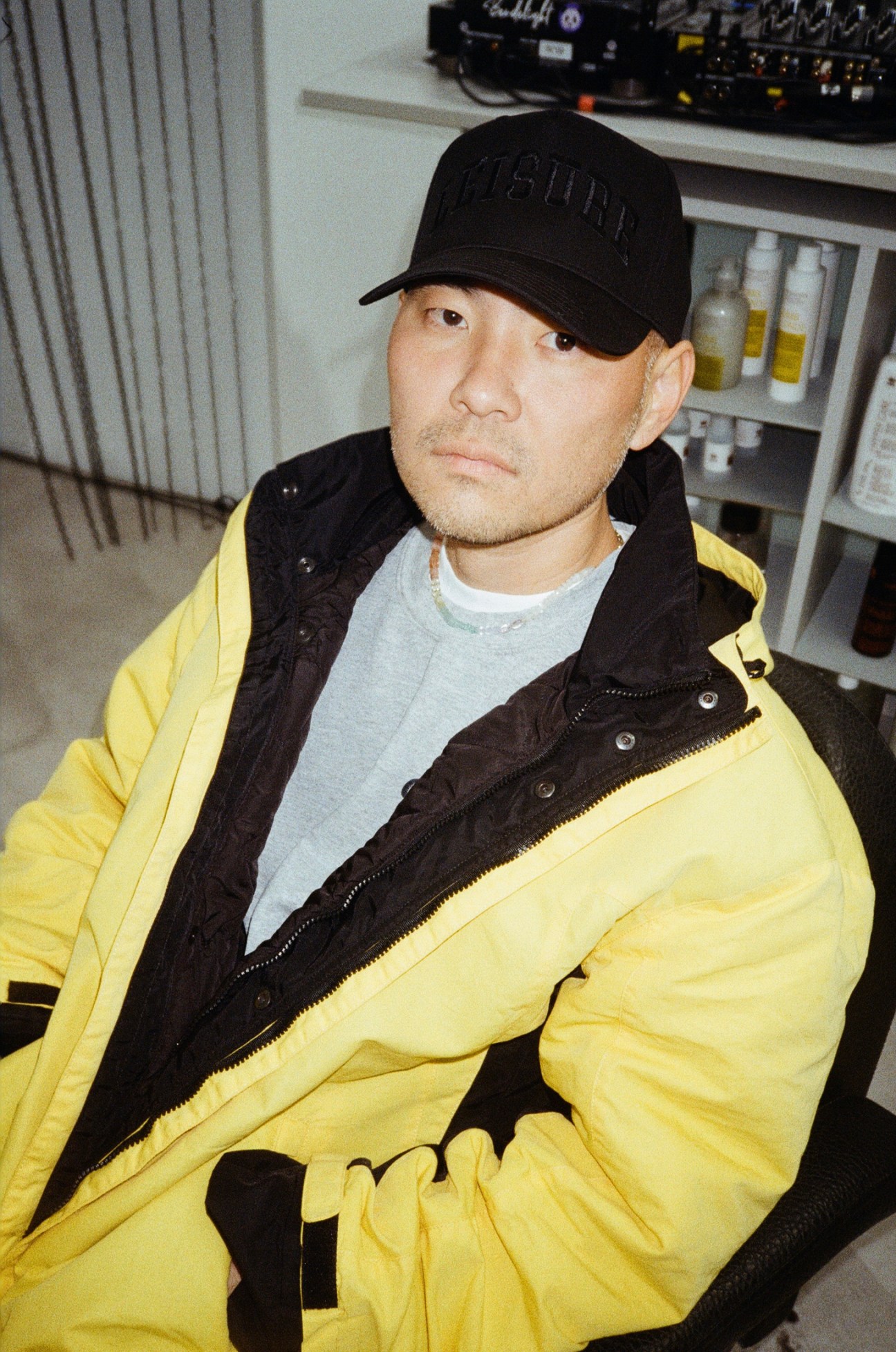
Design Miami debuts a new edition of its fair in Los Angeles on 16 May. Founded in Florida in 2005, the fair has ballooned in recent years with outings in Paris, Basel and Shanghai. It was acquired by entrepreneur Jesse Lee, creator of BasicSpace, in 2023. Headquartered in LA, Basic Space is invite-only and sells high-end limited-edition fashion, furniture and more online.
You’re bringing Design Miami to Los Angeles. Why?
Los Angeles is the right market for us because there are a lot of people with money to spend on their beautiful homes.
Why acquire Design Miami?
Craig Robins, who co-founded Design Miami, was an investor in BasicSpace, so we knew each other well. I saw an opportunity for design to become the next big thing. Fashion and art are now mainstream but collectable design is still nascent and niche.
Can people buying sneakers from BasicSpace be enticed to spend $15,000 [€13,850] on a Brazilian modernist chair?
The price isn’t the problem; it’s just that a lot of people have not been exposed to the world of design and don’t understand that it can accrue value.
Where next?
Expect us to have a presence or another fair in Asia next year.
Design Miami LA runs from 16–20 May;
designmiami.com
Hospitality: Singapore
Breath of fresh air
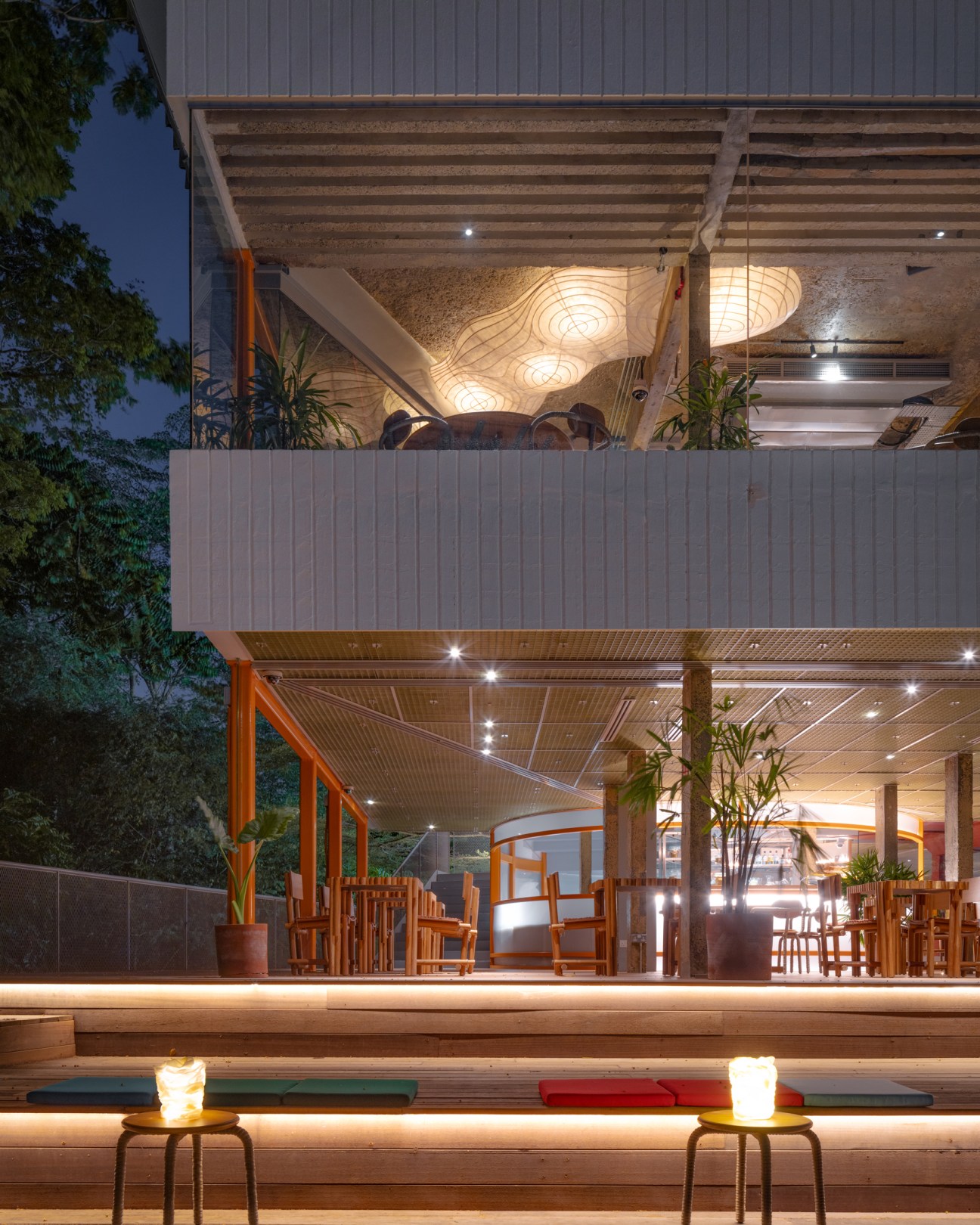
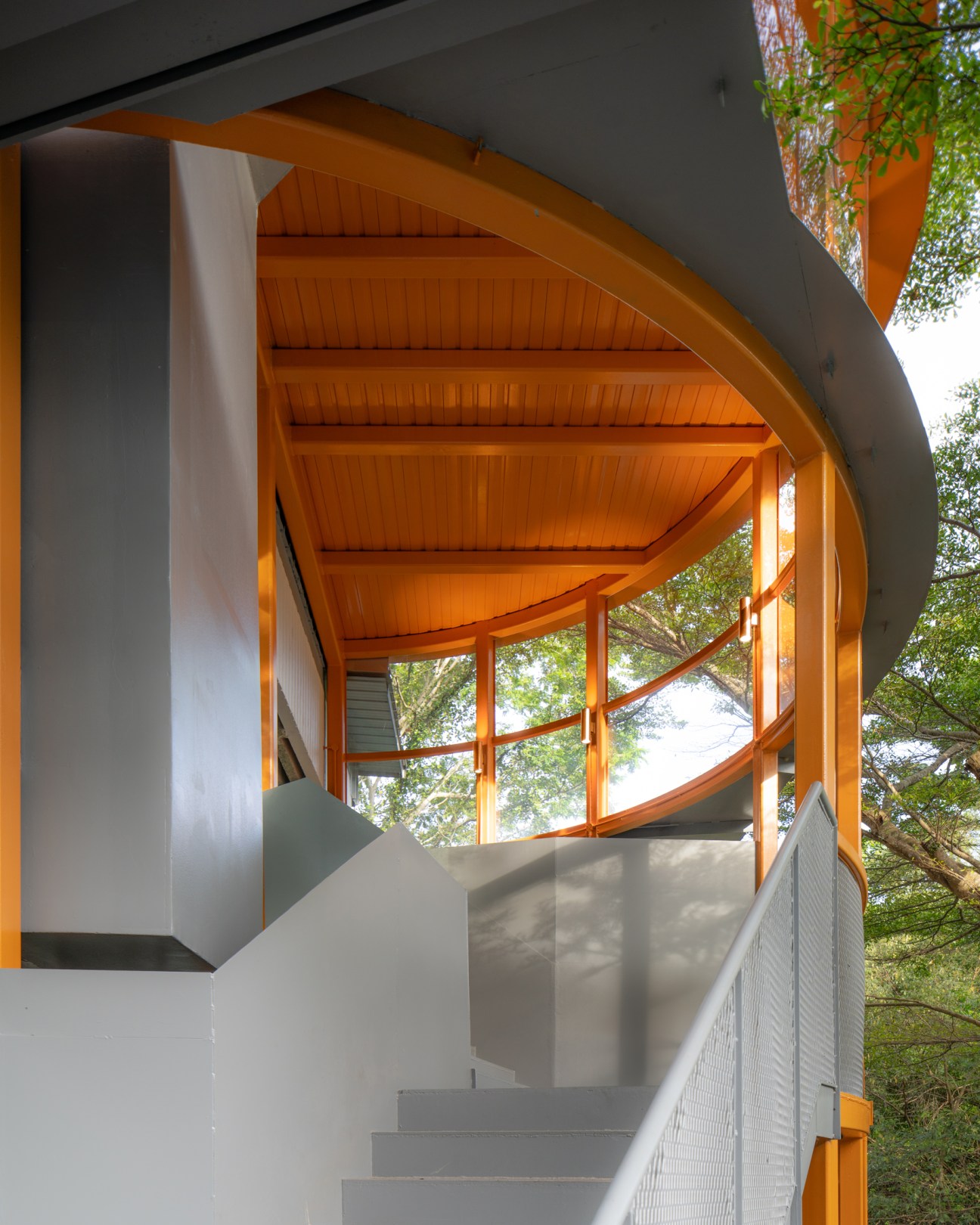
The Air Circular Campus and Cooking Club, a new dining project from Bali-based Potato Head, has opened in Singapore’s Dempsey Hill district. David Gianotten and Shinji Takagi of Dutch design firm OMA have transformed the original modernist building, a clubhouse for civil servants built in the 1970s, into a multi-use space with a restaurant, cooking school and farming programmes aimed at promoting sustainable culinary practices. The result shows how top hospitality and architecture firms can come together to have a positive effect on local communities and ways of building. “We are convinced that architecture and design can make a difference through active engagement with different disciplines,” says Gianotten.
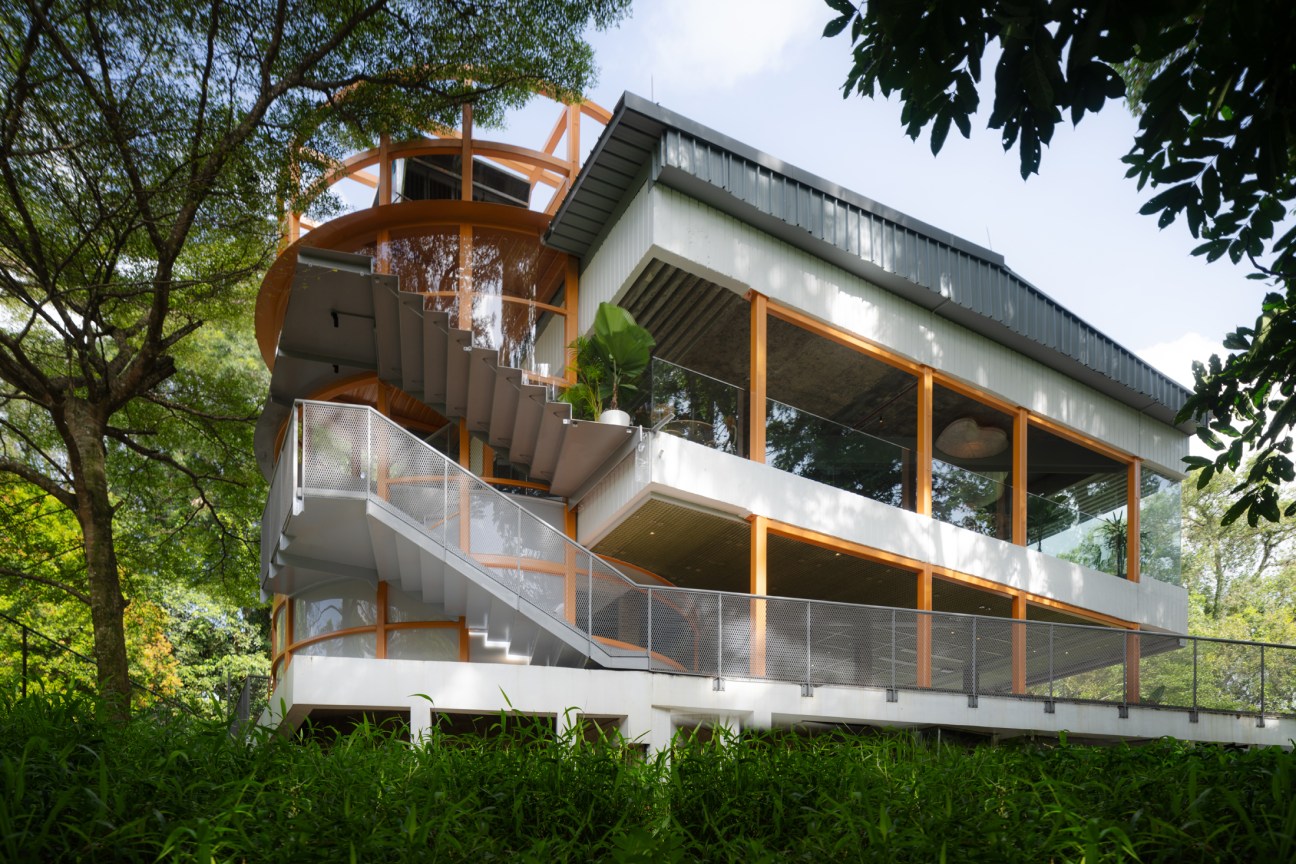
The architects expanded the two-storey building by adding wooden terraced patios that spill onto the front lawn for outdoor dining. Footpaths are threaded through lush green spaces so that visitors can wander through the farm and enjoy picnics on the grass. True to Potato Head’s love of sustainable and upcycled materials, all the furniture, which was created by Catalan designer Andreu Carulla, is made from recycled timber, plastic and styrofoam. A round, orange steel frame at the back of the building houses a spiral staircase. The campus offers an abundance of greenery in densely urban Singapore and is a welcome addition to the city’s culinary and cultural landscape.
oma.com; aircccc.com
Fashion: Tokyo
Dream coat
Ryuhei Oomaru’s Overcoat in Tokyo is a canvas of creative ingenuity and meticulous design thought. For this follow-up to the fashion brand’s New York base, Oomaru, a designer, collaborated with local firm Atelier Write to redefine an office on the second floor of a 1980s apartment building.
The partnership weaves previously hidden structures that lend themselves to the shop’s looks and functionality with elements that serve multiple functions, such as exposed steel joints used to hang stock and fabrics. The chromatic garments hang like modern art exhibits, their vibrant hues stark against the raw concrete backdrop.
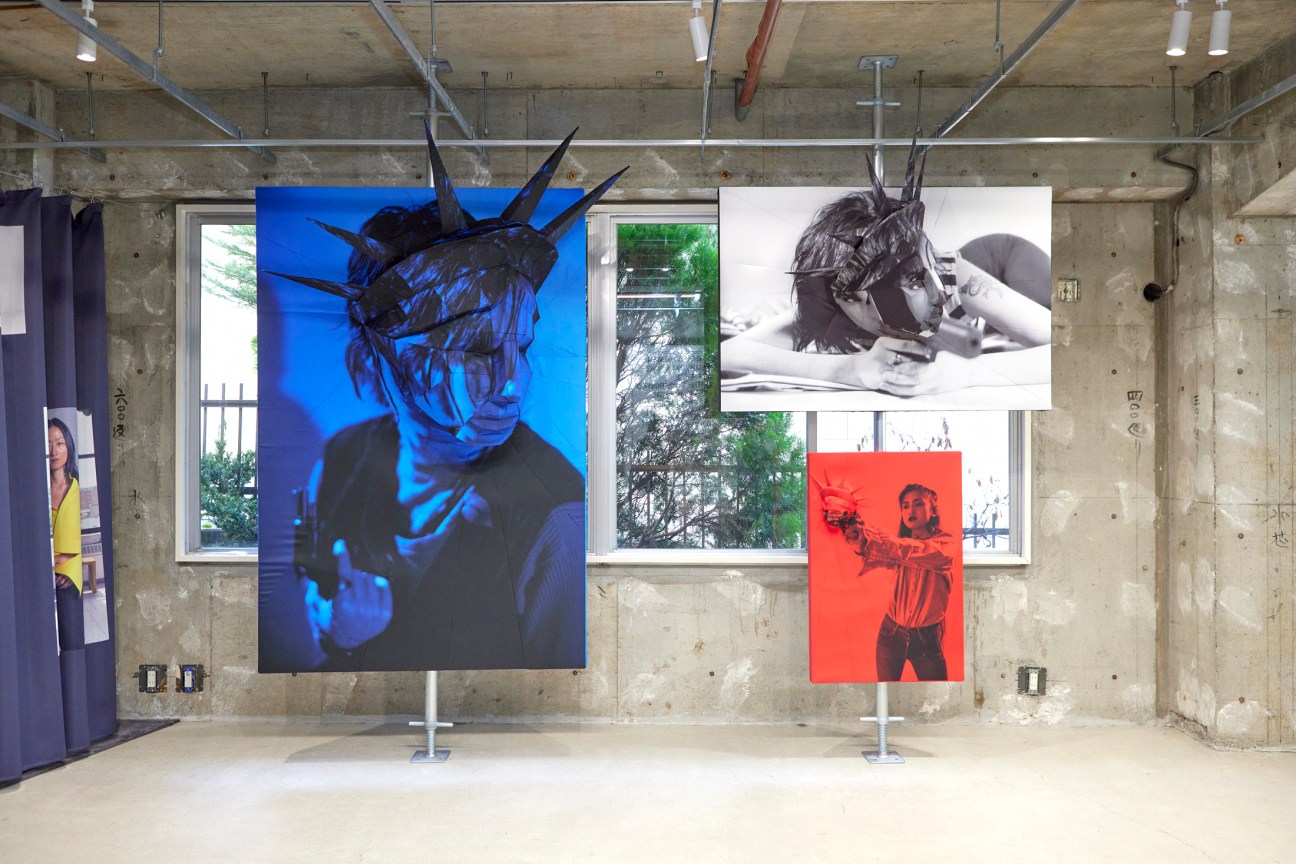
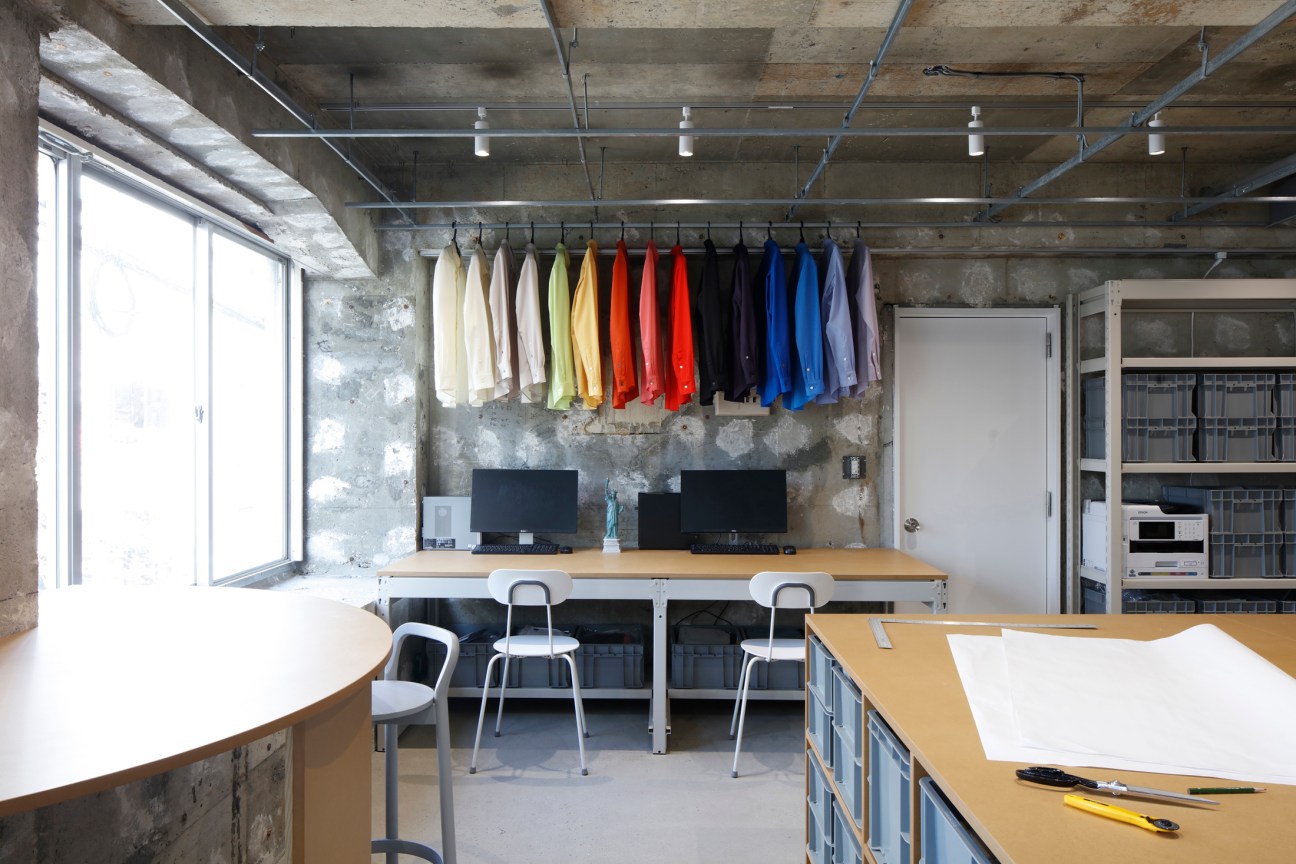
“Since we can keep the entire fashion cycle in one place using the interchangeable layout, it makes the staff’s workflow efficient,” says Oomaru. By breaking down the barriers between maker and buyer, customers aren’t just purchasing a garment but engaging in a narrative and forming a connection with the creator. “I want to see who is interested in my creation,” adds the designer, who is known for his smartly tailored coats, jackets and trousers. “I want my space to become a place where my staff and customers come together to talk about creation.”
overcoatnyc.com
On Design
Nic Monisse on: Modus operandi
The Monocle Design Awards are here. This is our recognition of the industry’s finest work this year. And while the full report can be found on pages 115 to 146, this column presents an opportunity to reflect on a few of the key design themes that Monocle’s editors and correspondents picked up on while reporting for the prize.
1.
Embrace the environment
Good architecture should work with the climate in which it’s set – and many of the projects highlighted in the awards do so. In Guatemala, for instance, Miller Hull devised a brise-soleil for a building that allows cooling breezes to flow in, while mitigating the heat of a tropical sun.
2.
Communication is key
Graphic design is often a late consideration but it can be crucial to a project’s success. It can also go a long way to improving quality of life and protecting culture. Case in point: the newly developed alphabet, Adlam, that for the first time gives physical form to a verbal-only West African language.
3.
Put people first
Many of the outstanding projects featured started from a place of prioritising people. One of our Top Architects, Tosin Oshinowo, encourages designers to pursue human-centric over iconic architecture.
4.
Elevate the everyday
Objects we encounter constantly should be a joy to use – and to look at. That could be as simple as having a beautiful dining chair by De Padova that makes mealtimes something you want to stretch out for hours.
5.
Material concerns
With any architectural or furniture project, material selection is crucial. Dubai studio Mula showed that more consideration should be given to the use of unconventional local materials by creating a pavilion out of every component of a palm tree.
Furniture: Brazil
Q&A
Cléo Döbberthin & Lorenzo Lo Schiavo
Founders, Palma

São Paulo-based studio Palma was founded in 2020 by friends Cléo Döbberthin and Lorenzo Lo Schiavo. The duo launched their second furniture collection at Salone del Mobile in April. They tell us more about their work.
You’re both from São Paulo. How did you meet?
CD: We grew up in the same group of friends and the same environment but met properly when we were studying at the architecture university, Escola da Cidade. We lost contact but then reconnected in 2019.
Describe your design ethos.
LS: We joke that sometimes we have a Frankenstein aesthetic. We put together inspiration from a billion different things but somehow it works. We have lots of fun, making our pieces in our studio in São Paulo’s Barra Funda neighbourhood.
Tell us about Barra Funda.
CD: The best art galleries are here. We wanted to add a bit of design too and that scene is growing into a design hub with many ateliers and studios.
What’s it like to work in Brazil as a designer now?
CD: When we launched our first collection, we were trying to create a culture of collectable design here. To bring something we already see in Europe, the US and even Mexico. Here, the relationship between art and design still feels very separate – but it’s changing.
palmapalma.com.br
Residences: Lisbon
Packed house
Lisbon’s sunny climate and warm hospitality have been a major draw in recent years, attracting not only tourists but creatives enamoured by the vibrant arts and design scene. In late May, the Portuguese capital celebrates this community with the second edition of its Lisbon Design Week, during which local studios and workshops open their doors to the public. One venue on everyone’s must-see list is La Junqueira, an artist’s residency in Belém.
Founded in 2018 by French artist Stéphane Mulliez, the project offers three-month stays to artists, all of which culminate in a show. “The aim is artistic expression, pushing artists to discover aspects of Lisbon and Portugal, be they cultural, architectural or sociological,” she says.
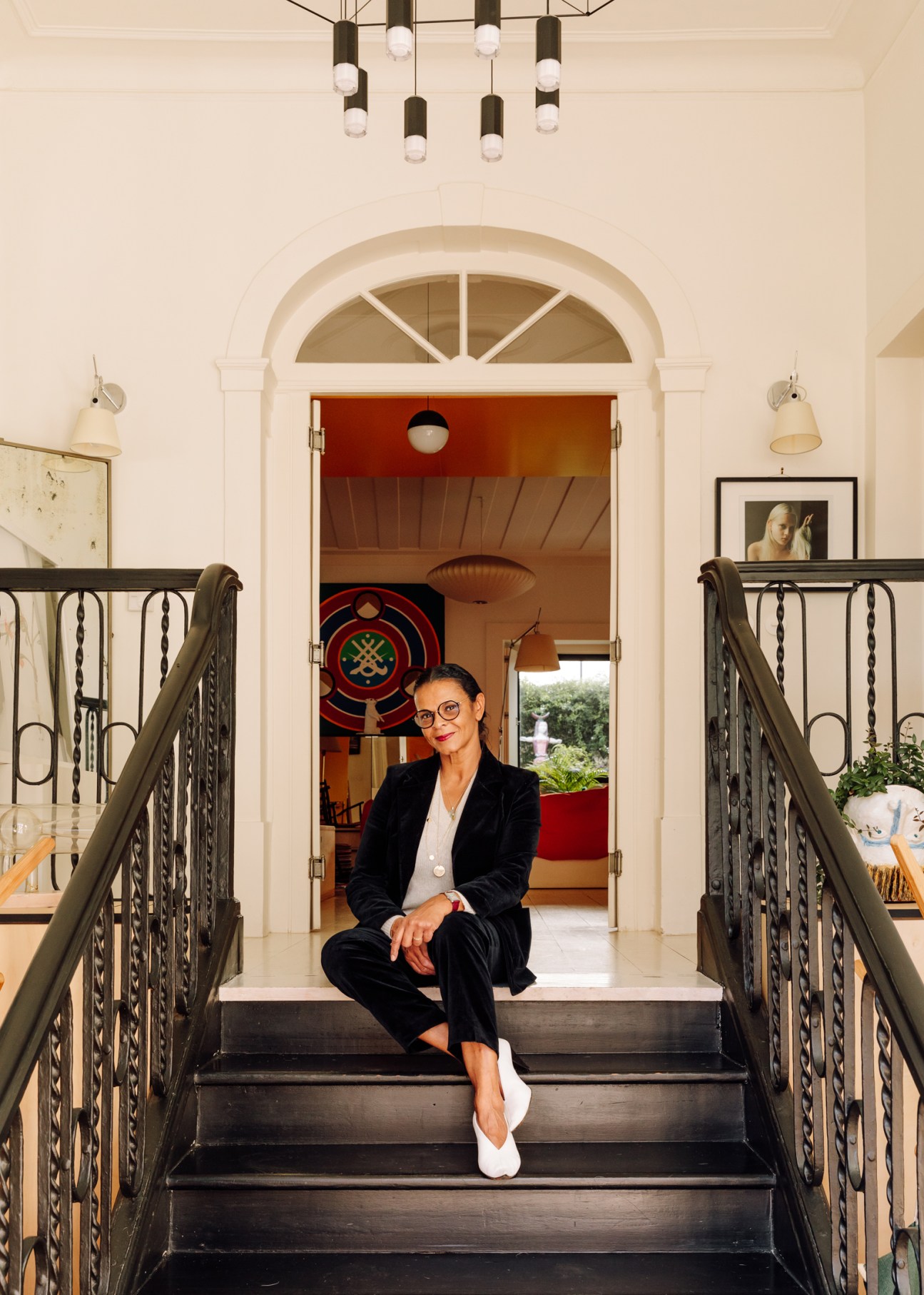
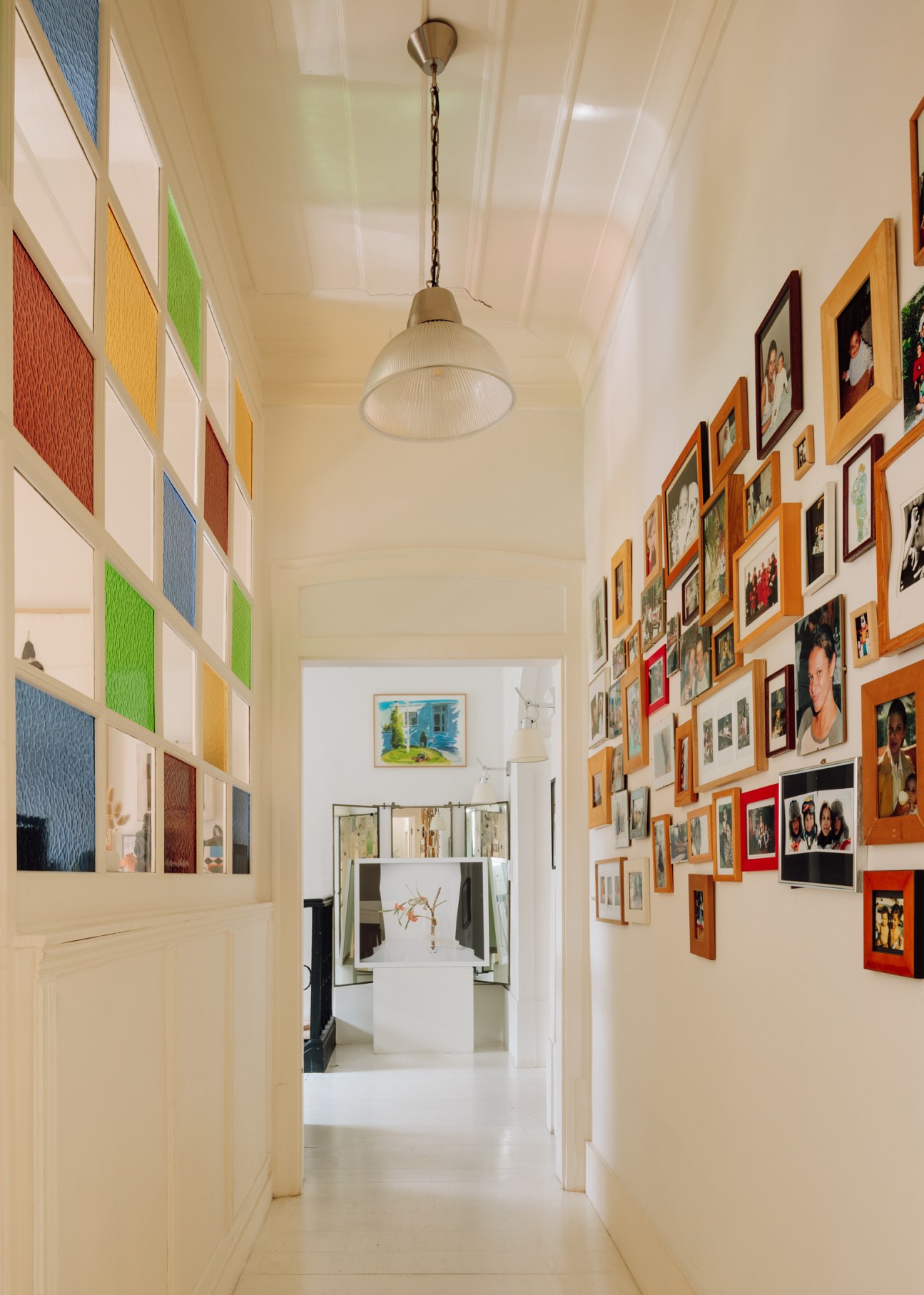
Mulliez (pictured) restored two floors of an 18th-century building, previously a primary school, to carve out a home for herself, as well as accommodations for visiting artists and an exhibition area. There is also an atelier nearby where residents work. Mulliez was careful to ensure the original details weren’t lost. Multicoloured stained-glass panels in a hallway filter light into her office, while ceramics, a popular craft in Portugal, feature heavily – a decorative band of traditional azulejos line the lower wall in a room used as a workshop.
The residency is eager to promote local craftsmanship. “We want to build relationships between artists and artisans,” adds Mulliez. French artist Pauline Guerrier developed ceramic panels after working with Viúva Lamego, a storied Portuguese producer known for figurative tiles.
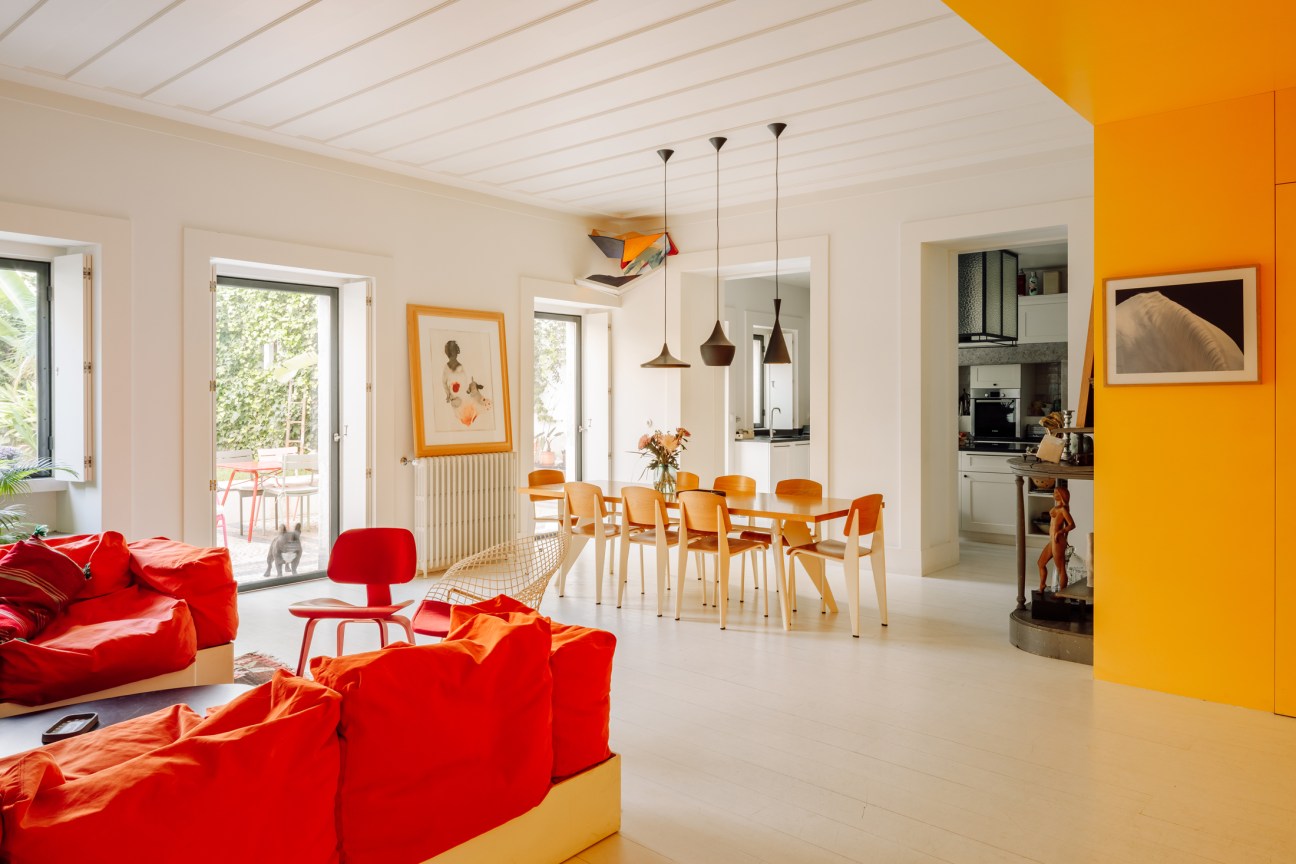
Several works by past residents are prominently displayed by Mulliez in her living room, punctuated by a pair of bright Superoblong sofas from Cappellini. A photo by 2019 resident Louis Heilbronn faces a dining set from Jean Prouvé lit from above by Tom Dixon lamps.
In her garden, Mulliez has outdoor furniture from French brand Fermob. At Lisbon Design Week, visitors will see pieces by sculptor Max Coulon, who will use local woods such as oak and eucalyptus to create large-scale pieces. Should you not be able to visit during the event, consider applying for a residency – at the very least, it will be a chance to see Mulliez’s remarkable residence and workshop.
lajunqueira.org
Lisbon Design Week runs from 22–26 May.
Sport: Bordeaux
Keeping track
Paris-based K-Architectures recently oversaw the renovation of Pierre-Paul Bernard Stadium in Talence, a suburb of Bordeaux. Built in 1976, the stadium was in need of a tasteful update. The practice refurbished everything from its 1,500-seat grandstand to its worn-out track, all while adding a sports complex with indoor practice halls, a gym and an administrative department.

The stadium is located on the edge of the protected Thouars Wood, which meant that architects Karine Herman and Jérôme Sigwalt had to ensure that the project would not encroach upon the ancient green space. The handsome wood-framed halls were conceived as a group of barns featuring low-slung, corrugated-metal roofs and façades clad in burnt pine, inspired by Japan’s yakisugi (burnt cedar) technique. The grandstand was updated without changing its structure. Its base, benches and façade were repainted and given a dark tint and the changing rooms were modernised. The athletics track was expanded from six to eight lanes, making it more useful for competitions, both national and international. “The asymmetrical overhanging roofs and use of wood evoke girolles, the small traditional houses in the region’s sandy pine forests,” says Sigwalt.
k-architectures.co
Special editions: A democratic form of art acquisition
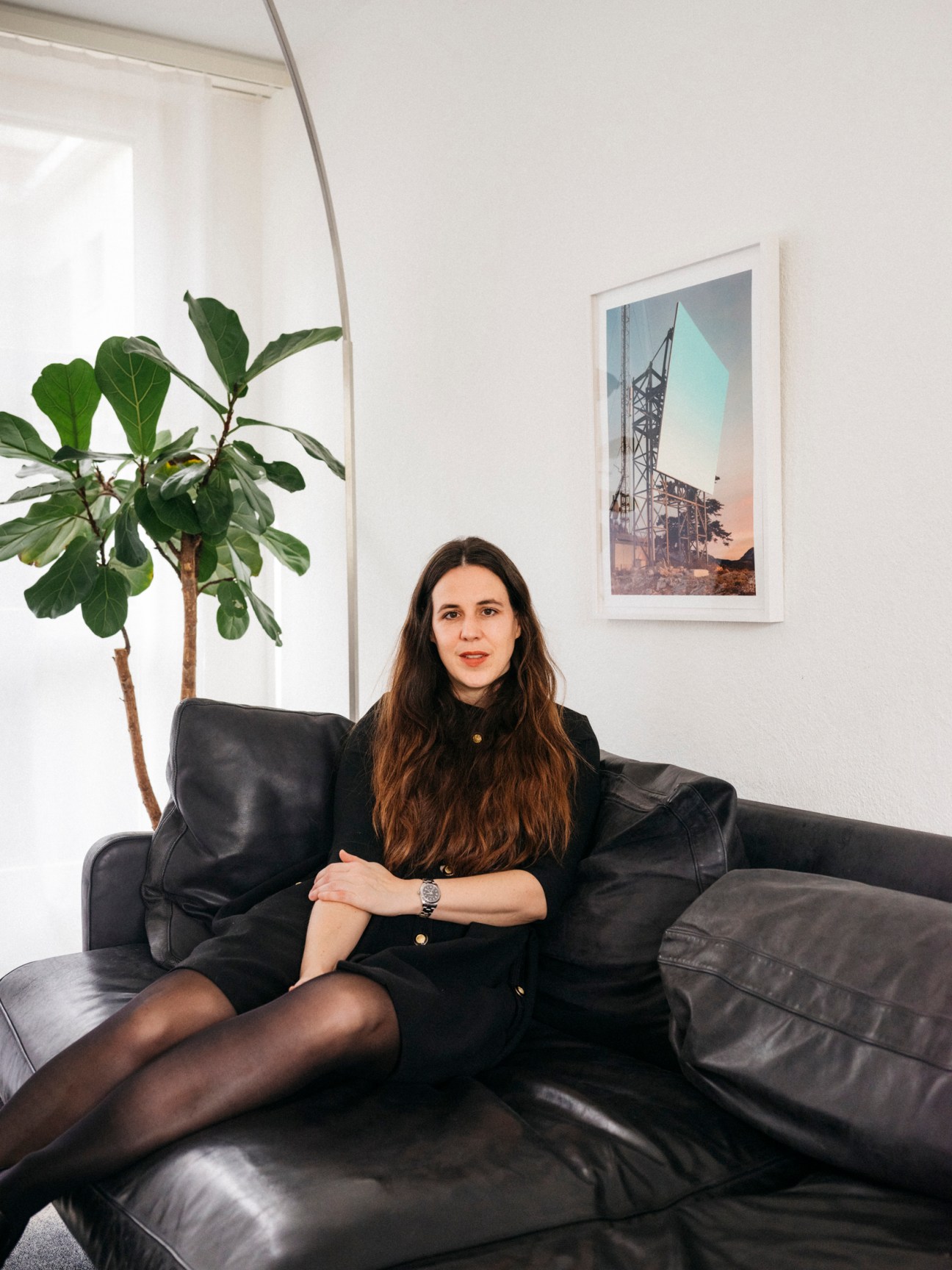
Interior architect Zoé Ramseier has hung her print of Sendetafel by Swiss artistic duo Taiyo Onorato and Nico Krebs in her living room, just above the dining table. “What I loved about this piece was the contrast between the intensity of the colour gradient and the softness of the sky behind it,” she says. “Art doesn’t have to be beautiful but it should create emotions. This print creates questions as soon as you enter the room.” Ramseier started collecting art from an early age. “I was lucky because I grew up with art all around me as both my parents are in creative industries. But everyone should have the possibility to encounter art throughout their day, regardless of their level of income.”
Much of the art market is fixated on the unique, on the chance to own a painting or a sculpture that nobody else will ever have. But the world of print editions invites you to imagine a slightly more democratic version of that beast. Would you like to be one of perhaps 10, 100 or maybe even 1,000 owners of a numbered and signed artwork? Are you happy to share the love? After all, you’ll probably never go to another home and see the edition that you own on its wall. What would be the odds of that? Well, perhaps a little higher if Monocle got involved and decided to see where the prints from one edition have ended up.
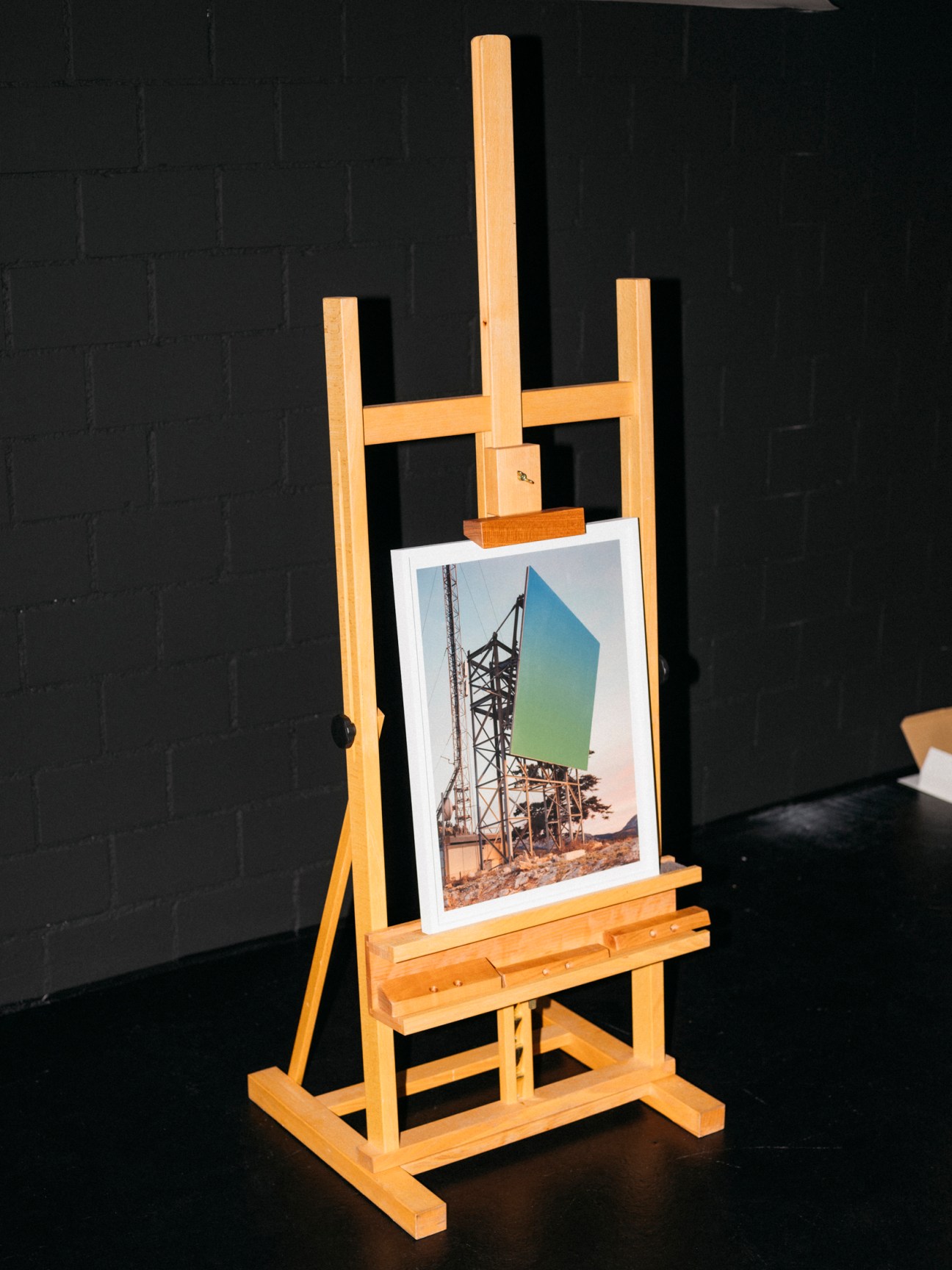
Sendetafel was created in 2021 in an edition of 25 and originally sold for CHF1,060 (€1,080 at today’s exchange rate). Frame included. The striking artwork features a billboard attached to a vast metal structure, which looms over a rocky terrain. In the background a summer sunset is soft pinks and blues. But there is something unsettling about the image. Each print is identical expect that the billboard’s surface colours change in every version. Onorato and Krebs use a collage-style printing process to pull off this trick. And to do that they worked with Edition VFO, an edition publisher and gallery in Zürich.
Founded in 1948, the organisation’s initials stand for Verein für Originalgraphik, or the Association for Original Prints. Managing director David Khalat explains that editions, and their popularisation, are at the core of his mission. “With the advent of digital printing, traditional printing techniques suffered and there was an erosion of communities centred around the craft,” he says. “Our job as an association is to bring them back and to show why editioned works are vital to enriching contemporary art.”
Though much more has to be done to encourage the revival of printmaking, Khalat says that editions are having a moment. “There is a renewed interest in the craft of printmaking and editions across all fields, including art,” he says. “Now that people have become used to all the possibilities that digital works offer, they’re looking back and mixing in older print techniques.”
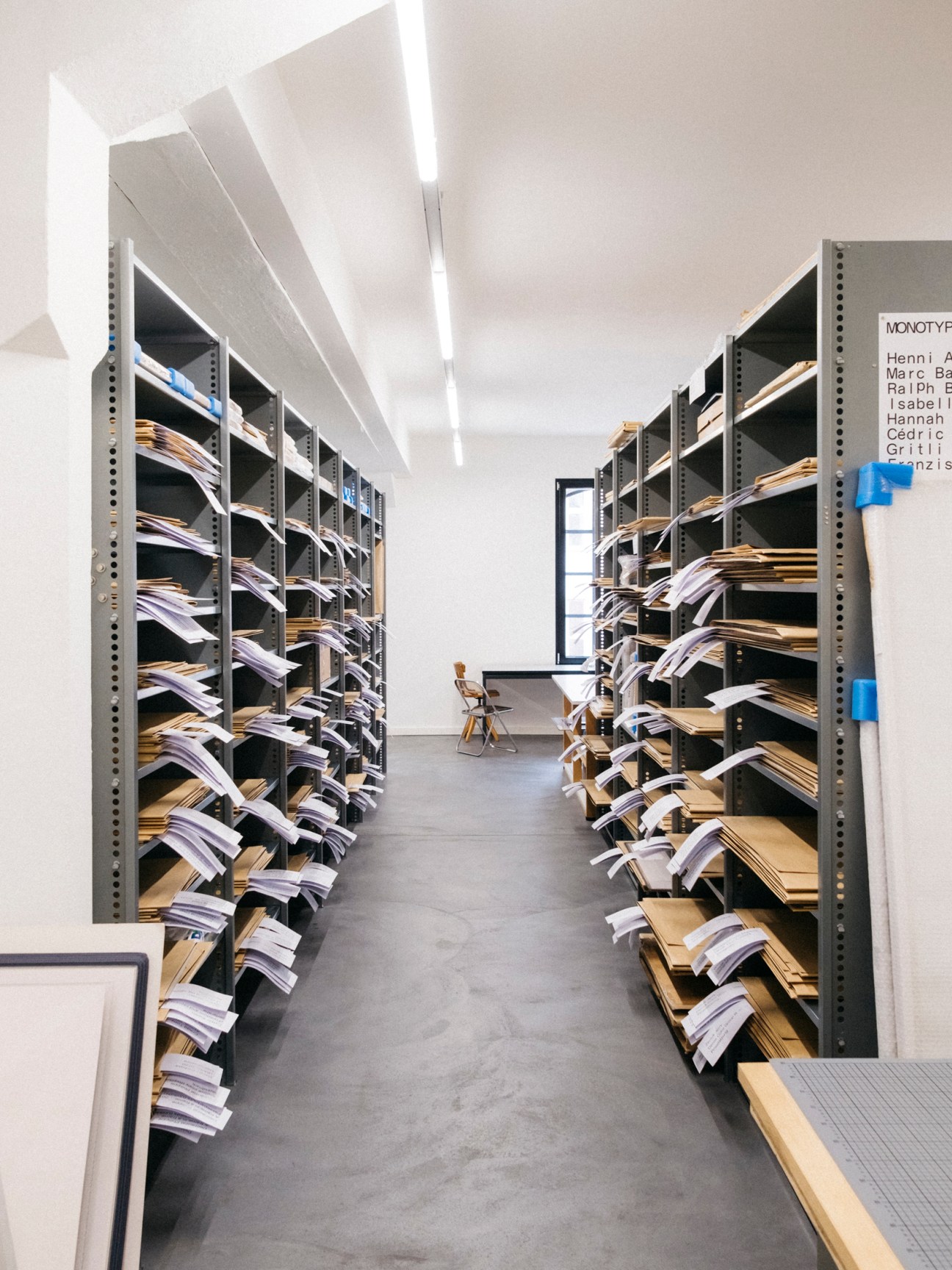
All the Sendetafel editions have been sold but as Khalat leads Monocle around Edition VFO’s gallery, he points out other works that, he says, hold the same sense of magic. “There is a tactility to the paper. Just like with a painting or a sculpture, you can feel someone else’s presence in the work,” he says. “When the piece is developed at the press, the materials also make their mark, from the stones used in lithography to paint in monographs.” Editions can be unique too.
Edition VFO is not toiling alone. Other edition publishers include Graphicstudio in Tampa, Borch Editions in Copenhagen, Counter Editions in the UK and Los Angeles-based Gemini GEL. Now, though, Khalat and his team have taken advantage of this renewed interest in the medium in order to establish the Zürich Print Institute. Based in the city, the centre works with masters of lithography, screen printing and etching, connecting them with other artists who want to collaborate on new editioned works. The institute will also make space for the equipment that the labour-intensive processes require. “Creating print editions needs a lot of investment. You need chemicals, dark rooms, light-sensitive plates and presses,” says Khalat. “And that isn’t even mentioning the community that springs up around the practice: the master printers, artists, apprentices, framers and others all working on it together.”
That sense of community, united by its appreciation of edition prints, makes itself apparent as Monocle travels around Zürich, tracking down the owners of the various Sendetafel. Up in her attic flat in the centre of the city, Annik Hosmann explains her connection to the print, which hangs above her sofa. A journalist at Zürich-based daily newspaper Tages-Anzeiger, Hosmann first met Khalat through work and was one of the first to arrive on the morning that Onorato and Krebs’ editions went on sale in 2021. “I love noticing works online and reaching out to the artists to buy from them directly,” she says. “It’s fun to interrogate the concept of what a collection is or who a collector might be. In the end, I decided that it’s something fun and something that can add unexpected twists to my life.”
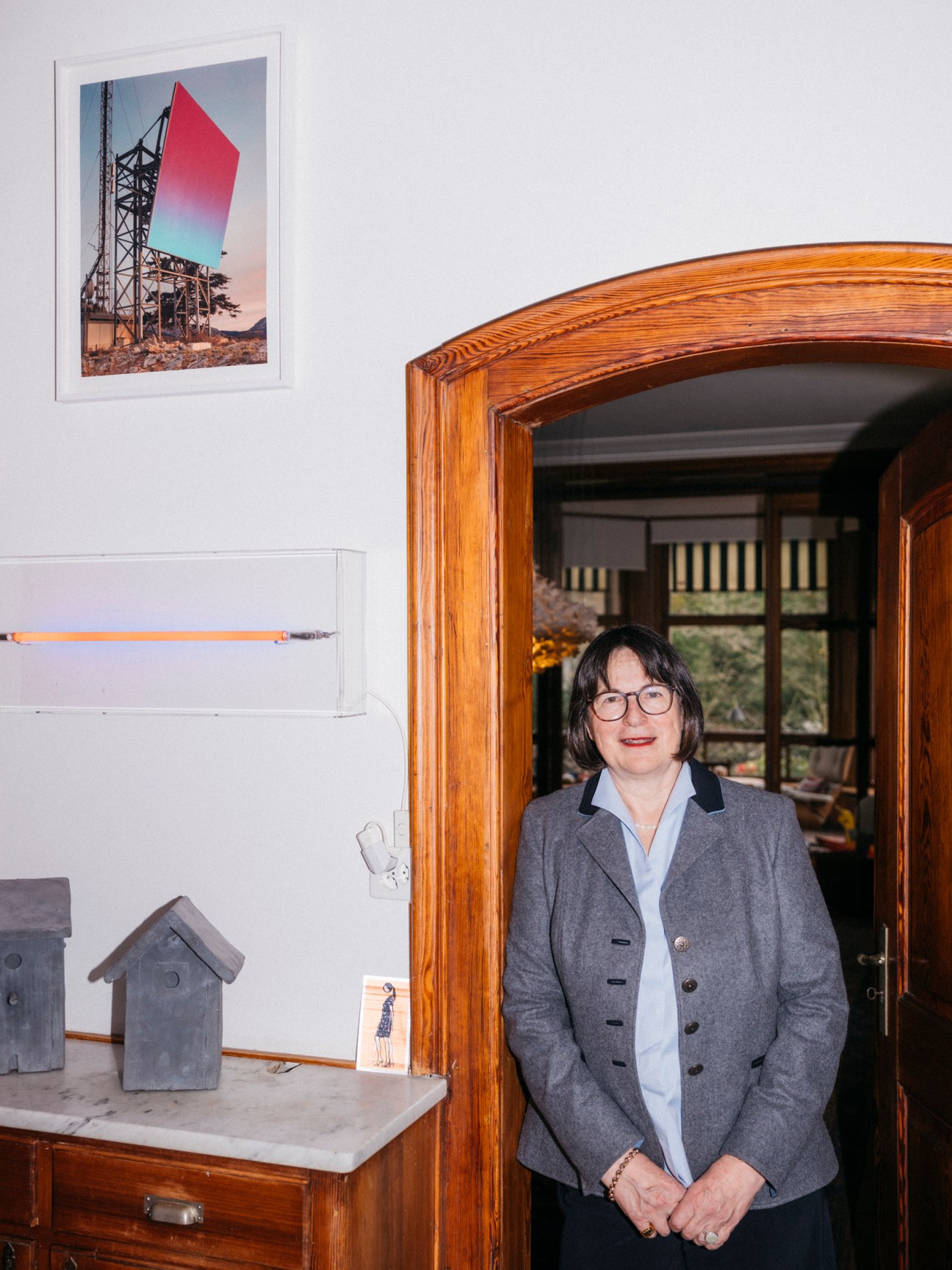
Down by the banks of Zürichsee, Silvia Schmid shows Monocle into her home. The interior of her spacious villa is packed with original artwork so it takes a moment to point out her Sendetafel hanging in the corridor between the dining room and kitchen. Schmid is the president of Edition VFO and is passionate about the role that the institution can play. “I became involved with the institution because I love how democratic it is,” says Schmid. “It gives the opportunity to young people to get to know all of these different artists.”
The gallery manager
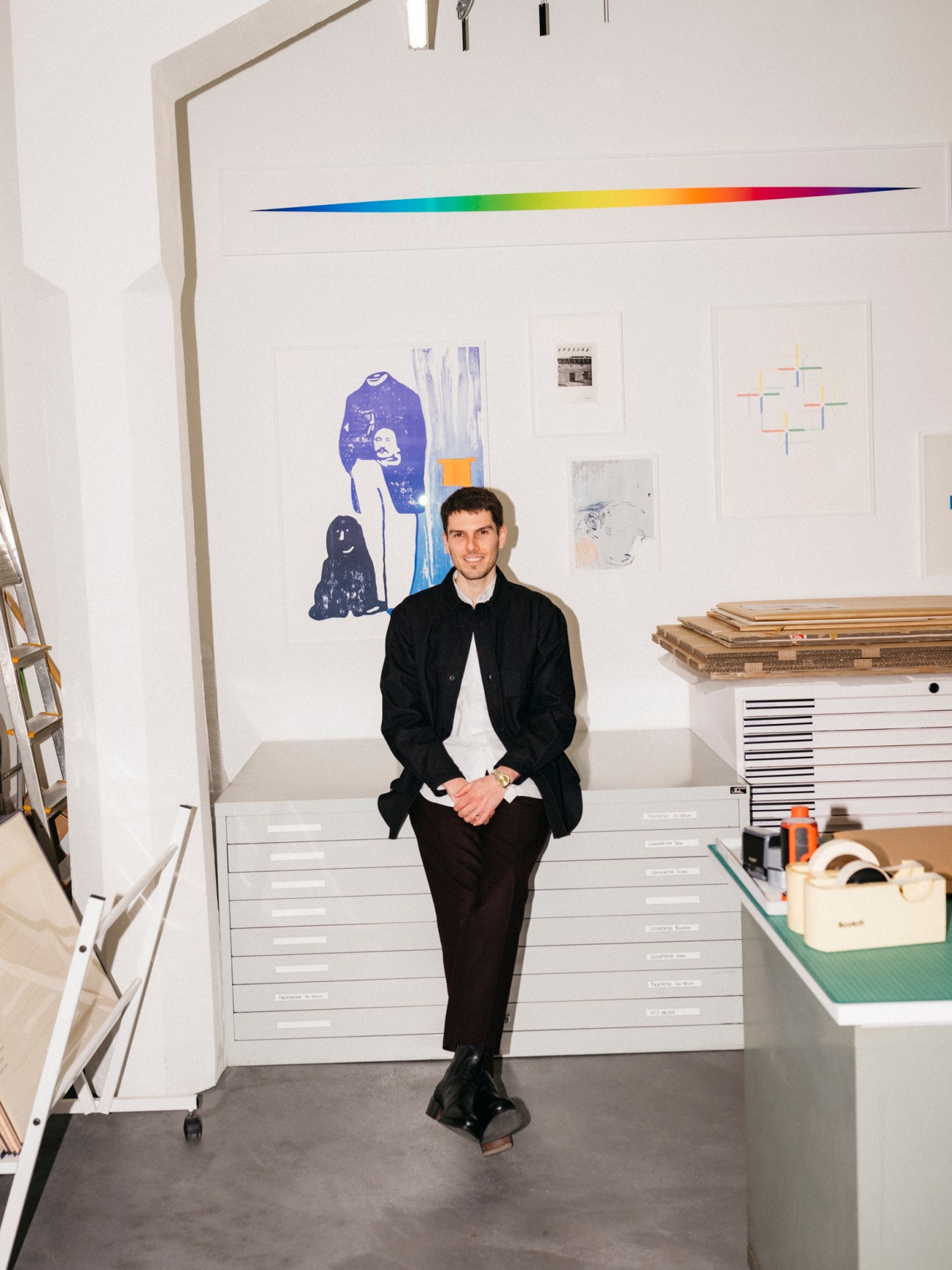
David Khalat
“When making print editions, masters always try to plan how it will look in the end,” says the managing director of Edition VFO. “But when it goes to press, you have to let go. This loss of control is positive: the materials with which you’re printing come forward. Compared to the glossy surface of a digital print, you can see traces of the oil, air bubbles and other elements from the printing process.”
The collectors

Zoé Ramseier
Through her work as an interior architect, Ramseier has become particularly drawn to abstract artwork. “In Sendetafel, I particularly like the way in which architecture is joined to the gradient of colours,” she says.
Bruno Margreth
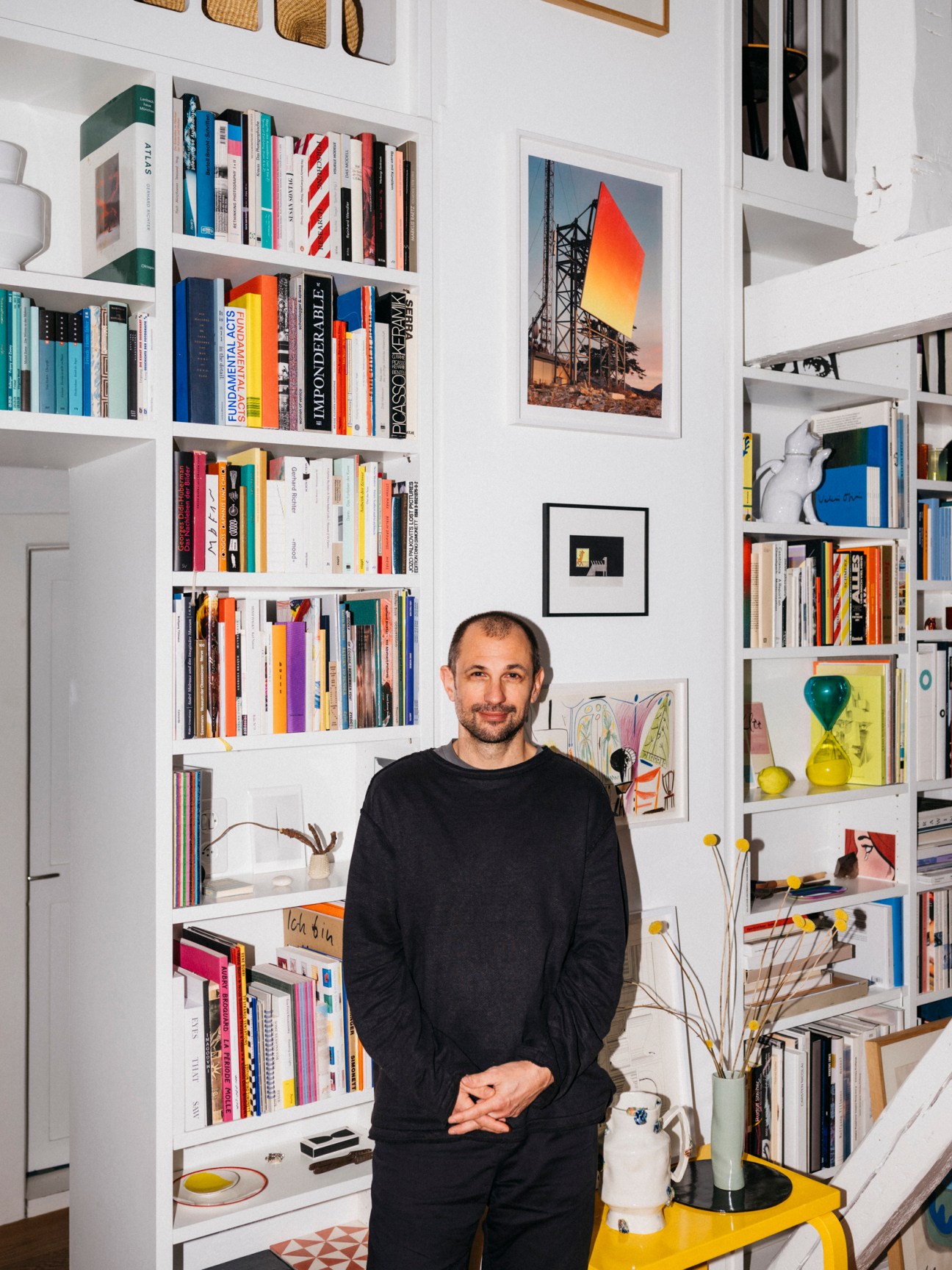
Margreth is a graphic designer and founder of About Books, an independent publishing company with a focus on contemporary art, culture and architecture. “Through my work as a book designer, I’m very close to different print techniques, so I enjoy following Edition VFO’s output,” says Margreth.
Laura d’Incau
D’Incau once worked at Edition VFO alongside Khalat. There is also a connection with the artists: her sister attended the same photography class as the pair. “The purple and silver colours on my edition caught my eye instantly,” says D’Incau. “When I’m choosing prints, I choose pieces that touch my heart or fit with the rest of my collection. When I was 20, I bought three prints. It all started from there.”
Silvia Schmid
After being a stay-at-home mother for many years, Schmid decided to study art communication. One thing led to another and she is now president of Edition VFO. Now that her children have families of their own, she has to ensure that her art collection is child-proof.

Michael Arnold & Mirjam Frei
“We love collecting editions because they combine art and craftsmanship,” says Arnold. “Taiyo Onorato and Nico Krebs’ work struck us as special because every edition is unique in itself, with the colours of the screen changing in every print. Our piece has a wonderful tension between melancholy and promise, which drew us towards it.”

Ralph Steinbrüchel
After studying communication design at Central Saint Martins in London, musician and graphic designer Steinbrüchel relocated from his native Germany to Switzerland. “I enjoy collecting in general but am particularly drawn to the craftsmanship that comes hand in hand with editions,” he says. “Sendetafel combines photography with the process of printing in a beautiful, unique way.”
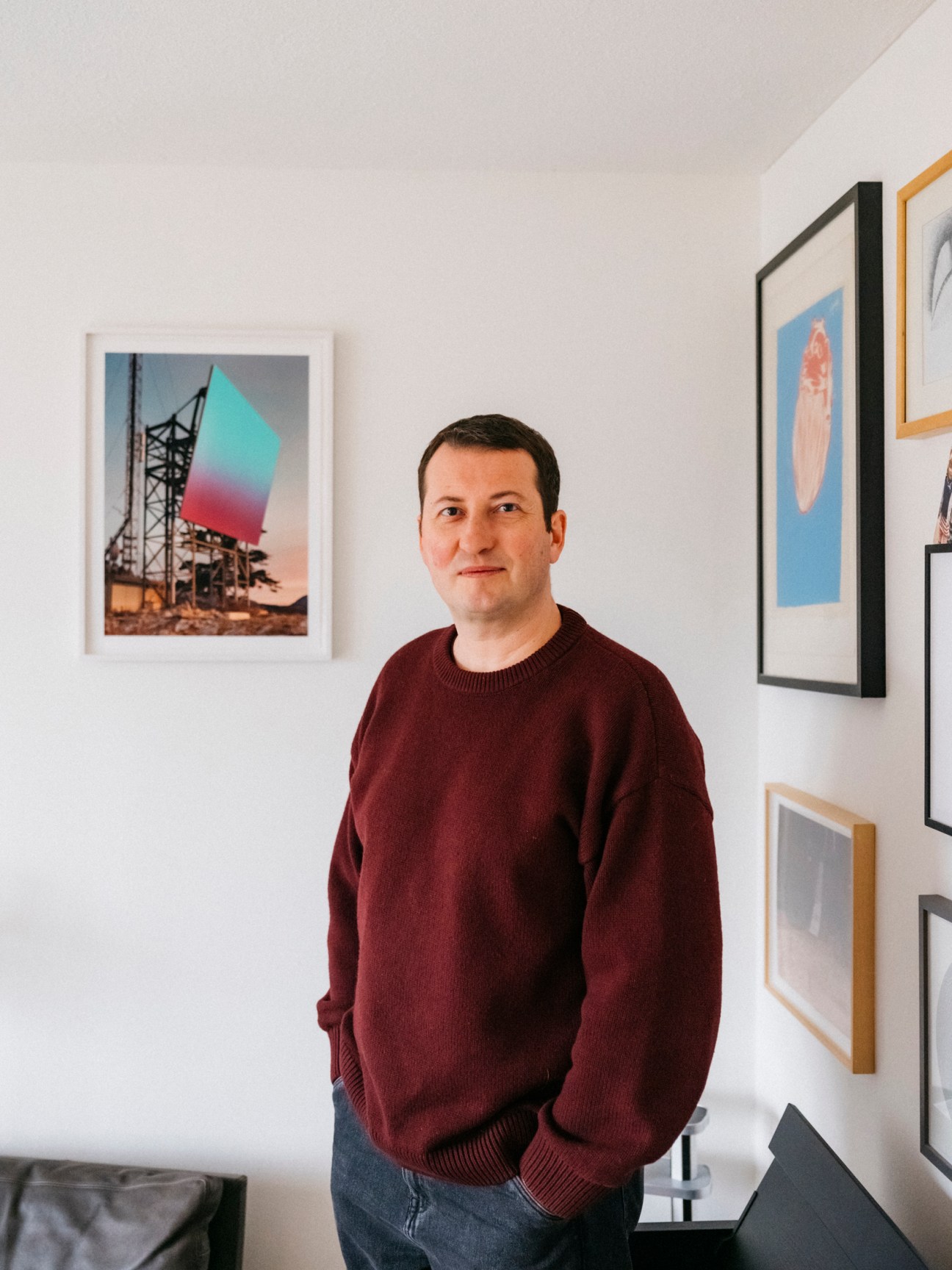
Raphael Rogenmoser
Rogenmoser is a digital strategist for the creative and cultural industries.
“I love the neon quality to the colours in this print,” says Rogenmoser. “I’ve admired Krebs and Onorato’s work since the early years of their career and enjoy buying editions from artists with whom I have a personal connection.”

Kathrin Wolf & Gianluca Ambrosetti
Wolf and Ambrosetti’s choice of their Sendetafel print was influenced by Ambrosetti’s work as CEO of Synhelion, a green-technology company converting sunlight into fuel. “Selecting a piece of art for us is often a matter of chemistry,” says Wolf. “With this print in particular, it reminded us of Synhelion’s solar towers when they catch the rays of the setting sun in those poetic moments between night and day.”

Annik Hosmann
When Hosmann was first looking at different editions at Edition VFO, she couldn’t decide which one to choose but then she was struck by the contrast of orange and blue. “I love the feeling of buying something from an artist and realising that it has a history behind it,” she says. “That’s how I got into Edition VFO.”
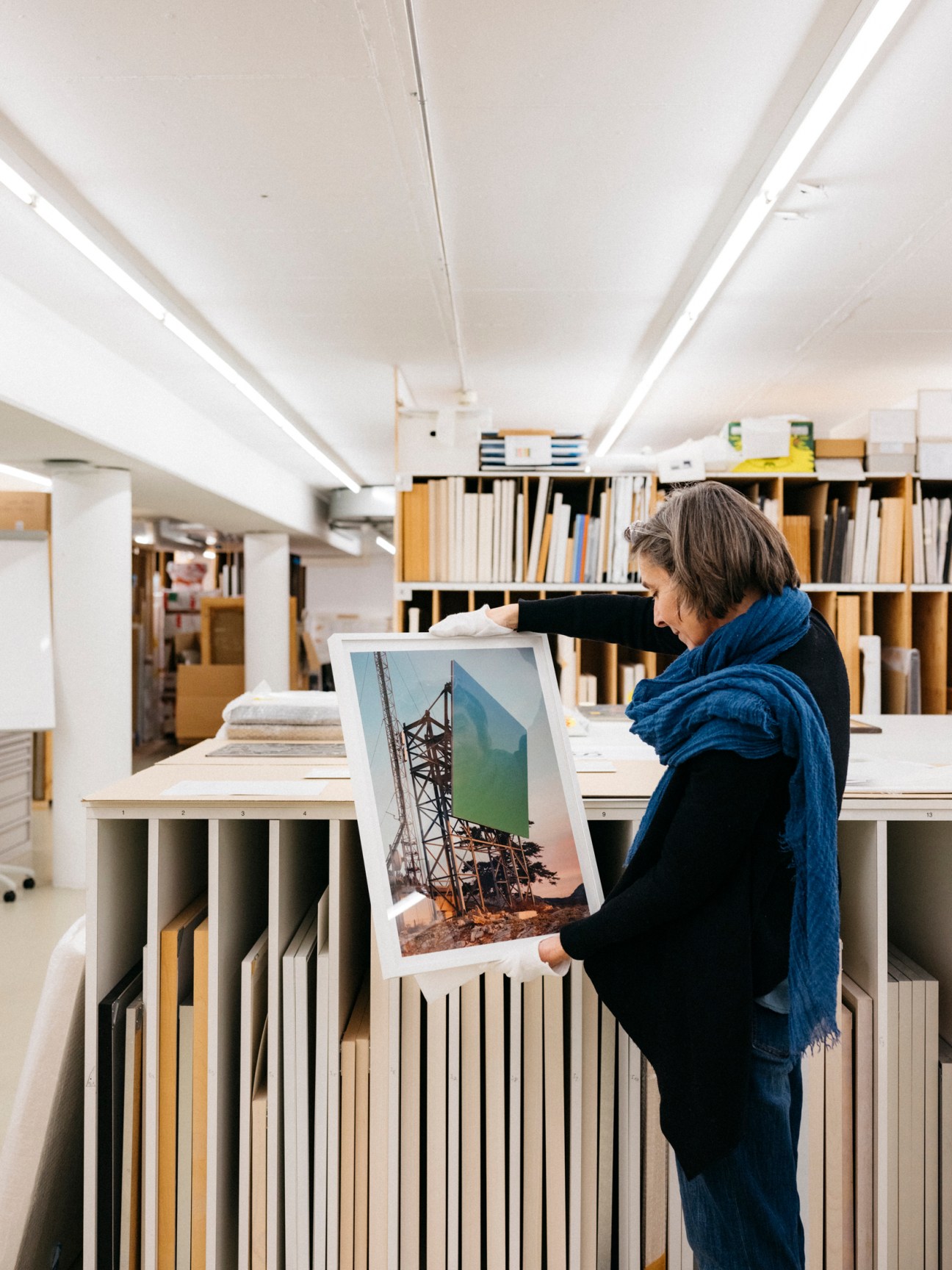
Judith Meier
Meier is registrar at the Zürich canton’s Art Collection, which has been collecting works created in the region since 1908, amassing about 20,000 pieces. The works are then loaned to exhibitions and institutions around the city.
Welcome to Janu: The latest opening in the Japanese capital
Tokyo’s recent luxury hotel openings have tended to be nestled in the upper reaches of towering skyscrapers. For its new opening, though, Aman Resorts has brought things back down to earth. Janu is a 122-room hotel in Azabudai Hills and is the first of 12 for Aman’s new sister brand, which comes with a lifestyle label and a slightly lower price tag.
While Aman Tokyo, tucked in the top of Otemachi Tower, was designed as an ultra-rarefied retreat from the hustle and bustle below, Janu sits in the heart of a new neighbourhood, opening onto the adjacent shopping area and featuring eight restaurants and bars. They include Hu Jing for modern Cantonese, Janu Grill for a wagyu steak and Mercato for fresh pasta and a terrace that opens onto the main square. Iigura serves sushi over a wooden counter and Sumi offers fish and meat cooked over charcoal.
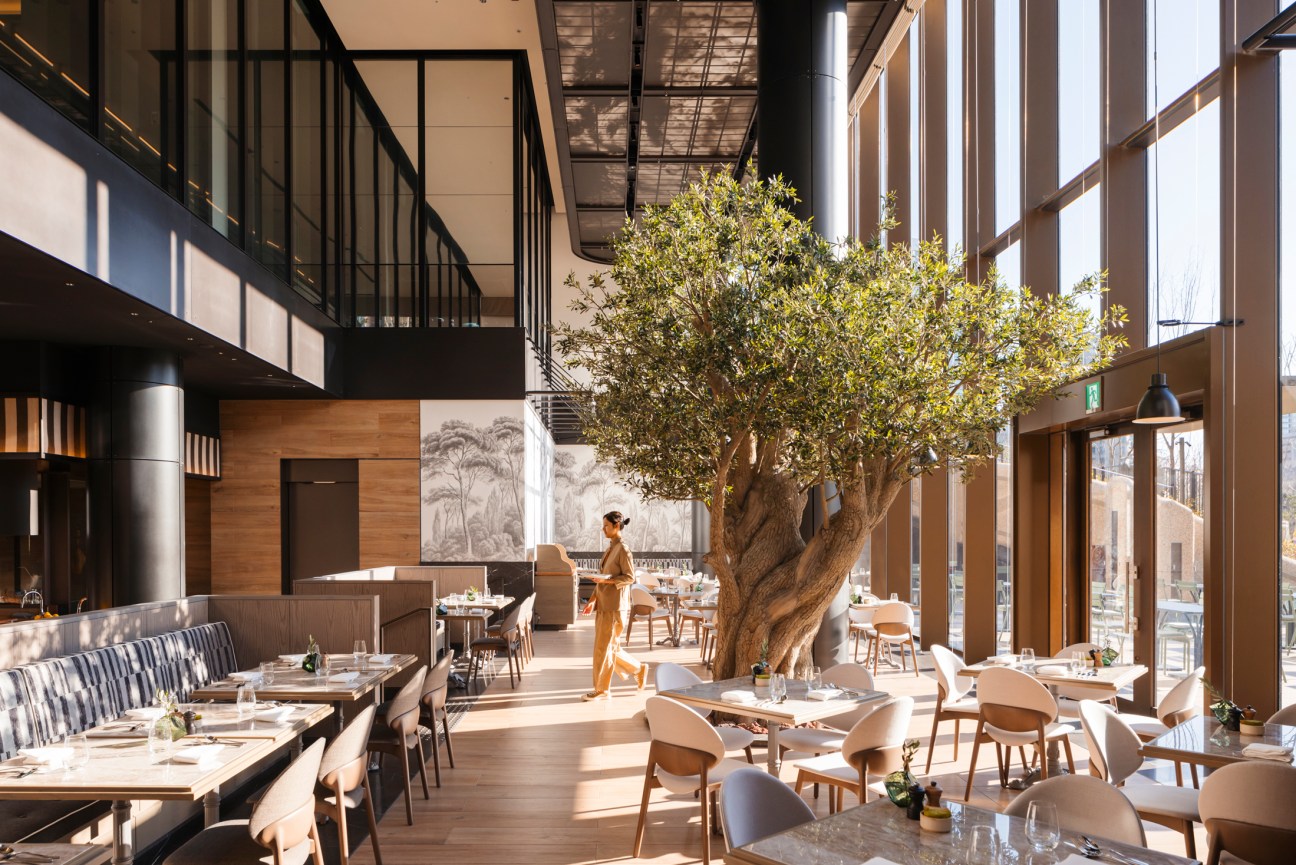
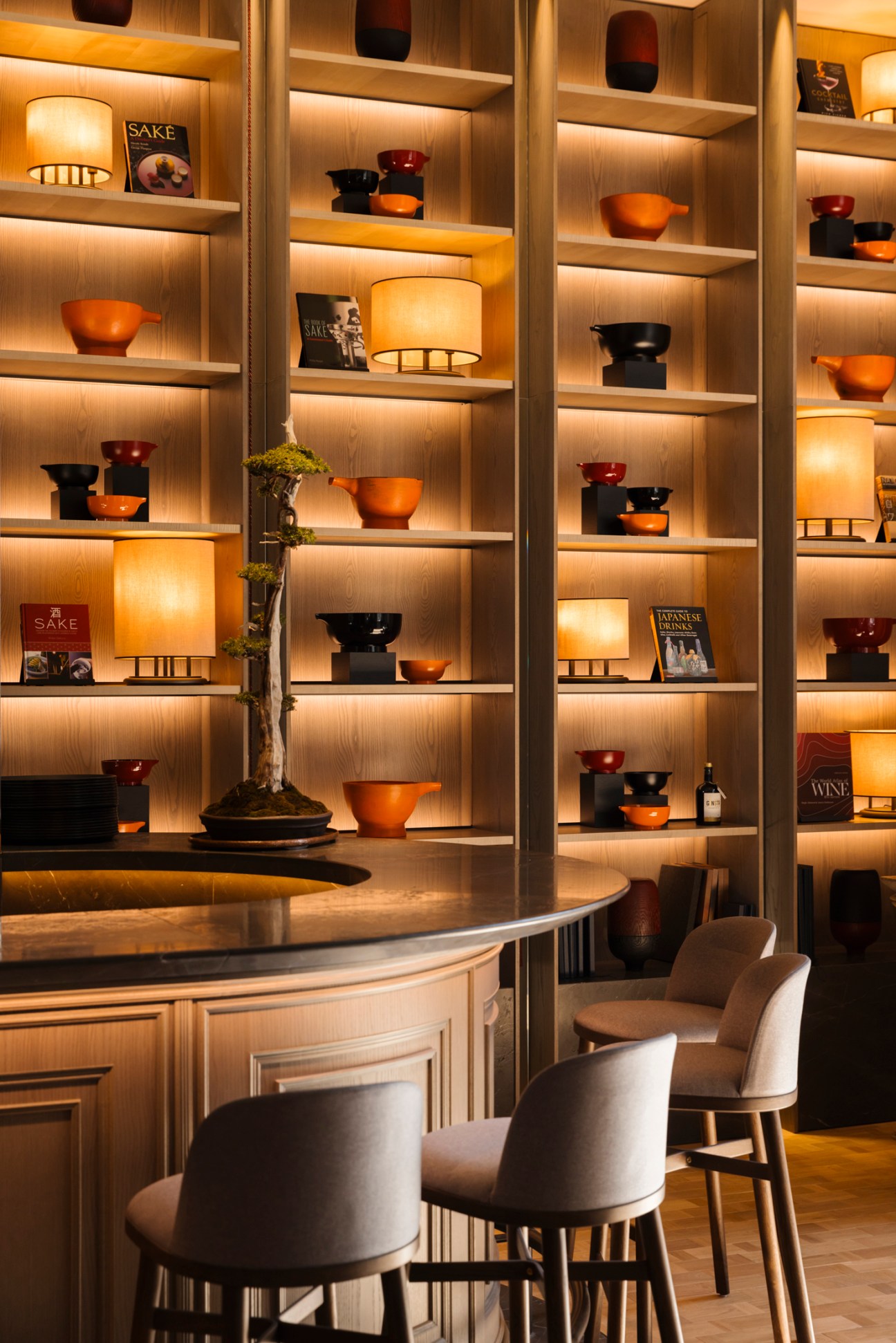
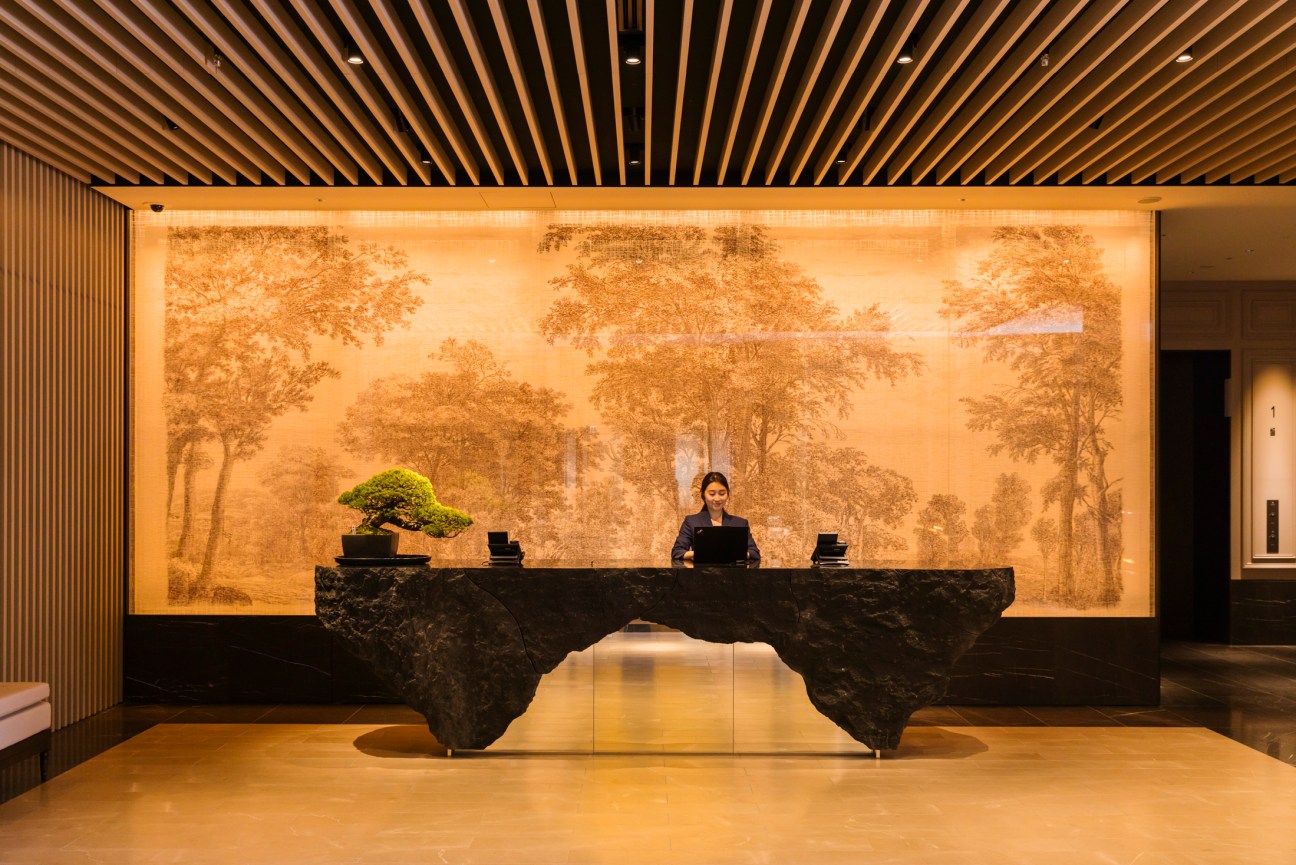
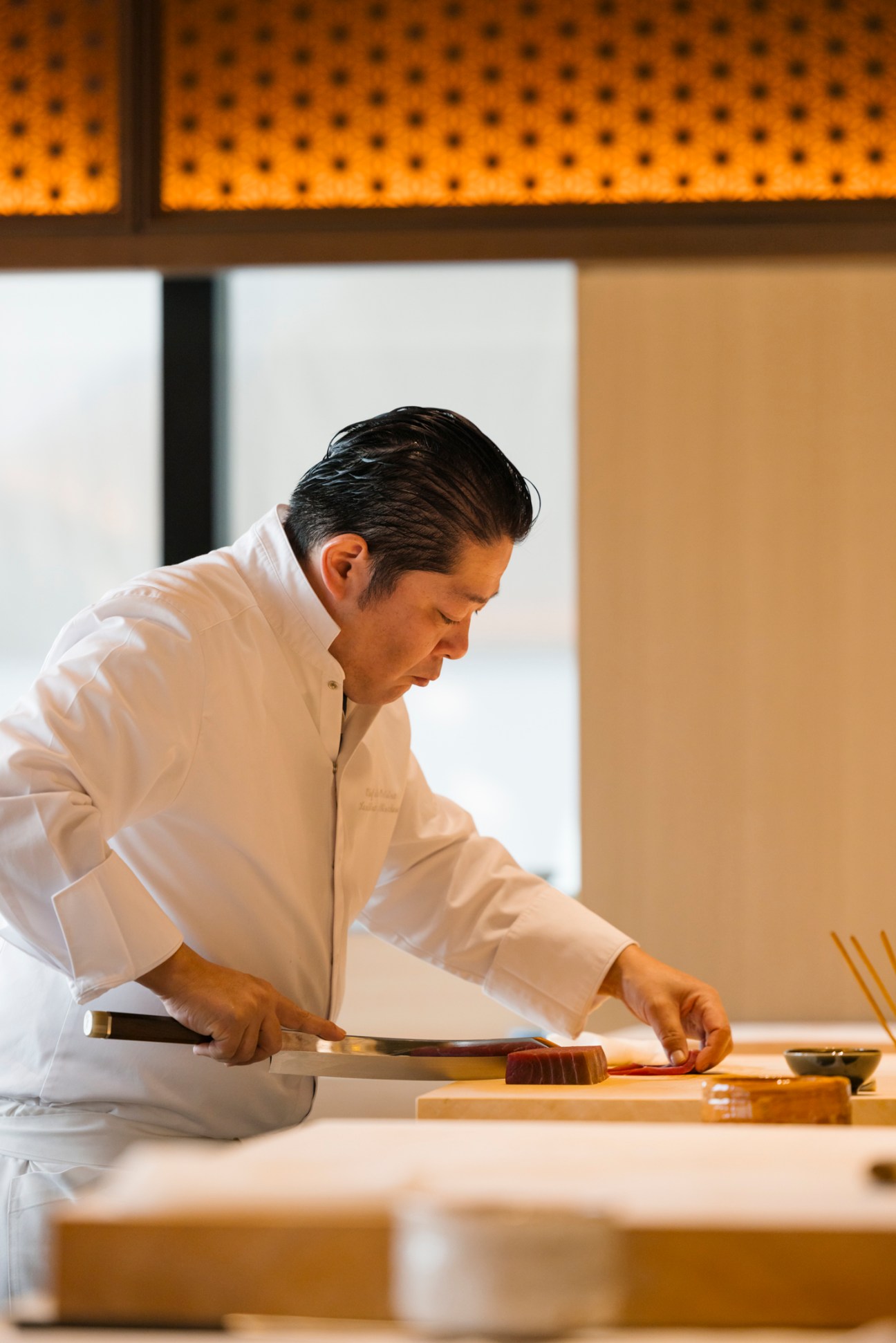
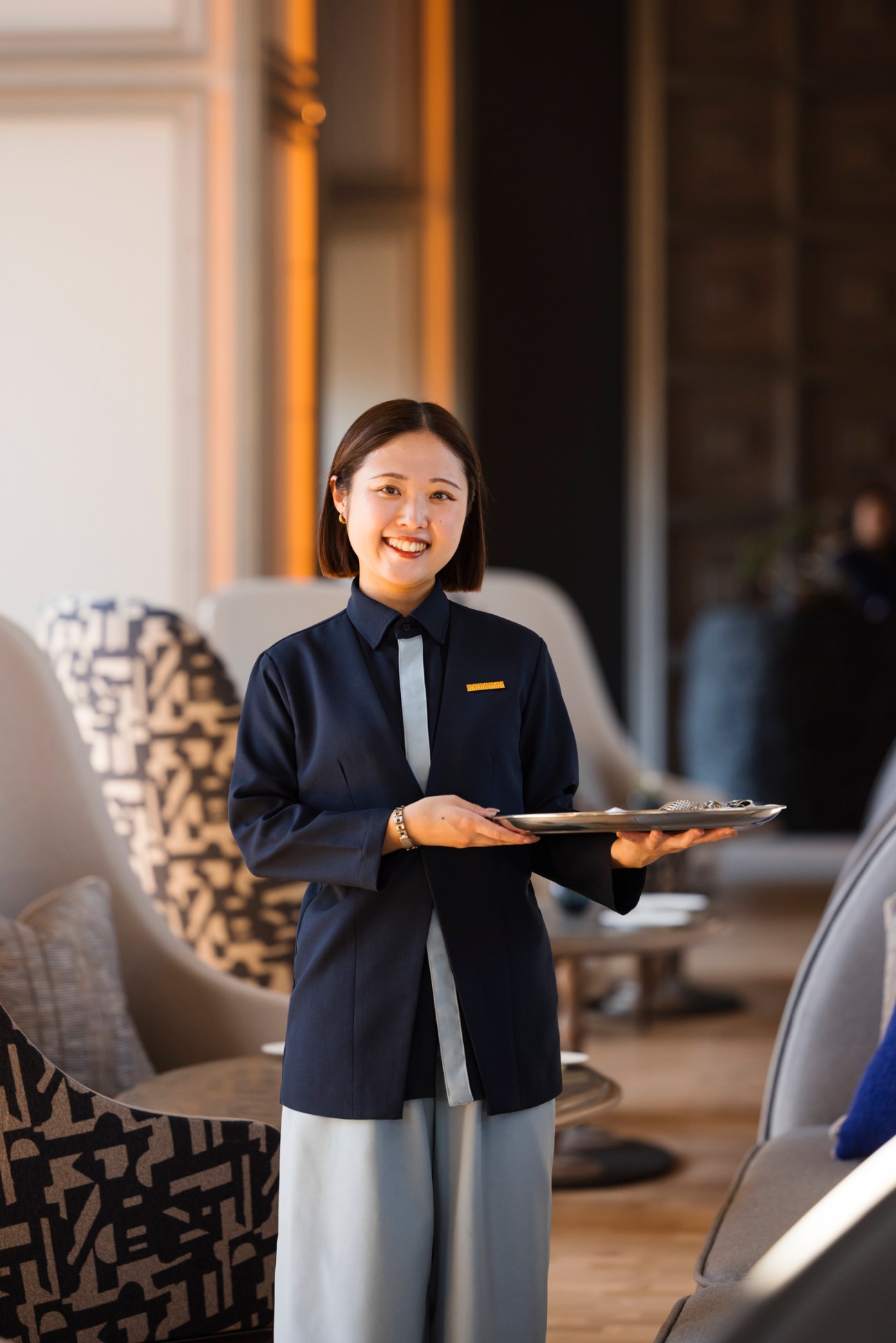
Jean-Michel Gathy, a regular Aman collaborator, led the design alongside his Kuala Lumpur studio. Janu’s rooms showcase Aman’s trademark serenity with neutral palettes, giant bathrooms and sliding doors. The architecture of the whole development maximises what the Japanese call shakkei, or “borrowed scenery”. The nearby Tokyo Tower makes the biggest impact (the Tower View Suite has views from every room) but some less well-known buildings announce themselves too, including the Reiyukai Shakaden Buddhist temple (you can’t miss the sloping roof) and, of course, the luxury shops that populate the development.
Janu takes wellness seriously, with a spa and fitness area that sprawls across four floors. The pool boasts a width that most hotels can’t accommodate, while the athlete-level gym features a full-size boxing ring, as well as seven treatment rooms and five movement studios. The hotel – which also has two boutiques selling skincare, homeware and own-label casualwear – is one of the finishing touches to Azabudai Hills. Once the last of the shops opens and the greenery sprouts, the vision will come to life.
janu.com
Inventory: Tech corner
Switched on
Global
Upgrades and iterations from digital cameras to tracking tags make up this month’s round-up.
1.
X100VI digital camera
Fujifilm
The latest camera from Fujifilm is the successor to the popular X100V. The new model retains the X100V’s gorgeous design and fixed lens but upgrades the sensor to 40.2 megapixels.
fujifilm.com

2.
Ultra Open Earbuds
Bose
These in-ears from Bose are built so that you can hear the world around you as well as your music. The design clips around the ear, like an ear cuff, but feels secure. And an auto-volume feature compensates if your surroundings suddenly become noisy.
bose.com

3.
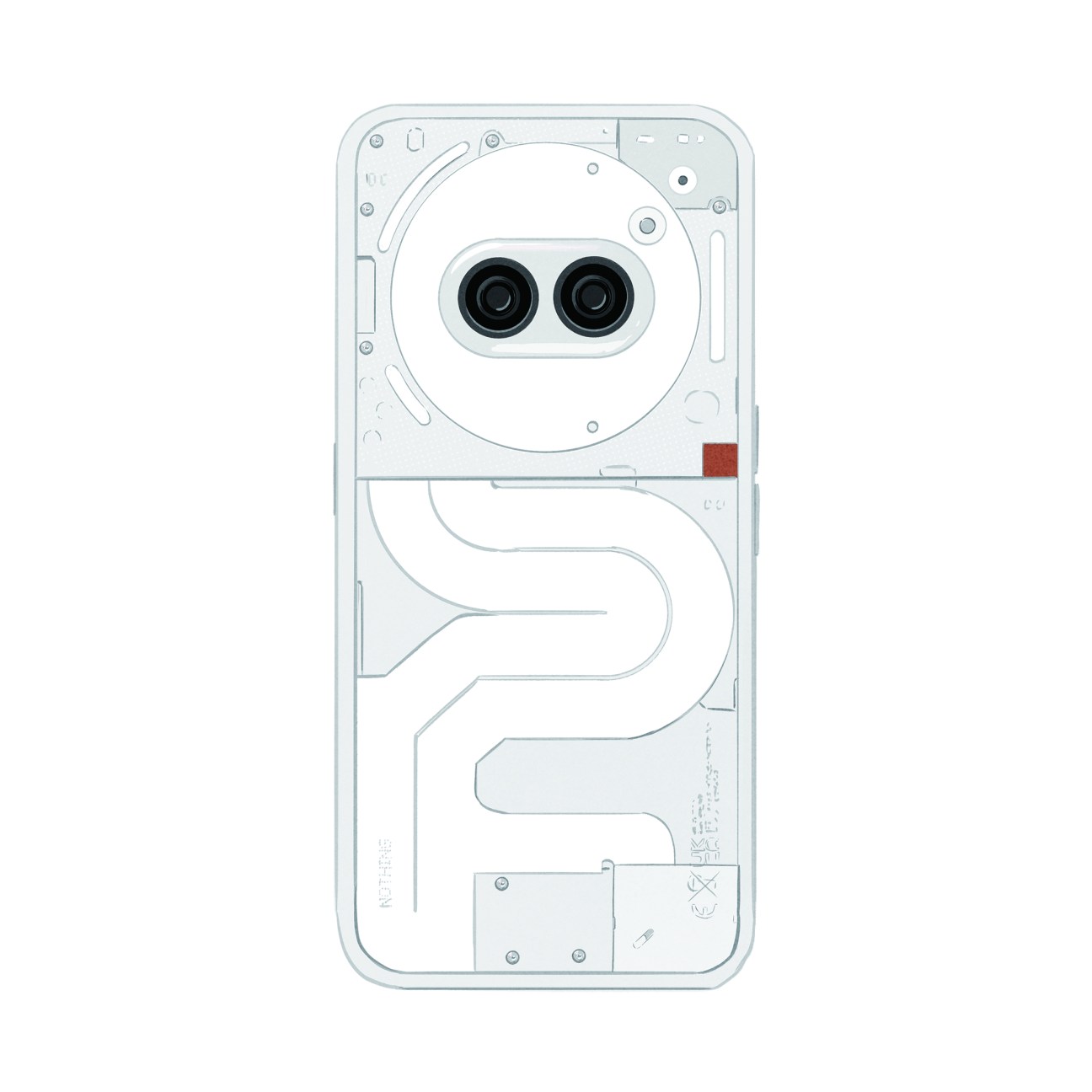
Phone (2a)
Nothing
The latest smartphone from Nothing is priced competitively and, while the design is arguably Nothing’s best yet, there are compromises. The back is polycarbonate rather than glass, for example, though that does make it light. The twin rear cameras perched like eyes look cool too.
nothing.tech
4.
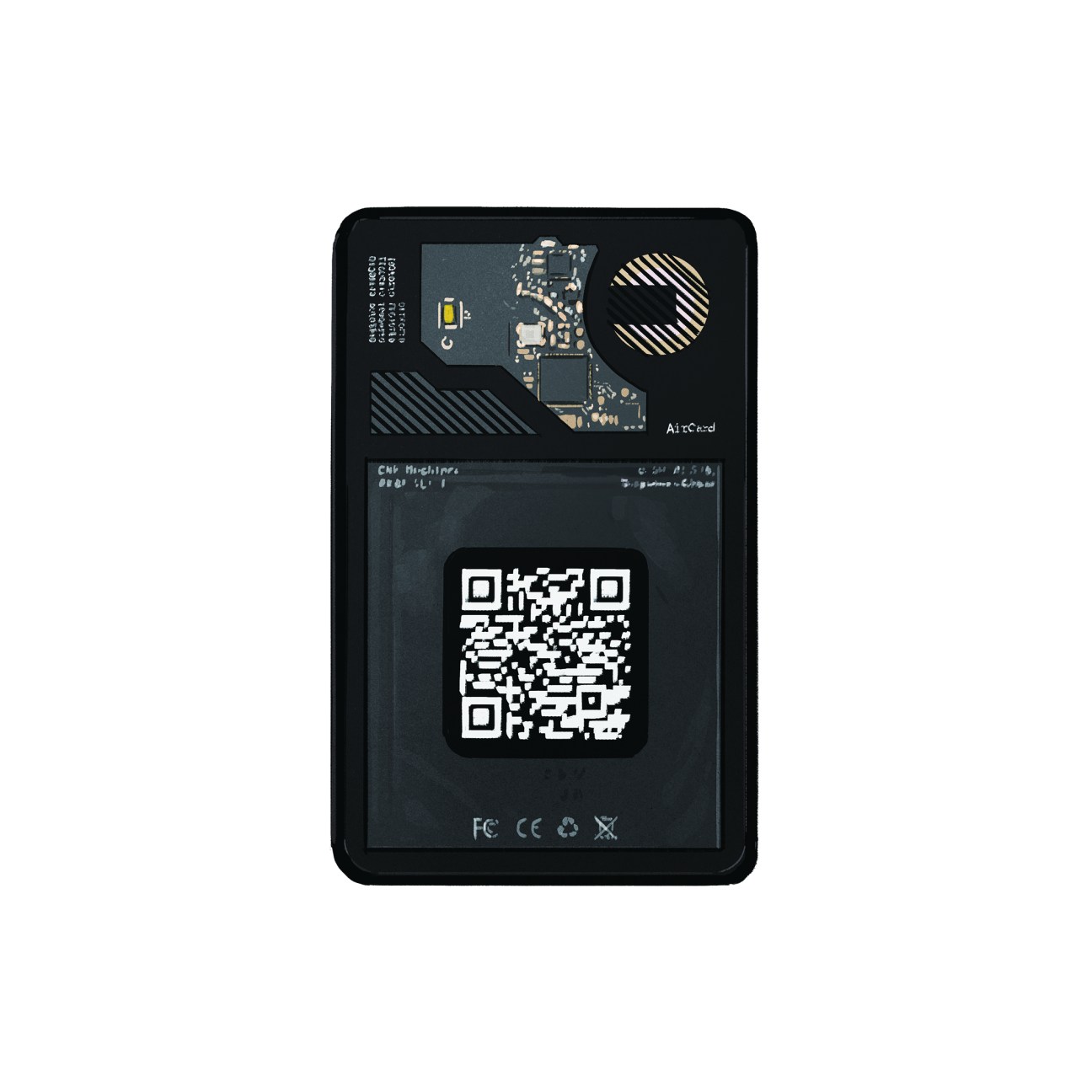
AirCard
Rolling Square
The Swiss-designed AirCard fits in a wallet and works with Apple Find My. If you lose your wallet, the gadget will send a message to any passing Apple device on to your iPhone.
rollingsquare.com
Read next: The Monocle City Guide to Tokyo, featuring the best hotels, restaurants and retail spots in the Japanese capital
The pieces putting a spring in our step this season
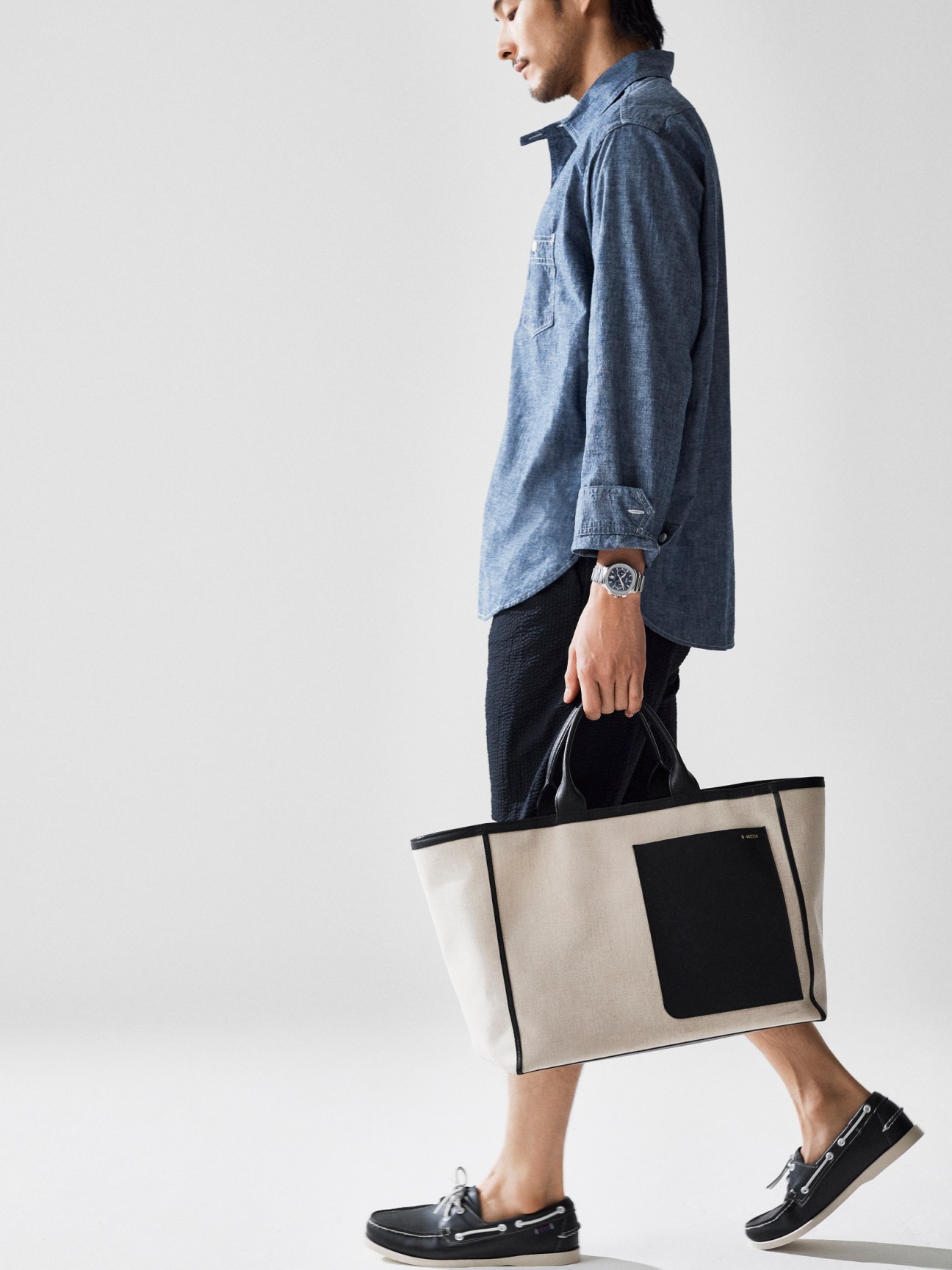


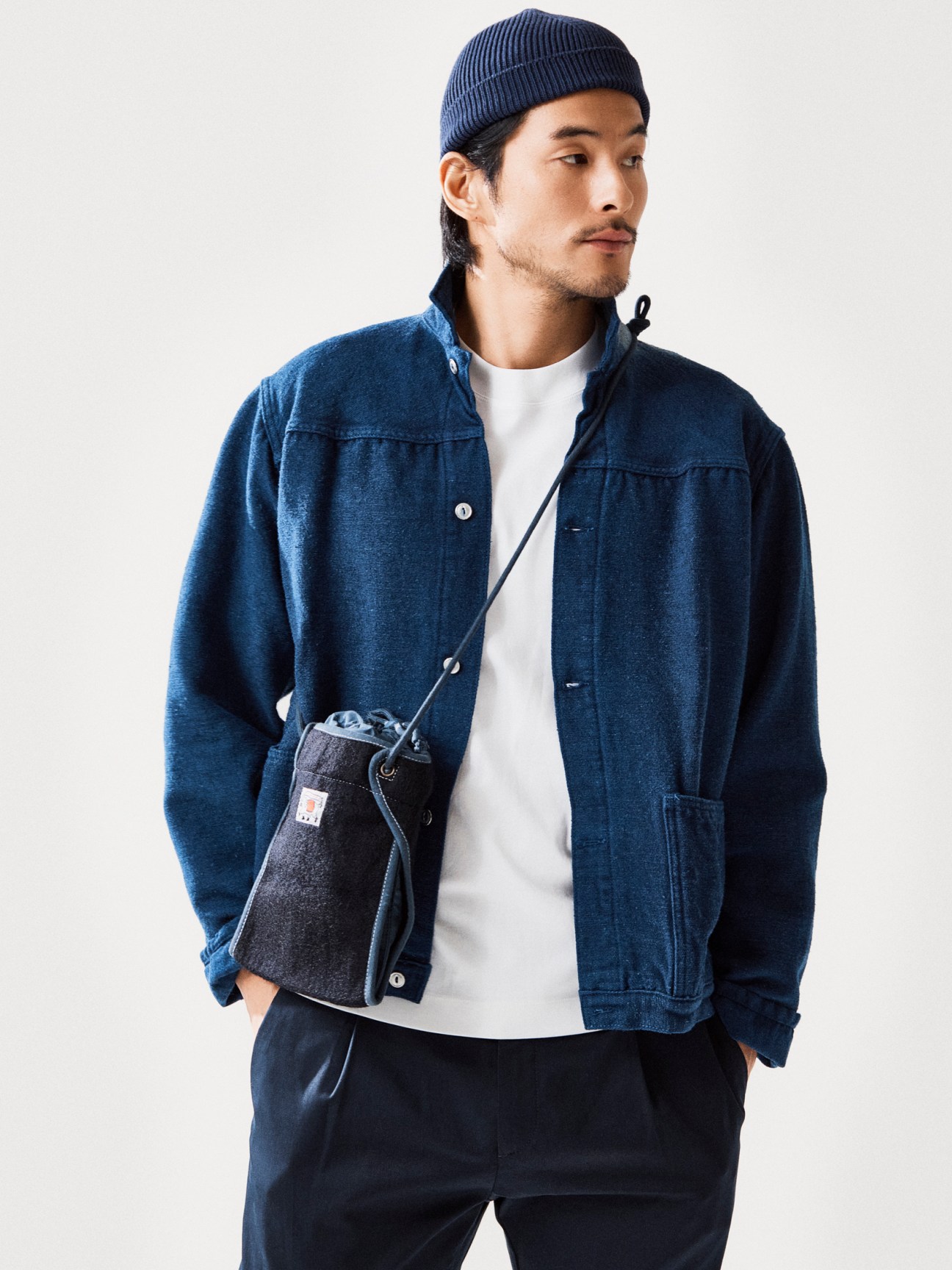
glasses by Thierry Lasry, bag by Puebco from Couverture & The Garbstore
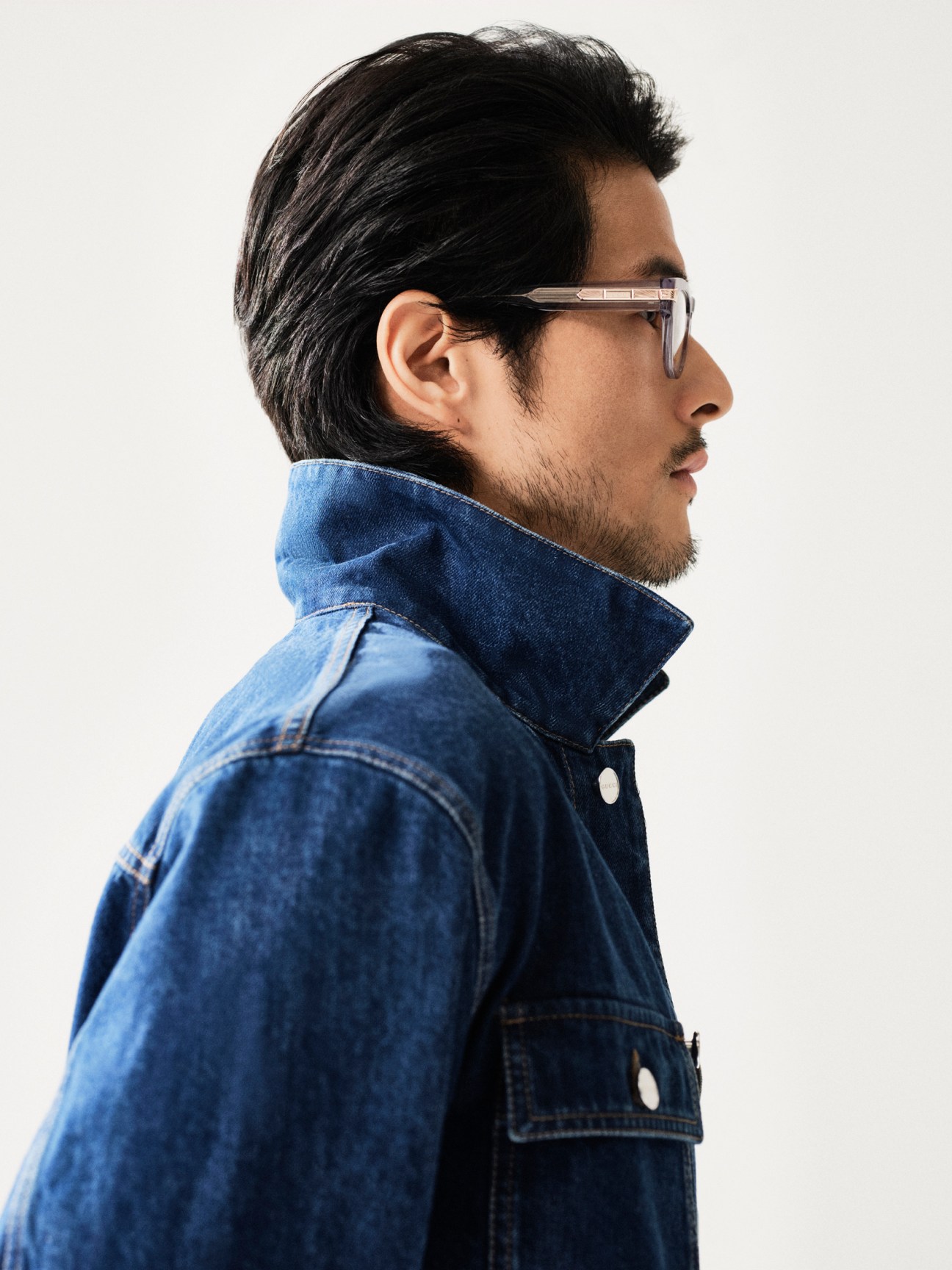
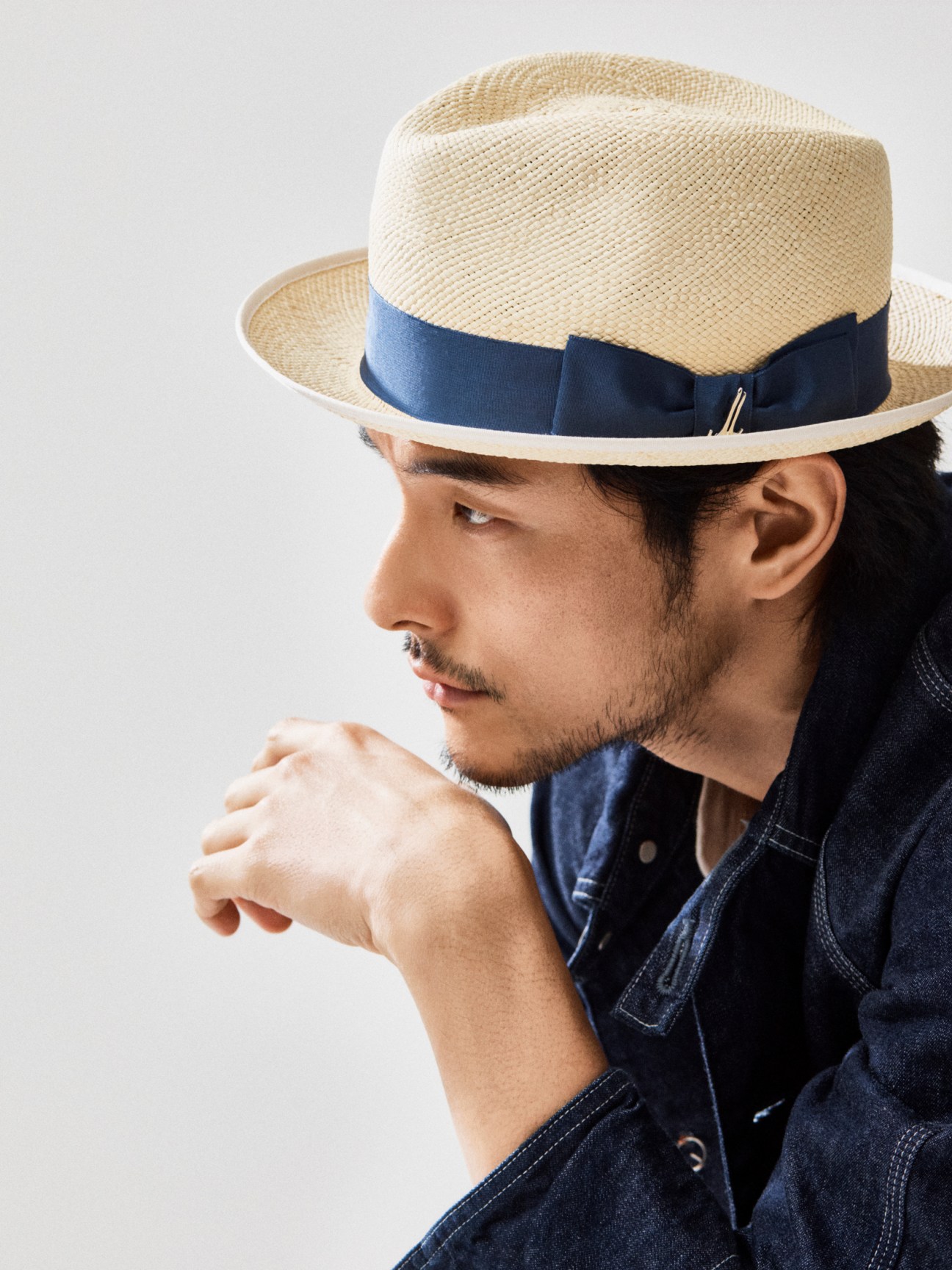
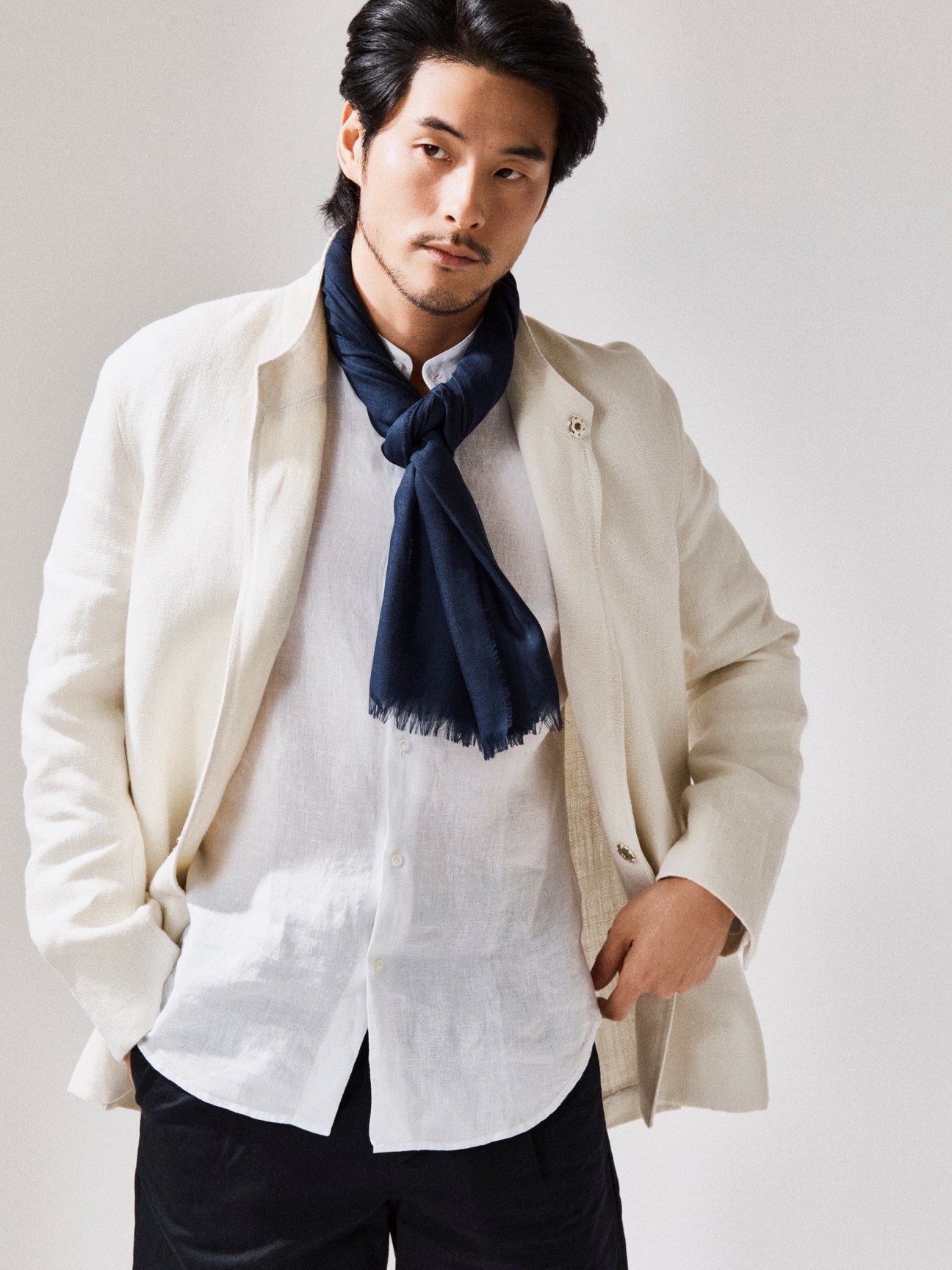
scarf by Begg x Co
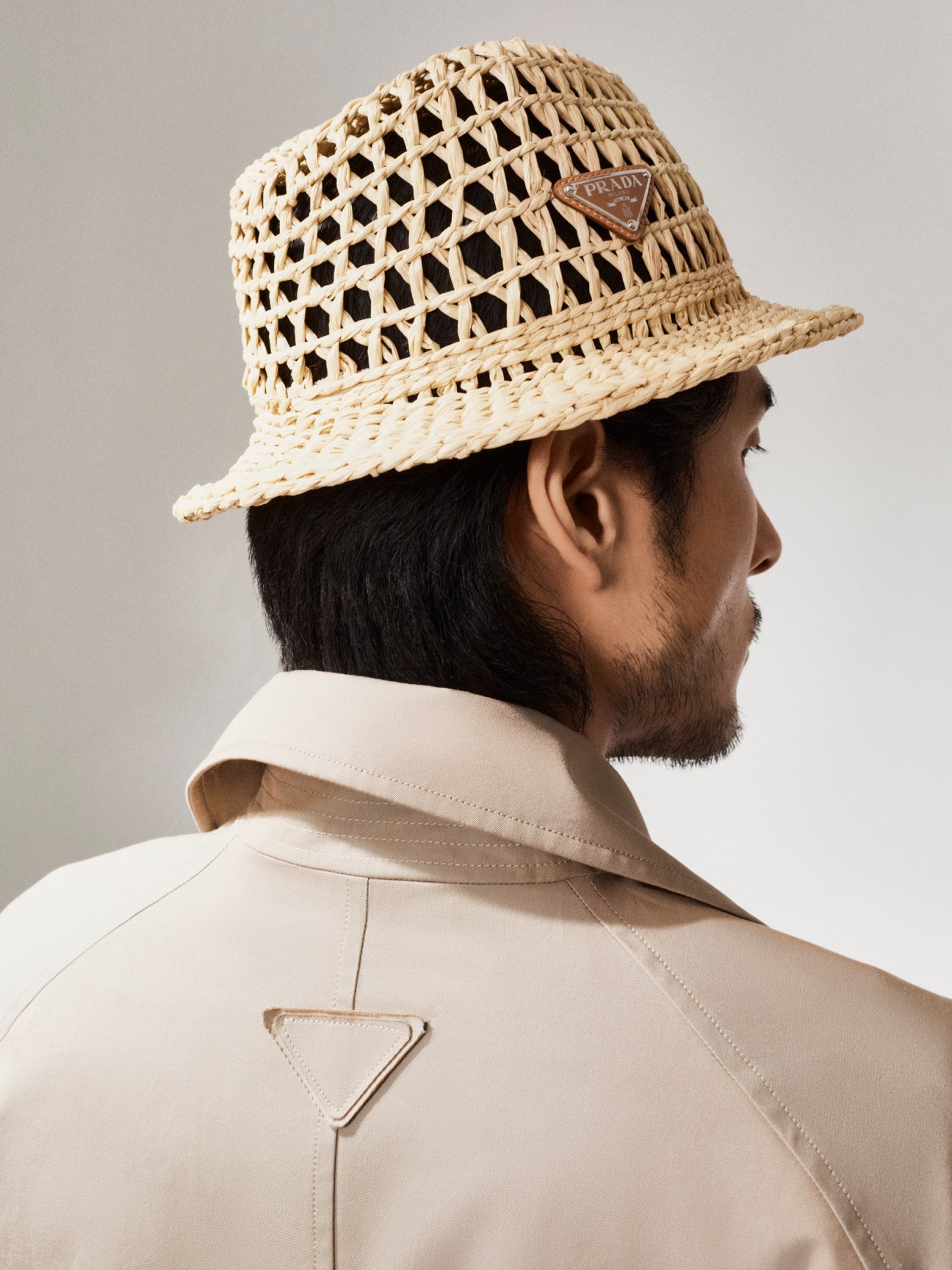

Audemars Piguet Selfwinding watch by Audemars Piguet
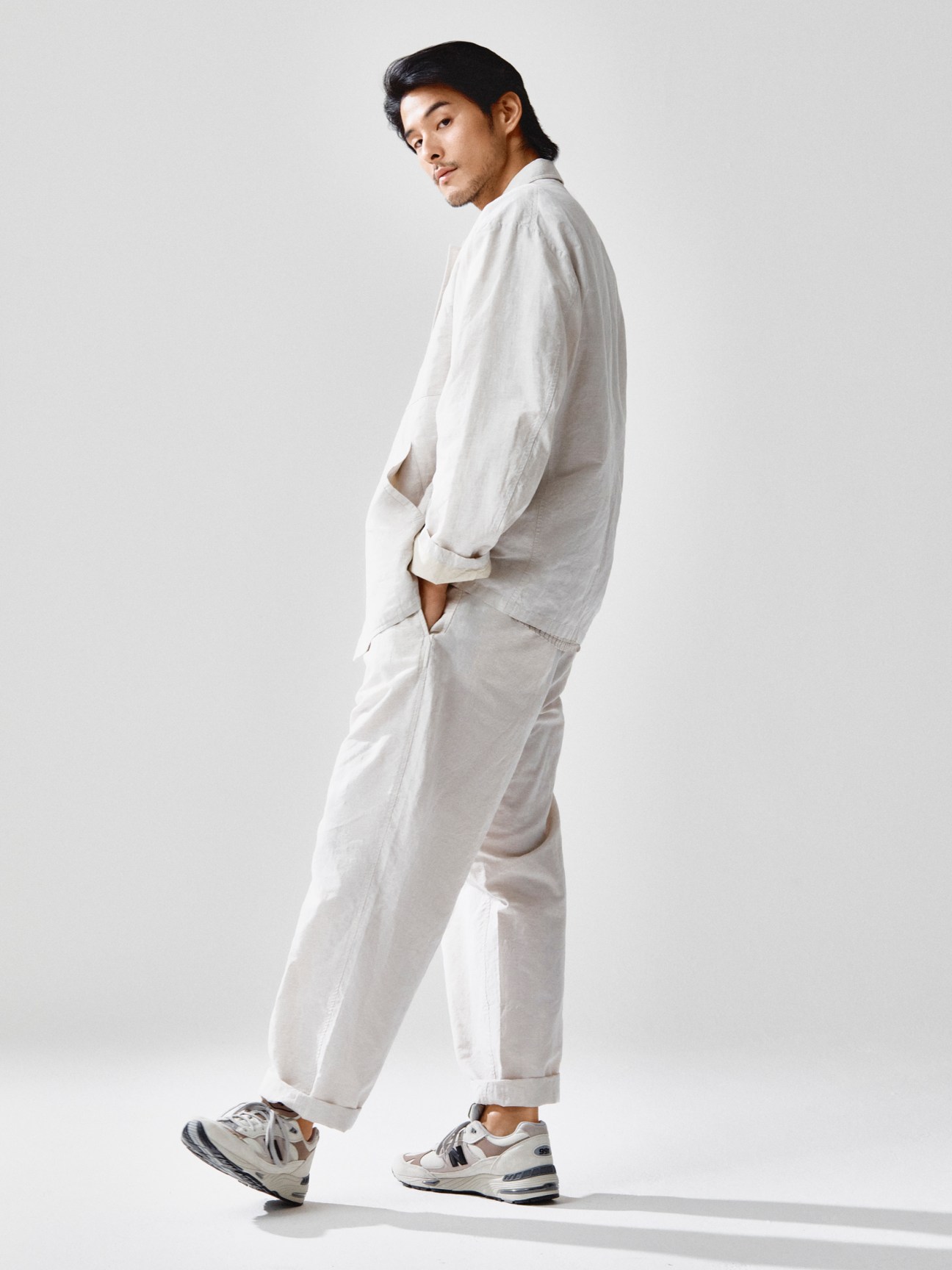
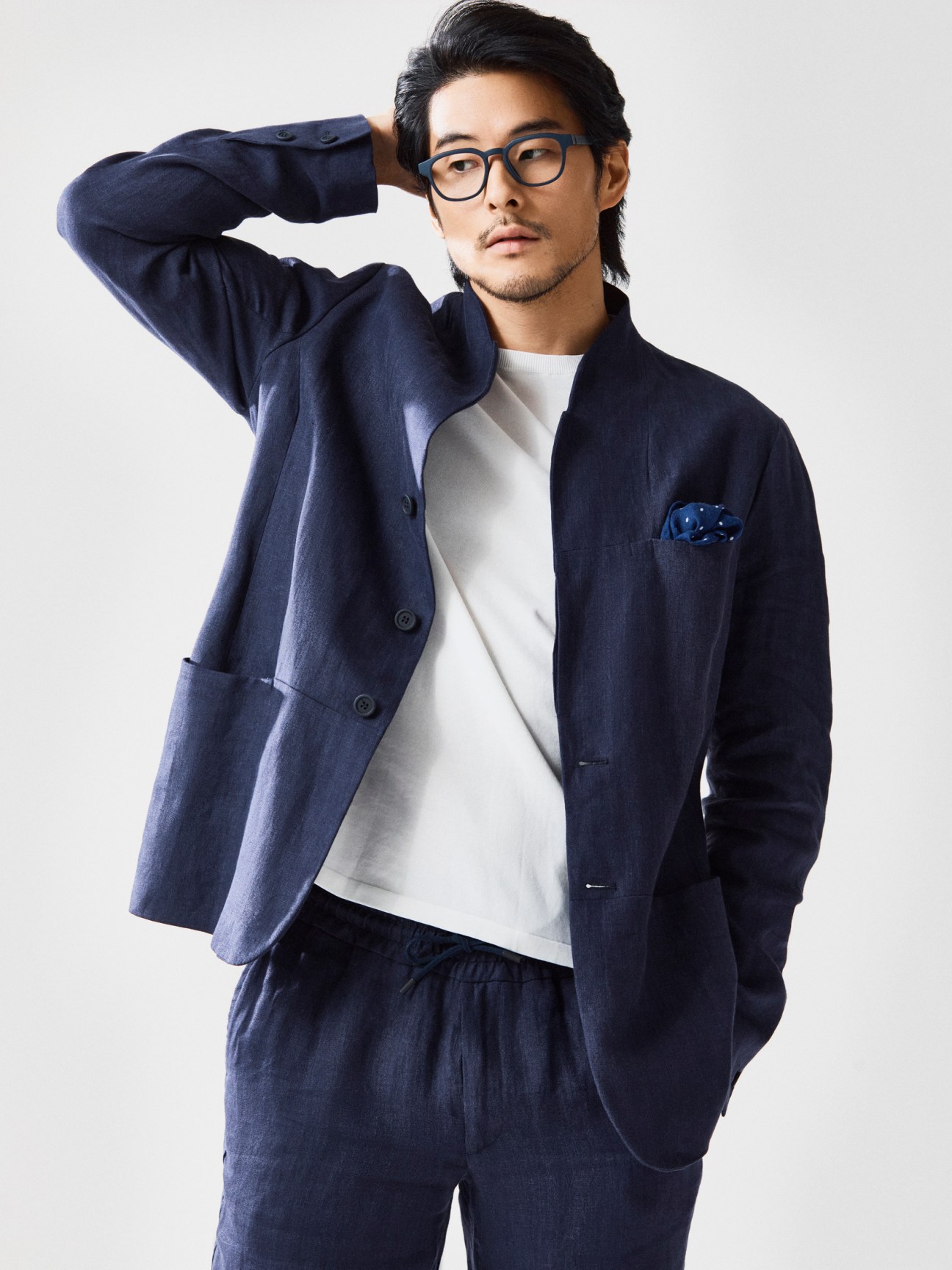
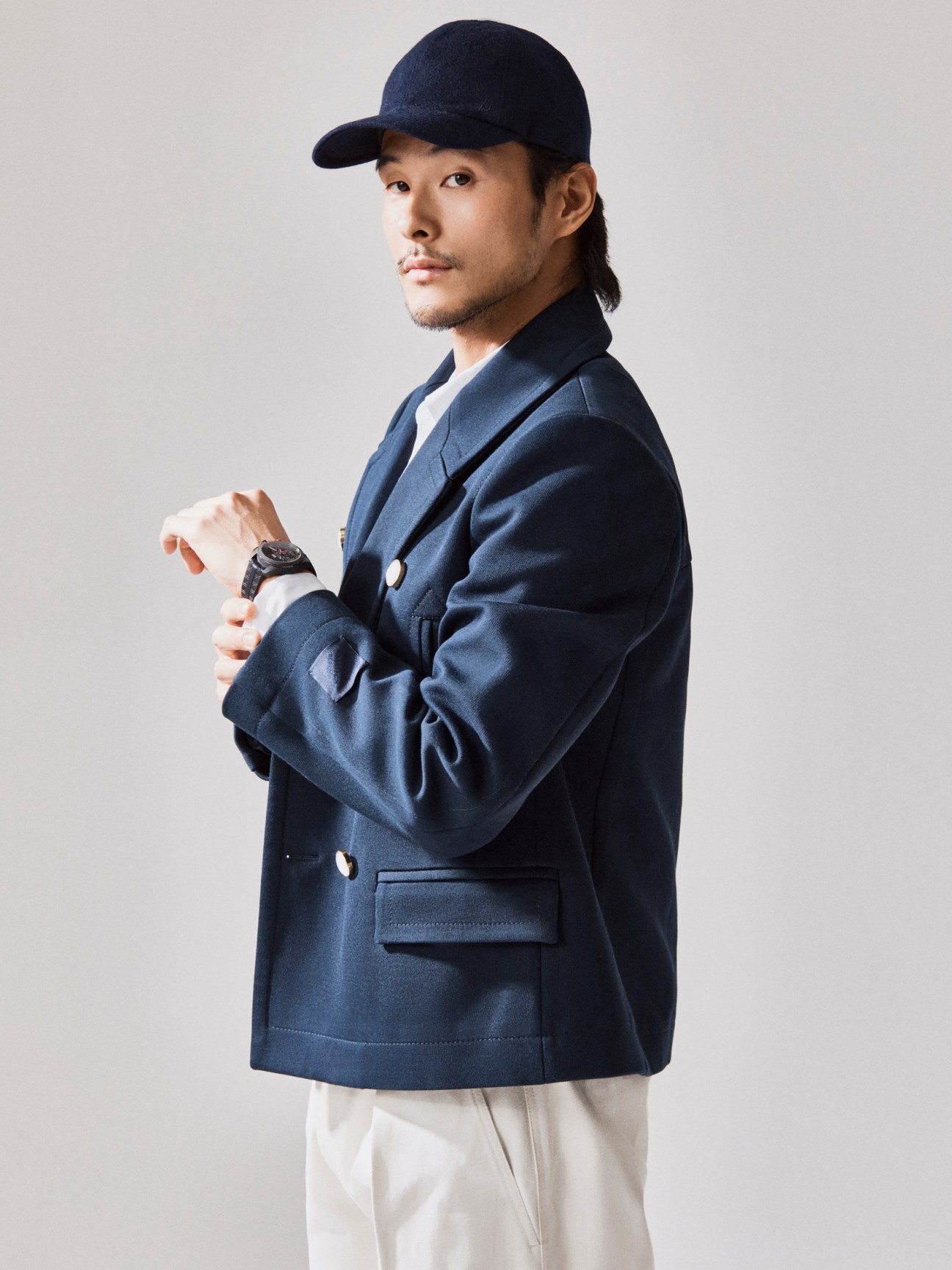
Mykita, scarf by Begg x Co
A bustling Japanese market that offers a luxury shopping experience
May 2024
Inventory
A monthly round-up of all you need
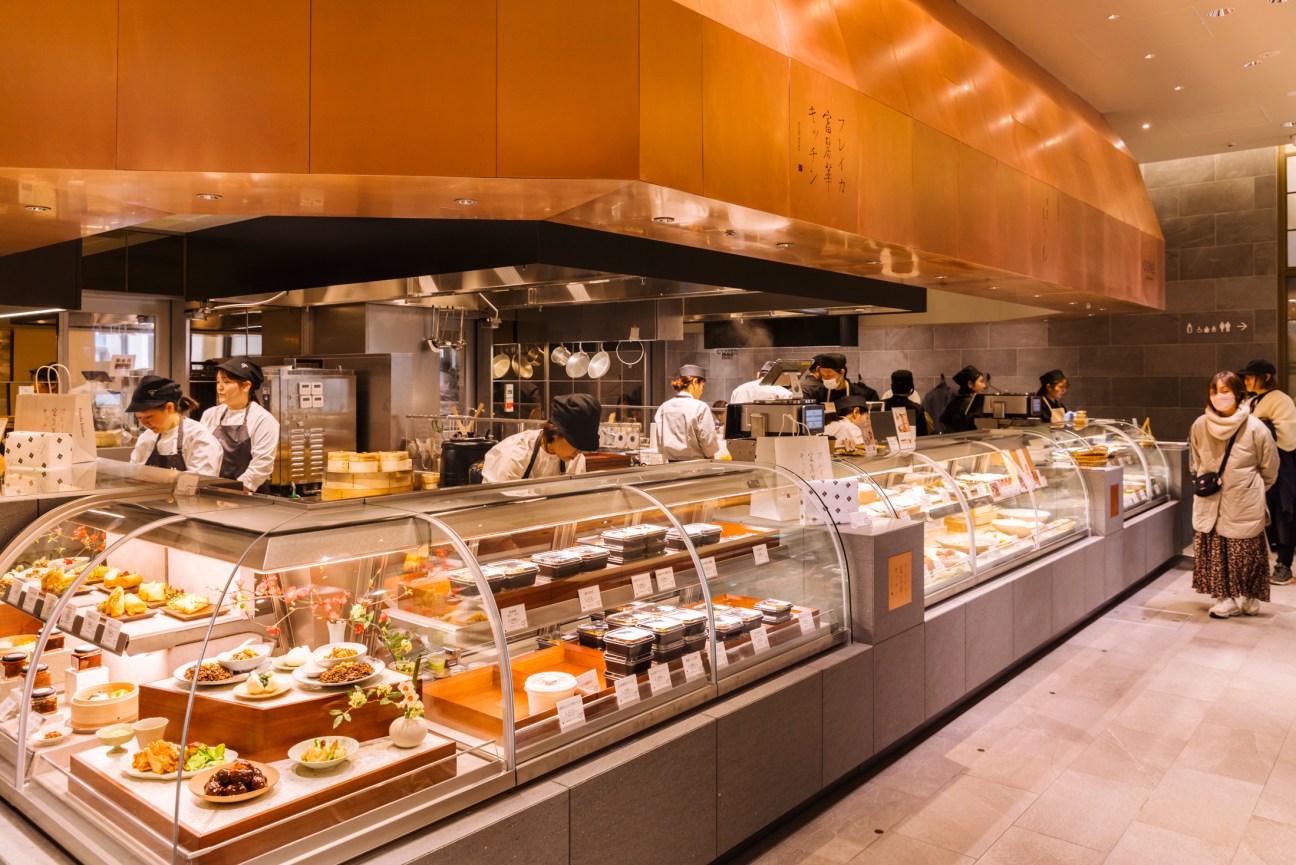
That food in Japan is outstanding is hardly news but what really separates the average meal in Tokyo from other big cities is often the quality of the ingredients. From grapes wrapped in muslin on the vine to freshly caught fish handled with the gentlest touch, Japanese producers are on another level. And what if the humble shopper wanted to get their hands on such produce? One new food market in Tokyo is offering just that and more under one roof. This is no regular supermarket – and is priced accordingly – but it’s a fascinating stop for anyone wanting to get to the heart of why the best Japanese food is so good. Even the sushi counter here, Sushi Saito, is a Michelin-starred operation.
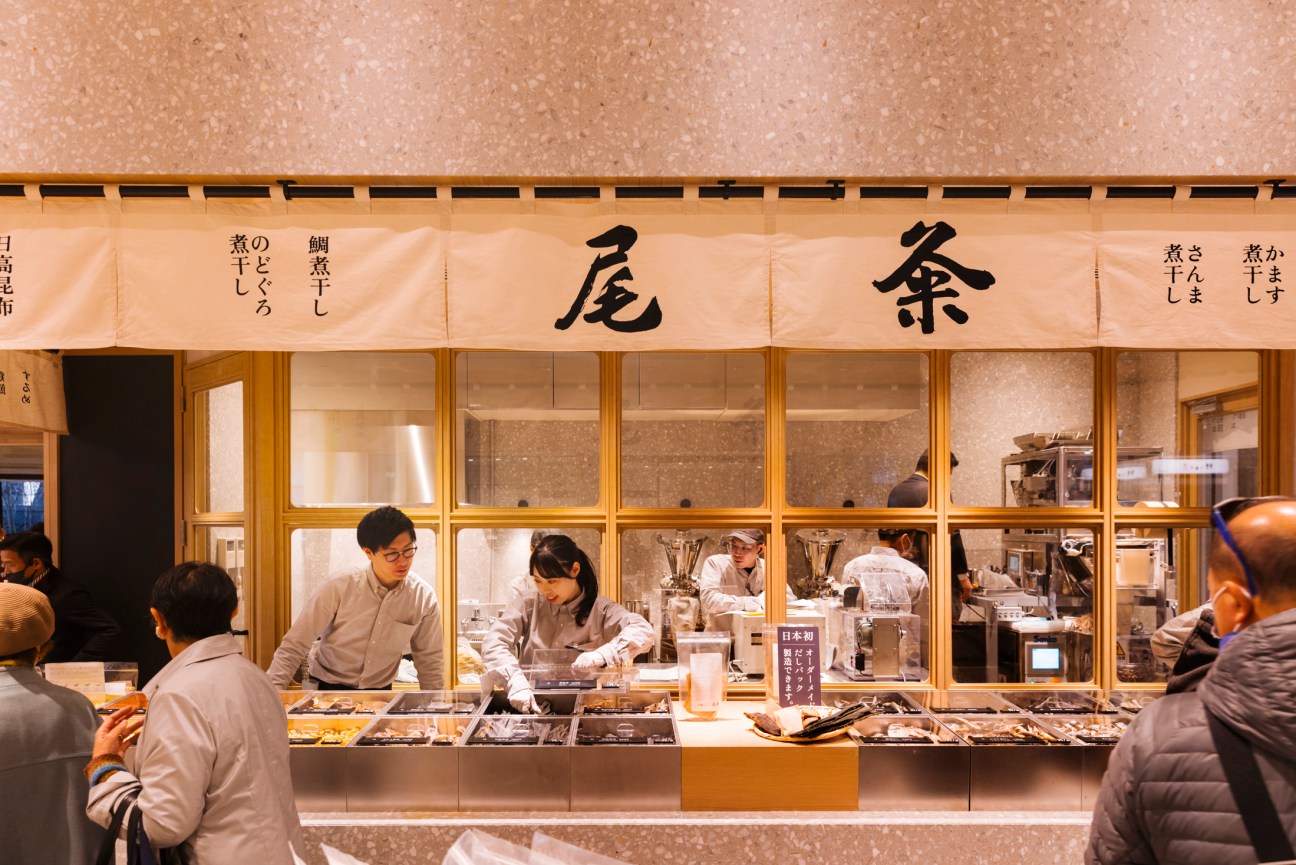
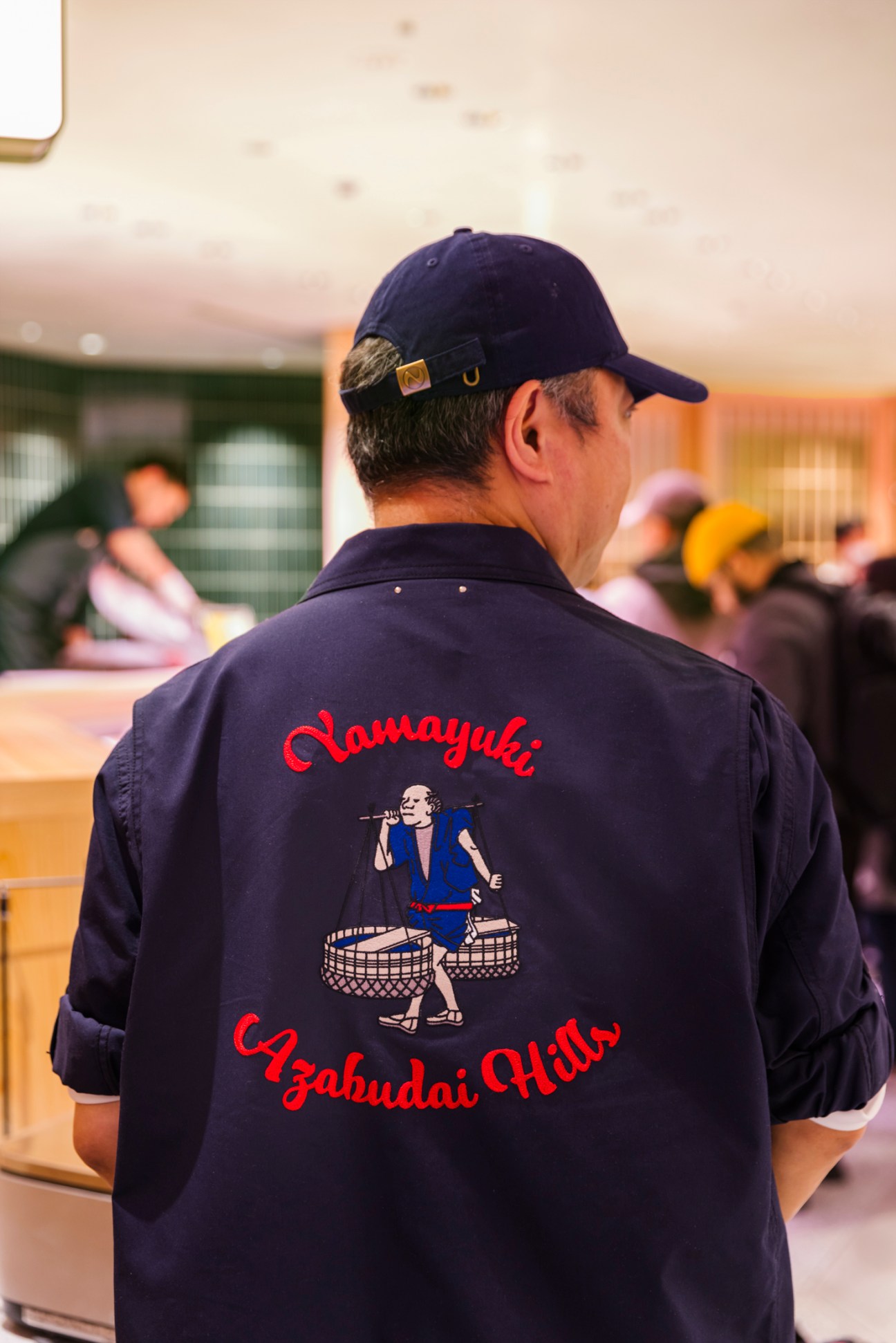
The Azabudai Hills Market – part of Mori Building’s giant new development – covers 4,000 sq m and 34 speciality shops. “We have had lots of experience with restaurant tenants but we had never done food retail,” says Masanori Tsukamoto, who developed the market with his colleague Takashi Ohgaki. “When we thought about how to do really good food retail, it was all about high-quality products,” says Tsukamoto. “We realised that great restaurants had access to the best produce so we talked to the ones we worked with about where they were getting their produce from. Sushi restaurant Saito told us that it was getting its fish from [seafood wholesaler] Yamayuki. We felt that it would be innovative if businesses that were only doing B2B became available B2C.”
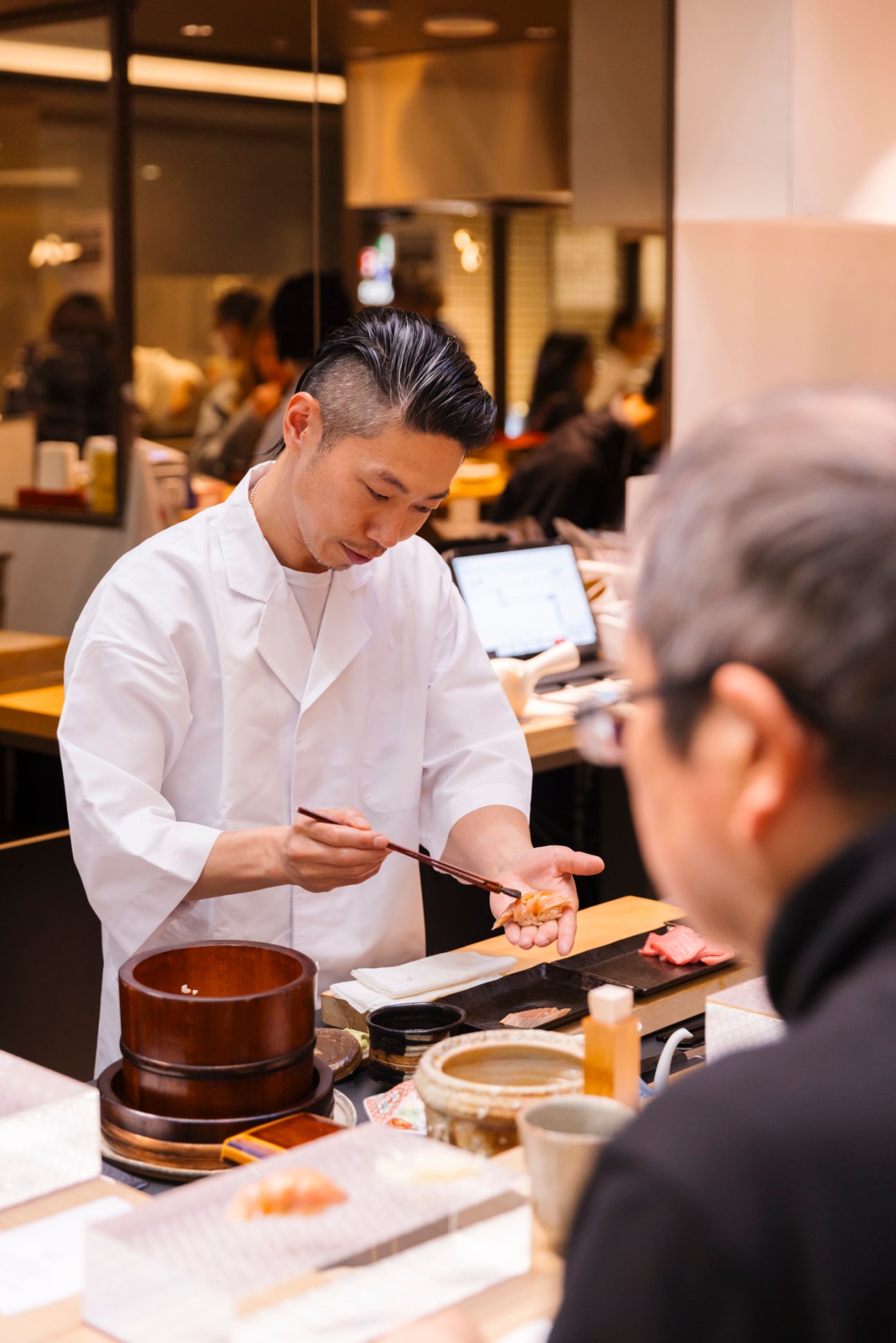
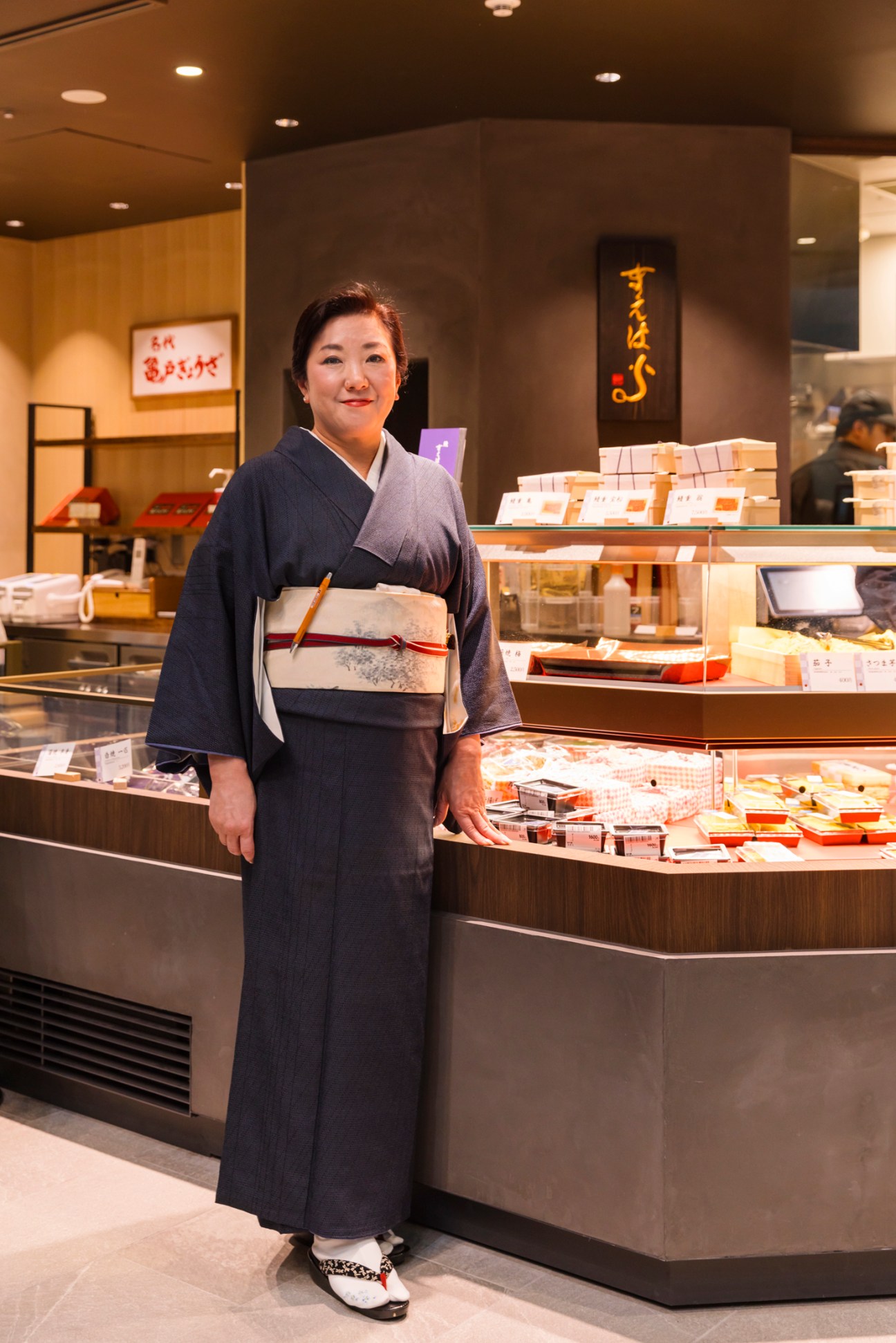
“We wanted to showcase the richness of Japanese food culture, so we selected retailers of the highest quality for each category,” Ohgaki tells Monocle. “And to show the variety of Japanese cuisine, not just sushi and tempura but also home cooking, from potato salad to karaage.” Hiyama butchers’ shop has been based in Ningyocho – a quaint Tokyo neighbourhood – for more than 100 years. The Hiyama buyers favour Yonezawa wagyu from Yamagata, marbled with just the right amount of fat; the thinnest slices need only be licked by a flame and they’re good to go. Tsukiji Toritoh is another traditional wholesaler founded in 1907 on the fringes of Tsukuiji fish market; this is where the best yakitori restaurants are sourcing their birds – and now you can too.
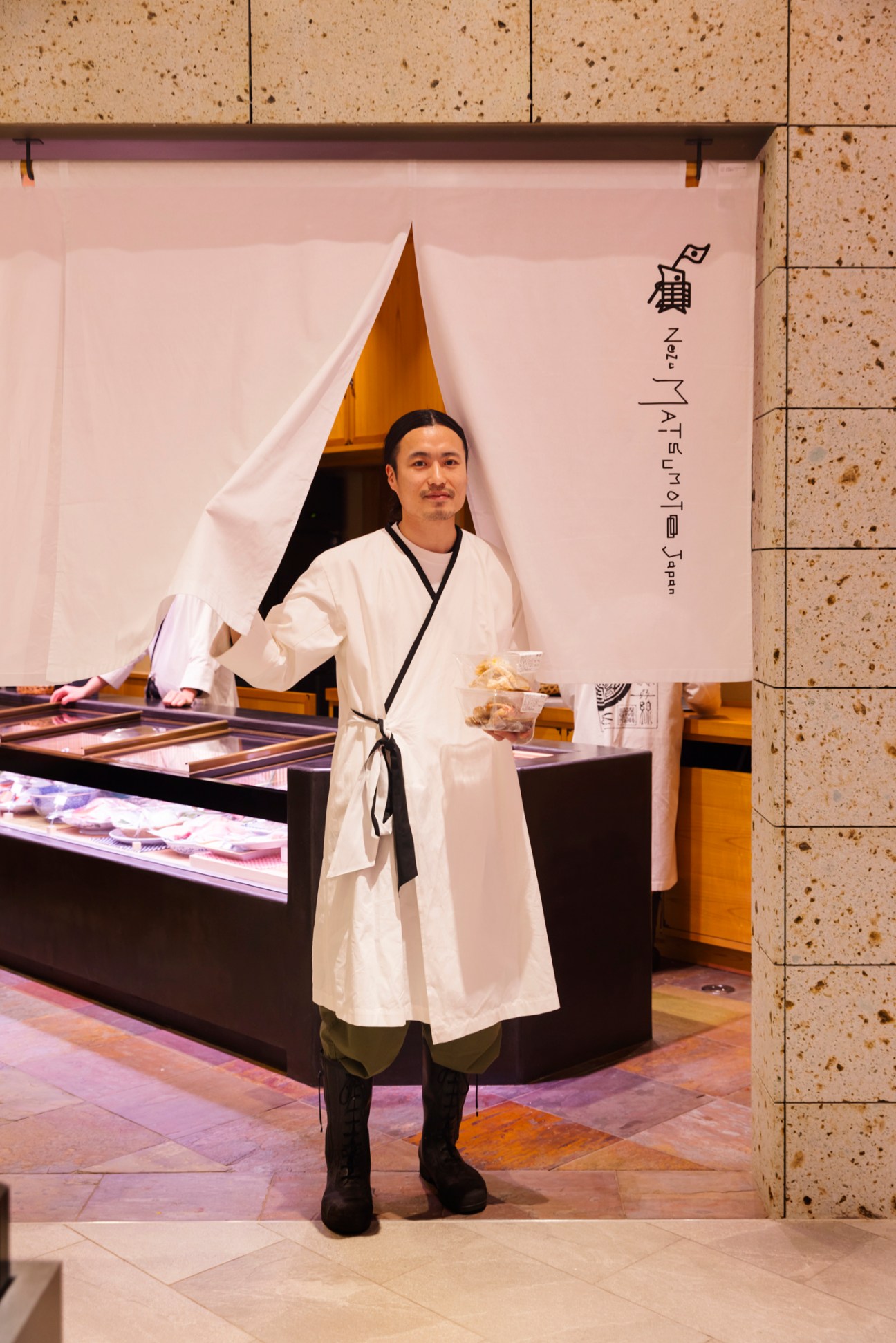
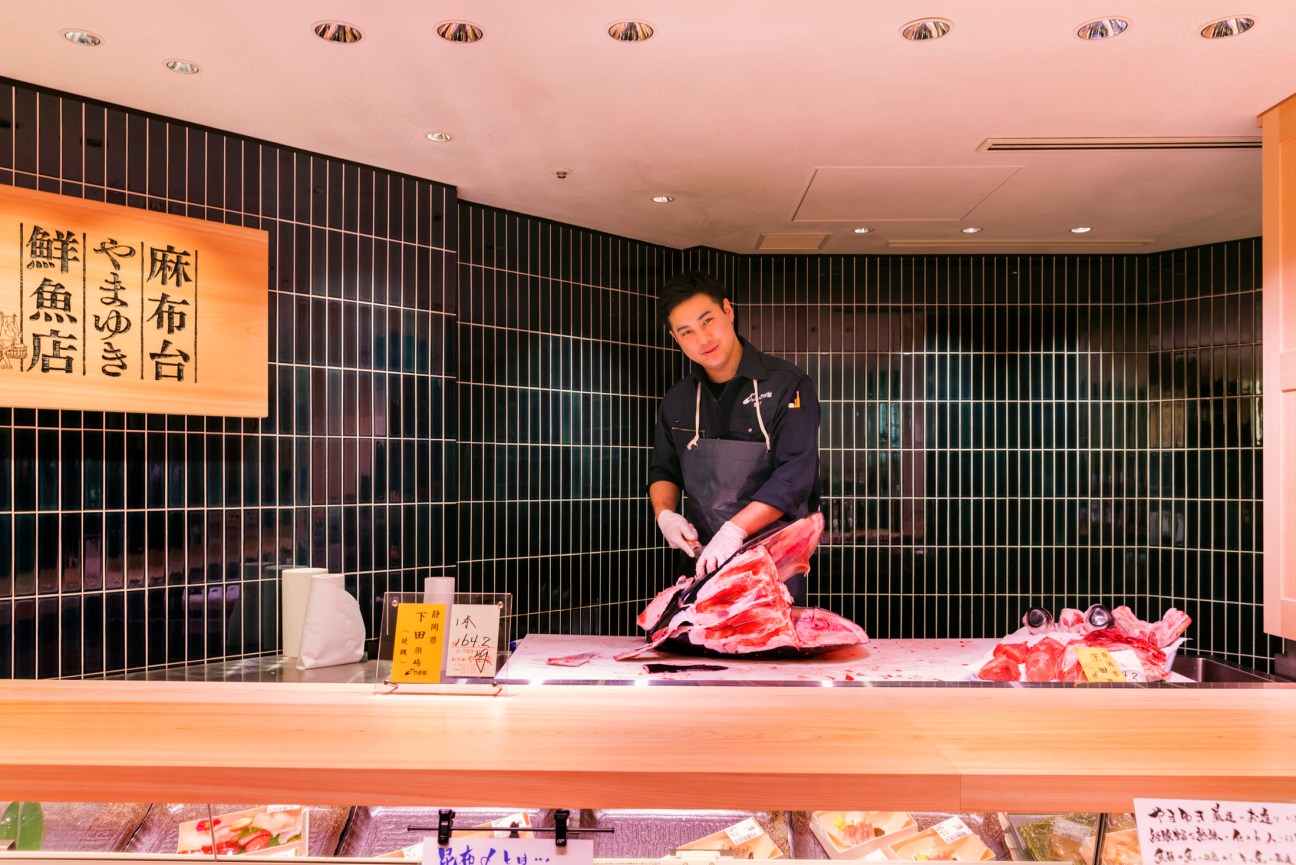
For fish, the team has netted top-drawer fishmongers Nezu Matsumoto and Yamayuki, which supplies many of the best restaurants in Tokyo. “I’ve been selling fish for 40 years but once I hit 60, I wanted to explore food education,” says Yukitaka Yamaguchi, owner of Yamayuki. “It’s difficult to find an [marine] environment like Japan anywhere else. I want to show what’s out there. I don’t think farming is bad but I want people to know the natural taste of real, wild fish.” By working face to face with customers, Yamaguchi can also give advice. “We get to say, ‘It’s delicious if you eat it this way’”, he adds. One of the staff is skilfully cutting a 164kg tuna caught in Shimoda.
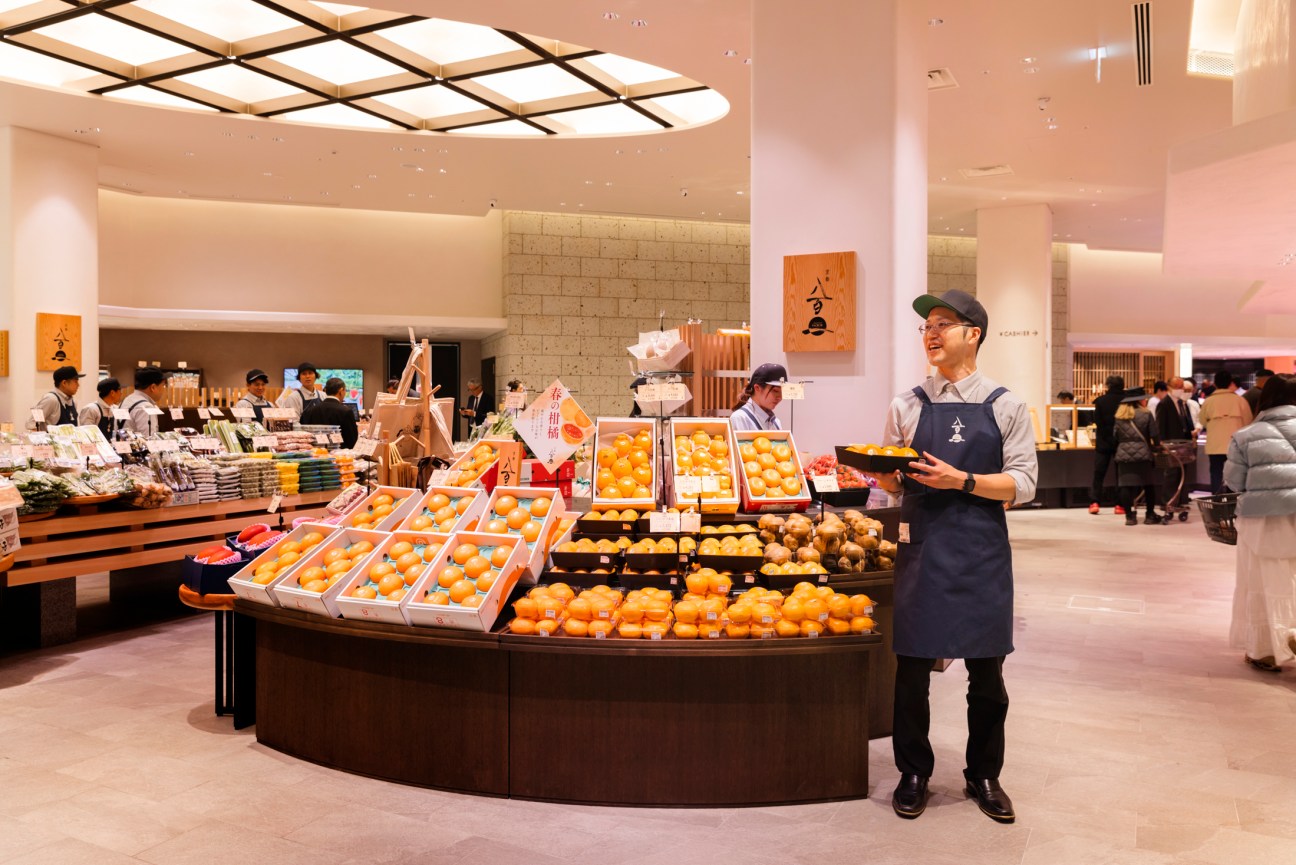
For fresh fruit and vegetables, the market has called on Kyoto Yaoichi, a greengrocer, to handle only the best and most in season of produce: bamboo shoots (still covered in soil), the juiciest Japanese strawberries and perfectly ripe mikan citrus. There are also unfurled ferns, fresh wasabi and edible flowers.
This is the place for those ¥50,000 (€300) melons and presentation boxes of uniform Japanese cherries but they also have everyday vegetables – just better versions. Look at the sad, out-of-season produce in the typical urban supermarket and weep.
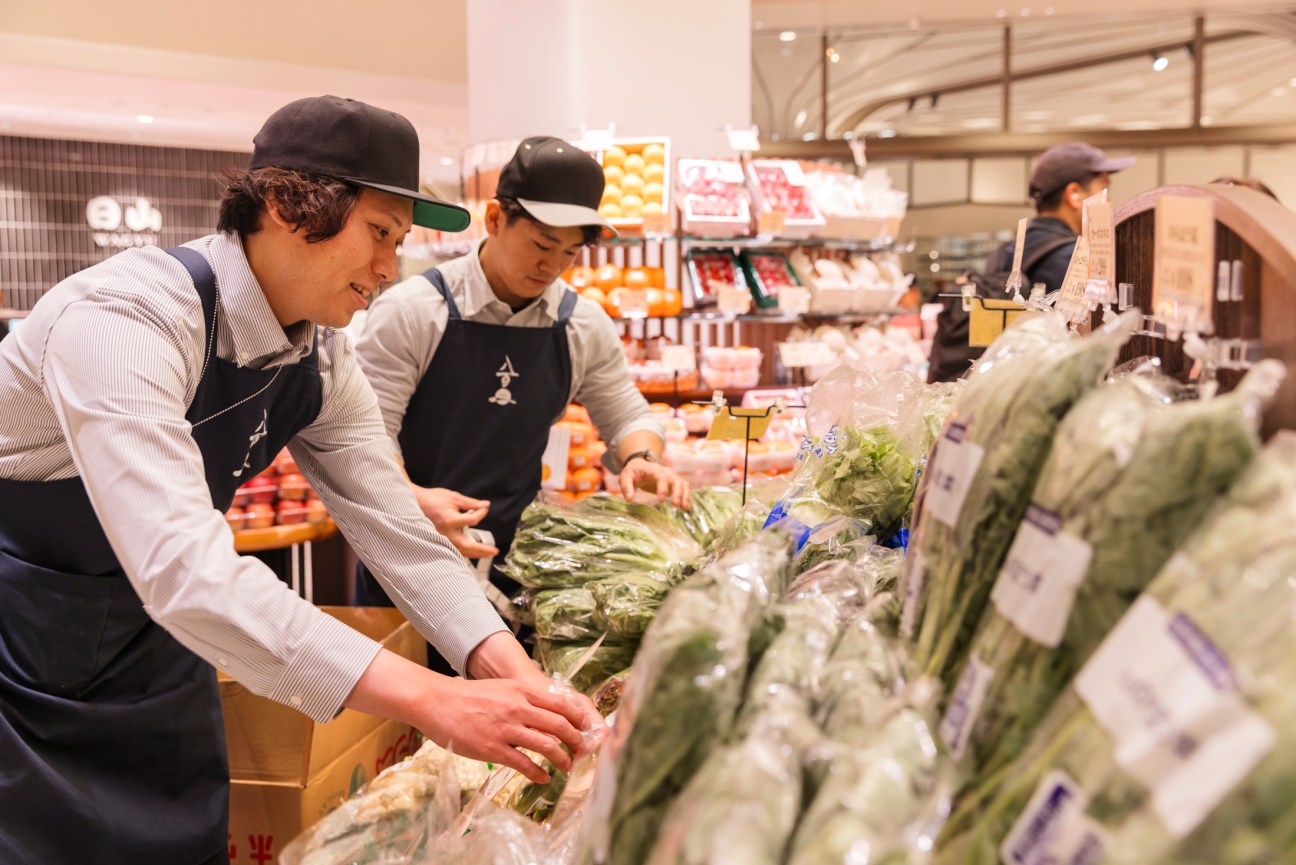
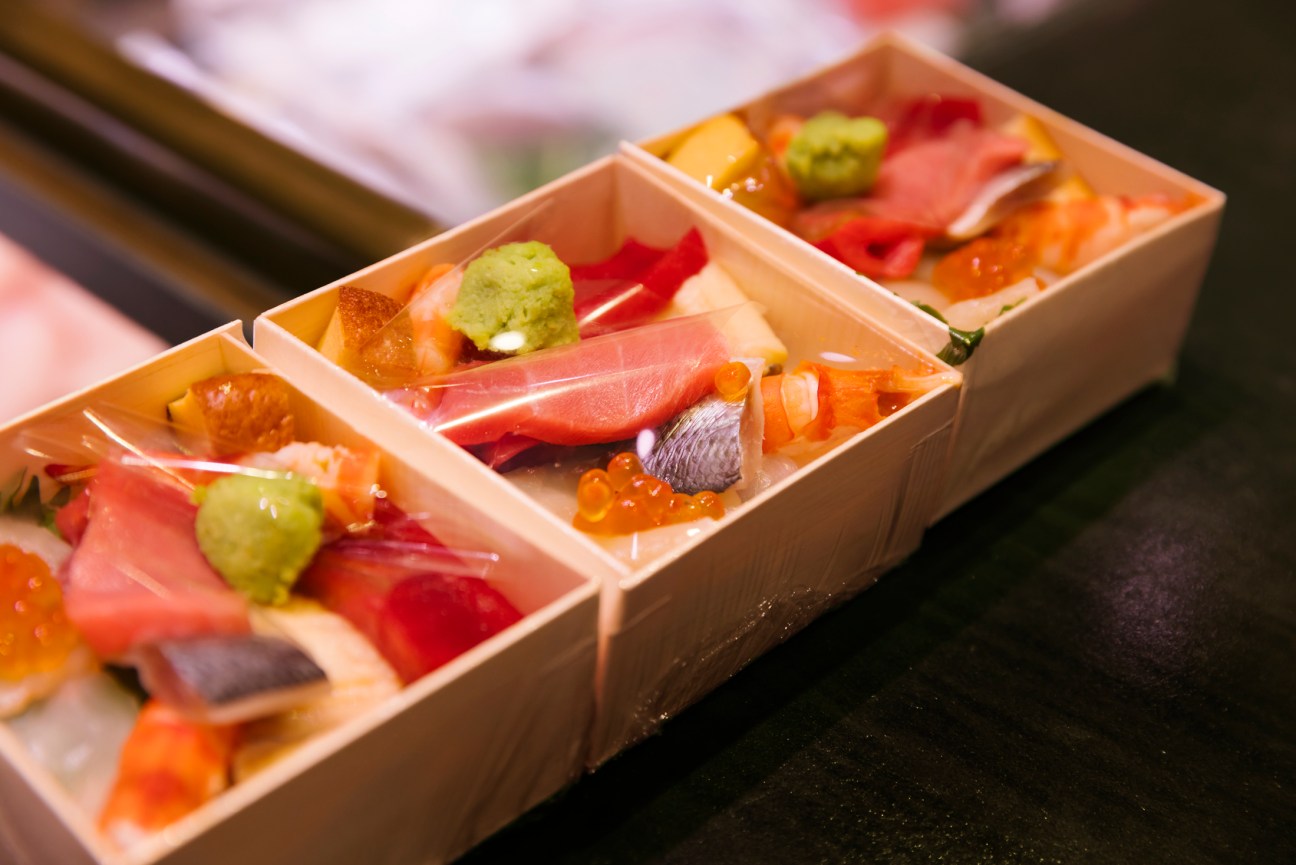

The bread shop, Comme’N Tokyo, whose popular mother shop is in Okusawa in Tokyo, is excellent, though you might never find out. So long are the queues that only the most dedicated will be going home with one of its baguettes or pastel-coloured meringues. The young baker in charge, Shuichi Osawa, was the first Japanese to take home top prize at international bread competition Mondial du Pain. Osawa knows his audience and there are almost 100 varieties on offer. Just don’t be in a hurry.
For pickles, customers will head to Nakaya, which, like so many classic food shops, originated on the outer edges of Tsukiji fish market. Nakaya is based in rural Ibaraki and specialises in vegetables pickled in rice bran. Free from additives, these pickles bear no relation to the wincingly sharp onions in a jar but allow the taste of the vegetable to shine through. For dashi stock – made from bonito and the basis of so much Japanese cooking – the amateur chef can go to Okume Shoten, which has been selling seafood since 1871. Customers can select their own dashi. For miso, look no further than Tokyo favourite Sano.
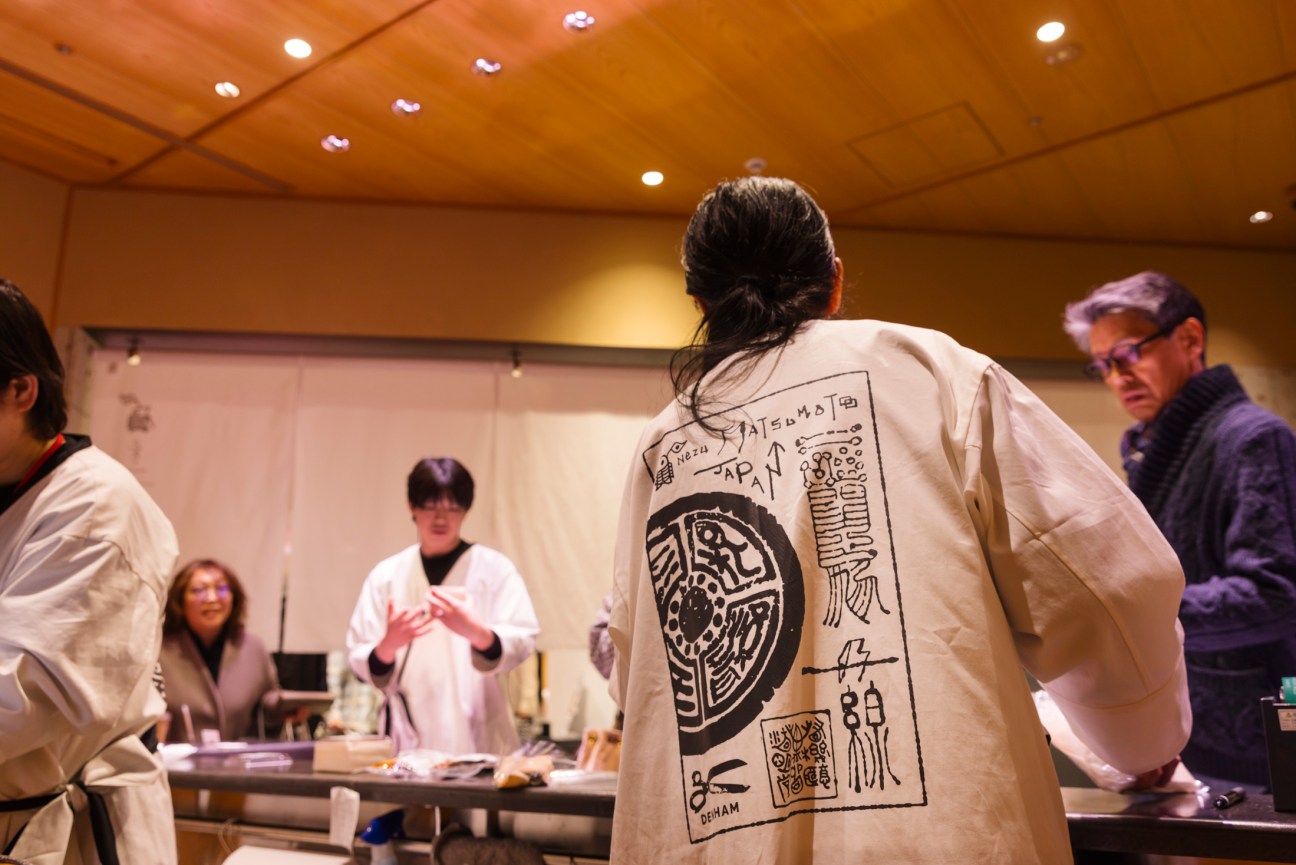
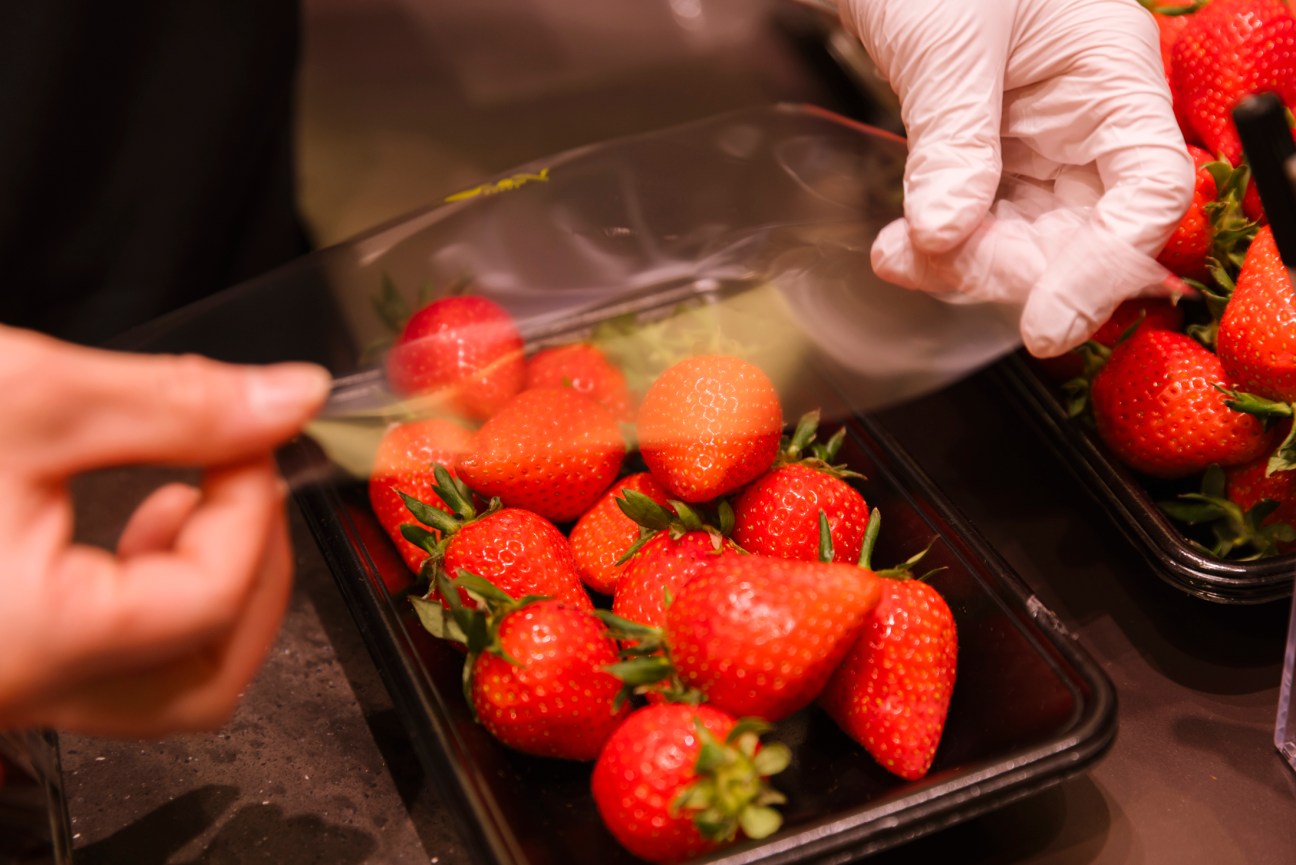
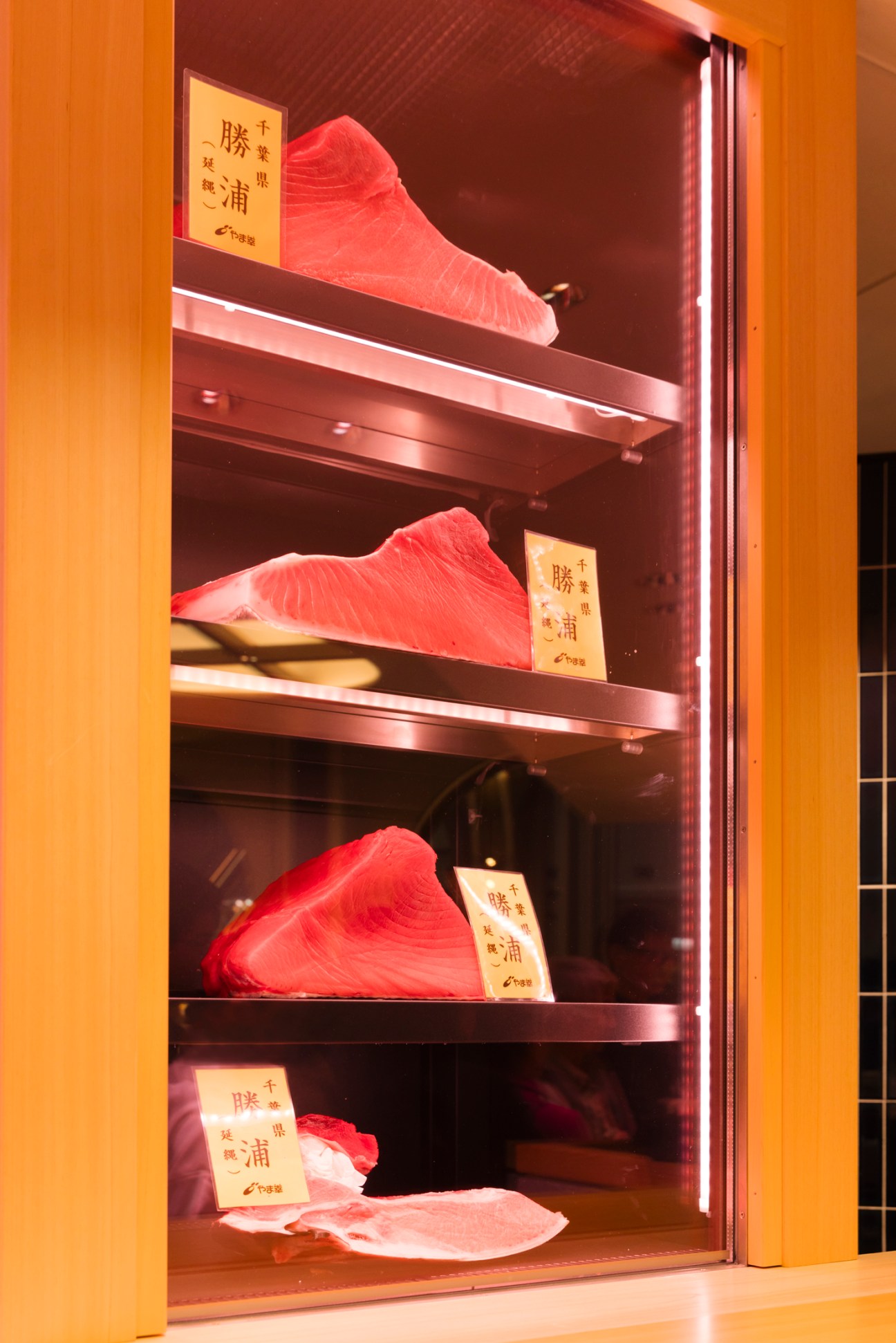

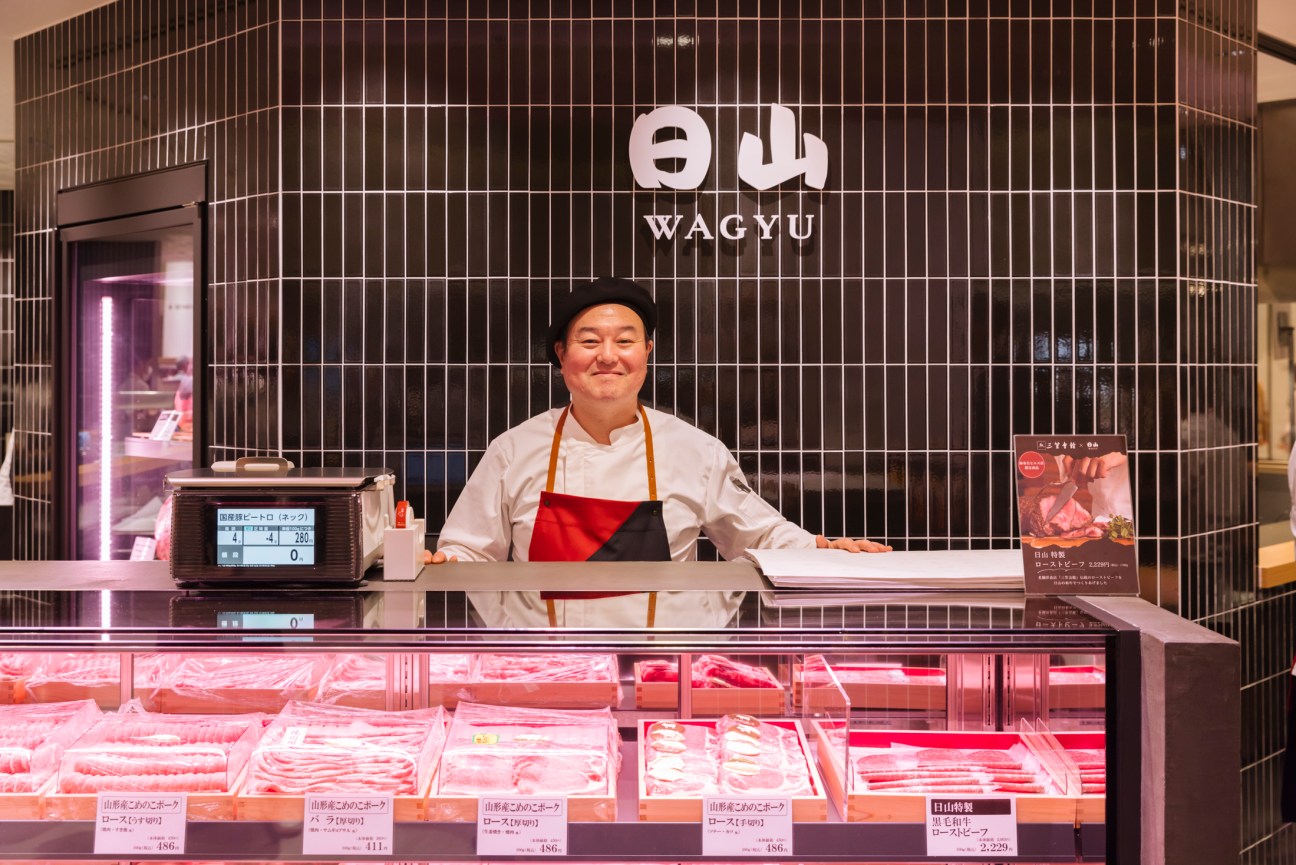
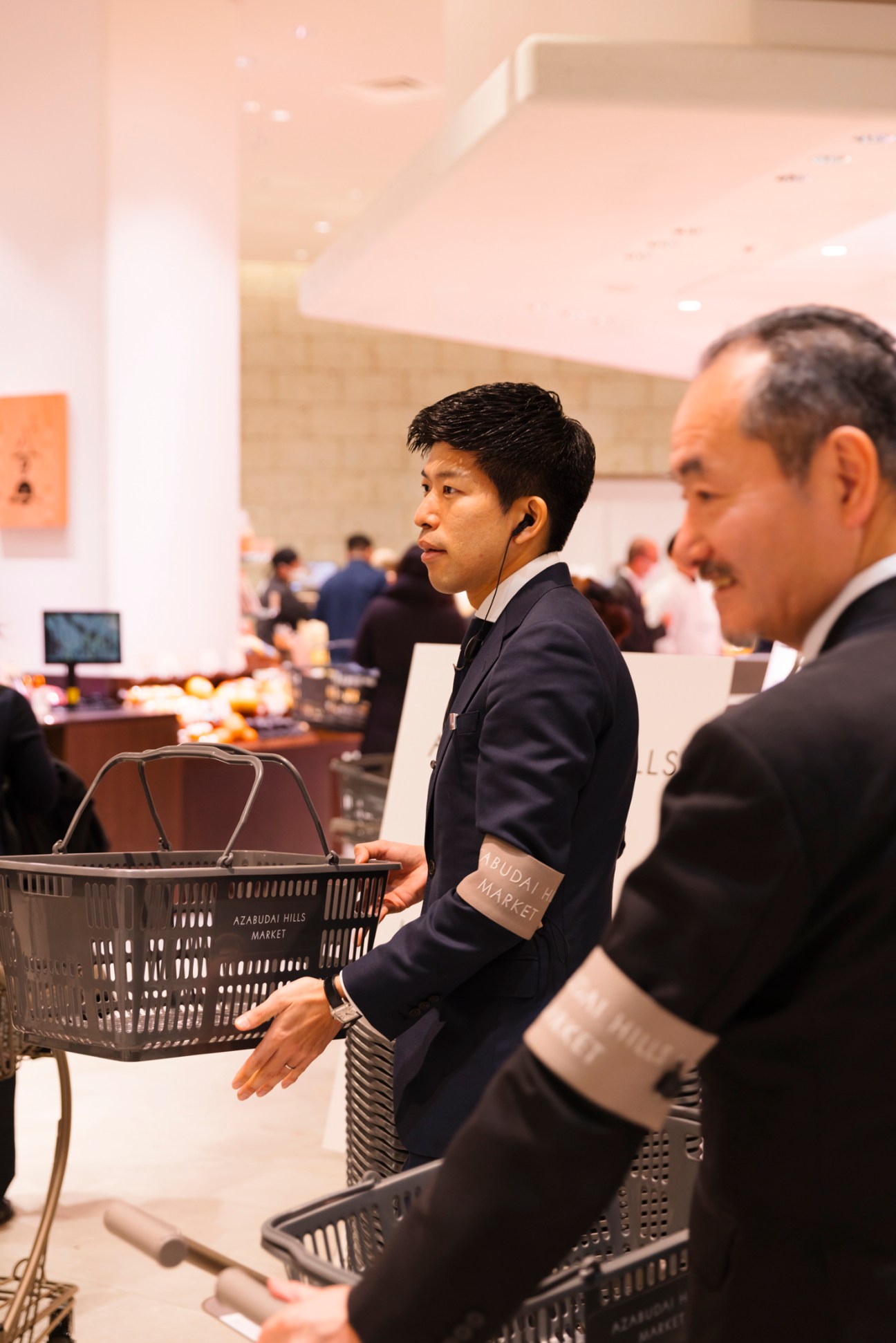
“The age group of our customers runs from seniors to young children,” says Ohgaki. “We have fish tanks that little kids can see, as well as a bakery dedicated for children [Comme’N Kids], so it’s a fun place for them as well.” From this month the Azabudai Hills Market Lab will host events and workshops that offer opportunities to eat the produce at pop-up sushi counters and sit-down lunch bars. Every aspect of a meal is available here, with ingredients so superb, that even the least adept cook might make the meal of a lifetime.
azabudai-hills.com
Case study: Rice
Rice is a Japanese preoccupation that potato-loving Western cultures can never quite get t o grips with. At Azabudai Hills, customers can buy from celebrated century-old Tokyo rice shop Sumidaya Shoten, which is now run by Shinichi Katayama. The rice is top quality, of course, but Katayama is also keen to teach people how to prepare it properly. “No matter how good the rice is, if it is cooked incorrectly, it will not be delicious.”
Case study: Wine
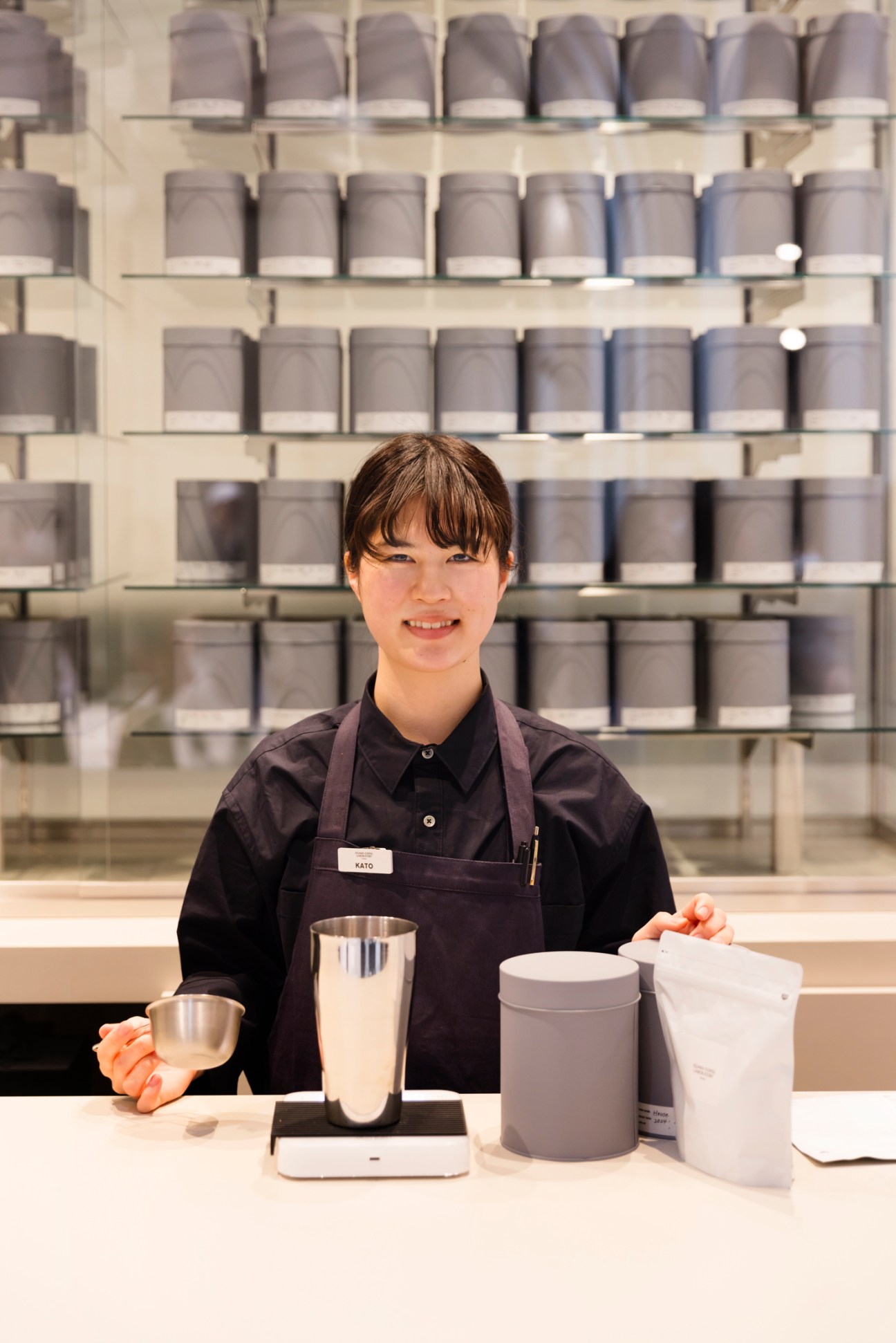
Wine is given its own space on an upper floor and run by Yamajin, a century-old wine merchant from Utsunomiya, led by Kenichi Ohashi, the only person in Japan to hold the Master of Wine title. It sells big French classics, amphora-aged wines from Georgia and a strong saké selection, and has a counter for trying the odd glass or two. For coffee lovers, emerge from the entrance (admiring the architecture by Thomas Heatherwick and architect Ai Yoshida of Japan’s Suppose Design) and pick up beans from Kyoto roasters Ogawa Coffee Laboratory. Dozens of varieties are lined up like fragrances and staff will blend according to taste.
Read next: The Monocle City Guide to Tokyo, featuring the best hotels, restaurants and retail spots in the Japanese capital
Inside Galeto’s enduring appeal in Lisbon
What makes a restaurant dependable? In Galeto’s case, it’s simply that it is always there: this Lisbon institution is open 20 hours a day, seven days a week, 364 days a year, only closing on Labour Day. It is more of a city service than a mere restaurant – open to all whenever they need it. “The way I see it is that Galeto is almost like a hospital or post office,” says owner Francisco Oliveira.
The restaurant’s roots are both Brazilian and European. The Italian diaspora who settled in South America in the mid-20th century founded a genre of informal canteens in smart surroundings that served the unfussy chicken dish that gave Galeto, which opened in 1966, both its name and inspiration. The six Portuguese partners who brought the idea to Lisbon (one of whom was Oliveira’s father) wanted their new restaurant to feel modern. That meant including a snack bar offering quick bites, attentive button-bright service and space for both solitary diners and bigger groups in a way that wouldn’t make the former feel lonely.
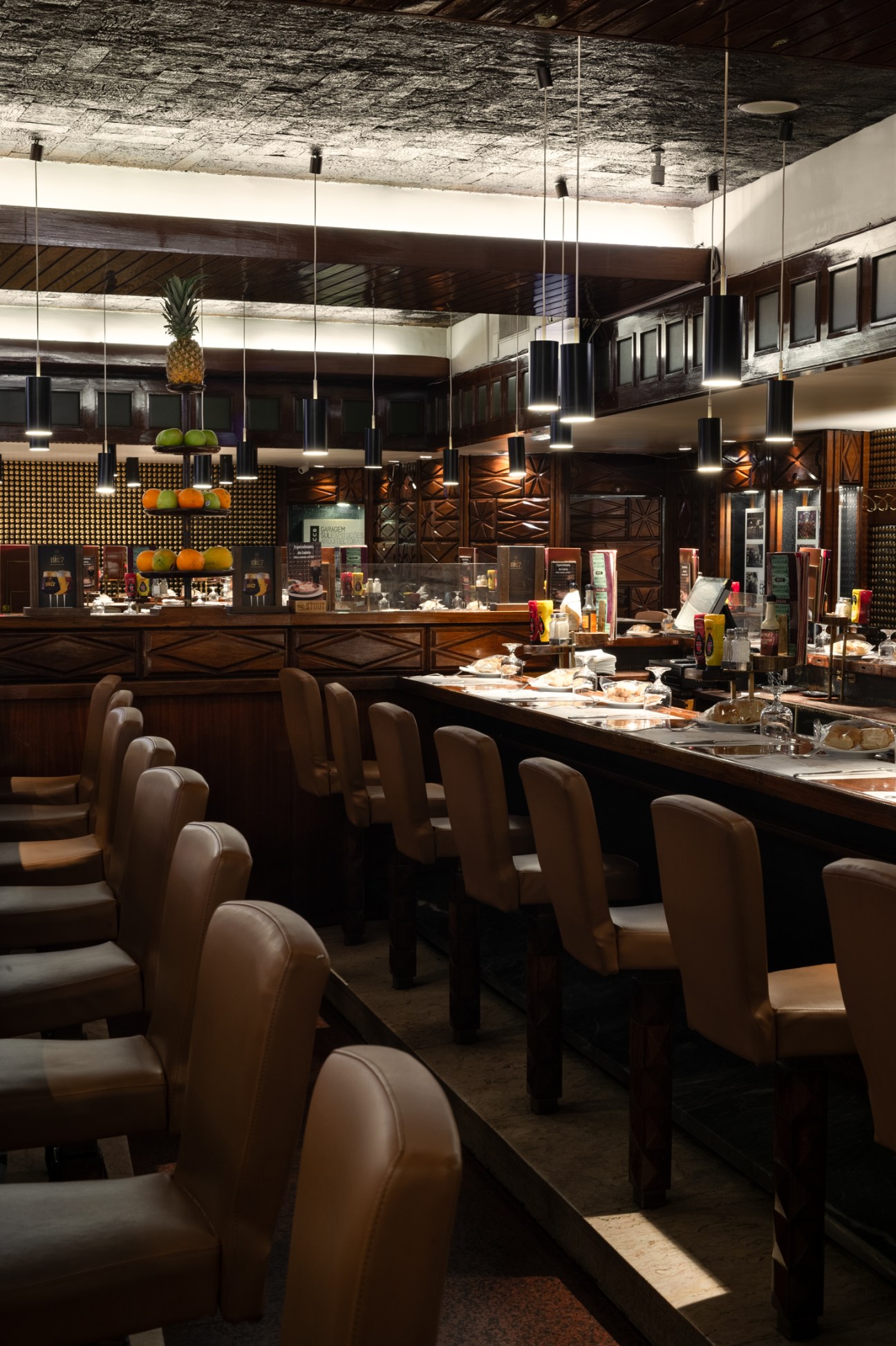

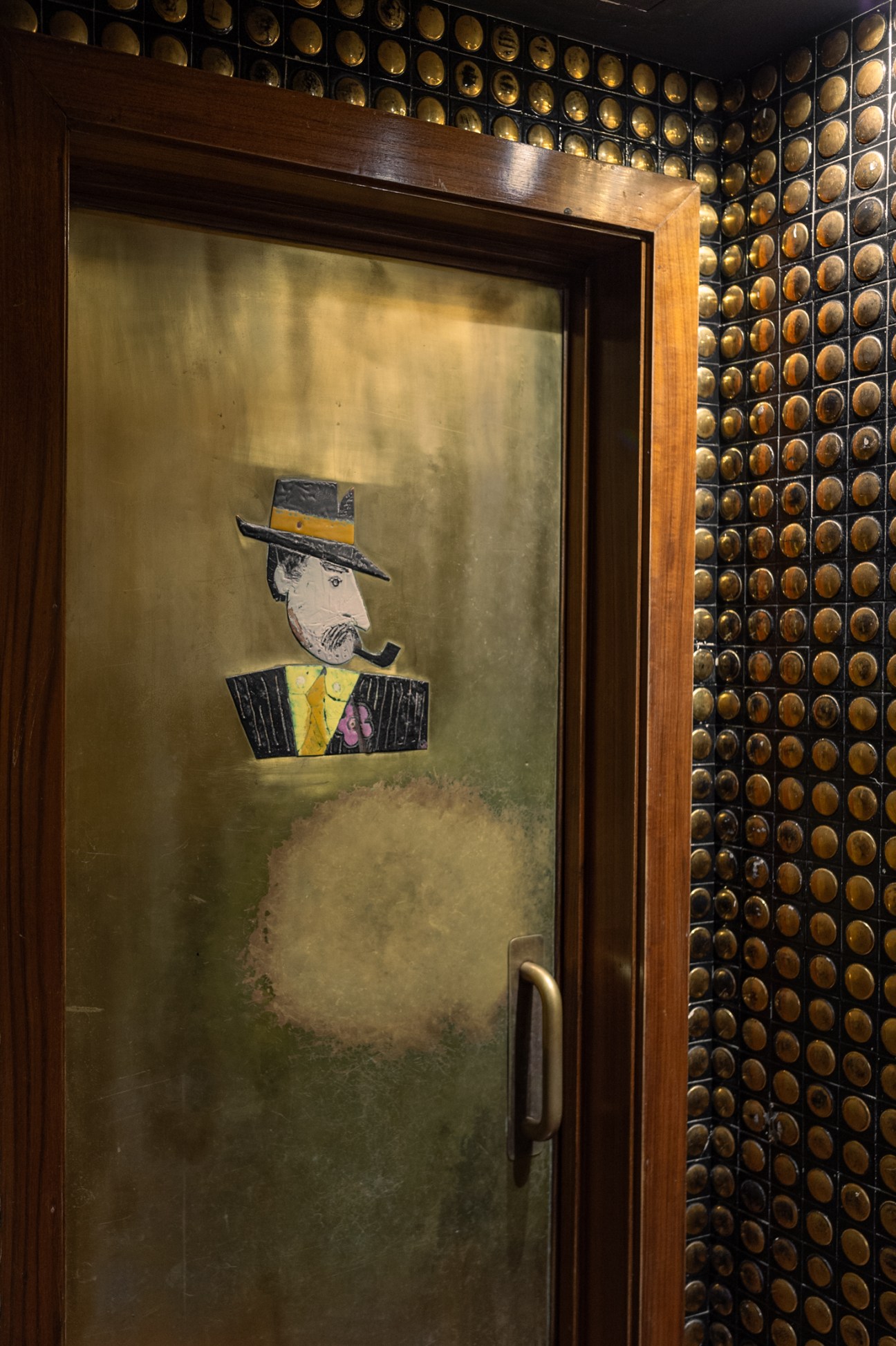
While the simple chicken dish didn’t particularly catch on with the Portuguese, this new approach to dining, as well as the uniquely grand interiors and maze-like counters of varnished wood, became an instant hit. While Lisbon has seen constant change, Galeto has remained consistent. And this steadfast adherence to its original formula has somehow kept it on trend and beloved by the city’s residents even as other food fads have blossomed and faded. “It’s a modern, atemporal classic,” says Oliveira.
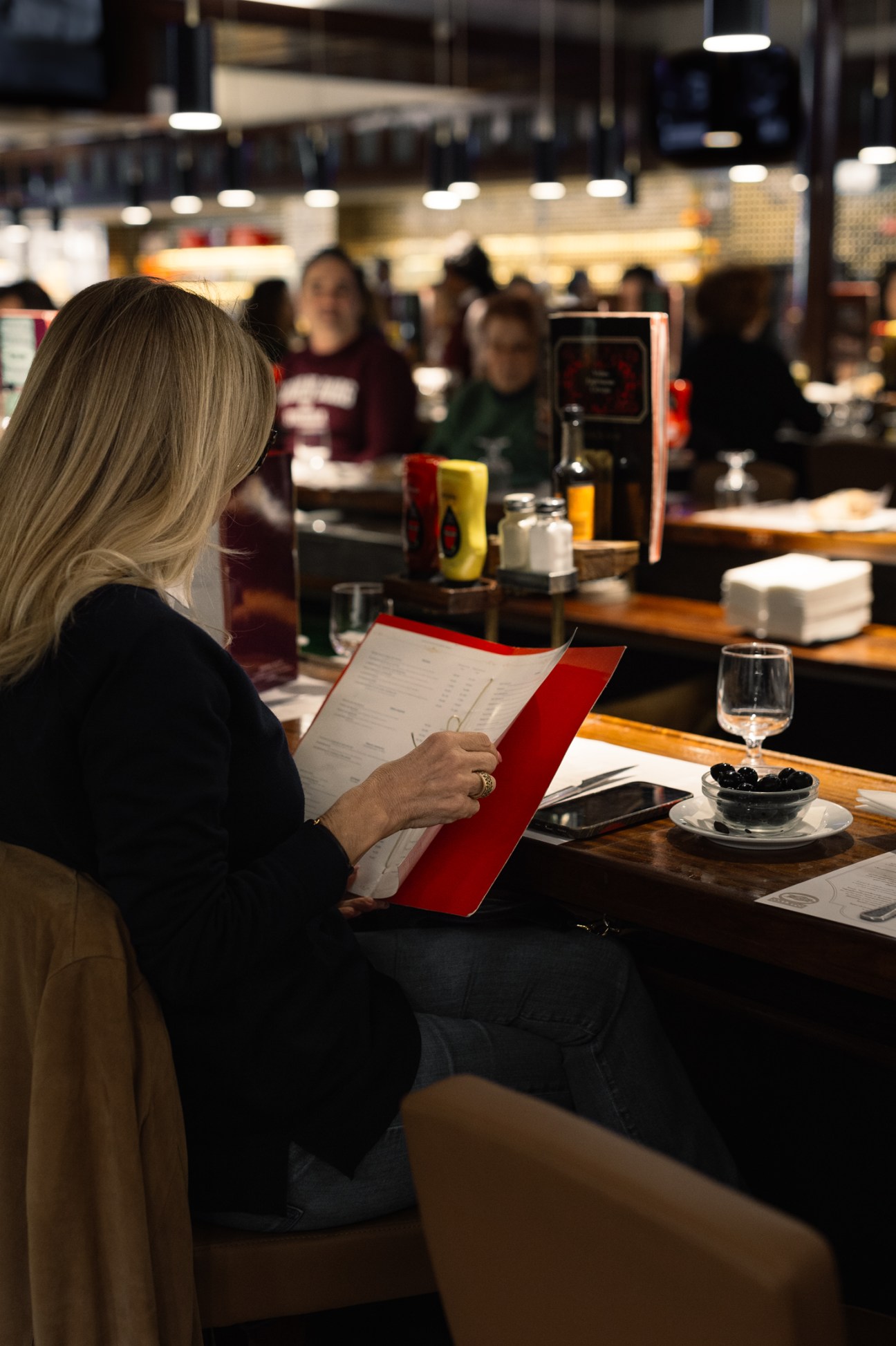
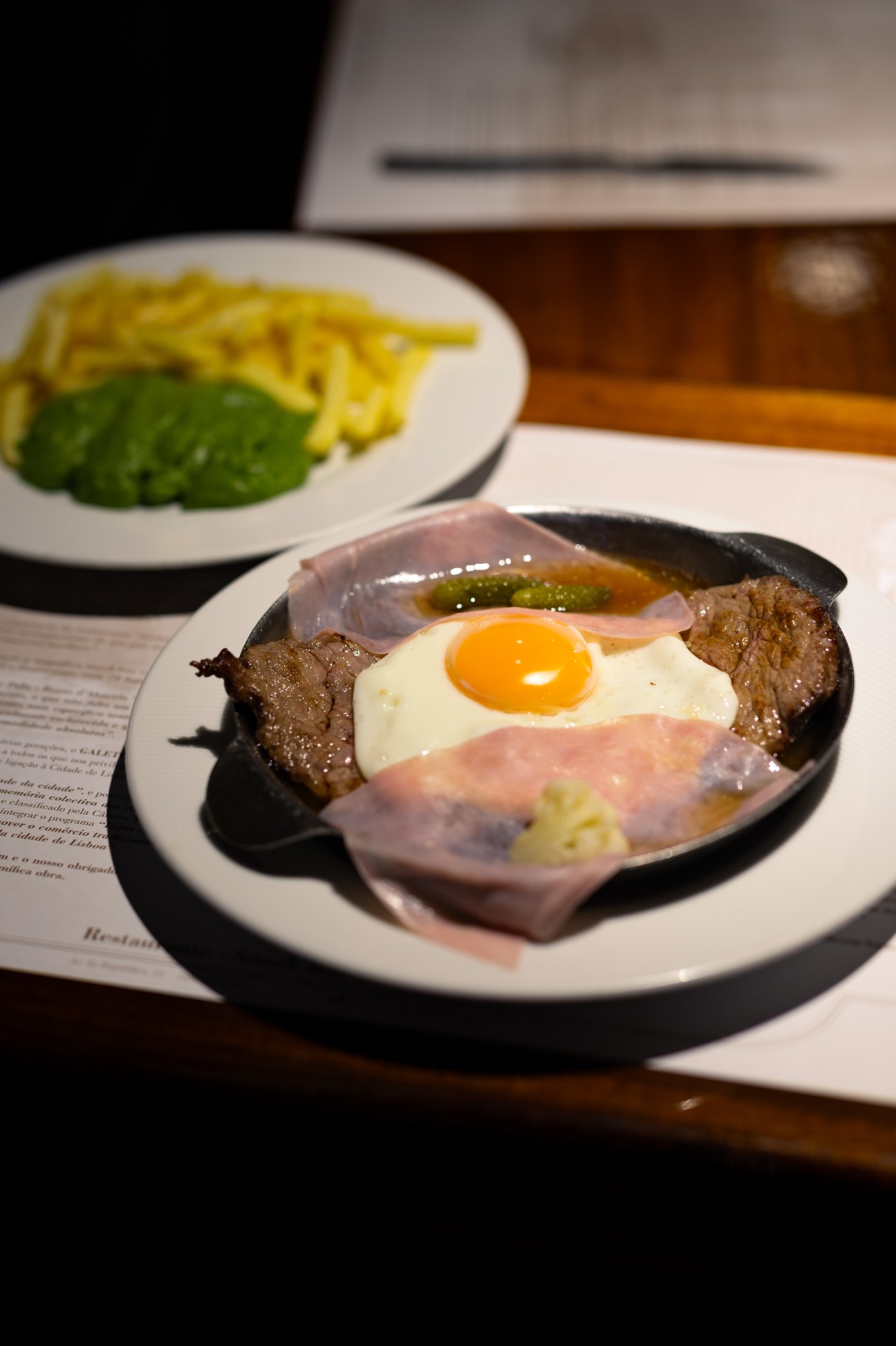
By day, Galeto is filled with families and walk-ins enjoying a leisurely lunch, as well as a few suited office workers snacking between meetings. The menu is vast but the house staples are still bife à Galeto (beef with fried egg, ham and pickles) and number eight on the set menu: a hamburger with French fries and creamed spinach.
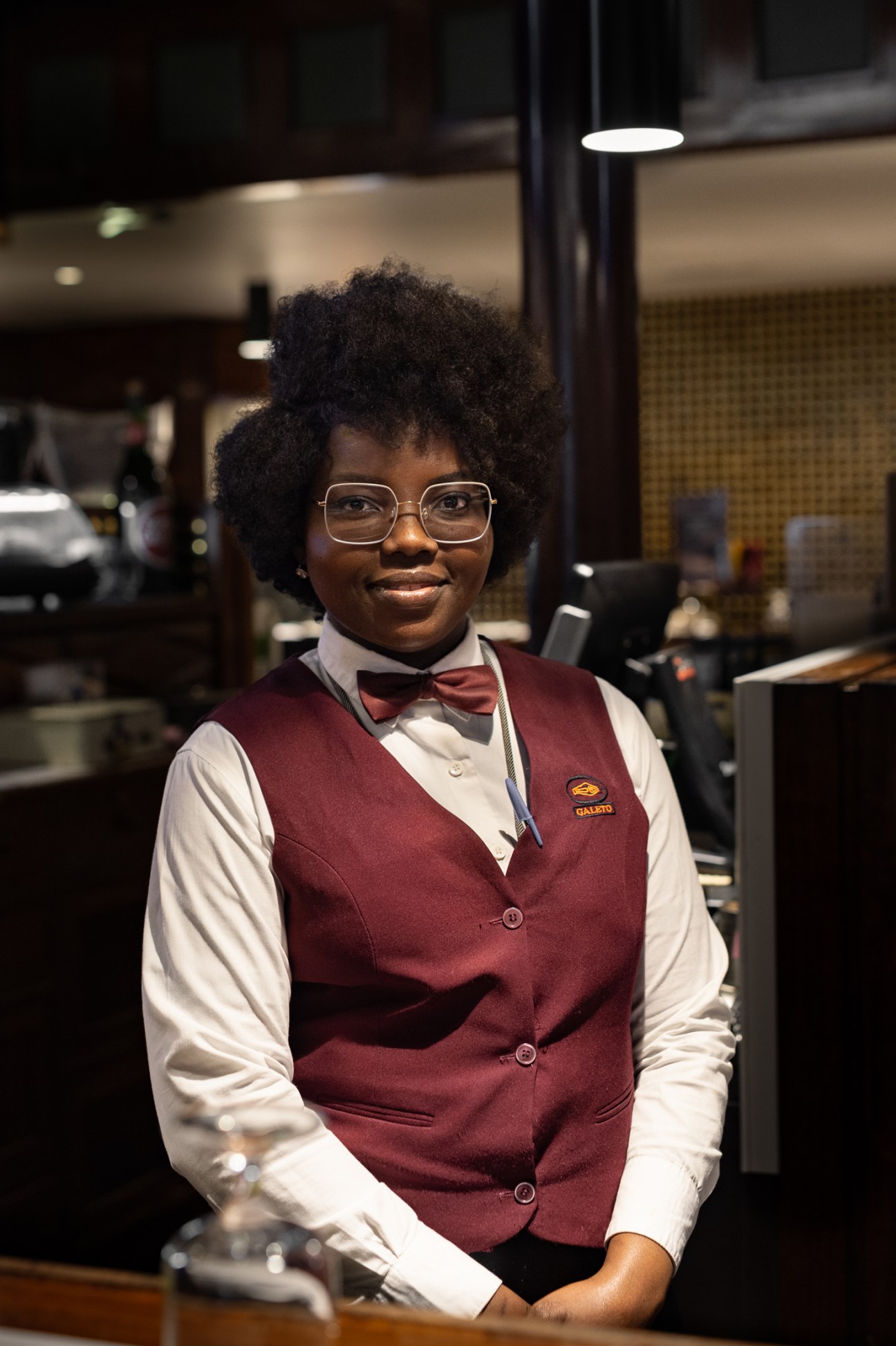
Come nightfall the crowd changes to louder groups of youngsters, couples exiting a cinema or theatre and an impossible-to-predict mix of regulars, from politicians after a late session in parliament to escorts enjoying a quick prego (beef sandwich) and a last imperial (small beer) before calling it a night. From breakfast, which starts at 07.30, until 03.30 the next morning, Galeto’s 130 staff keep service running smoothly; some have more than 40 years’ experience on the restaurant’s floor. “This is a family-owned business with a mission,” says Oliveira. “It’s a kind of effort that we no longer see in hospitality today.” Well, almost never.
galeto.pt
Date founded: 1966
Signature dishes: Bife à Galeto and Combinado número 8, plus the snacks pregos and croquettes.
Covers: 120 at the counter, 60 in the dining room and an additional 60 on the terrace.
Employees: Mario Gonçalves is part of the furniture: he has run the counter two for more than 40 years.
Known for: Late-night bites and accommodating everyone from Lisboetas to tourists.
How it held out: Vast menu, on-point service, an all-embracing public and gruellingly long hours.