Issues
As the far-right ascends across the continent, what lies ahead for this travelling circus?
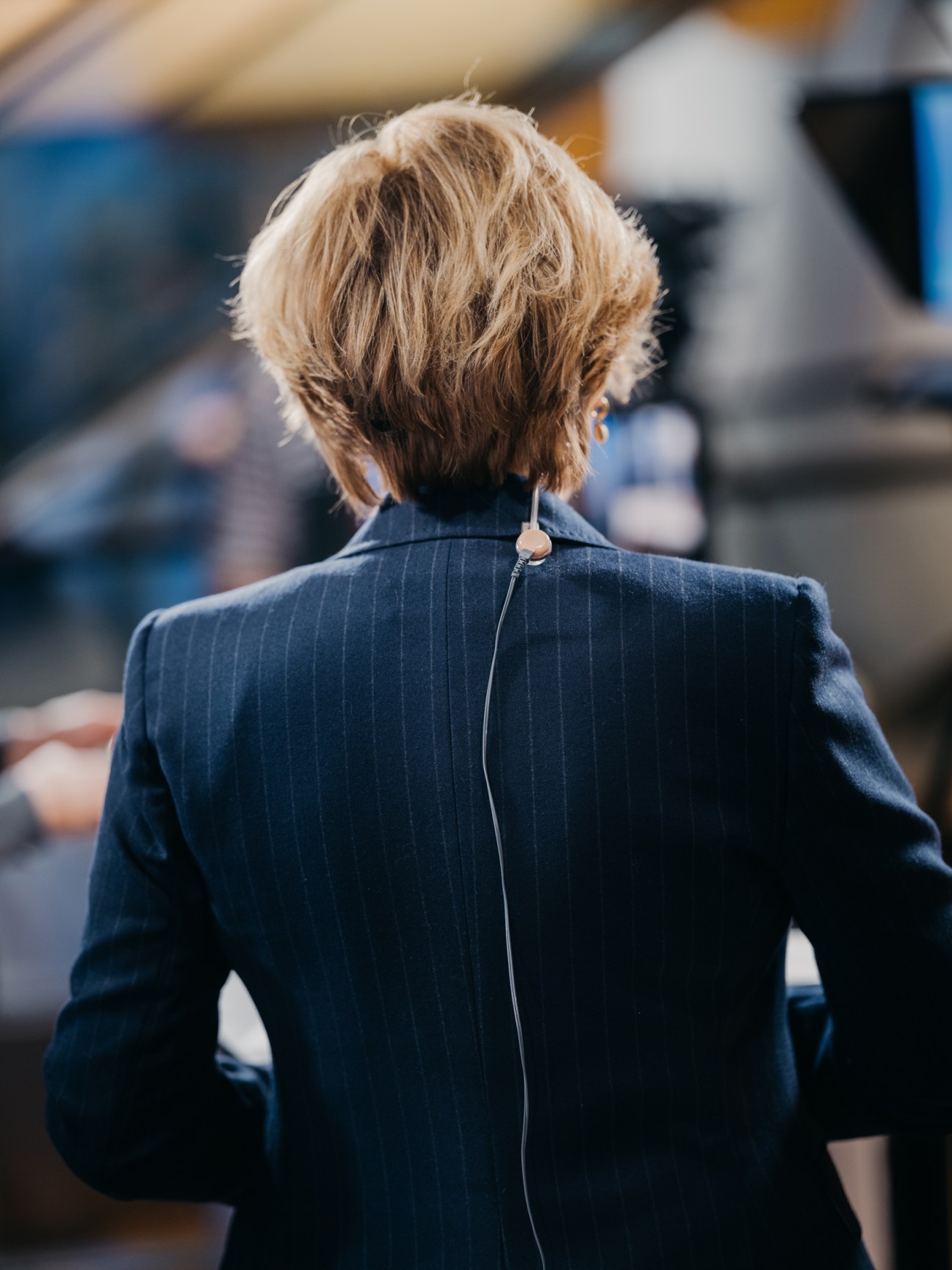
“I used to send interns here with a ball of twine,” says Pelle Geertsen, aide to a Danish MEP. We’re at a bar in the Winston Churchill building of the European Parliament (EP) in Strasbourg and Geertsen is explaining how difficult this place can be to navigate. Not that he needs to. This is one of eight meetings over two days to which either Monocle or the interviewee has been late. It doesn’t help that we are in the midst of the penultimate plenary session before what many believe will be the most consequential parliamentary elections in EU history: a four-day spectacle conducted in 24 languages across 27 countries between 6 and 9 June that is expected to result in a surge of support for far-right Eurosceptic parties.
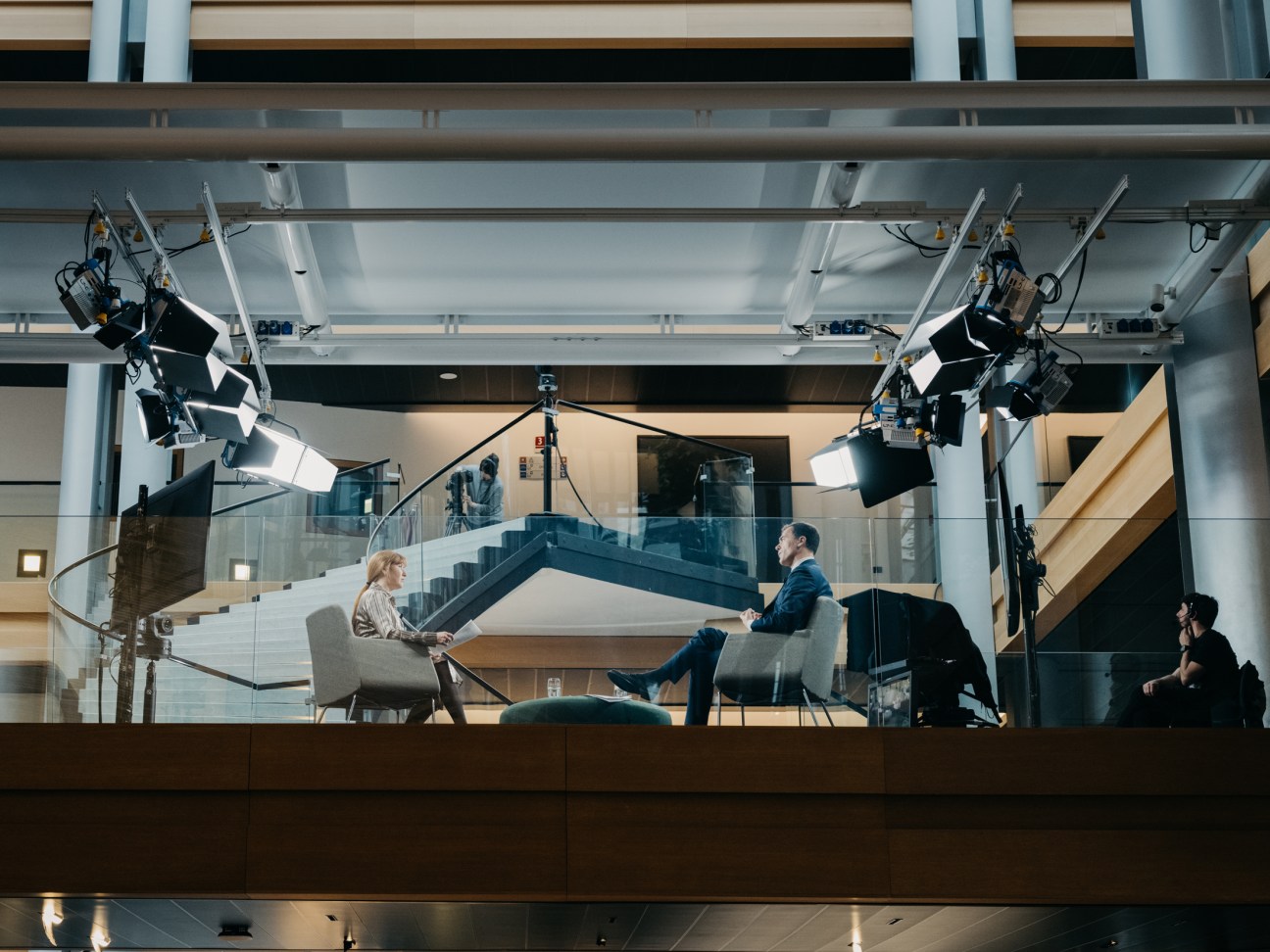
Conversations are snatched in vestibules and photographs hastily taken. But they are always taken. MEPs have a visibility problem and media attention, especially during an election cycle, is eagerly received. So, over two days in Strasbourg, Monocle runs down corridors, up stairs and into lifts. After getting lost nine or 10 times, we begin to find our bearings.
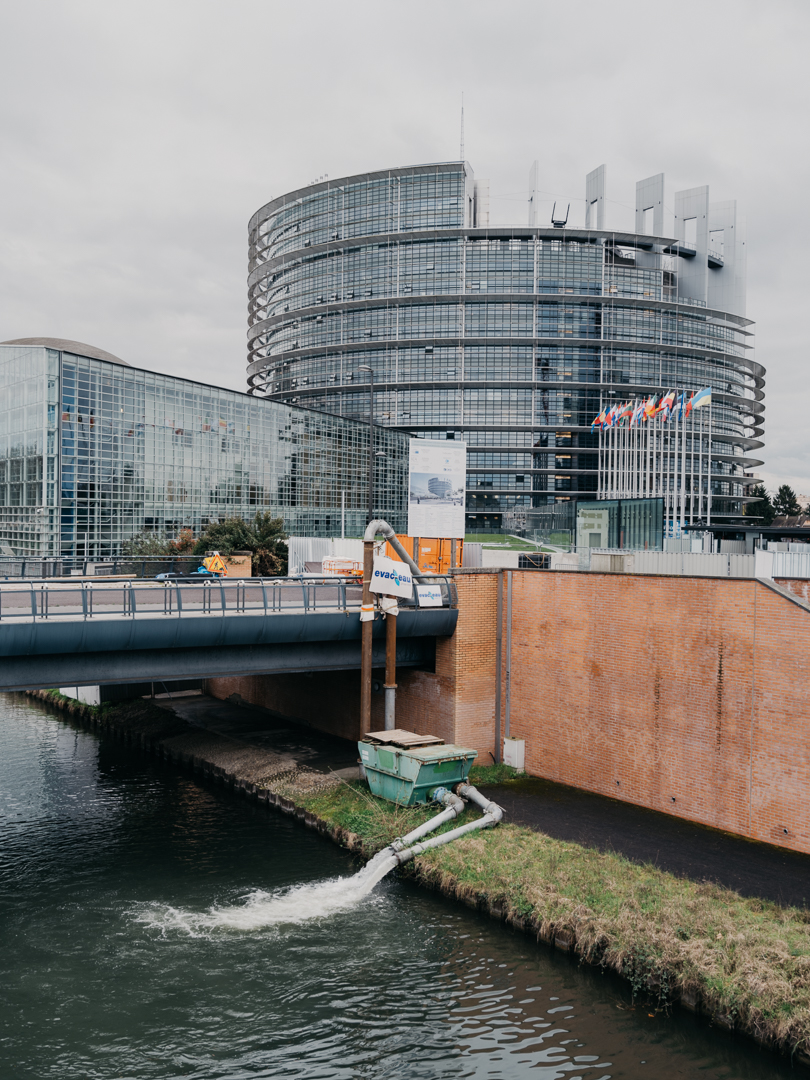
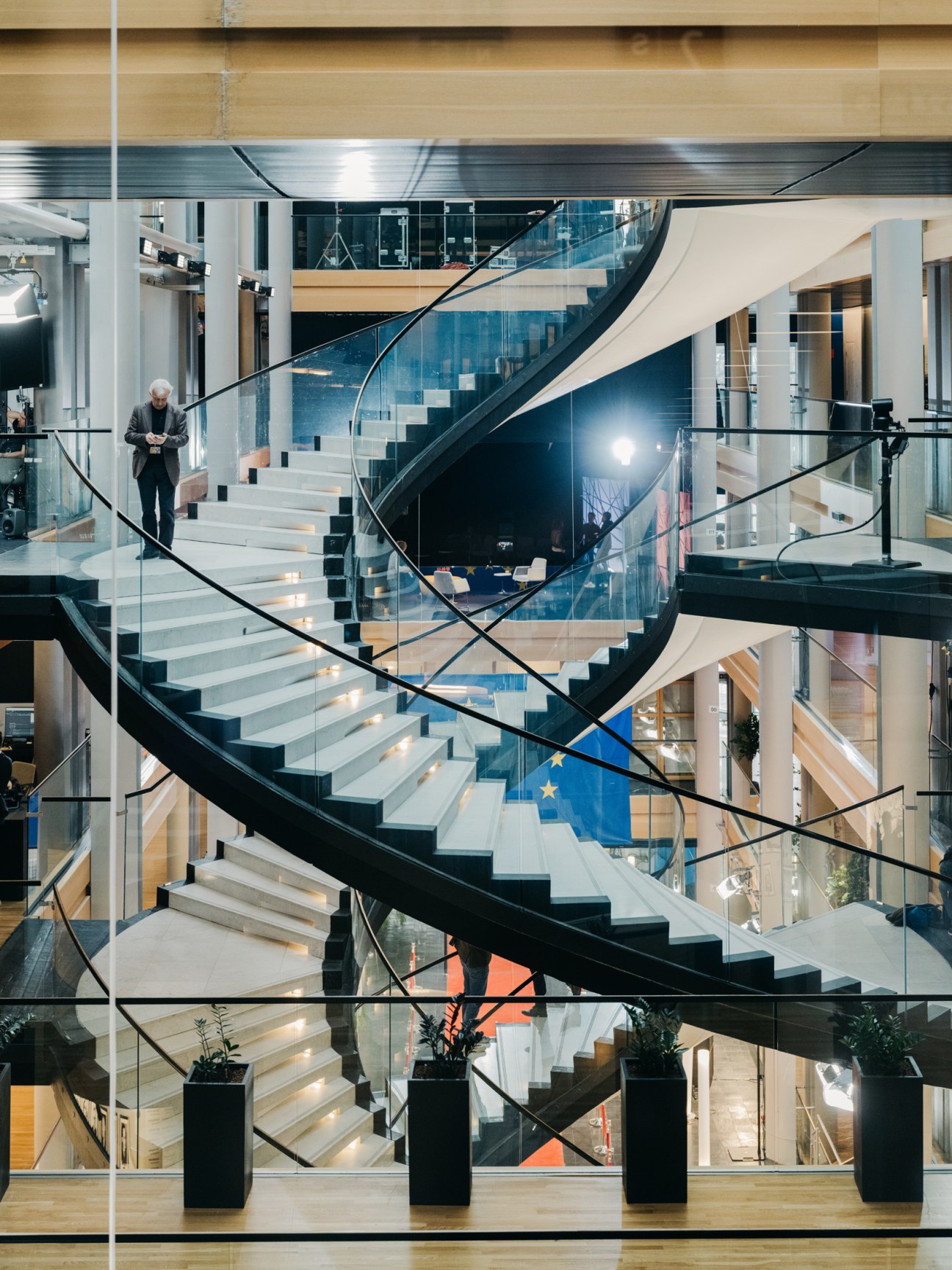
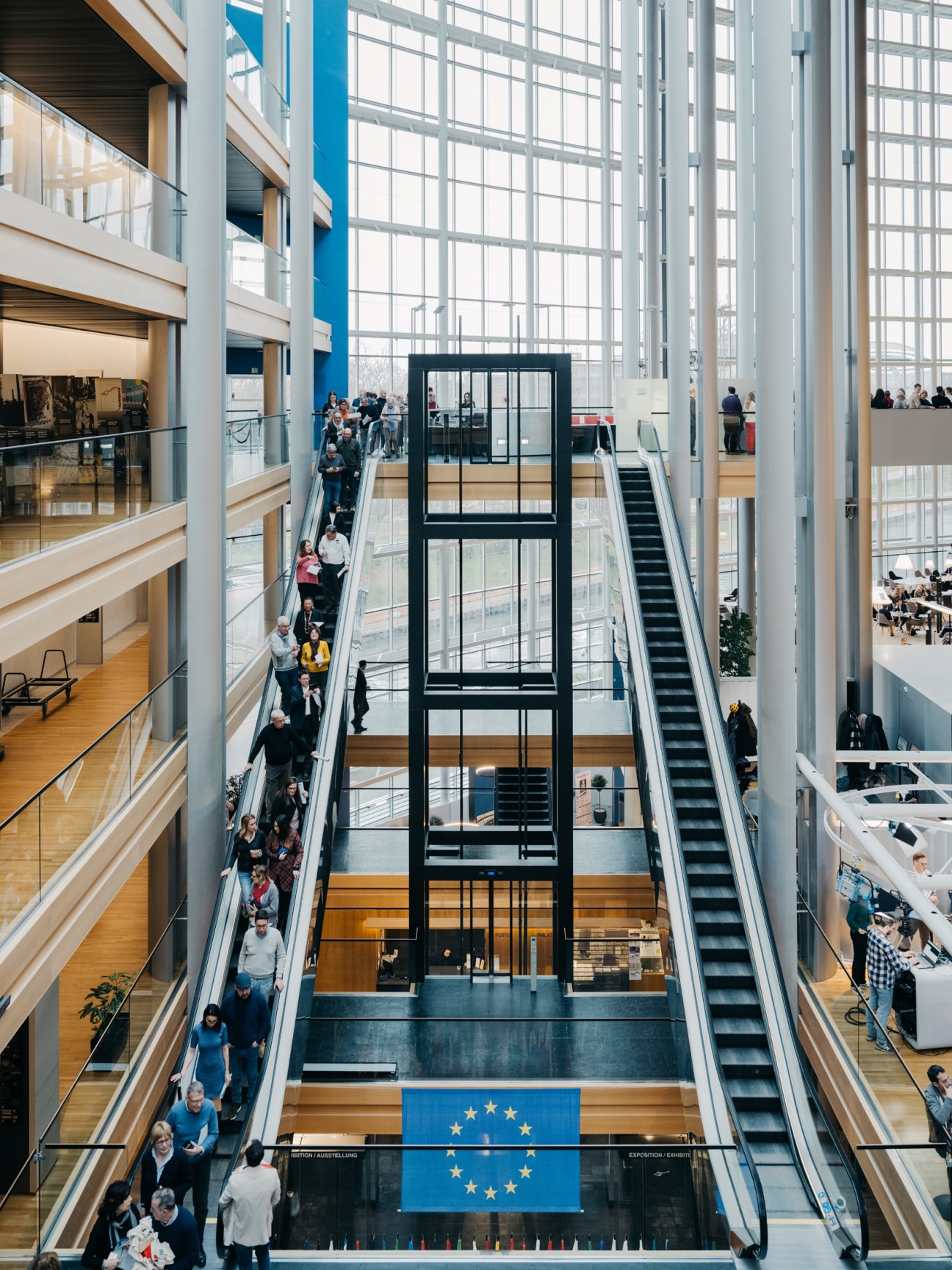
The unnavigability of the EP’s official seat is a long-running joke. If you were being unkind, you could say that this particular institution’s design serves as a pretty on-the-nose metaphor for the wider system. The building’s façade is magnificent: a glassy amphitheatre reaching towards the heavens. But inside, it’s a maze. Spiral staircases skip whole floors while seemingly endless curved corridors quicken your pulse as they deaden your legs.
Several times, members of parliamentary staff approach Monocle asking for directions – surely a sign of desperation.
Or perhaps it’s exasperation. Most of the MEPs, aides, functionaries and even journalists who descend on Strasbourg for four-day stints 12 times a year do not want to be here. Whenever the issue is put to a vote in the chamber, there is overwhelming support for scrapping the seat altogether and consolidating the parliament in Brussels, where the EU’s executive branch, the European Commission, is based. “There isn’t really any democracy in the world that puts its parliament 450km from the executive with which it is supposed to negotiate,” says Daniel Freund, a German Green party MEP.
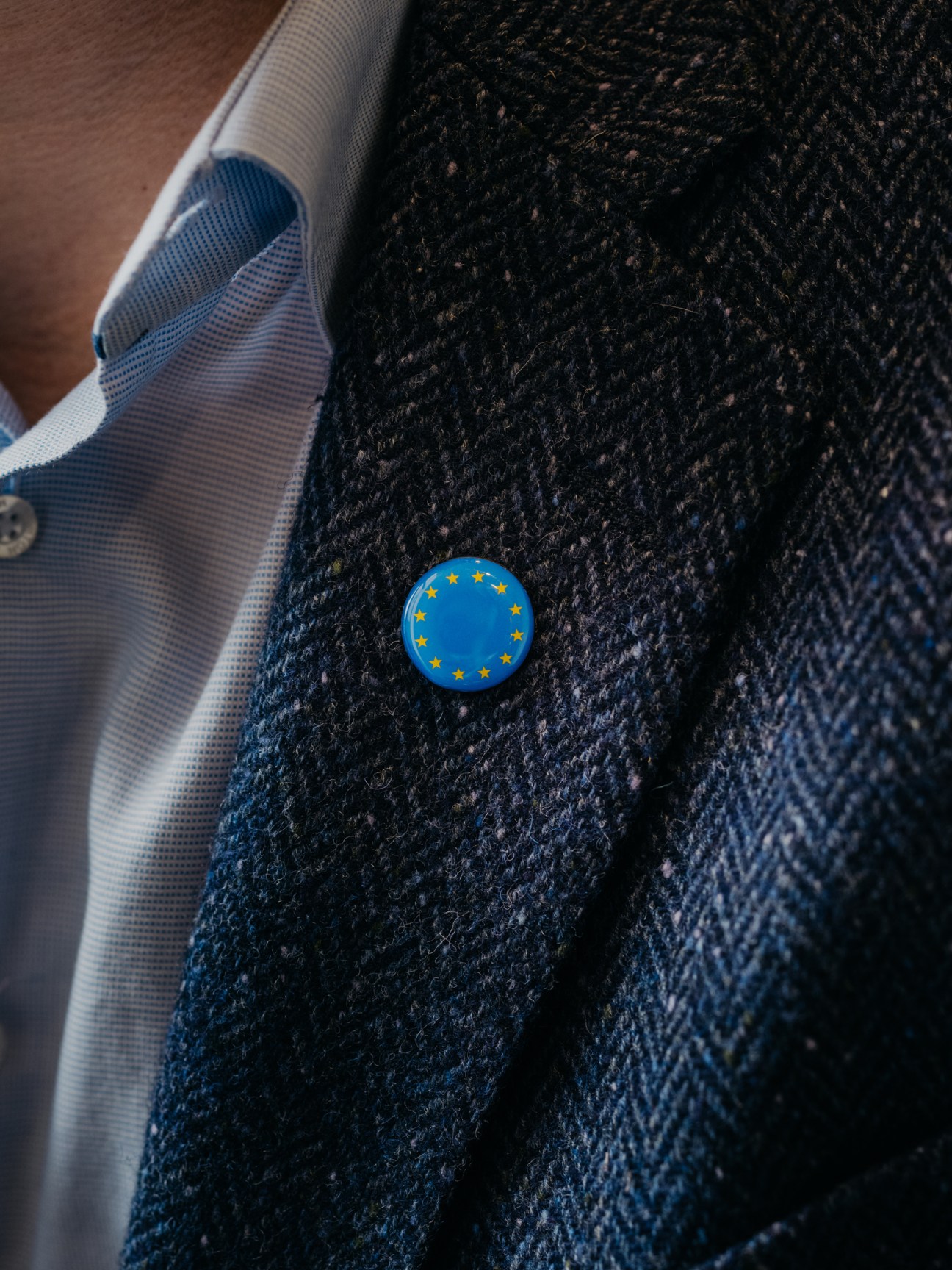
But then again, the EU isn’t like any other democracy in the world. A union of 27 sovereign nations, its most potent value is arguably symbolic – or, at least, it was when its spiritual predecessor, the European Coal and Steel Community, emerged from the rubble of the postwar continent in 1951. At the time, Franco-German reconciliation was considered the bedrock on which a prosperous Europe would be rebuilt. In this regard, Strasbourg – the capital of Alsace, a region that had been fought over by Paris and Berlin in a succession of increasingly devastating wars – was a powerful emblem of a new age of peaceful co-operation. It began filling up with European institutions in 1949 but only became the EP’s official seat in 1992, a decision that was incorporated into the 1997 Amsterdam Treaty and therefore requires unanimous support among member states to alter. Thus began what many call a “travelling circus”.


Since most of the EU’s business is conducted in Brussels, where there is another larger parliamentary building, and a third of MEPs, as well as almost all of their staff, are based in the Belgian capital, about 6,000 of these people descend on Strasbourg from across the continent. To facilitate this great migration, the EU charters two trains that run from Brussels Midi to Strasbourg via Paris Charles de Gaulle, a journey that takes three hours and costs MEPs €160 each way. Then there’s the paper trail: every plenary session necessitates the transportation of some 750 trunks of MEPs’ personal documents and effects in four articulated lorries. Whenever Monocle meets a parliamentarian in their office, an open trunk sits, usually in the corner of the room, as a reminder of their peripatetic life.
“For MEPs, the question, ‘Where do you live?’ is sometimes difficult to answer,” says Freund. But his situation is relatively straightforward. Freund is based in Brussels, where his children are at school, and either takes the train or drives for five hours between there and Strasbourg or for two hours to Aachen, which is in his constituency. For others, things are more complicated.
Marcel Kolaja, a Czech MEP from the Pirate Party, drives for more than seven hours from his home near Prague to Strasbourg every month. “Having the EC in Brussels and the EP in Strasbourg is like the UK government being in London and parliament being in Glasgow,” he says. “It doesn’t really make sense.” Nikolaj Villumsen, a Danish MEP from the Red-Green Alliance, flies from Copenhagen to Frankfurt Airport, from where he takes a two-and-a-half-hour train journey to Strasbourg, a common route for those travelling from places other than Brussels. “It’s seldom that I talk to people about my work without the conversation leading to how stupid this situation is,” he says.
Brando Benifei, an Italian MEP for the Democratic Party, commutes from his home in La Spezia to Milan, then flies to Frankfurt. He thinks that the EP should consolidate its work in Brussels, whose airport, unlike Strasbourg’s bijou hub, has connections to most of Europe’s large cities. “It could still meet here on a few important occasions,” he says, by way of compromise.
In common with nearly all MEPs, Freund, Kolaja, Villumsen and Benifei have arrangements with hotels in Strasbourg that offer them the same room at a regular rate for their it’s nice to know my way around when I wake up in the morning,” says Villumsen. Freund believes that the parliament’s 6,000-strong entourage is propping up the city’s hospitality sector. “The quality is so questionable,” he says. “It’s of a standard that I have rarely seen anywhere else in Europe. It has to do with this bizarre situation in which hotels are making a living from people staying for just a few nights a month, which doesn’t pay enough to keep things in good shape.”
Strasbourg is a very handsome city. Its largely intact medieval centre is ringed by canals and is home to one of Europe’s finest Gothic cathedrals. But it is doubtful whether these charms could draw enough tourists to support its 103 hotels. Perhaps unsurprisingly, the city’s authorities are vociferous in their support for keeping the EP where it is. Its Green mayor, Jeanne Barseghian, has repeatedly dismissed arguments for moving it all to Brussels – even those relating to the sizeable carbon footprint accrued by MEPs flying to her city every month.
Barseghian’s views reflect those of the French government and its MEPs. The EP is the only EU institution based in France (the Council of Europe and European Court of Human Rights, also in Strasbourg, are distinct from the EU) and the country isn’t about to let it go. Indeed, in what is largely seen as an attempt to shore up its position, Paris is trying to expand the EP’s presence here. There have been long-running attempts to convert an existing office building into a hotel for MEPs and their staff, a move that would then justify the purchase of another site to be turned into offices. The Osmose building next to the parliament was erected on spec by private developers in the hope that the EU would buy it – an idea that was heavily criticised by MEPs. In the end, the French government bought the building for €53.5m and has agreed a deal to lease it to the EP for €700,000 a year.
It is difficult to find a non-French MEP in favour of keeping the Strasbourg seat and impossible to find a French one who is opposed to it. The country’s 79 parliamentarians represent 22 parties of almost every political stripe – from far-left to far-right; from Corsican nationalist to eco-socialist – and yet all are united on this issue. In an office deep in the bowels of the Winston Churchill building, Monocle asks French Green MEP David Cormand whether this is the only subject that he and his compatriots have ever agreed on. “Well, that and the very big trucks,” he says. What “very big trucks”?
“Yesterday parliament passed a resolution authorising the use of mega-trucks, carrying up to 44 tonnes, on European roads,” he says, leaning back in his chair. “France is in the middle of the continent so we will suffer the most from these. All of the French MEPs voted against it.”
This is a salutary lesson in the EP’s work, which at first sounds amusing, then sensible, then quite amusing again. Perhaps that’s why its defenders often have a hard time rousing their audience: they must appeal to the heart using the language of a bureaucracy. My French interlocutors begin by justifying the Strasbourg seat on political grounds, citing historic Girondin principles of decentralisation, but eventually fall back on symbolism. “It is a symbol but if we kill all symbols, what do we have left?” says Cormand. “We will only have a market. We would only deal in business. I don’t want to build that.”
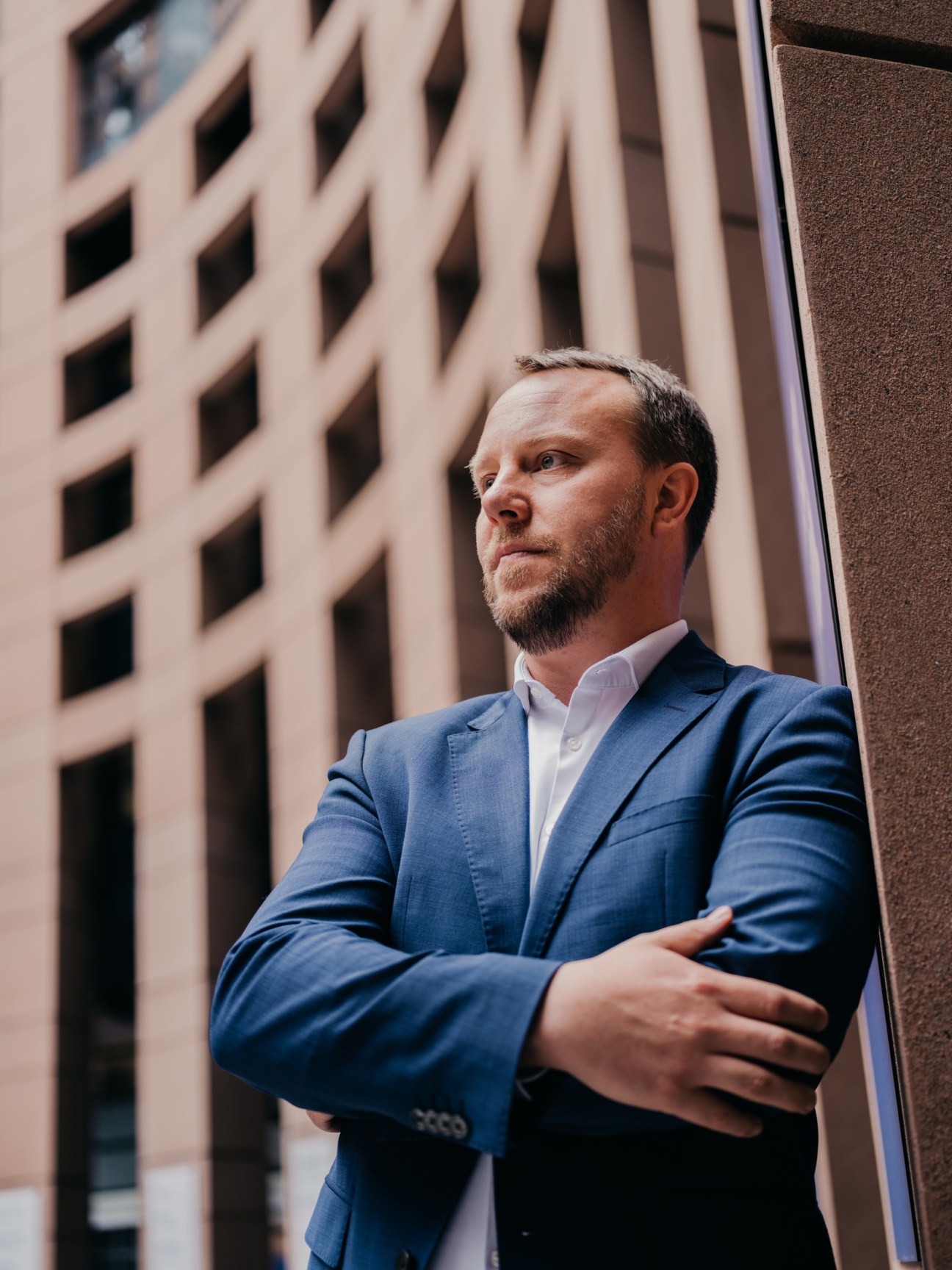
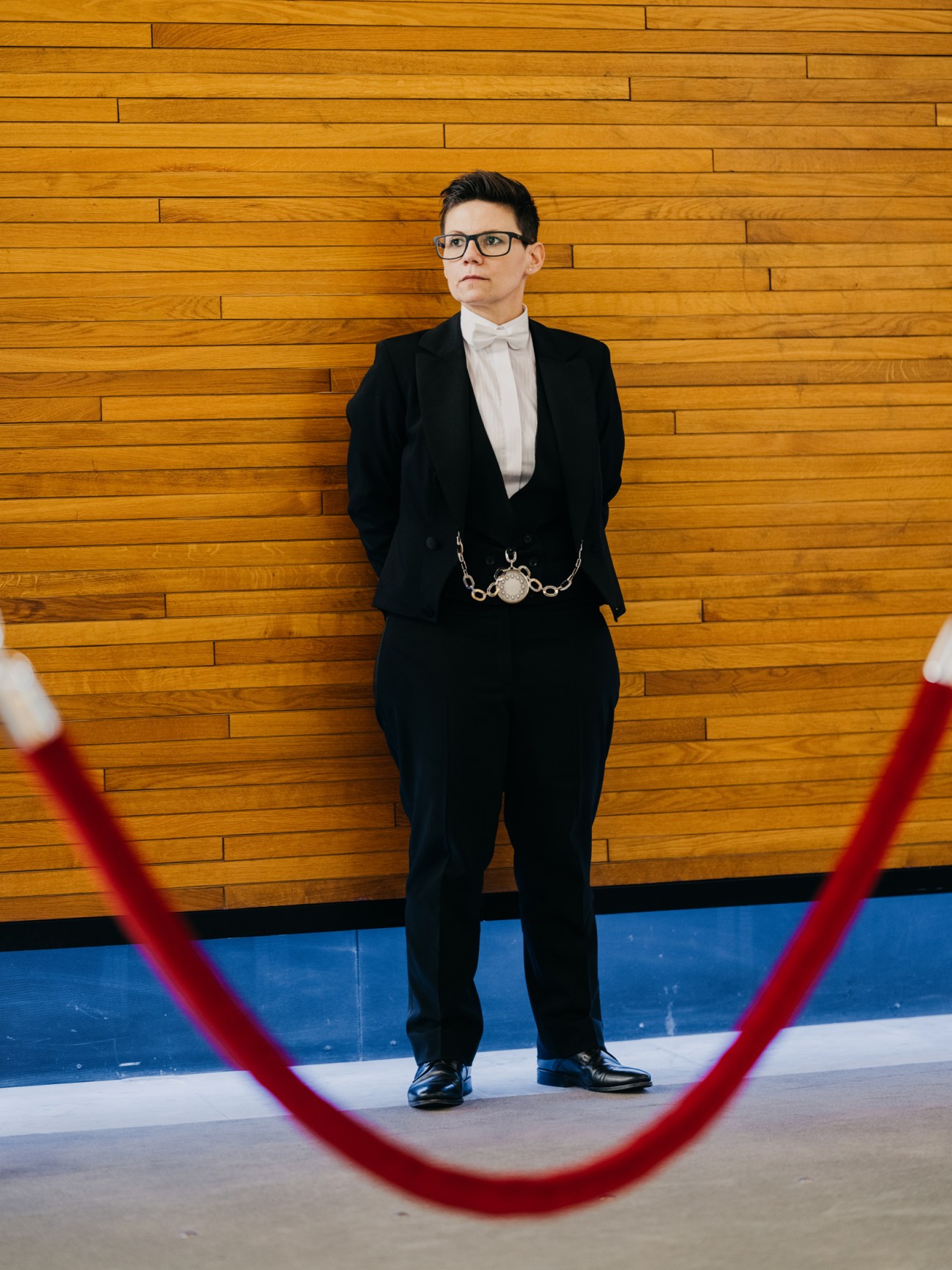
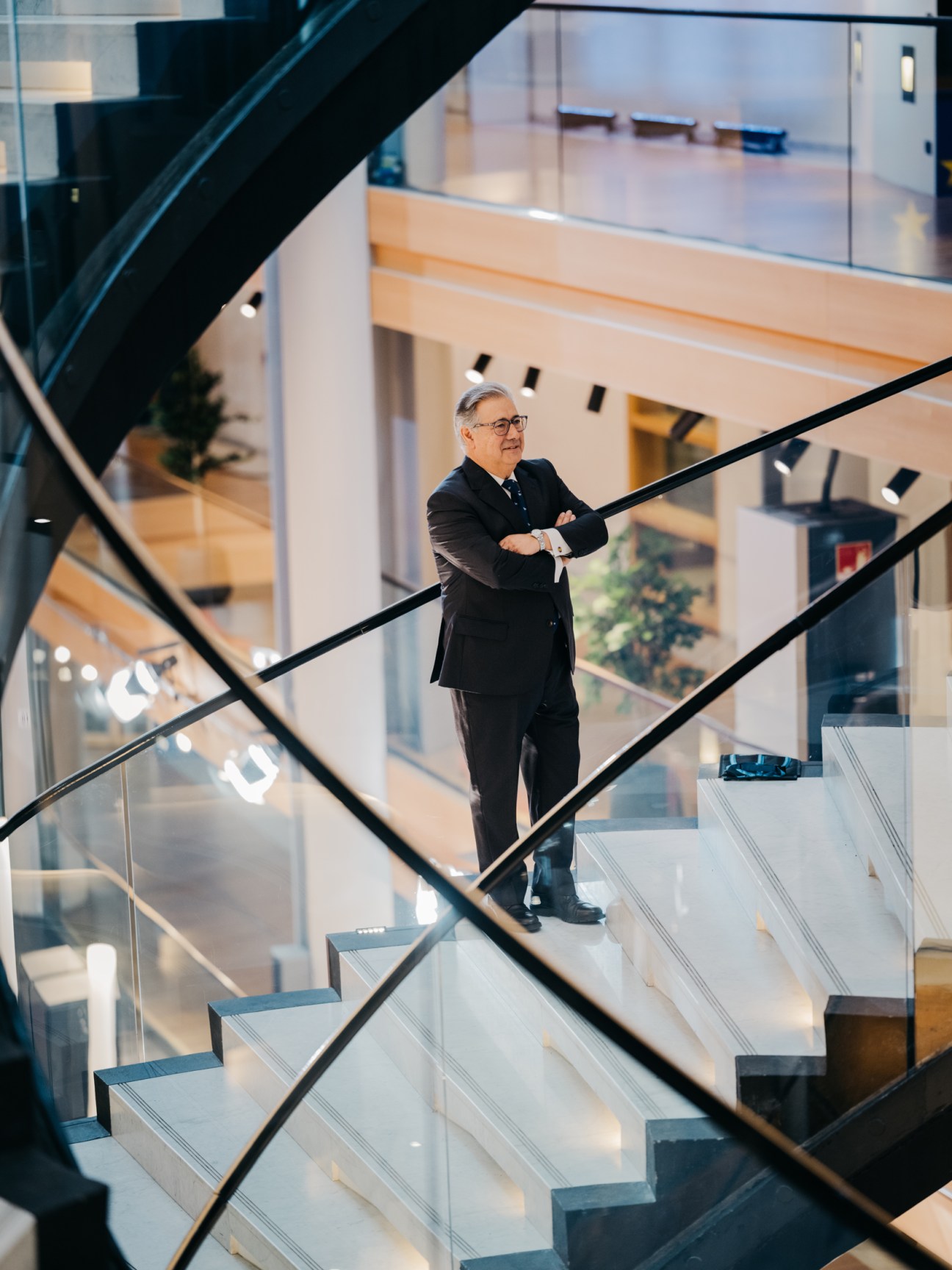
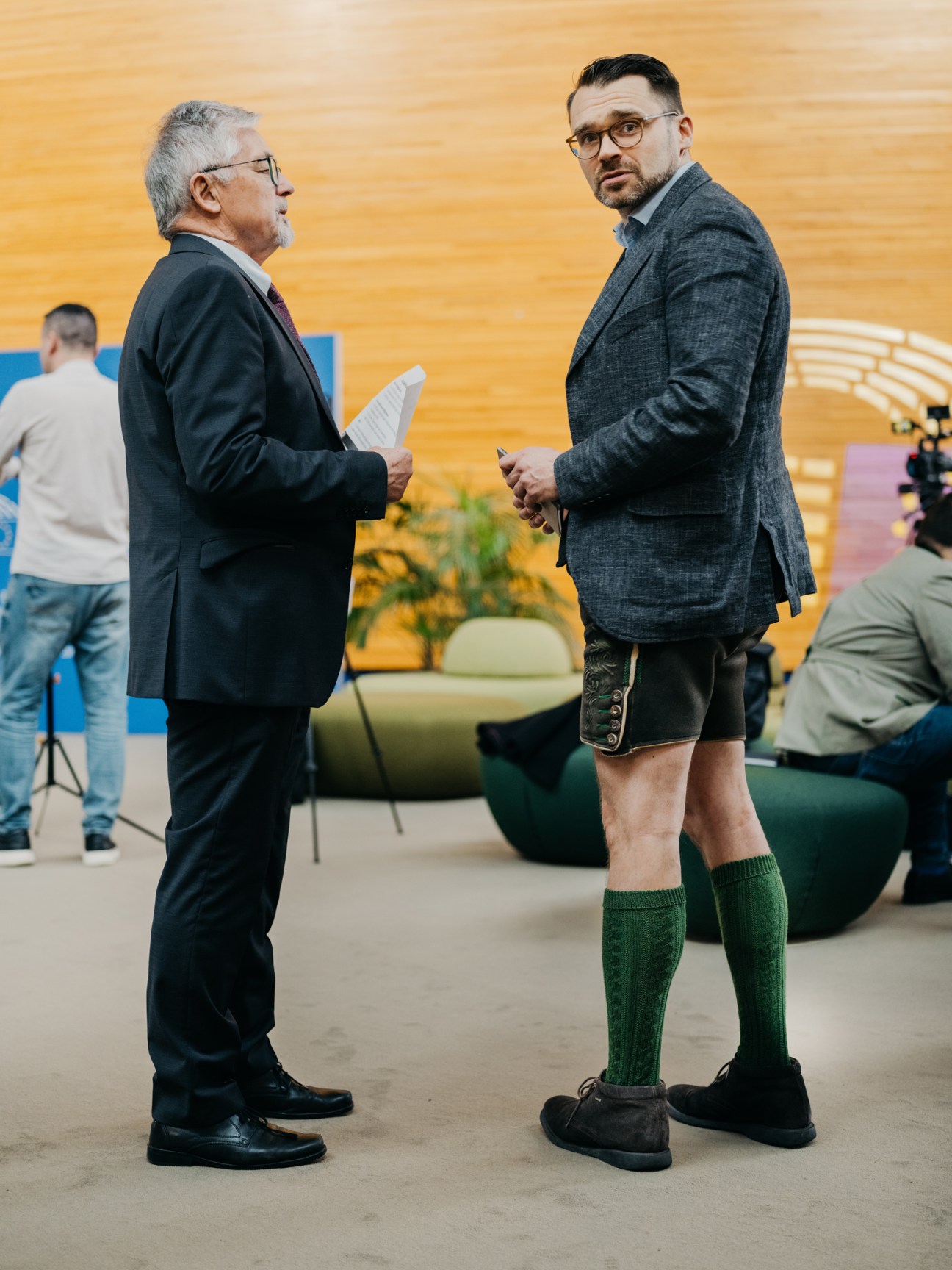
Fabienne Keller, a former Strasbourg mayor and now an MEP for the Renaissance party, is less conciliatory. “There’s no reason to have a vote or anything,” she says. “It’s not a decision to be taken.” She’s blunt but right. In order to change the EU constitution, there needs to be unanimous support from member states and France will never agree to relinquish the EP. So the bloc must find a way to compromise, to muddle through.
This is what the EU does. It is its greatest strength and greatest weakness. MEPs come to Strasbourg to vote on legislation but, in order for laws to even be put before the chamber, their passage must almost be a foregone conclusion. Parliamentarians and commissioners haggle for months, often years, over laws before they reach a position that will allow a majority of MEPs to give their assent. Still, alongside the many regulations, tax codes and subsidies that are rubber-stamped here, radical work is done. While Monocle is in town, the EP passes world-leading legislation regulating artificial intelligence, cleaning up business supply chains and strengthening powers to confiscate criminal assets. It’s not necessarily glamorous but it’s important.
Any pizzazz is provided by power and success, which usually come from the outside.
Whenever someone with political clout visits Strasbourg, their presence stirs the whole estate. This week it’s Finland’s prime minister, Petteri Orpo, who is here to offer his government’s views on pan-European security co-operation. During his speech to the chamber, known as the Hemicycle, there is a hushed deference.
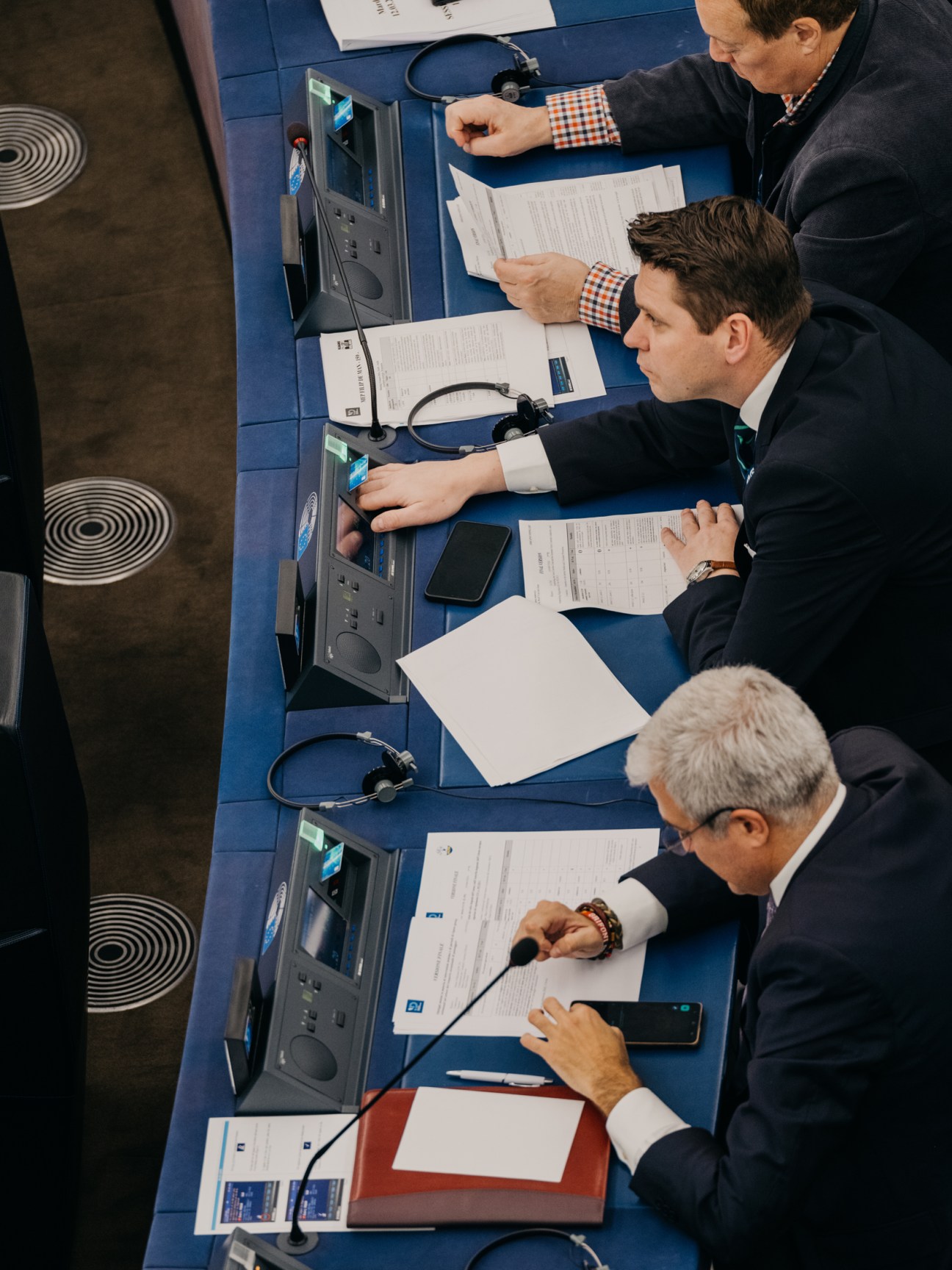
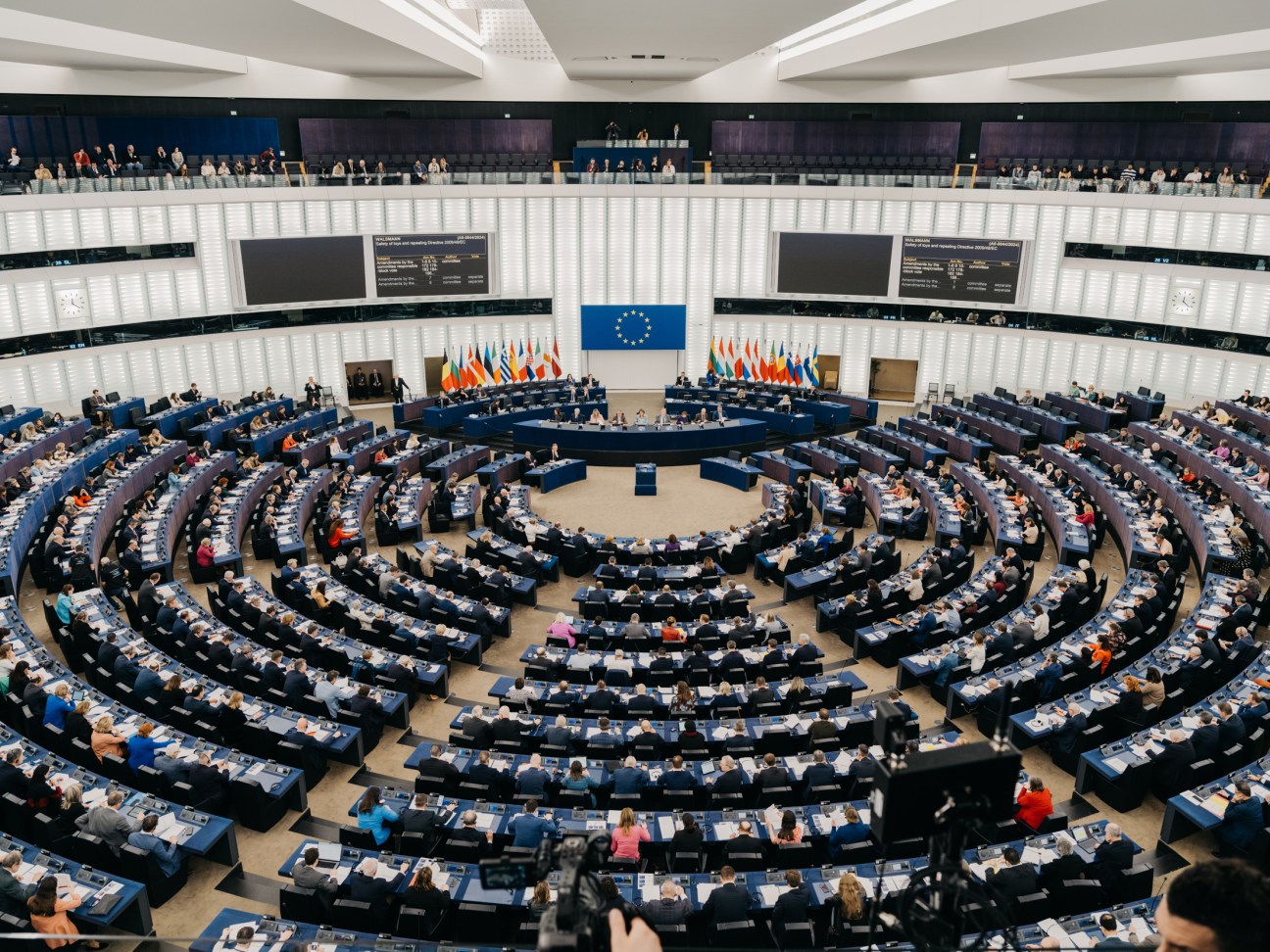
The Hemicycle is an impressive space. Here, the different parliamentary groups occupy seven sections that fan out from the centre, in which stands a solitary podium. The public gallery, two floors above, sweeps around the entire room. Every seat features a neatly positioned pair of headphones into which translators whisper their work. All is bright but not overlit. But no debating takes place here. MEPs can speak for a maximum of one minute, a strange format that journalist Tim Adams once described as preventing “personal anecdotes, specific examples, jokes, argument, passion, anger, thought…” – in other words, any rhetorical device that you might reasonably expect in a parliamentary chamber.
But today there is anger and most of it is coming from one of the EP’s two right-wing groups: Identity and Democracy (ID), made up of far-right parties such as Marine Le Pen’s Rassemblement National, and the European Conservatives and Reformists (ECR), which includes parties such as Giorgia Meloni’s Fratelli d’Italia. These are the Eurosceptics and their presence reflects one of the EP’s most jarring contradictions. They exist in opposition not just to the ruling party but the entire institution. Yet their presence gives the EP a credible claim to being a proper democratic establishment. They are usually easy to spot – or, at least, their apparatchiks are, with their bad suits and cropped hair.
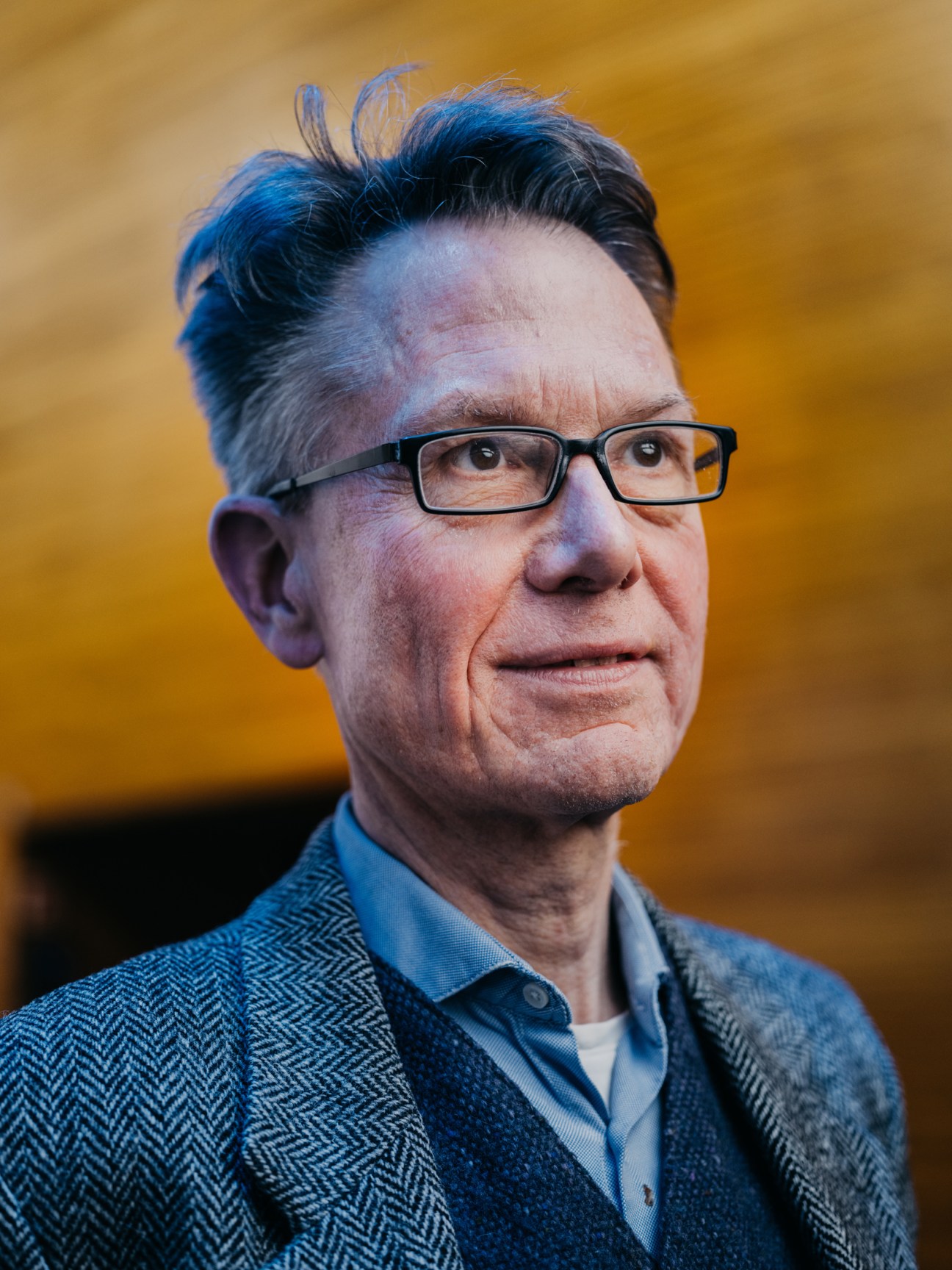
Not all of them, however, are the far-right bogeymen of popular imagination. Monocle meets Alternative für Deutschland’s Gunnar Beck in the MEPs’ bar, which is 25 metres from the entrance of the Hemicycle. He has bouffant hair and wears a tweed jacket, and speaks, unusually for a far-right German MEP, in a posh English drawl. Beck is an expert on European law who taught for many years at London’s School of Oriental and African Studies. He still spends a lot of his time in the UK, from where he gets the train to Paris and then to Strasbourg for plenary sessions. Though his views on immigration or the war in Ukraine offend the consensus here, some might consider his opinions on the workings of the EU quite sensible. “We don’t even have debates on particular subjects,” he says. “No one’s voting behaviour is influenced by what is being said here.”
If the EP is just a chamber of acclamation where there is no debate and legislation is merely rubber-stamped, what is it for? Surely the work of legislating for the bloc could be done solely by the EC, whose 27 members are appointed by the national governments. Then you could do away with the Strasbourg parliament, the chartered trains, the lorries filled with paperwork, the 275 translators – the whole travelling circus. Wouldn’t that be the rational thing to do?
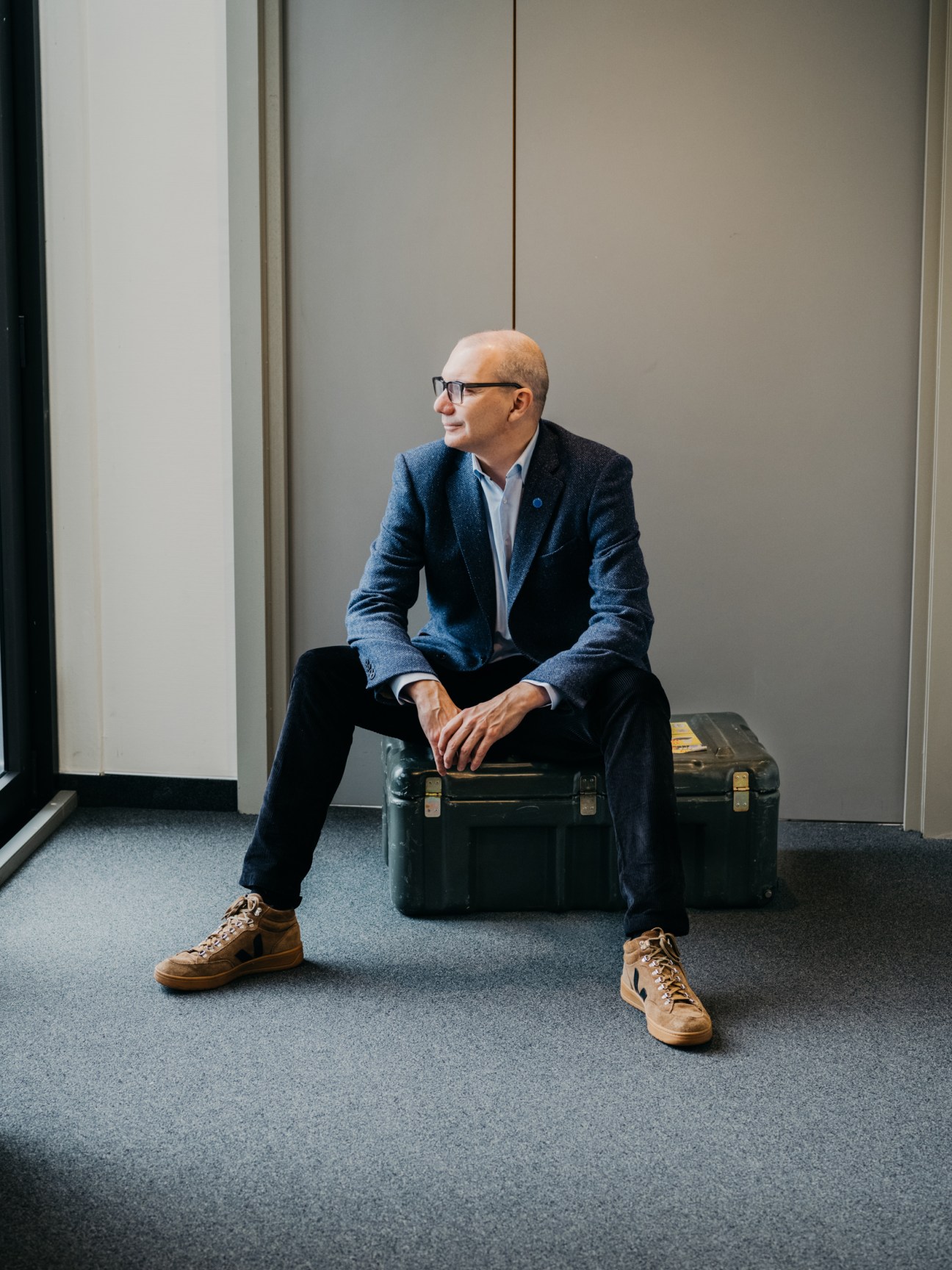
But the EU isn’t really about rationality – not in a procedural sense anyway. It’s about agreement and, therefore, compromise. In this regard, Strasbourg represents both the best and the worst of the entire European project. During our two days there, Monocle is dumbfounded by its architecture, befuddled by its methods and bewildered by its bureaucracy. But we are also moved by the large groups of schoolchildren milling around, humbled by the idea of a 27-nation parliament and surprised by the ragtag nature of MEPs – rather than stale Eurocrats, those who we meet are often idealists, rogues or eccentrics. Maybe you need to have no skin in the game to look at the EP in such romantic terms. Or perhaps having skin in the game is the only way you could do any of this at all.
At the extremes
As the EU heads to the polls, how should the establishment respond to the expected far-right surge? In Brussels and Strasbourg, a coalition of centrists has long held the levers of power. This includes the Socialists and Democrats (S&D), the liberal Renew Europe (RE) and the conservative European People’s Party (EPP), the frontrunner in this year’s elections. But polls suggest that the far-right European Conservatives and Reformists (ECR) and Identity and Democracy (ID) could secure a quarter of the vote. The EPP could find itself having triumphed only to face a main rival from the same side of the political spectrum. Prominent EPP members have so far refused to discuss making deals with the far-right, which could embolden the faction, especially in Germany and France.
Jerry Zagoritis of Campaign Lab thinks that the current coalition will hold but tilt rightwards. “The dynamics will be different,” he says. “The EPP will be the new kingmaker.” While the old coalition will still control the top jobs, he says, temporary right-wing alliances could form to challenge, for example, green initiatives. “The ECR and ID increasingly hold contradictory positions on matters such as Russia,” says Zagoritis, so they might not be united enough to play a pivotal role.
In March, Czech and Belgian authorities claimed that some MEPs had been paid to promote Russian propaganda ahead of the elections. To keep the threat at bay, it’s likely that there will be a repositioning of priorities when campaigning starts in May to address the gripes that are helping the far-right to attract support: the treatment of farmers, concerns over migration and climate-change policies.
How progressive entrepreneurs are attempting to forge a new India
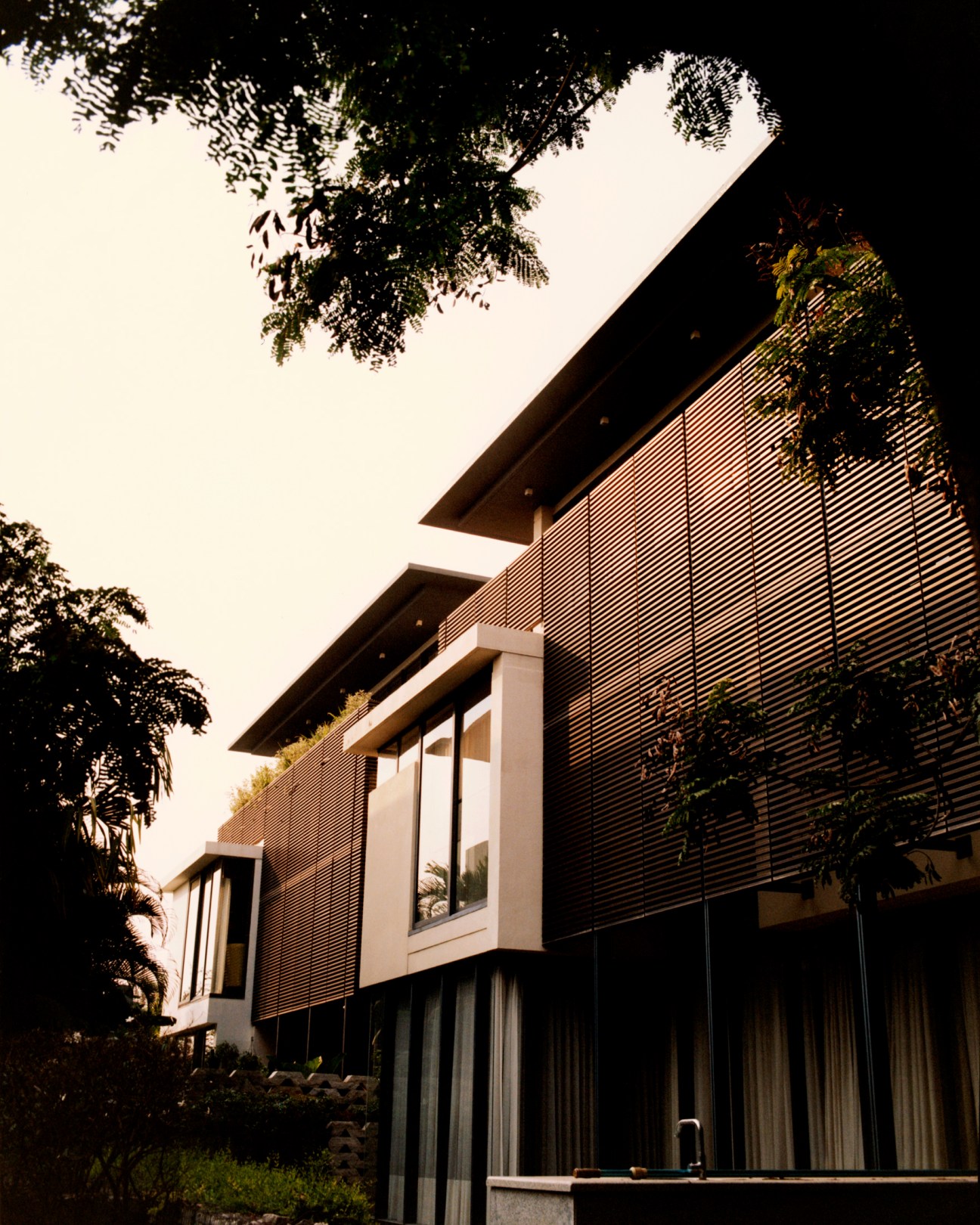
“This is India!” says Monocle’s taxi driver, laughing, as his vehicle pulls out of a deep pothole and enters the smooth, tree-lined lanes of Embassy Boulevard, a gated community in the north of Bengaluru (also known as Bangalore). “It’s a bubble but it keeps some of the chaos at bay,” says Jacqueline Chandra, a Swiss-Australian marketing executive who lives here with her Indian CEO husband and their children. Embassy Boulevard’s neatness verges on the banal but, in 21st-century India, such bastions of cookie-cutter monotony are relished for their order. Chandra is typical of the residents of Bengaluru, the capital of India’s southern state of Karnataka, where about half of the population of 13.6 million consists of migrants. Many are expats; most have flocked to this city from across the subcontinent.
Bengaluru was once known as “The Garden City” but is now widely referred to as “India’s Silicon Valley”. Its transformation from a sleepy town full of lush gardens into one of India’s most economically important cities took just a few decades. The southern city has long placed a premium on education and English is widely spoken here. So when US software companies began looking for low-cost skilled workers, it became a natural talent pool from which to draw. The tax incentives and liberalisation of India’s economy in the 1990s provided fertile ground for homegrown companies such as Infosys, Wipro and TCS. Their example attracted multinationals to Bengaluru, which now boasts about 67,000 registered technology companies and 13,000 start-ups, 43 of which are “unicorns” (valued at more than $1bn). It is also home to 13,200 millionaires, a number that is expected to double in the next 10 years. Today, Karnataka contributes 8.2 per cent of India’s GDP.

This sense of economic opportunity is something that many young Indians (half of the country’s population is under 25) are embracing as campaigning intensifies ahead of a pivotal general election. With some 970 million people going to the polls, it will be the world’s largest-ever democratic exercise. Facilitating a vote involving nearly an eighth of the planet’s population is a huge endeavour, which is why the election is staggered over six weeks, from 19 April to 1 June. Unlike in other democracies that enjoy (or endure) long campaigns, in India the candidates aren’t even announced until a month before polling. If there is one city that’s a microcosm of the nation – with hopeful, young voters embracing the idea of a progressive India, while navigating issues such as poor infrastructure and social stigmas – it is Bengaluru.
Ankit Nagori, who moved to the city from New Delhi, is a classic T-shirt-wearing Bengaluru technology CEO. He cut his teeth as chief business officer at Flipkart (India’s answer to Amazon) and now runs Curefoods, a business with 300 takeaway kitchens and 50 restaurants. “The city is a melting pot,” he says. “It’s a place where people with no hang-ups live.” His view is shared by content creator Jharna Kukreja, who moved here from Mumbai 15 years ago and lives in a 10-storey apartment block with a playground for her children. She loves Bengaluru’s progressive attitudes and the way that the “Who’s your daddy?” background check common in India is not as prevalent here. “Unlike in other parts of the country, where you have to come from a certain family, community or background, you don’t have to be someone to access opportunities here,” she says. To Nagori and Kukreja, Bengaluru represents what a successful 21st-century India could be: egalitarian, outward-looking and economically dynamic. However, like the country as a whole, the city faces many obstacles to future success.
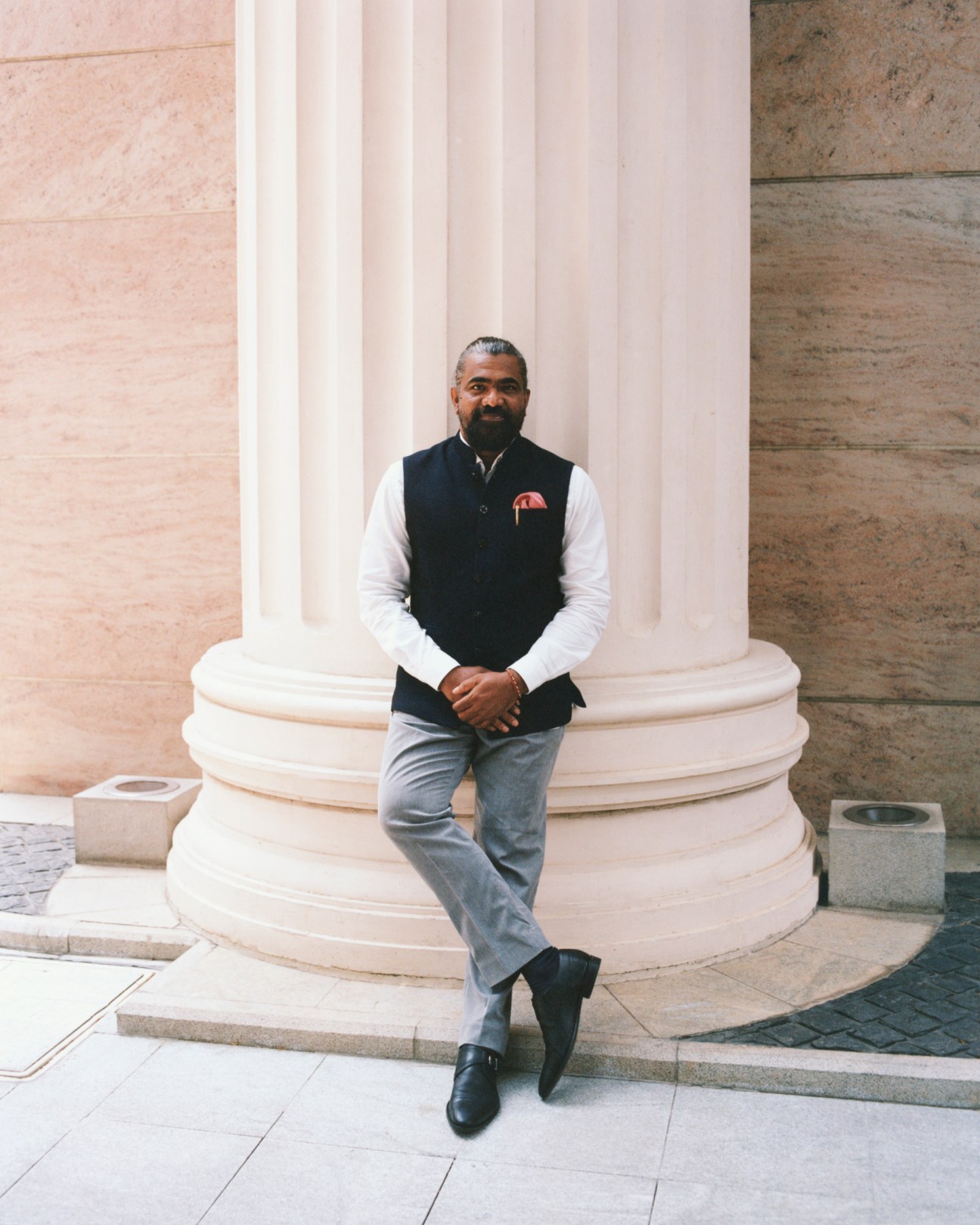
This year the effects of water scarcity will be felt more severely than usual, as Karnataka endures its worst drought in 40 years. Inadequate infrastructure is another significant problem. But ask residents to name the worst thing about Bengaluru and you’re likely to get one answer: traffic. It’s heavy and slow-moving at best and a single breakdown can bring it all to a standstill. “The city grew faster than the infrastructure,” says Venkat K Narayana, the ponytailed CEO of Prestige, one of India’s largest developers, who is based in Bengaluru. “It’s a constant catching-up game.” Prestige’s growth exemplifies the long boom that has transformed the country. In the past 30 years, it has completed projects covering a total of 17 million square metres; this year alone it has a further 14 million square metres in the pipeline. Like most business leaders in Bengaluru, Narayana credits the ruling, right-wing Bharatiya Janata Party (BJP) and its figurehead, prime minister Narendra Modi, with India’s progress. “Growth only happens if there’s infrastructure, stability and consistency,” he says.
But there are increasing concerns that not enough is being done and that if the city can’t get on top of its problems, companies will locate elsewhere. “India is a strange country, ancient and modern at the same time,” Naresh V Narasimhan, principal architect at Venkataramanan Associates, tells Monocle. “On one hand, I have designed a high-spec building for Boeing here that the company said was the best of its kind outside the US. And on the other, all you have to do is get out of your car and your leg falls into a ditch of raw sewage.” Narasimhan led the team that transformed the now-bustling Church Street in the heart of Bengaluru from a “rotting, stinking” mess into what he calls “India’s first truly shared pedestrian street”. While some of the city’s other thoroughfares are clean and buzzing, most are cluttered and in disrepair.

Last May the BJP lost the Karnataka state elections and the opposition Indian National Congress (commonly known as the Congress party) is now in charge. This could be viewed as an attempt by voters to send a message to politicians about their perceived slowness in delivering change. While Bengaluru’s rich get richer, its poor swell in number, mostly as a result of an influx of rural workers; the city’s population has grown by about 400,000 a year since 2020. Yet this sort of electoral flip-flopping has gone on for the past decade across the country and many say that it’s a sign of a healthy democracy. Young BJP MP Tejasvi Surya, who naturally would prefer his party to control Karnataka, attributes Bengaluru’s recent advances to the funding and support that it has received from central government. The 33-year-old rattles off a list of these accomplishments, including 75km of new metro rail, a 268km ring road around the city, 1,500 electric buses and even approval for a long-awaited US consulate. “Because of all of these measures, people of Bengaluru have greatly benefitted from the Modi government,” he says. “This is why the city votes overwhelmingly for the BJP.”
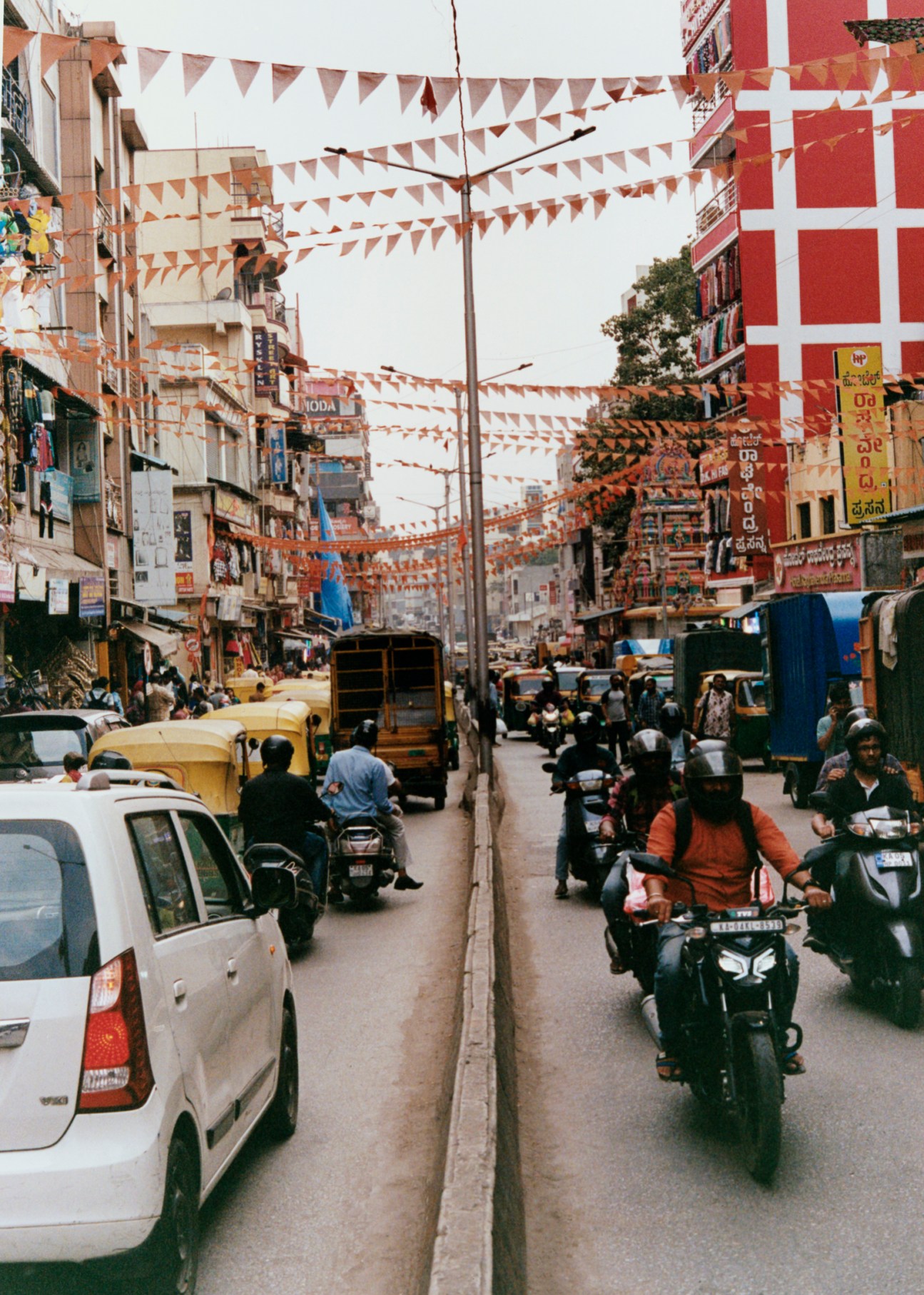
He is right that India’s boom town does seem to favour the ruling party. Despite its popularity, however, the BJP has a defensiveness born of the criticism that Modi’s India often receives, both from within the country’s once-dominant left-wing intelligentsia and from observers beyond its borders. For example, the party has been accused of using state institutions to pursue political rivals. In March, Arvind Kejriwal, Delhi’s chief minister, was arrested on corruption charges, resulting in a protest that brought hundreds onto the capital’s streets.
Many also worry that Modi is trying to turn India into a “Hindu Pakistan”, with full rights and protections only given to the Hindu majority. “I fear for India,” says Brijesh Kalappa, a Supreme Court advocate and former Congress party leader. “Decisions to hurt amity among religions will have long-term consequences.” India is home to more than 200 million Muslims, making it the country with the second-largest Muslim population. But they are a minority compared to its 1 billion Hindus. Modi’s project to reclaim pride in Hindu civilisation has unnerved Muslims and revived fears of civil conflict. He has been criticised for condoning interfaith violence as chief minister of Gujarat in 2002, when widespread Islamophobic riots left more than 1,000 people dead. And his decision in January to consecrate a temple in the city of Ayodhya was seen as highly inflammatory: it was built on a sacred Hindu spot but one that is also the site of a 16th-century mosque destroyed in 1992 by Hindu mobs. Like most places in India, Hindus and Muslims live and work side by side in Bengaluru, though none of the Muslim shopkeepers who Monocle spoke to were willing to comment on the election.
At Bengaluru’s trendy Third Wave coffee shop, however, a group of young office workers say that they don’t see such divisions in their circles. “I have a lot of Christian and Muslim friends,” says 32-year-old Lakshmi Narayan. “We all live in harmony.” Her 39-year-old colleague Jiban Kumar agrees. “As far as any sectarian discord goes, it’s politics and hype,” he says. “The BJP has made developments for the past 10 years. We have seen no corruption or social disharmony.” This view partly reflects Bengaluru’s ability to move beyond India’s ancient divides towards a more peaceful settlement. But there have been exceptions. On 1 March, a homemade bomb exploded at a vegetarian café during lunch hour, injuring eight people. Many initially tried to underplay its link to terrorism but investigations are pointing to the role of Islamist extremists.
“Fear has permeated the community,” says Tanveer Ahmed, a former spokesperson for secular political party Janata Dal Secular (JDS). “The BJP systematically excludes Muslims from holding representative positions. Meanwhile, other parties only allow mostly illiterate or problematic Muslims to lead: individuals who lack education and fail to grasp the complexities of issues or pose challenging questions.” Peculiarly, the jds has now entered into an alliance with the bjp in Karnataka, underscoring not only the elasticity of ideology in India’s politics but also the fact that religious violence – or the threat of it – has become a campaigning tactic for many.
Indeed, most people in Bengaluru only have praise for Modi, his reputation as an antagonist notwithstanding. “Modi is legendary,” says taxi driver Hareesh Kumar, part of a group crowding around a tea stall on a balmy evening. “He’s the one and only gift for India.” MC Shilpacharya, who used to be a goldsmith and now owns his own photocopying shop nearby, agrees. “Because everything is online, Modi has brought digital to India,” he says. Restaurant manager Pradeep Shetty is most impressed by India’s improved standing on the world stage. “Since Modi came to power, everyone knows us,” he says. “He’s doing very good things for the country.”
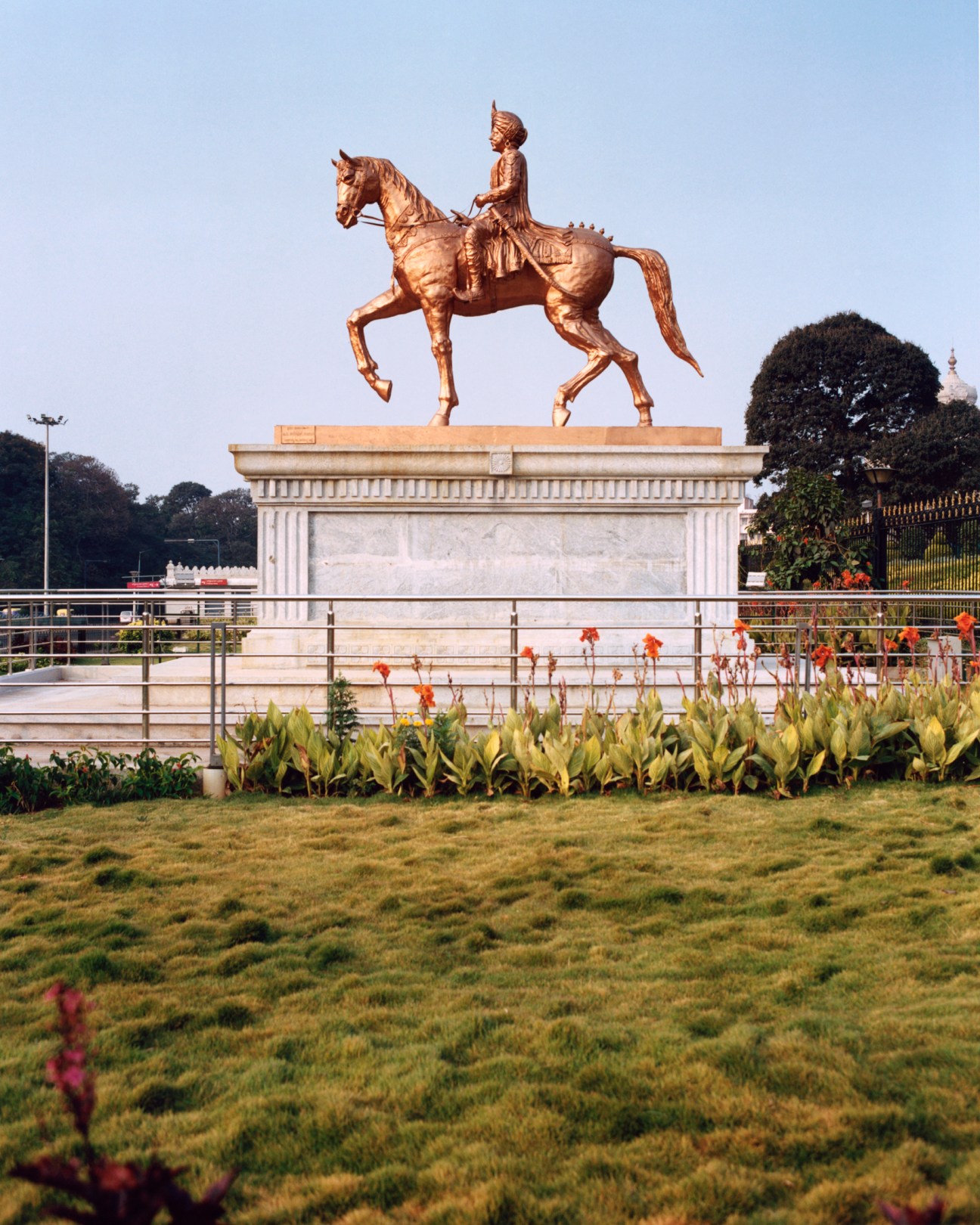

Unlike in many Indian cities, where people chew over the endless horse-trading of coalition politics, Bengaluru’s business and start-up communities tend to look at politics through a cost-benefit lens. When the going’s good, few want a regime change. Whether Modi is good for India is a touchy subject for the venture capitalists who Monocle meets in a smart building off Church Street. Between conversations, their attention flits to the large, muted CNBC screen – the trademark twitch of 21st-century moneymen.
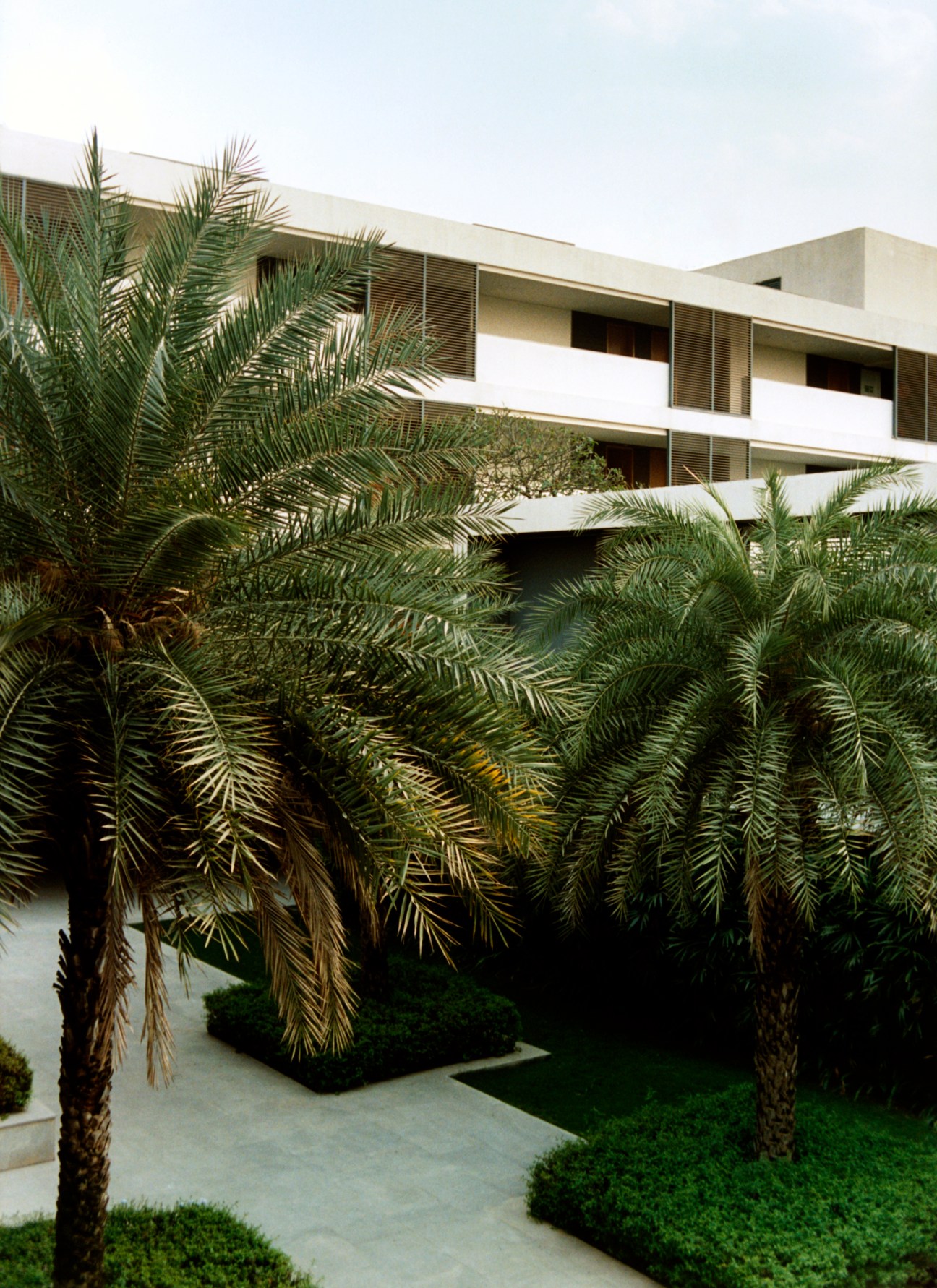
Karl Mehta is a foreign investor of Indian origin who feels that the West has the wrong idea about the country. “It views nationalism as a negative word because of the trauma of Hitler,” he says. “But being nation first isn’t a bad thing. The US is nation first and nobody questions it. The West doesn’t understand India. We’re a 5,000-year-old civilisation. But for the past millennium, we have been told that our culture and traditions are inferior. Now, India feels proud of its identity.” At a time when the old powers of Europe and the West are failing to get their way on the international stage, the BJP is the party for those trying to shake off the last of India’s postcolonial grievances, a potent attribute in this city of young companies.
There are more Indians than ever with no direct connection to British colonial rule, which ended with independence in 1947, or the decades of socialism that followed it. Of the nearly one billion eligible voters in this election, more than 550 million are under the age of 40. Their worldview developed after 1991, when India’s markets opened to foreign capital. Within a few years, hundreds of millions of Indians suddenly gained access to a wideing machines and laptops) to the modish (Adidas and Armani). Smartphones and digitisation increased financial inclusion. Very poor Indians, who for centuries had been at the mercy of ruthless moneylenders, could instead procure loans directly from banks. Middle-class shopkeepers, used to keeping cash stuffed in mattresses, can now invest in stocks and bonds more easily. “They don’t know much about the freedom movement or Gandhi,” says TV Mohandas Pai, a Zen-like 65-year-old investor and philanthropist. “They’re not bothered. They’re not beaten people who believe in the superiority of the white man. They’re seeing India growing, especially under Modi.”
Pai made a name for himself as a former board member and CFO of Infosys, one of India’s behemothic IT firms. “Modi is in a strong position because most Indians are poor,” he says. “What has he done? He has put roofs over their heads and given them toilets, mobile phones, food and medical help. And he has never backed down on Pakistan or China.” Pai rails against what he calls the “anti-Modi ecosystem” that wants to “save India from itself”, especially when it is fuelled by Indians who live abroad. “Liberalism is making sure that there are multiple voices,” he says. “But I know of people who have said positive things about Modi, then been cancelled. The only ones complaining are those who were kicked out of power or economic refugees who left India. We stayed and built the country. Not the malcontents. We don’t need them. India will stand up for itself.” Conspiracy theorists suggest that there is a movement to stop Modi from flourishing because a strong India challenges the world order. “It’s not a massive conspiracy theory,” says investor Karl Mehta. “It’s just an old colonial mindset, a Western worldview.”
For all the talk of India’s authoritarian backsliding, millions of its diaspora are returning and many are heading for Bengaluru. Prospects in the US and parts of Europe, where taxes and crime rates are far higher than in India, are bleak for young people. But more significantly, the country’s economy is booming: it was recently named the world’s fastest-growing by the executive director of the International Monetary Fund, Krishnamurthy Subramanian. India’s GDP grew by 7 per cent last year and is predicted to grow by 7.6 per cent in 2024. By comparison, most economies in Europe were stagnant or even contracted in 2023. Many Indians who left the country now see more opportunities in their homeland.
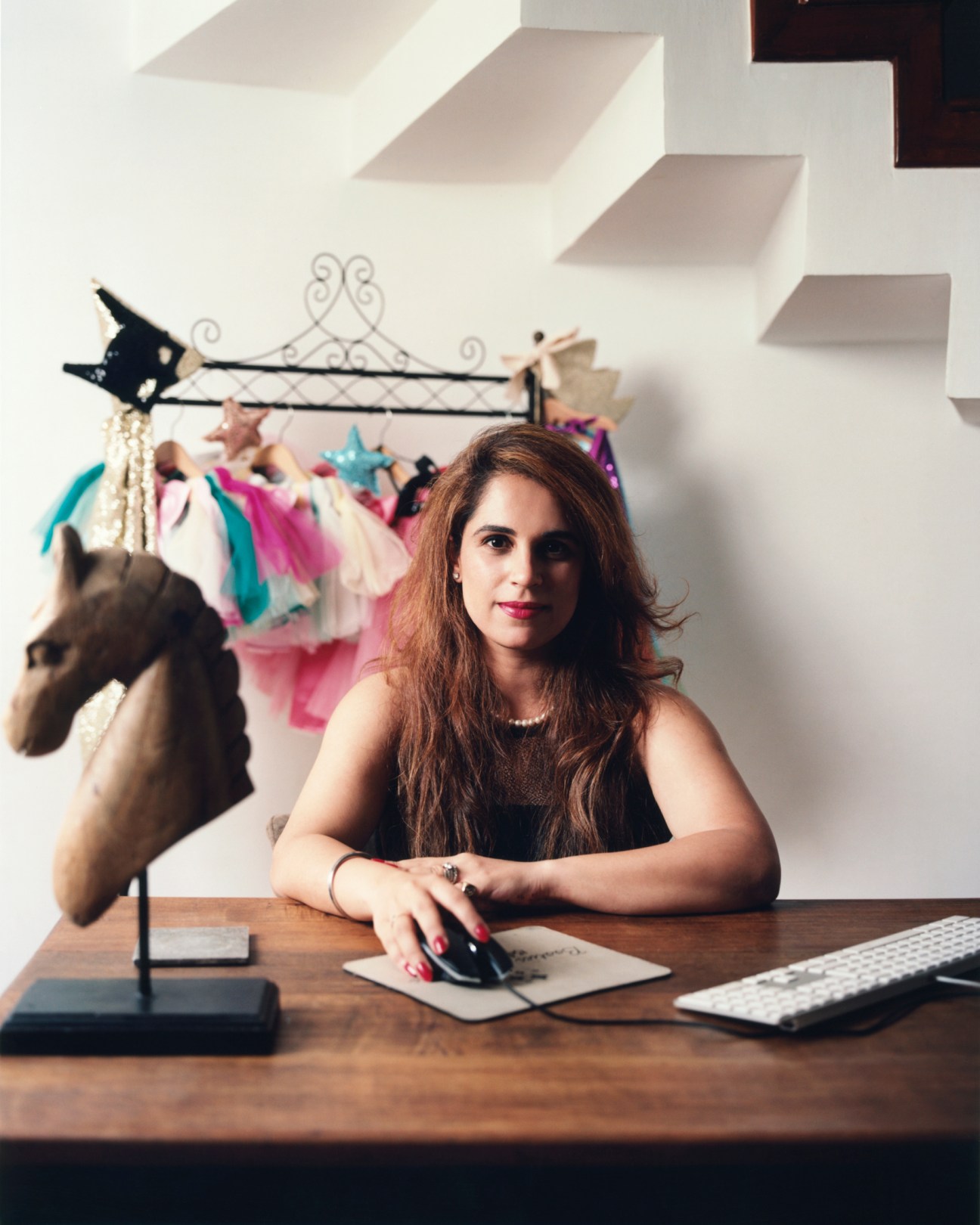
Heena Randhawa, who has spent most of her life abroad and is married to an Englishman, left London when her husband got a job in Bengaluru. Though she was a marketing and communications specialist in the UK, she decided to set up an apparel company designing costumes for children. “There are many people who want to come back to India,” she says. “There are so many opportunities and it’s easy to get things done. Opening a business, especially in the creative space, would have been harder in London. It’s so easy to source quality material here. There’s a whole street in Bengaluru full of ribbons and another full of buttons.”
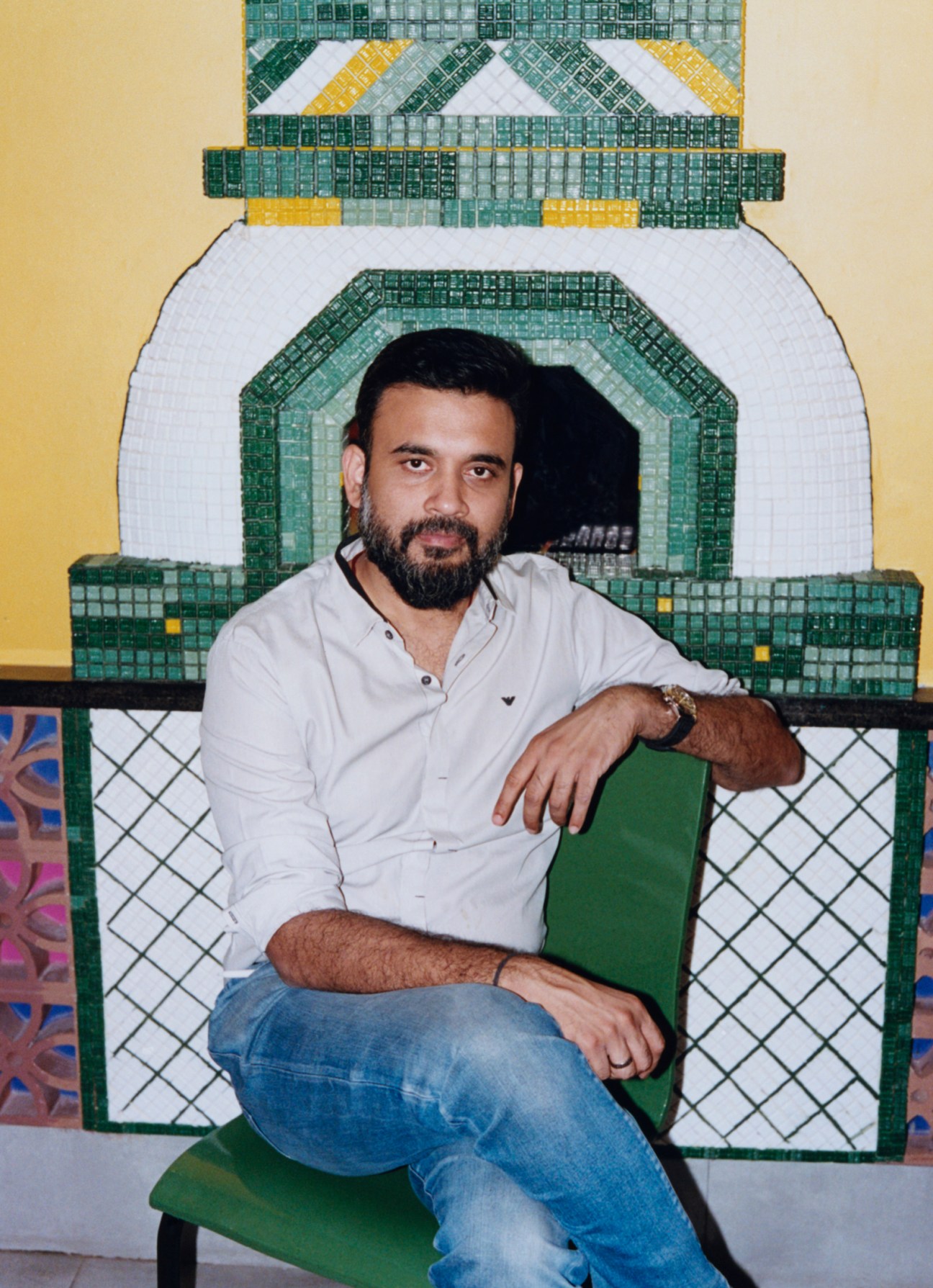
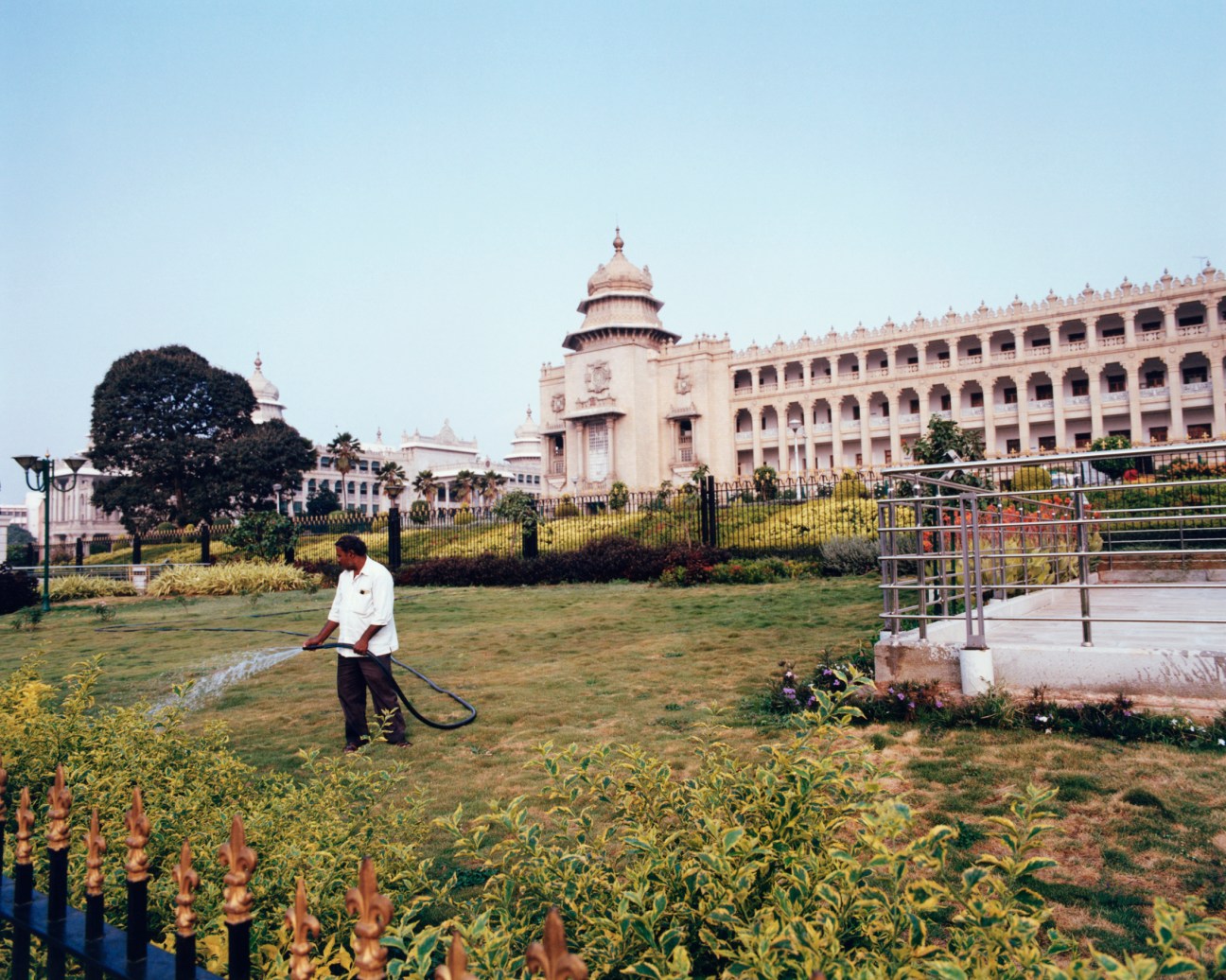
Bengaluru is becoming almost as well known for its micro-breweries – there are about 80 – as it is for its start-ups. Monocle visited two of them and couldn’t find anyone who wasn’t planning to vote for the BJP. The closest things to dissenting voices that we encountered were endorsements with caveats. “I’ll vote for Modi because there’s no other choice,” says 22-year-old software engineer Arnav Mahajan. “We have to settle for the least bad candidate,” says his friend Anjali Sharma. The lack of a strong opposition is a common complaint, including within the Congress party, but even the most anti-BJP activists believe that the party’s victory is a foregone conclusion. The question is how big a mandate Modi will receive and what he will do with it. For those in Bengaluru, India’s city of the future, his stewardship has brought rapid technological and economic advancement.
On the city’s streets, among both rich and poor, there is a sense that this is India’s time – a sentiment that comes across more as joie de vivre than chest-thumping nationalism. The real test for the country’s strongman leader is not the election but how much discomfort the booming economy’s developmental problems will continue to cause. If he can find a way to harness the energy surging through this vast nation while preventing conflict between its religious groups or with its neighbours, India will almost certainly assume its place at the top table of nations within this century. If he cannot, its young population will surely turn away from the BJP. There’s a phrase that Indians use to sum up the country’s bumps and contradictions: “We’re like this only.” “As much as I’d love smooth roads, this is India,” says returnee Randhawa. “And I like its twists and turns.”
Insights from the world’s largest property fair
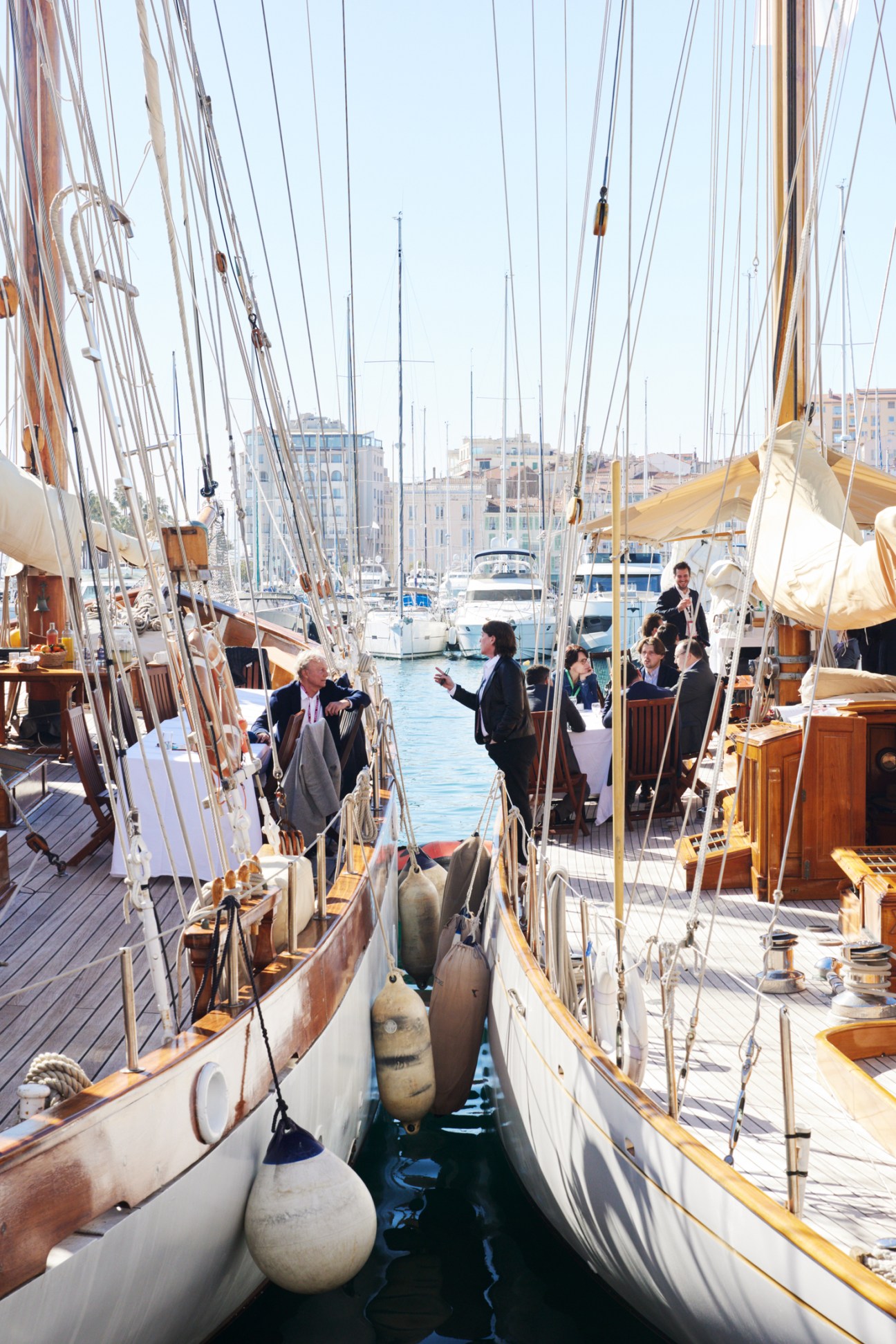
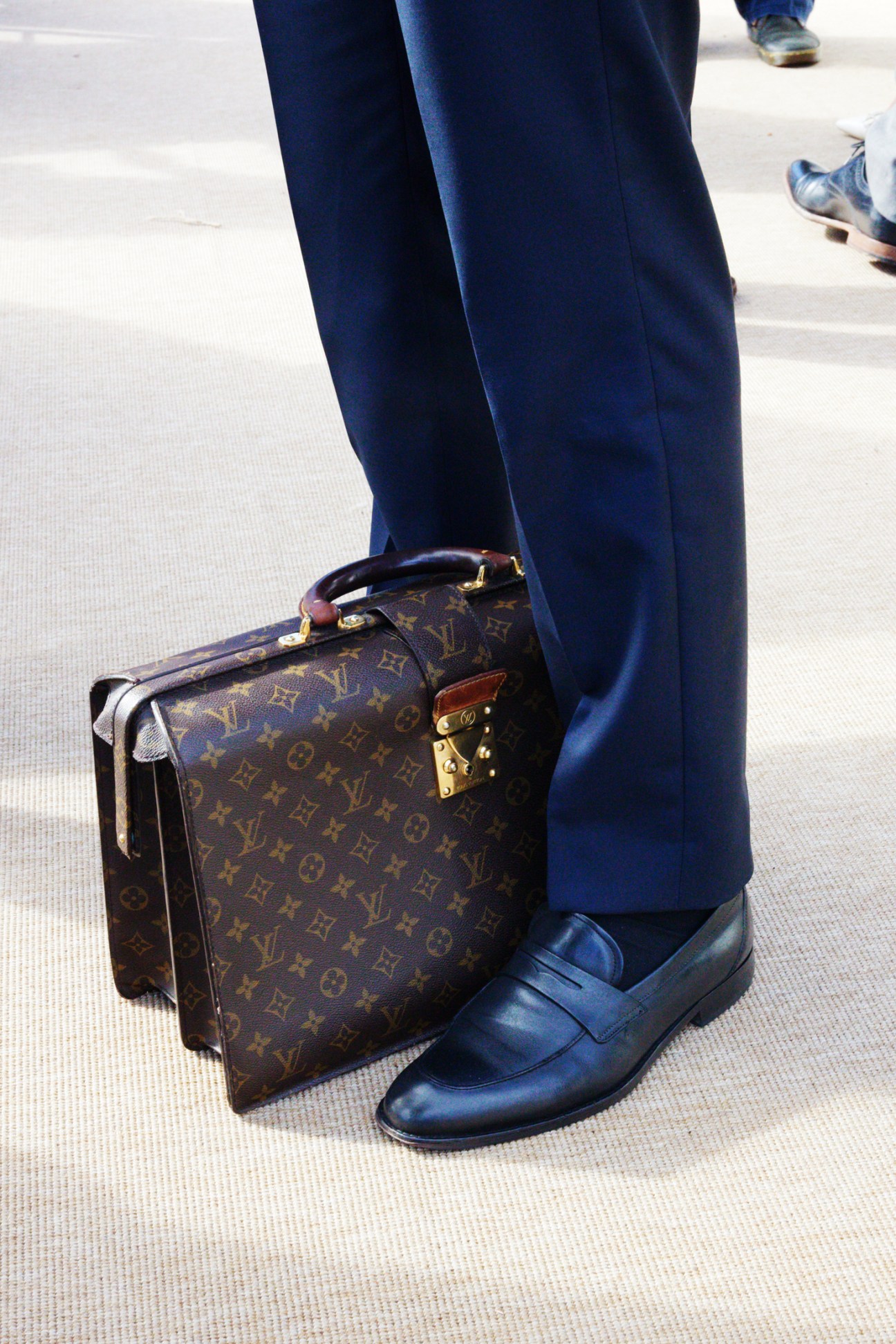
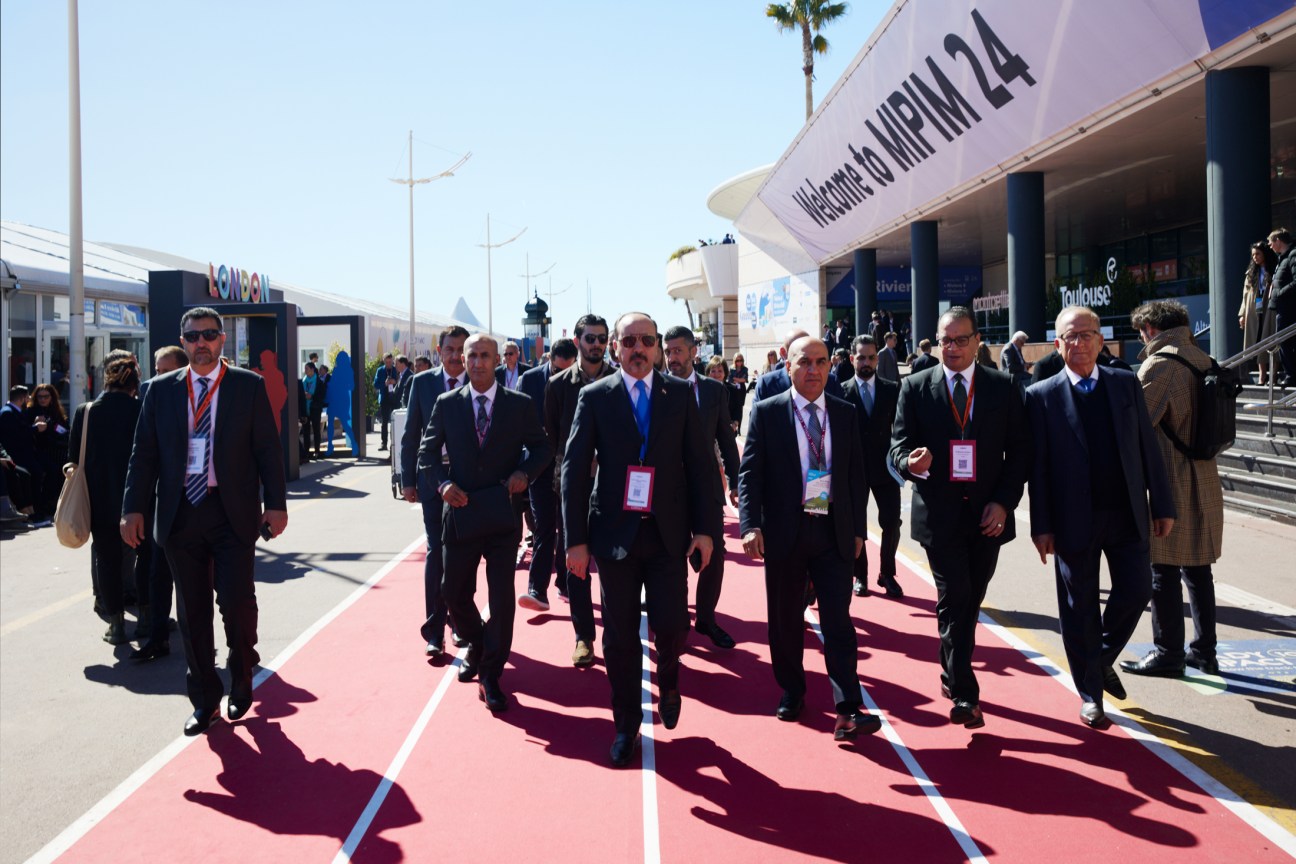
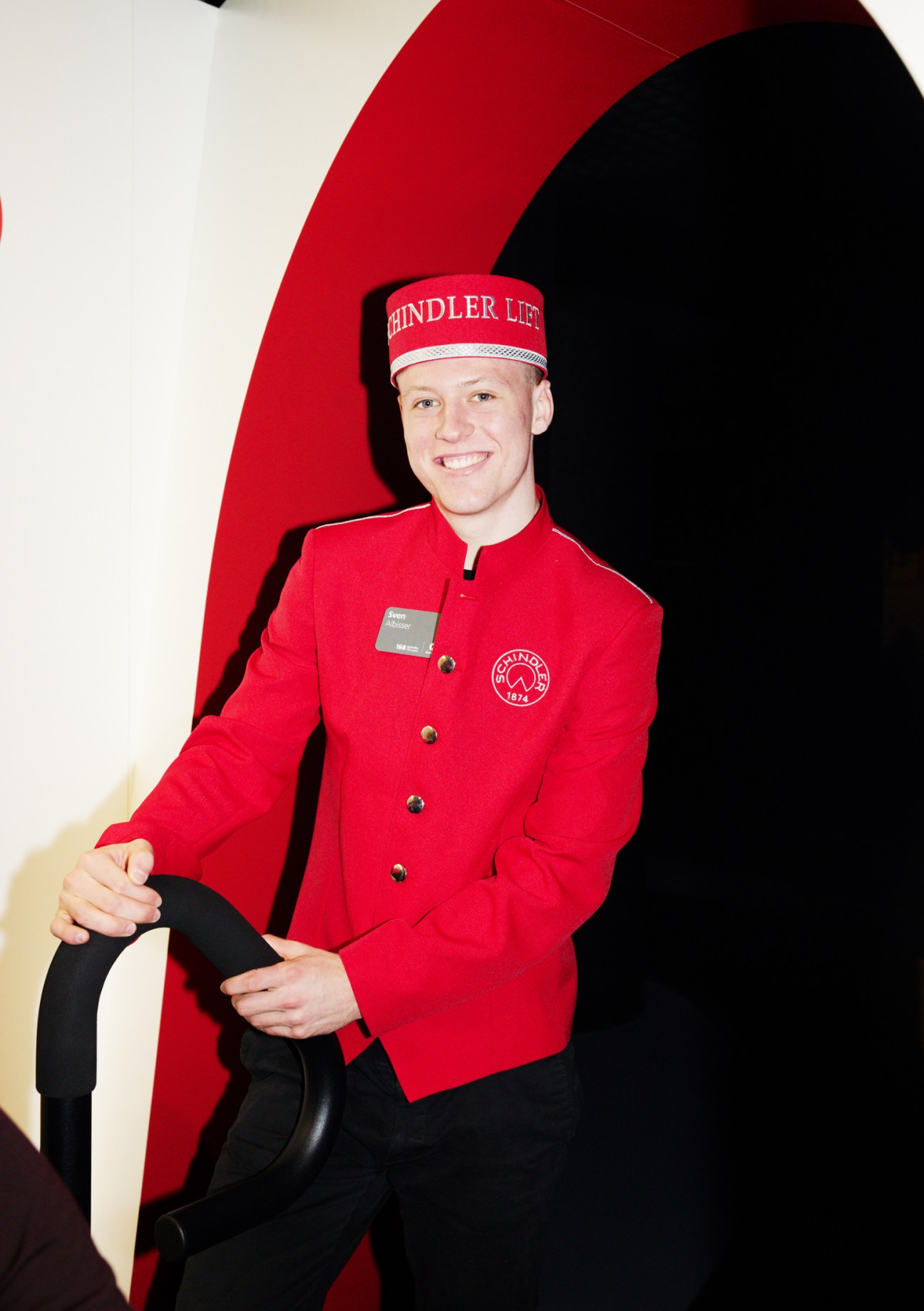
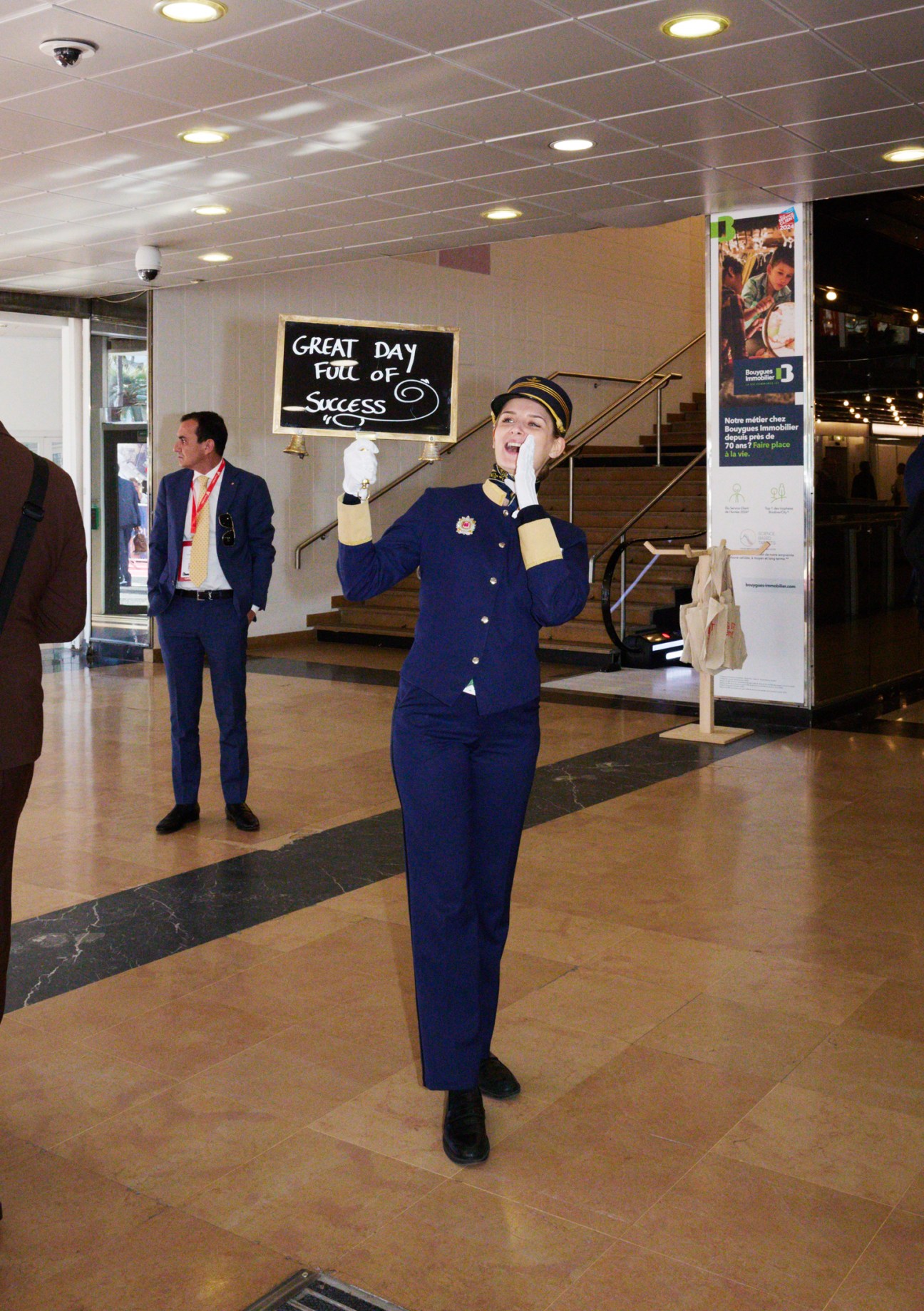
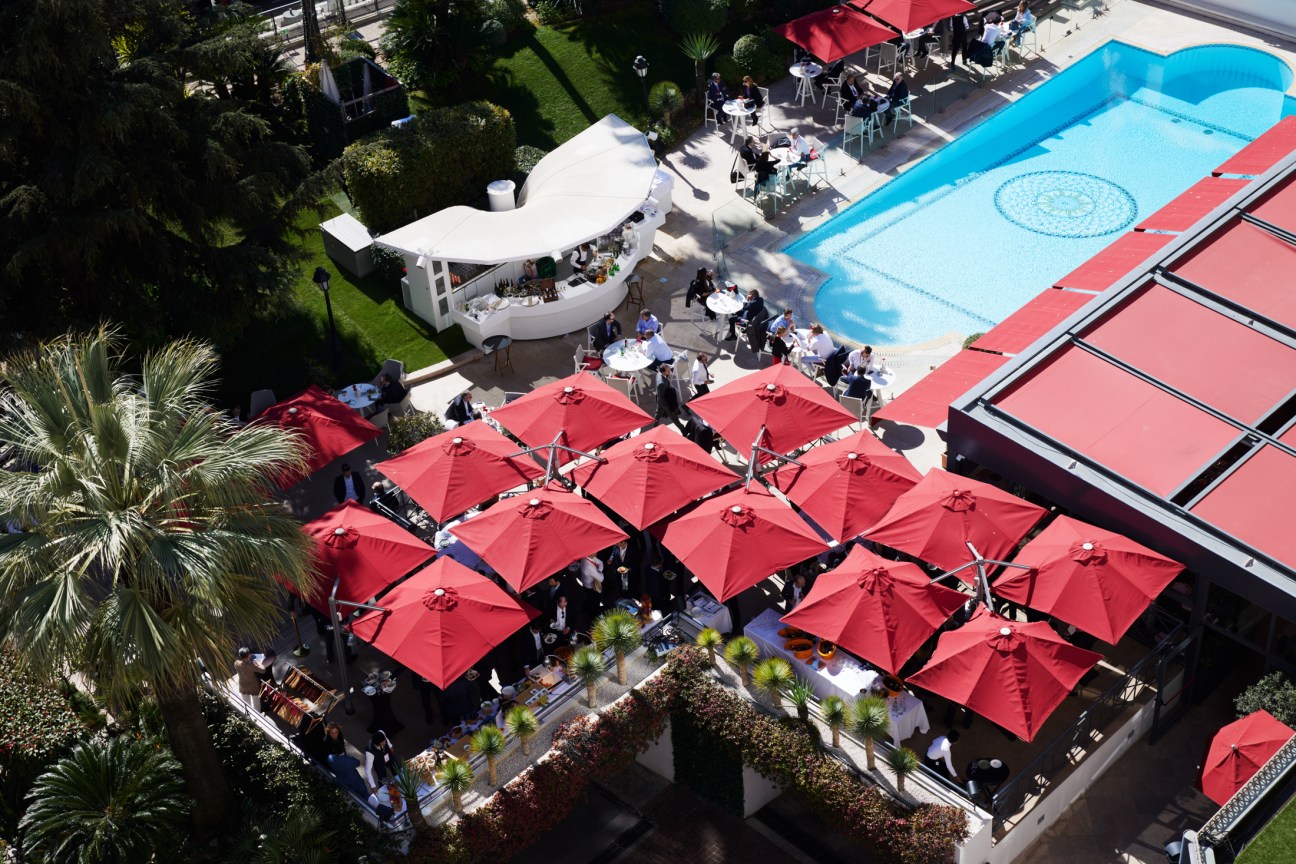
Monocle was tempted back to the shores of the Med in March for the 2024 iteration of Mipim, the world’s most important real-estate fair, which pulls in more than 20,000 delegates and exhibitors, mostly from Europe and the Middle East. Hosted in Cannes, this is a sales event, a soft-power arena for governments and cities to show what they’re made of, for funds to seek out investment opportunities and for a lot of convivial hospitality. In the space of a few days you can gain a snapshot of the forces shaping the ways our cities will develop and the trends and social powers that are materialising in the built environment.
The mood this year was much improved on 12 months ago. There was a feeling that capital was about to flow again, that more projects were being greenlit and that more companies were returning to in-office working, ready to buoy the market for commercial landlords and boost the prospects for CBDs and retail. And if you are in hotels, data centres or South American malls, it was also all positive. Over the following pages, we’ll introduce you to just a few of the folk we met at Mipim and hear their concerns, ambitions and predictions for the years ahead.
Felicity Black-Roberts
The vice-president of acquisitions and development Europe at Hyatt Hotels Corporation championed the post-pandemic hotel boom on the continent.
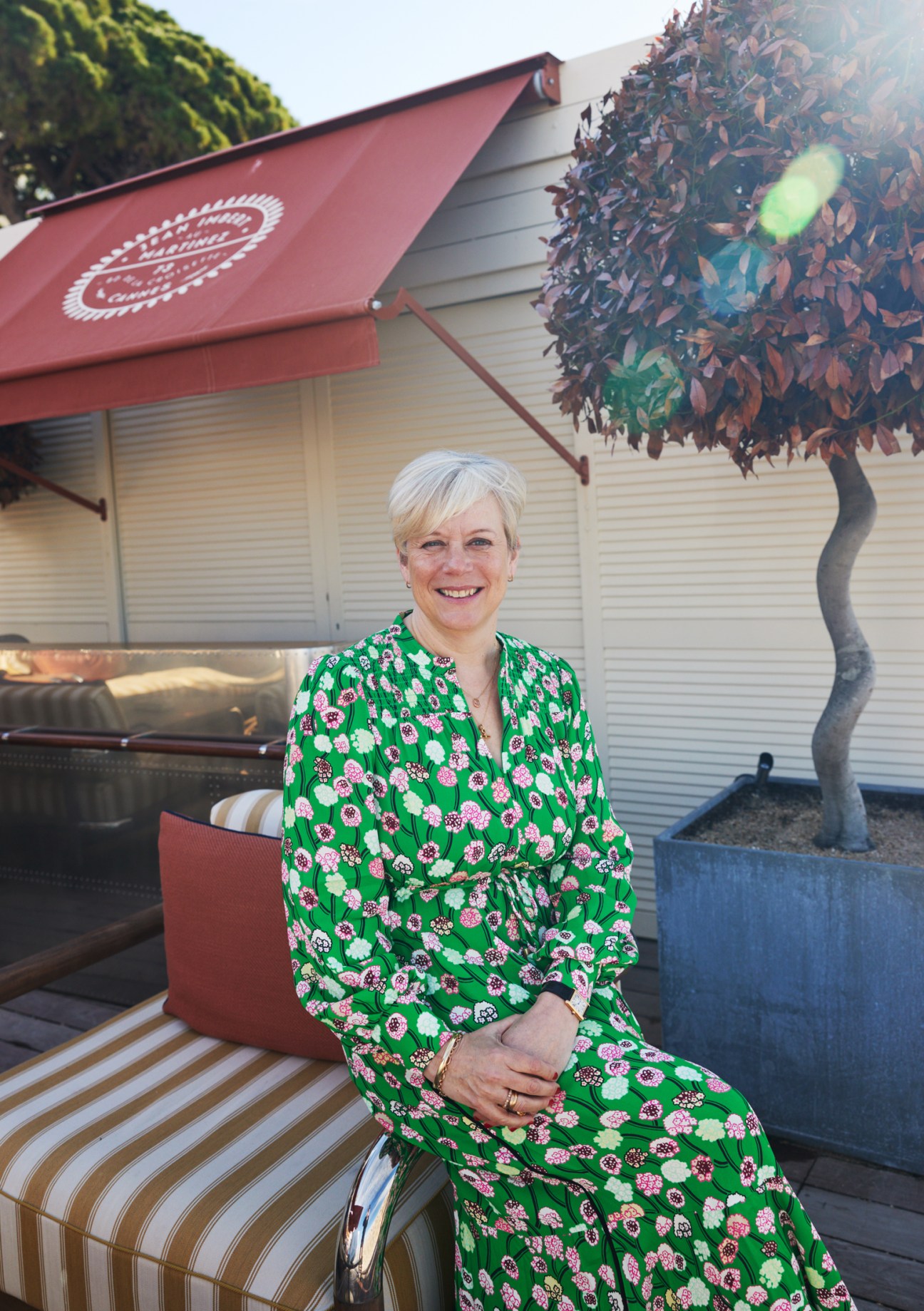
“We were surprised at how well the business-traveller sector bounced back after the pandemic. I was faced with doom merchants saying, ‘There’s never going to be another Frankfurt Book Fair, it’s all dead’. But it’s come back. And it’s a testament to how human beings want to do business. They want to be face-to-face, have eye contact, be in the same room. I also think that people coming out of the pandemic realised how much they valued travel. There have been a lot of leisure trips, as well as blended trips where people might be taking their family away for some leisure time and doing some work as part of that. That’s partly driven the increased demand for suites, which often delivers the experience element for those high-end guests who can afford that pricing level.”
Muyiwa Oki
The president of Riba (the Royal Institute of British Architects) was in Cannes to promote British talent, especially around the climate crisis, and reflect on the built environment in an election year.
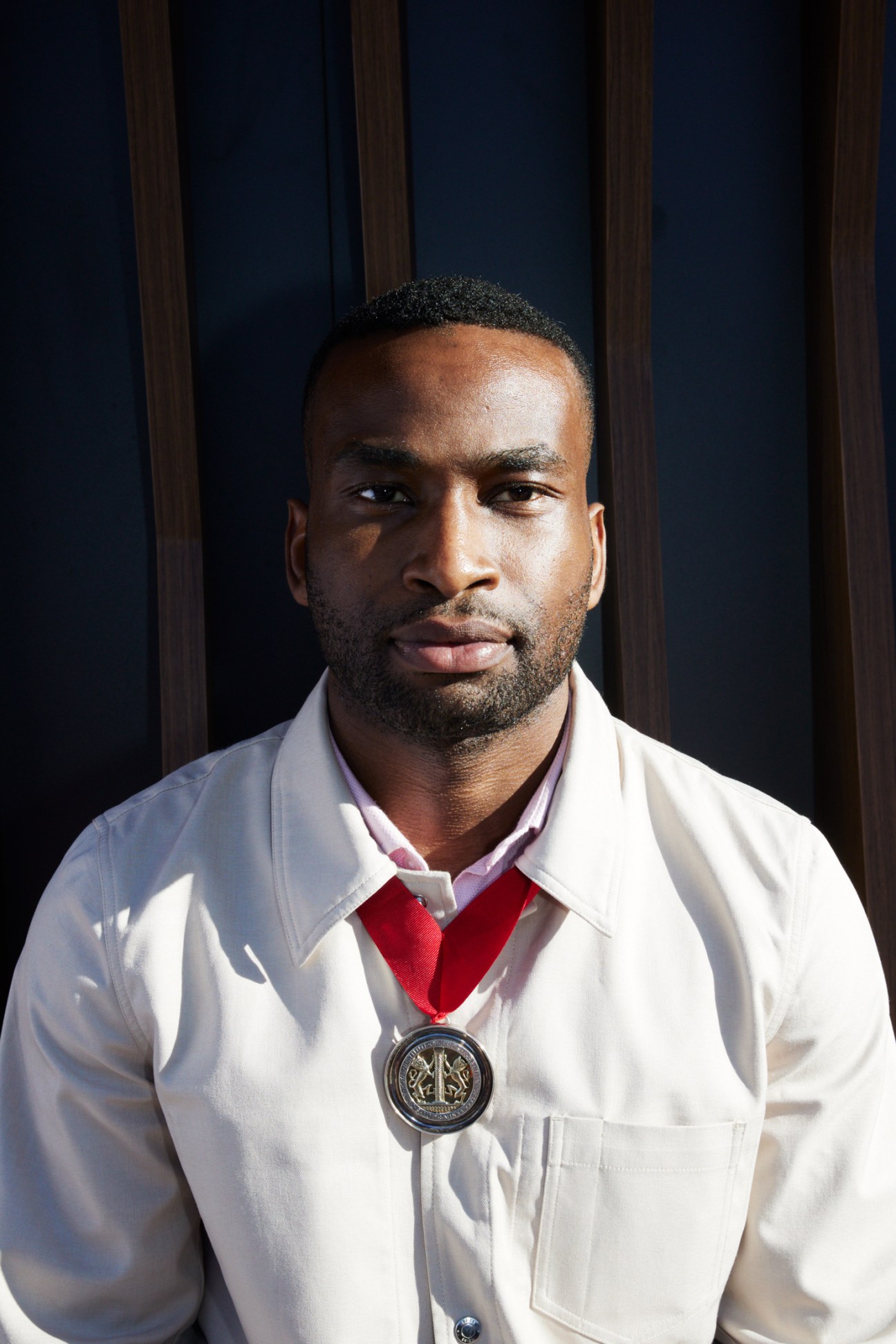
“I’ve been invited to roundtables by [UK political parties] Labour and the Conservatives. We are making the case that the built environment has a major effect on towns and regions in the country. For example, in the northwest and the West Midlands, we have quite a lot of homes that are not fit for purpose and we’re lobbying for a retrofit strategy, a way of rethinking and reimagining these dilapidated buildings and bringing them up to standard for the future. And that has an effect on jobs, job security, healthcare. So basically, what I’m trying to say, is that the built environment is an indicator of prosperity. And if you invest in it, you invest in income, in the economy. I can feel that people are listening to us and they’re getting the idea that, if we want to solve the big issues when it comes to a global climate emergency, we need to think about the built environment first, because the built environment contributes to about 37 per cent of global greenhouse gases. And there is no pathway to net zero without solving this issue.”
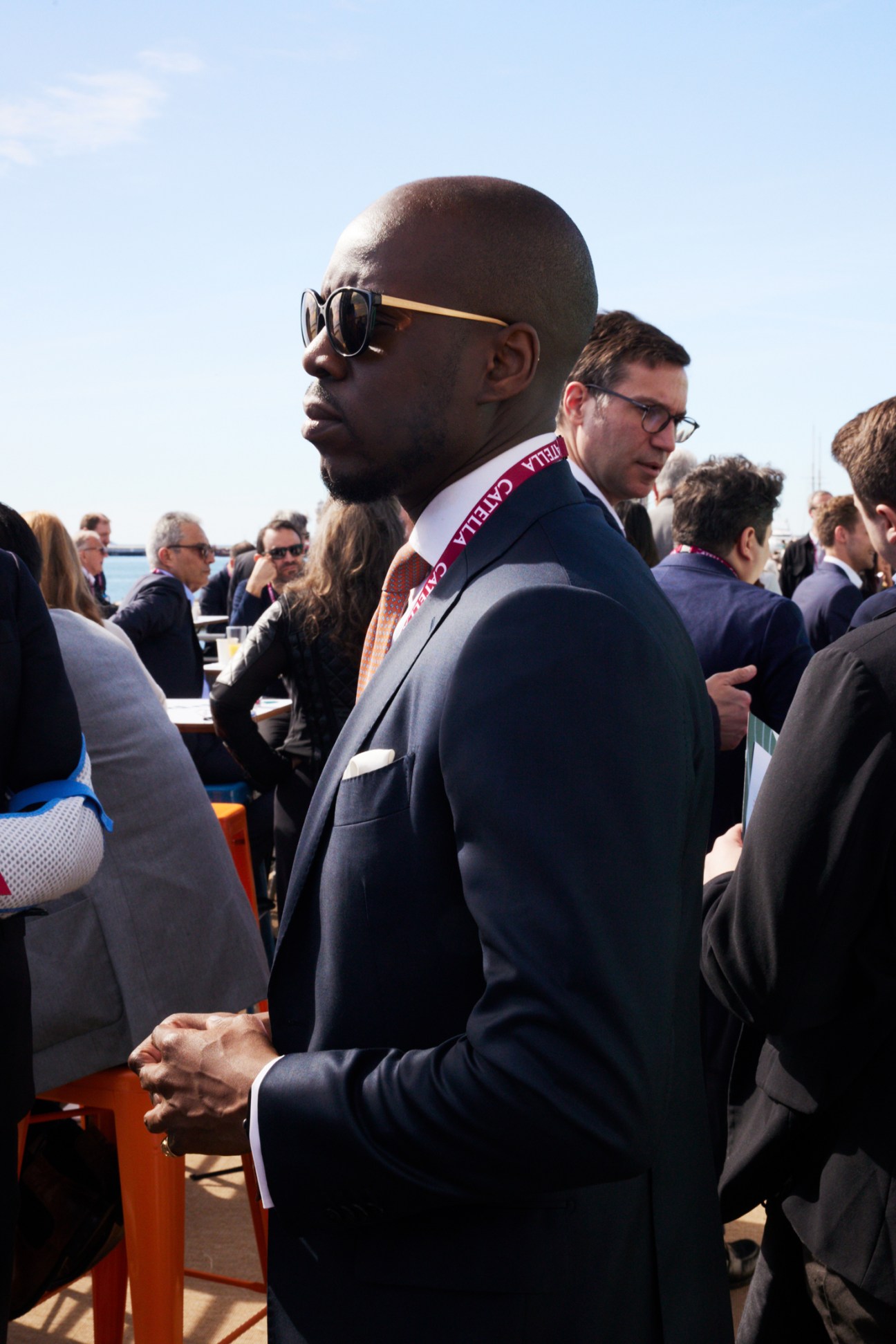
Valdas Benkunskas
The mayor of Vilnius was on the ground to champion the Lithuanian capital and realign people’s focus on the effects of the war in Ukraine on this neighbour of Russia.
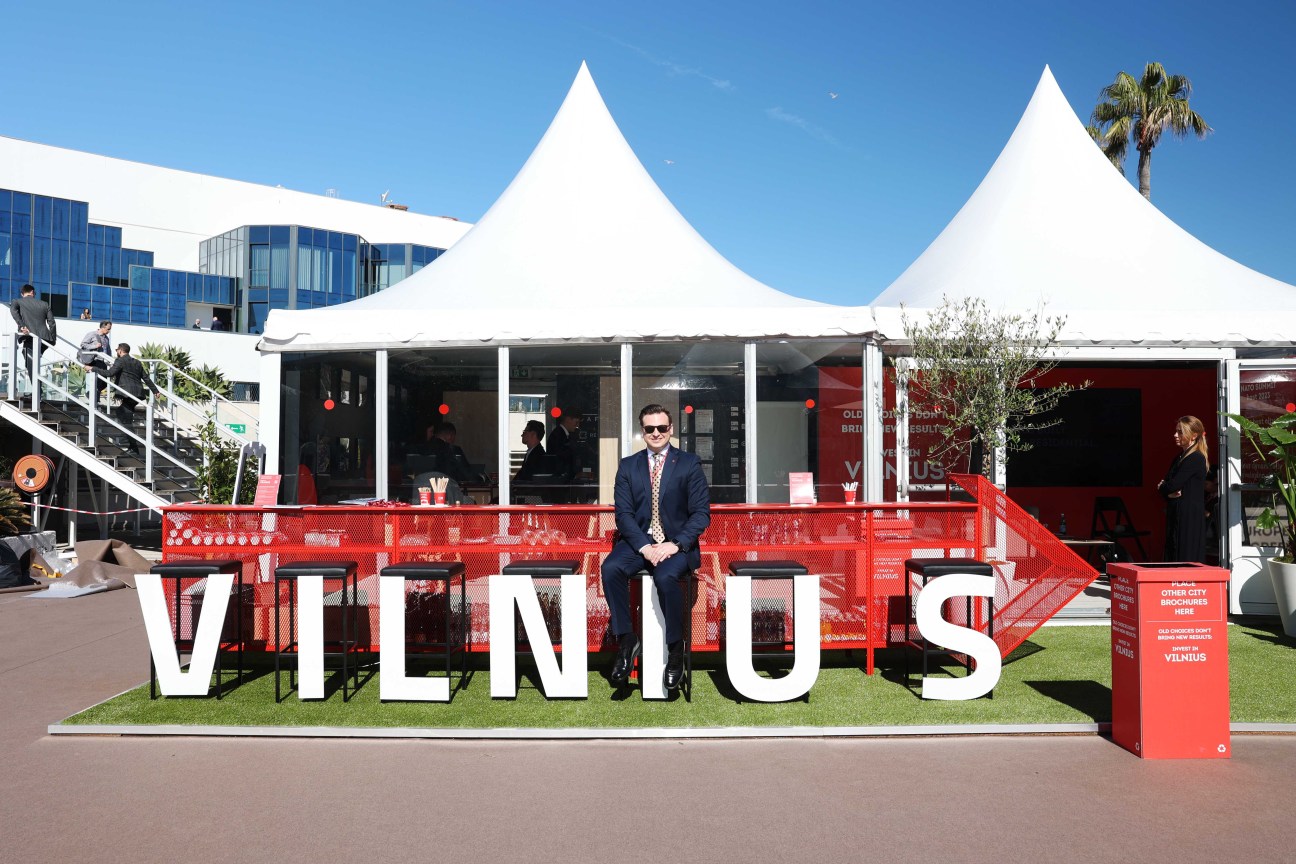
“It’s a dangerous situation because a lot of countries and societies in western Europe are just tired of this war. And that’s what the Russians are seeking to do: crush us. Our goal is to say that we won’t forget, we won’t get tired and we will do everything that’s needed until Ukraine wins this war. For us, it’s much easier to do that because Ukraine is closer to us than it is to Portugal or Spain, for example. But still, we believe that Ukraine is not just fighting for themselves. They’re fighting for us as well. So our goal is to help as much as we can and, in Vilnius, we have a lot of people who support this and who understand. Our society doesn’t panic.”
Duncan Swinhoe
The regional managing principal of Gensler, the world’s biggest architecture firm, founded in San Francisco in 1965, had some thoughts on the company’s spiritual home and the future of the office.

“Nvidia [an AI tech company] is the hot topic. Everyone’s talking about Nvidia and its headquarters were designed by Gensler before the pandemic. We’ve just completed the third phase of that building and it’s as far from what you would think of as an office building as you could possibly imagine. It is a future environment that’s designed to facilitate collaboration, to bring innovators together in a super-effective way, in a way that differentiates their space from their competitors’ spaces. And you can see the results. I mean, it’s an incredible building.
“Just to play on the San Francisco conversation a little bit: there has been a lot of negativity around the hollowing out of the CBD but we’ve just moved into a new building there and what’s interesting is that the teams are a full-time presence – they’re in most of the time together, collaborating. And that’s because the space facilitates this – there’s the ability to choose where you want to spend time, for example.”
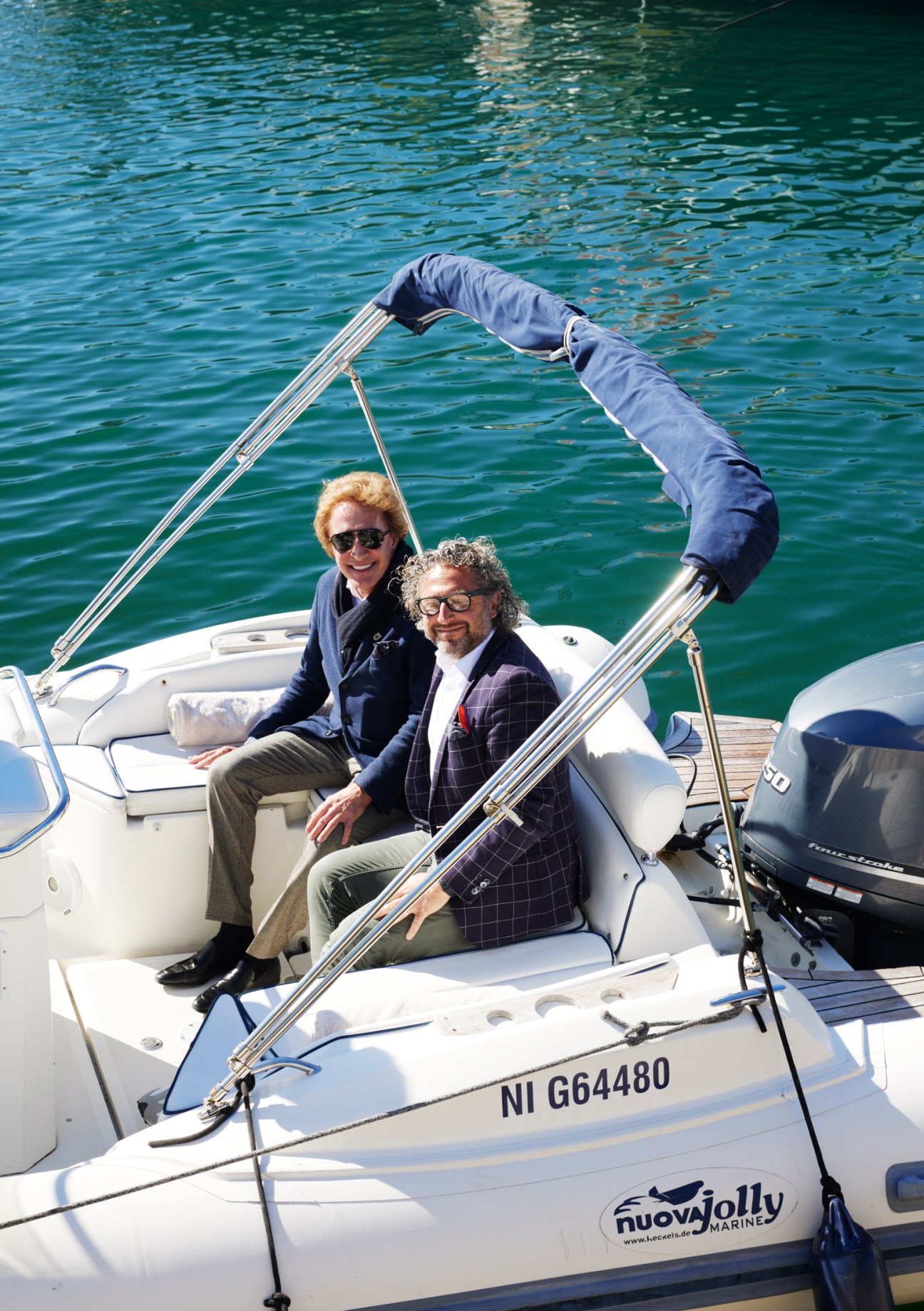
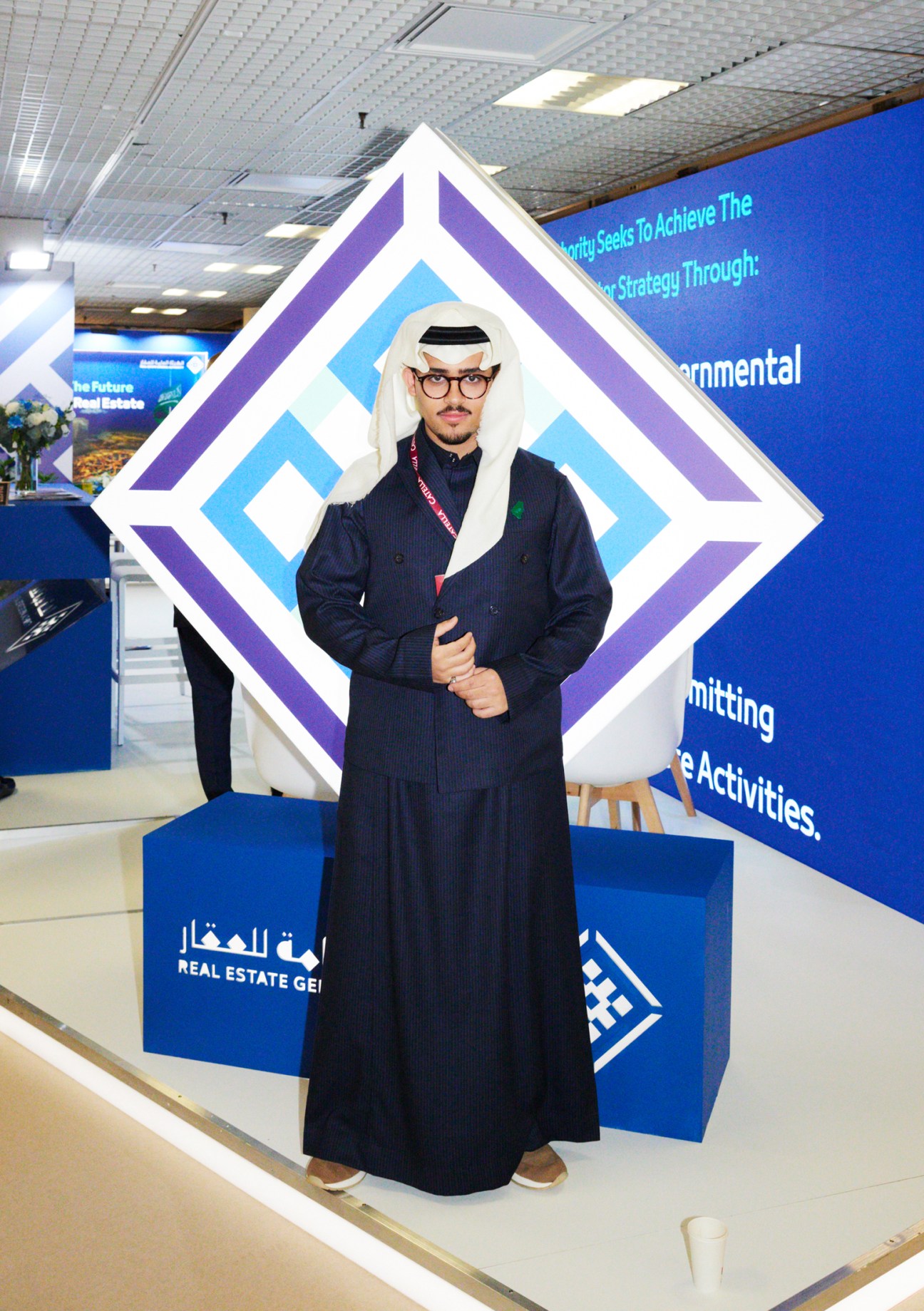
Belit Onay
The mayor of Hanover had much to say on the challenges of trying to make the city centre car-free by 2030 – especially given that Hanover is a key manufacturing base for Volkswagen.
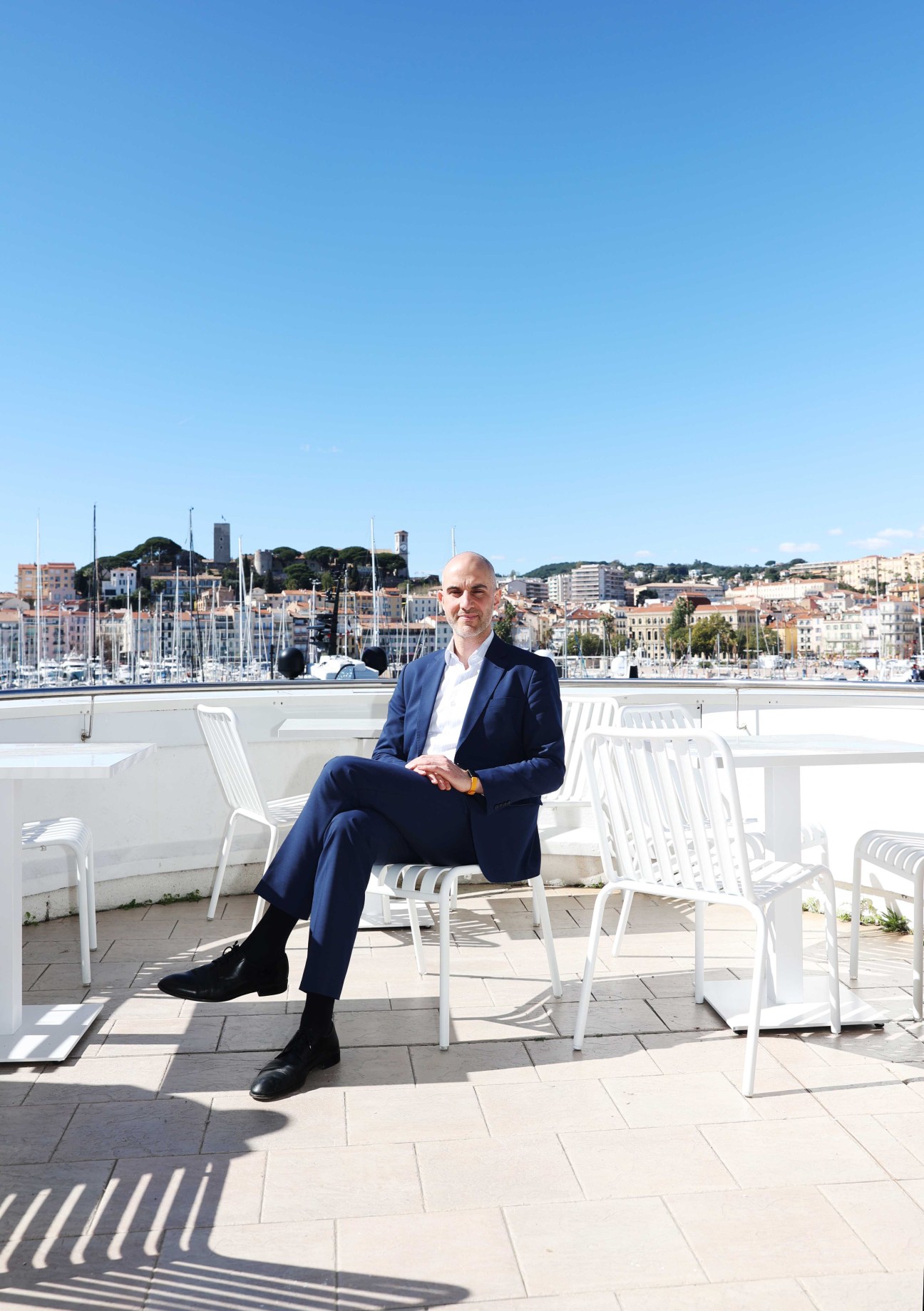
“About 50 per cent of the population are going with you: they support this idea of having a car-free city centre; they see the necessity of transformation because of the climate crisis that’s hitting our urban areas very hard. But when it comes to cars, Germans are very emotional. After the Second World War, the automotive industry was important for the rebuilding of Germany. What we are doing in Hanover is trying to explain that it’s not about whether you like driving a car or not. It’s more about: how do you want us to organise the city? Do you want areas for parking cars when they could instead be used to host concerts or a space for your family, for your children to play? We don’t talk about the minus; we talk about the plus. We talk about bringing a better quality of life to different neighbourhoods.”
Melanie Leech
We asked the chief executive of the British Property Federation whether there are any reasons to be cheerful in the UK right now.
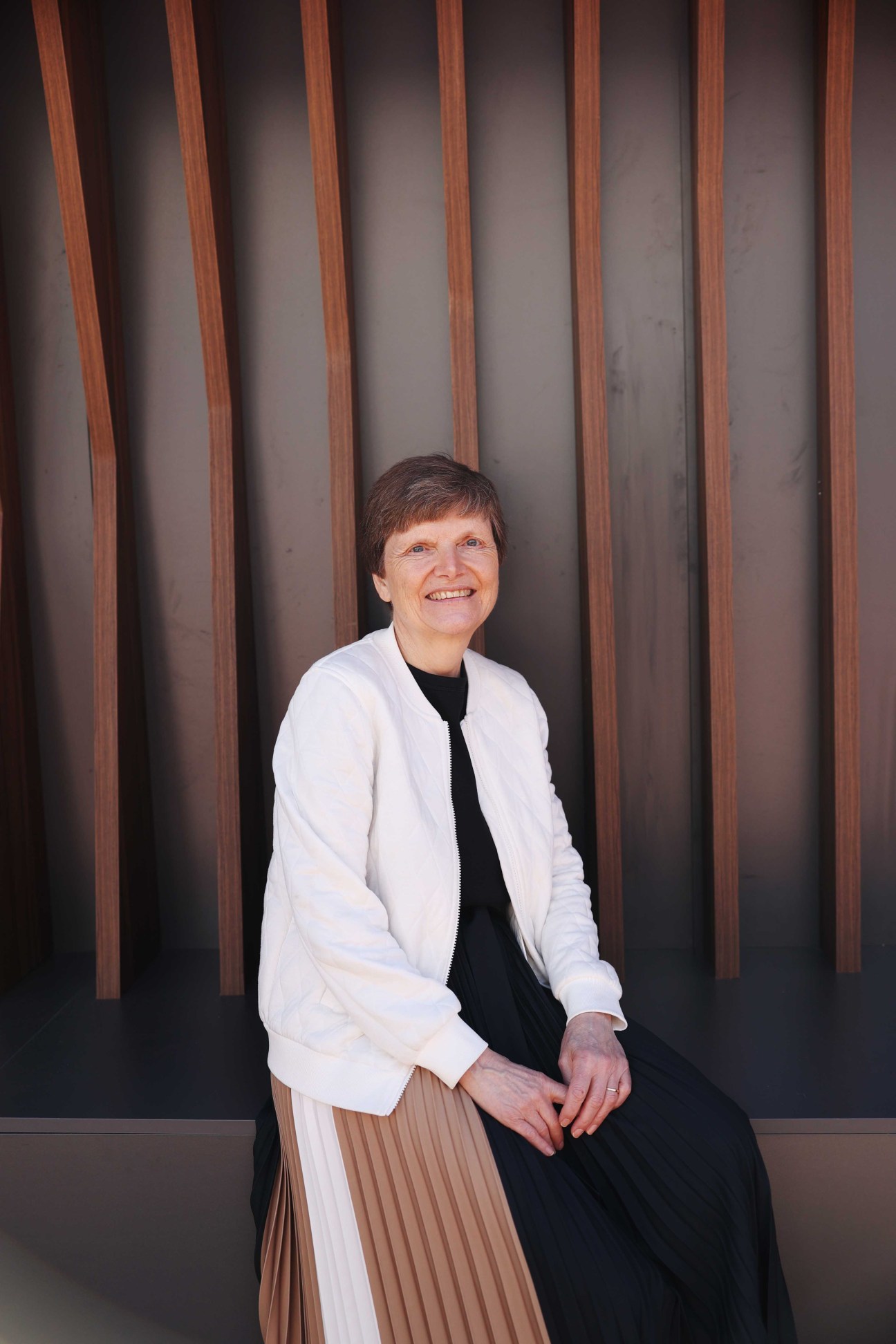
“Our members are positive. Election years are always quite tricky but people are looking beyond that, to quite a positive future for the UK – lots of long-term plans are being made. And if you look at what’s happening with the best offices in the right locations, then they are doing really well. The retail market is also coming back strongly, for the right assets in the right locations. The living sectors are all doing well. The key thing we need to see from national government is that partnership but also investment. One of the other key inhibitors to getting stuff done is just the lack of resources in local authorities. Part of that is going to be around direct funding but also thinking creatively to tackle major projects. But there are lots of reasons to be optimistic.”
Mehmet Kalyoncu
The founding chair of the Turkish Design Council told us about efforts to rebuild Hatay, the province most damaged in the 2023 earthquakes that destroyed some 300,000 homes and killed 50,000 people.
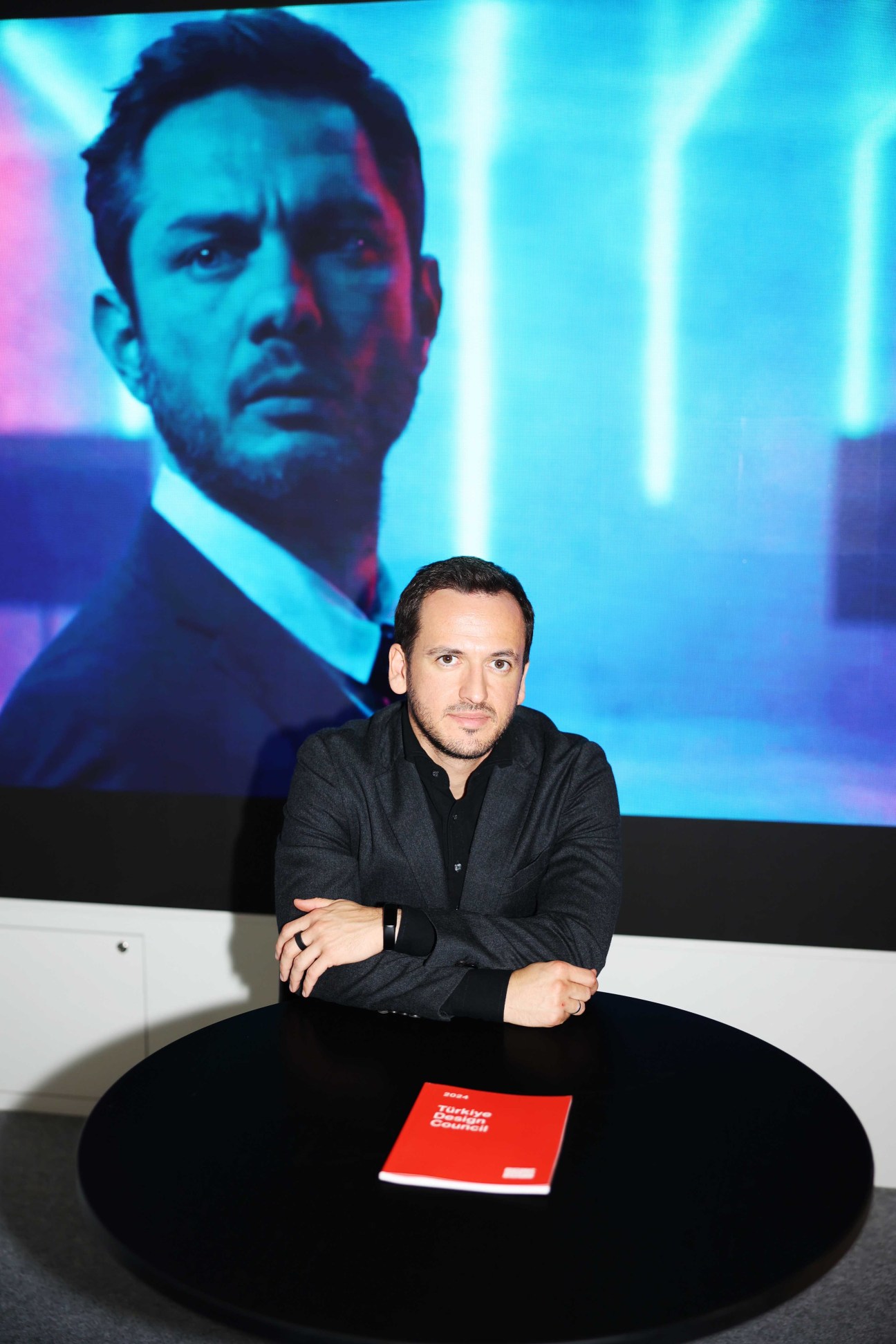
“After you lose a city, you want to build it back fast but we are focusing on not only how we can create a city again – a historical city, a magical city – but also how we can provide a better standard of urban living. The role of design is critical. But when you have a really big crisis – losing 50,000 people, having rescue teams from at least 60 different countries, not being able to have electricity, utilities – not everybody is thinking design at first, of course. But when the time comes to build the city back, then design really is the most important thing because you cannot make a better city if the planners and designers are not providing the best possible solutions.”
Kelsea Crawford
The co-founder and CEO of Cutwork architecture and design studio, based in Paris, told us about delivering alternative living concepts in Saudi Arabia.
“There’s lot of things to wrap our heads around in the studio in terms of design for the Saudi Arabia project because, culturally, it’s so different to Europe. But the challenge is the same in that people’s lifestyles are evolving – and rapidly. Even six years ago, women [in Saudi Arabia] weren’t allowed to drive. In the next 10 years, I think we will see them leapfrogging in terms of culture to a much more open form of living that’s community-centric. What I’ve also learnt is that there’s a different concept of privacy, of the family and the role of the family and society. Designing for co-living in this context will be different to London or Paris. But therein lies the beauty of being able to design bespoke products for their environment for their local context.”
Laura Viscovich
We asked the executive director of the Holcim Foundation for Sustainable Construction about the future of greener building.
“We believe that sustainable buildings and landscapes must address four interconnected goals: protecting the planet, helping people, contributing to economic prosperity and placemaking. And the latter is vital, because it means that happiness and happy people will be the result of whatever construction is taking place. There are clearly some strong impact-minded stakeholders who are looking to create the narrative around the long-term effect of investing in sustainable construction. Our sponsor is a cement-and-concrete manufacturer and they’ve been doing a lot of work on low-carbon solutions. But the foundation has supported research on different bio-based materials and what we’ve seen is that it’s more about those holistic solutions of retrofit, adaptive reuse and working with existing buildings to find new ways to keep going and serve the communities for many more years.”
Alex Knapp
The chief investment officer for Hines Europe, the global real-estate investment, development and management business, took the market’s temperature.
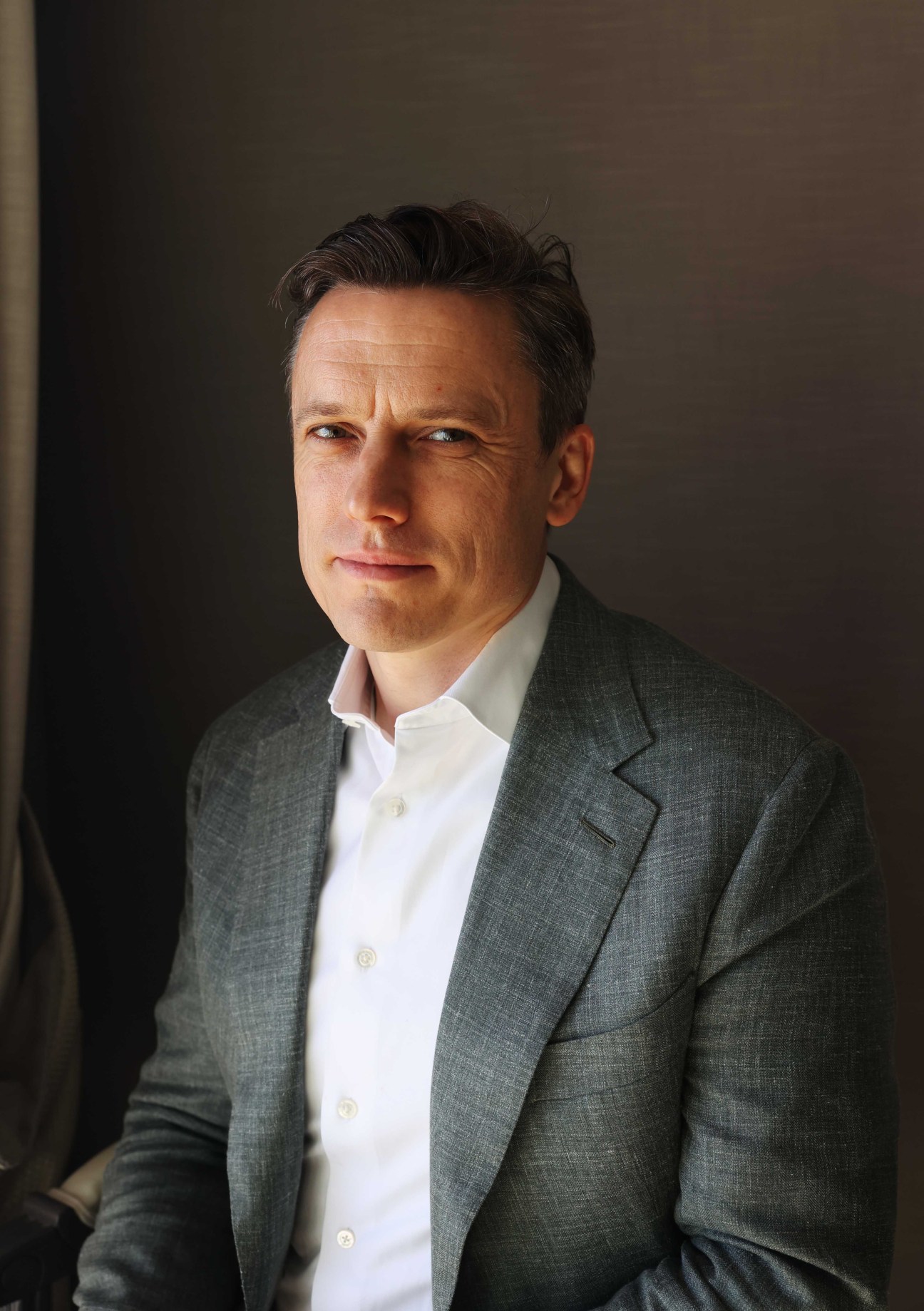
“The markets feel different this year. We’ve been through a market correction for real estate on par with the early 1990s, or the global financial crisis. So it’s a 20 per cent correction in values across the board. It’s a really material moment and a cyclical reset that happens periodically in real estate – and it feels like we are coming close to the bottom of that cycle. Are we there yet? Are we there in six months? I’m not quite sure. But the mood is changing. For offices, for retail, there are versions of each that are functioning well. So for offices, which is a big topic in the real-estate world and for cities everywhere, the CBDs are very healthy and that gives a foundation for values to eventually increase. The same is true in retail. At this point we’re starting to see occupier levels stabilise, footfall levels rising again and e-commerce penetration flattening, which gives everyone more cause for optimism.”
The business agenda: Swedish snowmobiles, reimagining London’s high streets and Singapore’s special brew
Mobility: Sweden
Cool runnings
An electric snowmobile might sound risky: if its batteries fail in the cold, wouldn’t it leave you stranded on the tundra? But Swedish start-up Vidde says that it has a solution. Its electric snowmobile, the Alfa, is currently in its last stages of testing and Monocle recently took it out for a spin in Jukkasjärvi, Swedish Lapland. All clean lines and appealing finishes, the Alfa has a frame that’s partly made from a timber-based biomaterial and whizzes along with a refreshing lack of engine rumble or fumes. Its batteries, made by Swedish manufacturer Mattr Collective, promise a range of up to 100km on a single charge. Crucially, the Alfa features an intelligent heating system that keeps these batteries warm, increasing their charging speed and helping them to last longer. And that’s not to mention its zippy acceleration and option of adjusting the seat for comfort to suit different types of terrain. Vidde has about 300 pre-orders and is hoping to start deliveries later this year, with the goal of producing 1,000 units in 2025. The current cost to reserve an Alfa is €26,200.
viddemobility.com
Music: Serbia
Gig economy
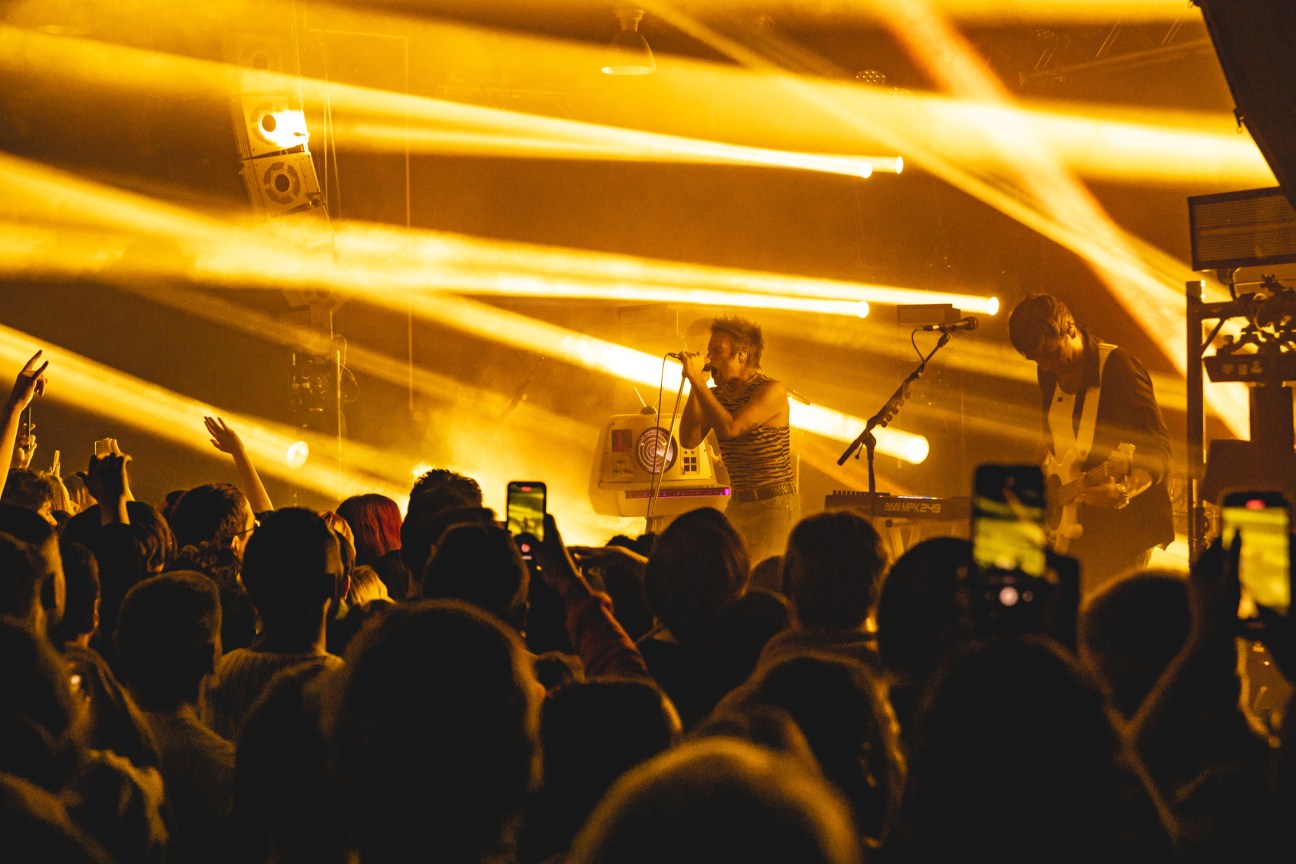
“For most bands, Serbia hasn’t been a tour stop for years but I believe that it has a lot of potential,” says Dmitry Zaretsky, the co-founder of concert agency Honeycomb. He’s acting on that conviction by promoting shows in Belgrade for the likes of UK indie stalwarts Bombay Bicycle Club, punk-popper Yungblud and even Ed Sheeran, who will give an outdoor performance at the confluence of the Danube and Sava rivers.
For Serbian music fans accustomed to being ignored by big international tours, the change has been welcome. But it might not have happened without Russia’s invasion of Ukraine, which led to the demise of Zaretsky’s previous business. Pop Farm had promoted shows in Russia for everyone from Billie Eilish to the Arctic Monkeys, as well as Moscow’s Bol festival. Zaretsky was among the thousands of creative Russians who chose Belgrade as their location for a restart. “Serbia’s mentality is similar to Russia’s and the language is simple for us to learn,” he says. And with no initial visa requirements, it’s easy for his compatriots to start businesses here. Honeycomb now operates in 12 countries, including Greece and Romania, but Belgrade remains its base. “It’s full of people who love music, so why not bring it to them?”
F&B: Japan
Q&A
Makiko Ono
CEO, Suntory Beverage and Food
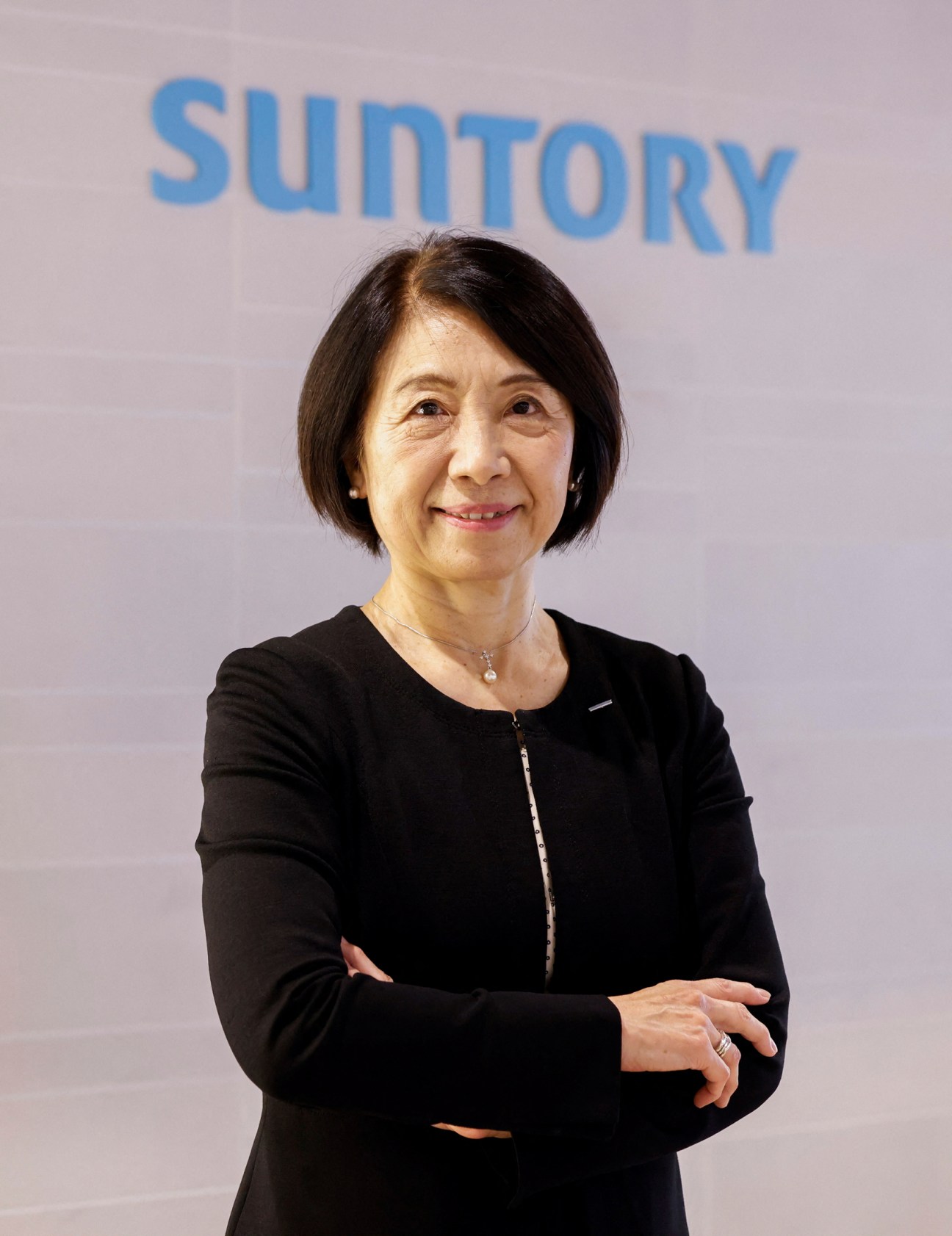
Makiko Ono is the first female CEO of Suntory Beverage and Food, a Japanese company with revenues of more than €9.6bn last year whose global portfolio includes Ribena, Schweppes and Lucozade. Within its home country, it sells 120 million cases of Tennensui mineral water, 100 million cases of Boss Coffee and 61 million cases of Iyemon green tea every year. Suntory is increasingly focusing on water conservation and plastic reduction. Monocle spoke to Ono at the company’s Tokyo office.
Where do you see areas of growth in Japan?
Though Japan’s population is declining, it’s a huge, mature market that appreciates novelty. To cater to its ageing society, we’re bringing in value-added products called Food for Specified Health Use [For example, Iyemon Tokucha, a green tea drink that helps to lower body fat]. Sugar-free tea drinks and bottled water hold large market shares in Japan and there are vending machines everywhere, so people can buy them any time.
What are your major challenges?
Suntory Group has a target of using 100 per cent sustainable pet by 2030. Water is a top priority too: it’s our most precious ingredient. We have been working on things such as water sanctuaries and a water-education programme.
How do you keep the business growing globally?
We have two growth streams: inorganic, which comes from M&A or partnerships, and organic, which comes from polishing existing brands. We’re trying to do more to share the strengths of the Japanese business with other regions and, in turn, import best practices.
The Japanese side does a lot of research and development. We want to bring that to other places. Boss Coffee is a unique product that has given us expertise in making canned and bottled coffee, so we are expanding it into Australia, New Zealand, Thailand and Vietnam, and maybe Europe in the future.
How did you begin your career?
When I joined Suntory in 1982 I was in a team that was acquiring a French winery and other international companies. No woman had worked abroad in our company but I was keen to go overseas. So I was sent to Paris, where my role was to manage the winery and a cognac company that Suntory had acquired. I needed to learn about production, management and finance, and deal with banks – something that I wouldn’t have experienced in Japan unless I’d been in the finance division.
How can Japan bring more women into the top level of management?
Women can lack confidence even when they are just as capable as men and there are unconscious biases at play. Companies could offer flexibility in working hours. Positive discrimination is unpopular but we are trying to nurture female talent and build career plans for women.
What’s your vision for the company?
More than half of our sales and profits come from our international businesses. But we are also a Japanese company and want to keep that specialness, which makes us different from our peers, such as Coca-Cola and Pepsi-Cola.
Retail: UK
Having tapped into the demand for temporary retail spaces in London, Paris and New York since 2014, Ross Bailey, the founder of Appear Here, is now taking on a whole high street with his latest project, Deptford Market Yard. “Through Appear Here and the 30,000 pop-up shops that we have launched around the world, we had a good idea of the streets that people wanted to be on,” says Bailey. “It wasn’t Oxford Street or Fifth Avenue. It was the likes of Broadway Market in east London. The smaller streets were key. So we thought about creating our own.”
In 2023, Bailey found a site in need of love in Deptford, southeast London, where there were about 20 spaces for retail or restaurants under old railway arches. He seized the opportunity to shape a street that would unapologetically be part of the community, tapping into chefs and creatives who were already active in Deptford, rather than bringing in outsiders to disrupt the neighbourhood’s existing character.
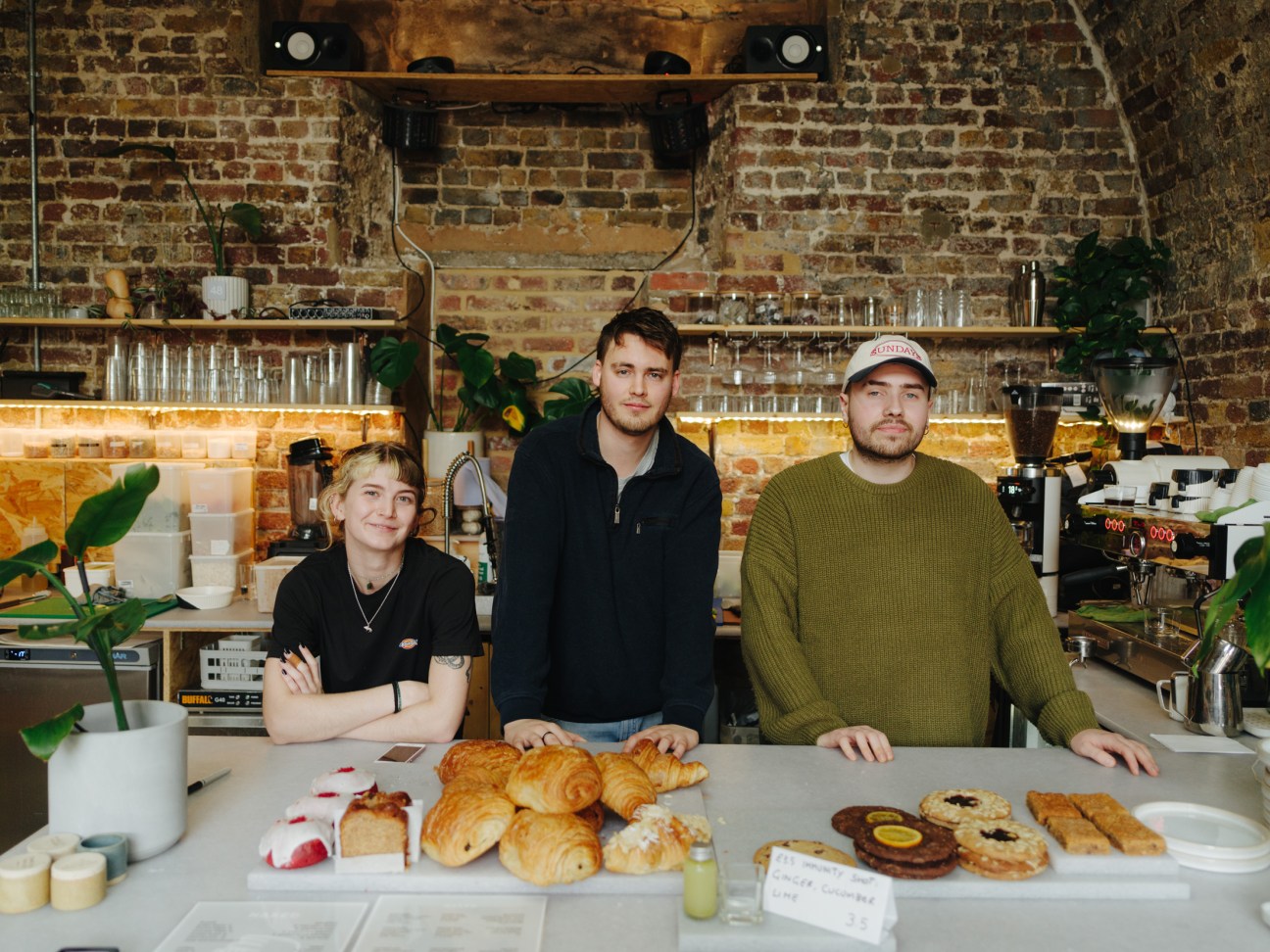
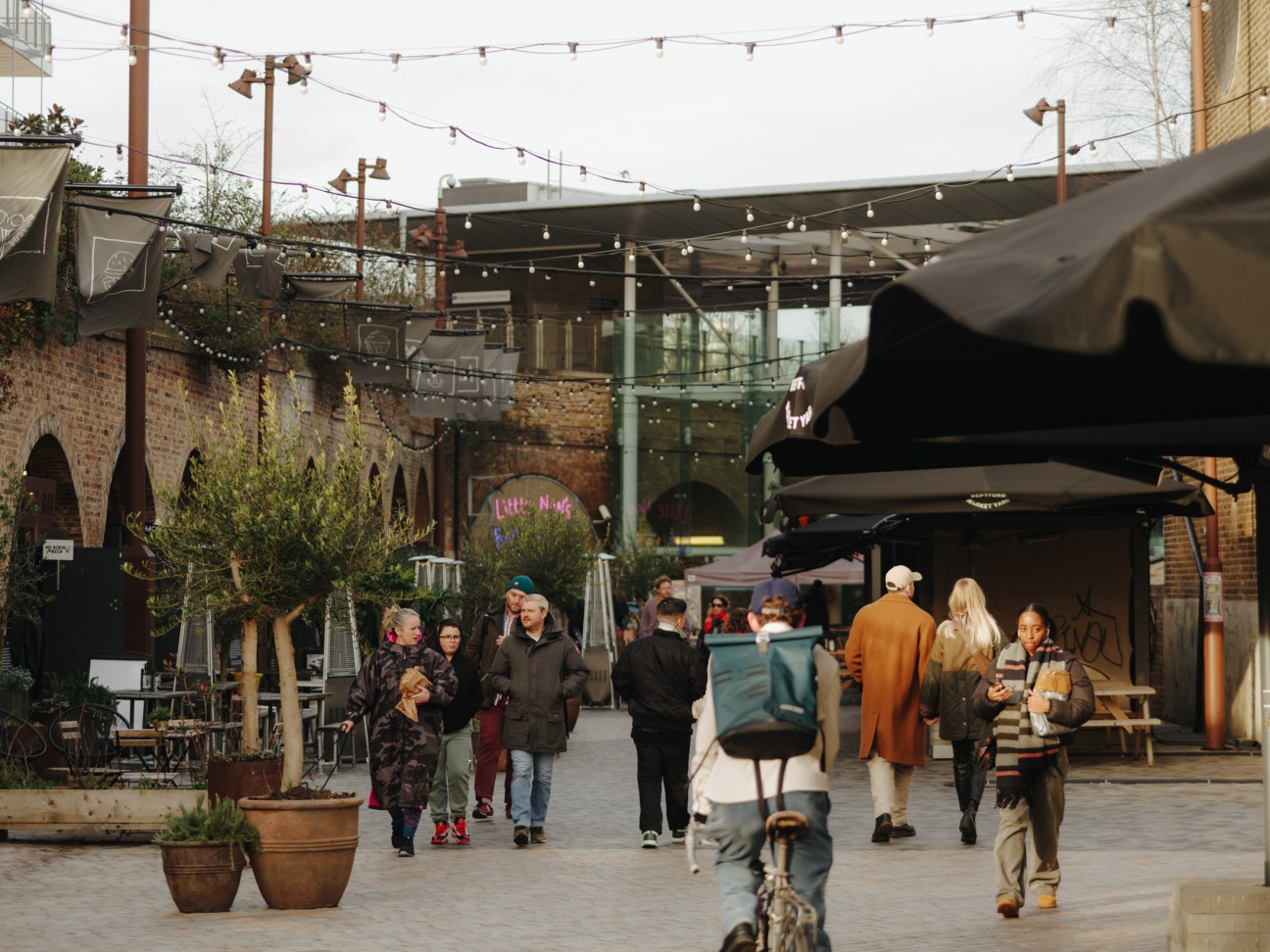
“We looked at areas of London such as Brixton and pockets of east London that are undergoing rapid gentrification as examples of what not to do,” says Bailey. “Yes, we wanted the project to feel slightly curated but not like it was owned by a corporation.” Growing up with shopkeepers as parents, Bailey’s aversion to homogeneous high streets – with the same rotation of chains, from sandwich shops to chemists – runs deep.
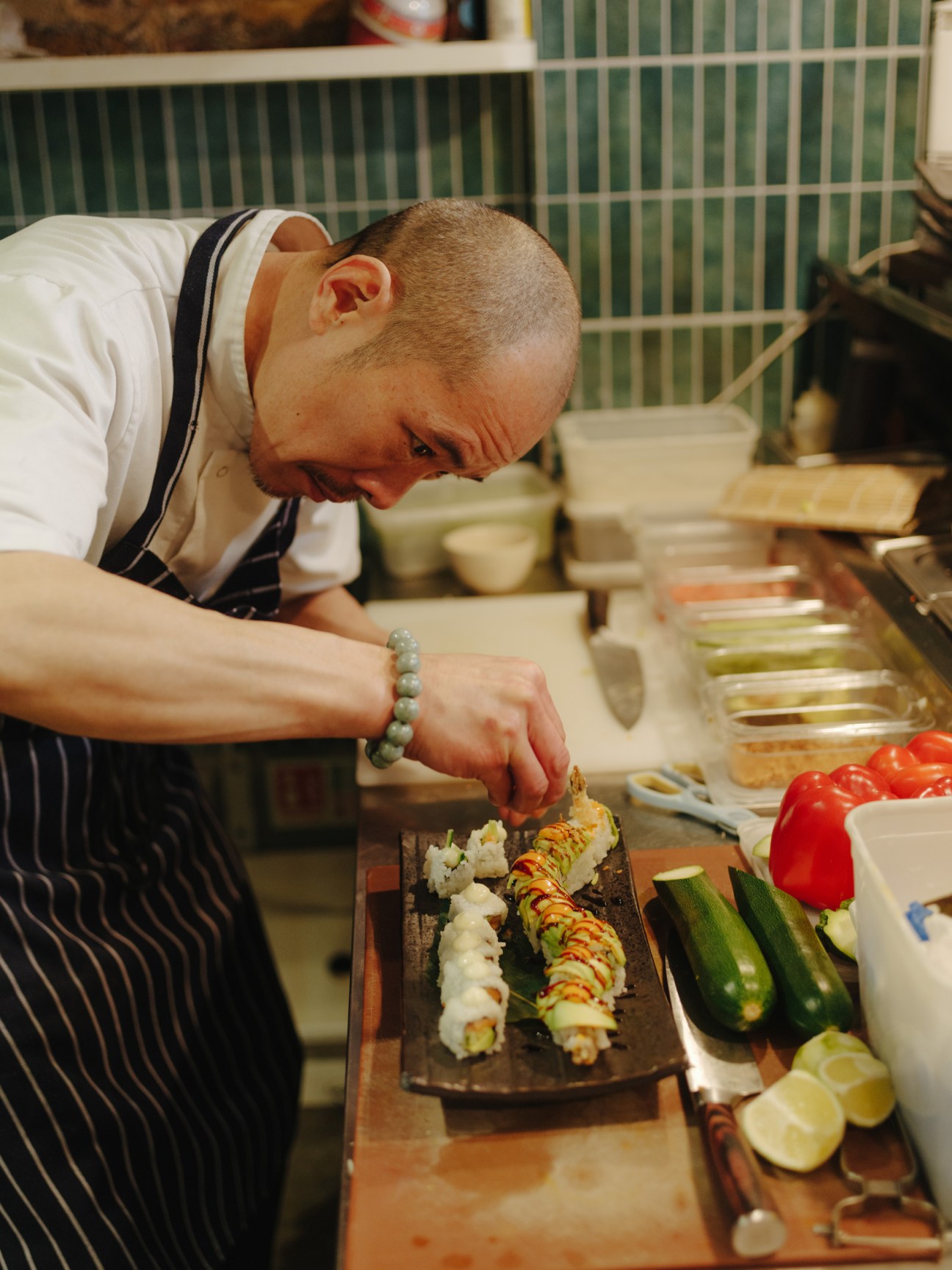
To achieve the overhaul of the area in a manner that was respectful of Deptford’s community, Bailey decided that anyone taking over an archway had to have some connection to the area. “Everything on the street is designed by someone from southeast London,” he says. “Even the flags down the road were drawn by local schoolchildren.” The restaurants that dot Deptford Market Yard, from Afro-Caribbean venue Jerk Yard to family-owned Japanese café Kekaki Izakaya, attest to the diversity of the neighbourhood.
So far the reception has been positive. Appear Here is now looking to, well, appear, at a more extensive scale, in north and east London. “If you truly want to understand a city, the key is to pay attention to the shops and streets, not the public buildings or town halls,” says Bailey. “Museums and monuments tell outsiders what a city wants to be. But the streets and the shops tell people what a city really is and how it treats and serves those who actually live there.”
F&B: Singapore
Bean and gone
In February, Singaporean start-up Prefer raised $2m (€1.8m) to scale up the manufacturing of its signature product: bean-free coffee. Its co-founders, Jake Berber and Tan Ding Jie, are betting that their substitute, a fermented mixture of soybean pulp, barley and bread, will satisfy the most ardent coffee aficionados.
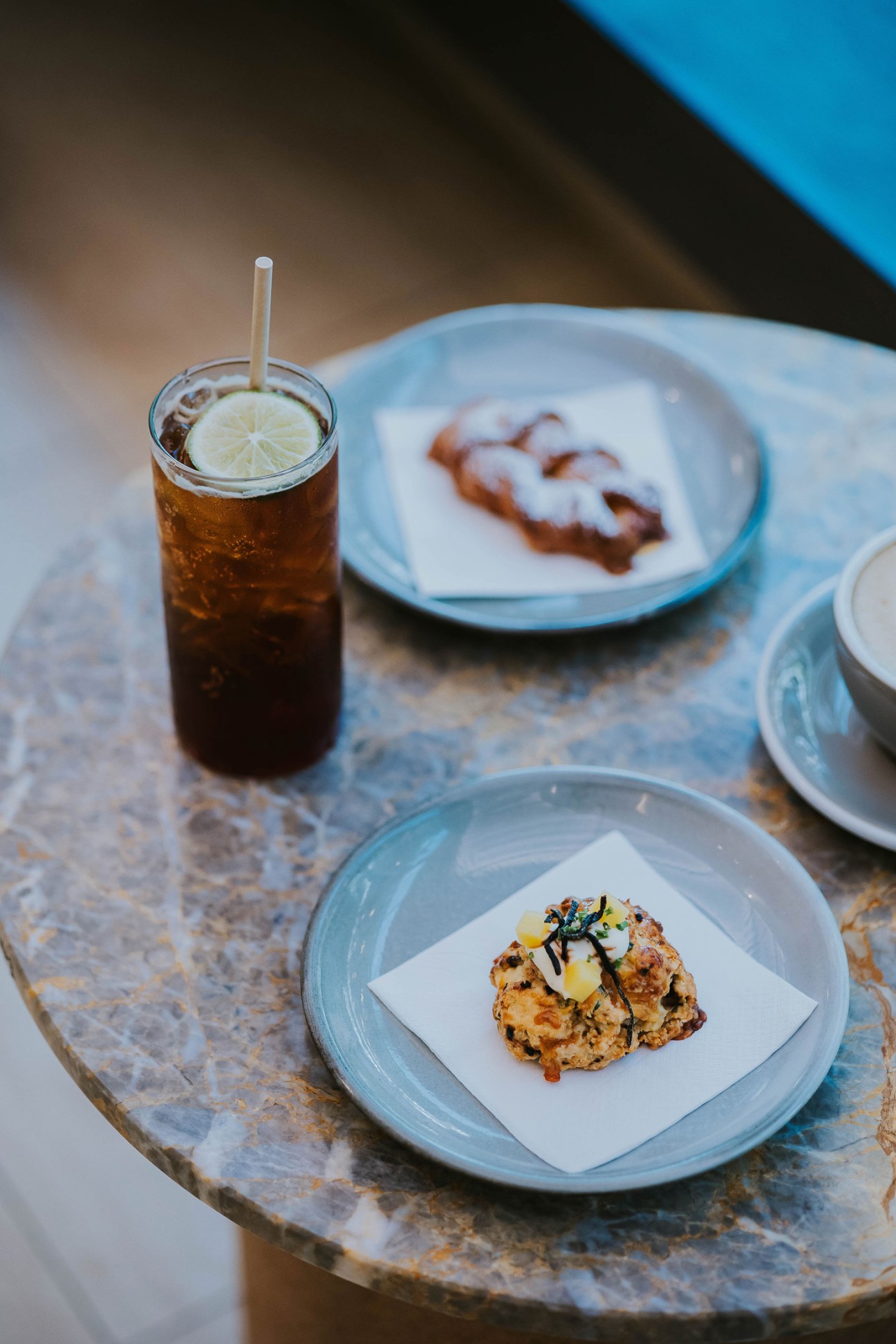

“It looks and feels just like ground coffee,” says Tan. Prefer’s product is cheaper, quicker to make and more sustainable than the original. It brews in the same manner and even produces a layer of frothy crema. But a lack of coffee beans means no caffeine. Prefer’s grounds make a great decaf, while customers looking for a kick can opt for a sprinkle of caffeine powder that the company extracts from tea. “As with any novel product, there’s a healthy amount of curiosity, as well as scepticism,” says Tan. But Prefer has managed to win over an important demographic: baristas. The product is already available in 14 cafés in Singapore and there are plans to expand to the Philippines.
prefer.coffee
Why stamps are sticking around and still used as a soft-power pusher in the post
Despite their slightly fusty image, stamps show no sign of being consigned to the dustbin of obsolescence. Indeed, these small pieces of paper, whose inherent design has remained largely unchanged since 1840, when the Penny Black became the first adhesive stamp used in the public post, still possess a potency that belies their humble function. The rarest sell for millions but since designs only have limited print runs, any stamp can become collectable. Postal services worldwide use stamps to promote their countries, so some of Monocle’s correspondents sent us a collection that they felt would leave a good impression on a foreign recipient. Here’s our pick.
1.
National icons
Japan

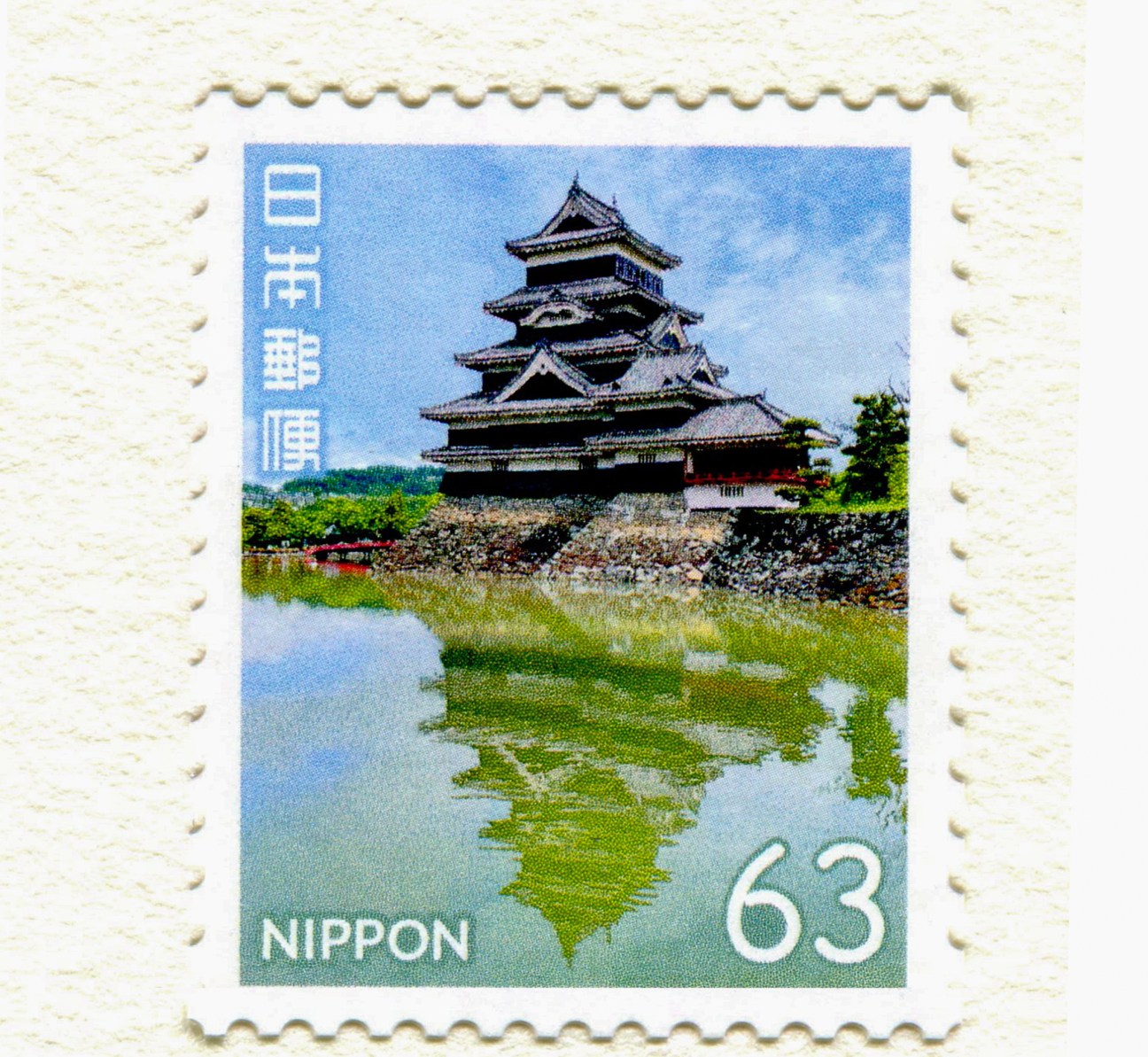
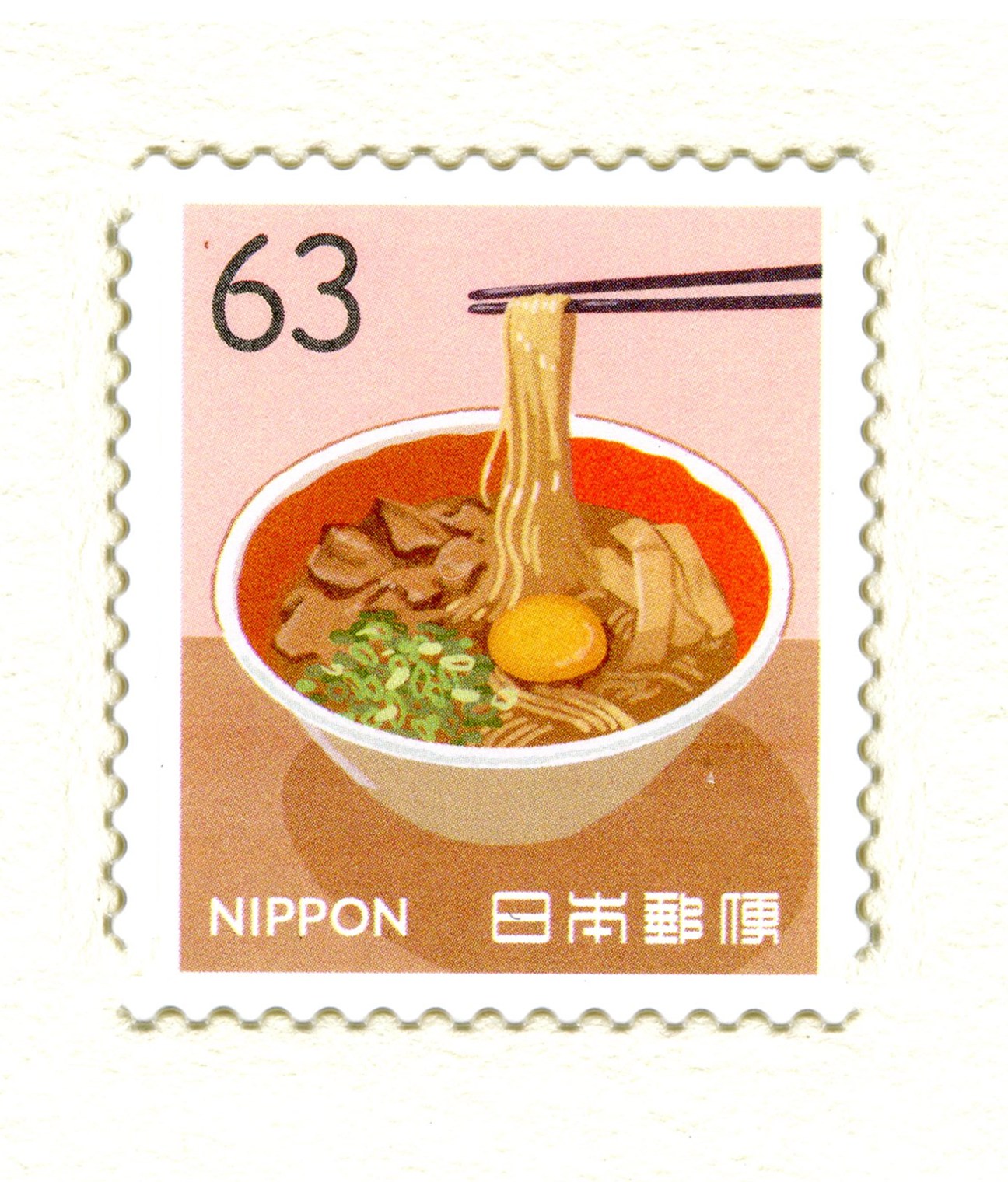
There are few topics or occasions in Japan that don’t merit a stamp: a new bullet train, a change of season, a sports team or obscure historical figure are all good material. Philatelists keep a beady eye on Japan Post’s releases for good reason: new stamps sell out in no time. These stamps are part of a series celebrating the attractions of regional Japan: snow monkeys and Matsumoto Castle in Nagano and a bowl of Tokushima’s famous ramen. There is only one problem with Japan’s dedication to quality stamps: many are just too good to use.
2.
Wash and go
Slovenia
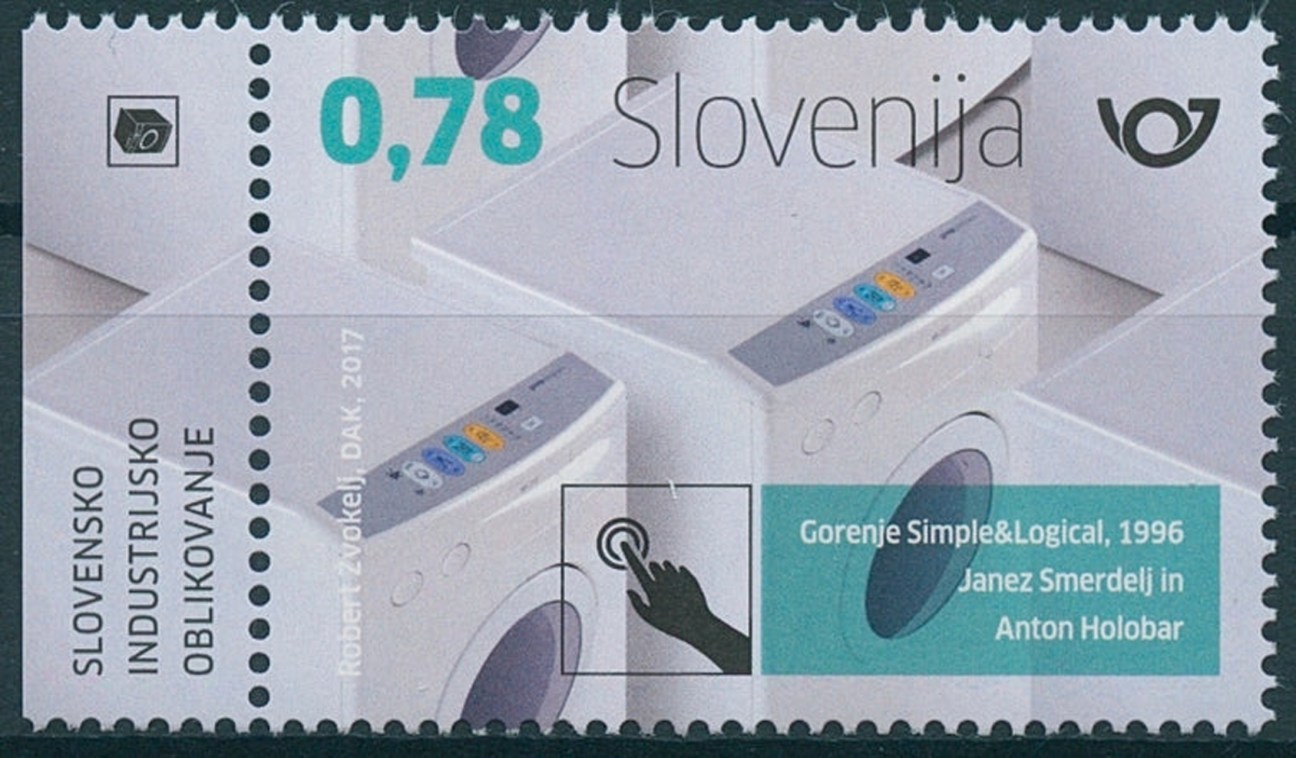
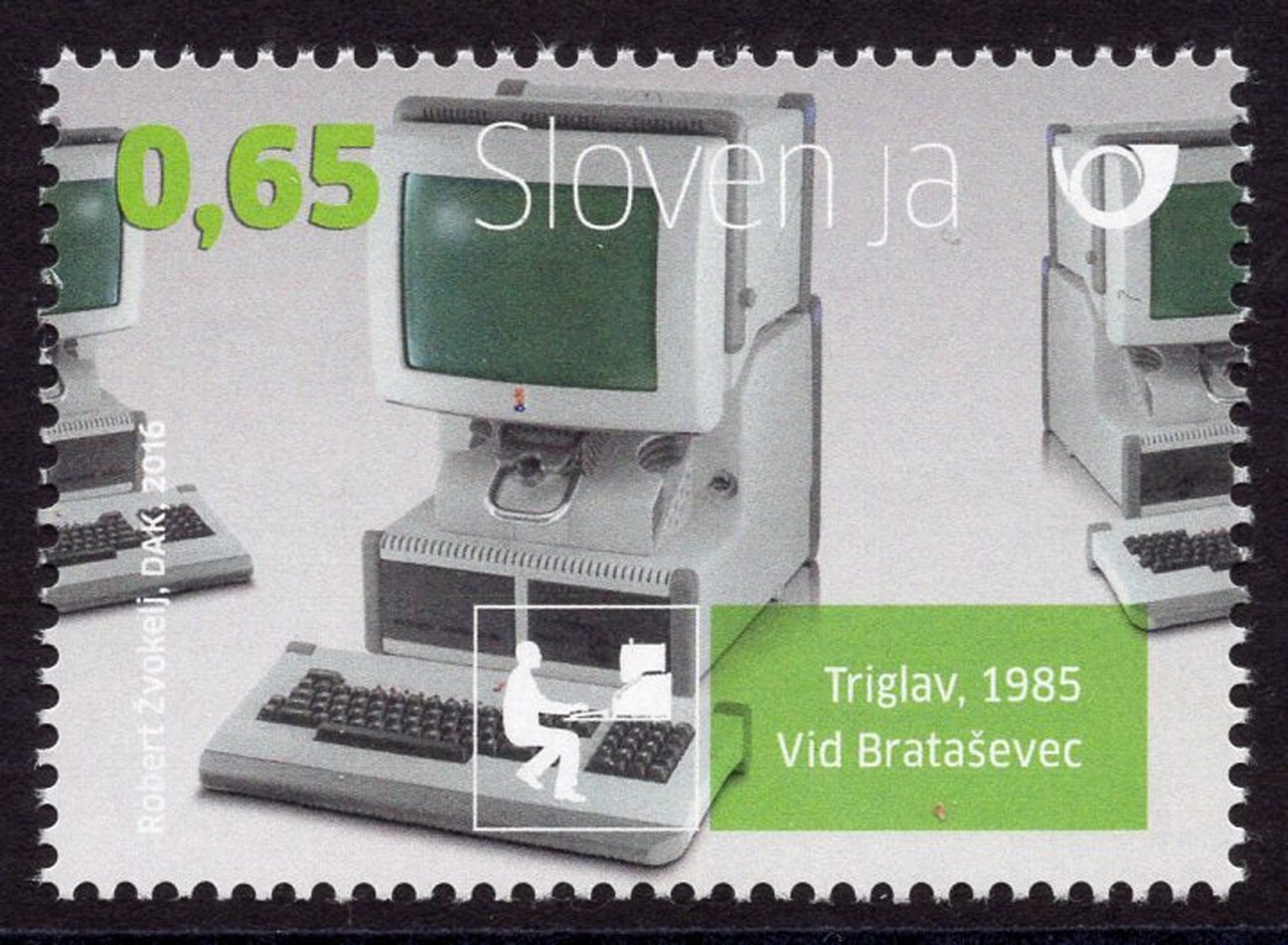
A cross-country skiing boot, a vintage desktop computer and a washing machine are not, perhaps, the typical subjects of European philately. But as far as Slovenia is concerned, they are evidence of an impressive heritage in industrial design. The Alpina boot is from a company that claims to be “the first choice of Olympic and World Cup winners”. Meanwhile, the Gorenje washing-machine stamp highlights another company with Yugoslav heritage that continues to thrive in the 21st century, albeit under Chinese ownership. But this design celebrates a pair of Slovenian industrial designers, Janez Smerdelj and Anton Holobar. And the Triglav computer was Yugoslavia’s bid for IT glory in the 1980s. Despite Vid Bratasevic’s innovative design, it failed to crack the global market. This stamp gives the Triglav some overdue international exposure.
3.
The people’s architect
Italy
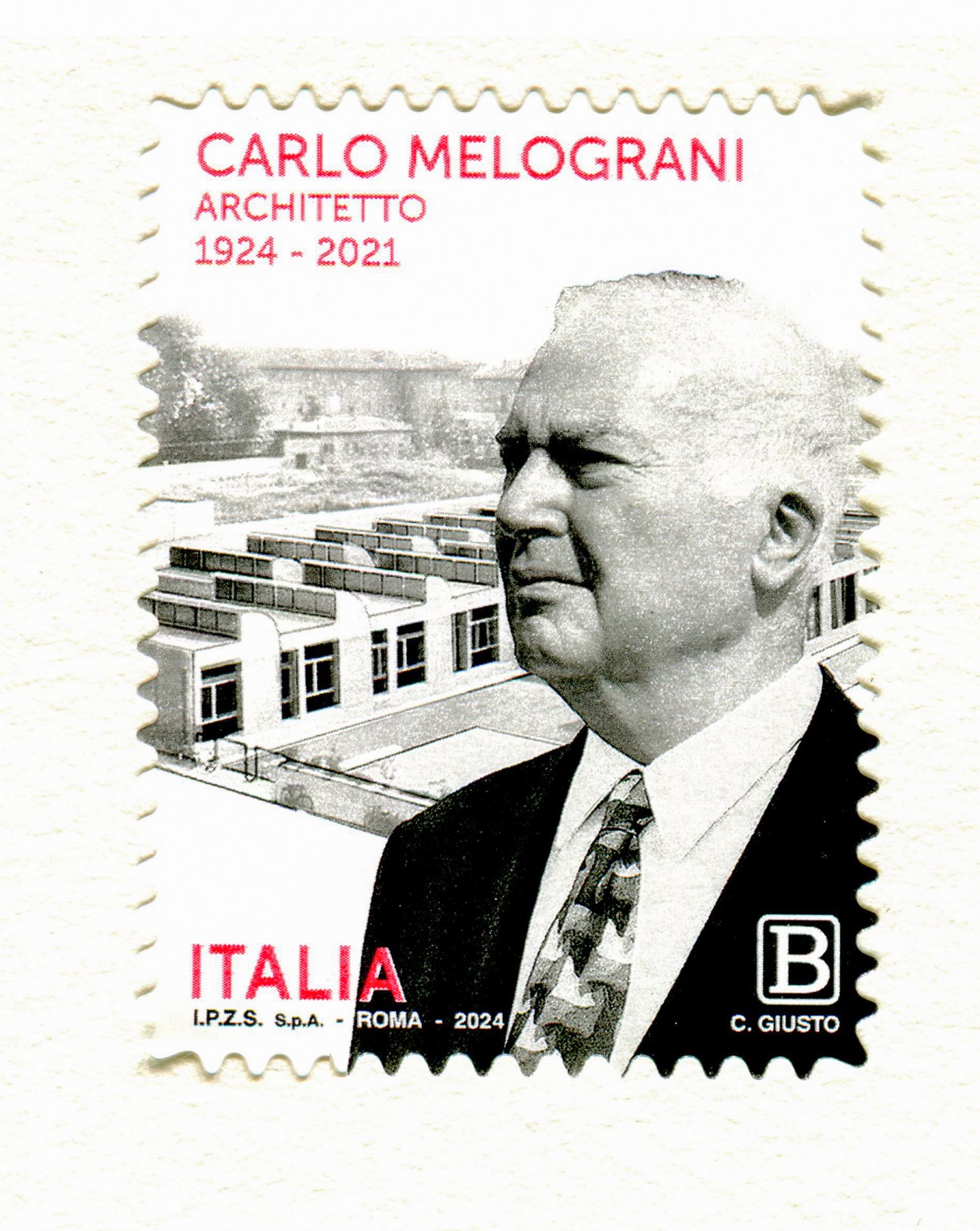
Italy likes to tout itself as a global centre of design, so it’s no surprise that it celebrated the centenary of the birth of architect Carlo Melograni on a stamp. The interesting thing about Melograni is that he wasn’t a “starchitect” by any means. An academic, teacher and author, Melograni – pictured in stately profile – almost exclusively focused on projects for the common good, including residential blocks and schools during the postwar boom years. There’s a clear message in the use of a picture of his Ludovico Ariosto di Ferrara state high-school project: we could do with more architects like him today.
Robert F Kennedy Jr’s campaign and the rising prospects of third-party candidates
You won’t get far in the US without a healthy amount of self-belief. So when Robert F Kennedy Jr introduced his running mate, Nicole Shanahan, a Silicon Valley stalwart and deep-pocketed donor to his campaign, as “the next vice-president of the United States”, he said it without a scrap of irony. Of course, Kennedy – nephew of JFK, son of Bobby, now running as an independent tearaway disowned by the Democrat establishment – probably knows he isn’t likely to be in the White House come January 2025. But that hasn’t stopped him whipping up a modest yet vocal movement of his own. To understand this forthcoming election, it’s essential to recognise the threat that third-party candidates such as RFK Jr pose to the two main parties and why some Americans are looking for another way.
I was in Oakland, California, to see Kennedy announce his “Veep”, and the crowd of flag-waving supporters were surprisingly normal for a candidate who has made anti-vax and conspiratorial waffle his stump. Ben, a former Democrat voter turned “mega-donor” to the Kennedy campaign, has had dinner with RFK Jr. “I’ve seen how the country has been run over the past four years and I don’t think it is being managed in the interest of the people or the international community,” he told me. “I will vote for Mr Kennedy.” Jessy had never been to a political rally before and, incredibly, believes Kennedy is a centrist voice. She fiercely dismissed any suggestion that her candidate peddles in conspiracy theories. “He just wants more truth, more transparency,” she said.
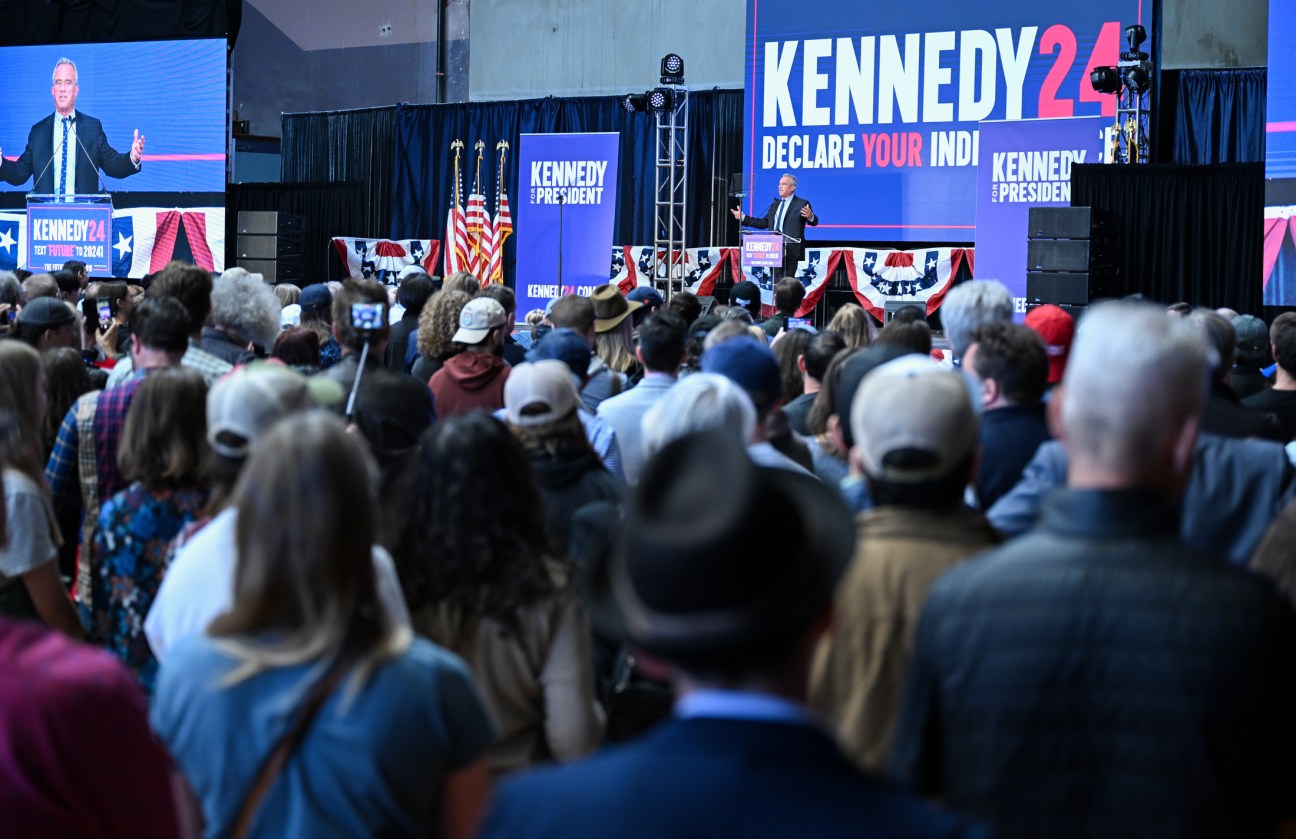
Kennedy’s campaign is tapping into a distrust of media and official narratives that has seeped into so much American discourse. It is also the case that many voters feel turned off by both Trump and Biden (so-called “double- haters”) and might be seeing what they want to see in the outliers. One political consultant who has spent time around Kennedy tells me that while he may be disconnected from reality, you can’t underestimate the enduring brand power of his surname. That nostalgia was on display in Oakland. “Neither my father nor my uncle would recognise the version of America we have today,” came Kennedy’s raspy voice over a video showing scenes of homeless encampments in Los Angeles. Yet there was old-fashioned US optimism in there too: “[Americans] are ready to unite to rebuild this country.”
Appeals to emotion might be basic tactics but compare that message with Donald Trump’s, who warns of a “bloodbath” if he loses in 2024, or Joe Biden, who says that his opponent is an existential threat to democracy. “People want to vote for something, not just against something,” Lindsay Vermeyen, a pollster for the Benenson Strategy Group, which advised the successful Obama campaign, told me. The campaigns of today’s two mainstream parties are a far cry from anything like “Yes, we can”.
Vermeyen is unsure whether many of those currently waving the flag for third-party candidates will ultimately come out to vote on election day. But the Democrats have been stung before – not least in 2000 when analysts say that votes for the seemingly distant Green Party candidate, Ralph Nader, ultimately swung it in favour of George W Bush – so the party isn’t taking any chances. The Democratic National Committee has set up a dedicated task force of strategists to challenge third-party candidates, with much of the focus currently on messaging that the Kennedy campaign has some of the same donors as Donald Trump. Meanwhile, there are legal challenges to keep Kennedy off the ballot in swing states. “If that happens, I would feel I’ve been failed as an American,” said one Californian voter as we left the event in Oakland.
Christopher Lord is Monocle’s US Editor.
The culture agenda: Brazil’s publishing push, the Venice Biennale at 60 and Hans Zimmer’s world-building
Art: Venice
Altered imaging
If you happen to be an artist at the apex of your career, what do you do when given carte blanche at one of Europe’s most prestigious exhibition spaces? The stock answer is to round up the best artworks from the archives and stage a grand retrospective. But the parallel exhibitions at the Pinault Collection’s two spaces in Venice – Julie Mehretu’s Ensemble at Palazzo Grassi and Pierre Huyghe’s Liminal at Punta della Dogana – both shake up the traditional solo show format to eye-opening ends.
“There is a weird rewriting that makes it seem like art is only independent, visionary moments,” Addis Ababa-born US artist Mehretu said on opening day in March. “The truth is that none of us makes all of this by ourselves.” For Ensemble, she invited seven fellow artists who have influenced her through collaborations or just dinner-table conversations. Around Palazzo Grassi’s atrium, works by the likes of David Hammons and Tacita Dean are interspersed with Mehretu’s bold, inimitable canvases. At the start of the exhibition, visitors are presented with a documentary about Mehretu’s career and creative process. The result is a personal show that helps to demystify the making of an artwork. Huyghe’s Liminal at Punta della Dogana is, instead, all mystery. There are no labels on the walls, and visitors must feel their way through cavernous, Tadao Ando-designed spaces in the dark. The new work in the show includes two videos driven by machine learning and centres loosely on a human skeleton that Huyghe came upon in Chile’s Atacama desert.
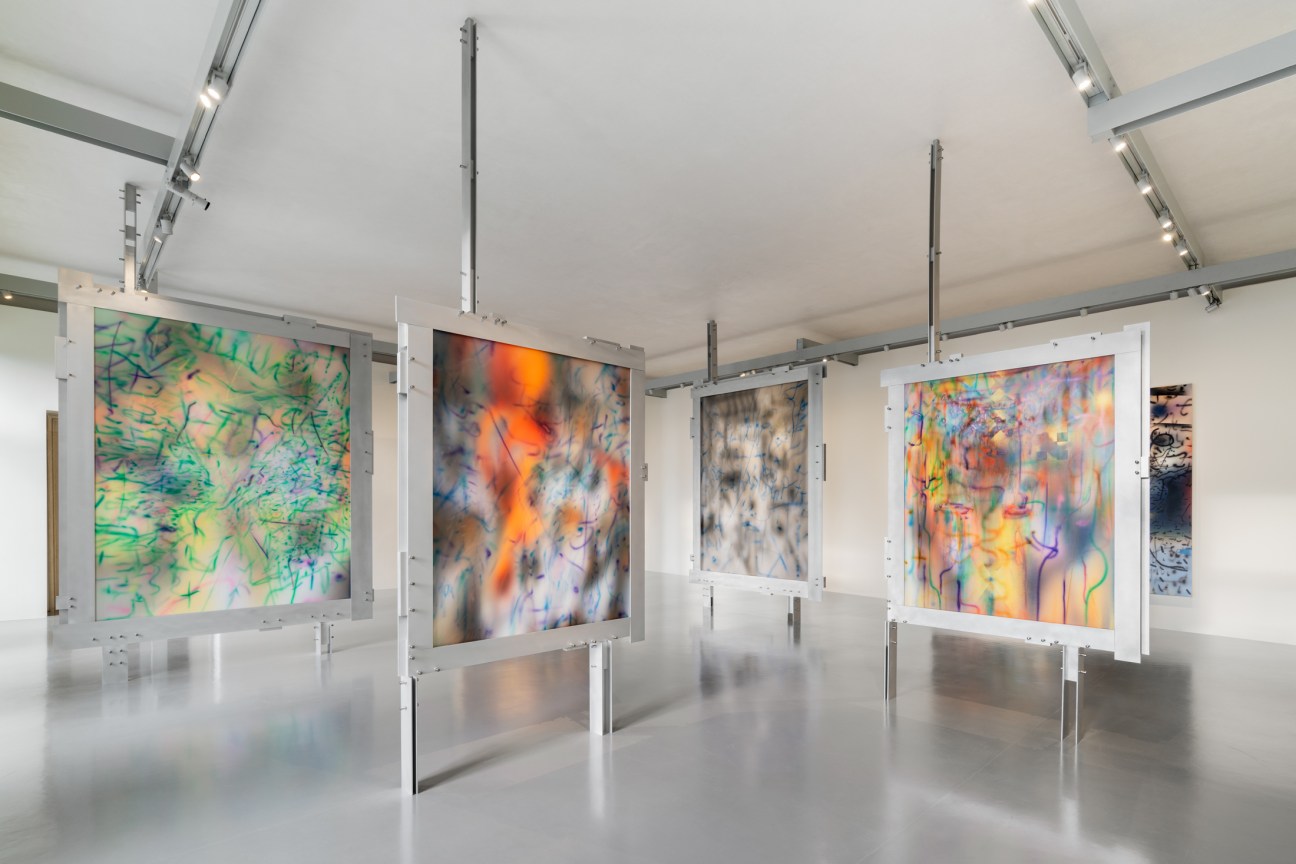
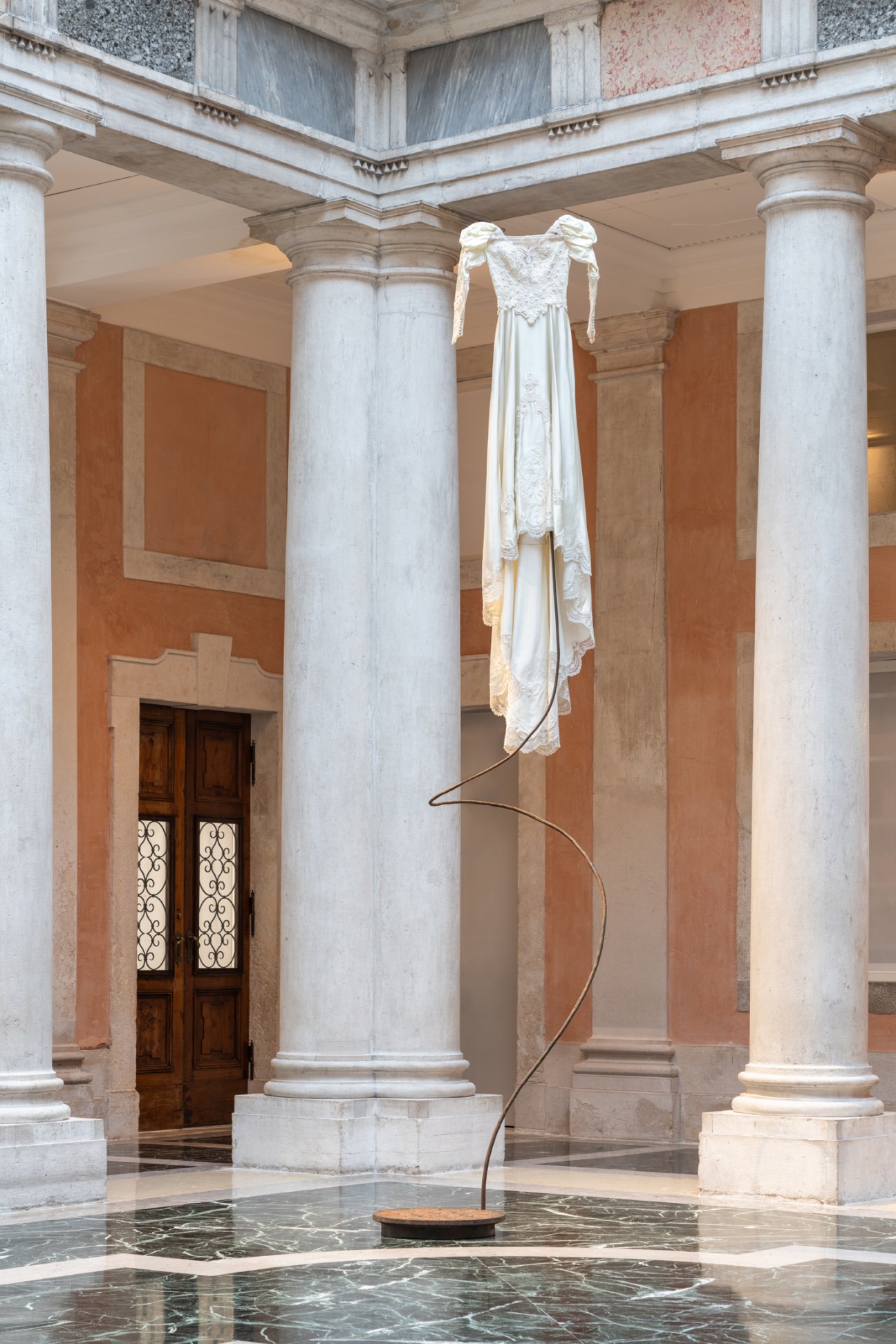
On show alongside this year’s Art Biennale, Liminal and Ensemble are unmissable stops on the way to the Giardini and the Arsenale. Both jumble the stale idea of the artist as a lone genius: one by celebrating art as a social endeavour; the other by ceding control to a machine. Even Huyghe handed over one room to the drawings of Anthony Nosiku Ikwueme, a young artist who years ago wrote him a letter out of the blue and struck up a dialogue. “We’re in a discourse all the time, and that’s how art gets made,” said Mehretu. “In fact, that’s how art gets better.”
Julie Mehretu’s ‘Ensemble’ runs until 6 January 2025. Pierre Huyghe’s ‘Liminal’ runs until 24 November; pinaultcollection.com
Media: Brazil
Press run
Brazil’s five largest newspapers experienced a rise in circulation last year. Financial paper Valor Econômico is now looking to expand internationally. For editor-in-chief Maria Fernanda Delmas, the US presidential election and local ballots in Brazil are the top priorities. Here are three other Brazilian titles to look out for.
1
Carbono Uomo/ Carbono Donna
Published by Lili Carneiro, from publisher Editora Carbono, the lifestyle quarterly takes an elegant look at Brazilian fashion, tourism and art.
2
Piauí
With its large format and in-depth political coverage, this monthly is one of the most admired Brazilian titles – think of it as a tropical New Yorker.
3
Ela (O Globo)
One of Brazil’s few magazine supplements, from daily O Globo, Ela is a fun weekly look at fashion, the best from Rio and great columns, all cleverly edited by Marina Caruso.
Listen to our interview with Maria Fernanda Delmas on ‘The Stack’ on Monocle Radio.
Film: Gobal
Q&A
Hans Zimmer
Composer and producer
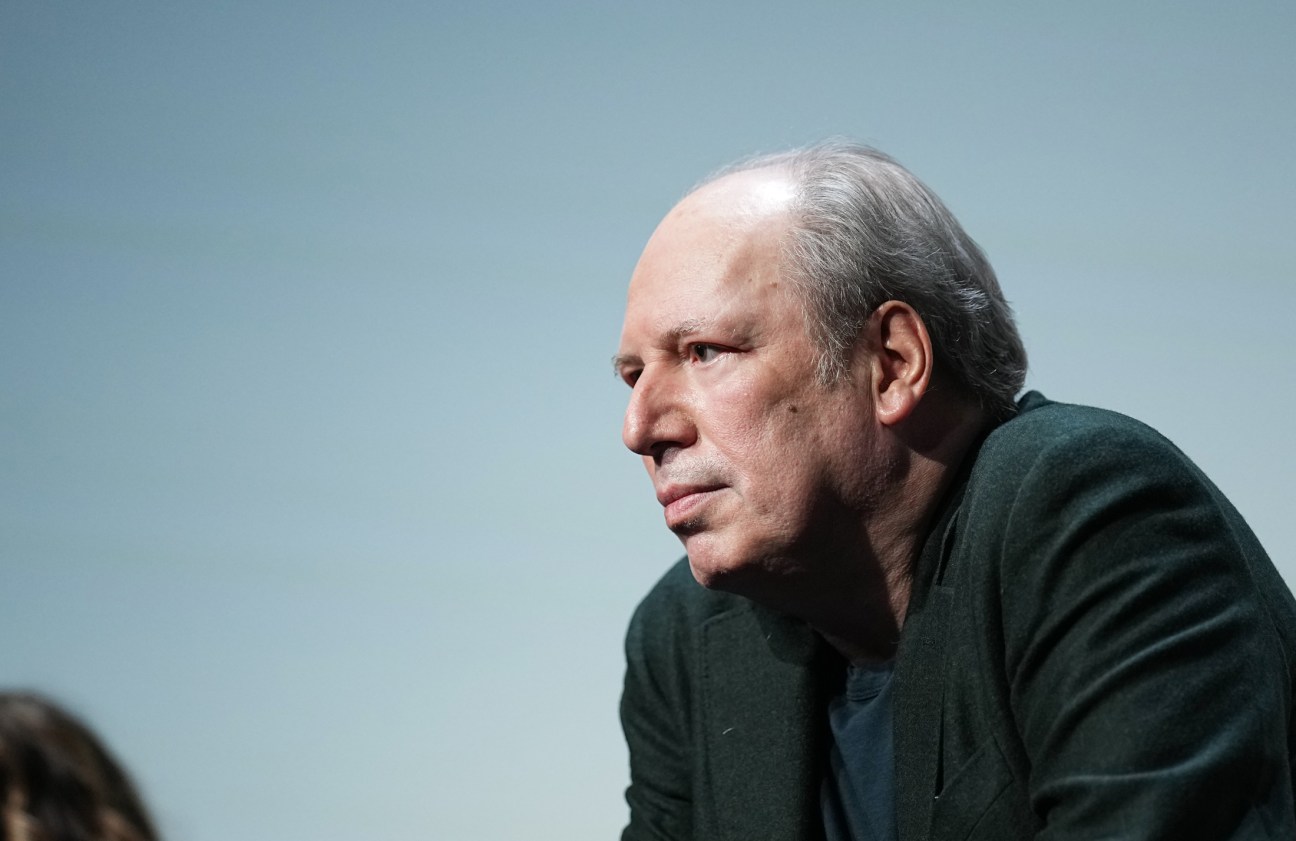
Think of the memorable scores that underpin the blockbuster films of the past 40 years and there is a high chance that the man responsible is German composer and music producer Hans Zimmer.
Zimmer, whose work is known for helping to steer both the plot and the audience’s emotional response, has been the recipient of four Grammy Awards and two Academy Awards for best original score, for The Lion King (1994) and Dune (2021). Monocle caught up with him to discuss his work on Dune: Part Two, his approach to world-building and the enduring passion he retains for his work.
How did the collaboration between you and Denis Villeneuve on ‘Dune’ come about?
We were waiting for a car, and he very quietly asked me if I had ever heard of a book called Dune. I became one of those little dogs that gets excited and jumps up and down. I think I scared him a little bit with my enthusiasm.
The music feels like such an organic part of the film. Is that how you see it?
The whole idea, especially in movies like this, is that we are world-building. There’s nothing there before we start, so it’s very important that it’s not just about pretty tunes; it’s about building the sonic landscape that these characters inherit.
What’s your motivation for your work?
I try to do my best because I know people work hard. If, when the weekend comes, they put their hard-earned money down to go to see our movie, I had better deliver the goods. That’s who I write for: the audience. I love what I do.
Art: Venice
Foreign affairs
This April the 60th edition of the Venice Biennale is uniting creatives from around the globe to celebrate the brightest and best of the contemporary art world. We speak to national pavilion curators about their projects and reflections on this year’s theme: “Foreigners Everywhere”.
Jacob Fabricius & Lee Seolhui
South Korea

Jacob Fabricius, director of Art Hub Copenhagen, and Lee Seolhui, curator at Kunsthal Aarhus, worked together during the 2020 Busan biennial in South Korea. Fabricius is the first foreign curator to represent South Korea in Venice and Lee the youngest. Titled “Odorama Cities’, the pavilion is presenting a sensory project by artist Koo Jeong A focused on people’s memories associated with the scents of Korea.
What inspired this project?
JF: It was a natural choice to look at scent because it’s immaterial, weightless and borderless, yet has this immersive aspect. When you look at the history of Korea and the Korean peninsula, it’s been divided into North and South. But since scent doesn’t know borders, it brings people together. That’s why it’s interesting to capture olfactory memories from the whole Korean peninsula.
How does your project relate to this year’s theme?
SL: I’m South Korean but when I talk about North Korea, I feel like a foreigner because I haven’t experienced it. My generation’s relationship with the country has been completely curtailed.
Ciprian Muresan
Romania
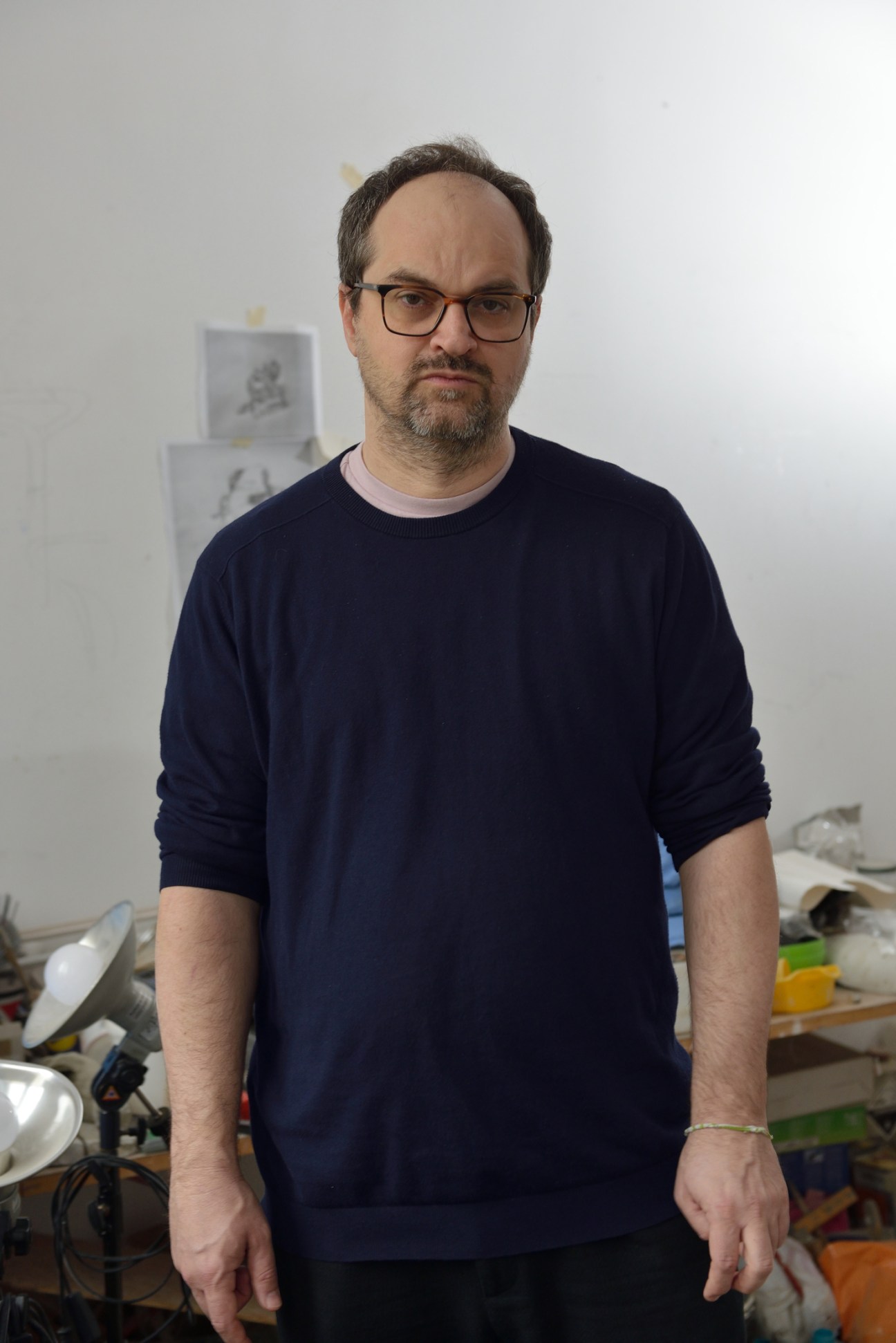
Cluj-based artist Ciprian Muresan shares his studio space with painter Serban Savu. They present “What Work Is”, a retrospective of Savu’s work with paintings, architectural models and mosaics looking at work and leisure in post-Eastern Bloc Romania.
What inspired this project?
Serban had been thinking about big, outdoor mosaics. He started architectural models for ideas that he couldn’t complete because of budget restrictions. I suggested starting from these objects.
How does your project relate to this year’s theme?
On one hand, Serban touches on the commodification of an artist’s labour. Romania has about four million people working abroad in places such as Italy and the UK and this creates alienation from our own culture; we become foreigners.
Andrea Pacheco González
Chile
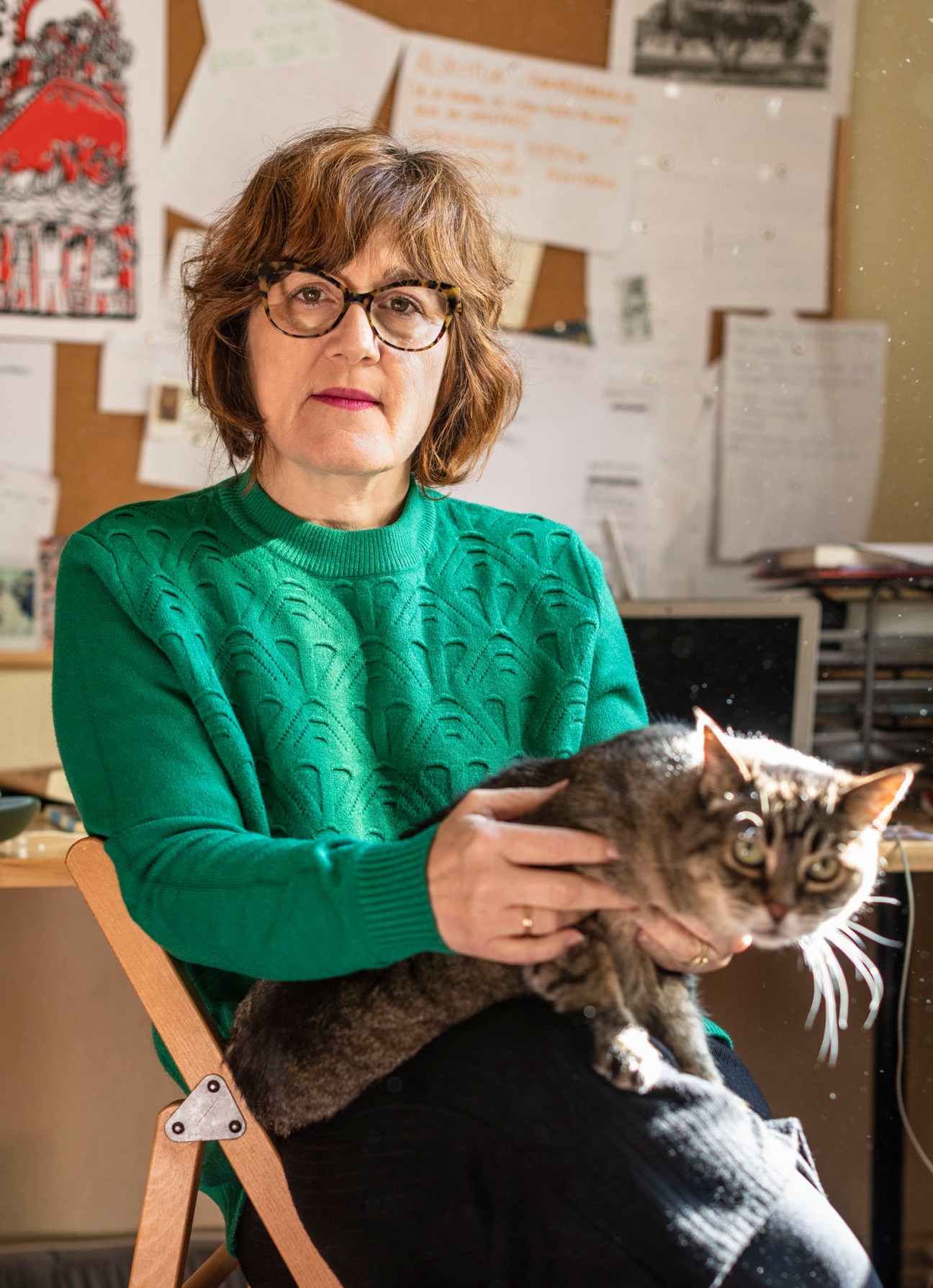
Chilean curator Andrea Pacheco González is based in Madrid, where her work focuses on exile, memory and Latin American diasporas in Europe. In partnership with Chilean-Swedish artist Valeria Montti Colque, Pacheco González presents “Cosmonación” at the Chilean pavilion, an installation including carpets, printed textiles and photographs.
How does your project relate to this year’s theme?
Through the work of Valeria Montti Colque, we approach the specific life circumstances of the Chilean diaspora in Sweden, most of whom come from the exile of thousands of families after Pinochet’s military coup.
Could you explain the term ‘Cosmonation’?
It refers to the term “cosmonational”, used by Haitian-American anthropologist Michel S Laguerre. He argues that diasporic communities don’t sever relations with their place of origin but remain attached to their ancestral land through family ties, cultural traditions or participation in political life through voting. In this way, they inhabit a nation extended beyond geographical boundaries.
The 60th edition of the Venice Biennale opened on 20 April and will run until 24 November.
How Livraria Lello continues to stay relevant in the 21st century
With a history dating to 1881, Livraria Lello is frequently referred to as the world’s most beautiful bookshop. It’s a title the institution is proud of and one that provides a calling card for its host city, Porto, where it attracts thousands of visitors every day. But there is more to Livraria Lello than cosmetic appeal. Among the ceiling-high bookshelves, grand wooden staircases and stained-glass windows operates a dynamic business, concerned with preserving an important piece of the city’s patrimony and remaining relevant as a 21st-century cultural player.
While large queues are generally a good sign, they have posed some challenges here. “People would come in, take a picture and forget altogether that this is a bookshop,” says Livraria Lello’s manager, Aurora Pedro Pinto, who with her husband bought a majority stake in the company in 2015 and the remaining shares in 2023. The solution to the problem of sightseers came in the form of a small fee: visitors are now required to pay for an €8 voucher upon entry, which can be used for book purchases. “We’re not a museum,” says Pinto. “Our aim has always been to form readers.”
“Forming readers”, for the shop’s managers, is about more than just selling books. It requires planning a cultural calendar, with signings and readings that will soon spill over into a building acquired nextdoor. Livraria Lello also publishes its own beautifully designed editions, which today account for many of the shop’s book sales. Then there are the collaborations on products and events. “We partner with several international institutions, from Pantone and Zara to the Antoine de Saint Exupéry Youth Foundation,” says Pinto. Livraria Lello teamed up with Bic last year to launch a pen celebrating the Porto-based Pritzker Architecture Prize winner Álvaro Siza. That’s not to mention restocking the 3,000 to 5,000 books sold daily or managing the booksellers who make sure they are flying off the shelves. Pinto tells Monocle, “We always say, with some boldness, that we want to make the whole world read.”
Born in Vizela in 1961, Aurora Pedro Pinto taught law at Portucalense University for 26 years before going into business. She and her husband, Pedro Pinto, have invested in a range of Porto’s cultural and tourist intitutions. They acquired a majority stake in Livraria Lello in 2015; two years later, Aurora became president of its management committee and, in 2021, its sole administrator.
1.
Hugo Miguel Silva
Head of marketing and communication
“Responsible for the bookshop’s cultural programme, which welcomes locals to events free of charge.”
2.
Nuno Melo
Bookseller
“One of our senior booksellers. He gets people to fall in love with books.”
3.
Luísa Couto
Head of commercial, purchase & logistics
In charge of restocking 3,000 to 5,000 books a day from our suppliers.
4.
Carla Matos
Accounting and administrative manager
“Responsible for Lello’s bookkeeping. A reliable and calm pair of hands.”
5.
Nelson Pereira
Information and communication systems manager
“Nelson is behind the IT systems of Livraria Lello at a time in which being at the forefront of digital innovation is fundamental to our success.”
6.
Andreia Ferreira
Director for brand
“Responsible for Lello’s national and international recognition and outreach. She connects the entire team to the world.”
7.
Marisa Miranda
Business general director
“A force of nature, Marisa makes sure that the business is in top financial and operational health.”
8.
António Pedro Pinto
“The future of the family business.”
9.
Filipe Costa
Cashier
“Having worked at Lello for 24 years, Filipe is an endless source of stories that entertain the whole team.”
10.
Cecília Machado
Head of finance, accounting and administration
“Leads our financial department, staying up to date on the spreadsheets that control the entry of thousands of visitors as well as the sales of thousands of books daily.”
11.
Mafalda Teixeira
People care manager
“Mafalda knows her colleagues better than anyone and tends to everyone’s wellbeing.”
12.
Faustino Barbosa
Head of human resources, people, culture and development
“Takes care of the business’s main asset: its employees. He works tirelessly to attract and retain talent by increasing employee satisfaction within the company.”
13.
Francisca Pedro Pinto
“The future of the family business.”
A lesser-known hideaway in the Venetian Lagoon
It’s only a 12-minute boat ride from Venice’s St Mark’s Square to the island of Sant’Andrea but the two places might as well inhabit different planets. Away from the phalanx of tourists brandishing selfie sticks, Sant’Andrea is remarkable for being, in many ways, unremarkable. There’s no hotel here, no restaurants and no obvious tourist attraction. And our skipper for the day, Paolo Rosso, wants it to stay that way. “There’s a very codified vision of Venice: gondolas, baroque, carnival,” he says from the helm of his Topetta-style wooden motorboat as we pull up to the fortified island. “But if you look at Venice as a whole, you can see it in a different way.”
Rosso has been scratching beneath the surface of Venice since arriving here 16 years ago. A native of Pavia, south of Milan, he has carved out a niche as a leader of some of the city’s more avant garde cultural offerings, including a floating cinema bobbing in the water off the island of Giudecca that shows experimental films alongside Venice Film Festival every September. Slightly unkempt and with a contagious enthusiasm, he answered an open call in 2022 to co-run part of the island.
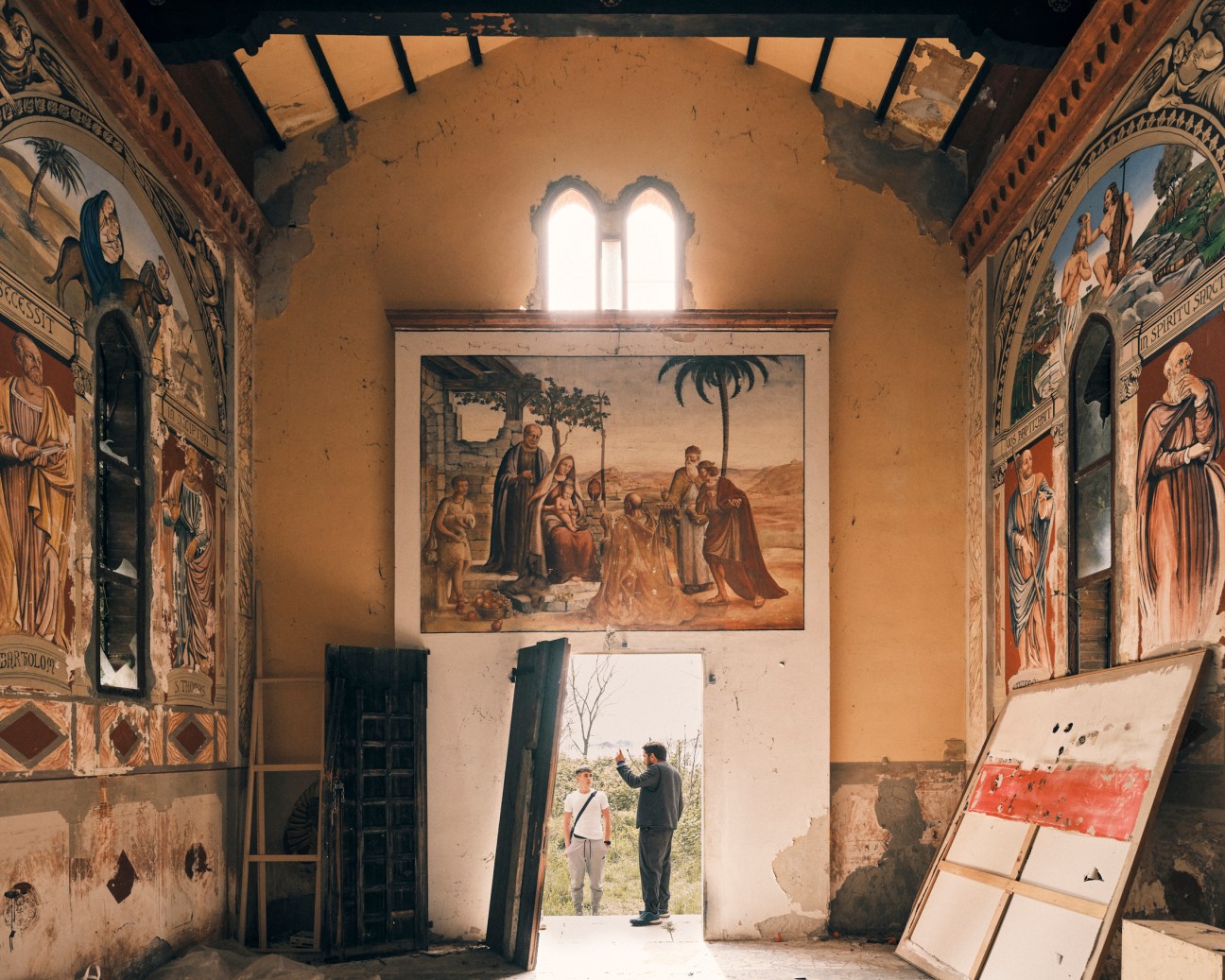
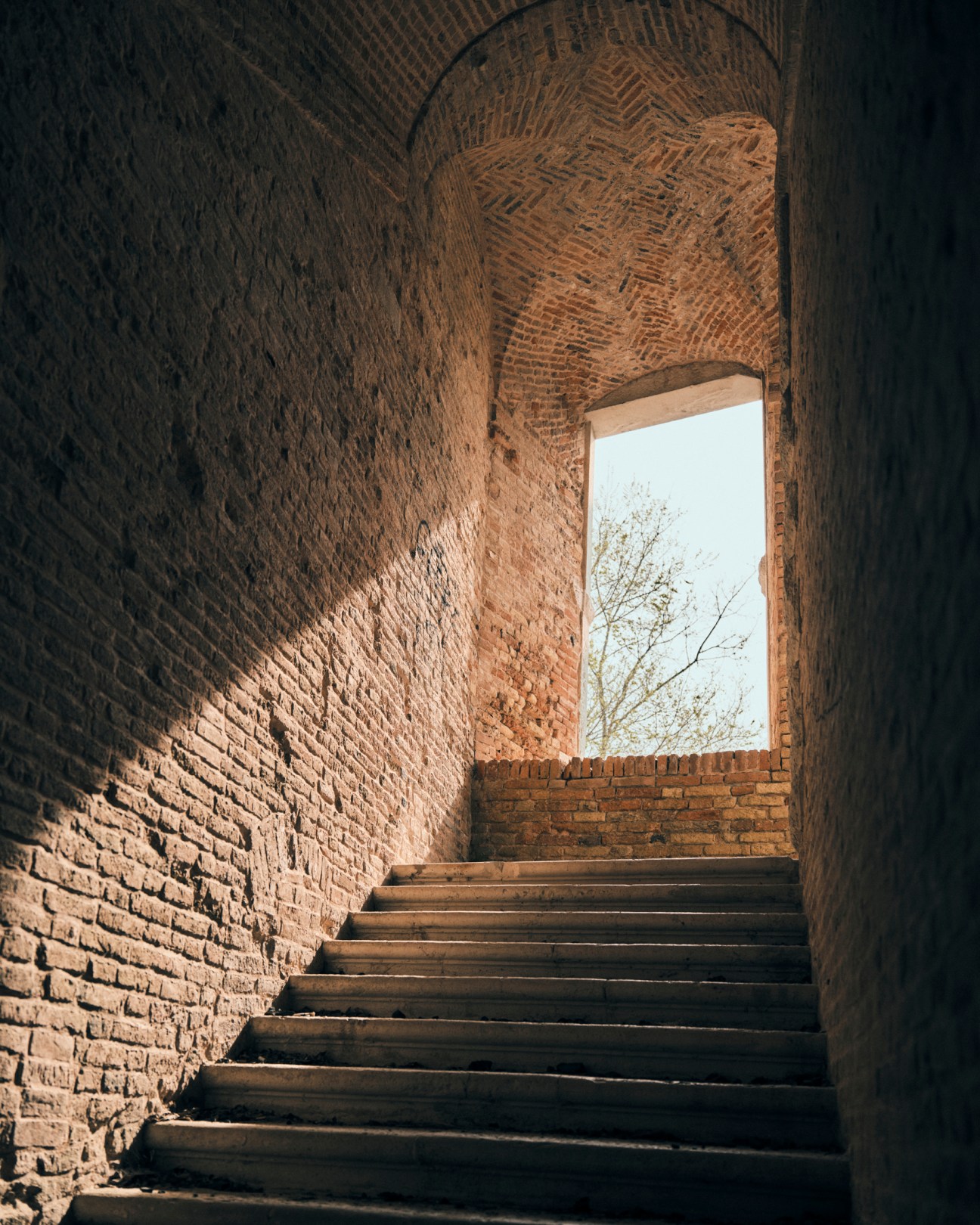
Sant’Andrea might not be developed but it’s full of history if you know where to look. It was a key defensive outpost during Venice’s days as an independent republic and there’s an impressive brick-and-stone monument that remembers the victory of the Holy League, which included Venice, over the Ottoman Empire in the 1571 Battle of Lepanto. Casanova was imprisoned on the island, Rosso tells us, and it played an important strategic role in the First World War.
We wander inside a church, its door ajar and part of its roof overgrown with creepers, and Rosso points out the naïve frescoes painted during Mussolini’s fascist regime – an odd mixture of holy icons alongside military insignia in the bottom corners of a wall. Though the idea is that the clutter inside will be tidied up, it will be done with the lightest touch possible, according to Rosso. “It’s a beautiful place in which to reflect,” he adds.
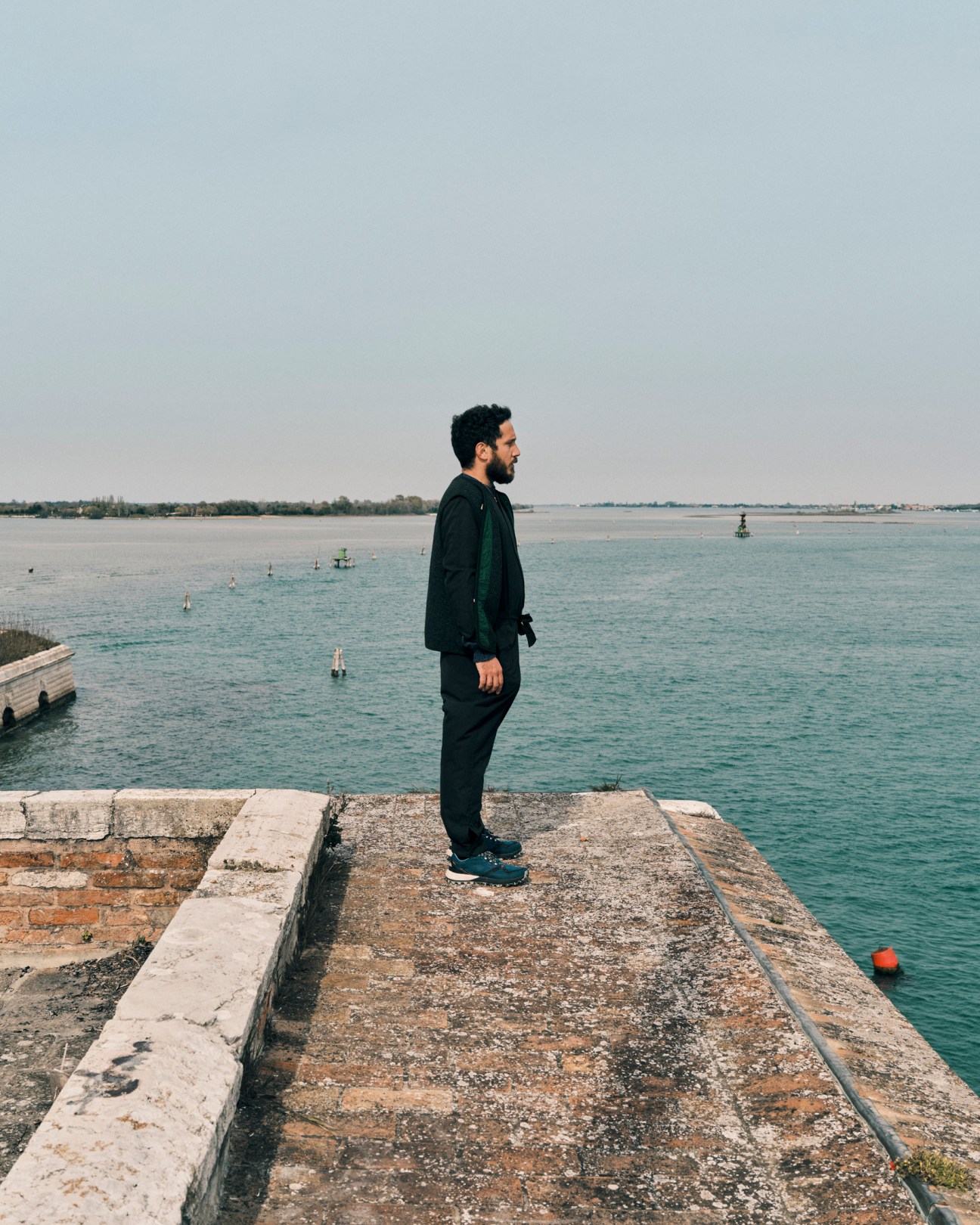
Two intrigued young men show up at the door, one of the occasional groups of locals that moor their boats next to the island and get off to explore; Monocle gets the sense that Sant’Andrea is probably the location of an occasional teenage tryst too. Rosso welcomes the pair, assuming his role as unofficial island tour guide and starts to recount its history.
Not far away, next to the ramparts of the impressive but dilapidated 16th-century fort, marked by elevated walkways, a team from the University of Padua is setting up equipment, including plunging a camera into the water, to map the architecture of the little-known island. One day this part of the island might also be under Rosso’s tutelage and there is talk of cultural activities, including musical performances and guided tours. For now it feels like we’ve been let in on a secret, away from the commodified city centre.
Rosso offers to drop me back at the train station and we motor across the water, picking up artist Giorgio Andreotta Calò along the way. He is a friend of Rosso who is also involved with the Sant’Andrea project and we sit talking on the tied-up boat before leaving. The artist says that he thought about bringing some of his works to the island but then he decided that the place itself was enough. “There’s no longer anywhere in Venice that can be considered authentic – but Sant’Andrea is,” he says. “It’s a spot where you don’t need to build. Instead, you can preserve.”
A celebration of Buccellati, a conversation with Heath Ceramics and new briefings
How to live: The Broader View
Go the distance
Tyler Brûlé on why taking a step back can give you deeper, more insightful perspectives.
As we finalise our May edition and ink hits paper at our presses in Germany, Monocle will be moving on to two of the most important trade fairs on our editorial calendar. At Geneva’s Watches and Wonders, the world’s biggest watchmaking event, our editors will, of course, cover the newest launches but they will be more interested in tracking shifts in sales. What markets are on the up? Where are the new connoisseurs based? Where will the next generation of watchmakers hail from?
Shortly afterwards we’ll be jumping over the Alps to Milan’s Salone del Mobile, the largest jamboree for industrial design and furniture manufacturing. While you might have read our reports from Geneva and Milan in our newsletters and listened to our features on Monocle Radio, it’s the stories with longer lead times that tend to have the most impact. We aim to be on point and get things first but it’s also rewarding to give ourselves some distance from these fairs to allow our impressions to settle.
Very often it’s the side Q&A with the tiny Japanese watch atelier or the forgotten manufacturer from northern Portugal that suddenly feels right for our take on a certain current in the industry or has the most relevance to a story about sustaining skills. As much as we’re interested in the techniques that go into making a new chronograph or a collapsible chair, we’re even more curious about how people are working to prevent brain drain in Switzerland’s watchmaking valleys, say, or ensure that there’s sufficient talent to handle cruise-ship orders for armchairs in Italy’s Brianza region.
Reporting from:
Monocle has a network of correspondents in cities around the world. Our brief updates feature LA’s hottest new neighbourhood, party politics in Bangkok and London’s pedestrianisation plans.
Los Angeles
Silver linings
The Silver Lake neighbourhood is sometimes called the “Beverly Hills of East Los Angeles” and could soon give Rodeo Drive a run for its money. Several new boutiques are opening in the Sunset Row shopping centre, with more independent retail to come.
Bangkok
Making moves
The Move Forward Party shocked Thailand’s establishment in 2023 by winning the most seats in the general election. But now the opposition party faces the same fate as its predecessor, Future Forward: dissolution by the Constitutional Court.
London
Best foot forward
Plans to pedestrianise London’s Oxford Street have progressed to the next stage after two thirds of residents and local businesses approved the scheme. One of the capital’s busiest retail destinations, the regeneration project will increase pavement space by 40 per cent.
Style and substance
On the hunt for a design for the first Monocle Design Awards trophy back in 2021, we tapped long-time Monocle collaborator Harry Thaler. The South Tyrolean designer’s brief? To create an award that was not only distinct but embodied the values of the prize itself: practical, functional and beautiful. Thaler did not disappoint, designing a timber-bodied, brass-based trophy that doubles as a paperweight. “The brass disc gave it status and importance, and the ability to have a dual purpose,” says Thaler.
After initially being made with an oak body, followed by cherry in 2022, then ash last year, the designer was keen to do something different in 2024. That’s why this year the award’s body is made from offcut timber. “It’s scrap wood, so it’s a recycled product,” says Thaler. “There’s a message here about importance of sustainability.” It’s an appropriate evolution for the award and ensures that the trophy continues to embody the values of the prize itself. Curious to see which people, places and products do just that? Check out our Design Awards.
Notes from the road
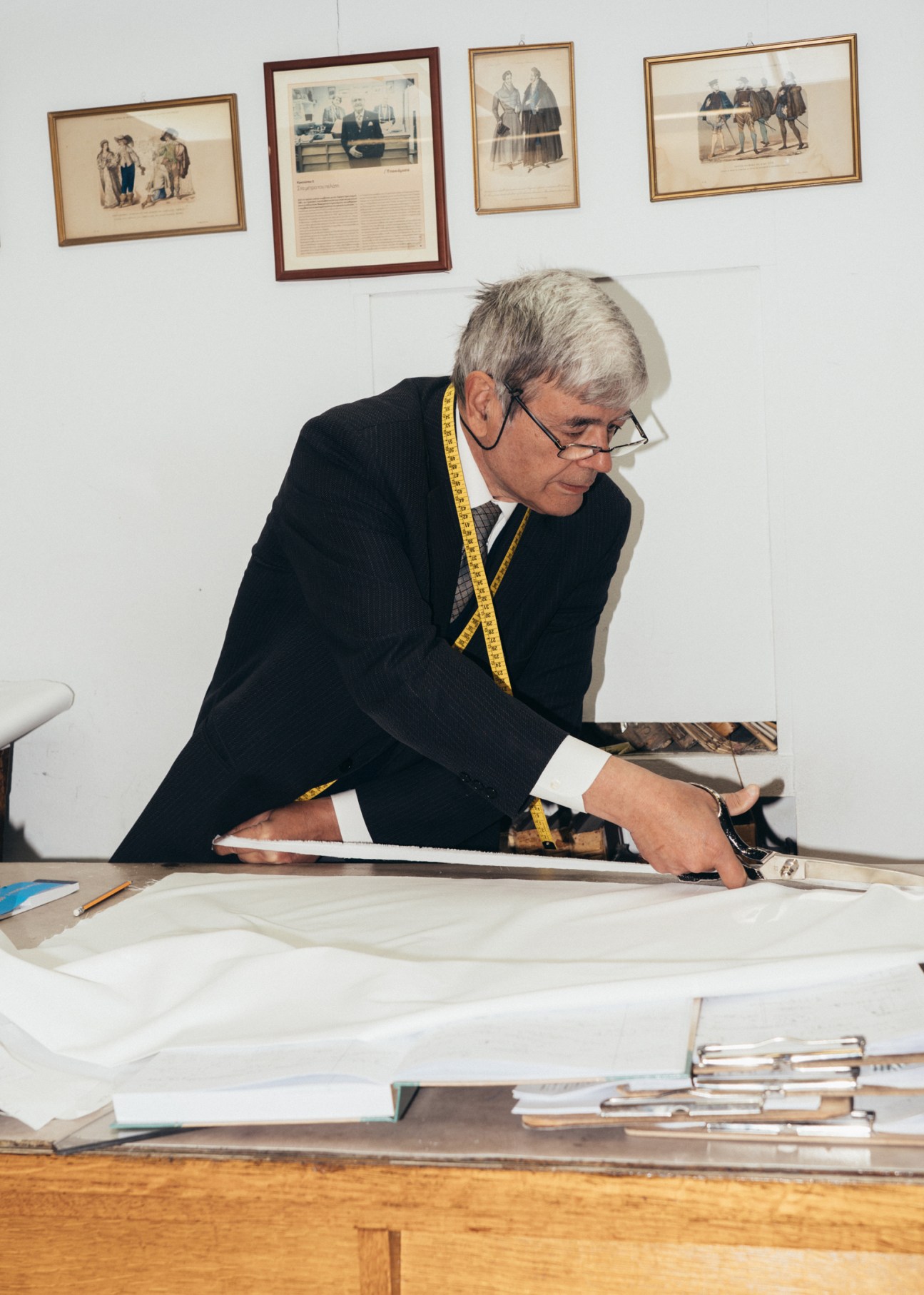
When reporting this issue, Monocle’s correspondents have brought back insights into world leaders, education and more. Here are just three of the things you’ll learn in this issue.
1.
Stamps can be soft-power tools
Despite their diminishing usage, stamps continue to be used as a secret soft-power tool. We look into why these little stickers have such an impact.
2.
Bengaluru is India’s Silicon Valley
The tax incentives and liberalisation of India’s economy has attracted multinationals to Bengaluru, which boasts about 67,000 registered tech companies and 13,000 start-ups.
3.
Creatives are flocking to Athens
The Greek capital has been gaining in popularity not only as a summer destination but as the HQ for many emerging brands and small boutiques.
Jewel in the crown
Milan is famed for its sciura, a breed of extraordinarily glamorous elderly woman. These ladies in mink coats, with Birkin bags and blowouts, adorn the city’s sidewalks and piazzas. Their diamonds, as the stereotype goes, are from Buccellati. The jeweller first opened in 1919 next to the Milan’s Duomo and has, across three generations, become a byword for upscale milanesità. But, surprisingly, Buccellati has chosen to stage its centennial retrospective not in its hometown but in Venice instead.
“Buccellati has a very strong relationship to the arts,” says Alba Cappellieri, curator of “The Prince of Goldsmiths: Rediscovering the Classics” exhibition that is on show until 18 June at the Oficine 800 venue on Venice’s Giudecca island. “Here, Buccellati is celebrating jewellery as an art form.” Cappellieri, who directs the jewellery department at Politecnico di Milano, has picked out gems from Buccellati’s archives to be displayed in tall vitrines in the old industrial building on the Giudecca Canal. From lithe, diamond-encrusted bracelets to a solid silver lobster-shaped table ornament, the pieces make for a formidable side show to the Biennale Arte. Historically, Venice was the entry port for precious gems arriving from faraway. Many of the city’s churches and palazzos are still embellished with gold leaf. Jewellers from Buccellati to Bulgari, which last year staged its haute joaillerie catwalk in Venice, understandably find the Serenissima’s ethereal air just right for their brands. Besides, every sciura enjoys an escape to Venice, where she can be found – more often than not – sipping a bellini.
Words with Tung Chiang
Studio director, Heath Ceramics
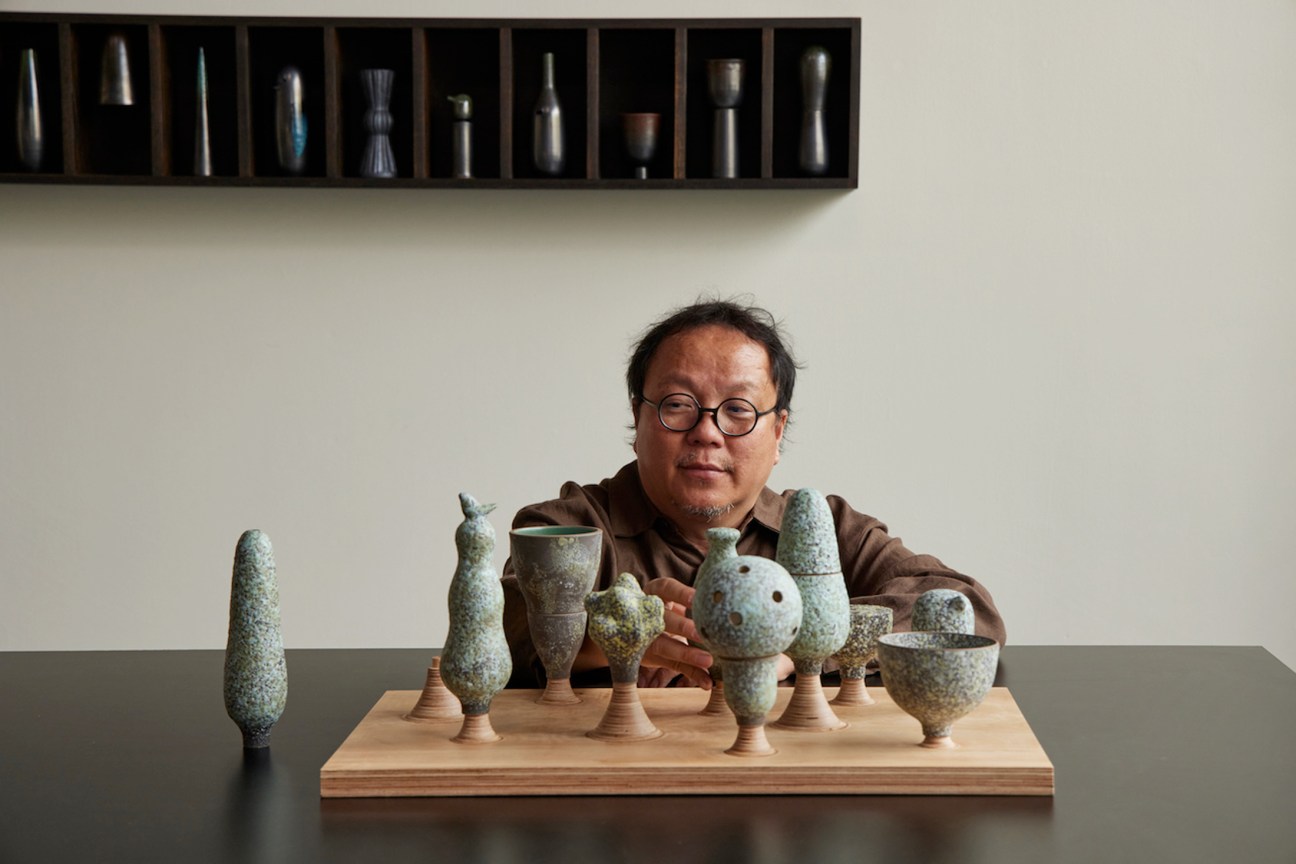
Sausalito-based Heath Ceramics has established itself as a leading producer of world class ceramics sold across the world. Tung Chiang, grew up in Hong Kong and moved to the US in the 2000s to start a career as an industrial designer.
How did your experience shape how you approach the world of ceramics?
Industrial design gave me the necessary foundations on how things are made. It also taught me about the relationship between customers and consumer products. Understanding who the customers are and how they use things is really important.
Looking at your work, what is your unique take or voice that is particular to you?
Ceramics, tableware for example, don’t usually come with a story but I want them to have one. Heath creates pieces with modern designs, as well as longevity, which will make them relevant for the future. What makes us different is this combination of future, past and present.
Despite working in San Francisco, you are still inspired by nature. How does that work?
Nature’s designs have existed for a far longer than ours. A lot of people will agree that nature is the better designer. But that doesn’t mean that humans should compete with it. As designers, it is our job to understand that we are part of nature and then to continually try to connect with it.
For weekly interviews, analysis and insights, subscribe to The Monocle Minute’s Weekend Edition, our free email newsletter, at monocle.com/minute
Springing into action
As spring rears its head (at least in the northern hemisphere), the month ahead promises a busy schedule but also some welcome moments of respite. Here are some of the events and happenings taking place in May that we have on our radar.
1.
Full of the joys of spring
In the Balkans, spring is a time for celebration. Bonfires set the night ablaze in Slovenia and Croatia at the beginning of May and you might even find our Ljubljana-based correspondent, Guy de Launey, attending his local celebration on Rožnik Hill. In Serbia, May means an excuse for a two-day picnic, including pigs on spits.
2.
All part of the design
After a busy Milan Design Week, Monocle’s design editor, Nic Monisse, will be keeping an eye on the emerging talent and trends that will be on show from Australia to the US this month. Lisbon Design Week, Melbourne Design Week and nyc 3 Design (including the fair’s concurrent trade show, The International Contemporary Furniture Fair) are all taking place in May.
3.
Top-secret’ tipple
Stop into The Diplomat, a speakeasy in Hong Kong’s central neighbourhood. Operated by award-winning bartender John Nugent, the drinks menu includes small-batched produced wine and vintage liquors. But the reimagined classic cocktails are the most interesting.