
The Entrepreneurs
20 hard-earned business lessons from entrepreneurs at the top of their game
Want to build a business that works? We have gathered 20 lessons from global entrepreneurs and industry leaders at various stages of their journeys. In candid conversations on Monocle Radio, they shared with us their thoughts on what it takes to succeed, from carving out a niche and building a purposeful brand to knowing when to trust your gut or pivot with grace. The ideas here span six continents, with sharp insights from founders and CEOs in fashion, media, manufacturing and robotics. Some spotted overlooked markets, while others turned to the past, stacking skills to create something new. What unites them is a willingness to rethink the obvious, be bold and keep building, whatever the size of the idea or the field they’re in.
For more smart thinking and fresh perspectives, tune in to Monocle Radio’s weekly shows The Entrepreneurs and Eureka, your blueprint for the best in business, retail and leadership.
1.
Pursue what challenges you
“I didn’t set out to start a beauty brand. Cutting through in such a saturated market is incredibly challenging – it’s a steep hill to climb. But I saw problems that were worth solving and it felt meaningful to me to try. I decided that I wanted to bring new thinking into the industry and make it more sustainable, introducing products that combine nature and efficacy.”
Emma Lewisham
Co-founder and CEO of Emma Lewisham skincare

2.
Value traditional techniques
“Greece has an incredible jewellery heritage that isn’t celebrated enough. I have always thought that ‘Made in Greece’ should mean something, just as ‘Made in Italy’ does. Seeing the artisans of the country at work their craftsmanship, the goldsmithing techniques – made me realise that we could create something beautiful that was rooted in culture and truly worth sharing.”
Alexia Karides
Co-founder and CEO of London-based jewellery brand Ysso, whose handcrafted pieces are made in Athenian workshops
3.
Digital doesn’t have to mean disposable
“Speed tends to be prioritised over quality in digital journalism. Newspapers often save their well-researched long-form content for print, while digital news outlets churn out quick, low-quality updates. We saw that there was demand for depth over volume amid the relentless breaking-news cycle. The more polarised society is, the greater the need for a product that takes its time.”
Tav Klitgaard
Co-founder and group CEO of Danish digital-only news outlet Zetland
4.
Turn a pain point into match point
“As a tennis player, I was always annoyed by how much time I would spend picking up balls instead of actually playing. So we built an autonomous robot that does it for you. Other players immediately supported us because it’s a common frustration in the sport. We knew that we had something that would do well, not just in the US but in all big tennis markets.”
Haitham Eletrabi
Co-founder and CEO of Alabama-based company Tennibot, which makes ball-collecting robots for racquet sports

5.
Take advantage of overlooked market opportunities
“Growing up in Oaxaca, I would find delicious mezcal everywhere. But many people in Mexico City dismissed it as a cheap peasant drink. I never imagined that it would become a global phenomenon but once the big chefs in the capital started talking about it, tourists came and everyone wanted a taste. At the start I just wanted to keep my grandfather’s recipe alive.”
Yola Jimenez
Founder of Yola Mezcal, an artisanal brand based in Oaxaca, Mexico

6.
Build in sustainability from the start
“The things that you need when you’re young and moving in with your partner for the first time aren’t what you want when you have two children and a bigger house. We wanted to design furniture capable of growing with our customers so that they don’t have to replace all their pieces – they can be adapted to evolving needs.”
Anders Thams
CEO and co-founder of Moebe, a Danish design brand making interior goods that are easy to ship and simple to repair
7.
Keep things simple
“Over the years, we have spent a lot of time thinking about the growth of the team and what happens when you bring 5,000 people together. Our biggest challenge is how to keep the culture vibrant, with everyone working together, while setting increasingly ambitious goals.
“At Canva, we have a two-step plan. The first is to become one of the most valuable companies in the world. The second is to do the most good that we possibly can. When we bring in an investor, we ensure that they are very clear about what their money is going to do, what our vision is, what our mission is and what we are trying to achieve.
“One of our core values is to make complex things simple. Thirteen years ago, when we set out to apply this to design, we wanted to make a product that wasn’t just serving the 1 per cent of the world that could think deeply about the subject for 10 hours per day. We wanted to produce something that would unlock the power of design for everyone – what we call ‘Empowering the world to design’. The first version of our graphic design platform did this and we spent the next 12 years making sure that the product stays simple but powerful.
“Creating a better organisation and being a responsible actor within society is a key part of Canva. We have given away more than $1.5bn (€1.3bn) worth of our product every year to teach students and benefit non-profits all around the world. That’s an amazing thing that’s extremely simple for us to do, because we just flick a switch in our database to give people the product for free. It helps to improve people’s lives and their organisations, and non-profits to drive their mission. Students are able to learn more effectively and teachers can engage their students in a better way. It’s a win-win.”
Cameron Adams
Co-founder and chief product officer of Australian software company Canva
8.
Embrace uncertainty
“We often strive to predetermine things. The temptation is to decide, ‘This is how my business should run.’ But the longer I do this, the more I realise how important it is to be adaptable. You never know how things will go on any given day, so you need to be able to pivot.”
Tom Àdam Vitolins
Founder of Berlin-based loungewear brand Tom Àdam, renowned for its pyjamas
9.
Stay in your own lane
“I launched my brand to create my own space, not to fill a gap. At the time, South Korea’s perfume market was almost nonexistent. It was a risky move but I believed in my vision. I’m not trying to please everyone. I would rather know that one person really loved a scent. My biggest fear is making a forgettable fragrance that no one has an opinion about.”
Jun Lim
Founder and creative director of Born to Stand Out, an artistic perfumery in Seoul

10.
Break the rules for long-term growth
“Businesses need to make money if they want to continue to exist and thrive. Expansion can present new challenges but the shackles have been kind of thrown away a little bit. We always try to remember that we don’t need to be constrained by a certain set of rules. This allows all of the things that we love and care about – from hospitality to music, art and design – to shape and influence what we do next.”
Johnny Smith and Daniel Willis
Co-founders of hospitality group Smith & Willis
11.
Start in a niche to gain momentum and credibility
“We began in the indoor-climbing industry because we knew that it was the fastest way for us to create an impact as we had access to the community. That gave us a way to test our material and connect with people who are eager for a solution to the problem of plastic use in climbing gear. Starting small helped us grow our vision in a way that felt organic.”
Marta Agueda Carlero
Co-founder and CEO of Material Alternative Design, a Berlin-based company making high-performance materials using mycelium, the root-like structure within mushrooms

12.
Unleash your inner nerd to find the recipe for success
Lena Patriksson Keller: “While I have the greatest respect for anyone who has a full lifestyle brand, Jonas and I agreed to do something very specialised. We said, ‘Let’s be nerdy, go deep and dive into something where we can excel on all levels.’ Jonas especially has a long history in denim. Does the world need another denim brand? Probably not – but we felt that there was space for one with European values that moved away a little from Americana.”
Jonas Clason:“We don’t use so many different elements but concentrate on the perfect fit, fabric and packaging, as well as on sustainability. We wanted to team up with industry leaders to create something new – owning the supply chain, threads and fabrics, and so on. We started with a laboratorio in Castelfranco outside Bassano del Grappa in Veneto. Instead of sending patents and finishes to a supplier,
we made the ‘recipe’ there.”
LPK:“There is a completely different level of knowledge today among customers and in the supply chain. At the beginning, we said that the industrial set-up was crucial for the whole business because a European brand is all about culture. As a new company, we were fortunate to have a close relationship with suppliers, developing all of these things for us. At an early stage, we said, ‘What Loro Piana is for cashmere, we want to be for denim.’”
Jonas Clason
Co-founder and creative director of Jeanerica
Lena Patriksson Keller
Co-founder and chief brand officer at Jeanerica and executive chair of the Patriksson Group
13.
Rebuild long before you’re forced to do it
“We took the whole company apart and rebuilt it to be more sustainable. Every business should do the same. Even without a crisis, act as though you have one. Re-evaluate your team, costs and core offering. Strip it all back, be clear on your purpose and build a strong, focused strategy.”
Johan Hellström
CEO and owner of Swedish haircare brand Björn Axén

14.
Seek out like-minded collaborators
“I wanted to create the first African-owned high jewellery brand that honours the communities where the gemstones that are used come from. The first PR firms that I approached told me to tone down the African influence as it would be a hard sell with editors – so I chose to work with someone else. The whole purpose of founding this business was to celebrate that African heritage.”
Vania Leles
Founder of African high-jewellery brand Vanleles
15.
Build before you’re ready
“We didn’t have engineering backgrounds but we kept experimenting. We tinkered with existing technology, tested countless prototypes and learned from every failure. Eventually, we realised that our makeshift headsets could become a business. The real breakthrough came when we saw the demand for personal use so we shifted focus to the hardware and it opened up a whole new world for us.”
Sheera Goren
Co-founder and CEO of Zygo, the world’s first underwater streaming headset

16.
Craft a compelling brand story
“We made a website before we even had the product. My background as a photojournalist came in handy because I knew that a purpose-driven story resonates with people. So I wanted to focus on longevity and build a narrative that reflects my connection to Argentina – my homesickness for the country, Buenos Aires and the artisan craftsmanship that you find in Latin America.”
Victoria Aguirre
Co-founder and creative director at Pampa, a rug and homewares brand in Australia with roots in Argentina
17.
Turn your skills into toys
“I have a background in advertising and graphic studios – I spent years on creative teams before starting my own project in my forties, inspired by my five-year-old. I wanted to express what I had learned about creativity so I started a toy brand with designs that encourage open-ended play. Children think that they’re playing with toys but they’re really tools for building critical skills.”
Nuria Torras
Founder of Lekkid, a Barcelona-based toy brand
18.
Future-proof your industry
“You can learn the basics of ceramics in a matter of months but it takes decades to master it – and our workforce is ageing fast. That’s why every craftsperson should be training someone who is 10 years younger to ensure continuity and knowledge transfer. Our most experienced decorator was taught by her mother. Now we’re teaching her daughter.”
Sarah Watson
Owner and creative director of Balineum in London and Phoenix Tile Studio in Stoke-on-Trent
19.
Success isn’t in still waters – so learn to ride the waves
“Most great entrepreneurs feel like outsiders. They’re flawed, restless and often misunderstood. But strength lies in seeing beyond the surface and staying focused on the change that you want to create. Good leaders compartmentalise rejection, push forward when told no and keep going. Move on quickly and try again.”
Jasper Smith
Founder of Arksen, a company making vessels, adventure apparel and overland vehicles based in the Isle of Wight

20.
Question established models
“For the first 14 years, I faced plenty of scepticism. People would say, ‘He’s not a pilot – he’s an asset-finance guy! What’s he doing here?’ But I didn’t want to learn the industry’s way of doing things because I wasn’t happy with it. I wanted to fix what wasn’t working. It needed a fresh set of eyes to help it completely change and offer something that would deliver exactly what users wanted. I had to trust my instincts.”
Thomas Flohr
Founder and chairman of Vista, a leading global private aviation company

Illustrator —— Michael Parkin
Three offices so beautiful you’ll want to apply to work in them
From offices in mixed-use developments to intimate ateliers, a workplace’s form and function can influence employee morale, foster collaboration and enhance the perception of a brand. Here we profile three distinct spaces showing how thoughtful design elevates business quality and output.
1.
The Workshop by Ministry of Design
Singapore
Room to experiment
When planning its big office move in 2024, Singaporean interiors-and-branding firm Ministry of Design (MOD) saw a chance to redefine its way of working. A diverse team across multiple Asian cities, along with the rise of video conferencing and virtual whiteboarding technologies, led MOD founder Colin Seah to consider how the office can foster better work culture. “There was a real need for a creative collaboration space, where you could connect with one another and touch and feel the materials you were using,” he says. With that, The Workshop was born.
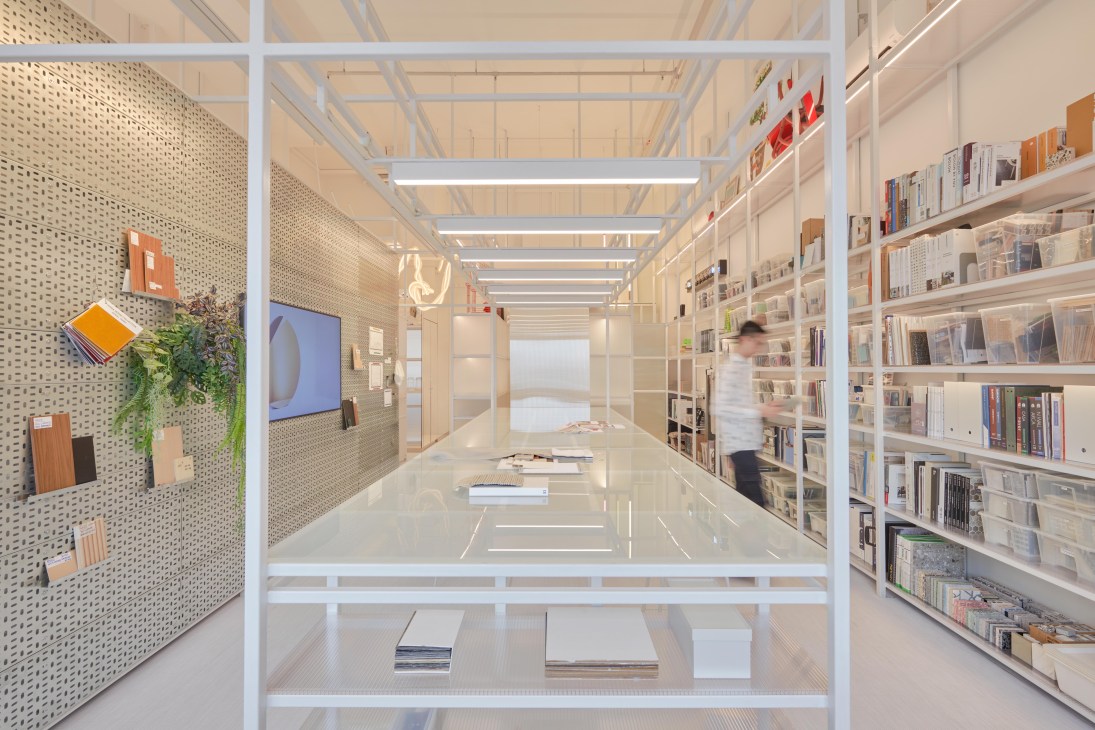
A compact, high-ceilinged space in Singapore’s Jalan Besar neighbourhood, its interiors are defined by three-dimensional metal scaffolding. The majority of The Workshop is dedicated to teamwork, anchored by a long, counter-height table that’s flanked by a magnetic pinboard and TV on one side and superbly arranged boxes of samples, swatches and reference books on the other.
Every detail has been tailored by Seah. “The temperature of the lighting can be adjusted to reflect different environments,” he says. “The magnetic board allows us to quickly stick items to project spatial renders. The countertop isn’t in jet black or a stark white, which might affect colour perception.”
In short, it’s an environment that facilitates creativity and spontaneity, by making both teamwork and experimentation easy.
2.
1516 W Carroll Ave by Converge Architecture
Chicago
Space to gather
1516 W Carroll Ave in Chicago’s West Loop neighbourhood is a 1920s-era warehouse recently reworked by Converge Architecture. It now accommodates a rooftop farm, film studio, test kitchens, private dining and events areas, offices and a ground-floor coffee shop, retail space and restaurant.

Yet Converge Architecture principal Lynsey Sorrell doesn’t draw her greatest satisfaction from the exposed columns, brickwork patina or the greenhouse gables that now prick the horizon. “I’m most proud of the way that we managed to get our clients to work together,” says the architect, whose initial client for the project was urban-agriculture venture The Roof Crop. Its founder and creative director, Tracy Boychuk, invited restaurant Maxwells Trading and test kitchen and studio Flashpoint Innovation to take up co-tenancy to create a culinary hub.
Sorrell and her colleagues found ways to create space for each venture by strengthening the building’s structure, raising the roofline, adding both indoor and outdoor floor space and fitting wooden soundproofing baffles to the ceilings. The result brings together a nine-to-five desk-space with seasonal urban agriculture and an open-all-hours approach to contemporary hospitality.
“If you’re working in hospitality, sustainability or city farming, you really need partners,” says Sorrell. In Chicago, there isn’t a building that brings them together quite like this one.
3.
Salt by Thiss Studio
London
Good relationships
For design-focused communications agency Salt, finding a studio to do the interior fit-out of its office meant turning to one of its own clients. The company’s founding director, Celeste Bolte, asked local architecture firm Thiss Studio to deliver a space that could be used for desk work, photoshoots and meetings during the day and events in the evening. The brief also came with the request to prioritise repurposed materials.
“We sourced items together and talked about how we could be creative with the budget through salvaging and reuse,” says Tamsin Hanke, co-founder and director at Thiss Studio. “If you’re meeting clients at your office, the space becomes an external presentation of who you are as a company.”

The open-plan, 55 sq m office features high ceilings, large windows and steel beams remnants from its former industrial life. Salt added a white linen curtain to demarcate areas. “We wanted a place that was adaptable,” says fellow Thiss Studio co-founder and director Sash Scott.
The firm also designed furniture made from existing on-site and second-hand materials. The office’s location in east London meant joining forces with local workshops. A carpenter across the road helped to cut the cabinets and a signpost that hangs outside the office. “It’s a project borne of good relationship-building,” adds Scott.
Businesses we’d back: Eight ideas for Mexico that are ripe for the taking
As Latin America’s second-largest economy, Mexico has the expertise, population and market conditions to help your next venture succeed. We highlight some areas that are wide open for business.
1.
Manufacturing: Automotive
A car maker to get the region moving
Mexico has a long track record of making cars. Often that has meant foreign brands setting up plants in the north from which to export to the huge US market across the border. Given the country’s expertise and wealth of engineers, there is surely room for a viable Mexican motor brand that could service Latin America and, one day, export further afield. It could take inspiration from the Volkswagen Beetle that is beloved by Mexican drivers. And while its entry-level car would run on petrol, a “Made in Mexico” electric version could spotlight the country’s hi-tech manufacturing skills. This year has already seen the arrival of Mexico’s first e-bus, from exporter Megaflux and manufacturer Dina.

2.
Services: Animal wellness
A standout in pet care
About 70 per cent of Mexican households have a pet and the industry is ripe for start-ups. The country might already have websites such as Pasea Perros, which finds dog walkers for owners as far afield as Campeche and Chiapas but there’s still an untapped market – whether it’s for a line-up of chihuahua-inspired grooming products or a treats brand that draws on Mexican speciality ingredients (see US start-up Wagwell, which has taken a big bite out of the market). There are also opportunities for an online-driven pet daycare service or a new breed of veterinary service. Los Angeles brand Modern Animal provides a successful model: offering pet pampering in a well-designed, trustworthy setting would quickly get tails wagging.

3.
Hospitality: Restaurants
A chain of tasty, stylish bistros
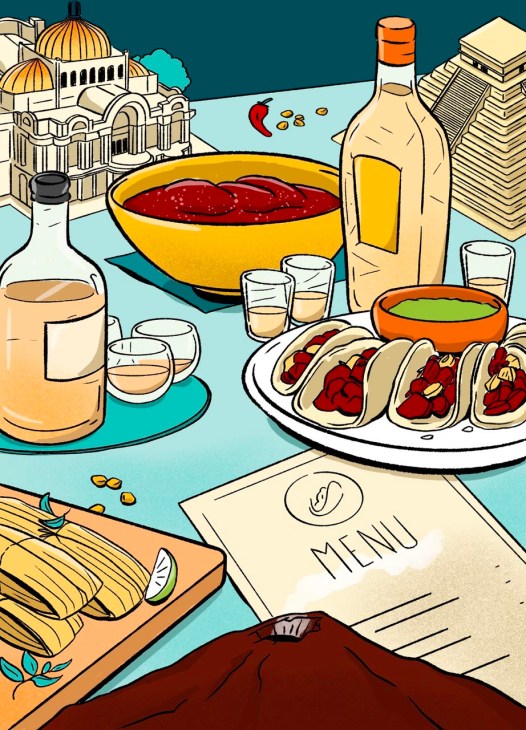
Mexico has its fair share of star chefs, from trailblazer Enrique Olvera to fêted names such as Edo López, Lucho Martínez and Elena Reygadas. We would happily invest in a well-priced restaurant group that faithfully represents the country’s 31 states and capital, with outposts dotted around a few key cities and beach resorts across Mexico. The concept would be to reintroduce forgotten flavours from the regions to the country, with a view to a potential global roll-out. As for the look? Mexico has no shortage of graphic-design talent to work on the visual identity. For international inspiration, we like the style of Jack’s Wife Freda, whose playful aesthetics can be seen in its five outposts in New York.
4.
Transport: Traffic management
A company to shift cities up a gear
There have been recent mobility breakthroughs but what about a private company that could raise funds, offer consultancy services and work with municipalities to create greener town centres and reduce traffic? While we salute public transport initiatives such as Mexico City’s Cablebús gondola, it’s not solving the mess on the ground. Our plucky new start-up would assist existing mobility companies, look for new shared transit options, help implement traffic calming and improve bike-sharing infrastructure. From Nuevo León to Veracruz, regions are sprawling with urban growth and there’s a pressing need for some smart thinking to help keep cities moving.
5.
Cosmetics: Make-up
A new face in the beauty world
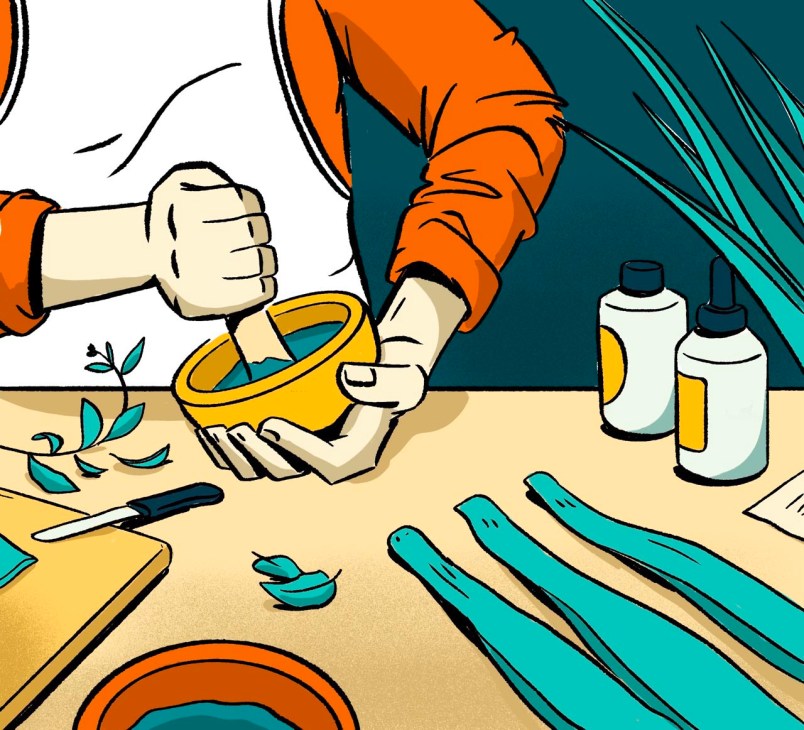
As consumer spending rises, the beauty market is poised and ready. Native brands, such as Xinú perfumery, have distinguished themselves by creating distinctive bricks-and-mortar experiences. But there’s an opening for other Mexican brands nationally, in the rest of North America and beyond. With readily available natural ingredients, such as prickly pear, cactus, tepezcohuite and blue agave, the stage is set for glowing success.
6.
Beverages: Soft drinks
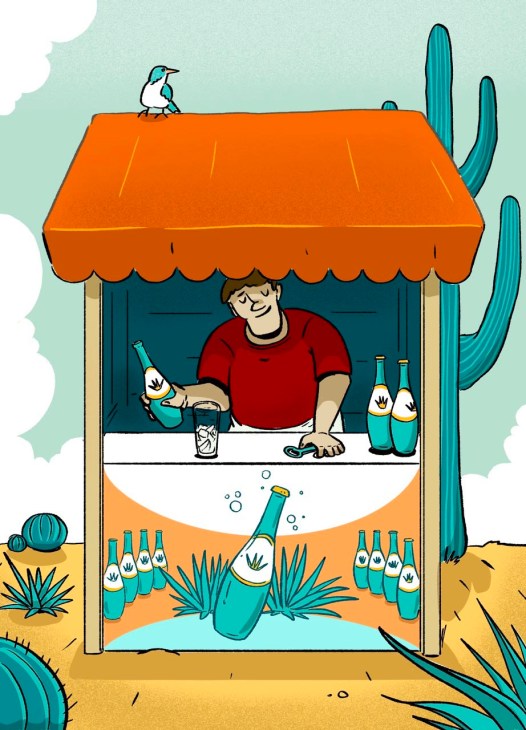
A healthy hydrator with a touch of fizz
Mexican Coke, which is made with real cane sugar, not corn syrup as it is in the US, is sought after far beyond the shores of Sayulita. But there’s an opportunity for healthy drinks from an independent maker too. We would love to see a range of organic drinks that draw on local herbs and flavours. Some upstart brands are already getting in on the action: take Oasis and its Club Suero electrolyte drink, which debuted earlier this year and features limes from Veracruz, agave syrup and salt. Our bubbly brew would take inspiration from the timeless label design of Monterrey’s Topo Chico.
7.
Retail: Stationery
A shop to write home about
Mexico’s metropolises need a top-notch stationery shop in the vein of London’s Present & Correct or Milan’s Fratelli Bonvini – a place to get postcards and writing paper, and stock up on pens and notebooks. It would carry the best stationery from Germany to Japan and champion emerging Mexican brands. Mexico already has spots such as OfficeMax for work supplies and Papelería Lumen for art paraphernalia – but it’s missing a place to casually linger in. It would feature plenty of beautiful wrapping paper, much of it incorporating Mexican design and motifs – and, of course, a dedicated gift-wrapping service.

8.
Defence: Arms and aerospace
A regional security champion
Mexico’s defence sector has the potential to boom, given its proximity to the vast US market. The Mexican government clearly feels the same – earlier this year the country’s president, Claudia Sheinbaum, opened the sixth edition of the capital’s aerospace fair, Famex. The fledgling Latin American and Caribbean Space Agency is based in the country too. The government is looking to push technological independence and develop “Made in Mexico” through its Plan México, including funding a range of smes. There is room for companies to make everything from whole planes to components, given that areas such as turbine production are growing. New players shouldn’t look to compete with the likes of the US, UK, Israel, Germany or Japan. Nascent plane maker Oaxaca Aerospace knows that well. Instead, they should focus on offering competitive prices that developing countries might be interested in.
Read more from Monocle’s 2025 Mexico Survey:
- Inside Mexico’s creative gold rush: four high-growth industries to watch
- Three game-changing developments about to transform Mexico City
- Entrepreneurs to watch: the forward-thinkers making new paths in Mexican industries
- Meet the self-starters behind the clever hospitality boom in Oaxaca City
- The entrepreneurial trailblazers revitalising Guadalajara’s art scene
- Oaxaca Aerospace’s Mexican-built plane has beaten the odds and is ready for takeoff
Abidjan is one of Africa’s most dynamic cities. But can it swerve political instability?
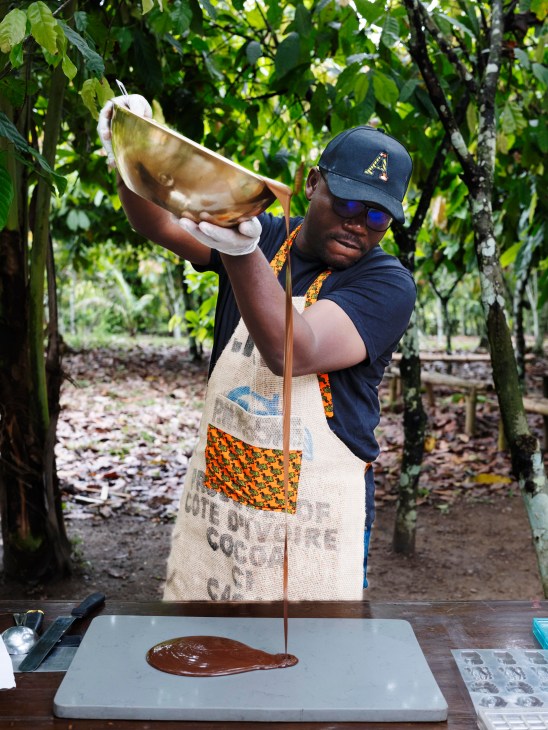
“Cocoa is a jewel,” says Ivorian chocolatier Axel Emmanuel Gbaou, holding up a pod that he has just split with his machete. Its glistening white pulp conceals the brown beans that have long been the economic bedrock of Côte d’Ivoire, the world’s biggest cocoa producer. Gbaou is guiding Monocle around a lush plantation just a few hours’ drive from Abidjan, the country’s former capital and largest city. All around us, coffee plants and lemon and guava trees shoot up from the fertile ground. “We have a saying in Côte d’Ivoire: everything can grow here.”


There’s a consensus among people who regularly travel into Abidjan that the best day to do so is Sunday because, as the usual bumper-to-bumper traffic relents, the air on the bridges across the Ébrié Lagoon fills with the aroma of toasted cocoa, rising up from the industrial zone. But the sweet smell of success isn’t just emanating from the city’s many roasting factories. Most people who are thriving in today’s Côte d’Ivoire are concentrated in this 6.3 million strong metropolis, where building sites are always within view and opportunities never far away. These days, Abidjan’s rooftop bars are packed, the champagne flows in its many nightclubs and property prices in some neighbourhoods rival those in Western European cities. In sectors from hospitality and construction to banking, a boom is under way that has transformed the country from a conflict-ridden basket case to an economic powerhouse, a beacon of dynamism in a part of the world not famed for such things. En route from Paris, the Business Class cabin on Monocle’s Air France flight stretches back 20 rows, with almost every seat taken. Abidjan is one of only 10 destinations served by the airline’s prestigious La Première service – a testament to the wealth flowing into the city.
Antoine Abou Khalil, the operations manager of boutique hotel La Maison Palmier in Abidjan’s leafy Cocody neighbourhood, was drawn here from Beirut by the promise of economic opportunity. Félix Houphouët-Boigny, the first post-independence president of Côte d’Ivoire, encouraged arrivals from Lebanon in the 1960s, hoping to draw some of the Levantine nation’s famed business acumen. During the 2006 war between Lebanon and Israel, the Ivorian government granted Lebanese citizens visa-free passage. Today, this 80,000-strong community, mostly Ivorian nationals of Lebanese descent, plays an outsized role in Abidjan’s booming economy. Marcory, a neighbourhood known as “Little Beirut”, is packed with hotels, shops and new apartment buildings. It is one of the city’s hottest areas for property development, with about a dozen major construction projects in progress.
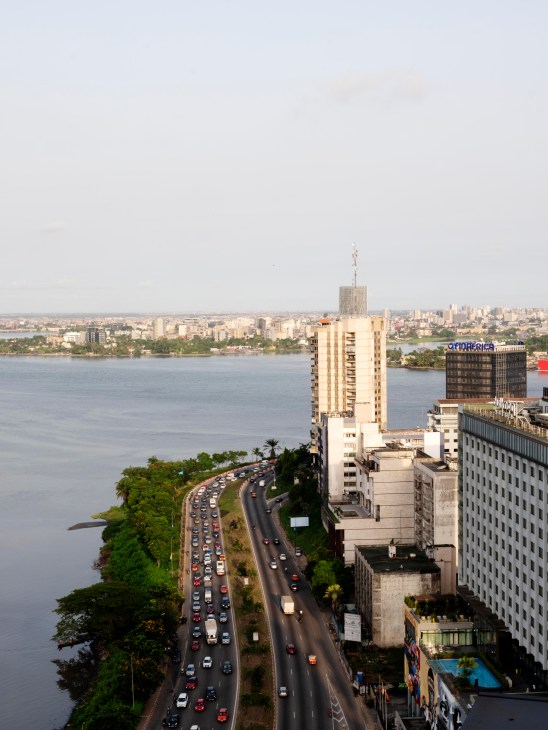

Among the businesses that are helping to reshape the Marcory skyline is French firm Architecturestudio, which opened an Abidjan office in 2023. Monocle hops aboard a buck hoist to tour the rooftop of one of its current projects, the Golden Tulip Akwaba hotel, which is under construction. “The rooftop pool here will offer the best view of the lagoon in all of Marcory – and perhaps all of Abidjan,” says Enzo Coicadain, a Frenchman who recently transferred to this city from Brussels.
A few blocks away, La Tour F, which is set to become Africa’s tallest skyscraper when it is completed next year, glimmers in the midday heat. The tower symbolises not only the construction sector’s growing clout but also Abidjan’s status as a regional powerhouse.
Côte d’Ivoire’s economic data tells a story of vertiginous ascent. From 2012 to 2019, the country’s real GDP growth averaged at more than 8 per cent per year and it has not dropped below 6 per cent since the height of the coronavirus pandemic. Unemployment stands at about 2 per cent (against a West African average of 12 per cent) and median income has nearly doubled, making the government’s aim to reach upper-middle-income status by 2030 seem increasingly achievable. Abidjan has become a magnet not only for foreign investors but also for members of the Ivorian diaspora returning home to start businesses – people known as “repats”. Buoyed by remarkable improvements in infrastructure and a tax-code overhaul that brought the country in line with international standards, Côte d’Ivoire rose 59 places up the World Bank’s “Ease of Doing Business” index between 2011 and 2020.
“The first factor that explains our upward trajectory is the sociopolitical stability that followed 2011,” says Stéphane Aka‑Anghui, the executive director of Côte d’Ivoire’s largest employers’ federation. That was the year when Alassane Ouattara became president. Aka Anghui, an eloquent, bespectacled former civil servant, believes that Ouattara, a former deputy director at the IMF, is largely responsible for the country’s economic revival. “We are neither Soviet nor Chinese,” he says. “But under President Ouattara, we have revived the practice of having a national business plan and that has paid off.”
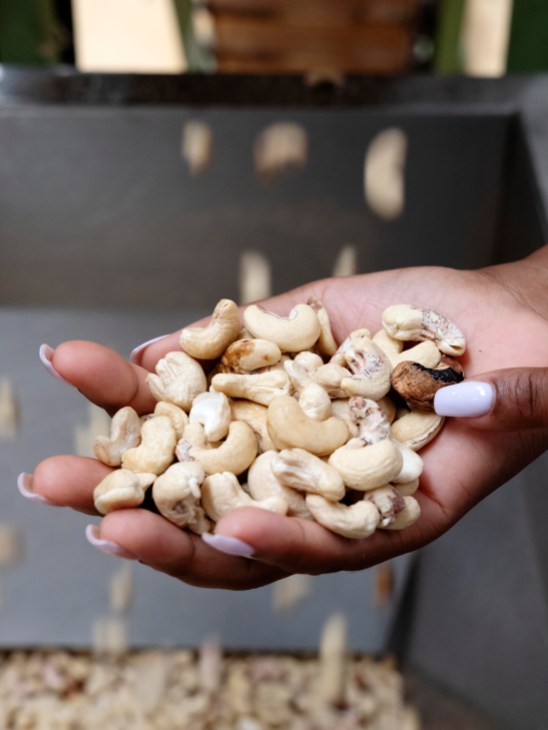
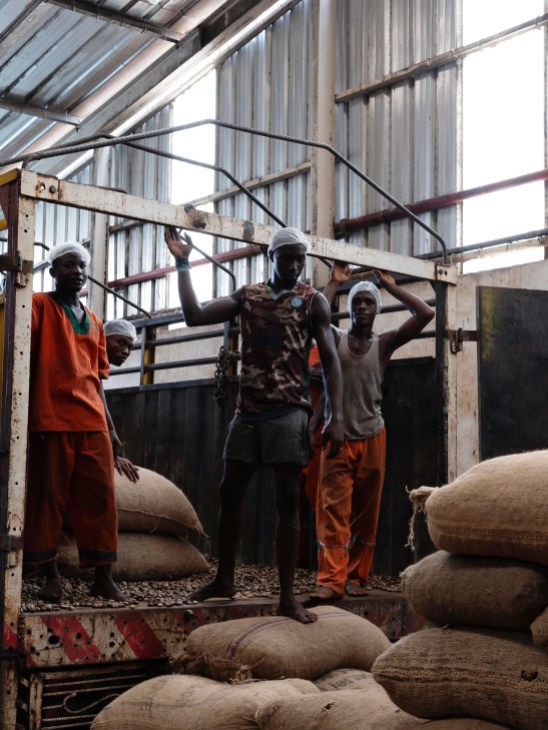
One sector where this policy is bearing fruit is in the processing of cashews. Côte d’Ivoire produces about 1.2 million tonnes of the nut per year, which represents about 40 per cent of the global supply. To make the most of this natural bounty, the government took out a $200m (€170m) World Bank loan in 2018 to fund tax rebates and priority access to cashew crops for businesses that process the nuts locally, adding tens of thousands of jobs to Côte d’Ivoire’s economy.
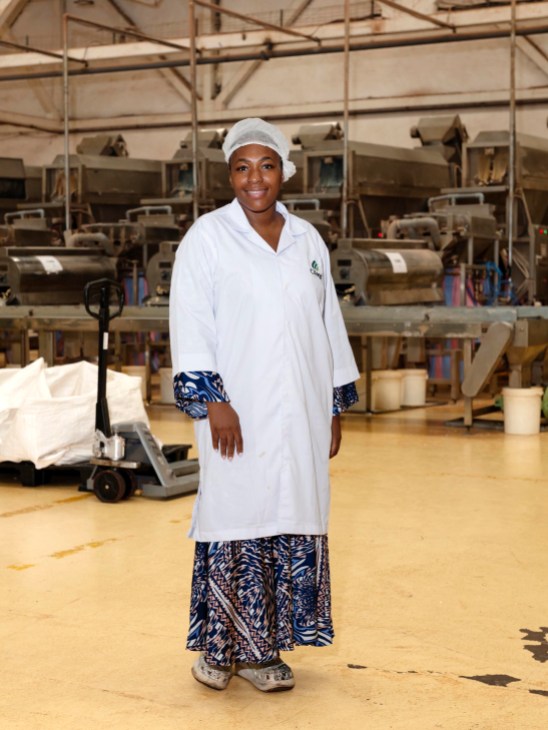
The career of Cynthia Niamoutié, who runs Cilagri Cajou, the largest Ivorian‑owned cashew-processing plant, is proof that the plan has worked. “We were producing 1,500 tonnes of processed nuts in 2019; this year we’re planning for 20,000,” she says, as she gives Monocle a tour of her factory, which employs more than 350 people and occupies warehouses near Abidjan’s port. From those at the steaming vats, where the processing of the raw cashews begins, to the sorting tables at which dexterous workers flick the nuts into containers at improbable speed, Niamoutié seems to know every employee by name, asking questions and providing instructions.
“Eight years ago, this place was just a parking lot,” says Niamoutié, whose father used it as a car administrative procedures site. Until 2018, three years after her father started Cilagri Cajou, Niamoutié lived in Houston, Texas. She is one of the many repats who have returned home over the past 10 years, seeking to play a part in their country’s economic resurgence.
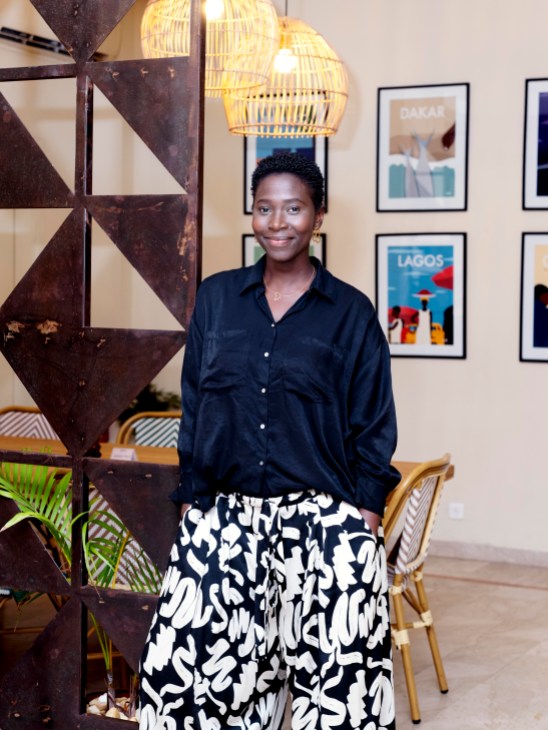
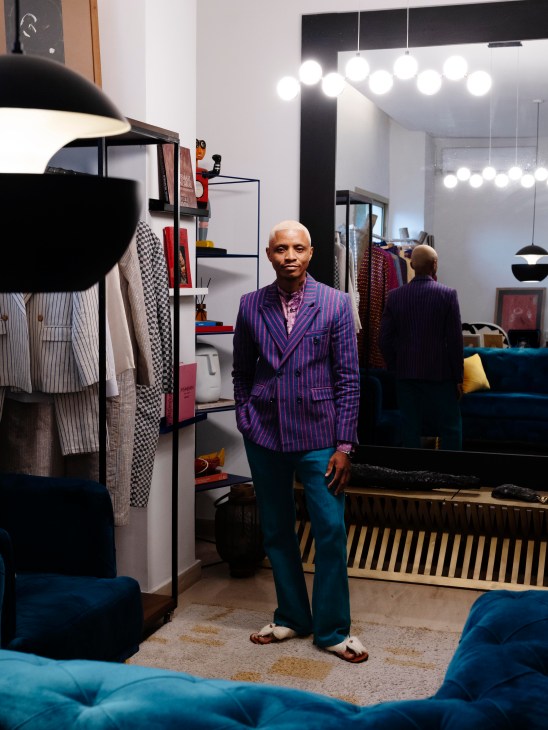
Though Monocle met many others like Niamoutié over the course of our four days in Abidjan, there is little hard data on repats. In a 2022 report on Ivorian migration, the Organisation for Economic Co-operation and Development stressed that it was “crucial that data-collection tools be deployed” to measure the phenomenon – which is significant enough that there is now an annual forum dedicated to repats, with hundreds of officials, investors and businesses attending. The patron of next year’s event, to be held in Abidjan in February, will be Côte d’Ivoire’s influential first lady, Dominique Ouattara.
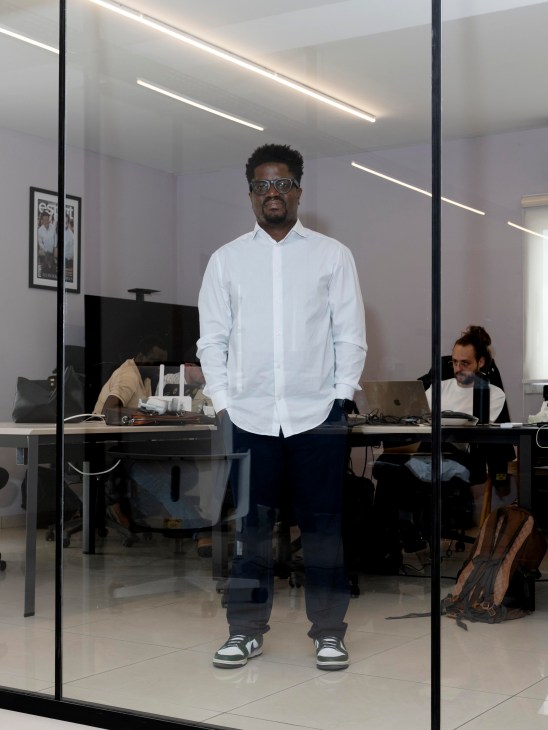
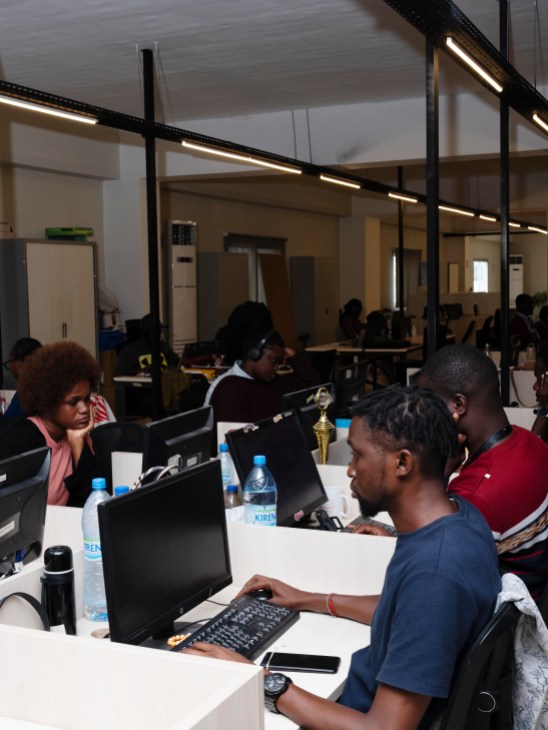
Most of the repats who we speak to tell us that they returned after a stint working or studying in the US. That was the case for Régis Bamba, co-founder of Djamo, a digital bank that has become one of West Africa’s most successful fintech start-ups. Monocle meets Bamba at Djamo’s offices in the Zone 4 district of Marcory. “It was while I was studying computer science in the US that I connected with many other members of the African diaspora,” he says. “Since then I have felt that I want to build something for Africa.”

A native of Abidjan who first returned home in 2011 after the end of the second Ivorian civil war, Bamba wears a white shirt and Ray-Bans with built-in cameras, which ensure that no highlight of his day goes unshared with his social-media followers. “The banking-adoption rate [in Côte d’Ivoire] was only 20 per cent among the adult population not so long ago,” says Bamba in one of Djamo HQ’s glassy meeting rooms, each of which is named after an African capital city. “We thought that we could do something that works better.”
On a continent where a visit to a bank branch typically means long lines and tedious paperwork, many rely on mobile-payment systems such as M-Pesa and Orange Money for easy access to the financial system. Djamo gives users access to a card to pay online and offline, a transfer wallet, vaults to save money automatically and an investment account. In Abidjan, its customers draw directly from their bank accounts to pay the many street vendors who only take mobile money. Its convenience has made the app a huge hit and caught the eye of Silicon Valley incubator Y Combinator, which invested in 2021.
“You have stability in Côte d’Ivoire, which means that people aren’t afraid that their investment will just disappear,” says Bamba. “Jobs are being created, people here are consuming more stuff and they feel comfortable spending money.”

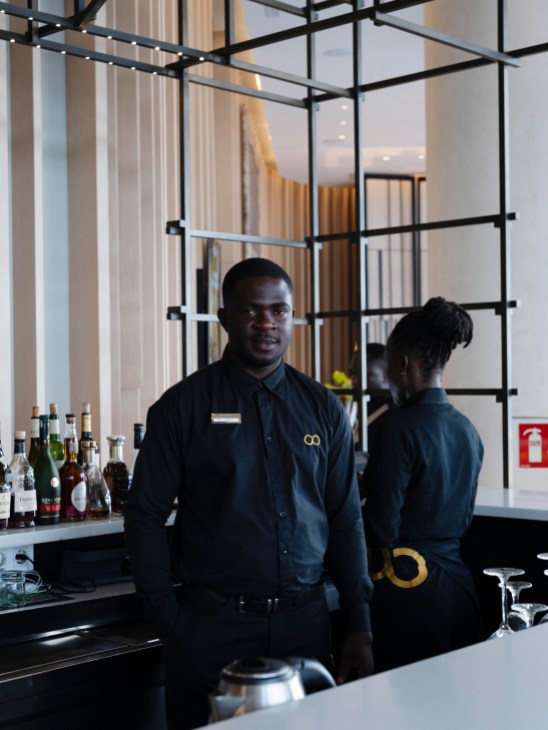
Nowhere is this economic dynamism more evident than at the Ivoire Trade Center (ITC), a vast commercial complex built in the shadow of the historic Hotel Ivoire. Its upper floors, completed in 2021, house the offices of multinational corporations such as Deloitte and PwC, while a shopping centre with pristine white floors welcomes well-heeled customers at ground level.
In the ITC’s food court, which is furnished with modernist-inspired pieces, the most popular destination is Africafé, a casual dining spot that offers speciality African coffee alongside comfort food from across the continent. “I wanted to adapt the classic European coffee shop to Africa,” says its founder, Djeneba Keita, who dreams of turning Africafé, which recently opened a second outpost in Abidjan, into “the African Starbucks”.
Monocle meets Keita over a lunch of chicken breast with attiéké, a cassava-pulp dish that is a staple of Ivorian cuisine. As we eat and chat, she gets up every so often to greet a regular or embrace an employee. She is originally from Mali and used to run a small catering business from her home. Five years after her launch in Abidjan, she is eyeing expansion abroad.

“The step now is how to scale it,” she says. “How do I get to Paris, New York and Tokyo?” Keita is building her success on a customer base that didn’t exist in Côte d’Ivoire 10 years ago – a growing class of professionals with the disposable income to dine out, as well as corporate types in need of a hip spot for informal meetings and presentations.
Next to Africafé is ABY Concept, another business catering to the same kind of clientele. Its terracotta-hued space, designed by Ivorian architect Issa Diabaté, showcases clothing by dozens of independent African labels. Some of the pieces on sale cost upwards of €1,000.
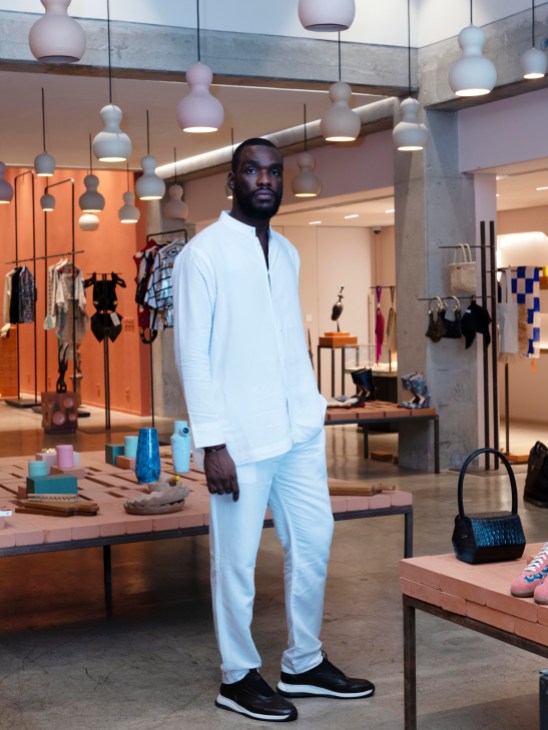
“Our founder, Cécile Fakhoury, is a gallery owner who supports African artists,” says Simon Zounin, its general manager. “Her idea was to create a shop that champions African designers.” Labels from Senegal to South Africa share the space with Ivorian designers such as Loza Maléombho and Lafalaise Dion, both of whom have dressed Beyoncé. The extraverted tailoring of Kente Gentlemen, which combines clean lines with bold patterns, is another standout. “I was inspired by a gift from my mother, who sent me tailored shirts that reminded me of home,” says the brand’s founder, Aristide Loua, who spent years in Utah before coming back to Abidjan and launching the clothing line.
Beyond ABY’s windows, the Hotel Ivoire stands as a symbol of a period of economic growth following independence that became known as the “Ivorian Miracle” – a second iteration of which is under way. But as October’s presidential election looms, could this new miracle be derailed by its principal architect? President Ouattara courted outrage in 2020 when he won a third term that opponents decried as unconstitutional. This year, as he ponders a fourth term, the courts have conveniently disqualified many potential challengers. There are fears that, should he decide to run again, a country that has endured two civil wars in the 21st century could see the return of political violence.

The world of business, however, seems desperate for Ouattara to stay on. Though Bloomfield Investment, a West African ratings agency headquartered in Abidjan, recently expressed concern about “revived risks” of sociopolitical unrest, it barely downgraded its outlook on Côte d’Ivoire as a safe bet for investors. With both foreign and domestic capital behind him, Ouattara believes that he can flout the rules with limited political fallout. And for a population still traumatised by civil conflict, democratic backsliding might not rankle as much amid one of the most remarkable economic success stories in the world.
However, with a fourth term, Ouattara, who is 83, would risk recreating the same destructive dynamic as Houphouët-Boigny, the architect of the original Ivorian Miracle. Côte d’Ivoire’s first president stayed in power for 33 years until his death in 1993, sowing the seeds for the following decades of political instability. If Ouattara’s refusal to depart the stage were to lead to a similar outcome, he would be compromising a legacy of peace and prosperity that any world leader would be proud of.
Côte d’Ivoire in numbers
Population: 31 million
GDP per capita: $2,709
Unemployment rate: 2.3 per cent
Year of independence: 1960
Capacity of largest stadium: 60,000
African Cup of Nations titles: 3
Merchandise processed by Abidjan’s port: 40 million tons
Five-star hotels in Abidjan: 8
Bridges over the Abidjan lagoon: 6
Full of beans
Côte d’Ivoire is the world’s leading producer of cocoa but locally made chocolate is surprisingly hard to come by. Enter Ivorian chocolatier Axel Emmanuel Gbaou, a former banker intent on getting more from his country’s most famous export.
“There are a million cocoa growers in Côte d’Ivoire but many of them are moving on [from the industry] because they have to live on €1 a day,” says Gbaou. “We need to pay them a fair share or we won’t have cocoa any more. Their expertise won’t make it to the next generation.”
Le Chocolatier Ivoirien has trained 2,000 women, mostly the wives of cocoa farmers, to work in the processing of cocoa. “I only buy toasted beans from the women I’ve trained,” says Gbaou. This premium local product has proved a hit on Ivorian social media. “Our turnover has more than doubled, nearly tripled, in recent years.”
How Ukranian startup Himera built a war-ready radio during a blackout
It was in 2022, during the Russian advance on Kyiv, that the founders of walkie-talkie maker Himera realised that modern communication systems weren’t up to scratch. “One of [my friends] was in Ukraine’s territorial defence forces and he had first-hand experience of the total lack of communication solutions,” says co-founder Misha Rudominski. “Commercial options can be detected or disrupted. Having reliable, resilient communication is key.”
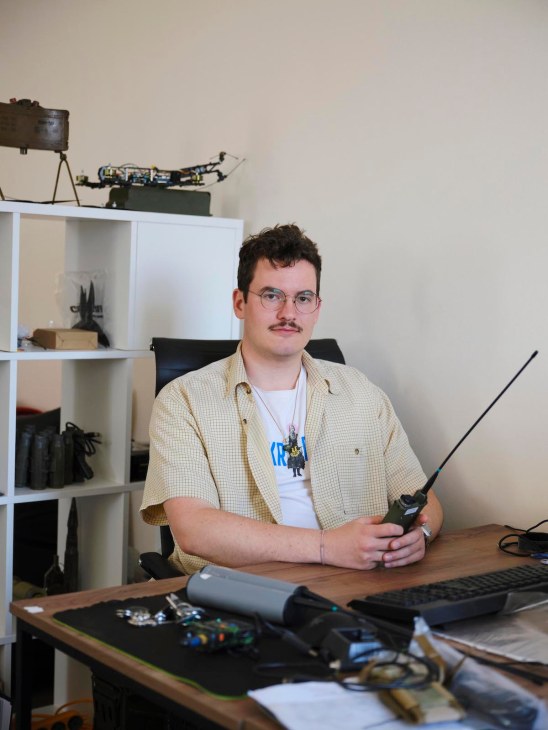

Drawing on their prior experience in hardware start-ups and consumer electronics, Rudominski and his co-founders hatched a plan: Himera would create radio and communication devices that were cheap to make and the production of which could easily be scaled up. The most important upgrade? They would be resistant to electronic warfare – the jamming and intercepting of signals between devices, which is used to disrupt all sorts of defence capabilities, from surveillance to navigation and battlefield communications.

It wasn’t an easy time to start a business. Attacks on infrastructure were a regular occurrence and the available labour force dwindled as Ukrainians fled or signed up to fight. “There was a constant need for new solutions because at that time we lacked everything,” says Rudominski. “It was very much a bottom-up approach – we just needed to get the product into the hands of the users.”

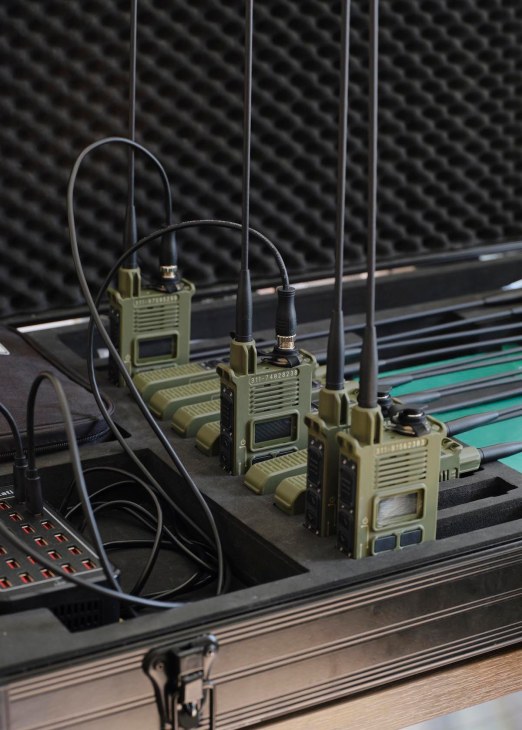
There were some advantages to the situation. “Often manufacturers don’t know how their products are performing,” he says. “But I’m in touch with hundreds of users, including those on the battlefield. They can tell me about issues that they’re experiencing and we’ll work on a solution straight away.” In three years, Himera’s products have had more than 80 updates. One example is the G1, a handheld radio that lets soldiers talk to each other and has an operating temperature range from minus 20c to 50c and a range of 2km.
Today, the radios are in use by Ukrainian marines, intelligence forces, special operations and more. This success has sparked wider interest: in 2024, the US Air Force bought Himera’s radios for testing by and in early 2025 the company partnered with Ottawa-based data-protection firm Quantropi to integrate better encryption. It will also distribute Himera’s products in the US, Canada and select Nato markets. The Ukrainian market isn’t profitable, but Rudominski takes a long view. “We’ll earn our money later selling the best tactical radios and communication solutions to customers worldwide.”
How streaming platform Deezer is striking a chord with music fans – and fighting AI in the process
On a spring evening in Paris, more than 300 twentysomethings are packed inside the striking headquarters of the French Communist Party, designed in the mid-1960s by Brazilian architect Oscar Niemeyer. Despite the setting, this is no political gathering. The modernist Espace Niemeyer has been transformed for the night into a concert venue for premium subscribers of French streaming platform Deezer. Parisian rapper Franglish, who is due to play a sold-out show at a 20,000-seat stadium later in the week, lights up the stage in this far more intimate setting with his blend of rap, R&B and pop. At times, his voice is drowned out by fans singing almost every lyric in unison.
As frustration grows with Swedish platform Spotify’s algorithm-driven playlists and controversial royalties model – which critics accuse of short-changing musicians – Deezer, founded in 2007, is pursuing a different path. Under its CEO, Alexis Lanternier, the Paris-based company is doubling down on what it calls an “artist-centric” strategy: prioritising fair compensation for artists, fighting AI-generated music fraud and offering live events that connect artists with listeners.

“Users want more meaningful connections and physical experiences are usually what leave a mark,” says Lanternier, sitting in his office overlooking a quiet square near Moulin Rouge. “Music streaming platforms offer the same catalogue so the difference lies in how we position ourselves and what features we offer.”
With just 10 million paying subscribers, Deezer is far smaller than Spotify, Apple Music or Amazon Music, which have 268 million, 93 million and 80 million subscribers respectively. But it’s betting that intimacy, ethical payment policies and emotional connection can win where scale cannot. Though Deezer has expanded into countries including Brazil, Germany and South Africa, it still relies heavily on France for its subscriber base and partnerships with domestic telecom providers. The company’s largest backer since 2016 has been British-American businessman Leonard Blavatnik’s holding company Access Industries; Orange and the billionaire Pinault family are also among its key investors.
Lanternier, who joined in September, arrived in time to announce a significant milestone: Deezer had a positive free cash flow for the first time. “It’s an amazing moment because we now have room for long-term thinking,” he says. “We spend a lot of time talking to our users, especially those from younger generations. What we’re seeing is that music streaming has not evolved quickly enough in the past 10 years to meet their needs.”
Deezer’s strategy involves rewarding artists who its subscribers actively support. Its “artist-centric” model seeks to compensate musicians based on genuine engagement, unlike the dominant “market-centric” system, in which royalties are pooled and distributed based on total streams. Under the latter system, which heavily favours big-name acts, even if a subscriber listens to more esoteric artists, most of their monthly fee goes to the chart-toppers. This has the effect of sidelining independent musicians and niche genres. To address this imbalance, Deezer signed a deal with Universal Music in 2023 to double royalties for artists with at least 1,000 monthly streams from a minimum of 500 unique listeners. A similar agreement followed in January with France’s Society of Authors, Composers and Publishers of Music.
These deals also seek to tackle the growing problem of “fake” music. The rapid rise of generative AI has already triggered a wave of lawsuits. Last year a man in the US was arrested and charged with allegedly using AI tools to create thousands of fake songs and stream them billions of times using automated bots, claiming more than $10m (€8.8m) in royalty payments. According to Deezer, about 18 per cent of songs uploaded on its platform – more than 20,000 tracks per day – are now fully generated by AI. “Fighting against fraud is another way of maximising artist remuneration. That’s a big thing,” says Lanternier.
While Spotify has reportedly promoted so-called “ghost artists” on popular playlists to reduce its royalty payouts, Deezer has developed a cutting-edge detection tool to filter AI-generated tracks from algorithmic recommendations. “We are the only industry where you have just a few platforms that have the power to stop this kind of thing from happening,” says Lanternier. “And we [at Deezer] are the ones who are doing something about it.”
Technology has changed the way that many of us listen to music – and not always in a good way. With much of the world’s song library at our fingertips, it’s easy to feel overwhelmed. To help users “take back control” from the algorithm, Deezer is launching a series of features to help people to customise their listening experience more effectively. These include a dislike button for songs or artists and a history of recommended tracks that users can edit to reflect their current preferences. “You might see a recommendation and think, ‘That was me two months ago but I don’t feel like that any more,’” says Lanternier. “Increasing transparency about how the algorithm works is a major focus for us.”
While Spotify and other platforms have poured resources into podcasts and audiobooks, Deezer has chosen to stay focused on music, hoping that this will help to deliver a more personal, emotionally resonant experience. The exclusive concerts for premium subscribers in Paris are a part of this. “It’s important for us to humanise our app,” says Azzedine Fall, Deezer’s director of music and culture, raising his voice above the noise of the crowd at the Franglish show. “Our essential role is as an intermediary – and that’s what we’re doing here tonight. We’re bringing fans closer to the music and making the brand as human and as tangible as possible.”
Deezer has a long way to go before it can pose a real threat to its Swedish rival. But on a local level, it’s not just users who seem to appreciate its approach. “These days you get tonnes of content on social media but sometimes you lose real connection,” says Franglish, reflecting on his performance a few weeks later. “Deezer is trying to bring that back. That’s a pleasure because it’s why we make music in the first place.”
How one fax led to Jaime Daez building the Philippines’ fastest-growing bookstore
Jaime Daez didn’t have much of a business plan when he started selling books: he just wanted to buy copies of Spanish architecture magazine El Croquis (and, if possible, at a discount). Daez had started reading the publication as a student at the University of Navarra in Pamplona; after returning home to the Philippines in 1994 he was keen to keep collecting issues. “Amazon was nonexistent back then,” he says. “One day I decided to send the publishers of El Croquis a fax, presenting myself as a possible distributor,” he says. To his surprise, the magazine’s team agreed to give him 60 per cent off the retail price if he ordered 100 copies. Two sheets of fax paper later, Daez was a fledgling magazine and book distributor.
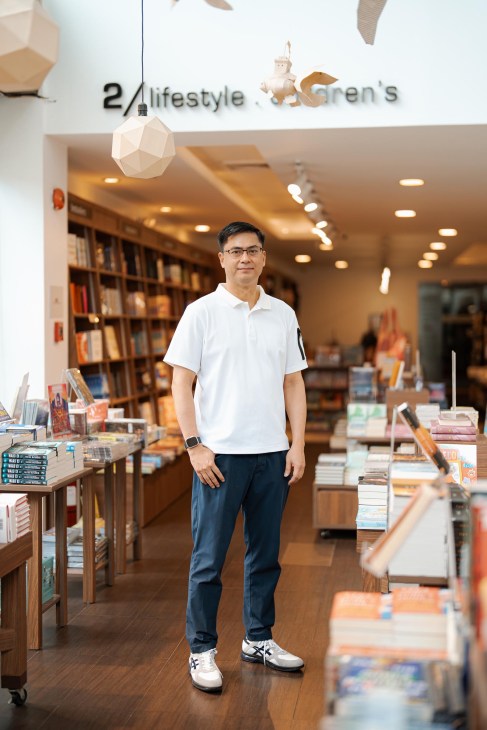
Sitting in his office inside the Fully Booked shop in Manila’s Bonifacio Global City (BGC) neighbourhood, Daez tells Monocle that he started off more like a door-to-door salesman than a conventional distributor. “I would flick through the Yellow Pages, looking for architecture firms and interior-design agencies to sell to,” he says. “The bigger the font, the better, because that meant they probably had a bigger budget for buying books.” His approach was simple. He would call a company and then visit its offices in person, with the hefty copies of El Croquis in tow.
Four months into his improvised career, Daez secured an appointment with a renowned Filipino architecture firm. He arrived at its building only to discover that there was a power cut – a frequent occurrence in the country in the 1990s. The lifts were out of action and the firm’s office was all the way up on the 19th floor. So Daez trudged up the stairs, carrying more than 20kg of titles; half an hour later he was still only on the 10th floor. Huffing and puffing, he suddenly realised that, because of the blackout, the architecture firm’s office was probably closed. “I tucked the box of magazines in a corner and ran up to the 19th floor,” he says. “There was no one up there.”. For Daez, this moment was a turning point. “The incident made me ask myself, ‘Am I willing to put up with all of this?’” Despite the frustrating experience, he realised that he was.
Daez’s next step was to use half of his mother’s 30 sq m sweetshop to sell an expanded range of titles focusing on tropical, Asian and Mediterranean architecture. Sales were encouraging. Eventually he took over the entire shop, widening its selection to include business and children’s books, as well as fiction. In 1997, Daez opened his first official bookshop in Glorietta, a shopping centre in the Makati precinct (Fully Booked now occupies a bigger site in the same complex). This was followed by a series of openings across Manila.
Despite his swift success, that moment of clarity in the stuffy staircase as a 24-year-old continued to play an outsized role in Daez’s career. It steeled him as the Philippines’ publishing industry faced a succession of difficult challenges, from the 1997 Asian financial crisis to the rise of e-books. “Within the span of about three years in the late 2000s, the use of e-books increased by almost 10 times,” he says. “I remember thinking, ‘I might be out of business soon.’”
Despite the uncertainty, Daez went on to take his biggest business gamble: securing a 15-year land lease to build a four-storey bookshop in the then-underdeveloped BGC precinct. “The head of [shopping-centre chain] Ayala Malls asked me, ‘Jaime, are you sure? Don’t you want to be conservative and focus on two floors first?’” But Daez believed that having his own land parcel would anchor the business in stormy times; he also suspected that BGC would soon become the new city centre. So he went all in. His instincts proved correct: today, BGC is one of the Philippines’ leading central business and lifestyle districts, the port of call for all of the biggest brands. Here, Fully Booked BGC stands as a beacon for book lovers. It’s an attractive flagship shop with plenty of natural light, a big acrylic painting by US artist Mike Stilkey that uses discarded books as its canvas and whimsical paper sculptures of marine animals that hang from the ceiling.
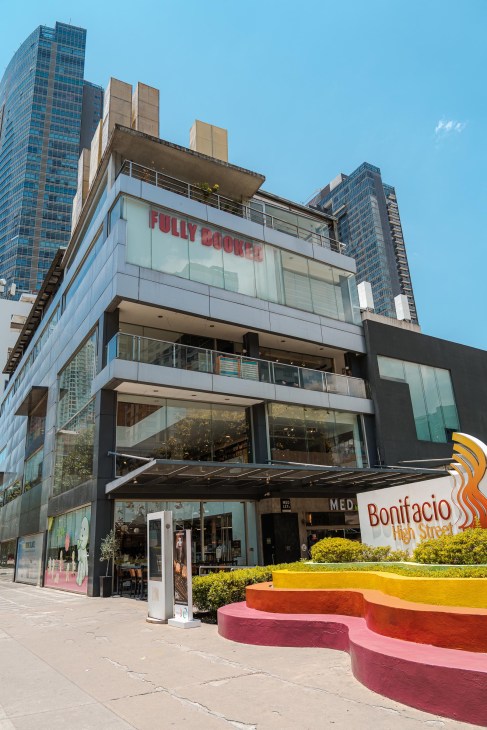

By 2020, Fully Booked had 31 thriving bookshops across the city but lacked a strong online presence. This became a big problem when the coronavirus pandemic forced all of Fully Booked’s shops – which the authorities deemed as non-essential businesses – to close for two months. No one was permitted to enter. “Our online sales were only 1.5 per cent of our total revenue at the time,” says Daez. “It was a matter of survival. I told my managers to bring home their laptops and encode every single book for our online shop.” Despite the lockdown, his team upped its productivity and added 10,000 titles to the business’s website within four months.
This agile response to the crisis made all the difference and cemented Fully Booked’s position as the Philippines’ go-to bookshop chain. Its biggest competitor, National Book Store, seems to have shifted its focus towards textbooks and office supplies. “National Book Store used to be a temple of the written word,” says Ric Gindap, co-founder of rising Manila-based magazine shop Spruce Gallery. “But stepping inside today, you feel like you’re preparing for a third-grade science fair, rather than feeding your literary soul.” By contrast, Fully Booked has continued to diversify its selection of fiction titles, art books, graphic novels and more.
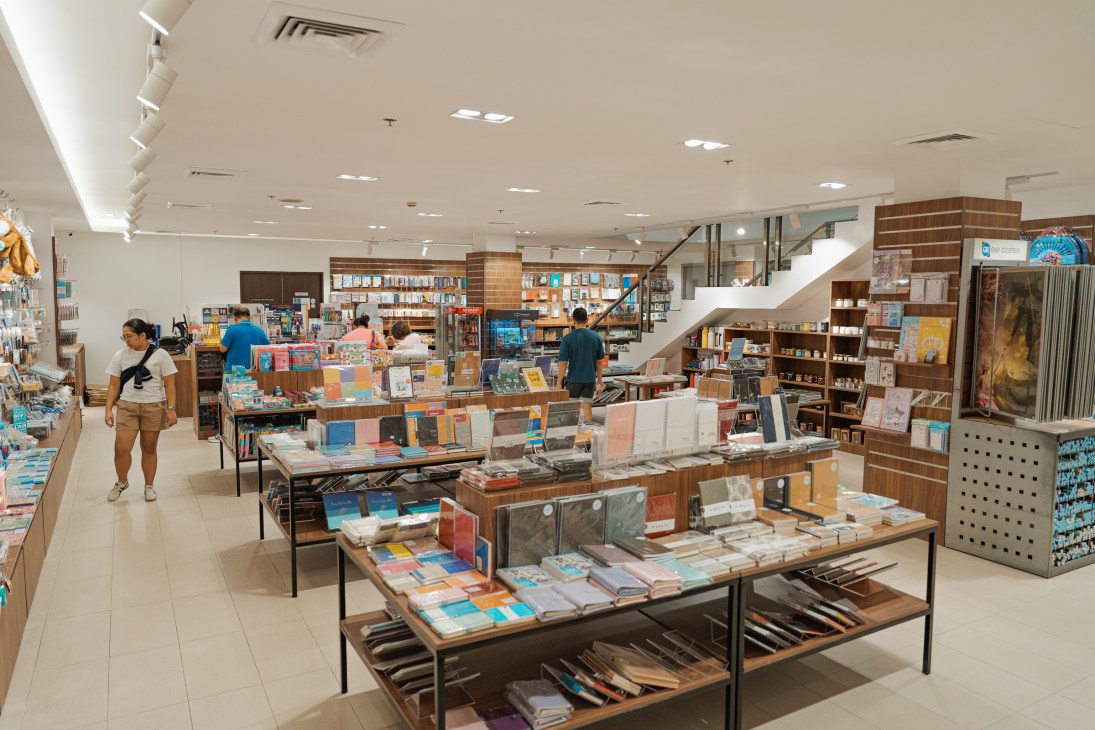
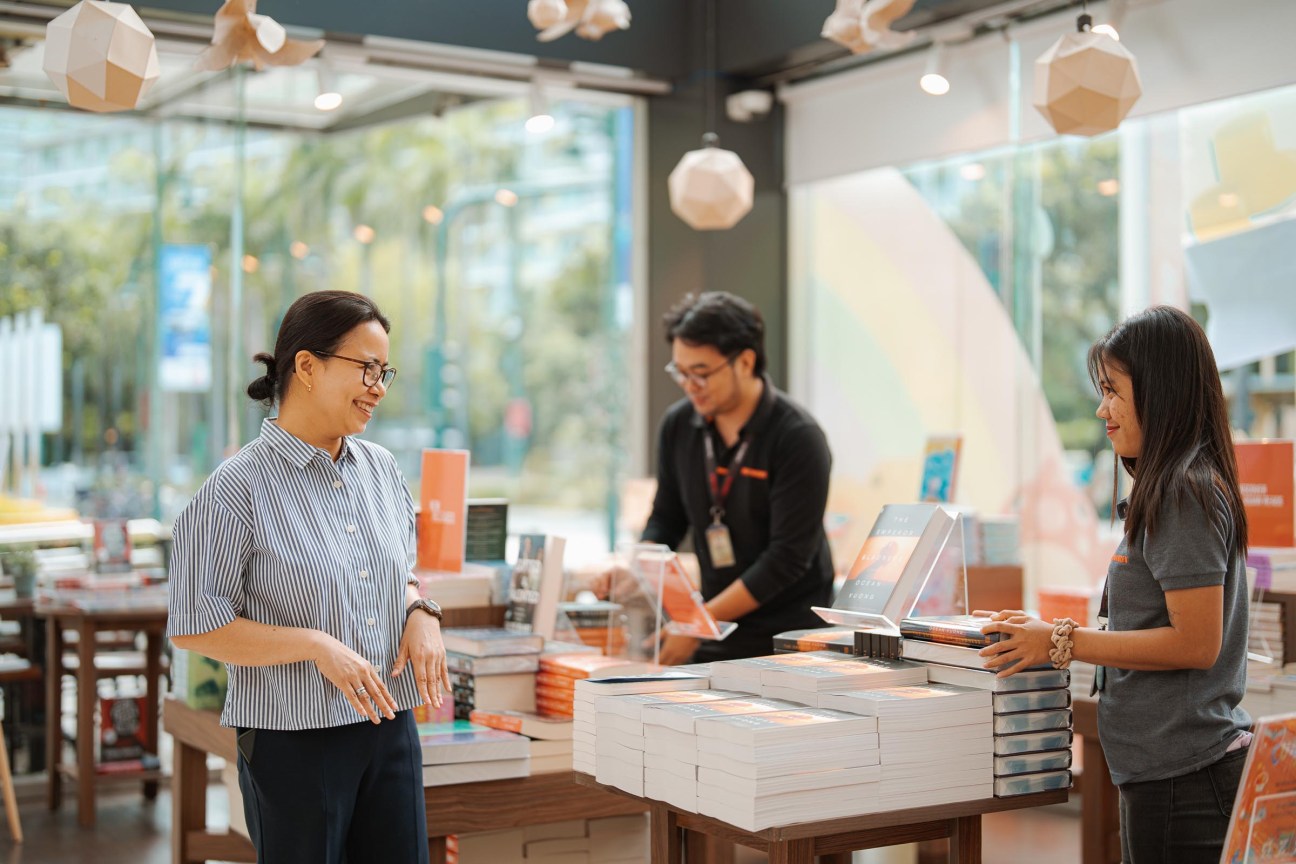
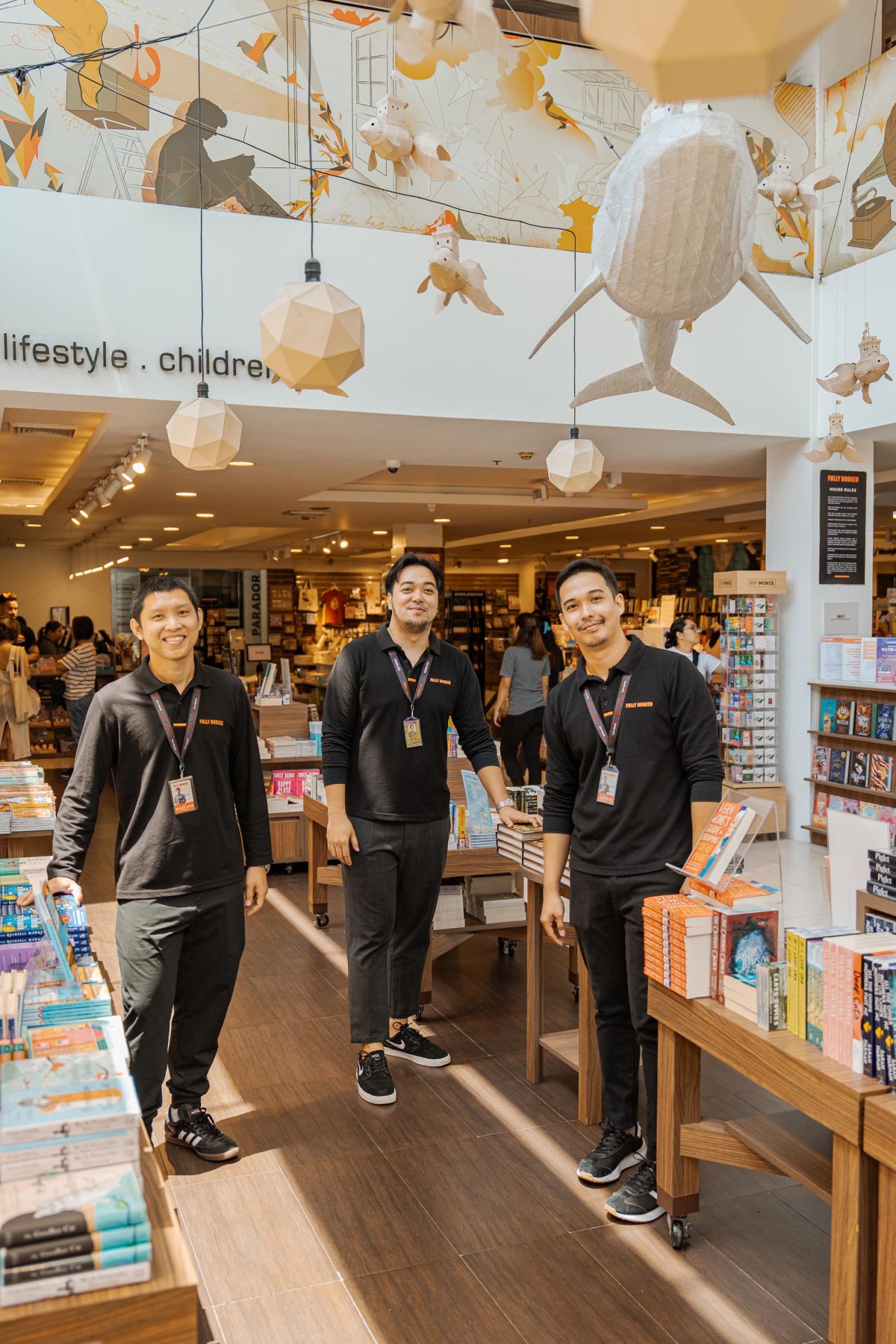
The company’s growth looks good on paper too. Since the pandemic, Fully Booked’s online business has grown by 2,400 per cent and 17 new shops were added during the same period. Its e-commerce operation has been such a success that it has caught the eye of US publishing giant Penguin Random House. “Its executive vice-president told me that we were its case study in Asia because no one had pivoted better and more quickly than we had,” says Daez.
The biggest endorsement came when Japanese bookshop Kinokuniya chose to team up with Fully Booked for its expansion into the Philippines in 2022. Together they opened a co-branded shop in the Mitsukoshi BGC shopping mall, with a selection of 20,000 Japanese books. The move has enabled Daez to tap into the growth of manga (and Japanese pop culture in general) in the Philippines. “Manga exploded during the coronavirus years and Japan is unsurprisingly the top destination visited by Filipinos,” he says. It’s a partnership that is blooming. In October, Daez will be opening another co-branded shop with Tokyo matcha café Wasachi in the upscale Rockwell neighbourhood.
Fully Booked has bucked the trend of bookshop closures because Daez has always found a way to evolve with the times. While books are the foundation of the business, Daez isn’t afraid to expand its offering. He recently set aside a section for “blind boxes” – sealed packages that each contain a randomly chosen product from a wider series, such as a key-ring doll. These might seem like a departure from books but Daez thinks of this hugely popular trend as a crossover. “Many of these blind-box characters originated from books,” he says. “People come in with the intention of buying one of these boxes but might also pick up a book along the way. We’re not selling something random, like Christmas lights.”
Daez is already plotting his next move: creating a suite of Fully Booked-branded merchandise. To him, the gold standard is New York bookshop The Strand, whose own branded wares are almost as well loved as the books on display. “Its shop sells so many variations of its own tote bags, T-shirts, socks and more,” says Daez.
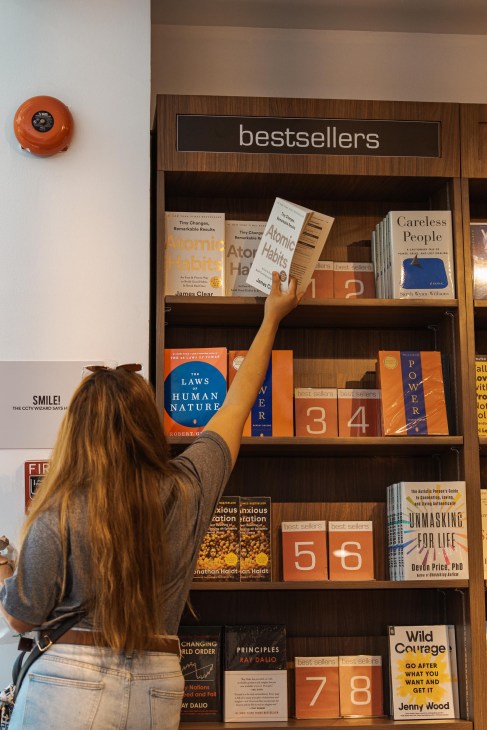
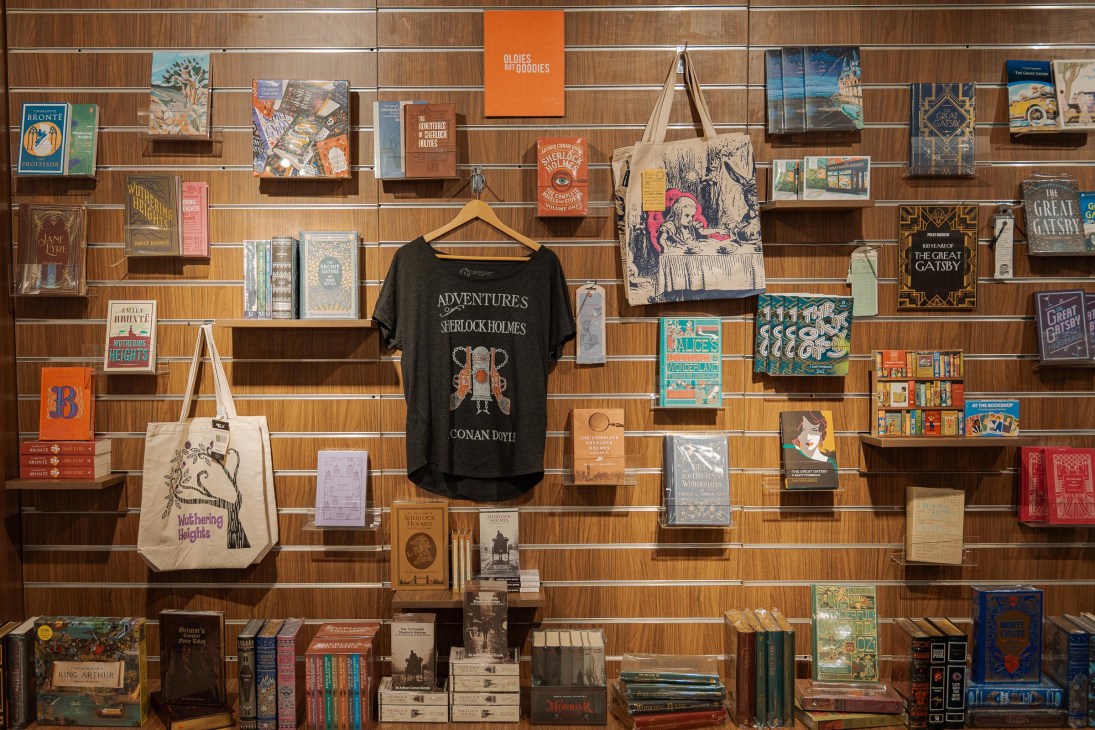
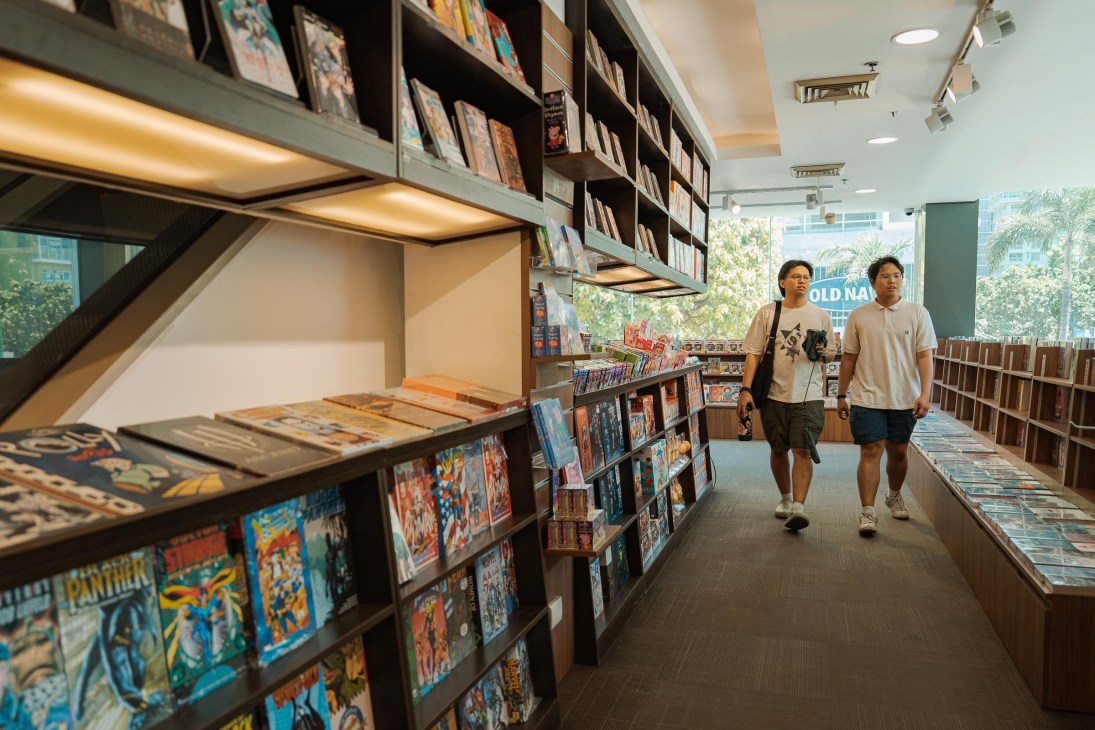
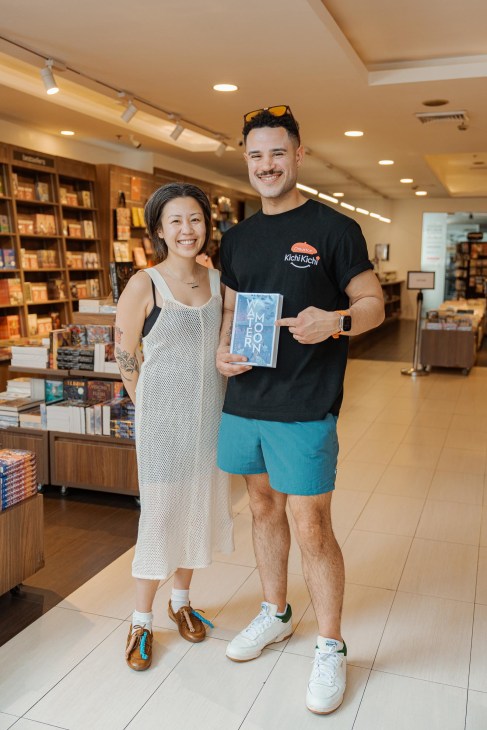
It has been almost 30 years since that fateful fax but Daez’s zeal for what he does remains undiminished. “I put in more time working now than when I started the business,” he says. While his strategies continue to shift according to the market, there’s one constant: his love of books. “I’m a bit of a romantic when it comes to my business,” he says. “I believe that if you have passion for what you do, it can be felt in your stores.”
The CV
1994: Returns to Manila from Pamplona, Spain
1996: Starts distributing copies of El Croquis
1997: Opens his first full-fledged bookshop in Glorietta
2007: Opens the Fully Booked BGC flagship shop
2021: Fully Booked’s e-commerce business rapidly grows
2022: Inks partnership with Kinokuniya
2025: Fully Booked is on track to have 49 shops by the end of the year
Grabbing a table at food court P – the new cafeteria offering global fare in Futako-Tamagawa
It’s just before midday and lunch service is in full swing at the curiously named P food court in Tokyo’s Futako-Tamagawa area. Salarymen tuck into smash burgers as two old friends catch up over a glass of wine. Perched at the main counter are a mother and daughter, surveying the crowd with pizza slices in hand. Though P (the letter stands for “Public”) has only been open since April, lively scenes such as these have become a daily sight.
Owned by department-store company Takashimaya, Toshin Development has been deeply entwined with this area since it was founded in 1963. While department stores remain key players in Japanese retail, they need to stay nimble. The development of Takashimaya’s West Building – which the P food court occupies, alongside retailers and car parks – is an example of a successful attempt to keep things fresh.
“About 40 or 50 years ago, there were ground-floor restaurants here and people who lived nearby would come to have a casual meal,” says Koichi Moriwaki of Toshin Development. “But they were eventually turned into fashion boutiques. Until recently, this street was lined with the shops of big brands such as Celine, Fendi and Gucci. These had quite a limited audience and, over time, the links to the local area were lost.”
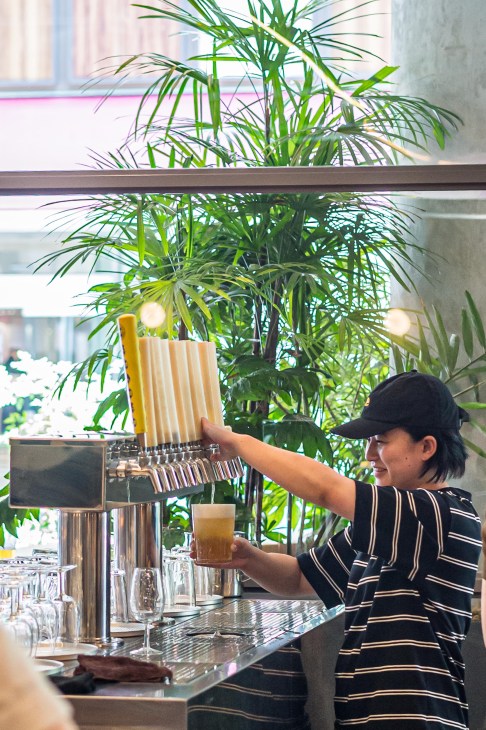

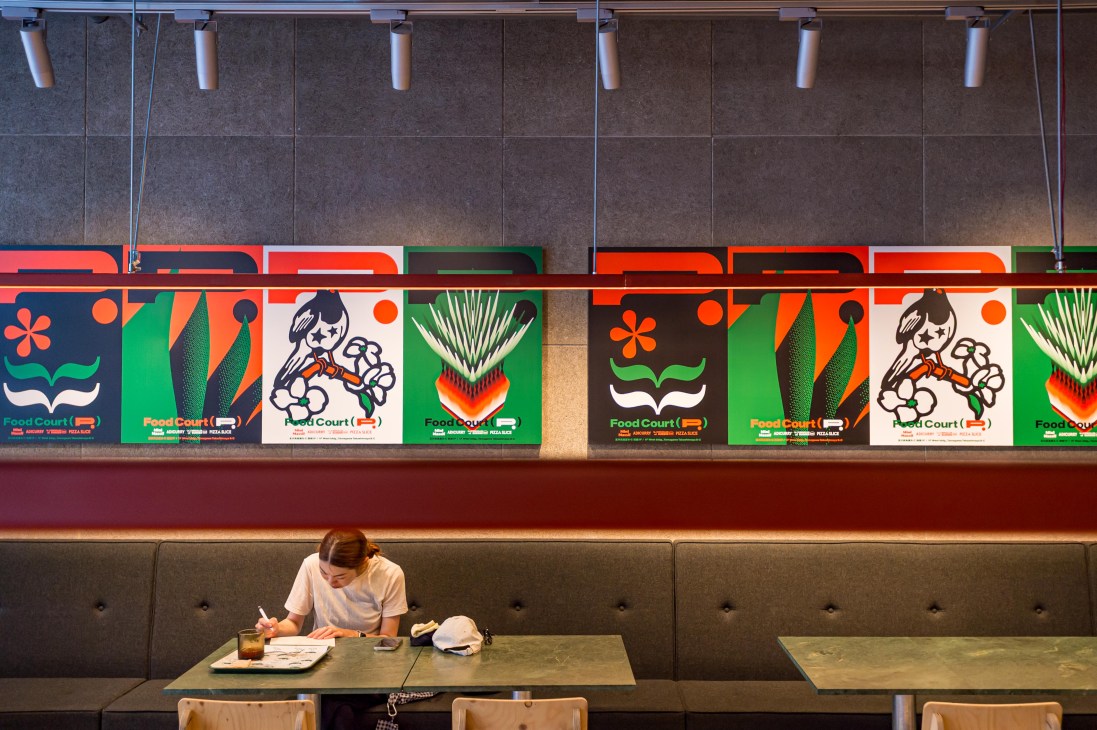
Seeking to re-establish these connections and, in the process, bring the area back to life, Toshin approached 39-year-old art director Takahiro Yasuda to oversee the project. “We viewed this as an opportunity to attract the next generation of customers: people in their thirties seeking a sense of community and an eye-to-eye relationship with businesses,” adds Moriwaki. This proved an ideal brief for Yasuda, whose clients have included the likes of Convenience Wear, Nike and Hasami-based ceramics brand Maruhiro.
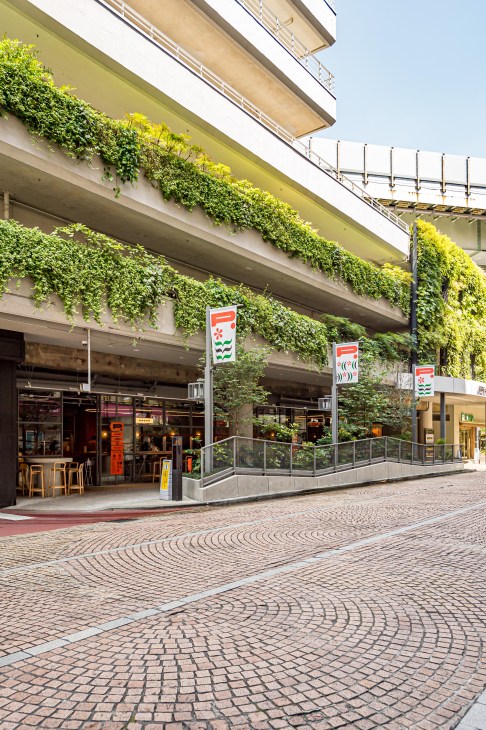
“As we began considering ways to renew the street, I thought about how to make it somewhere that people would want to walk down again,” says Yasuda, who collaborated on the project with Daisuke Motogi, the founder of architecture practice DDAA. “One day, Motogi said, ‘Why don’t we turn the entire pavement into a park?’” The interior design soon began to take shape. The façade was set back two metres and landscaped seating areas created, while the glass frontage and materials blurred the lines between inside and out.

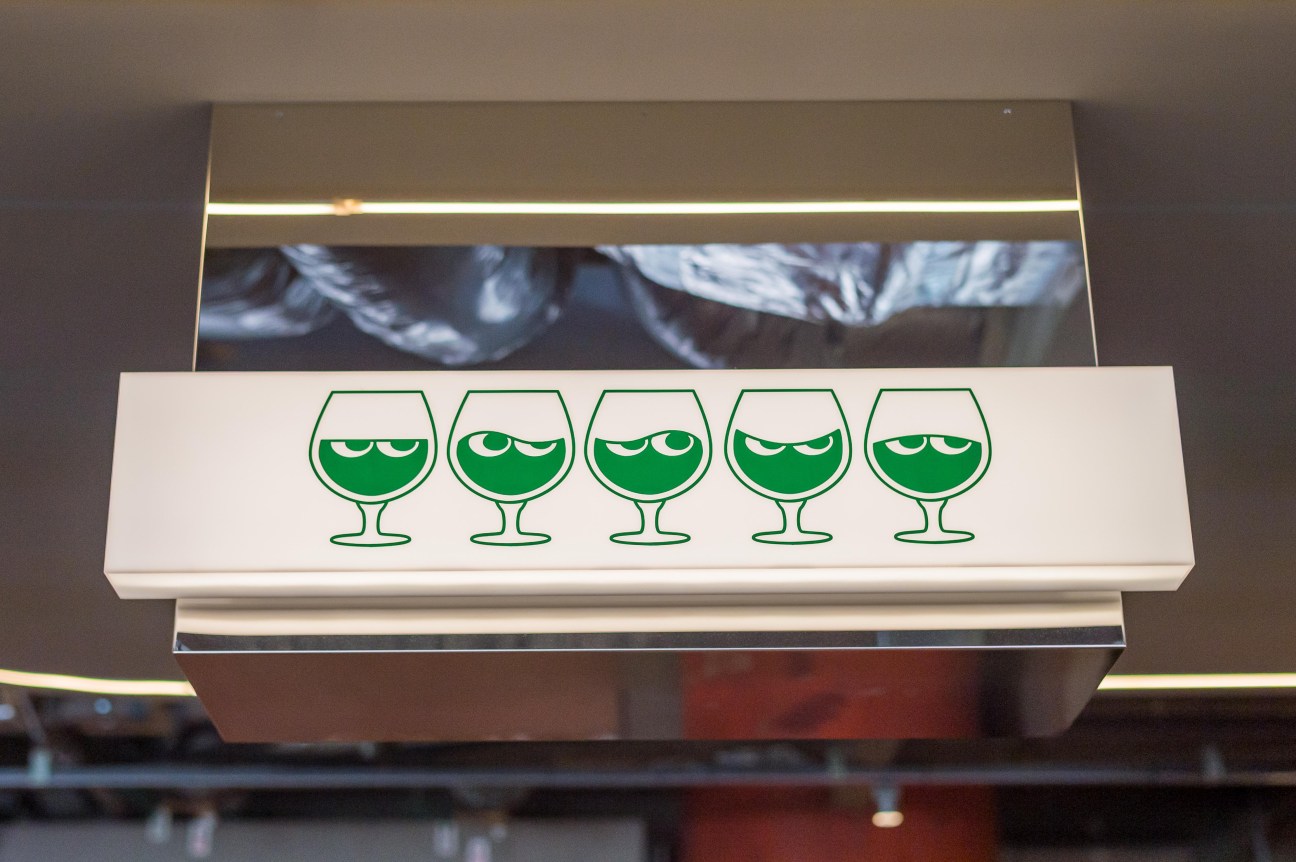
Yasuda developed a visual identity that’s bold and symbolic with a hint of fun, working equally well on street signs and seasonal posters. At the same time, Motogi’s design incorporated marble wall panels repurposed as tabletops, Karimoku New Standard stools made from insect-damaged timber and Okinawan soil, which was used to colour the main counter. “The space has been designed to provide all kinds of options, from seating styles to locations, allowing it to be enjoyed in countless ways – like a park or plaza,” says Motogi.
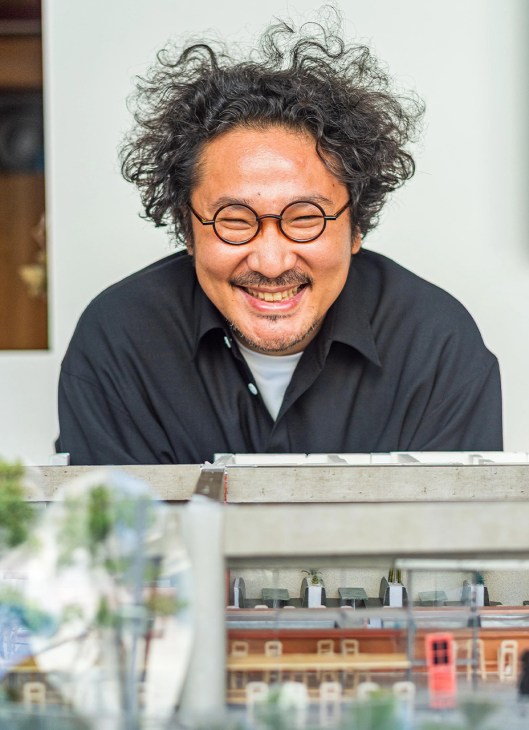
This philosophy extends to the food options on offer, overseen by Max Houtzager, who previously worked on Parklet and Meiji Park Market near the Tokyo Olympic Stadium. Sensing an opportunity to bring small-to-mid-sized operators with a slightly higher price point to the area, Houtzager gathered together a trio from the independent food scene to accompany a miniature version of his Ikejiri Ohashi-based restaurant, Massif.
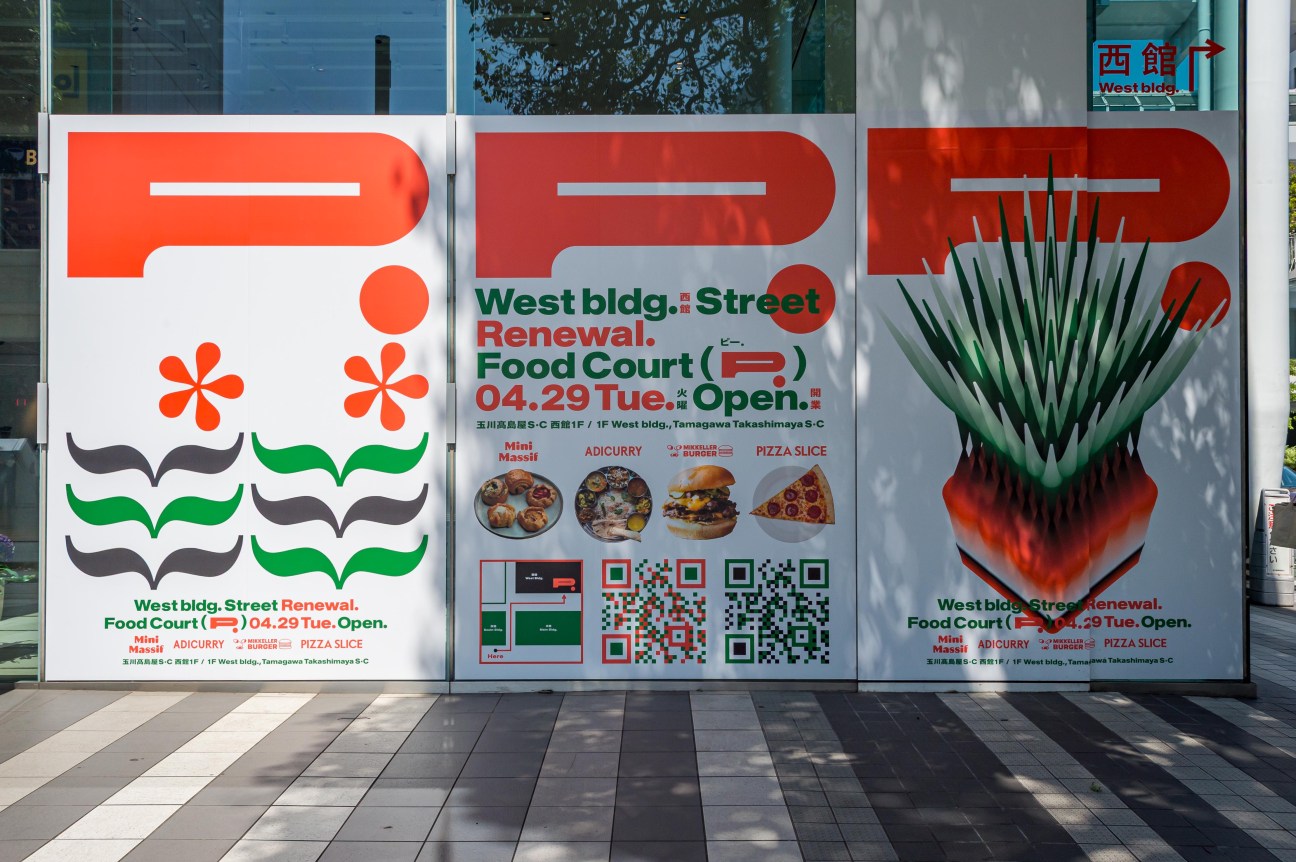
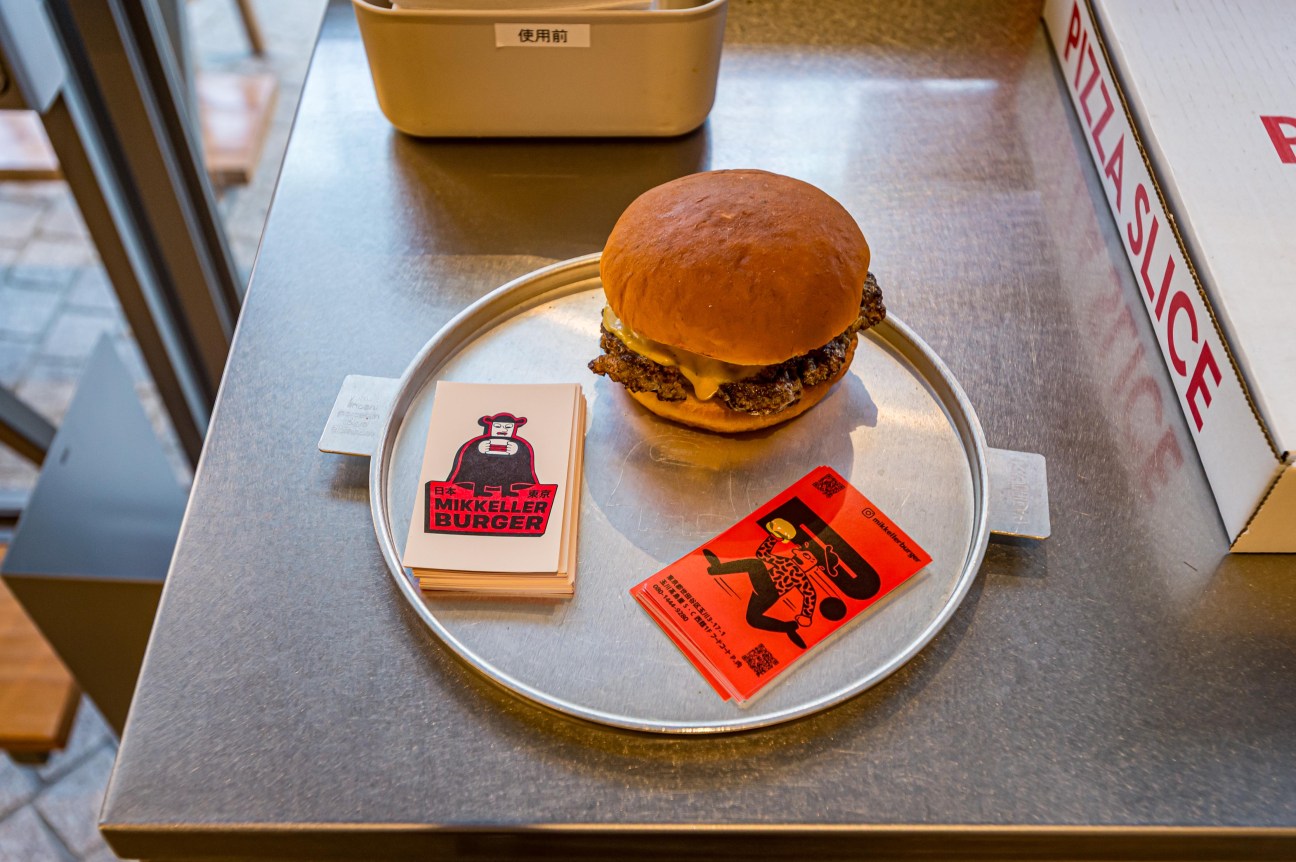
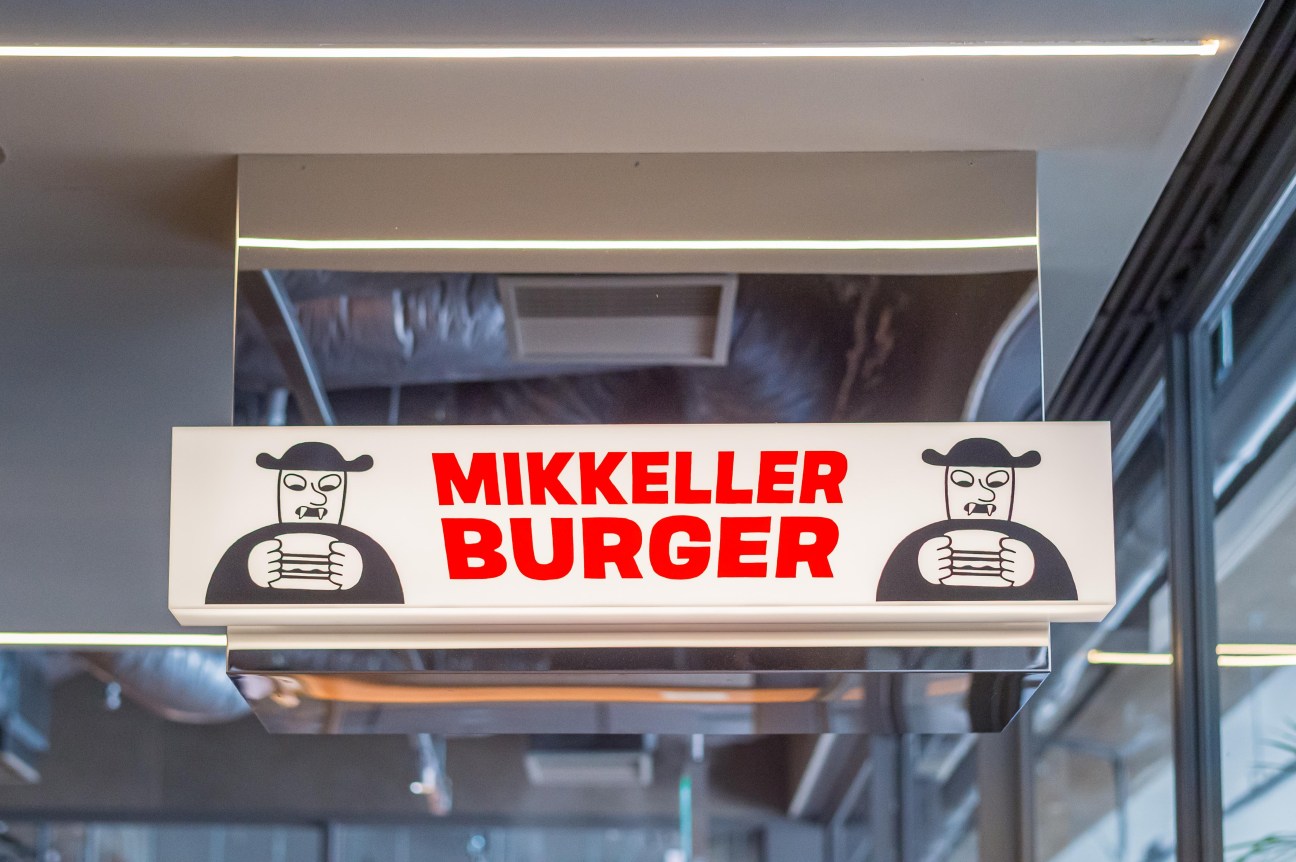
Every operator brings a strong identity and its own loyal following to P – which was part of the plan. The mix of familiar favourites and limited menus adds to the destination’s appeal, while ensuring that there’s something for everyone. Pizza Slice makes and bakes eight different New York-style pizzas; Nepalese restaurant Adicurry serves up samosas, chai and more; Danish brewer Mikkeller pairs beer with burgers; and Mini Massif caters to all occasions with café fare, noodles and wine. Collaboration has been key to the food hall’s success, particularly since the unconventional design places three shops side by side in the central island. “It comes down to the people,” says Houtzager. “Everyone is in it together.”
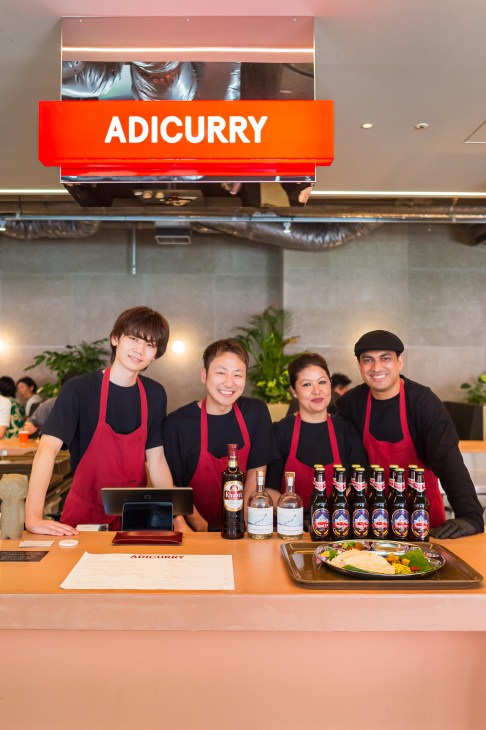
The project is in its early stages but is already catching the eye of operators, restaurants and customers. It will continue to evolve, with DDAA working on interventions to enhance navigation, flow and customer experience. Here’s hoping that the food court succeeds in its aim to be a catalyst for other similarly sociable places around Futako-Tamagawa.
p.ublic.jp
Deep foundations
Tamagawa Takashimaya Shopping Center opened in 1969, inspired by a new wave of shops and department stores emerging across the globe at the time. It was Tamagawa-based Toshin Development’s first project. In the decades since, the development has grown to encompass multiple sites, turning former factories into green-fringed commercial facilities and creating cobblestone laneways lined with restaurants, aiming to nurture the after-dark dining scene.

Futako-Tamagawa address book
A 15-minute train ride from Shibuya, Futako-Tamagawa is part of the Japanese capital but feels like an upscale commuter town, thanks to its green spaces and the nearby Tama river. It’s also a bustling commercial hub, with Takashimaya’s first “suburban” department store, Tokyu’s expansive mixed-use development Futako-Tamagawa Rise and the HQ of Japanese technology conglomerate Rakuten Group all in the area. Here are few things to see while you’re here:
1.
Tsutaya Electrics
store.tsite.jp
2.
Let It Be Coffee
3-23-25 Tamagawa
3.
New Valley wine shop
newvalley.base.shop
4.
Nishikawa Seika-ten
(for handmade sweets)
3-23-29 Tamagawa
Meet the self-starters behind the clever hospitality boom in Oaxaca City
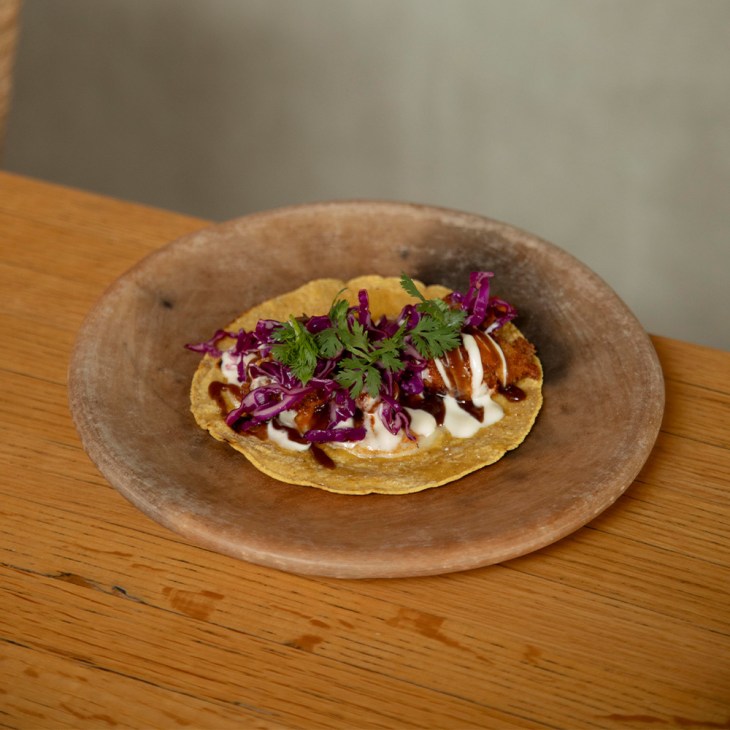
It’s a sunny morning in central Oaxaca City and the communal table at Bodaega bakery is buzzing with customers tearing into pastries. One popular variety is a take on a Danish treat called a spandauer, adapted for its warm setting with a mango-and-passion-fruit-custard filling. This mix of Nordic and Mexican flavours makes for a pleasant surprise.
With a modest population of 715,000 people, Oaxaca City is a place where time seems to move slowly: church bells clang gently amid plazas and streets lined with old buildings. A big part of its allure is this sleepy charm and many businesses embrace it. But things are changing. In the past five years, more than 17,000 people have moved here from the US and there has been a 77 per cent jump in tourism. Hospitality entrepreneurs are catching on, opening new hotels, cafés and restaurants that combine the city’s heritage with fresh ideas.


Bodaega’s co-owner Rafael Andrés Villalobos Valderrama, who opened the café with his Danish partner, Catherine Schmidt, hadn’t intended to launch a business when he returned to his home city. The couple met in Copenhagen while Villalobos Valderrama was working at Sanchez restaurant and doing an apprenticeship at Meyers Bageri, a popular bakery chain. After moving they noticed an increase in visitors, as well as a growing appetite for international delicacies. The couple opened Bodaega three years ago. “We ‘Mexicanise’ Danish pastries,” says Villalobos Valderrama. “We take guava or passion fruit and use it in a way that makes sense for local people.” An influx of customers from abroad has also meant that they could cater to a more diverse crowd than just a few years ago.
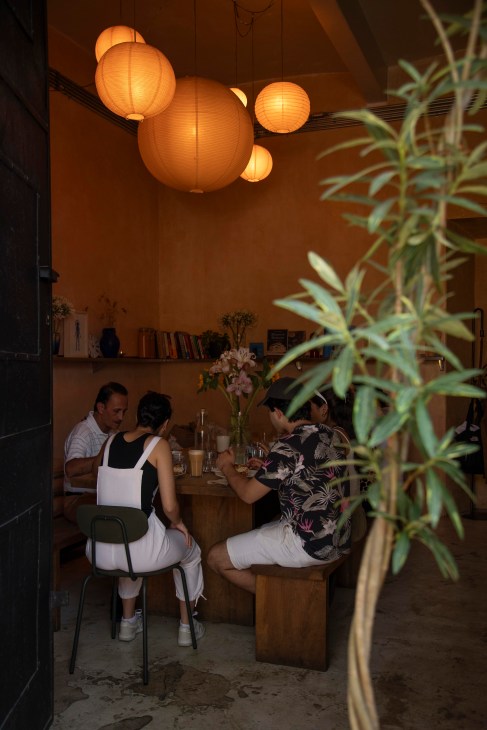
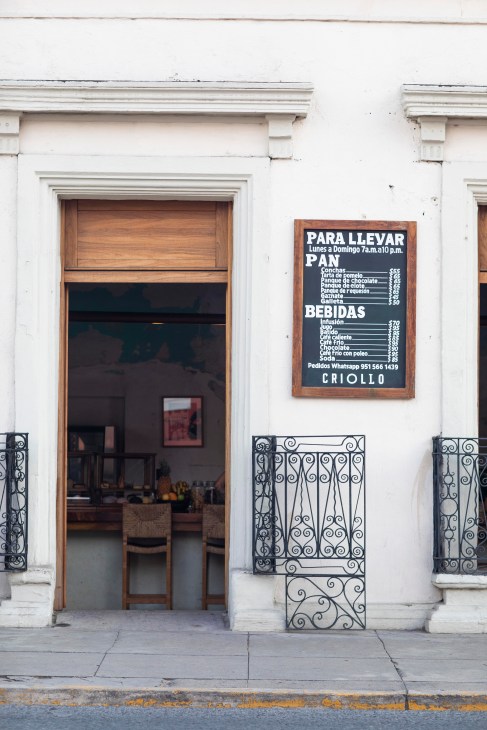
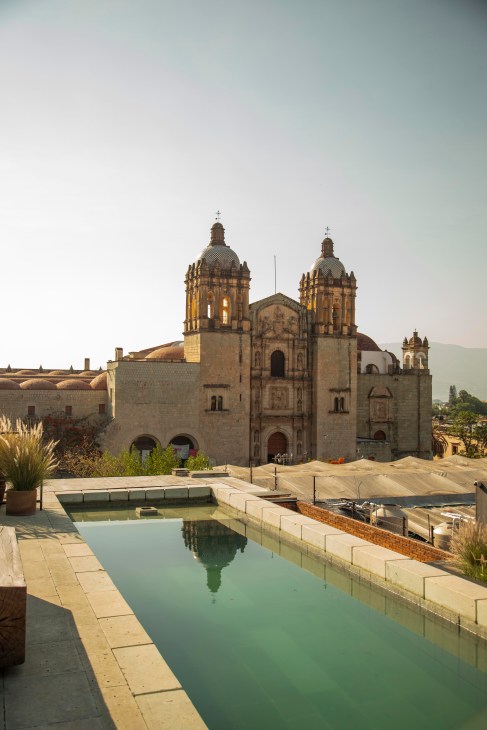
In 2023, Mexico’s Grupo Habita unveiled Otro Oaxaca, a 16-key hotel opposite the Church of Santo Domingo de Guzmán. Designed by local firm Root Studio, its interiors feature furniture by the region’s artisans, reclaimed wood and natural materials such as red soil. This mix of old and new reflects a broader shift in Oaxaca, where entrepreneurs are expanding their footprints while taking pains to maintain the city’s cultural fabric.
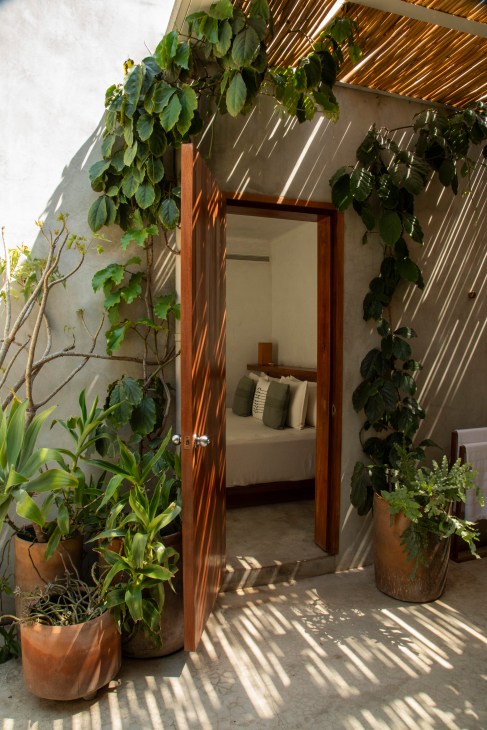
When Juan Pablo Hernández moved to Oaxaca from the north of the country and opened Boulenc in 2013, he couldn’t have imagined that it would evolve into the multifaceted enterprise it is today. What began as a market stall selling sourdough bread has transformed into a diverse business encompassing a bakery, a café, a shop and two hotels. “We were investing and growing organically,” says Hernández, who expanded when more buildings on the street became available. “When you want to open a business here, there’s a social aspect you have to address,” he says, adding that he works with artisans whenever possible and sources his ingredients as locally as possible, including wheat from a nearby farm.
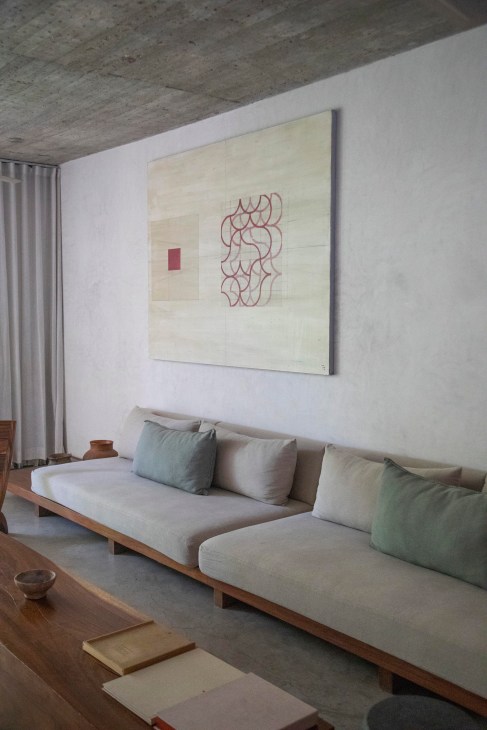
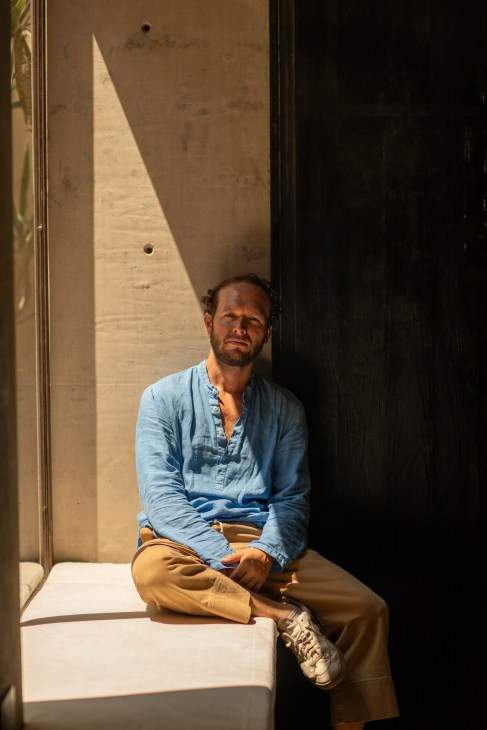
“The old culture here is so deep and profound,” says restaurateur Enrique Olvera, who co-founded Criollo in the centre of the city. “You need to spend time here to realise that time works differently. Hospitality is part of our DNA.” Olvera owns a string of restaurants including Pujol in Mexico City. When he opened Criollo in Oaxaca City with chef Luis Arellano almost 10 years ago, the goal was to create an experience that felt like dining in someone’s home. “What I enjoy most is going to someone’s house,” he says. “Mexican food, particularly what we eat in Oaxaca, is hard to translate to restaurants.”
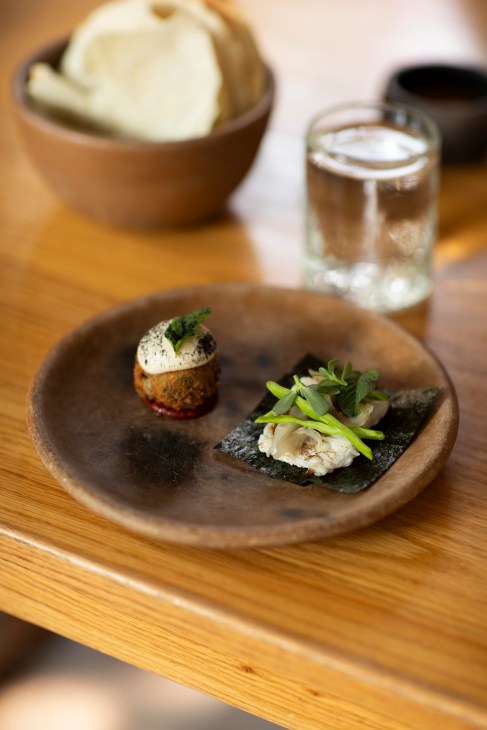
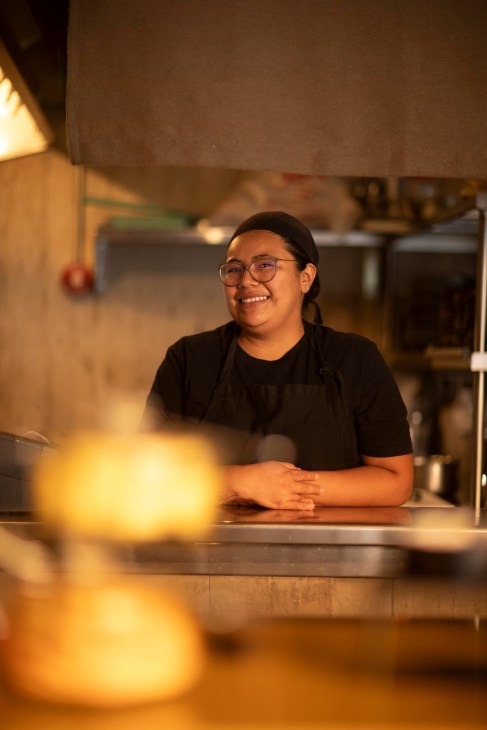
This approach is evident in Criollo’s design. Guests enter through a door next to the kitchen and an open comal (a traditional flat griddle), on which tortillas are fired. They dine in an open-air pebbled courtyard that is reminiscent of a family gathering space, with chickens wandering around the tables. Olvera has also opened Casa Criollo, a two-bedroom guesthouse. Initially intended as his personal retreat during visits to Oaxaca City, the property is now available to visitors. Ironically, it’s often booked out when he’s back in town.
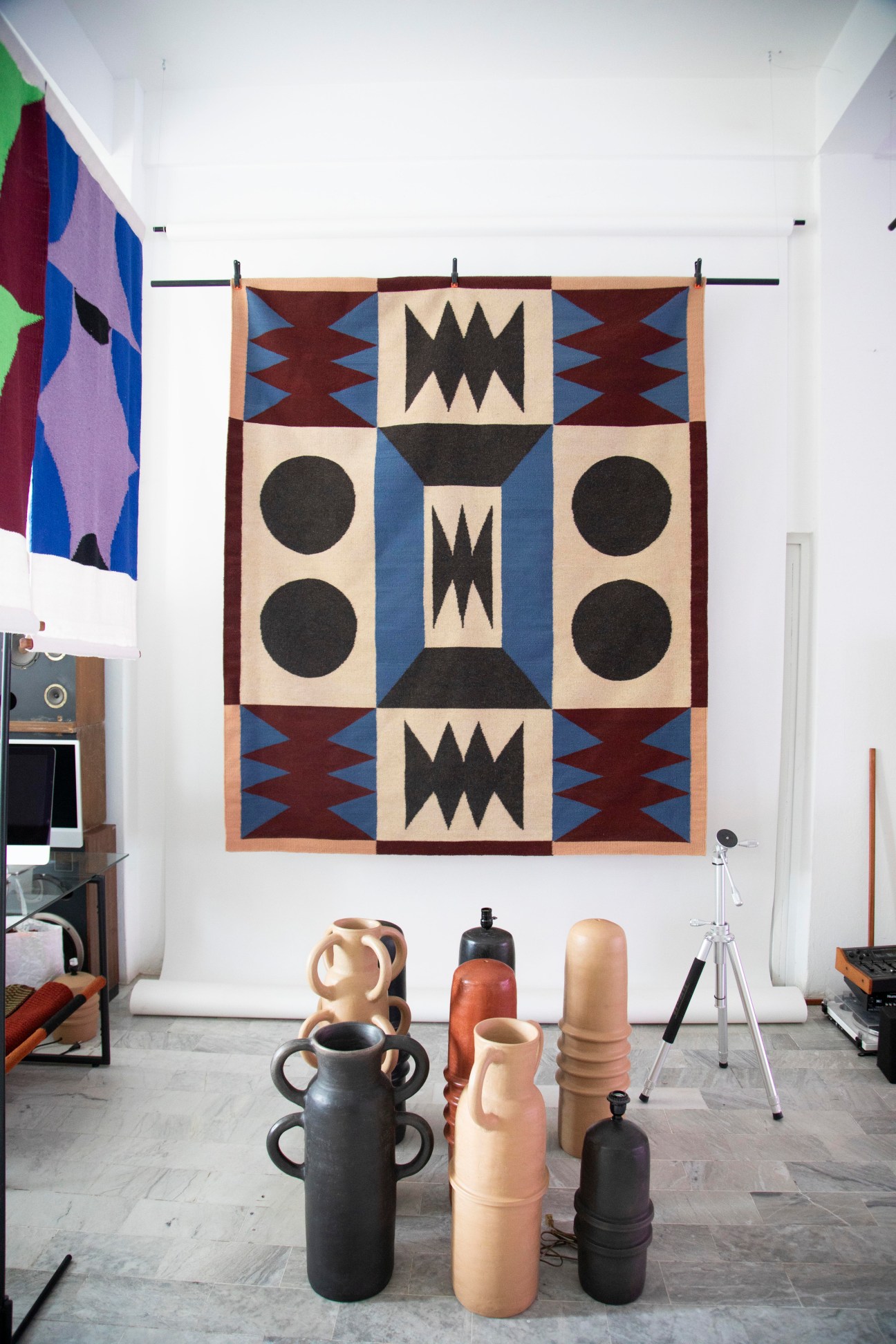
Dominican-born designer Javier Reyes is the founder of Rrres, a design studio that works with artisans in rural areas to develop colourful geometric rugs, throws and baskets. Last year he and his partner, Lillian Hardy, expanded by opening Landdd, a workshop space in Portland, Oregon. Reyes has grown the business in Oaxaca City too, launching a one-room guesthouse that features Rrres products. “We try to incorporate our design and vision,” he says. The guesthouse, which looks onto a small cactus-filled garden, has a sunny yellow kitchenette and is dressed with bright throws and geometric rugs. “We think of it as our studio guesthouse,” says Reyes.
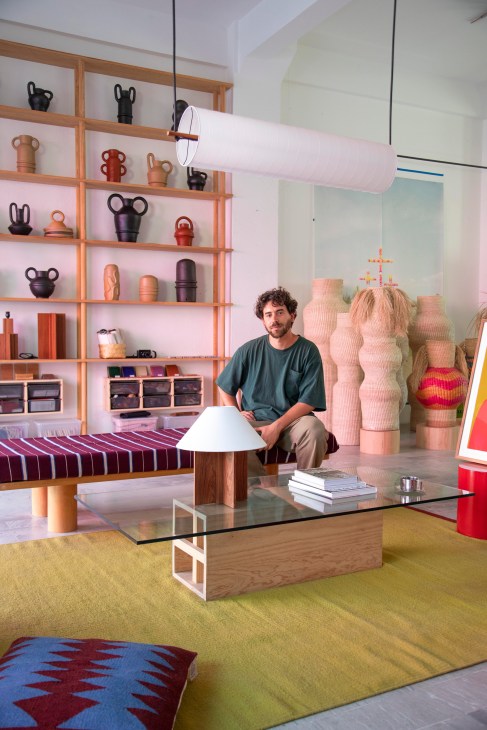
On the outskirts of the city, about a 40-minute drive from the centre, is Alfonsina, a restaurant that is committed to blending tradition with innovation. It was opened by Jorge León and his mother, Doña Elvia, who can sometimes be seen pressing tortillas and cooking them on the comal. The tables in its peaceful courtyard are set under trees. From the open kitchen, homely dishes such as tamales and flame-grilled fish with mole and rice are prepared as part of a five-course menu.

The restaurant is committed to the use of locally sourced seasonal ingredients, as well as to sustainable practices such as rainwater harvesting to address the region’s water scarcity. León, who previously worked at Grupo Olvera’s Pujol in Mexico City and Cosme in New York, wants to find ecological solutions for his home city. “The restaurant industry can raise awareness and positively impact the environment,” he says. Most recently, Alfonsina launched a programme training fishermen in eco-friendly practices and supplying establishments in Oaxaca City and Mexico City.
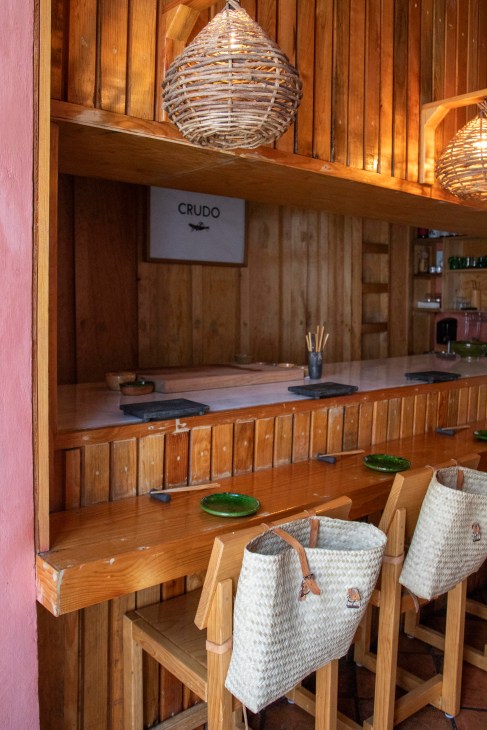
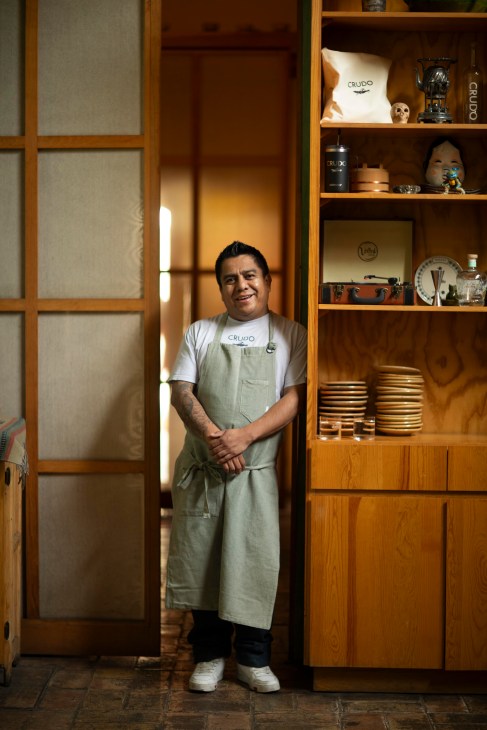
Crudo is another good example of an entrepreneur embracing both traditional and modern sensibilities. After working in the US and Mexico City, Oaxacan-born chef Ricardo Arellano returned home five years ago to open an omakase restaurant that serves Japanese-style bites made from local ingredients. Noticing diners flooding in from the US and Canada, he saw an opportunity to expand and has since opened three bars and one more omakase counter. At the casual à la carte bar, diners are seated on wooden chairs along a narrow counter where they sip mezcal (the state’s drink of choice) and whisky cocktails flavoured with corn. They eat sashimi with pickled jícama instead of ginger. “You meet people from all over the world here,” says Arellano.
Read more from Monocle’s 2025 Mexico Survey:
- Inside Mexico’s creative gold rush: four high-growth industries to watch
- Three game-changing developments about to transform Mexico City
- Entrepreneurs to watch: the forward-thinkers making new paths in Mexican industries
- Eight ideas for Mexican businesses that are ripe for the taking
- The entrepreneurial trailblazers revitalising Guadalajara’s art scene
- Oaxaca Aerospace’s Mexican-built plane has beaten the odds and is ready for takeoff

The entrepreneurial trailblazers revitalising Guadalajara’s art scene
José Noé Suro isn’t one to rest on his laurels. The lawyer-turned-arts entrepreneur is responsible for almost single-handedly transforming Guadalajara, Mexico’s second city, into an international arts hub – but he isn’t finished yet. Last year, Suro and collector Nidia Elorriaga opened Plataforma, a beautifully restored art space in Guadalajara’s Colonia Americana district that transcends the building’s gloomy origins as a funeral home. The project was conceived as a launchpad for emerging talent, with the gallery dedicating an entire floor to residency studios for new talent. “It’s my gift to the city,” says Suro.
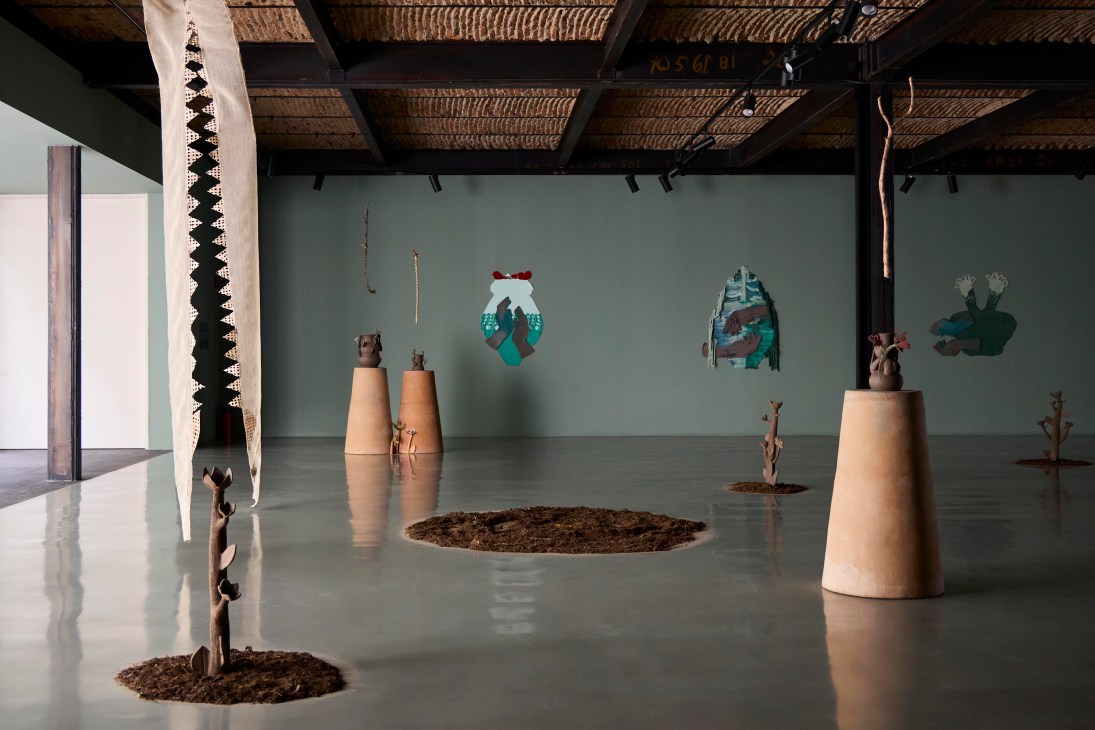
On paper, the capital of Jalisco state has long had all of the ingredients for artistic success. It is graced with a wealth of beautiful modernist buildings, the legacy of architect Luis Barragán, who was born here; rents are more affordable than in the capital with ample studio space available; and the landscape has an abundance of natural materials including clay, wood and agave. A manufacturing hub for electronics and technology, Guadalajara has developed a small but dedicated local collector base. It wasn’t until Suro took an interest, however, that the scene took shape.
An art lover with a sizeable private collection, Suro joined his family ceramics business, Cerámica Suro, in 1993. The firm, whose history dates back more than 70 years, found a second wind under his stewardship, ramping up its production facilities to create dinnerware for hotels, as well as kitting out restaurants by Mexican super-chef Enrique Olvera and Noma’s René Redzepi in Copenhagen. Meanwhile, commissions for tiles have come from as far afield as French brand Hermès and the Guggenheim Museum in New York. A household name in his native city, Suro was resolute that Cerámica Suro needed to be more than just profitable it would serve as a catalyst for a broader arts ecosystem too.

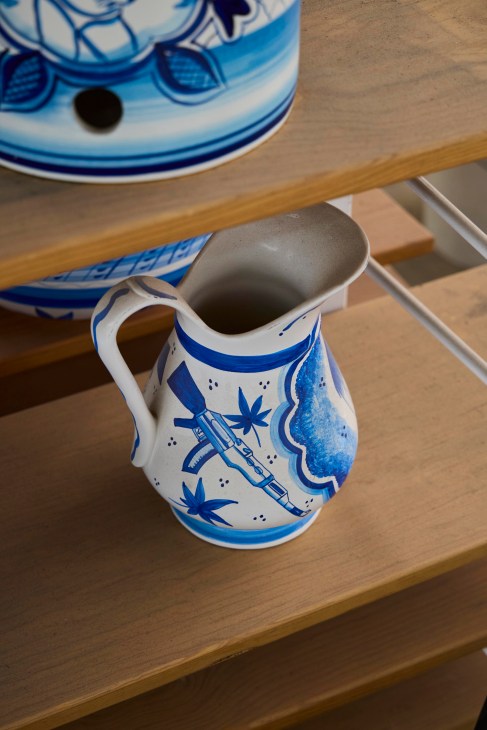
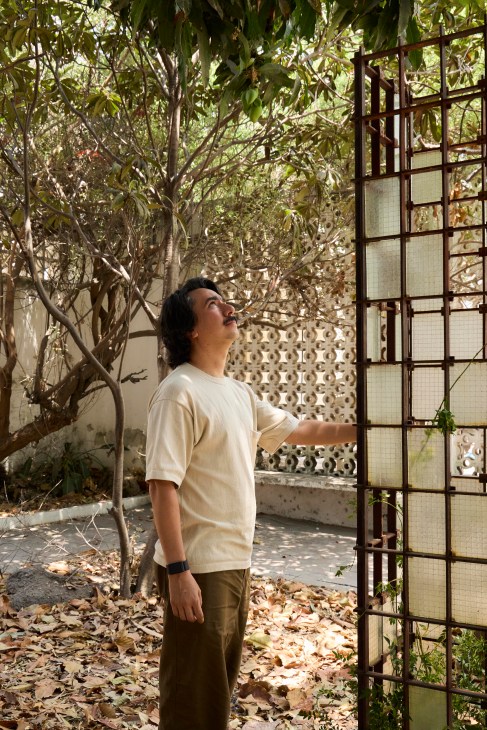
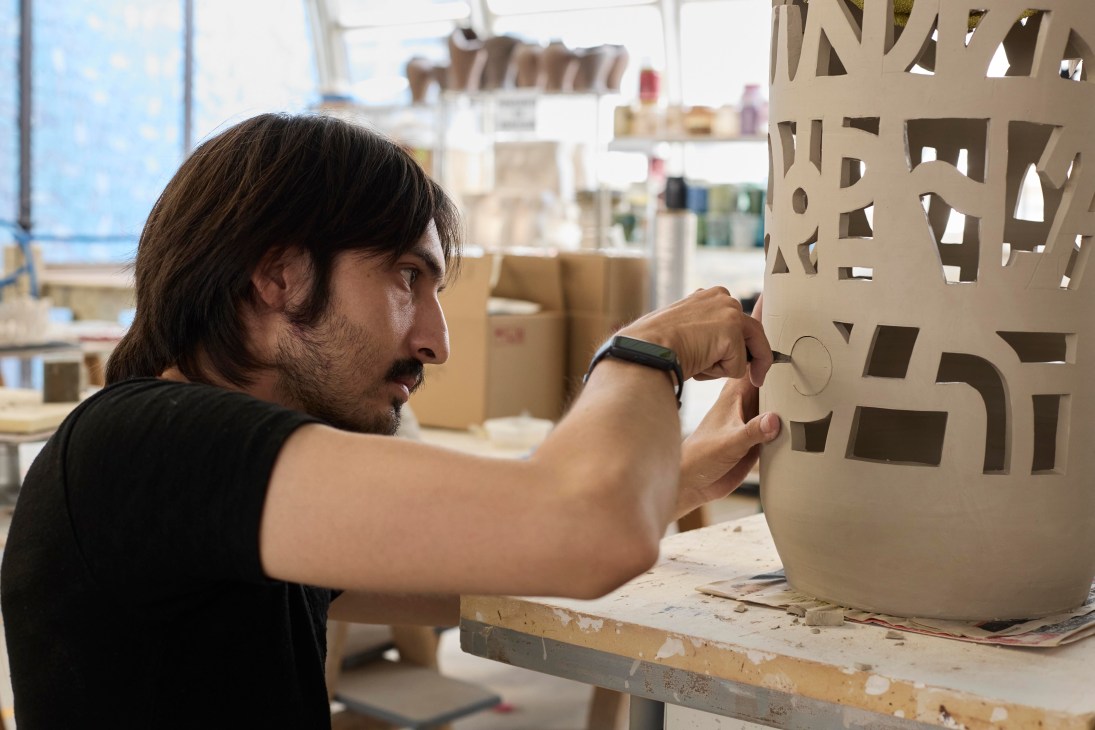
“People don’t come to Guadalajara to see a Tracey Emin show,” he says, guiding monocle around the airy modernist premises of Plataforma. “They come to see art made here.” Funded by the largest pharmaceutical company in Latin America, the space is proof that Suro’s dedication to promoting domestic art over the past three decades is coming to fruition.
Other local entrepreneurs are capitalising on the attention Suro has brought to Guadalajara. Apto Galería, which opened in 2023, is housed in a former textiles factory in one of the city’s oldest neighbourhoods.
“Nurturing long-term relationships with artists, collectors, institutions and the public is as important for the lifespan of our gallery as funding,” says co-founder, Florencia Pardo. “We collaborate with artists who might not yet have gallery representation.”
Apto Galería aims to make Mexican contemporary art more visible internationally, while helping it to remain rooted in the identity of its home country. It has so far worked with more than 50 multidisciplinary artists, both Mexican and international, who have offered interpretations of Guadalajara through painting, sculpture and drawing.

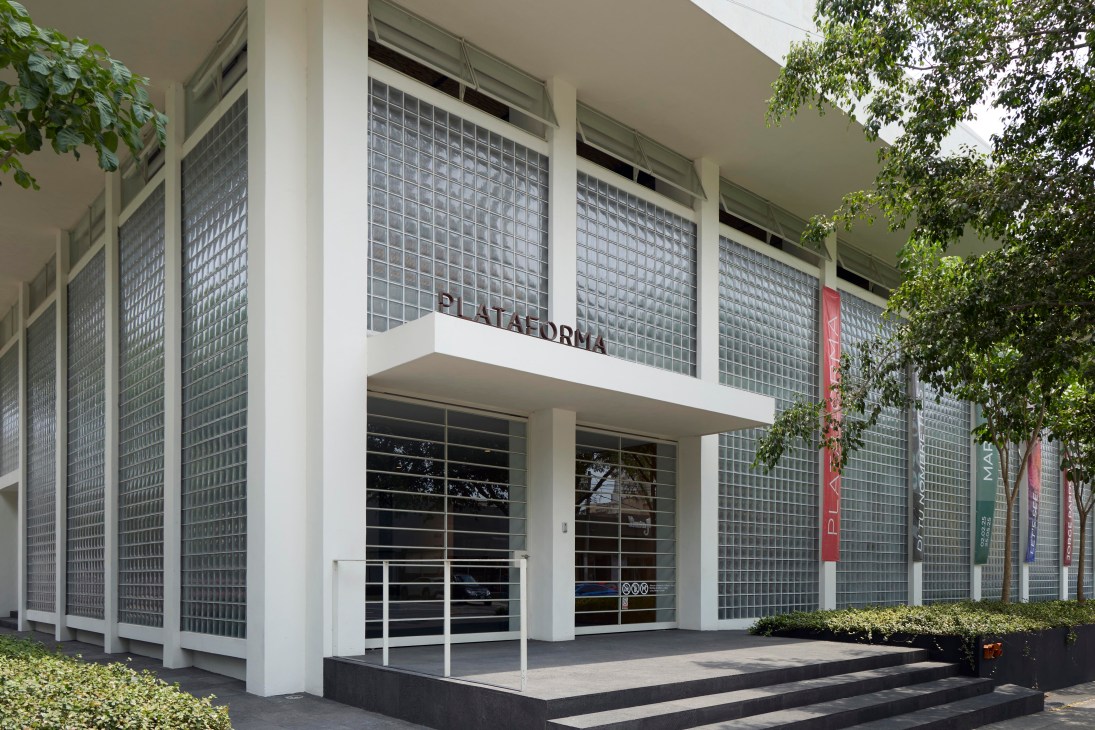
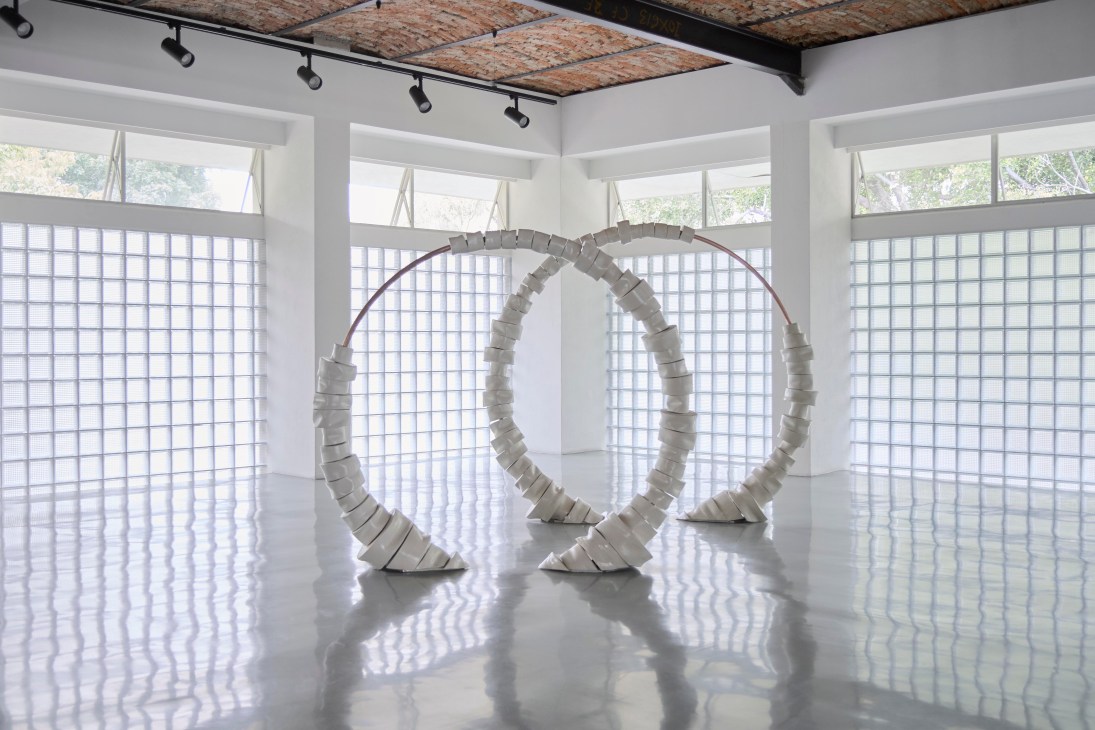
Independent arts space Espacio Cabeza and Guadalajara 90210 – which presents work in unlikely locations, from rooftops to construction sites – are invested in making the city a vital node on the international art map. “There’s no point waiting for public institutions to step in,” says Marco Valtierra, Espacio Cabeza’s artistic director, as he gives Monocle a tour of the space, a former 1930s residence, where their Lo Visible show included a room filled with smoke and flickering light bulbs. “We’re interested in breaking with convention. It’s easier to experiment with perceptions of what art is in Guadalajara because the stakes are lower,” says Valtierra.
From the outset, Suro was intent on nurturing artistic talent in the city and has hosted a residency programme in the premises of Cerámica Suro for the past 25 years. It has supported more than 600 artists specialising in ceramics, metalwork and glasswork. (Alumni include Canadian Marcel Dzama, Cuban-American sculptor Jorge Pardo and US painter Jeffrey Gibson.) Cerámica Suro generously sponsors them, providing them with materials and a space in which to work.
“In the late 19th and early 20th centuries, artists left this city as soon as they could,” says Suro. “Now they see it as a strategic advantage to return.” The enterprise is mutually beneficial. When alumni return home, they take Suro’s name – and brand Guadalajara – with them overseas.
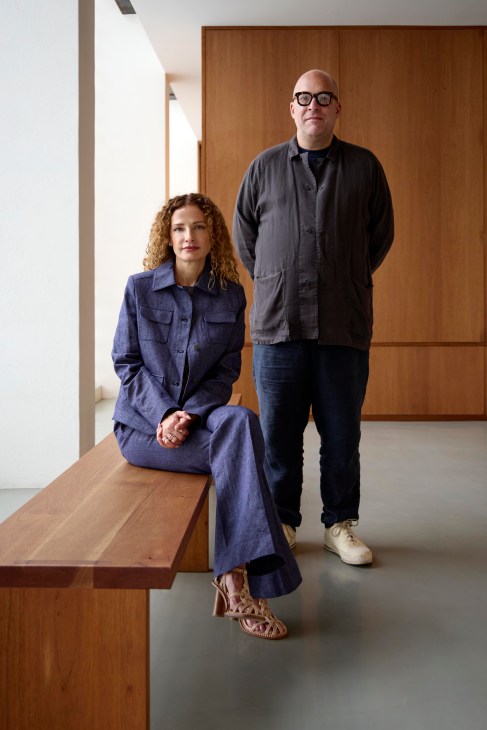
To retain visiting international talent, Suro, with his artist friends, established Premaco art fair (now known as GDL Art WKND) in 2019. It is positioned as the warm-up act to Zonamaco, Latin America’s leading contemporary art fair, held in Mexico City (CDMX) since 2002. Suro’s factory – and latterly Plataforma – opens for four days a year when international artists and buyers are already in the region, maximising spending potential.
Guadalajara is proof that persistence and entrepreneurship can create a scene from scratch. It’s also a case study for ambitious stakeholders wanting to test a new market. Following Suro’s advice, Madrid-based gallerists Silvia Ortiz and Inés López-Quesada of commercial space Travesía Cuatro opened a contemporary-art outpost in Guadalajara in 2013, then another in CDMX six years later. Suro also persuaded a friend to lease the Arabic-style 1929 Casa Franco to Travesía Cuatro, giving it a Guadalajara landmark from which to operate. “Because of Suro, art is no longer centralised in Mexico’s capital,” says Ortiz, who regularly travels to Art Basel, Frieze Seoul and Arco Lisboa to discover new work and bring it back to Guadalajara.
No longer a creative underdog, the city’s art scene has quietly proved itself as distinct from that of CDMX. At its core, Guadalajara has a dogged entrepreneurial spirit and a cadre of artists and galleries supported by collections, fairs, collaborations and commissions.
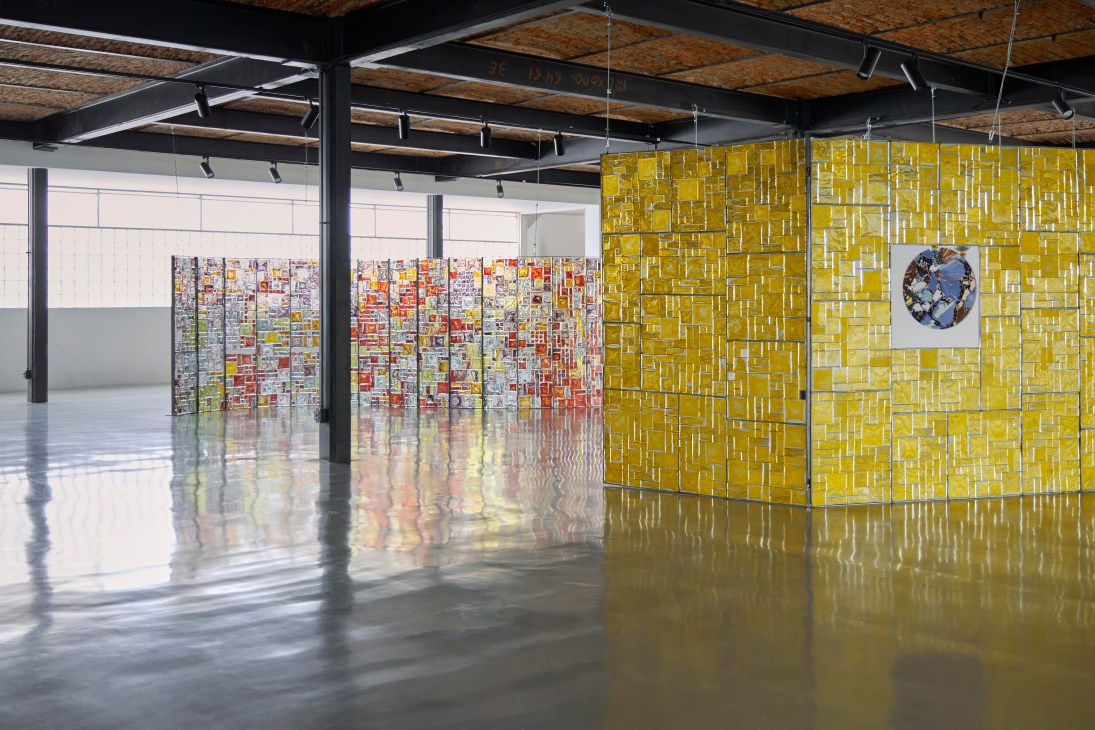
City Hall is starting to wake up to the area’s art potential. “With Suro’s help, I want to make Guadalajara into a global reference point for art,” says the city’s mayor, Verónica Delgadillo García, who joins us at a popular cantina called De La O. “We’re in a position to make art accessible to everyone,” says Suro. “And we will never take that for granted.”
The who’s who of Mexico’s art scene
1. Zélika García: Set up Zonamaco, Latin America’s leading contemporary art fair
in 2002.
2. Sergio Romo:
Co-founded Angstroms in 2022. Based between Mexico City and Madrid, it mitigates financial hurdles for artists and galleries.
3. Baby Solís: The art critic established Obras de Arte Comentadas (ODAC), a digital platform and art collectors’ club.
4. Bianca Peregrina:
Set up Trámite in 2020, a young art-animation-focused festival in Querétaro that is a platform for contemporary and emerging art.
5. Enrique Argote: Launched Clavo art fair in Mexico City in 2021 and has welcomed galleries from cities such as Medellín and Los Angeles.
Read more from Monocle’s 2025 Mexico Survey:
- Inside Mexico’s creative gold rush: four high-growth industries to watch
- Three game-changing developments about to transform Mexico City
- Entrepreneurs to watch: the forward-thinkers making new paths in Mexican industries
- Eight ideas for Mexican businesses that are ripe for the taking
- Meet the self-starters behind the clever hospitality boom in Oaxaca City
- Oaxaca Aerospace’s Mexican-built plane has beaten the odds and is ready for takeoff