The Forecast
A taste of things to come
1.
Hedgehog mushrooms
Taiwan
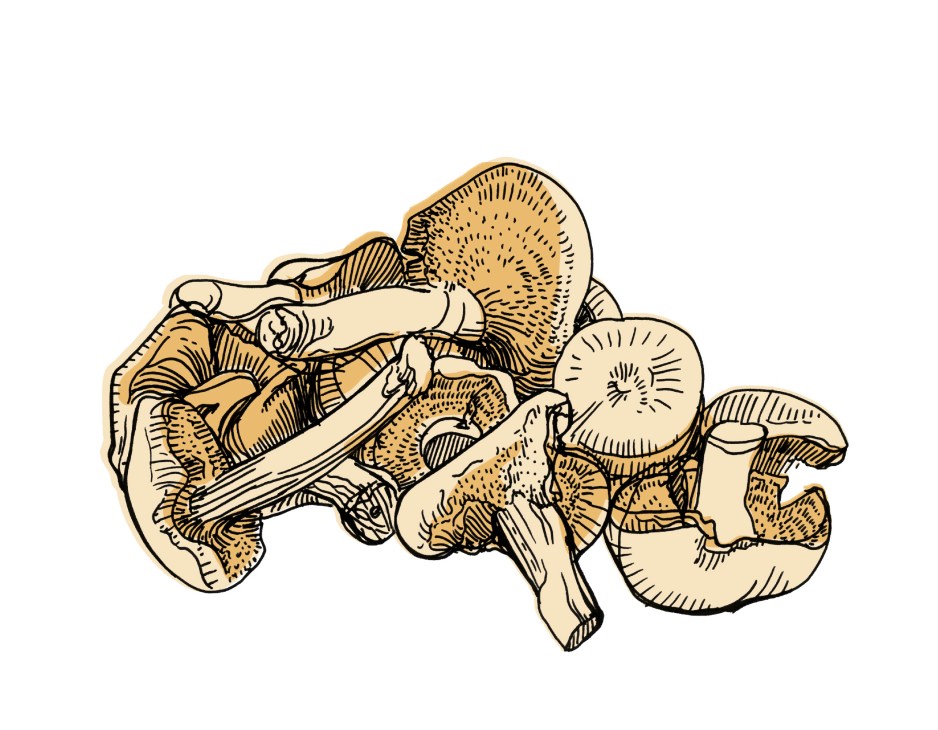
Meat substitutes are fearful things for the most part. Tofu can complement meat but it can’t replace it, and it’s time the world admitted that seitan, another poor excuse for protein, is the devil’s work. However, the Grassroots Pantry in Hong Kong is on to something by using meaty vegetables to elevate its fare and we’d like to see a few more of these fungi making it onto plates in the future.

2.
Ghee
Global
An Indian staple, ghee is a clarified butter, melted to separate the milk solids and water, to leave just the butterfat behind. The gloop has a higher smoke point and contains less lactose. It still has all the nutty richness of butter but more in the way of vitamins A and D than its less-clarified cousin. Australian cultured-butter peddler Pepe Saya produces a mean ghee and we’re banking on several others following suit in the months to come.
3.
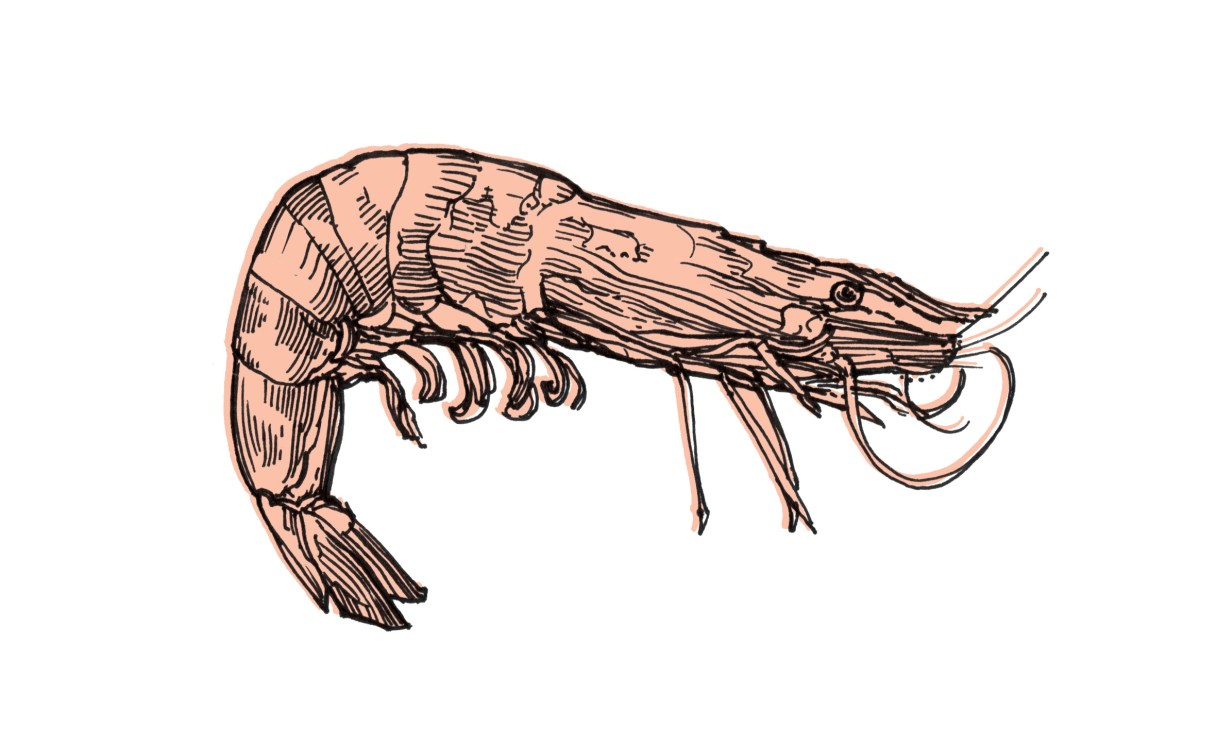
Prawns
Switzerland
It doesn’t take a scientist to work out that if three quarters of the world’s prawns are exported from Asian countries (mainly Thailand) then a fair amount of preservatives are required to keep them fresh on transcontinental flights. Swiss Shrimp, based in Rheinfelden, is one of the firms now making a convincing case for farming crustaceans closer to where they are sold.
4.
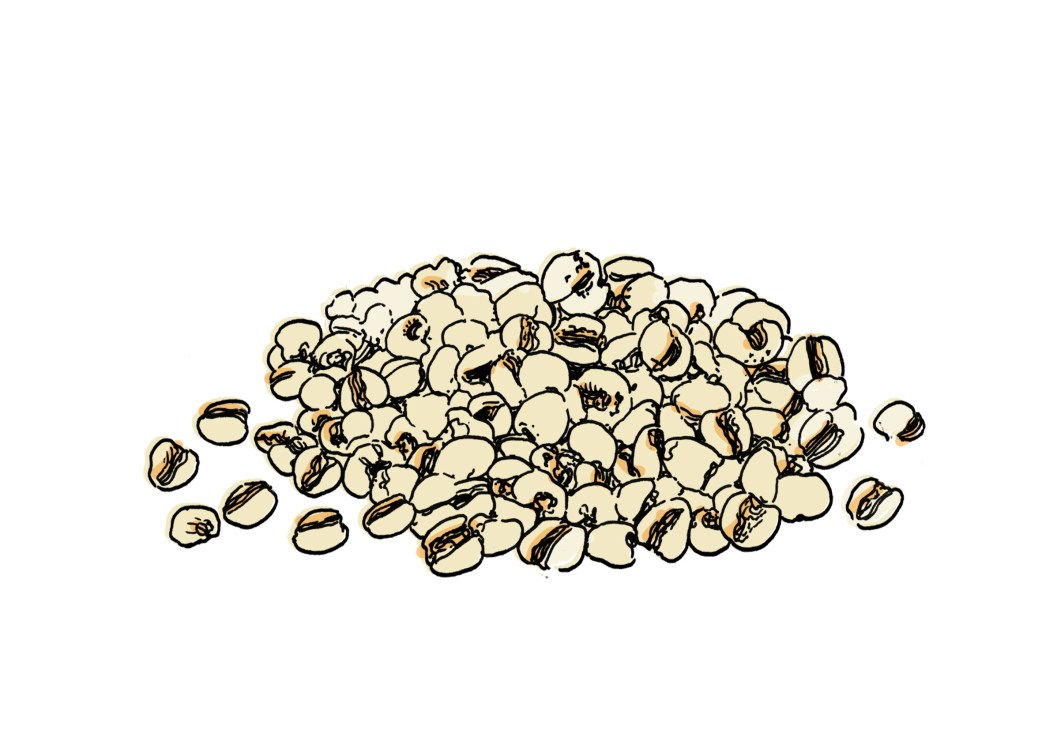
Adlai
Philippines
We’re suspicious of the procession of (often bad-tasting) grains claiming to remedy many ills but adlai is popular in Asia as a fibrous and gluten-free alternative to rice. The grooved grains are spherical with a dent in one end and have been used in everything from cold Vietnamese soups and South Korean liquors to dairy-free milk alternatives. It’s versatile in name too: it’s also called Job’s Tears or Chinese pearl barley.
5.
Pickles and ferments – continued
Global
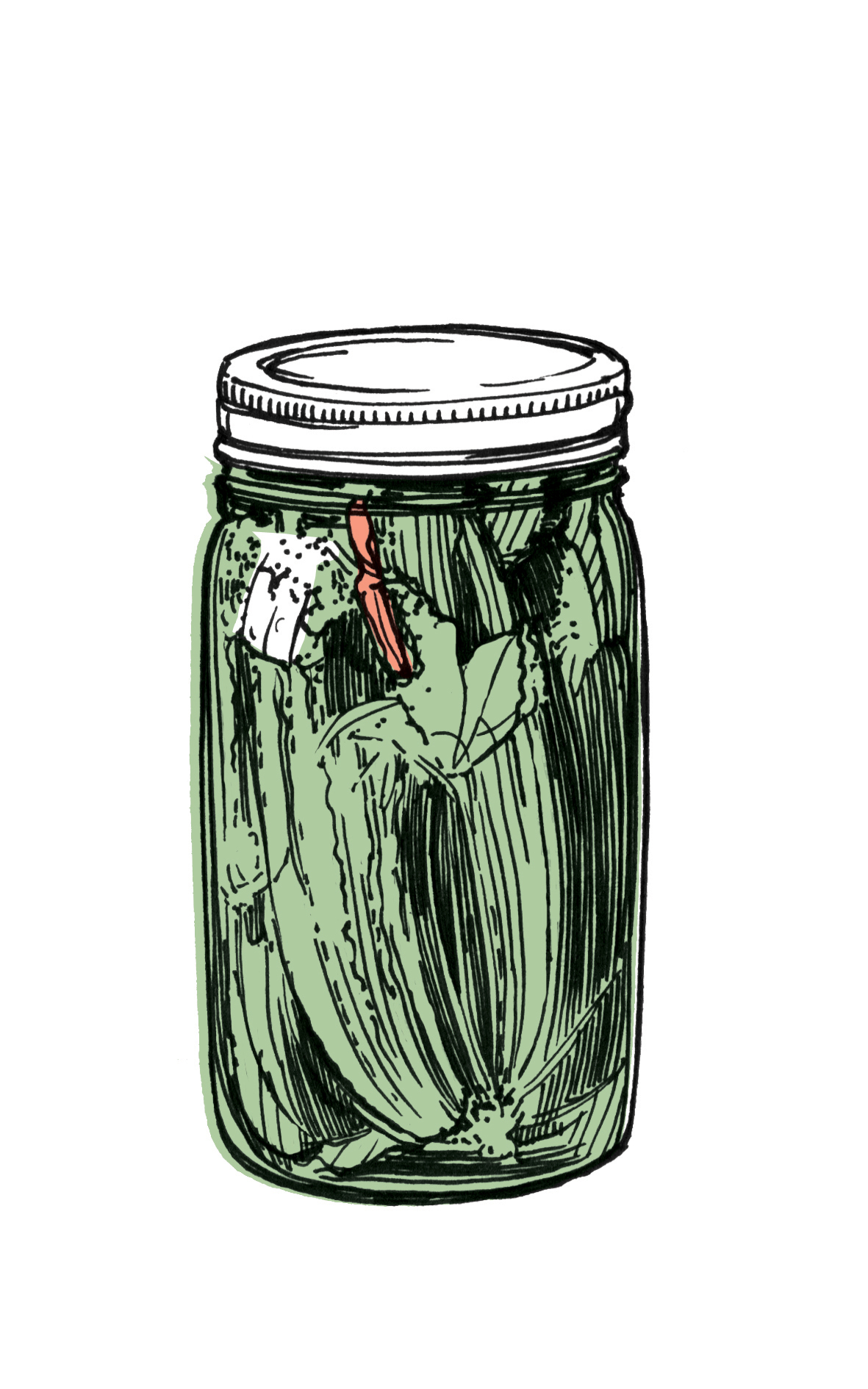
South Korean kimchi (fermented vegetables, usually cabbage) has gone from obscure delicacy to menu mainstay over the past few years, and plenty of chefs are rediscovering the joy of preserving veg. Pickling and fermenting, though subtly different, riff on ancient methods of preservation. Once-scorned delicacies such as sauerkraut, live yogurt and kombucha (black or green tea served cold) will thrive in 2018.
6.
Ginseng
Ontario
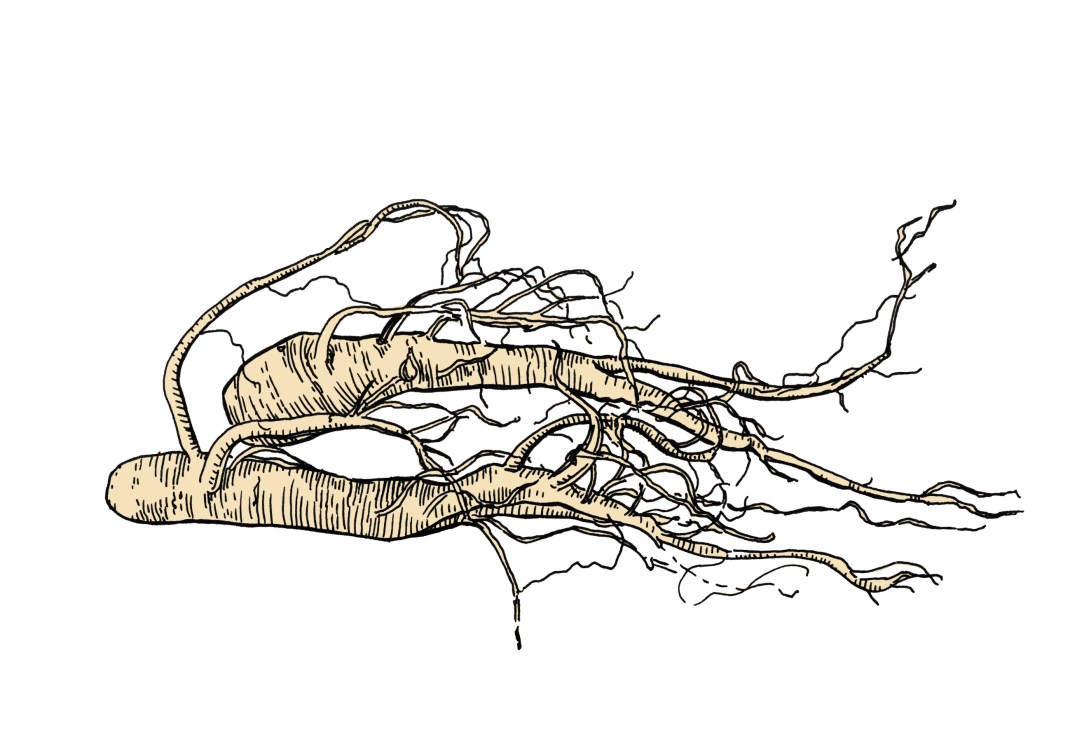
Despite its association with Chinese medicine, ginseng has long been grown in Canada, from where millions of kilos are exported each year. It grows best in the sandy soil near Lake Erie, where Canadian Jesuits first recognised its commercial value thanks to an 18th-century trade deal with the Chinese. The ginseng industry’s growth will remain healthy thanks to the €370m that the Ginseng Growers’ Association is set to receive from the Canadian government.

7.
Yuzu
Asia
These rough-skinned citrussy orbs are somewhat similar to large lemons, with a hint of grapefruit in their bittersweet taste. Loved in Japan and South Korea, the fruit has now taken root in Europe thanks to a favourable climate in Switzerland’s southern Ticino region. Reto Eisenhut’s orchard on the shores of Lago Maggiore is one supplier to watch.
8.
Porgy fish (otherwise known as sea bream)
USA
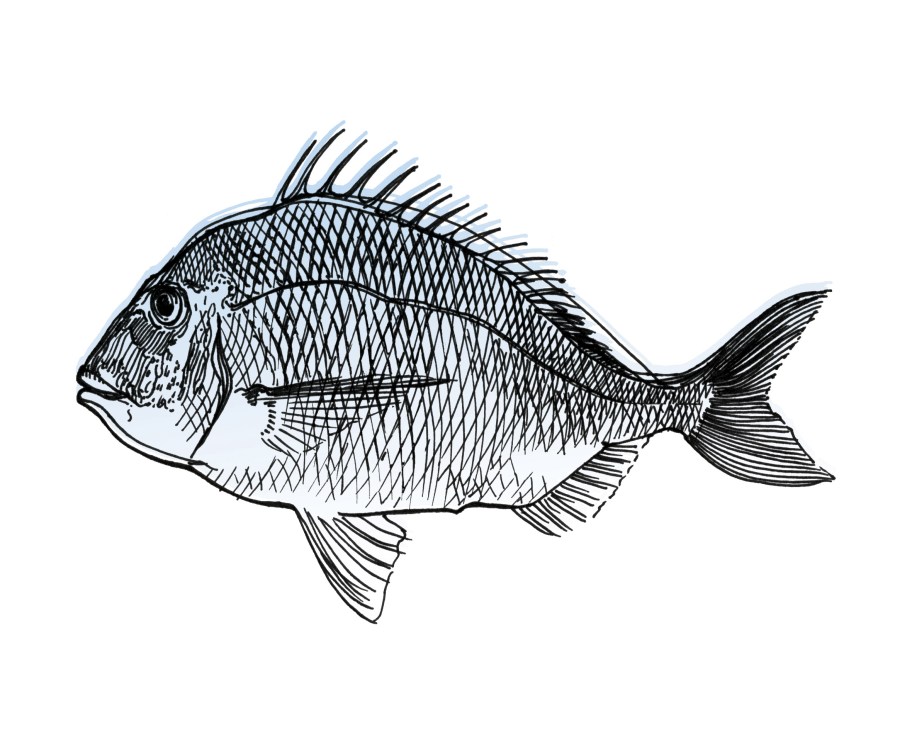
The porgy was once something of a second-rate fish – less desirable than bass or fluke, say. However, as overfishing threatens other species, it is set for an upturn in consumption. Be it scup, sheepshead or southern black bream, many species of this abundant fish are surfacing on menus throughout the US. Crave Fishbar in New York was one of the first to successfully show off the fish’s merits (we recommend the peerless poké bowl).
9.
Turmeric
Global
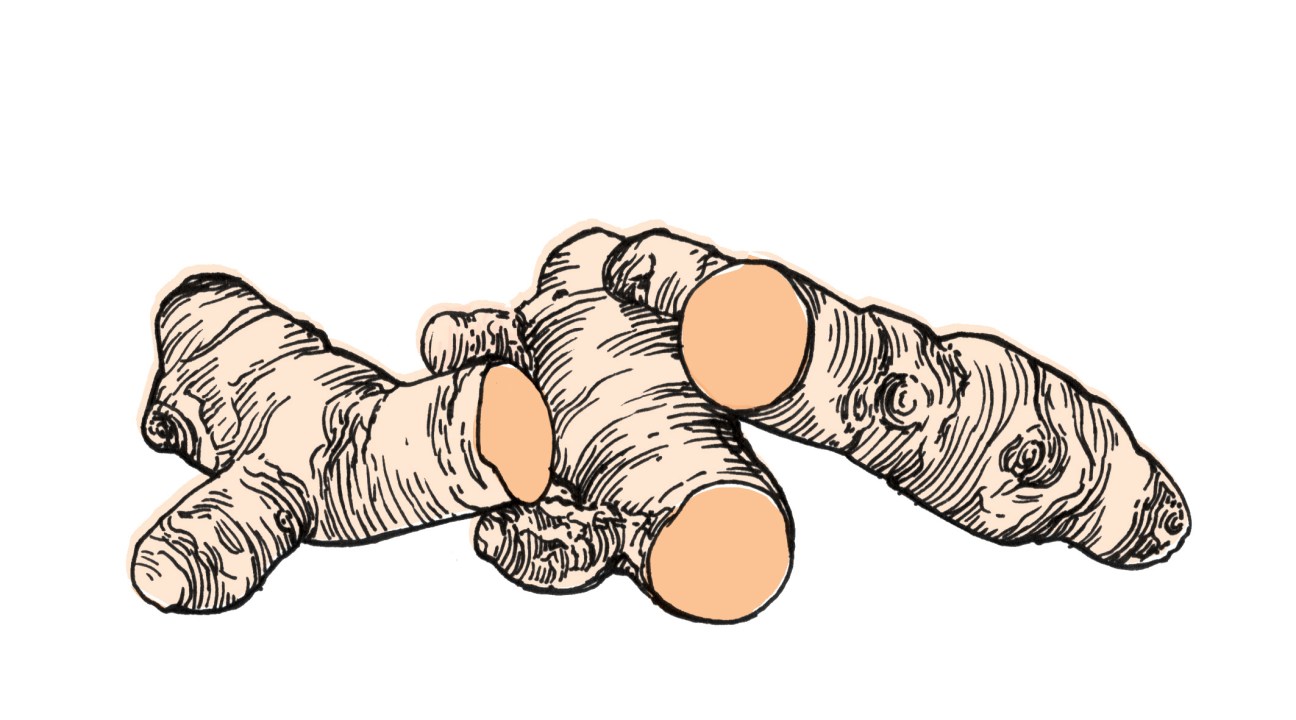
This richly red-coloured root is enjoying a renaissance in lattes and on seafood or chicken. A member of the ginger family, it’s praised for its anti-inflammatory and digestion-aiding properties. Here’s hoping its new popularity will prove a boon to the fortunes of its farmers in Southeast Asia, who suffer despite the salubrious items – ranging from coffee to cosmetics – that turmeric has found its way into of late.
10.
Cider
Global
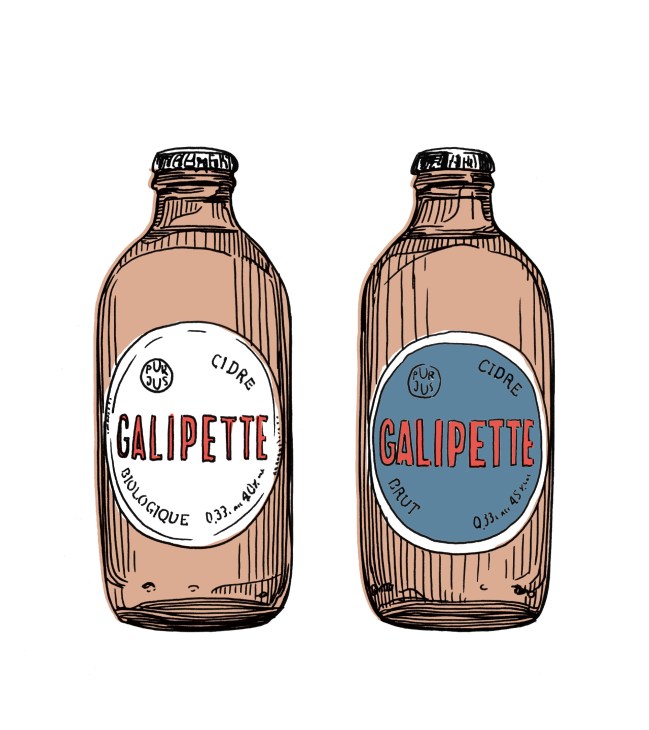
Long viewed as a laddish tipple, cider has undergone a delicate rebrand as smaller-scale producers emerge. French brand Galipette (“somersault”) represents a vast jump in the standard of the Gallic brews, while bars such as Wassail on Manhattan’s Lower East Side have done much to showcase the subtleties of the drink.

11.
Pandan
Global
Rare in the wild but now widely farmed, this Southeast Asian plant has been working its way west in recent years thanks to nutty vanilla notes that work well with coconut. Available fresh, dried or frozen, the versatile blade-like leaves make excellent additions to bread, rice or cakes. The land-grab will be most evident in Australia; pandan lamingtons anyone?

12.
Emu
Australia
The world’s second-biggest bird (after the ostrich) yields beautiful, enormous emerald-green eggs, now being laid on tables throughout the Antipodes as a milder alternative to those of hens. Order them if you’re in Oz but be prepared to shell out for imported ones elsewhere. In addition, the iron- and vitamin-rich meat of these outback natives is lean and fine to eat.

13.
Cauliflower
The UK
“I happen to think the cauliflower more beautiful than the rose,” intoned Uncle Monty in Withnail & I (1987), but it’s taken the rest of the UK nearly three decades to catch up. Sales of the brassica have boomed in supermarkets; one large retailer reported a 15 per cent hike in 2016. Long slathered in cheese in the hope of masking its noxious-when-overcooked scent, the cauliflower is the main event at a few savvy restaurants; east London’s Berber & Q, for example, serves cauliflower shawarma with pomegranate, tahini and pine nuts.
14.
Yunnan potatoes
China
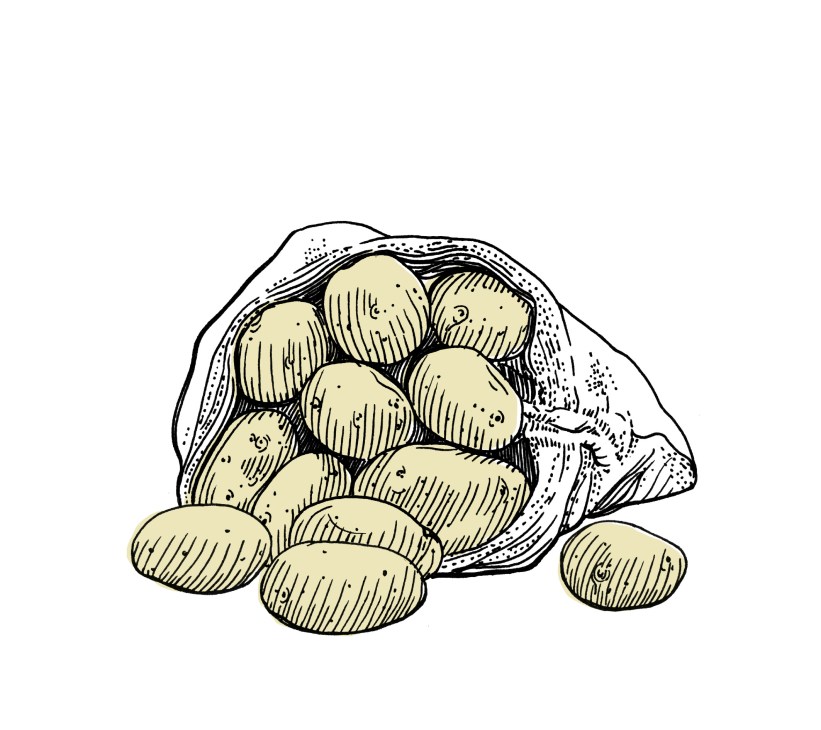
Spuds arrived in Europe from South America courtesy of Columbus’s transatlantic adventures and these starchy tubers have been a mainstay from Spain to Singapore ever since. One market they failed to crack was China but we’ve noticed a growth in restaurants churning out a Yunnan-style version served as a coarse mash with chilli and spring onions.
15.
Heritage brands
Global
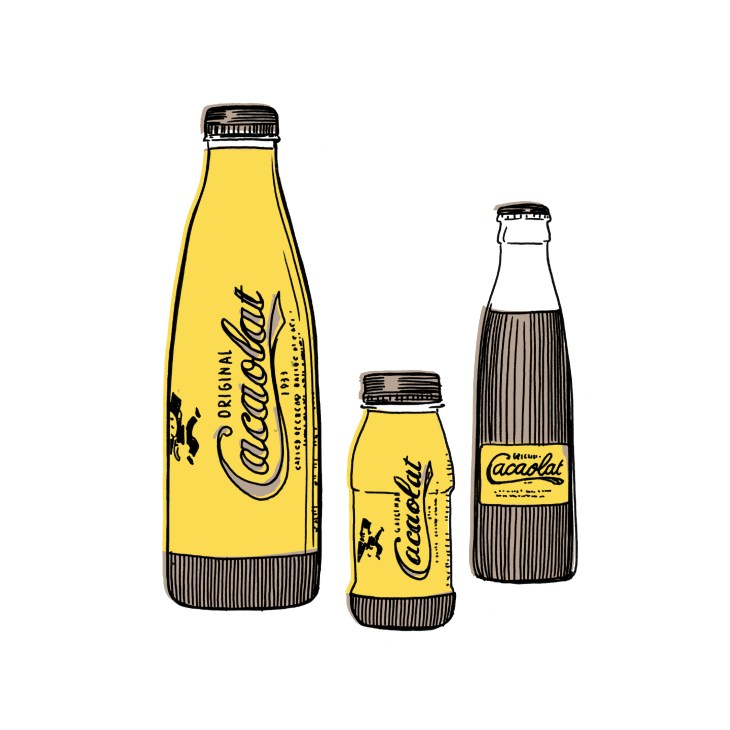
Globalisation can be a good thing and it’s OK to enjoy Thai food in Tijuana or Italian in Iceland. That said, older brands that reveal a little about a nation’s history and provide a counterpoint to the ubiquitous will be bubbling up nicely in the year to come. Take Spain’s Cacaolat as a case in point.
Taking the pulse
1.
Politics
What next for globalisation?
by David Miliband
The UK’s former foreign secretary ponders the state of the global political and economic order. His conclusion? The mass movement of people heralds a bumpy road ahead for all involved.
In 1920, John Maynard Keynes sat in his living room in Bloomsbury drinking Indian tea and marvelling at the wonder of globalisation. He remarked how a citizen of London could enjoy the fruits of the world delivered to his door with an ease and speed never before imagined. He claimed that the internationalisation of the world’s social and economic life “was nearly complete in practice”.
Little did he realise what was to come: a veritable revolution of hyper-connectivity across the globe that now dominates politics. The global society may have arrived but with it has come a revolt against globalisation – and in the very countries in the western world that have been the driving force behind its development. Globalisation has proved itself enriching, empowering and inspiring but also unequal, unstable and insecure. In this vortex lies the future of politics.
You can see how politics on the left and right has been turned upside down by it. On the left, globalisation is seen as the enemy of equality; on the right it’s viewed as an enemy of social order. “Globalist” has become a term of abuse; migrants and refugees are labelled as a Trojan horse for terrorism. Far from embodying the future, internationalists are called citizens of nowhere. And suddenly China is the leading status quo power, its president travelling to Davos to defend the global system, while Donald Trump uses his inaugural address to set out a revisionist manifesto that pulls down the pillars of the post-Second World War world.
It is vital to take a deep breath and take stock. Globalisation is obviously a victim of its failures. The financial crisis, rising inequality, the wars in Afghanistan and Iraq, the failure to match trade adjustment with trade agreements and the struggle for successful integration of some immigrant communities have all drained support for international co-ordination and co-operation. Equally, globalisation is – in an ironic way – a victim of its successes. Those who framed the postwar order wanted to spread markets; they have succeeded beyond their aspirations. But that has shifted the relative balance of economic power in the world. They wanted to spur innovation – again, a huge success – but the price is a hollowing out of the middle class. They wanted to connect the world – again, remarkable progress – but the downside is that any system is only as strong as its weakest link.
At the heart of the globalisation conundrum is that economics and politics, for a long time in harmony, are now in discord. While the global economy is boosted by migration, the politics of that migration is tearing western societies apart. While global economics is stabilised by international co-operation and mutual support, local politics is – as the euro crisis shows – resistant to this bargain. While global economics demands investment in the young and the retraining of the middle-aged, local politics is driven by the high voting rates of the old. While the expansion of global markets has led to a gradual reduction in global economic inequalities, local politics is more concerned with inequality within nations than between people across the world.
Election results bear out this tension. The 2,600 US counties that voted for Trump out of a total of 3,000 account for just 36 per cent of the national income. The social and economic bargain that underpins any sustainable system of governance has broken down for significant sections of the electorate. The market has essentially overshot, threatening its own sustainability.
Extreme poverty – living on less than €1.60 a day – has been reduced from 72 per cent in
1950 to just 10 per cent today. In countries such as China, South Korea, Brazil and Mexico, widespread hardship at the end of the Second World War has given way to a burgeoning middle class today. And for the super-rich, this growth has been similarly lucrative over the past three decades. Since 1988 the top global 1 per cent have seen their real incomes rise by more than 60 per cent, dwarfing the gains of the industrialised middle class, whose incomes have remained flat in real terms. So there is a huge priority: globalisation needs to be made fairer if we are to defend its gains.
Globalisation without rules is not viable, without institutions it’s not manageable and without fairness it’s not legitimate. The agenda writes itself, even if the policy details are difficult, be it housing inequalities in the UK that prevent the next generation from obtaining wealth and opportunities, wage inequalities in the US that create a vicious cycle of low demand and low mobility, or employment inequalities in France that lock people out of the labour market.
The rise of populism comes in many guises. Populism on the right has taken real anger at growing social inequality, and economic and social loss among working and middle-class people, and channelled it at some of the most vulnerable people in the world, particularly refugees. The treatment of refugees is a barometer for the character, stability and values of the international system. The danger is that new walls to keep people out will come to define the first half of the 21st century, much in the way that the Iron Curtain defined the second half of the 20th.
Refugees – the people forced to flee their homes due to conflict and persecution, rather than choosing to do so for economic gain – are a test case for whether the idea of the international community is meaningful. The rights of refugees were enshrined after the Second World War and were part of the package of reforms that civilised the global order.
The stories of these people – bakers from Damascus whose houses were bombed, girls from Nigeria chased from their schools, religious and political minorities persecuted for their views – is heart-wrenching. If we cannot help them, across lines of race and religion, then we will not be able to preserve the best of the global system that has been painstakingly built – and the global values that hold the best hope for humankind.
About the author: David Miliband served as UK foreign secretary between 2007 and 2010. He is president and CEO of the International Rescue Committee, based in New York.
Reading list:
1.
What is Populism?
By Jan-Werner Müller
2.
Rescue: Refugees and the Political Crisis of our Time
By David Miliband
3.
Power and Plenty: Trade, War and the World Economy in the Second Millennium
By R Findlay and KH O’Rourke
4.
The Globalization Paradox: Democracy and the Future of the World Economy
By Dani Rodrik
5.
The Great Convergence: Information Technology and the New Globalization
By Richard Baldwin
2.
Media
How to stay news free
by Monica Heisey
Tired of the constant chatter and an avalanche of bad news, our writer has decided to go cold turkey: she’s throwing away her iPhone and ignoring Twitter. For a whole day, no less.
The year 2018 is going to be amazing. Here is how I know: at midnight on 1 January I’m going to cancel my subscriptions and delete all my apps. I’m going to throw my iPhone in a river and burn every newspaper and magazine in my house. In the morning I will wake up joyful, ready to spend 24 hours as Someone Who Does Not Read The News.
I have already spent too much of my one and only life consuming horrible news, then horrible opinions about horrible news, then horrible responses to the horrible opinions about the horrible news. Like any human with a working soul, I have been crushed by 2017’s news cycle. The sheer volume of problems to be solved, of steps to take and of fake and real crises to wade through has motivated and exhausted me in equal measure. I have taken breaks, of course. I’ve announced my intention to quit the news and then binged on social media for hours, trawling acquaintances’ posts about gender-neutral bathrooms or an uncle’s solution for the situation in North Korea. This year, for one day, it stops.
I cannot start 2018 as the cynical withered husk that 2017 has made me. There is simply too much to do. And so, instead of cycling daily through a catalogue of terrors – the scope of which I can never truly grasp, solutions to which are completely out of reach – I will simply… not. I can only imagine how great it will feel to wake up, make some coffee and just Not Know.
Instead I will take up hobbies. I will learn to make things with my hands. I will grow my own food and preserve it. I will become an excellent correspondent, writing beautiful letters on stationery imported from the UK, one of many countries I will know nothing about. Have they decided on how to leave the EU? I will have no clue. I will only be able to report on the quality of British paper stock. Maybe I will take up bird-watching. With the time I will save not reading, watching or commenting on the news, I can and will learn Esperanto.
My thumbs will stop aching. My spine will straighten. “What are you doing?” People will ask. “You look so… hydrated.” I will smile a knowing smile and say nothing about climate change because I will have no idea which bit of the Arctic has just fallen into the sea. “Did you hear what the president said?” they will ask. I will laugh a wise little laugh to myself.
Is this overly optimistic for a single 24-hour period? Maybe. All I’m saying is, we can’t know until I’ve tried. The idea is more relaxing than a spa treatment, more luxurious than any bathrobe; I’m going to wrap this carefree life around me like a blanket, warming my hands by the fire of not having an opinion about gun control. I’ll light a scented candle that smells like Life Before I’d Heard The Word “Covfefe”.
Of course, I cannot hide forever. Eventually (a day is a good start, isn’t it?) I will have to put down my birding binoculars and encounter the news, real and fake. Knowing that the other 364 days will be filled with fear, exhaustion, sadness, rage and arduous, long-term work will only make this day of respite more special. I’m going to briefly slip into a bath of ignorance and wait until I prune.
About the author: Heisey splits her time between Toronto and London. She writes comedy for TV and “bizarre little humour pieces” for The New Yorker, The Guardian and The Globe and Mail, among others. Her first book, I Can’t Believe It’s Not Better: A Woman’s Guide to Coping with Life, is out now.
Reading list:
1.
The Art of Thinking Clearly
By Rolf Dobelli
2.
PG Wodehouse: A Life in Letters
Ed by Sophie Ratcliffe
3.
The Sibley Guide to Birds
By David Sibley
4.
Irresistible: The Rise of Addictive Technology and the Business of Keeping Us Hooked
By Adam Alter
5.
Toast & Jam: Modern Recipes for Rustic Baked Goods and Sweet and Savory Spreads
By Sarah Owens
3.
Politics
Mexican populism? Not quite
by Genaro Lozano
The upcoming elections mean a welcome change in Mexico but can the charismatic presidential frontrunner finally make it over the finishing line?
Next year Mexicans get to voice their political discontent at the ballot box, amid stories of corruption at the highest level, spiralling crime levels and a severe human-rights crisis. Mexico is a regional economic powerhouse and the outcome of this election will have consequences that will ripple beyond North America’s borders. Until the start of the millennium it had endured seven decades of one-party rule but there’s a strong chance that the country will lurch away from the traditional conservative leaders it normally chooses and cuddle up to a leftist. It’s a move that would run counter to the direction in which the rest of Latin America is moving. Many fear that Donald Trump and his anti-Mexican rhetoric have paved the way for another populist south of the US border. But although much of the press – both national and international – has been quick to label the current frontrunner in the July 2018 race as such, the fear is misguided at best. Indeed, unlike Trump, poll-topper Andrés Manuel López Obrador – widely known as “Amlo” – is a career politician who has been a member of three different political parties in Mexico.
Unlike Trump, Amlo has already held public office, including running Mexico City, the biggest and most important metropolis in Latin America. Also unlike Trump, Amlo is not running a political campaign with a xenophobic message. He has publicly defended free trade and Mexico’s membership of the North American Free Trade Agreement (Nafta). And while he may have criticised the latter for not fulfilling its promise of reducing the salary gap between workers in Canada, the US and Mexico, he has never threatened to sink it.
Besides the unexpected challenge of trying to solve Mexico’s most important trade agreement, the country also faces domestic problems that have made the 2018 election a critical moment. Corruption, inequality, violence, insecurity and a war against drug cartels continue to threaten a fragile democracy. A recent survey by Pew Research Center shows that only 6 per cent of Mexicans are satisfied with the way Mexican democracy – and, by proxy, its political class – is working. This reality has made corruption and economic growth two of the key issues of the election; the presidency of Donald Trump is a third one. For his opponents Amlo represents a bogeyman, a populist and a dangerous leader who could reverse Mexico’s integration into the global economy by implementing a nationalistic, protectionist economic plan. But Amlo’s economic platforms in his 2006 and 2012 presidential runs were closer to those of Chile’s outgoing centre-left leader Michelle Bachelet or Bernie Sanders’ platform in the 2016 US election than to socialist Nicolás Maduro in Venezuela or even Trump’s nativist, anti-free trade agenda in the US.
Despite all this, every six years there tends to be a fresh round of headlines comparing Amlo to Hugo Chávez, and slogans calling him “a clear and present danger to Mexico”. The story is getting old – but, then again, so is Amlo. At 65 he would become Mexico’s oldest elected president in a country where more than 37 million people are younger than 29 and 14 million are set to vote for the first time in 2018. And yet despite his previous two unsuccessful presidential bids, Amlo’s recent campaign seems stronger and more disciplined than in the past. Since losing the elections of 2006 and 2012 he has created a new political party, Morena, that has become Mexico’s strongest leftist political force, dividing the left and displacing the progressive prd. Since migrating from social movement to party in 2014, Morena – similar in style to Spain’s Podemos and Greece’s Syriza – has gained broad electoral support, mostly because of Amlo’s charisma and style. His popularity, especially among the poor and lower-middle classes, is considered a danger to Mexico’s elites and corrupt political ruling class.
If Amlo wins the presidency there will be two alpha males governing Mexico and the US – and many expect conflict. However, Trump’s presidency hasn’t radicalised Amlo. On the contrary, the Morena candidate has offered the US president a conciliatory message. In his book Oye, Trump (Listen, Trump) Amlo writes about Trump’s rhetoric and offers some idea of what to expect from the bilateral relationship if he wins the Mexican presidency. Amlo talks about strengthening Mexico’s consular network in the US, launching a PR campaign directed at the American people and stressing how important migration and trade with Mexico are to the US economy.
In next year’s election the ruling pri party will be the incumbent – but also a party facing severe questions over its legitimacy and a seemingly insurmountable dent to its PR image after a wave of scandals. The presidency of Enrique Peña Nieto has fallen short of fulfilling its promises and has been denounced for spying on political activists and opposition leaders, creating “alternative facts” regarding the disappearance of 43 students in the state of Guerrero, and for a weak defence of Mexico’s dignity in the face of Trump. In any other democracy, a government with a less than 20 per cent approval rating would probably face defeat in an election. But the pri is a formidable political machine – and an expert at rigging elections.
What also needs to be taken into account is that Amlo can be adept at destroying his own electoral appeal. Just like Trump, he has zero tolerance for criticism and often dismisses his detractors as “sold to the political mafia that rules Mexico”. His greatest challenge is to steady his nerves and surround himself with a new generation of leftist leaders rather than the usual suspects who have accompanied him on his unsuccessful runs. He has awakened the possibility of real change in Mexico but the reality is that even if he wins, Mexicans have been promised radical change before and they’re sceptical. Amlo deserves his chance – but he’s no Messiah. Much less a Mexican Trump.
About the author: Genaro Lozano is professor of political science and international relations at Universidad Iberoamericana. He’s also a political analyst for Reforma newspaper and Foro TV.
Reading list:
1.
Mexico: Democracy Interrupted
By Jo Tuckman
2.
El Narco: Inside Mexico’s Criminal Insurgency
By Ioan Grillo
3.
Mañana Forever? Mexico and the Mexicans
By Jorge G Castañeda
4.
Opening Mexico: The Making of a Democracy
By Julia Preston and Samuel Dillon
5.
Mexican Messiah: Andrés Manuel López Obrador
By George W Grayson
4.
Advertising
Power play
by Paula Scher
A principal at design consultancy Pentagram ponders the dynamics of advertising. Sex clearly sells but at what price – and is it one that we’re really willing to pay?
Sex has been in advertisements for as long as I can remember looking at them. Fashion has always created role models – whether you wanted to look like Audrey Hepburn, Marilyn Monroe or Jackie Kennedy – and with that territory came the idea of provocative innuendo. How raunchy the sex has been has depended on how society has accepted this information. It’s hard to think of an age when sex wasn’t used in some capacity, unless you trace its history back over 100 years – and even then it was often lurking, albeit in a much subtler form.
German-Australian photographer Helmut Newton – famed for his black-and-white fashion photography for Vogue and other publications – was overtly sexual in his work back in the 1970s and 1980s. And then there was Calvin Klein in the 1990s, who was all about the aesthetics. The photos taken for CK by Bruce Weber, for example, showed perfectly sculpted muscular bodies in skimpy underwear. They boldly faced the camera head on. It was gorgeous and it raised the bar to a level that other people then tried to match – often with less taste.
These photos may have ruffled some feathers at the time but, historically, such prudishness has always been prevalent in the US. Just look at the film industry: there was a whole code in place to prevent raunchiness during the era of silent films and early talkies.
Both men and women want to feel desirable – and in different ways – so they look at fashion advertising as something that they want to relate to in terms of their own sexuality. Women who like looking at Dolce & Gabbana adverts have a different image of themselves compared to women who look at Prada adverts; men who are attracted to Calvin Klein adverts have a different sensibility to those who like Versace adverts. It’s the way you perceive yourself physically and culturally; the advert image is inexorably linked to self-image.
Fashion advertising spreads itself all over the map, from aspirational imagery to sexual provocation. If it’s badly done then it’s offensive but if it’s done beautifully, it’s art. You can’t generalise fashion and sex because it’s really about different socioeconomic groups and what they’re comfortable looking at.
If you take advertisements in Vanity Fair and Vogue as examples, they’re not the same as those that run in the mass-market magazines that the Meredith Corporation here in the US puts out. An urban audience, too, will have a different response to a suburban one. There’s even a form of millennial advertising that shies away from sex altogether because it doesn’t sell in that capacity. Young people are buying products online, meaning they don’t consume fashion photography in the same way and would rather just look at products.
All of this comes to a head when you consider the sexual allegations that have been swirling around recently. It may well lead to editors and photographers exercising more caution in the short term but it won’t result in any lasting change. Plus, what has been happening isn’t really about sex: power and sex are not the same thing.
If you look at Alabama politician Roy Moore – accused of inappropriate sexual behaviour with at least one minor – that’s power. If you take comedian Louis CK – who admitted to allegations that he behaved inappropriately in front of female colleagues – that’s about the power to behave improperly more than the inappropriate behaviour itself. And if you look at Harvey Weinstein, that’s the ultimate example of complete and total sexual harassment, an abuse brought about through power.
I experienced some of this behaviour earlier in my career as an art director in the music industry – with people who weren’t famous – and I know it has nothing to do with sex itself: it’s about using your position to gain an advantage. This abuse can’t be separated from the proliferation of sex and innuendo in advertising but such ads can’t be blamed, in and of themselves, for the behaviour of bad men.
The issue becomes much more interesting when we ask this: how can we create a space for sexy or provocative fashion ads without encouraging the abuse of power?
About the author: Paula Scher has been a principal of Pentagram in New York since 1991. She has worked on design identities, packaging and branding for clients such as Bloomberg, the Sundance Institute and the High Line.
Reading list:
1.
Calvin Klein
By Calvin Klein
2.
Helmut Newton: Sumo
Revised by June Newton
3.
The Erotic History of Advertising
By Tom Reichert
4.
Mid-Century Ads
By Jim Heimann and Steven Heller
5.
Contagious: Why Things Catch On
By Jonah Berger
5.
Driving
Hitting the road
by Manal AlDowayan
The lifting of the driving ban for women in Saudi Arabia means so much more than just being able to drive a car: it’s a real game changer.
“They’re allowing us to drive,” my sister said, shouting down the phone. It was 06.00 in London – where I am currently studying – so I wasn’t quite prepared for an emotional conversation before having my first cup of coffee. “What do you mean, ‘allowing’?” I asked. “It’s over,” she said. “They announced it this morning.”
Over the past few months Saudi Arabia has witnessed a series of rollercoaster mornings like that one. The day begins with a governmental decree on an issue deemed untouchable for the past 30 years, followed by three days of intense social-media hysteria. Dramatic shifts in governmental appointments, the removal of religious policing and a sincere attempt at eradicating corruption have been part of this new equation and I knew that a major announcement was planned for Saudi Arabia’s national day at the end of September, which was when my sister had called. What I wasn’t prepared for was the lifting of the ban on women driving in the kingdom, which will come into force in 2018. It’s a move that promises to change the lives of Saudi Arabian women – for so long mostly invisible – forever.
The historic day of the announcement also made me think about my own artwork. I constantly address invisibility and absence in my artistic practice and a few years ago I produced a project entitled Crash, which looked at the strange phenomenon of Saudi female teachers who kept dying in gruesome car crashes across the country. The project highlighted the way in which these tragedies are memorialised, where the events unfolded and how the details were recorded. I soon discovered an intentional erasure of female names in the media coverage of these accidents.
The story of these deaths has its roots in rural Saudi Arabia, where a village requiring a girl’s school is provided with a state-funded building with two teachers and a principal to run it. Female teachers – education, like everything else, is divided along gender lines – need to commute for six hours a day from the big cities in order to teach at these schools. And still need to be driven, often in substandard vehicles or by poor drivers, which is the reason for many of the deaths.
In Crash I focused on how Saudi media covered the accidents and what the public experienced while consuming this media. Looking at newspaper articles I found that they would typically list the names of all the men involved but never the names of the deceased teachers. This is the result of a custom of hiding the names of women because they are associated with the shame of unveiling. The religious “awakening” of the 1970s in Saudi Arabia had encouraged the idea of the sacredness of women: their bodies, their faces and their names. The act of seeing them had become closely linked to dishonour. So how would lifting the ban on driving impact these teachers?
According to King Salman bin Abdulaziz Al Saud’s decree, as of June 2018 women will be able to drive in Saudi Arabia, creating a large shift in the status of women. Not only because they will be in control of their safety and mobility but because the embarrassing and demeaning debate on the ability of a Saudi woman to be a contributing citizen, or her right to be treated as an adult, is placed at the forefront of the national dialogue.
Clearly the symbolism of being behind the steering wheel, rather than in the backseat, has far- reaching implications that go beyond the decision to lift the ban on women driving in Saudi Arabia. Women will hopefully gain a prime seat in national transformation and be allowed to actively participate. My hope is that those brave teachers who have been invisible for so long will stop dying on remote roads. And that they will live to tell the story of a time when they were not allowed to operate cars – as they drive their granddaughters to school.
About the author: Manal AlDowayan is a contemporary artist from Saudi Arabia. Her artistic practice revolves around themes of active forgetting, invisibility and collective memory, with a focus on the state of Saudi women and their representation.
Reading list:
1.
Invisible Man
By Ralph Ellison
2.
A Most Masculine State: Gender, Politics and Religion in Saudi Arabia
By Madawi Al-Rasheed
3.
Contemporary Arab Thought: Cultural Critique in Comparative Perspective
By Elizabeth Suzanne Kassab
4.
Uncommon Grounds: New Media and Critical Practices in North Africa and the Middle East
Ed by Anthony Downey
5.
Women’s Rebellion & Islamic Memory
By Fatima Mernissi
Sleeping giants
1.
Dr Nut
USA
A cult drink in New Orleans from the 1930s onwards, this almond-flavoured soda’s mascot (a doctor in gingham trousers with a squirrel sidekick) was part of Louisiana’s popular psyche; Dr Nut even featured in the Mardi Gras parade. And who could forget the slogans “It’s a Food – Not a Fad” and “Calling Dr Nut”? The red-and-white branding and quirky squirrel logo have potential for a modern revamp. Mixers are big business (fizzy-drinks giant Fever-Tree is valued at €2bn), and with the right treatment and production values this amaretto-style beverage could become a fixture on cocktail menus worldwide.
2.
Tor Line
Sweden
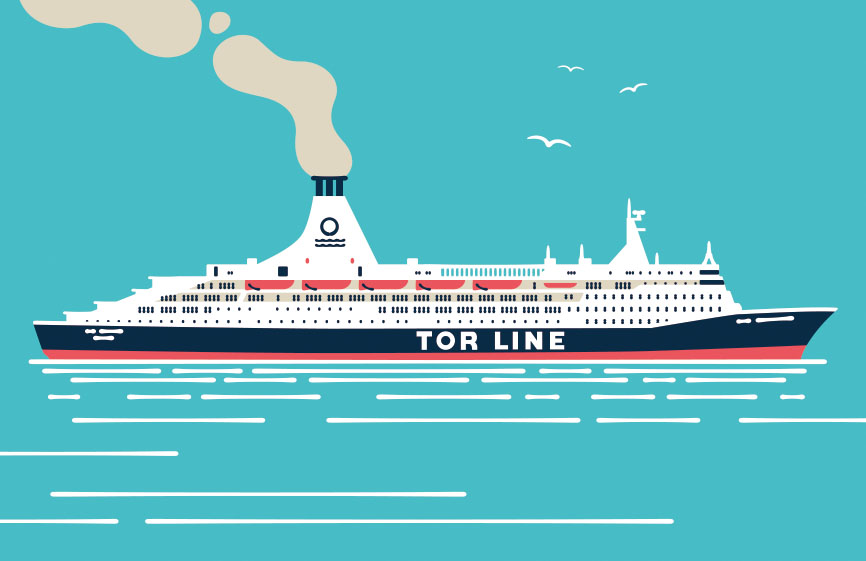
Launched in the late 1960s, Tor sailed its classic liners Tor Britannica and Tor Scandinavia from Gothenburg to southeast England until dfds Seaways bought it out in the 1980s. With its onboard swimming pool, sauna, casino and open spaces full of wooden deckchairs, Tor provided an affordable crossing doubling as a mini-cruise. Now that big, slow boats have been deemed a green way to travel (read our report on Japan’s Guntu in our Berth Control report earlier in this issue), perhaps it’s time to revive the model. There’s room in the pan-European travel market for a modern brand drawing on the simple graphics, ship-shape service and sense of theatre that Tor offered.

3.
Biscúter
Spain
Manufactured in postwar Barcelona, Biscúter’s first car was the Zapatilla (“little clog”). It had no doors, windows or reverse gear. Yet by the late 1950s the company had developed an ambitious range of petite vehicles, including the Pegasín, a sports car, and the Furgoneta 200-I, a wooden-clad van with a useful truck body for transporting goods. Traffic-clogged cities are crying out for a new generation of compact cars that marry green technology with Biscúter’s cheeky, clever design. Which brave soul will bring back a new-look electric Furgoneta to deliver parcels on Barcelona’s backstreets and beyond?
4.
Cortébert
Switzerland
Some of today’s most successful luxury watch brands were revived from the ashes yet no one has turned an entrepreneurial hand to Cortébert, the Swiss watchmaker founded in the village of the same name in 1790. It fell victim to the “Quartz crisis” in the 1970s and went bust. Cortébert’s past would make a rich inspiration for a revival: from art deco designs with moonphase movements to the official watches of the Turkish railways, it has a compelling heritage and clear aesthetic. Be warned: reviving a brand in this field is a complex business – your first port of call should be a Trademark specialist such as Infosuisse.
5.
Coronet Camera Company
UK
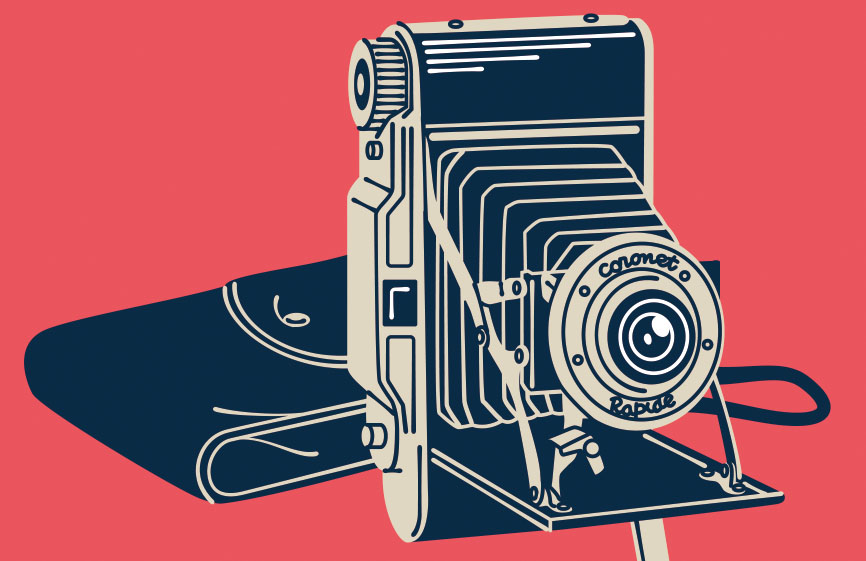
Formed in 1926 in Birmingham, England, Coronet made low-cost box cameras for the masses before folding in the 1960s. Now though, with the success of Lomography and an artistic appreciation of “toy cameras” of yore, perhaps Coronet could return. Holland-based Impossible Project (renamed Polaroid Originals in 2017) set a benchmark for what’s possible in the photography industry by resurrecting instant film after Polaroid stopped producing its cameras in 2008. Coronet cameras were cheap but beautiful: models such as the Flashmaster or the Rapide, with its concertina front, would make fertile visual references for the brand.
6.
Follis
France
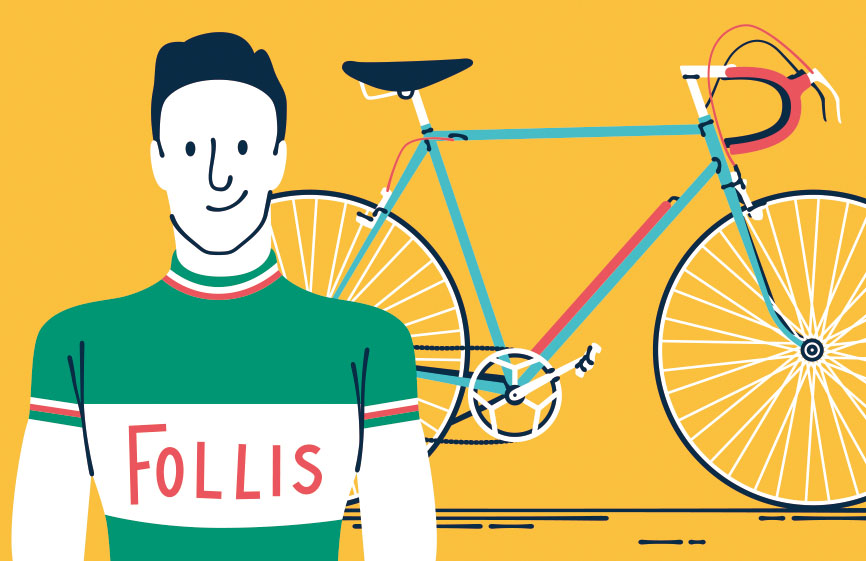
Famous for its handmade tandems and svelte racers, this Lyonnaise cycling institution was founded by Italian Joseph Follis, who settled in the Rhône-Alpes region in the early 20th century. By the 1950s, Follis was a household name; its successful racing team sported a recognisable green jersey emblazoned with the company’s name. And its bikes are still coveted by cycling enthusiasts today, even since the workshops closed in 2007. A well-orchestrated Follis revival could draw on the company’s strong Lyonnaise provenance and rich sporting history, as well as the diverse typographical stock of its old advertisements and branding.

7.
Hagoromo Chalk
Japan
This Japanese company produced what was regarded as the world’s most durable, dustless chalk. When the brand’s octogenarian president Takayasu Watanabe announced he was retiring with no successor in 2015, top mathematicians were up in arms. Fulltouch Chalk was coveted by those still using blackboards. The return of Hagoromo and its wonder product would need to tap into this loyal following while diversifying to create high-quality stationery. Hagoromo used oyster shells for its main ingredient and new owners would have to argue the case for chalk as an ecological alternative to the whiteboard used in schools worldwide.
French connection
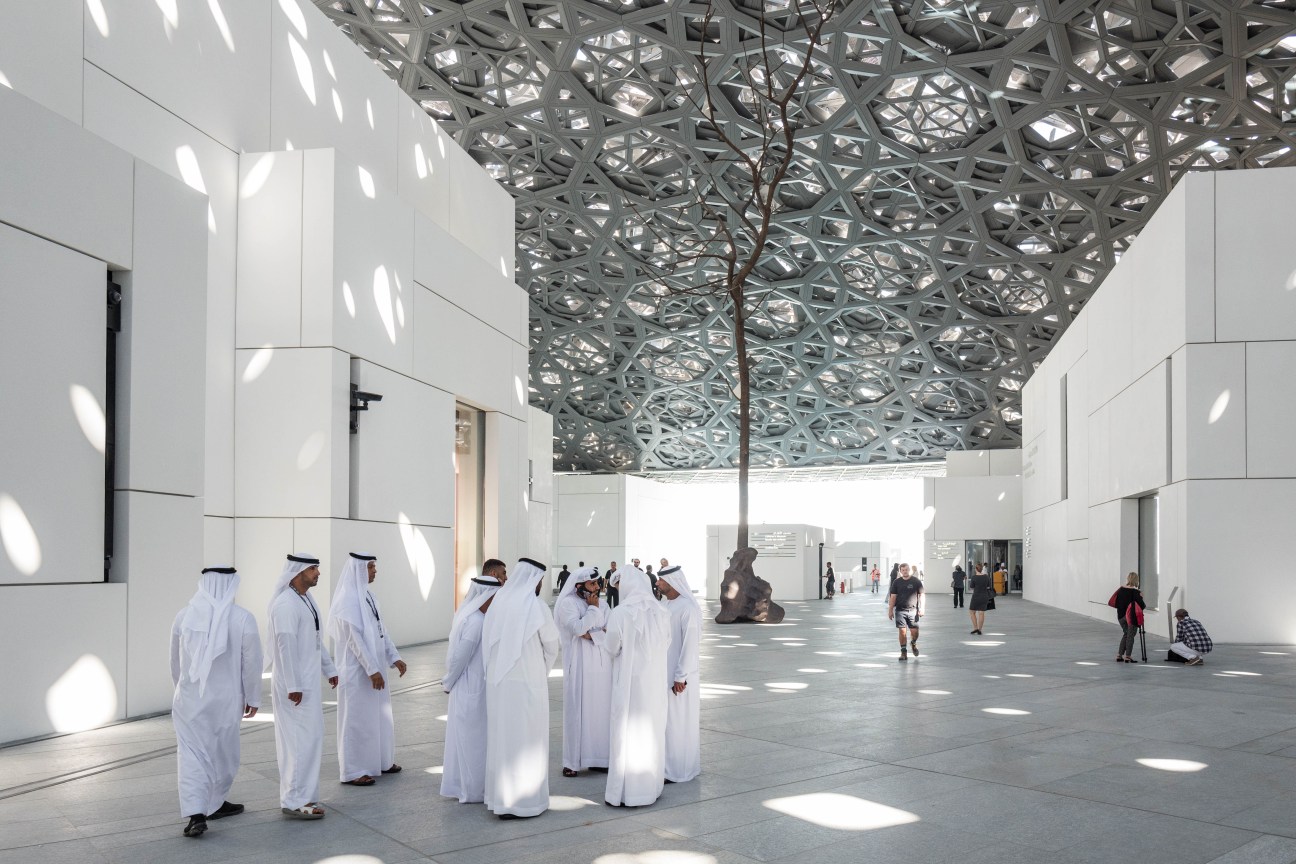
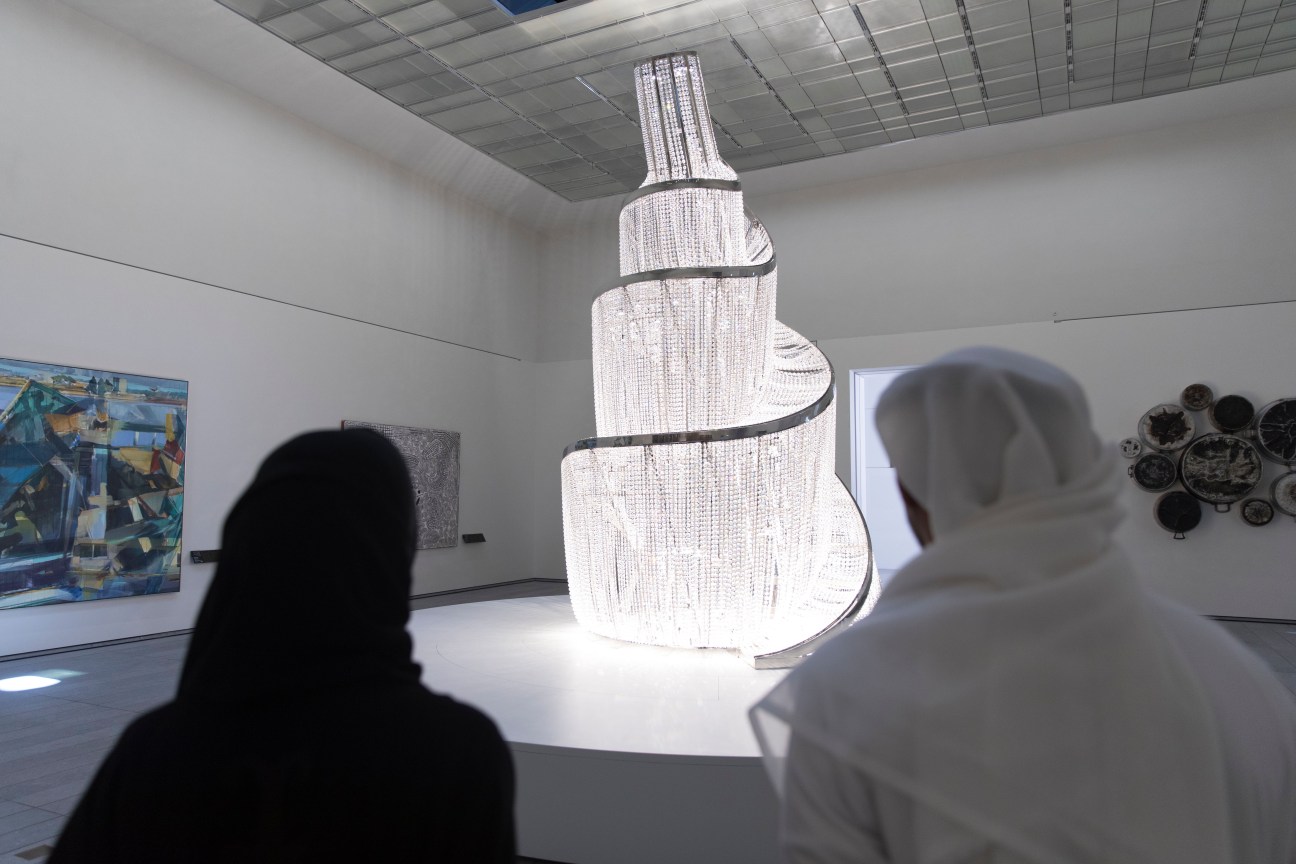
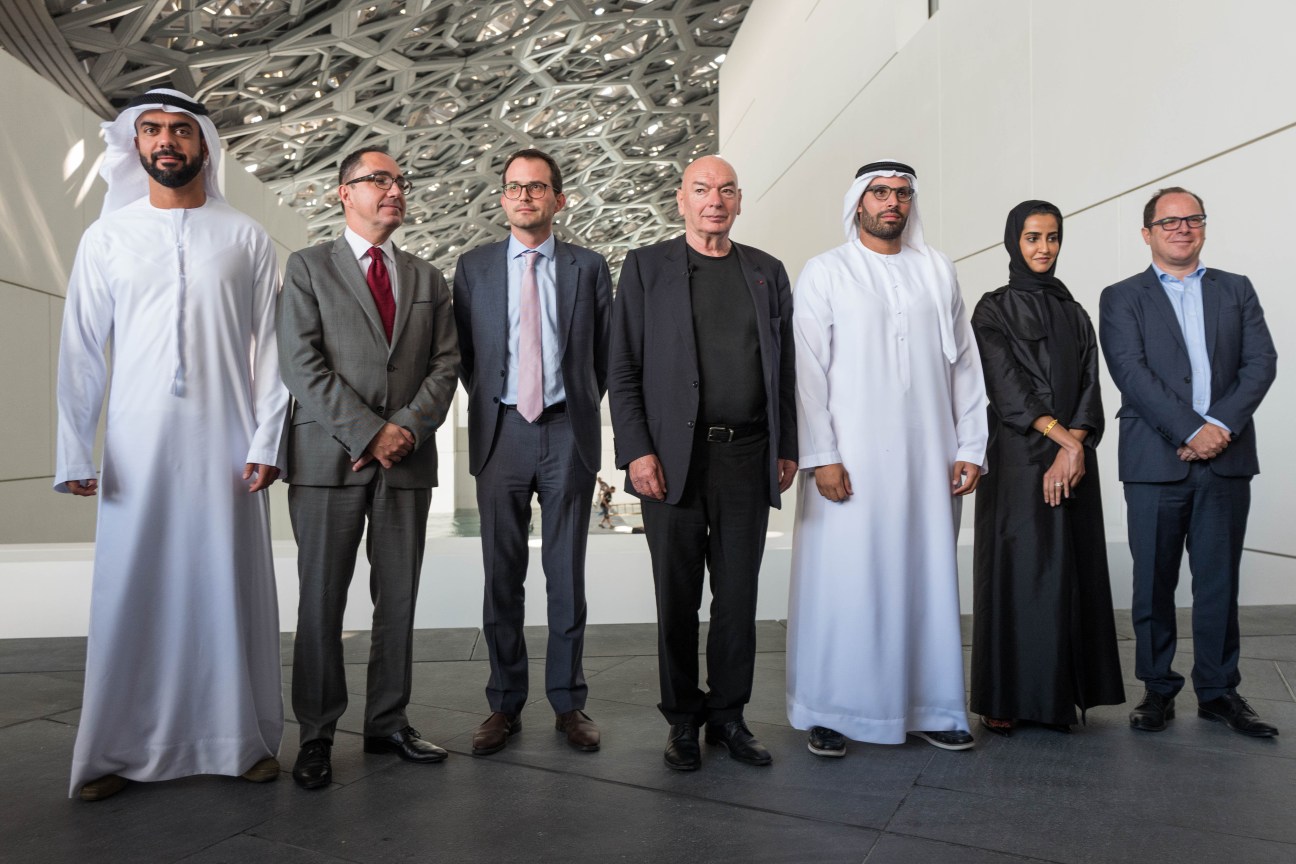
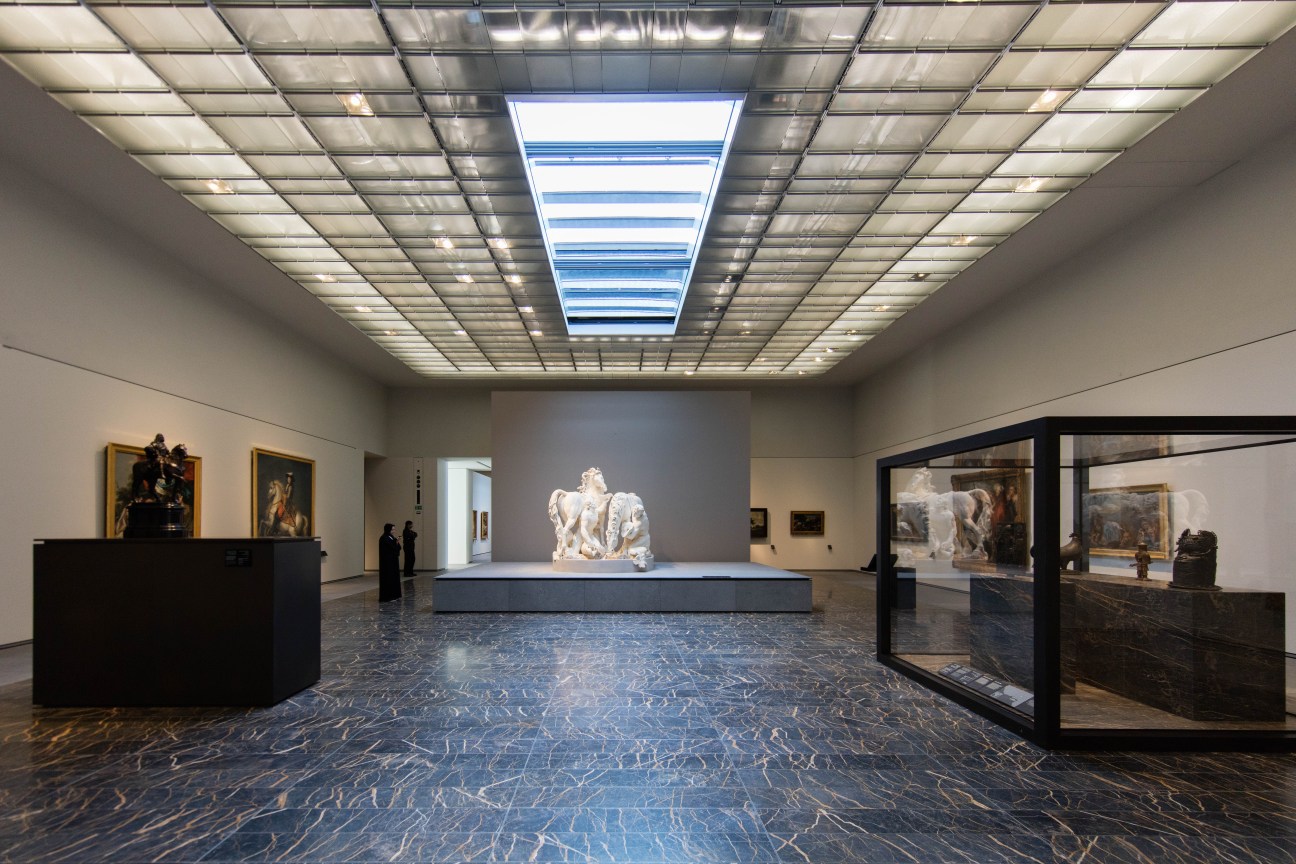
The big deal to build the Louvre Abu Dhabi was signed in 2007, the same year that Monocle sent its first issues to press. And although we wouldn’t describe the building of our respective brands in the subsequent decade as fellow-feeling exactly, there is a symmetry: much was expected; there has been a journey; and a lot of water has passed under the Sheikh Khalifa Bridge. We remember being invited to the ground-breaking reception amid the echoing marble of the Emirates Palace Hotel; we were kept updated on all things deemed shiny, bright and beautiful on Saadiyat Island, Abu Dhabi’s cultural quarter that also promises a Guggenheim Museum designed by Frank Gehry and the Zayed National Museum designed by Norman Foster (with a recently dissolved agreement for the British Museum to lend exhibition assistance). And then – zoom! – 10 years fly by and we’re walking over the threshold of what was once just a vision: Jean Nouvel’s Musée du Louvre amid the hastily arranged palm trees on the shoreline of an island pulled from the sea. It feels very new but not very now, somehow: something like the echo of a promise from more idealistic – or maybe more hubristic – days of yore. Was it worth the wait? Who’s it for? What does it say about France’s idea of itself? And about Abu Dhabi? Maybe after spending more than €1.5bn on a museum it should simply be the best in the world or perhaps we expect too much in the way of global problem-solving from a mere building and its contents?
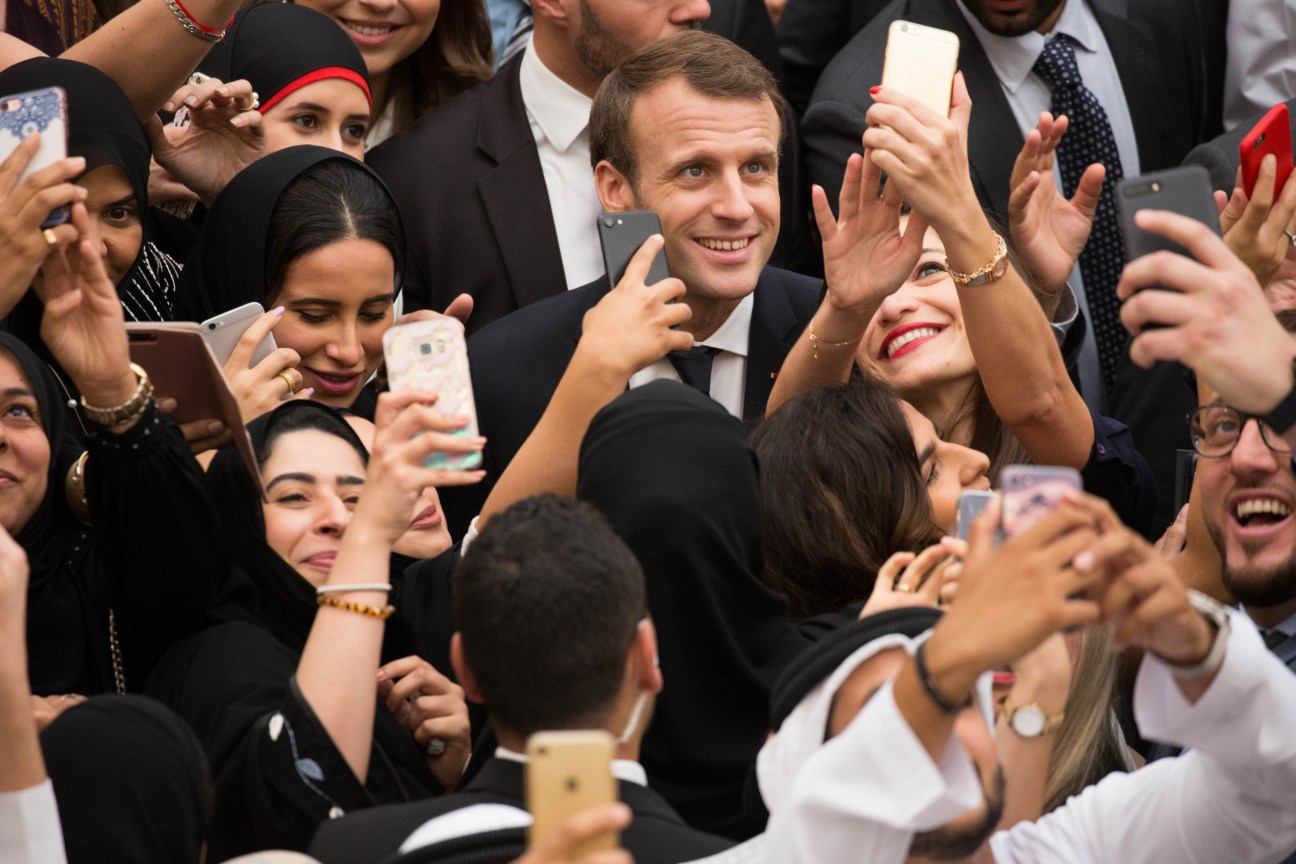
Well maybe we shouldn’t feel bad about expecting too much when we read stuff like this: “My friends, here starts the fight of the generation, for our youth. This fight we are fighting with a spirit of conquest because from our side we represent the beauty of the world.” These words, worthy of a blousy – if aesthetically minded – Henry V before Agincourt, were part of President Macron’s speech at the opening of the new Louvre. It was spoken as he stood amid a phalanx of unelected Middle Eastern leaders, each (you feel) restraining themselves from too obviously checking their watches or signalling to their drivers to bring the Maybach round, pronto. Macron’s words are fighting talk for peace; boosterism for the prowess of French soft power; they want to say, “Heal the world/ Make it a better place/For you and for me and the entire human race.” But they can’t because Michael Jackson got there first.
In fact, the unlikely seed from which the Louvre Abu Dhabi grew was the terrorist attacks of 11 September, 2001. President Jacques Chirac felt that culture could be a soothing voice, especially if it spoke with the placid intonation of a curator who’s great with kids and puts classical sculpture, pre-Colombian artefacts and, sure, 18th-century French paintings in the same room and makes it look like they’re talking to each other about liberté, égalité et fraternité. You know, things that places like the UAE, Qatar, Bahrain and Oman are all about in a big way.
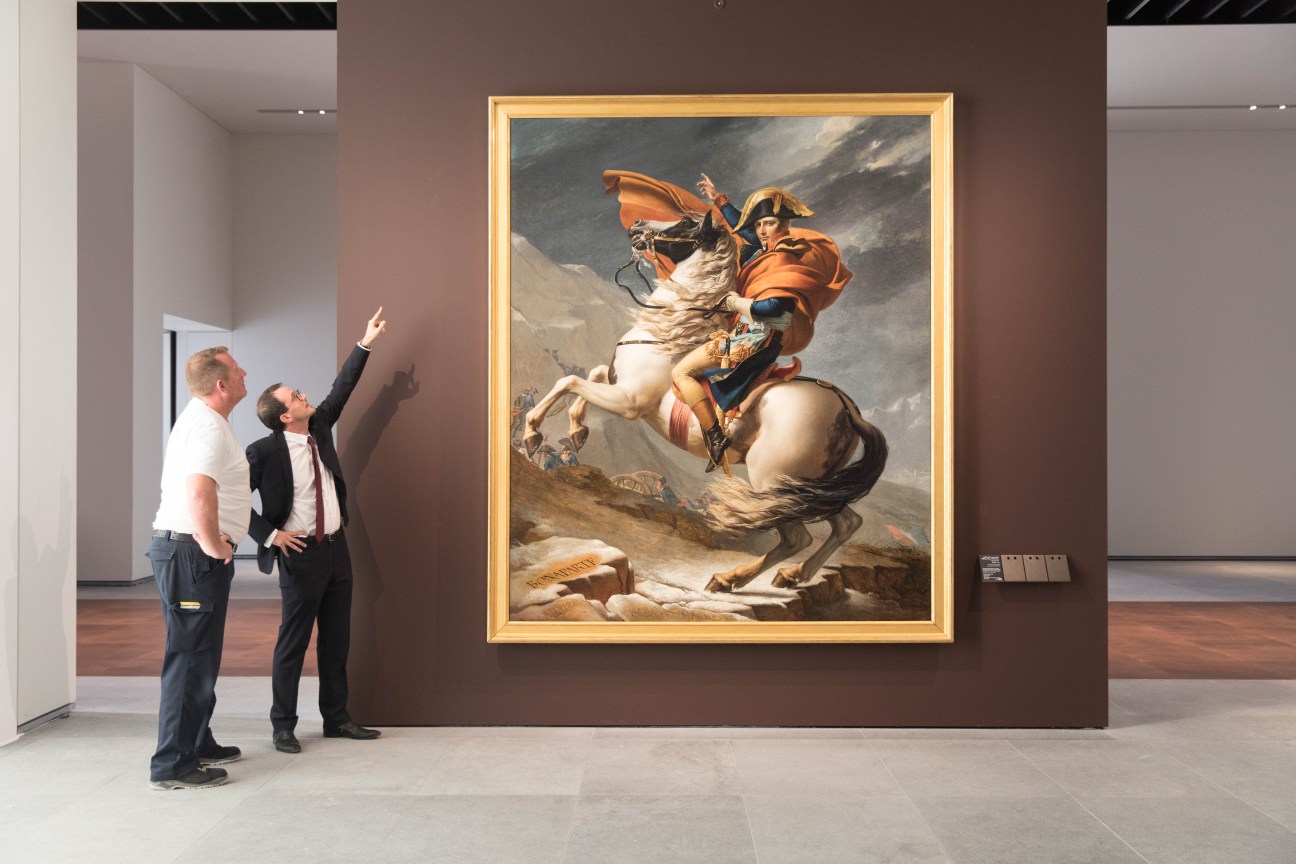
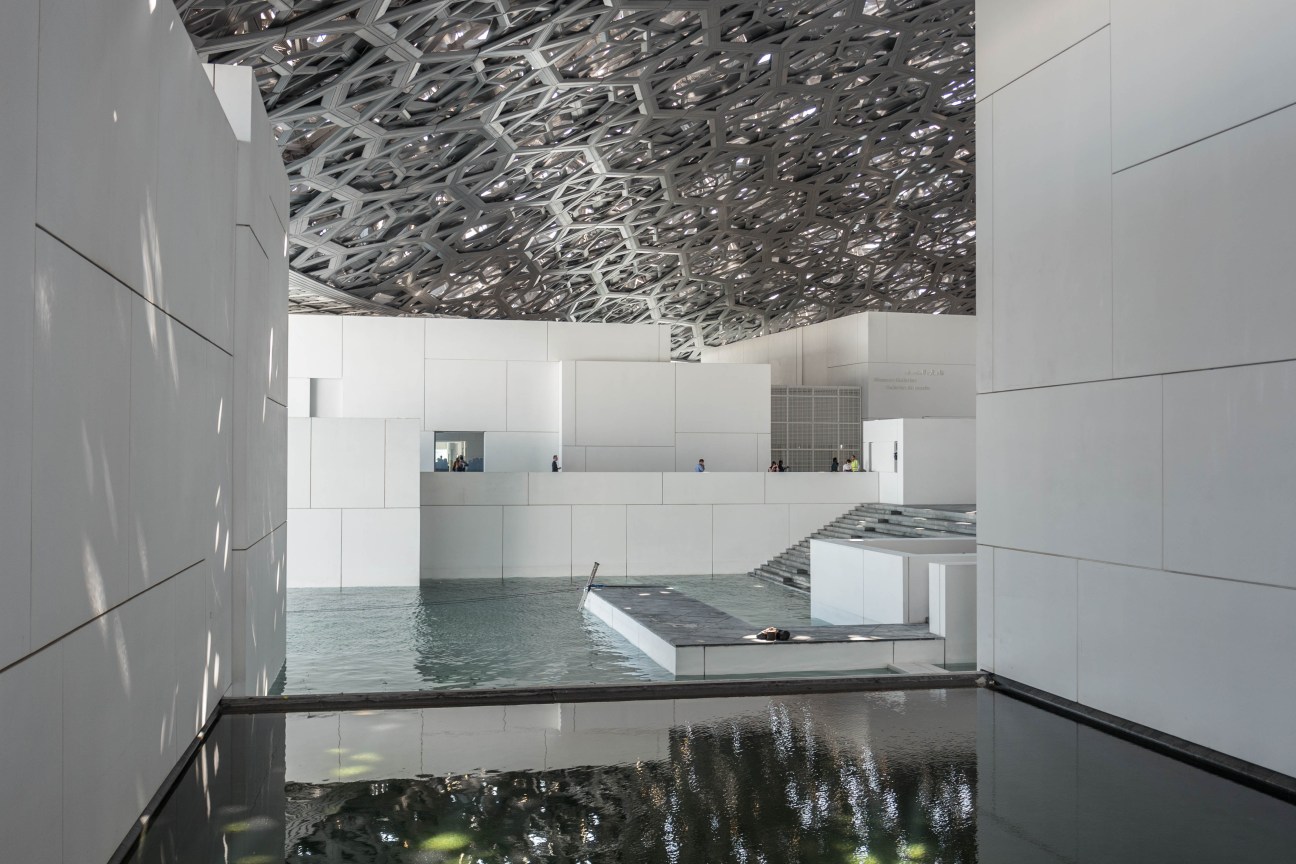
Jacques Chirac was also a president who loved a grand projet. Paris’s ethnographic museum, the Musée du Quai Branly, was his attempt at levelling the cultural playing field a little in favour of non-European civilisation (by saying, “These voodoo dolls are great, aren’t they?”). So the Louvre Abu Dhabi was dreamt up, with good intentions no doubt. But it also gave France a wonderful opportunity to flex some serious cultural muscle in a country with little of its own.
What is this relationship like? To say it’s akin to a European aristocrat saved from drowning in death duties by marrying a cheerful but crafty American heiress would be naughty. To say there is a certain convenience to the marriage but that it’s not precisely a marriage of convenience is probably OK. Jacques Chirac saw this museum as a sword of culture to slay the dragon of Islamic extremism and it’s amazing just how much those swords cost these days. As projets go, €445m to lease the name “Louvre” for 30 years (the countdown started on signature of the deal, so there are 20 left), €635m for staff and logistics and a reputed €510m in building costs, is close to the definition of grand.
Other swords mentioned in the process of founding, funding and building the projects on Saadiyat Island have been less metaphorical. Nations that do arms deals with the uae are required to invest in a fund that, it has been claimed, may somehow be linked to the funding of the Louvre Abu Dhabi and other large-scale projects. The idea that French arms deals might have helped fund a new Louvre makes the peace candle gutter a little, doesn’t it? On a clear day you can see the French naval base that was built over the water from the museum in Port Zayed in 2009. Curatorially speaking, this adjacency might not be quite the witty juxtaposition that it seems.
But come on: French soft power’s been doing so well recently. There’s Macron himself: young and still half sane. And then there’s the fact that France isn’t the UK (staggering around with a gunshot wound in its foot, wondering what happened) or the US (busy talking to itself really loudly in a faraway corner). On the international stage, France has spent decades looking like a cartoon skeleton, obscured by cobwebs, worms dying of boredom before they can even slither out of her eye sockets. But not any more. Now France looks relatively cool, competent and cheerful about the future for the first time since the 1960s.
For Abu Dhabi, this museum is a coup. It was expensive but so what? Working conditions came under fire but now the Louvre’s been built, people will focus their criticism on the exhibitions (and the aircon and the parking). Not right, maybe, but likely. The future will be interesting: loans will be wound down after a decade and handover of management and curatorial control will be worth watching, as French gives way to Arabic in these 55 buildings forming a modernist medina under Jean Nouvel’s cool, latticed dome by the sea.
Of course it’s freezing in here, the perfect ice-storm of Emirati aircon and art-preserver’s deep-freeze. The attendants are all wearing fleeces. And then there are treasures by the tonne from Greece and Egypt to Flanders and Florence by way of Gabon and Guinea. “We Live By The Same Light”, say the posters all across town. In the end it’s admirable, this Louvre. But we feel like we’re in Perpignan, not Paris. You didn’t really think the French would give you that, do you?
Stay classy
The Surfrider
Malibu
You can’t actually visit the mythical sun-dappled southern California where every wave has a perfect curl and The Doors are forever playing but you can stay at the new Surfrider Malibu. It began life in 1953 as a roadside motel and reopened in October following its transformation into a laidback beach hotel with 18 rooms, two suites and a rooftop lounge with views of the Pacific.
“We built it how we want to experience Malibu,” says owner and architect Matthew Goodwin. He oversaw the refurb with his wife, creative director Emma (both pictured, below), and partner Alessandro Zampedri, co-owner of New York’s Rebelle.
Just about everything at the Surfrider – dishes, coffee, robes – comes from somewhere nearby. The menu by chef Michael Brown uses produce grown on Alice Bamford’s One Gun Ranch; even the house surfboards were made by Malibu shapers.
Crowther hopes guests will find a little of the magic she associates with the building’s early days. Back then, she says, California “meant cruising up the coast, not a worry in the world; we wanted to bring that feeling back”. They’ll have some help: Doors drummer John Densmore plans to stop by to reminisce about the band’s Malibu heyday and take up a berth at the bar.
thesurfridermalibu.com
Small House Big Door
Seoul
With its dizzying mix of people, lights and traffic, Seoul can be delightfully tiring – which makes your choice of hotel particularly important. “It’s all about the design,” says Nam Jungmo of Design Methods, the Seoul studio that converted a 1960s storage space into this four-storey hotel.
The lobby is lined with plywood panels and each of the 25 rooms – four of which are suites – features white walls and concrete floors that are surprisingly welcoming. The hotel doesn’t offer breakfast but the café is open from 11.00; it’s a popular lunch spot for non-guests too so come before midday or after 14.00 for peace and quiet.
smallhousebigdoor.com
Hotel Habituel
Paris
Yoan Marciano’s second hotel recently opened opposite the Gare du Nord’s Eurostar terminal. Inside are 27 quirky and charming rooms, including two suites, with interiors by designers Alix Thomsen and Laura Leonard.
The pair’s inspiration came from a suitcase containing an unidentified family’s holiday snaps that they found in a Brussels flea market. The 1970s photos now festoon walls in the hotel and offer inspiration for the fixtures and finishes using African fabrics and English-countryside touches. Kingsize beds with floral headboards and madras-cotton voile curtains by Pierre Frey are a tasteful touch too.
hotelhabituel.fr
Lodgings to look forward to
The Principal
London
A terracotta-clad 1898 building on Russell Square is set to become The Principal, with a revamped look courtesy of architectural designer Tara Bernerd.
phcompany.com
Hotel St George
Helsinki
The Finnish capital has long lacked design-minded stays but trust former Artek CEO Mirku Kullberg to fix that in the form of the new Hotel St George.
stgeorgehelsinki.com
Rosewood Luang Prabang
Laos
The Hong Kong-based brand’s first stopover in Laos will be in the World Heritage city of Luang Prabang. Expect 22 villas, open-air showers, a spa and excellent Laotian-French fare.
rosewoodhotels.com
New hotels to hunker down in
Hotel Orania
Berlin
A Kreuzberg crashpad with plush sofas and a superb lobby for live music. We’d expect nothing less from the man behind Bavaria’s Schloss Elmau.
orania.berlin
The Whitby Hotel
New York
The peerless London-based Firmdale group opened this Midtown marvel in September 2017. Tim and Kit Kemp’s work at its glittering best.
firmdalehotels.com
Jackalope
Melbourne
An angular and architecturally alluring getaway in Mornington Peninsula amid the vineyards south of Melbourne.
jackalopehotels.com
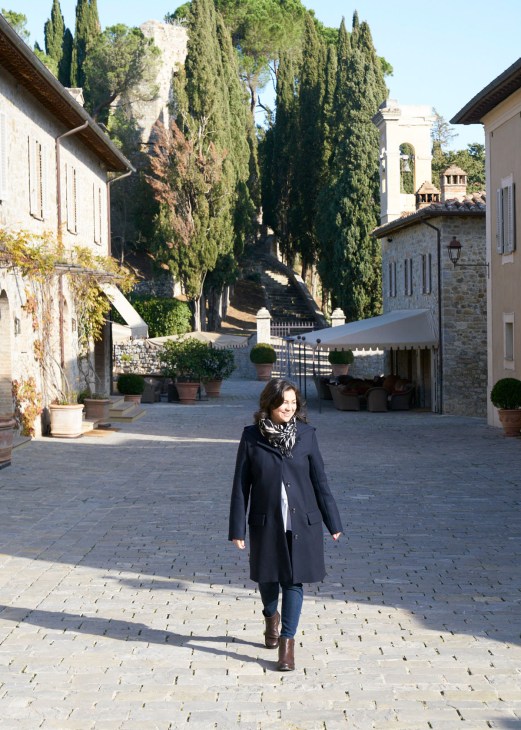
Q&A – Emiko Davies
Q: What was your favourite thing about Tuscany when you arrived?
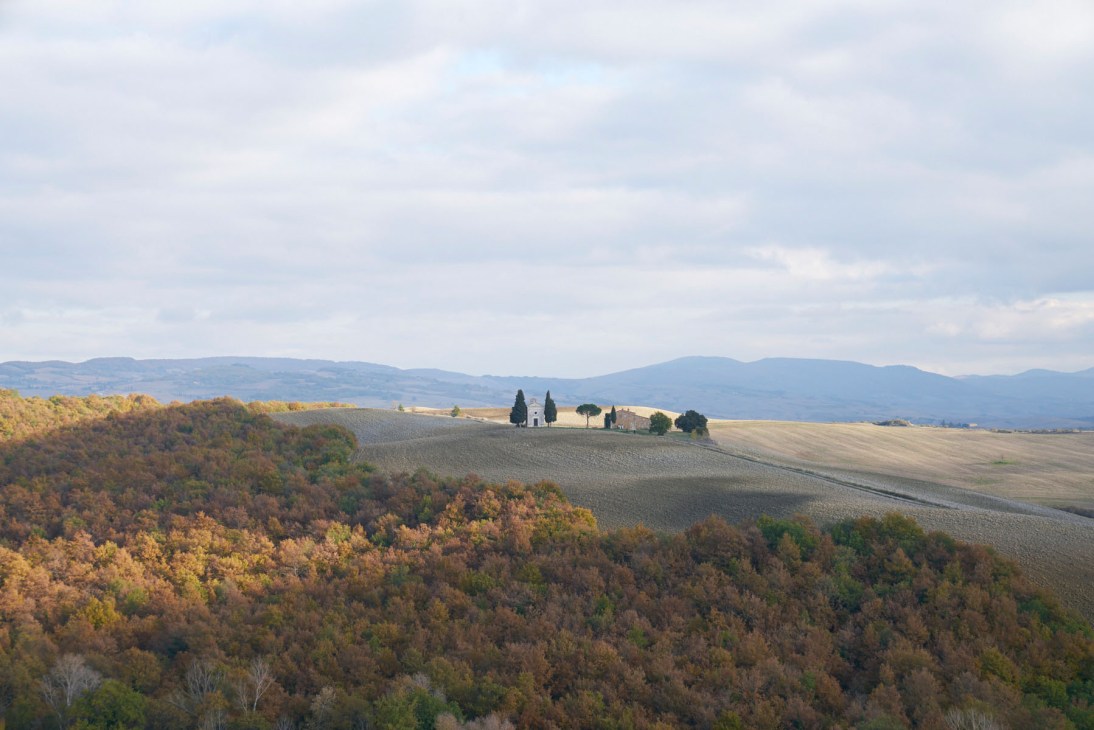
A: Everything is steeped in history and tradition; I didn’t grow up with medieval buildings and renaissance paintings. Tuscany is blessed with beautiful landscapes, and so many towns to discover and fall in love with. Each has its own identity, its own food and a different character.
Q: What is your favourite time of year in Tuscany?
A: Autumn, because lots of regional specialities are autumnal. Truffles, chestnuts, mushrooms, wild boar: so many ingredients I associate with Tuscan food are great to eat in the cold weather. Though Tuscany is very warm, so many environments are cosy – as is the people’s welcome.
Q: Any favourite Tuscan recipes?
A: Schiacciata d’uva: a Tuscan focaccia made in September during the grape harvest, when the wine grapes are pushed into the dough. Because the grapes have seeds in them it has a crunchy texture; with sugar on top it’s delicious. And you can only get it at that time of year.
Where next?
Davies’ favourite places to soak up some culture and delectable produce.
1.
Podere il Casale
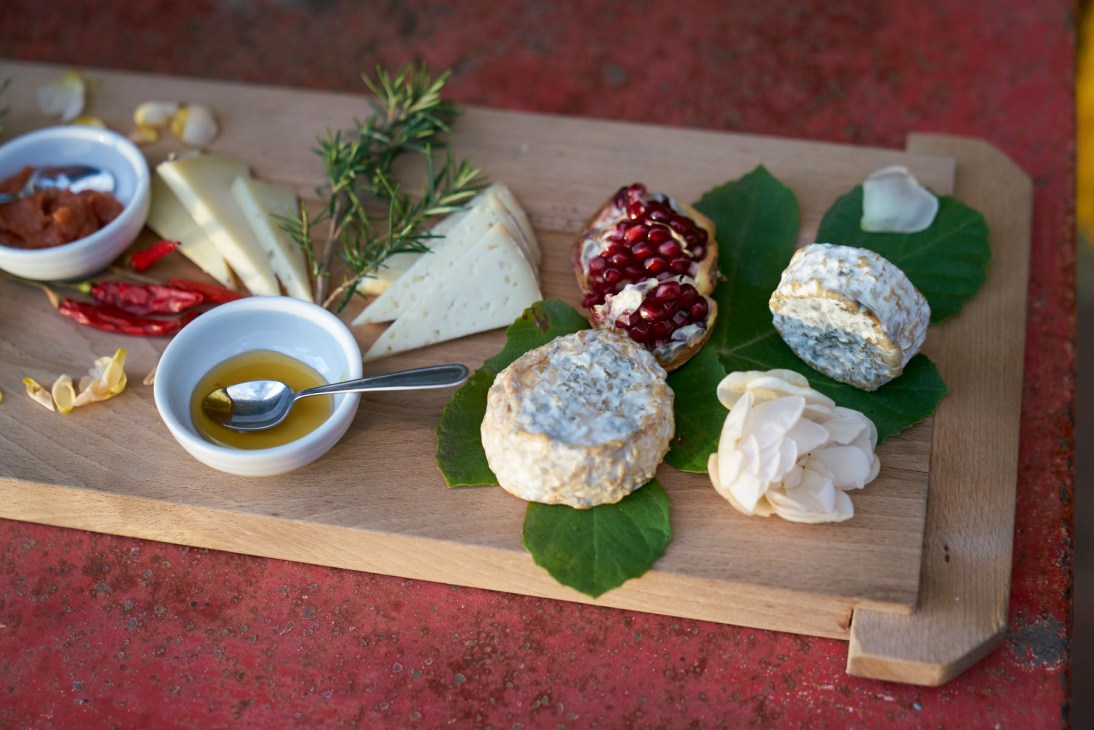
Pienza’s pecorino is a much fêted delicacy. At this farmhouse, a Swiss couple have been producing and selling the tangy cheese for years and only raw, organic milk is used. The casale’s goat’s cheese and ricotta are also a speciality – but don’t leave without having tried their oil and honey too.
Note: Come early in the morning to get a look at the method used to make the cheese – and feel free to take your time over the tasting cheeseboard.
2.
Galleria Continua
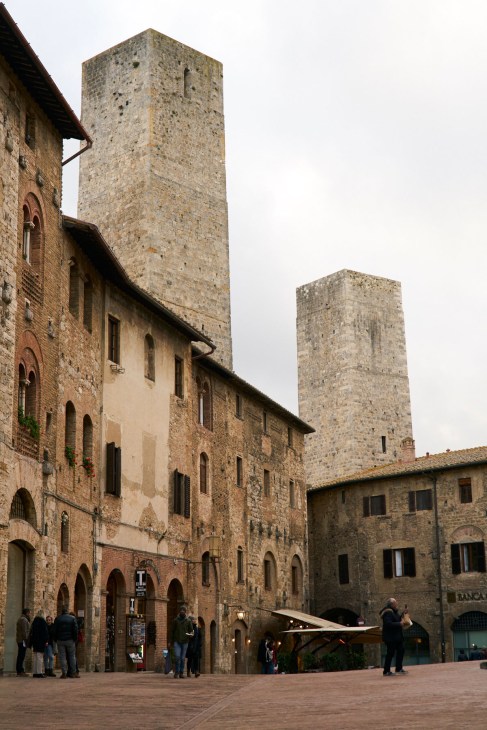
This cutting-edge space in the middle of the charming walled town of San Gimignano is one of Galleria Continua’s four unusual locations: the other outposts are to be found in Beijing, Les Moulins and Havana. Opened in 1990 inside a former cinema, this gallery brings ultra-contemporary art to a town with a rich history.
Note: Artists from Brazil to Saudi Arabia (as well as Italy) bring their installations to this charming space.
3.
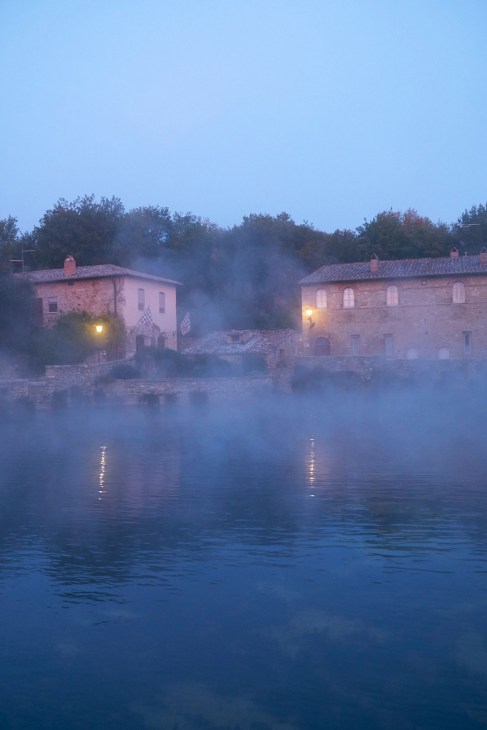
Bagno Vignoni
Most Italian towns revolve around a piazza but not Bagno Vignoni: here the place of a central square is taken up by a large thermal pool. Pilgrims and travellers have been coming to these thermal waters for centuries and though bathing in the pool is not permitted nowadays, there are plenty of thermal-spring spots in which to warm your cockles around town.
Note: Nothing beats a view of the pool at sunrise, when the heat rising from the water condenses in atmospheric steam.
What a trip
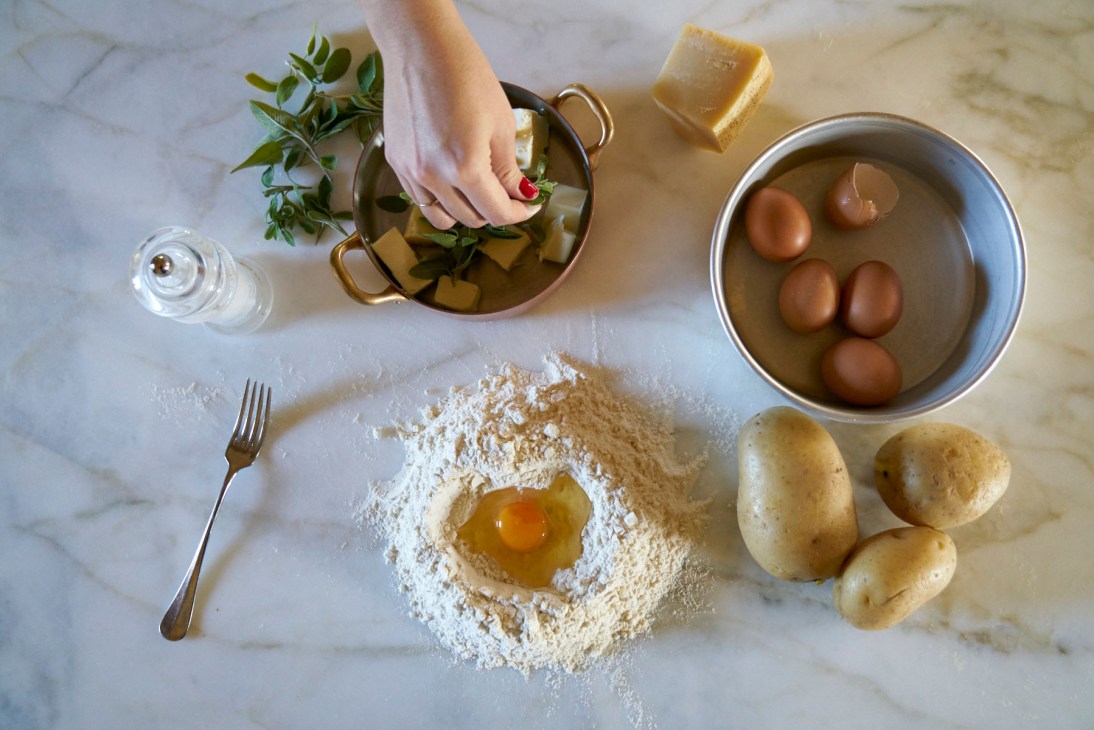
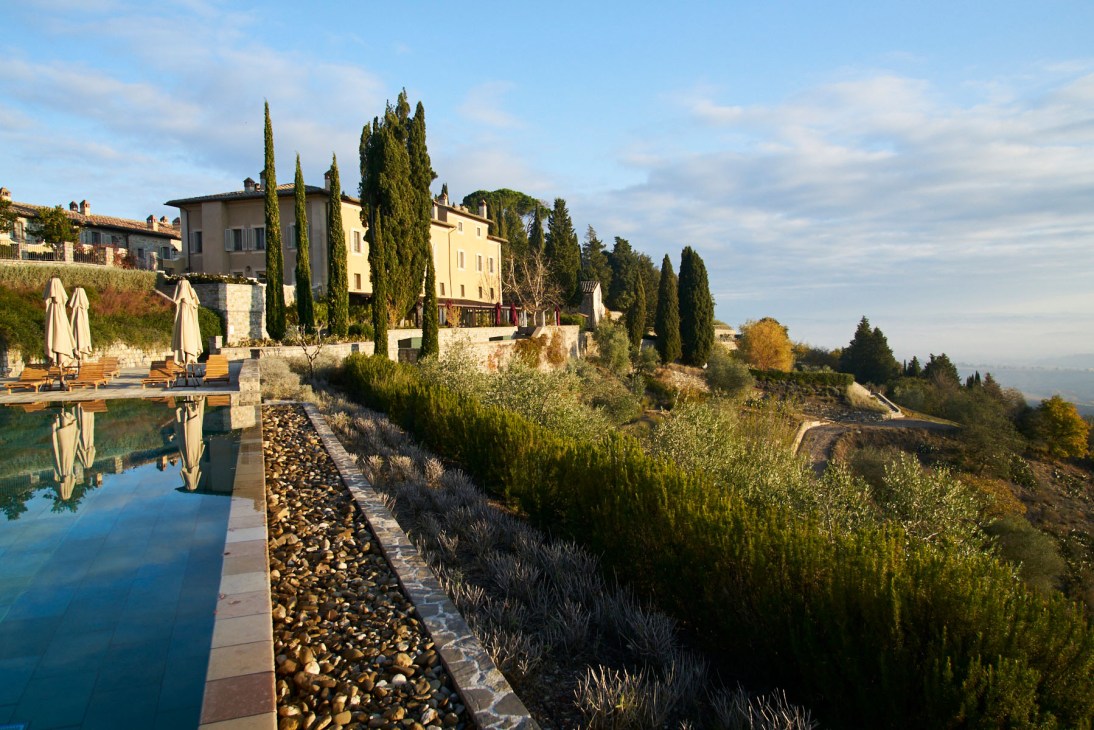
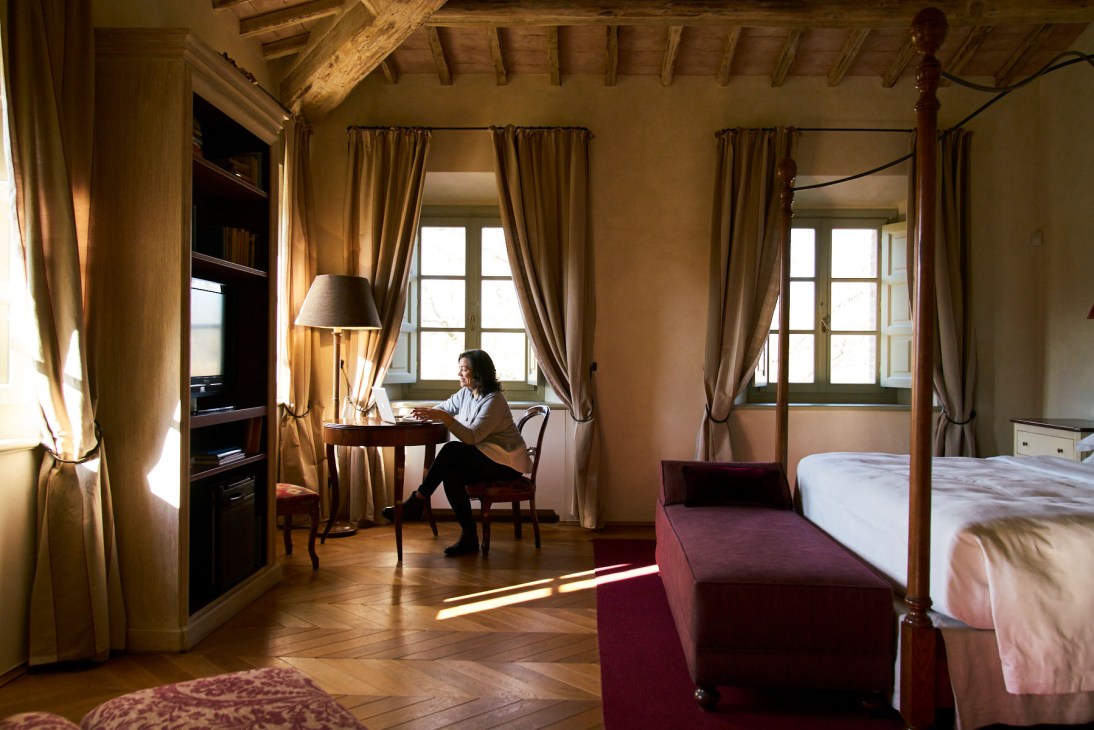
Davies’ tour begins at Rosewood Castiglion del Bosco, among the hills of the Montalcino countryside. In the kitchen of this beautifully preserved estate she tries her hand at cooking with regional produce – and gets a taste of the wine produced in the ground’s vineyard. From there to the charming towns of Pienza, San Gimignano and Bagno Vignoni – all a short drive away. Follow her journey on monocle.com/film/.
Teaching the world to sing
Levante
Milan
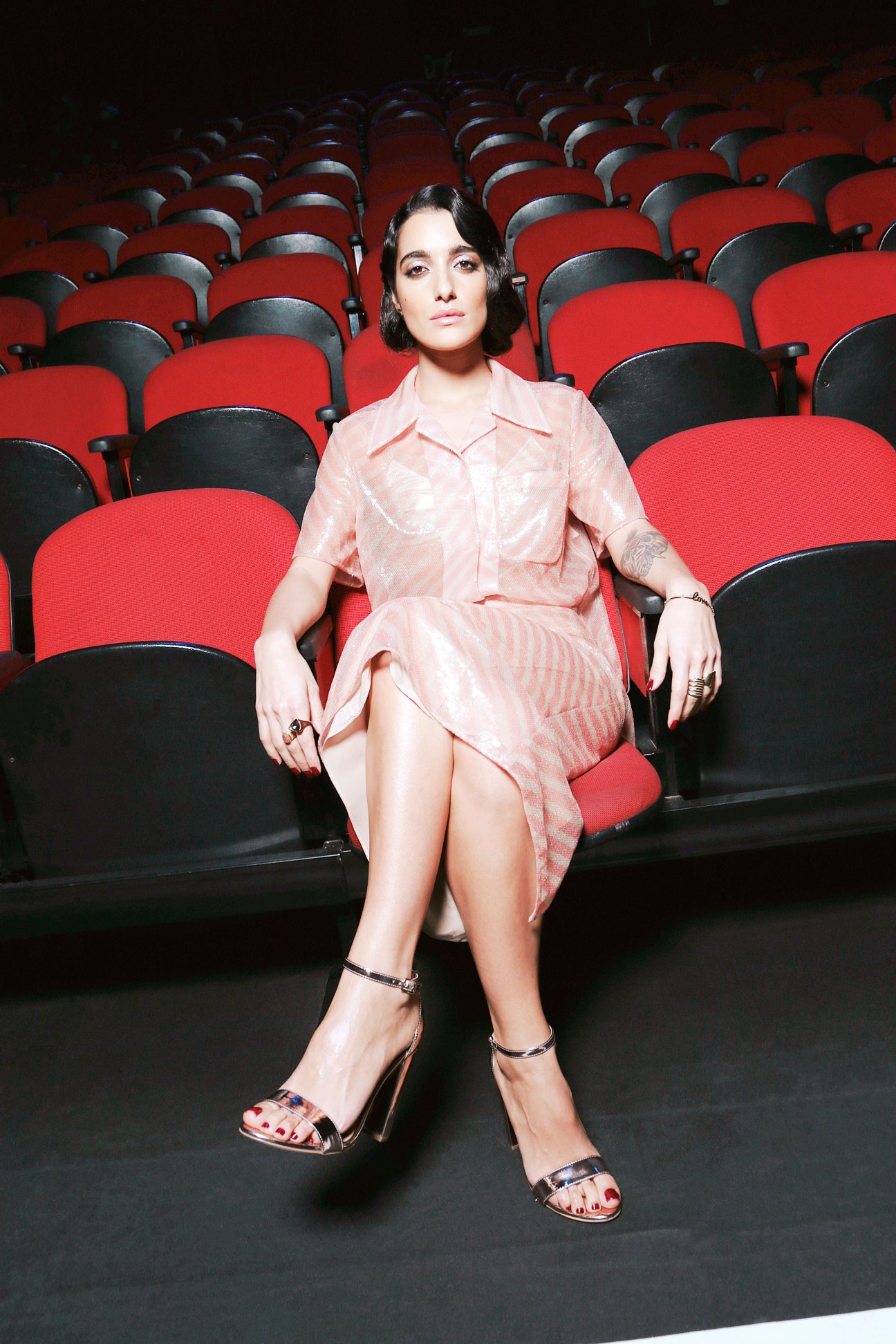
Levante is the sort of performer who not only believes in fate but actively spends time joining up the dots of her past to prove that it was destiny, really, that was at work all along. The first song she ever took to the stage with (at her Sicilian school’s Christmas recital, she recalls) was the Italian 1960s classic “Il Vento dell’Est” – aka the Levante or the Easterly Wind. That same wind became her stage name years later when, signing her first record deal, she was invited to forgo her (admittedly less breezy) full name, Claudia Lagona. “I think my nickname saved me,” she says, laughing in her open-mouthed, boisterous way.
The past 12 months have been packed with a series of successes: the release of a third album, her debut novel and landing a TV contract as a judge on Italy’s version of The X Factor. This hasn’t just been the result of good fortune but rather years of hard work: she was long a trooper on the independent Turinese scene, spending years in back-room indie venues before swapping them for main stages across Italian cities. “The path I’m treading may look well-lit now but it’s been a long slog,” she says with a gravitas she seems able to turn on and off at will.
That a musician’s success should be hard-won and a long time coming is no surprise but for Levante the frustration of a slow start was instrumental in creating the song that first brought her fame. “Alfonso” is a hymn to party awkwardness and, in general, to the consuming sense of feeling out of place. What made it 2013’s nationwide tormentone (the summer’s undisputed hit) though was Levante’s unsubtle and unfiltered way of belting out the line “what a shitty life”. It was silly and it was funny; for a generation of under-employed twenty-somethings, it felt like a collective, sardonic sigh of relief. “Before that I’d spent all my time writing poetry and cryptic lyrics but only when I shouted that out did people turn their heads,” she says. “For me it was an honest vent; it wasn’t a PR set-up. I was talking about a life I didn’t enjoy.
“For years I suffered from people telling me that they didn’t really understand whether I was meat or fish,” she says of the mishmash of her musical styles, which range from guitar rock to cheerful singalong catchiness. “But what if I am both? In the end I think my being a hybrid was the winning card.” Despite her first European tour on the horizon in 2018, her choice to keep singing and writing in Italian is a constant. “When I was playing at South by Southwest in Austin, I remember a person who held back at the end of the gig and then came up to me smiling and said, ‘I didn’t understand a word but I loved it.’ For me that means she had got it anyway.”
We would wager that audiences in London, Paris, Amsterdam and Madrid will find the intensity of her voice and the gaiety of her melodies more than enough.
The CV
1987 Born in Caltagirone, Sicily
2013 “Alfonso” is a summer hit
2014 Releases debut album Manuale Distruzione; goes on a short US tour
2015 Goes on tour with Paolo Nutini as his support act
2017 Her first novel, Se non ti vedo non esisti, is published by Rizzoli

Rhye
Los Angeles
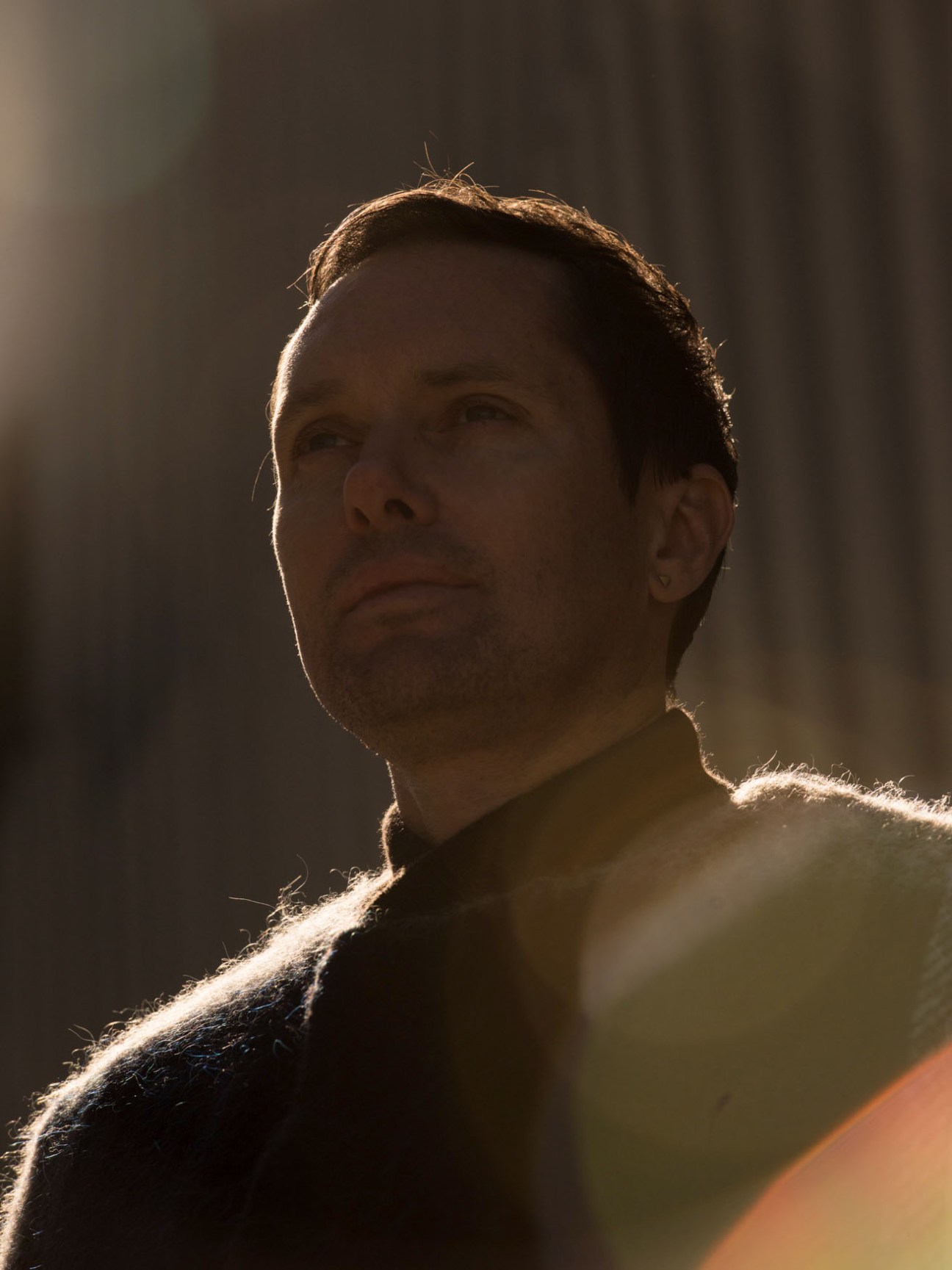
“Hiatus? Hiatus is an interesting word,” says Mike Milosh, the music, words and lungs behind Rhye, the mysterious band that has been quiet on the album front since 2013’s multimillion-selling Woman.
“We were playing live the whole time, just not recording anything – well, not until this.” The “this” he’s referring to is Blood, the hotly anticipated follow-up to a record that did all sorts of things to people in record shops, music venues and – most notably, perhaps – in bedrooms. Woman was a deeply intimate and wonderfully sexy record. “Oh, that,” says Milosh with a chuckle.
Blood was made in the contemporary way: in bits and pieces all across the world. “I can write and record anywhere as long as the equipment’s the same,” says Milosh, who worked across studios in LA, New York and Sussex in southeast England. The key ingredients of the trademark Rhye sound – soft-pedal piano, swirling strings and that voice, Milosh’s own, at once soaring and intimate – are a 1965 Ludwig drum kit and Neuman u67 microphone. “Once I’d got that balance in the kit and found that sound, that was it,” he says.
One of the big questions on the release of Woman was: “Just who is Rhye?” And that wasn’t entirely accidental. Milosh hid his light under a bushel to allow the record to live on its own. “I wanted it to be only about the music and for people not to be consumed by me,” he says. “But then I’ve done 470-plus live shows since, so people know who I am now.”
We hear more of the man himself on Blood; there are more colourful moods. And a couple of songs that show a little more leg are a little funkier and more upbeat than the last record’s dramatic monochrome. But we see something similar in the album art: the same flesh, some sexiness, all photographed in black and white. “I shot it all,” says Milosh. “I don’t think I’ve told anyone that. I don’t want it to be narcissistic but it’s my body of work, you know?”
Blood is beautiful, unmistakably Rhye and was worth the wait (not, perhaps, that Milosh would admit there’s been one). There’s a lot of work rendered effortlessly, learning worn lightly and passion smooth as a pebble. “I’m emotionally compelled to write,” says the singer and producer. “I think I’d go insane if I couldn’t make music.”
‘Blood’ is out in January 2018 and Rhye will be on tour throughout Europe in the spring
Rina Sawayama
Tokyo
“I’m glad you shot me in a karaoke booth, that’s where I spend most of my time in Japan,” says Rina Sawayama, singing the praises of one of her homeland’s key gifts to the entertainment world. She was brought up in the UK, attended a good school and sounds like a highly intelligent, somewhat cut-glass take on urban cool when she speaks. And she sounds like a dozen shimmering things when she sings: J-pop, 1990s r&B timeless power pop and wind-machine soft rock.
A year of razor-sharp hit single and album releases, a smart, shape-shifting media presence that hasn’t slid into ubiquity and striking promo videos that have proved social-media catnip have all allowed Sawayama to stride into 2018 with a capful of feathers. Best of all is Sawayama’s Rina album. It’s eight tracks of pure pop wonder that have had listeners flipping their vinyl three or four times per listen. Of course, it all starts with the songs and the songs all start with sketches. “Oh, I’ve got thousands of voice memos on my phone that I’ve sung when I’ve been in the shower or something,” says Sawayama. “I’ll often only need to sing an acapella to a producer for the collaboration to start from there.”
Despite running the business of being Rina Sawayama herself (Sawayama has shunned label advances to keep steering the ship), she loves a good collaboration. Much of Rina was made with UK producer Clarence Clarity at the desk: “He’s more into 1980s to 1990s; I’m more 1990s to 2000s so we meet in a sweet spot in about 1995.” And when they’re done, Sawayama listens and listens. “I’ll probably listen to the track 50 times across a week, non-stop, until, like a good distilled vodka, nothing is catching and it’s super-smooth: then it’s good to go.” She is quick to point to references and inspirations for her breathtaking visuals too. “I’m inspired by the Japanese artist Shiina Ringo. In her early work she looked so different in every video I never knew what she really looked like.”
And then, despite the fact that we’re assessing Rina, an album of complex millennial wonder, we’re back to questions of a singalong nature. “Karaoke to me is maybe like church is to Christians,” she says, “I was at a Church of England school so we all had to go to church on Monday. I was doing gospel choir and I just loved the community you can build around singing.” Karaoke hymns will seem a strange concept once you’ve heard the future-chasing modernity of Sawayama’s music but it all comes from the same place, she says. “It feels like such a pure way of enjoying music. And every time you sing someone’s song they get royalties – it can only be good.”
Rina Sawayama will be touring, and releasing singles from ‘Rina’, throughout 2018
Made with care
What links a neighbourhood square in Amsterdam, a tower that turns smog into clean air in Beijing and a high-density super block in Daegu, South Korea? The Dutch. “Dutch design and architecture is not about just another building, lamp or table, but to improve life,” says Daan Roosegaarde, the artist and designer at the helm of social design lab Studio Roosegaarde. “True luxury or true beauty is not about Louis Vuitton, it’s about clean water, energy and air.”
Roosegaarde’s work creating structures that reduce pollution is a crystal-clear expression of this idea. His Smog Free Tower, for example, uses “positive ionization technology” to suck up the air around it, clean it and release it, all while running on wind energy. One tower is in Beijing and more are in production for other Chinese cities. He’s also using similar technology in bicycles and has signed an agreement with bike-sharing company Ofo for it to be included in the largest scheme in China. Since starting his company in 2007 his designs have focused on ways to make the world around us better. He says his unique outlook is the product of his country’s ongoing battle with geography.
“We live below sea level so without creativity and technology we would drown,” he says. “If we had only been pragmatic we would have just moved to Germany, away from the water. I think the Dutch have this balance between being poetic and pragmatic. We have to be creative to survive.”
Of course, Dutch architecture is not just about surviving but also about thriving. “We do have a relatively happy population and our built environment is a big part of that,” says Nathalie de Vries, co-founder of MVRDV, one of the Netherland’s biggest and best-known firms. “It’s egalitarian, it’s safe and, as much as possible, it’s centred on the wellbeing of people.”
MVRDV is the brains behind Rotterdam’s Markthal, an ambitious arched residential building with a permanent food market at its centre, restaurants around the edges and flowery murals throughout. Since completion in 2014 it has become a hub in the city centre, winning dozens of awards and the attention of city-planners the world over.
“Many mayors are interested in it because it’s about how to make a public space,” says Winy Maas, a co-founder of MVRDV, which has tripled in size since 2014 and relocated to a postwar building in central Rotterdam. “It’s also an eye-opener for many developers about how to do something other than towers and contribute to something more collective.”
The 200-strong team, led by founders De Vries, Maas and Jacob van Rijs, includes French and Chinese departments (the firm also has a Shanghai office) and is often hired for city or state projects. In 2015, for example, Seoul municipality hired MVRDV to create Seoul Skygarden, a pedestrianised park stretching across a former overpass next to Seoul’s main station. Today it is visited by one million people a month and is home to an alphabetic display of South Korean plant species. It provides a place for people to meet, regenerating the surrounding area and injecting some much-needed greenery into the city.
This tendency to go well beyond the built environment and into the realm of urban planning, healthy living and social cohesion is a trademark of the best Dutch architecture cropping up at the moment. “Sustainability is such a big word,” says Ben van Berkel, founder and principal architect of UN Studio, another of the Netherlands’ major players, based in Amsterdam. “For most it’s only about making the environment green but it should also be about social sustainability, making sure that people walk more in buildings and don’t step too easily into a car. Lately I’ve even started hiding the elevators in the buildings I design – although not in towers, of course.”
Even when asked to work on large, densely packed residential towers, UN Studio, whose first high-profile project was Rotterdam’s Erasmus Bridge, manages to include this approach. Its Daegu Wolbae Ipark megablock in South Korea, for example, features a shared garden at its centre, with running and cycling paths, landscaped courtyards and playgrounds.
“In many places governments are retreating and the market economy is the most important factor in urbanism and development,” says Caroline Bos, UN Studio’s other co-founder. “The consequence is that architects are becoming involved in shaping entire parts of cities.”
That the Dutch are often the ones called in for such projects comes down to their desire – and ability – to build something that has a real social function rather than just being aesthetically pleasing, a task that Concrete has proven to be expert at. A smaller firm with 54 people, its quirky, colourful office is in Amsterdam’s red-light district. “Our projects are really about the fact that you are living together and could become a community,” says founder and creative director Rob Wagemans. “People forget that your neighbours can add value and create social cohesion.”
“People need interaction with others so we put more effort into that,” says Erikjan Vermeulen, head of architecture and a partner in the firm. “A place where people can hang out and be together is more important than creating a nice building that does well on the front page of an architecture magazine.”
This idea of creating a meeting space is evident in its Mongkok Skypark, a rooftop recreation space for residents living in the densest part of Hong Kong, and its playful US-based Urby project, a series of middle-income residential complexes featuring an urban farm, food shops and a public café in place of a private lobby.
This playfulness, combined with a willingness to experiment with new ways of doing things, is typically Dutch. “It goes back to the circle of the canals, the Afluitsdyke, the polders; these big projects that are experimental in a social and technical sense and that are seen through,” says UN Studio’s Bos. “There is real experience built up, not simply a history of beautiful ideas and utopias but experience.”
The result of all of this is a worldwide architectural movement that makes people’s quality of life central in a genuine and creative way. These projects look snazzy but they also challenge conventional thinking about how to deal with city life in the future. And as the Dutch way of doing things gains ever more approbation and headlines it will also have a knock-on effect on other architecture firms, as well as developers, mayors and urban-planners. The Dutch: coming soon to a city near you.
What the Dutch do better
1.
Flood defence: From China to the US, the Netherlands’ water management know-how is sought after all over the world by everyone from city-planners to construction companies.
2.
Revolving doors: Dutch firm Boon Edam is one of the world’s leaders in entrance technology and in recent years has invented a revolving door that generates energy with every turn.
3.
Land reclamation: About 17 per cent of the Netherlands has been reclaimed from the sea or lakes via a system of canals and pumps, forming land known as polders.
4.
Cycle infrastructure: The Netherlands only started getting serious about building bike-friendly cities in the 1970s but these days cyclists are at the center of all urban planning.
5.
Humour: People in the Netherlands don’t like to take themselves too seriously and humour is a big part of their design and architecture. Or as the Dutch say: “Just act normal, that’s crazy enough.”
Dutch development
Beyond the creative sphere of its architects and designers, the Netherlands’ developers are forming concepts that challenge convention. Within the Lijnbaan Quarter in central Rotterdam, for example, developer Manhave is experimenting with a new model to attract investment to the area and create a buzz, forming a mixed-use venue in the truest sense.
Manhave is working with the UK’s revered designer Ilse Crawford, who is the creative director for the development. Here commercial and private spaces will merge to form restaurants, bars and social spaces that can forge a strong community spirit in the area.
Inside the archives where shoes, art, maps and film posters keep history alive
Archives – whether put together by states or artists – are a portal to the past. But that’s not all they are: they’re also a reminder of what’s worked and what hasn’t, what we’ve had and what’s been lost. In that respect, perhaps they can also play a role in shaping our future by giving us an idea of where we should be going.
Bata Shoe Museum archive
Toronto
Archive contents: more than 13,000 artefacts
Elizabeth Semmelhack, senior curator, slips on a pair of white cotton gloves as she opens a set of drawers in the basement archives of the Bata Shoe Museum in downtown Toronto, one of the largest collections of shoes and footwear of its kind in the world. “Because we are so specialised, people often come to us first,” she says of how new objects are acquired, opening a drawer that holds the museum’s collection of shoe buckles, socks and stockings (including a fetching pair of black long-socks that once graced Napoleon’s feet).
“We’re not a museum that’s collecting Rembrandts where we have to fight with other major institutions at auction,” adds Semmelhack. “When this collection was conceived, footwear was deemed, even in costume collections, as something of an afterthought.”
Now numbering more than 13,000 objects, the collection was started by Sonja Bata, heiress to the Bata shoe fortune, which was established by her father-in-law, Tomas Bata, in the Czech Republic in 1894. The Bata Shoe Museum, designed by Raymond Moriyama, opened in 1995 as a permanent home for Bata’s collection. It spans ancient Egypt to basketball trainers, 20th-century high-fashion to ballet pumps, and includes the largest collections of moccasins, indigenous footwear and snowshoes anywhere in the world. Among the founding design principles of the archive was that each pair of shoes should be visible to curators and researchers inspecting the collection, rather than stored away in boxes behind a vault door or in sealed storage. “Walking into this room, it’s amazing to see everything all at once,” says Semmelhack, who has helmed the collection for 17 years. “I can be given a question and I can run downstairs and pick up a shoe. At a glance you can see how things changed, decade by decade, very quickly.”
While 89 per cent of the collection has been photographed and logged into the museum’s digital database, there is no replacement for holding an object, inspecting it and scrutinising the way it was made and how it was worn, says Semmelhack. “It’s economics, it’s globalisation, it’s fashion, it’s status, it’s gender binaries: all of these things are embedded in the shoes, in addition to the story of the individual who made them and the individual who wore them. I think that’s what makes looking into footwear so exciting.”
Helga de Alvear foundation
Madrid
Archive contents: up to 3,000 artworks
“It’s an illness, being a collector,” says Helga de Alvear with blithe candour. “I see something I like and I have no choice – I have to buy.” The German-born 81-year-old’s self-diagnosed ailment clearly brings her much joy. It has also made her Spain’s most avid art-buyer and one of the most popular figures on the international fair circuit. Her unashamedly insatiable appetite for contemporary art has seen her amass one of Europe’s largest collections – somewhere between 2,500 and 3,000 works by some 700 artists.
“Even I forget what’s in here,” she says as she escorts us through one of the four halls housing her collection. Abstract artist Andrew Pike, blockbuster polemicist Ai Weiwei, Pablo Picasso, Andy Warhol and, yes, Wassily Kandinsky (three of them): their works are all wrapped up in brown butcher’s paper and cloistered from view. The frames are so densely stacked along the walls that it feels like we’re wandering through a tightly wound accordion. Every compulsive purchase is packaged, posted and carefully placed. In some way it feels like the no-man’s land of post-modern expression; an egregious limbo for beautiful things.
Yet De Alvear is not hoarding one of the world’s most eclectic compilations for the sake of it: beneath the veneer of self-indulgence is a colossal gesture of generosity. “One day this whole space will be empty,” she says, with a hint of glee. She is, of course, alluding to the long-awaited extension to her eponymous foundation in Spain’s World Heritage listed city of Cáceres.
In 2003 she reached an agreement with the regional government to donate her entire collection to the city on two conditions: that it would bankroll a new gallery and then let everyone in for free. The Helga de Alvear Foundation opened inside a 3,000 sq m palace in 2006 but Spain’s subsequent financial strife saw the Mansilla & Tuñón-designed add-on put on hold. The stand-off saw De Alvear refuse to hand over the keys to her collection until the government lived up to its side of the deal. After years of political procrastination, construction has finally restarted.
“We’ll keep loaning out pieces in the meantime,” she says, pointing to the labels that include numbers, names and a nifty little photo to help locate artworks. “I truly believe that art should be free, which is why I’m giving everything I own to Cáceres.” For the time being, this cardboard-coloured purgatory waits patiently in the dark. “None of this should be exposed to light all the time anyway,” De Alvear says flippantly. “Sometimes art needs a rest too.”
UN Archives and Records Management Section
New York
Archive contents: more than 47,629 boxes of papers, documents and photographs
The UN loves its acronyms. Over at “Arms” – the Archives and Records Management Section of the organisation’s Manhattan HQ – a man sits in the reading room copying documents. Nearby, and beyond a nondescript door, is the peacekeeping organisation’s distinctly analogue archive, tracing the work carried out not just in its New York home but at permanent missions around the globe.
“We put the interests of the UN before our own countries,” says chief archivist Stephen Haufek. “I think that’s important to know for the archives as they were created by UN staff in service of the UN.” Surrounding Haufek are thousands of boxes stuffed with papers (there are 47,629 in total, including some at a second site in Queens) kept at a low temperature to stop them from warping.
One of the most fascinating aspects of the archive hails from the time when the UN had only just come into being after the Second World War and was still itinerant – moving around New York and holding meetings in Paris and London – as it waited for its modernist East River compound to be completed (the archive is actually located in a separate nearby building). Haufek and his fellow archivist Amanda Leinberger pull out some nuggets from that period, including the design work carried out by Oscar Niemeyer, the Brazilian wunderkind who was the youngest member of the UN HQ’s design team.
Another interesting part of the archive is the Serge Wolff Collection, named after an aide to Peter Noskov, an engineer on the HQ project. Wolff inherited Noskov’s photograph collection of everything from potential plots of land for the HQ to candid shots of the architects and imagery of the eastern part of Manhattan before development (it was a Greek neighbourhood full of slaughterhouses). “We normally don’t take donations from third parties,” says Haufek. “But it was such a strong collection.”
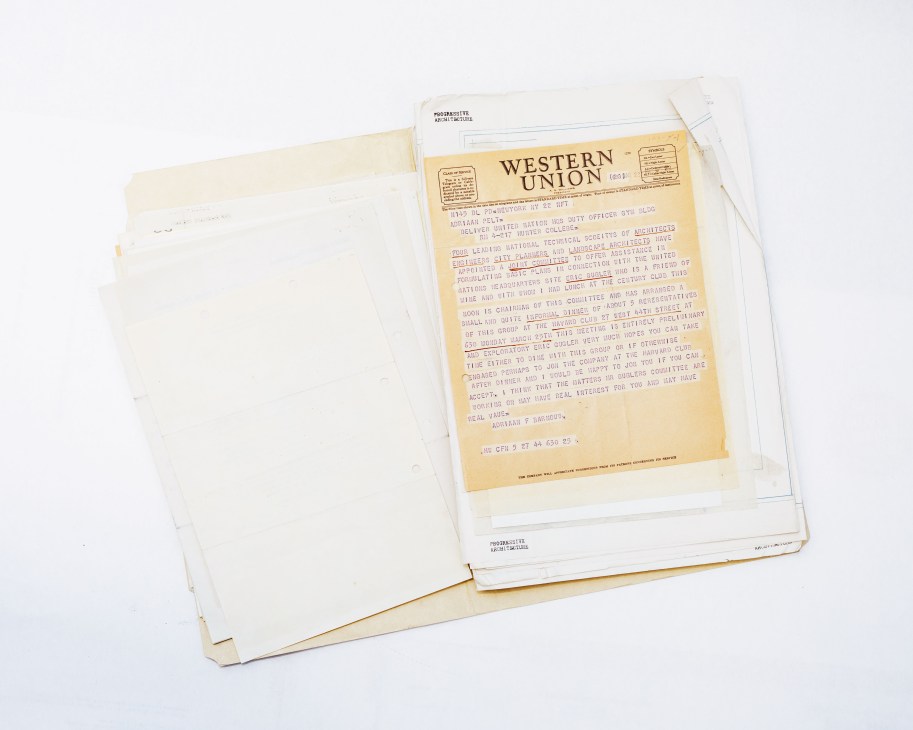
Blueprints, telegrams and letters to then first lady Eleanor Roosevelt sit alongside images from the UN’s precursor, the United Nations Relief and Rehabilitation Administration. These photos are still accessed by relatives of people interned during the war to learn about family members or organise reunions. The archivists’ work may focus on a bygone age but it’s also never done: the UN team faces the daunting task of digitalising records for public access and dealing with boxes as they come in. “It’s more than we can handle,” says Haufek, allowing himself a small chuckle.
Archivio Storico Capitolino
Rome
Archive contents: 82,500 monographs, 2,500 periodicals
Rome is of the most visited and most documented cities on earth. But beyond the layers of Roman history that every visitor and resident sees while traversing the city, there are also countless untold stories. An almost hidden doorway at Piazza dell’Orologio leads to an archive that provides the public with access to some of Rome’s many secrets.
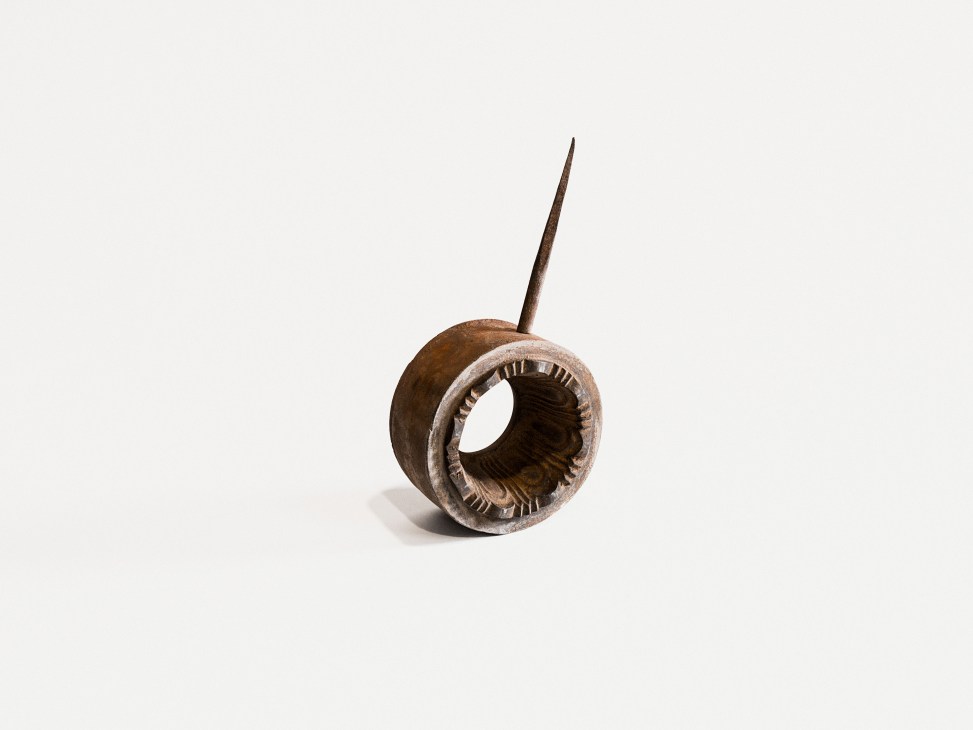
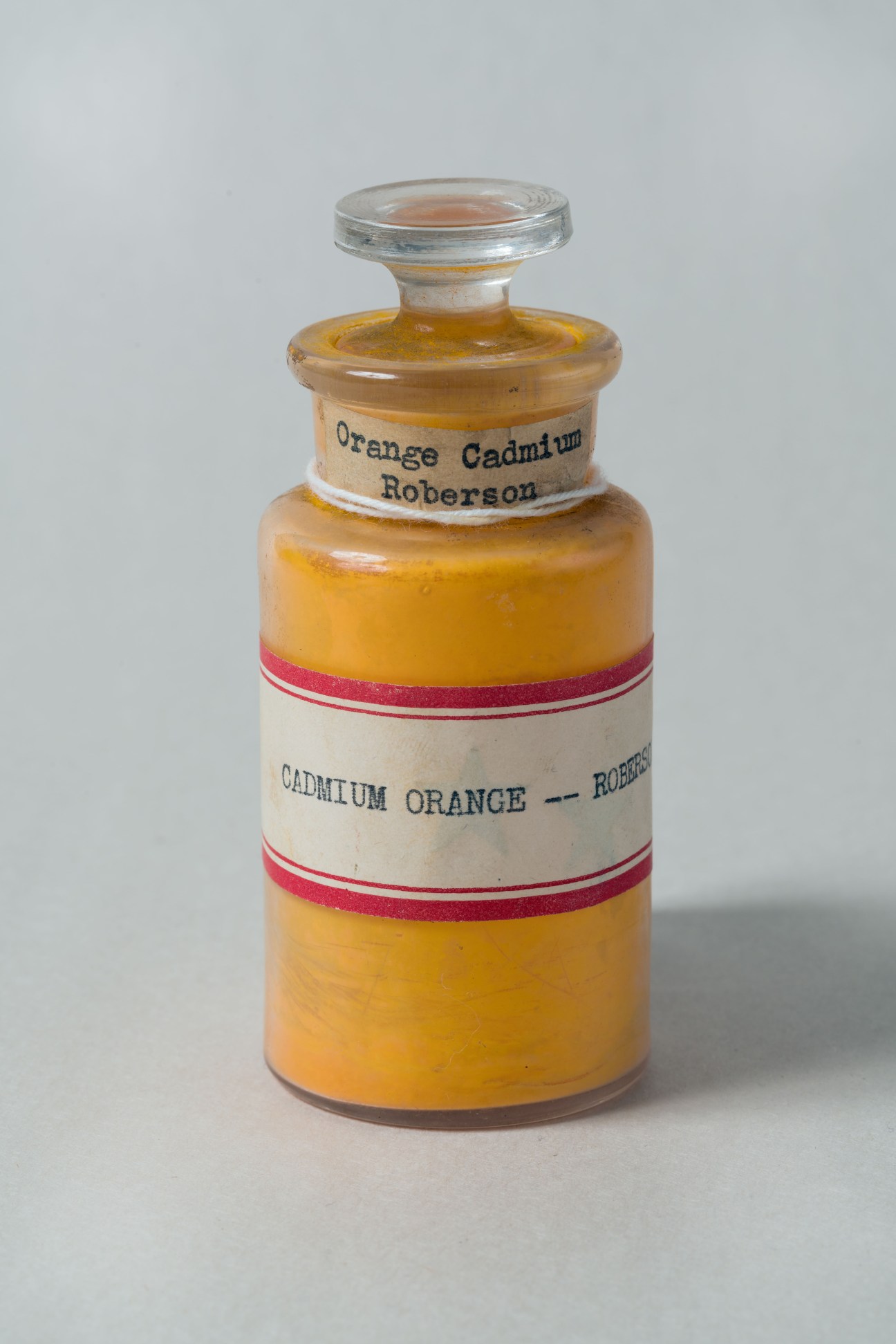
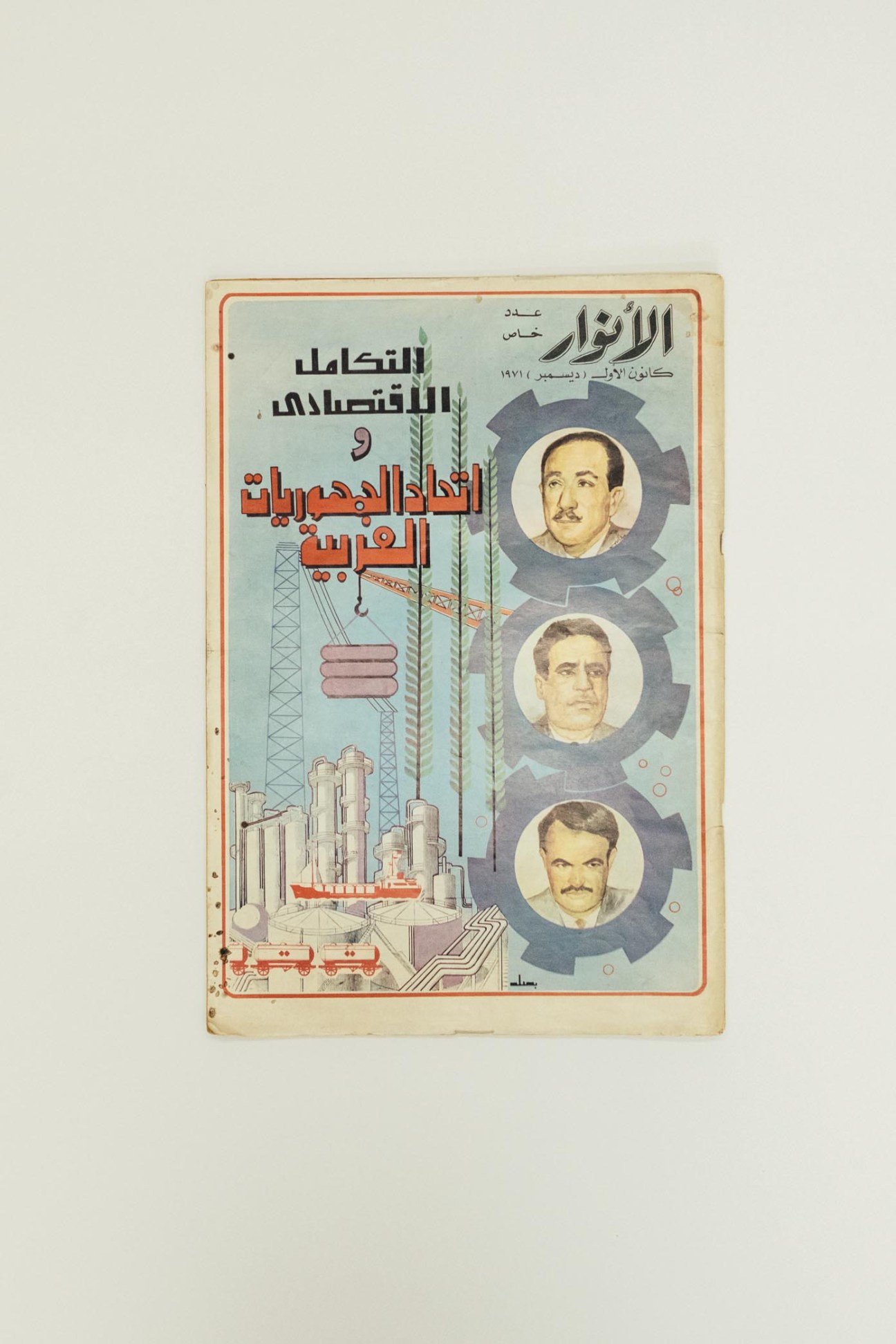

The Archivio Storico Capitolino has been at its current site since 1922 but the collection was started in 1871 as a means of collating and preserving documents relating to city-planning and governance in Rome. Today, what were the stately apartments of a catholic oratory designed by baroque master Francesco Borromini in 1637 house a priceless selection of 82,500 monographs and 2,500 periodicals. Maps, permits, notary documents and contracts, some of which date back to the 14th century, all have the Eternal City as their protagonist.
The heart of the archive is in Borromini’s splendid ovular Sala di Consultazione (consultation room), where Daniela Ronzitti is head of public services. “This place has an immensely practical use,” she says, referring to the 40 to 50 daily visitors, most of whom are here to look up historical planning documents. Ronzitti has near-encyclopaedic knowledge so “if an architect wants the 1850 drawings of a building on such and such number on whatever street” she’ll speedily dispatch the relevant folder. A lot of these records are digitised but if imagery is required you’ll have to call upon the careful hand of the archivist. “A lot of the maps and drawings have to be physically unfolded,” says Ronzitti.
The archive’s premises were fully restored in 2009, providing a comfortable setting for researchers. Outside there is a courtyard containing orange trees that host the chattiest of birds, which help to break the silence of the archives above. Urbanists and budding cartographers find gold here within the endless shelves of this little-known public facility. A 1929 map of Rome published by De Agostini reveals the many tramlines that traversed the centre – which today is woefully lacking in such convenience. Further back to 1830 and the General Map of the City of Rome shows how urban development was contained within the ancient Aurelian Walls. “The archives follow me when I leave work,” says Ronzitti, smiling. “I can’t stop thinking: ‘Do we have the records for that building?’”
Archi-depot Museum
Tokyo
Archive contents: 500 models
Tokyo has museums dedicated to everything from fireworks to socks but Archi-depot is the first of its kind in Japan: an open archive of architectural models by some of Japan’s best-known architects. It’s a unique concept, functioning both as a storage facility and an exhibition space, with 500 models – most on display but some in boxes – all kept at 20c and 50 per cent humidity.
The museum sits in a cluster of buildings owned by storage company Warehouse Terrada. Under the direction of its CEO, Yoshihisa Nakano, Terrada has gone beyond housing people’s superfluous possessions to art, wine and even film storage. So it made sense that Shigeru Ban, one of Japan’s most celebrated architects, should contact Terrada when he was thinking about what to do with the fragile architectural models that were cluttering up his office. Kengo Kuma, who has been working with Nakano on a redevelopment plan for the neighbourhood, got involved, as did another architect, Riken Yamamoto. The idea of making a place to preserve and display architectural models took hold.
“In Japan people tend to see architects as technicians and models as their tools,” says the museum’s deputy director Yukina Mori. “We realised that outside Japan, in places like the Centre Pompidou, people saw these Japanese models as artworks in their own right.” It helps that Japanese architects put more care into their models than anyone else. “Other architects will do drawings but they wouldn’t build models with this detail.”
Models by the three architects form the core of the archive; others rent shelves and place their models here to save them from damage in their studios. For visitors who are well versed in contemporary Japanese architecture, Archi-depot is a treat: there are many familiar buildings, such as Shigeru Ban’s Paper Church in Kobe (1995), and models span initial presentations to finished buildings, allowing people the chance to see an architect’s original intentions.
Even if you know nothing about architecture there is something thrilling about seeing buildings in miniature. Torafu Architects’ 1:50 scale model for a Fred Perry shop in Harajuku comes complete with mini staff, customers and T-shirts. There are models of projects that never progressed to bricks and mortar and private houses by the likes of Kengo Kuma that would be out of bounds in real life. Models can show what is possible in architecture and, in some cases, what isn’t. “If you can’t build it as a model, then you probably can’t build the real one either,” says Mori.
Real Fábrica de Cristales, La Granja de San Ildefonso
Spain
Archive contents: 4,600 moulds
It was a royal mess. Centuries of artisanal heritage strewn across the floor like a perfunctory footnote. Spain’s Real Fábrica de Cristales de La Granja, the world’s only functioning royal glass factory, was struggling to keep its furnaces blazing. Its 4,600-plus collection of steel glass-moulds – said to be Europe’s biggest – were left to accumulate dust.
Established by King Felipe V in 1727, La Granja once sparkled with the avant-garde spirit of the Enlightenment. At its zenith this vast glassware factory was responsible for some of the world’s most sought-after copas (wine glasses), tulipas (lamps), licoreras (decanters) and arañas (chandeliers), all adorning palaces and prestigious homes in Europe and across the Americas. By 1980 these halcyon days of royal prestige had dimmed into distant memory; four decades of dictatorship, royal exile and the new urgencies of a nascent democracy forced the factory’s closure and it was reduced to a mere nesting ground for a seasonal population of unsympathetic storks.
For the town’s residents, the 25,000 sq m complex was hard to ignore. A collective of artisans banded together to form a foundation, moving in and setting up a glass-making school in 1990. With support from the cultural ministry it has been slowly stoking new fires of fortune.
Part of this effort has involved recovering the vestiges of other shuttered glass-making factories in Spain. “Some of the moulds were salvaged from scrap-metal deposits,” says Elena Arenal, the factory’s communications chief. “Thankfully someone had the sense to bring them here.”
Industrial designers Marta Alonso Yerba and Imanol Calderón Elósegui from Mayice studio also came knocking. The pair scoured the warehouse, selecting 22 classic moulds to create a collection of 13 hanging blown-glass lamps. “We wanted to use the age-old forms but cast them in a new light,” says Yerba. “But this meant getting on our knees to sort through the clutter,” adds Elósegui.
Their collection’s success shone a light on the archive’s untapped potential. As visits from other designers increased, bringing order to the chaos became a way to illuminate the path forward. Today the forensic effort to polish and catalogue more than 4,600 moulds continues, examining clues such as screw types and serial numbers to ascertain the story behind each piece. As method replaces madness, the future has promise: order, a clearer vision and a warehouse full of possibilities.
“We’re delighted to receive anyone looking to create something; this treasure is here to be shared,” says Arenal. “It means we’ll endure too.”
Forbes Pigment Collection
Massachusetts
Archive contents: 2,500 samples
Up on the fourth floor of the Harvard Art Museum in Cambridge, Massachusetts, you won’t be able to find any Helladic pottery or works by old masters. Instead you’ll find a narrow hallway lined with glass cases filled with more than 2,500 pigment samples dating as far back as ancient Rome. They include Vantablack, Stuart Semple’s Pink and Black, ochres from Australia and dyed yarn samples from the Zapotec weaver Porfirio Gutiérrez, all arranged by colour. This is the Forbes Pigment Collection, part of the Straus Center for Conservation and Technical Studies at the museum.
“The centre looks at how an artist made a work of art and what materials they used, so that we can then understand what the work might have looked like when it was first made and what has changed over time,” says Narayan Khandekar, the centre’s director. While much of a pigment’s data can be entered into an online catalogue, when dealing with the subtleties of a work of art nothing can beat getting your hands dirty. Pigments in the archive are often used to calibrate scientific instruments such as the Raman spectrometer (commonly used in chemistry to identify molecules) or to make sure the infrared spectrometer is up to snuff before starting any analysis.
The collection was the vision of Edward Waldo Forbes, director of the museum in the early 20th century, who collected pigment on his travels and even tried growing some at home in order to create a library of standards that he could use to understand works of art. The collection’s jars, tubes, bags, vials and even stones act as time machines that reveal how a painting looked centuries before and what paints were added in earlier restorations. They also help with spotting the odd forgery or two.
It was this task that breathed new life into the archive 10 years ago when Khandekar and his team were tasked with confirming the authenticity of three never-before-seen Jackson Pollock paintings – which spurred them on to collect modern samples. Working with pigments from the collection, they were able to show that some of the paint used wasn’t available until 30 years after the artist’s death.
While searching out fakes may seem like it would be the most sought-after, glamorous part of the job – and it certainly garners attention for the centre’s work – it doesn’t cut the mustard for Khandekar. “The real pleasure is actually understanding how great artists paint. We want to look at the real thing.”
Swire Archive Service
Hong Kong
Archive contents: 130,000 photographs, 4,000 boxes, 4 terabytes of digital records, 1,000 film reels
In October a box arrived at the Swire Hong Kong Archive Service containing an unpublished autobiography. Images in an Oriental Sky by Ray Farrell begins with tales of flying “the hump” during the Second World War – Allied flights over the Himalayas to resupply the Chinese army – before the late US pilot co-founded Cathay Pacific and later sold the Hong Kong airline to Swire. The rare manuscript has now made its way into the repository: archive-speak for a bank vault-style room with climate control and security cameras, designed to keep valuable paper and prints fire proof, mould proof and idiot proof – bags and bottles must be left outside.
“The ‘dusty archive’ is a misnomer,” says archivist Matthew Edmondson, while standing in his immaculate Aladdin’s cave that opened in 2015. White cotton gloves would barely pick up a grey particle were they not another TV fallacy: cotton can lead to inadvertent curling so paper is best handled with clean – but not moisturised – hands. The Brit does don blue surgical gloves for the thousands of photographs and hours of film under his protection but not everything is so valuable. A bubble-wrapped model aeroplane, two metres long, has landed on the floor. “I didn’t know it was going to be so big,” says Edmondson, who must also juggle plenty of other records that arrive from across the diverse conglomerate, which spans property, shipping, sugar and bottling.
He clearly enjoys having his hands full with aviation history and speaks enthusiastically about early timetables and safety cards showing the location of the onboard machete (in case of going down in a jungle). He pulls out a drawer to reveal his favourite items: technical drawings of aeroplane livery from the 1950s. “They are beautiful, and hand drawings are not something we will be able to capture in the same way in future.”
Swire’s management decided to establish an archive in 2011, when it started planning for the 150th anniversary of its operations in Asia. Its history in Hong Kong stretches nearly as far back as the city’s founding in 1842, although most of the archive is postwar. Today it is not just a reference point for academics: marketing, design and communications teams often pop by looking for inspiration. And recently Swire’s property arm used images of vintage sugar packaging to decorate its new co-working space nearby. “It’s a working archive and that’s what’s fun about business archives,” says Edmondson. “We try to make it add value to all parts of the business and that means every day is different.”
Abboudi Abou Jaoude’s Arabic film poster collection
Beirut
Archive contents: 20,000 items
Every Saturday in the early 1970s, Abboudi Abou Jaoude would walk west across Beirut visiting the 30 or so cinemas once found in the Lebanese capital and planning what films he might watch next. “It would take me four or five hours,” he says. Why? Along the way he’d be collecting posters advertising the US films of the day. He particularly coveted anything starring Steve McQueen or Clint Eastwood.
In among them, cinema staff would occasionally give him posters for Arabic films. “At first I took them and I left them,” he says, gesturing as if to toss an invisible version aside. But over time his interest in local cinema grew and, with it, his poster collection. Today it is one of the most comprehensive archives of film paraphernalia in the Arab world, incorporating about 20,000 posters, photos and pamphlets that are all stored in underground rooms in the village-like district of Ras Beirut.
“In the 1950s most of the Arabic movies had dancing and singing, like European films,” says About Jaoude, standing between two of the archive’s floor-to-ceiling shelves, the distinctive smell of worn paper in the air. “In the 1960s they had espionage – something like James Bond. Then in the 1970s most of the Arabic movies were about sex. They had the same themes that you would find in foreign films.”
Even as Lebanon descended into civil war in 1975, Abou Jaoude continued collecting. He stored some of his posters at his grandfather’s home in the mountains, while others were stowed four floors below Hamra Street, 10 minutes’ walk from his current archive.
Although he lost some posters to damp, his collection endured – mostly intact – during the war years. What remained outside his hands was less fortunate. “People didn’t know the value of these things,” he says. “Most of the Lebanese theatres were destroyed.”
Although there are non-governmental organisations attempting to catalogue images and photos, Lebanon has no official cinema archive; Abou Jaoude remains an unofficial gatekeeper. His favourite item in the collection is a poster for the 1940 film The Thief of Baghdad, which hangs above a cluttered desk. “I want to let young people see what we have because they just don’t know,” he says. “In these things we can find the way we used to live in the 1960s. It is our heritage.”
Tomás Saraceno’s spider-webs collection
Berlin
Archive contents: 60 webs, 100 ‘maps’
Beyond the sculptures and assistants working in Tomás Saraceno’s post-industrial studio complex in Berlin’s eastern Treptow district is a special space. It’s a room in which spiders big and small, living in carbon-fibre frames, spin webs alone, in sequence or in groups.
It’s a tough space for arachnophobes: some of the eight-legged creatures are much larger than the spiders we all find spinning webs in corners at home. But the webs are fascinatingly delicate and vary dramatically in form. And the Argentina-born artist always reminds fearful visitors that we co-inhabit spaces with spiders and always have. “Spiders always find a way to live with us,” he says. “The first spiders were spinning webs 140 million years ago.”
Beyond encouraging spiders to spin (and experimenting with how different species spin together), Saraceno has been archiving their spun habitats for about eight years. Once a web is “complete” (spiders have a lifespan of about 18 months), it’s carefully cleaned and hermetically sealed in its frame; about 60 of these are now on file. In addition there are about 100 “spider maps,” which have been created by colouring the web and inserting a paper through it. The results are two-dimensional topographical images.
“We keep the webs together as a scientific collection,” says Ignas Petronis, who oversees the archive. So while the pieces have appeared as art objects in venues such as the Louvre in Paris, they’re also considered scientific artefacts and have been lent to venues including the Natural History Museum in Frankfurt.
Saraceno has been fascinated by spiders and the universes they spin for most of his life. “It started when I was a kid. I would always go to the attic of my grandmother’s old house and watch these wonderful webs,” he says. Anyone familiar with the artist’s web-like “cloud city” sculptures can see their arachnoid inspiration but these days the spiders and webs also connect to Saraceno’s focus on seeing the world from a non-human point of view. “What I’m doing in the end is just giving space to another species,” he says.
The archiving will continue, with digitised and scanned webs ultimately available to researchers online; the studio is currently co-authoring papers on webs with institutions such as the Massachusetts Institute of Technology (Saraceno’s alma mater) and Berlin’s Max Planck Institute. “It’s a fascinating practice: a form of artistic research intersecting with science,” says Petronis.
The city that shines
Business on the beach
A booming community
Sun, sand and surf have long formed the backbone of the Gold Coast’s success and popularity. Yet today this pristine 57km stretch of coastline is becoming better known for a business community bolstered by creative entrepreneurs, esteemed educational institutions and infrastructure to support major global companies. The city has been smart in investing in quality systems that will not only provide a well-designed welcome to the 2018 Commonwealth Games but also sustain a city of global significance for years to come. The dynamic city is attracting investment and business partnerships from nearby Asia, enlivening the coastal city and proving that there’s much more to enjoy here than good weather. While much world-class infrastructure already exists here, there is more to come. Griffith University’s Gold Coast location is the fastest-growing university campus in the nation. The new Health and Knowledge Precinct will inject AU$2.9bn (€1.85bn) into the local economy and the new light-rail network is the best way to zip around the beachside community. The international airport is expanding and new sporting venues will host international events.
Attracting global talent
The coast with the most
The Gold Coast is a city with big personality and ambition, powered by an energy that makes it one of Australia’s most vibrant communities. It is the idyllic climate, however, that keeps the pace of Gold Coast life so relaxed. The Gold Coast draws in everyone from entrepreneurial creatives starting design agencies to scientists relocating to work in distinguished research institutions. Every year friendly locals welcome tens of thousands of international students and some 13 million visitors overall. It is a favourite among professional athletes and is a second home for many Hollywood A-listers while they are in the city filming at Village Roadshow Studios. Similar to neighbours Melbourne and Sydney, the Gold Coast is big in the food-and-beverage department, attracting top chefs, baristas and sommeliers. The waters are charted by Australia’s largest super-yacht builders and technology firms are using the city as their global headquarters. It is a remarkable city that people are attracted to and then bring their own energy to create a potent mix of creativity and innovation. This vision is recreating a city, and making a mark globally.
1.
Mark von Itzstein
Professor
The co-inventor of the world’s first anti-flu drug, Relenza; his breakthrough discovery in 1993 has saved hundreds of thousands of lives across the world. He has since gone on to found Griffith University’s world-leading Institute for Glycomics, located in the Gold Coast Health and Knowledge Precinct, a multibillion-dollar medical research and technology hub. “The Gold Coast is now establishing itself as a biomedical research hub,” says Von Itzstein. “Within the next 10 years I have no doubt that it will be seen as a world-leading research precinct.”
2.
Naomi Joy Edwards
Coastal advocate
Edwards is a fierce protector of Australia’s shoreline. As co-founder of Intrepid Landcare and 2016 Landcare Australia young champion of the year, she empowers people to care for the environment. She is now doing a PhD in coastal management at Griffith University. “Imagine 2067,” she says. “Climate resilience is the norm and coastal dunes are a prized emerald fringe that remind us that we can live, work and play along the coast.”
3.
Simon Gloftis
Restaurateur
Gloftis is a fixture on the Gold Coast dining scene and is best known for his popular restaurant Hellenika, a laidback venue serving traditional Greek cuisine. He believes that quality, locally sourced produce comes first. “People say we should be making the Gold Coast like Melbourne or Sydney,” he says. “No, we shouldn’t – we’re the Gold Coast and we’re absolutely different.”
4.
Danny Maher
Entrepreneur
Maher is the founder of Opmantek, a multi-award winning business that promotes and develops commercial open-source network management and IT audit software. Maher’s work is at the forefront of the Gold Coast Hub: a centre for start-ups and investors that seeks to secure Australia’s future innovation and technology community.
5.
Nev Hyman
Philanthrocapitalist
A favourite among surfers the world over, Hyman is the founder of Firewire Surfboards. Turning his attention to the housing industry in 2009 he established NevHouse, which builds low-cost, rapidly deployable, prefabricated homes, classrooms, medical clinics and other community structures from recycled materials. Hyman’s resolve to make a difference in the world has led to improving living conditions across southwest Asia.
6.
Barry Lee
Architect
As design chairman and director of design at DBI, Lee is responsible for some of the Gold Coast’s – and arguably the world’s – most spectacular high-rise towers. “Our goal is to make a meaningful contribution to the city we call home and to the many other cities we work in around the world,” he says. Lee’s philosophy is to combine a focus on quality of life and environmental sustainability with expressive architectural forms, in an attempt to comfort and inspire.