The Forecast
‘Made in Germany’: How the country’s textile industry spins everything from denim to luxury SUV seats
The noise is deafening. Twenty looms are running at full speed in the machine hall, reels clatter nearby as they frantically spin and a few metres further away thick strips of fabric are being pulled through a vat of dye. In this industrial setting the last things that come to mind are fluffy teddy bears and designer coats. And yet this is exactly the place to which both items can be traced back – at least in part. This is the factory of Webmanufaktur Steiff Schulte, a place where the German textile industry becomes noisily intelligible.
Textile manufacturing is one of the oldest industries in Europe; well before industrialisation it was an important pillar of the continent’s economy. In recent years, however, the sector has been battered. Globalisation has thrown what were once established structures into chaos and today most of the textiles handled worldwide come from Asia.
Germany is the exception. This nation of industry may well be better known for its expensive cars and Bavarian beers but, when you scrutinise global textile and fashion supply chains, you quickly realise the ubiquity of “Made in Germany” products. It’s highly likely that in any textile product – from the denim of an international jeans brand to the seat of a luxury SUV – the country’s technology and materials will be playing a crucial role.
Germany’s textile-and-clothing sector is the country’s second-biggest consumer-goods industry, directly behind grocery sales. It accounts for about 130,000 jobs and 1,400 companies, creating a turnover of about €30bn. Roughly two thirds of this is from consumer products but the rest is from business-to-business sales, such as to furniture makers and the car industry. While the competition from abroad is tough, the figures still make for happy reading. For the first six months of 2015, sector union Textil+Mode reported an increase in revenue of 1.5 per cent; this was in spite of reduced trade with Russian customers, who are so important for the export market.
Yet even though these are companies producing for the world market, the success of the most notable German firms is often founded on the fact that they have continued to manufacture in their home country. Our report focuses on three companies whose products almost everyone will have come across at some point – mostly, in all likelihood, without ever knowing it. These companies are different in terms of their structures and the products they manufacture but what unites them is their anchoring in their homeland.
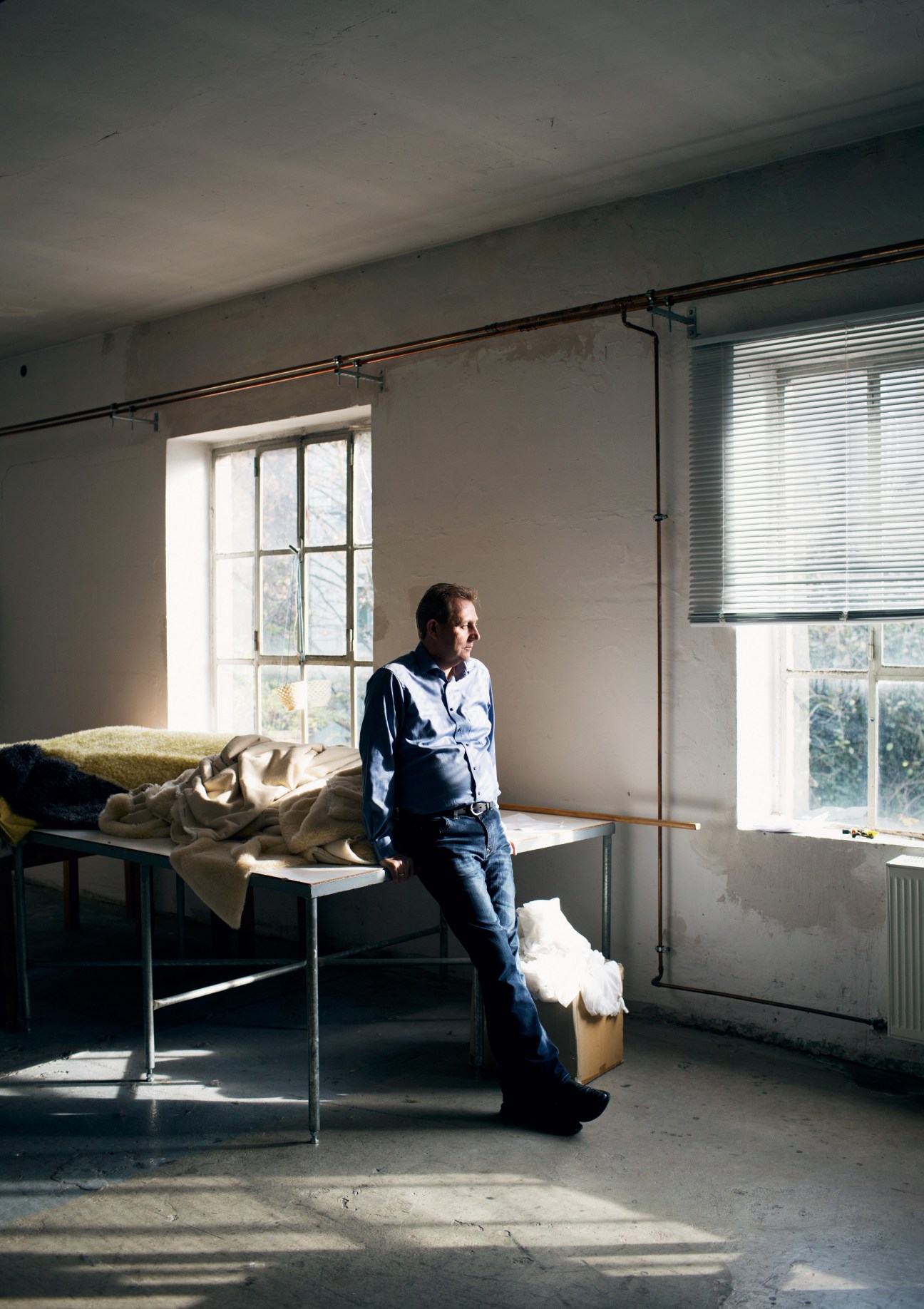
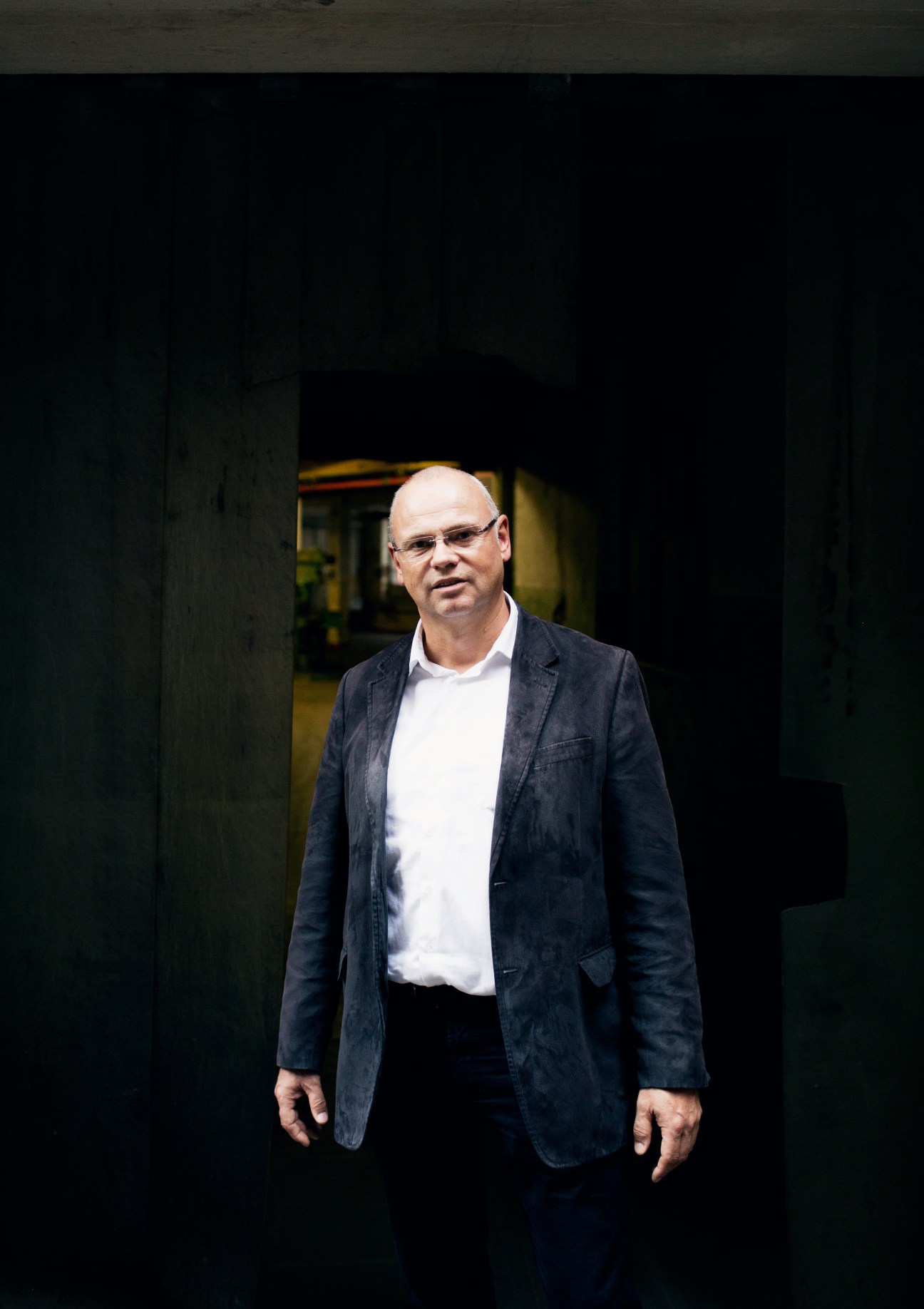
So back we go, then, to the machine hall in the industrial town of Duisburg, and to Webmanufaktur Steiff Schulte. This is the company that supplies the fake fur for the famous Steiff teddy bears and has done so since 1901. In 2009 the firm was bought by the German toy maker, its top customer. Bernhard Wanning runs the factory, which employs 40 people working in the weaving, colouring and finishing departments, all found under one roof.
“One advantage is that we are fully integrated here,” says Wanning, who knows the company inside out. “We therefore have full control over the product and can respond with flexibility to a customer’s specific wishes.”
Just as well because about eight years ago the company was approached by Miuccia Prada with a very specific request. She was one of the first designers to recognise the potential of Steiff’s fake fur in the fashion industry. Prada took delivery of an order from the company in 2007, used the fabric in a runway collection that autumn and has since regularly included it in her designs. As the controversy surrounding genuine fur has continued and the demand for alternatives has risen, many names in the world of luxury fashion have come onboard: Marc Jacobs, Max Mara, Coach and Michael Kors, to name a few.
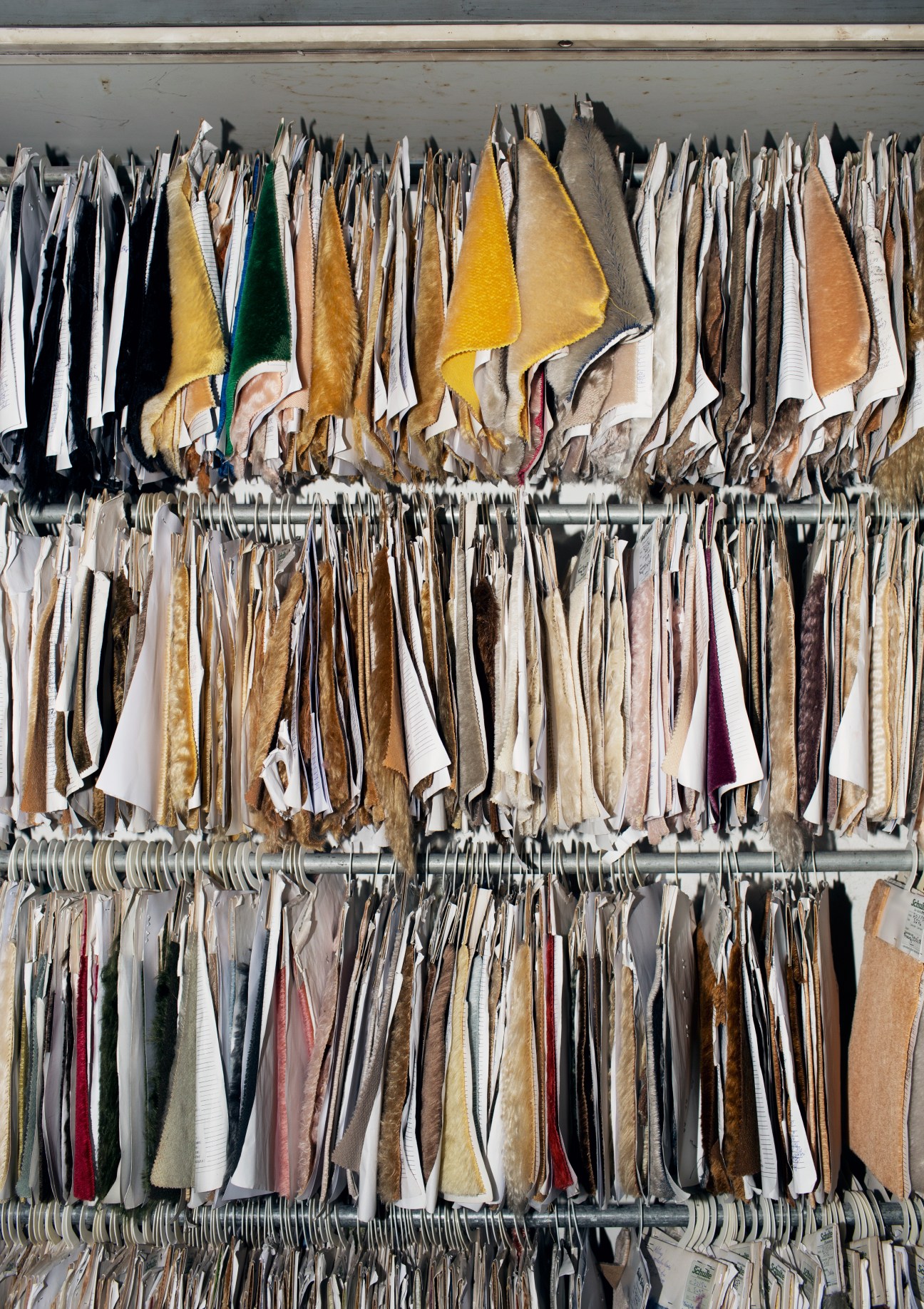
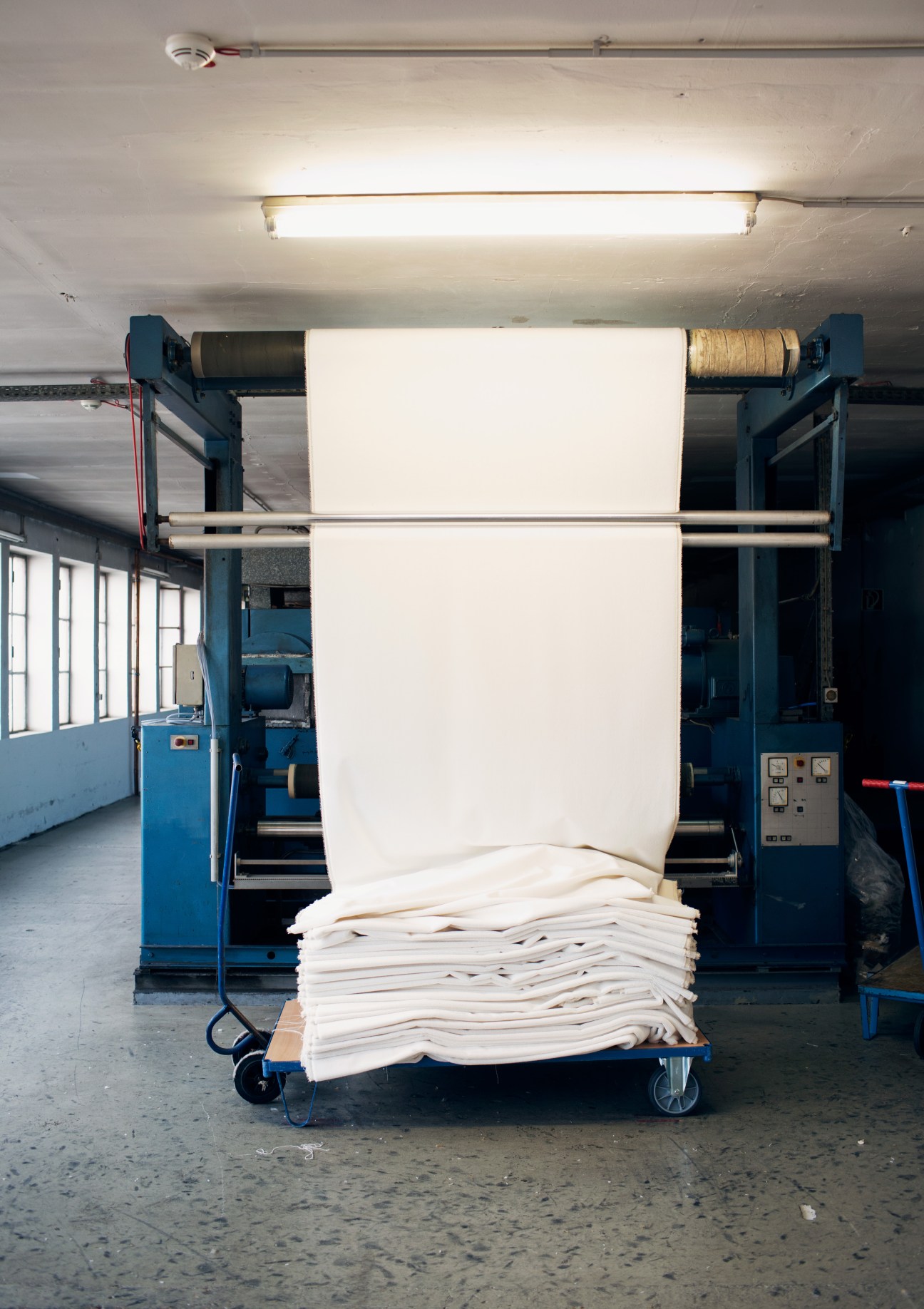
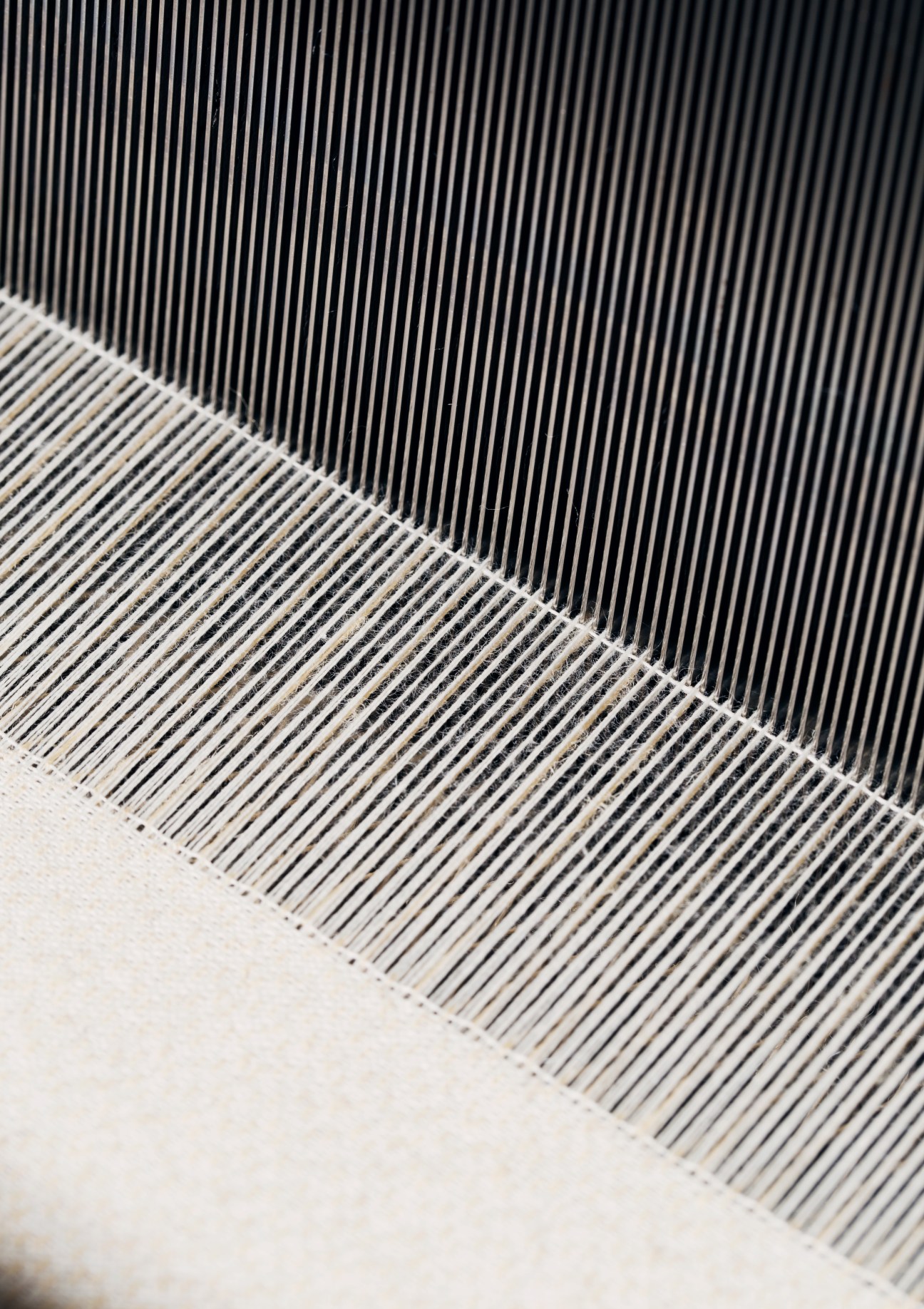
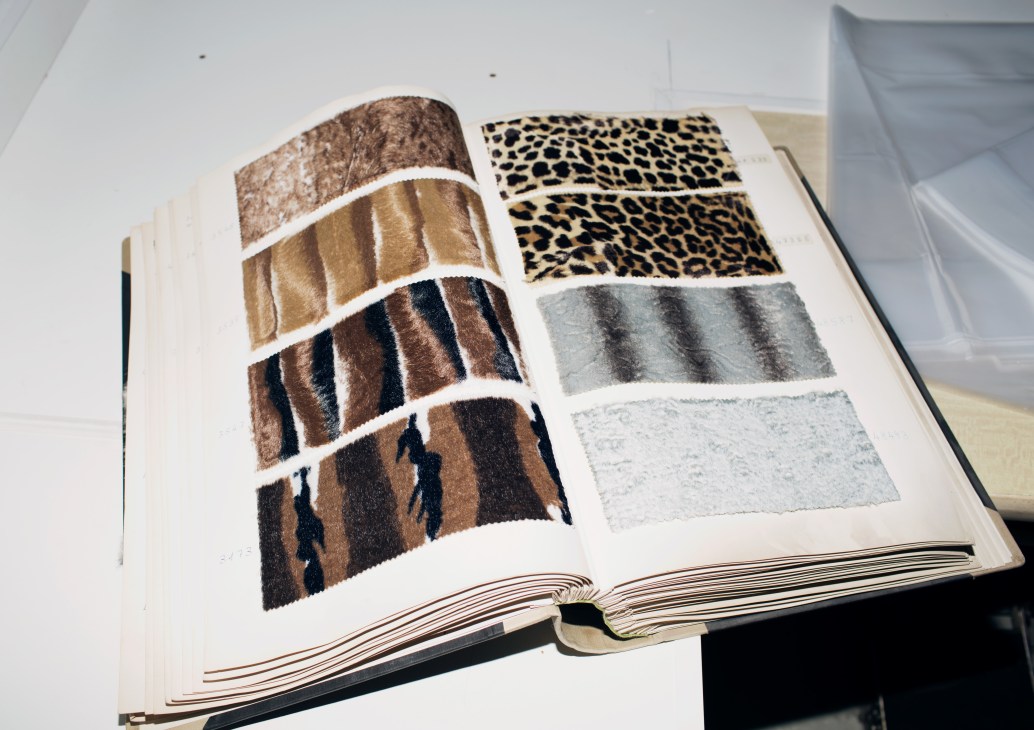
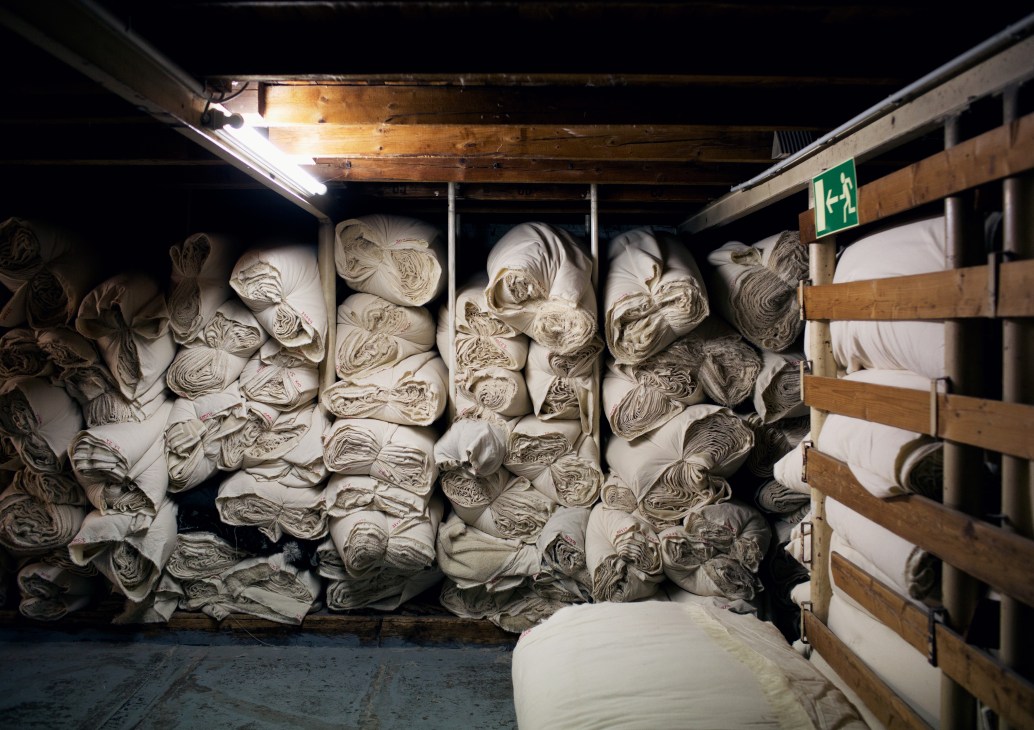

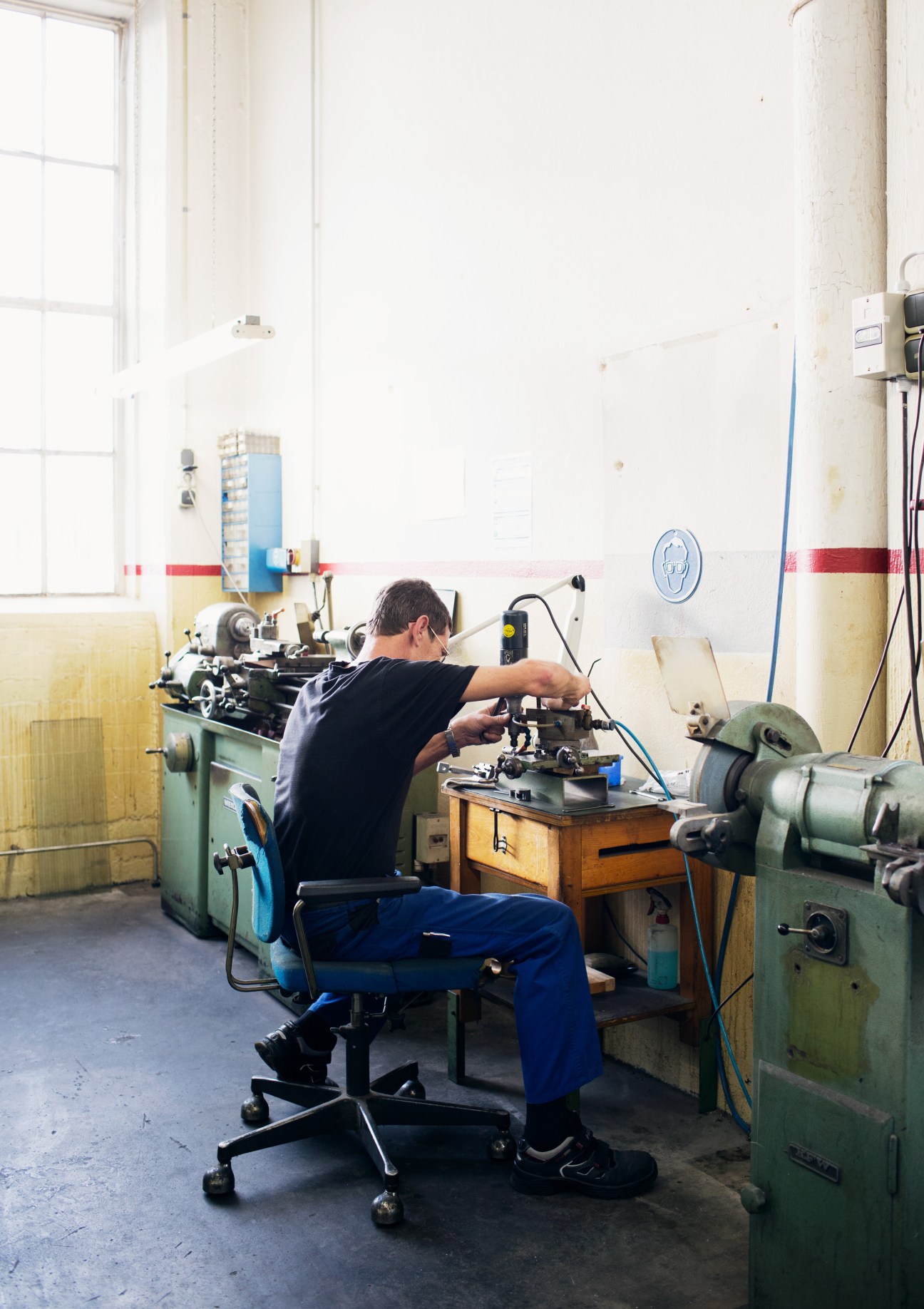

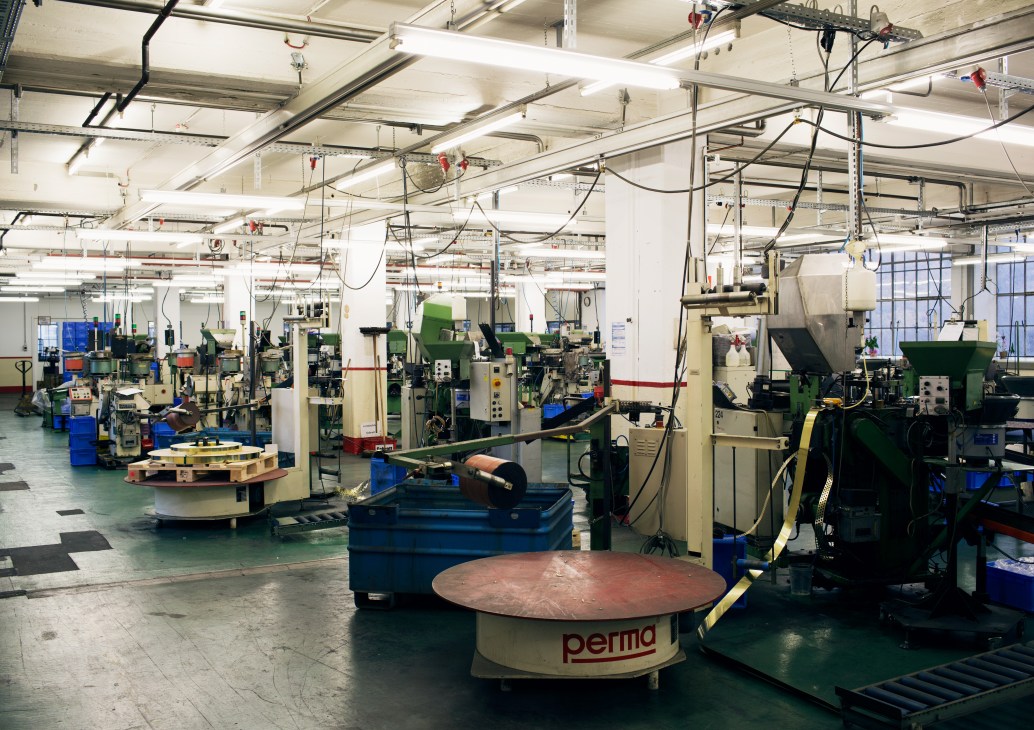

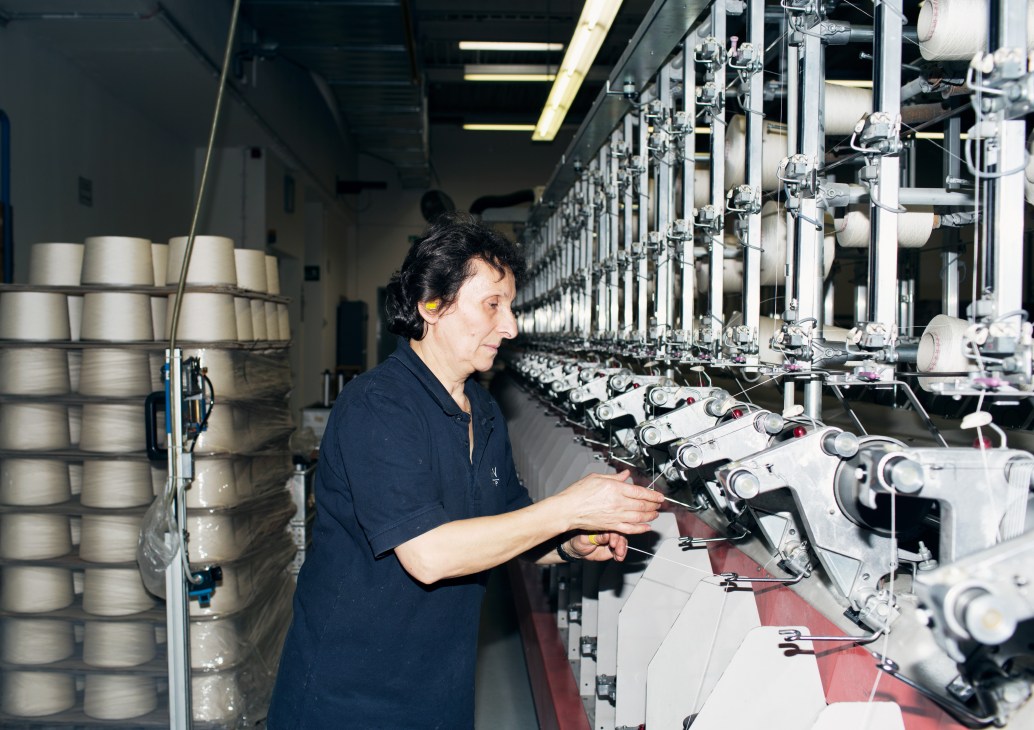
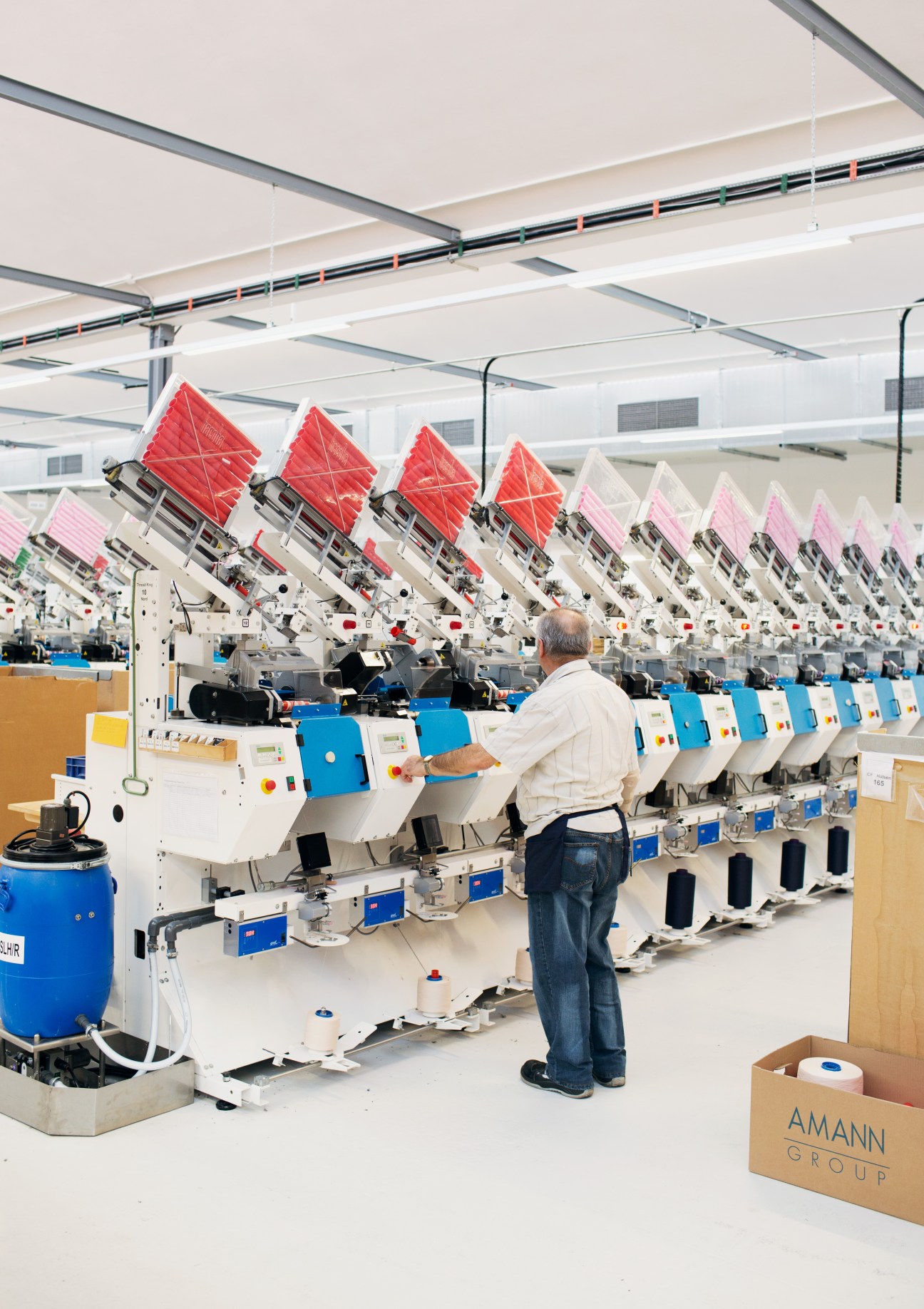
The production process at Steiff Schulte is painstaking and combines mechanised processes with manual techniques. The fabric is first made on 20 so-called “rapier” looms. It can then be dyed and given more than 20 finishes, many of which are done by hand. In order to achieve the perfect surface effect, as many as 20 different steps are necessary, including ironing, trimming (to get all the strands of fibre the same length), roughing up (to open the fibres and create density), drying, stretching and steaming. These processes must be done by hand to create a fur that looks as natural as possible. Finally, the finished material is run across a light table that allows rare irregularities to be spotted.
As the fashion industry is somewhat more volatile than the stable teddy-bear market, the pressure to innovate is immense and the business has had to adjust its structure. But at Steiff Schulte, innovation always goes in step with maintaining traditional techniques because it is the high level of handwork that turns out the colour tones and the consistent appearance of every fabric. As Wanning puts it, “Here experienced employees make all the difference.”
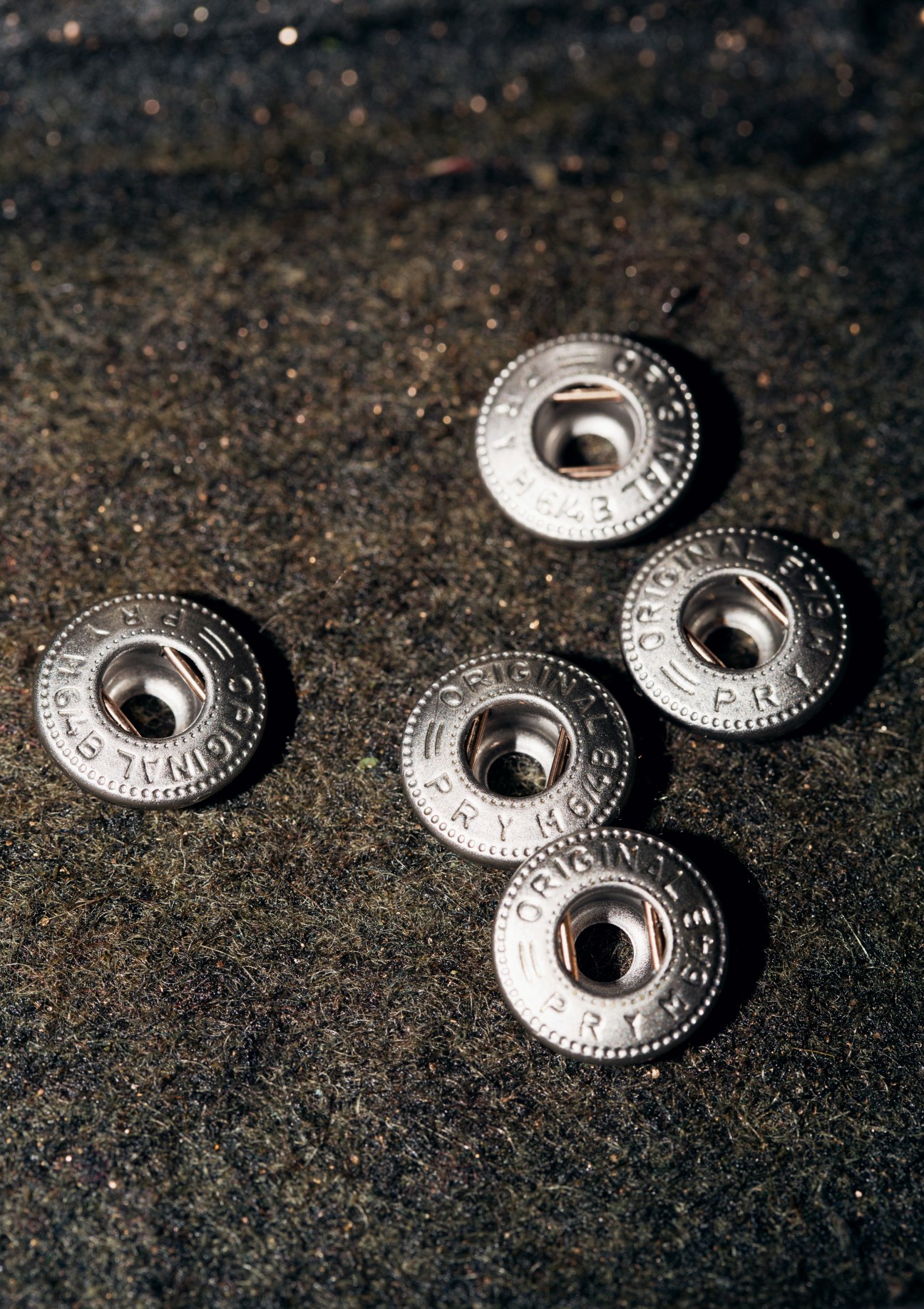
Looking at a Steiff teddy bear, what first catches the eye is not, however, its soft fur: it’s the trademark button in its ear. This quirky feature is also made in Germany – or more precisely, in Stolberg in the Rhineland. Here, for centuries Prym has successfully walked the tightrope between history and hi-tech innovation.
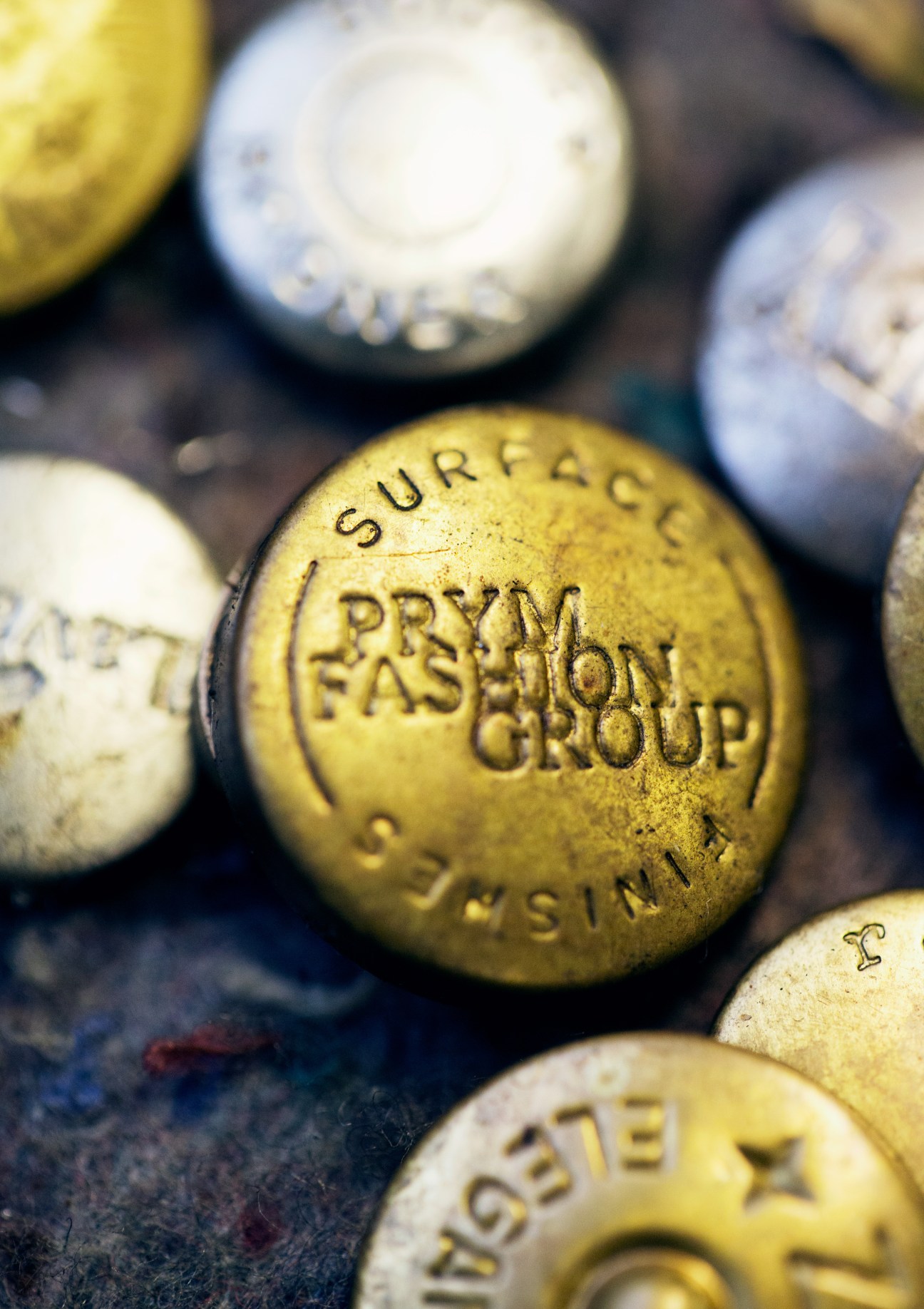
The roots of what is today William Prym Holding were laid down in1530 in Aachen by metal worker and goldsmith Wilhelm Prym. As such, Prym can claim to be the oldest industrial family-owned company in Germany. Although it is more than 450 years old, the greatest achievement in the firm’s history came in 1903 with the development of a new form of snap fastener, or popper. It contained a so-called “Doppel-S” spring that held the button in place. Today this type of button is still one of the company’s most important products, used in textile items around the world.
The firm’s headquarters in an industrial neighbourhood are found in tall brick-walled buildings akin to a fortress. The company is divided into three branches: Prym Consumer, making sewing and knitting accessories; Inovan, which makes parts for the automotive industry; and Prym Fashion, whose main product is fastening systems for B2B customers in the textile and clothing industries. There are 3,300 employees working in 60 countries but around a third of the workforce is here in Germany. And despite its orientation towards international markets, the company’s Stolberg headquarters play a vital role. The core product is still made here, as are the machines and tools that industry customers need to actually attach the fasteners to garments.
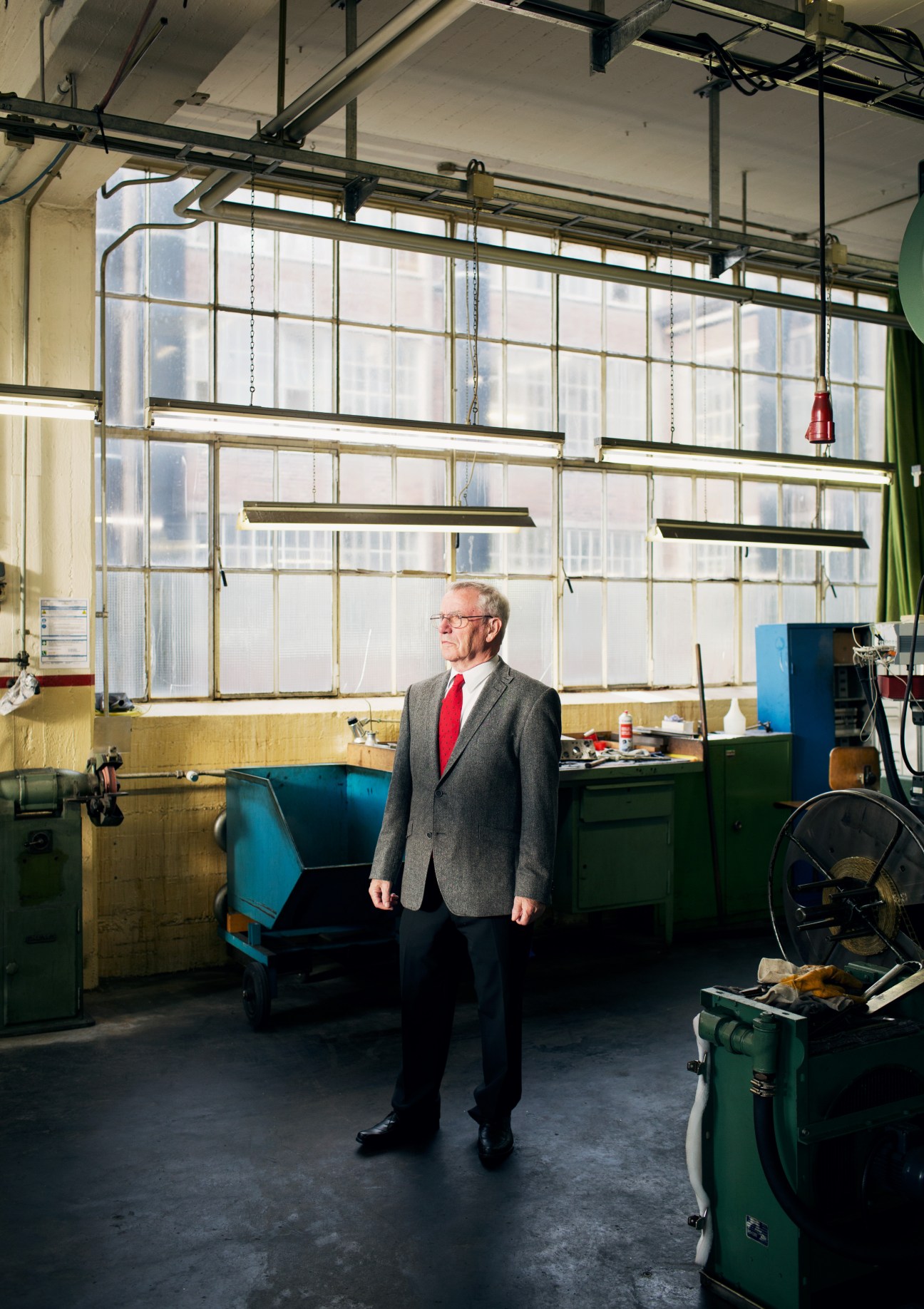
“The decisive factors in order to keep ahead of the competition are innovative products, consistency in the production process and short delivery times,” says Axel Wirthmüller, vice-president of operations at the Stolberg plant. Inconsistencies in quality and appearance are, he adds, virtually unthinkable in times of highly automated processes. But even here a skilled workforce is crucial to the brand’s success. “Details make all the difference,” says Rudolf Malmendier, who recently retired after working at the company for 45 years, latterly as product manager. “You really need to have a lot of experience in order to get the correct result at the end of the process.”
But back to the poppers. The first place where the fasteners begin to take shape in Stolberg is in the stamping room, found on the fourth floor of the factory. Here the individual building blocks of the button – mostly in brass – come flying out onto the conveyor belt of an industrial stamping machine. Up to 7,000 small metal rings spring out every minute from the yawning mouth of the stamp. These machines run 22 hours a day in two manned shifts of seven hours, plus a so-called “ghost shift” when they run all by themselves. Then, the surface of the buttons is treated and degreased in huge metal drums. Up to 10 tonnes of tiny metallic parts can be worked on every day.
While this is a highly mechanised process, the human eye and the long-time experience of the employees come into their own at the so-called “K-Point”, or the control point. Here the surface of the buttons is checked for the right colour and shine. Once the checker has let the goods go through they are then automatically transported to the warehouse. “It takes roughly three days from the raw material arriving here to the moment the buttons are finished and ready to be sent out,” says Wirthmüller.
Prym’s popper is a classic. Although the founding principles of the fastener have changed little during the past 100 years, new fashions mean that there is pressure to innovate. For instance, in the fitness-fashion branch of the industry, lightness is currently of paramount importance, meaning that new materials and slicker designs are in demand. Meanwhile, larger versions of the popper that can be sewn on to heavier garments such as cardigans and capes are currently experiencing a resurgence.
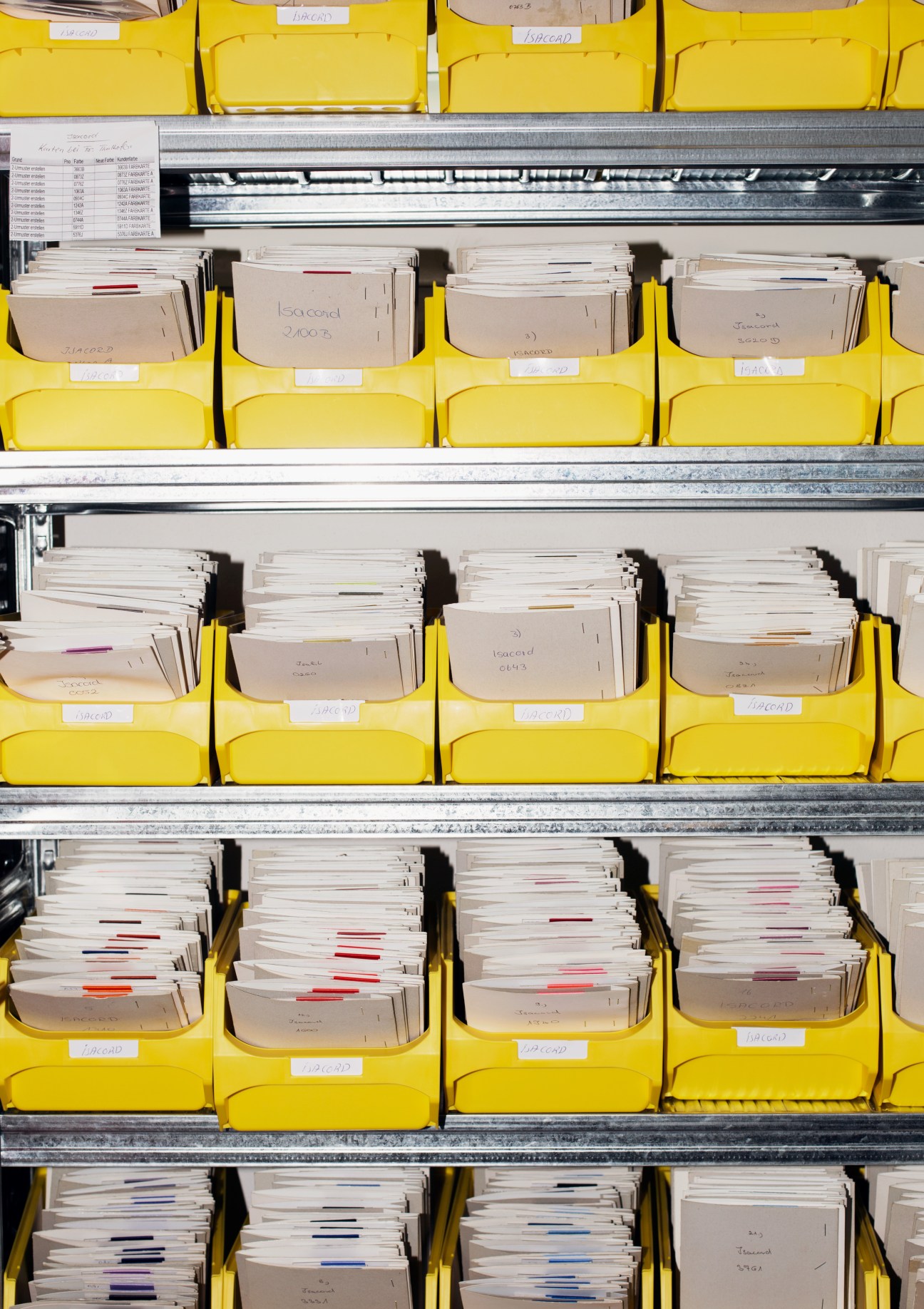
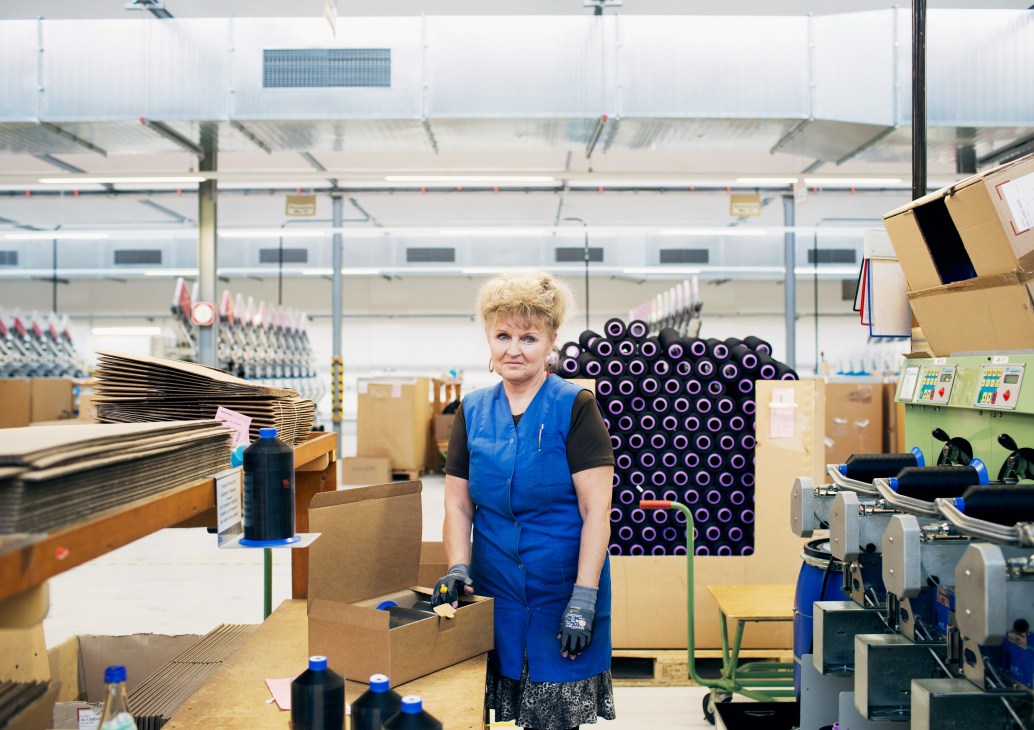
When a Prym product is fixed on to a garment using a cotton thread, it is likely that the thread itself will also be made by a German firm – and it is even more likely that it will be made by Amann & Söhne. The manufacturer is based in the sleepy town of Bönnigheim, about 40km north of Stuttgart on the Neckar River in the state of Baden-Württemberg. But the actual production takes place elsewhere, in the small Bavarian town of Augsburg.
Besides the plant in Augsburg, the company also has countless international premises and 1,800 employees. Even understanding the sheer size of the Amann operation is tricky. Globally the company has a production volume of one million kilometres of yarn every day; that’s enough to make two million suits.
The Amann yarns are not, however, only used in jackets and trousers. They are also put to use in textiles for the home, from furniture to embroidery, and in the automotive industry; they are, for instance, found in the seams of many air bags.
The Augsburg site is indispensable for all of these divisions. “All our innovations are developed in Augsburg and tested here for the first time,” says Barbara Binder, global marketing director at Amann. “We have only recently invested in equipment and employees for our R&D department here. We’re seeing a lot of potential in the area of functional applications of composite and smart textiles.”
The company is currently researching new possibilities of equipping clothing with conductive fibres that, when used in sports clothing for instance, can relay information on body temperature and heart rate. In the automotive industry and the construction of aeroplanes, meanwhile, the demand for lightness is high but stability and durability cannot be sacrificed.
“The distinction between purely technical textiles and fashion products is being eroded,” says Binder. Functionality, flexibility, lightness and longevity are the defining drivers in all areas of application; and in constantly new combinations. “But innovation requires time and money,” she adds. “For a Mittelstand firm such as Amann that means carefully choosing the projects in which we invest and, of course, proximity to the market in order to recognise trends.”
Even established players in the German textile industry are constantly facing immense challenges, from customers demanding new and innovative products to competitors snapping at their heels. But the signs are positive that the significance of Germany as the home of industry in the midst of a highly globalised supply chain can be maintained, even strengthened, in the years to come. A current study by the Boston Consulting Group entitled Apparel at a Crossroads: The End of Low-Cost-Country Sourcing predicts the waning of cheap manufacturing worldwide and demonstrates that rising costs and changing customer demands will necessitate completely new approaches and solutions in procurement and production.
Vast textile mills will not, of course, return from Asia to Europe overnight. But the future clearly lies in innovation through highly skilled engineering, smaller factories, close-to-market manufacturing and new, more intelligent forms of automation. It might not ever be visible on the catwalks of fashion shows around the world but this trend will be a key talking point in boardrooms and industrial parks across Europe. Anyone wanting to follow the rapid development of the clothing-and-textile industry would do well to consider the technology and products behind the garments – and keep the textile behemoth of Germany in their sights.
Desert bloom
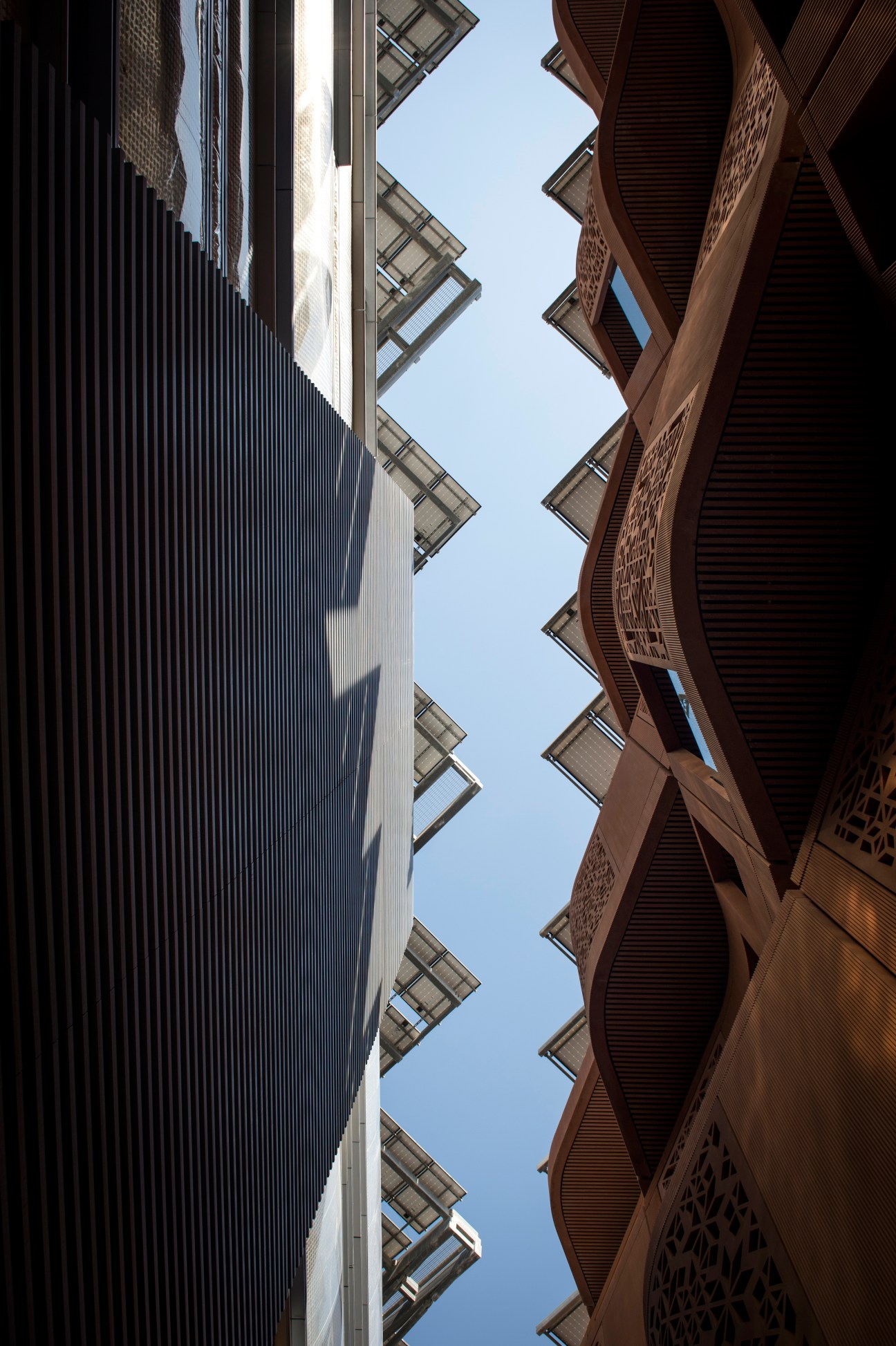
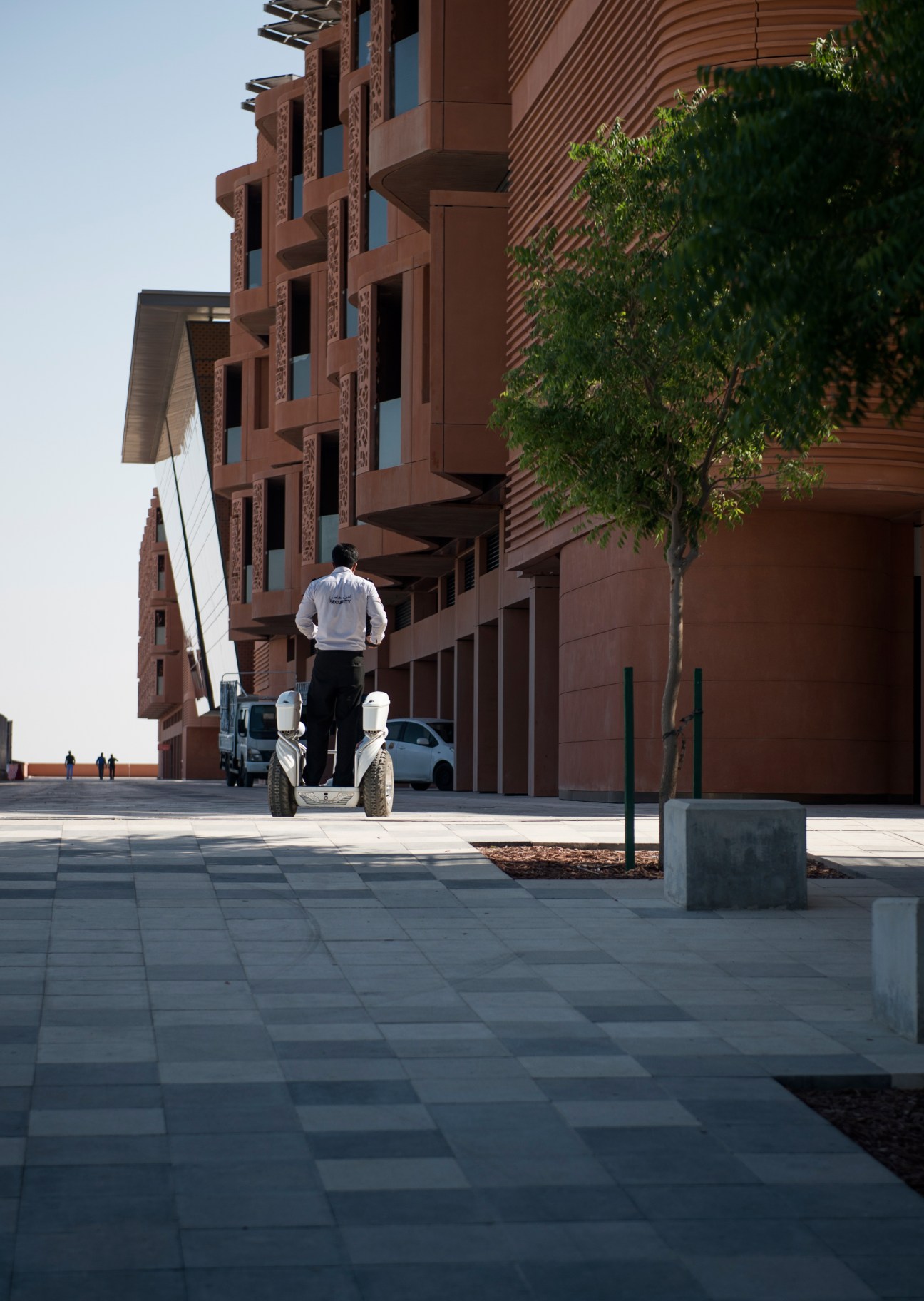
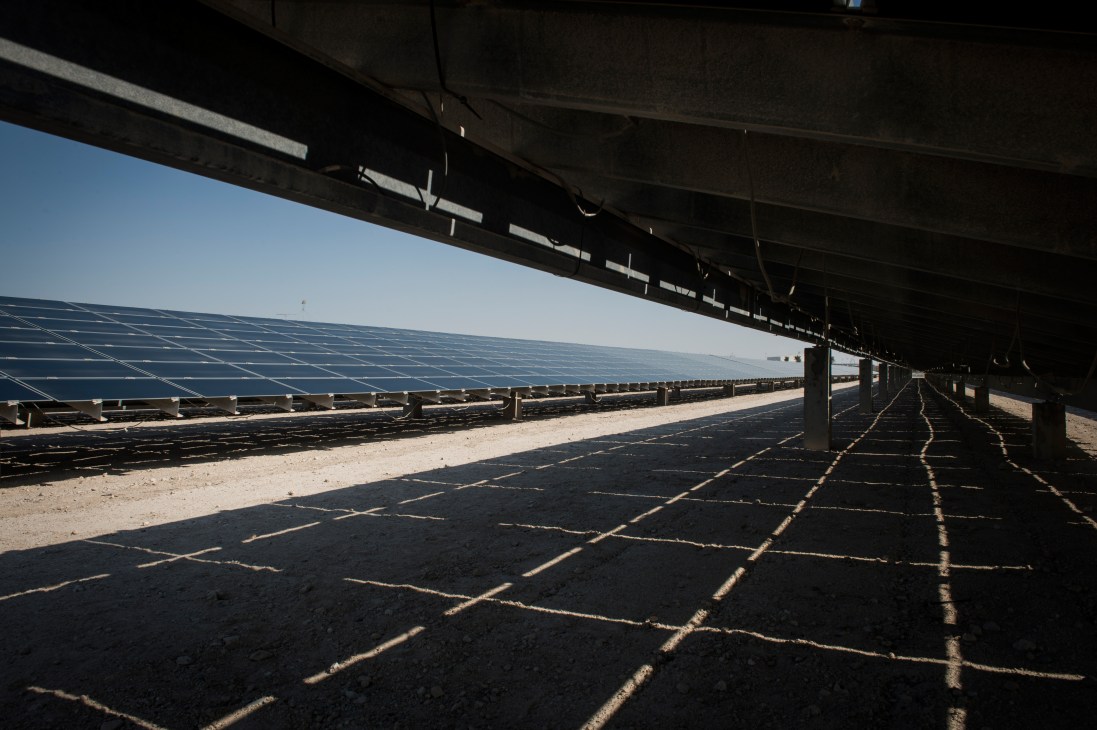
It would be easy to miss Masdar City wherever it was. Via a sun-dazzled squint from a distance, it looks like a modest, modern industrial estate, a densely packed huddle of apparently windowless buildings perched in the wastelands neighbouring an airport. Up close the architecture is more intriguing: a modernist take on a traditional terracotta kasbah blended surprisingly gracefully with the silver cubes of a lunar base. The overall effect suggests the set of a science-fiction remake of The Battle of Algiers. But it is still tiny: every inch of Masdar City’s streets can be strolled in under 20 minutes. And it’s weirdly quiet; an Arabian city – though “city” is pushing it – in which you can’t hear any car horns.
It is especially easy to miss Masdar City amid the Brobdingnagian hubris of the rest of Abu Dhabi, a city that appears to have not yet been presented with an idea it thinks too expensive, ostentatious, gauche, decadent or silly. But even measured against the Formula One track, Ferrari theme park, world’s most-leaning skyscraper, world’s eighth-largest mosque, what was once the world’s tallest flagpole, a hotel called the Emirates Palace that makes most actual palaces look like hotels and the soon-to-open local franchises of the Guggenheim and the Louvre, Masdar City may be the most ambitious enterprise in town. Masdar City is – or at least is supposed to be – the future, no less.
“It’s maybe 10 per cent finished,” says Anthony Mallows. The South African architect and city planner, 65, is director of Masdar City. “But it will double in size in the next three years and will be substantially complete by 2030.”
Mallows is not an elected mayor. He is an employee of state-owned renewable energy firm Masdar – and part of his job is to run Masdar City at a profit. But, like a canny politician, he is managing expectations. When work began in 2008, the accompanying rhetoric was expansive even by the standards of the region. By 2016, it was proclaimed, this would be home to 50,000 people and 15,000 businesses, with a further 40,000 commuting workers all rejoicing in a solar-powered, carbon-neutral, zero-waste, car-free, eternally sustainable Utopia.
Reality, in the shape of global recession, intervened. So with a year or so to go before that ballyhooed deadline, Masdar City is inhabited full-time by about 300 of the 491 students attending the Masdar Institute, a hub for sustainability research. Masdar City is, as things stand, rather more Masdar Hamlet. There are few people on the streets and visible commercial activity amounts to a a couple of cafés and shops catering to students and staff of the Institute (the recent opening of a Mexican restaurant is a great leap forward on the nightlife front). But there is also – somewhere, we’re assured – a 2,000-strong workforce that includes the 800-plus employees of Siemens, which opened its Sheppard Robson-designed Middle East headquarters here in January 2014, as well as those toiling for the 173 companies operating in Masdar City’s Incubator Building (these include GE, Mitsubishi and Grundfos among others, taking advantage of the Masdar City Free Zone).
All of this is undeniably impressive. But the UAE government’s initial commitment to Masdar as a whole was €12bn – about the 2013 GDP of Iceland – for which they so far have something that you could, with a following breeze and at some risk to the rooftop solar panels, smack a golf ball over.
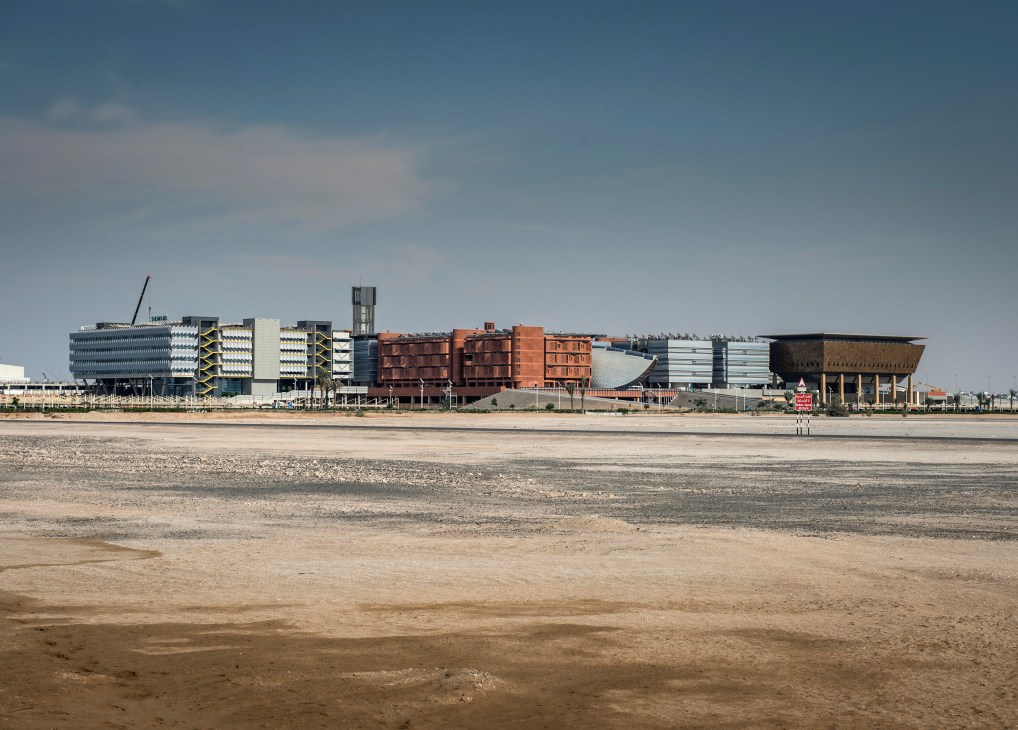
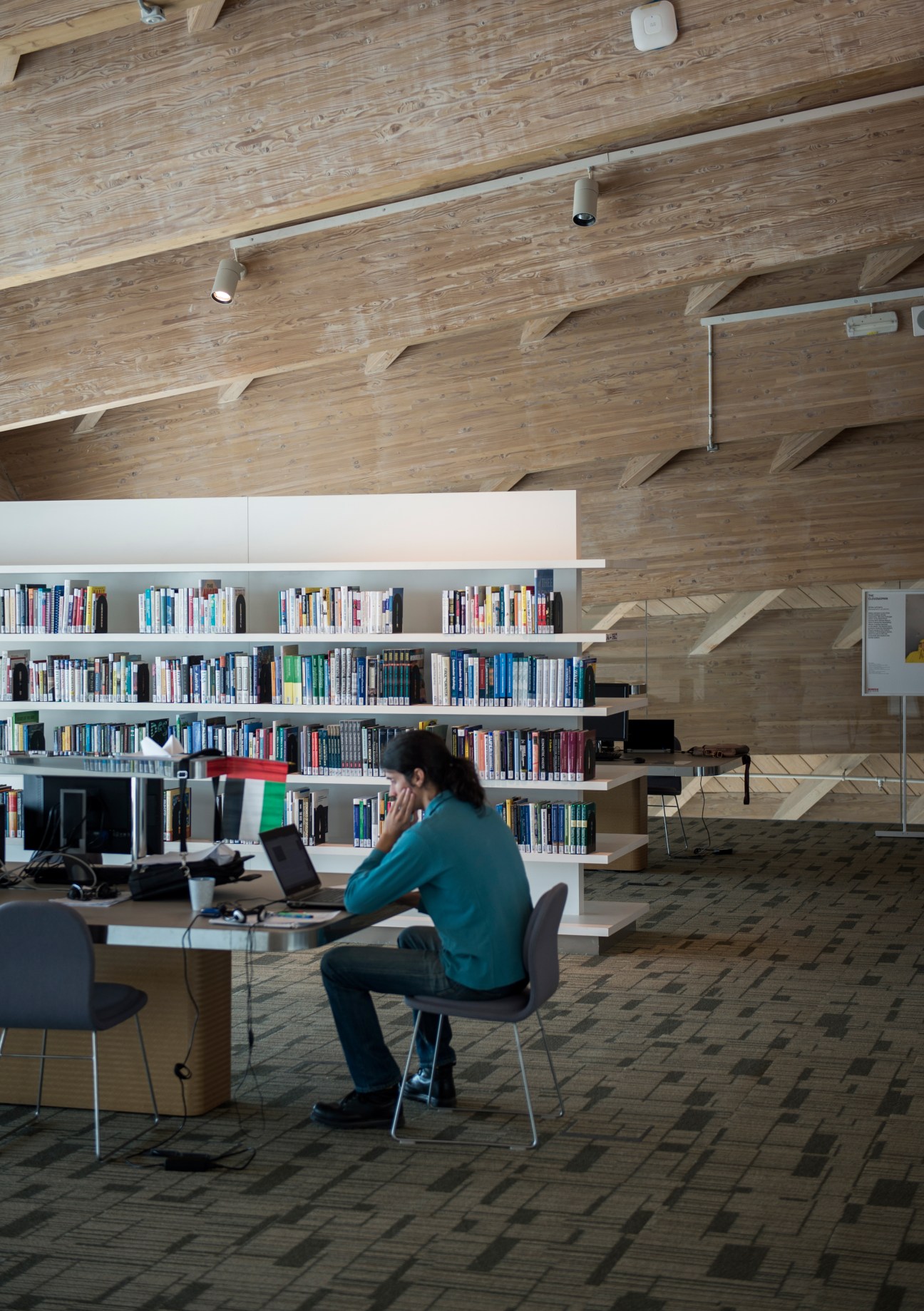

“There has been no cutback in size,” says Mallows, “and no cutback in government commitment.” He spreads a colour-coded map on the café table, pointing out the planned new neighbourhoods and the locations of such future developments as a Hilton hotel, the Abu Dhabi Science Centre and the Emirates College of Technology. But such things do not, in and of themselves, make a place attractive to live in. Masdar City currently suffers from a smaller version of the bigger drawback of Abu Dhabi as a whole, which is that it lacks, for want of a less corny phrase, a soul: it’s doubtless a profitable place to work in, but it’s hard to imagine anyone dreaming wistfully of living there. Mallows acknowledges that Masdar still needs “an urban identity, a sense of place” but notes that any city built around students often has a head start on that front. Masdar City could be, Mallows insists, a great university town like Cambridge, Oxford or Stanford, as well as a laboratory for sustainable living.
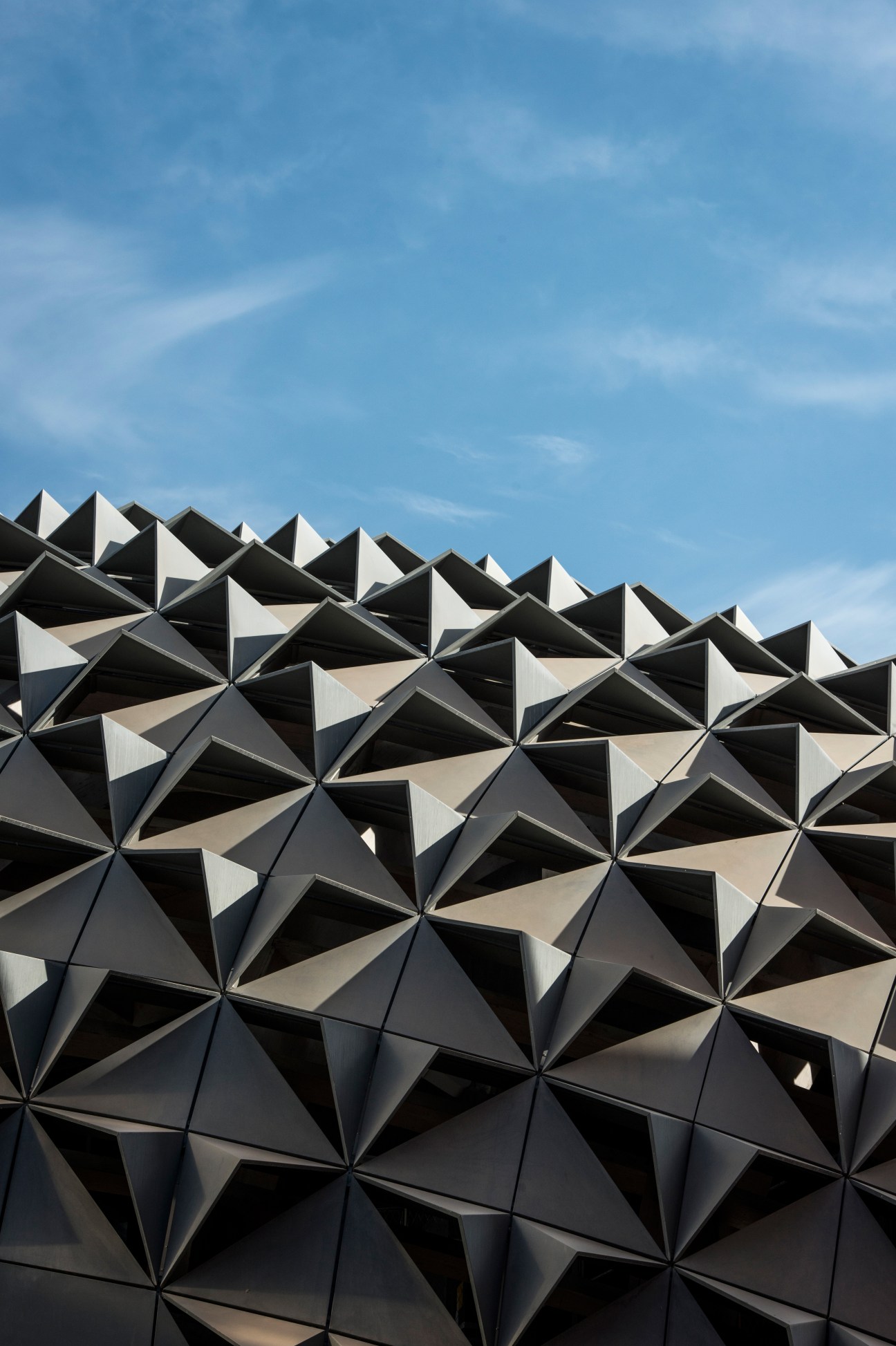
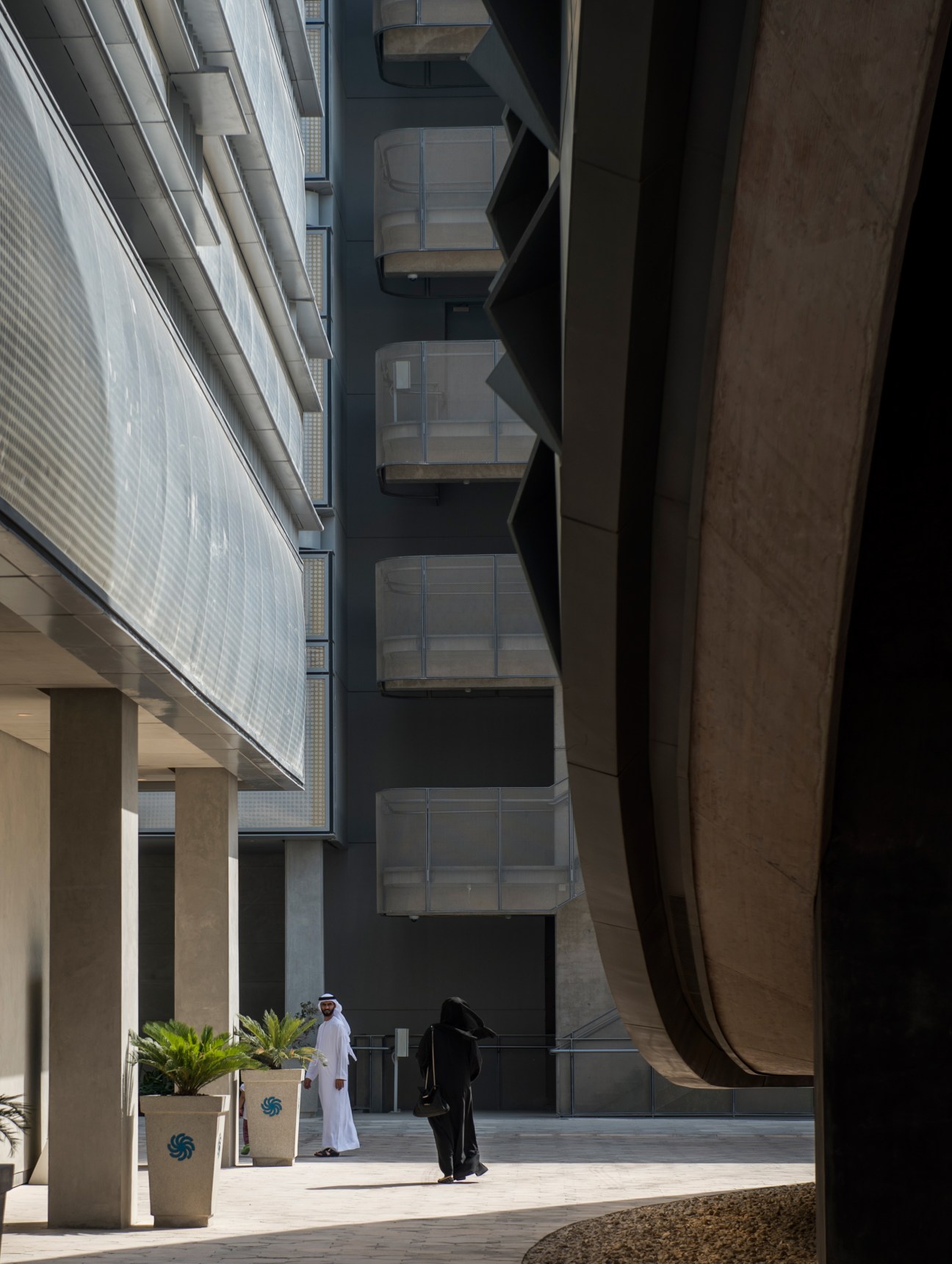
The project’s initial designers, UK architecture firm Foster + Partners, rejected the preening vernacular of Abu Dhabi, understanding that while shimmering glass mountains and broad tarmac boulevards may look impressive to tourists, they are not the most hospitable or economical places to spend 45c summers. Masdar City is a throwback to centuries of more austere Arab architecture, the streets narrowed to create shade and oriented to funnel such wind as there is; it is, on average, 10c cooler here than elsewhere in Abu Dhabi. Modern materials have been applied to ancient principles: the rust-coloured accommodation blocks are made of glass-reinforced concrete; the aluminium-coloured Institute buildings are ethylene tetrafluoroethylene, a plastic that doesn’t radiate heat. Masdar City is also very pretty.
“We looked a lot at how cities have always been built in the Middle East,” says Briton Chris Wan, Masdar City’s design manager since building began. “You realise that they don’t just look beautiful: the thick walls, small windows and narrow streets do a great job of keeping the sun out. So the aesthetics are derived from the response of the buildings to the environment.”
But is the Masdar City ideal exportable or is it only going to work where you have large areas of utterly unused land and even larger reserves of cash? “If you took our blueprints and stuck them on your own country, I can absolutely guarantee that it wouldn’t work,” says Wan. “But the philosophy will; the questions you have to ask, the fundamental principles you have to work by, are exactly the same.”
“This would be the worst thing you could do in Copenhagen,” adds Steve Severance, 47, Masdar City’s Californian manager of programme management and investments. “We’ve built to increase windflow; they do everything to reduce it. We try to keep the sun out, which I’m not sure they’d appreciate in Denmark. And we have slowed it down. The original statements were very ambitious, all ‘Build it and they will come’, but it makes more sense block by block.”
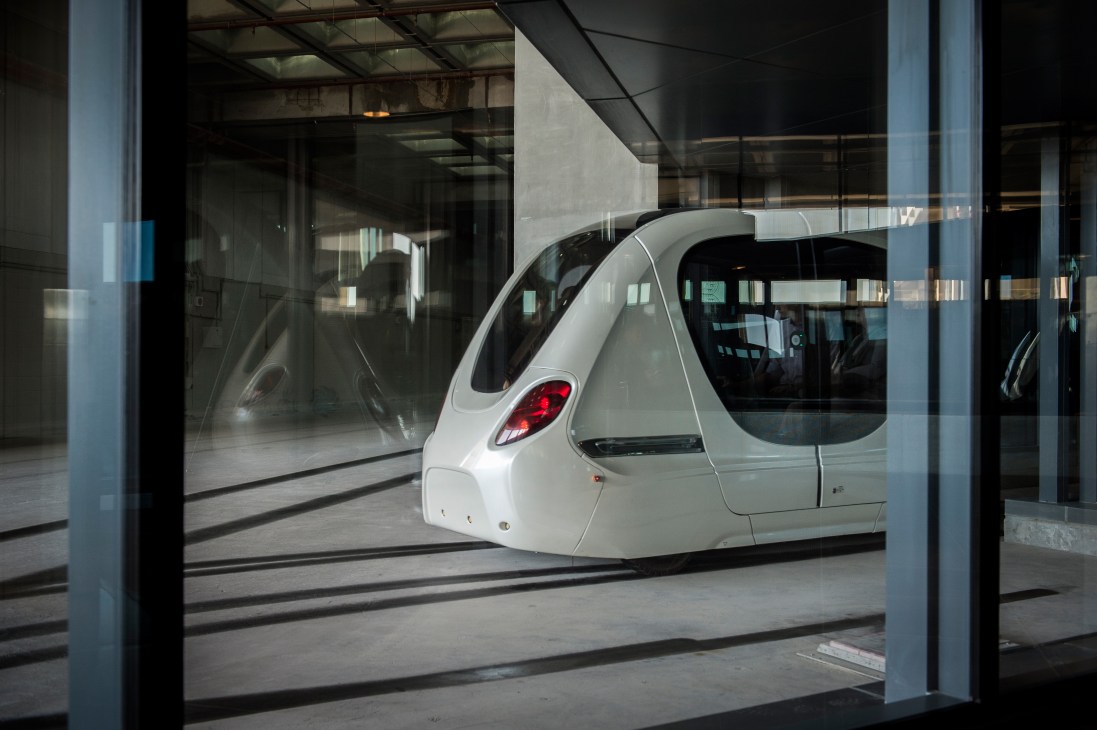
The signature attraction thus far is the project’s embryonic public transport network. The PRT (Personal Transport System) is a subway of driverless electric cars operating beneath Masdar City, which perches on a raised podium above (new areas will be built at ground level, however). The cars, resembling four-seater steam irons, were conceived by Italian sports-car designer Zagato and built by insufferably named Dutch tech company 2getthere.
Like much else here, the PRT has been scaled back: what was supposed to be a fleet of 3,000 vehicles zipping betwixt 100 stations is currently 10 prototypes trundling the 800 metres between the Institute and Masdar City’s car park. It is, however, weirdly addictive, possibly for the realisation that the safest your correspondent has ever felt in a car in the Middle East is in one which doesn’t have a steering wheel.
On one of our gratuitous PRT commutes we share a ride with Noura al-Wahshi, 27, studying microsystem engineering at the Institute. “The whole of the UAE is starting to have issues with crowded streets, traffic jams, accidents,” she says. “So maybe we can help make people less keen on using cars to go places.”
This raises the question of how seriously one can take an environmental revolution commanded from a country that, according to the World Bank, is the world’s eighth-worst per capita perpetrator of carbon emissions. “It is a hugely counterintuitive idea,” says Adnan Amin, the 50-year-old director general of the International Renewable Energy Agency (Irena) – the presence of which in Abu Dhabi feels as surprising as stumbling across a Lamborghini showroom in Amish country. “When I first heard about Masdar City I thought it was a palliative, or a flash in the pan from an oil-rich country but the more I heard the more I realised they were serious.”
The people associated with Masdar who seem least startled by the idea of a UAE transition from hydrocarbon giant to clean-energy pioneer are the Emiratis. Bader al-Lamki, 40, is Masdar’s director of clean energy. As he observes, Abu Dhabi today is vastly different to the Abu Dhabi of his childhood and utterly unrecognisable from the place his father grew up in. Things can change fast around here – as his own career path did.
“I studied chemical engineering and worked in oil and gas for 11 years,” he says. “But oil and gas will decline. We need to establish expertise in clean energy to position this country as a continuing player.”
That edge of blunt realism may be the project’s most solid guarantor of success. Idealistic it may be, but Masdar City isn’t the doing of suddenly penitent lottery winners atoning for a profligate spree: it’s a bulwark against decline built by people who have come to enjoy power and wealth, and have no interest in losing it.
The sky’s not the limit
It’s 1970 and you’re the mayor of a mid-size North American city that needs to somehow make its mark on the continent. Once a year you manage to attract tens of thousands with an annual farming trade fair and you have two decent sports teams. You’ve toyed with a new airport and a sweeping new terminal but you can’t be bothered dealing with the various agencies in Washington to pull this off so you’ve decided what you really need is a “dome”. They recently built one in Houston and according to engineers you’ve chatted to, no less than five other cities are looking at domes to cover their sporting and convention activities.
From the late 1960s through to the mid-1990s, North America became home to the Astrodome, Sky Dome, Carrier Dome, Superior Dome and plenty more. Come the 1980s, domes had become too commonplace and suddenly mayors wanted to build mega-malls to draw tourists and keep locals in service-style employment. A decade later cities wanted to develop financial centres to host multinational banks and insurance providers and as we shifted into the new millennium, London’s massive Ferris wheel became a must-have for other global hubs short of more monumental ideas.
As we hurtle toward 2020, you’re unlikely to be seen as much of an urban innovator if you don’t have some form of a High Line on the go within your city limits. Just as domes and Ferris wheels have defined their respective decades, an elevated stretch of landscaped track intersecting a city seems to be the defining feature for this part of the century.
Never mind that the Manhattan original is particular to its street portion of the Lower West Side – cities from China to Australia back up to Canada are all keen on having their own High Lines to show that they, too, are leaders in progressive urban living. Many are missing the point and creating levitating expanses of concrete and shrubbery from scratch rather than repurposing derelict overpasses or rail lines.
Over the past two years we’ve been presented with no less than 10 High Line-inspired concepts as cities search for what they think will be unique regeneration and marketing opportunities for their various departments and promotion agencies. Sadly for residents and visitors alike, far too many City Halls emphasise the high-impact one-off rather than looking at smaller, more relevant initiatives to improve daily life for locals and instil a sense of envy for those just passing through. In place of these often too-grand gestures and occasional white elephants, clued-up politicians and planners might want to embrace pocket urbanism (think well-proportioned parks, buildings wedged into awkward lots, mini-markets lining unused laneways) over large-scale development.
Where budgets, timelines and expectations are blown by erecting singular structures, there’s more to be said for creating nooks and enclaves that connect one neighbourhood to the next. From a business perspective it’s poltically astute to start encouraging young entrepreneurs to set up a stall. And isn’t it more calming for everyone to be politely credited with politely punctuating the urban landscape, rather than bellowing over others?
From Taipei to Melbourne, Kyoto to Copenhagen, we’ve considered the elements that make pocket urbanism the healthier prescription for cities looking for a fresh regime.

1.
Laneway lift
A beautification and business opportunity
Narrow alleyways and lanes lacking sunlight are too often regarded as service thoroughfares rather than arteries for small businesses to set up weekend stalls or stand-up bars.
As high streets become the domain for big chains and deep-pocketed independents, laneways present opportunities for creating covered gallerias that can accommodate smaller retail formats while also redirecting traffic to other streets, thus opening up neighbourhoods to more visitors.

2.
What lies beneath
Designs on filling in the blanks
There’s a small, sloping patch of Roppongi in Tokyo that manages to combine an underground bicycle-parking garage, public toilets, greenery and well-positioned benches.
It’s a textbook example of pocket urbanism as it’s not only small in scale but also an example of how a seemingly unusable space can be fashioned into a place to park, pee and find a patch in the sun.

3.
Running wild
Greening the streets
As many cities and developers find trees an unnecessary expense and choose to plant saplings (that don’t have a hope in hell of surviving) instead of mature trees, letting public pavements run wild makes for richer-looking streets.
Kyoto, Taipei and Hong Kong all offer good examples where local residents/business owners allow their greenery to run onto pavements, making their neighbourhoods look healthy and well kept.

4.
If you go down to the woods…
Real urban jungles
Plots of land that are unlikely to be developed in the short term should be allowed to grow their own way (with a bit of guidance and grooming).
In place of perfectly groomed parks, dense thickets can host birds and bees and even the odd hut offering up good coffee or hearty micro-brews.

5.
Child-exhaustion parks
Play hard, sleep harder
Rather than simple arrangements of slides and swing sets, pocket parks can be developed to ensure children get a proper workout and parents can walk home assured their kids will pass out the moment they’re through the front door.
Designed with climbing hills, water spouts, plenty of climbing structures, clean bathrooms and changing facilities – and a well-stocked kiosk for parents to sit back and watch the chaos.

6.
Small and cosily formed
Create your own neighbourhood
Tokyo’s Yoyogi Village and Bangkok’s Barkyard (see page 112) are good examples of how a bit of vision applied to awkward plots of land can not only create entirely new communities but also offer opportunities for various start-ups and experimentation. By going for small-scale builds, costs are kept in check and tiny floors translate into lower rents.

7.
Lean living
Space for trimmer townhouses
Empty car parks jammed behind a tangle of buildings can take a more charming turn by rethinking the possibilities with lankier townhouses – constructed in easy-to-fit, pre-fab dimensions. Swiss-based Blumer Lehmann is a master of such concepts, including wooden school structures fully fitted with all necessary electrics and plumbing.

8.
The shophouse relaunched
A Southeast Asian classic for live/work
Given that more developers are in search of unique retail and food-and-beverage operators while also encouraging more small-scale start-ups, a return of the three to four-level shop house with retail/services at ground level and offices and living above are ideal for rekindling the metabolism of sleepier neighbourhoods.

9.
The hum of the city
Light industry as an economic engine
Wander the streets of Zürich and you’ll still find woodworking shops, printworks, metal-bashing ateliers and other firms that display a bit of muscle. While many cities are focused on moving industry to the suburbs or beyond, moving workshops onto hard-to-lease side streets may offer broader job opportunities for mayors battling with high youth unemployment.
10.
Follow the low line
Time to fill in the gaps
While it’s not new to see businesses being run beneath railway arches, there are still too many centrally located spaces in major cities that are ripe for redevelopment as retail and service pockets. Tokyo-based JR East’s vision for land around Shinjuku will be the most interesting to watch over the coming years following their successful station redevelopment in Akihabara.
You heard it here first
A day spent at the smart and purposeful headquarters of recently launched audio-streaming service Tidal in central Oslo means exploring some of life’s more ambiguous questions. Namely those involving music: how do you get it? And what actually is it?
Sound, it seems, is caught in a loop. The MP3 – that brittle, tinny, low-quality digital file created for squeezing OK Computer into not-OK computers via shaky 1990s dial-up – has somehow stayed with us. We now listen to lower-quality sound from our speakers than we did back when the CD was king.


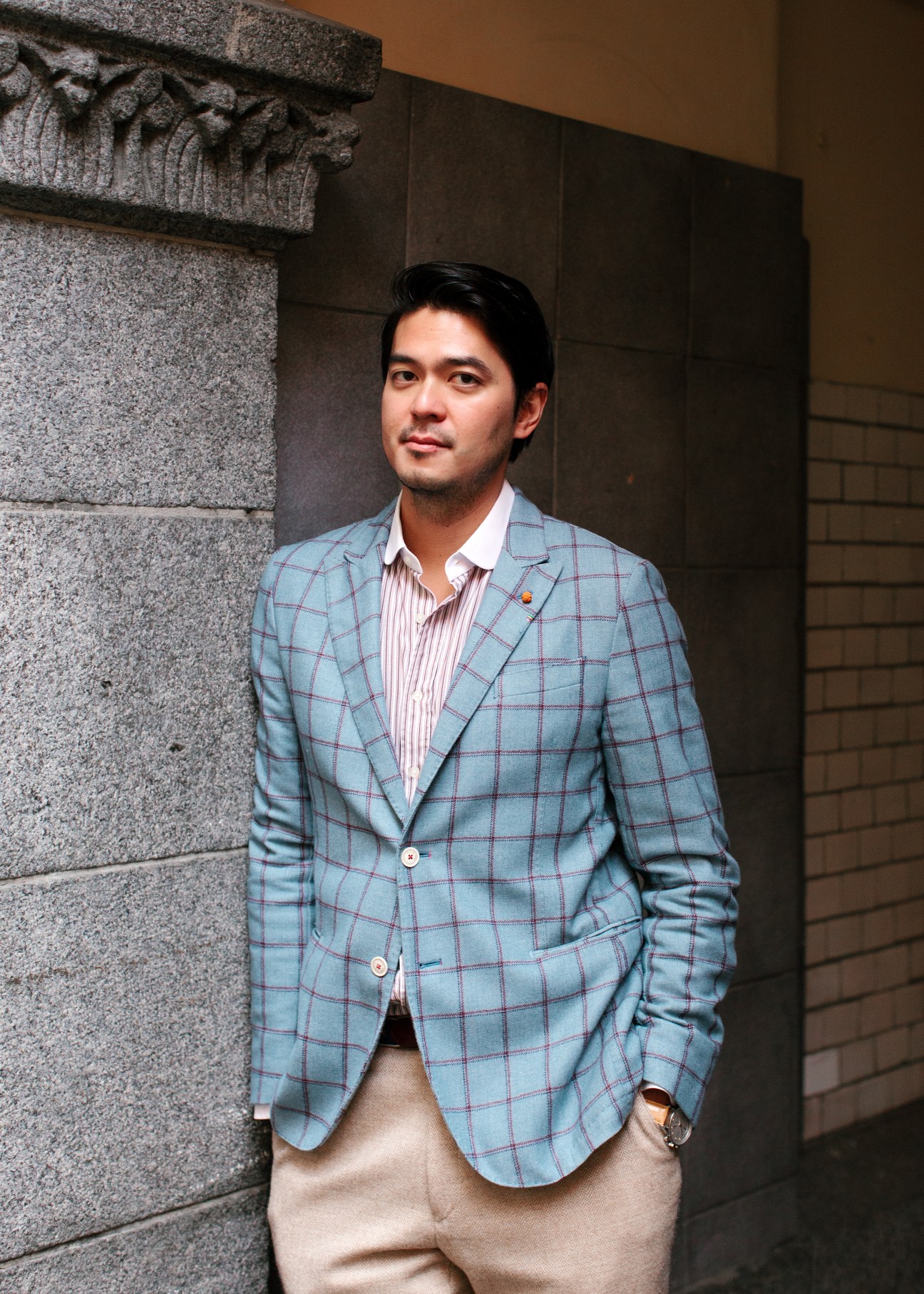
Andy Chen, the Taipei-born, California-raised CEO of Tidal, has spotted this growing gap between tech convenience and sound quality and believes that his company’s new hi-fi streaming service could be the future. Unlike competitors such as Spotify, Tidal provides 25 million songs of Flac (Free Lossless Audio Codec) music – which in layman’s terms means “sings sweetly like a CD” rather than “bleats hellishly like a ringtone”.
Tidal, recently launched in the US and the UK, is also live in Germany, Poland, Sweden, Denmark and Norway (chosen as Tidal HQ for its web savviness). Chen hopes its approach will create an era in which quality is as valued as quantity. “It’s not about the 25 million songs that you can listen to: it’s about the 250 that you listen to all the time,” he says. It is telling that during a boardroom-blitzing career Chen, a trained architect and sometime hip-hop DJ, has also helped steer the success of a traditional handmade Dutch bicycle brand. “You can make cheaper bikes in China but they don’t have the same sentiment,” he says. “Quality takes time.”
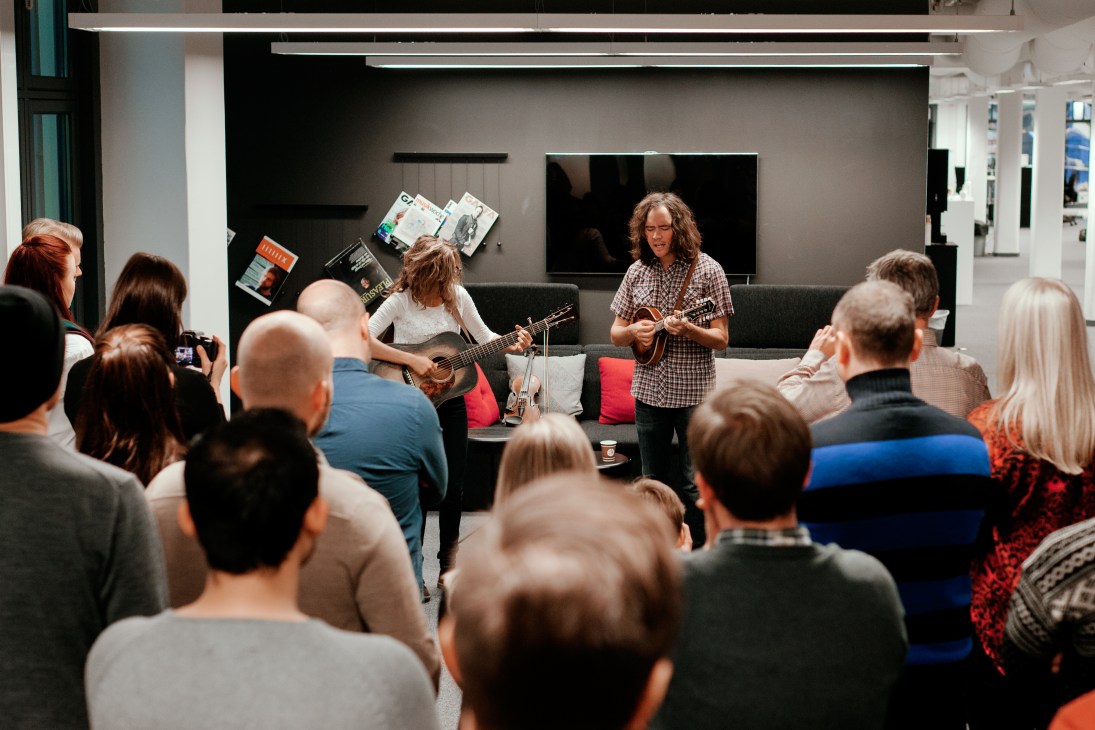
Around midday, members of Tidal’s 70-strong Oslo office gather to watch a performance from visiting North Carolina acoustic duo Mandolin Orange. This appreciation of bands beyond the mainstream is one of the driving forces of the company’s journalistic output, overseen by Tidal’s head of editorial Sveinung Rindal. “I ran a record store for five years,” says Rindal. “We don’t focus on so many hit-orientated records: we do lots of niche stuff, including jazz and classical.”
That engaging approach is assisted by the website and app’s simple layout but a question lingers: can anyone really hear the difference? The prevailing answer here is “yes”, of course, but it seems Tidal is also about regaining something lost: a richness of experience that we never asked to give up.
“When we started, I bought new speakers and a new amplifier so that I could appreciate the subtleties,” says communications head Kristin Eldnes. “Buying a stereo is something I haven’t done since I was a kid; it’s about getting the fuller experience back.”
Healthy progress
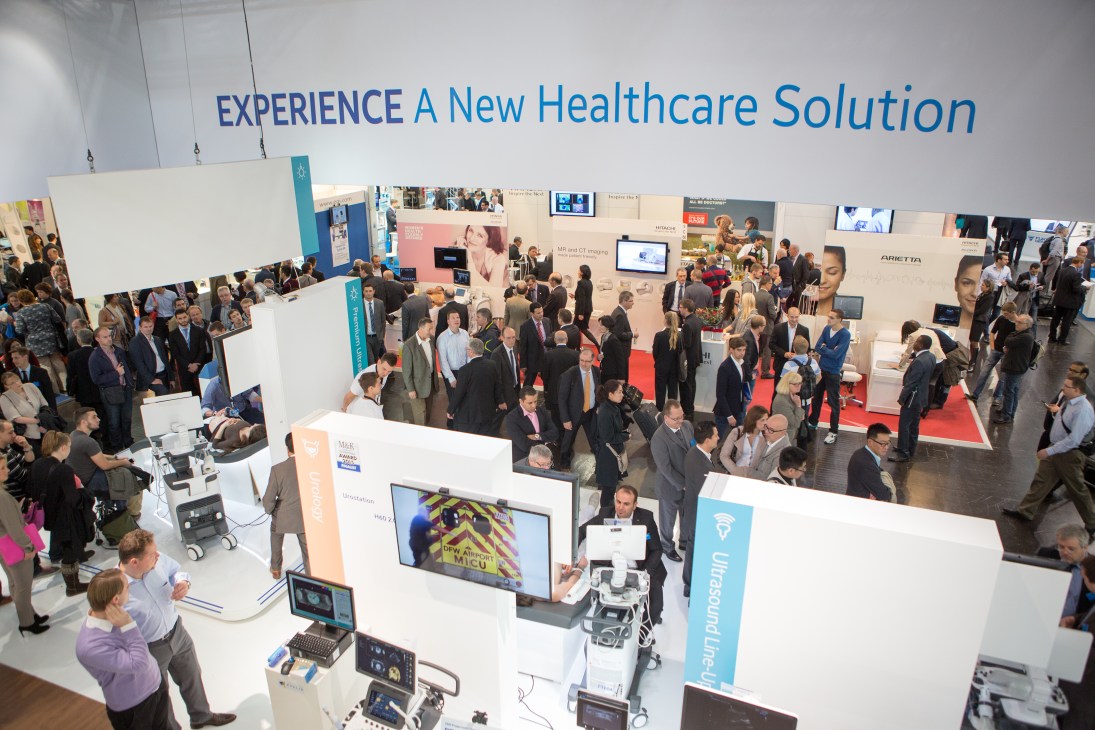
Prevent disease! Live longer! That’s the rallying cry that echoes around the vast halls of Medica, one of the leading trade fairs for the healthcare industry that is held each year in Düsseldorf. And while that rallying cry might seem uplifting and benign, today it comes with a caveat. Because here’s the rub: would you wear a device that recorded your exercise routines and your calorific intake not only for your personal dissection but also for that of your health insurer? If your doctor warned that your wobbly bits might be bad for your heart and told you to hit the treadmill, would you be happy if your insurer could virtually be with you in the gym checking up on your commitment? Because be warned: it seems that is exactly what lies ahead.
Yes, there’s a small-scale revolution afoot (and, in fact, a-wrist). This is the industry of wearable healthcare technology. So-called “wearables” are devices that you, well, wear. In the healthcare world there are gadgets that can monitor everything from your heart rate and temperature to oxygen-saturation levels and blood pressure. “There is really no limit to what we will be able to measure with wearables,” says Mikko Malmivaara at the Medica stall belonging to Finnish manufacturer Clothing +. “We are in constant contact with our clothing so it is the perfect platform to interface the human being.”
While being “interfaced” doesn’t sound fun and despite much of the clothing looking like stock in a cheap fetish shop, many in healthcare are banking on these devices governing the future of the industry. The key to wearables is that they aim to create behavioural change. Joss Langford, technical director of Activinsights, a UK wearables maker, recites an industry axiom that he has learnt over the years: “We want to help people while they are still customers and before they become patients. We have to look at prevention rather than just reaction.”
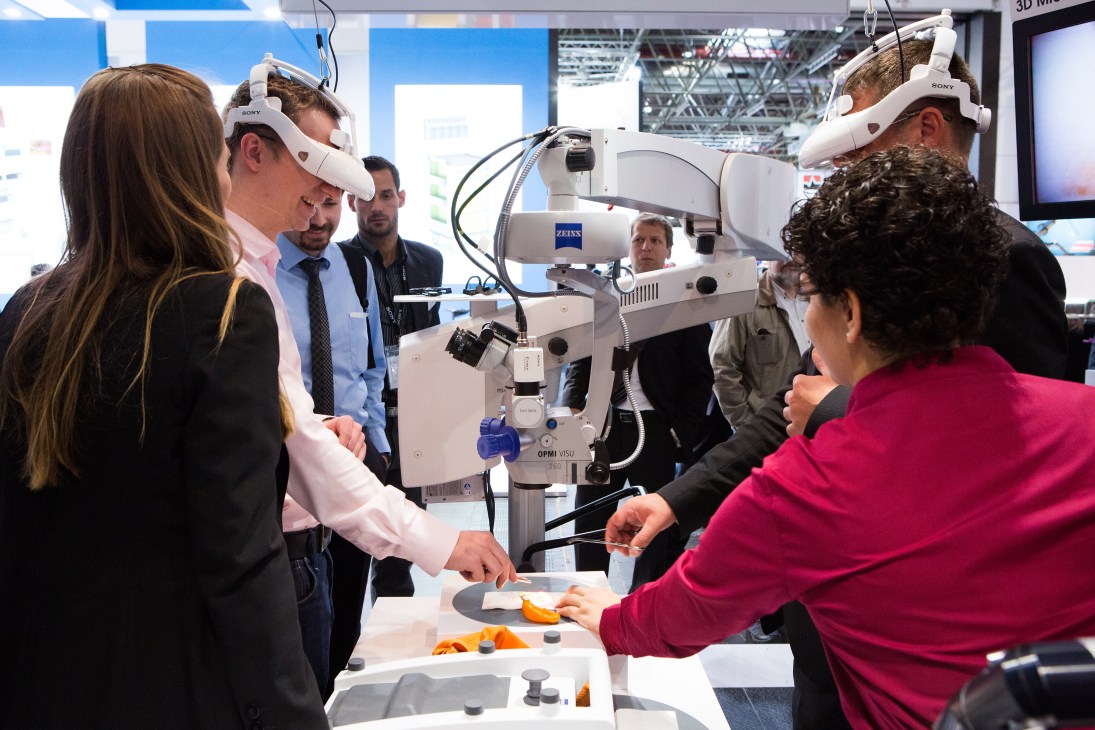

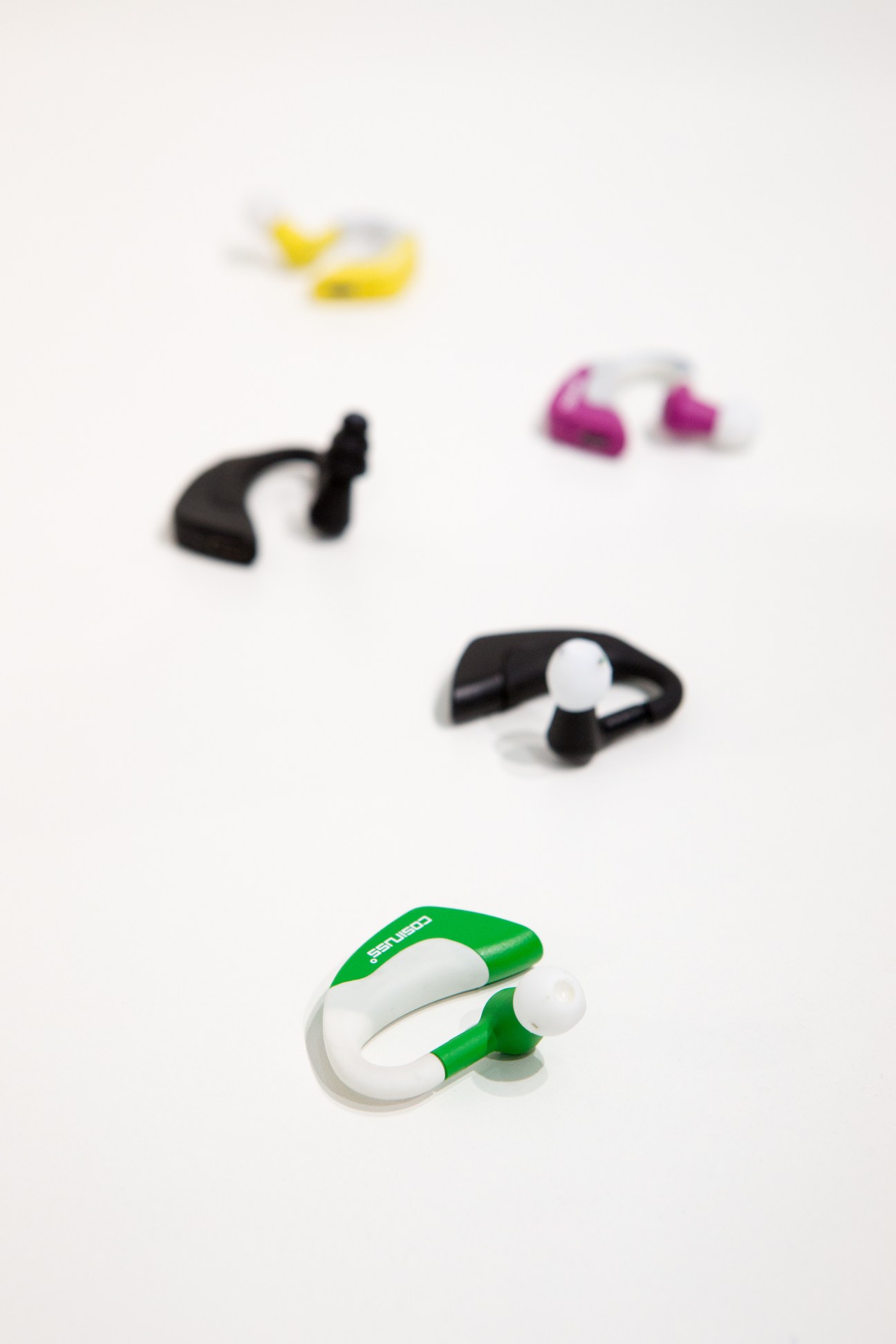

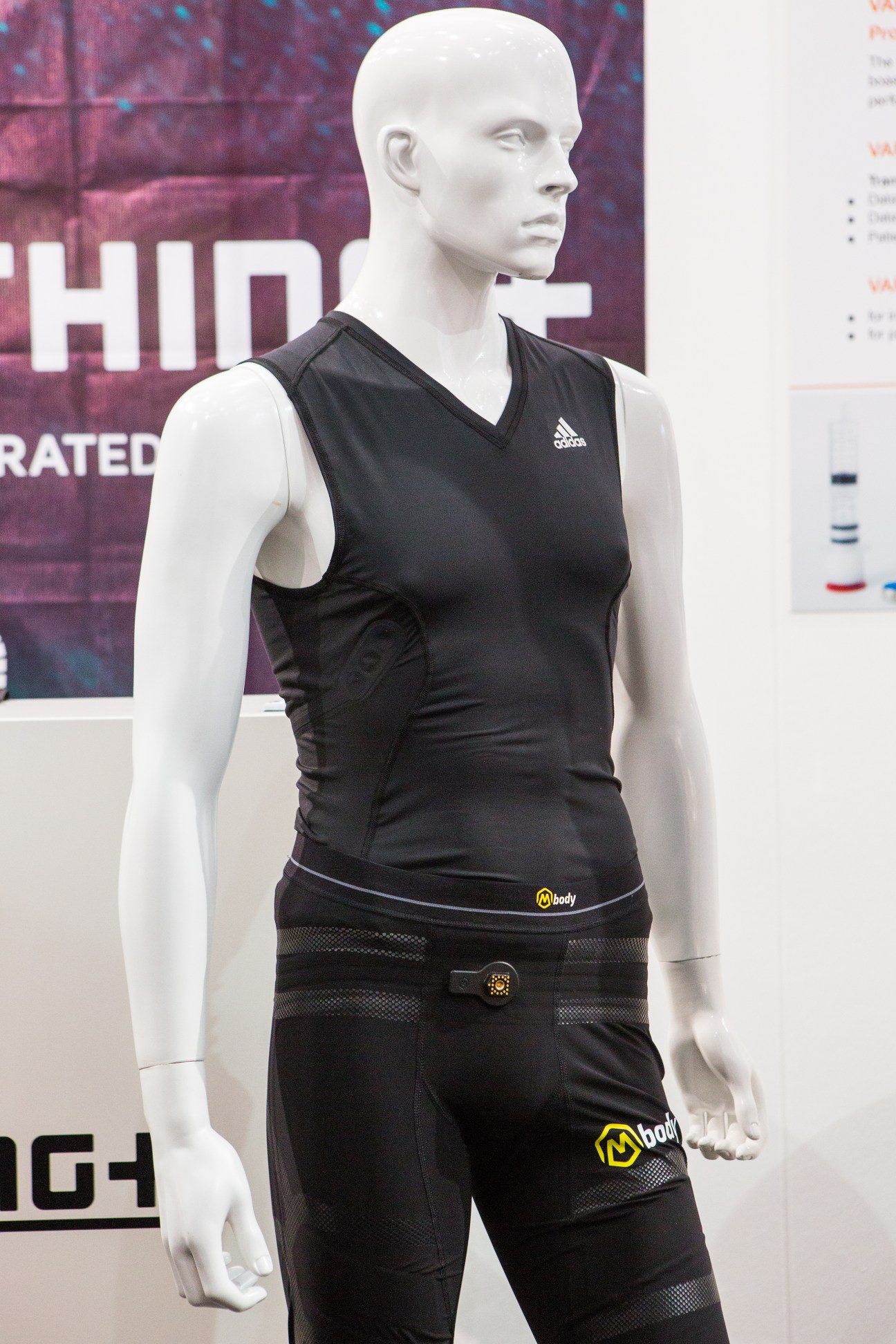
Wearables can give people the nudge they need to modify their lifestyle without a doctor in a white coat telling them to do so. In future they could also help with diagnosis, giving practitioners access to a vast ocean of reference data rather than expecting them to assess a patient’s health in the snapshot afforded by a short appointment in person.
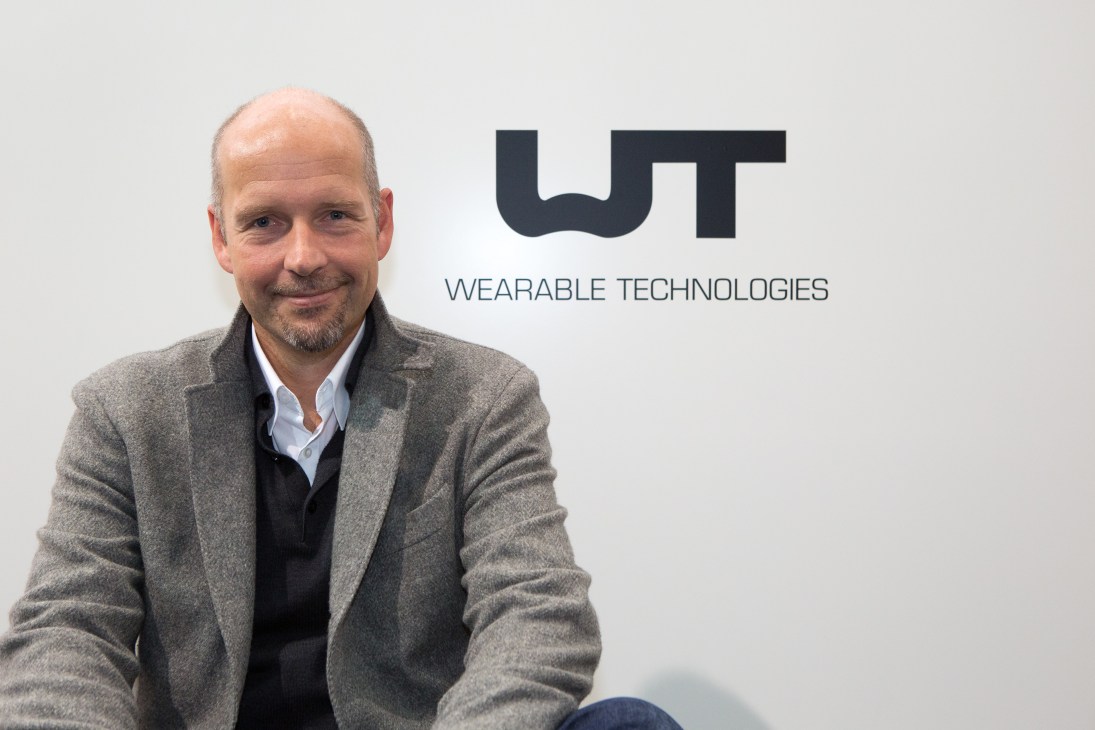
That is the theory at least. But one of the biggest problems facing developers of wearable goods is that they have a very short shelf life. “People tend to keep them for five or six months,” says Christian Stammel, CEO of Wearable Technologies, the world’s leading b2b platform for wearable healthcare products. “After that, they know their behaviour and don’t need to wear them anymore. The whole industry needs to find a business model that works. I think it needs a reward system.”
This is where insurance companies come in and where the future of medicine gets interesting – not to mention fraught with issues, at least in those economies where private healthcare is the norm. Health insurers around the world, particularly in the US, are watching the wearable revolution with great interest. For them, the opportunities are boundless. If they can get their clients to wear a device that proves how often they go jogging, how regularly they drink alcohol and how many times a week they scoff a Big Mac, then they can theoretically reward or punish them with lower or higher premiums accordingly. It sounds like a win-win situation: good for the insurers and good for the health of their customers, too. So what’s the problem?
Well, it’s an ethical minefield. For starters, there is that quintessentially 21st-century question about privacy: should companies have access to such vast amounts of our personal data? It isn’t difficult to see this as a particularly slippery slope, starting with regular blood checks and evolving into a well-oiled lifestyle-monitoring apparatus, soaking up data about all your bad habits.
And this is still only scratching the surface of this perfect ethical storm. One question on a 2013 survey asked respondents if they would be willing to have genetic tests in exchange for a financial incentive. Surprisingly, 49 per cent of them replied in the affirmative. The mind boggles. Where would this end? If these tests revealed you had a particularly high likelihood of developing cancer, would you not expect your healthcare premiums to rise?
And, last but not least, there’s the whole debate about what insurance should really be for. “The social role of insurance is that it shares risk among a community,” says Langford. “So if everyone gets a highly personalised rate based on their own metrics, it is not fulfilling this basic role.” After just one day at Medica it becomes clear that these seemingly unremarkable devices – the wearables – intentionally no more attention-grabbing than a standard watch, could overhaul the entire healthcare market in the coming years.
It is important to remember, though, that these new machines have the potential to improve all our lives no end. But they do come with a health warning. In the coming decades, due to the inexorable rise of the wearables, healthcare will become yet another 21st-century battleground where the relationship between big business and personal freedom will be contested. As technology continues its ever-quickening march, we will need to come up with entirely different models to deal with what it throws up: new markets and new business models, new industry standards and, most importantly of all, new codes of ethics. Because unlike debates about internet advertising and the sinister side of Facebook, this really will mean the difference between life and death.
Places to be
The past decade has been good to Auckland and signs suggest that the next may be even more fruitful for New Zealand’s largest city. Not only has the nation cut its red tape and worked its way to second in the World Bank’s Ease of Doing Business ranking but also, as the global gaze settles on Asia’s growth, its once remote location is fast becoming its pivotal strength.
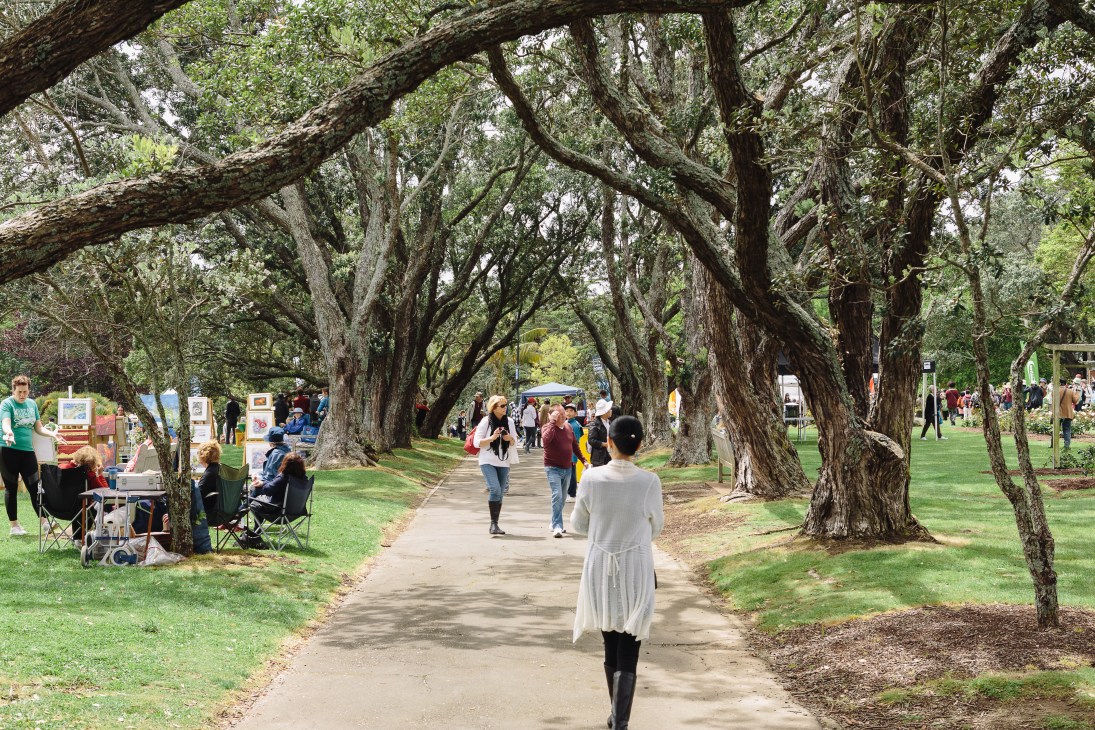
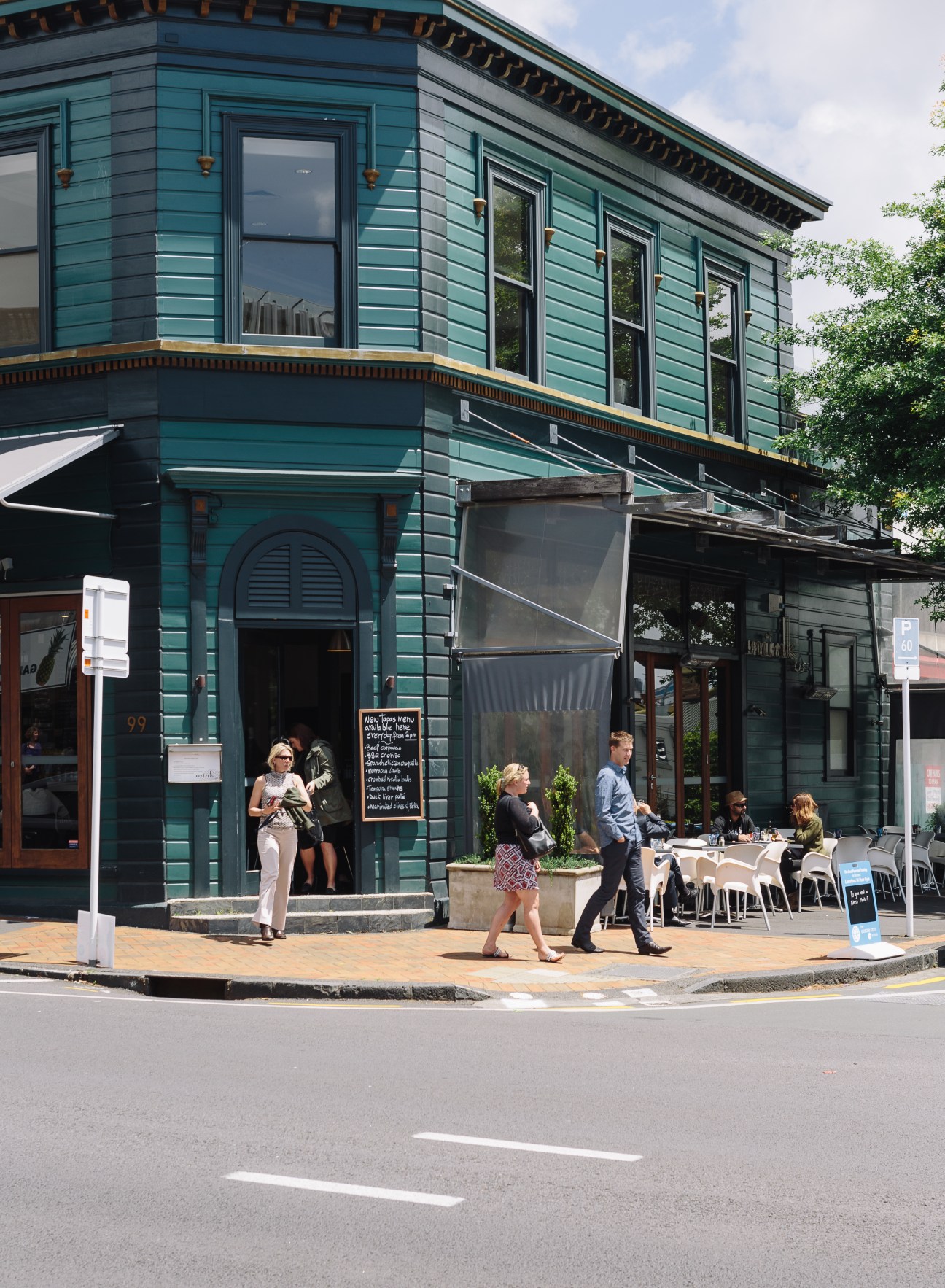
If flat whites, great wine, stunning scenery and the prospect of a more relaxed pace of life (that maintains a few exciting business prospects) have you feeling the Antipodean pull, the suburb of Parnell is one of Auckland’s oldest and most appealing areas to consider. It was settled in the 1840s when the city was little more than a handful of wharfside shacks clustered by a stream. For weekday recreation there is green space, tall trees and large town houses, while Victorian workers’ cottages sit a five-minute drive from the city’s business heartland. For the weekend there’s Judges Bay, a pretty slip of an urban beach beside the city’s Rose Gardens where walking tracks wend their way along tidal estuaries and towards the pretty waterfront promenade of Tamaki Drive.
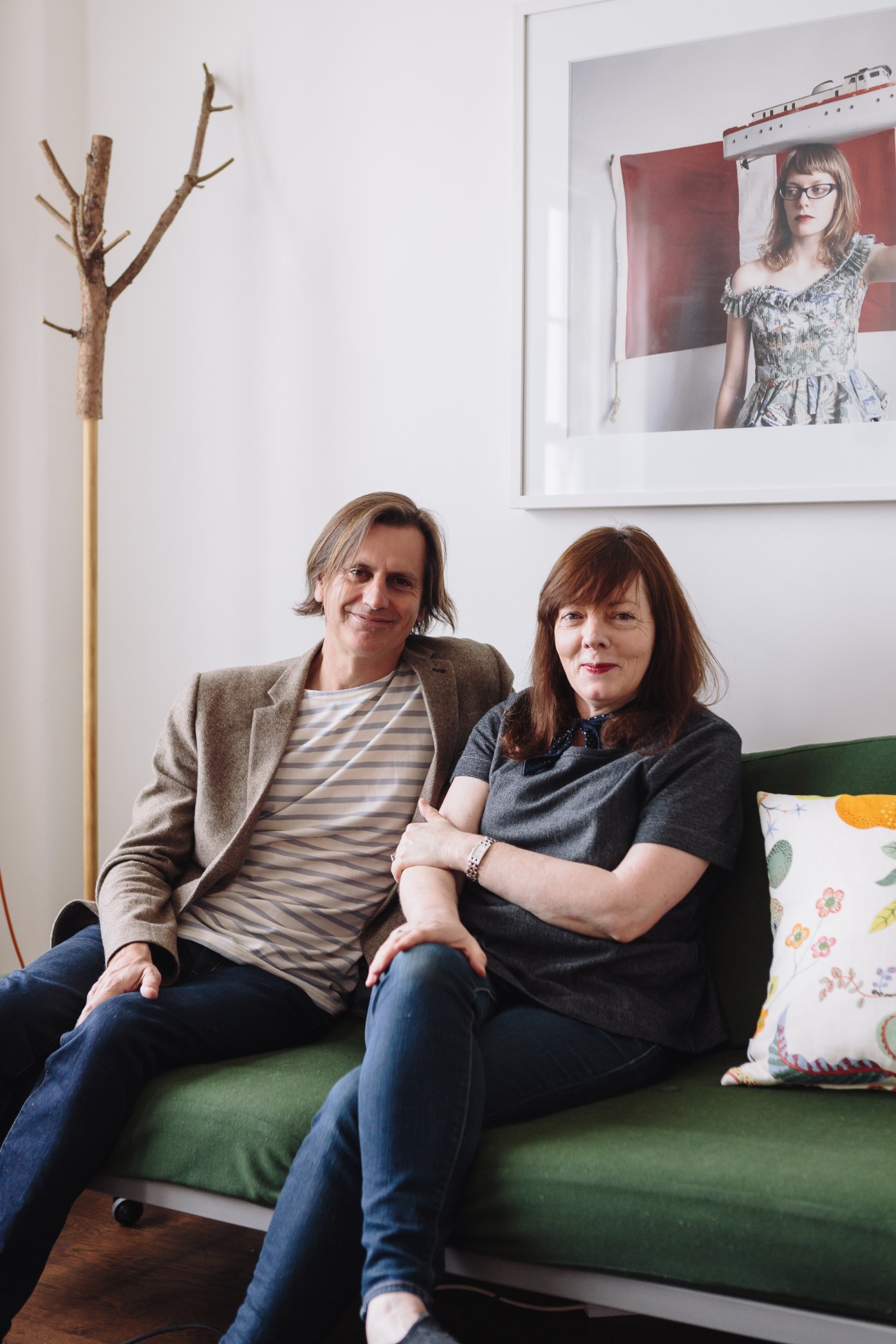
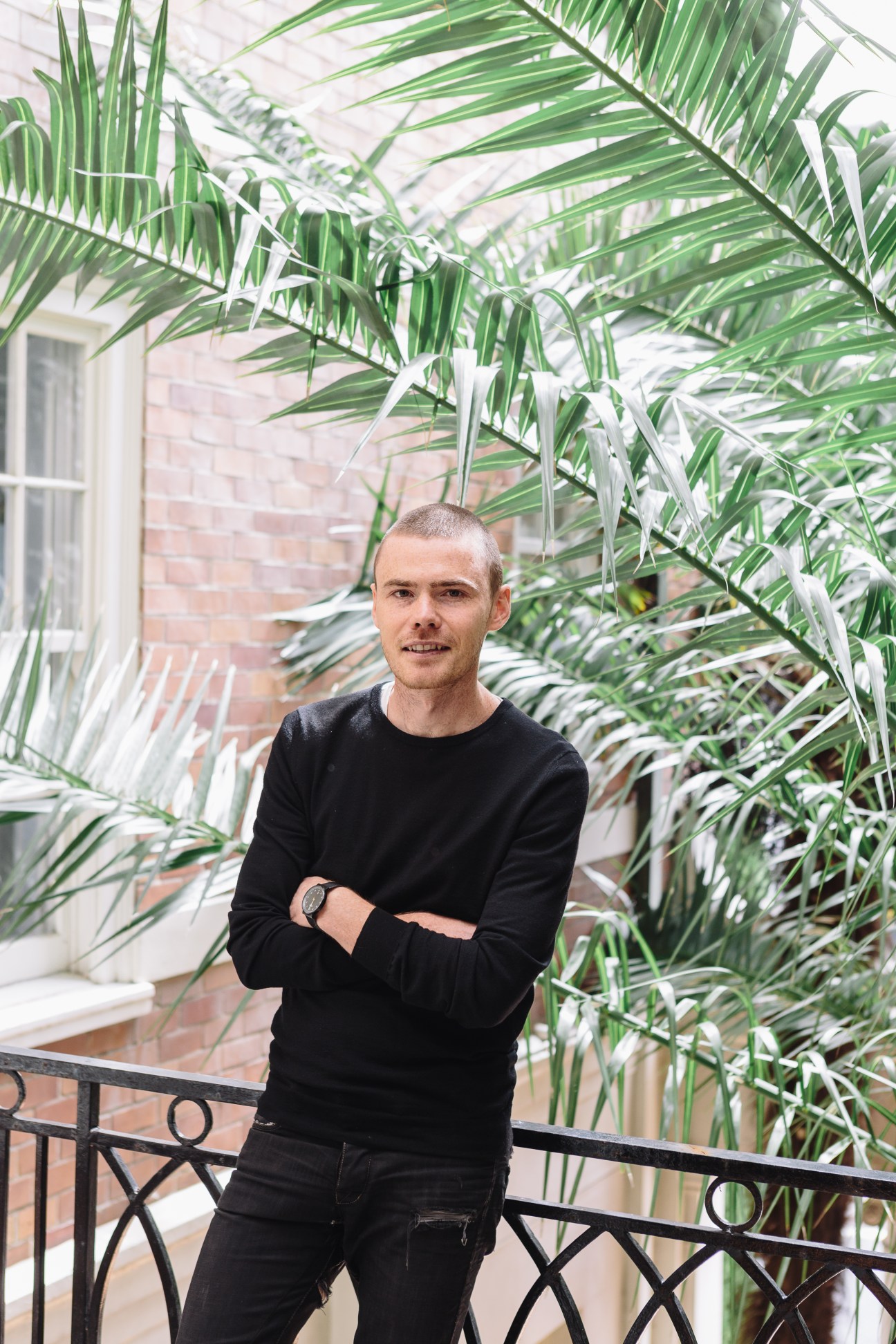
“It’s a wonderful place to live,” says architect Nicholas Stevens, who came back to Parnell in 1990 after a stint overseas. He now occupies a floor of an apartment building with his partner, who he met while studying at Auckland University. Stevens is a returning native but more than a third of Aucklanders were born overseas and the city clocks in as the second most diverse in the world after Vancouver.
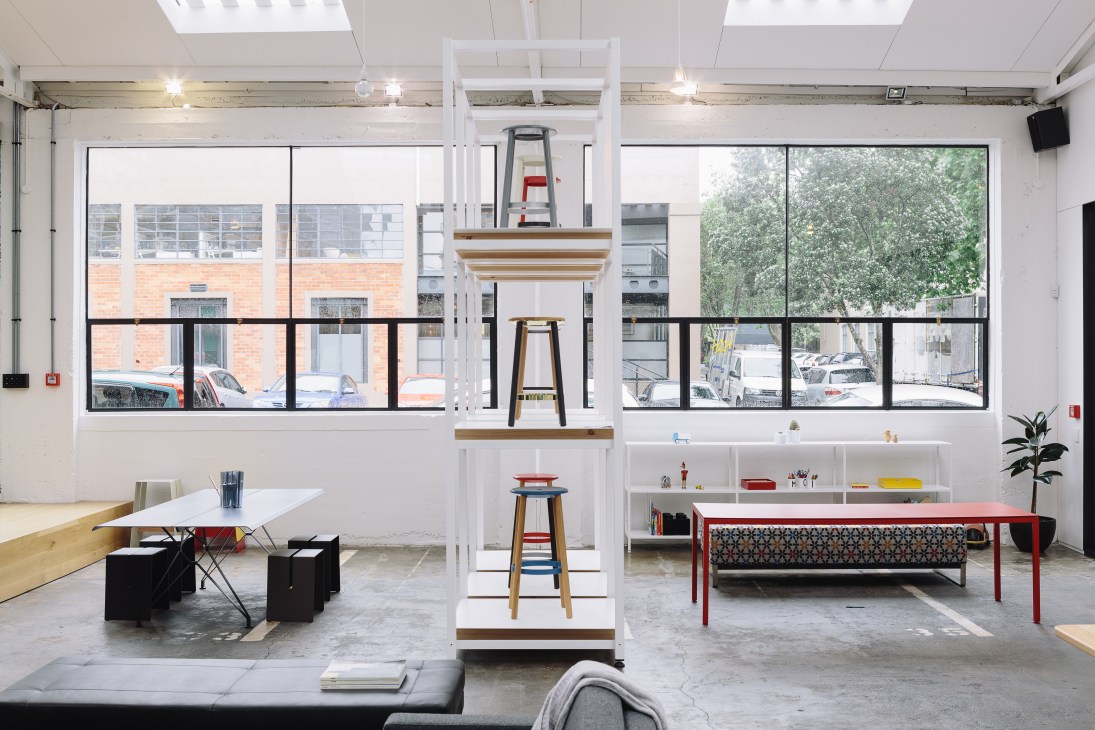
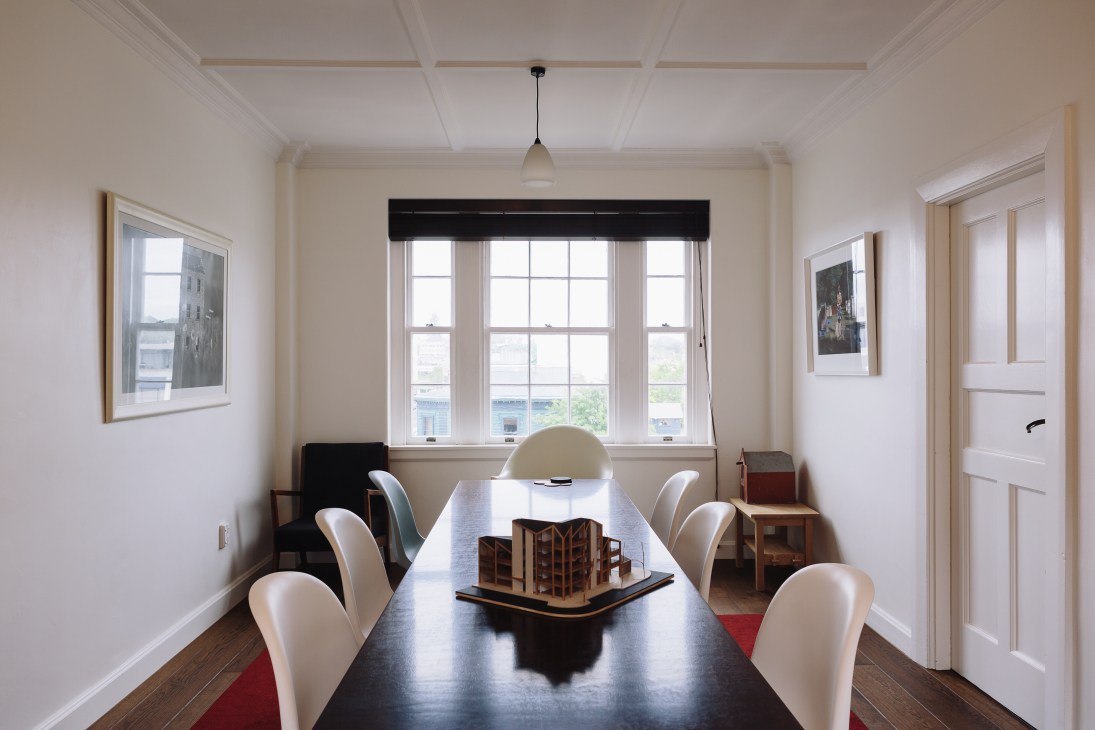

Perched in a time zone that straddles the whirring engines of industry in Southeast Asia and the clatter of keyboards from California’s tech hubs, Auckland’s population is set to reflect the city’s potential by almost doubling over the next 20 years. As local and national authorities are investing in better transport links – to the tune of NZ$13bn (€8.2bn) between 2008 and 2014 – and denser housing solutions, there is a stronger case than ever for seeing Auckland as fertile ground in which to put down roots.
For families considering the move, Auckland Museum makes a good first port of call. The striking neoclassical edifice was built in 1929 and occupies a commanding position overlooking the city’s harbour. Its permanent Maori and Pacific collections are appropriate introductions to the island nation’s past. Swimmers and architecture enthusiasts alike can’t fail to be swayed by Parnell Baths, an Auckland icon, which was designed by the city’s chief architect Tibor Donner in 1955. Originally fed by the harbour, the pools were carefully restored to their full modernist glory in 2003.
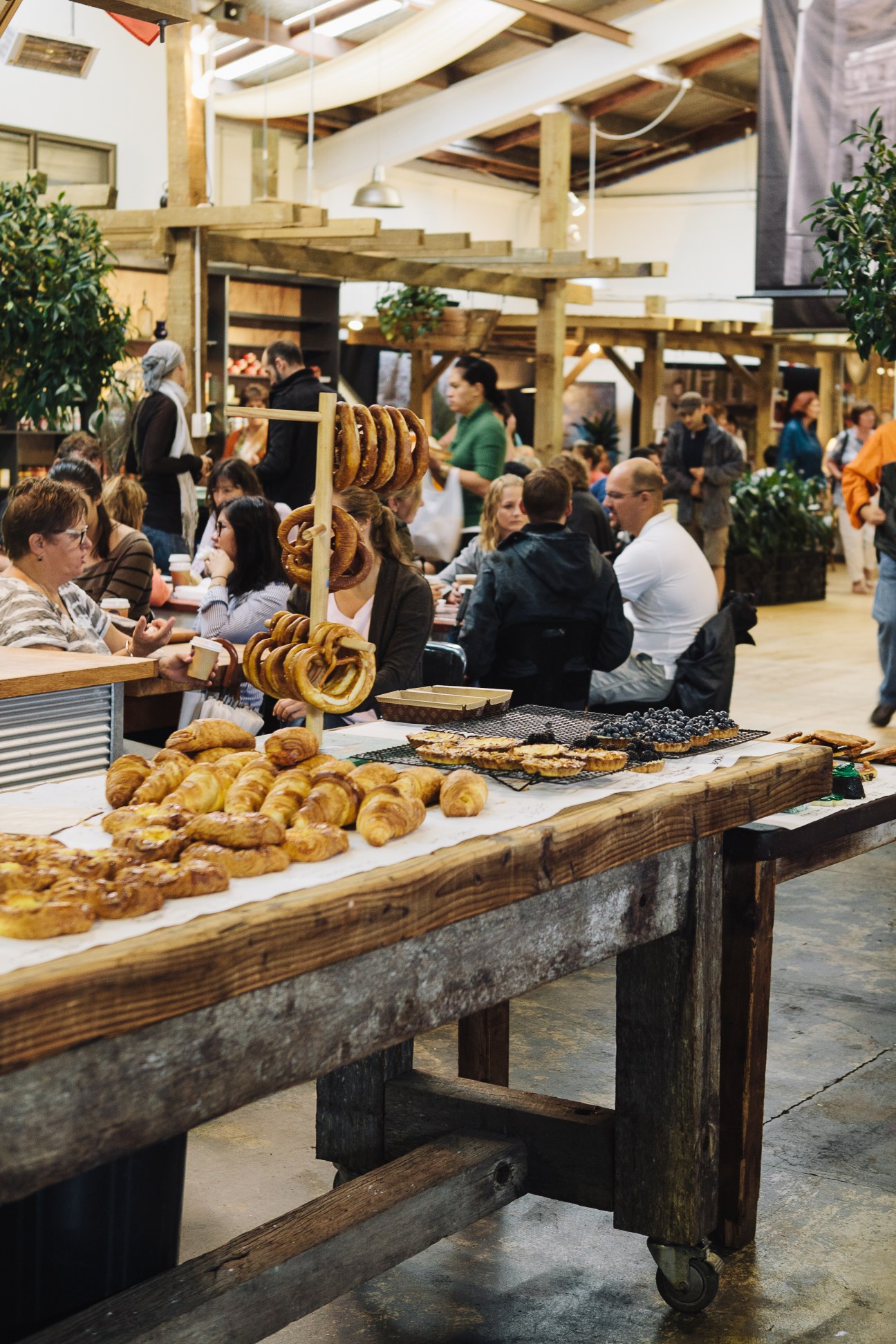
Street life is strong in Parnell. After a number of fallow years when residents looked to their out-of-town holiday homes for weekend sojourns, the streets are now dotted with independent shops and cafés. These start-ups are proof of the area’s ripeness for forward-looking hospitality and retail ideas, and also offer prospective residents an enviable roster of after-work dining options.
Auckland-based Hip Group recently launched Rosie, an all-day restaurant with travertine floors and timber furniture that is also popular for coffee. At the bottom of Parnell Road is 46 & York, a local eatery that serves simple dishes and craft beers from its brick-fronted premises. There is also the Vaniyé patisserie for fresh bread and the accommodating timber interiors and sturdy furniture of Domain and Ayr for a cup of locally roasted Kokako coffee on the morning commute.
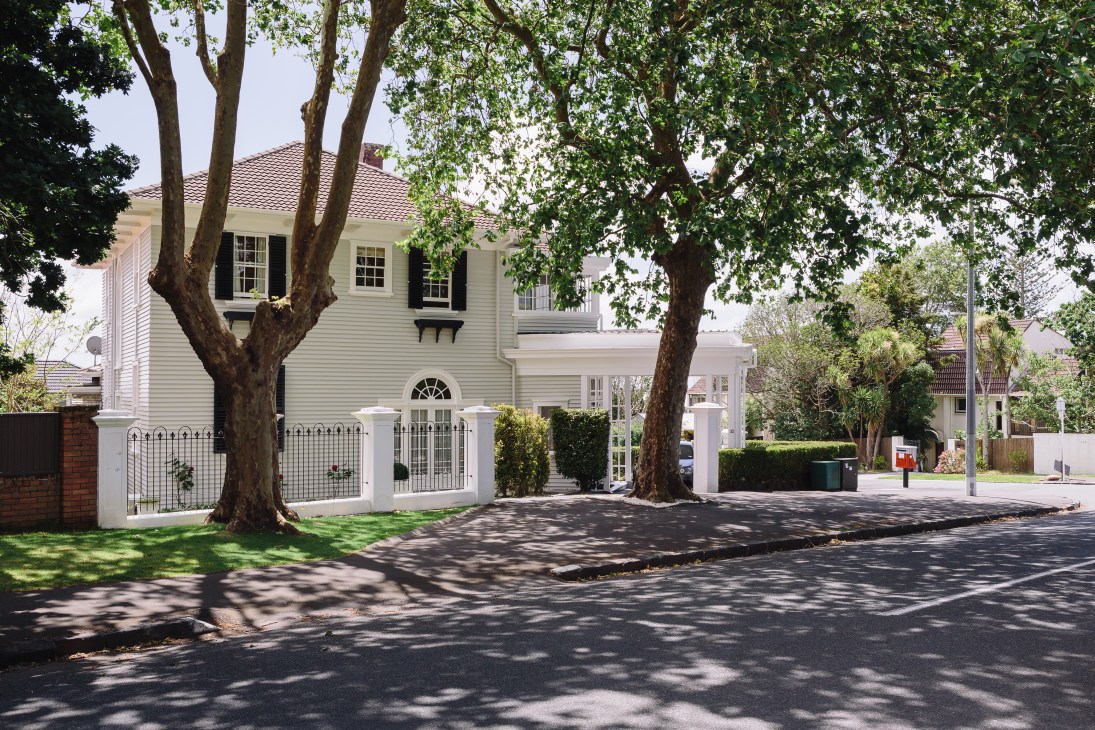
Although the painted wooden-fronted houses near Saint Stephens Avenue are the cliché of the well-heeled area (and shielded from most by both their hefty price tags and ivy-covered walls), the majority of the modern constructions here are flanked by colonial-era shops, restaurants and a smattering of apartment blocks that date from the 1920s to the 1930s and cater to any pocket. It’s not surprising to learn that prime locations and views command high prices (think millions of New Zealand dollars) but the market here has grown more slowly than elsewhere in Auckland. Workers’ cottages and new-builds are highly sought after, while apartments represent the best value for aspiring entrepreneurs on a budget.
“Auckland seems particularly buoyant at the moment in terms of creativity,” says interior designer Rufus Alexander Knight, who has lived in his brick-built neo-Georgian apartment complex since 2010. Although there was stiff competition for it, he thinks the payoff was worth the effort. “Auckland’s an exceptional testing ground for ideas and in many ways carries a lot less risk than other major centres, while still having traction in a global market.”
Give a dog a home
On a muggy Sunday afternoon in central Bangkok an eclectic “yard market” in a quiet lane off the congested Sukhumvit Road has acquired the improbable feel of a quirky part of London or New York. This cosy cluster of wood and concrete – centred around a green yard, pool and terrace – is helping to redefine the typical Asian downtown and mall-heavy retail landscape.
In this case, the common bond is dogs; there are hounds of every size and description. They are in the swimming pool, flopping on the timber terrace, chowing down outside the doggie canteen and frolicking on the lawn. Their owners – as diverse a bunch as their pets – fuss over their canines, peruse the shop displays or greet each other, eat together and sip cocktails.
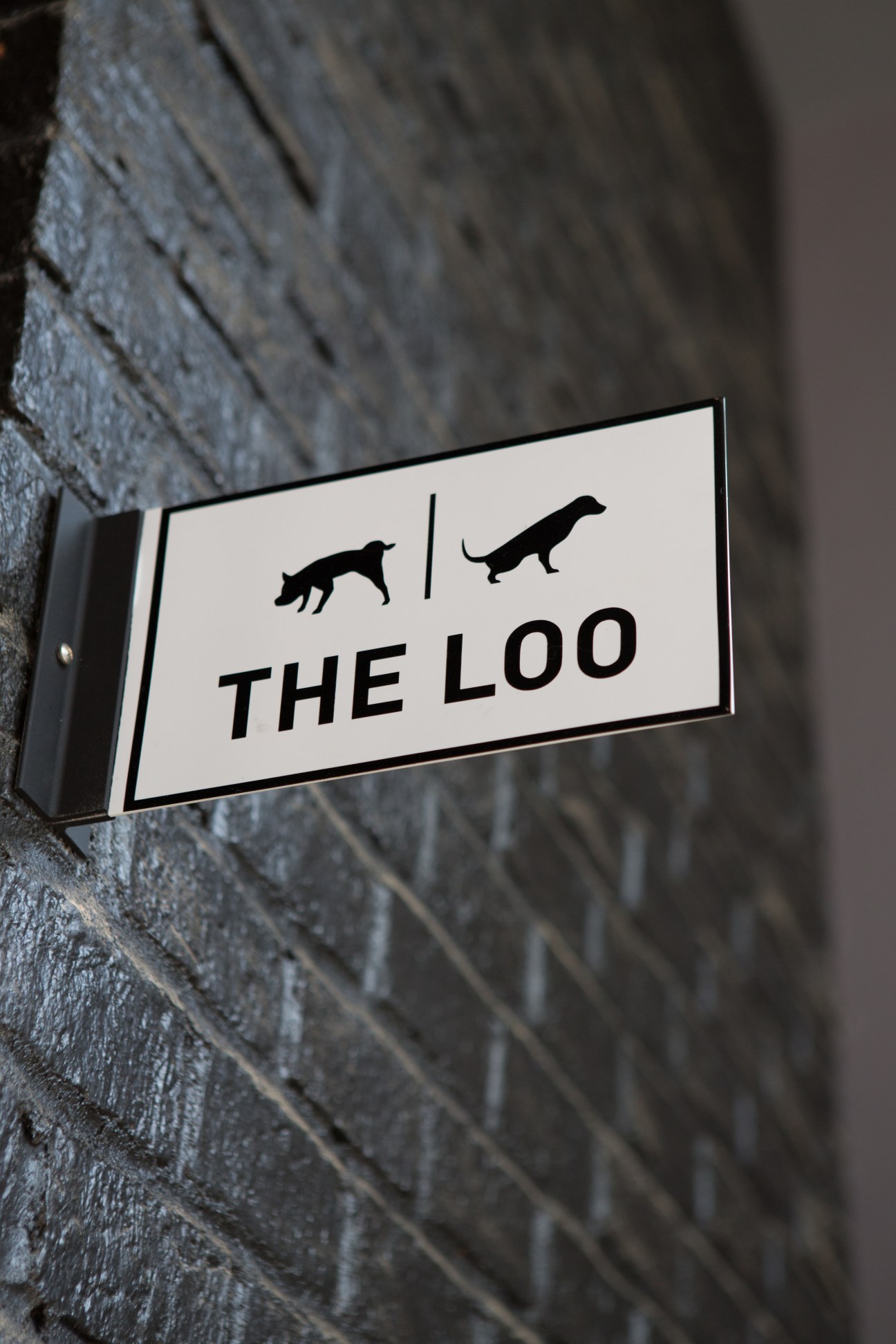
This is The Barkyard Bangkok (TBY), a self-proclaimed “dog-centric space” offering everything from doggy daycare and swimming training to gourmet treats and a dog hotel.
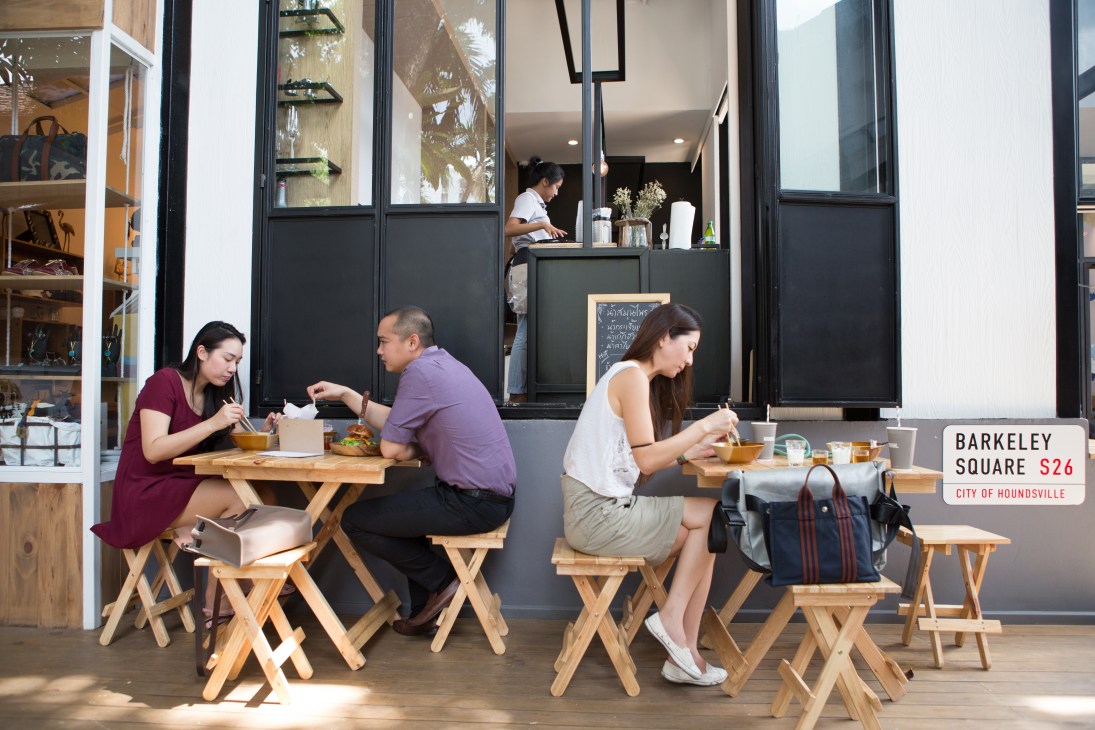
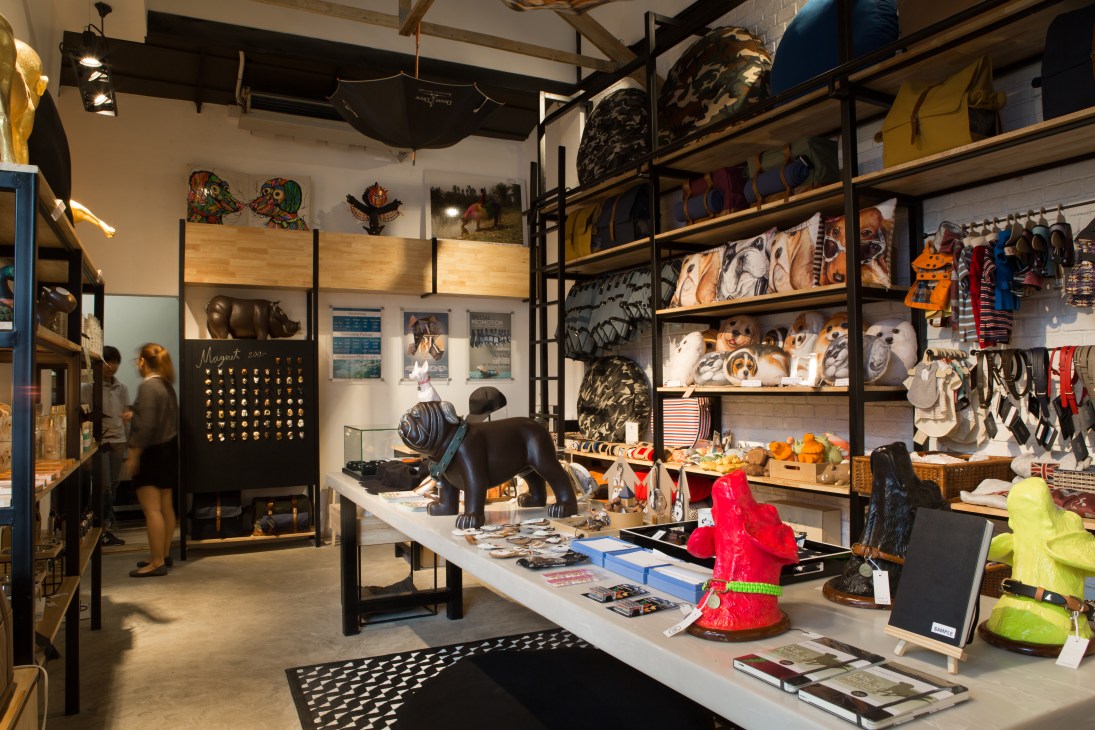
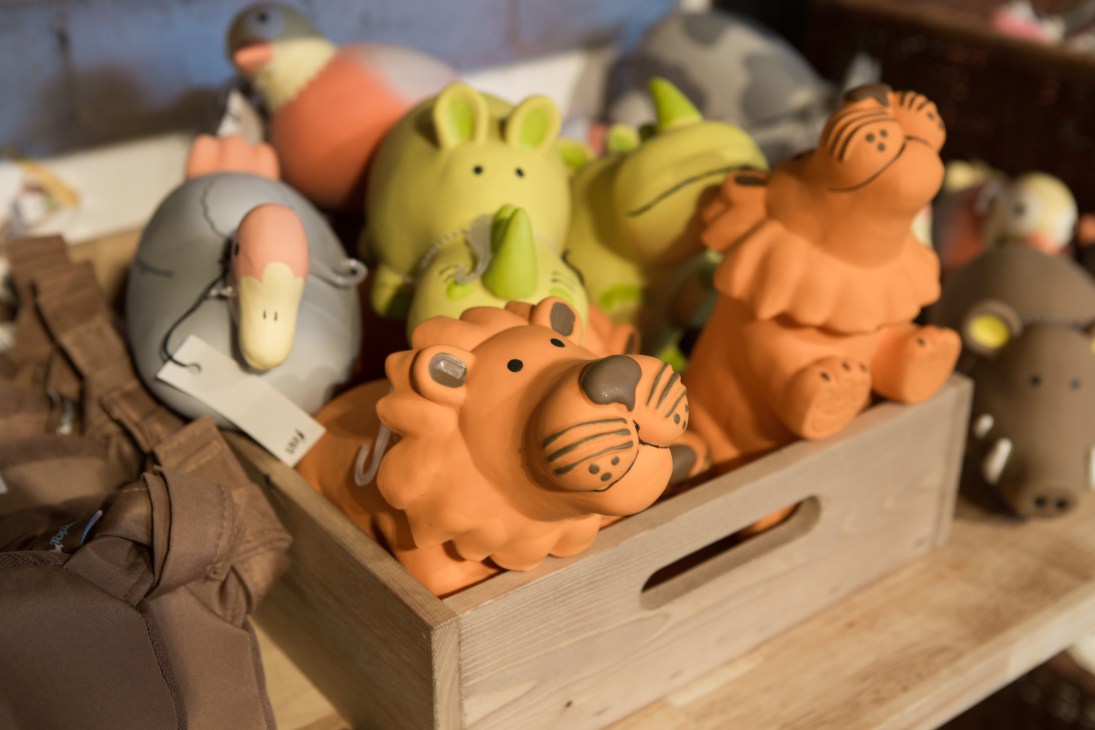
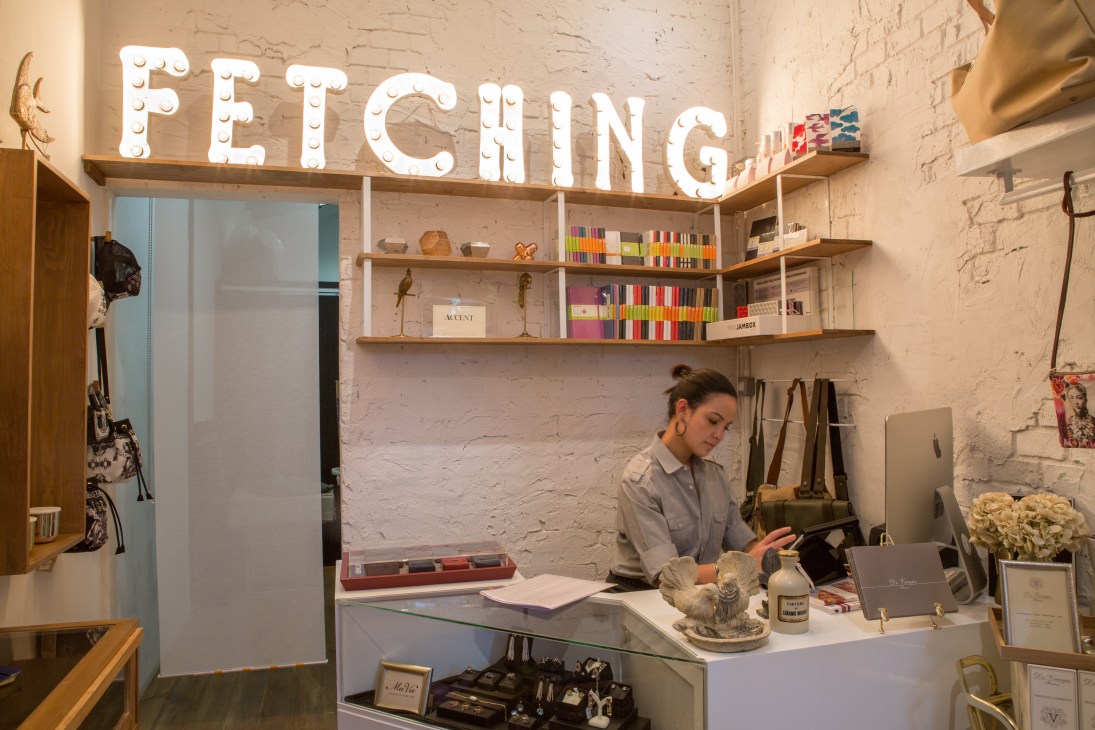
For humans there is an individual, almost cosy urbanism here that contrasts with the slick new malls rising just a short distance from The Barkyard. Whether they are dog owners or not, the draw for the public includes a weekend market, yoga and fitness classes, and a terrace café. Shops include Fetch, featuring locally sourced and imported dog products; Fetching, a high-end clothing, shoes and accessories boutique for humans; and Chibi, a cutting-edge 3D-printing studio providing lifelike models of pets and people.








The buzz at The Barkyard says as much about the evolving tastes of Bangkok society as it does about the creative flair of Jay Spencer, a Thai-British entrepreneur and wife Jareyadee. The couple own three beagles and three adopted street dogs and wanted to create a haven for fellow dog-lovers and dogless friends that was away from the relentless expansion of high-rise hangouts in central Bangkok.
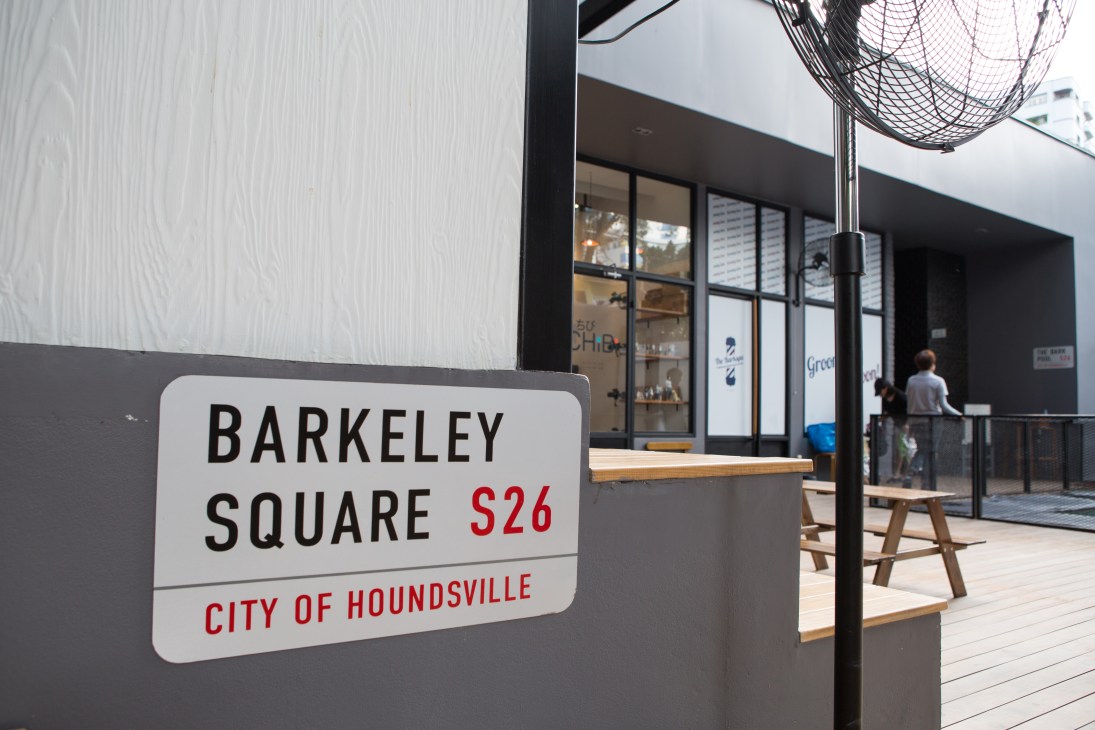
The complex features an exercise and picnic space called Central Bark and a “dog hotel” called Bark Suites, where owners can watch and even talk to their pets over the internet. Then there is Bark Lounge, a doggy swimming pool and grooming service, plus Barkeley Square with its shops featuring leather leads, dog beds and dog jewellery by French designer Eric Dutoq.
“Obviously Bangkok is congested with limited green space for dogs – they aren’t allowed in parks – so we would bring ours to my family’s block,” says Spencer. “That’s how The Barkyard came about. We knew it shouldn’t be retail-heavy. Bangkok has many malls; we’re offering something smaller, more design-oriented, more community-based. We want people to come here and expect the unexpected.”
Beyond the pizzazz lies a keen business strategy. It costs THB100 (€2.50) per dog to frolic in Central Bark but the other components of TBY add up, too. Dog-training courses start at THB16,000 (€390) per month while swimming sessions in a salt-water pool are available from THB660 (€16) per hour. Other services include daycare, hotel stays and dog transport.
Then there is profit-sharing income from some of the eclectic range of commercial tenants at The Barkyard, including Bangkok tailor Vvon Sugunnasil, a young and talented Thai who has gained a diehard following.
And the next step? “TBY is a model to replicate,” says Spencer, both in Thailand – starting potentially with the seaside town of Hua Hin, three hours from Bangkok – and other cities in Asia. Consider, he adds, that “Hua Hin is full of condos and most of them don’t let you have dogs. Many people go for a weekend; they’d love to bring their dogs if they could. This could be the answer: bring your dogs to the seaside, enjoy the day and then billet them in the local Barkyard.”
All dog owners must register their dogs before using Barkyard’s facilities. “That means we have a growing base of customer details to help us promote other activities and identify specific customers for future programmes and packages,” says Spencer.
If you buy into Spencer’s vision, The Barkyard could take on the world. “Look at all those cities that lack green space or places to take dogs; and look at all the dog-lovers out there.”
Start me up
1.
Palais du Café
Grand coffee concept
From Rio de Janeiro to Vienna, we find ourselves drawn to the grand cafés of the belle époque. We swoon over the buns and brioches; we are lured in by the Mozartkugeln and Sachertorte. These huge places echo to the sound of Thonet chairs being manoeuvred across parquet floors, of waiting staff shuttling back and forth with tea and coffee. But what about a version for today? Designed to still be around in 100 years, we’ll have a modern interior by Studio Ilse with a great chair from Maruni. It will be vast, with cakes both classic and contemporary, the best magazines and cabinets of books that a sticky thumb could never spoil.
2.
Man with the Plan
The architect surgery for dull homes
You stare at that wall and wonder if your home would look better without it. You contemplate moving the staircase – is that an impossible task? Fear not. All you need to do is book yourself a slot with Xavier, the architect doctor. Appointments are charged at a strict €100 and last one hour. He will look at the symptoms your house presents and prescribe a course of treatment. Then you can go home and either swing the sledgehammer yourself or ask for a further consultation with a specialist. Our doctor with the nice bedside manner lets you get instant help without having to commit to a lengthy and costly operation.
3.
Between the Covers
A modern library makeover
We’d launch a library right in the thick of things at a bustling department store so shoppers – and those dragged along – can shut out the retail cacophony. In Singapore, Library@orchard opened in October in a mega-mall called Ngee Ann City. The roomy two-storey bibliophile haven stacks over 100,000 fiction and non-fiction titles on its wavy white shelves. Our version will be a simpler and more intimate affair: a tasteful selection of books and magazines for adults and children, and comfortable sofas and a strict no-chatter policy. In essence, it is an answer to the prayers of bored children and fatigued parents willing to pay for some peace and quiet.
4.
Shower and Go
The place to fix your looks
You’ve been at work all day, you need to go to dinner and all you want is a shower and a chance to put your new outfit on in comfort. Sure you could head to your company’s loos, splash yourself with water from the sink and try to change in the miniscule cubicle. But why not come on over to a branch of Shower and Go instead? We have private cubicles with Agape showers, Imabari towels and Maak Lab soaps. You can even have a spritz with a bottle of Hinoki. And rather than drag your work clothes to dinner, leave them here and collect them in the morning – we’ll even launder them for you. Bad hair? We have a gentleman on hand who can wax a gent’s locks back into shape and a nice woman who will fix a wobbly chignon.
5.
Bed Times
Hotel by the hour (no, not that kind)
A pay-by-the-hour hotel might sound more risqué than risky but we think it’s time the notion outgrew its sexed-up South American associations. Far from accommodating speedy trysts, our comfy new venture makes its money from business travellers who are happy to pay a premium not to get turfed out of the place at midday when they would much prefer to leave at 14.00. When you do decide to check out, you’ll find our hotel car regularly shuttling back and forth to the airport. But there’s no rush. Too many hotels devote themselve to being slavishly amenable to guests’ every whim but then offer uncompromising check-out times. Not us.
6.
Ambassador Carrot
Grocery shop that’s an embassy too
Our new grocery business takes its cues from Pur Südtirol in Merano, Italy, which looks the part as well as promoting aspiring food producers from around the region. Our Harry Thaler-designed spaces will serve the community and give its entrepreneurs a leg-up at the same time. We can see them popping up all across Europe, each tending to its own unique spot.
7.
Easy Riders
Fresh taxi company concept
Freshly pressed uniforms and a genuine smile mark out our taxi drivers, who combine the London cabbie’s rigorous knowledge with Japanese firm Nihon Kotsu’s white-gloved service and impeccably clean cars. We have an app but you’ll want to hang on to your driver’s well-designed business card, too. Priced higher than the Ubers of this world, we’re still cheaper than some meaner taxi monopolies.
8.
Go Away
A new kind of travel agent
For going places we glance back to the future. Remember the travel agent? We’d like them back. Over every website pitching cheapness as value and user-generated tosh as editorial, we favour a property with a doorbell over a portal with a password. There’s a rota of knowledgeable, well-travelled staff for whose advice and expertise you pay. And take note: would you buy a summer sojourn from a lady without a suntan?
9.
Cool Tools
Exactly what you’ve been looking for
A good neighbourhood hardware shop can fix many a mundane task. However, the product offer is too often geared towards diy handymen: drill bits, socket sets and adjustable what-nots. How about a tool shop for the less common task? A haven for instruments singular and rare, items that ordinarily live in the workshops of professional tradespersons: the optician’s micro screwdriver, tweezers for stamp collectors, brass paperweights for a picture framer or a photographer’s loop. Aisles of little genius ideas you never see outside of a hobbyists catalogue. Solving a minor domestic matter is satisfying but you need the tools for the job. Bonsai secateurs anyone?
10.
Run Chums
Bookable running partner
You pack your running shoes for every business trip but when you wake with a jet-lagged mind you dither and in no time it’s too late. So book in with Run Chums: go online, pick a session for the following morning and at 07.30 your Chum will be ringing your room from the loupe. No excuses. They will get you moving on intriguing new routes and – if you have time – deposit you somewhere fun for a hearty breakfast.
Buoyancy aid
The berry-red and snow-white houses dotting the rocky shores of Arendal are slowly fading from view as a rainy November mist settles upon the southern Norwegian town. The days when this was a great seafaring centre and a dynamic trading port are long gone but thanks to one company Arendal now has a far greater impact on travel and transportation than it ever had in the past.
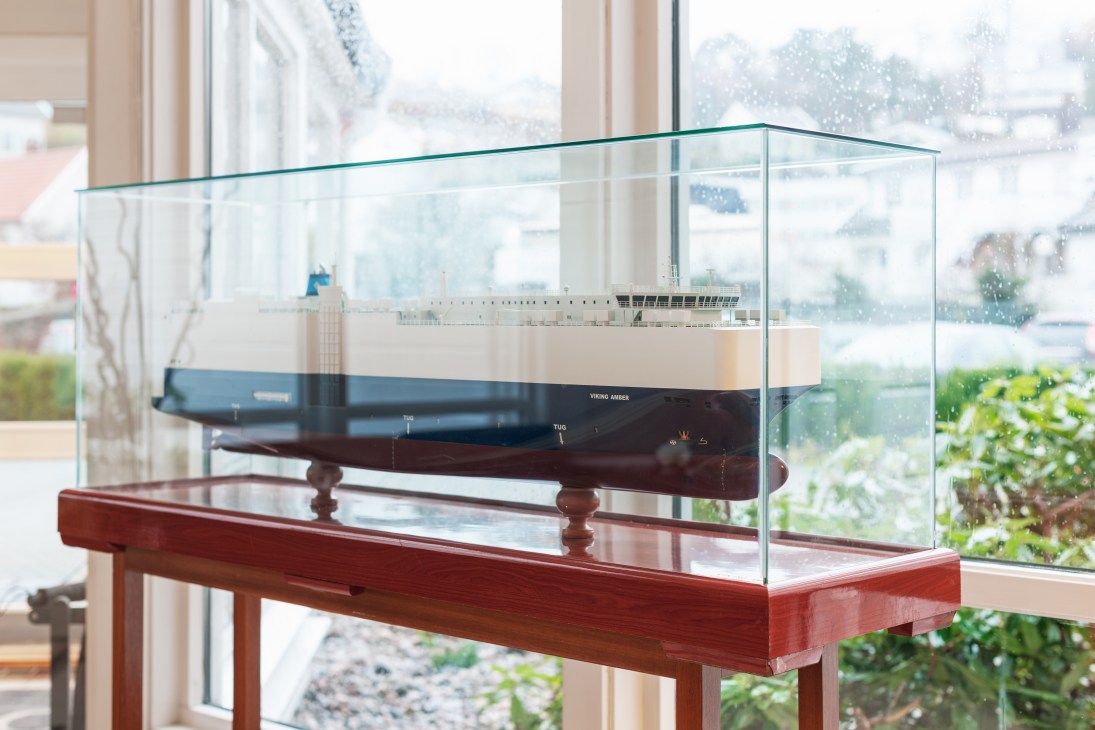
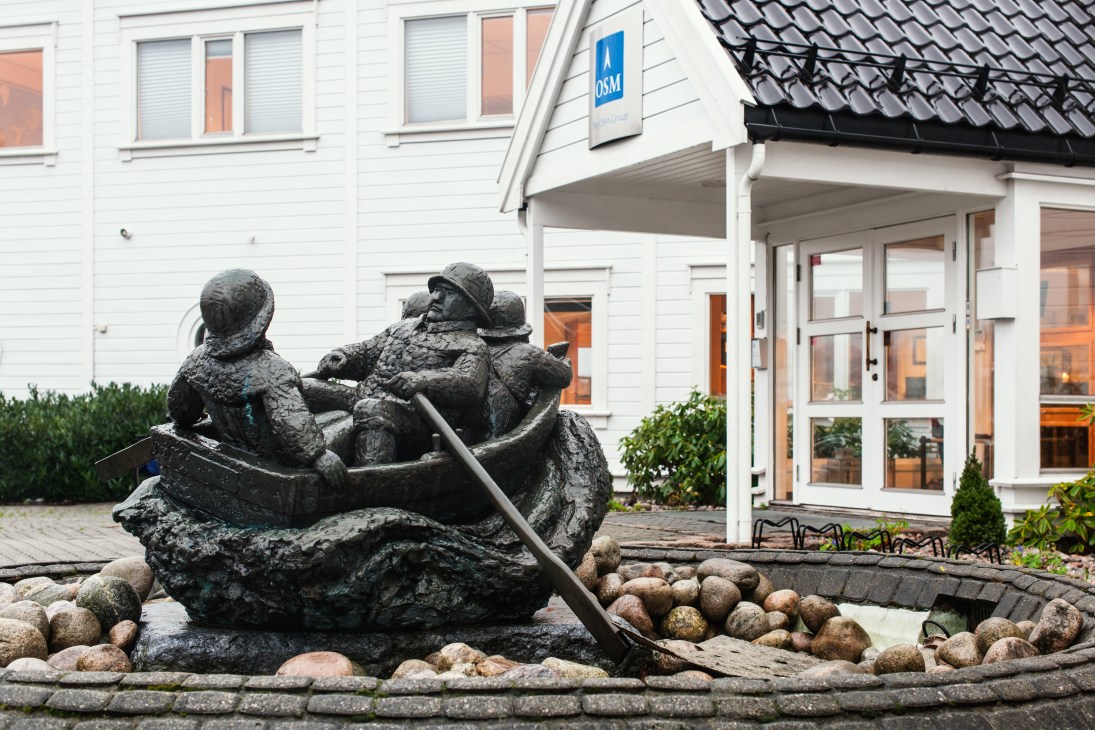
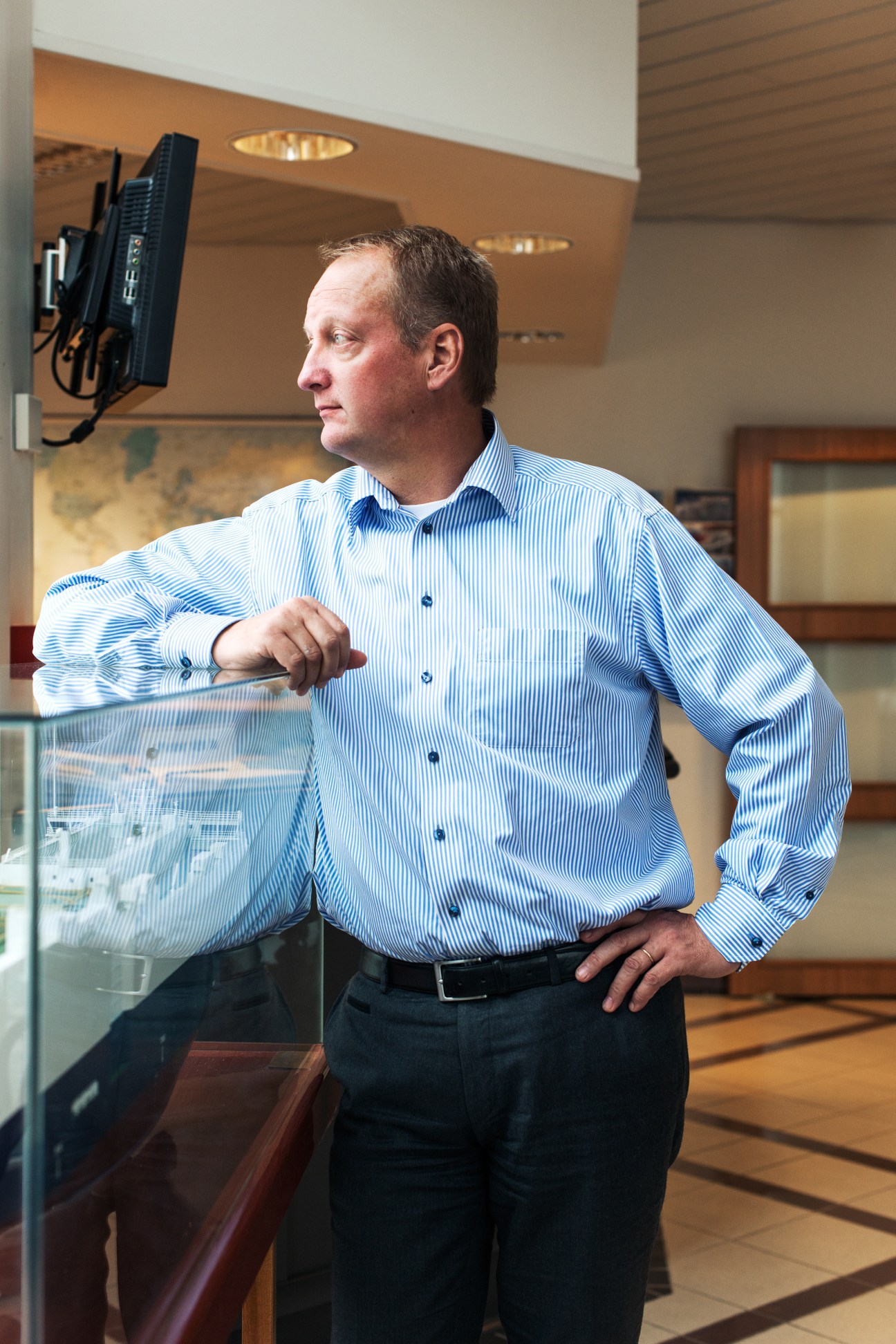
Founded here 25 years ago as a joint venture between friends Bjørn Tore Larsen, Jan Morten Eskilt, Jan Ove Dalsøren and Erling Bjørn Wik, OSM has grown to become one of the most important yet least well-known companies in the aviation and shipping industries. The business manages 500 vessels and if you need a crew for an oil tanker or flight attendants for a new fleet of Boeings, osm will be your first port of call. “We don’t own any steel, any ships,” says OSM Maritime Group CEO Geir Sekkesæter from his office overlooking the tranquil harbour. “What is ours is our people.”
Aslak Skripeland is one of those people. The local chief officer, whose sturdy build and beard lend him a Viking air, is one of OSM’s 10,000 crew members. The gloomy weather doesn’t bother him. As a seafarer he has experienced much worse, not least sailing through storms aboard shuttle tankers across the North Sea, where waves can reach heights of 15 metres and temperatures sink to sub-zero. Skripeland recently joined the company and is currently on land preparing for his first voyage. “I’m part of the team building a new vessel in Korea: the Eagle Barents,” he says. “I’m giving my input as a seafarer and feel like I’m being heard.” By early 2015, Eagle Barents will hit the water with Skripeland onboard to deliver up to 120,000 tonnes of crude oil from northern rigs to land-based refineries.
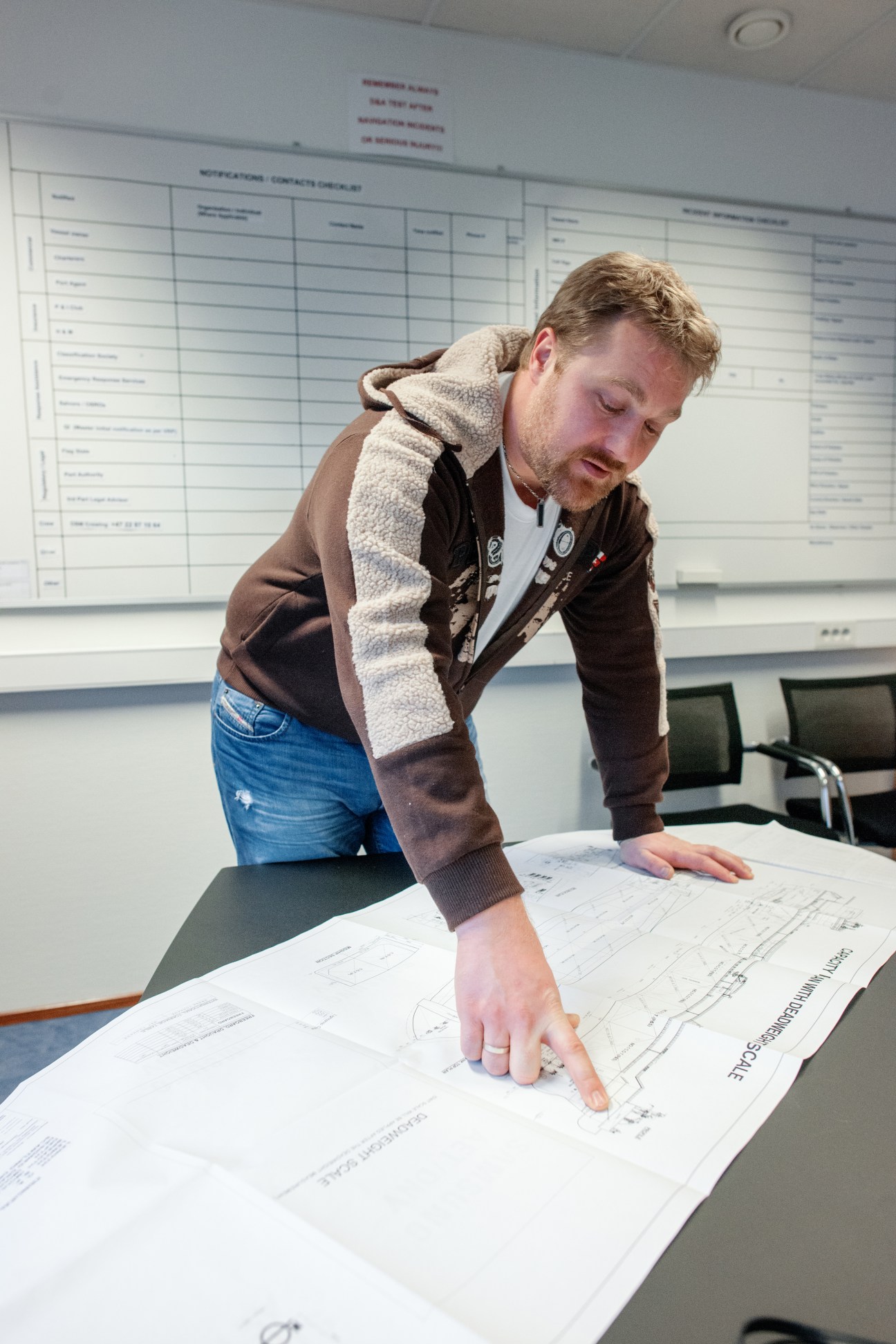
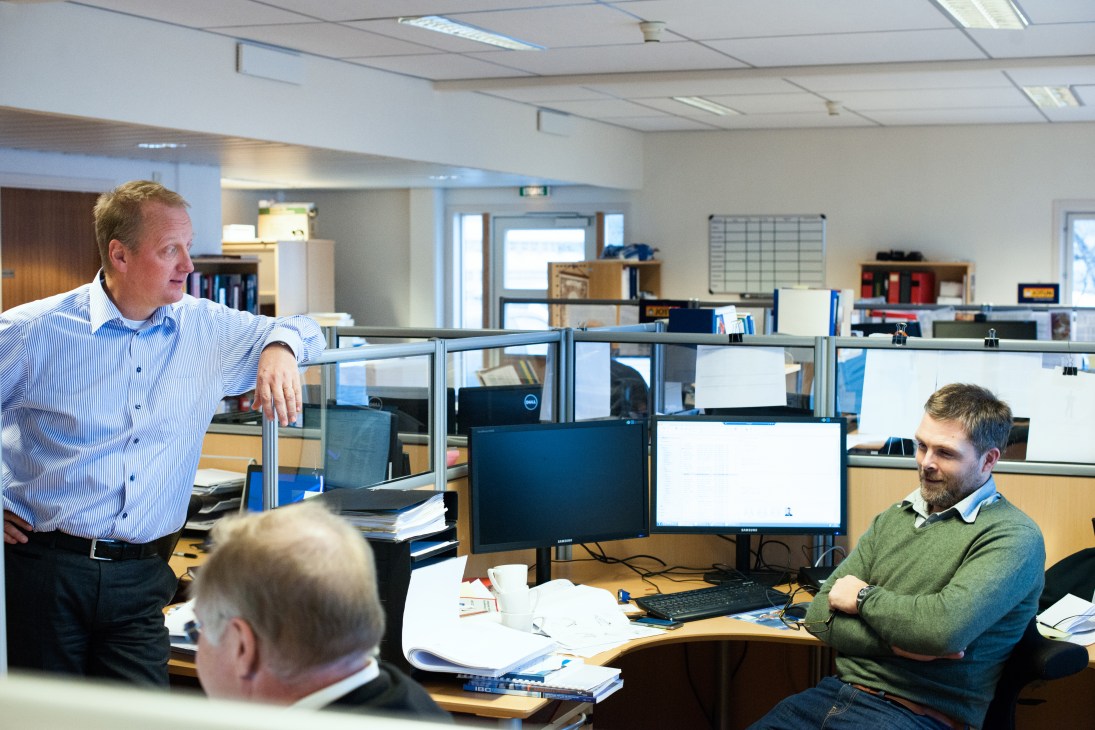
Even though Norwegians such as Skripeland make up a significant portion of the staff, 40 per cent of osm’s crew is from the Philippines (see essay on page 132), where the company’s Manila-based training headquarters are located. Every year, thousands of people are coached there to feed the company’s growing demand for ship crews, serving customers such as Statoil, Teekay Shipping, Japanese K Line and Total.
“A ship owner comes to us and we supply him with the right crew and maintenance and ensure that the ship can go from A to B,” says Sekkesæter, highlighting that today only 12 per cent of the world’s fleets are under third-party management; he believes OSM can eat into the other 88 per cent. At this point, OSM’s only worry is training enough professional crews to match demand and stay ahead of Asian competitors who cannot be beaten on price but can on quality. Building on its success in the maritime industry, OSM more recently spread its wings into the aviation sector, supplying crews to airlines such as Norwegian and Finnair.
OSM’s crews have thus far embraced Filipinos and Scandinavians and the workforce is only getting more diverse: today’s trends lean towards Eastern Europe, Burma, India and Indonesia. New Maritime Group offices in West Africa, Australia and Brazil are opening up those markets for OSM, especially with regard to the offshore services that support oil-and-gas drilling operations. While the traditional shipping business can be handled from any location, offshore usually requires local offices and employees. “We recruit all over the world,” says Marit Saether, head of organisational development and corporate support. “We want to be something more than a professional team – a multicultural family.”
Just as the passports of the staff are changing, so too are the nations where OSM is doing business. The company is now authorised to operate as a Brazilian shipping company, while Mexico and the US are both likely to provide more business opportunities.
Sekkesæter expects his fleet to increase fourfold by 2019, matched by a doubling of its crew. “The more people, the more vessels: it becomes a self-reinforcing effect,” says Sekkesæter, watching a lone boat leave the bay.
Screen idol
A plucky new film star is rising from Australia’s south. Adelaide, with its small-town ease, handsome natural features and surprisingly innate creative flair, is proving fertile ground for independent film production. This year 52 Tuesdays, a meditation on transgender issues, took a directing award at Sundance Film Festival and fright-fest The Babadook impressed at the British box office. These successes reflect a local film-making trend towards strong ideas and thrifty production, veering away from the budget challenges that film faces globally. So says Richard Harris, CEO of South Australian Film Corporation (SAFC). He likens the local scene to Oregon in the US: a haven for emerging film-makers where small budgets don’t restrict ambition.
“What you get in South Australia is absolute value on screen for every dollar that you spend,” says Harris, who has steered the government body at the centre of the region’s film and television industry since 2007. “You have easy access to exceptionally diverse locations and you have talented local crews that are willing to get down and dirty to get your film made.”
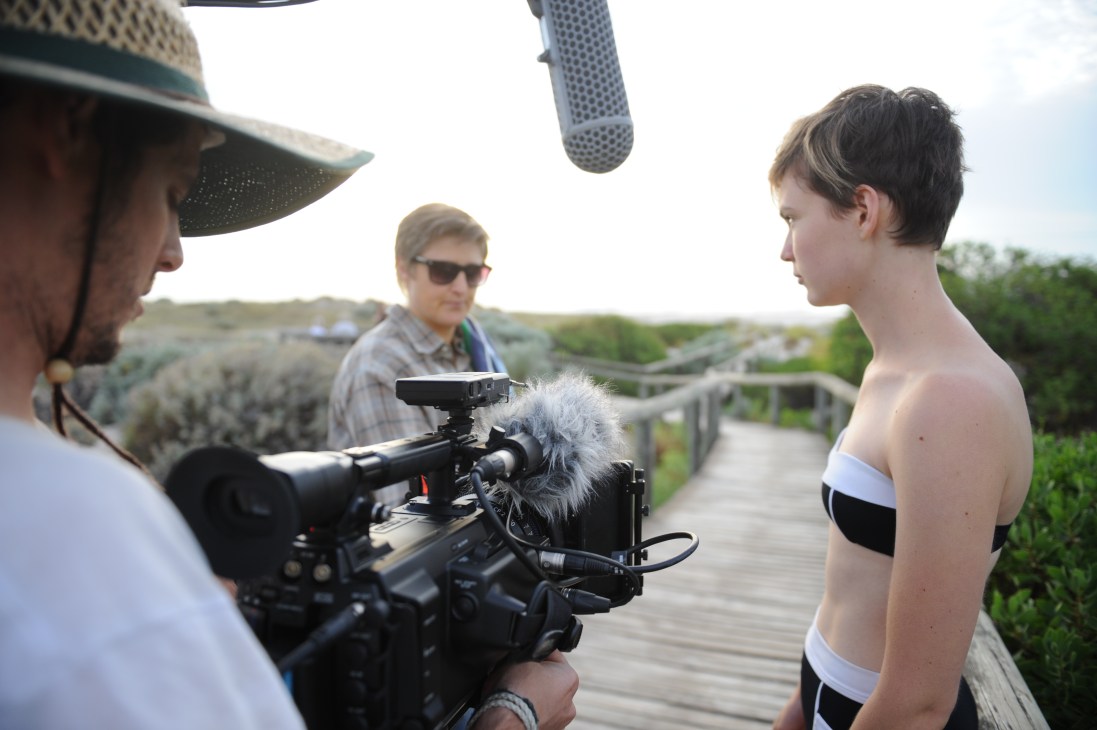
Whether it’s providing a post-apocalyptic desert for Guy Pearce to motor through in Rover or transforming a nearby nudist beach into a Turkish First World War battleground, Adelaide and its surroundings boast immense low-cost opportunities for film-makers.
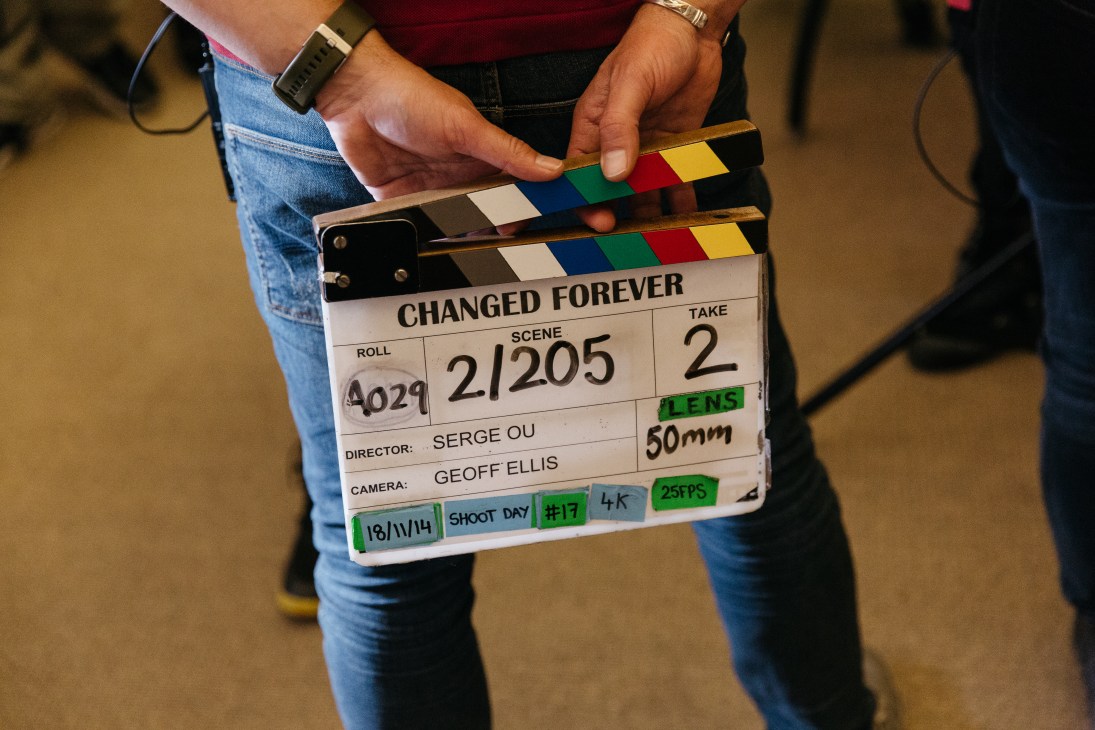
“Here in the Goodman Building we’ve been able to recreate the Telegraph office in London circa 1914,” says assistant director Travis Kalendra on a busy set in downtown Adelaide. “We’re shooting Changed Forever – a docu-drama for the History Channel – and so far we’ve replicated rural Australia, Egypt, England and even Hollywood in the surrounding areas.”
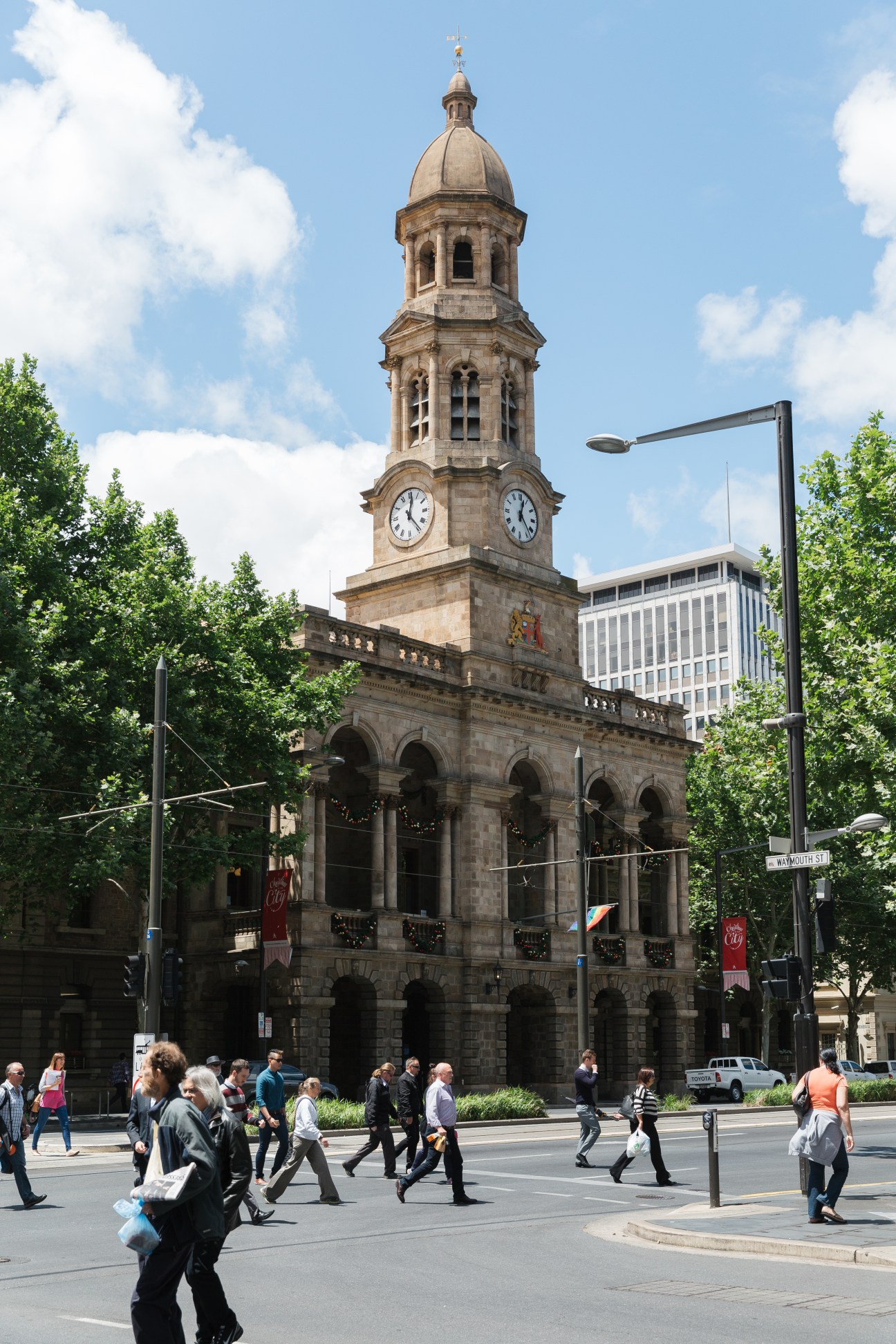
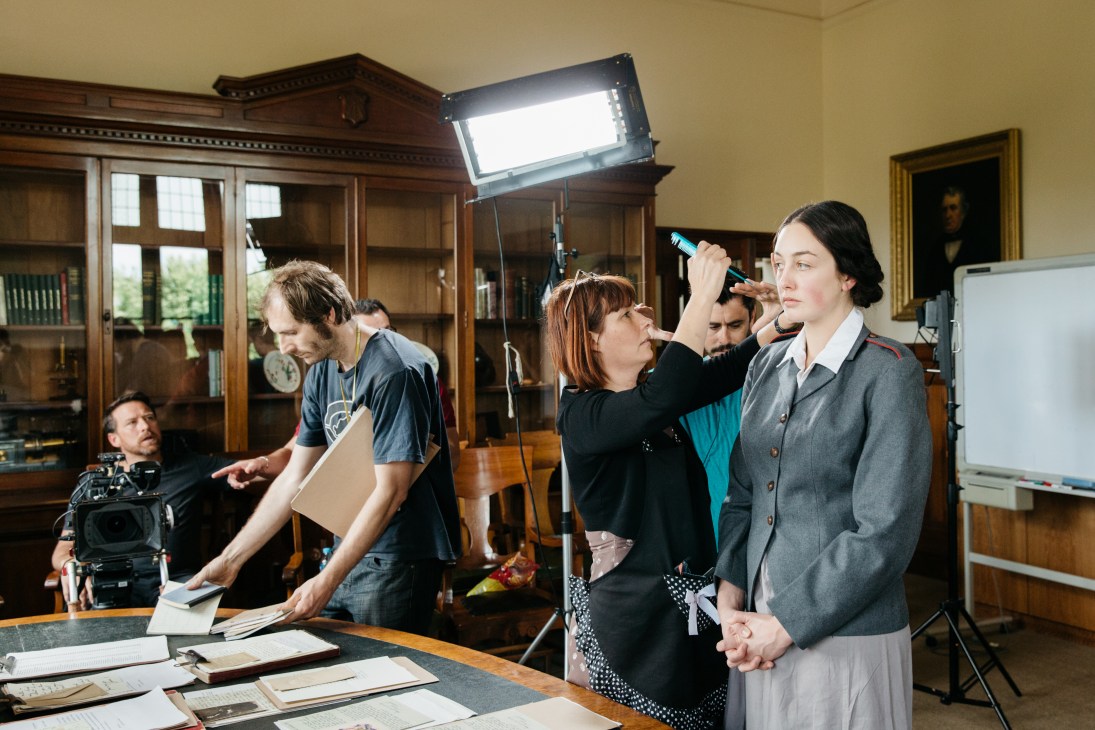
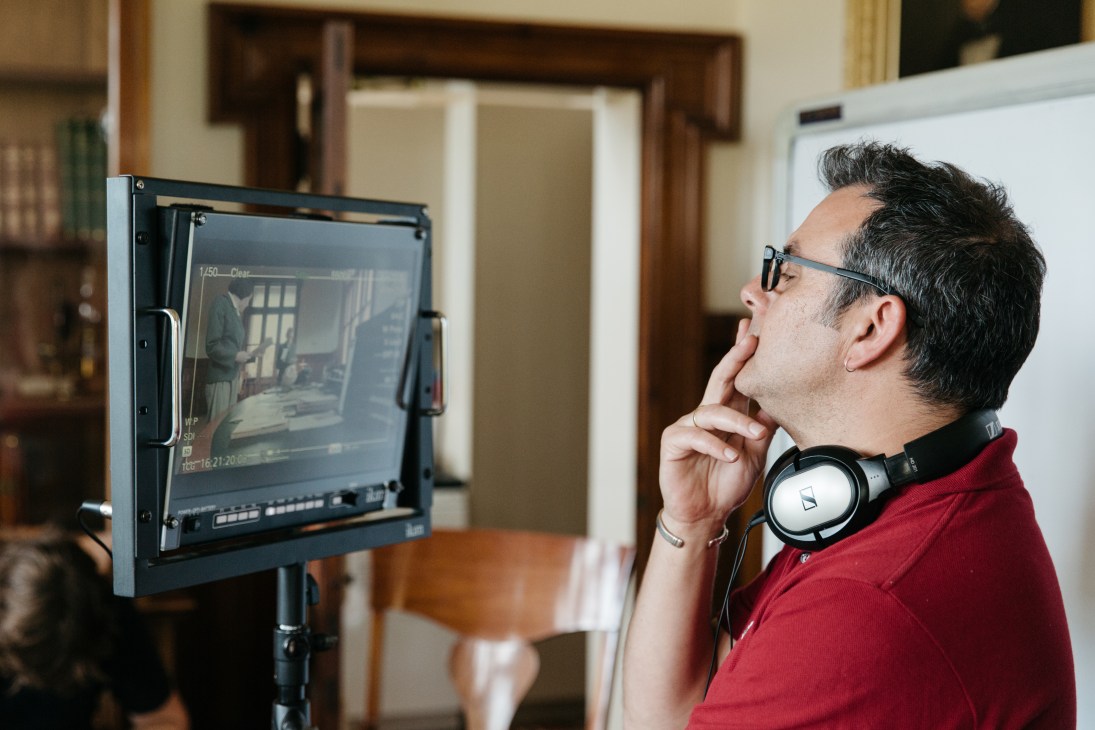
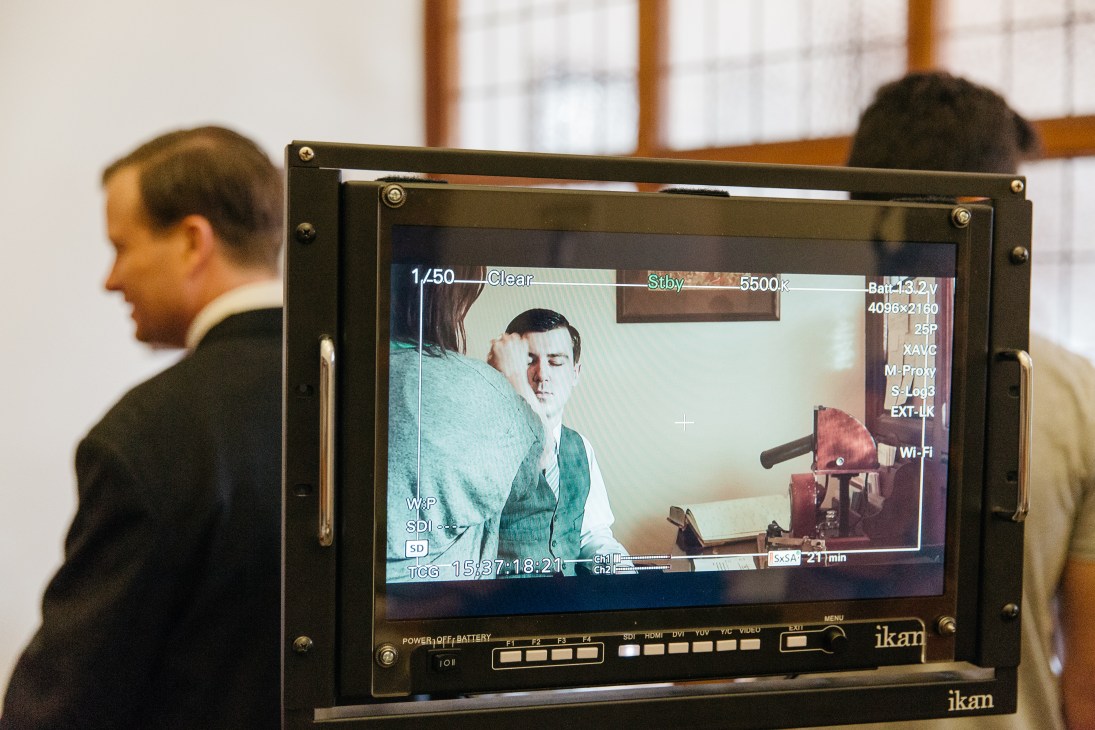
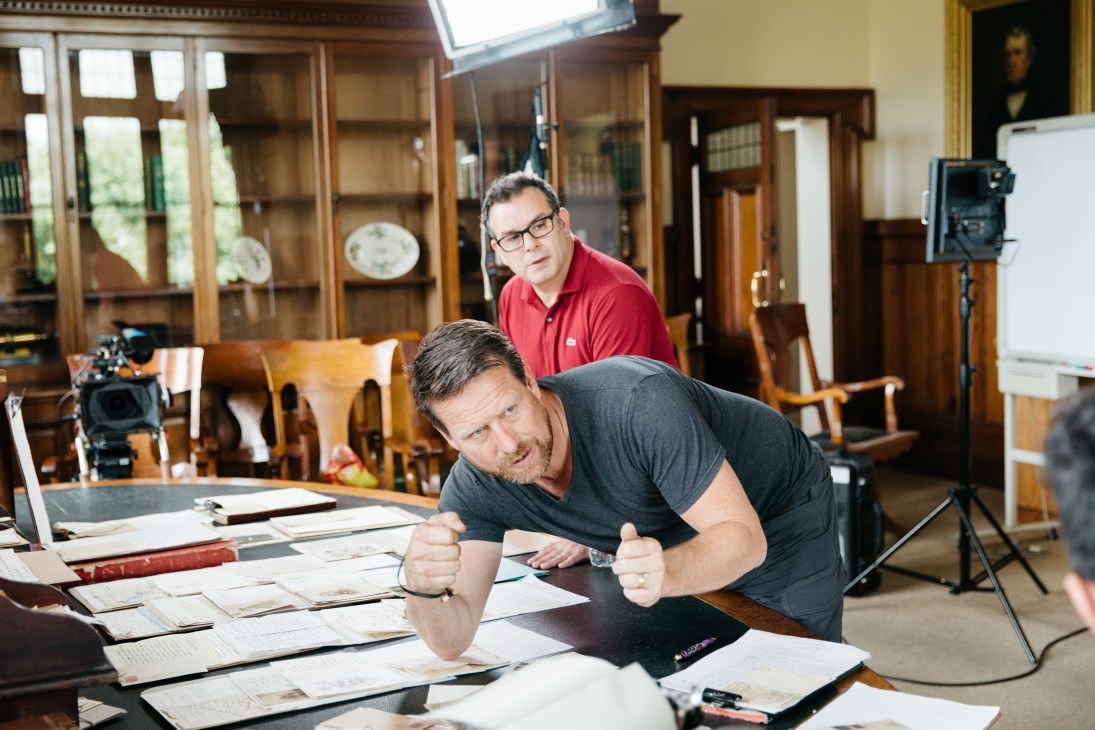
On top of its natural assets and historic architectural fabric, South Australian film’s trump card is Adelaide Studios. The AU$43m (€30m) facility was established by the local government in 2011, aiming to turn the city into a world-class destination for film and TV production. So far it is on track with revenues leaping almost 50 per cent to AU$73m (€51m)from 2013 to 2014. Greater diversity in film work is an added sweetener.
“We’ve played to Adelaide’s advantages: knowing that it works best in the niches rather than just trying to be another Sydney or Melbourne,” says Harris. Film-makers here are provided with tailor-made experiences and, often, generous incentives.
Beyond all the state-of-the-art technology, it’s the in-house talent that gives Adelaide Studios its buzz. The offices are packed with small production companies where subsidised rents and a well-curated tenant mix plays to everyone’s advantage. In turbulent times for independent film, SAFC is playing the long game, investing in its future by nurturing grassroots talent.
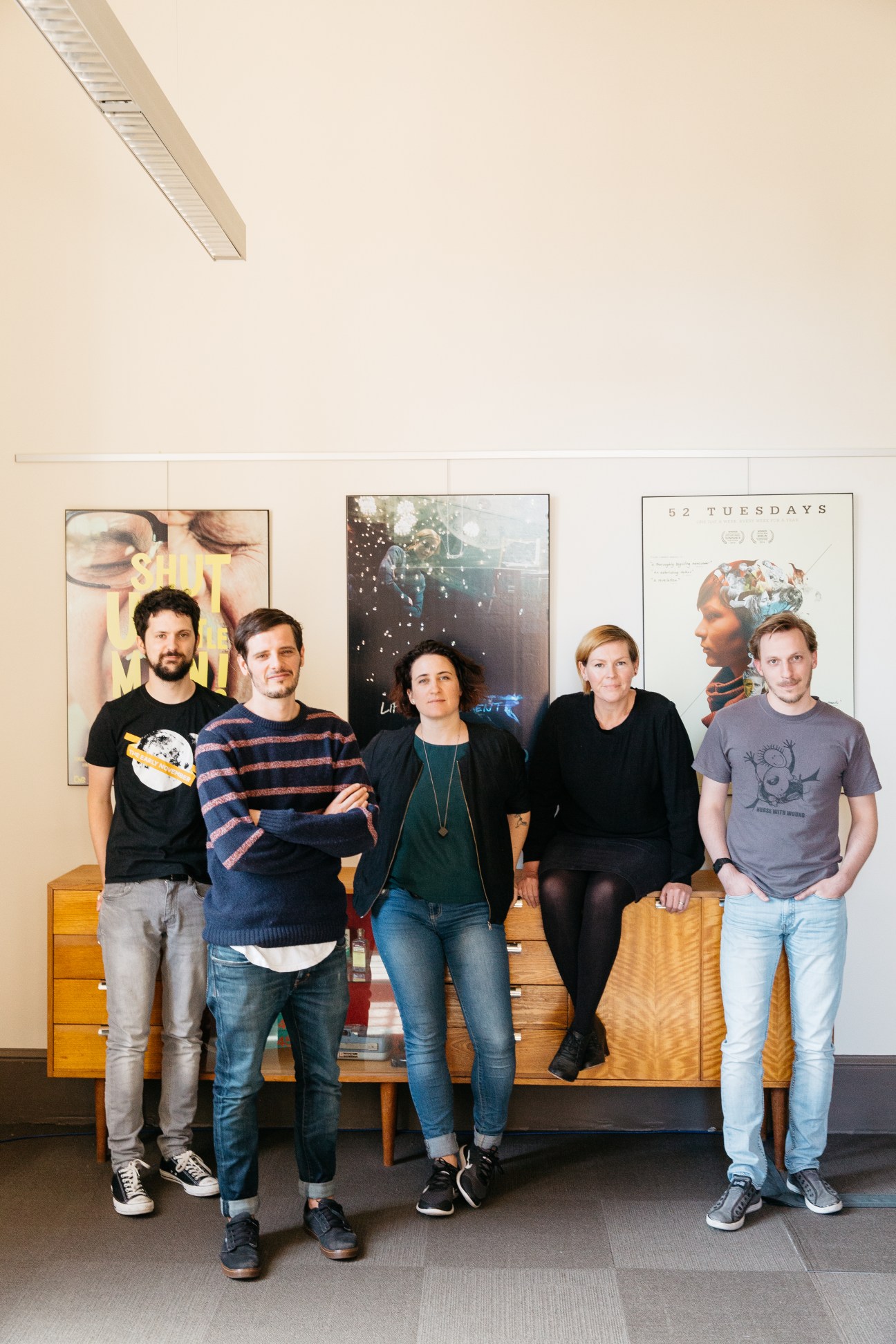
“We would have been making films in Adelaide regardless but we wouldn’t have made 52 Tuesdays without SAFC,” says director Sophie Hyde, an Adelaide Studios tenant whose first feature film was enabled through AU$350,000 (€245,000) from SAFC’s low-budget initiative FilmLab. “I felt like we were actually being told to make something different, which is a huge gift.”
Hyde is one component of Closer Productions, a collective of young Adelaide film professionals brought together through the FilmLab programme. Based at Adelaide Studios they are riding on what Hyde describes as a ripple effect stemming from this government drive to increase production in the region.
Having had its flirtation with feature films, Closer Productions is currently eyeing international backing for upcoming pictures. Co-director Bryan Mason says that while Adelaide has always been a great destination for film, there’s a new energy about the place that he’s relishing.
“Over the past few years there has been this feeling of critical mass where we are feeding off each others’ work and pushing each other,” he says. “I can only see more people gravitating toward this industry.”
With this growing community backed by a savvy local government and spurred on by the quiet determination that comes with Adelaide’s underdog status, one can only be optimistic about the next generation of film-makers shaking up their industry.