How ecotourism is making sure the grass is always greener at national parks
From shuttles and walkways to new reservation systems, former US National Park Service director Jonathan Jarvis knows a few ways to make national parks greener – and more profitable – for all.
The lakeview rooms at the Fairmont Chateau Lake Louise are like stepping into a painting. Throw open the curtains and you’re enthralled by one of the most famous mountain vistas in the world: the regal Victoria Glacier hanging above the turquoise Lake Louise.
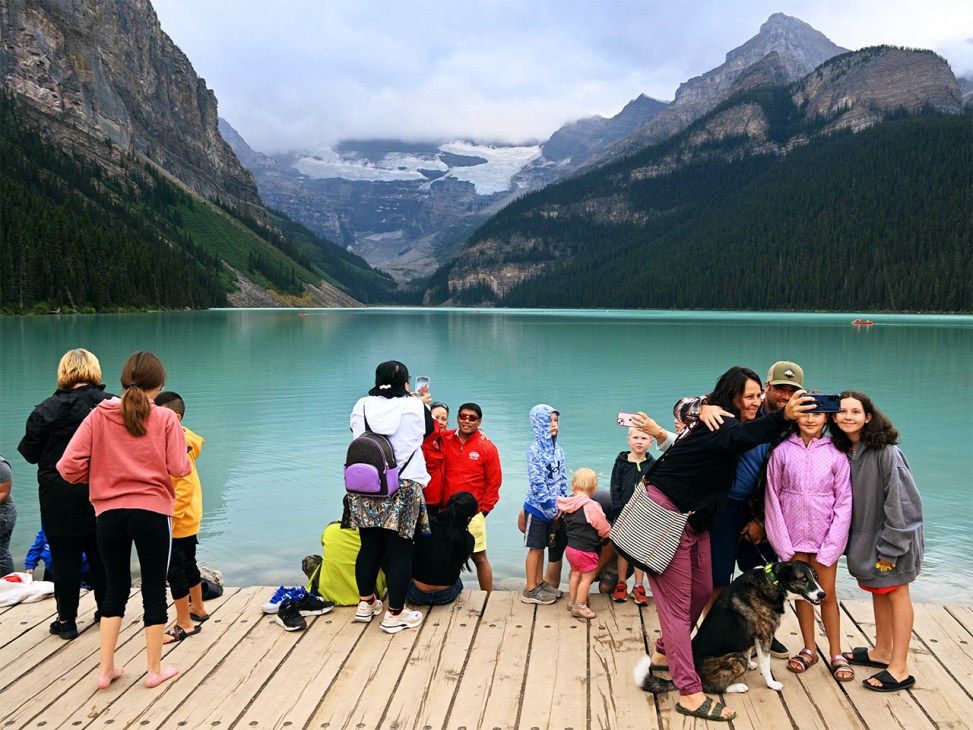
But down on the lakeshore is another matter. In high season, the water’s edge is packed with early birds who snagged a precious parking spot, late risers who caught the shuttle and motorcoach masses on their grand tour of the Canadian Rockies. Under a sea of selfie sticks, Lake Louise scarcely resembles the charming landscape that painter Albert Bierstadt immortalised on canvas in the 1880s, just a few years before the site became part of Canada’s first national park.
Ecotourism is hardly a new phenomenon but places such as Banff National Park are facing a particular crush. This is thanks to the runaway success of the Canada Strong Pass, a government initiative now in its second year, which made entry into all Canadian national parks free of charge from June to September. While some more obscure locations could use a boost, marquee destinations have been overwhelmed. Last year, Banff broke records with 4.5 million visitors – a 30 per cent increase in a decade. On a recent visit, Monocle hiked shoulder-to-shoulder with crowds more often found in central railway stations at rush hour and abandoned plans for an alpine breakfast at one of the park’s famed backcountry teahouses when the queue stretched an hour long.
Destinations from Barcelona and Kyoto to Venice have long expressed similar laments but cities were built for people. The endangered black rhinos in South Africa’s Kruger National Park can’t wave placards at a city-hall protest, nor can Iberian lynx in Spain’s Doñana National Park, whose habitats have been disturbed, wield squirt guns to unload their displeasure into the crowds. How can national parks protect their flora and fauna for future generations, while also inviting humans to engage with the natural world? “We call it the dual mandate,” says Jonathan Jarvis, a lifelong park ranger and former director of the US National Park Service, who now consults for national park systems around the world. Jarvis shares a few suggestions for striking the right balance.
Design boardwalks where you want people to walk
In the most crowded settings, too much foot traffic can trample fragile vegetation or create a spider web of social trails that deviate from official footpaths. Enter the boardwalk, a simple but elegant solution that clearly signals where you should – and should not – put one foot in front of the other.
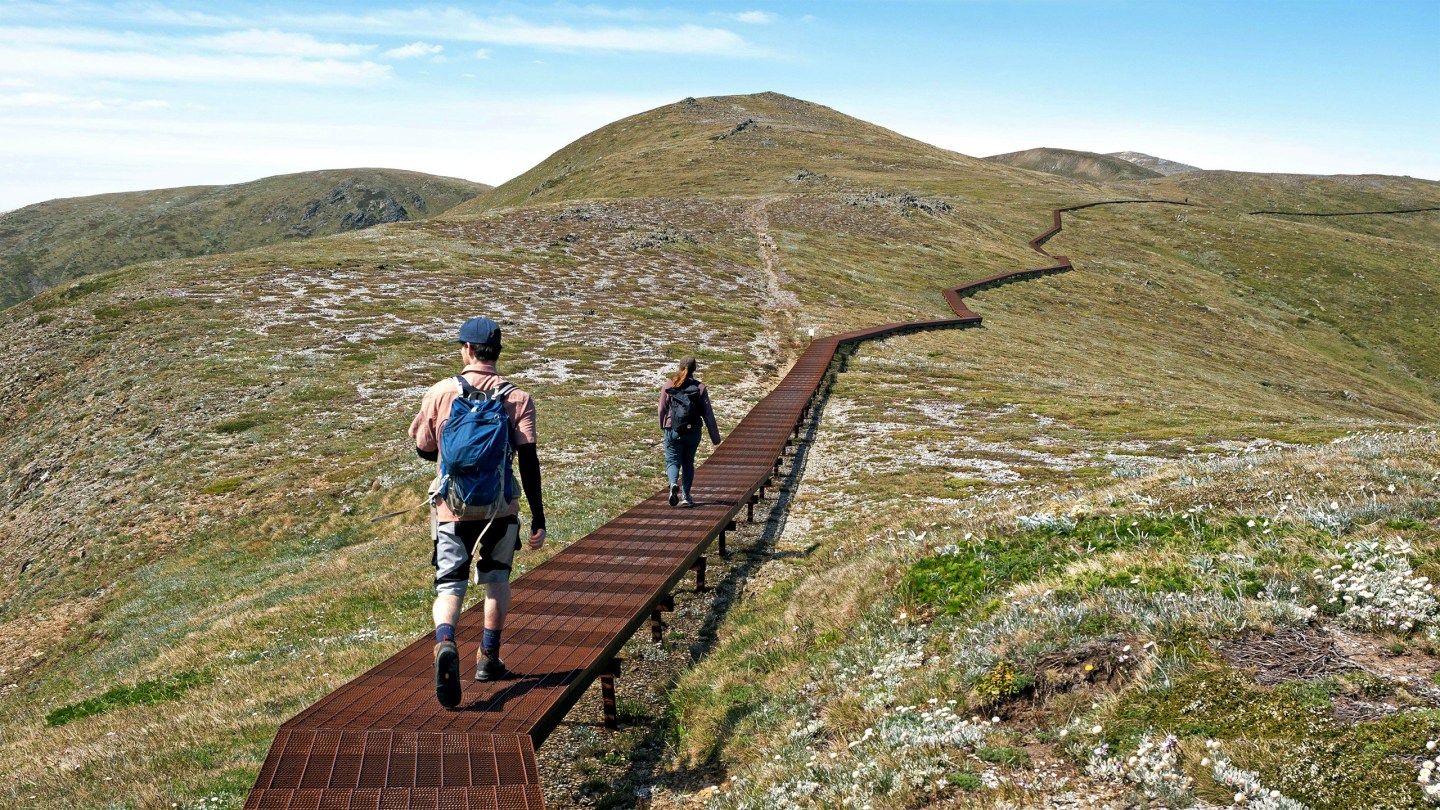
Boardwalks are versatile tools, just as easily deployed in deserts as in mountains. The Snowies Alpine Walk – a 55km trek through Australia’s Kosciuszko National Park – opened two years ago with an extensive network of steel mesh and wooden boardwalks to protect rare alpine grasses while keeping boots from getting mired in bogs and wetlands. Rechristened this year, the Salt Creek Boardwalk in Death Valley National Park prevents hikers from disturbing the rare pupfish.
Encourage visitors to see less popular locales
Social media has wreaked its havoc on countless natural landscapes, with people swarming a handful of digitally famous viewpoints. As the former superintendent of Mount Rainier National Park, Jarvis knew the pattern well. “If the sun was out and the mountain was visible, by 10.00 the parking lot at Paradise was full,” he says. Visitors would flock to the tallest volcano in the continental US, whose flanks are home to what naturalist John Muir calls “the most luxuriant and the most extravagantly beautiful of all the alpine gardens I ever beheld in all my mountain-top wanderings.”
But when those mountain-top wanderings involve shuffling in a line of people, Jarvis and his staff nudged visitors to look elsewhere in the vast park. There are other visitor centers, vantage points and alpine gardens besides the one with a name as alluring as Paradise.
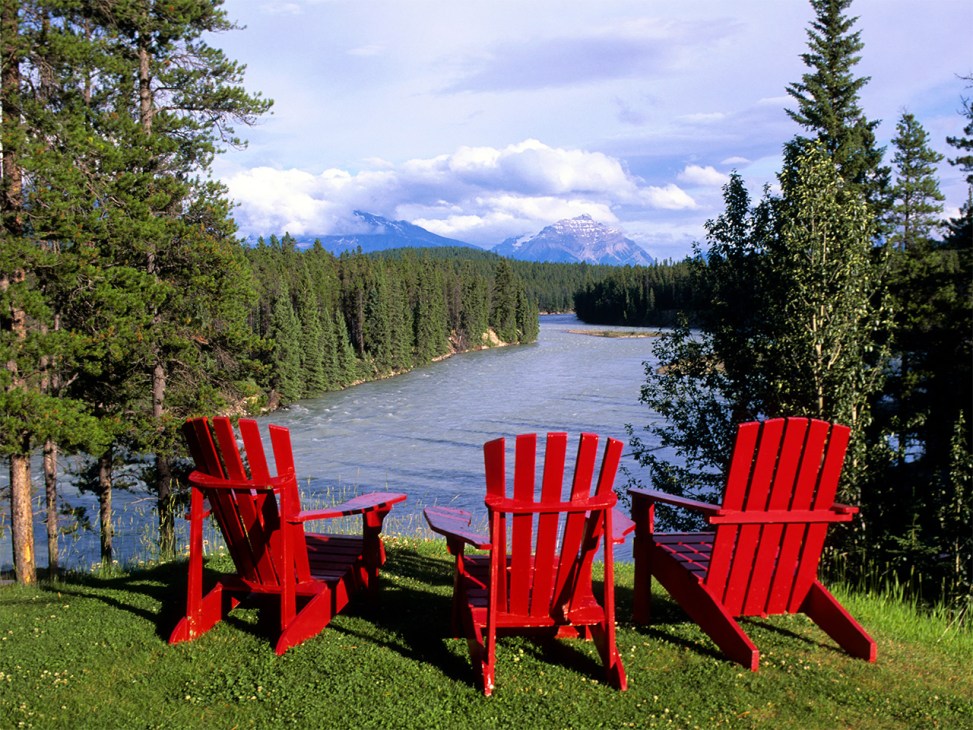
On that score, Parks Canada has done a clever job with its Red Chair campaign. In 2011, staff at Gros Morne National Park in Newfoundland set up Adirondack chairs at beautiful locales away from the Unesco World Heritage Site’s most obvious vistas. The scheme caught on and now the seats with a view, always in patriotic rouge, are sprinkled across more than 100 sites from coast to coast.
Give visitors a nice ride
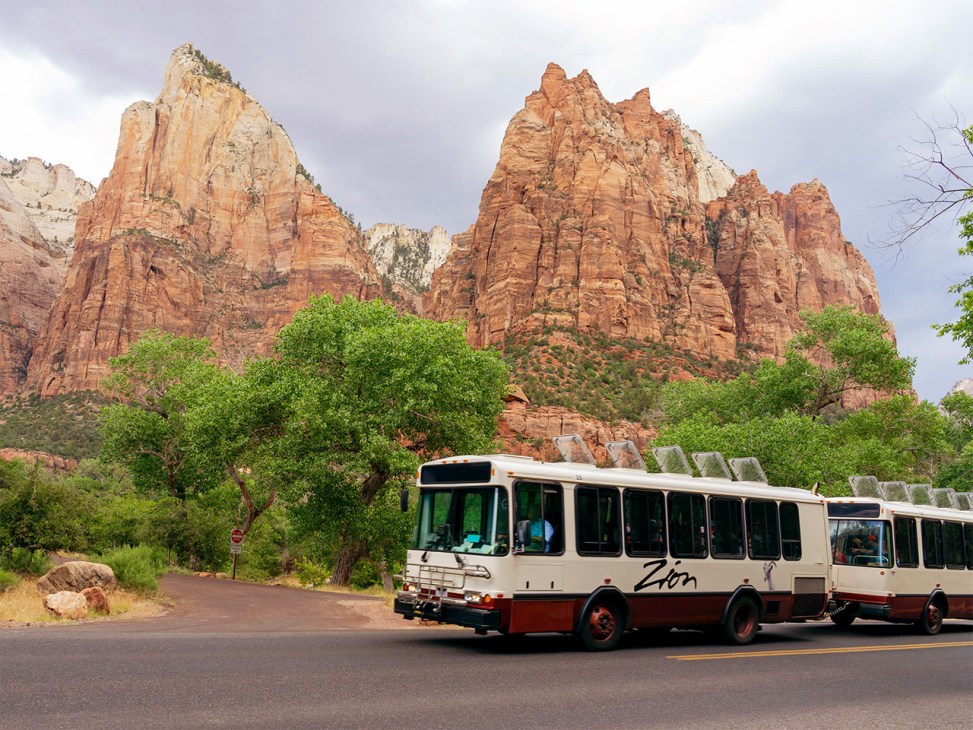
If you build it, they will come. And if “it” is a beautiful place that you can drive right up to, then they will come in droves – with traffic jams to prove it. For national parks that have reached peak traffic, the best model is the zero-emission electric Zion Canyon Shuttle System, which has moved more than 100 million people through Utah’s stunning red-rock countryside since its 2000 debut. Other well-branded buses include the Island Explorer, which carries visitors around Maine’s Acadia National Park, and the seasonal Wasdale Explorer in the UK’s Lake District National Park. Top marks also go to two mammalian-inspired systems: the Igelbus (“hedgehog bus”) in Germany’s Bavarian Forest National Park and the Yamanakako no Kaba amphibious bus, which tours a Japanese forest in a hippopotamus-themed bus before splashing into Lake Yamanaka in Fuji-Hakone-Izu National Park.
While the Swiss are known for their trains, the canary-yellow Express Parc Naziunel that climbs the Engadin to the country’s lone national park is actually a ride on wheels. For a first-class rail journey, Belmond’s Hiram Bingham promises a rolling Peruvian feast and fiesta en route to Machu Picchu National Archaeological Park.
Require reservations
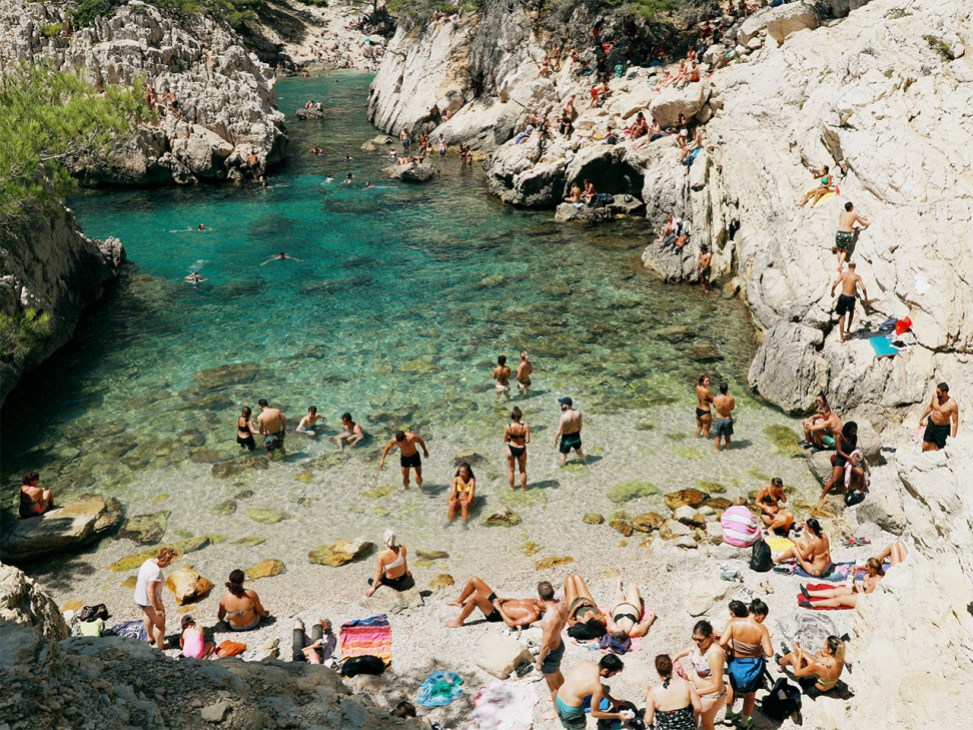
The world’s hottest tables require booking months in advance, so why shouldn’t the most popular natural attractions? From climbing Mount Fuji to swimming in the coves of Parc National des Calanques near Marseille, you’ll need to plan ahead. Reservations might frustrate locals who are used to spontaneous jaunts but they are often the best strategy for dealing with the tragedy-of-the-commons scenario where too many people degrade the experience for everyone.
The US national park system experimented with reservations earlier this decade as a way to manage seasonal draws, receiving generally positive reviews. But in February, the Trump administration scrapped timed entry everywhere except at the Rocky Mountain National Park, turning park rangers into harried maître d’s. “Now some poor ranger who should be handling bear incidents is in the road directing traffic, parking cars and herding crowds instead,” says Jarvis.
Mandate local guides
In many developing countries, national parks can be economic drivers, attracting nature-inclined travellers who disembark with top-of-the-line gear and return home with a new perspective gleaned from local knowledge. In order to make the most of tourism’s economic benefits, the right rules that require domestic guides and porters must be in place – otherwise “some foreign company is going to come in and leave with all the money,” says Jarvis.
Countries that have already heeded this advice include Nepal for trekking the Himalayas, Costa Rica for touring three of its most ecologically sensitive parks, Ecuador for climbing its glacier-capped volcanoes and visiting much of the Galápagos, Indonesia for observing the venomous dragons on Komodo island and Uganda for safaris to see mountain gorillas.
Charge foreigners more
Foreigners hoping to climb Mount Kenya or hike the Parque Nacional da Serra dos Órgãos outside Rio de Janeiro must fork out an entry fee higher than what the locals pay. A similar dual-pricing scheme applies at Volcanoes National Park in Rwanda, Yala National Park in Sri Lanka and across the board from Argentina to Thailand. Jarvis says this is understandable, given that user fees cover more than 50 per cent of the budget for national park systems in many African nations. For someone who has planned an international trip around a national park visit, the additional fee is a small price to pay.
Ottawa is currently plugging the gap opened by the Canada Strong Pass but entry fees have historically made up about 25 per cent of the national park budget. The percentage is lower for the US National Park Service – just 10 per cent – which raised eyebrows this year when the Trump administration began charging non-residents $100 (€86) to visit 11 of the country’s top parks. As deferred maintenance takes a toll on national park facilities, an extra bit of coin from the 14 million overseas visitors to the likes of Yellowstone and the Grand Canyon could help keep parks in tip-top shape, improving the experience for everyone.