How long have you got? Five global destinations for 2026 tailored to a busy schedule
Whether you have a weekend, a day, a morning or even just an hour to spare, here’s how to spend it.
1.
One hour in…
The Abrahamic Family House
Abu Dhabi
The trade show was packing up and the Monocle Radio team was dismantling our pop-up studio, coiling cables like snake handlers. I was, all agreed, superfluous. “Let’s meet again for dinner,” they said. So I slipped away and into the back seat of an Abu Dhabi rideshare. I’d done the calculations and, traffic permitting, I’d have one hour to take in the Abrahamic Family House on Saadiyat Island before it closed. It was somewhere that I’d long hankered to see.
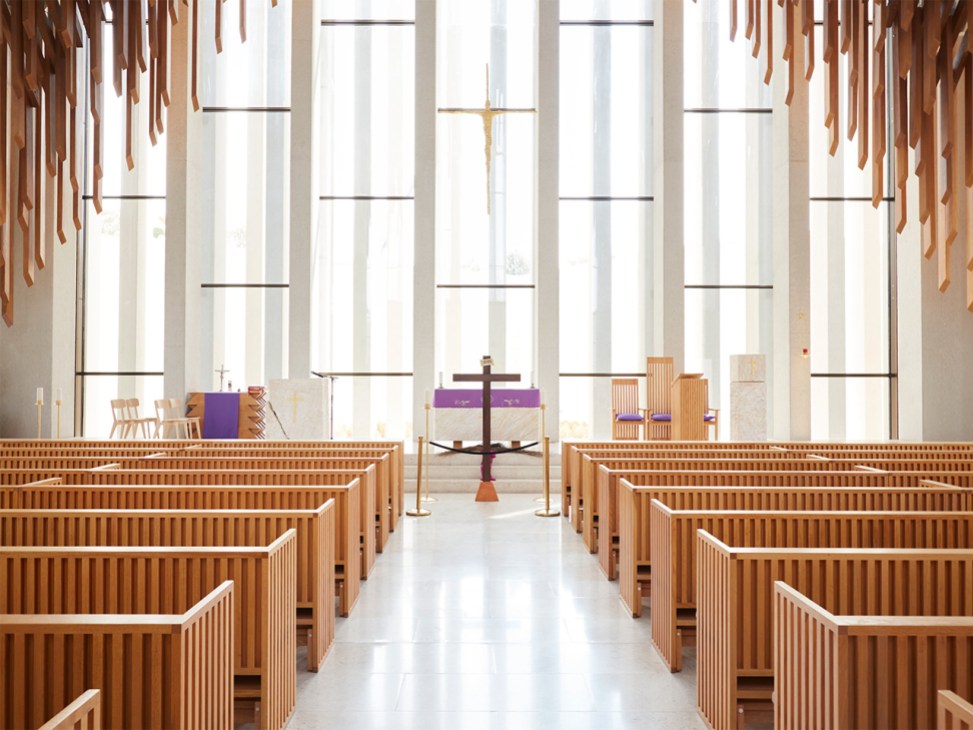
Designed by British-Ghanaian architect David Adjaye, the Abrahamic Family House contains three places of worship: a mosque, a synagogue and a church. Opened in 2023, it encourages interfaith dialogue by, in part, focusing on a simple shared connection: Islam, Christianity and Judaism all revere Abraham as a spiritual figure. There was a security checkpoint to negotiate but within minutes I was wandering around Adjaye’s masterpiece. All three places of worship are given equal weight and stature (each rises to 30 metres); the use of the same simple materials binds them together.
In the church, with its soaring ceilings, two South Asians were lost in prayer; in the synagogue there were also two worshippers. In the mosque, I saw just one man kneeling, his white robe dappled by light rippling through the mashrabiya screen. I am someone of limited and rusty faith but here there was something spiritual that overwhelmed a little and made emotions soar.
As closing time approached and a cat found a place in the cool of the welcome centre to doze, I tried to take it all in one last time – to fix it in my mind as a mental keepsake. A lot can happen in an hour.
abrahamicfamilyhouse.ae
2.
A morning at…
Fundação Calouste Gulbenkian
Lisbon
If you only have a morning in Lisbon, the Fundação Calouste Gulbenkian is your best bet. It was started by the eponymous Armenian philanthropist in 1956 to make space for one of Portugal’s most impressive art collations and to improve quality of life through art, science and charitable work.
While the Gulbenkian Museum reopens in July 2026, after a much-anticipated revamp, the real hidden gem of this complex is the gardens. A late-1960s milestone of modernist landscape design, it’s an urban oasis where the verdant green plays against the coolness of the brutalist buildings. The carefully landscaped lawns offer quiet corners and shade – much needed in the Portuguese capital’s warm mornings. These gardens serve as a true public living room, with locals spreading a blanket by the lake, watching a performance in the open-air amphitheatre or wandering along the paths in between meetings.
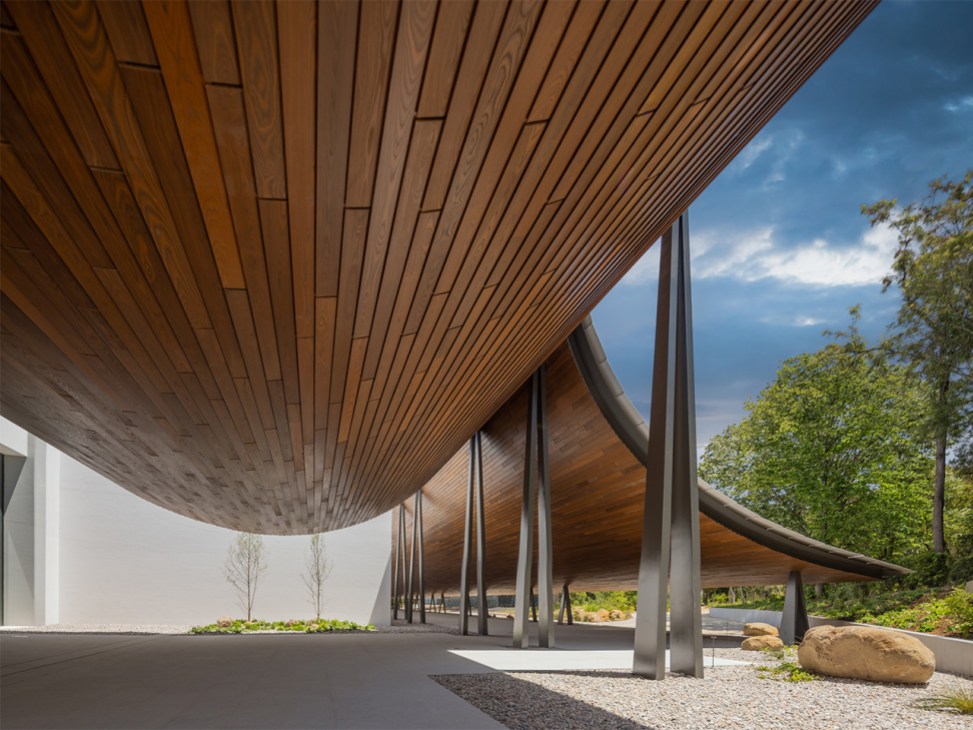
Once you reach the wooden canopy designed by Japanese architect Kengo Kuma in 2024, you have arrived at the Centro de Arte Moderna (CAM). Head in to explore the Portuguese modern art collection before breaking for lunch at CAM’s Table, where stunning views bring nature and architecture together once again.
gulbenkian.pt
3.
A day in…
Rabat
Morrocco
Rabat is often overlooked by tourists in favour of Marrakech, Tangier or the blue waters of Essaouira. But there are few sights like that of the capital’s morning lights reflected in the Bou Regreg river after you touch down at Rabat-Salé airport. First, check in to the new 200-key Four Seasons At Kasr Al Bahr. Set in an 18th-century former royal residence in the Océan neighbourhood, the hotel was designed by Roger Nazarian.
From here, a short taxi ride along the coast takes you to the Kasbah des Oudayas. Inside this citadel – with whitewashed walls and engraved doors painted deep blue – is the Café des Oudayas. Formerly the Café Maure, this historic bolthole offers a fine view of the sea to go with your mint tea and Moroccan pastries, including delicious sugar-dusted “gazelle horns” with fragrant orange blossom.
Next door is the Oudayas Museum, inside the former pavilions of the sultan Moulay Ismaïl. The space underwent renovations a few years ago and now houses the National Museum of Jewellery. It features Amazigh jewels, tbourida (traditional Moroccan equestrian art) and other examples of the country’s crafts and heritage.
Take a late lunch in the Hassan neighbourhood. Next to the beautiful art deco Saint-Pierre Cathedral is Ty Potes, a quaint restaurant on the ground floor of a 1930s building. It serves simple but delicious French-inspired dishes with seasonal ingredients, such as the Eliana toast with goat’s cheese, honey and caramelised nuts.
Next, there’s the nearby Mohammed VI Museum of Modern and Contemporary Art. Opened 10 years ago, it was the first large-scale national museum to be built after the country gained independence and has since become one of the continent’s most important contemporary-art spaces. Built in a Moorish-revival style by architect Karim Chakor, its white façade is adorned with double arches and intricate motifs.
Take a detour to the Jardin d’Essais Botaniques, especially the Andalusian Gardens. Later, the sunset over Rabat is best admired from the Corniche Qbibate, a tranquil promenade by the shore of the Atlantic. You’ll be on time to dine at the new Flamme restaurant within the Four Seasons. If there’s time for a final nightcap, the hotel also hosts the moodily lit, Laila Lounge in the oldest part of the building.
4.
A weekend in…
Taipei
Taiwan
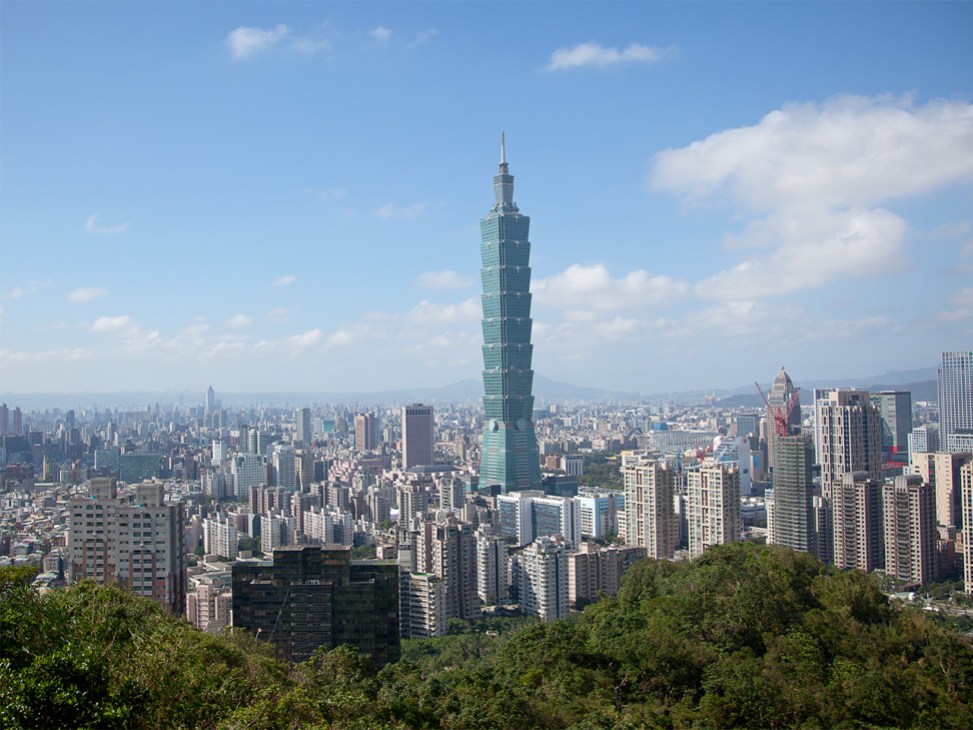
With just two days to soak up this busy city, you’ll need to be disciplined about your timings. Base yourself at OrigInn Space, a design-forward hotel in a century-old shophouse with rooms that mix terrazzo floors and contemporary Taiwanese craft. The capital wakes up slowly and doesn’t hit its stride until mid-morning. Start with brunch at Shih Chia Big Rice Ball, a 65-year-old stalwart known for savoury sticky-rice balls packed with pork and vegetables. Then meander along Dihua Street, Taipei’s oldest commercial thoroughfare.
Continue past Beimen North Gate Square, once a main entry into the fortified city. From here, stroll to the Red House in Ximen. Built in 1908 as a market hall, the octagonal landmark hosts tours, exhibitions and a warren of studios and souvenir shops that showcase local designers. Step outside and you’ll be in Taipei’s nightlife district among a cluster of cafés, galleries and bars.
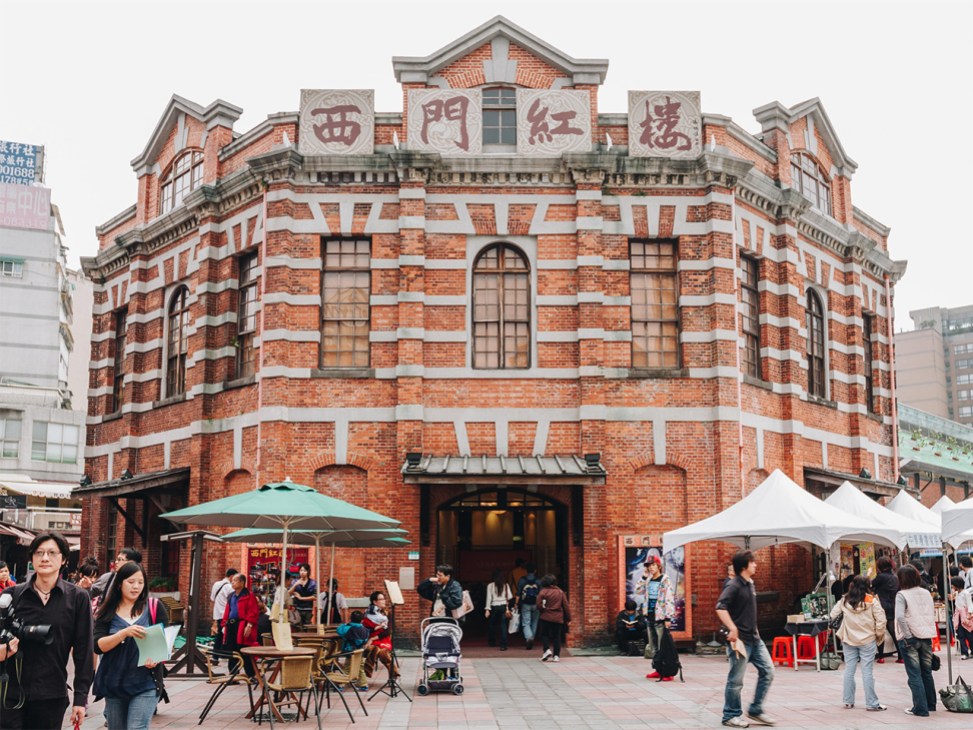
Grab dinner nearby at Niu Dian Beef Noodles for clean, spicy broths and tender cuts of tendon. Finish the day at Yongfu Ice Cream, an 80-year mainstay that creates light, sorbet-like scoops in flavours such as taro, longan and preserved plum.
On day two, wander your way to Nanmen Market. The rebuilt complex stays true to its roots: a mix of produce stalls, butchers, dried-goods vendors and a food court. A short walk away, the National Taiwan Museum’s permanent exhibitions are an elegant primer on Taiwan’s nature and cultures, in a restored neoclassical hall.
Pause at the Taiwan Provincial City God Temple, which was rebuilt in 1945 to honour Taipei’s traditional guardian deity. Incense curls through painted beams and worshippers come to petition the City God for protection. Next is the Presidential Office Building, home of Taiwan’s government. Completed in 1919, it has survived every chapter of the island’s modern history and offers guided tours.

Reserve dinner at Huang Long Zhuang, a local institution known for plump handmade soup dumplings. Service is brisk and the cooking unfussy and reliable. As evening falls, head through Liberty Square to the National Theater and Concert Hall at Chiang Kai-shek Memorial Hall. Performances here show how Taipei uses its grandest plaza as a cultural commons rather than a monument. End at Taihu Gyoza Bar, in restored 19th-century government dormitories, with reliably cold beers and crisp pan-fried dumplings.
5.
Three days in…
Rio de Janeiro
Brazil
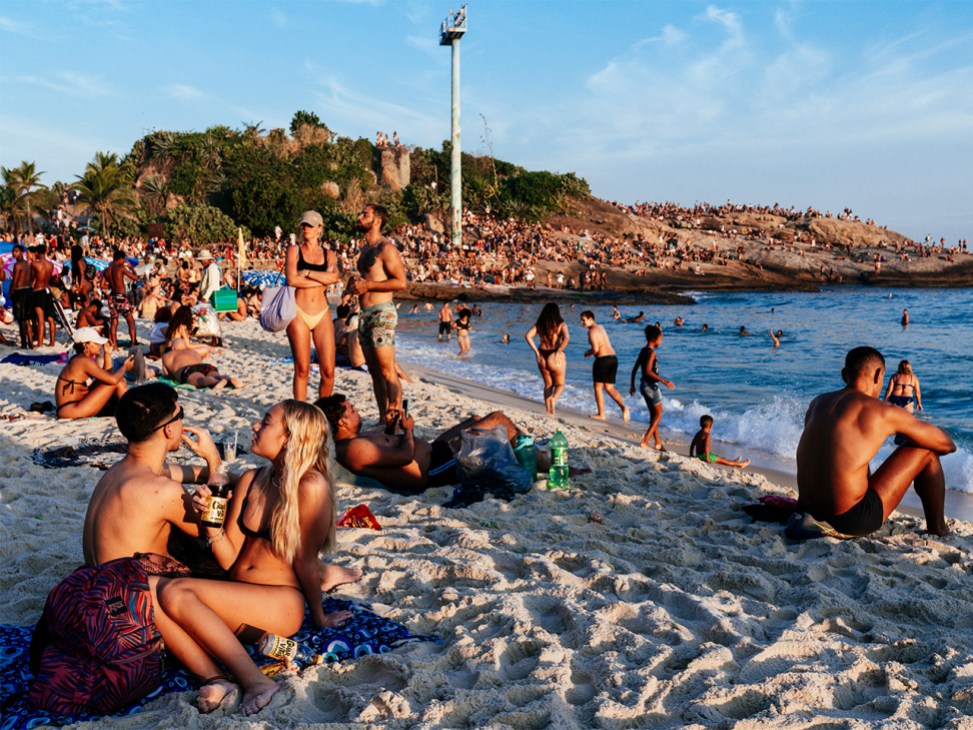
You’ll need a good base for a three-day exploration and location is everything if you don’t want to spend hours in taxis. The iconic Copacabana Palace is never bad but there’s also the Rio branch of the Fasano group. To feel like a Carioca on day one, start with swimwear shopping. For men, keep it simple with a pair of cheeky Sungas from the Blueman shop at Shopping Leblon. Women should try Haight (by Marcella Franklin and Philippe Perdigão) in the same complex.
Now you’re dressed for it, head to Ipanema for a cold maté tea or a caipirinha (it’s never too early) from one of the many kiosks by the beach. Now relax. For lunch, try one of the classics: Braseiro da Gávea restaurant or a feijoada (the national dish of Brazil) at Academia da Cachaça. After a lazy meal and exploring the bohemian Gávea neighbourhood, take in the sunset at Bar Urca – and make sure to sample their exquisite shrimp pastel (pastry) with a cold glass of chopp (beer).
Day two should start with a tropical juice at one of the branches of BB Lanches, which also serves sandwiches and açaí, if you’re peckish. Rio isn’t all about beaches – it’s also a paradise for fans of Brazilian modernist architecture. In 2025 the Capanema Palace in Downtown reopened for public visits. Built in the 1930s and 1940s by architect Lúcio Costa, it’s a must-visit.
Fans of Brazilian music should visit Tropicália in Botafogo. If you want the latest releases from Evinha, Caetano Veloso or Marcos Valle, this is the spot for it. It’s also not far from the best newsstand Banca Cinza, which stocks everything from independent zines to the city’s main newspaper, O Globo. While you’re in Botafogo, stop for a cocktail at Quartinho Bar. For dinner, Lasai in the same neighbourhood is considered one of the top restaurants in Brazil. Proof that Rio can do laid-back but chic, the Basque-inspired restaurant is run by Rafa Costa e Silva and his wife, Malena Cardiel.
Make a gentle start to day three with shopping at the city’s best and most traditional bookshop, Livraria da Travessa in Ipanema (there are other branches). Now for a leisurely walk in the Jardim Botânico district. In the gardens, you’ll spy toucans and if you’re thirsty stop for a drink at the scenic Parque Lage. Next, see which exhibitions are on at the Banco do Brasil Cultural Center (CCBB) downtown or peruse the selection of arthouse films at the Estação Net Botafogo cinema.
Rio is one of the few cities in the world where people will clap the sunset. So enjoy your last evening at Arpoador, a peninsula between Ipanema and Copacabana beaches, to see what all the fuss is about.