Your guide to São Tomé & Príncipe: A tropical paradise at the centre of the world
The tiny African island of Príncipe is hard to reach but rewards travellers with its rich biodiversity and low-key luxury inns.
When we land at Príncipe’s tiny airport, a sign declares that we have arrived “at the centre of the world”. This African island sits just one degree north of the equator, about 250km off the coast of Gabon, and is the smaller partner in the sovereign state of São Tomé and Príncipe. Getting here takes time. Our journey from London requires three flights and takes the best part of as many days.
The final leg is a 35-minute hop (weather permitting) from São Tomé on a 20-seat propeller plane. As you come in to land, the rich colours of Príncipe’s landscape cannot fail to grab you. The forest canopy is a tapestry of different shades of green – from the pale, feathery fronds of coconut trees to lime-green alocasia (“elephant ears”) and the spinach-coloured tops of towering oaks.
Finally disembarking into Príncipe’s bright sunshine and sticky air feels like touching down in a hidden paradise. But it is one facing a turning point in its history as Mark Shuttleworth – the South African entrepreneur who has steered much of Príncipe’s nascent and environmentally considerate tourism industry in the past 15 years – is now looking to sell up. The decision raises questions about the future of the island and who will now be responsible for safeguarding its nature and the livelihoods of its inhabitants.
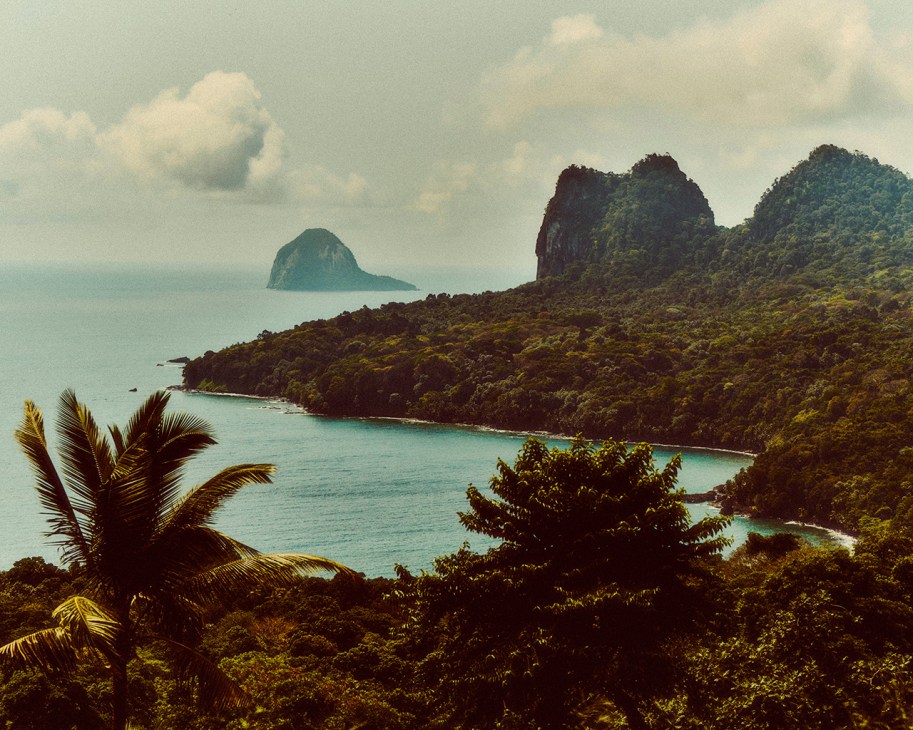
Along Príncipe’s coast, strips of ivory sand are caught between turquoise water on one side and trees and tangled plant roots on the other. It is these pockets of beach, which occur like commas punctuating the island’s edge, that lend it a feeling of paradise. Shuttleworth, who made his fortune in software, quickly sensed this idyllic spirit on his first visit in 2010.
The same year, Shuttleworth founded ecotourism and agroforestry business HBD Príncipe, after he intervened in a proposal being weighed up by the national government to allow more than 1,000 hectares of land to be cleared for palm-oil plantations. Instead, his venture aimed to protect the island’s beauty and biodiversity. According to HBD Príncipe’s Dutch CEO, Egbert Bloemsma, its aims are threefold: to help create a strong economy, preserve nature and enable the population of 9,830 to flourish. “That’s not easy,” says Bloemsma.
The hotel arm of the enterprise, Príncipe Collection, accounts for about 90 per cent of the business. It operates a hotel on São Tomé and three on Príncipe, with a fourth set to open in May 2026. Though Príncipe Collection has always worked with the same French architect and interior designer, Didier Lefort, the hotels aren’t uniform. Two – Roça Sundy and the soon-to-open Belo Monte – make use of former Portuguese colonial buildings on concession land granted to HBD Príncipe by the regional government. The beachside Sundy Praia and Bom Bom hotels, meanwhile, offer villas and bungalows nestled in the jungle.
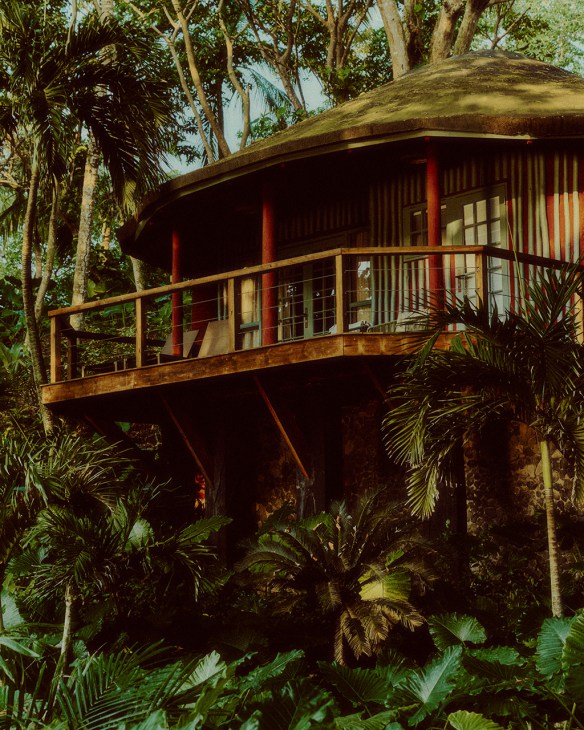
Travellers who venture here are mostly couples or small groups looking for a balance of respite and adventure. Sundy Praia is the most luxurious outpost in the portfolio. Here, there are 15 villas with one, two or three rooms (two villas are set around small, private pools). Rooms are elegant, unfussy and bright because of their tent-like, white roofs. Inside, neutral upholstery is paired with natural fibres and finishes: wooden floors and furniture, wicker lampshades and subtly striped calico drapes. The mosquito net is a gauzy gold curtain that bathes the bed in a soft amber light in the morning. Then there’s the calming sound of the ocean outside – every so often a gentle roar washes over the villas.

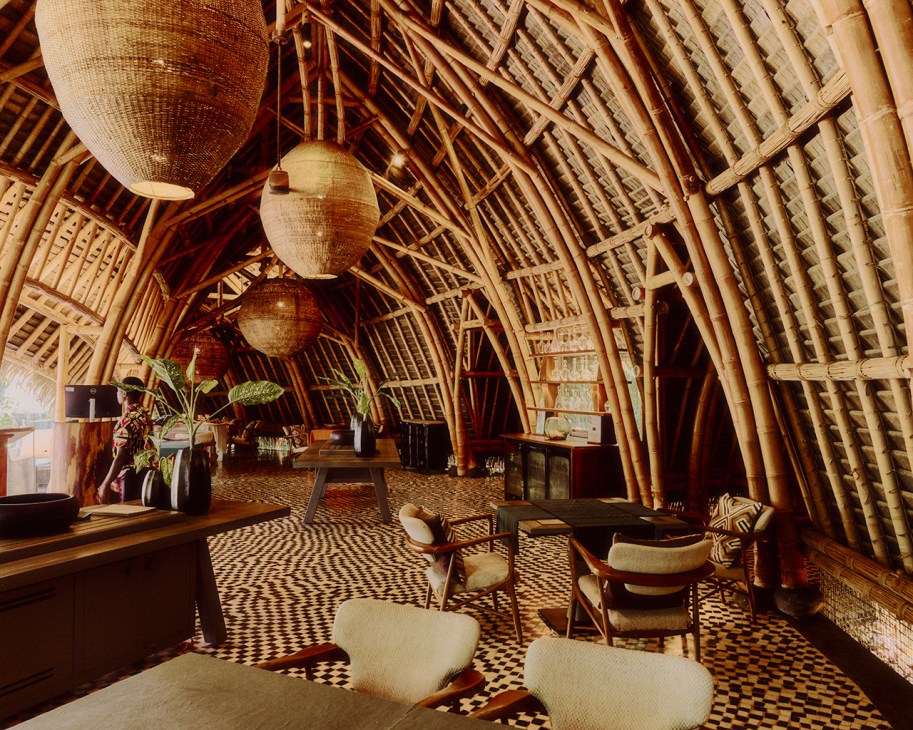
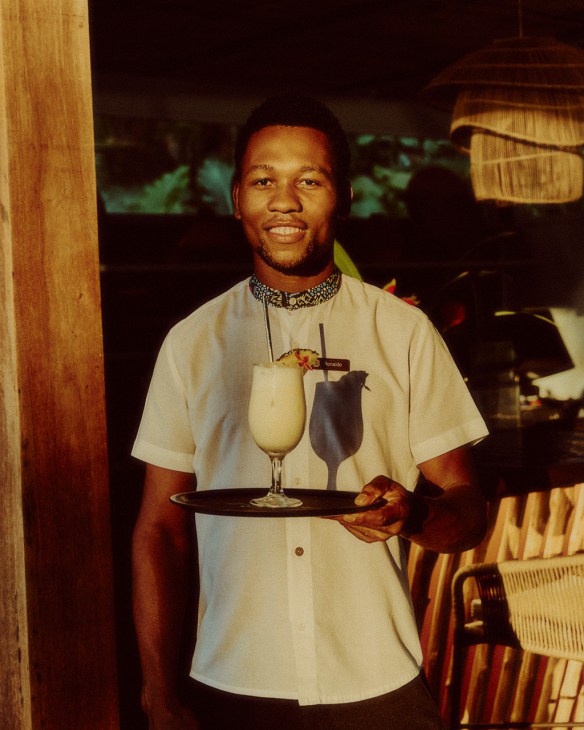
The hotel’s restaurant is a dramatic, arched wooden structure that gives you the impression of being in the upturned hull of a ship. Yet the bow and the stern are open to the elements – it’s clear that the design takes a backseat in favour of the resplendence of what’s outside. From the kitchen come dishes that make the most of the island’s produce and reveal the Portuguese head chef’s playful approach to the menu. The amuse-bouches might include green-pepper gazpacho, fresh falafel or sorbet; the main course is usually fish, served as part of a stew (moqueca) or cooked in local micocó herbs.
At Sundy Praia, small mona monkeys take single bites out of mangoes then drop the fruits through the canopy; we hear them bouncing off the roof of the hotel reception. It’s a sign of the island’s abundance. The geographic position and fertile ground of Príncipe make it a breathtaking travel destination but also hint at some of its complicated history.
Príncipe was uninhabited before the Portuguese arrived in the 15th century. Along with São Tomé, it became a fertile homestead, of sorts, on which the colonisers could grow crops. The Portuguese introduced sugar cane, before testing out cotton, coffee and cacao cultivation. It was the first place in Africa to grow cacao – the hot climate, frequent rainfall and shady jungle provided the ideal environment. It quickly became the most significant cash crop here during Portugal’s 500-year stay. The Portuguese brought slaves here from their other colonies – countries such as Cape Verde, Angola and Mozambique – to work on the plantations.
Since São Tomé and Príncipe gained independence in 1975, many of the grand colonial buildings that pepper Príncipe have been left to crumble. Across the island, plants wind their way around these edifices, creeping through window cracks and bursting out of roofs. “Our nature is very hungry,” says Monocle’s guide Karlos Semedo. While the flora might be insatiable, Príncipe’s fauna is, generally, of a gentler persuasion.
As well as the monkeys, the island is known for its birds – more than 80 species – and three types of turtles. Between August and October, humpback whales can be seen in the ocean. A huge swath of the island is the protected Obô Natural Park of Príncipe, full of hiking routes, waterfalls and quiet swimming spots. But it’s not necessary to take these trails to spot the island’s birds – the boundaries between nature and human life are blurry here. Of the endemic species, it is the three kinds of kingfisher and their startlingly bright plumage that are the most satisfying to spot. The chest of the blue-breasted kingfisher is an icy aquamarine, almost the exact shade seen painted across town on the exterior of small houses or the walls of restaurants.
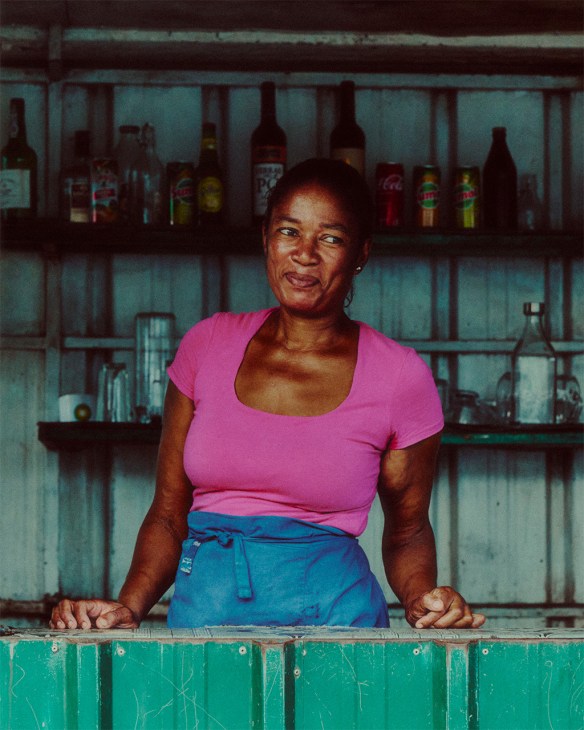

During afternoons in the island’s capital, Santo António, young children – oversized backpacks bumping against their legs – walk one another home from class. In Marcelo da Veiga Square (named after the island’s beloved poet), highschoolers lounge on benches, taking advantage of the park’s free wi-fi to play on their phones. Elsewhere, the sounds of the West African charts ring out from barber’s shops and roadside bars – Angolan singer Lurhany, Cote d’Ivoire’s Mathey and Nigerian megastar Asake. Príncipe’s unofficial motto is “leve leve” (slowly, slowly). It is painted on murals, oft invoked and provides anyone with a ready excuse for not showing up on time.
Leve leve extends to how visitors are encouraged to spend their time on the island. At Príncipe Collection hotels, several excursions are available. Among other activities, during our stay we tour a cacao plantation and chocolate factory; wake up at 05.00 to go birdwatching and stay out late at night to observe – utterly mesmerised – a green turtle nest on the beach. The loose schedules, organised by Santomean experiences manager Vander do Espírito Santo, leave you time to lie on the beach or by the pool and, really, there is enough natural beauty to stare at wherever you look.
To move around the island, we take the single-track road that winds its way through Príncipe’s mountainous terrain. The traffic, consisting mostly of Sanya motorbikes and Toyota four-wheel drives, travels on smooth tarmac in central areas and slow-going bumpy stones elsewhere – providing an “African massage”, says one driver.
HBD Príncipe’s approach to expansion might also be described as leve leve. The island, at 142 sq km, is a little smaller than Washington DC (177 sq km). The population, however, is about 0.013 per cent the size of Washington’s. This is a small place, without the infrastructure or aspiration to accept streams of tourists. The hotel group currently has 77 rooms and this is projected to grow to between 120 and 160 in the coming years. That would be a step up but still a modest number and one that would make the enterprise economically independent.
“We have had the vision for the sustainable social and economic development of Príncipe since the beginning,” says HBD’s sustainability director, Emma Tuzinkiewicz, who relocated to the island from New York in 2021. As well as recycling and reuse schemes, included in the room rate of the hotels is a €25 per person “conservation and communities contribution” per night, which goes towards local projects.
It is split equally between the Fundação Príncipe NGO and projects led by HBD Príncipe. These include programmes that support schools and cover flights for students with scholarships to study abroad. “When someone said ‘sustainable tourism’ or ‘ ecotourism’, people used to think just about the environmental part,” says Tuzinkiewicz. “But sustainability also encompasses a social component – communities.”
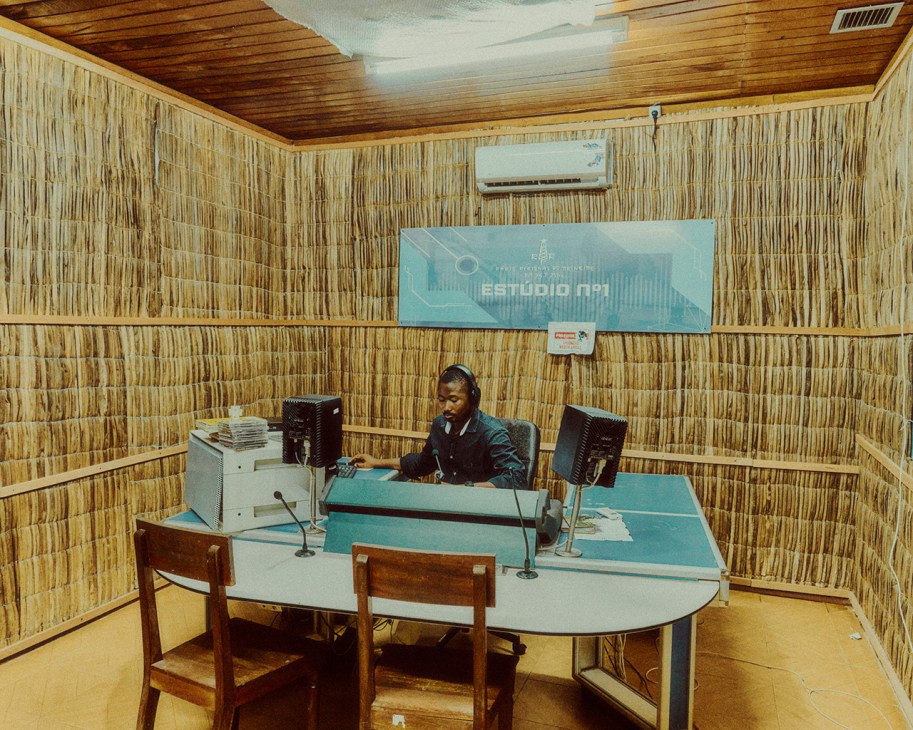
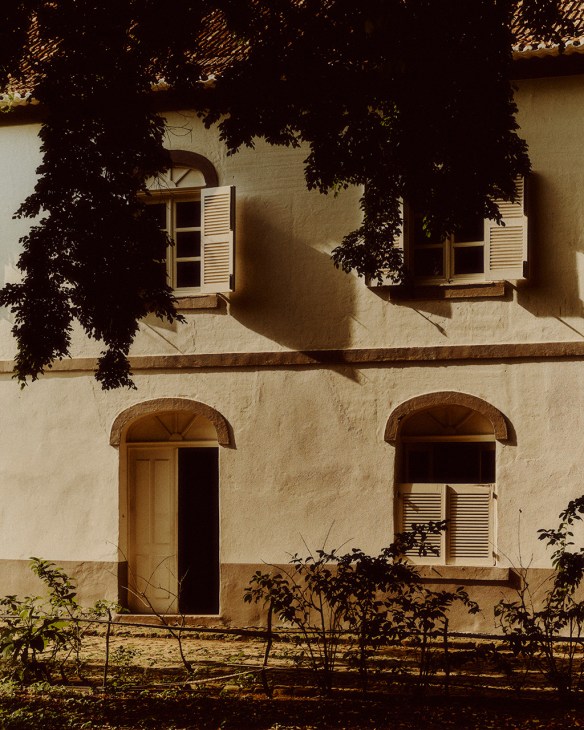

Despite the positivity that abounds from HBD staff about their work, the company is not without critics. In recent months, the island’s political opposition and some citizens raised complaints about the company’s “neocolonial” intentions for the island. After five centuries of brutal rule by a foreign power, it is galling for some that Príncipe’s largest private employer belongs to an outsider, with many other expats in key positions.
Since Bloemsma became CEO in 2023, he has tried to make changes to mitigate this, halving the number of expats in the management team and filling the roles with locals. But in a letter sent to the Príncipe government in October 2025, Shuttleworth stated his intention to find a buyer for the company. Like the dark clouds that loom above the island just before the rain breaks, questions hang over the future of Príncipe. “We really hope that we will be able to find somebody who can carry on Mark’s legacy,” says Bloemsma. “Someone who will care as much as Mark not just about the development of the islands but also their sustainable development.”
While the tropical paradise feels far-flung, Príncipe is not cocooned from the problems of the past nor the complications of the present. Its immense natural beauty is largely unspoiled and the leve leve of island time has so far trumped development. With the sale of HBD Príncipe, there is a risk that this might change but there is also the possibility of a future in which everyone on the island feels equally responsible for its custodianship. For such a small place, there is a lot happening in Príncipe and plenty to inspire you to visit. Well, you are, after all, at the centre of the world.
Address Book
Stay
Sundy Praia
The most luxurious accommodation on the island is HBD Príncipe’s Sundy Praia. The leafy surroundings of the elegant villas provide privacy and a sense of calm, while the excellent, inventive food can be enjoyed in the restaurant or, for special occasions, on the beach.
principecollection.com
Stay
Bom Bom
This hotel, which is also part of HBD Príncipe’s portfolio, is in an enviable location between two picturesque beaches. The laid-back atmosphere can be felt throughout the villas – whether beachside or hidden in the treetops. To truly unwind, don’t forget a visit to the spa.
principecollection.com
Visit
O Qué Pipi Waterfall
A swath of Príncipe consists of the protected Obô Natural Park. To experience its natural beauty, hike to the O Qué Pipi waterfall. The walk takes about 45 minutes but cooling off under the waterfall makes it well worth the effort.
Visit
Praia Grande
Depending on the time of year, Praia Grande is one of the best spots to see turtles nesting or their young hatching and heading to the water. At night, take a head torch with a red light setting to avoid disturbing them.
Visit
Roça Sundy
The story of cacao is an important part of the island’s complex past. At Roça Sundy, you can learn this history and how cacao is produced today, as well as taste the delicious products and take some home.
Visit
Baía das Agulhas
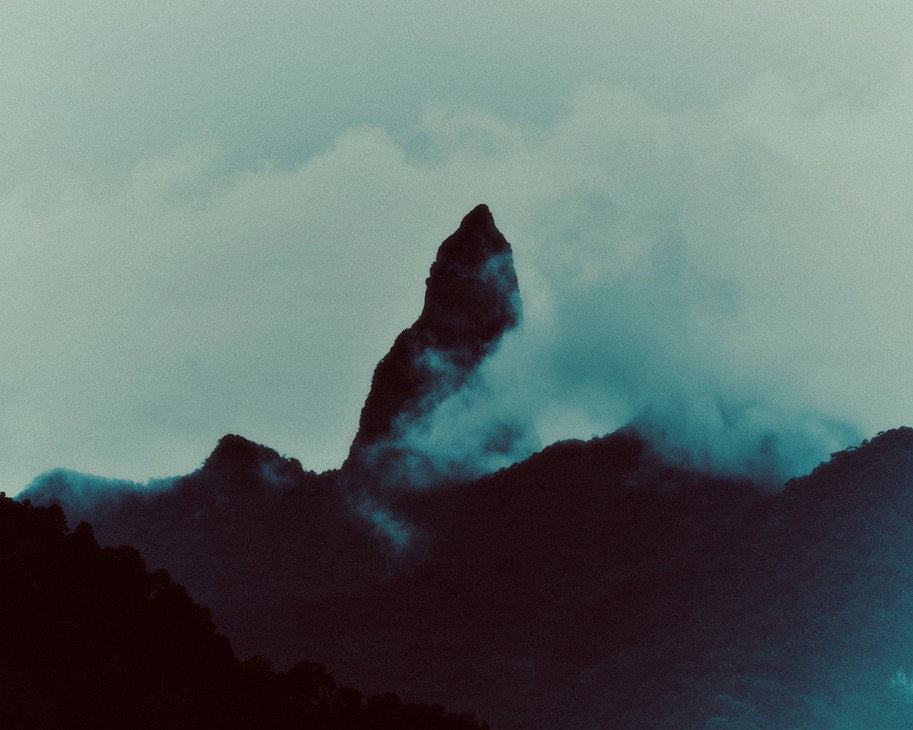
Príncipe’s unusual volcanic landscape is best seen from a distance. A boat trip to Baía das Agulhas (Bay of Needles) allows you to admire the views of the landscape and, with the help of a snorkel, spot some of Príncipe’s aquatic wildlife.
Eat
Complexo Beira Mar
In Príncipe’s capital, Santo António, Beira Mar is both a guesthouse and a dependable lunch spot. The covered terrace provides a shady spot from which to watch the world go by and enjoy hearty portions of fish, octopus and soup.
Eat
Dona Antónia’s
This rooftop restaurant is in the centre of Santo António. For dinner, coconut rice and beans come with fish or obobo (for vegetarians), as well as plantain crisps and salad.