Andrew Mountbatten-Windsor’s arrest is a good advert for modern Britain
The Tower of London is calling Andrew Mountbatten-Windsor. While the former prince’s arrest on suspicion of misconduct in public office disgraces the British royal family, it paints the United Kingdom in a fair light.
It is possibly the most comprehensive downfall of a senior British royal since the arrest, trial and execution of King Charles I in 1649. The increasingly former Prince Andrew – latterly Andrew Mountbatten-Windsor – can at least console himself that the soup in which he finds himself is not quite that hot or deep. He does, however, appear out of escape routes or options, short of somehow orchestrating the Shakespearean carnage that would vault him dramatically upwards from his current position of eighth in line to the throne.
Mountbatten-Windsor was arrested today on suspicion of misconduct in public office, another consequence of his long friendship with child sex offender and people trafficker Jeffrey Epstein. This is potentially as serious as British legal jeopardy gets: the maximum sentence is life imprisonment. Mountbatten-Windsor has always maintained his innocence and he has not, as of this writing, been charged. But it has been made brutally apparent that if the matter of Rex vs his younger brother makes it to Crown Court, Mountbatten-Windsor is on his own. King Charles III’s terse statement said, in part, “Let me state clearly: the law must take its course.”
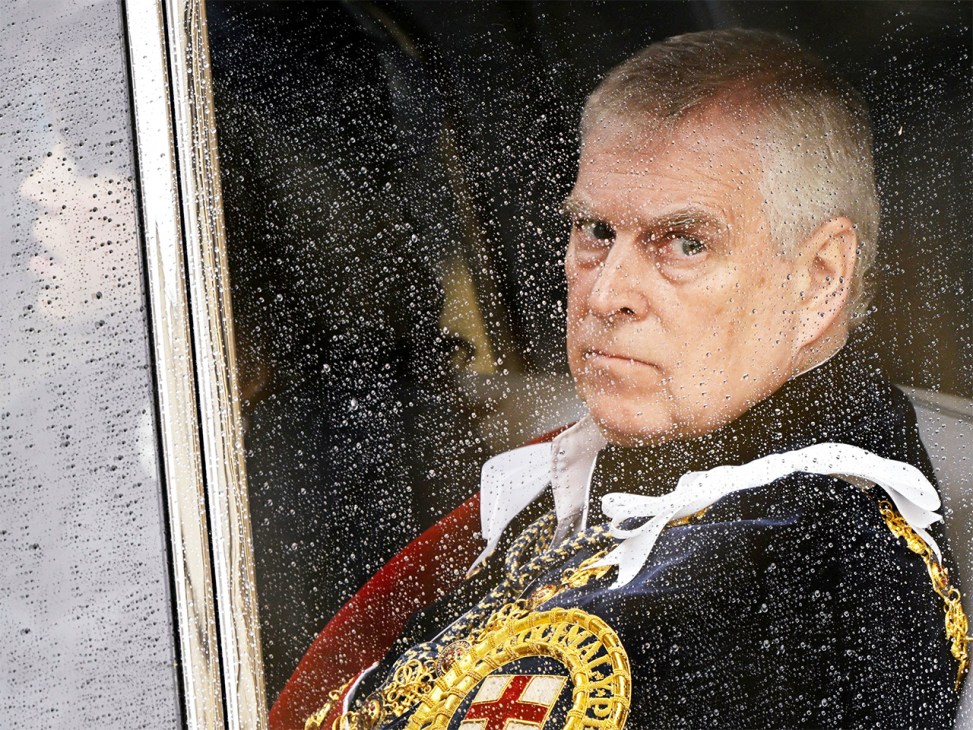
It is further ignominy for Mountbatten-Windsor, who was once described to me by a former British diplomat as, “against considerable competition for the title, the single stupidest human being I have ever encountered”. Mountbatten-Windsor does indeed seem an example, both classic and extreme, of what can occur when a certifiable dunce spends a lifetime being indulged by people whose position depends on a willingness to keep telling him that he’s wonderful and to clean up his messes. This latest development is exactly the kind of publicity that the British royal family – like any family – would prefer to avoid. But there is an argument, amid the grubbiness of the revelations thus far and the likely squalor of those to come, that this is, if you tilt your head and squint, an advertisement for the modern United Kingdom.
A British monarch, subject as they are to the scrutiny of the press and the social-media panopticon, has less choice than they once did about whether to sweep the misdeeds of a wayward relative under the carpet or throw the black sheep to the wolves. In a more servile era, Mountbatten-Windsor could have been punted off to become governor of some obscure dominion, much as Edward VIII was inflicted upon the Bahamas after the unfortunateness with Mrs Simpson and the high tea with Adolf Hitler. In the here and now, it has been demonstrated that the law’s reach does not stop, even at the palace gates.
It is difficult to miss the contrast with one former British colony – a nation that was founded in revolution against those of Mountbatten-Windsor’s forebears who believed themselves born to rule and above the law. Mountbatten-Windsor is just one of several prominent figures in the United Kingdom and Europe who in recent weeks have had their careers ended, their reputations tarnished and/or their collars felt over the latest revelations of Jeffrey Epstein’s global network of influential creeps. But in the United States, where many powerful figures – including the currently most powerful – maintained well-documented relationships with Epstein, the Feds are yet to kick any doors down.
None of which, of course, matters more than what the disgracing of Mountbatten-Windsor and others might mean to the victims of Epstein and his circle. As more of their tormentors get at least a taste of what they have long had coming, we inch closer to the justice that they have long deserved.