

The wool pack
It’s a tough, lonely job and your co-workers are always bleating. So why are students flocking to Andalusia’s shepherd school?
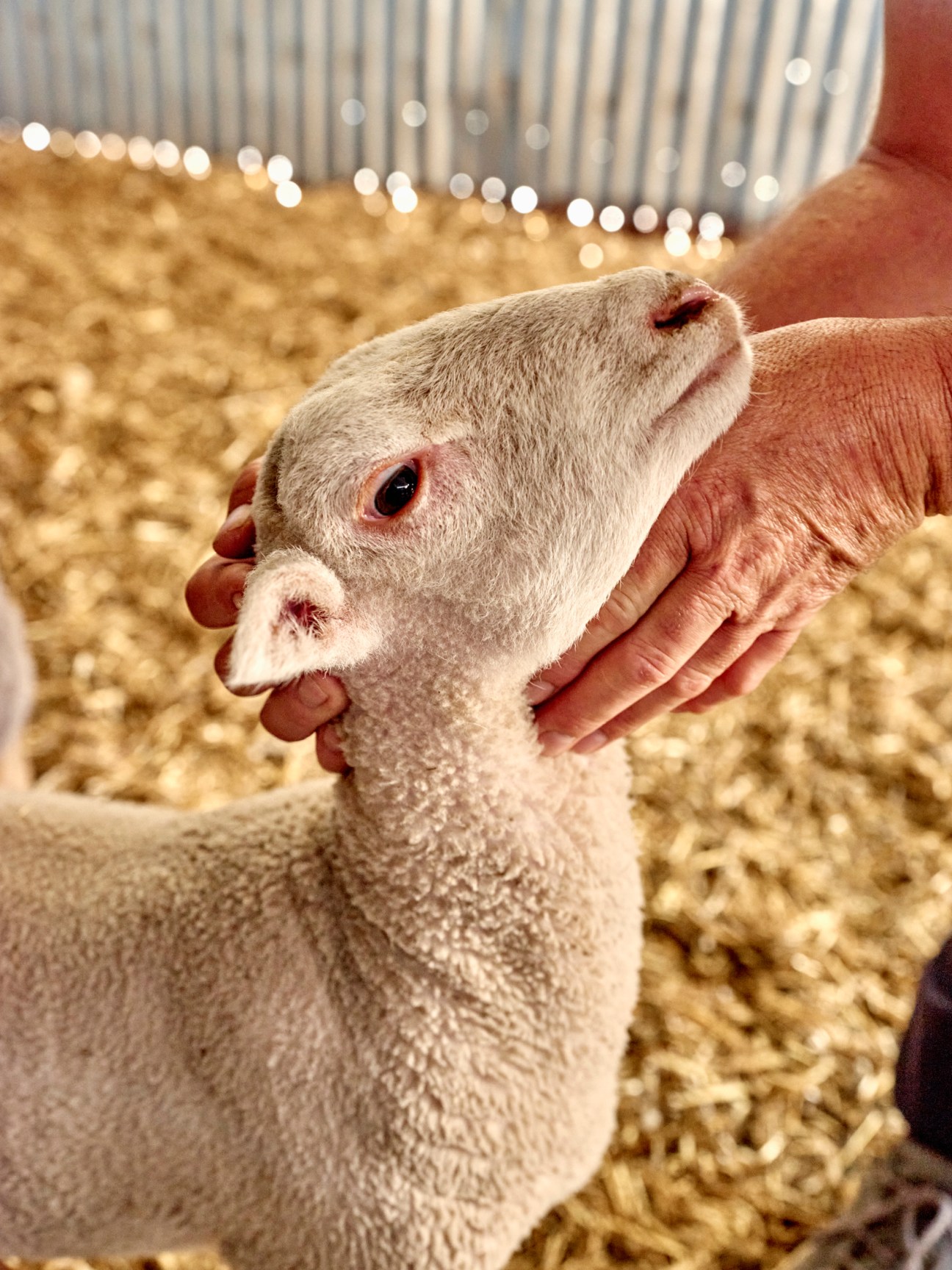
It is a hot day on the rocky outskirts of Granada when shepherding instructor Covadonga Miralles opens the doors to a barn where some 150 sheep are running in circles. Talking over their bleating proves challenging and getting her students’ full attention is nearly impossible. But Miralles doesn’t mind. This is not exactly a regular classroom, after all.

Today’s lesson is part of a 540-hour training course at the Andalusian Shepherds School, where students come to learn a combination of practical and theoretical skills. As the number of young people willing to stay in their small communities and take over their family businesses in rural Spain continues to decrease – a trend that is just about wiping some places off the map – these sessions will start to play an increasingly bigger role in determining what the area’s future will look like. After all, imparting knowledge of the art of shepherding to a new generation encourages people to fight this phenomenon and so safeguard Spain’s disappearing rural economy.
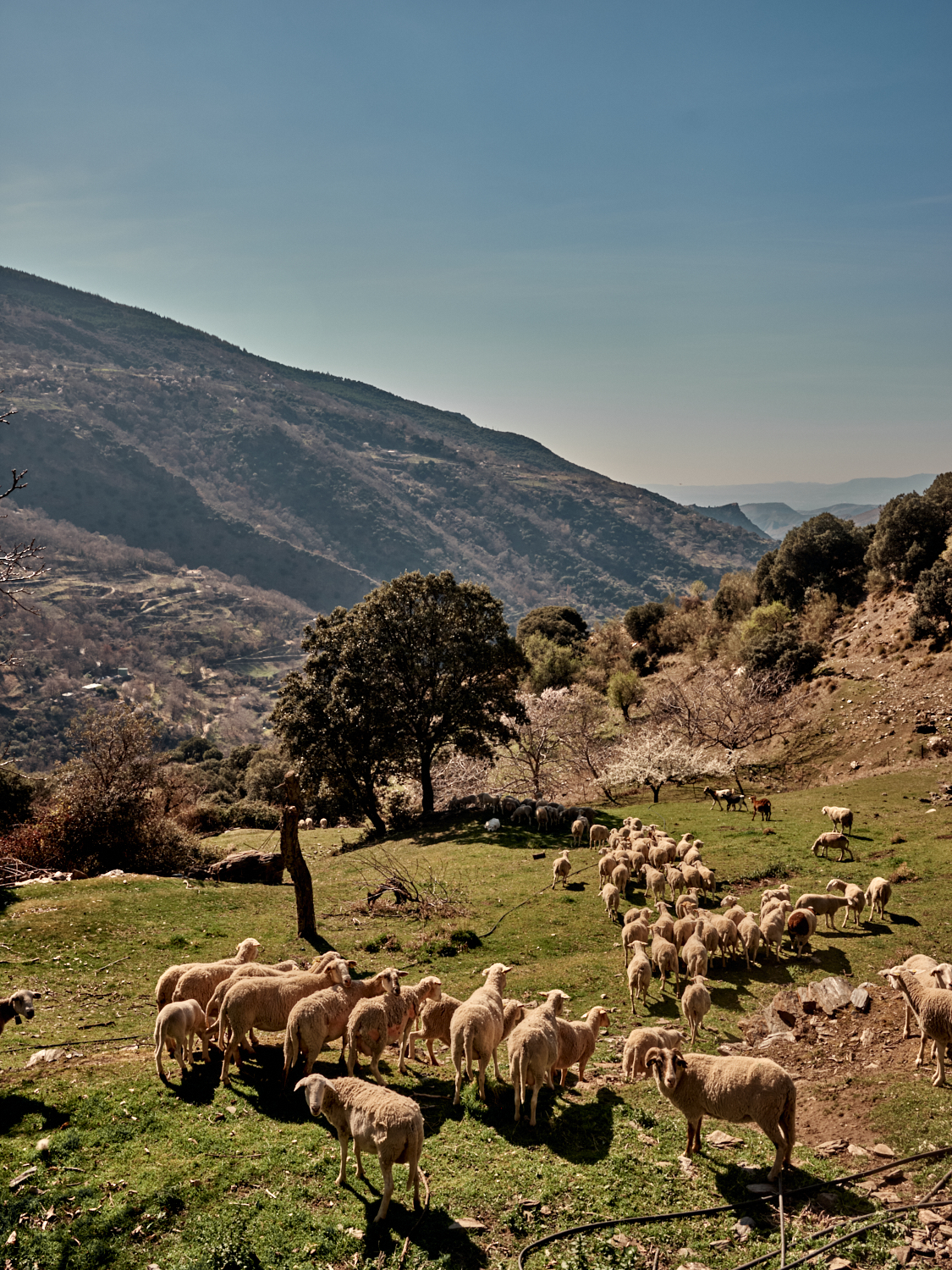
“Rural depopulation even affects the environment,” says director Francisco de Asis Ruiz Morales, motioning towards the sun-bleached fields of grass that we pass on the drive up the Sierra Nevada leading to Miralles’s ranch. “Think about when a fire breaks out in a rural, empty area. For generations past, a shepherd would be able to spot it and then call the firefighters.
Founded in 2010, the project – which receives 90 per cent of its funding from the EU and another 10 per cent from the regional government of Andalusia – has trained more than 150 shepherds since it started, 30 per cent of whom are women. That total number will no doubt increase in the future: in 2018, demand for the course was triple the number of places available.


Most students are from Andalusia and already have shepherding experience. In fact, many have parents who are shepherds and most will inherit their land. But there are practical benefits to formal education. For one, proof of course completion often facilitates access to EU funding when graduates begin running their own ranches.
Unlike the rest of the group, Marisa Vergara is not from Andalusia. “I’m originally from Menorca and first learned how to work with animals – horses, in particular – with my grandfather,” she says. “Then I worked on a cattle ranch and a goat ranch, where we made cheese. But shepherding culture in Menorca is very limited because it’s such an isolated place.” So she made the decision to leave the island and learn the trade here.
When Vergara’s partner got a job in Granada, she enrolled at the school. Looking back, she made the right decision. “This course has taught me a system that is very different to the one I knew before,” she says. “When I started working with goats, I used to be an autodidact of sorts: I learned everything myself. Here they give you a theoretical base. Of course, you still learn things by yourself but you have that grounding going into the future.”
While every student takes something different from the course, there is a shared understanding within the group that life as a shepherd is not easy. Walking with a flock of sheep or goats through the hills for hours on end can be lonely. And unsociable hours often take a toll on shepherds’ wellbeing. Even so, the lifestyle can feel liberating. “We dedicate a lot of time to this,” says Miralles, pulling her cap down to shield the bottom half of her face from the sun. “But I love the freedom it gives me; you don’t get that in any other job.”