What does the lacklustre redesign of the British banknote really tell us about the state of the nation?
Britain seems blithely determined to ignore the real issues with its economy and instead content to fall out over a five-pound note. But small change can do wonders.
The Bank of England’s plan to replace Great Britons depicted on its banknotes with images of wildlife has become the latest front in a tedious culture war that shows pragmatism itself has lost currency.
Far from trying to devalue the legacy of Jane Austen or Alan Turing, the updated designs are meant to foil counterfeiters and increase security. Sadly, this hasn’t stopped pot-stirring politicians (Conservative leader Kemi Badenoch, Lib Dem Ed Davey and Reform UK’s Nigel Farage among them) from expressing pantomime outrage. Their worry? That wanton wokery might replace Britain’s hallowed, jowly, tell-it-like-it-was wartime leader Winston Churchill with an oak tree or an otter.
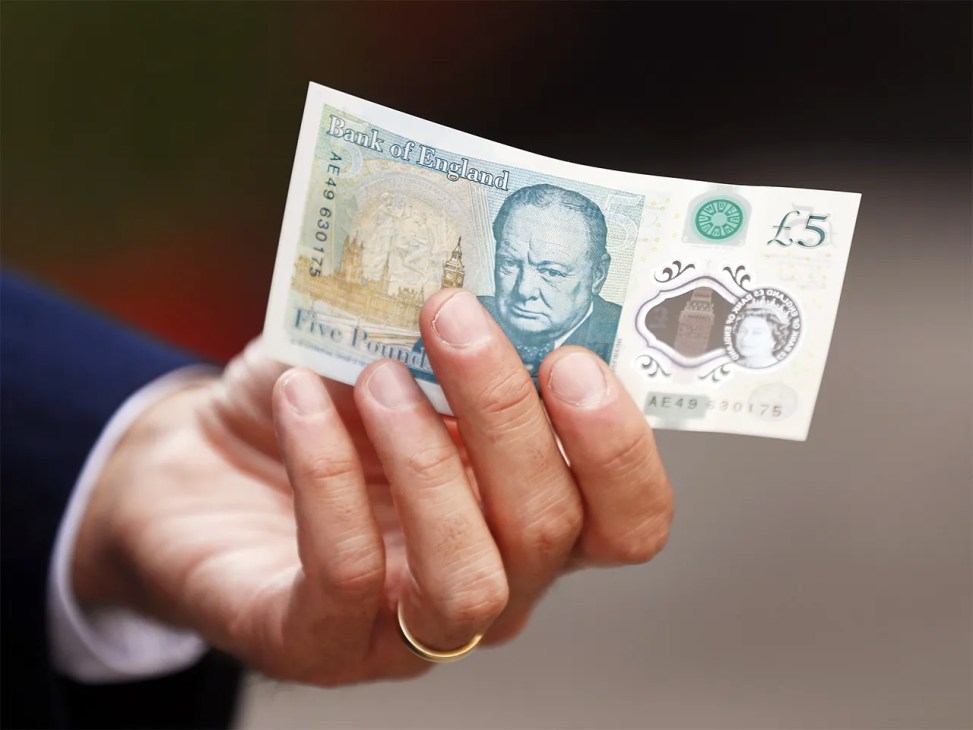
To fall out over small change, however, is to miss both the issue and the opportunity. Britain is the world’s sixth-largest economy by GDP but is labouring with sluggish growth, pitiful productivity and a crisis of confidence. What do we stand for and what do we value? Ironically, the farrago is lacking some of that bluff, Churchillian confidence and humour. What would old Winston make of the electorate squabbling over whether swallows or long-dead painters should adorn the £20 note while war rages in the Middle East?
Point-scoring politicians aside, polling suggests that the majority of Brits would settle for wildlife on their banknotes. That said, the idea of asking people a serious question by poll is laughable at this point in history. When posed a benign question about what to name a polar research vessel in 2016, the Great British public plumped for Boaty McBoatface. That’s before we wade into the deeply unamusing consequences of the slim majority who voted for a hasty, come-what-may withdrawal from the EU in the same year. The lesson? Be careful (and thoughtful) about what you wish for – and maybe take the results with a fistful of salt.
Democracy is delightful but everyone getting a say isn’t so important when it comes to deft design that sends a message. We could instead seize the soft-power moment and find some fresh ideas that speak to the nation as it is today. Where’s that supposed British humour when you need it? Perhaps we could venerate the slug itself to represent the post-2008 economy? Hedgerows to hint at the national obsession with borders and neighbourly squabbles? I’m half-joking but a decent design agency with a point of view could lash something together. Which other countries discovered wonders as numerous and various as penicillin and the Premier League? Who else can lay a claim to the World Wide Web and the sandwich?
Like most things in the UK, where you sit on an issue conditions your response. Promoting weeping willows at the expense of a white war leader is a dog-whistle to the right who worry that their national identity is being diluted by politically correct bed-wetters. Venerating Victorian novelists or romantic painters, meanwhile, might feel parochial and passé to progressives and lefties.
What we’re really missing in the debate is some imagination. A way of depicting values that we can all agree to be proud of. My worry is that wildlife – though pleasant – is just the least-bad option. True, you can’t cancel a kingfisher or a chestnut tree but let’s not pretend that makes them an interesting or encouraging depiction of the UK today.
Josh Fehnert is Monocle’s editor. For more ideas, analysis, opinion and global reporting subscribe today.