Inside the Brazilian embassy in Rome: The diplomatic keepers of Italian heritage
The Italian capital's 17th-century masterpiece, Palazzo Pamphilj, is going through a considered restoration under the direction of the Brazilian embassy.
On a mild March morning, the façade of Rome’s Palazzo Pamphilj is shrouded in a giant hoarding featuring an outline of the 17th-century Baroque masterpiece with a vast Valentino billboard poster smack bang in the middle. But rest assured, the Brazilian embassy in Rome hasn’t decided to turn Piazza Navona into an Italian Times Square. The billboard, which changes every two weeks, will only be there until June and has a specific function. Its advertising space is funding restoration work to both the exterior of the building and the exquisite frescoes within. The refurbishment, which includes giving the building’s bathrooms and four kitchens a makeover, is the first in a quarter of a century and an investment in one of Brazil’s key bilateral relationships.
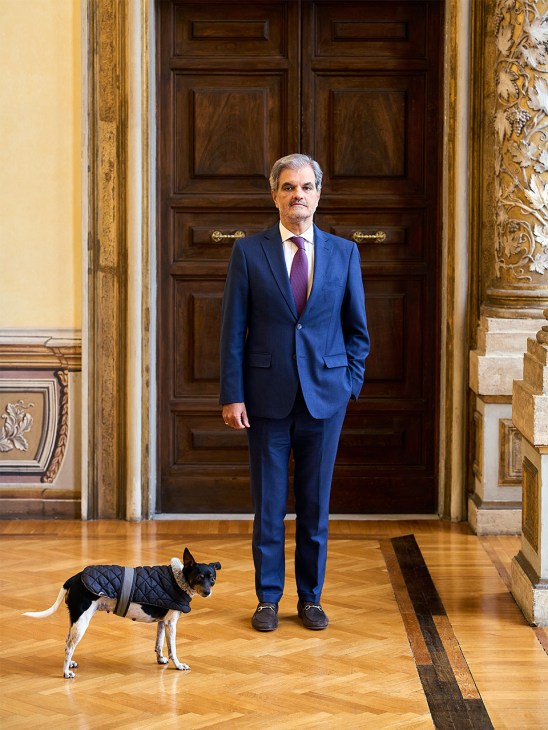
Designed in large part by master architect Francesco Borromini and containing friezes by Baroque greats such as Agostino Tassi, Andrea Camassei and Pietro da Cortona, Palazzo Pamphilj is a piece of Italian heritage that Brazil knows it is lucky to possess. The building would be unlikely to fall into foreign hands if it were to come up for sale today. “There is an enormous attraction to this palazzo,” says Brazil’s ambassador to Italy, Renato Mosca de Souza, dressed in an impeccably cut suit and brown suede loafers. “People appreciate that we keep it in a spectacular condition. It’s an asset to Brazilian diplomacy.”
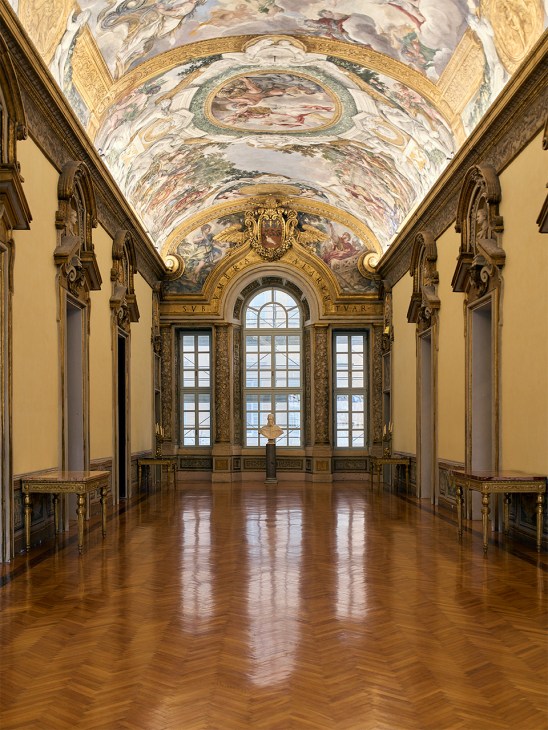
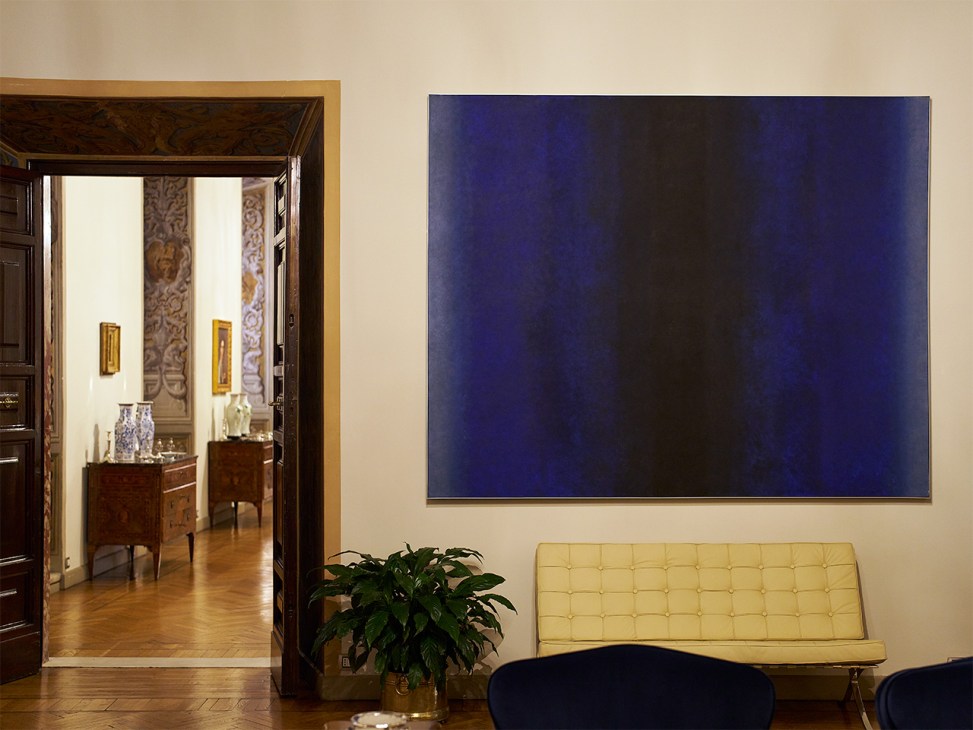
The 16,000 sq m building includes nine rooms featuring frescoes by nine artists and the embassy gives free tours to the public in Italian and Portuguese a couple of times a week. When Monocle visits, several of the guests are returning visitors. There’s a huge music room, the Sala Palestrina, with a ceiling that reaches 14 metres at its highest point. And one must not forget the Cortona Gallery, the most impressive room of them all, which extends more than 30 metres and has windows that overlook the piazza. On its ceiling are stunning paintings depicting the epic story of Aeneas.
The palazzo takes its name from the noble family who once lived here, which included Pope Innocent X. Brazil first rented it in the 1920s and was able to purchase it in 1960 – it was evidently not put off by the rumour that the said pope’s sister-in-law, Donna Olimpia, haunts its hallways. It was bought for ITL 900m (about €16m in today’s money) at a time when Brazil was experiencing an industrial boom and seeking to expand its global soft power.
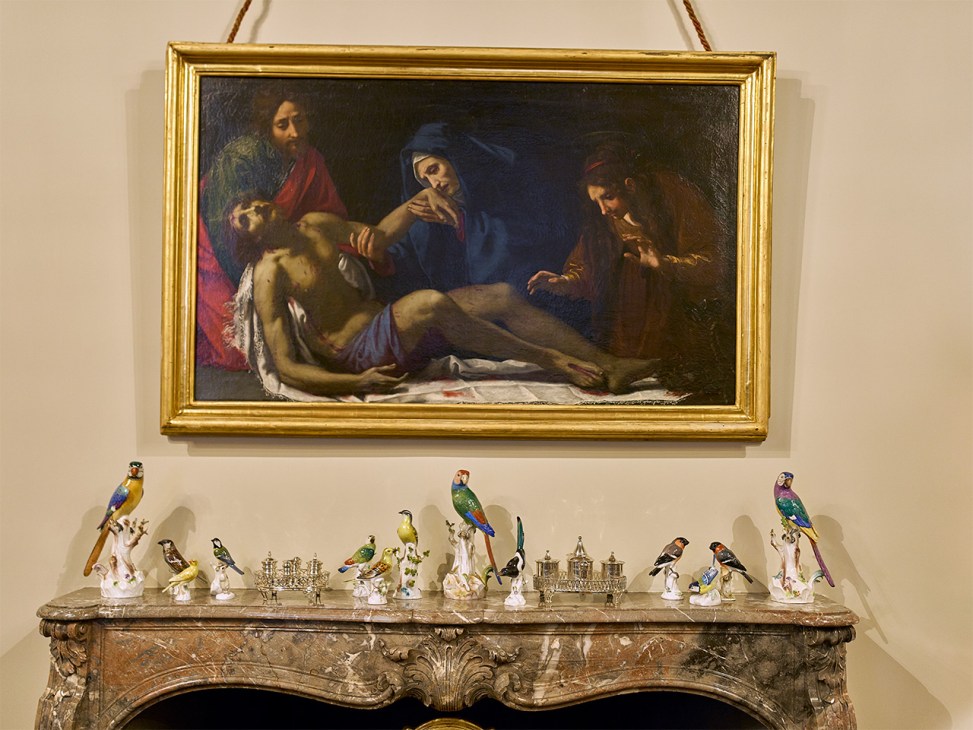
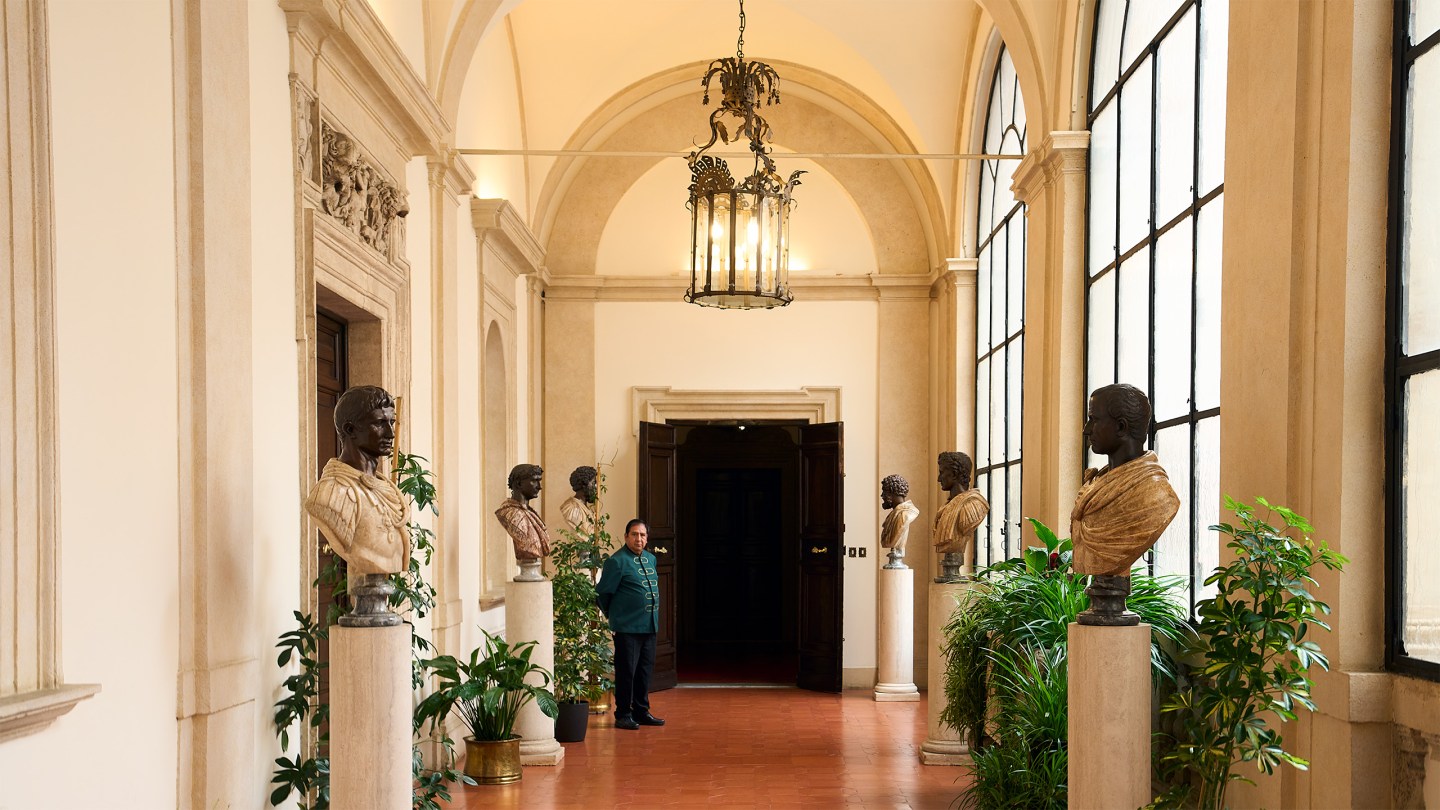
The building certainly projects prestige. One imagines that lunch here often leads to deals (on the menu the day we visit were Italian gnocchi and a Brazil-inspired guava dessert). But the meticulous protection of the artwork in a space that includes an embassy, a consulate, a cultural centre, private offices and an ambassadorial apartment – as well as rooms for the green-coated housekeepers who act as sofa-plumpers-in-chief – says a lot more.
The desire of the ambassador to safeguard the building and its artworks is a clear example of collaboration and respect between nations – ideals that are at the heart of diplomacy. Mosca de Souza is animated as we enter the Sala di Bacco, where two restorers are working on the frescoes. “The fact that we bought this building is important,” he says. “It’s Italian and Baroque. But we made an intense effort to transform it into a Brazilian headquarters.”
Ambassador: Renato Mosca de Souza
Number of diplomats: 10
Year formal relations began: 1861
Key bilateral issues: Brazilian community of Italian descent (the biggest in the world at more than 30 million people); trade, investment and economic co-operation; science, technology and innovation; agriculture and food security; defence and security
In Monocle’s April issue, we profile our selection of the best foreign embassies in the world — this is just one of the establishments featured. See the rest of our favourites here.