Mary L Trump and how power destroys a nation
An illuminating conversation with Donald Trump’s niece, Mary L Trump, about growing up in the Trump family, her early relationship with the president and why she has written a revealing new memoir.
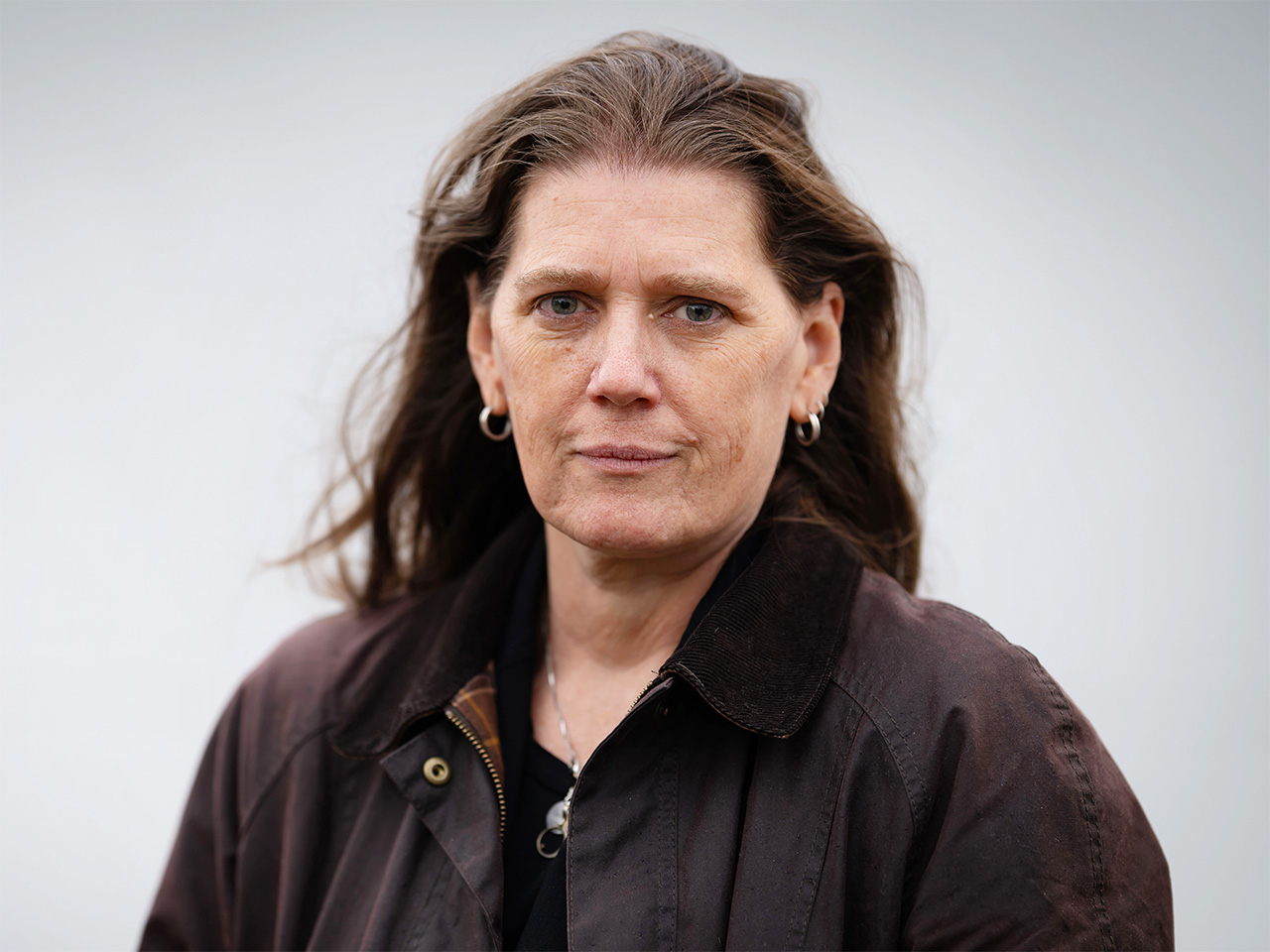
Mary L Trump is a psychologist and writer. She is also the niece of the US president and one of his most outspoken critics. Her first book was published in 2020. Too Much and Never Enough: How My Family Created the World’s Most Dangerous Man, recounted – in unflinching detail – her difficult family dynamics and asked how these helped to create the man currently occupying the Oval Office. That book sold more than 1.35 million copies in its first week. It was met with praise, derision and legal scrutiny.
Mary’s latest memoir, Who Could Ever Love You, turns her focus inward. Quieter and more intimate than her first memoir, the book centres on her father and explores how her family has shaped her – long before the Trump dynasty entered the White House.
Mary joined Monocle’s Georgina Godwin at Midori House in London to discuss the decision to tell a story of her complex childhood, her clashes with the president and the journey to become the woman that she is today.
This conversation has been edited for length and clarity. Listen to the full interview on Meet the Writers from Monocle Radio.
You grew up in a family where power and silence were very closely linked. How would you describe the emotional atmosphere of your childhood?
My grandparents’ house, which we referred to as ‘The House’, was the centre of everything. We were expected to go there every Saturday and Sunday, every Thanksgiving and every Christmas. The kids kept to themselves. Despite the fact that my grandmother and both of my aunts and uncles were frequently there as well, it’s not like we had real relationships with them. It was very self-contained and silent in the sense that there were never any deep conversations. Feeling was something to be avoided at all costs. The best word I can think of to describe the house and the people in it is cold.
What was your early relationship with Donald Trump like?
It wasn’t until I was quite a bit older, in my early twenties, that Donald and I started spending time together. He weirdly asked me to ghostwrite his second book. He gave me a desk in the back office of Trump Tower and I had to try to put together some kind of narrative by talking to other people. It ended up not working out. I was there for a few months and we chatted every day but what I recognised was that he didn’t seem to do any work – ever. He sat behind his desk going through newspaper clippings that mentioned him, and he would write pithy comments to the reporter – complimentary or insulting – and ask what I thought of them. That seemed to be the only thing the man did all day long.
Did you feel compelled to write your first book, ‘Too Much and Never Enough: How My Family Created the World’s Most Dangerous Man’, as an act of public responsibility?
It didn’t start with me thinking about writing a book at all. In 2017, Suzanne Craig, an investigative reporter for The New York Times, mentioned that she and her team were working on a long-form piece about my family’s financial history and she believed that I had information that could make a difference. I essentially slammed the door in her face because my thought was, ‘Where were you a year ago?’ And then I started unravelling. I went away, got some treatment and was trying to get things back on course – and then I broke my foot. Suzanne reached out again and, within a week, I had 40,000 pages of documents that I handed over to The New York Times. They wrote this extraordinary piece of investigative journalism and it had no impact. I felt that I hadn’t done enough. Suzanne said, ‘You’ve got a story there but if you do write it, you need to leave everything on the table.’ So that’s what I decided to do.
Your most recent book, ‘Who Could Ever Love You’, is more of a family memoir. Why did you want to write it?
The fact that Donald remained not just a force in the Republican Party but was also ascendant was a sort of re-traumatisation. I wanted to explore who I was and my own family, which wasn’t my grandparents, aunts and uncles; it was my dad, mum and brother. I wanted to explain how I came to have this unexpected, unasked-for role in what’s happening in my country. Again, as I said in 2020, it has been utterly demoralising that tens of millions of people – not that they were doing this consciously, of course – decided to turn the US into a macro-version of my family. That was the impetus behind writing the book.