A place to remember: Oslo’s De Hogweyk is helping people with dementia age gracefully
Outfitted with a pub, a hairdresser, a supermarket, a gym and a tiki bar, this village is set up to let patients live independent lives for as long as possible.
It’s a Monday afternoon and residents of a village outside Oslo are throwing an impromptu dance party in the central square. Soul music blares from two speakers – feet tap, hips shimmy. It would be a moving scene anywhere but every participant here has severe dementia, a condition that erodes memory and cognition and that is increasing along with the world’s average age: nearly 10 million new cases are diagnosed every year, a figure expected to triple by 2050.
For decades, dementia care meant locked wards and sedated patients. But this afternoon’s shindig shows another way. The dementia-village concept was born in the Netherlands when two nurses, dreading institutionalising their parents, created De Hogeweyk, a residential development where sufferers move freely rather than being confined to rooms. It opened in 2009 and began inspiring others.

The Norwegian government’s 2015 Dementia Plan emphasised a desire to build communities in which those with dementia can remain integrated within wider society. As a result, Carpe Diem, the country’s first dementia village, opened in Bærum, a municipality on the outskirts of Oslo, ten years later.
Camilla Heier Anglero, head of healthcare design at Nordic Office of Architecture, which designed Carpe Diem, explains that the brief was novel in a number of ways. “It had to be a village,” she says. “Which is hard as we don’t have many villages in Norway.” Here, 18,000 sq m of wooden-clad postmodern Scandi buildings contain 158 bedrooms split between 17 apartments around a garden square. There are no sterile white corridors but individually designed, brightly coloured housing units entered using special wristwatches. Paving stones aid natural and intuitive wayfinding.
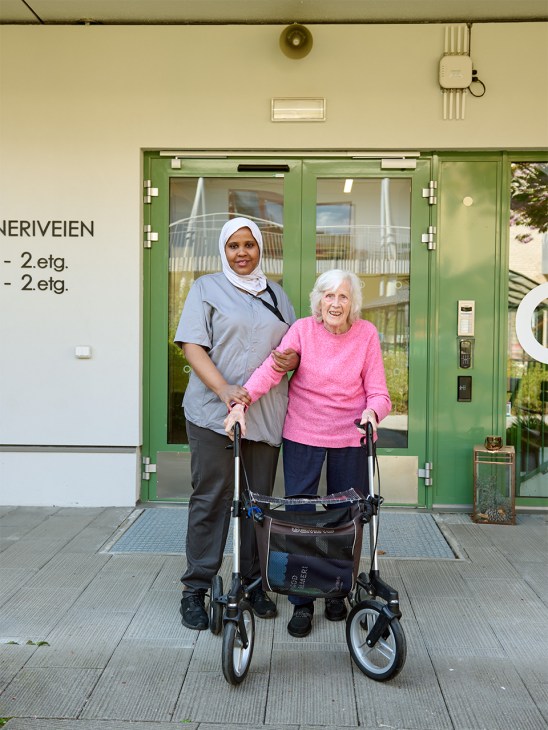
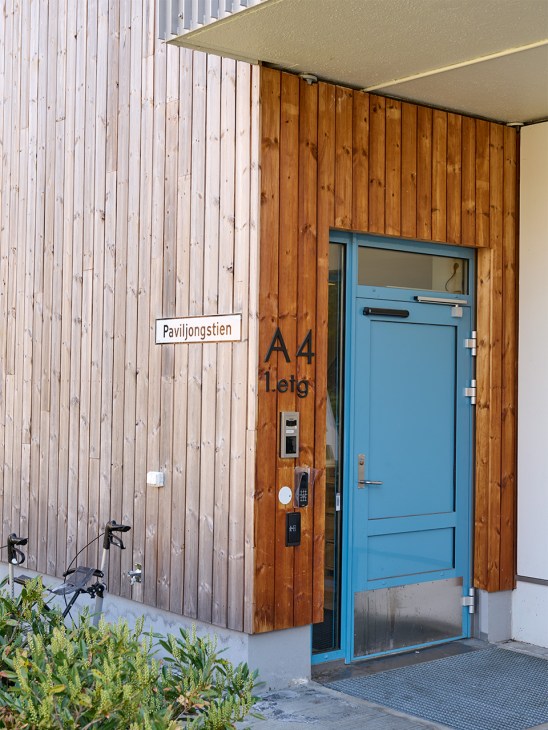
Textured walls, carpets and paving stones allow hands, eyes and feet to “remember” a route when minds no longer can. “When you have dementia, it’s your senses that go last,” says Heier Anglero. “We made sure we designed spaces with this in mind. That’s why, for example, there are hundreds of different plants in the yard.”
Carpe Diem has a pub, a hairdresser, a supermarket, a gym and a tiki bar. There’s a boat workshop for the village’s many former casual seafarers. Haircuts and pints are paid for with a card preloaded with funds by a resident’s family, allowing for independent sustenance rather than favours dispensed by staff.
Later-life care places financial strain on both families and governments. Though Bærum is an affluent district in a wealthy country, Carpe Diem’s residents cover most of their bed and board. Fees are paid from their state pension, which usually accounts for 75 to 85 per cent of the bill. While the generosity of Norway’s system might limit the potential for this model to be exported, its obvious benefits – longer-living patients and less carer burnout – have altered the way that policymakers think about dementia. Villages such as Carpe Diem allow the dance of life to continue a little longer – surely a good excuse to get up on one’s feet.
Comment:
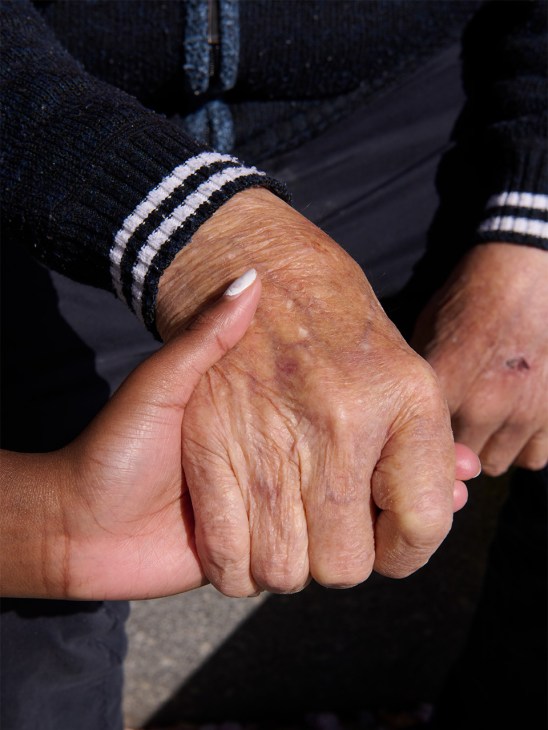
In terms of major advances, dementia care has long lagged behind treatments for other conditions. But governments are finally waking up to the need for a more holistic approach. Villages such as Carpe Diem show how good design can help deliver more effective social care