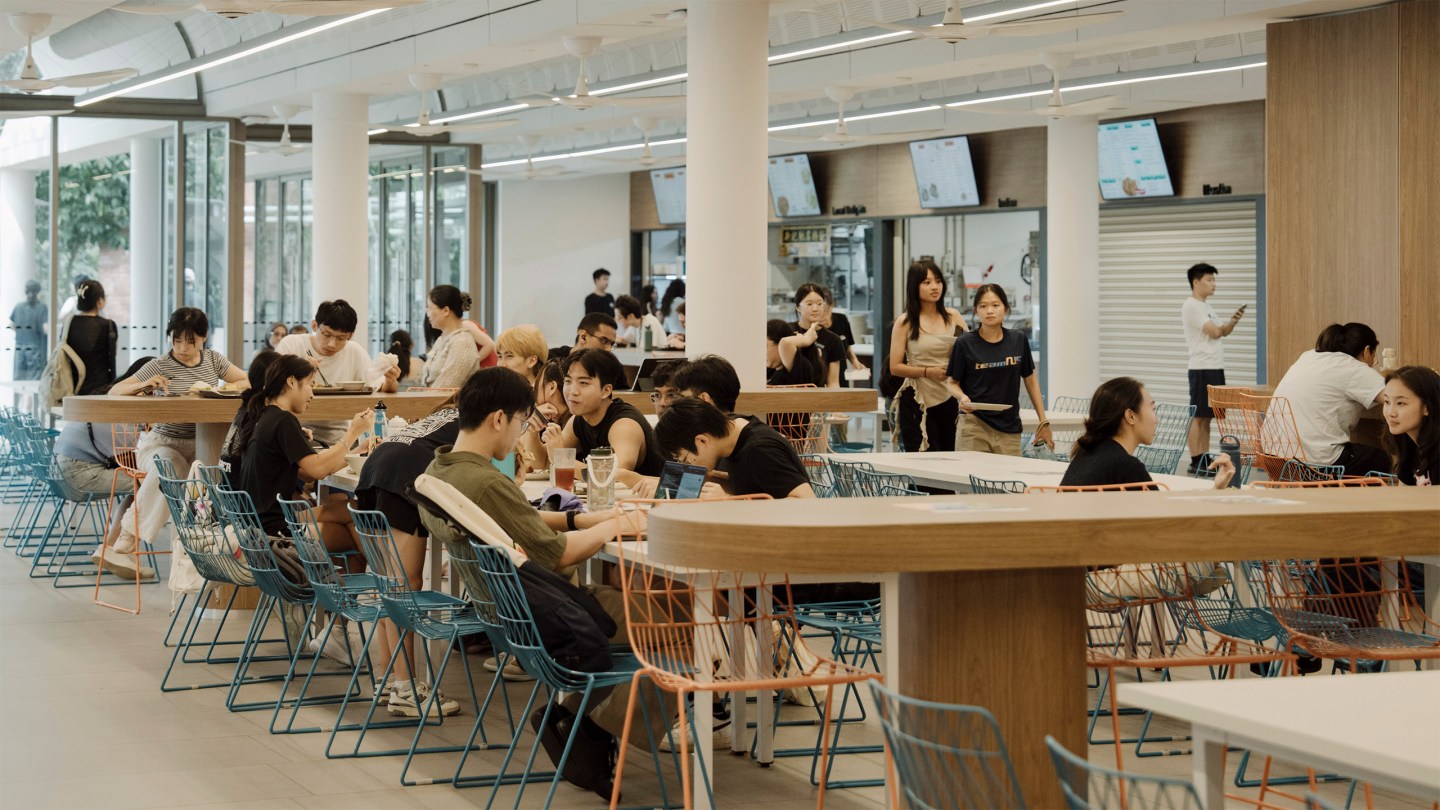
The secret sauce to Singapore’s clever population? A push for creativity and curiosity
The city-state has re-engineered its education system to produce the world’s smartest citizens in everything from science to the arts. Here’s how they won a gold star.
Medicine, law and engineering have long been the holy trinity of Singaporeans’ career aspirations. But the city-state’s politicians hope that this won’t be the case for much longer. “The country would like students to have a broader definition of success,” says Vincent Chua, an associate professor at the National University of Singapore (NUS). Years of rote learning and high-pressure exams have laid the foundations for growth here but, as the economy evolves, education is refocusing on ways to foster entrepreneurship, risk-taking and resilience. So, while the world is worrying about engineering and STEM subjects, Singapore is building design schools and encouraging the study of the arts.
“In an industrial economy, there’s only one peak, which is the academic peak,” says Chua. “Going forward, we want to have multiple peaks: a mountain range where different people can excel in their respective areas.”
One peak has already been conquered. NUS, which sits at the apex of a world-leading education system, is the highest Asian institution in the 2027 QS World University Rankings. In 2022, Singapore’s students came top in mathematics, reading and science in the OECD’s prestigious Programme for International Student Assessment (Pisa) rankings. The following year, they finished first in the International Mathematics and Science Study (TIMSS) for the third time in a row. Alongside academic success has come government-level recognition of the fact that the old, hard-nosed education system undervalued the importance of creative and technical skills. “The old model has its limitations. It gets you far but it doesn’t always bring you to the top of the innovation chain,” says Chua.
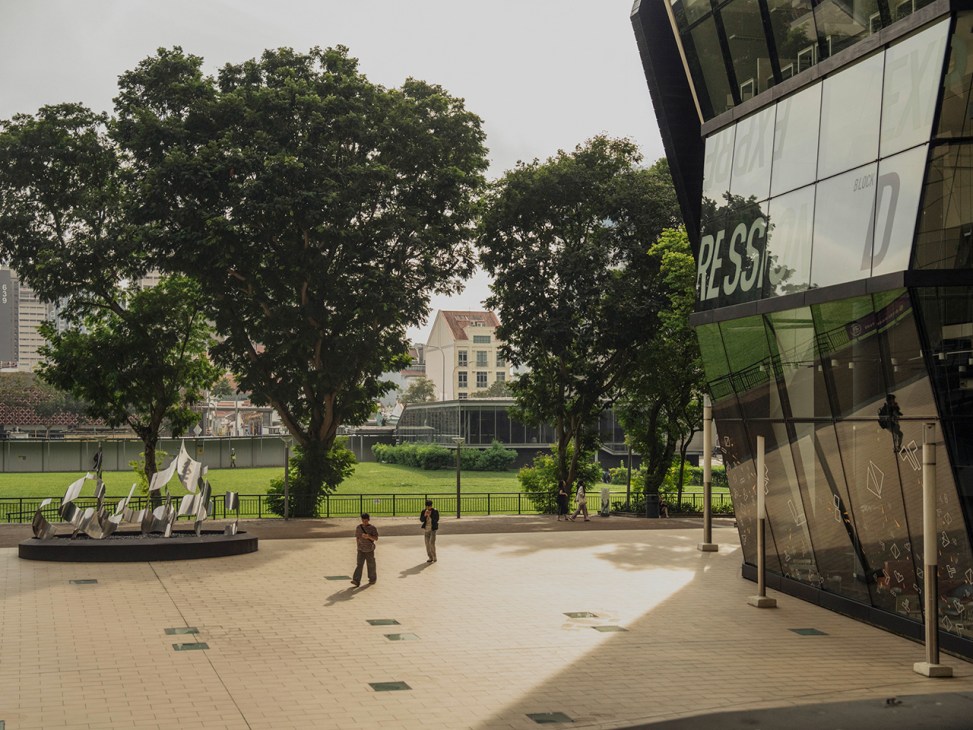
When Singapore gained independence from Malaysia in 1965, the newly sovereign nation, which had no natural resources and little physical space, made education a priority. “There are two factors in the formative influences of a young man or young woman’s life: one is the home; the other is the school,” Lee Kuan Yew, the city-state’s founding prime minister, once declared. “We cannot do very much about the home but we can do something about the school.”
In 1979, the country rolled out the New Education System, which divided pupils based on academic ability. The goal was to build an elite workforce that would drive economic growth and attract foreign investment. It worked. Singapore’s economy grew by an average of 9 per cent annually in the first 25 years following independence, transforming what was little more than a poor fishing port into one of the world’s pre-eminent financial centres.
In 2019 the state announced that secondary-school streaming, a key facet of the New Education System, would be abolished. Signalling a change of focus, the Primary School Leaving Examination for 12-year-olds overhauled its scoring system to reduce grade comparisons in 2021. Its total numerical score was swapped for a rubric assigning “achievement levels” for individual subjects.
Then, in 2024, Singapore’s prime minister, Lawrence Wong, announced that the Gifted Education Programme – a learning path designed to nurture high-ability students – would be discontinued after 42 years amid concerns about elitism and judging children’s potential too early. It is expected to end in 2027. “It’s no longer just about technical competence,” says Chua. “You now need to be future-ready and global-ready too. That means being more creative and adaptable.” The challenges of today’s workforce, he suggests, aren’t the same as those faced by the successful students of the past.
Such moves represent a shift away from a model geared solely for academic achievement towards one that encompasses broader attitudes to citizenship, resilience and creativity. During a speech to parliament last September, Wong acknowledged the need to “reduce the stakes of single exams”, “broaden definitions of success” and “give every child the chance to discover and develop their strengths – be it in languages, science, sports, art or technical skills”.
A significant milestone in this new mission was the establishment of the University of the Arts Singapore (UAS), a state-supported private institution. Formed from an alliance between Lasalle College of the Arts and Nanyang Academy of Fine Arts (Nafa), it welcomed its first students in 2024. Besides offering an expanded range of programmes including fine art, design and performing arts, UAS now validates, confers and awards its own degrees. This represents a pivot away from Lasalle and Nafa’s long-standing degree partnerships with universities such as London’s Goldsmiths and Royal College of Music.
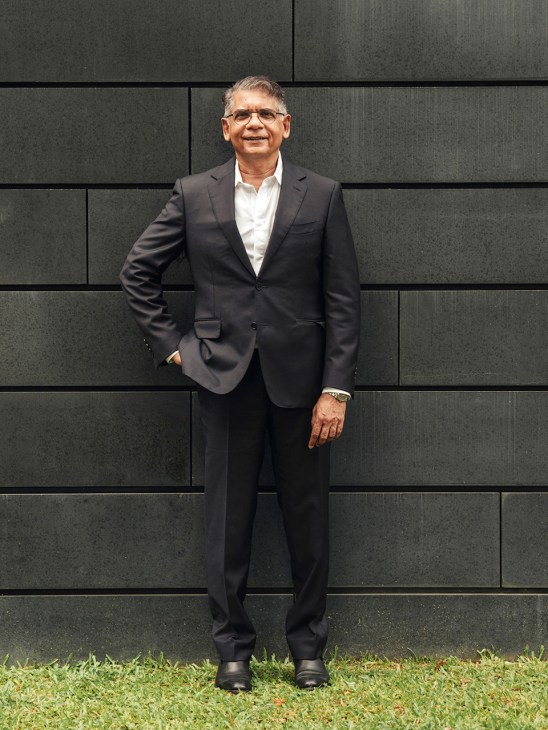
“We always aspired to become a fully fledged university and slowly built the capacity to run our own degree programmes,” says UAS’s deputy vice-chancellor, Venka Purushothaman. The founding of UAS was a response to rising demand for arts-based courses; between 2024 and 2026, undergraduate applications to Lasalle soared by 56 per cent. “People have started to realise that the arts aren’t peripheral to the economy,” says Purushothaman. “We shouldn’t accept a false dichotomy between the arts and the sciences.”
NUS has taken a similarly multidisciplinary approach. It has set up two new institutions: the College of Humanities and Sciences, and the College of Design and Engineering. The latter’s core curriculum states that it seeks to develop students with the critical skills to “meet the needs of a rapidly evolving and complex world”. Purushothaman, meanwhile, says that he is hoping to create a new “venture centre” for students at UAS. “Part of being an artist is fundamentally entrepreneurial,” he says. “We want to help our students to better articulate their value proposition for a changing world.”
Entrepreneurialism, which most Singaporeans previously saw as too risky, is also booming, supported by the city-state’s growing network of venture capital firms and accelerators. Singapore has the highest concentration of technology entrepreneurs in the region, says Caela Tanjangco, the head of Asia for New York-based non-profit Endeavor Catalyst, which set up its fifth global hub here in July. “To support the best founders from around the world, we need to be here.”
Mili Kale can attest to the strength of the nation’s startup scene. Despite not having a background in finance, the co-founder of Moom Health, which makes natural supplements for women, raised S$4.7m (€3.2m) across two funding rounds in order to expand her operation overseas. “Everyone says Singapore is small but the biggest benefit of [it] being small is that you can get a response,” Kale tells Monocle. “You can find the connections you need.”
A vital catalyst for such connections is NUS’s Overseas Colleges (NOC) programme, which finds internships for Singaporean students at start-ups in places such as Silicon Valley and Shenzhen, and has been running for 24 years. In that time, more than 1,200 start-ups, including three unicorns, have been founded by NOC alumni.



Singapore’s craft scene is finding fresh expressions too. In 2019, Matthias Yong, the son of one of the city’s few metalworkers, founded Baremetalco, which makes metal sculptures, furniture and accessories for clients including Adidas and the Singapore Botanic Gardens. Local makers can’t compete with China in terms of price; as a result, the likes of Yong and fine-jewellery brand State Property focus instead on artistry and quality.
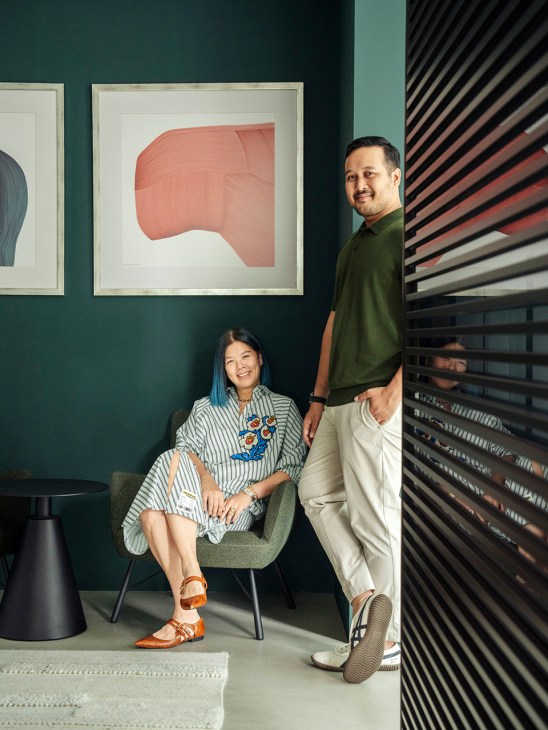
The latter company’s founders, Afzal Imram and Ruiyin Lin, have carved out a niche by leaning into an eclectic mix of influences, from architecture to literature. State Property’s The Voyager collection, for example, drew inspiration from Carl Sagan’s gold-plated phonograph records that were attached to Nasa’s Voyager spacecrafts. Unlike legacy maisons with centuries of heritage, Imram and Lin have had the latitude to forge their own path. “There are no traditions or conventions to hold us down,” says Lin.
Timber specialist Ruben Chong has a similar strategy. What began as a playful exercise in sanding the teak parquet floors of his parents’ home soon matured into Calvary Carpentry. Founded in 2011, Chong’s woodworking business now employs more than 50 people. His burgeoning portfolio includes the 3.5km Marina Bay Sands boardwalk, the School of the Arts concert hall and wooden structures for Amanpuri’s luxury resort in Phuket, Thailand. Chong has also invented EZ-Rail, a proprietary clip-fastening system for wooden decking, and is one of the pioneers behind Onewood, a Singapore-made homogeneous reconstituted timber that is intended to help plug the gap amid a global hardwood shortage.


Singaporean technological innovation also abounds and the benefits are being felt around the world. The titanium fan blades that propel the Trent aero engines of the Airbus A380 and the Boeing 787 Dreamliner are manufactured at Rolls-Royce’s Seletar Campus in northeastern Singapore; UK-based fintech company Wise’s multi-currency debit card was designed here; and eyewear brand EssilorLuxottica’s Essilor Stellest Lens, which slows down myopia in children, was conceptualised in the firm’s Singaporean innovation centre. Then, of course, there’s Dyson.
Founded in 1991, the British electronics company moved its global headquarters from the UK to Singapore in 2019. Though the media attributed this to the city-state’s low taxes, the relocation wouldn’t have been possible without the presence here of a deep talent pool. “Singaporeans instinctively think globally and there is an openness to constant learning,” says John Churchill, Dyson’s chief technology officer. “There are excellent universities, which we work closely with, and a large number of engineers and scientists, as well as people of many nationalities and backgrounds.”
The city-state has become the command post for some of the firm’s biggest recent breakthroughs. The Hyperdymium 140k, Dyson’s smallest and fastest motor, was designed here; it powers the PencilVac, the world’s slimmest cordless vacuum.
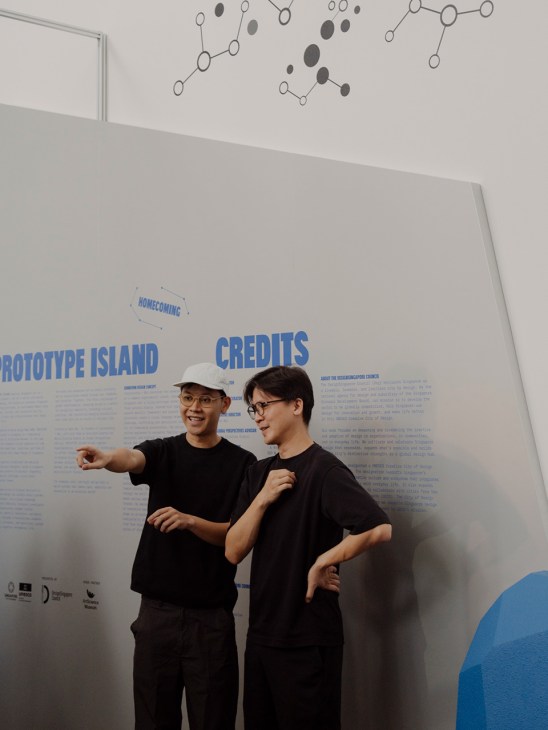
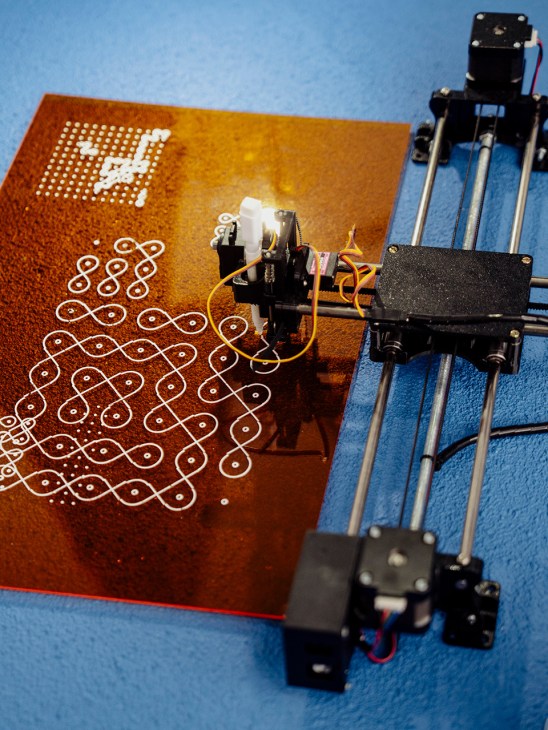
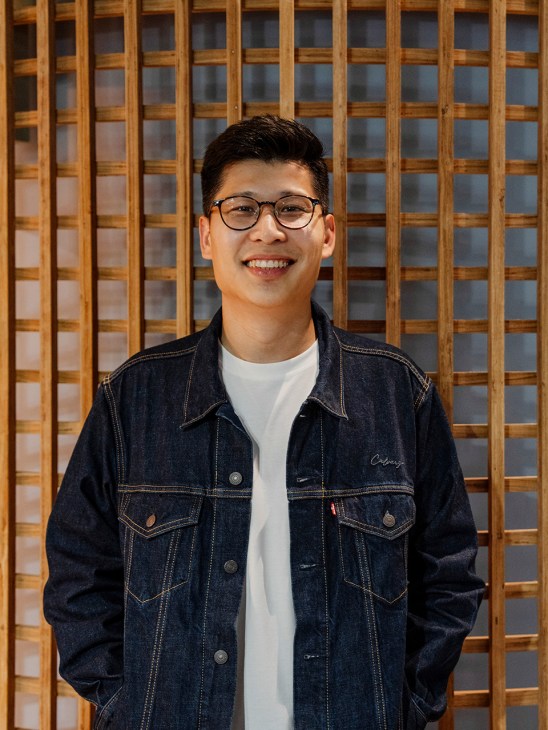

Hunn Wai is a co-founder of Singapore- and Milan-based creative studio Lanzavecchia + Wai, and an adjunct associate professor at the Singapore University of Technology and Design (SUTD). He has had a front-row seat to his country’s creative and technological evolution. “Back in the day, Singapore was more of an auxiliary design market. When I graduated in 2005, we were supposed to work for companies such as Philips and Sony Ericsson – not designing the main product but working on the accessories,” he tells Monocle. “We have moved beyond that. We are now becoming self-made people, moving fast, prototyping and iterating.”
Having taught at SUTD for eight years and incubated young designers as the curator for DesignSingapore Council’s award-winning exhibition at Milan Design Week, Prototype Island, Wai sees how government reforms have mirrored a change in mindset. “Everyone today, by default, is well educated and these young people now have the space to dream,” he says. “My hope is that they will continue to grow in confidence and contribute original ideas to the world.”
Singaporean education at a glance:
- Ranked first place in the 2025 Global Talent Competitive Index
- Top for maths, science and reading in the 2022 Programme for International Student Assessment ranking
- First in the Trends in International Mathematics and Science Study
- Singaporean maths textbooks have been licensed to more than 60 countries
- Singapore’s literacy rate (aged 15 and over) is 98.6 per cent
- Nine in 10 literate residents under the age of 45 can read two or more languages
Three other smart cities
São Paulo
Higher-education hub
São Paulo is Brazil’s academic hub, with 22 universities and 92 degree-granting institutions. The country’s public universities charge no tuition fees. The Universidade de São Paulo frequently tops rankings of Latin American universities and it contributes significantly to a total student population of more than 500,000.
Boston
Best for biotech
Known for its proximity to world-beating research universities such as Harvard and MIT, Boston is also arguably the world’s biotech capital. The Kendall Square neighbourhood is home to several leading companies including Moderna and Biogen. More than 143,000 people work in the sector, the largest of any US city.
Warsaw
Best for learning a trade
Warsaw is Central Europe’s largest construction and logistics zone, partly thanks to Poland’s well-established two-track educational infrastructure (known as the Stage I and II schools). Students split their time between technical classrooms and paid apprenticeship schemes, allowing them to earn while also gaining on-site experience. Employers who take on vocational apprentices receive subsidies of up to €3,000 per worker if they train students in occupations deemed crucial by the state.