Lisbon’s Beato and Marvila neighbourhoods are finding new life as cultural hubs
After decades of neglect, Beato and Marvila have been reimagined with galleries, cafés and arts complexes that have revived the city’s manufacturing heartland.
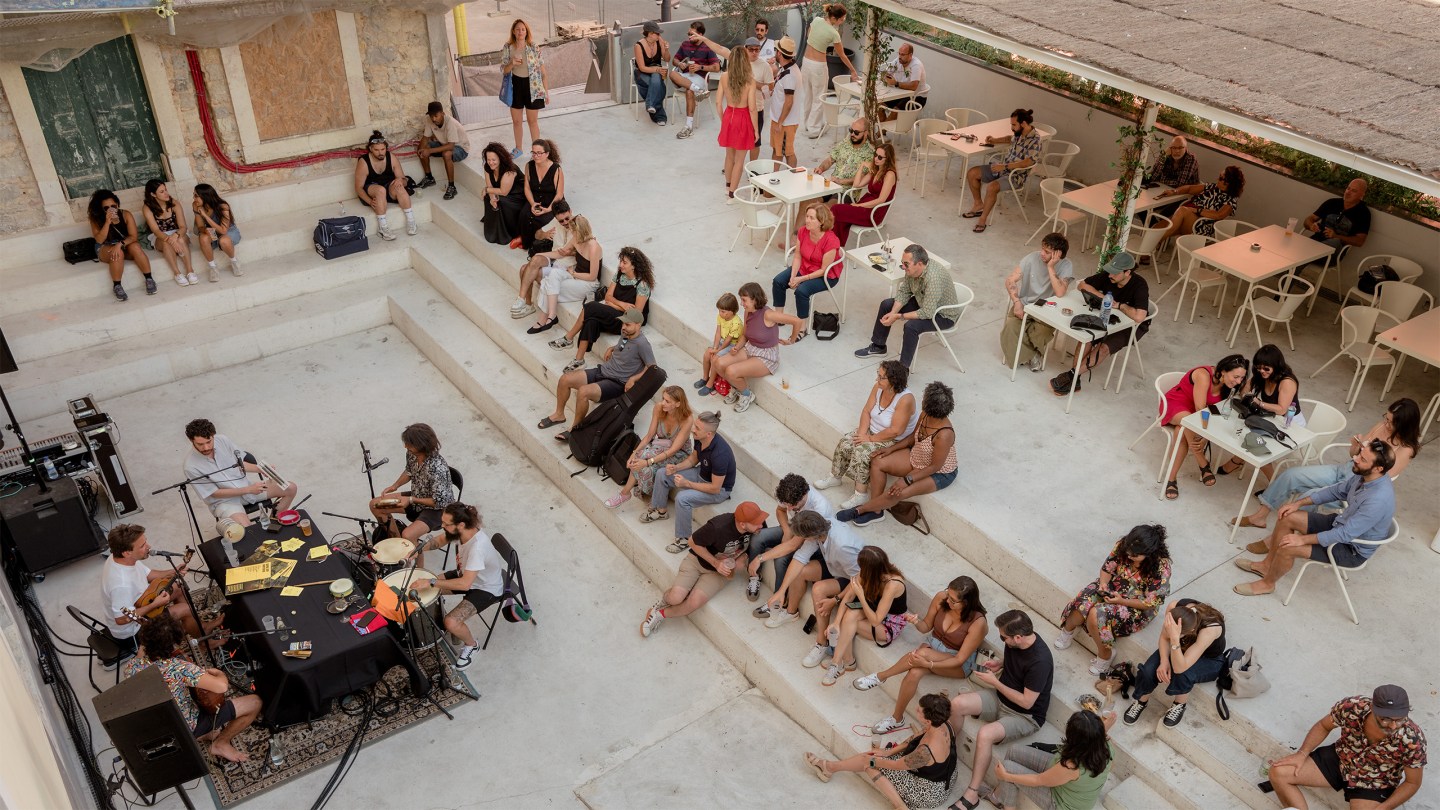
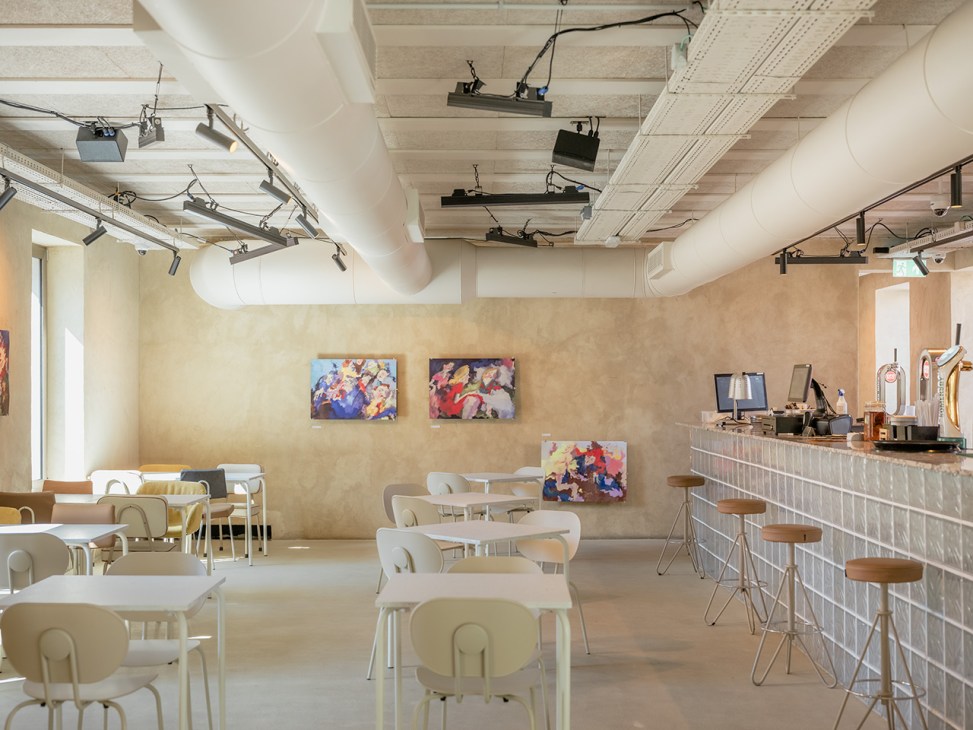
On a warm evening in east Lisbon’s Beato neighbourhood, the terrace at Casa Capitão fills long before the night’s programme begins. The city’s creatives brush past each other in the former military-supply complex. Today visitors have come to eat octopus carcaça sandwiches, see an exhibition or take part in the book club that spills onto the terrace. Others are here for a performance by Brazilian singer Julia Mestre, after which the basement dancefloor will welcome a noticeably younger audience.
There’s no sign of any of this activity from the street. Architect Miguel Marcelino, who revitalised the building before it reopened last year, gave it no single main entrance. Instead, navigating from room to room requires moving between stairs and courtyards, always in the open air. Inside, the rooms are used for all kinds of functions. In the venue’s first year, it has hosted Australian writer McKenzie Wark, American poet and musician Saul Williams and Portuguese musicians Capicua, B Fachada and Linda Martini.
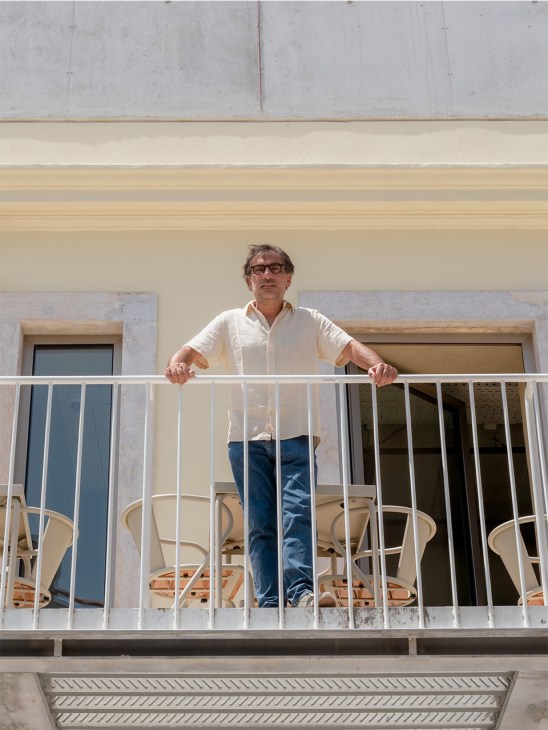
Casa Capitão is the latest project from Cultural Trend Lisbon (CTL), the team behind acclaimed (and sadly now closed) nightclub Musicbox. The new space has given CTL a larger home after almost two decades in Lisbon’s Cais do Sodré district. With tourism and transient events reshaping that neighbourhood, the organisation wanted somewhere with a different rhythm. “Cities need places of regular encounter, not just festivals,” says CTL’s co-founder Gonçalo Riscado. “People come because of the programme here. Tourism hasn’t reached us yet.”
CTL’s move mirrors a wider shift. Adjacent neighbourhoods Beato and Marvila were once Lisbon’s industrial heart, home to soap, match and rubber factories that were shut down during the deindustrialisation of the riverside in the late 20th century. The area was abandoned for decades but it has recently been undergoing change faster than almost anywhere else in the city.
A short walk from Casa Capitão, there are new residents on the quiet Rua Capitão Leitão. Neighbours rather than competitors, the galleries here – including Francisco Fino and Bruno Múrias – co-ordinate exhibition openings, encouraging visitors to move from one spot to the next.
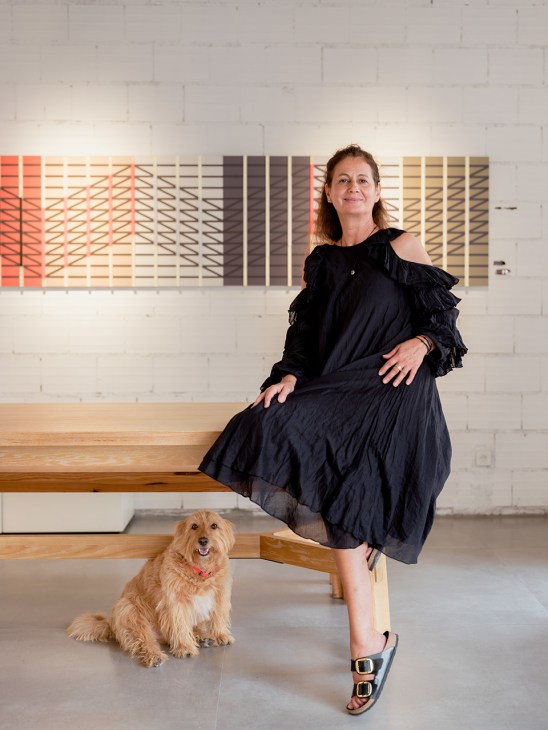
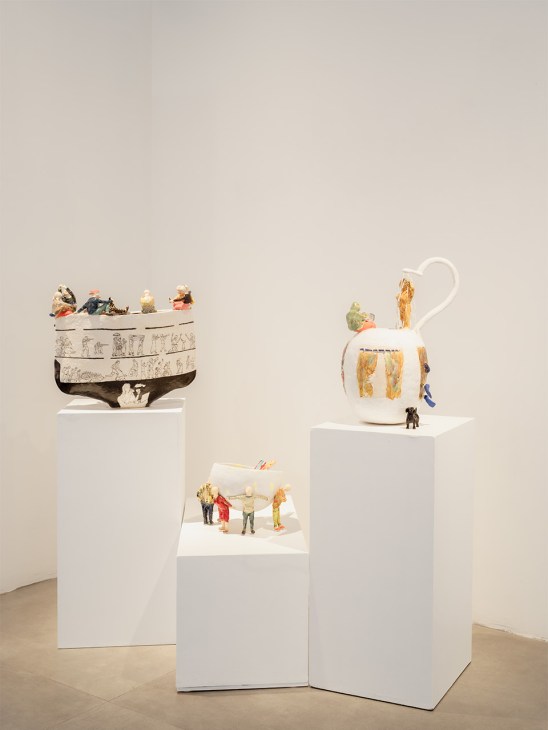
Among the arrivals is Módulo Twist, which was opened in 2024 by visual artist Luis Carballo and curator Maria Assunção Albuquerque. The couple were collectors before entering the industry. “I’m still an apprentice gallerist,” says Albuquerque, with a laugh. The gallery name nods to Lisbon’s pioneering, historic Galeria Módulo; the “twist” reflects how the gallery also houses Carballo’s own atelier, as well as the welcoming approach with which the duo host visitors.
Rather than chasing established names, Albuquerque backs the artists she believes in, among them Portuguese ceramicist Sandra Lori and Spanish sculptor Iván Prieto. In September, the gallery hosted an exhibition of work by Galician Tatiana Medal, part of a programme that the pair see as a bridge between Galicia and Portugal.
As well as the presence of Carballo’s studio inside the space, the gallery’s modular walls are adapted for every new show. Regulars, says Albuquerque, are always intrigued to find the room refreshed. The building wears its history: a mansard roof holds apartments at the top, while the ground floor now belongs to both Galeria Módulo Twist and another painter’s atelier, Coletivo Amarelo.
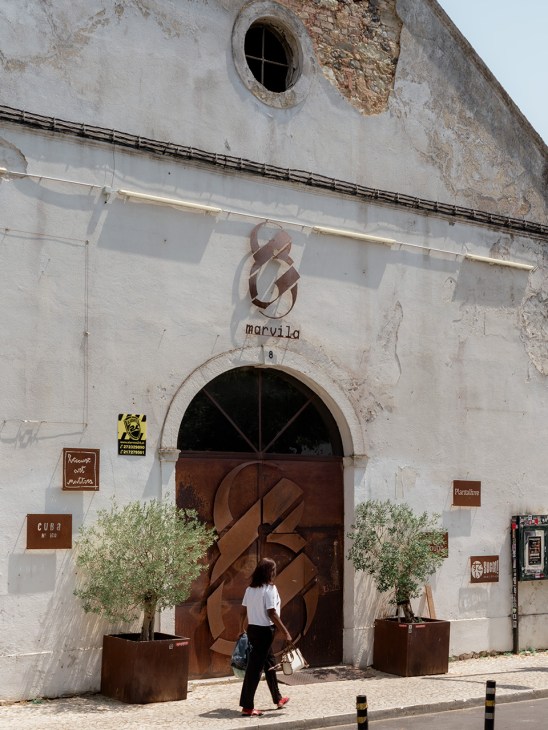
Continuing east, Rua do Açúcar is named after the sugar factory that once stood here. The buzzy street is the backbone of Marvila’s revival. The former warehouse, which belonged to Portuguese film director António da Cunha Telles, now houses the Paulo Claro Theatre, while the Portuguese Contemporary Ballet Company’s HQ is next door. At the end of the street, on Praça David Leandro da Silva, wine warehouses have been reborn as 8 Marvila, a complex of shops, galleries and restaurants.
Nearby is Underdogs, its grey, concrete exterior punctuated by a small poster that hints at what’s inside. The gallery was founded by street artist Vhils and Pauline Foessel. They set up shop here in 2013, when the neighbourhood was still lined with empty warehouses, and helped to establish Marvila as a destination for contemporary art.


While urban art remains at the core of Underdogs, its programme has steadily expanded to include modern artists from Portugal and abroad. This month the gallery is taking a different approach. Instead of unveiling a finished exhibition, Portuguese artist Ana Malta will transform the space into a working studio. Visitors will be invited behind the scenes as new paintings gradually take shape. “People usually only see the final result,” says Sara Eugénio, the director of Underdogs. “Here they will be able to witness the creative process.”
Away from the hubbub of Marvila’s main streets, the yellow shipping-container-turned-waterfront kiosk Lamiré overlooks the Tagus. Since 2023, it has served the artists, cyclists and residents who gather here on the riverbank with cold beers and poke bowls. The three founders – Diogo Roque, Eduardo Moita and João Pintão – are friends who met while surfing. “The kiosks by the river are mostly for tourists but there was nowhere really made for locals,” says Roque.
Behind Lamiré is Prata Riverside Village, a development by Italian architect Renzo Piano that is turning the former Braço de Prata munitions factory into housing. Its curved ceramic façades evoke the sails of the ships that once crossed this river. The last of the residences should be completed later this year. The transformation of this area, it seems, is not finished quite yet.
Address book: where to visit in Beato and Marvila
From former wine warehouses to craft breweries and modern galleries, this stretch of Lisbon has become one of the city’s most creatively dense corridors. Here’s our pick of the attractions that are worth the trip east.
Culture
8 Marvila
This former wine warehouse is now a 22,000 sq m cultural hub with shops, galleries, restaurants and padel courts.
Praça David Leandro da Silva, 8
Arco Marvila
Founded in 1973, this independent art school offers courses in everything from drawing and ceramics to film and jewellery.
Antigo Mercado de Xabregas, Rua Gualdim Pais
Coletivo Amarelo
A gallery and curatorial platform with a focus on emerging Brazilian and Portuguese artists.
Rua Capitão Leitão, 74
Eterno
This sister gallery of Underdogs, run by the same group, explores the boundaries between physical and digital art.
Rua Maria José Nogueira Pinto, 12
Galeria Bruno Múrias
This gallery represents 12 Portuguese and international artists across painting, sculpture, film and performance.
Rua Capitão Leitão, 10-16
Galeria Francisco Fino
A former oil and wine factory that has been turned into a modern art space.
Rua Capitão Leitão, 76
Little Chelsea
Part photography gallery, part vinyl bar and part vintage boutique, this space is a love letter to New York’s celebrated Chelsea Hotel and the rebellious spirit of the city during the 1970s.
Rua Capitão Leitão, 40
Teatro Paulo Claro
The new home of theatre company Artistas Unidos, which is named in honour of actor Paulo Claro.
Rua do Açúcar, 37
Drink
Dois Corvos
The first brewery to settle in Marvila is still pouring from 17 taps of house beer in its original taproom.
Rua Capitão Leitão, 94
Fermentage
A brewery that combines traditional methods and experimental recipes. Also on the menu are pizza, arcade nights and live music.
Rua Capitão Leitão, 1B
Musa
Craft brewery and taproom with a music-inspired beer list and a sunny outdoor terrace.
Rua do Vale Formoso, 9
Eat
Clube de Vídeo
An Italian tasca with vintage décor and a pasta menu that’s updated daily.
Rua do Grilo, 98
Shop and do
Cantinho do Vintage
An outpost of Lisbon’s favourite vintage warehouse, with mid-century Nordic furniture, old signage and curios brought in from across Europe.
Praça David Leandro da Silva, 8
Studio Marvila
This is a ceramics studio and natural wine bar all in one: throw pots on the wheel, then stay for a glass of biodynamic wine.
studiomarvila.com
Rua Capitão Leitão, 64