
Meet the Florentine artisans declaring a defiant renaissance against the tourism-driven commercialisation of the city’s craft scene
Influences old and new are spurring fresh creativity in Italy. We visit Florence’s Oltrarno, where historic workshops and a new wave of designers are sharing the same streets.
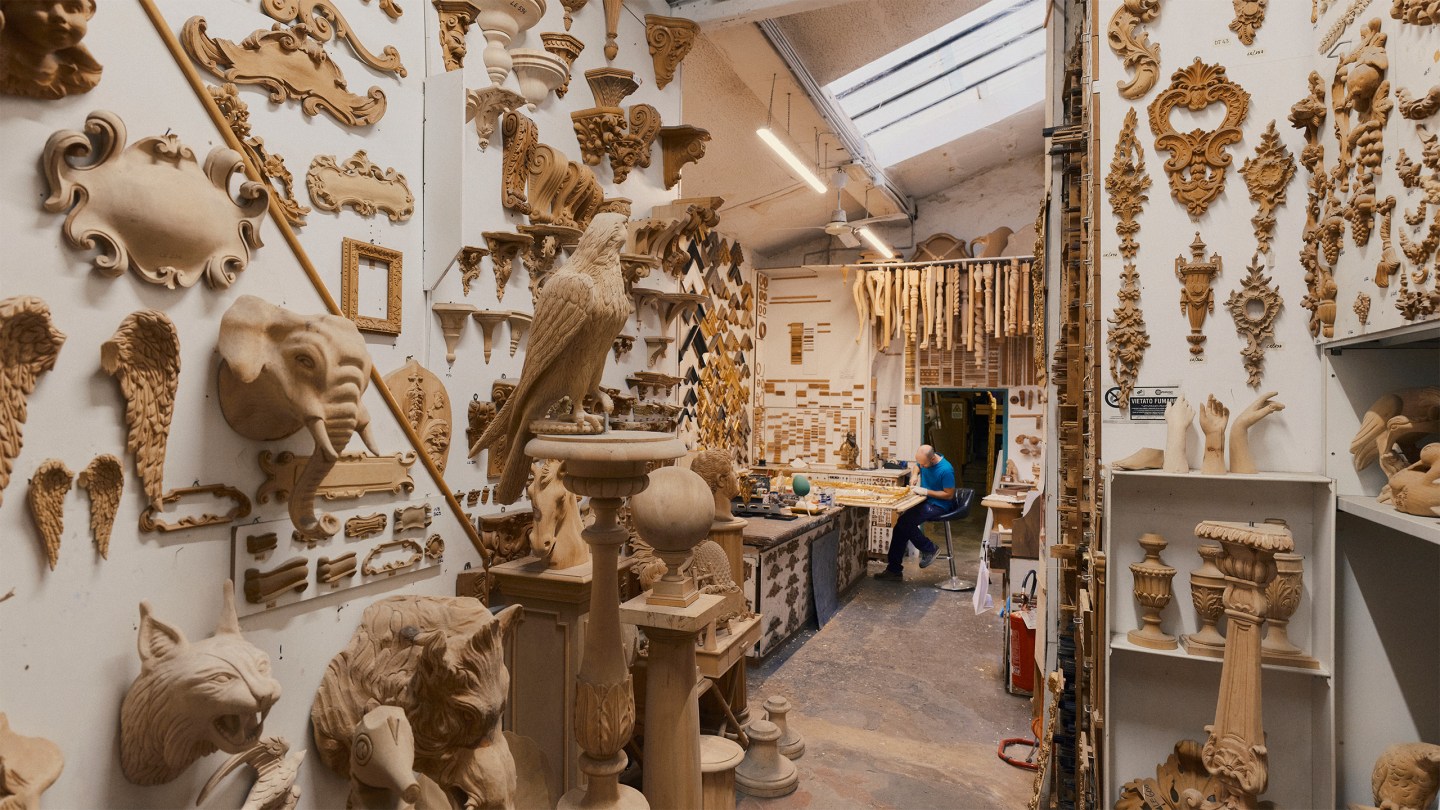
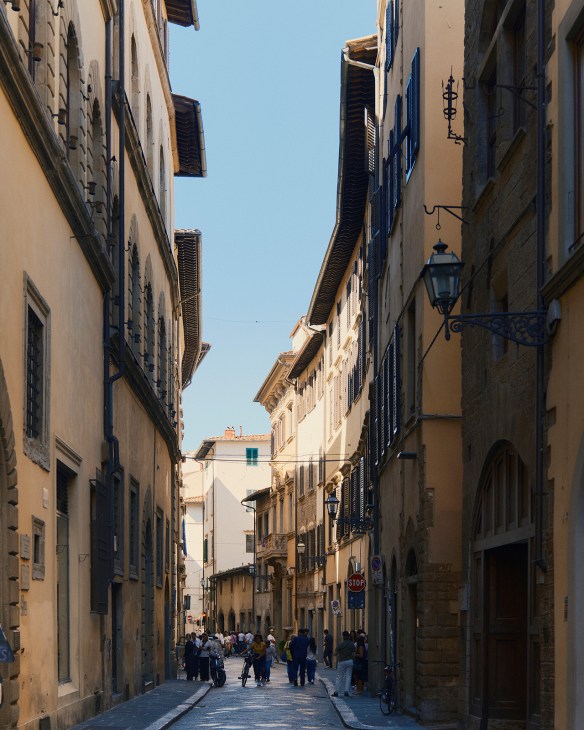
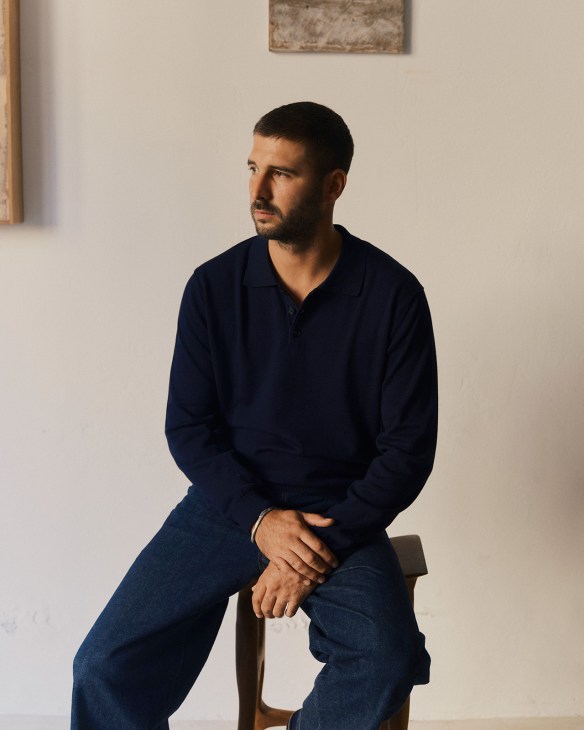
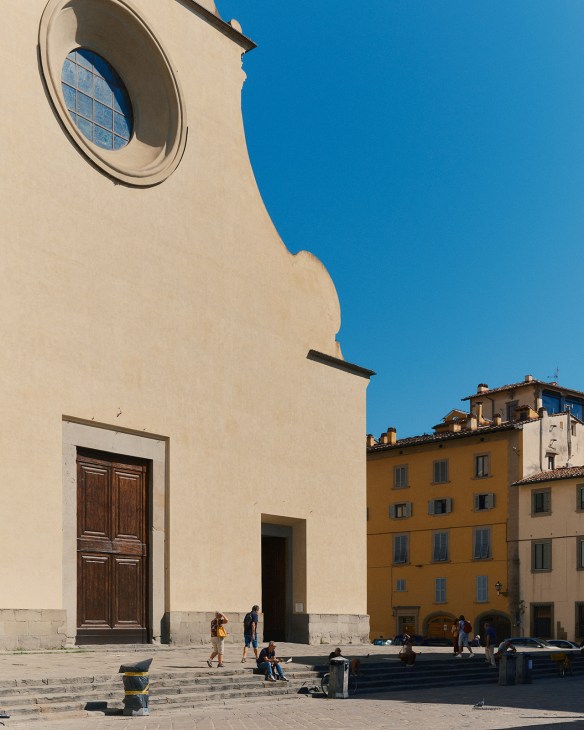
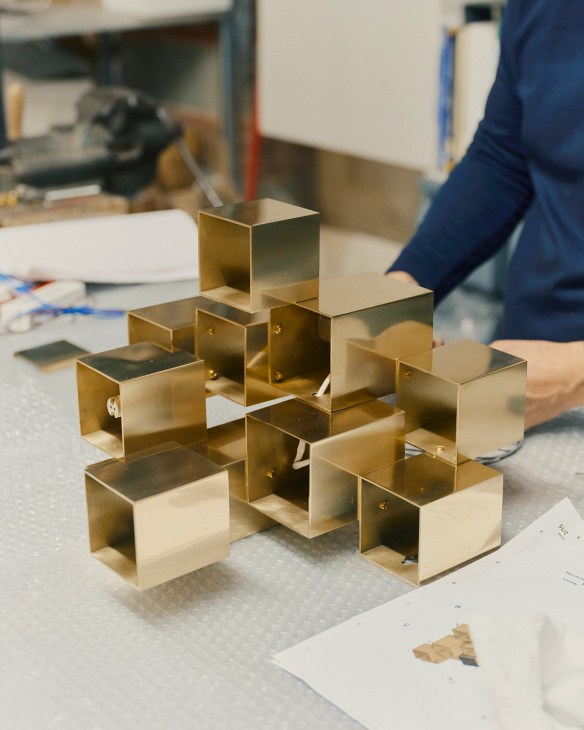
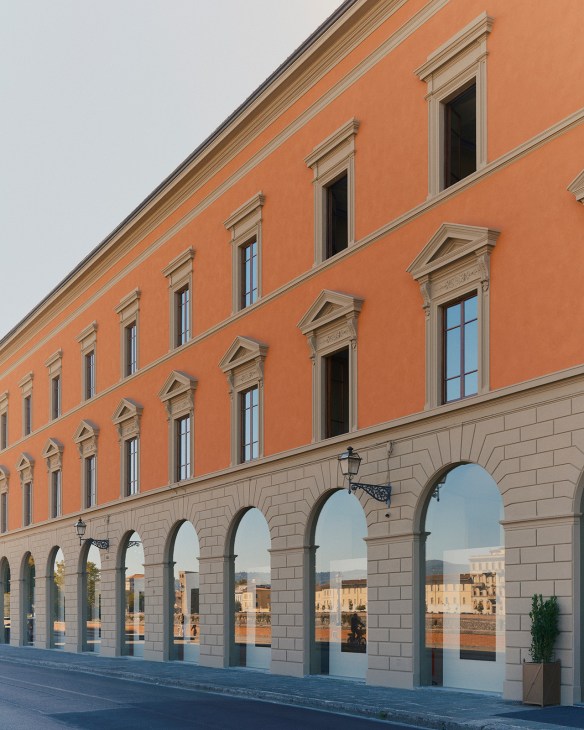
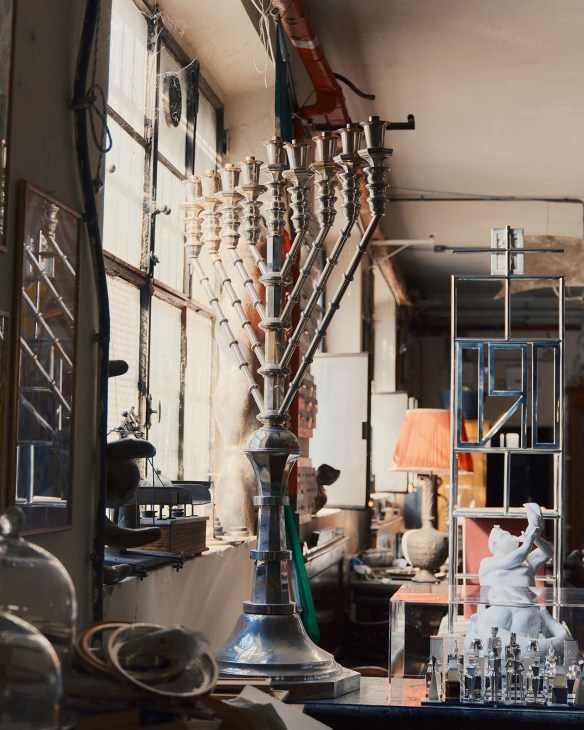
Florence’s medieval guilds made the city famous for its craft excellence, from woodwork and goldsmithing to leather and textiles. Workshops of every kind filled its neighbourhoods, particularly Oltrarno. Today this district on the city’s narrow-laned left bank remains synonymous with artisans. “When I was growing up in Florence, craft was always close at hand and fascinated me,” says Duccio Maria Gambi, a designer who makes his own objects and furnishings in Oltrarno. His studio is housed in an old warehouse that he shares with six other creatives. Maria Gambi explains how the popularity of the district can also be a burden. “It’s hard to tell how many artists and designers Florence has because tourism is eating up the city,” he says. “But we have established a small community.”


At the new Vicolo Via Mameli boutique on the elegant Via Maggio, owners Nicola Pozzi and Ryan Weimer are optimistic. They felt immediately at ease with the idea of making this area the Florence base of their brand, which opened its first shop in Milan. “We chose to set up in Oltrarno because there are still workshops here and locals remain interested in craftsmanship,” says Pozzi. “We represent functional, traditional and artisanal Italian design. We felt that we belonged in Oltrarno.” The new space’s shelves are lined with handmade perfumed beeswax candles, handwoven fabrics, handpainted plates and other homewares from the brand’s line made by Italian artisans.
Vicolo Via Mameli is just one example of an outside venture drawn here alongside Fiorentini such as Filippo Mannucci who have returned to set up shop in the district. Just below Ponte Vecchio in Oltrarno, Mannucci has opened a showroom for his carved furnishings. The Florence native previously built boats on the Tuscan coast before launching his line of one-of-a-kind chairs, benches and stools. “Spending time here, surrounded by so many beautiful monuments, naturally influences you,” says Mannucci.
“But Florence could move beyond its historical canons, preserving them but creating newness unique to the city as well.”
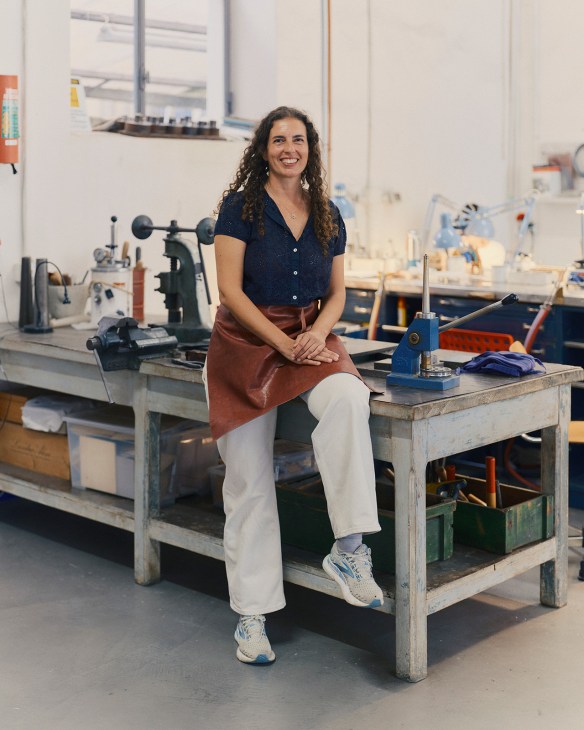
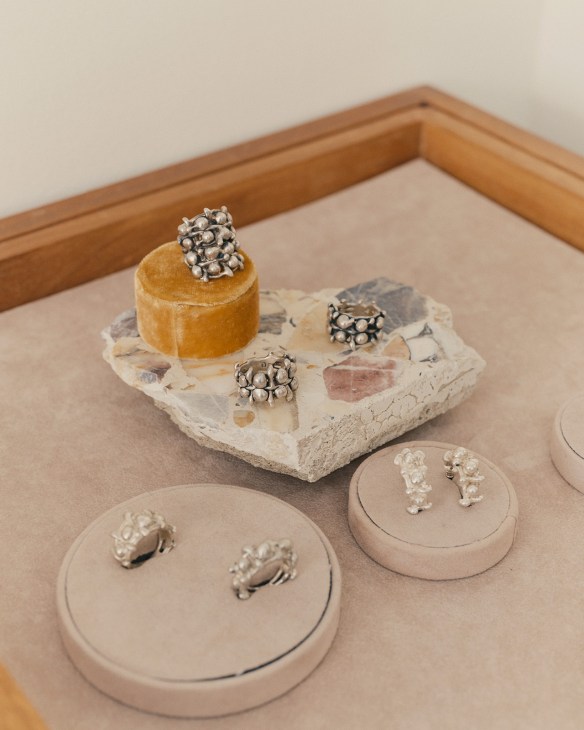
Part of Oltrarno’s appeal is a can-do attitude, driven in part by a lack of civic support. When jeweller Margherita de Martino Norante was looking for a space to share with fellow designers and makers, she encountered many difficulties. A shared workshop space for artisans wasn’t permitted because it didn’t fit into pre-established categories but she persisted. Today, Officine Nora, by Piazza Santo Spirito, hosts a handful of resident members, alongside visiting designers.
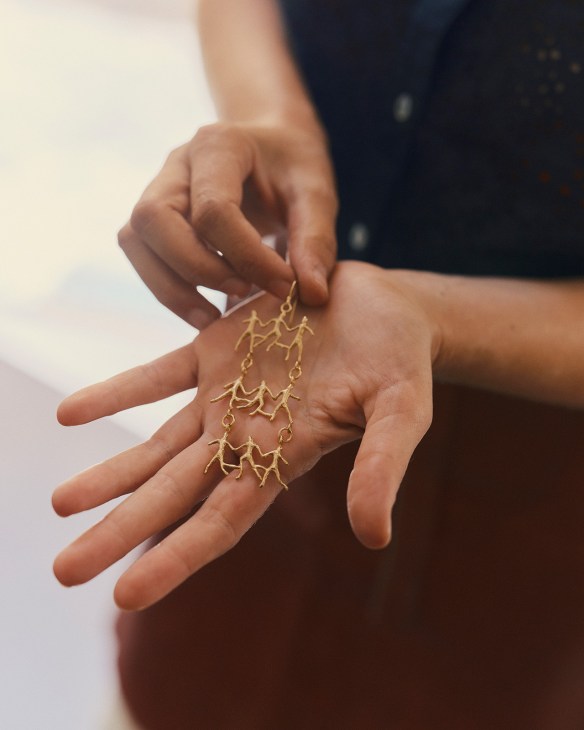
De Martino Norante studied at Alchimia, an Oltrarno jewellery school that has trained numerous designers and goldsmiths. But even jewellery faces a tough market in Florence. “Tourists want cheap souvenirs,” she says. “But when they enter a workshop it helps them see that there’s no machine spitting out identical pieces every five seconds and there’s value in the handmade.”
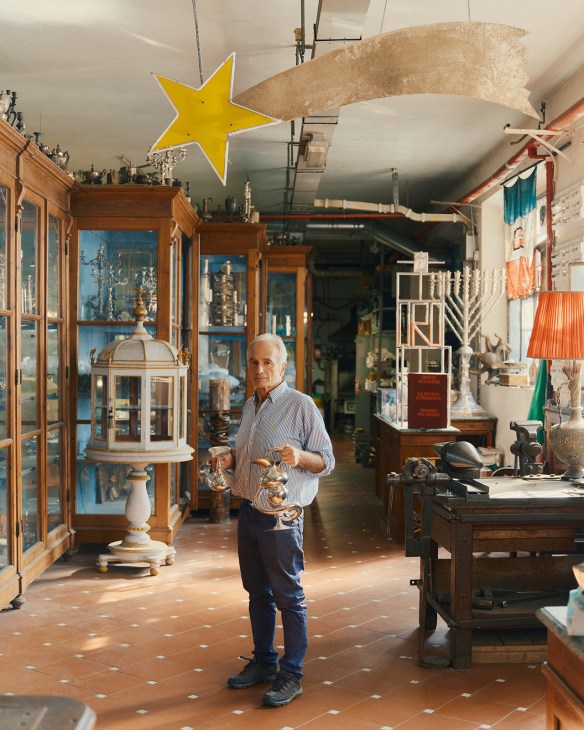
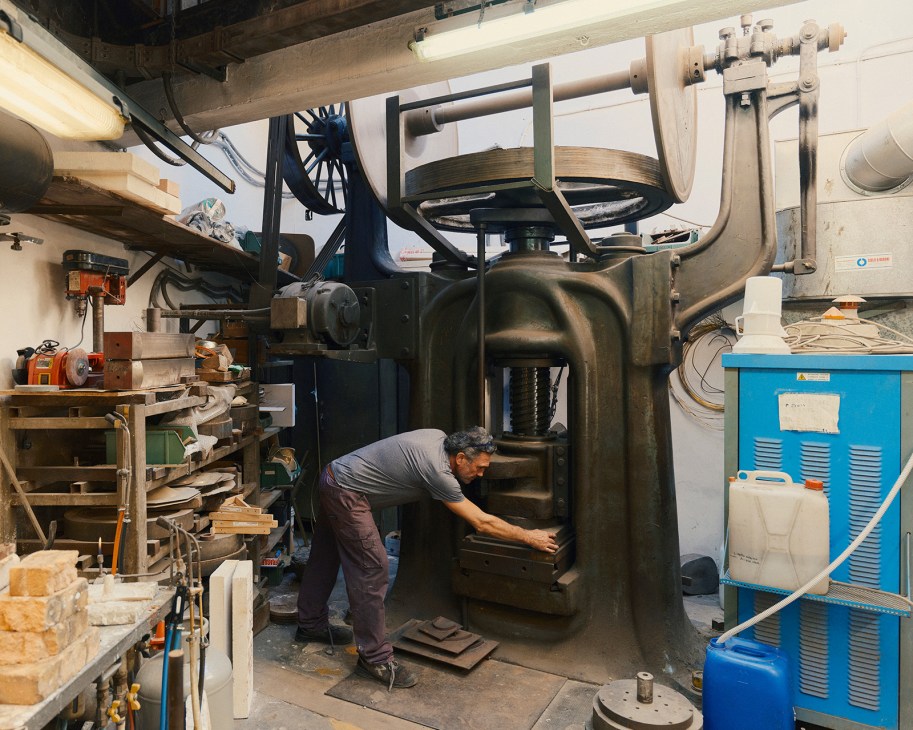
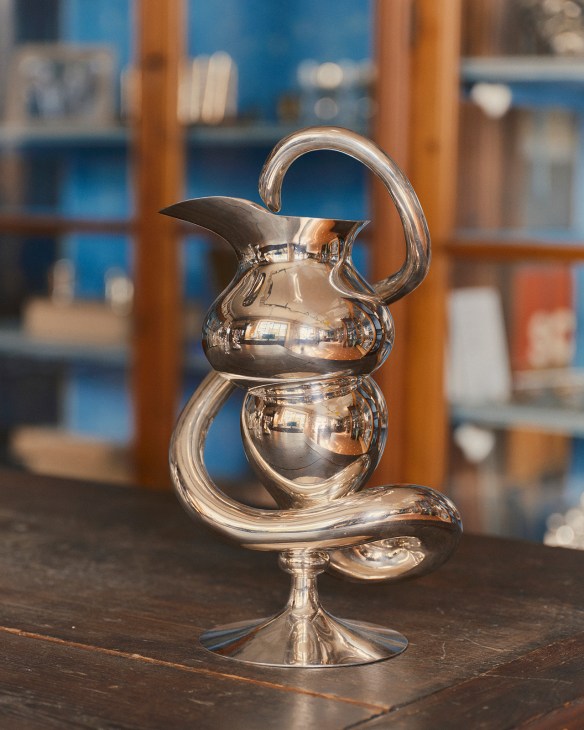
Several skilled workshops are bridging this divide between traditional crafts and new design by collaborating with contemporary designers. “So many workshops have closed but if you want something handmade, Oltrarno is still the neighbourhood,” says Bronzetto’s Alessandra Schiavi. “Young people are opening new craft ventures here.”
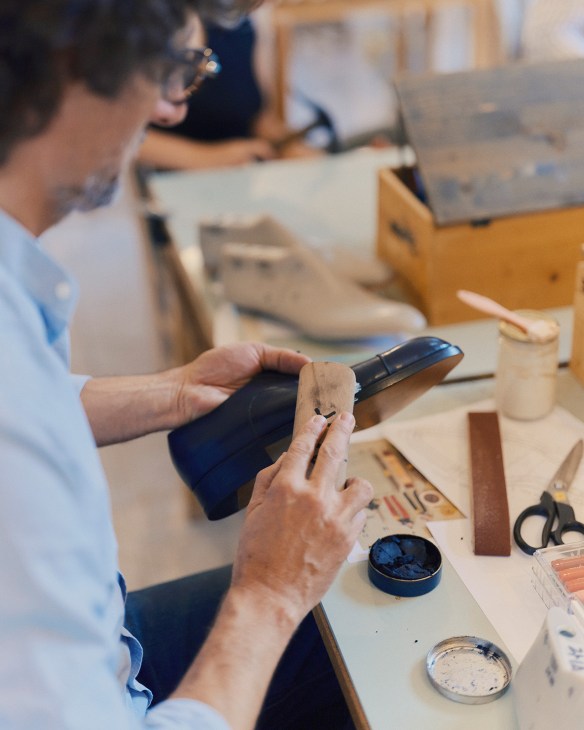
Schola Academy opened in 2020 to impart a multidisciplinary range of craft skills. Students from across the globe enrol on courses that include shoemaking, leatherworking, sewing and perfumery. All are taught by local practitioners. “Schola is the counterpoint to social media and AI,” says co-founder Alessandro Colombo. “We’re for people searching for the extremely real: a spirit of artisanship, which Florence still retains.”
Where to next?
Monocle doesn’t view architecture, craft or furniture production as industries that work in isolation. Our coverage seeks to forge connections between design and business, culture, hospitality, fashion and even politics. We send our global network of reporters and editors out in the field to speak to people on the ground and cover events directly from trade floors. Our stories are told in print, online and on Monocle Radio, allowing our journalists to meet you where you are. See you out there.