‘The greatest adventure of US foreign policy in a generation’: The Americans have left Iraq. What comes next?
As the US military leaves Iraq after 20 years, Renad Mansour of Chatham House sheds light on the continued turmoil in the region and what happens in the US’s wake.
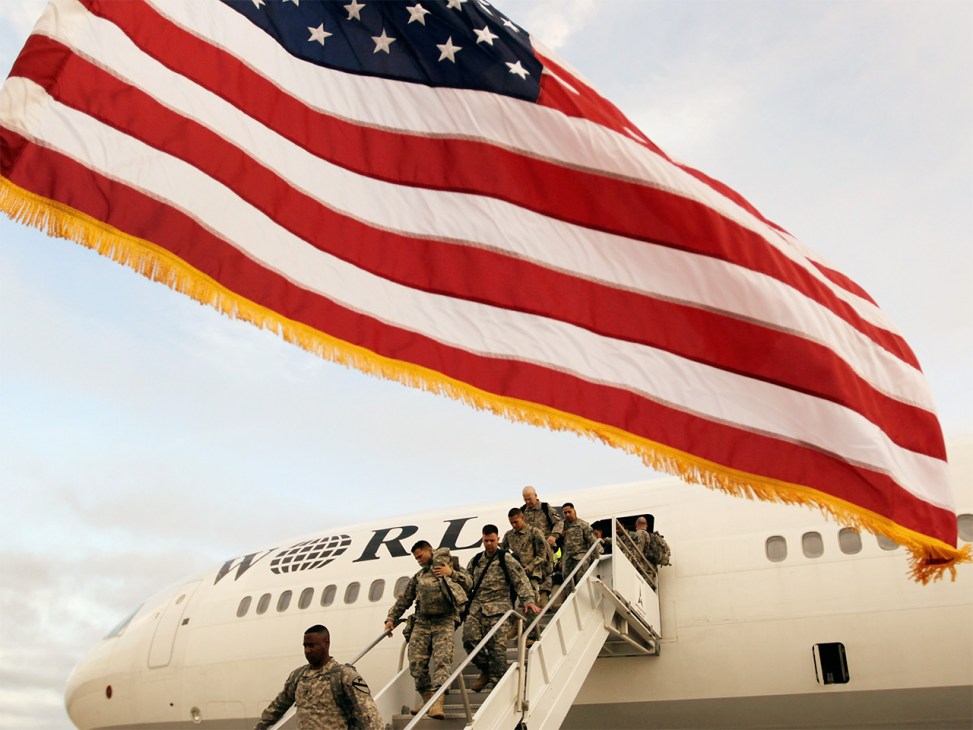
After more than two decades, the final US military personnel left their bases in Iraq on Wednesday. The departure comes as the Middle East is once again in turmoil, with a war in Iran that is causing ripple effects globally.
In 2003, US forces invaded Iraq to remove the nation’s dictatorial leader, Saddam Hussein, from power. The operation led to a yearslong US occupation of the country, as well as chaos and sectarian bloodshed. While the Americans left in 2011, they returned three years later to help the Iraqi forces to fight back against the Islamic State, which had seized large portions of the country. During the conflict, conservative estimates put the loss of Iraqi life at about 200,000 according to the Iraq Body Count Project, while the US lost around 4,500 service members.
Renad Mansour, deputy director of the Middle East and North Africa Programme and director of the Iraq Initiative at Chatham House, shared his insights into the state of the region, what comes next for Iraqis and whether Western nations can learn anything from the war in Iraq with Monocle Radio’s The Globalist. This conversation has been edited for clarity and length.
The final US troops are leaving their bases in Iraq after two decades. As the region descends into further turmoil due to the war in Iran, do you think that Western nations have learned anything from recent history in the region?
What we’ve learned in the past few years is that we’re living in unprecedented times. Analysts don’t use that term lightly. The US administration, which was previously calling for a withdrawal from the Middle East, is now back in the region. It’s not just a war arena in one place, as we saw in Iraq. Conflicts rage across Lebanon, Iraq, Yemen, the Gulf, Israel, Palestine and of course, Iran. The number of wars – not just in the Middle East but across the world – has more than doubled over the past decade. The world is on fire and politicians don’t appear to be interested in, or to be able to, put out some of these fires. So I think that we’re living in dangerous times and it’s hard to know how this will end, or what will come from it.
In that context, with the departure of the final US troops from Iraq, how will history see this particular chapter?
It’s certainly the greatest adventure of US foreign policy in a generation. The embassy in Baghdad, Iraq was America’s largest embassy in the world by far. So much attention was devoted to Iraq from 2003 onwards. Most of those in the Pentagon and across the US government have had some role with Iraq. Aside from Afghanistan, it was the foreign policy agenda for a generation.
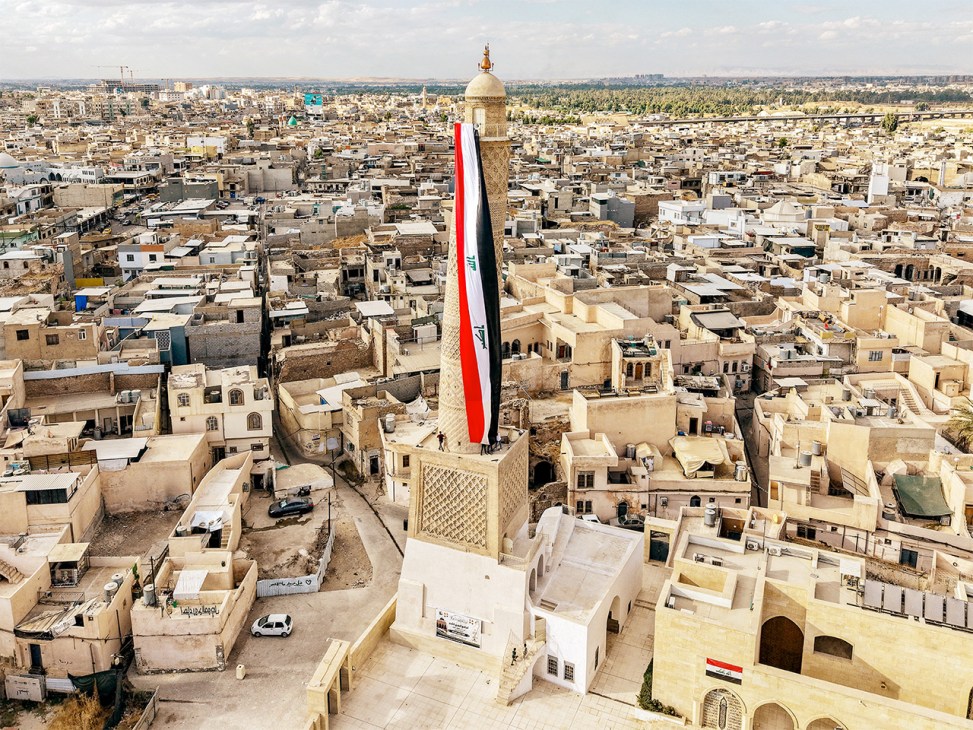
20-plus years since its invasion and occupation, the Americans areSt leaving. But it’s leaving a country that doesn’t have sovereignty, a government without ability to control its territory and armed groups linked to Iran that are able to fire drones and rockets – not just in Iraqi territory but across the Gulf, into Saudi Arabia and elsewhere.
The Iraqi government is constantly ranked among the worst in terms of corruption and human development. Many Iraqis now regret the war and wish that it never happened. Of course, there is an argument that life under Saddam Hussein, under dictatorship and under sanctions, was incredibly difficult, so I don’t think that comparing Iraq before the war is necessarily helpful. But nonetheless, the US came in and broke the country into many pieces. And now the Iraqis are left to try and build something out of that.
How much influence does the US still have in the region, especially since you mentioned that militias sponsored by the Iranians are gaining control in Iraq? Where does the US’s balance of power now stand, especially as Iran gains influence in the region?
Today’s narrative is that the US’s influence is withering in the region. At the same time, the Gulf still expects America to be its security guarantor. I would say that most governments in the Middle East, from Syria to Lebanon and even Iraq, still look to the US.
The Trump administration has had significant influence on formal governments. From Baghdad to Beirut, however, these governments are less able to control their territories and their own people. So you have these states that are withering away, unable to exercise power – and those are the pockets that Iran is hoping to exploit.
In reality you can have “mission accomplished” when it comes to the military. Just weeks after the 2003 invasion of Iraq, George Bush stood on the ship and declared “mission accomplished”. But the real war happens after that initial military operation and that’s where the region is now. The US is struggling to put the region back together so that it can maintain its influence over the Middle East.