A long-haul strategy: How the aviation industry is preparing for economic turbulence
While Iran-war related fuel shortages and flight-route changes are the latest challenge facing airlines, the aviation sector continues to plan for calmer skies.
Curious about how the US-Israel war with Iran is affecting air travel? Take a look at Flightradar24. The flight-tracking website shows where airborne planes are at any given time – and there is next to nothing above Iran. Flight traffic is also diminished over Iraq, where existing aircraft consist almost entirely of Iraqi carriers or those flying between the Middle East, Armenia and Azerbaijan. On the other hand, Saudi airspace is as busy as ever, and a narrow corridor across the Caucasus between Iran and Russia is now used by many Europe-to-Asia flights.
The conflict in Iran is putting immense pressure on route planning, operating costs and reliability, and negotiating turbulent geopolitical tensions and daily airstrikes have once again become the norm for the aviation sector. But the industry has shown that it is one built on adaptability, whether in response to airspace closures, fuel sourcing or other crises.
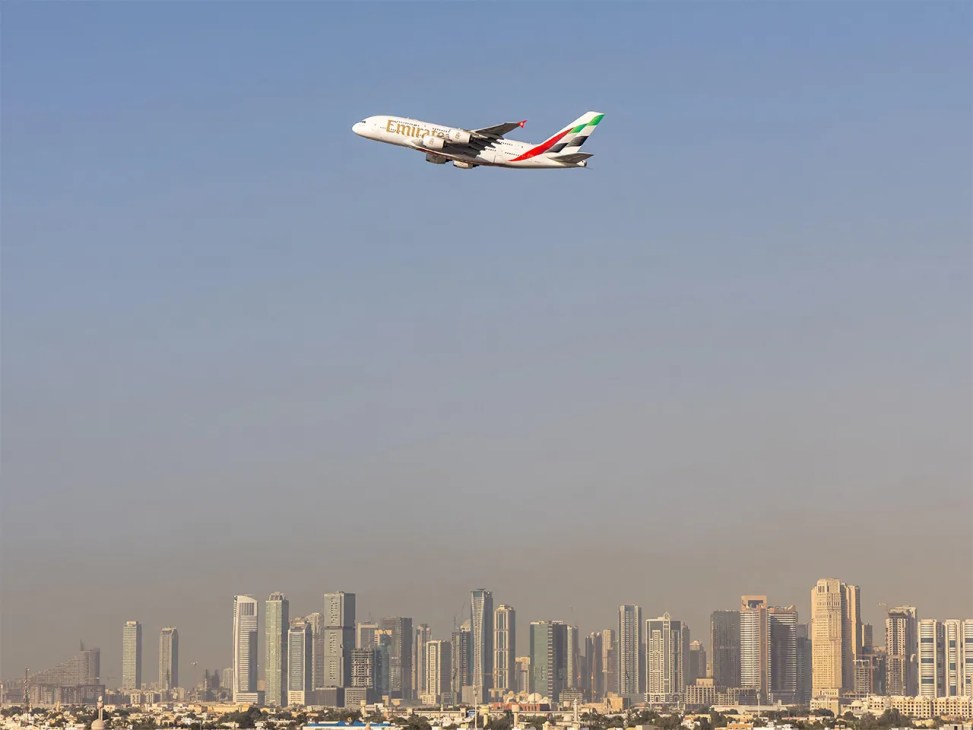
Even so, recent developments are putting that adaptability to the test. In July, the European Union Aviation Safety Agency (EASA) reinstated its warning to avoid Gulf airspace, though a number of flights are still travelling to and from the region. Some carriers have extended cancellations to services while others, such as Finnair, have announced that they are suspending their flights to Dubai – a busy and profitable route – until October of this year at the earliest. Gulf carriers, on the other hand, have little choice but to use this difficult airspace if they want to fly at all, and most are doing everything they can to maintain a regular schedule.
A number of air carriers recently reported their second-quarter financials, showing that while higher airfare and increased consumer demand have helped to absorb a portion of operation costs, long-term projections remain uncertain. Still, the overall system is continuing to function: oil is flowing at major airports and some airlines are making profit. But even as flight planners and air-traffic control systems work to find viable routes, the rising cost and fuel shortages could send reverberations through the industry for months or years.
As the crisis in the Gulf drags on, Europe has managed to find new ways to source oil and keep things moving, including importing from the US. Ironically, this has positioned the North American nation, which now exports more oil than any other country in the world – 10.5 million barrels per day at its recent peak – as something of a stabilising influence. Meanwhile, willing Asian nations have imported record levels of oil from Russia and countries including Japan have diversified imports by drawing from the US, as well as African and Latin American states. However, the reduction of Persian Gulf supply remains a significant loss, which means we will likely see spikes in price and renewed fears of supply issues in coming months.
And yet, as we saw at the Farnborough International Airshow, which wrapped on 24 July, the industry continues to move forward with what could only be described as stubborn optimism. Companies are placing orders for aircraft and pursuing new innovations, including incremental gains in efficiency as well as entirely new technologies. Any day now, Heart Aerospace’s X1, the largest battery-electric aircraft to ever fly, is due to take its maiden flight.
While most of these developments won’t solve the pressing headaches of today, it’s a reminder that aviation plays a long game, with its eyes on the horizon. The industry has seen it all before, in one form or another.