Air France-KLM CEO Benjamin Smith’s first-class plans to expand the carrier
A candid conversation with Benjamin Smith about fleet growth, global ambitions and why European airlines must compete on a fairer world stage.
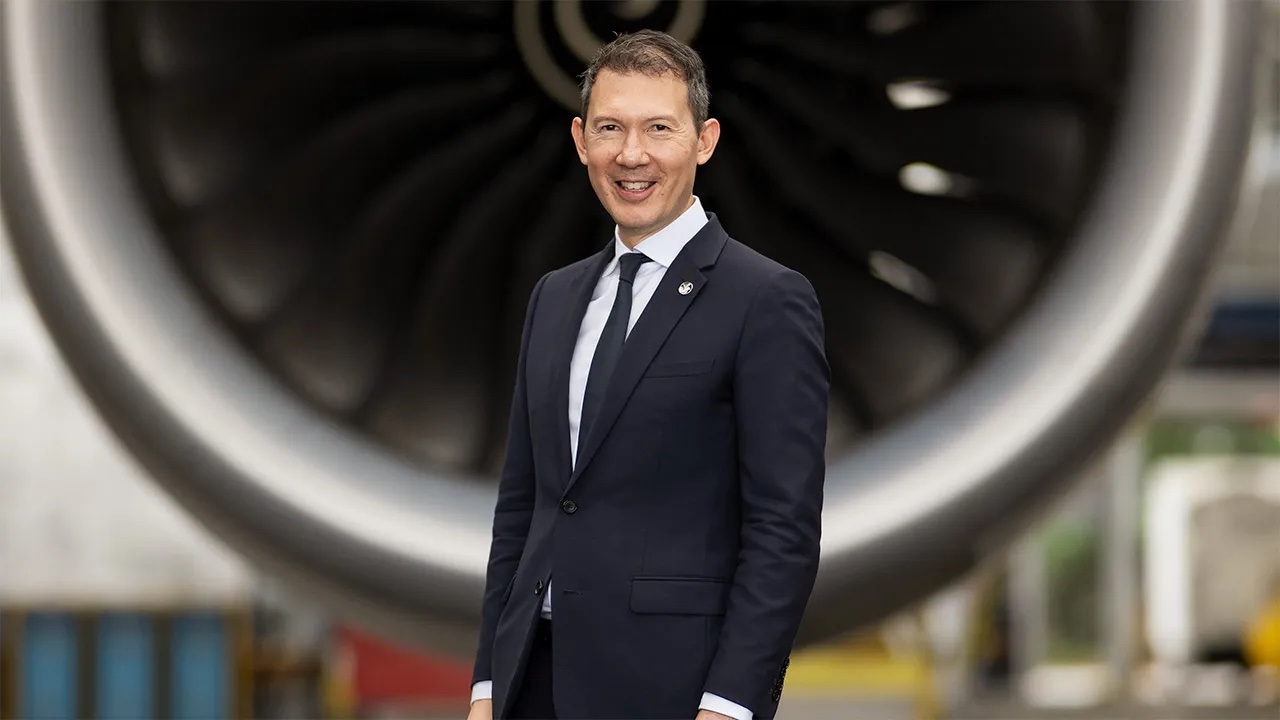
Since taking up leadership of Air France-KLM in 2018, Benjamin Smith has brought stability and modernisation to the company. Through major investments in next-generation aircraft and steadying labour relations, Smith has been responsible for steering the group back to profitability after the coronavirus pandemic.
He joined our editorial director, Tyler Brûlé, in Studio 5 on Rue Bachaumont, Paris, to discuss how he restored profitability and improved efficiency, luxury and sustainability.
This conversation has been edited for length and clarity. Listen to the full interview on ‘The Chiefs’ from Monocle Radio.
Earlier this year, you launched La Première, your newest first-class experience. What has the response been like?
It has been fantastic and exceeded our expectations. We’re going to expand the footprint by 50 per cent, adding more aircraft to the fleet with La Première cabins. We keep adding to the amenities that our customers are asking for. We believe that we can give the Gulf carriers a good run for their money but we view the Gulf carriers not as companies and instead as countries.
Can Air France compete against a country? I guess it depends on what the country wants. In Asia, we don’t have the same work rules. There are two or three in Asia that are a bit of a challenge but we went from number 26 in the world to number eight. We want to be number one in Europe in every cabin and I think we can get there.
Looking ahead, where is Air France-KLM focusing its growth? What new routes can passengers expect in 2026?
Prior to our decision to expand the fleet equipped with La Première cabins, the US was our number-one market. We’ve just announced that we’re going to add Boston and Houston in the US, as well as Atlanta – the home base of our partner Delta. We’re going to add more services to Asia: we’ll go to Hong Kong and perhaps we’ll see how Tel Aviv goes. Maybe one or two more in the Middle East. But if you look at the major GDP cities of our long-haul network, you can pick the next five or 10. The destinations we announce won’t be a surprise.
It has been a complex year for global aviation. What were the defining issues of 2025 for you?
We’re looking closely at overflight rights, taxes and mandates for fuels such as SAF [sustainable aviation fuel] and for ETS [Emissions Trading System] charges. We are advocating for European-based carriers to have a total level playing field. We have lost customers because of our inability to fly over Russia. But, for the most part, our best customers are staying with us. They’re happy with our service. What is impactful is the cost of operating. There are extra fuel and air-crew costs because they’re flying more.
Listen to the full interview on ‘The Chiefs’ from Monocle Radio.