Getting into gear
The motor-show format has stalled recently but a new approach could help the industry turn in an exciting direction. Here’s our steer from Munich’s IAA Mobility.
It has been a stop-start few years for international motor shows. Even before most large trade fairs were put on ice by the pandemic last year, some manufacturers were starting to swerve them altogether. It was in this context that Germany’s newly reimagined and relocated flagship motor show launched in early September. The IAA Mobility 2021 in Munich aimed to prove itself a worthy successor to the old show in Frankfurt and to make the case to auto-makers, the press and the public that such events were still worth the journey.
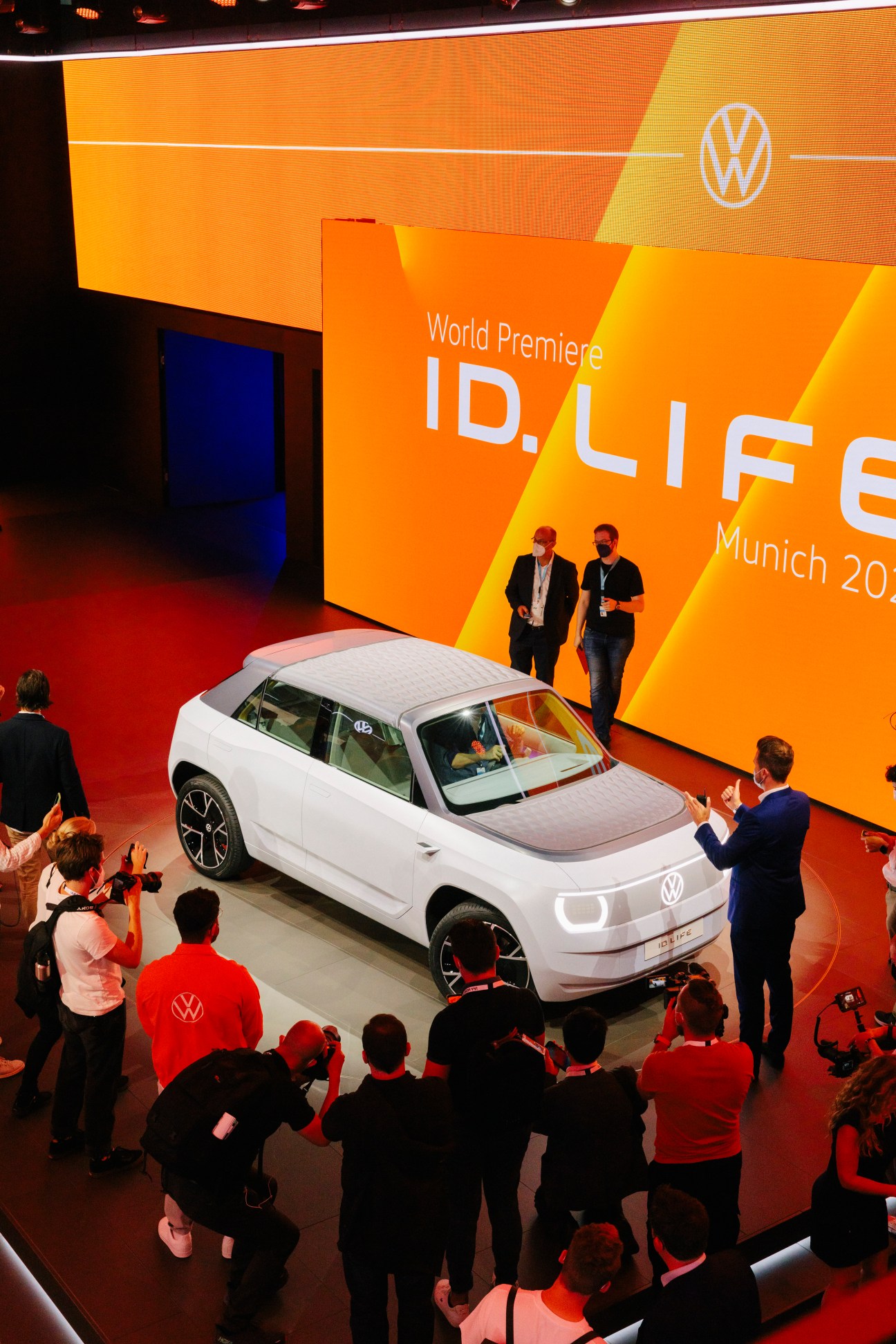
The name offered a clue to the show’s strategy and it was one that many motor companies seemed to be keen on. These days it’s all about mobility: how we get to where we’re going and having the right mode of transport for the right moment, whether that’s an e-bike or an electric minibus. But this doesn’t mean that the major players have forgotten about cars. At the show, they remained front and centre. The big difference was that most of the headliners this year were electric.
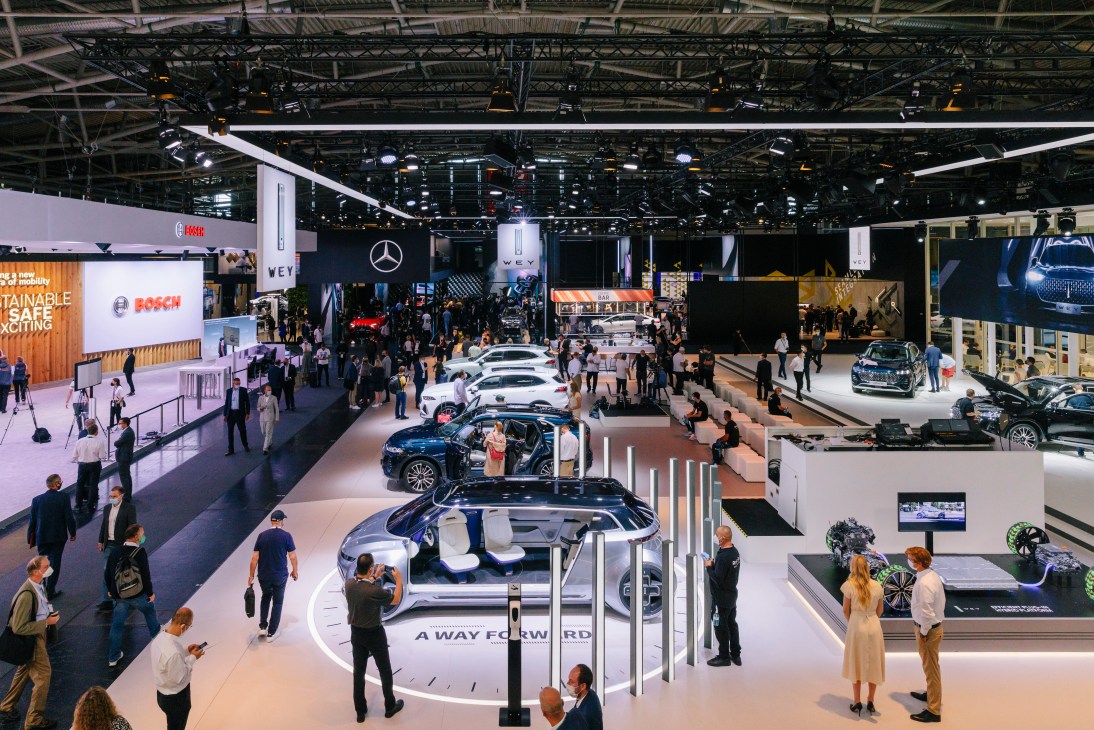
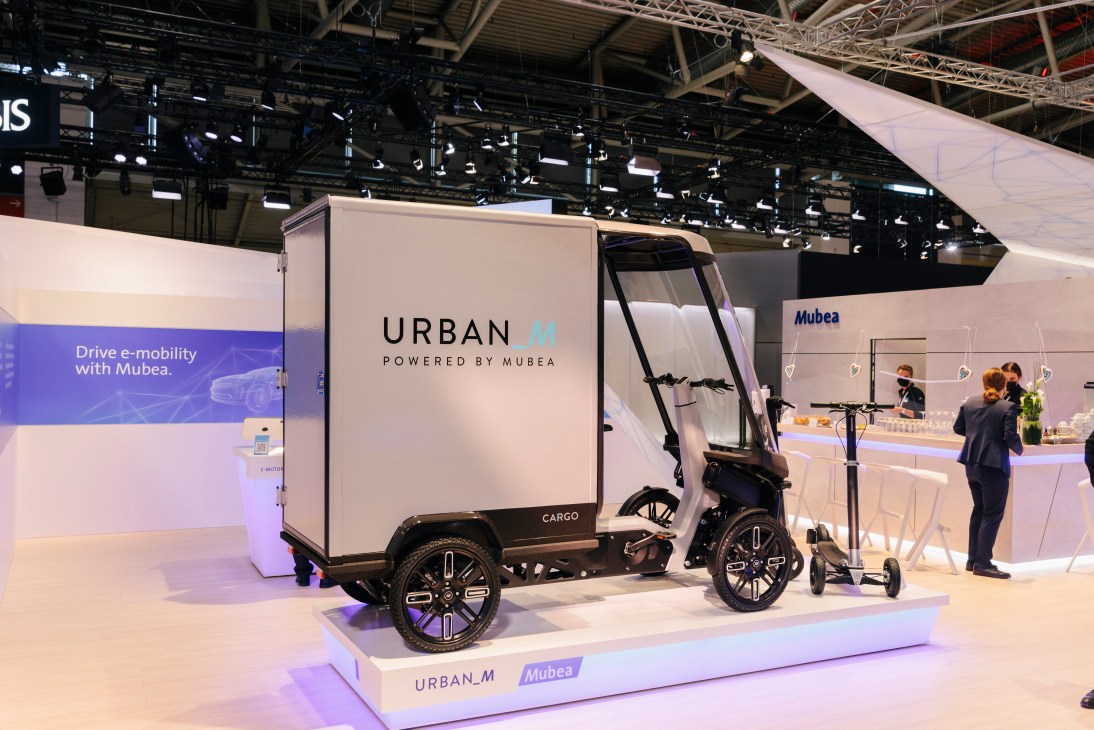
The show also featured some interactive or immersive experiences, with test drives and outdoor demonstrations available. In that respect, IAA Munich was a welcome change from the conventional car show dominated by static, don’t-touch displays. And it took visitors well beyond the main location in exhibition halls, with off-site suites and displays in the city centre hosted by car firms and a so-called “Blue Lane” connecting them. Though this had the effect of splitting our attention between multiple spaces, it showed that the organisers were trying hard to redefine what works for a contemporary car show.
Most eyes were on the latest electric-vehicle releases coming from big car brands, especially the Germans. Those line-ups look increasingly diverse, with new launches in the luxury and performance sectors. The days of electric vehicles mainly being cute city cars and oddball concepts are long gone – and everyone seems rather grateful for that.
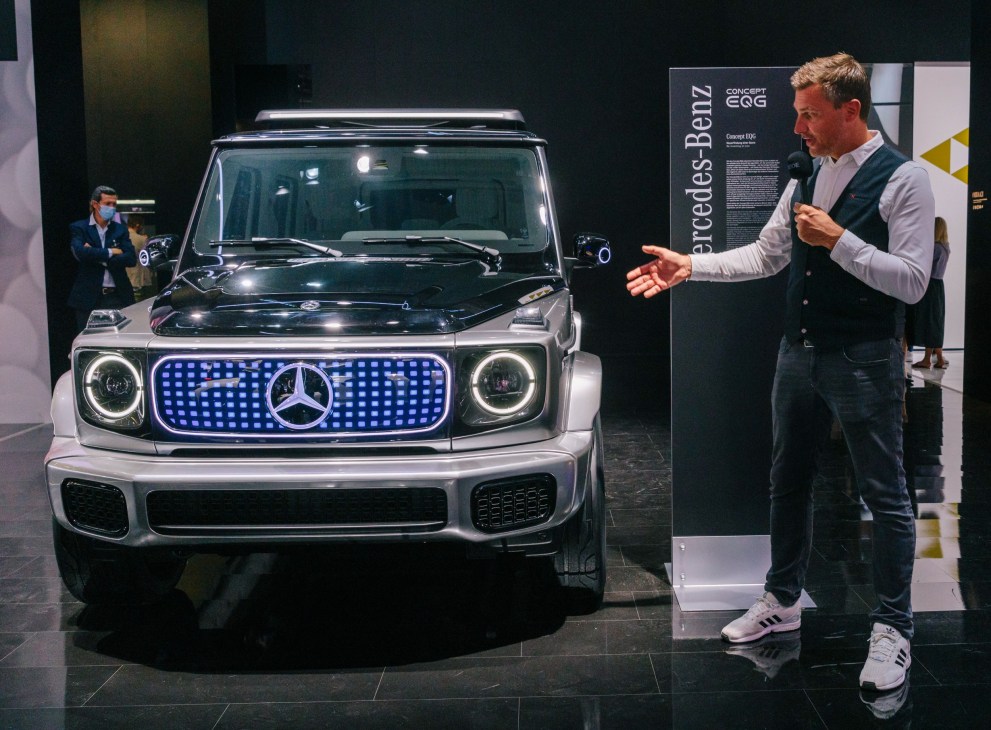
In the past few years, many carmakers have launched petrol-free models that are a significant leap forward from their predecessors. These aren’t just the same old cars with an electric engine thrown in; they’re completely reconceived and built around the unique requirements and possibilities of electric engines. Mercedes-Benz has lately been one of the most aggressive companies in this respect. At this show, it launched several new electric cars in its EQ range, along with some concepts. “We invented the automobile,” said Britta Seeger, head of sales and marketing at Mercedes-Benz and a member of the Daimler board. “Innovation is in our genes. We have been at the forefront of change and this is what we believe we need to continue to do. And it’s not only taking the steps for us as a company but the customers as well. This is what they’re asking for.”
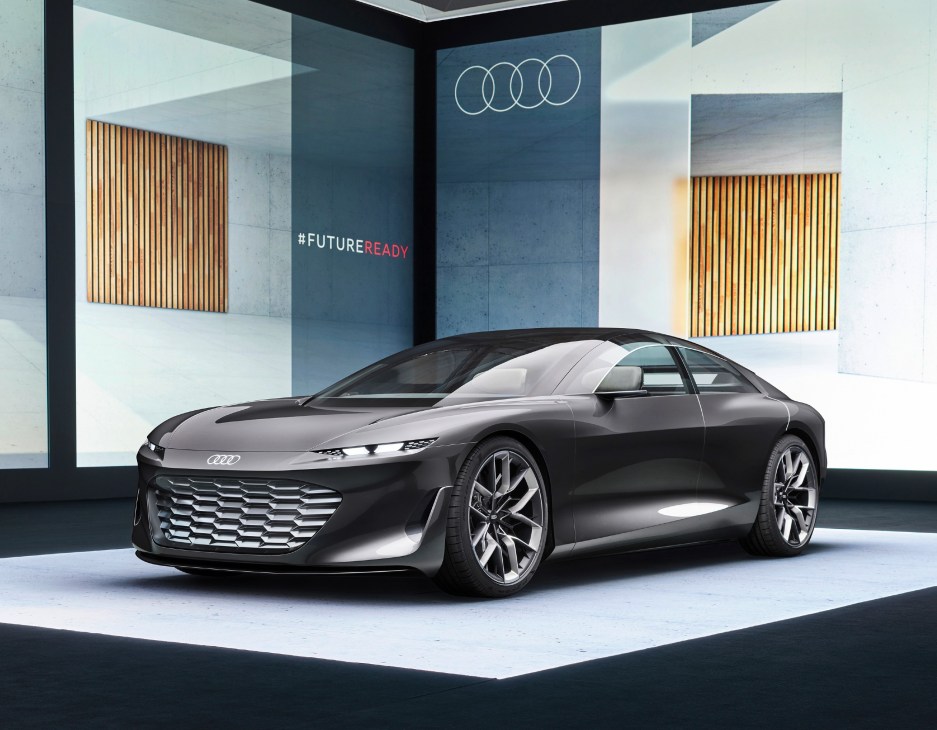
Audi isn’t resting on its laurels either. Having recently launched a number of electric crossover models, it attracted attention in Munich by presenting its vision of the future in the form of the Grandsphere concept, with its allusion to driverless travel. Autonomous vehicles may be further off than many suggested a few years ago and the technology still faces technical and regulatory hurdles. Automakers, however, are still pursuing it.
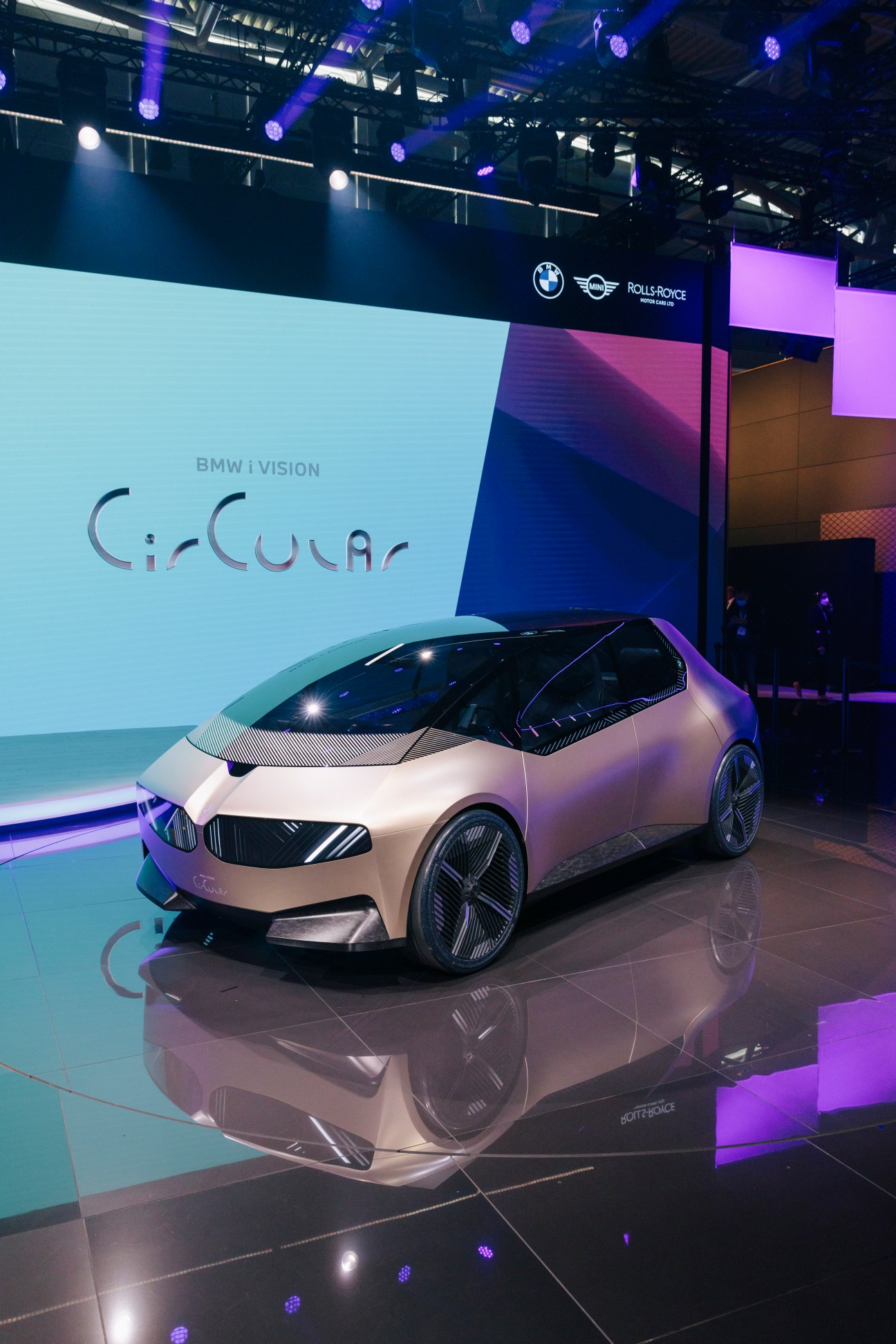
And what about bmw? It went all out by showcasing a fully recyclable concept car alongside many others.
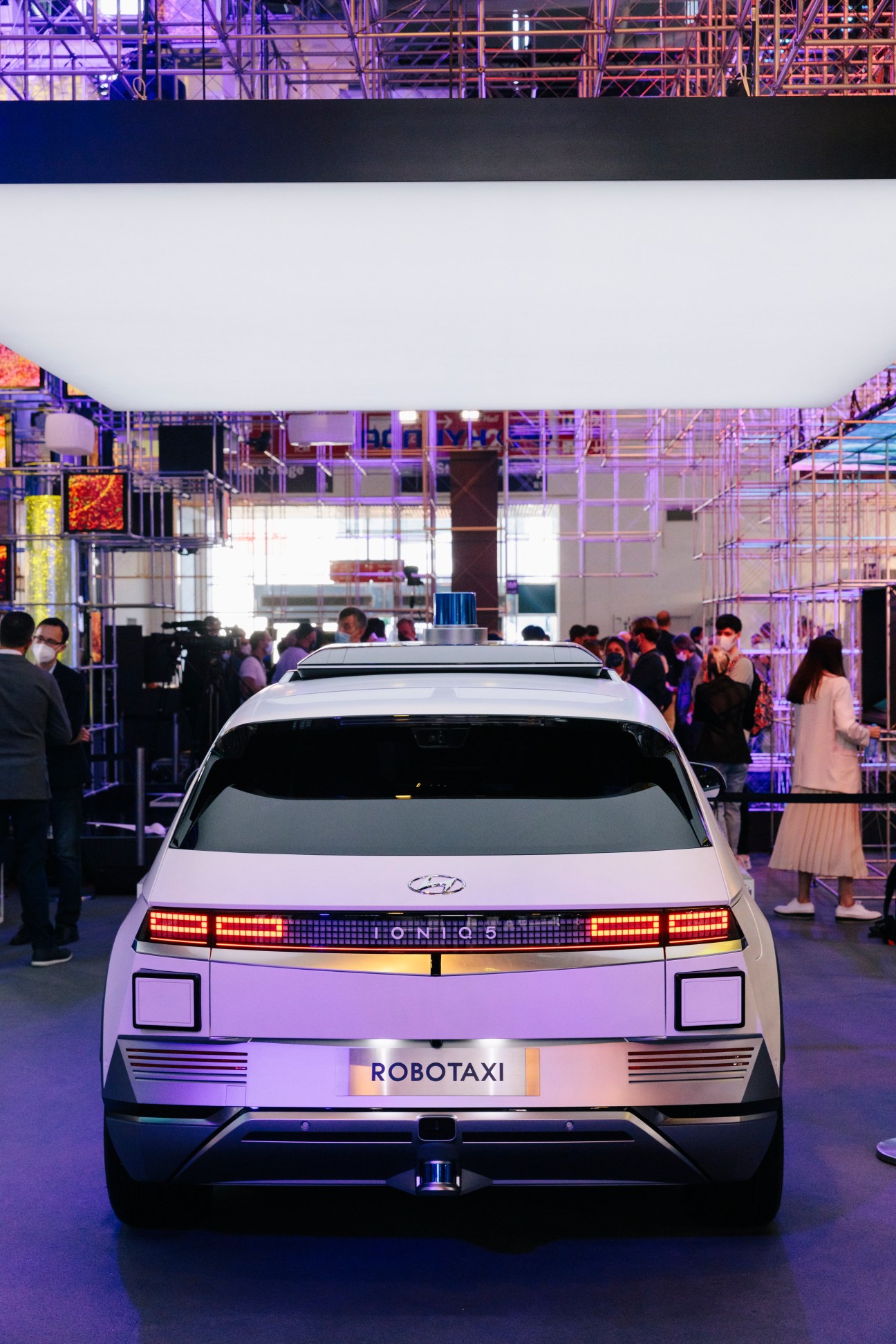
It wasn’t just the German heavyweights dominating. The South Koreans made a strong impression, in particular Hyundai and its luxury brand Genesis, both of which are working hard to convince Europe that they can compete with the Germans not only for reliability but also for luxury and fun: cars that transport you physically and emotionally.
“We invented the automobile. Innovation is in our genes. We have been at the forefront of change and this is what we need to continue to do”
Genesis in particular took an intriguing approach at the show, opting to launch a showroom in the centre of Munich and hosting agenda-setting talks and activities from there. The studio marked the official entry of the South Korean luxury marque into the heartland of the German car market. Genesis is seeking to redefine the experiences of buying and owning a car, wooing customers not only with desirable vehicles but also a promise to make the shopping experience transparent and pleasurable. Genesis is confident that once people get a taste, customers in Germany and the rest of Europe will bite.
“The German market is the most competitive for premium cars,” says Dominique Boesch, managing director of Genesis Motor Europe. “We believe that with our approach, we will get noticed and we will have customers interested in our proposal.”
Boesch mentions South Korean hospitality culture and how a guest expects to be treated in someone’s home. “That’s the way we would like the people visiting us to feel,” he says. “We want you to feel comfortable and we want to support you. It’s about simplicity, genuine care and making the customer’s life easy.”
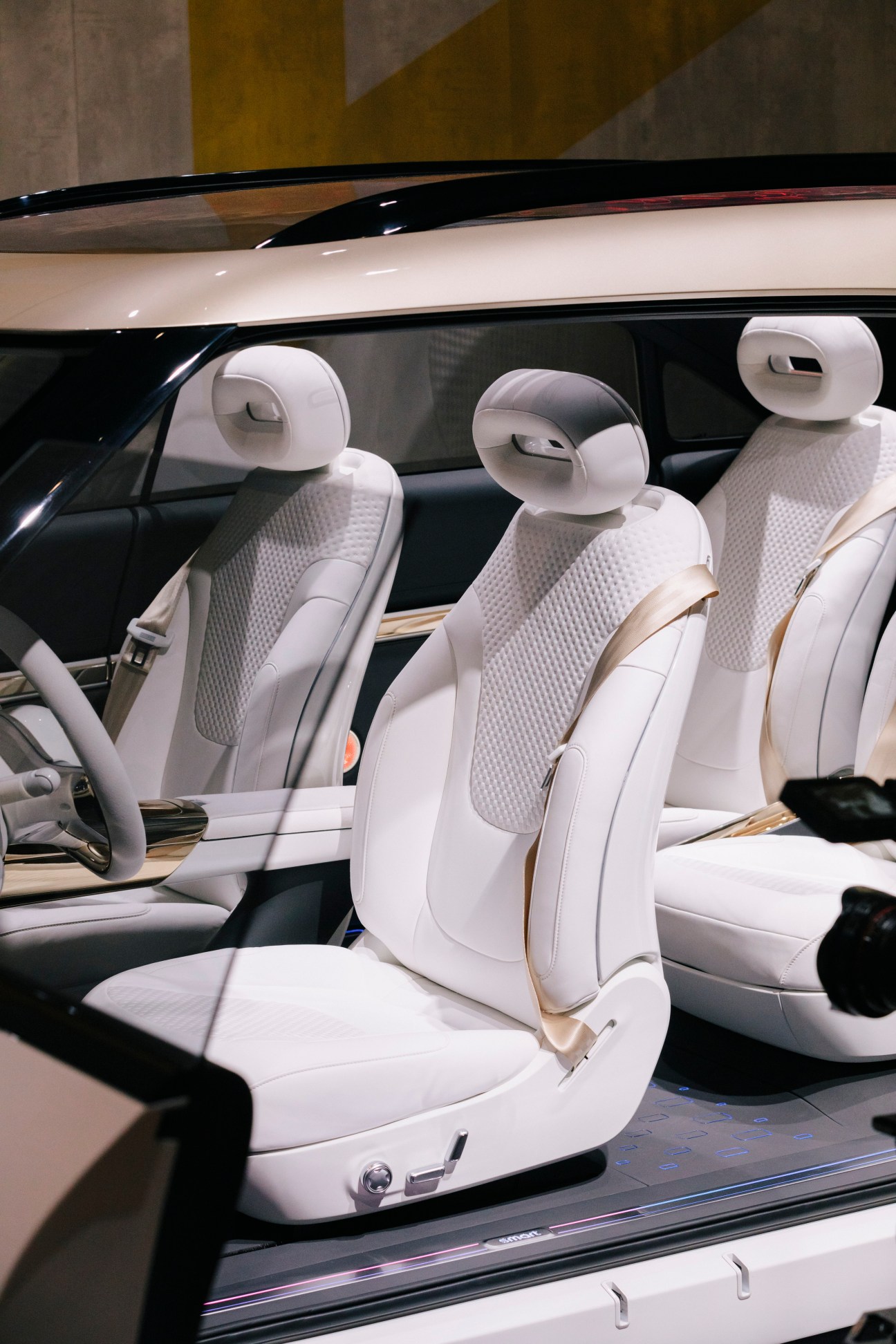
There’s plenty of excitement and clearly an increasing demand for electric cars, as drivers realise just how much better they are becoming to drive and spend time in. Manufacturers are realising that they need to deliver them across the market; emissions-free cars are due to take over the entire line-up of some firms sooner than the industry expected.
The conditions aren’t quite perfect for auto brands just yet, however. Many of tomorrow’s potential competitors waiting around the corner have never made cars or anything of the sort before but are now looking to change gear and get in on the action. The R&D war chests and clean-sheet approaches of companies such as Apple and Google are notable examples, and there has been a lot of buzz around a possible Apple car. Customers who already use such companies for other technologies are a huge potential market that could drive demand. We saw other companies that haven’t traditionally been in the sector jump in too, with Bosch launching e-bikes, scooters and even a small car.
All of this focus is good for the industry and good for the motor-show model too. The more manufacturers realise that they have to innovate to stay relevant – just as IAA Munich itself has – the more we’ll see a market for genuine mobility solutions.