‘Fashion needs to make less.’ Another Tomorrow founder Vanessa Barboni Hallik wants fashion to avoid obsolescence
We meet the founder and co-CEO of New York-based luxury label Another Tomorrow, an industry voice who believes that the future of fashion can thrive through sustainable practices.
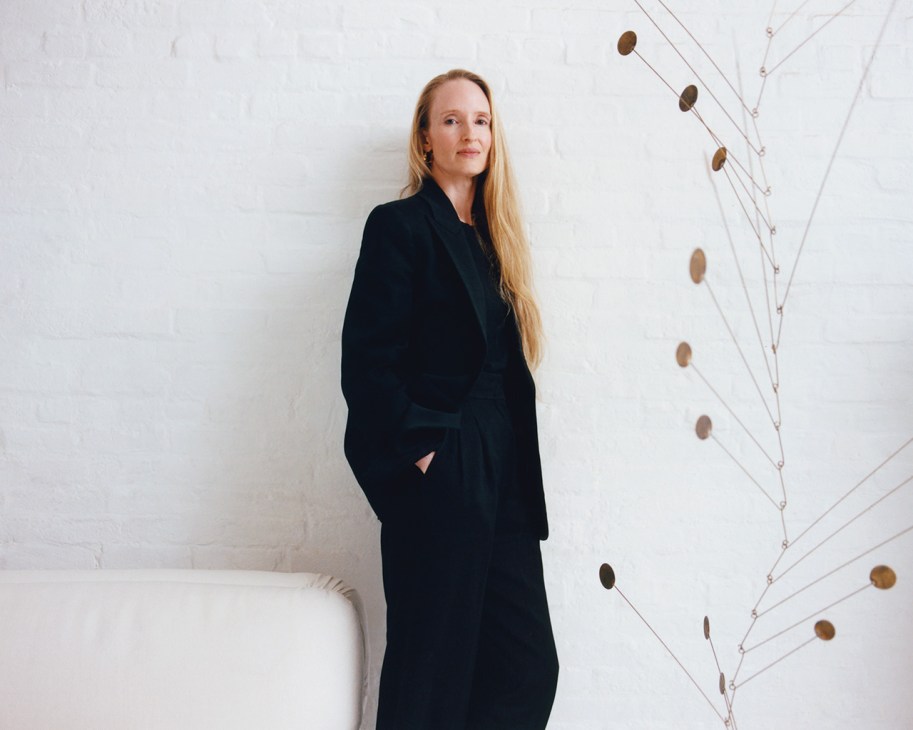
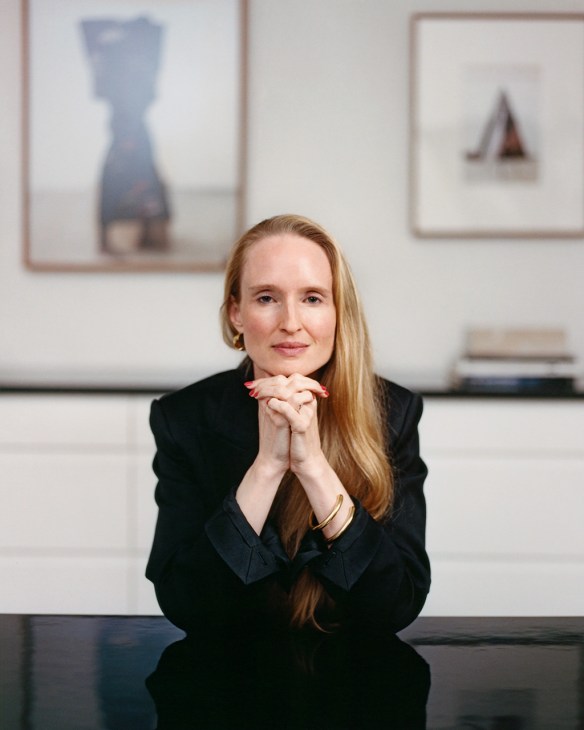
After a long career in finance with Morgan Stanley, Vanessa Barboni Hallik left to become the founder and co-CEO of Another Tomorrow, a luxury fashion brand that wants to change how the industry does business. Six years in, the New York label is establishing a model of what’s possible: embracing timeless style over relentless seasonality, while building on better farming practices, recycled materials and humane production. The result, Hallik says, is a stronger brand that also delivers much-needed ideas for change. In an equally contrarian move, she is open-sourcing the model so that the wider industry can adopt initiatives that the brand is helping to pioneer.
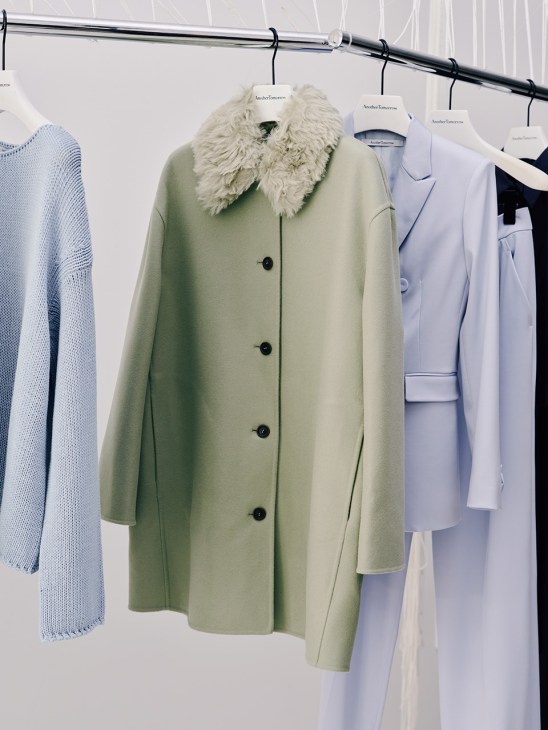
Another Tomorrow’s minimalist, sharply tailored collections prove that ambitious sustainability can produce exceptional clothes. The brand recently launched a Paris pop-up at Galeries Lafayette with interiors made from regenerated materials in collaboration with Milan-based designer Patricia Urquiola and retail furniture-maker Cimento. The temporary boutique comes at a moment of expansion for the brand, with new retail locations planned for Abu Dhabi, Dallas, Dubai and London, alongside its flagship downtown shop in New York and a second headquarters and showroom in Paris. It’s a promising indication that Another Tomorrow’s forward-looking approach is finding an enthusiastic audience.
What drew you from finance to fashion?
My parents drilled into me that a sense of purpose and service to a larger cause were fundamental and I was always trying to figure out how I was going to merge my upbringing with my day job. When I went to a conference on business and social responsibility, a speaker touched on the many problems facing the fashion industry. I suddenly realised the magnitude and complexity of fashion’s issues and that the industry didn’t seem to have a vision for how to solve them.
Why did you think that the fashion industry was in need of a different business model?
I was familiar with so many industries from my finance days, where I had witnessed a lot of progress. In energy, renewables were already taking off and costs were coming down. In automotive, there was huge change, with companies such as BMW taking control of their pre-owned-vehicle markets – which was a big inspiration for Another Tomorrow to maintain its own second-hand-clothing market. Even the food industry is a great example: the ideas of provenance, regenerative agriculture and organic practices have been making headway for decades. Yet fashion wasn’t improving. I thought that it was a deeply under-appreciated systems problem.
What does fashion need to change to improve its environmental impact?
At Another Tomorrow, we have learnt that regenerative sourcing and circularity hold the greatest promise for our model. For the industry as a whole, it comes down to improving farming practices, reusing raw materials at the sourcing level, prioritising natural materials and drastically reducing reliance on petrochemical sources. Fashion needs to make less. Overproduction must be significantly reduced and we need business models that don’t rely on planned obsolescence.
How does Another Tomorrow’s pop-up at Galeries Lafayette offer a microcosm of the brand’s ethos?
We’re working with partners who share our values. Patricia Urquiola, who’s a real pioneer in regenerated materials, designed modular-grid furnishings manufactured by Cimento, which uses stone powder and organic elements to transform discarded materials into new ones. Like fashion, architecture is one of the world’s most resource-intensive industries but we’re showing that a circular approach can produce beauty and functionality – the same principle that we apply to our collections.
Fashion is a notoriously risky industry. What made you believe that Another Tomorrow could succeed?
When you have such an industry, you need high gross margins to compensate for it. That puts pressure on costs and, especially in an unregulated environment, most companies start cutting corners – on environmental standards and workers’ pay. Our business model addresses that risk, which is why the product itself is evergreen and timeless, rather than subject to the seasonality that fashion usually pursues.
Why embrace an open-source model in such a competitive and traditionally secretive industry?
If people had a choice, they would choose Another Tomorrow. That’s where the brand name comes from and it’s a viable blueprint for how the industry can evolve. More collaboration and openness are required so we can all advance together – such as with Kering, with whom Another Tomorrow has a reciprocal and open relationship on sourcing. What’s needed in the industry is radical transformation – but the problems are solvable.
How to launch and build a business that matters
1.
Follow your purpose
No job has to be a forever job, so let what matters to you determine where you go next.
2.
Stay an outsider
People who are new to an industry can see possibilities to which insiders are often blind.
3.
Borrow shamelessly
Look to other industries for ideas and adapt their innovations to your own.