Art Basel brings fun back to the fair with the element of surprise
In recent years the art world’s largest commercial fair has painted itself into a corner. But satellite shows and new initiatives at this year’s event are helping to offer fresh perspectives.
Art Basel is under way and accompanying the artworks on the walls are some shiny new plaques that form part of an initiative called Basel Exclusive. The idea is simple: in a bid to encourage attendees to see art in person, galleries are required to withhold select artworks from the digital previews that they send to buyers. These pieces are then unveiled on the opening day. At Berry Campbell Gallery, the chosen work is a striking, abstract blue-and-yellow painting by Grace Hartigan, priced at $750,000 (€653,000). “It’s like a treasure hunt,” says co-founder Christine Berry when describing the initiative. “This adds a little game to the art-fair experience.”
Whether you praise or lament the gamification of the commercial art fair, Basel Exclusive is a sign that this event, now in its 56th year, is willing to try new things. Also debuting at Art Basel is Zero 10, a new section dedicated to digital artworks and curated by US artist Trevor Paglen. The bleeps, bloops and flashing lights that greet you on entering Zero 10 are a far cry from many of the works on show in the main part of the fair. Among those already sold is Canadian artist Rafael Lozano-Hemmer’s “Pulse Agglomerate”, a biometric piece (worn by a performer during the event) made up of wearable armature to which string lights are attached. Each light represents the pulse of a different person, including heartbeat recordings taken from people in Ukraine. It’s an intriguing, sensitive work that has now been acquired by a private foundation from Kharkiv.
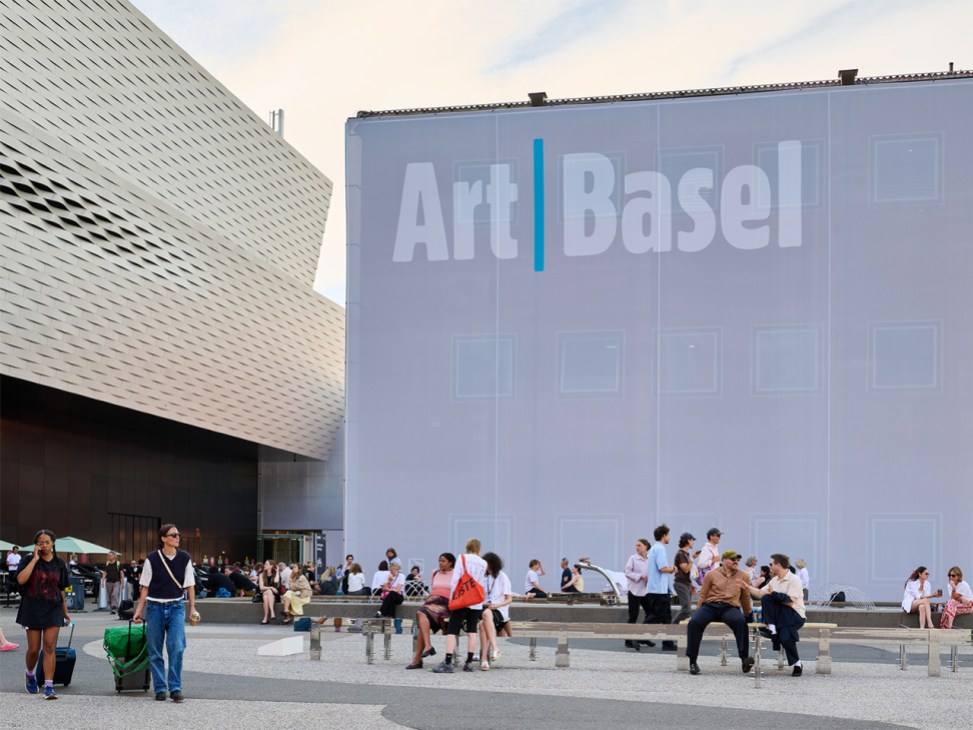
In contrast, sales in the main hall are being driven by pieces from artists such as Pablo Picasso, Gerhard Richter and Willem de Kooning. Most galleries seem to be playing it safe. Considering the volatility of the global art market and the increasing pressure on the mega-gallery model – US behemoth Pace announced that it was downsizing earlier this month – who can blame them?
Basel Social Club remains the place to see (and ponder purchasing) the fair’s most radical artwork. This year the nomadic commercial event has taken over a labyrinthine, vacant office block, with the space transforming into a nightclub that closes at 03.00. When Monocle arrives for a sneak peek ahead of its public opening, a performance artist is practising dance moves in the underground carpark. Clad only in platform heels and underwear, their writhing movements and Yoko Ono-like screaming suggests that we are in the right place for a taste of the offbeat.
A sense of freshness might be difficult to feel in the halls of the Messeplatz but it is reassuring to discover it at satellite fairs around the city. The world’s most significant commercial art fair is a little safe but it’s also steady. And that’s more than many in this industry could have hoped for.
Sophie Monaghan-Coombs is Monocle’s associate culture editor. For more opinion, analysis and insight, subscribe to Monocle today.