Zohran Mamdani’s opera scheme is a more highbrow policy than politicians’ typical cultural clout chasing
City Hall’s progressive accessibility initiative could help to diversify the Metropolitan Opera’s crowd and improve dwindling audience numbers.
Back in 2019, Pete Buttigieg, then a Democratic presidential candidate and the mayor of South Bend, Indiana, released a list of his 10 favourite books. It was a predictable yet refreshingly honest selection that included both canonical works of Western literature (Homer’s Odyssey, James Joyce’s Ulysses) and obscurer, more contemporary works (such as Stephen Kotkin’s Armageddon Averted, a history of the Soviet Union’s collapse), alongside Hilary Mantel’s Wolf Hall – the moment’s obligatory commute read.
The list was refreshing because it was manifestly a reflection of Buttigieg’s personal interests and preoccupations, rather than a cringe-making attempt at political positioning. Compare it to, say, the then UK Labour Party leader Ed Miliband’s 2013 Desert Island Discs picks, which included Robbie Williams’s “Angels”, Neil Diamond’s perennial sing-along “Sweet Caroline” and the Hubert Parry anthem “Jerusalem” – a cynically focus-grouped man-of-the-people playlist if ever there was one. But Buttigieg’s apparent honesty was rewarded less with praise than with accusations of anti-intellectual posturing masquerading as egalitarianism, much of it from the online left. He was “Pete Bottygeek”, wrote one Twitter user – out of touch, pompous and elitist.
All of this came to mind when, at the end of last week, New York’s mayor, Zohran Mamdani, announced the city’s new partnership with the Met Opera, in which 70,000 free tickets for performances will be handed out to residents over the next seven months. The initiative makes a lot of sense: the Met has long struggled to fill its seats and doing so in this way costs it almost nothing, while potentially creating a new generation of paying opera lovers. (In the US, the theatrical art form receives little ongoing state or national support in comparison to, say, Noh in Japan, which has a protected status as an Important Intangible Cultural Property.)
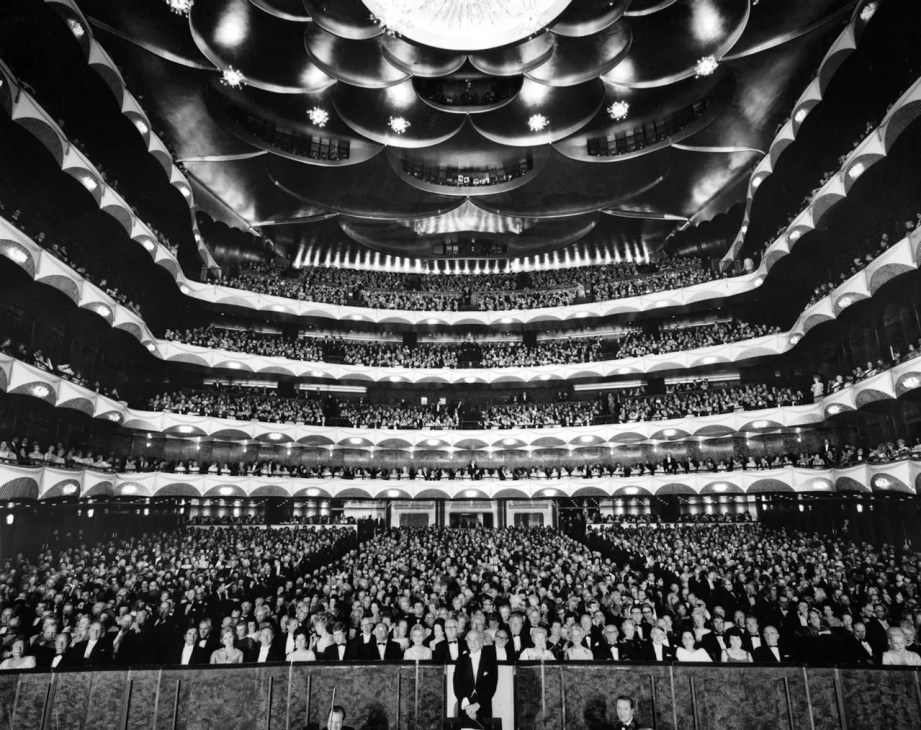
But alongside excitement over the plan was predictable sniping. On Elon Musk’s X, reactionary bots spread misinformation about how much taxpayer dollars the plan would cost (in reality, very little beyond the admin); snobs worried about whether those in possession of a free ticket would “dress appropriately”. Those for whom doing a good deed for its own sake is unfathomable declared the initiative nothing more than “virtue signalling”.
Considered a mainstream entertainment form from the 17th to the 19th centuries, opera has been the preserve of the wealthy for decades, partly because of the sheer expense of staging lavish productions involving dozens of musicians and performers. The resulting high ticket prices have made it a niche, luxury interest (despite what Nicholas Cage’s wild-haired, one-handed, Met-loving baker in Norman Jewison’s 1987 Cher vehicle Moonstruck might tell you). Cultural appetites have evolved too. There’s competition from cinema, TV, video games and social media, much of it now designed specifically to capture and hold attention. And maybe people are just more excited to see Tom Cruise in Alejandro González Iñárritu’s new movie, Digger, or watch MrBeast on YouTube – which is fair enough. Richard Wagner might have considered opera to be “the complete art form” but it isn’t for everyone.
But this is why Mamdani’s initiative feels so bold. Like Buttigieg with his reading list, he has declared his support for an art form that many among his progressive-leaning base might instinctively dismiss as posh and pretentious. Since debates about the authority of literary and artistic canons came to a head in the 1980s and 1990s, there has been a conspicuous turn against Reithian notions of institutions’ responsibility to disseminate the best of human thought and creativity to as wide a public as possible. Of course, it remains crucial to interrogate what a canon includes and rejects, and the power structures that shape this process. But such a discussion is possible only when we can all access and assess what the powerful deem worthy of immortalisation. It’s why trade unions historically maintained libraries of key works for members to learn from; it’s also why Allen Lane, the founder of Penguin Books, launched affordable paperbacks in 1935, pricing them at the cost of a packet of cigarettes. A real man of the people doesn’t condescend and presume that blue-collar workers have no interest in classic works – that all they are capable of enjoying are MMA fights and fireworks.
The opera giveaway is just one of many similar initiatives that Mamdani has launched and probably won’t significantly change popular attitudes to “high” culture by itself. Some, with much justification, will continue to view it with suspicion. But let’s hope that it starts a more open discussion about the place of historically important works and the right of those of limited means – including tortured bakers – to enjoy them.
Yo Zushi is Monocle’s chief sub editor. For more opinion, analysis and insight, subscribe to Monocle today.