Personal space
Architect Junzo Yoshimura’s seaside escape is a private, harmonious ‘mansion’ that is finally ready to be shared with the world.
In a nondescript residential area in the small seaside town of Atami, an hour train ride from Tokyo, sits a hidden architectural masterpiece. Built in 1977 to designs by the legendary Japanese architect Junzo Yoshimura, the house had belonged to the original owner until 2021, when it was sold to a lucky buyer: a Tokyo industrialist in his fifties.
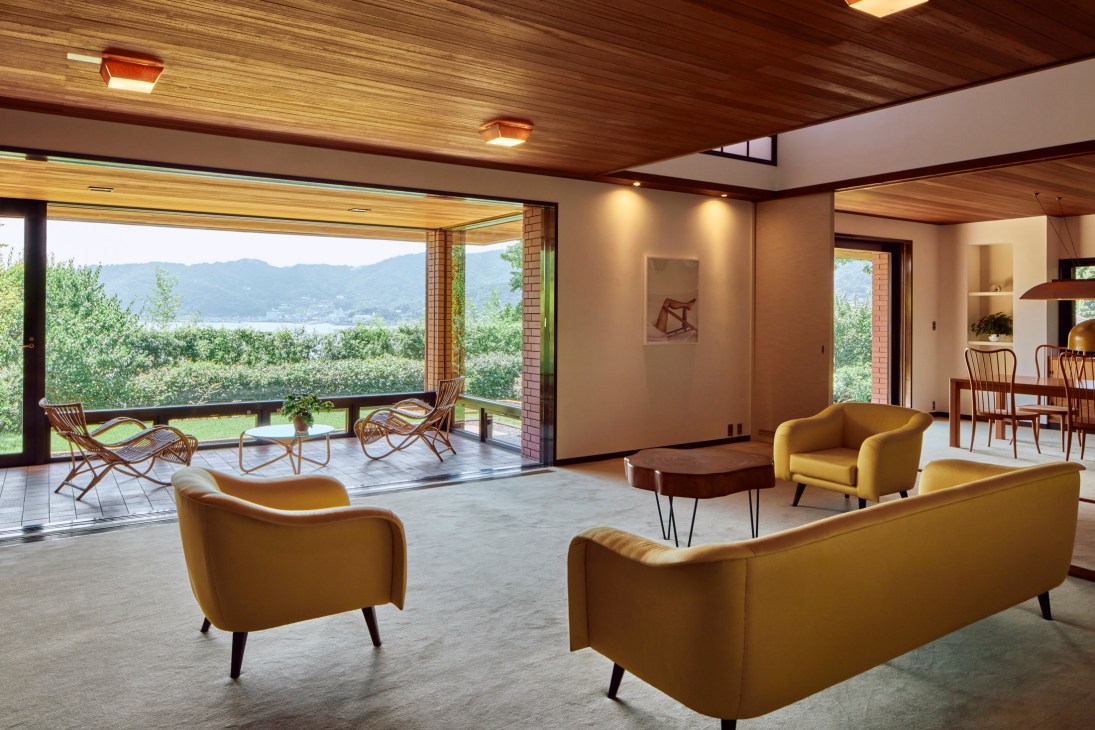
The two-storey residence is surrounded by plants and trees, enjoys stunning views over Sagami Bay and is, by Japanese standards, a mansion with 350 sq m of floor space. Despite this fact, the building is understated. Modest in height, it has aged gracefully as its red brick walls and oxidised copper roof have blended in with the surrounding nature. There is a sense of privacy as well as harmony with the environment around it. When Monocle visits, the gardeners, who have been taking care of the grounds for decades, bow politely while an orchestra of birds belt out a tune in the background.
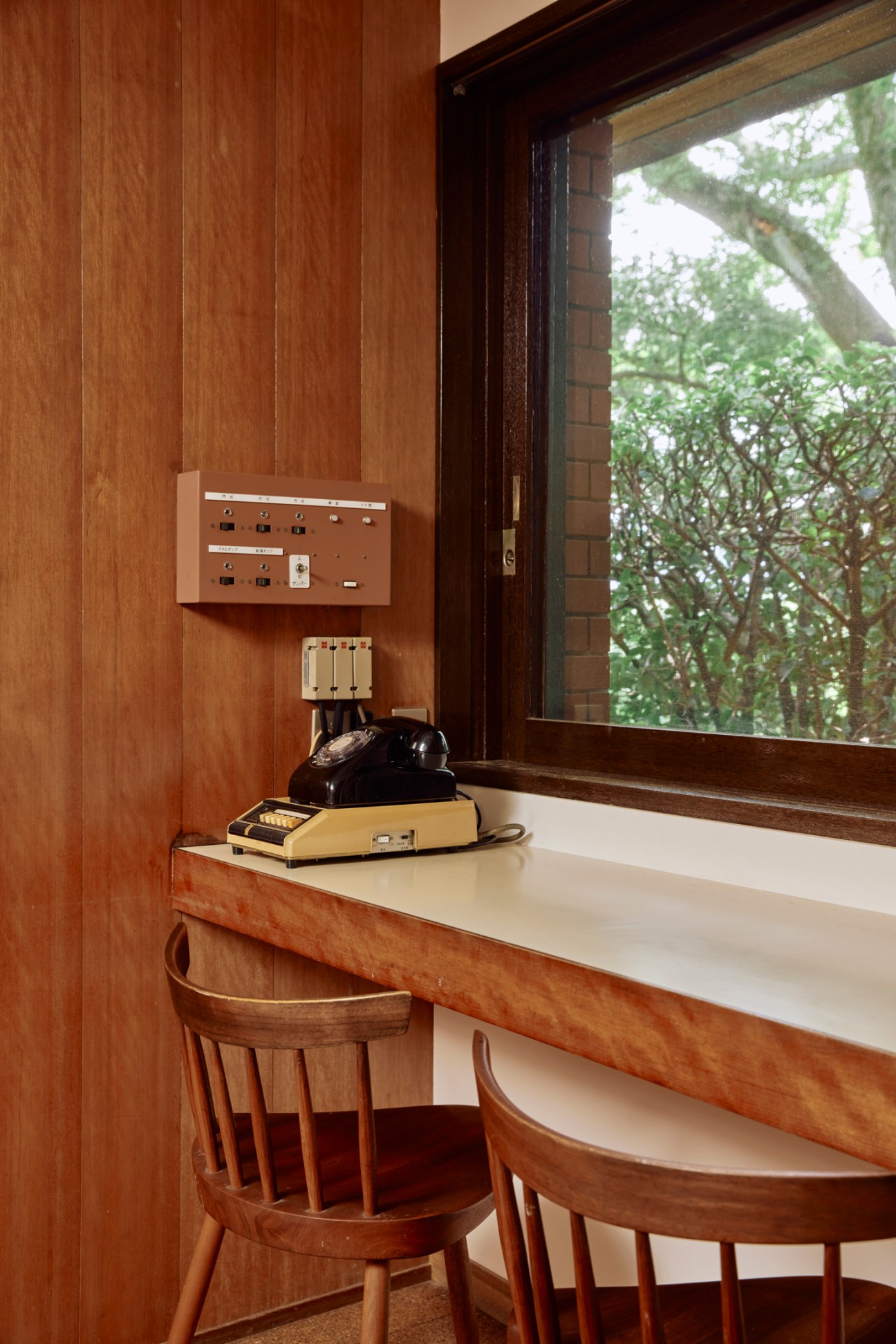
The handover was not only a property transaction but also a personal one. The original owner, who was close to Yoshimura, told the buyer of the family’s fond memories of working with the architect. Original blueprints and a family photo album featuring pictures of Yoshimura on site were included as part of the property sale. Such connections helped the new owner to draw up a refurbishment plan with his trusted creative friends, Aimi Sahara and Naoki Kotaka. Sahara is a designer and the founder of Tokyo fashion brand Tu es mon Tresor; the company’s communication director Kotaka also has a background in architecture. Together they inspected the house and discussed how to keep its heritage alive.
Sahara and Kotaka’s resulting transformation looked to retain the structure’s western appearance and Japanese detailing. The latter includes Yoshimura’s signature shoji paper screens, which can be slid into door pockets and completely tucked away from view, allowing the living and dining rooms to be used either separately or as one large space. Yoshimura did not place many lights on the ceilings but instead let the shikkui (lime plaster) walls reflect natural light. He had perfectly calculated the orbit of the sun and the locations of every window; a column of sunlight lands in an upstairs room through a skylight and gradually pours into the living room downstairs.
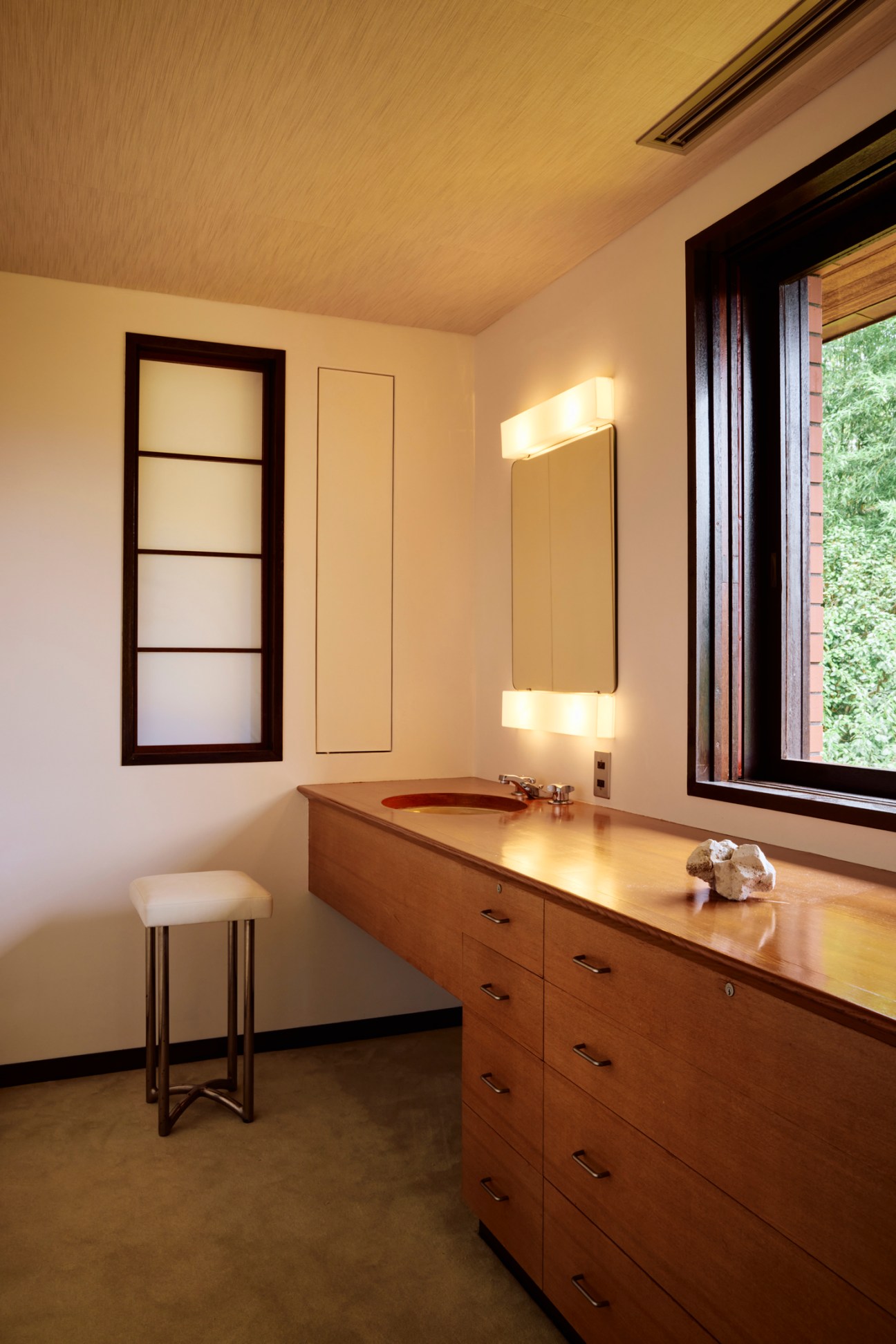
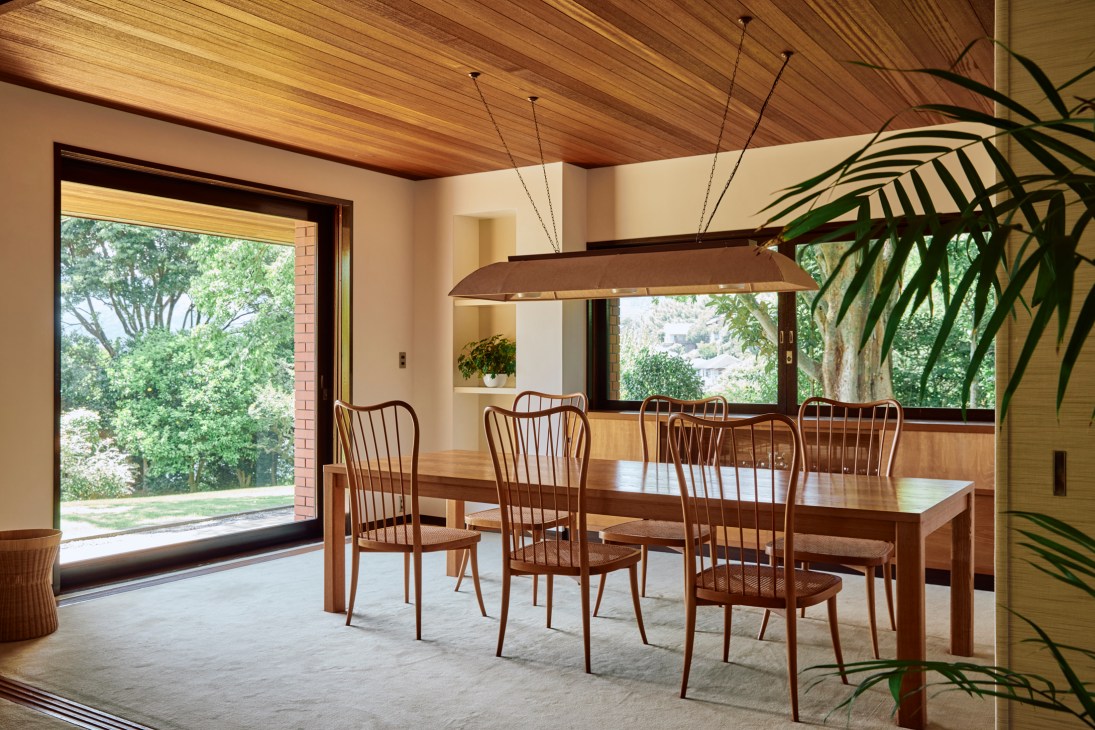
Furniture designed by Yoshimura, such as the dining table and the lighting above it, as well as some cabinets, were retained where possible. The carpet was refitted in the same original colours – green, blue and red – by Yamagata Dantsu, a heritage mill that worked with Yoshimura in 1977. Sahara and Kotaka also chose vintage furniture designed by contemporaries of the Japanese architect, selecting organic shapes to contrast with the orderly lines of the brick exterior walls and paper screens. Brazilian furniture designer Joaquim Tenreiro’s lemon-yellow couch and armchairs sit in the living room with a coffee table and bamboo light by Pierre Jeanneret. There are further pieces by the likes of Kenzo Tange, Le Corbusier and Charlotte Perriand but rather than turning it into a private museum dedicated to mid-century design, the new owner regularly stays in the space and wants private guests to experience this great architectural treasure.
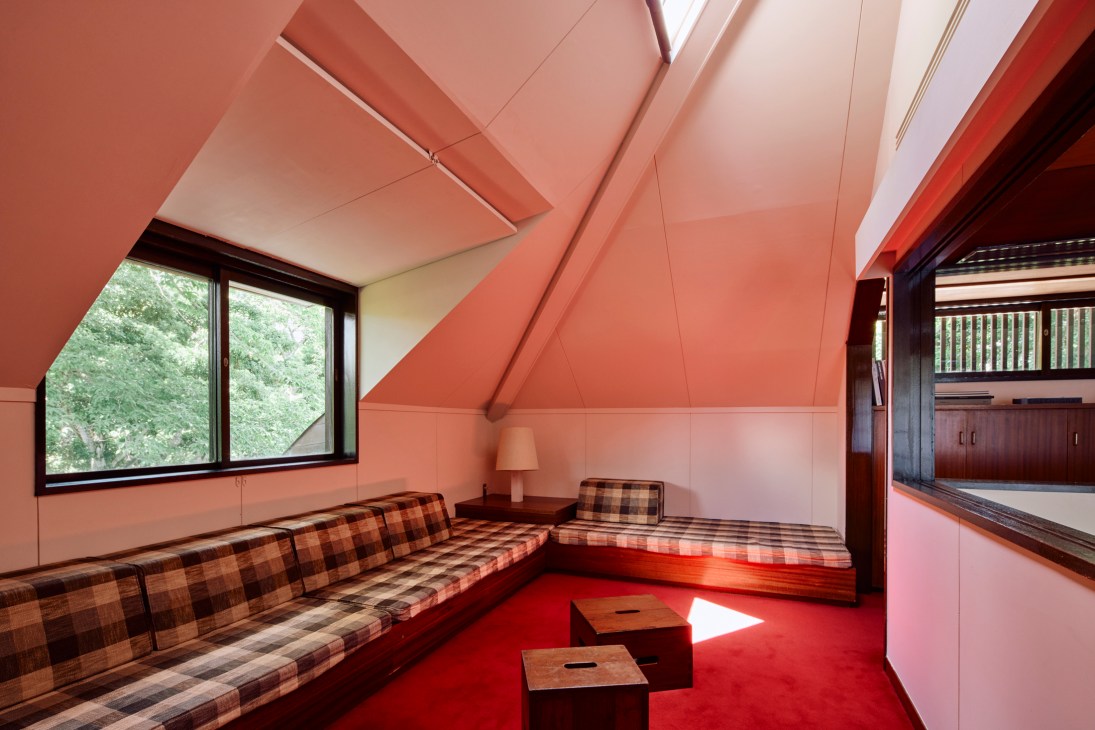
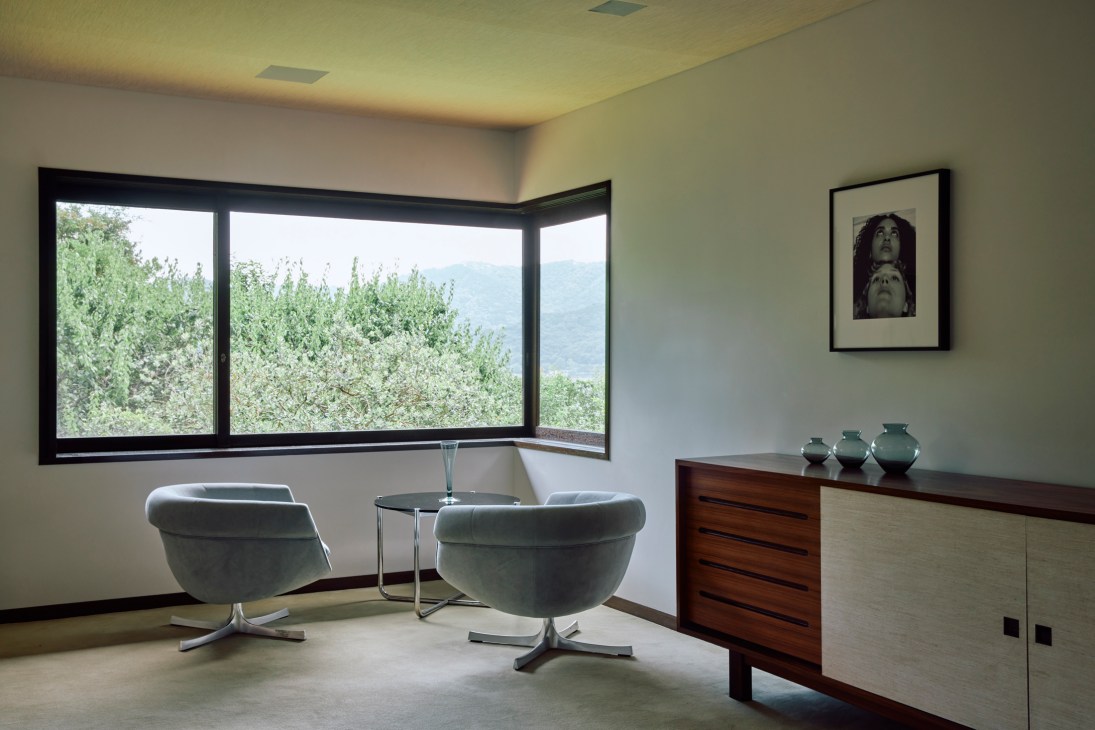
Despite living in Tokyo, he visits this seaside retreat several times a month with friends and family – and, so far, it has been an eye-opening experience. He says that staying in the home helps you to appreciate the connection between nature and architecture: the red colour of the carpet makes the green moss in the garden look more vivid, while the colour of the lawn faintly reflects in the natural light that pours in through the paper screens.
While he doesn’t want to make the home completely public, the owner intends to host a few select gatherings; Tu es mon Tresor has already held a pop-up fashion event here. Fans of design and architecture will rightly be hoping for more – and the chance to enjoy this beautifully preserved residence.