Why vernacular architecture will define 2026
Sitting on Monocle’s design desk means the start of January is typically spent contemplating the architectural direction that I’m anticipating will come to the fore in the next 12 months. My process for doing so is, usually, twofold. First, I ponder the challenges that architects should be addressing. In 2026, this means creating buildings that are in step with their locale, that pay respect to their immediate surroundings and use materials that are local to or appropriate for the immediate environment. Second, consider those who I think are doing it well.
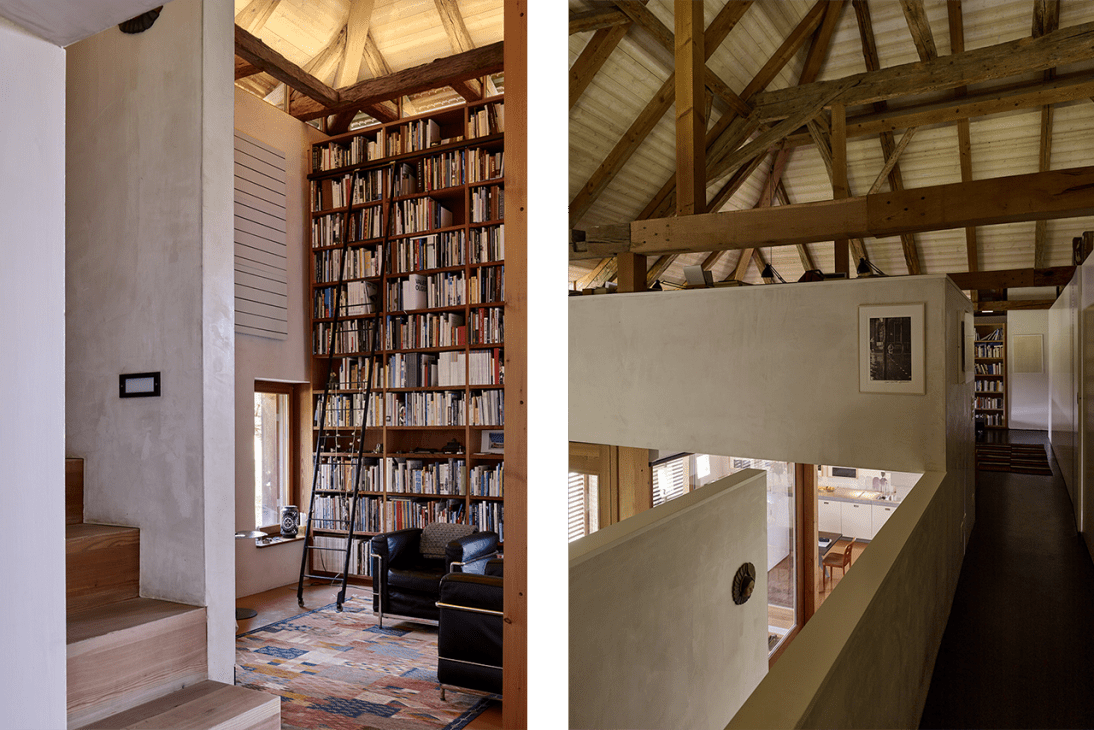
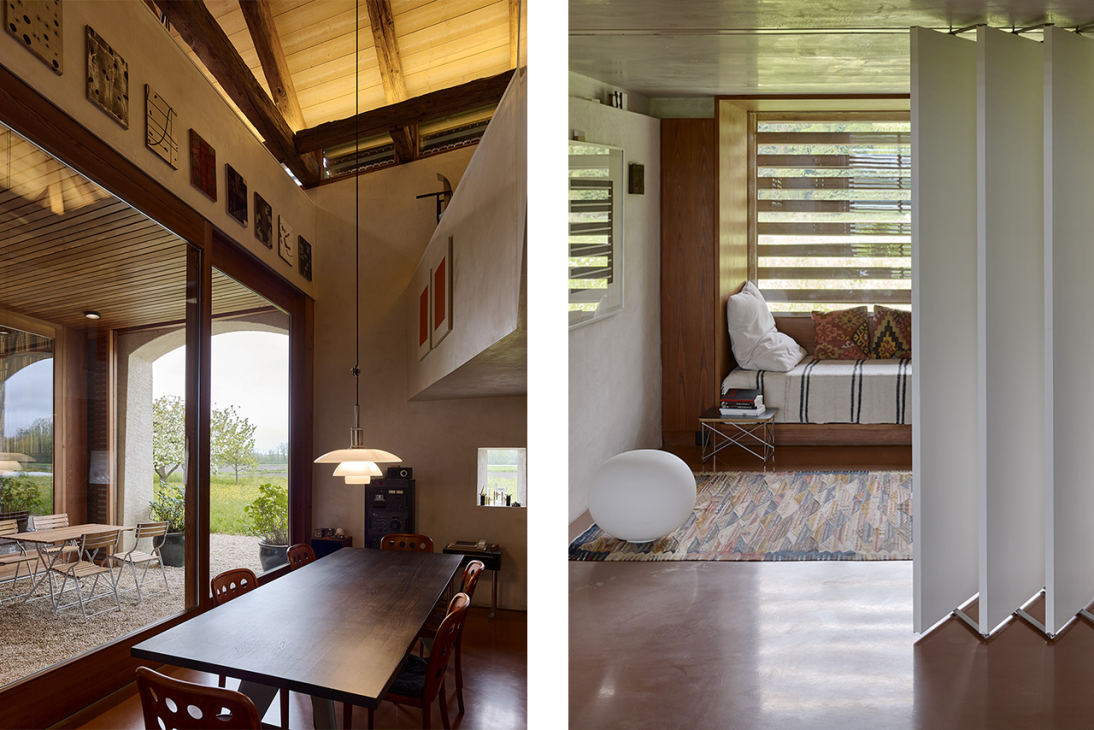
In recent years, Nigerian architect and curator Tosin Oshinowo has written beautifully – and at length – about how architects in the global south are creating work that is balanced with the local ecology and environment, pulling from their region’s built traditions and amplifying them to create outstanding modern architecture. In a similar vein, Maltese architect Richard England continues to promote the idea that “architecture doesn’t travel well” – that the best work belongs to a place, and also its time. Appropriately, in Monocle’s December/January issue, we also featured the outstanding home of architects Ueli Brauen and Doris Wälchli (pictured), who transformed a traditional Savoyard agricultural building into a beautiful, contemporary home that respects the building’s indigenous traits – boxy structures with mostly windowless façades. While not explicitly saying it, these designers are seeking out a vernacular architecture.
As a term, vernacular architecture first emerged in the 19th century, when it was used pejoratively to describe common, non-monumental buildings. But it was flipped on its head by Austrian-American architect and curator Bernard Rudofsky, who wrote Architecture Without Architects, a book that accompanied a 1964 exhibition of the same name at The Museum of Modern Art in New York. It was groundbreaking, transforming the term’s perception.
The show featured about 200 images of structures ranging from rock dwellings and tents to houseboats and village designs. It was a celebration of architecture that addressed local needs by using traditional building techniques and local resources. The effect? A showcase of structures deeply connected to place, reflecting local climate, lifestyle and culture. “The beauty of this architecture has long been dismissed as accidental,” wrote Rudofsky. “But today we should be able to recognise it as the result of rare good sense in the handling of practical problems.”
While the work might’ve been considered simplistic, it provided an ethos – a guiding principle – that, if employed today, would create architecture that addresses many of my most pressing concerns for the year ahead. By embracing such an approach, practitioners can create architecture that, in Rudofsky’s words, “is nearly immutable, indeed, unimprovable, since it serves its purpose to perfection.” Oshinowo, England and Brauen Wälchli Architectes are already doing so, and, by my marker, are showing that it’s a worthy pursuit for 2026.
Nic Monisse is Monocle’s design editor. To learn more about Ueli Brauen and Doris Wälchli’s house at the eastern tip of Lake Geneva, pick up a copy of Monocle’s December/January issue, on newsstands now.